Can You Get a Fine Line Tattoo After Laser Tattoo Removal?
Can You Get a Fine Line Tattoo After Laser Tattoo Removal?
What to Know Before Planning a New Tattoo
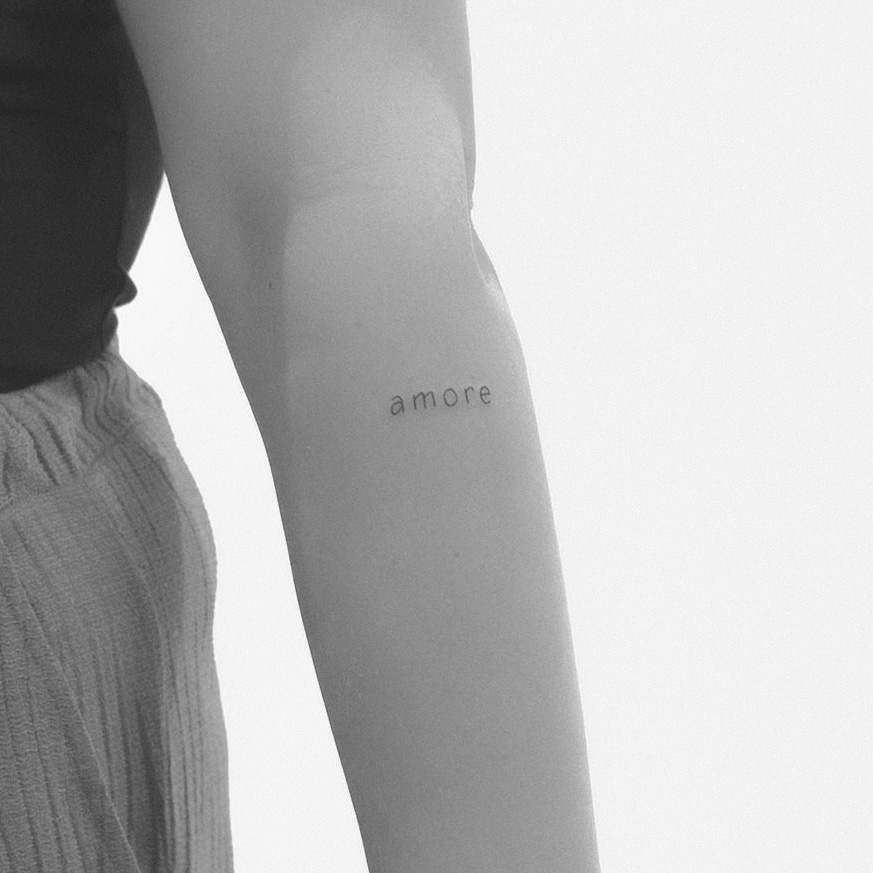
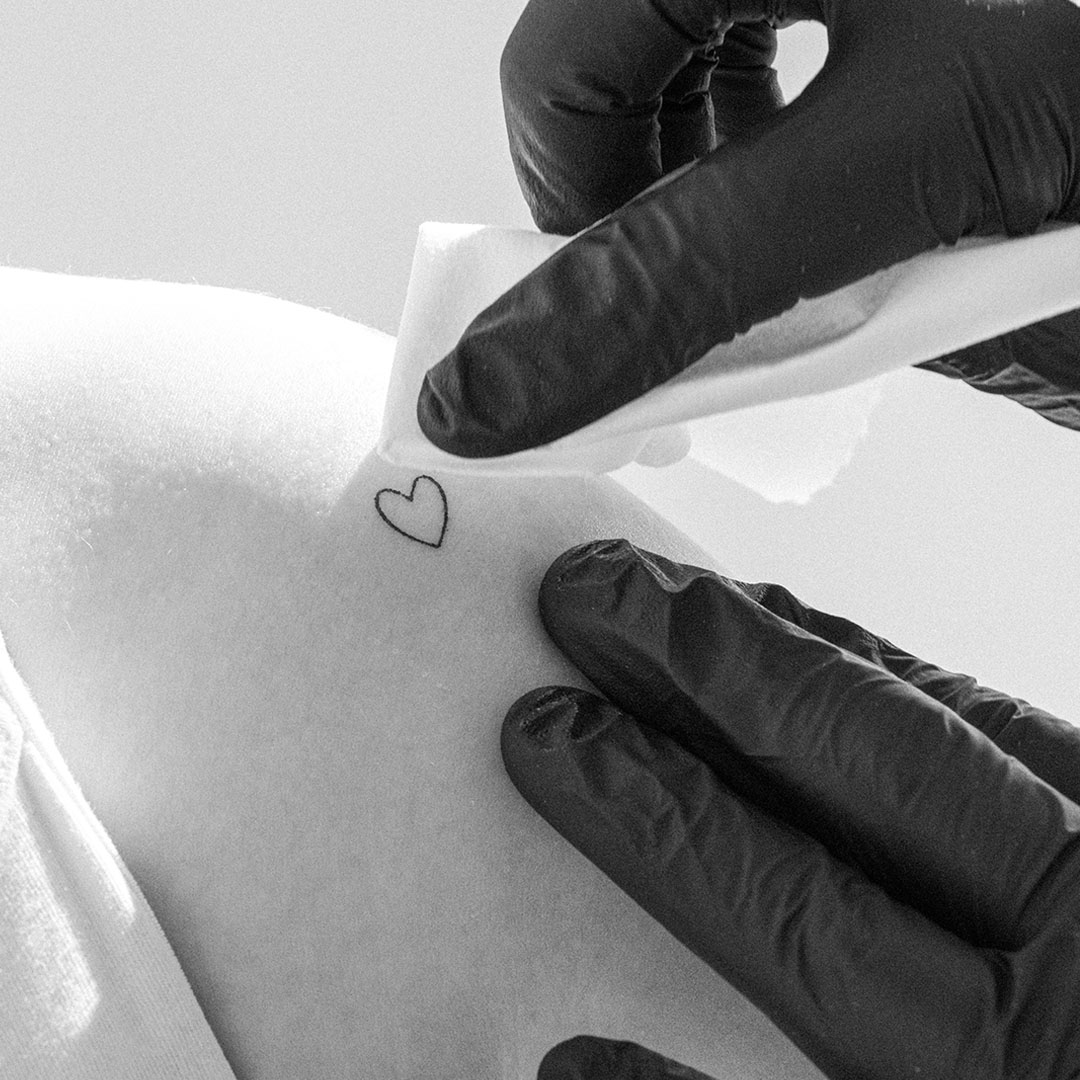
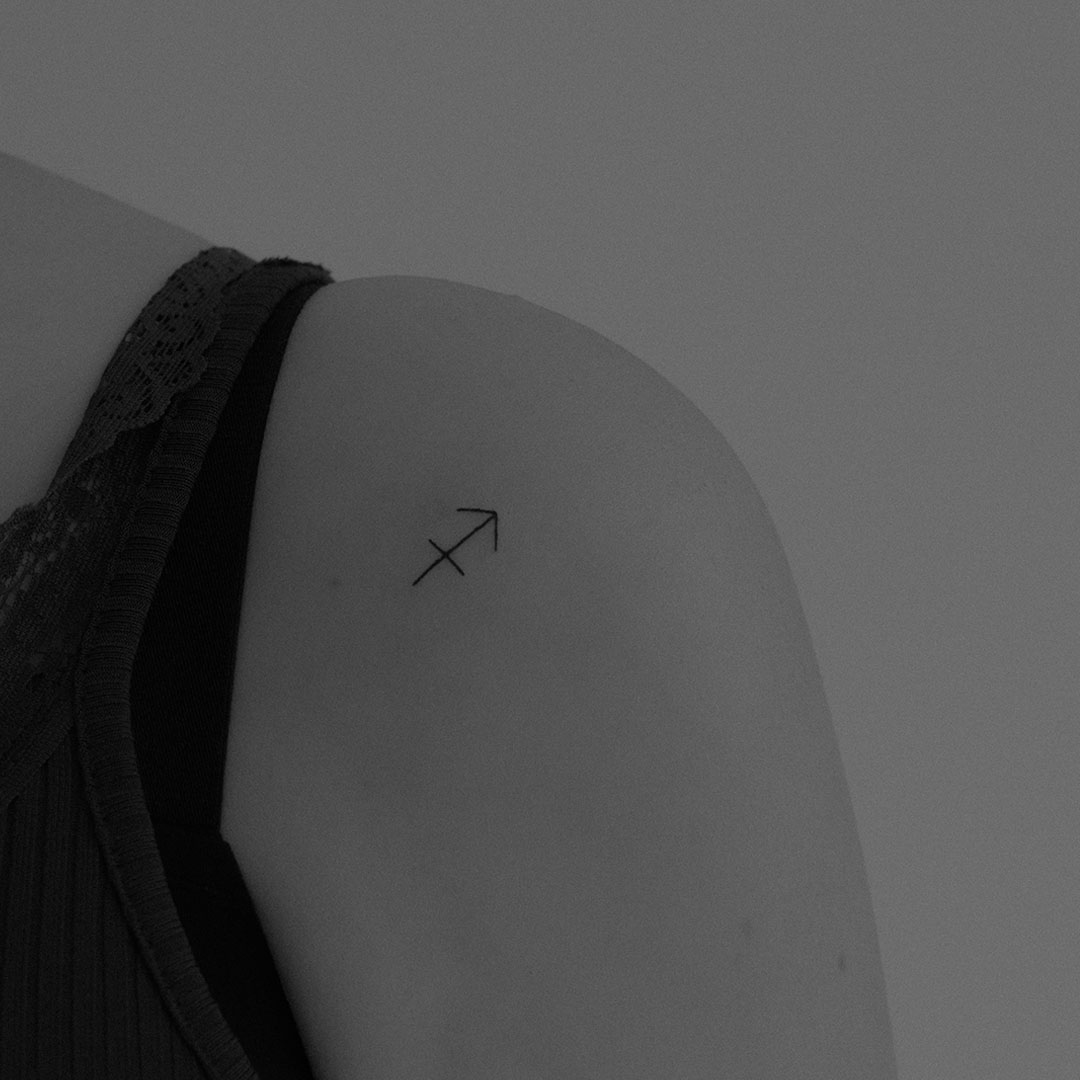
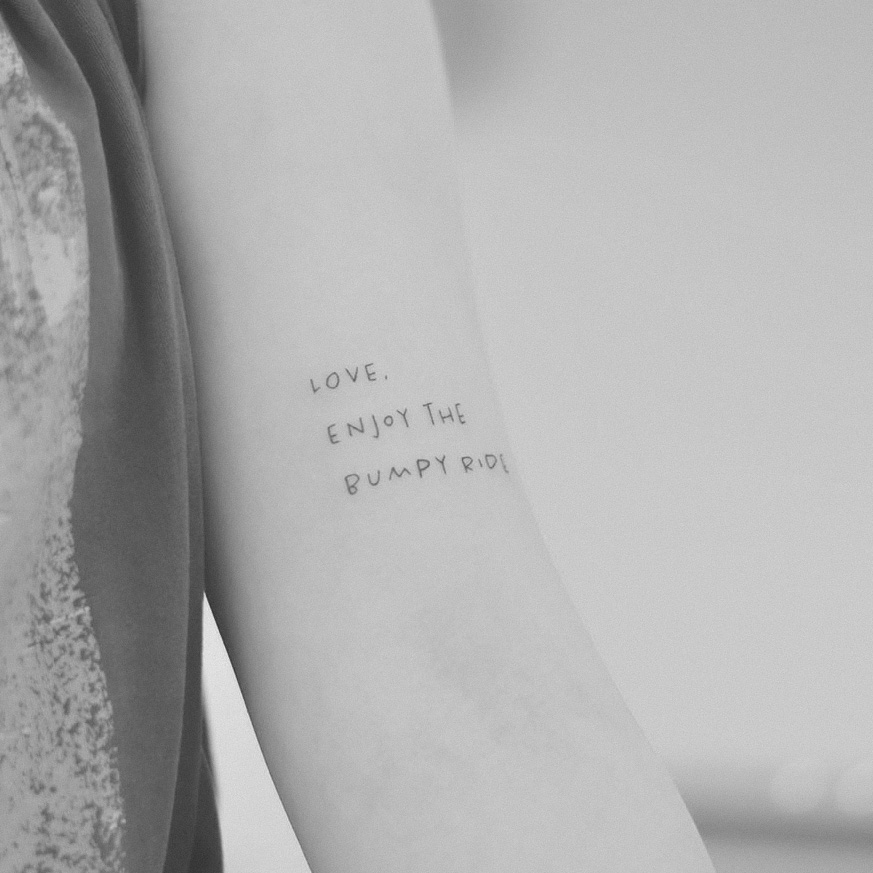
One of the questions we hear surprisingly often at Vadelma Tattoo is whether it is possible to get a new tattoo after laser tattoo removal. The short answer is yes. In many cases, a new tattoo can be created successfully after a previous tattoo has been removed. However, the longer answer is a little more complicated, especially when discussing fine line tattooing. Unlike large, dark, or heavily shaded tattoos that can sometimes be designed to hide existing pigment, fine line tattoos depend on precision, clarity, and clean skin. Because of this, the requirements for tattooing over a previously removed tattoo are often much stricter. If you are considering laser removal with the intention of getting a new tattoo in the future, there are a few important things worth understanding before starting the process.
.
Why People Remove Tattoos
People choose laser tattoo removal for many different reasons. Sometimes the tattoo no longer reflects who they are. Sometimes the quality of the original work does not meet their expectations. In other cases, the tattoo may simply be placed in an area where they would prefer a different design. Laser removal and tattooing are not necessarily opposites. They can be different stages of the same personal journey.
.
How Laser Tattoo Removal Works
Laser tattoo removal works by breaking tattoo pigment into smaller particles that can gradually be processed and removed by the body’s natural systems. Because this process relies on the body’s ability to clear pigment over time, removal is rarely immediate. Multiple sessions are usually required, often spread over many months or even longer depending on the tattoo. Different colours respond differently to laser treatment, and every individual’s skin reacts in its own way. Some tattoos fade quickly, while others may remain partially visible even after numerous sessions. Patience is an important part of the process.
.
Why Healing Takes Time
One of the most common misconceptions about laser removal is that once the skin appears healed on the surface, it is immediately ready for a new tattoo. In reality, the skin continues recovering long after visible redness or irritation has disappeared. Laser treatment affects not only the pigment but also the surrounding tissue. The skin needs sufficient time to restore itself fully before being subjected to another tattoo procedure. For this reason, there is no universal timeline that applies to everyone. The appropriate waiting period depends on factors such as the number of laser sessions, the condition of the skin, individual healing characteristics, and the recommendations of the laser specialist performing the treatment. A professional assessment is always essential.
.
Why Fine Line Tattoos Require a Different Approach
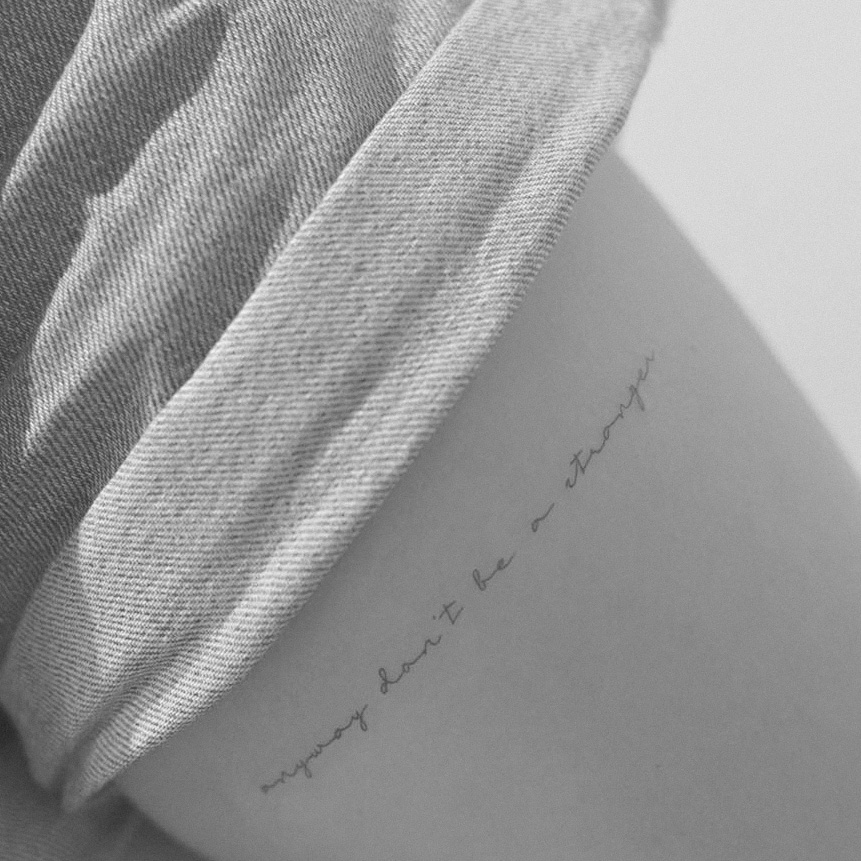
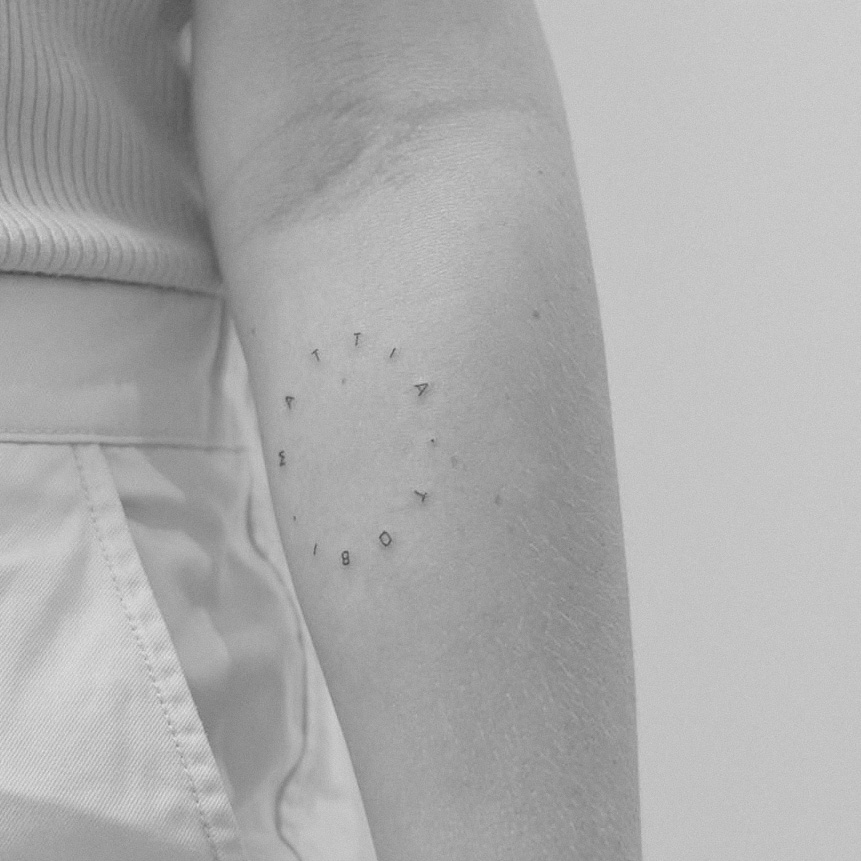
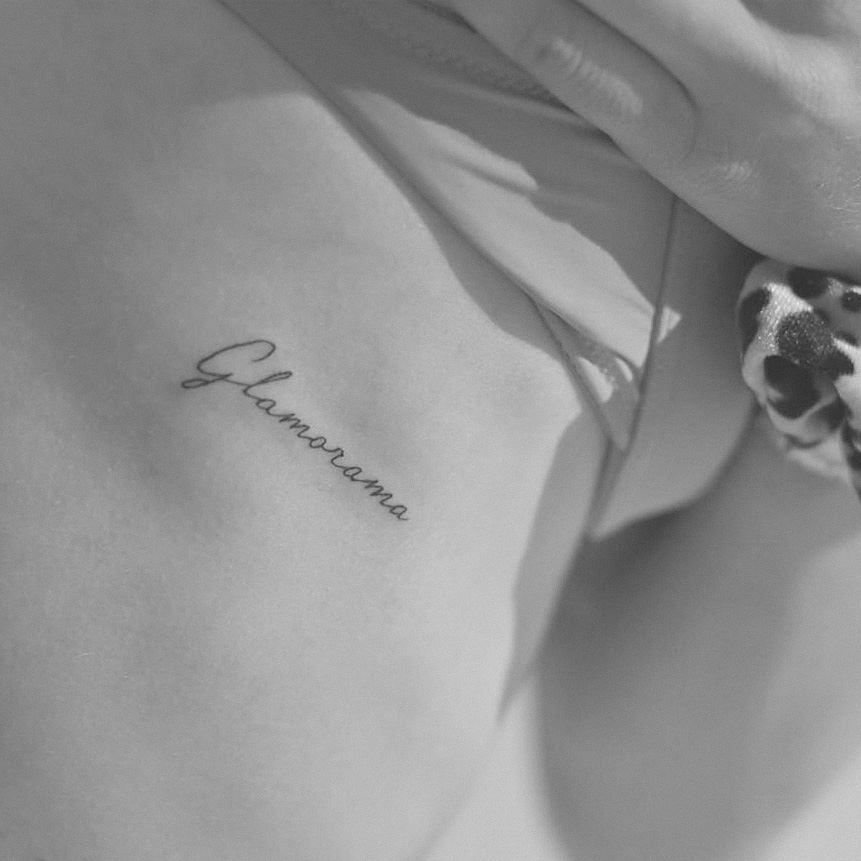
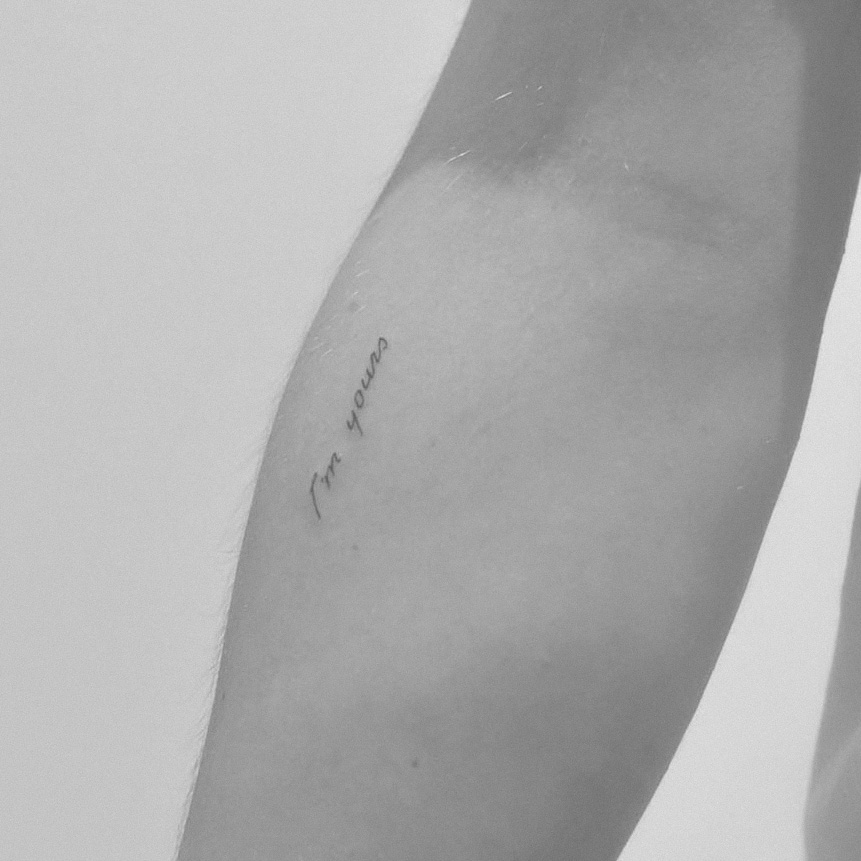
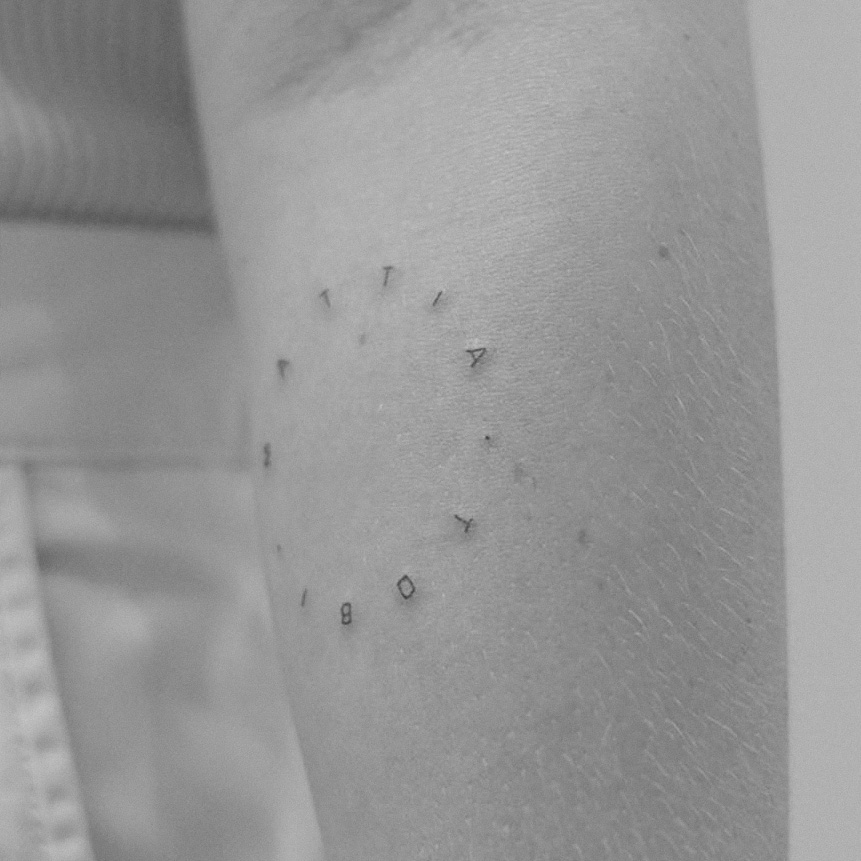
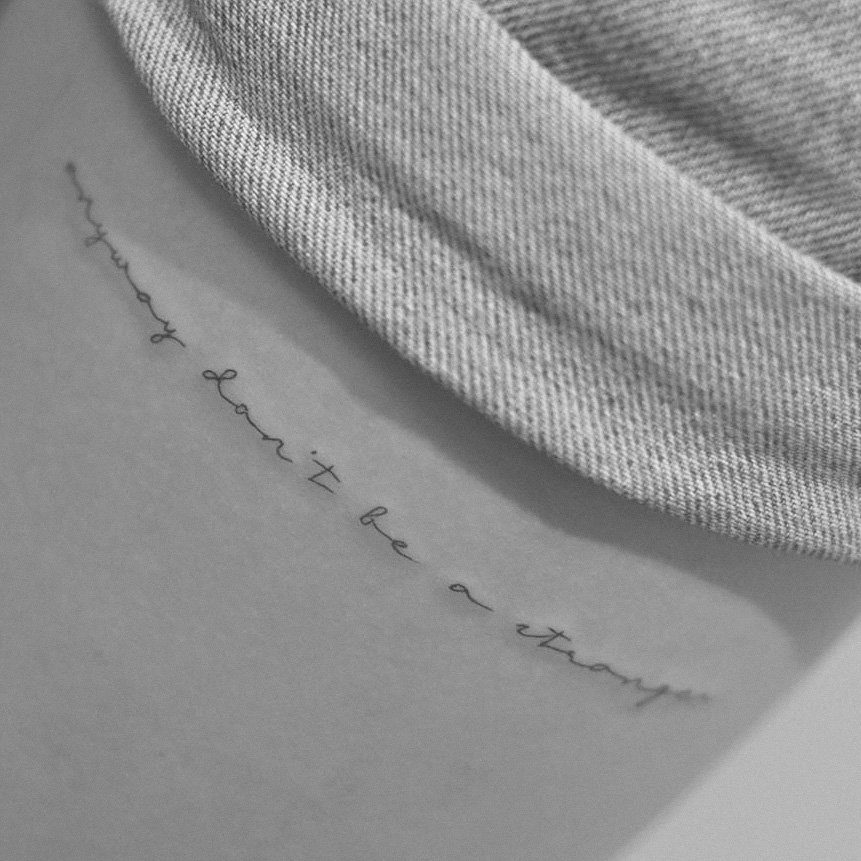
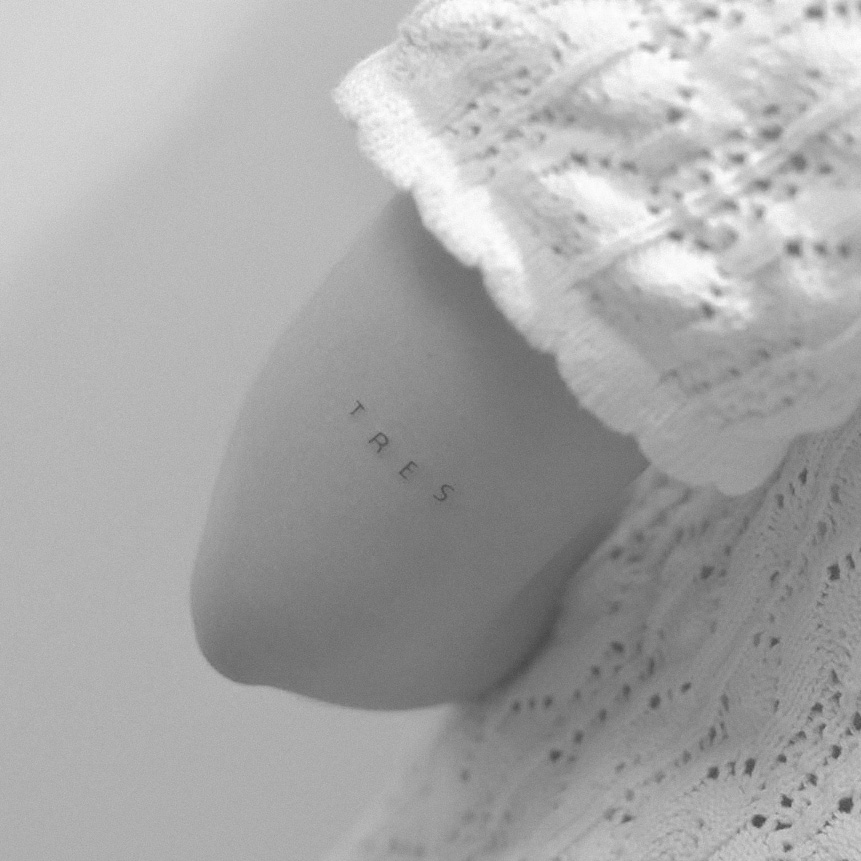
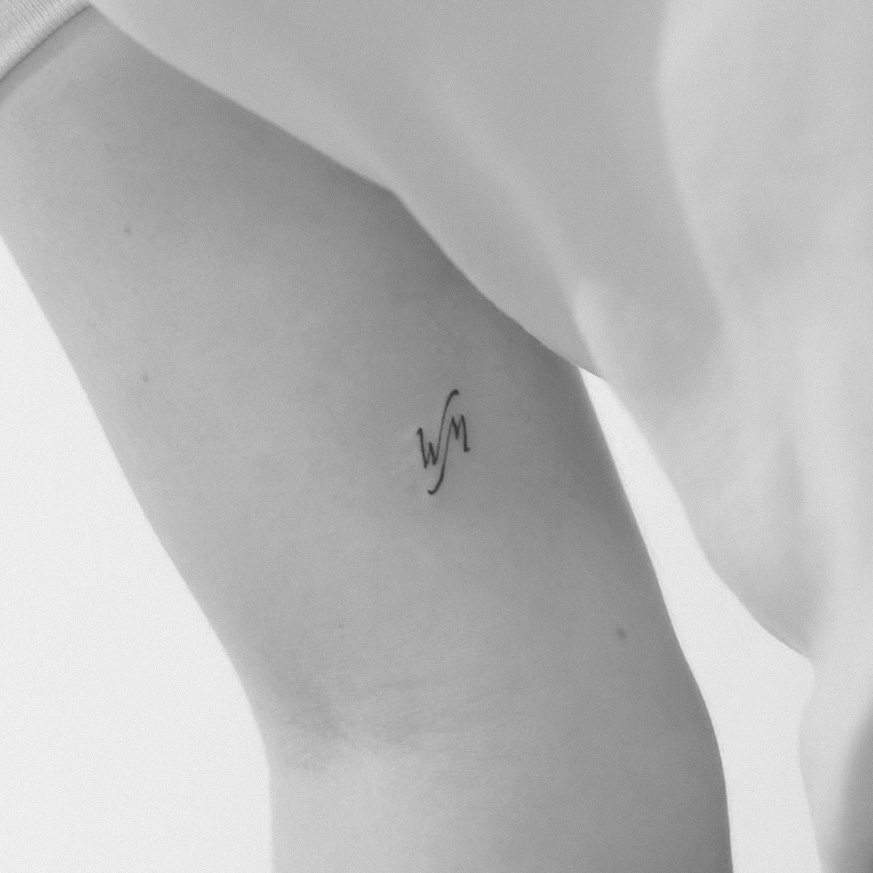
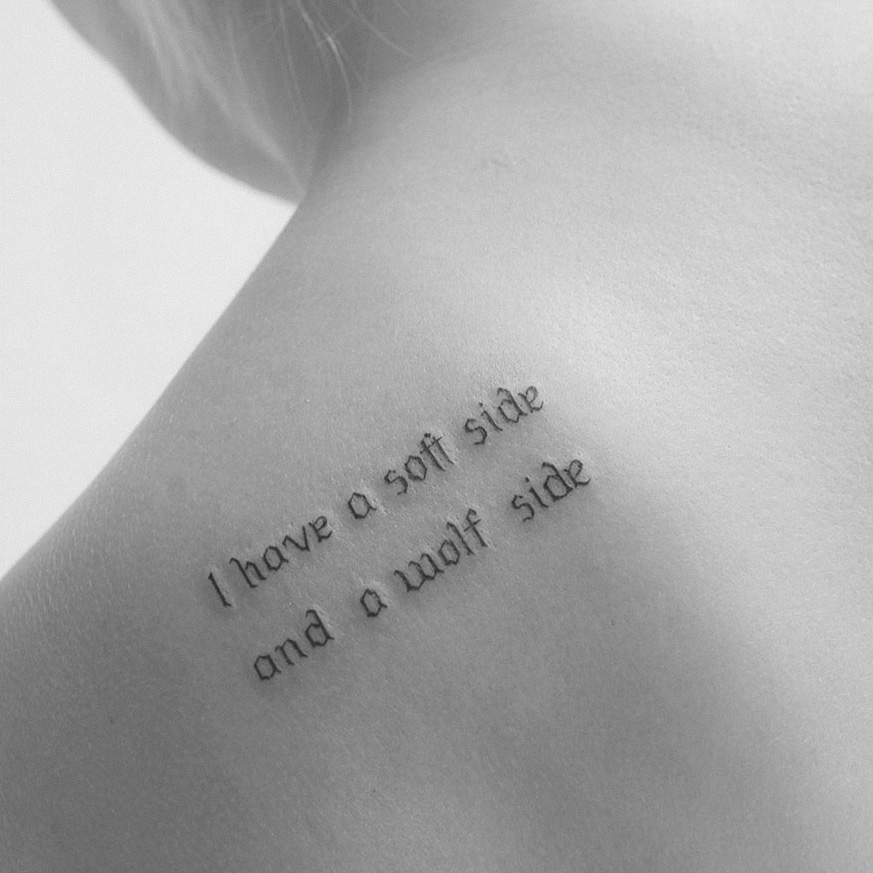
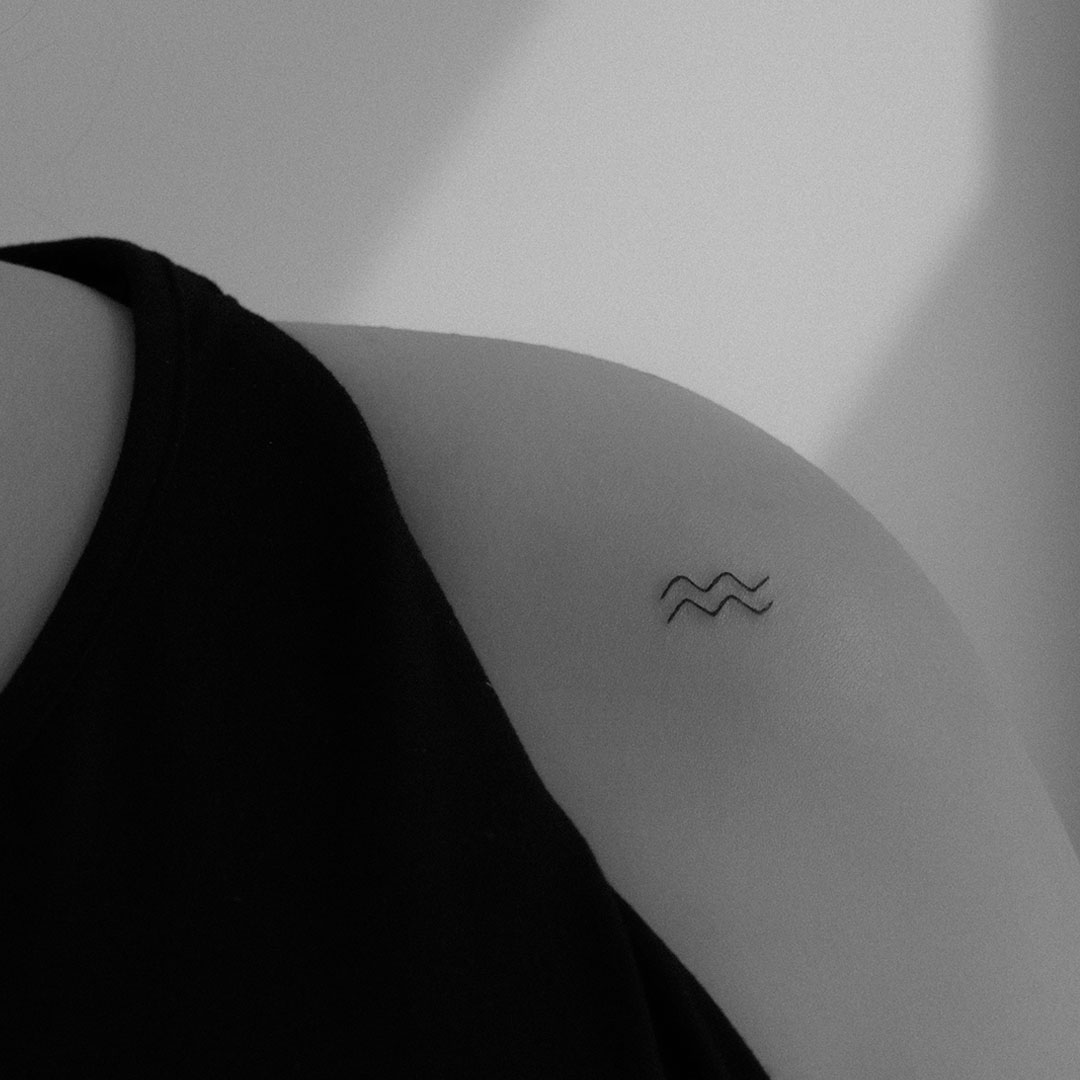
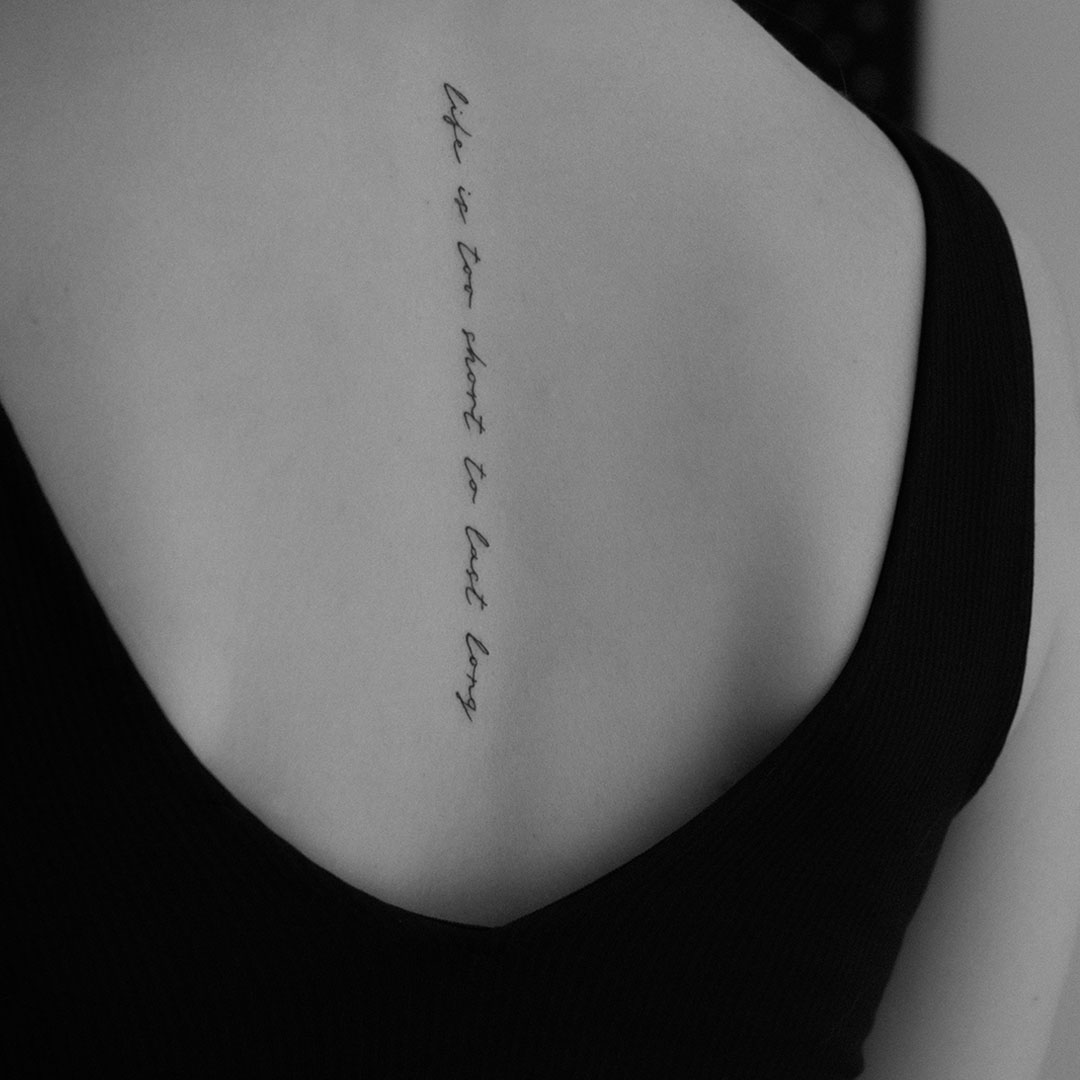
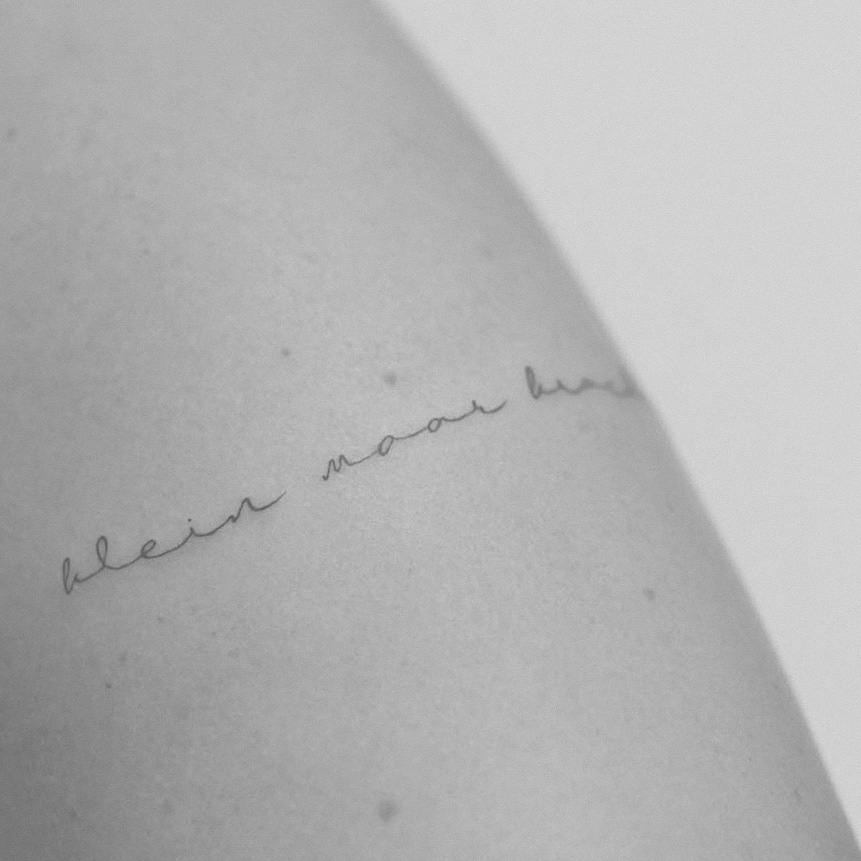
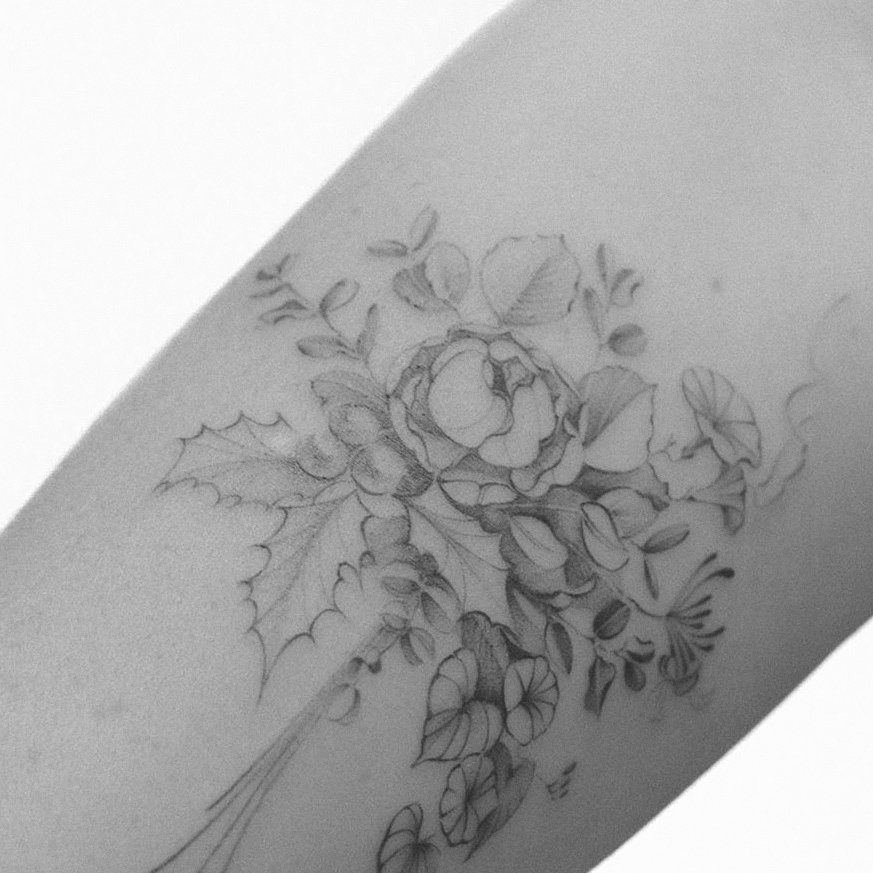
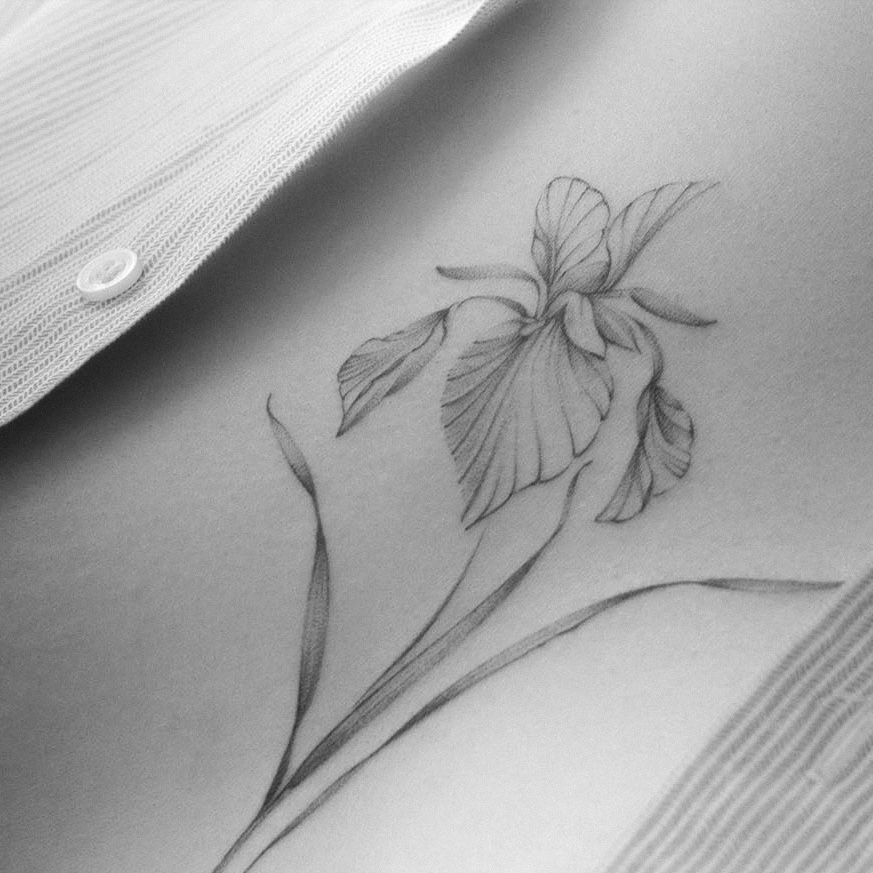
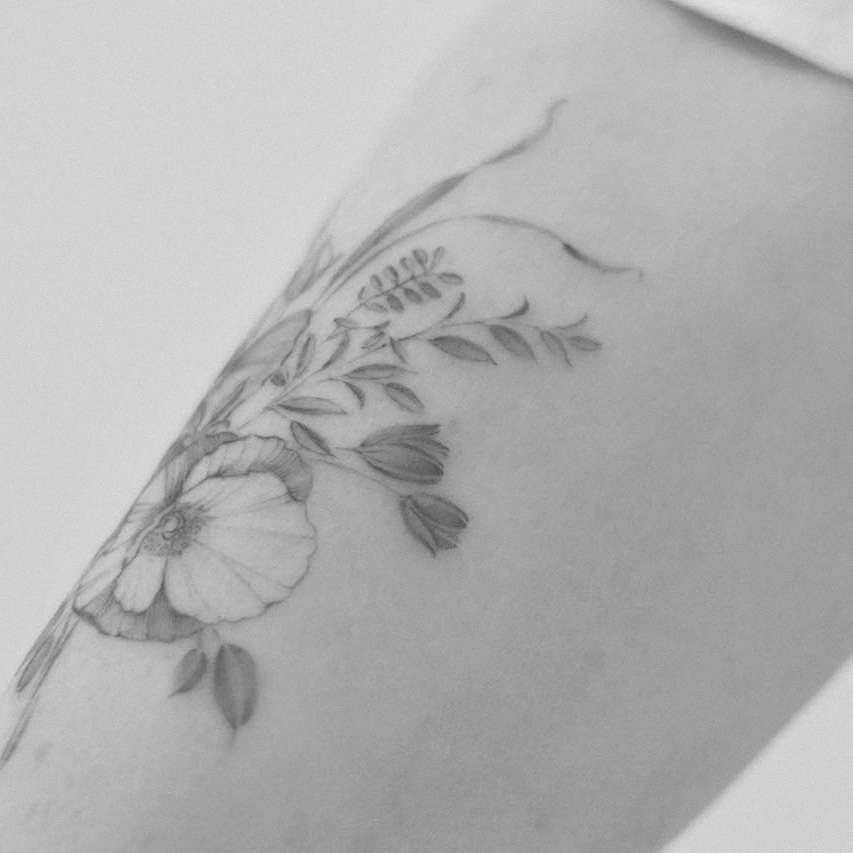
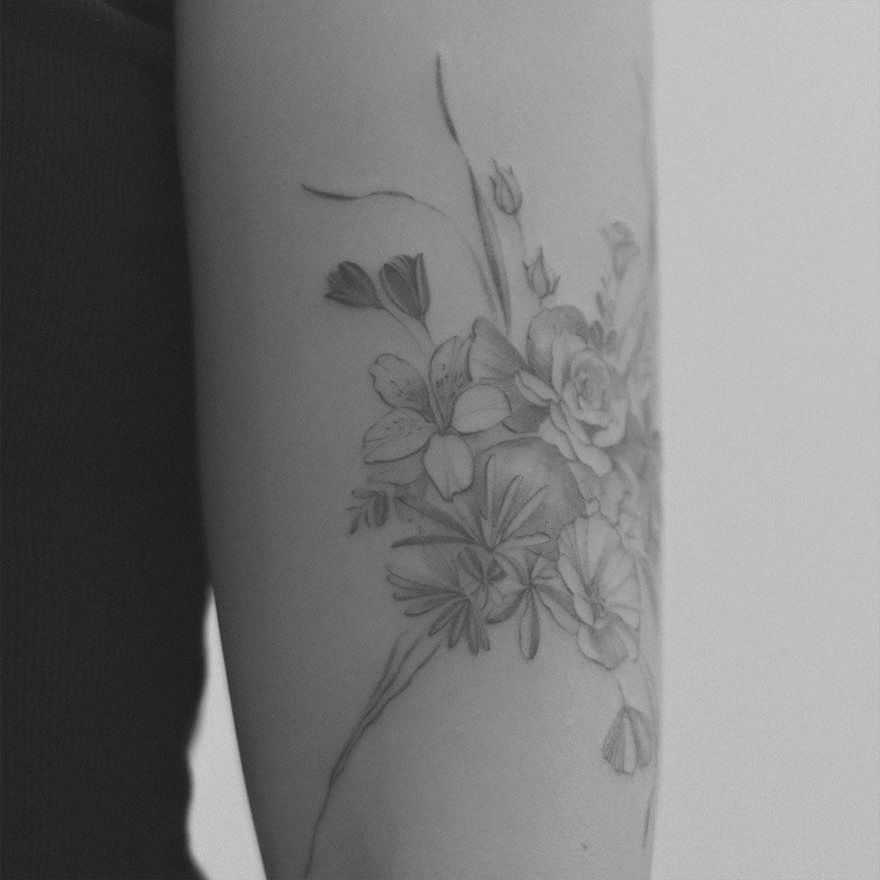
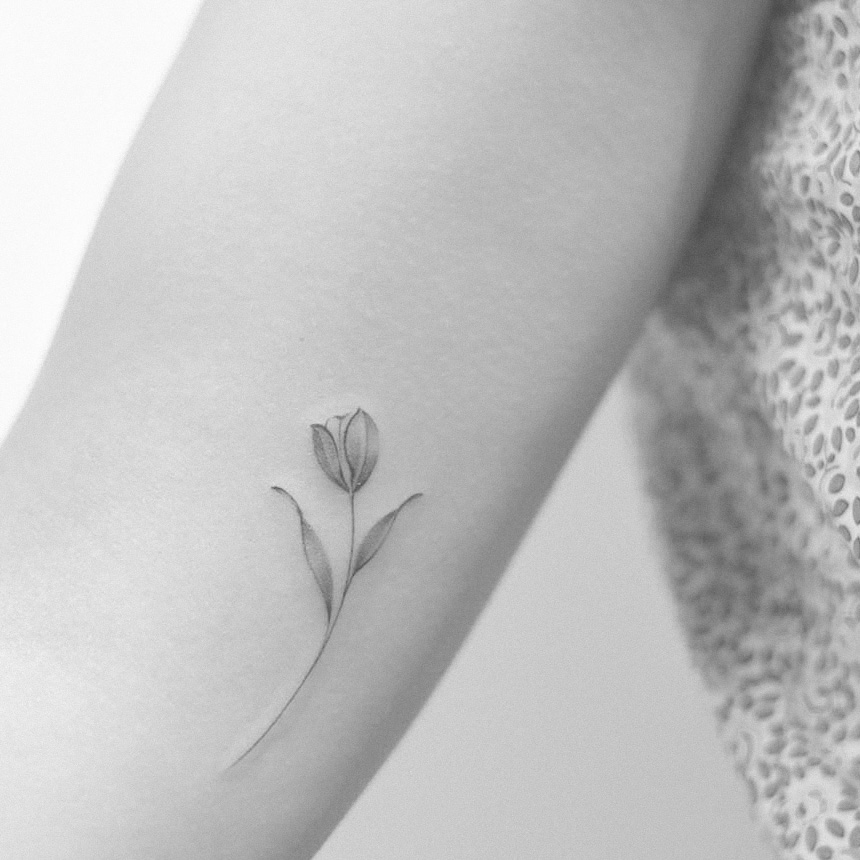
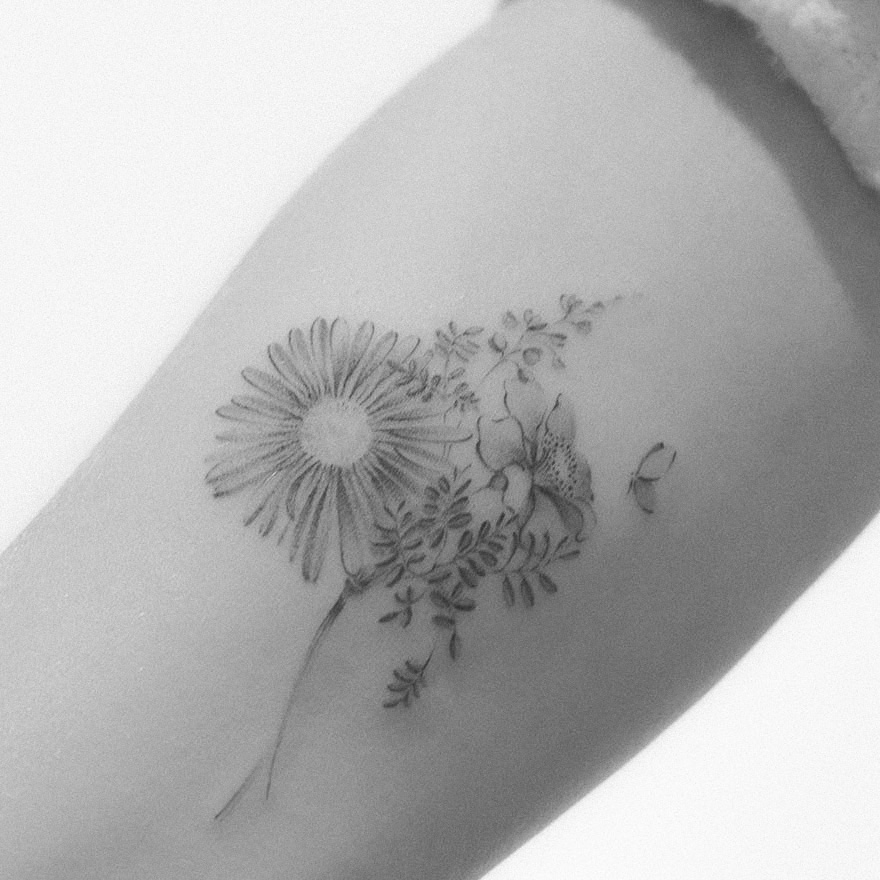
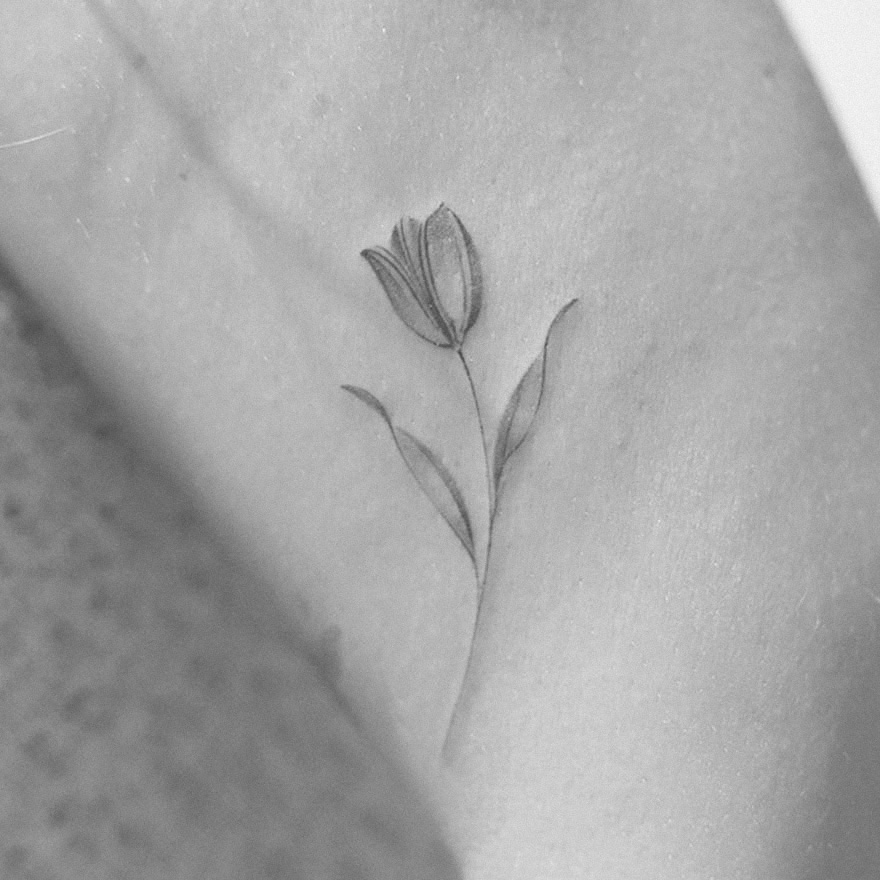
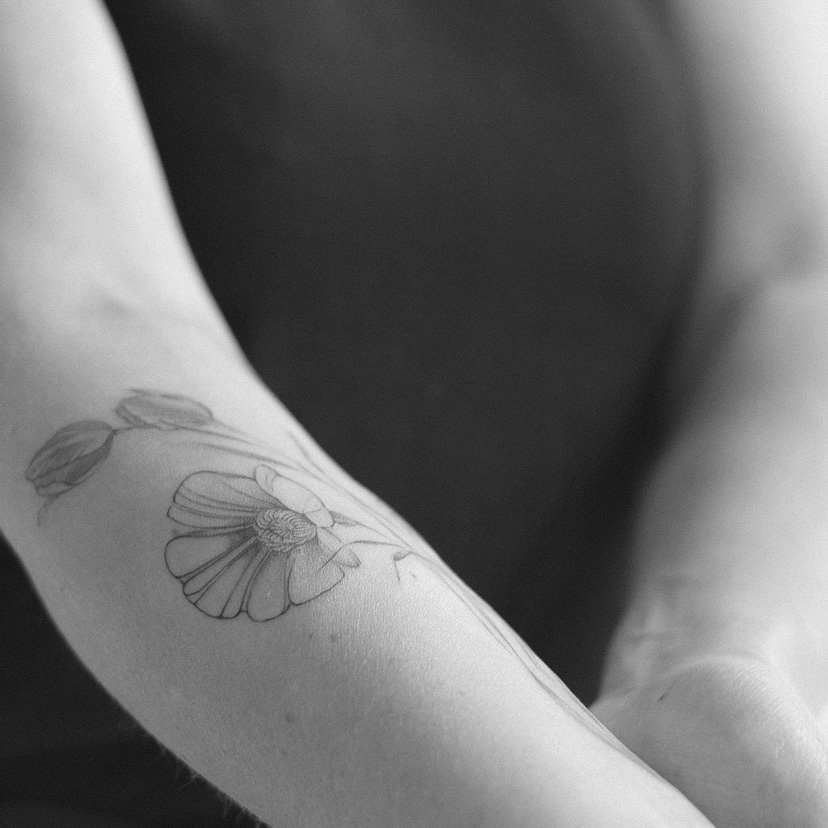
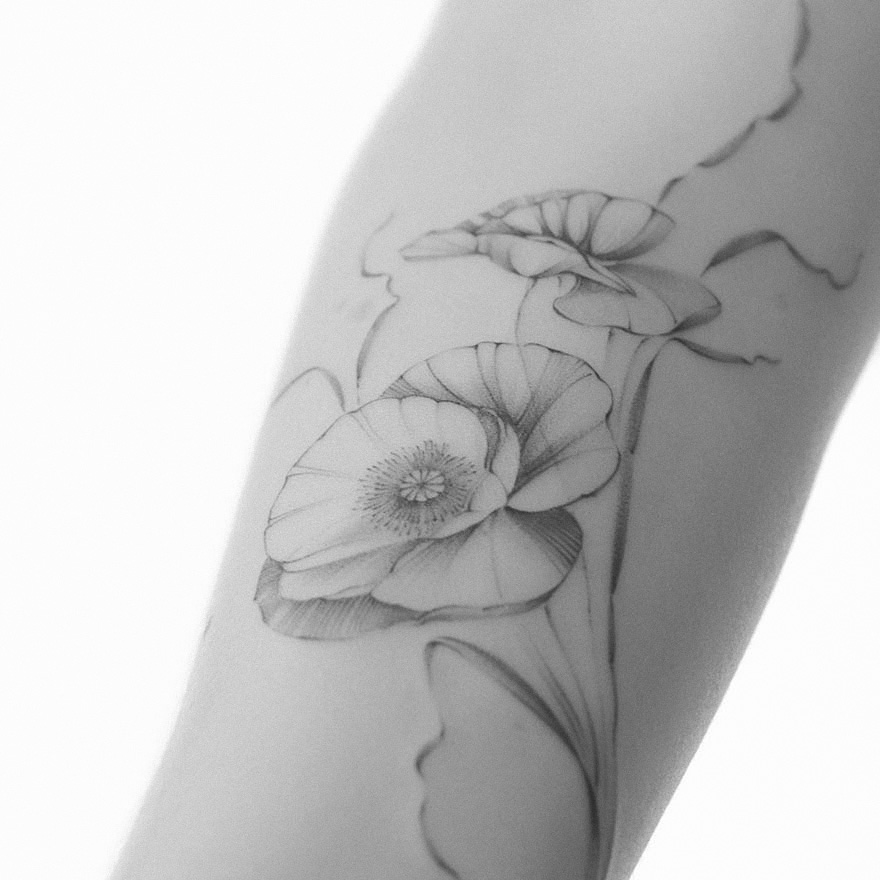
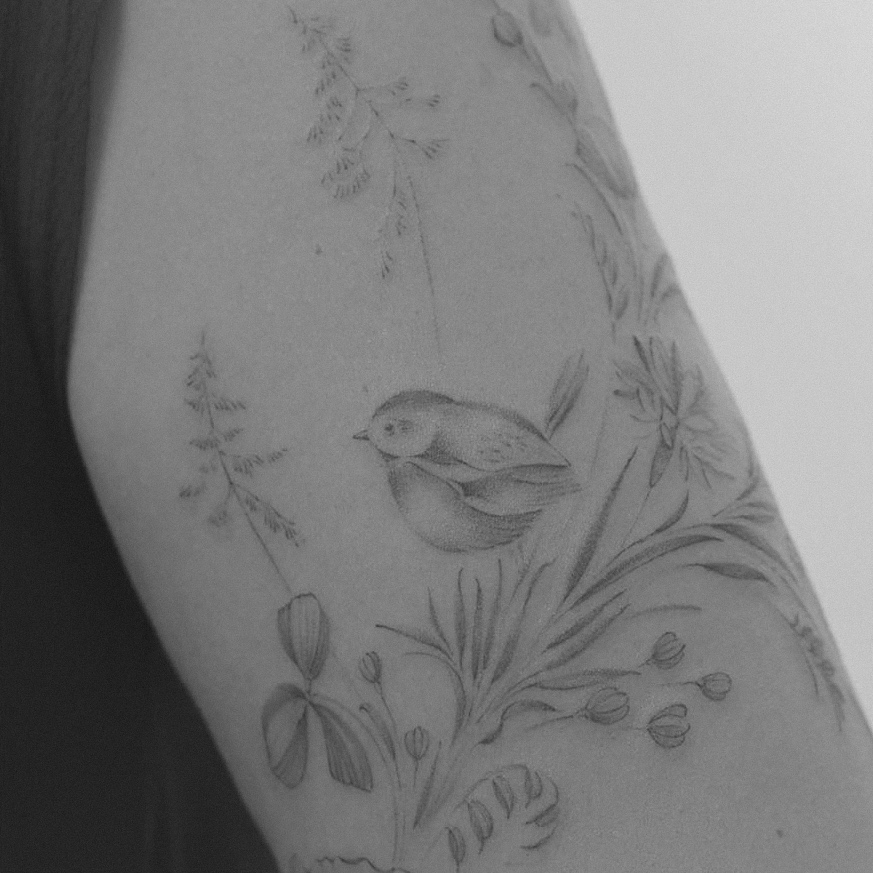
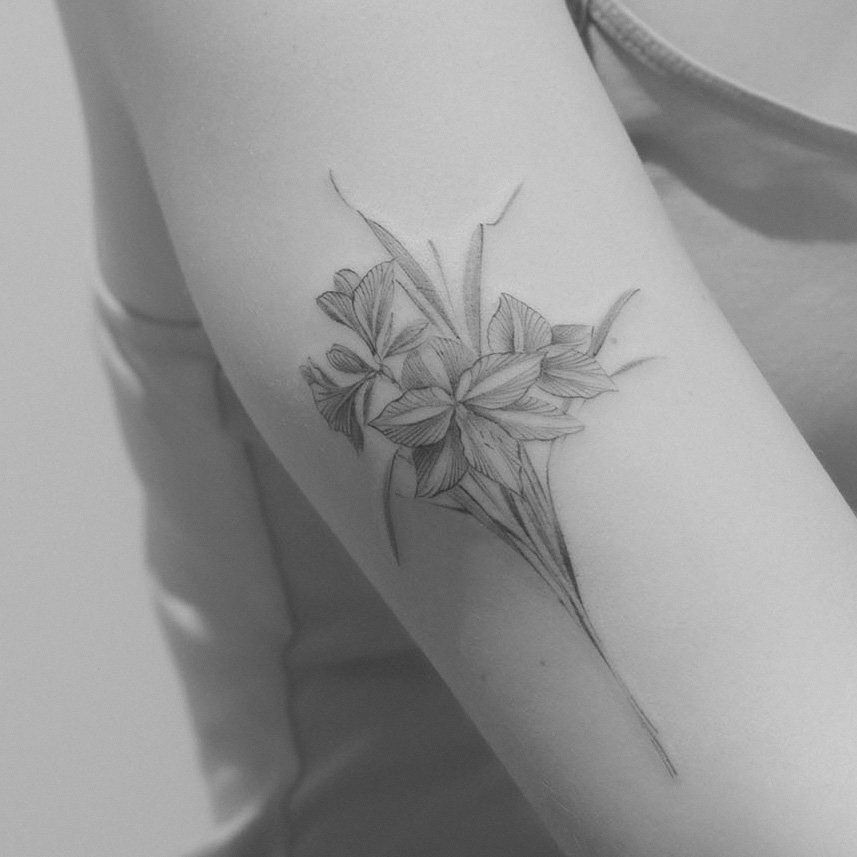
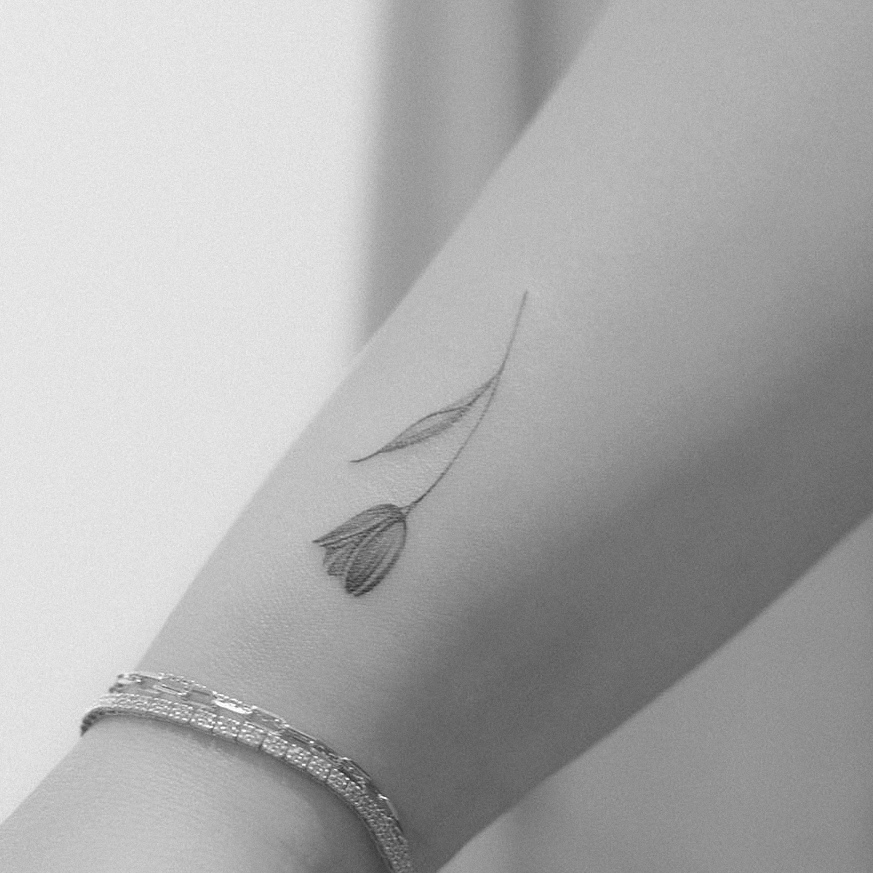
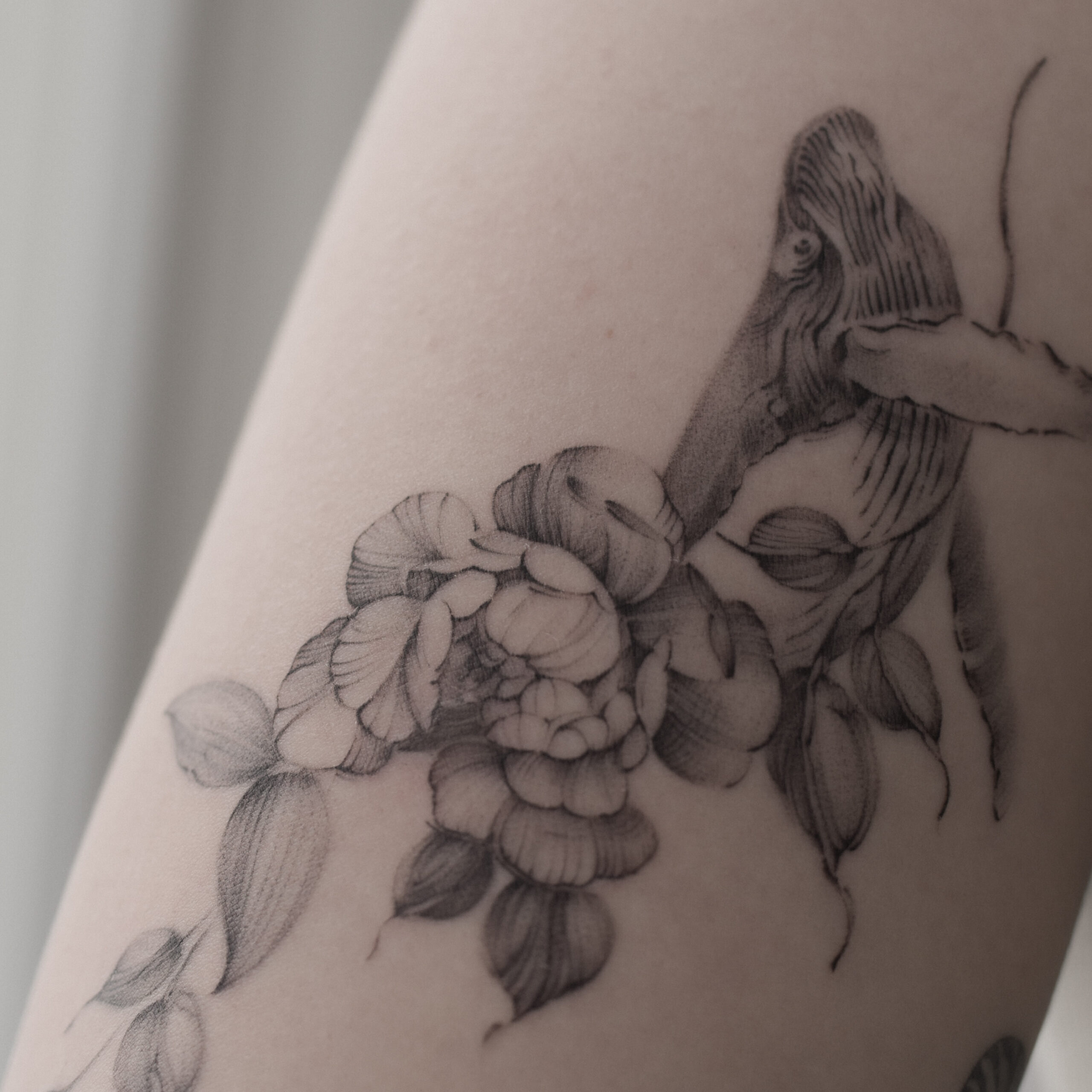
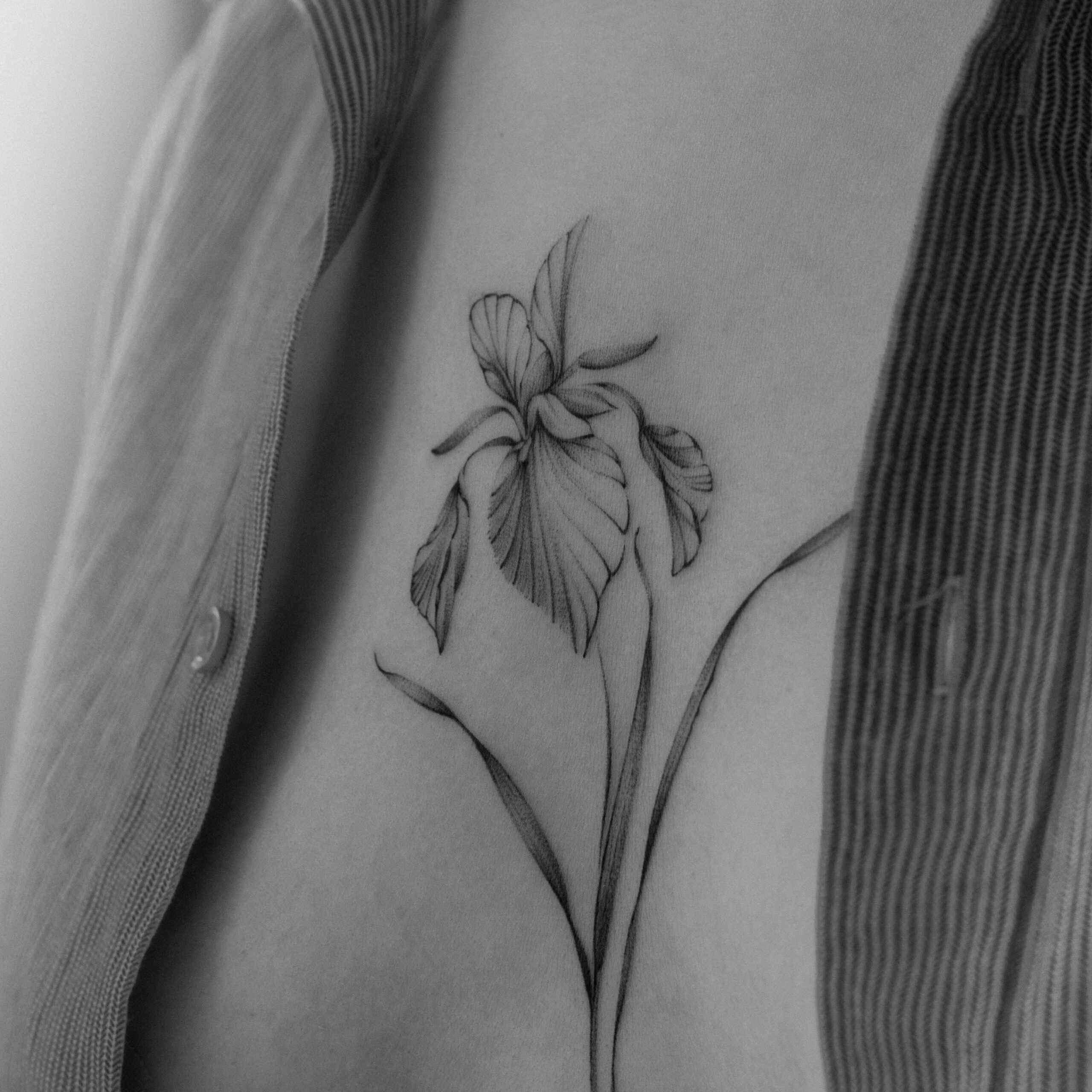
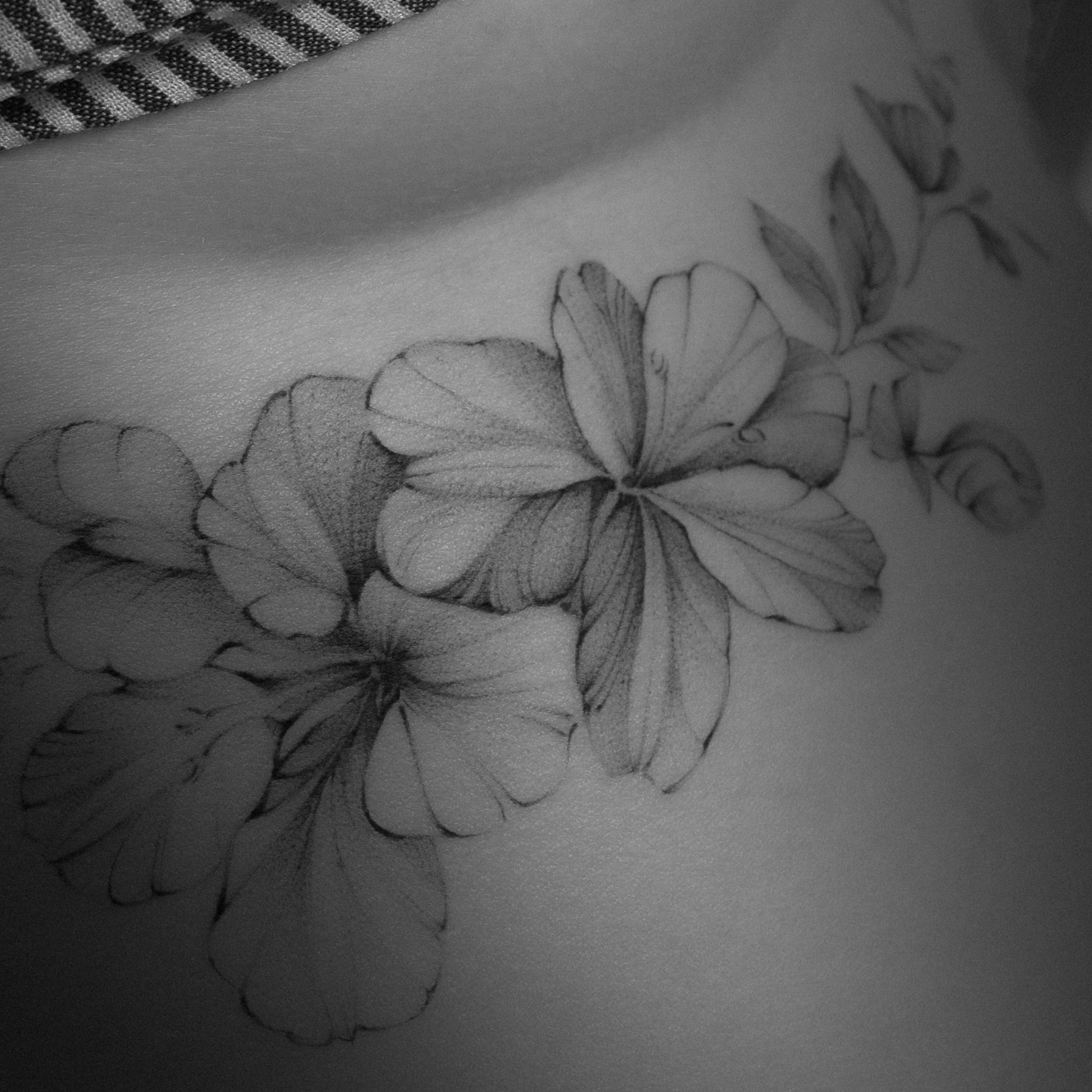
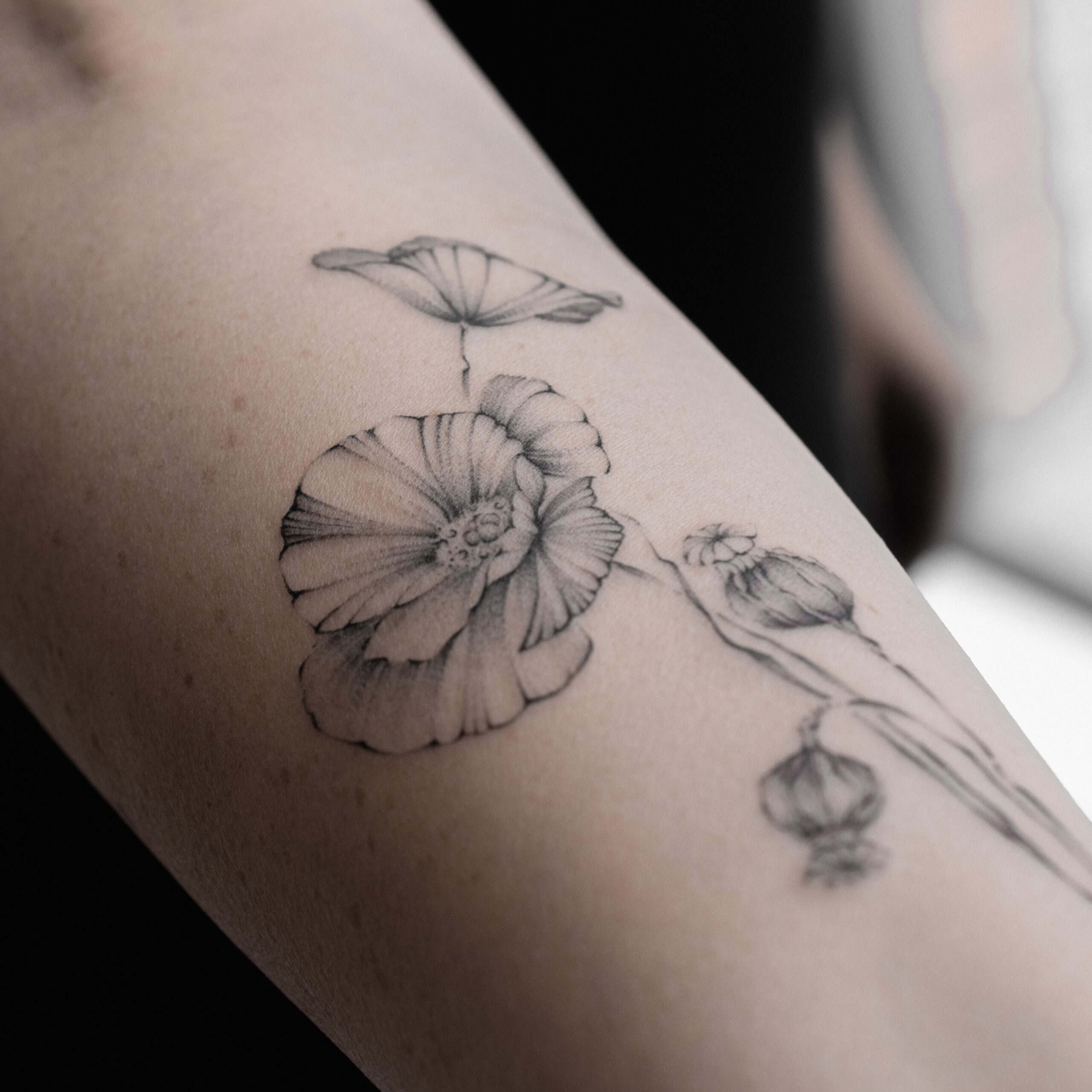
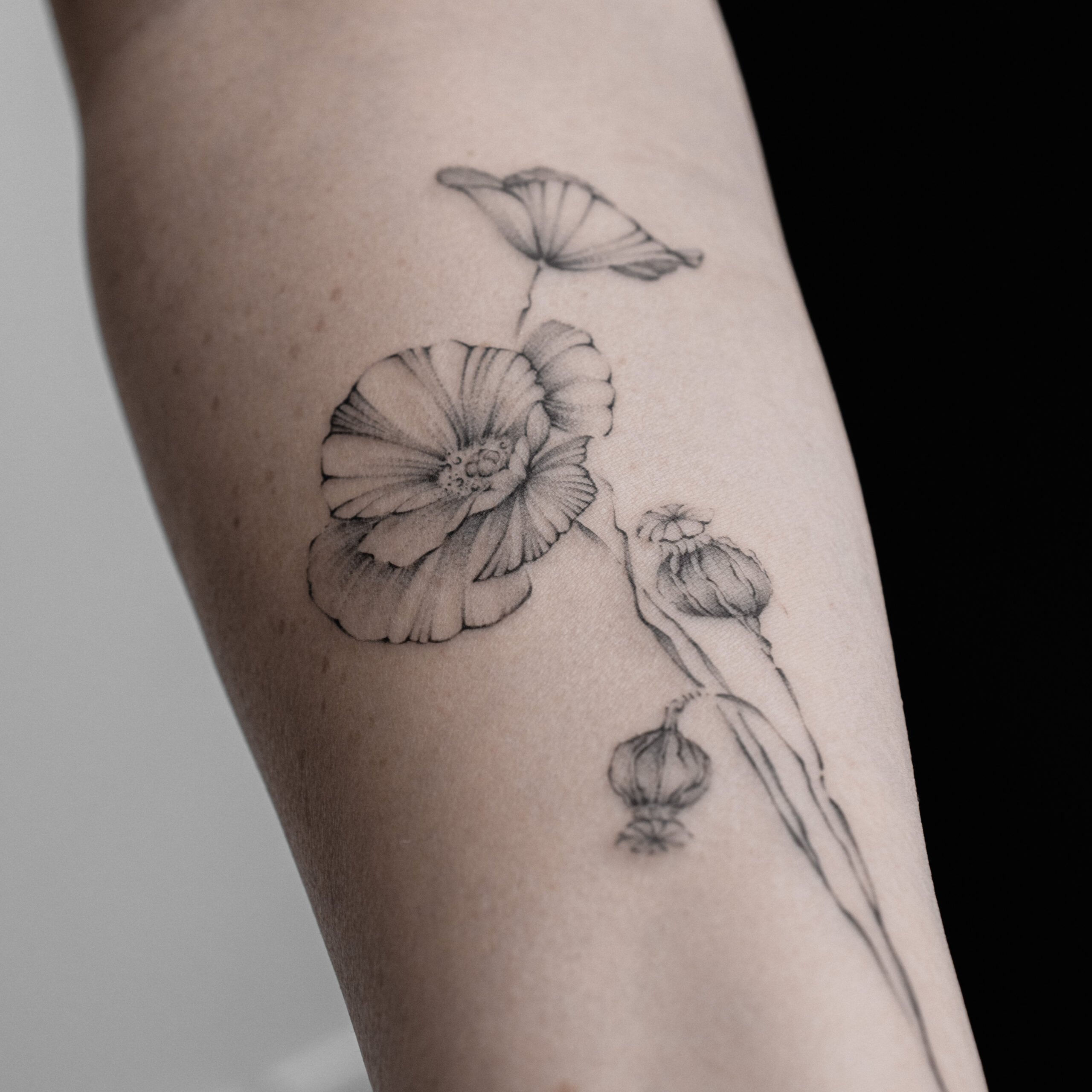
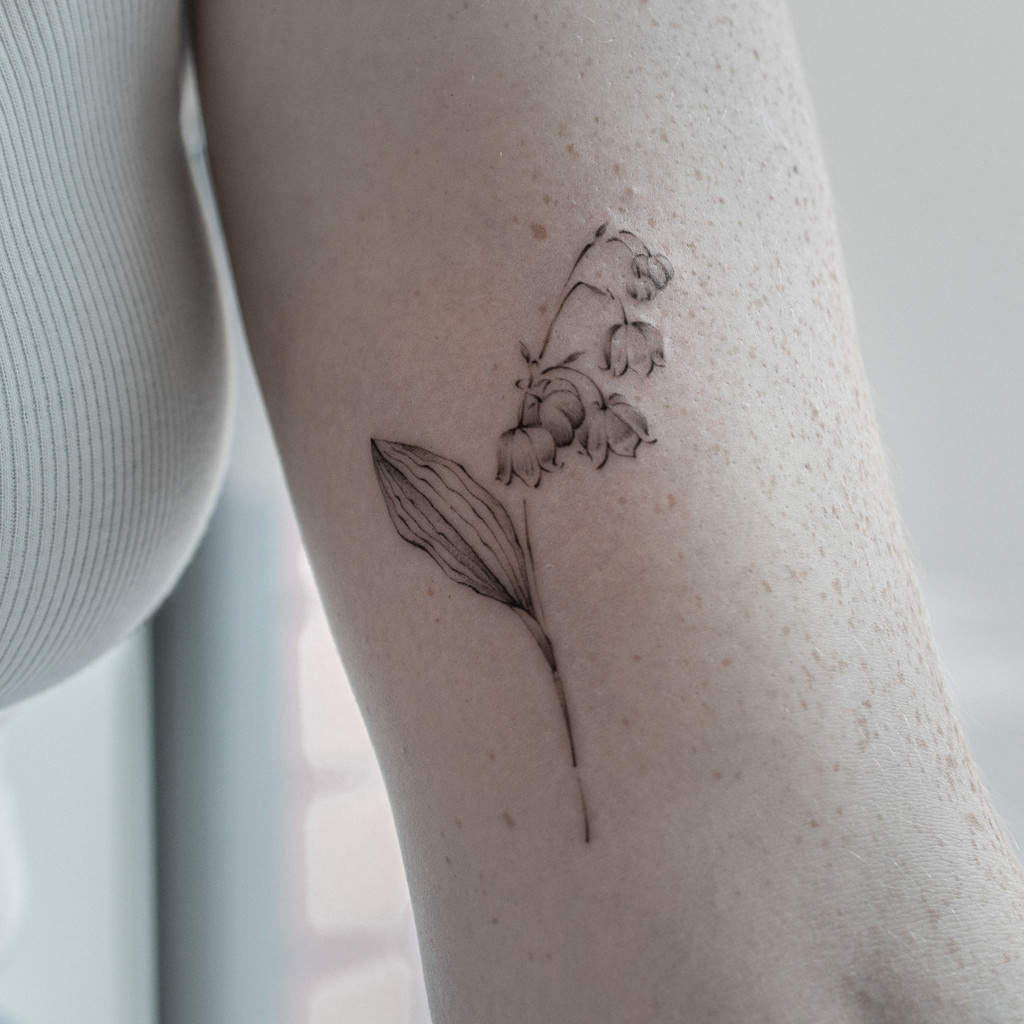
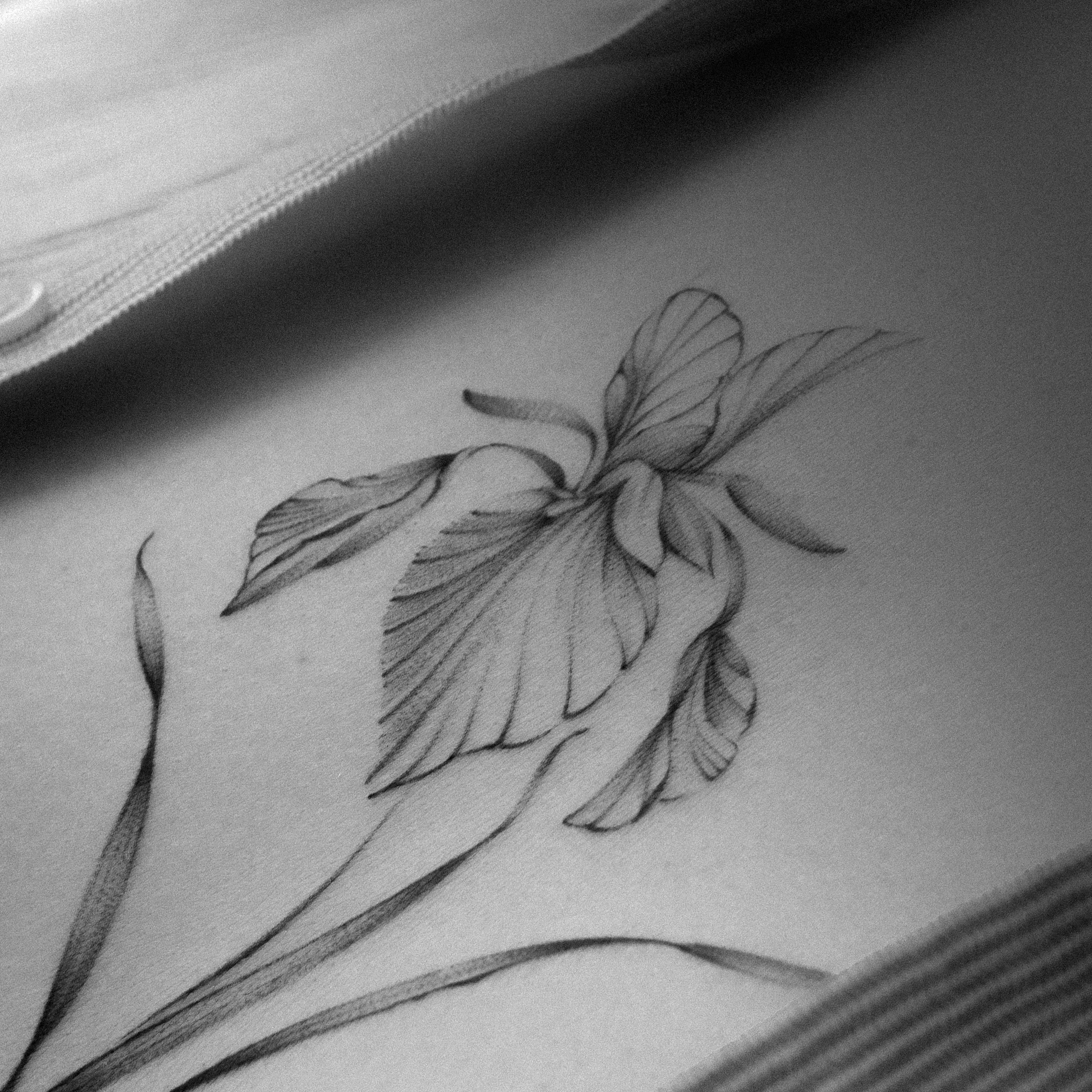
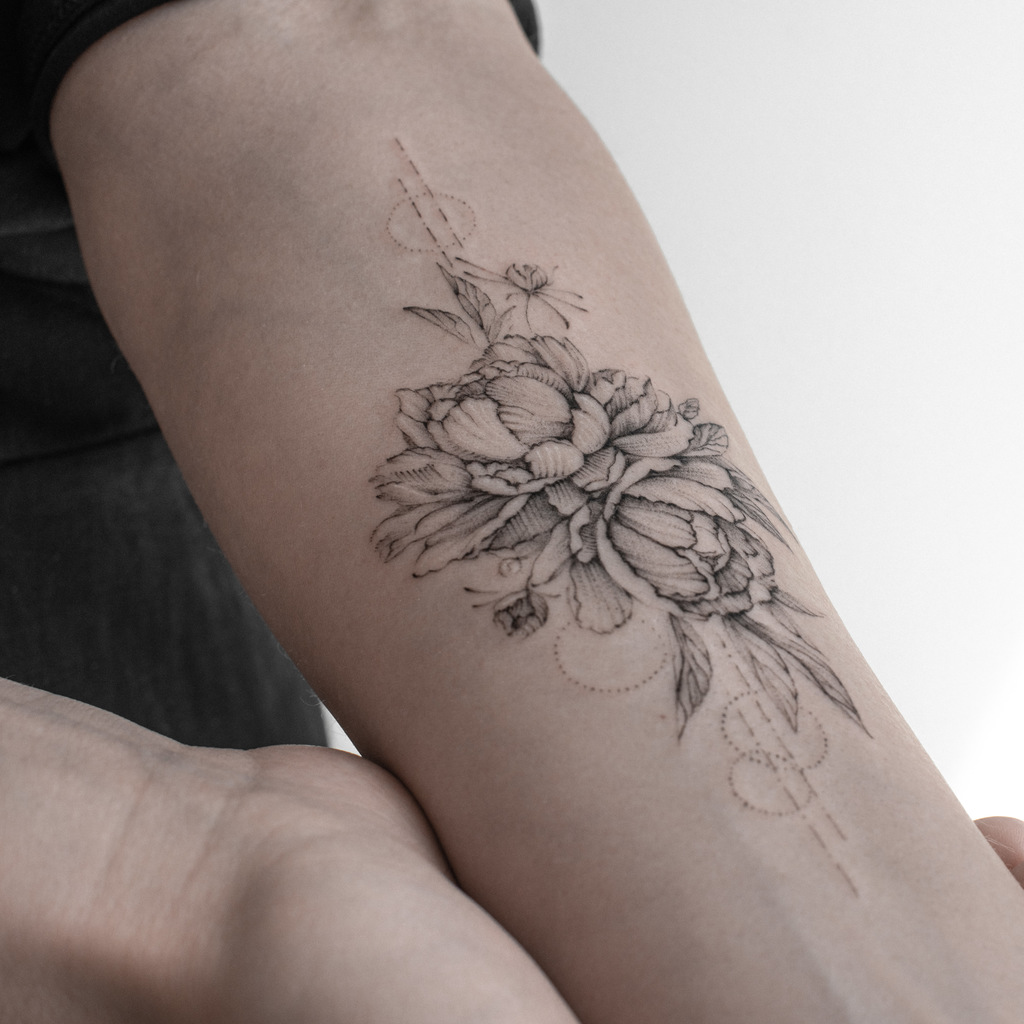
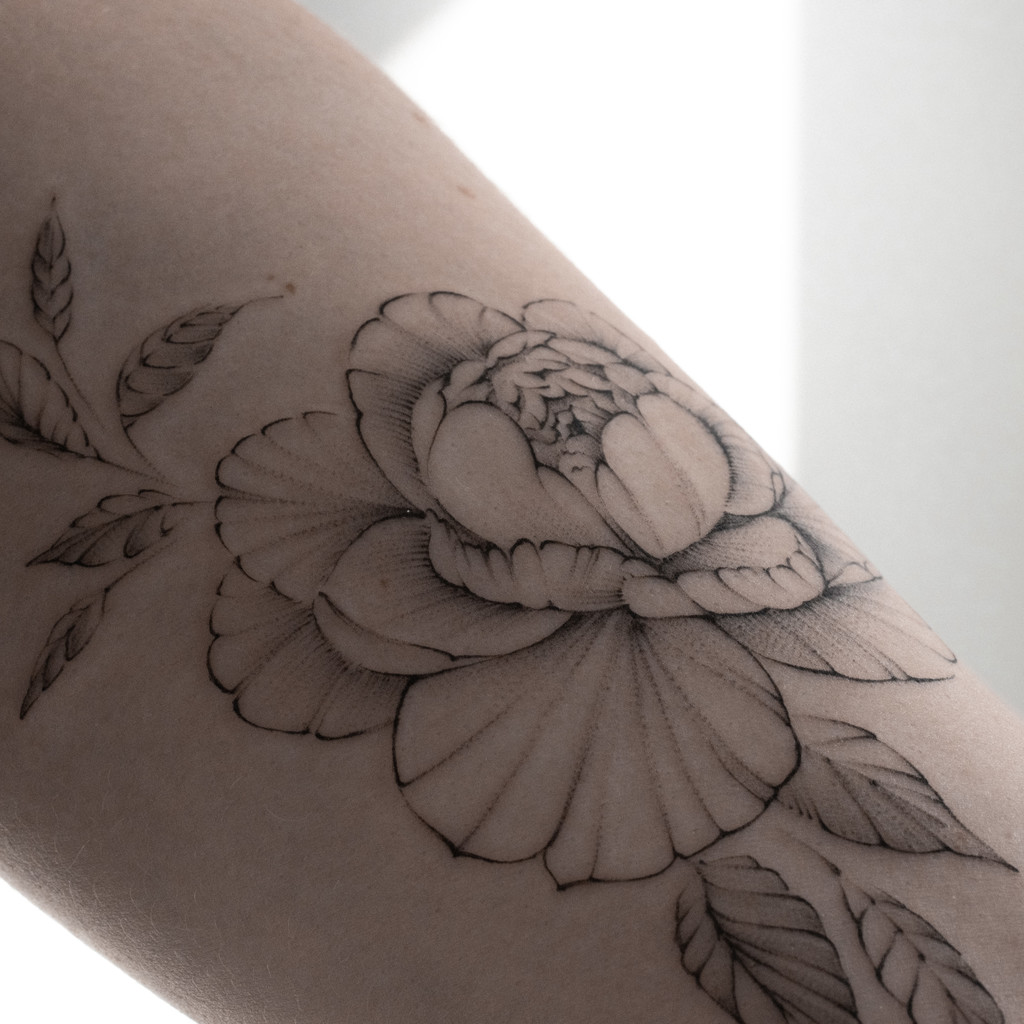
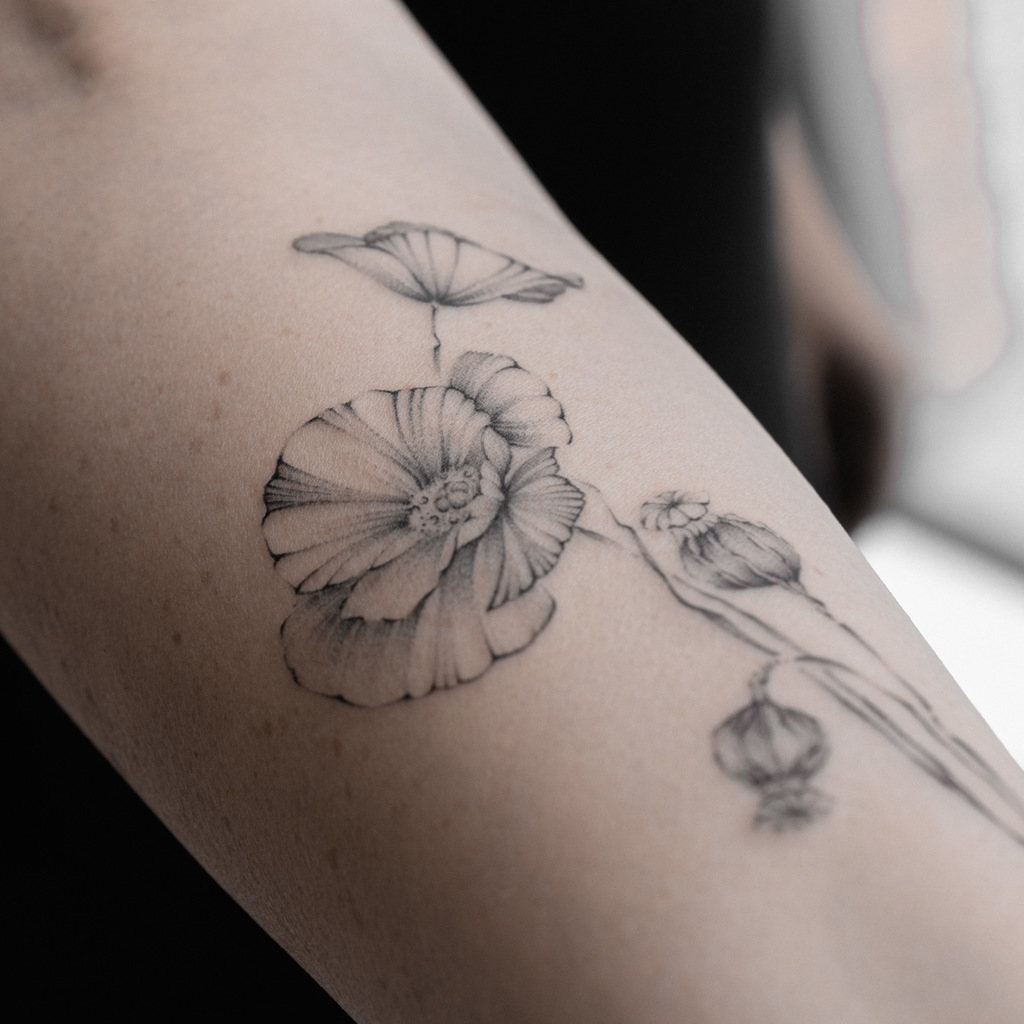
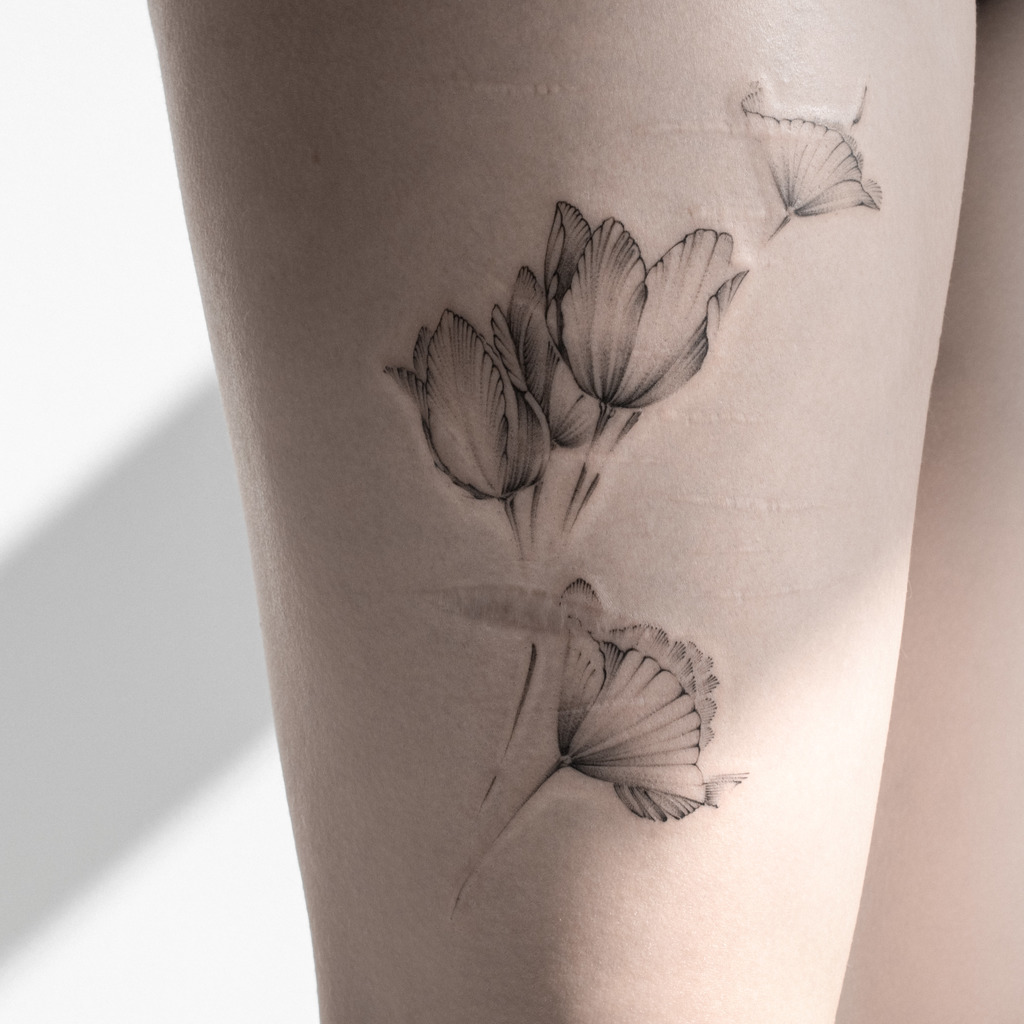
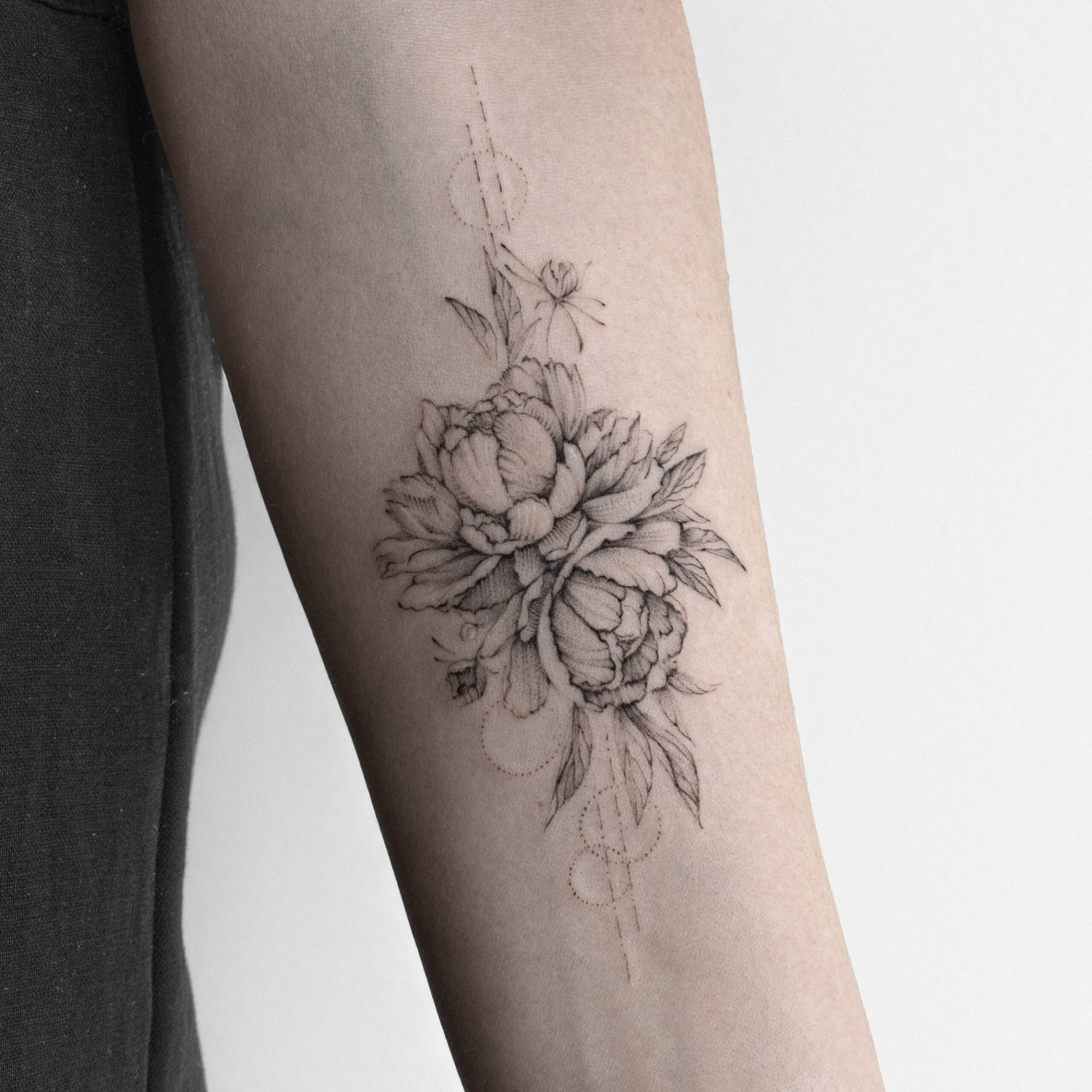
This is where the conversation becomes particularly relevant for fine line tattooing. Fine line tattoos rely on clean, precise lines and subtle details. Unlike larger or darker designs, they generally do not have the visual weight required to hide significant amounts of existing pigment. If remnants of the original tattoo remain visible beneath the skin, those remnants may still affect the appearance of the new tattoo. For this reason, people are often surprised to learn that a tattoo removed sufficiently for a bold cover-up may still not be removed sufficiently for a delicate fine line design. In many situations, the previous tattoo needs to be almost completely removed before a fine line tattoo can achieve the clarity and elegance that this style is known for.
.
Skin Condition Matters Too
Pigment is only one part of the equation. The condition of the skin itself is equally important. Most laser removal procedures heal beautifully, especially when performed by experienced professionals and followed with proper aftercare. However, every person’s skin responds differently. Factors such as scar tissue, texture changes, and overall skin quality can influence the suitability of an area for future tattooing. This does not necessarily mean tattooing is impossible. It simply means that each case should be evaluated individually rather than relying on assumptions. The goal is always to create the best possible long-term result rather than rushing the process.
.
Realistic Expectations
One of the most helpful things anyone considering laser removal can do is approach the process with realistic expectations. Some tattoos disappear almost completely. Others fade significantly but never become entirely invisible. Some areas heal as if nothing had ever been there. Others retain subtle traces of the previous tattoo or treatment process. Every outcome is unique. This is why consultations are so valuable. What works beautifully in one situation may not be appropriate in another, and the final decision should always be based on the actual condition of the skin rather than a predetermined timeline.
.
The Vadelma Approach
At Vadelma Tattoo, we approach each project individually. When someone contacts us after laser tattoo removal, we first evaluate whether the skin appears suitable for the type of tattoo they would like to receive. Because we specialise in fine line work, achieving a clean foundation is often particularly important. In many cases, the answer may simply be to wait a little longer. In others, additional laser sessions may be beneficial before planning a new tattoo. Our goal is never to rush a project. Instead, we focus on creating the conditions necessary for a tattoo that will look elegant, clear, and harmonious for years to come. If you are considering a fine line tattoo after laser removal, we are always happy to discuss your individual situation during a consultation.
You can explore available projects here:
https://vadelma.eu/available-projects
For frequently asked questions about the studio and the tattoo process, you can also visit:
https://vadelma.eu/faq-vadelma-tattoo/
And if you enjoy art beyond tattooing, you can discover Natalie Vadelma’s original artworks and museum-quality prints at:
.
Final Thoughts
Yes, it is often possible to get a fine line tattoo after laser tattoo removal. However, successful results depend on more than simply removing the old tattoo. The skin must be properly healed, the remaining pigment should be minimal, and the area must be suitable for the level of detail that fine line work requires. Every person heals differently, and every tattoo removal journey is unique. For that reason, patience is often one of the most important parts of the process. Taking the time to allow the skin to recover fully can make a significant difference to the final result. When approached carefully, laser removal can create an opportunity for a completely new chapter—one built on experience, intention, and a design that feels right for where you are today.
.
FAQ
Can I get a tattoo after laser tattoo removal?
In many cases, yes. However, the skin must be fully healed and assessed before planning a new tattoo.
How long should I wait after laser tattoo removal before getting a new tattoo?
There is no universal answer. The appropriate waiting period depends on healing, skin condition, and the recommendations of the laser specialist who performed the treatment. Usually 3-6 month.
Can a fine line tattoo cover a partially removed tattoo?
Fine line tattoos generally require much less visible pigment beneath the skin than larger or darker tattoo styles. In many cases, the previous tattoo needs to be almost completely removed.
Does laser tattoo removal damage the skin?
Most laser removal procedures heal very well, but skin responses vary between individuals. The condition of the skin should always be assessed before future tattooing.
Can You Get a Fine Line Tattoo After Laser Tattoo Removal?
What to Know Before Planning a New Tattoo
One of the questions we hear surprisingly often at Vadelma Tattoo is whether it is possible to get a new tattoo after laser tattoo removal. The short answer is yes. In many cases, a new tattoo can be created successfully after a previous tattoo has been removed. However, the longer answer is a little more complicated, especially when discussing fine line tattooing. Unlike large, dark, or heavily shaded tattoos that can sometimes be designed to hide existing pigment, fine line tattoos depend on precision, clarity, and clean skin. Because of this, the requirements for tattooing over a previously removed tattoo are often much stricter. If you are considering laser removal with the intention of getting a new tattoo in the future, there are a few important things worth understanding before starting the process.
.
Why People Remove Tattoos
People choose laser tattoo removal for many different reasons. Sometimes the tattoo no longer reflects who they are. Sometimes the quality of the original work does not meet their expectations. In other cases, the tattoo may simply be placed in an area where they would prefer a different design. Laser removal and tattooing are not necessarily opposites. They can be different stages of the same personal journey.
.
How Laser Tattoo Removal Works
Laser tattoo removal works by breaking tattoo pigment into smaller particles that can gradually be processed and removed by the body’s natural systems. Because this process relies on the body’s ability to clear pigment over time, removal is rarely immediate. Multiple sessions are usually required, often spread over many months or even longer depending on the tattoo. Different colours respond differently to laser treatment, and every individual’s skin reacts in its own way. Some tattoos fade quickly, while others may remain partially visible even after numerous sessions. Patience is an important part of the process.
.
Why Healing Takes Time
One of the most common misconceptions about laser removal is that once the skin appears healed on the surface, it is immediately ready for a new tattoo. In reality, the skin continues recovering long after visible redness or irritation has disappeared. Laser treatment affects not only the pigment but also the surrounding tissue. The skin needs sufficient time to restore itself fully before being subjected to another tattoo procedure. For this reason, there is no universal timeline that applies to everyone. The appropriate waiting period depends on factors such as the number of laser sessions, the condition of the skin, individual healing characteristics, and the recommendations of the laser specialist performing the treatment. A professional assessment is always essential.
.
Why Fine Line Tattoos Require a Different Approach
This is where the conversation becomes particularly relevant for fine line tattooing. Fine line tattoos rely on clean, precise lines and subtle details. Unlike larger or darker designs, they generally do not have the visual weight required to hide significant amounts of existing pigment. If remnants of the original tattoo remain visible beneath the skin, those remnants may still affect the appearance of the new tattoo. For this reason, people are often surprised to learn that a tattoo removed sufficiently for a bold cover-up may still not be removed sufficiently for a delicate fine line design. In many situations, the previous tattoo needs to be almost completely removed before a fine line tattoo can achieve the clarity and elegance that this style is known for.
.
Skin Condition Matters Too
Pigment is only one part of the equation. The condition of the skin itself is equally important. Most laser removal procedures heal beautifully, especially when performed by experienced professionals and followed with proper aftercare. However, every person’s skin responds differently. Factors such as scar tissue, texture changes, and overall skin quality can influence the suitability of an area for future tattooing. This does not necessarily mean tattooing is impossible. It simply means that each case should be evaluated individually rather than relying on assumptions. The goal is always to create the best possible long-term result rather than rushing the process.
.
Realistic Expectations
One of the most helpful things anyone considering laser removal can do is approach the process with realistic expectations. Some tattoos disappear almost completely. Others fade significantly but never become entirely invisible. Some areas heal as if nothing had ever been there. Others retain subtle traces of the previous tattoo or treatment process. Every outcome is unique. This is why consultations are so valuable. What works beautifully in one situation may not be appropriate in another, and the final decision should always be based on the actual condition of the skin rather than a predetermined timeline.
.
The Vadelma Approach
At Vadelma Tattoo, we approach each project individually. When someone contacts us after laser tattoo removal, we first evaluate whether the skin appears suitable for the type of tattoo they would like to receive. Because we specialise in fine line work, achieving a clean foundation is often particularly important. In many cases, the answer may simply be to wait a little longer. In others, additional laser sessions may be beneficial before planning a new tattoo. Our goal is never to rush a project. Instead, we focus on creating the conditions necessary for a tattoo that will look elegant, clear, and harmonious for years to come. If you are considering a fine line tattoo after laser removal, we are always happy to discuss your individual situation during a consultation.
You can explore available projects here:
https://vadelma.eu/available-projects
For frequently asked questions about the studio and the tattoo process, you can also visit:
https://vadelma.eu/faq-vadelma-tattoo/
And if you enjoy art beyond tattooing, you can discover Natalie Vadelma’s original artworks and museum-quality prints at:
.
Final Thoughts
Yes, it is often possible to get a fine line tattoo after laser tattoo removal. However, successful results depend on more than simply removing the old tattoo. The skin must be properly healed, the remaining pigment should be minimal, and the area must be suitable for the level of detail that fine line work requires. Every person heals differently, and every tattoo removal journey is unique. For that reason, patience is often one of the most important parts of the process. Taking the time to allow the skin to recover fully can make a significant difference to the final result. When approached carefully, laser removal can create an opportunity for a completely new chapter—one built on experience, intention, and a design that feels right for where you are today.
.
FAQ
Can I get a tattoo after laser tattoo removal?
In many cases, yes. However, the skin must be fully healed and assessed before planning a new tattoo.
How long should I wait after laser tattoo removal before getting a new tattoo?
There is no universal answer. The appropriate waiting period depends on healing, skin condition, and the recommendations of the laser specialist who performed the treatment. Usually 3-6 month.
Can a fine line tattoo cover a partially removed tattoo?
Fine line tattoos generally require much less visible pigment beneath the skin than larger or darker tattoo styles. In many cases, the previous tattoo needs to be almost completely removed.
Does laser tattoo removal damage the skin?
Most laser removal procedures heal very well, but skin responses vary between individuals. The condition of the skin should always be assessed before future tattooing.