Skin is not paper – podcast script
Hi! We just released new video from Simon Vadelma Podcast. It is not live on Youtube. Link below :
https://www.youtube.com/watch?v=2qQEJORwnNU
For all of You who still love to read. Here is the transcription. Much love from Vadelma Team!
” When someone cares deeply about tattoos, it is easy to overthink them. It is easy to spend weeks analyzing references, measuring exact millimeters, and trying to control every aspect before you even step through the tattoo studio door. The intention is good. But after years at Vadelma Tattoo, I know this: the best pieces do not come from control. They come from trust. Welcome! I’m Simon Vadelma. Today, we are talking about what happens when you step back and trust the craft—and how it helps turn even an abstract idea into a tattoo that feels like you.
Statement nr 1: SKIN IS NOT PAPER or Screen
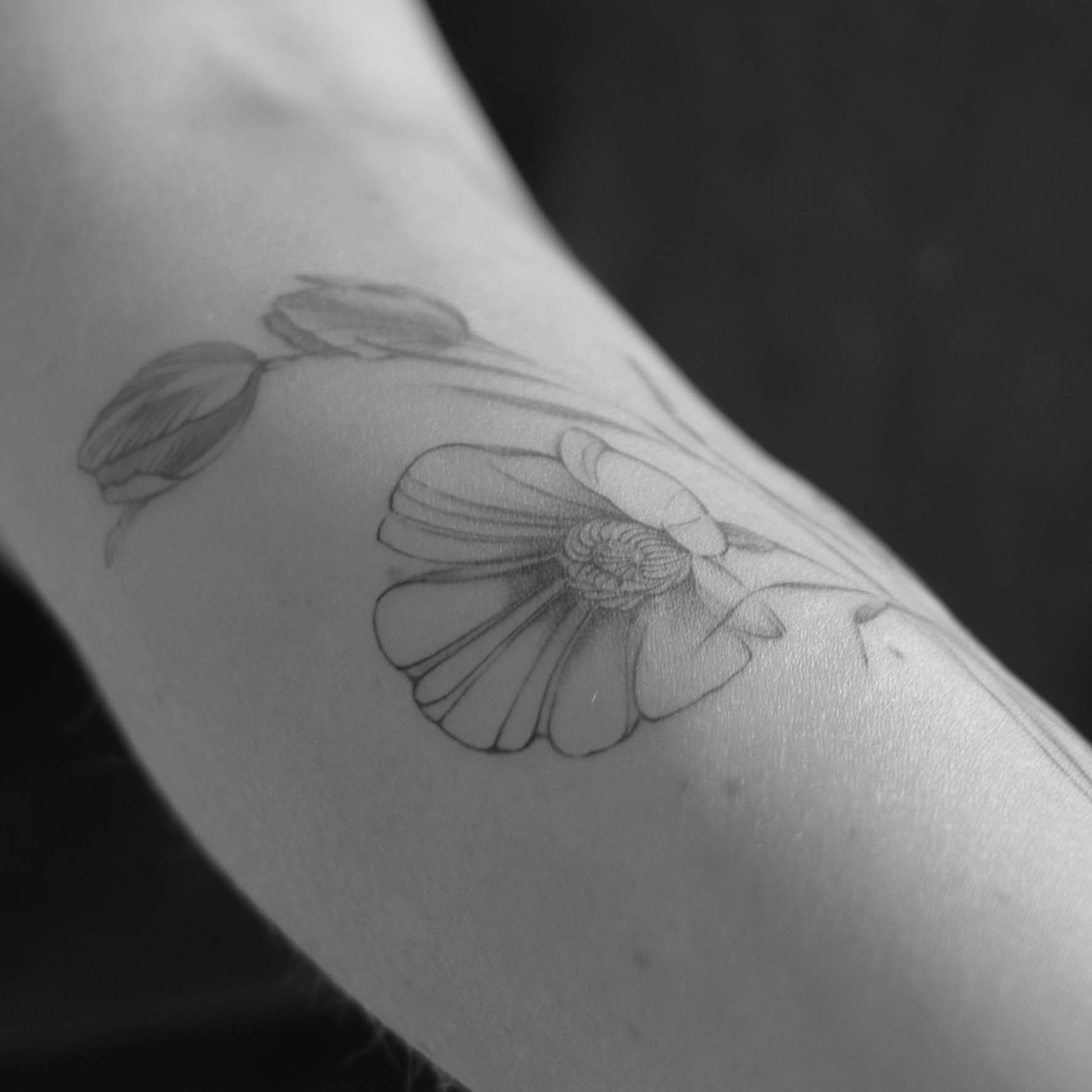
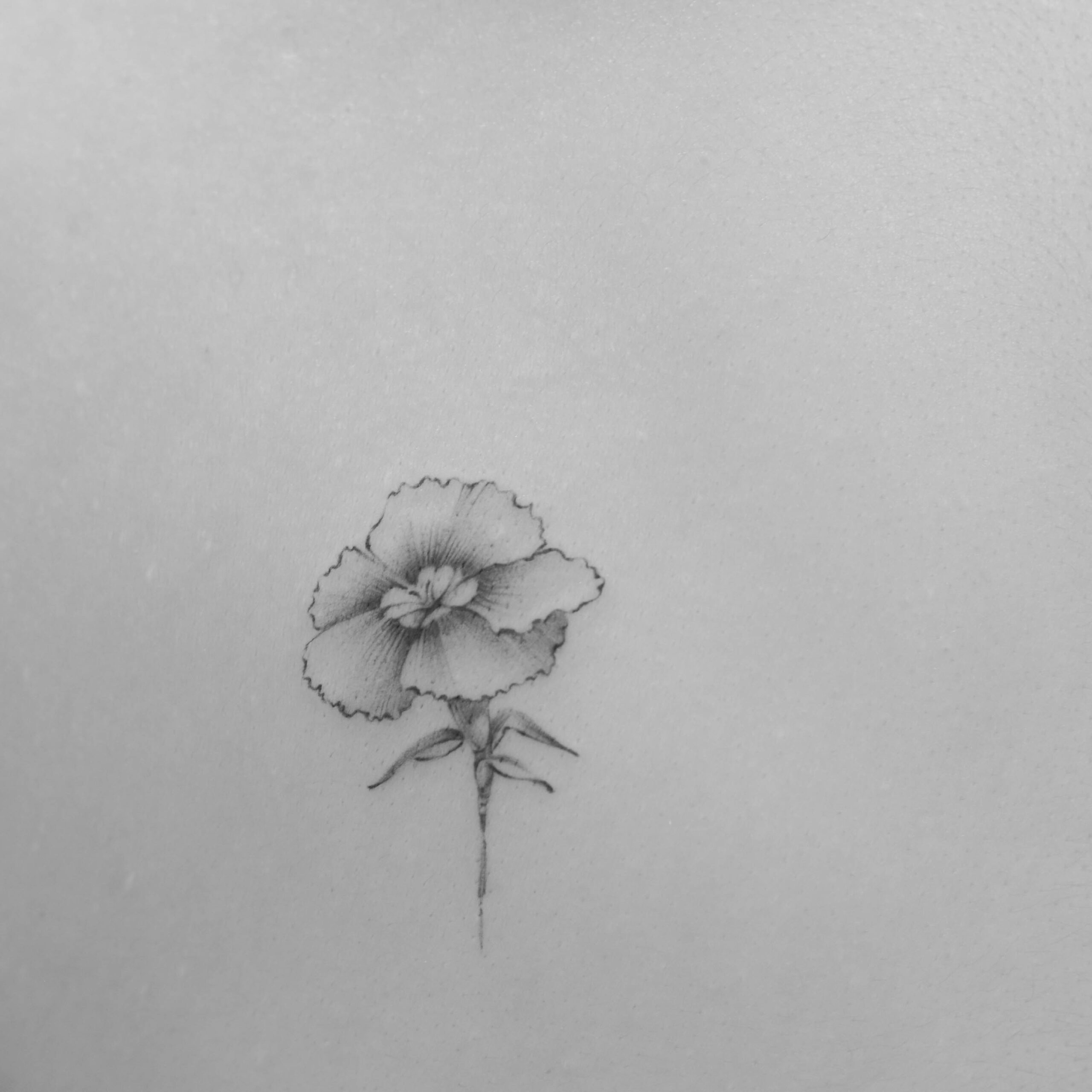
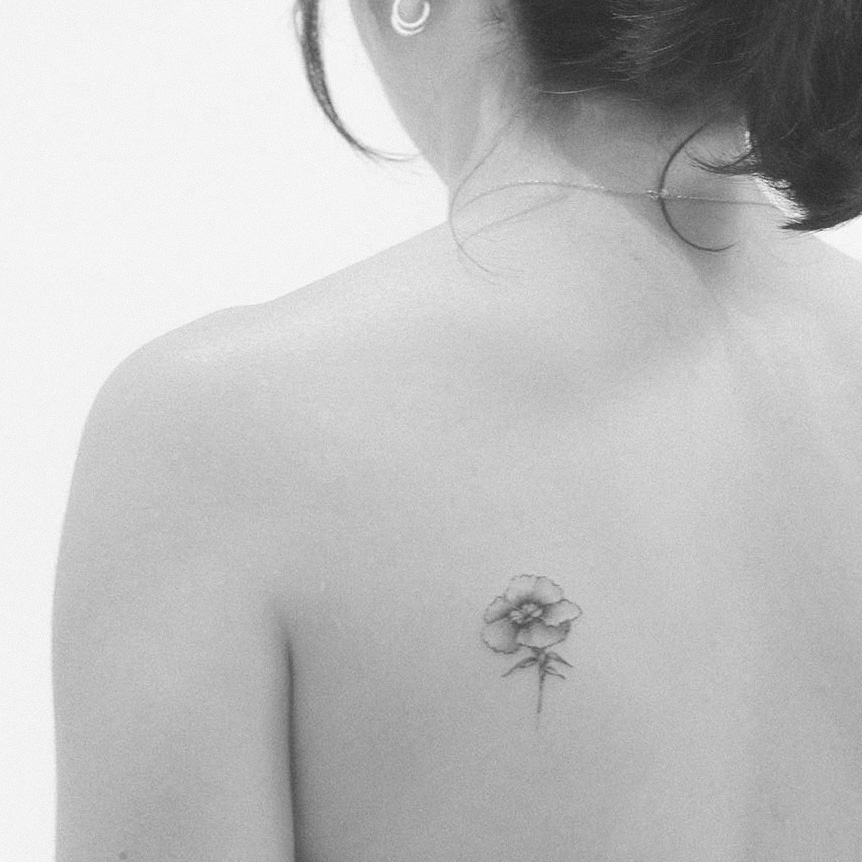
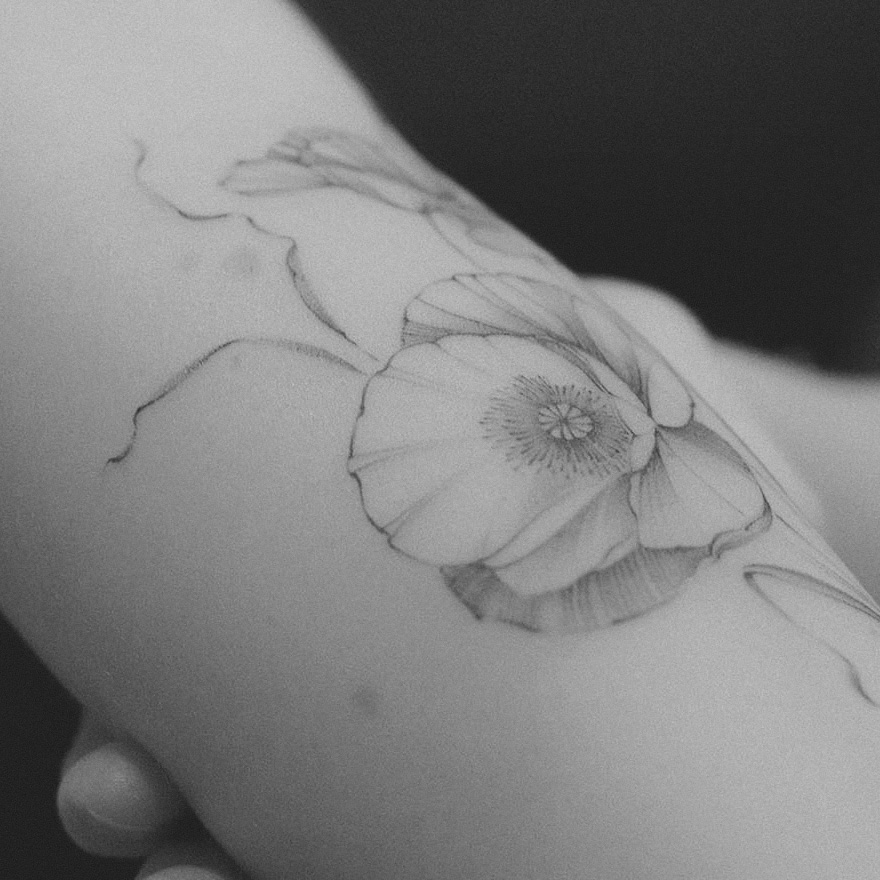
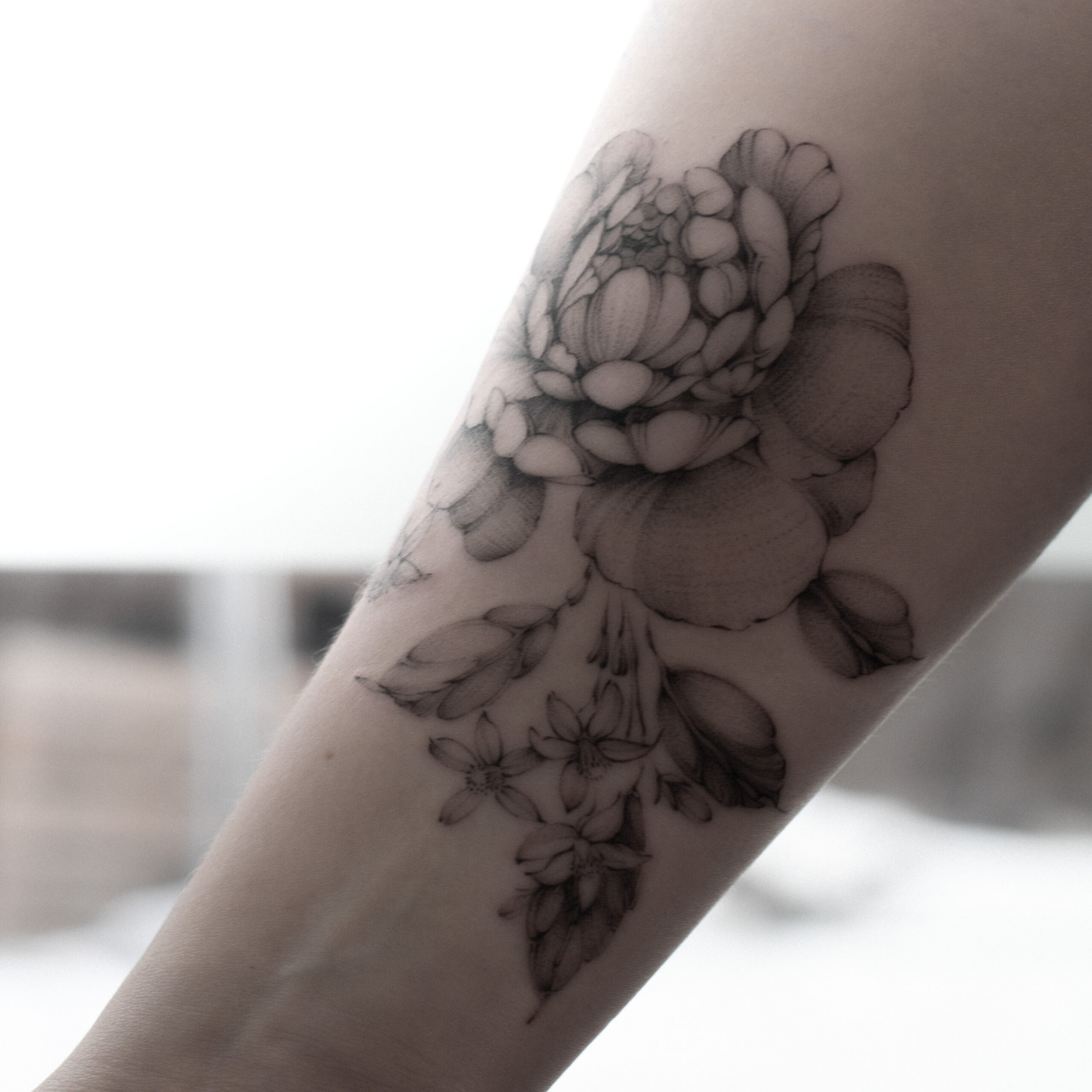
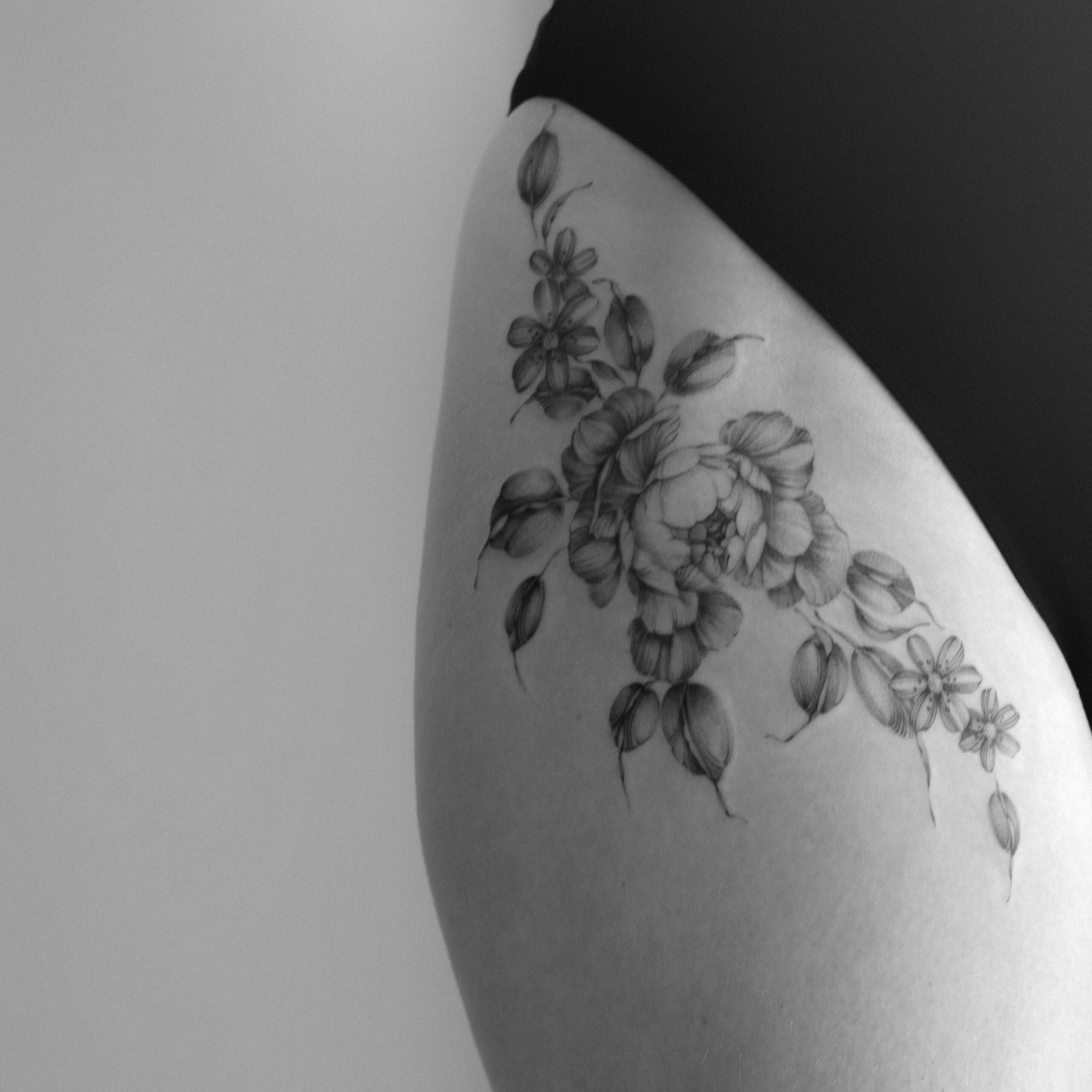
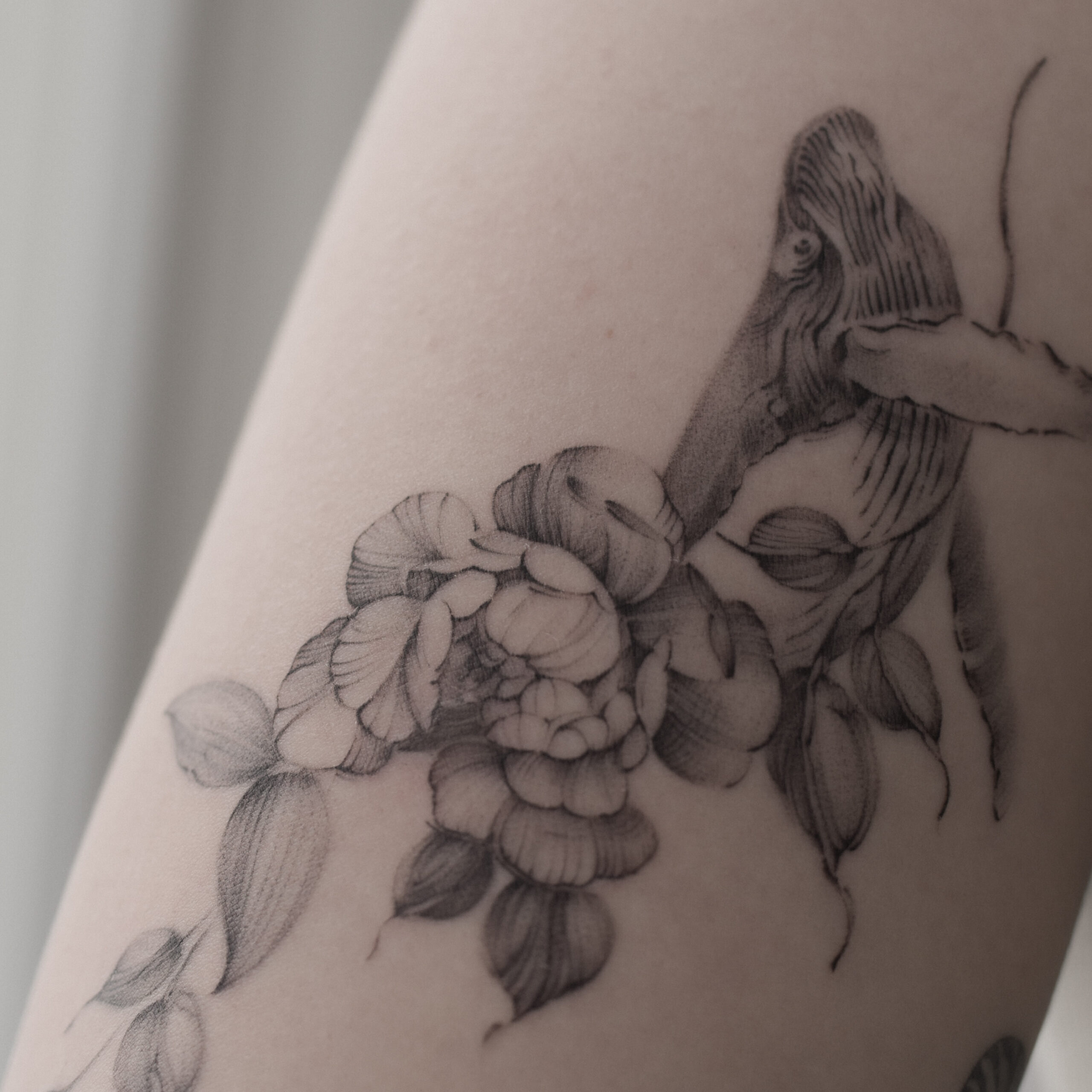
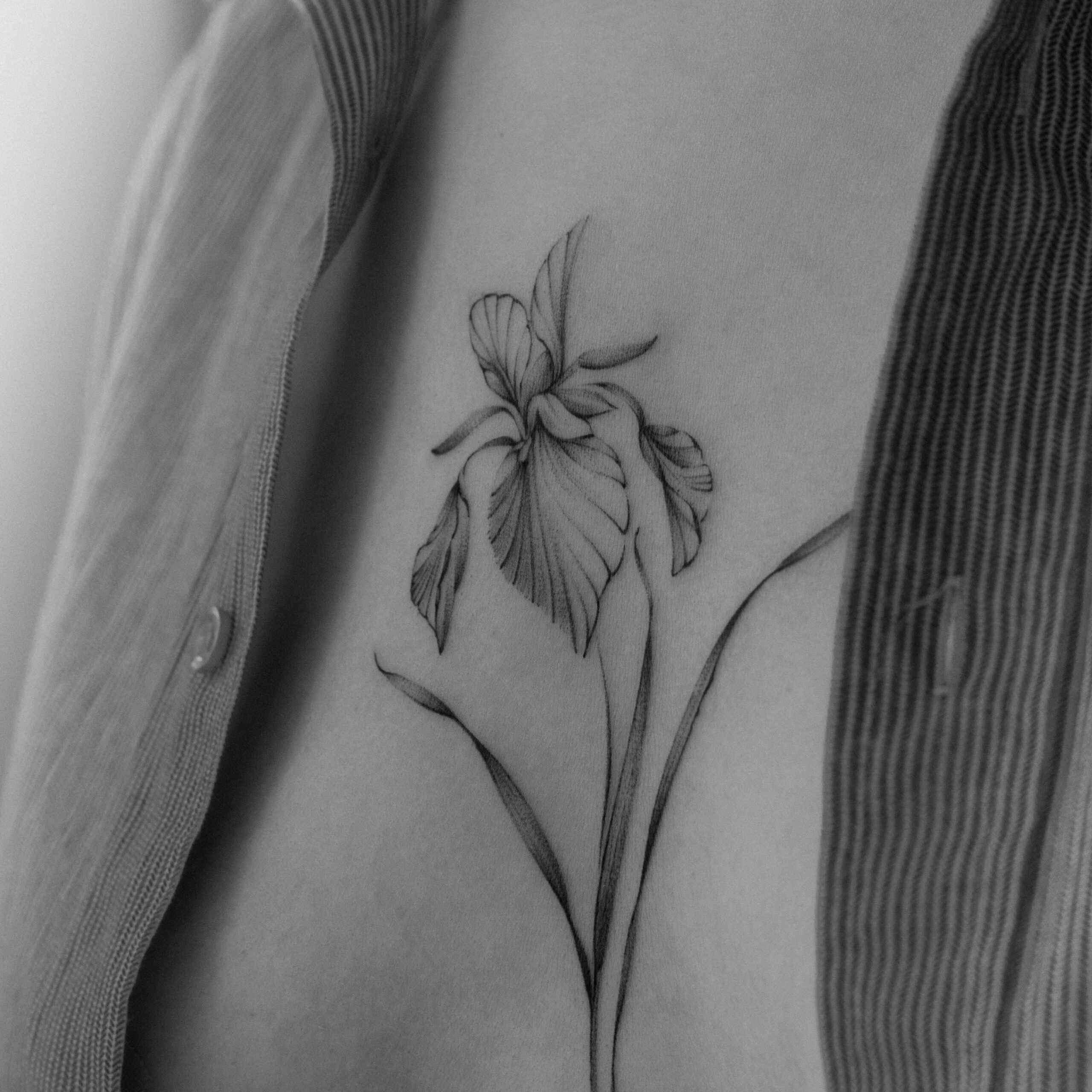
An image on a screen is not a tattoo, yet. Social media or AI can give us a picture in seconds. But skin has its own specifics we need to keep in mind: it moves, it stretches, it heals, and it ages. Real-world experience matters more now than ever. When you request a tattoo, I always recommend writing an email or DM so we have a clear record. Keep your message brief, but dense in information. Send a few reference pictures. If you want a floral piece, send photos of real flowers—their position, angle, and stage of bloom—that you really like. You can even send AI-generated visualizations or Pinterest boards. A lot of artists resist these tools, but many clients love them—so why ignore it?
It is better to embrace technology and use it wisely.
As a client, previewing an idea on a photo of your own arm gives you a clear visual impression. It might not be perfect – it is our role as tattoo artists to make it work – but it removes a lot of uncertainty – so why not play with it and have fun? Now, you might wonder—just like I do—where does uniqueness fit into this? Are artists all doomed by AI? Not to mention humanity, of course! How does creativity stay human? In my opinion, the answer doesn’t come from technology; it comes from personal choice. Some artists will simply take an AI prompt or a Pinterest screenshot and tattoo it without a second thought. Others will use those references as inspiration, doing the creative work to translate the idea into their own artistic voice.
And let’s be honest
If a client wants something like a simple heart, stars, a classic symbol, or an idea from Pinterest, does every single design need to be reinvented? Tattooing has repeated certain designs for ages. That has always been fine—as long as a design isn’t stolen from another living artist, which has certainly happened in the past. Maybe the ultimate solution is just transparency—being honest if the design came directly from ChatGPT or a Pinterest board. And if the customer likes it – and the tattooer is fine with it. I’ll leave that to every individual to decide. Part of an artist’s role is to translate someone’s story through ink into their skin. Many great tattooers focus on portraits, pop-culture characters, or reproductions of famous paintings. Not every artist needs to create purely original designs—and that is completely fine, as long as it is done professionally, with technical skill and kindness.
Rather than arguing over who is more unique
It is better for an artist to develop their own voice. Once an artist stays true to themselves, everything they create carries a specific signature. I remember reading Ray Charles’ biography. Early on, he was constantly trying to sound like other musicians. It was only when he stopped imitating others and discovered how to sound like Ray Charles that his career truly took off—and today, we know him as one of the greatest musicians of all time. So choosing an artist comes down to gut feeling. Among thousands of artists, only a few speak directly to your taste. Once you find that person, the process becomes effortless. Think of it like music. If you commissioned Ed Sheeran to write a song for you, you might suggest the mood, the tempo, or the theme. But you wouldn’t tell him which notes to play. You let him write the song. A tattoo requires the exact same trust.
Statement n 2: COLLABORATION IN THE STUDIO
When you arrive at the studio, feel free to speak openly about the design, placement, and other details of your tattoo. Communication works both ways. At Vadelma, we do not send designs beforehand—and at this stage of the podcast, I’m sure you understand why. When you come to the session, we review the artwork together. And this is where true collaboration happens: please tell us exactly what you think. Some clients might hesitate to speak up because they are afraid of hurting the artist’s feelings. But please leave that hesitation behind you. If you want any adjustments—say it. An experienced artist doesn’t take feedback personally. We want you to love the tattoo. Think of the stencil phase as a dress rehearsal. You put it on, you look in the mirror, you move your body naturally, and we evaluate it together. If it takes placing the stencil three or four times until it feels completely natural to you, that is time well spent. There is zero rush, and zero pressure. No one leaves our studio with a tattoo they aren’t 100% confident about.
Statement nr 3: MINDSET AND PREPARATION
Do not fit a tattoo into your day. Fit your day around the tattoo. Make it a dedicated day for yourself. A session forces you outside your comfort zone. You sit for hours with an artist, make a permanent choice, and endure physical discomfort. For thousands of years, humans have accepted short-term pain for long-term meaning. Think about going to the gym. We accept an hour of training our muscles today so we can be healthier tomorrow. People rarely do the most meaningful things in life because they are easy. They do them because they are worth it. Physical preparation keeps you grounded. If you show up tired, hungry, or rushed, your mind defaults to stress. So prepare your body:
- Get proper sleep.
- Eat a solid meal.
- Bring snacks, water, and maybe headphones for entertainment.
And if this is your first tattoo and friends have told you it doesn’t hurt at all—or that it hurts a lot —try not to listen. Most likely, they are either trying to scare you or trying to act tough. Neither has anything to do with your own process. Their experience has no power to influence Yours. Millions of people have made a tattoo before you, and millions will do it after. You can handle it, too. And surviving that process is precisely why you feel such an incredible rush of pride when you walk out the studio’s door. You earned it.
OUTRO
Whether this is your first tattoo or your twenty-third: Give the appointment space. Choose your artist carefully, speak honestly, and respect the process. You are co-creating a piece of art that will stay on your body for the rest of your life. Thanks for listening. See you in the next one. Have a good day and have fun!
Hi! We just released new video from Simon Vadelma Podcast. It is not live on Youtube. Link below :
https://www.youtube.com/watch?v=2qQEJORwnNU
For all of You who still love to read. Here is the transcription. Much love from Vadelma Team!
” When someone cares deeply about tattoos, it is easy to overthink them. It is easy to spend weeks analyzing references, measuring exact millimeters, and trying to control every aspect before you even step through the tattoo studio door. The intention is good. But after years at Vadelma Tattoo, I know this: the best pieces do not come from control. They come from trust. Welcome! I’m Simon Vadelma. Today, we are talking about what happens when you step back and trust the craft—and how it helps turn even an abstract idea into a tattoo that feels like you.
Statement nr 1: SKIN IS NOT PAPER or Screen
An image on a screen is not a tattoo, yet. Social media or AI can give us a picture in seconds. But skin has its own specifics we need to keep in mind: it moves, it stretches, it heals, and it ages. Real-world experience matters more now than ever. When you request a tattoo, I always recommend writing an email or DM so we have a clear record. Keep your message brief, but dense in information. Send a few reference pictures. If you want a floral piece, send photos of real flowers—their position, angle, and stage of bloom—that you really like. You can even send AI-generated visualizations or Pinterest boards. A lot of artists resist these tools, but many clients love them—so why ignore it?
It is better to embrace technology and use it wisely.
As a client, previewing an idea on a photo of your own arm gives you a clear visual impression. It might not be perfect – it is our role as tattoo artists to make it work – but it removes a lot of uncertainty – so why not play with it and have fun? Now, you might wonder—just like I do—where does uniqueness fit into this? Are artists all doomed by AI? Not to mention humanity, of course! How does creativity stay human? In my opinion, the answer doesn’t come from technology; it comes from personal choice. Some artists will simply take an AI prompt or a Pinterest screenshot and tattoo it without a second thought. Others will use those references as inspiration, doing the creative work to translate the idea into their own artistic voice.
And let’s be honest
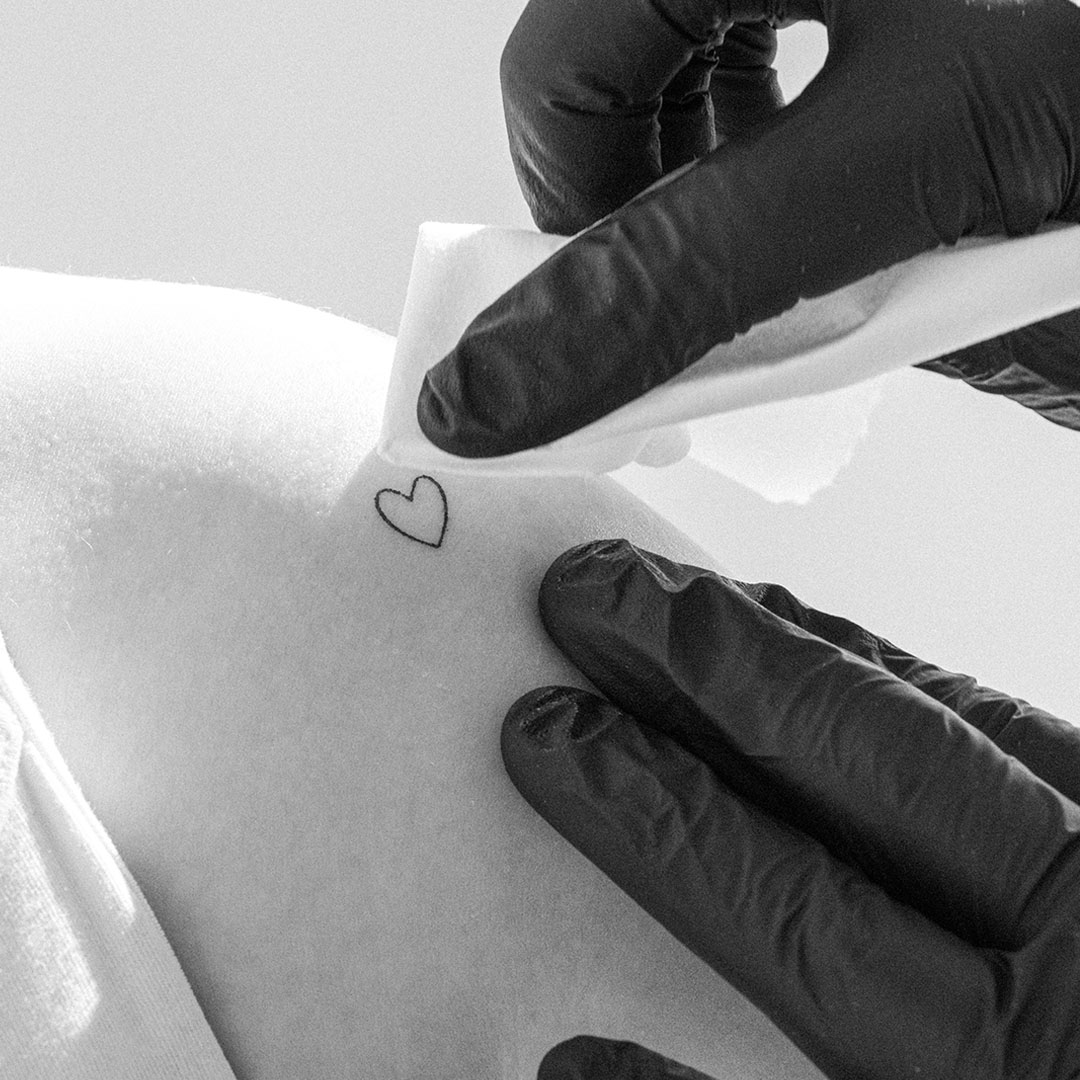
If a client wants something like a simple heart, stars, a classic symbol, or an idea from Pinterest, does every single design need to be reinvented? Tattooing has repeated certain designs for ages. That has always been fine—as long as a design isn’t stolen from another living artist, which has certainly happened in the past. Maybe the ultimate solution is just transparency—being honest if the design came directly from ChatGPT or a Pinterest board. And if the customer likes it – and the tattooer is fine with it. I’ll leave that to every individual to decide. Part of an artist’s role is to translate someone’s story through ink into their skin. Many great tattooers focus on portraits, pop-culture characters, or reproductions of famous paintings. Not every artist needs to create purely original designs—and that is completely fine, as long as it is done professionally, with technical skill and kindness.
Rather than arguing over who is more unique
It is better for an artist to develop their own voice. Once an artist stays true to themselves, everything they create carries a specific signature. I remember reading Ray Charles’ biography. Early on, he was constantly trying to sound like other musicians. It was only when he stopped imitating others and discovered how to sound like Ray Charles that his career truly took off—and today, we know him as one of the greatest musicians of all time. So choosing an artist comes down to gut feeling. Among thousands of artists, only a few speak directly to your taste. Once you find that person, the process becomes effortless. Think of it like music. If you commissioned Ed Sheeran to write a song for you, you might suggest the mood, the tempo, or the theme. But you wouldn’t tell him which notes to play. You let him write the song. A tattoo requires the exact same trust.
Statement n 2: COLLABORATION IN THE STUDIO
When you arrive at the studio, feel free to speak openly about the design, placement, and other details of your tattoo. Communication works both ways. At Vadelma, we do not send designs beforehand—and at this stage of the podcast, I’m sure you understand why. When you come to the session, we review the artwork together. And this is where true collaboration happens: please tell us exactly what you think. Some clients might hesitate to speak up because they are afraid of hurting the artist’s feelings. But please leave that hesitation behind you. If you want any adjustments—say it. An experienced artist doesn’t take feedback personally. We want you to love the tattoo. Think of the stencil phase as a dress rehearsal. You put it on, you look in the mirror, you move your body naturally, and we evaluate it together. If it takes placing the stencil three or four times until it feels completely natural to you, that is time well spent. There is zero rush, and zero pressure. No one leaves our studio with a tattoo they aren’t 100% confident about.
Statement nr 3: MINDSET AND PREPARATION
Do not fit a tattoo into your day. Fit your day around the tattoo. Make it a dedicated day for yourself. A session forces you outside your comfort zone. You sit for hours with an artist, make a permanent choice, and endure physical discomfort. For thousands of years, humans have accepted short-term pain for long-term meaning. Think about going to the gym. We accept an hour of training our muscles today so we can be healthier tomorrow. People rarely do the most meaningful things in life because they are easy. They do them because they are worth it. Physical preparation keeps you grounded. If you show up tired, hungry, or rushed, your mind defaults to stress. So prepare your body:
- Get proper sleep.
- Eat a solid meal.
- Bring snacks, water, and maybe headphones for entertainment.
And if this is your first tattoo and friends have told you it doesn’t hurt at all—or that it hurts a lot —try not to listen. Most likely, they are either trying to scare you or trying to act tough. Neither has anything to do with your own process. Their experience has no power to influence Yours. Millions of people have made a tattoo before you, and millions will do it after. You can handle it, too. And surviving that process is precisely why you feel such an incredible rush of pride when you walk out the studio’s door. You earned it.
OUTRO
Whether this is your first tattoo or your twenty-third: Give the appointment space. Choose your artist carefully, speak honestly, and respect the process. You are co-creating a piece of art that will stay on your body for the rest of your life. Thanks for listening. See you in the next one. Have a good day and have fun!