AI Tattoo Design vs Real Tattoo Creation – What’s the Difference
Why Generating a Tattoo Design Is Not the Same as Creating One
Introduction
Over the past years, the way people approach images has changed significantly. Tools have become faster, more accessible, and more capable of producing visually complete results in a very short time. Today, it is possible to generate a tattoo idea within seconds. A few words, a reference, and an image appears. At first glance, it may even look finished. But when it comes to tattooing, the process does not end where the image appears. In many ways, that is where the real work begins.
The Illusion of Completion
A generated image often gives the impression that a decision has already been made. The composition is there, the lines are defined, and the idea seems clear. However, this clarity can be misleading. An image on a screen exists in isolation. It is not affected by movement, skin, aging, or placement. It does not need to adapt. It only needs to look convincing in a static frame. A tattoo does not have that luxury. Once placed on the body, it becomes part of something dynamic. It moves, it changes, and it interacts with the person carrying it. What looked balanced on a flat surface may not translate in the same way onto skin. This is the point where generation ends and creation begins.
What Happens Between Idea and Execution
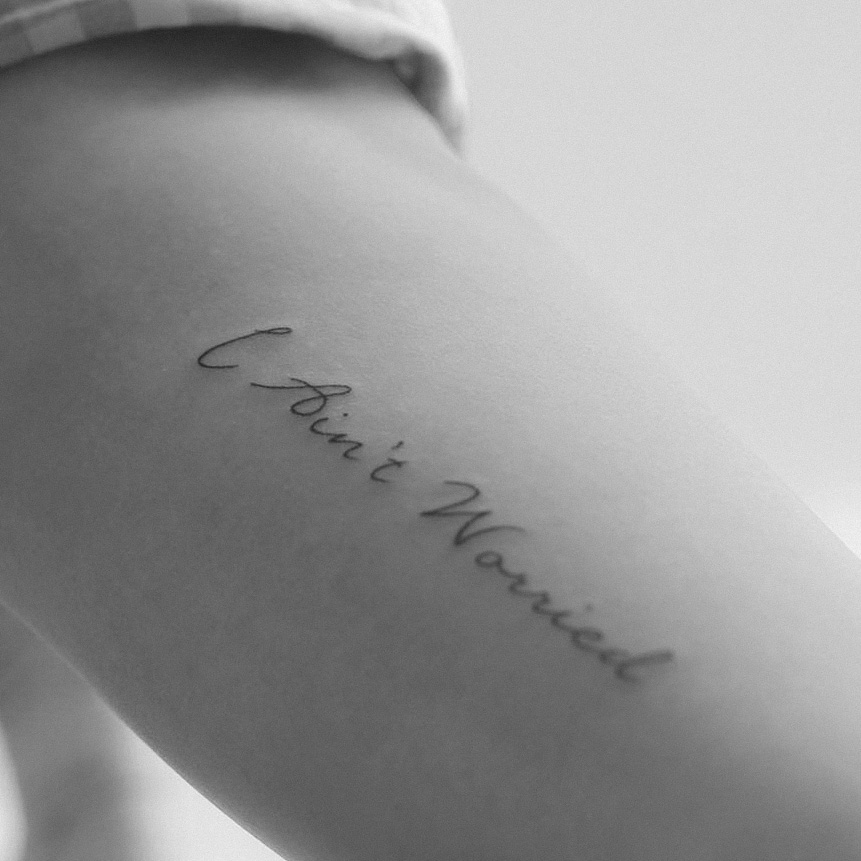
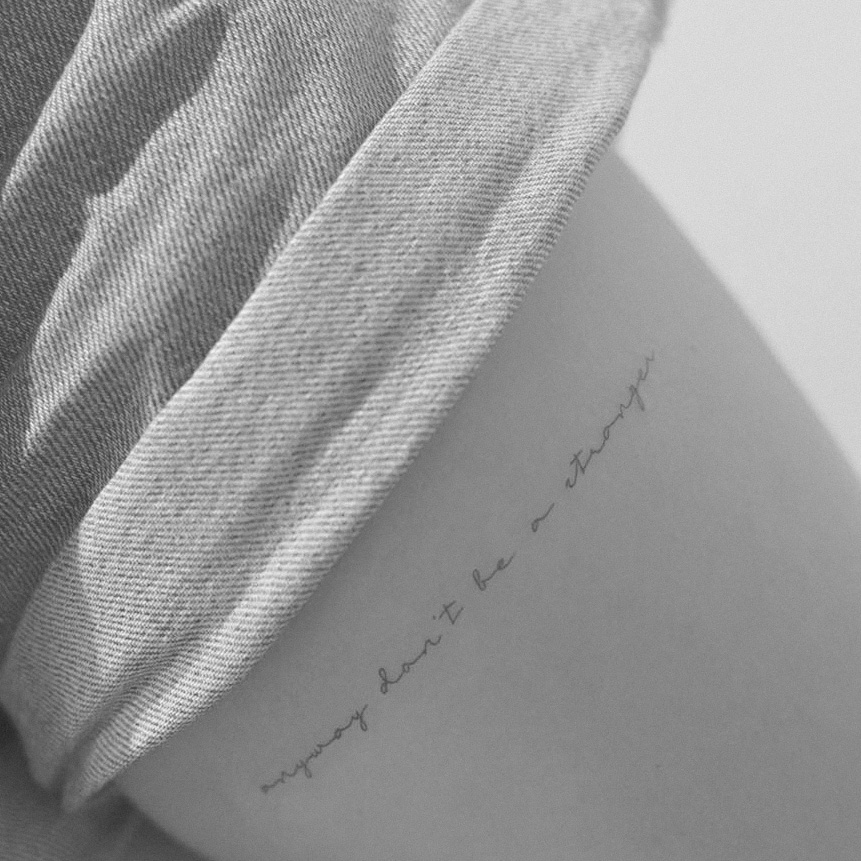
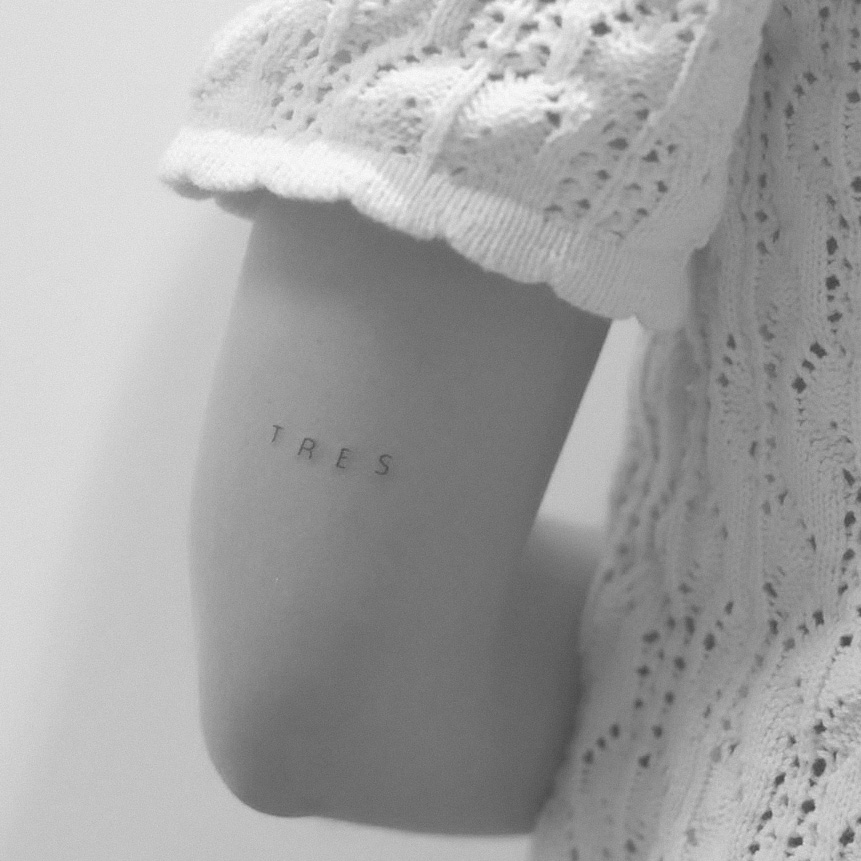
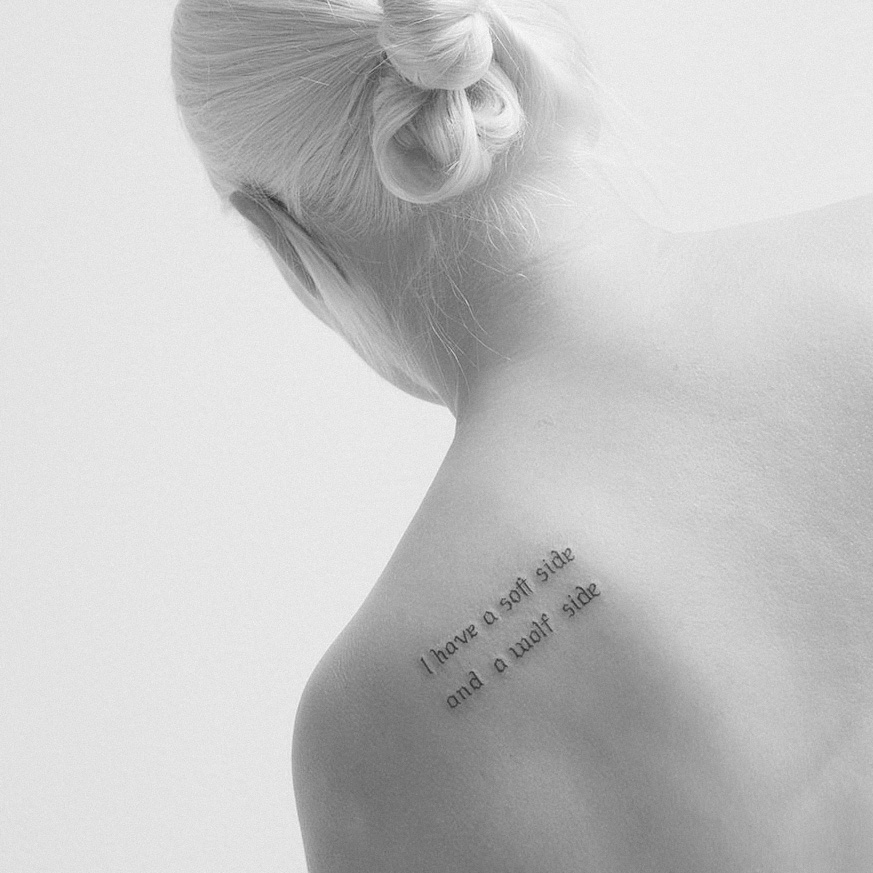
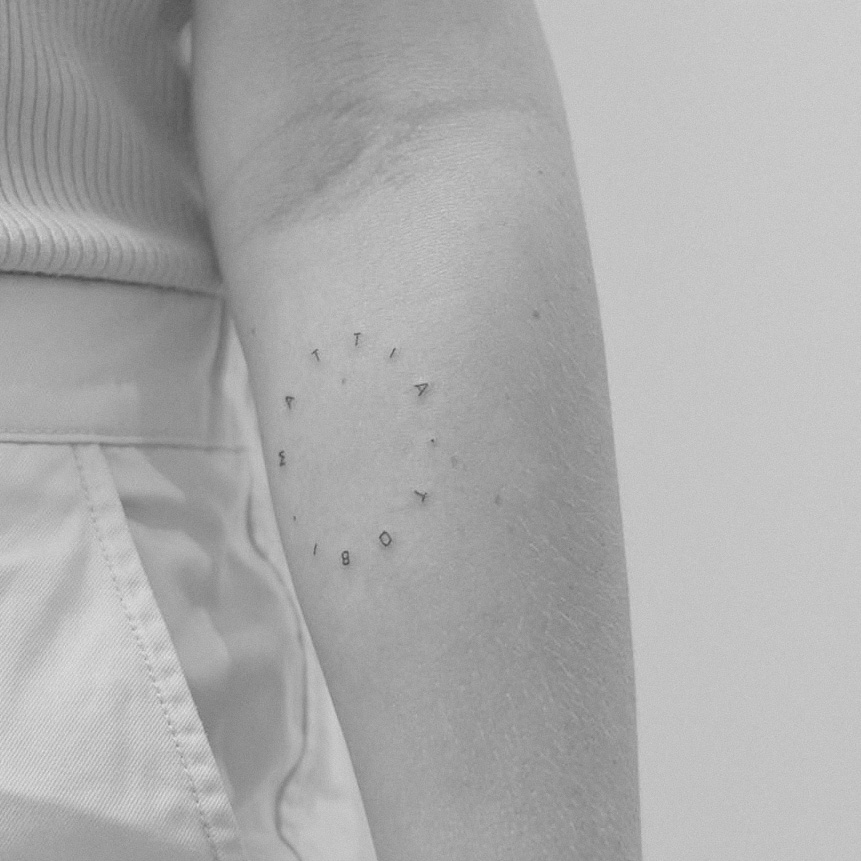
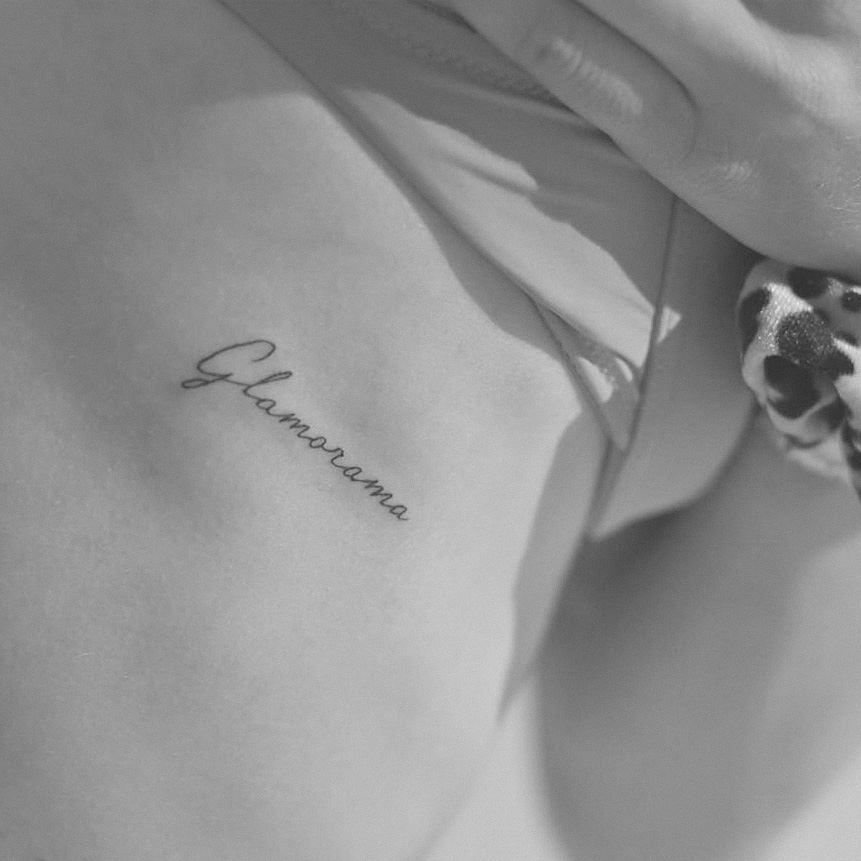
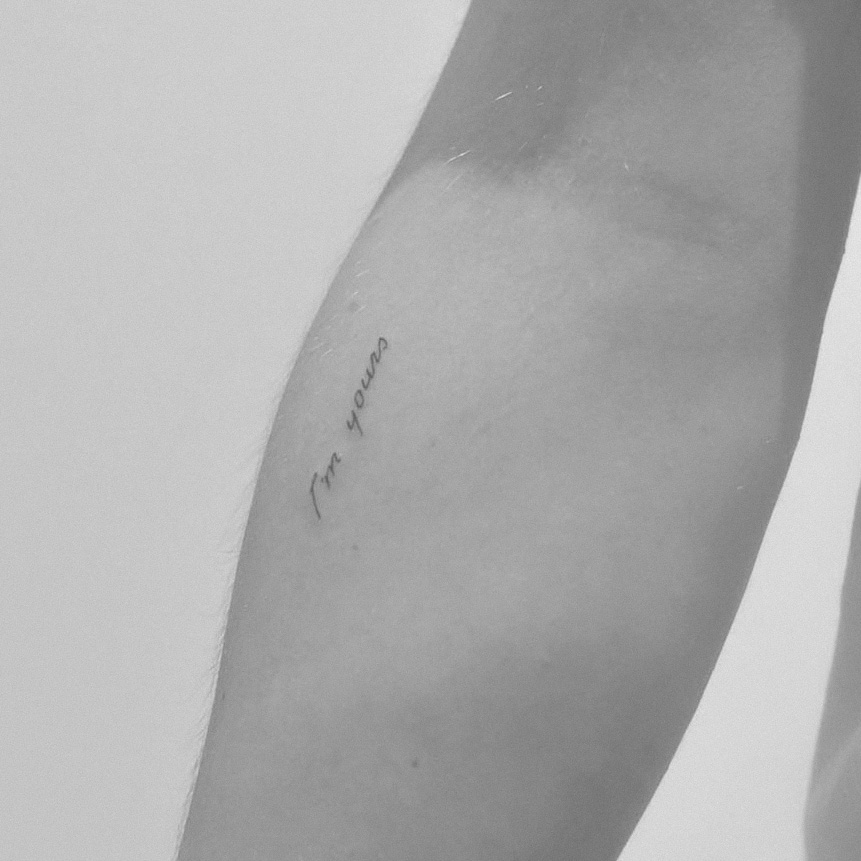
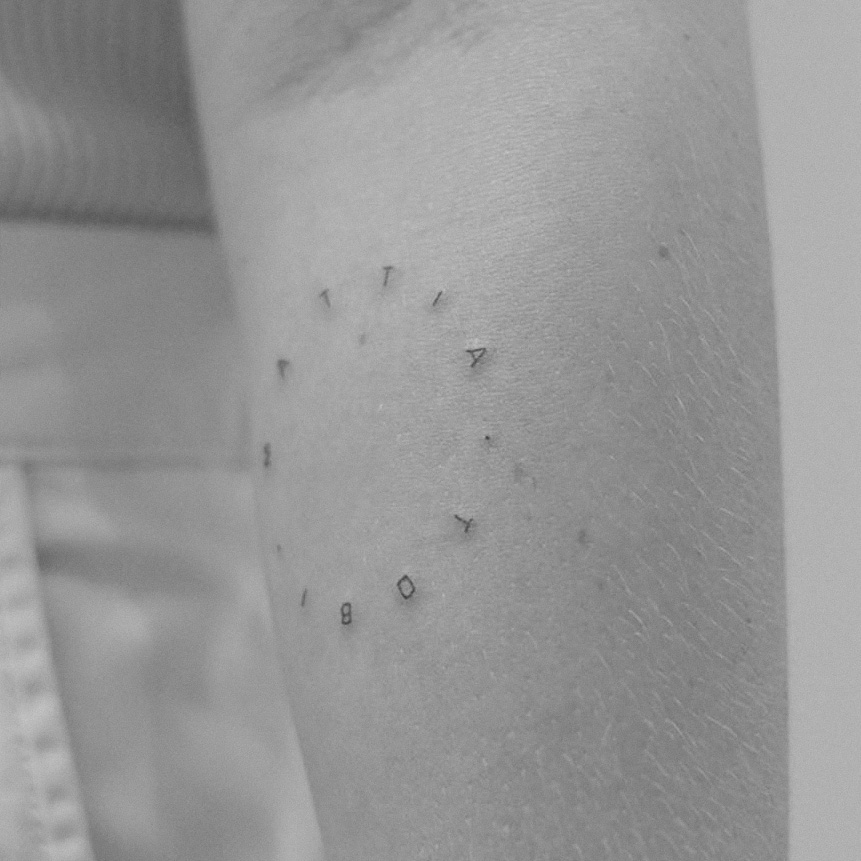
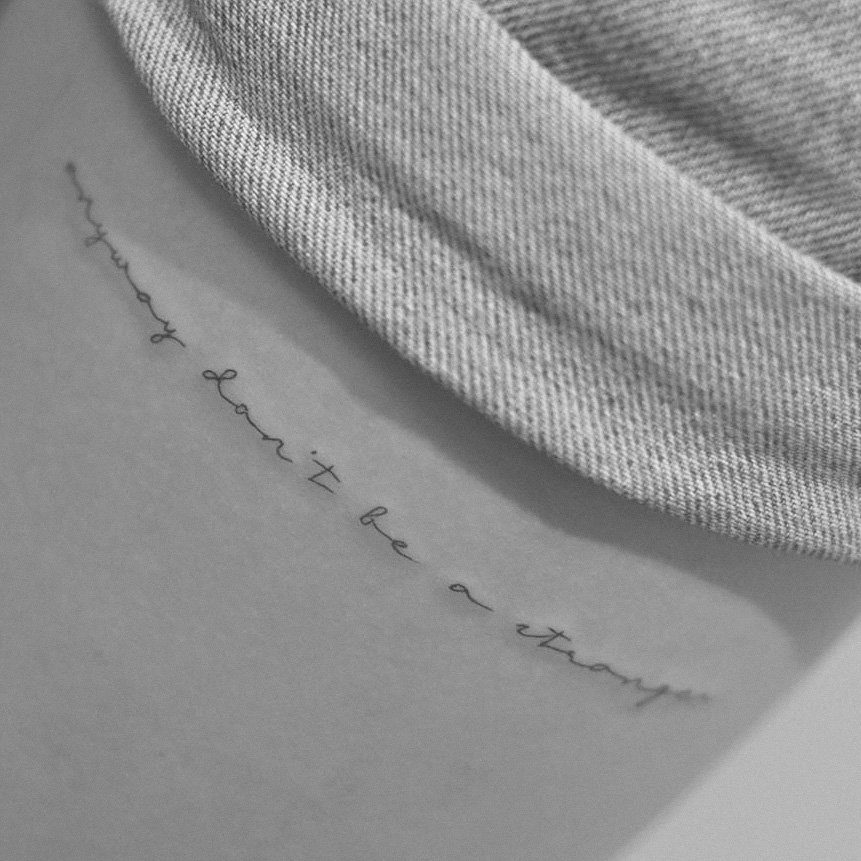
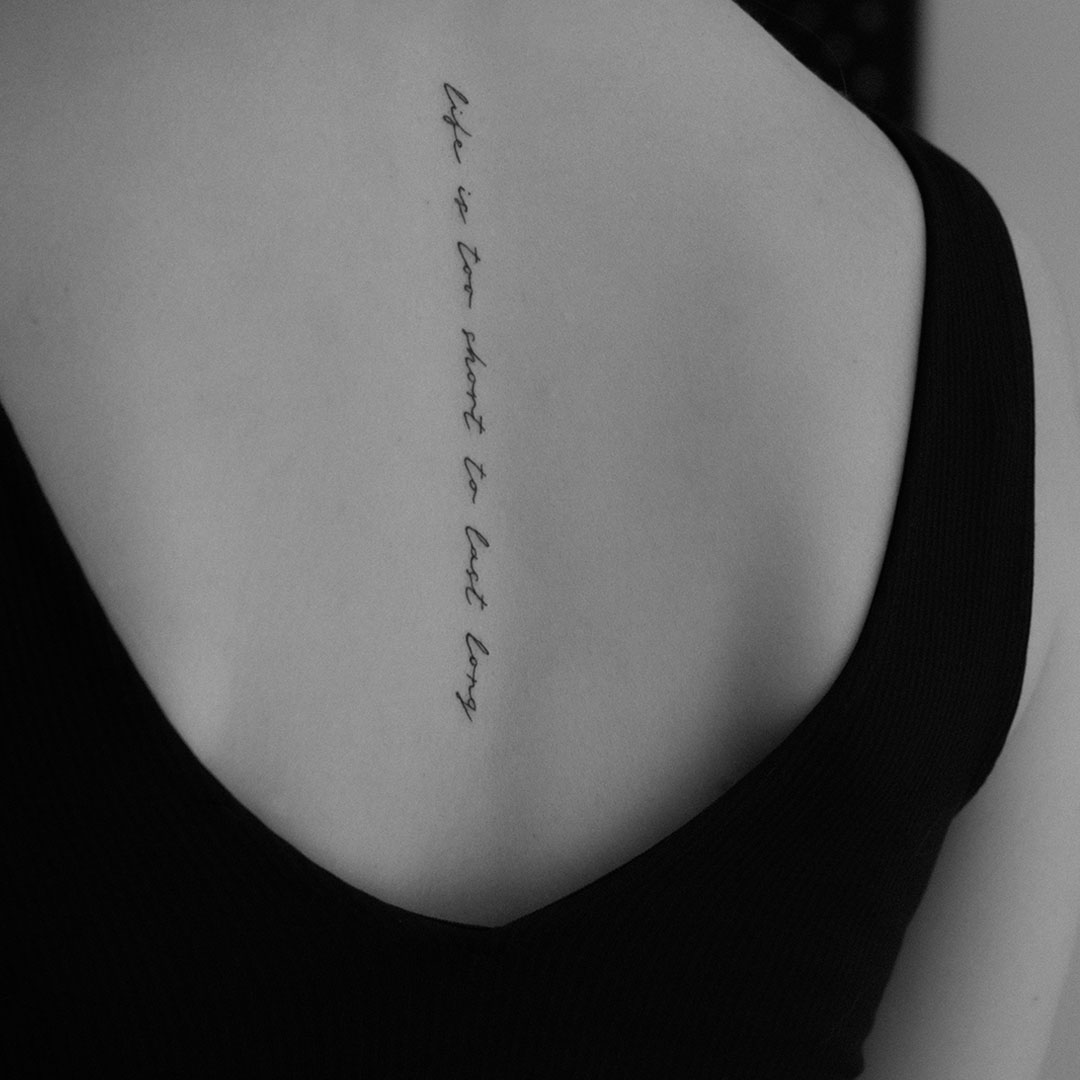
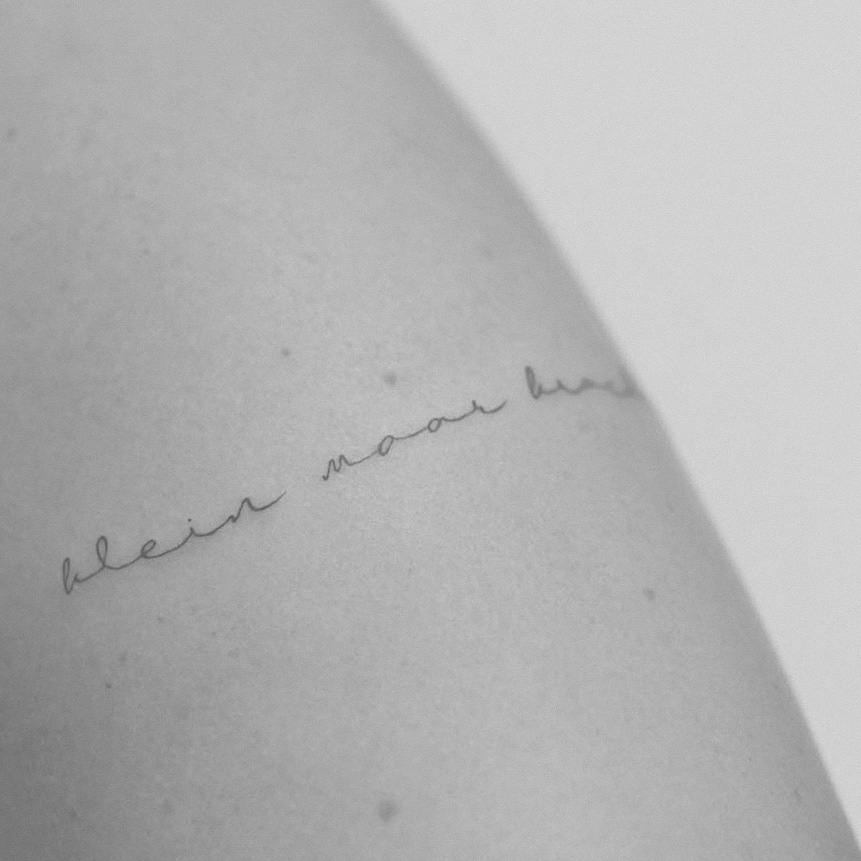
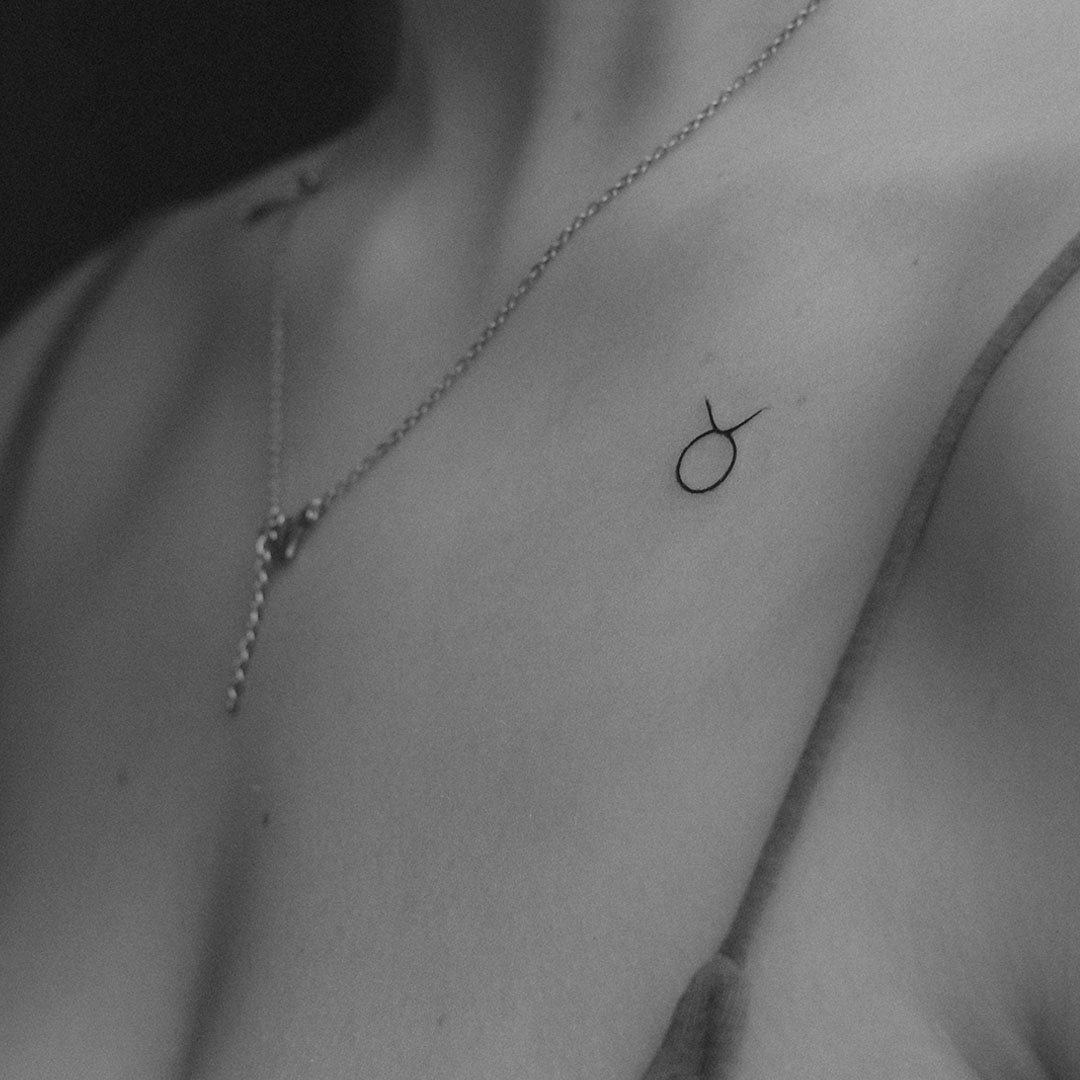
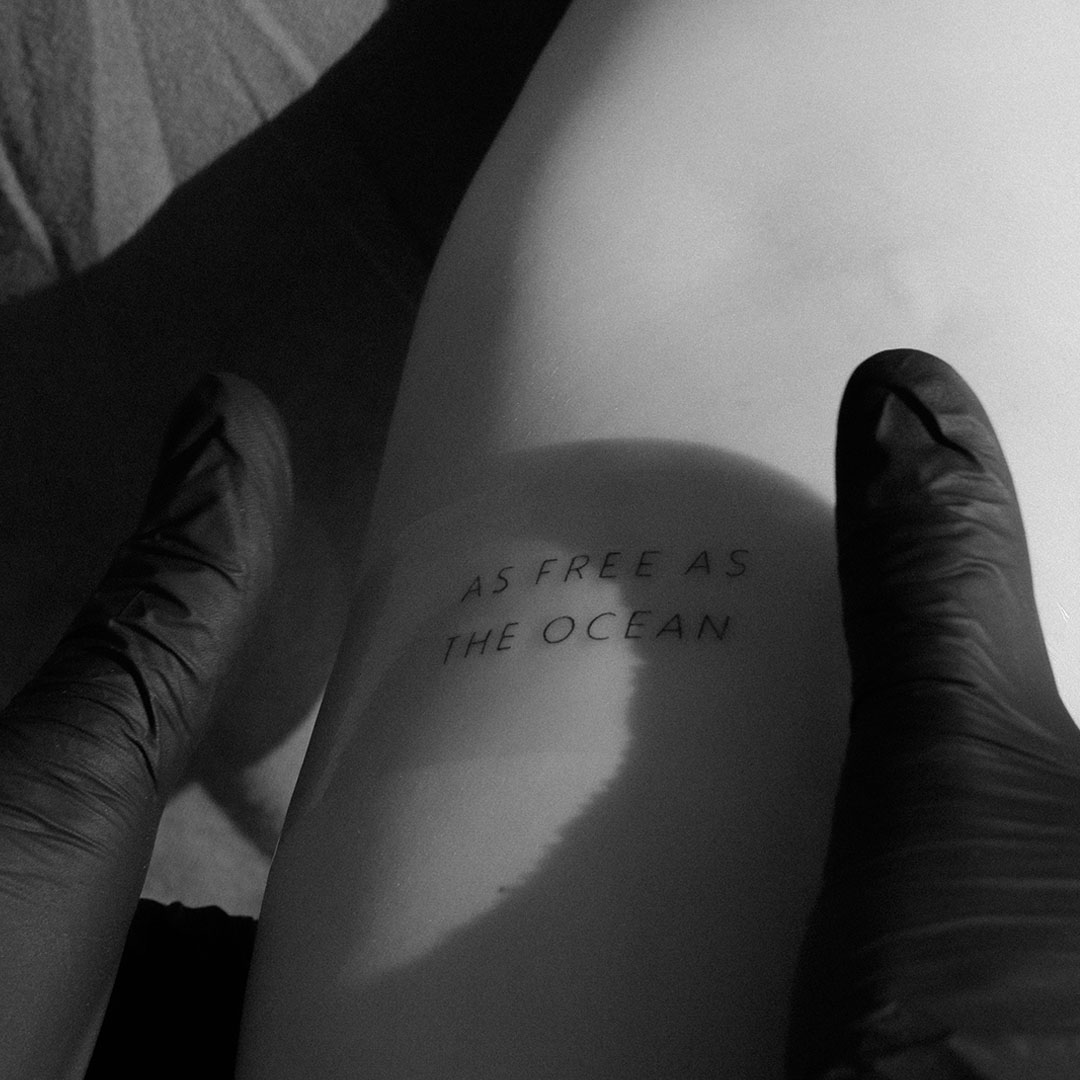
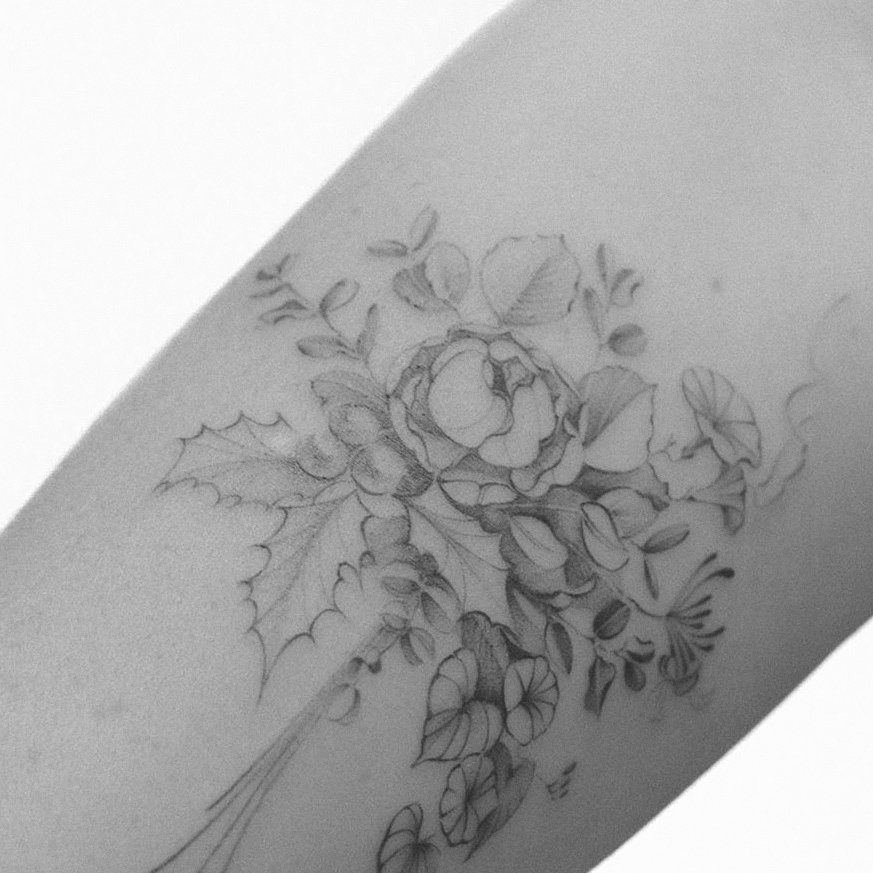
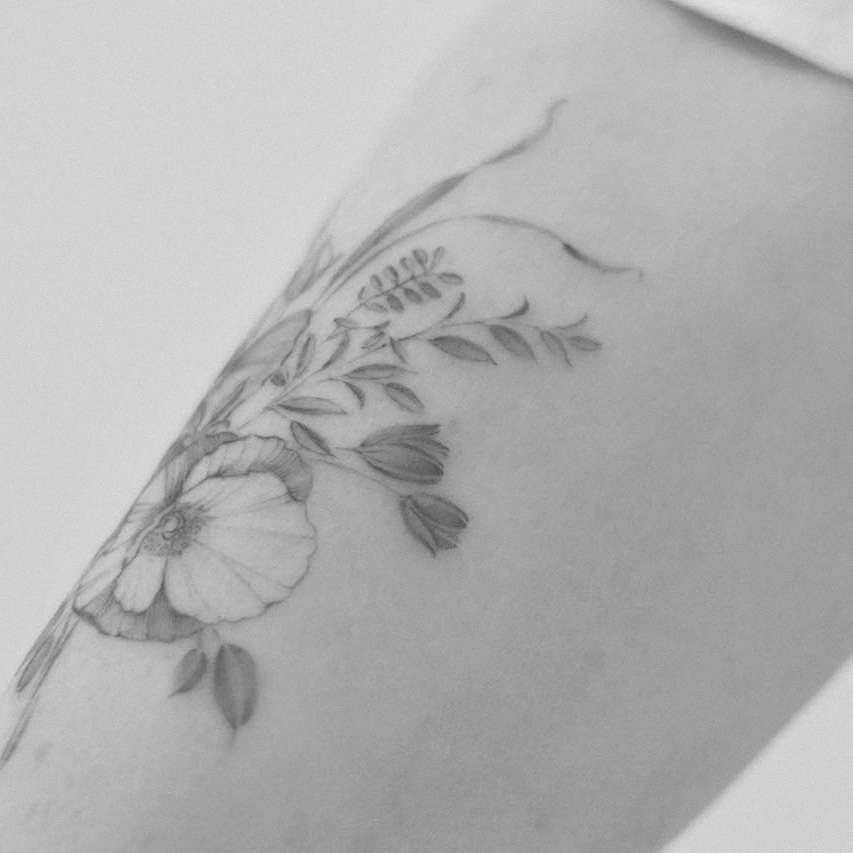
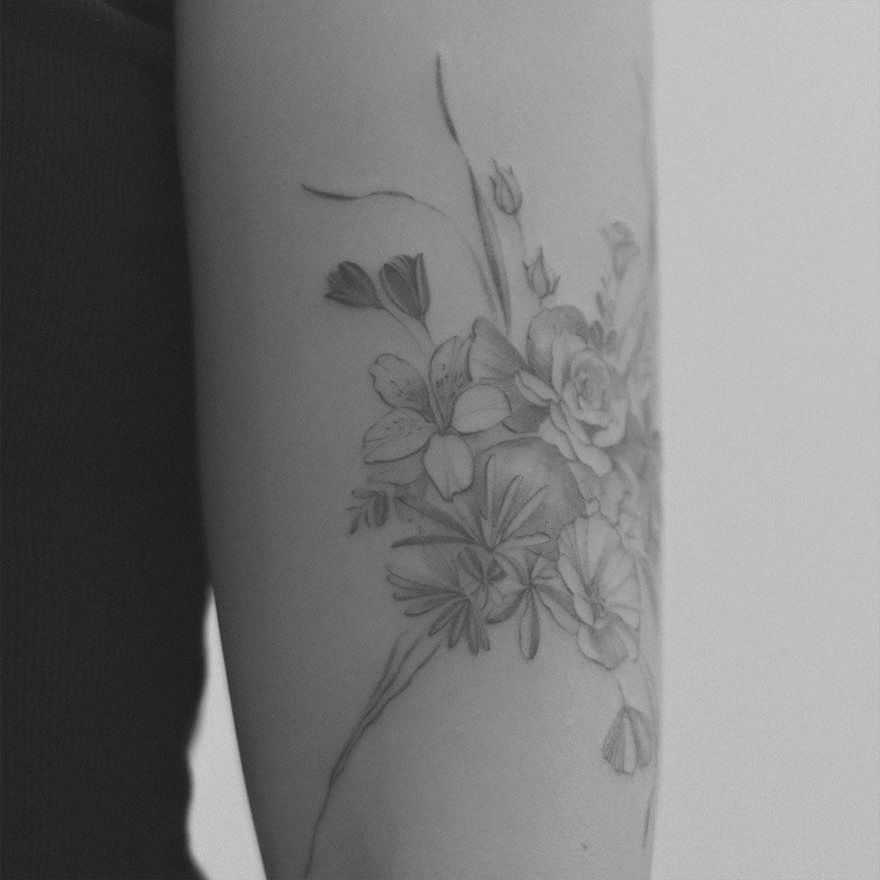
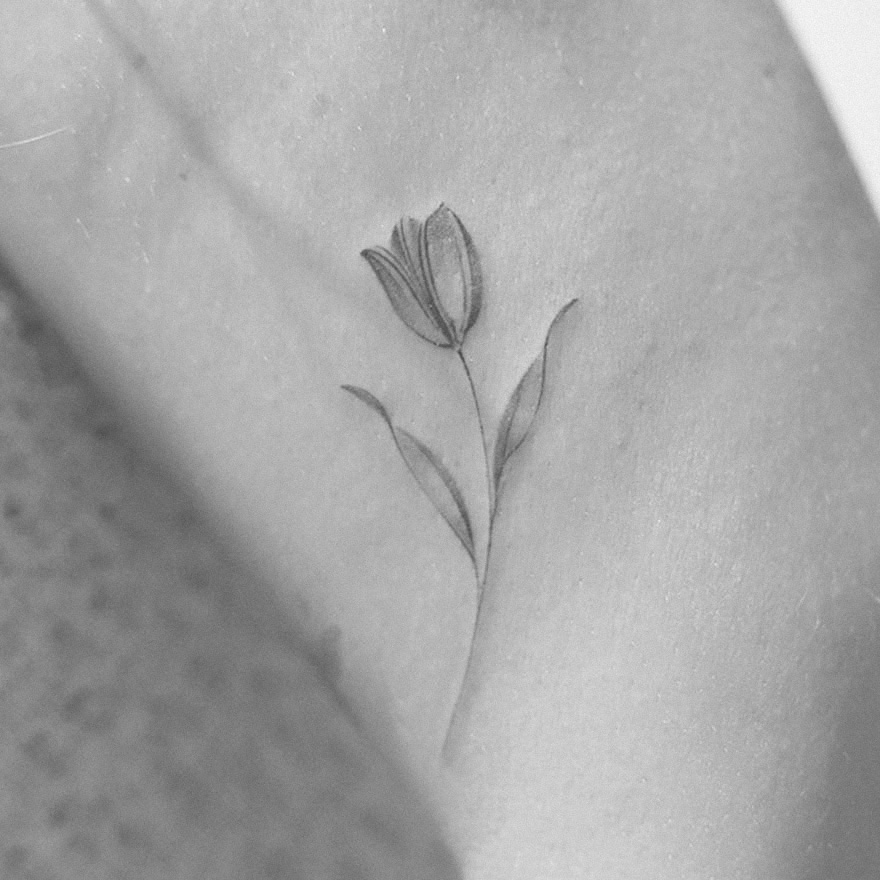
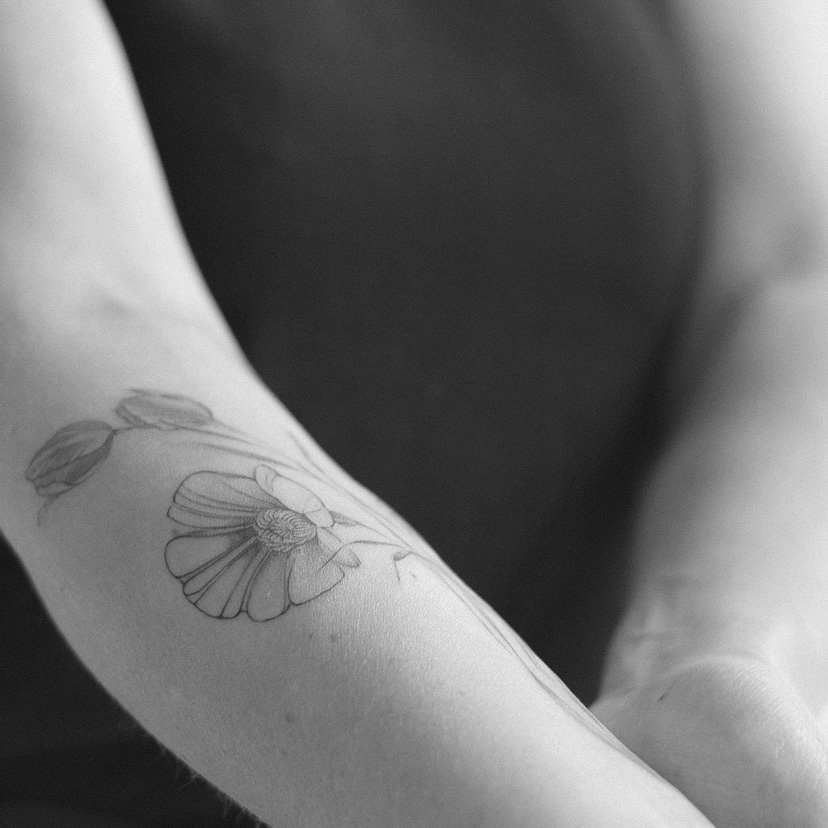
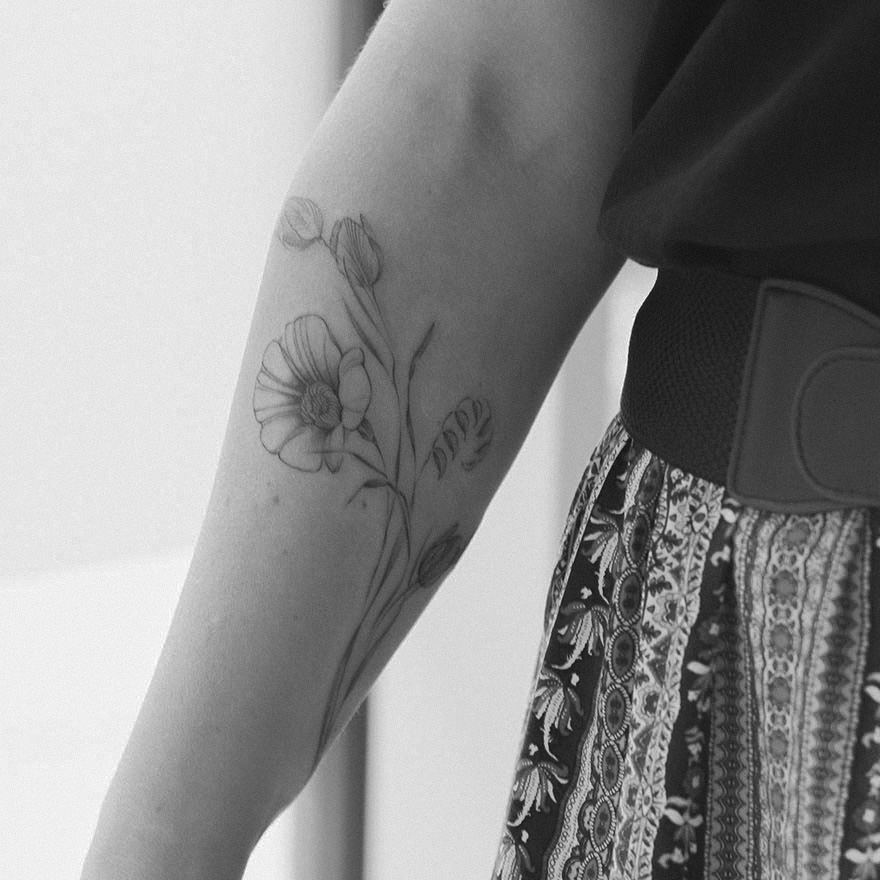
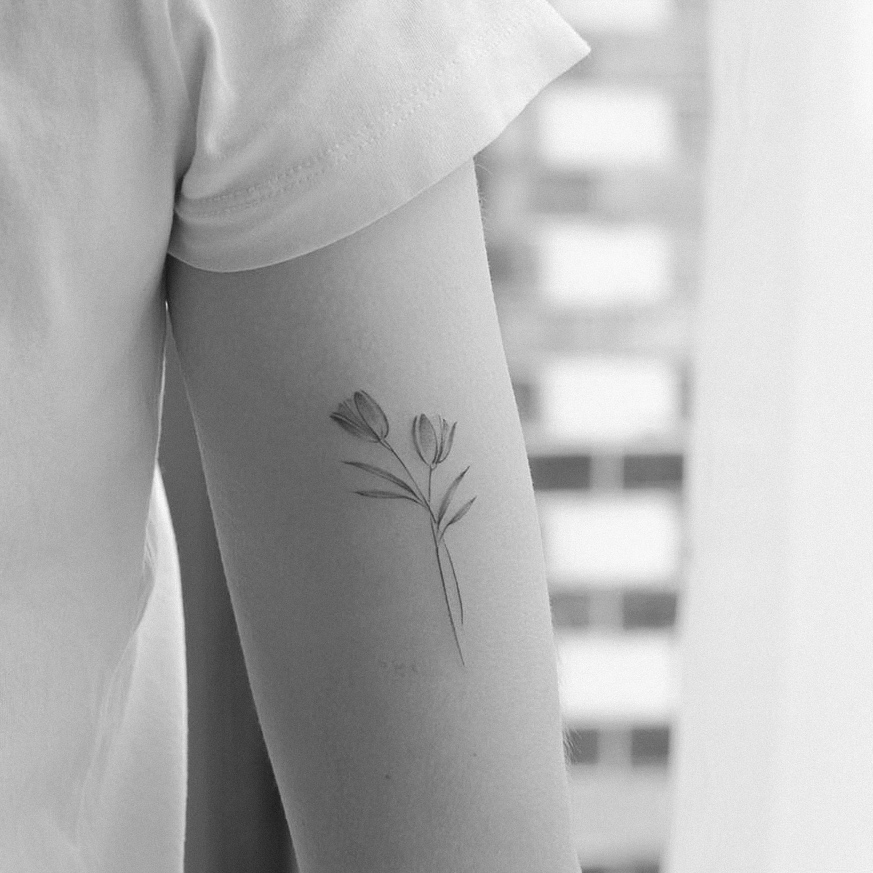
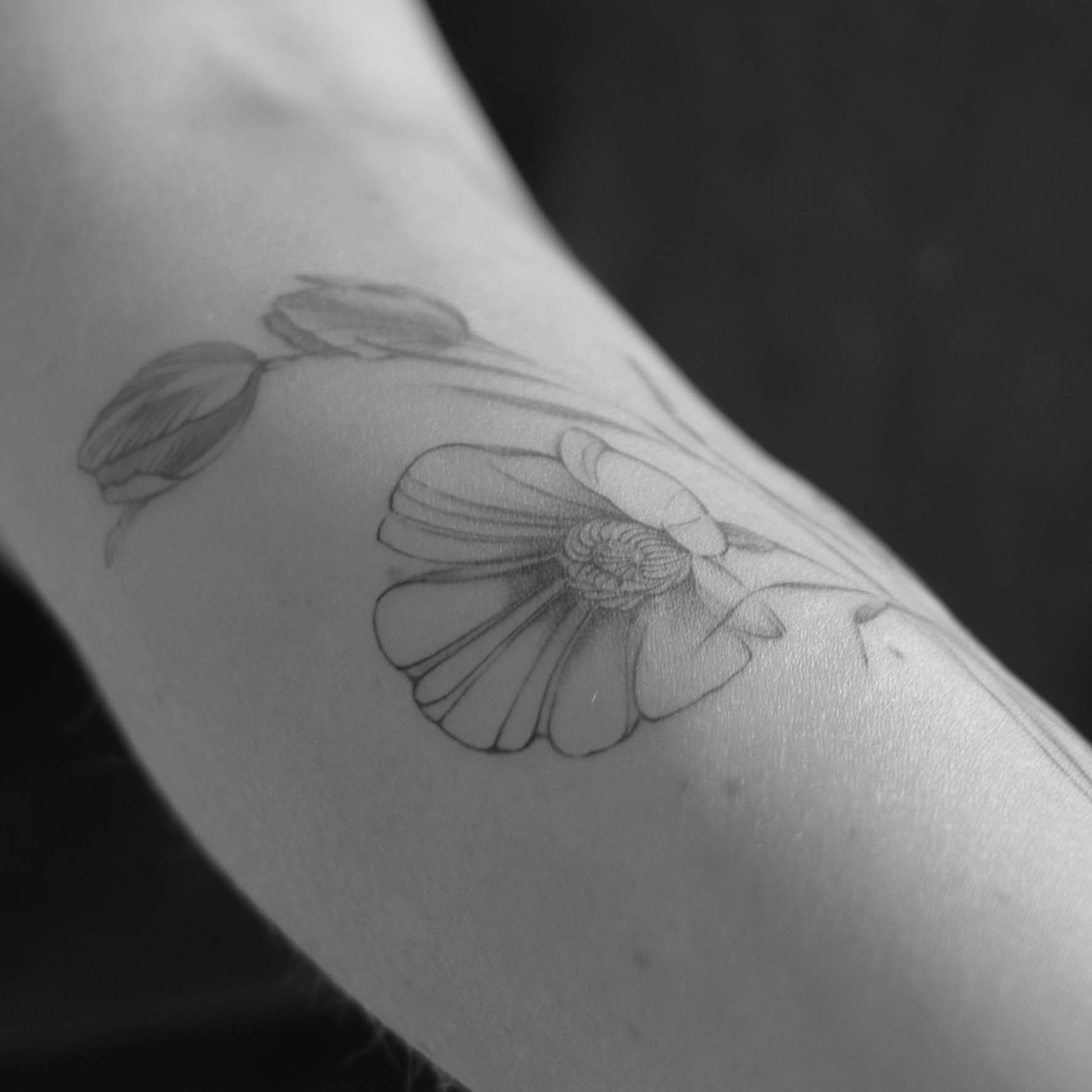
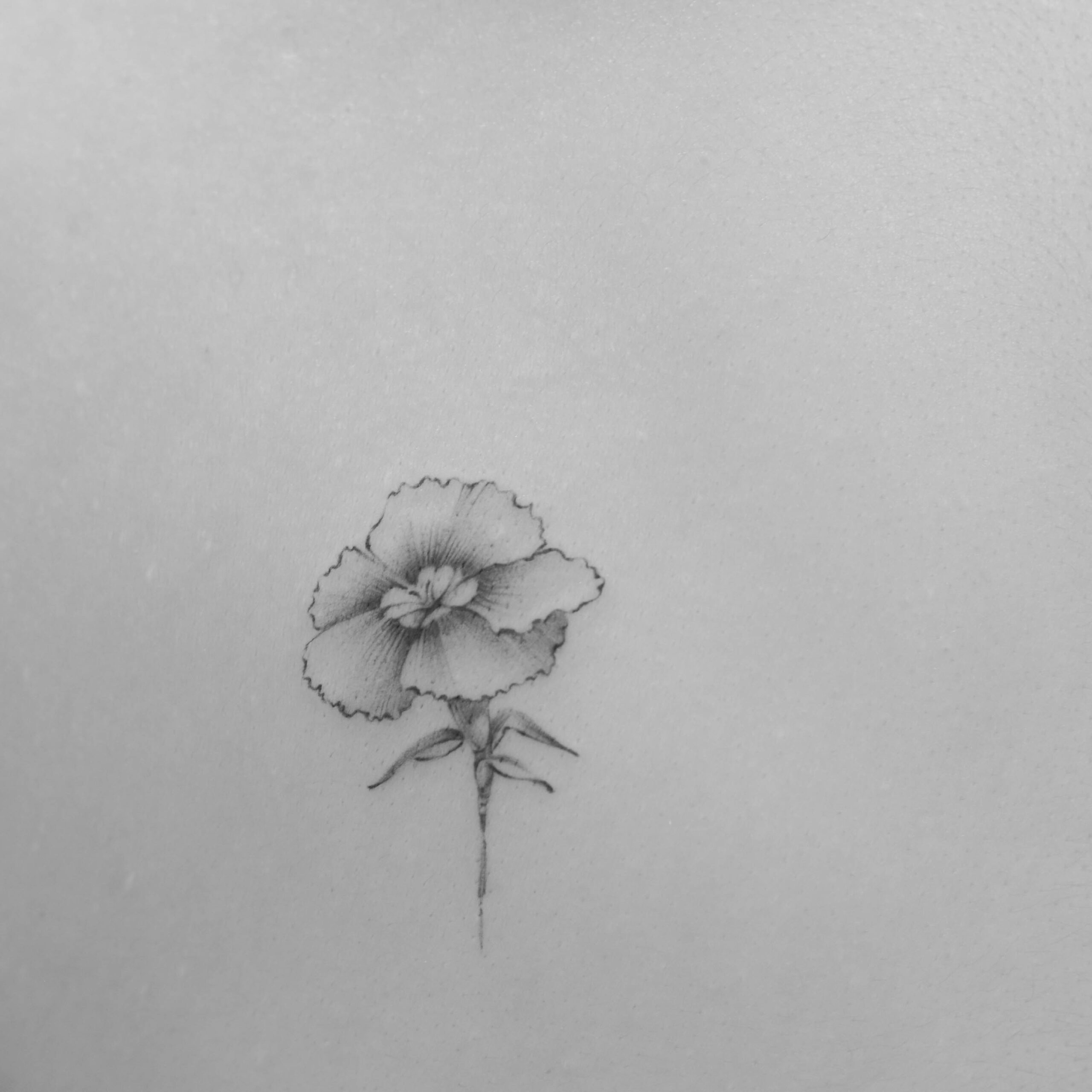
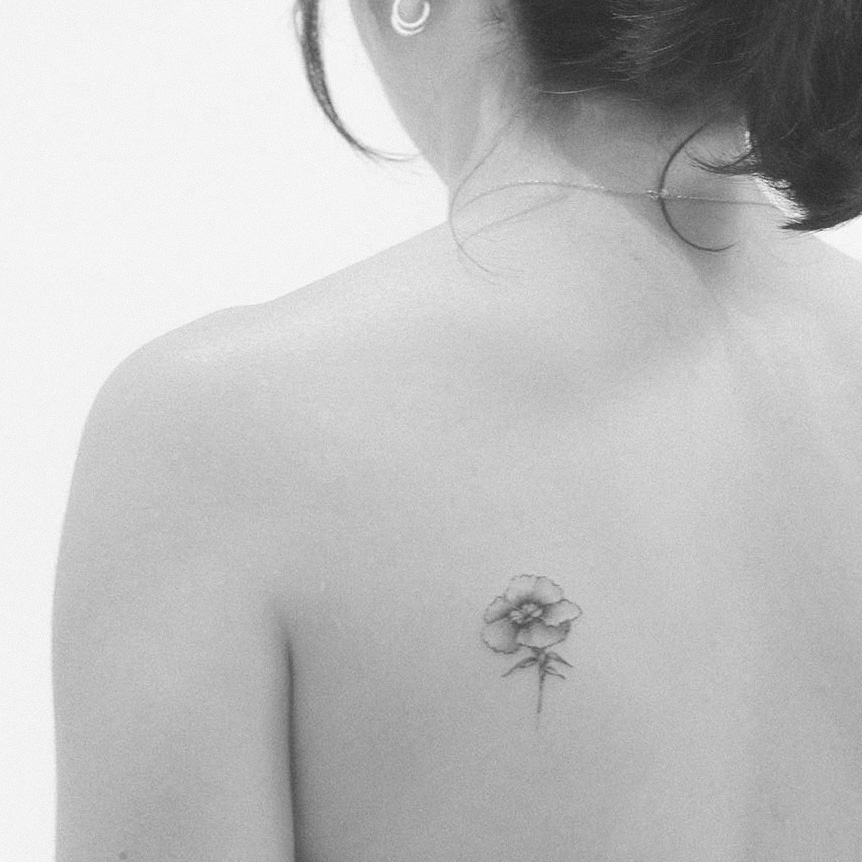
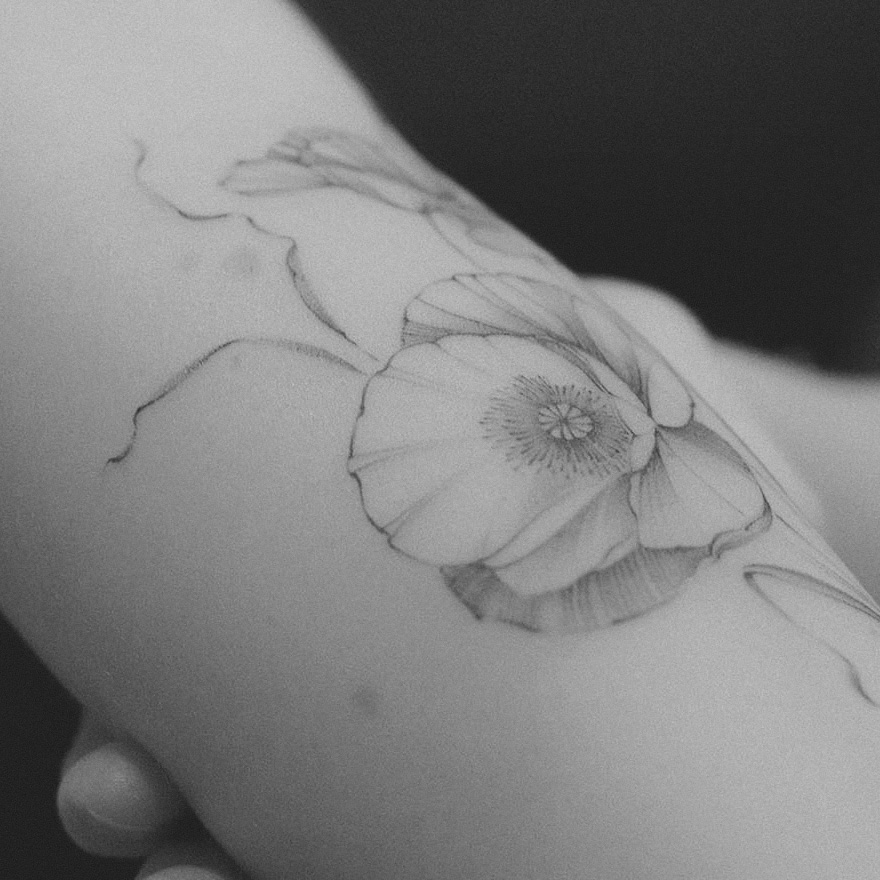
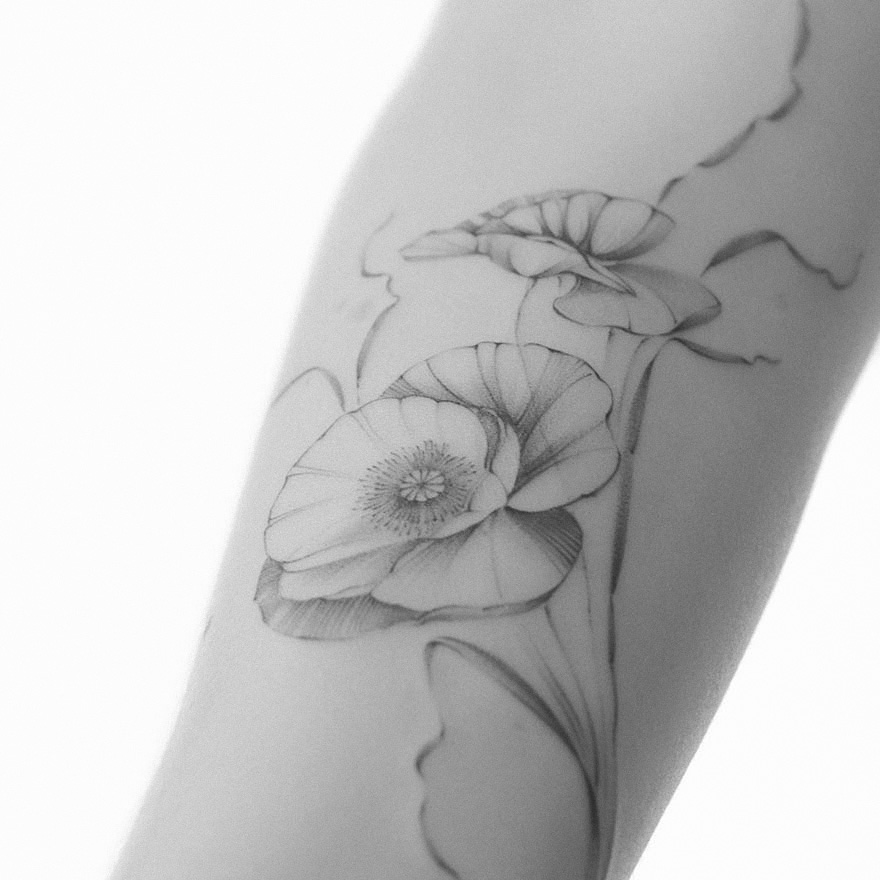
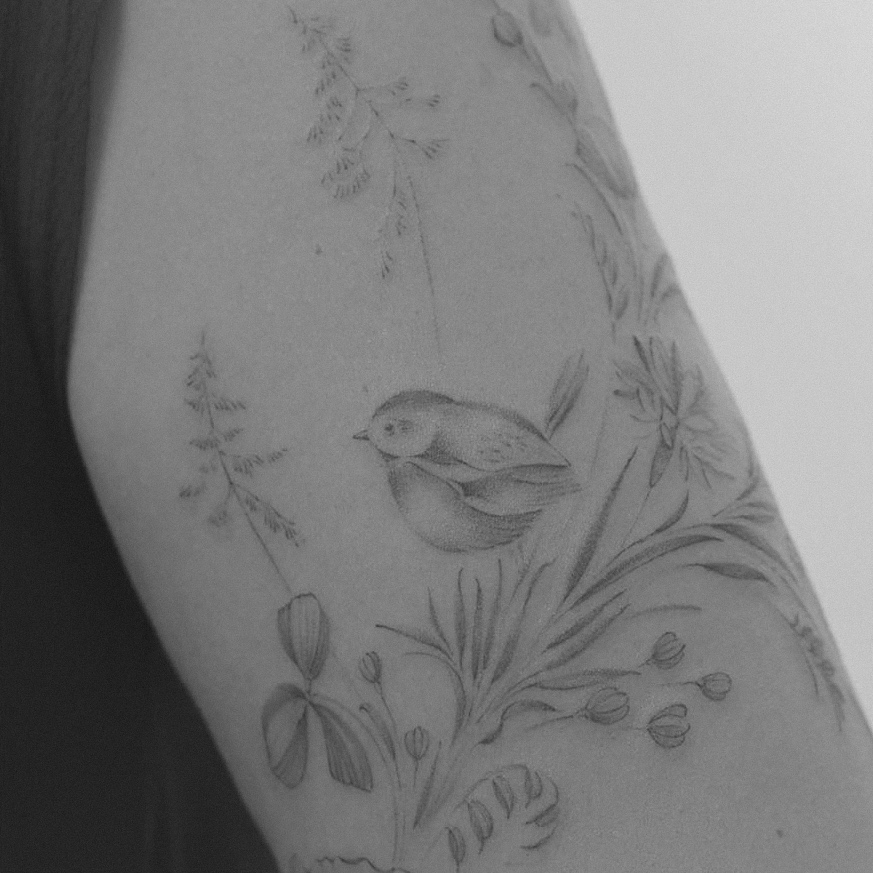
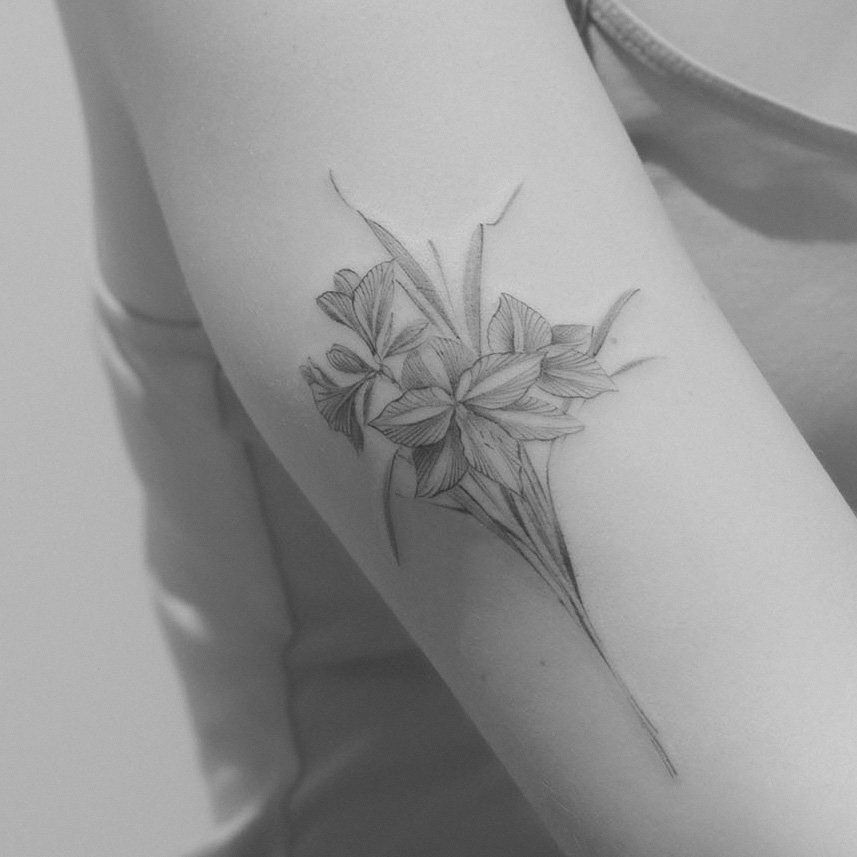
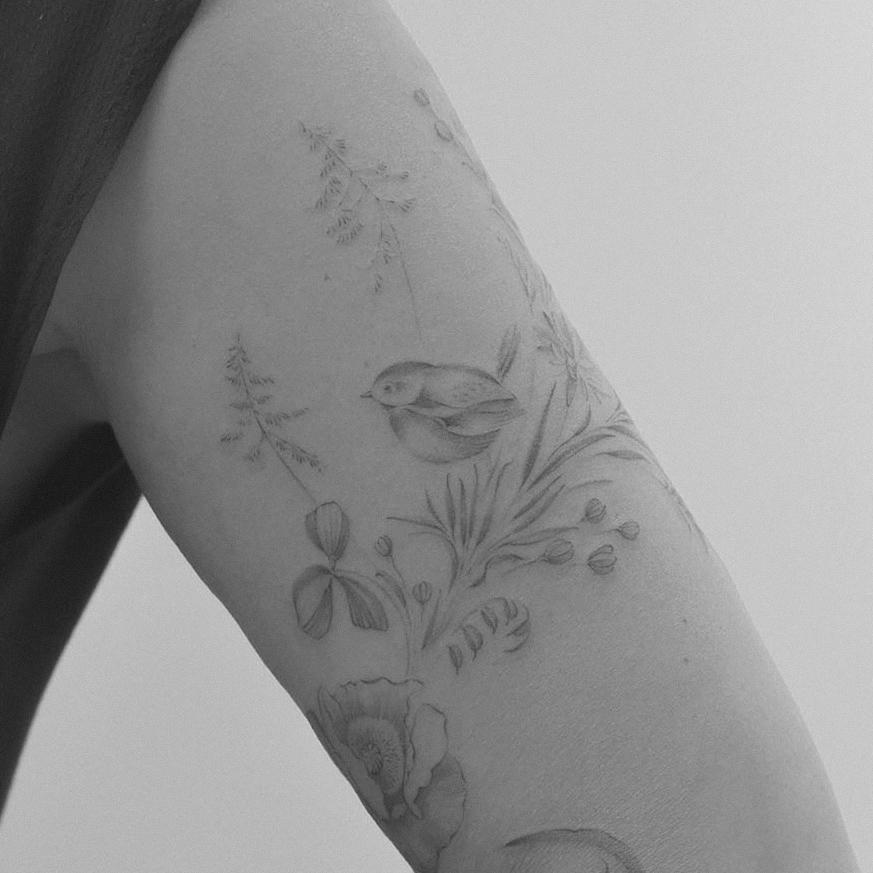
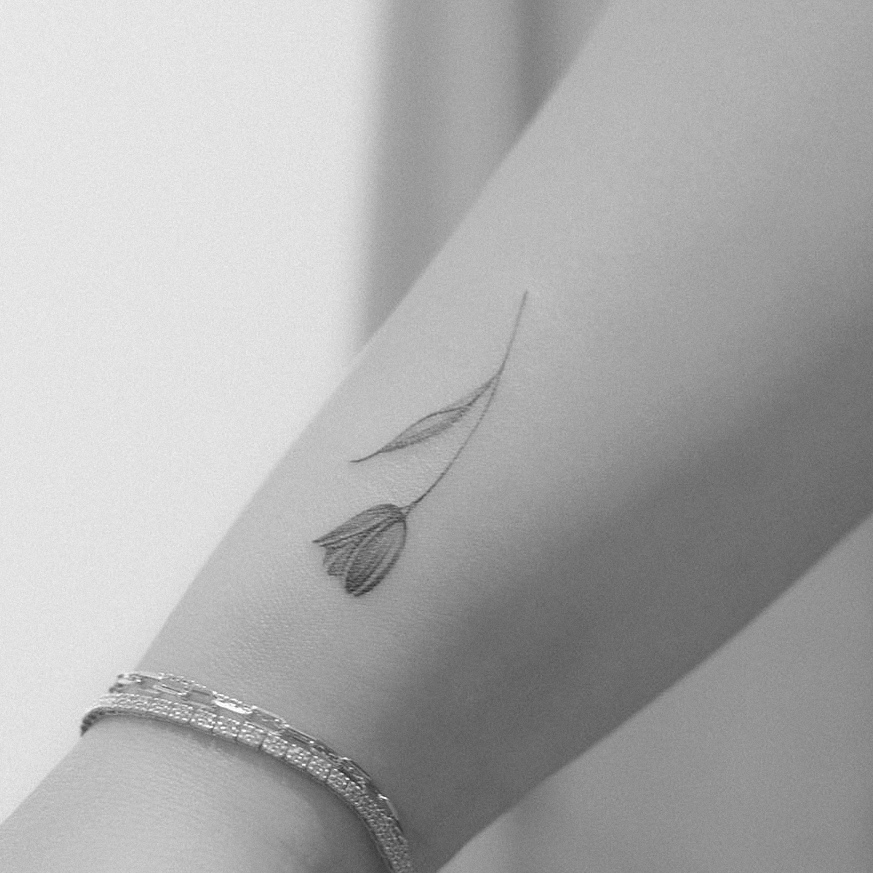
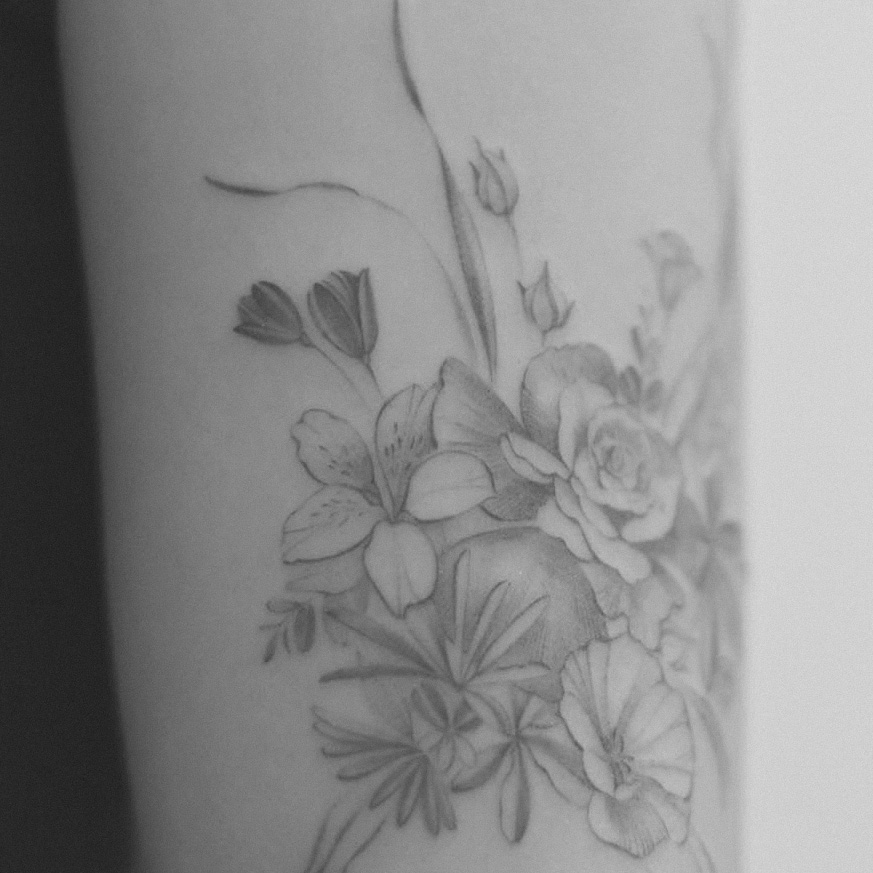
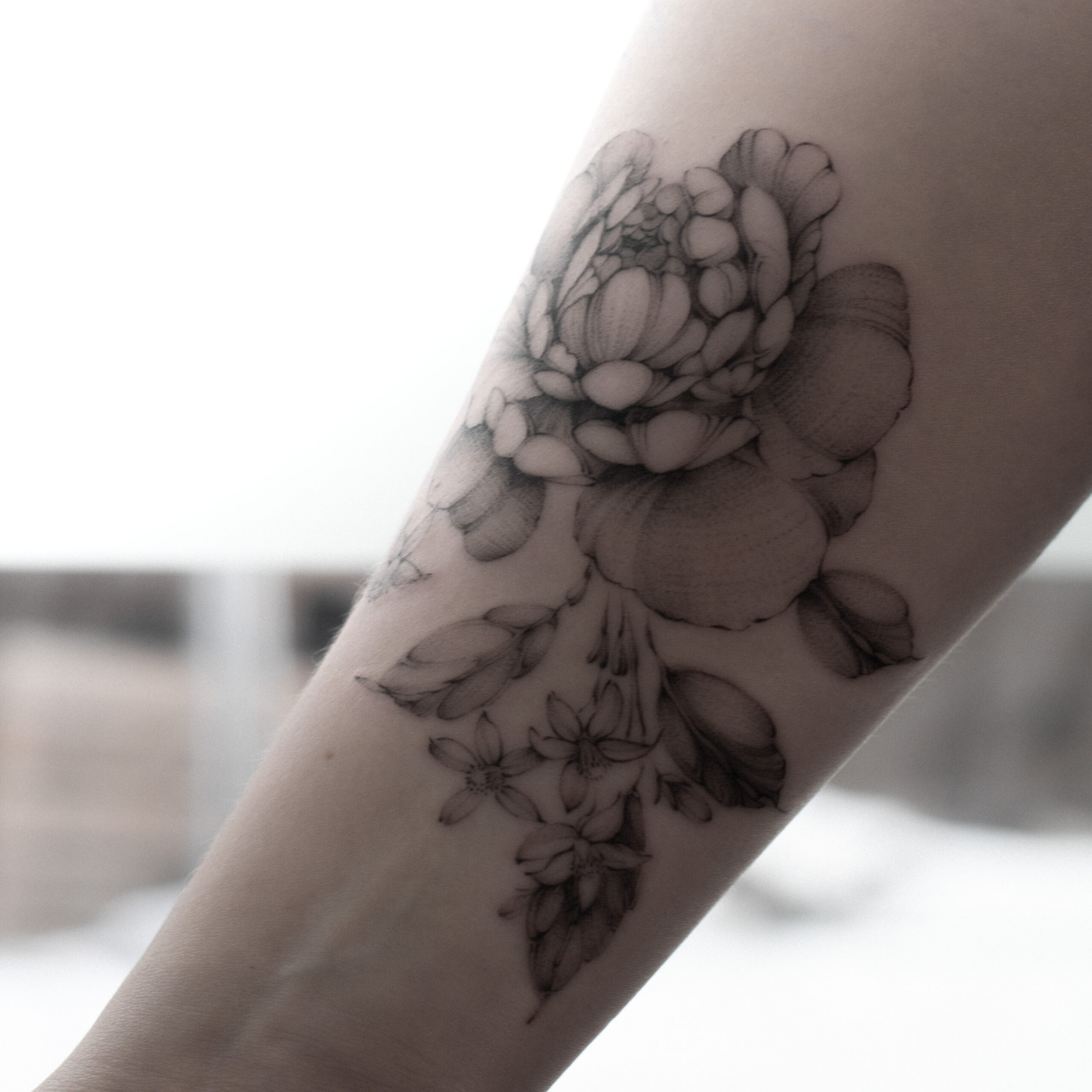
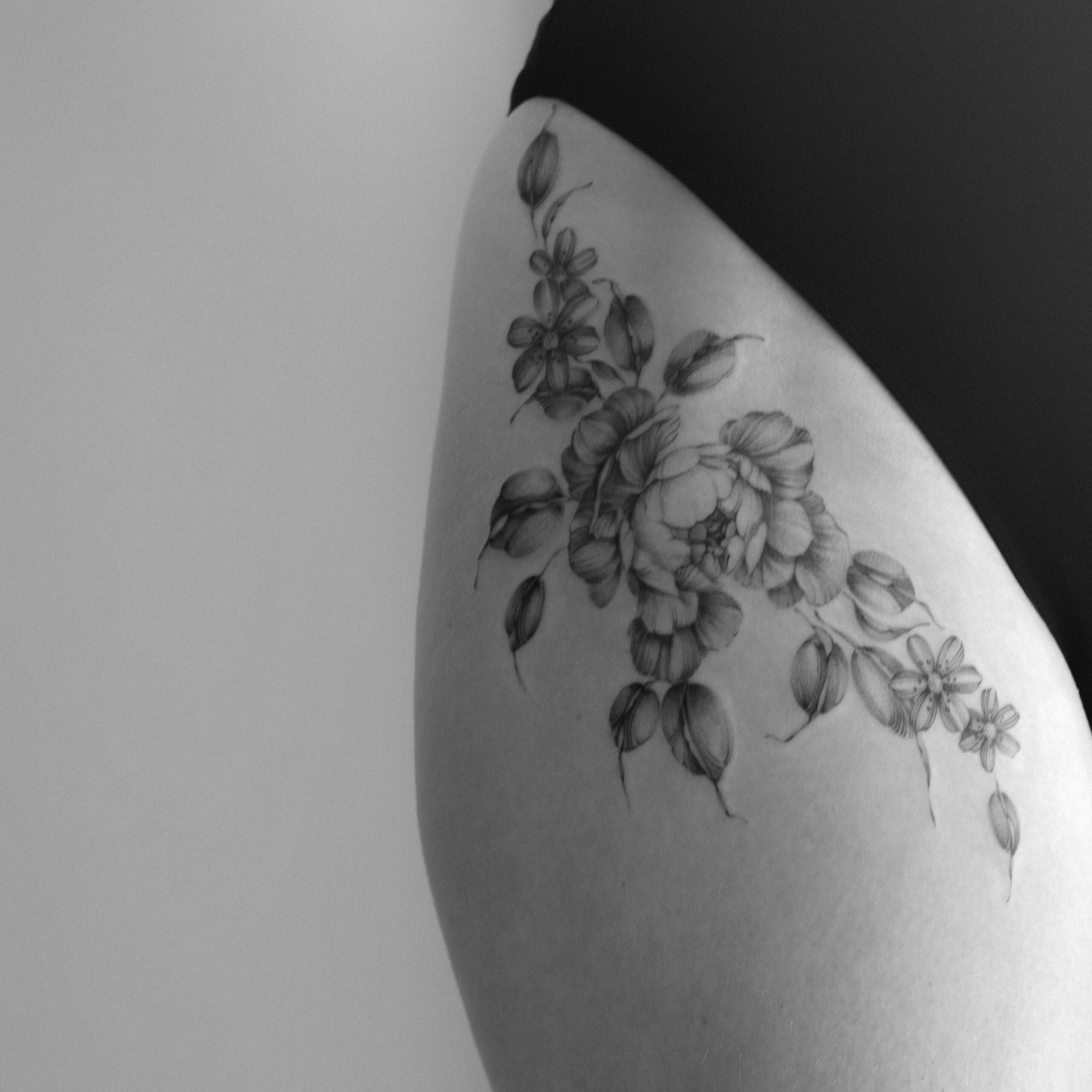
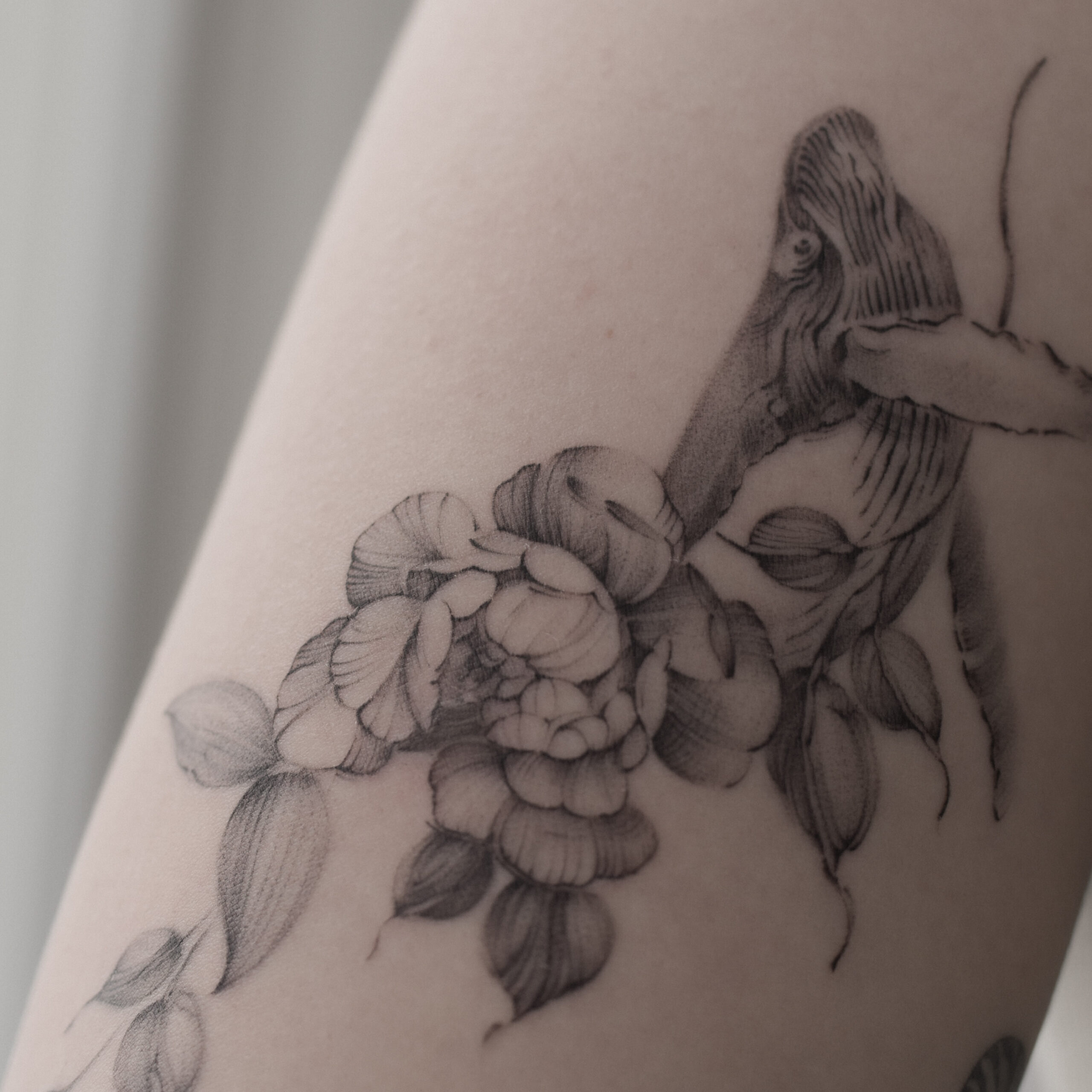
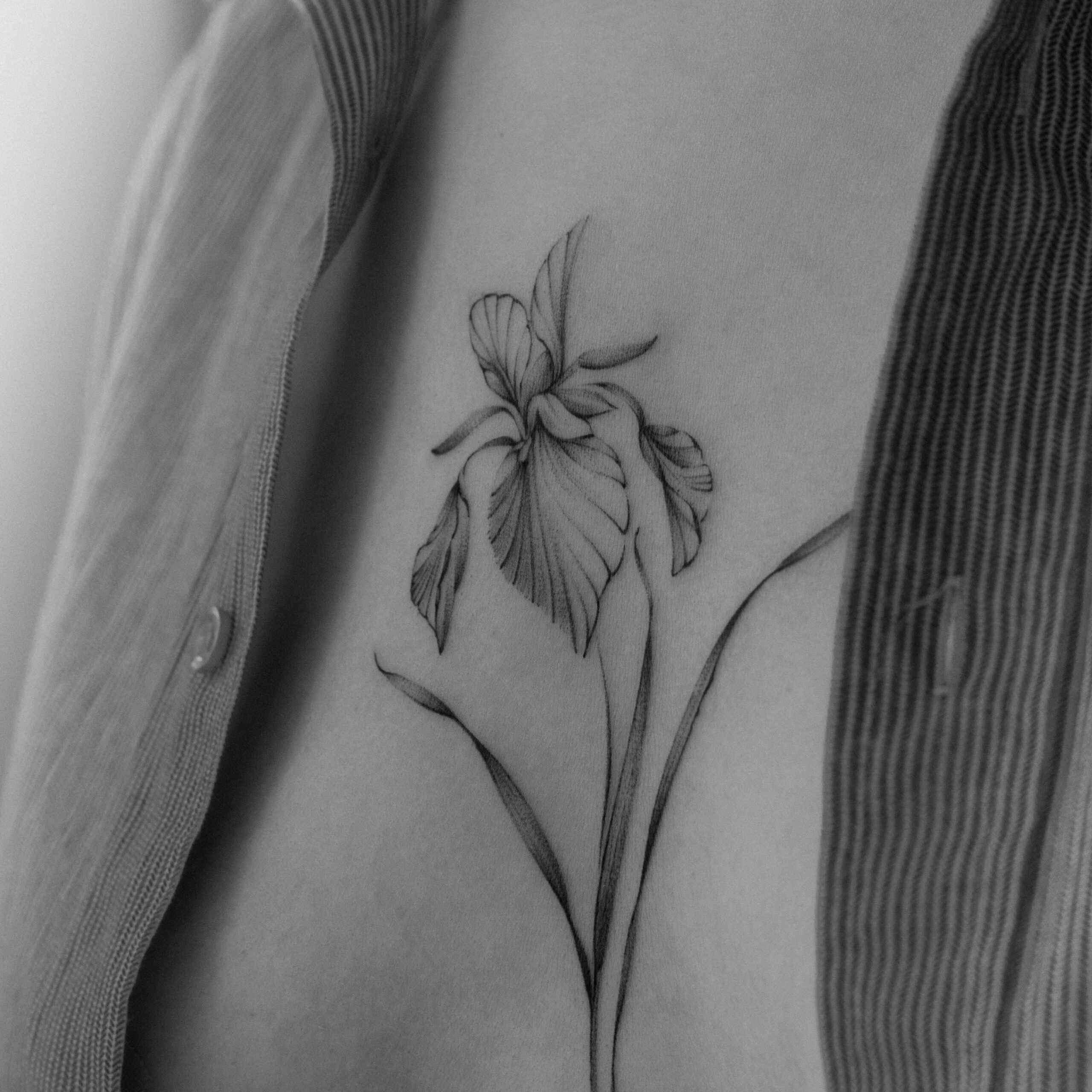
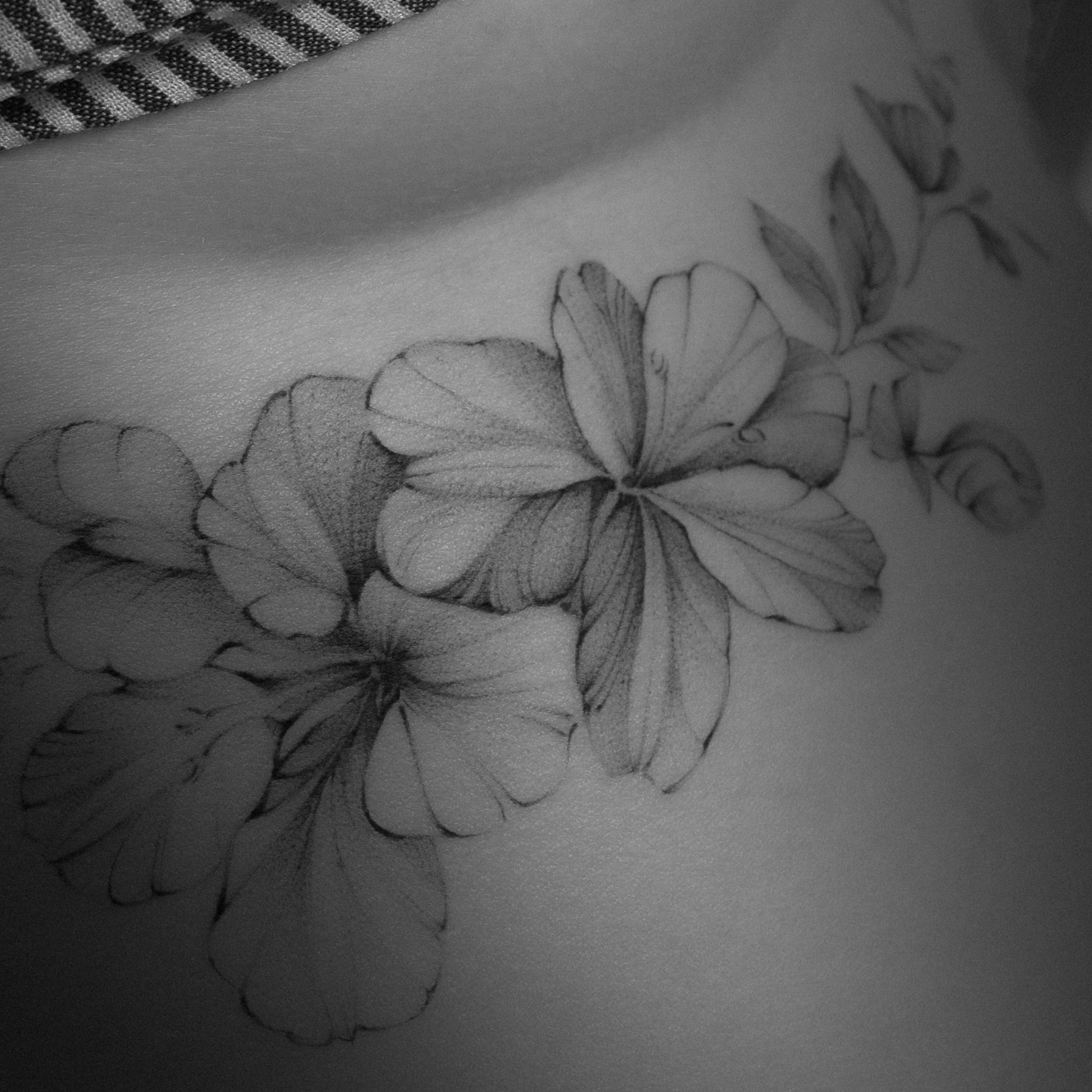
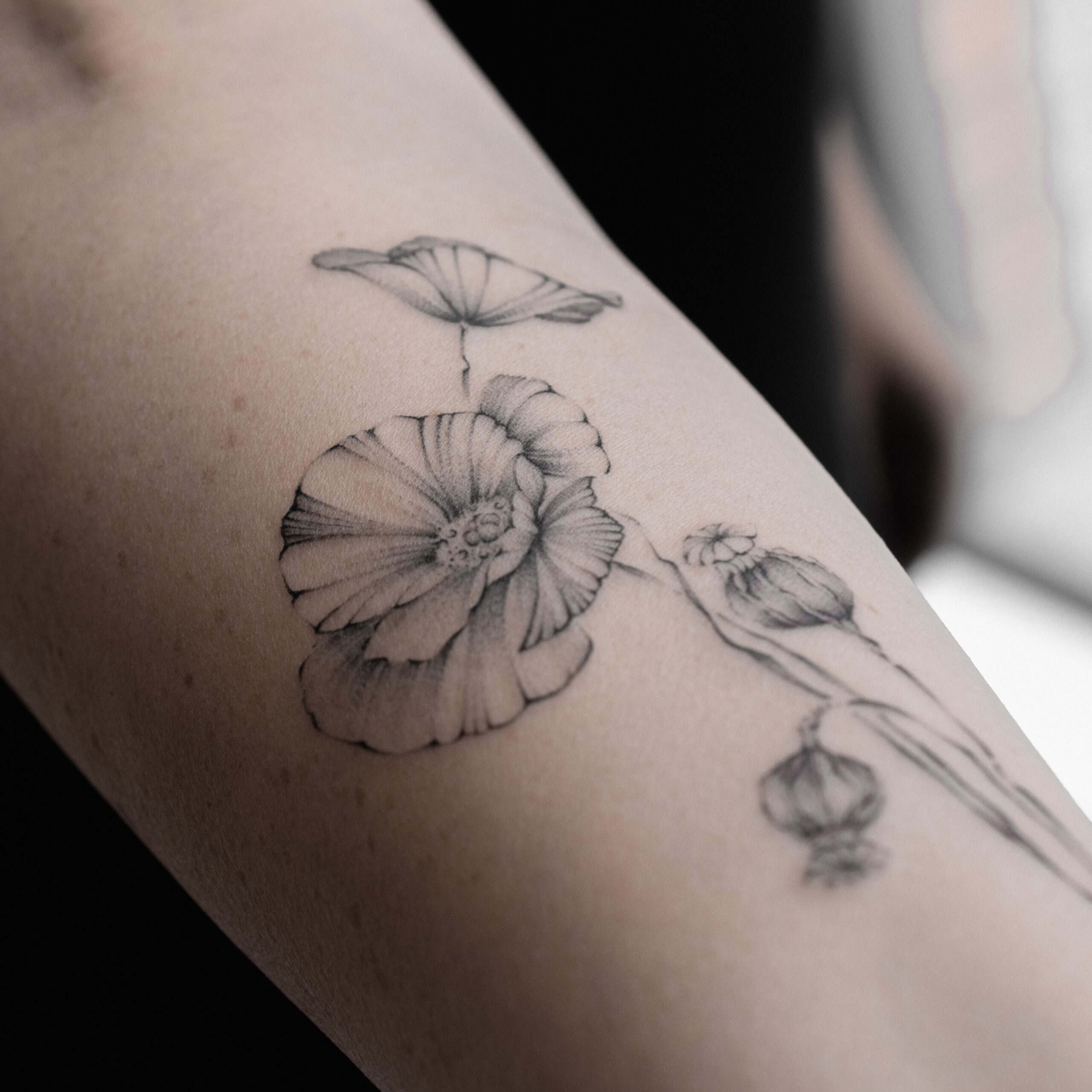
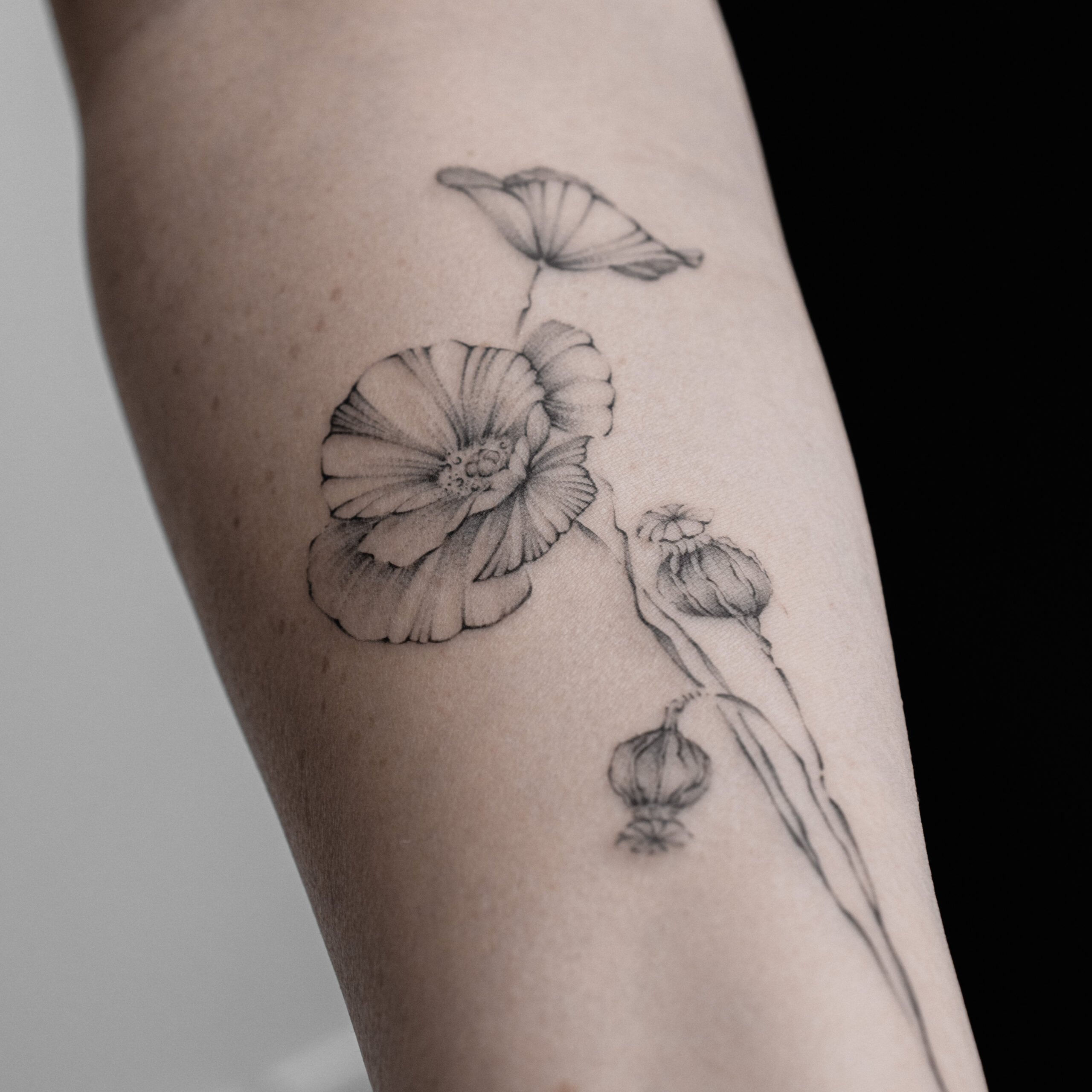
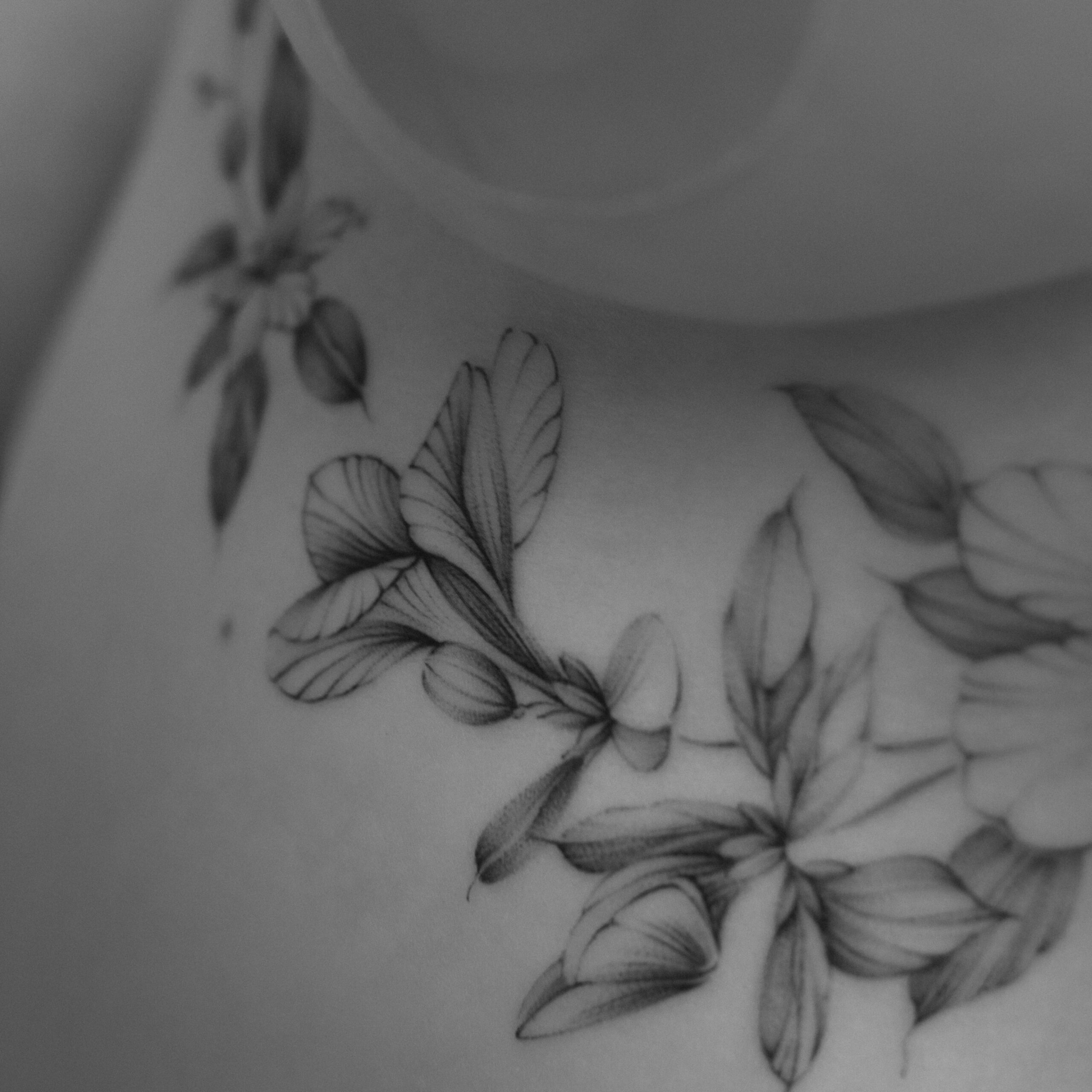
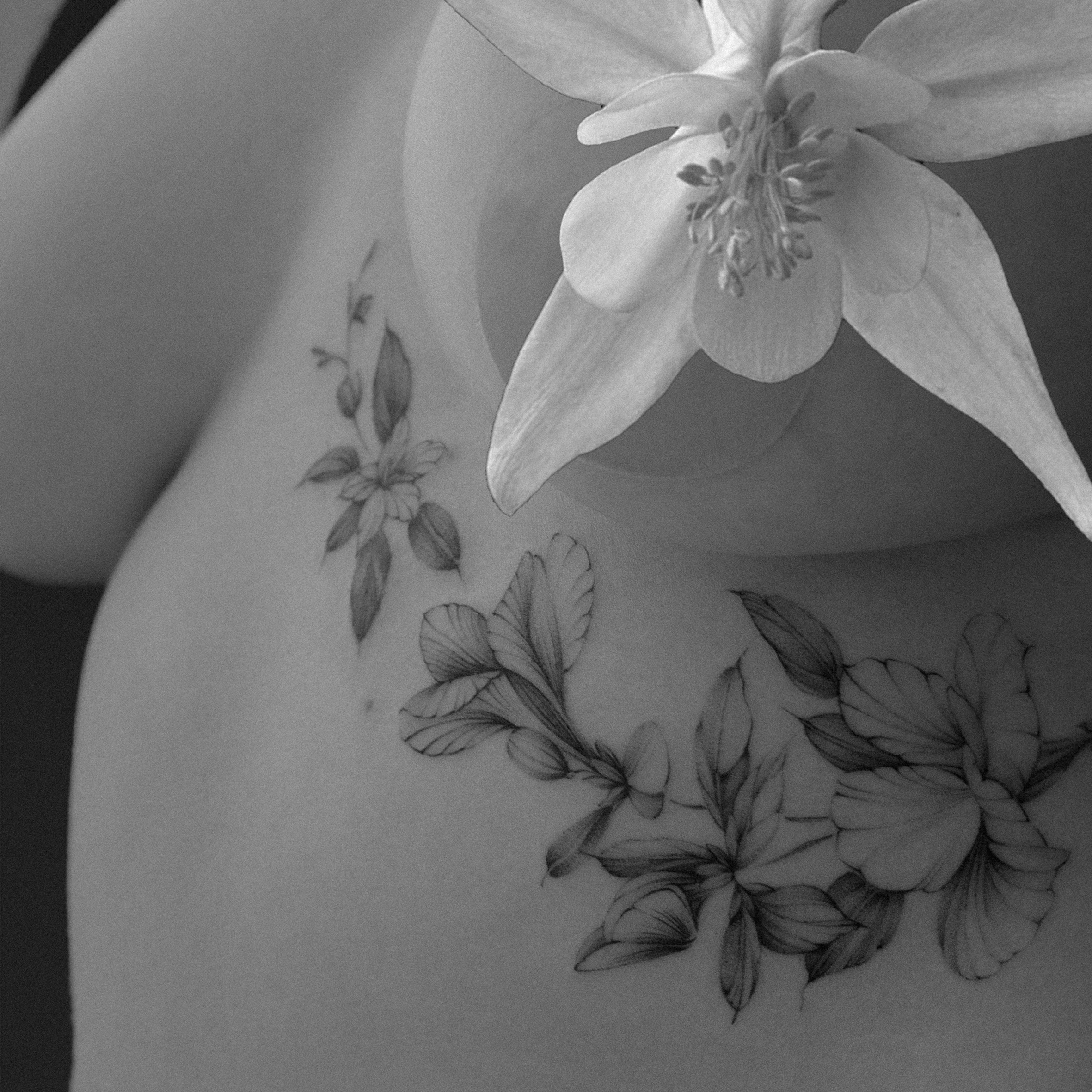
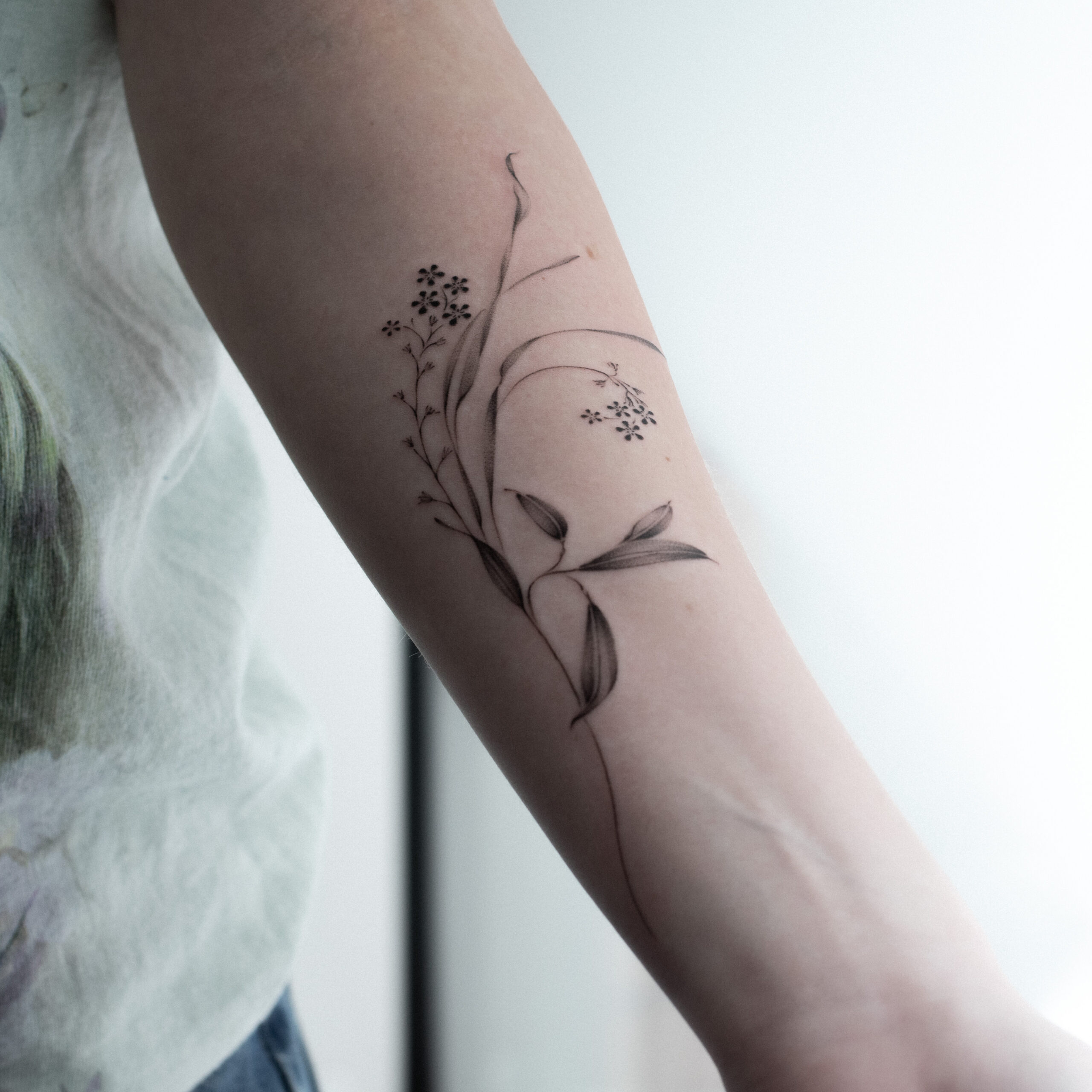
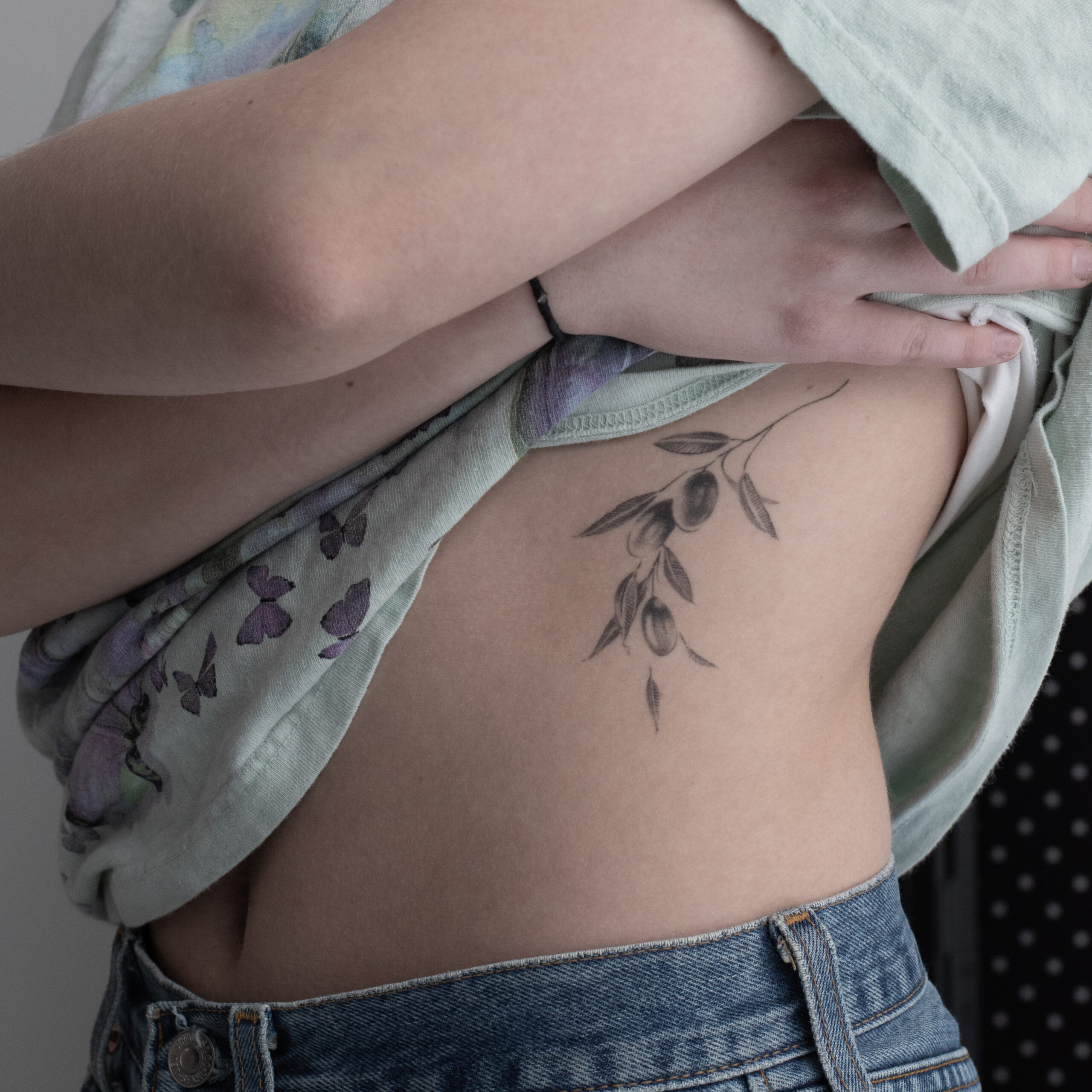
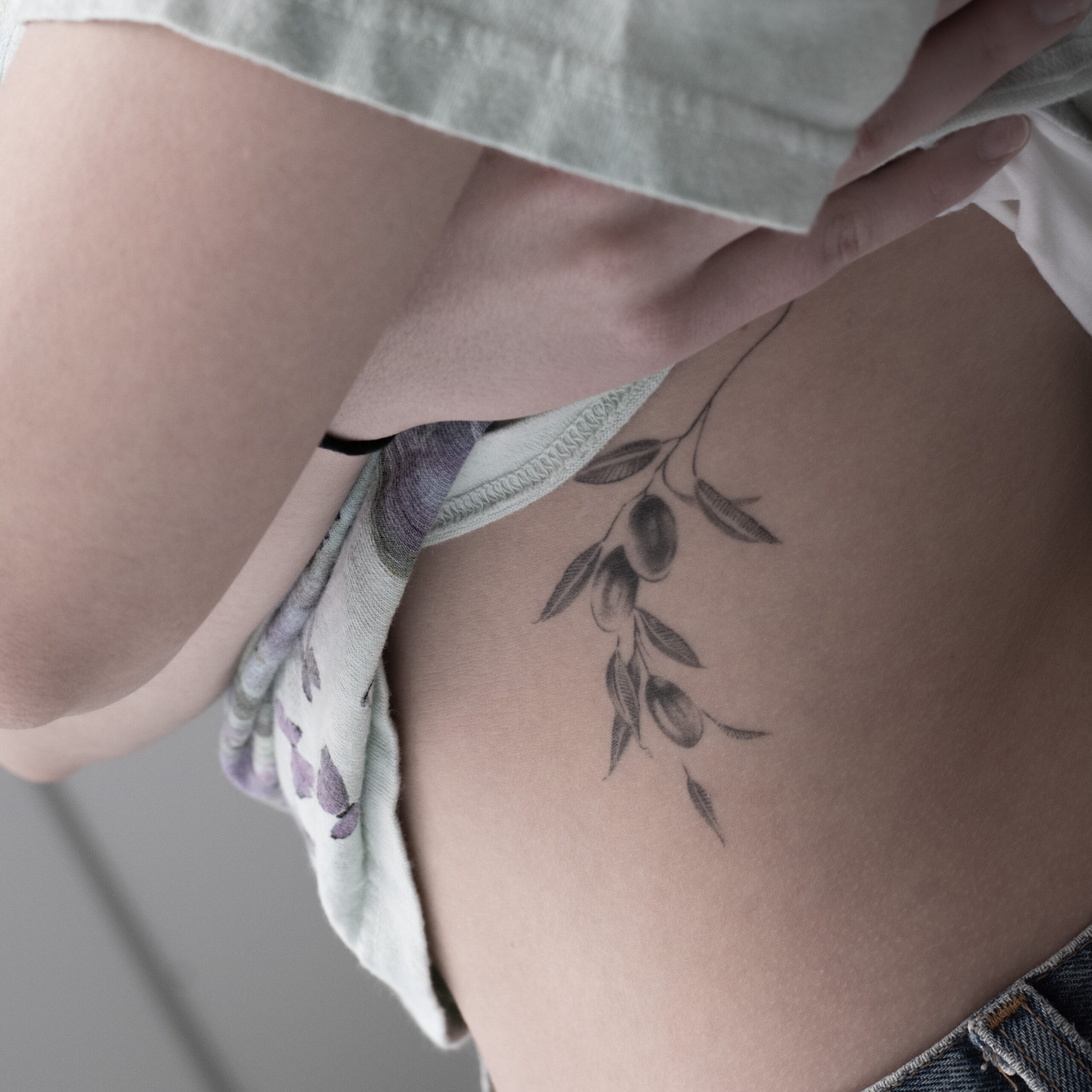
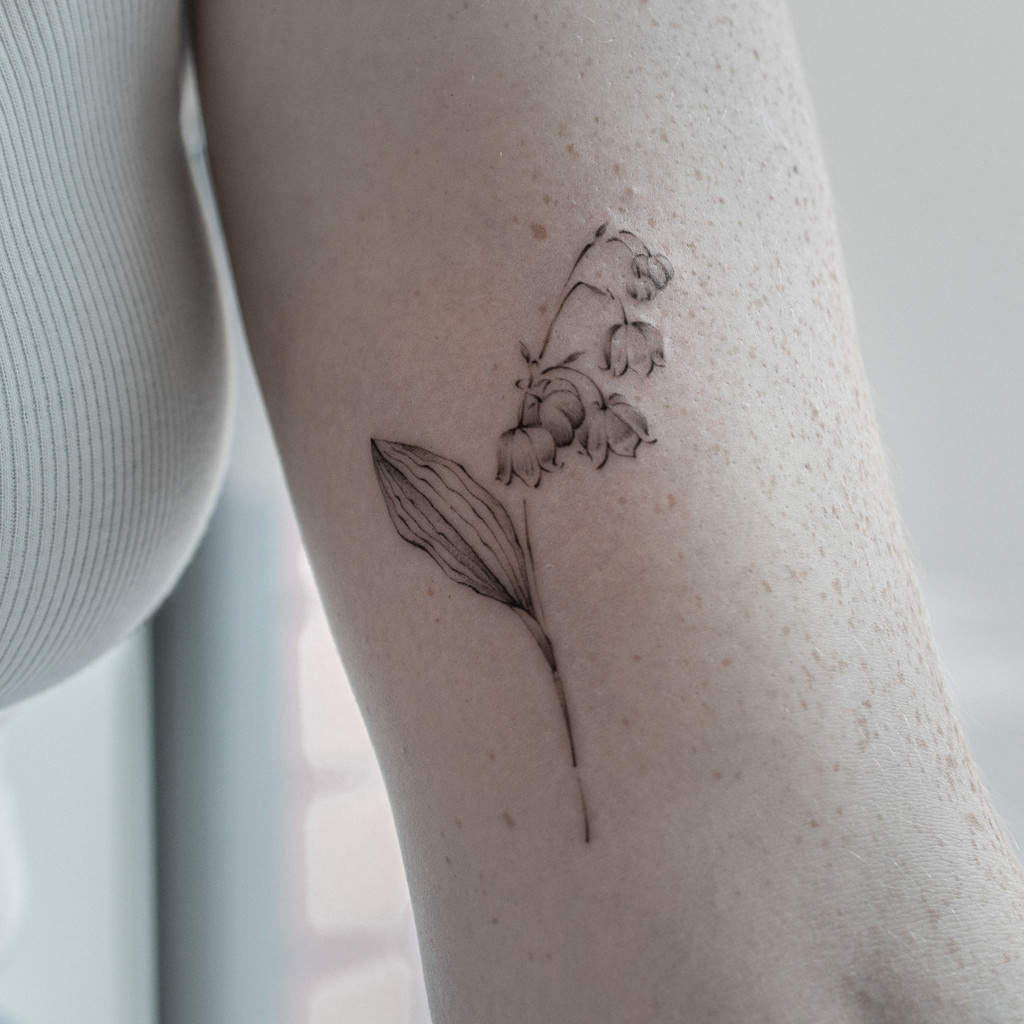
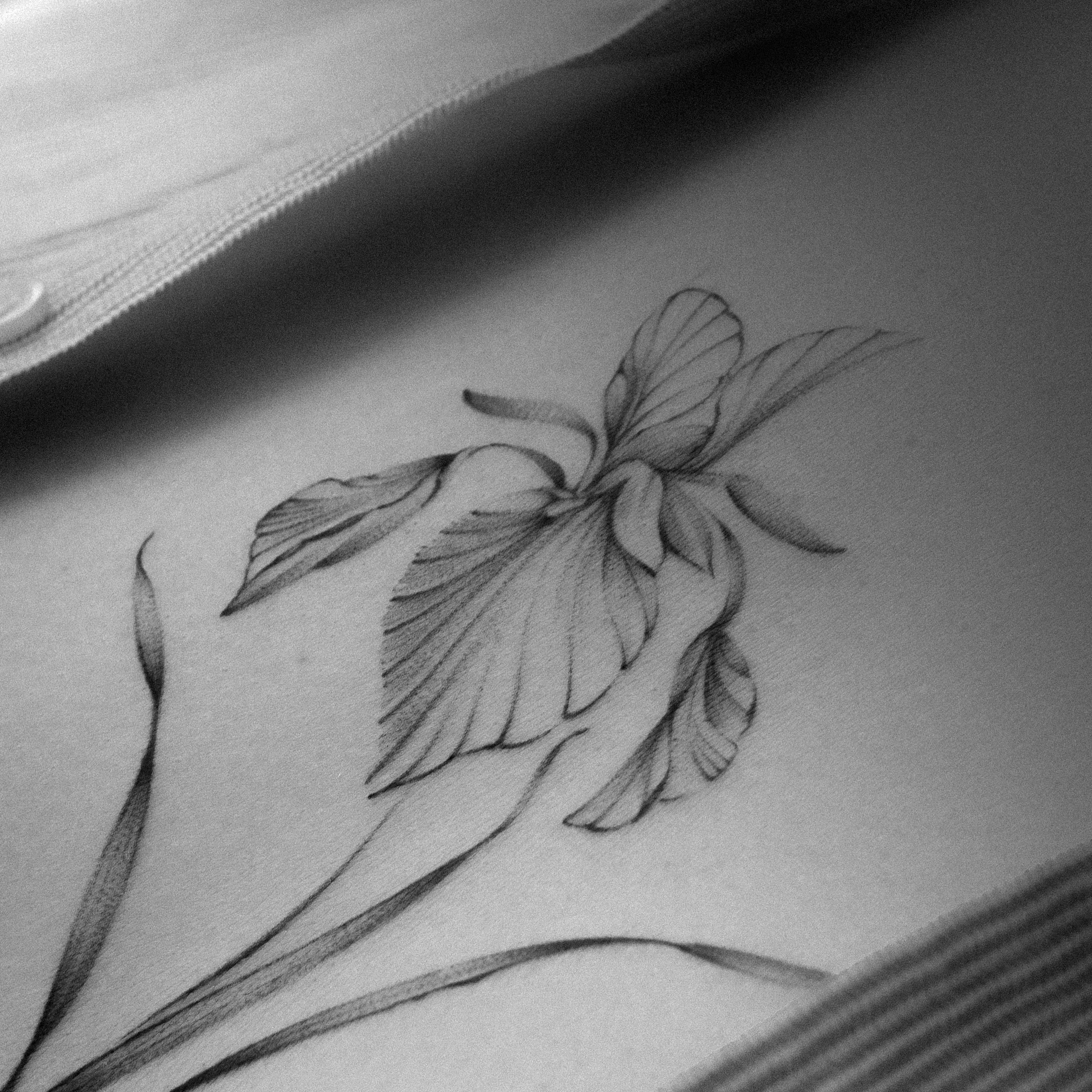
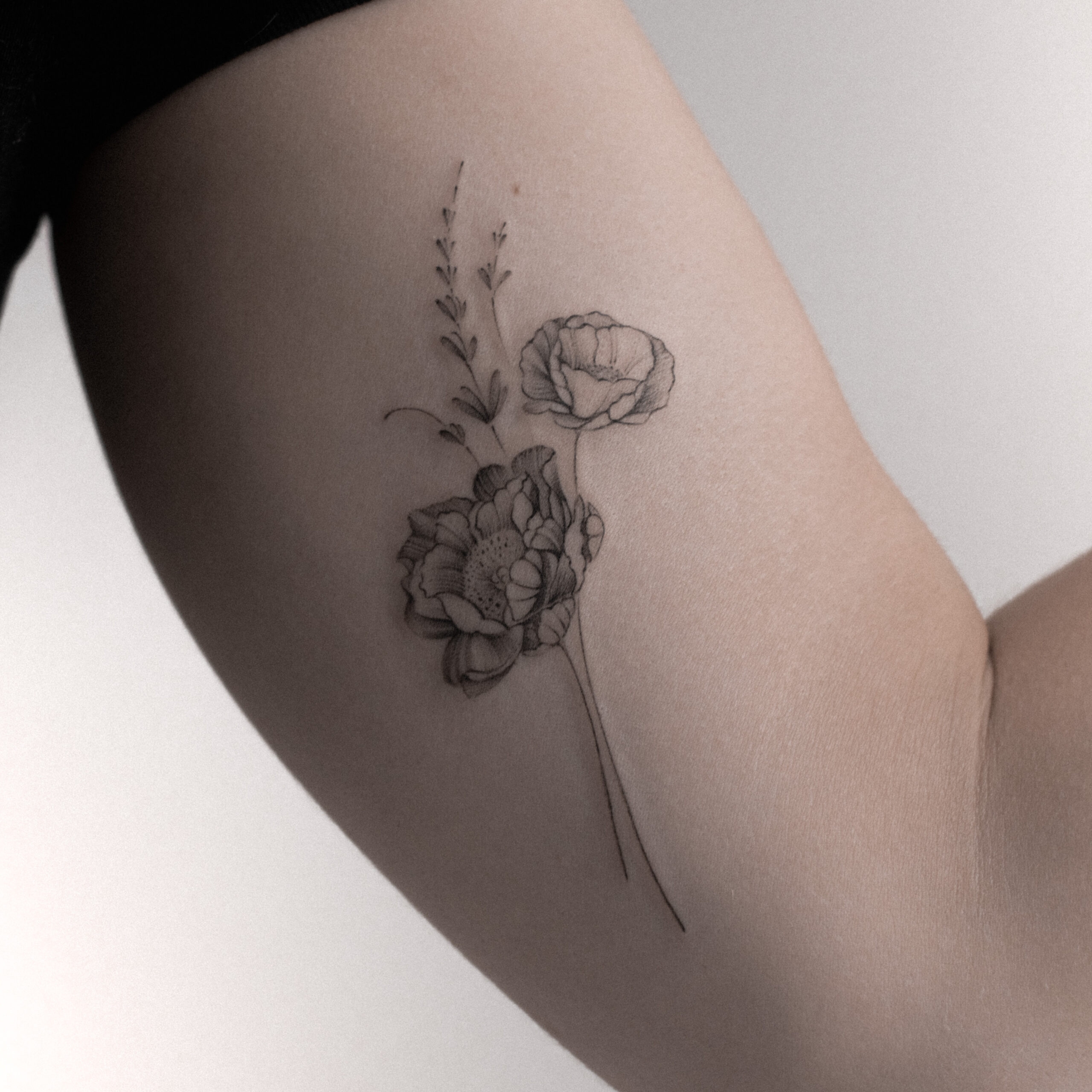
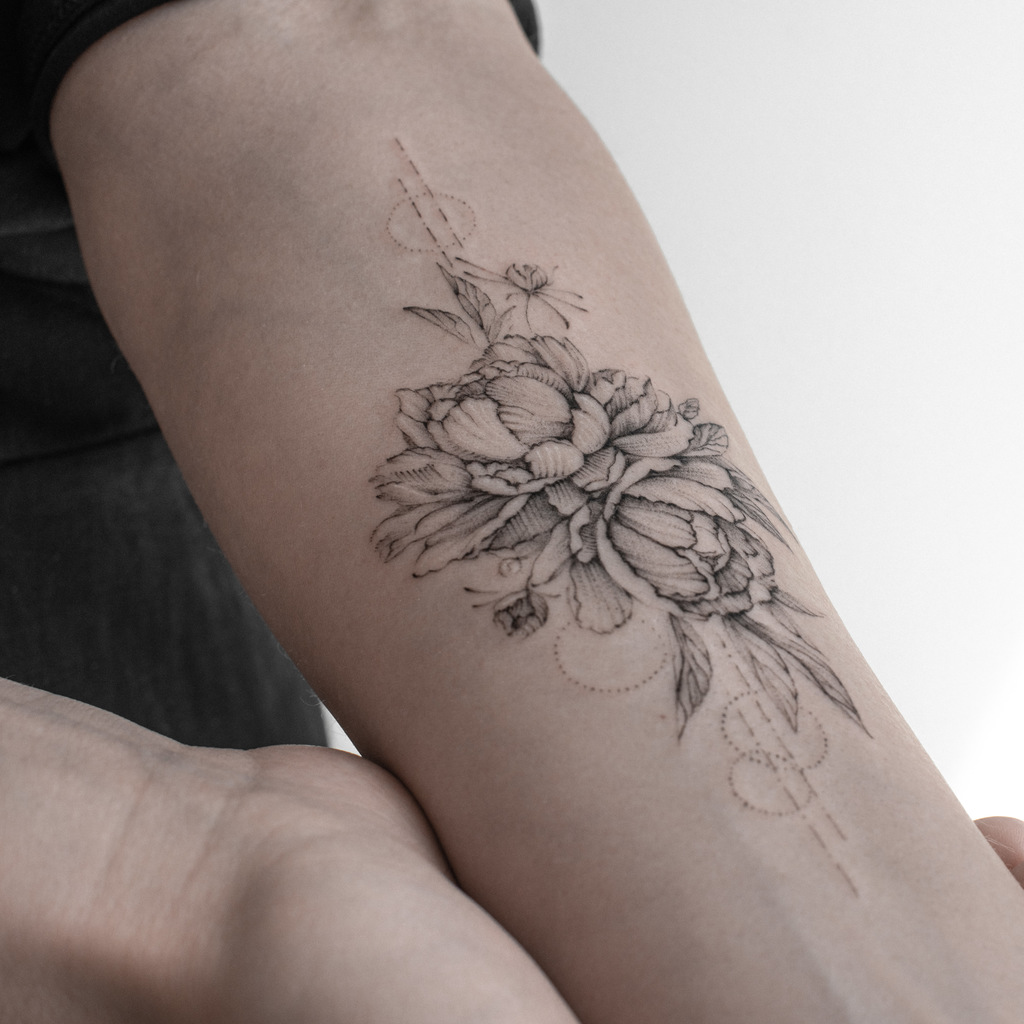
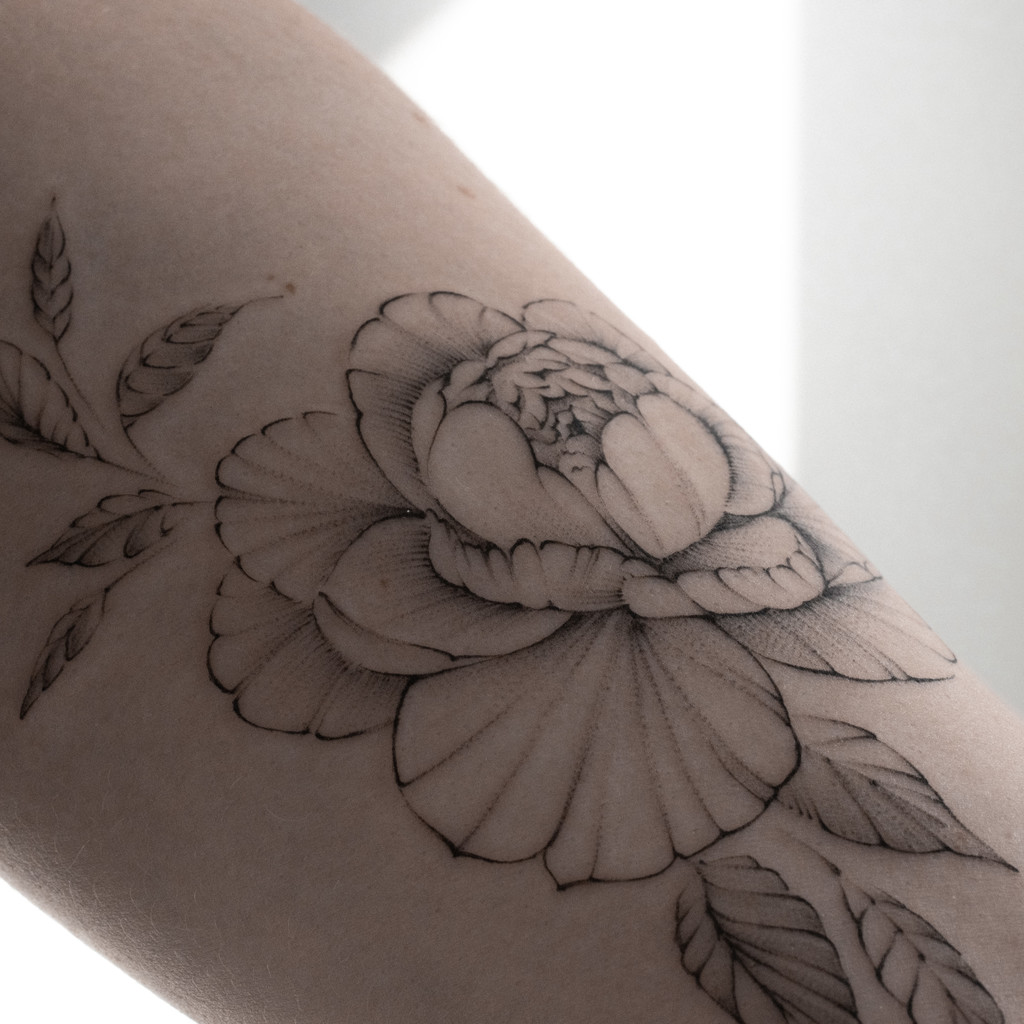
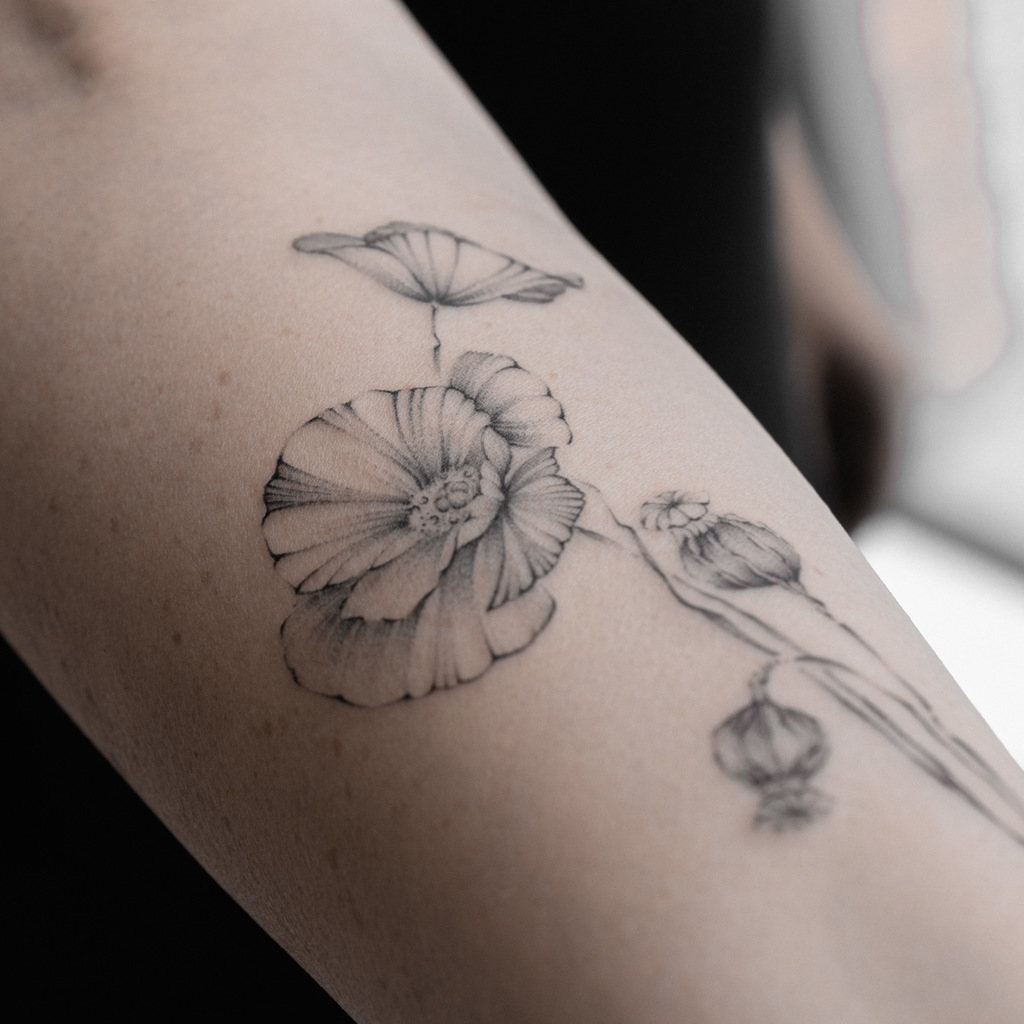
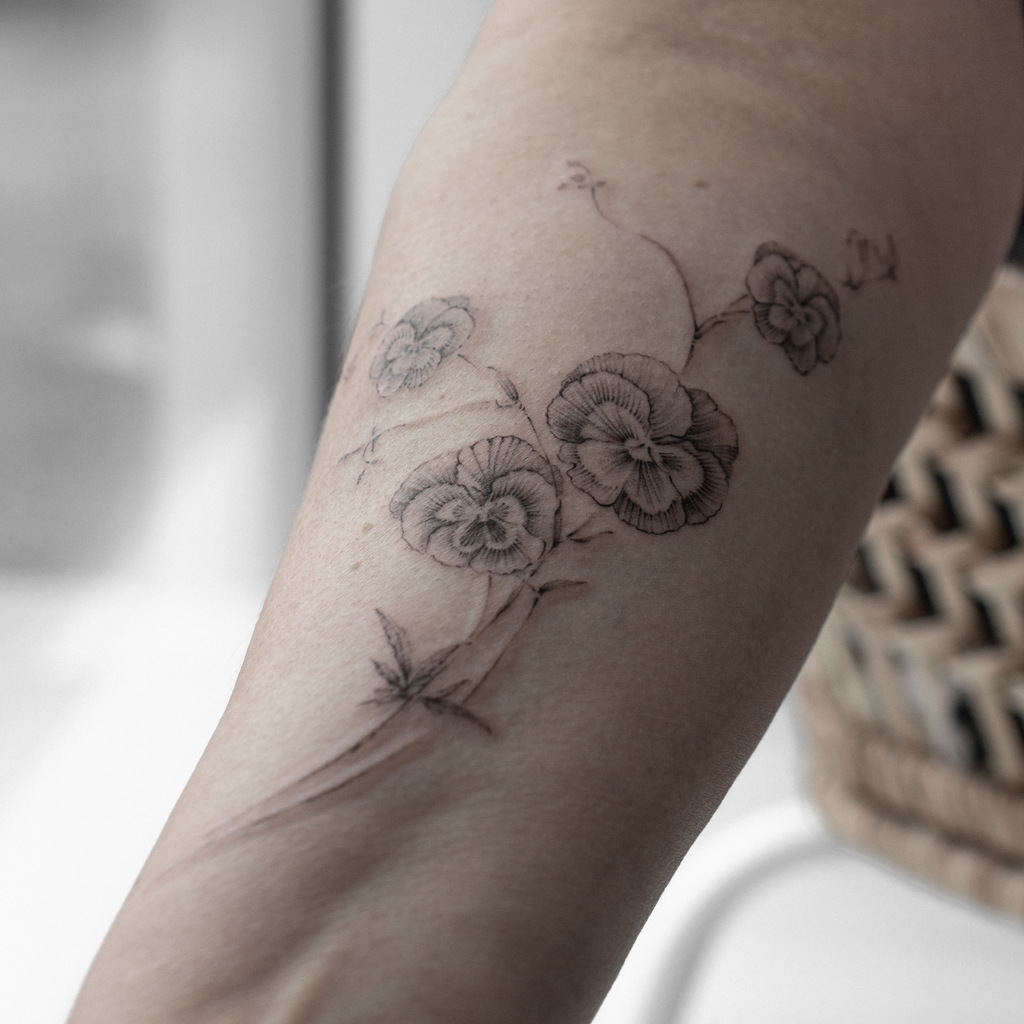
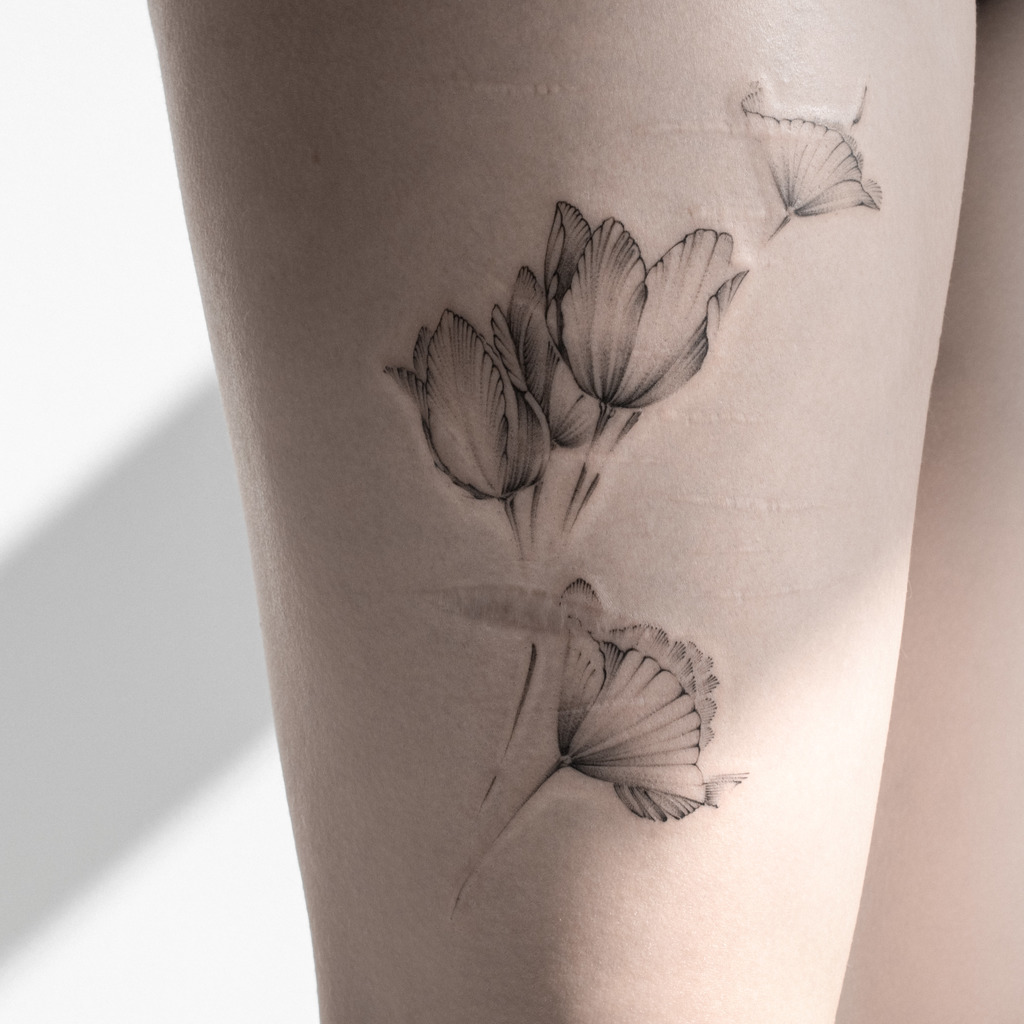
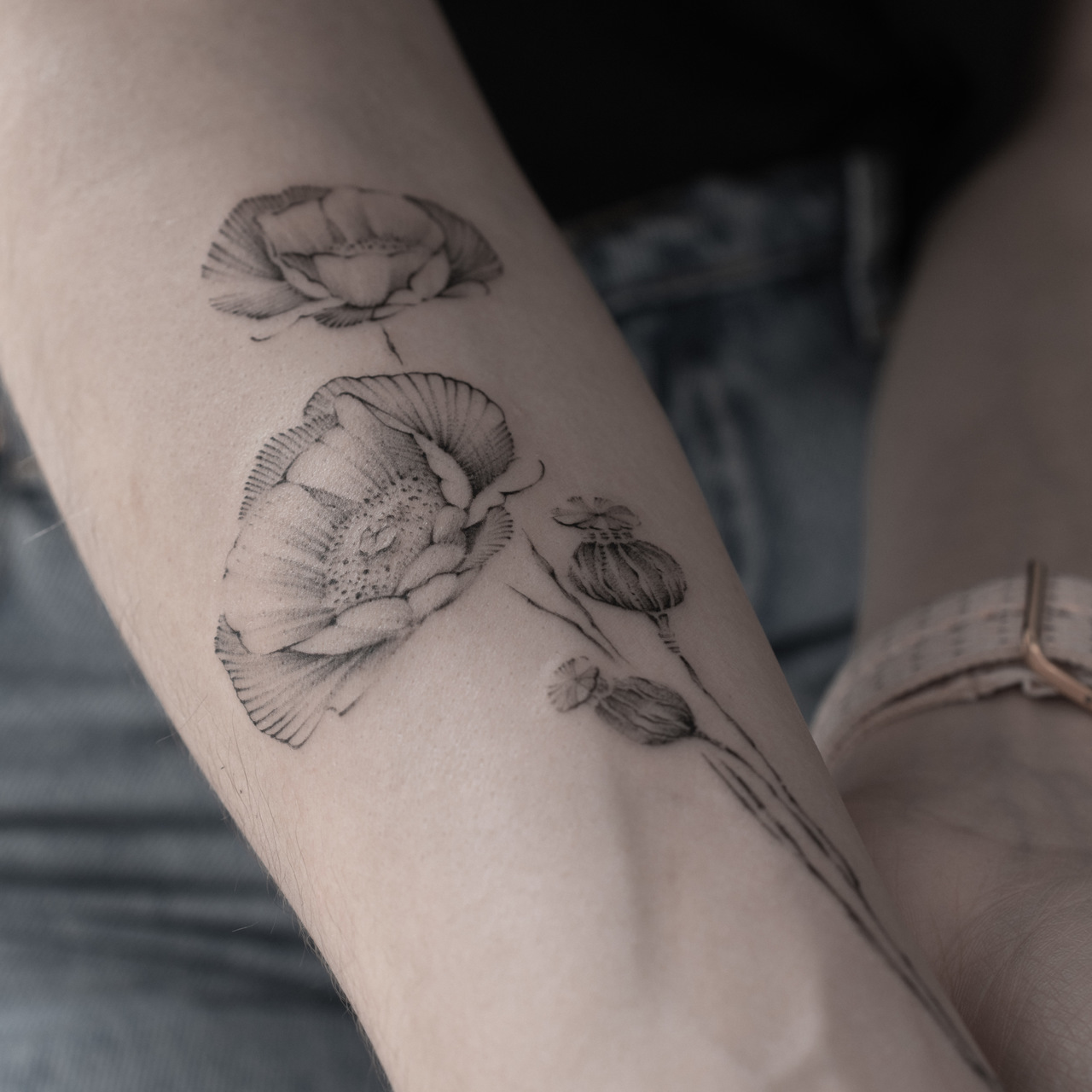
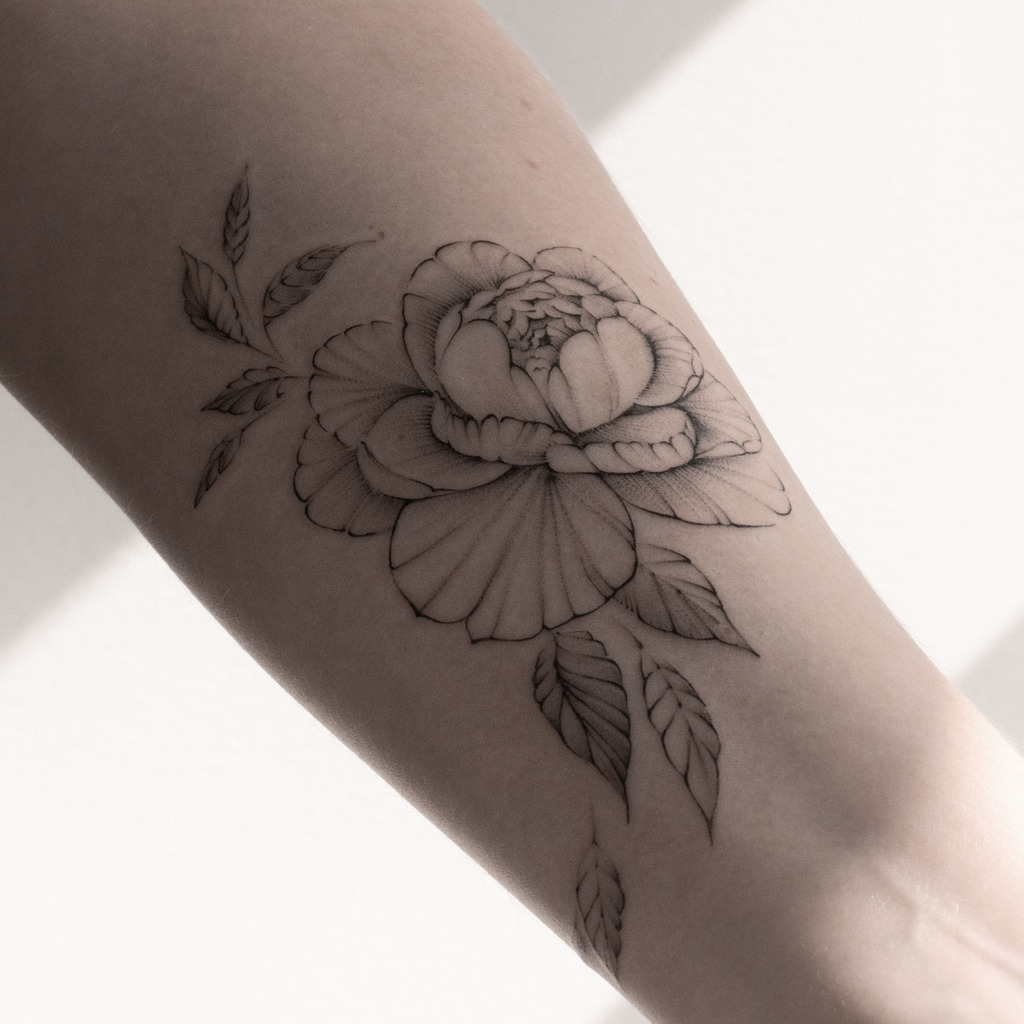
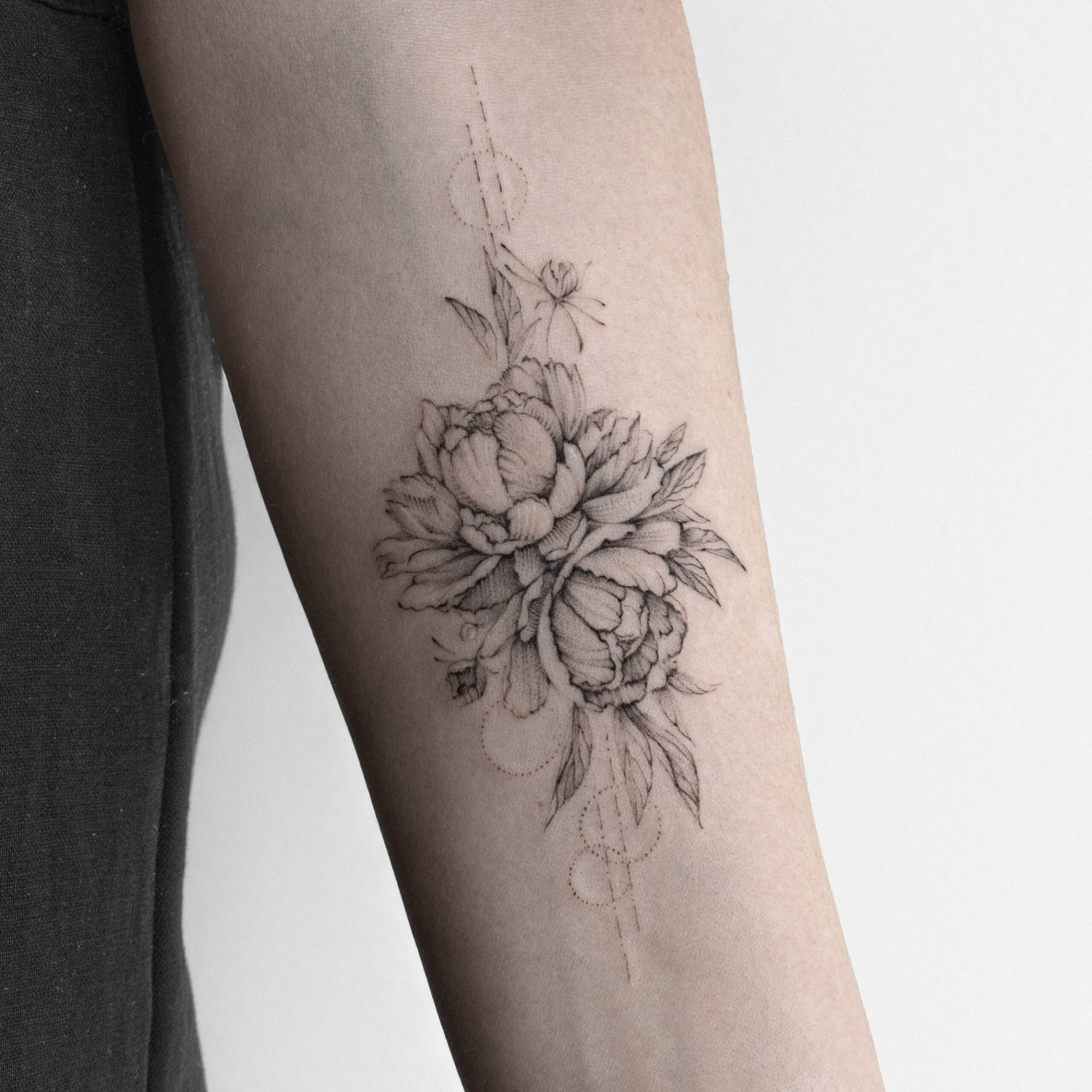
The part that is often invisible is the transition from image to tattoo. This is where decisions are made that cannot be automated. The design is not simply transferred—it is interpreted. Lines may need to be simplified. Details adjusted. Certain elements removed entirely. Not because they are wrong, but because they do not serve the final result on the body. This process requires more than selecting an image. That’s why if You don’t understand the craft of tattooing – You cannot tell what’s right and what’s wrong. It requires understanding what will remain clear over time, what will age well, and what will feel balanced in motion. Without that step, the design may look complete, but the tattoo itself is not fully considered. Proffesional artist don’t rely on ready to go designs – they might use them as a reference from the customer – but the design itself is always done by them – more suprisingly still very often by hand – like in case of Natalie Vadelma for example. She uses IPAD – but the draws on it like she’d draw on paper – without any helping tools – yes, it is possible.
The Role of Reduction
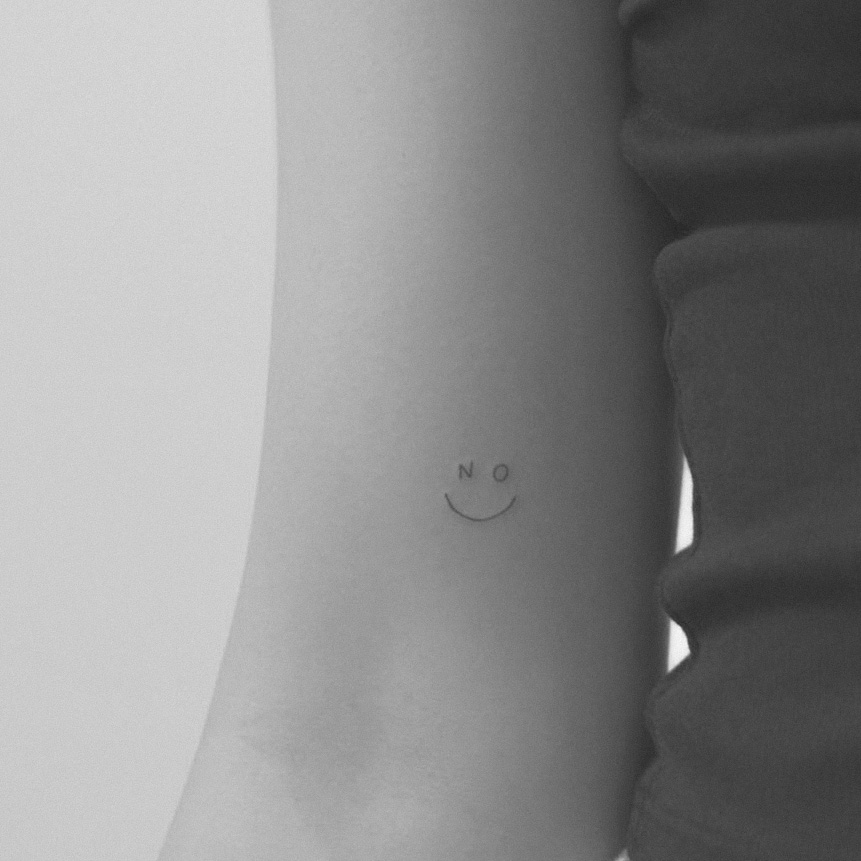
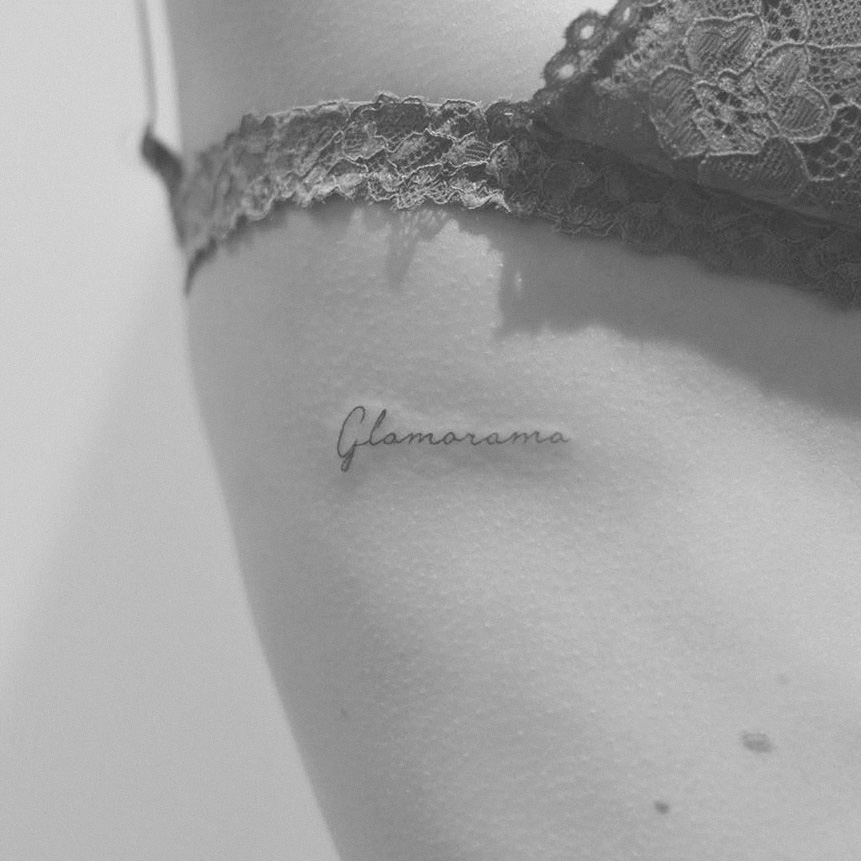
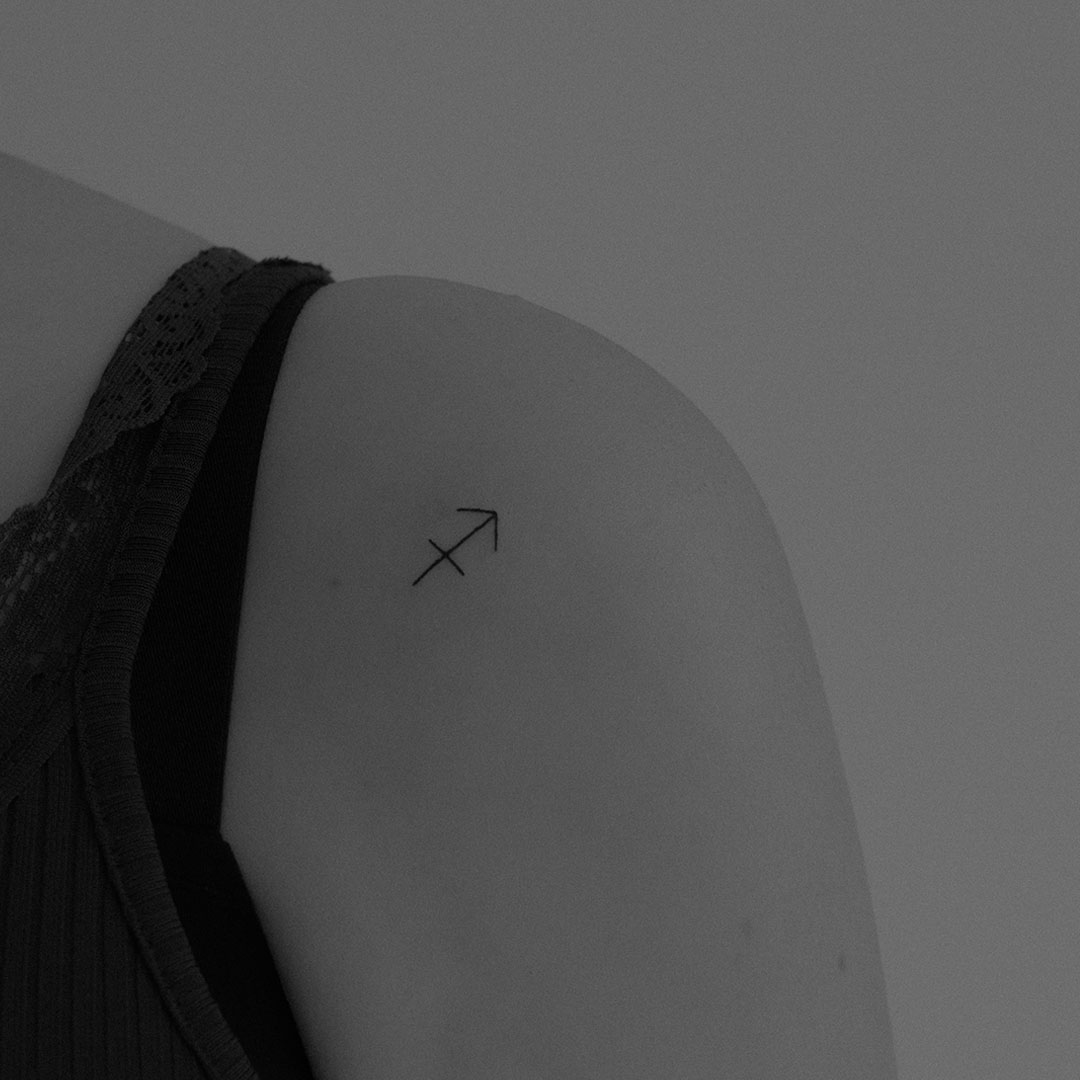
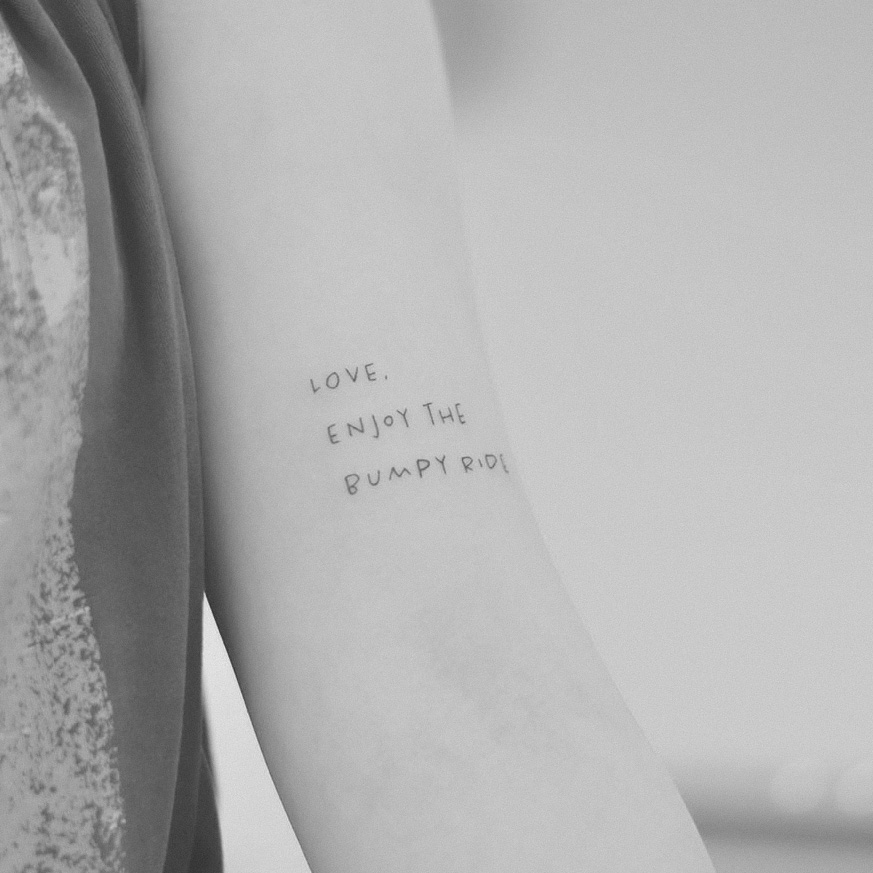
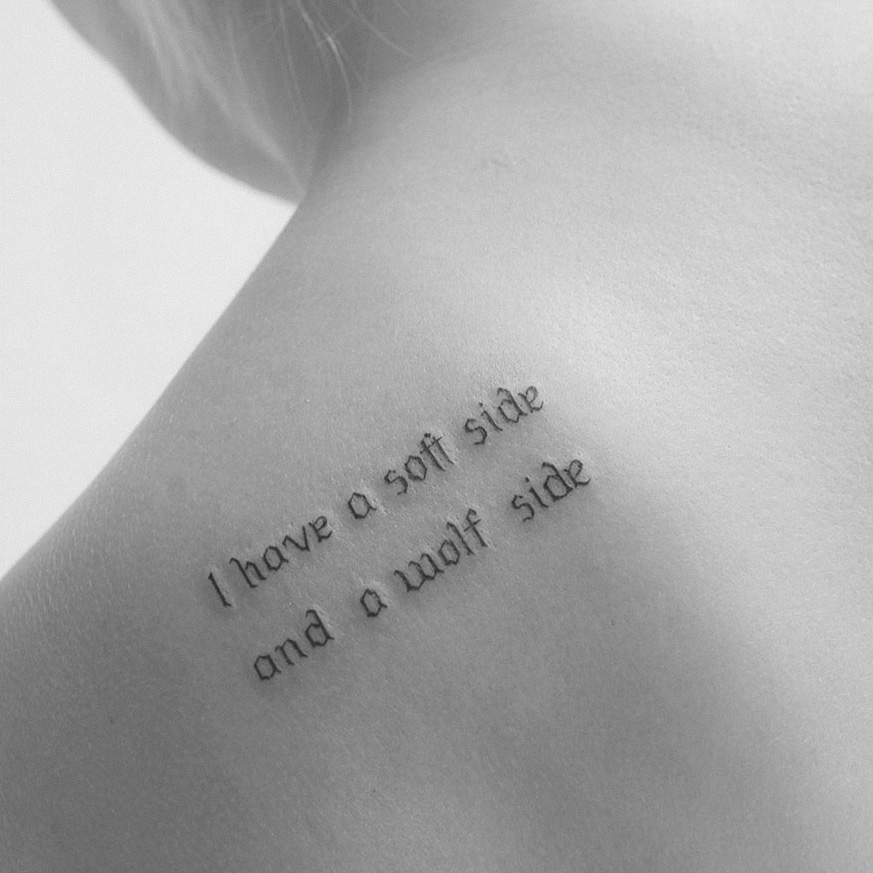
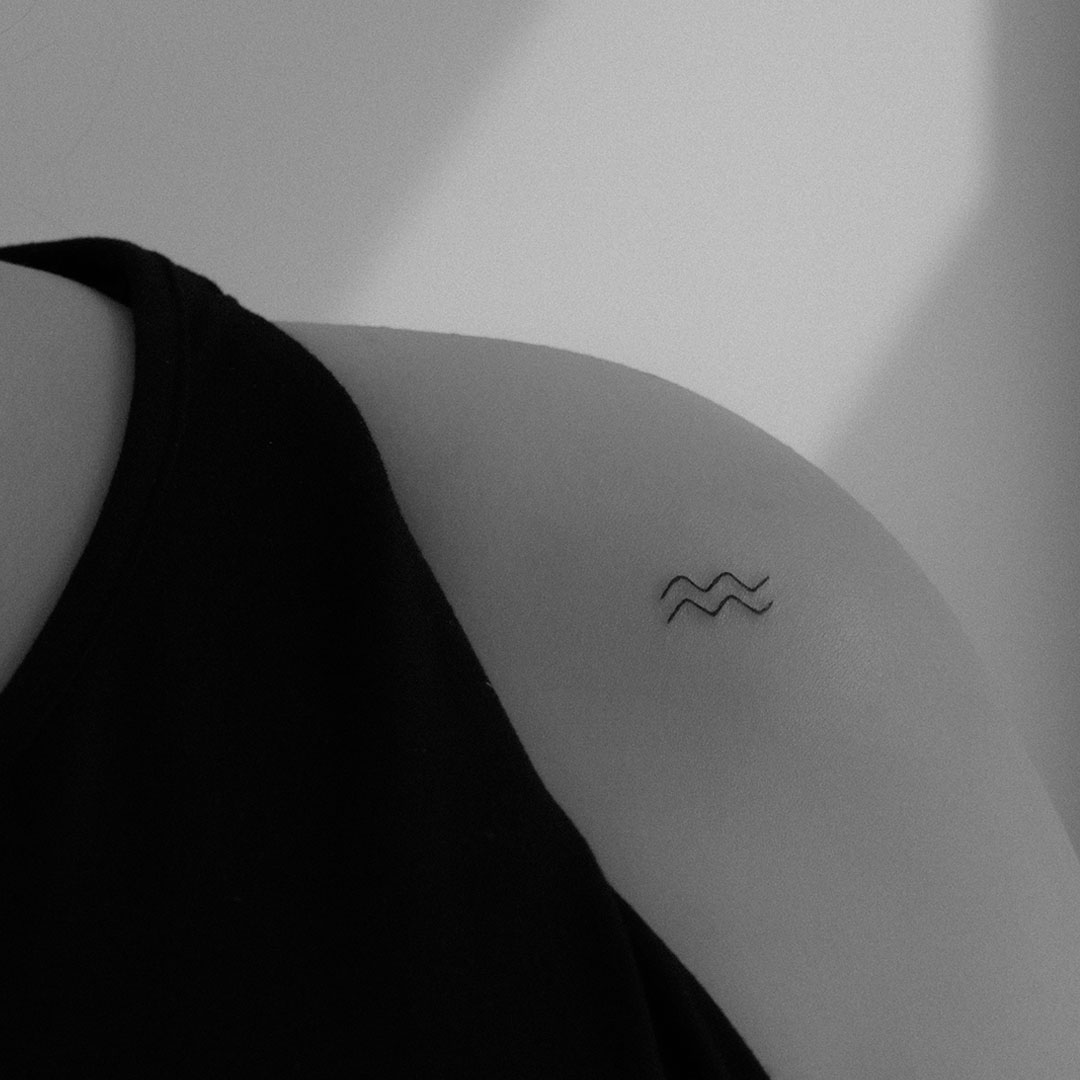
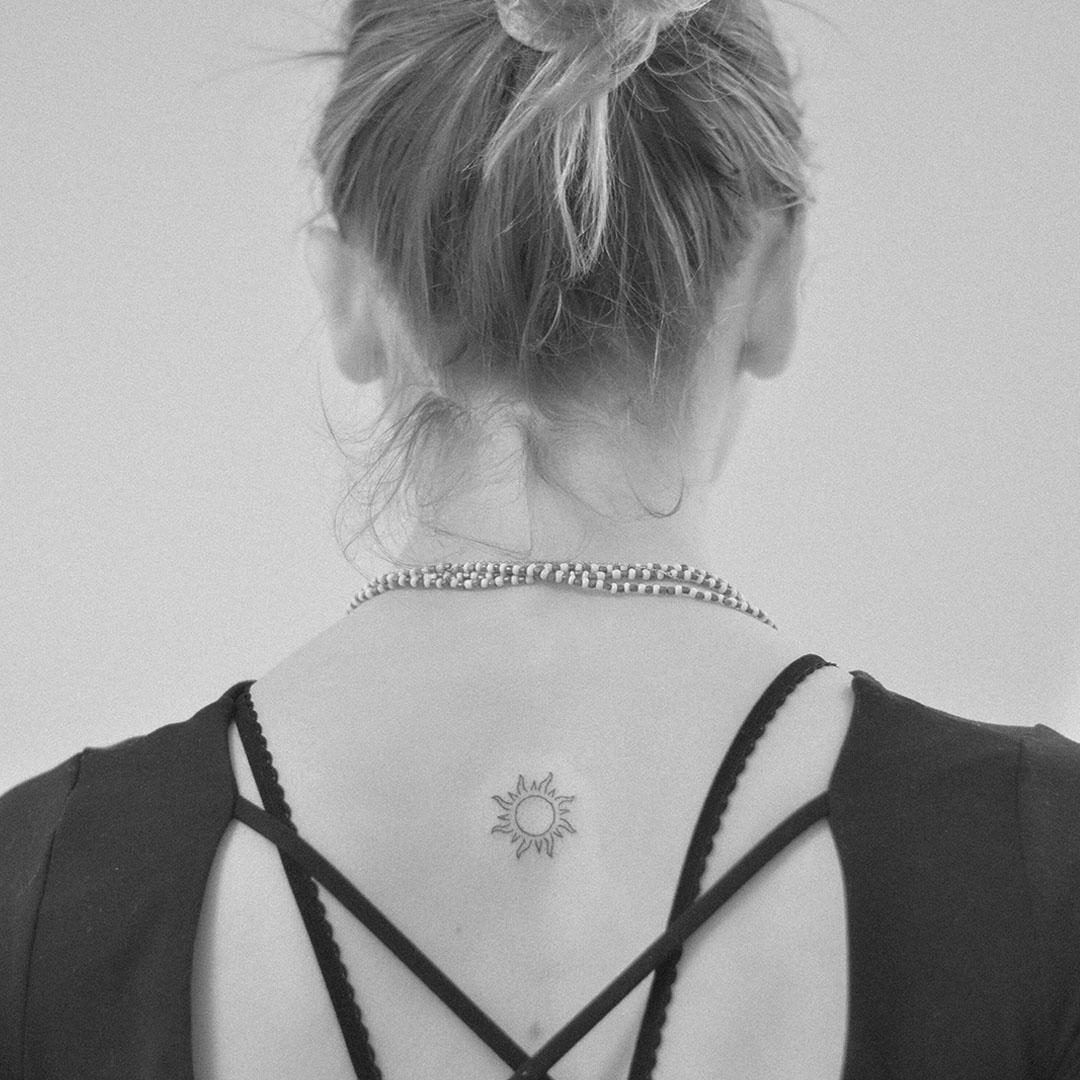
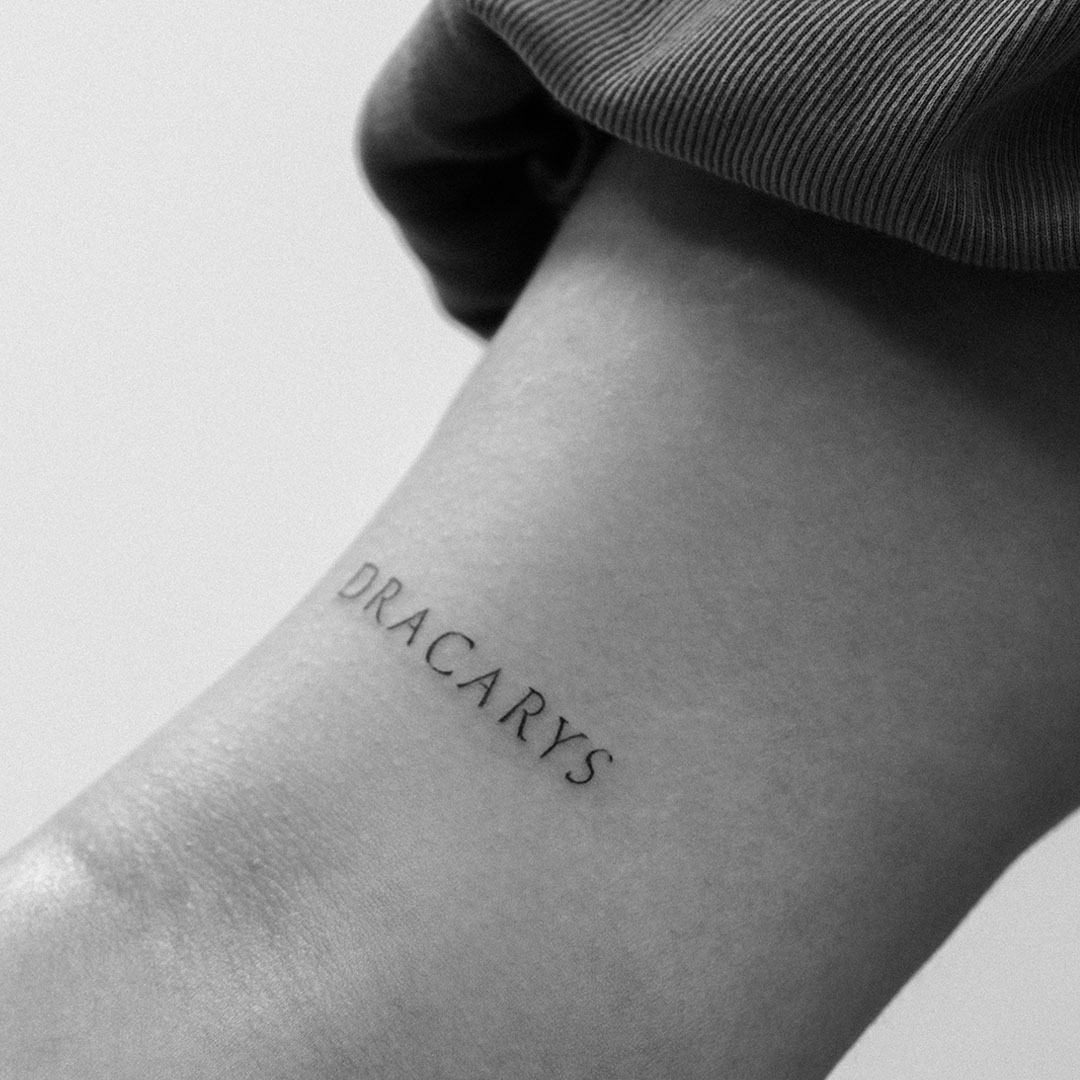
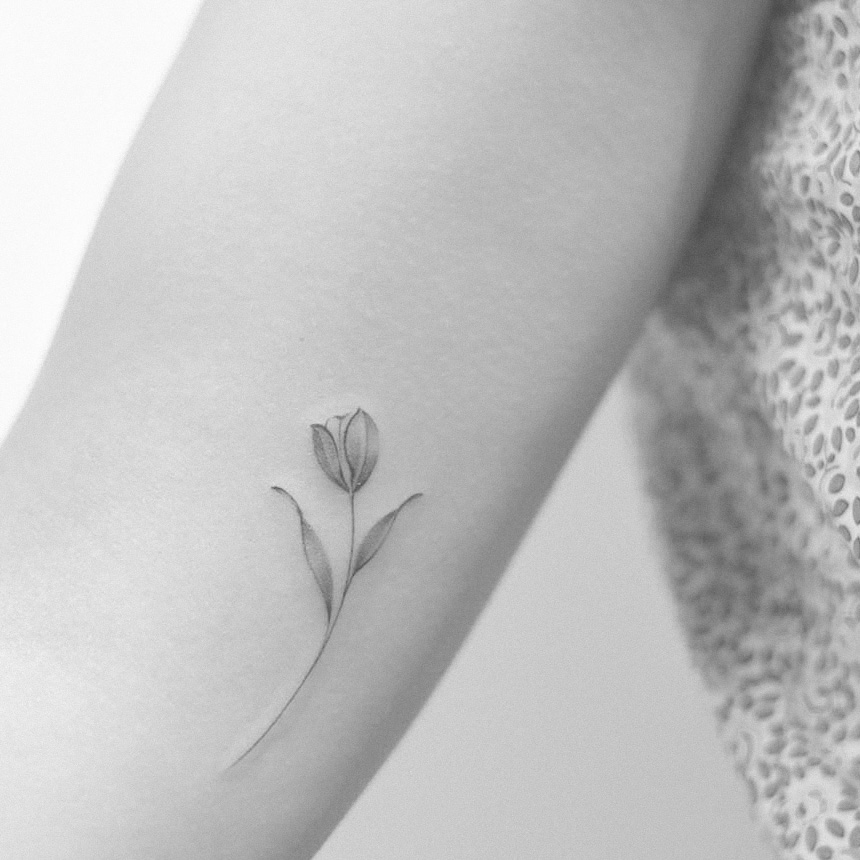
Generated images often tend toward complexity. They combine references, textures, and details into something visually rich. But in tattooing, too much information can become a problem rather than an advantage. A strong tattoo often works because of what is not there. This kind of decision cannot be made automatically. It comes from experience, from observing how tattoos behave over time, and from understanding what is actually needed to create something that lasts.
From Image to Body
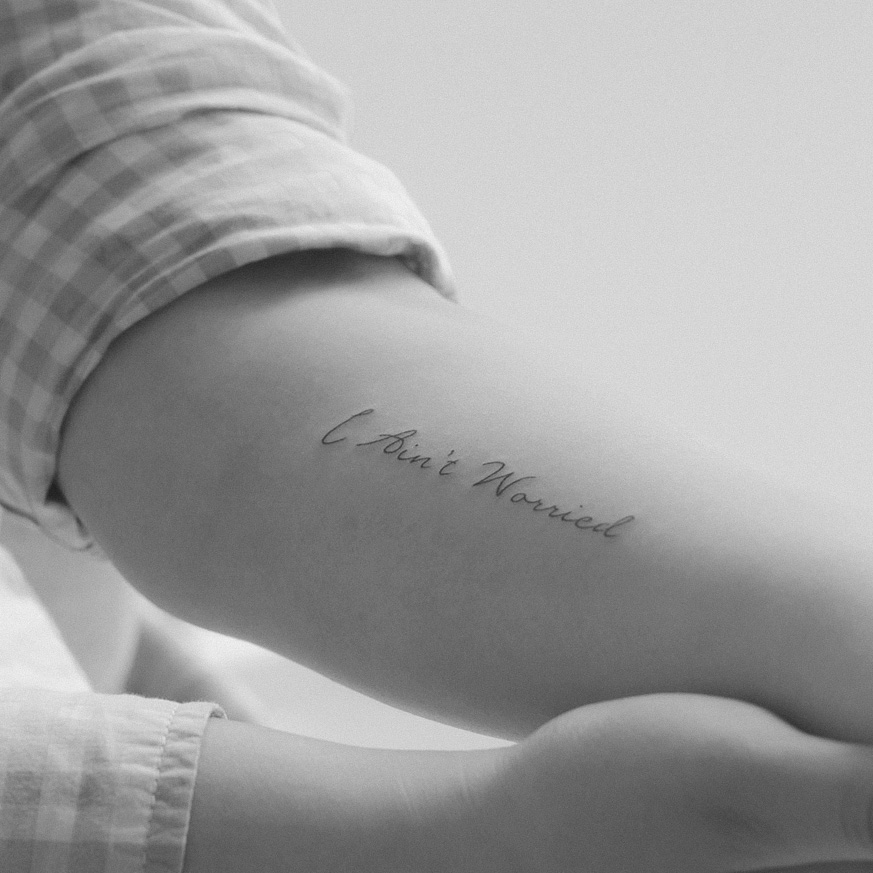
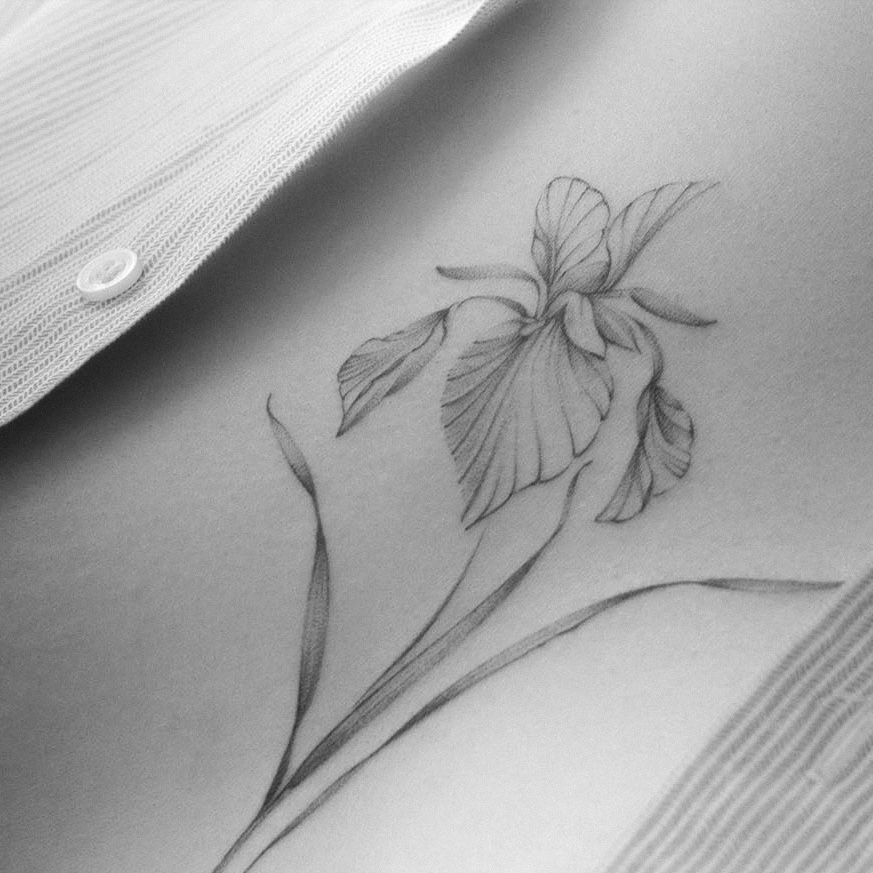
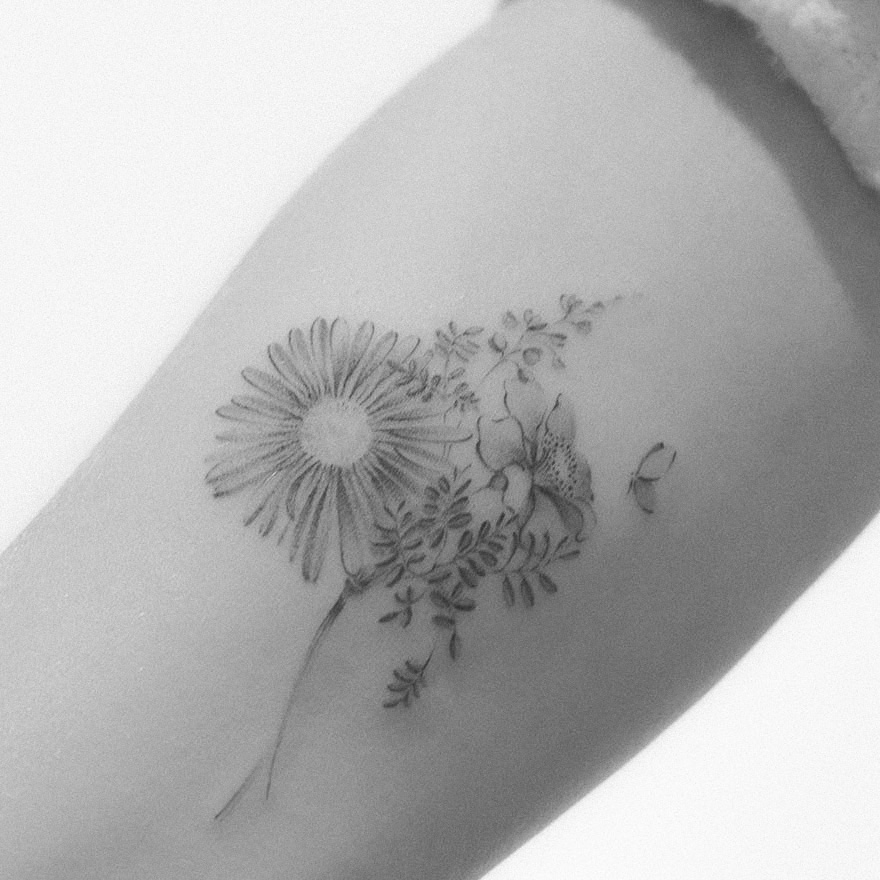
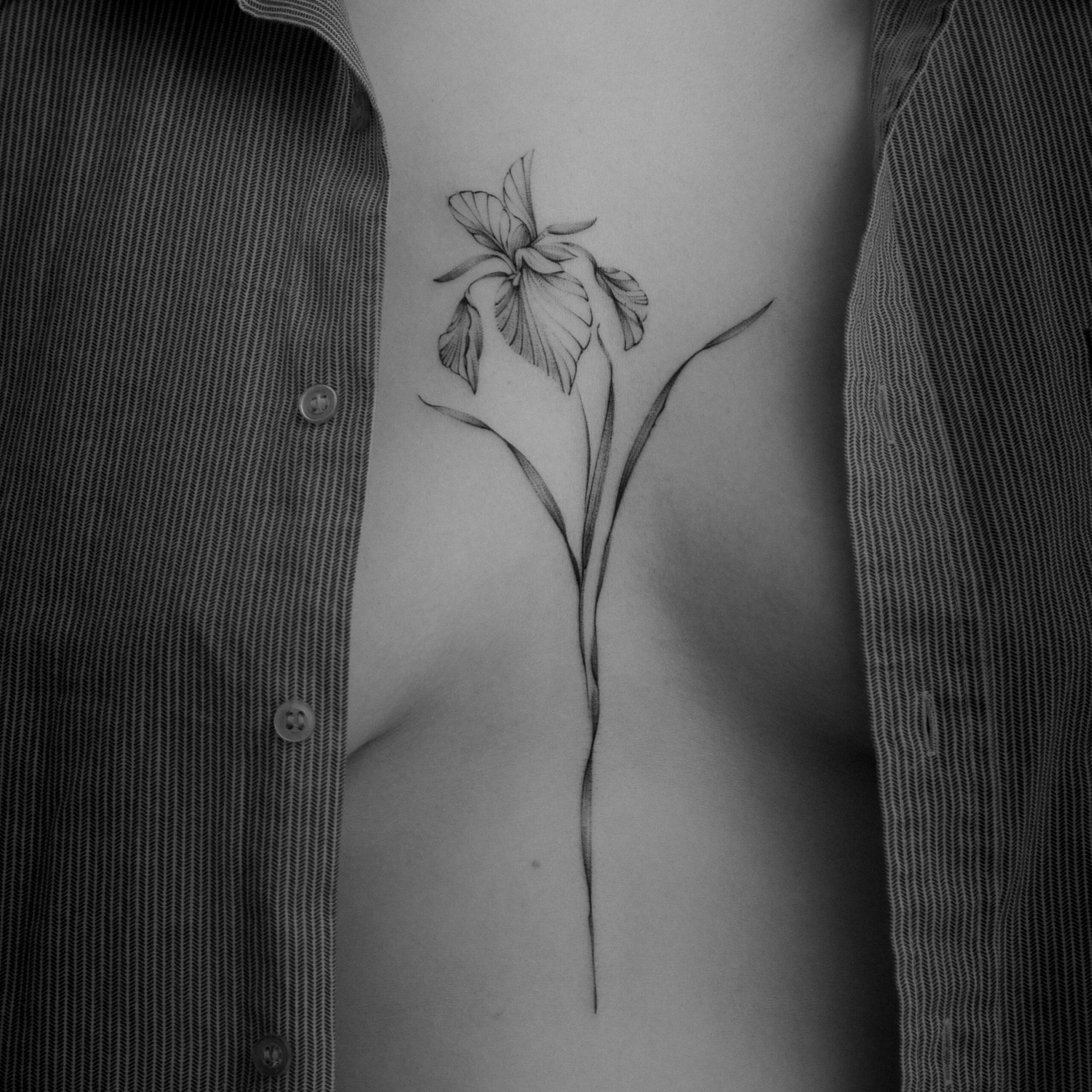
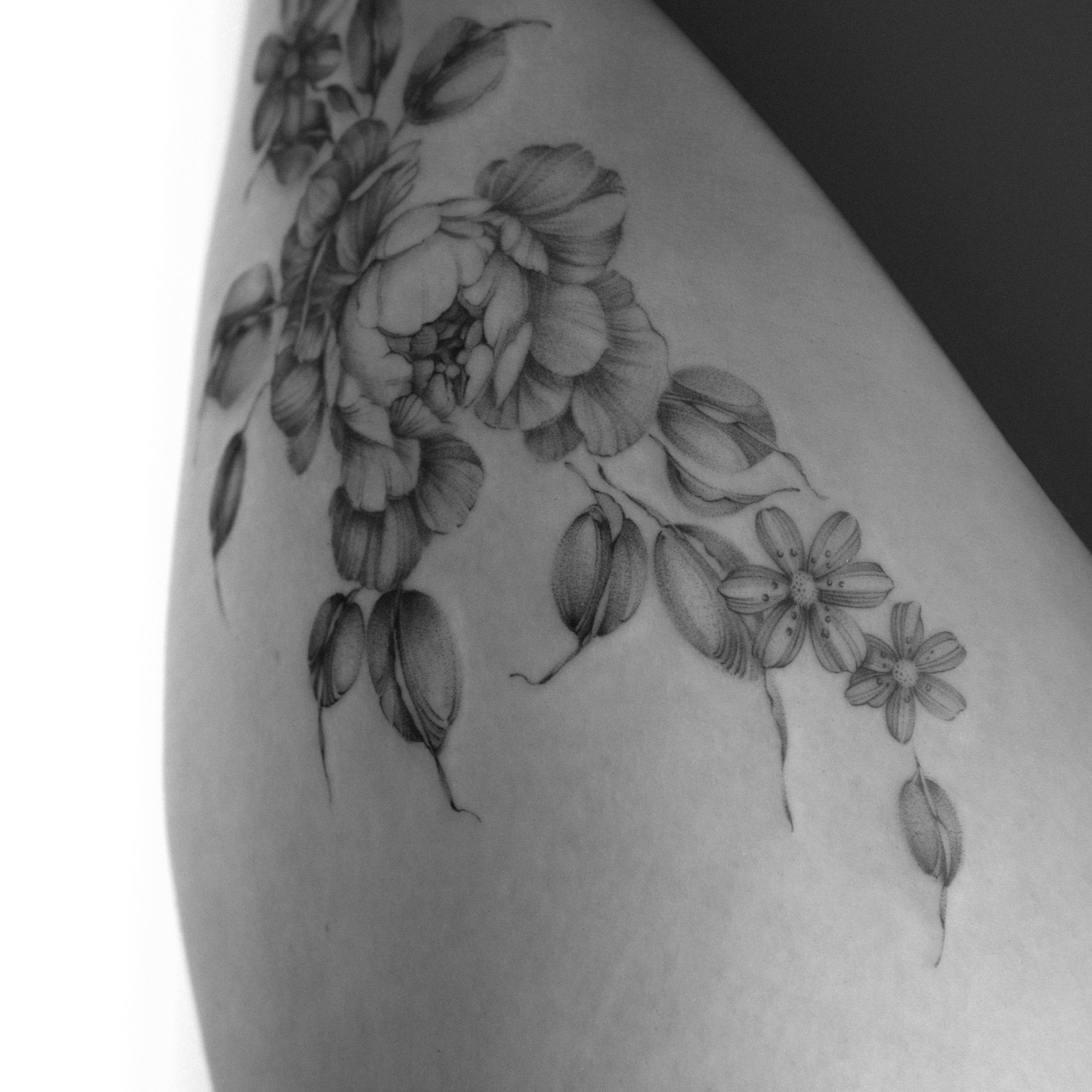
The human body is not a flat surface. It has direction, structure, and movement. A design that does not take this into account may feel disconnected once applied. This is where drawing and understanding form becomes essential. Not in a decorative sense, but in a structural one. A line is not just a line. It follows or resists the natural flow of the body. Placement is not just positioning—it defines how the tattoo exists in everyday life. These decisions happen beyond the generated image. They require interpretation.
Tools and Their Limits
Tools have always been part of art. From brushes to machines, from paper to digital tablets, each generation has developed new ways to create. The presence of tools is not new, and it is not the problem. The difference lies in what the tool replaces. When a tool assists the process, it can enhance the result. When it replaces the process entirely, something is lost. In tattooing, that missing part is often the thinking stage—the moment where the design is questioned, reduced, and adapted. Without that, the result may look complete, but it lacks depth. Not to mention that drawing, creating with hand is part of developing the essential skills that an artist must have in hand. Imagine a guitar player who only generates notes – but plays on real guitar only on concert? Would it be a great player? A true craft is done while no one is watching – while a solitary act of practice – hours long of practice.
The Value of the Process
Creating a tattoo is not only about the final image. It is about the process that shapes it. Taking time to refine an idea, testing placement, adjusting proportions—these steps may seem small, but they define how the tattoo will feel over time. This is also where meaning develops. Not as something added afterward, but as something that emerges through decisions. The more attention given to the process, the more consistent the result tends to be.
A Different Way of Looking at Design
Instead of asking whether an image looks finished, it can be more useful to ask a different question: Does it work as a tattoo? This shifts the focus from appearance to function. From visual impact to long-term presence. It also changes how decisions are made. The goal is no longer to find a perfect image, but to create something that fits.
From Idea to Tattoo
At Vadelma Tattoo in Amsterdam, the process does not begin with a finished design. It begins with a direction. From there, the idea is developed, reduced, and adapted until it feels consistent on the body. The goal is not to reproduce an image, but to create a tattoo that works beyond the moment it is made. If you want to explore possible directions, you can start here:
https://vadelma.eu/available-projects
Or begin a conversation here:
https://vadelma.eu/contact
Final Thoughts
A generated image can suggest a direction. But it cannot decide what should remain, what should be removed, or how it will live on the body over time. That part still depends entirely on the artist. And that is what turns an image into a tattoo.
FAQ – AI and Tattoo Design
Can AI generate tattoo ideas?
Yes, it can provide visual starting points and inspiration.
Is a generated design ready to tattoo?
Not necessarily. It still needs to be adapted to the body and refined.
What is the difference between generating and creating?
Generating produces an image. Creating involves interpretation, reduction, and execution.
Where can I learn more before booking?
Why Generating a Tattoo Design Is Not the Same as Creating One
Introduction
Over the past years, the way people approach images has changed significantly. Tools have become faster, more accessible, and more capable of producing visually complete results in a very short time. Today, it is possible to generate a tattoo idea within seconds. A few words, a reference, and an image appears. At first glance, it may even look finished. But when it comes to tattooing, the process does not end where the image appears. In many ways, that is where the real work begins.
The Illusion of Completion
A generated image often gives the impression that a decision has already been made. The composition is there, the lines are defined, and the idea seems clear. However, this clarity can be misleading. An image on a screen exists in isolation. It is not affected by movement, skin, aging, or placement. It does not need to adapt. It only needs to look convincing in a static frame. A tattoo does not have that luxury. Once placed on the body, it becomes part of something dynamic. It moves, it changes, and it interacts with the person carrying it. What looked balanced on a flat surface may not translate in the same way onto skin. This is the point where generation ends and creation begins.
What Happens Between Idea and Execution
The part that is often invisible is the transition from image to tattoo. This is where decisions are made that cannot be automated. The design is not simply transferred—it is interpreted. Lines may need to be simplified. Details adjusted. Certain elements removed entirely. Not because they are wrong, but because they do not serve the final result on the body. This process requires more than selecting an image. That’s why if You don’t understand the craft of tattooing – You cannot tell what’s right and what’s wrong. It requires understanding what will remain clear over time, what will age well, and what will feel balanced in motion. Without that step, the design may look complete, but the tattoo itself is not fully considered. Proffesional artist don’t rely on ready to go designs – they might use them as a reference from the customer – but the design itself is always done by them – more suprisingly still very often by hand – like in case of Natalie Vadelma for example. She uses IPAD – but the draws on it like she’d draw on paper – without any helping tools – yes, it is possible.
The Role of Reduction
Generated images often tend toward complexity. They combine references, textures, and details into something visually rich. But in tattooing, too much information can become a problem rather than an advantage. A strong tattoo often works because of what is not there. This kind of decision cannot be made automatically. It comes from experience, from observing how tattoos behave over time, and from understanding what is actually needed to create something that lasts.
From Image to Body
The human body is not a flat surface. It has direction, structure, and movement. A design that does not take this into account may feel disconnected once applied. This is where drawing and understanding form becomes essential. Not in a decorative sense, but in a structural one. A line is not just a line. It follows or resists the natural flow of the body. Placement is not just positioning—it defines how the tattoo exists in everyday life. These decisions happen beyond the generated image. They require interpretation.
Tools and Their Limits
Tools have always been part of art. From brushes to machines, from paper to digital tablets, each generation has developed new ways to create. The presence of tools is not new, and it is not the problem. The difference lies in what the tool replaces. When a tool assists the process, it can enhance the result. When it replaces the process entirely, something is lost. In tattooing, that missing part is often the thinking stage—the moment where the design is questioned, reduced, and adapted. Without that, the result may look complete, but it lacks depth. Not to mention that drawing, creating with hand is part of developing the essential skills that an artist must have in hand. Imagine a guitar player who only generates notes – but plays on real guitar only on concert? Would it be a great player? A true craft is done while no one is watching – while a solitary act of practice – hours long of practice.
The Value of the Process
Creating a tattoo is not only about the final image. It is about the process that shapes it. Taking time to refine an idea, testing placement, adjusting proportions—these steps may seem small, but they define how the tattoo will feel over time. This is also where meaning develops. Not as something added afterward, but as something that emerges through decisions. The more attention given to the process, the more consistent the result tends to be.
A Different Way of Looking at Design
Instead of asking whether an image looks finished, it can be more useful to ask a different question: Does it work as a tattoo? This shifts the focus from appearance to function. From visual impact to long-term presence. It also changes how decisions are made. The goal is no longer to find a perfect image, but to create something that fits.
From Idea to Tattoo
At Vadelma Tattoo in Amsterdam, the process does not begin with a finished design. It begins with a direction. From there, the idea is developed, reduced, and adapted until it feels consistent on the body. The goal is not to reproduce an image, but to create a tattoo that works beyond the moment it is made. If you want to explore possible directions, you can start here:
https://vadelma.eu/available-projects
Or begin a conversation here:
https://vadelma.eu/contact
Final Thoughts
A generated image can suggest a direction. But it cannot decide what should remain, what should be removed, or how it will live on the body over time. That part still depends entirely on the artist. And that is what turns an image into a tattoo.
FAQ – AI and Tattoo Design
Can AI generate tattoo ideas?
Yes, it can provide visual starting points and inspiration.
Is a generated design ready to tattoo?
Not necessarily. It still needs to be adapted to the body and refined.
What is the difference between generating and creating?
Generating produces an image. Creating involves interpretation, reduction, and execution.
Where can I learn more before booking?