Are Tattoos Actually Good for You? What Research Says
Are Tattoos Actually Good for You?
What Research Says
For many years tattoos were often surrounded by stereotypes. Some people saw them as rebellious, impulsive, or purely decorative. But in recent decades, tattoos have become one of the most common forms of personal expression. As their popularity grew, researchers also began asking a simple question:
Do tattoos actually have psychological benefits?
Interestingly, several studies suggest that tattoos can indeed have meaningful positive effects for many people.
Tattoos as Personal Memory
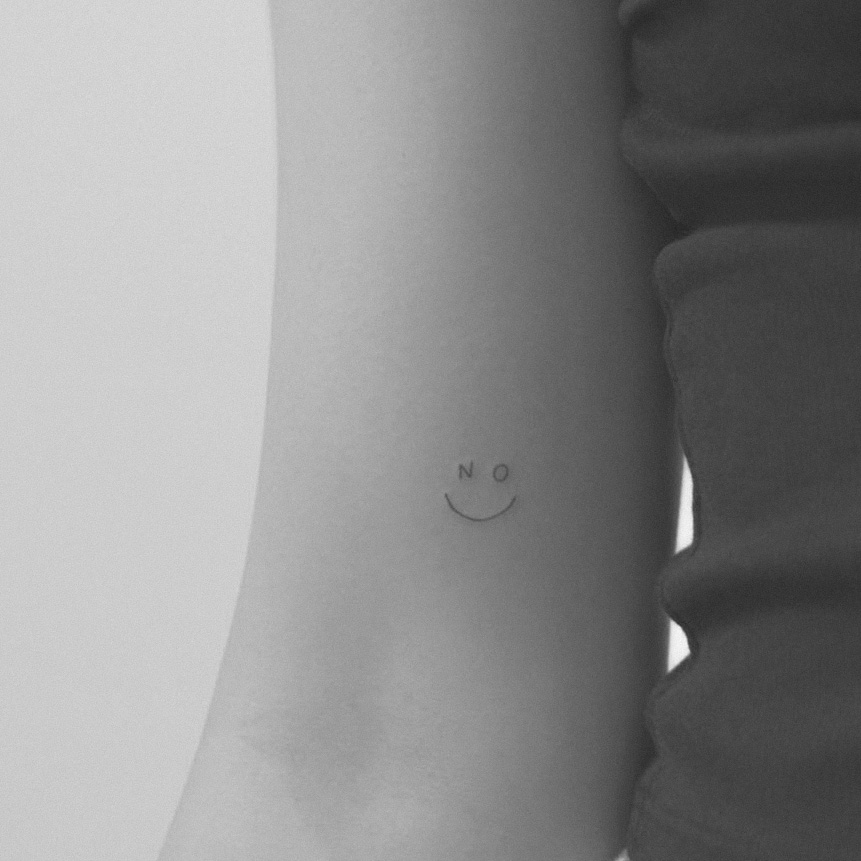
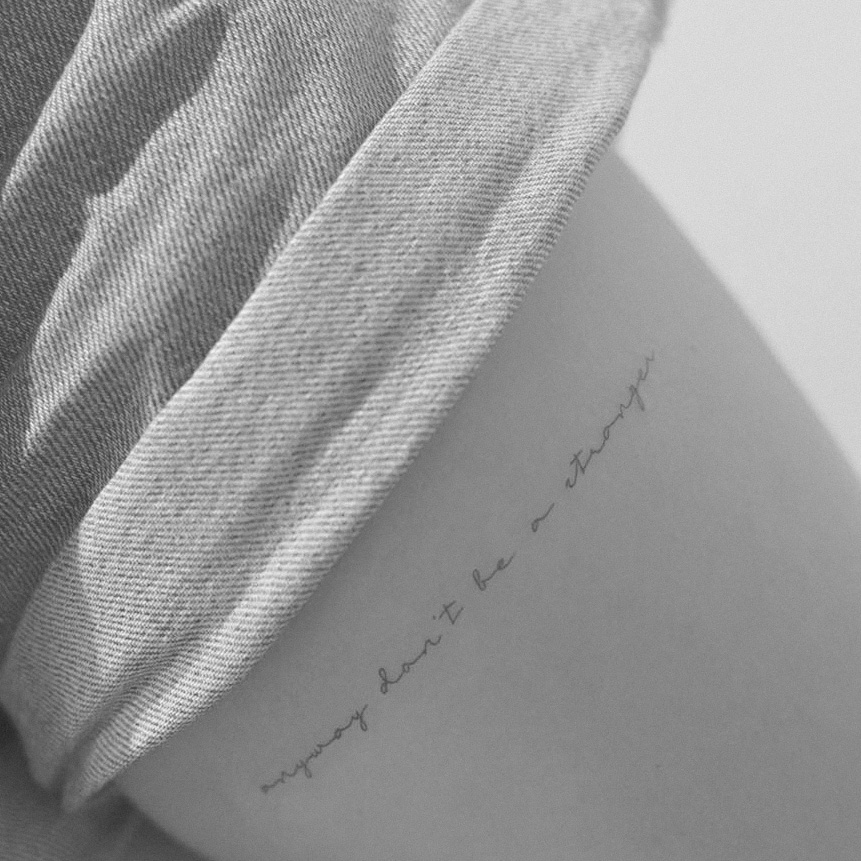
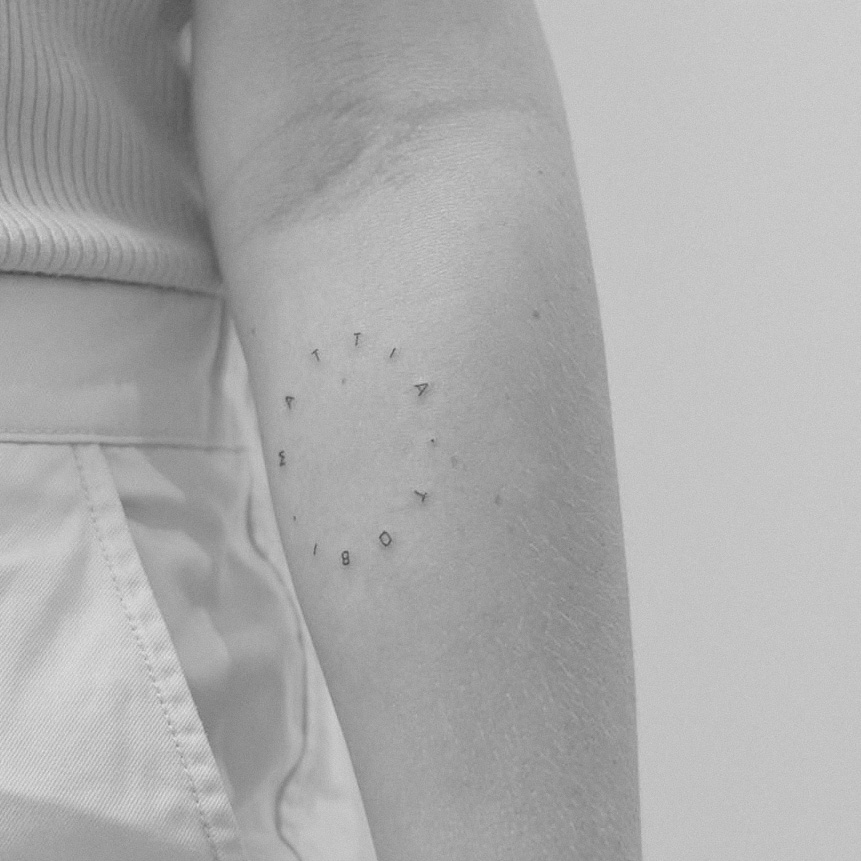
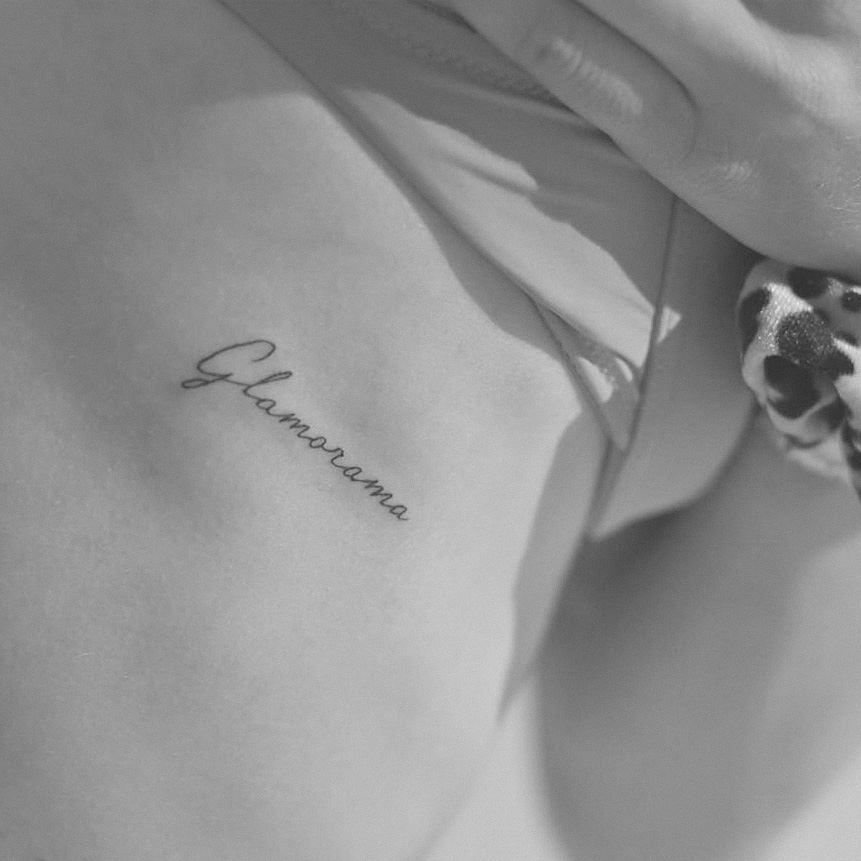
One study published by researchers studying autobiographical memory found that about 80% of tattoos are directly connected to important life events or personal stories. (Cambridge University Press & Assessment) In other words, tattoos often function as permanent reminders of meaningful moments, relationships, or personal transformations. Researchers described tattoos as something similar to a “personal archive” of life experiences, helping people maintain connection with their identity and memories over time. (Cambridge University Press & Assessment) This is one reason why many people describe their tattoos as deeply meaningful rather than purely decorative.
Tattoos and Self-Confidence
Psychological research also suggests that tattoos can influence how people perceive their own bodies. A recent study examining body image and self-perception found that many participants reported improved self-confidence and a stronger sense of attractiveness after getting tattoos. (Taylor & Francis Online)
For some individuals, tattoos help them feel:
• more comfortable in their own body
• more confident in their appearance
• more connected to their personal identity
These effects are especially common when tattoos represent something meaningful or aesthetically important to the individual.
Tattoos and Personal Identity
Another important psychological function of tattoos is identity formation. Researchers have observed that tattoos often help individuals express their individuality and personal values, especially in modern societies where people actively shape how they present themselves to the world. (Cambridge University Press & Assessment) Because tattoos are permanent, the decision to get one often reflects something a person feels strongly connected to. This makes tattoos a unique combination of art, memory, and identity.
Tattoos as Emotional Markers
Some studies also show that tattoos can play a role in emotional processing. Research in psychology suggests that body modifications sometimes help people mark important life transitions or cope with significant experiences, including difficult or transformative periods in life. (SpringerLink)
For example, tattoos are sometimes used to mark:
• personal achievements
• life changes
• recovery journeys
• remembrance of loved ones
In this sense, tattoos can become symbols of resilience and personal growth.
Of Course, Quality and Safety Matter
While tattoos can have positive psychological meaning, researchers also emphasize that safety and hygiene are essential.
Complications such as infections are rare when tattoos are performed by professional artists using sterile equipment, but they can occur when proper standards are not followed. (OUP Academic)
This is why choosing a professional studio and following proper aftercare is always important.
You can read more about the healing process here:
https://vadelma.eu/after-care
Tattoos as Personal Art
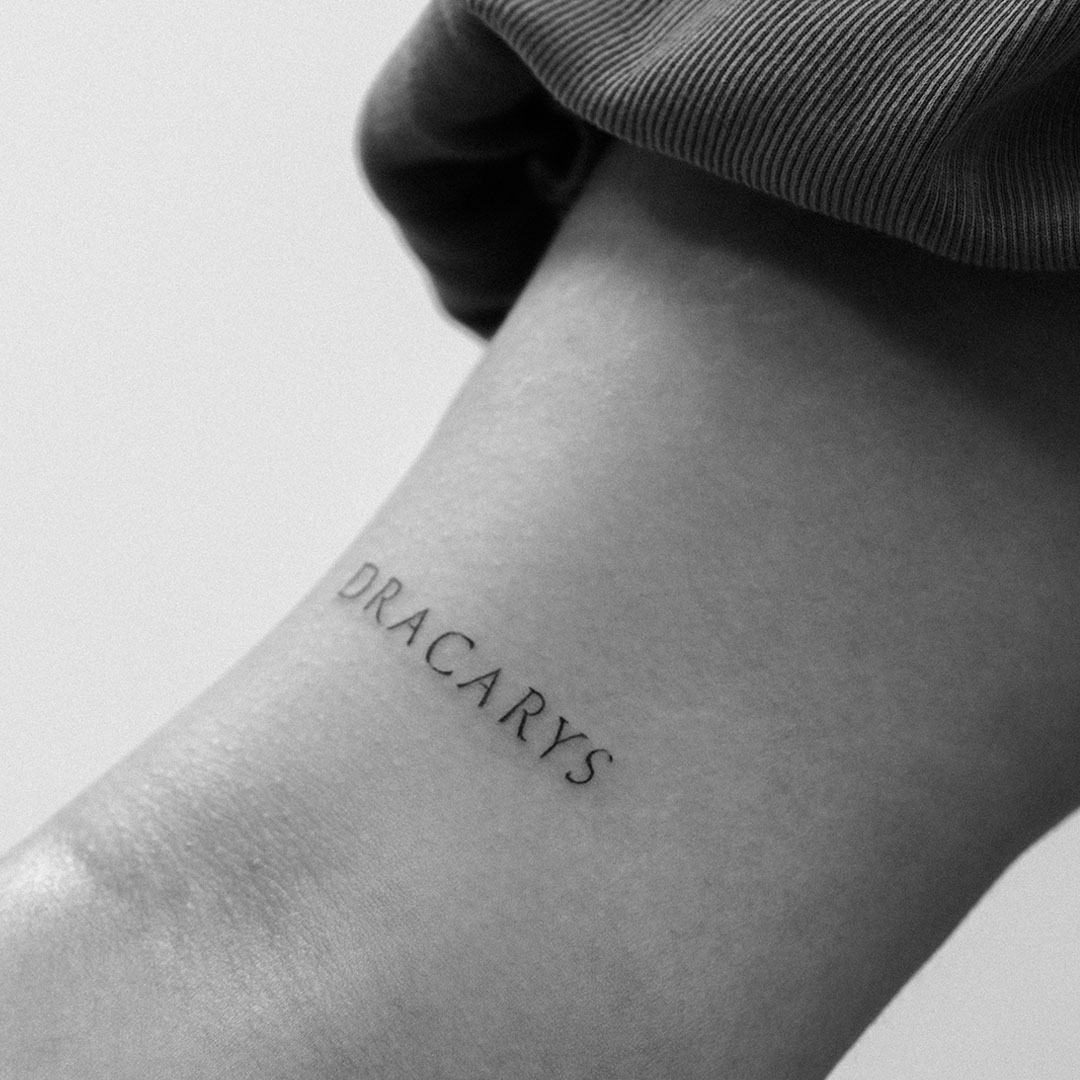
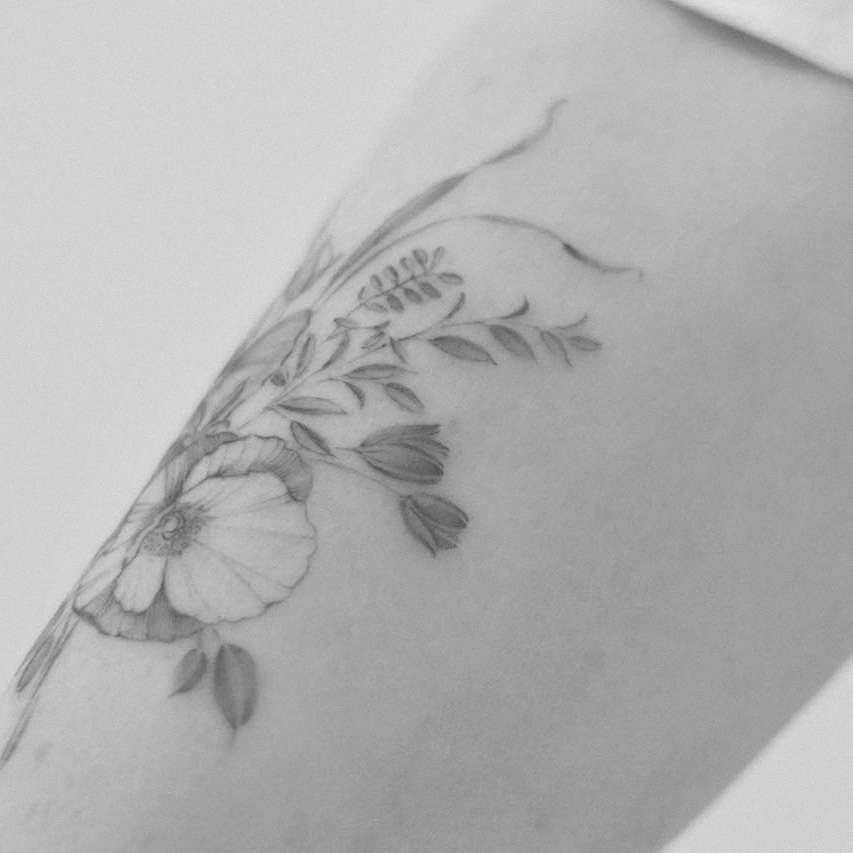
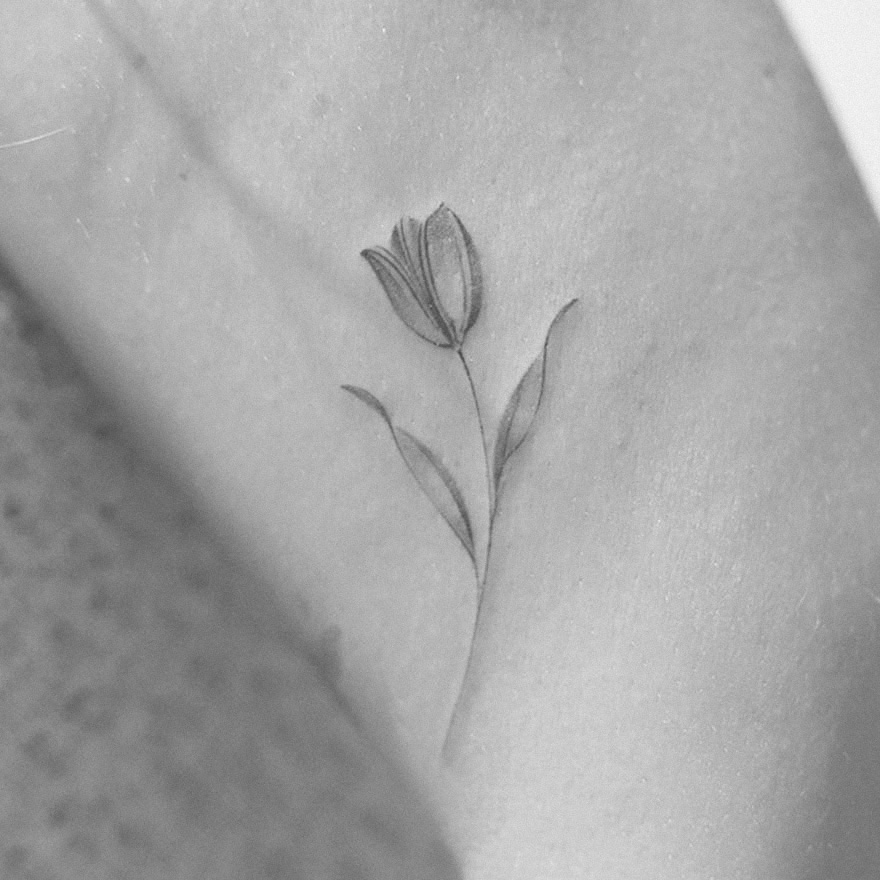
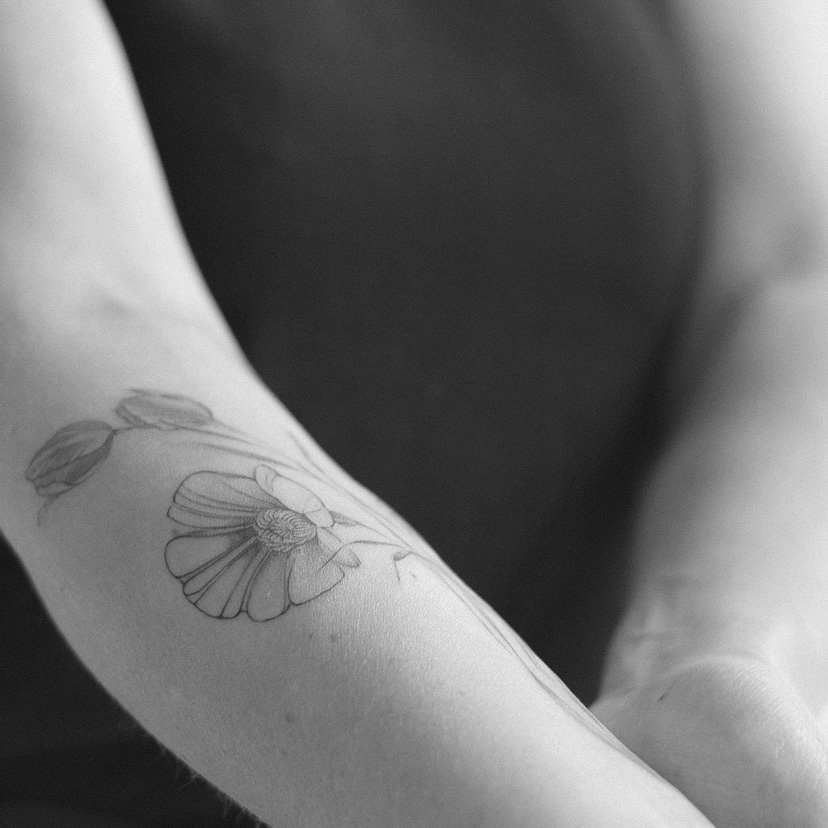
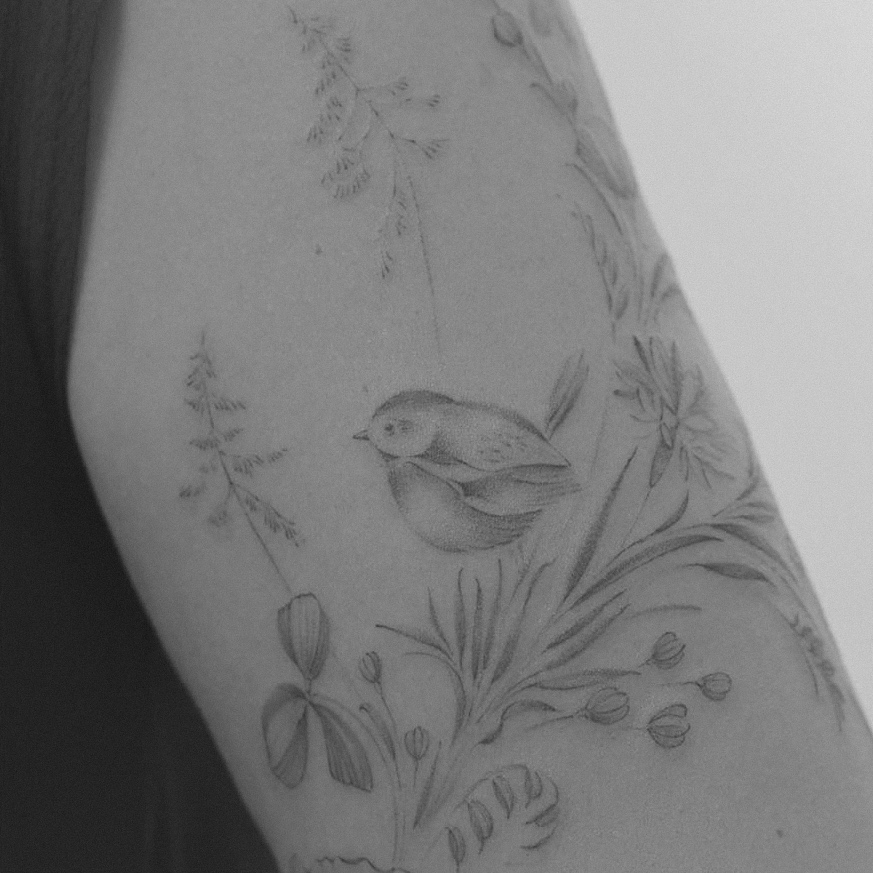
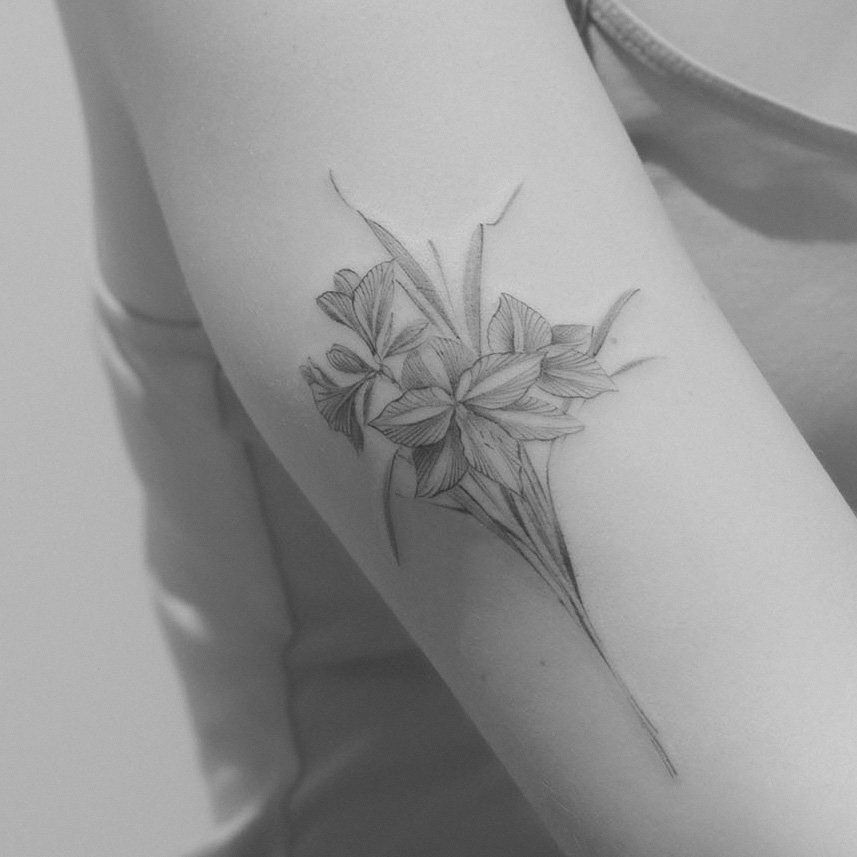
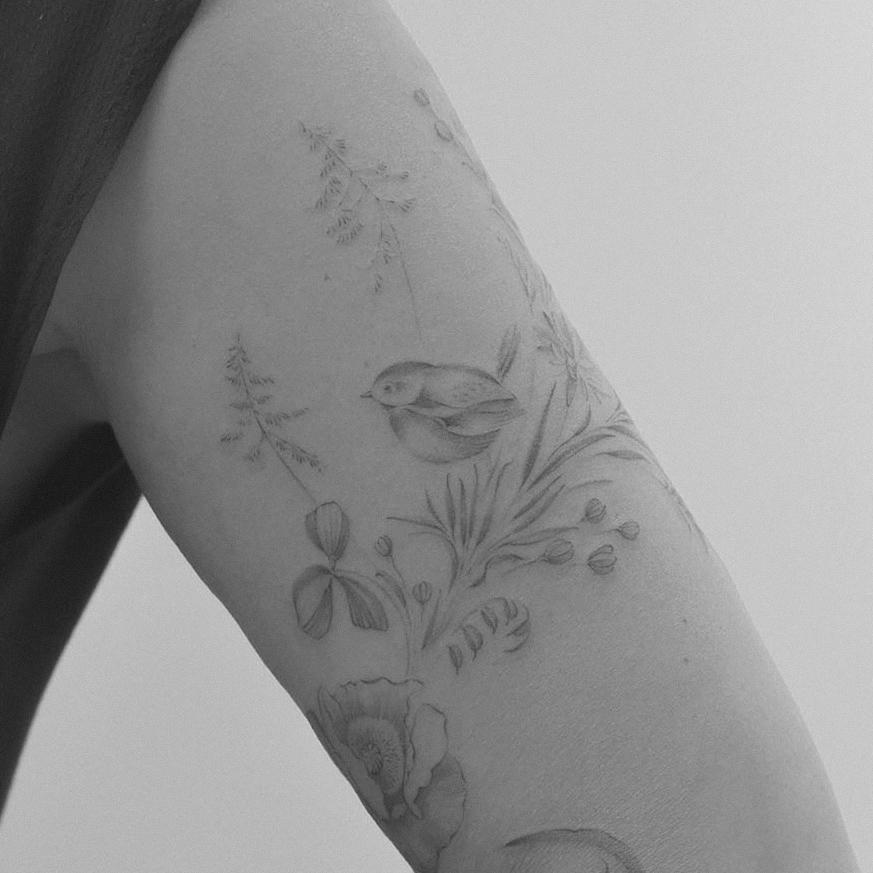
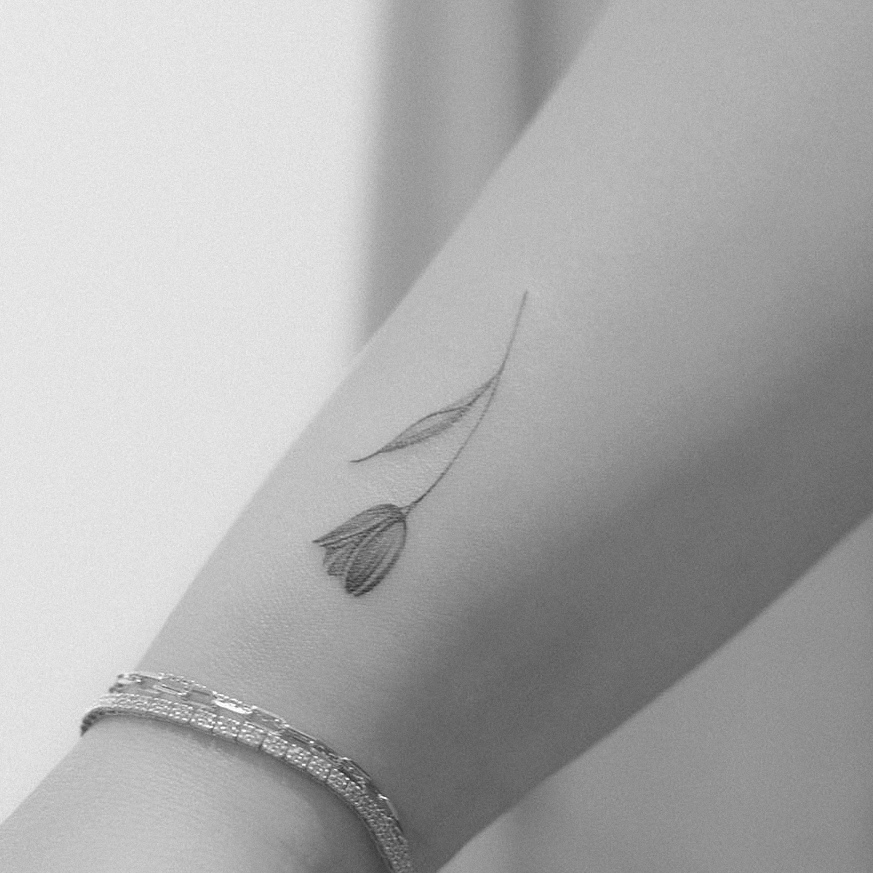
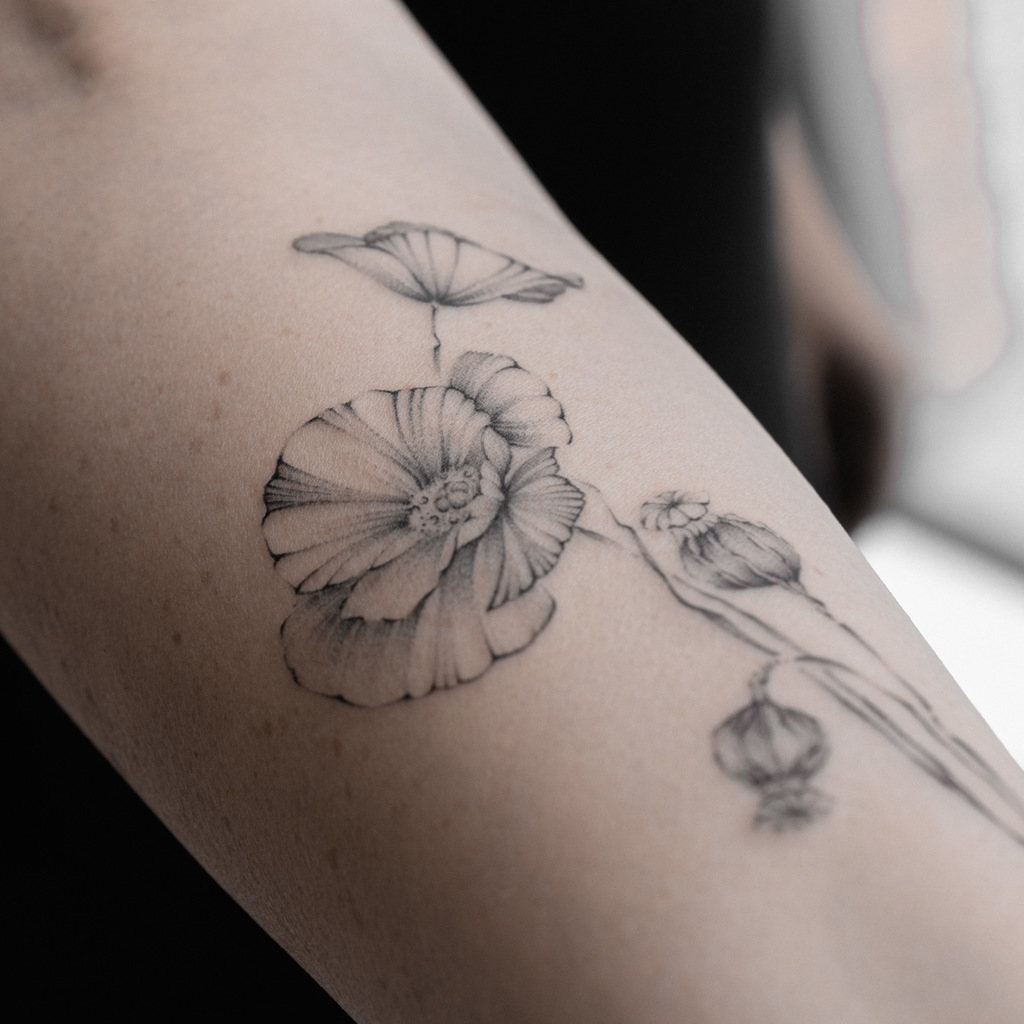
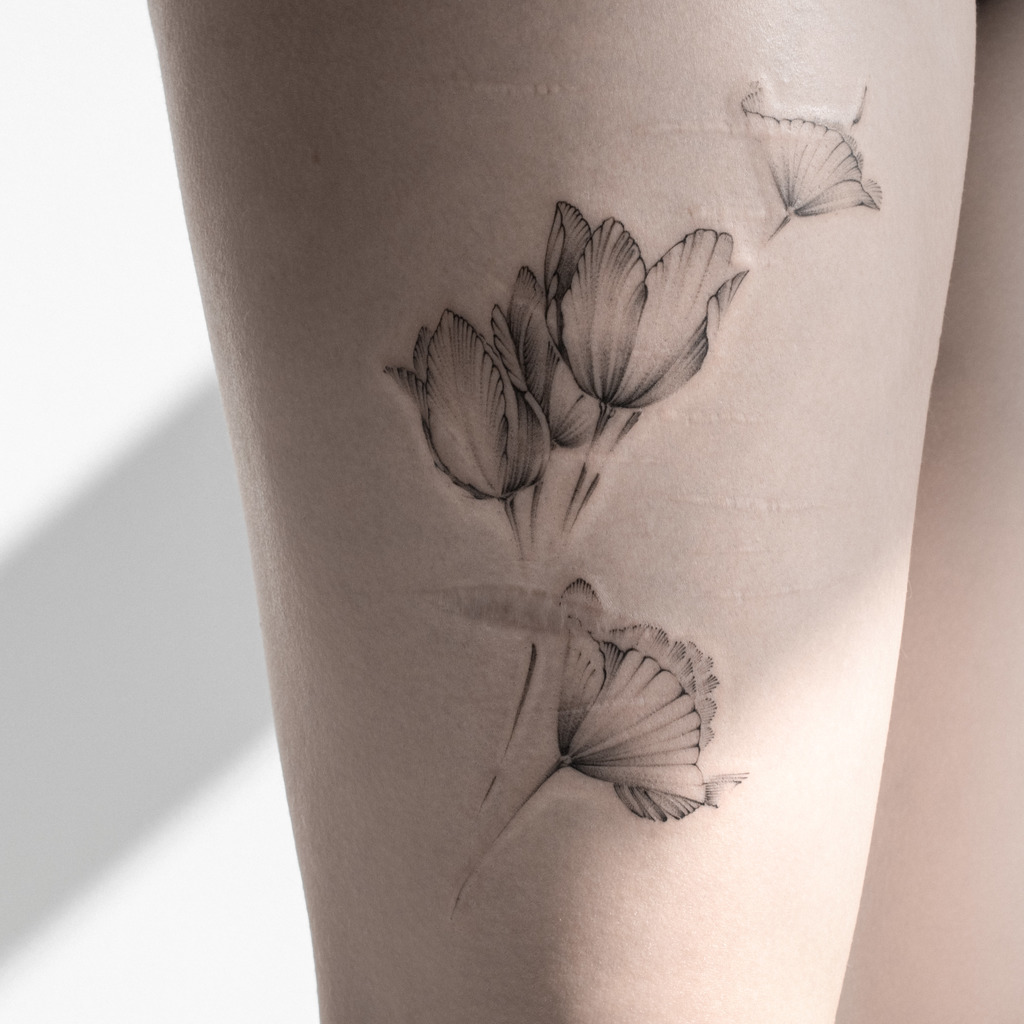
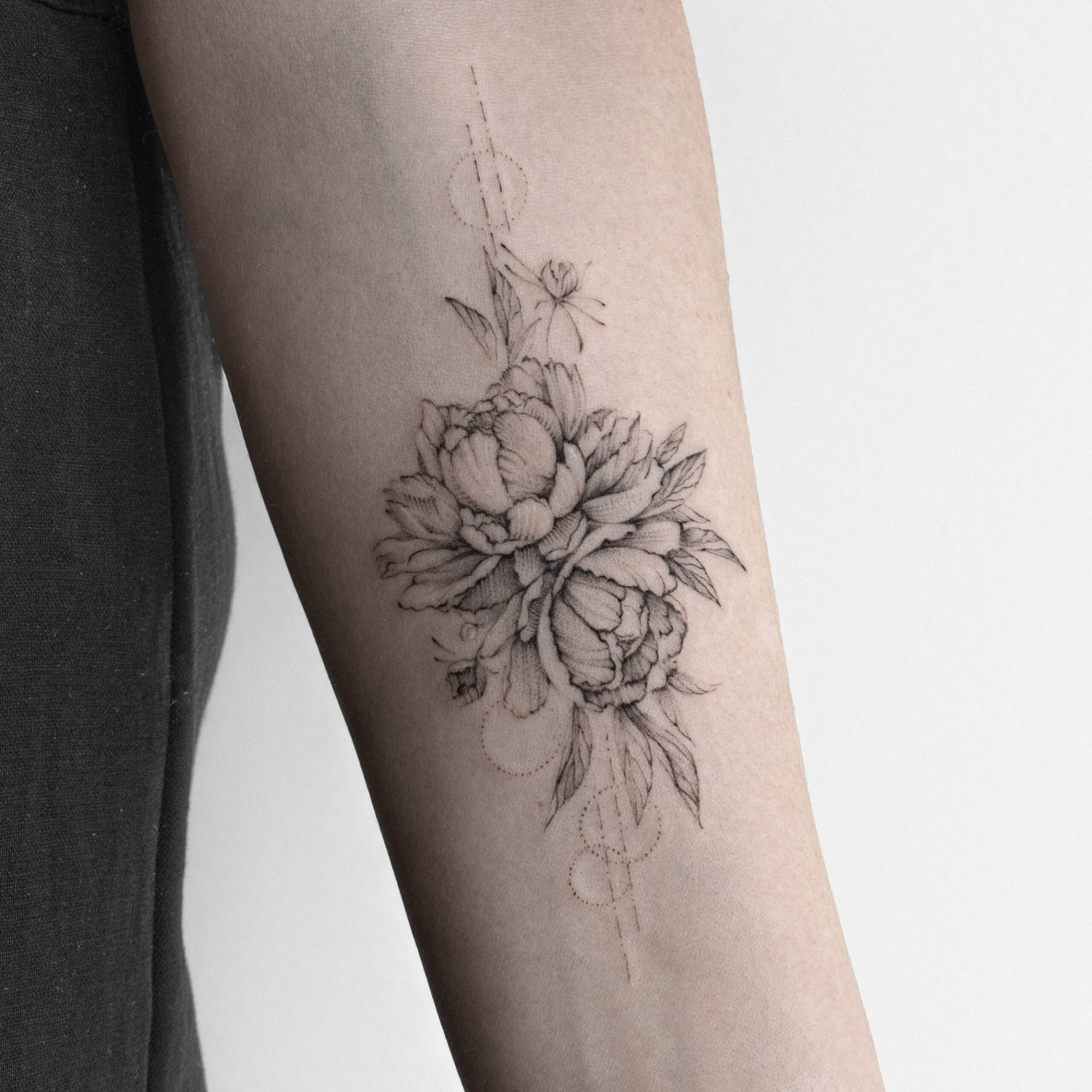
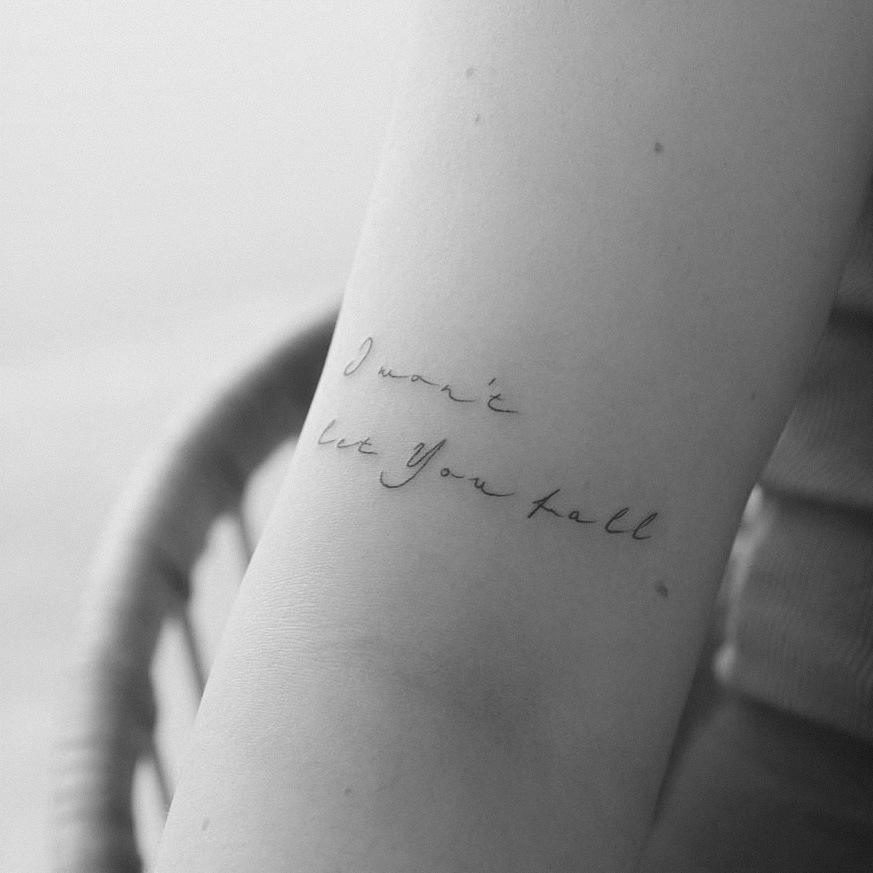
In the end, tattoos are not only a cultural trend. They are also a deeply human way of telling stories. They allow people to carry memories, symbols, and artwork on their own bodies — often for a lifetime. And perhaps this is why tattoos continue to grow in popularity around the world: they combine **art, identity, and personal meaning in a way few other forms of expression can.
If you would like to explore tattoo designs or discuss an idea, you can visit the studio here:**
You can also explore art prints inspired by similar floral and symbolic themes here:
https://vadelmaprints.com
FAQ
Do studies show tattoos can improve self-confidence?
Some research suggests tattoos may improve body image and self-confidence for many people.
Do tattoos usually have meaning?
Studies show that most tattoos are connected to personal memories or life events.
Are tattoos only aesthetic?
No. Many people use tattoos to express identity, mark important life moments, or remember loved ones.
Is it important to choose a professional tattoo studio?
Yes. Professional hygiene standards and proper aftercare are essential for safe healing.
Are Tattoos Actually Good for You?
What Research Says
For many years tattoos were often surrounded by stereotypes. Some people saw them as rebellious, impulsive, or purely decorative. But in recent decades, tattoos have become one of the most common forms of personal expression. As their popularity grew, researchers also began asking a simple question:
Do tattoos actually have psychological benefits?
Interestingly, several studies suggest that tattoos can indeed have meaningful positive effects for many people.
Tattoos as Personal Memory
One study published by researchers studying autobiographical memory found that about 80% of tattoos are directly connected to important life events or personal stories. (Cambridge University Press & Assessment) In other words, tattoos often function as permanent reminders of meaningful moments, relationships, or personal transformations. Researchers described tattoos as something similar to a “personal archive” of life experiences, helping people maintain connection with their identity and memories over time. (Cambridge University Press & Assessment) This is one reason why many people describe their tattoos as deeply meaningful rather than purely decorative.
Tattoos and Self-Confidence
Psychological research also suggests that tattoos can influence how people perceive their own bodies. A recent study examining body image and self-perception found that many participants reported improved self-confidence and a stronger sense of attractiveness after getting tattoos. (Taylor & Francis Online)
For some individuals, tattoos help them feel:
• more comfortable in their own body
• more confident in their appearance
• more connected to their personal identity
These effects are especially common when tattoos represent something meaningful or aesthetically important to the individual.
Tattoos and Personal Identity
Another important psychological function of tattoos is identity formation. Researchers have observed that tattoos often help individuals express their individuality and personal values, especially in modern societies where people actively shape how they present themselves to the world. (Cambridge University Press & Assessment) Because tattoos are permanent, the decision to get one often reflects something a person feels strongly connected to. This makes tattoos a unique combination of art, memory, and identity.
Tattoos as Emotional Markers
Some studies also show that tattoos can play a role in emotional processing. Research in psychology suggests that body modifications sometimes help people mark important life transitions or cope with significant experiences, including difficult or transformative periods in life. (SpringerLink)
For example, tattoos are sometimes used to mark:
• personal achievements
• life changes
• recovery journeys
• remembrance of loved ones
In this sense, tattoos can become symbols of resilience and personal growth.
Of Course, Quality and Safety Matter
While tattoos can have positive psychological meaning, researchers also emphasize that safety and hygiene are essential.
Complications such as infections are rare when tattoos are performed by professional artists using sterile equipment, but they can occur when proper standards are not followed. (OUP Academic)
This is why choosing a professional studio and following proper aftercare is always important.
You can read more about the healing process here:
https://vadelma.eu/after-care
Tattoos as Personal Art
In the end, tattoos are not only a cultural trend. They are also a deeply human way of telling stories. They allow people to carry memories, symbols, and artwork on their own bodies — often for a lifetime. And perhaps this is why tattoos continue to grow in popularity around the world: they combine **art, identity, and personal meaning in a way few other forms of expression can.
If you would like to explore tattoo designs or discuss an idea, you can visit the studio here:**
You can also explore art prints inspired by similar floral and symbolic themes here:
https://vadelmaprints.com
FAQ
Do studies show tattoos can improve self-confidence?
Some research suggests tattoos may improve body image and self-confidence for many people.
Do tattoos usually have meaning?
Studies show that most tattoos are connected to personal memories or life events.
Are tattoos only aesthetic?
No. Many people use tattoos to express identity, mark important life moments, or remember loved ones.
Is it important to choose a professional tattoo studio?
Yes. Professional hygiene standards and proper aftercare are essential for safe healing.