Does It Hurt to Get a Tattoo? – Tattoo Pain Explained
Does It Hurt to Get a Tattoo? – The Reality Behind Tattoo Pain
Introduction
One of the first questions almost every tattoo artist hears is:
“Does it hurt?”
And the honest answer is simple: yes — but probably not in the way many people imagine. Tattoo pain has developed almost mythical status over the years. Some people describe tattooing as unbearable torture, while others try to present it as nothing at all. In reality, the experience usually exists somewhere much more balanced between those extremes. Most people are surprised less by the intensity of tattooing and more by the fact that the sensation becomes manageable surprisingly quickly. At Vadelma Tattoo in Amsterdam, many first-time clients arrive visibly nervous about pain ( usually because they heard many urban legends stories from friends and family, why to make people scared?? I don’t get it ) only to realize after the session that the ruminating itself was often worse than the tattooing process. And this happens for a very human reason: the imagination tends to exaggerate unfamiliar experiences.
Why Tattoo Pain Feels Different Than Expected
Tattooing does not usually feel like one sharp dramatic pain. Instead, most people describe it as repetitive irritation, scratching, vibration, heat, or continuous sensitivity. The body gradually adapts to the sensation after the first minutes, which is why the beginning often feels psychologically more difficult than the rest of the session itself. This adaptation is important. Humans are surprisingly good at adjusting to controlled discomfort once the nervous system understands the situation is stable and not dangerous. That is one reason many clients eventually relax during the process much more than they expected. Some even become sleepy.
Fine Line Tattoos and Pain
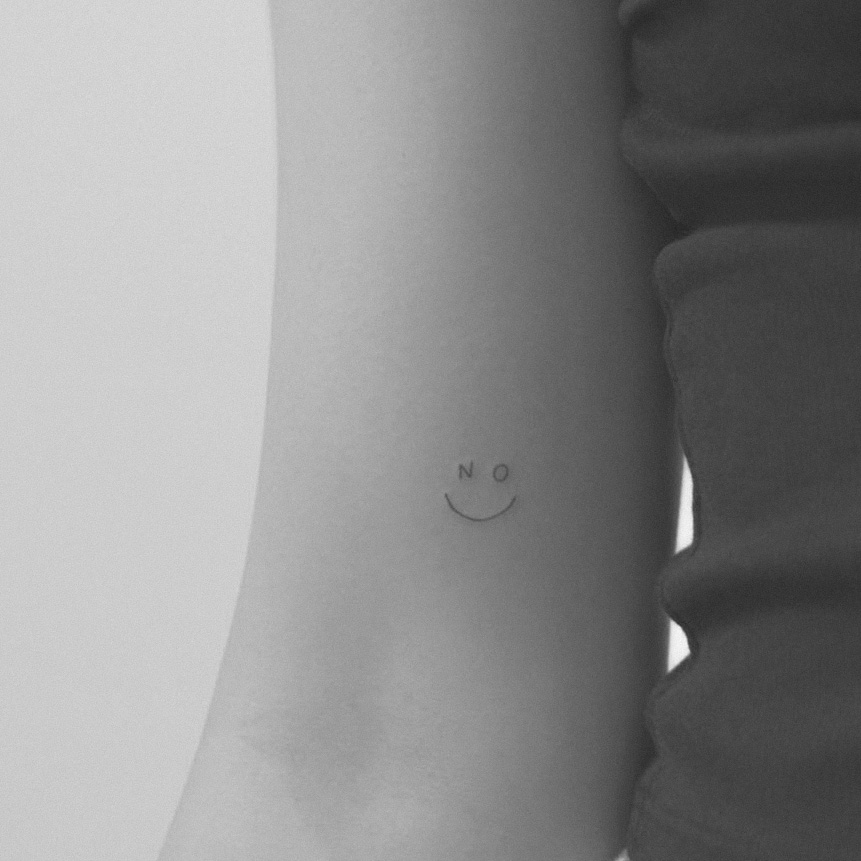
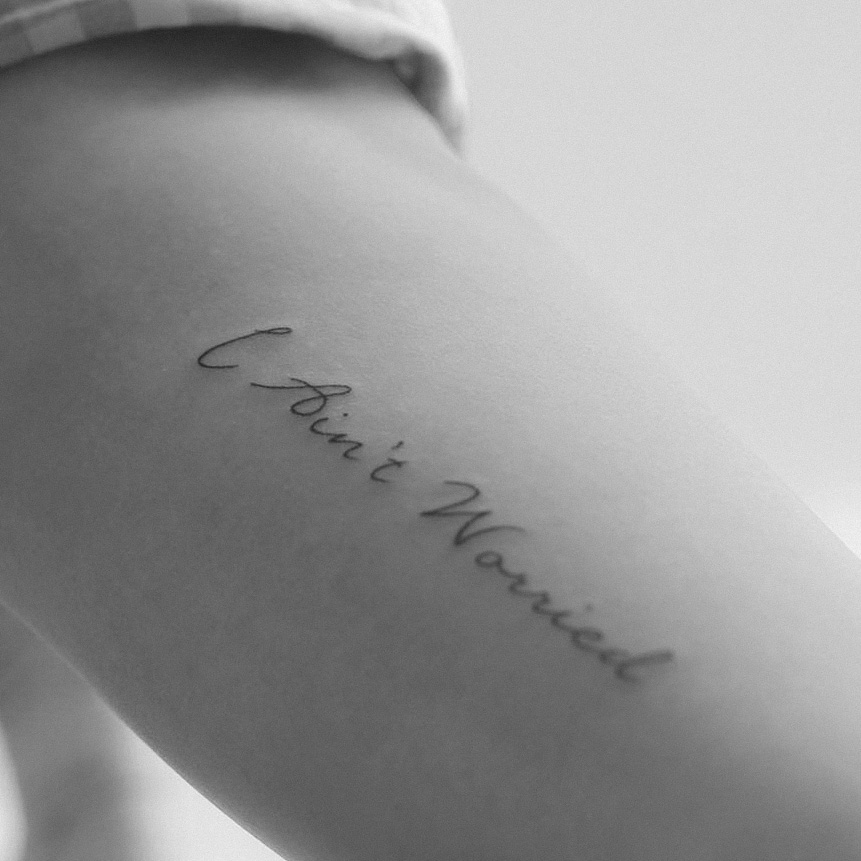
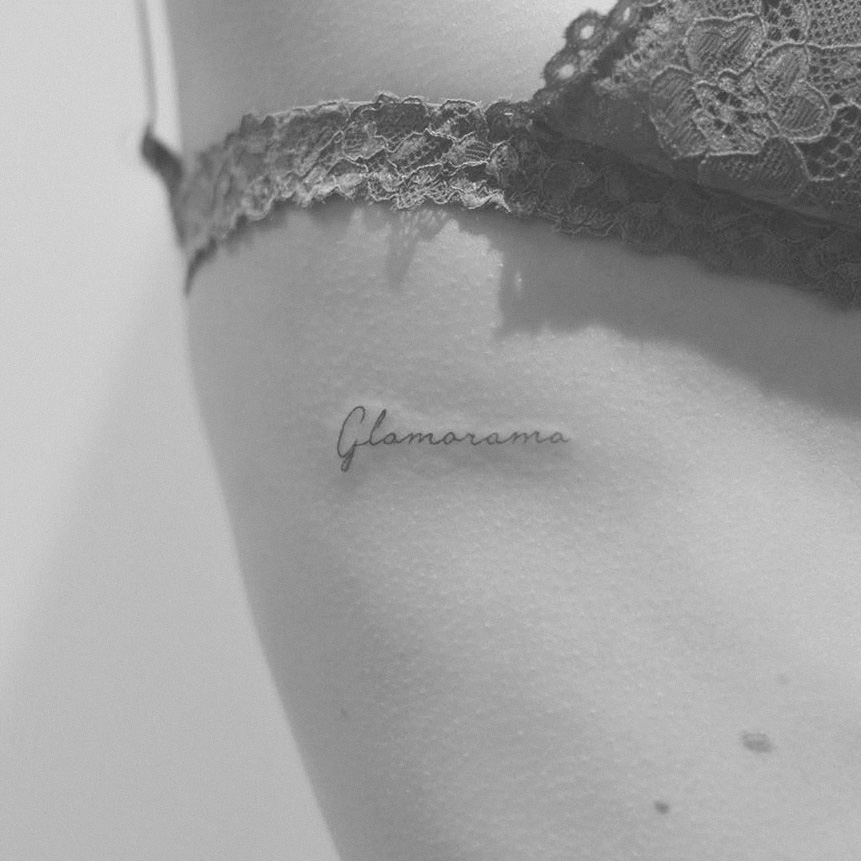
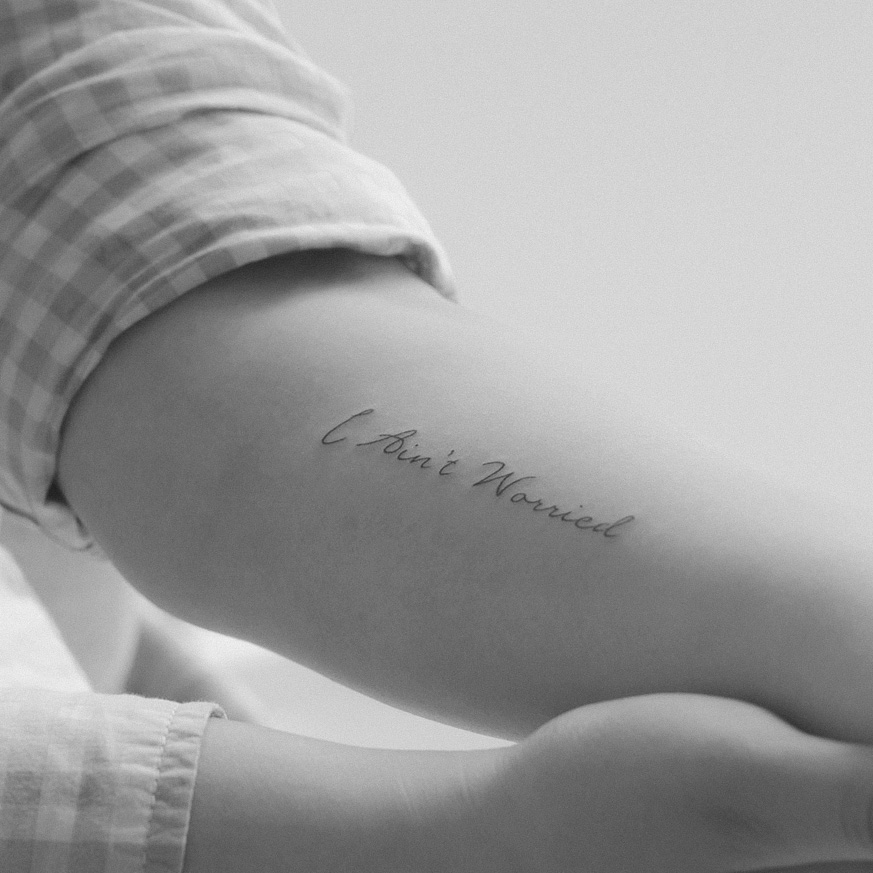
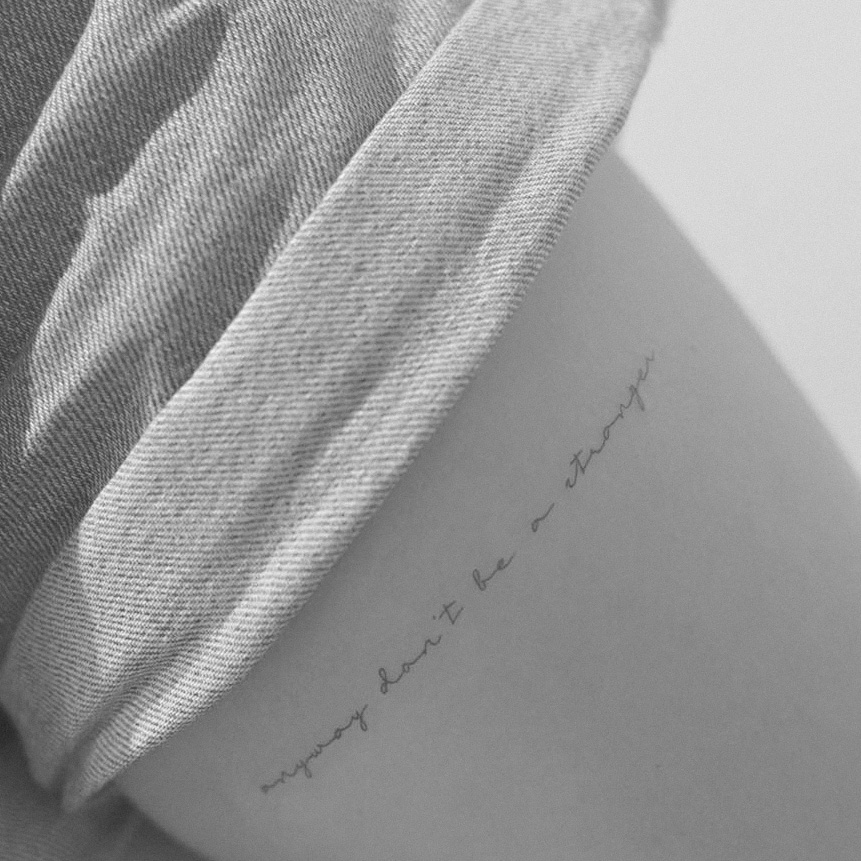
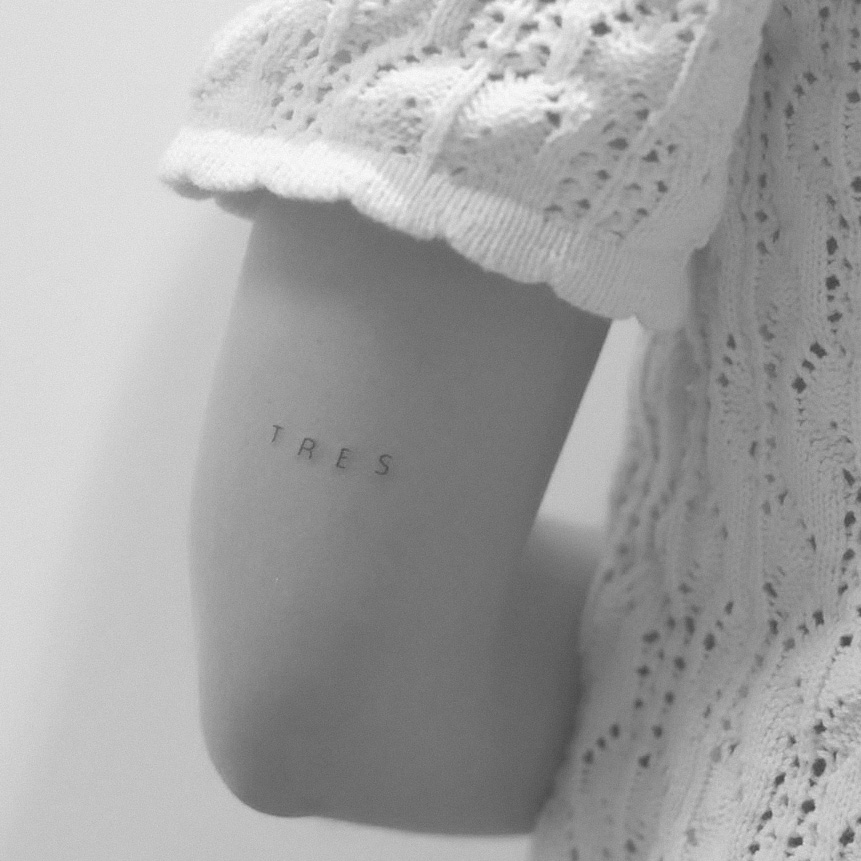
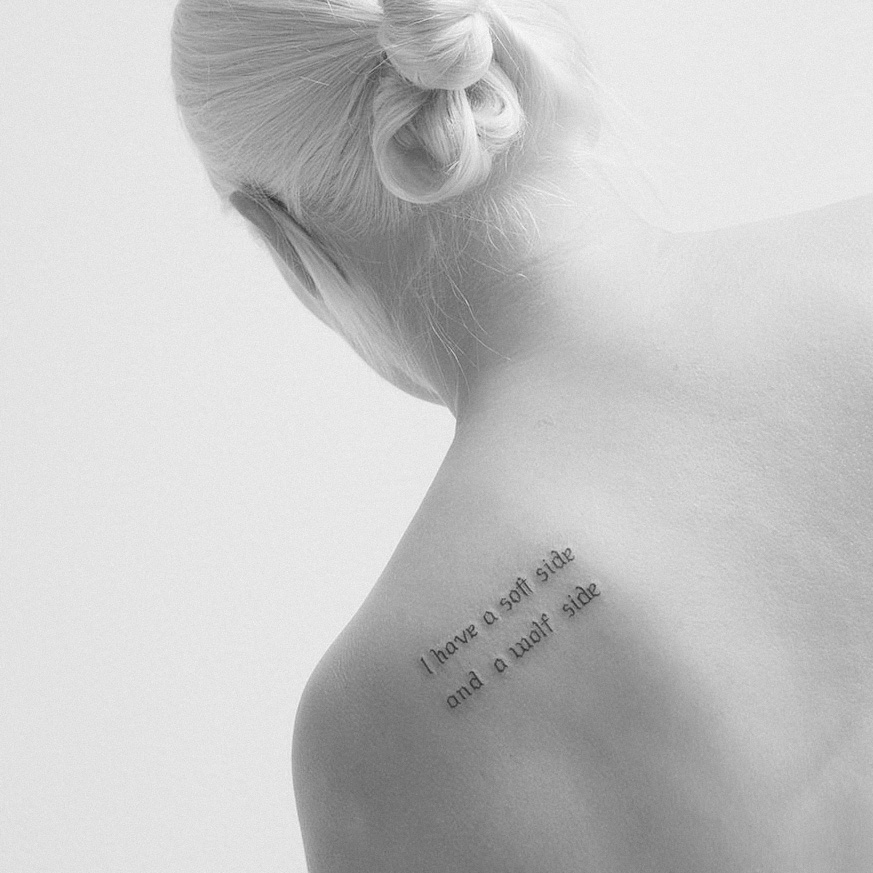
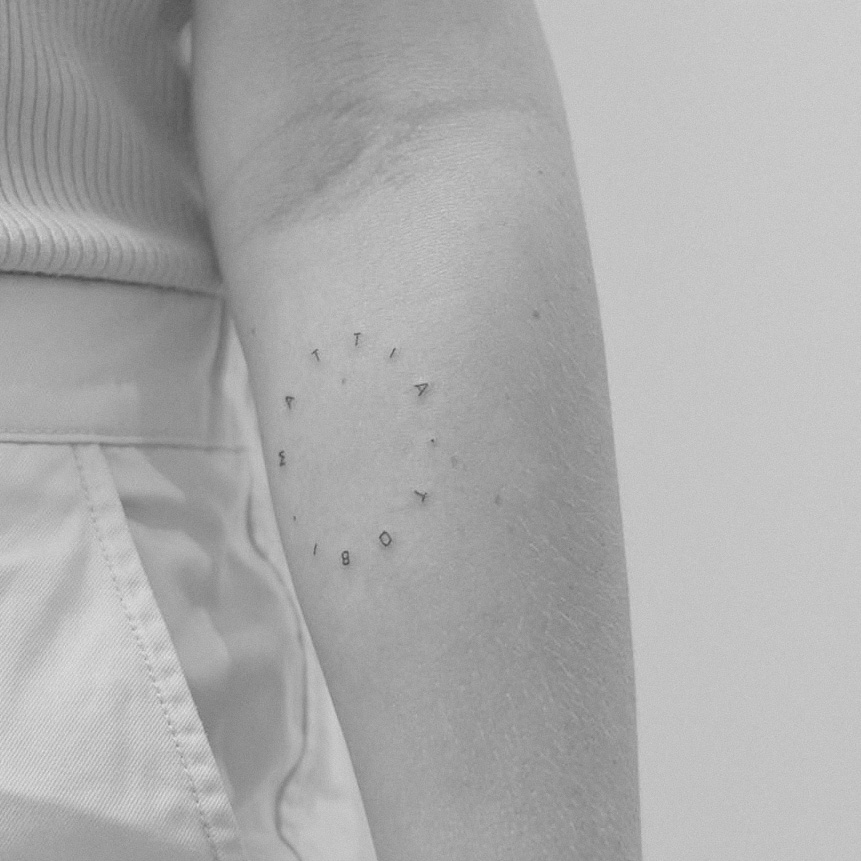
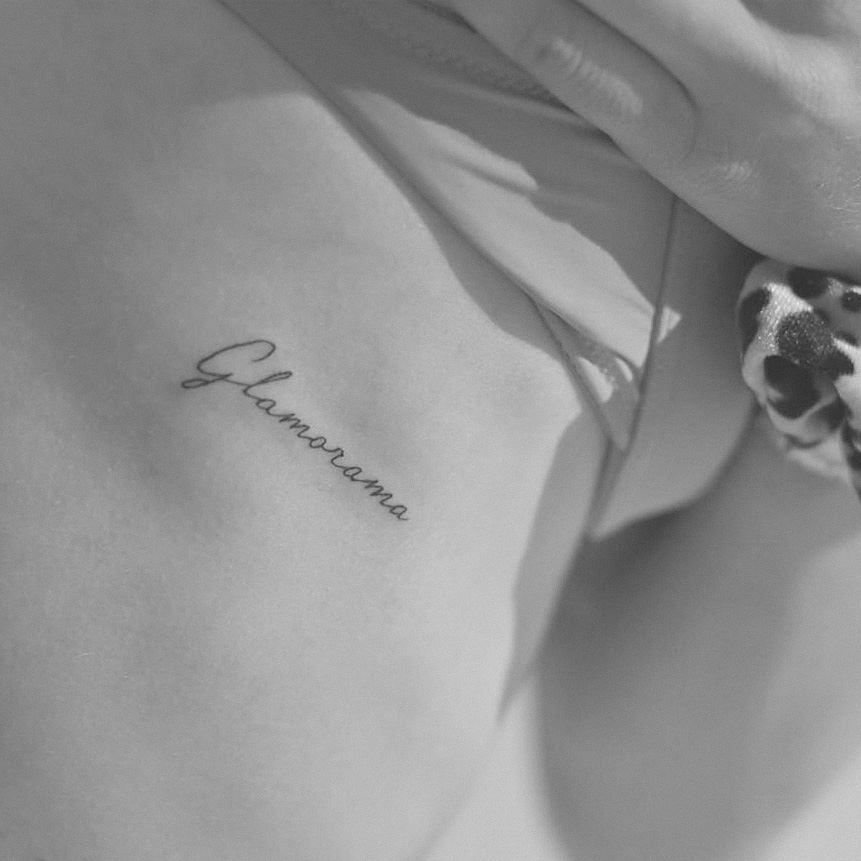
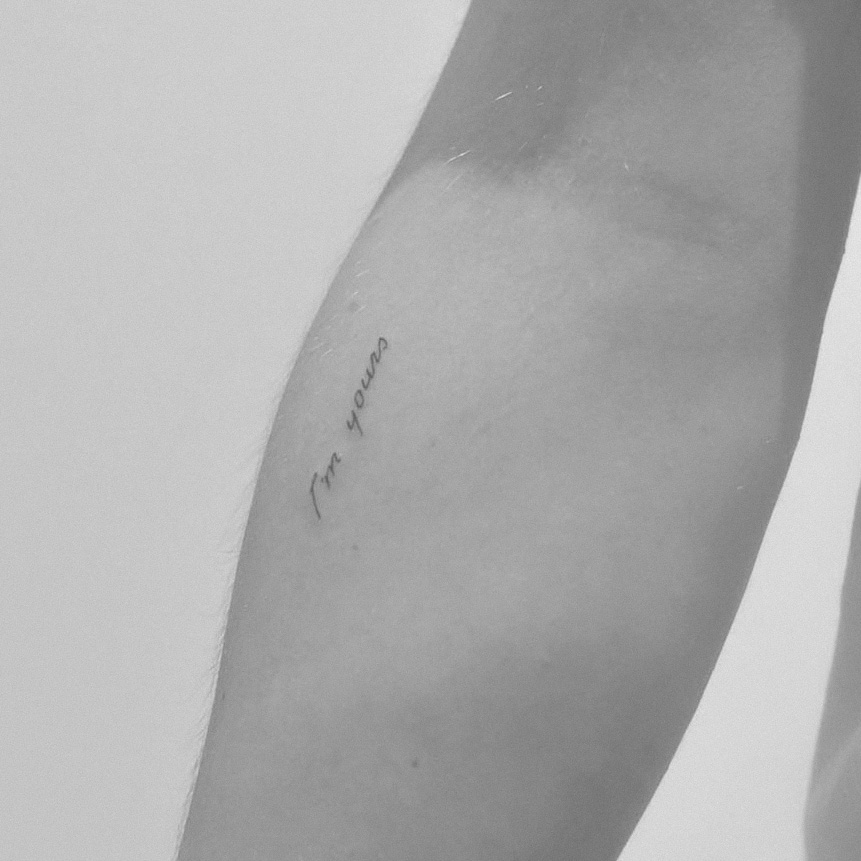
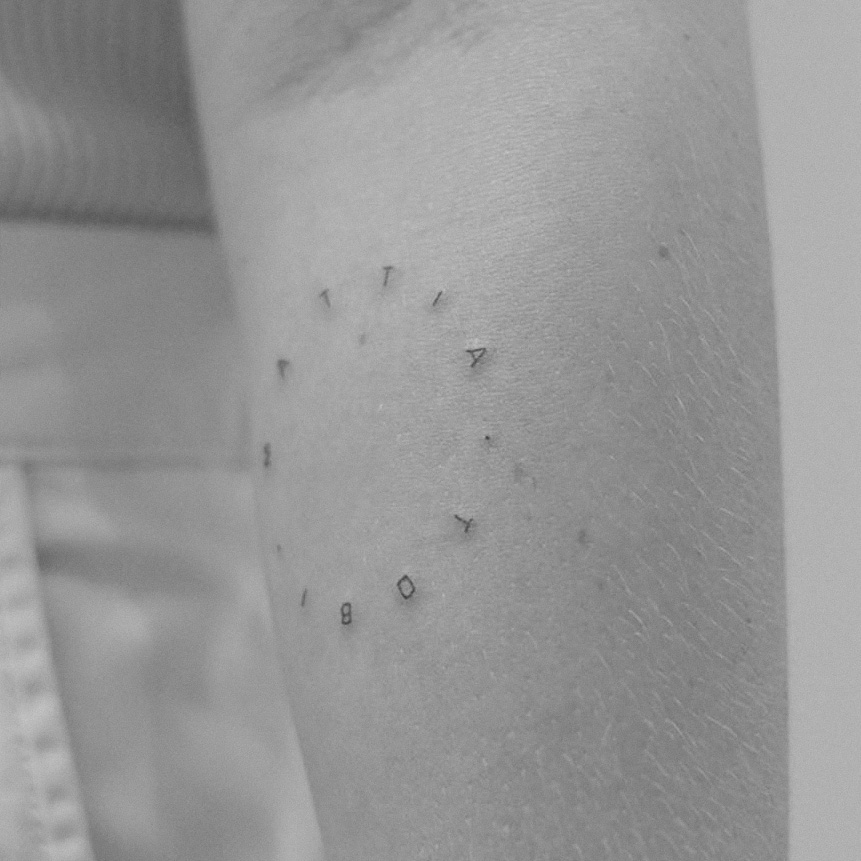
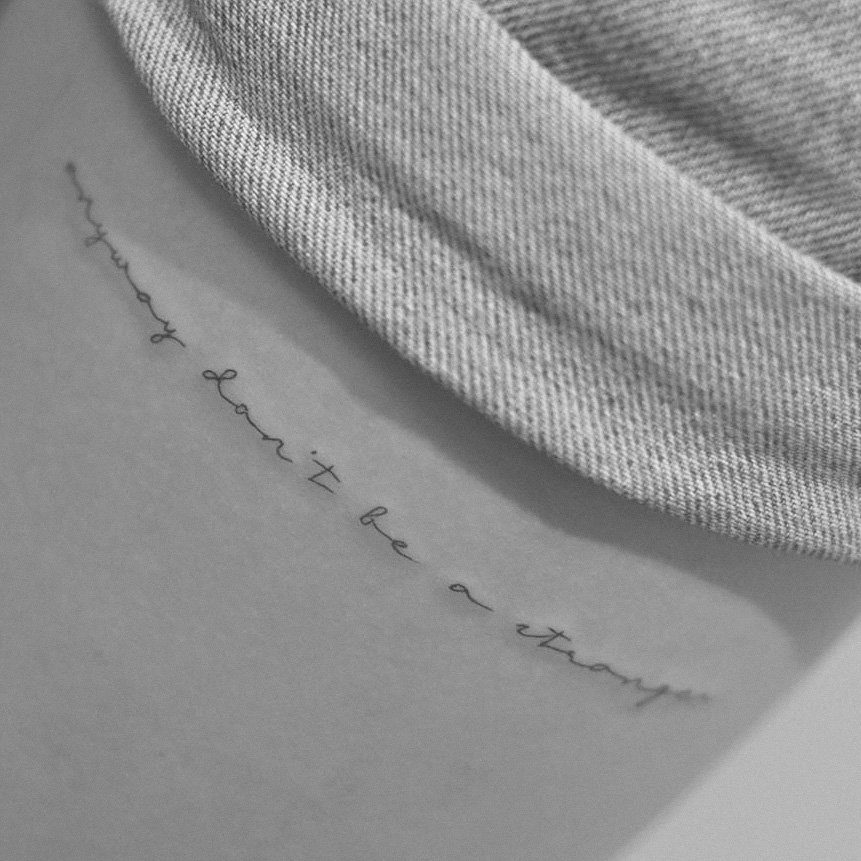
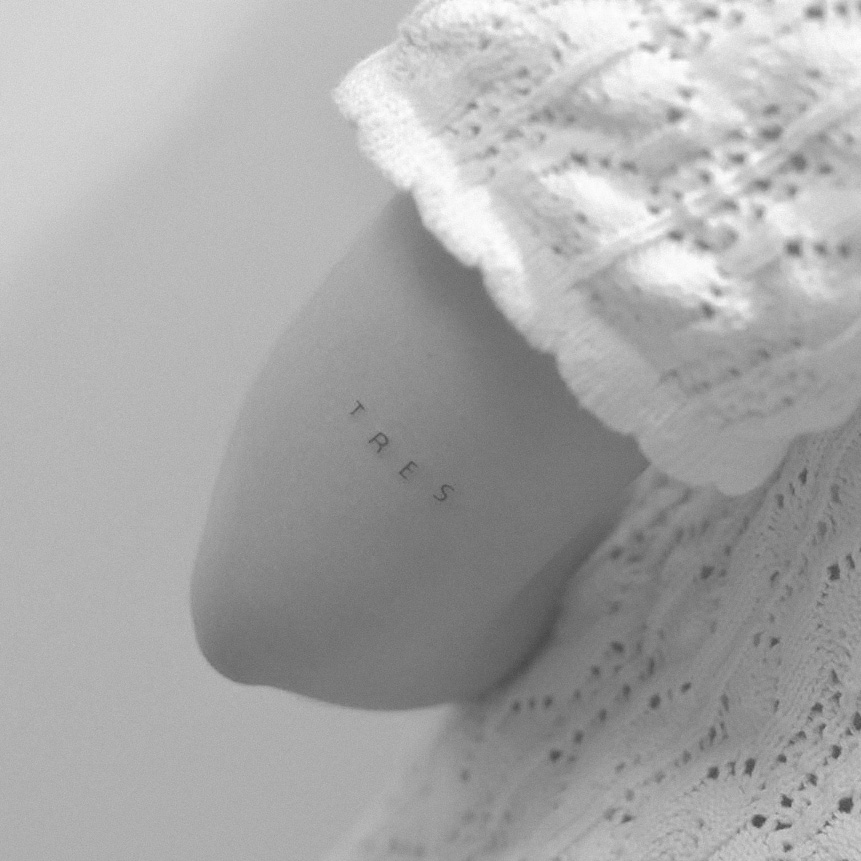
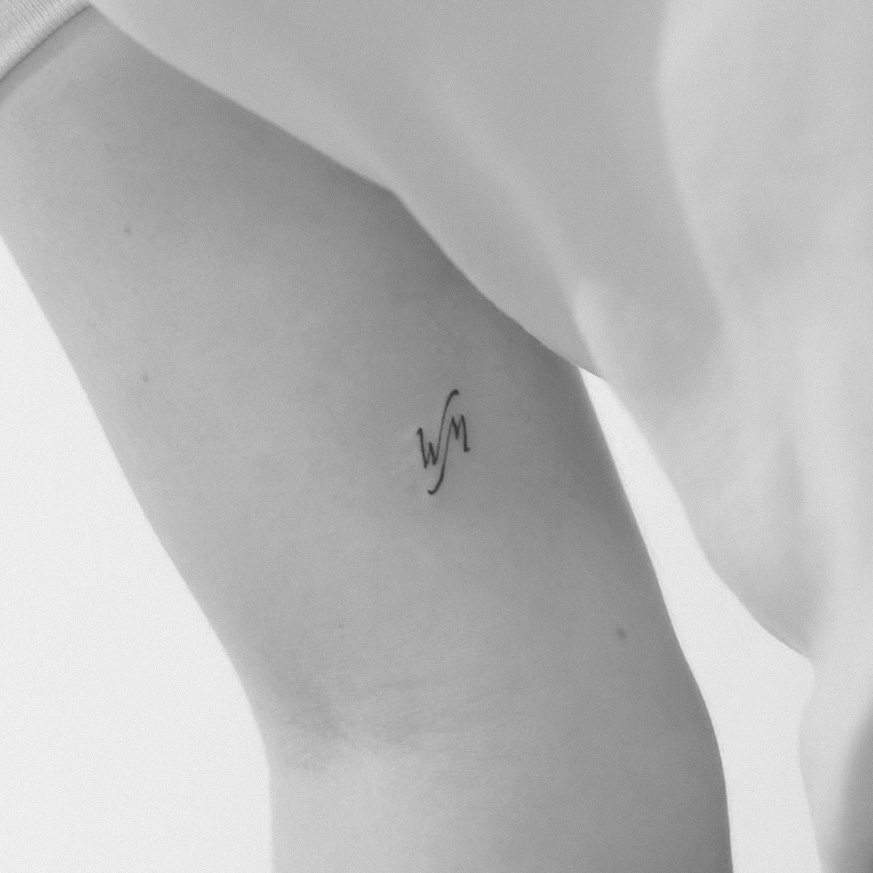
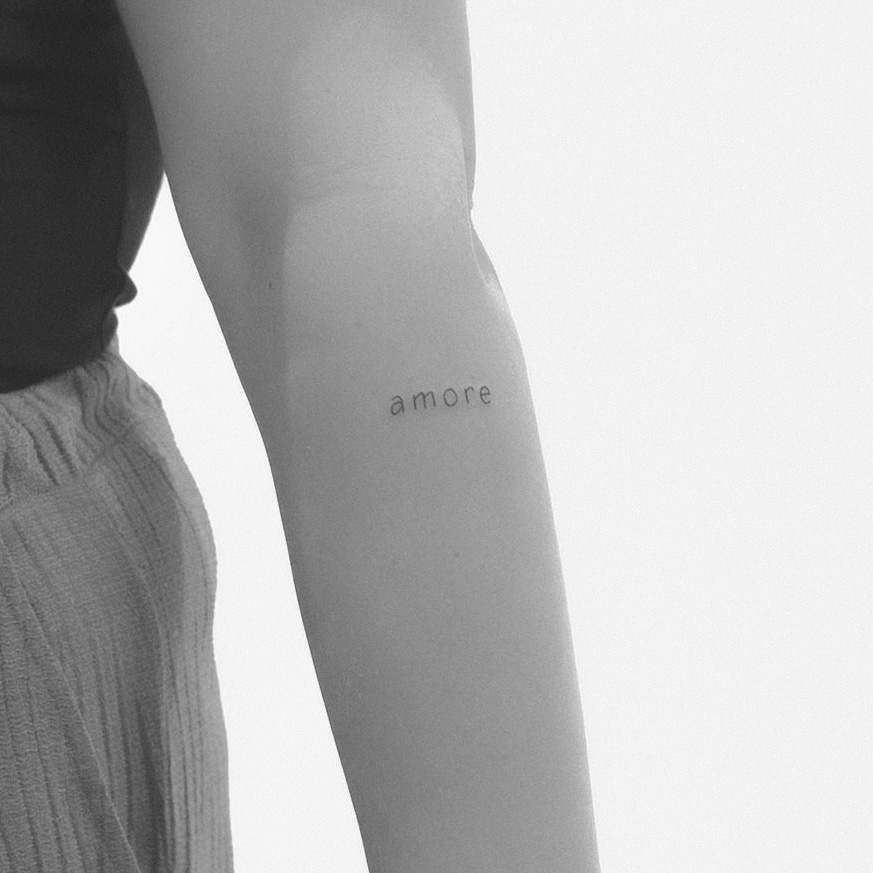
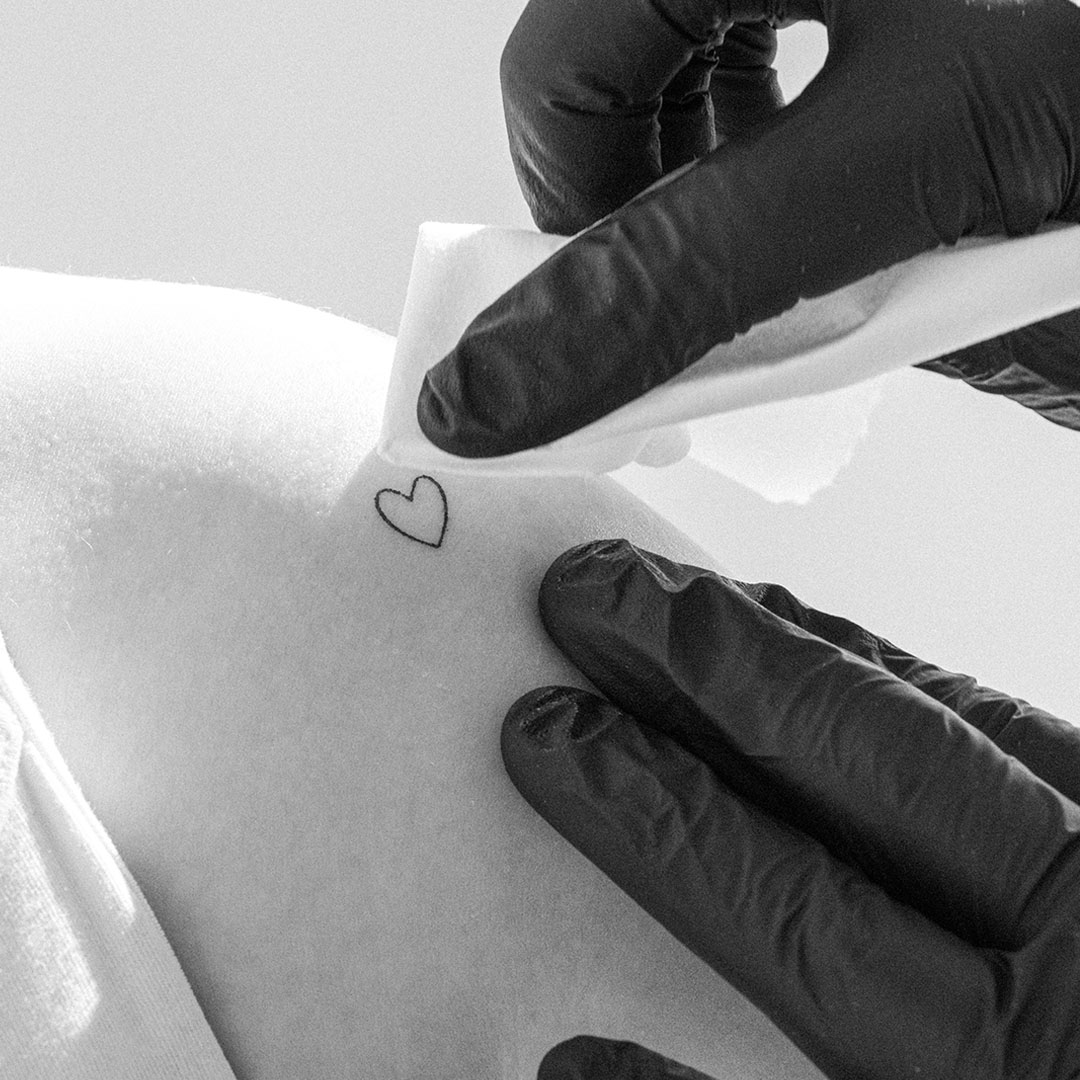
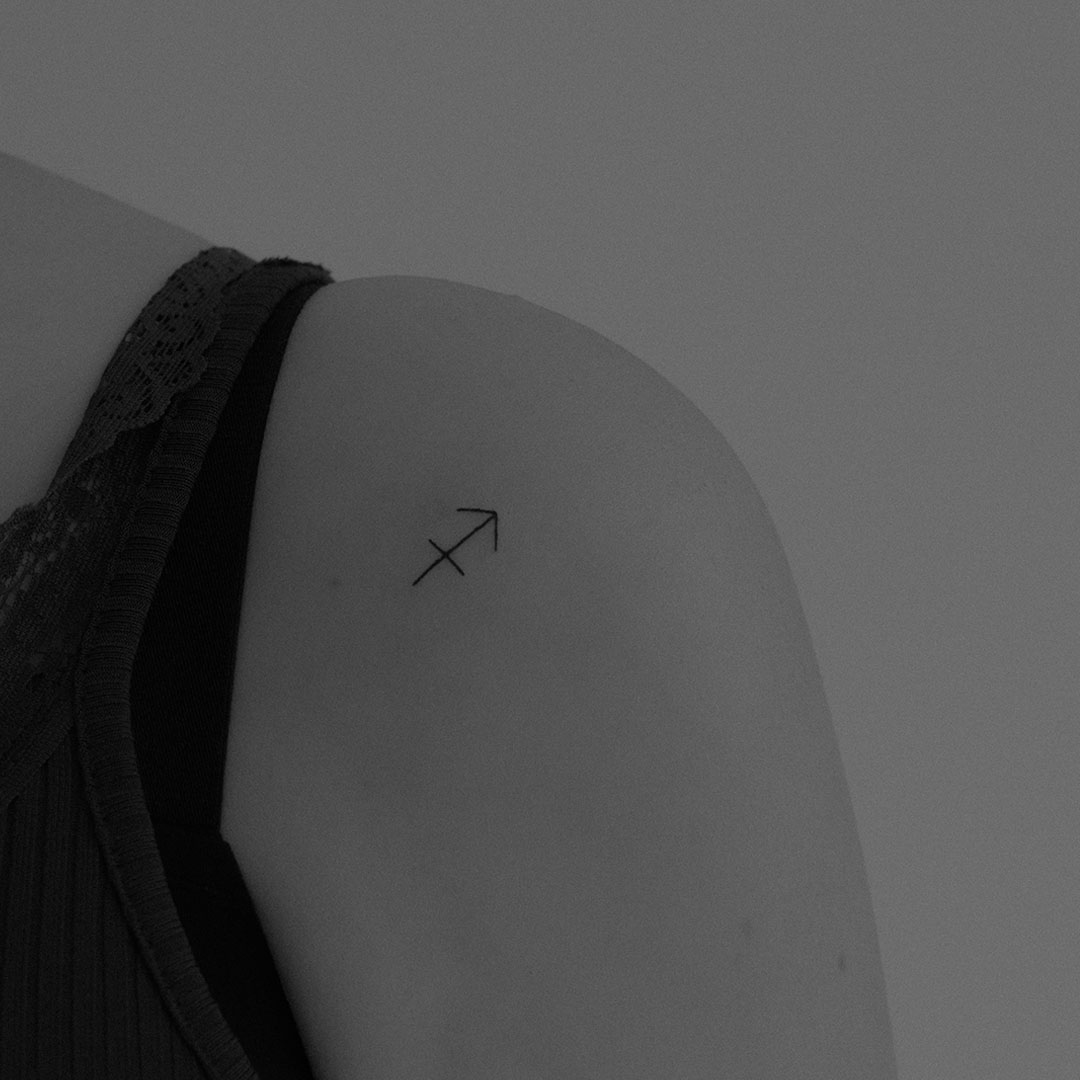
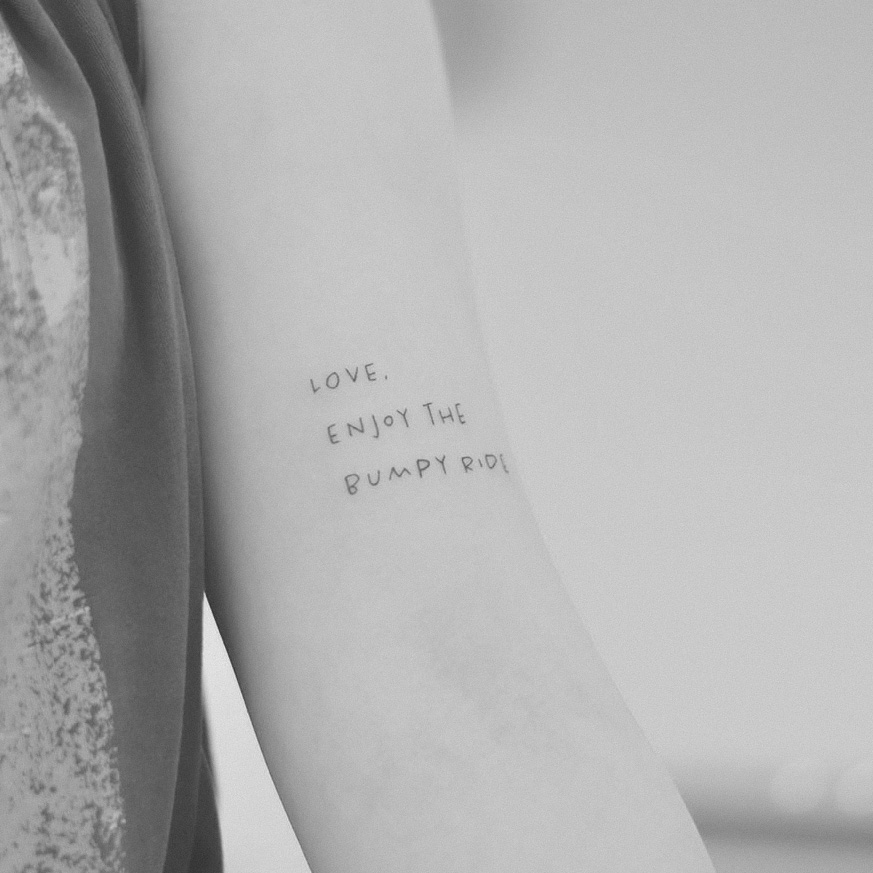
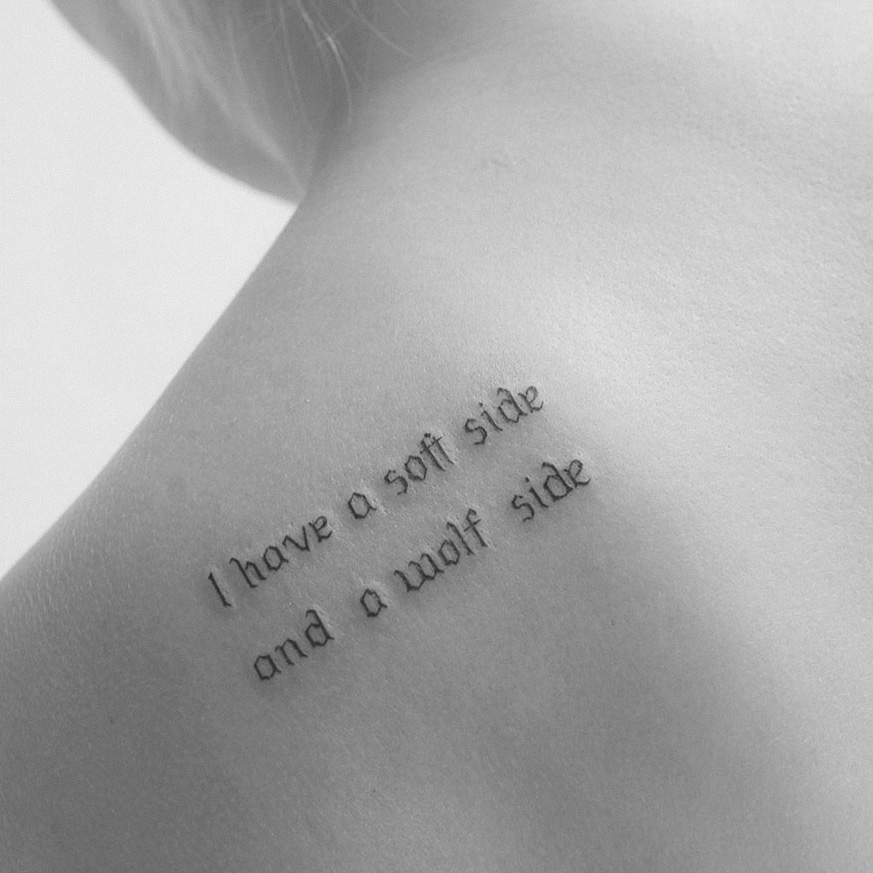
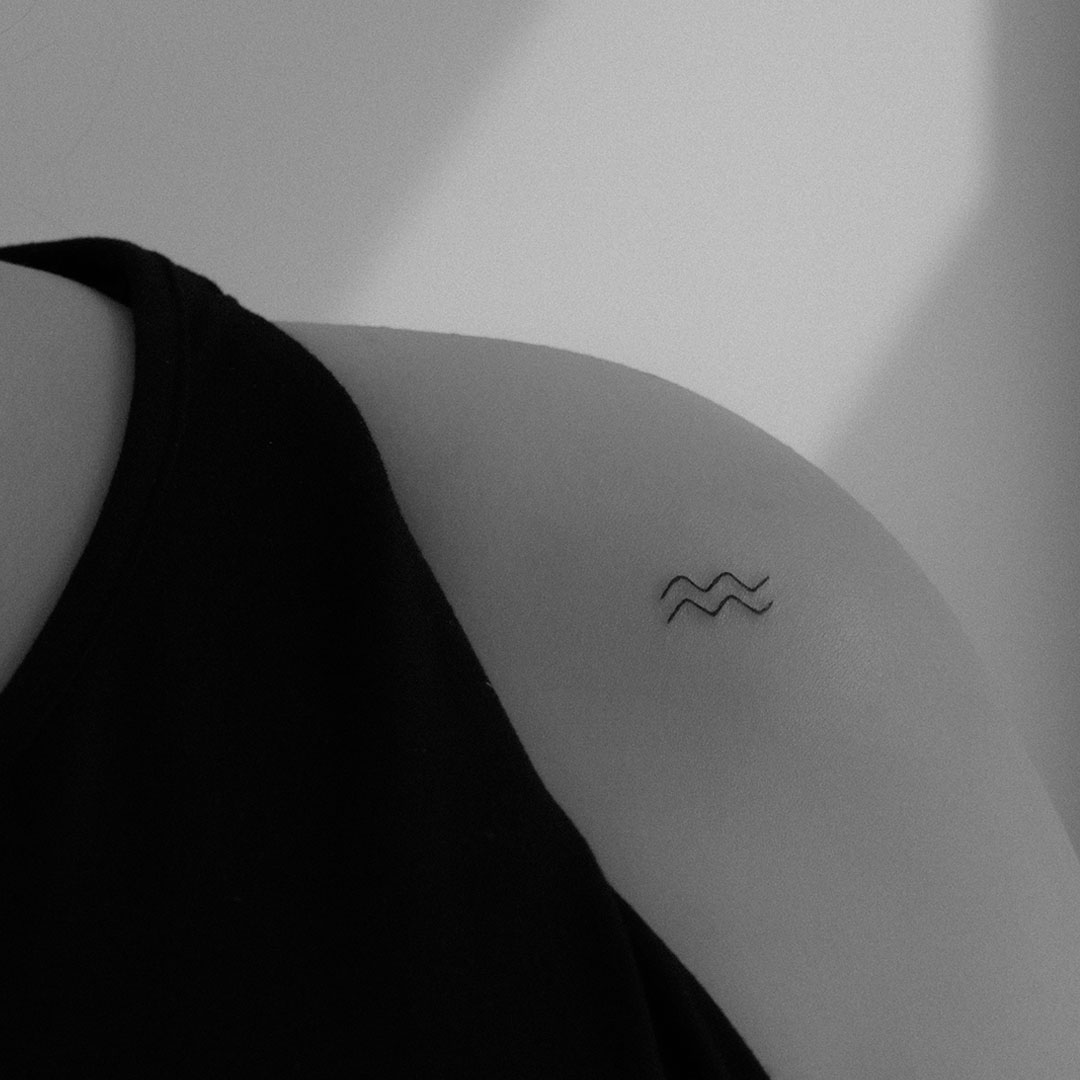
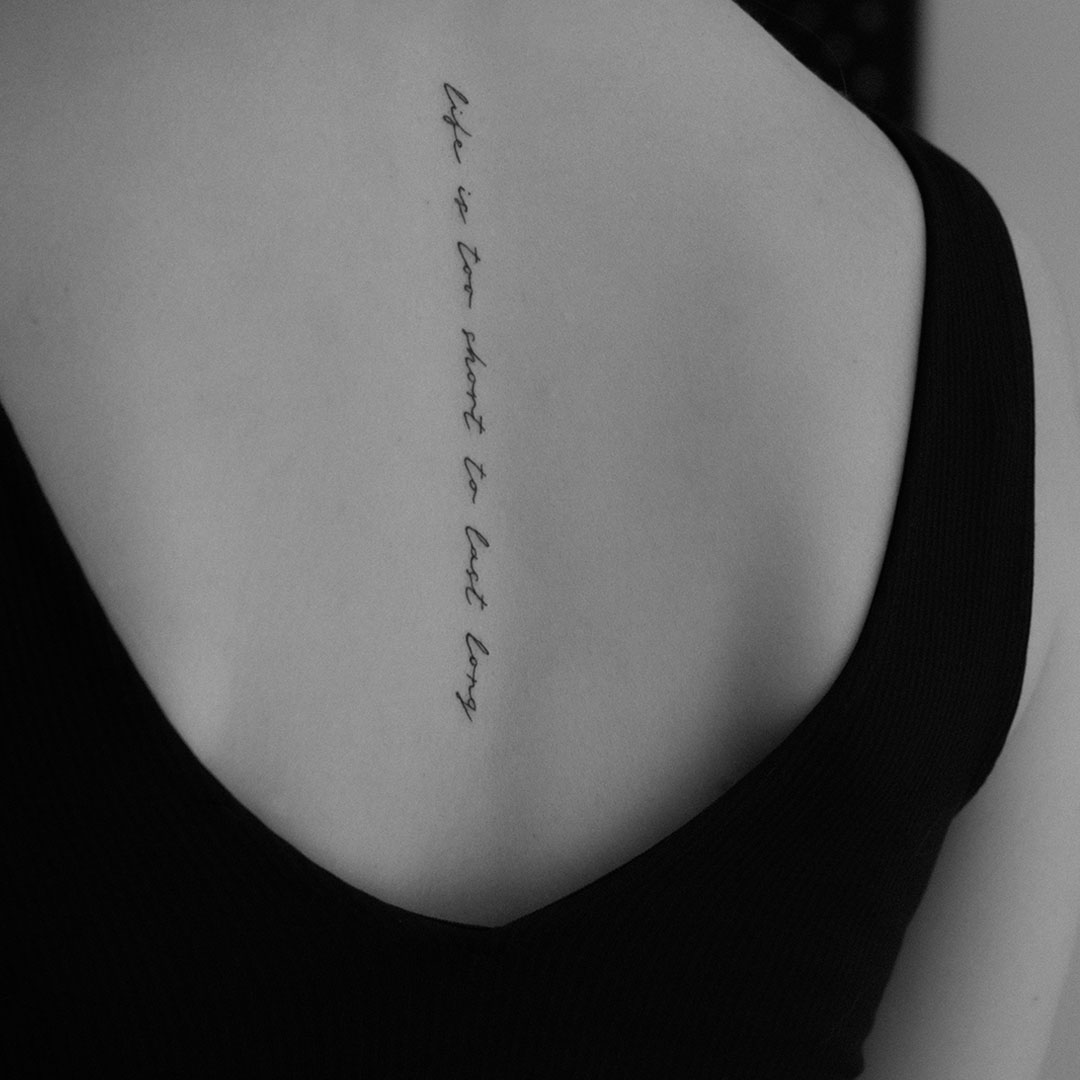
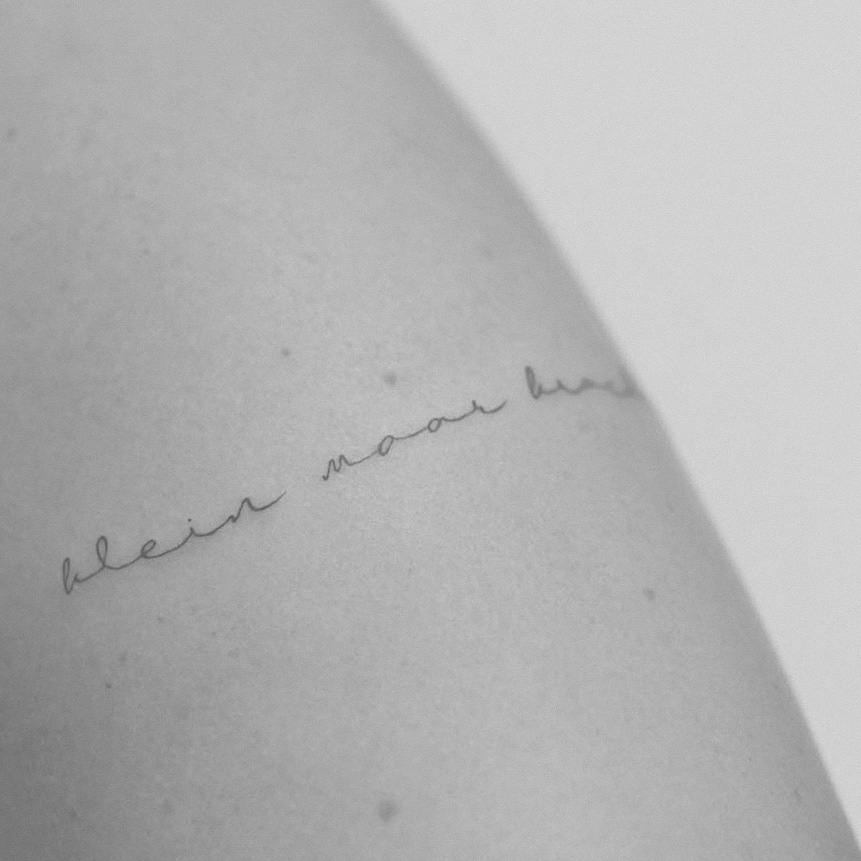
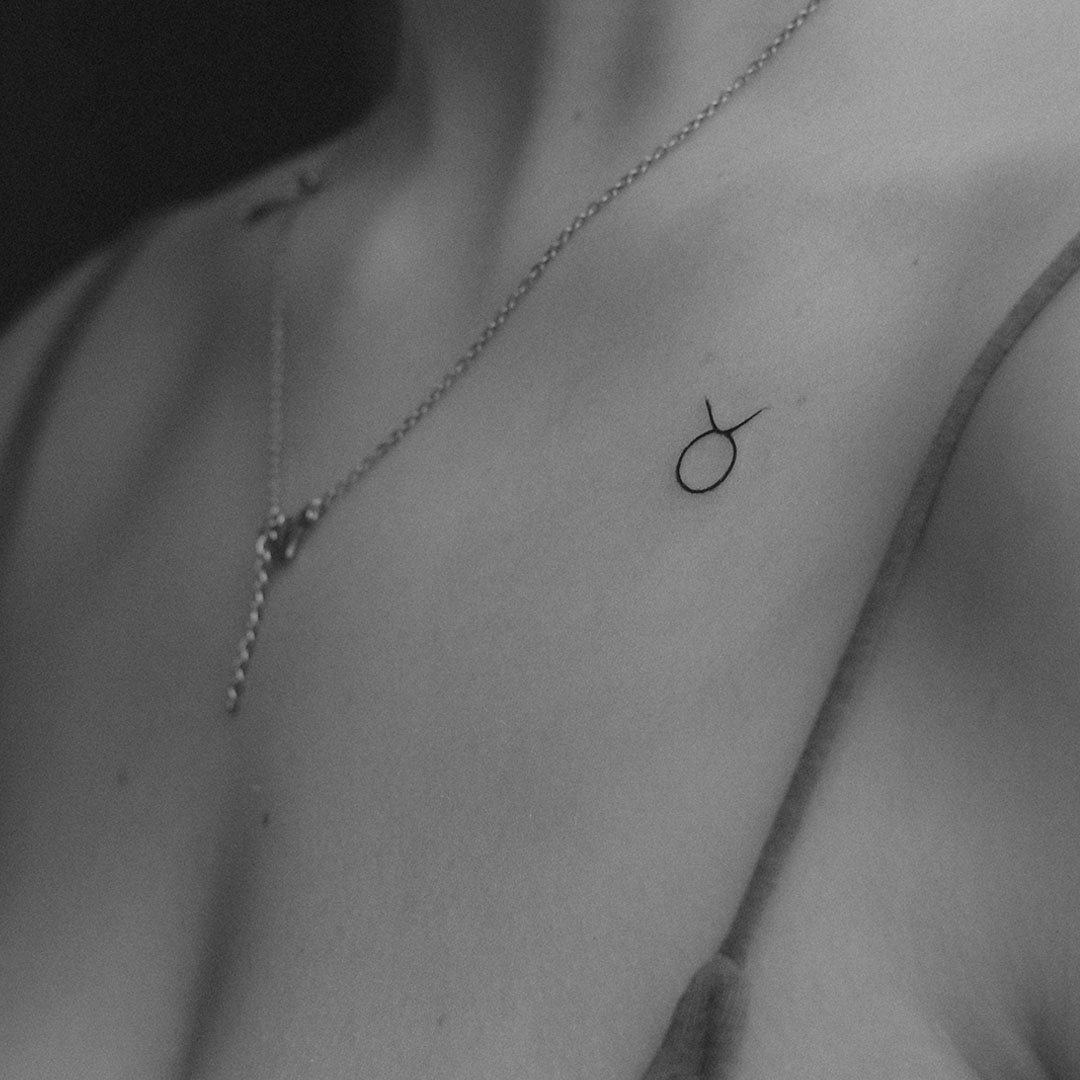
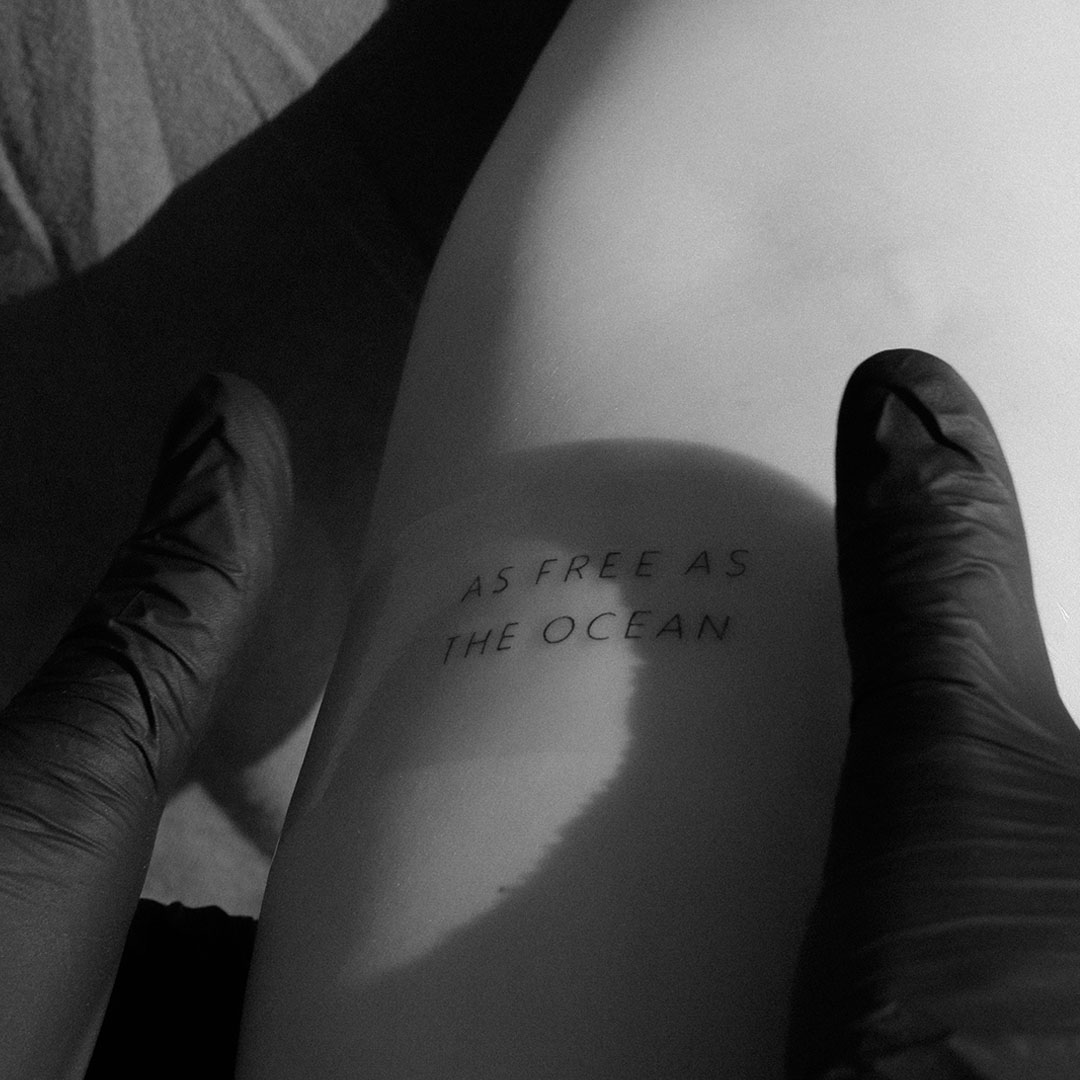
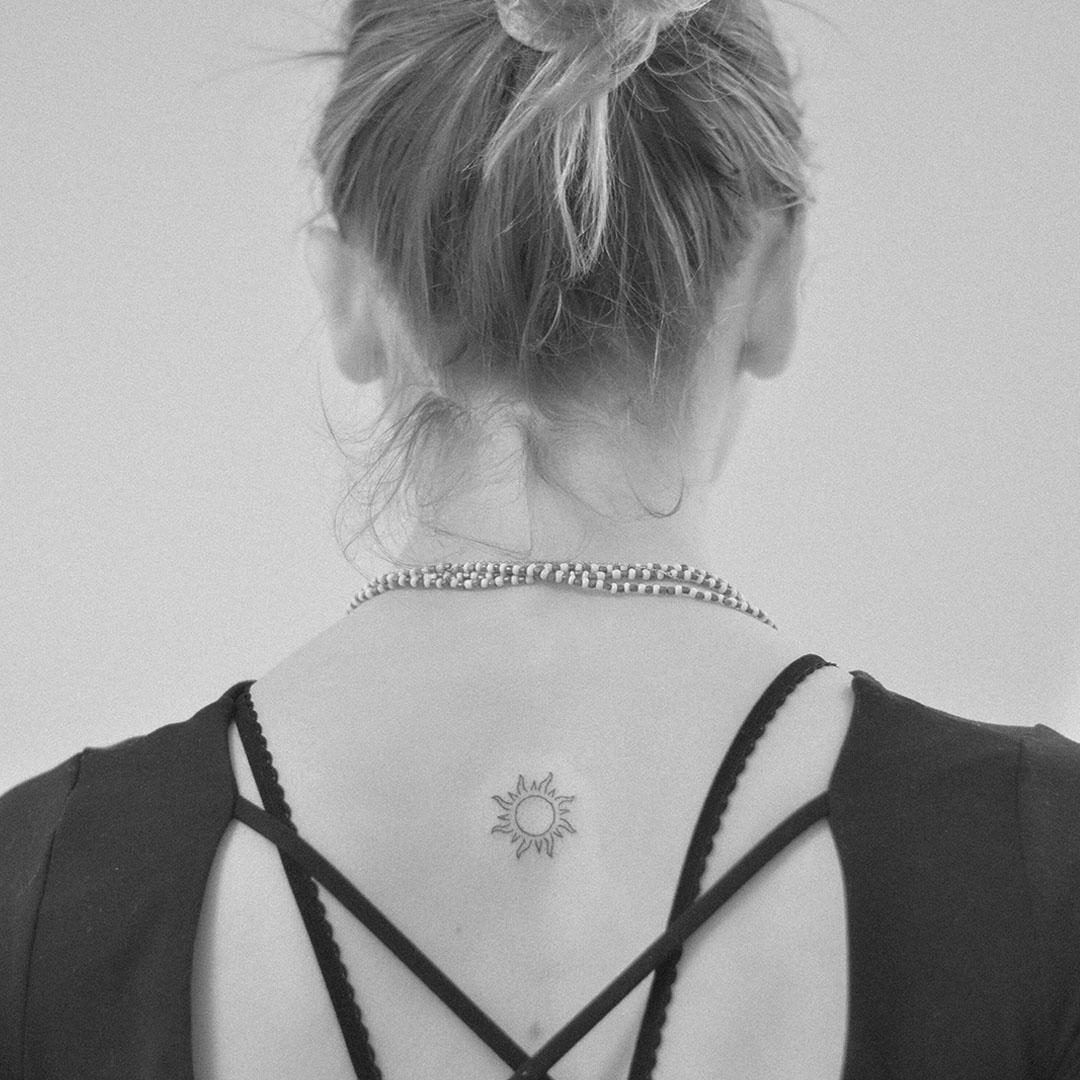
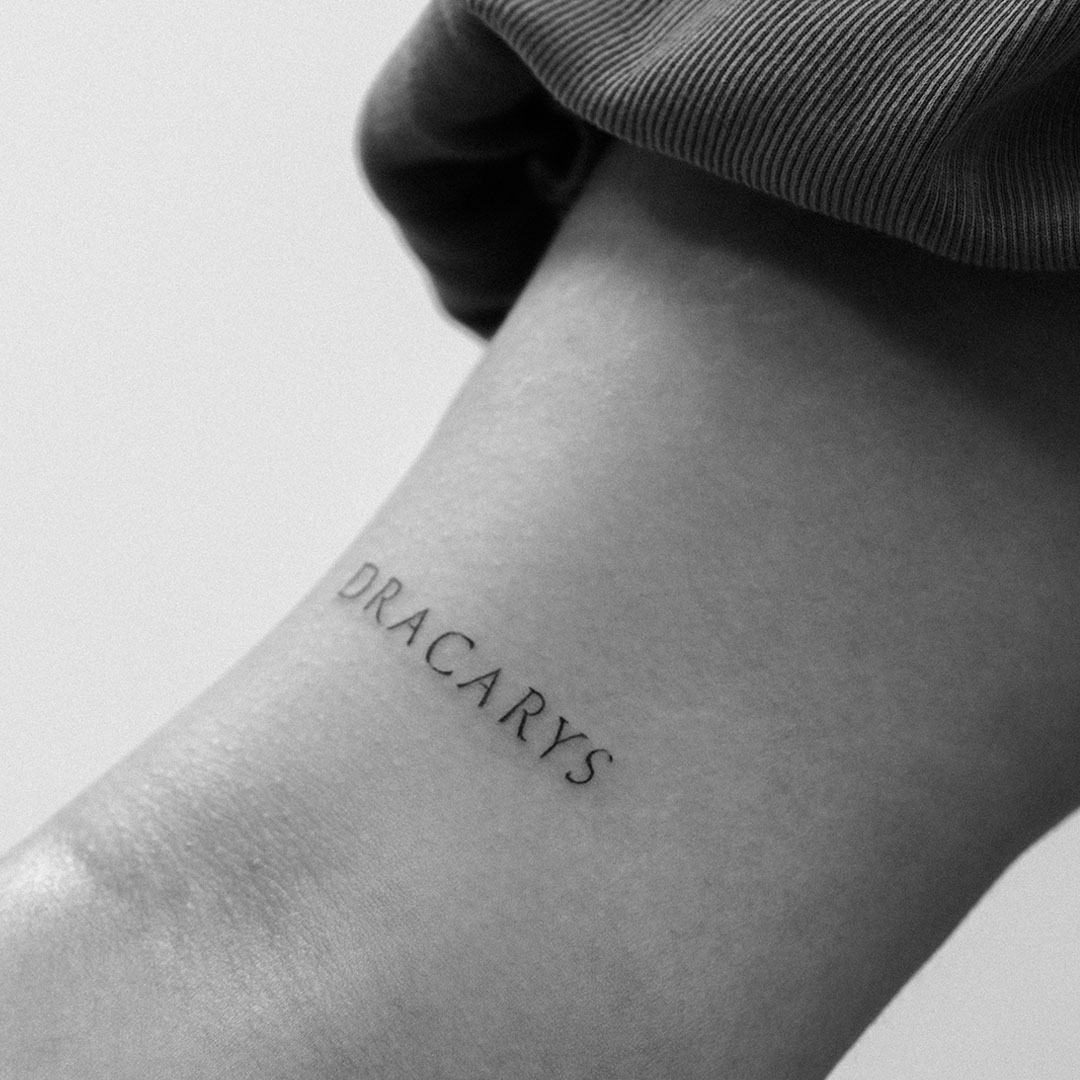
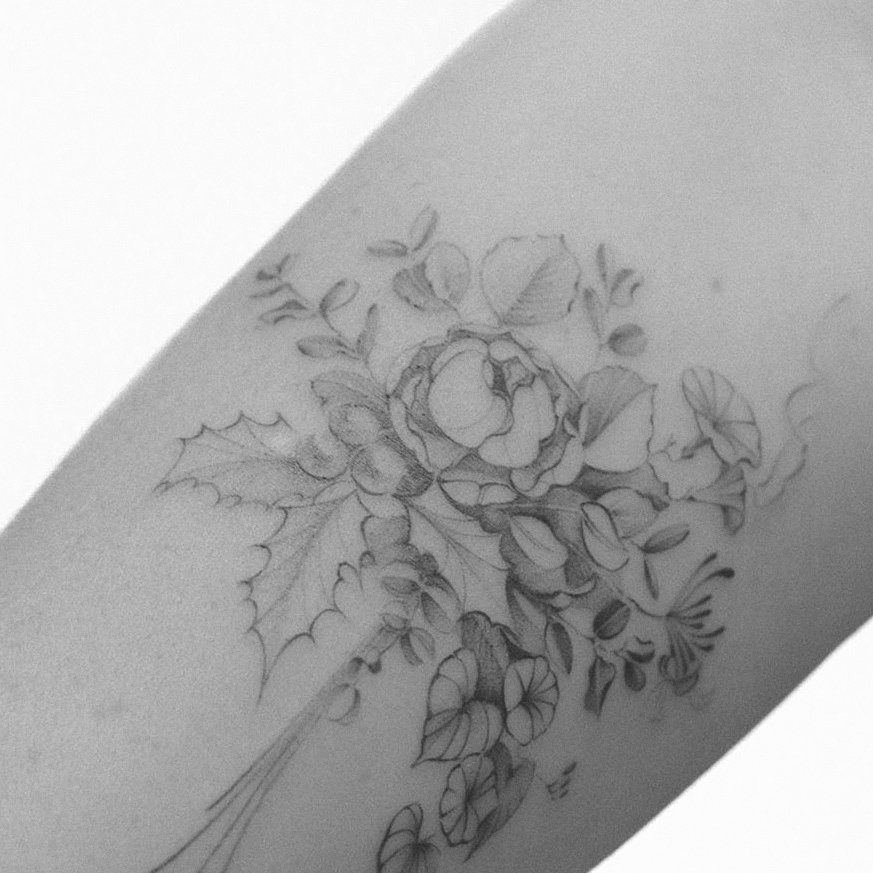
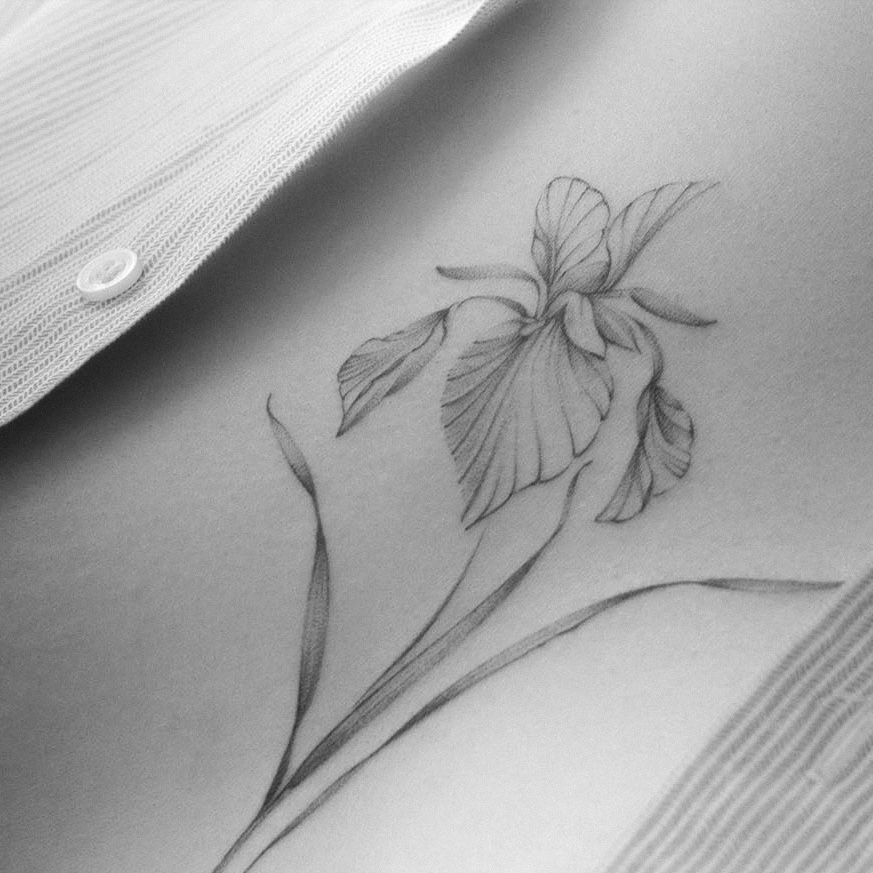
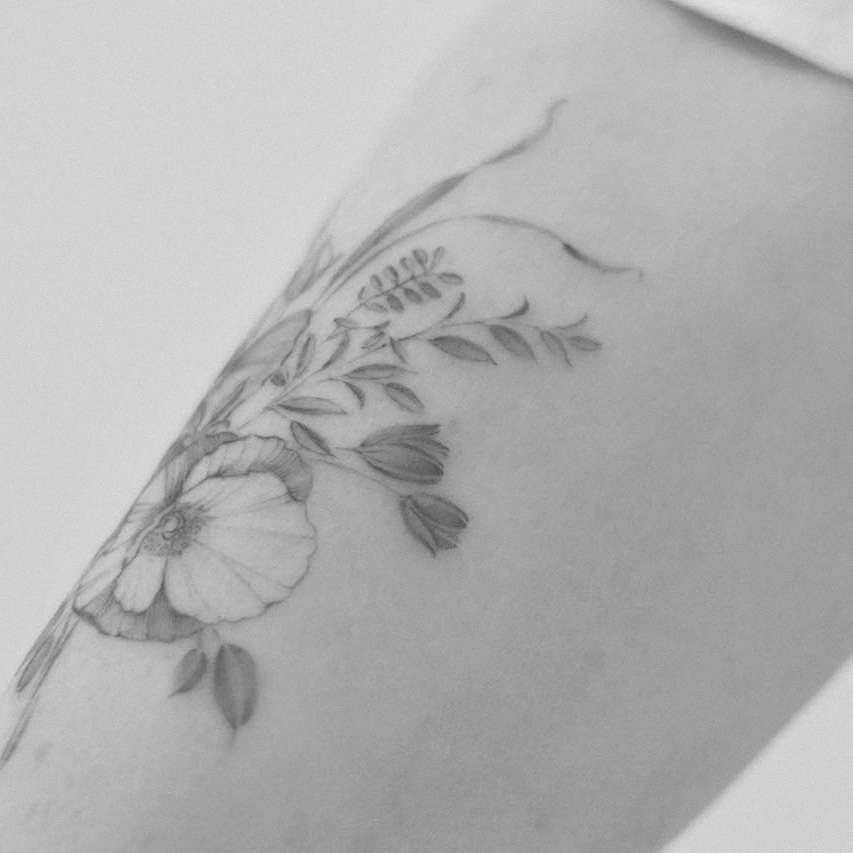
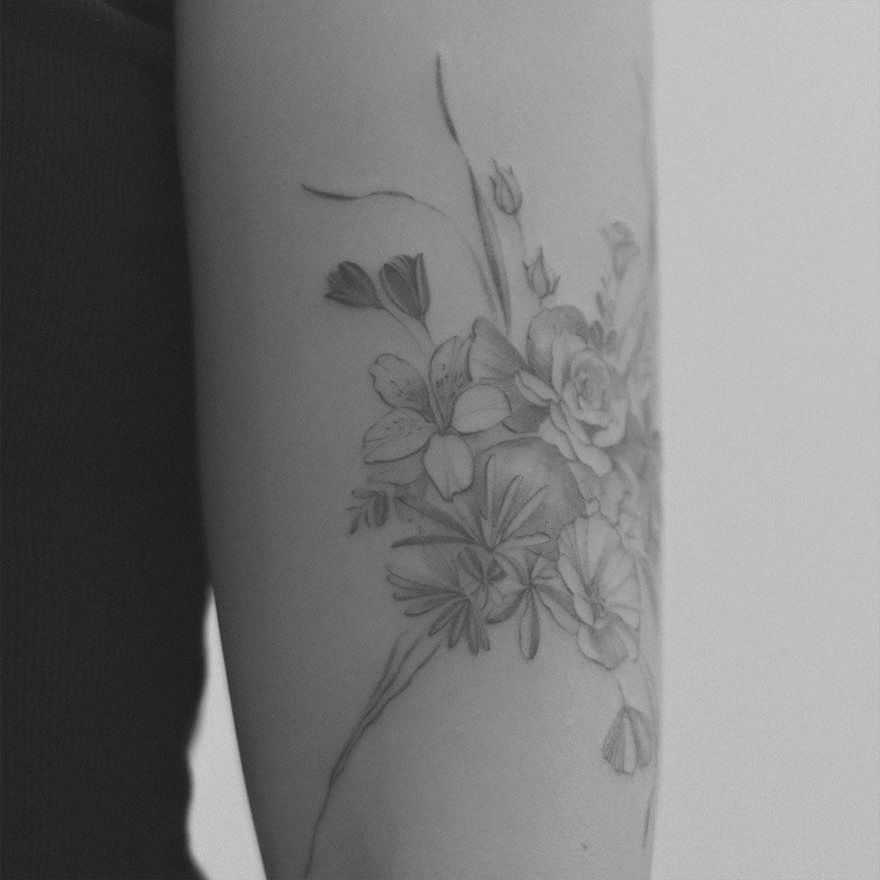
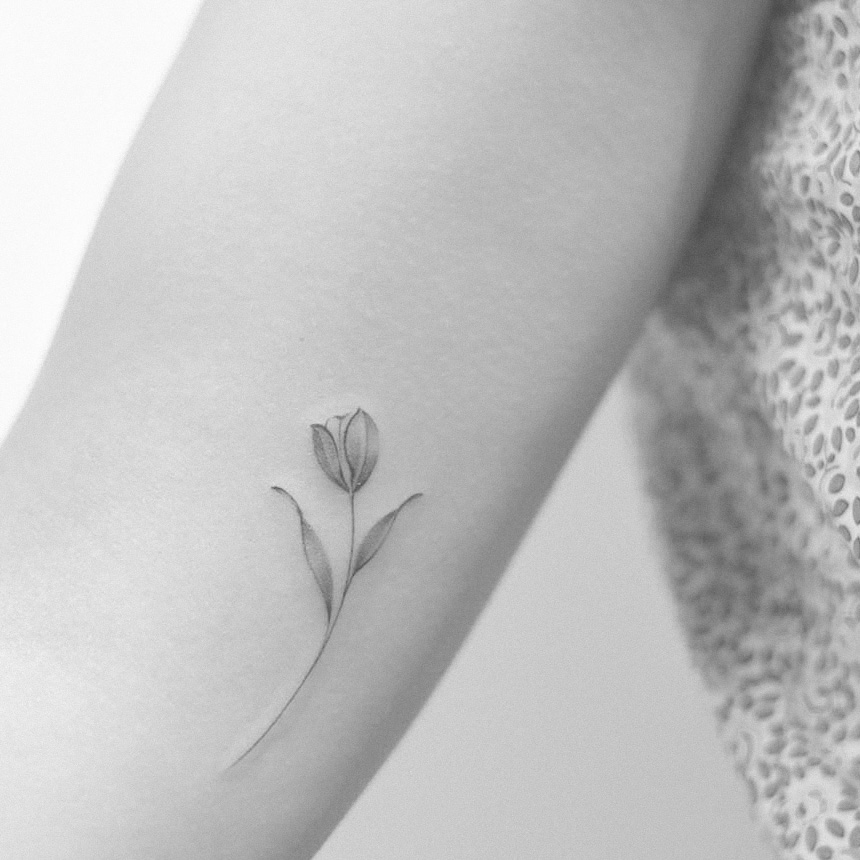
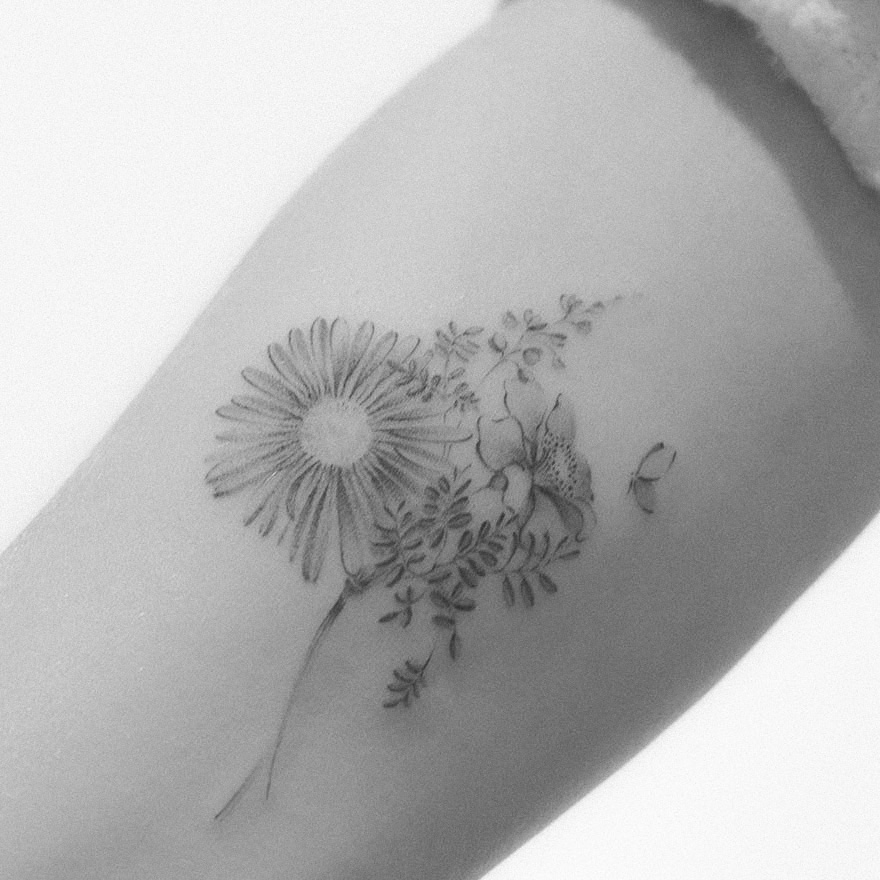
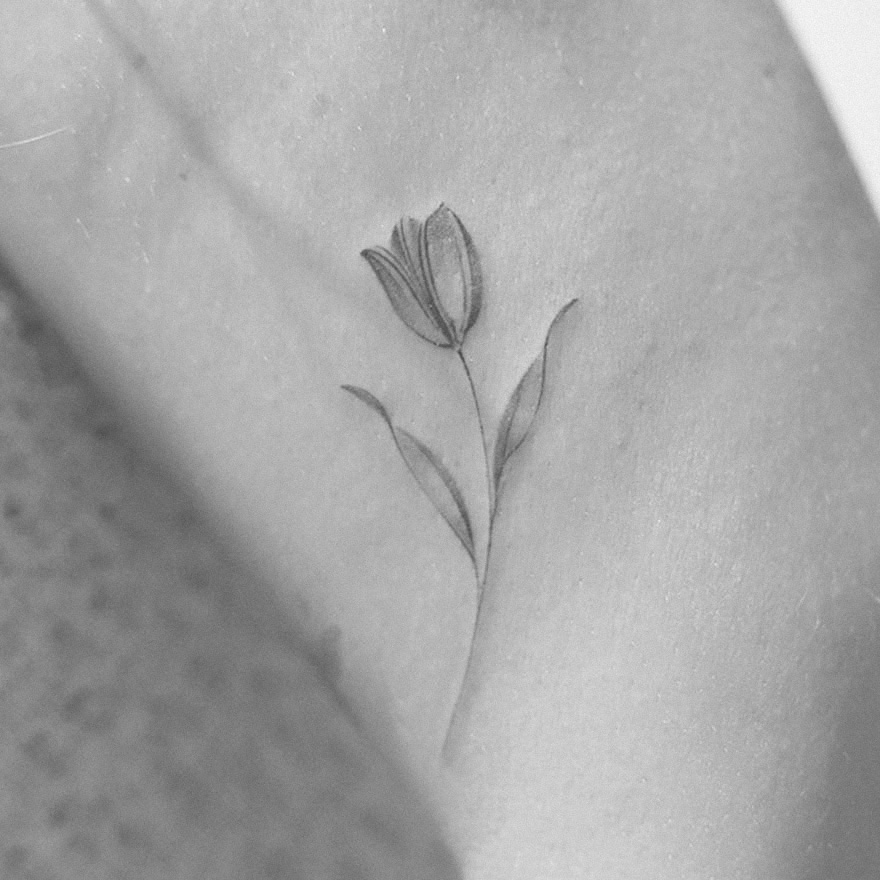
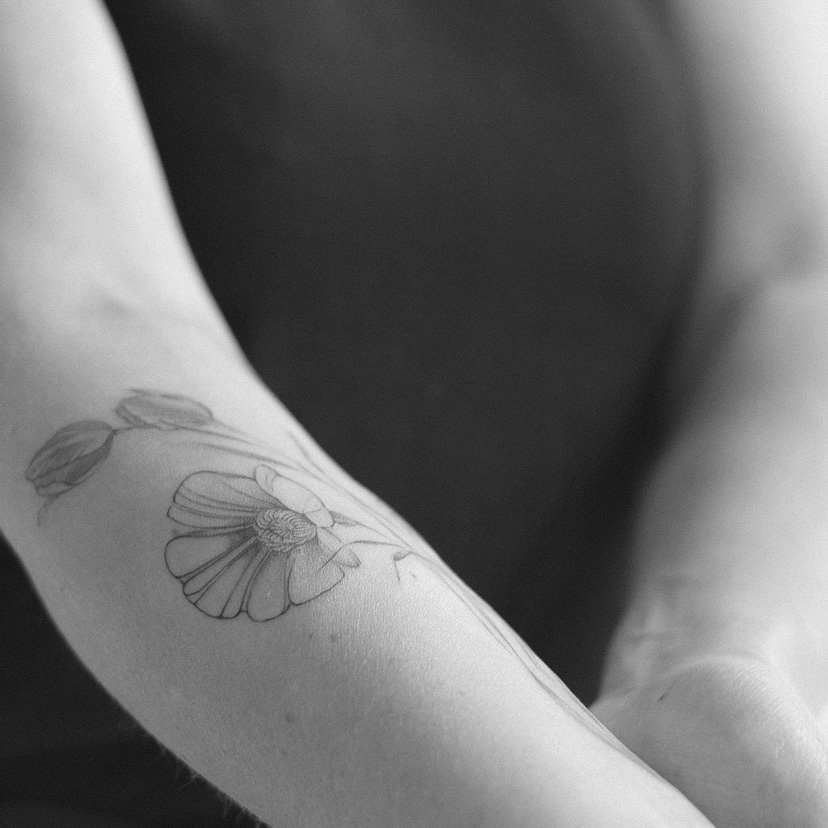
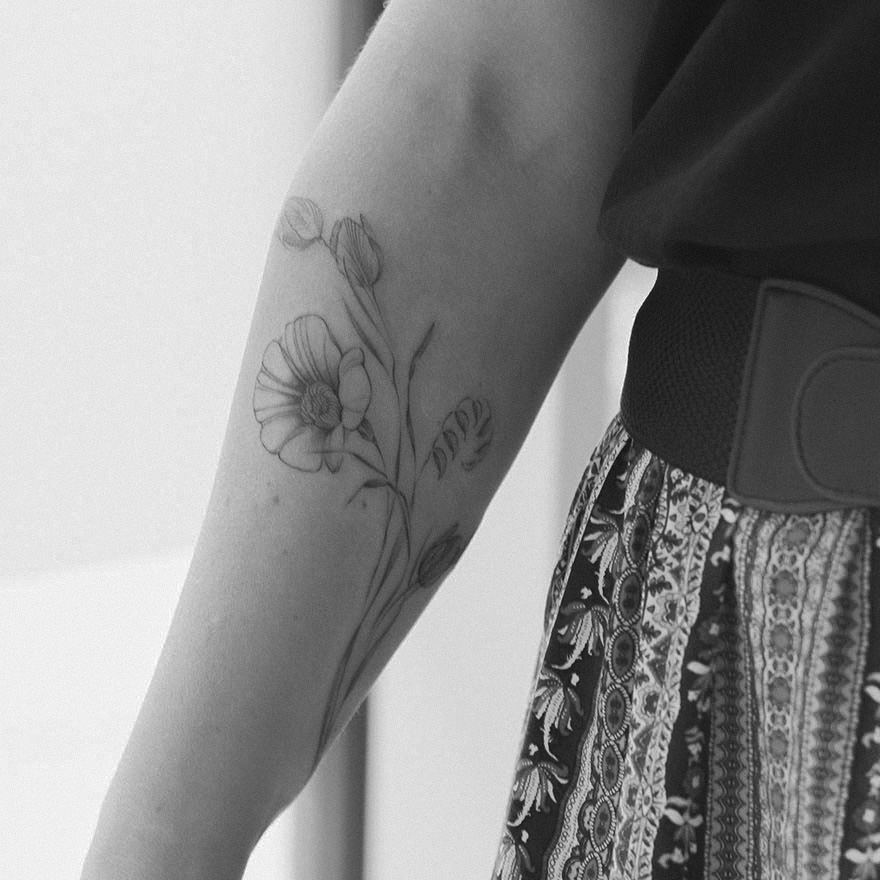
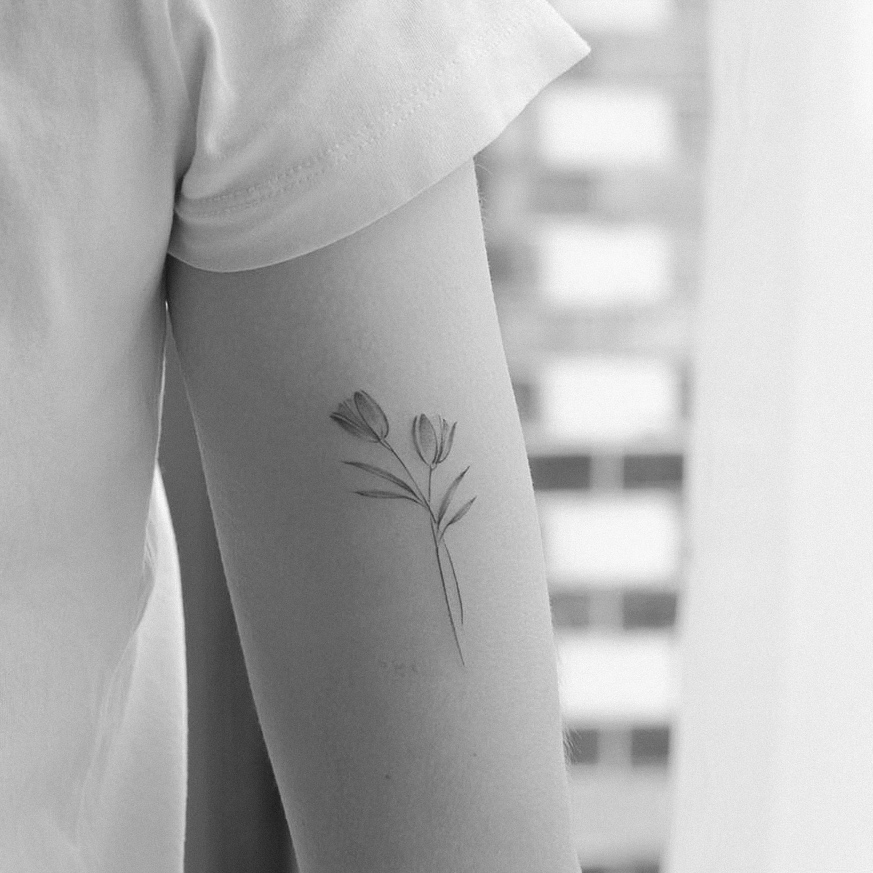
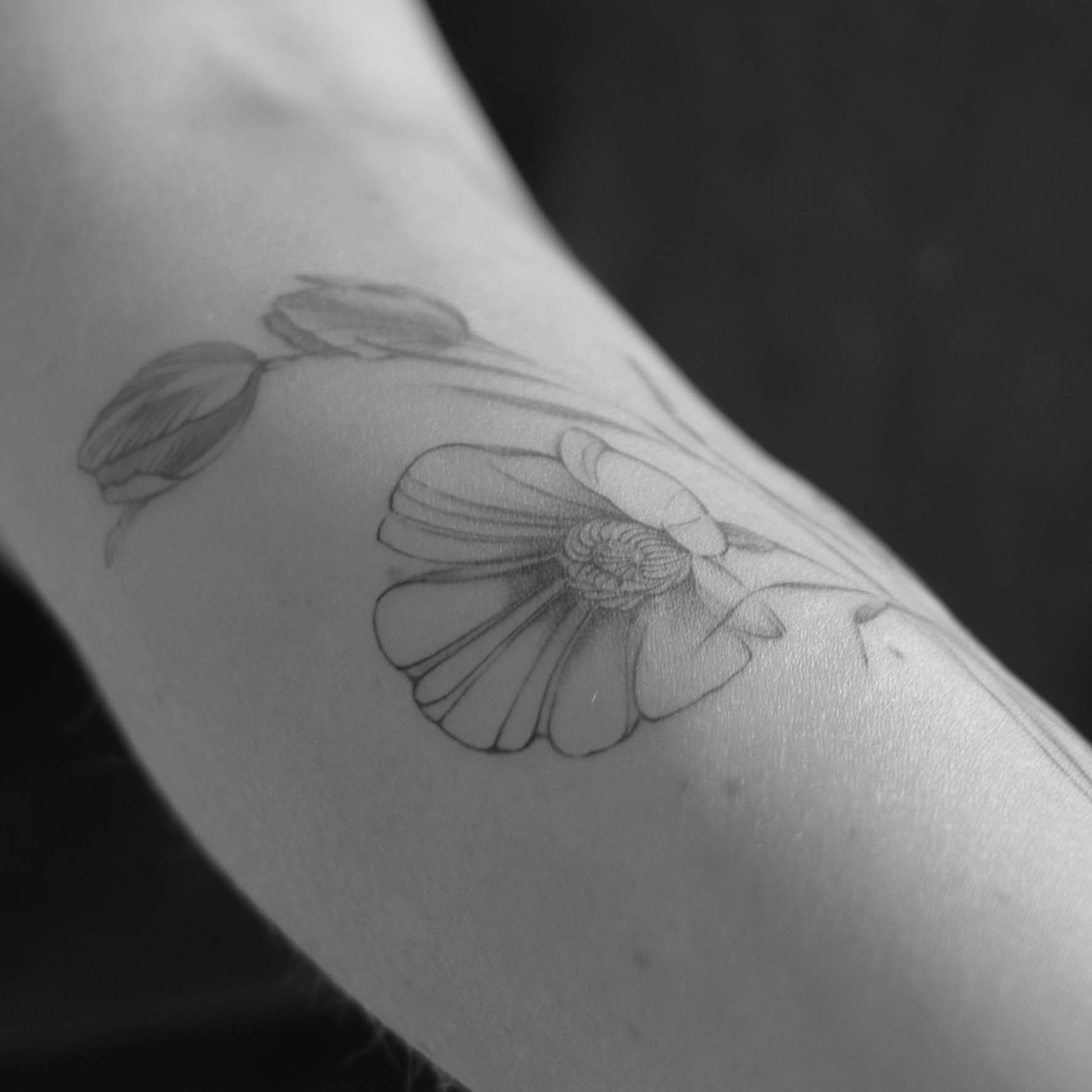
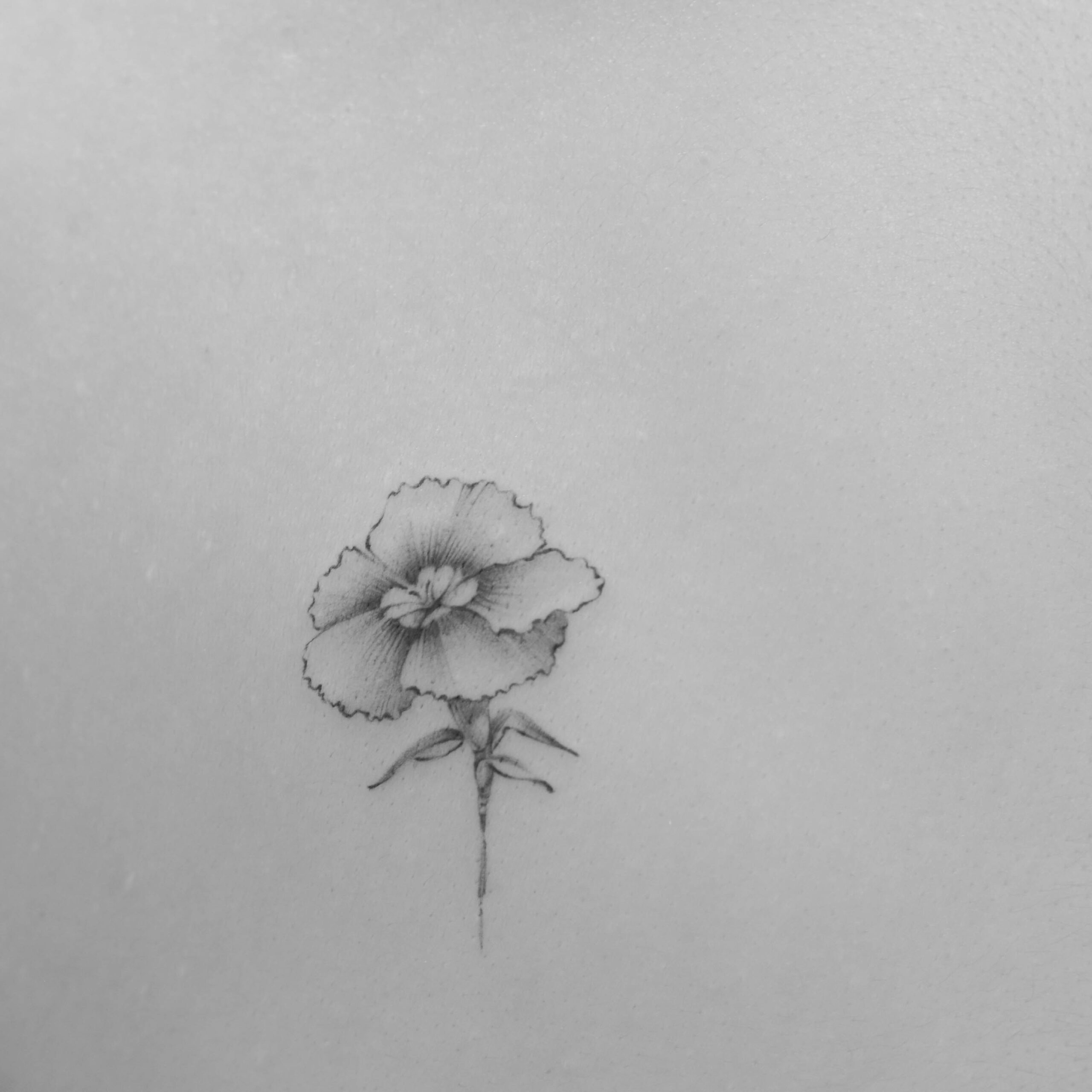
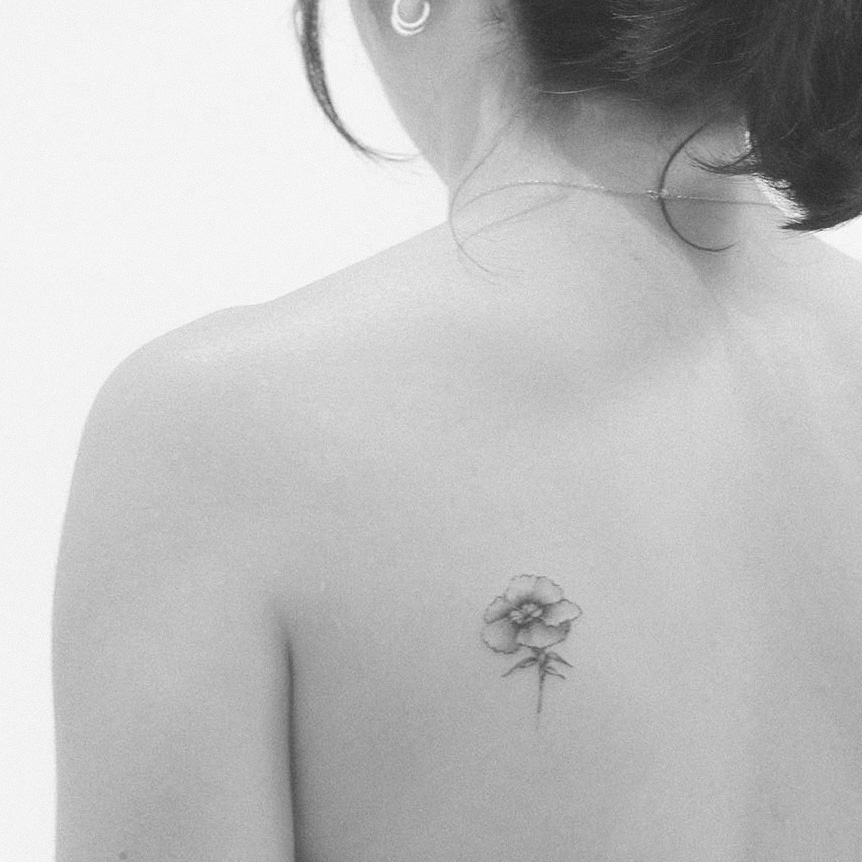
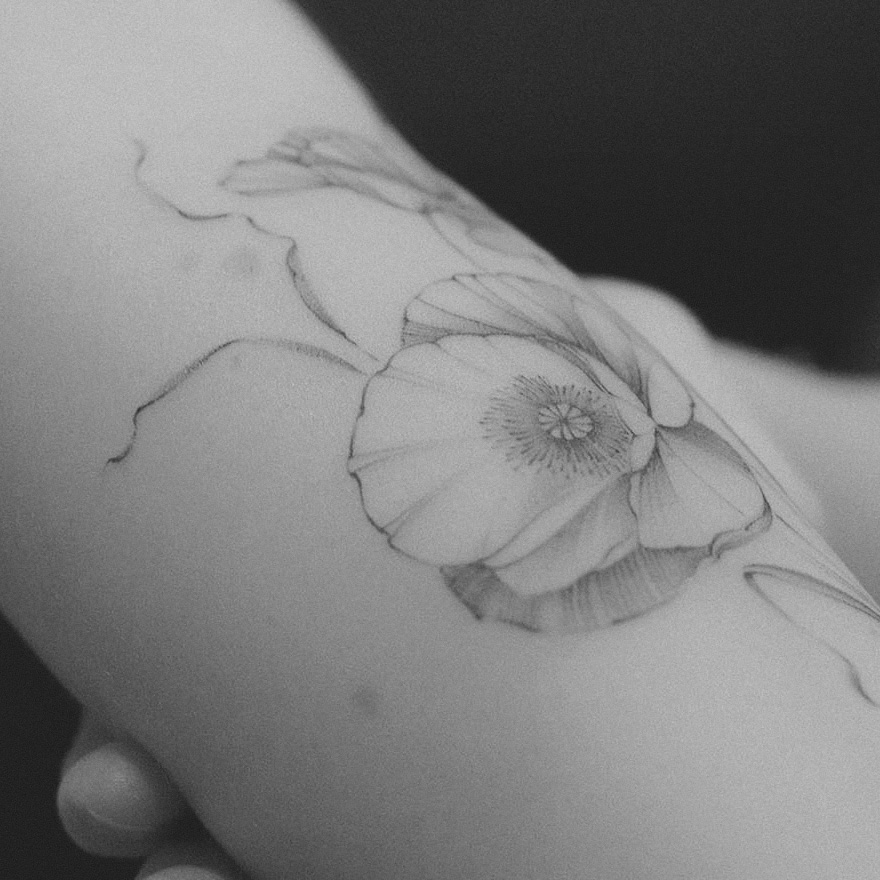
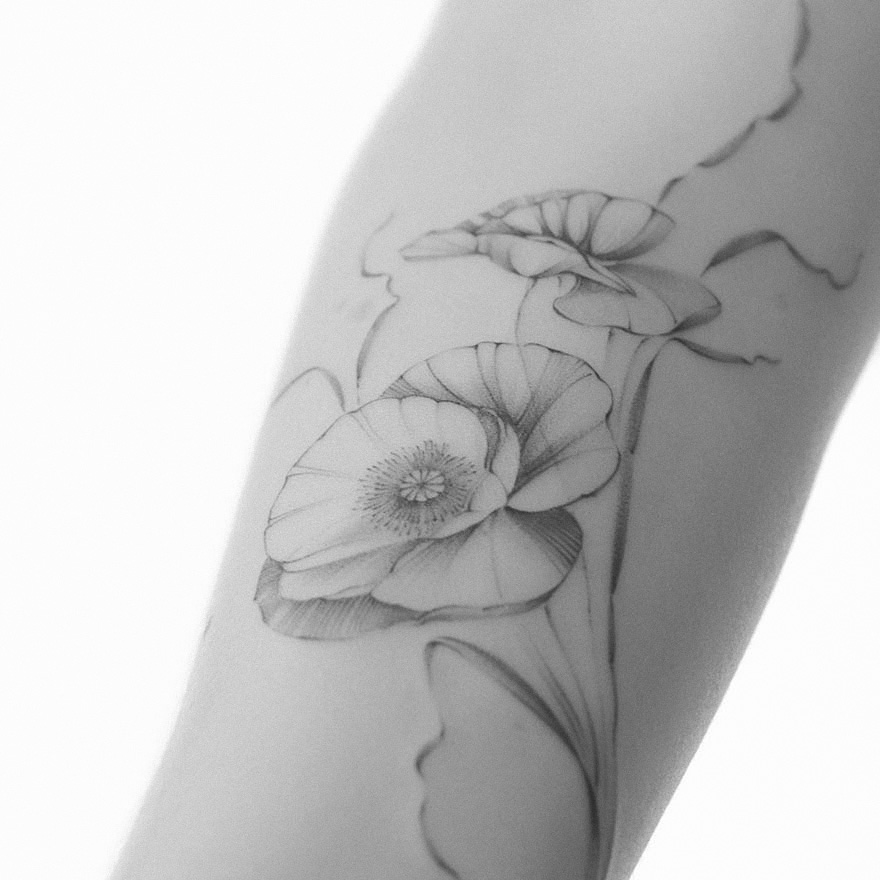
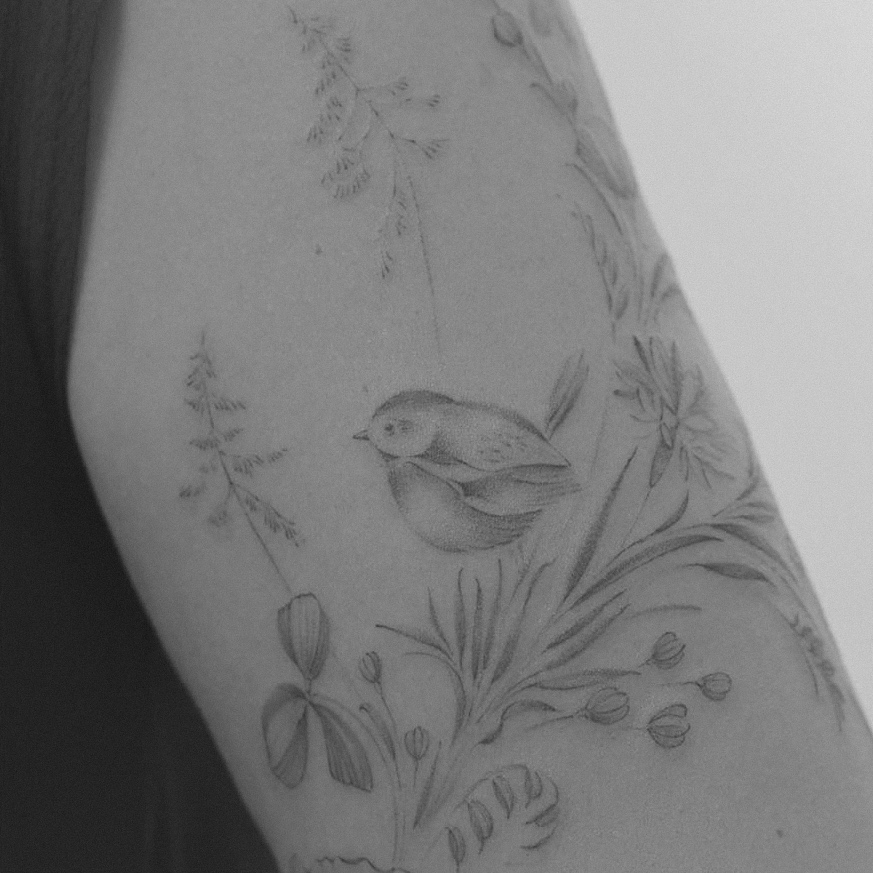
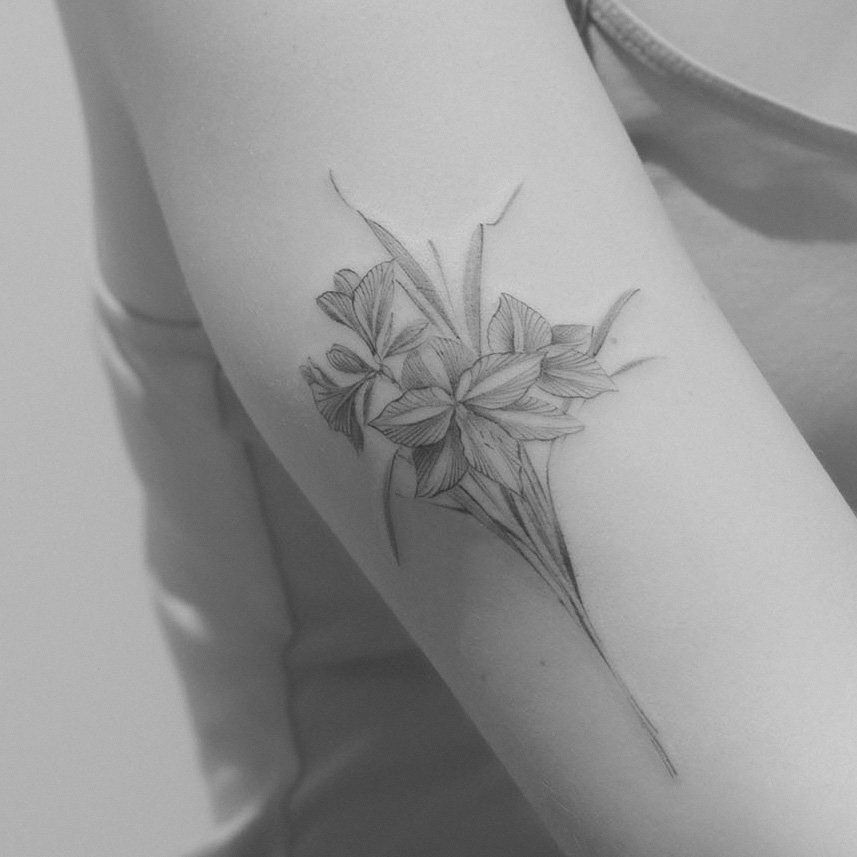
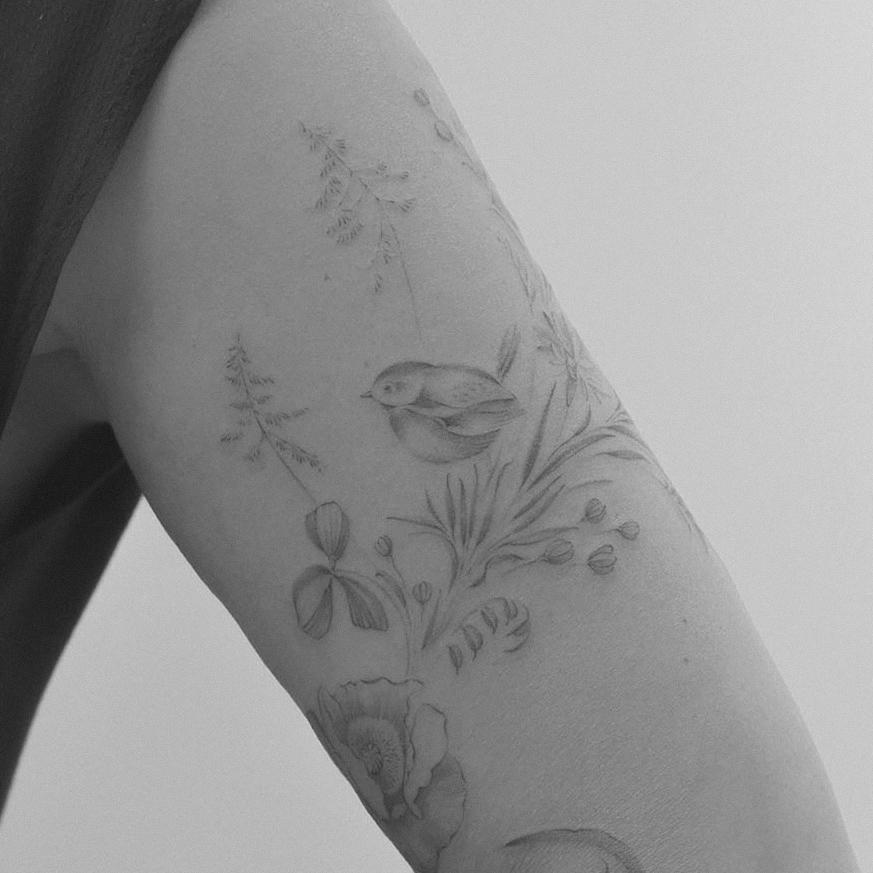
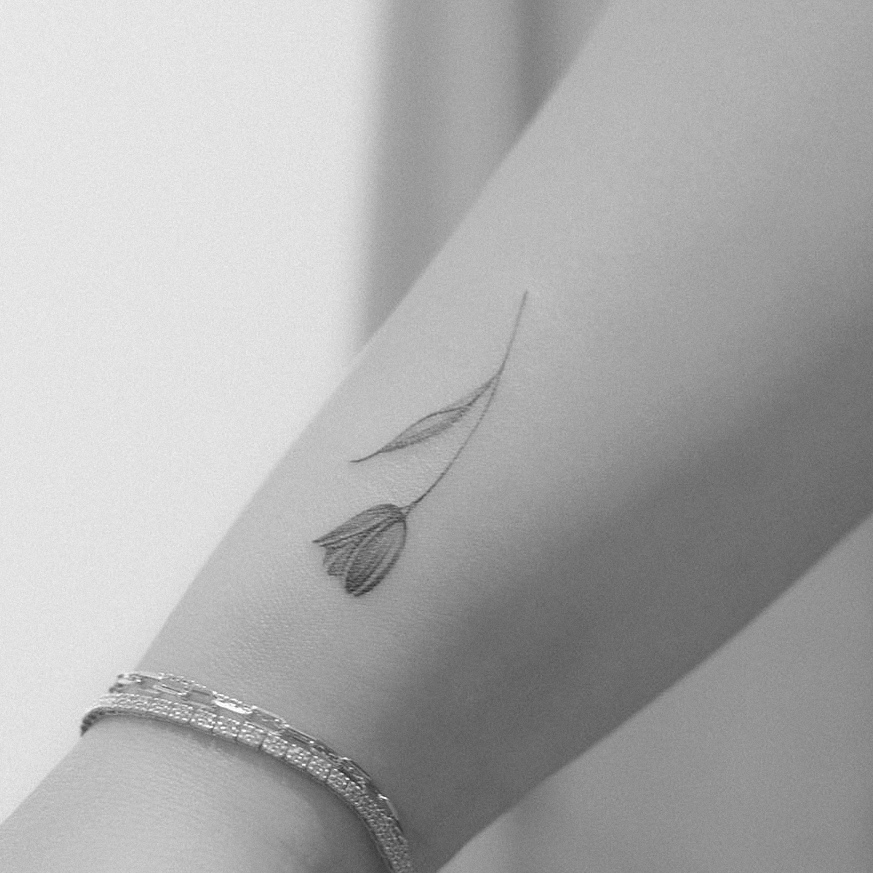
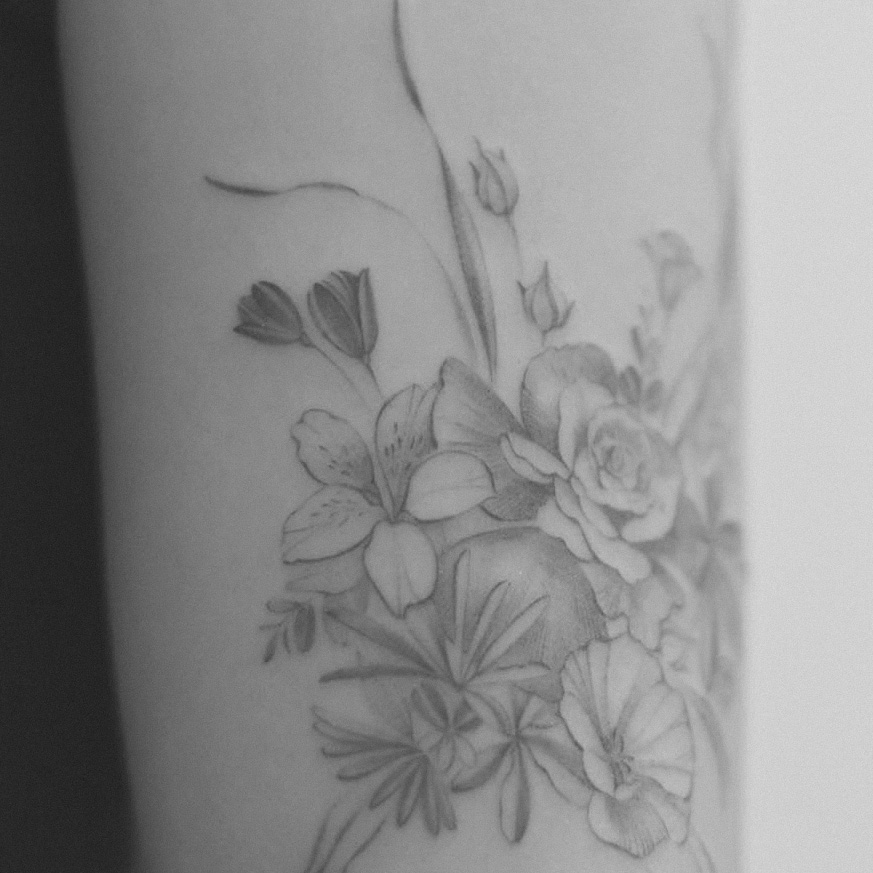
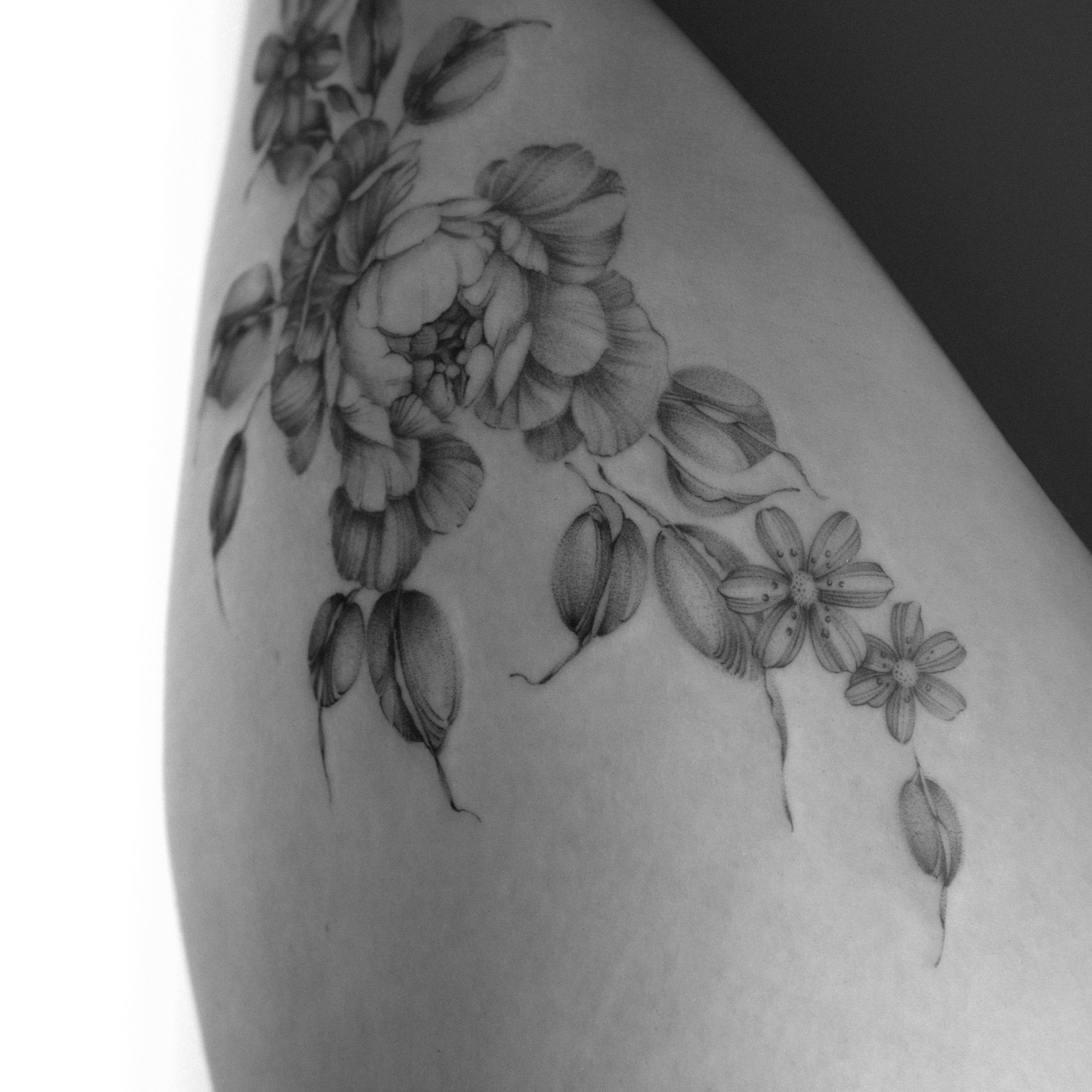
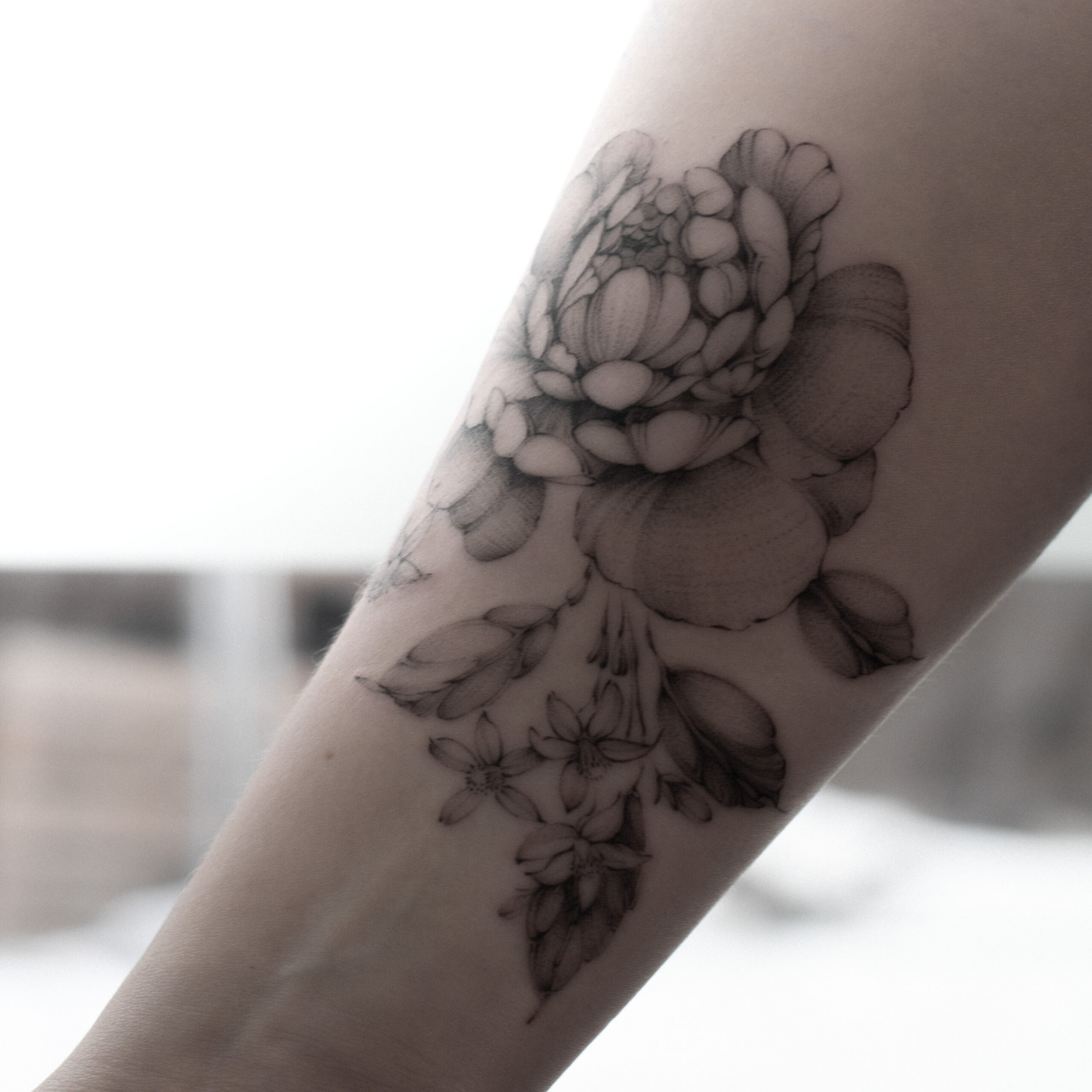
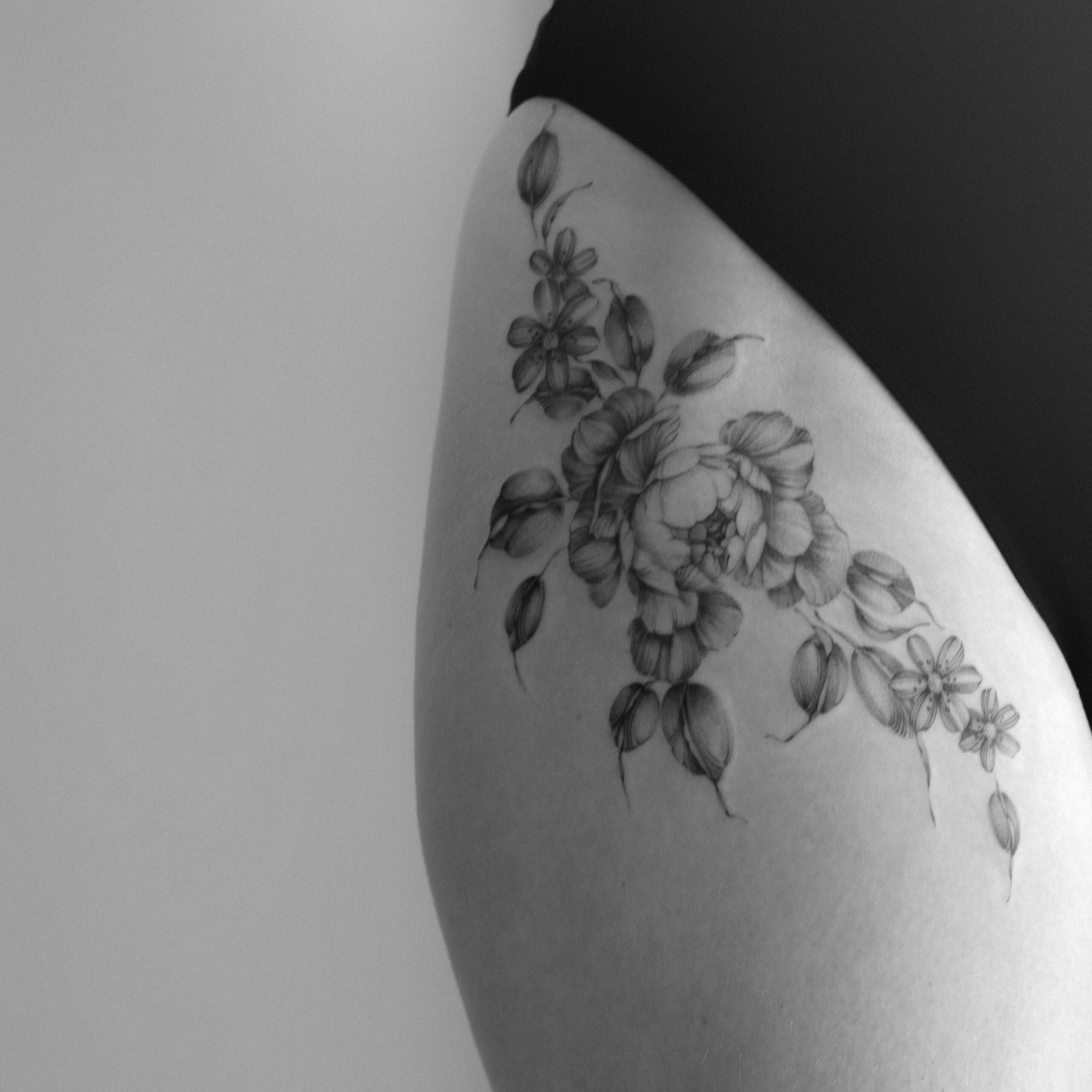
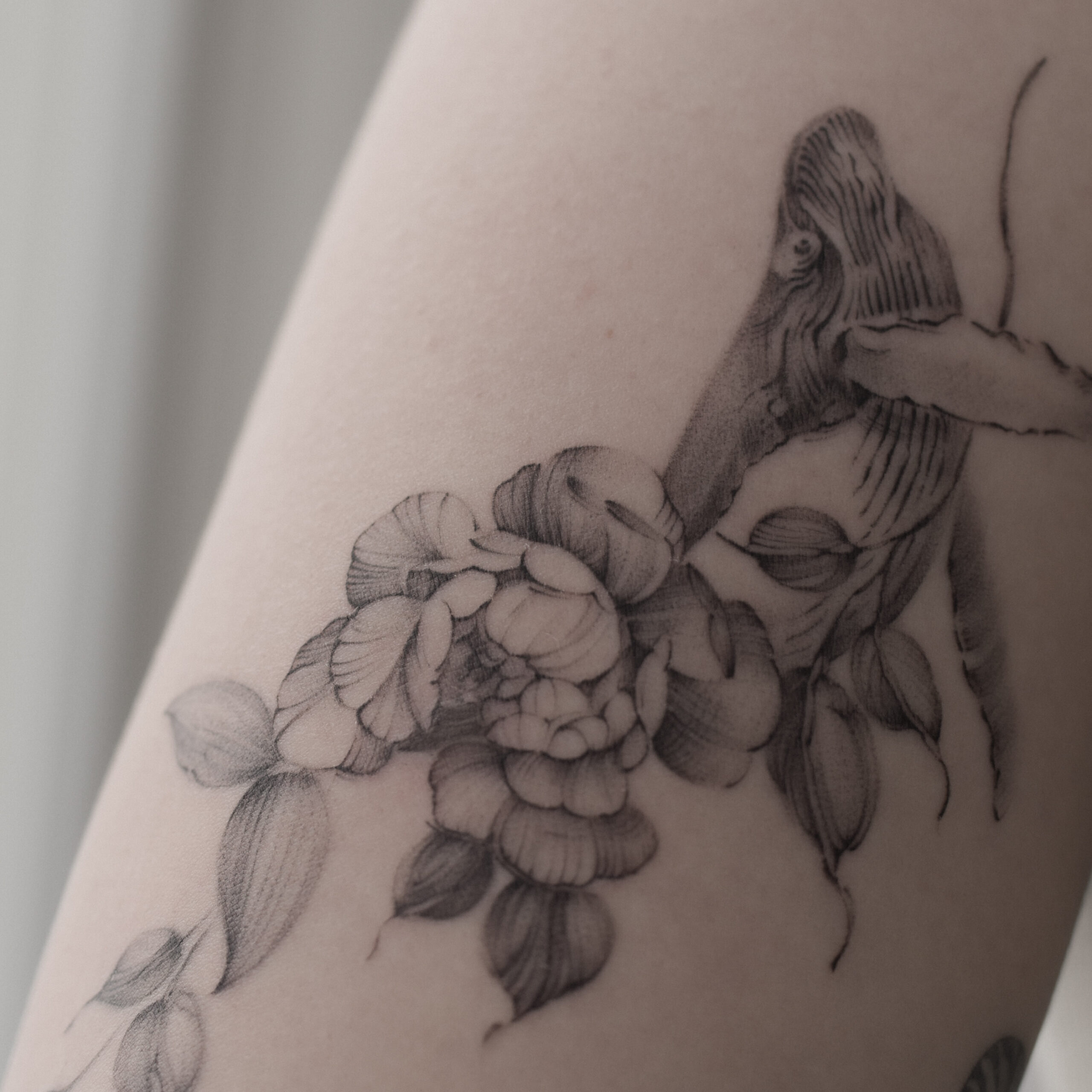
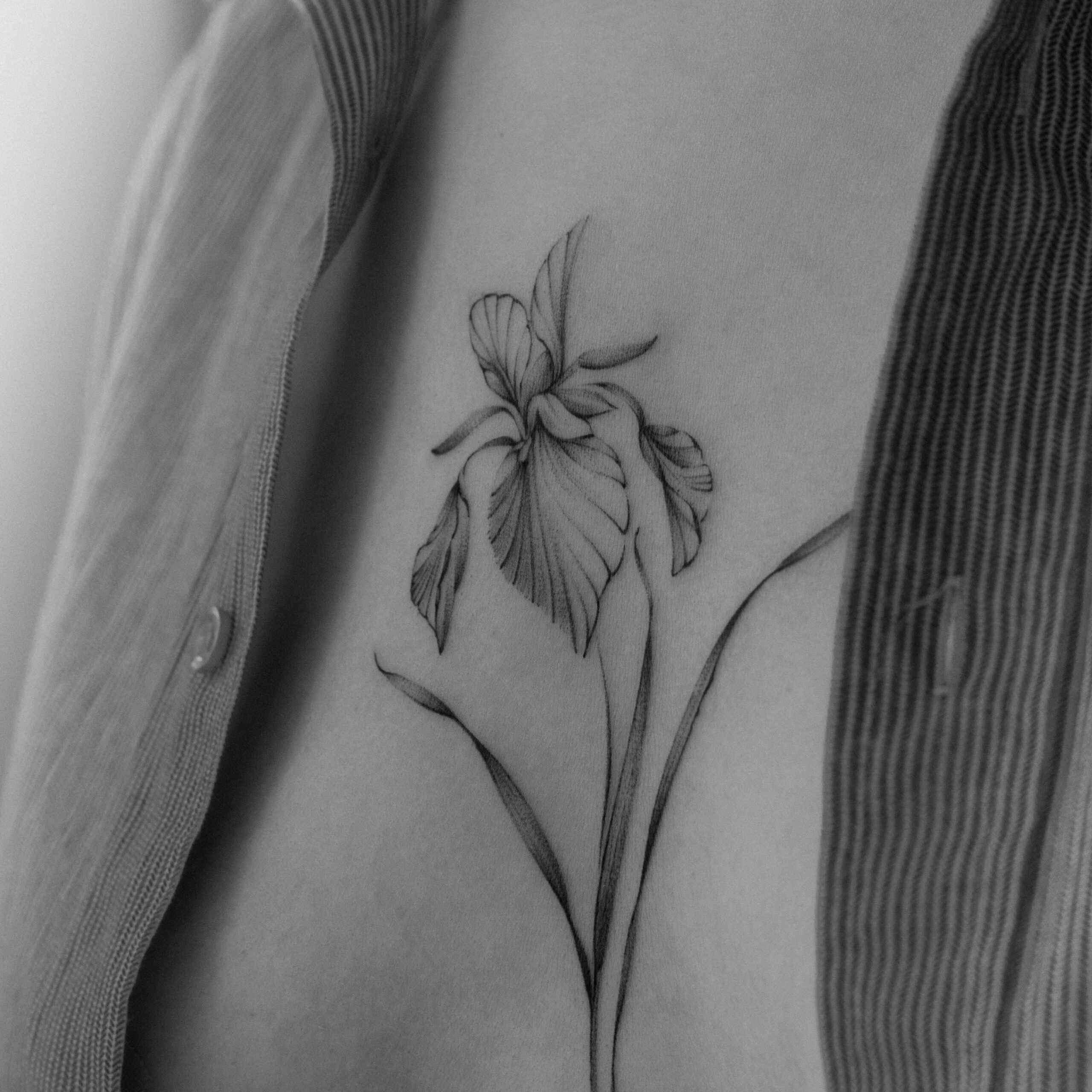
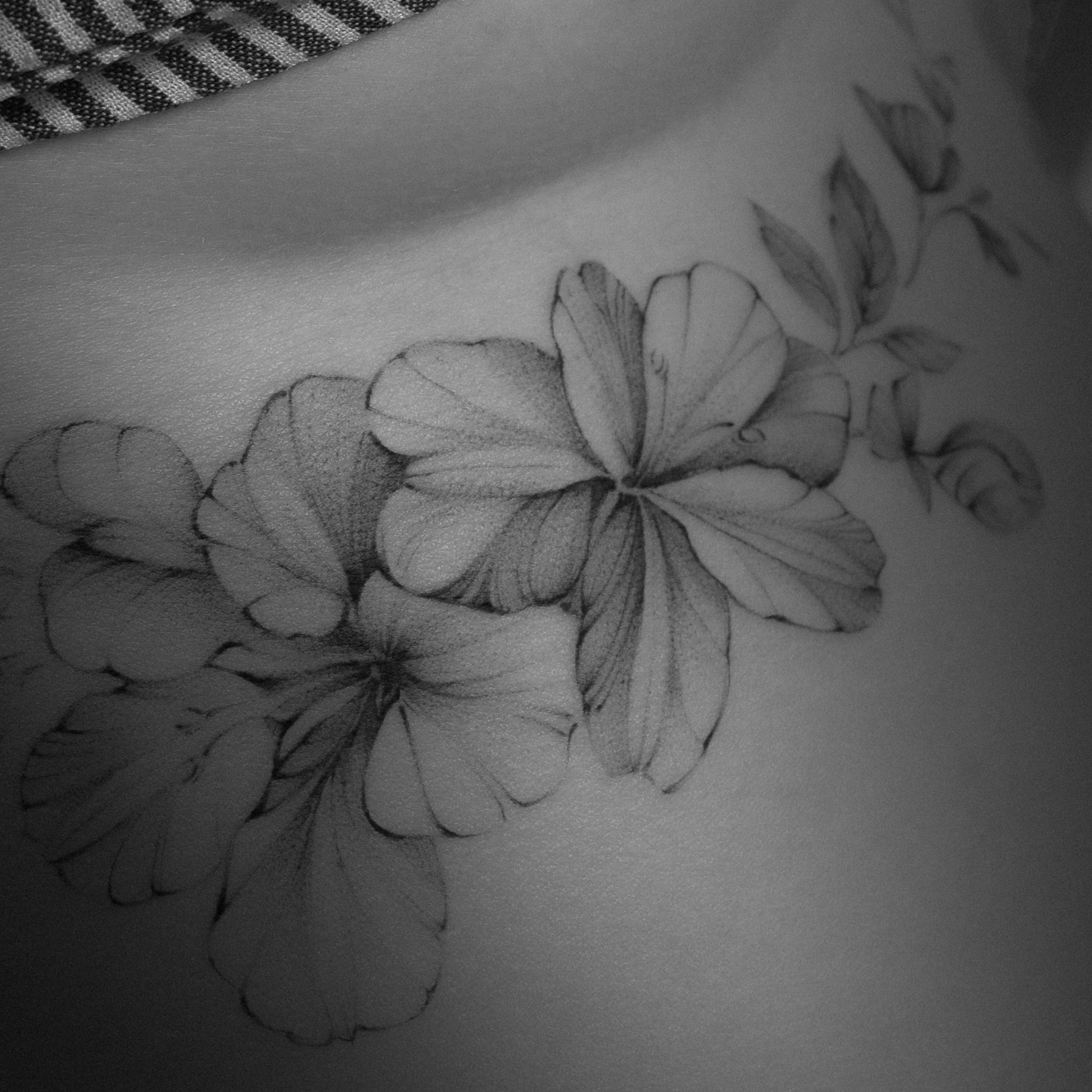
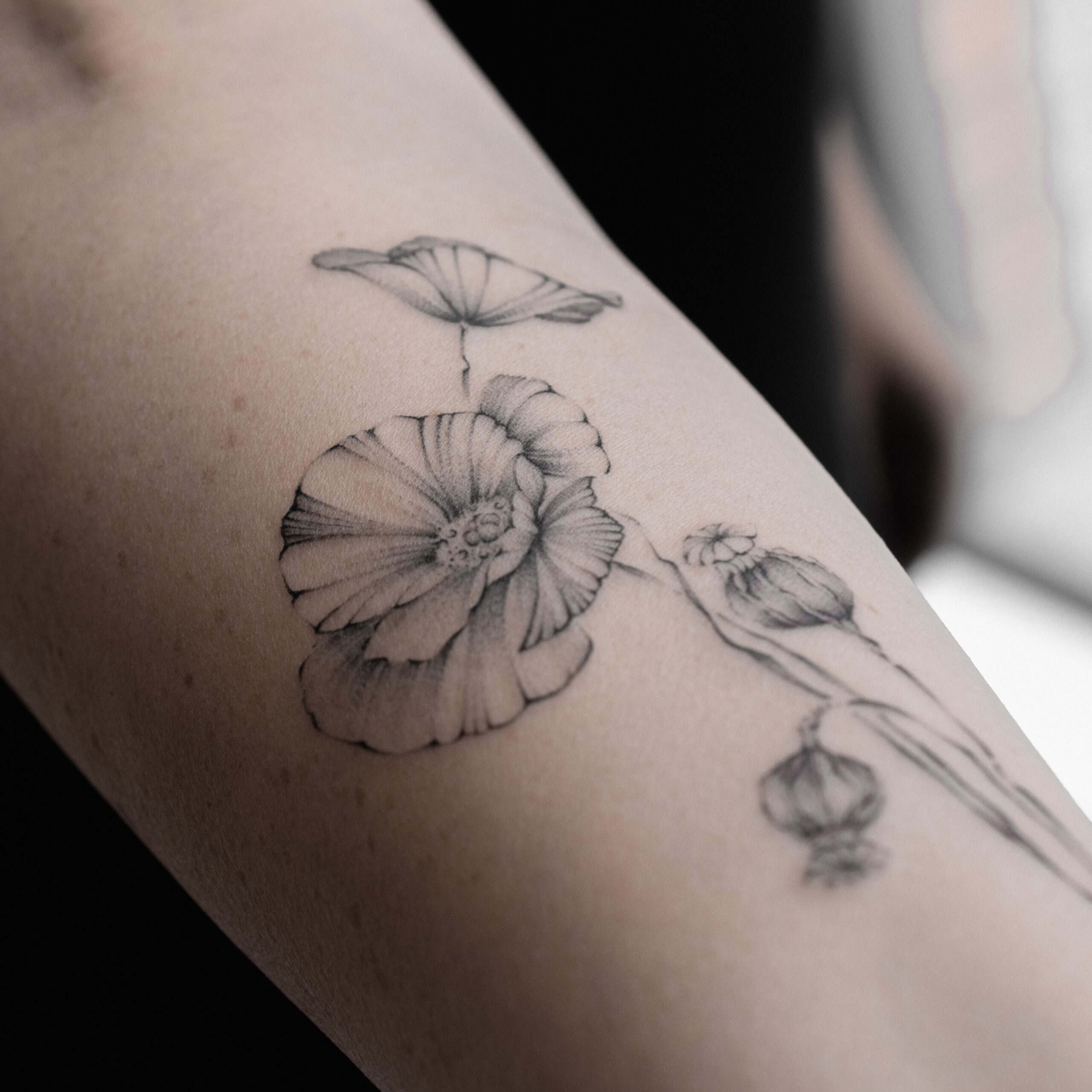
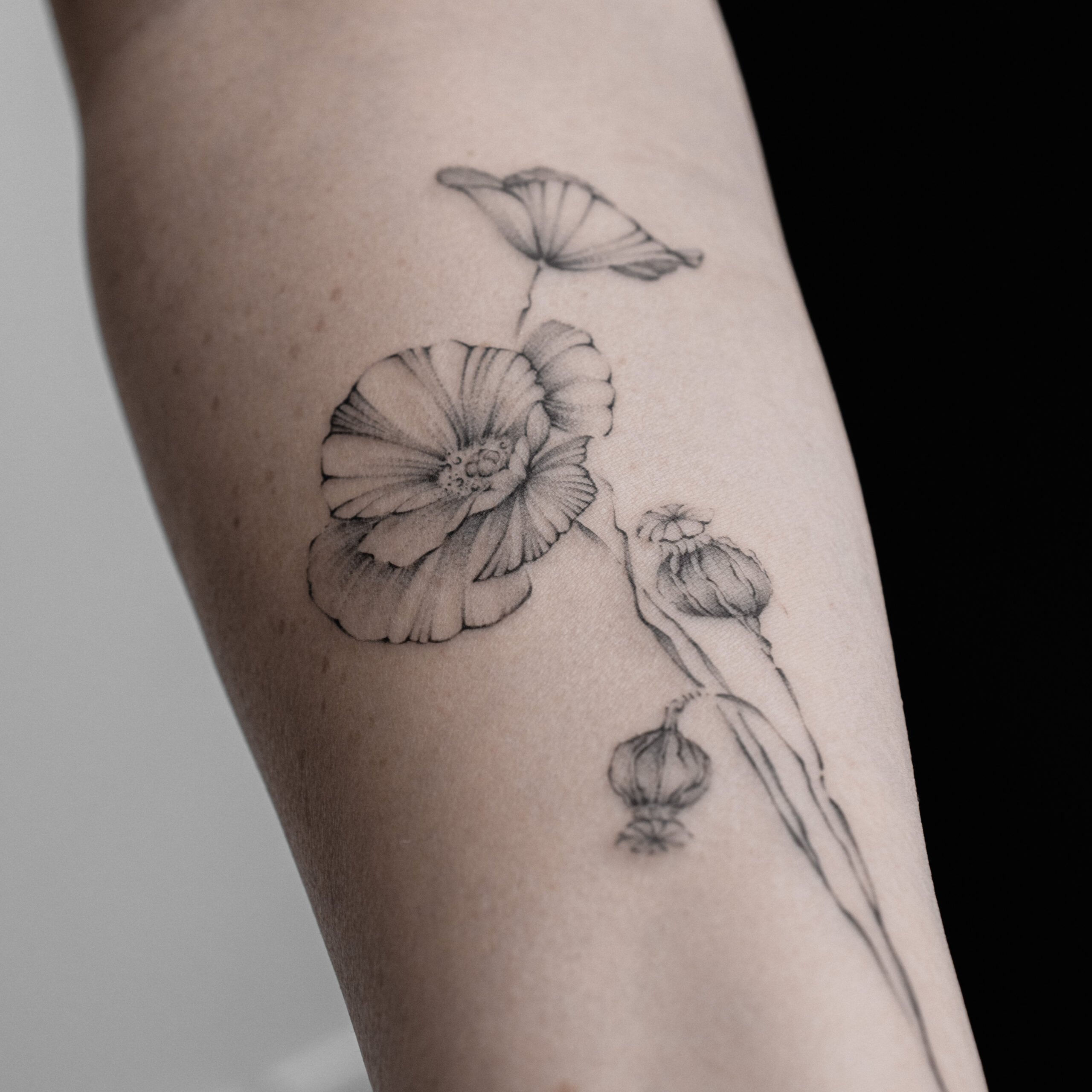
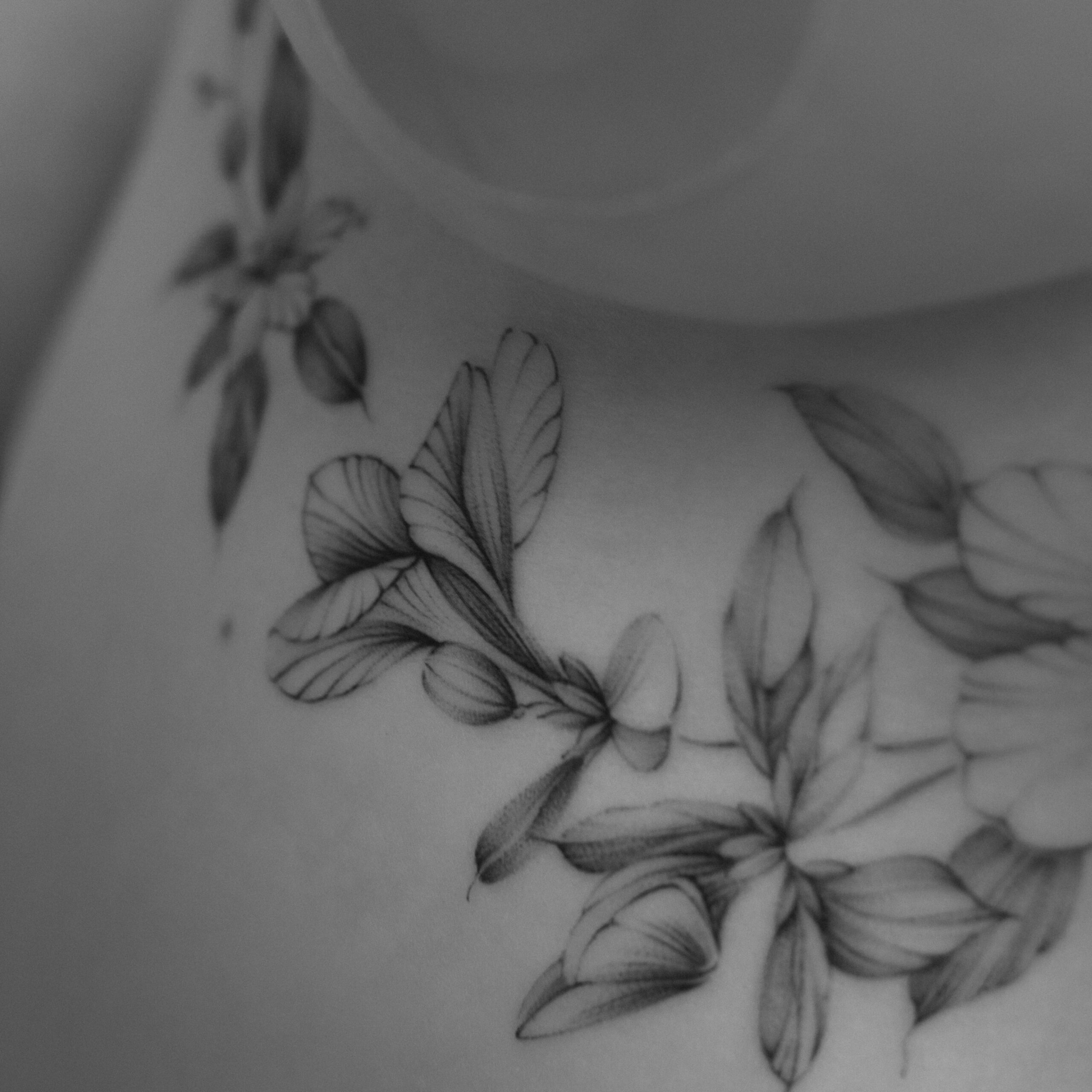
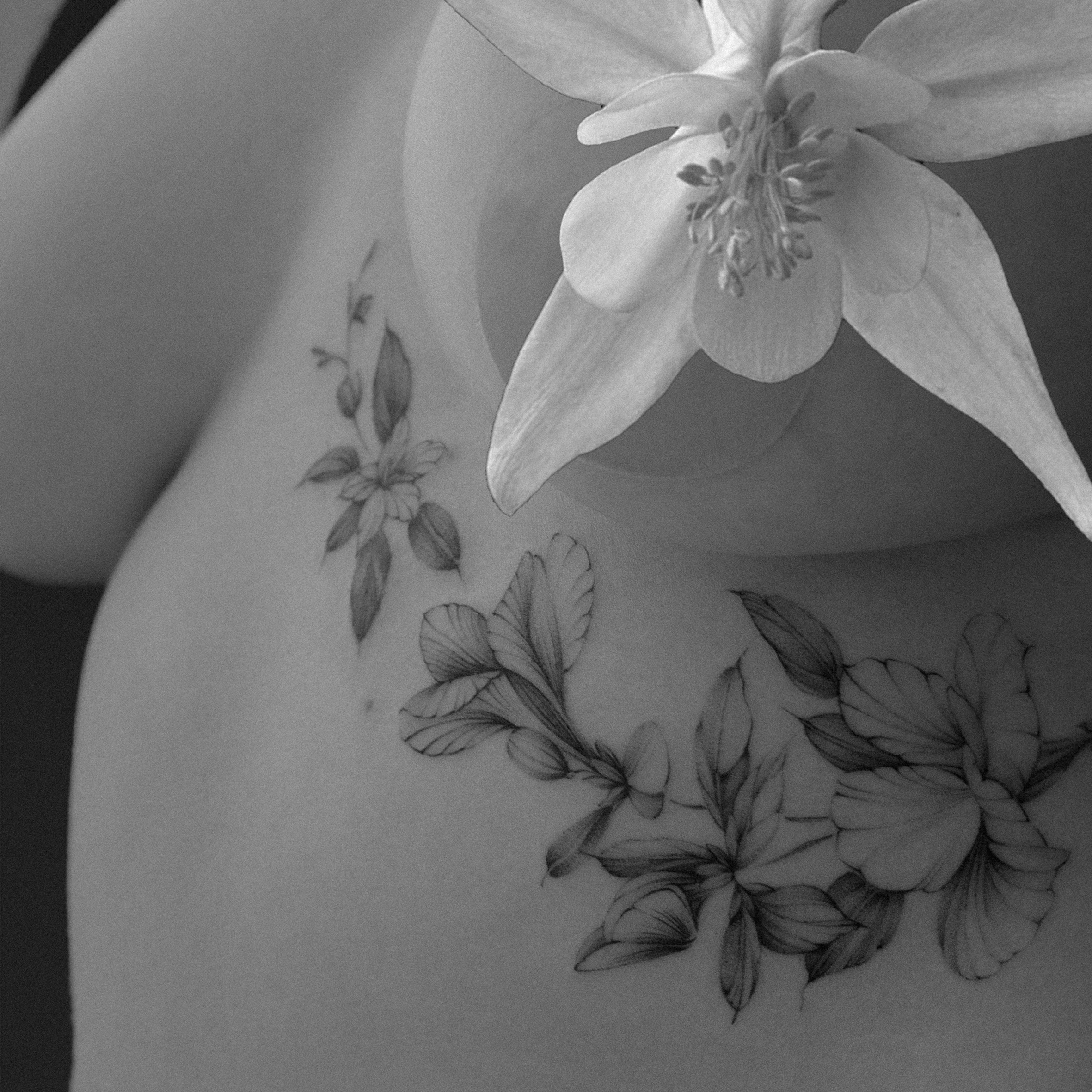
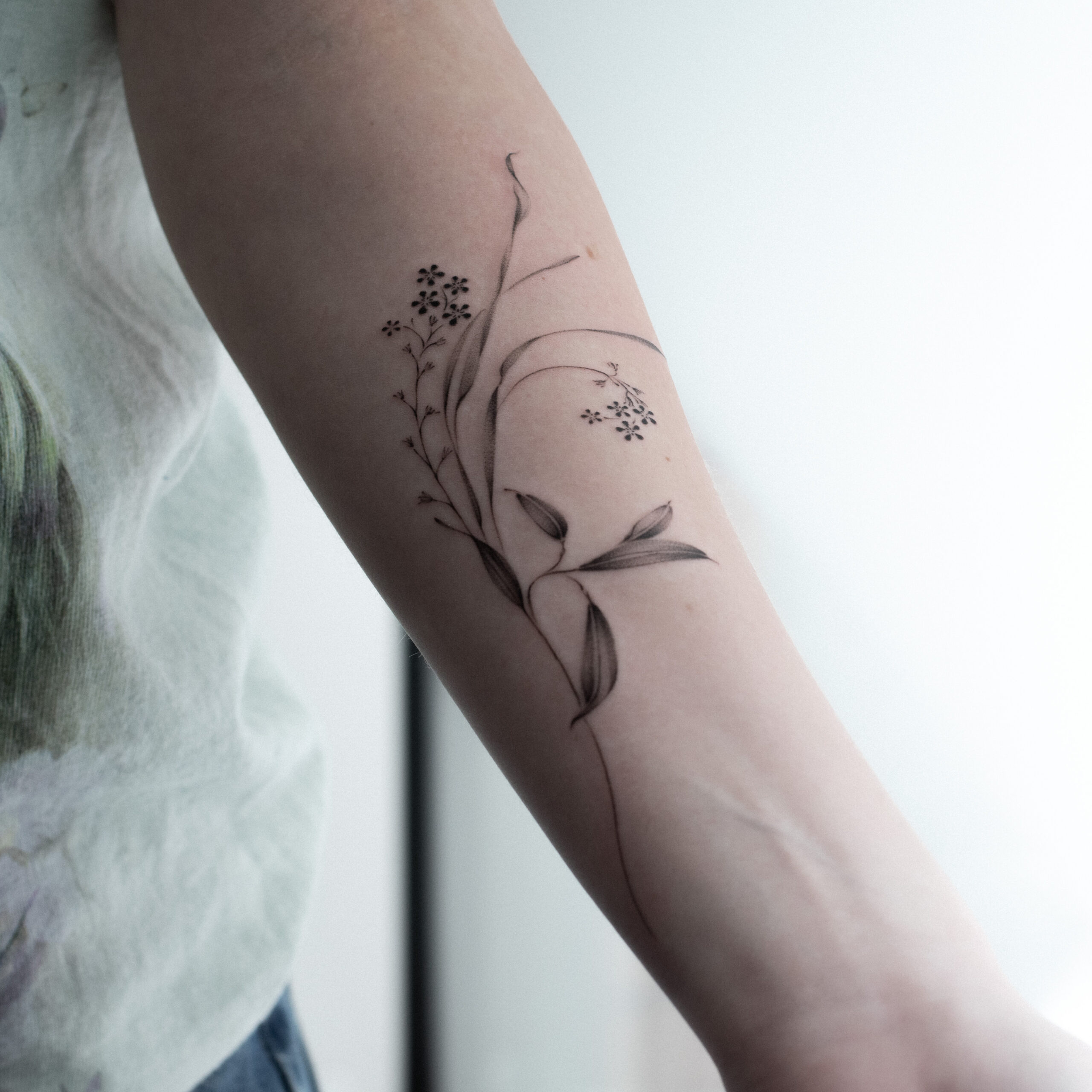
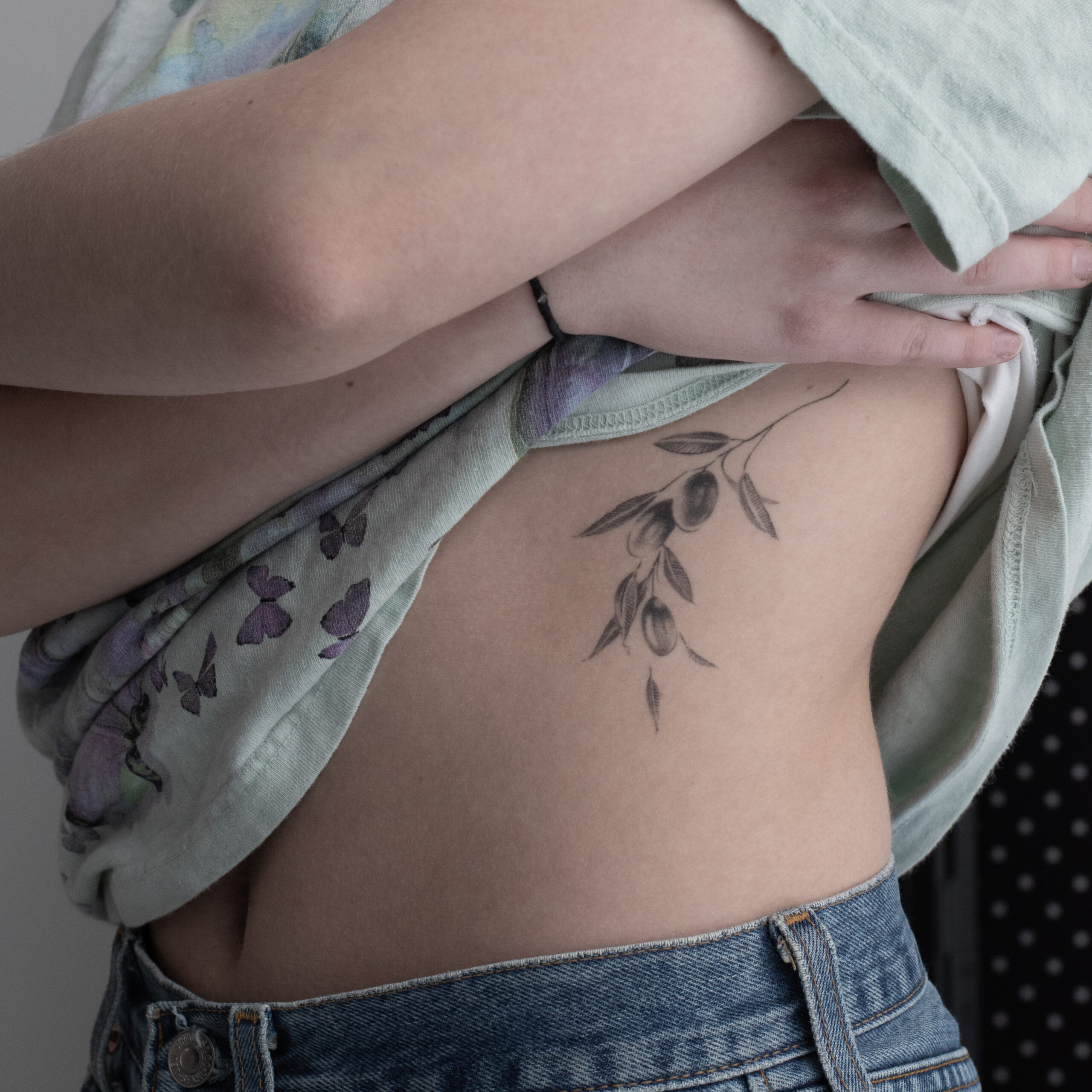
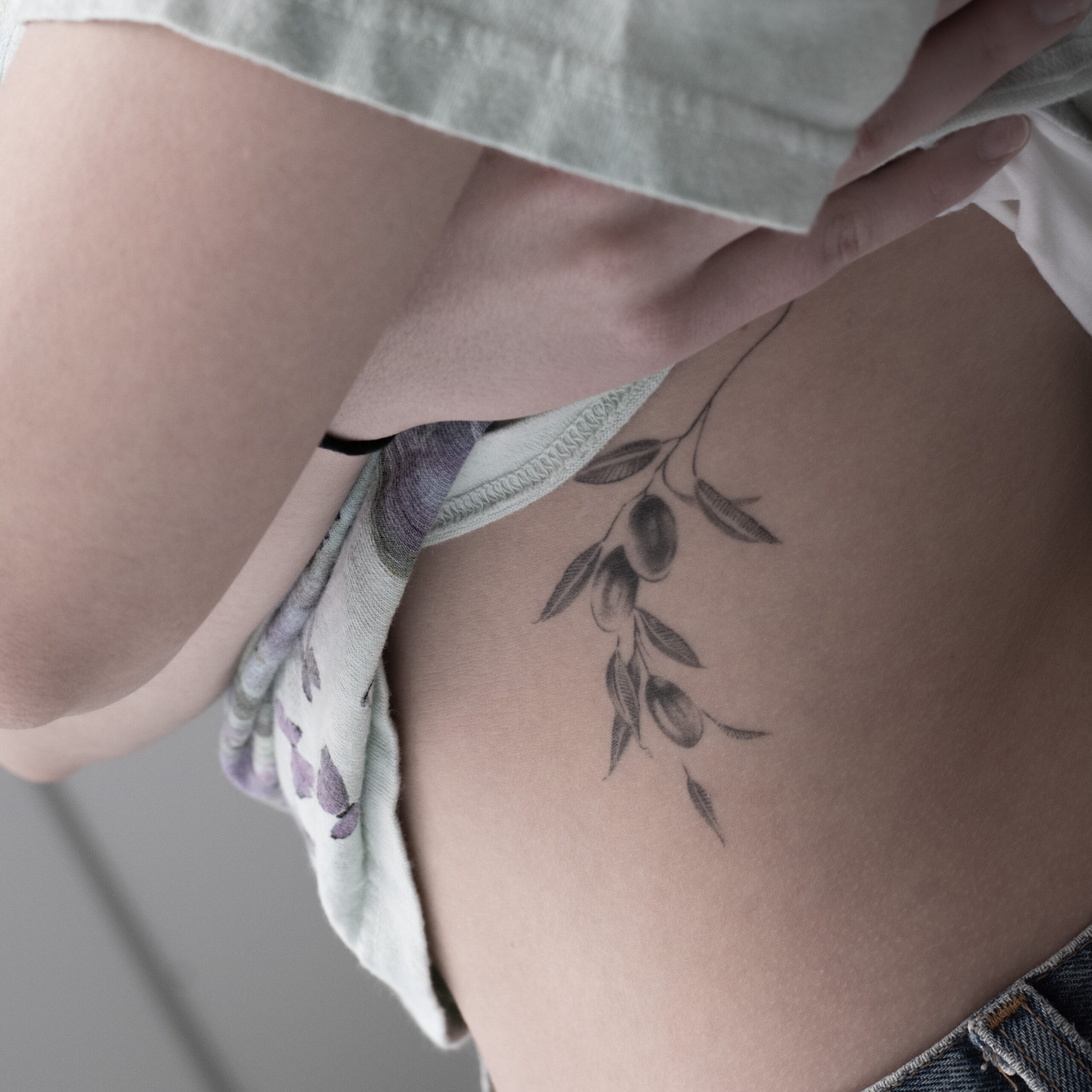
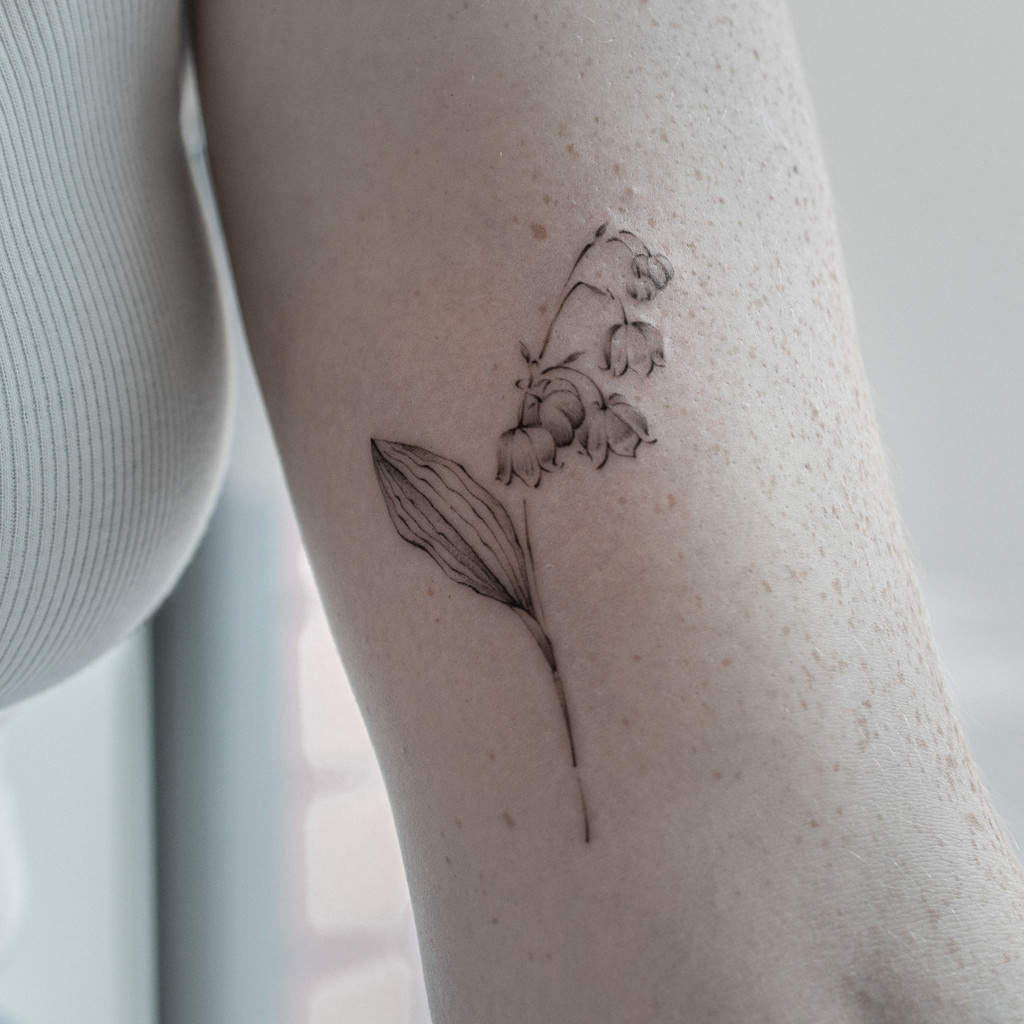
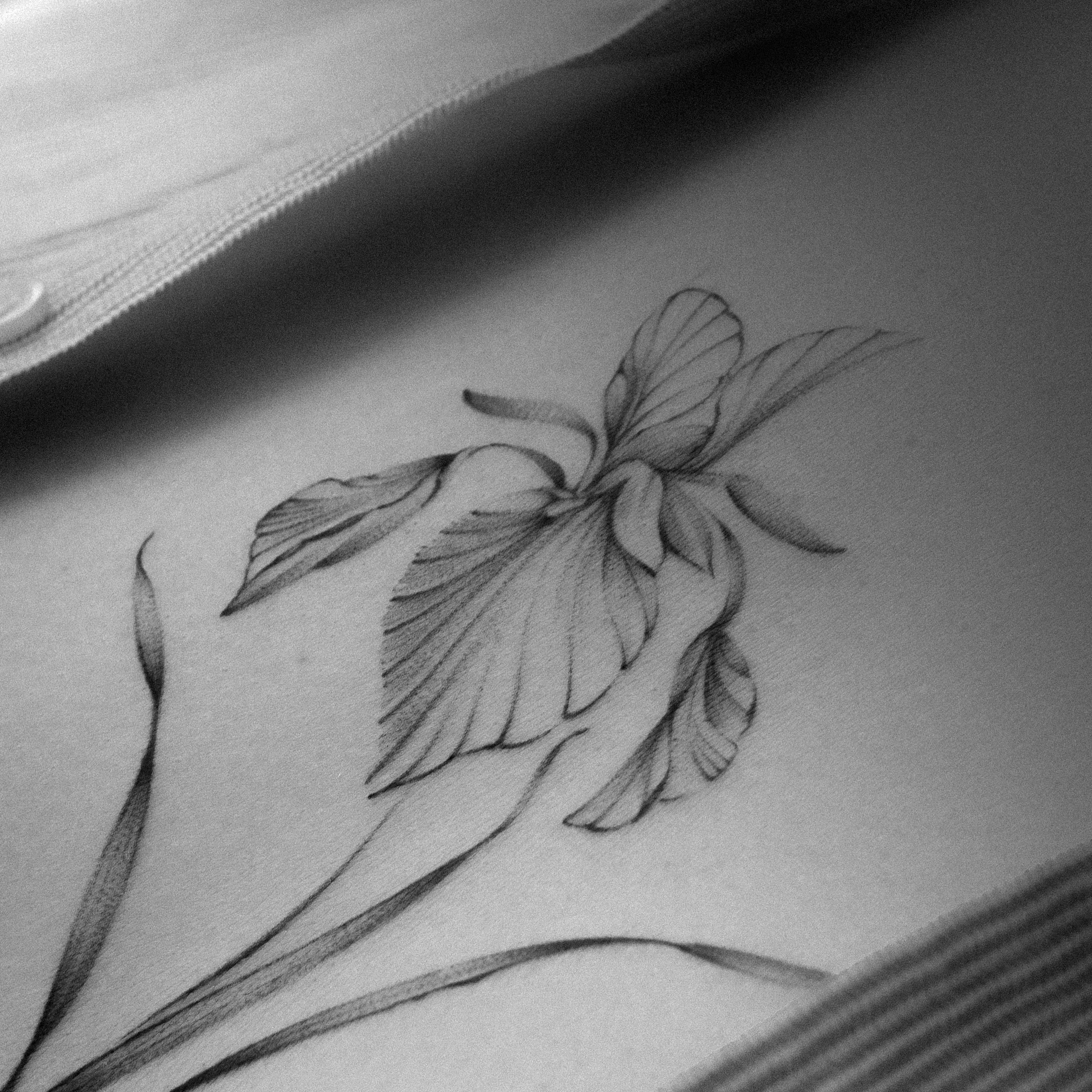
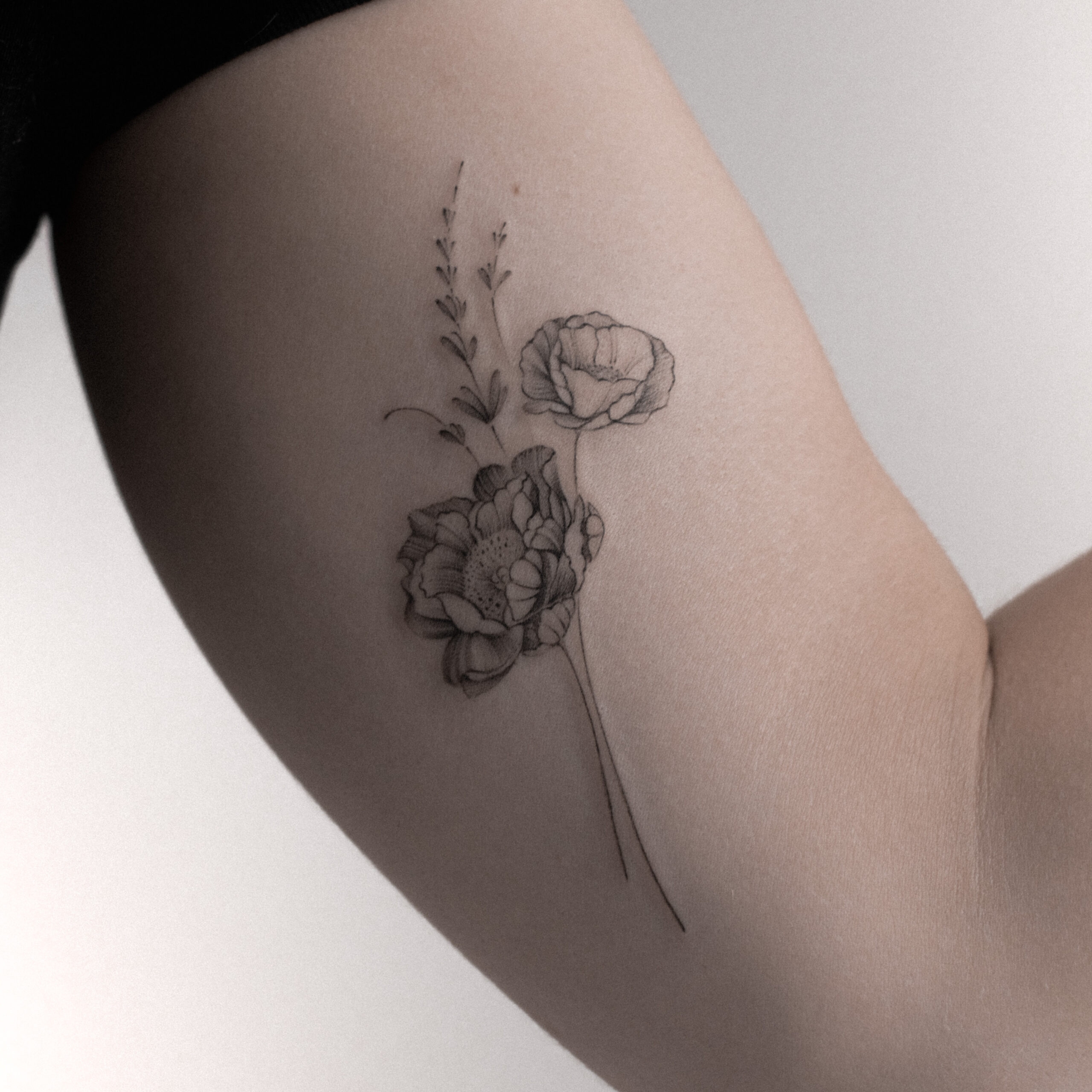
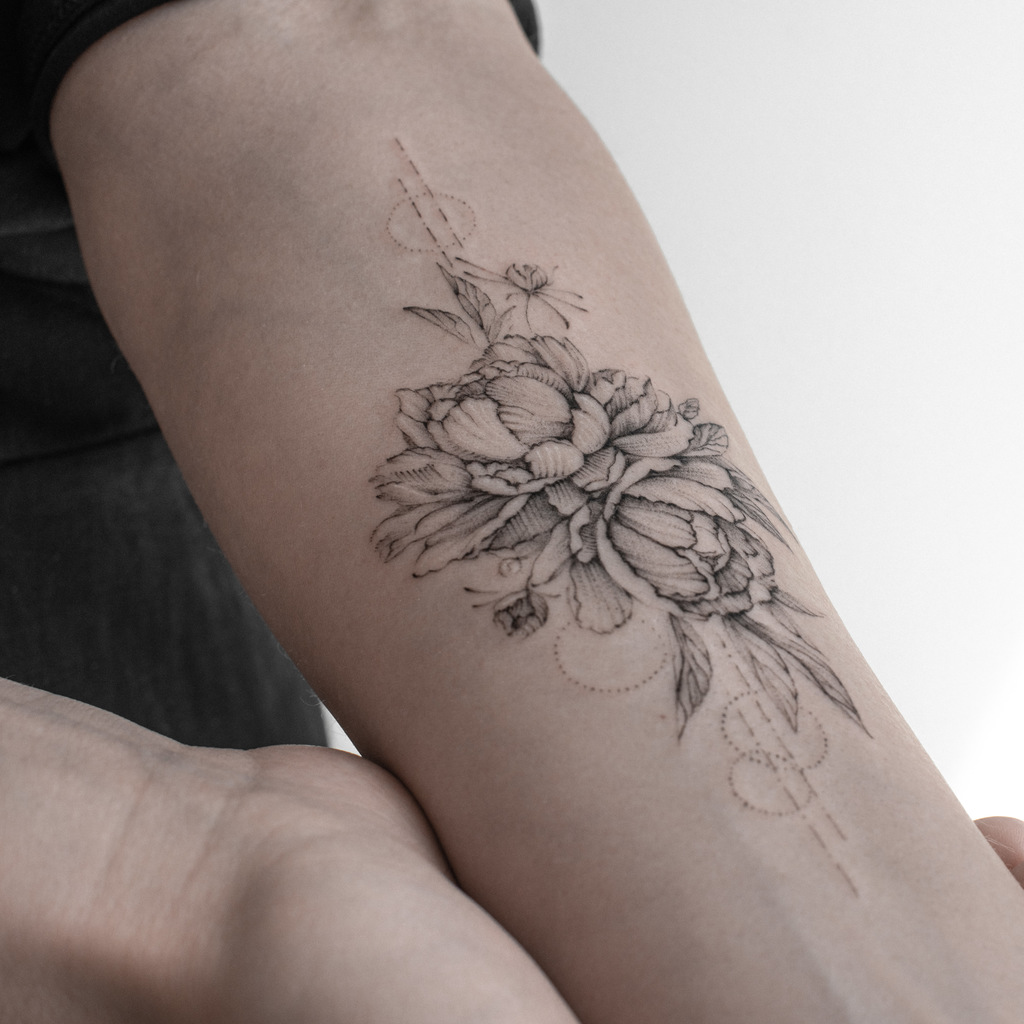
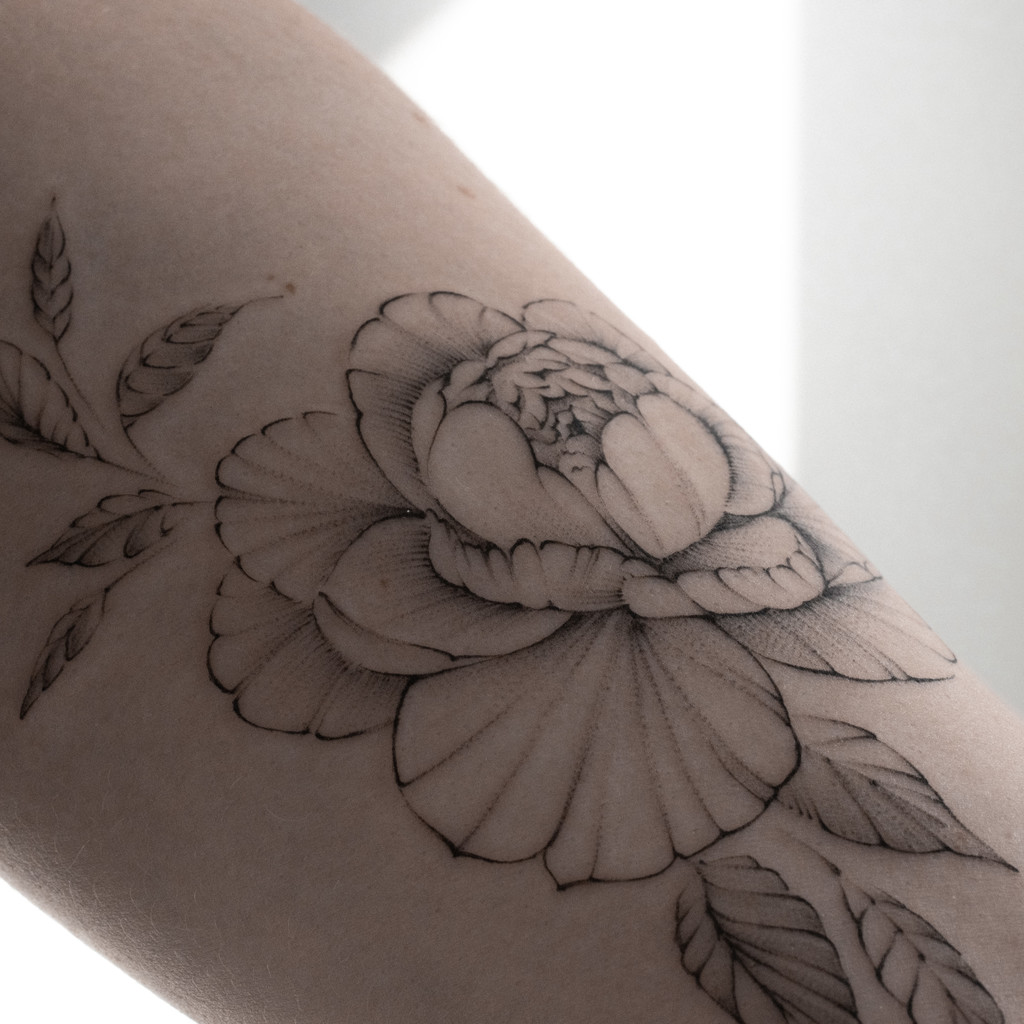
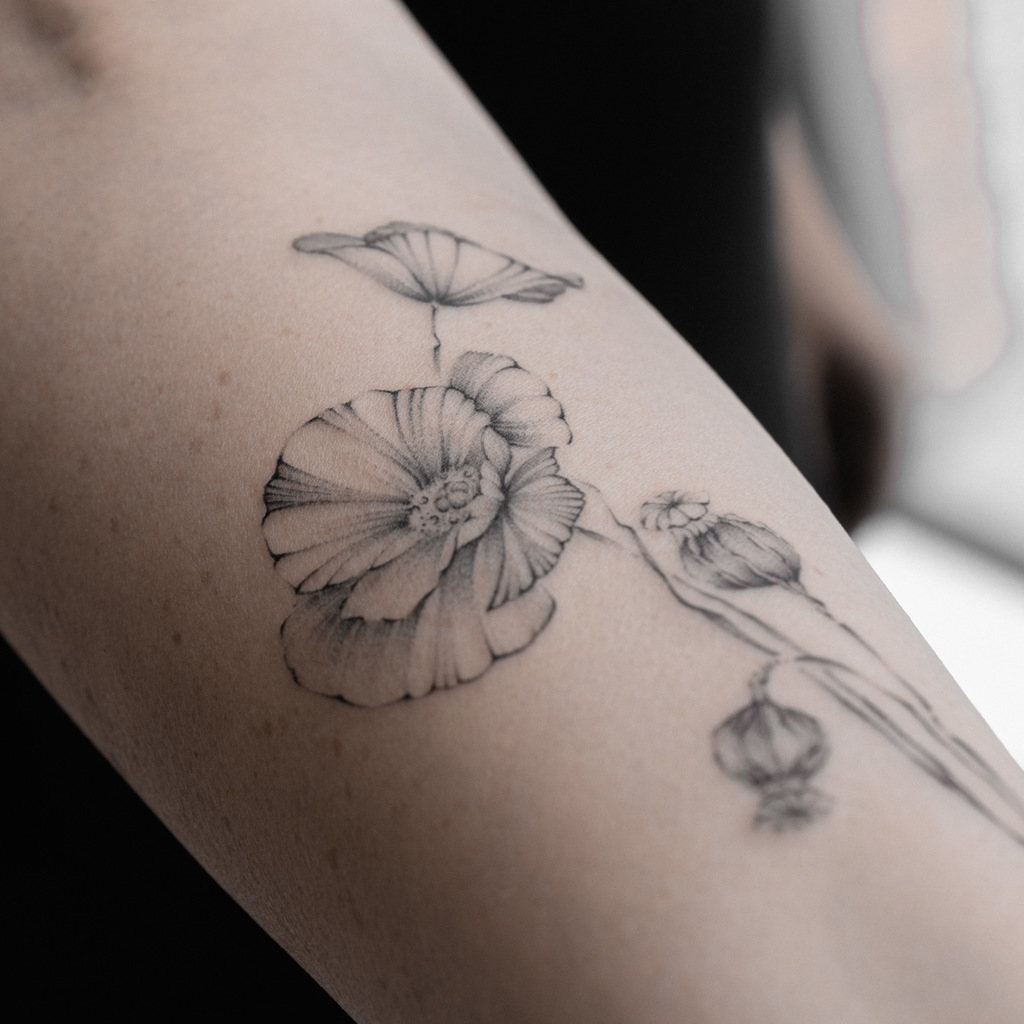
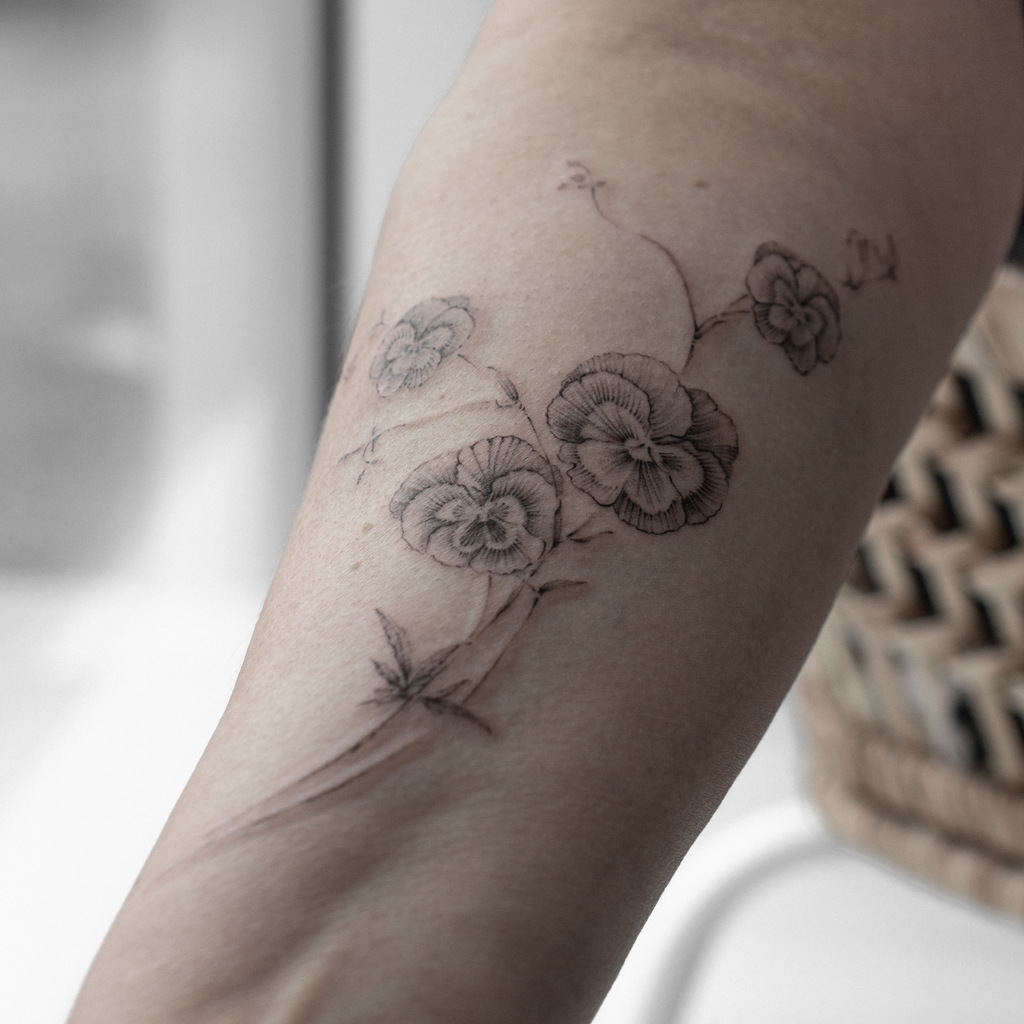
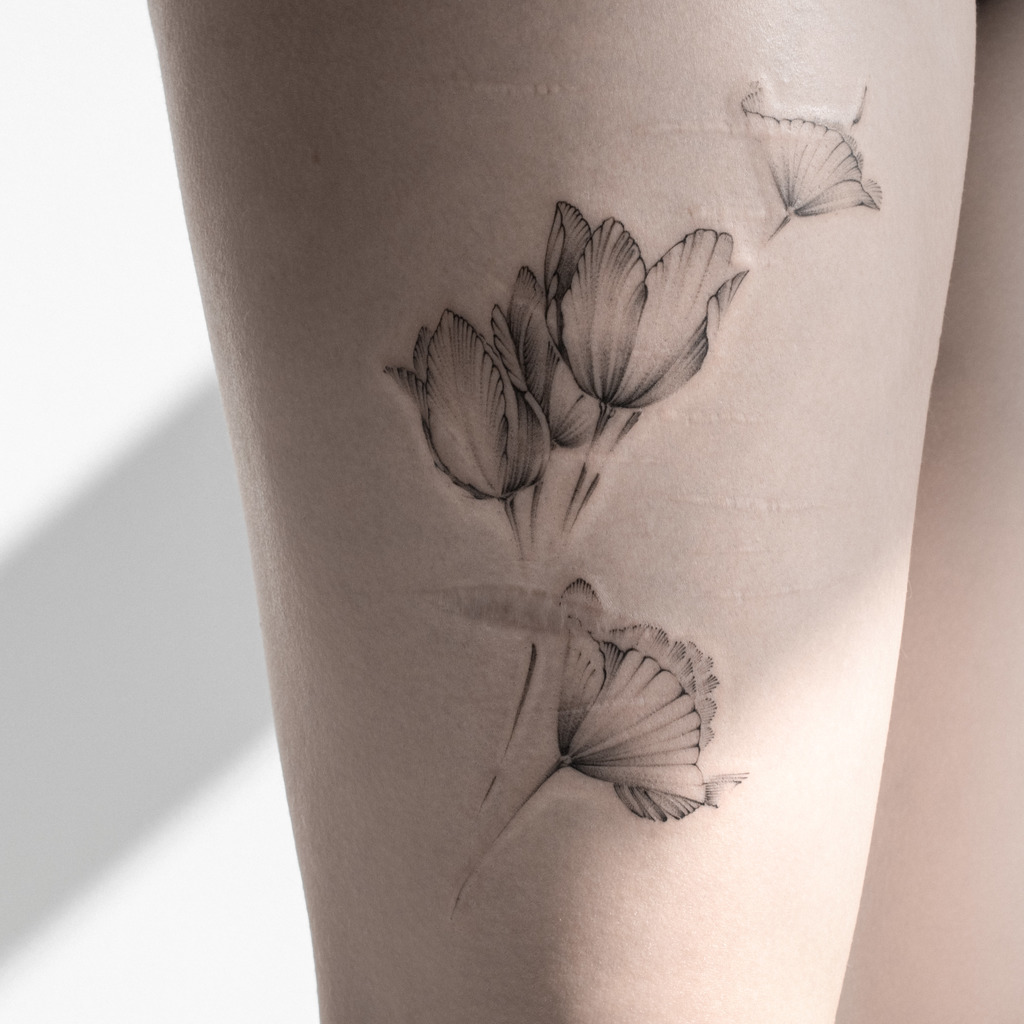
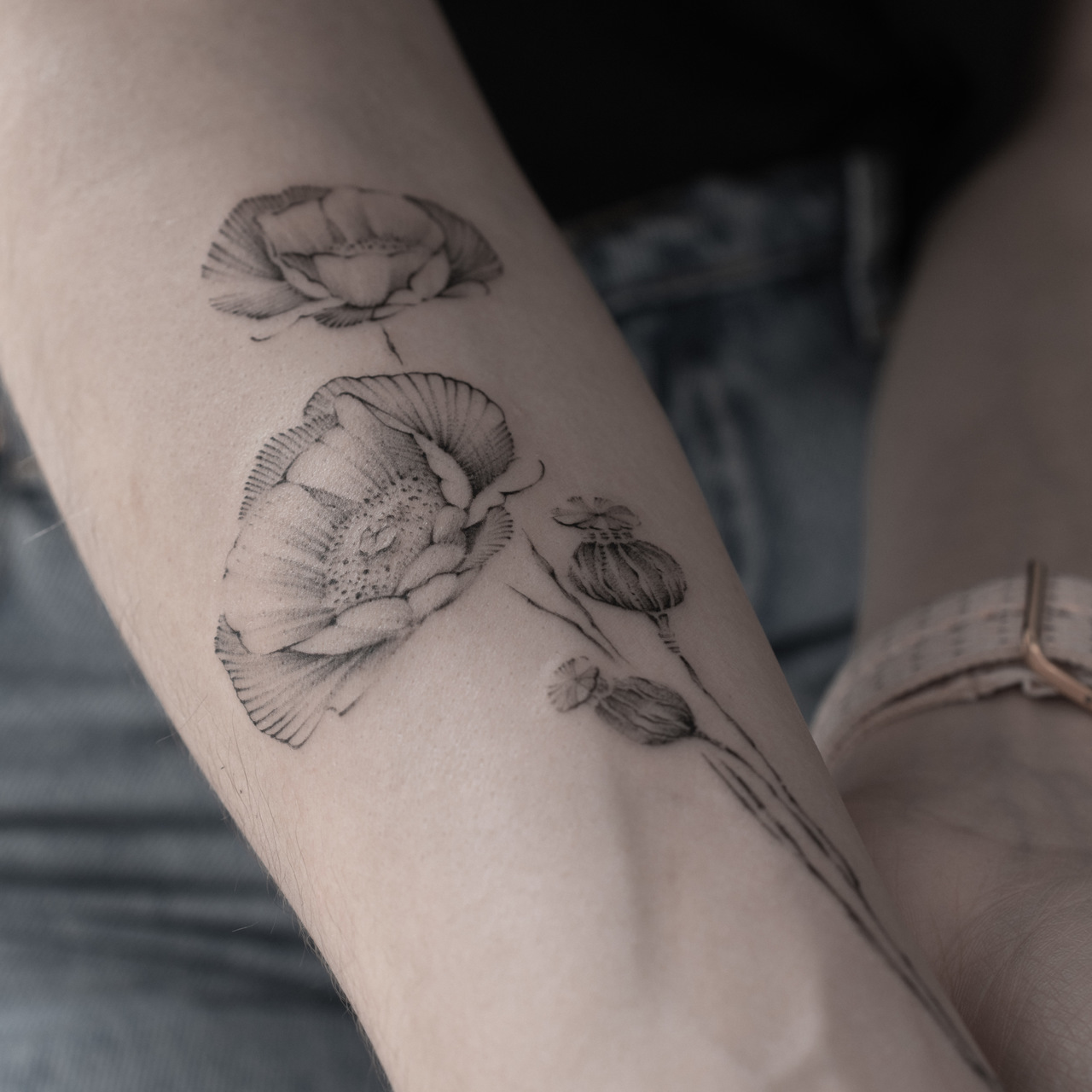
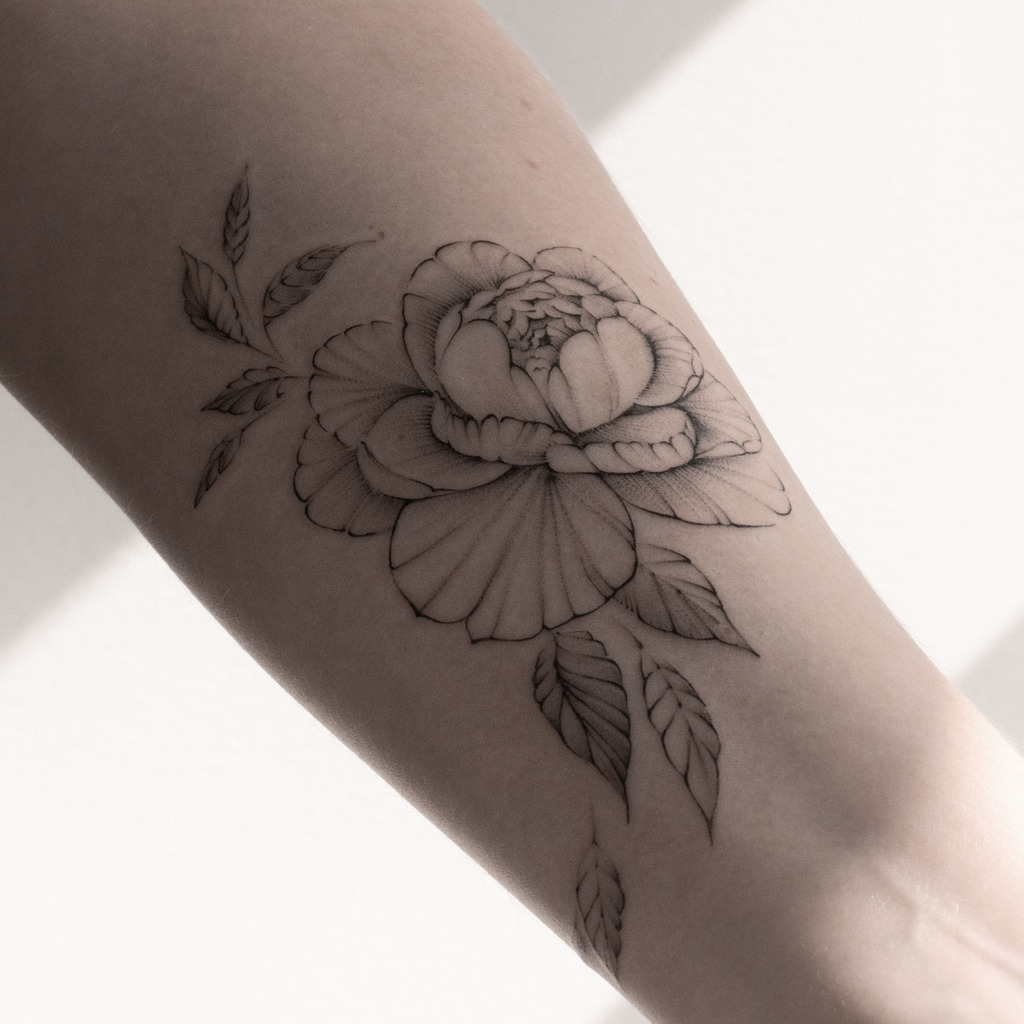
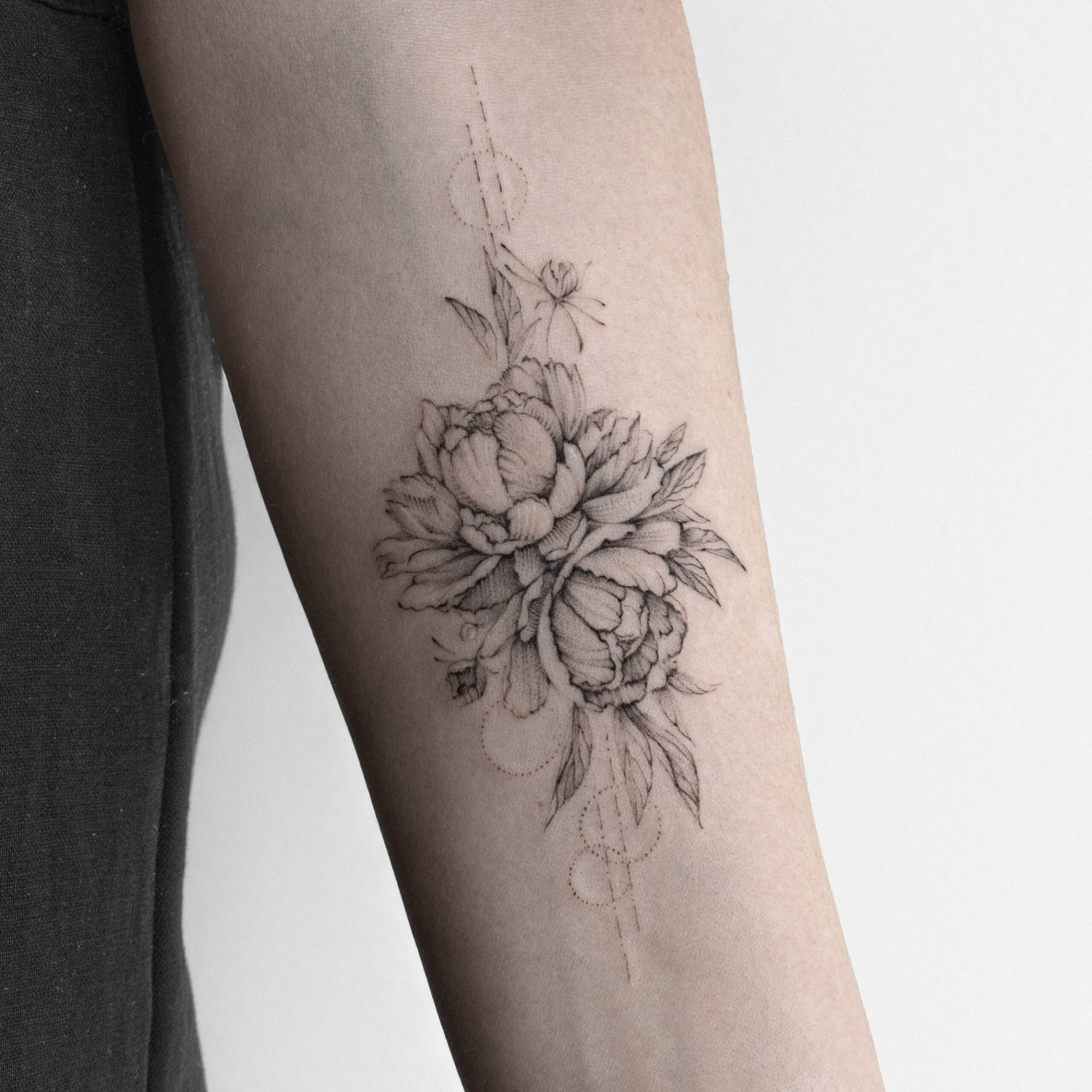
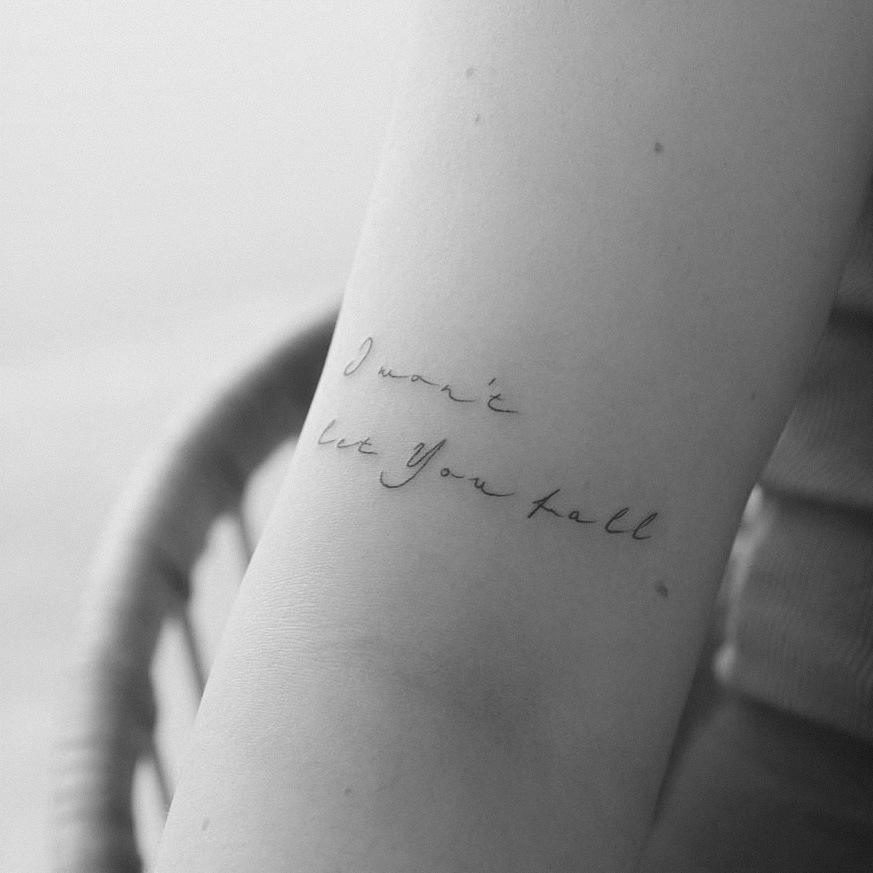
Interestingly, fine line tattooing is often experienced as less physically aggressive than heavily saturated styles.
Because fine line tattoos usually involve:
- Less dense packing of ink
- Smaller needle groupings
- And lighter overall trauma to the skin
The healing process may also feel gentler for many people. This does not mean fine line tattooing is completely painless, of course. The body still experiences repeated needle movement across sensitive skin. But the sensation often feels more controlled and less overwhelming than people fear beforehand. The atmosphere around the session also matters significantly. A calm environment tends to reduce perceived pain dramatically compared to chaotic or stressful surroundings.
The Most Painful Tattoo Placements
Not all body areas feel the same during tattooing. Generally, the most sensitive placements tend to be areas where:
- Skin is thinner
- Bones sit closer to the surface
- Or nerve density is higher
For many people, some of the more painful areas include:
- feet
- hands
- knees
- elbows
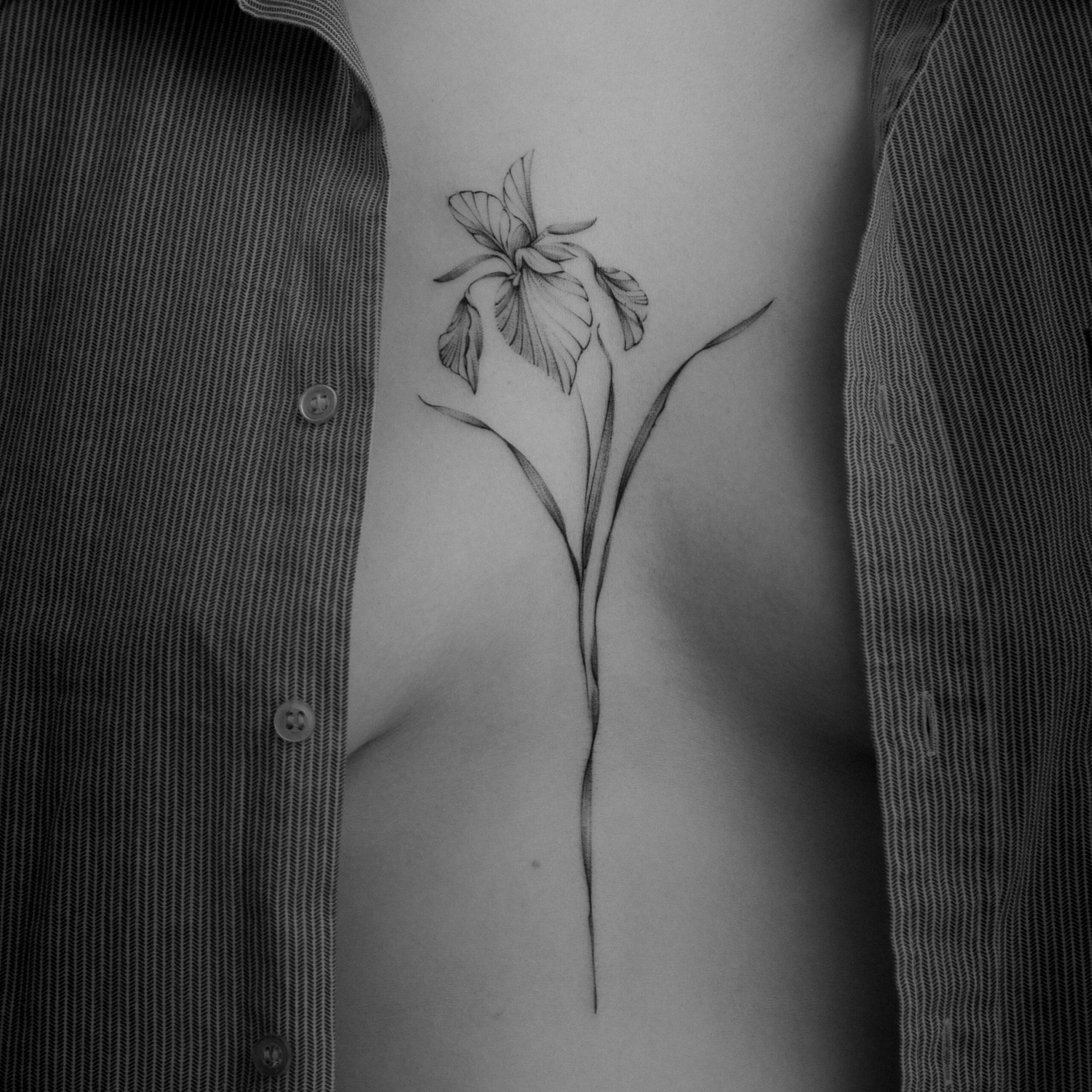
- sternum
- and parts of the neck
At Vadelma Tattoo, certain placements — including the neck and face — are intentionally not offered as part of the studio philosophy and long-term approach toward tattooing. This decision is connected not only to pain level, but also to broader considerations around visibility, longevity, professional balance, and thoughtful placement choices overall.
Why Fear Often Feels Bigger Than Reality
One interesting psychological aspect of tattoo pain is that uncertainty amplifies discomfort enormously. Before a first tattoo, the brain has no direct reference point, so imagination fills the gap. People often prepare themselves mentally for something extreme simply because they cannot predict the sensation accurately. Once the process starts, however, uncertainty disappears. The nervous system understands the rhythm. The body adapts. The experience becomes familiar rather than abstract. And this usually changes everything.
Pain and Meaning
There is also something psychologically important about the fact that tattoos are not entirely effortless. The process requires patience, commitment, and physical presence. Because of this, tattoos often feel emotionally more significant afterward. Not because suffering itself is valuable, but because experiences that involve intention and endurance tend to stay with us differently than instant consumption. Interestingly, many people later remember the atmosphere of the session more clearly than the discomfort itself.
The Importance of Environment
At Vadelma Tattoo in Amsterdam, the studio environment is intentionally designed to feel calm, focused, and private. Only one tattoo client is tattooed at a time during the actual session process. This helps reduce unnecessary stress and allows full concentration both for the artist and the client. And this matters more than many people realize. When the nervous system feels safe and relaxed, tattooing often becomes physically easier as well. The emotional atmosphere around the process directly affects how the body experiences discomfort.
Preparing for a Tattoo Session
The best way to reduce tattoo discomfort is usually very simple:
- Sleep properly beforehand
- Eat well
- Stay hydrated
- Avoid alcohol before and after the session
- And arrive without rushing or panic
The body handles tattooing far better when it is rested and stable. And importantly: you do not need to “prove toughness” during tattooing. Good tattooing is collaborative, not competitive.
The Vadelma Philosophy
At Vadelma Tattoo, the goal is not only to create visually strong tattoos, but also to make the process itself feel thoughtful and comfortable. The studio focuses on: calm atmosphere, focused sessions, fine line precision, and placement choices designed for long-term balance
If you want to explore available tattoo concepts, you can start here:
https://vadelma.eu/available-projects
Or contact the studio directly here:
https://vadelma.eu/contact
You can also read more tattoo-related articles here:
https://vadelma.eu/blog
Beyond the Tattoo
For those interested in visual art beyond tattooing itself, you can also explore museum-quality art prints created by Natalie Vadelma here:
https://vadelmaprints.com/
Final Thoughts
So — does getting a tattoo hurt? Yes, a little. But for most people, it is far more manageable than the legends surrounding it suggest. And perhaps that is part of why tattooing remains meaningful. It asks for presence, patience, and trust for a few hours in exchange for something that may stay with you for life.
FAQ – Tattoo Pain
Do fine line tattoos hurt less?
Many people experience fine line tattoos as gentler compared to heavily saturated tattoo styles.
What are the most painful tattoo placements?
Commonly sensitive areas include feet, sternum, hands, and neck.
Does Vadelma Tattoo tattoo necks or faces?
No, certain placements like neck and face tattoos are not part of the studio’s approach.
How can I prepare for a tattoo session?
Sleep well, eat properly, stay hydrated, and avoid alcohol beforehand and after.
Where can I learn more before booking?
Does It Hurt to Get a Tattoo? – The Reality Behind Tattoo Pain
Introduction
One of the first questions almost every tattoo artist hears is:
“Does it hurt?”
And the honest answer is simple: yes — but probably not in the way many people imagine. Tattoo pain has developed almost mythical status over the years. Some people describe tattooing as unbearable torture, while others try to present it as nothing at all. In reality, the experience usually exists somewhere much more balanced between those extremes. Most people are surprised less by the intensity of tattooing and more by the fact that the sensation becomes manageable surprisingly quickly. At Vadelma Tattoo in Amsterdam, many first-time clients arrive visibly nervous about pain ( usually because they heard many urban legends stories from friends and family, why to make people scared?? I don’t get it ) only to realize after the session that the ruminating itself was often worse than the tattooing process. And this happens for a very human reason: the imagination tends to exaggerate unfamiliar experiences.
Why Tattoo Pain Feels Different Than Expected
Tattooing does not usually feel like one sharp dramatic pain. Instead, most people describe it as repetitive irritation, scratching, vibration, heat, or continuous sensitivity. The body gradually adapts to the sensation after the first minutes, which is why the beginning often feels psychologically more difficult than the rest of the session itself. This adaptation is important. Humans are surprisingly good at adjusting to controlled discomfort once the nervous system understands the situation is stable and not dangerous. That is one reason many clients eventually relax during the process much more than they expected. Some even become sleepy.
Fine Line Tattoos and Pain
Interestingly, fine line tattooing is often experienced as less physically aggressive than heavily saturated styles.
Because fine line tattoos usually involve:
- Less dense packing of ink
- Smaller needle groupings
- And lighter overall trauma to the skin
The healing process may also feel gentler for many people. This does not mean fine line tattooing is completely painless, of course. The body still experiences repeated needle movement across sensitive skin. But the sensation often feels more controlled and less overwhelming than people fear beforehand. The atmosphere around the session also matters significantly. A calm environment tends to reduce perceived pain dramatically compared to chaotic or stressful surroundings.
The Most Painful Tattoo Placements
Not all body areas feel the same during tattooing. Generally, the most sensitive placements tend to be areas where:
- Skin is thinner
- Bones sit closer to the surface
- Or nerve density is higher
For many people, some of the more painful areas include:
- feet
- hands
- knees
- elbows
- sternum
- and parts of the neck
At Vadelma Tattoo, certain placements — including the neck and face — are intentionally not offered as part of the studio philosophy and long-term approach toward tattooing. This decision is connected not only to pain level, but also to broader considerations around visibility, longevity, professional balance, and thoughtful placement choices overall.
Why Fear Often Feels Bigger Than Reality
One interesting psychological aspect of tattoo pain is that uncertainty amplifies discomfort enormously. Before a first tattoo, the brain has no direct reference point, so imagination fills the gap. People often prepare themselves mentally for something extreme simply because they cannot predict the sensation accurately. Once the process starts, however, uncertainty disappears. The nervous system understands the rhythm. The body adapts. The experience becomes familiar rather than abstract. And this usually changes everything.
Pain and Meaning
There is also something psychologically important about the fact that tattoos are not entirely effortless. The process requires patience, commitment, and physical presence. Because of this, tattoos often feel emotionally more significant afterward. Not because suffering itself is valuable, but because experiences that involve intention and endurance tend to stay with us differently than instant consumption. Interestingly, many people later remember the atmosphere of the session more clearly than the discomfort itself.
The Importance of Environment
At Vadelma Tattoo in Amsterdam, the studio environment is intentionally designed to feel calm, focused, and private. Only one tattoo client is tattooed at a time during the actual session process. This helps reduce unnecessary stress and allows full concentration both for the artist and the client. And this matters more than many people realize. When the nervous system feels safe and relaxed, tattooing often becomes physically easier as well. The emotional atmosphere around the process directly affects how the body experiences discomfort.
Preparing for a Tattoo Session
The best way to reduce tattoo discomfort is usually very simple:
- Sleep properly beforehand
- Eat well
- Stay hydrated
- Avoid alcohol before and after the session
- And arrive without rushing or panic
The body handles tattooing far better when it is rested and stable. And importantly: you do not need to “prove toughness” during tattooing. Good tattooing is collaborative, not competitive.
The Vadelma Philosophy
At Vadelma Tattoo, the goal is not only to create visually strong tattoos, but also to make the process itself feel thoughtful and comfortable. The studio focuses on: calm atmosphere, focused sessions, fine line precision, and placement choices designed for long-term balance
If you want to explore available tattoo concepts, you can start here:
https://vadelma.eu/available-projects
Or contact the studio directly here:
https://vadelma.eu/contact
You can also read more tattoo-related articles here:
https://vadelma.eu/blog
Beyond the Tattoo
For those interested in visual art beyond tattooing itself, you can also explore museum-quality art prints created by Natalie Vadelma here:
https://vadelmaprints.com/
Final Thoughts
So — does getting a tattoo hurt? Yes, a little. But for most people, it is far more manageable than the legends surrounding it suggest. And perhaps that is part of why tattooing remains meaningful. It asks for presence, patience, and trust for a few hours in exchange for something that may stay with you for life.
FAQ – Tattoo Pain
Do fine line tattoos hurt less?
Many people experience fine line tattoos as gentler compared to heavily saturated tattoo styles.
What are the most painful tattoo placements?
Commonly sensitive areas include feet, sternum, hands, and neck.
Does Vadelma Tattoo tattoo necks or faces?
No, certain placements like neck and face tattoos are not part of the studio’s approach.
How can I prepare for a tattoo session?
Sleep well, eat properly, stay hydrated, and avoid alcohol beforehand and after.
Where can I learn more before booking?