Finger, palms of face Tattoo?
Why We Don’t Tattoo Certain Placements at Vadelma Tattoo
FAQ #28 Explained
Welcome! My name is Simon Vadelma — I’m a tattoo artist and co-owner of Vadelma Tattoo in Amsterdam.
In today’s blog, I’m answering FAQ number 28 from our website:
“Do you make finger, palm, or neck tattoos?”
The short answer is no.
But as with most things at Vadelma, there’s thoughtful reasoning behind that decision — and the list of placements we don’t tattoo is actually longer.
In this article, I’ll explain why we choose to work this way, what placements we avoid, and what values guide these decisions.
Supporting Art Beyond Tattoos
You’re listening.
You’re watching.
But are you supporting?
Please visit our Vadelma Art Print Store, where you’ll find Natalie’s original artwork — limited edition, museum-quality art prints. One size only, by design, just like real paintings.
Placements We Don’t Tattoo at Vadelma
Here is the full list of body placements we currently do not tattoo at Vadelma Tattoo:
-
Fingers
-
Hands and palms
-
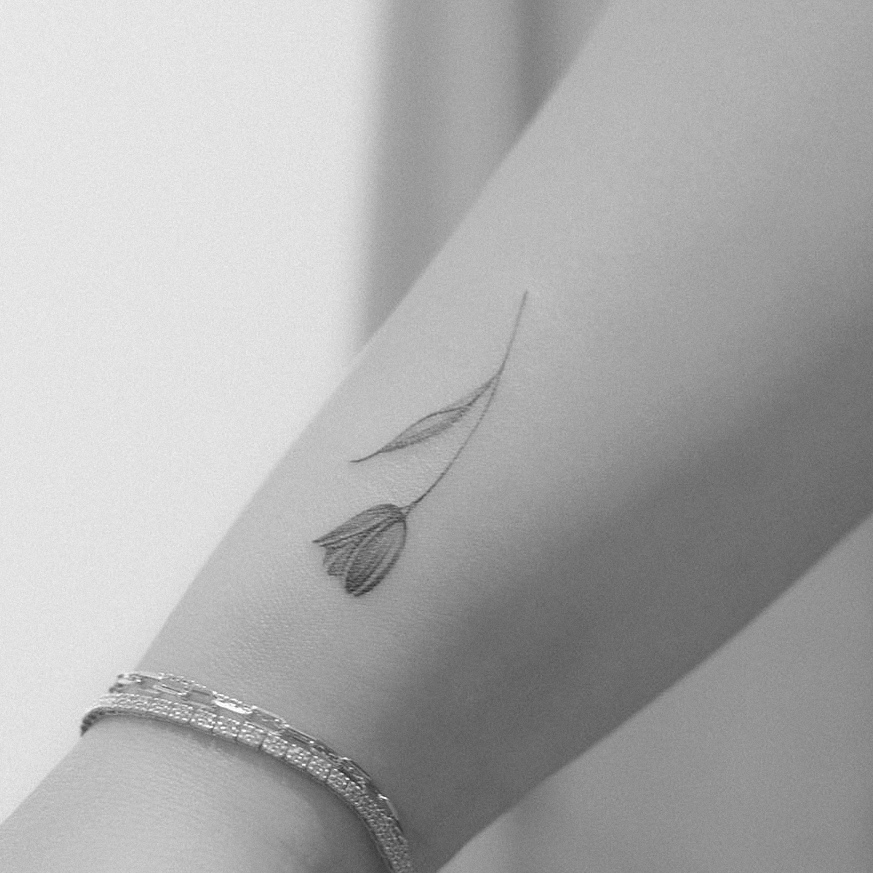
Wrist (especially watch or bracelet area)
-
Elbows
-
Armpits
-
Knees
-
Feet
-
Under the ankle
-
Ankles (all around)
-
Heels
-
Neck
-
Ears
-
Lips
-
Face
-
Head
-
Intimate areas
This policy applies equally to all clients and is specific to our studio.
Skin Specifics and Our Tattoo Style
Skin behaves very differently depending on placement — and that matters greatly for the style of tattooing we create at Vadelma.
Areas such as the hands, fingers, wrists, face, ankles, and elbows often have:
-
thinner or more sensitive skin
-
constant exposure to sunlight
-
high friction in everyday life
-
more movement and stretching
All of this affects how a tattoo heals and how it ages over time. These placements also require significantly more aftercare attention, and even then, they often demand frequent touch-ups.
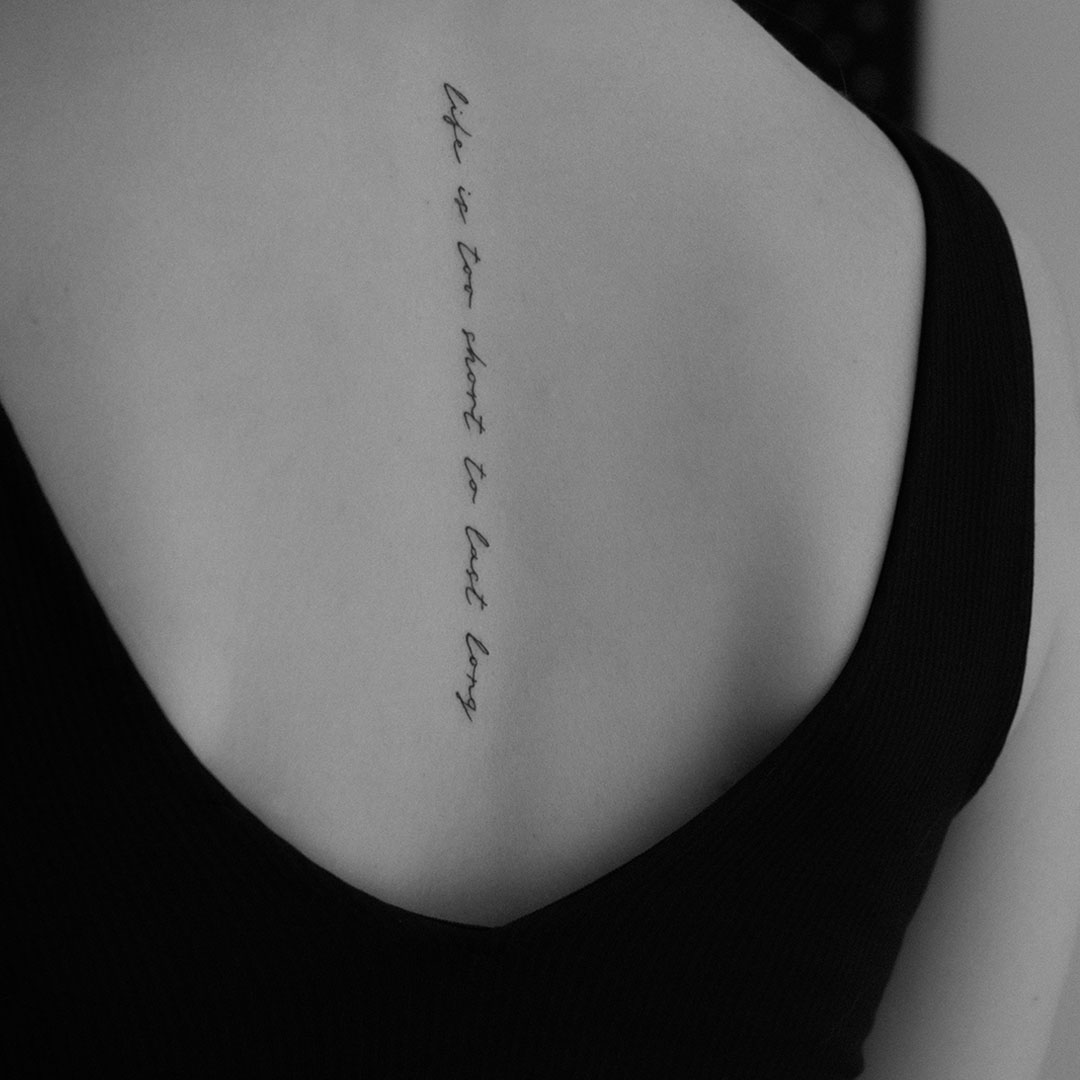
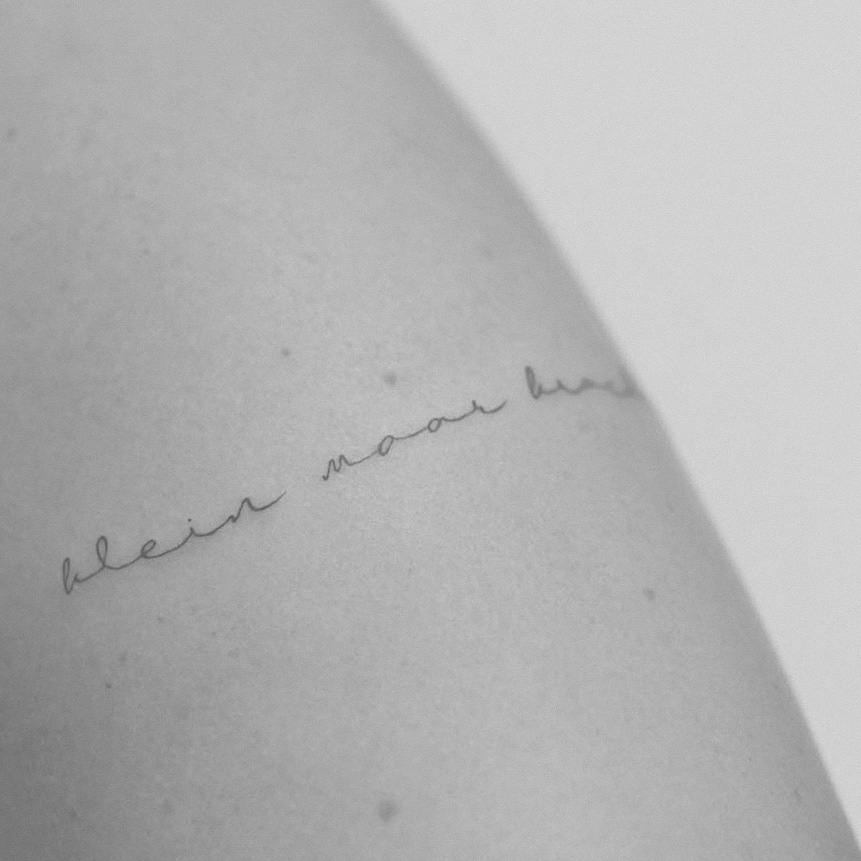
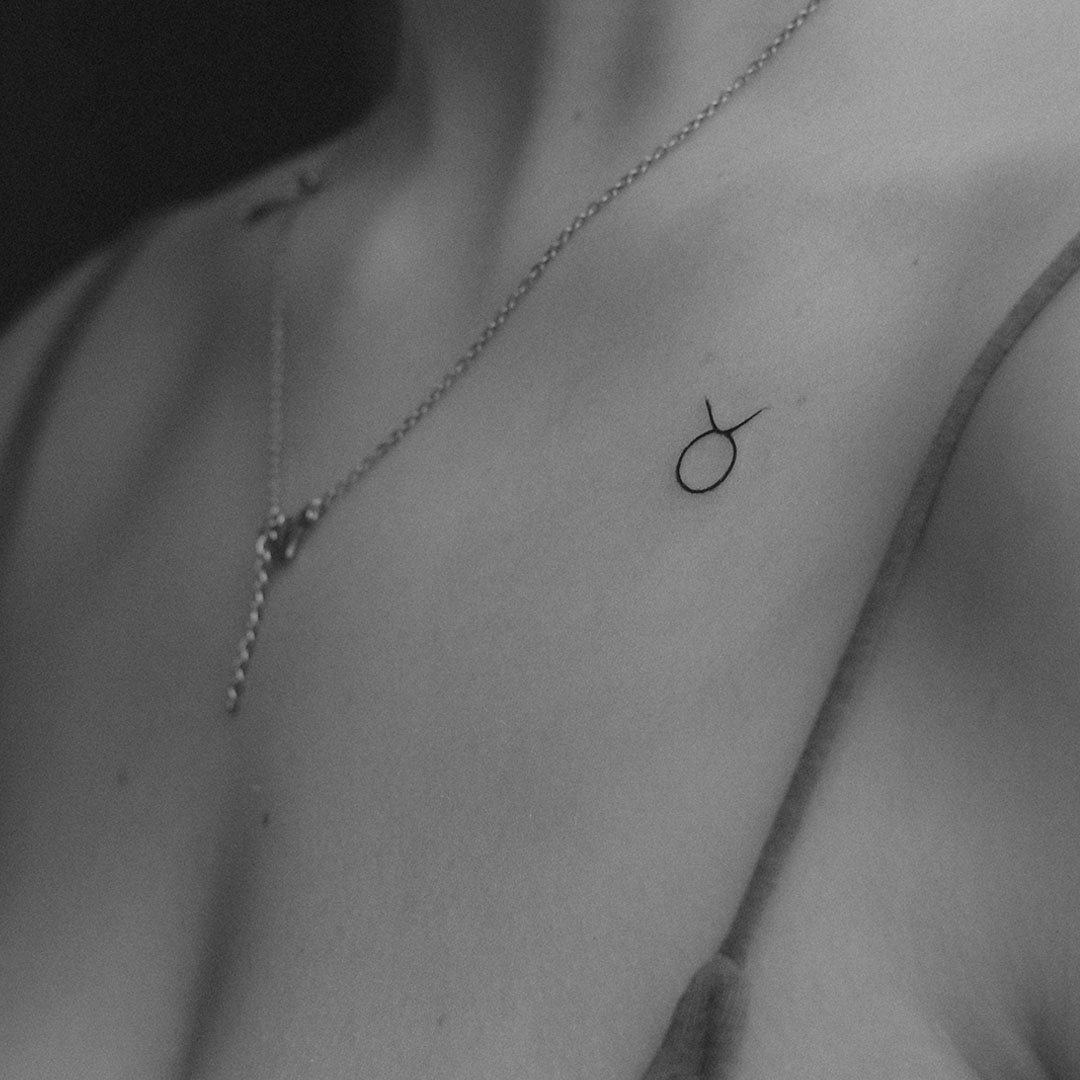
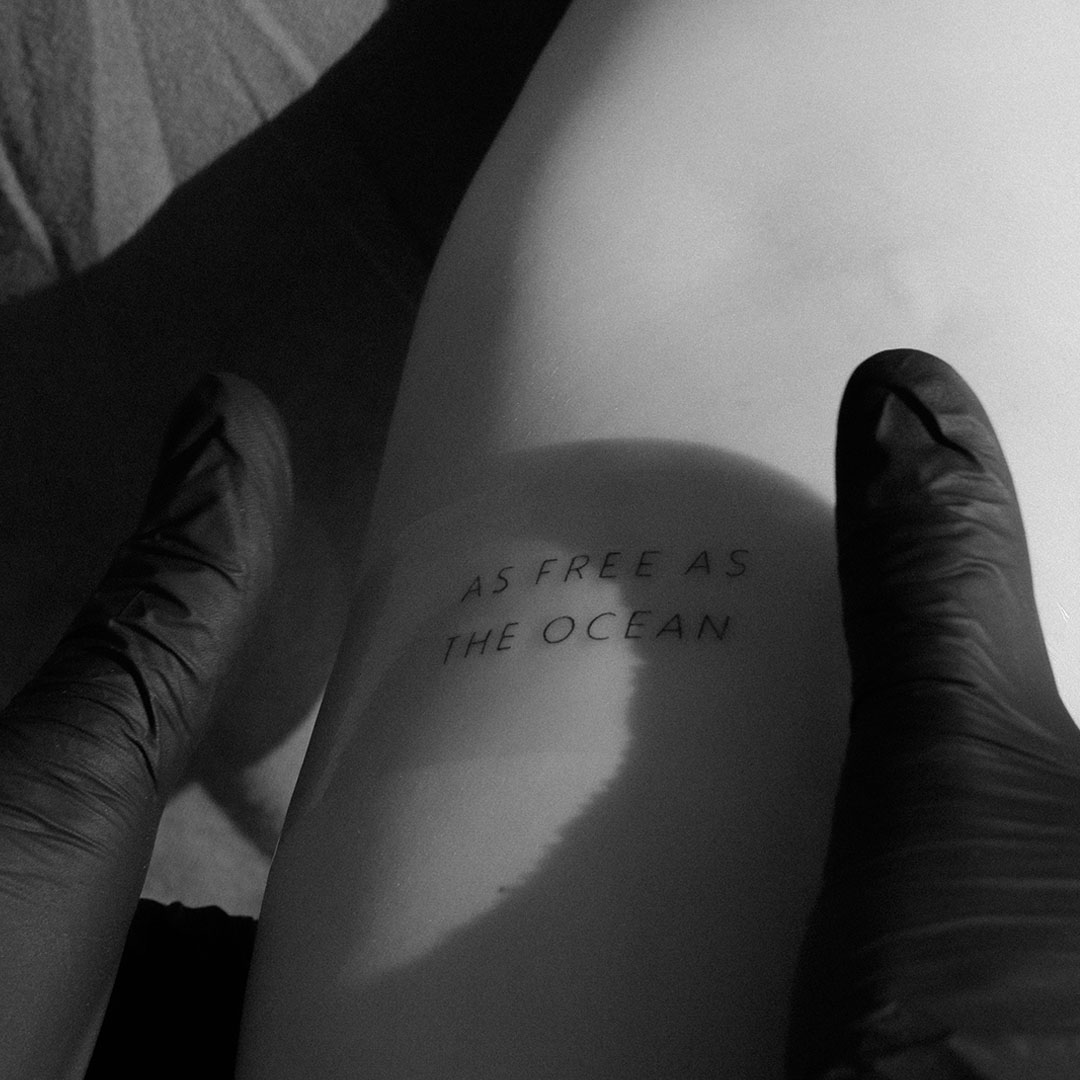
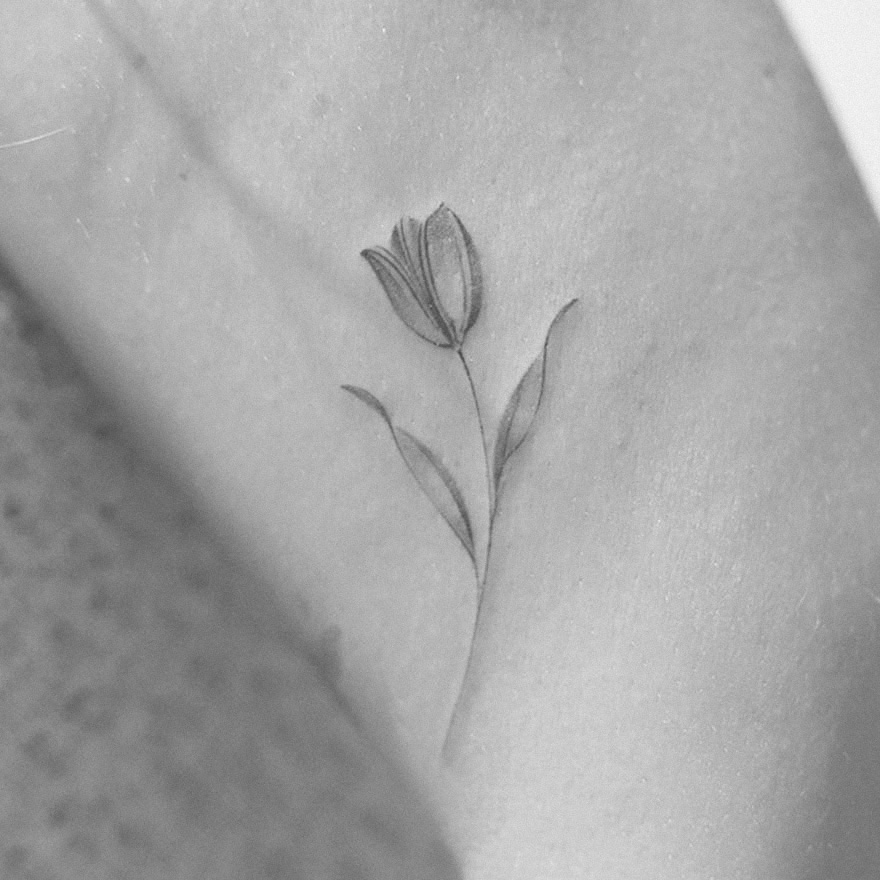
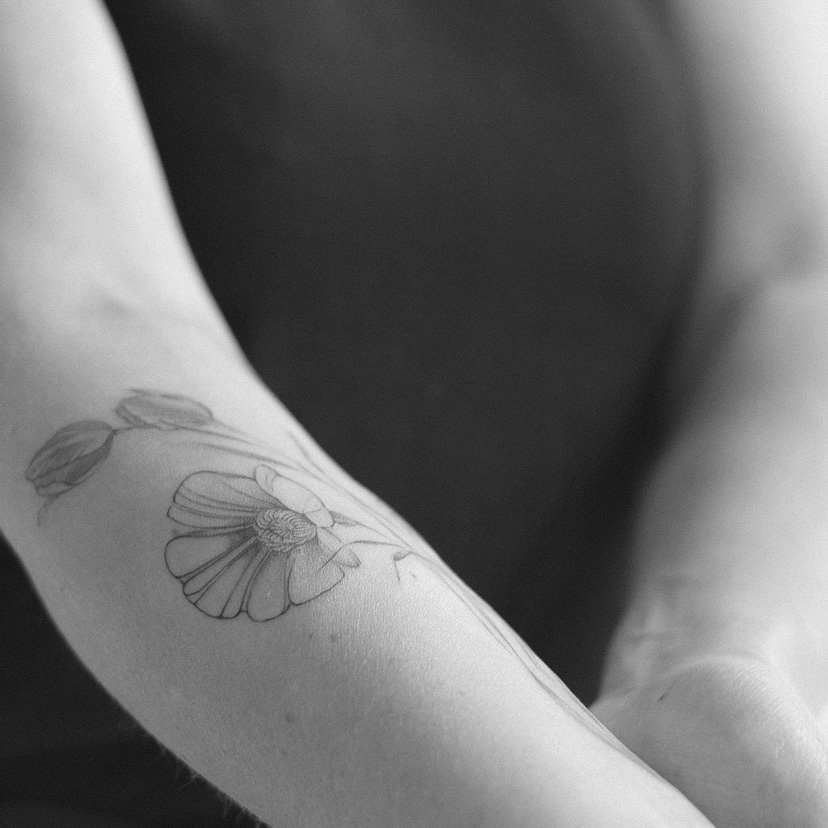
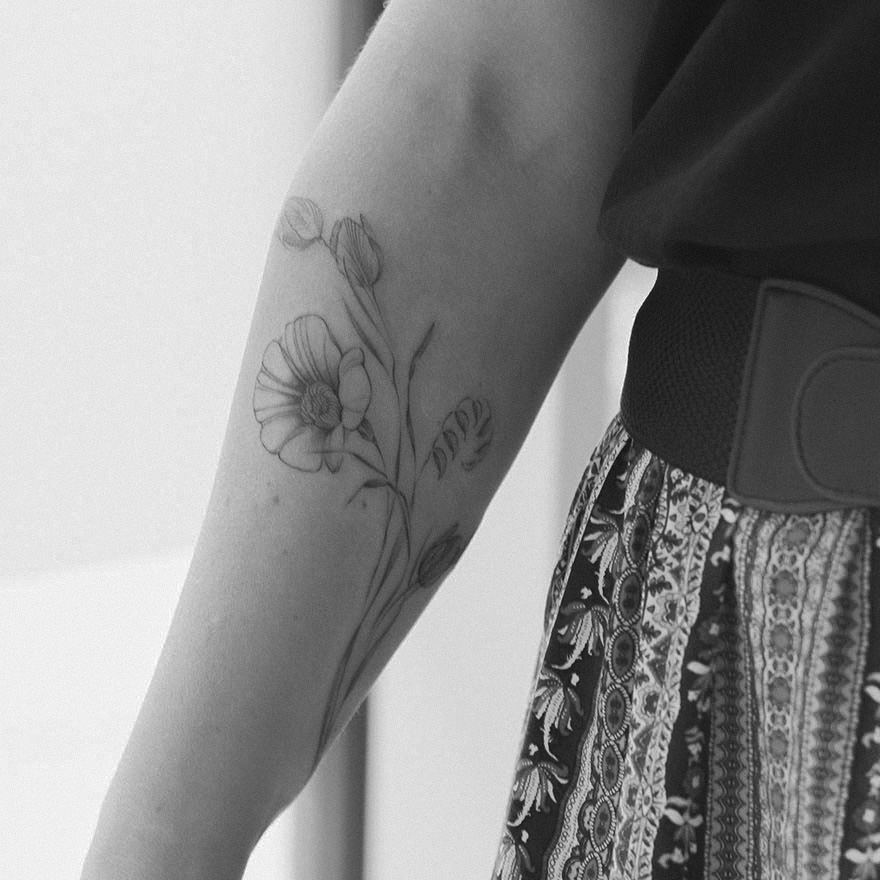
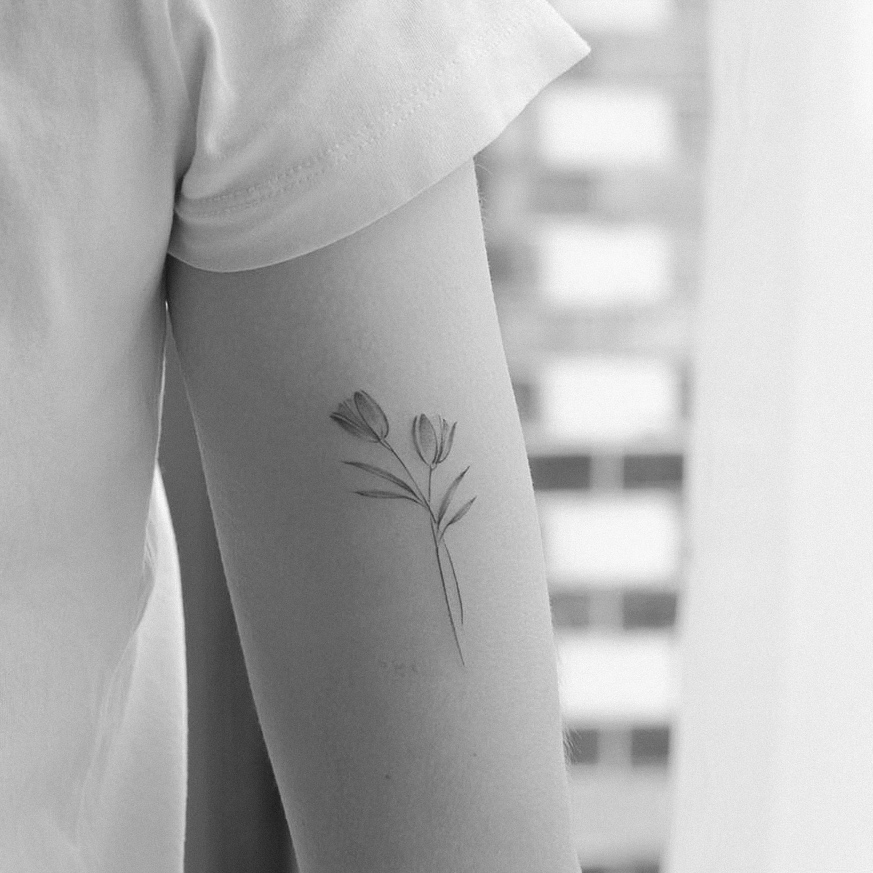
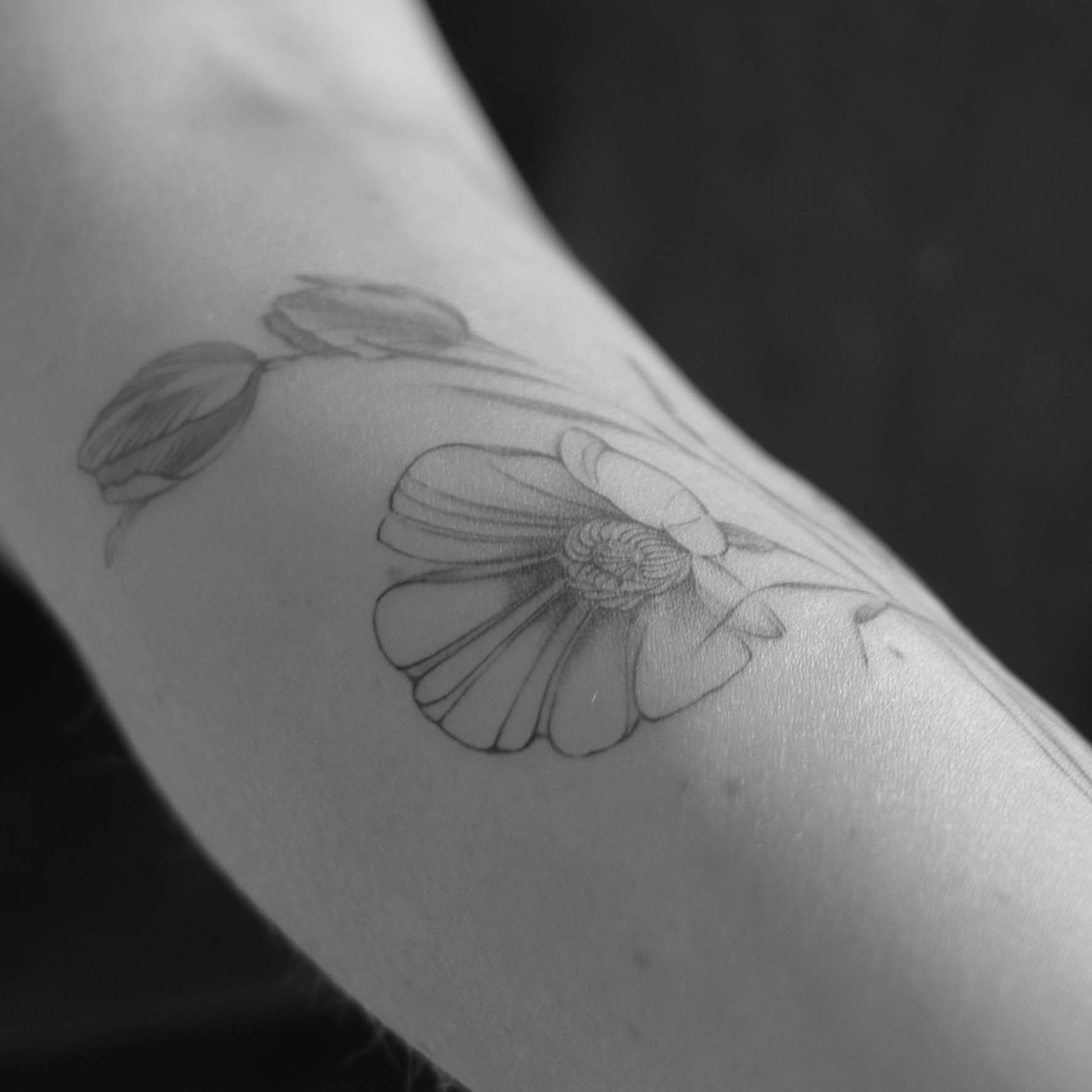
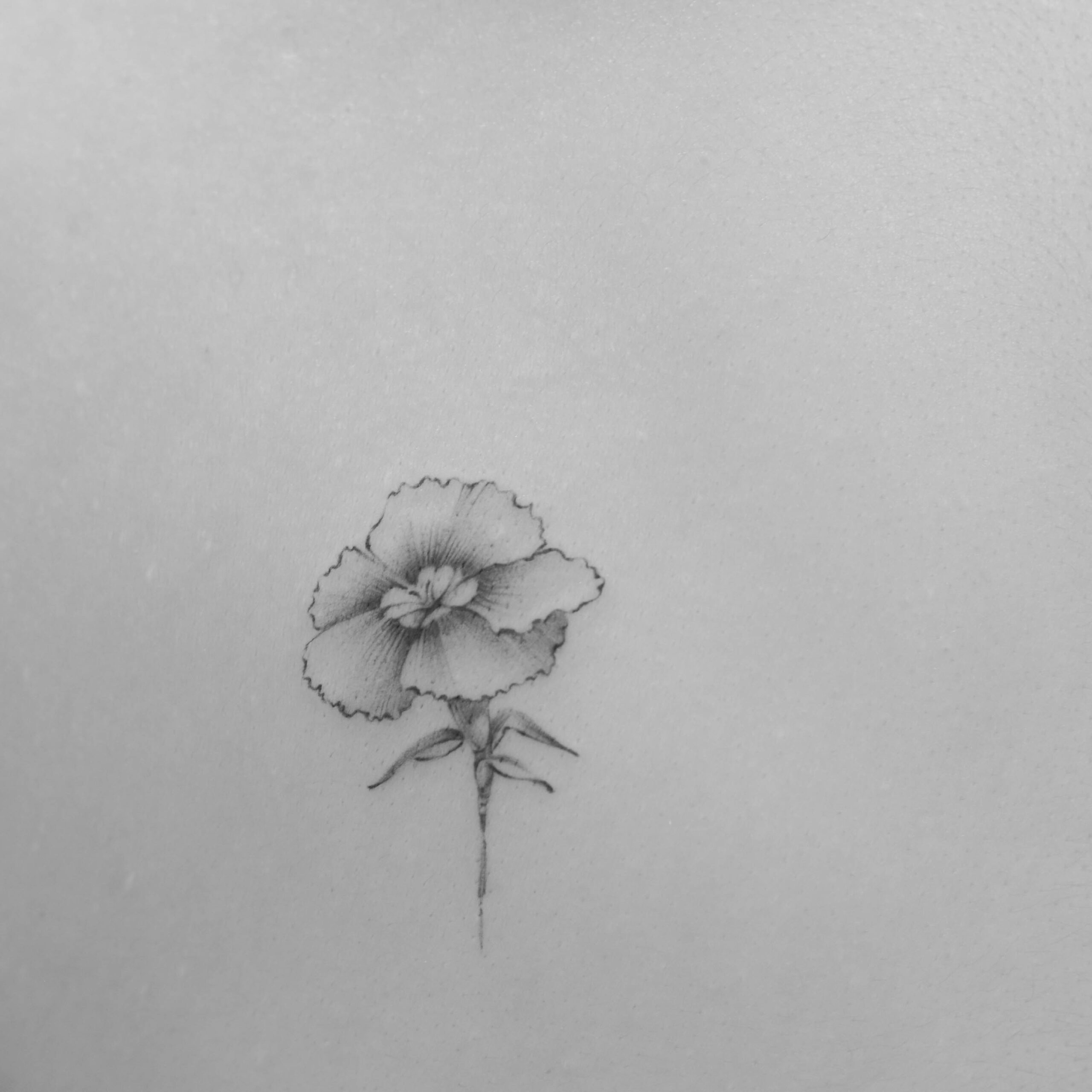
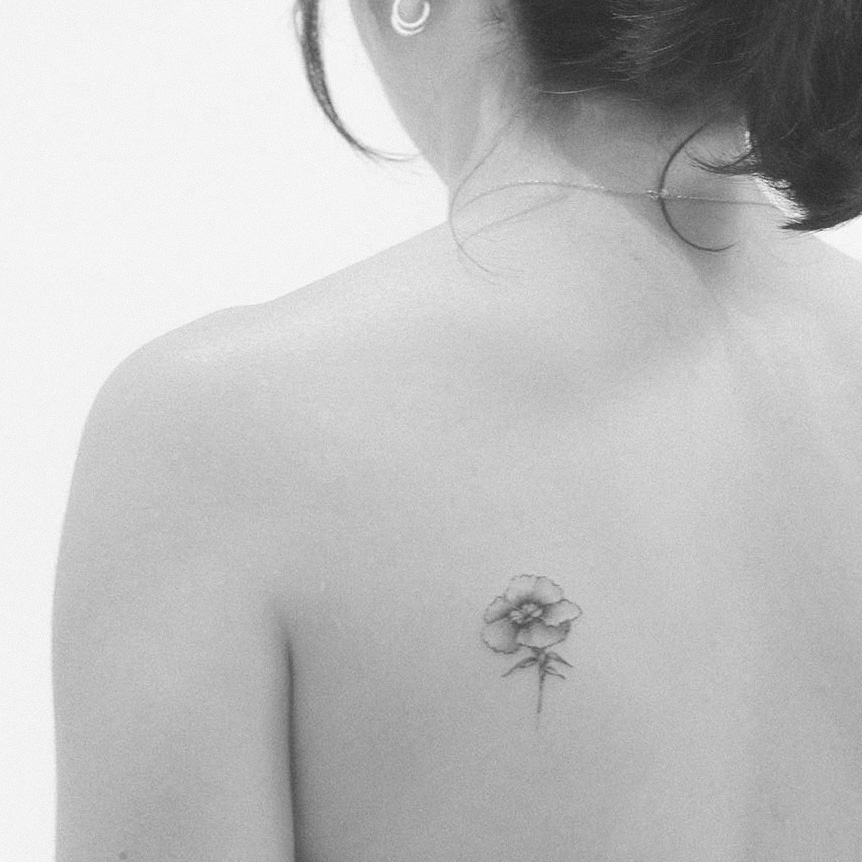
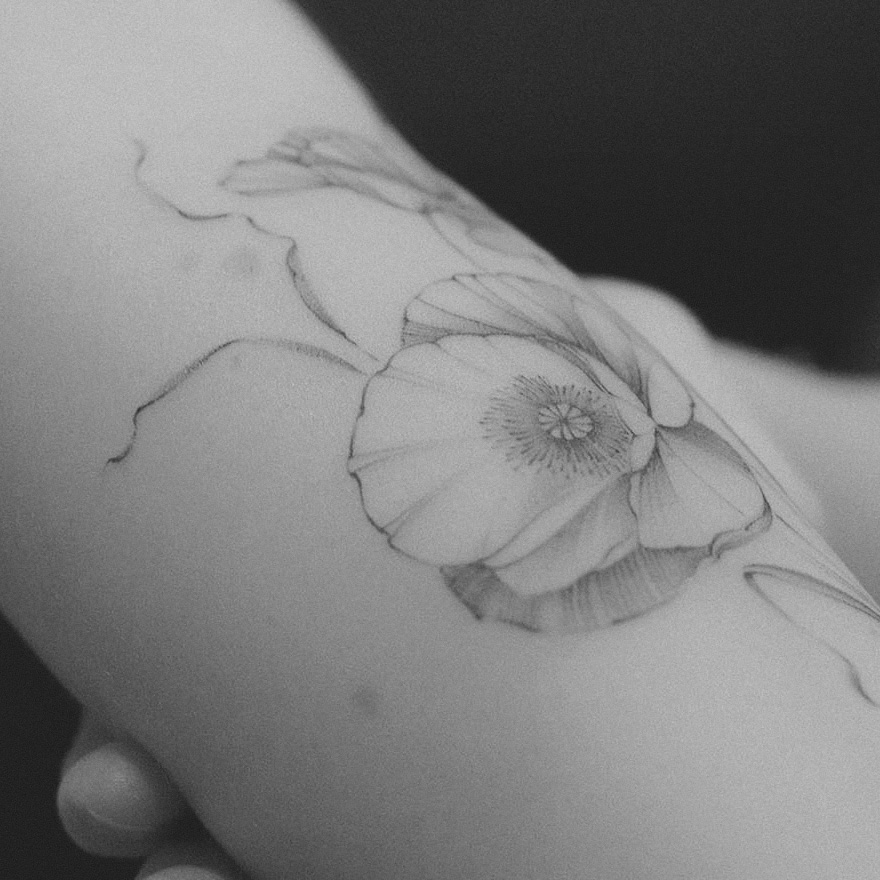
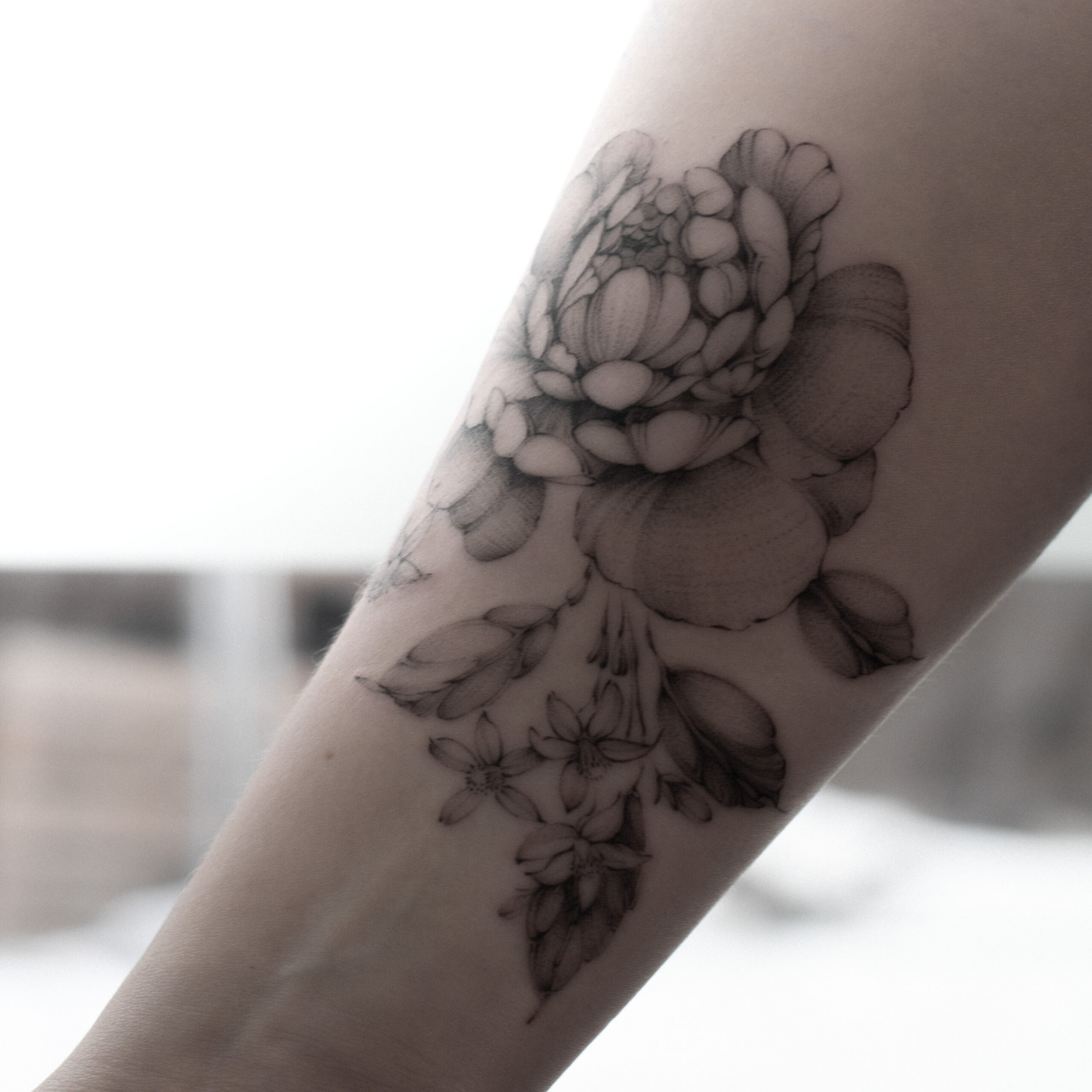
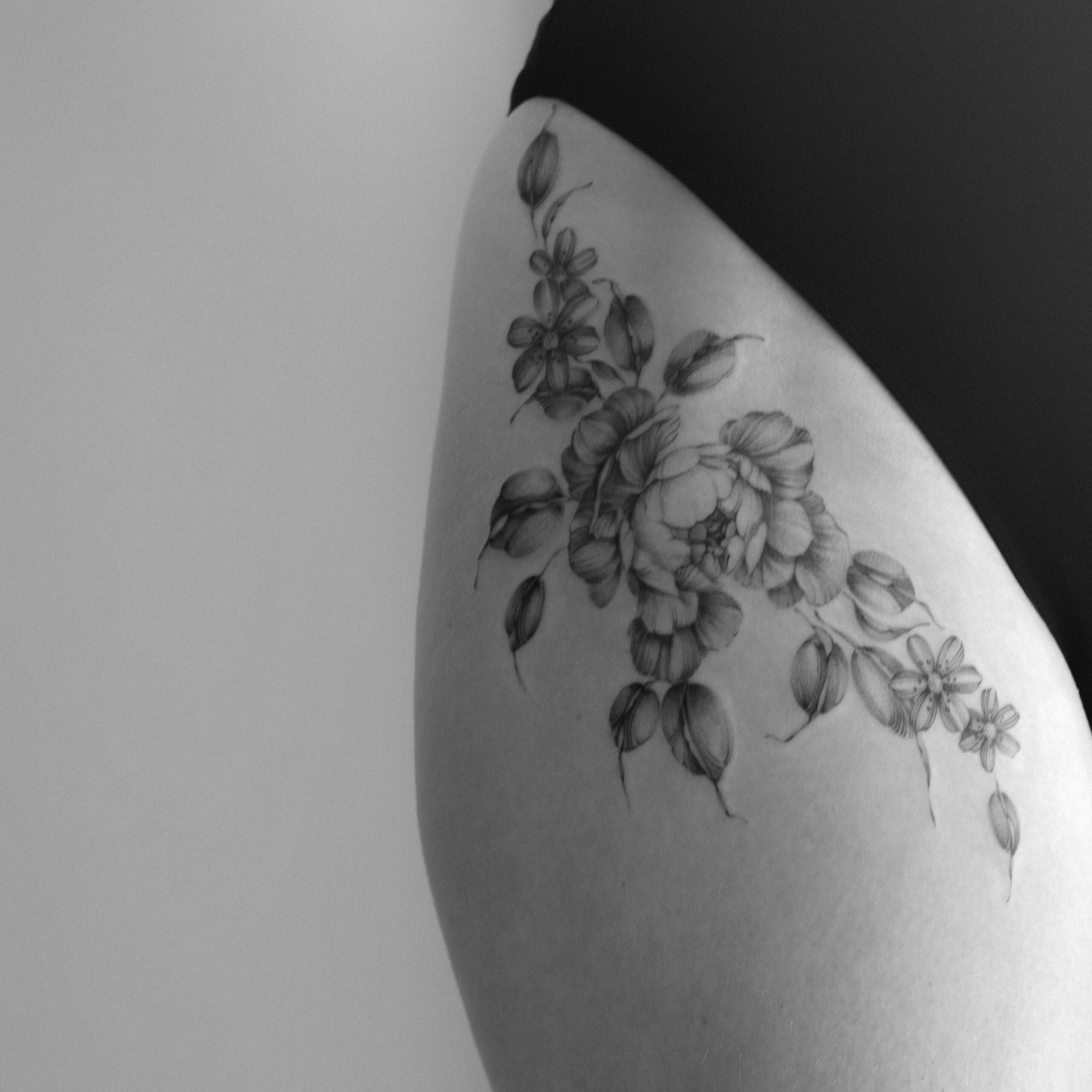
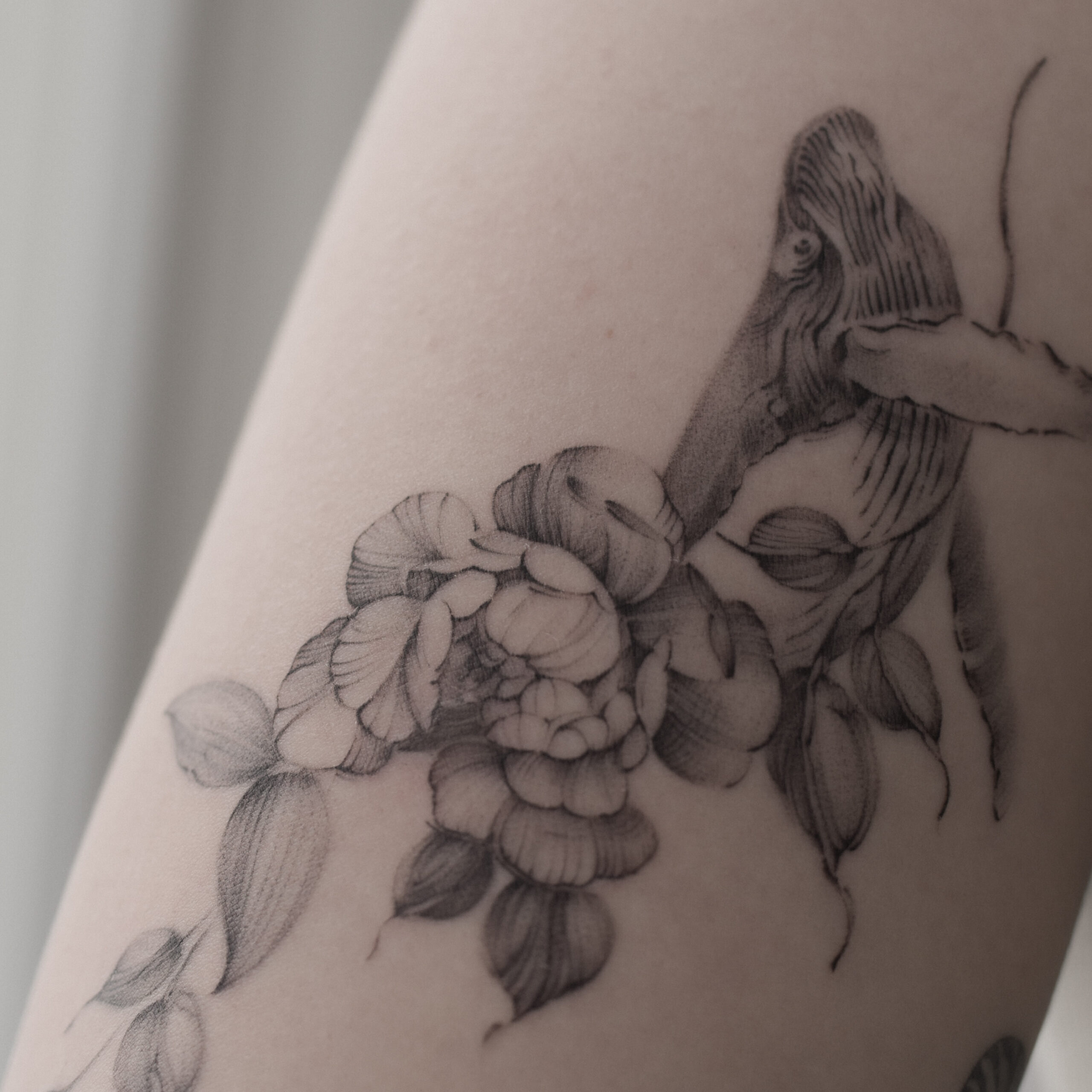
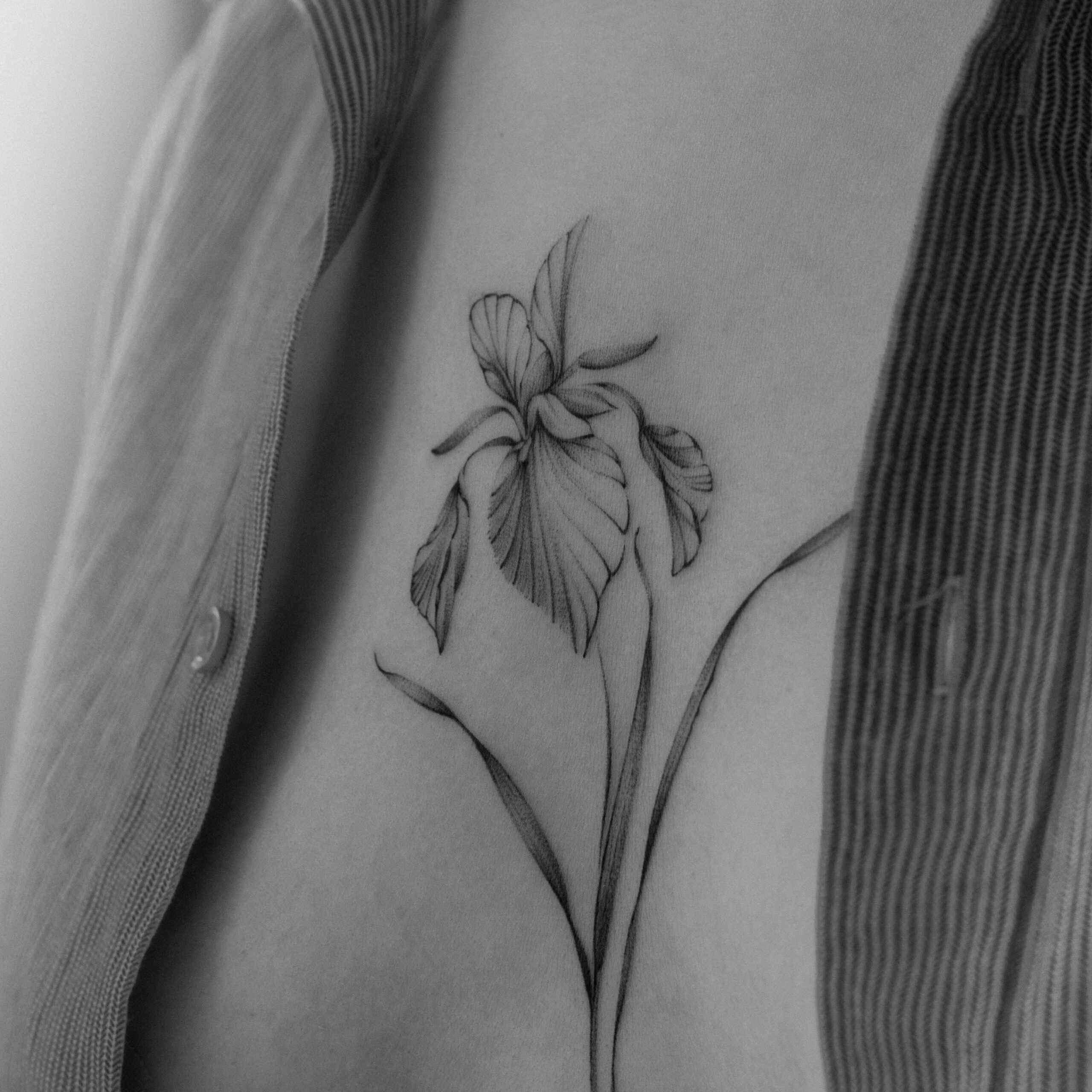
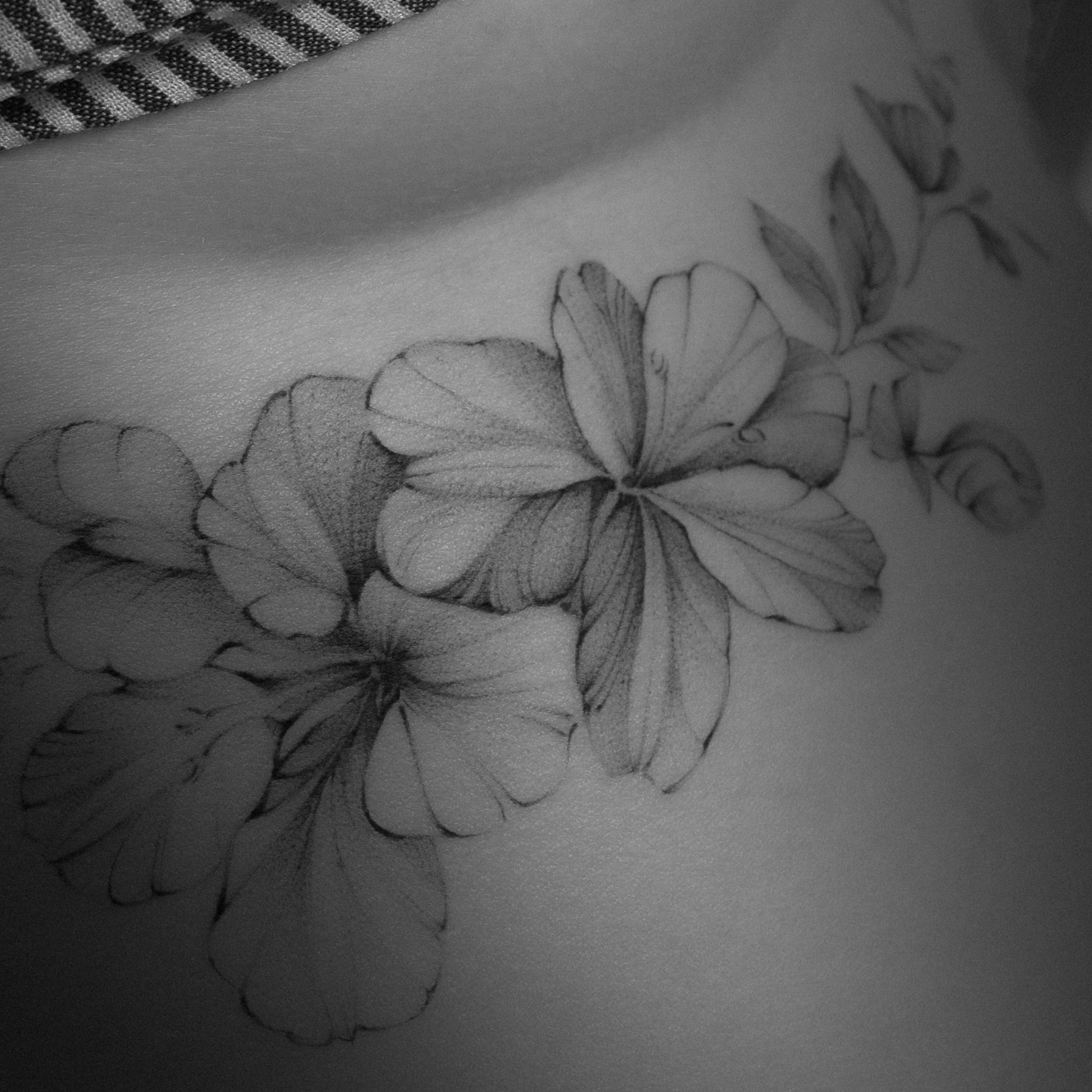
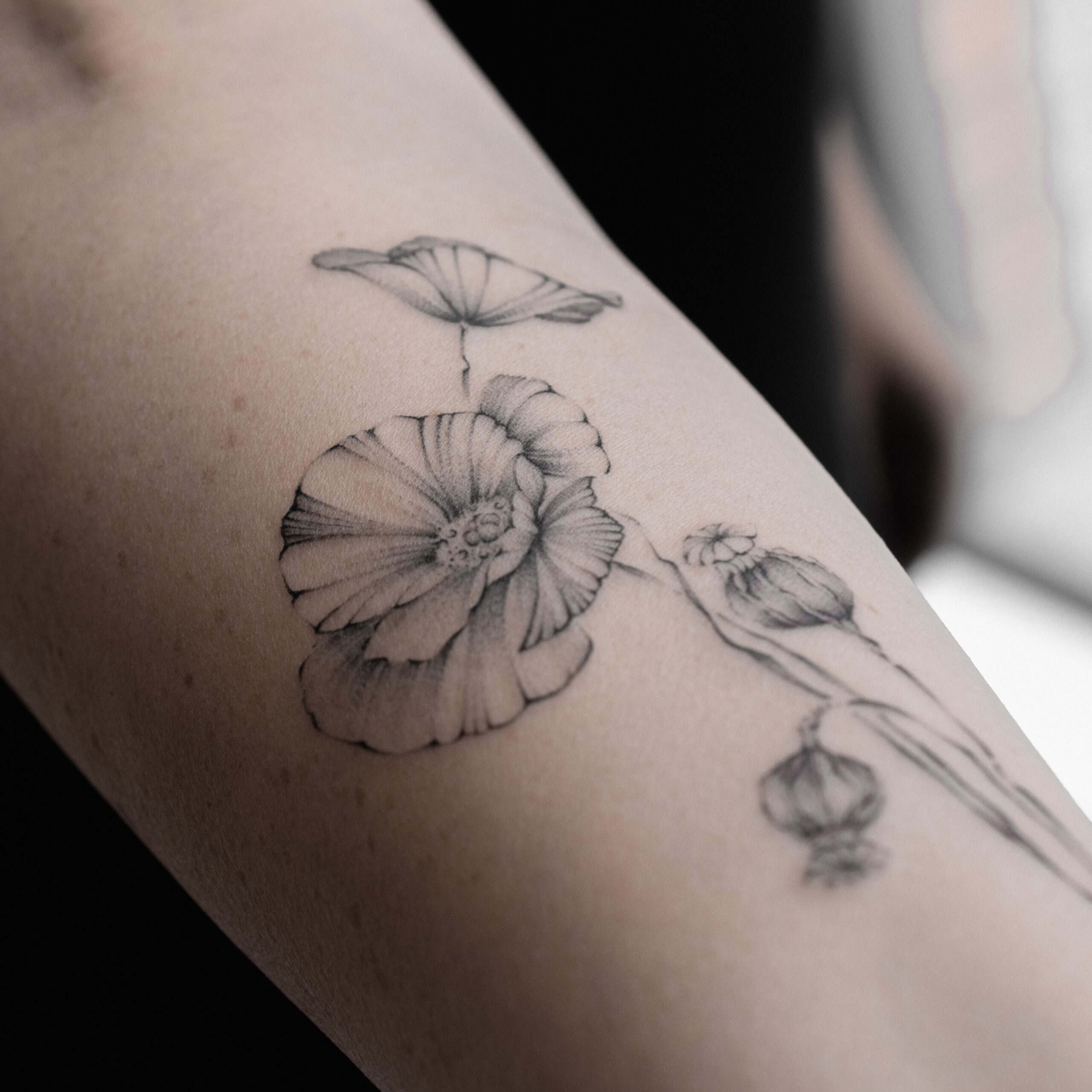
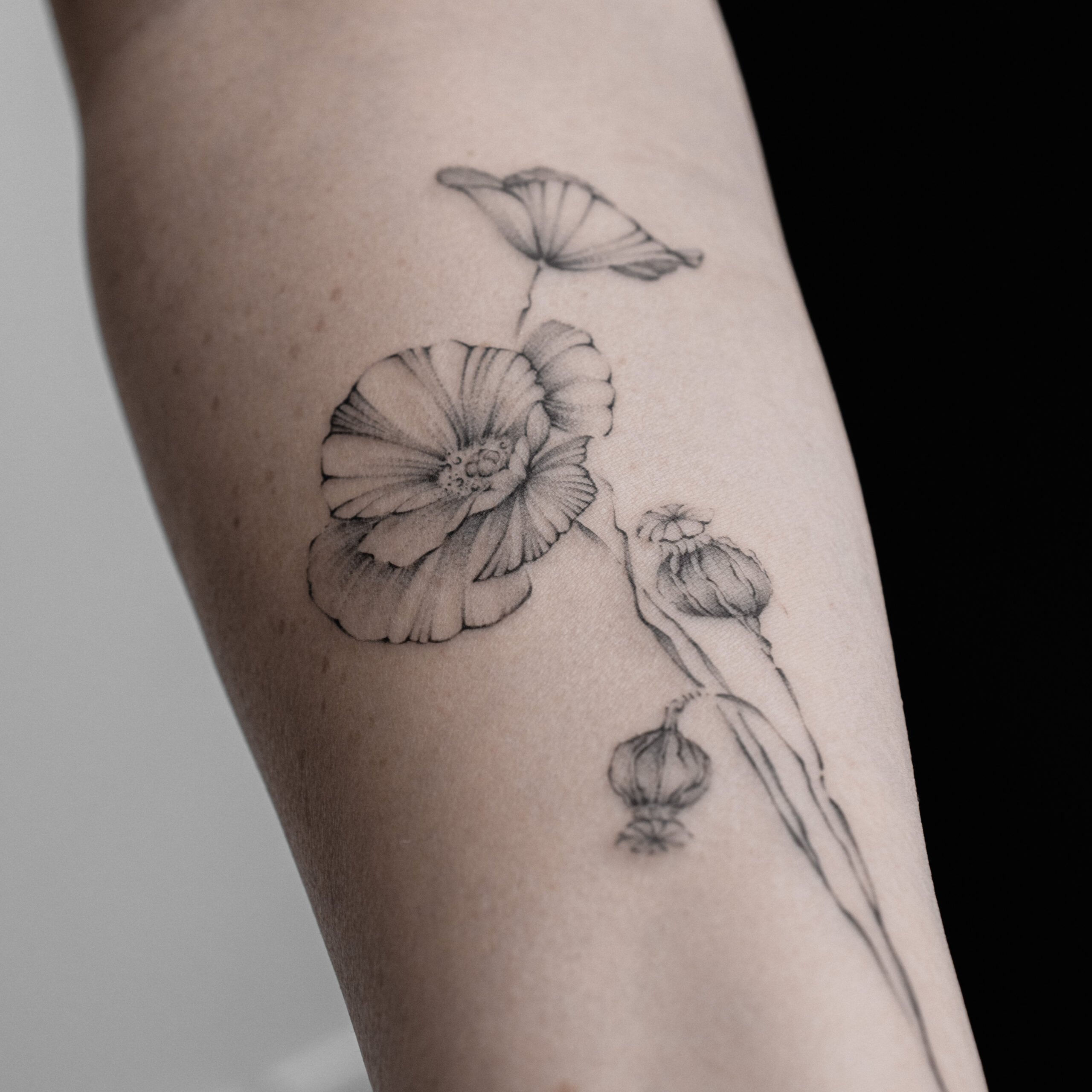
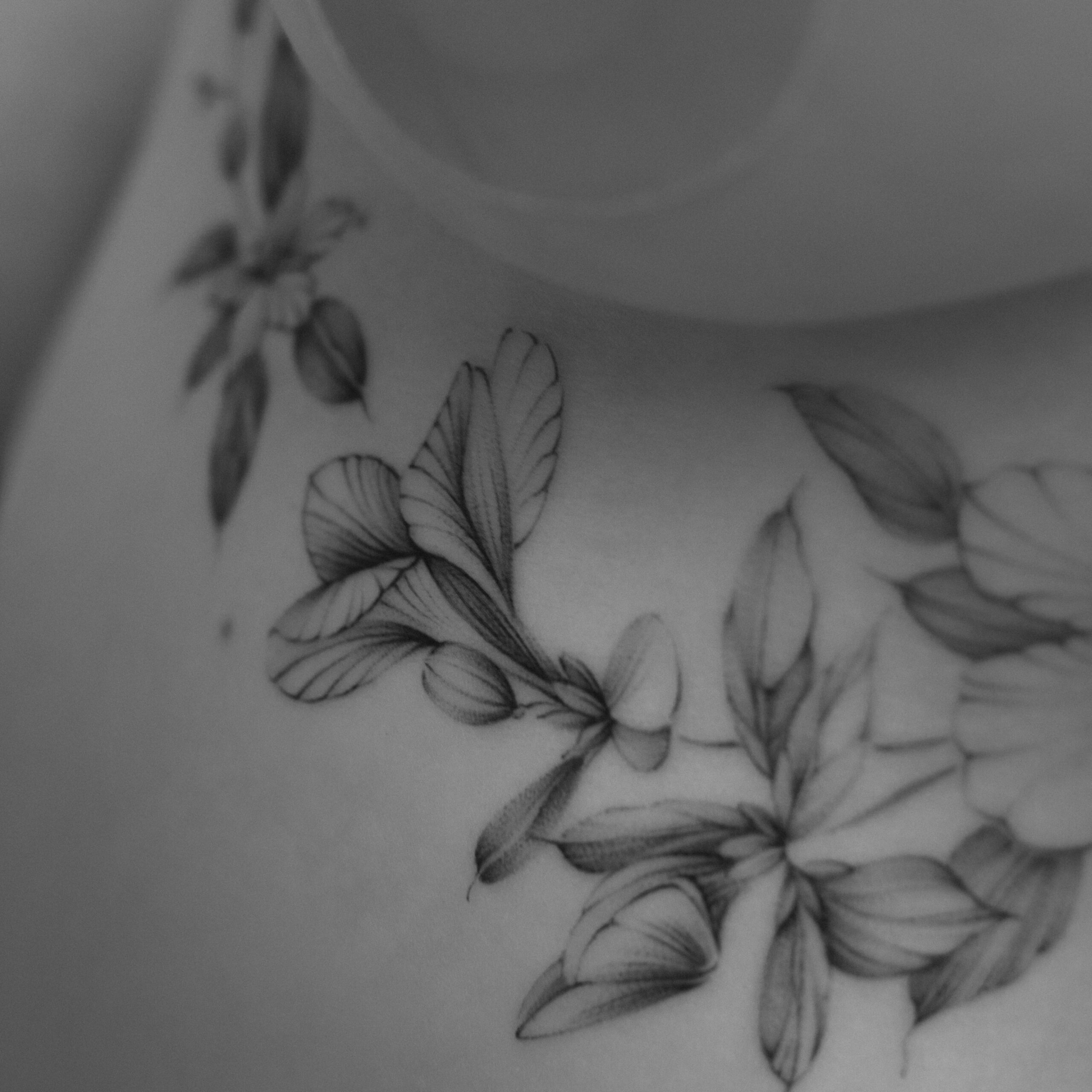
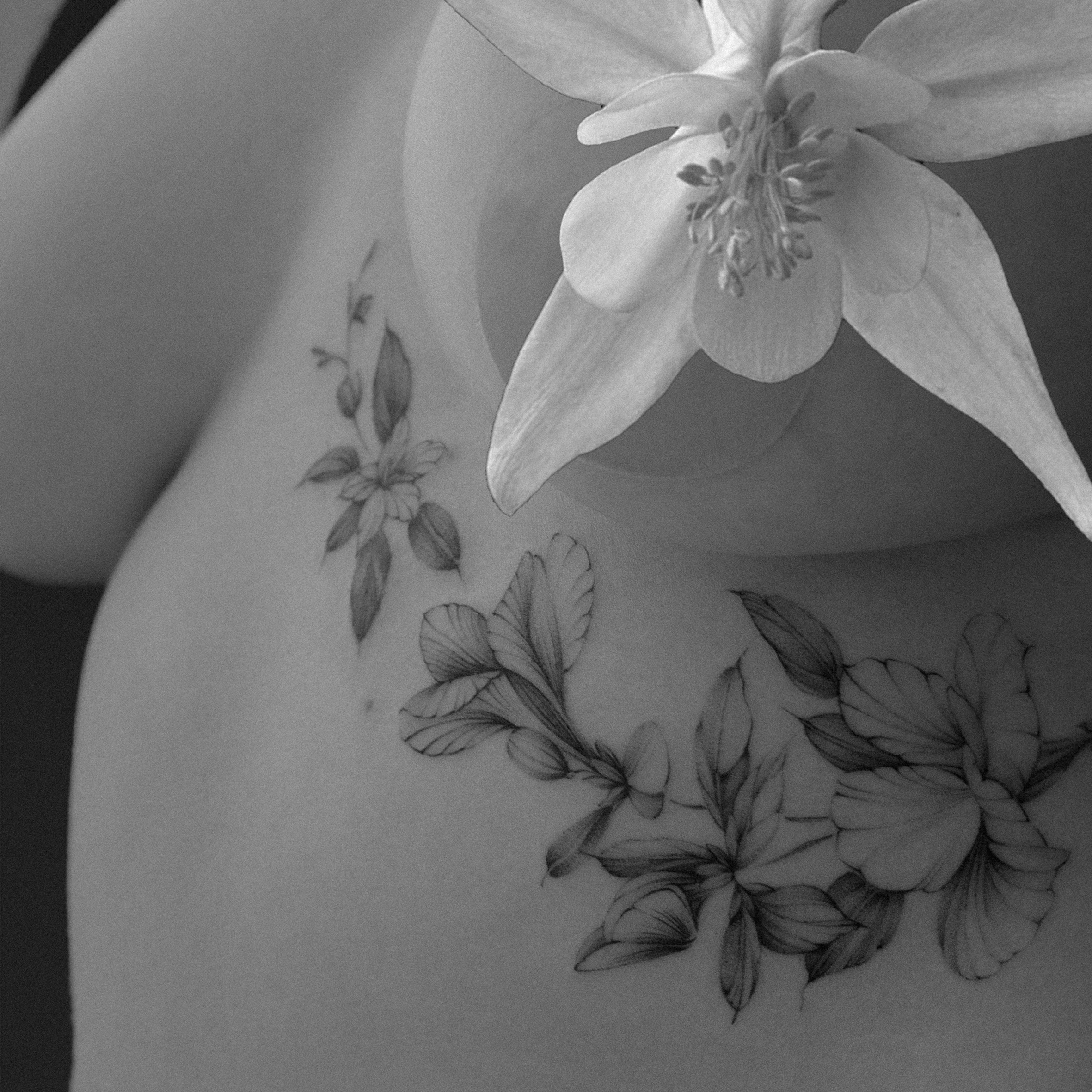
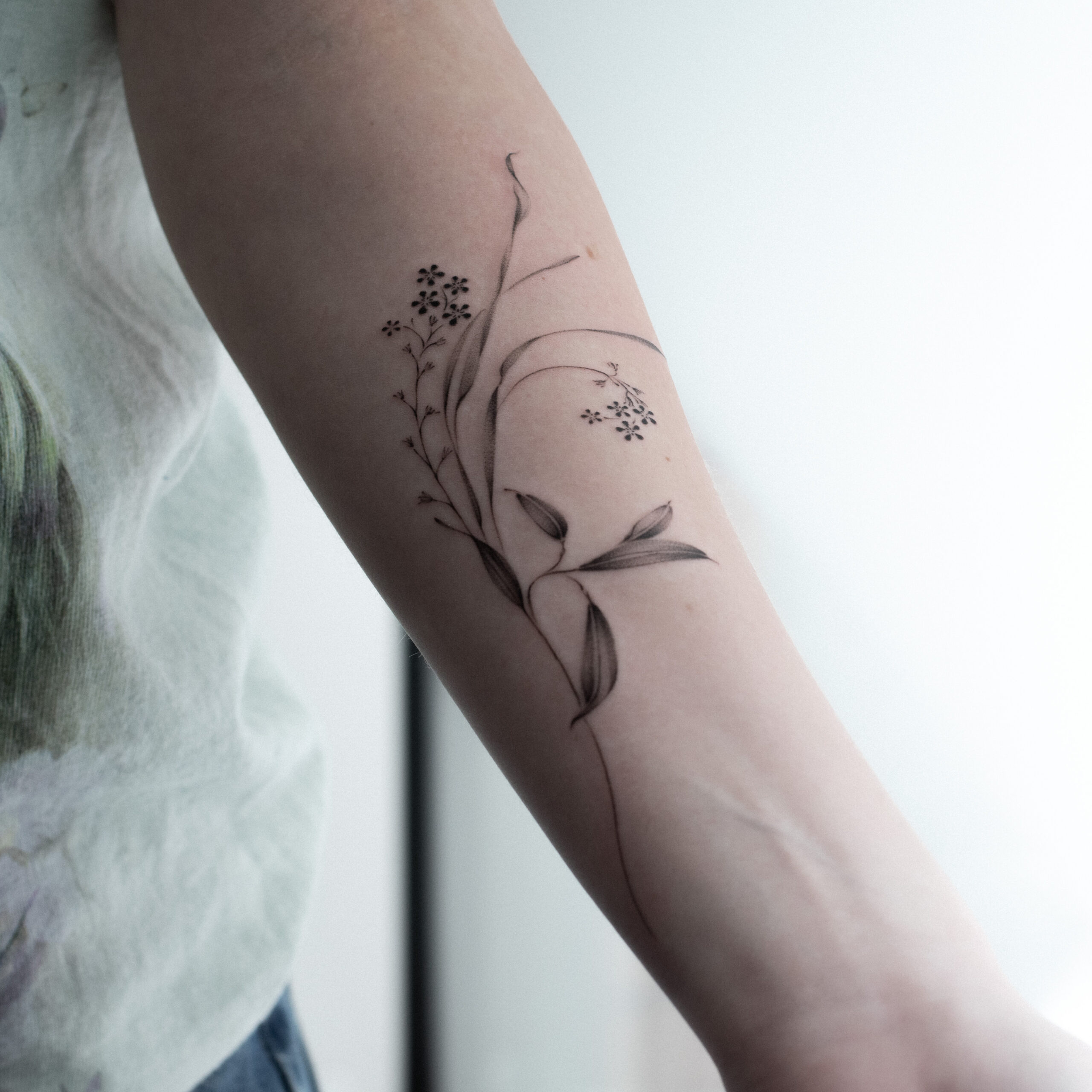
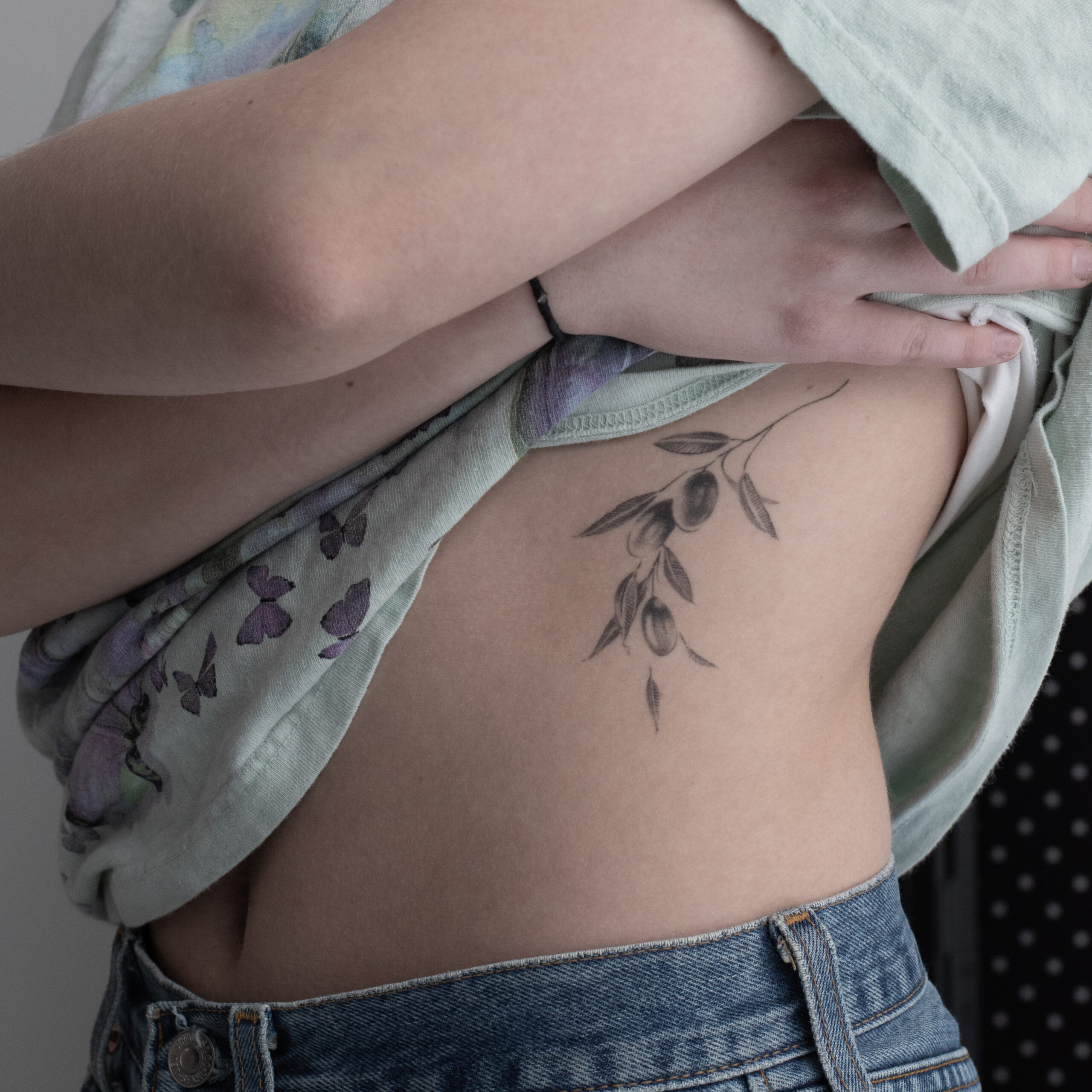
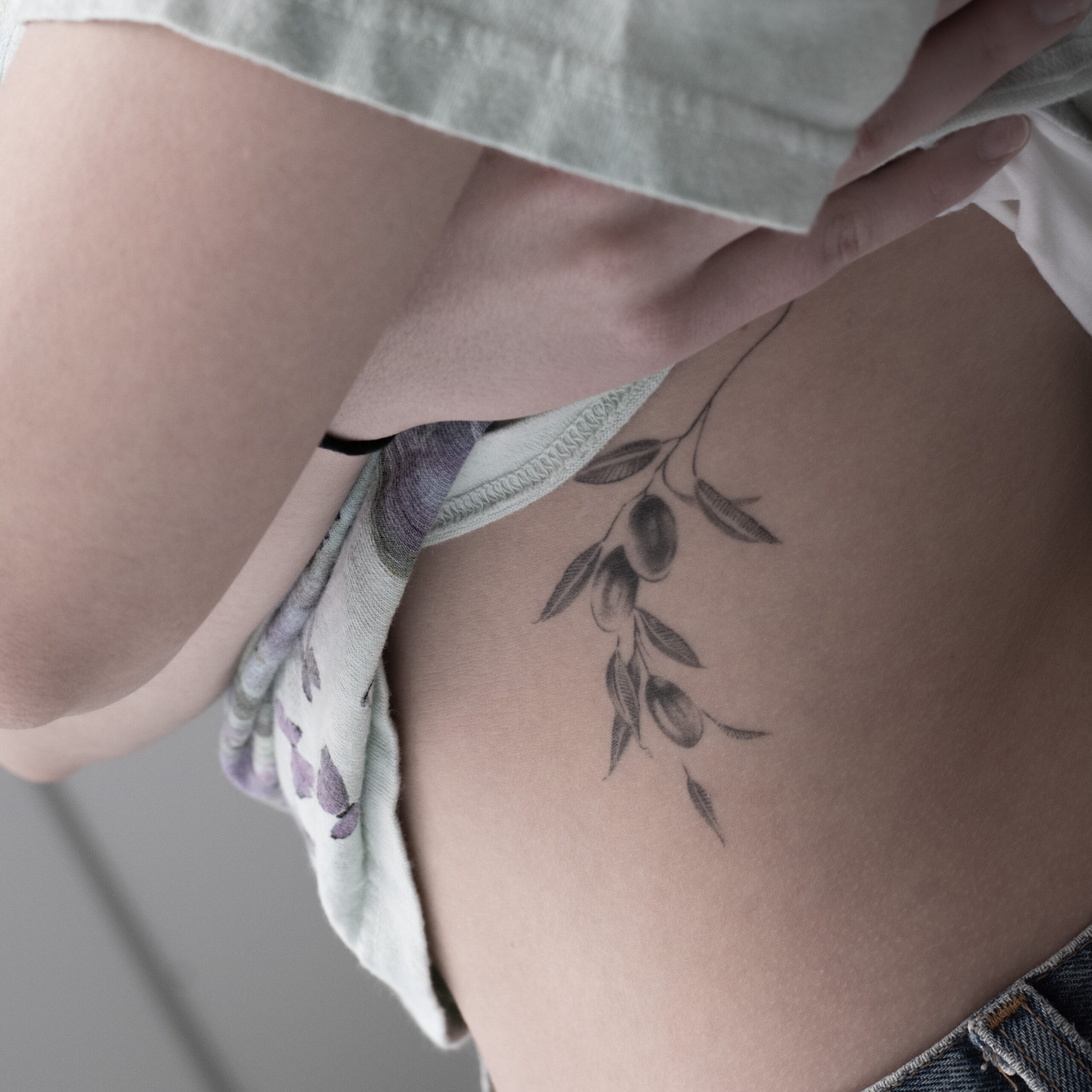
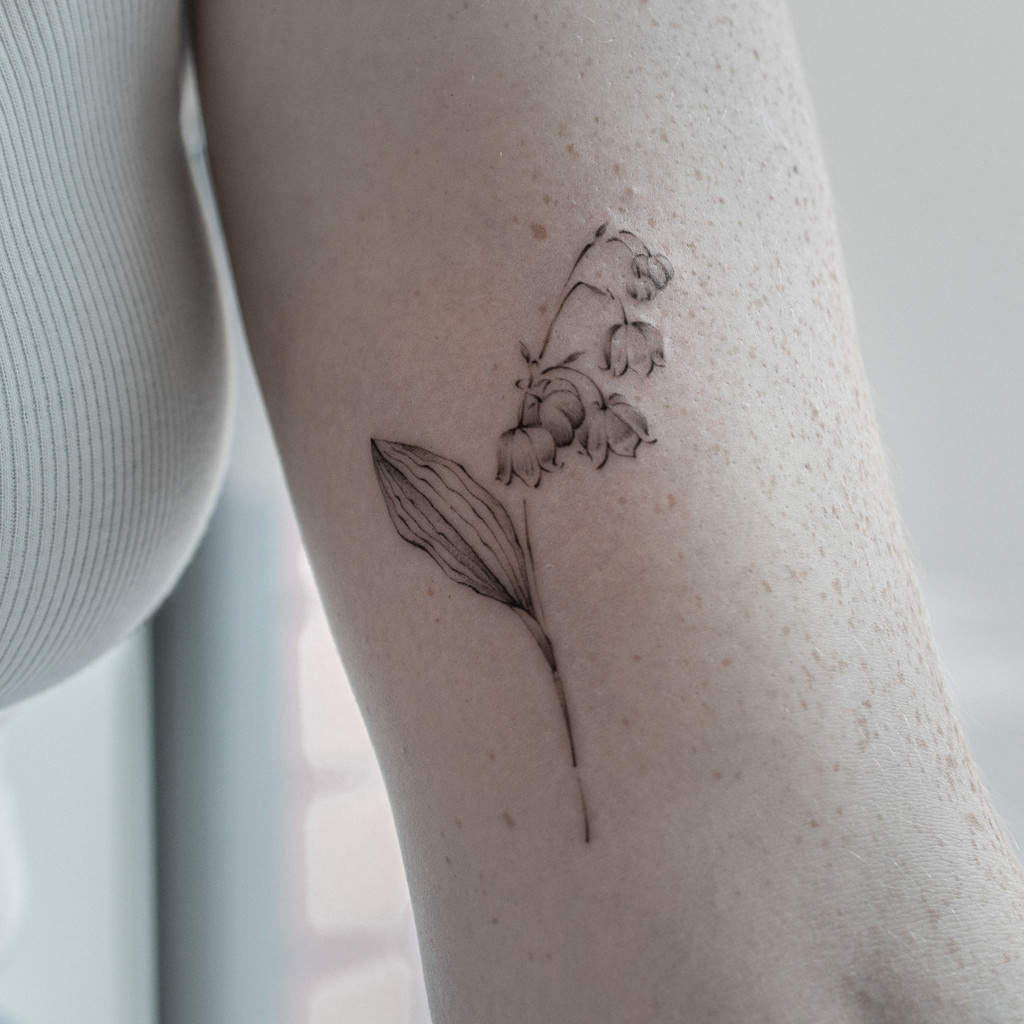
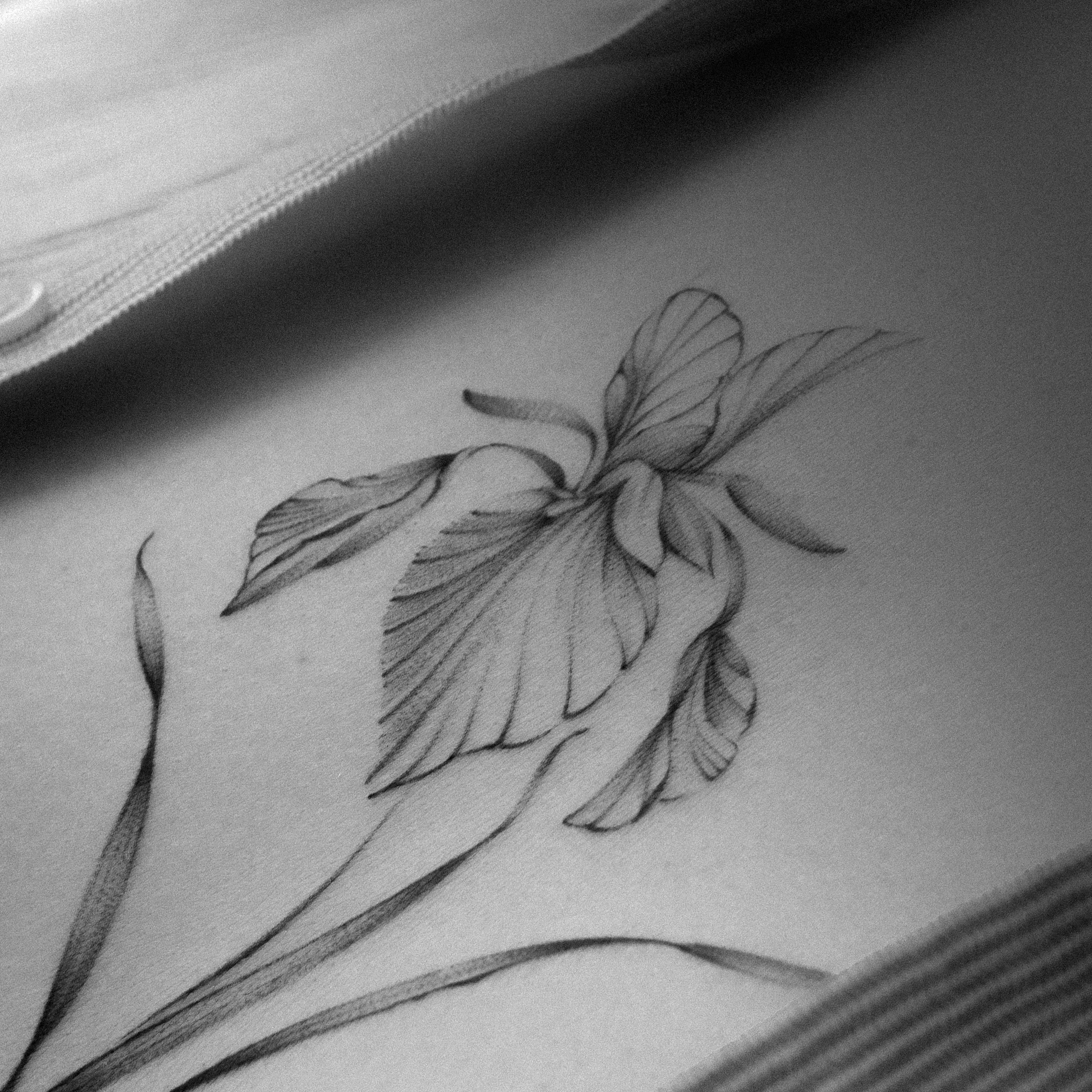
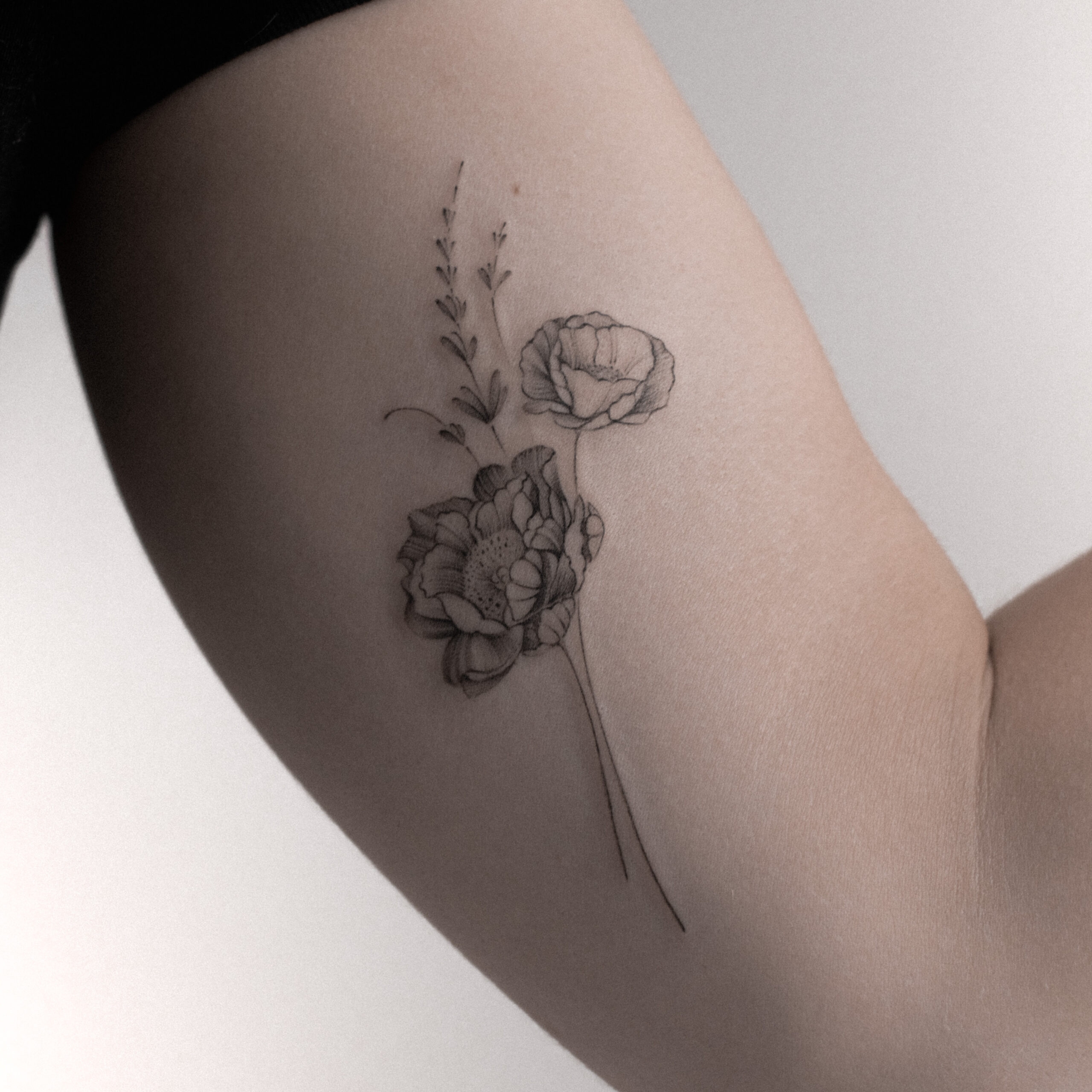
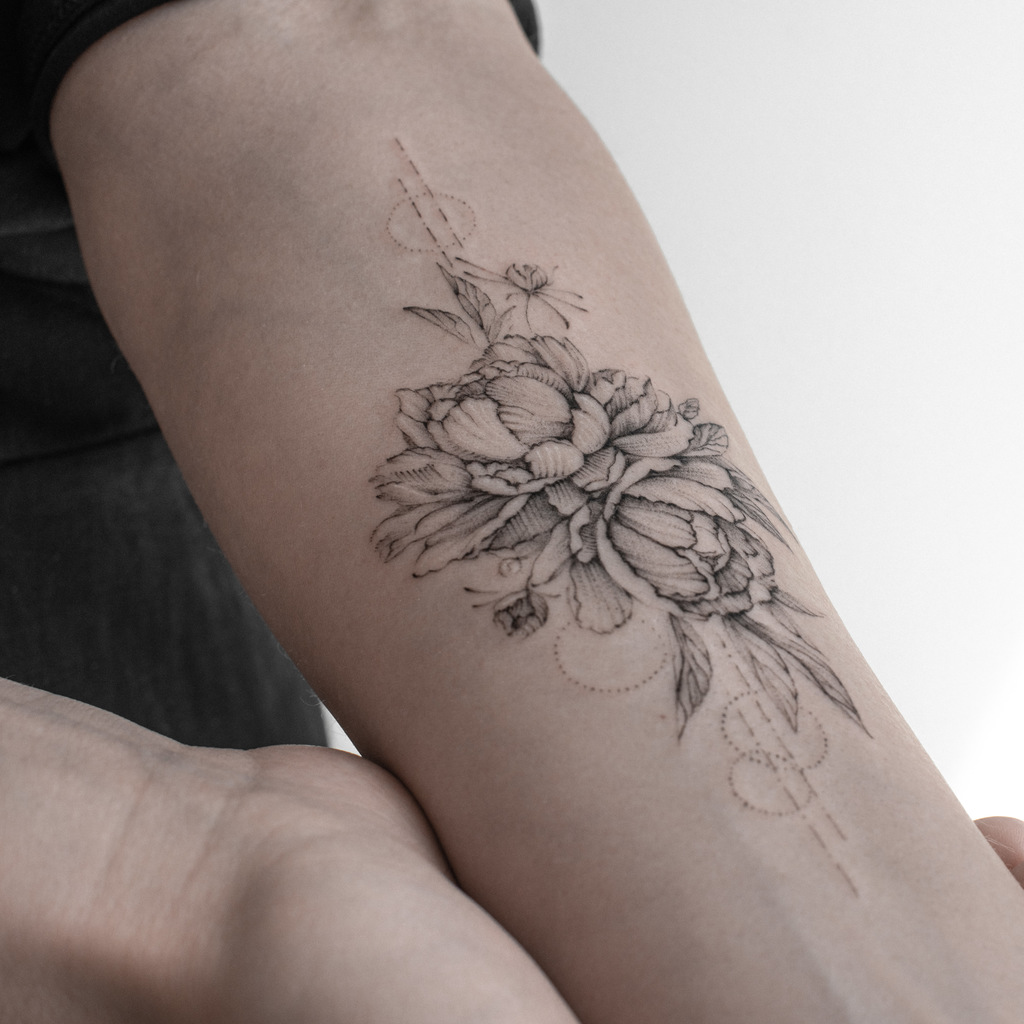
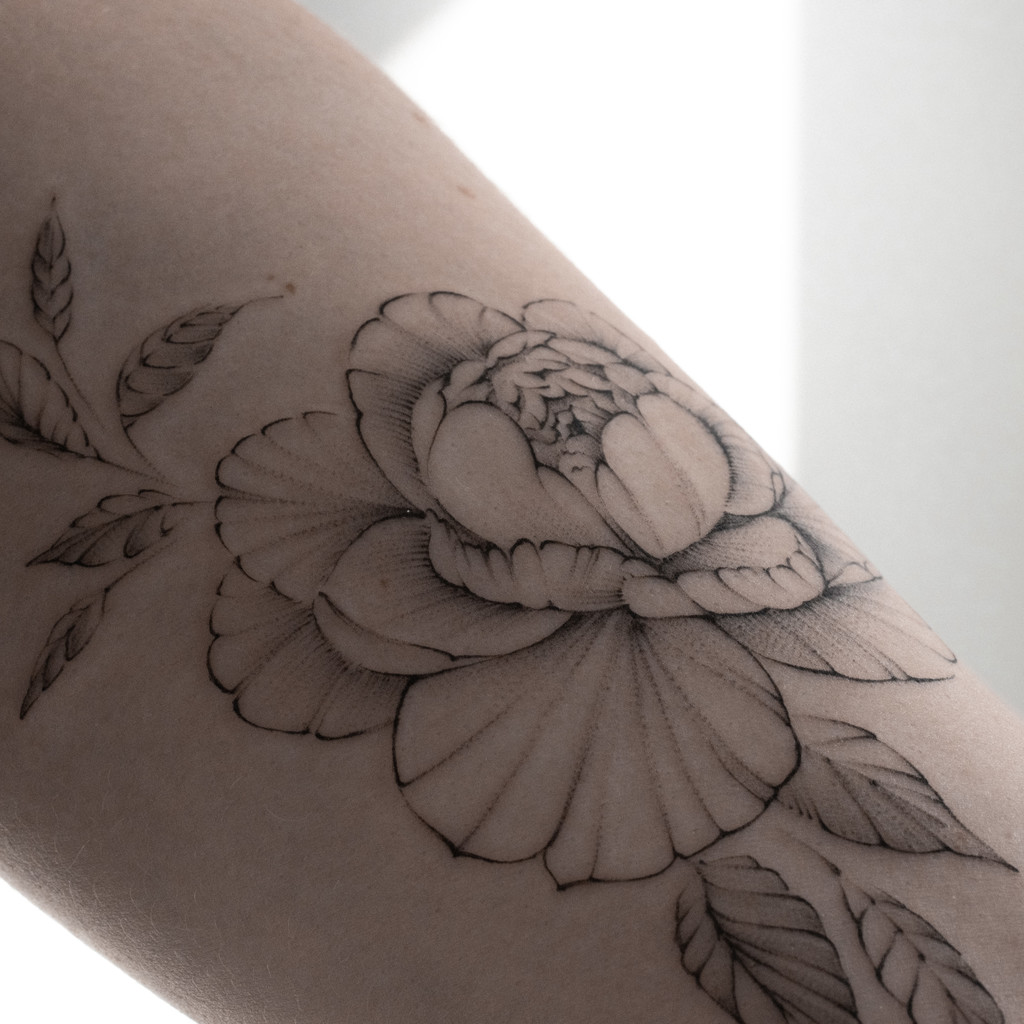
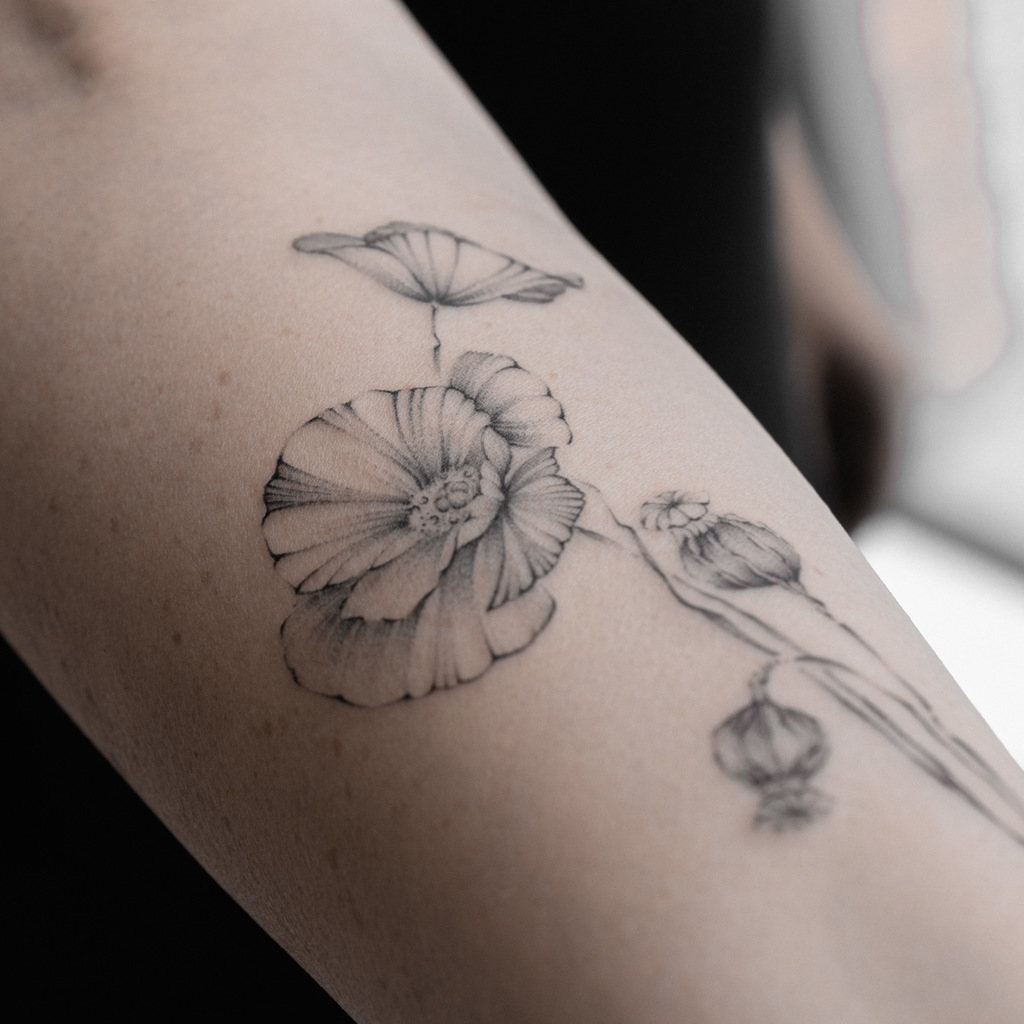
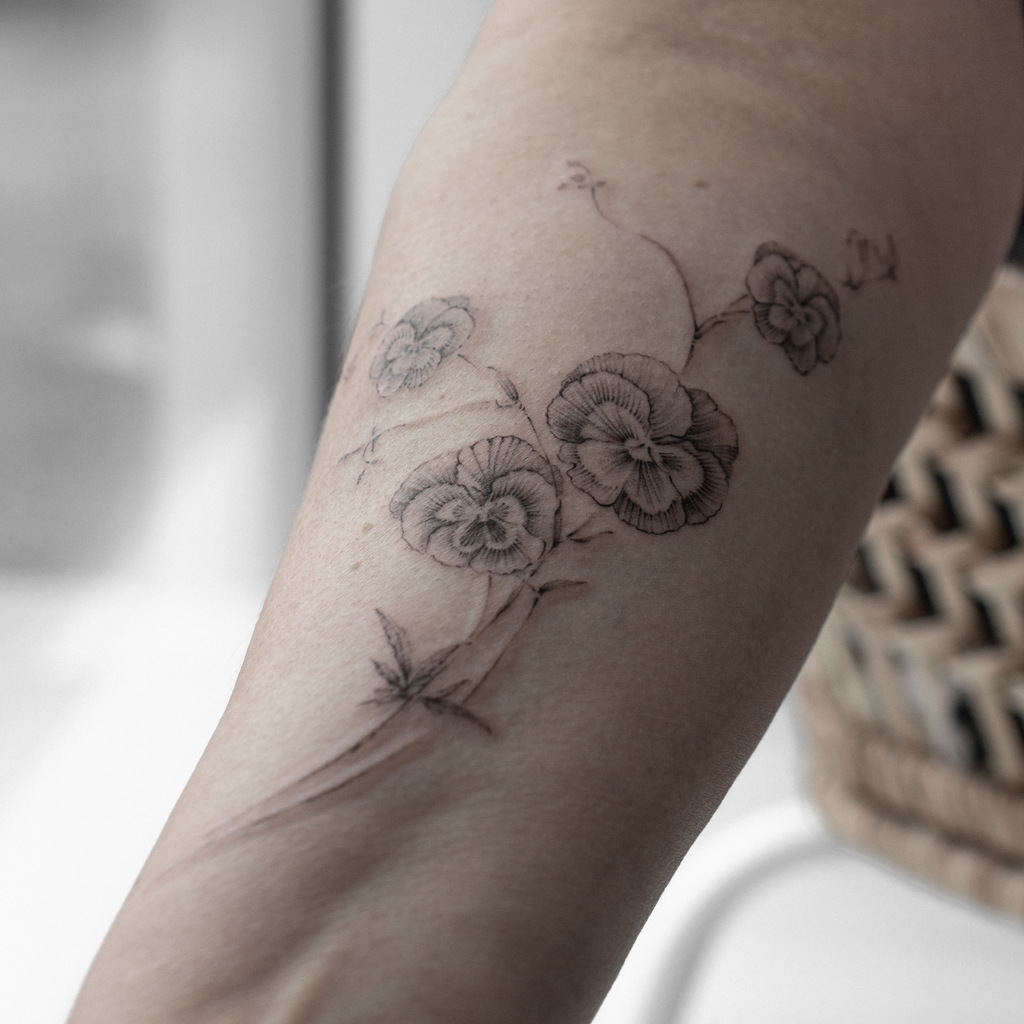
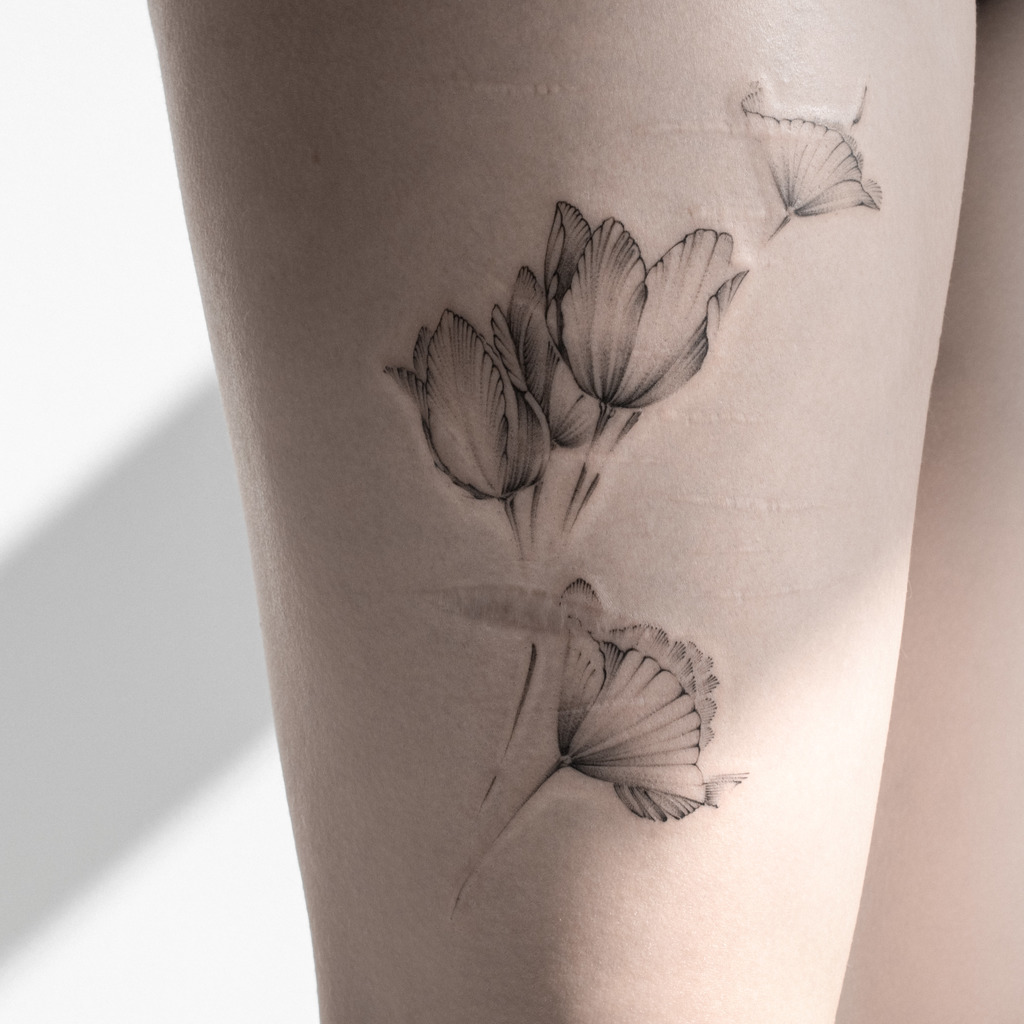
We specialize in fine, delicate tattoo work, and through years of experience, we’ve learned that these areas present challenges that don’t always align with the results we want to offer our clients.
Tattoos can work there — but that doesn’t mean they work well for our approach.
By choosing to avoid these placements, we actually gain more creative freedom. For example, since neither Natalie nor I tattoo feet, we don’t spend time designing for those areas. That energy goes instead into projects that truly matter — both to us and to the people who choose to work with our studio.
A Conscious Evolution of Our Studio
This policy wasn’t created overnight.
From the very beginning, Natalie and I avoided most of these placements. Recently, we added ankles and wrists to the list as part of a natural evolution of our work.
We stand by every tattoo we’ve done in the past — and we love them. This change doesn’t erase our history; it represents a new chapter at Vadelma.
And you are more than welcome to be part of it.
High Visibility and Long-Term Responsibility
Another important pattern in this list is visibility.
Many of the placements we don’t tattoo — hands, face, neck — are extremely difficult or impossible to hide. While tattoos are widely accepted today, certain placements can still cause limitations in schools, universities, or professional environments.
Let’s be honest: a tattoo on the forehead still shocks people.
While it may be suitable for some professions — artists, designers, musicians — it’s not something everyone can fully anticipate at a young age. A 17-year-old getting a text tattoo above the eyebrow cannot realistically know how it might affect their future once the “youth rebellion” phase passes.
At Vadelma, we don’t want to be part of decisions that could limit someone’s long-term freedom.
Sometimes, waiting is the wiser choice.
Trends vs Identity in Tattooing
Is it a coincidence that certain tattoos suddenly explode in popularity right after a global celebrity gets one?
When Hailey Bieber did her finger tattoo, requests for similar designs skyrocketed.
The same happened with Ariana Grande’s hand tattoos — placements that were once niche suddenly became mainstream.
I’m grateful for what celebrities like David Beckham did for tattoo culture. He helped normalize tattoos globally. But popularity alone shouldn’t be the deciding factor.
Tattoos are one of the most powerful tools for self-expression — not imitation.
If Natalie and I only followed trends, we’d quickly forget who we are and what kind of art we want to give people.
The number of likes under a post is not a reliable criterion for choosing a lifelong tattoo.
Final Thoughts
That’s it for today.
I hope this blog gives you a clearer understanding of what drives the philosophy behind Vadelma Tattoo. Our rules aren’t limitations — they’re intentional choices that protect both our art and our clients.
If you’d like to explore projects that align with our approach, visit our available tattoo projects or reach out through our contact page.
Thank you for reading, listening, and supporting.
Have a good day — and have fun.
Why We Don’t Tattoo Certain Placements at Vadelma Tattoo
FAQ #28 Explained
Welcome! My name is Simon Vadelma — I’m a tattoo artist and co-owner of Vadelma Tattoo in Amsterdam.
In today’s blog, I’m answering FAQ number 28 from our website:
“Do you make finger, palm, or neck tattoos?”
The short answer is no.
But as with most things at Vadelma, there’s thoughtful reasoning behind that decision — and the list of placements we don’t tattoo is actually longer.
In this article, I’ll explain why we choose to work this way, what placements we avoid, and what values guide these decisions.
Supporting Art Beyond Tattoos
You’re listening.
You’re watching.
But are you supporting?
Please visit our Vadelma Art Print Store, where you’ll find Natalie’s original artwork — limited edition, museum-quality art prints. One size only, by design, just like real paintings.
Placements We Don’t Tattoo at Vadelma
Here is the full list of body placements we currently do not tattoo at Vadelma Tattoo:
-
Fingers
-
Hands and palms
-
Wrist (especially watch or bracelet area)
-
Elbows
-
Armpits
-
Knees
-
Feet
-
Under the ankle
-
Ankles (all around)
-
Heels
-
Neck
-
Ears
-
Lips
-
Face
-
Head
-
Intimate areas
This policy applies equally to all clients and is specific to our studio.
Skin Specifics and Our Tattoo Style
Skin behaves very differently depending on placement — and that matters greatly for the style of tattooing we create at Vadelma.
Areas such as the hands, fingers, wrists, face, ankles, and elbows often have:
-
thinner or more sensitive skin
-
constant exposure to sunlight
-
high friction in everyday life
-
more movement and stretching
All of this affects how a tattoo heals and how it ages over time. These placements also require significantly more aftercare attention, and even then, they often demand frequent touch-ups.
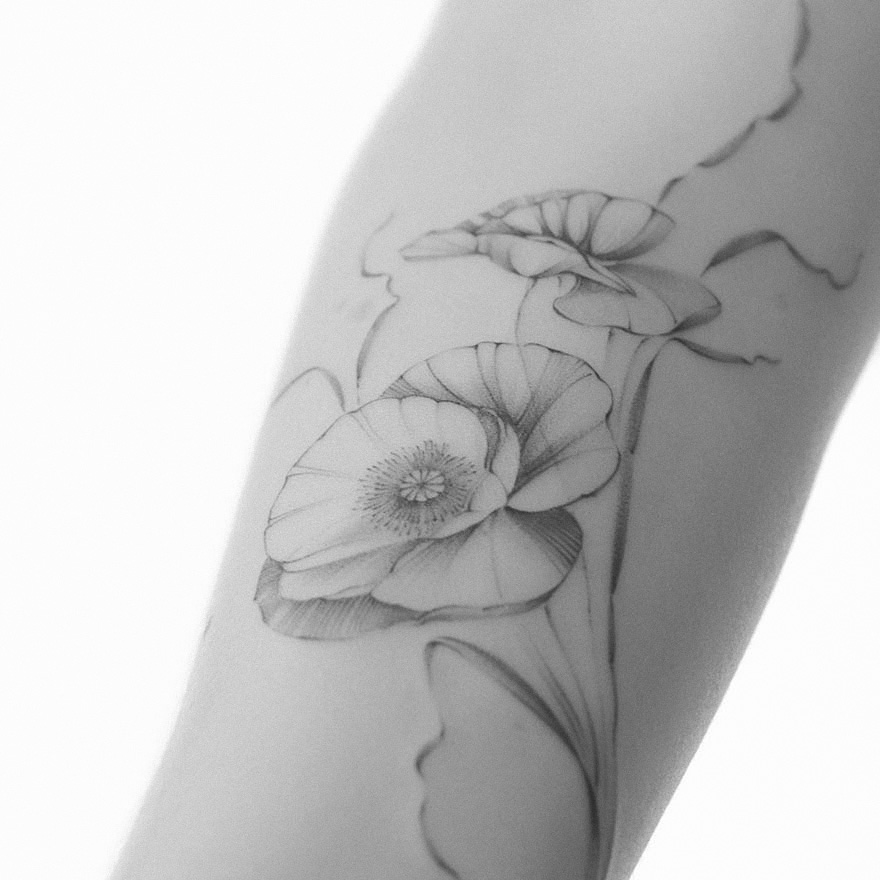
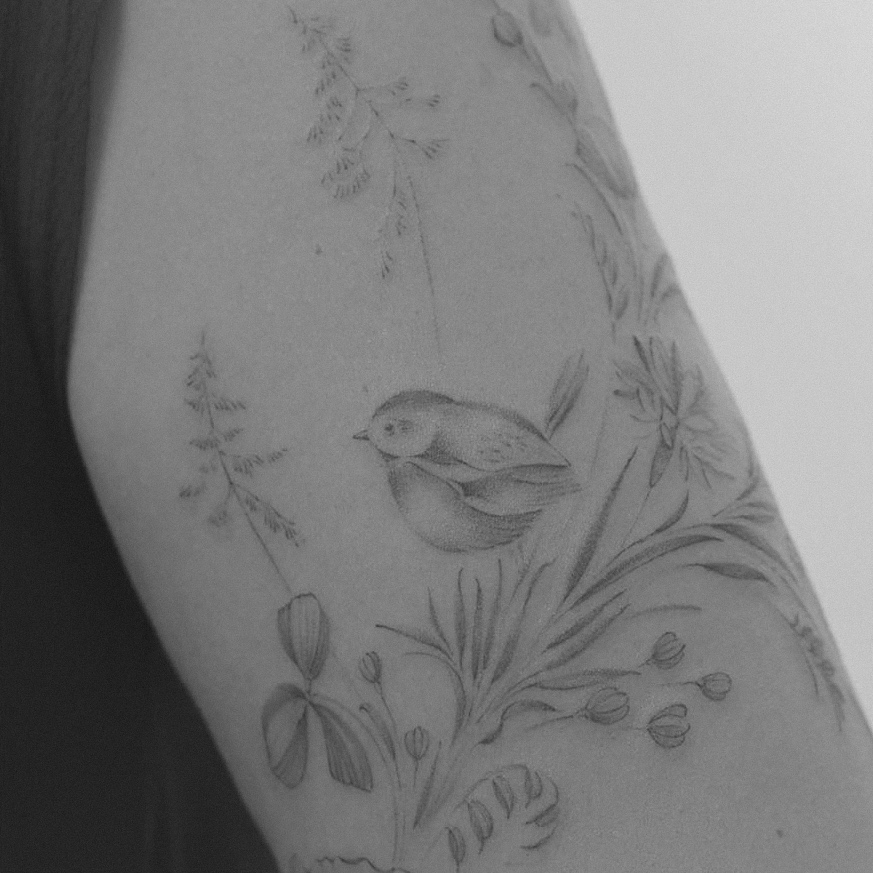
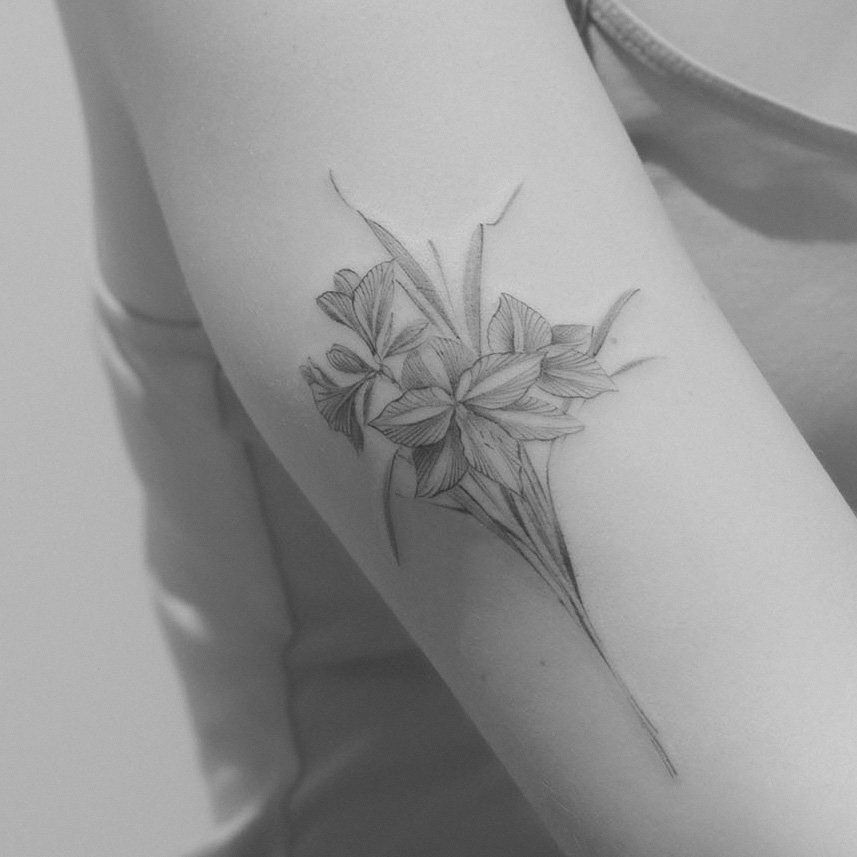
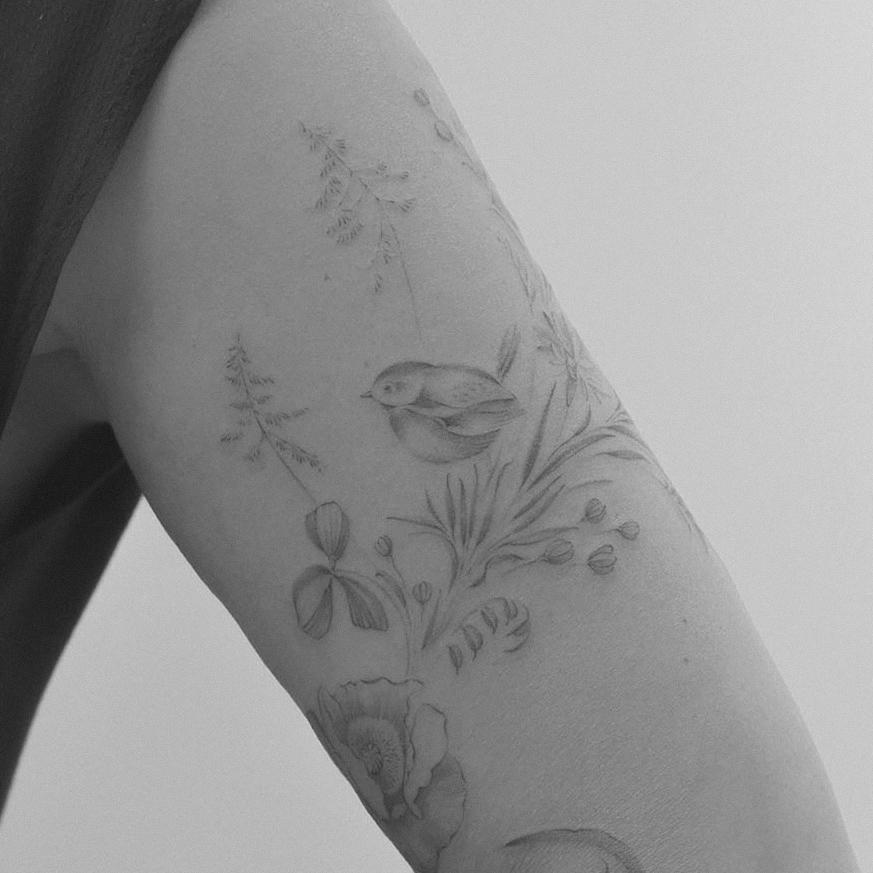
We specialize in fine, delicate tattoo work, and through years of experience, we’ve learned that these areas present challenges that don’t always align with the results we want to offer our clients.
Tattoos can work there — but that doesn’t mean they work well for our approach.
By choosing to avoid these placements, we actually gain more creative freedom. For example, since neither Natalie nor I tattoo feet, we don’t spend time designing for those areas. That energy goes instead into projects that truly matter — both to us and to the people who choose to work with our studio.
A Conscious Evolution of Our Studio
This policy wasn’t created overnight.
From the very beginning, Natalie and I avoided most of these placements. Recently, we added ankles and wrists to the list as part of a natural evolution of our work.
We stand by every tattoo we’ve done in the past — and we love them. This change doesn’t erase our history; it represents a new chapter at Vadelma.
And you are more than welcome to be part of it.
High Visibility and Long-Term Responsibility
Another important pattern in this list is visibility.
Many of the placements we don’t tattoo — hands, face, neck — are extremely difficult or impossible to hide. While tattoos are widely accepted today, certain placements can still cause limitations in schools, universities, or professional environments.
Let’s be honest: a tattoo on the forehead still shocks people.
While it may be suitable for some professions — artists, designers, musicians — it’s not something everyone can fully anticipate at a young age. A 17-year-old getting a text tattoo above the eyebrow cannot realistically know how it might affect their future once the “youth rebellion” phase passes.
At Vadelma, we don’t want to be part of decisions that could limit someone’s long-term freedom.
Sometimes, waiting is the wiser choice.
Trends vs Identity in Tattooing
Is it a coincidence that certain tattoos suddenly explode in popularity right after a global celebrity gets one?
When Hailey Bieber did her finger tattoo, requests for similar designs skyrocketed.
The same happened with Ariana Grande’s hand tattoos — placements that were once niche suddenly became mainstream.
I’m grateful for what celebrities like David Beckham did for tattoo culture. He helped normalize tattoos globally. But popularity alone shouldn’t be the deciding factor.
Tattoos are one of the most powerful tools for self-expression — not imitation.
If Natalie and I only followed trends, we’d quickly forget who we are and what kind of art we want to give people.
The number of likes under a post is not a reliable criterion for choosing a lifelong tattoo.
Final Thoughts
That’s it for today.
I hope this blog gives you a clearer understanding of what drives the philosophy behind Vadelma Tattoo. Our rules aren’t limitations — they’re intentional choices that protect both our art and our clients.
If you’d like to explore projects that align with our approach, visit our available tattoo projects or reach out through our contact page.
Thank you for reading, listening, and supporting.
Have a good day — and have fun.