How to Take Care of a Tattoo Long Term | Keep Your Tattoo Looking New
How to Keep Your Tattoo Looking Beautiful for Years: The Psychology of Long-Term Tattoo Care
Introduction
Most people think about the tattoo until the moment it’s finished. Very few think about it five years later. But the truth is simple: a tattoo is not just something you get — it is something you maintain. And the way it ages has less to do with luck, and more to do with small decisions made over time. Interestingly, the biggest mistakes are not caused by lack of knowledge. They come from something else: how people perceive time.
Why People Stop Taking Care of Their Tattoo
Right after getting a tattoo, people are careful. They follow aftercare instructions, protect the skin, and pay attention. Then something changes. The tattoo heals, becomes familiar, and slowly shifts from something new to something permanent. And once something feels permanent, the urgency disappears. This is a well-known psychological pattern. What is always there starts to feel like it needs less attention. But tattoos don’t work like that. They are stable, but not immune to time.
The Two Things That Age a Tattoo the Most
Over the years, two factors affect tattoos more than anything else. The first is sun exposure. The second is how well the skin is maintained. Everything else matters, but these two quietly shape how a tattoo will look after 5, 10, or even 20 years.
Sunlight: The Slowest Damage You Don’t Notice
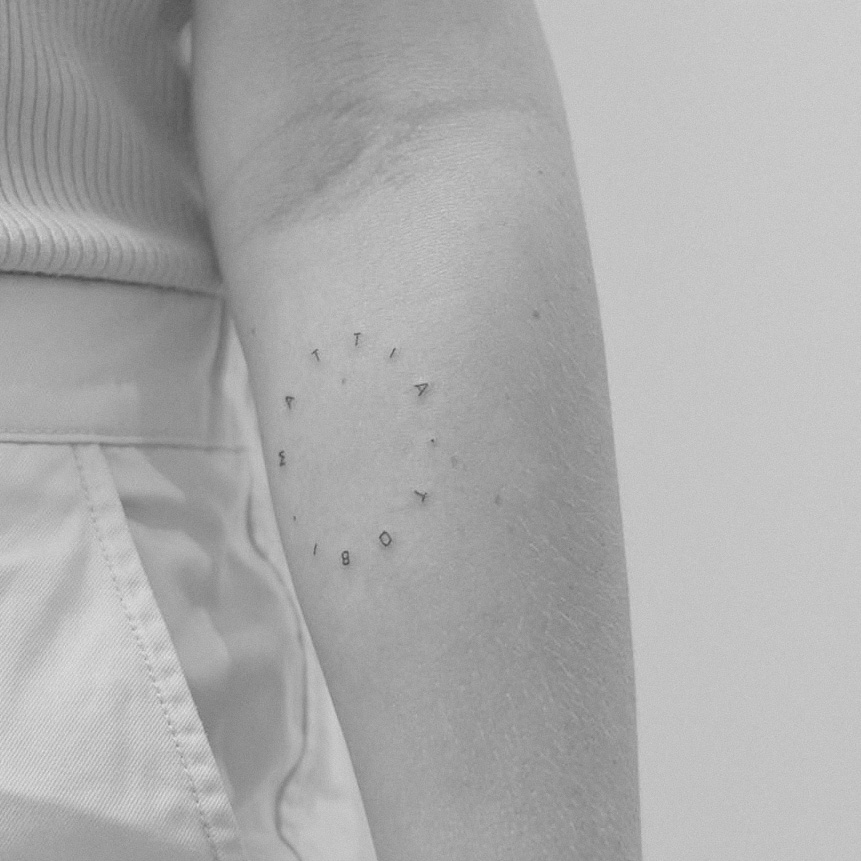
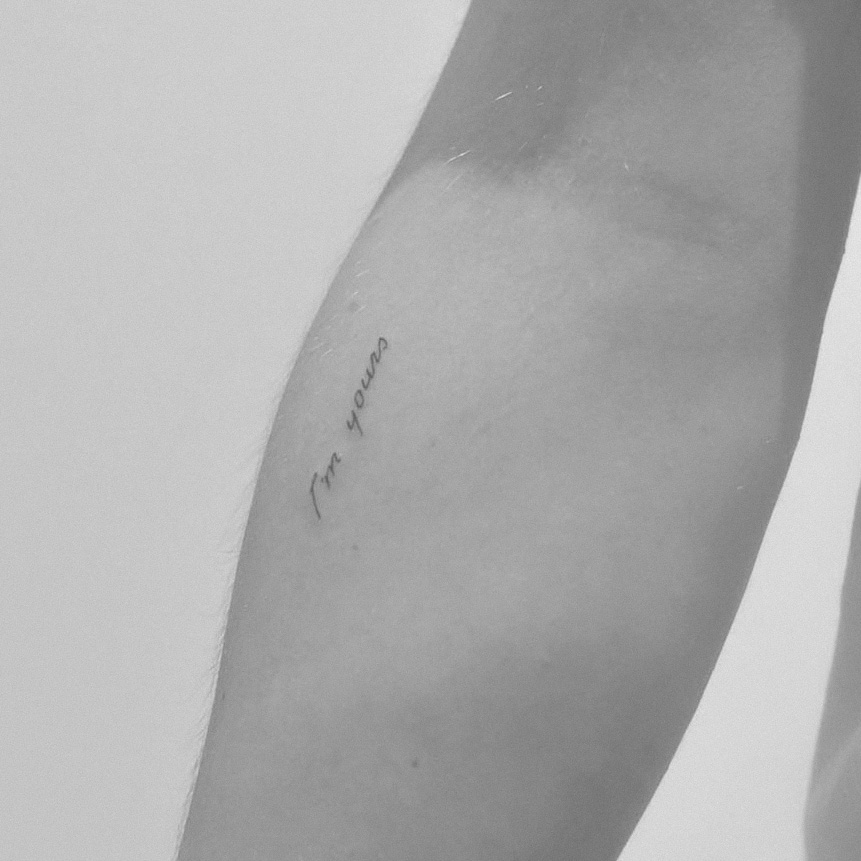
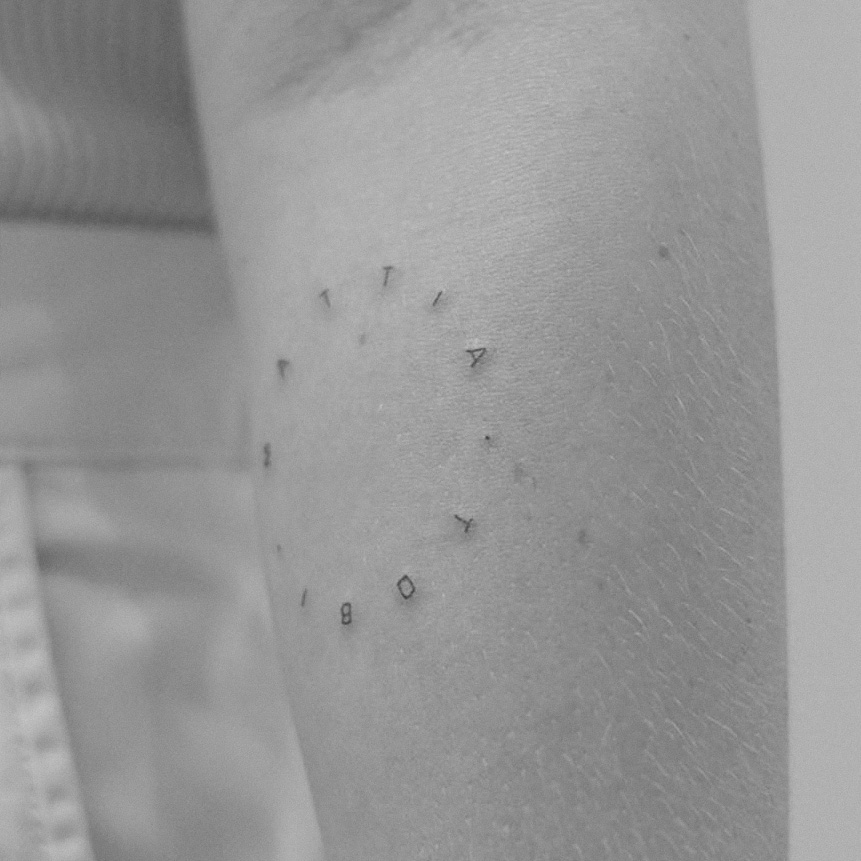
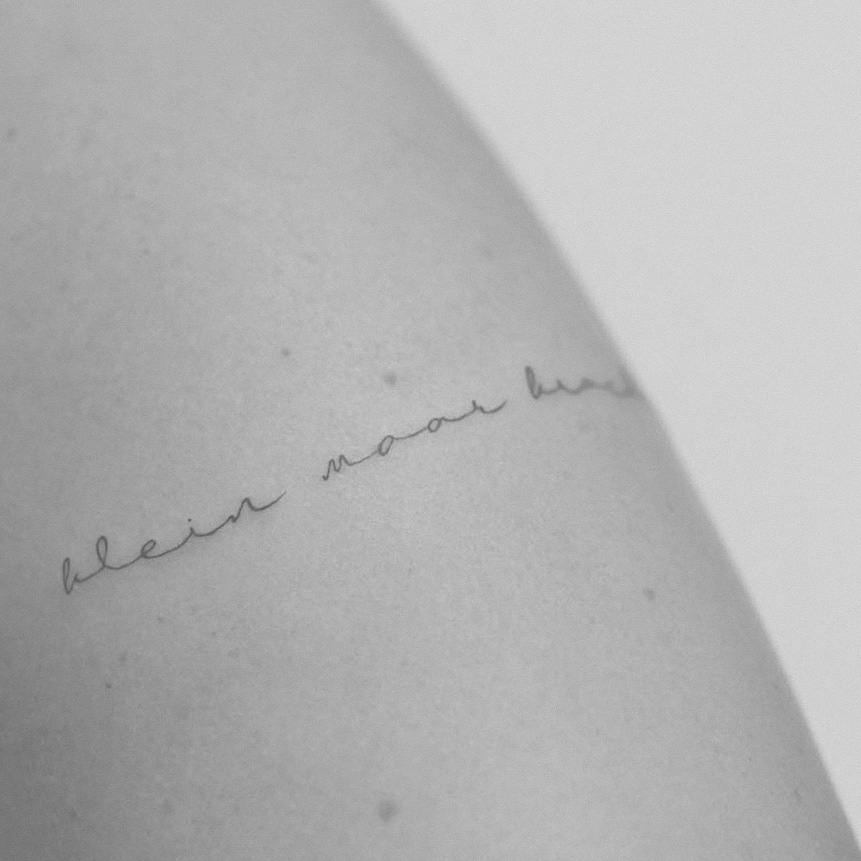
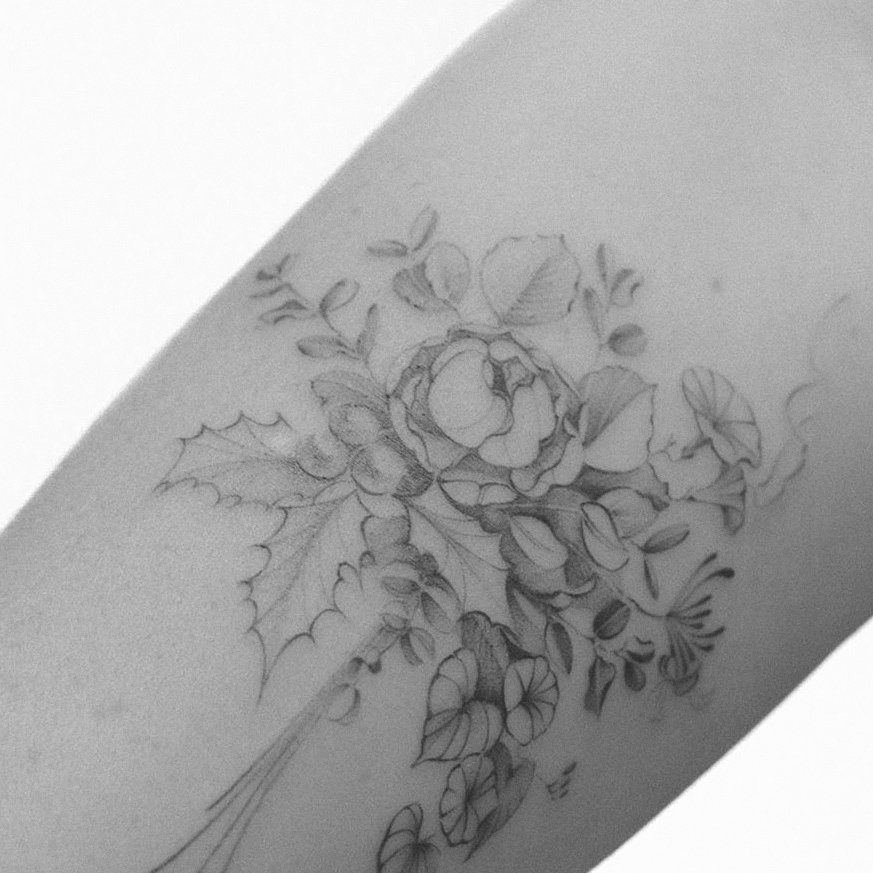
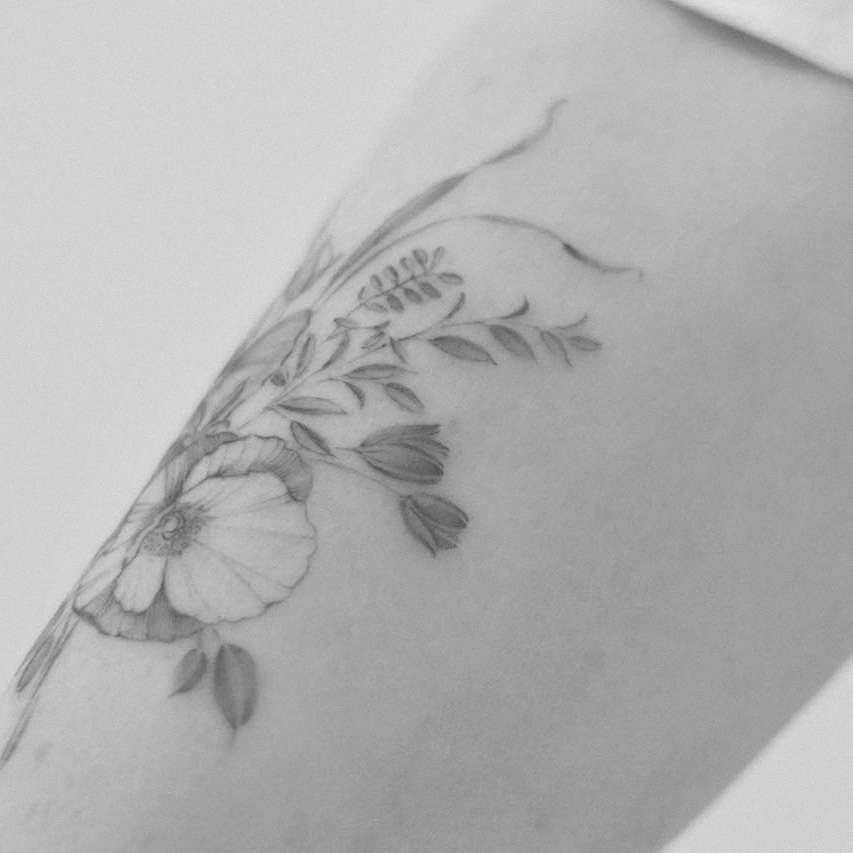
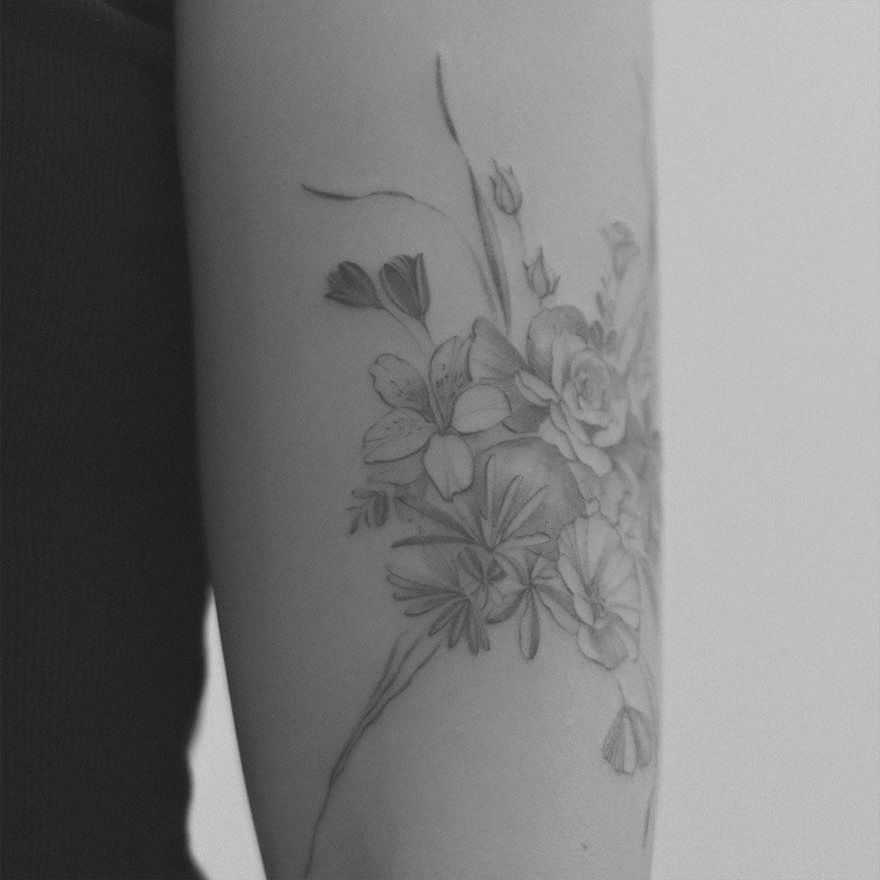
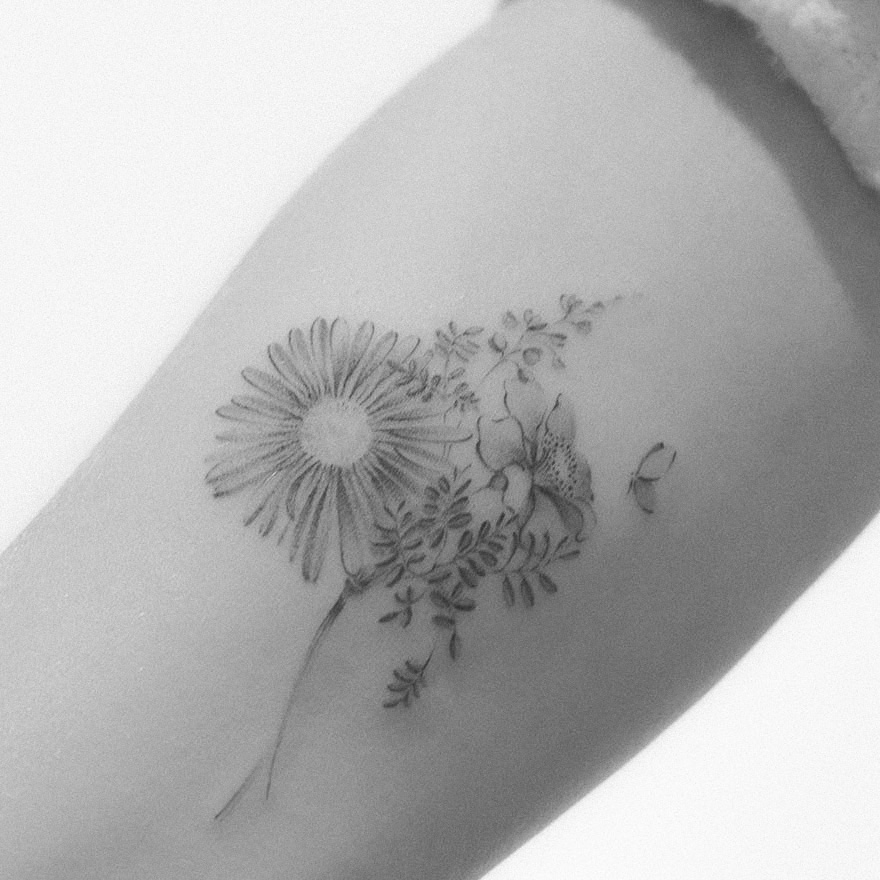
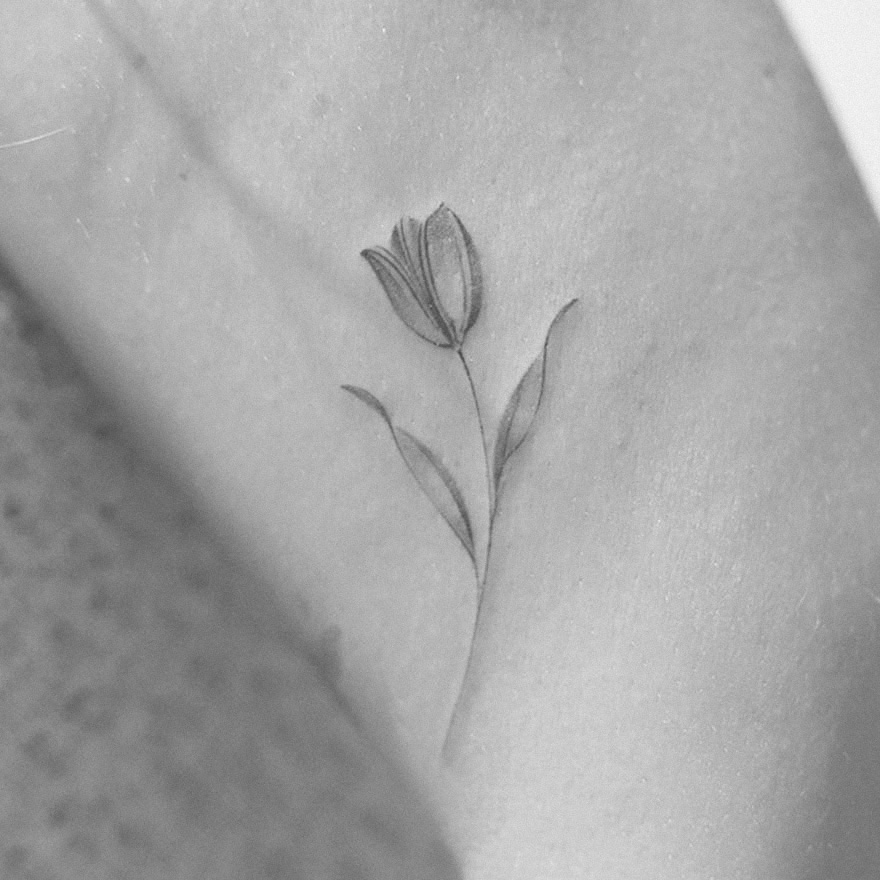
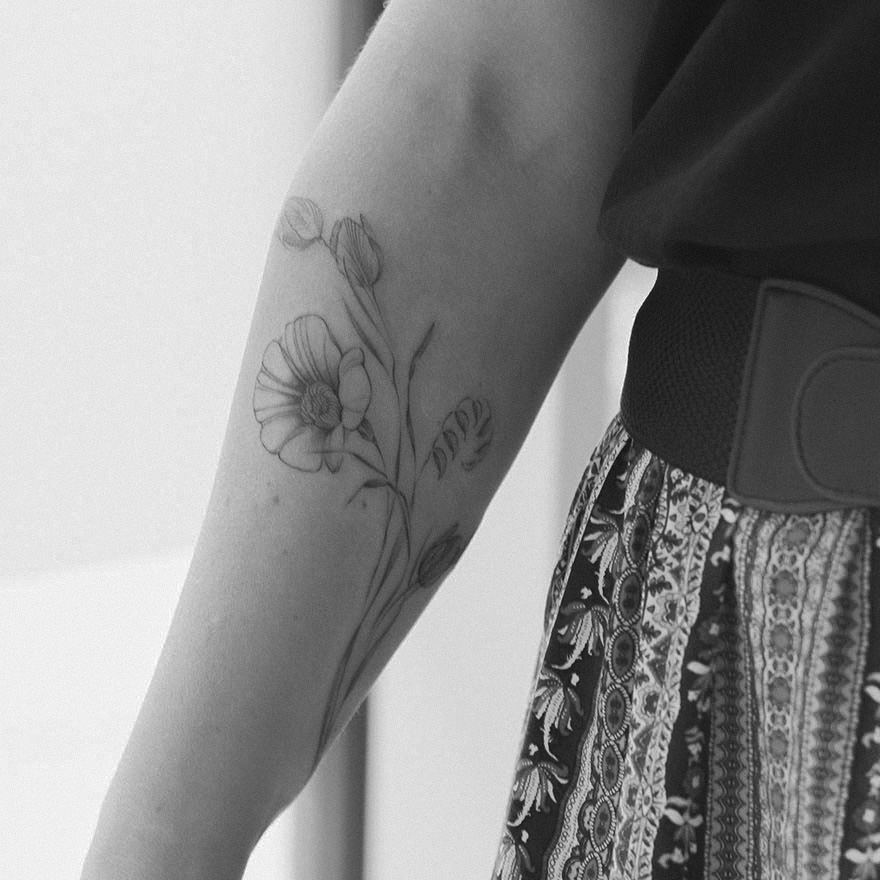
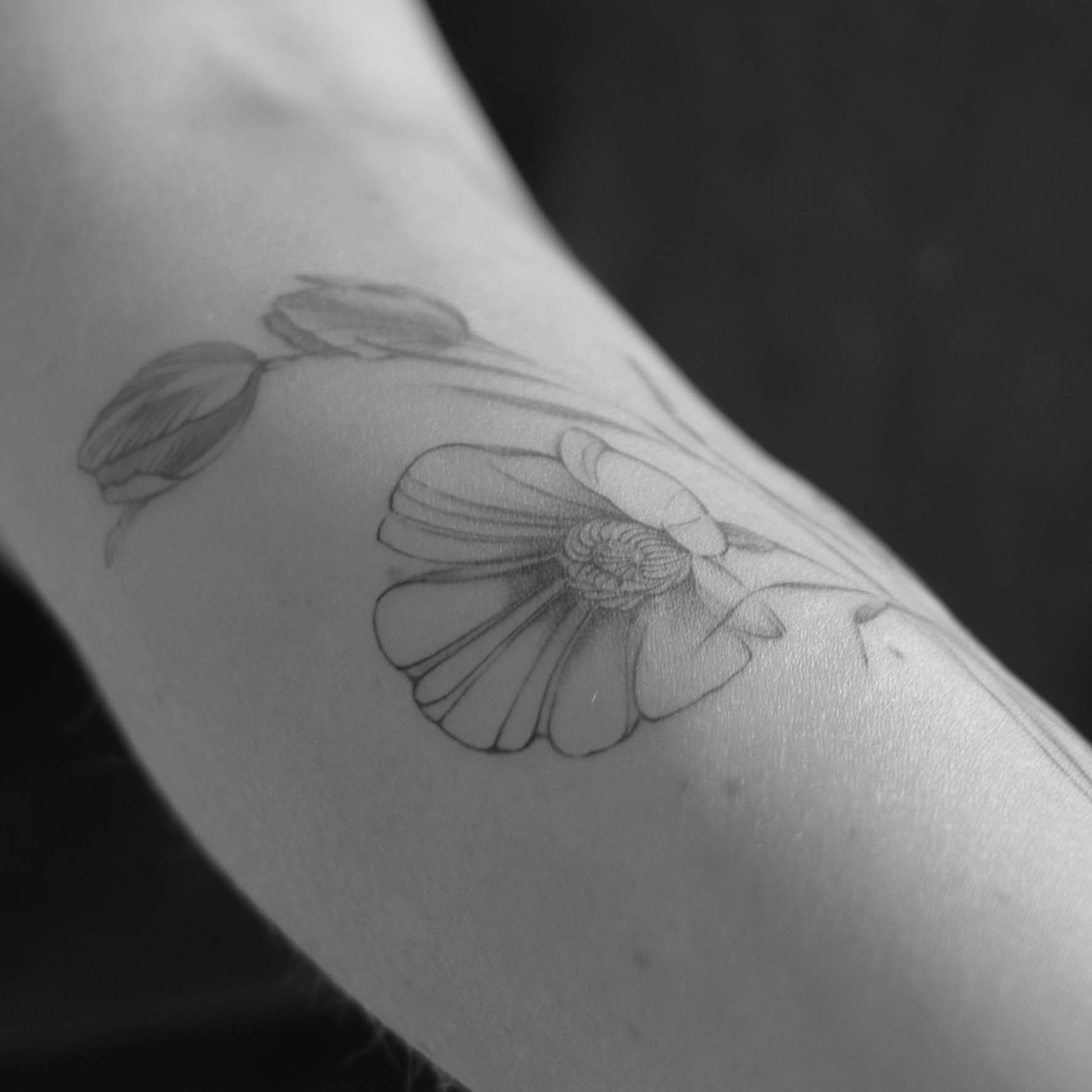
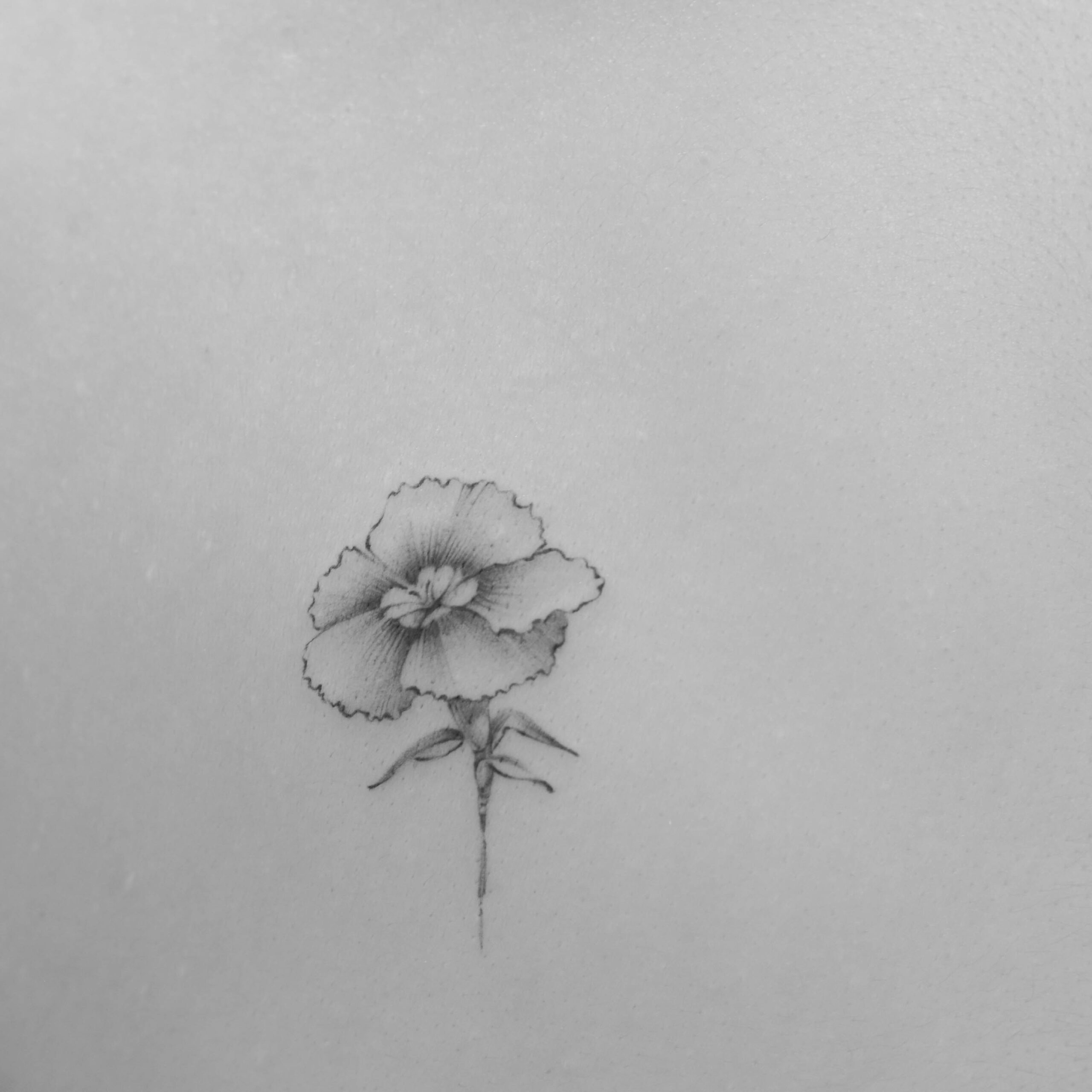
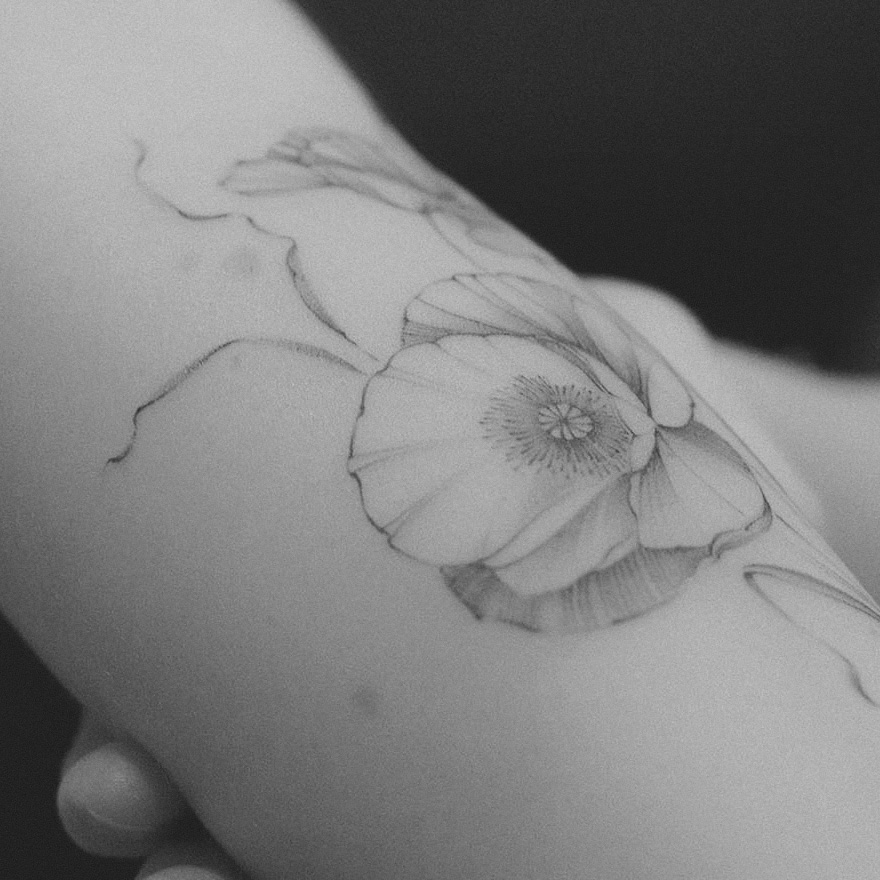
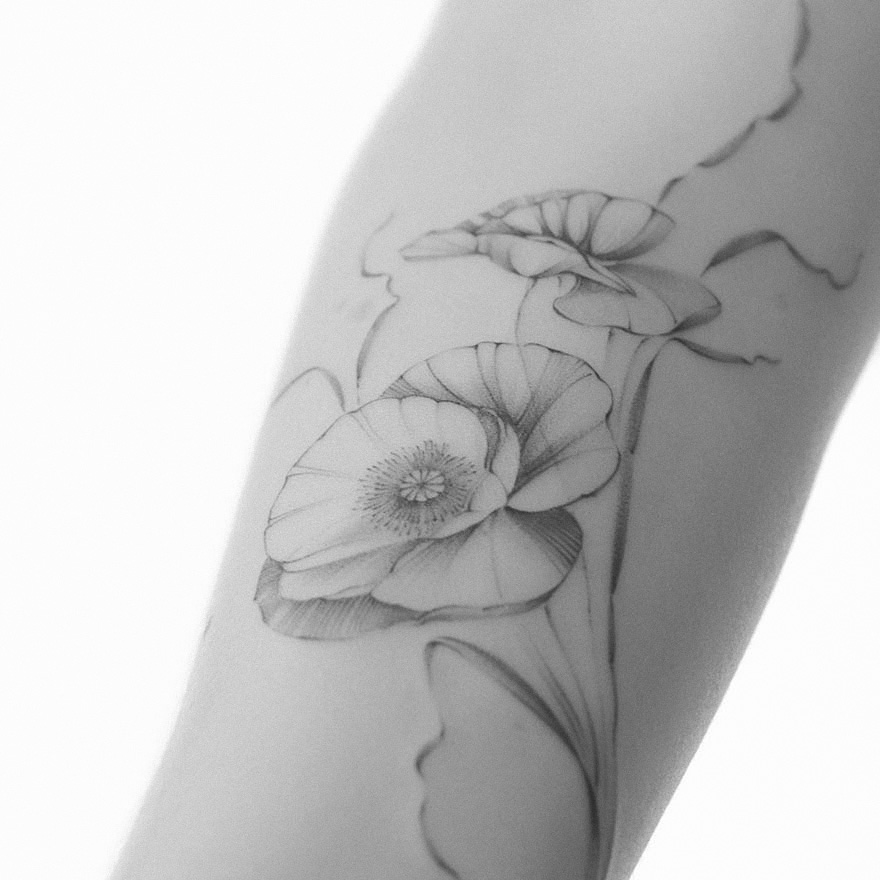
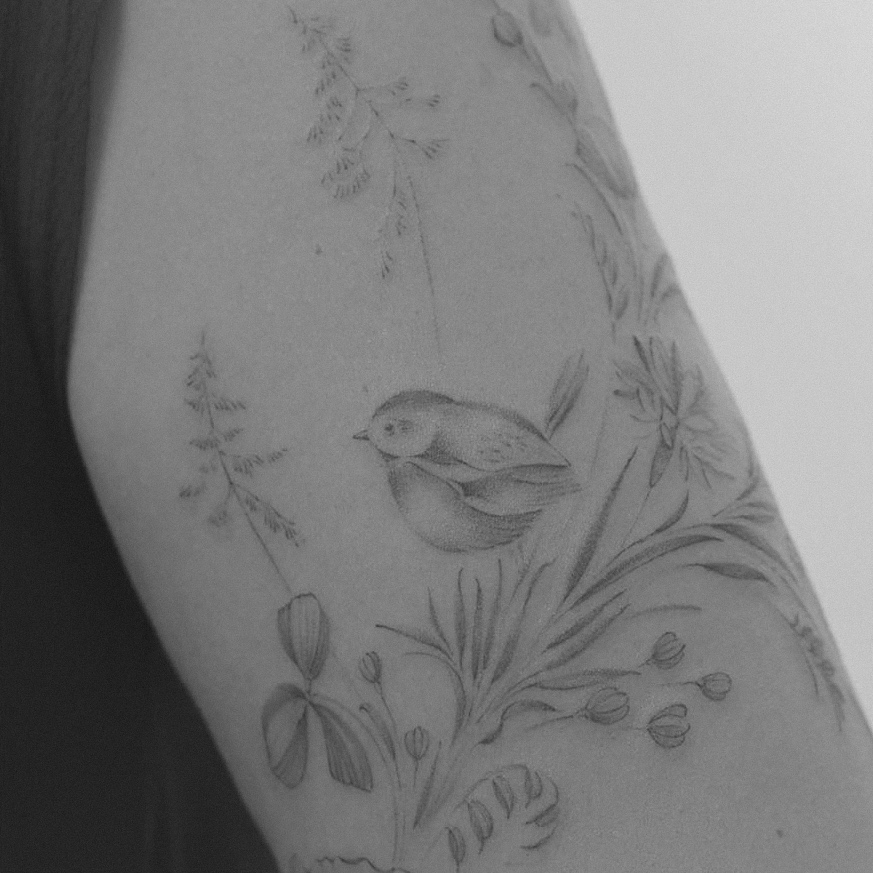
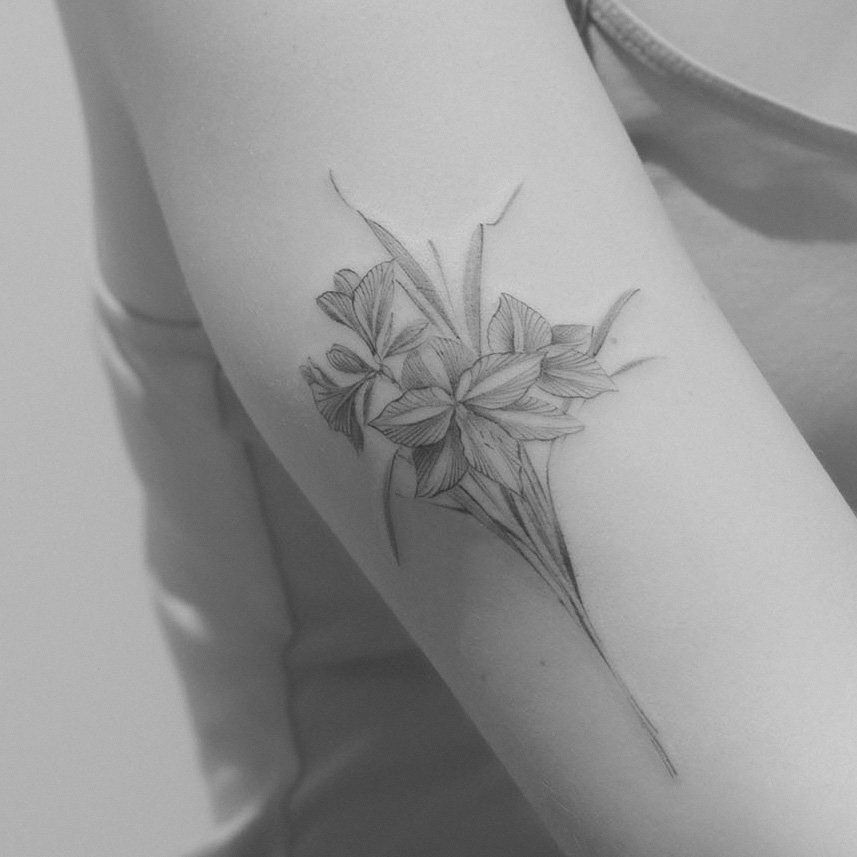
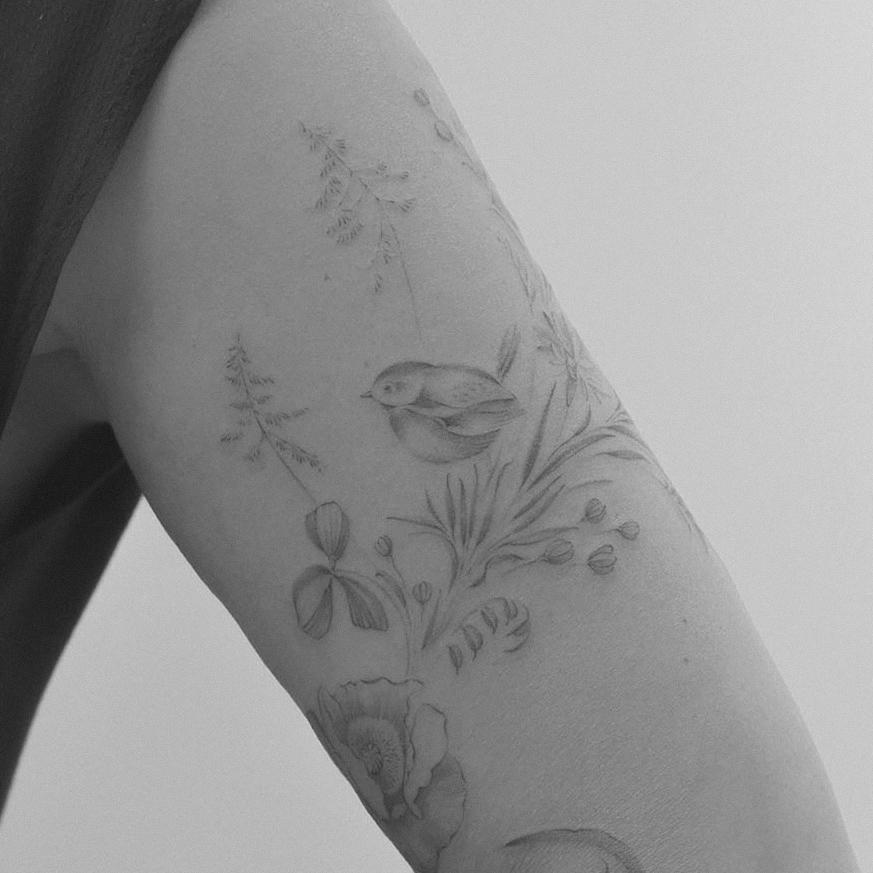
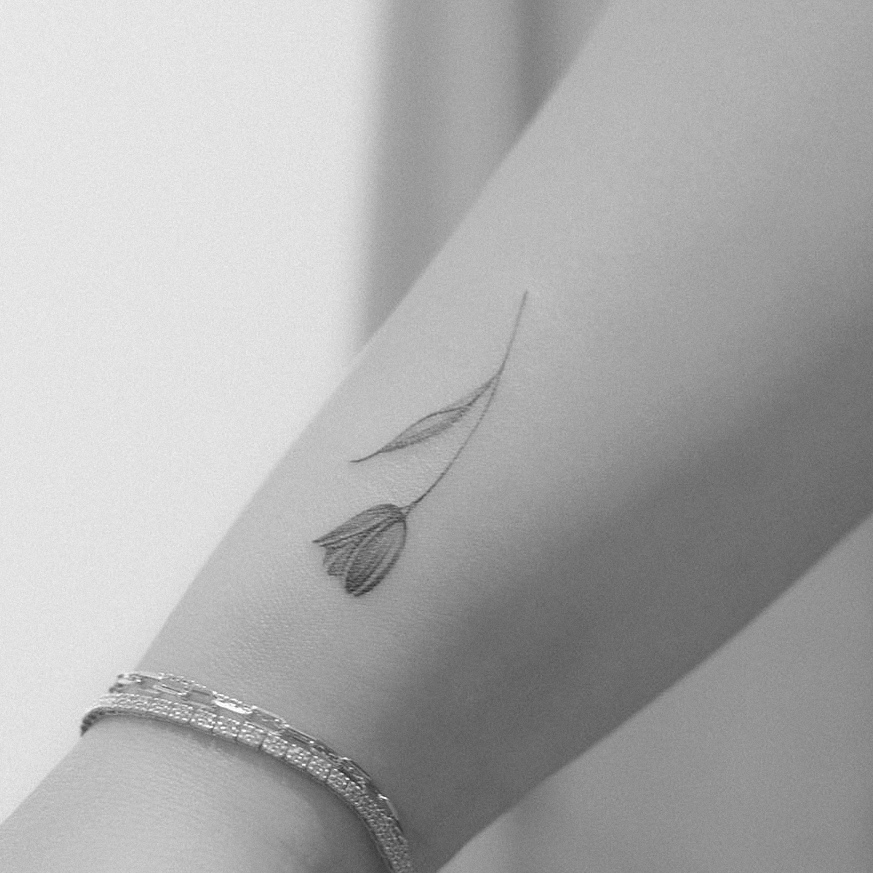
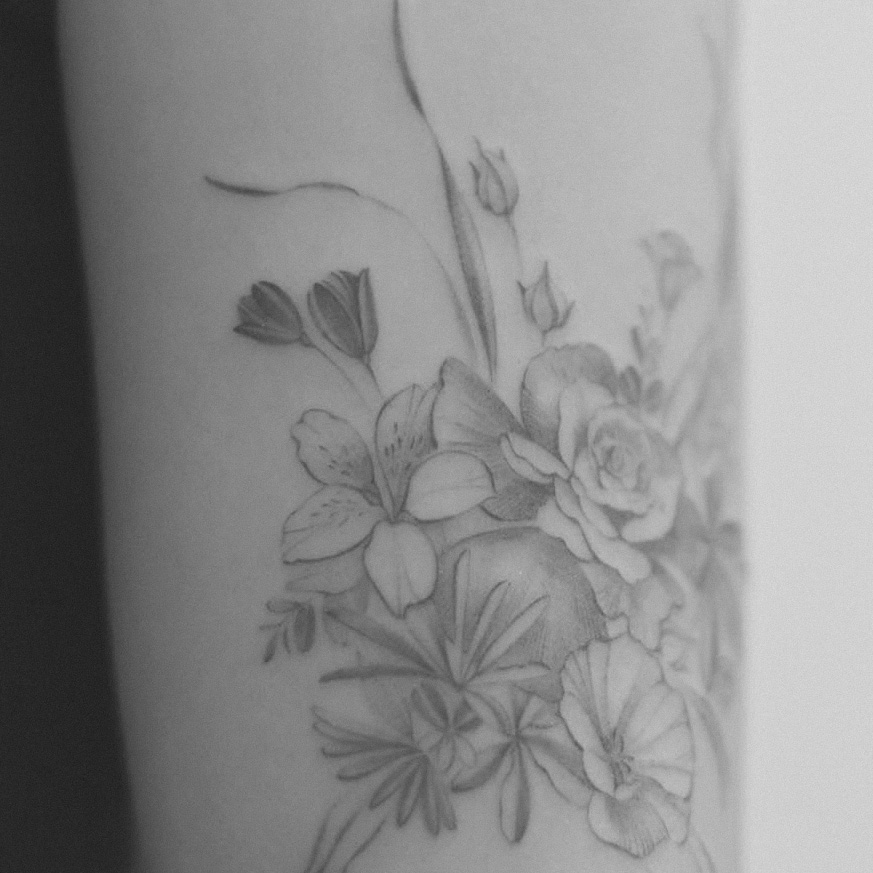
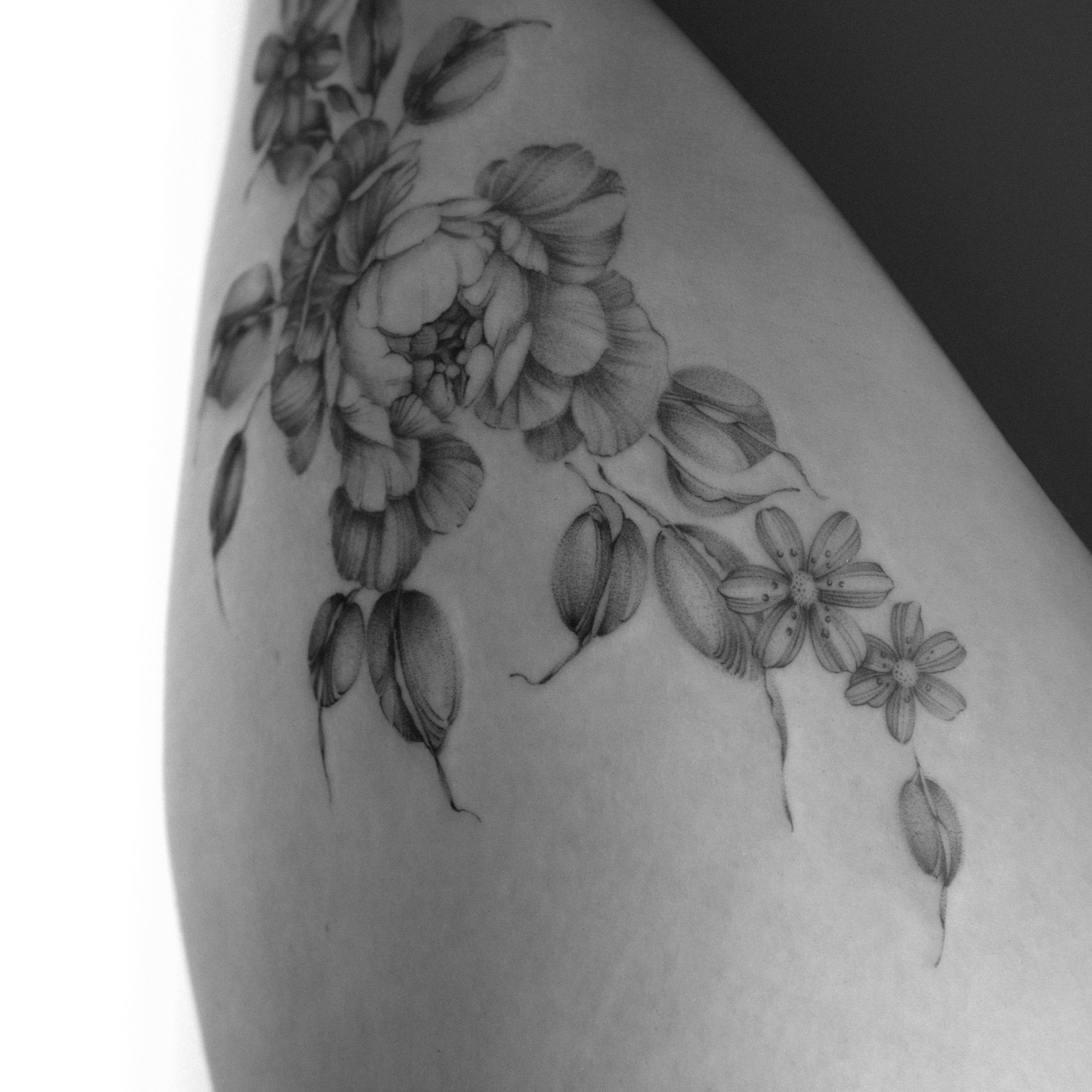
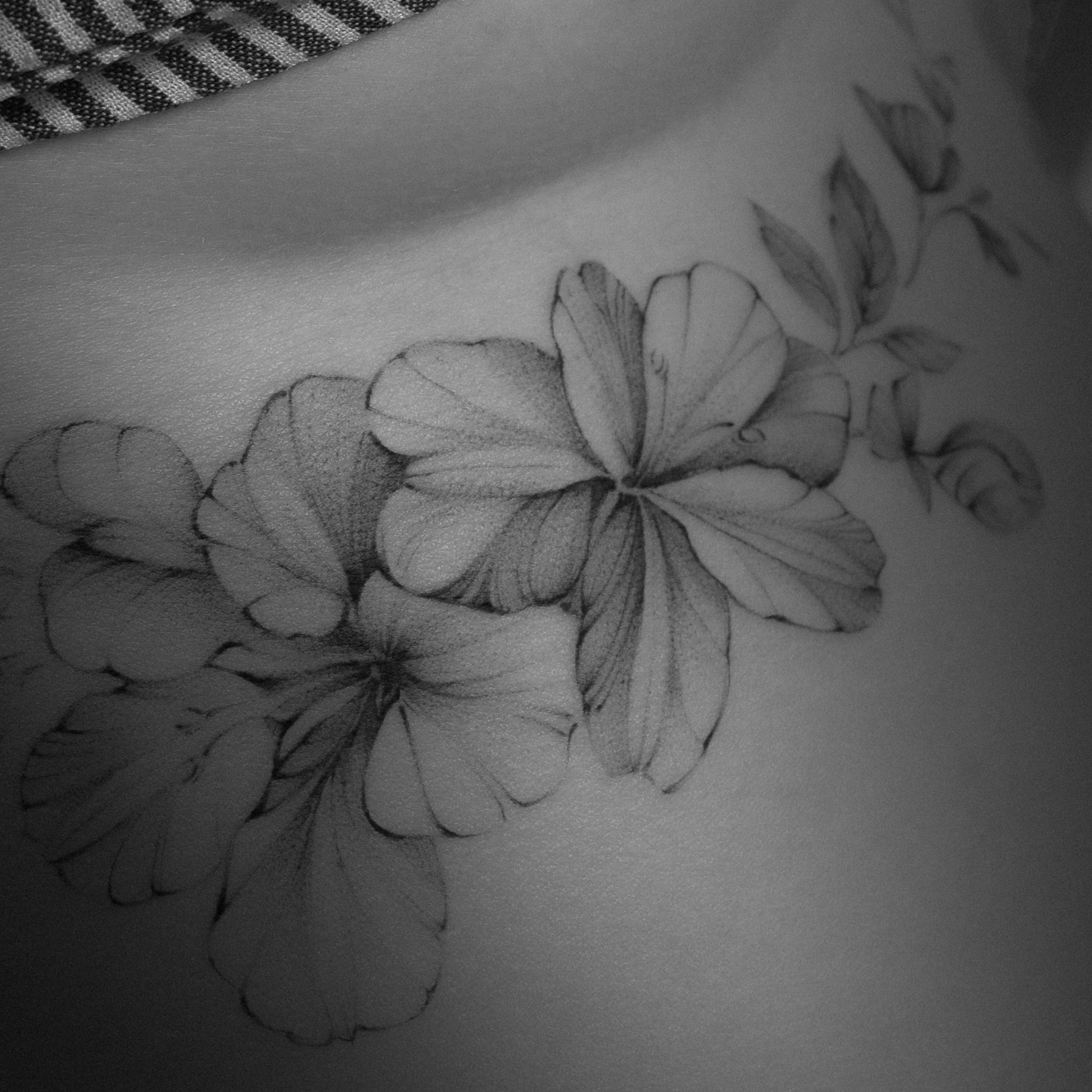
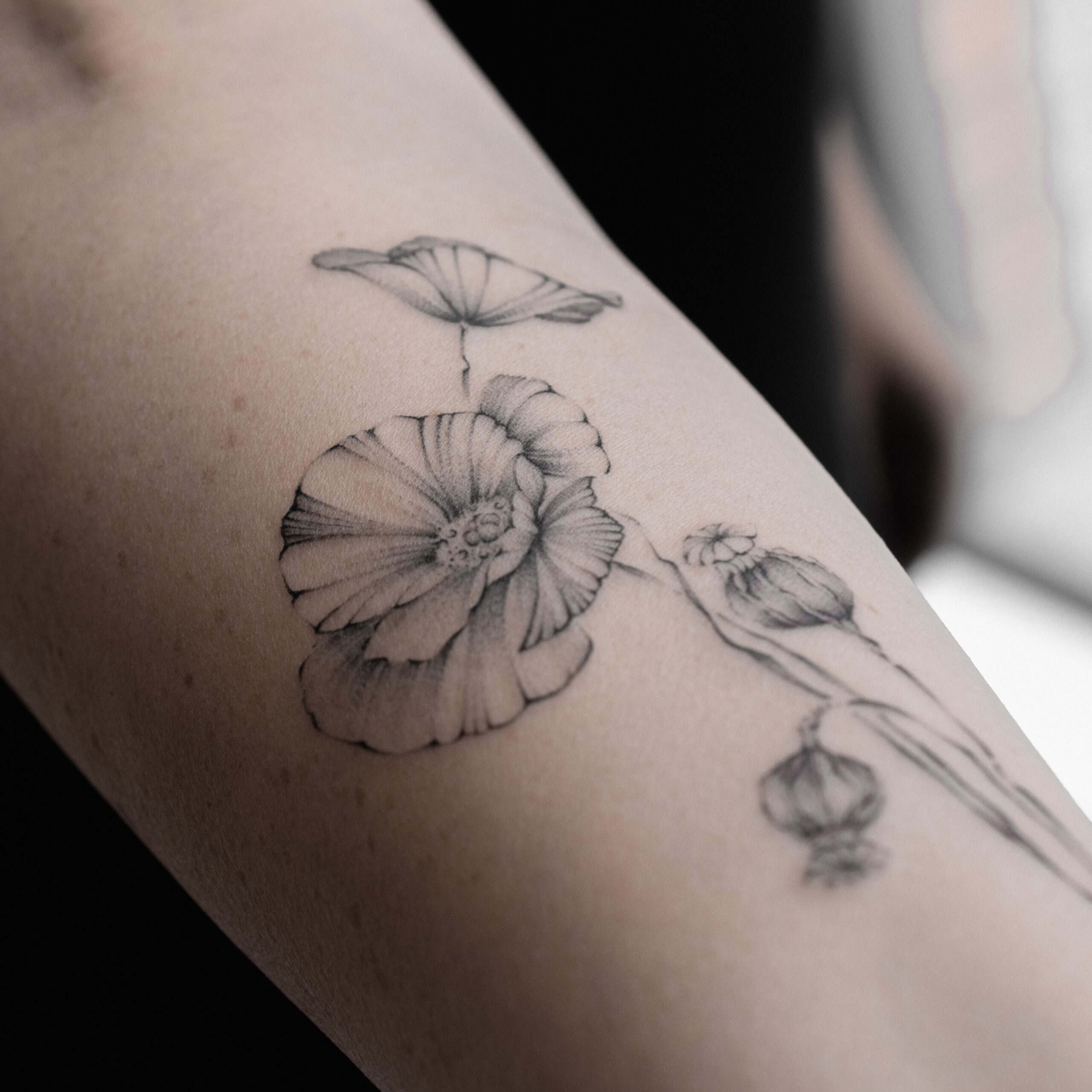
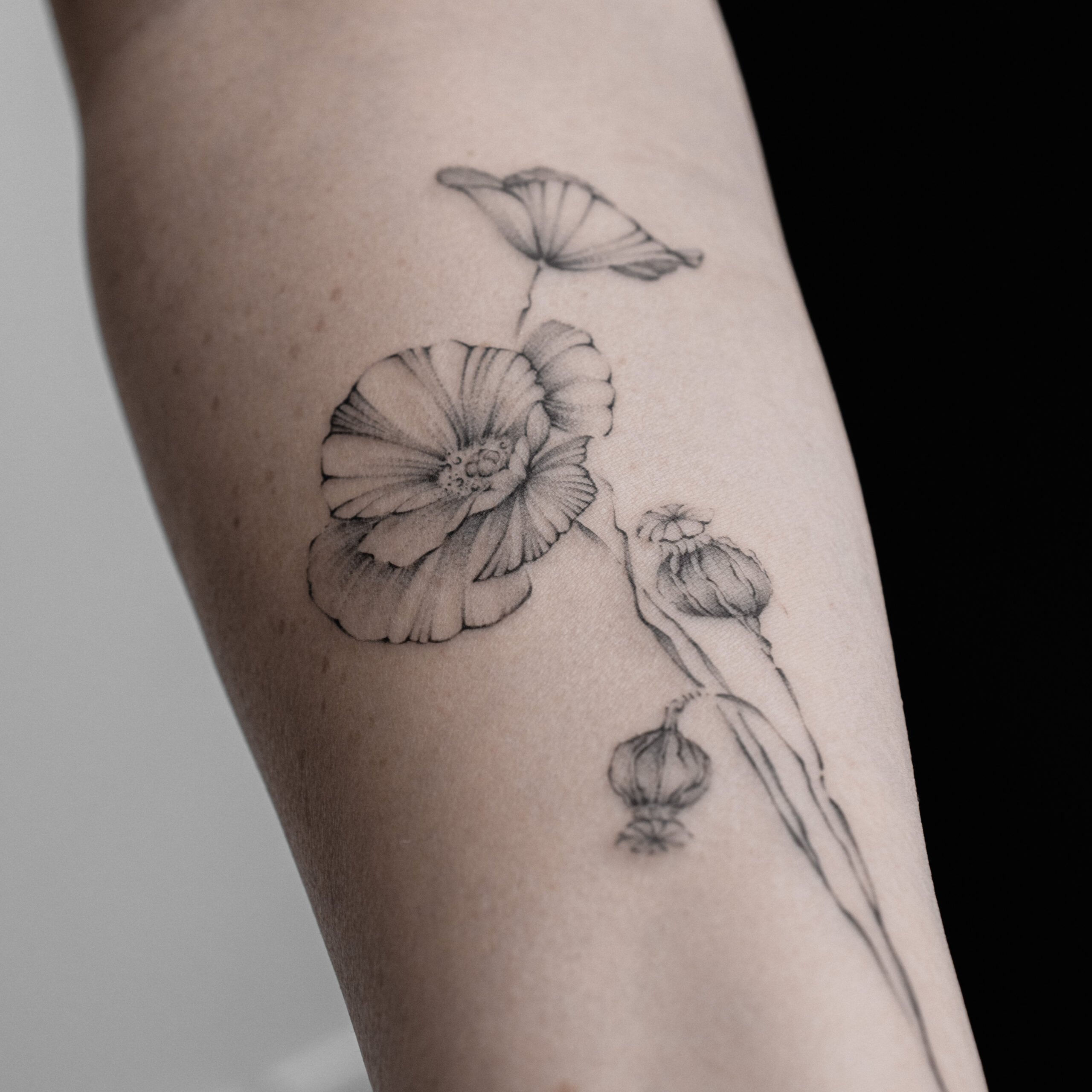
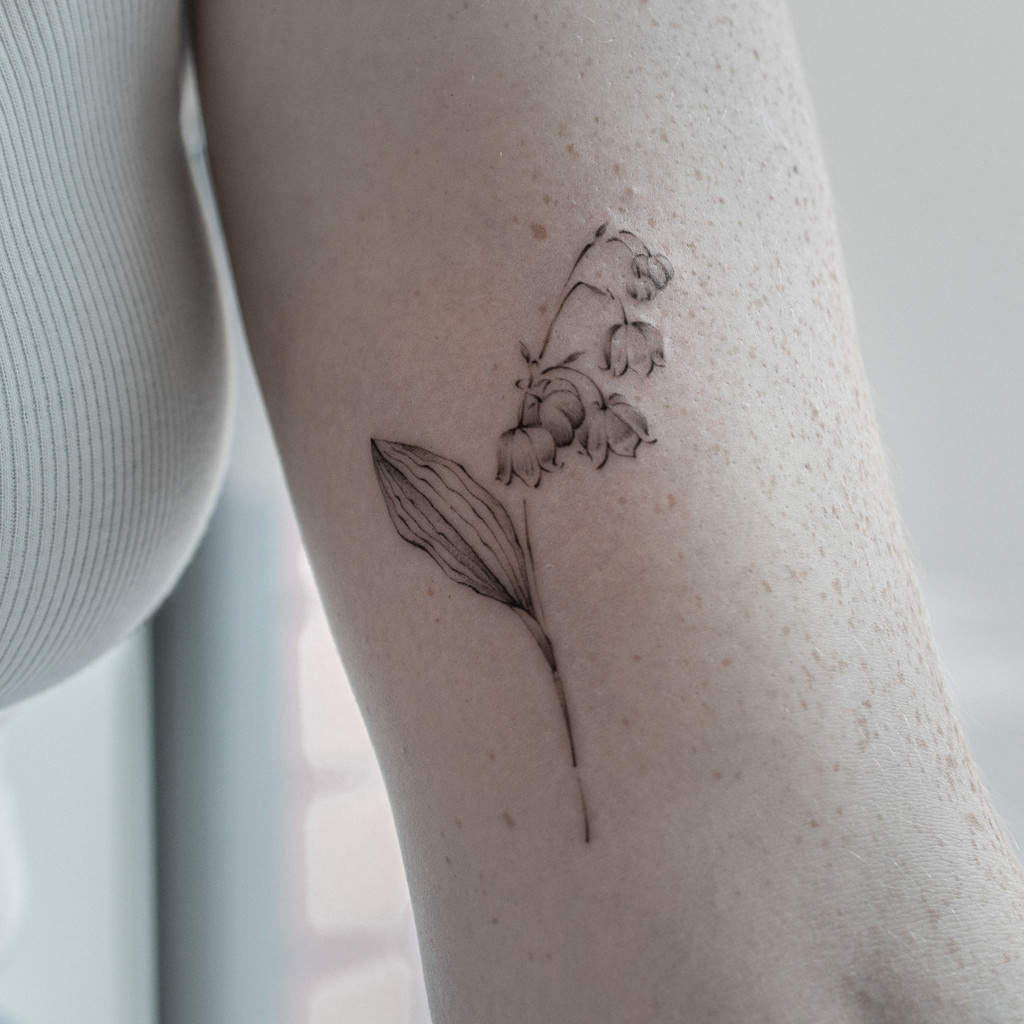
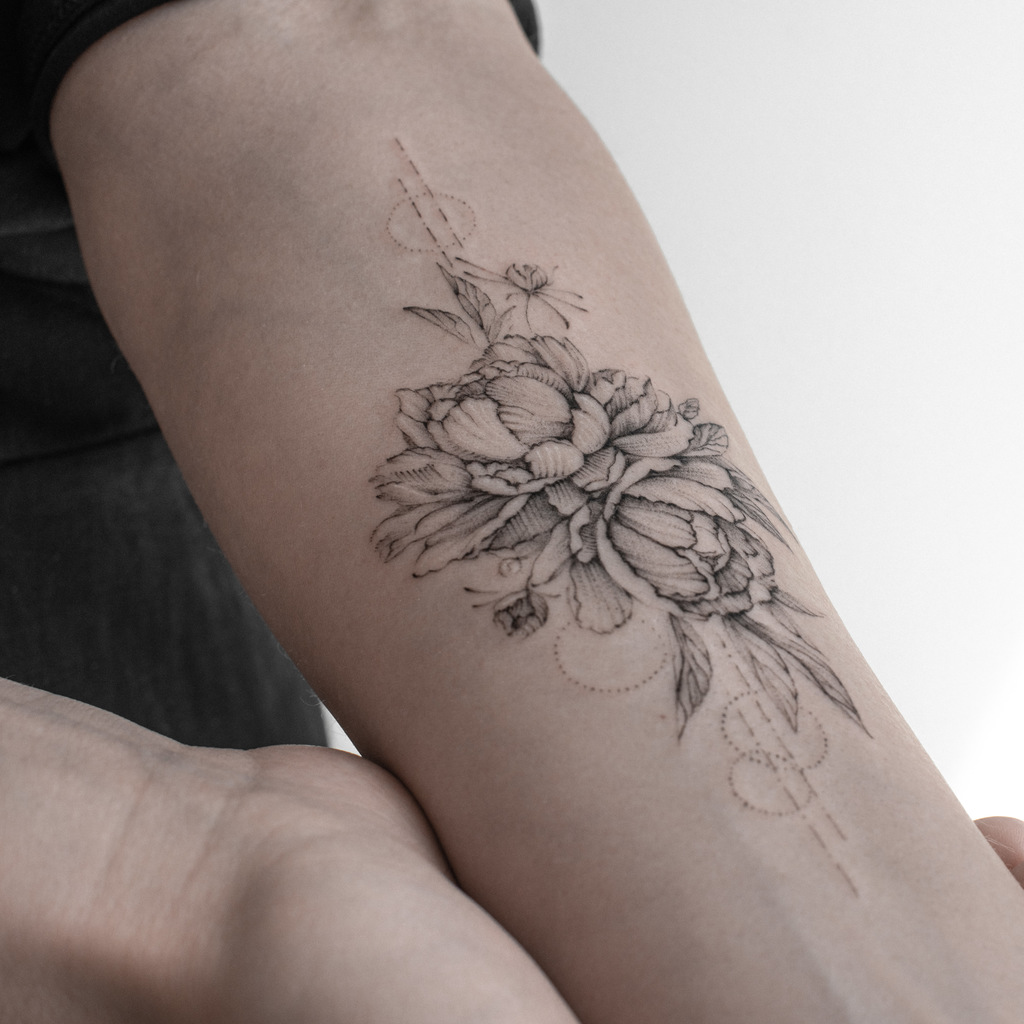
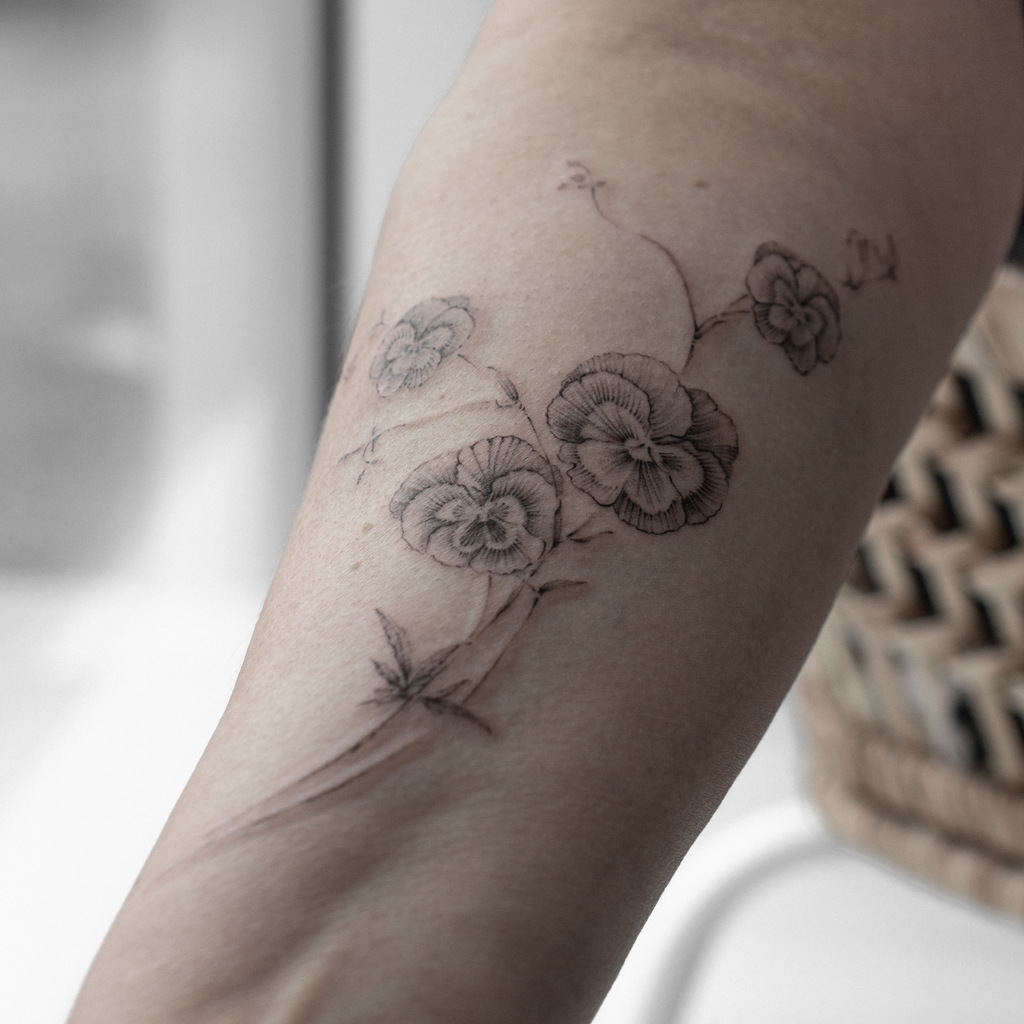
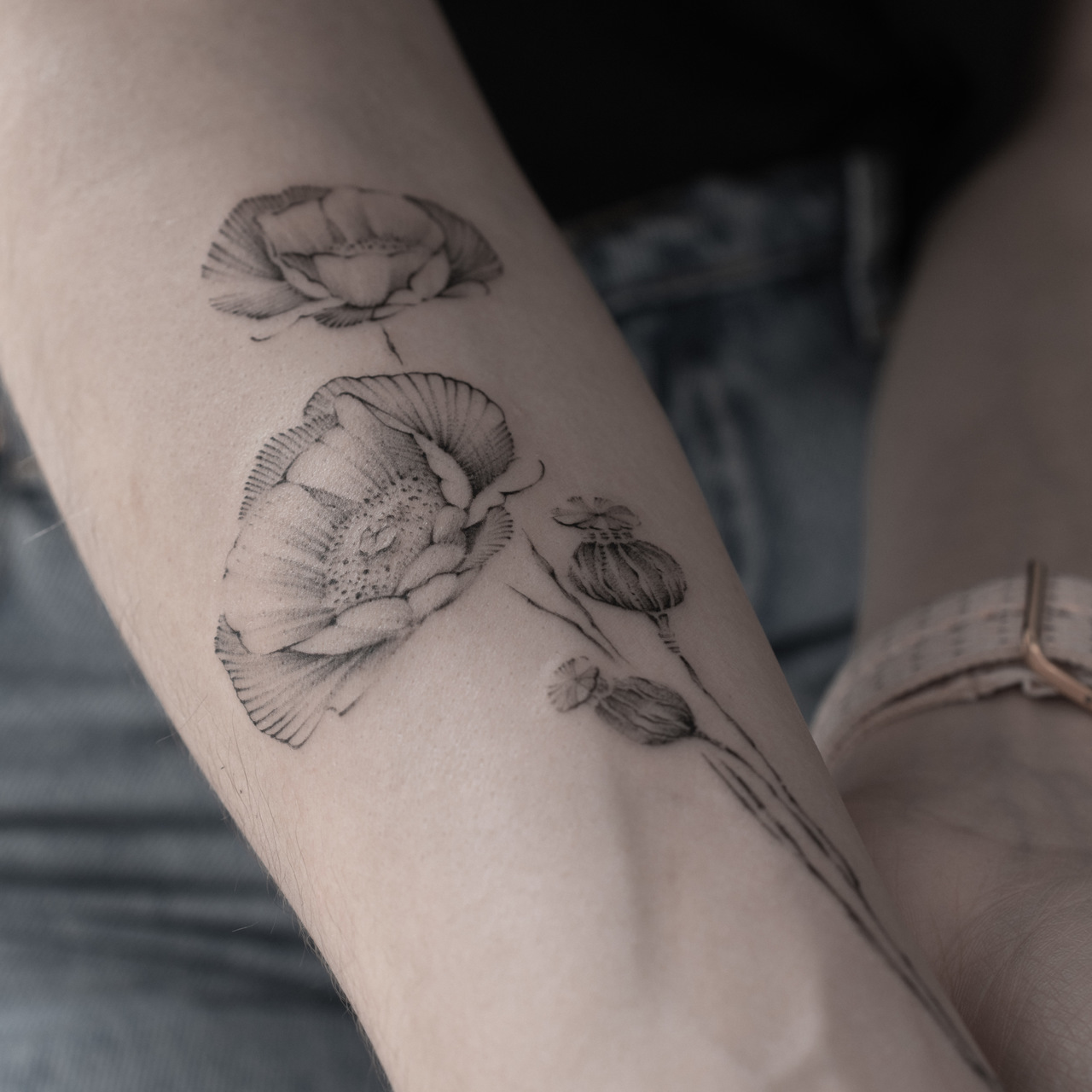
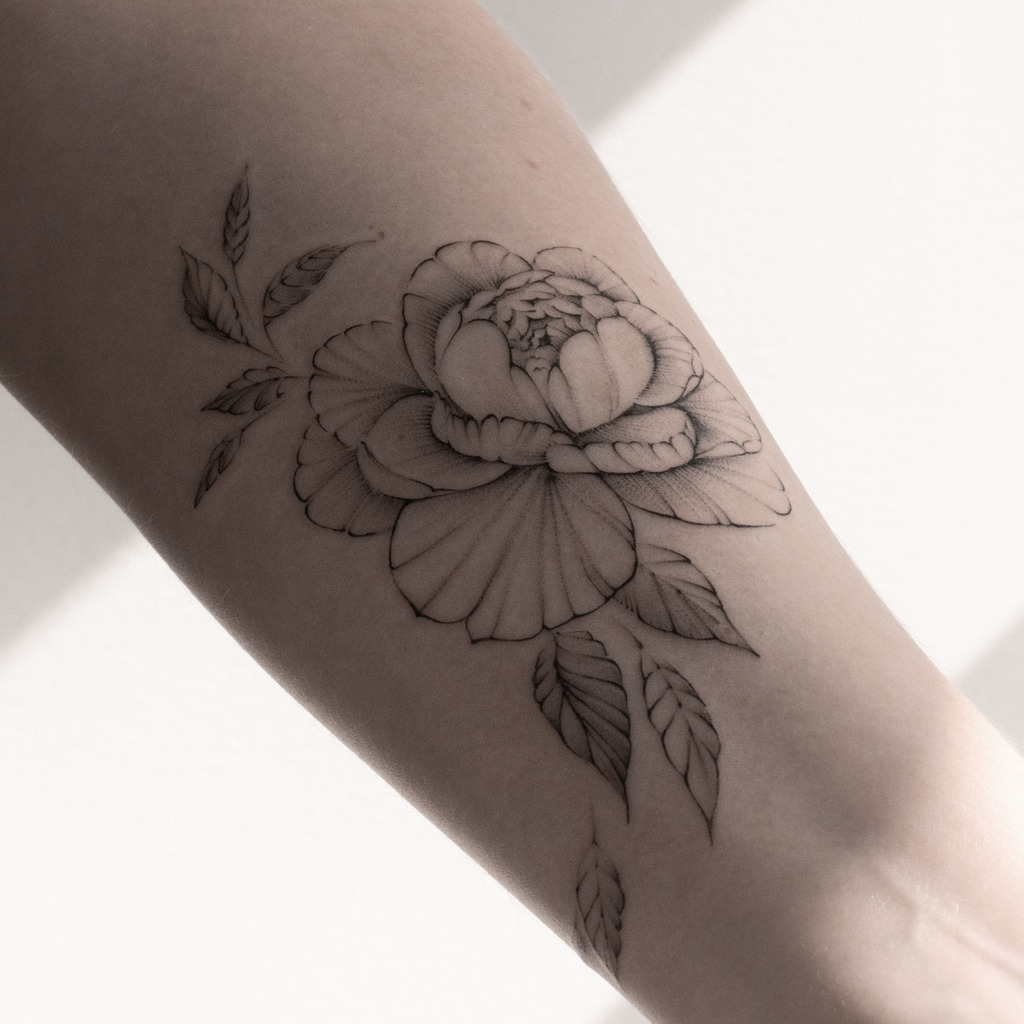
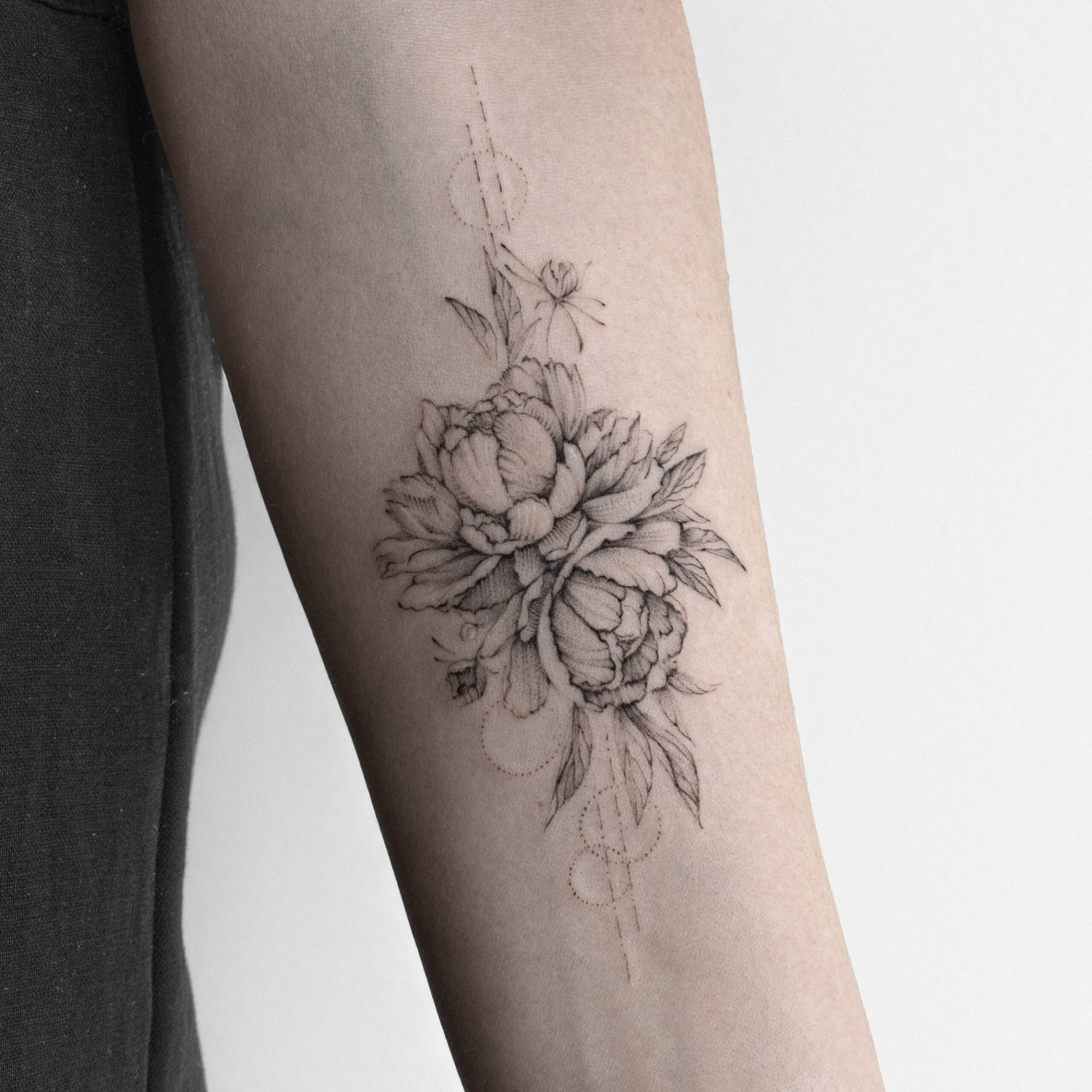
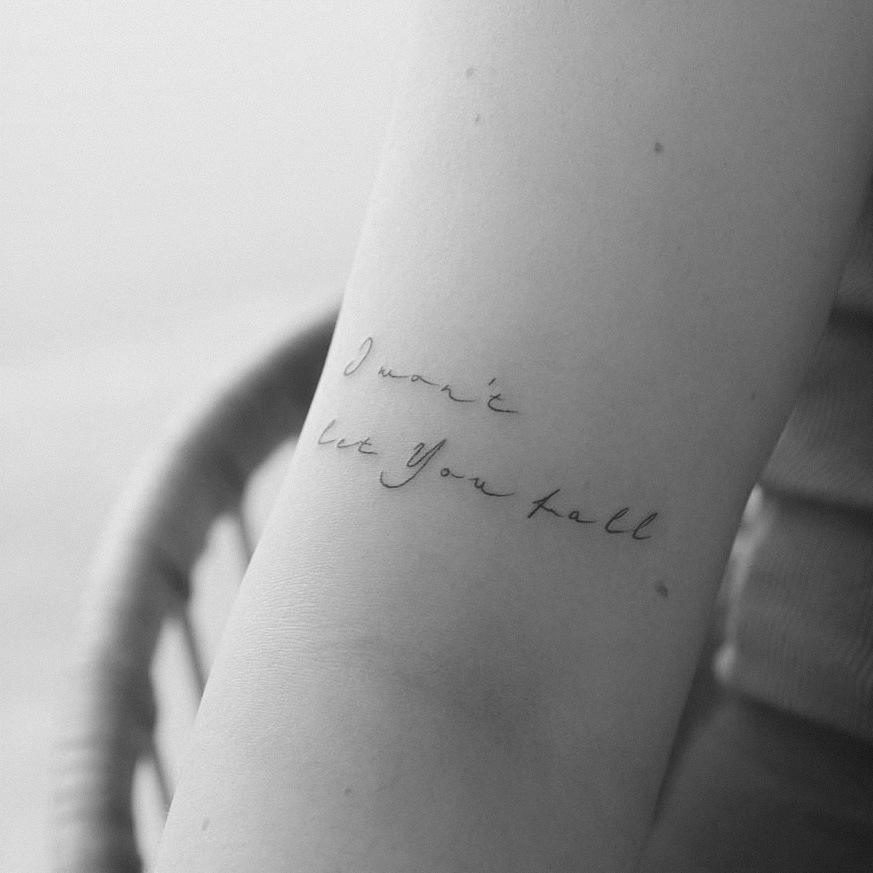
The sun does not damage your tattoo in one moment. It works slowly, over time. UV exposure breaks down pigment, softens contrast, and fades fine details. This is especially important for fine line tattoos, where precision and clarity are everything. The problem is that this process is almost invisible day to day. You don’t see the damage happening. You only notice it much later. That is why protecting your tattoo from the sun is not a short-term action. It is a long-term habit. Using high SPF sunscreen, covering the area when possible, and being aware of long exposure makes a significant difference over time.
Skin Quality Is Tattoo Quality
A tattoo lives in your skin. Which means the condition of your skin directly affects how the tattoo looks. When skin is well-hydrated, healthy, and balanced, tattoos appear sharper and more defined. When skin is dry or damaged, tattoos lose clarity. This is not about perfection. It is about consistency. Simple habits like moisturizing, staying hydrated, and maintaining a balanced lifestyle have a visible impact over the years. It is not dramatic. It is gradual. And that is exactly why it works.
Small Habits That Make a Big Difference
Long-term tattoo care is not about doing something extreme. It is about doing small things consistently. Protecting your tattoo from excessive sun exposure, keeping your skin hydrated, and maintaining general skin health will do more than any short-term effort. The difference is not visible in a week. But after a few years, it becomes very clear.
The Role of the Artist in Long-Term Results
Many people think tattoo care starts after the session. In reality, it starts before. The way a tattoo is designed, placed, and executed plays a major role in how it ages. Line weight, spacing, and technique all influence how the tattoo will look in the future At Vadelma Tattoo, this long-term perspective is part of every project. The goal is not just to create something beautiful now, but something that continues to look balanced and intentional over time.
If you are considering a tattoo, it is worth understanding this approach before making a decision.
You can explore available designs here:
https://vadelma.eu/available-projects
Or reach out for a consultation:
https://vadelma.eu/contact
If you want to understand the process more deeply:
https://vadelma.eu/faq-vadelma-tattoo/
And for proper healing guidance:
https://vadelma.eu/after-care
There is also a collection of artworks reflecting the same philosophy:
https://vadelmaprints.com/
A Tattoo Is a Long-Term Relationship
A tattoo is one of the few things you carry with you every day. Not as something you actively think about, but as something that becomes part of you. And like anything long-term, it responds to attention — or the lack of it. The difference between a tattoo that ages beautifully and one that fades too quickly is rarely dramatic. It is simply the result of small, consistent choices.
Conclusion
Taking care of a tattoo is not complicated. But it does require awareness. Not just in the first weeks, but over the years. Understanding how time, sunlight, and skin affect your tattoo allows you to keep it looking clear, balanced, and intentional for much longer. And in the end, that is what most people want — not just a beautiful tattoo today, but one that still feels right years from now.
FAQ
What affects tattoo aging the most?
Sun exposure and skin condition are the two biggest factors.
Do fine line tattoos fade faster?
They require precision and proper care, but when done correctly and maintained well, they age beautifully.
Should I always use sunscreen on my tattoo?
Yes, especially during prolonged sun exposure.
Does lifestyle affect tattoo quality?
Yes, hydration, skin care, and overall health influence how a tattoo looks over time.
Where can I learn more about tattoo care?
You can visit the aftercare page:
https://vadelma.eu/after-care
How to Keep Your Tattoo Looking Beautiful for Years: The Psychology of Long-Term Tattoo Care
Introduction
Most people think about the tattoo until the moment it’s finished. Very few think about it five years later. But the truth is simple: a tattoo is not just something you get — it is something you maintain. And the way it ages has less to do with luck, and more to do with small decisions made over time. Interestingly, the biggest mistakes are not caused by lack of knowledge. They come from something else: how people perceive time.
Why People Stop Taking Care of Their Tattoo
Right after getting a tattoo, people are careful. They follow aftercare instructions, protect the skin, and pay attention. Then something changes. The tattoo heals, becomes familiar, and slowly shifts from something new to something permanent. And once something feels permanent, the urgency disappears. This is a well-known psychological pattern. What is always there starts to feel like it needs less attention. But tattoos don’t work like that. They are stable, but not immune to time.
The Two Things That Age a Tattoo the Most
Over the years, two factors affect tattoos more than anything else. The first is sun exposure. The second is how well the skin is maintained. Everything else matters, but these two quietly shape how a tattoo will look after 5, 10, or even 20 years.
Sunlight: The Slowest Damage You Don’t Notice
The sun does not damage your tattoo in one moment. It works slowly, over time. UV exposure breaks down pigment, softens contrast, and fades fine details. This is especially important for fine line tattoos, where precision and clarity are everything. The problem is that this process is almost invisible day to day. You don’t see the damage happening. You only notice it much later. That is why protecting your tattoo from the sun is not a short-term action. It is a long-term habit. Using high SPF sunscreen, covering the area when possible, and being aware of long exposure makes a significant difference over time.
Skin Quality Is Tattoo Quality
A tattoo lives in your skin. Which means the condition of your skin directly affects how the tattoo looks. When skin is well-hydrated, healthy, and balanced, tattoos appear sharper and more defined. When skin is dry or damaged, tattoos lose clarity. This is not about perfection. It is about consistency. Simple habits like moisturizing, staying hydrated, and maintaining a balanced lifestyle have a visible impact over the years. It is not dramatic. It is gradual. And that is exactly why it works.
Small Habits That Make a Big Difference
Long-term tattoo care is not about doing something extreme. It is about doing small things consistently. Protecting your tattoo from excessive sun exposure, keeping your skin hydrated, and maintaining general skin health will do more than any short-term effort. The difference is not visible in a week. But after a few years, it becomes very clear.
The Role of the Artist in Long-Term Results
Many people think tattoo care starts after the session. In reality, it starts before. The way a tattoo is designed, placed, and executed plays a major role in how it ages. Line weight, spacing, and technique all influence how the tattoo will look in the future At Vadelma Tattoo, this long-term perspective is part of every project. The goal is not just to create something beautiful now, but something that continues to look balanced and intentional over time.
If you are considering a tattoo, it is worth understanding this approach before making a decision.
You can explore available designs here:
https://vadelma.eu/available-projects
Or reach out for a consultation:
https://vadelma.eu/contact
If you want to understand the process more deeply:
https://vadelma.eu/faq-vadelma-tattoo/
And for proper healing guidance:
https://vadelma.eu/after-care
There is also a collection of artworks reflecting the same philosophy:
https://vadelmaprints.com/
A Tattoo Is a Long-Term Relationship
A tattoo is one of the few things you carry with you every day. Not as something you actively think about, but as something that becomes part of you. And like anything long-term, it responds to attention — or the lack of it. The difference between a tattoo that ages beautifully and one that fades too quickly is rarely dramatic. It is simply the result of small, consistent choices.
Conclusion
Taking care of a tattoo is not complicated. But it does require awareness. Not just in the first weeks, but over the years. Understanding how time, sunlight, and skin affect your tattoo allows you to keep it looking clear, balanced, and intentional for much longer. And in the end, that is what most people want — not just a beautiful tattoo today, but one that still feels right years from now.
FAQ
What affects tattoo aging the most?
Sun exposure and skin condition are the two biggest factors.
Do fine line tattoos fade faster?
They require precision and proper care, but when done correctly and maintained well, they age beautifully.
Should I always use sunscreen on my tattoo?
Yes, especially during prolonged sun exposure.
Does lifestyle affect tattoo quality?
Yes, hydration, skin care, and overall health influence how a tattoo looks over time.
Where can I learn more about tattoo care?
You can visit the aftercare page:
https://vadelma.eu/after-care