Is it Safe to get a Tattoo?
Is It Safe to Get a Tattoo? Professional Tattoo Safety Explained
Welcome! My name is Simon Vadelma — tattoo artist and co-owner of Vadelma Tattoo in Amsterdam.
In today’s blog, I want to talk about one of the most important questions in the tattoo industry:
Is it actually safe to get a tattoo?
The short answer is yes — absolutely.
But only when it’s done the right way, in a licensed studio, by professionals who follow strict safety and hygiene standards.
In this article, I’ll explain what “tattoo safety” really means, how professional studios work today, and how we ensure a calm and safe tattoo experience at Vadelma Tattoo.
A Bit of Perspective: How Tattoo Safety Evolved
Tattooing has come a long way.
Most historians agree that modern tattooing began in 1891, when Samuel O’Reilly patented the first electric tattoo machine. However, the tattoo industry as we know it today — with clear hygiene rules, licensing, and inspections — truly developed from the 1970s onward.
That means we now have over 50 years of continuous improvement in:
-
Tattoo techniques
-
Sterilization methods
-
Ink formulation
-
Health regulations
Tattooing is not standing still. It is constantly evolving toward higher standards of safety and professionalism.
Modern Tattoo Studios and Legal Safety Standards
Professional tattoo studios today must comply with strict regulations set by national health authorities.
In the Netherlands, tattoo studios are regulated by the GGD (Dutch Health Service).
This means studios are:
-
Regularly inspected
-
Required to follow documented hygiene protocols
-
Licensed to operate only if they meet safety standards
These third-party inspections are crucial. There is no room for improvisation when health authorities are involved — and that’s a good thing.
If you’re interested in the full preparation process, we explain it in detail in our tattoo FAQ page
How We Make Tattooing Safe at Vadelma Tattoo
At Vadelma Tattoo, safety is not a trend — it’s the foundation of our work.
We follow hygiene protocols similar to those used in medical environments.
Single-Use Equipment and Sterile Procedures
-
Every needle is pre-sterilized, single-use, and individually packaged
-
Used needles are immediately disposed of in certified sharps containers
-
Nothing that touches your skin is ever reused
Studio Hygiene and Cross-Contamination Prevention
-
All work surfaces are covered with single-use protective barriers
-
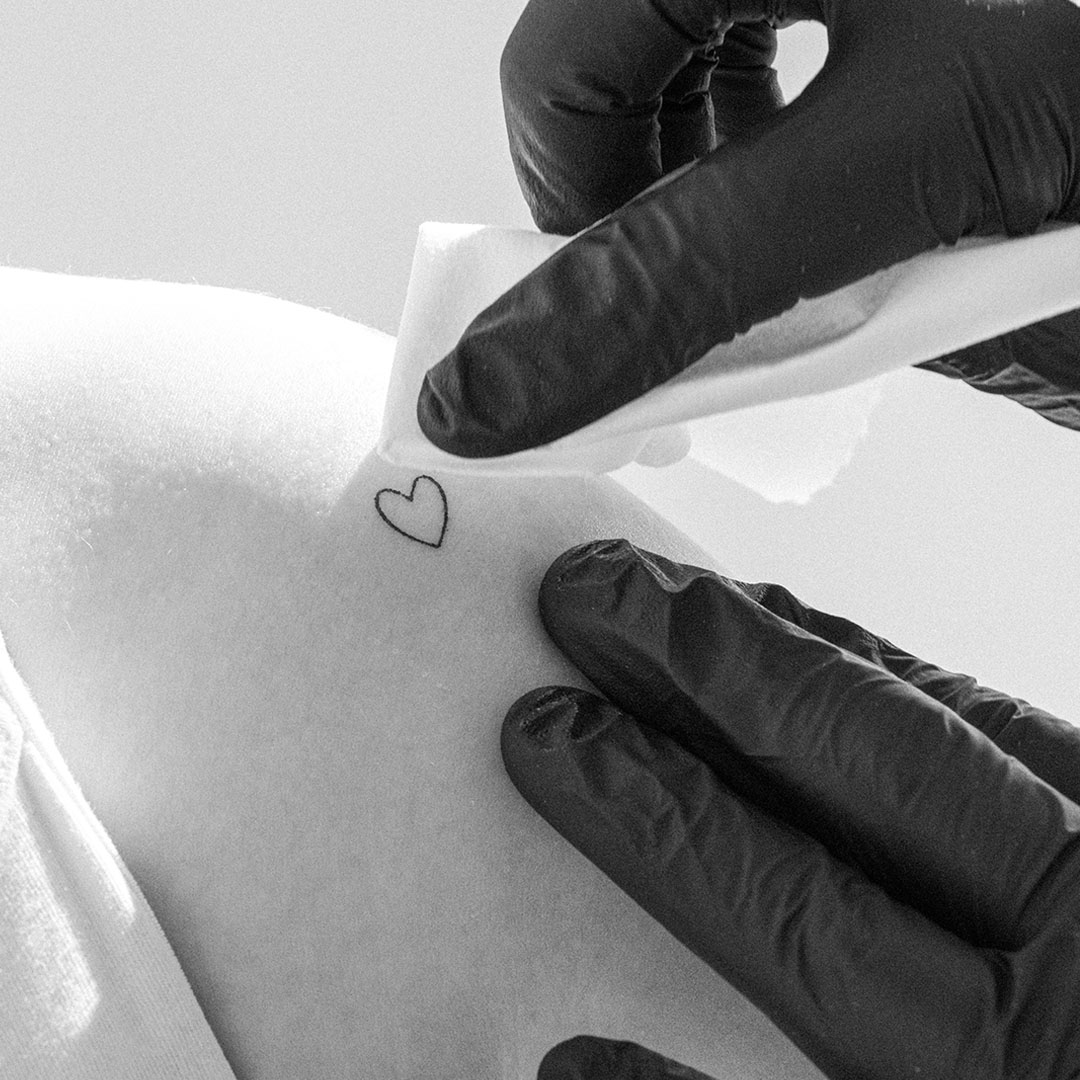
Disposable gloves are worn at all times during tattooing
-
Every surface and tool is disinfected before and after each session
-
Only the client and the tattoo artist are allowed in the tattooing area
This keeps the environment both sterile and calm, which is equally important for a good tattoo experience.
If you’re curious how a private studio differs from walk-in tattoo shops, we explain that in our blog about PRIVATE tattoo studios in Amsterdam.
Tattoo Ink Safety in the European Union
The European Union is known for some of the strictest safety regulations in the world — and tattoo ink is no exception.
In January 2022, the EU introduced the REACH Regulation, which strictly controls tattoo pigments. Under REACH:
-
Heavy metals are limited
-
Harmful preservatives are restricted
-
Pigment purity is regulated
The goal is simple: reduce health risks and improve long-term safety.
Modern tattoo inks in the EU are safer than ever before.
Even tattoos made years ago were done under already high standards — so there’s no reason to worry about older tattoos either.
Safety Is Also About Responsibility
For us, safety is not just about rules — it’s about respect.
When someone gets tattooed at Vadelma Tattoo, they trust us with their body and their story. We take that seriously.
Before tattooing:
-
We check that your skin is healthy
-
We don’t tattoo over wounds, sunburn, eczema, or irritated skin
-
We make sure you feel physically well
Most of this is discussed before your appointment, during email or message communication. This prevents unnecessary stress and ensures your session runs smoothly.
That’s also why we invest so much time into educational content like this blog and our detailed tattoo FAQ.
Aftercare: Safety Continues After the Tattoo
Tattoo safety doesn’t end when you leave the studio.
Proper aftercare is essential for:
-
Preventing infection
-
Ensuring good healing
-
Keeping your tattoo looking beautiful long-term
Initial healing usually takes around 4 weeks, while full skin recovery can take 6–8 weeks.
We provide:
-
Clear aftercare instructions in the studio
-
Detailed guidance on our tattoo aftercare and healing page
And if your tattoo needs a small adjustment after healing — it happens. Skin is skin. Simply contact us and we’ll arrange a touch-up session.
Closing Thoughts
So — is it safe to get a tattoo?
Yes. When it’s done by professionals who understand hygiene, regulations, skin, and responsibility, tattooing is one of the safest and most meaningful art experiences you can have.
At Vadelma Tattoo, we combine:
-
Creativity with care
-
Precision with patience
-
Art with responsibility
Our goal is simple:
To make sure you leave the studio with a beautiful tattoo — safely.
Thank you for reading, and have a great day.
FAQ: Tattoo Safety
Is getting a tattoo safe today?
Yes, when done in a licensed studio that follows modern hygiene standards and uses EU-approved inks.
Are tattoo inks safe in Europe?
Yes. Tattoo inks in the EU are regulated under the REACH Regulation, which strictly controls harmful substances.
How long does a tattoo take to heal?
Initial healing takes about 4 weeks. Full skin recovery can take 6–8 weeks.
Can everyone get a tattoo?
No. Tattooing should be avoided on damaged skin, sunburn, eczema, or if you’re unwell. Always discuss this with your artist beforehand.
Is aftercare really that important?
Absolutely. Aftercare is just as important as the tattooing process itself.
Is It Safe to Get a Tattoo? Professional Tattoo Safety Explained
Welcome! My name is Simon Vadelma — tattoo artist and co-owner of Vadelma Tattoo in Amsterdam.
In today’s blog, I want to talk about one of the most important questions in the tattoo industry:
Is it actually safe to get a tattoo?
The short answer is yes — absolutely.
But only when it’s done the right way, in a licensed studio, by professionals who follow strict safety and hygiene standards.
In this article, I’ll explain what “tattoo safety” really means, how professional studios work today, and how we ensure a calm and safe tattoo experience at Vadelma Tattoo.
A Bit of Perspective: How Tattoo Safety Evolved
Tattooing has come a long way.
Most historians agree that modern tattooing began in 1891, when Samuel O’Reilly patented the first electric tattoo machine. However, the tattoo industry as we know it today — with clear hygiene rules, licensing, and inspections — truly developed from the 1970s onward.
That means we now have over 50 years of continuous improvement in:
-
Tattoo techniques
-
Sterilization methods
-
Ink formulation
-
Health regulations
Tattooing is not standing still. It is constantly evolving toward higher standards of safety and professionalism.
Modern Tattoo Studios and Legal Safety Standards
Professional tattoo studios today must comply with strict regulations set by national health authorities.
In the Netherlands, tattoo studios are regulated by the GGD (Dutch Health Service).
This means studios are:
-
Regularly inspected
-
Required to follow documented hygiene protocols
-
Licensed to operate only if they meet safety standards
These third-party inspections are crucial. There is no room for improvisation when health authorities are involved — and that’s a good thing.
If you’re interested in the full preparation process, we explain it in detail in our tattoo FAQ page
How We Make Tattooing Safe at Vadelma Tattoo
At Vadelma Tattoo, safety is not a trend — it’s the foundation of our work.
We follow hygiene protocols similar to those used in medical environments.
Single-Use Equipment and Sterile Procedures
-
Every needle is pre-sterilized, single-use, and individually packaged
-
Used needles are immediately disposed of in certified sharps containers
-
Nothing that touches your skin is ever reused
Studio Hygiene and Cross-Contamination Prevention
-
All work surfaces are covered with single-use protective barriers
-
Disposable gloves are worn at all times during tattooing
-
Every surface and tool is disinfected before and after each session
-
Only the client and the tattoo artist are allowed in the tattooing area
This keeps the environment both sterile and calm, which is equally important for a good tattoo experience.
If you’re curious how a private studio differs from walk-in tattoo shops, we explain that in our blog about PRIVATE tattoo studios in Amsterdam.
Tattoo Ink Safety in the European Union
The European Union is known for some of the strictest safety regulations in the world — and tattoo ink is no exception.
In January 2022, the EU introduced the REACH Regulation, which strictly controls tattoo pigments. Under REACH:
-
Heavy metals are limited
-
Harmful preservatives are restricted
-
Pigment purity is regulated
The goal is simple: reduce health risks and improve long-term safety.
Modern tattoo inks in the EU are safer than ever before.
Even tattoos made years ago were done under already high standards — so there’s no reason to worry about older tattoos either.
Safety Is Also About Responsibility
For us, safety is not just about rules — it’s about respect.
When someone gets tattooed at Vadelma Tattoo, they trust us with their body and their story. We take that seriously.
Before tattooing:
-
We check that your skin is healthy
-
We don’t tattoo over wounds, sunburn, eczema, or irritated skin
-
We make sure you feel physically well
Most of this is discussed before your appointment, during email or message communication. This prevents unnecessary stress and ensures your session runs smoothly.
That’s also why we invest so much time into educational content like this blog and our detailed tattoo FAQ.
Aftercare: Safety Continues After the Tattoo
Tattoo safety doesn’t end when you leave the studio.
Proper aftercare is essential for:
-
Preventing infection
-
Ensuring good healing
-
Keeping your tattoo looking beautiful long-term
Initial healing usually takes around 4 weeks, while full skin recovery can take 6–8 weeks.
We provide:
-
Clear aftercare instructions in the studio
-
Detailed guidance on our tattoo aftercare and healing page
And if your tattoo needs a small adjustment after healing — it happens. Skin is skin. Simply contact us and we’ll arrange a touch-up session.
Closing Thoughts
So — is it safe to get a tattoo?
Yes. When it’s done by professionals who understand hygiene, regulations, skin, and responsibility, tattooing is one of the safest and most meaningful art experiences you can have.
At Vadelma Tattoo, we combine:
-
Creativity with care
-
Precision with patience
-
Art with responsibility
Our goal is simple:
To make sure you leave the studio with a beautiful tattoo — safely.
Thank you for reading, and have a great day.
FAQ: Tattoo Safety
Is getting a tattoo safe today?
Yes, when done in a licensed studio that follows modern hygiene standards and uses EU-approved inks.
Are tattoo inks safe in Europe?
Yes. Tattoo inks in the EU are regulated under the REACH Regulation, which strictly controls harmful substances.
How long does a tattoo take to heal?
Initial healing takes about 4 weeks. Full skin recovery can take 6–8 weeks.
Can everyone get a tattoo?
No. Tattooing should be avoided on damaged skin, sunburn, eczema, or if you’re unwell. Always discuss this with your artist beforehand.
Is aftercare really that important?
Absolutely. Aftercare is just as important as the tattooing process itself.