Why Does a Fresh Tattoo Look So Dark? | Tattoo Healing Explained – Vadelma Tattoo Amsterdam
What to Expect Right After Your Tattoo Session
Hello everyone!
Today, in our blog, we’re diving into the very first moments of a new tattoo and what you can expect when it’s freshly finished. We might not need the European Organization for Nuclear Research (CERN) to explain it — but it’s a fun analogy nonetheless.
“OMG… Why Is It So Intense?!”
This is one of the most common reactions, especially from first-time clients.
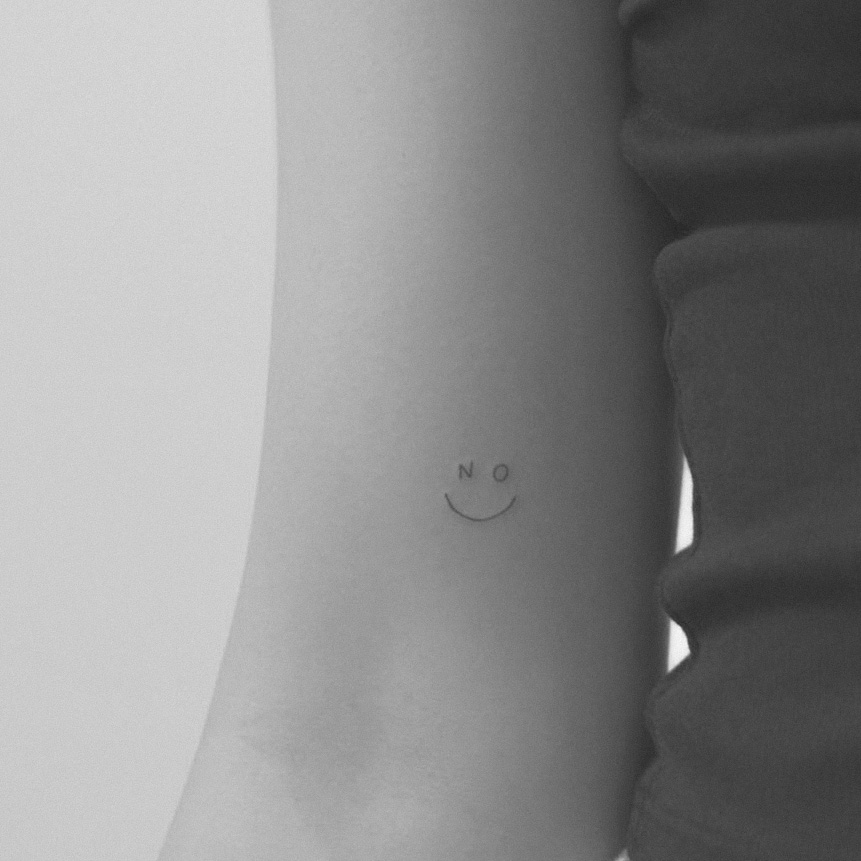
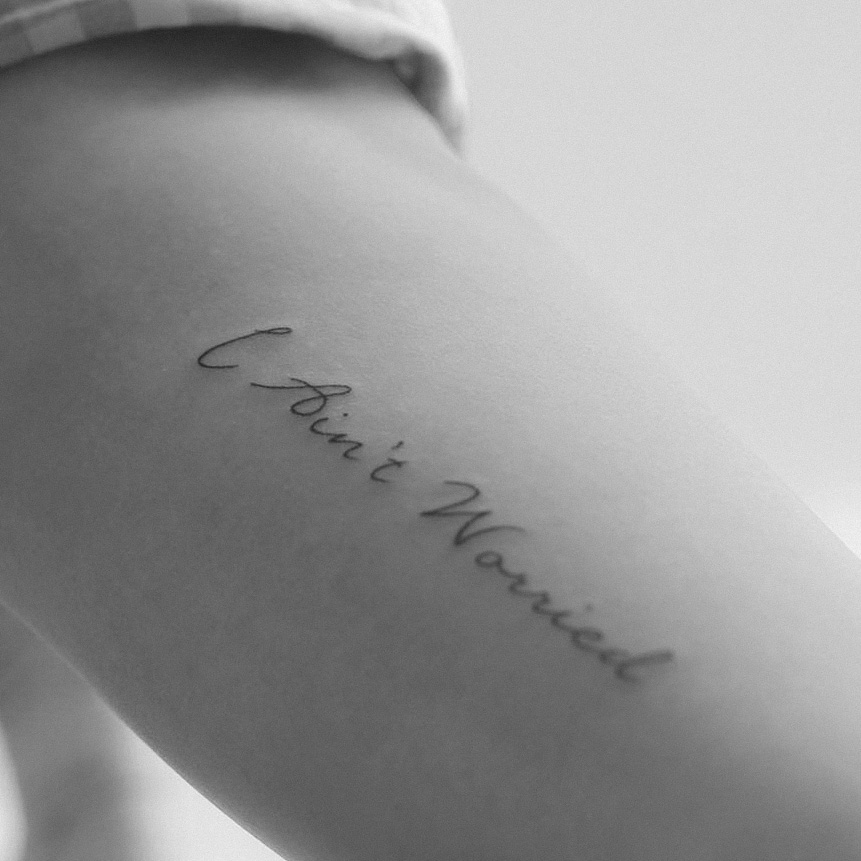
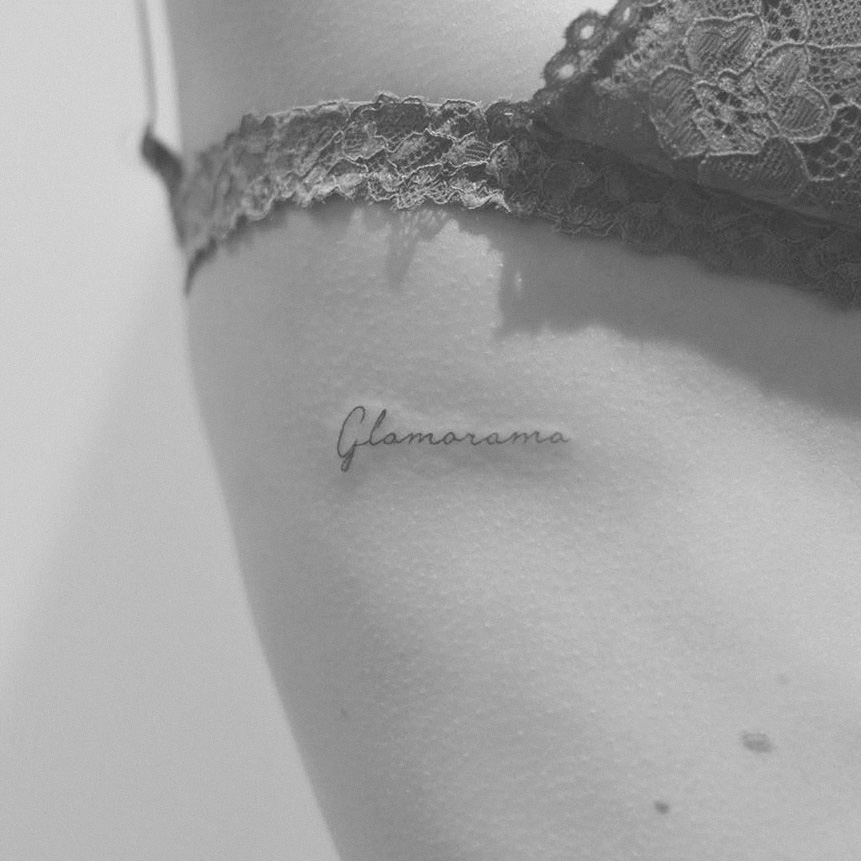
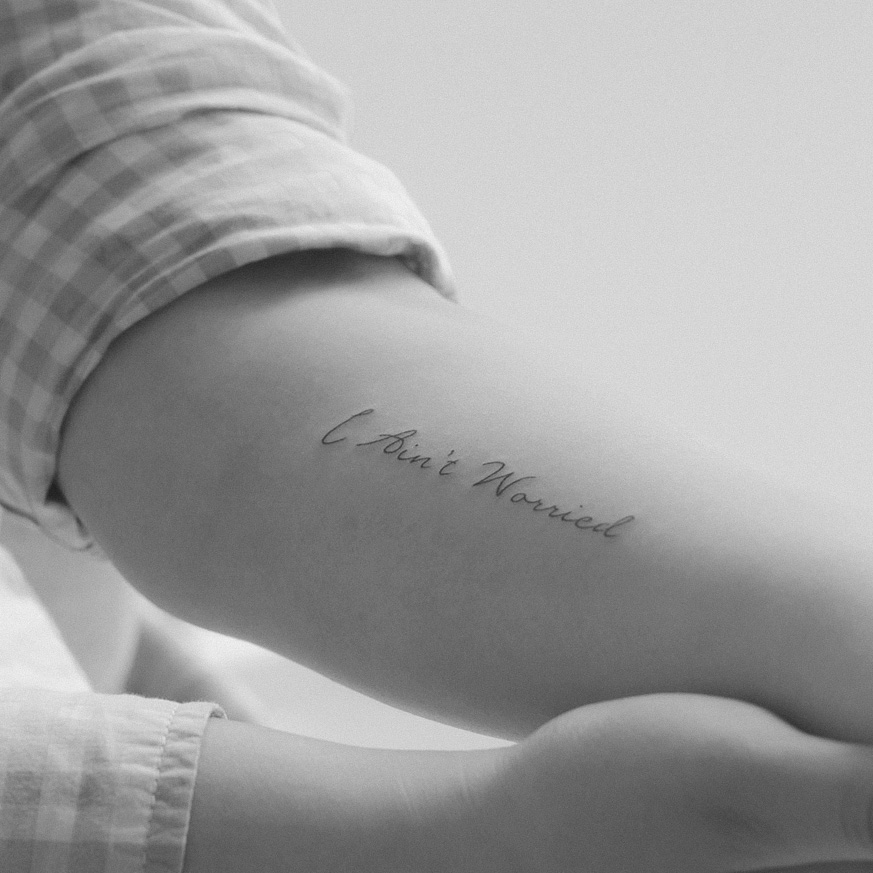
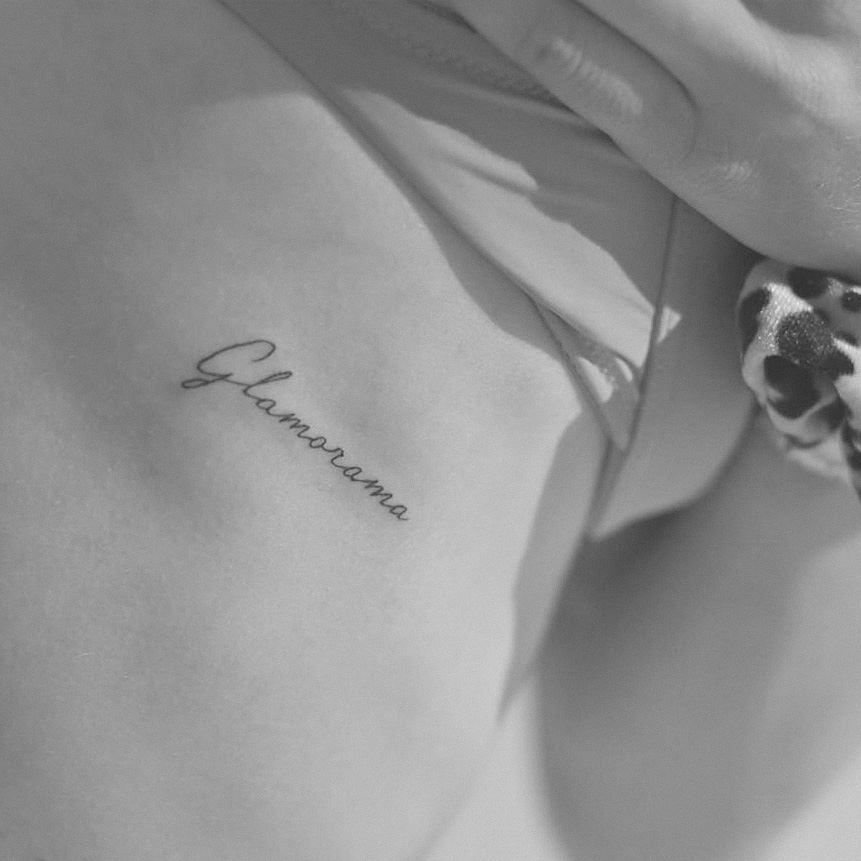
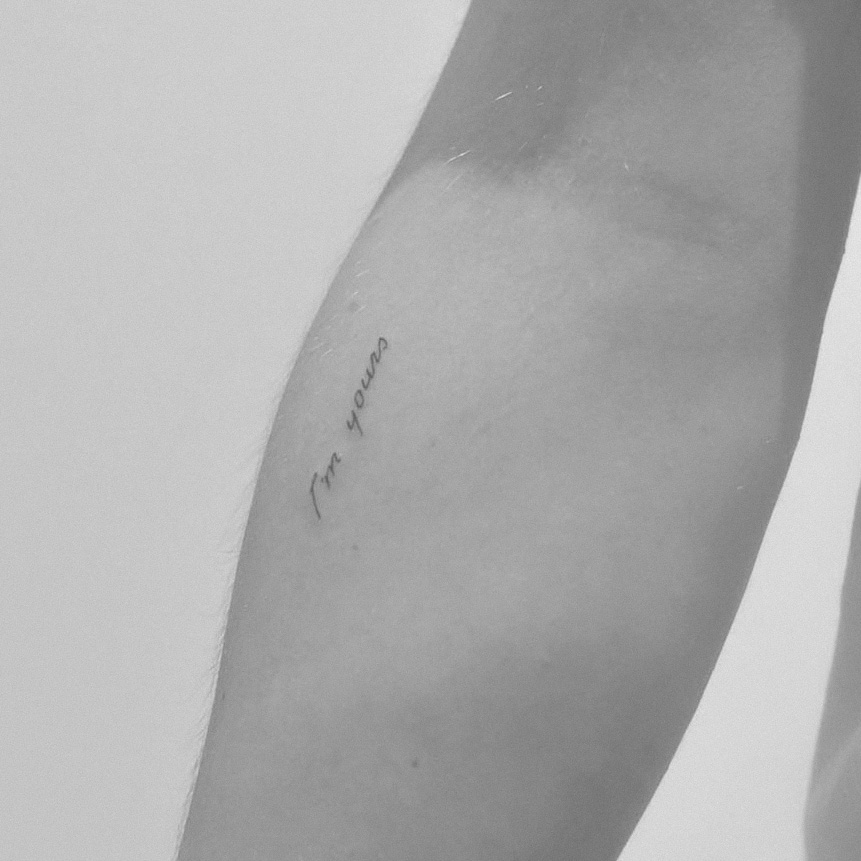
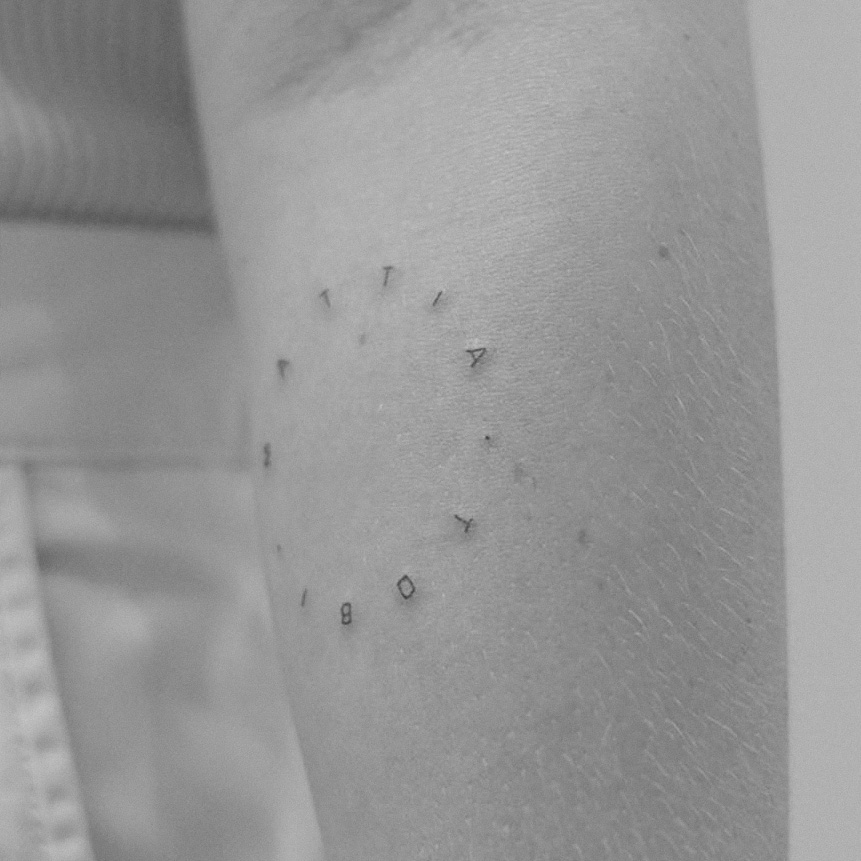
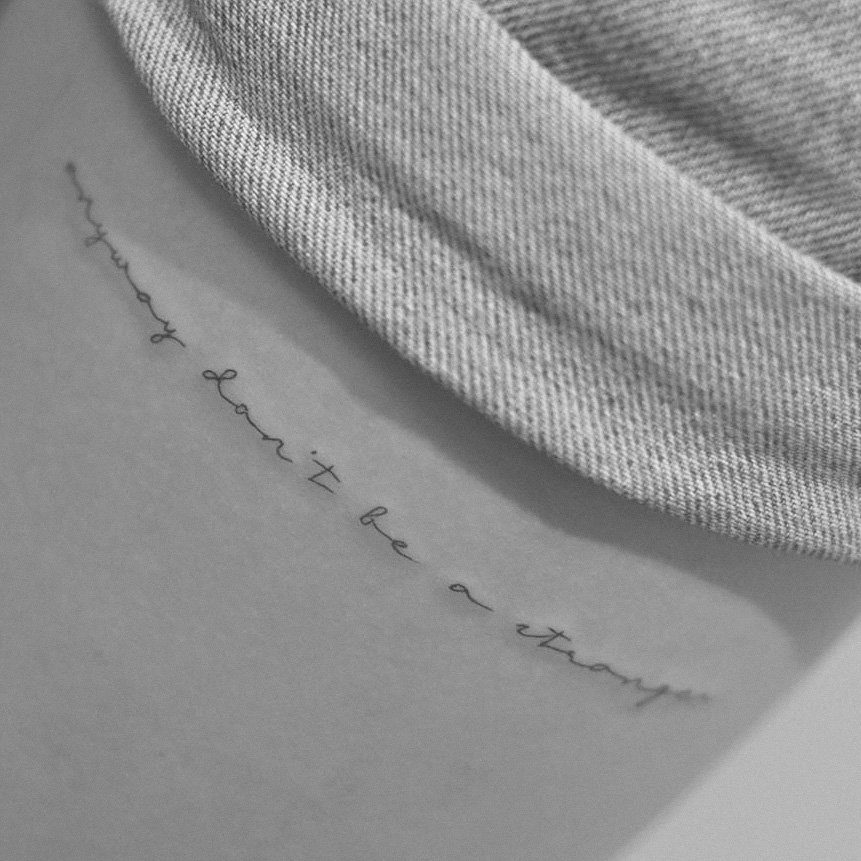
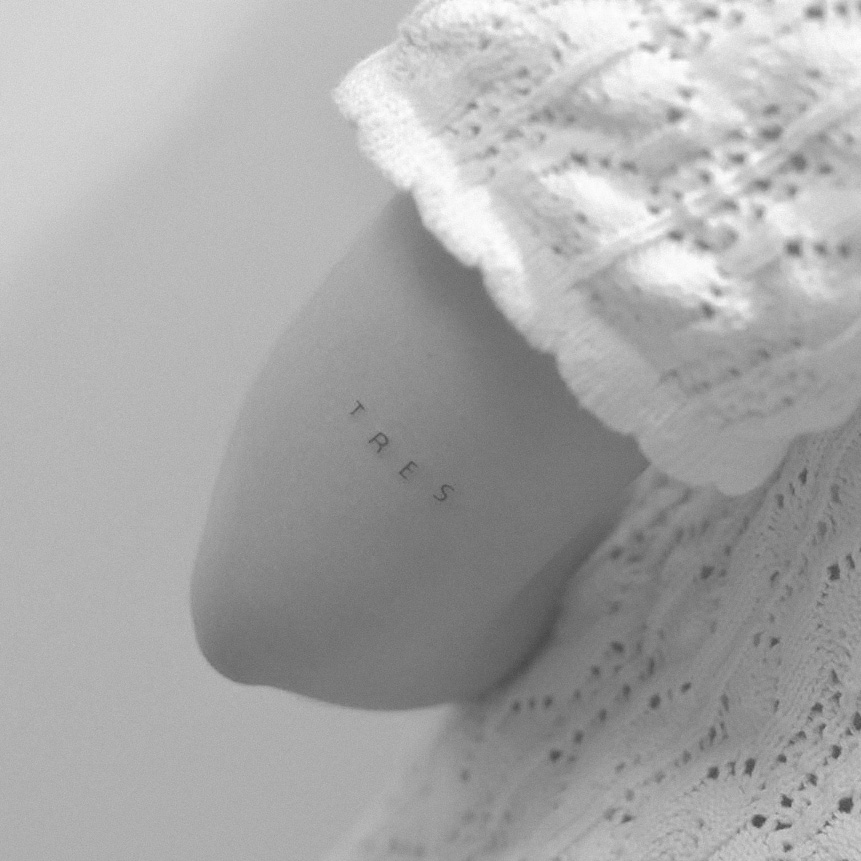
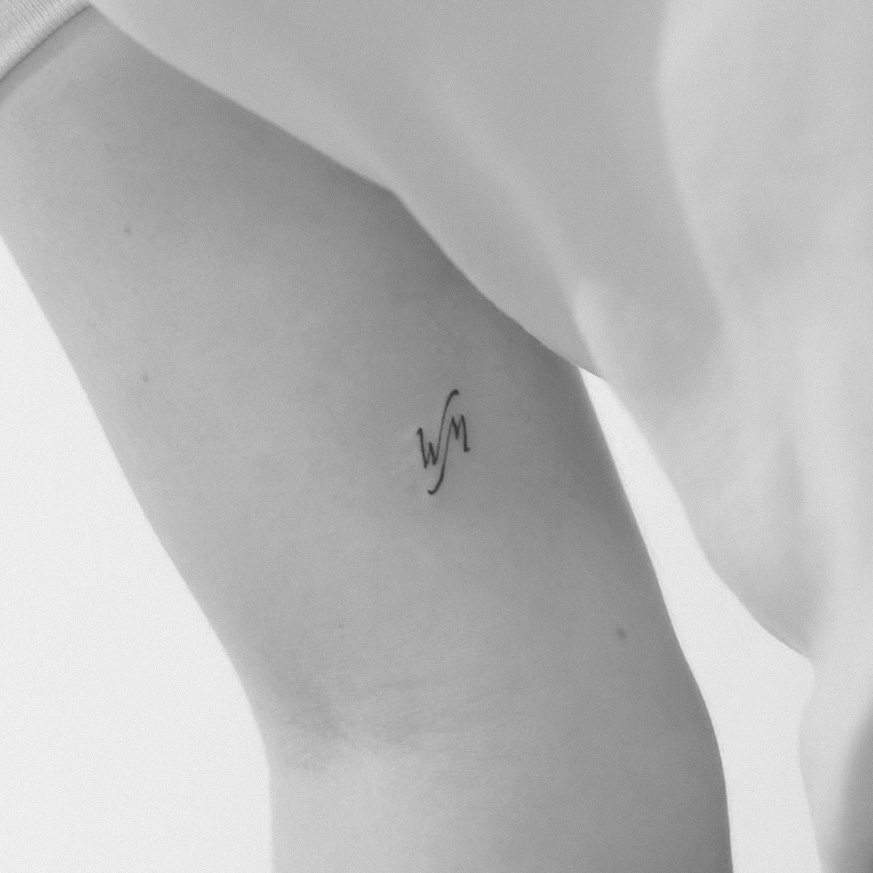
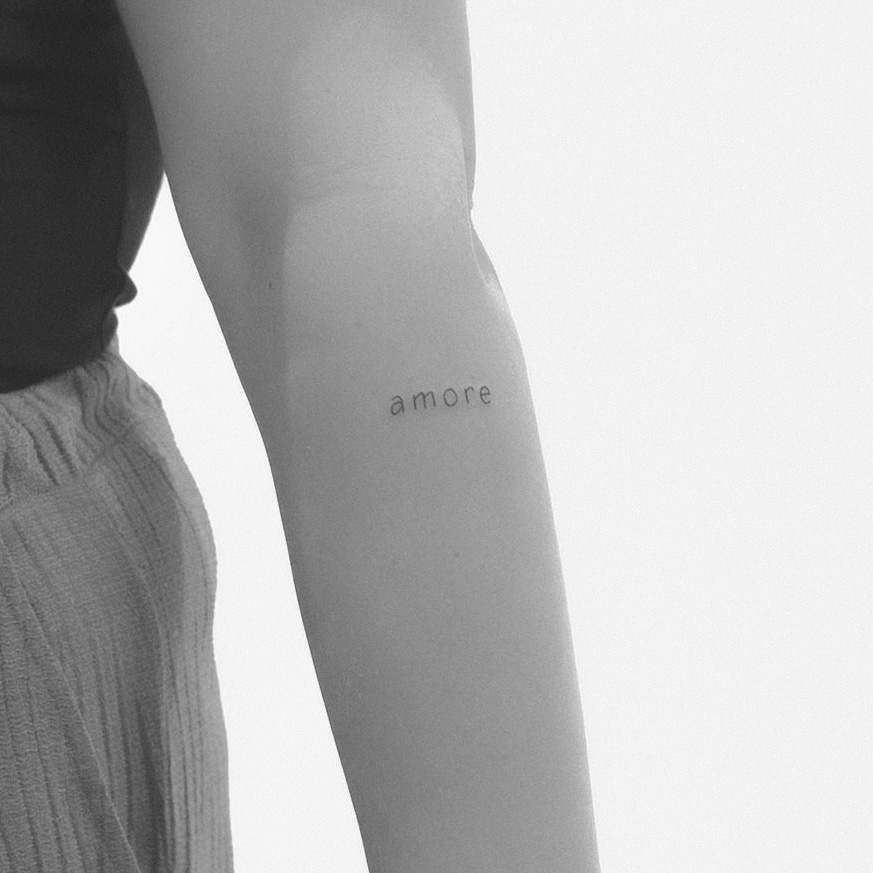
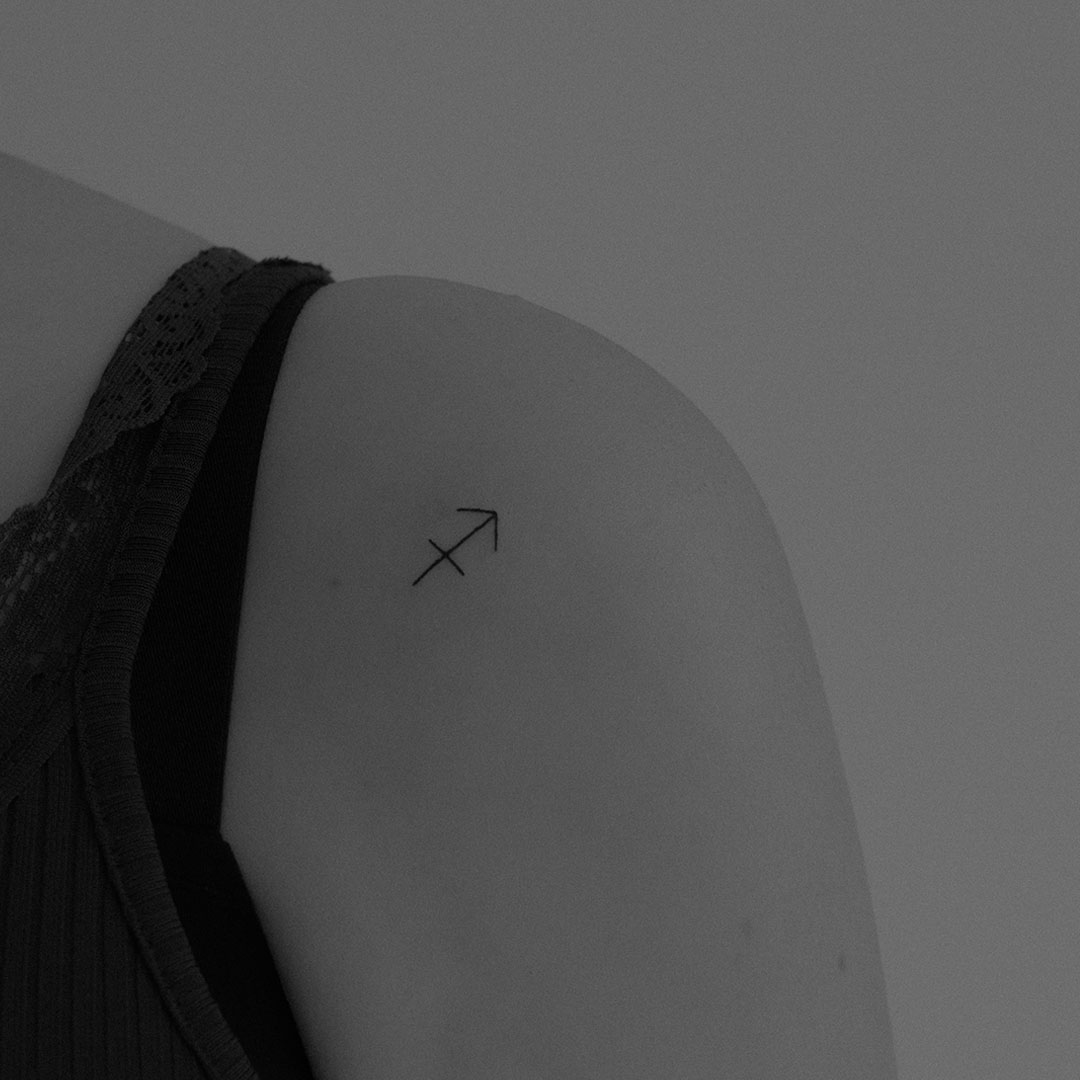
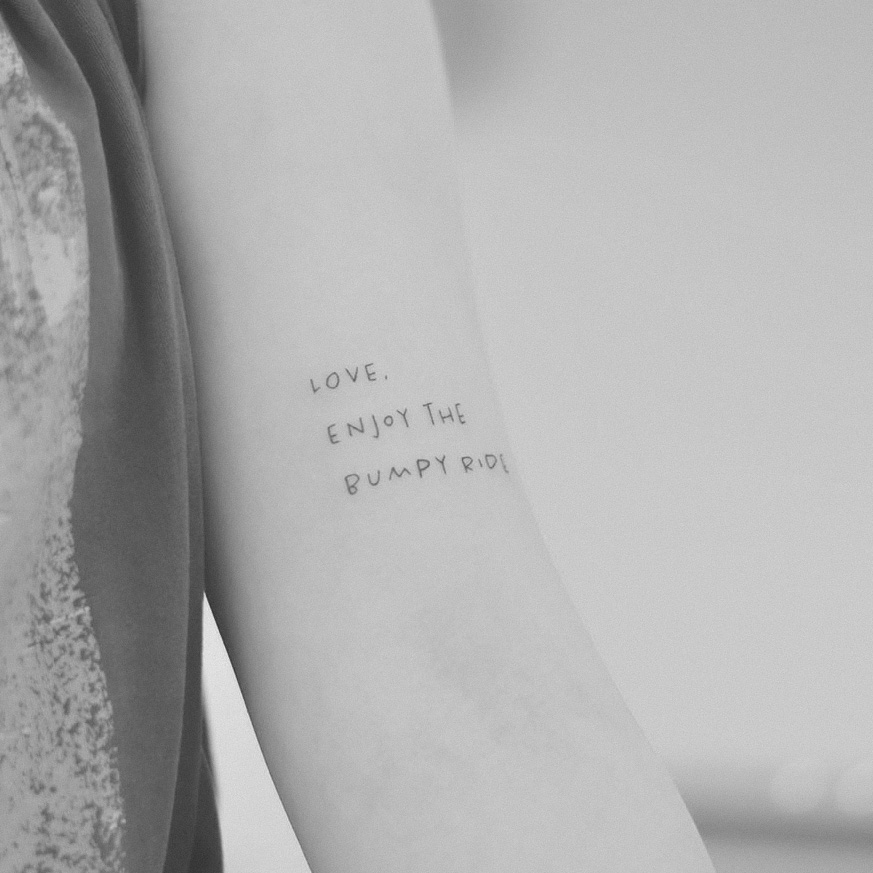
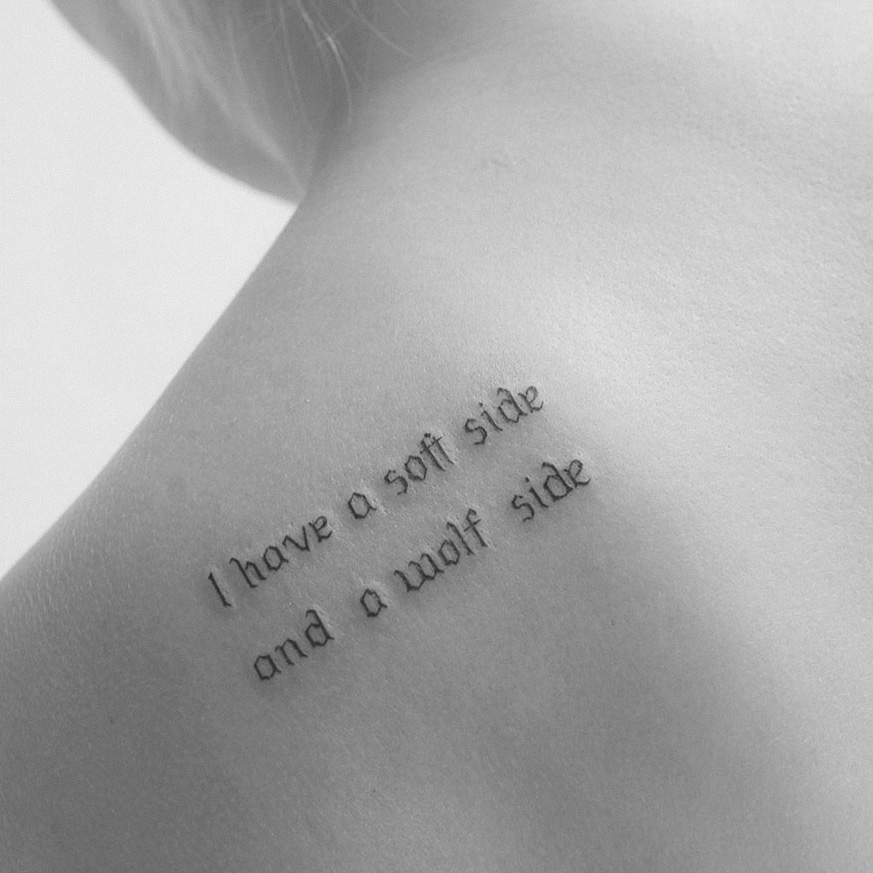
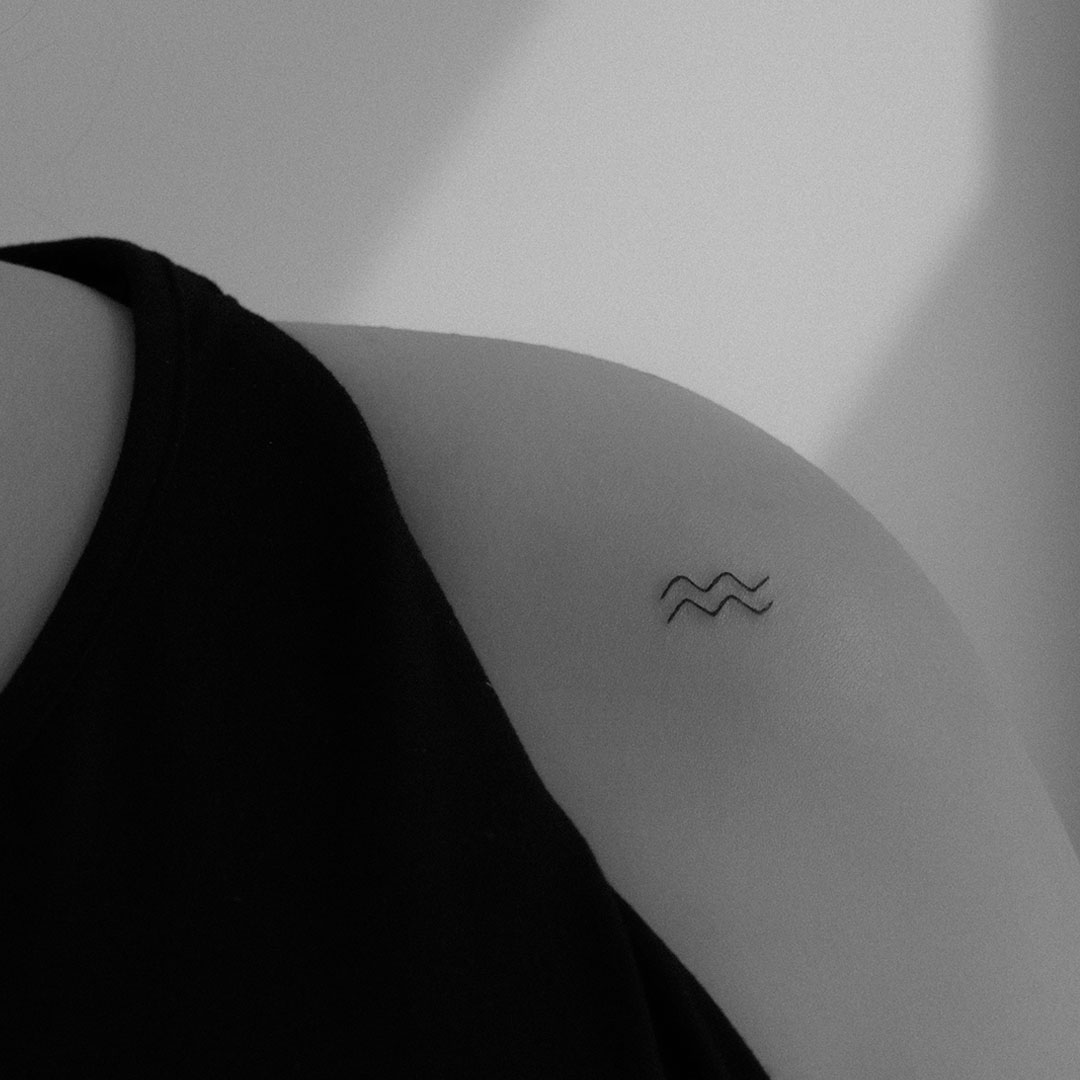
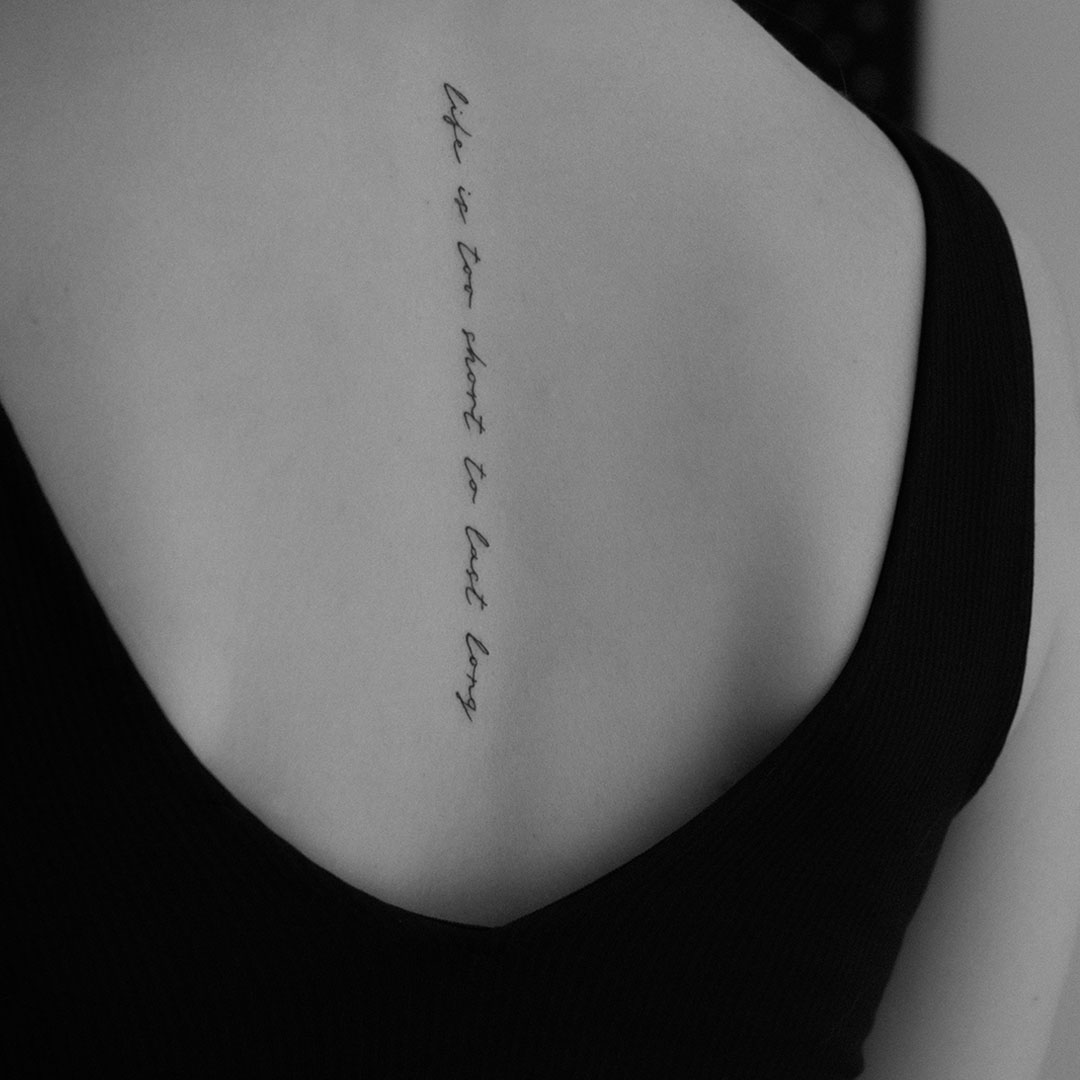
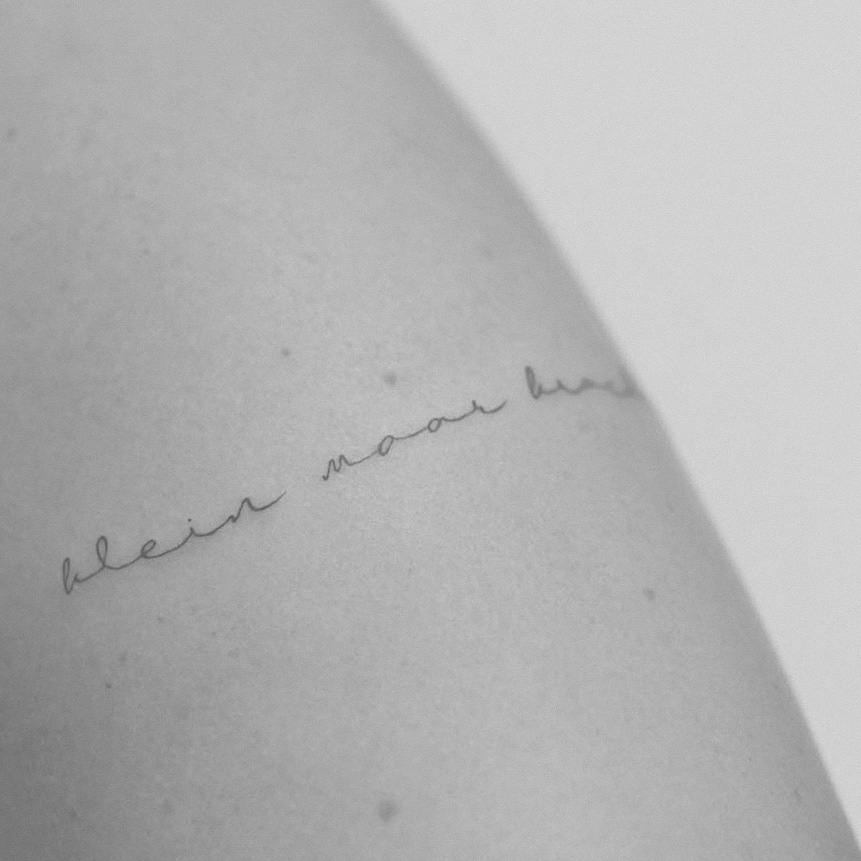
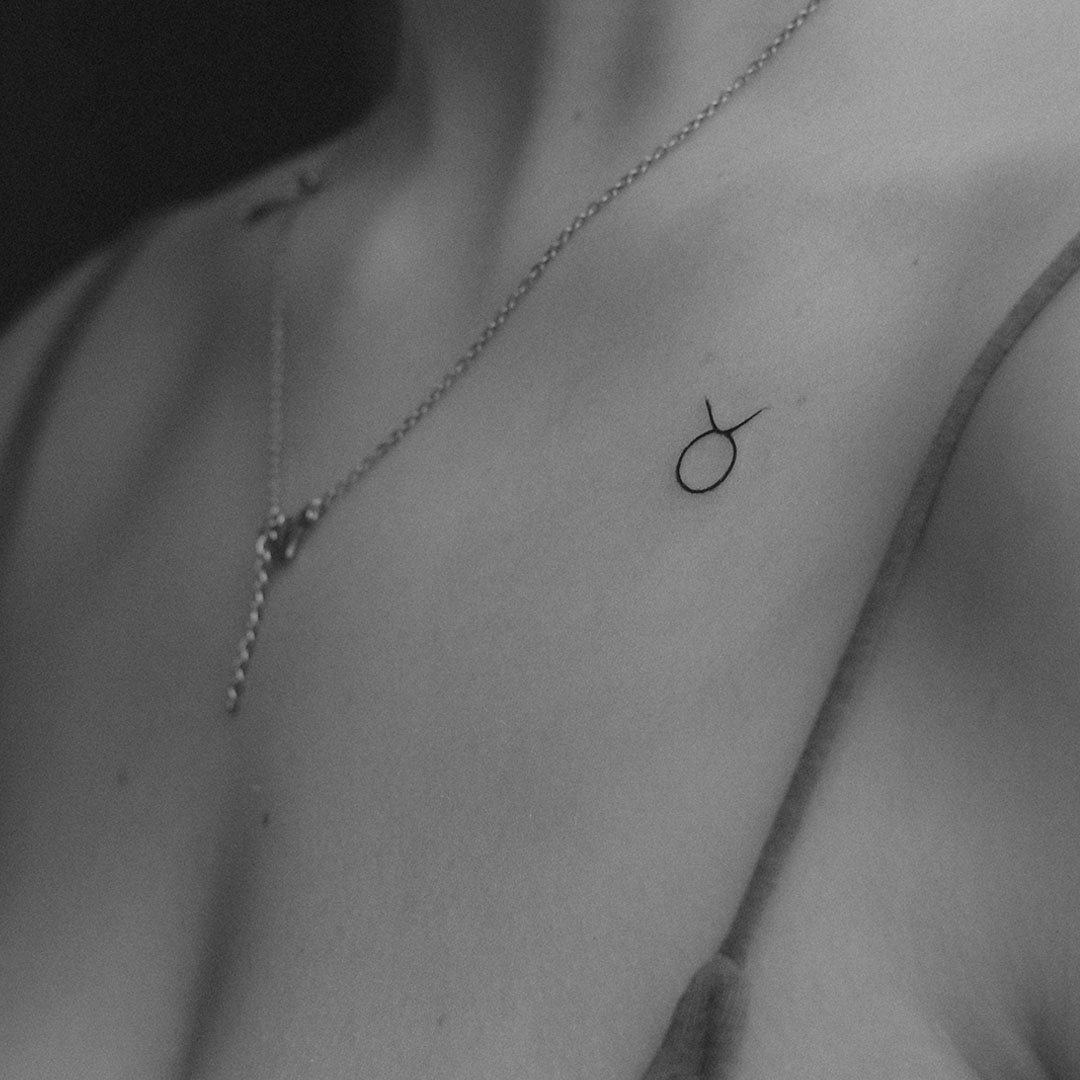
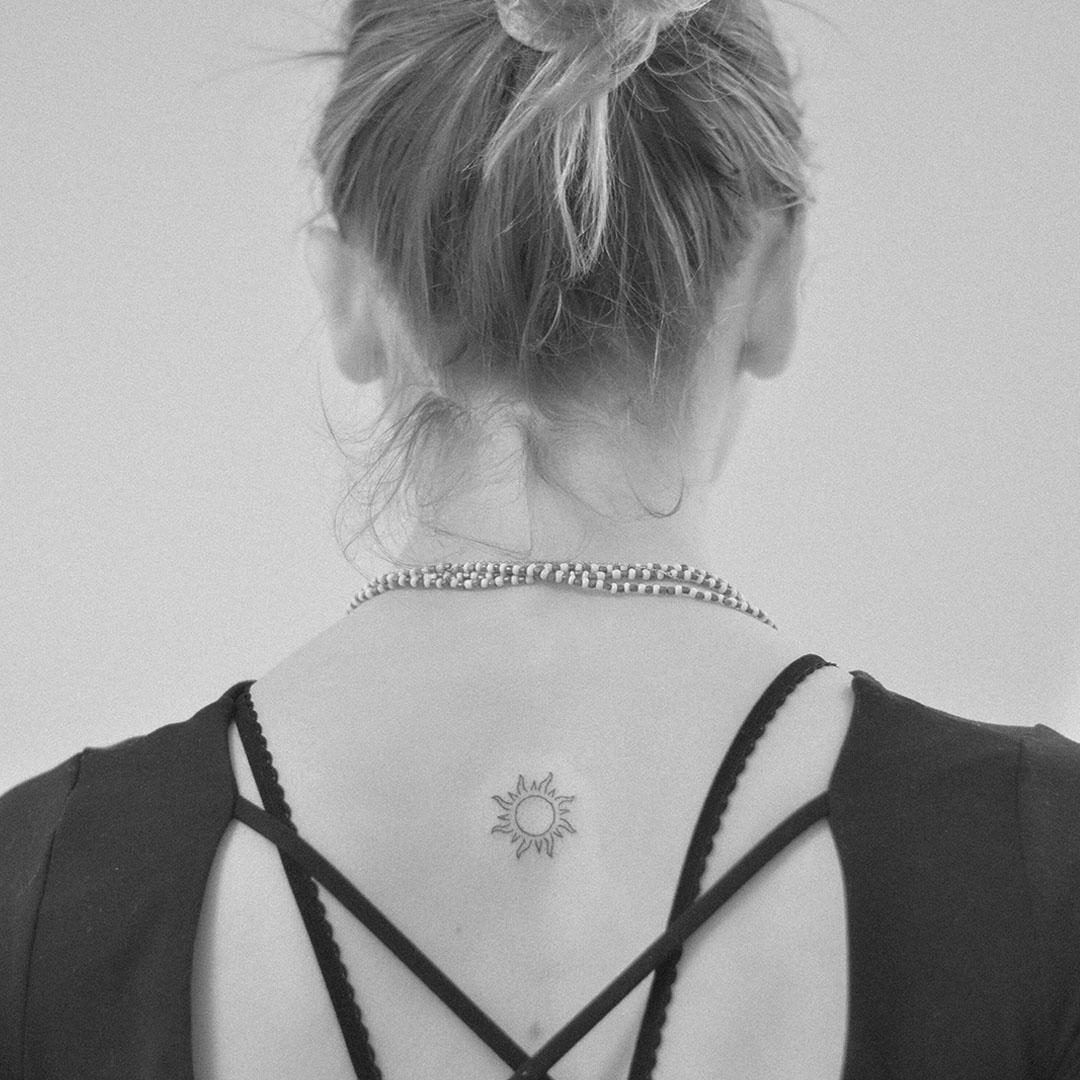
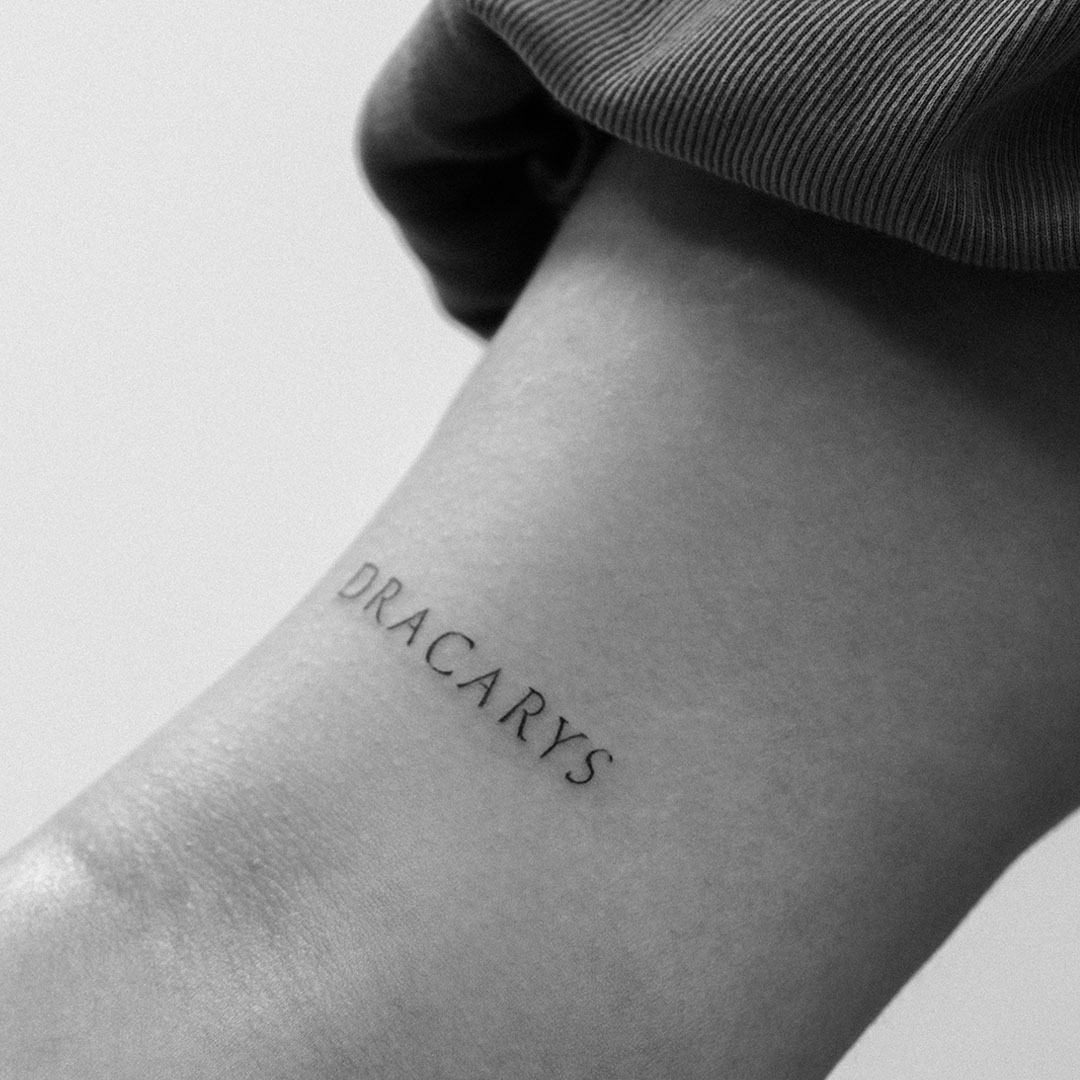
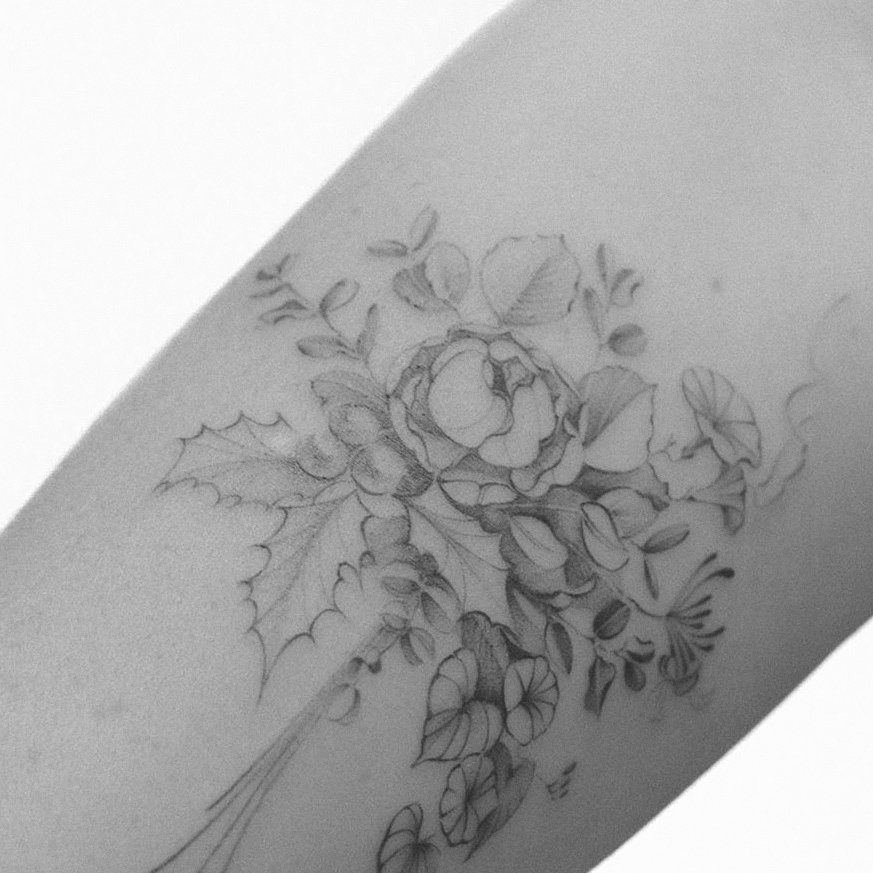
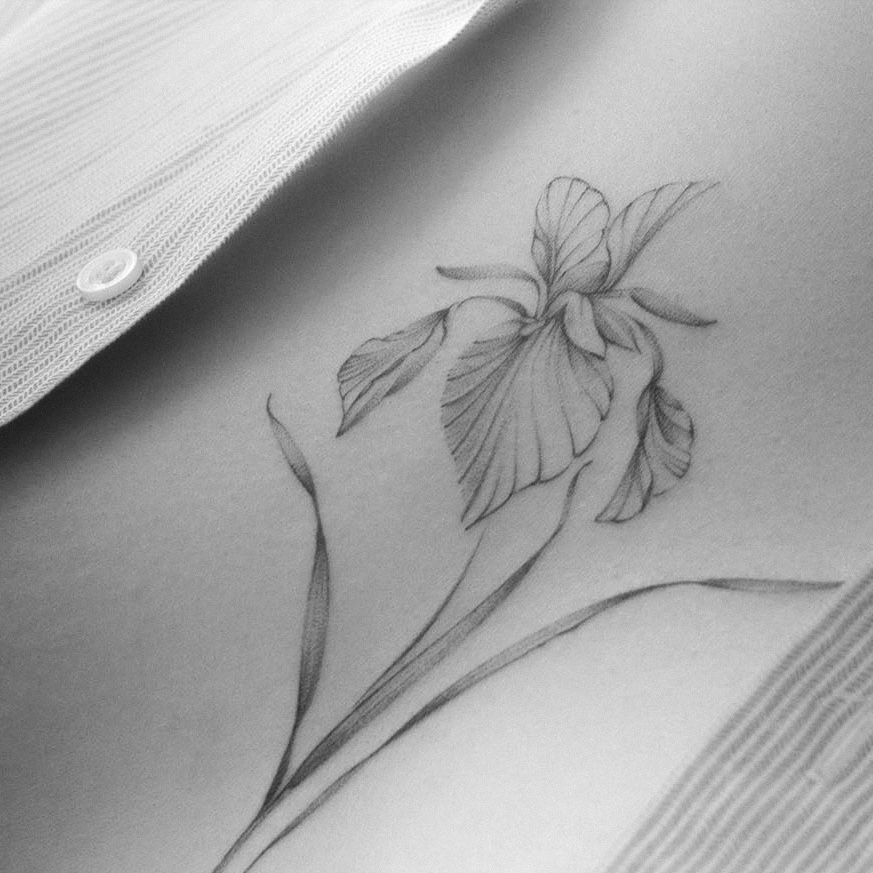
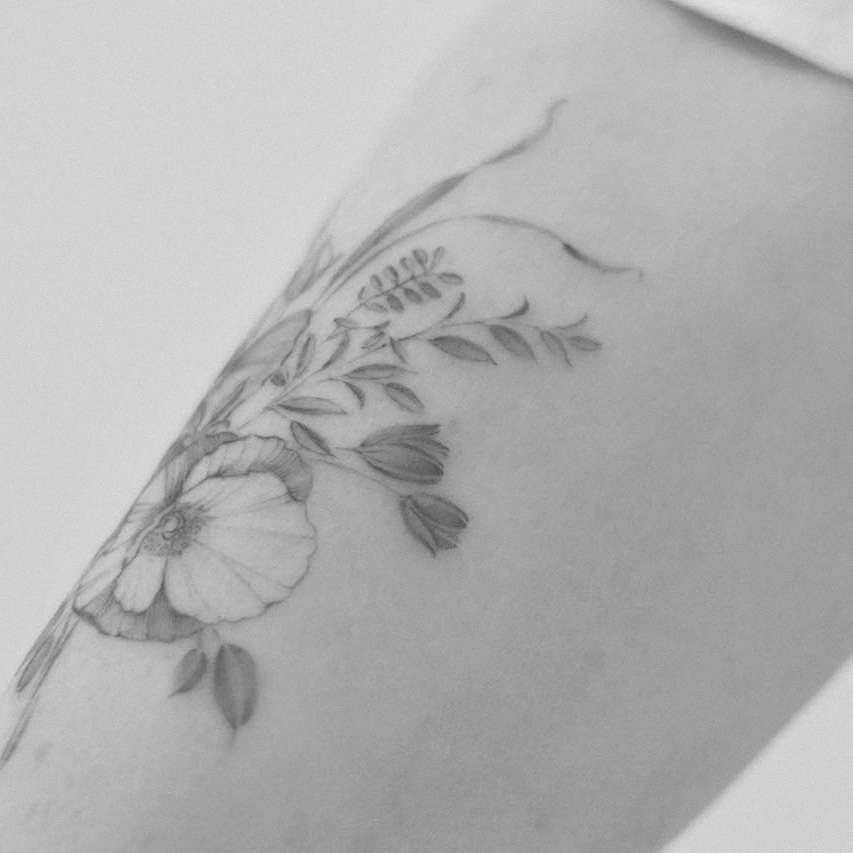
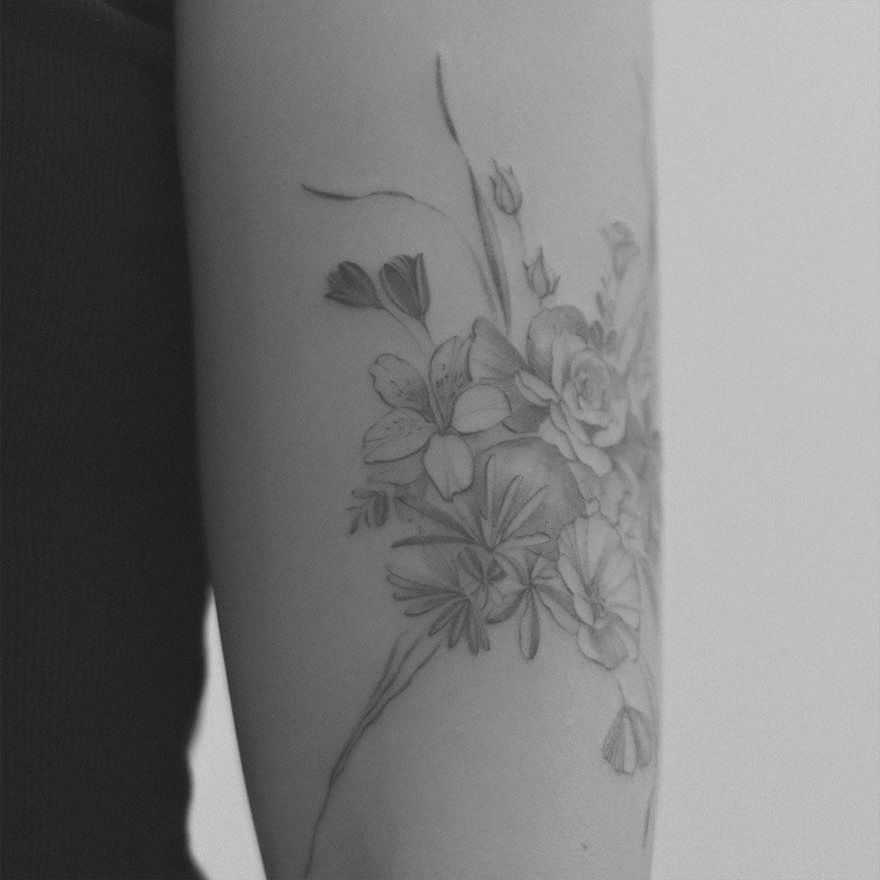
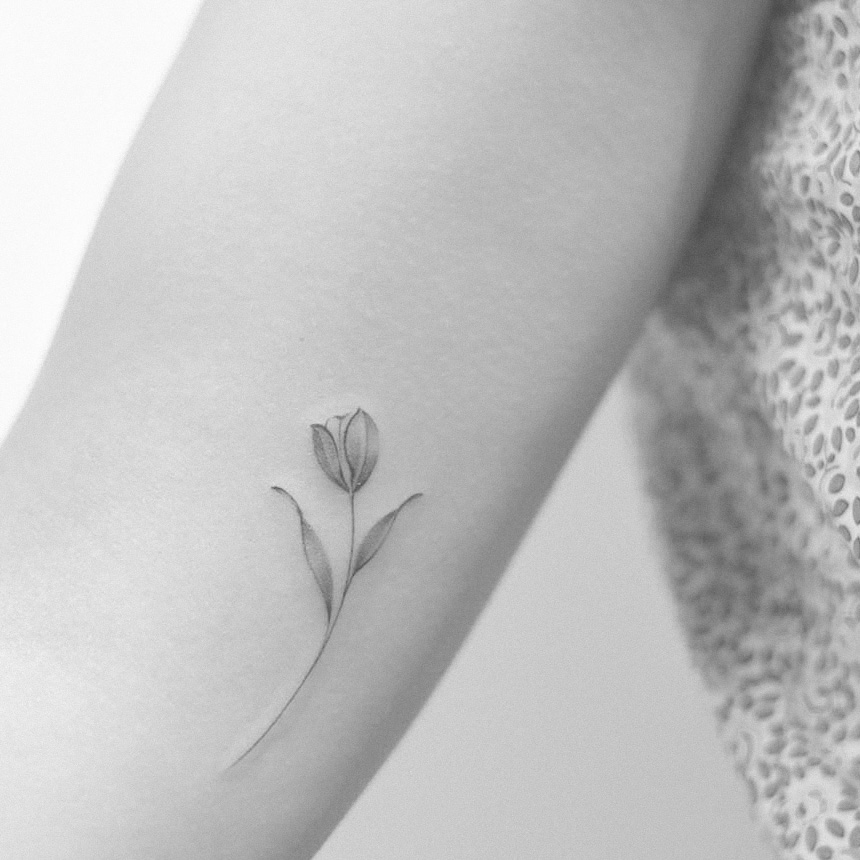
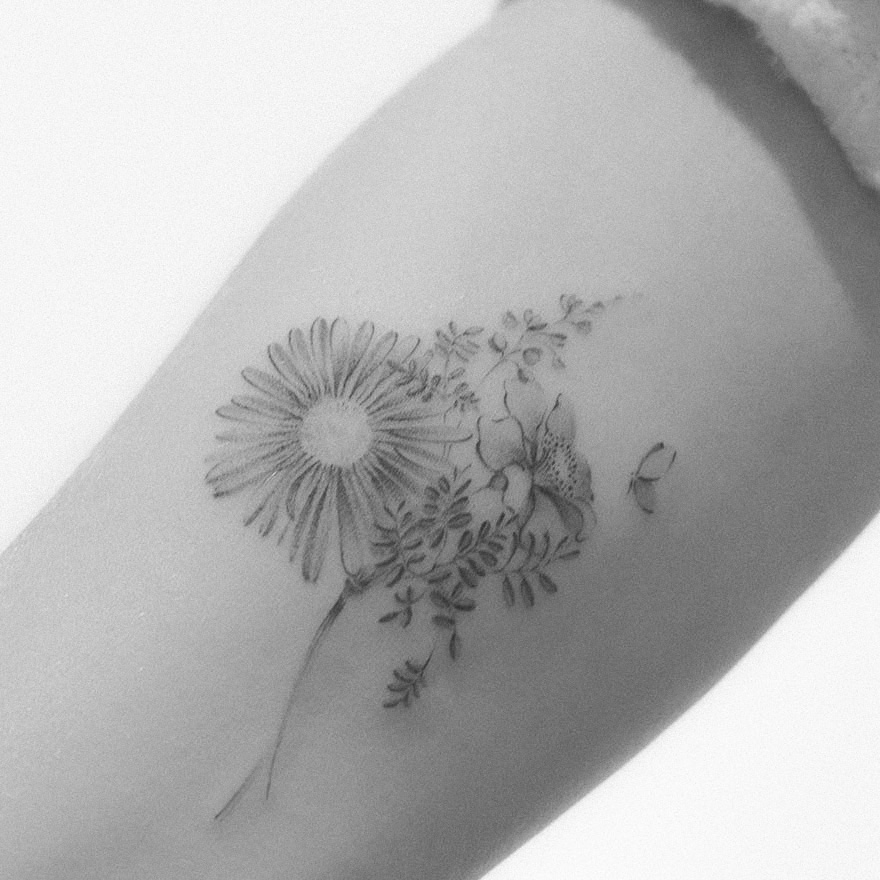
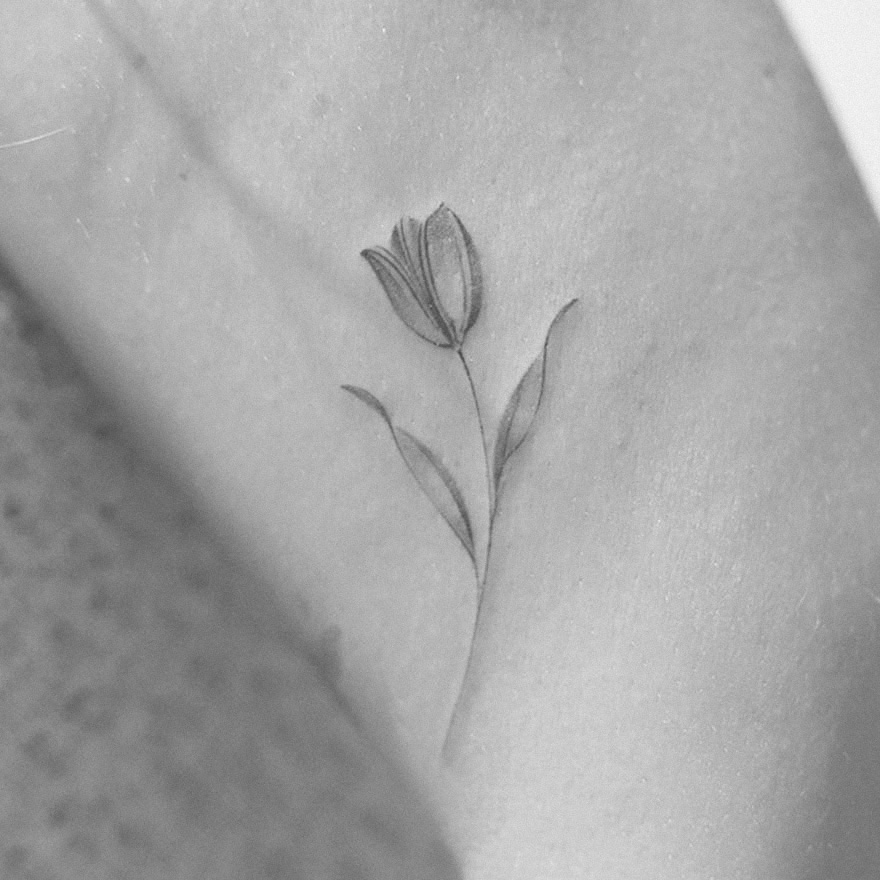
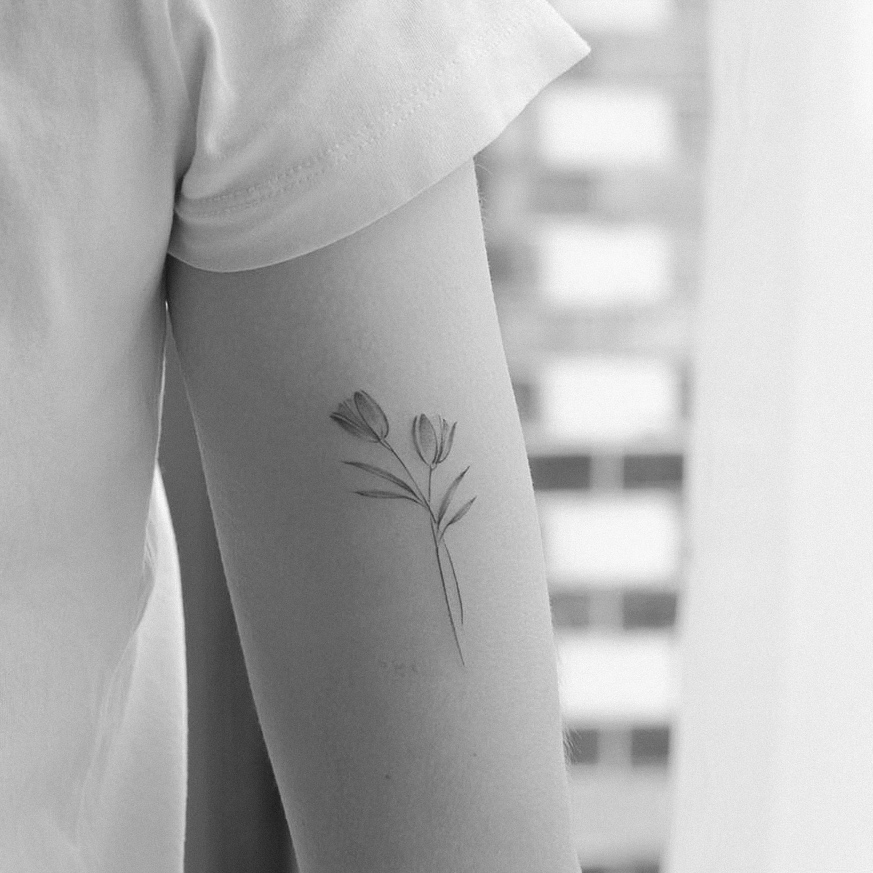
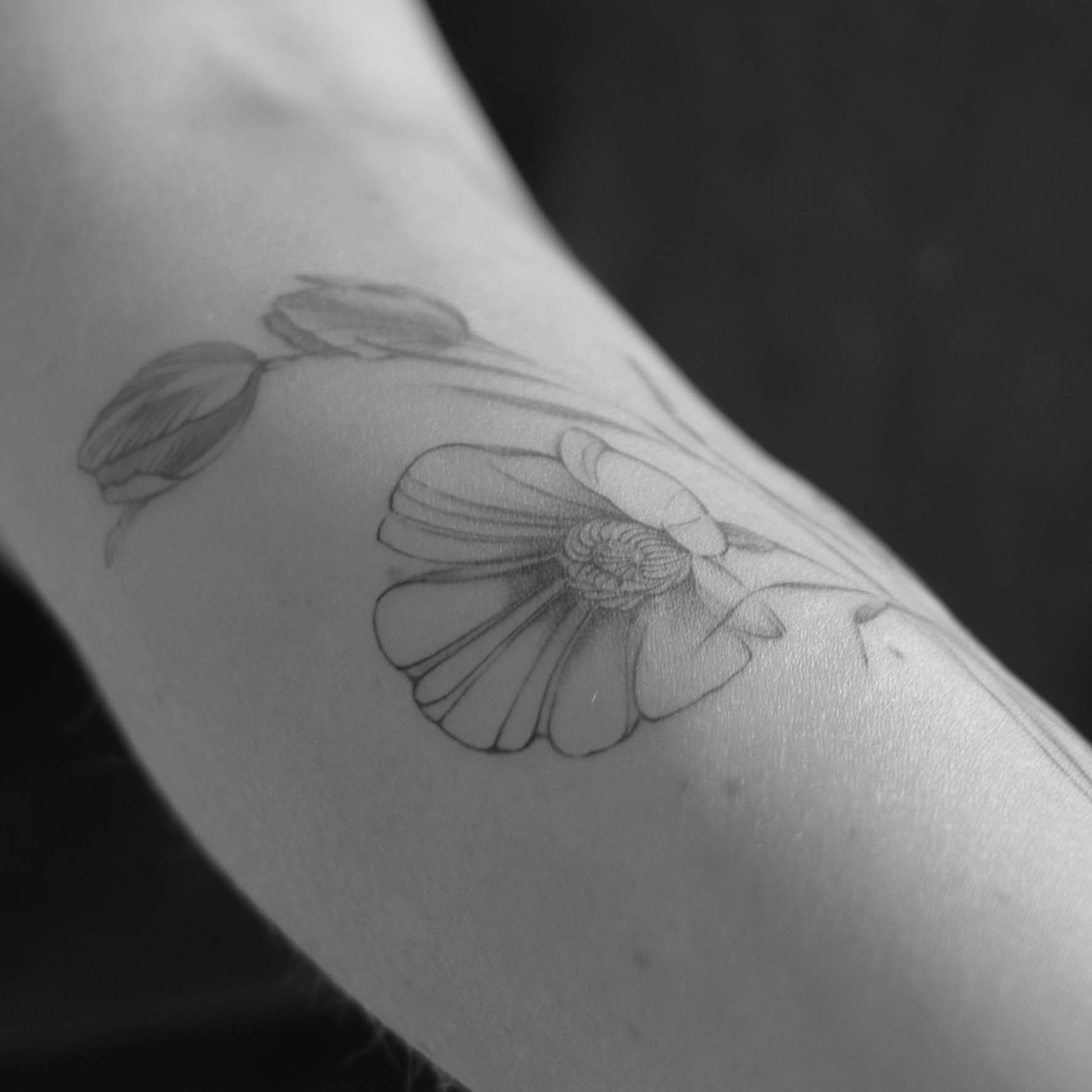
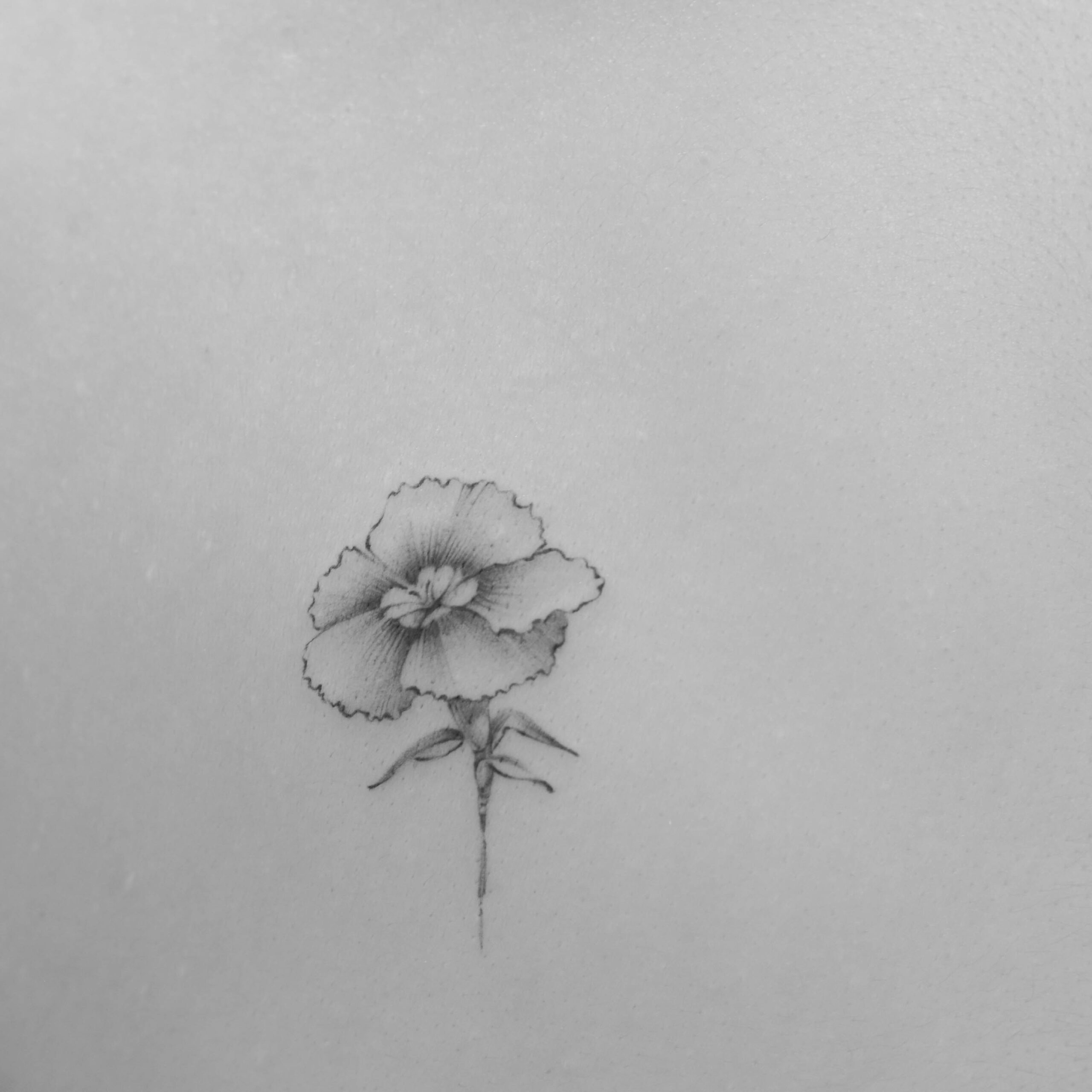
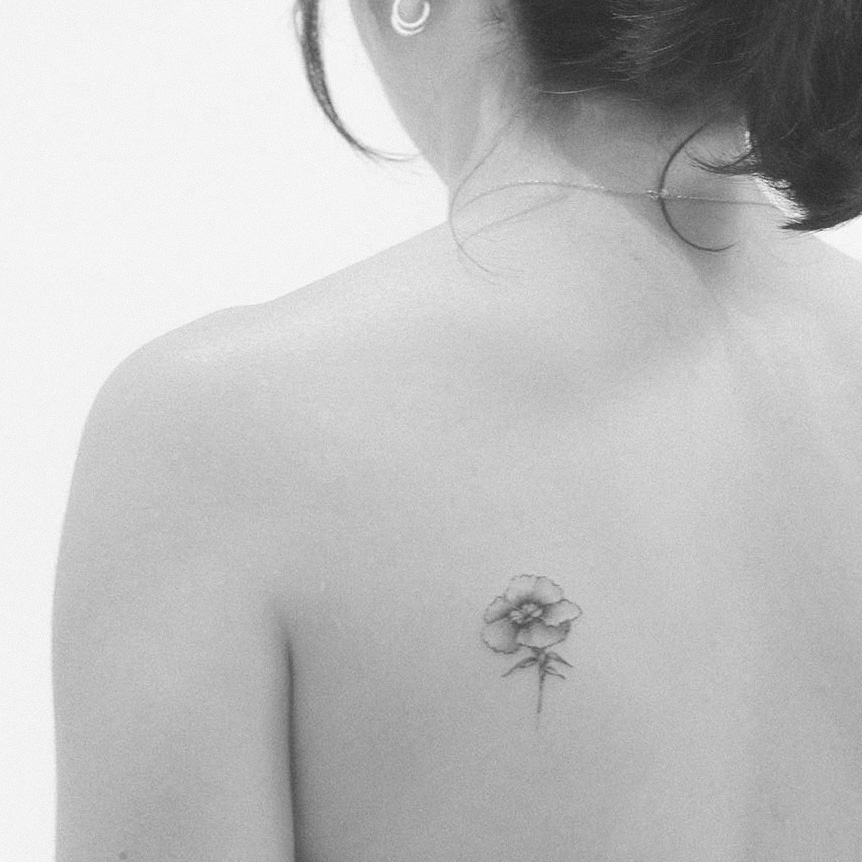
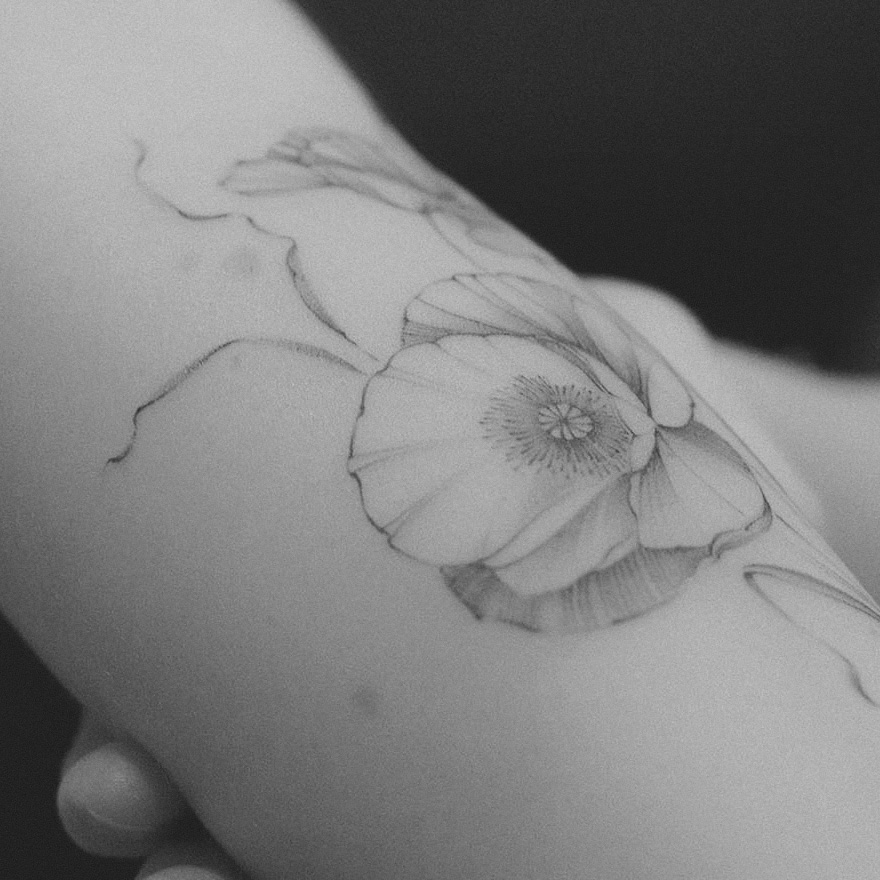
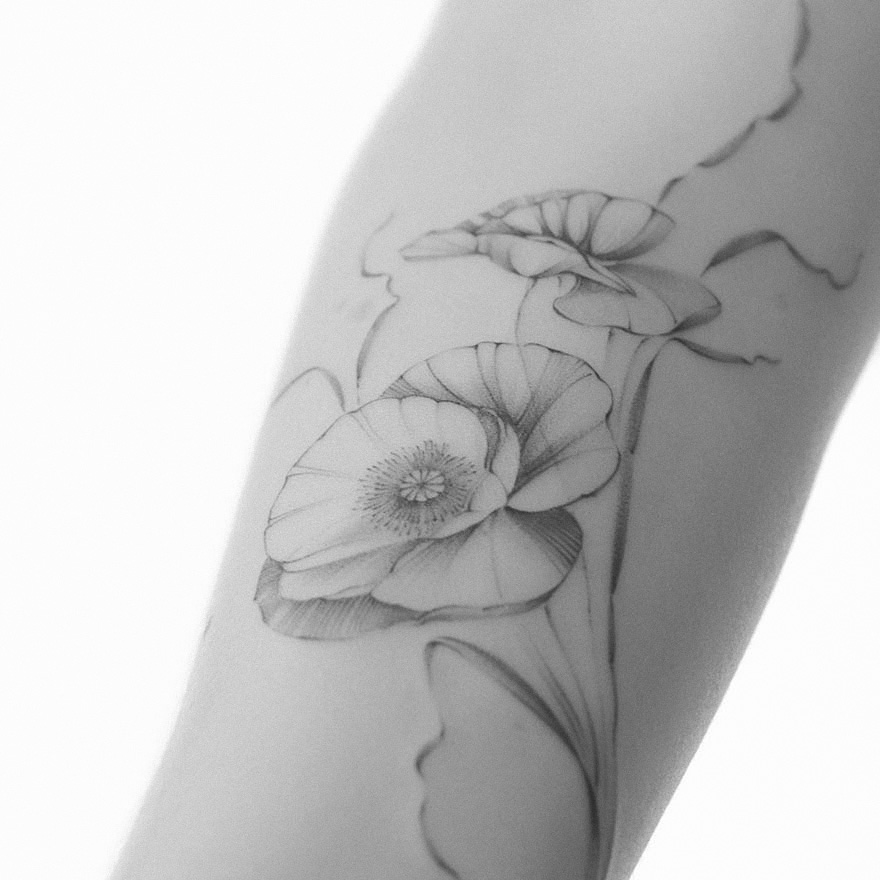
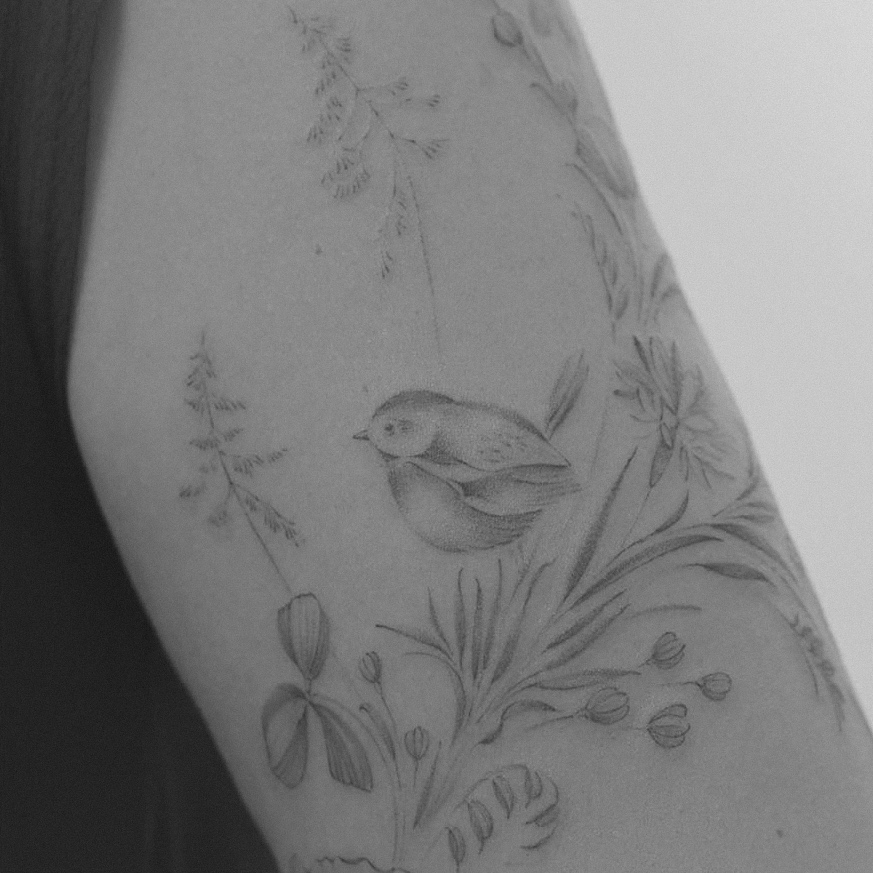
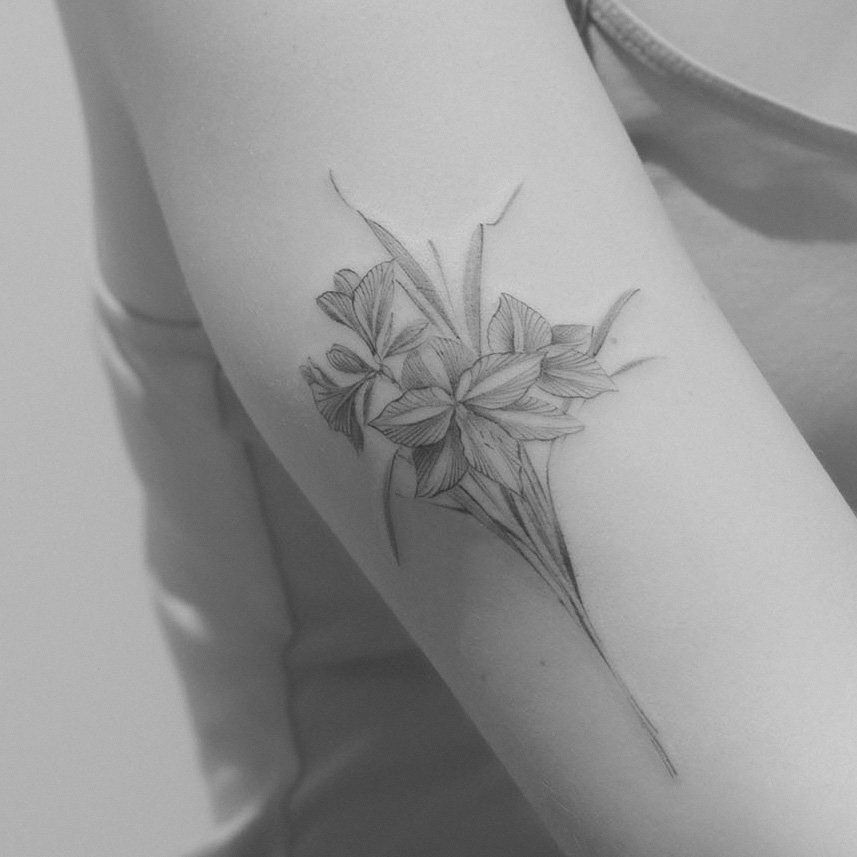
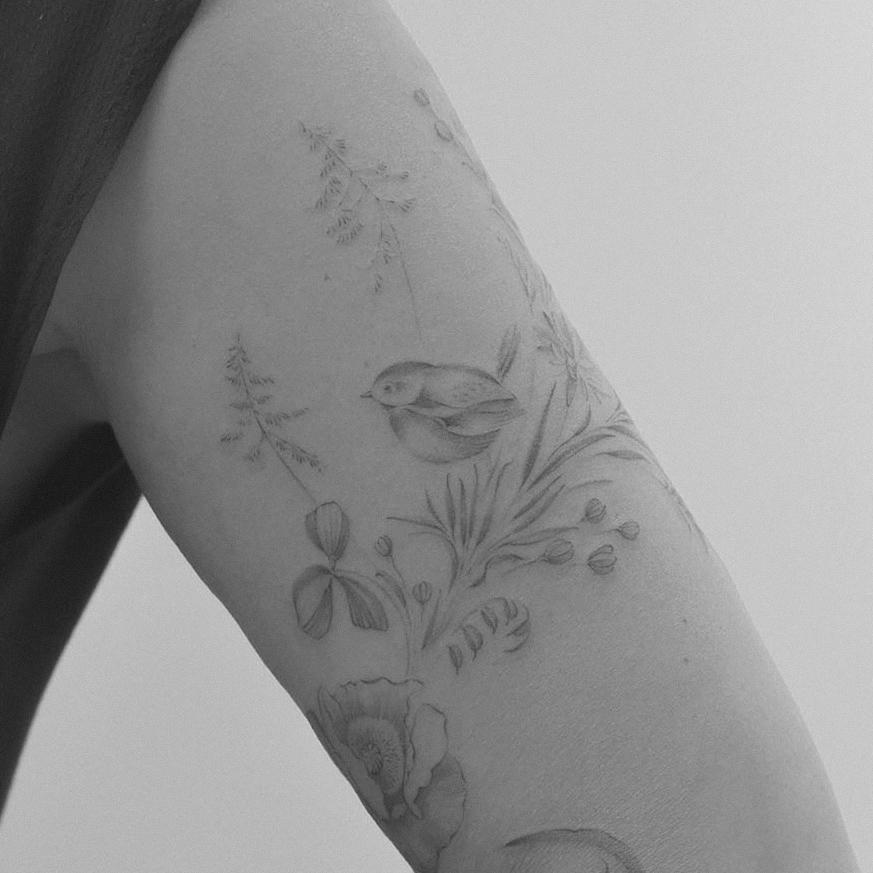
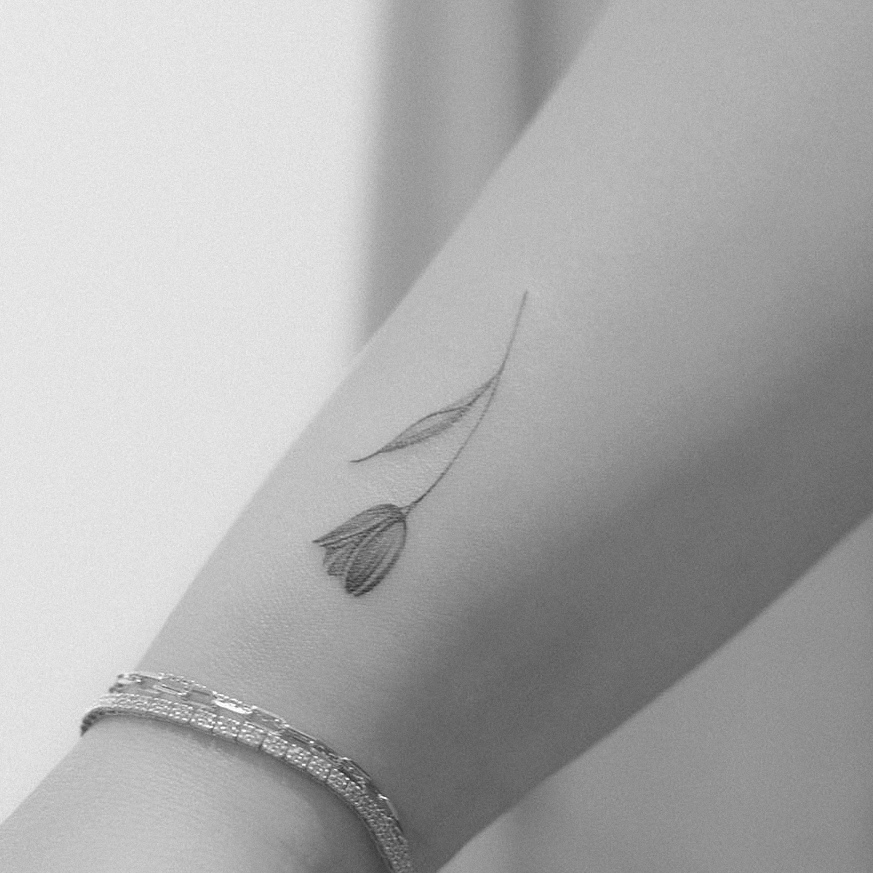
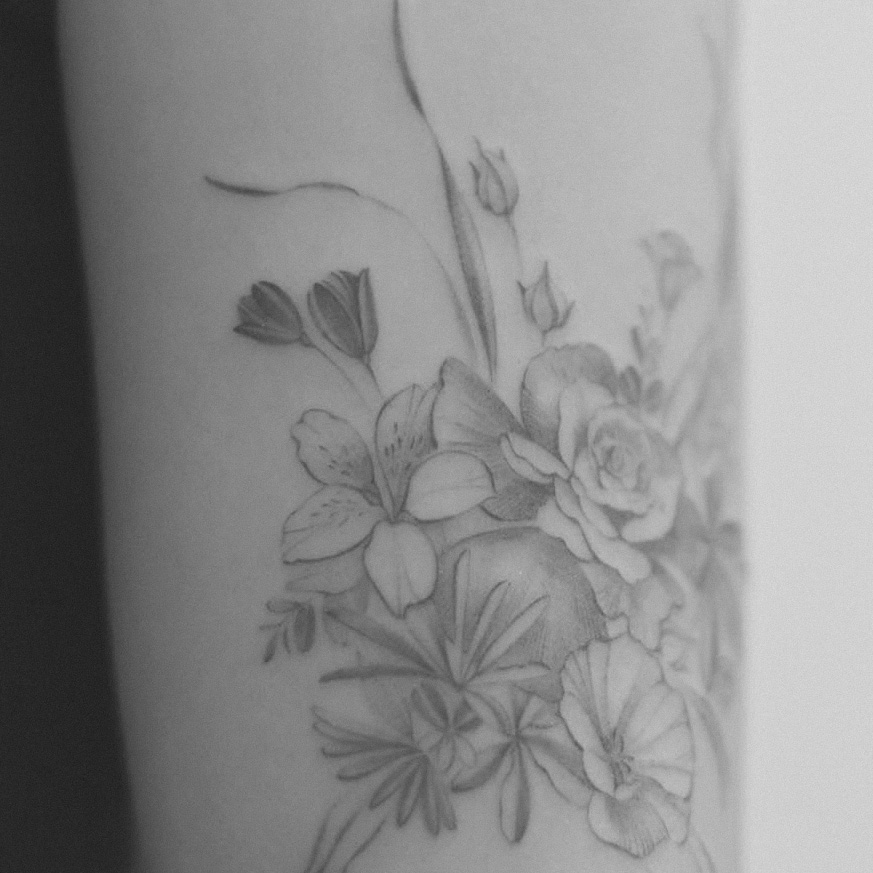
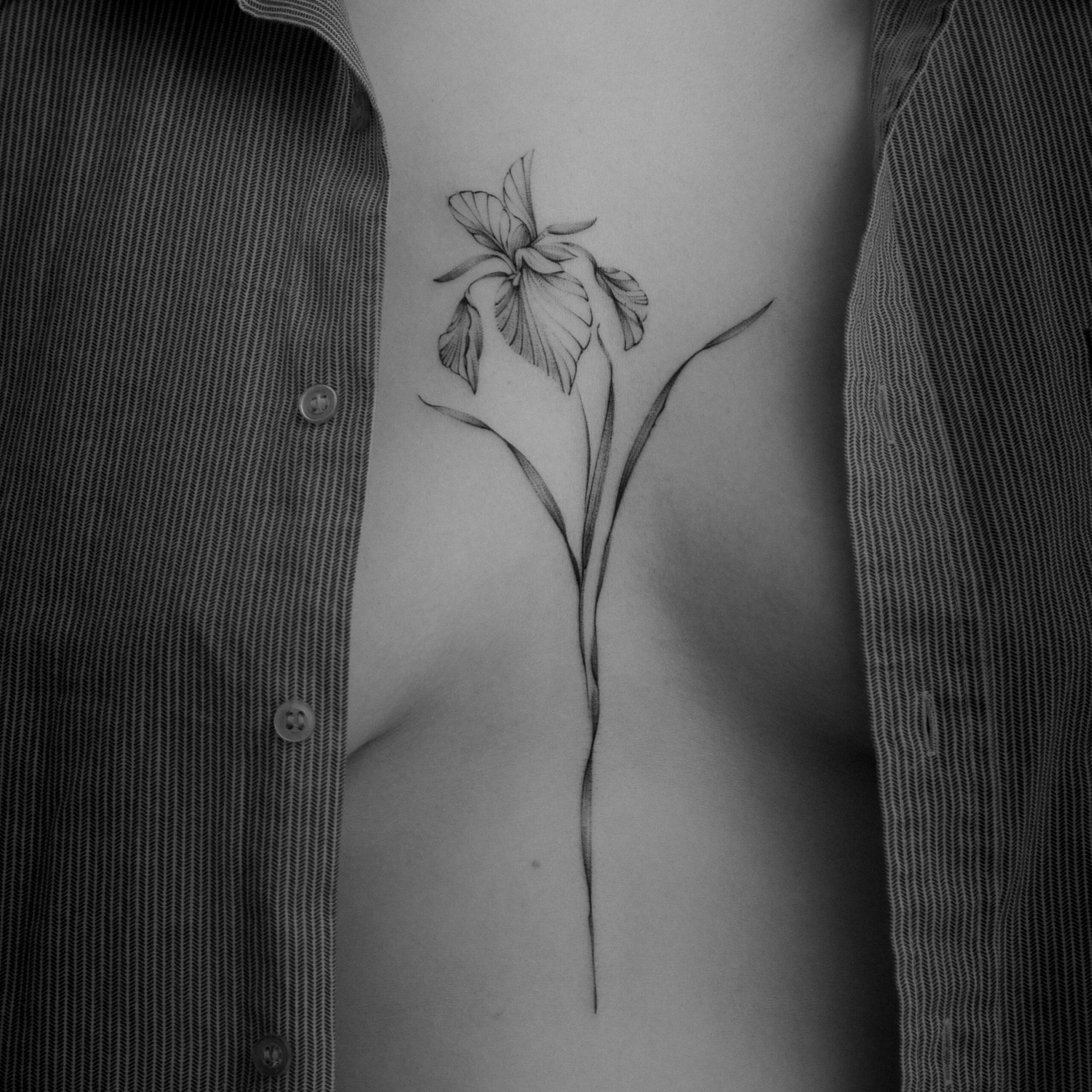
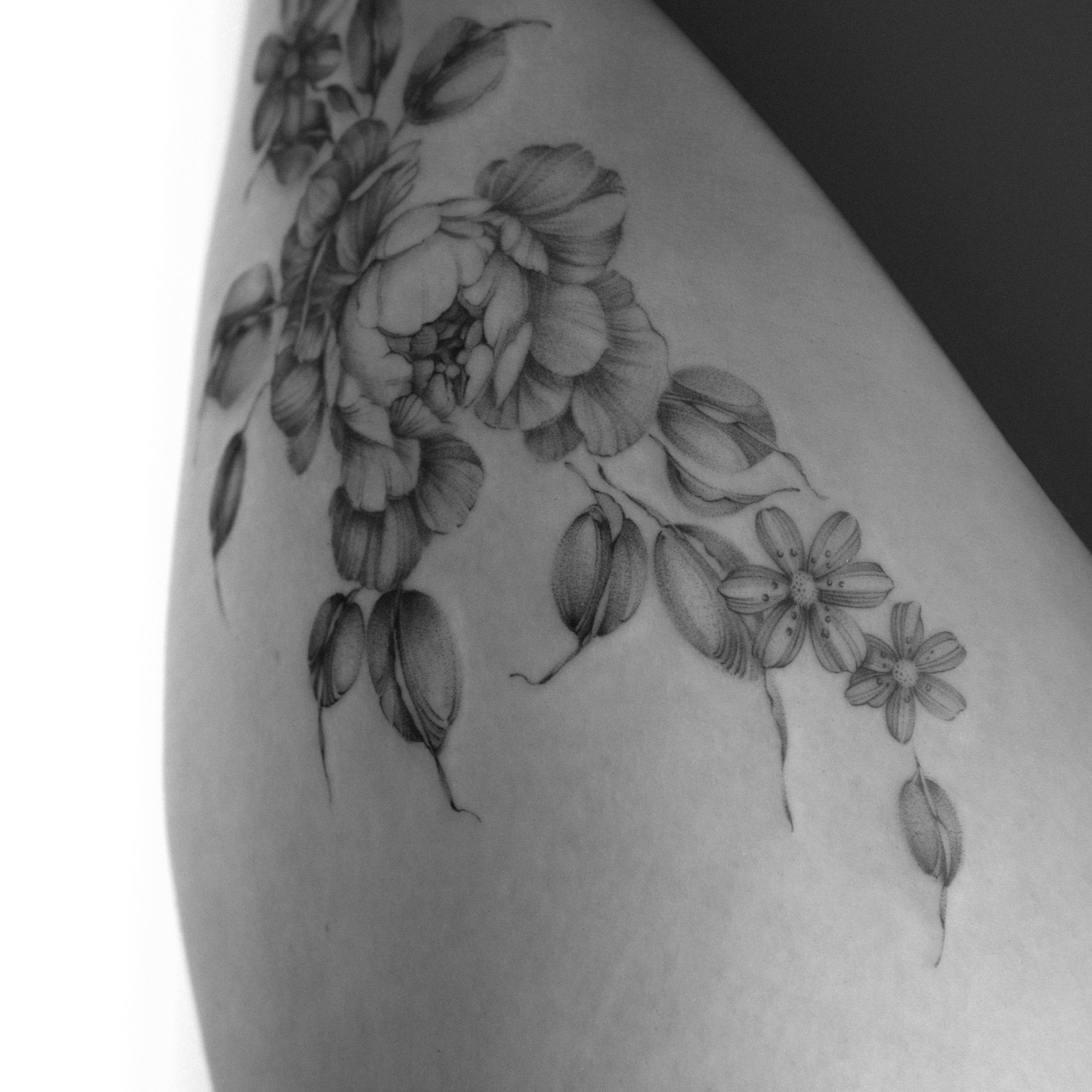
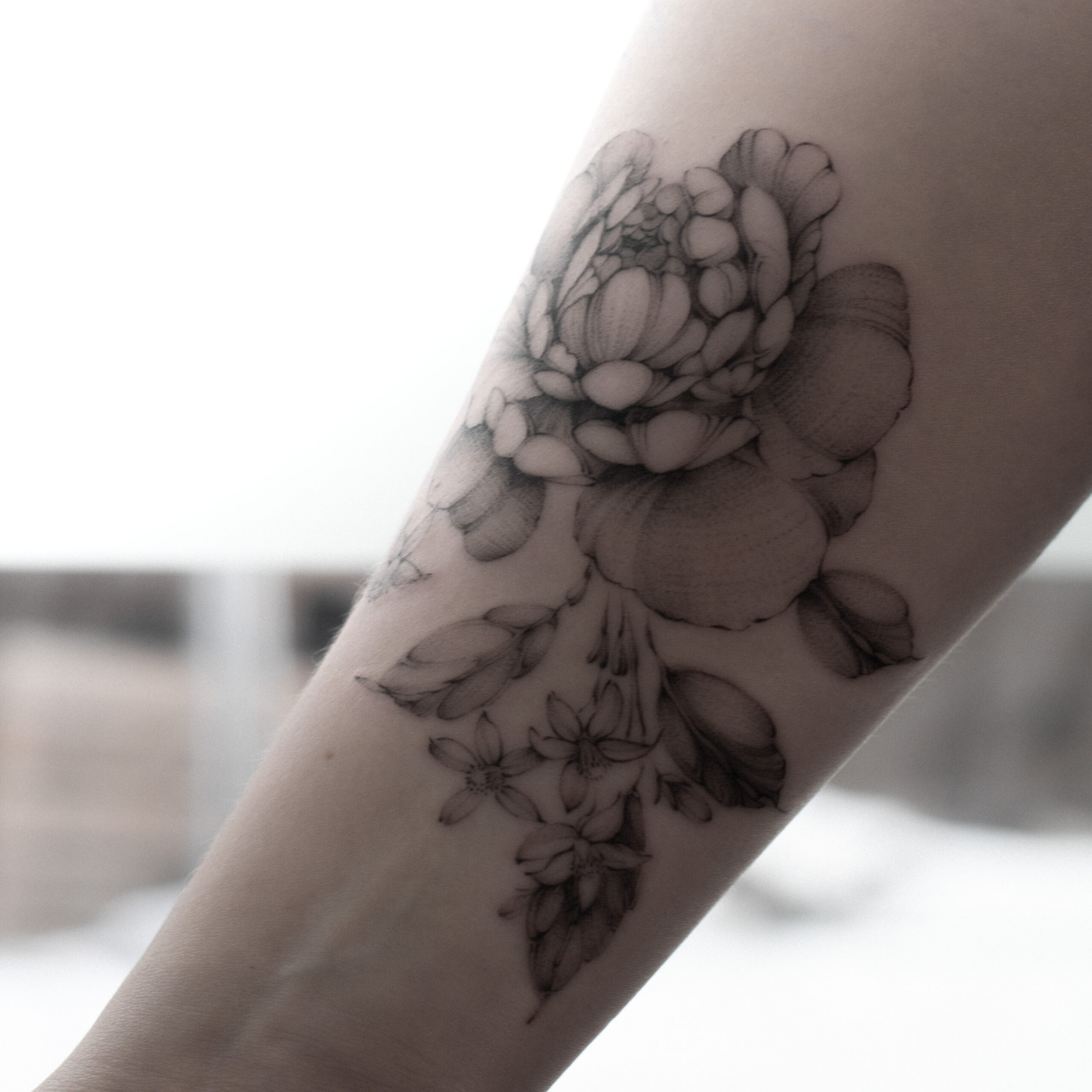
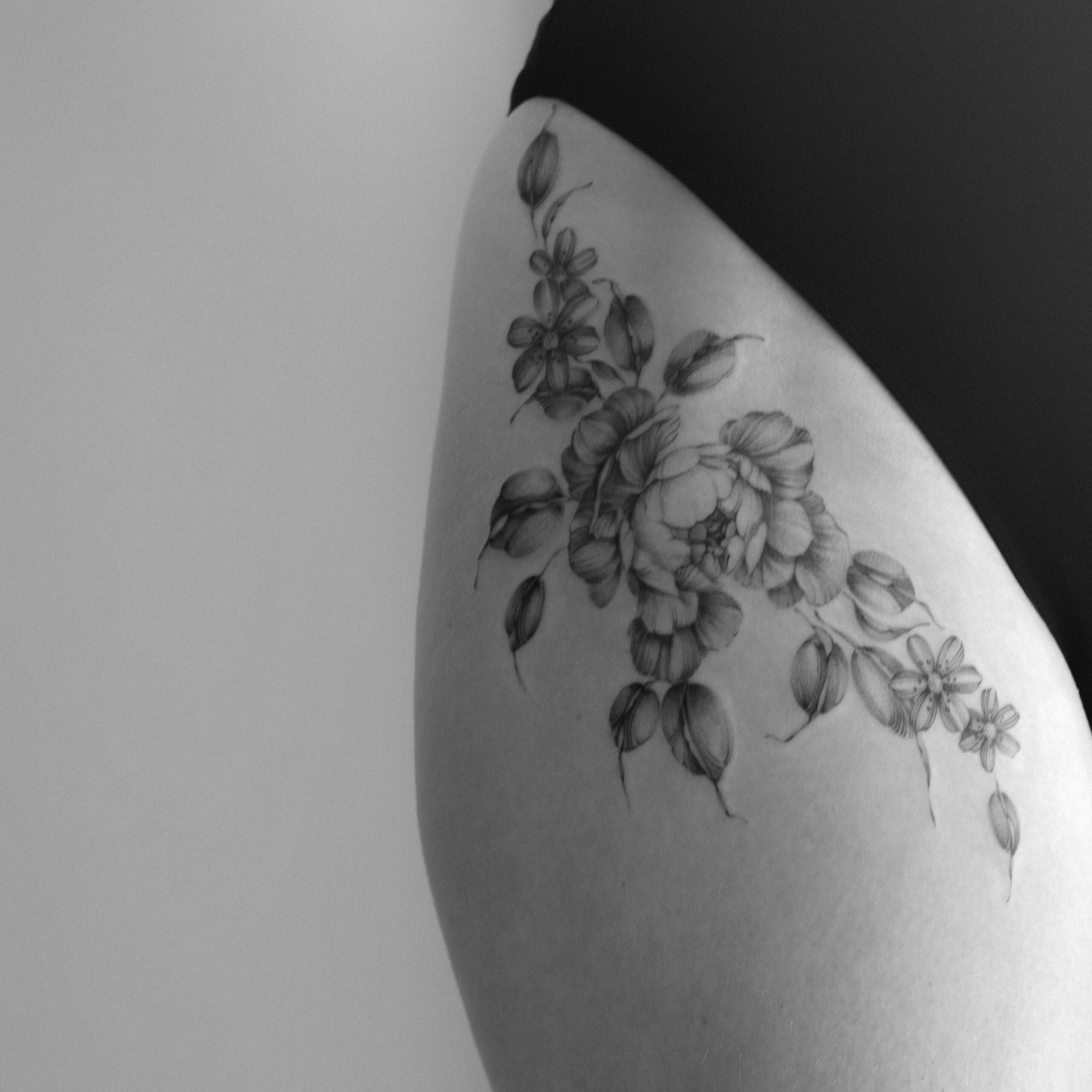
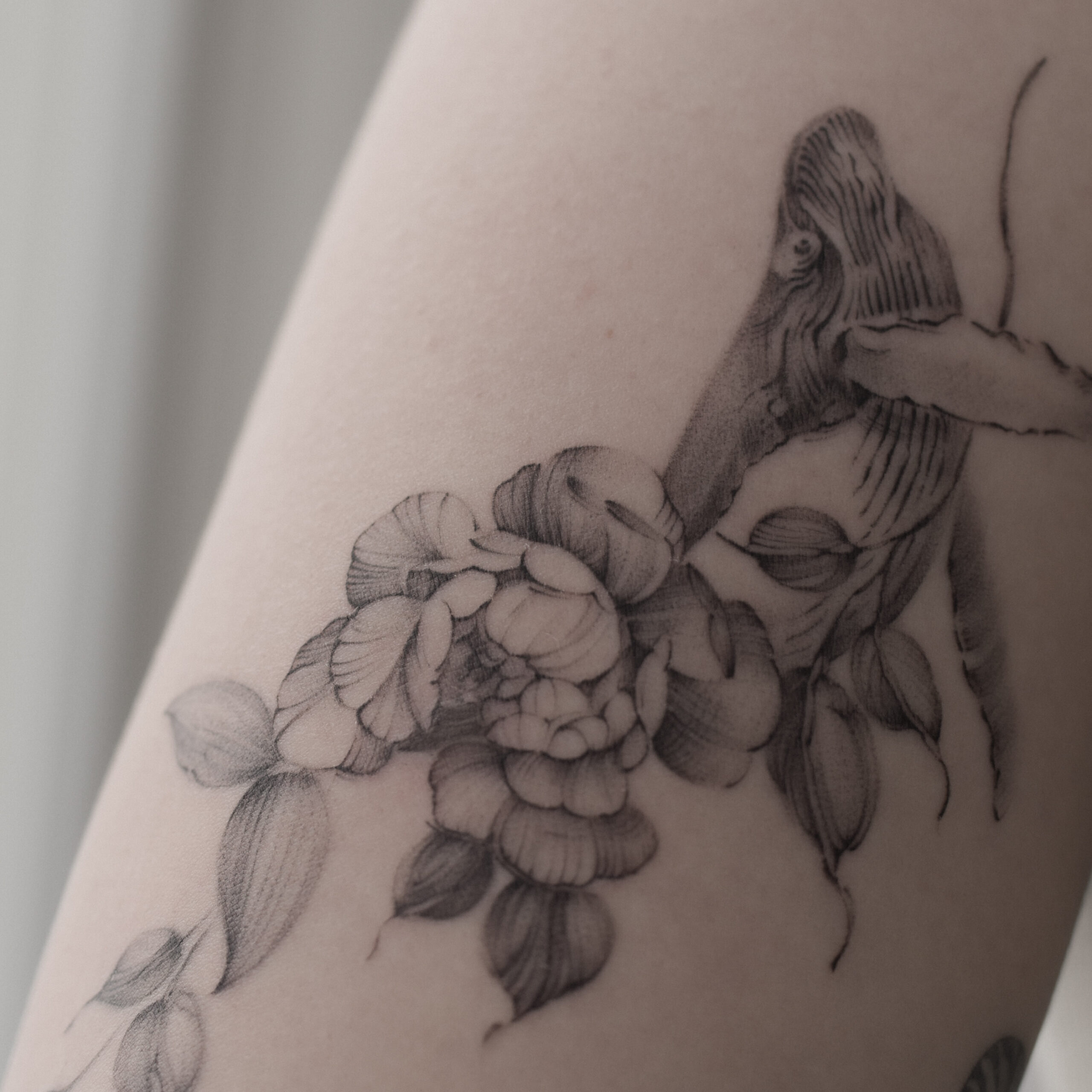
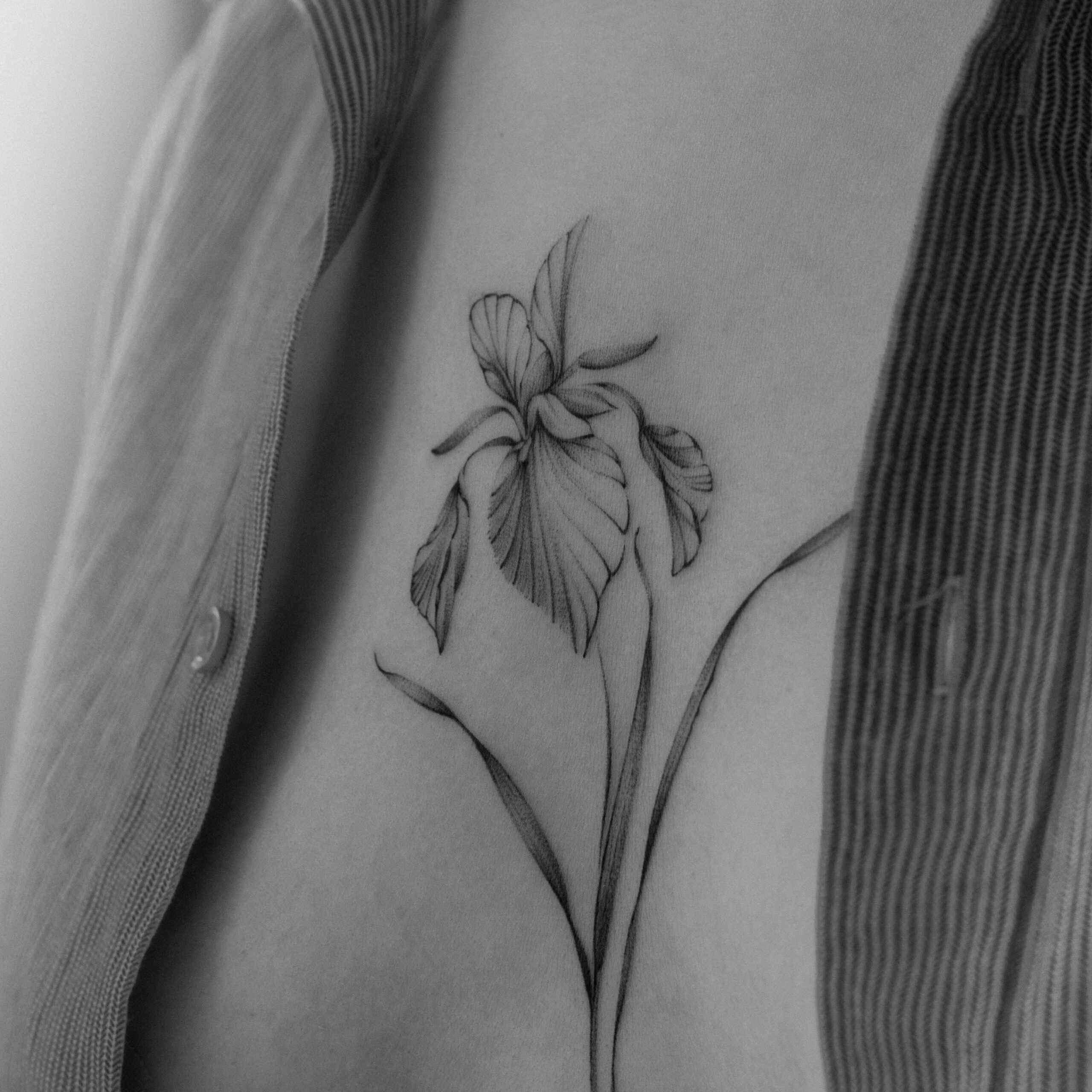
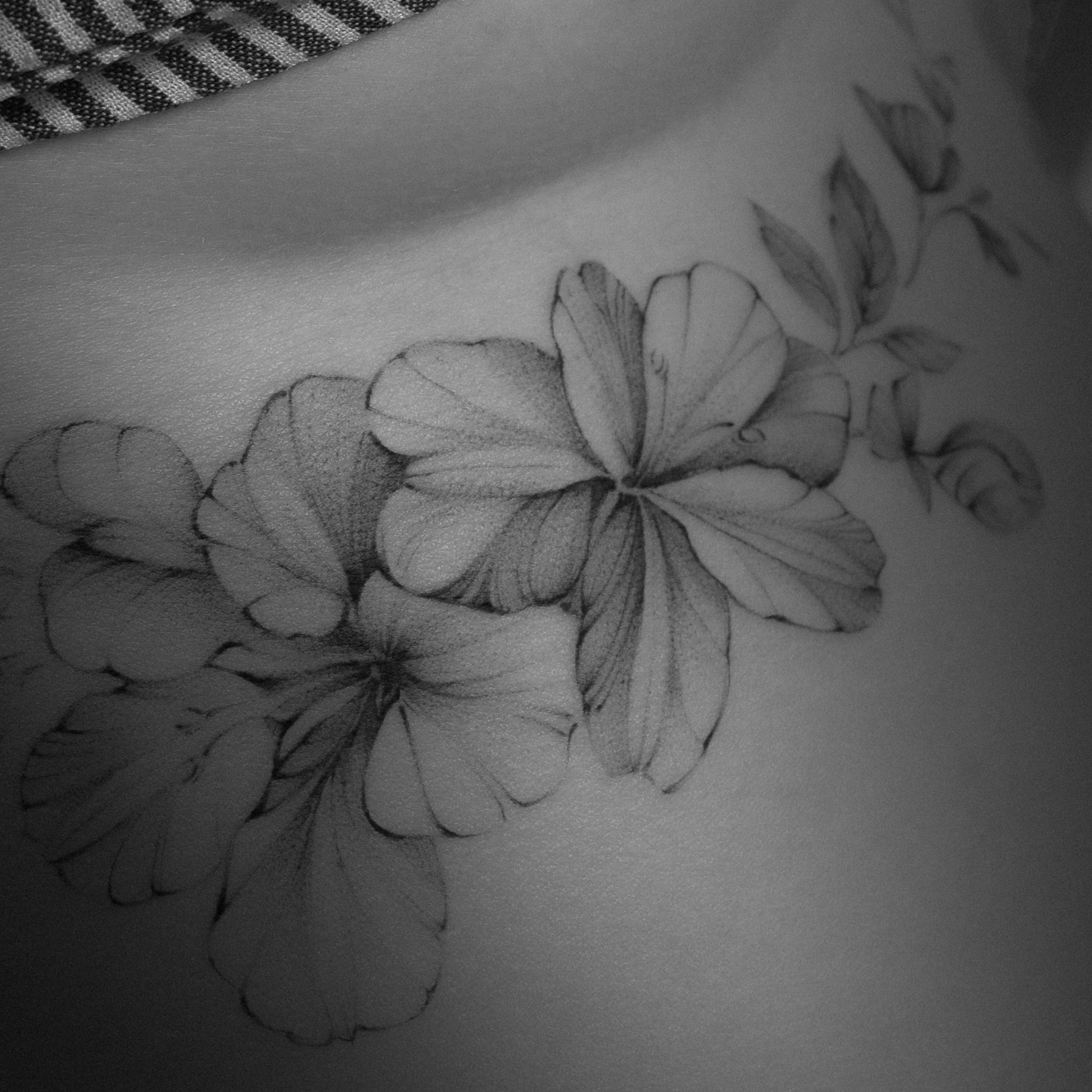
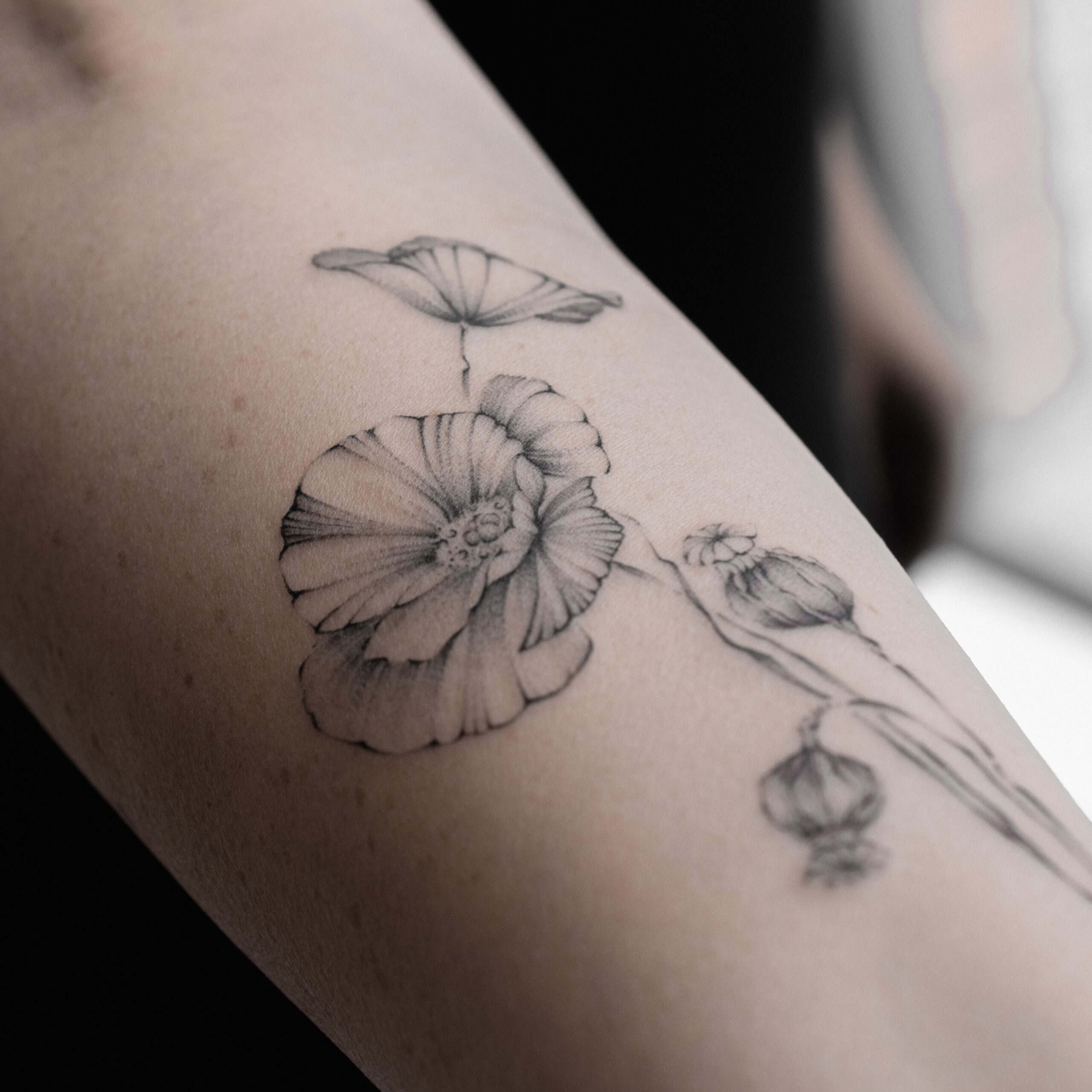
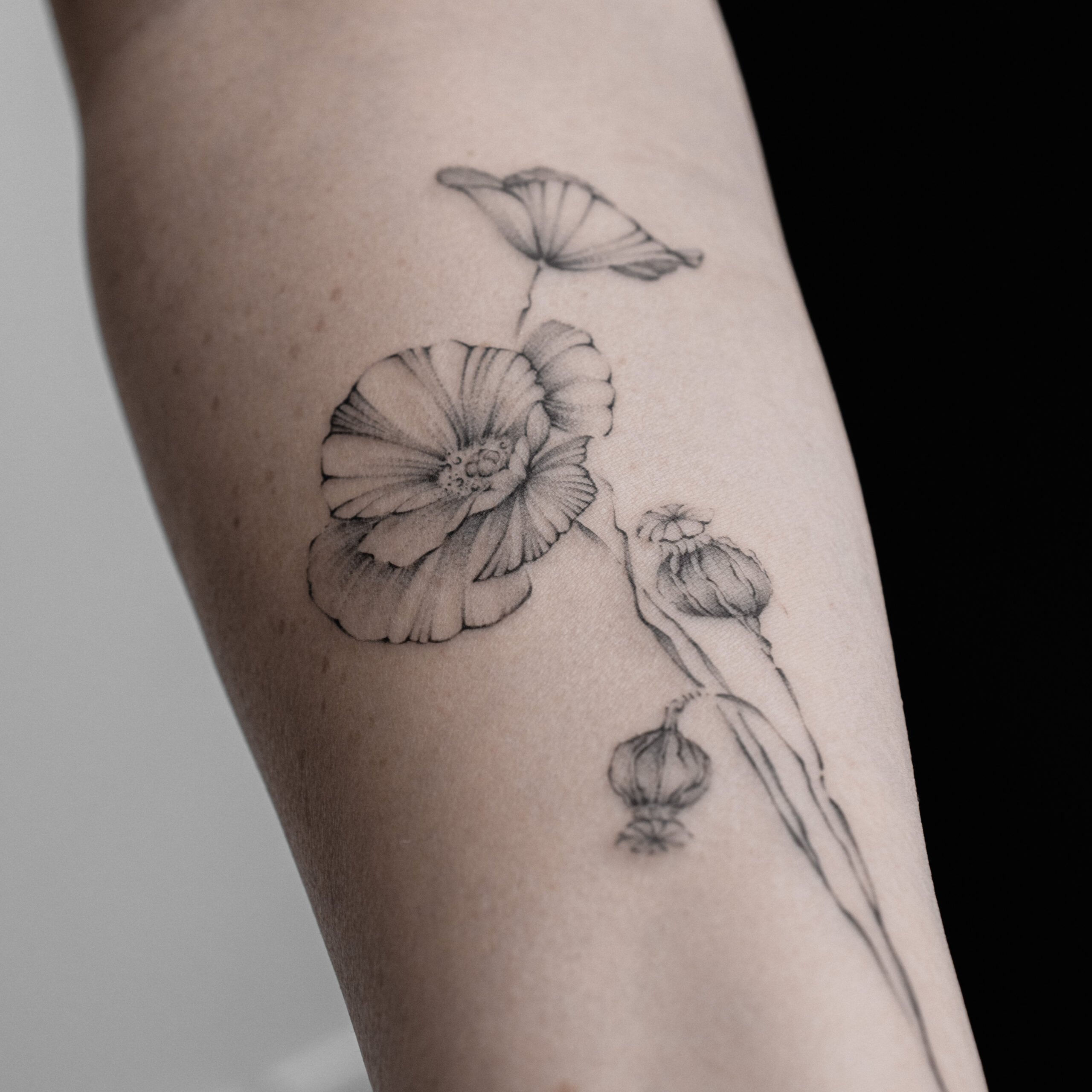
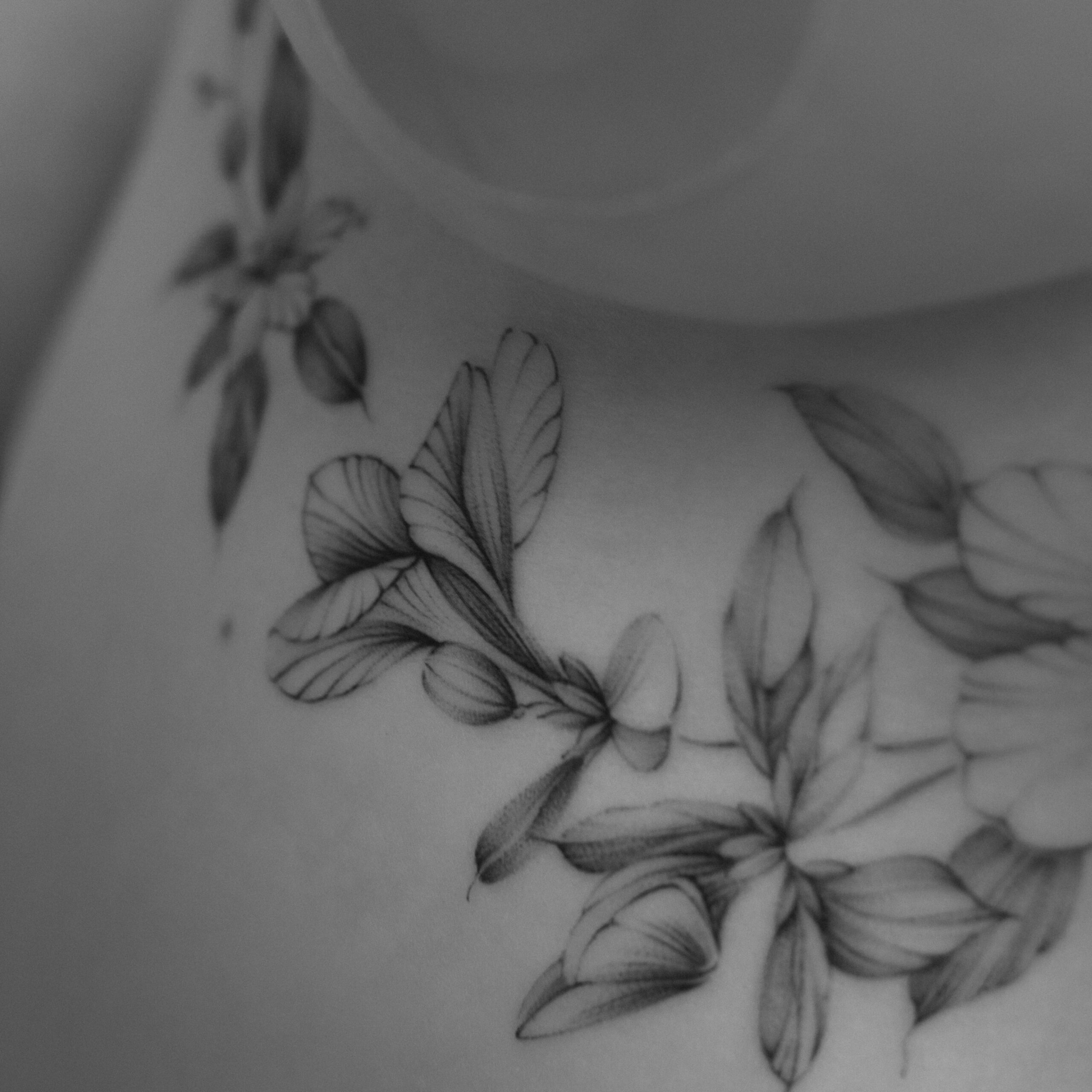
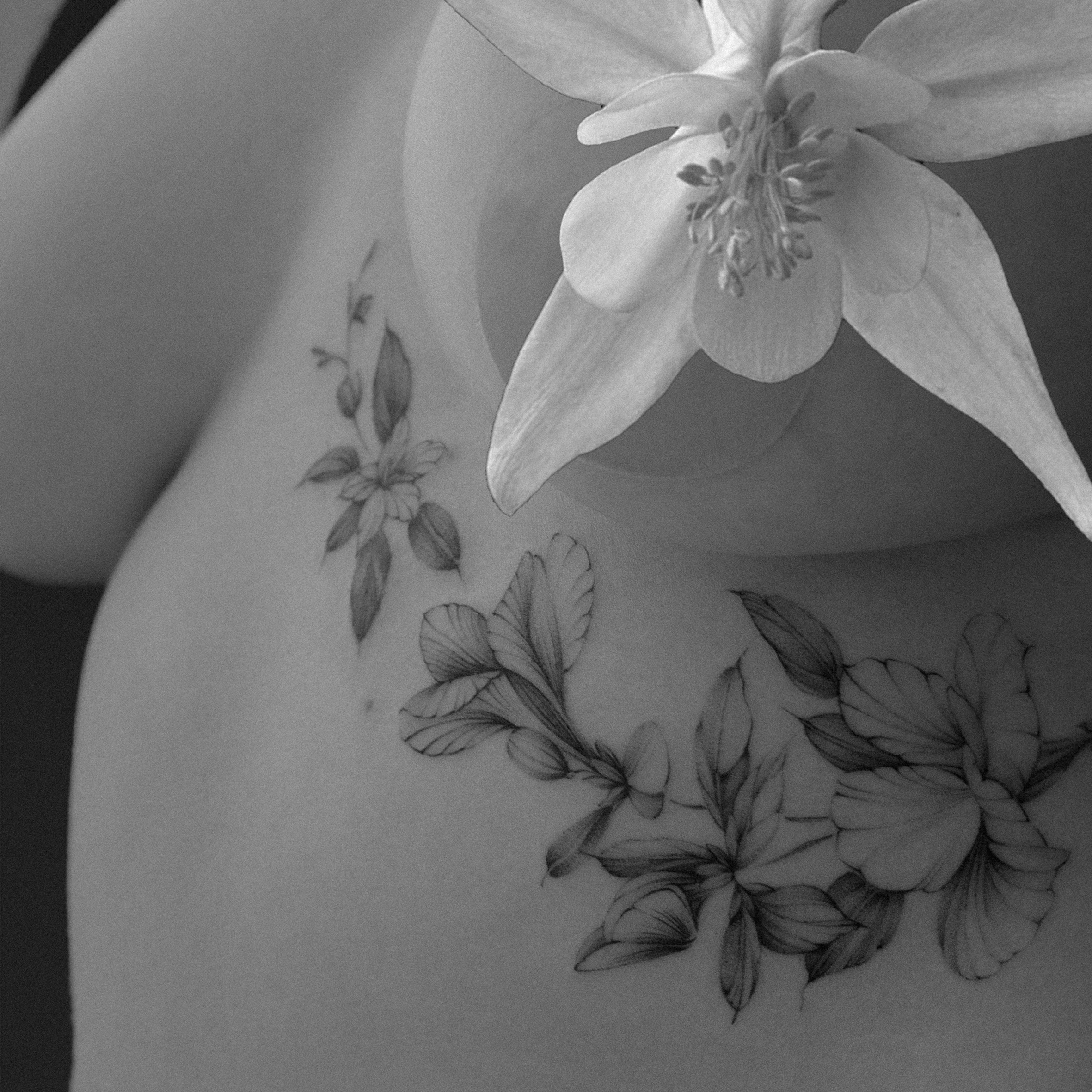
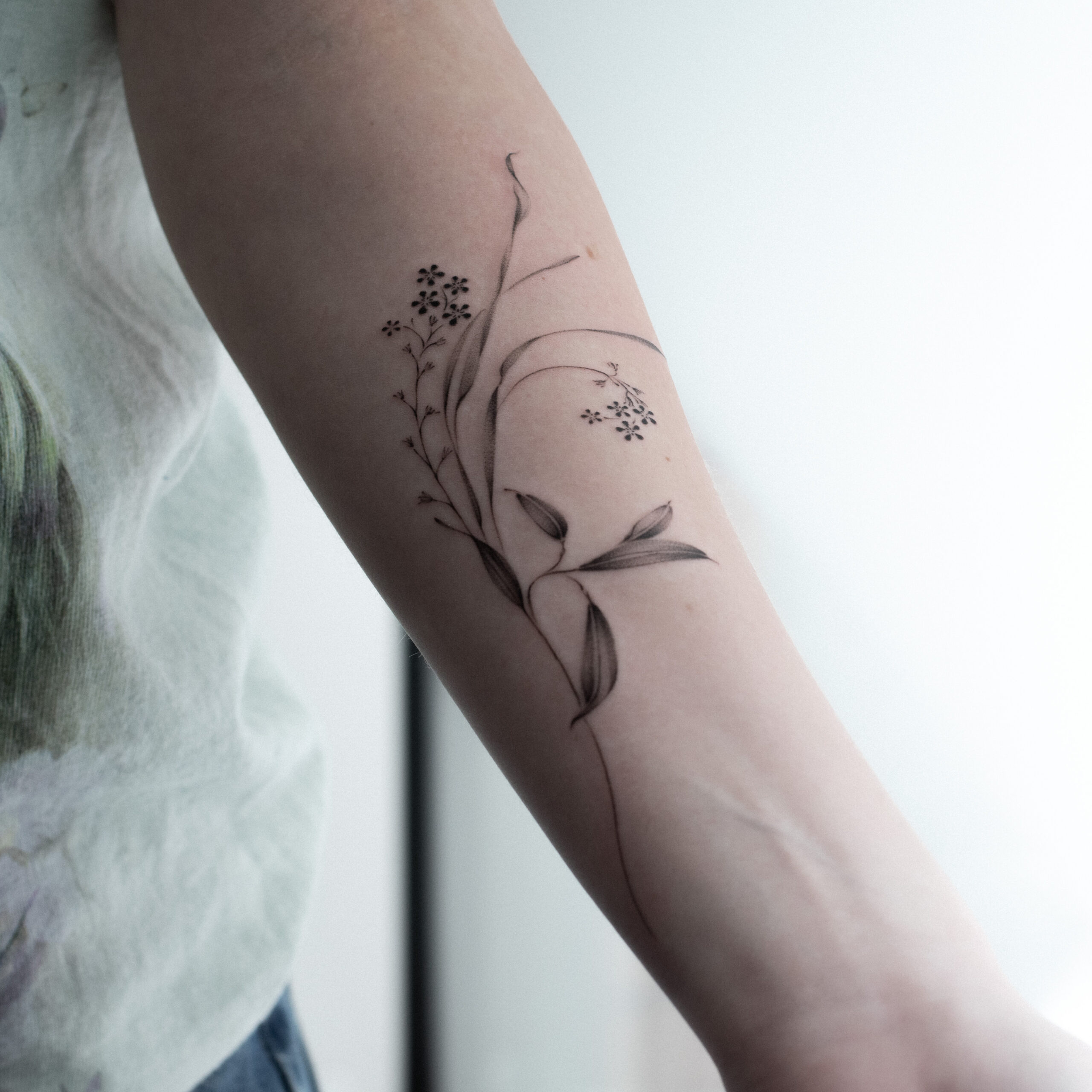
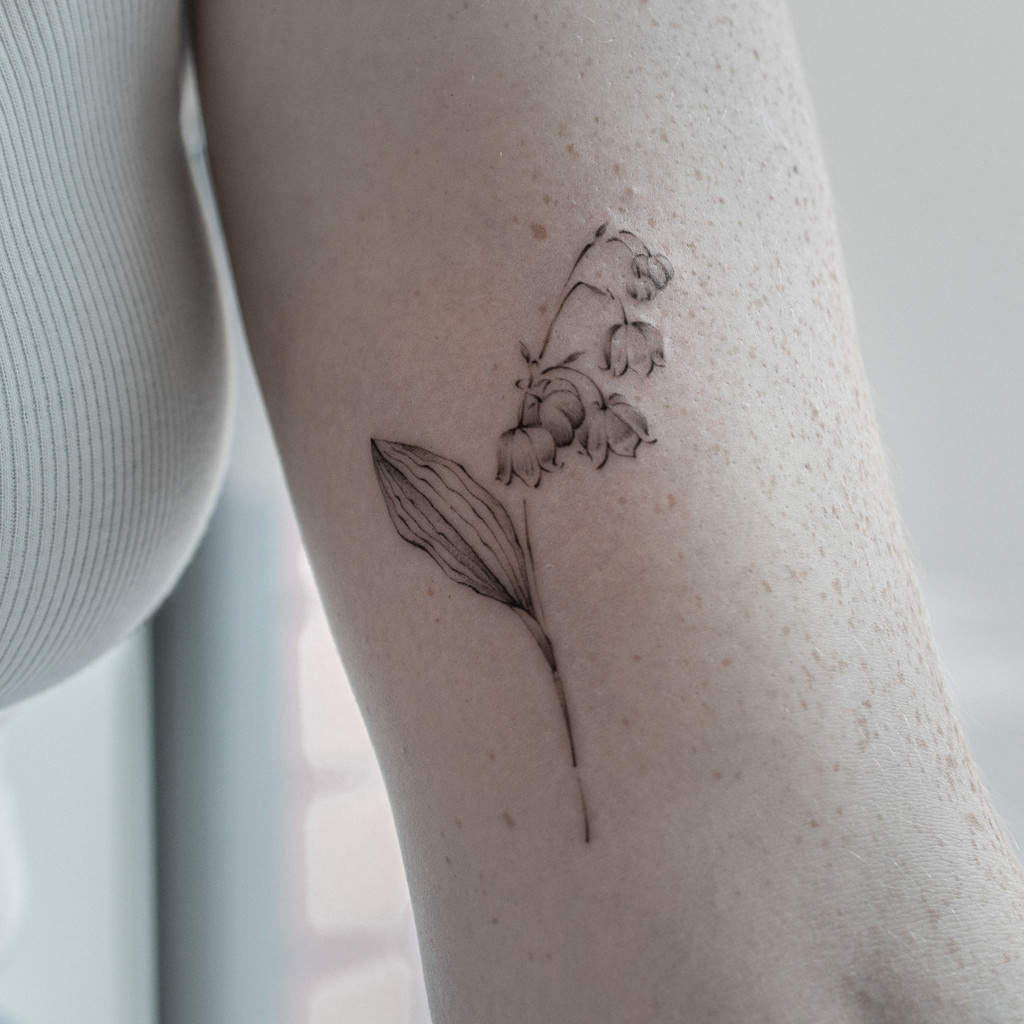
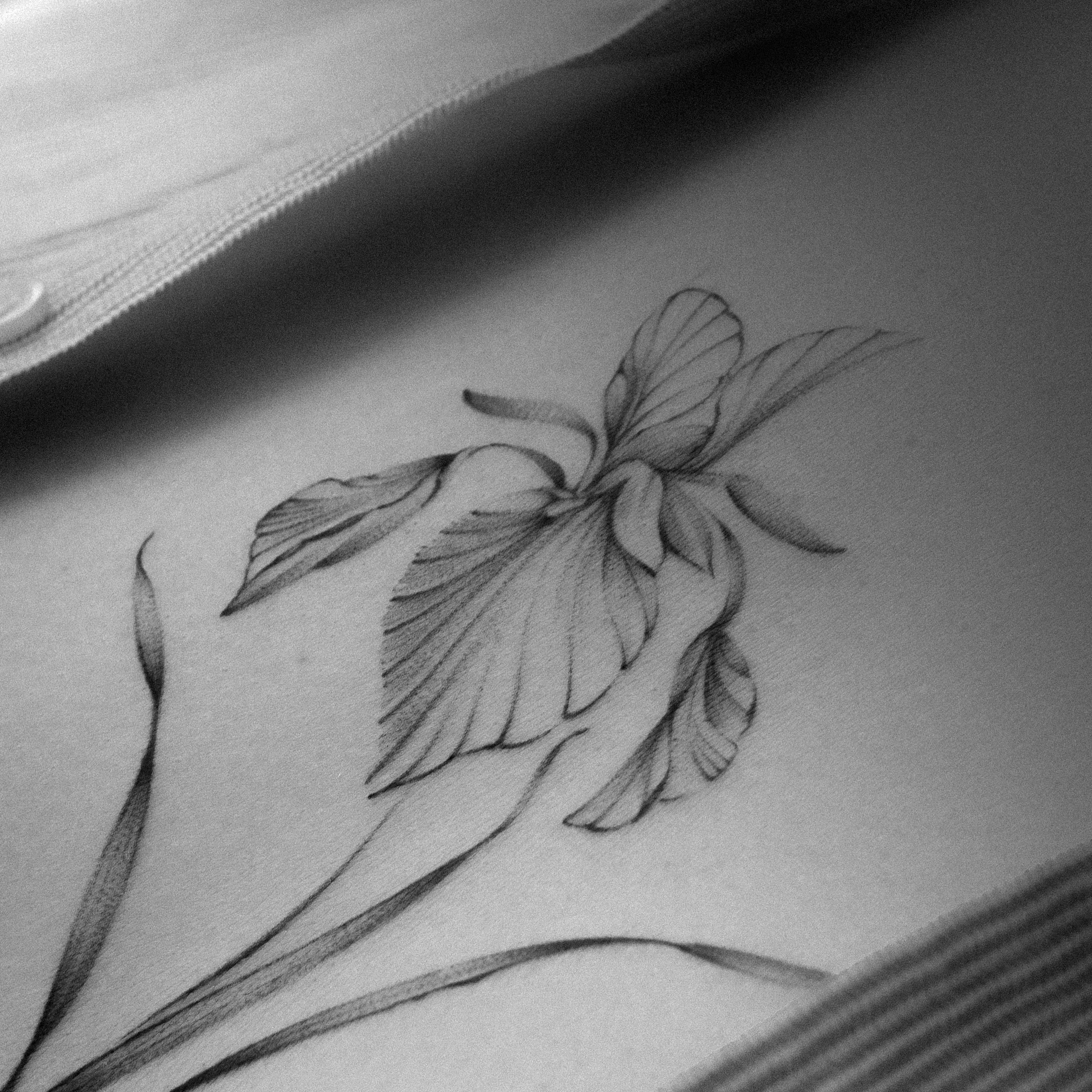
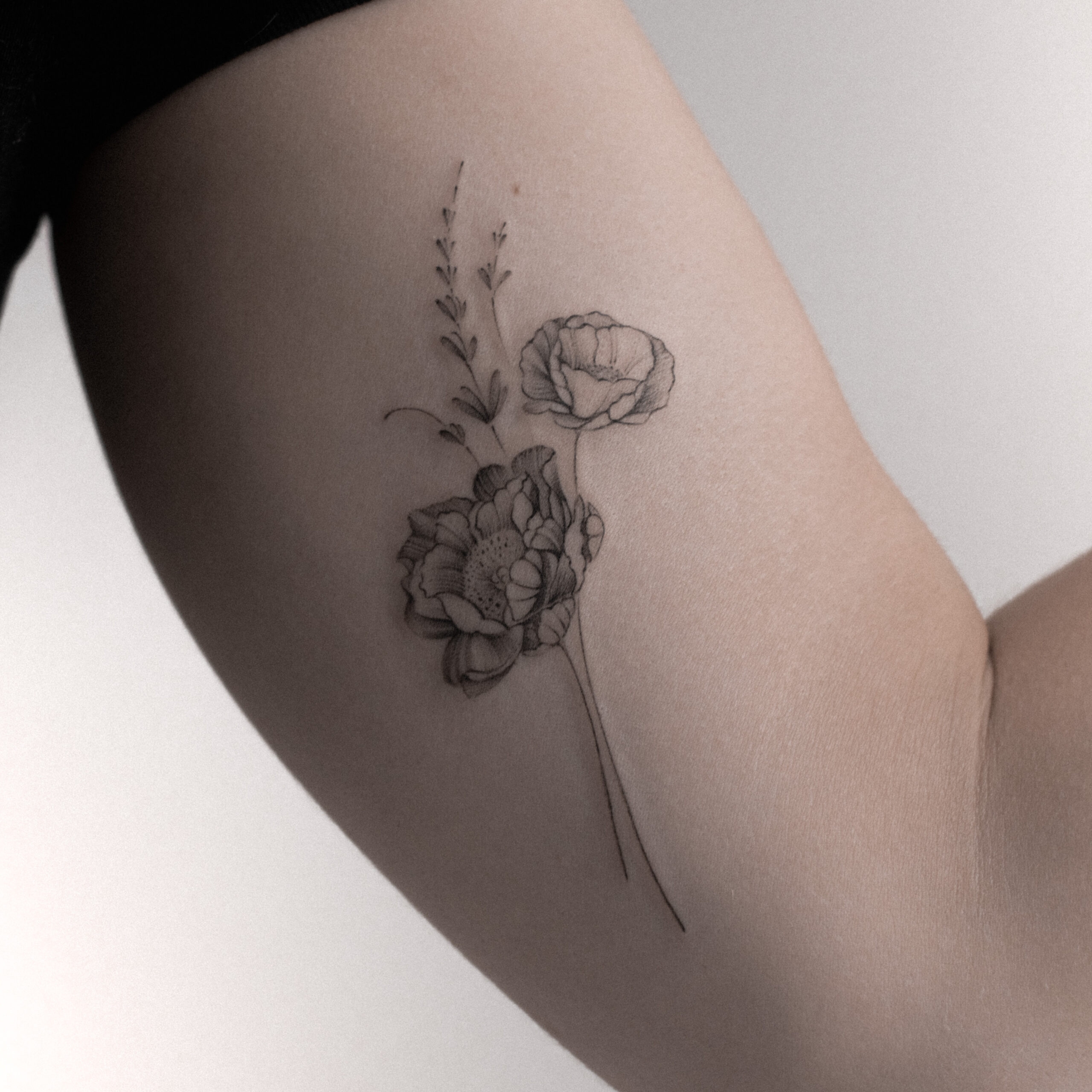
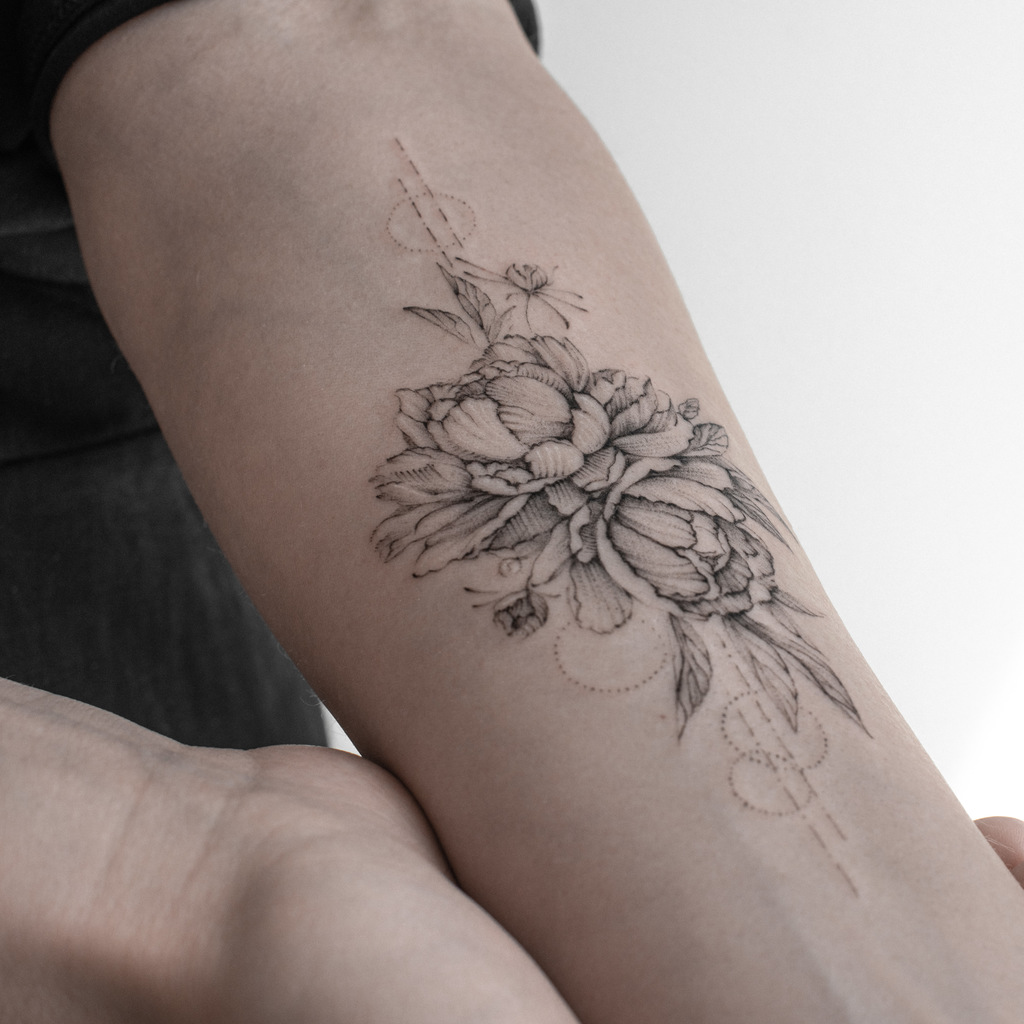
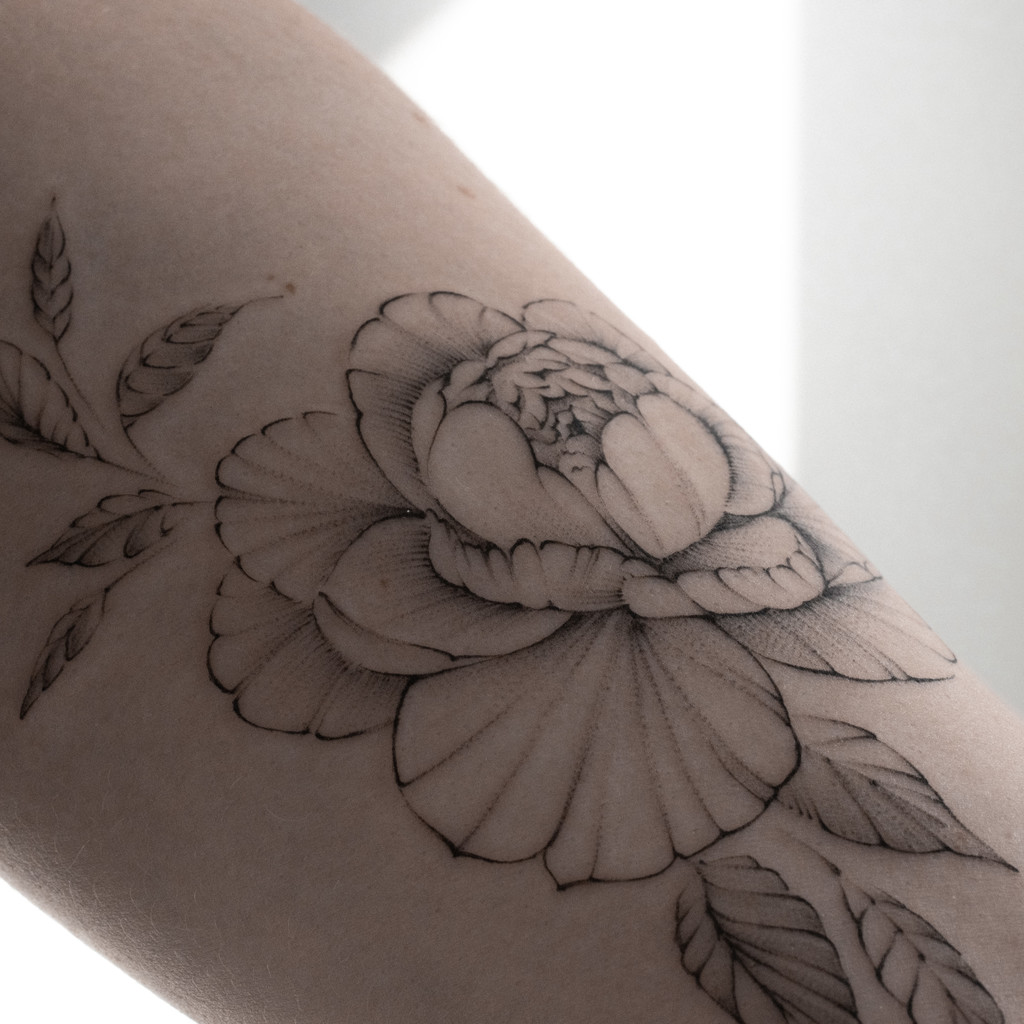
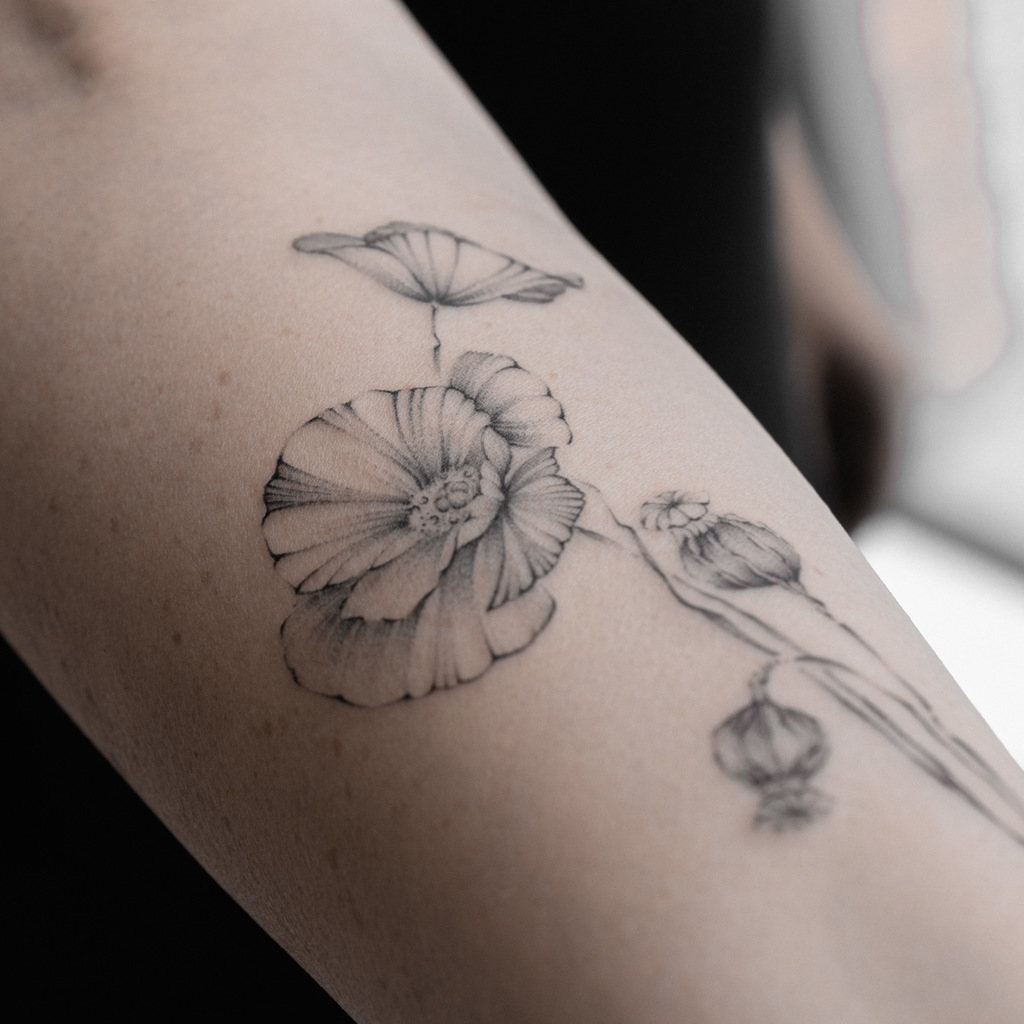
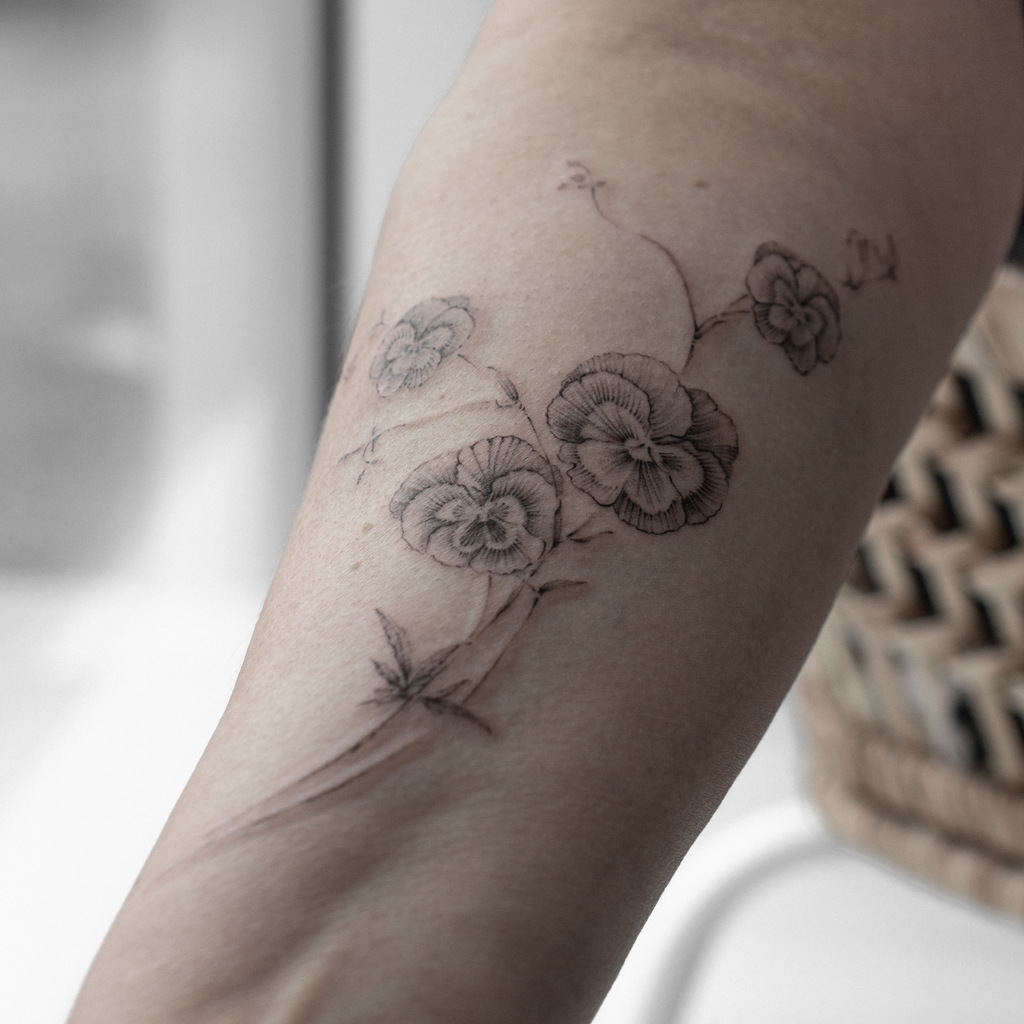
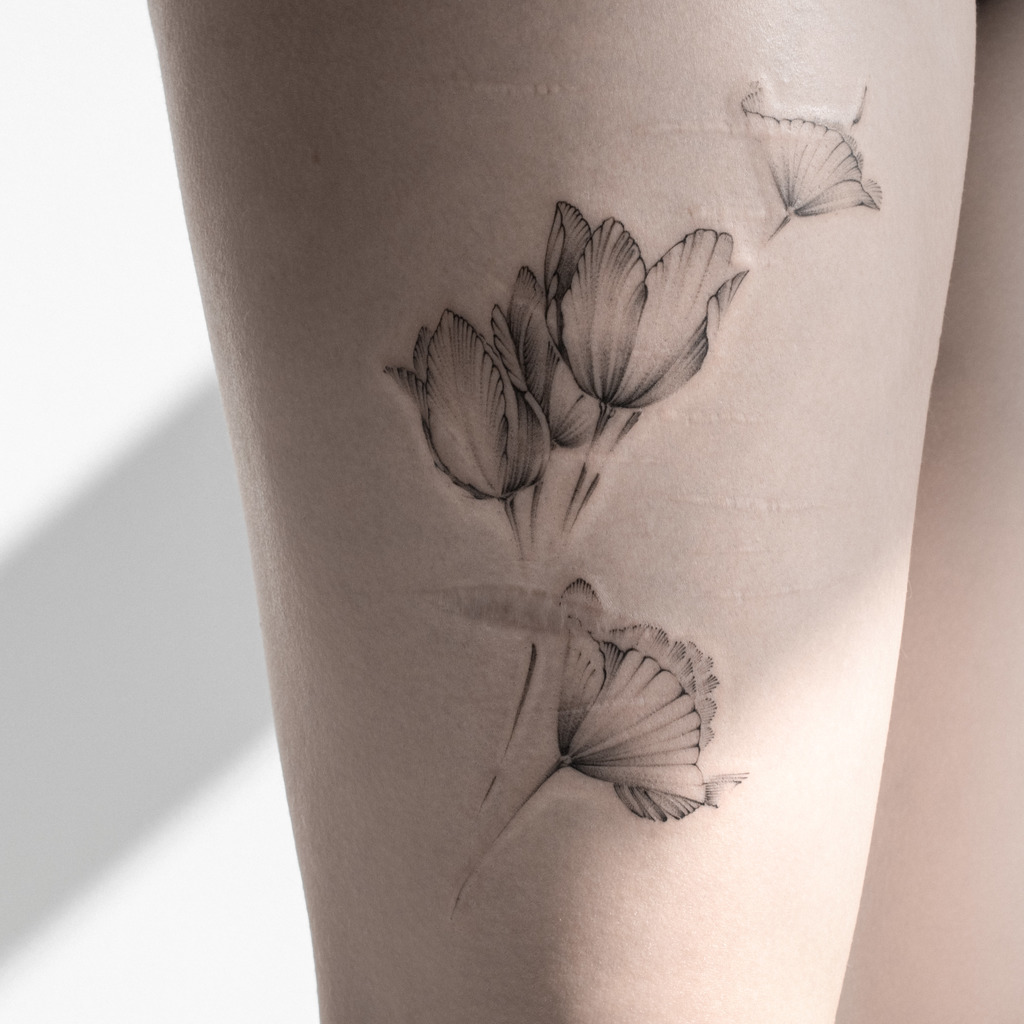
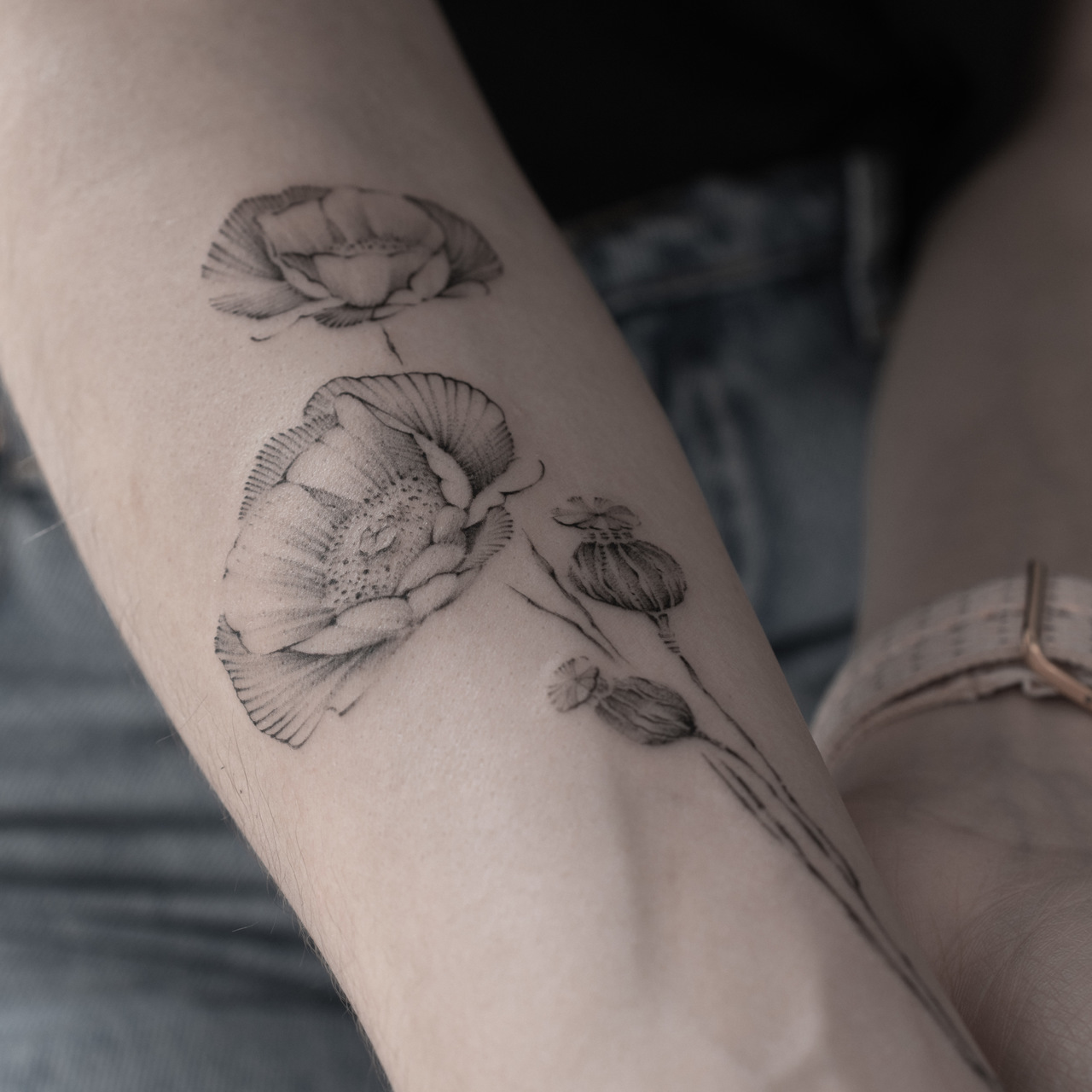
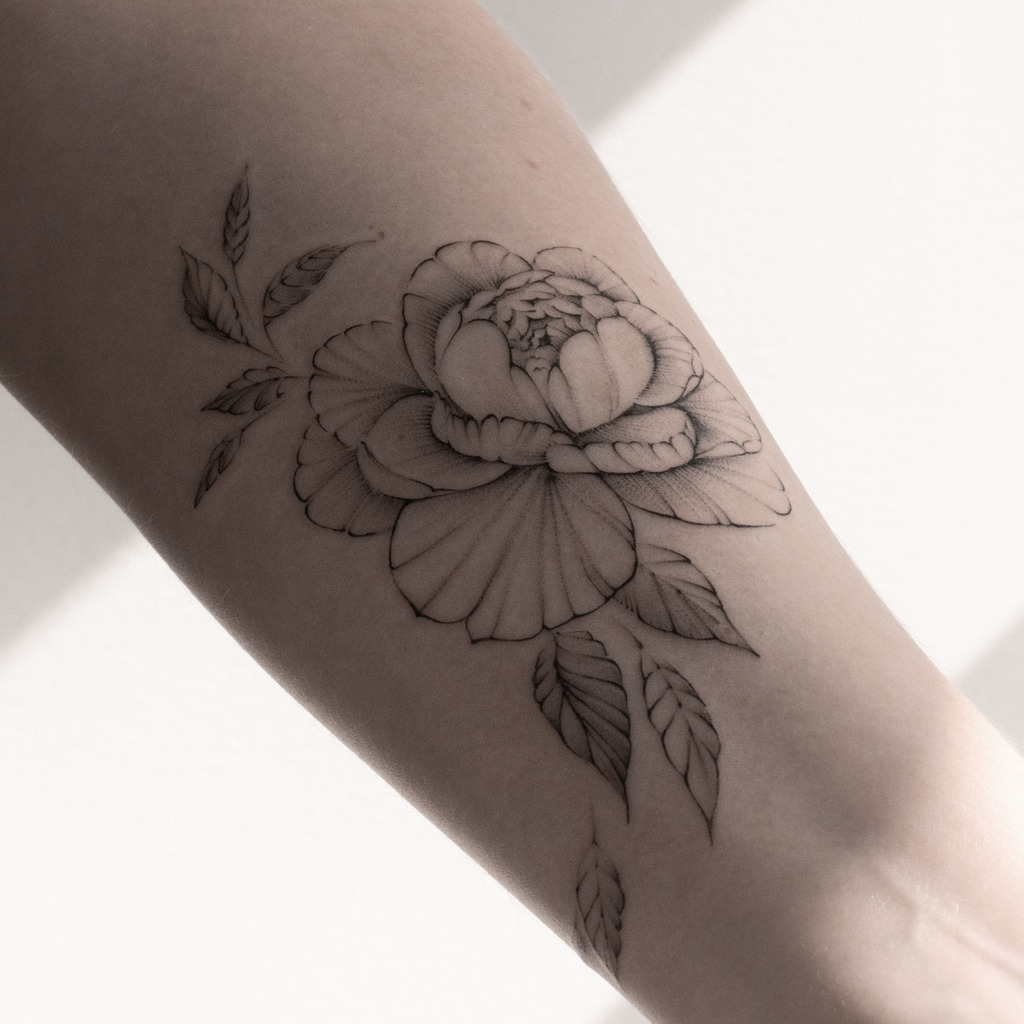
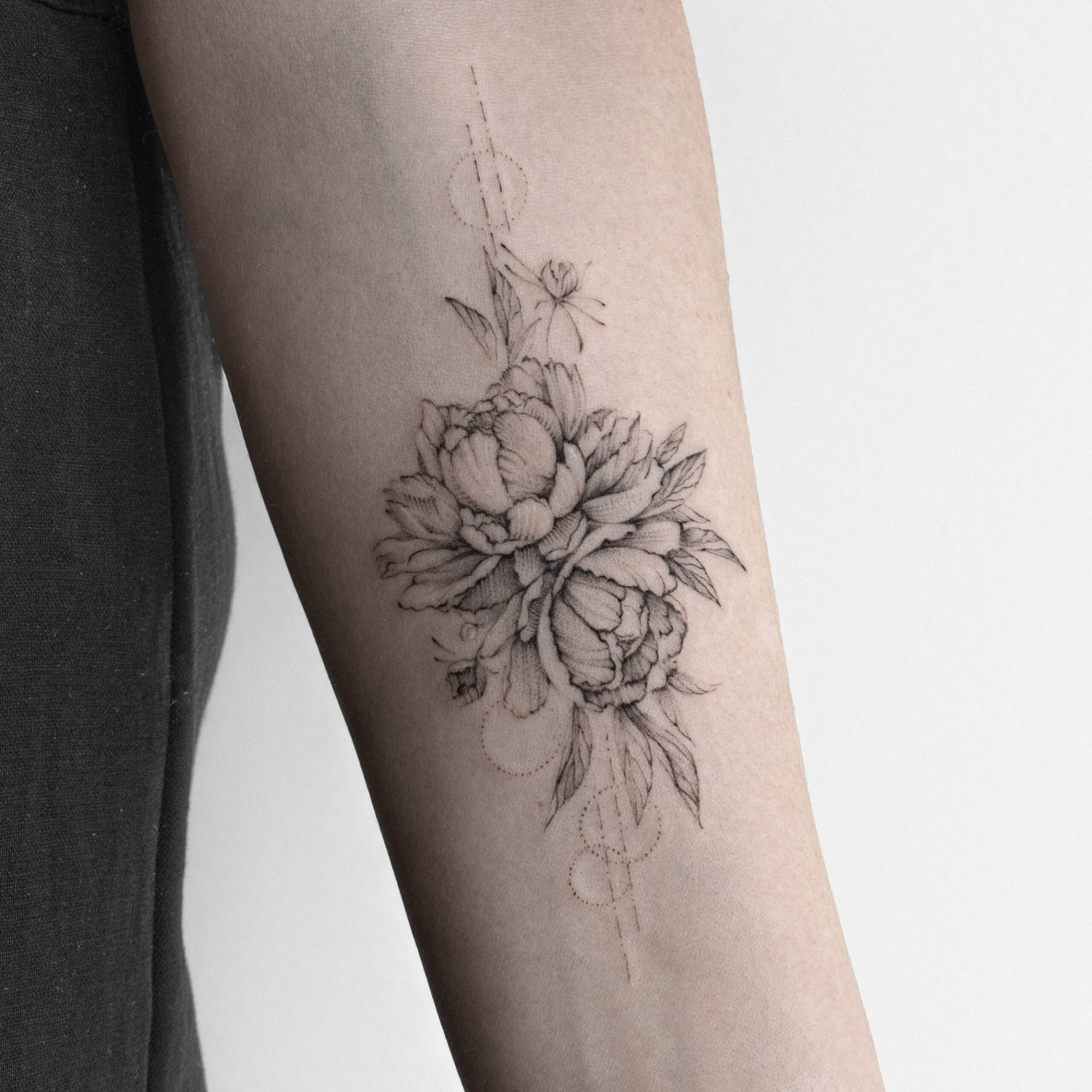
People often come in asking for something delicate — for example, a fine floral tattoo — and then feel surprised when the tattoo looks darker or bolder right after the session. If this is you: don’t worry.
A tattoo is still a tattoo, no matter how delicate the design. It needs to be applied with proper technique so it can last.
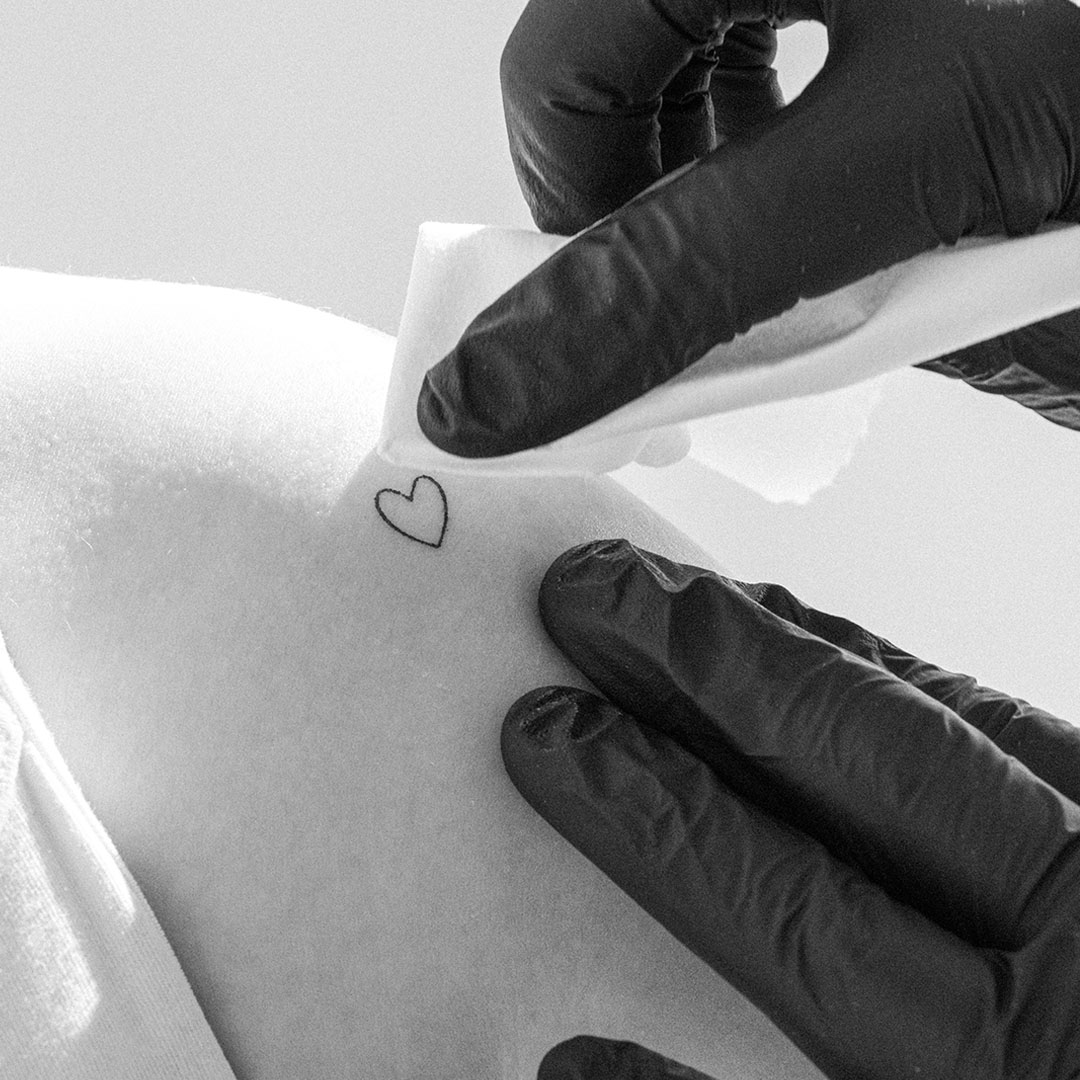
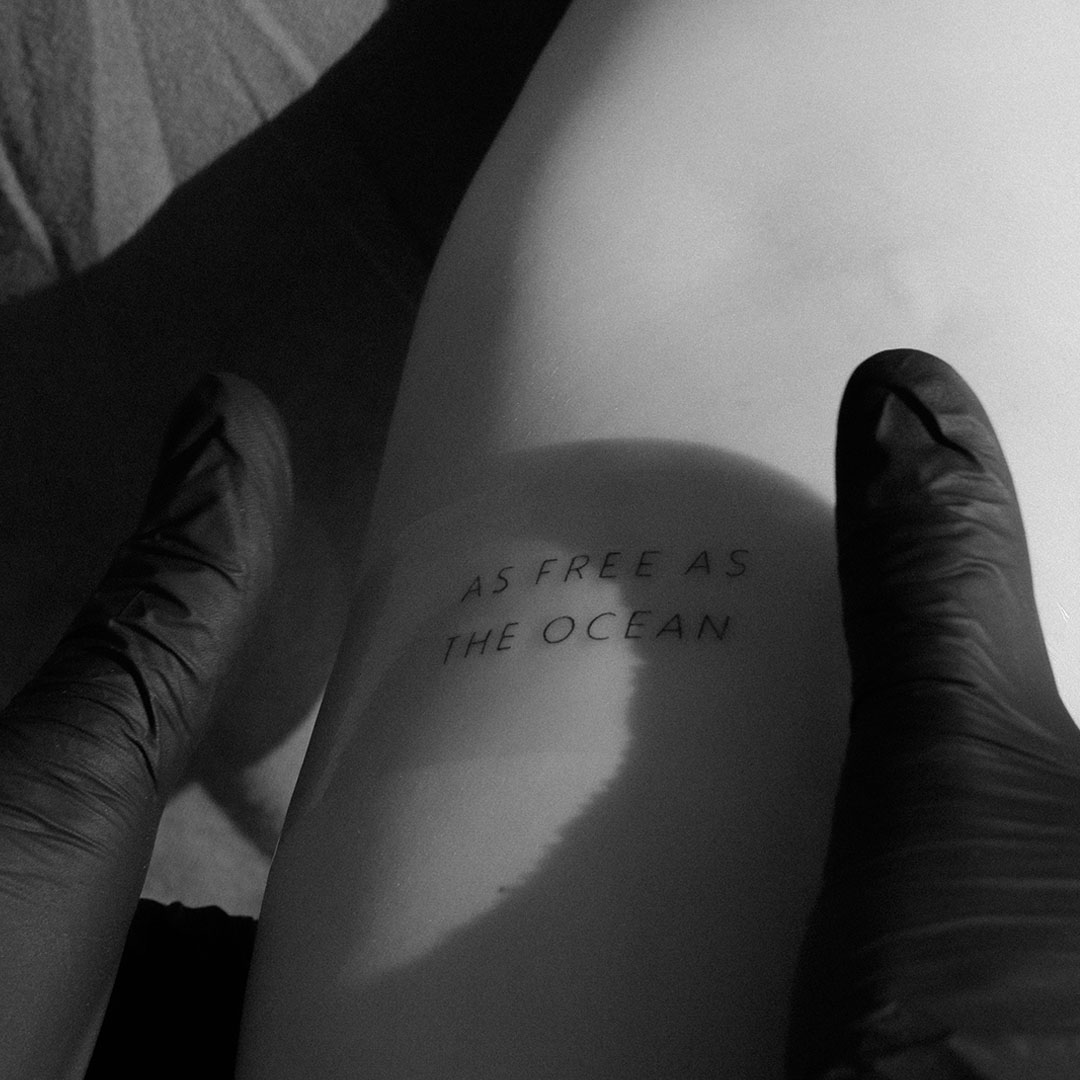
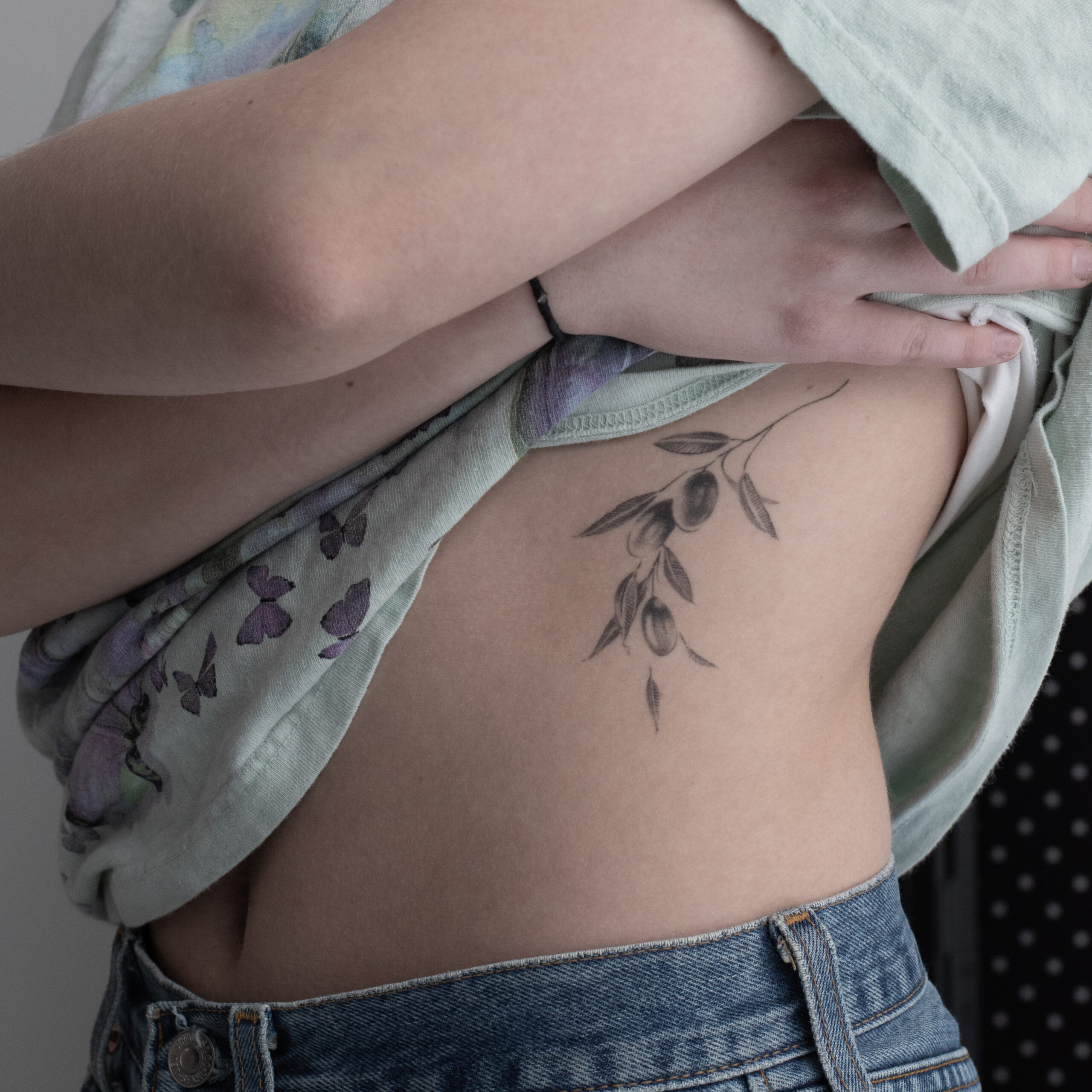
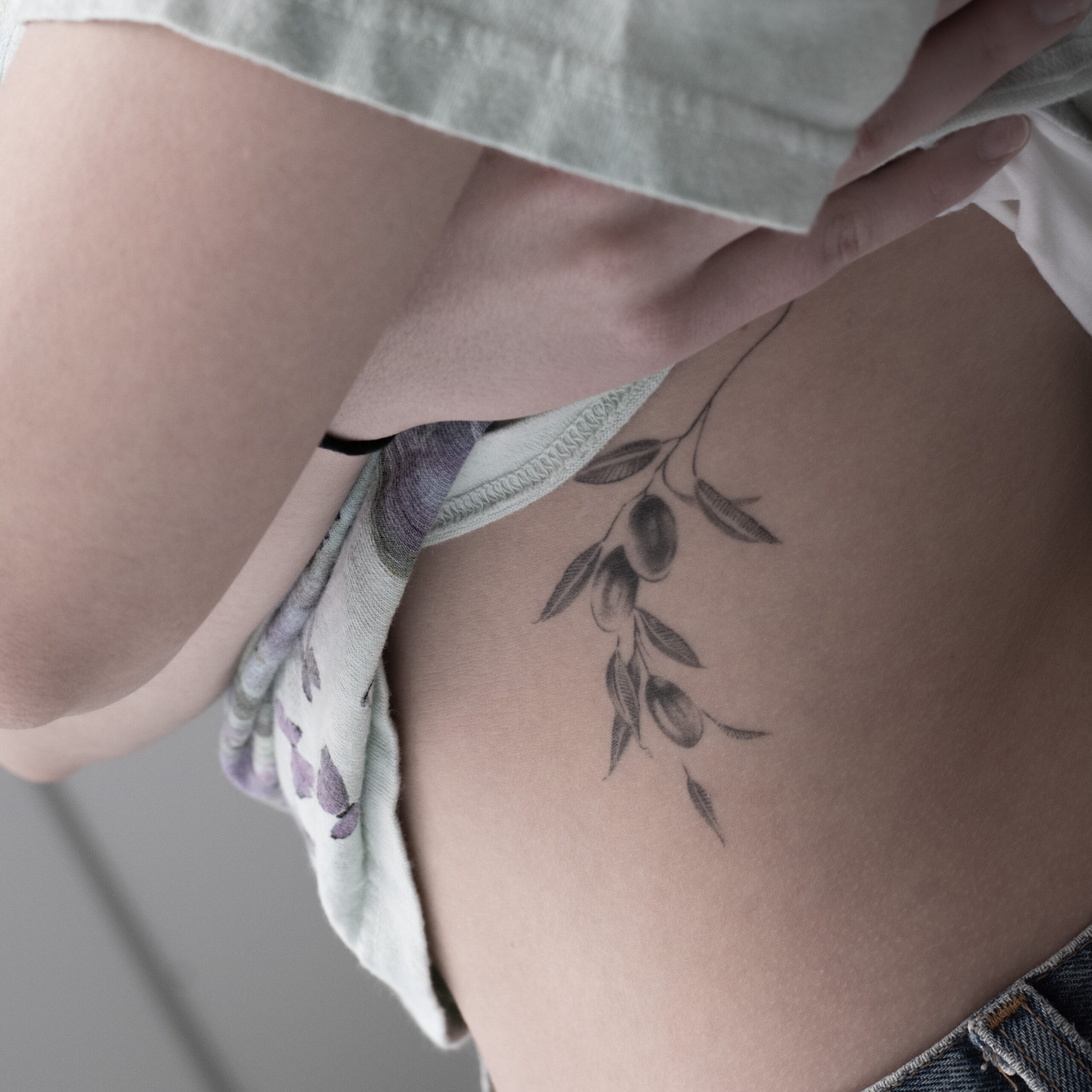
Right after your session, the ink hasn’t fully settled yet. You can think of it as still sitting on the skin rather than in it. The skin is slightly swollen, irritated, and fresh — all of this makes the tattoo appear more intense than it will be later.
This simple perspective already explains a lot, without going too deep into technical details.
Why Long-Term Thinking Matters
Tattoos change significantly during the first month.
That’s why it’s so important to look at tattoos from a long-term perspective, not just the first few days. We talk about this extensively in our Healing & Aftercare section and other related blogs.
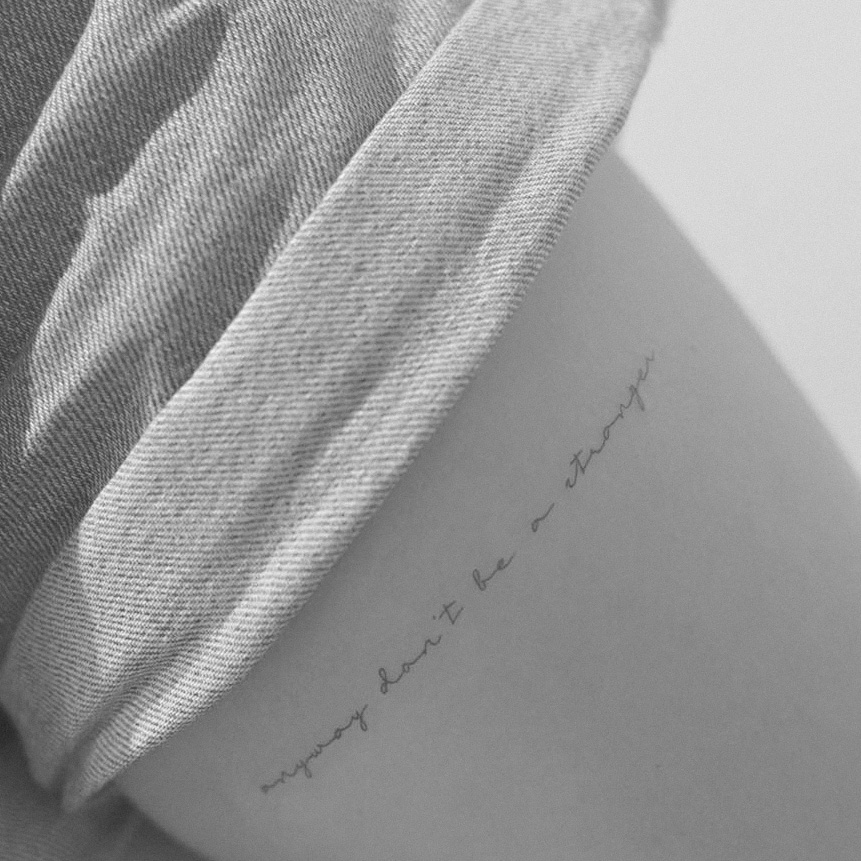
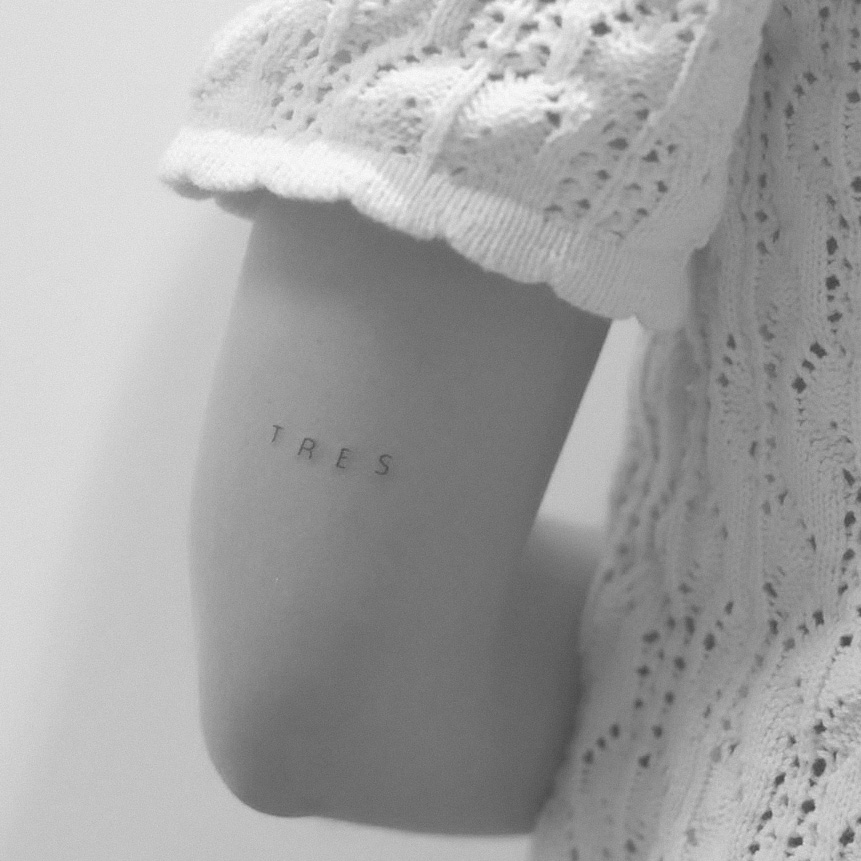
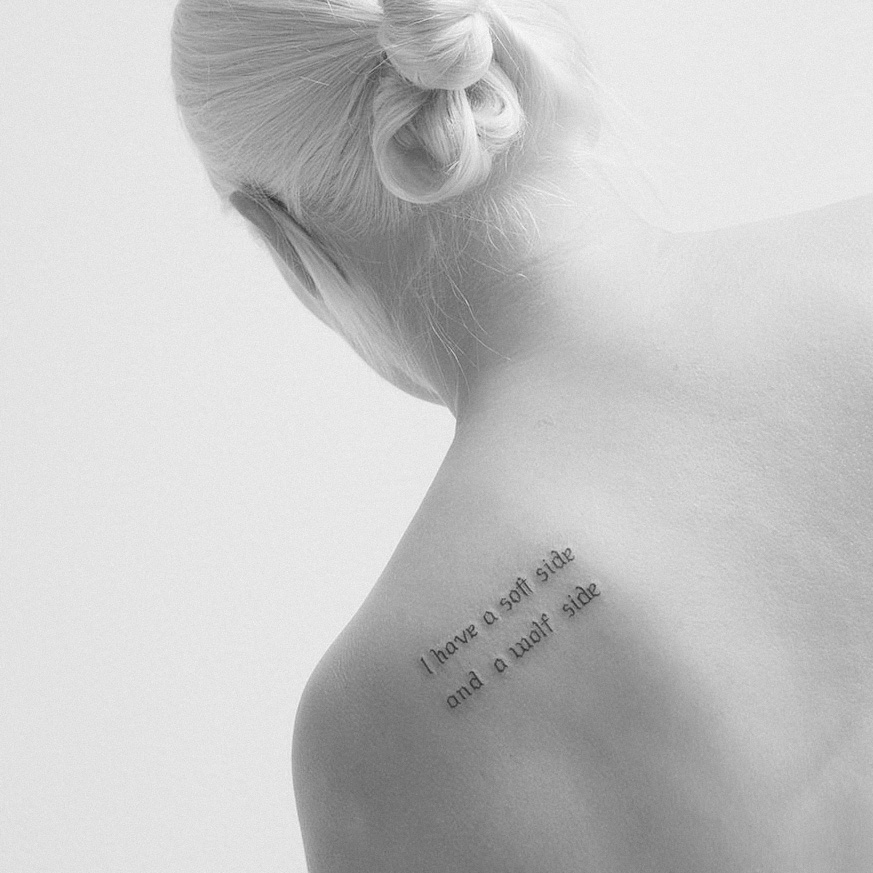
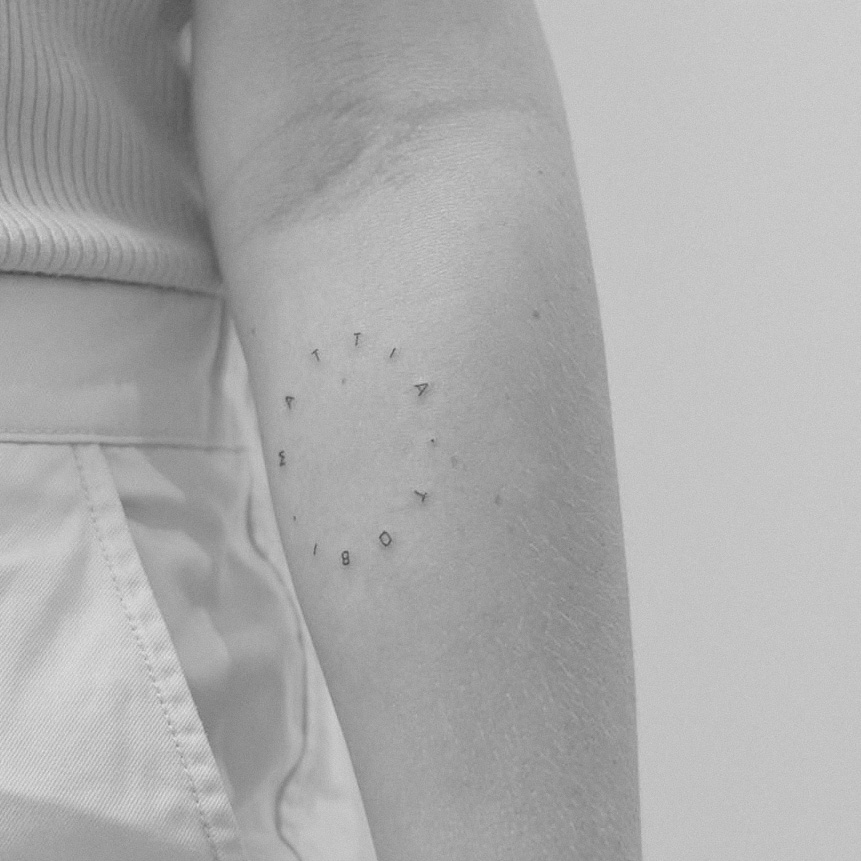
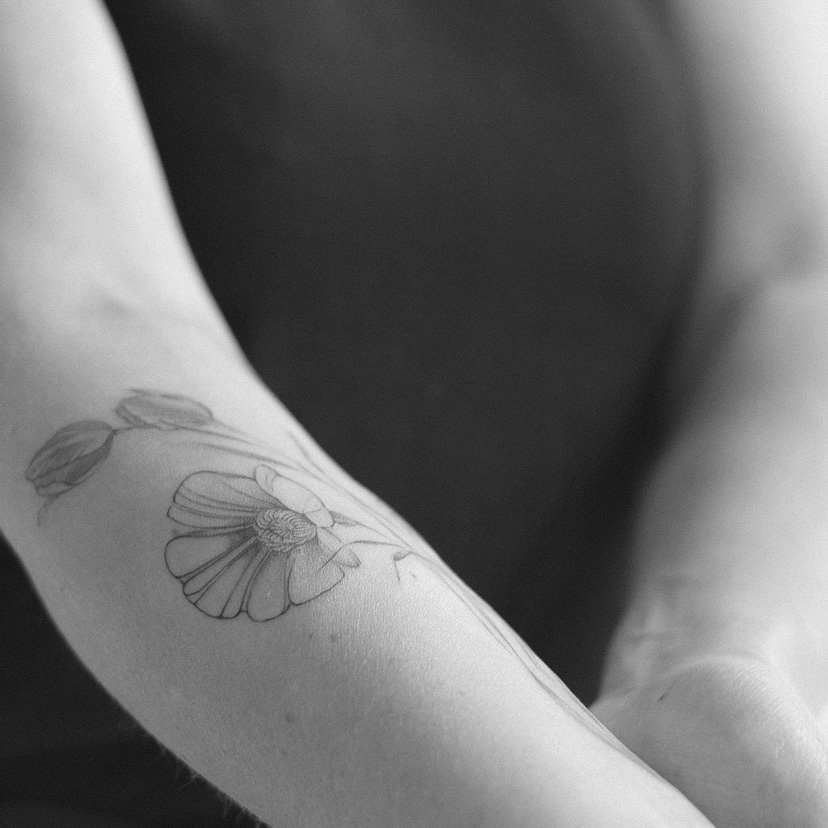
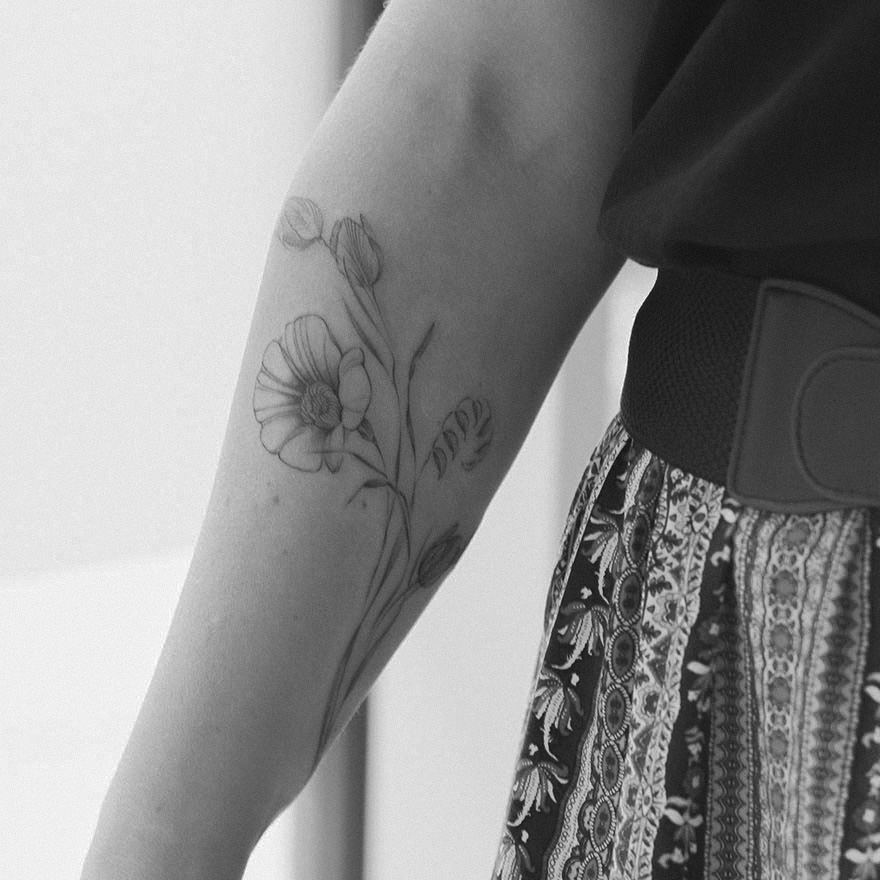
Only after around 30 days does the tattoo truly start to show its final character. This is especially noticeable in projects by Natalie — she works beautifully with a monochromatic palette that softens and blends naturally with time.
One Month After Your Tattoo Session
By now, you’ve experienced the healing process:
-
the initial intensity
-
the peeling phase (and yes — no scratching!)
-
the gradual settling into the skin
After about four weeks, the tattoo begins to blend naturally with your body, which is exactly what we aim for.
Even very delicate tattoos are meant to stay with you forever. If your tattoo feels “too much” right after the session — that’s completely normal. After one month, it usually feels just right.
Please don’t hesitate to:
-
send us a photo of your healed tattoo
-
reach out if you have any doubts
-
come by if you want us to double-check something
We’re permanently based in Amsterdam, so we’re always here. Adjustments, strengthening elements, or even adding a flower or two — all of that is possible.
One Month. One Year. One Decade.
Tattoos evolve with us — and that’s part of their beauty.
The way you treat your body affects your tattoos:
-
drinking enough water
-
staying active
-
avoiding smoking
-
limiting, or avoiding alcohol
Healthy skin means tattoos that age beautifully.
A tattoo is a permanent reminder — not only of a moment, but of taking care of yourself. That’s why I’m not a big fan of temporary tattoos. Shouldn’t our health, relationships, and happiness also be long-lasting?
Let’s work on preserving all of them for a lifetime.
Much love,
Simon
Vadelma Tattoo
https://www.vadelma.eu
Vadelma Art Print Store
https://vadelmaprints.com/
Frequently Asked Questions (FAQ)
Why does my tattoo look darker right after the session?
Because the ink hasn’t fully settled into the skin yet. Swelling and irritation make the tattoo appear more intense. This softens significantly during healing.
How long does it take for a tattoo to look “normal”?
Usually around 3–4 weeks. After about 30 days, the tattoo starts to show its true tone and blend with your skin.
Is it normal if my fine-line tattoo looks intense at first?
Yes — completely normal. Even delicate tattoos need enough ink to last.
What should I do if I’m worried about my tattoo during healing?
Feel free to contact us or send a photo of your tattoo. We’re happy to help.
Can a tattoo be adjusted after it heals?
Yes. Once healed, we can strengthen elements, make small changes, or even add new details if needed.
Does lifestyle affect how tattoos age?
Absolutely. Hydration, skincare, avoiding smoking, and general health all play a role in how tattoos age over the years.
What to Expect Right After Your Tattoo Session
Hello everyone!
Today, in our blog, we’re diving into the very first moments of a new tattoo and what you can expect when it’s freshly finished. We might not need the European Organization for Nuclear Research (CERN) to explain it — but it’s a fun analogy nonetheless.
“OMG… Why Is It So Intense?!”
This is one of the most common reactions, especially from first-time clients.
People often come in asking for something delicate — for example, a fine floral tattoo — and then feel surprised when the tattoo looks darker or bolder right after the session. If this is you: don’t worry.
A tattoo is still a tattoo, no matter how delicate the design. It needs to be applied with proper technique so it can last.
Right after your session, the ink hasn’t fully settled yet. You can think of it as still sitting on the skin rather than in it. The skin is slightly swollen, irritated, and fresh — all of this makes the tattoo appear more intense than it will be later.
This simple perspective already explains a lot, without going too deep into technical details.
Why Long-Term Thinking Matters
Tattoos change significantly during the first month.
That’s why it’s so important to look at tattoos from a long-term perspective, not just the first few days. We talk about this extensively in our Healing & Aftercare section and other related blogs.
Only after around 30 days does the tattoo truly start to show its final character. This is especially noticeable in projects by Natalie — she works beautifully with a monochromatic palette that softens and blends naturally with time.
One Month After Your Tattoo Session
By now, you’ve experienced the healing process:
-
the initial intensity
-
the peeling phase (and yes — no scratching!)
-
the gradual settling into the skin
After about four weeks, the tattoo begins to blend naturally with your body, which is exactly what we aim for.
Even very delicate tattoos are meant to stay with you forever. If your tattoo feels “too much” right after the session — that’s completely normal. After one month, it usually feels just right.
Please don’t hesitate to:
-
send us a photo of your healed tattoo
-
reach out if you have any doubts
-
come by if you want us to double-check something
We’re permanently based in Amsterdam, so we’re always here. Adjustments, strengthening elements, or even adding a flower or two — all of that is possible.
One Month. One Year. One Decade.
Tattoos evolve with us — and that’s part of their beauty.
The way you treat your body affects your tattoos:
-
drinking enough water
-
staying active
-
avoiding smoking
-
limiting, or avoiding alcohol
Healthy skin means tattoos that age beautifully.
A tattoo is a permanent reminder — not only of a moment, but of taking care of yourself. That’s why I’m not a big fan of temporary tattoos. Shouldn’t our health, relationships, and happiness also be long-lasting?
Let’s work on preserving all of them for a lifetime.
Much love,
Simon
Vadelma Tattoo
https://www.vadelma.eu
Vadelma Art Print Store
https://vadelmaprints.com/
Frequently Asked Questions (FAQ)
Why does my tattoo look darker right after the session?
Because the ink hasn’t fully settled into the skin yet. Swelling and irritation make the tattoo appear more intense. This softens significantly during healing.
How long does it take for a tattoo to look “normal”?
Usually around 3–4 weeks. After about 30 days, the tattoo starts to show its true tone and blend with your skin.
Is it normal if my fine-line tattoo looks intense at first?
Yes — completely normal. Even delicate tattoos need enough ink to last.
What should I do if I’m worried about my tattoo during healing?
Feel free to contact us or send a photo of your tattoo. We’re happy to help.
Can a tattoo be adjusted after it heals?
Yes. Once healed, we can strengthen elements, make small changes, or even add new details if needed.
Does lifestyle affect how tattoos age?
Absolutely. Hydration, skincare, avoiding smoking, and general health all play a role in how tattoos age over the years.