Maud Wagner – The First Known Female Tattoo Artist and the Early History of Women in Tattooing
Introduction
For a long time, tattooing was seen as a world almost entirely shaped by men. The image of the tattoo artist was often connected to sailors, traveling performers, underground culture, or heavily masculine environments. But history tends to become more complicated the closer you look at it. Long before tattooing entered mainstream culture, there was already a woman helping shape its future. Her name was Maud Wagner, and she is widely recognized as the first known female tattoo artist in the United States. What makes her story fascinating is not only the fact that she tattooed at a time when very few women did, but also how naturally she moved through a world that was still trying to define what tattooing itself even was.
A Different Time for Tattooing
To understand the significance of Maud Wagner, it helps to remember how different tattoo culture looked at the beginning of the twentieth century. Tattooing was not yet part of mainstream aesthetics. It existed closer to traveling entertainment, circuses, fairs, and sideshows. Many heavily tattooed people earned their living by appearing in exhibitions where audiences paid to see them. This was the environment in which Maud Wagner became known. Before tattooing professionally, she worked as an aerial performer and circus artist. Eventually, she met tattoo artist Gus Wagner, who would later become her husband and teach her the craft of tattooing by hand. And this detail matters. Because at that time, tattooing was still largely performed manually, long before modern tattoo machines became standard everywhere.
Learning the Craft by Hand
One of the most interesting aspects of Maud Wagner’s story is that her work belonged to a period where tattooing required an extremely physical and patient process. Hand tattooing demanded rhythm, endurance, and precision. Every line depended directly on the artist’s control rather than automated movement. This connection between hand skill and tattooing feels especially relevant today, in a time where technology increasingly shapes creative industries. The early tattoo artists had very little assistance. No digital previews, no instant corrections, and no endless visual databases. The work depended heavily on observation, repetition, and physical control developed over years of practice. In many ways, tattooing at that time resembled craftsmanship more than content production. Probably it would be good to take some of it back.
Tattoos and Female Independence
Another reason Maud Wagner remains important historically is that she represented a form of independence unusual for women during that era. At the beginning of the twentieth century, women were still expected to move within very narrow social roles. A heavily tattooed woman working professionally as a tattoo artist challenged many of those expectations simultaneously. And yet, what makes her story interesting is that she did not appear to approach tattooing as rebellion alone. There was also professionalism, consistency, and dedication to the craft itself. This distinction matters because the history of tattooing is often simplified into shock value or provocation. But many early tattoo artists were deeply committed to the technical and artistic side of the work long before society fully accepted it.
The Relationship Between Tattoos and Identity
The story of Maud Wagner also reflects a larger theme within tattoo history: the relationship between tattoos and personal identity. Tattooing has always existed slightly outside conventional norms. Because of that, people who chose tattoos historically were often making a very direct statement about autonomy and self-definition. For women especially, this carried additional significance. A tattoo became more than decoration. It became evidence of personal agency over one’s own appearance and body at a time when that freedom was far more limited socially. Today, tattoo culture has changed dramatically, but traces of this history still remain.
From Margins to Mainstream
One of the most remarkable things about tattooing is how far it has moved culturally within just a few generations. During Maud Wagner’s lifetime, tattoos existed mostly outside mainstream respectability. Today, tattooing spans nearly every part of society, from art and fashion to design and personal storytelling. And yet, despite becoming more accepted, the deeper motivations behind tattoos remain surprisingly similar. People still search for:
.
- Identity
- Meaning
- Memory
- Connection
- And permanence
.
The visual language evolves, but the human reasons behind it continue.
Tattooing as Craft
The story of early artists like Maud Wagner also reminds us that tattooing has always involved more than imagery alone. It is a physical craft. Long before algorithms, digital editing, or generated visuals, tattoo artists developed their work through repetition and direct interaction with the medium itself. Skill was built slowly, through years of doing rather than curating. And while technology continues to change the industry, this part still remains essential. Because eventually, every tattoo still arrives at the same point: a human hand working on human skin.
The Vadelma Perspective
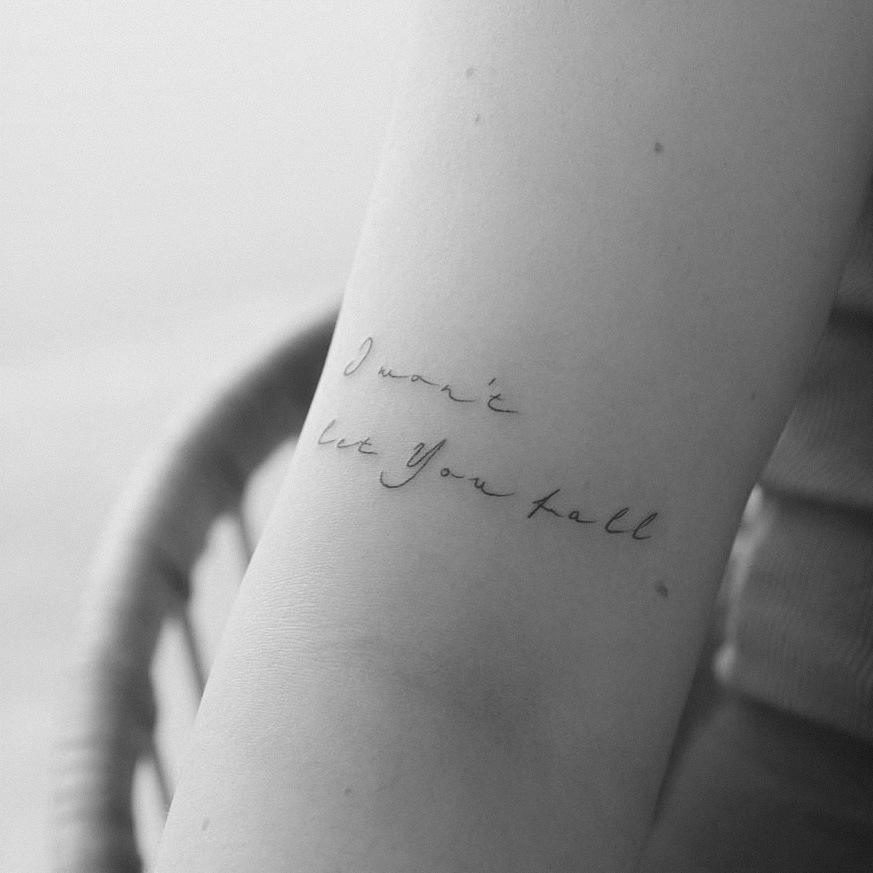
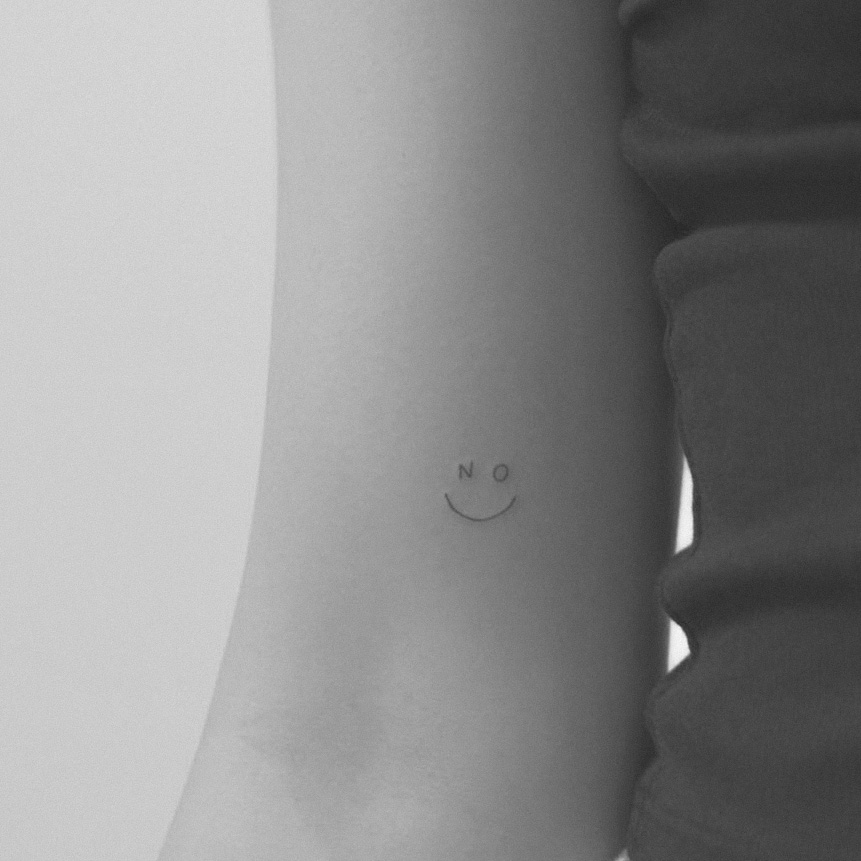
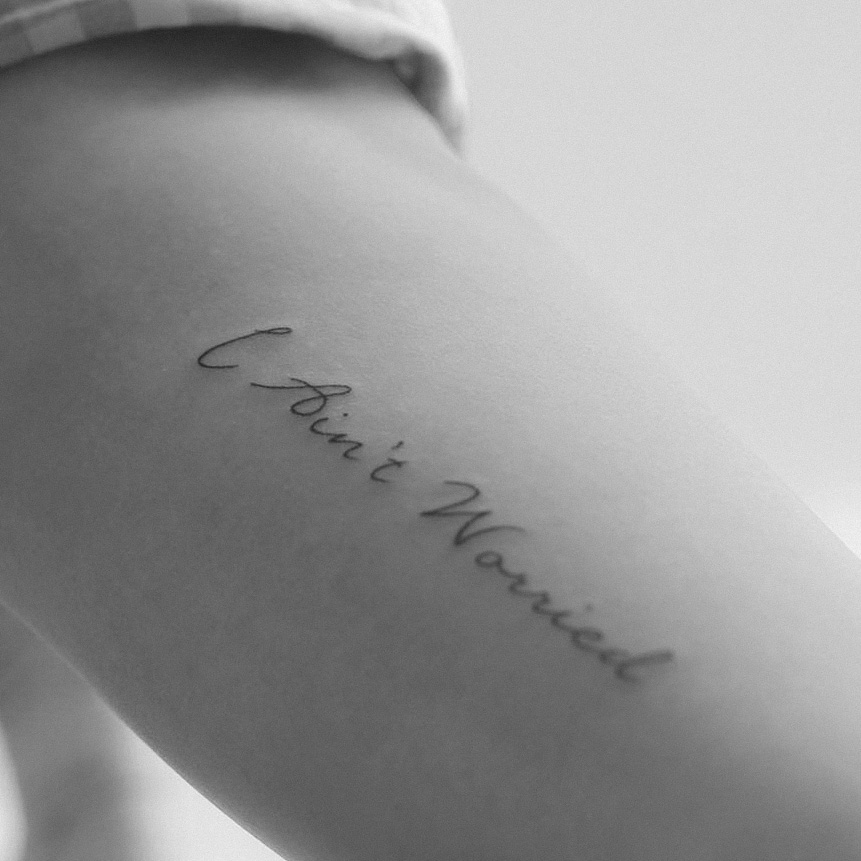
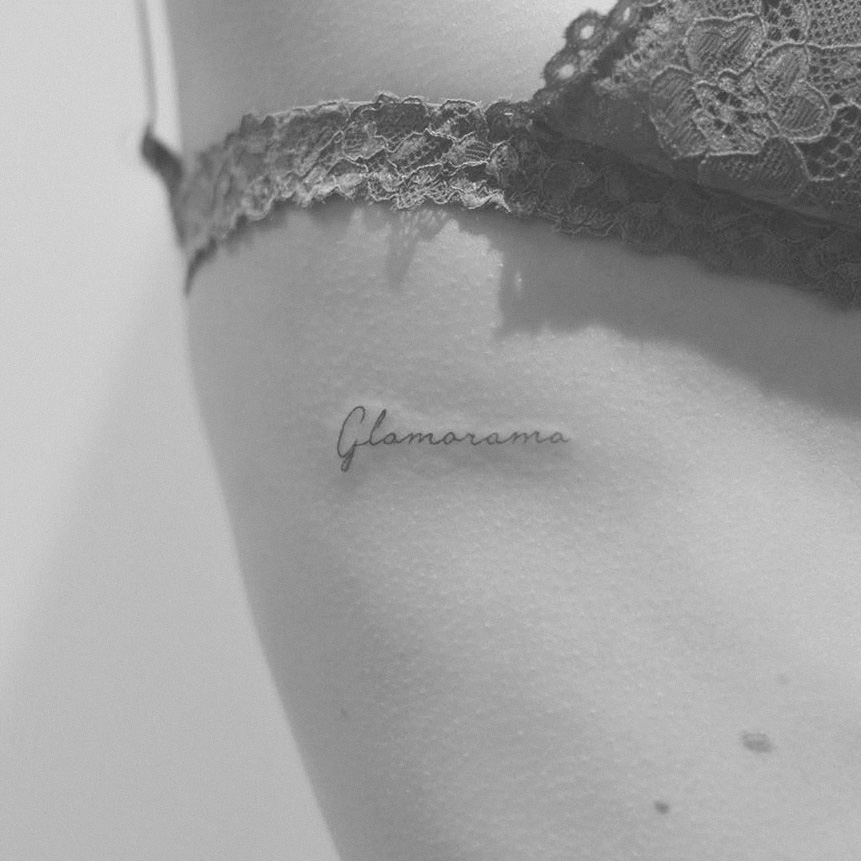
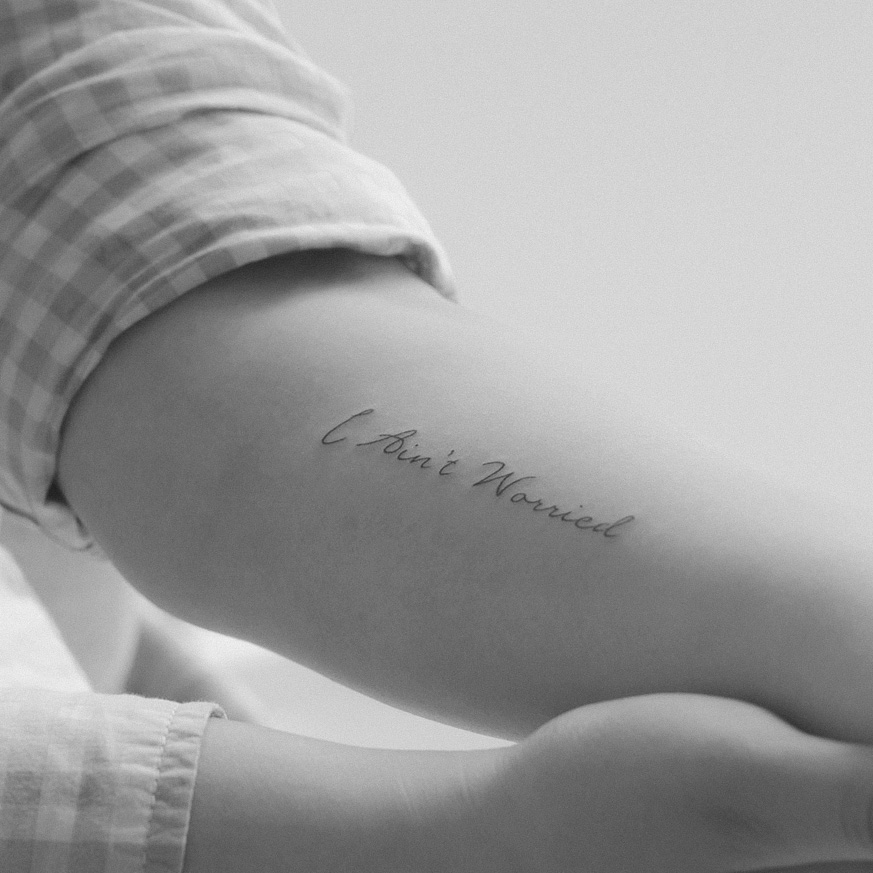
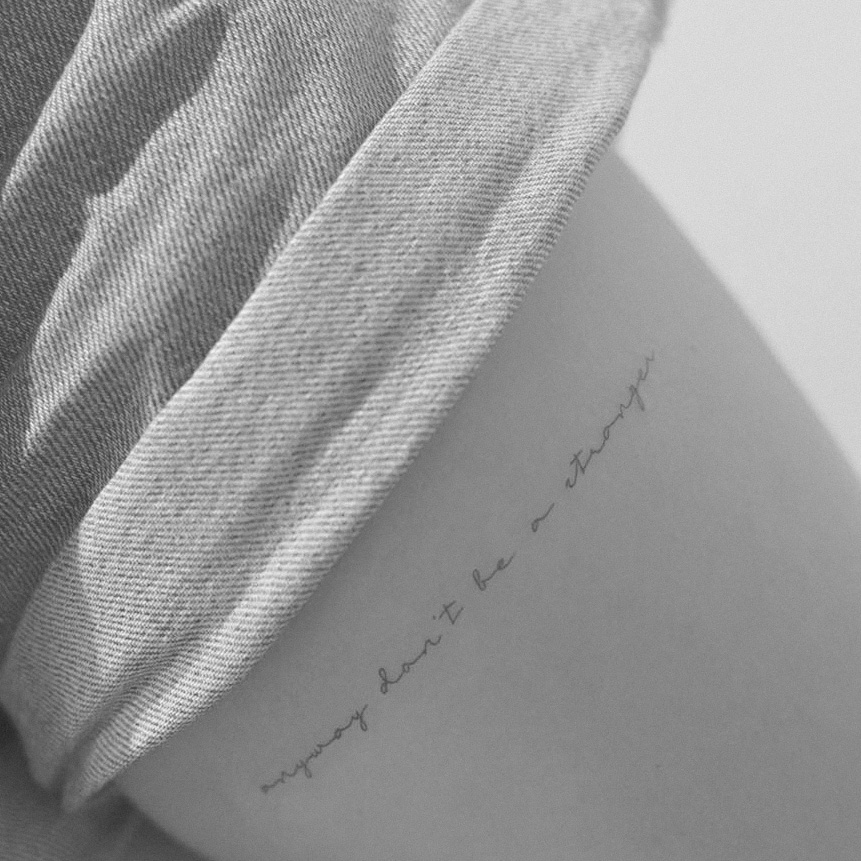
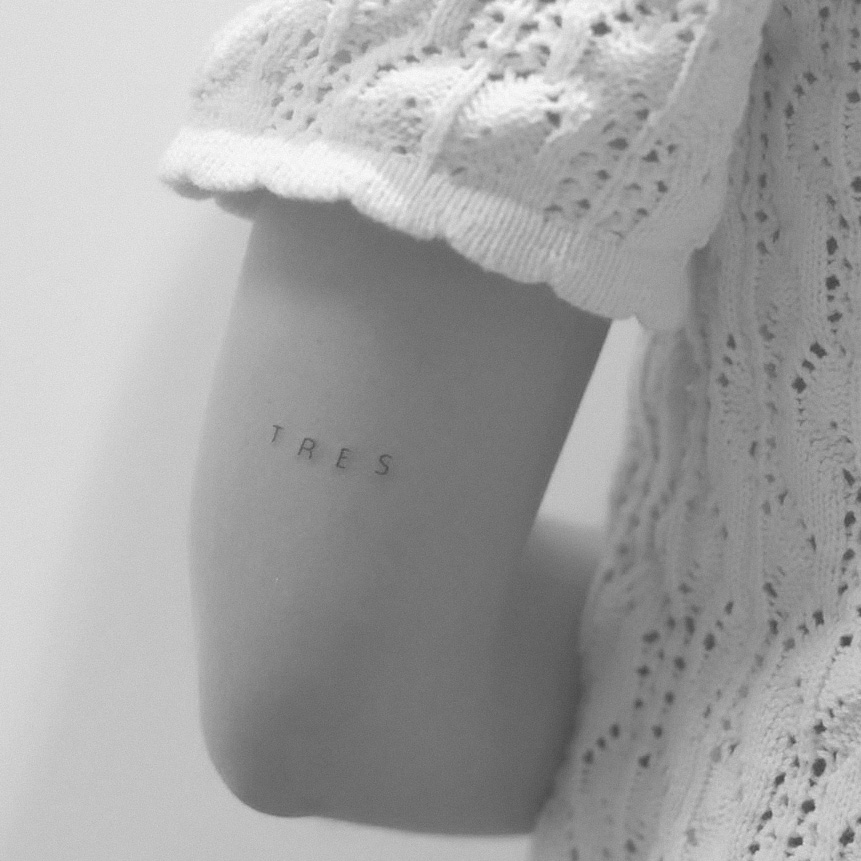
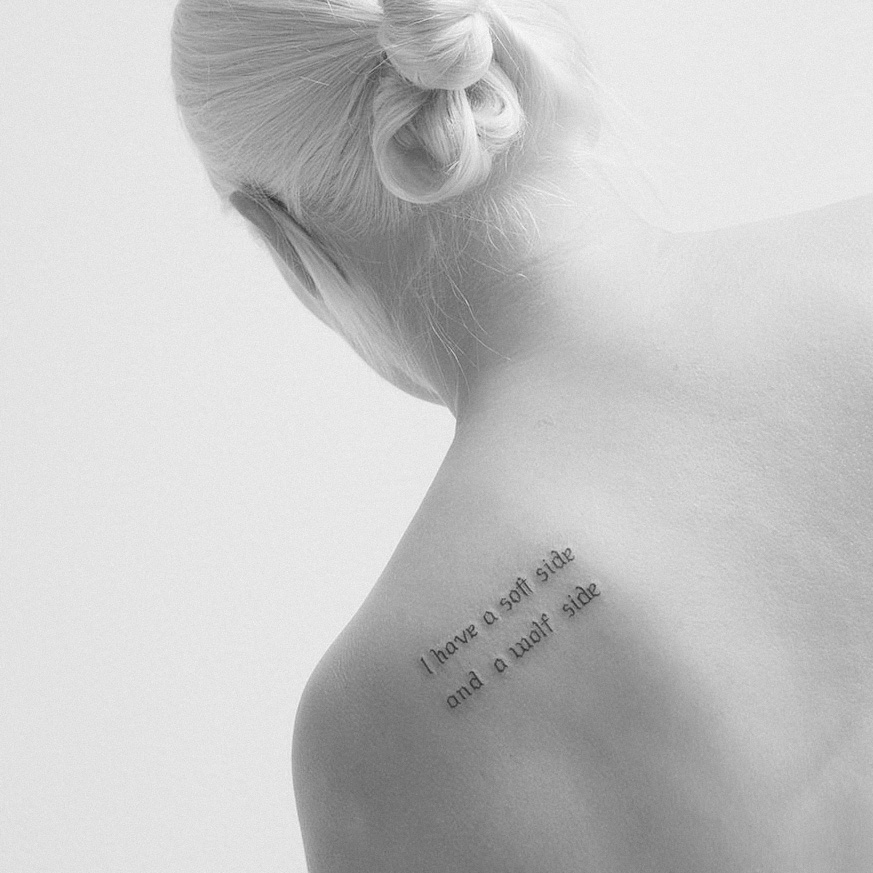
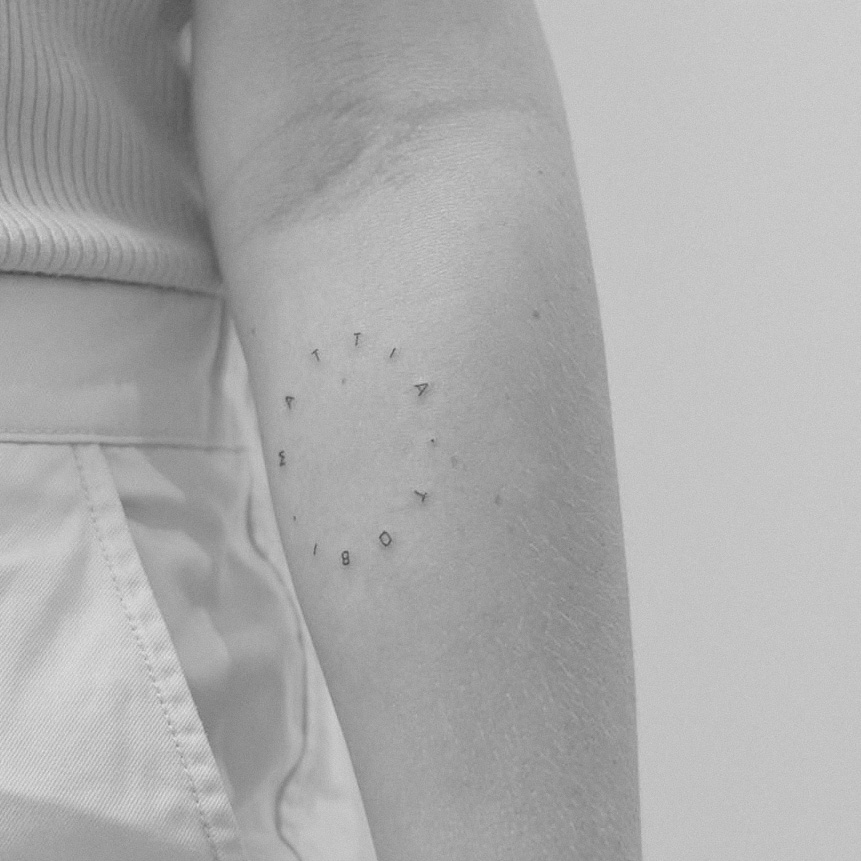
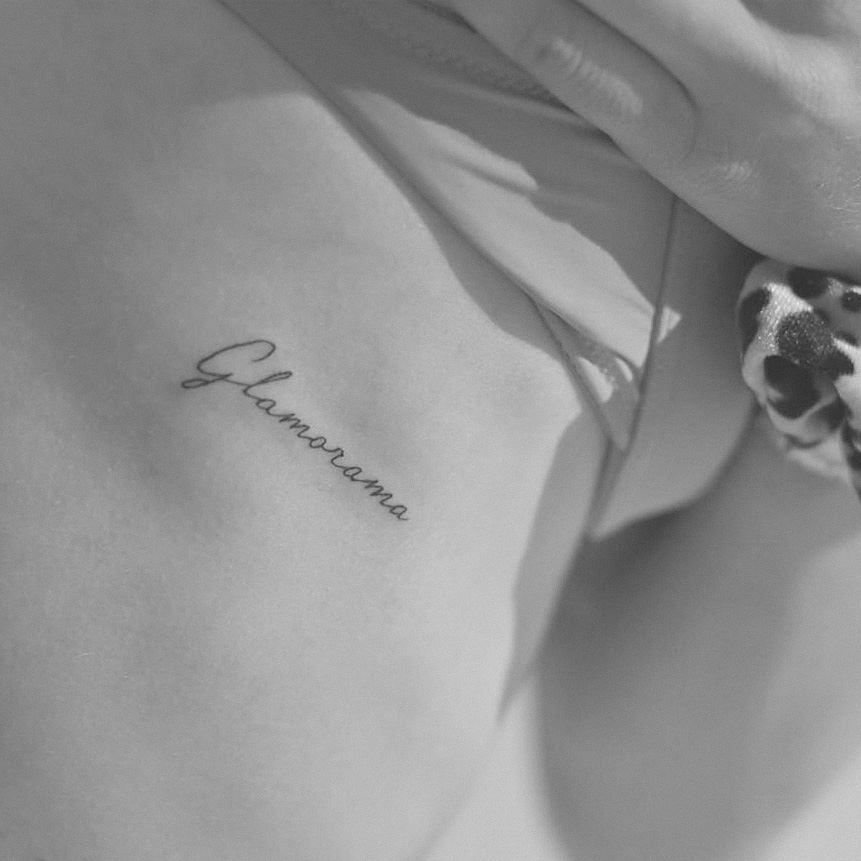
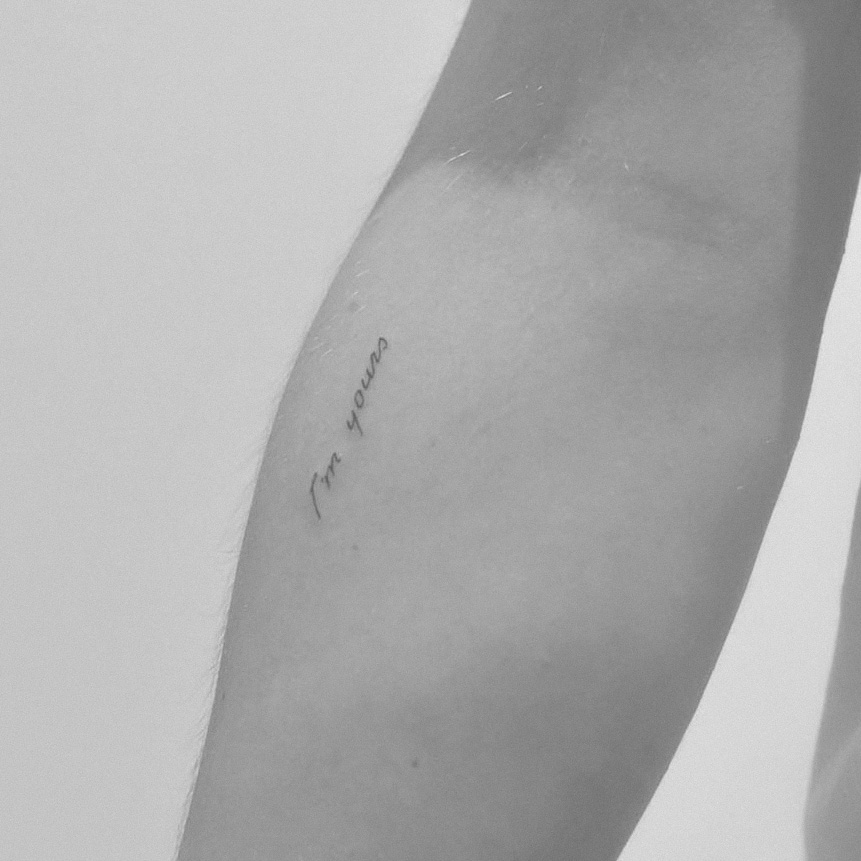
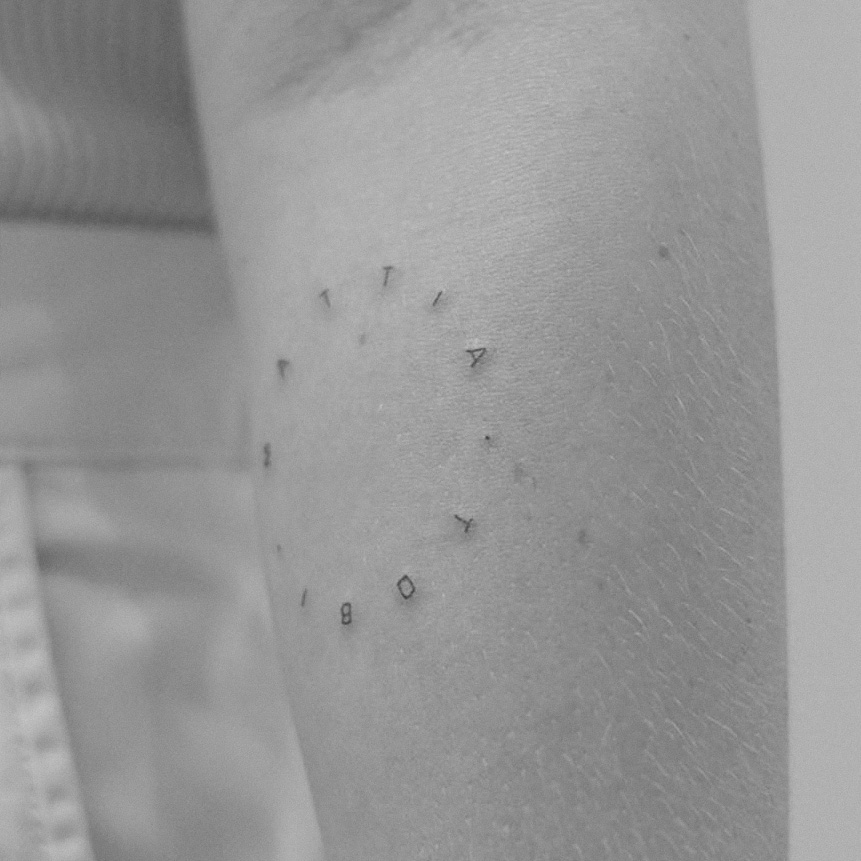
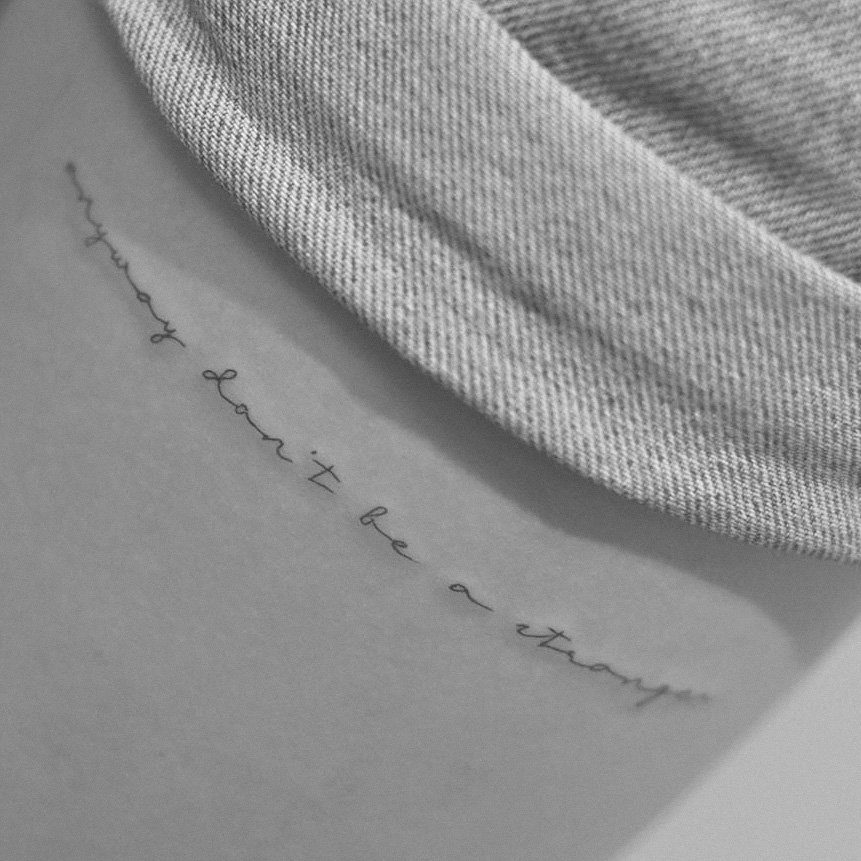
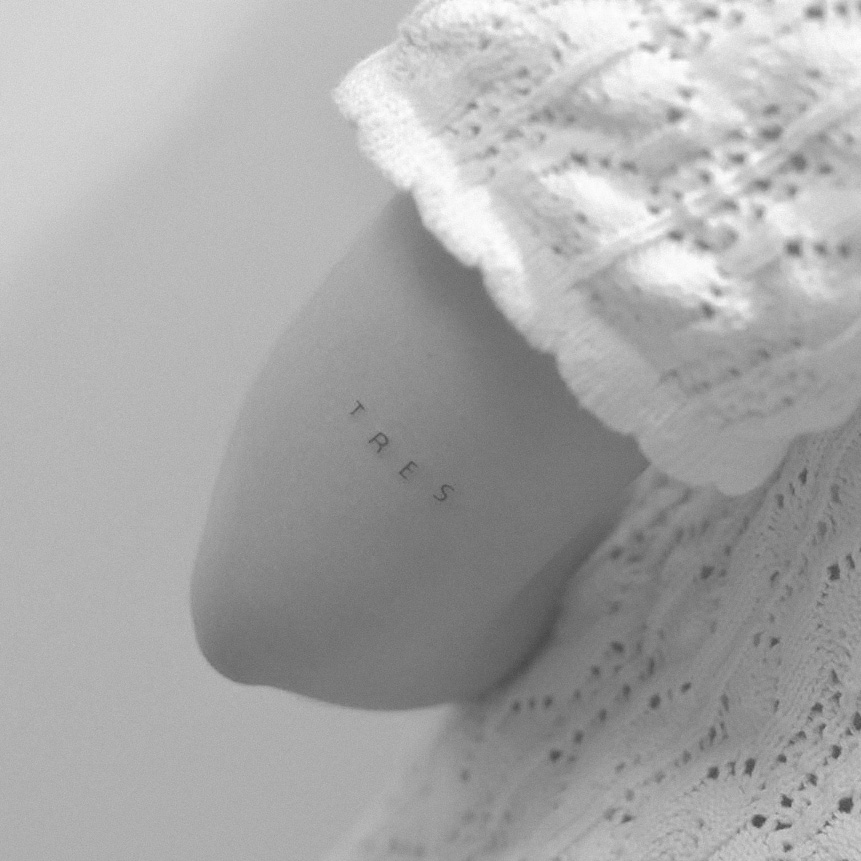
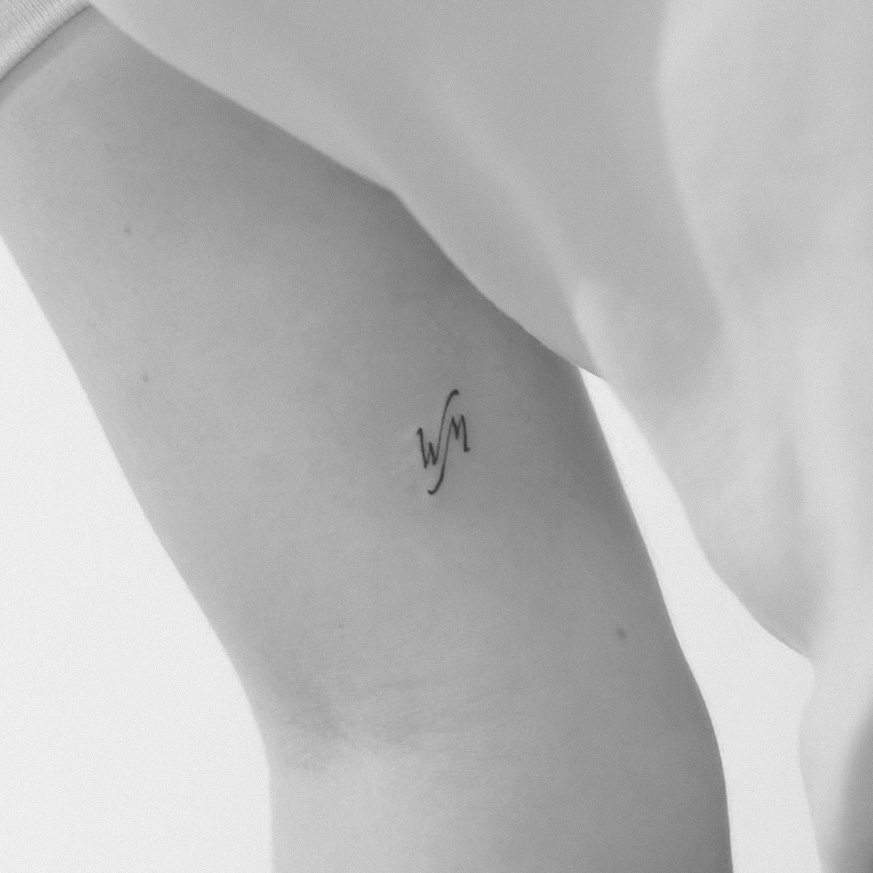
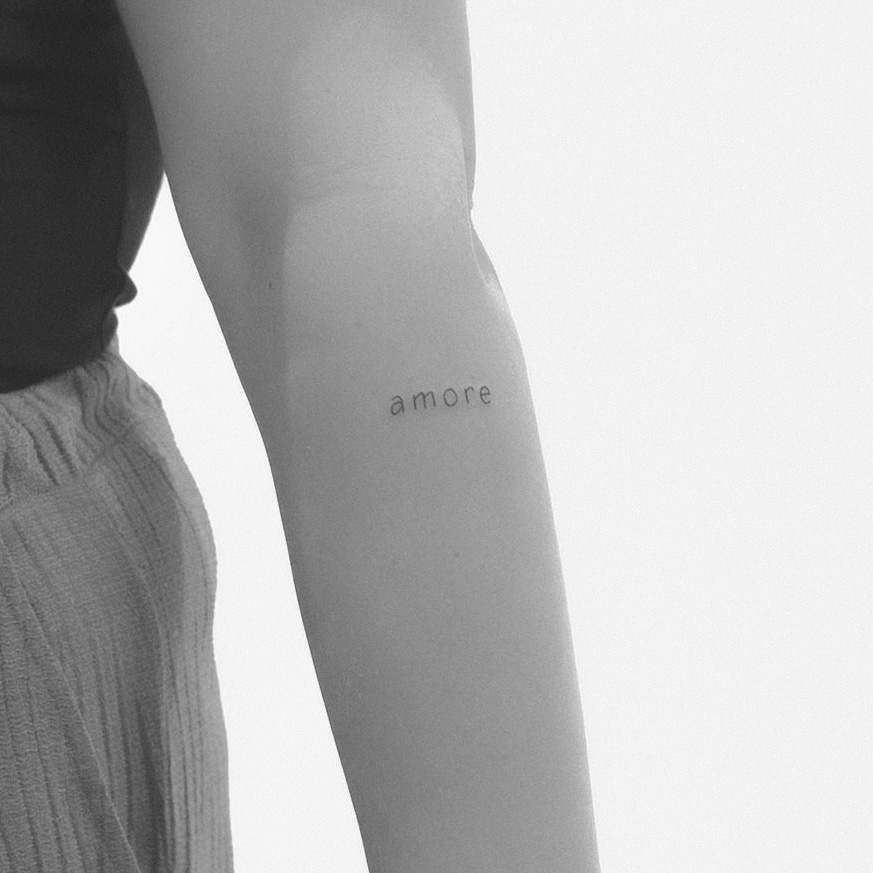
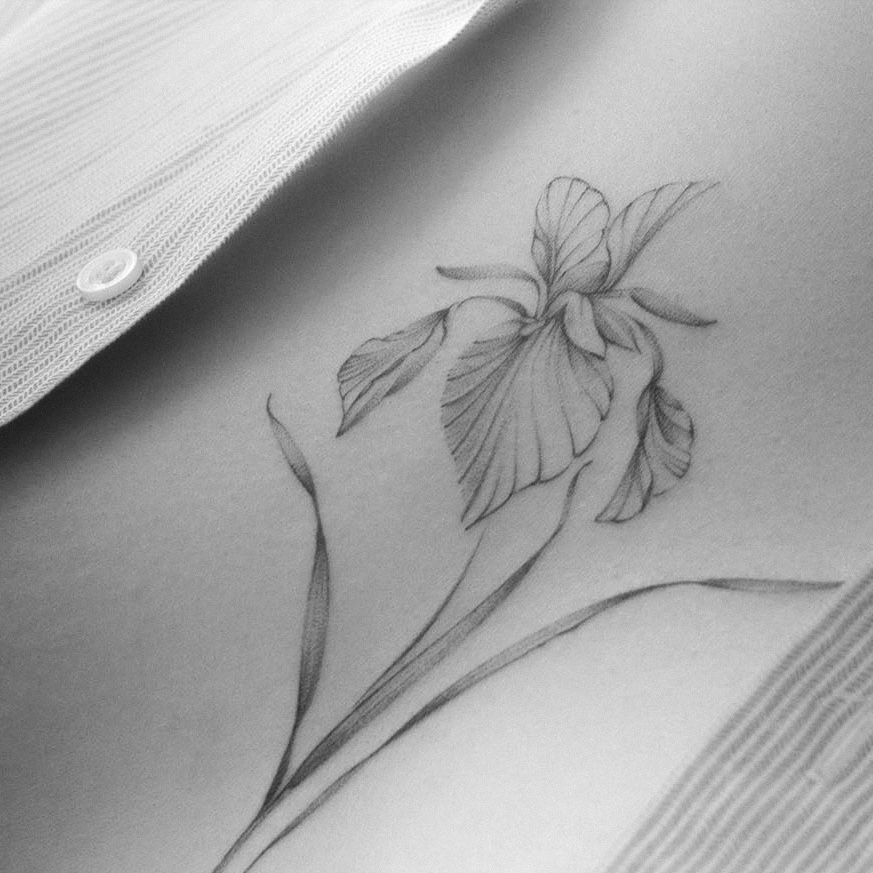
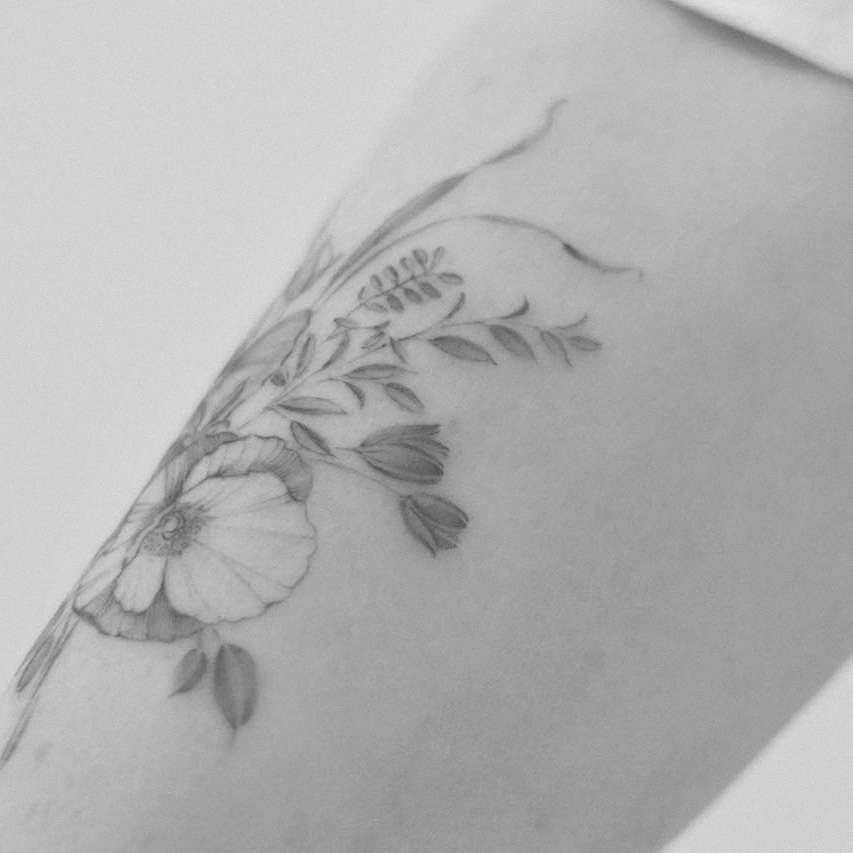
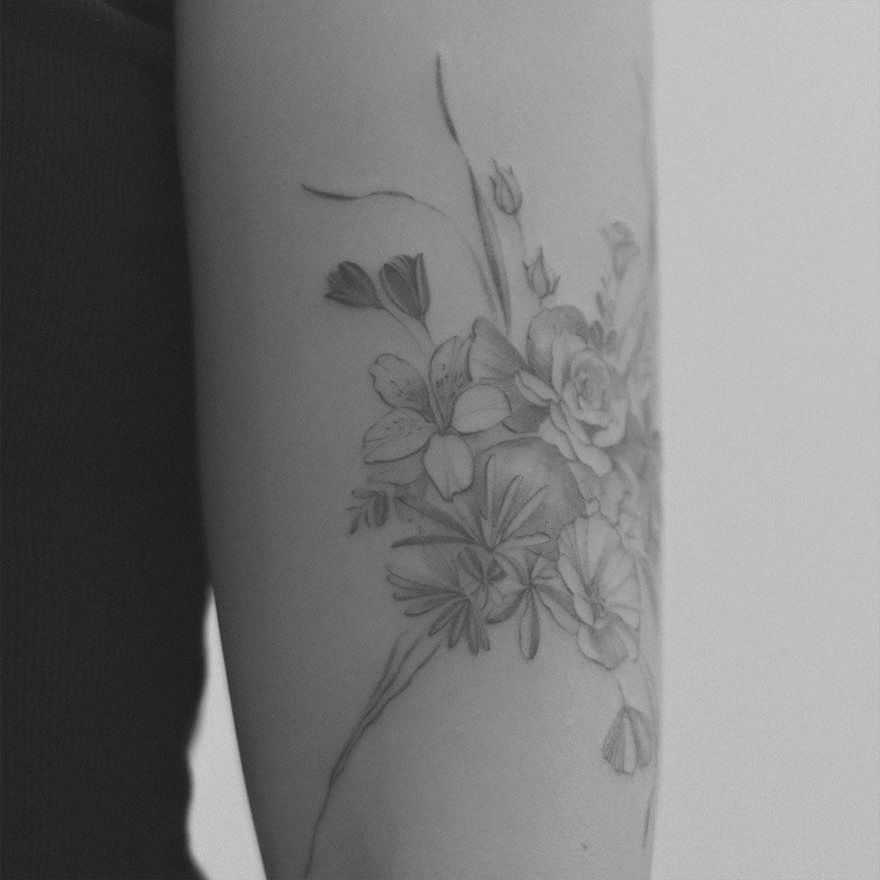
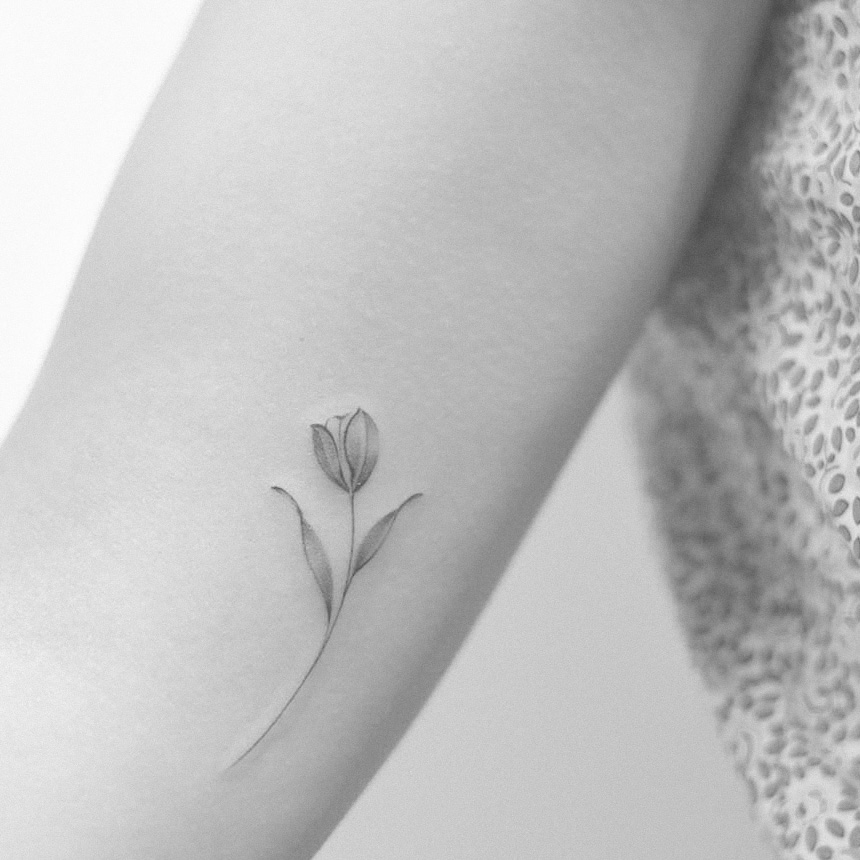
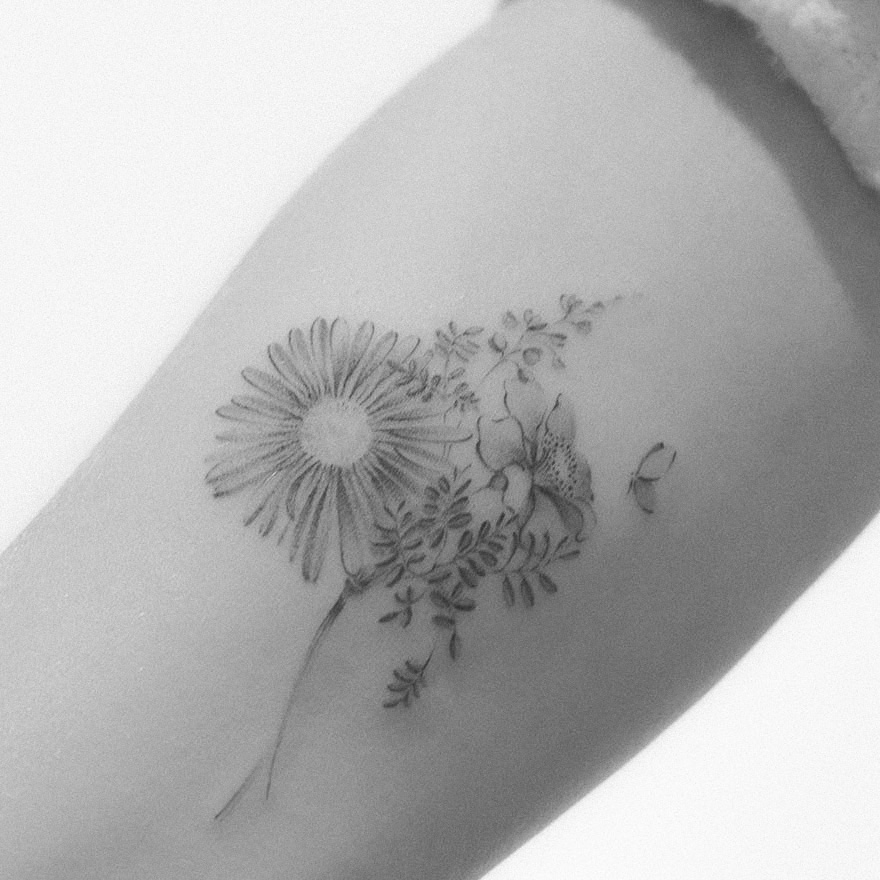
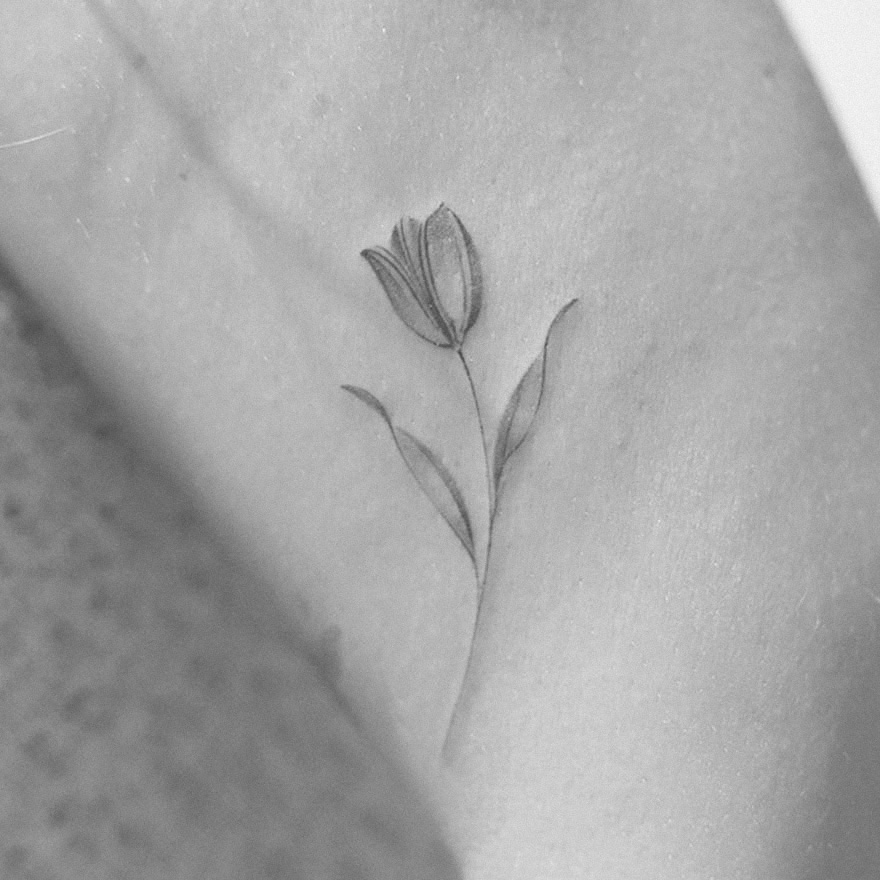
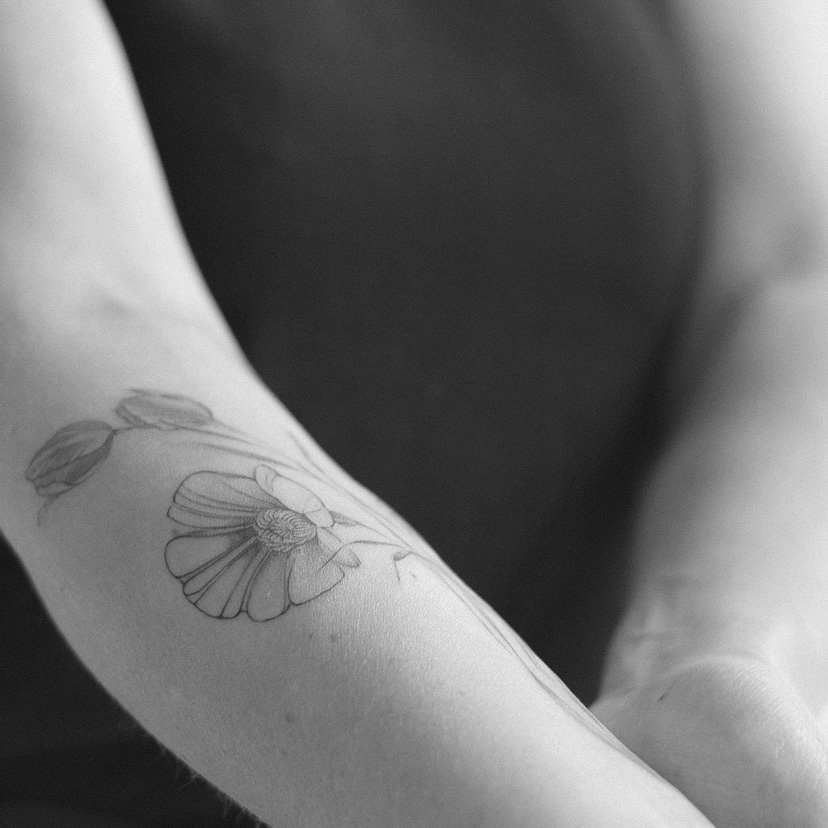
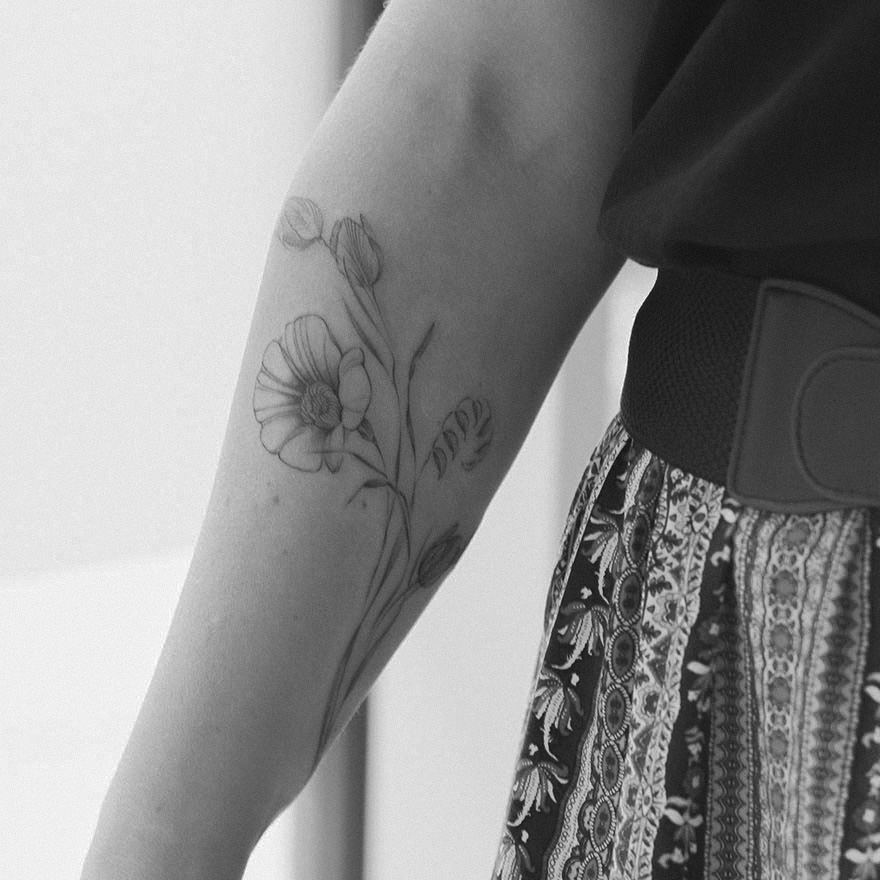
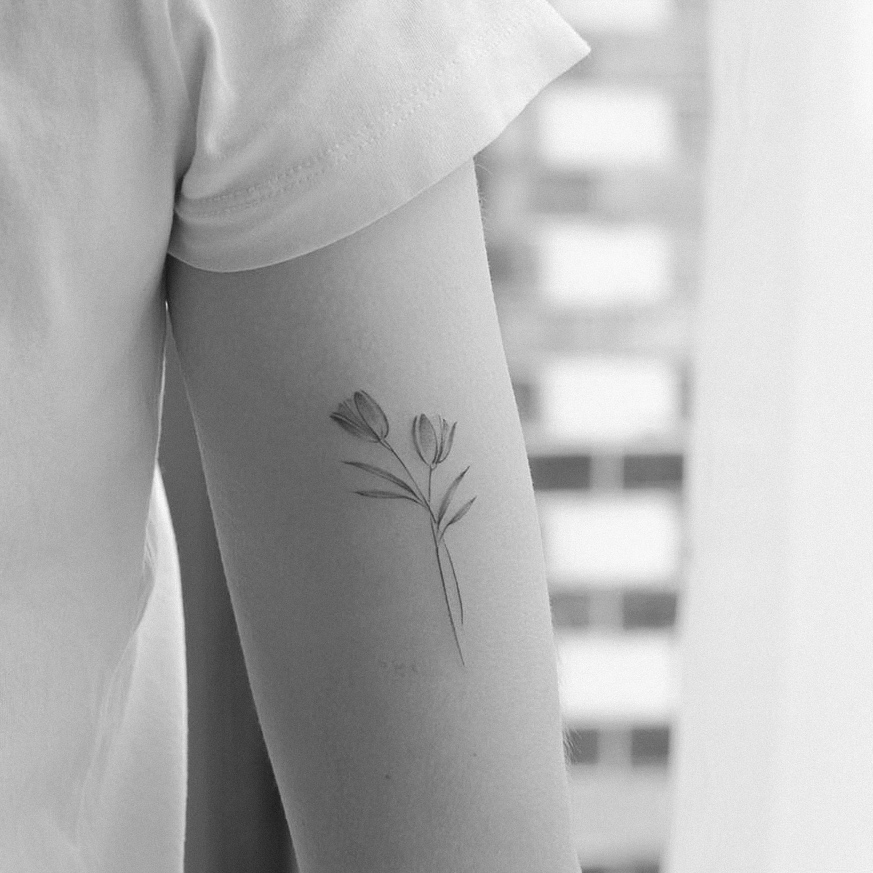
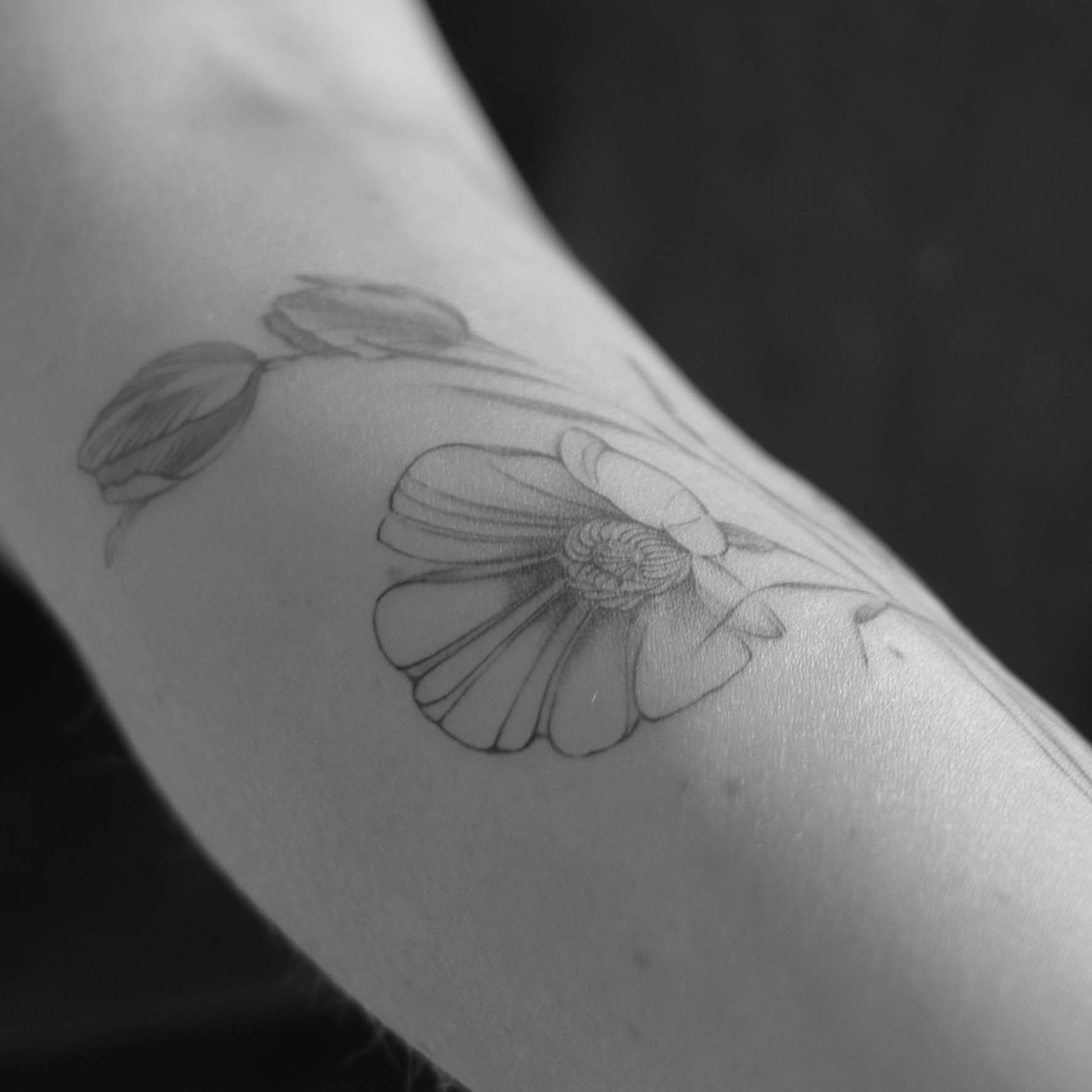
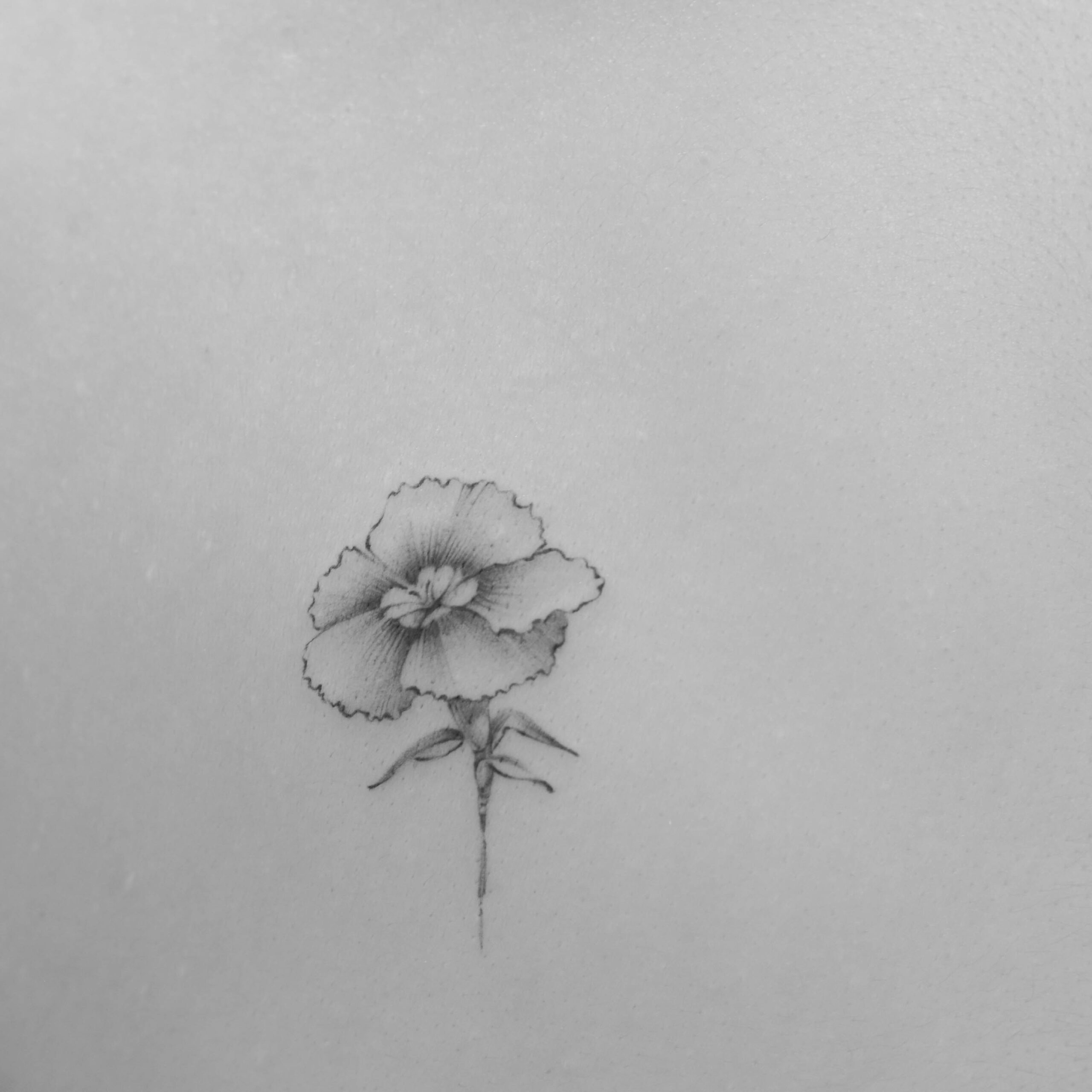
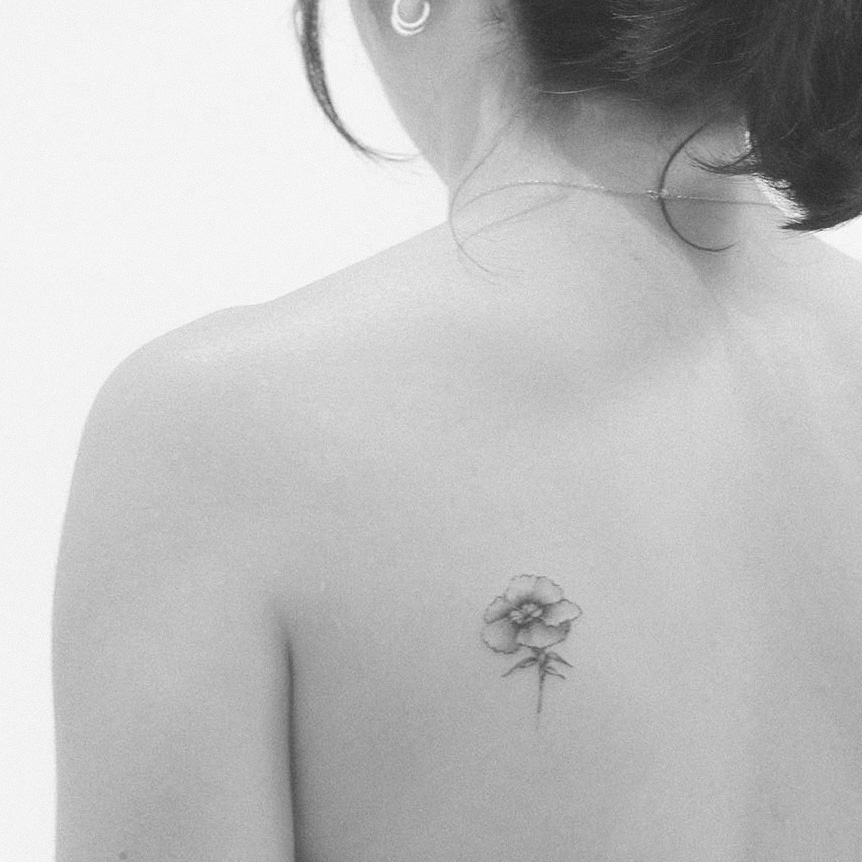
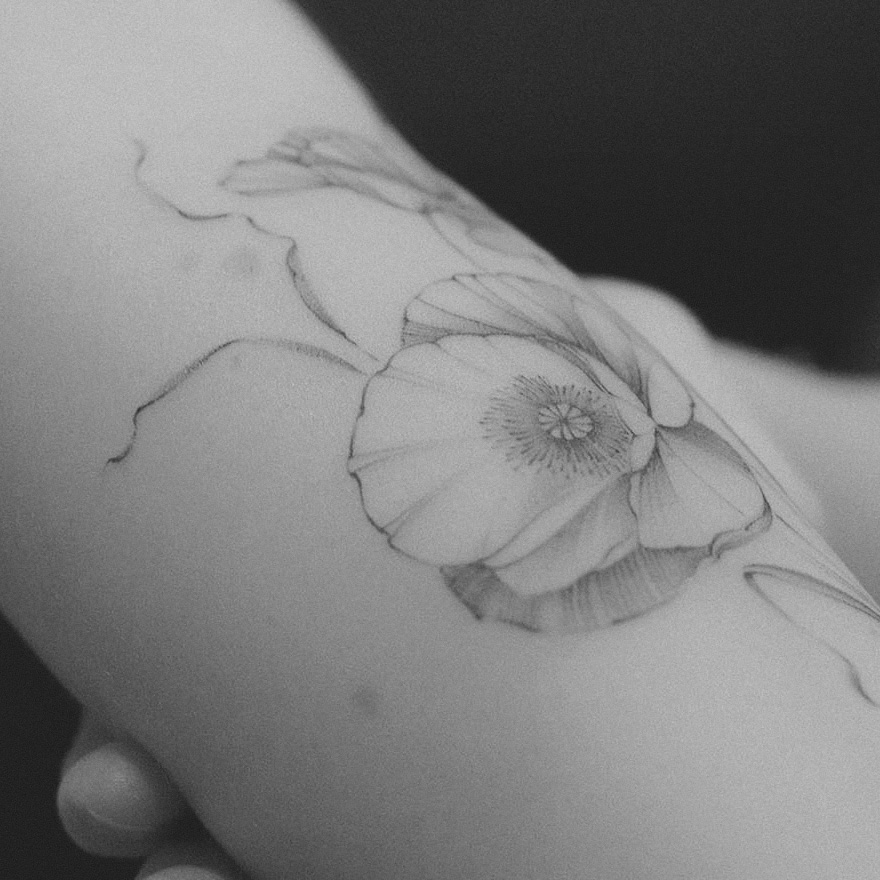
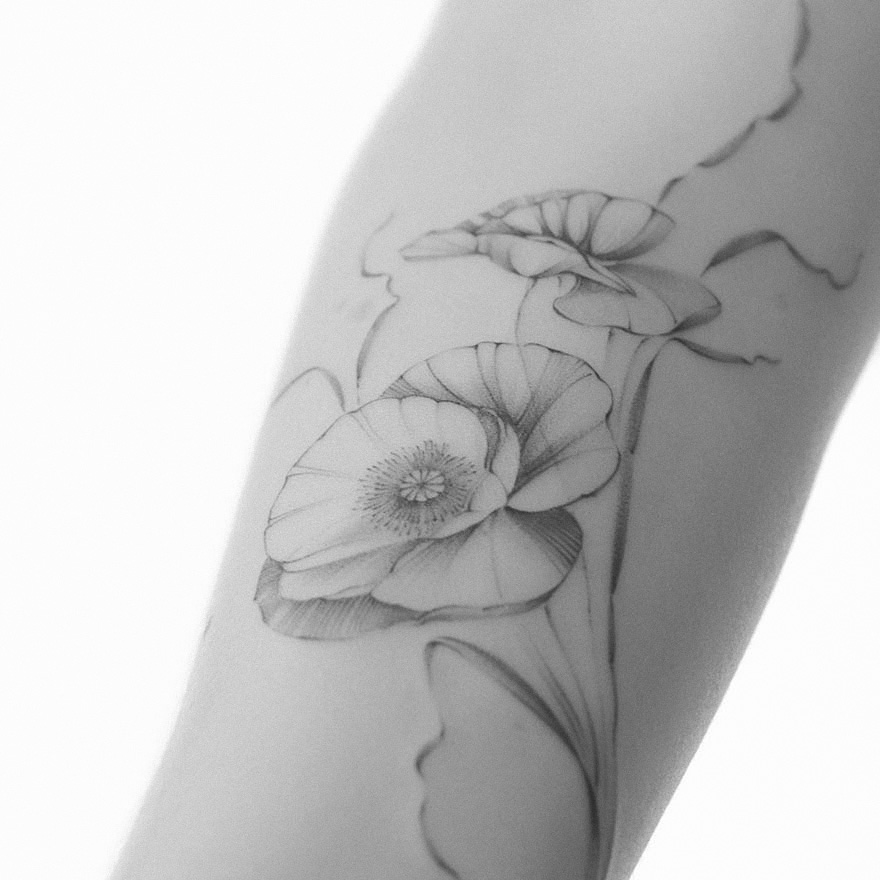
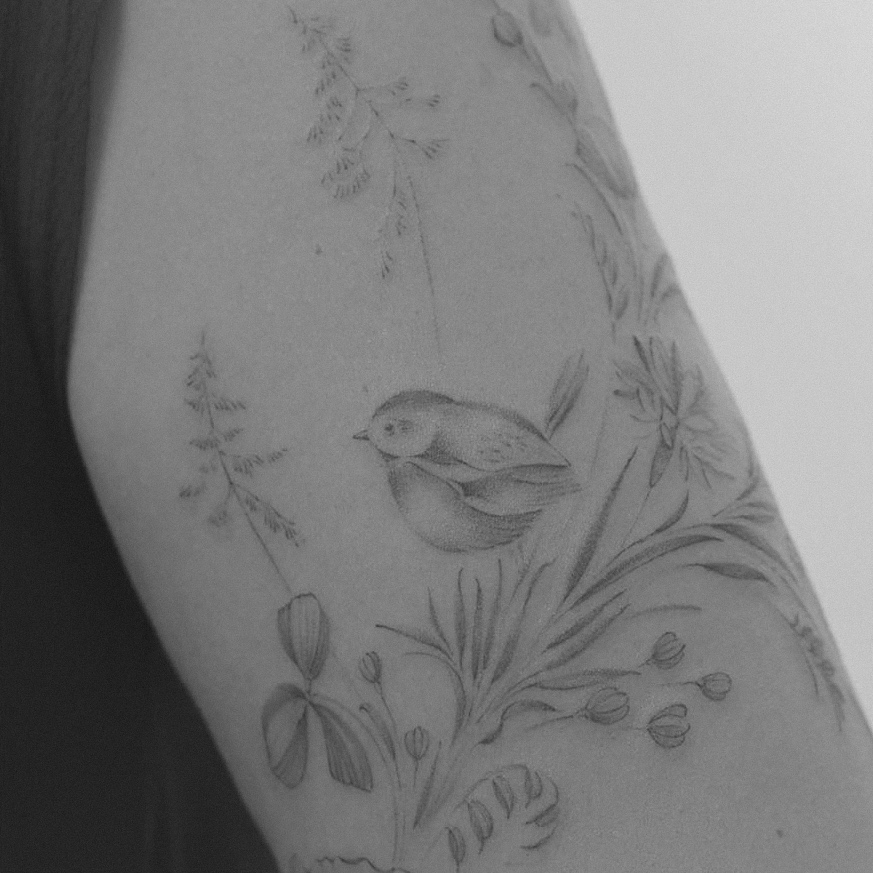
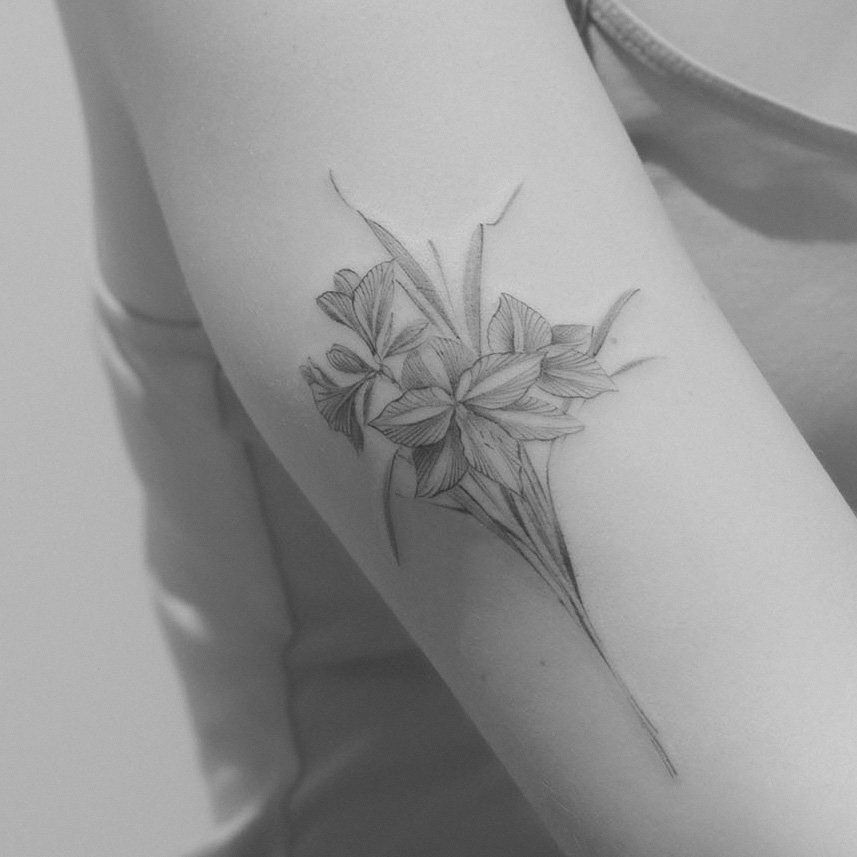
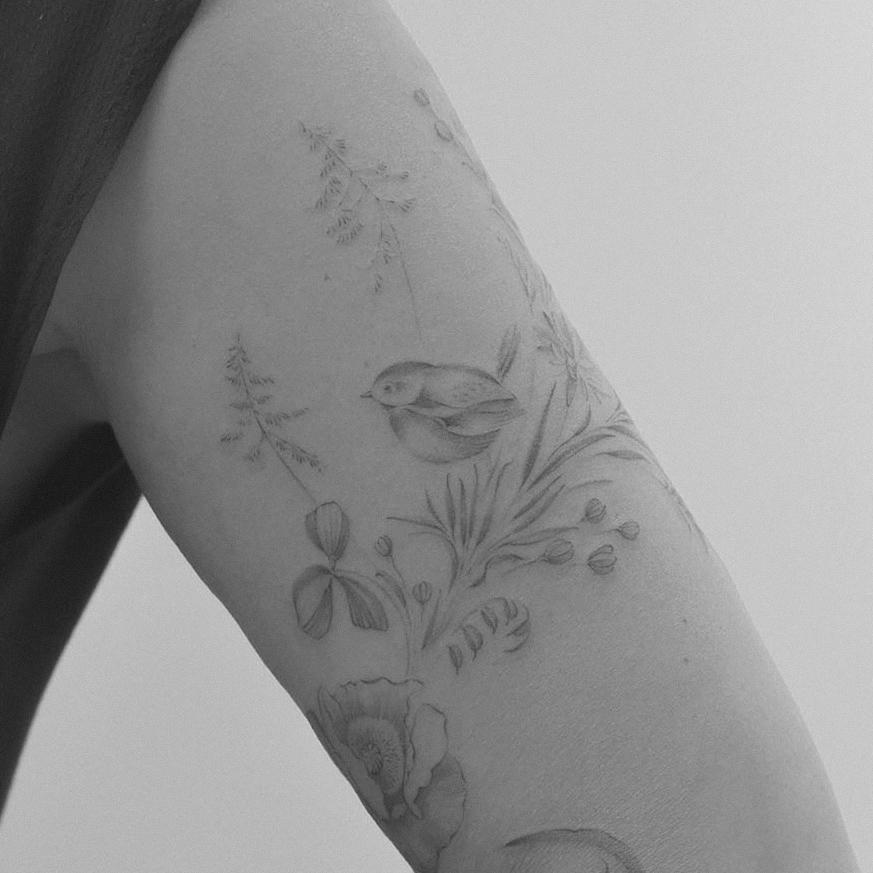
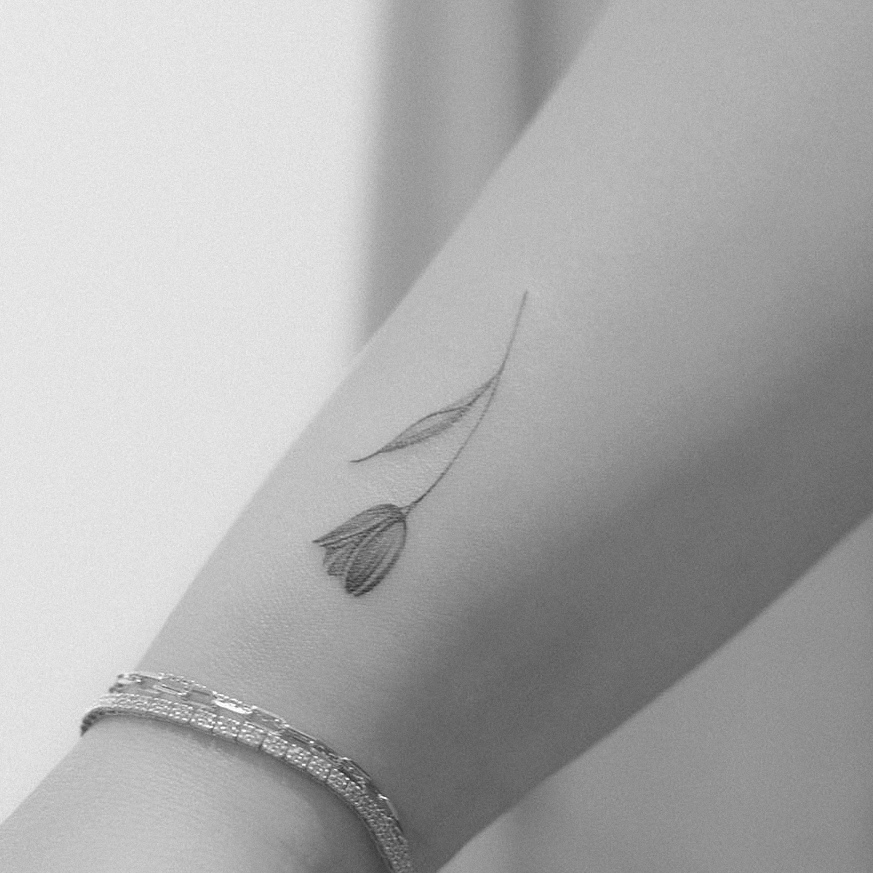
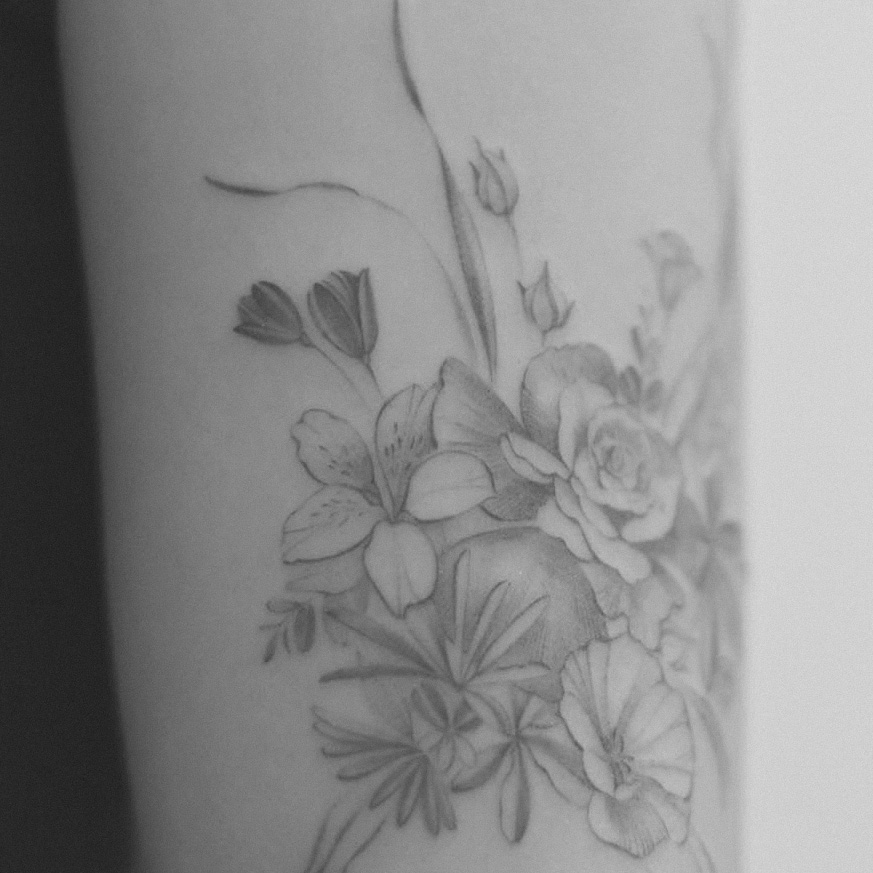
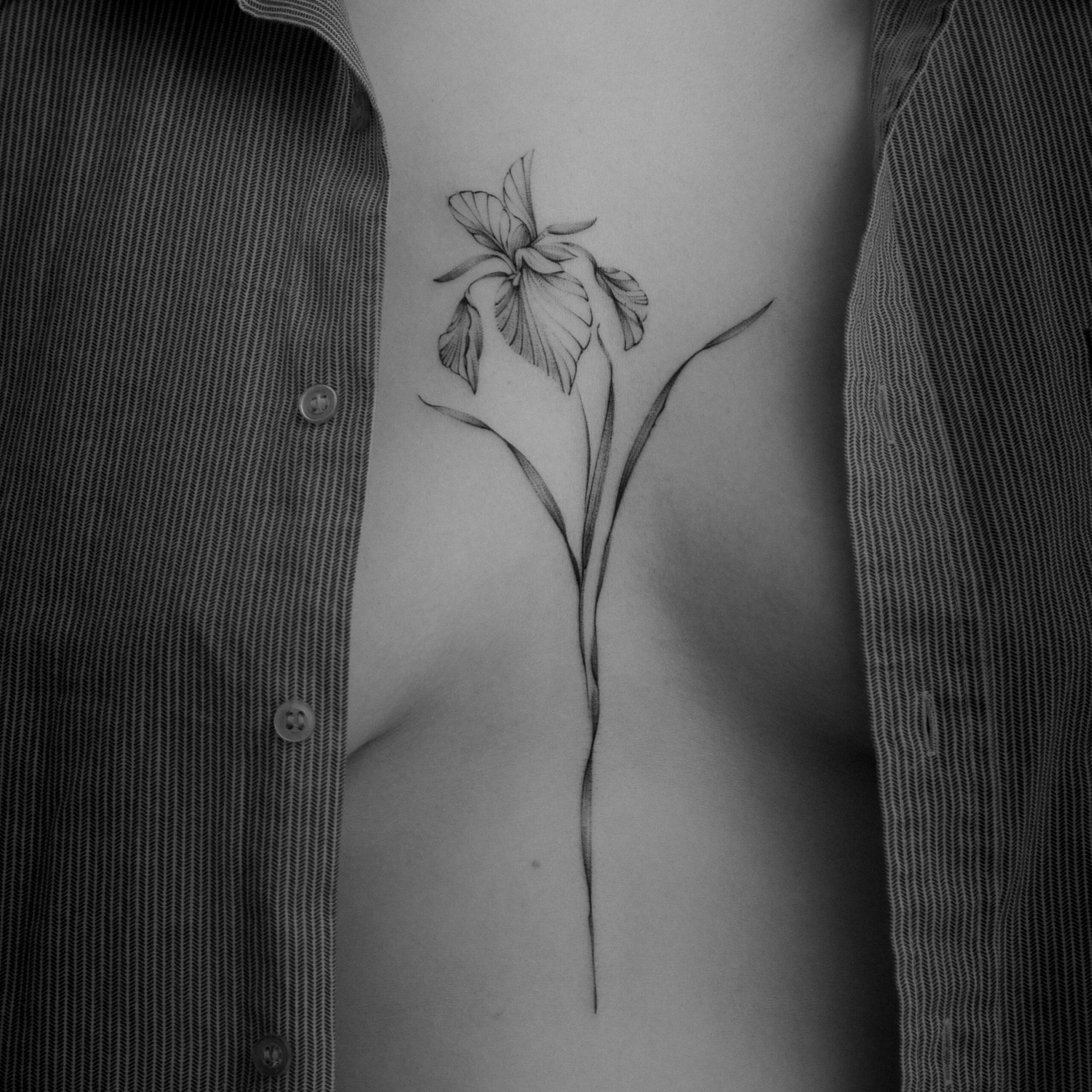
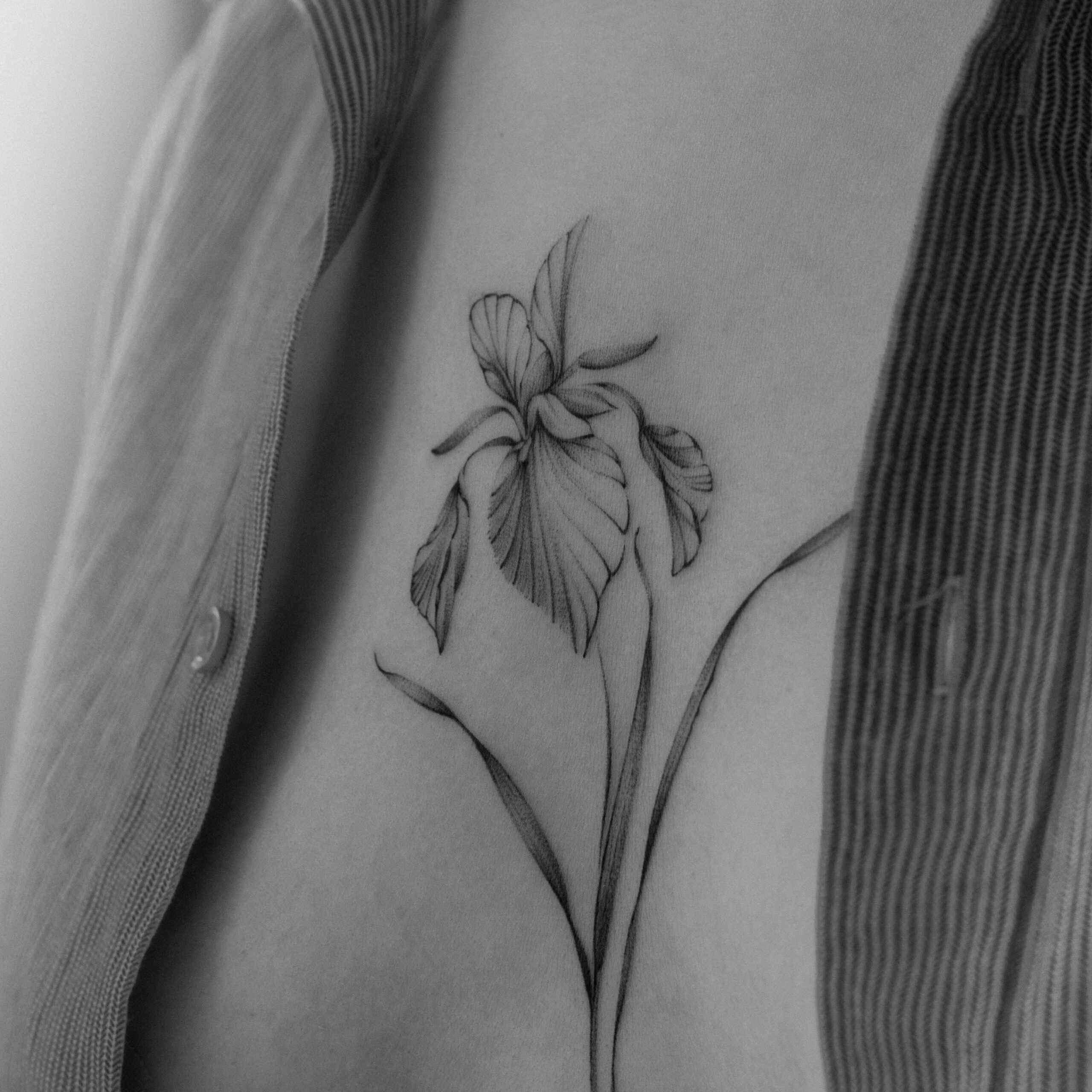
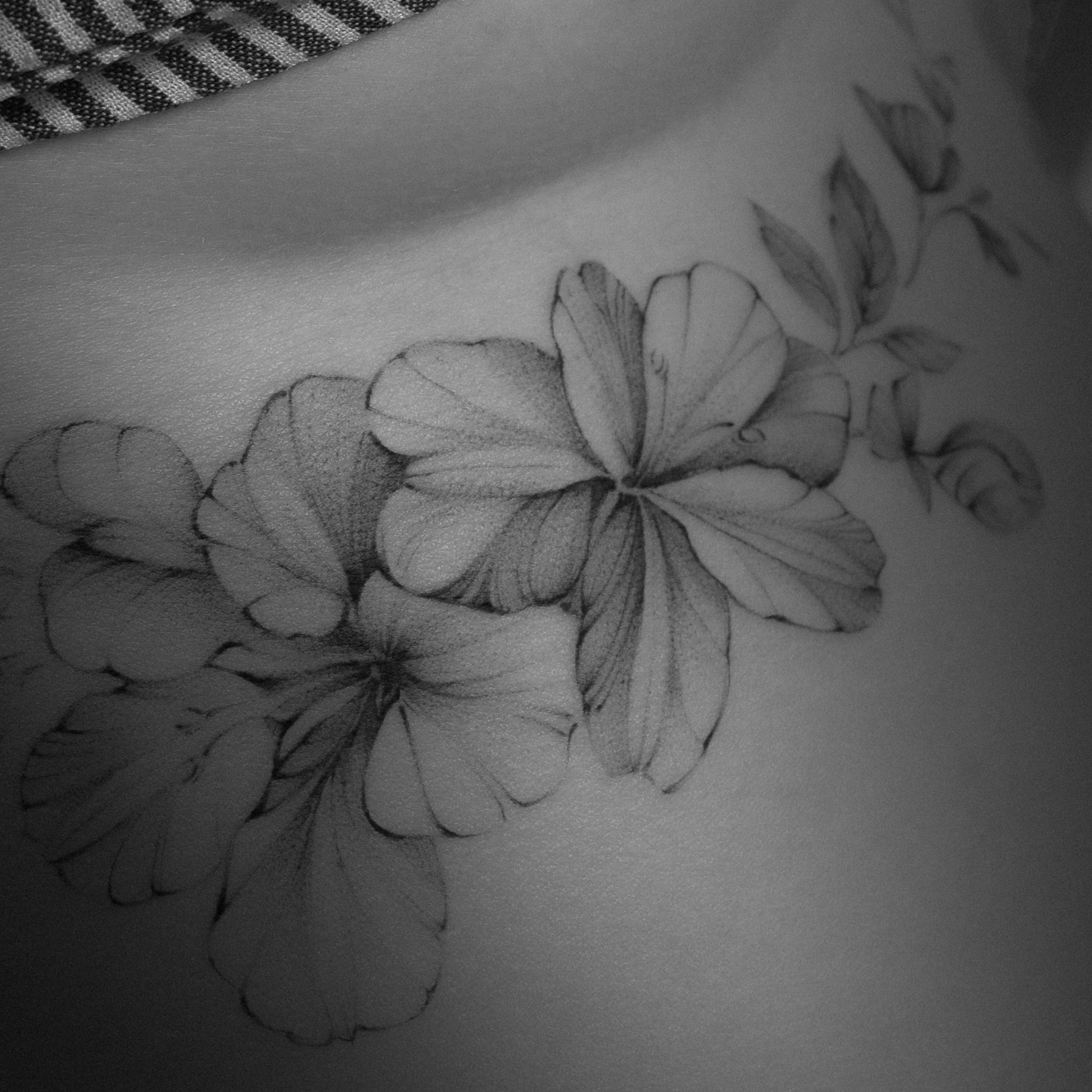
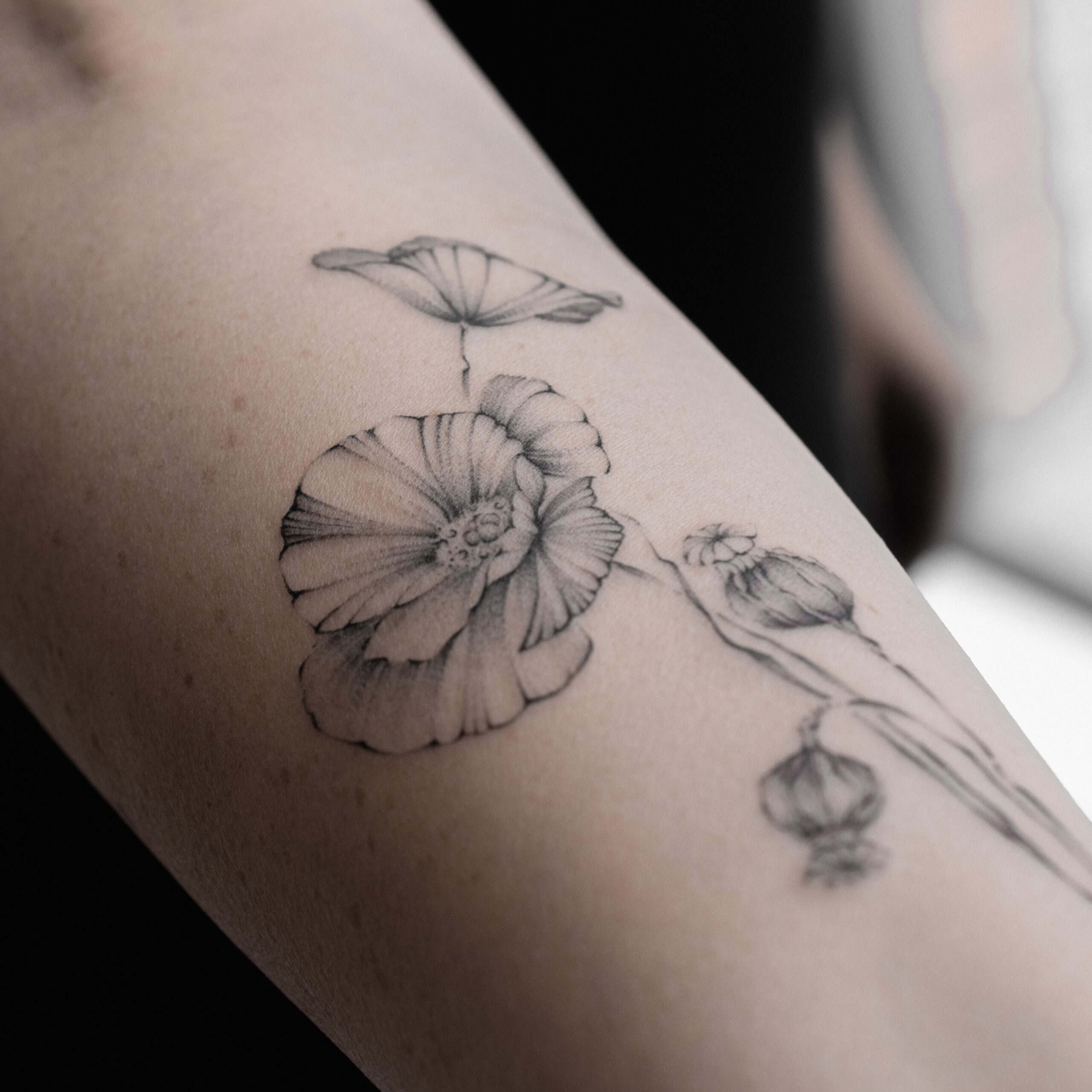
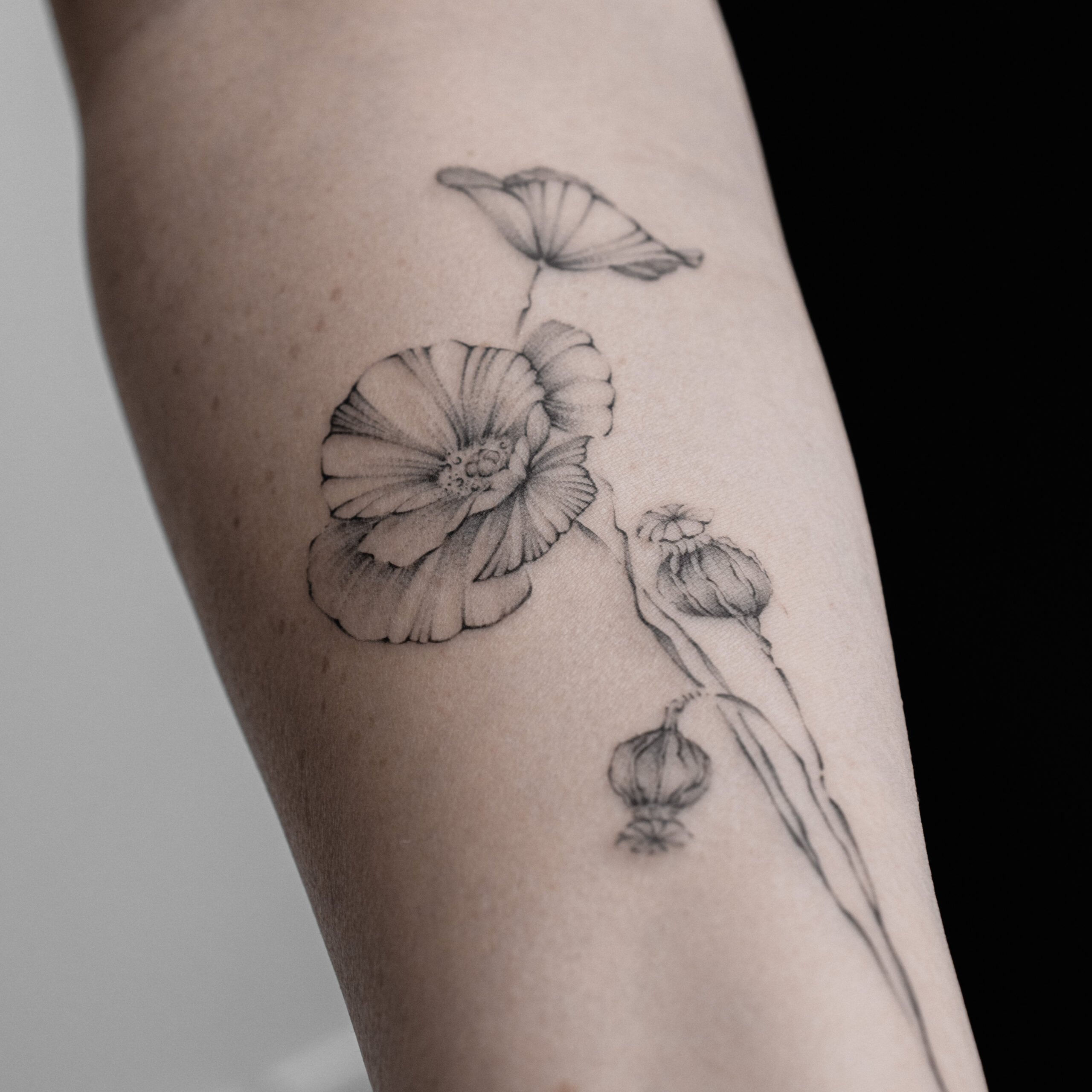
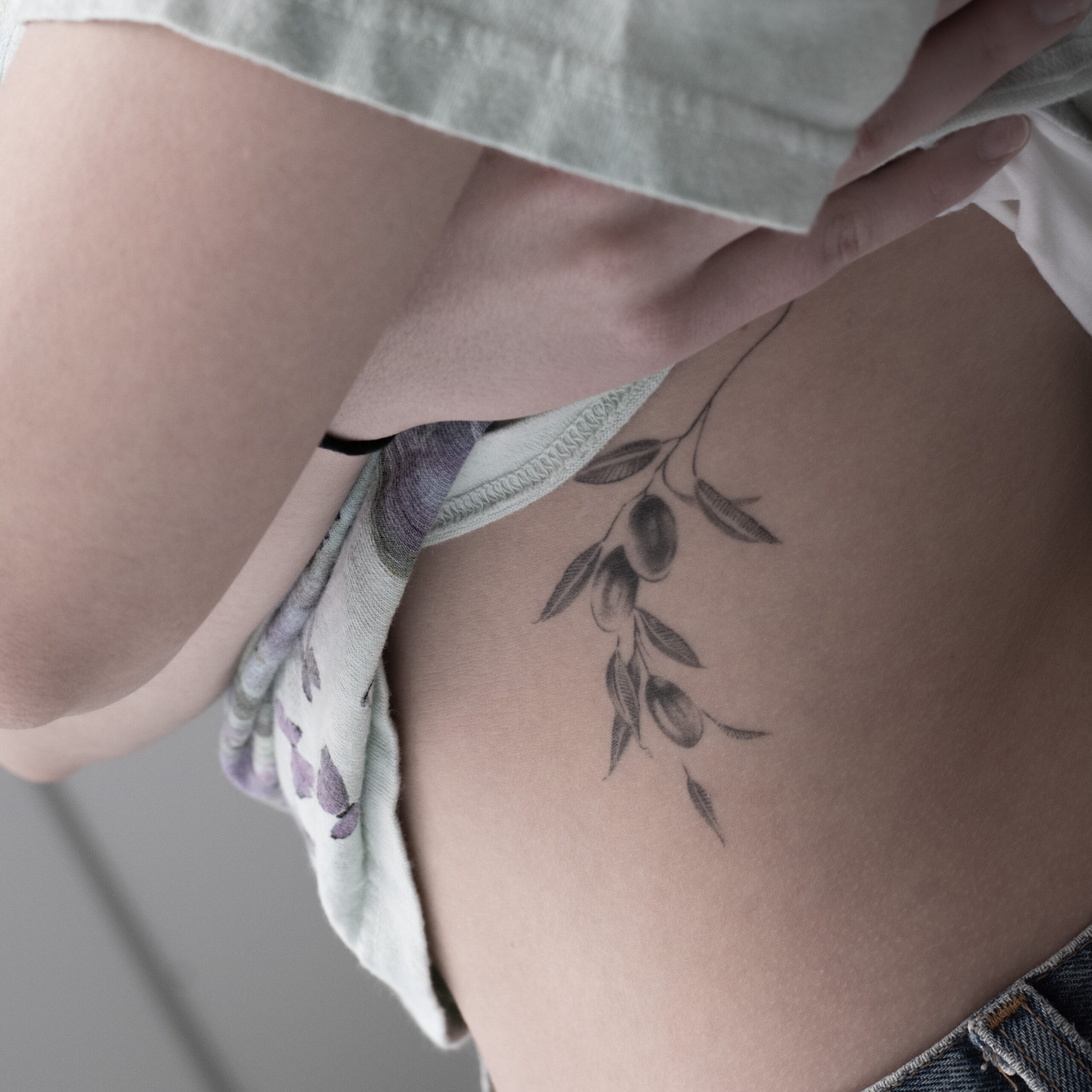
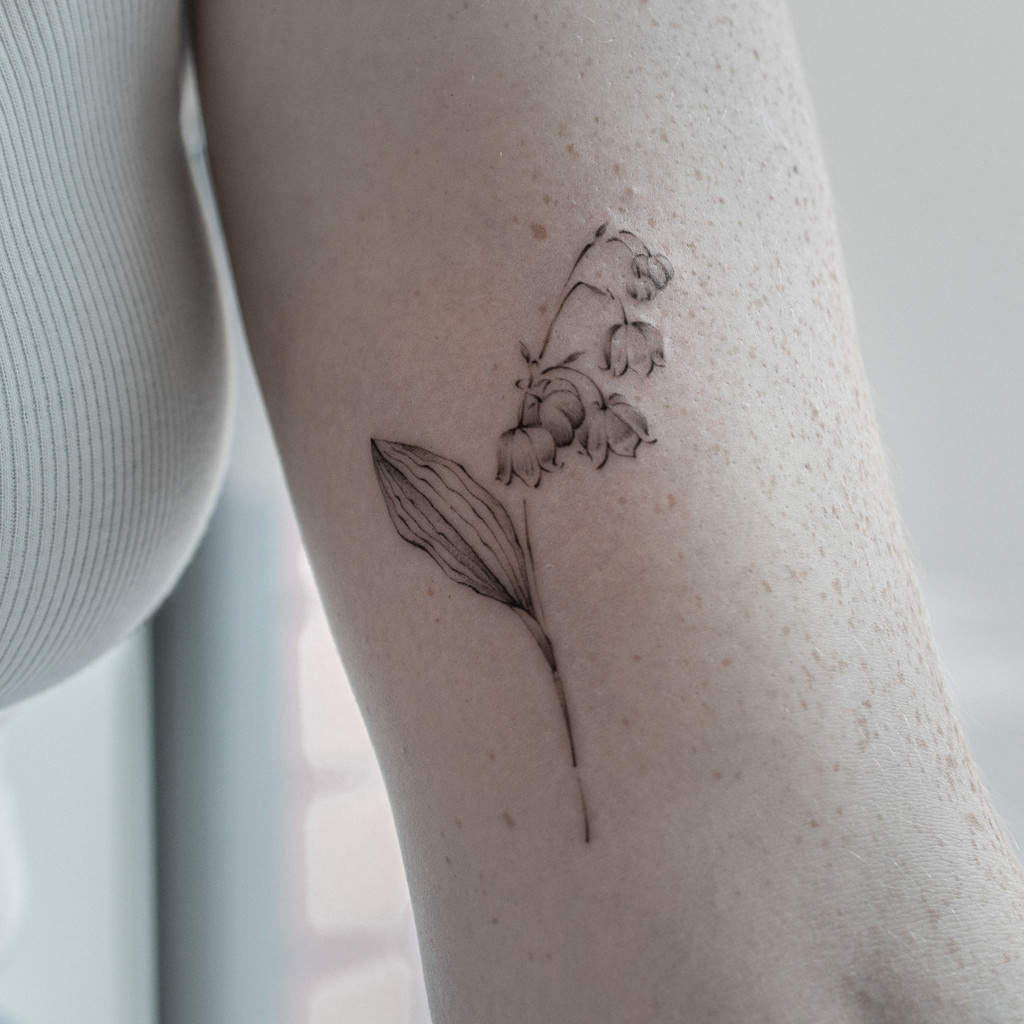
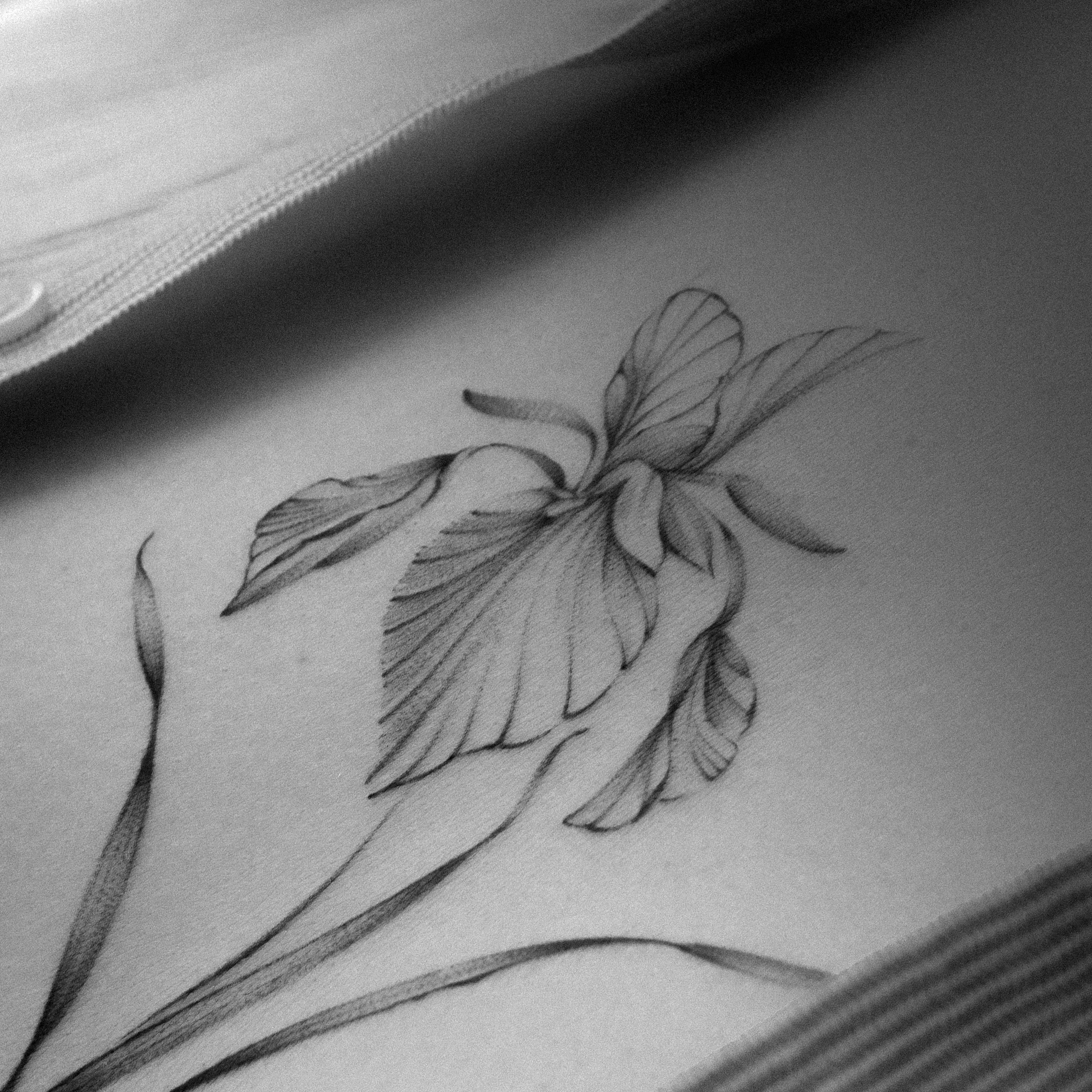
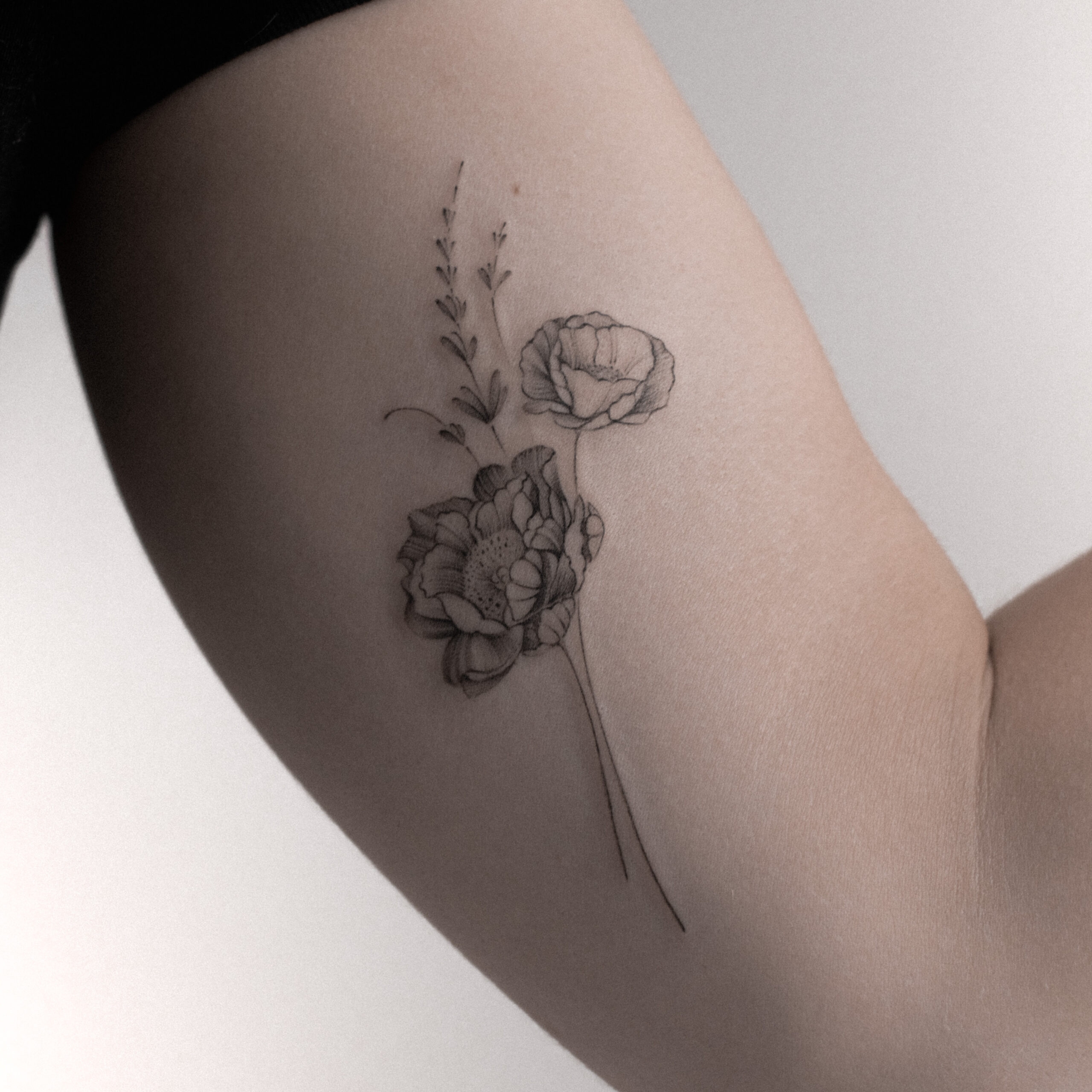
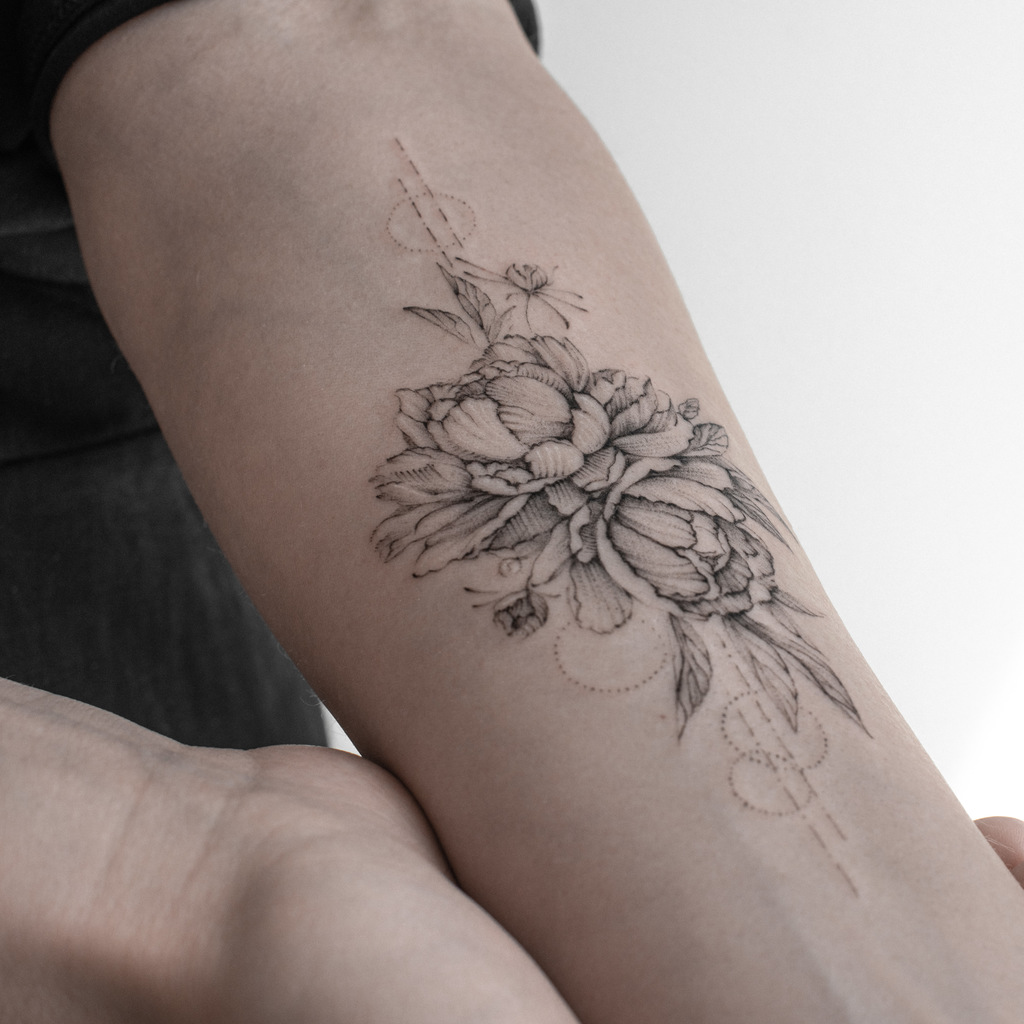
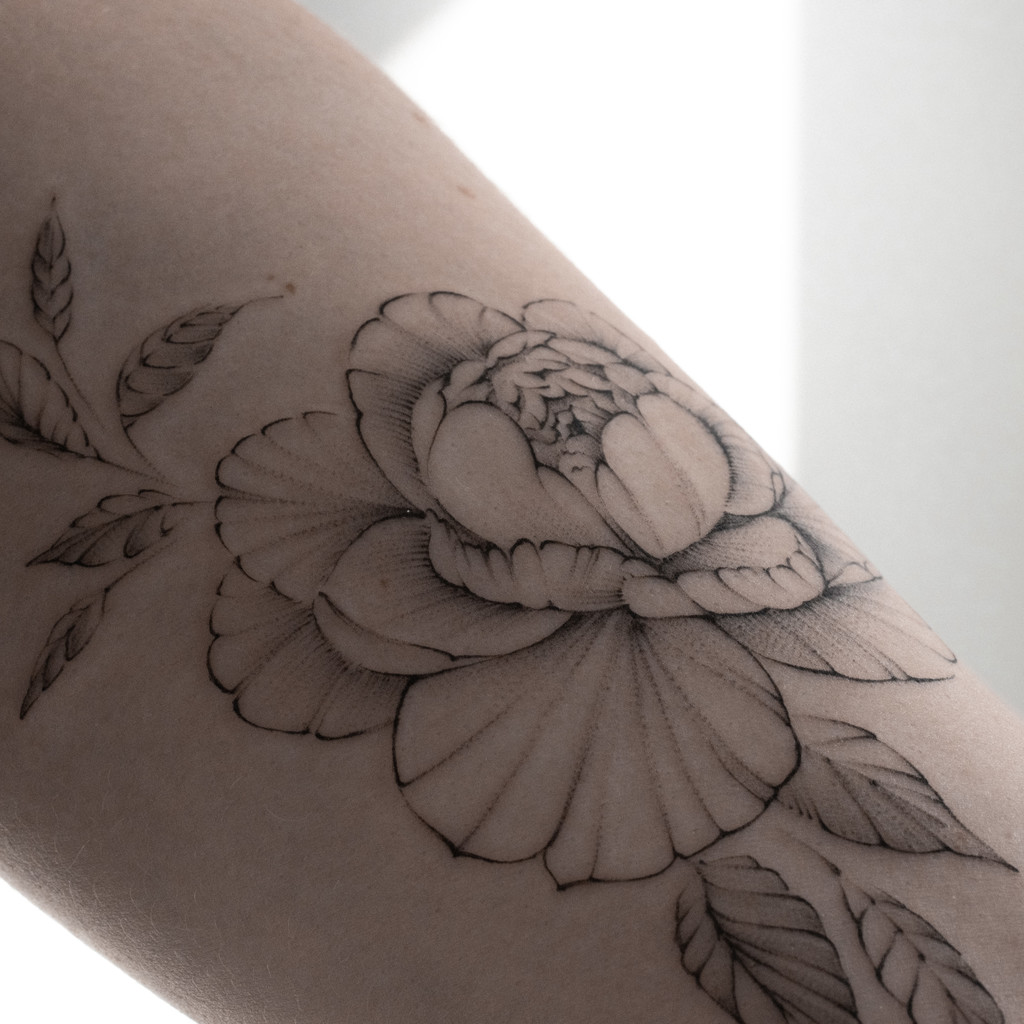
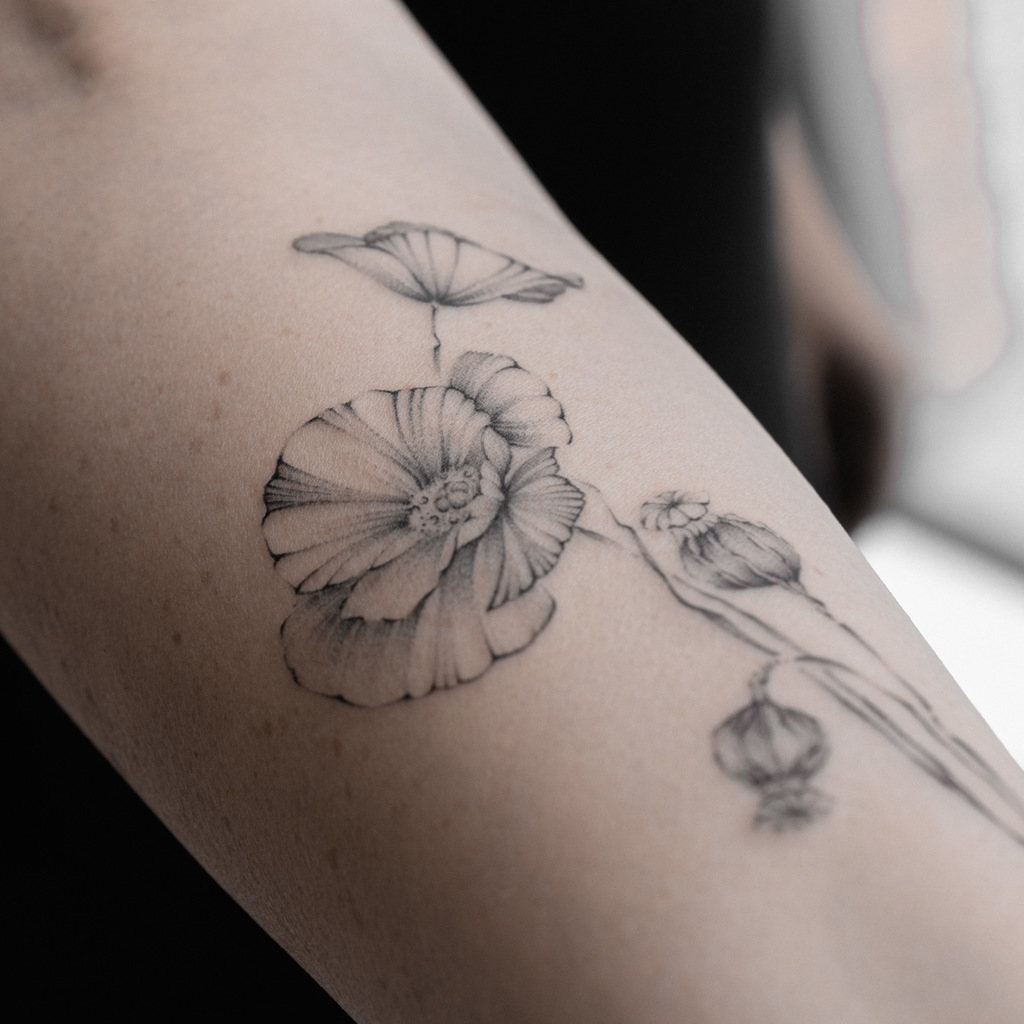
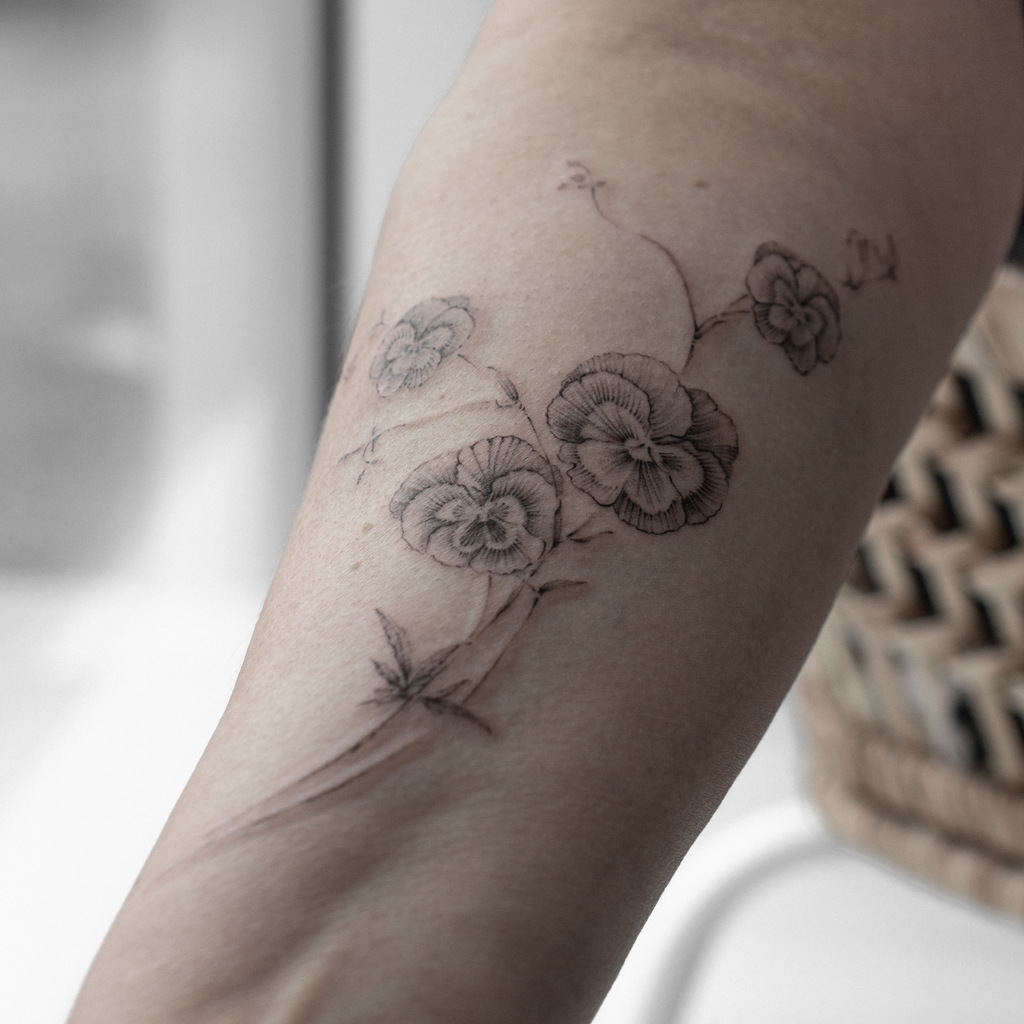
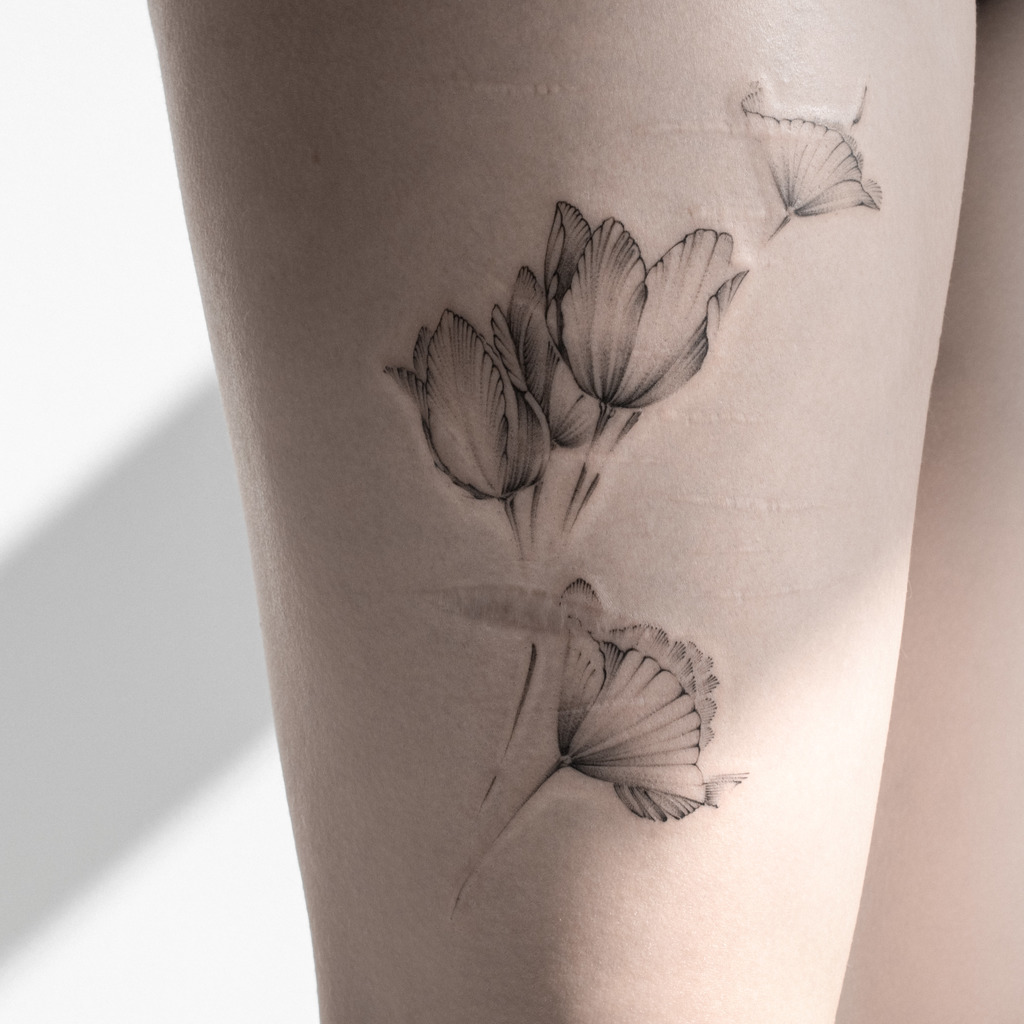
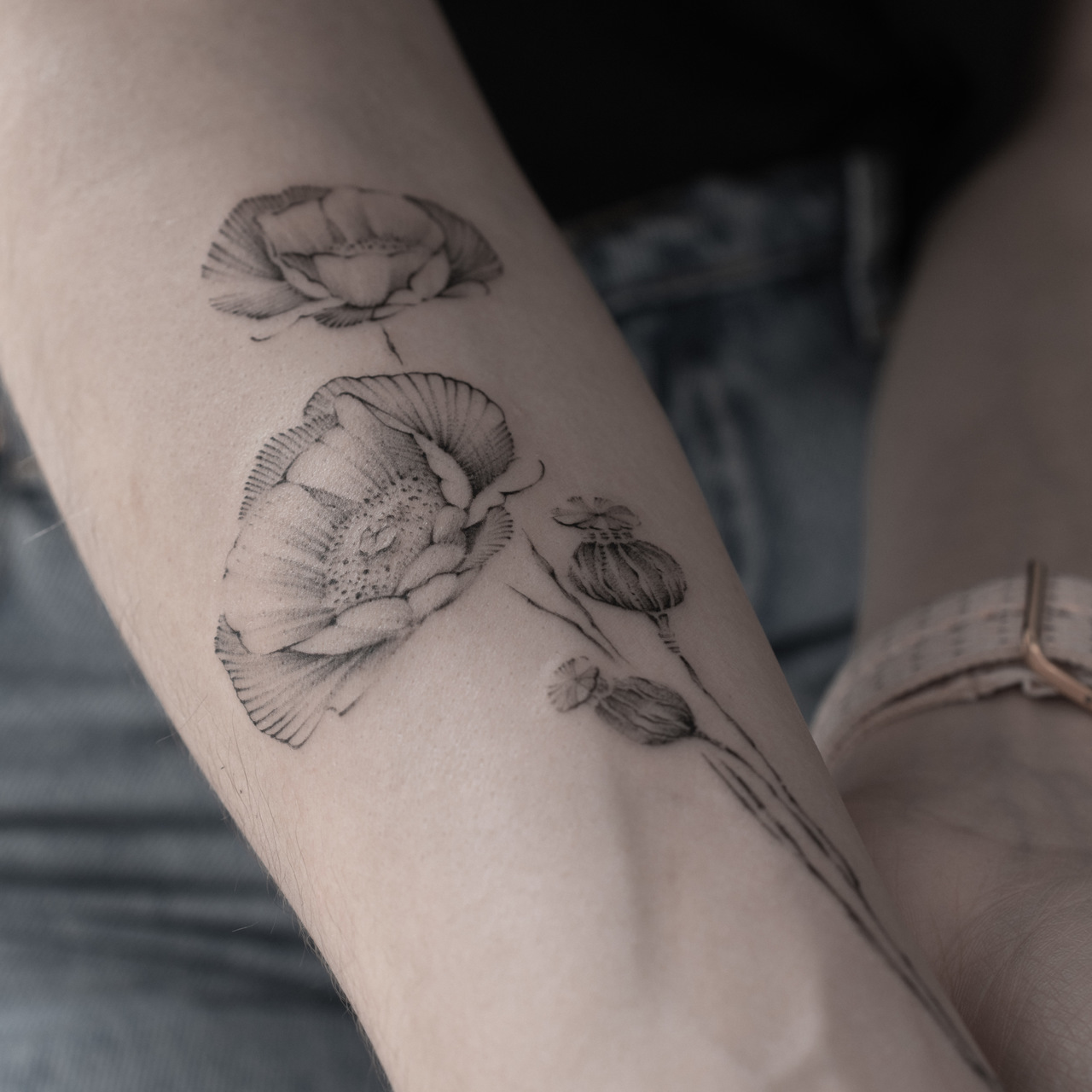
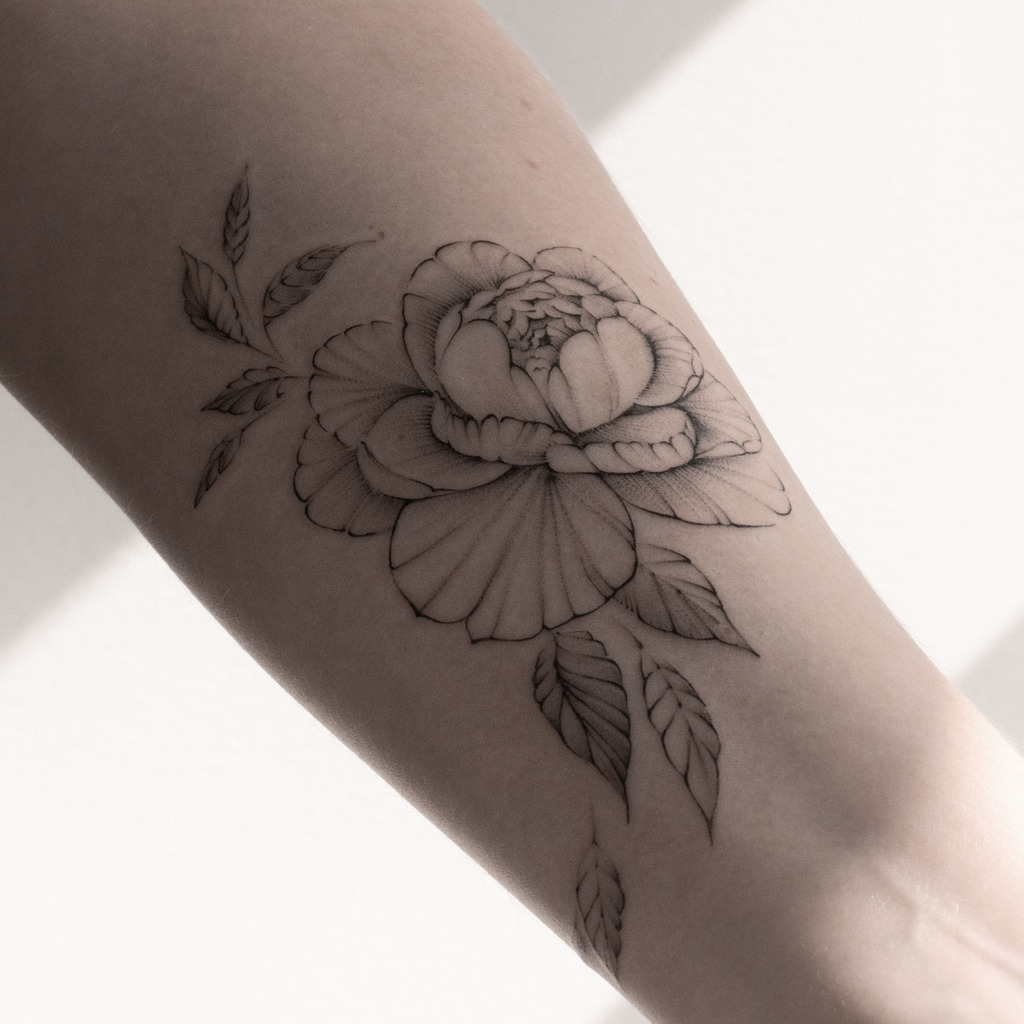
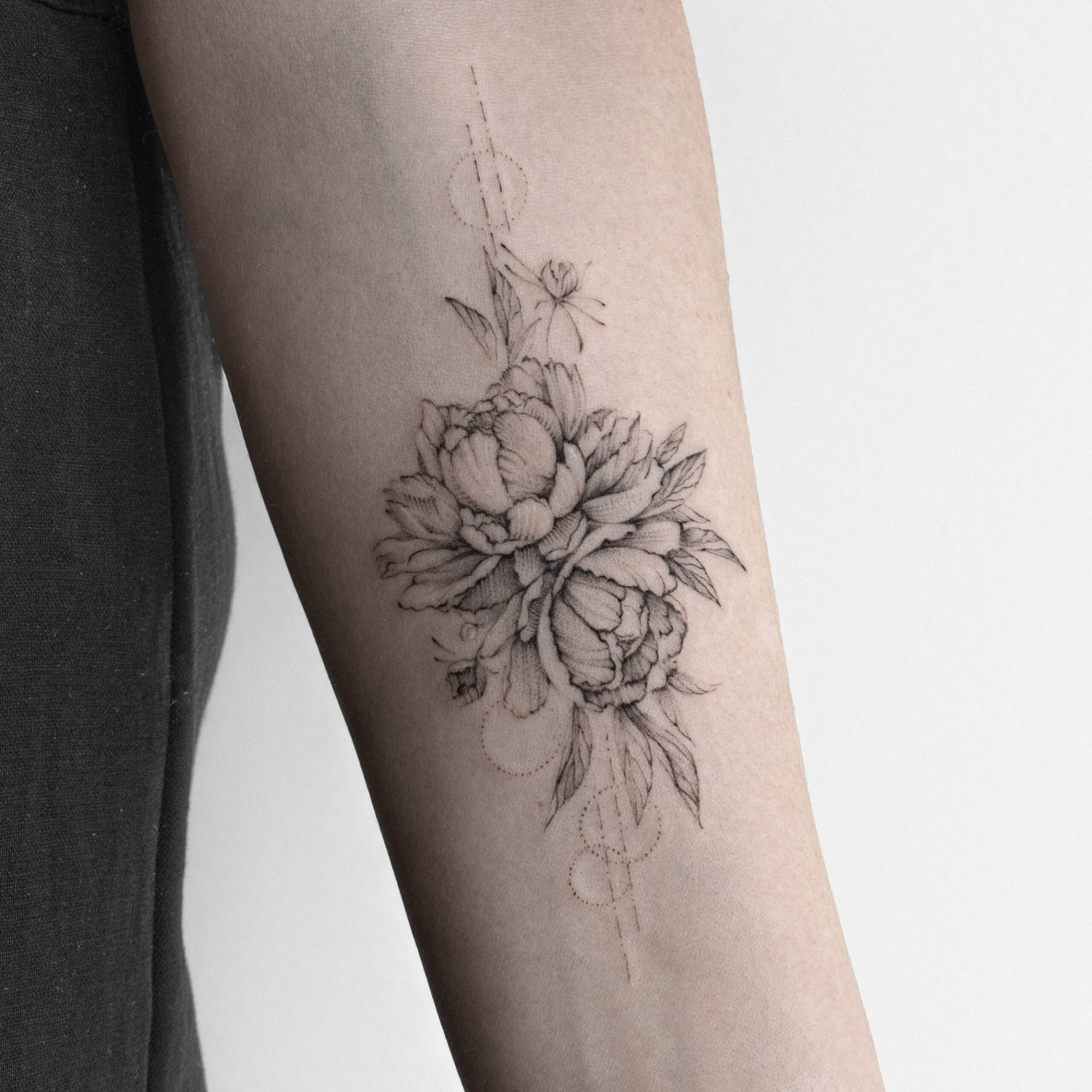
At Vadelma Tattoo in Amsterdam, tattooing is approached with strong respect for both artistry and craftsmanship. The goal is not only to create visually appealing tattoos, but to develop work that feels balanced, intentional, and consistent over time. Fine line tattooing especially requires restraint, precision, and understanding of how small details behave on the body long-term.
If you want to explore available concepts, you can start here:
https://vadelma.eu/available-projects
Or begin a conversation here:
https://vadelma.eu/contact
You can also read more articles here:
https://vadelma.eu/blog
Beyond the Tattoo
For those interested in visual aesthetics beyond tattooing, you can also explore museum-quality art prints created by Natalie Vadelma here:
https://vadelmaprints.com/
Final Thoughts
The history of tattooing is much older, more layered, and more human than many people assume. And figures like Maud Wagner remind us that tattoo culture was never shaped by one type of person alone. It was built by individuals willing to dedicate themselves to a craft long before it became widely understood or accepted. Perhaps that is part of what still gives tattooing its depth today.
FAQ – Maud Wagner and Tattoo History
Who was Maud Wagner?
Maud Wagner is widely recognized as the first known female tattoo artist in the United States.
When did Maud Wagner tattoo?
She worked during the early twentieth century.
Did early tattoo artists tattoo by hand?
Yes, many early artists used hand tattooing techniques before modern machines became common.
Why is Maud Wagner important in tattoo history?
She helped shape early professional tattoo culture and represented female independence within the industry.
Where can I learn more before booking?
https://vadelma.eu/faq-vadelma-tattoo/