The First Tattoo in History – Ötzi the Iceman & Ancient Tattooing
A Journey Back to the First Tattoo
Hello Everyone!
Today’s blog takes us on a little journey — not into modern tattoo studios, but deep into history, more than 5,000 years back, to a time long before tattoo machines, ink bottles, or hygiene regulations.
This story begins with Ötzi the Iceman — the oldest known human found with tattoos on his skin. One could say he was the world’s very first tattoo collector.
And surprisingly, his tattoos still have a lot to teach us today.
The Discovery of Ötzi the Iceman
In 1991, two hikers discovered a frozen body high in the Ötztal Alps, on the border between Austria and Italy. At first, they believed it was a modern mountaineer. Soon, scientists realized they were looking at something extraordinary.
Ötzi lived around 3300 BCE. Thanks to the ice, his body was remarkably preserved. During examination, researchers discovered that he had 61 tattoos — thin black lines and small crosses, created by rubbing charcoal into small incisions in the skin.
These were not decorative tattoos in the way we understand them today — and that’s where the story becomes truly fascinating.
Tattoos with a Purpose: Healing Before Decoration
Ötzi’s tattoos were found mainly around his joints, lower back, and spine — areas where scientists later identified signs of arthritis and physical stress.
This has led many researchers to believe that his tattoos were therapeutic, possibly used for pain relief. In some ways, they may have functioned similarly to acupuncture.
In other words, tattoos may have started as a healing practice, not an aesthetic one.
This idea connects beautifully with how we still talk about tattoo healing today — not just physically, but emotionally and symbolically. If you’re interested in how modern tattoo healing works, we explain it in detail in our tattoo aftercare guide.
A Timeless Human Instinct
For those of us working in tattooing, Ötzi’s story is deeply moving.
Five thousand years ago, someone used a sharp tool, made precise cuts, and pressed soot into the skin — not for trends, not for fashion, but likely to help their body heal.
Today, we work with sterile needles, regulated inks, and modern equipment, but the core instinct hasn’t changed. Humans have always marked their skin with meaning.
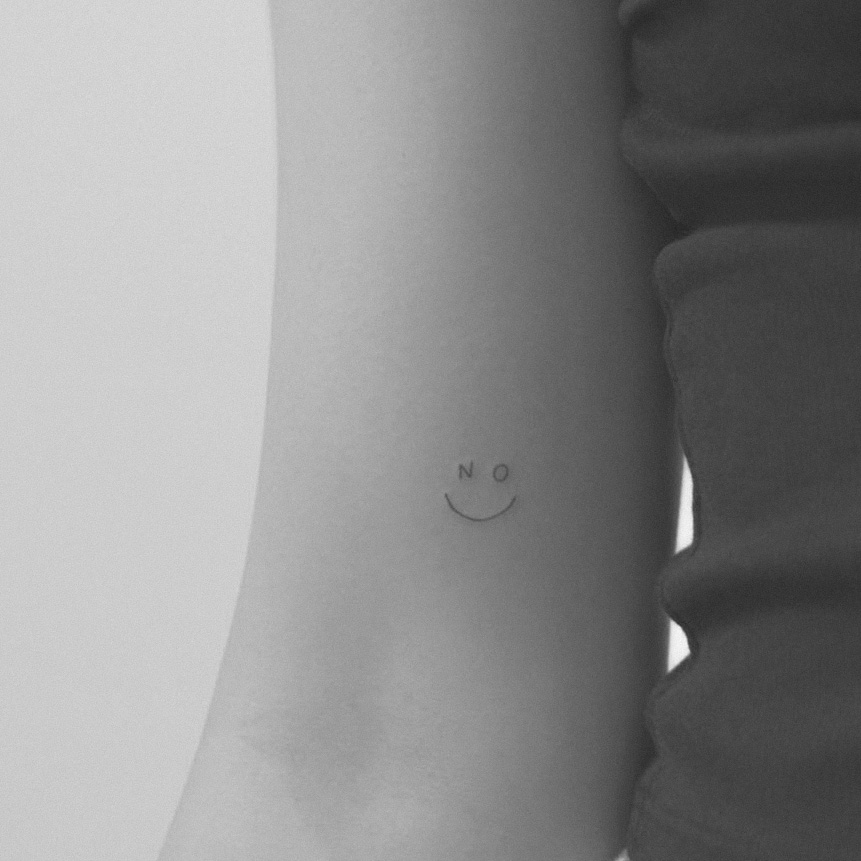
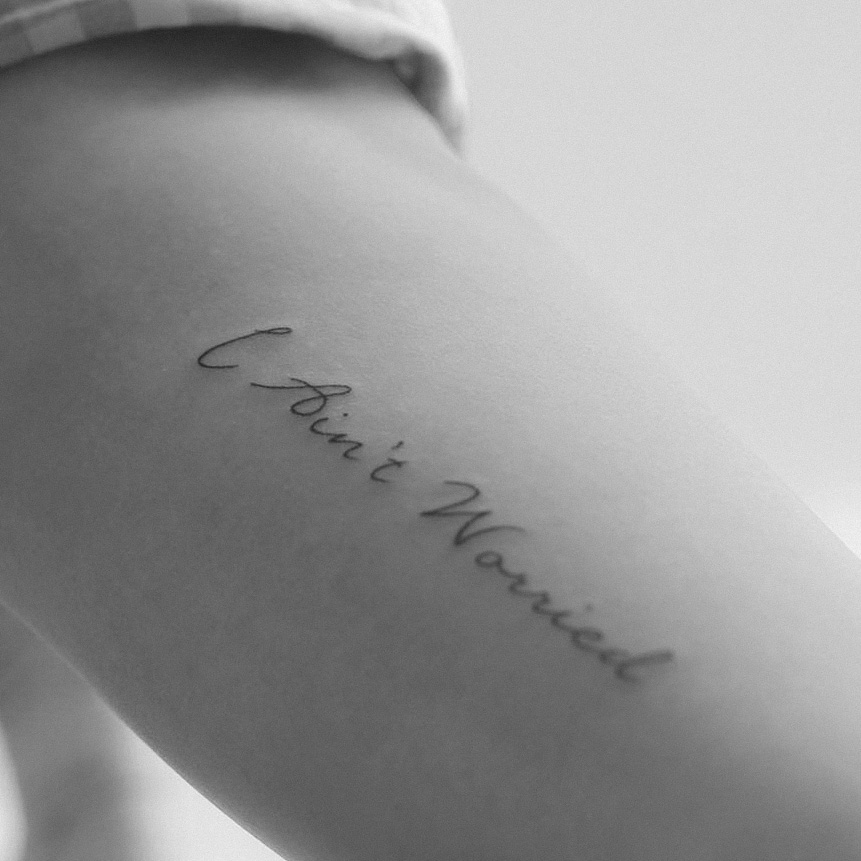
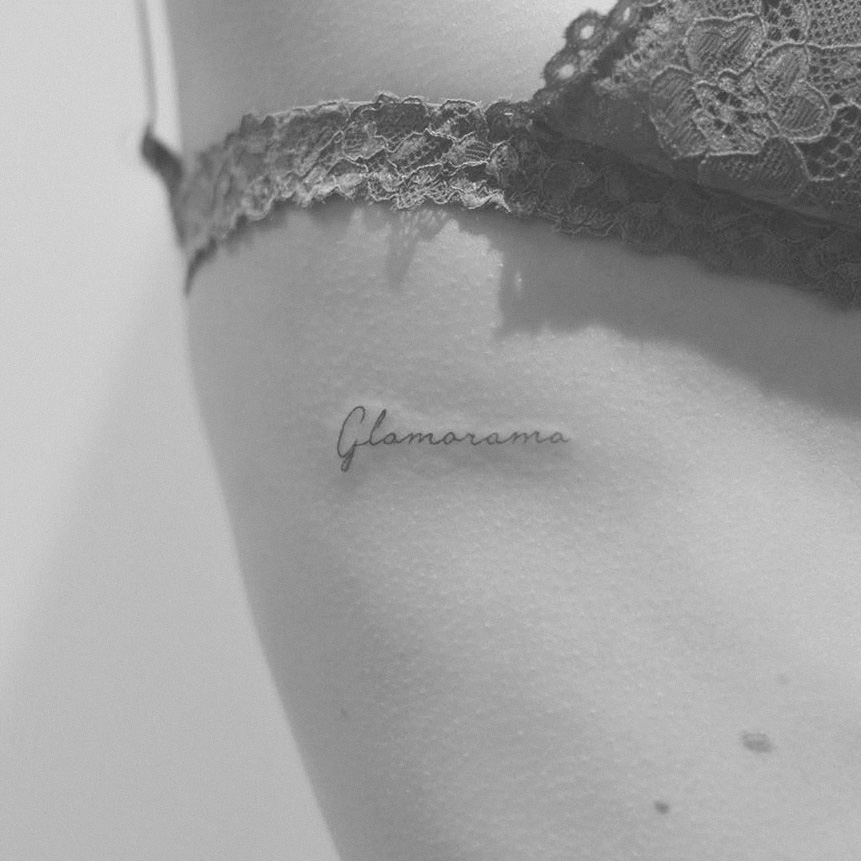
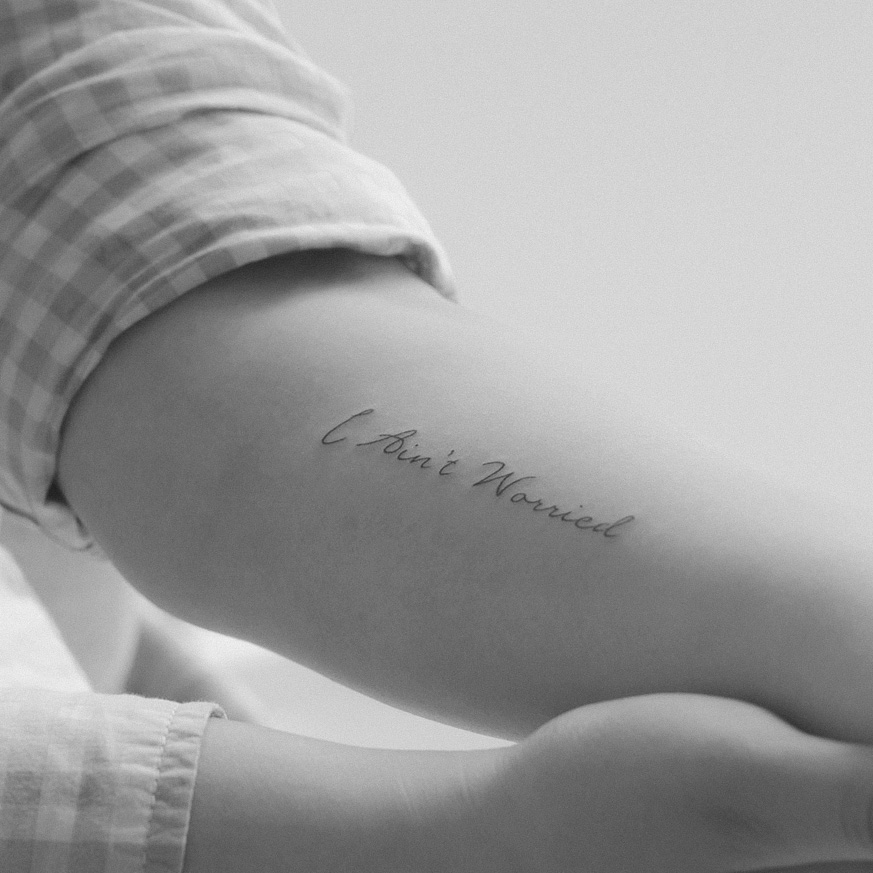
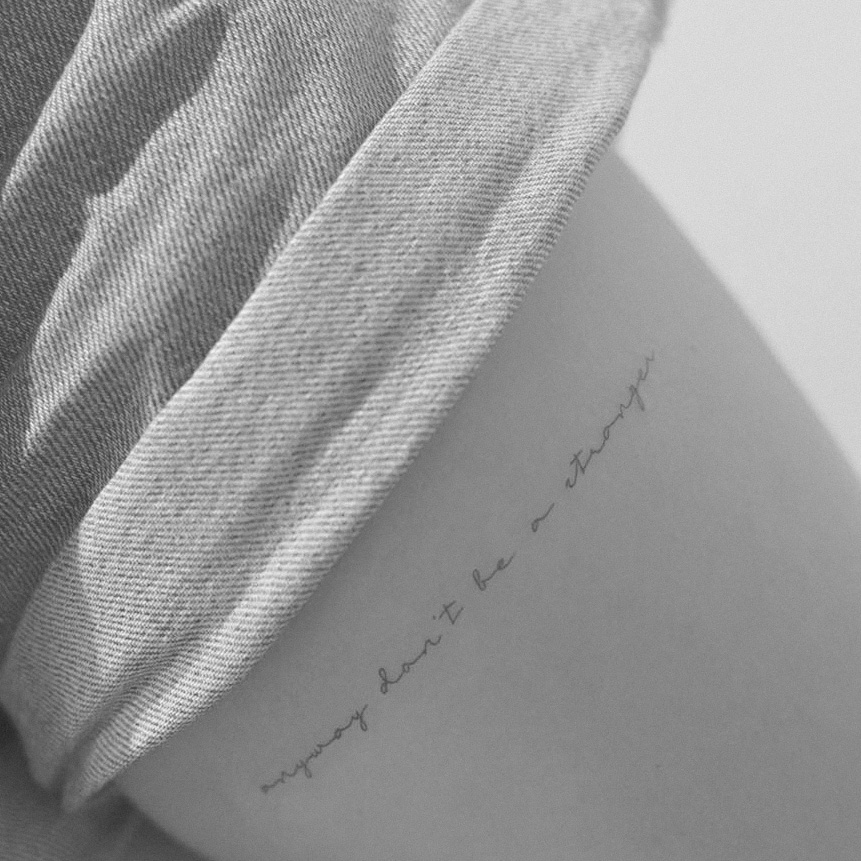
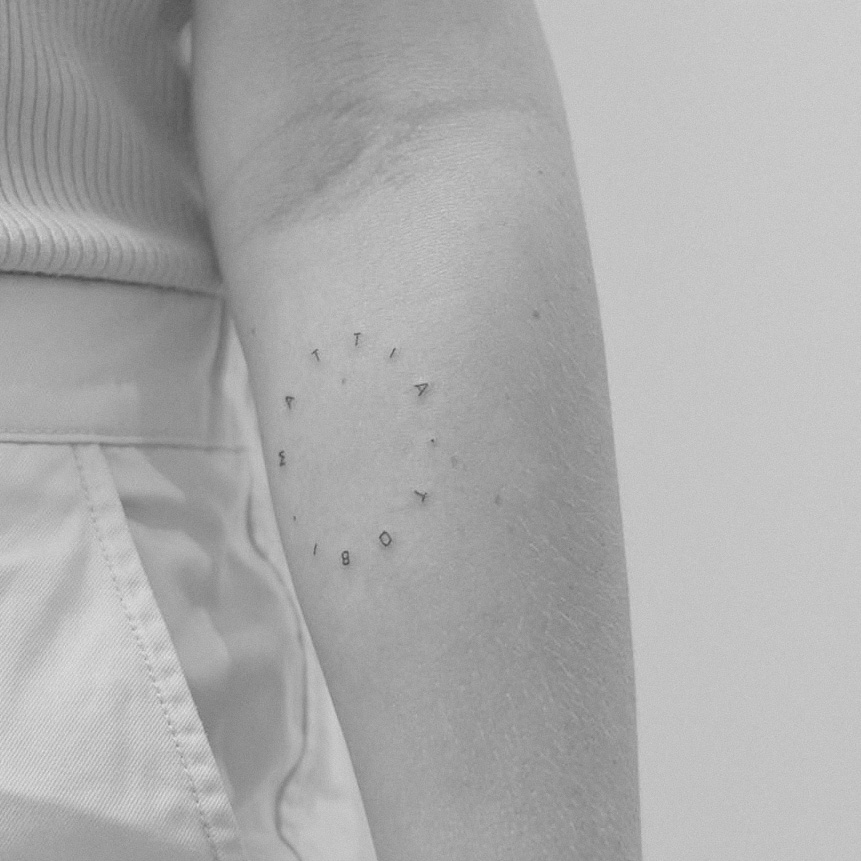
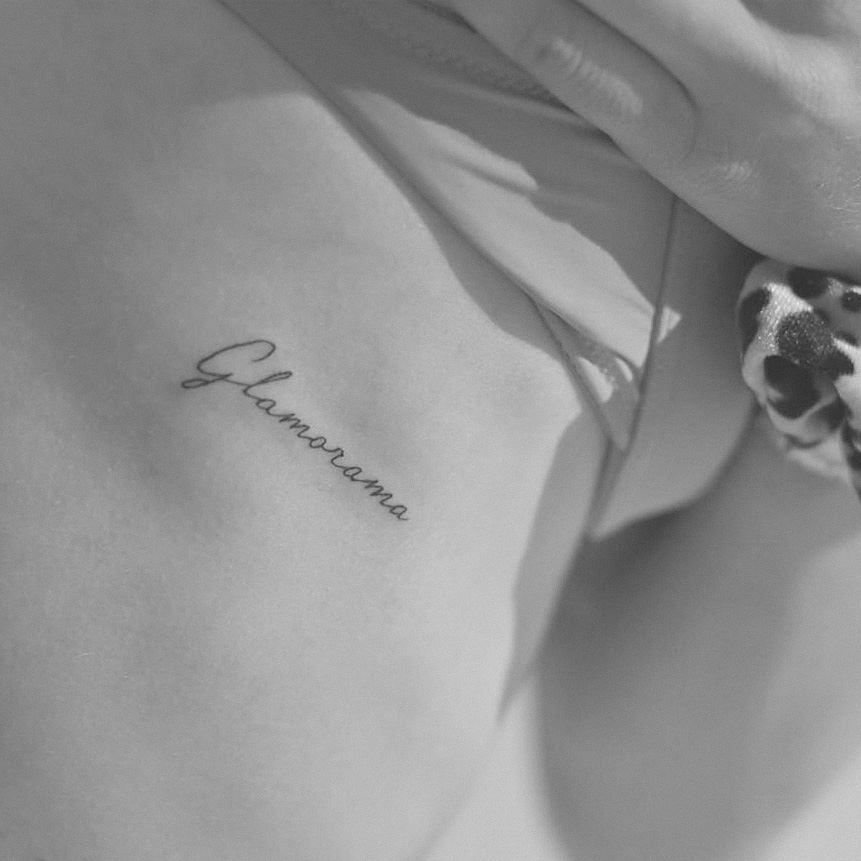
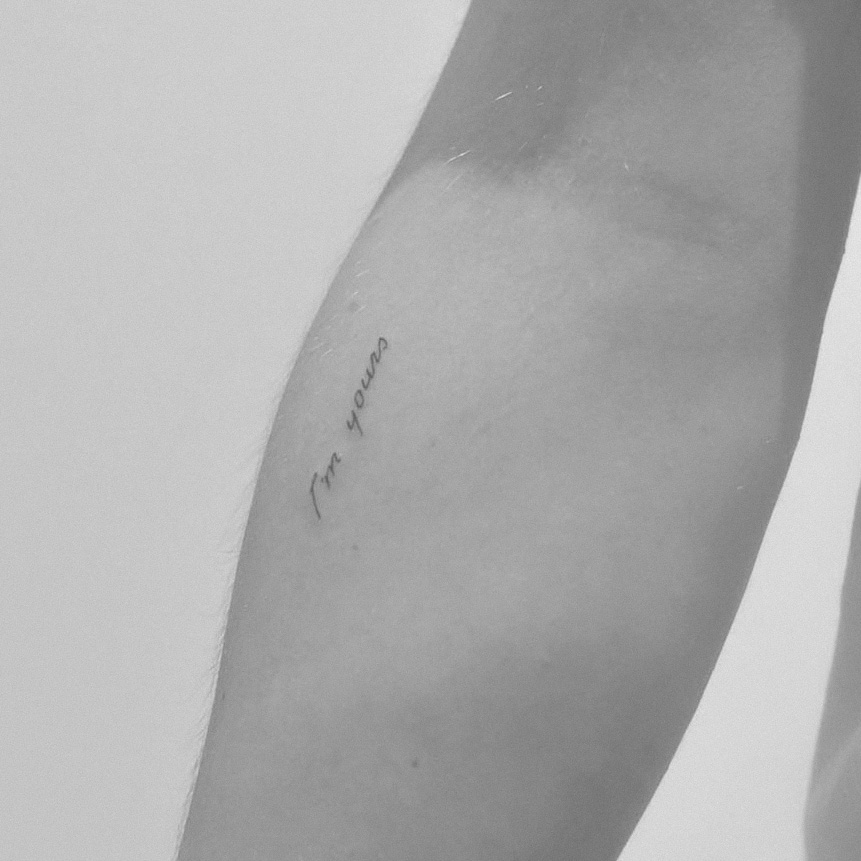
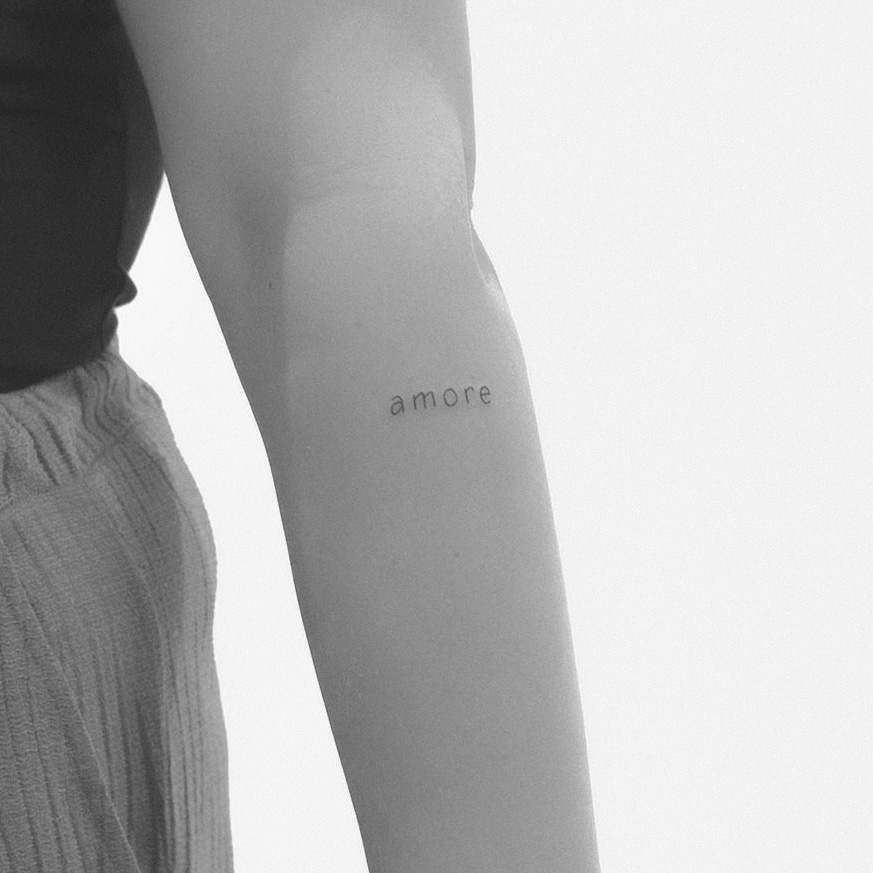
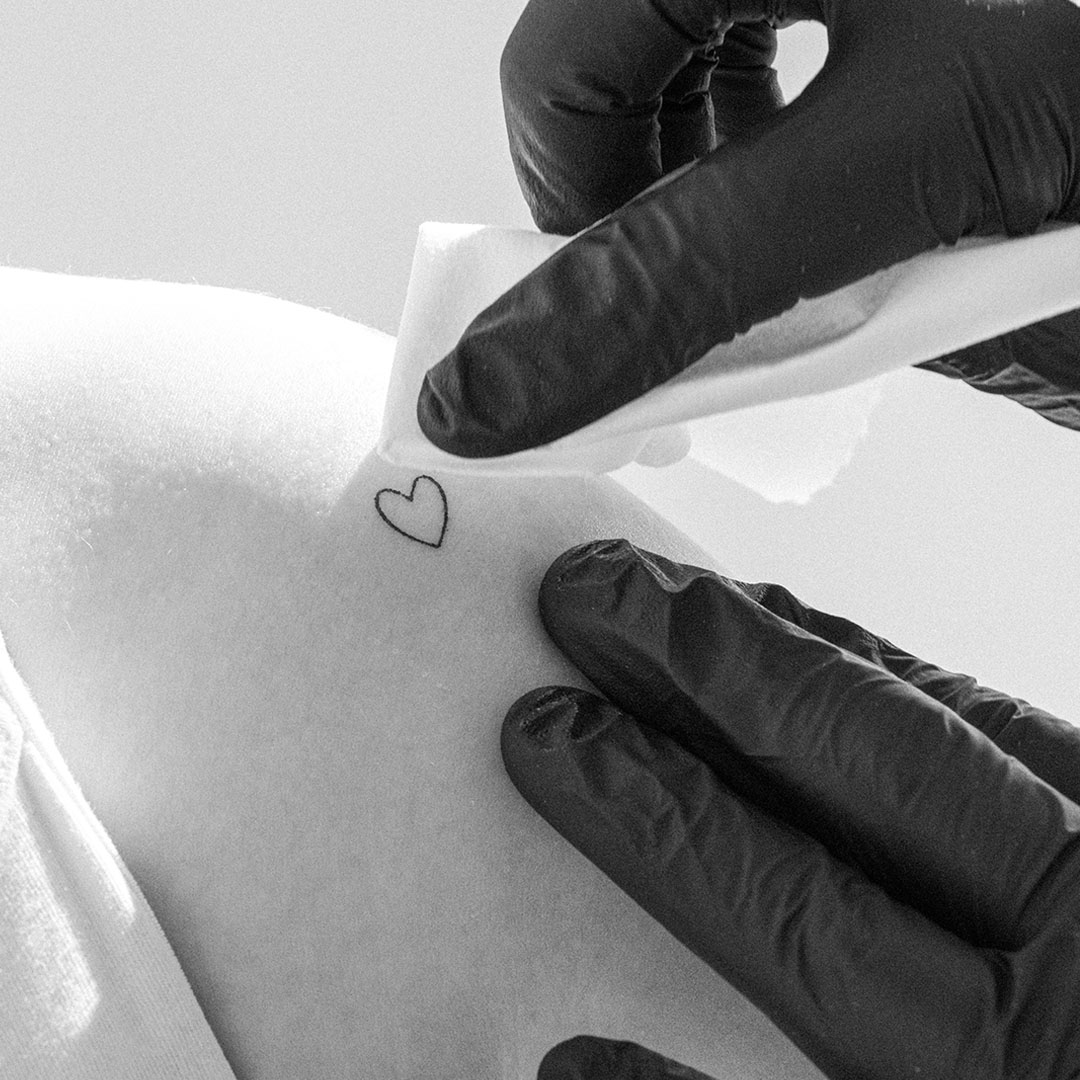
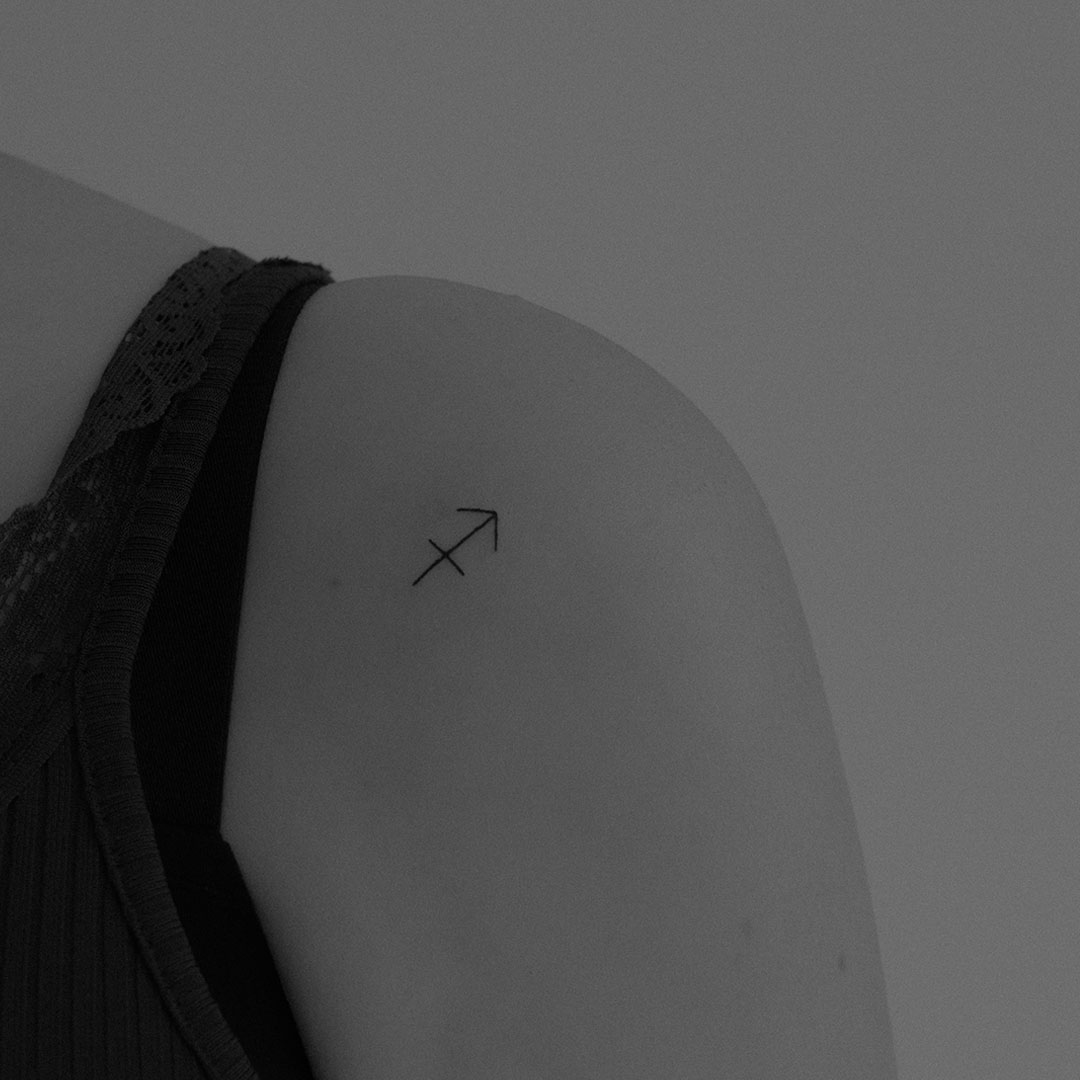
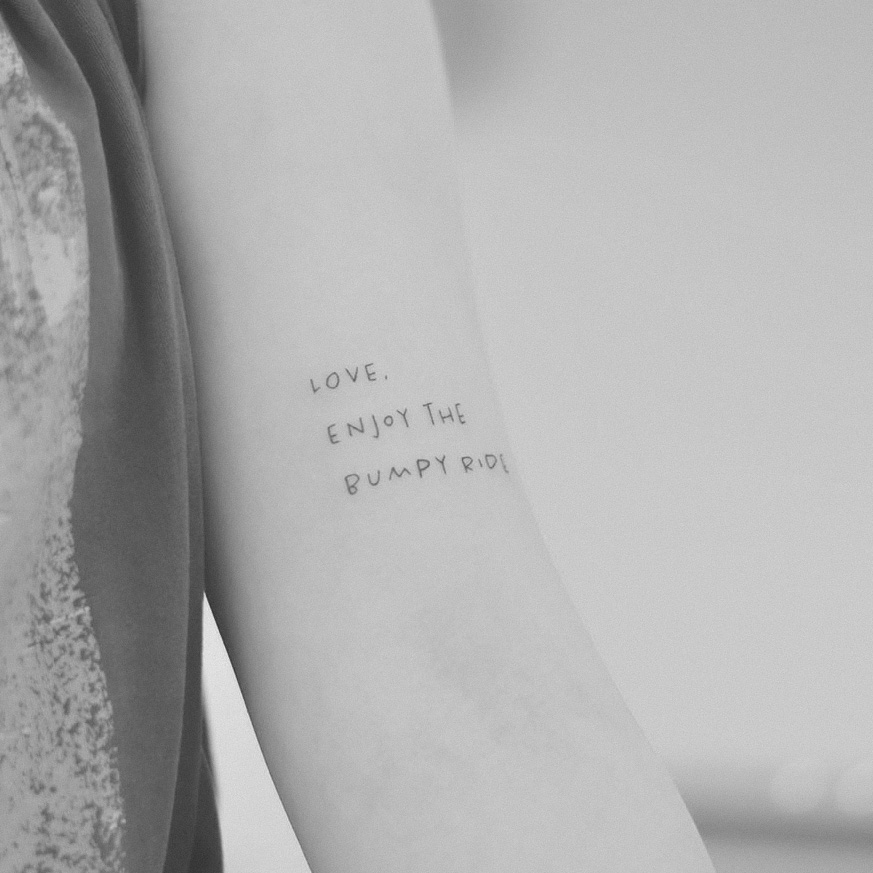
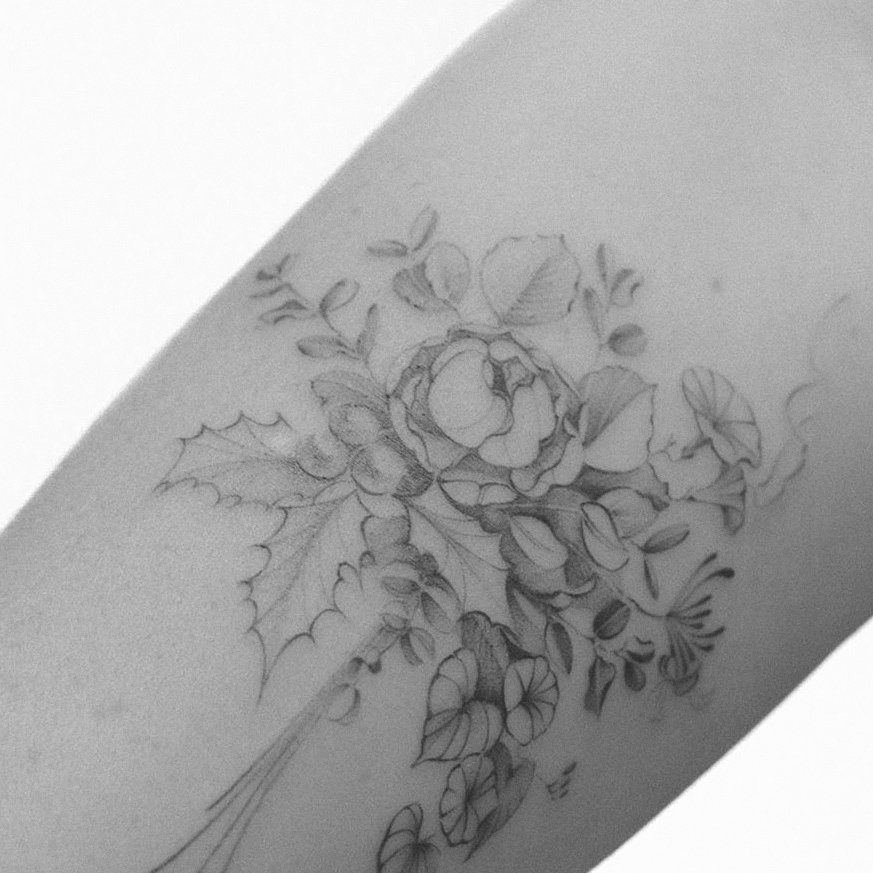
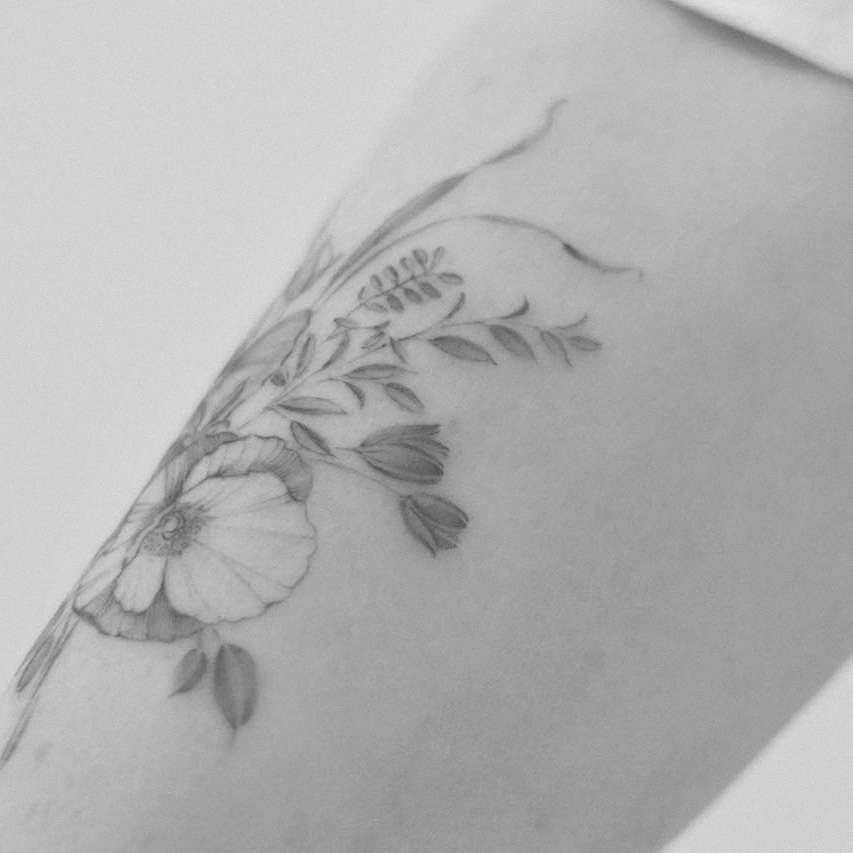
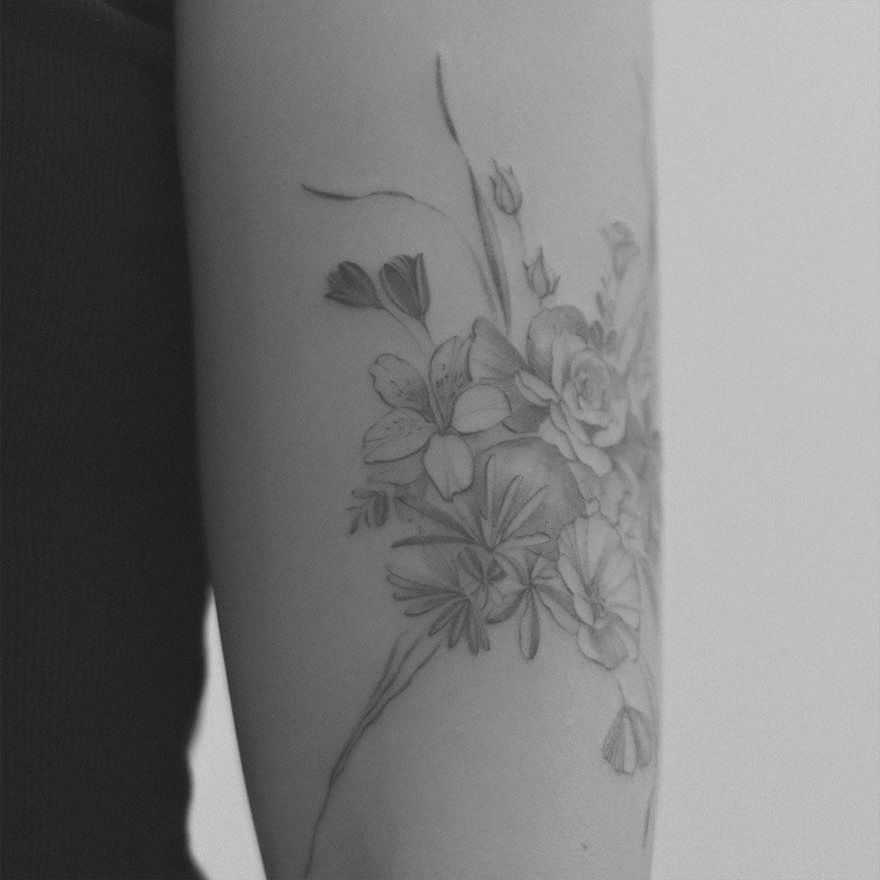
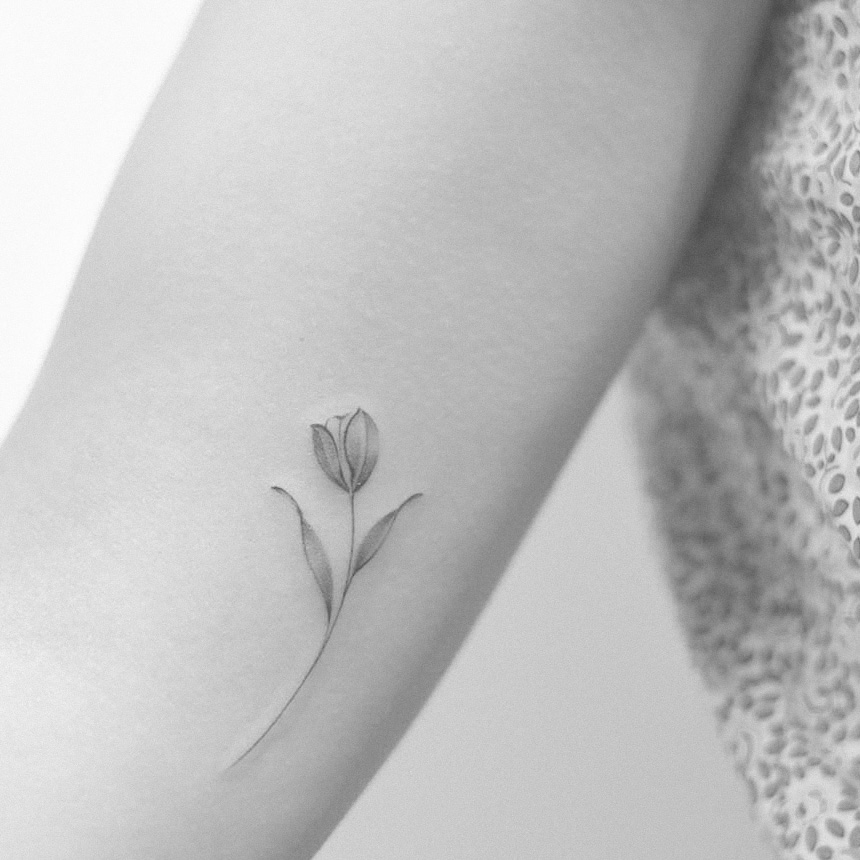
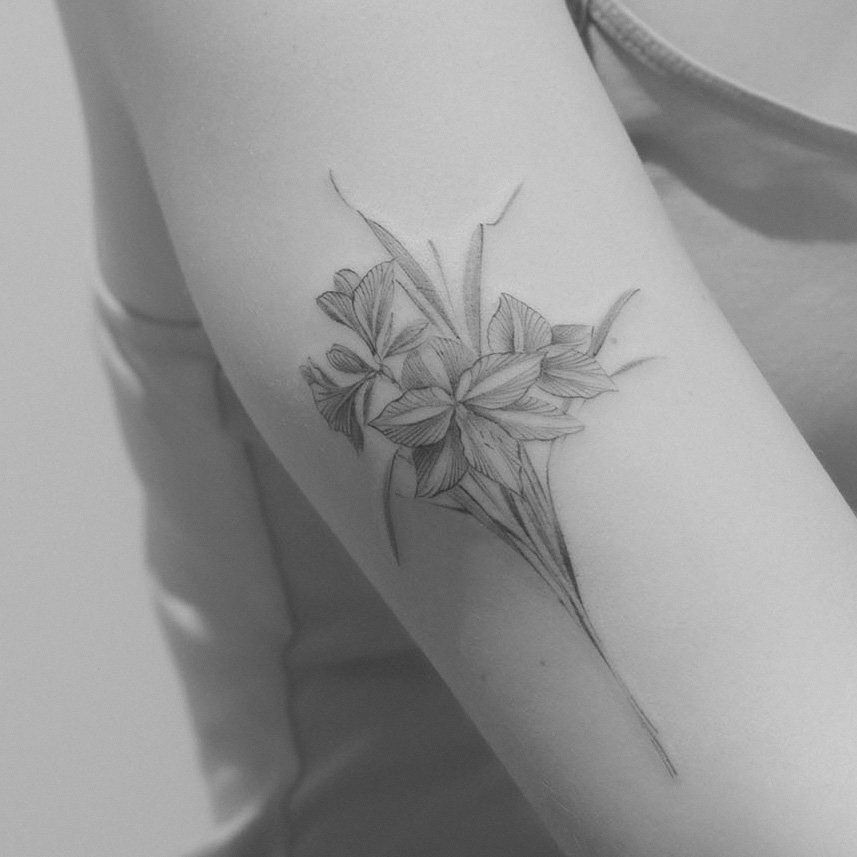
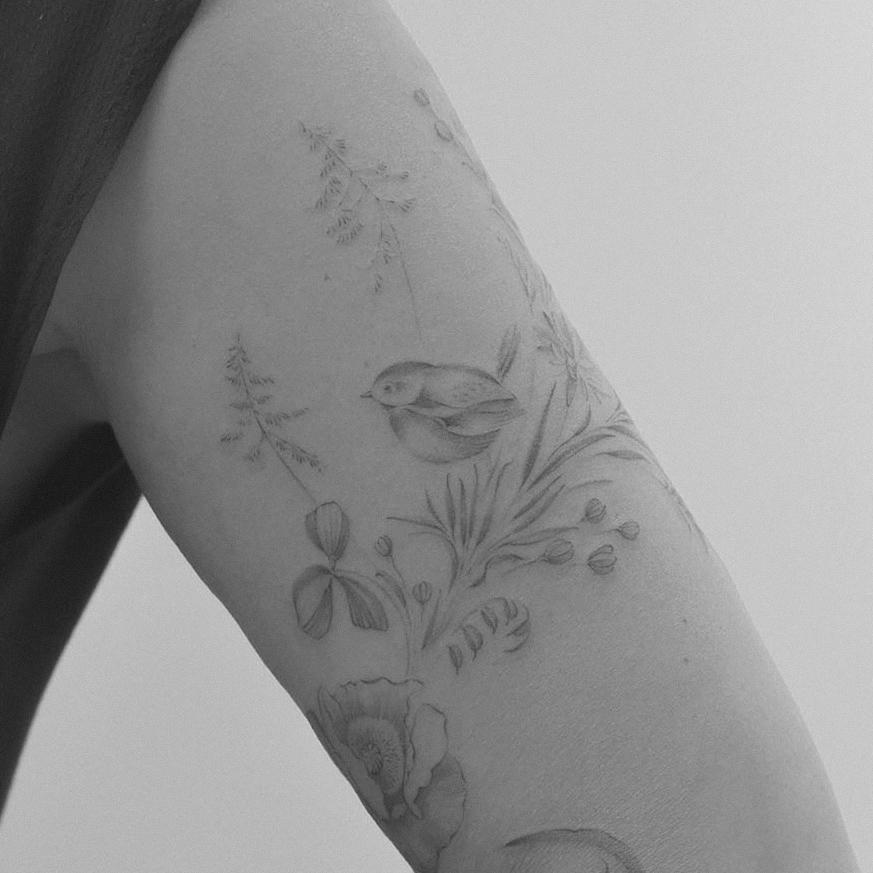
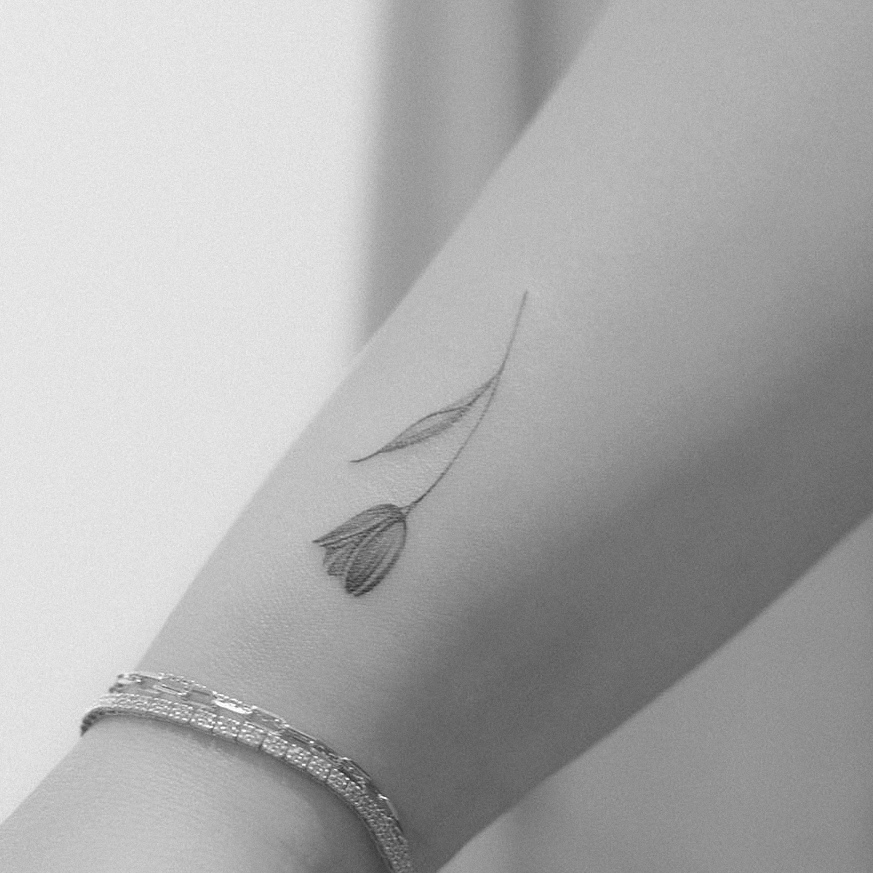
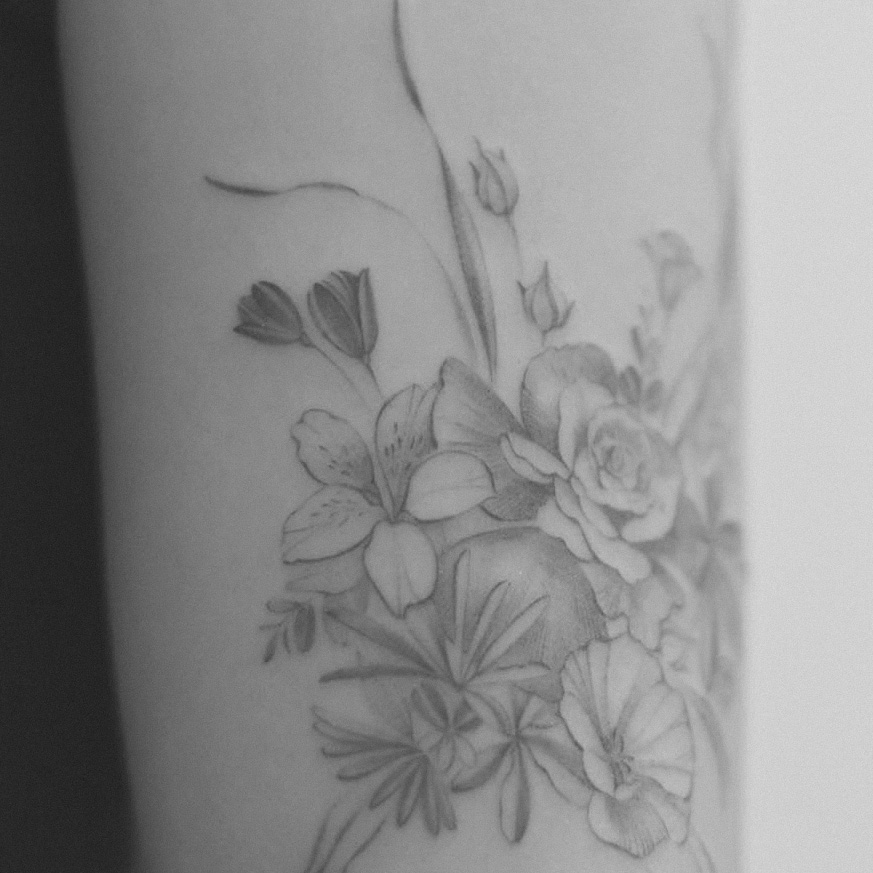
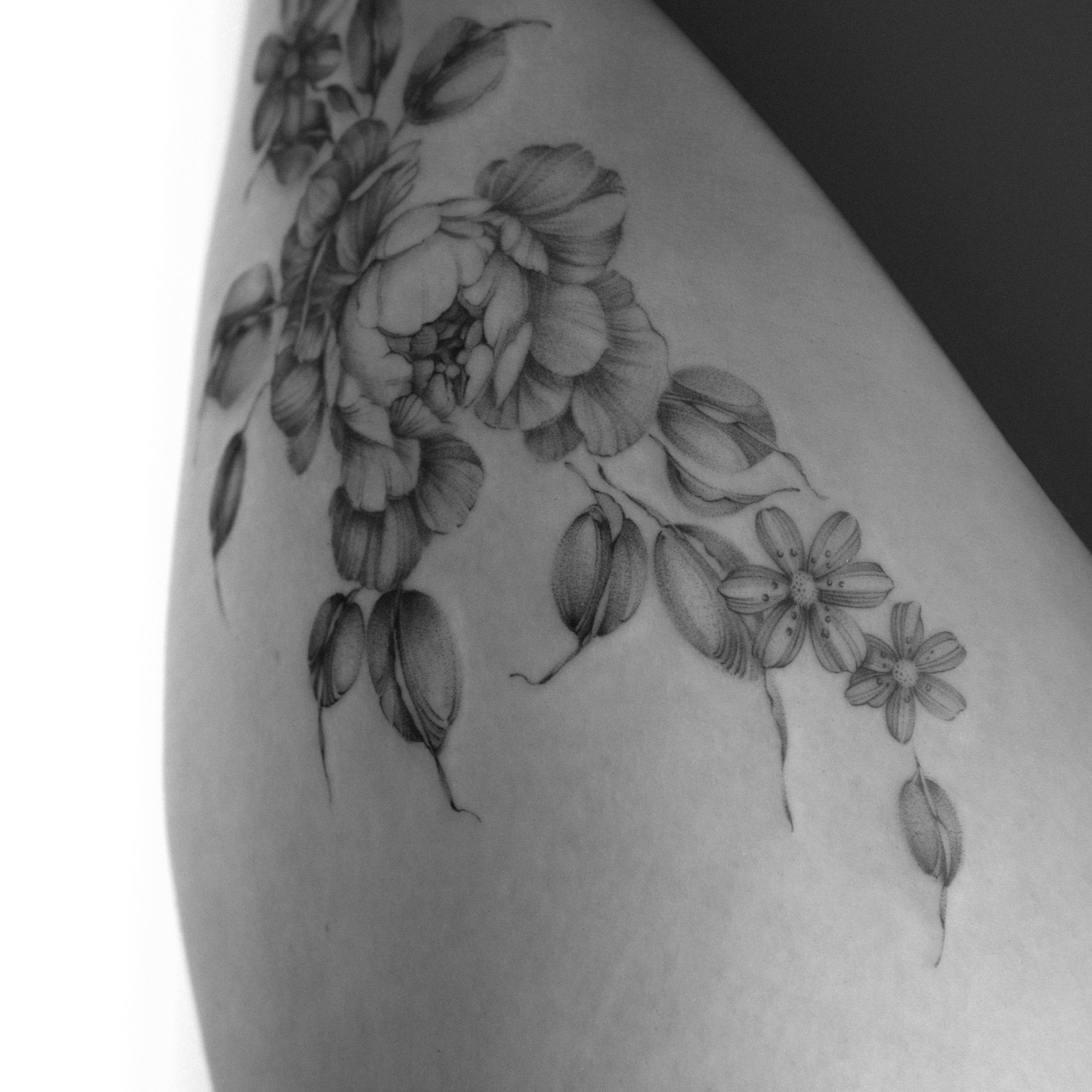
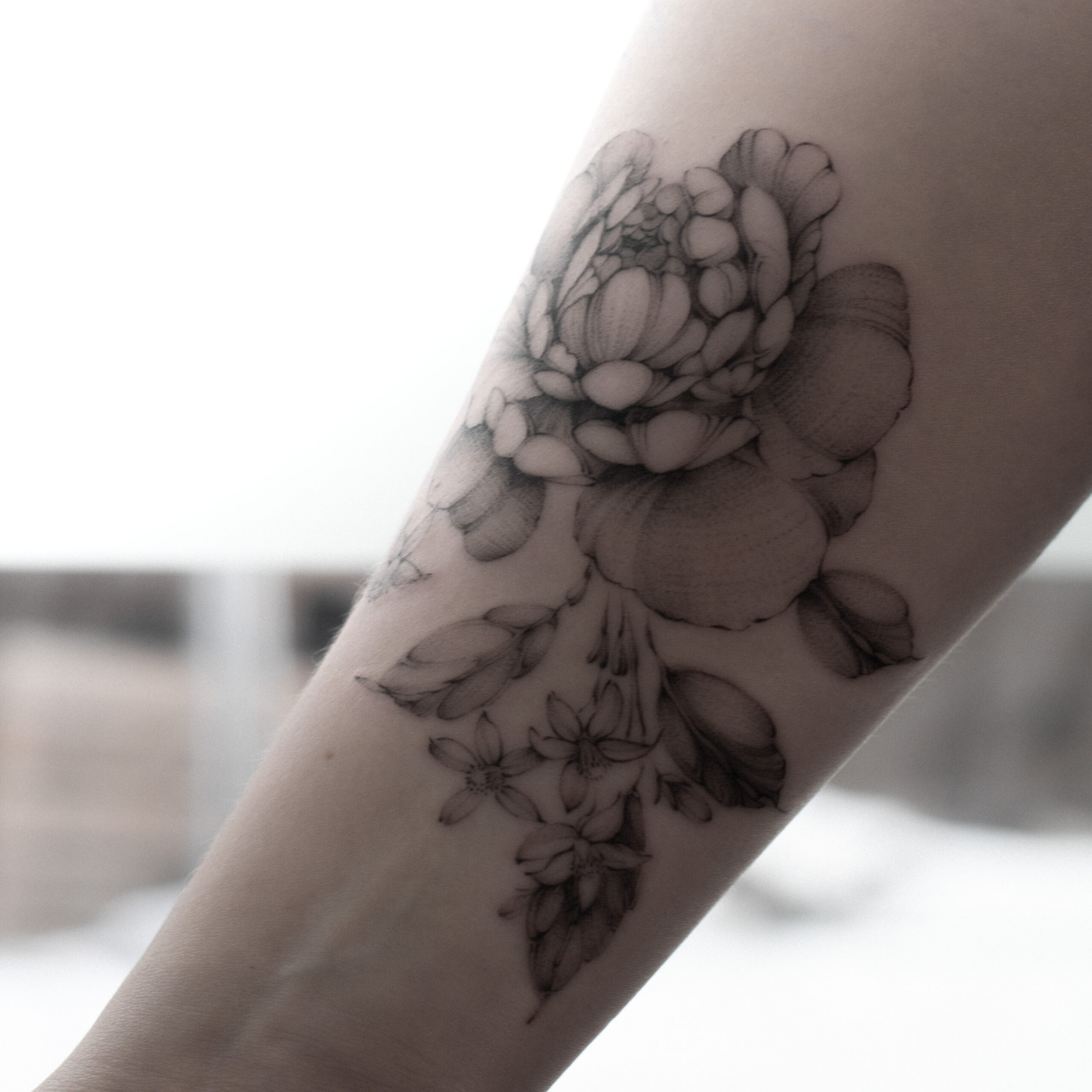
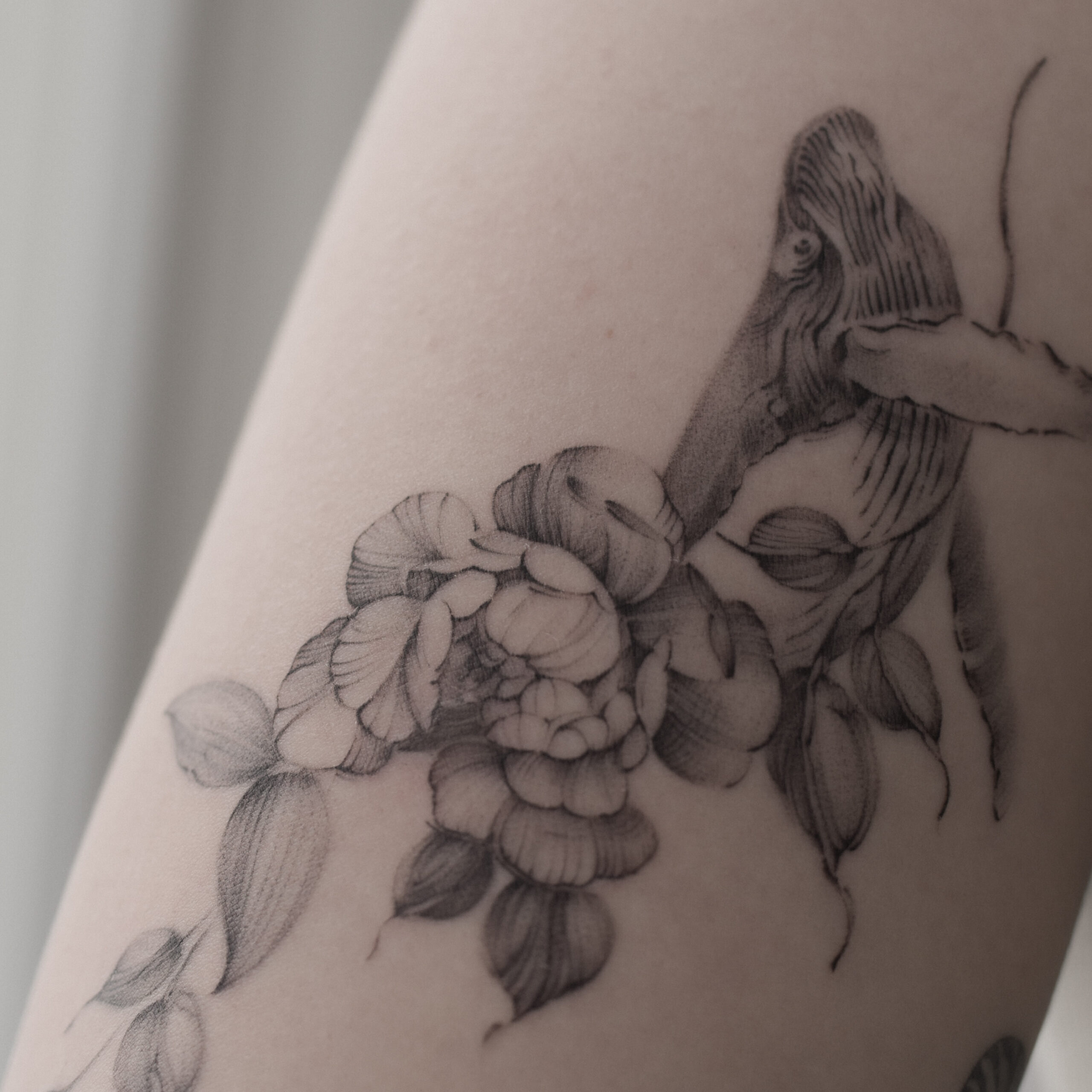
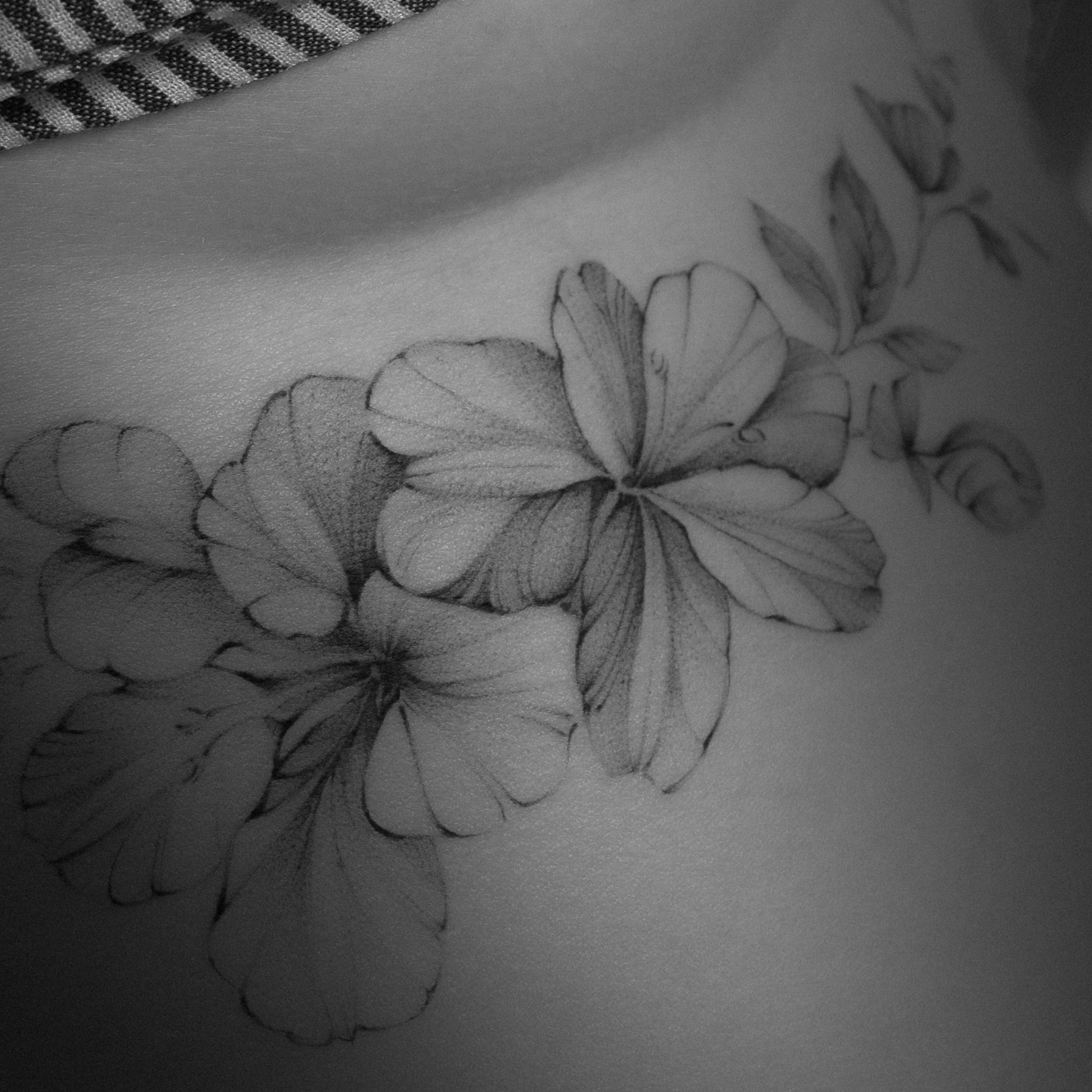
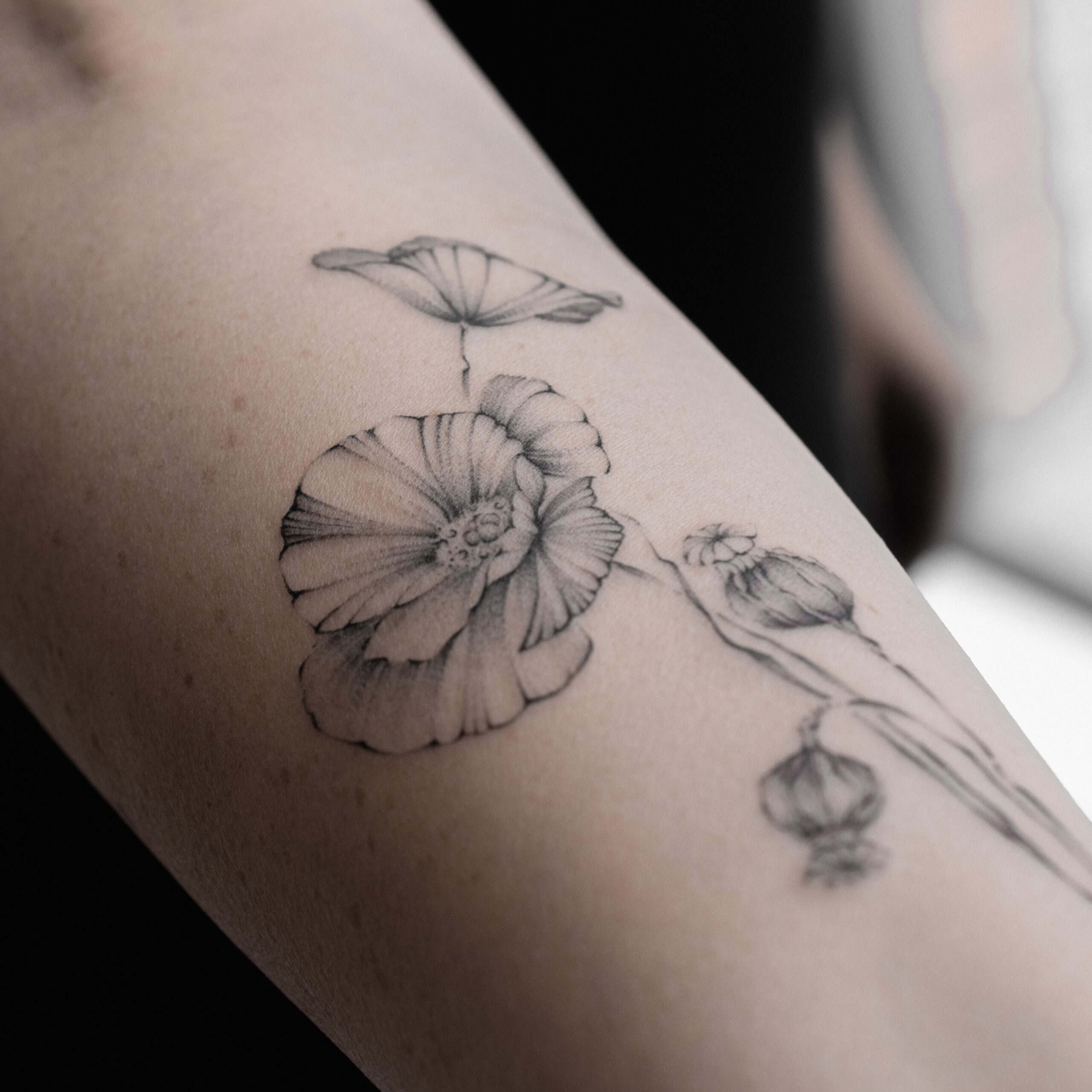
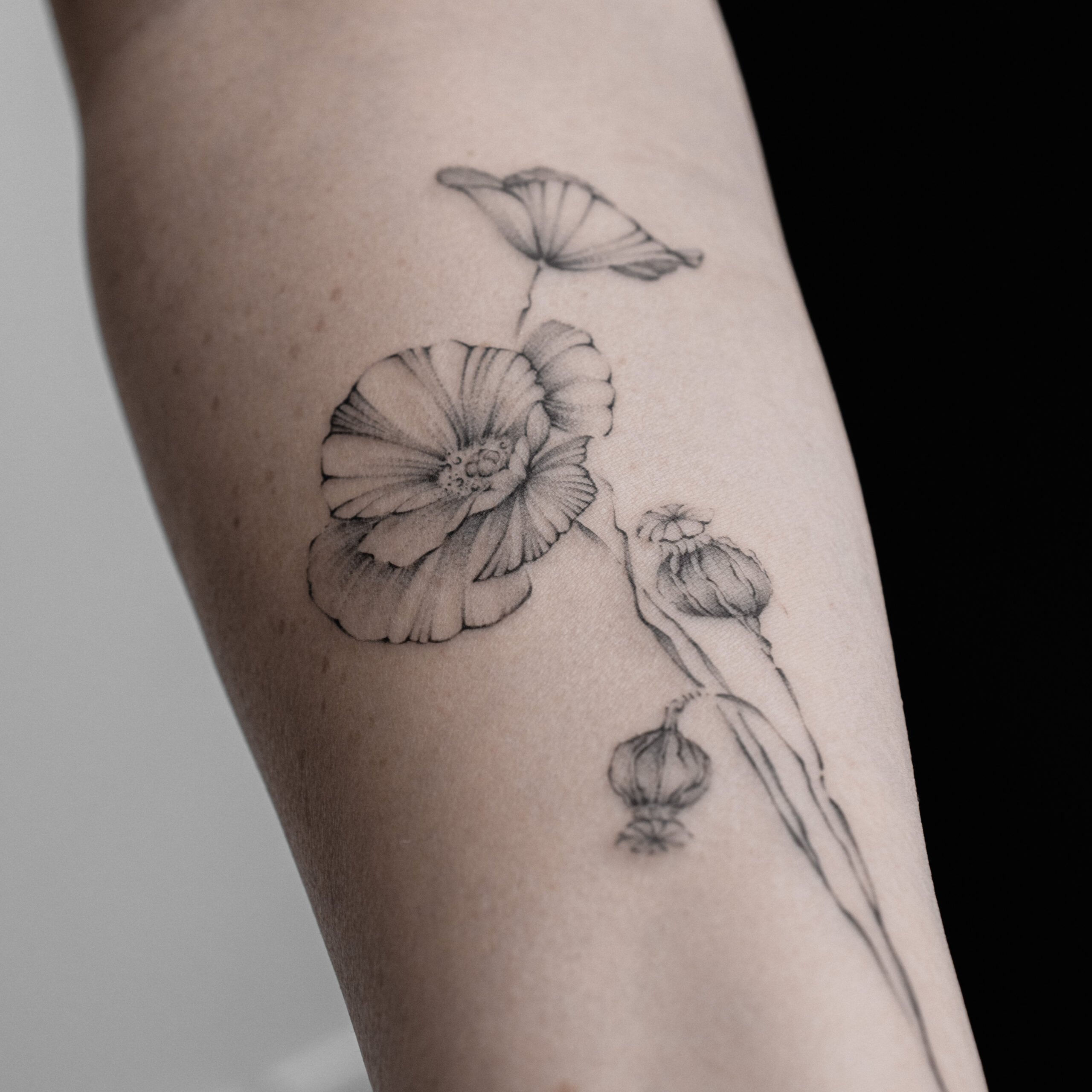
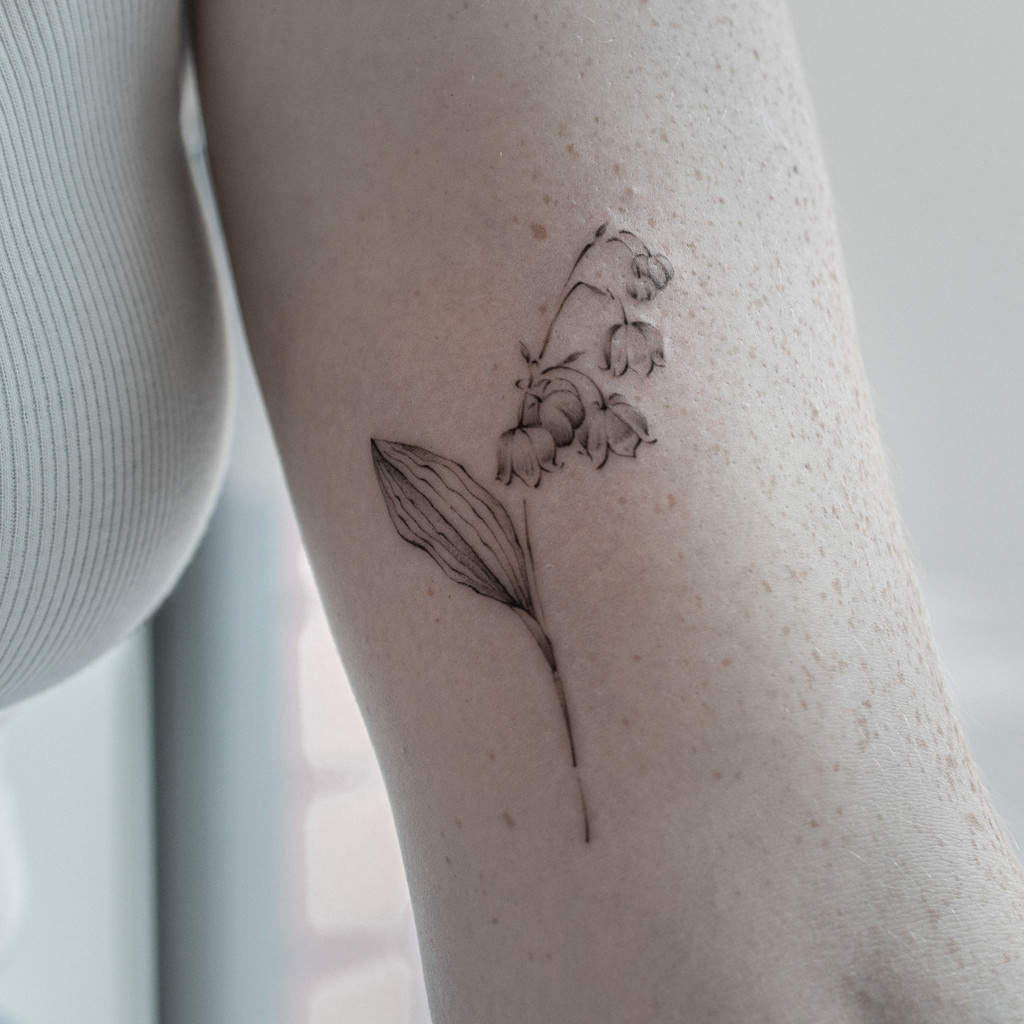
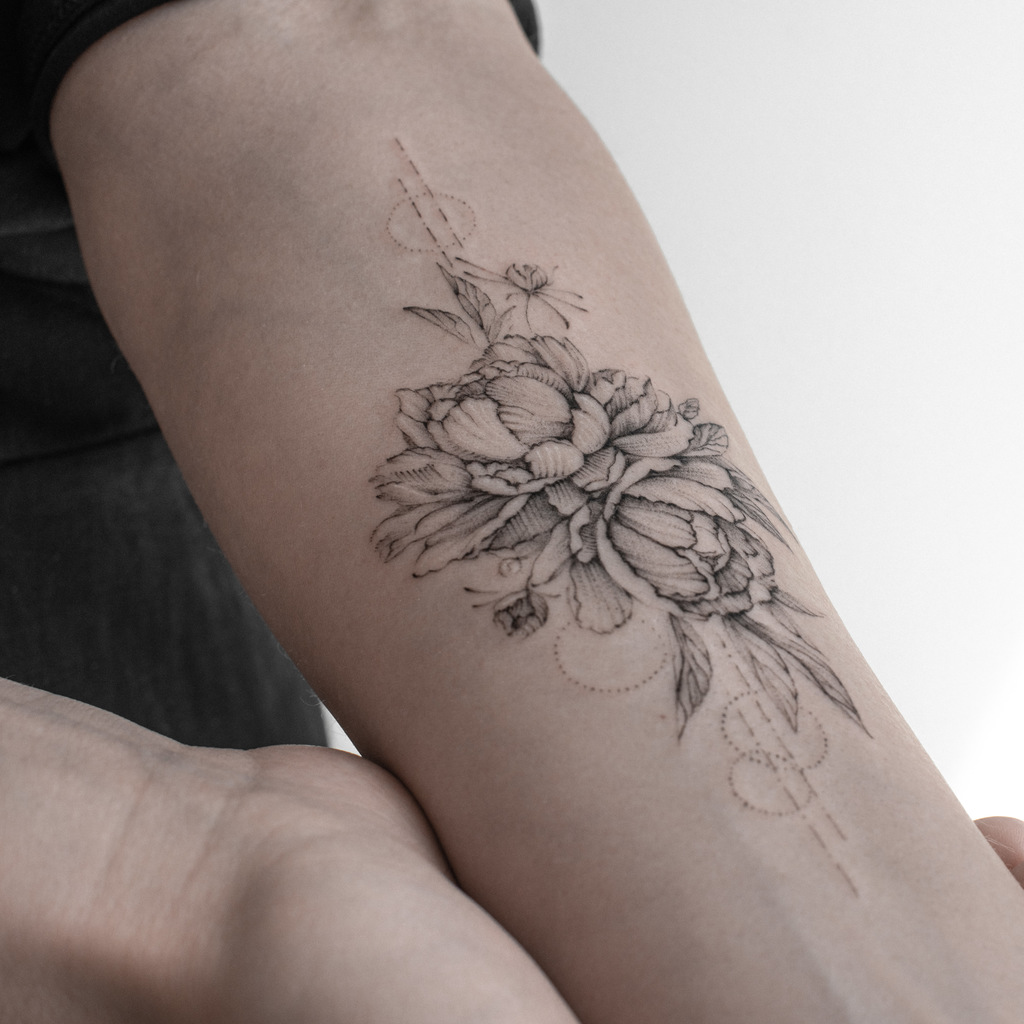
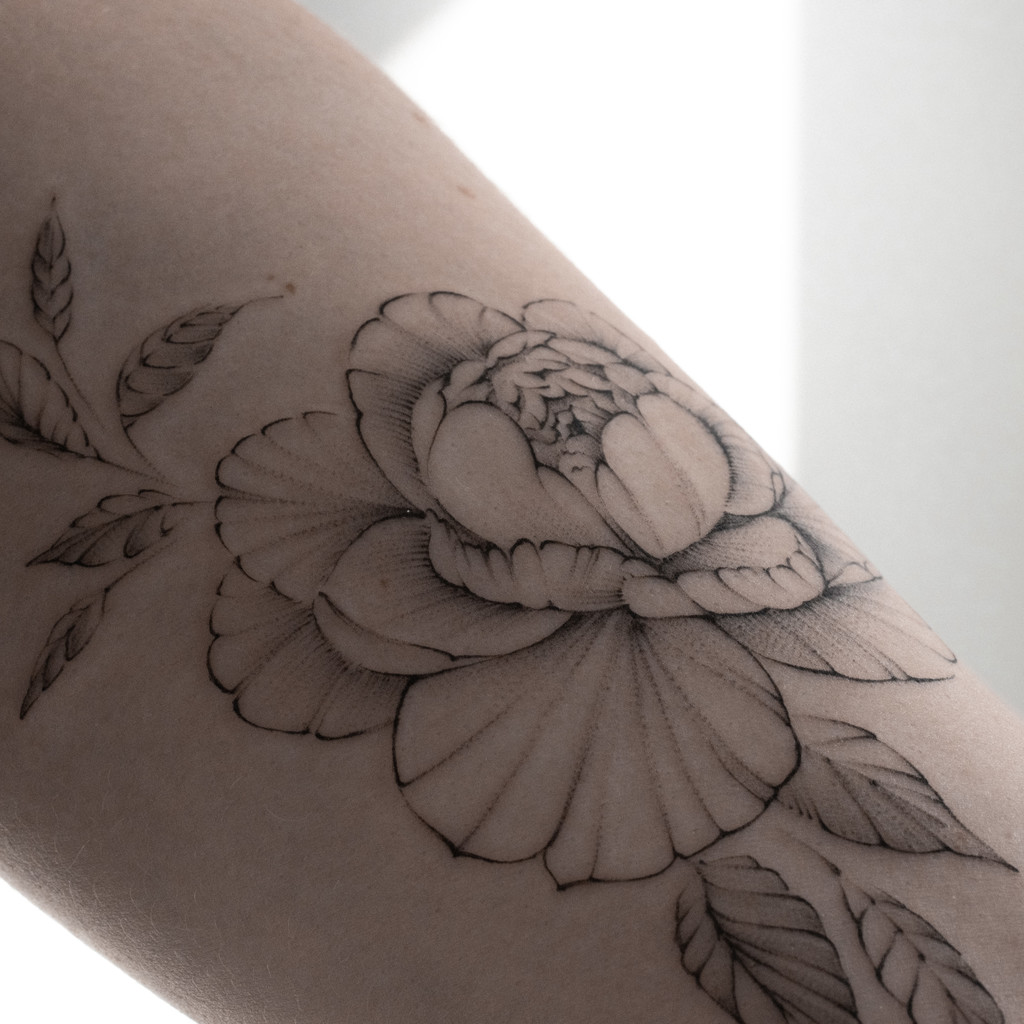
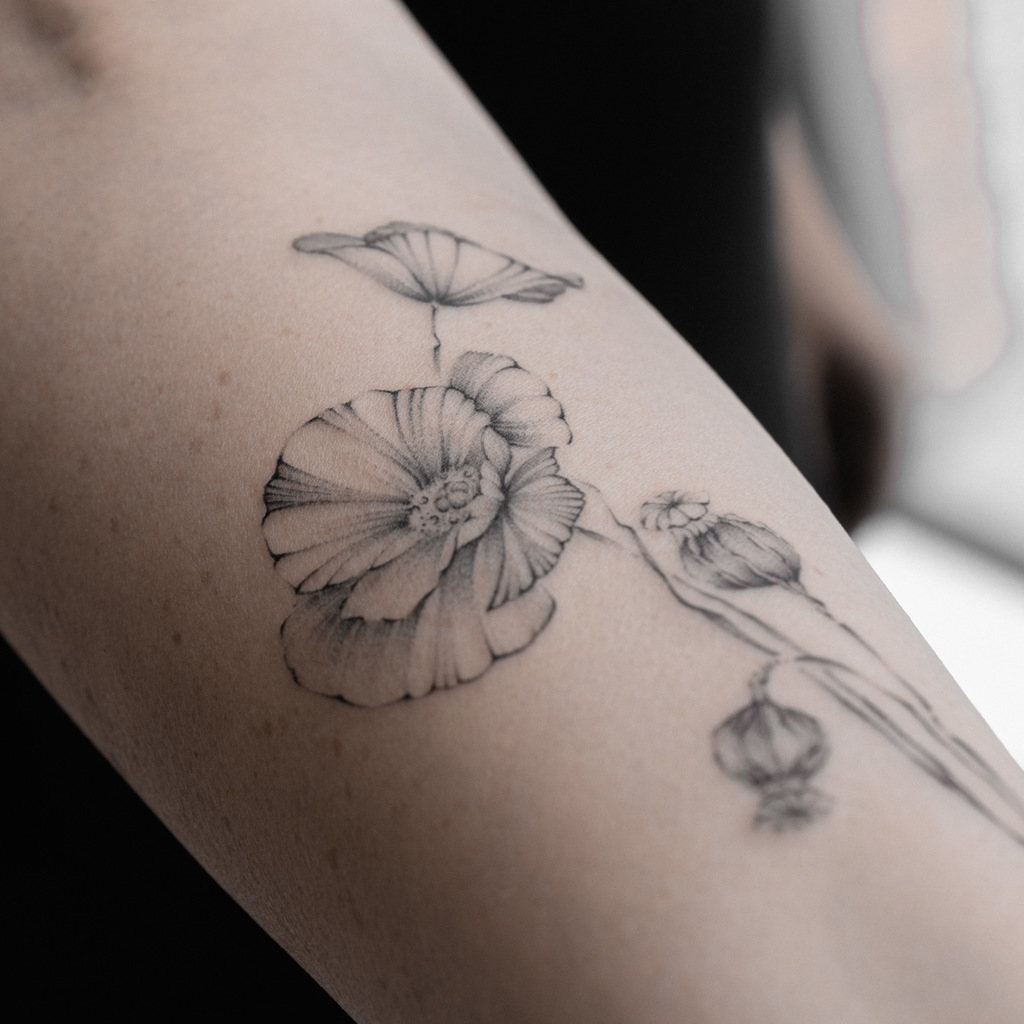
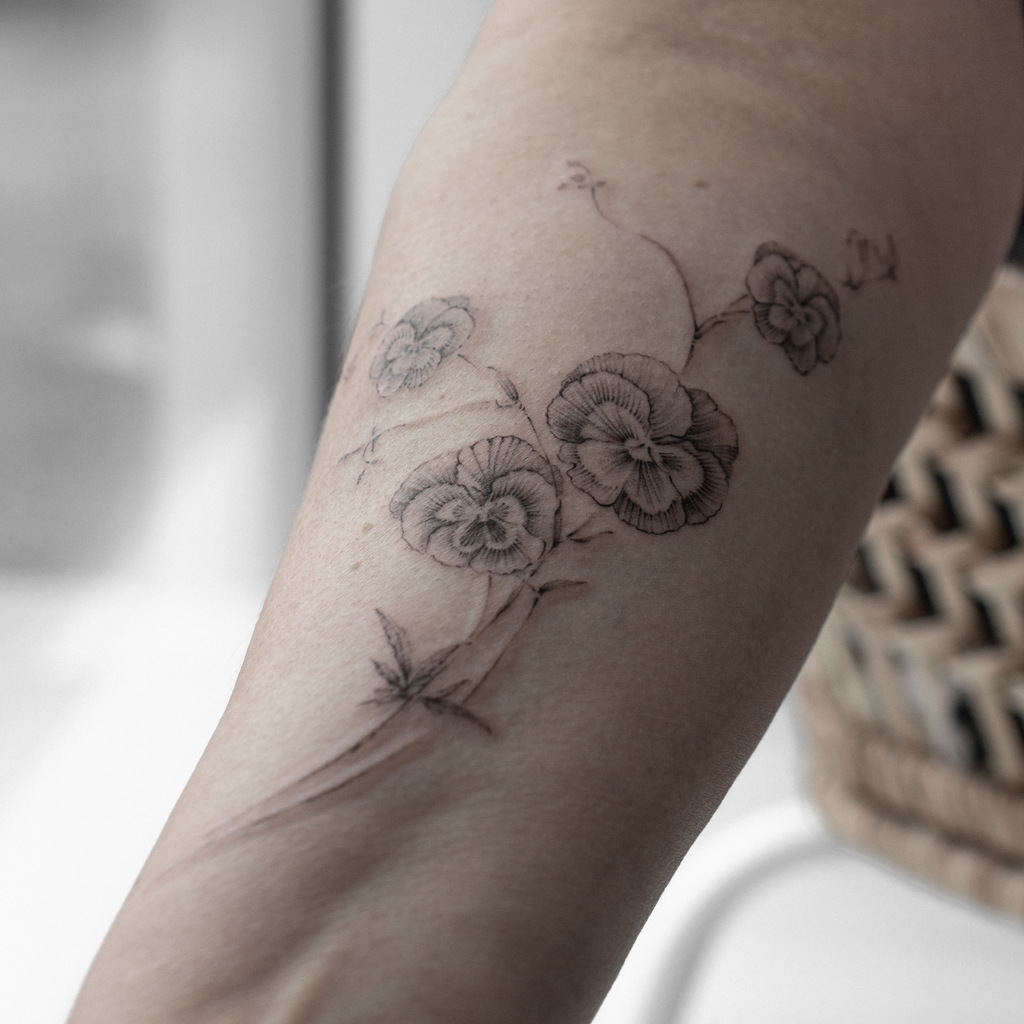
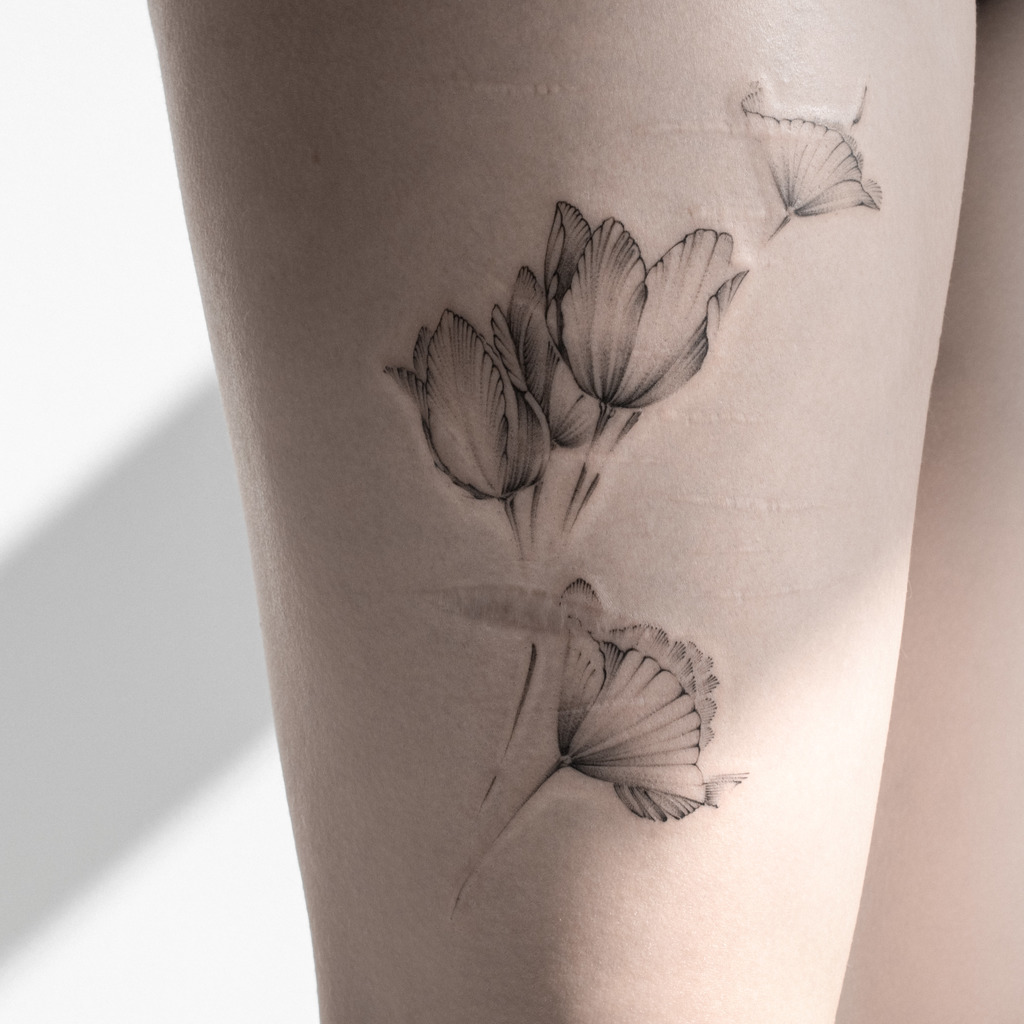
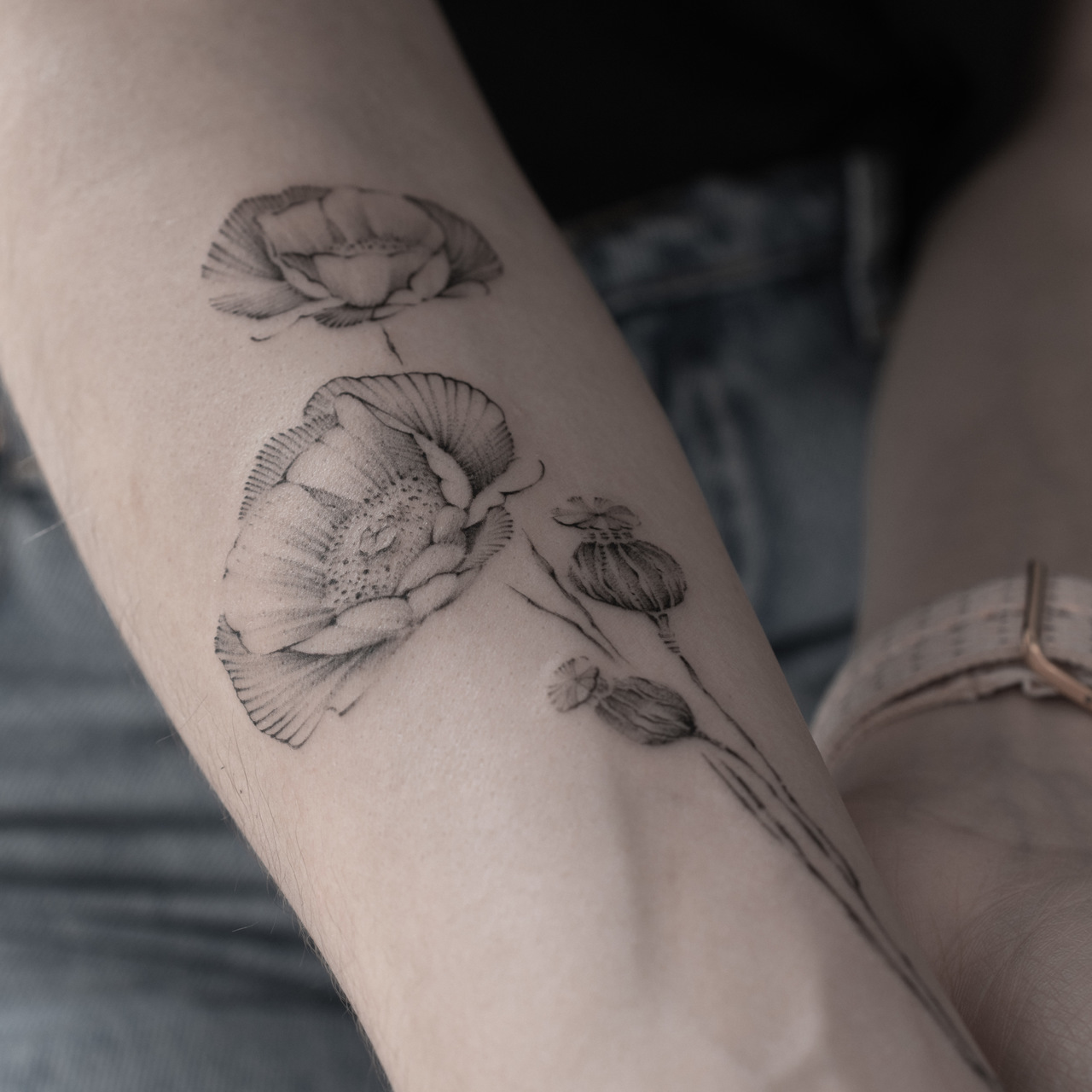
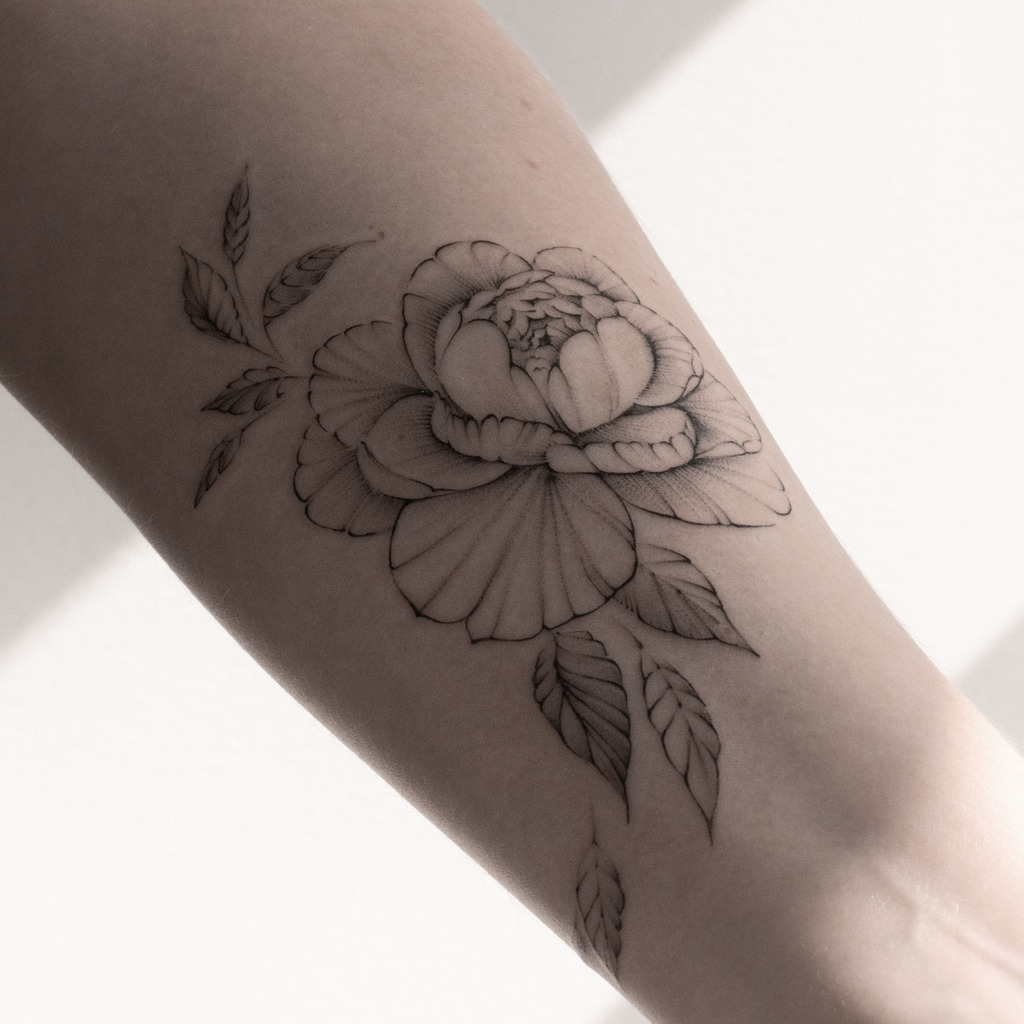
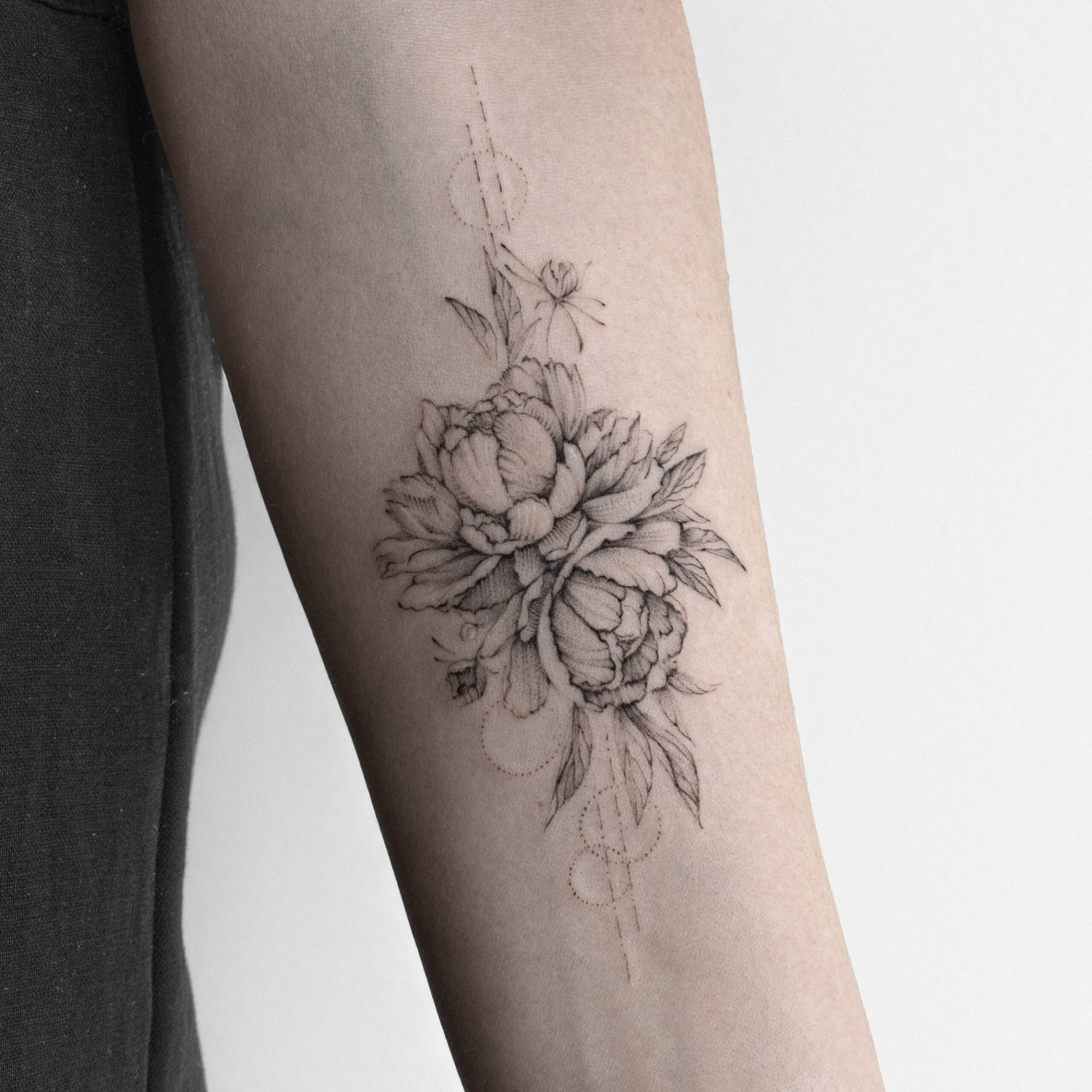
At Vadelma Tattoo, we see every tattoo as part of this long tradition. Whether it’s a botanical fine-line piece or a symbolic design, you’re continuing a story that began thousands of years ago.
If you’re curious about who carries that tradition today, you can learn more about Simon and Natalie and how we approach tattooing as a craft.
What Ötzi Teaches Modern Tattoo Culture
Ötzi reminds us of something important:
tattoos were never meant to be disposable.
They were intentional. Purposeful. Carefully placed.
In a world of fast trends and five-minute tattoos, this perspective matters more than ever. It’s one of the reasons we focus on considered projects, thoughtful placement, and long-term quality. You can see examples of this approach in our available tattoo projects.
And who knows — maybe one day, someone will discover an even older tattooed human. Until then, Ötzi remains our oldest reminder that tattooing is deeply human.
Final Words: You Are Part of Something Ancient
Next time you look at your tattoo — or plan a new one — remember this:
You are participating in a tradition that is older than written history.
The tools have changed. The environments have changed.
But the desire to mark the skin with meaning remains the same.
Thank you for reading, and for being part of that story.
Much love,
Simon
If you’d like to support our artistic work beyond tattooing, you’re always welcome to visit Vadelma Prints — Natalie’s limited-edition art prints, created with the same care as our tattoos.
FAQ – Tattoos & Ancient History
Who was Ötzi the Iceman?
Ötzi was a man who lived around 3300 BCE and is the oldest known human found with tattoos.
How many tattoos did Ötzi have?
He had 61 tattoos, mainly thin lines and small crosses.
Were Ötzi’s tattoos decorative?
Most evidence suggests they were therapeutic, possibly linked to pain relief.
What does this mean for modern tattoos?
It shows that tattooing began as a meaningful, intentional act — a philosophy we still honor today.
A Journey Back to the First Tattoo
Hello Everyone!
Today’s blog takes us on a little journey — not into modern tattoo studios, but deep into history, more than 5,000 years back, to a time long before tattoo machines, ink bottles, or hygiene regulations.
This story begins with Ötzi the Iceman — the oldest known human found with tattoos on his skin. One could say he was the world’s very first tattoo collector.
And surprisingly, his tattoos still have a lot to teach us today.
The Discovery of Ötzi the Iceman
In 1991, two hikers discovered a frozen body high in the Ötztal Alps, on the border between Austria and Italy. At first, they believed it was a modern mountaineer. Soon, scientists realized they were looking at something extraordinary.
Ötzi lived around 3300 BCE. Thanks to the ice, his body was remarkably preserved. During examination, researchers discovered that he had 61 tattoos — thin black lines and small crosses, created by rubbing charcoal into small incisions in the skin.
These were not decorative tattoos in the way we understand them today — and that’s where the story becomes truly fascinating.
Tattoos with a Purpose: Healing Before Decoration
Ötzi’s tattoos were found mainly around his joints, lower back, and spine — areas where scientists later identified signs of arthritis and physical stress.
This has led many researchers to believe that his tattoos were therapeutic, possibly used for pain relief. In some ways, they may have functioned similarly to acupuncture.
In other words, tattoos may have started as a healing practice, not an aesthetic one.
This idea connects beautifully with how we still talk about tattoo healing today — not just physically, but emotionally and symbolically. If you’re interested in how modern tattoo healing works, we explain it in detail in our tattoo aftercare guide.
A Timeless Human Instinct
For those of us working in tattooing, Ötzi’s story is deeply moving.
Five thousand years ago, someone used a sharp tool, made precise cuts, and pressed soot into the skin — not for trends, not for fashion, but likely to help their body heal.
Today, we work with sterile needles, regulated inks, and modern equipment, but the core instinct hasn’t changed. Humans have always marked their skin with meaning.
At Vadelma Tattoo, we see every tattoo as part of this long tradition. Whether it’s a botanical fine-line piece or a symbolic design, you’re continuing a story that began thousands of years ago.
If you’re curious about who carries that tradition today, you can learn more about Simon and Natalie and how we approach tattooing as a craft.
What Ötzi Teaches Modern Tattoo Culture
Ötzi reminds us of something important:
tattoos were never meant to be disposable.
They were intentional. Purposeful. Carefully placed.
In a world of fast trends and five-minute tattoos, this perspective matters more than ever. It’s one of the reasons we focus on considered projects, thoughtful placement, and long-term quality. You can see examples of this approach in our available tattoo projects.
And who knows — maybe one day, someone will discover an even older tattooed human. Until then, Ötzi remains our oldest reminder that tattooing is deeply human.
Final Words: You Are Part of Something Ancient
Next time you look at your tattoo — or plan a new one — remember this:
You are participating in a tradition that is older than written history.
The tools have changed. The environments have changed.
But the desire to mark the skin with meaning remains the same.
Thank you for reading, and for being part of that story.
Much love,
Simon
If you’d like to support our artistic work beyond tattooing, you’re always welcome to visit Vadelma Prints — Natalie’s limited-edition art prints, created with the same care as our tattoos.
FAQ – Tattoos & Ancient History
Who was Ötzi the Iceman?
Ötzi was a man who lived around 3300 BCE and is the oldest known human found with tattoos.
How many tattoos did Ötzi have?
He had 61 tattoos, mainly thin lines and small crosses.
Were Ötzi’s tattoos decorative?
Most evidence suggests they were therapeutic, possibly linked to pain relief.
What does this mean for modern tattoos?
It shows that tattooing began as a meaningful, intentional act — a philosophy we still honor today.