Ötzi the Iceman – The Oldest Tattoos in History
Ötzi the Iceman – What the Oldest Tattoos in History Tell Us
Introduction
People often speak about tattoos as if they appeared recently. As if they belong mainly to modern culture, social media, trends, or contemporary aesthetics. But the reality is very different. Tattooing is far older than most people realize, and its history reaches far deeper than fashion or decoration alone. One of the strongest reminders of this was discovered high in the Alps in 1991, when hikers found the naturally preserved body of a man later known as Ötzi. At first, the discovery seemed extraordinary mainly because of its age. Scientists eventually estimated that he had lived more than 5,000 years ago during the Copper Age. But what made the discovery especially important for tattoo history was something else entirely. Ötzi had tattoos.
The Oldest Known Tattooed Human
The tattoos found on Ötzi are currently considered the oldest known preserved tattoos on a human body. More than sixty small markings were discovered across different parts of his skin, mainly consisting of lines and simple cross-like forms. Unlike many modern tattoos, these designs were not highly decorative. They appeared practical, intentional, and deeply connected to the body itself. And that changes how we understand tattooing completely. Because once something survives for over five thousand years, it can no longer be dismissed as a temporary trend.
Tattoos Before Modern Civilization
One of the most interesting aspects of Ötzi’s tattoos is that they existed long before modern cities, fashion industries, or contemporary concepts of identity. Tattooing emerged independently in multiple ancient cultures around the world. Different civilizations developed it for different reasons, but the act itself continued to appear again and again throughout human history. This suggests something important. The desire to mark the body permanently may not simply be cultural imitation. It may reflect something much more fundamental about human beings and the way we connect meaning to the body.
The Purpose of Ötzi’s Tattoos
Researchers believe many of Ötzi’s tattoos may have had therapeutic or ritual significance rather than purely decorative meaning. Interestingly, several tattoos were located near areas where scientists later discovered signs of physical strain or joint degeneration. Some researchers have even compared their placement to early forms of acupuncture. Whether this interpretation is fully correct or not, it reveals something fascinating: tattooing may originally have been connected not only to appearance, but also to healing, endurance, and personal experience. Even thousands of years ago, tattoos were already interacting with the human body in symbolic ways.
Why This Still Feels Familiar
Although modern tattoo culture is visually very different from Ötzi’s world, some deeper motivations remain surprisingly similar. People still use tattoos to:
.
- Mark transitions
- Preserve memories
- Express identity
- Or create connection between internal experience and physical form
.
The tools have changed. Styles have evolved. But the underlying human impulse remains recognizable. This is one reason tattoos continue to survive across centuries while so many trends disappear.
Tattoos and Permanence
There is also something psychologically important about permanence itself. Modern culture often moves extremely fast. Images appear and disappear constantly, replaced almost immediately by something new. A tattoo resists this rhythm. It asks for commitment. It slows decision-making down. It forces a person to think differently about time and attachment. Perhaps this is one reason tattoos continue to feel meaningful even in highly digital environments. They remain physical, stable, and connected directly to the body.
Beyond Trends
When people describe tattoos as “just a trend,” they usually focus only on their current visibility. But visibility and origin are not the same thing. The existence of tattooed human remains from over 5,000 years ago makes one thing very clear: tattooing is not new. If anything, it may be one of the oldest surviving forms of personal expression still practiced today. The styles change with each era, but the act itself continues. And that continuity says something important about its place within human culture.
Tattooing Today
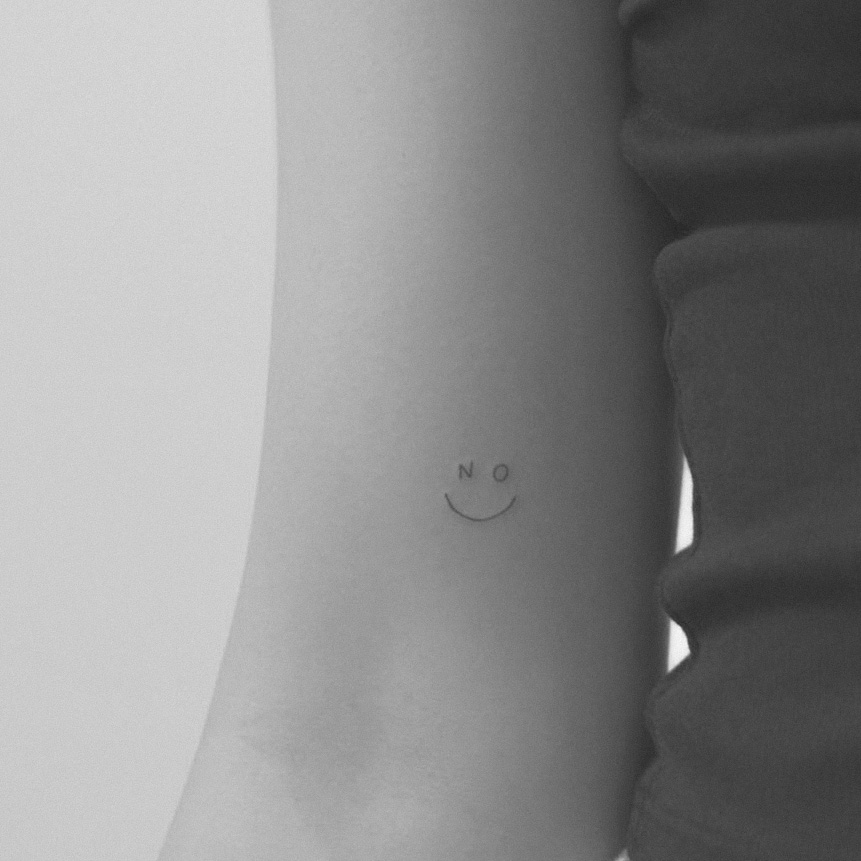
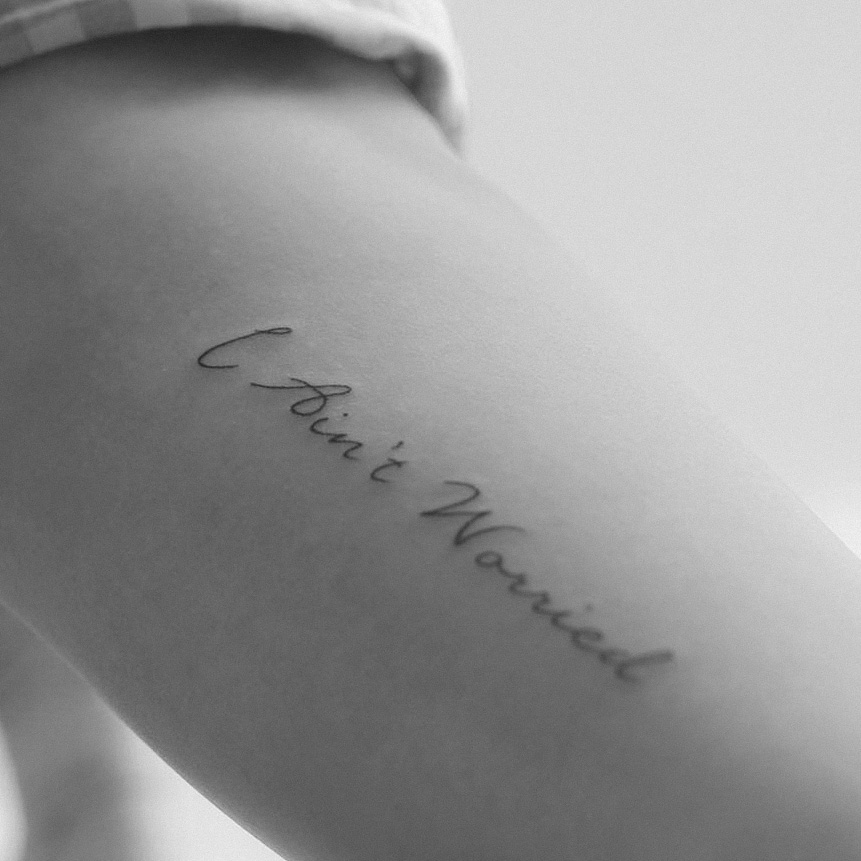
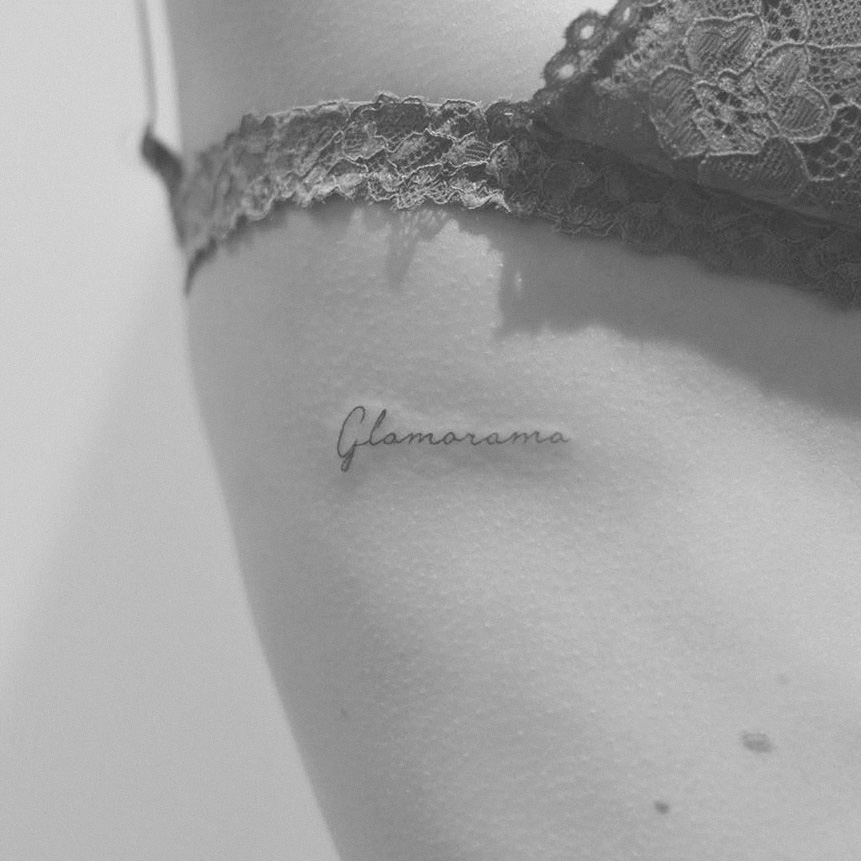
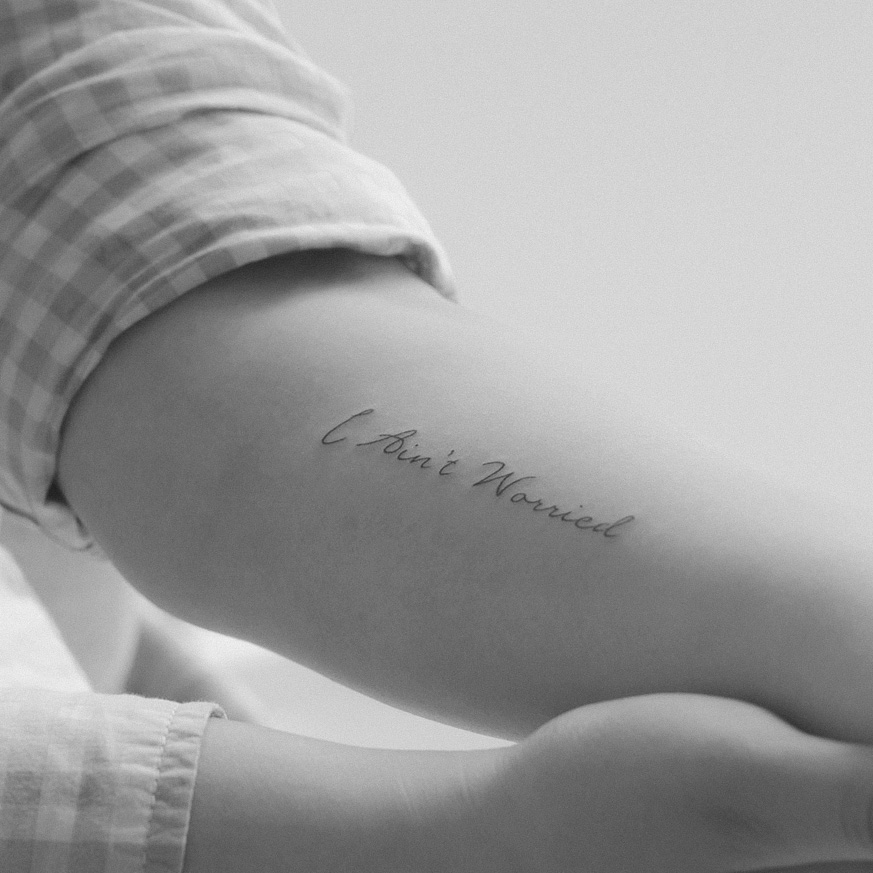
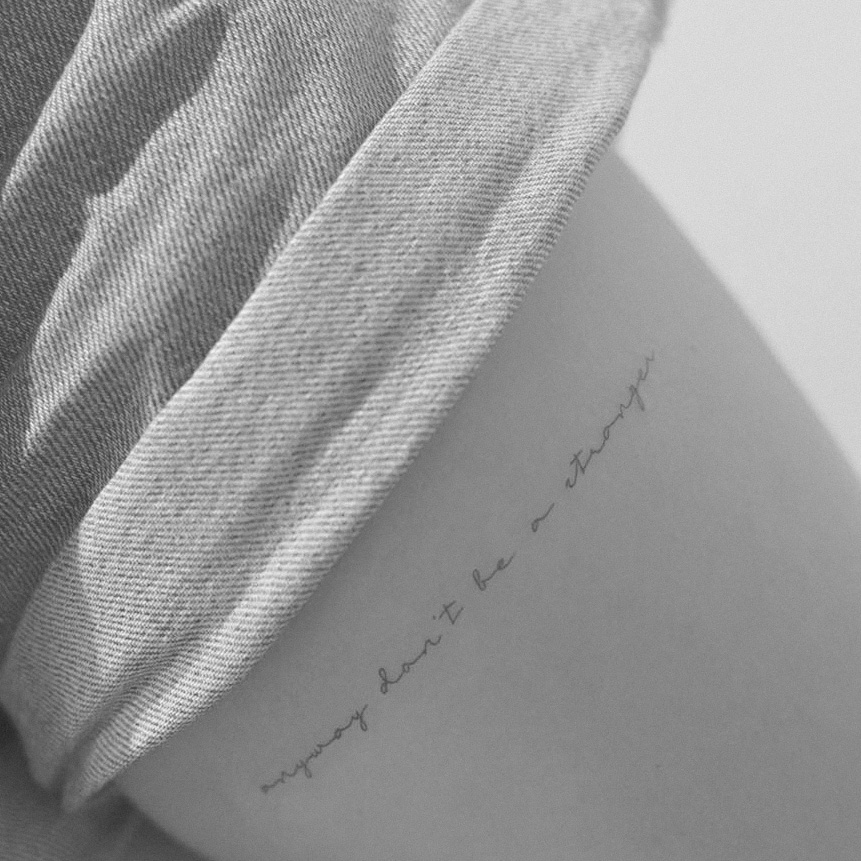
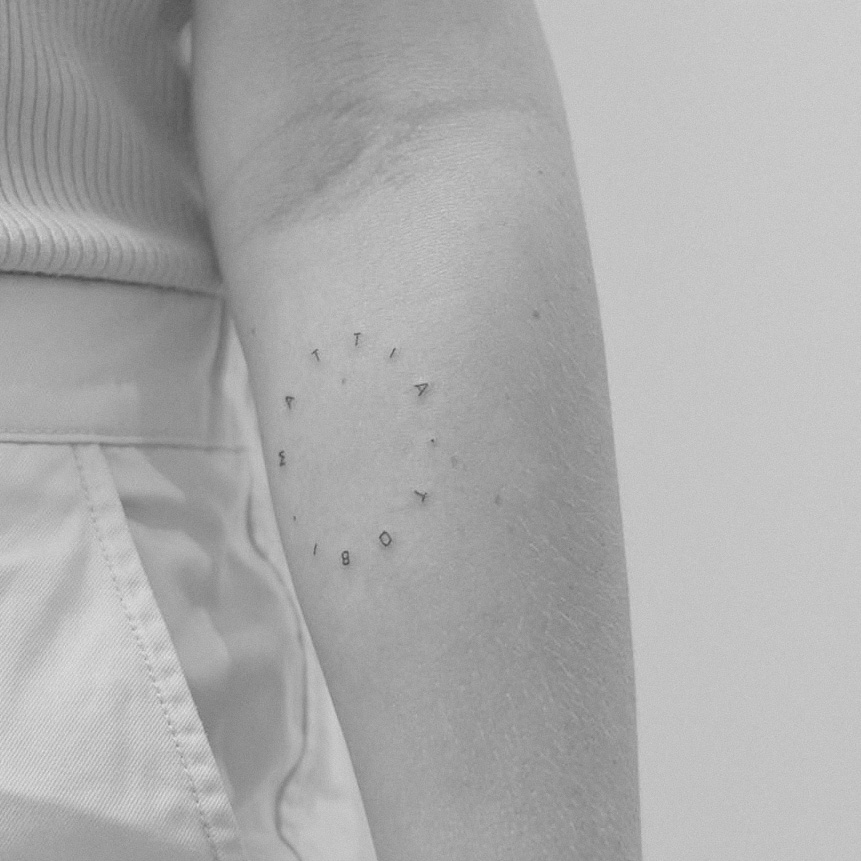
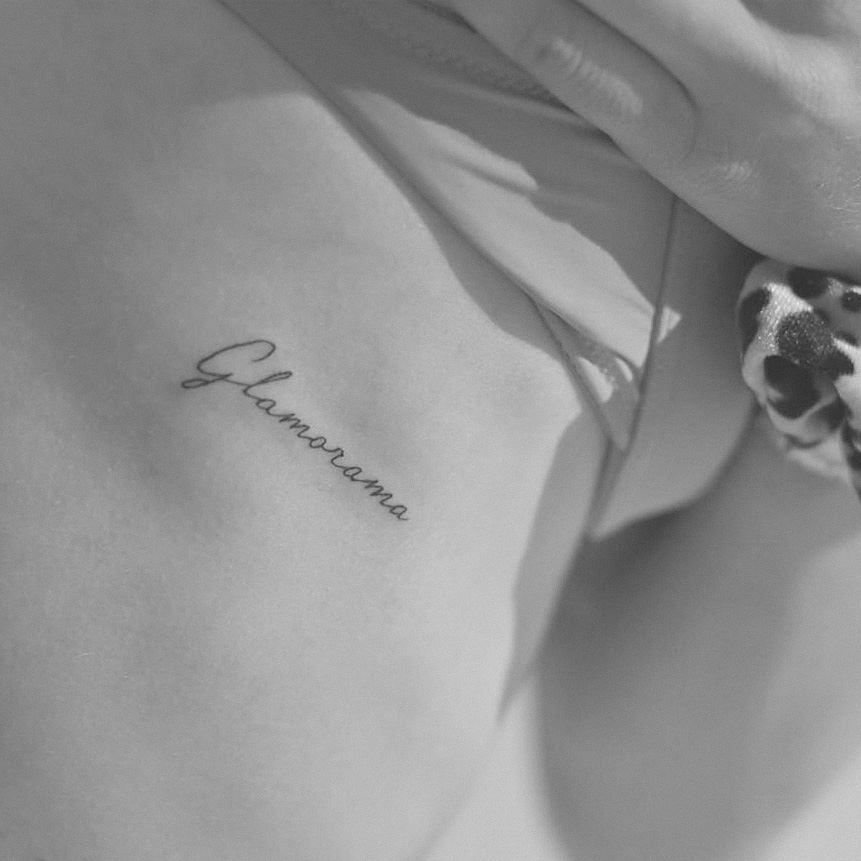
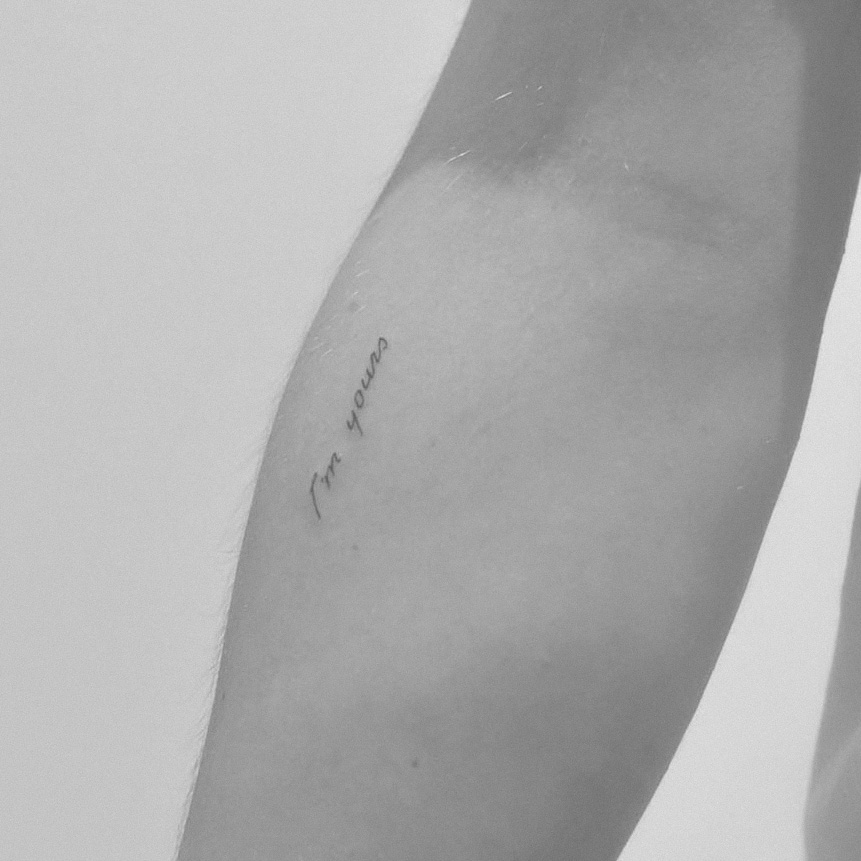
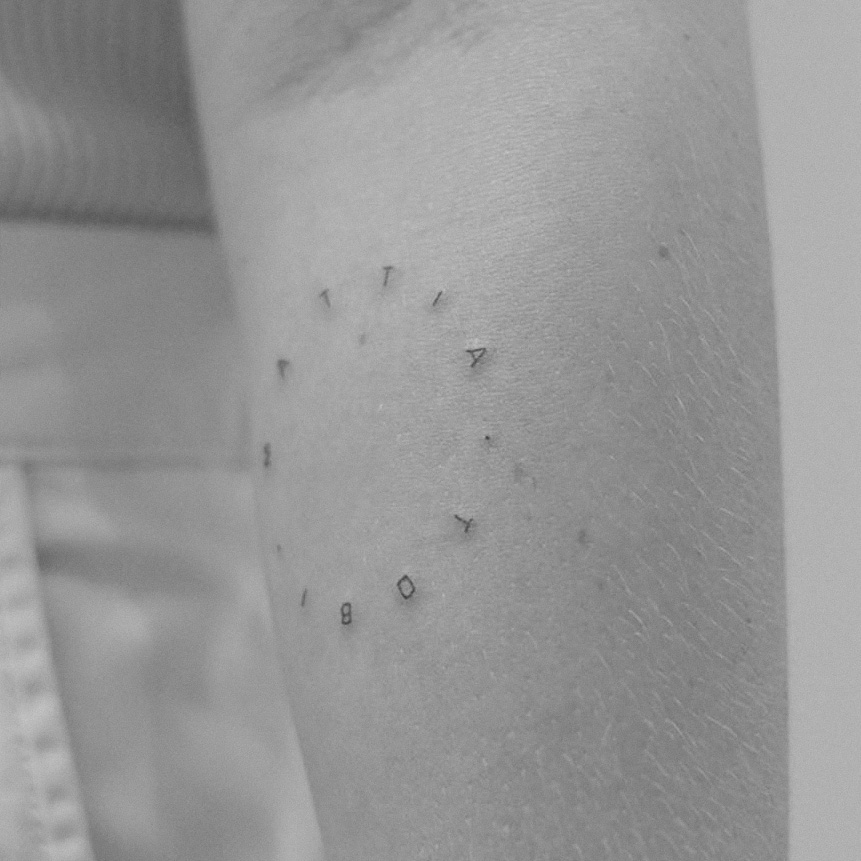
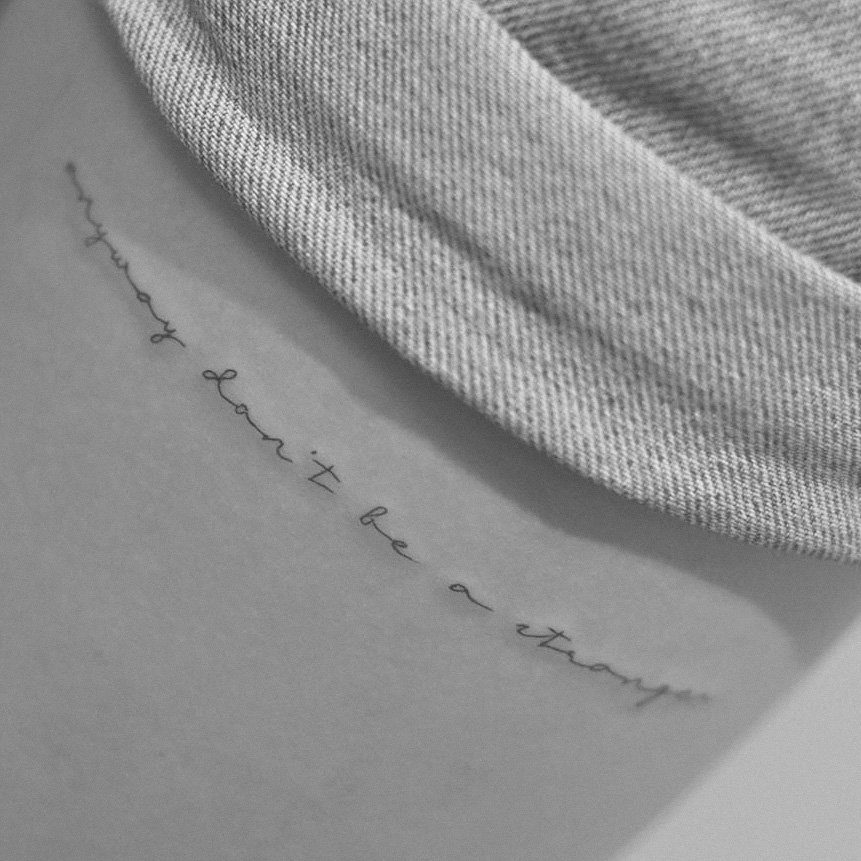
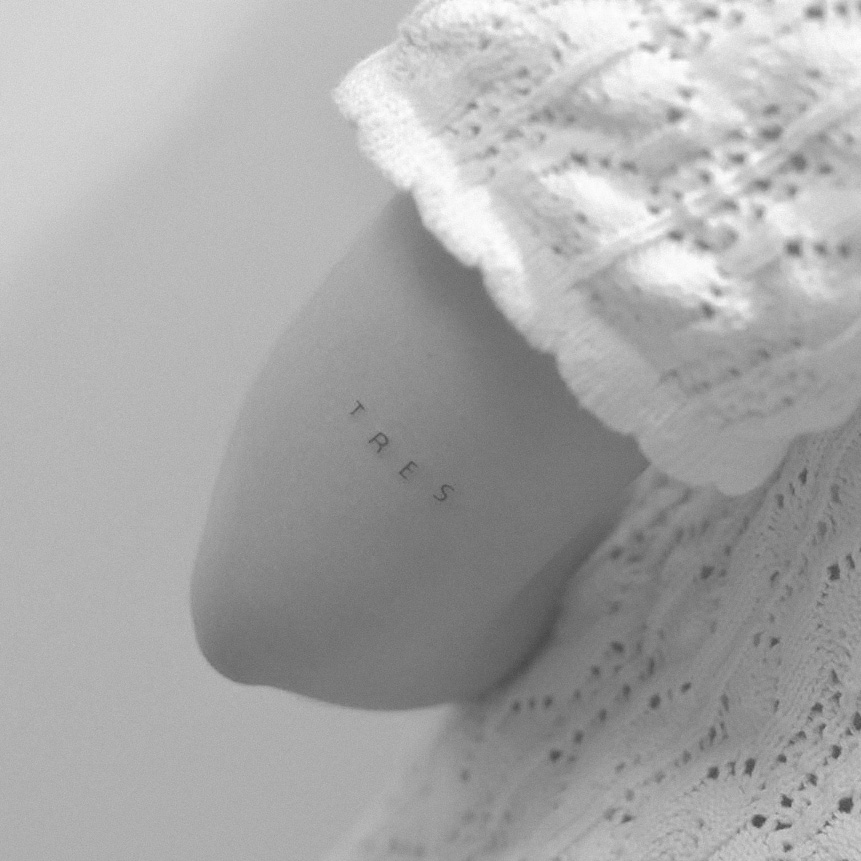
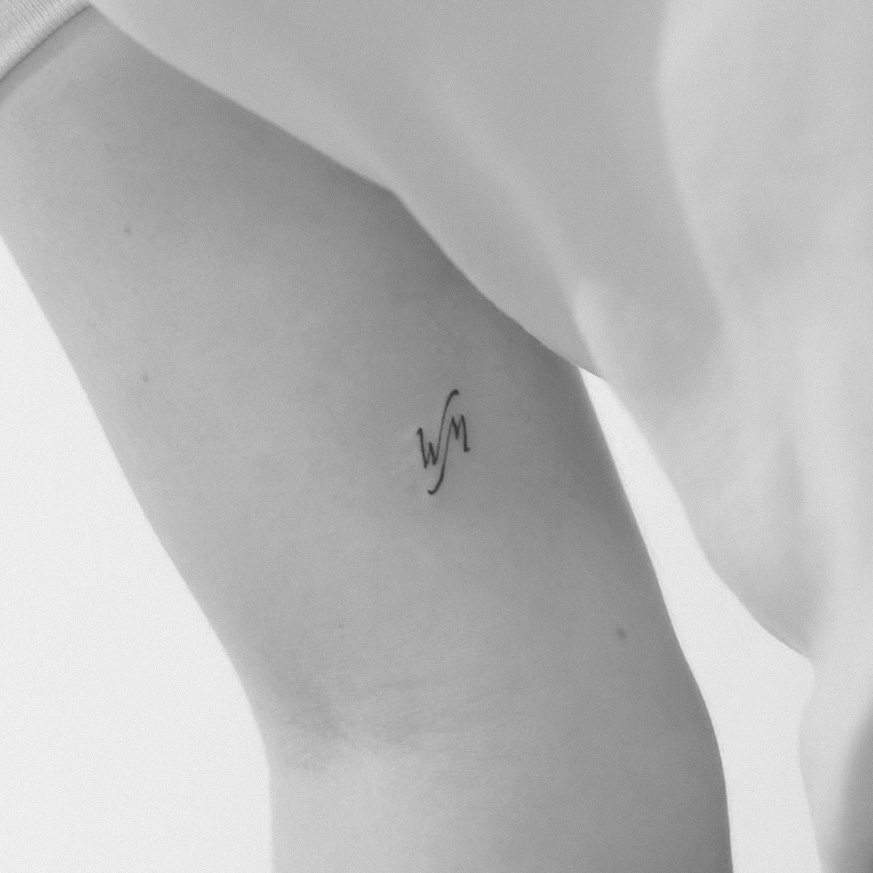
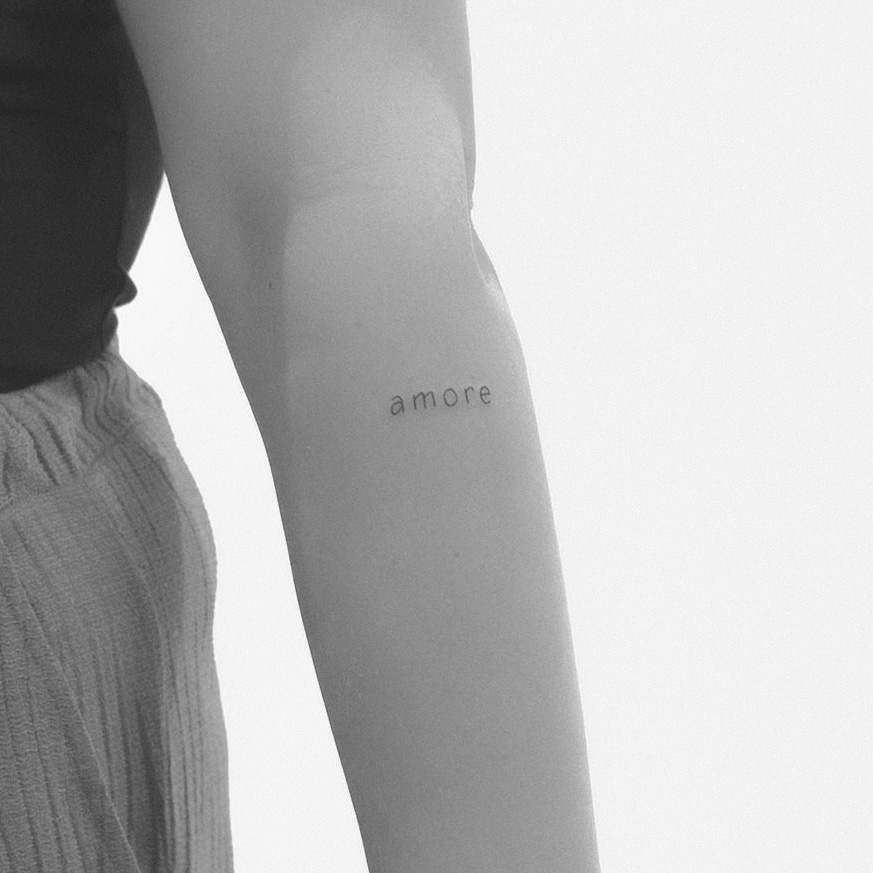
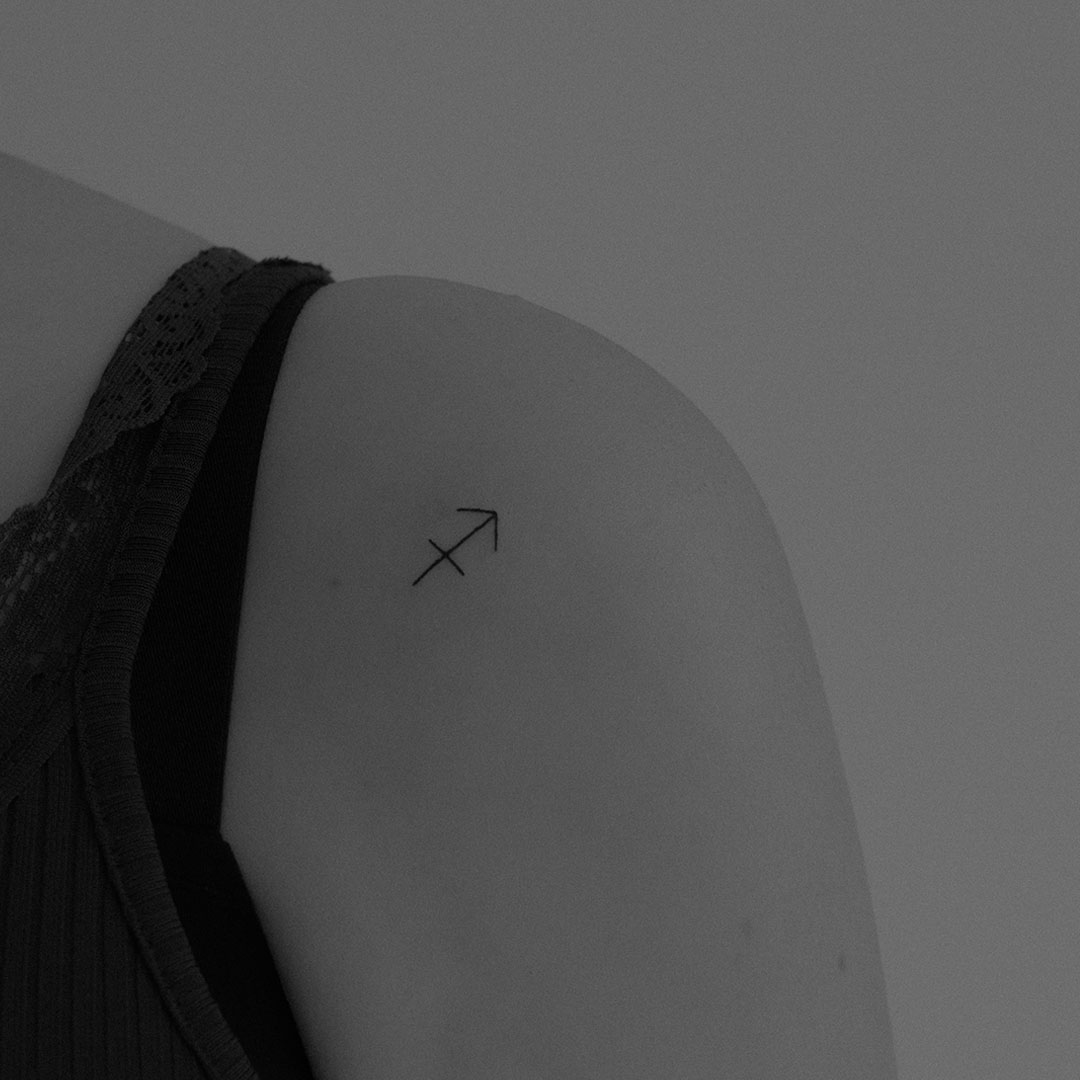
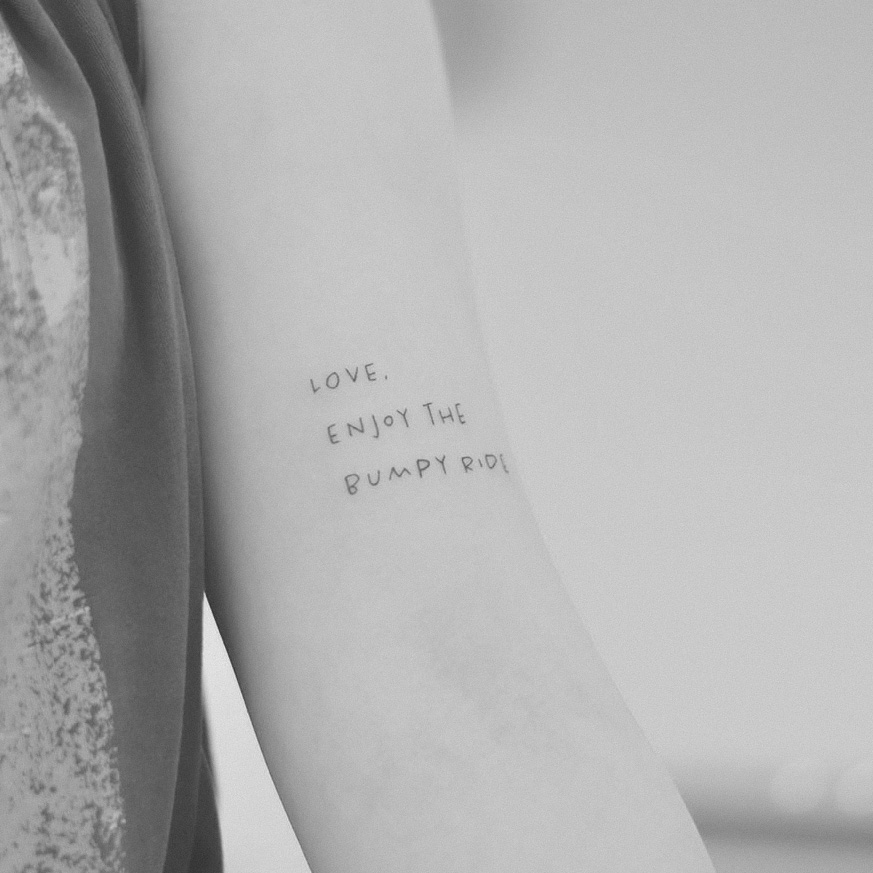
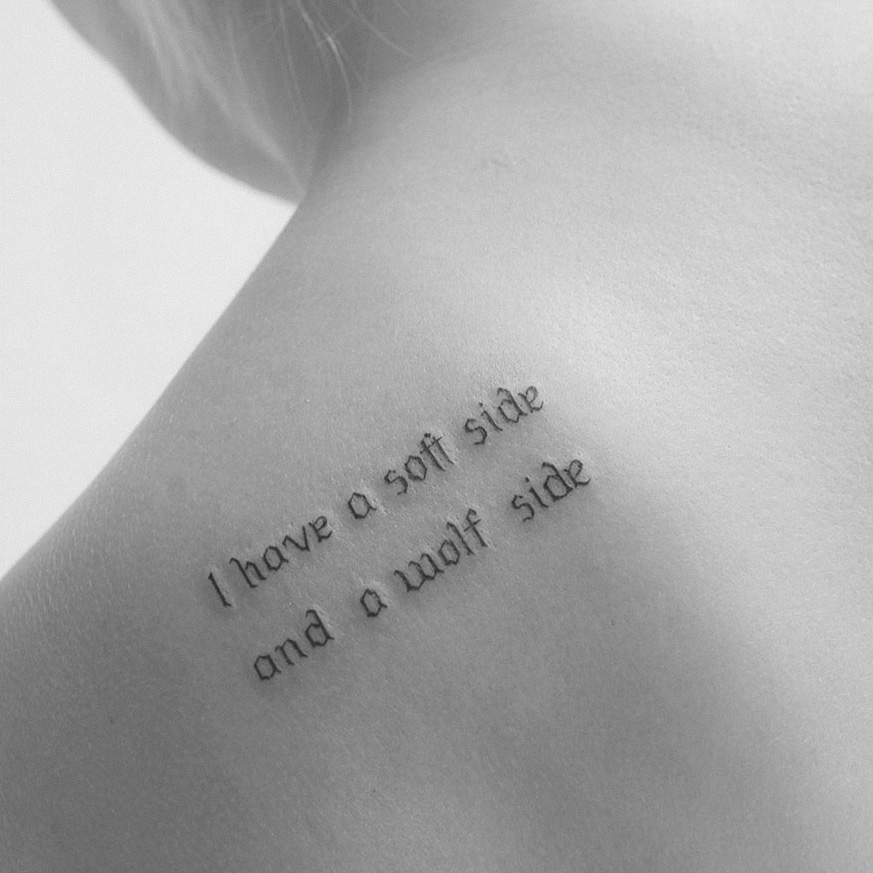
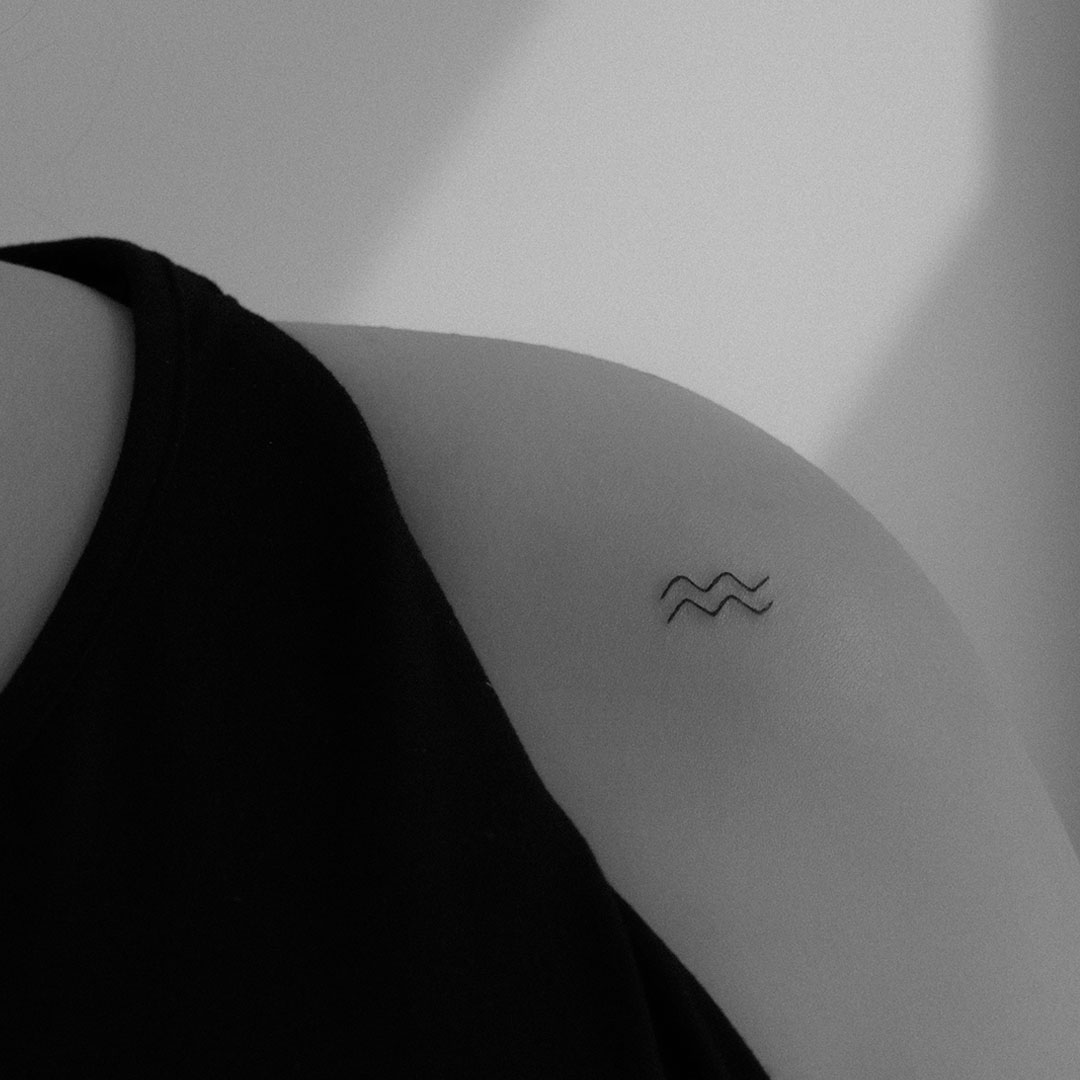
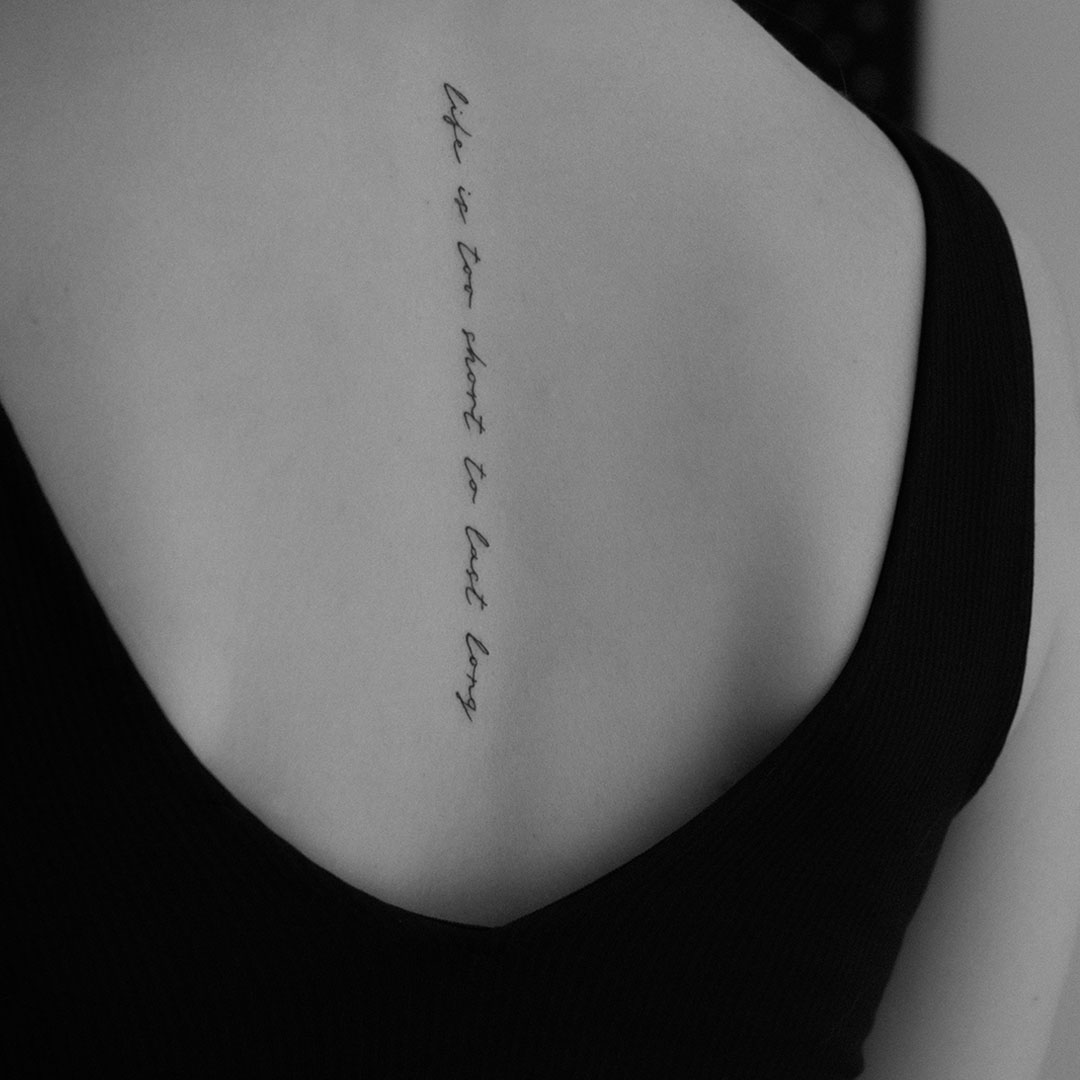
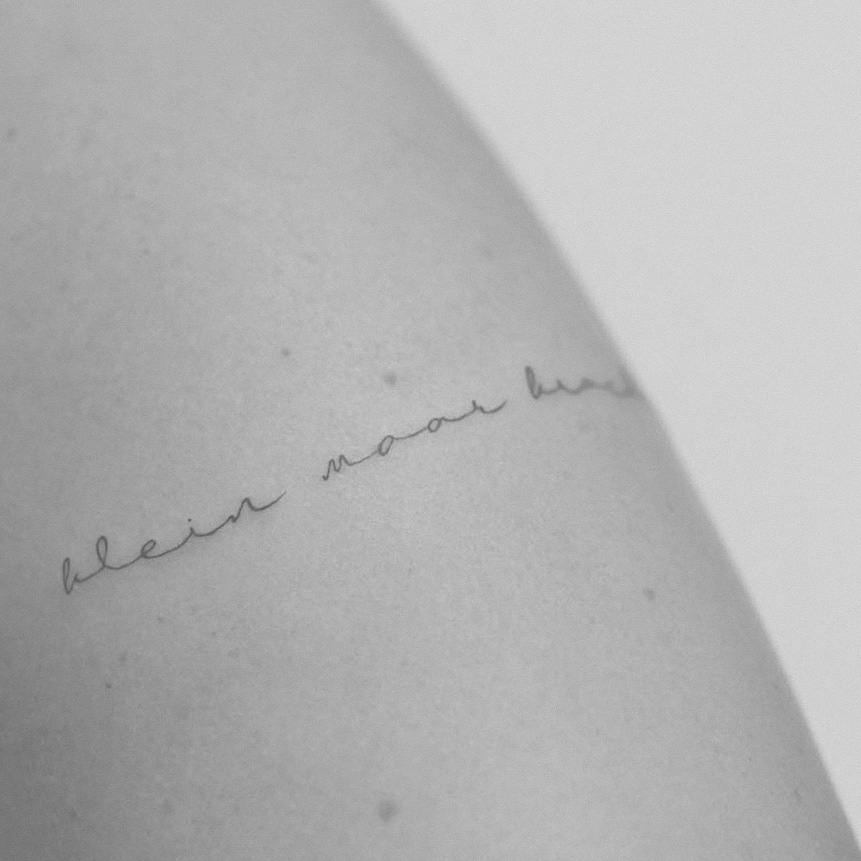
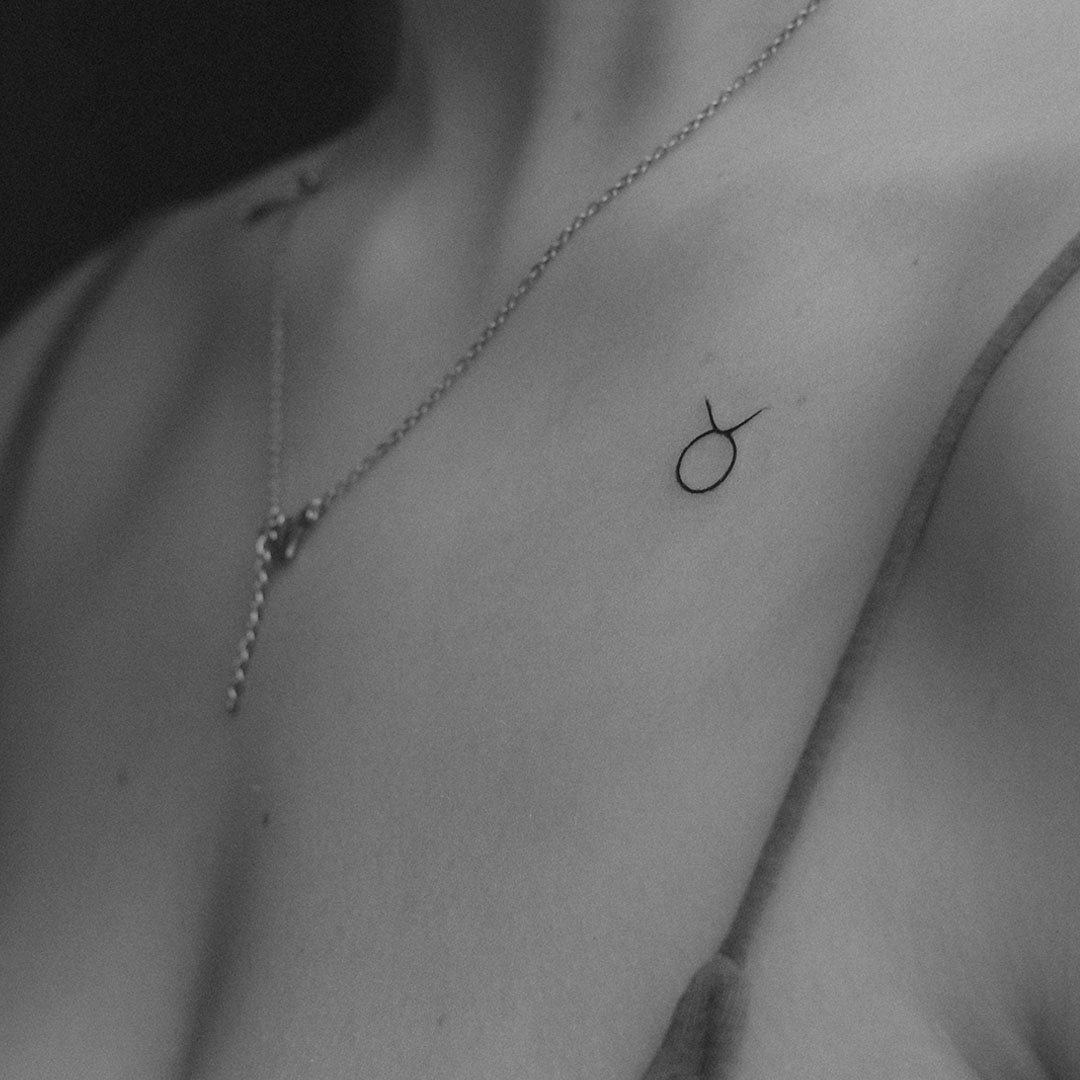
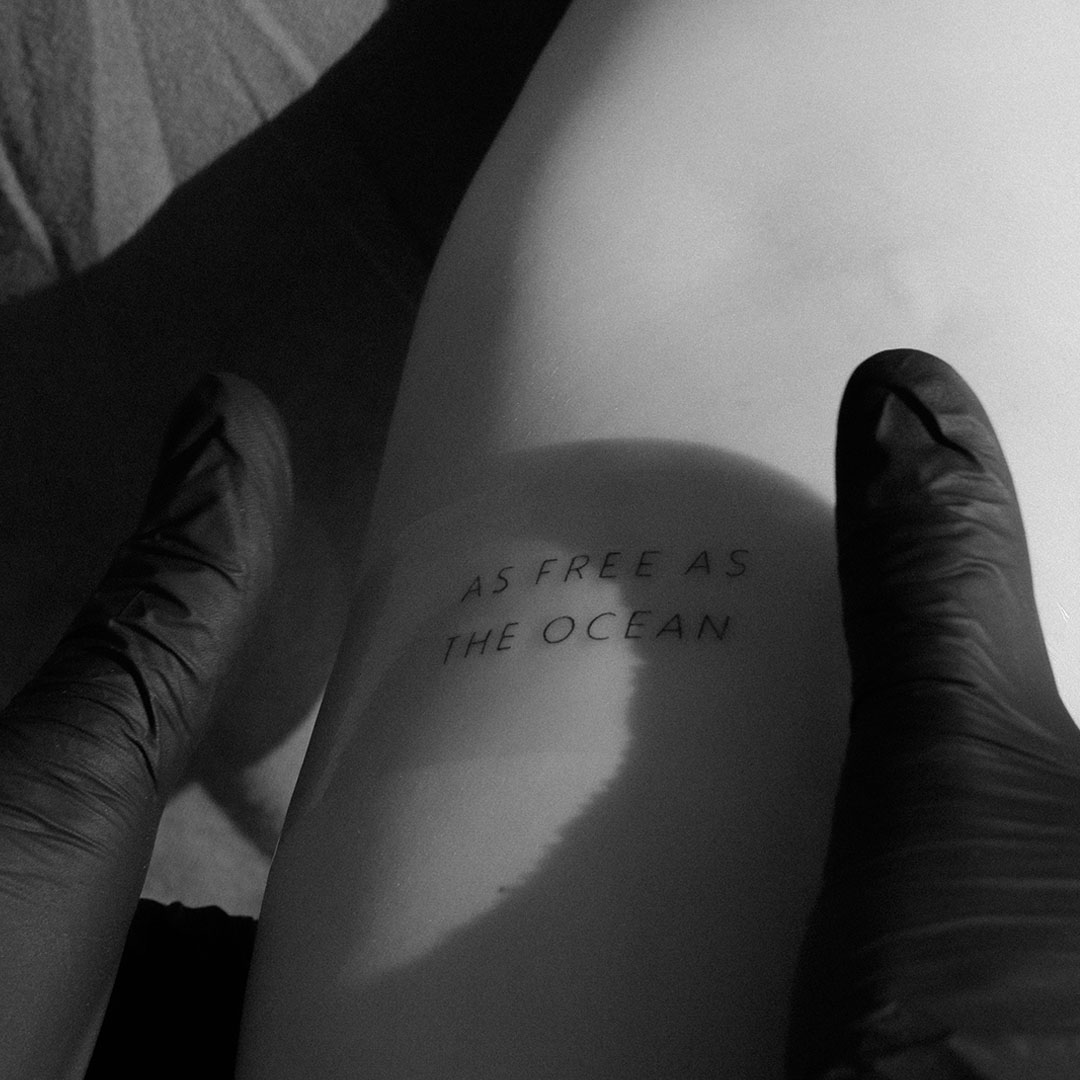
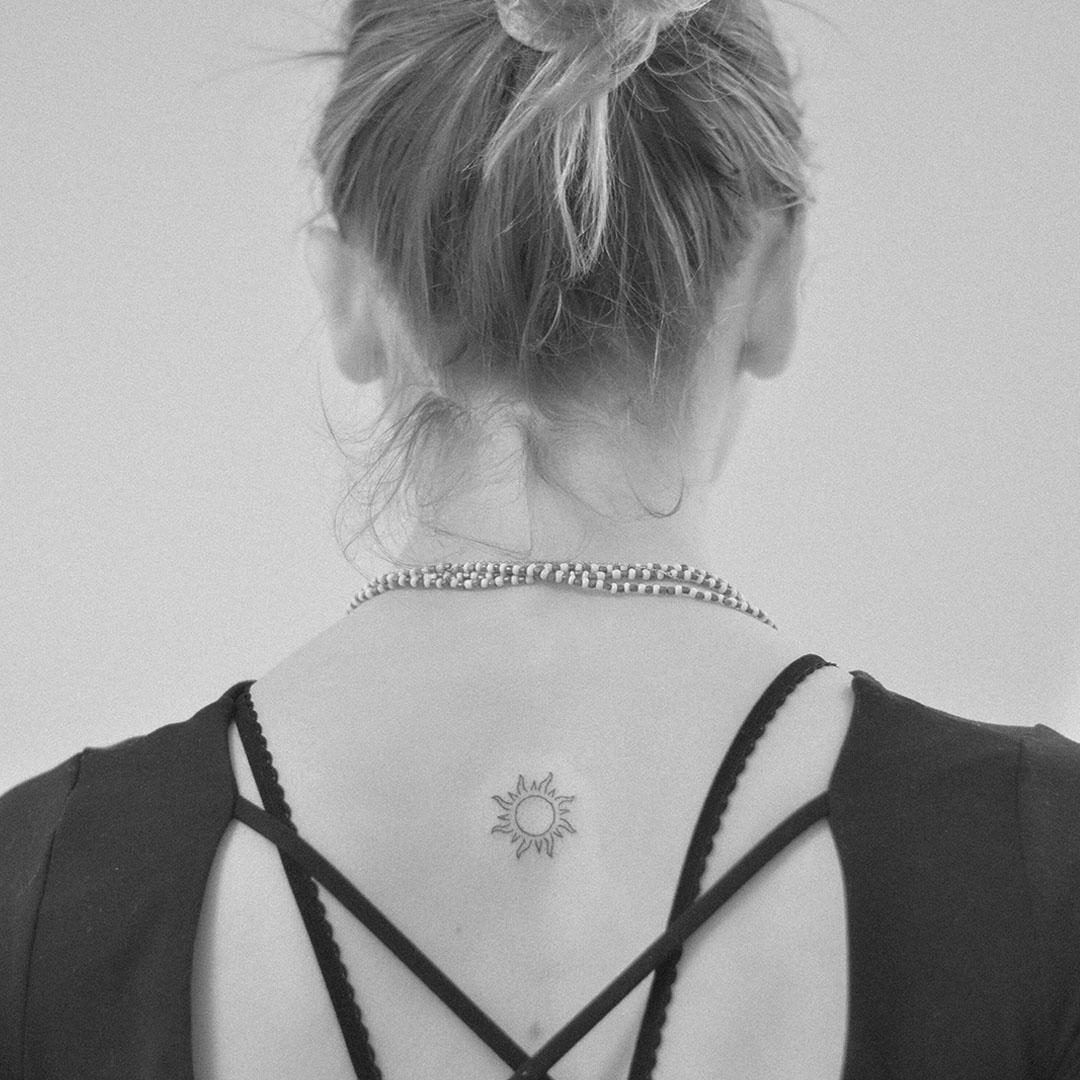
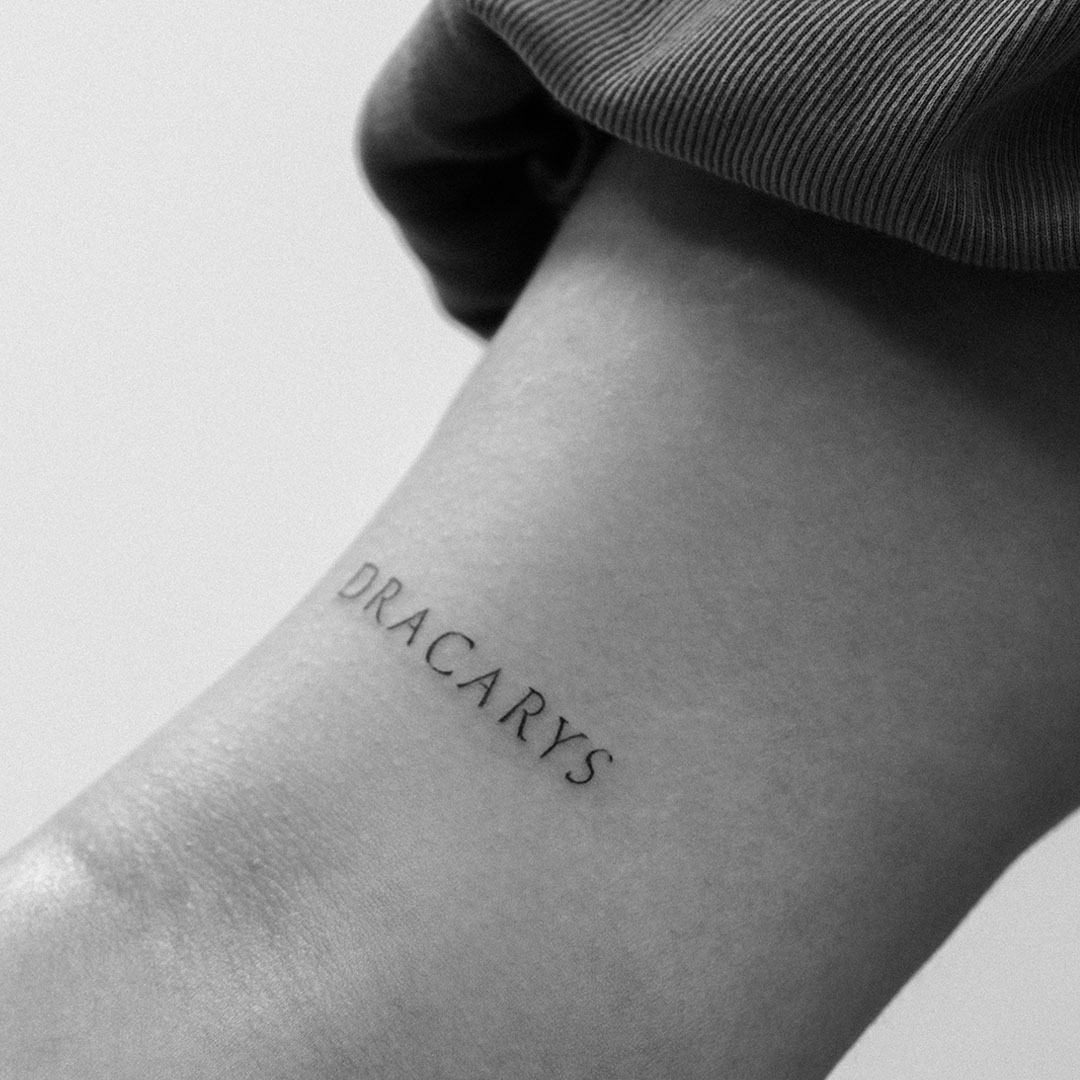
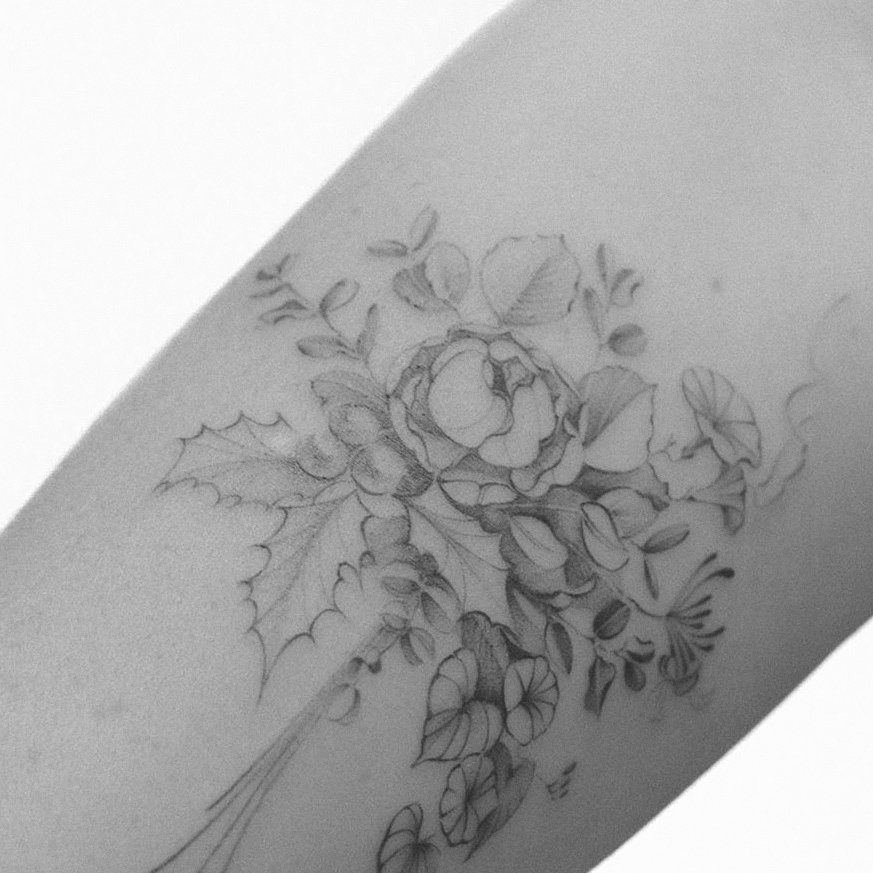
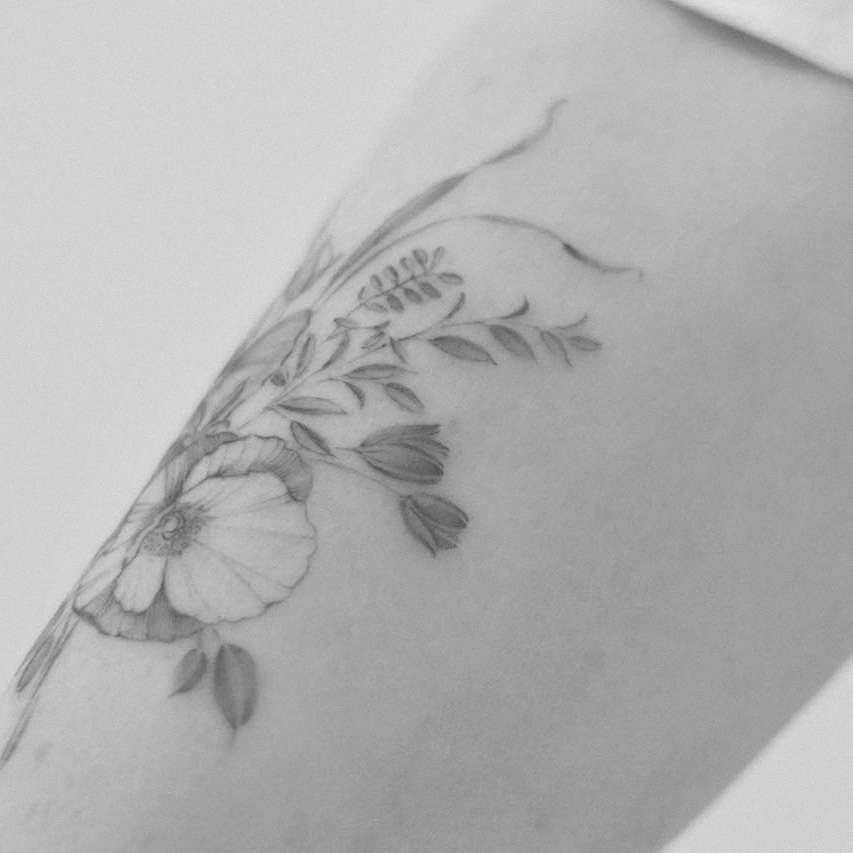
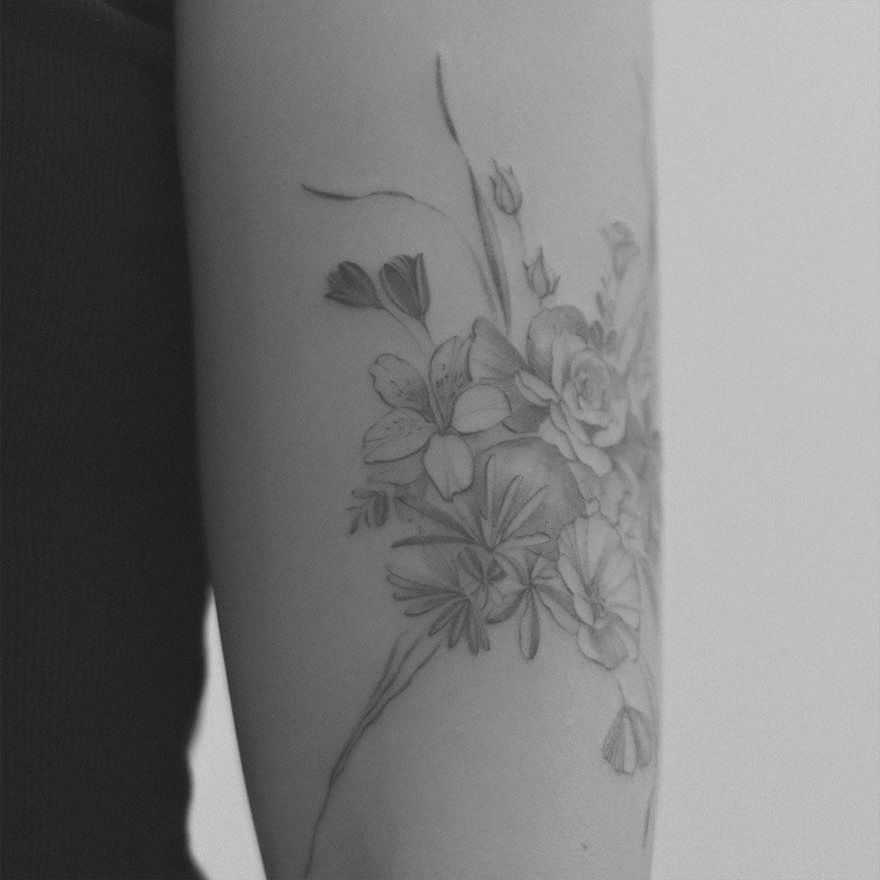
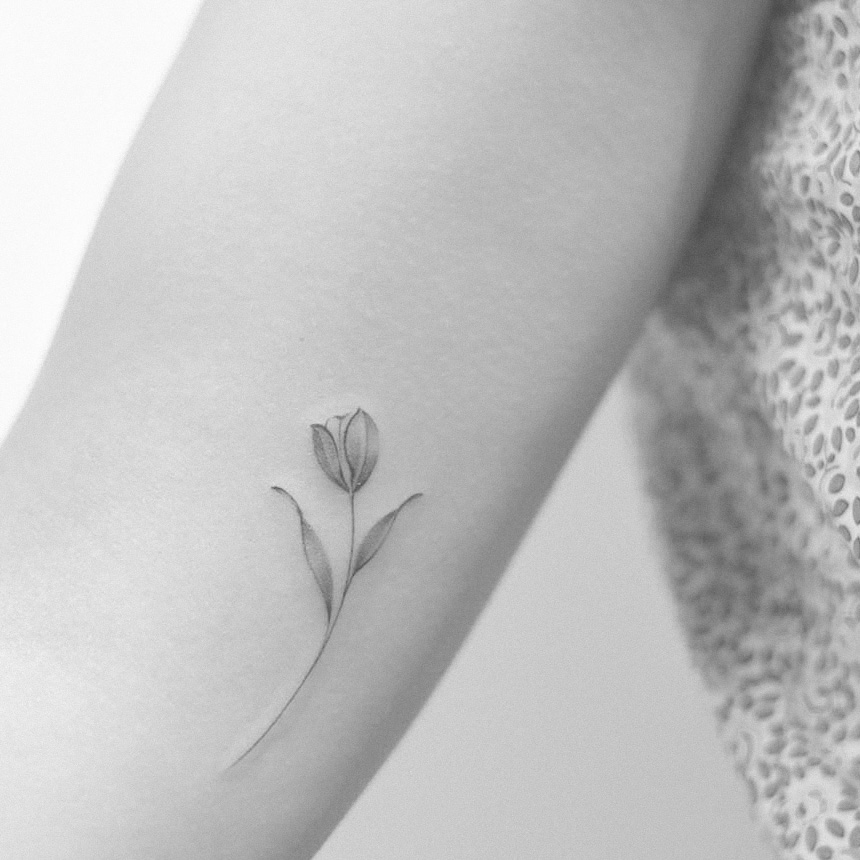
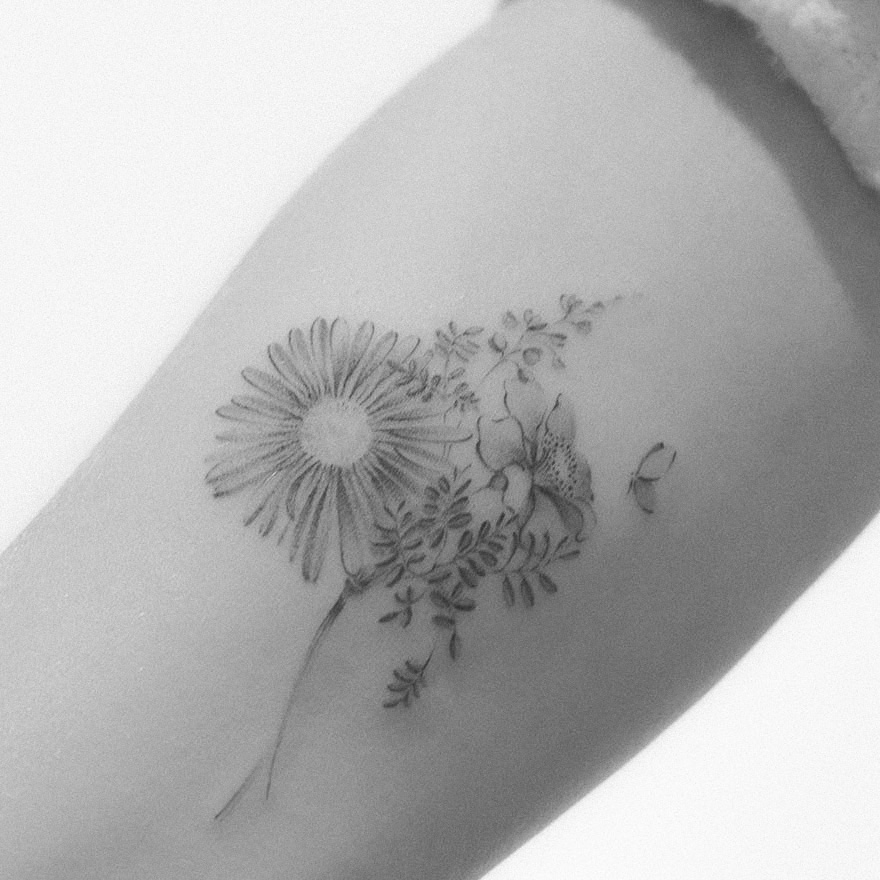
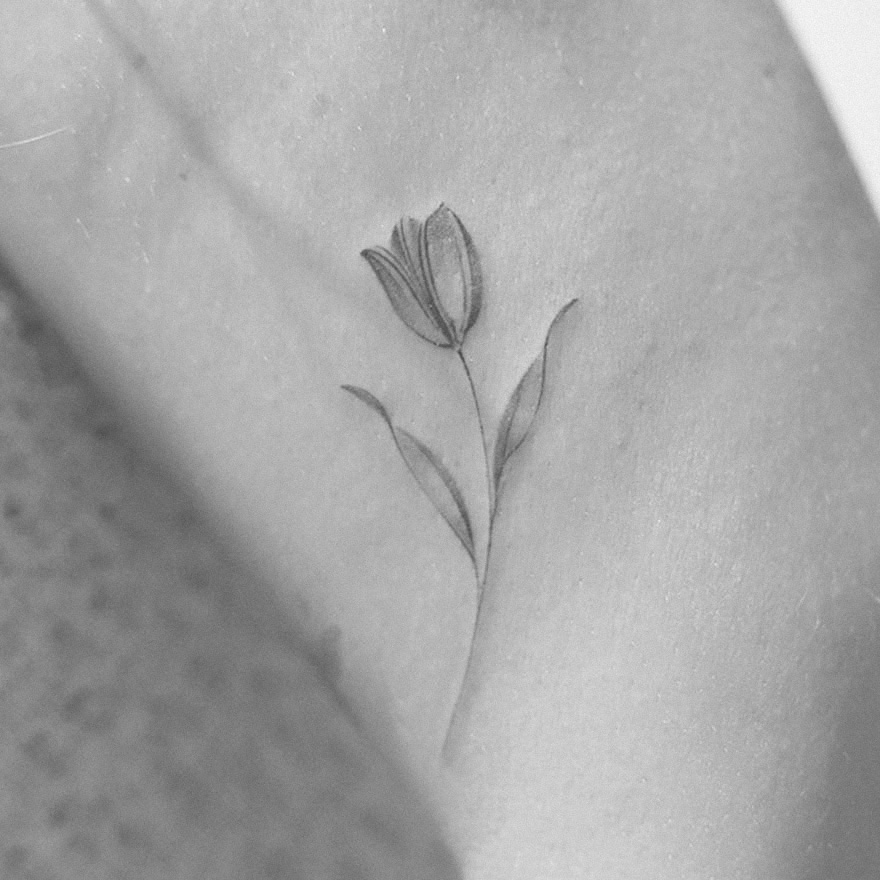
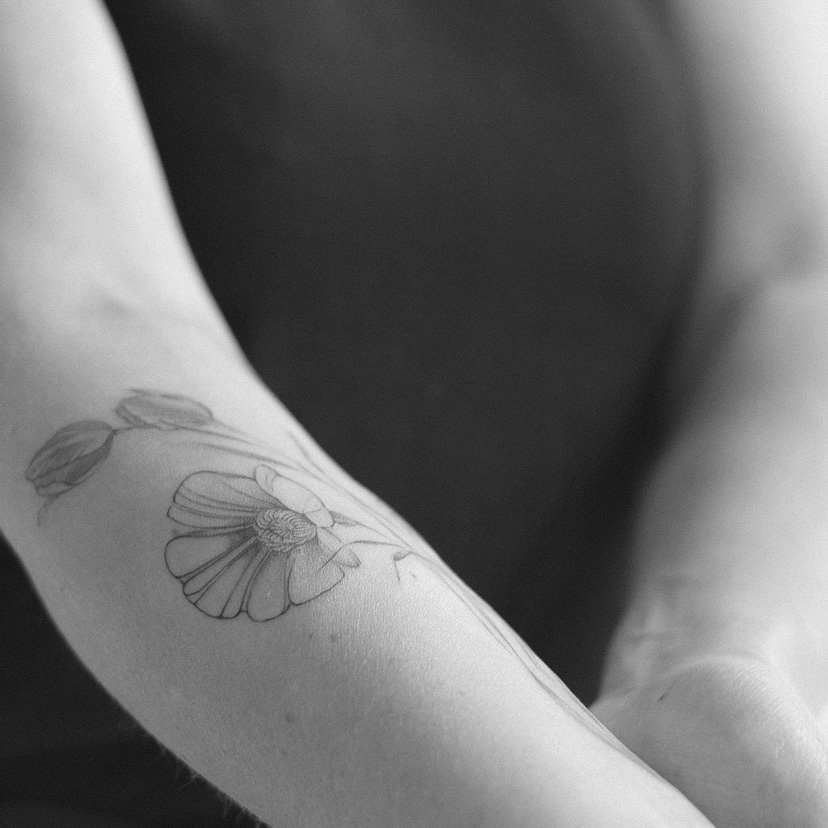
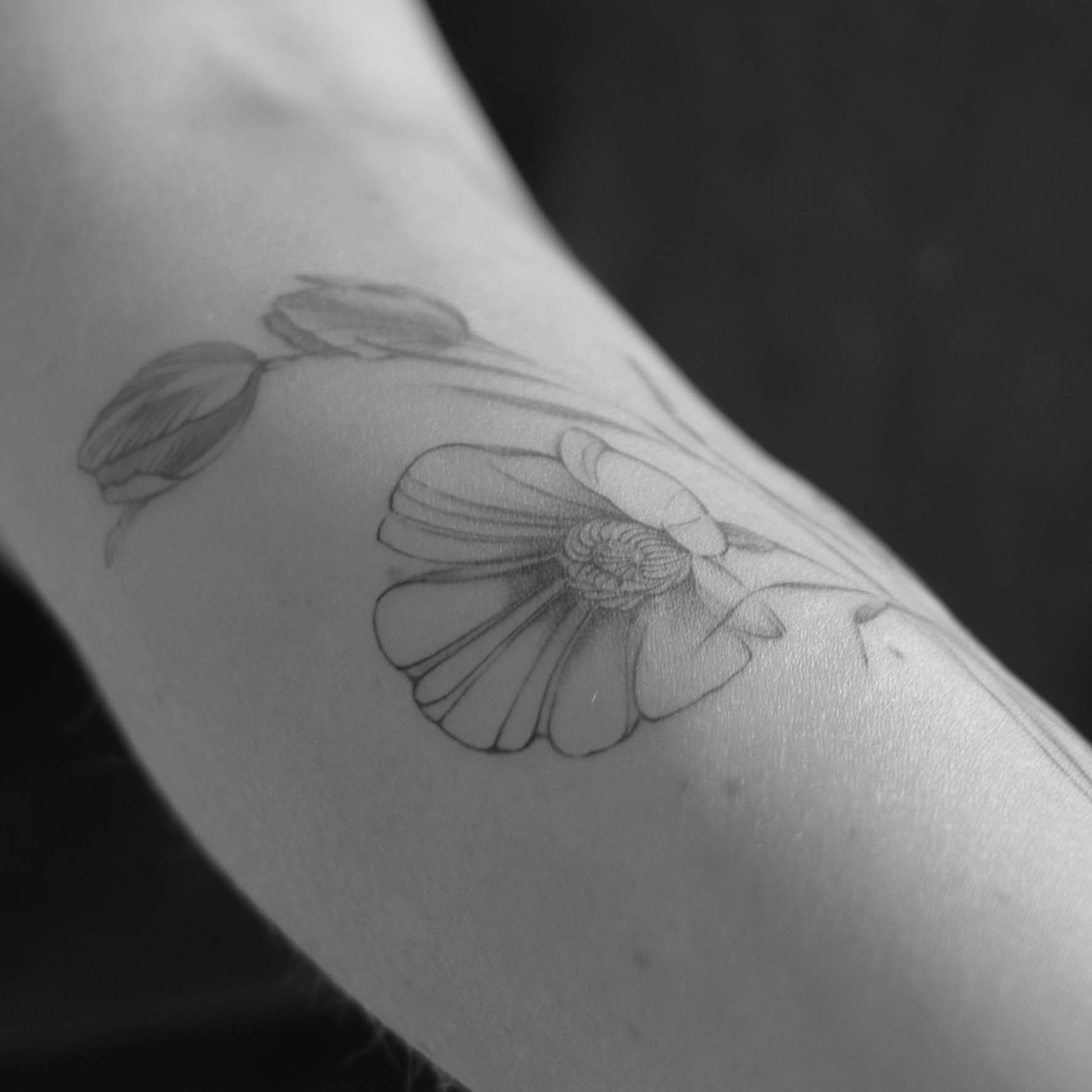
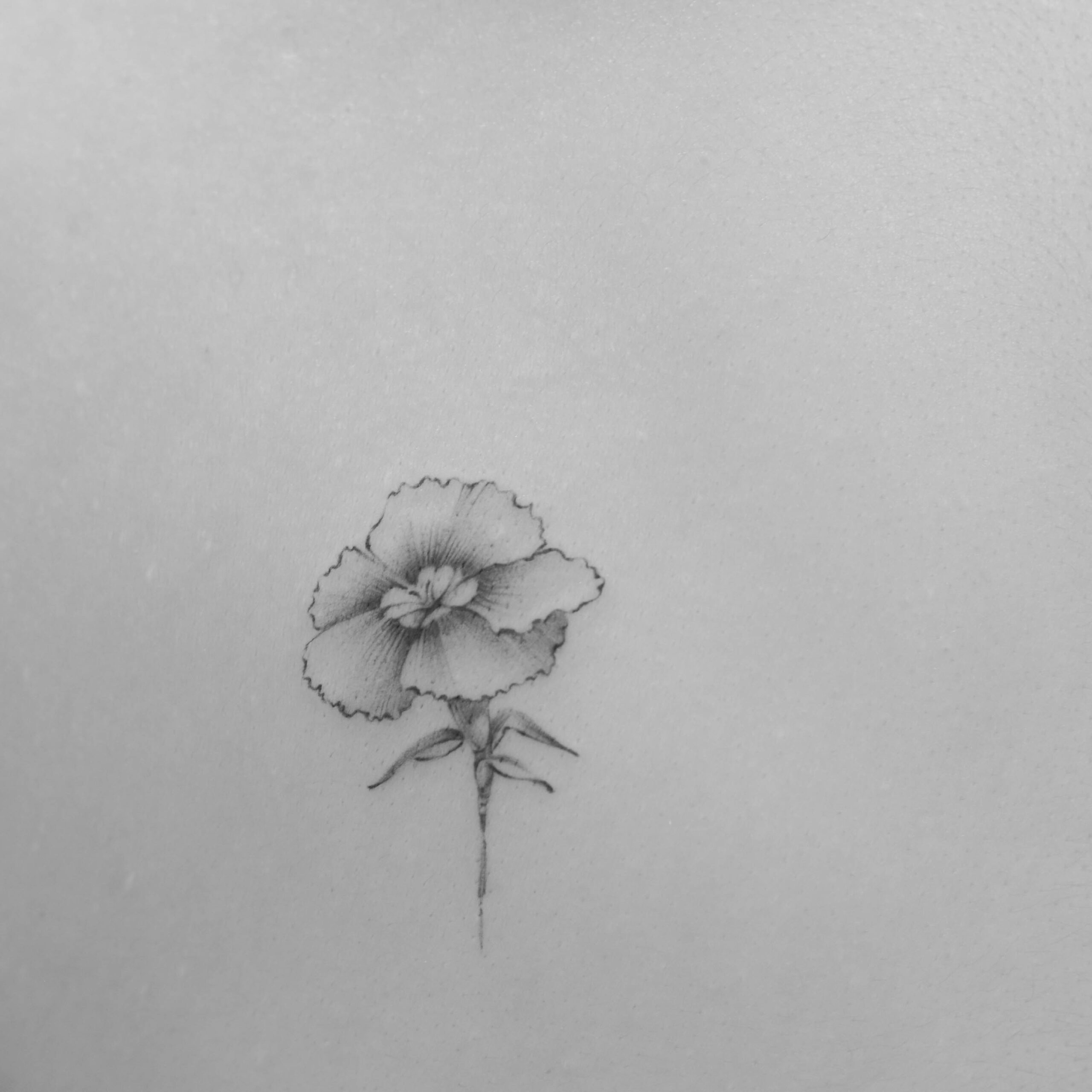
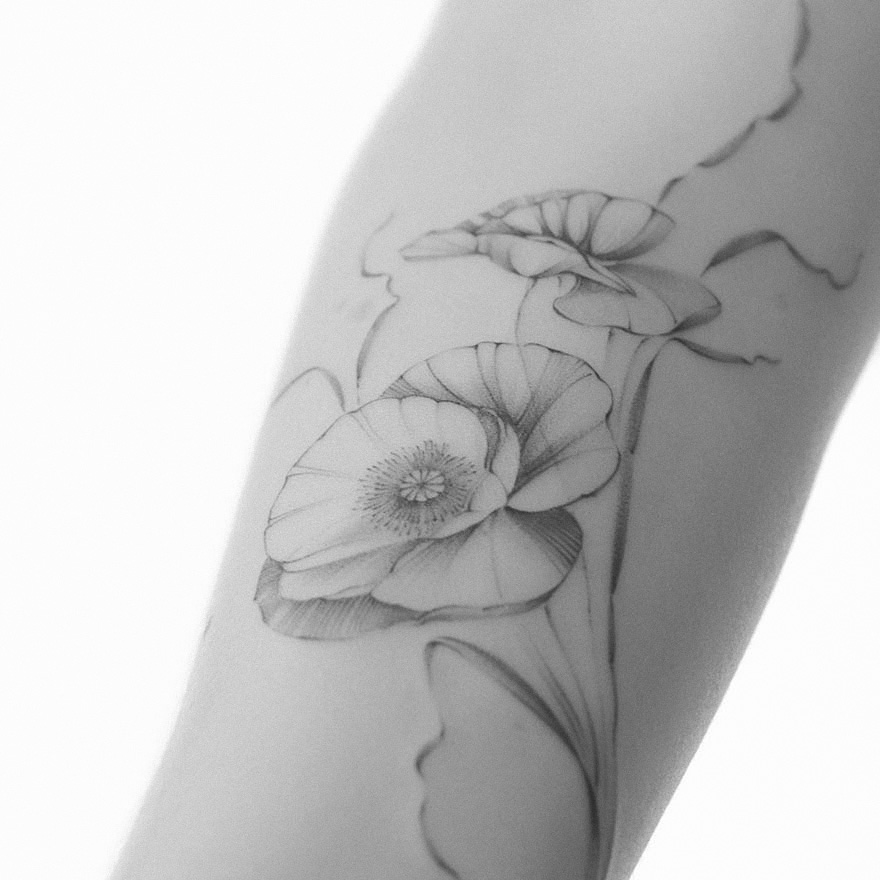
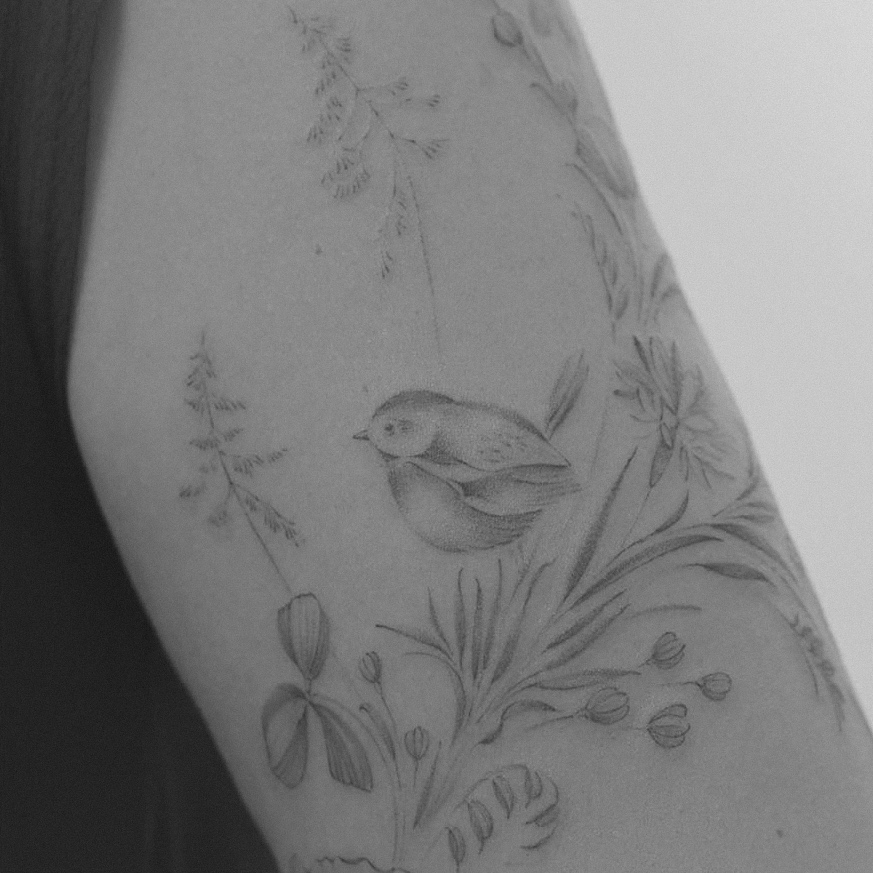
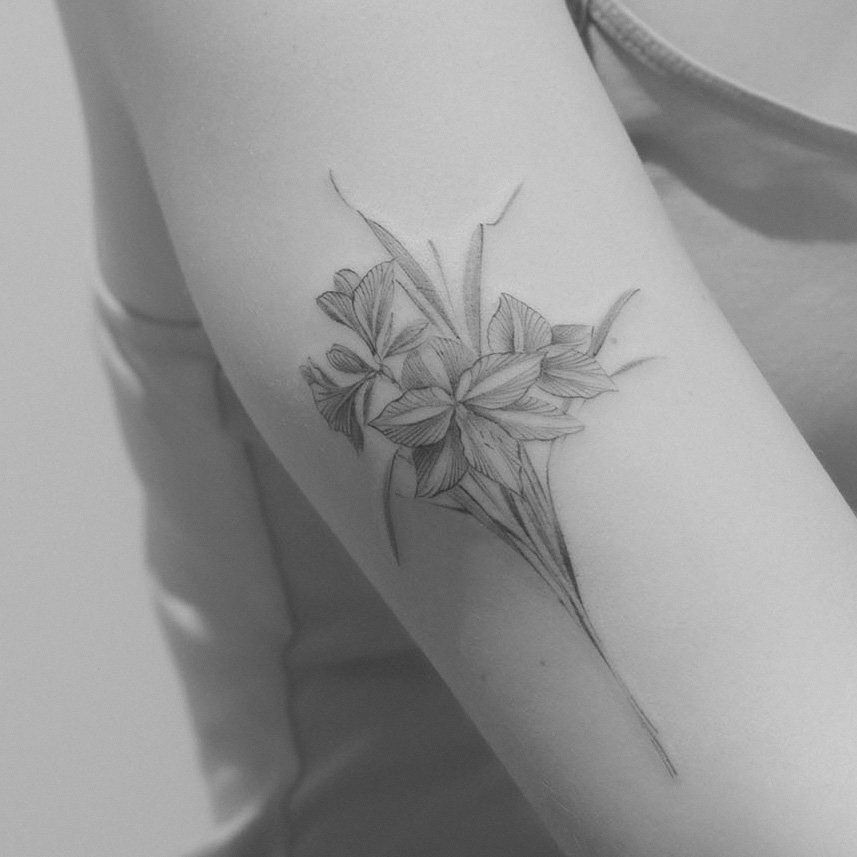
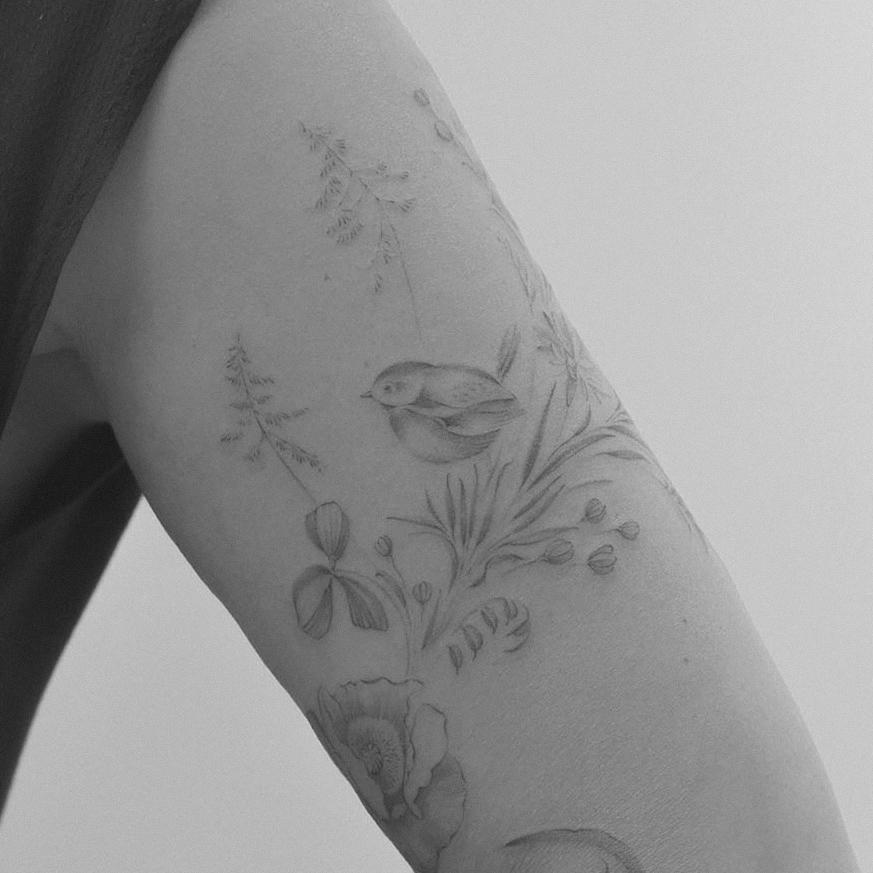
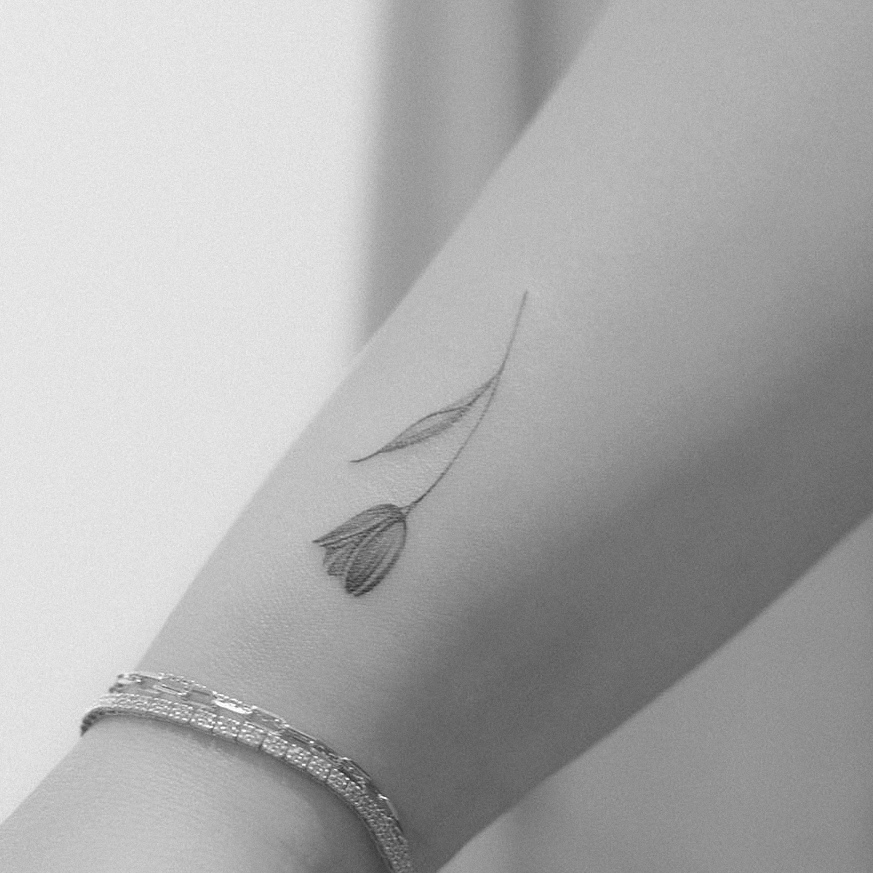
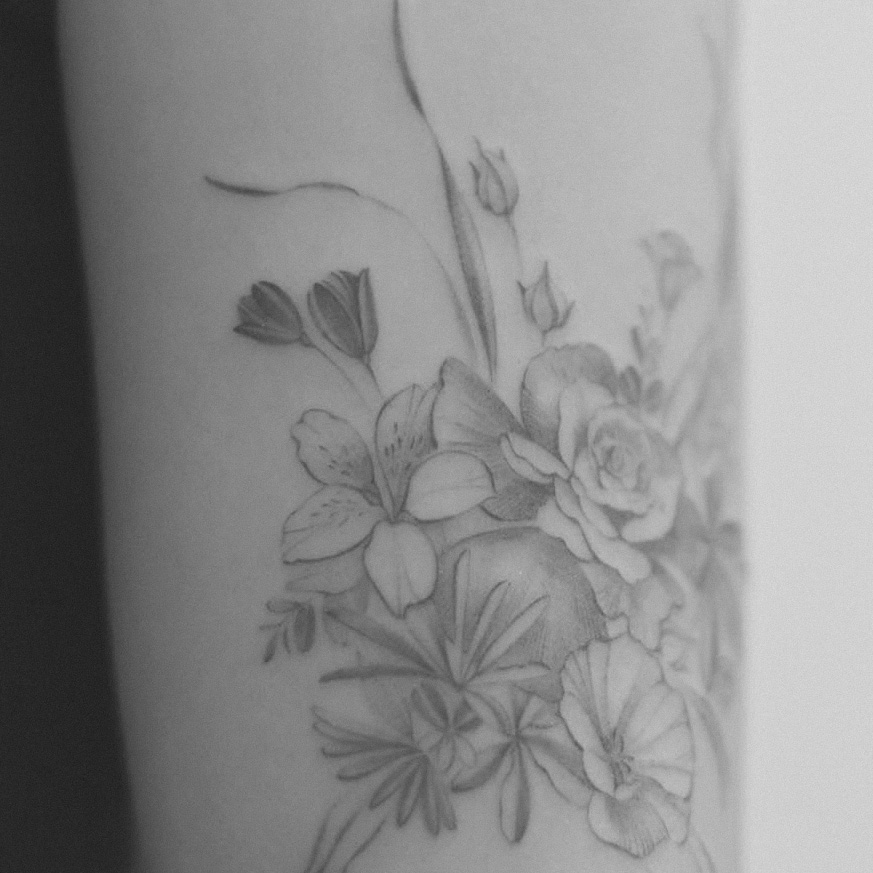
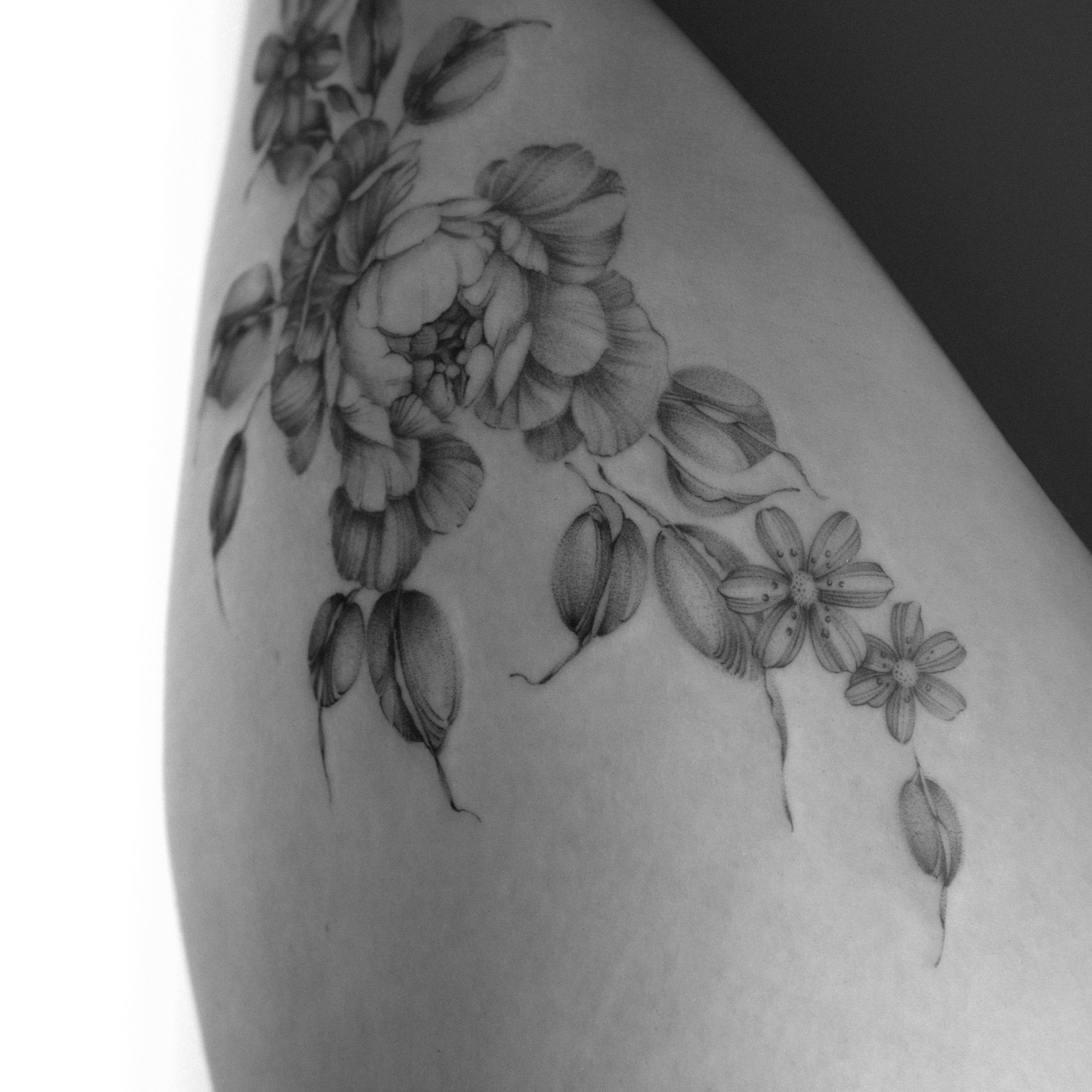
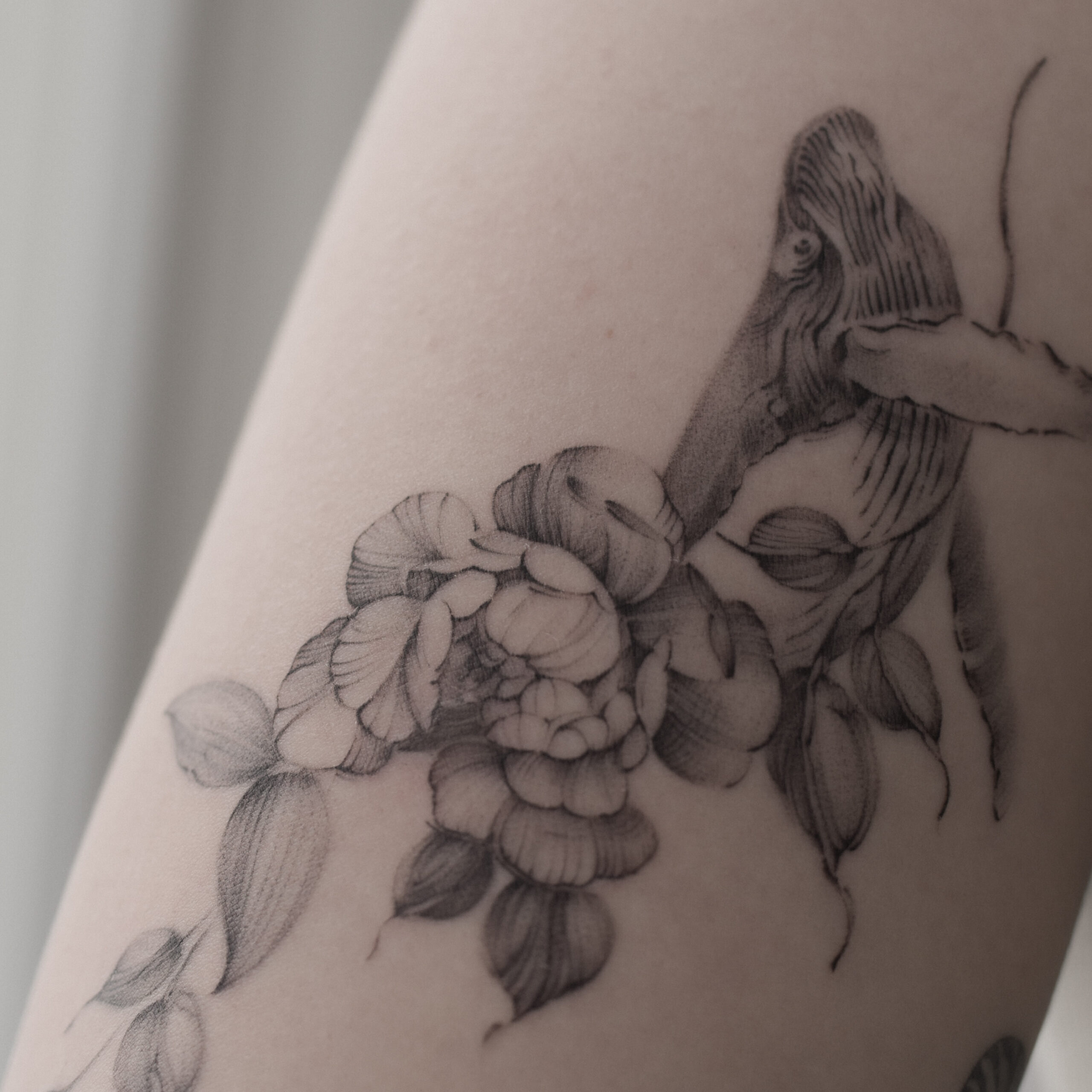
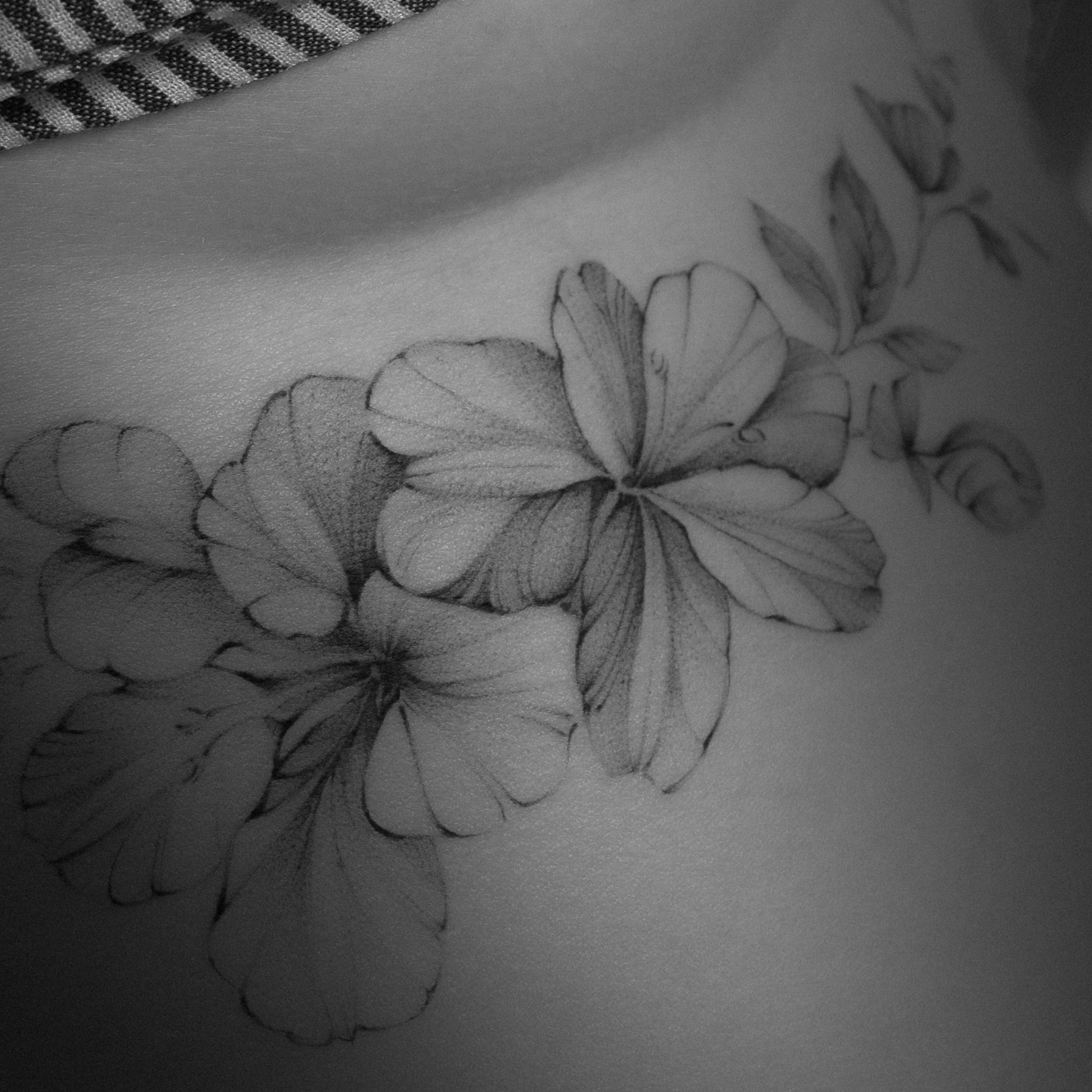
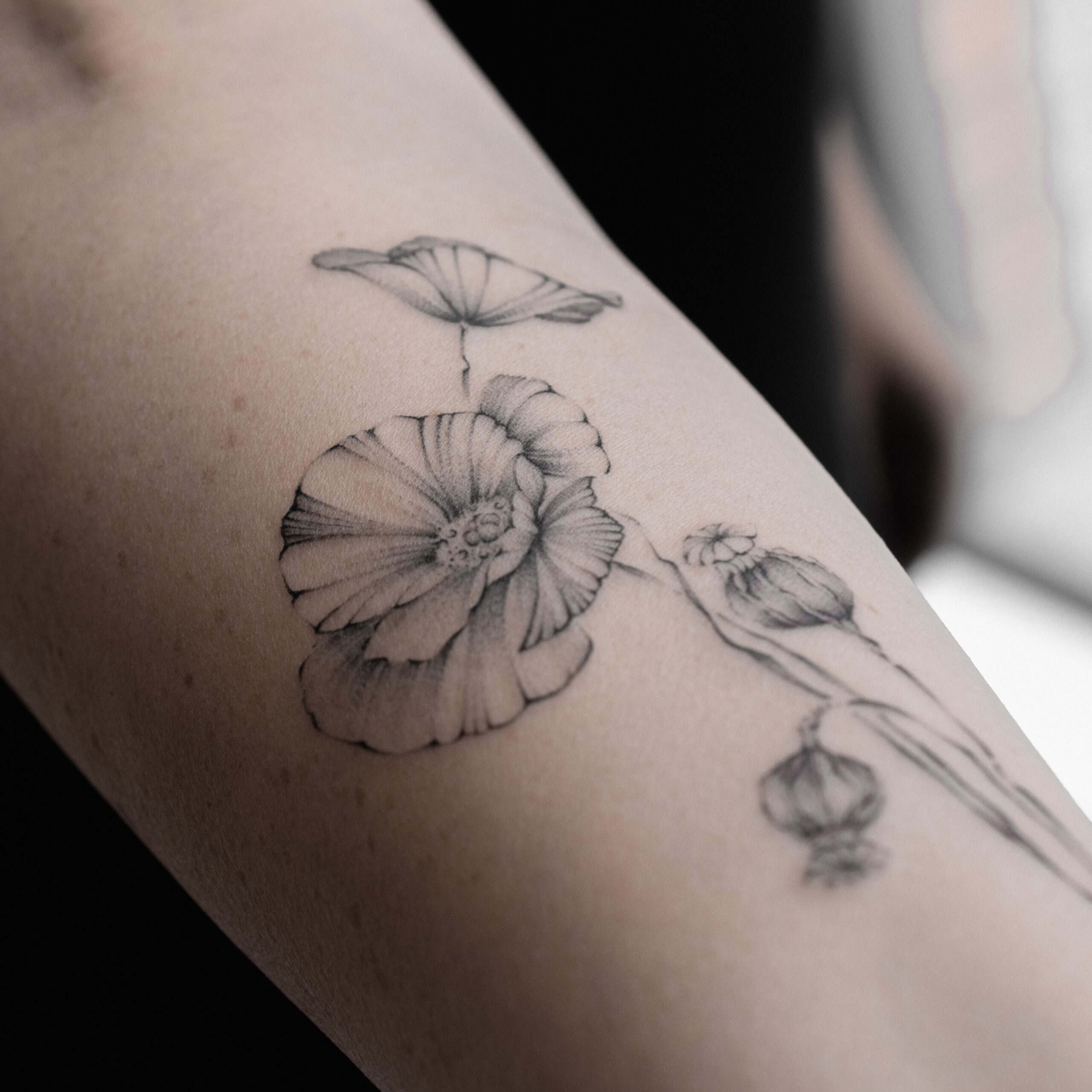
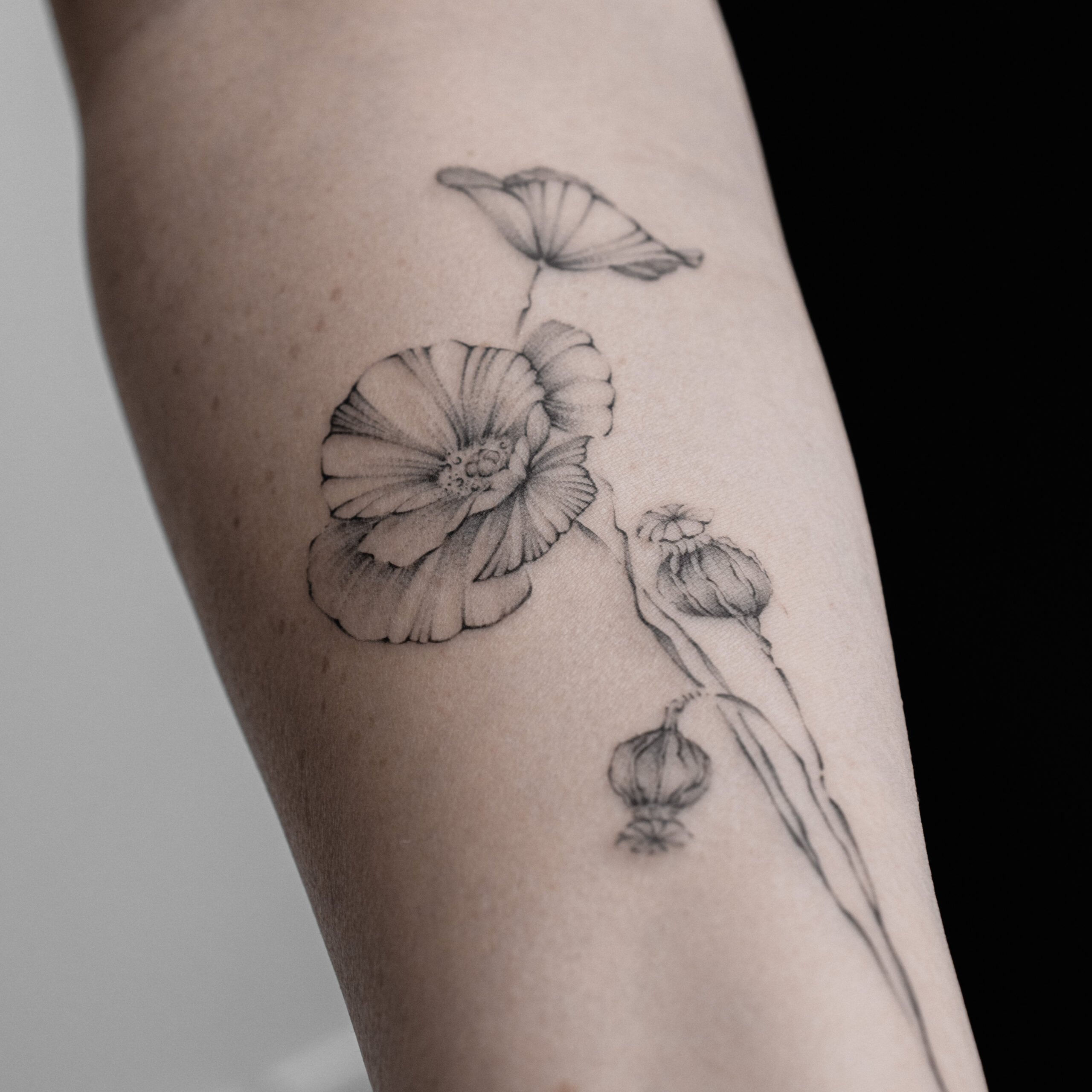
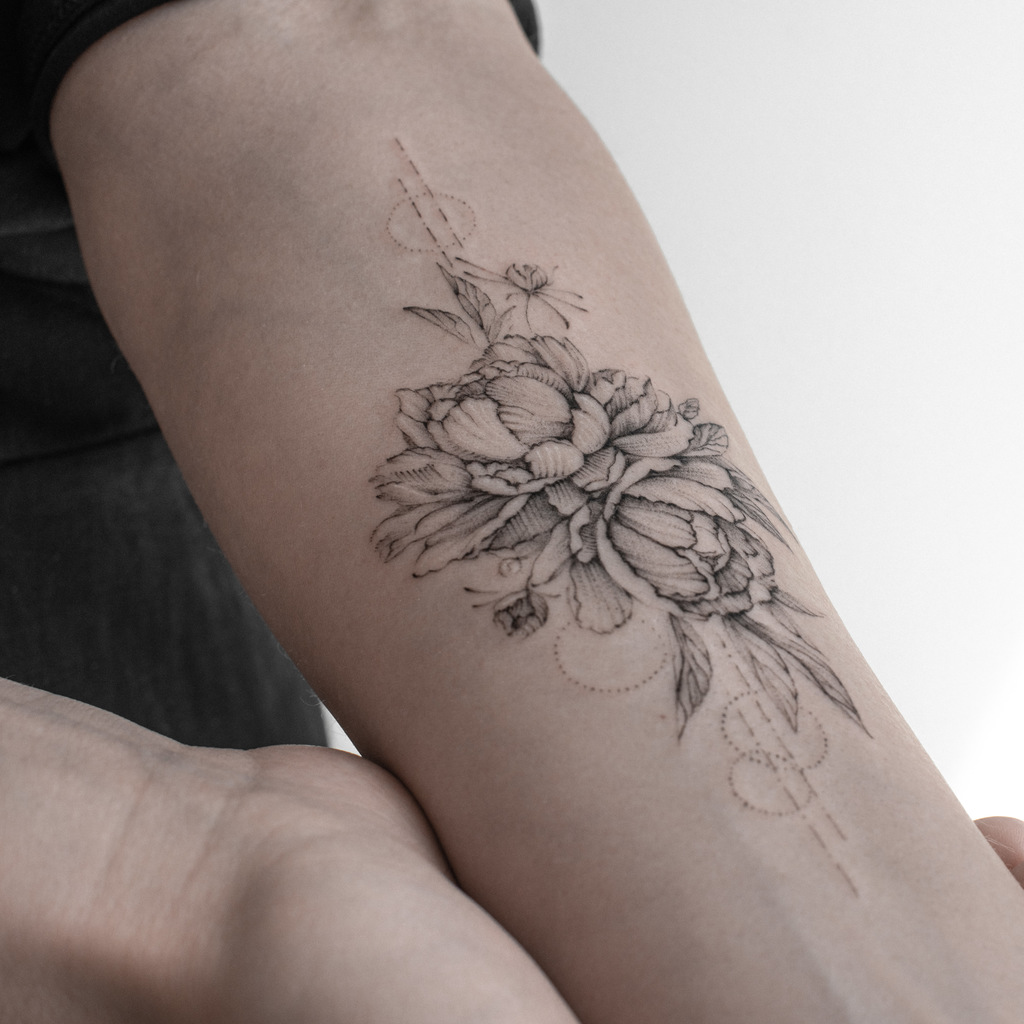
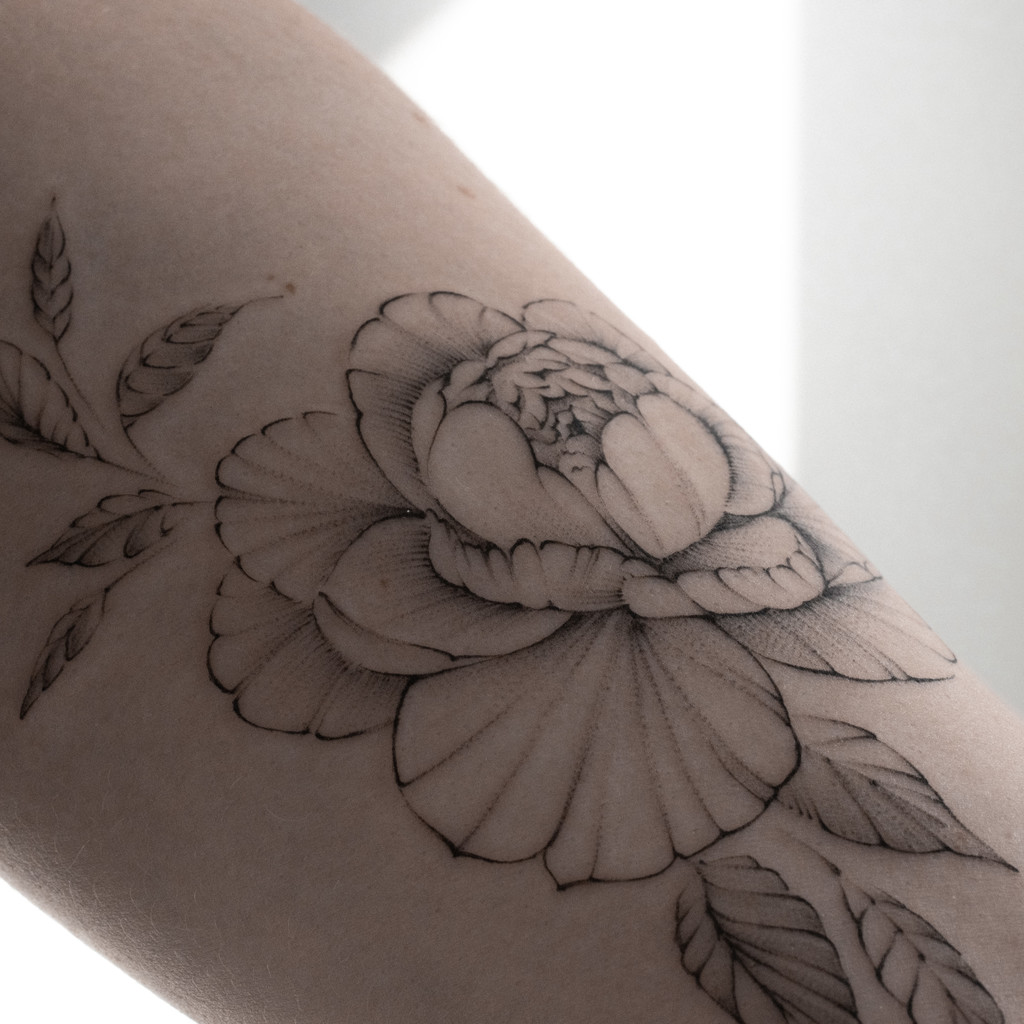
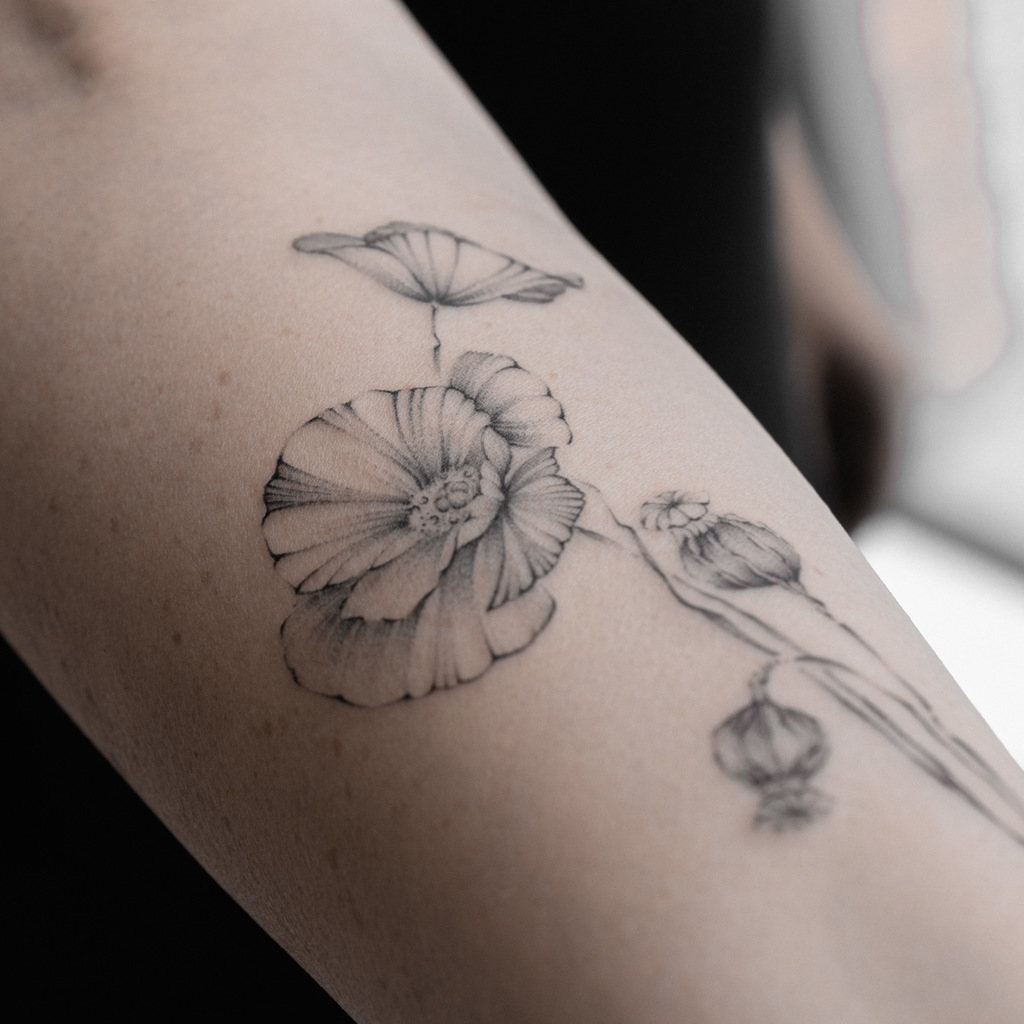
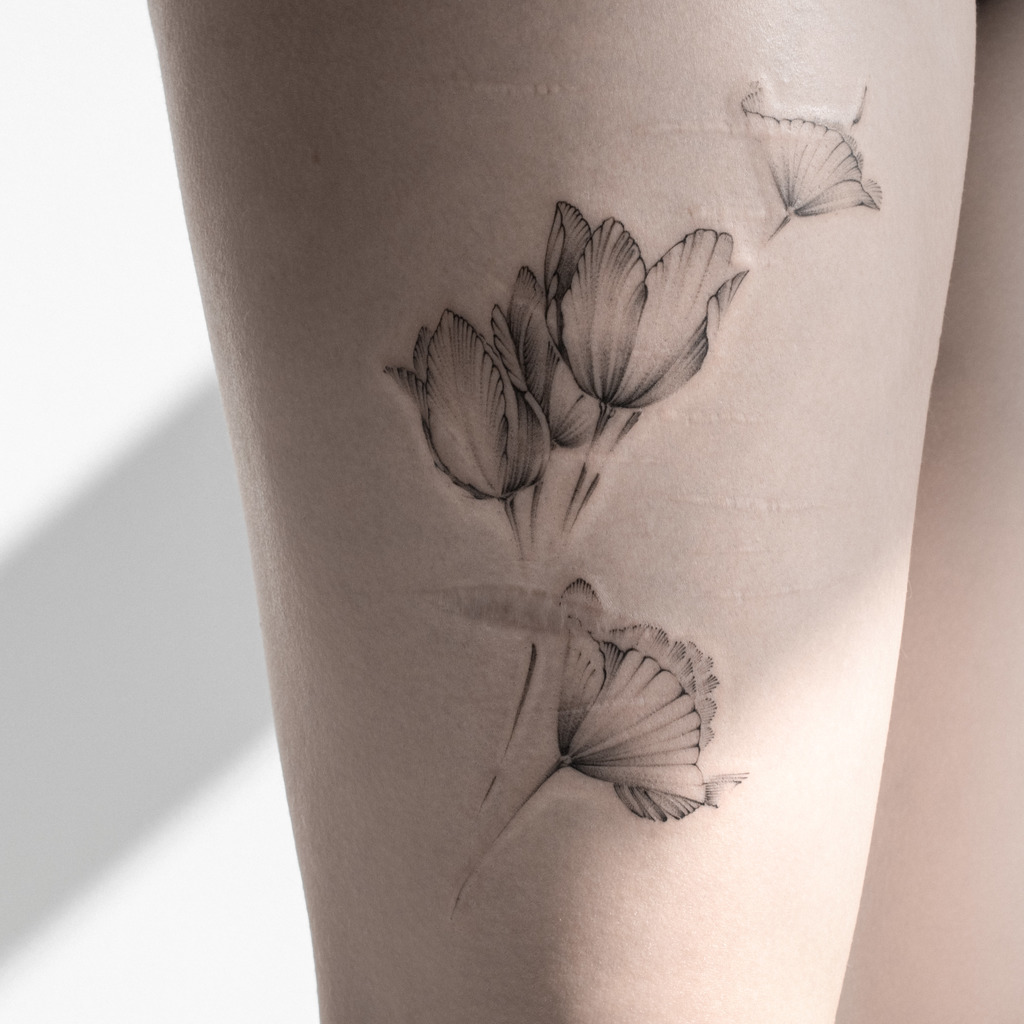
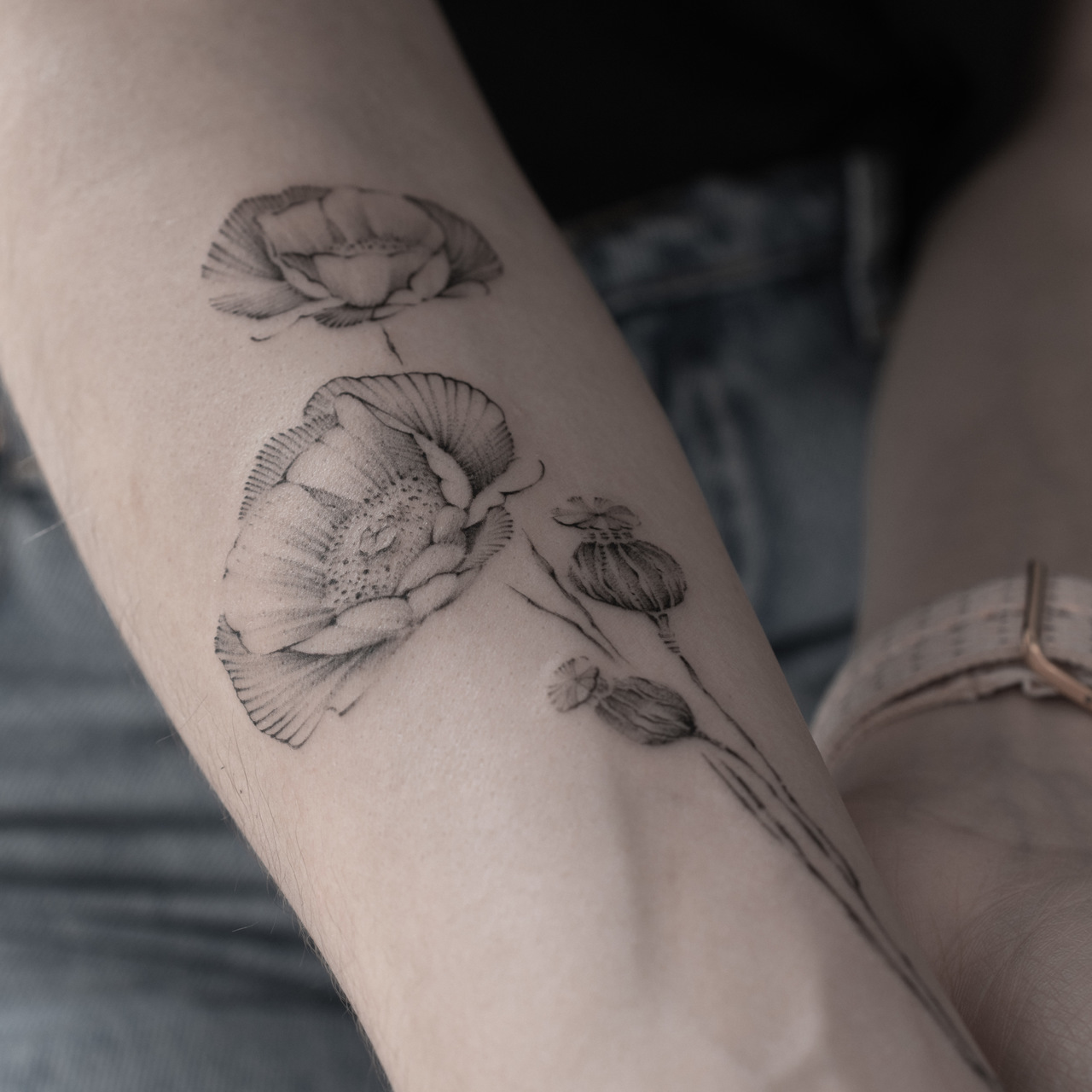
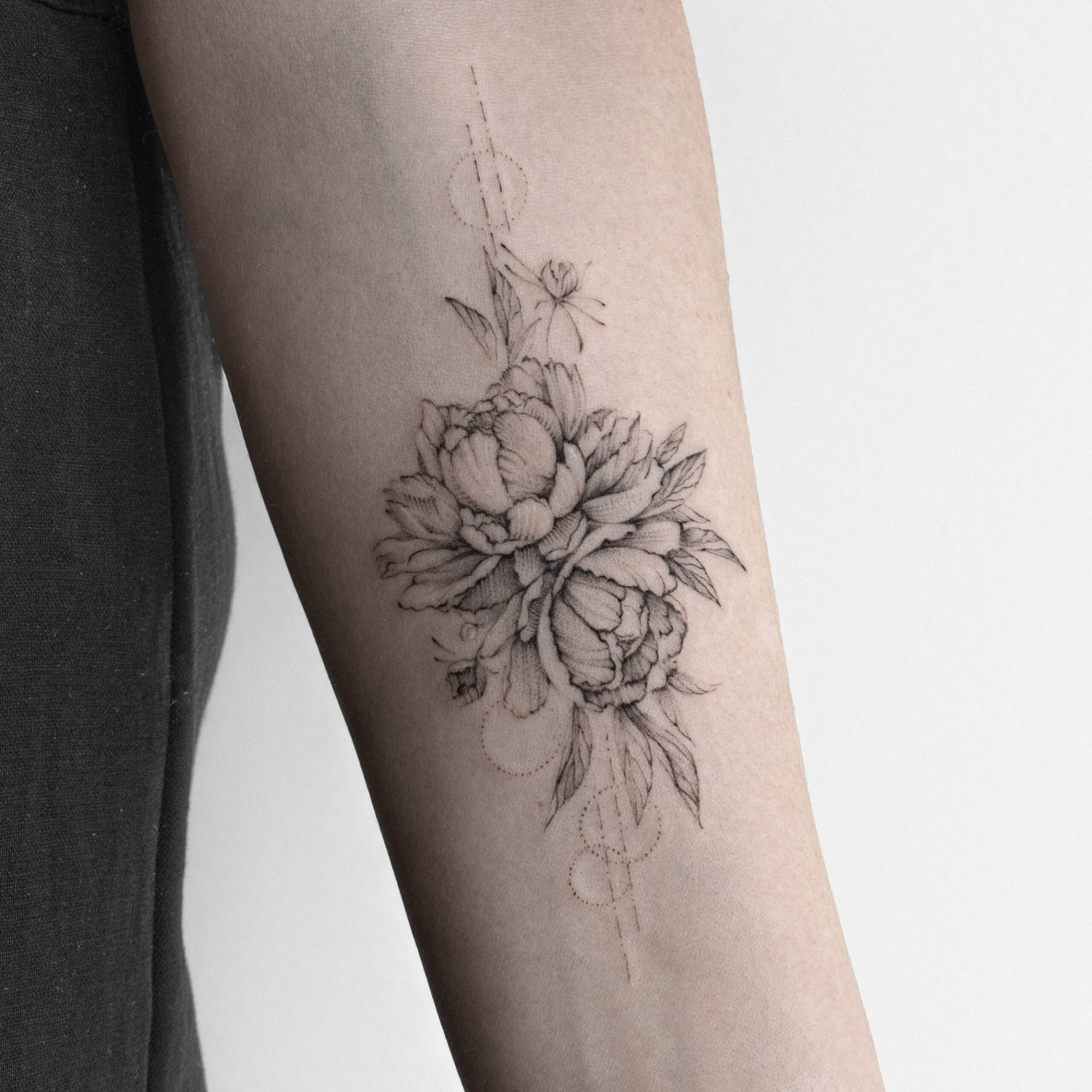
Modern tattooing naturally exists in a completely different world than the one Ötzi knew. Today there are advanced machines, refined pigments, and highly specialized techniques like fine line tattooing. But despite all the technological differences, the essential idea remains strangely close to the beginning. A person decides that something matters enough to carry physically. That core gesture has survived thousands of years.
The Vadelma Perspective
At Vadelma Tattoo in Amsterdam, tattooing is approached with awareness of both aesthetics and longevity. Not every tattoo needs a super deep meaning, but thoughtful design tends to create stronger long-term connection. Balance, and careful placement often allow tattoos to remain relevant far beyond the moment they are made.
If you want to explore available projects, you can start here:
https://vadelma.eu/available-projects
Or begin a conversation here:
https://vadelma.eu/contact
You can also read more articles here:
https://vadelma.eu/blog
Beyond the Tattoo
For those drawn to visual symbolism and minimal aesthetics, Vadelma Prints also offers original artworks by Natalie Vadelma as museum-quality art prints.
You can explore them here:
https://vadelmaprints.com/
Final Thoughts
The tattoos of Ötzi survived snow, mountains, centuries, and the collapse of entire civilizations. That alone tells us something. Tattooing was never simply a passing trend. It has existed alongside humanity for thousands of years because it fulfills something deeper than decoration alone. And perhaps that is why it continues to feel meaningful even now.
FAQ – Ötzi and Tattoo History
Who was Ötzi the Iceman?
Ötzi was a naturally preserved mummy discovered in the Alps in 1991, estimated to be over 5,000 years old.
Did Ötzi have tattoos?
Yes, he had more than sixty preserved tattoo markings on his body.
What did Ötzi’s tattoos mean?
Researchers believe some may have had therapeutic or ritual significance.
Are tattoos a modern trend?
No, tattooing has existed for thousands of years across many cultures.
Where can I learn more before booking?
Ötzi the Iceman – What the Oldest Tattoos in History Tell Us
Introduction
People often speak about tattoos as if they appeared recently. As if they belong mainly to modern culture, social media, trends, or contemporary aesthetics. But the reality is very different. Tattooing is far older than most people realize, and its history reaches far deeper than fashion or decoration alone. One of the strongest reminders of this was discovered high in the Alps in 1991, when hikers found the naturally preserved body of a man later known as Ötzi. At first, the discovery seemed extraordinary mainly because of its age. Scientists eventually estimated that he had lived more than 5,000 years ago during the Copper Age. But what made the discovery especially important for tattoo history was something else entirely. Ötzi had tattoos.
The Oldest Known Tattooed Human
The tattoos found on Ötzi are currently considered the oldest known preserved tattoos on a human body. More than sixty small markings were discovered across different parts of his skin, mainly consisting of lines and simple cross-like forms. Unlike many modern tattoos, these designs were not highly decorative. They appeared practical, intentional, and deeply connected to the body itself. And that changes how we understand tattooing completely. Because once something survives for over five thousand years, it can no longer be dismissed as a temporary trend.
Tattoos Before Modern Civilization
One of the most interesting aspects of Ötzi’s tattoos is that they existed long before modern cities, fashion industries, or contemporary concepts of identity. Tattooing emerged independently in multiple ancient cultures around the world. Different civilizations developed it for different reasons, but the act itself continued to appear again and again throughout human history. This suggests something important. The desire to mark the body permanently may not simply be cultural imitation. It may reflect something much more fundamental about human beings and the way we connect meaning to the body.
The Purpose of Ötzi’s Tattoos
Researchers believe many of Ötzi’s tattoos may have had therapeutic or ritual significance rather than purely decorative meaning. Interestingly, several tattoos were located near areas where scientists later discovered signs of physical strain or joint degeneration. Some researchers have even compared their placement to early forms of acupuncture. Whether this interpretation is fully correct or not, it reveals something fascinating: tattooing may originally have been connected not only to appearance, but also to healing, endurance, and personal experience. Even thousands of years ago, tattoos were already interacting with the human body in symbolic ways.
Why This Still Feels Familiar
Although modern tattoo culture is visually very different from Ötzi’s world, some deeper motivations remain surprisingly similar. People still use tattoos to:
.
- Mark transitions
- Preserve memories
- Express identity
- Or create connection between internal experience and physical form
.
The tools have changed. Styles have evolved. But the underlying human impulse remains recognizable. This is one reason tattoos continue to survive across centuries while so many trends disappear.
Tattoos and Permanence
There is also something psychologically important about permanence itself. Modern culture often moves extremely fast. Images appear and disappear constantly, replaced almost immediately by something new. A tattoo resists this rhythm. It asks for commitment. It slows decision-making down. It forces a person to think differently about time and attachment. Perhaps this is one reason tattoos continue to feel meaningful even in highly digital environments. They remain physical, stable, and connected directly to the body.
Beyond Trends
When people describe tattoos as “just a trend,” they usually focus only on their current visibility. But visibility and origin are not the same thing. The existence of tattooed human remains from over 5,000 years ago makes one thing very clear: tattooing is not new. If anything, it may be one of the oldest surviving forms of personal expression still practiced today. The styles change with each era, but the act itself continues. And that continuity says something important about its place within human culture.
Tattooing Today
Modern tattooing naturally exists in a completely different world than the one Ötzi knew. Today there are advanced machines, refined pigments, and highly specialized techniques like fine line tattooing. But despite all the technological differences, the essential idea remains strangely close to the beginning. A person decides that something matters enough to carry physically. That core gesture has survived thousands of years.
The Vadelma Perspective
At Vadelma Tattoo in Amsterdam, tattooing is approached with awareness of both aesthetics and longevity. Not every tattoo needs a super deep meaning, but thoughtful design tends to create stronger long-term connection. Balance, and careful placement often allow tattoos to remain relevant far beyond the moment they are made.
If you want to explore available projects, you can start here:
https://vadelma.eu/available-projects
Or begin a conversation here:
https://vadelma.eu/contact
You can also read more articles here:
https://vadelma.eu/blog
Beyond the Tattoo
For those drawn to visual symbolism and minimal aesthetics, Vadelma Prints also offers original artworks by Natalie Vadelma as museum-quality art prints.
You can explore them here:
https://vadelmaprints.com/
Final Thoughts
The tattoos of Ötzi survived snow, mountains, centuries, and the collapse of entire civilizations. That alone tells us something. Tattooing was never simply a passing trend. It has existed alongside humanity for thousands of years because it fulfills something deeper than decoration alone. And perhaps that is why it continues to feel meaningful even now.
FAQ – Ötzi and Tattoo History
Who was Ötzi the Iceman?
Ötzi was a naturally preserved mummy discovered in the Alps in 1991, estimated to be over 5,000 years old.
Did Ötzi have tattoos?
Yes, he had more than sixty preserved tattoo markings on his body.
What did Ötzi’s tattoos mean?
Researchers believe some may have had therapeutic or ritual significance.
Are tattoos a modern trend?
No, tattooing has existed for thousands of years across many cultures.
Where can I learn more before booking?