Pierre Cuypers – The Architect Behind the Rijksmuseum and the Art of Building Atmosphere
Introduction
Some buildings do more than simply exist. They shape the atmosphere of an entire city. In Amsterdam, one of the clearest examples of this is the Rijksmuseum. Even people who have never entered the museum often recognize it immediately. The building feels monumental without becoming cold, detailed without feeling chaotic, historical while still remaining alive within the modern city. Behind this vision stood Pierre Cuypers, the Dutch architect responsible for designing one of the most recognizable cultural buildings in the Netherlands. And interestingly, the story of architecture connects more naturally to tattooing than many people might initially expect. Because both disciplines quietly depend on similar principles: proportion, rhythm, structure, balance, and understanding how humans emotionally experience space and form.
Who Was Pierre Cuypers?
Pierre Cuypers was born in 1827 and became one of the most influential Dutch architects of the nineteenth century. He worked during a period when Europe was redefining its visual identity through architecture, art, and national culture. Many countries were searching for styles that could express both historical continuity and modern ambition at the same time. Cuypers became especially known for his Gothic Revival and Neo-Renaissance influences. His work combined historical inspiration with strong structural clarity, creating buildings that felt both decorative and disciplined. Today, he is most famously associated with the Rijksmuseum and Amsterdam Centraal station — two buildings that still define the visual identity of Amsterdam itself.
The Rijksmuseum as More Than a Museum
When the Rijksmuseum officially opened in 1885, it was never intended to function only as a storage place for paintings. The building itself was part of the artistic statement. This becomes obvious the moment someone approaches it. The arches, symmetry, textures, decorative details, and scale all create emotional impact before a single artwork is viewed inside. Good architecture works psychologically long before we consciously analyze it. And perhaps this is one reason the Rijksmuseum continues attracting millions of visitors every year. People are not only responding to the exhibitions. They are responding to atmosphere.
Architecture and Tattooing
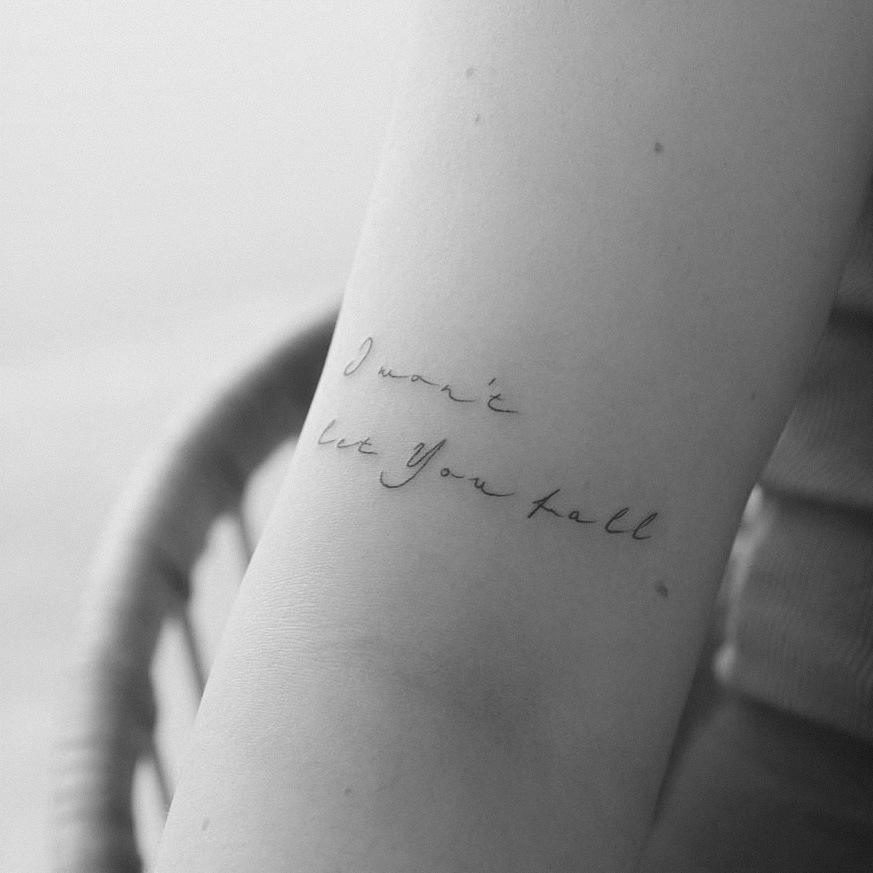
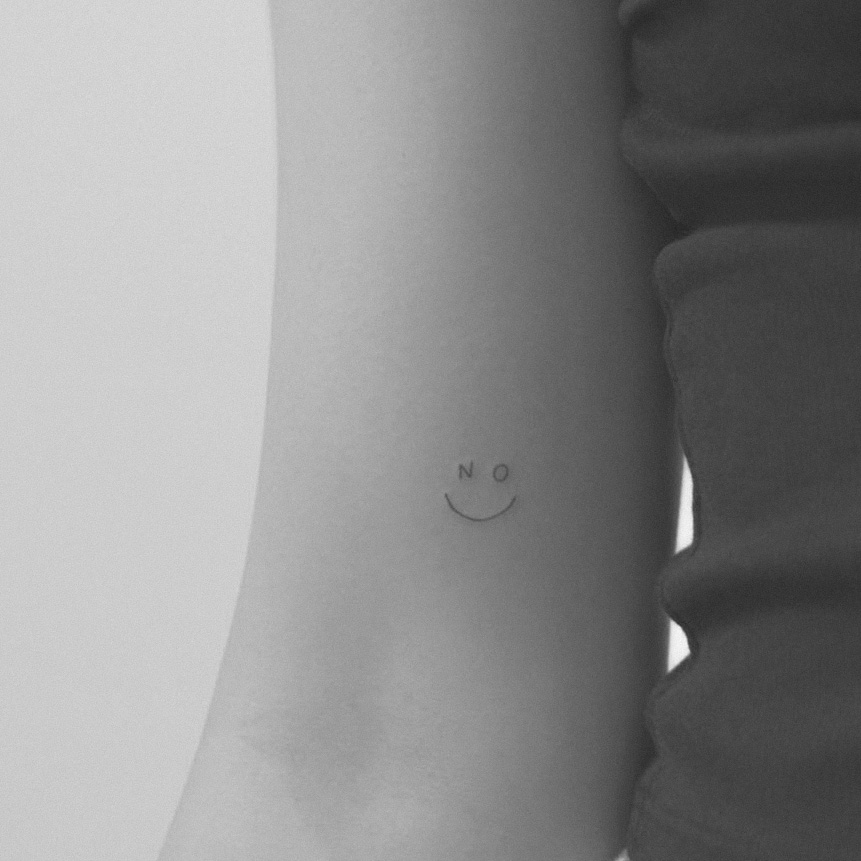
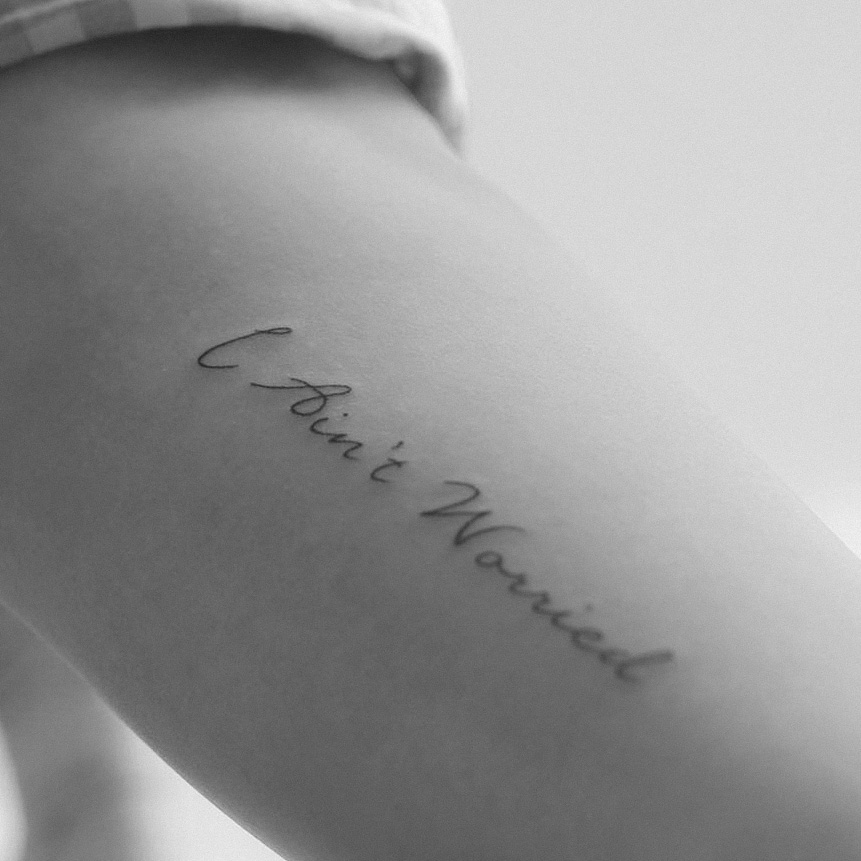
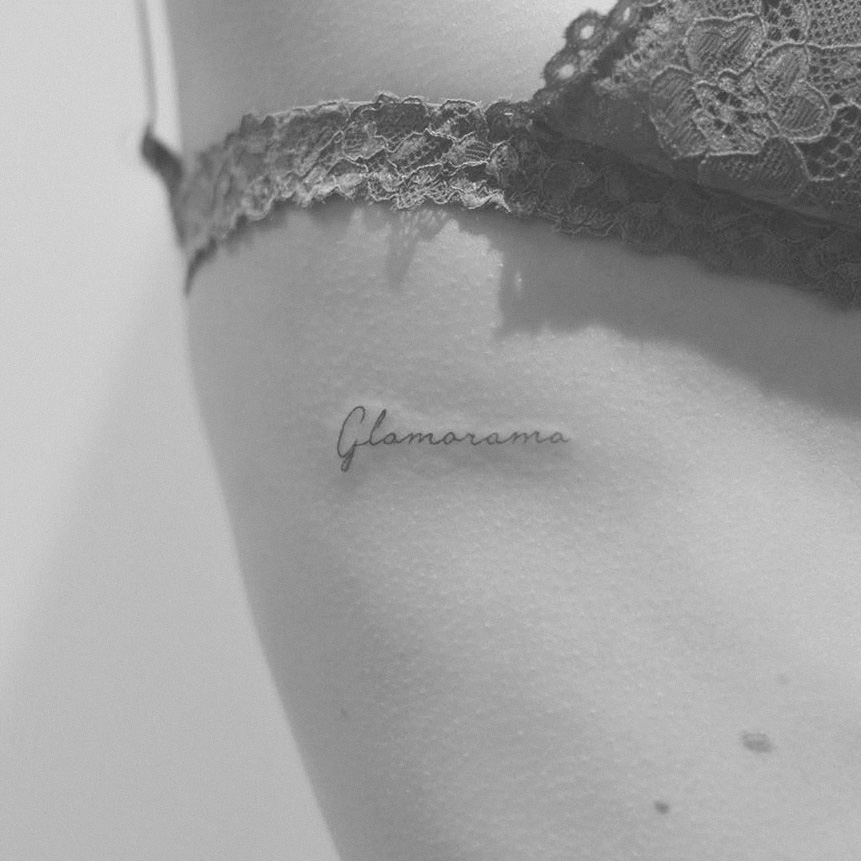
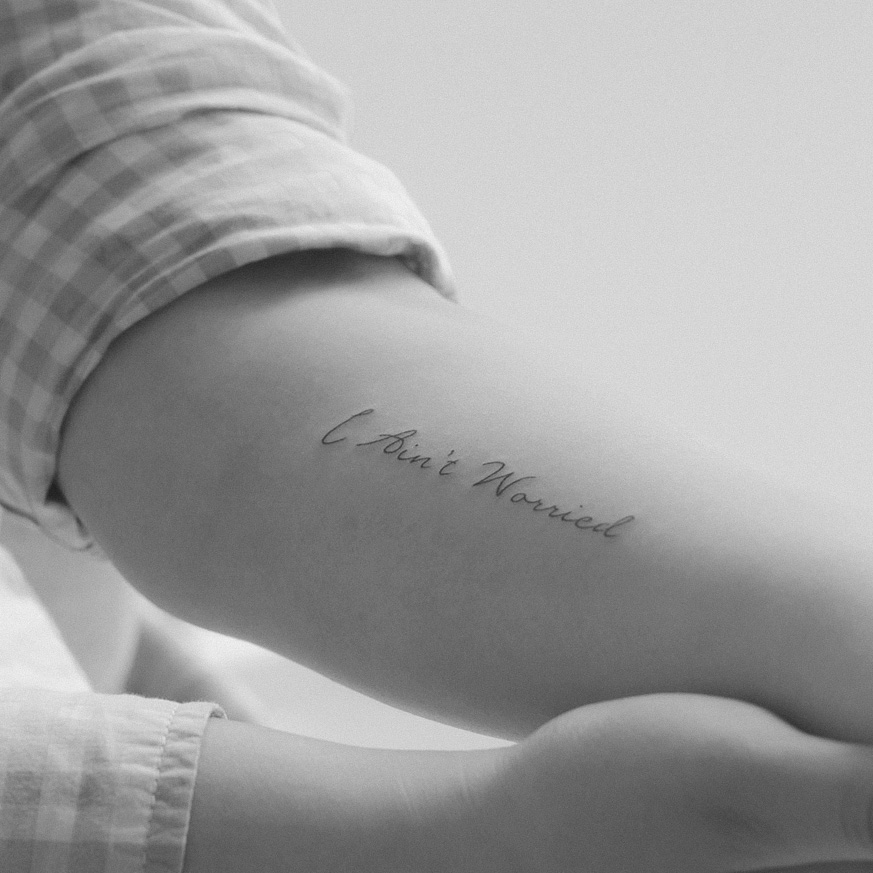
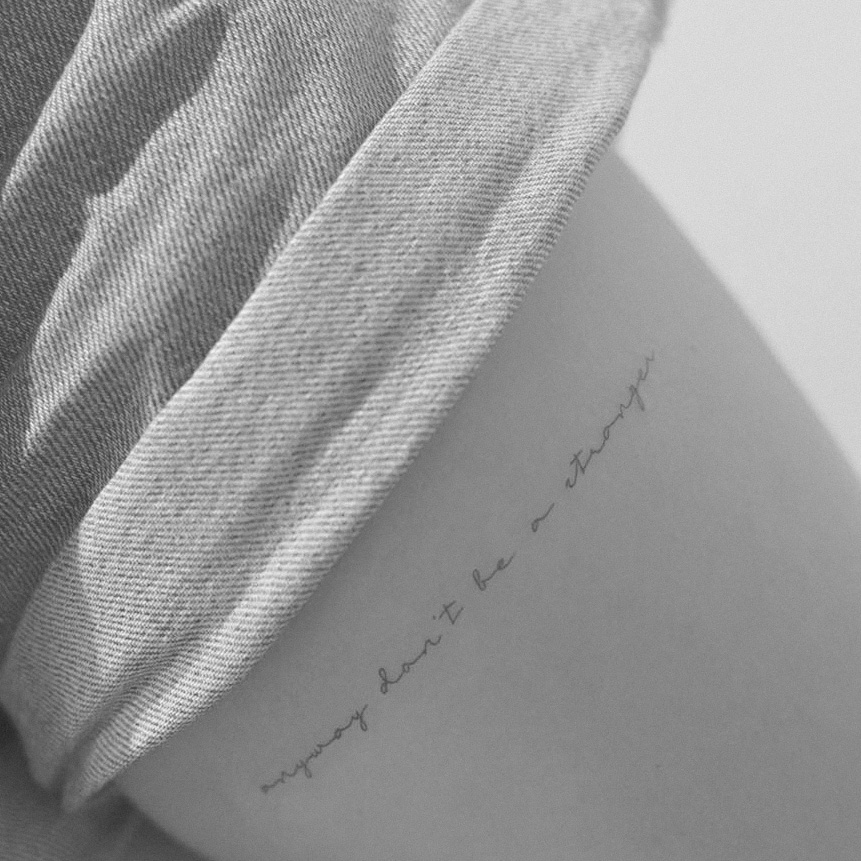
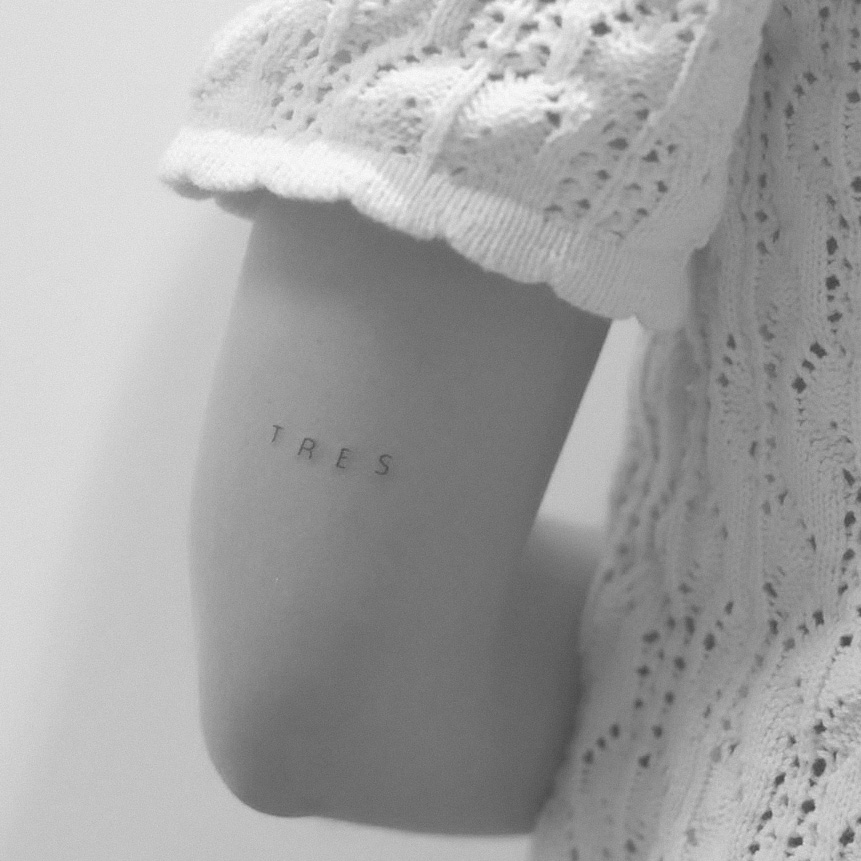
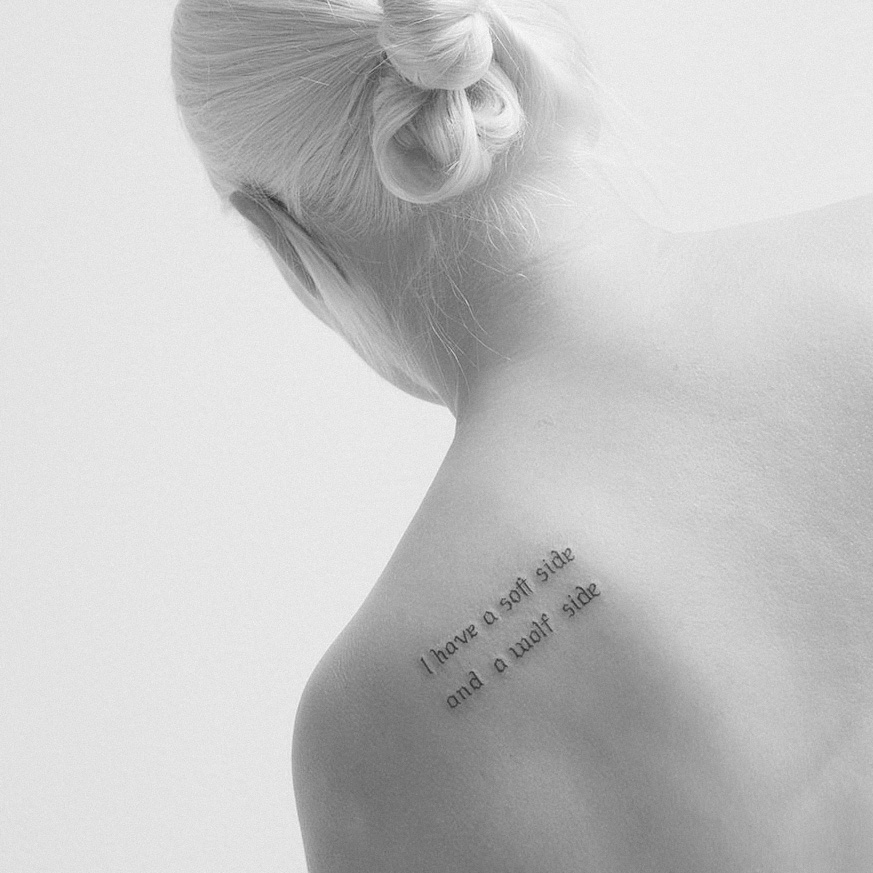
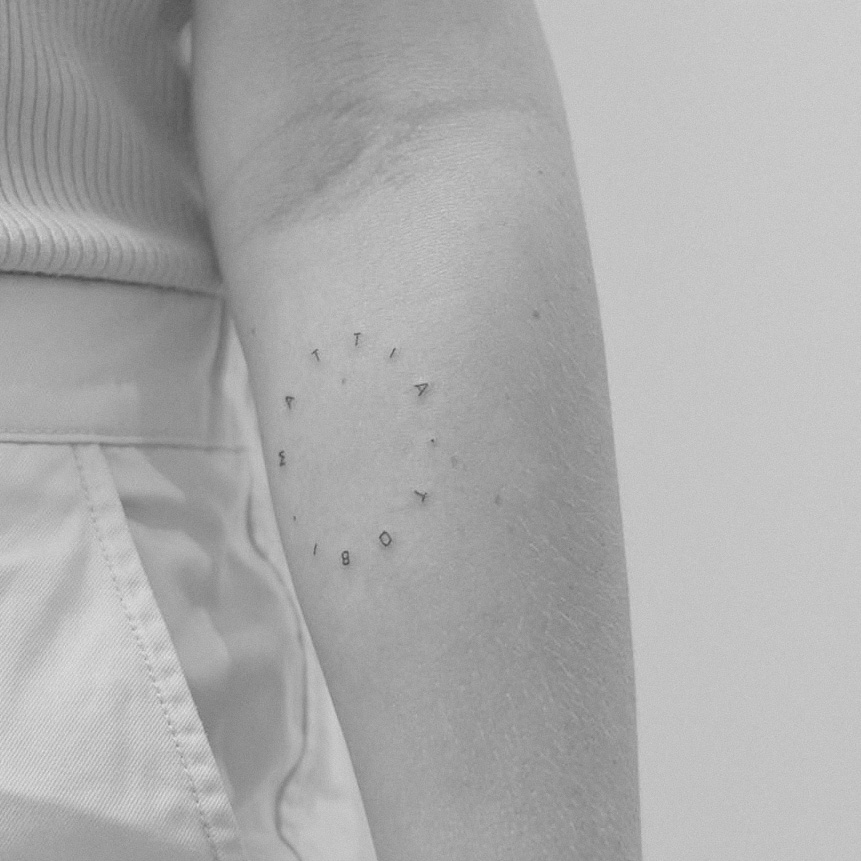
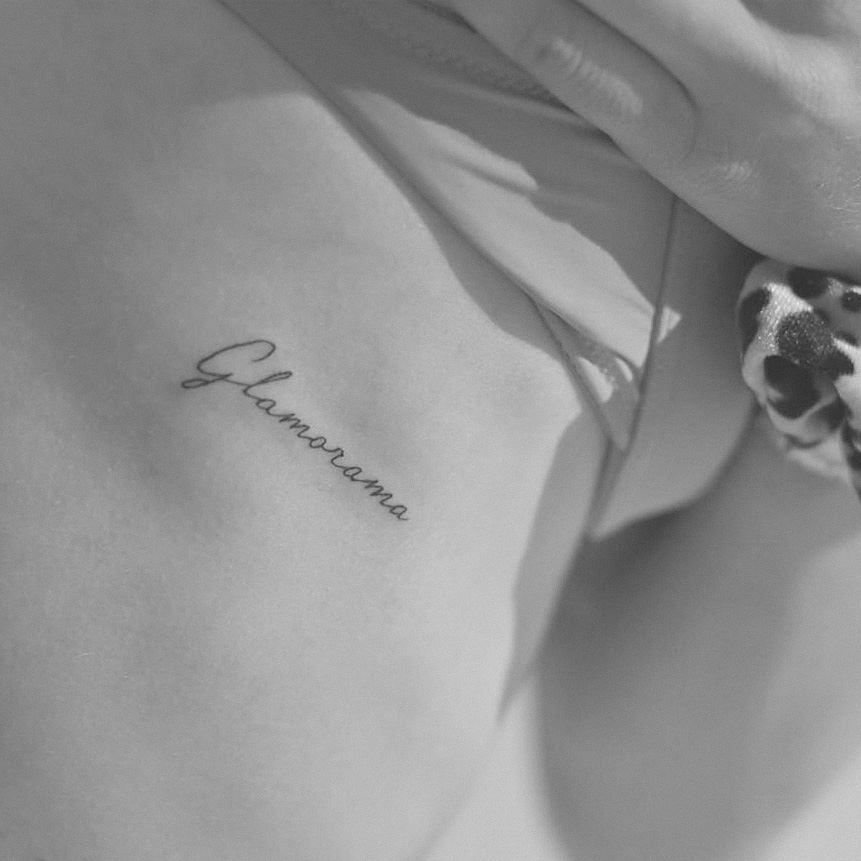
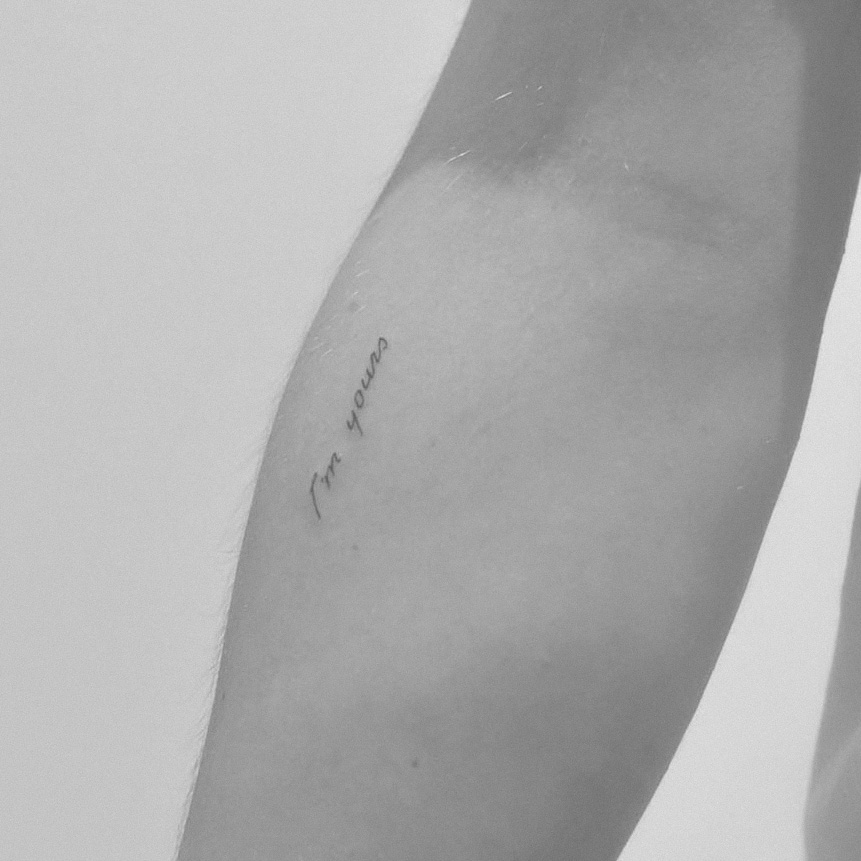
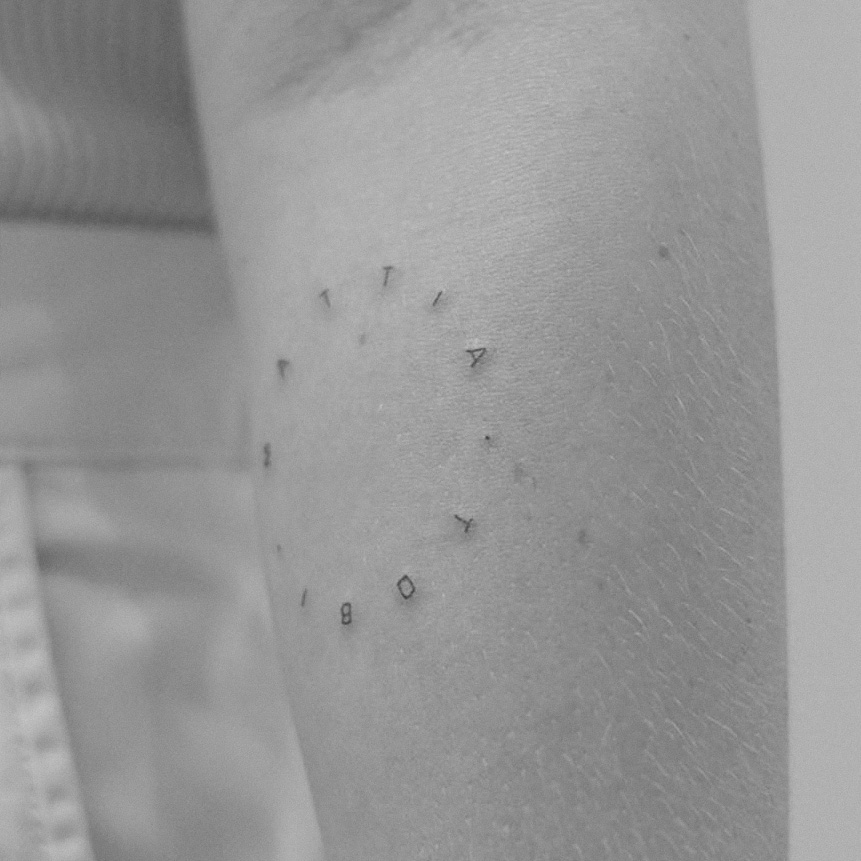
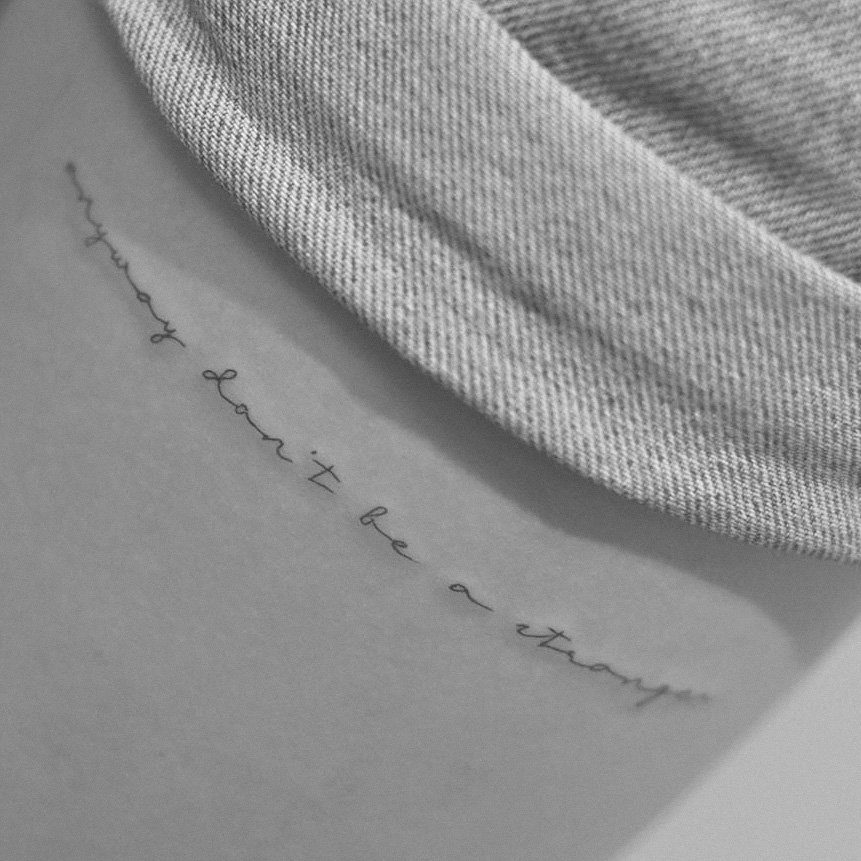
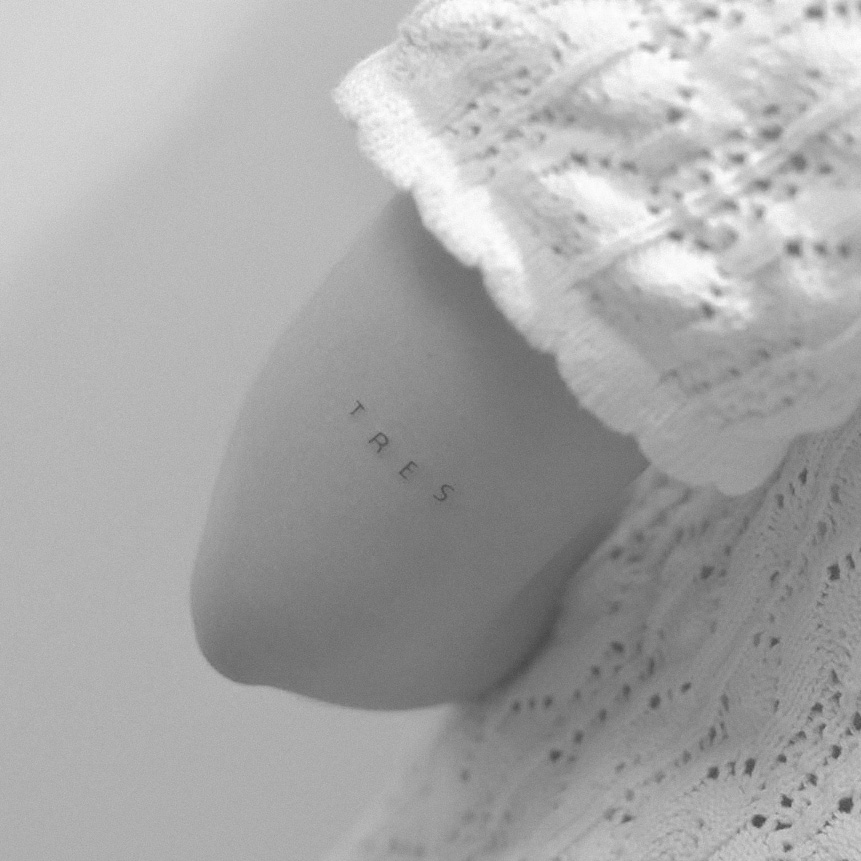
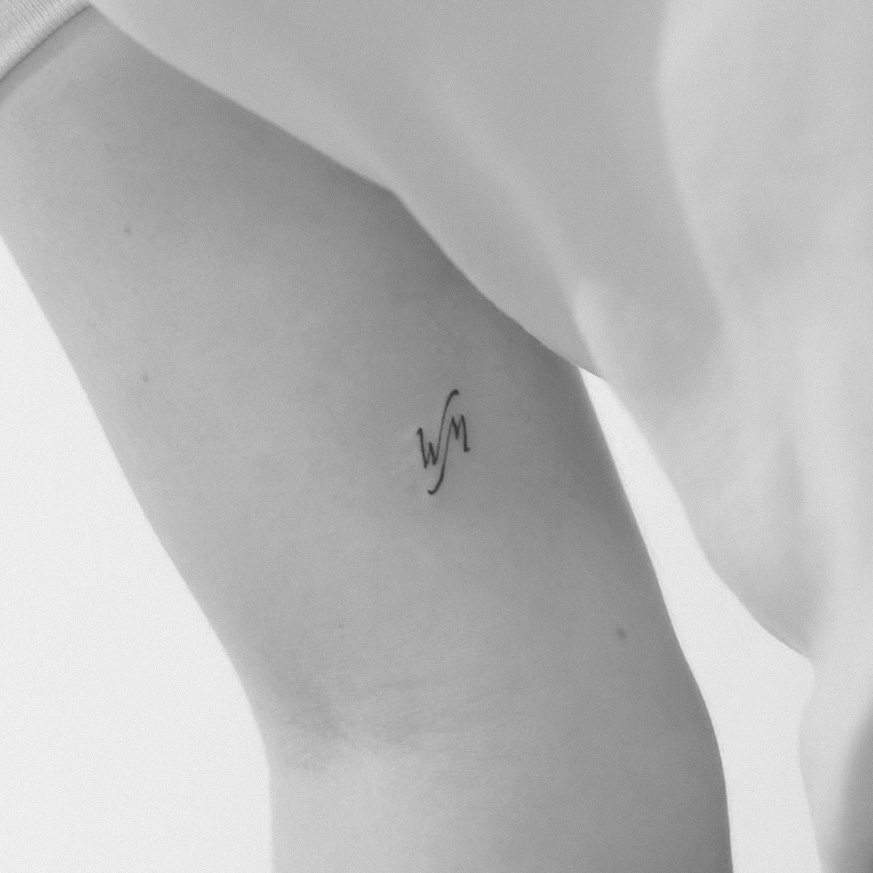
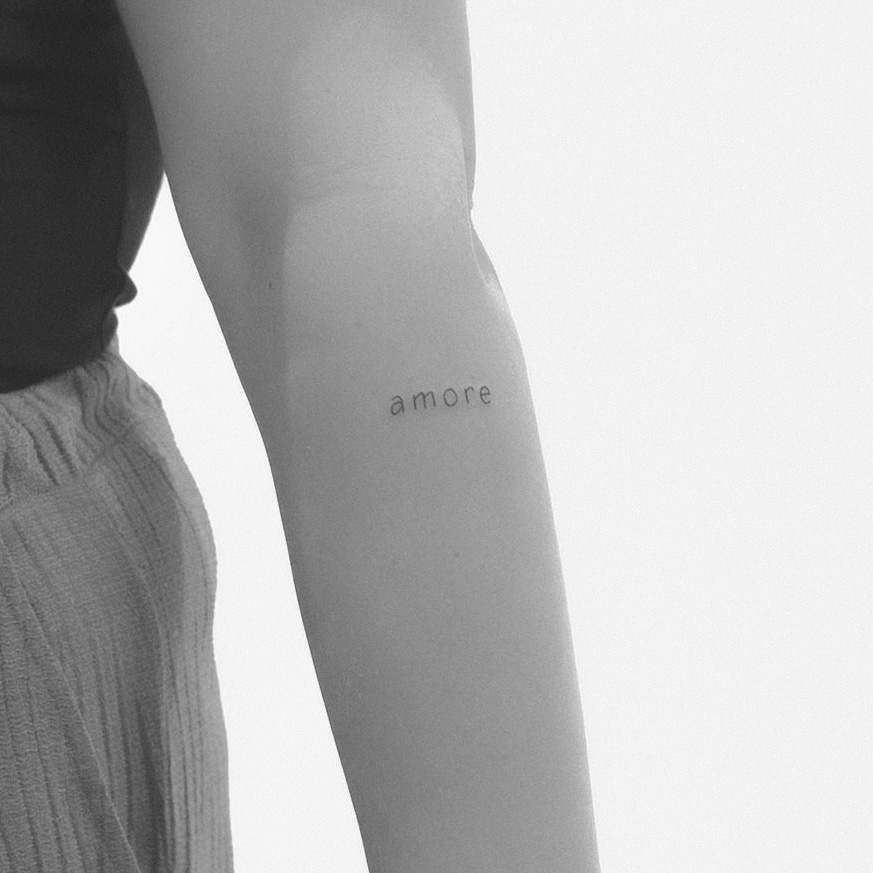
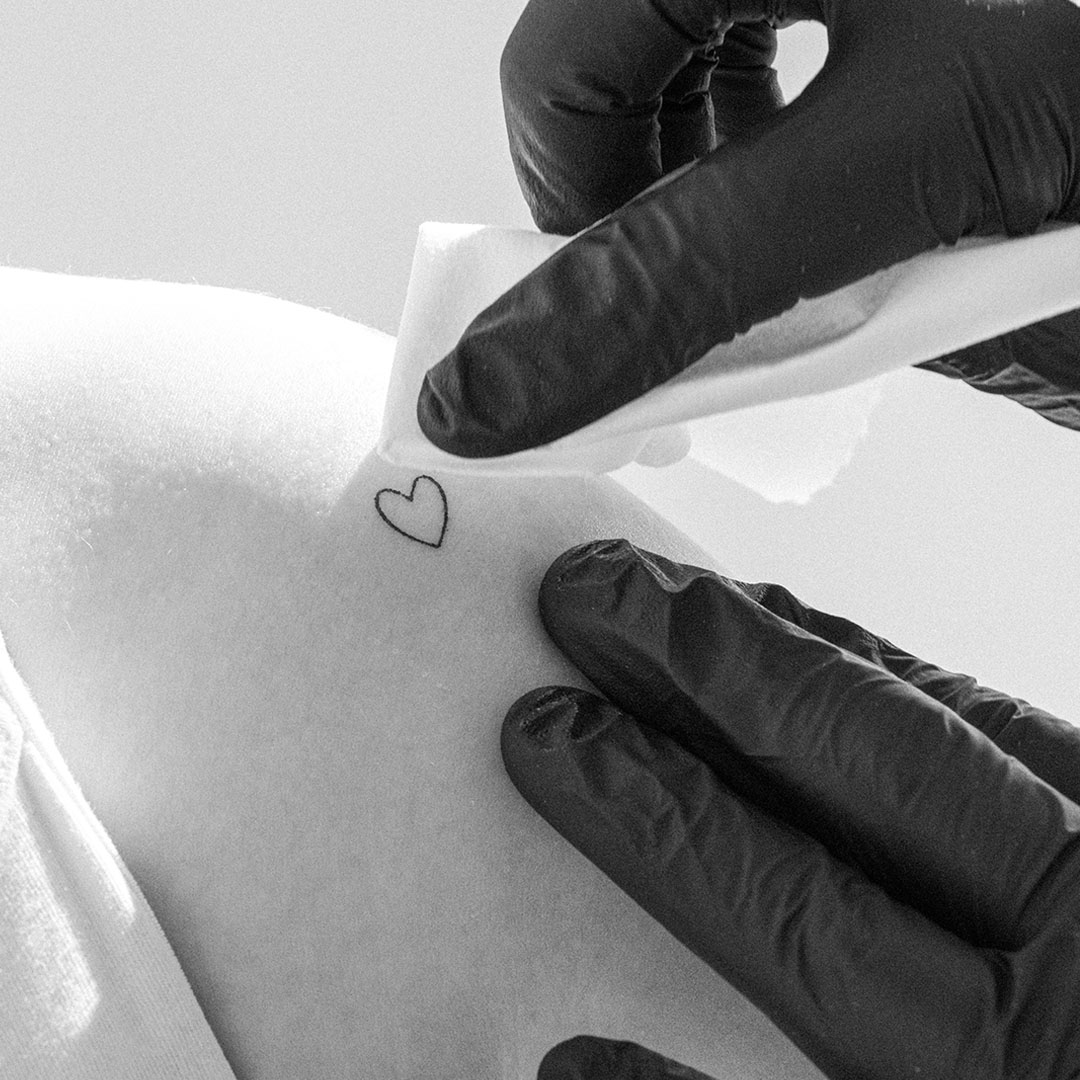
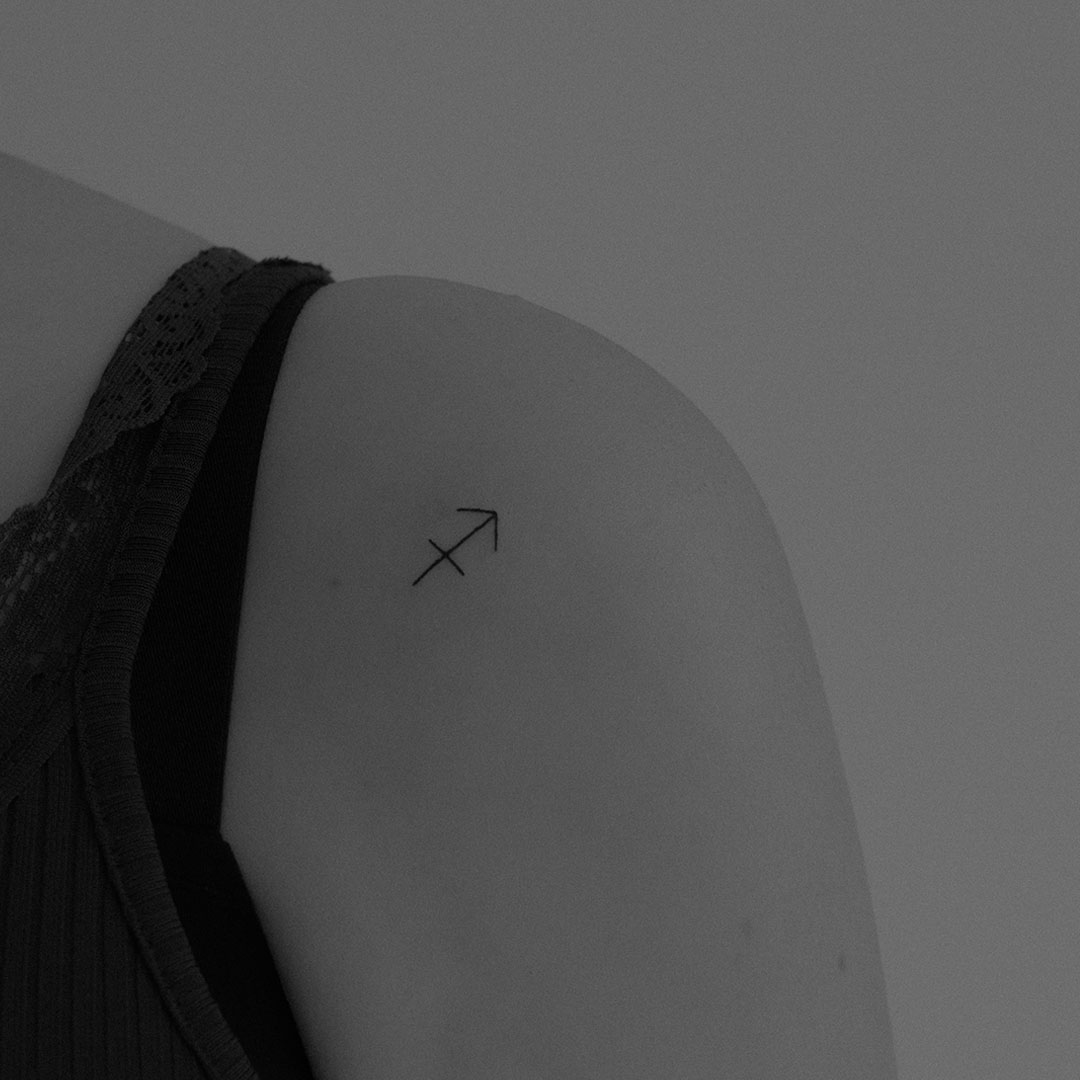
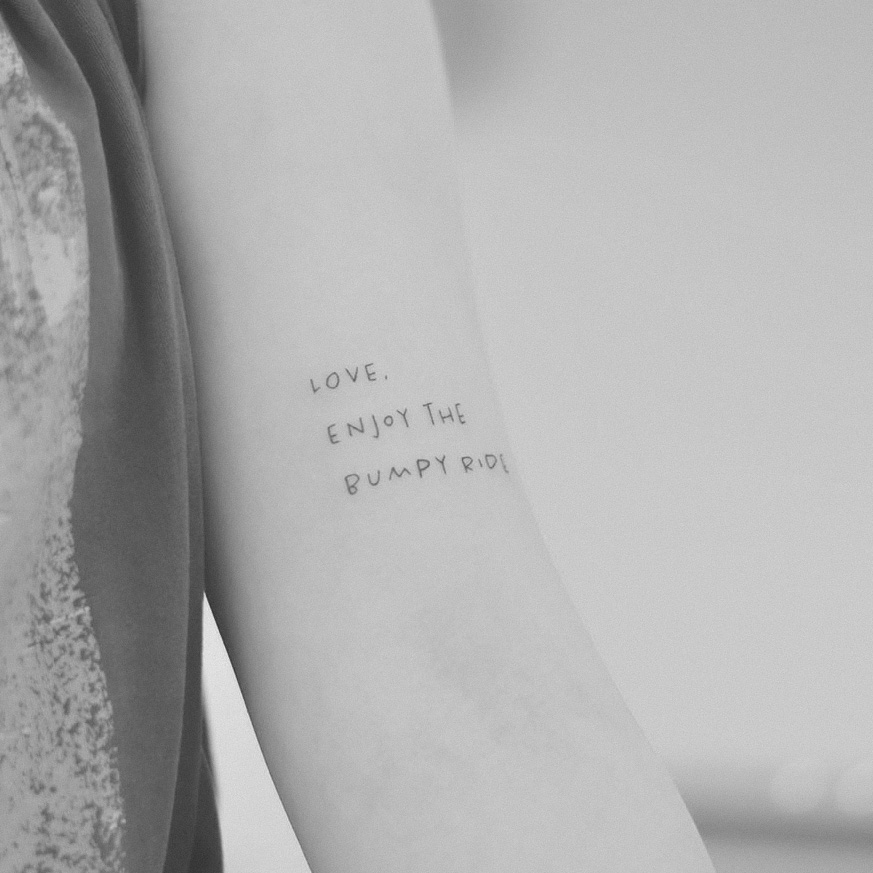
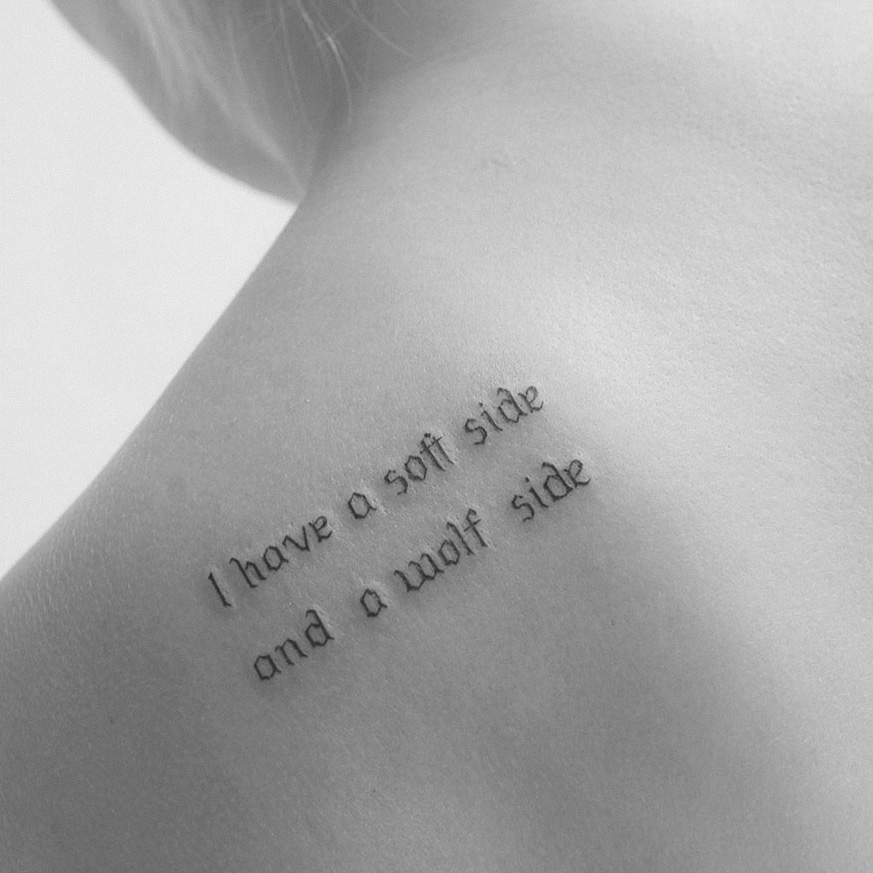
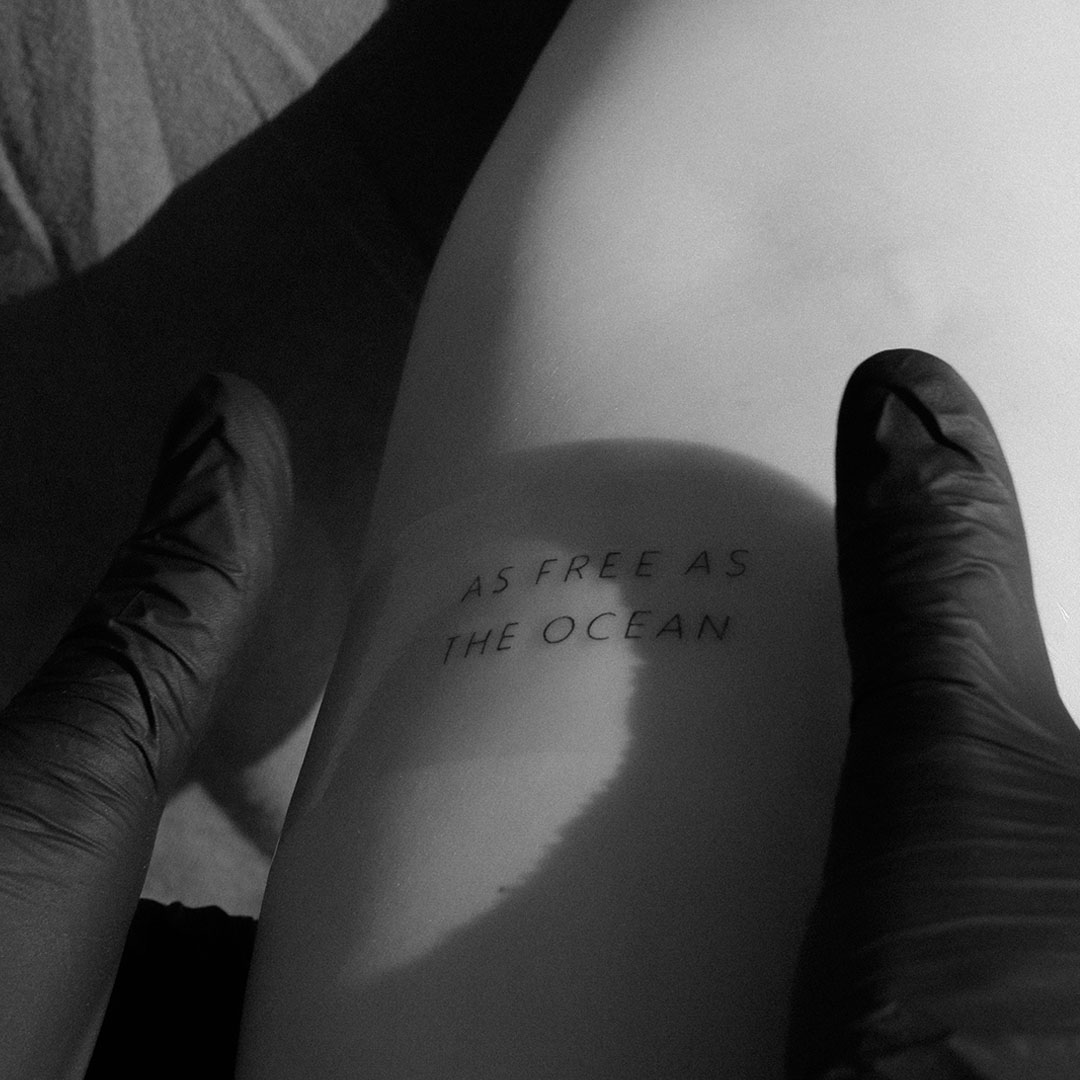
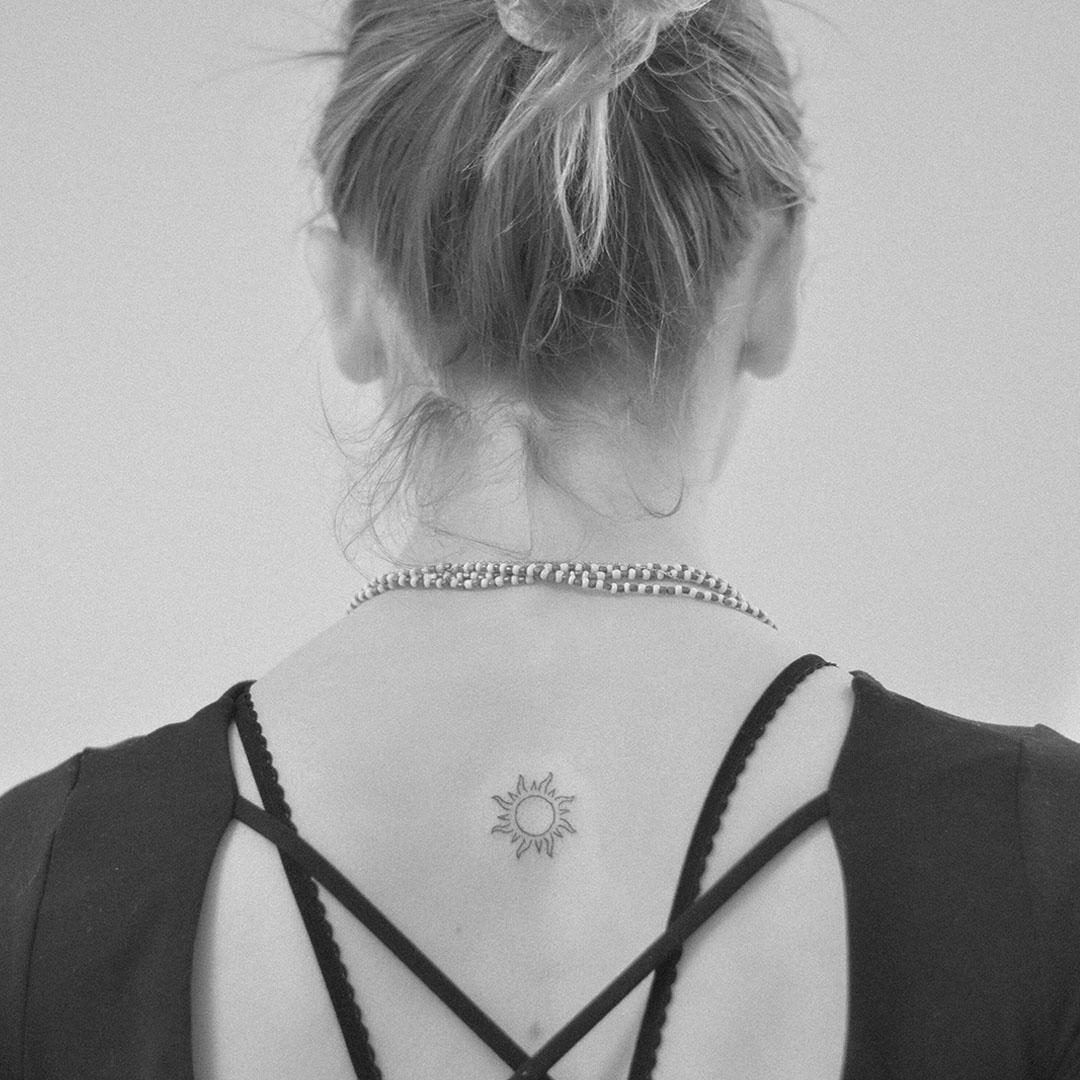
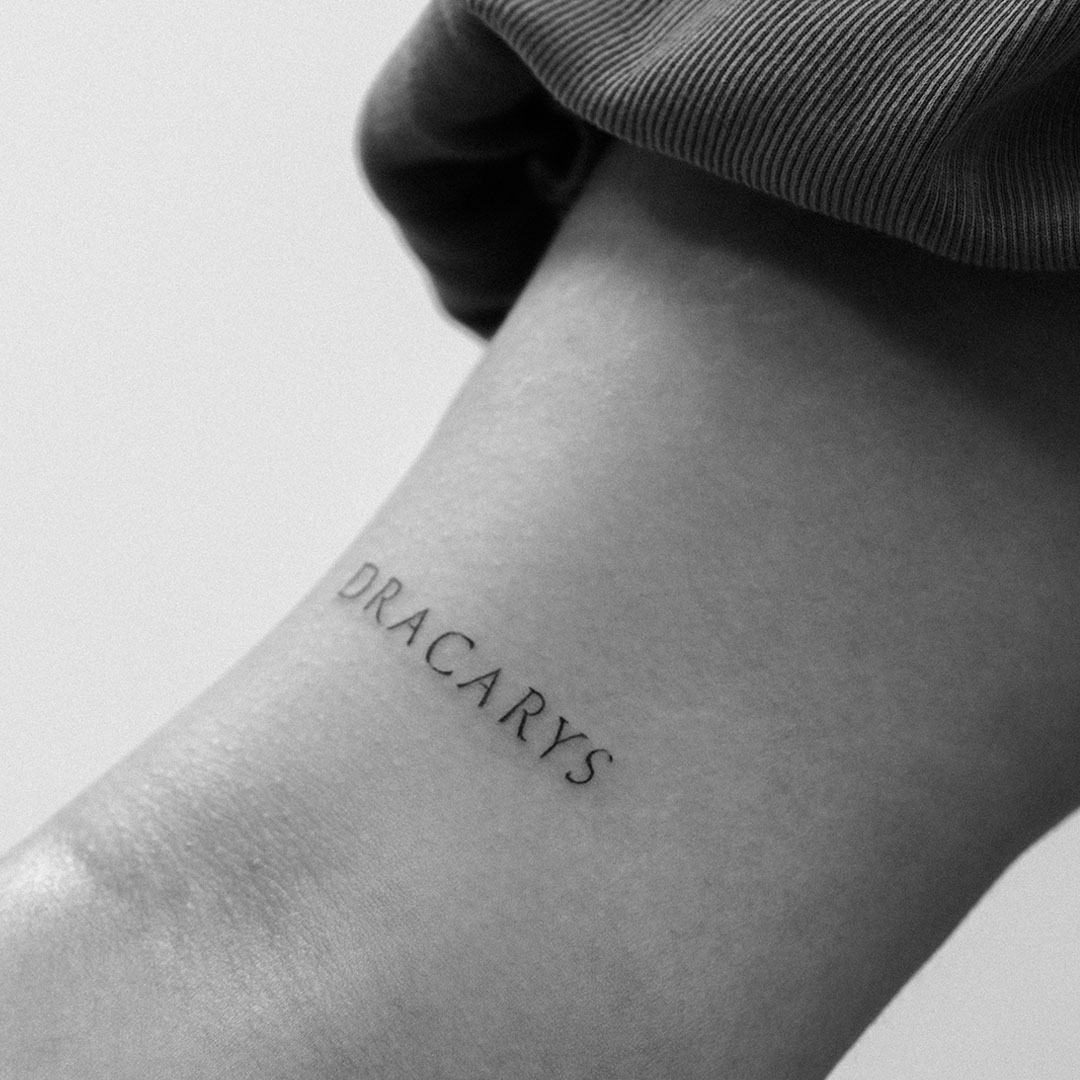
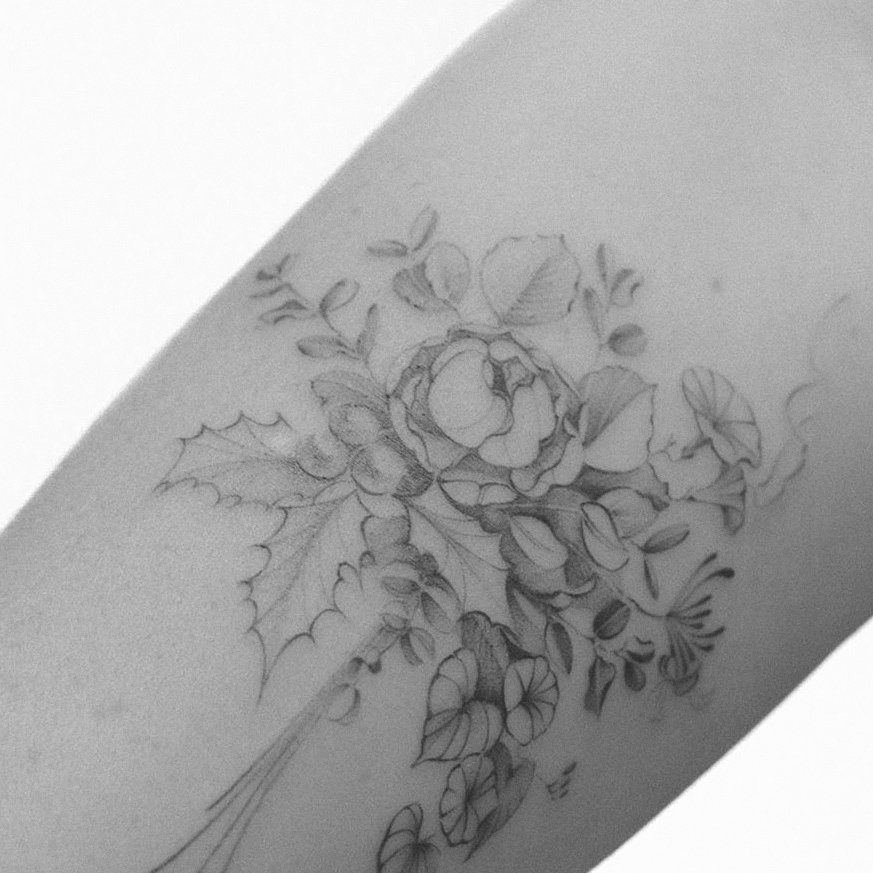
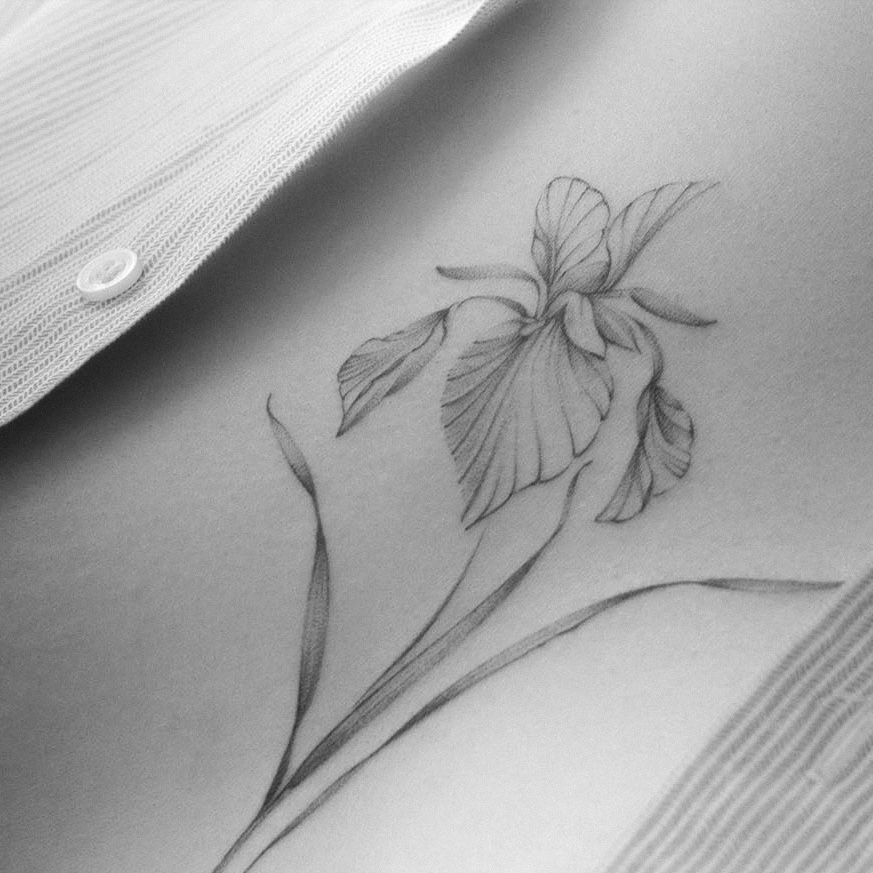
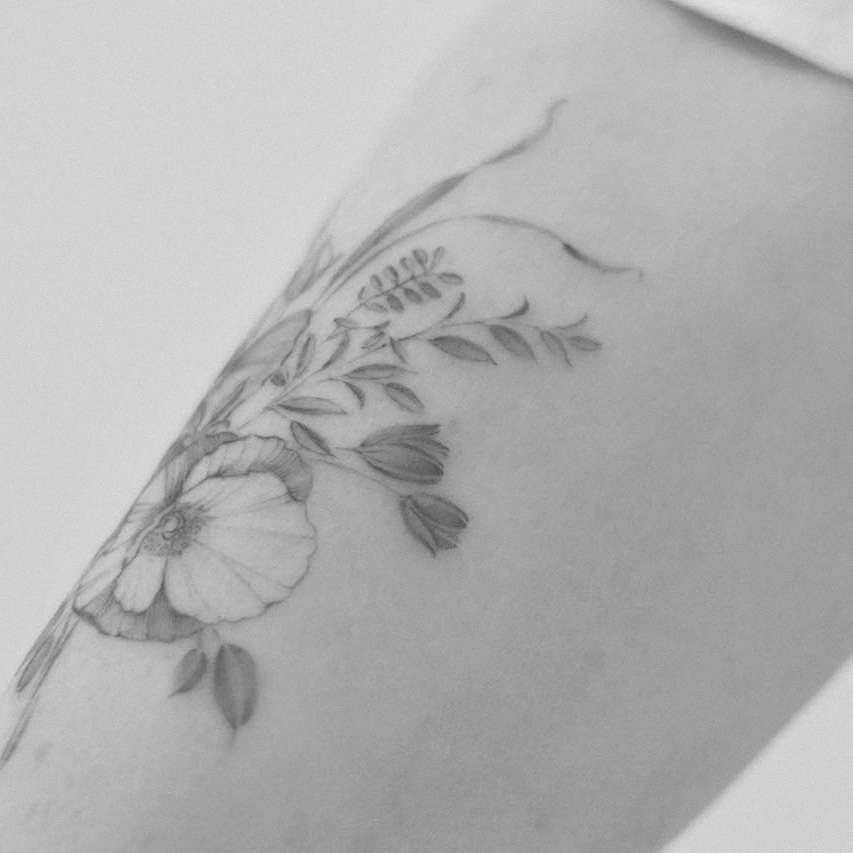
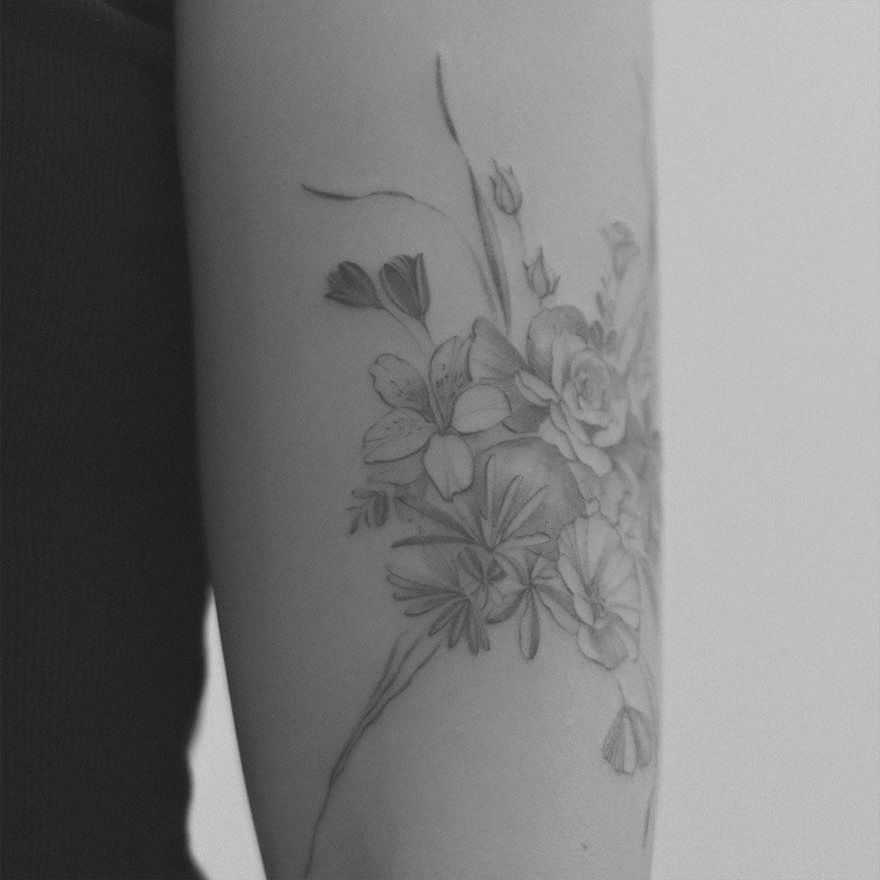
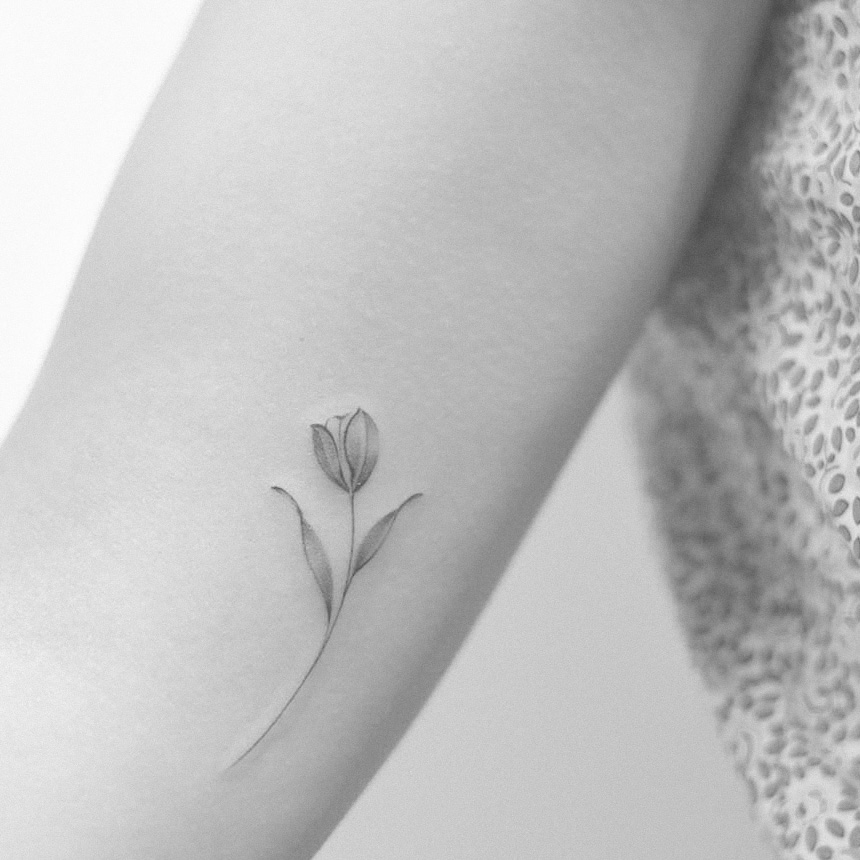
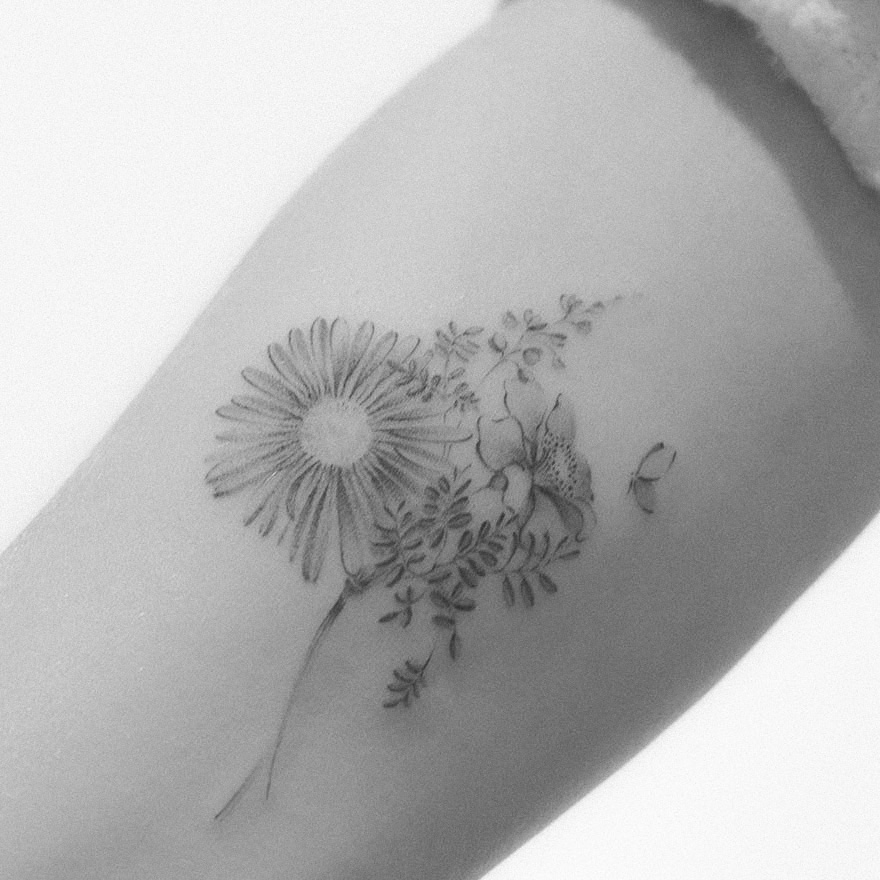
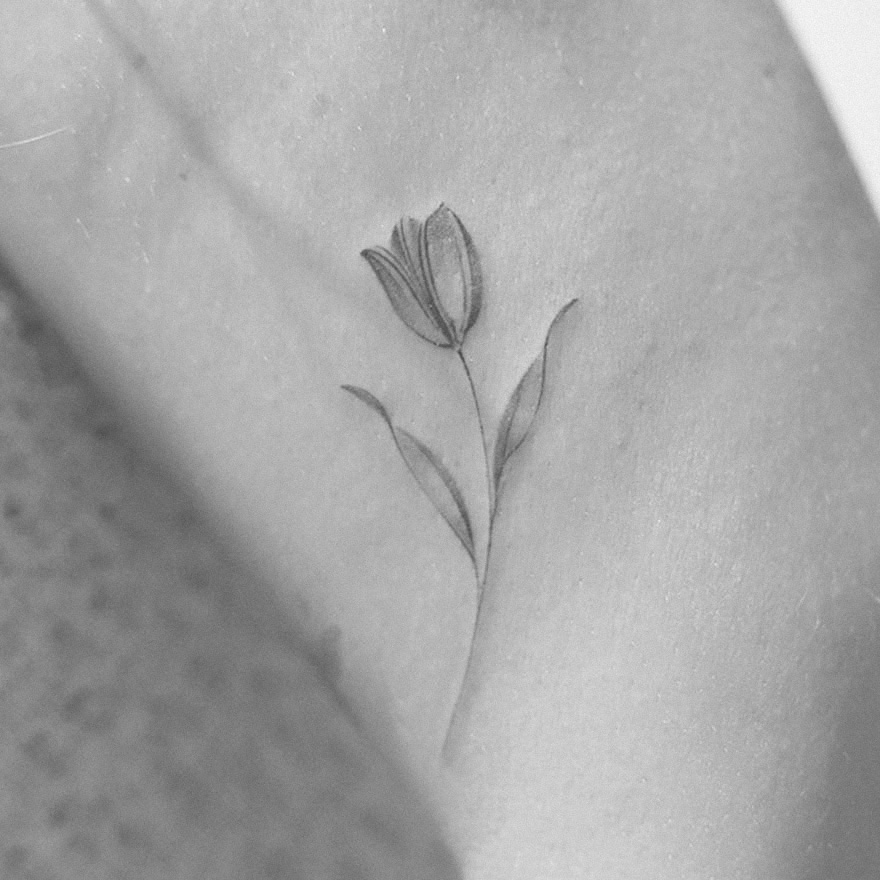
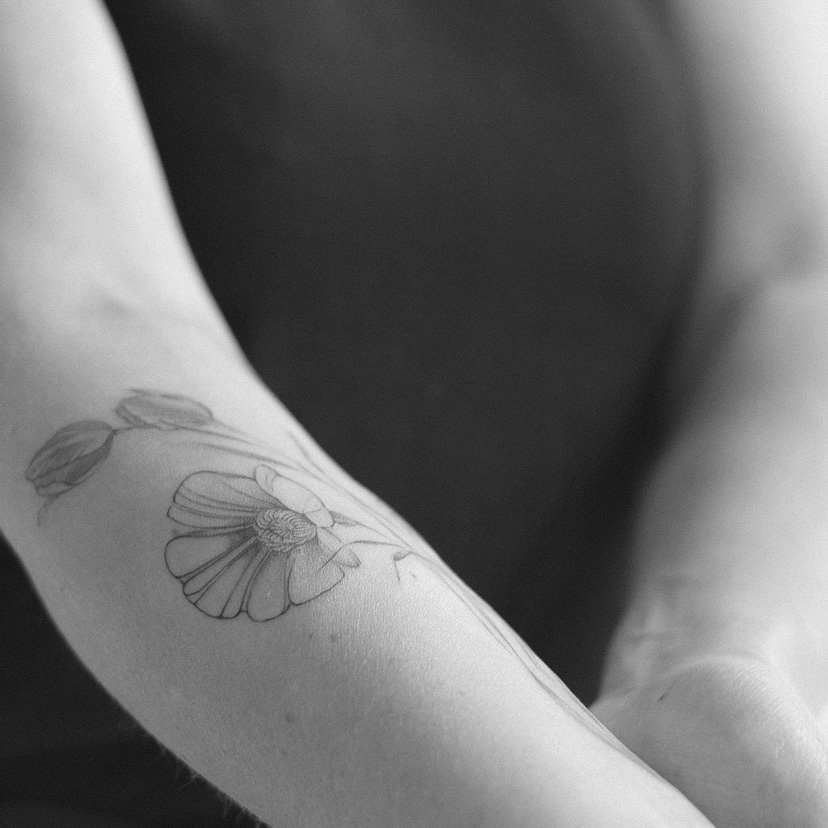
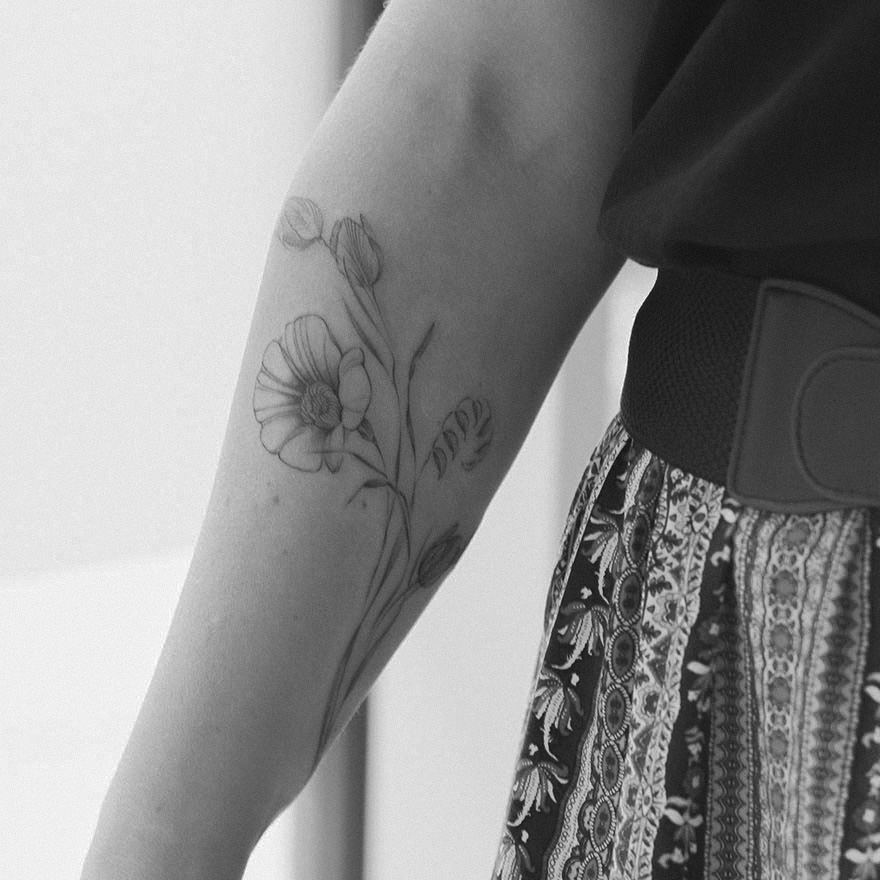
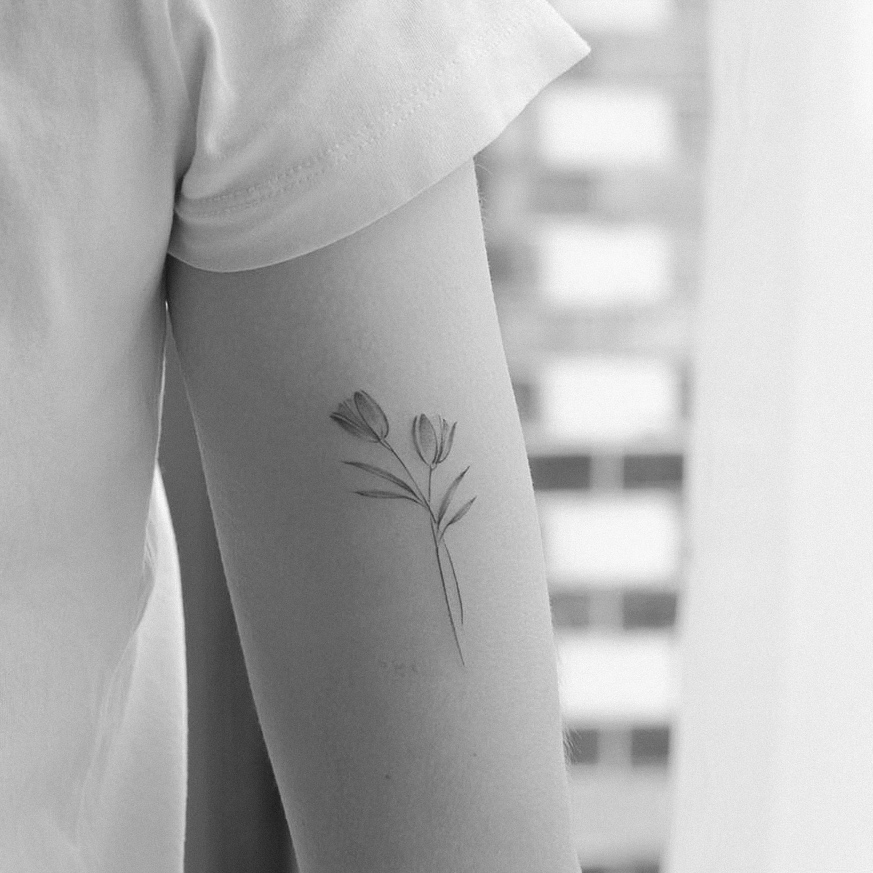
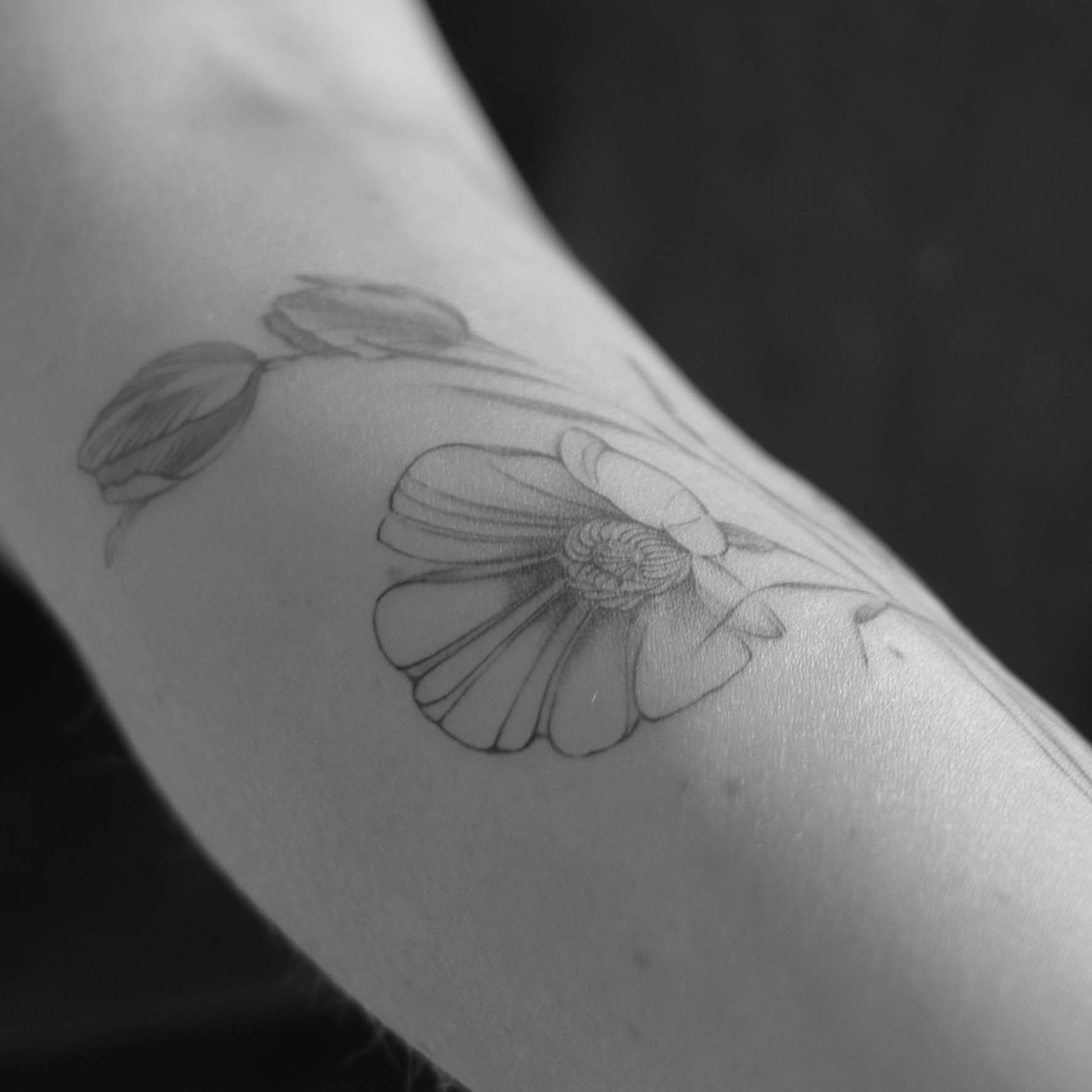
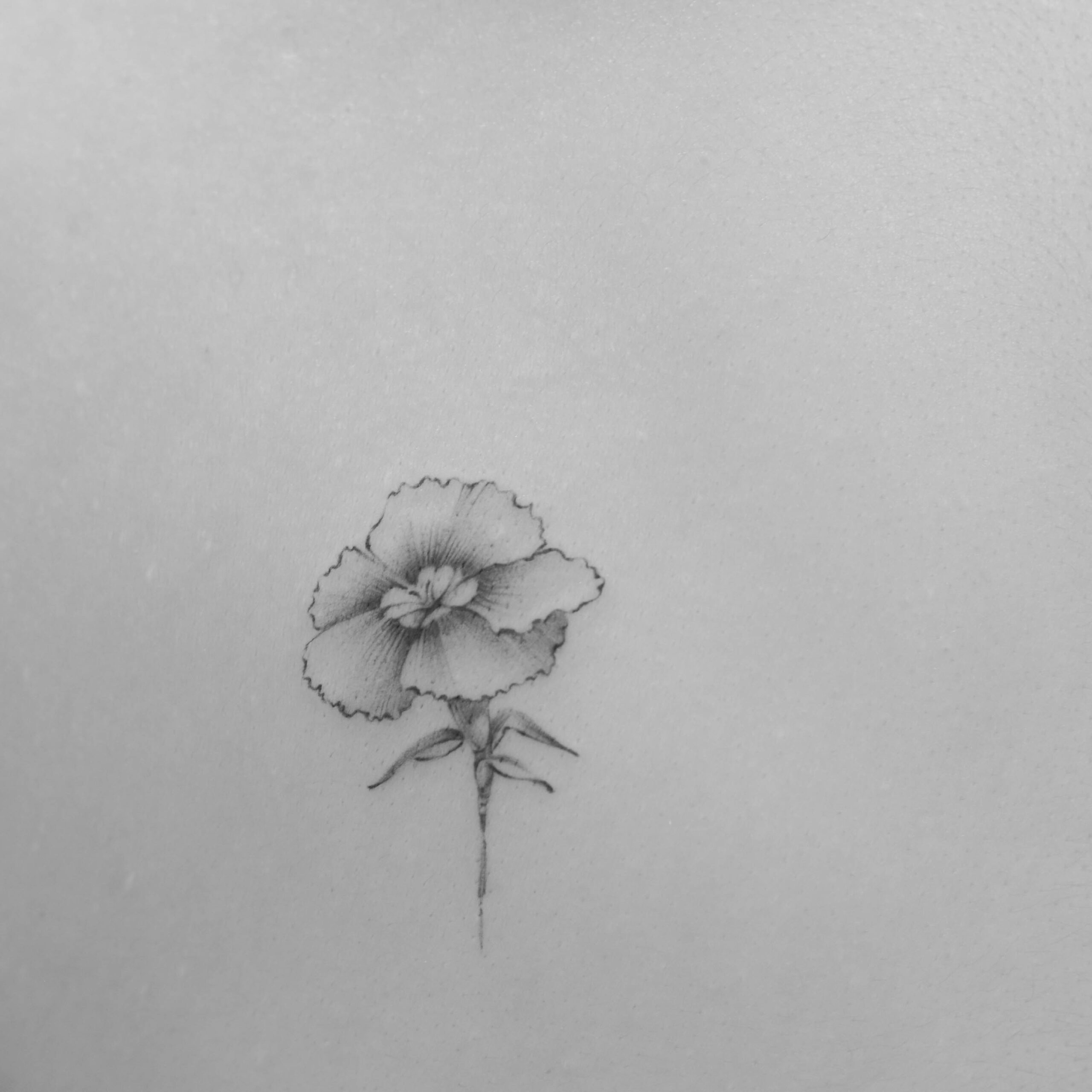
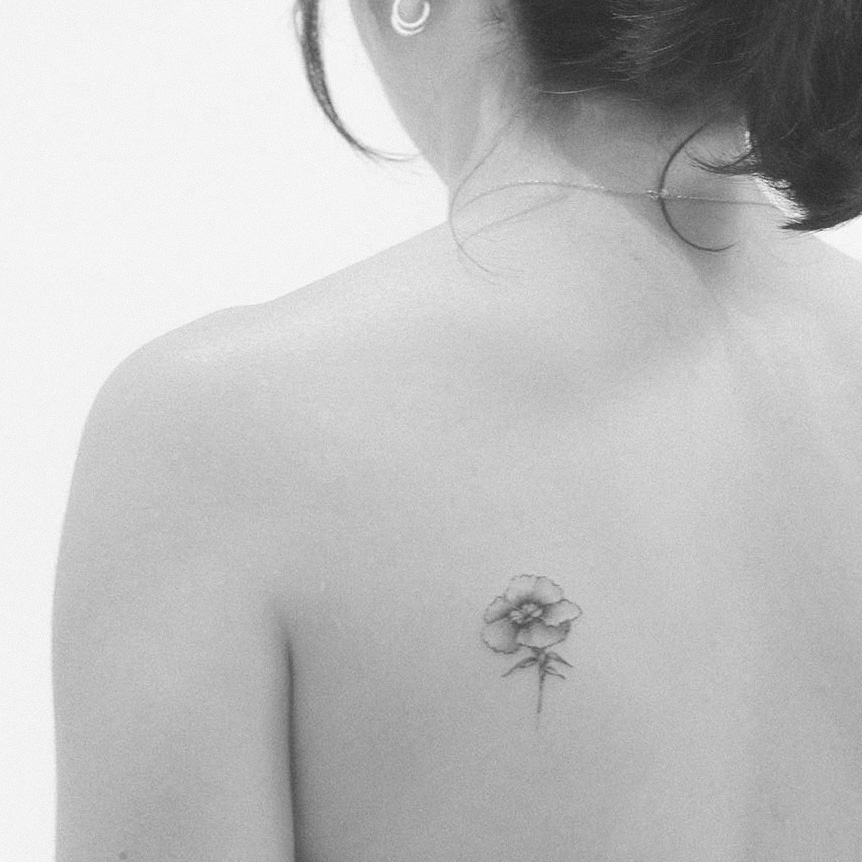
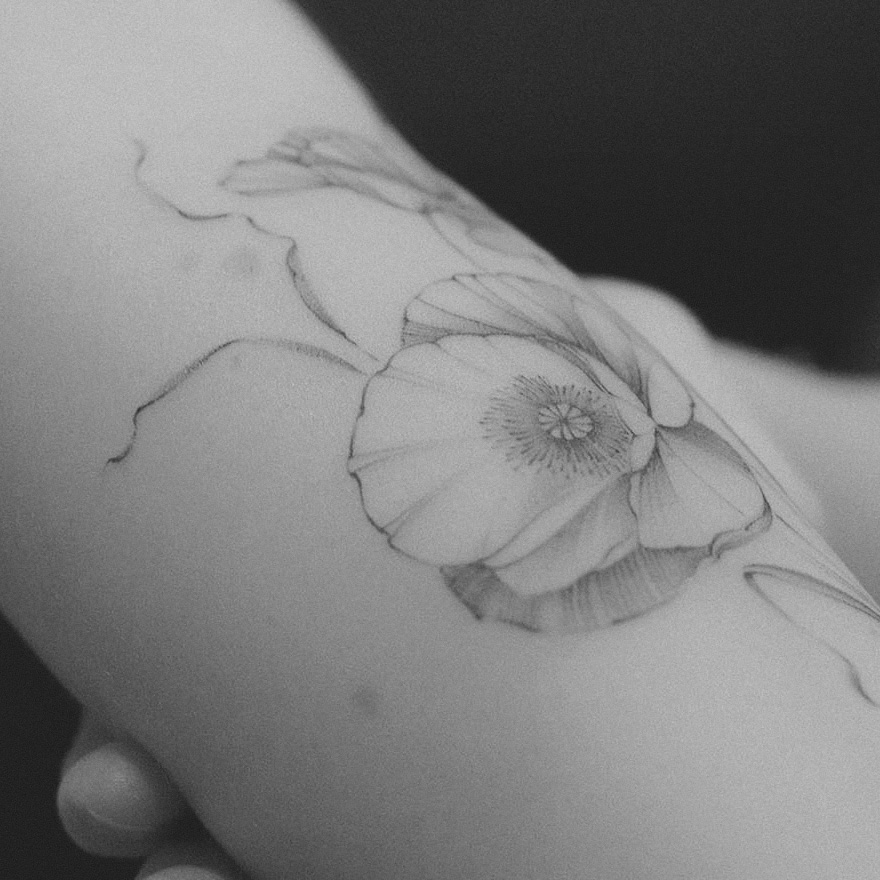
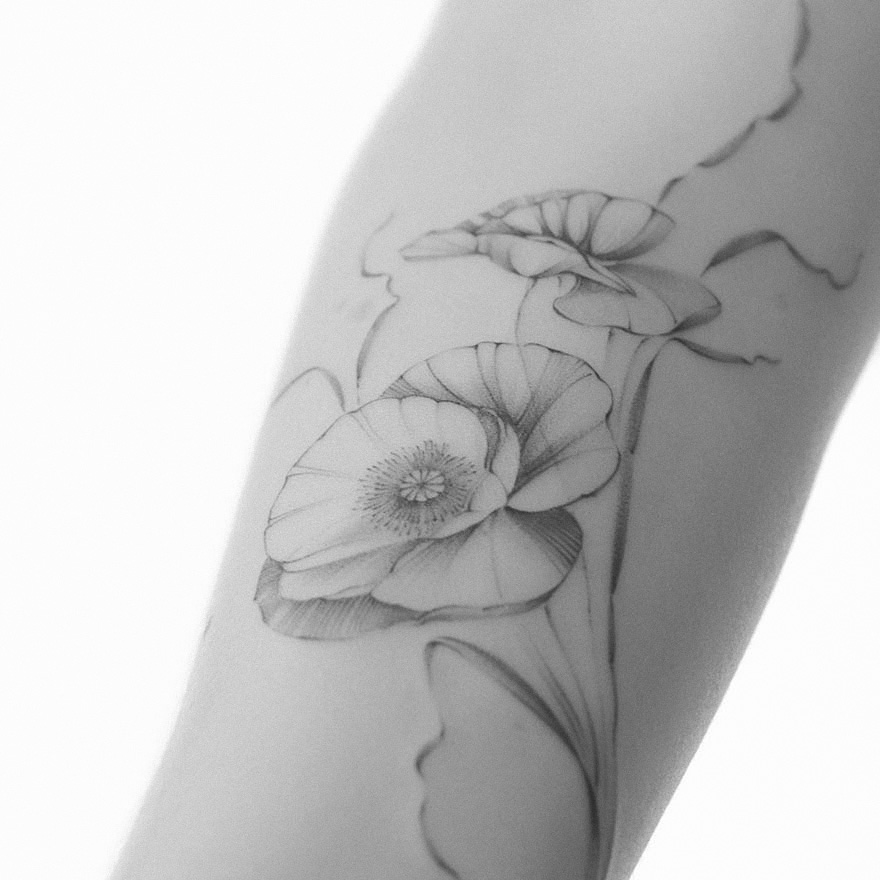
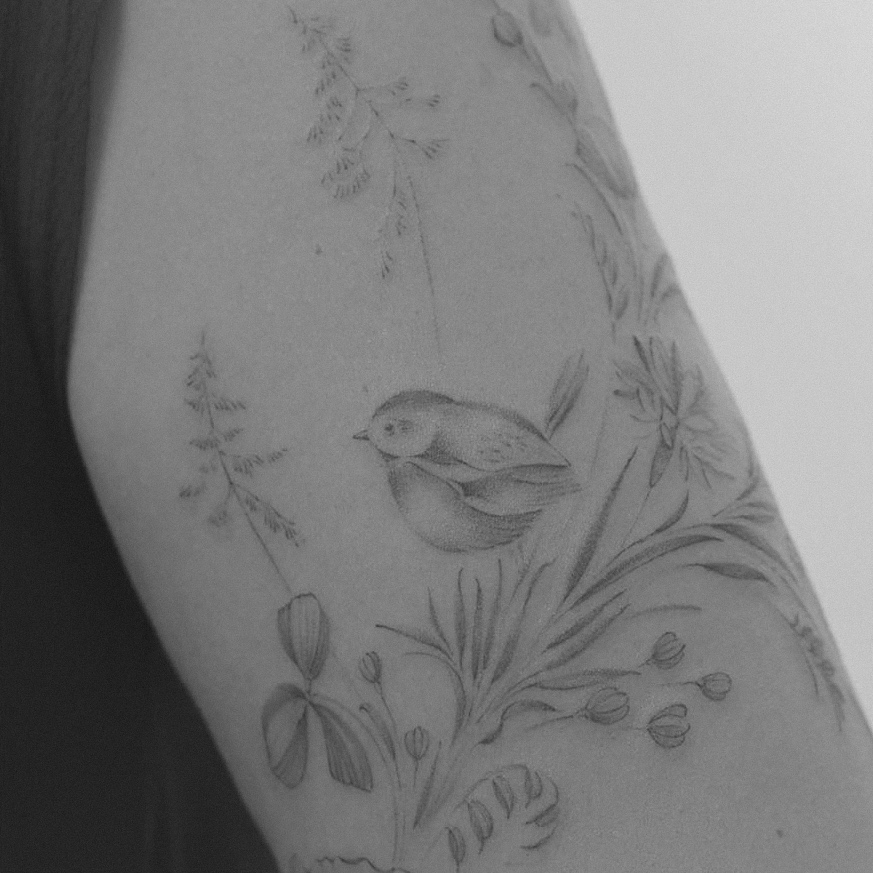
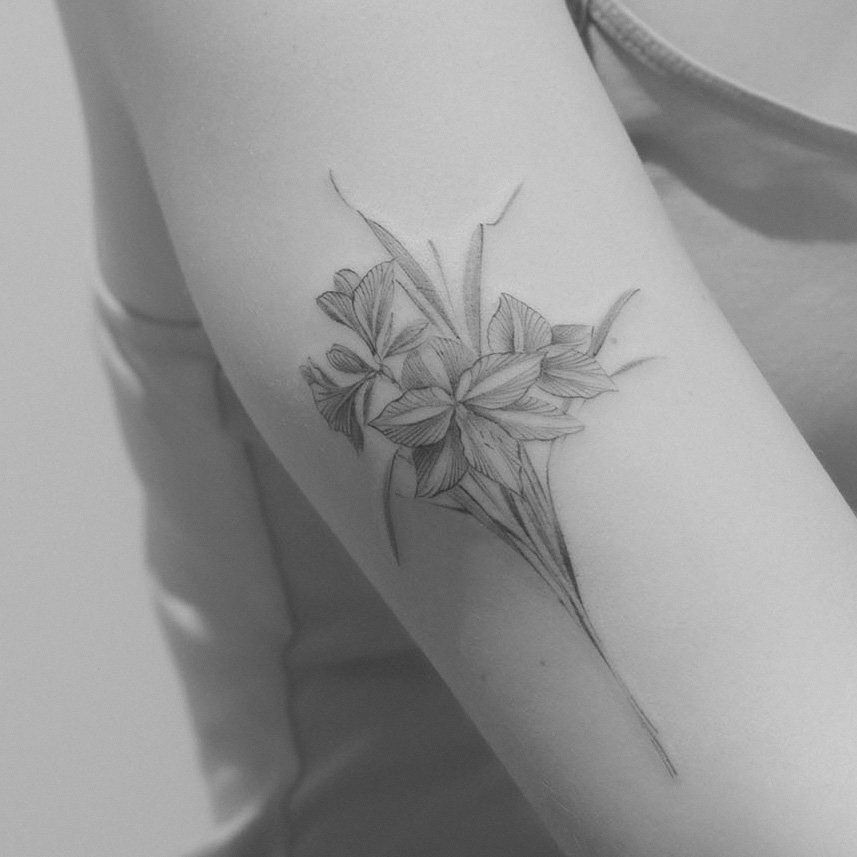
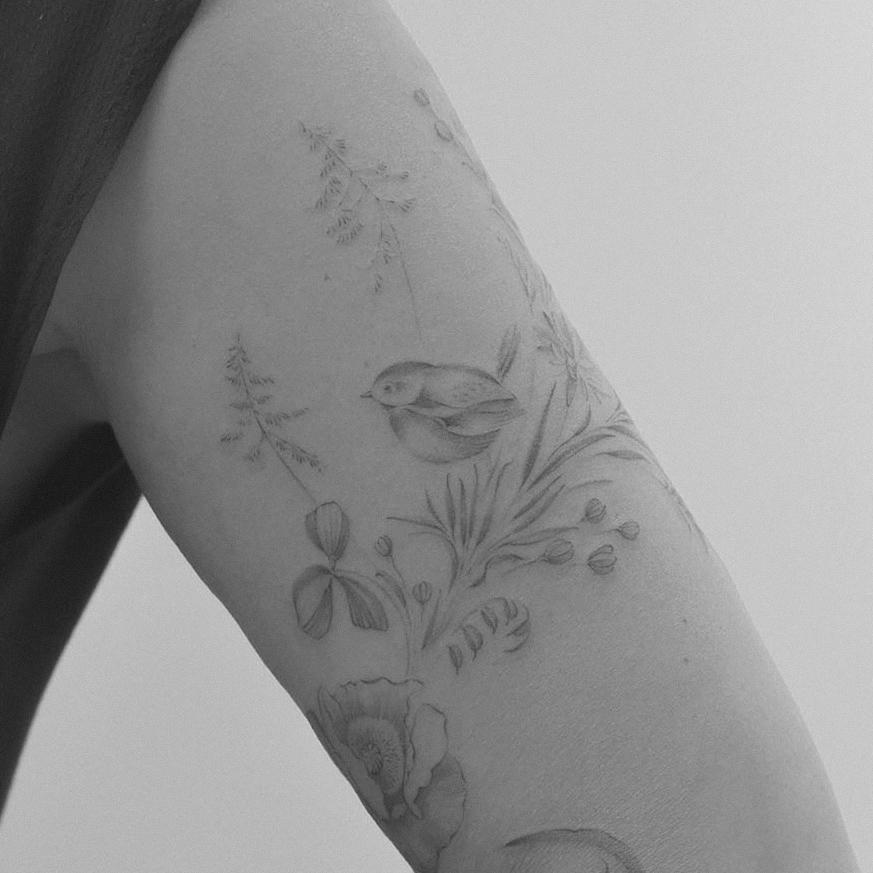
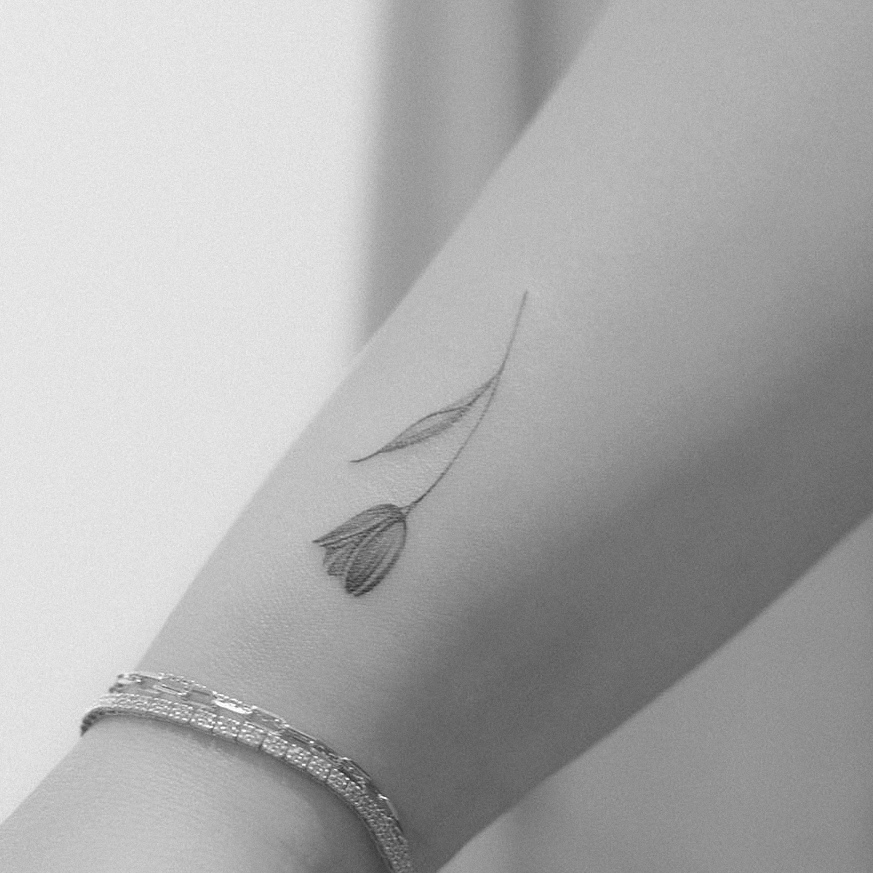
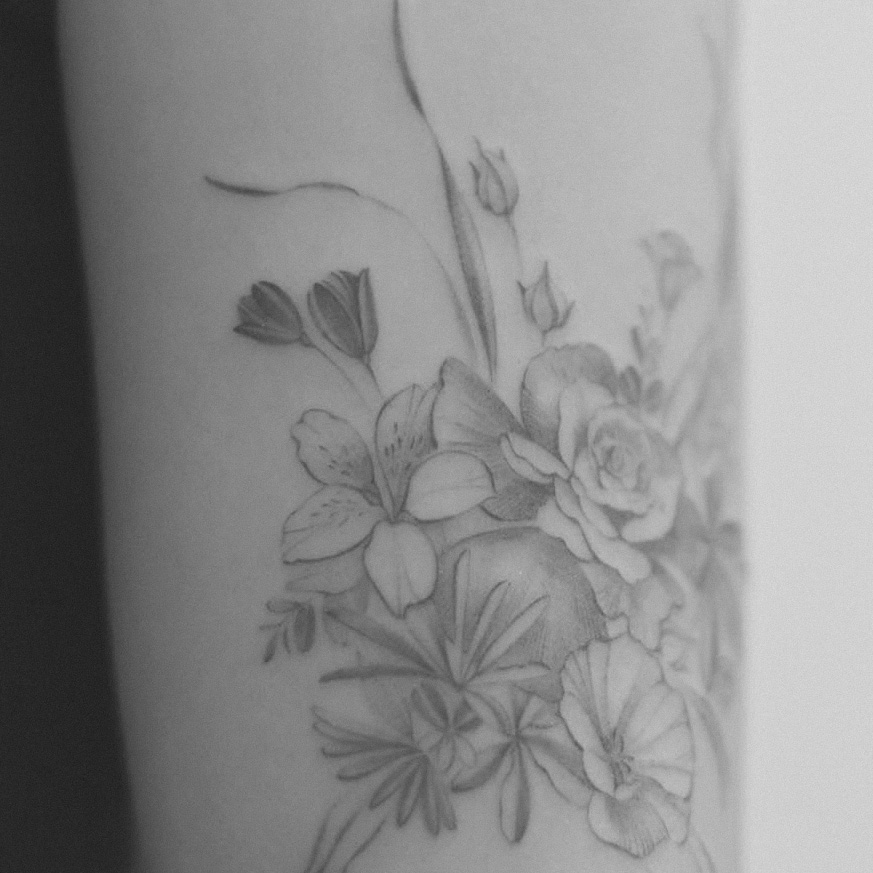
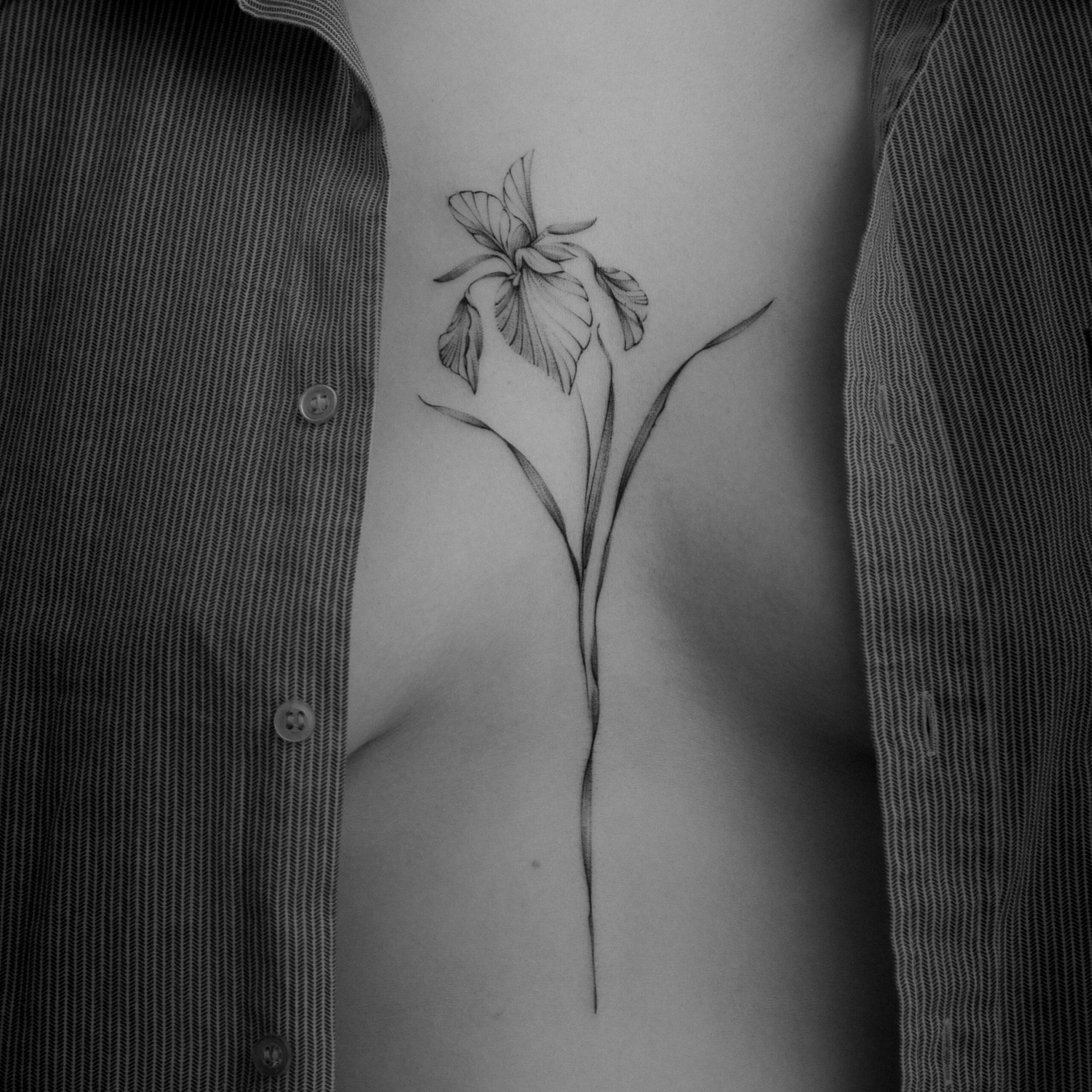
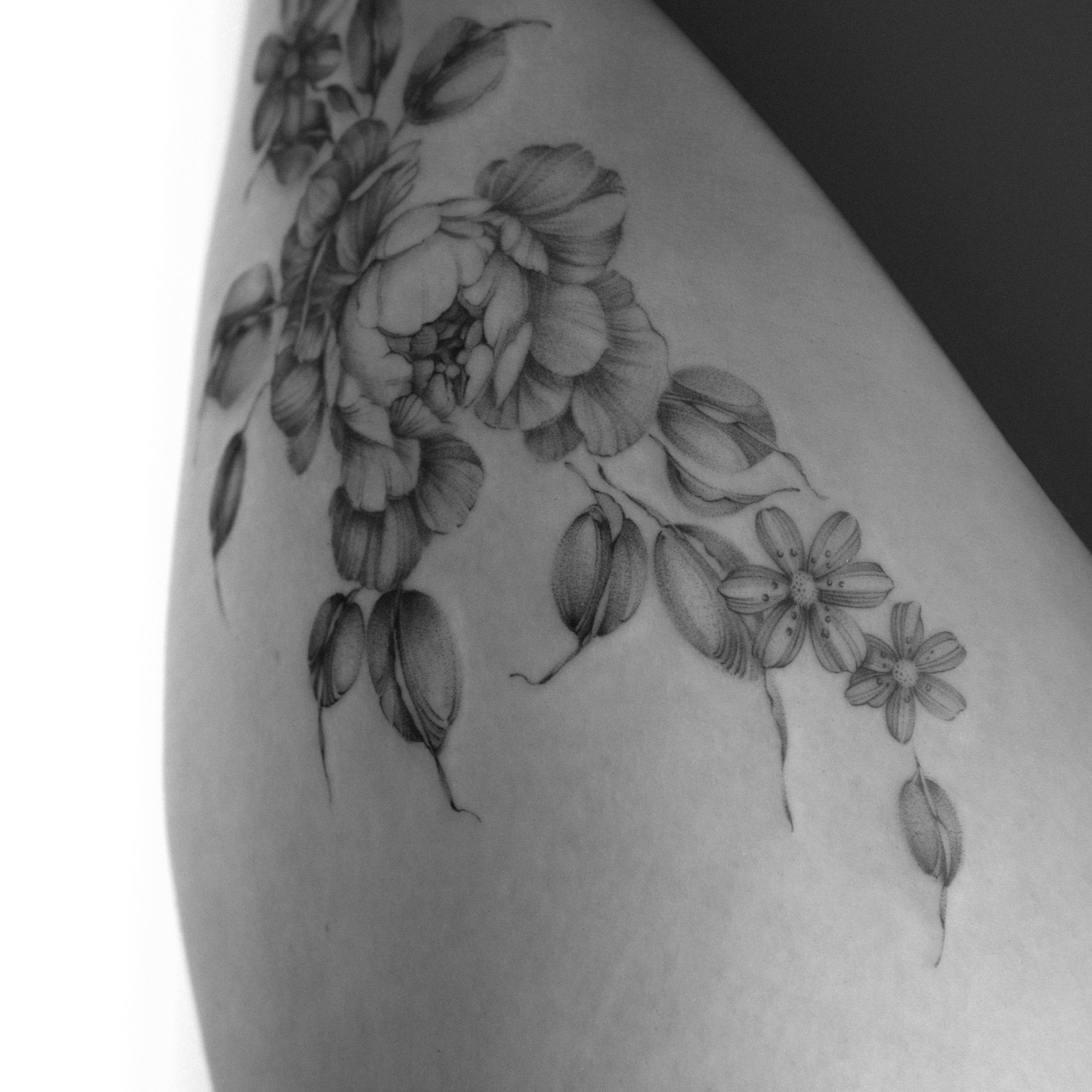
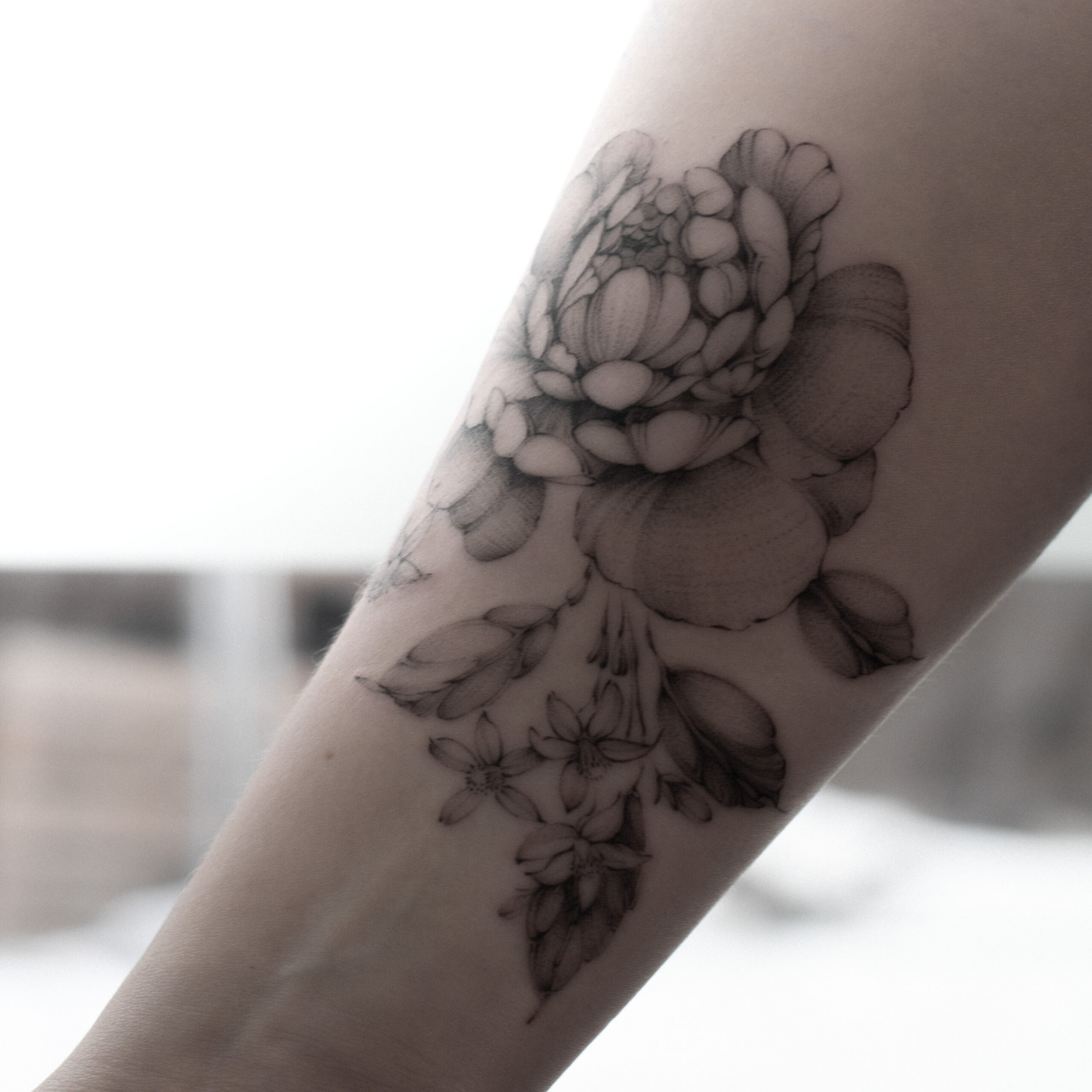
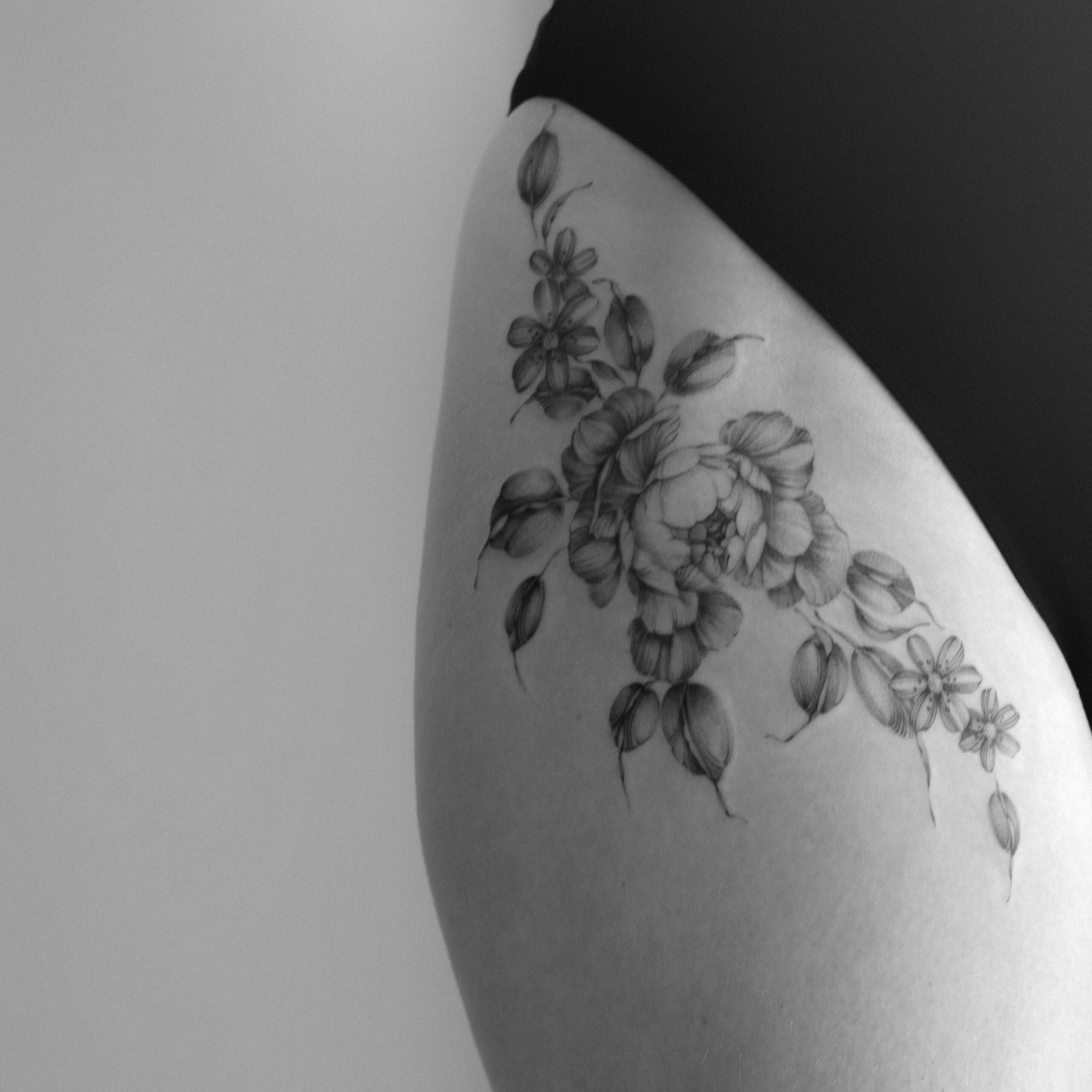
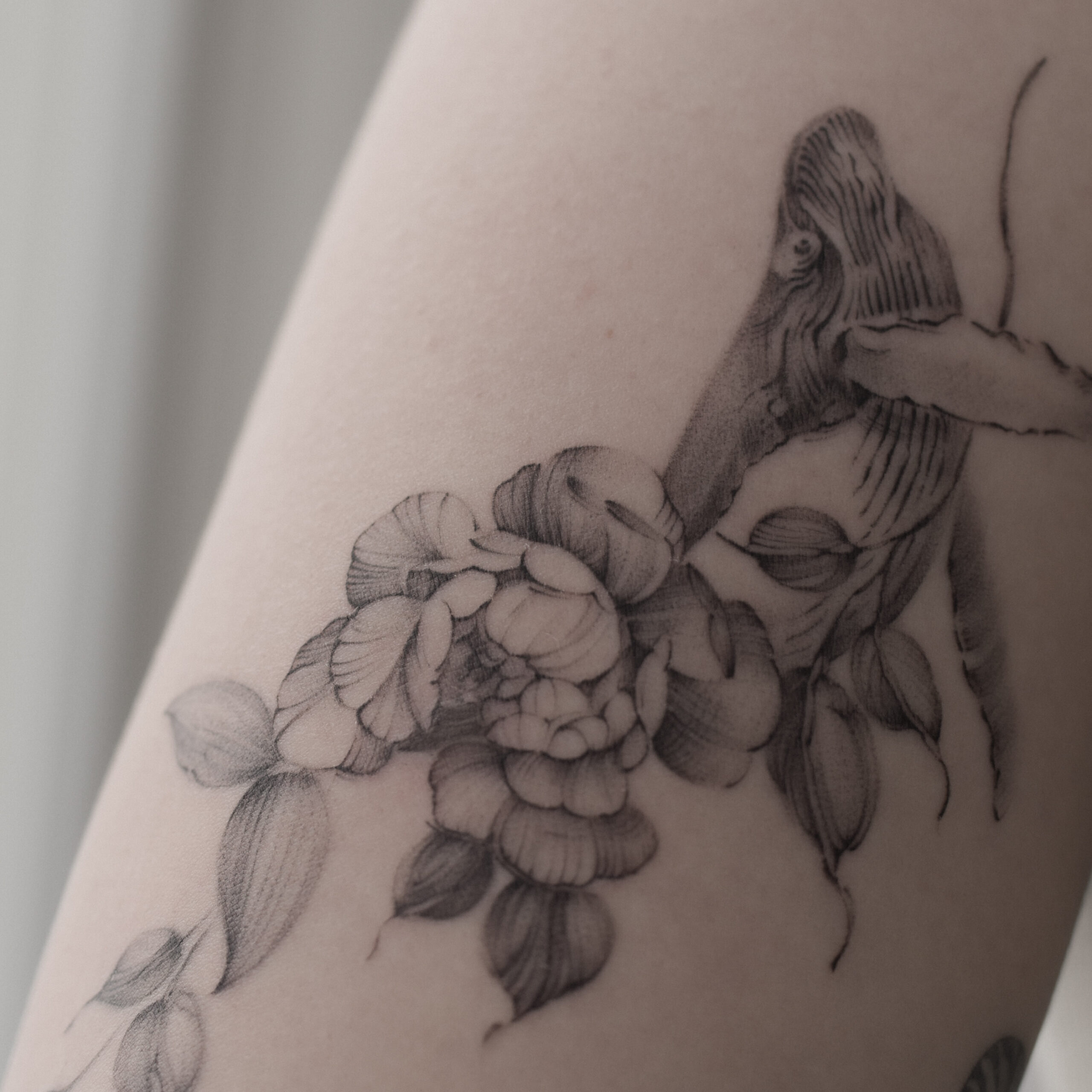
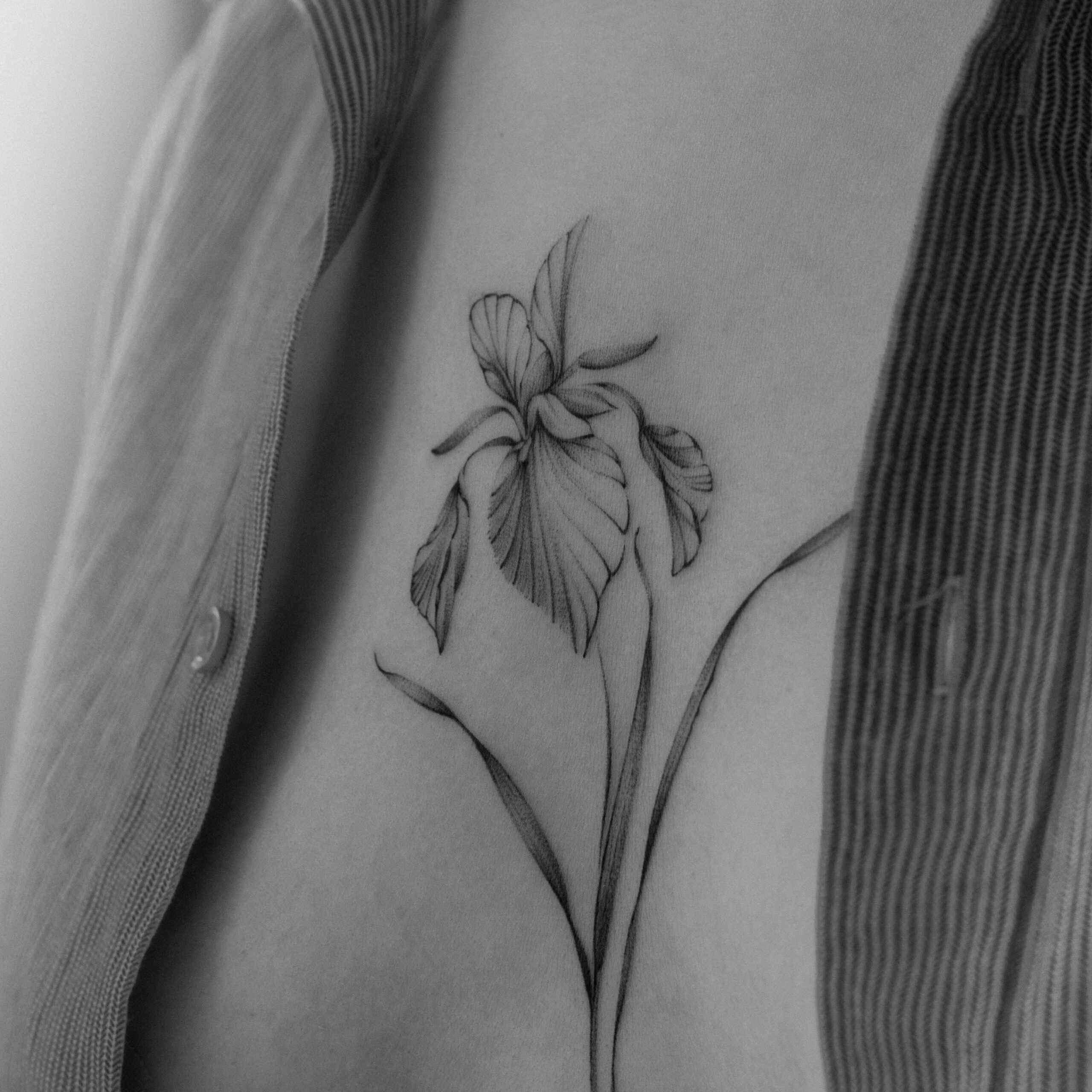
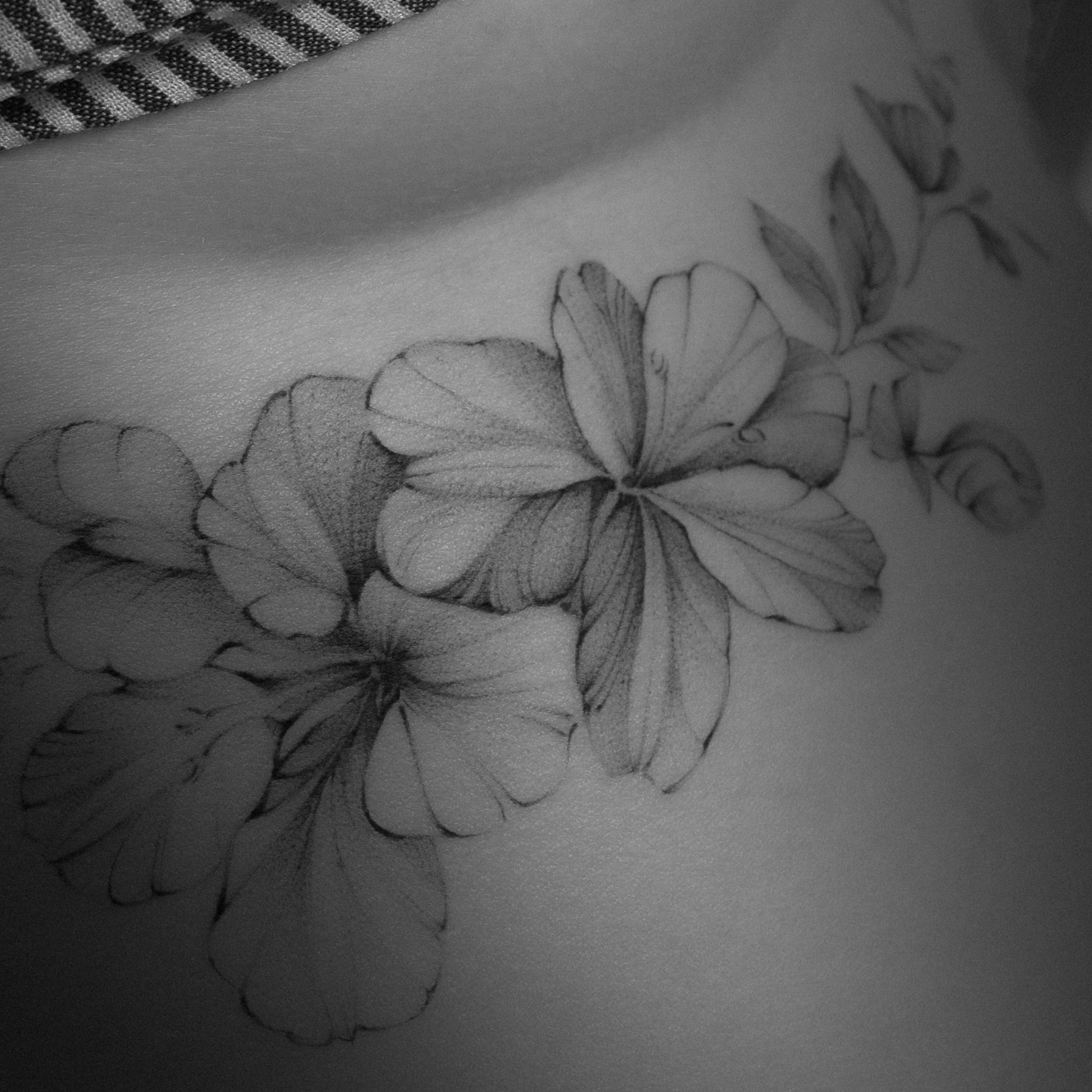
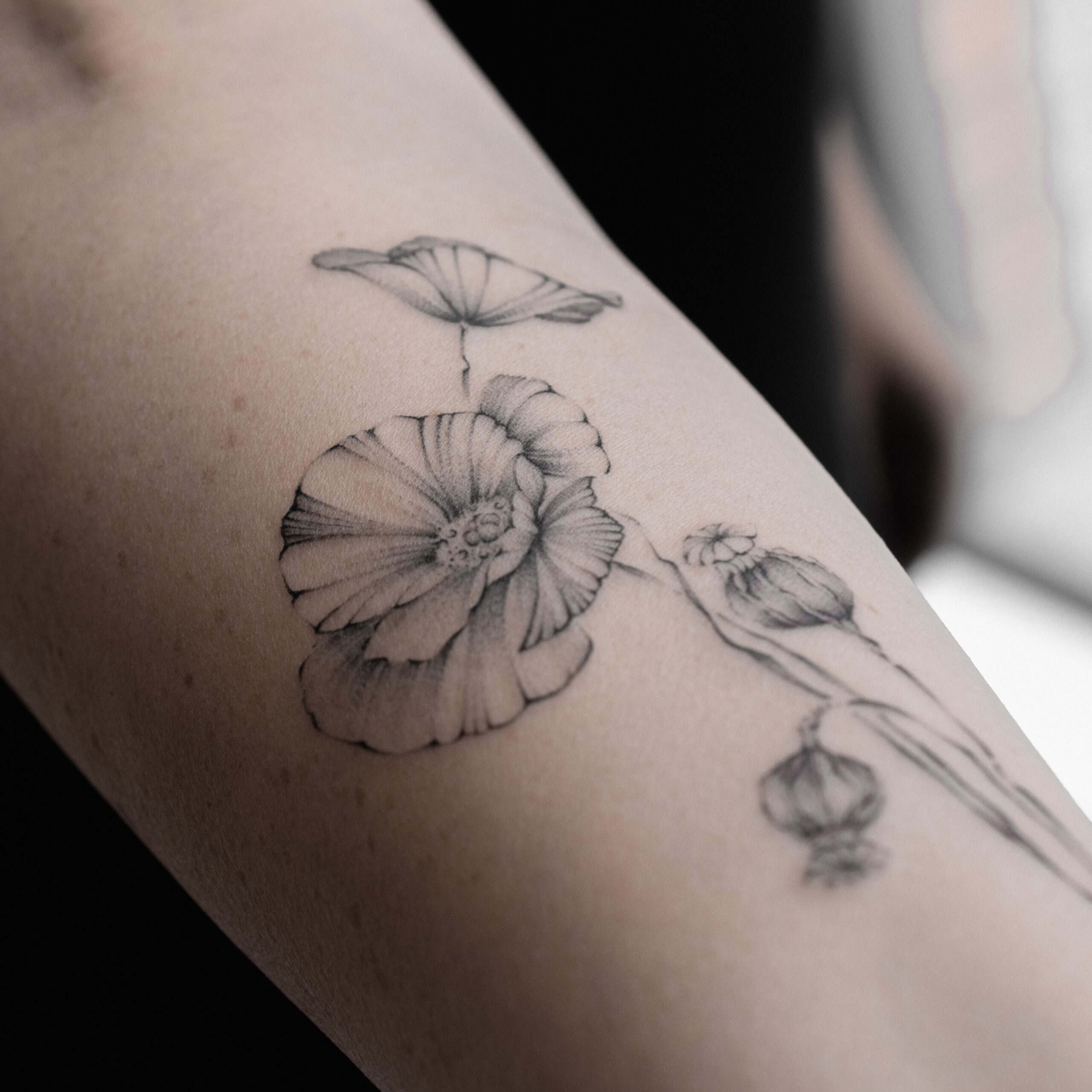
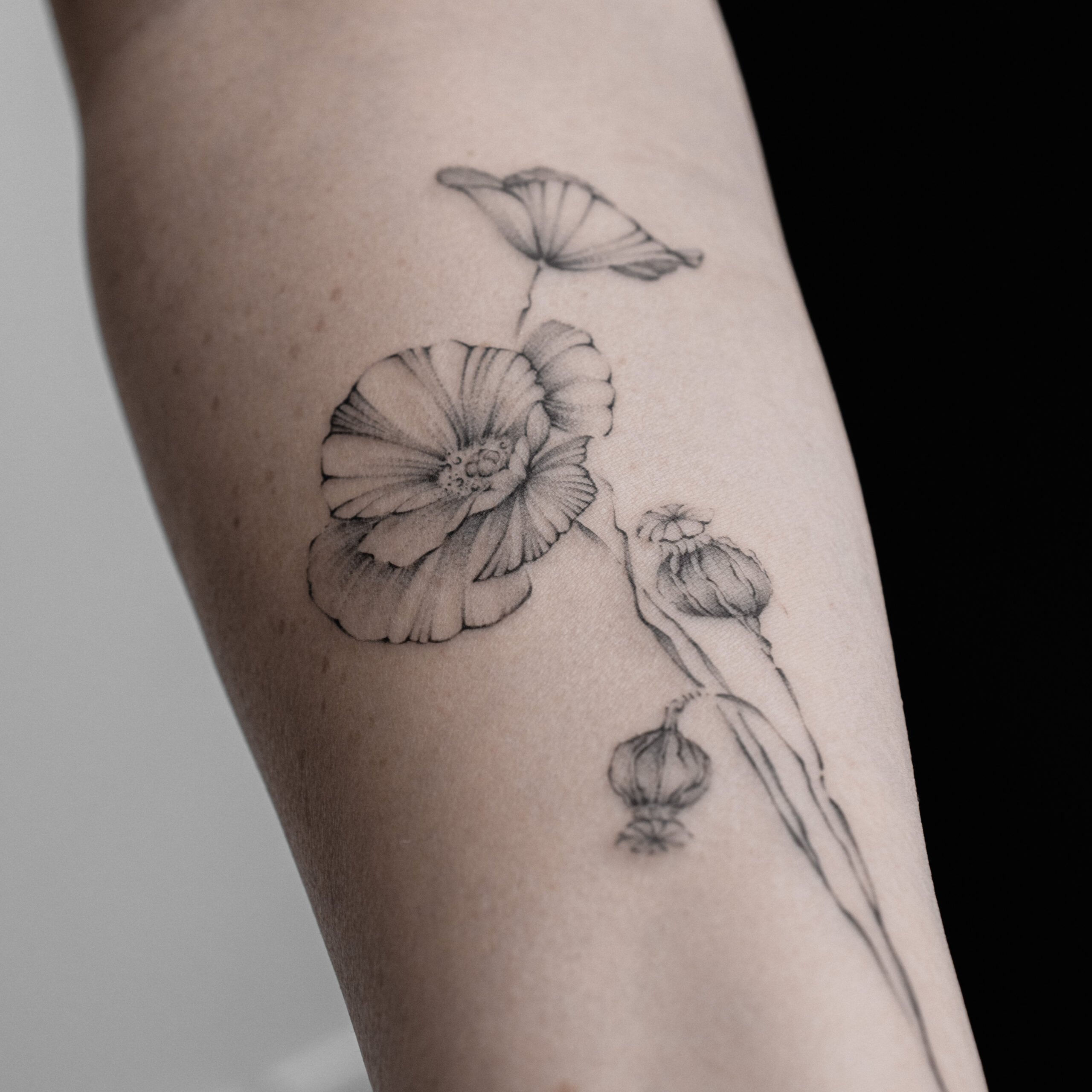
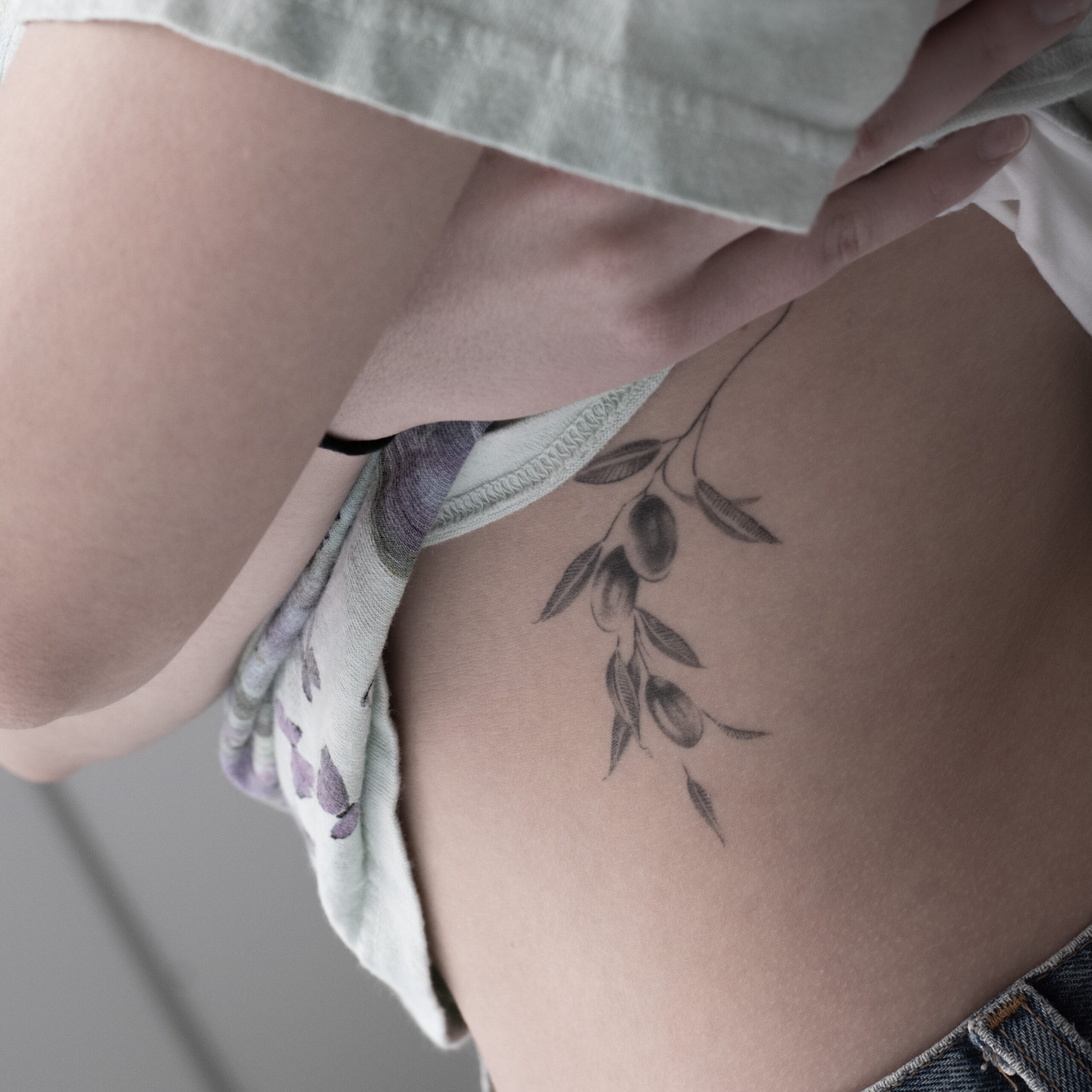
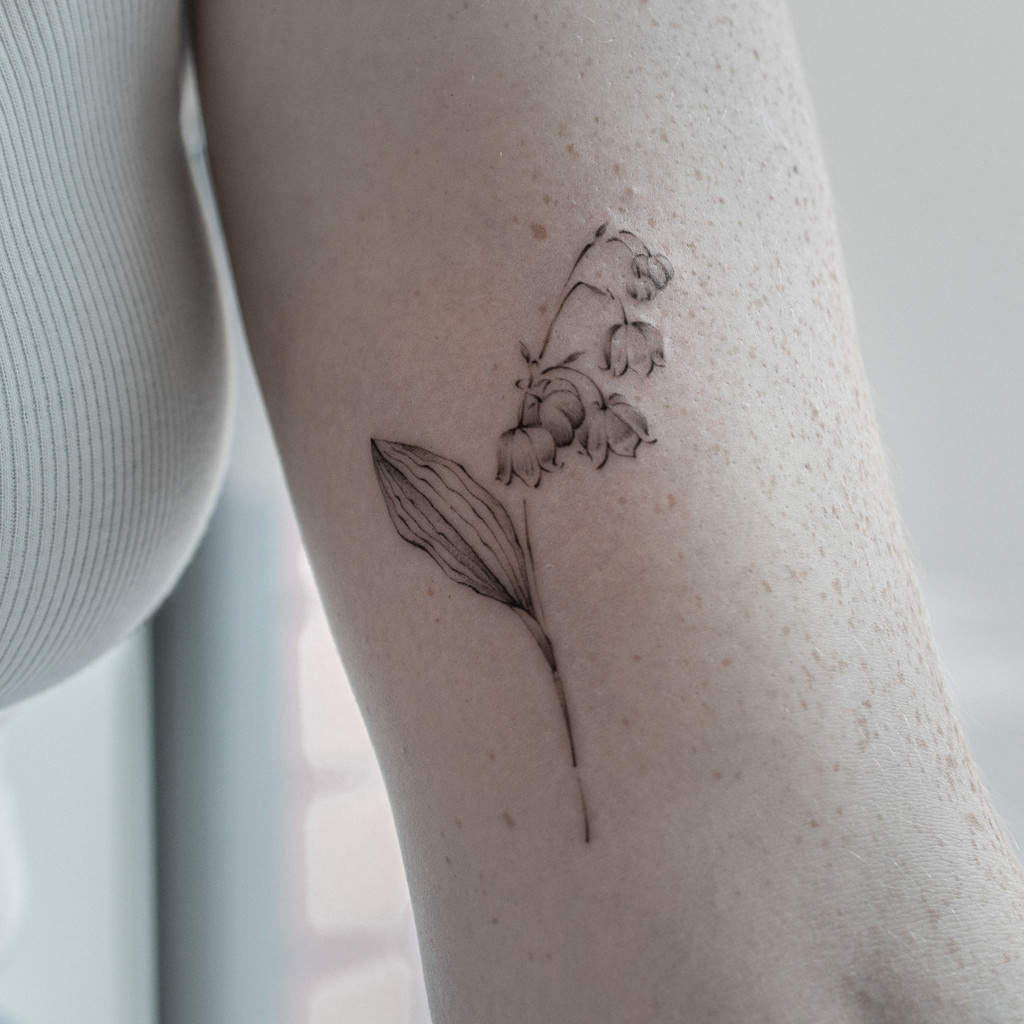
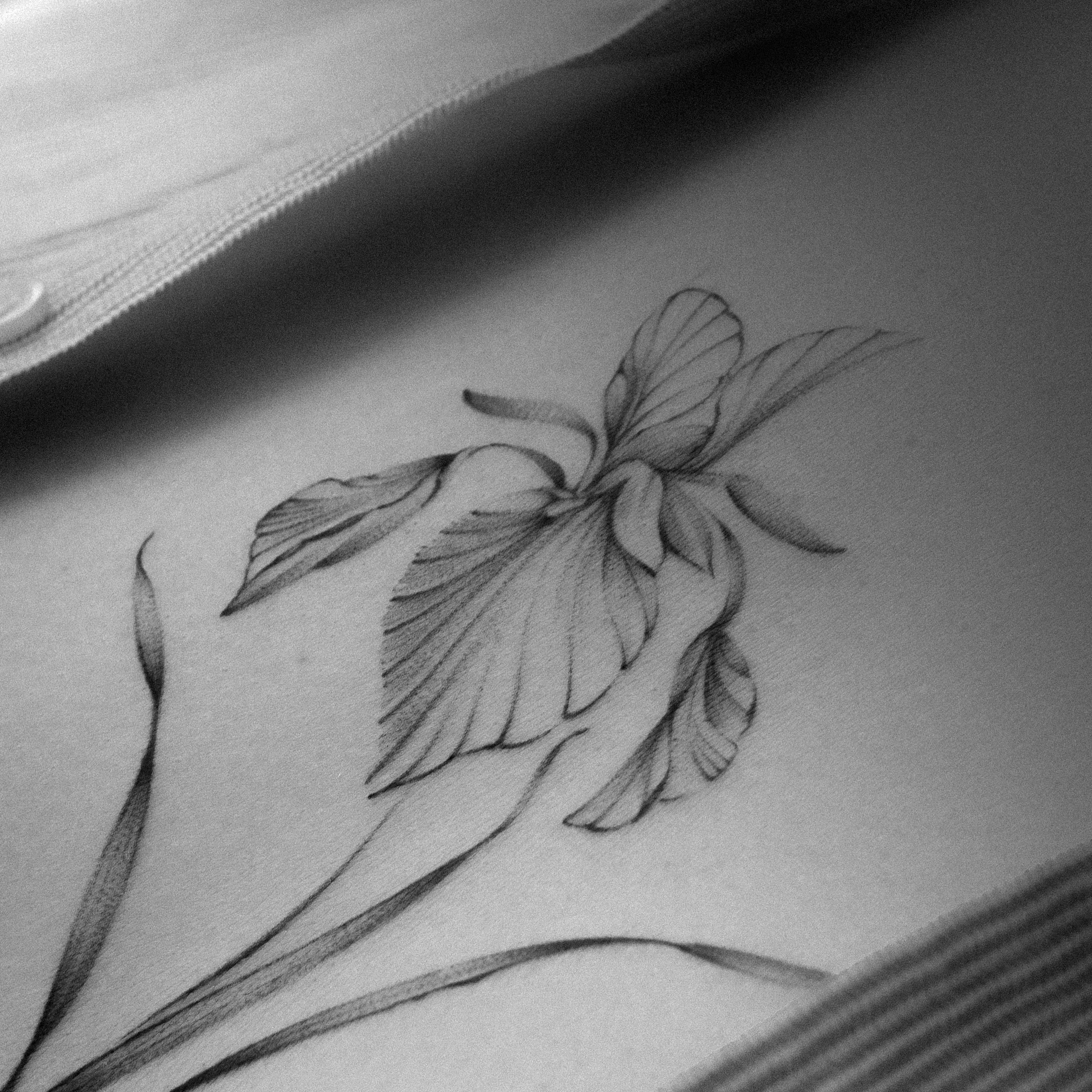
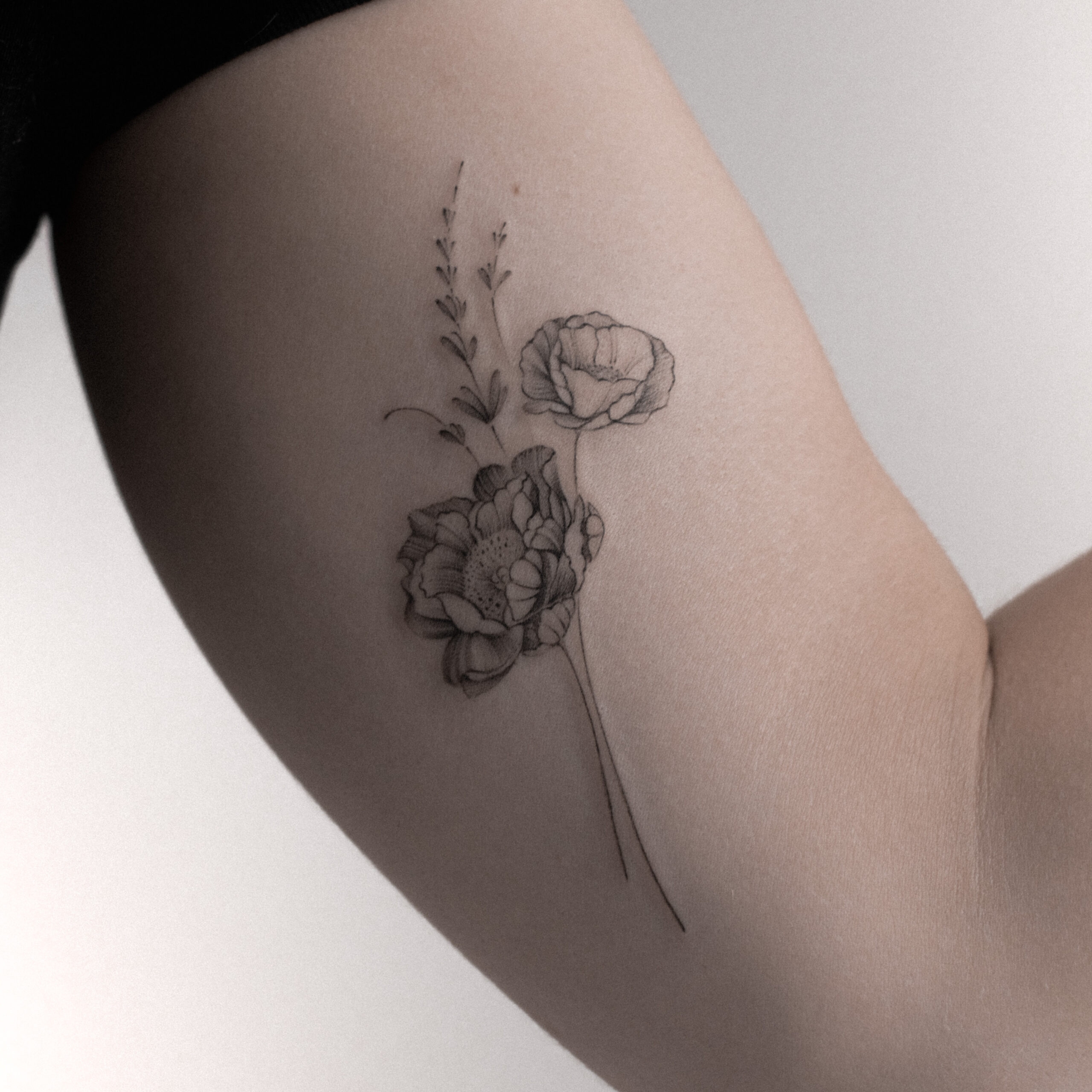
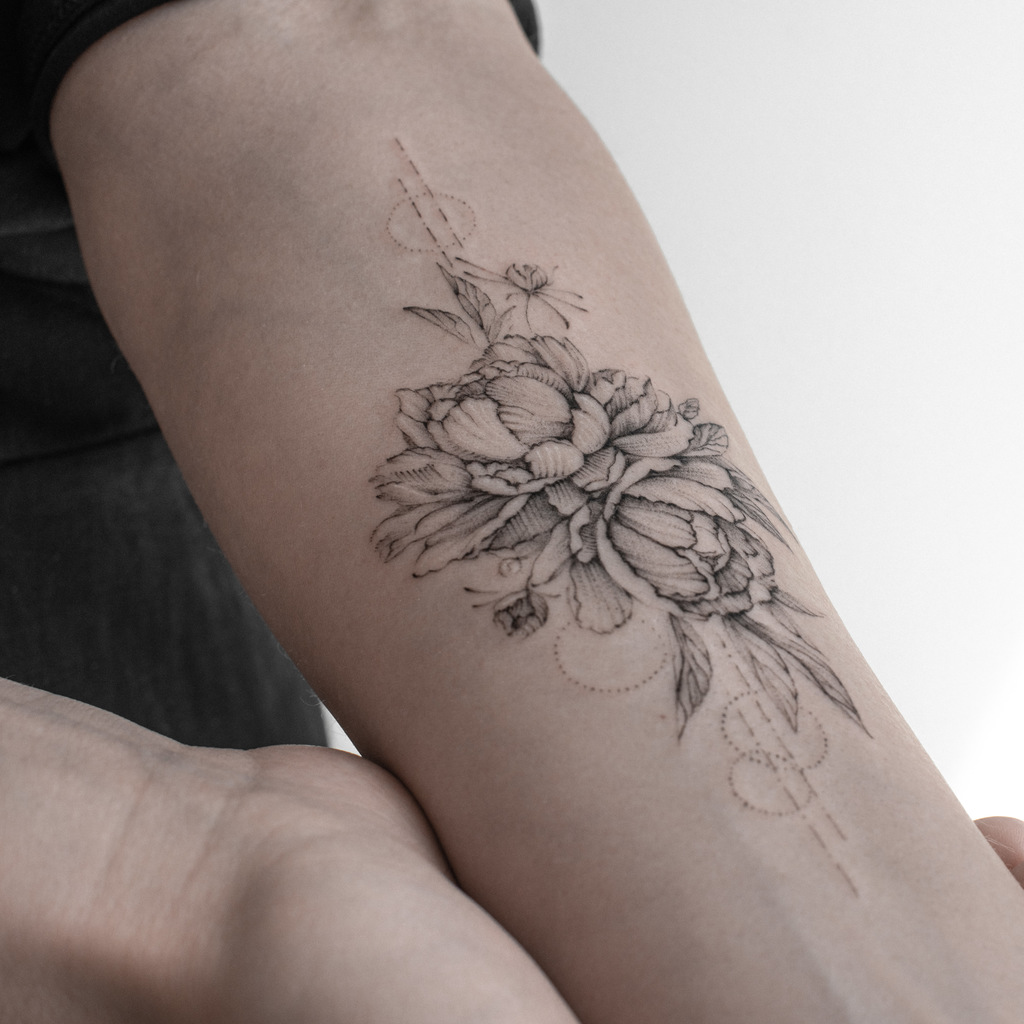
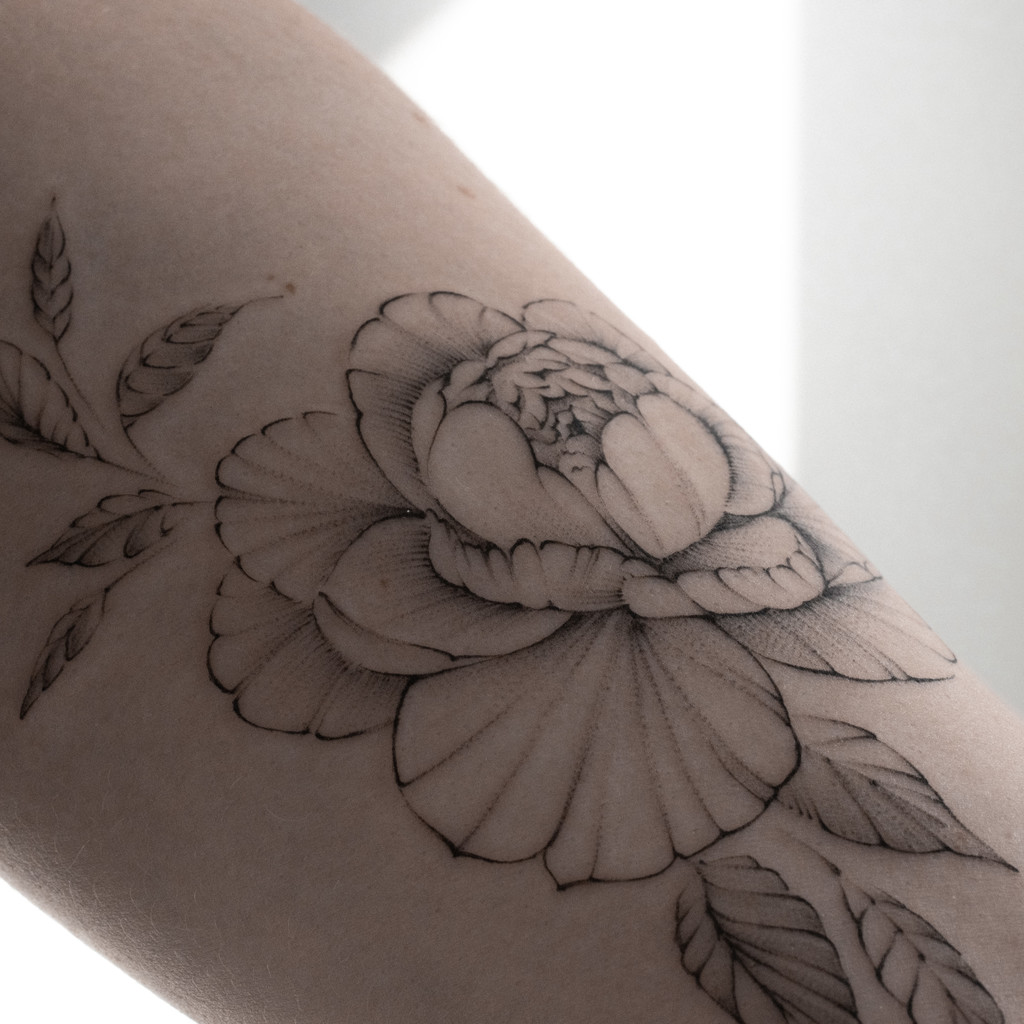
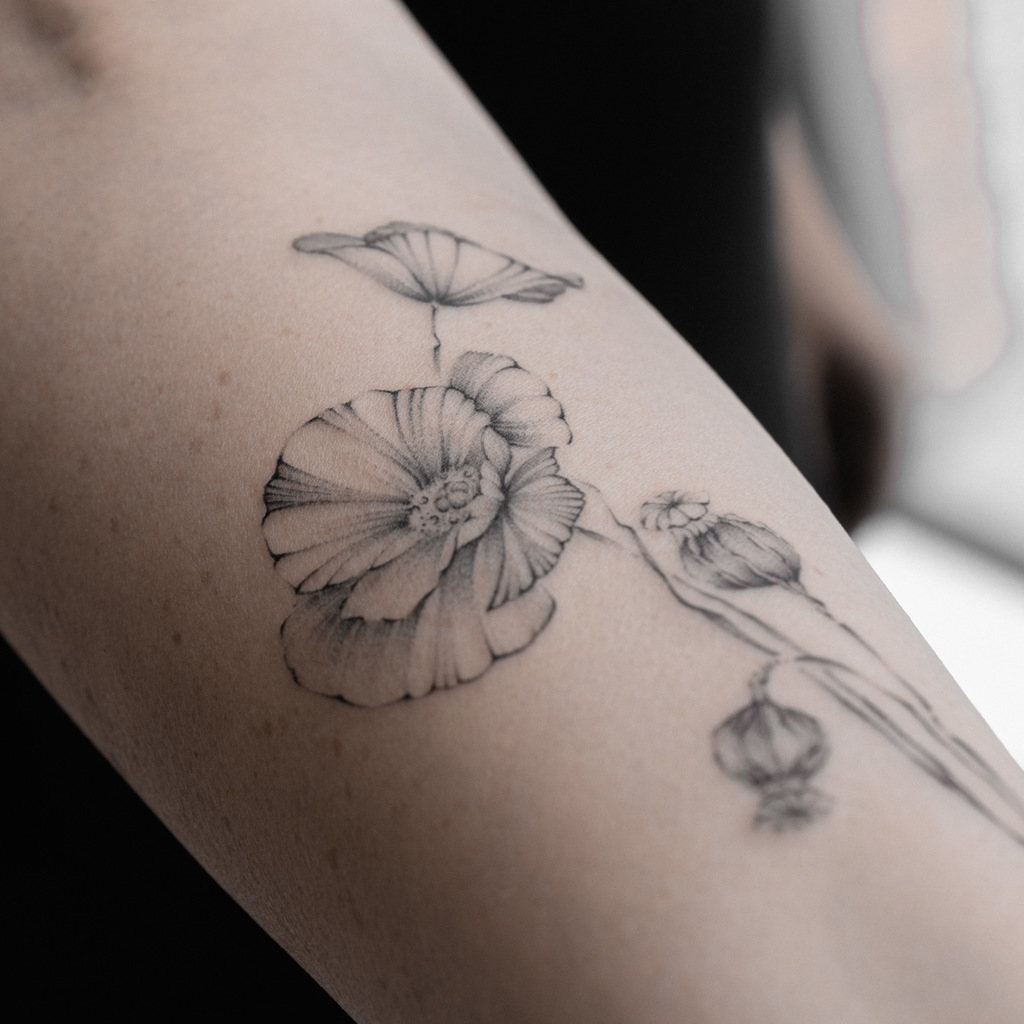
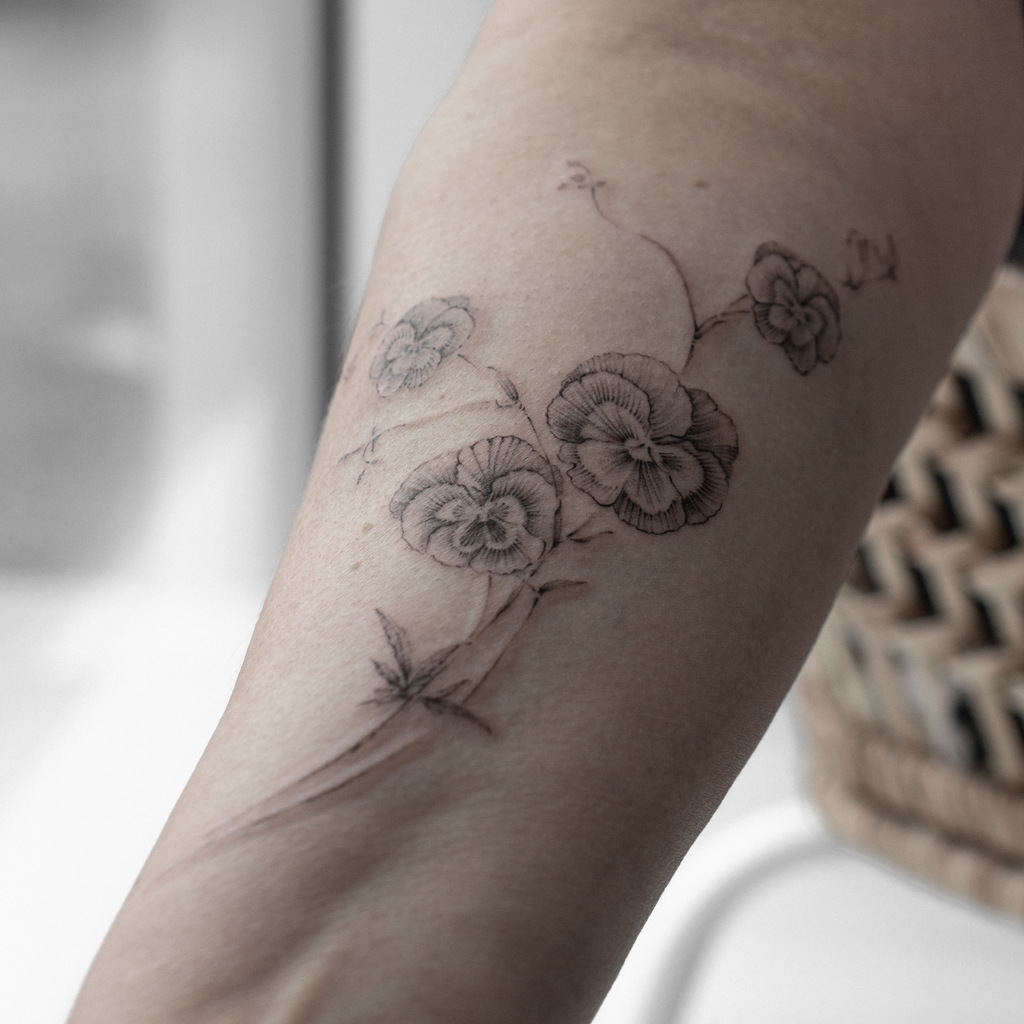
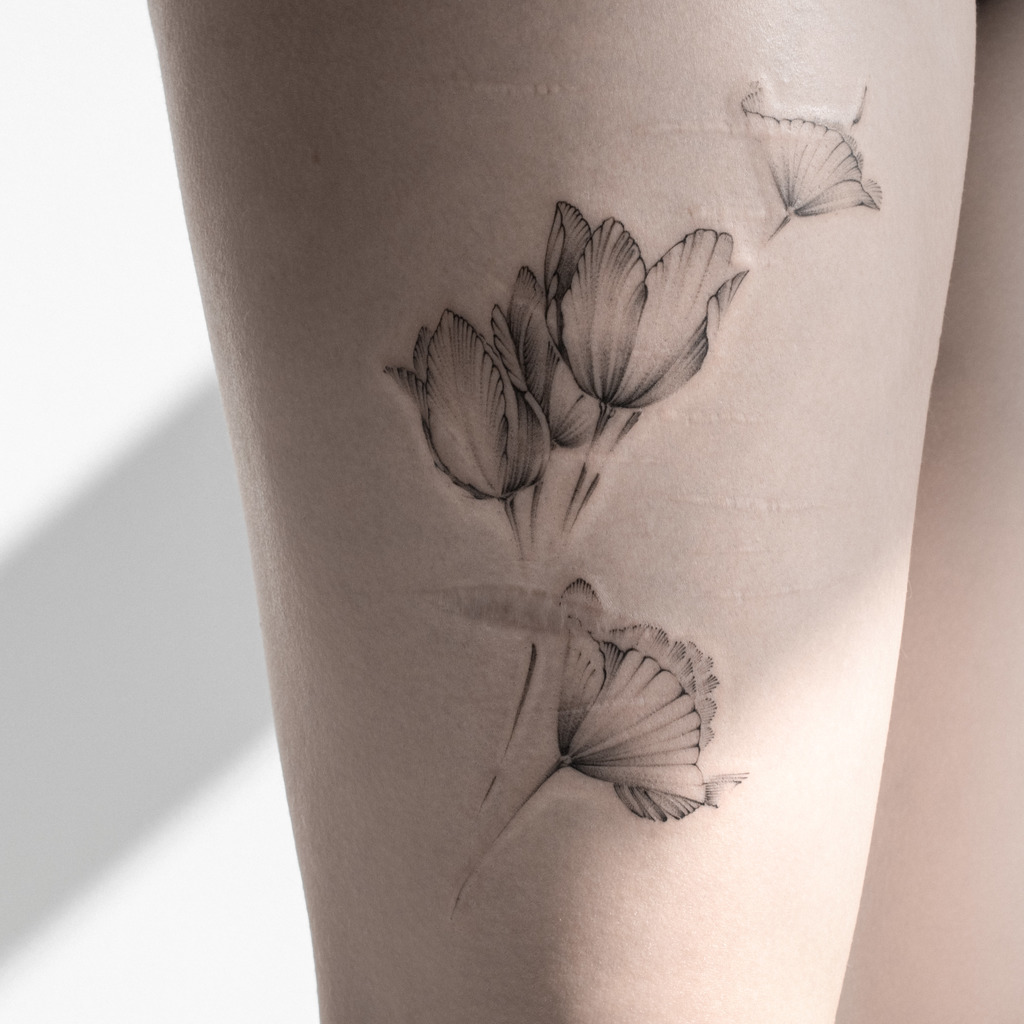
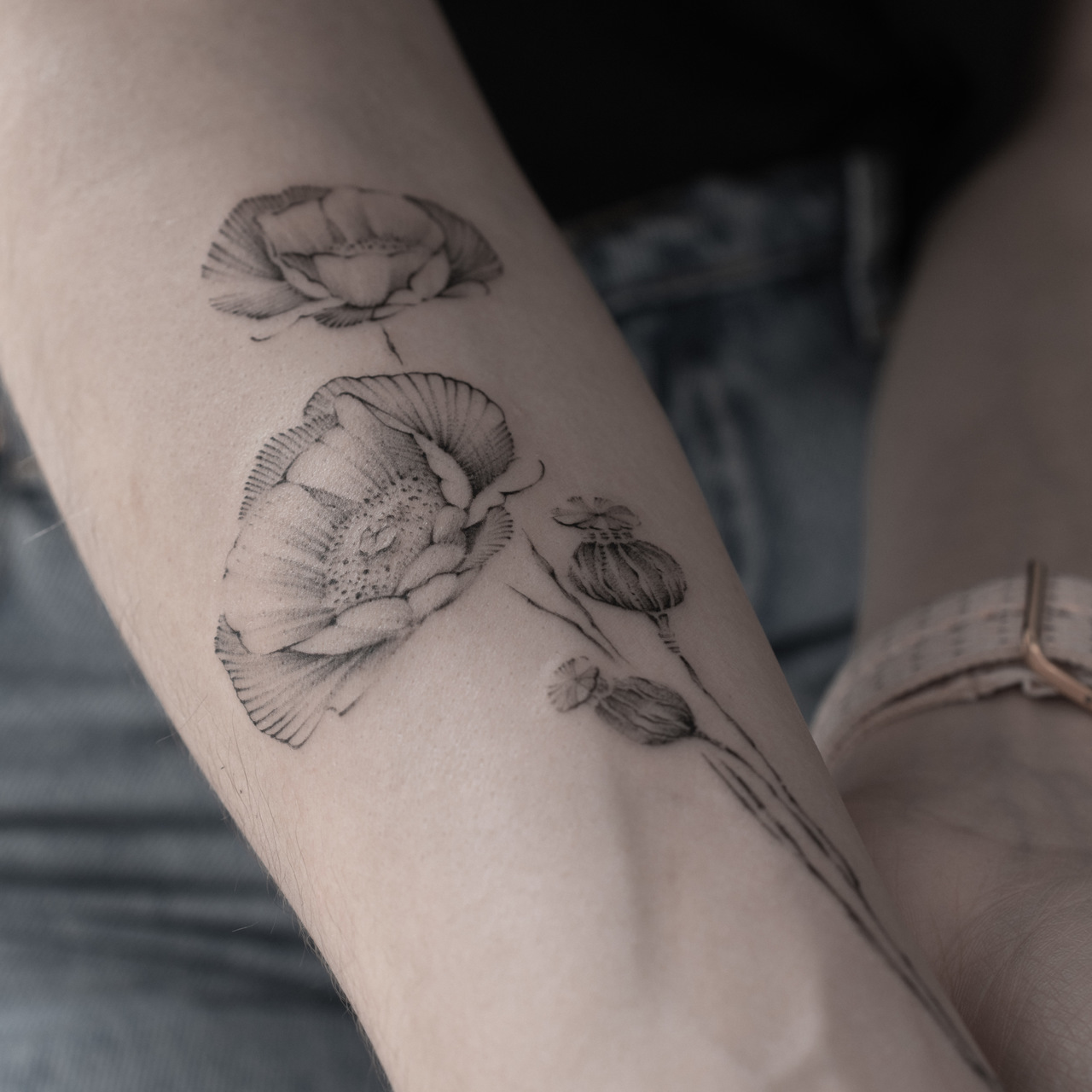
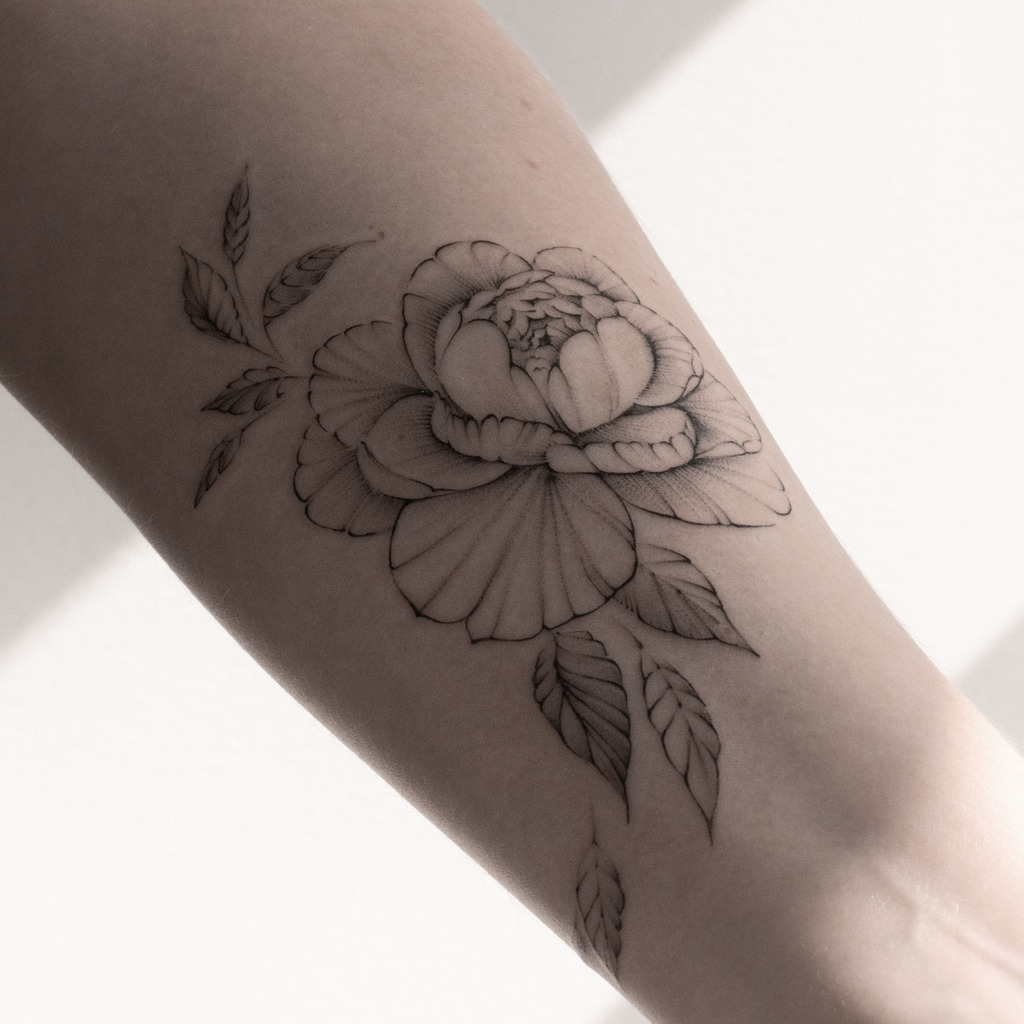
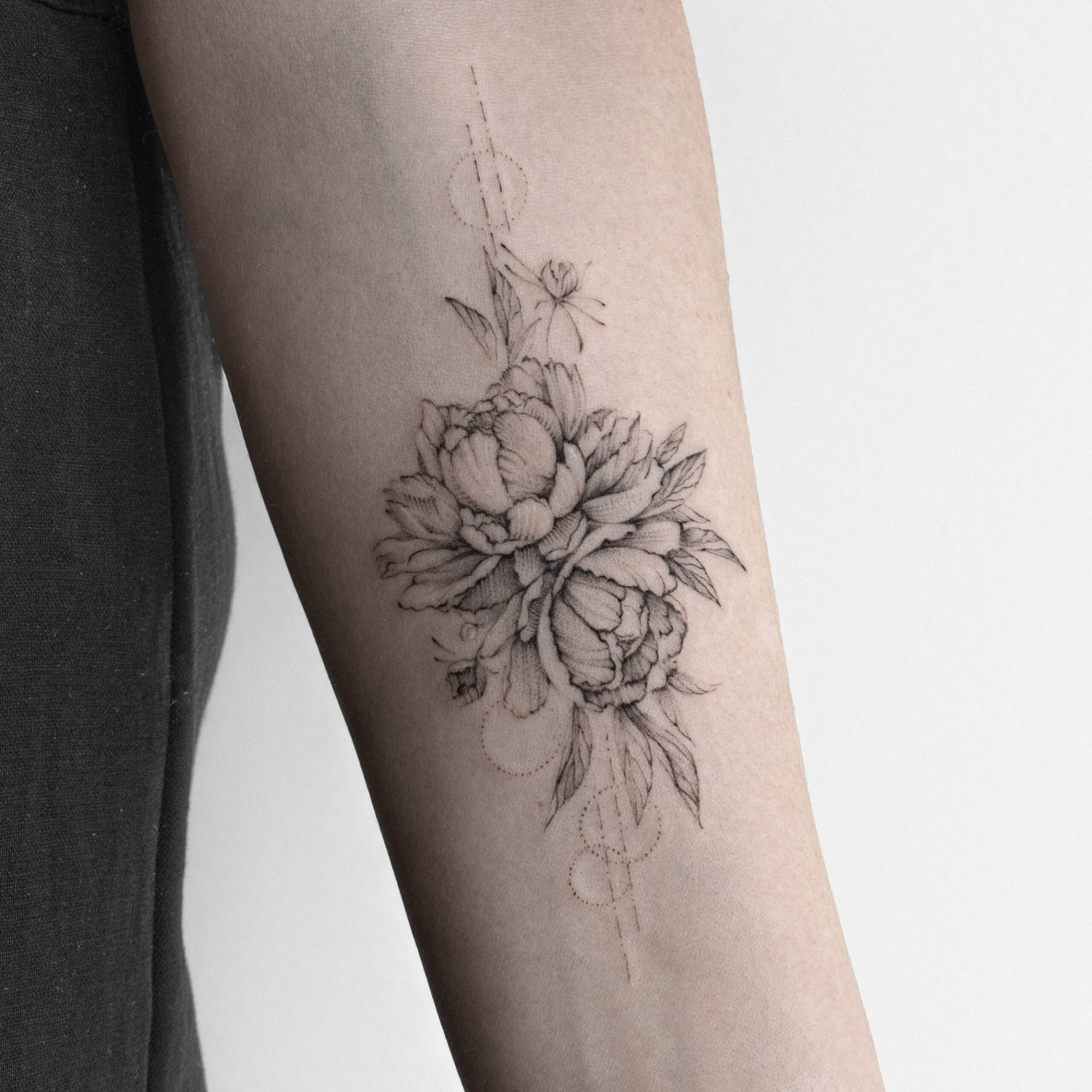
At first glance, architecture and tattooing may seem completely unrelated. But both involve designing directly around living movement. An architect works with how humans move through space. A tattoo artist works with how forms move across the body. In both cases, composition cannot exist independently from the surface it lives on. At Vadelma Tattoo in Amsterdam, this relationship between structure and aesthetics feels particularly natural because Natalie Vadelma originally graduated in architecture before focusing professionally on art and tattooing. That background influences the studio’s visual language in subtle but important ways. Not through rigid technicality, but through awareness of proportion, balance, and how details interact together as part of a larger composition.
Why Good Design Feels Calm
One interesting thing about both architecture and tattooing is that strong design often feels effortless from the outside. People notice the atmosphere before they notice the construction behind it. But simplicity rarely appears accidentally. The Rijksmuseum contains enormous amounts of detail, yet the building never feels visually exhausting. The composition remains controlled. The ornamentation supports the structure instead of overwhelming it. Good tattoos work similarly. When balance exists properly, the design feels natural on the body rather than forced onto it.
Amsterdam as a City of Design
Part of what makes Amsterdam so visually interesting is that the city itself constantly blends historical craftsmanship with contemporary aesthetics. You can walk from seventeenth-century canal houses into modern galleries, fashion studios, or tattoo spaces within minutes. Different creative disciplines coexist naturally here because the city historically valued design, proportion, and artistic culture deeply. This atmosphere influences tattoo culture as well. Many people visiting Amsterdam for tattoos are searching not only for technical execution, but for a more thoughtful artistic environment overall.
The Lasting Power of Craftsmanship
The fact that buildings designed by Pierre Cuypers still define Amsterdam over a century later says something important about craftsmanship itself. Truly thoughtful work tends to outlive trends. Not because it avoids evolution, but because it is built on deeper understanding rather than temporary reaction. The same idea applies to tattooing. Styles naturally evolve, but tattoos created with balance, technical control, and awareness of longevity usually continue feeling relevant far beyond the moment they were made.
The Vadelma Perspective
At Vadelma Tattoo, tattooing is approached as both craftsmanship and visual composition. The goal is not simply to place an image onto skin, but to create work that feels integrated with the body naturally over time. Placement, spacing, rhythm, and reduction all play important roles within that process.
If you want to explore available tattoo concepts, you can start here:
https://vadelma.eu/available-projects
Or contact the studio directly here:
https://vadelma.eu/contact
You can also read more articles here:
https://vadelma.eu/blog
Beyond the Tattoo
For those interested in visual culture beyond tattooing itself, you can also explore museum-quality art prints created by Natalie Vadelma here:
https://vadelmaprints.com/
Final Thoughts
Pierre Cuypers helped shape the visual identity of Amsterdam through architecture that still feels alive more than a century later. And perhaps that longevity reveals something important. Whether in architecture, painting, tattooing, or design, the strongest work often comes from the same place: patience, structure, and understanding how humans emotionally experience form. Good craftsmanship does not only decorate life. It shapes how life feels.
FAQ – Pierre Cuypers and the Rijksmuseum
Who designed the Rijksmuseum in Amsterdam?
The Rijksmuseum was designed by Dutch architect Pierre Cuypers.
When was the Rijksmuseum opened?
The museum officially opened in 1885.
What architectural style is the Rijksmuseum?
The building combines Gothic Revival and Neo-Renaissance influences.
Why is Pierre Cuypers important in Dutch architecture?
He designed several iconic Dutch landmarks, including the Rijksmuseum and Amsterdam Centraal station.
Where can I learn more before booking a tattoo?
https://vadelma.eu/faq-vadelma-tattoo/