Psychological Benefits of Tattoos | Confidence, Identity & Meaning
Why Getting a Tattoo Can Be Good for You: The Psychology Behind It
For a long time, tattoos were seen as something mostly rebelious, something purely decorative. Something a ”good” boy or girl won’t do. But that view is slowly disappearing. What is replacing it is something more interesting — the idea that tattoos are not just visual, but psychological. Not just something you put on your body, but something that reflects how you see yourself. And in many cases, something that helps you understand yourself more clearly – or help You with any kind of life situations. To be here and now and to feel human.
Tattoos as a Form of Self-Expression
One of the most consistent findings in research is that tattoos function as a form of self-expression. A study in the field of psychodermatology describes tattoos as a way of placing internal experiences onto the skin — a visible representation of thoughts, emotions, and identity. In simple terms, a tattoo is not just an image. It is a translation. Something internal becomes external. Something abstract becomes visible. And that process alone has psychological value. Because most people don’t often take the time to define what something actually means to them. But when you decide to make it permanent, clarity becomes necessary.
A Stronger Sense of Identity
Another important insight comes from psychiatric research, where tattoos are described as a “window into the psyche.” That might sound abstract, but it’s actually very practical. When someone chooses a tattoo, they are often selecting:
- a memory
- a value
- a turning point
- or a part of themselves they want to recognize
This creates a stronger connection between identity and physical form. Instead of identity being something vague or shifting, it becomes anchored. Not in a rigid way — but in a way that feels more real.
Confidence and Body Perception
There is also evidence suggesting that tattoos can influence how people feel about their own bodies. In studies observing people before and after getting tattoos, participants reported changes in how they perceived their appearance, their uniqueness, and their sense of self. This doesn’t mean tattoos magically create confidence. But they can reinforce it. Because the act of choosing something permanent requires a certain level of ownership. You are making a decision that reflects who you are, not who you are expected to be. And that alone can shift how you see yourself.
Control, Meaning, and Emotional Processing
One of the more subtle psychological aspects of tattoos is control. Many people choose tattoos during moments of transition. After something ends. After something begins. After something changes. Research suggests that tattoos can also be linked to processing emotions or marking personal experiences. In that sense, a tattoo becomes less about decoration and more about integration. You are not just remembering something. You are placing it into your story in a way that feels complete.
Why the Experience Matters
Here’s where things become important. The psychological benefit of a tattoo is not only in the design. It is also in the process. If the experience feels rushed, noisy, or disconnected, something is lost. But when the environment allows you to slow down, reflect, and understand what you are doing, the meaning becomes stronger. That is why more people are moving away from high-volume studios and looking for something more intentional.
The Vadelma Tattoo Approach
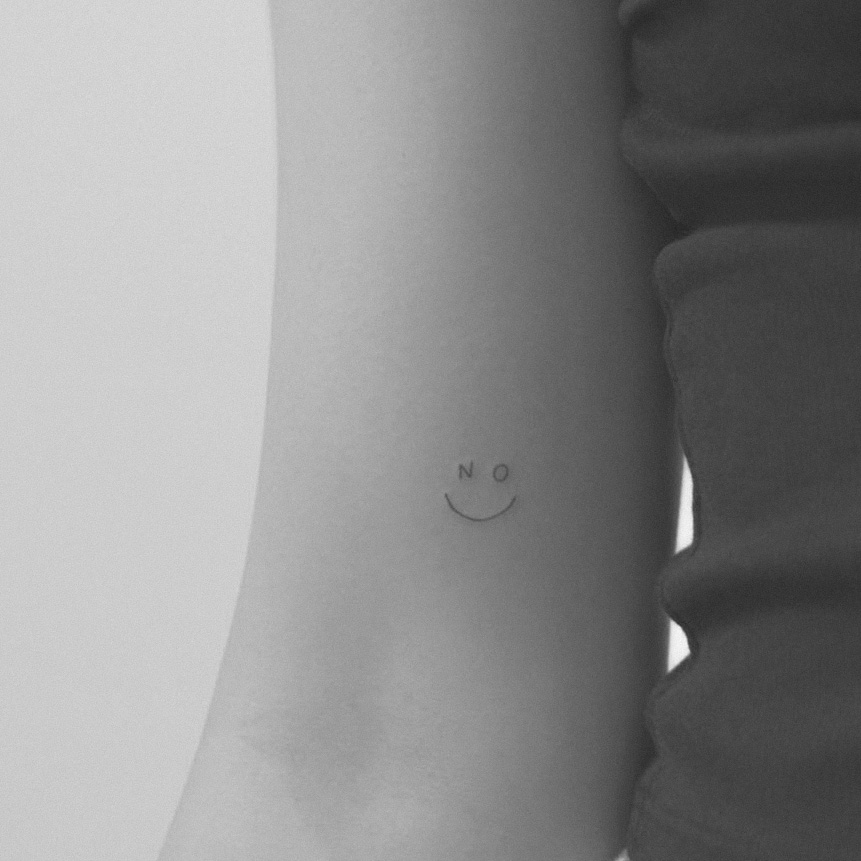
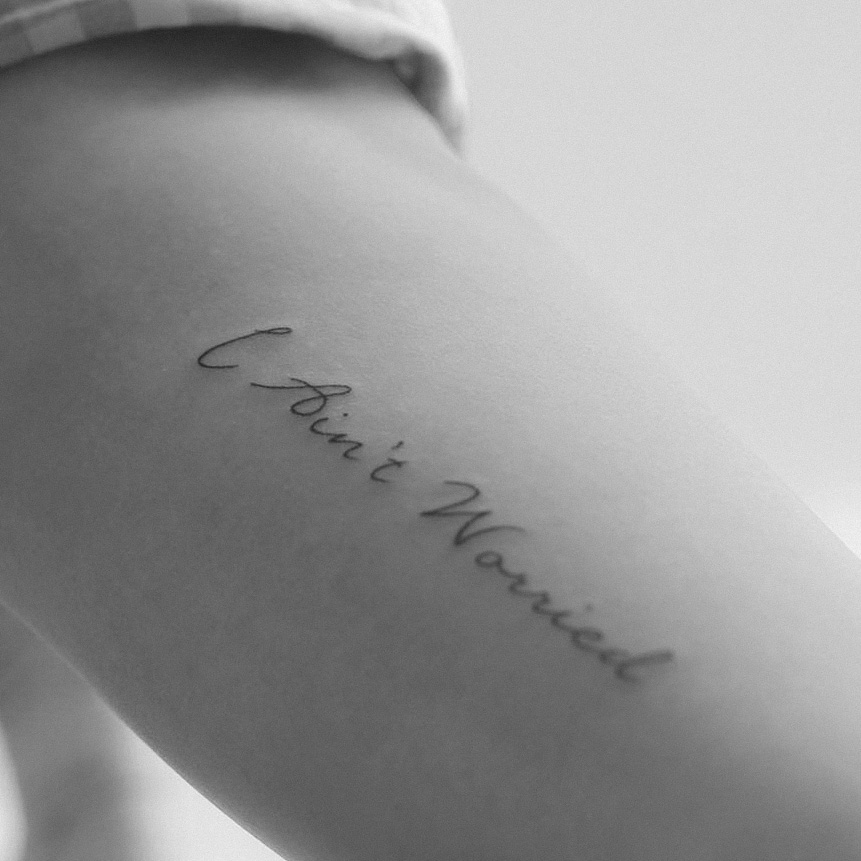
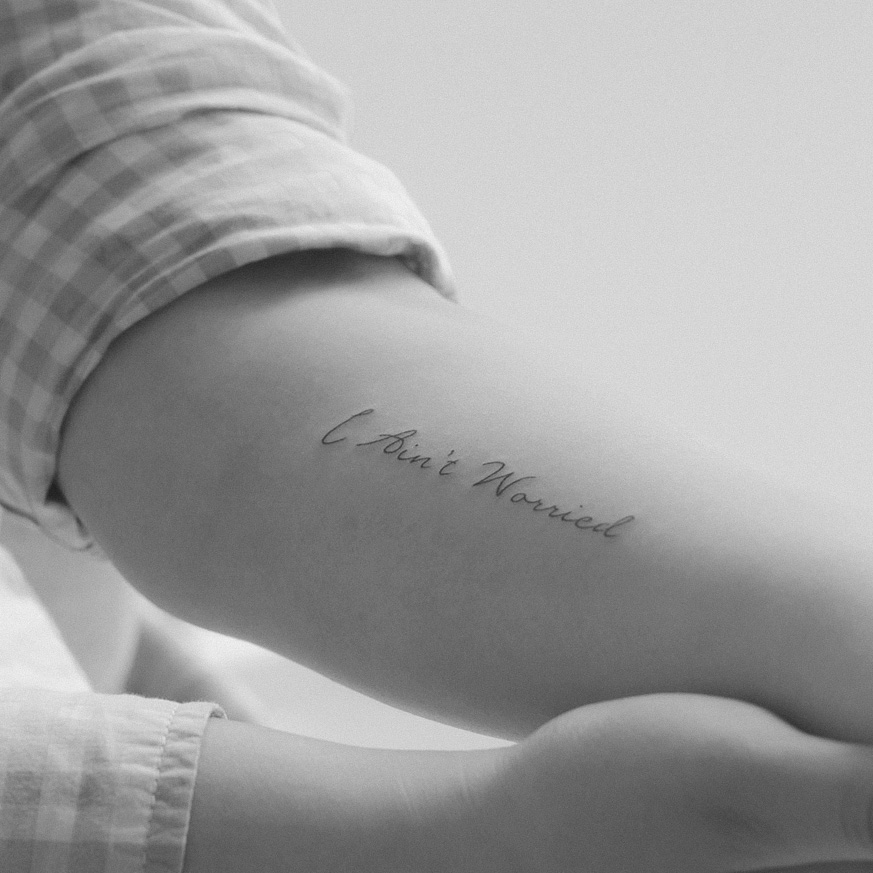
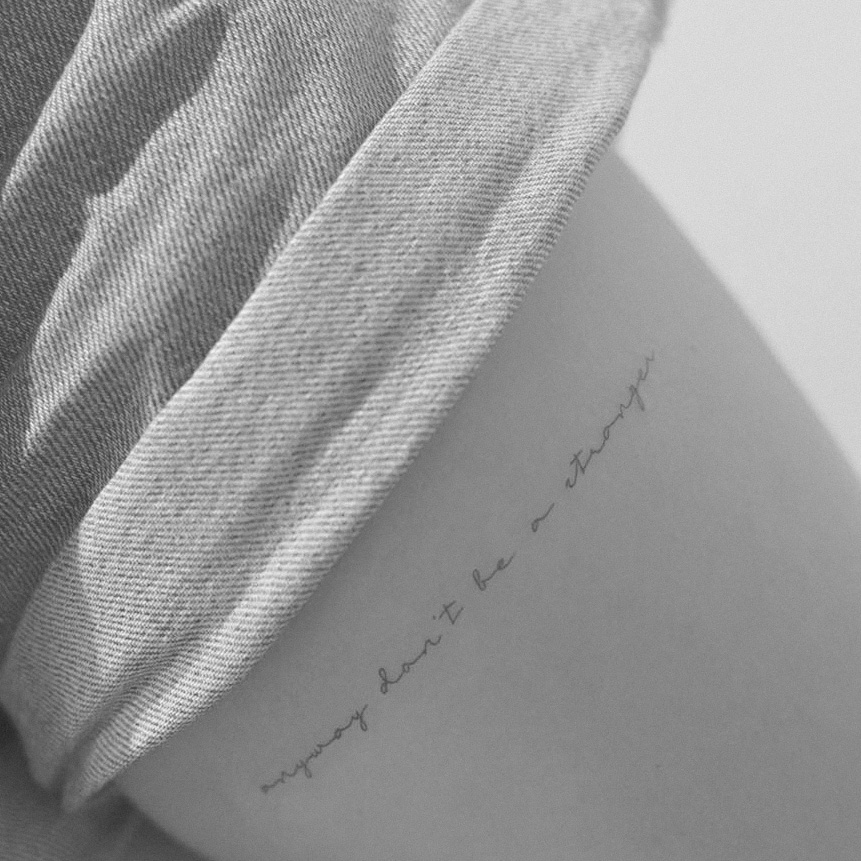
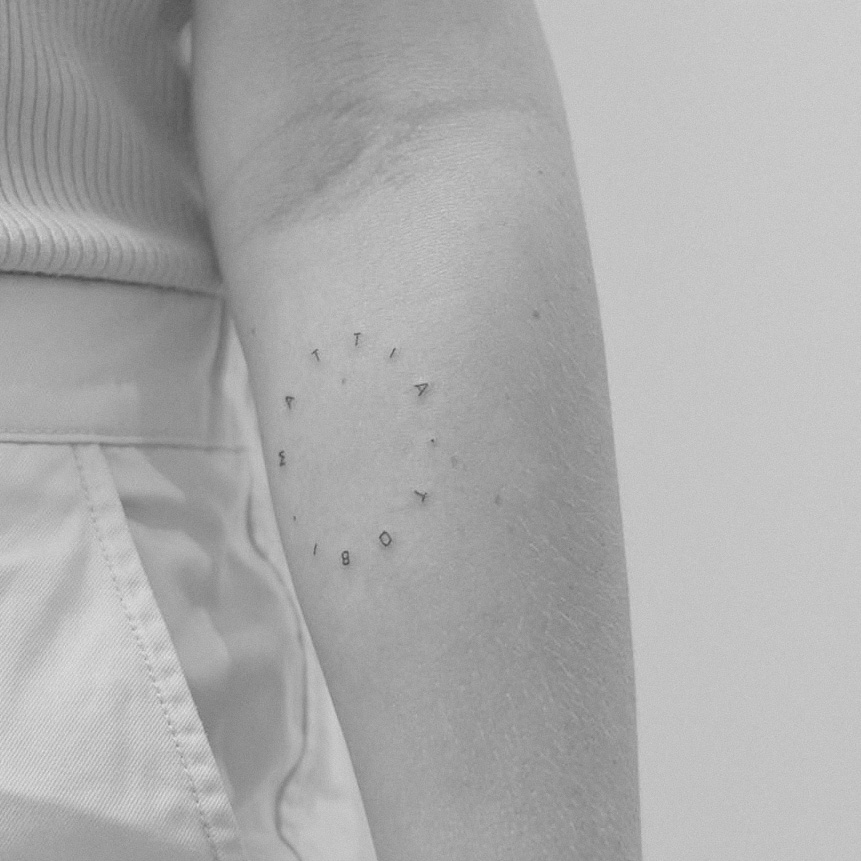
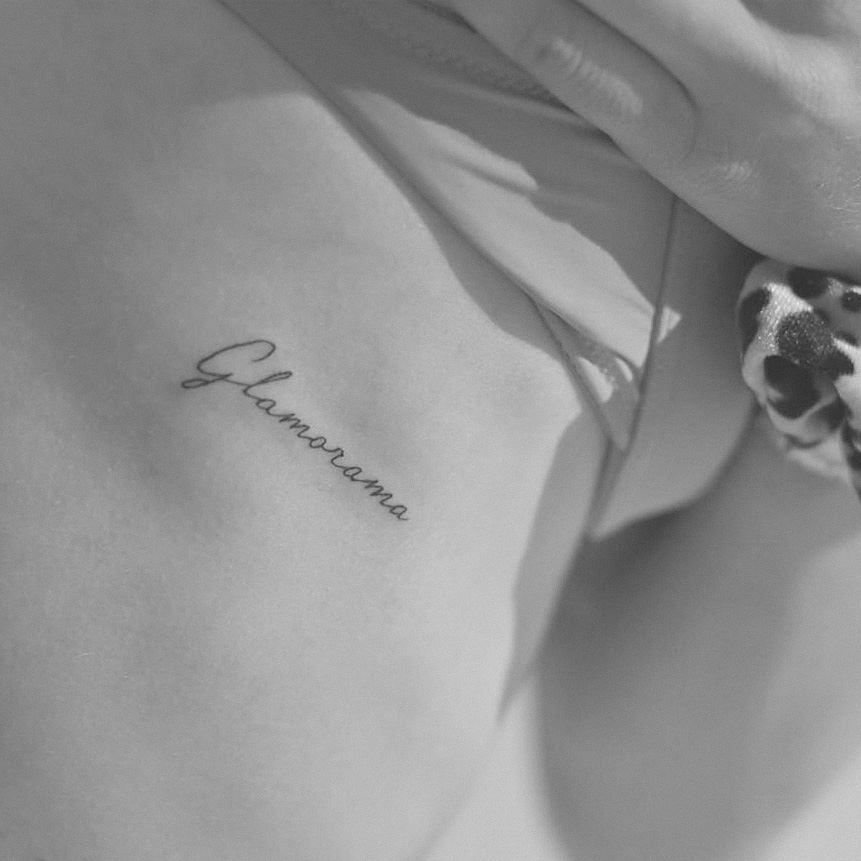
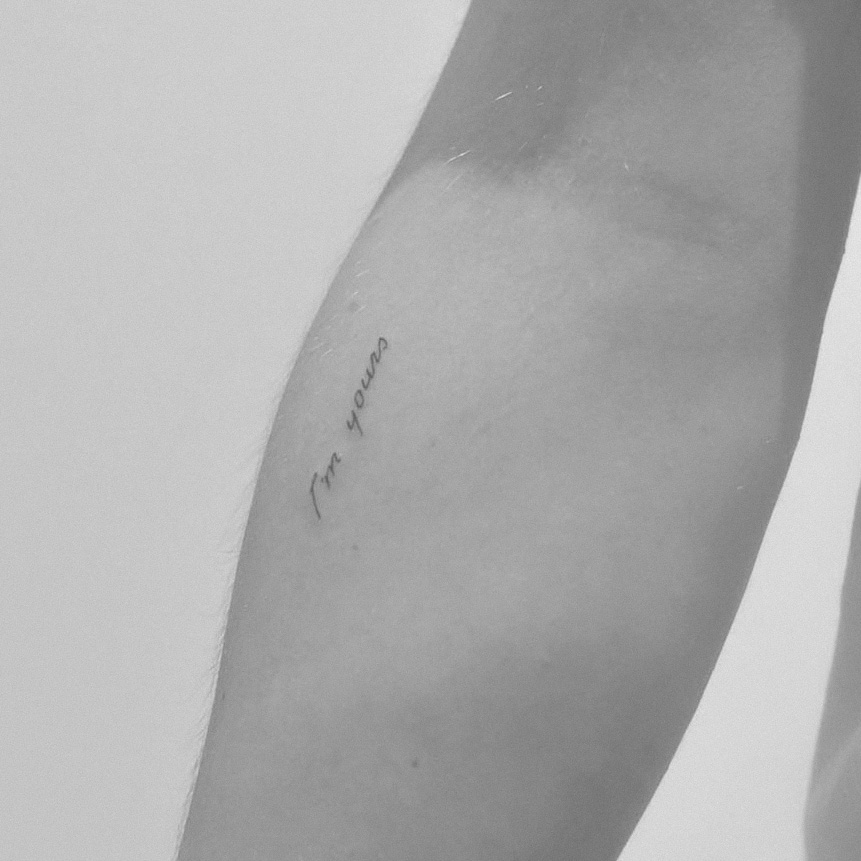
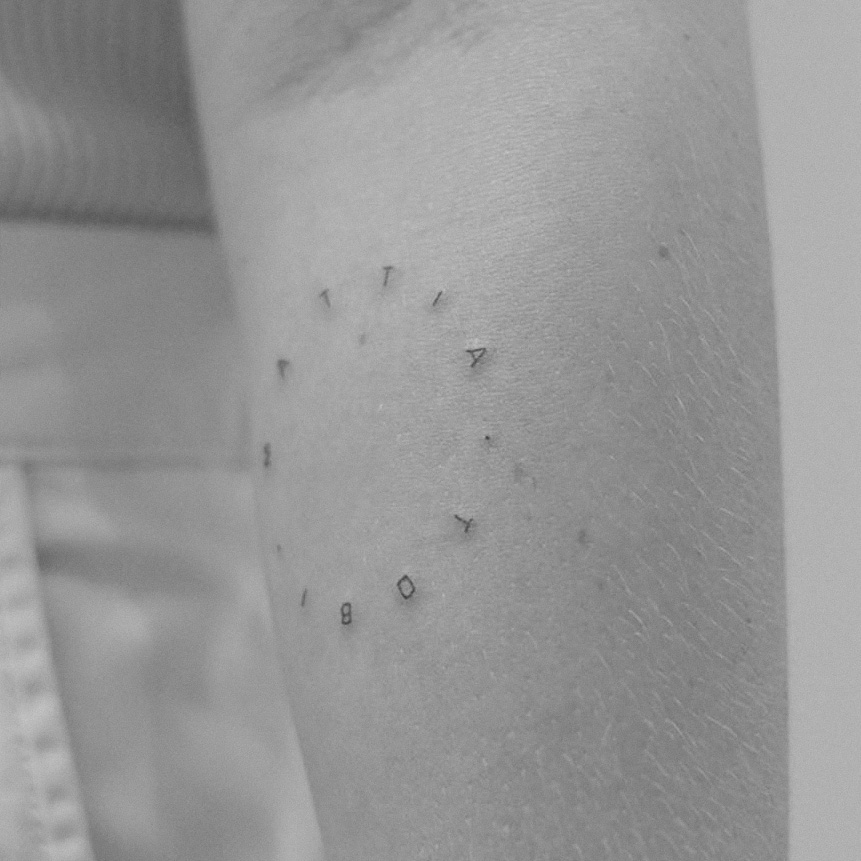
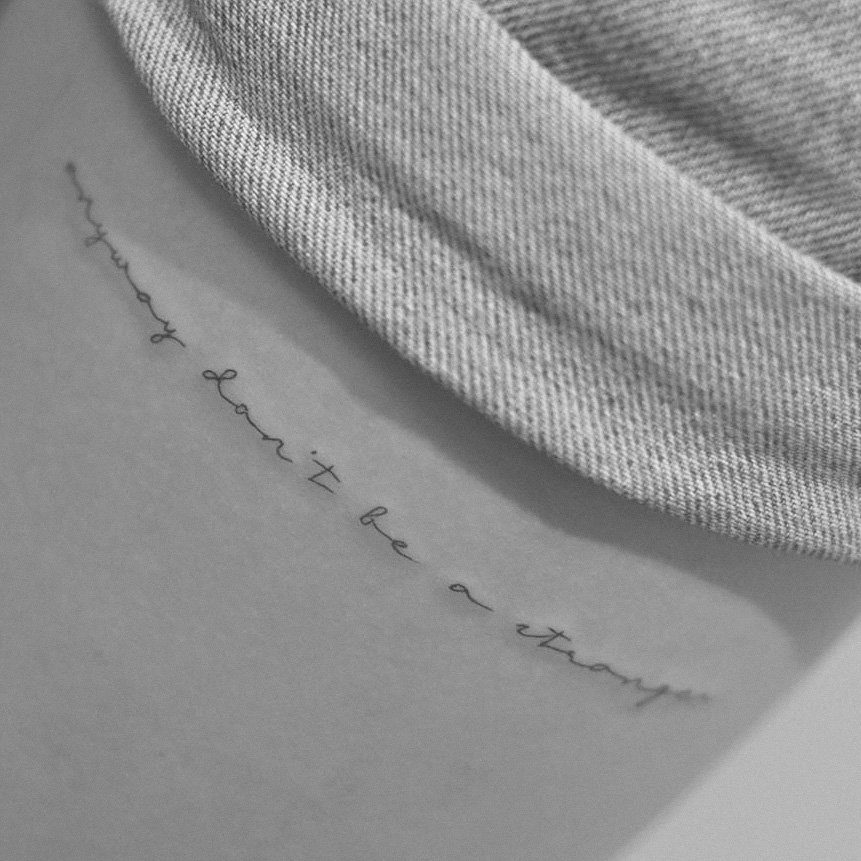
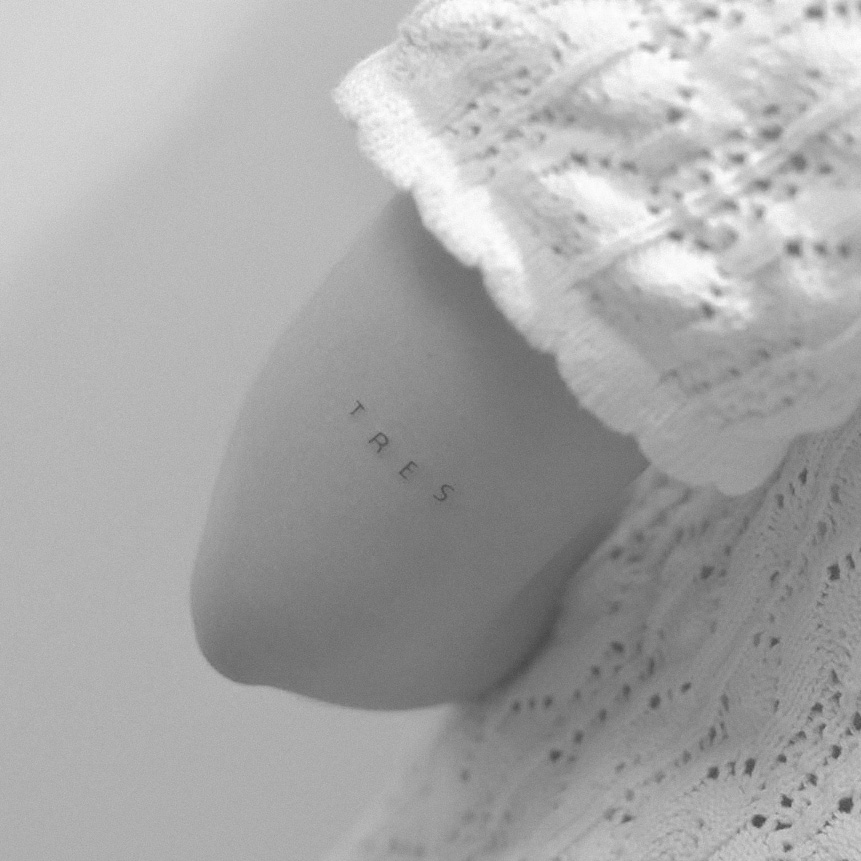
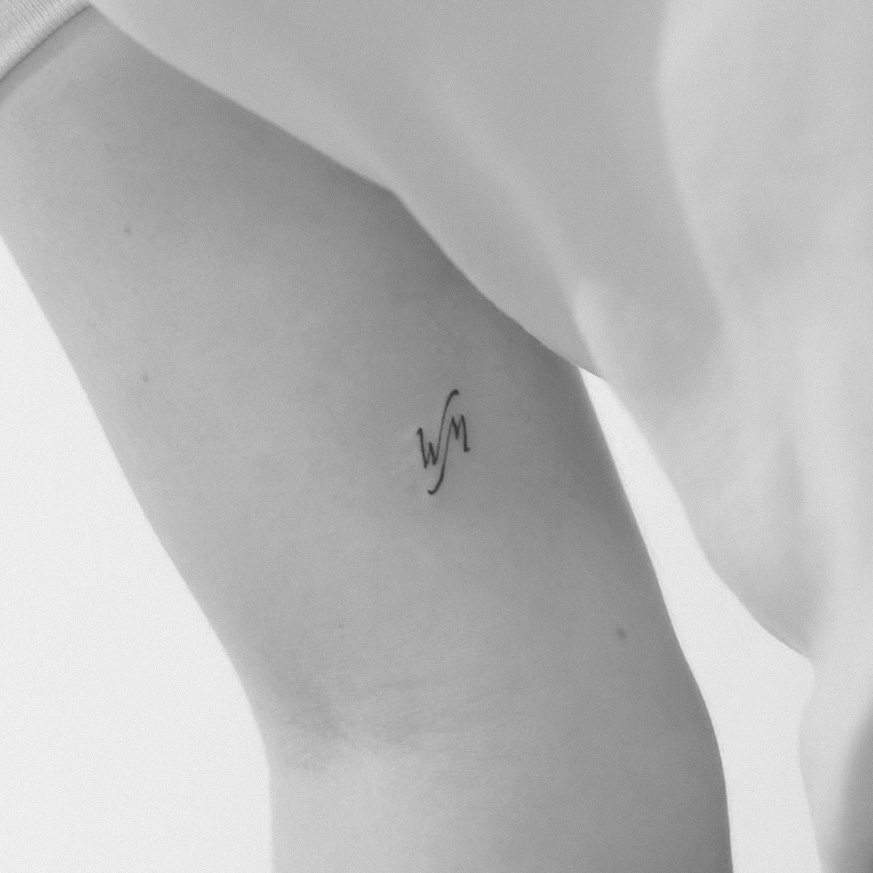
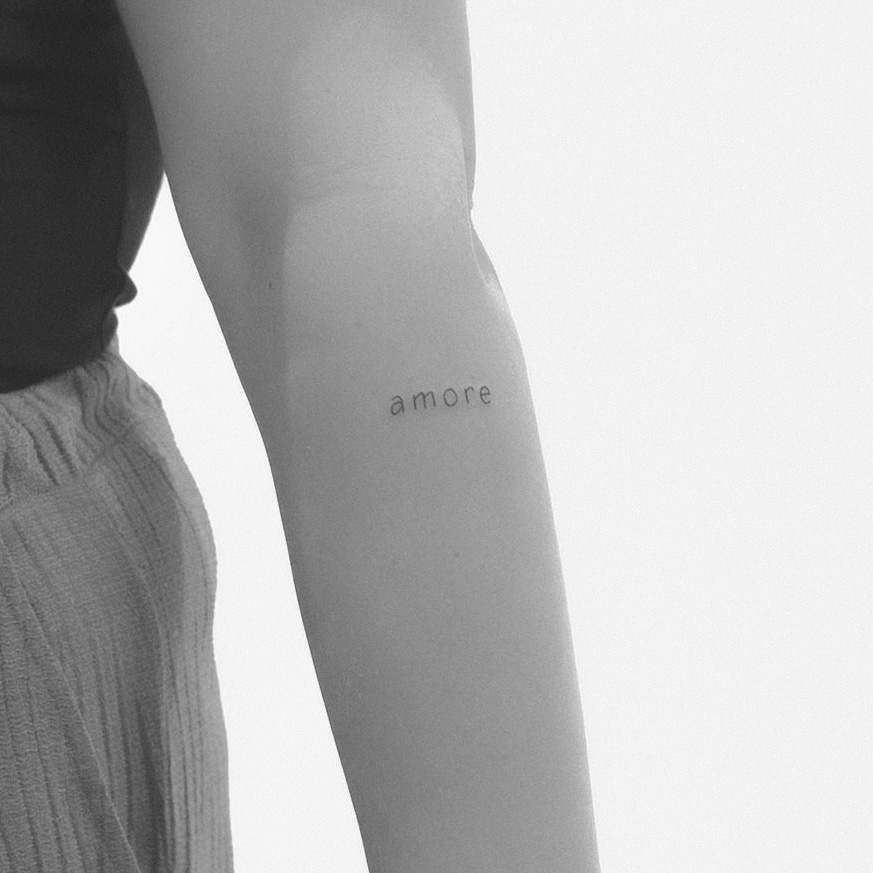
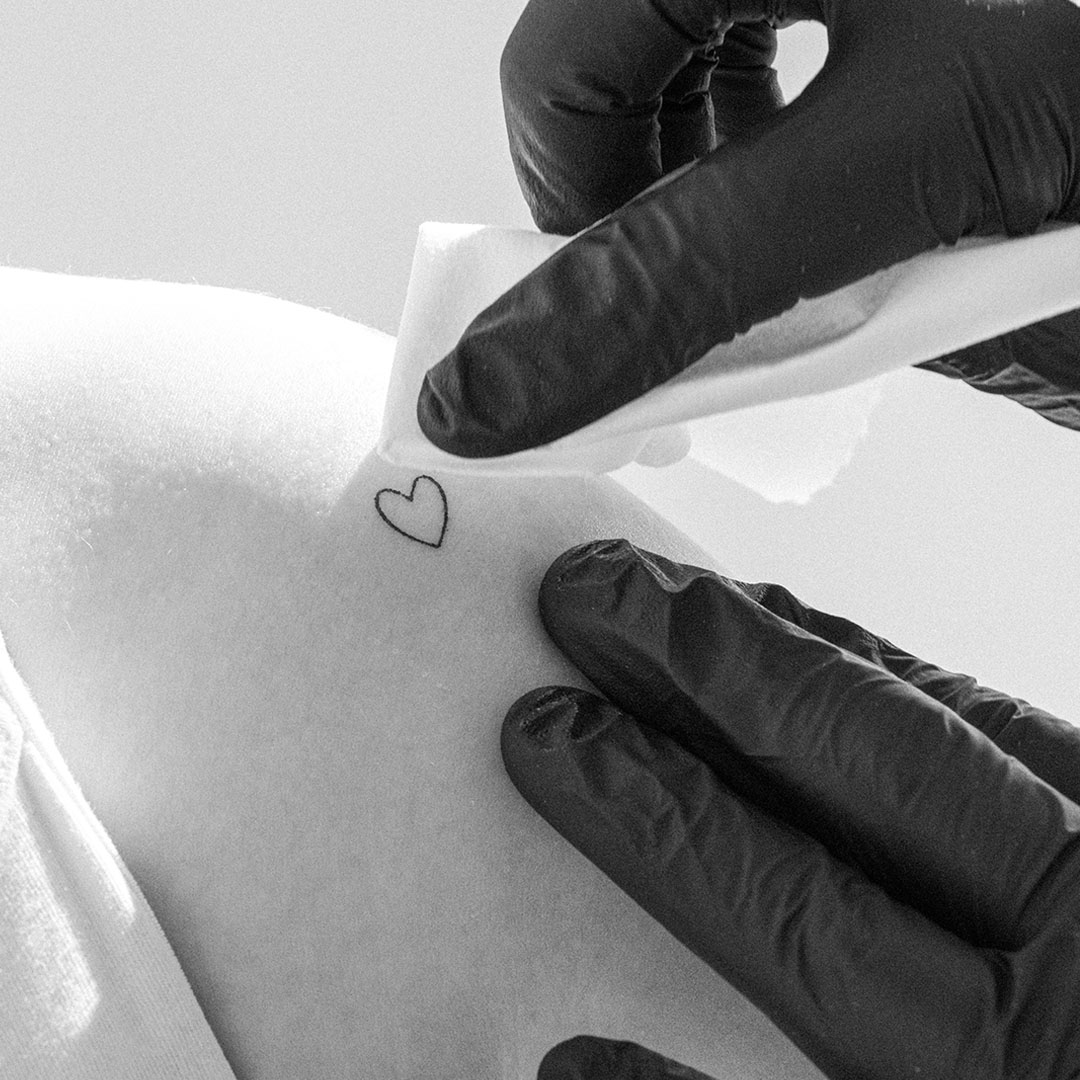
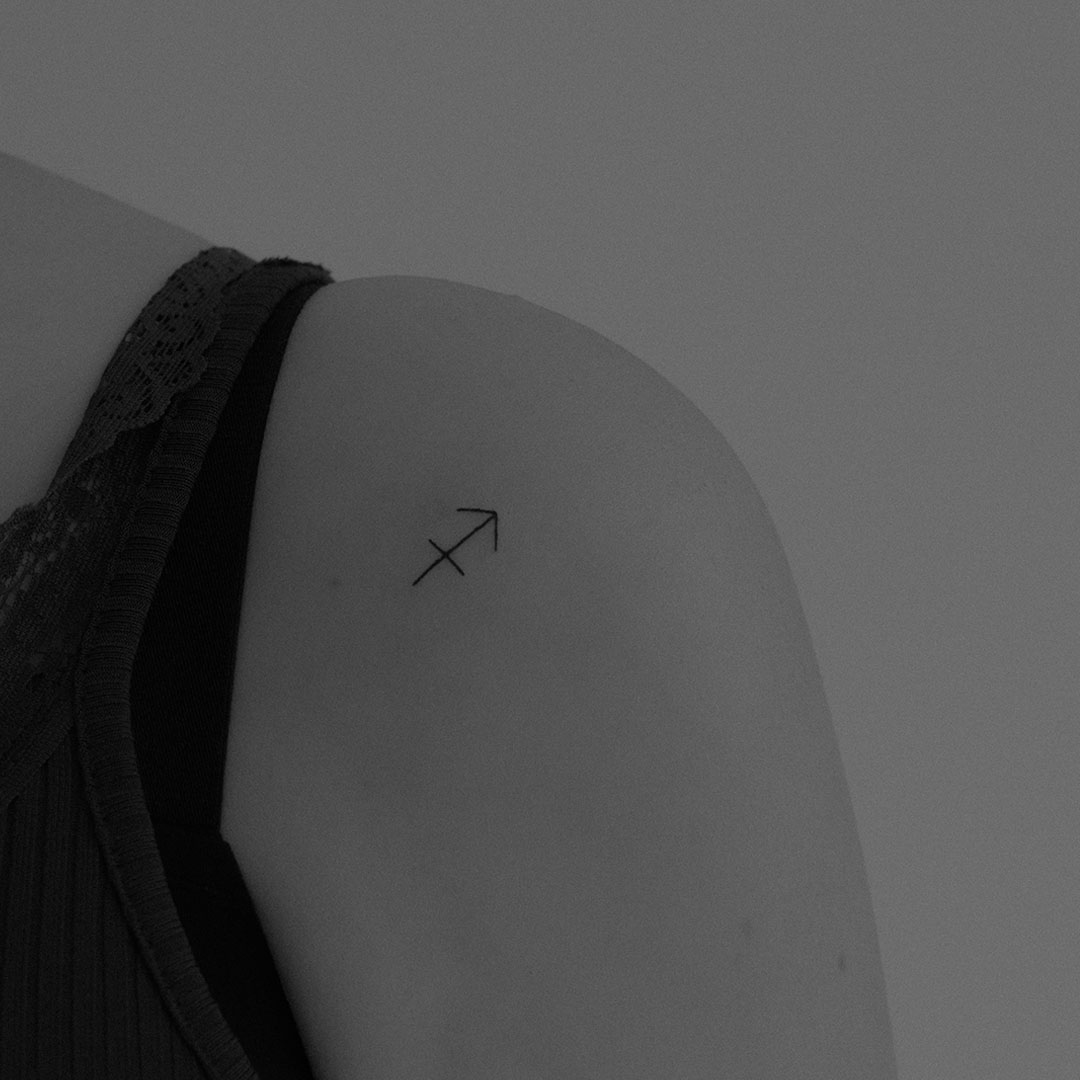
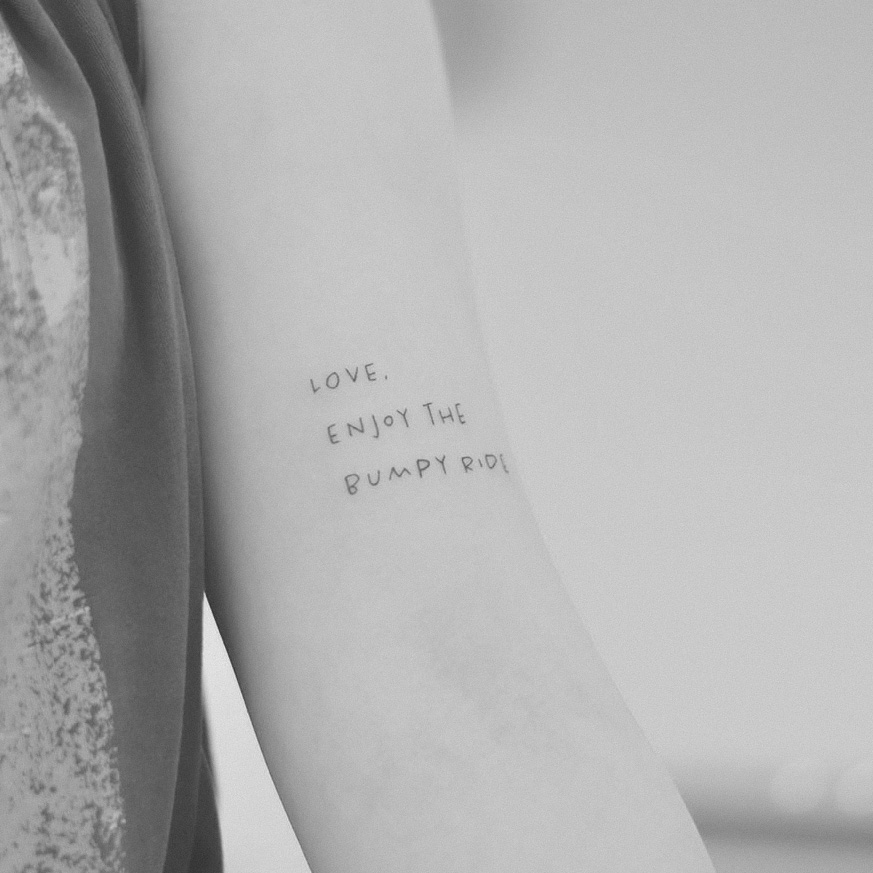
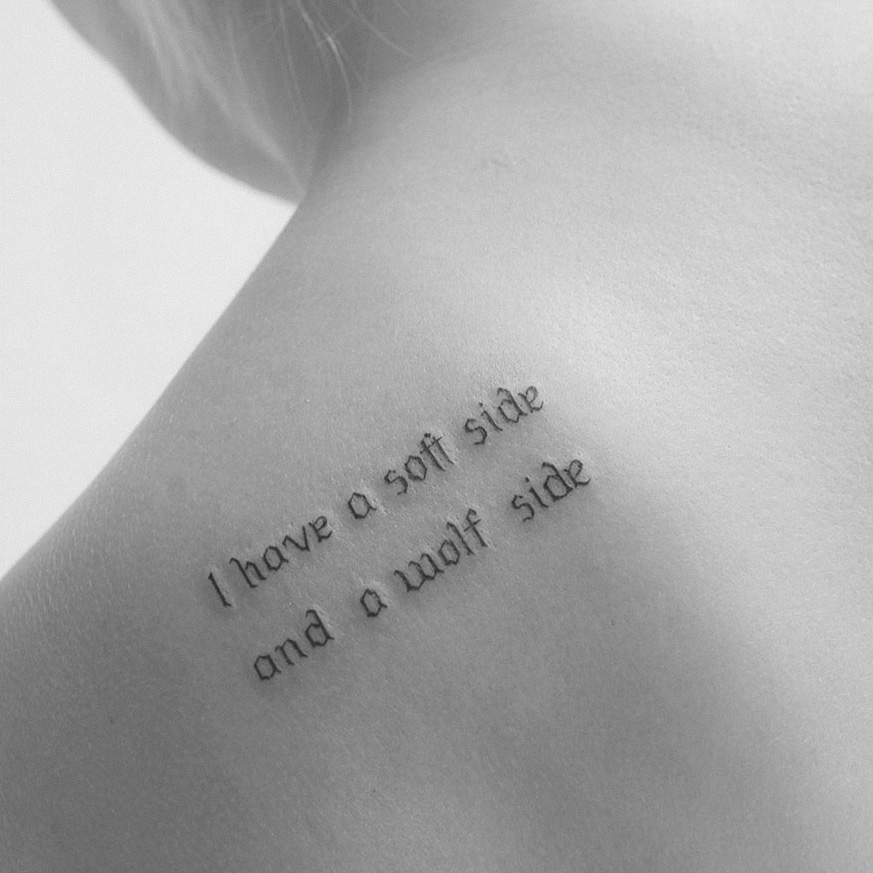
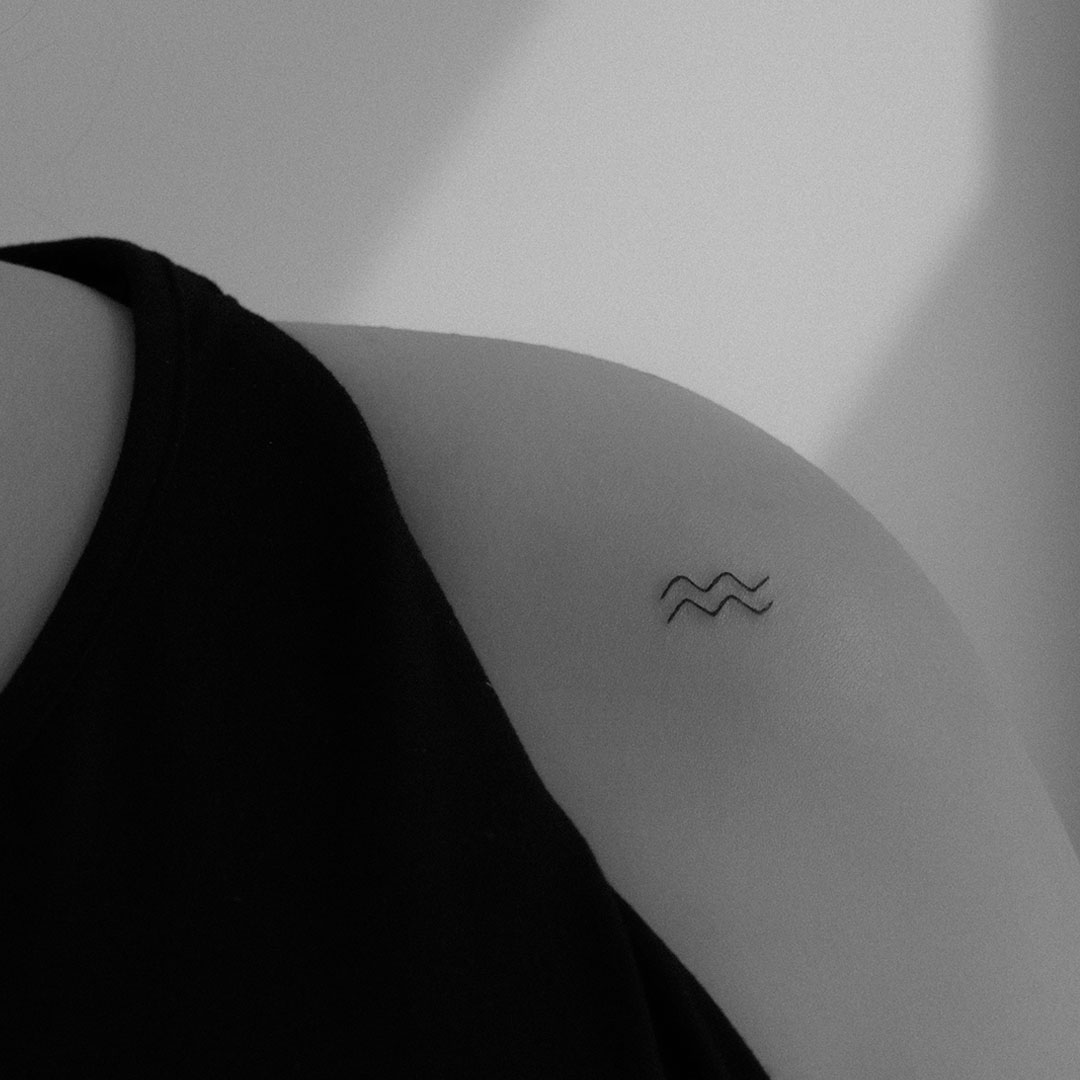
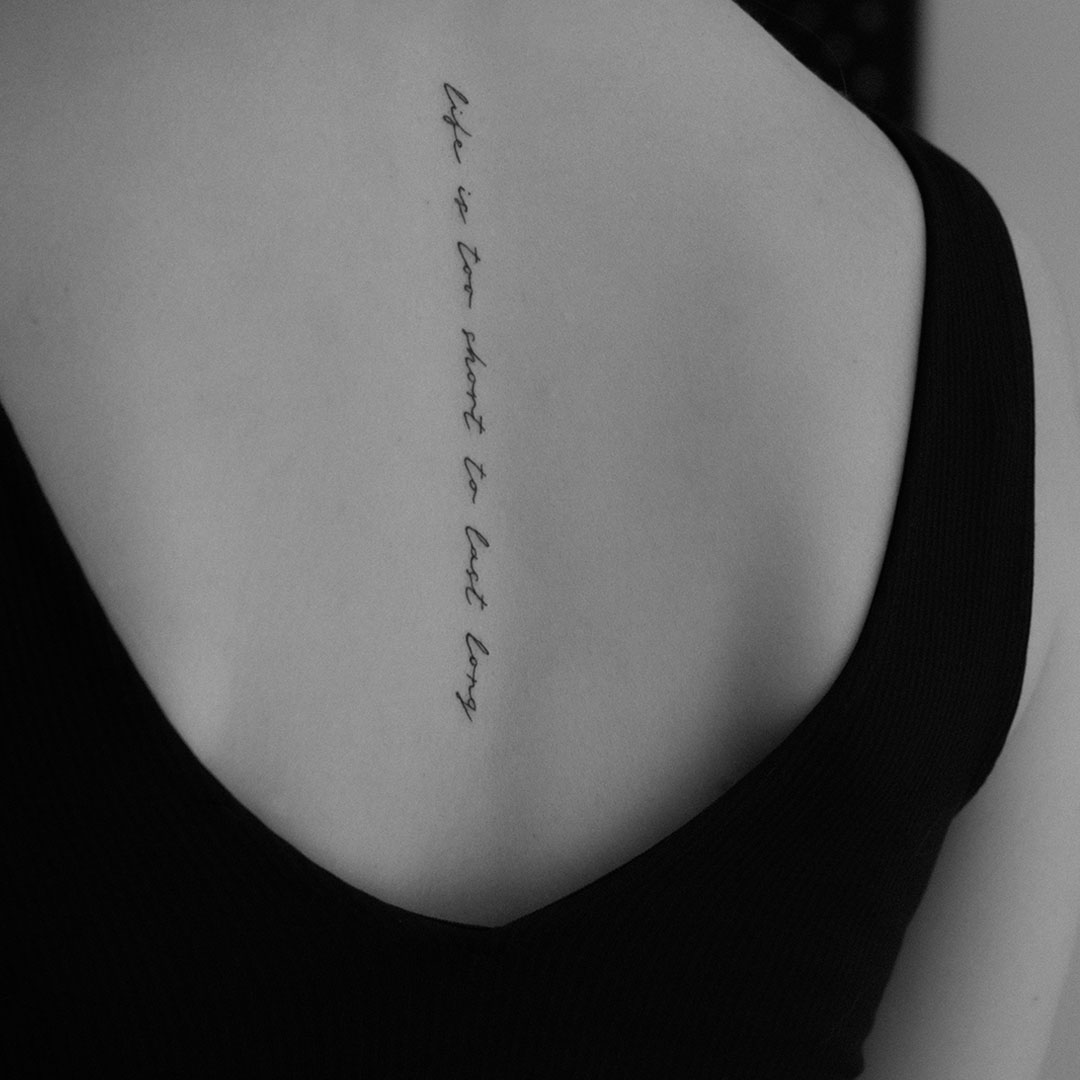
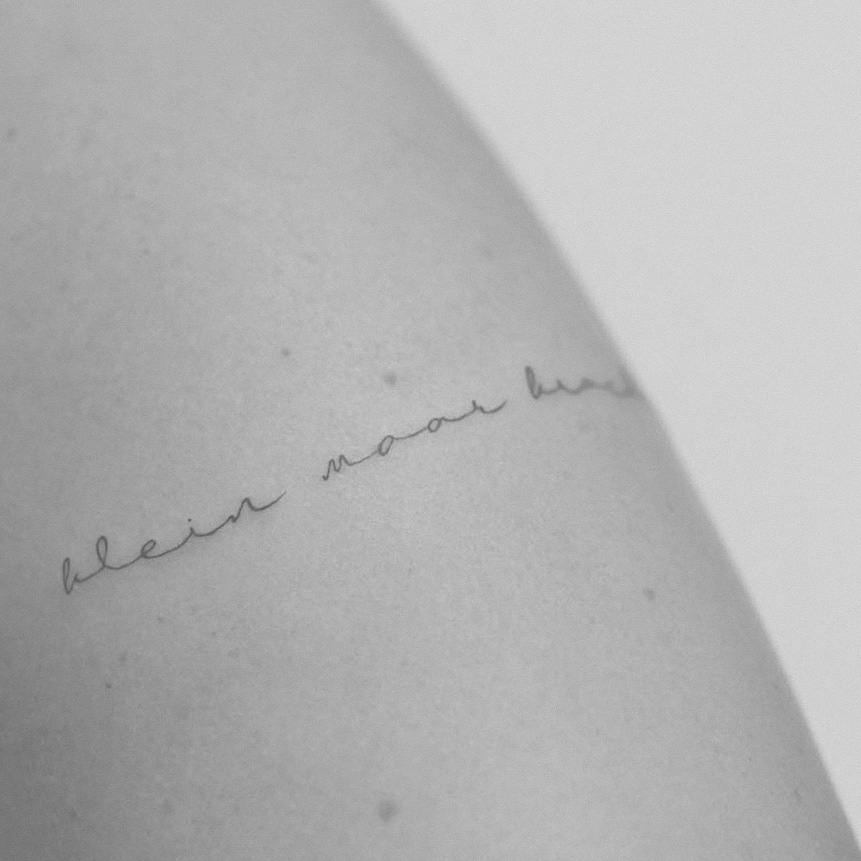
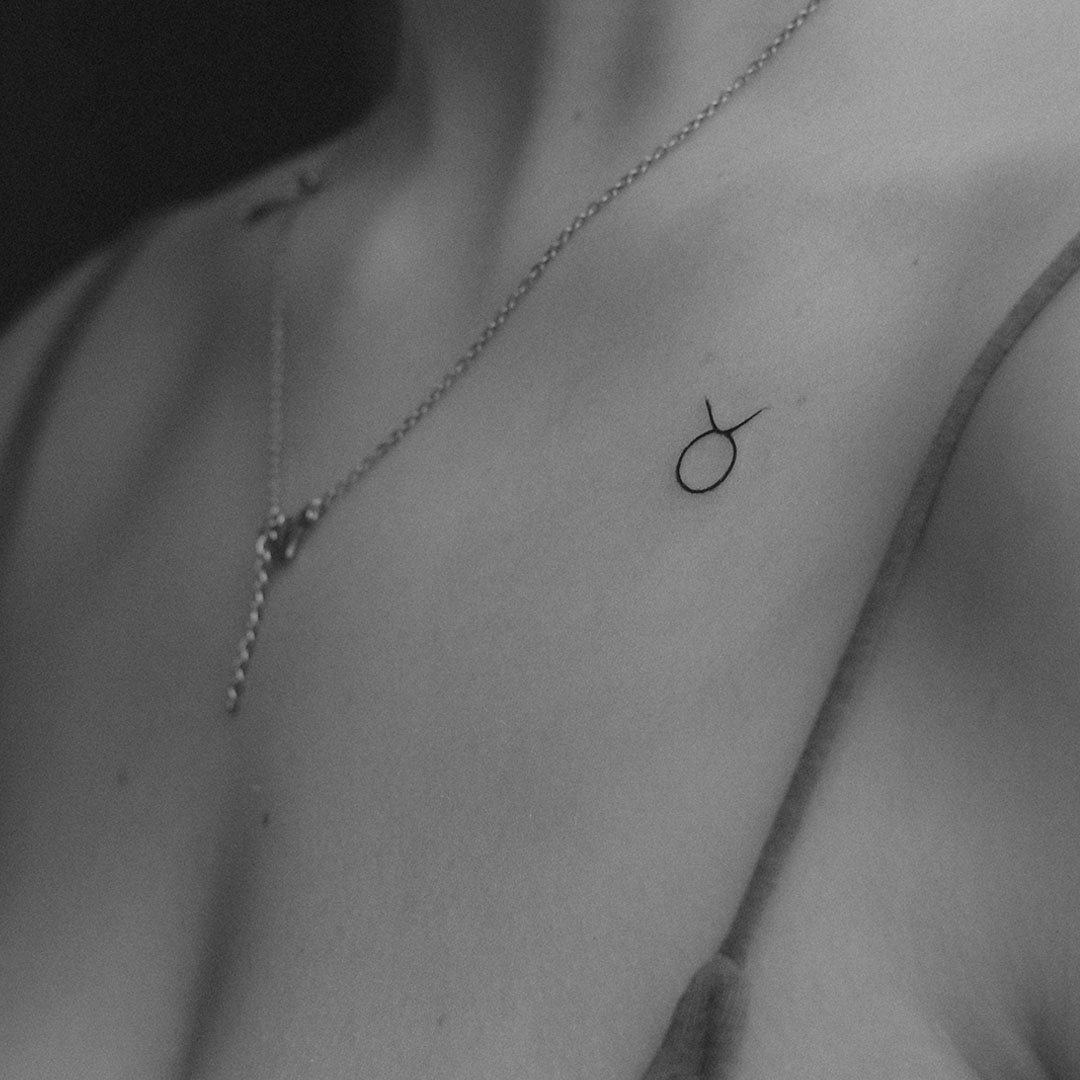
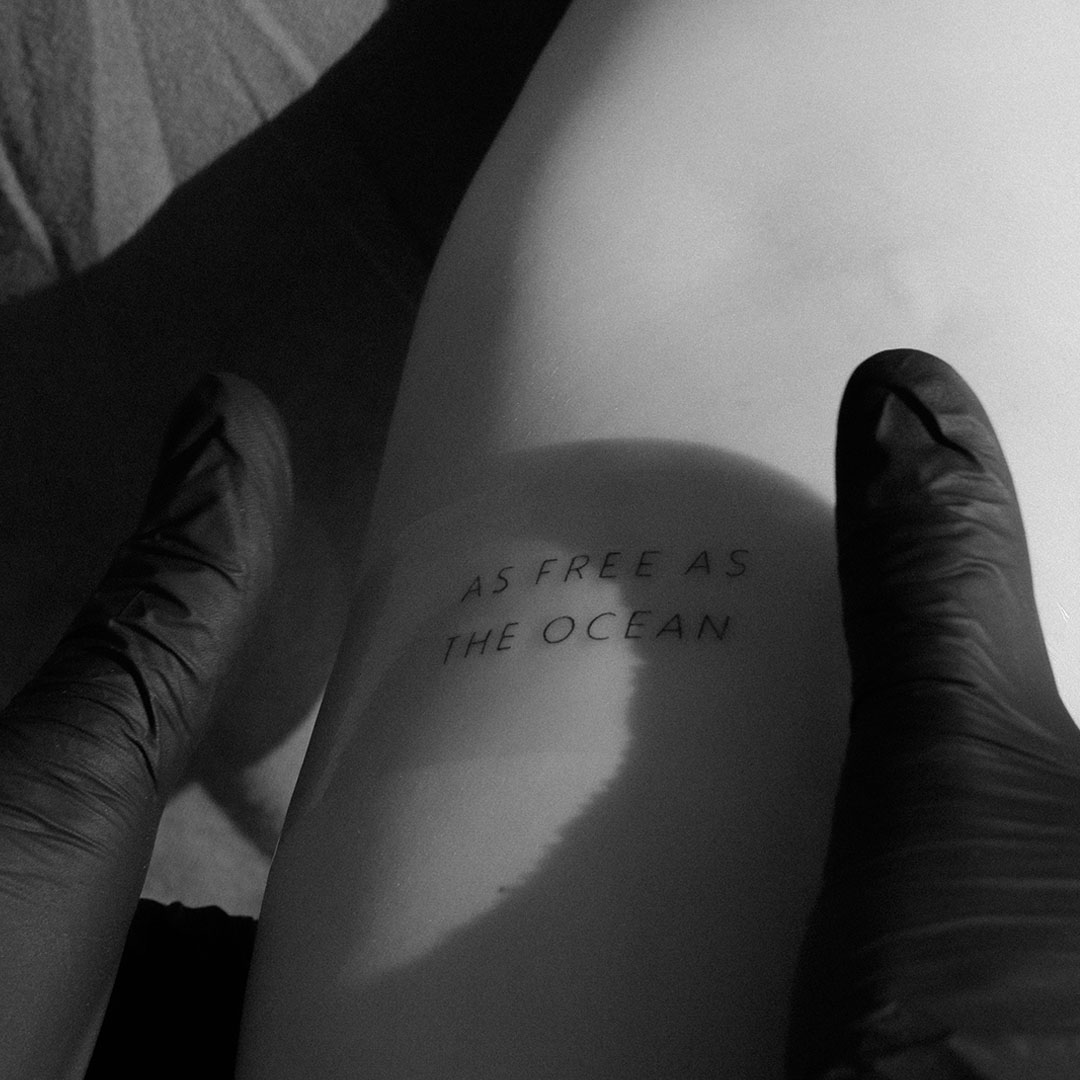
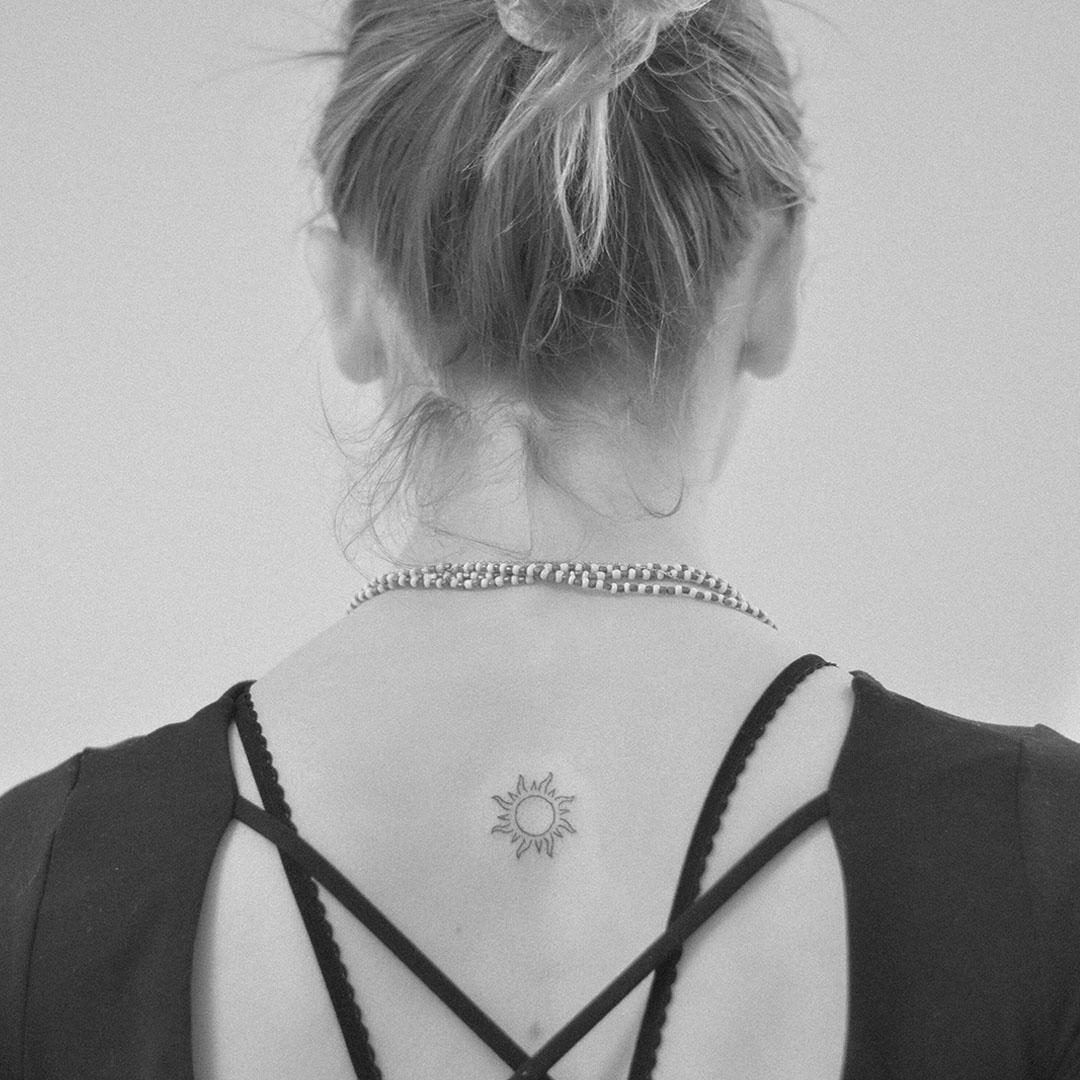
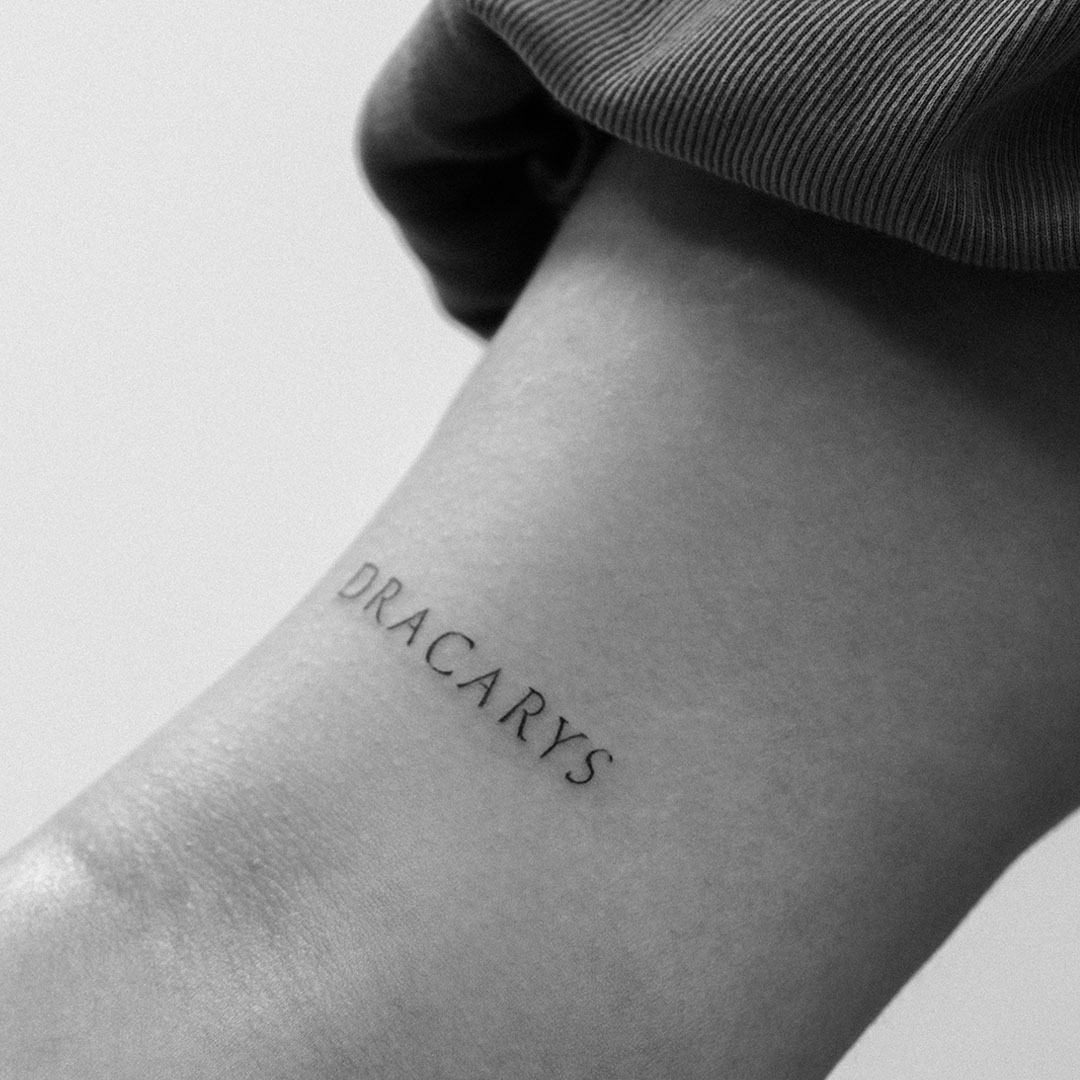
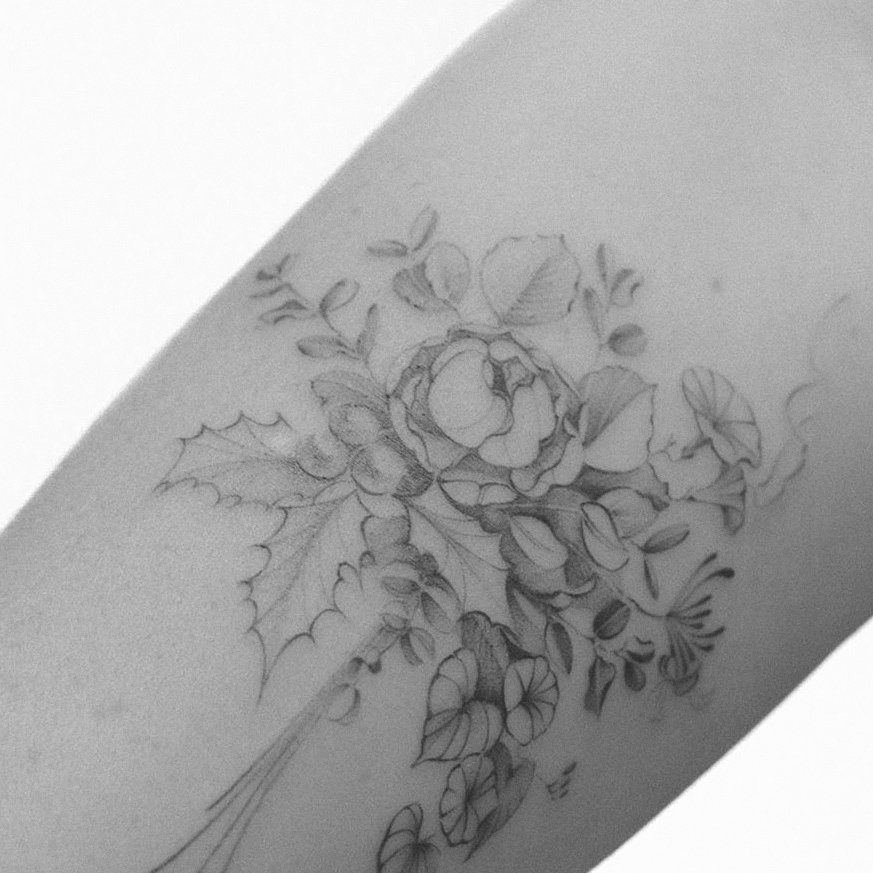
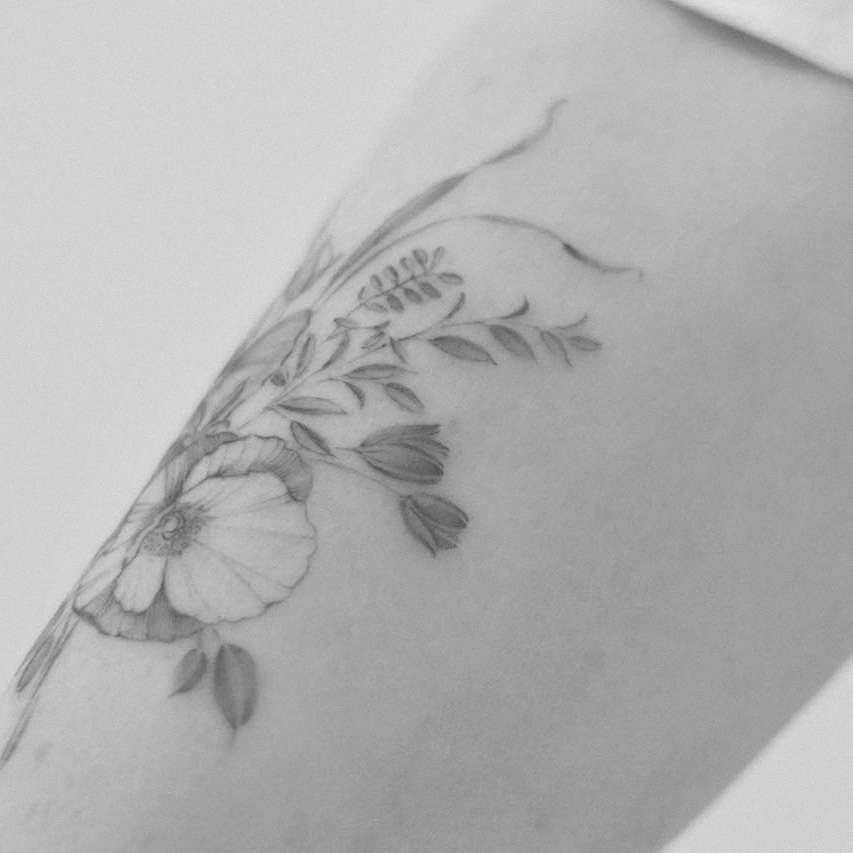
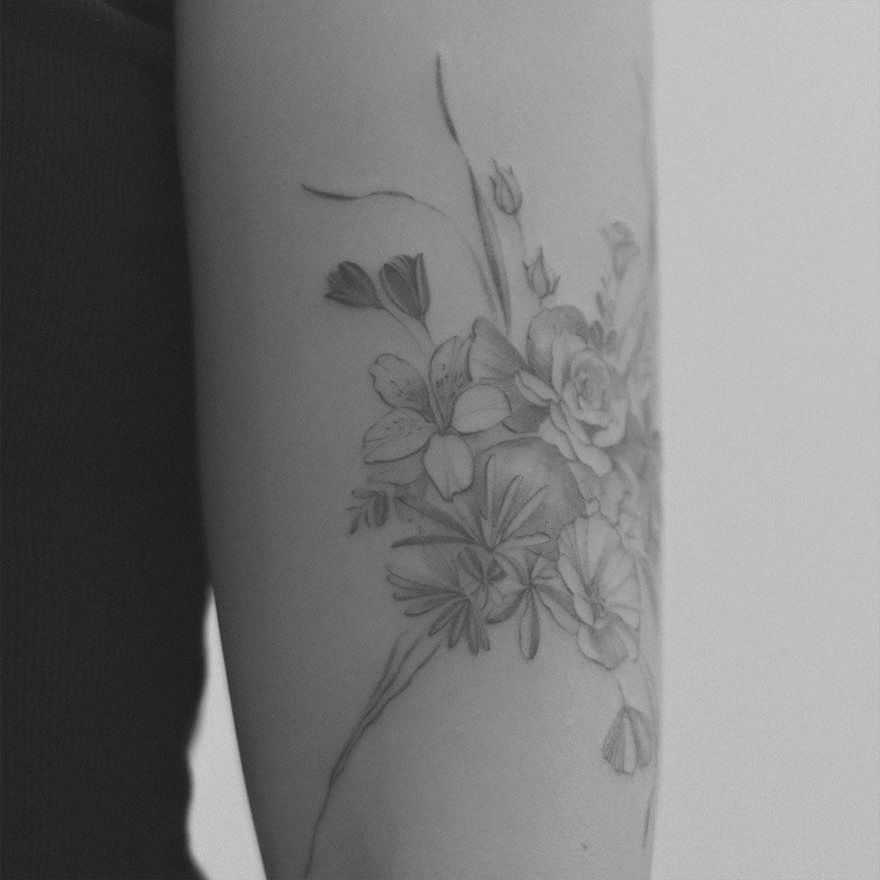
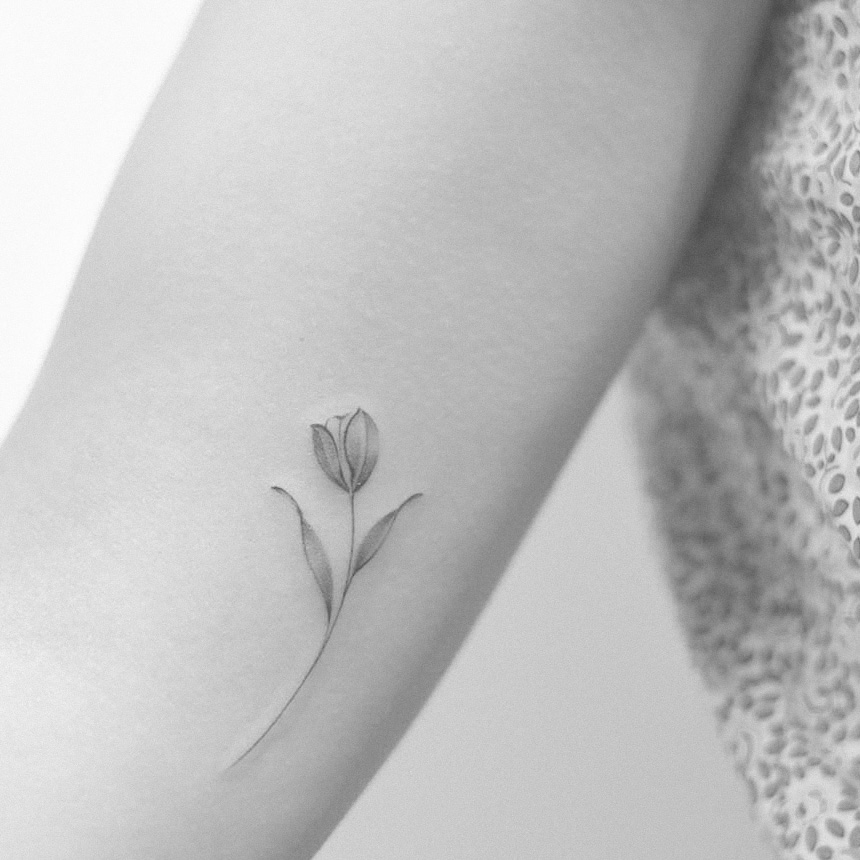
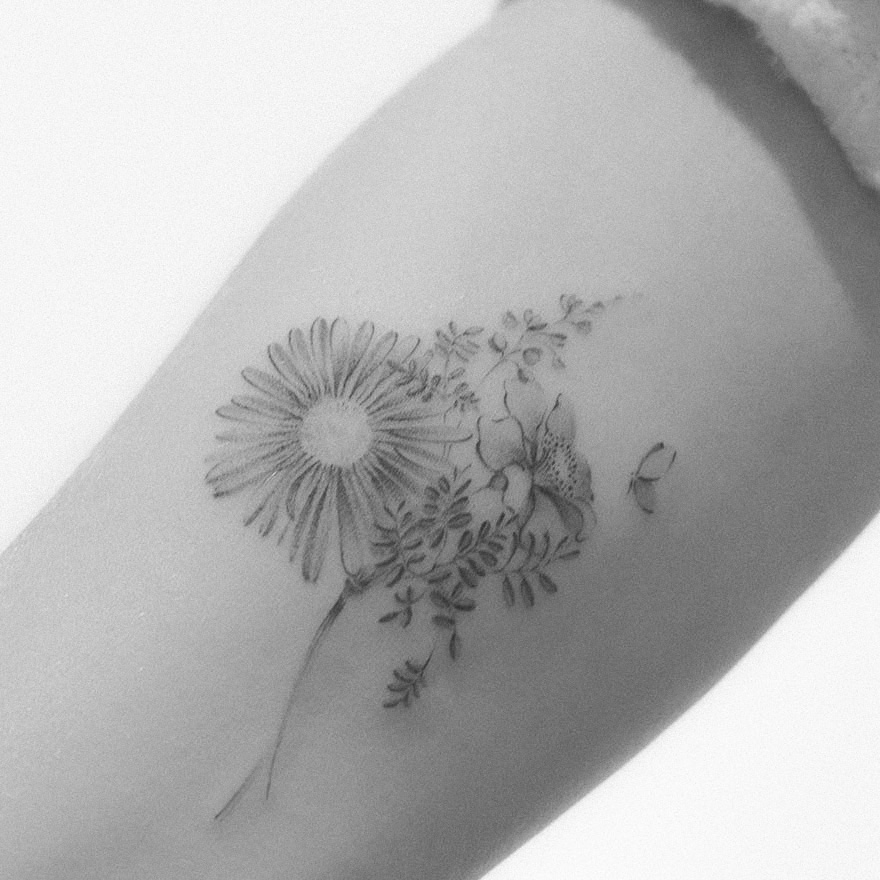
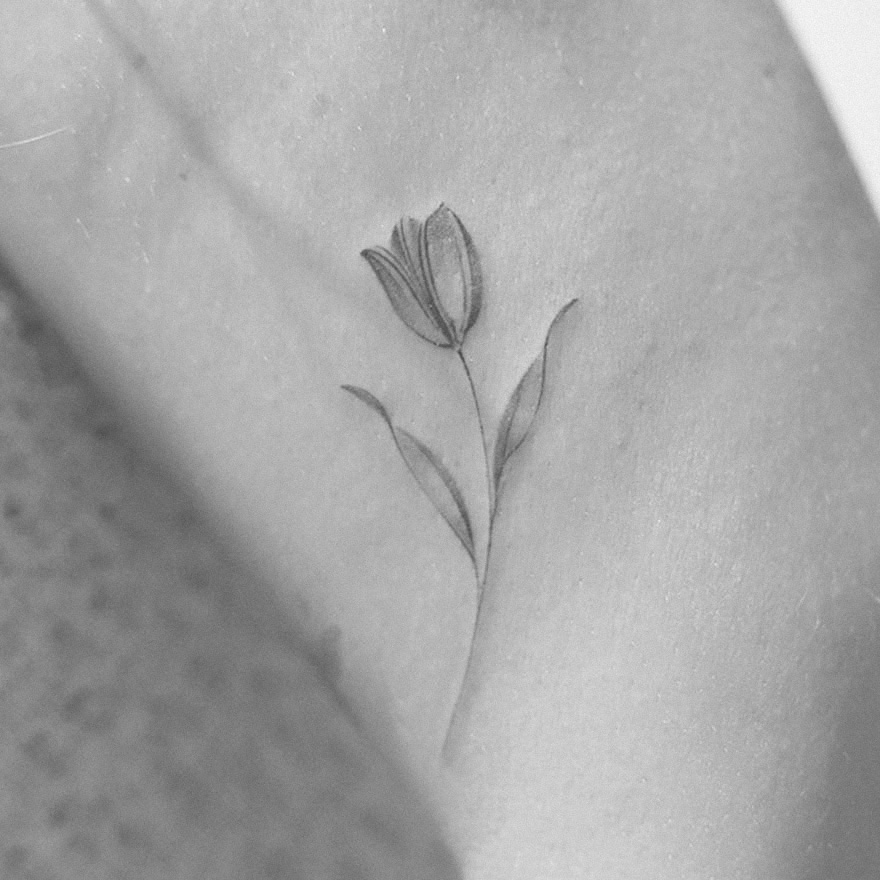
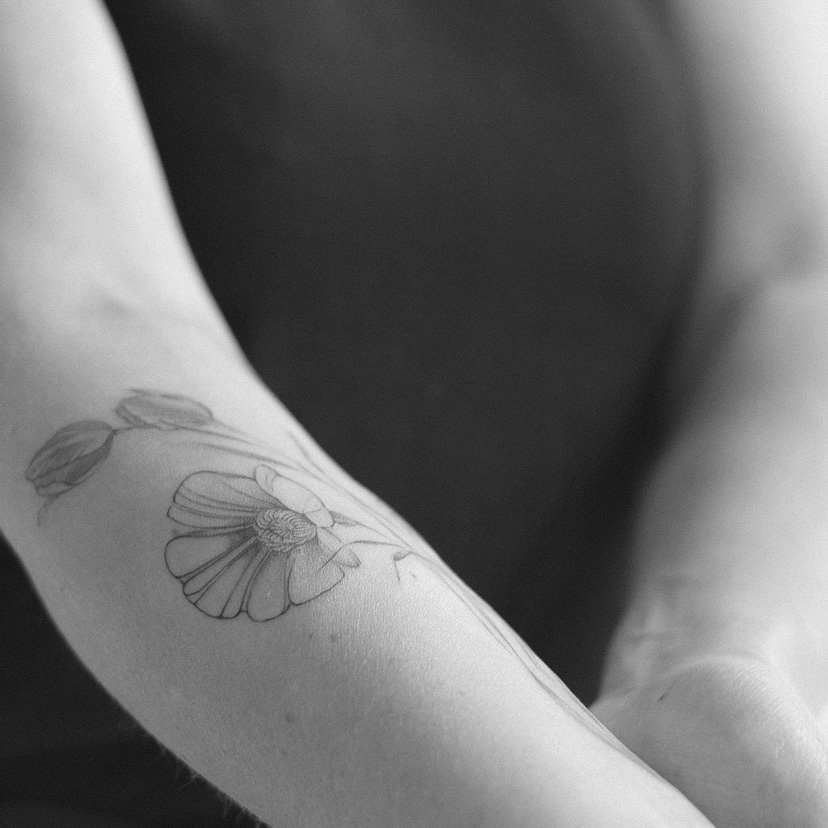
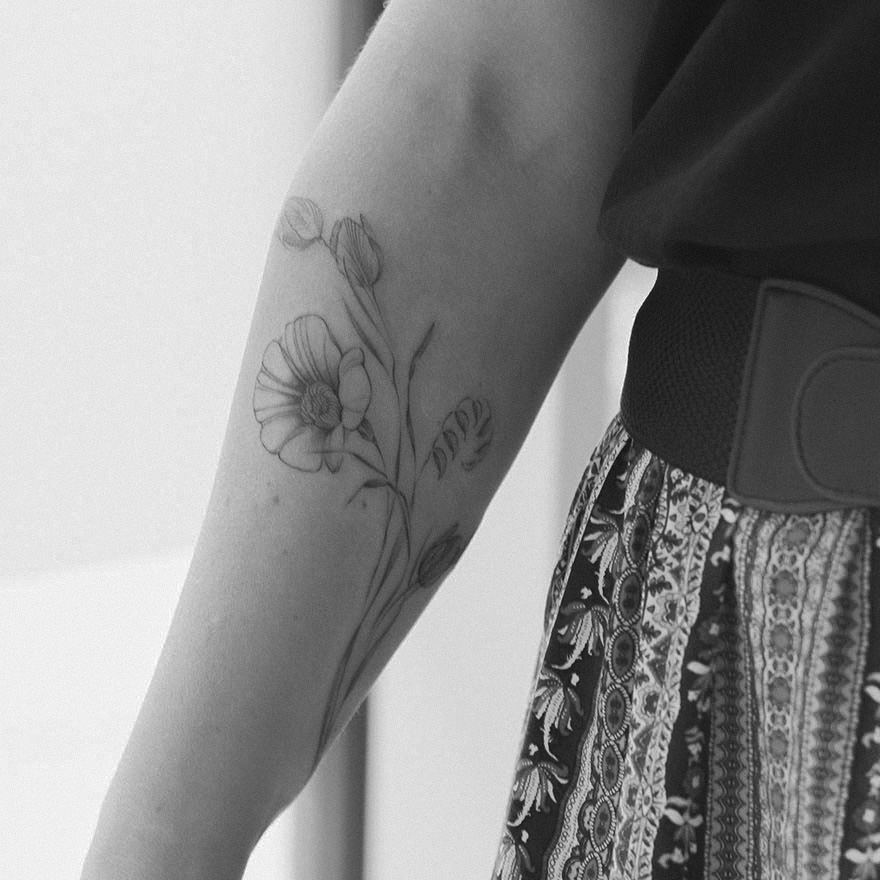
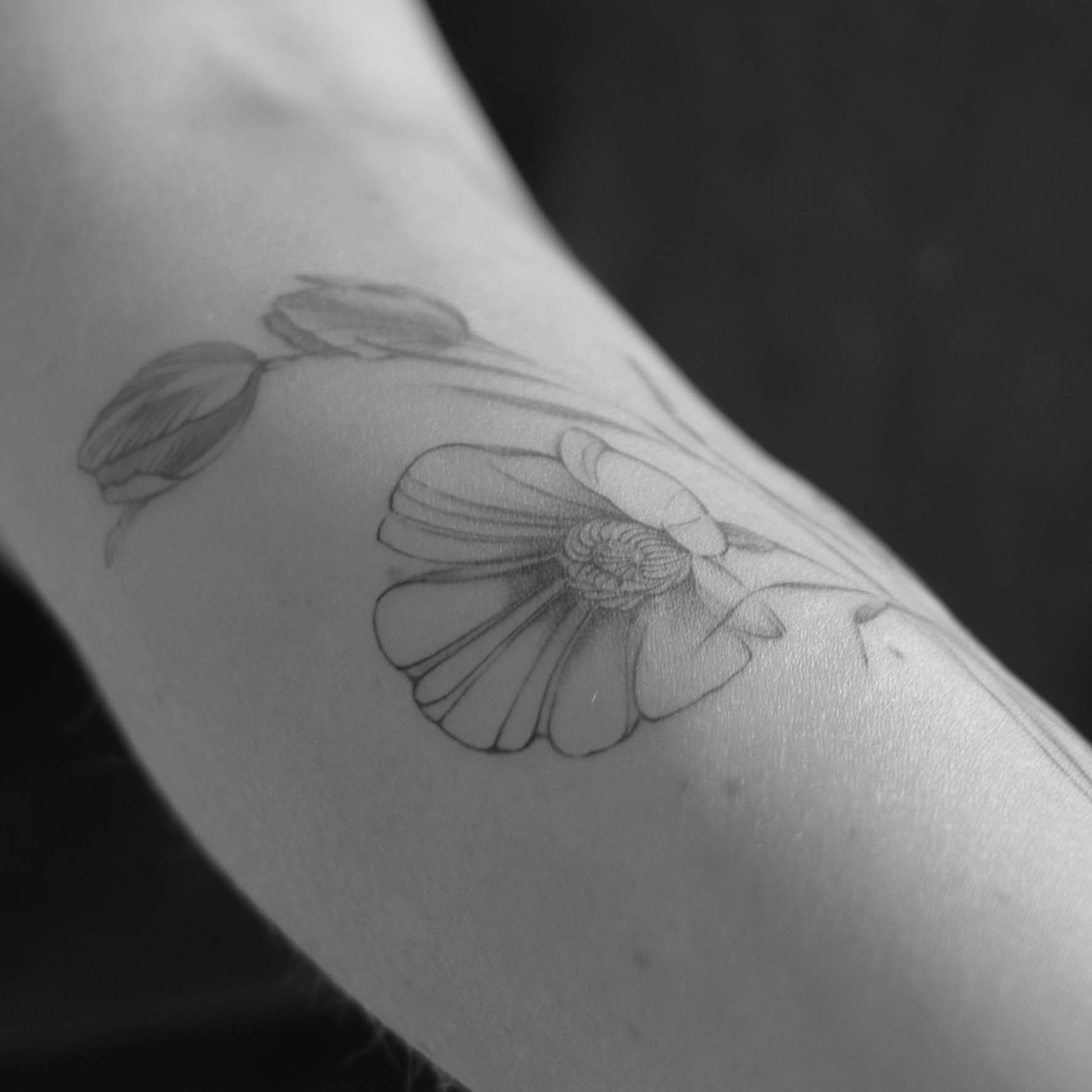
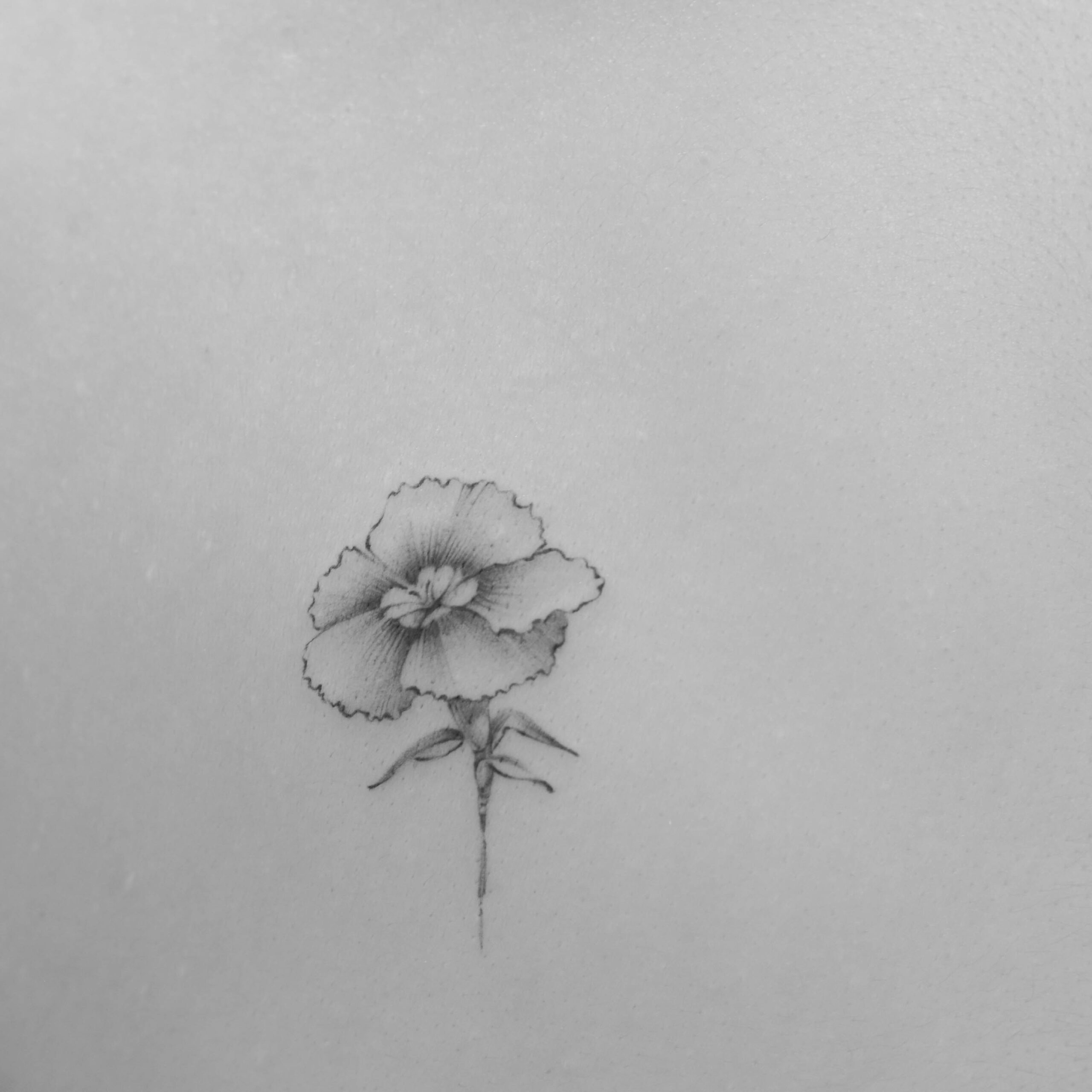
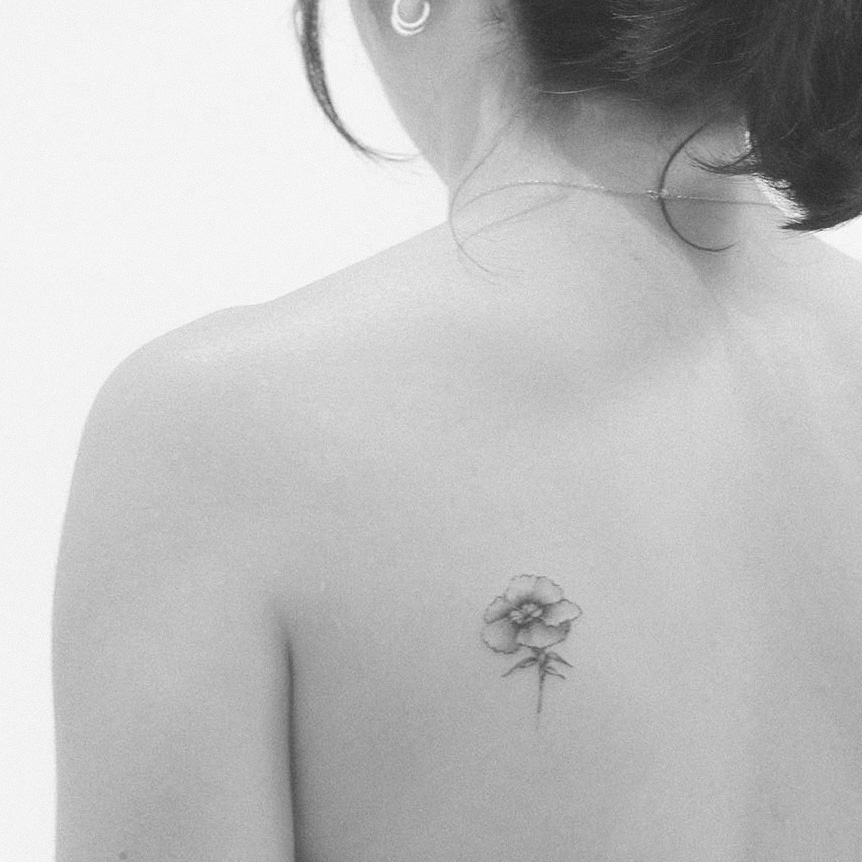
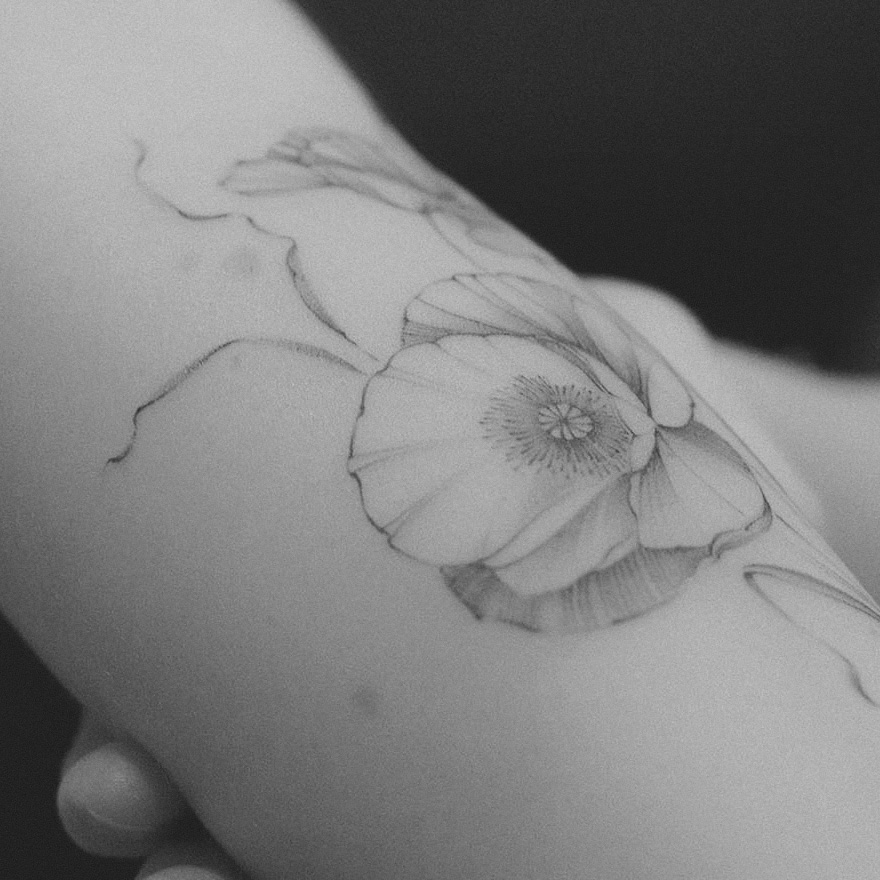
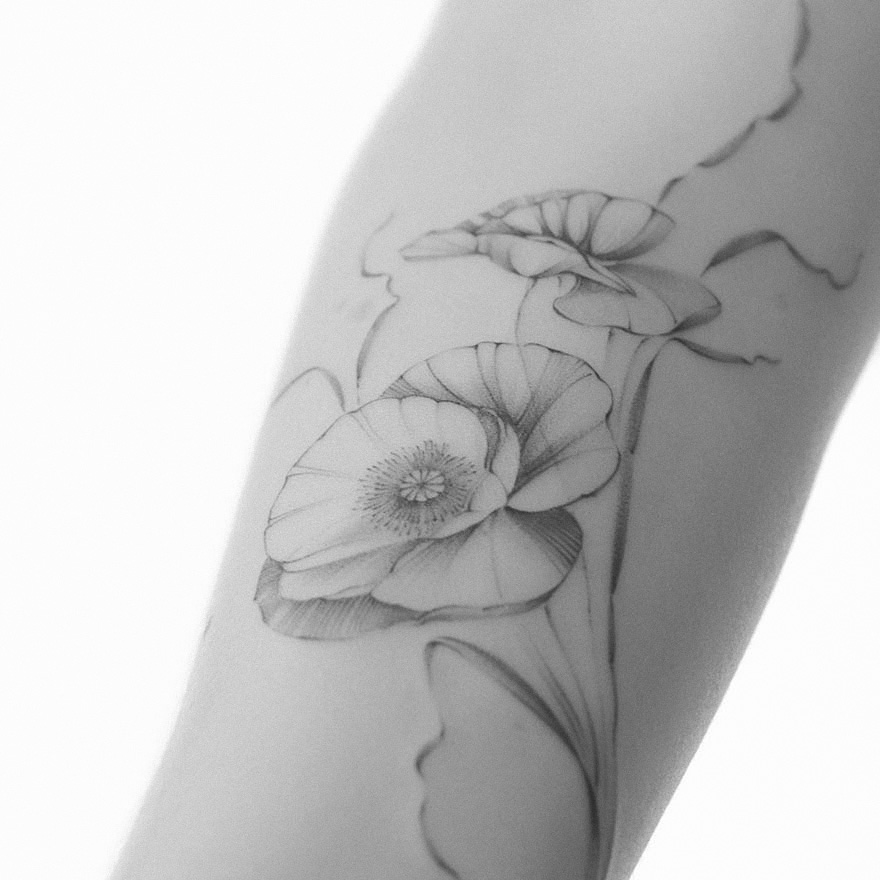
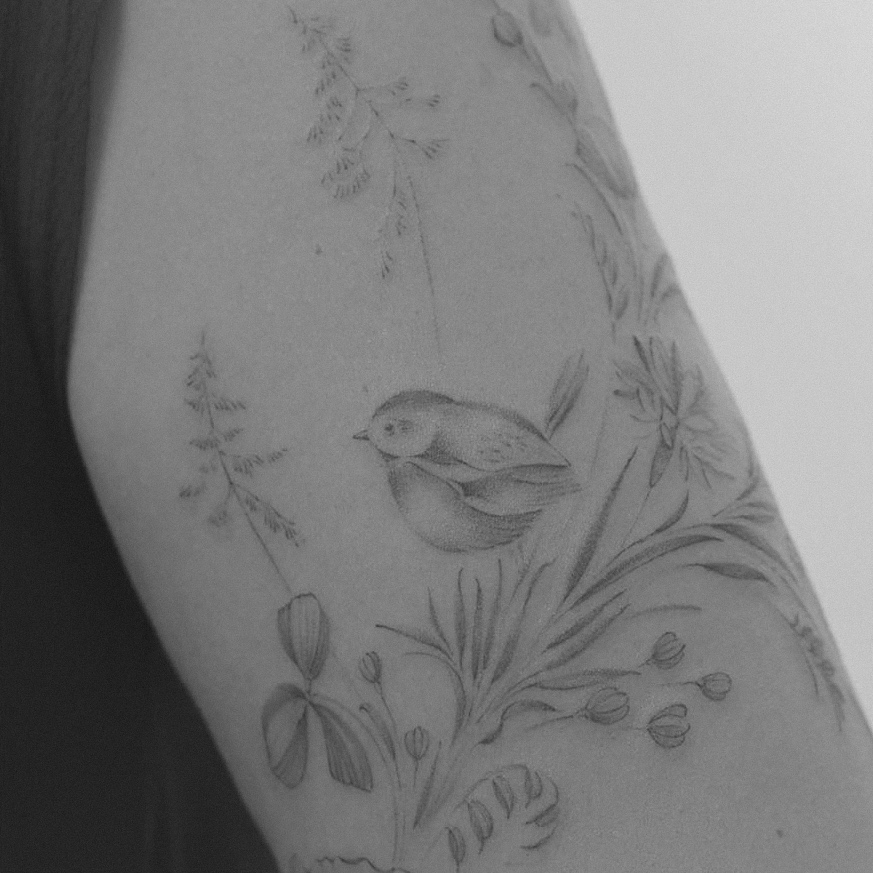
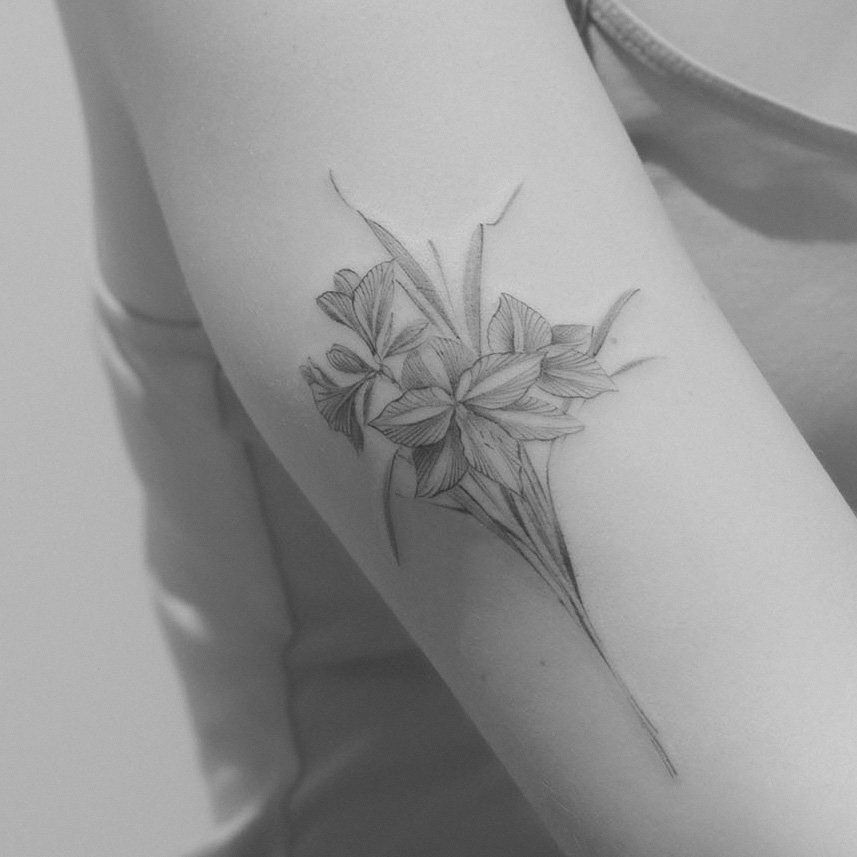
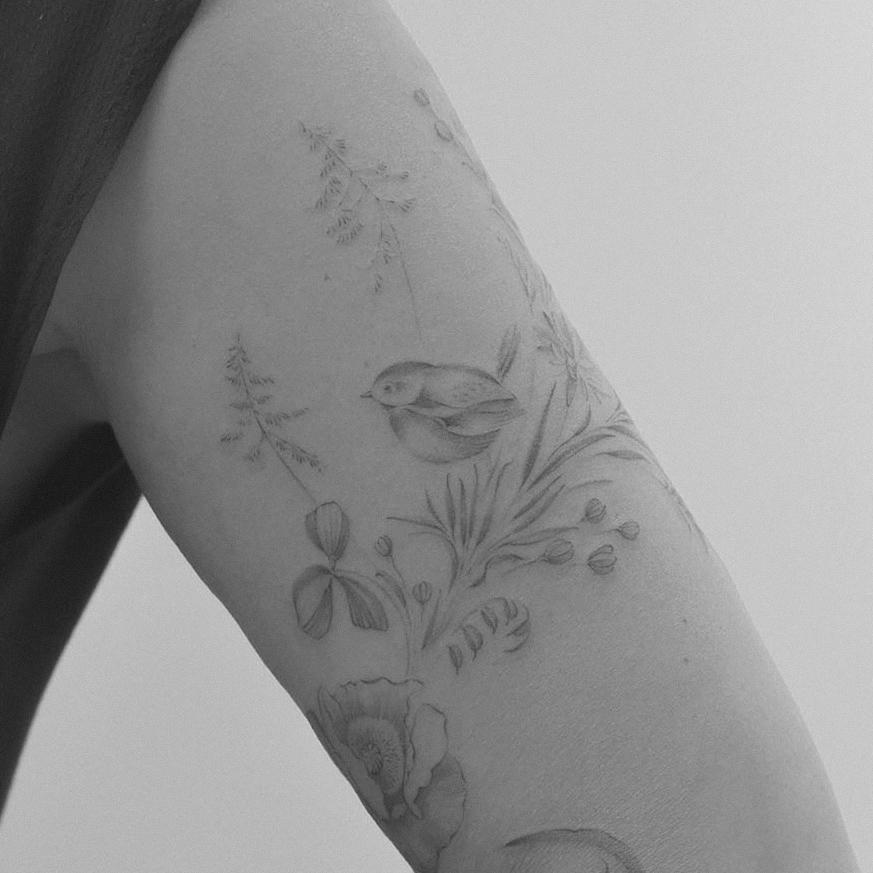
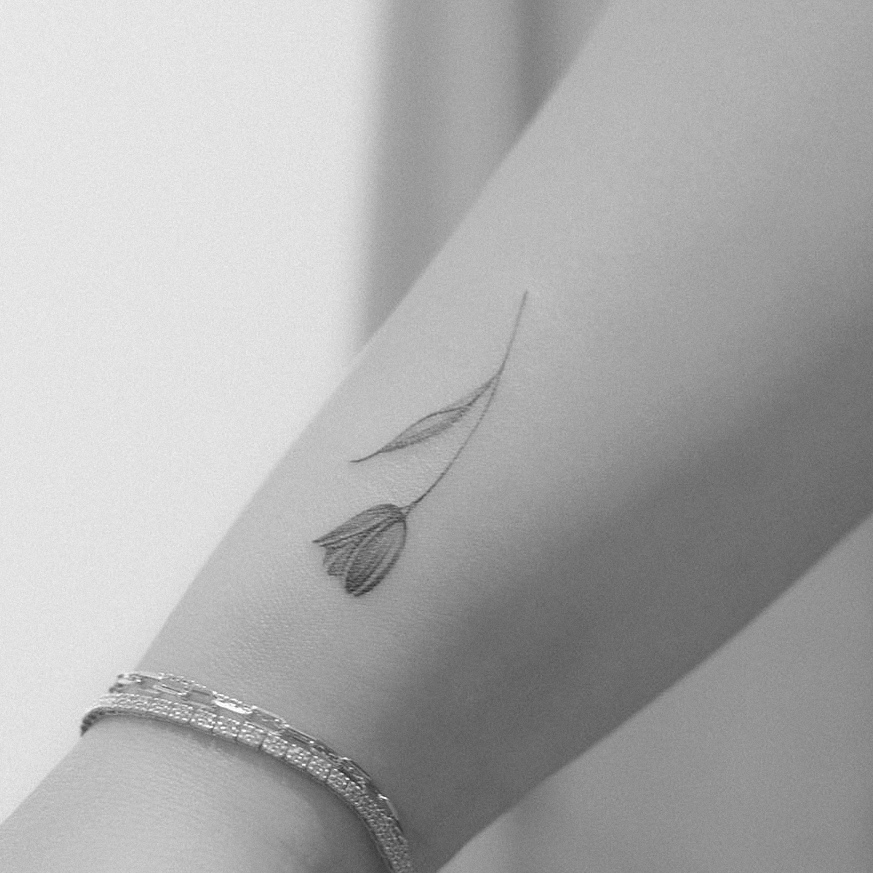
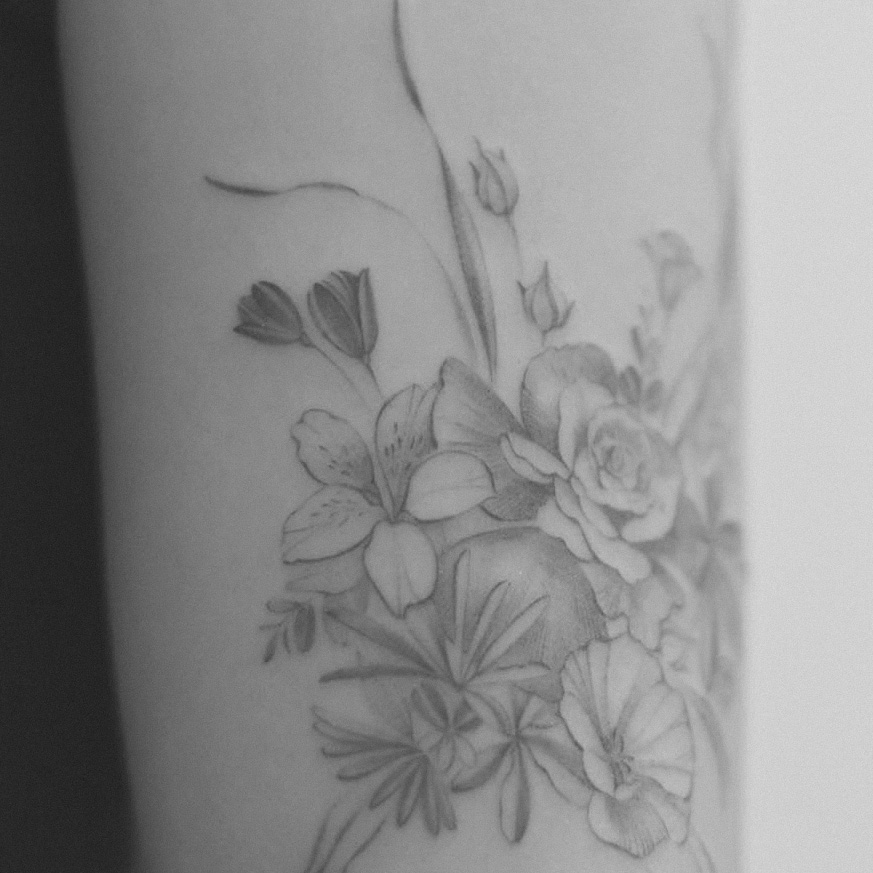
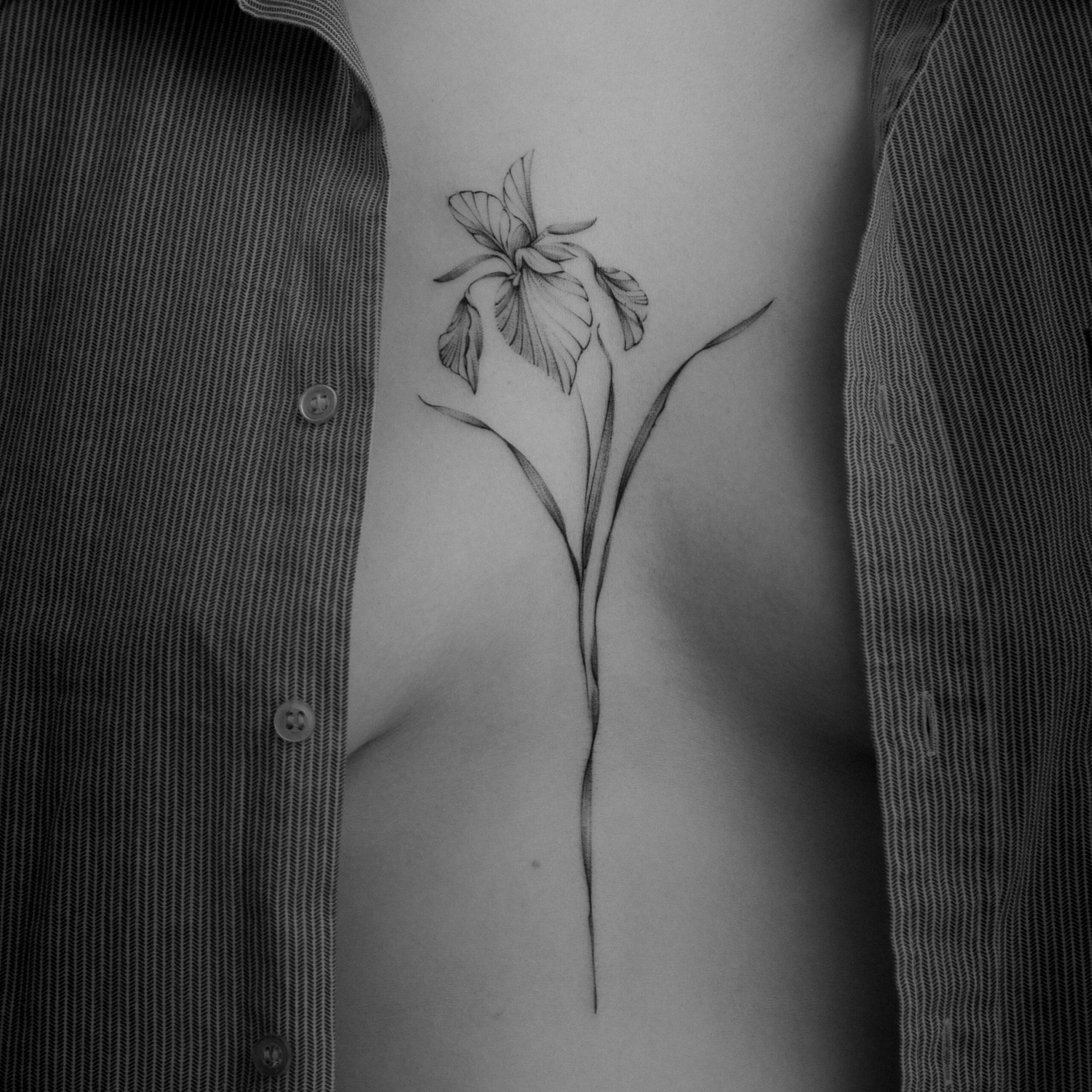
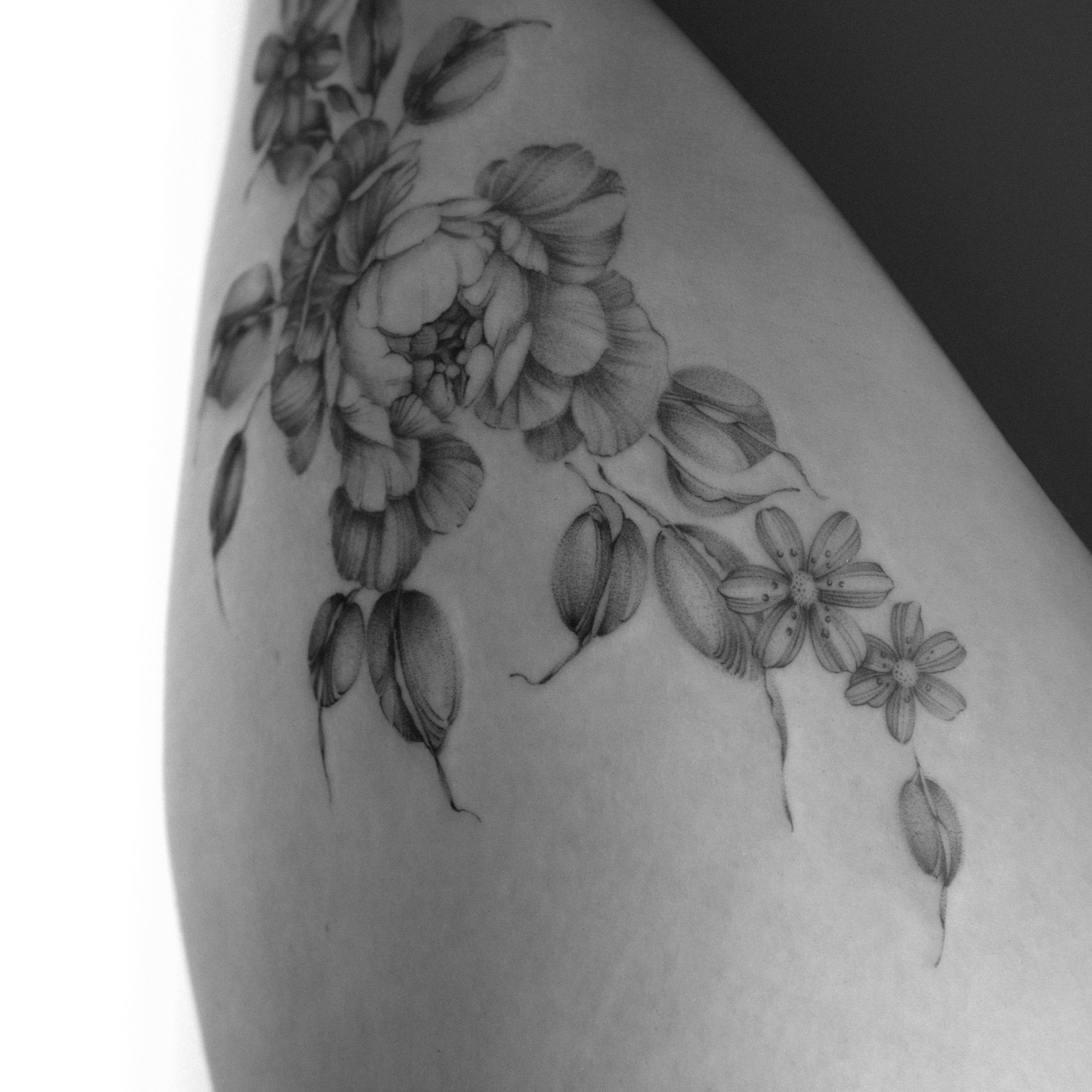
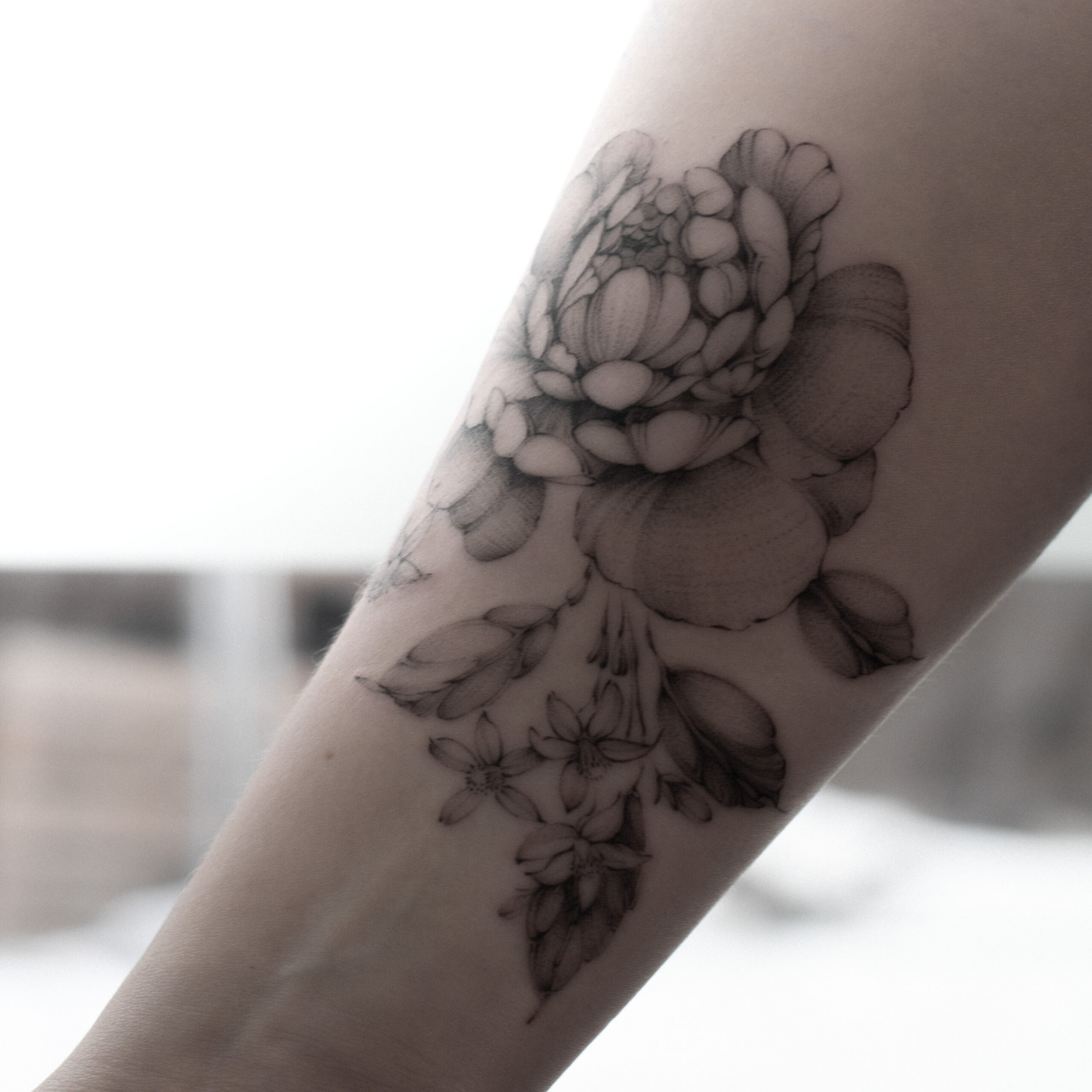
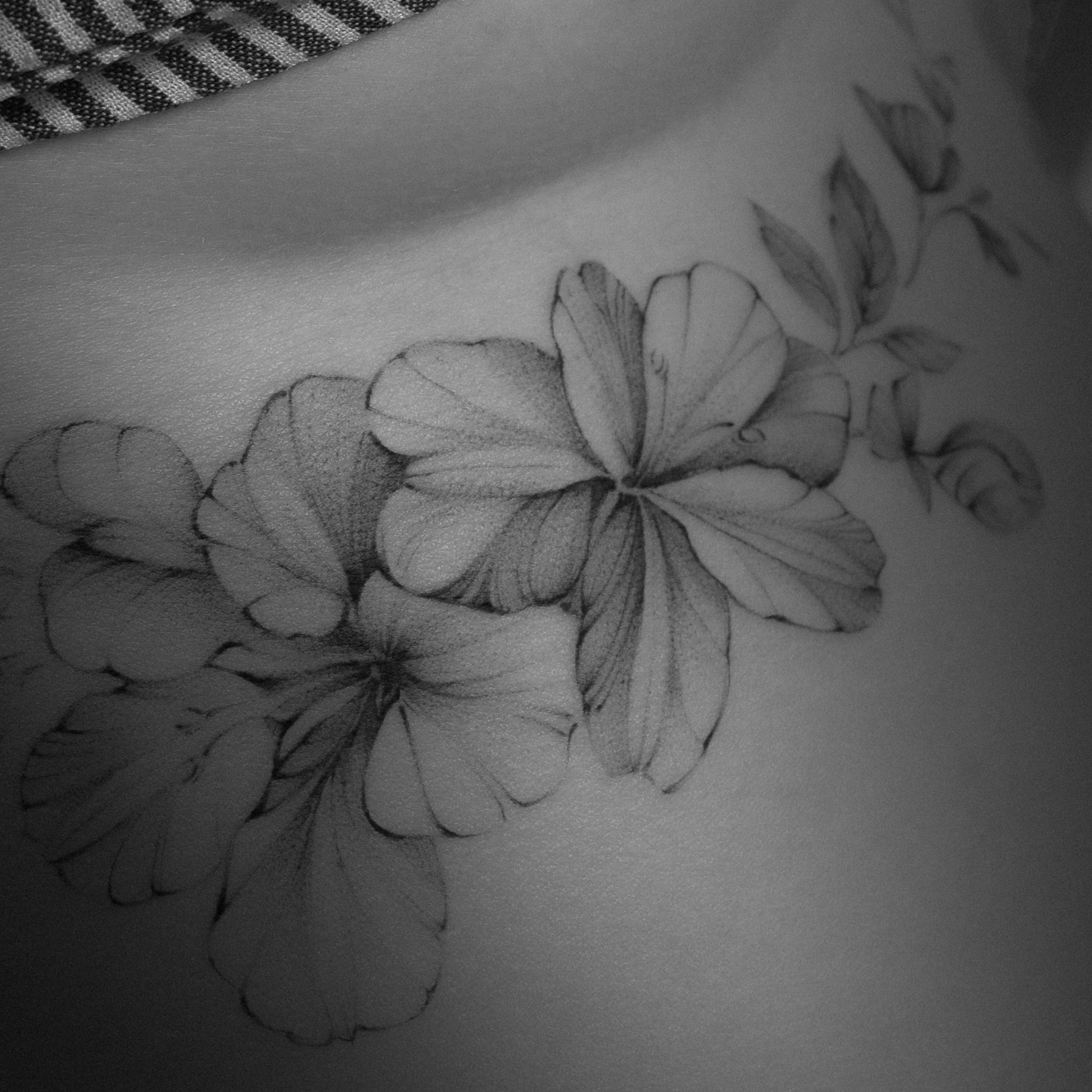
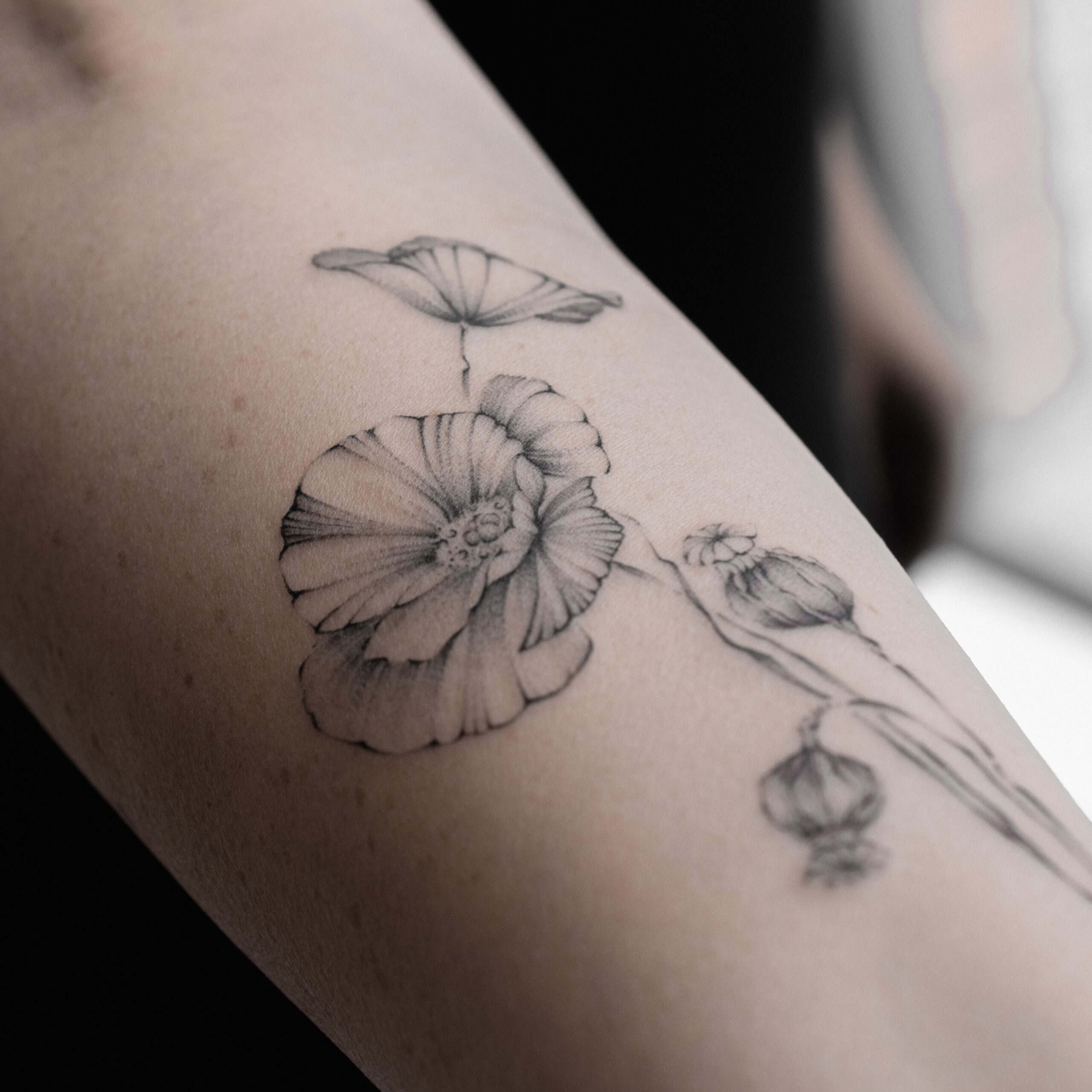
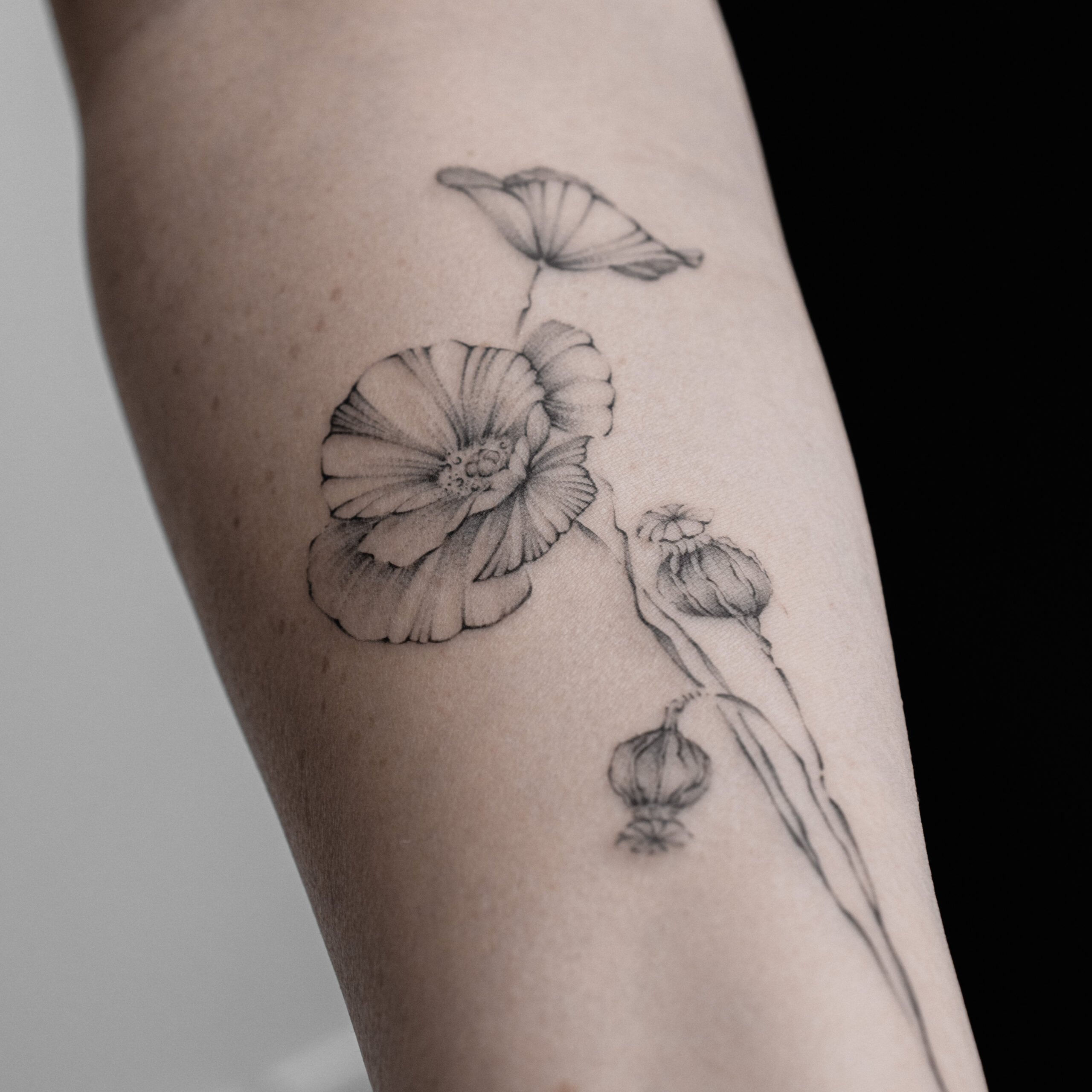
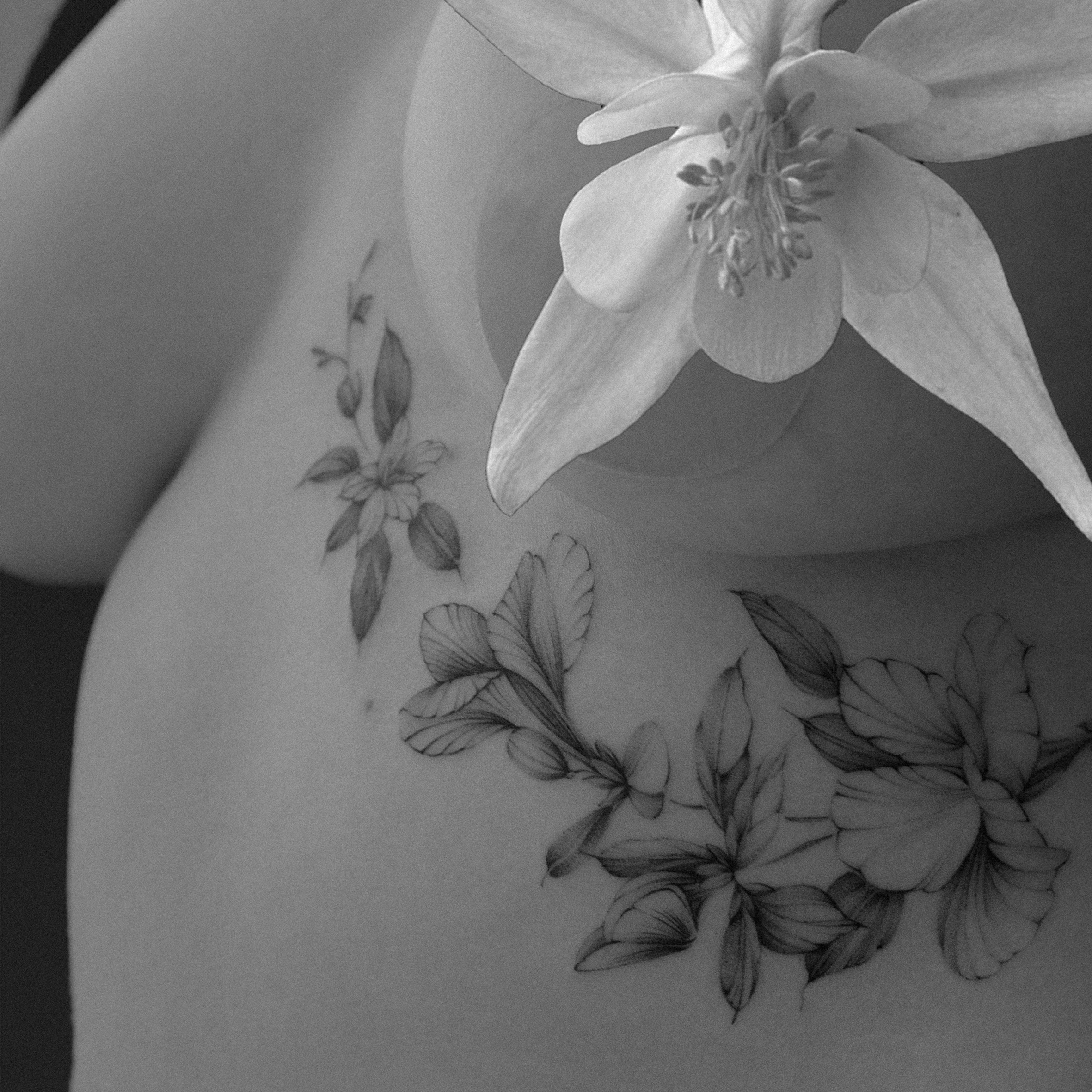
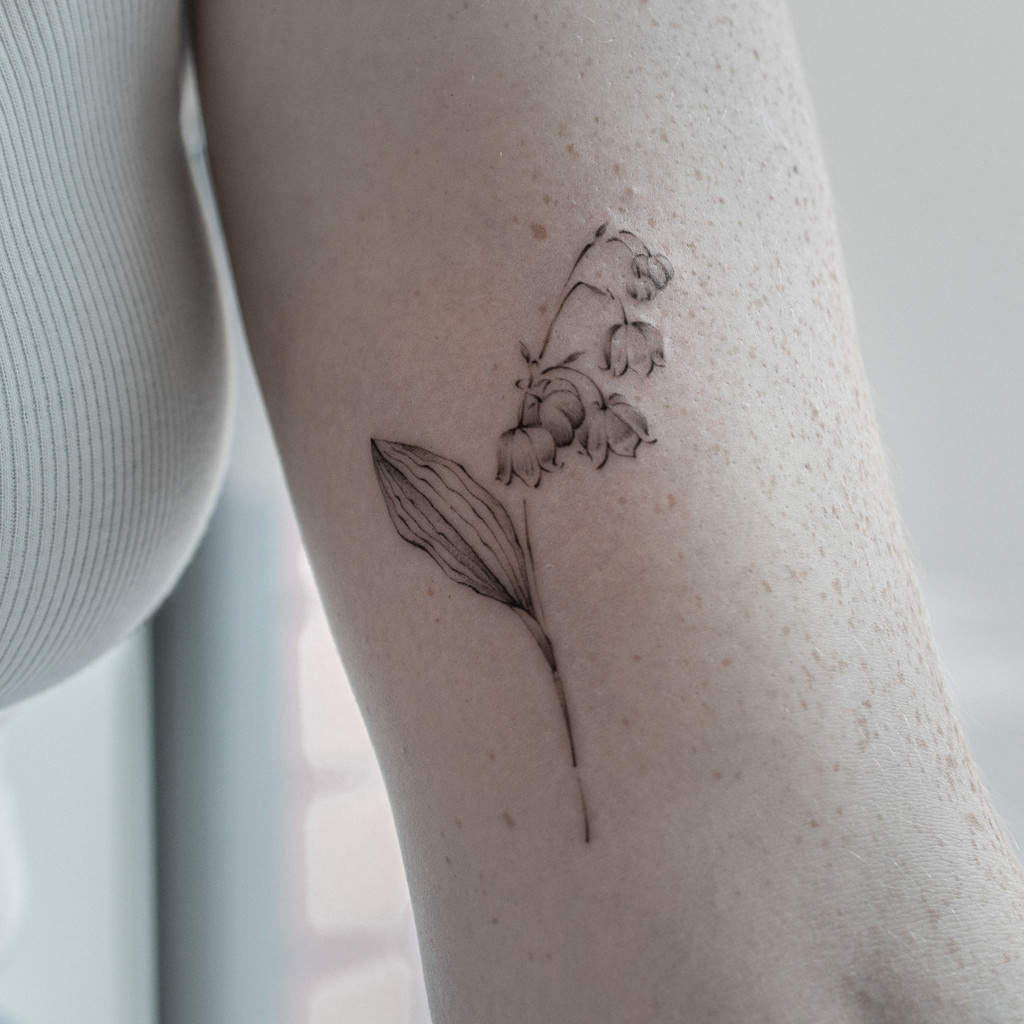
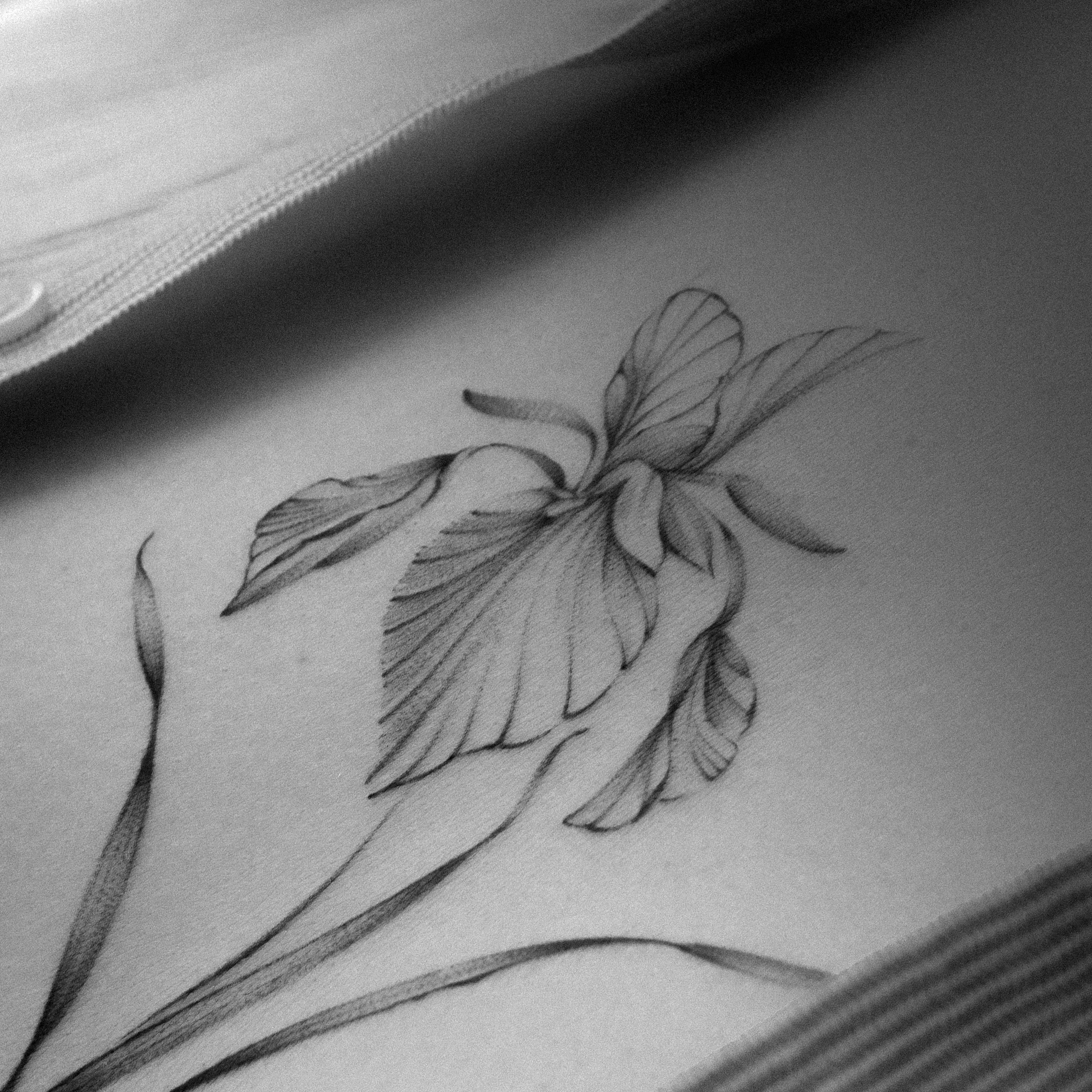
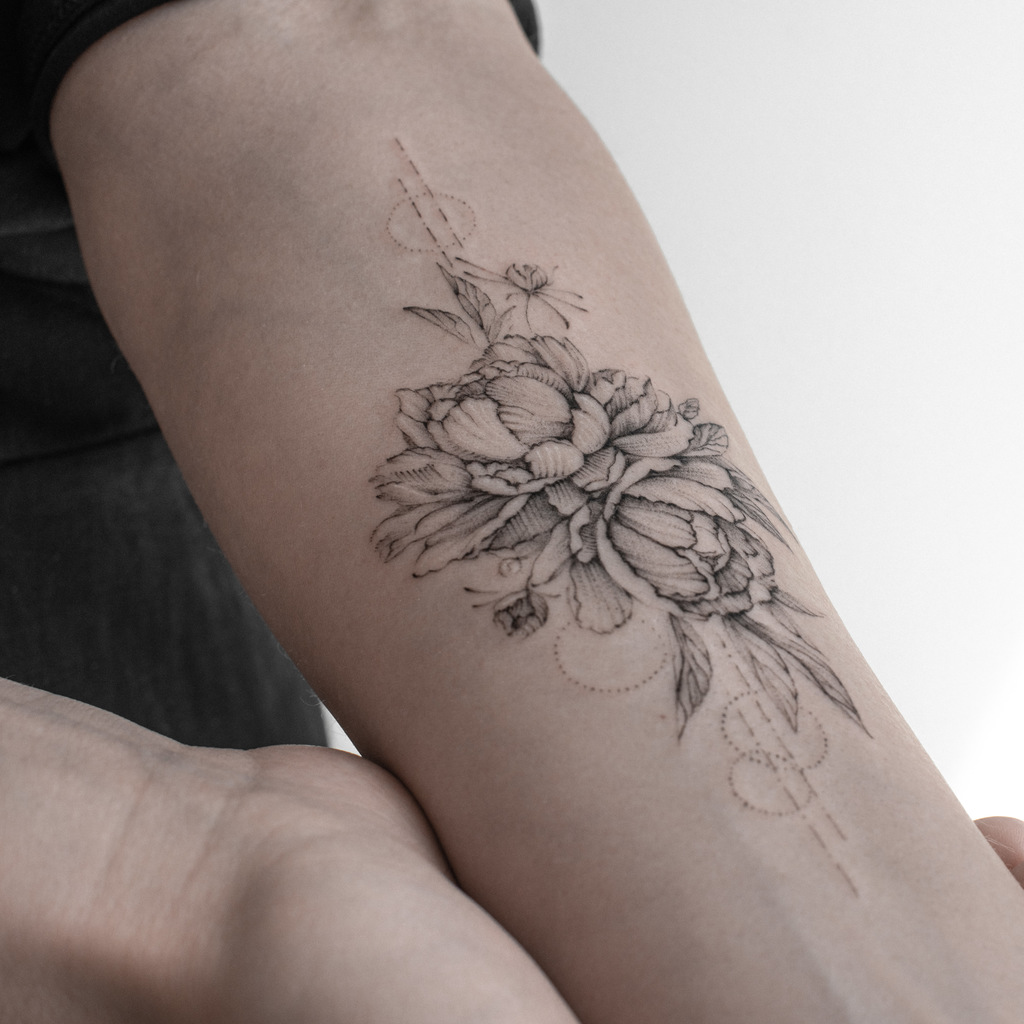
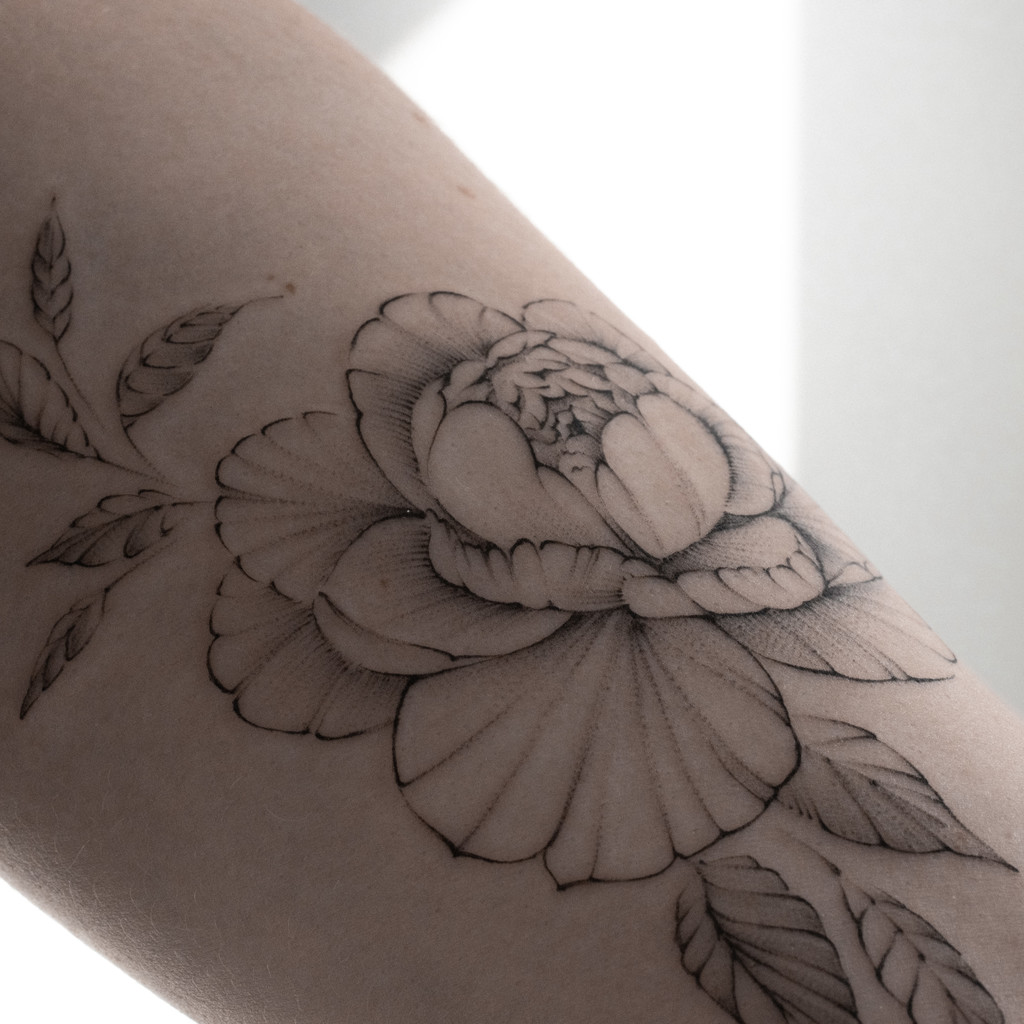
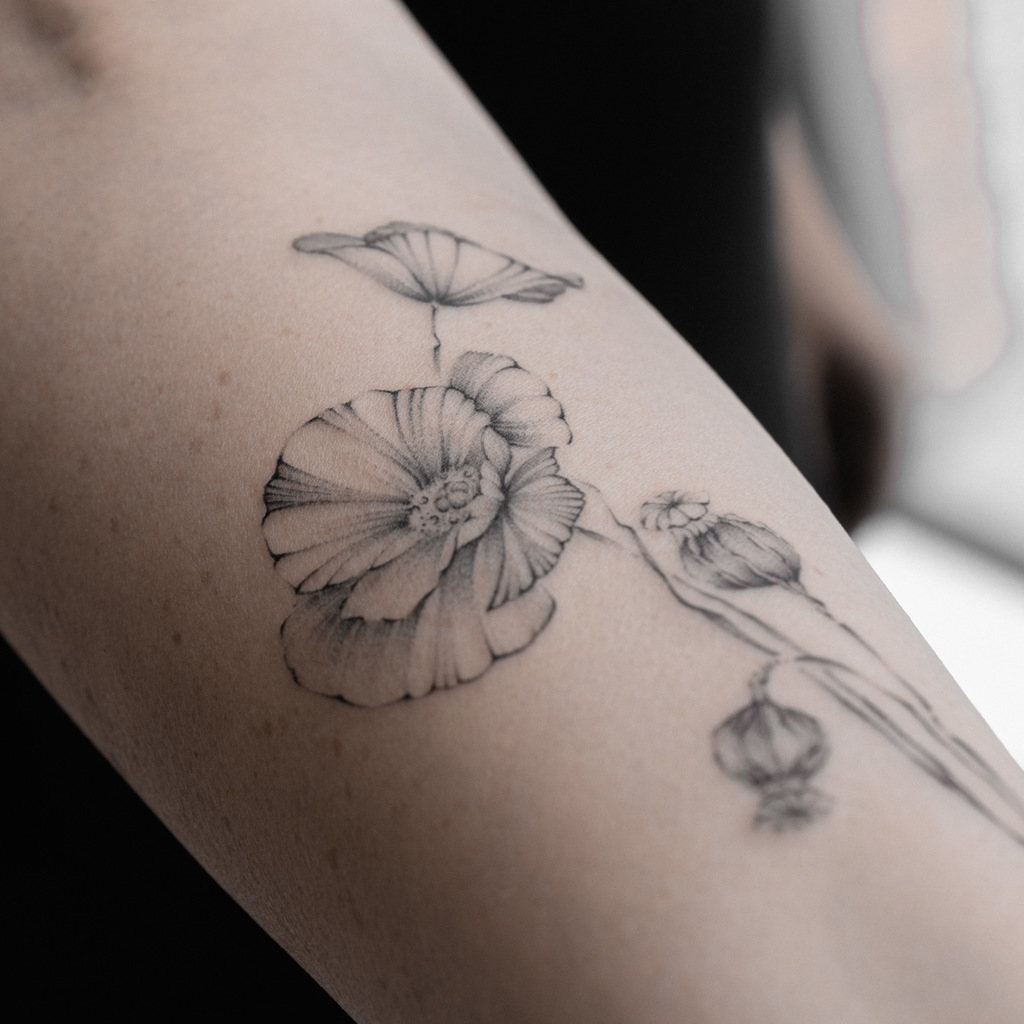
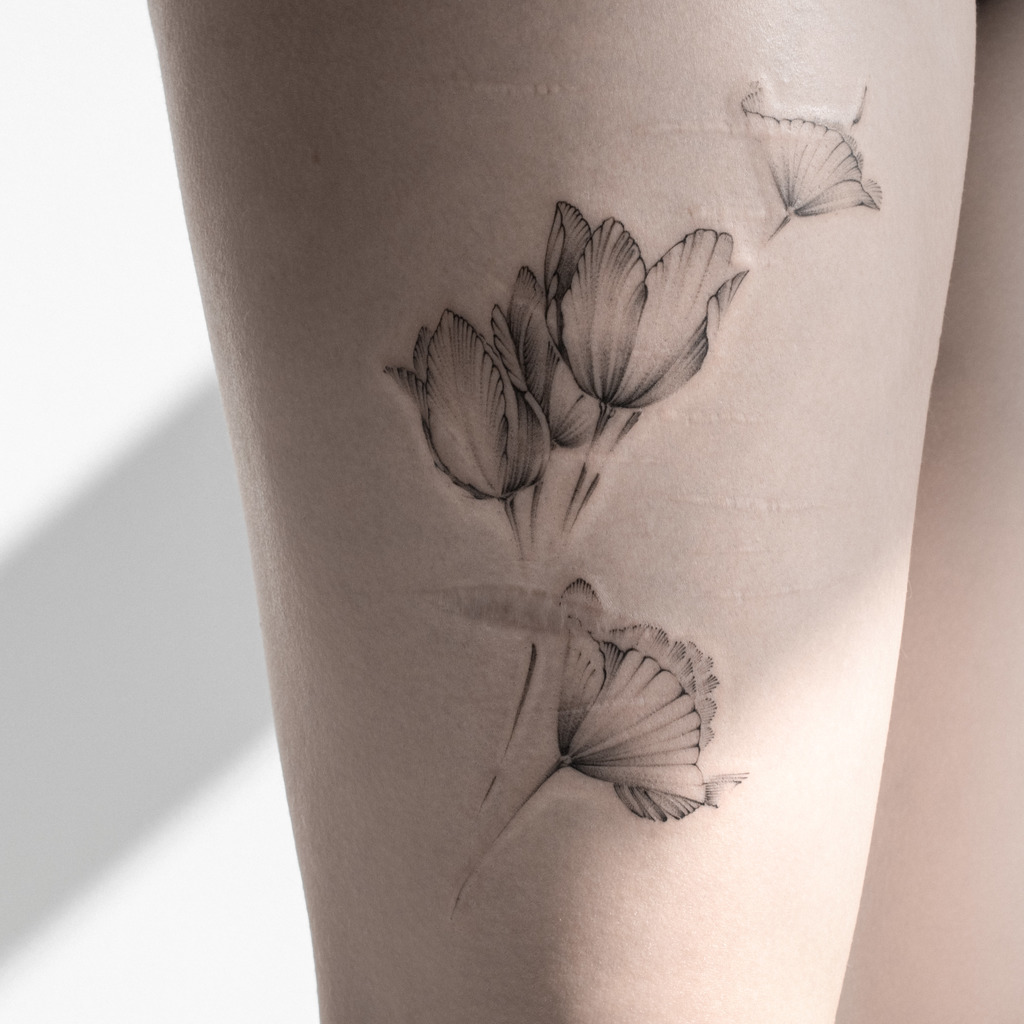
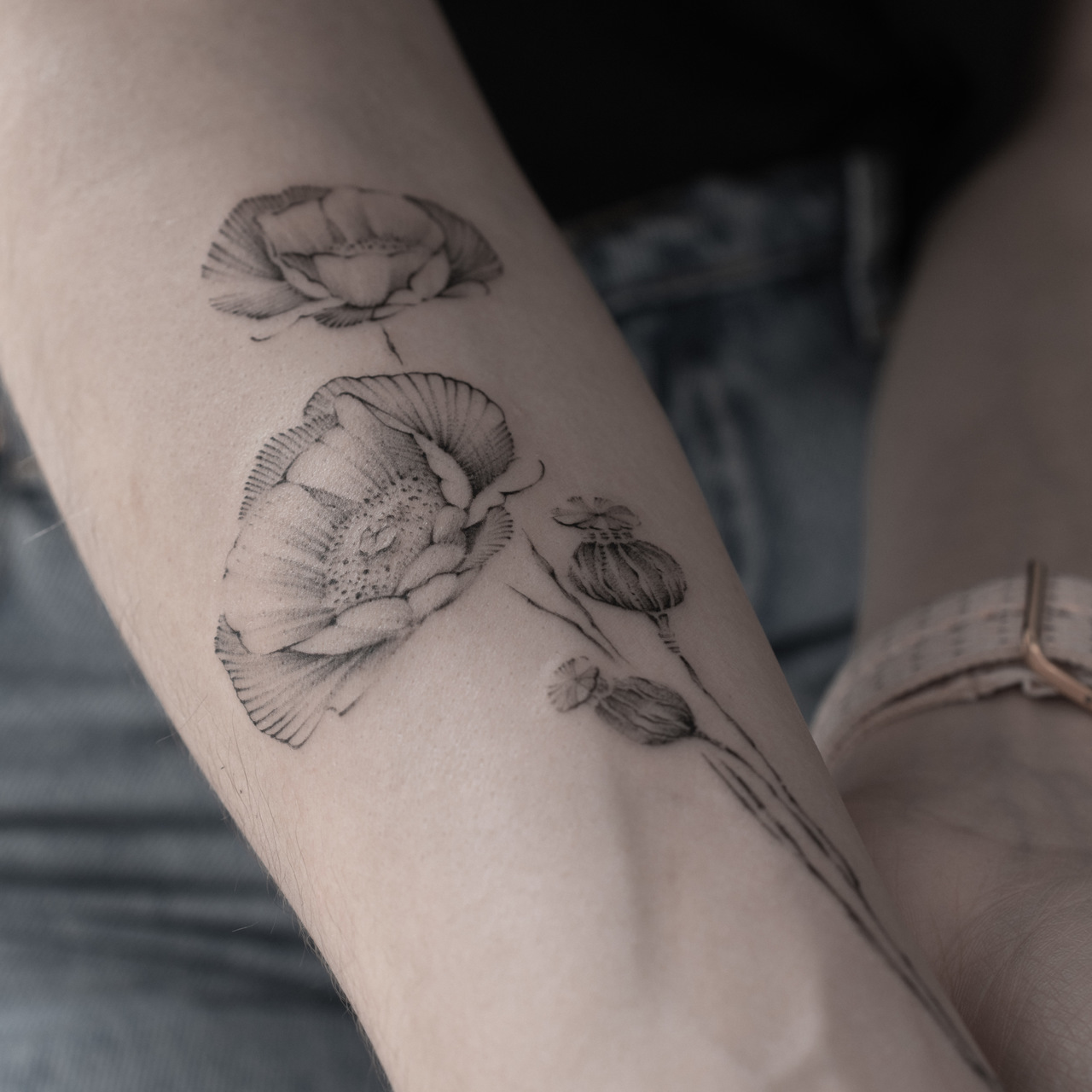
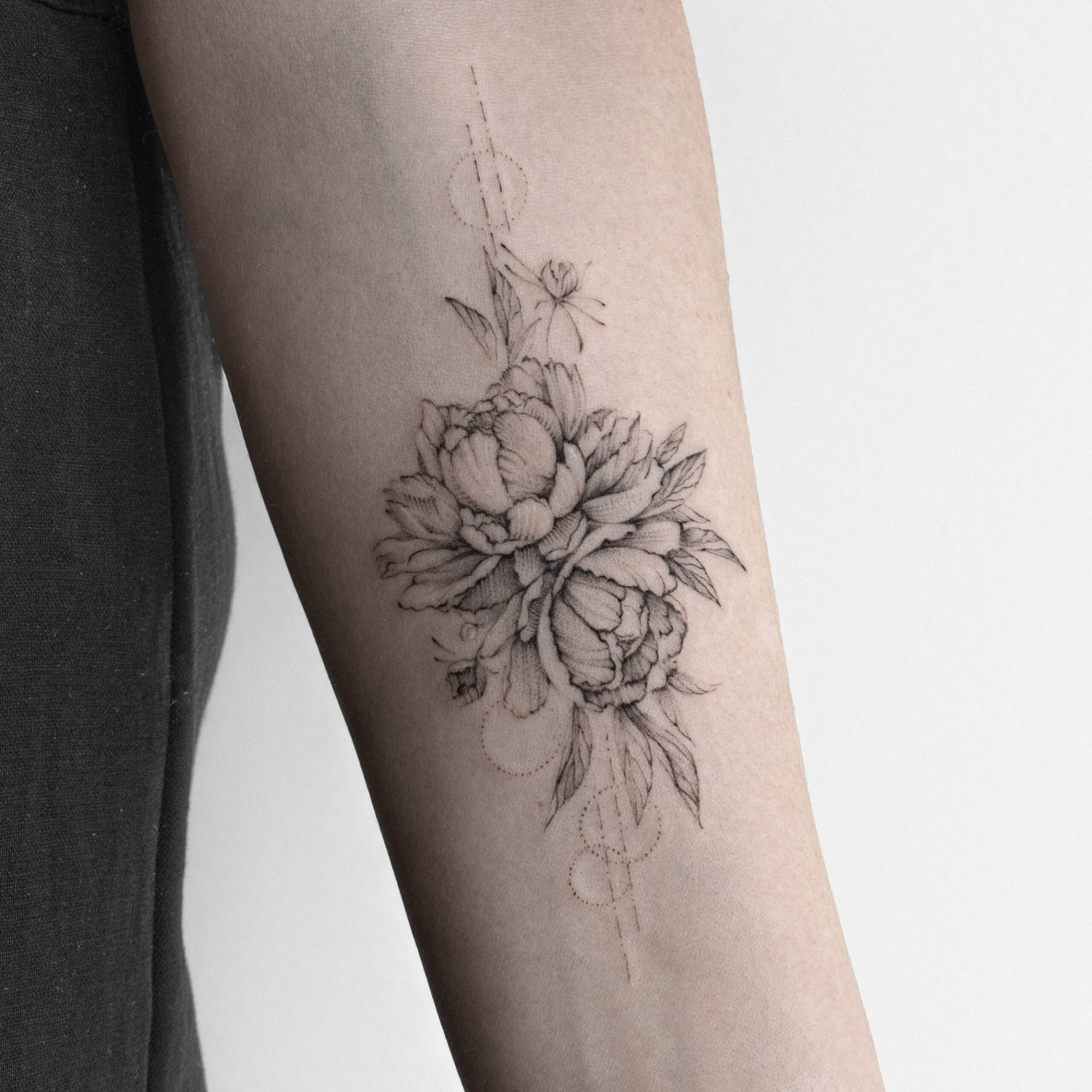
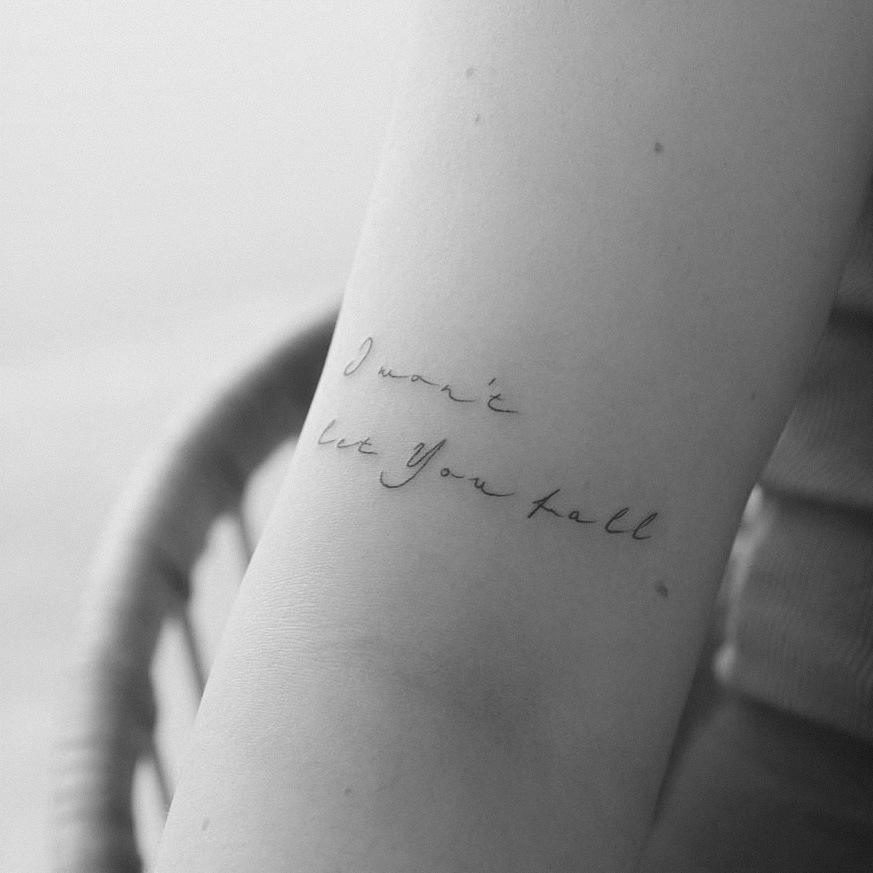
At Vadelma Tattoo, this psychological layer is part of the process. The studio is designed as a calm, private space where the focus is not on speed, but on clarity. The goal is not just to create something that looks good, but something that feels right — both now and years later. The designs are often fine line and minimal, because they leave space for meaning rather than trying to explain everything visually. It is less about adding something to the body, and more about revealing something that is already there.
If you are considering a tattoo in that way, you can explore available designs here:
https://vadelma.eu/available-projects
Or take your time and reach out:
https://vadelma.eu/contact
If you want to understand the process first:
https://vadelma.eu/faq-vadelma-tattoo/
And for proper healing and care:
https://vadelma.eu/after-care
You can also explore artworks with a similar philosophy:
https://vadelmaprints.com/
Not Just a Tattoo
The idea that tattoos are “just decoration” is becoming outdated. For many people, they are:
- a way to define identity
- a way to process experiences
- a way to create meaning
And sometimes, a way to feel more aligned with themselves.
Conclusion
Getting a tattoo is not inherently life-changing. But the process behind it can be. It asks you to decide what matters, what stays, and what represents you. And in a world where most decisions are temporary, that kind of clarity is rare. That is why, for many people, tattoos feel different. Not because of what they are. But because of what they require from you.
FAQ
Can tattoos really affect your psychology?
Yes, research suggests tattoos are closely linked to self-expression and identity.
Do tattoos improve confidence?
They can influence how people perceive themselves, especially when the design has personal meaning.
Are tattoos just aesthetic?
Not necessarily. Many people use them to represent memories, values, or personal changes.
Does the tattoo experience matter?
Yes, the environment and process can significantly influence how meaningful the tattoo feels.
Where can I learn more before getting a tattoo?
You can visit:
https://vadelma.eu/faq-vadelma-tattoo/
Why Getting a Tattoo Can Be Good for You: The Psychology Behind It
For a long time, tattoos were seen as something mostly rebelious, something purely decorative. Something a ”good” boy or girl won’t do. But that view is slowly disappearing. What is replacing it is something more interesting — the idea that tattoos are not just visual, but psychological. Not just something you put on your body, but something that reflects how you see yourself. And in many cases, something that helps you understand yourself more clearly – or help You with any kind of life situations. To be here and now and to feel human.
Tattoos as a Form of Self-Expression
One of the most consistent findings in research is that tattoos function as a form of self-expression. A study in the field of psychodermatology describes tattoos as a way of placing internal experiences onto the skin — a visible representation of thoughts, emotions, and identity. In simple terms, a tattoo is not just an image. It is a translation. Something internal becomes external. Something abstract becomes visible. And that process alone has psychological value. Because most people don’t often take the time to define what something actually means to them. But when you decide to make it permanent, clarity becomes necessary.
A Stronger Sense of Identity
Another important insight comes from psychiatric research, where tattoos are described as a “window into the psyche.” That might sound abstract, but it’s actually very practical. When someone chooses a tattoo, they are often selecting:
- a memory
- a value
- a turning point
- or a part of themselves they want to recognize
This creates a stronger connection between identity and physical form. Instead of identity being something vague or shifting, it becomes anchored. Not in a rigid way — but in a way that feels more real.
Confidence and Body Perception
There is also evidence suggesting that tattoos can influence how people feel about their own bodies. In studies observing people before and after getting tattoos, participants reported changes in how they perceived their appearance, their uniqueness, and their sense of self. This doesn’t mean tattoos magically create confidence. But they can reinforce it. Because the act of choosing something permanent requires a certain level of ownership. You are making a decision that reflects who you are, not who you are expected to be. And that alone can shift how you see yourself.
Control, Meaning, and Emotional Processing
One of the more subtle psychological aspects of tattoos is control. Many people choose tattoos during moments of transition. After something ends. After something begins. After something changes. Research suggests that tattoos can also be linked to processing emotions or marking personal experiences. In that sense, a tattoo becomes less about decoration and more about integration. You are not just remembering something. You are placing it into your story in a way that feels complete.
Why the Experience Matters
Here’s where things become important. The psychological benefit of a tattoo is not only in the design. It is also in the process. If the experience feels rushed, noisy, or disconnected, something is lost. But when the environment allows you to slow down, reflect, and understand what you are doing, the meaning becomes stronger. That is why more people are moving away from high-volume studios and looking for something more intentional.
The Vadelma Tattoo Approach
At Vadelma Tattoo, this psychological layer is part of the process. The studio is designed as a calm, private space where the focus is not on speed, but on clarity. The goal is not just to create something that looks good, but something that feels right — both now and years later. The designs are often fine line and minimal, because they leave space for meaning rather than trying to explain everything visually. It is less about adding something to the body, and more about revealing something that is already there.
If you are considering a tattoo in that way, you can explore available designs here:
https://vadelma.eu/available-projects
Or take your time and reach out:
https://vadelma.eu/contact
If you want to understand the process first:
https://vadelma.eu/faq-vadelma-tattoo/
And for proper healing and care:
https://vadelma.eu/after-care
You can also explore artworks with a similar philosophy:
https://vadelmaprints.com/
Not Just a Tattoo
The idea that tattoos are “just decoration” is becoming outdated. For many people, they are:
- a way to define identity
- a way to process experiences
- a way to create meaning
And sometimes, a way to feel more aligned with themselves.
Conclusion
Getting a tattoo is not inherently life-changing. But the process behind it can be. It asks you to decide what matters, what stays, and what represents you. And in a world where most decisions are temporary, that kind of clarity is rare. That is why, for many people, tattoos feel different. Not because of what they are. But because of what they require from you.
FAQ
Can tattoos really affect your psychology?
Yes, research suggests tattoos are closely linked to self-expression and identity.
Do tattoos improve confidence?
They can influence how people perceive themselves, especially when the design has personal meaning.
Are tattoos just aesthetic?
Not necessarily. Many people use them to represent memories, values, or personal changes.
Does the tattoo experience matter?
Yes, the environment and process can significantly influence how meaningful the tattoo feels.
Where can I learn more before getting a tattoo?
You can visit:
https://vadelma.eu/faq-vadelma-tattoo/