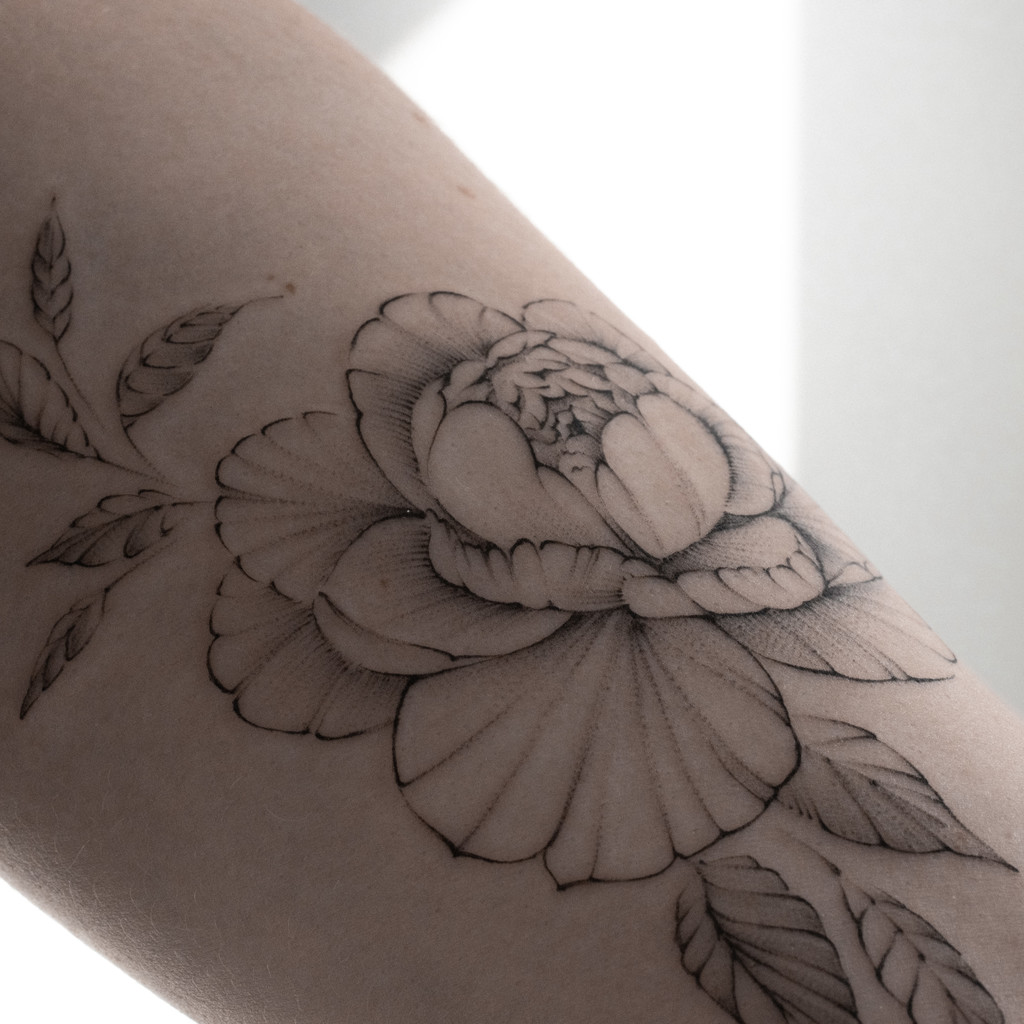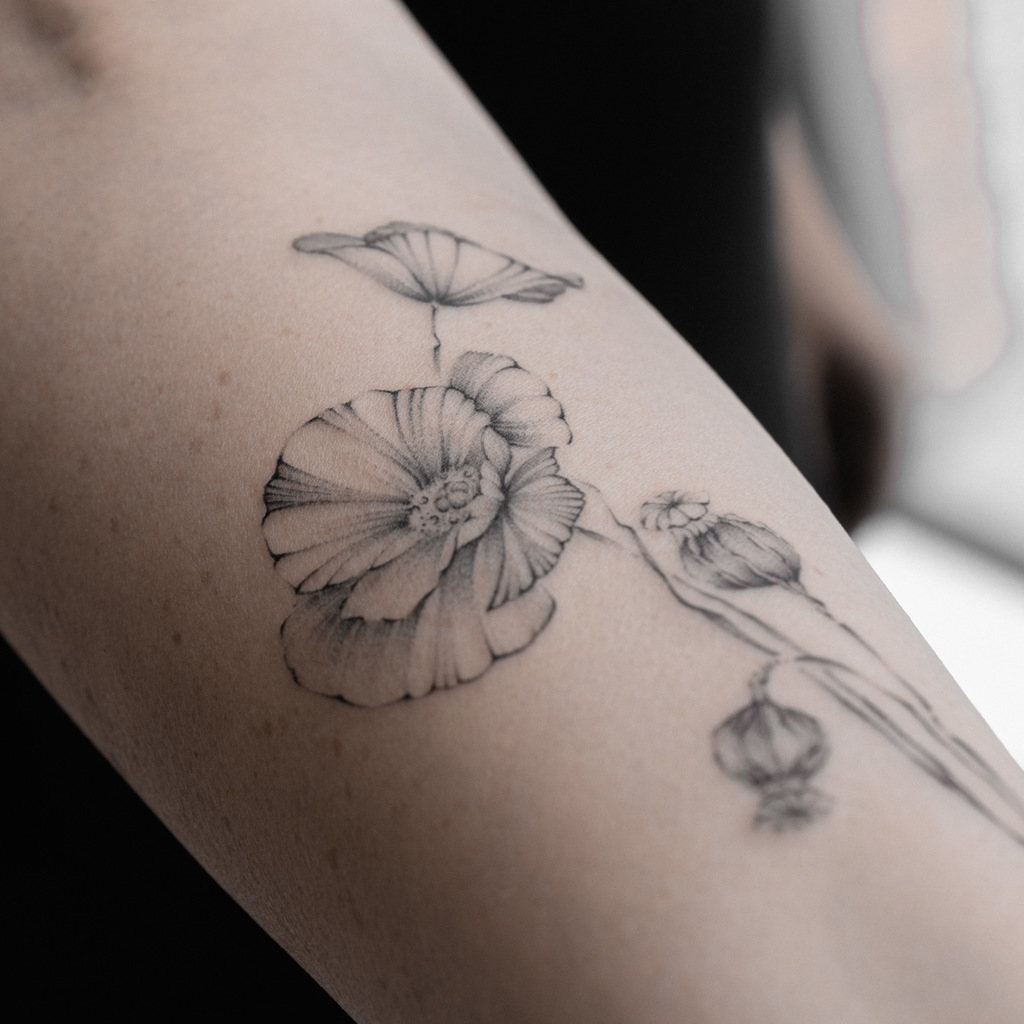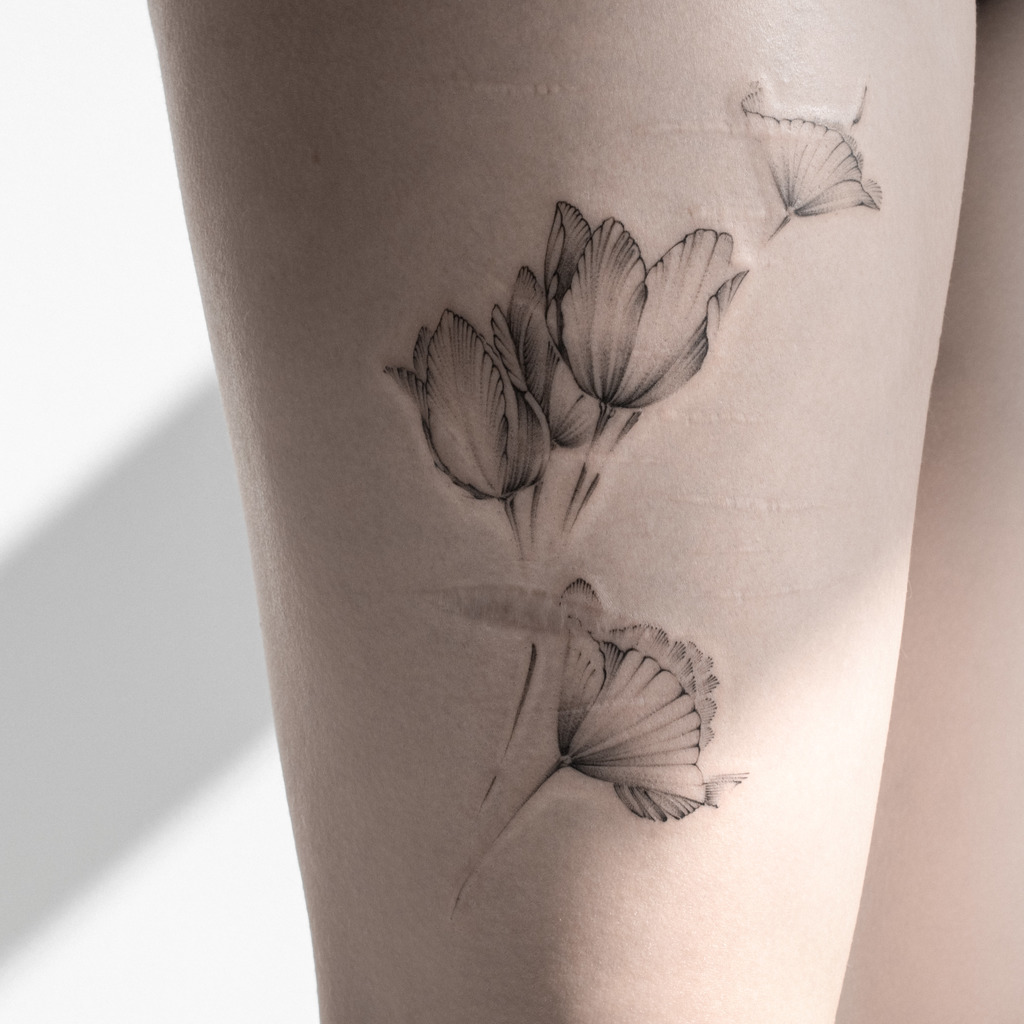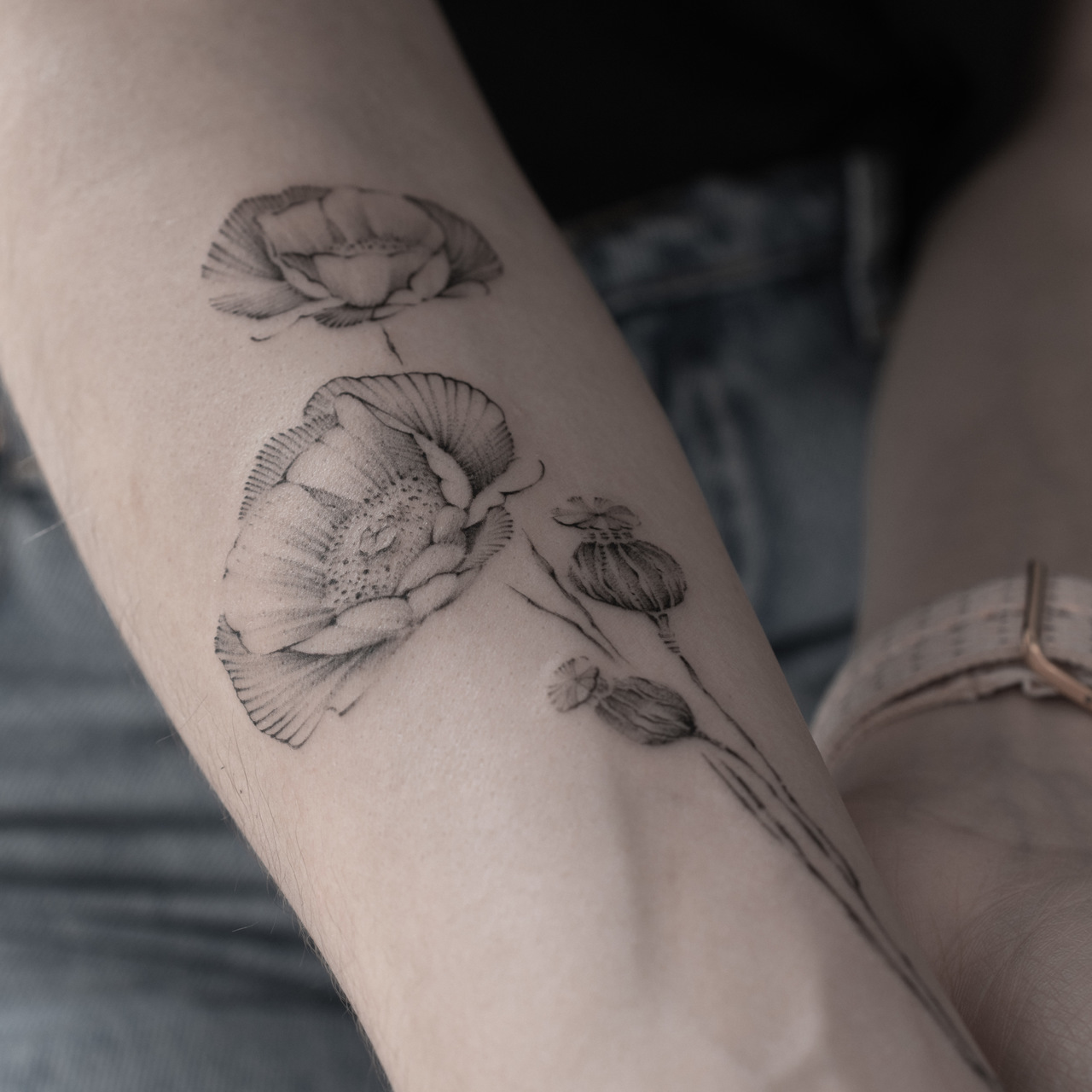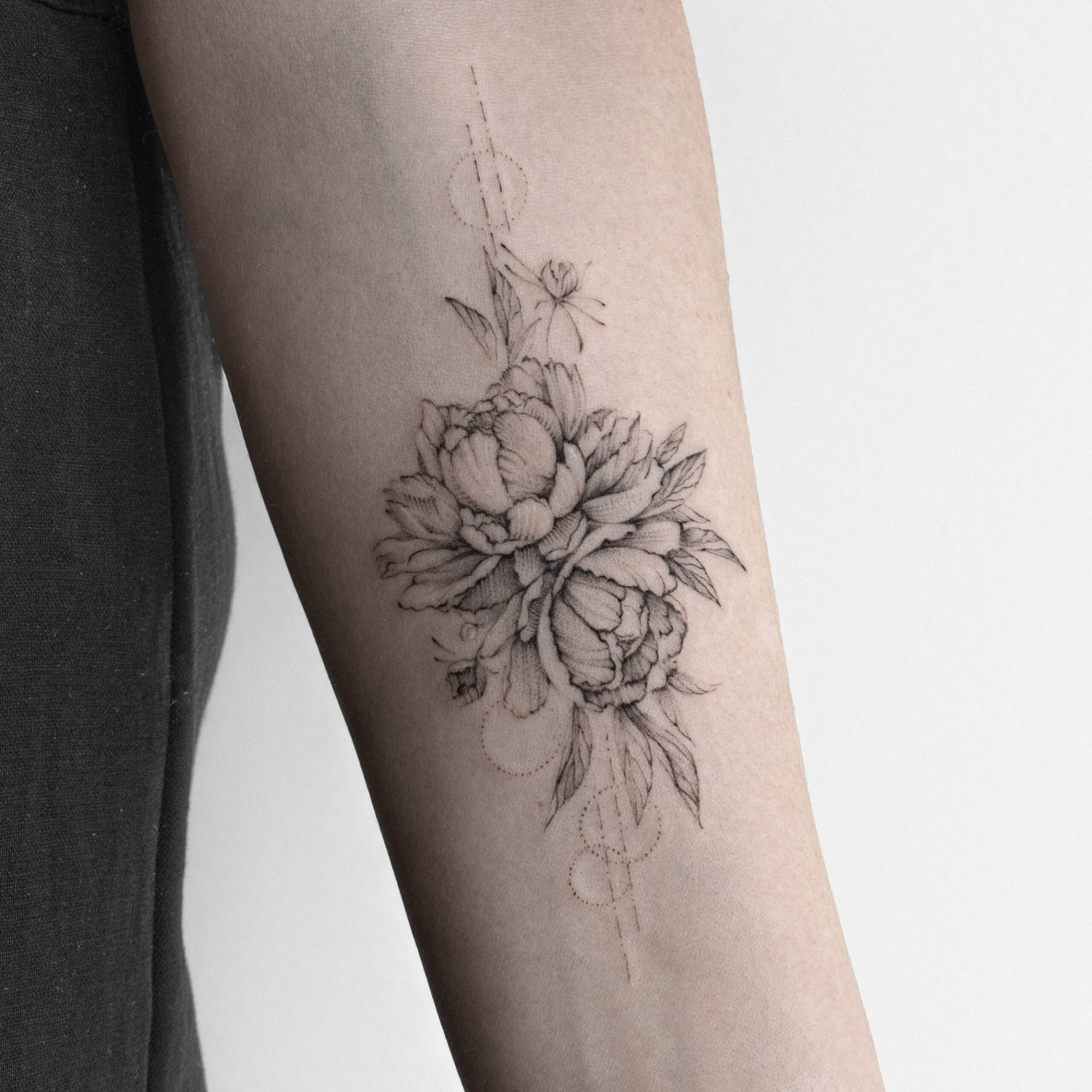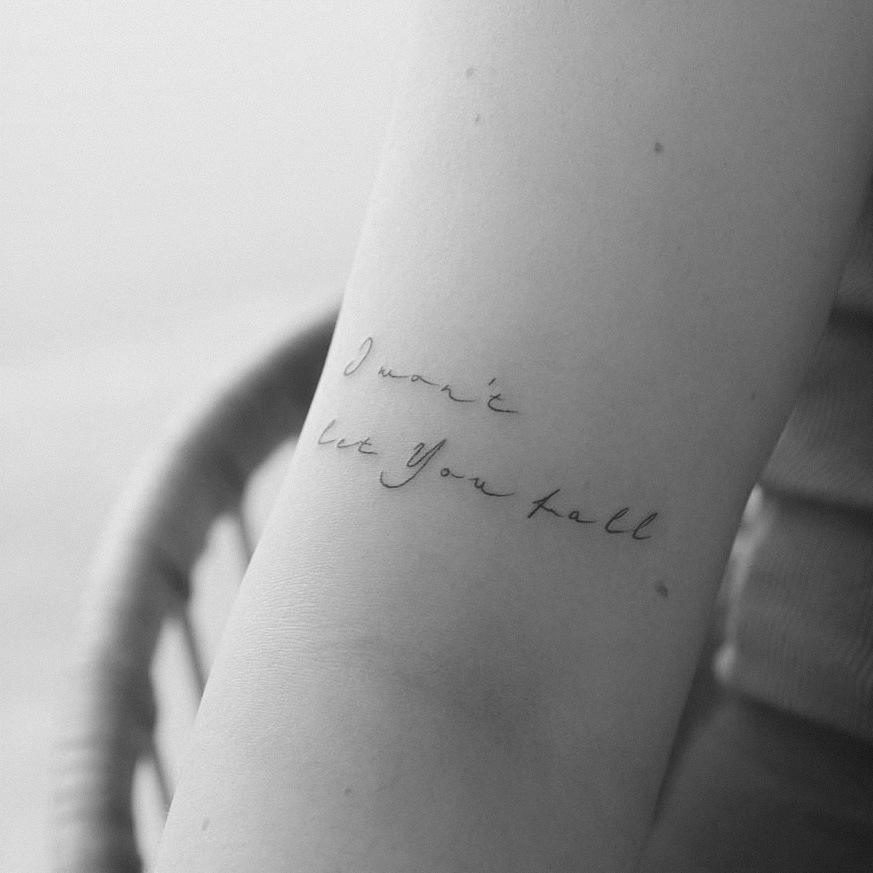
Psychology of Tattoos – Meaning, Identity & Self Expression
The Psychology of Tattoos – Why Meaning Stays Longer Than the Ink
Introduction
People often ask why someone decides to get a tattoo. On the surface, the answers seem simple. A design, an aesthetic preference, a moment of inspiration. But when you look a little deeper, the decision is rarely just visual. In psychology, there is a recurring idea that humans are constantly trying to create a sense of coherence—something that connects past experiences, present identity, and future direction. A tattoo, in a quiet way, can become part of that process.
Tattoos as a Form of Identity Anchoring
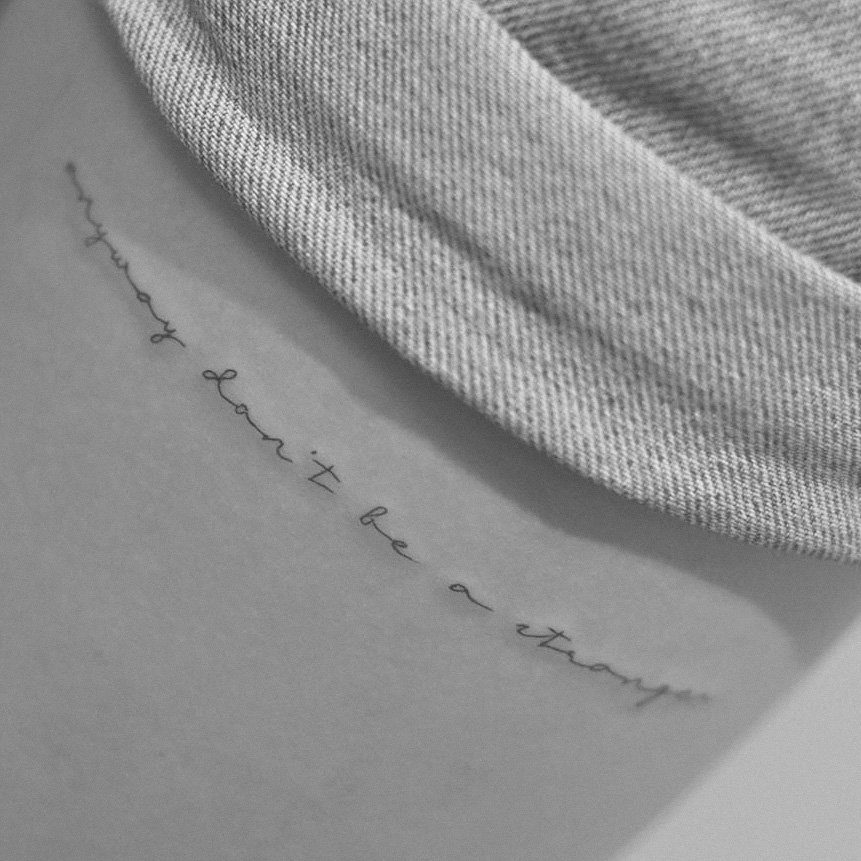
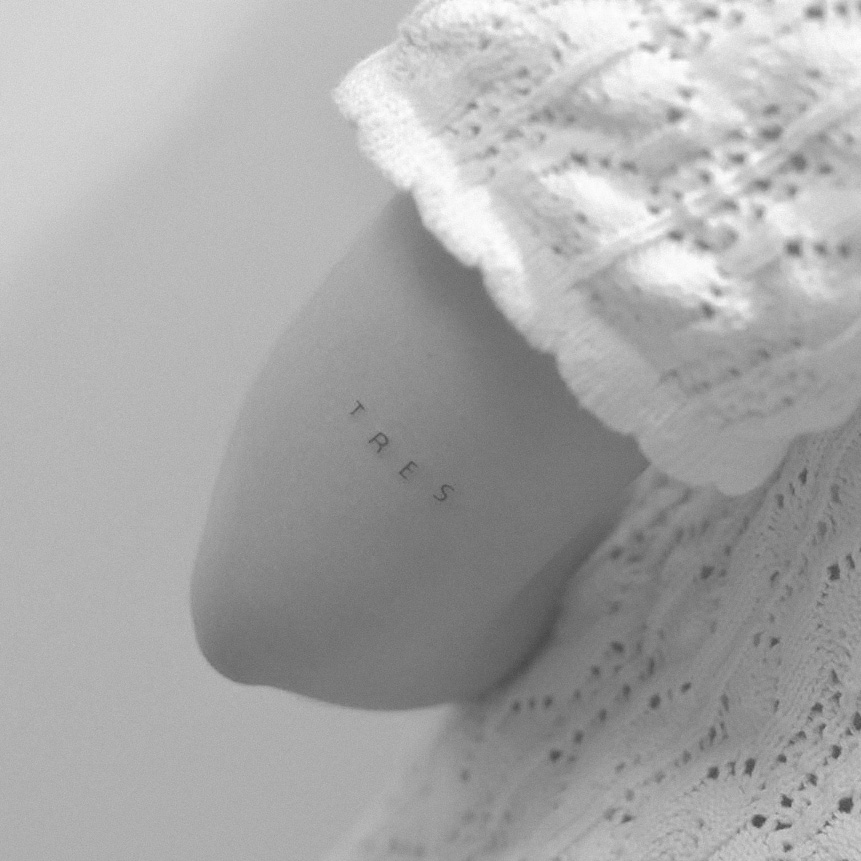
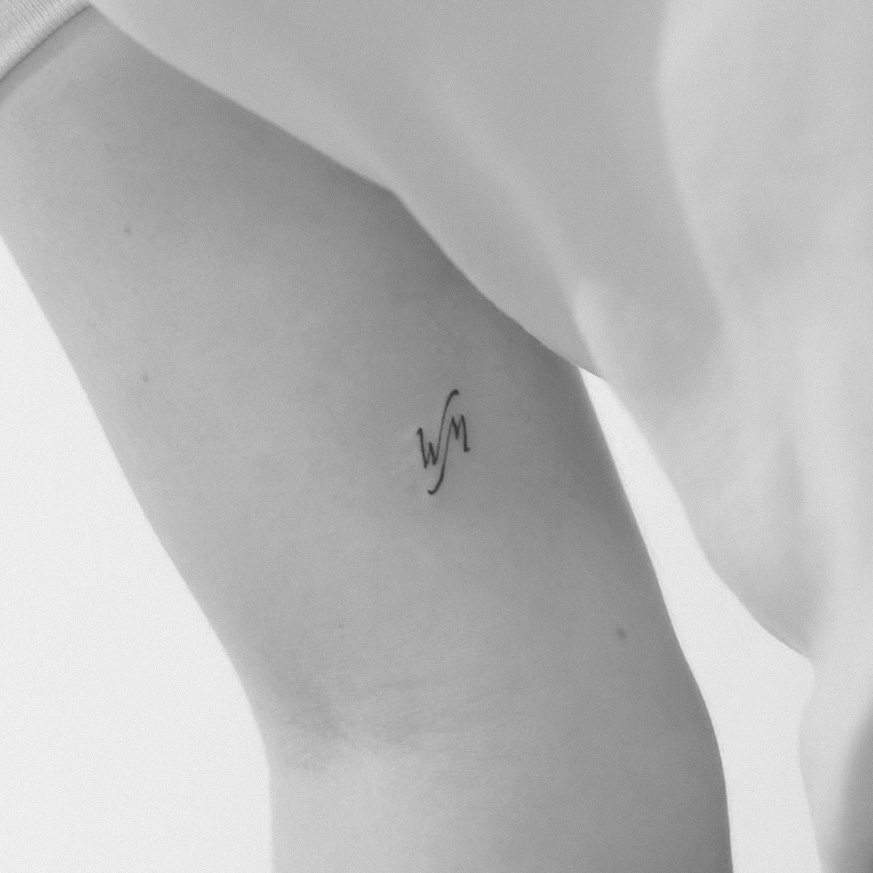
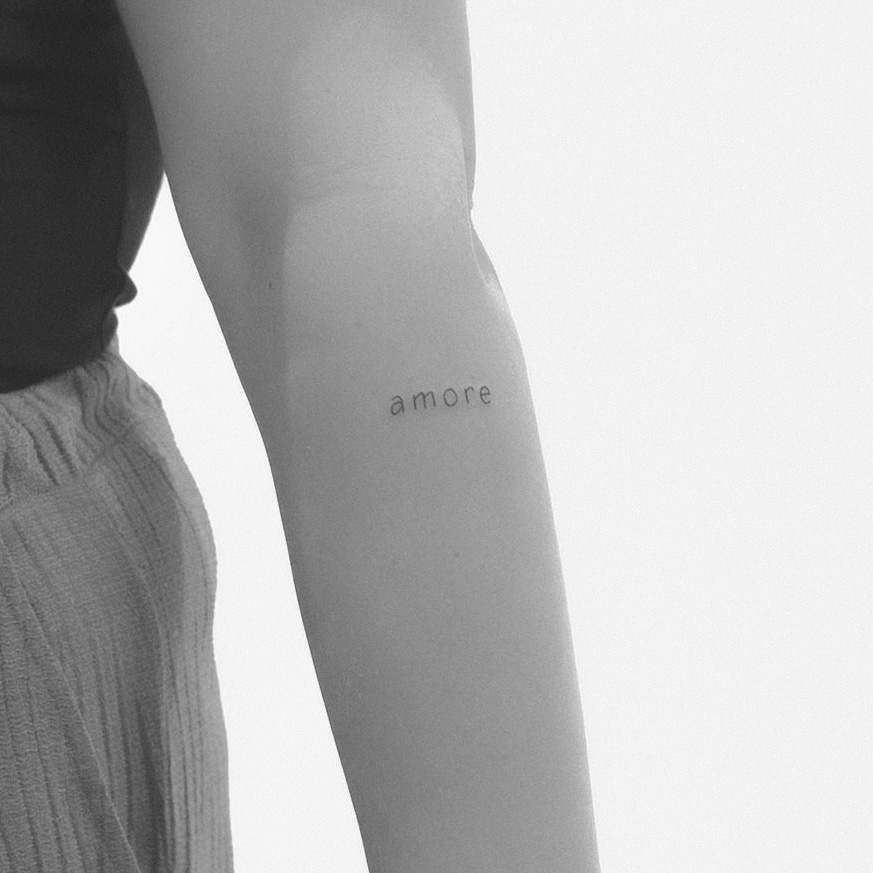
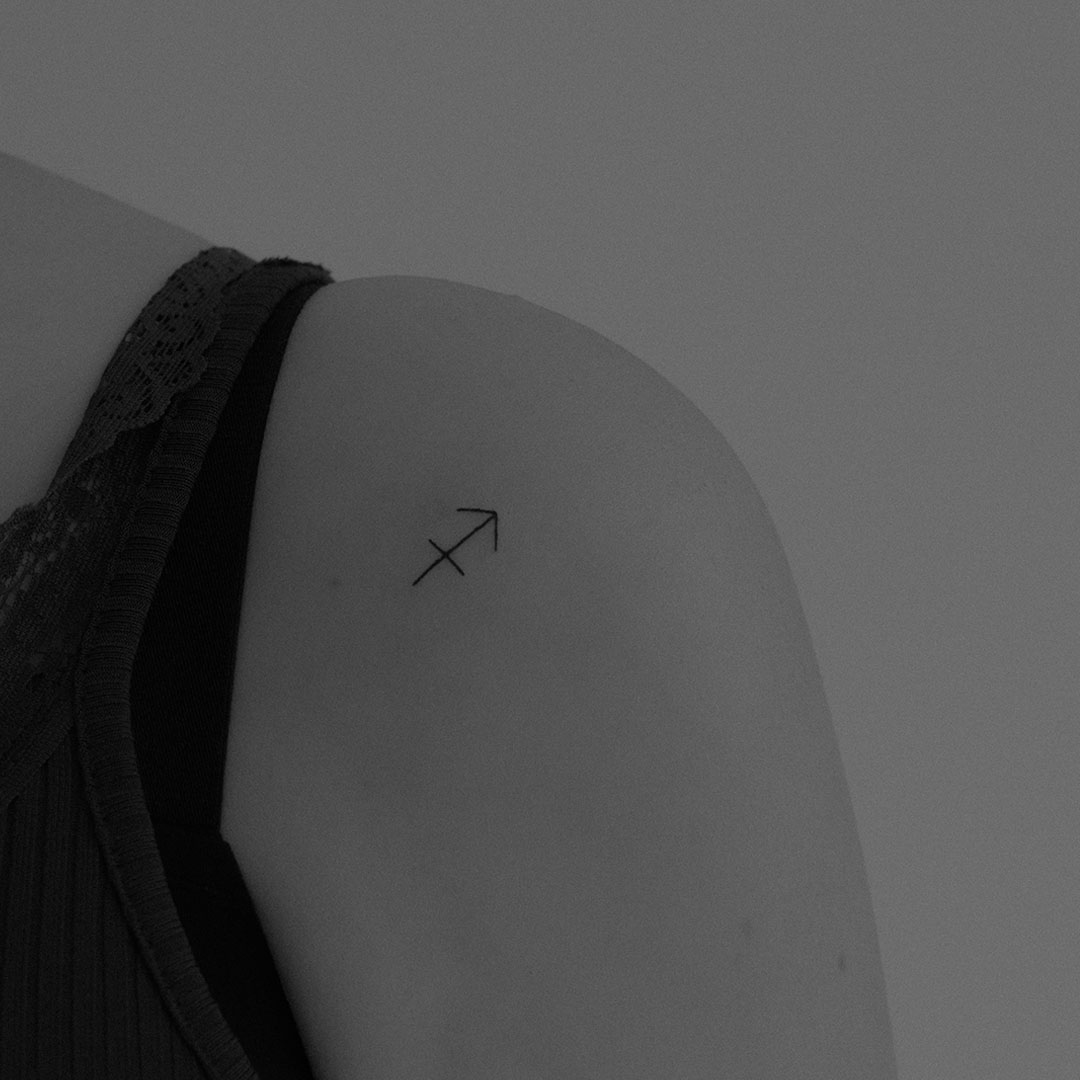
One of the more interesting perspectives in Psychology is the concept of identity anchoring. People tend to hold onto certain symbols, memories, or ideas that help them feel stable in who they are. These anchors are not always visible. Sometimes they exist as habits, values, or internal narratives. A tattoo simply makes one of those anchors visible. It takes something abstract—a thought, a shift, a realization—and gives it form. Not to define a person completely, but to mark a point that mattered. And once something is marked physically, it often becomes easier to return to it mentally.
A Sense of Control and Ownership
Another aspect that appears in research is the connection between tattoos and a sense of personal control. Modern life is unpredictable in many ways. Decisions are influenced by circumstances, timing, and external factors. In that context, choosing a tattoo is a very direct action.
You decide:
- what stays
- where it stays
- and how it is represented
This creates a subtle but important shift. It reinforces the idea that there are still areas of life where decisions can be made deliberately. Not in a dramatic or rebellious way, but in a quiet, grounded sense of ownership.
Emotional Clarity Through Visual Form
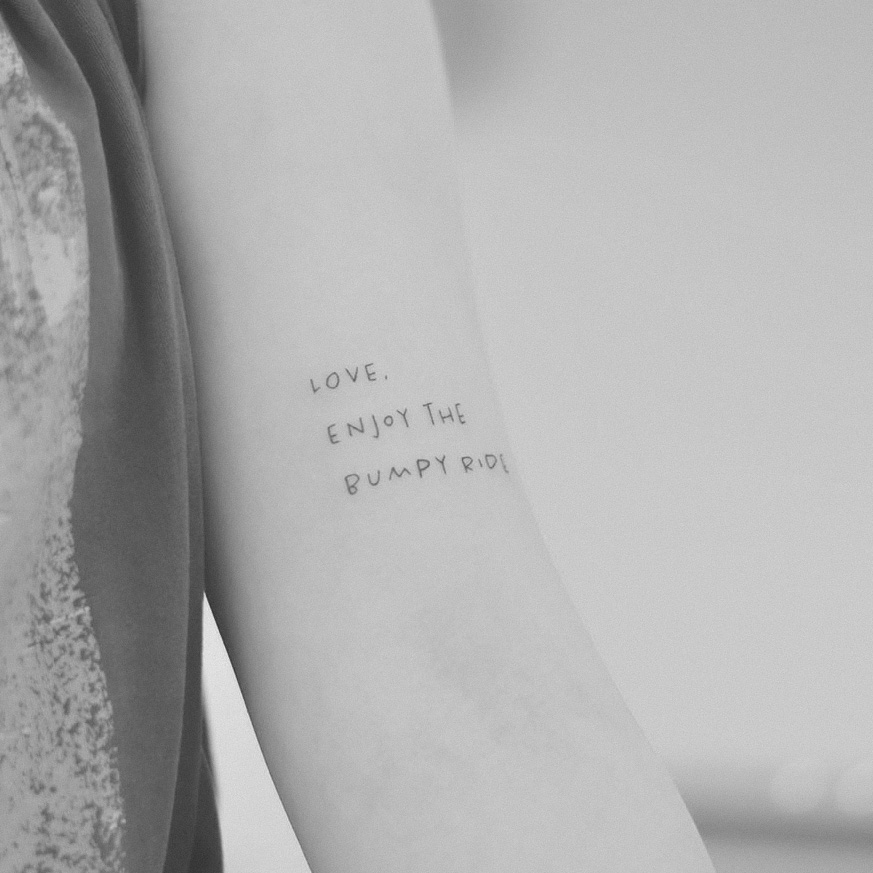
There is also a psychological benefit in translating feelings into something visual. Emotions can be difficult to define. They change, overlap, and sometimes remain unclear even to ourselves. When an idea is shaped into a symbol or a form, it becomes easier to understand. A tattoo does not need to explain everything. It simply holds a direction. Over time, that can create a sense of clarity. Not because the tattoo answers questions, but because it stabilizes one part of the internal landscape.
The Role of the Process
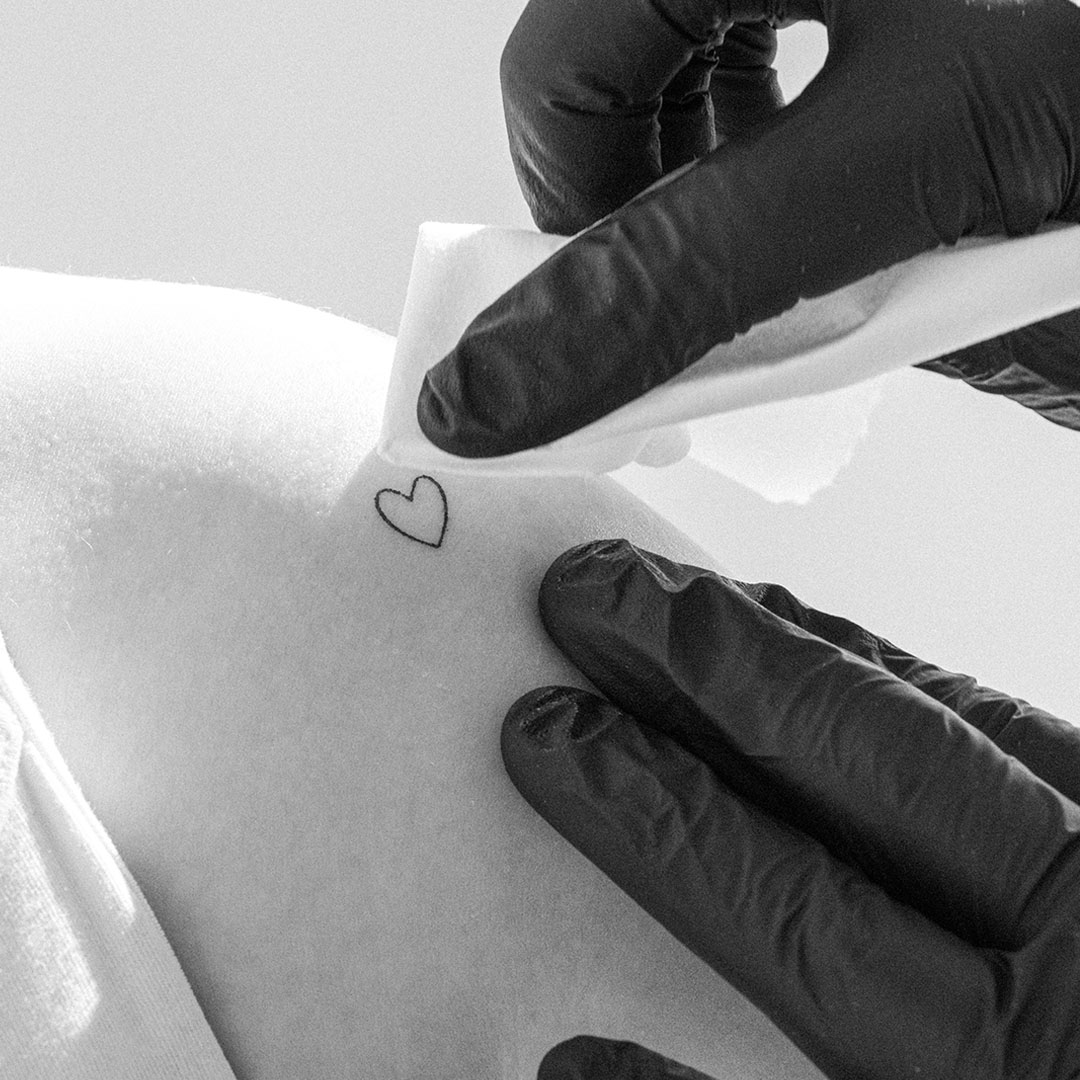
An often overlooked part of tattooing is the process itself. Taking time to think about a design, adjusting placement, and refining the idea all contribute to how the final result is experienced. It is not just about the outcome, but about how you arrive there. This aligns with what psychology often shows: meaning is not only found in results, but in the process of forming them. At Vadelma Tattoo in Amsterdam, this process is intentionally slowed down. Not to complicate things, but to allow space for decisions to become clearer.
A Positive Relationship With the Body
Tattoos can also influence how people relate to their own body. Instead of seeing the body as something passive, it becomes something that can be shaped and curated in a personal way. This does not mean changing everything, but rather engaging with it more consciously. For many people, this leads to a more positive and attentive relationship with themselves. The body becomes not just something you have, but something you actively participate in.
Not About Perfection
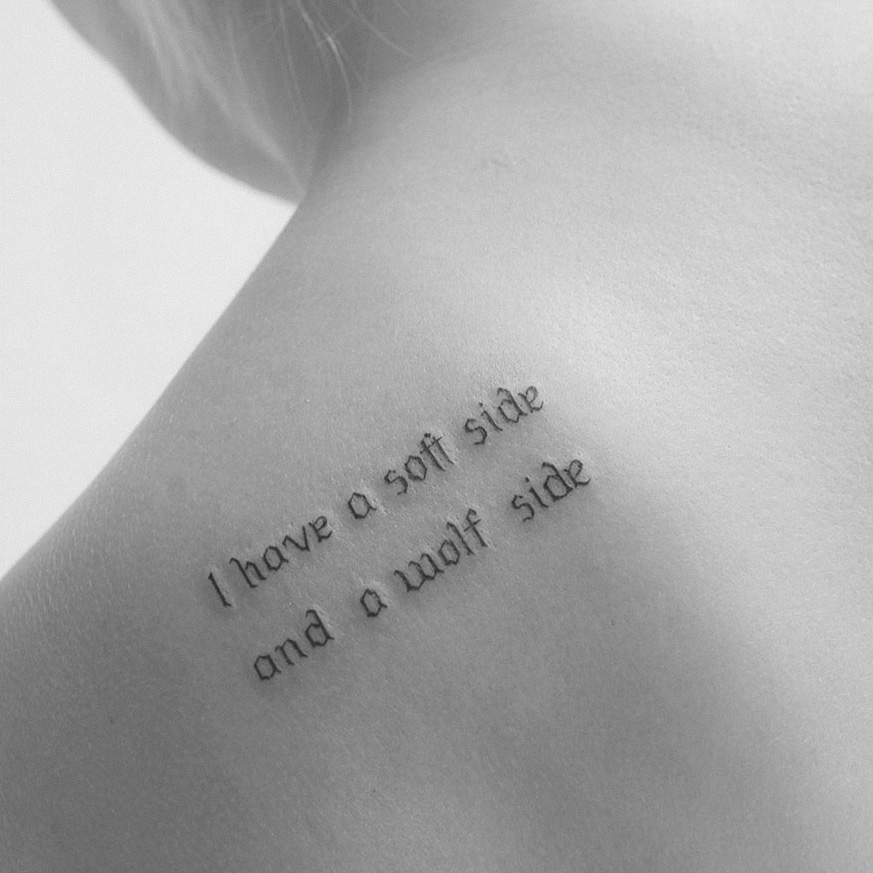
One important point is that tattoos do not need to represent a perfect idea. In fact, part of their psychological strength comes from the opposite. They capture a moment in time, a version of you that existed at a certain point. And that is enough. There is no need for it to explain everything or remain fixed in meaning forever. It can evolve, just like the person carrying it.
From Thought to Form
At some point, an idea either fades or stays. When it stays—returning in small ways, becoming clearer over time—it often means there is something worth expressing.
If you find yourself at that point, you can explore different directions here:
https://vadelma.eu/available-projects
Or start a conversation here:
https://vadelma.eu/contact
You can also read more about the process here:
https://vadelma.eu/blog
Beyond the Tattoo
If you’re not ready to make something permanent, but you’re drawn to visual expression, you can explore our art prints:
https://vadelmaprints.com/
Sometimes understanding what stays with you visually is the first step.
Final Thoughts
A tattoo does not need to be explained to be meaningful. In many cases, its value comes from something quieter—the way it connects a thought, a moment, and a sense of self into one consistent form. And once that connection exists, it tends to stay.
FAQ – Psychology of Tattoos
Do tattoos have psychological benefits?
Yes, they can support identity, emotional clarity, and a sense of personal ownership.
Why do tattoos feel meaningful over time?
Because they often represent a moment or idea that continues to stay relevant.
Is it important to think deeply before getting a tattoo?
Yes, taking time usually leads to a more consistent and satisfying result.
Can a tattoo’s meaning change?
Yes, and that is a natural part of the process.
Where can I learn more before booking?
The Psychology of Tattoos – Why Meaning Stays Longer Than the Ink
Introduction
People often ask why someone decides to get a tattoo. On the surface, the answers seem simple. A design, an aesthetic preference, a moment of inspiration. But when you look a little deeper, the decision is rarely just visual. In psychology, there is a recurring idea that humans are constantly trying to create a sense of coherence—something that connects past experiences, present identity, and future direction. A tattoo, in a quiet way, can become part of that process.
Tattoos as a Form of Identity Anchoring
One of the more interesting perspectives in Psychology is the concept of identity anchoring. People tend to hold onto certain symbols, memories, or ideas that help them feel stable in who they are. These anchors are not always visible. Sometimes they exist as habits, values, or internal narratives. A tattoo simply makes one of those anchors visible. It takes something abstract—a thought, a shift, a realization—and gives it form. Not to define a person completely, but to mark a point that mattered. And once something is marked physically, it often becomes easier to return to it mentally.
A Sense of Control and Ownership
Another aspect that appears in research is the connection between tattoos and a sense of personal control. Modern life is unpredictable in many ways. Decisions are influenced by circumstances, timing, and external factors. In that context, choosing a tattoo is a very direct action.
You decide:
- what stays
- where it stays
- and how it is represented
This creates a subtle but important shift. It reinforces the idea that there are still areas of life where decisions can be made deliberately. Not in a dramatic or rebellious way, but in a quiet, grounded sense of ownership.
Emotional Clarity Through Visual Form
There is also a psychological benefit in translating feelings into something visual. Emotions can be difficult to define. They change, overlap, and sometimes remain unclear even to ourselves. When an idea is shaped into a symbol or a form, it becomes easier to understand. A tattoo does not need to explain everything. It simply holds a direction. Over time, that can create a sense of clarity. Not because the tattoo answers questions, but because it stabilizes one part of the internal landscape.
The Role of the Process
An often overlooked part of tattooing is the process itself. Taking time to think about a design, adjusting placement, and refining the idea all contribute to how the final result is experienced. It is not just about the outcome, but about how you arrive there. This aligns with what psychology often shows: meaning is not only found in results, but in the process of forming them. At Vadelma Tattoo in Amsterdam, this process is intentionally slowed down. Not to complicate things, but to allow space for decisions to become clearer.
A Positive Relationship With the Body
Tattoos can also influence how people relate to their own body. Instead of seeing the body as something passive, it becomes something that can be shaped and curated in a personal way. This does not mean changing everything, but rather engaging with it more consciously. For many people, this leads to a more positive and attentive relationship with themselves. The body becomes not just something you have, but something you actively participate in.
Not About Perfection
One important point is that tattoos do not need to represent a perfect idea. In fact, part of their psychological strength comes from the opposite. They capture a moment in time, a version of you that existed at a certain point. And that is enough. There is no need for it to explain everything or remain fixed in meaning forever. It can evolve, just like the person carrying it.
From Thought to Form
At some point, an idea either fades or stays. When it stays—returning in small ways, becoming clearer over time—it often means there is something worth expressing.
If you find yourself at that point, you can explore different directions here:
https://vadelma.eu/available-projects
Or start a conversation here:
https://vadelma.eu/contact
You can also read more about the process here:
https://vadelma.eu/blog
Beyond the Tattoo
If you’re not ready to make something permanent, but you’re drawn to visual expression, you can explore our art prints:
https://vadelmaprints.com/
Sometimes understanding what stays with you visually is the first step.
Final Thoughts
A tattoo does not need to be explained to be meaningful. In many cases, its value comes from something quieter—the way it connects a thought, a moment, and a sense of self into one consistent form. And once that connection exists, it tends to stay.
FAQ – Psychology of Tattoos
Do tattoos have psychological benefits?
Yes, they can support identity, emotional clarity, and a sense of personal ownership.
Why do tattoos feel meaningful over time?
Because they often represent a moment or idea that continues to stay relevant.
Is it important to think deeply before getting a tattoo?
Yes, taking time usually leads to a more consistent and satisfying result.
Can a tattoo’s meaning change?
Yes, and that is a natural part of the process.
Where can I learn more before booking?