Rijksmuseum Amsterdam – Art, History & Visitor Guide _ Vadelma
Rijksmuseum Amsterdam – Art, History, and the Details That Stay With You
Introduction
In a city filled with museums, the Rijksmuseum holds a particular position. It is not just another place to see art, but a space where Dutch history, craftsmanship, and visual storytelling come together in a very complete way. Located at Museumplein, the building itself already sets the tone. Designed in the 19th century, it feels both monumental and precise, almost like an introduction to what waits inside. For many visitors, the Rijksmuseum becomes one of the central experiences of Amsterdam—not because it demands attention, but because it rewards it.
A Museum Built Around a Nation’s Story
The Rijksmuseum first opened in 1800 and later moved to its current location in 1885. Over time, it developed into the national museum of the Netherlands, housing a vast collection that spans centuries. What makes it different from more focused museums is its scope. It is not limited to one artist or movement. Instead, it presents a broader narrative—how art, culture, and daily life evolved together. Walking through the galleries, you move across time rather than just between rooms. Each section builds on the previous one, creating a sense of progression that feels natural rather than forced.
The Masters and Their Presence
Among the many works displayed, some have become globally recognized. Paintings by Rembrandt van Rijn and Johannes Vermeer draw particular attention, not only because of their historical importance, but because of how they hold space. Rembrandt’s The Night Watch is perhaps the most well-known piece in the museum. Large, detailed, and carefully composed, it attracts constant attention, yet still manages to feel intimate when viewed up close. Nearby, Vermeer’s The Milkmaid offers a completely different experience. Smaller, quieter, and focused on a single moment, it invites a slower kind of observation. This contrast is part of what makes the Rijksmuseum engaging. It does not present one way of seeing, but many.
Beyond Paintings
While paintings often take the spotlight, the Rijksmuseum includes much more. There are objects of everyday life, historical artifacts, sculptures, and decorative arts. Items that might seem simple at first—furniture, ceramics, tools—are presented in a way that reveals their craftsmanship and context. This broader collection creates a different understanding of art. It is not only something displayed on walls, but something that has always been part of how people live, build, and express themselves.
The Experience of Moving Through the Space
What makes the museum particularly interesting is not just what is shown, but how it is experienced. The layout encourages movement without rushing. There are moments of scale, where large works dominate the space, and moments of quiet, where smaller pieces invite closer attention. Most visitors spend between two to four hours inside, but it rarely feels like time is being tracked. The rhythm of the space naturally slows things down.
Why It Resonates Beyond Art
The Rijksmuseum does not rely on spectacle. Its impact comes from accumulation—detail by detail, room by room. You begin to notice patterns. How light is used. How composition directs attention. How small decisions shape the overall result. This kind of awareness often carries over into other areas. It changes how you look at images, objects, and even design in everyday life.
From Observation to Personal Expression
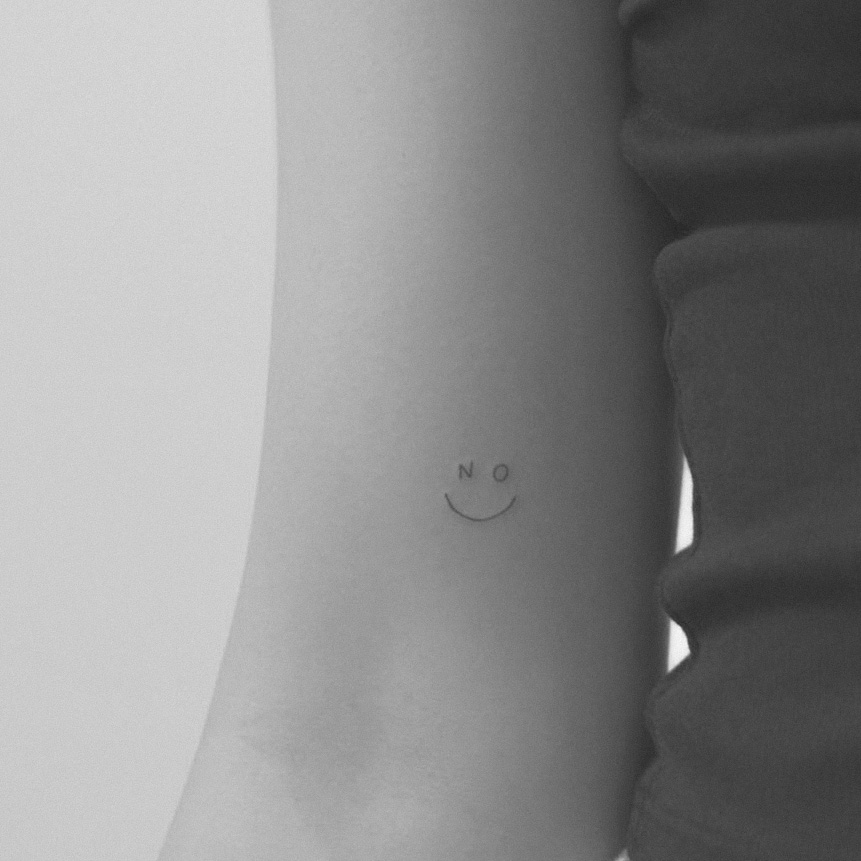
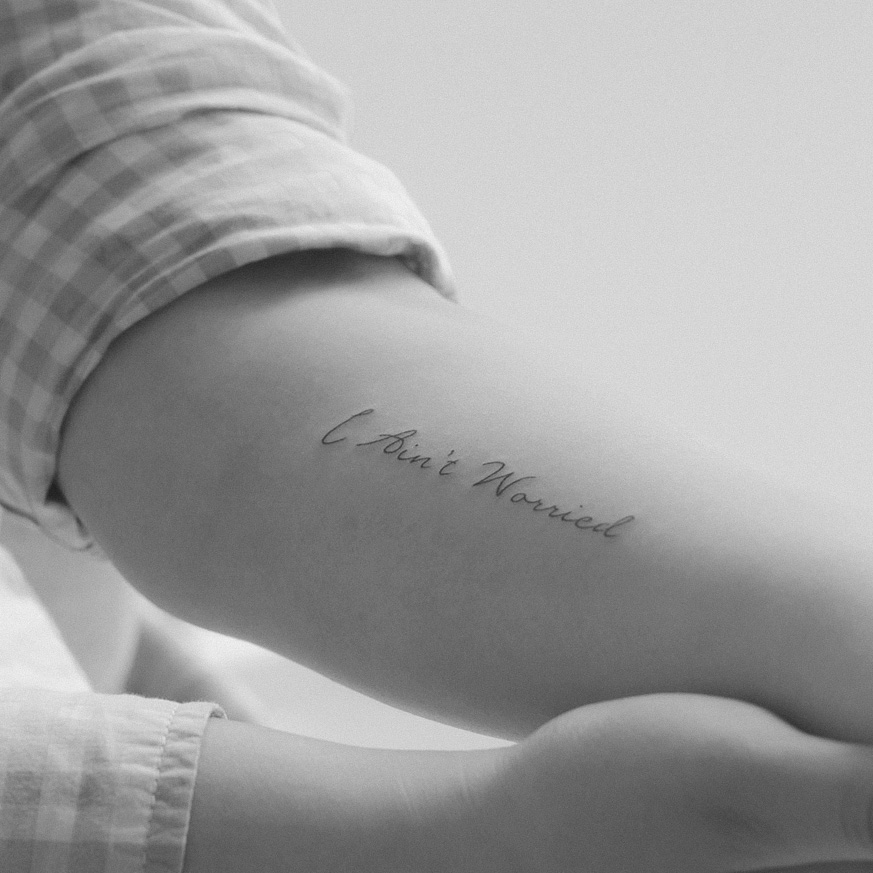
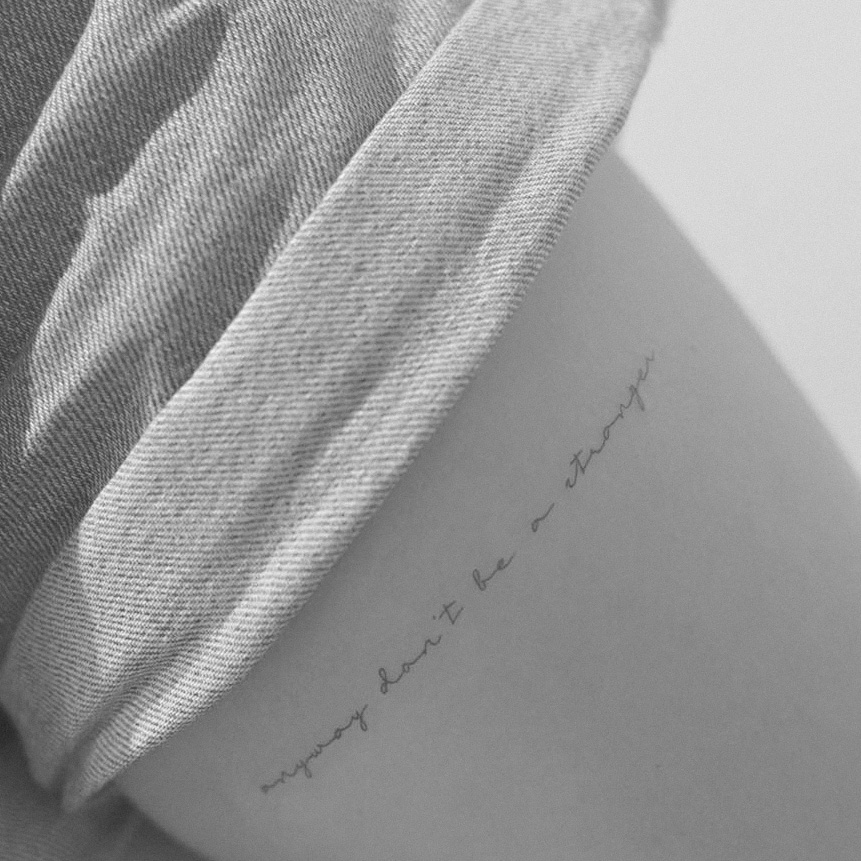
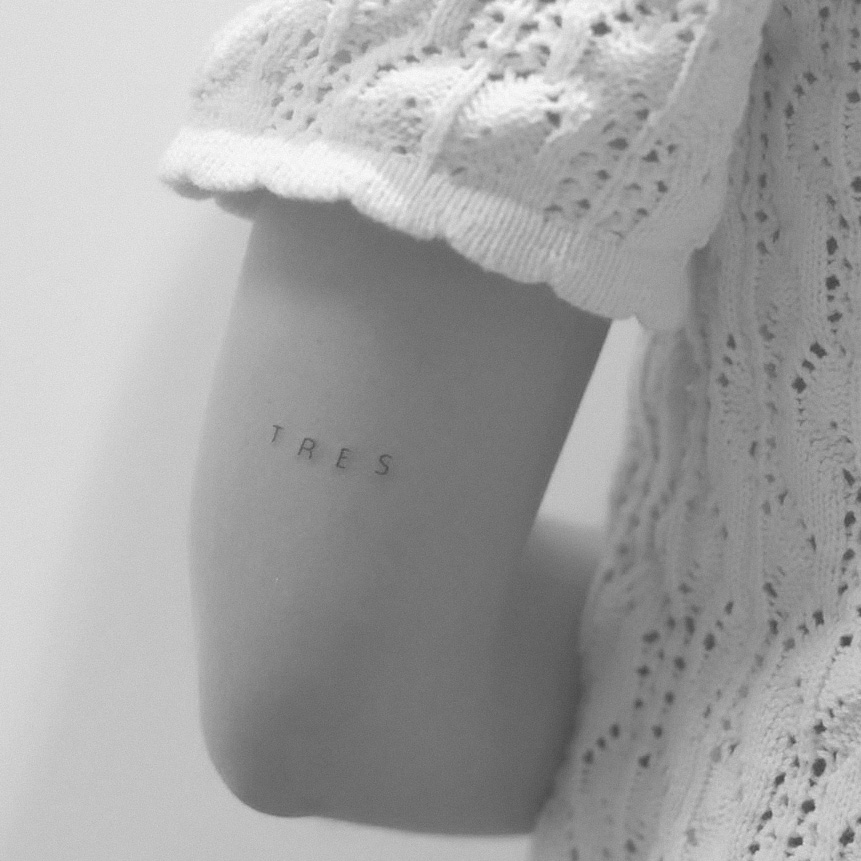
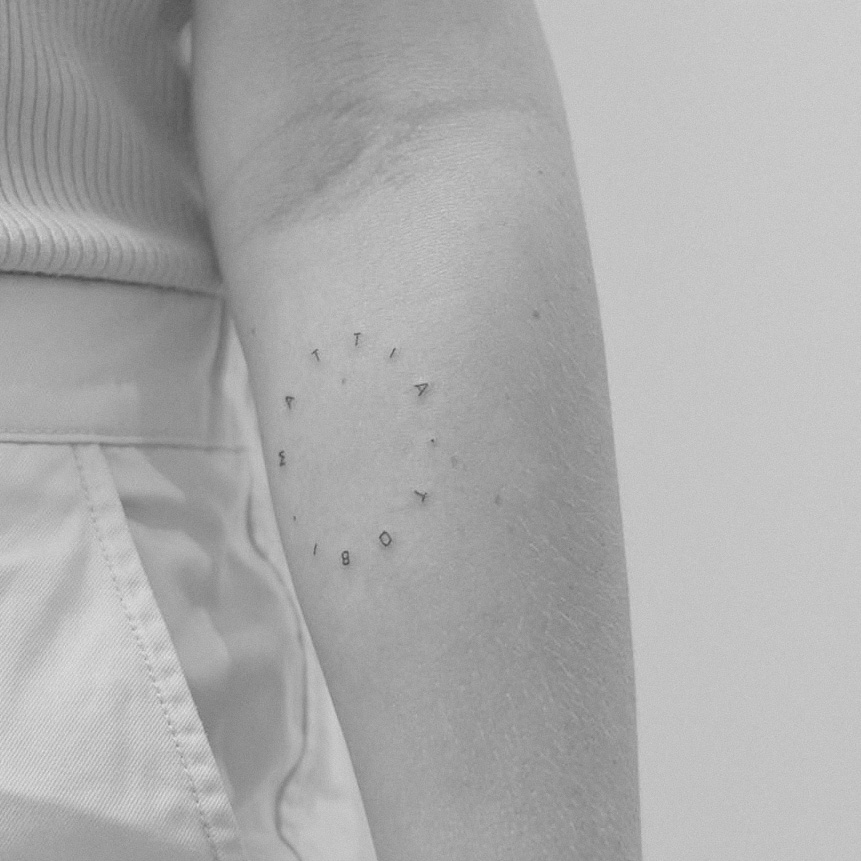
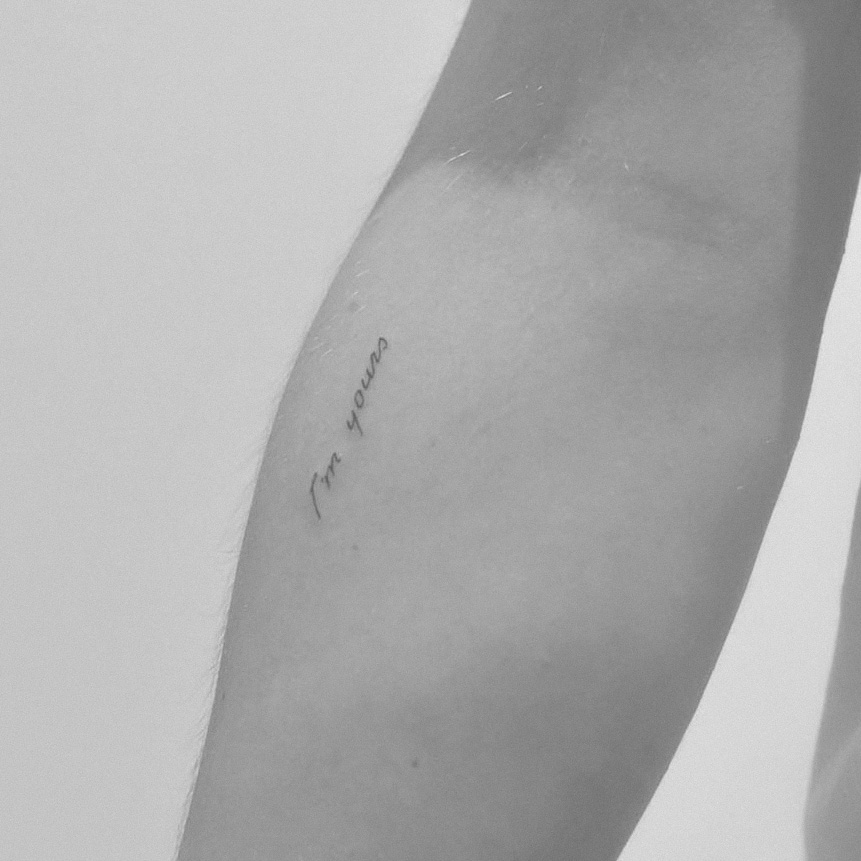
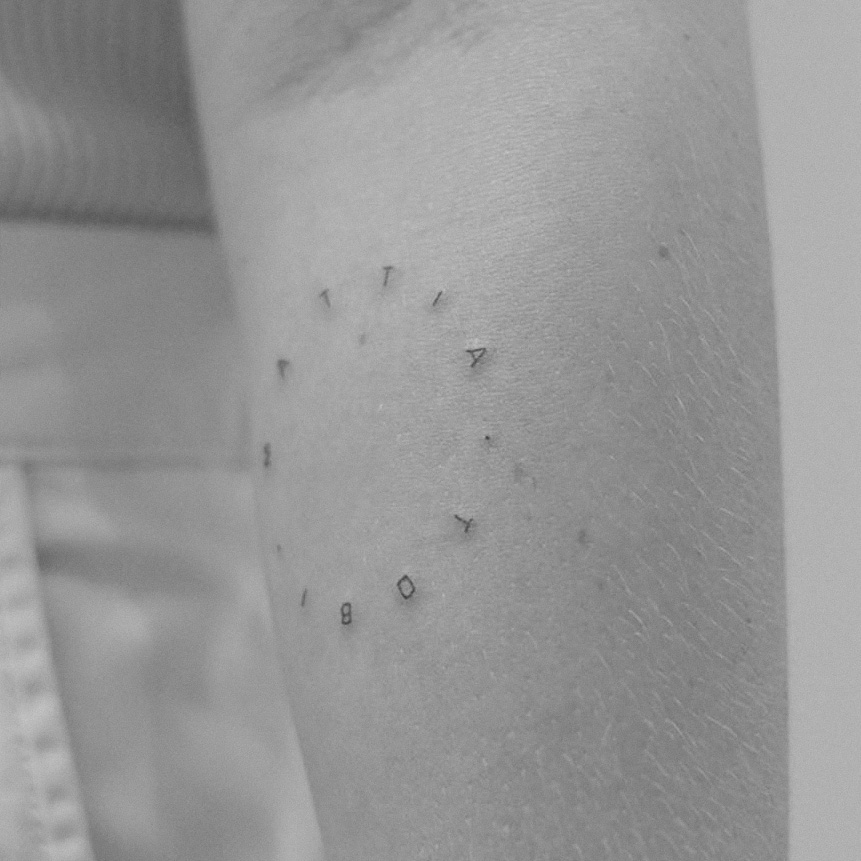
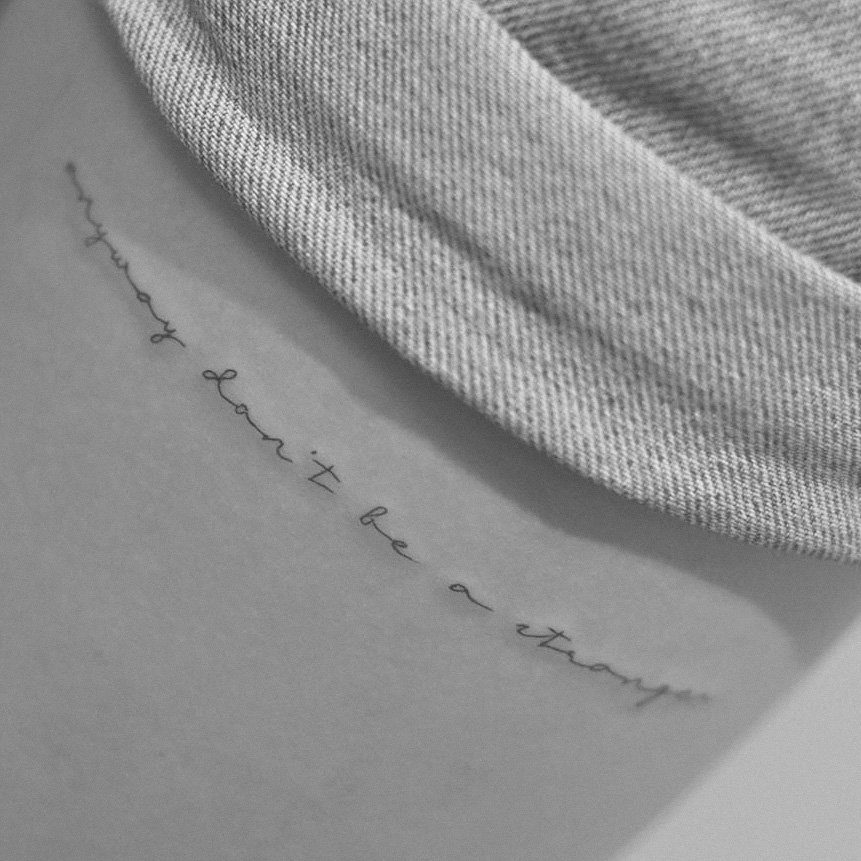
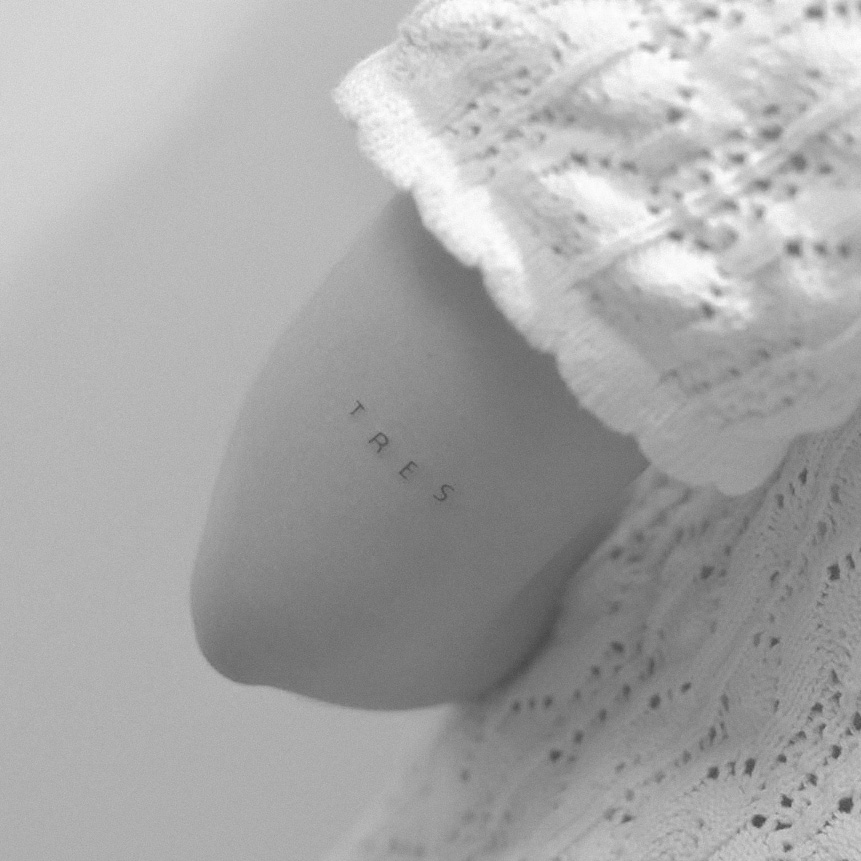
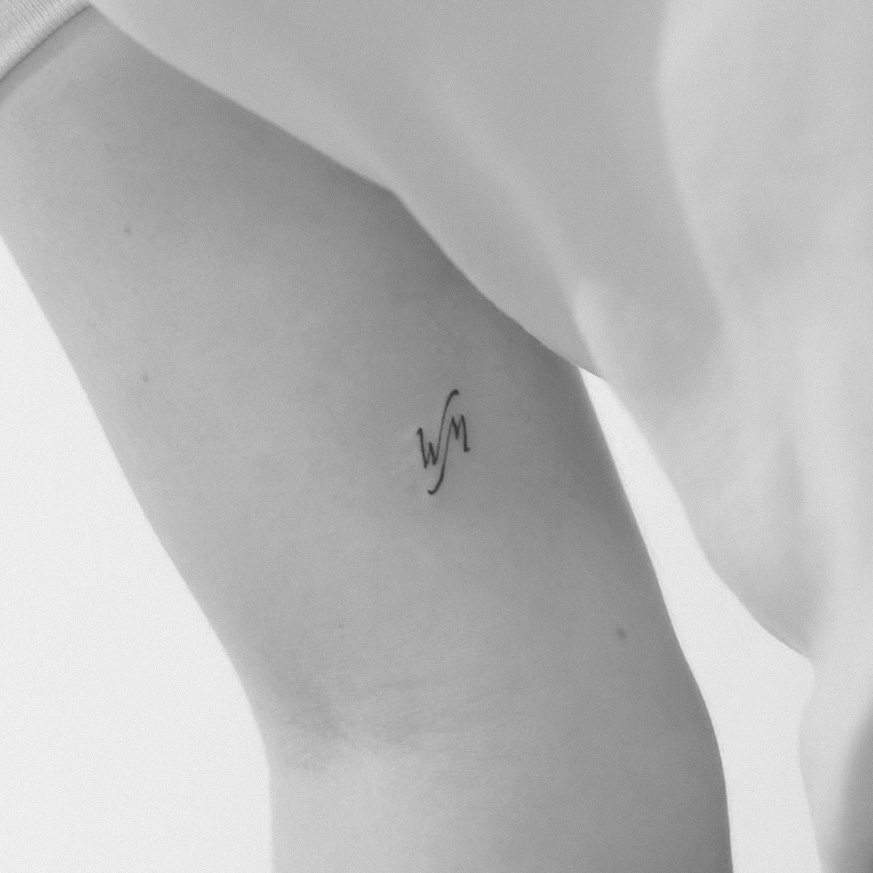
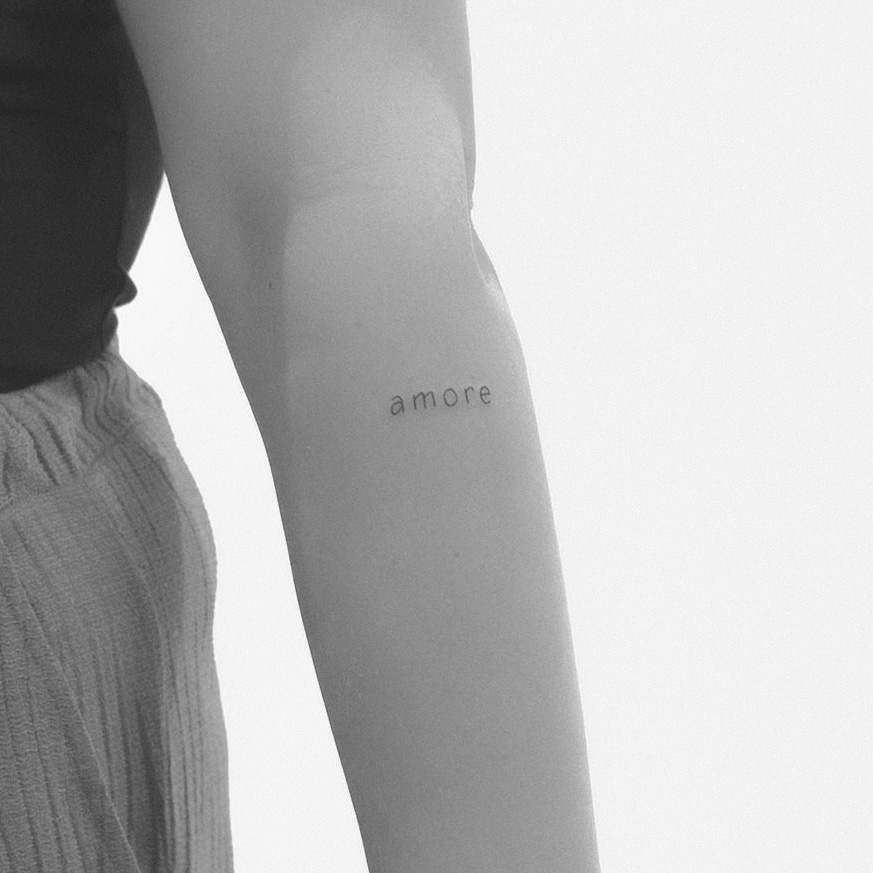
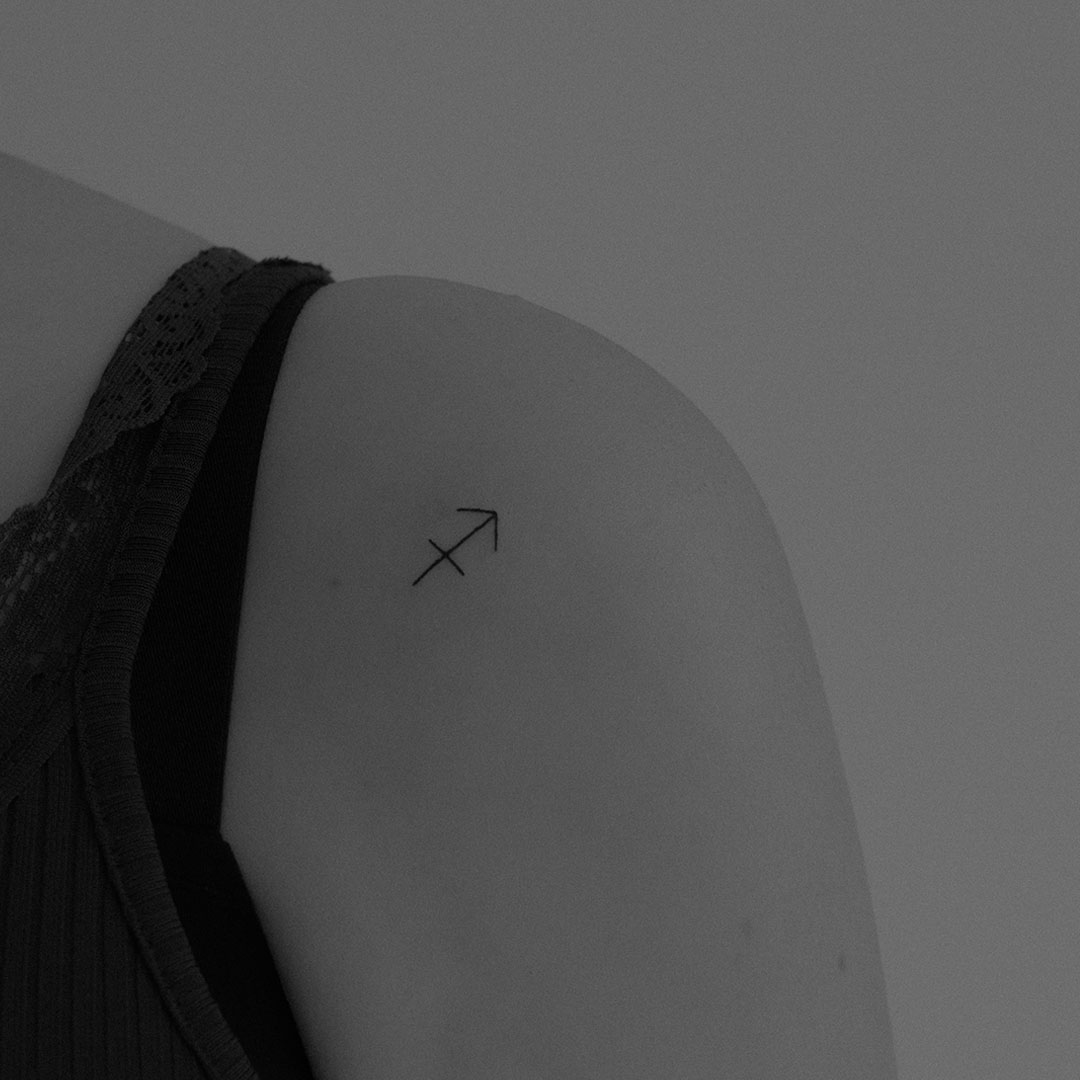
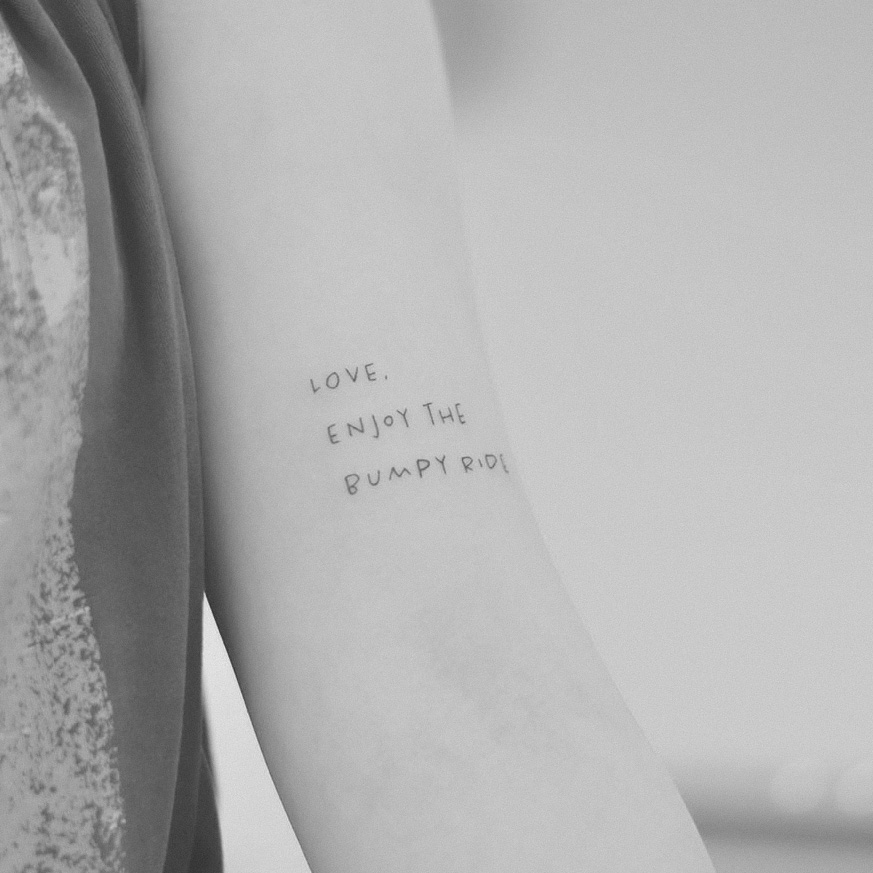
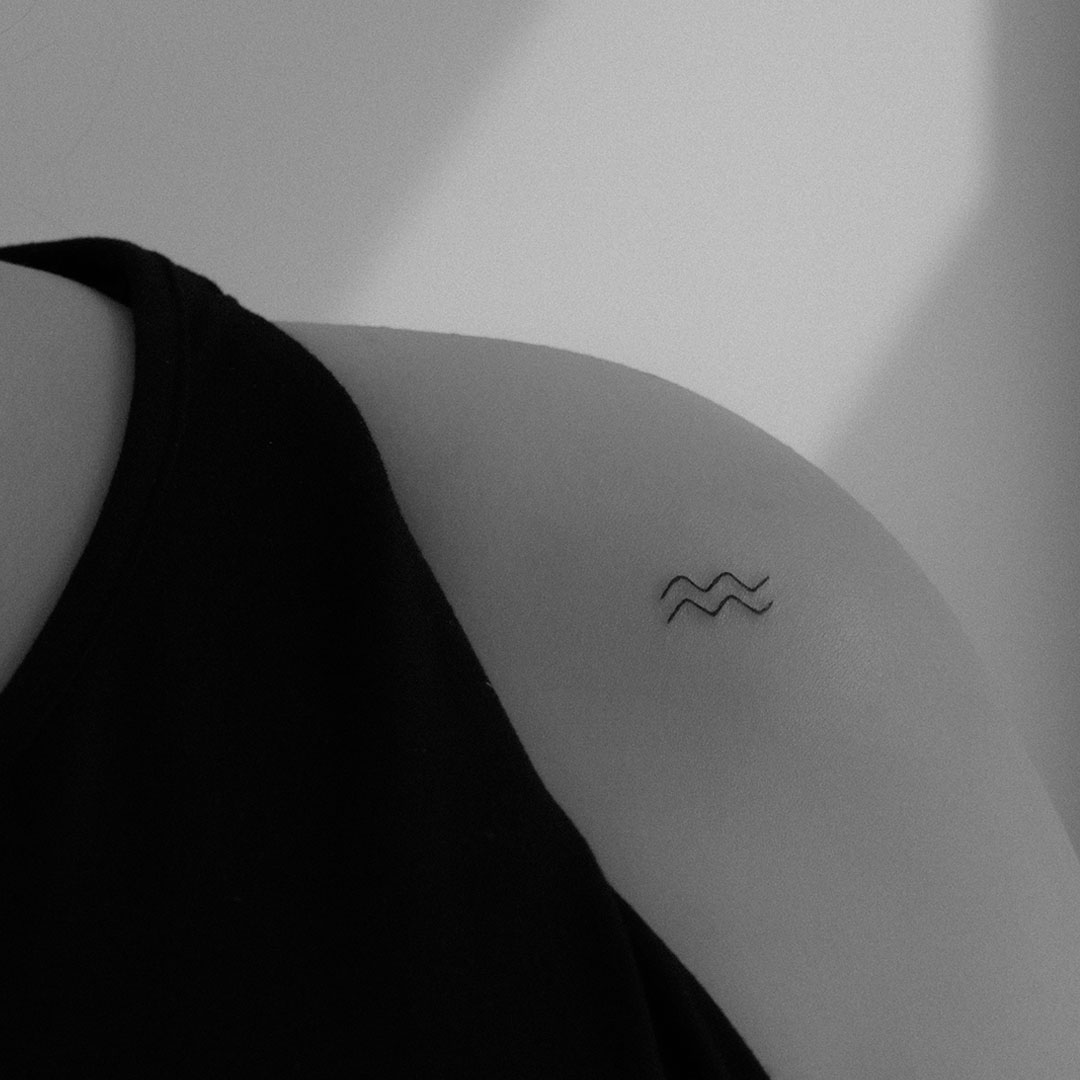
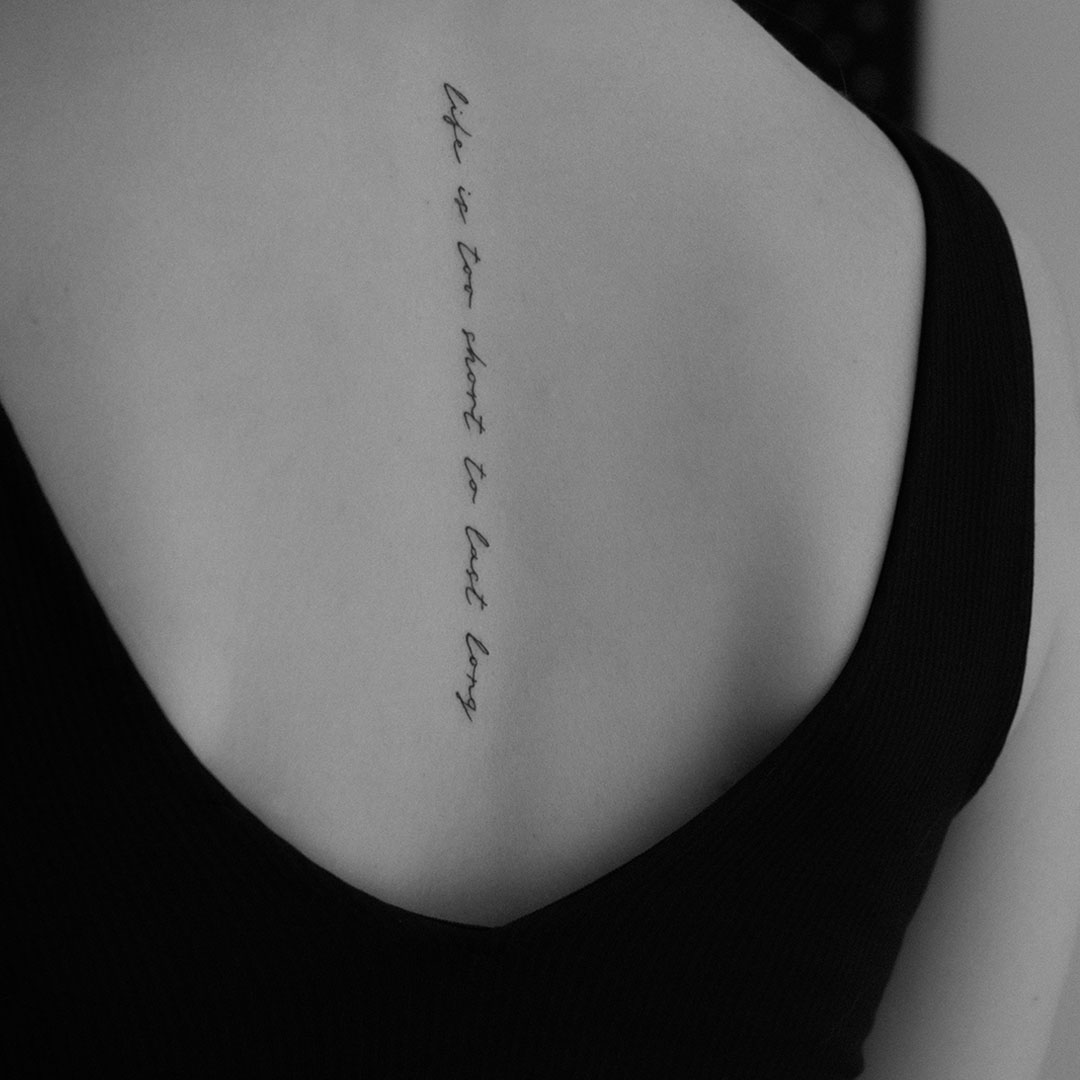
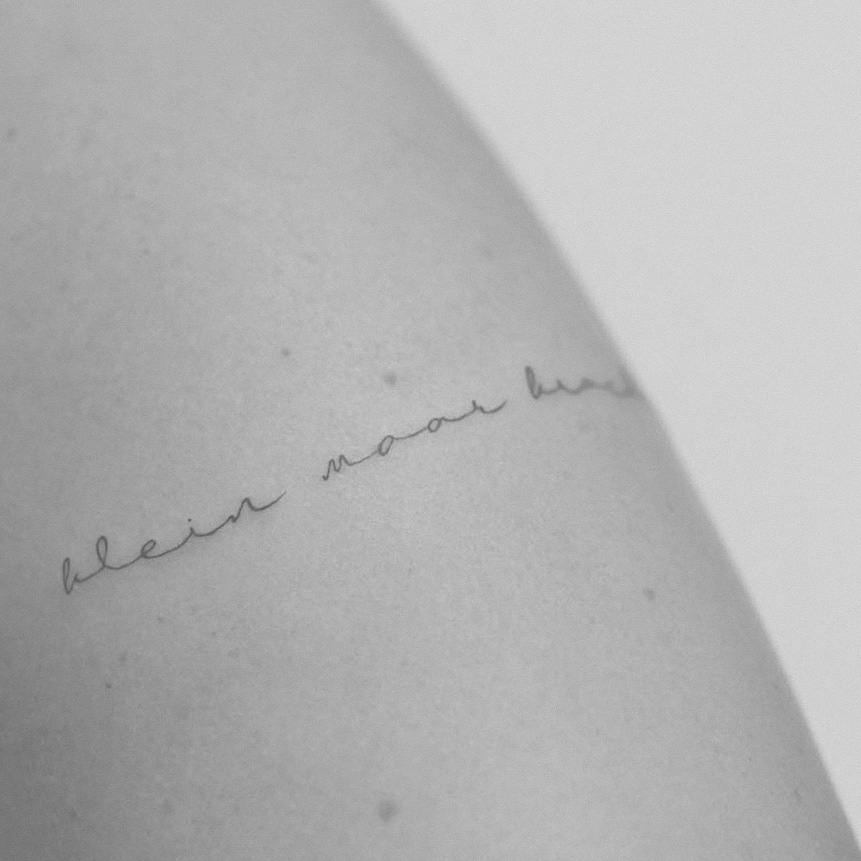
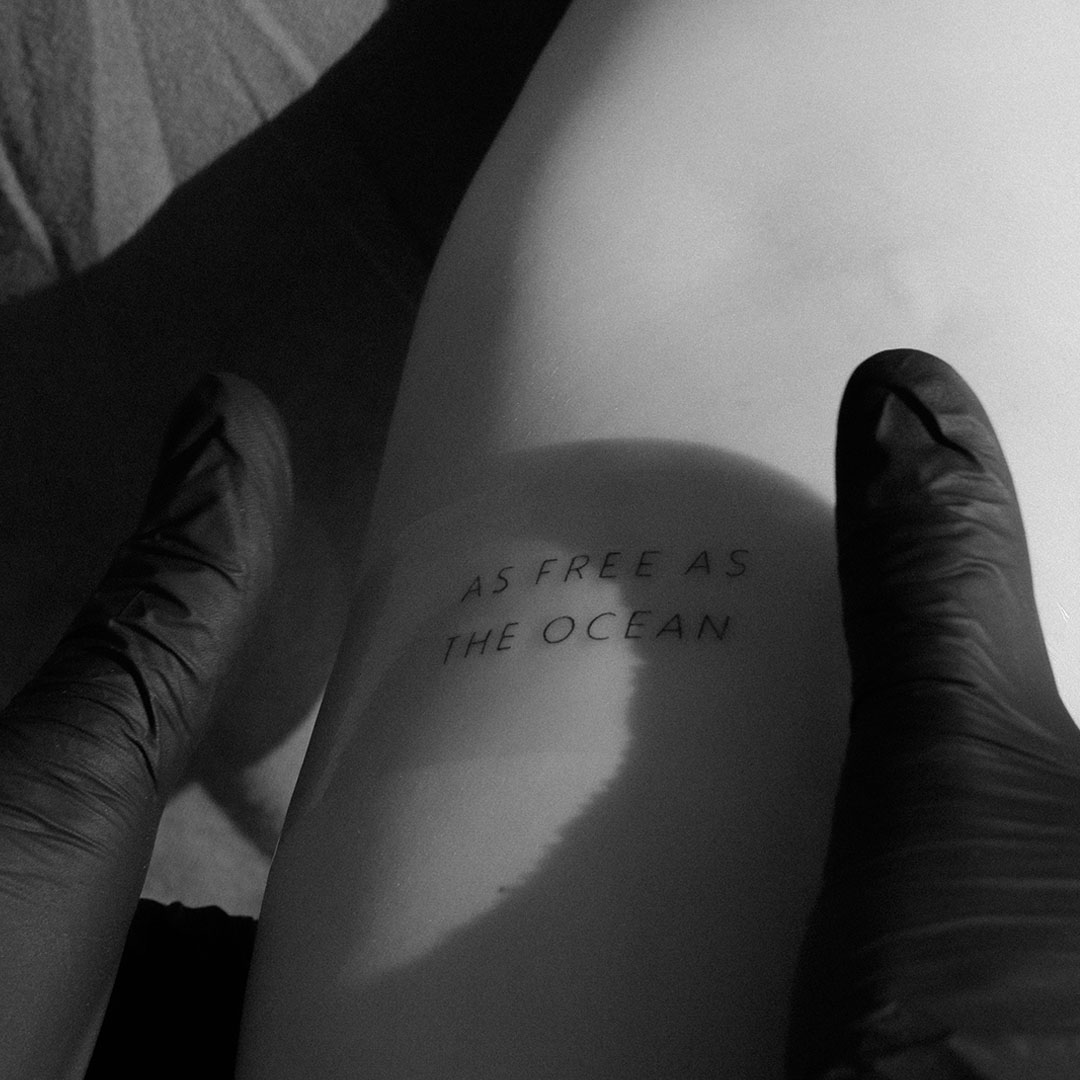
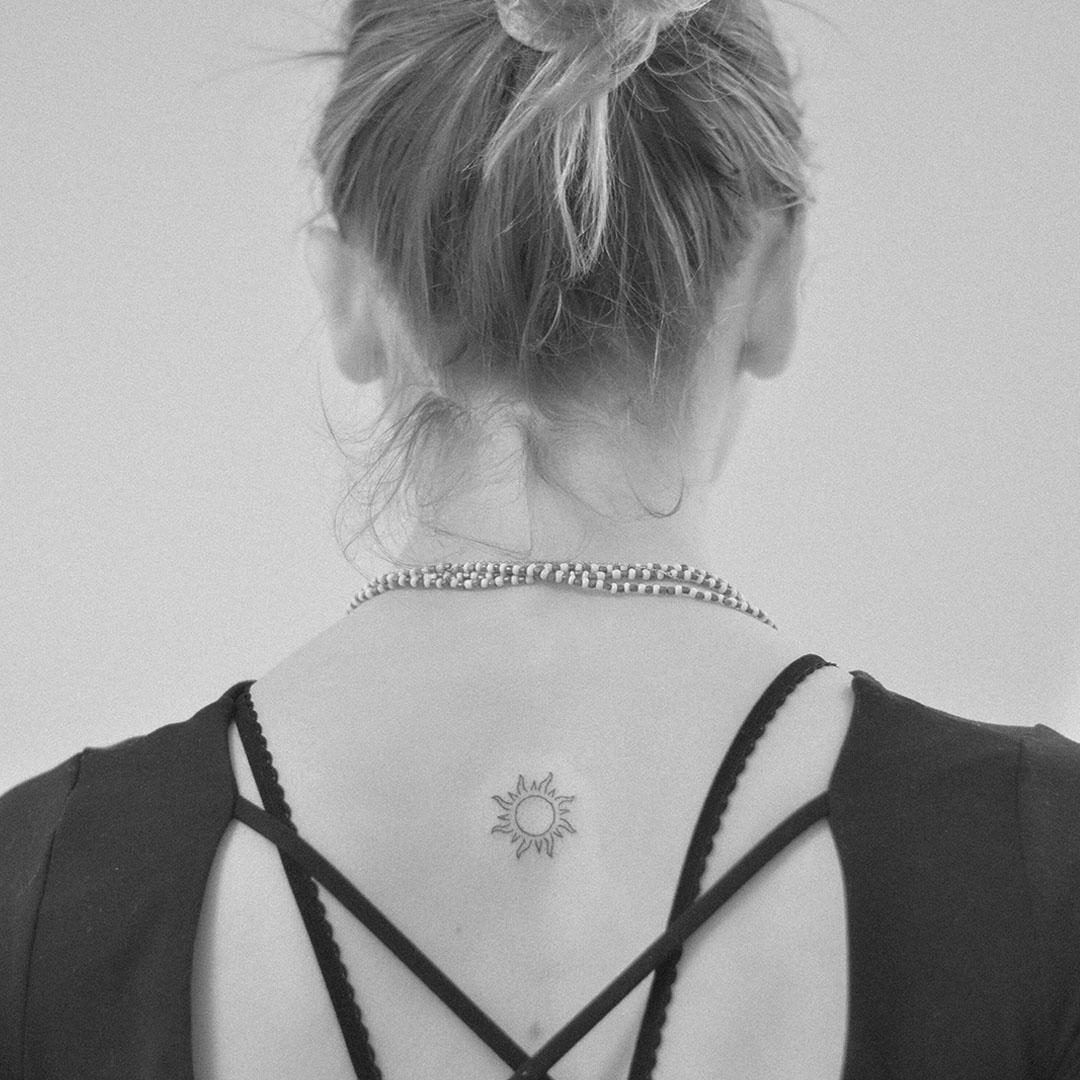
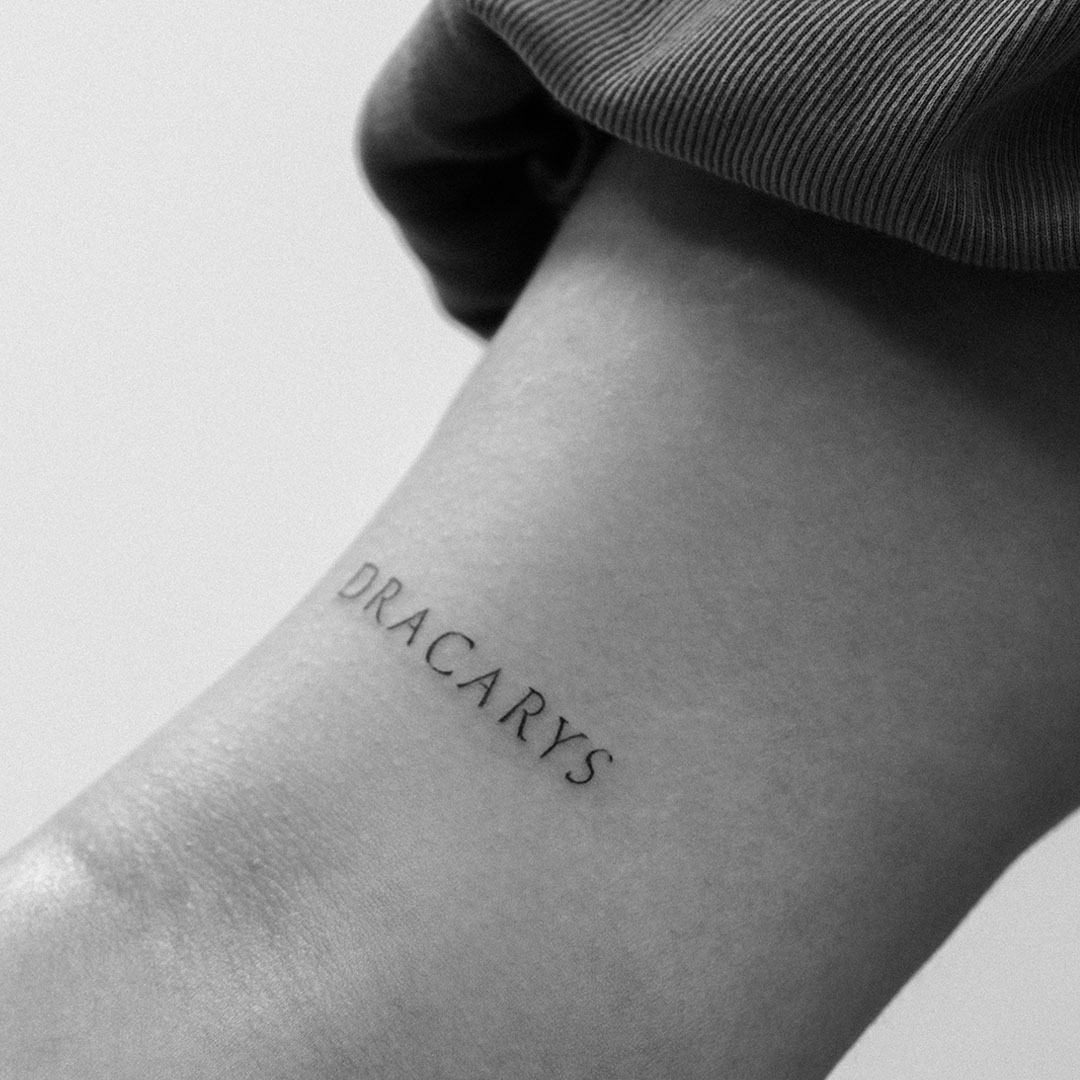
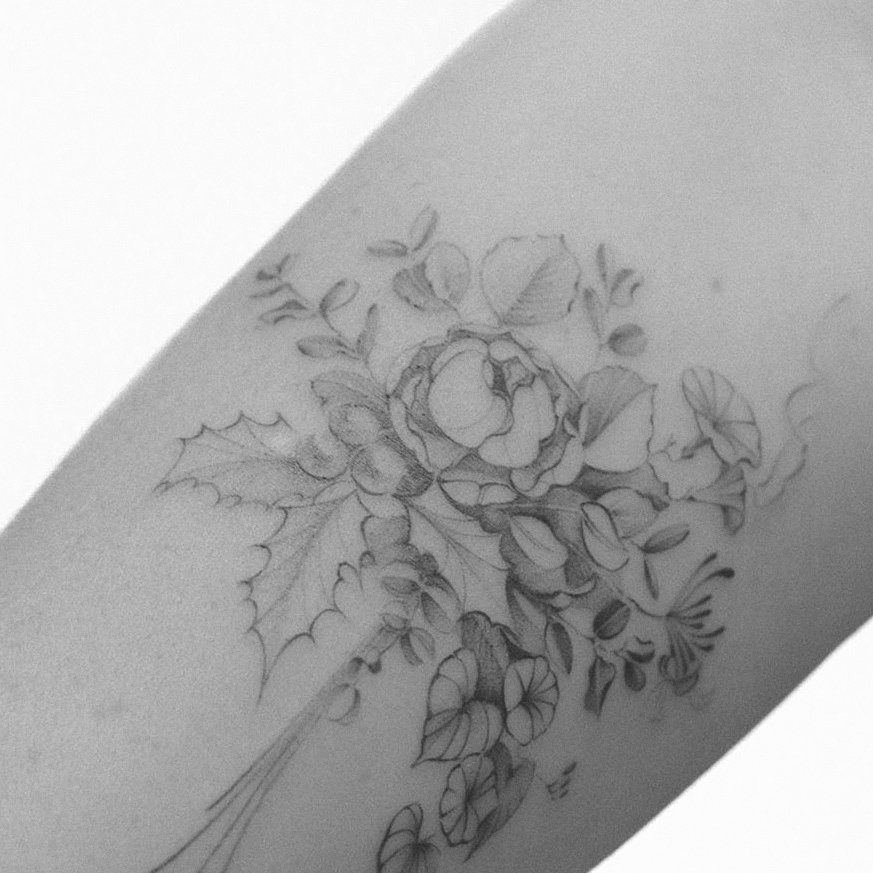
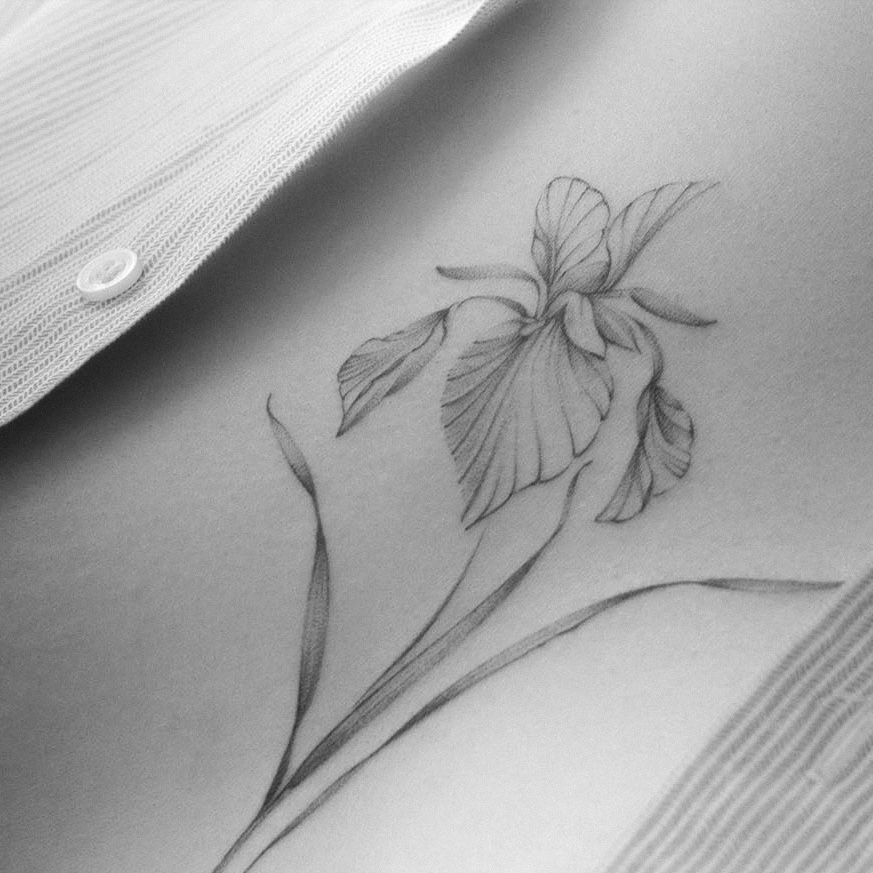
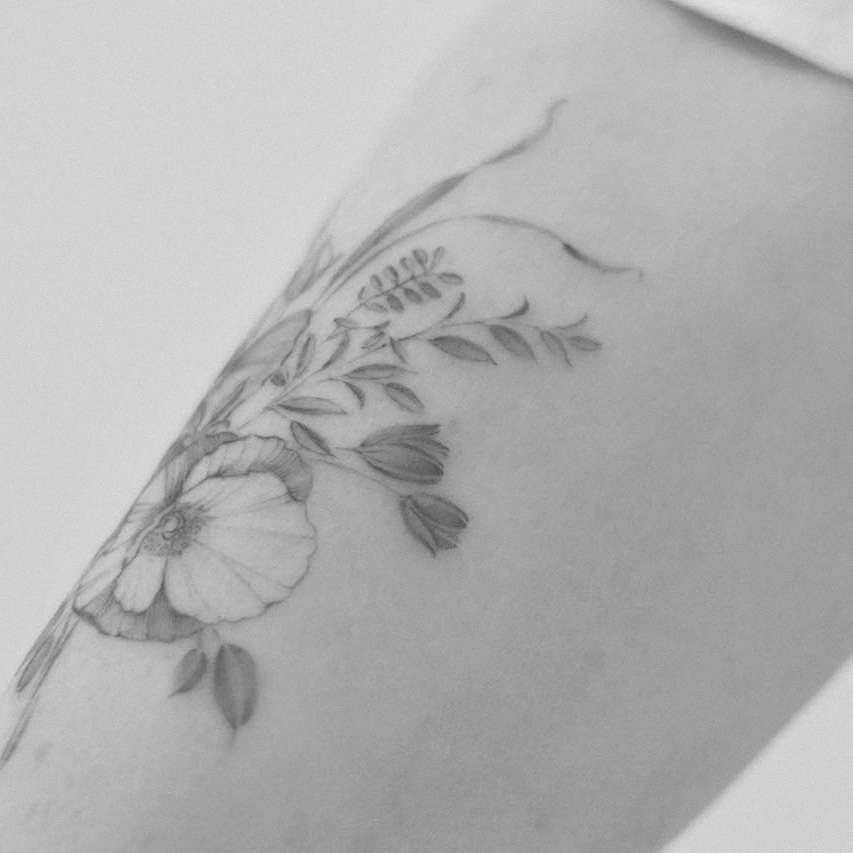
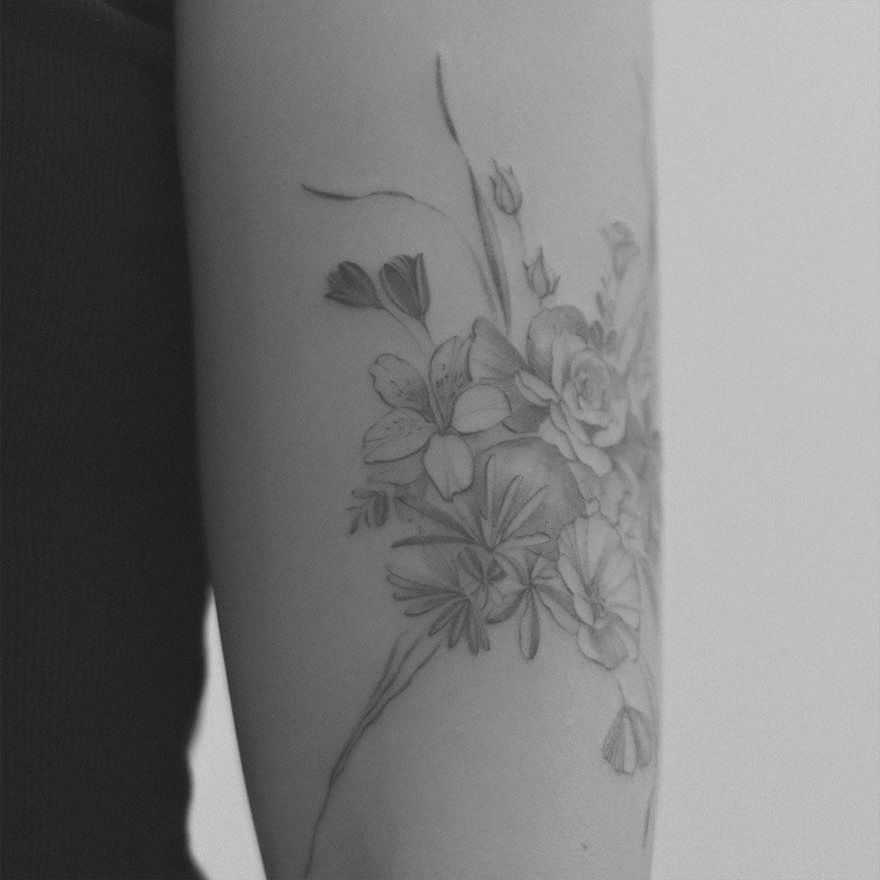
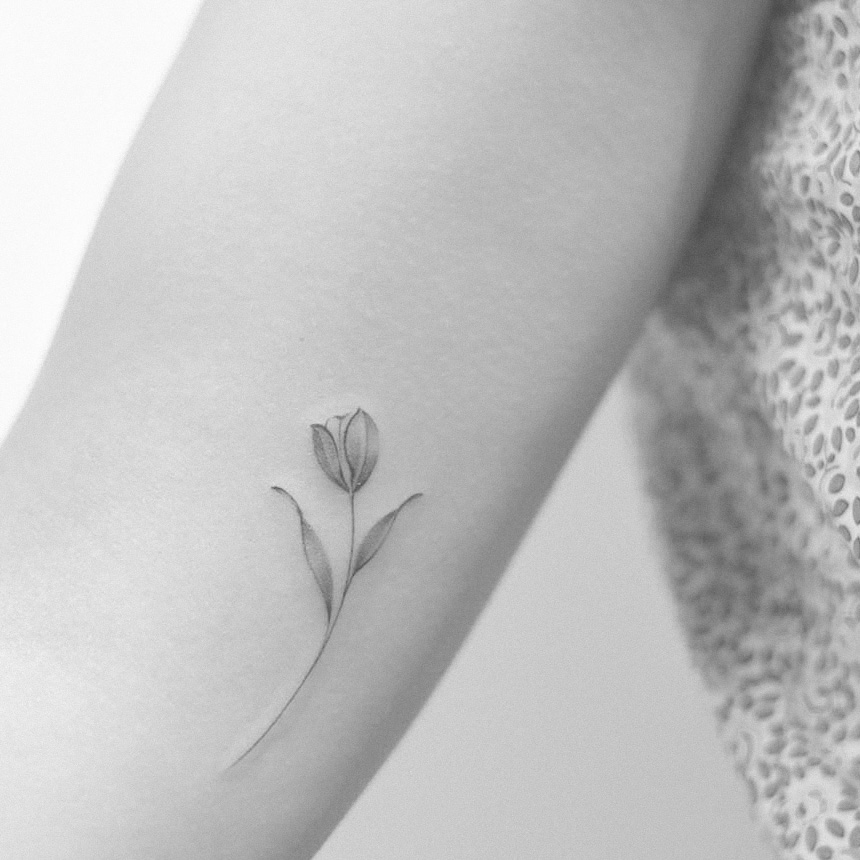
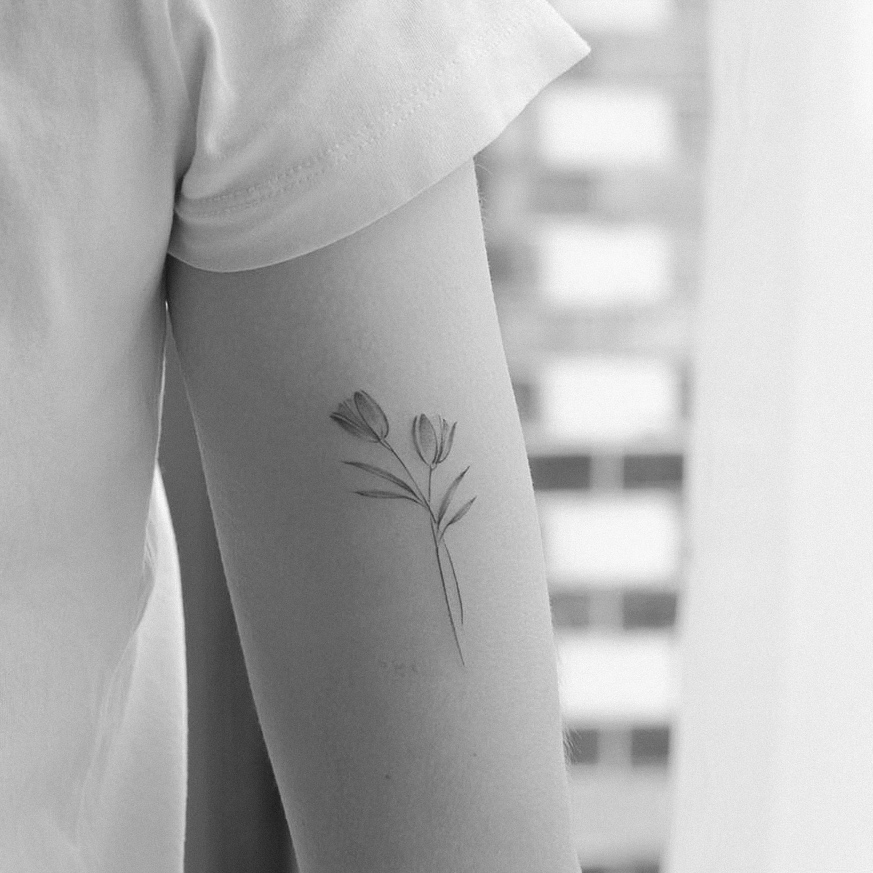
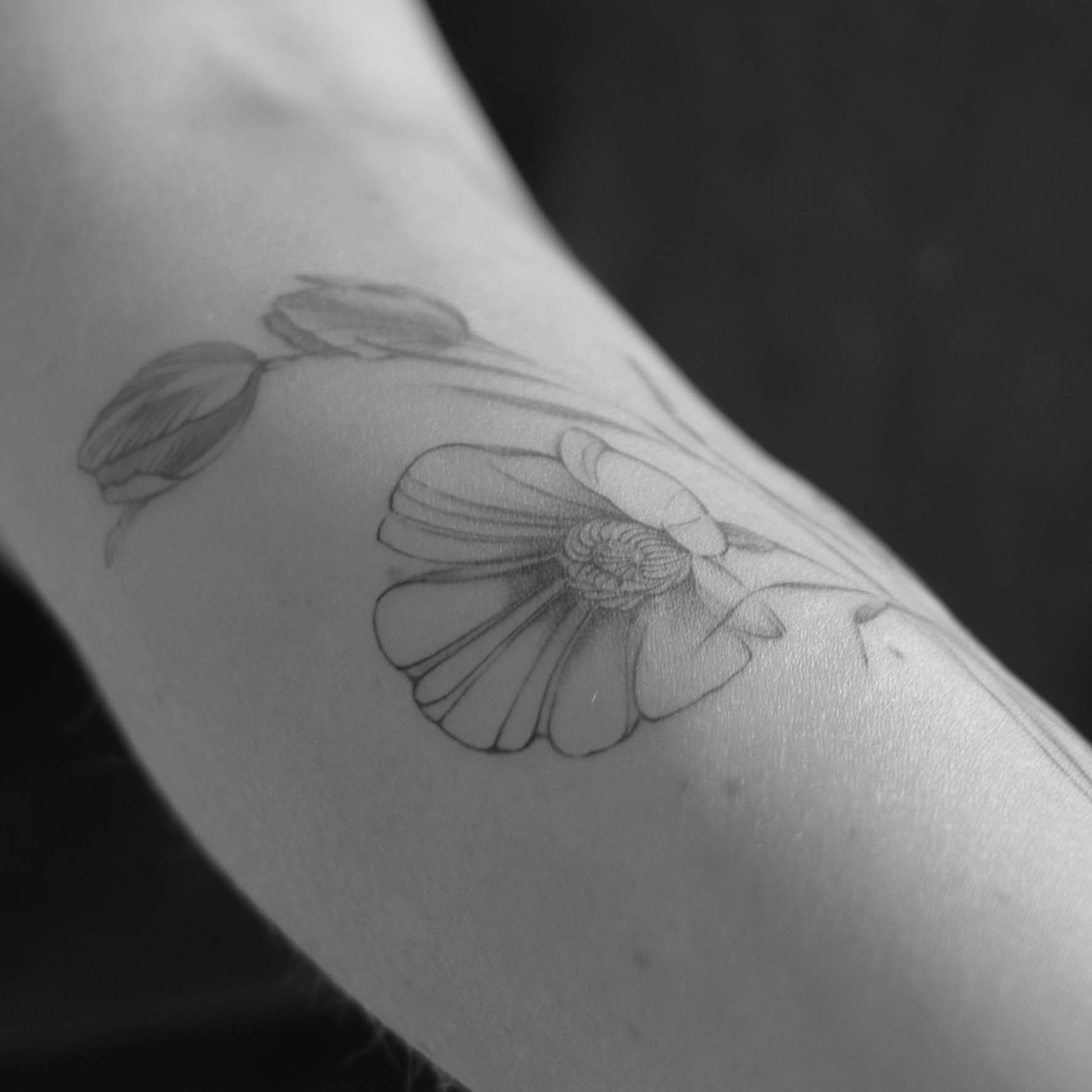
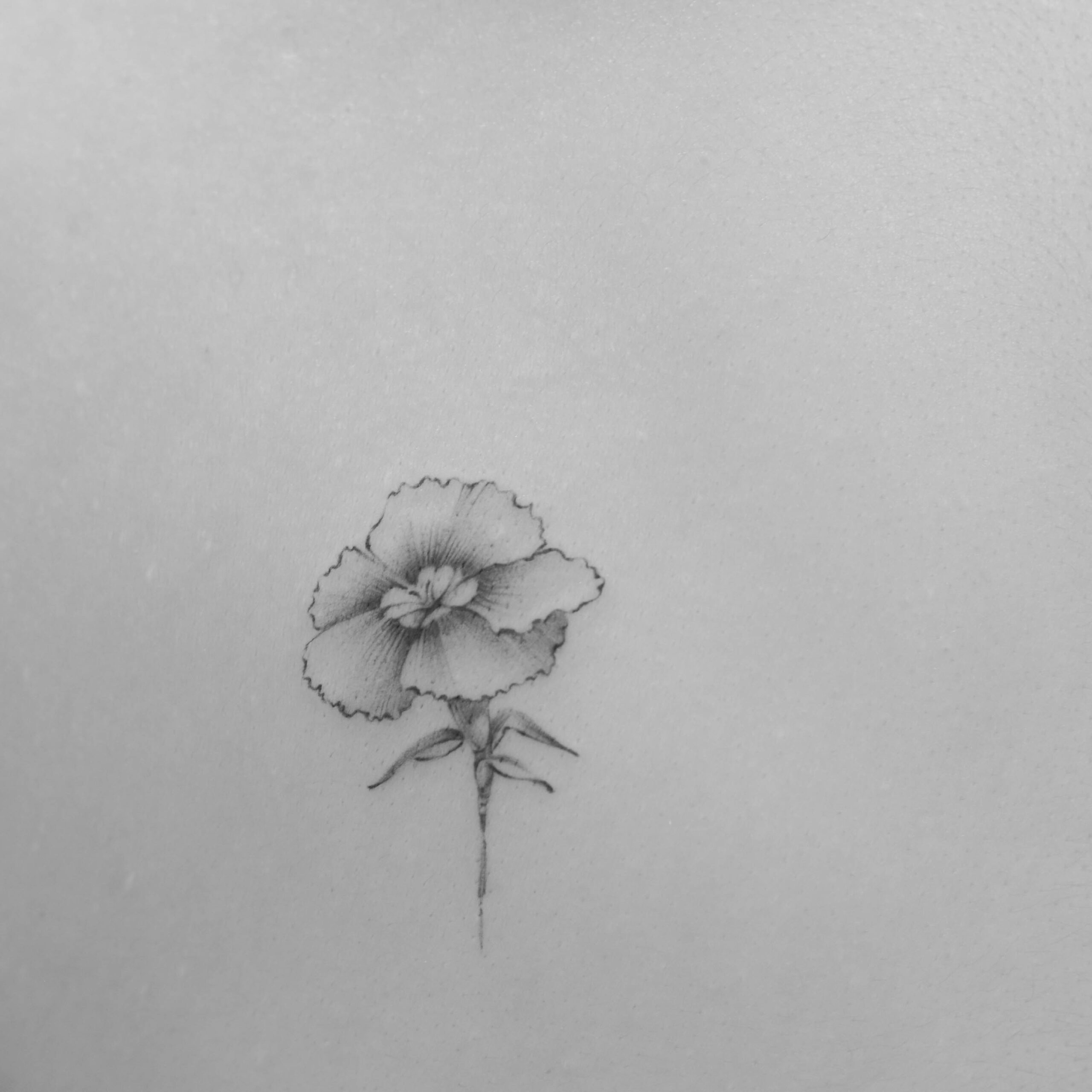
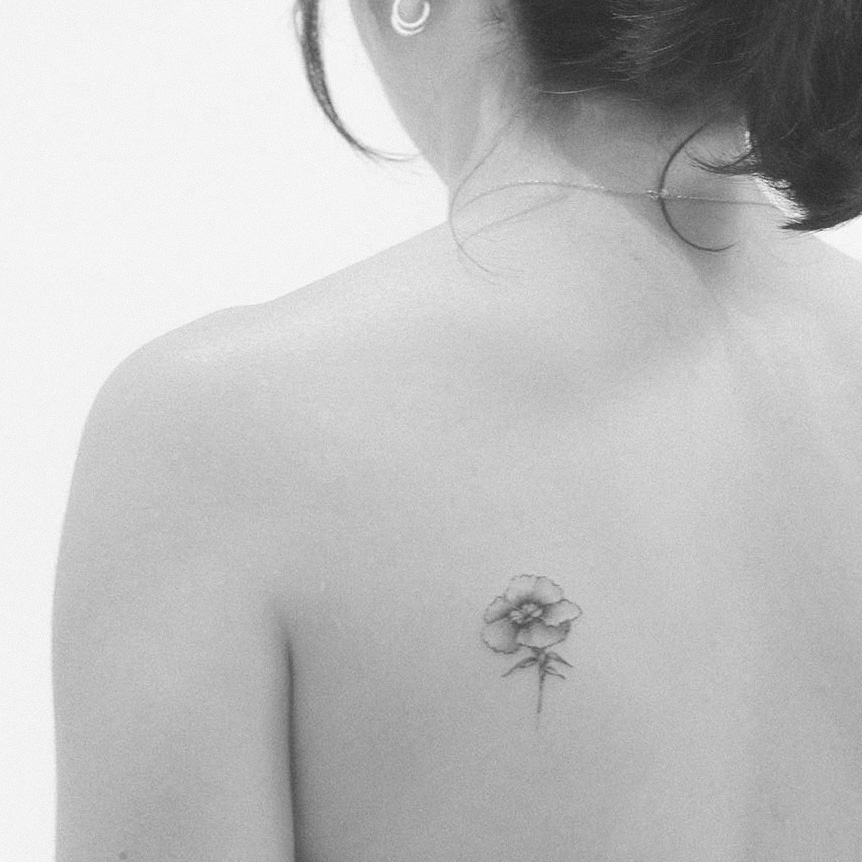
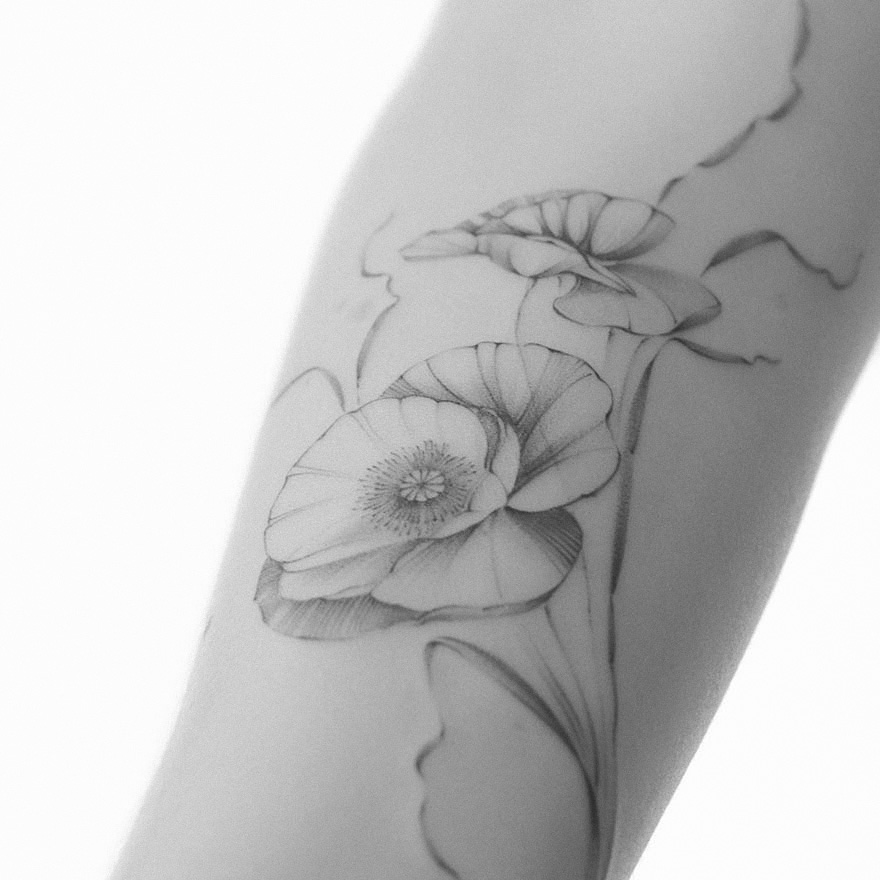
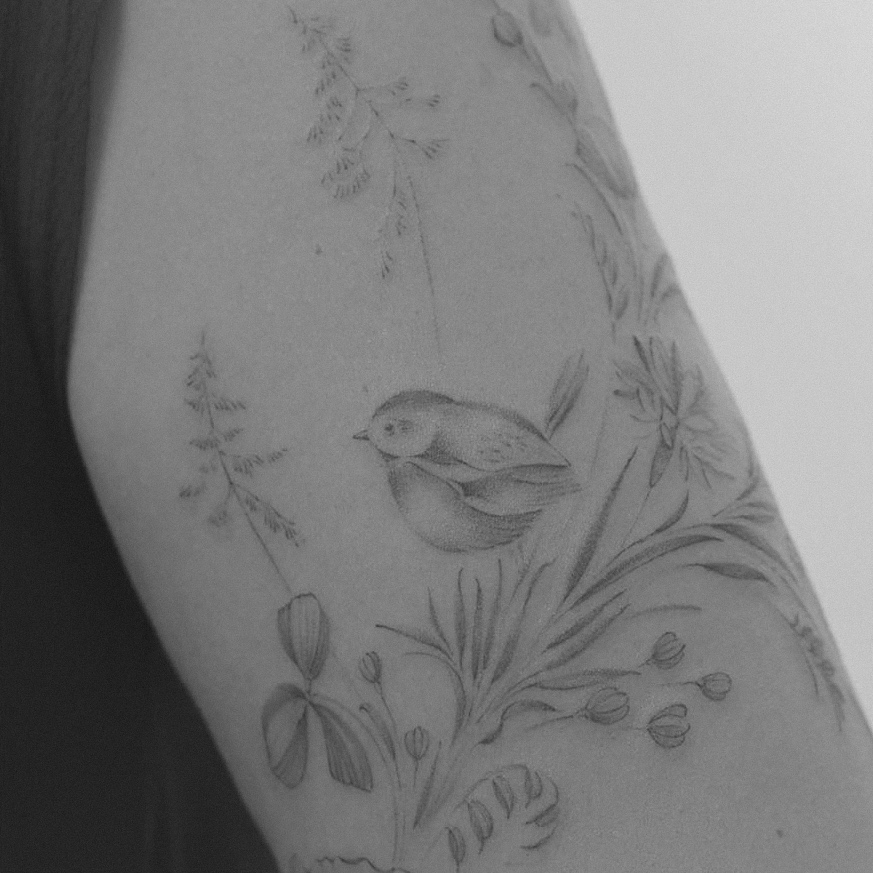
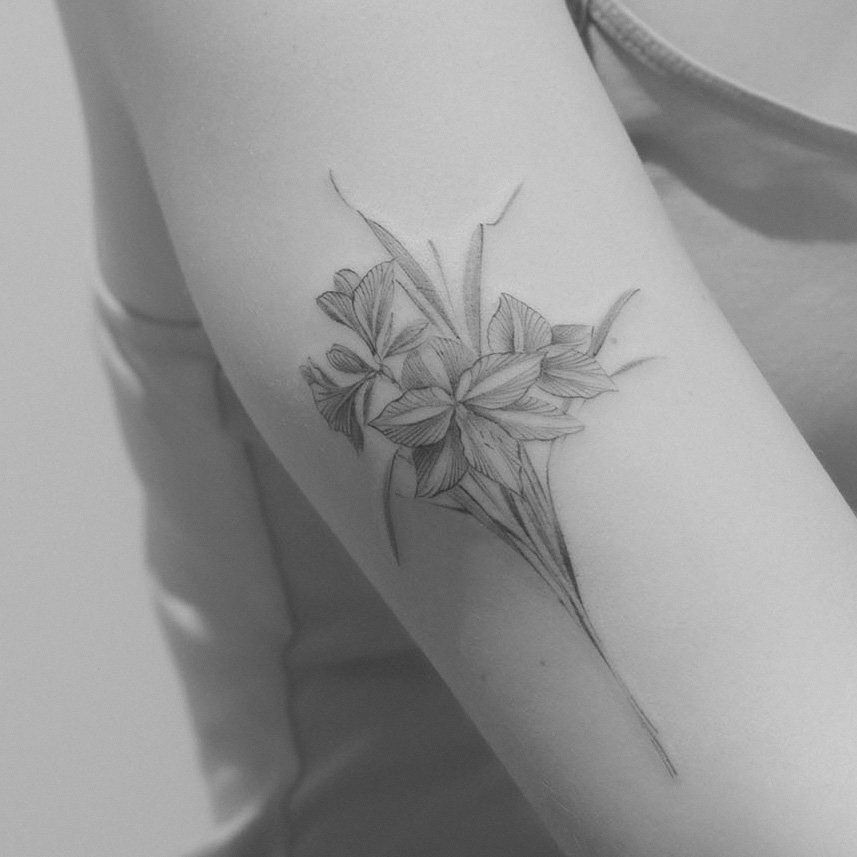
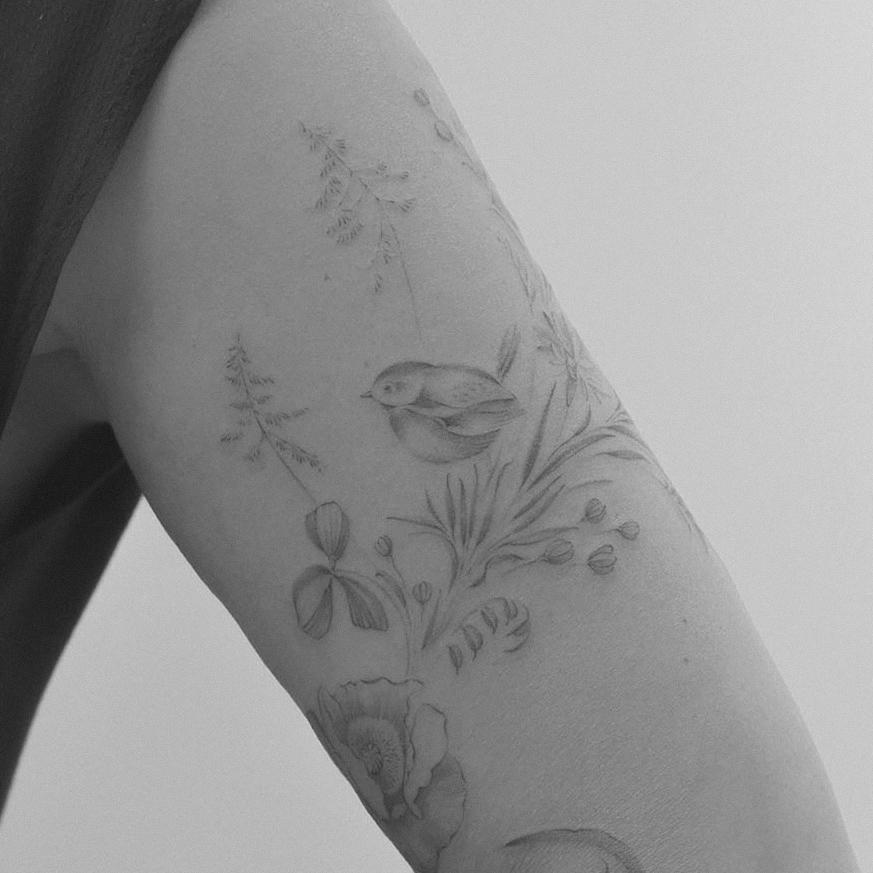
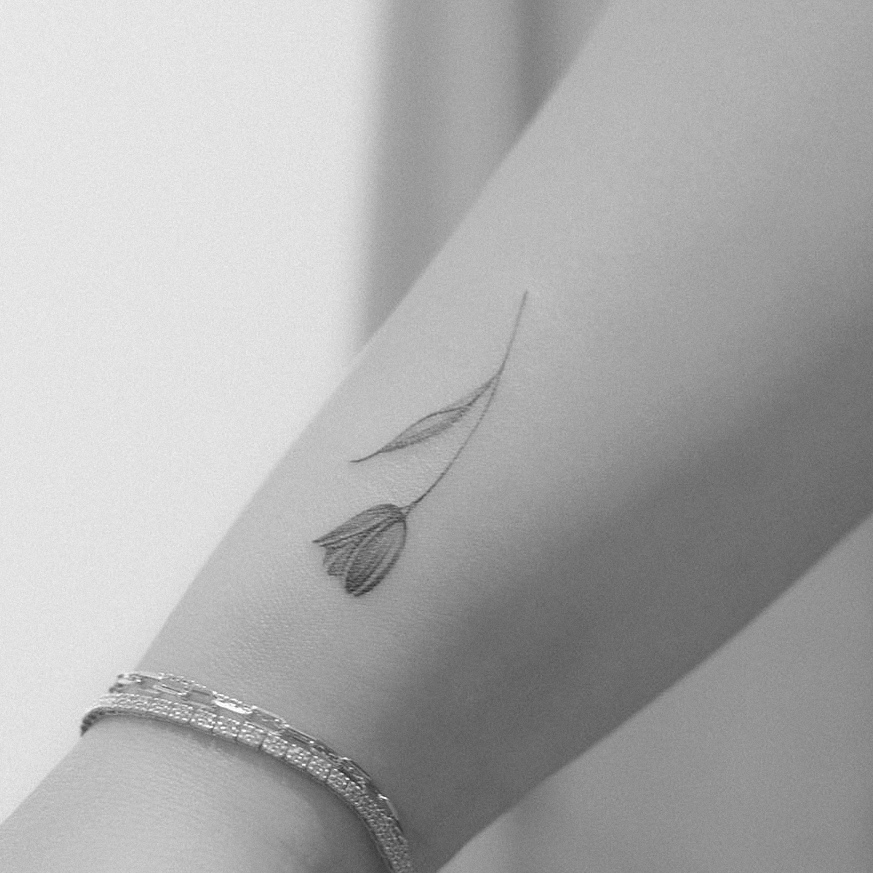
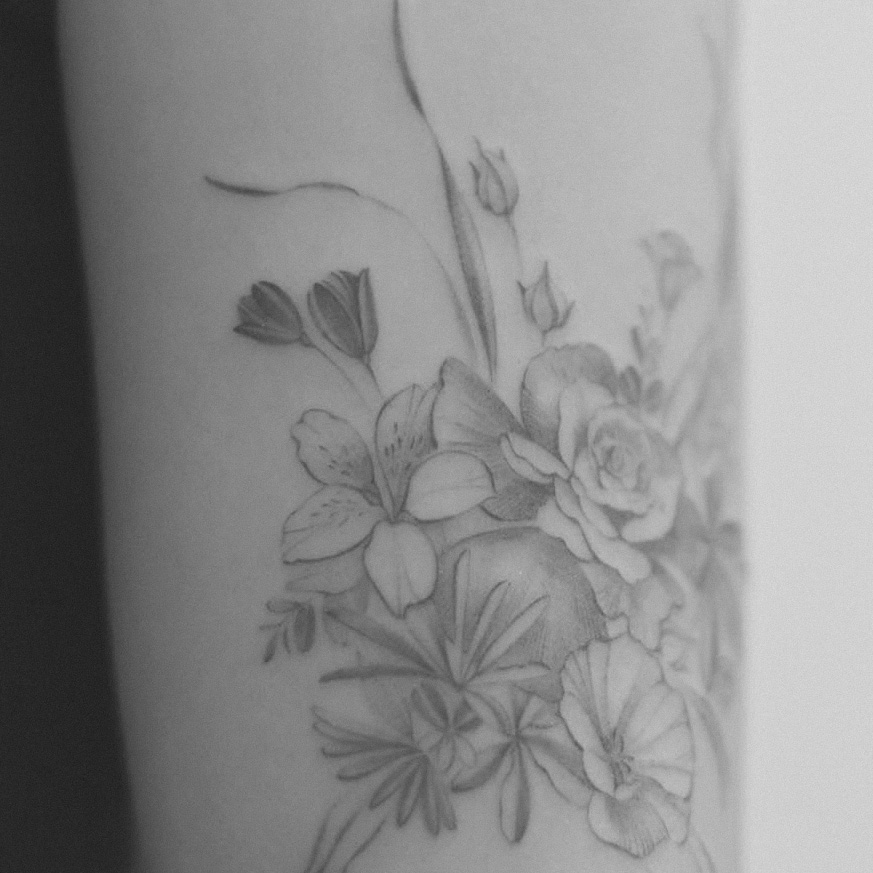
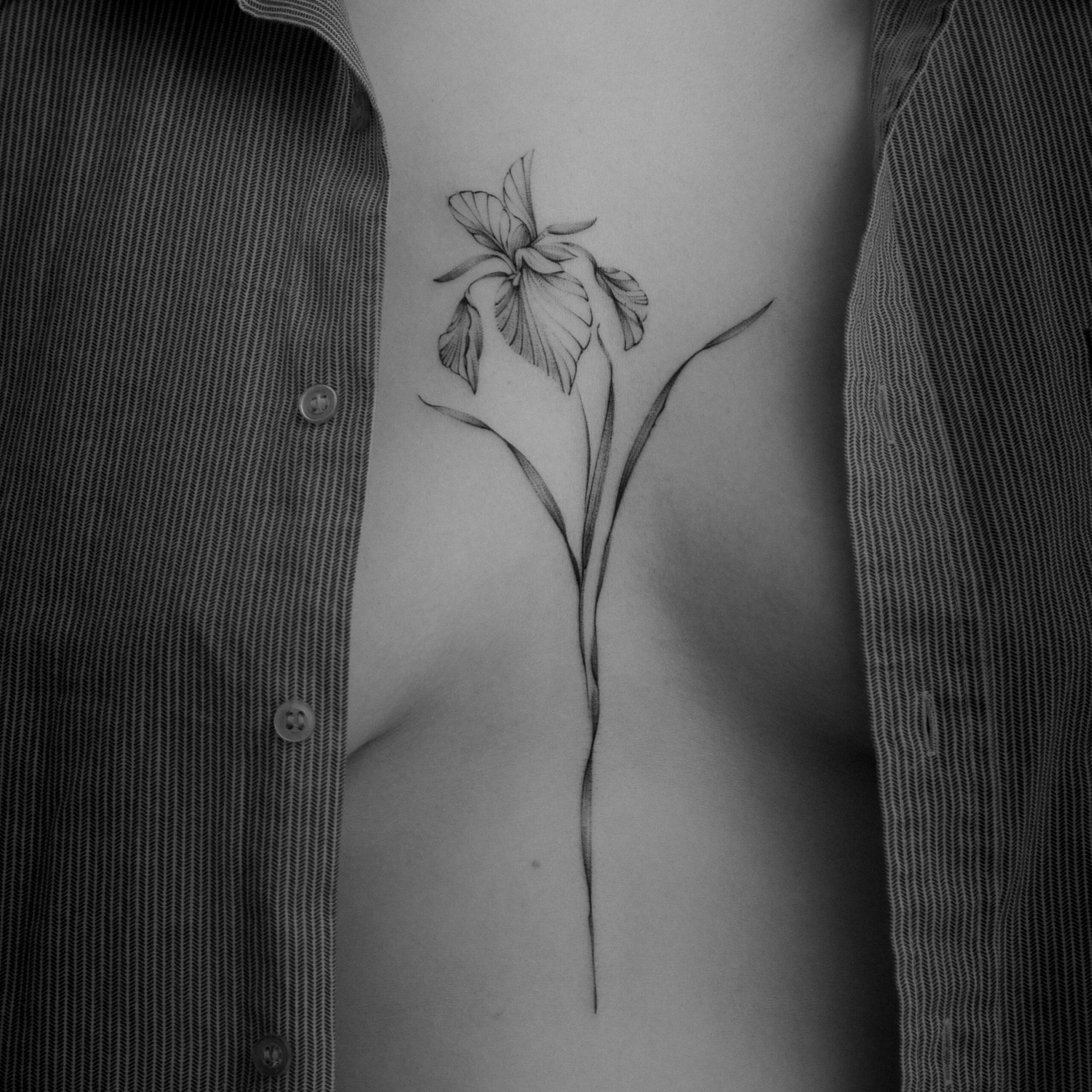
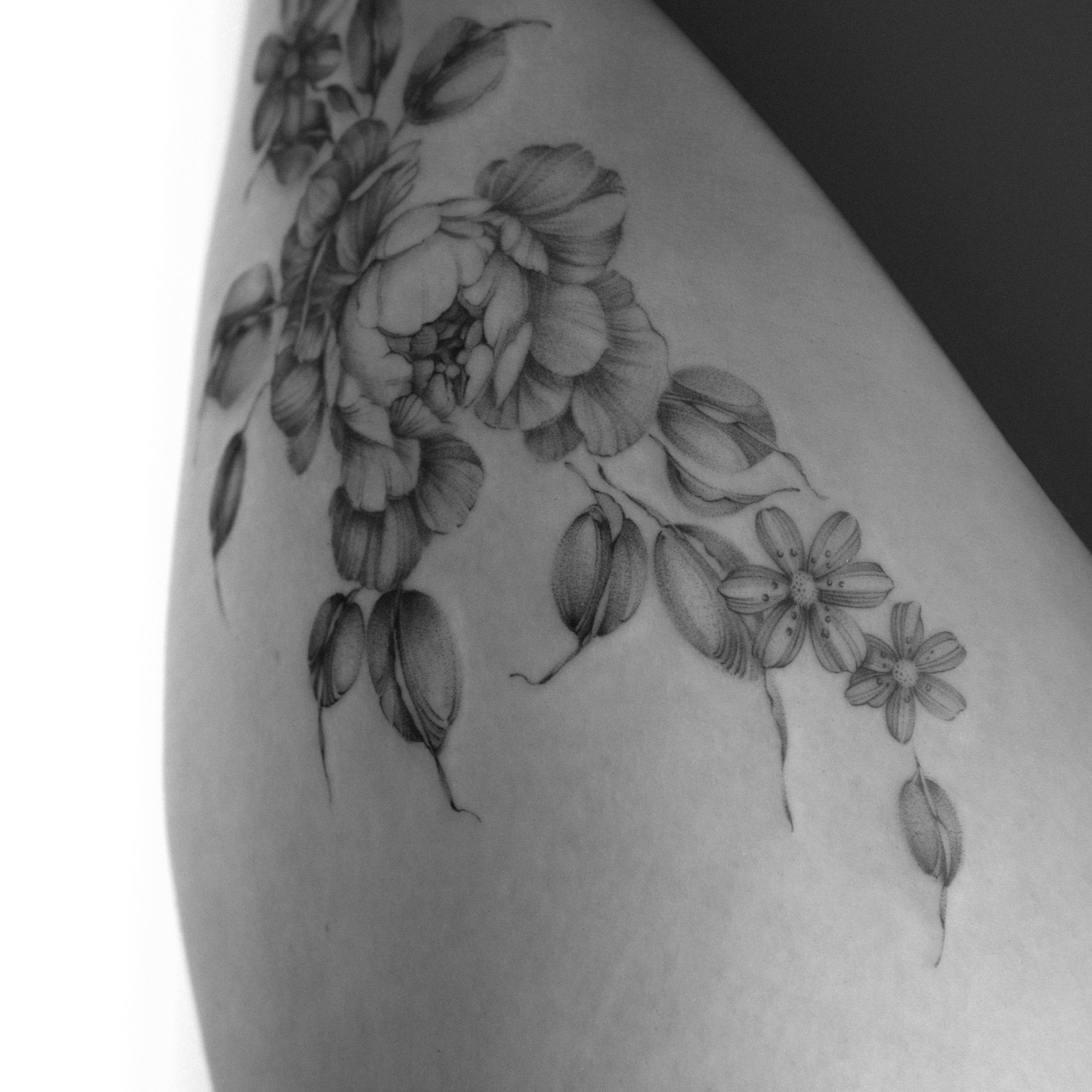
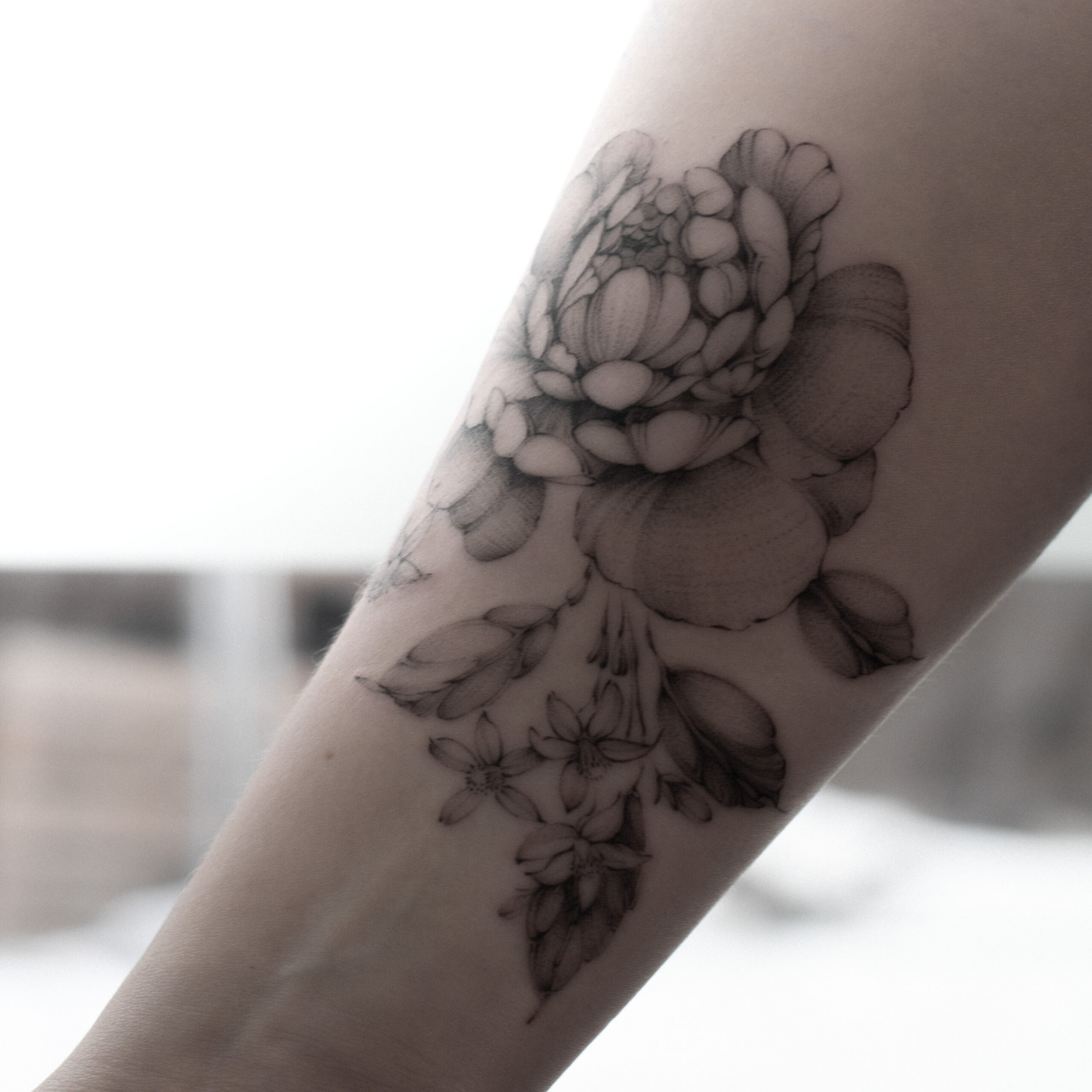
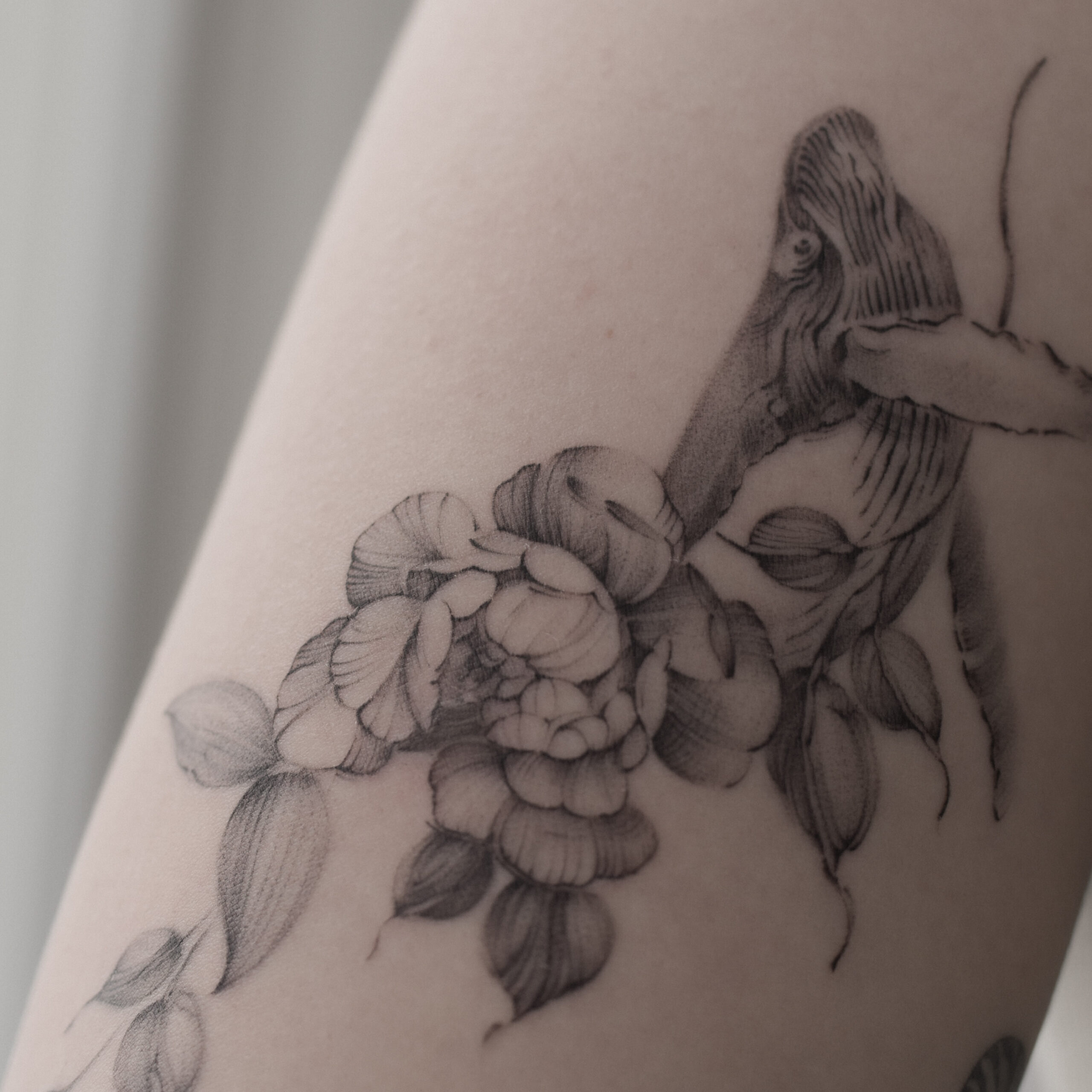
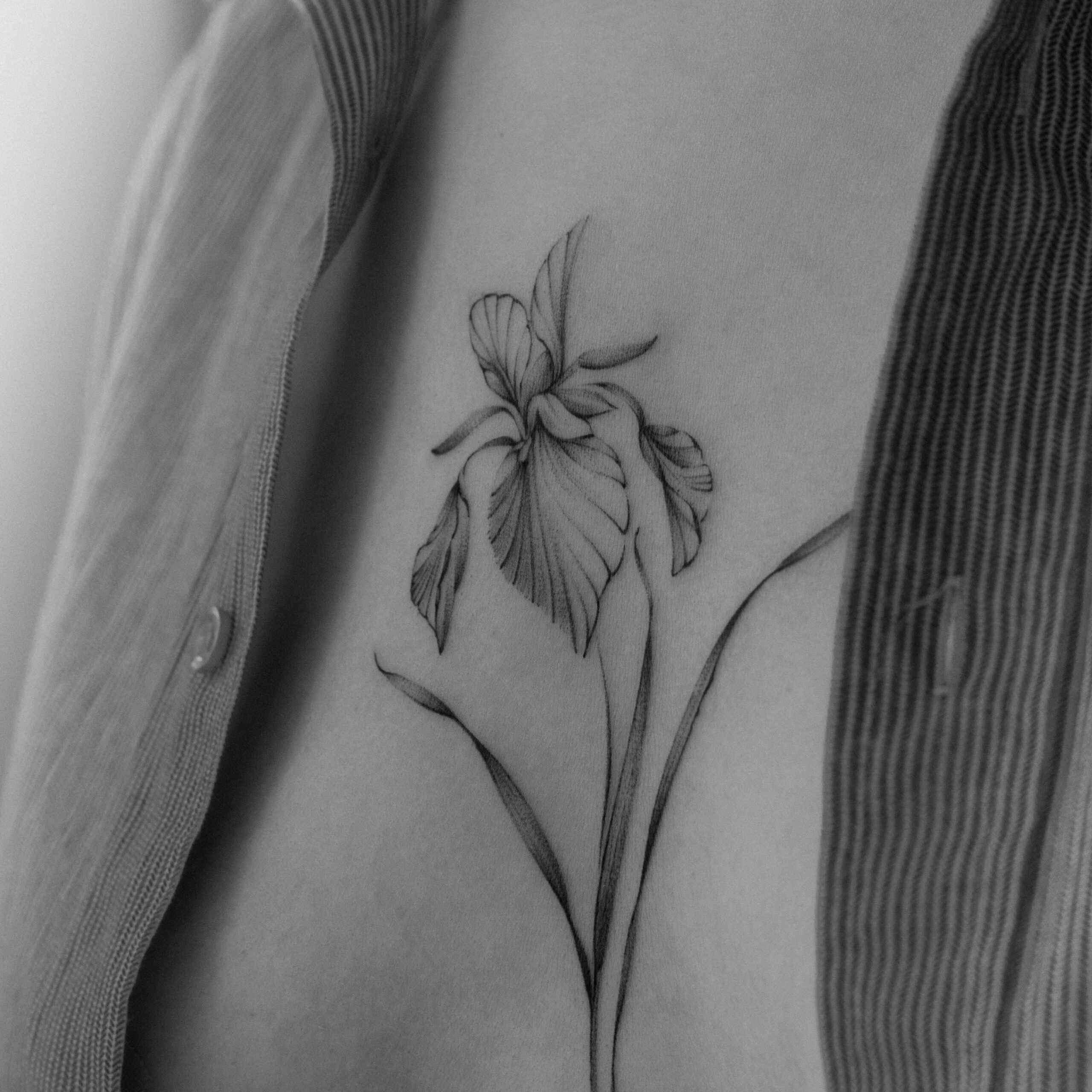
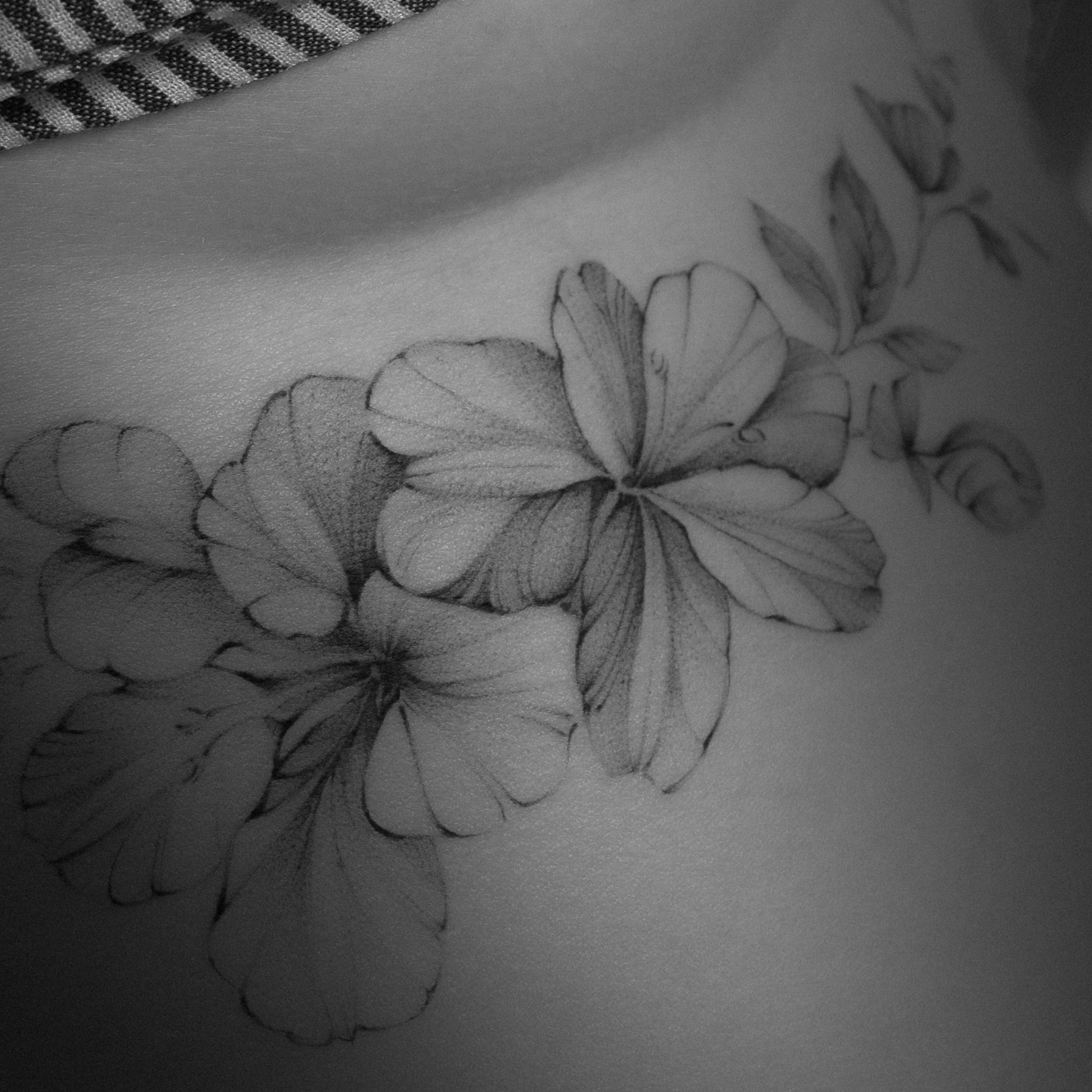
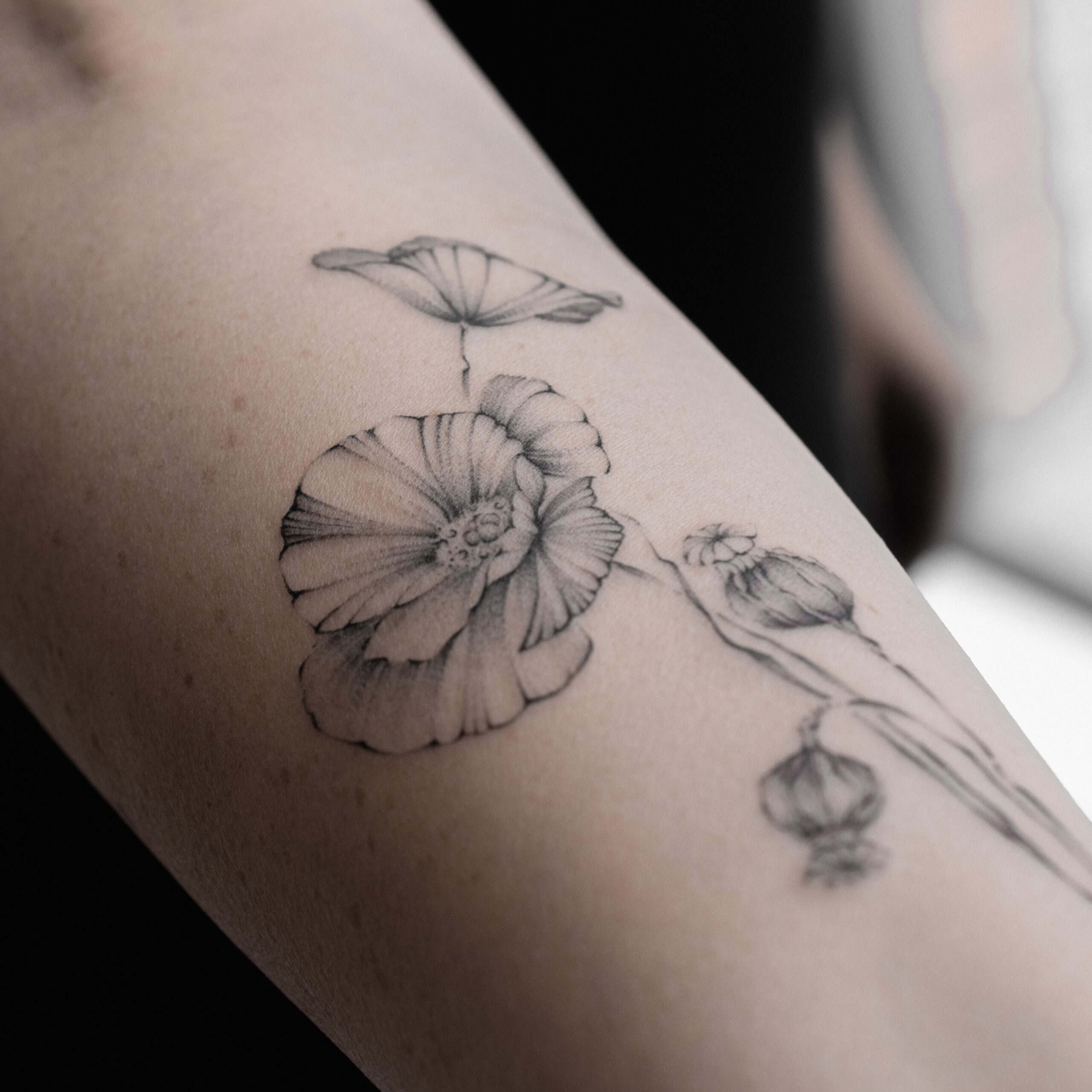
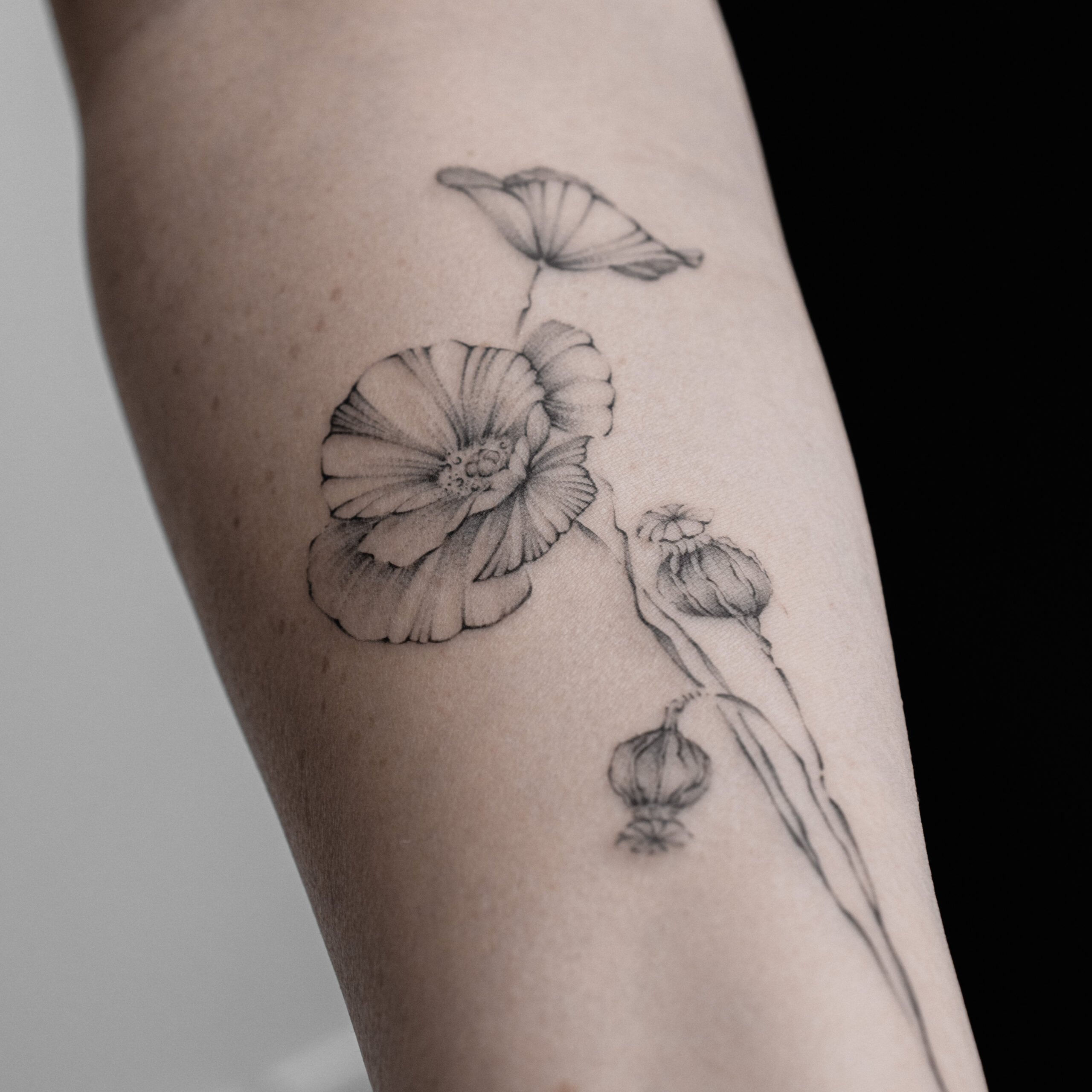
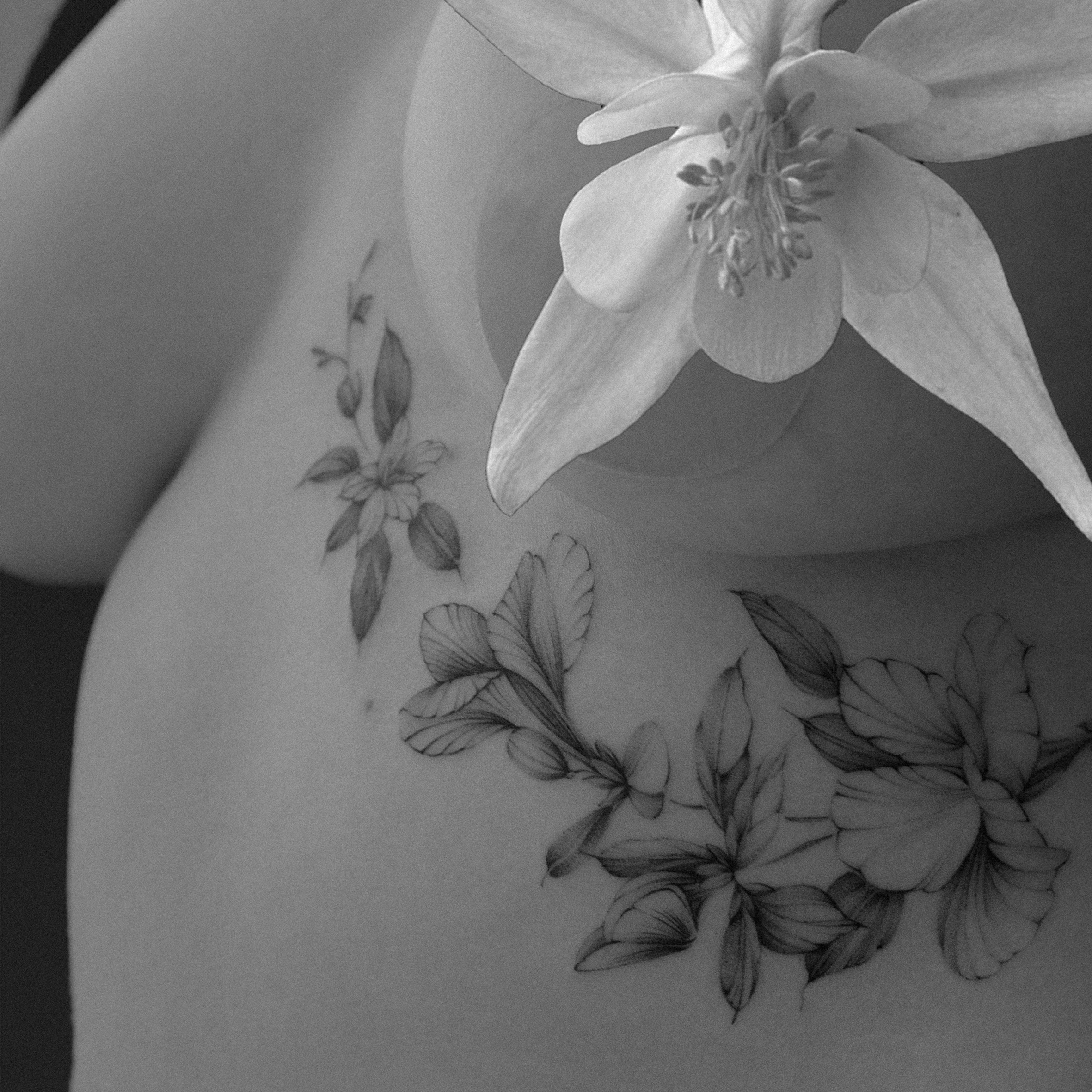
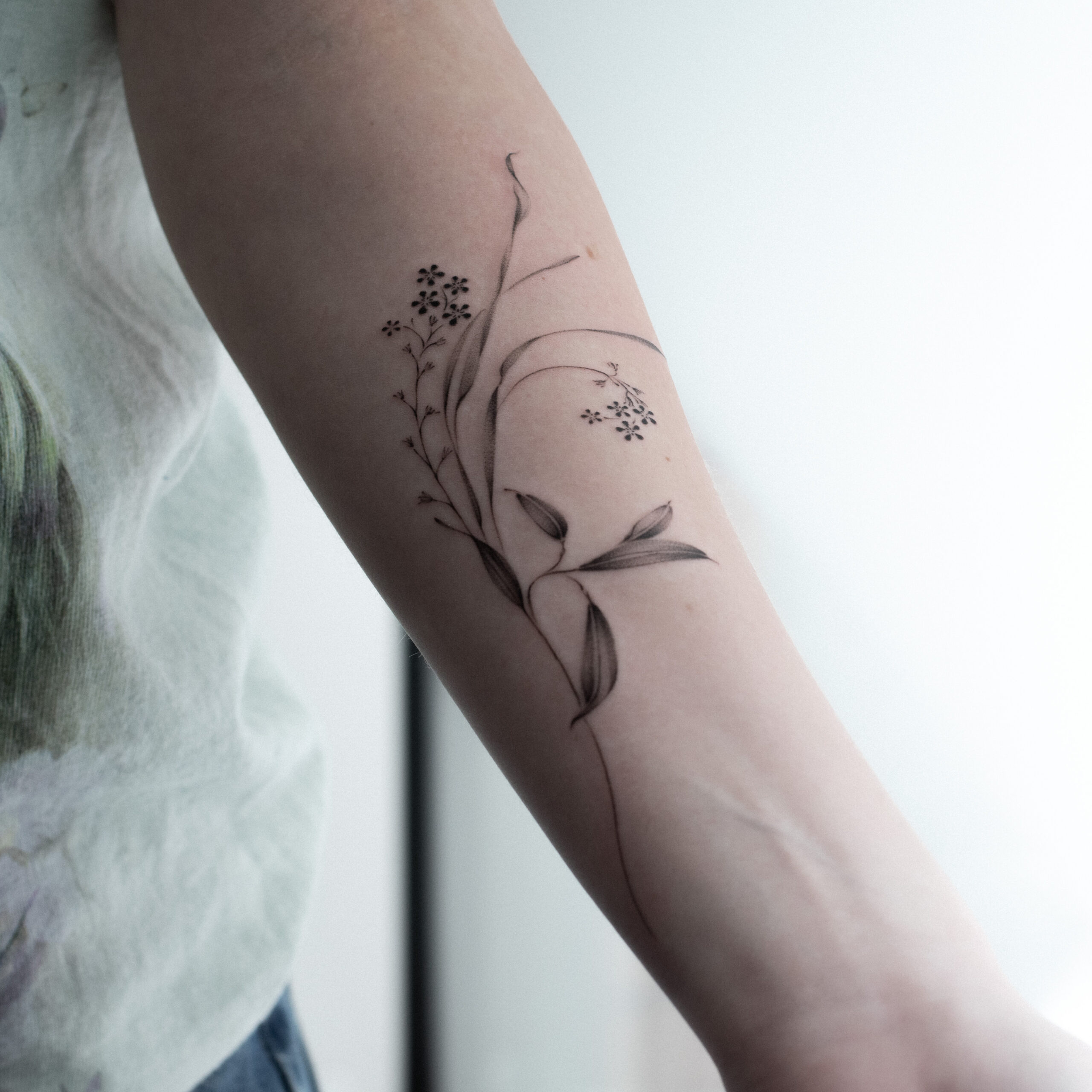
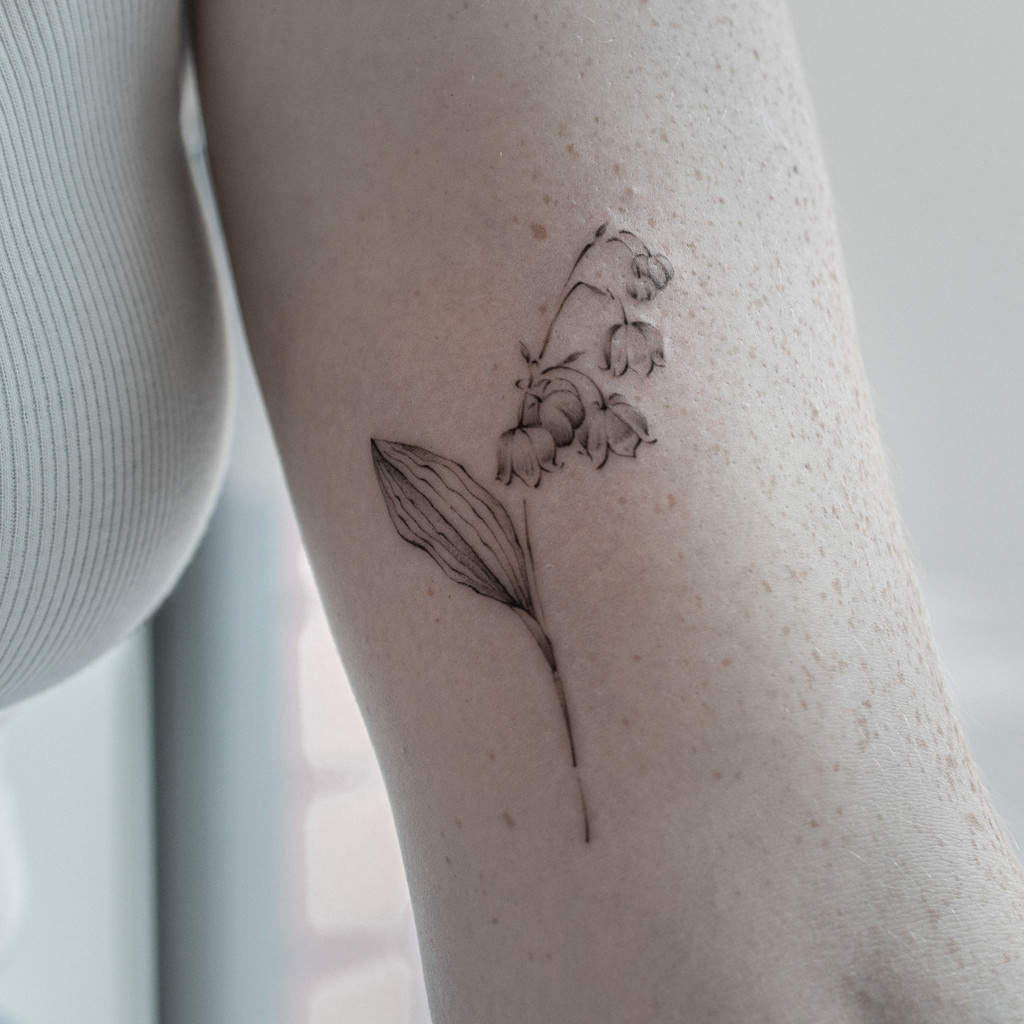
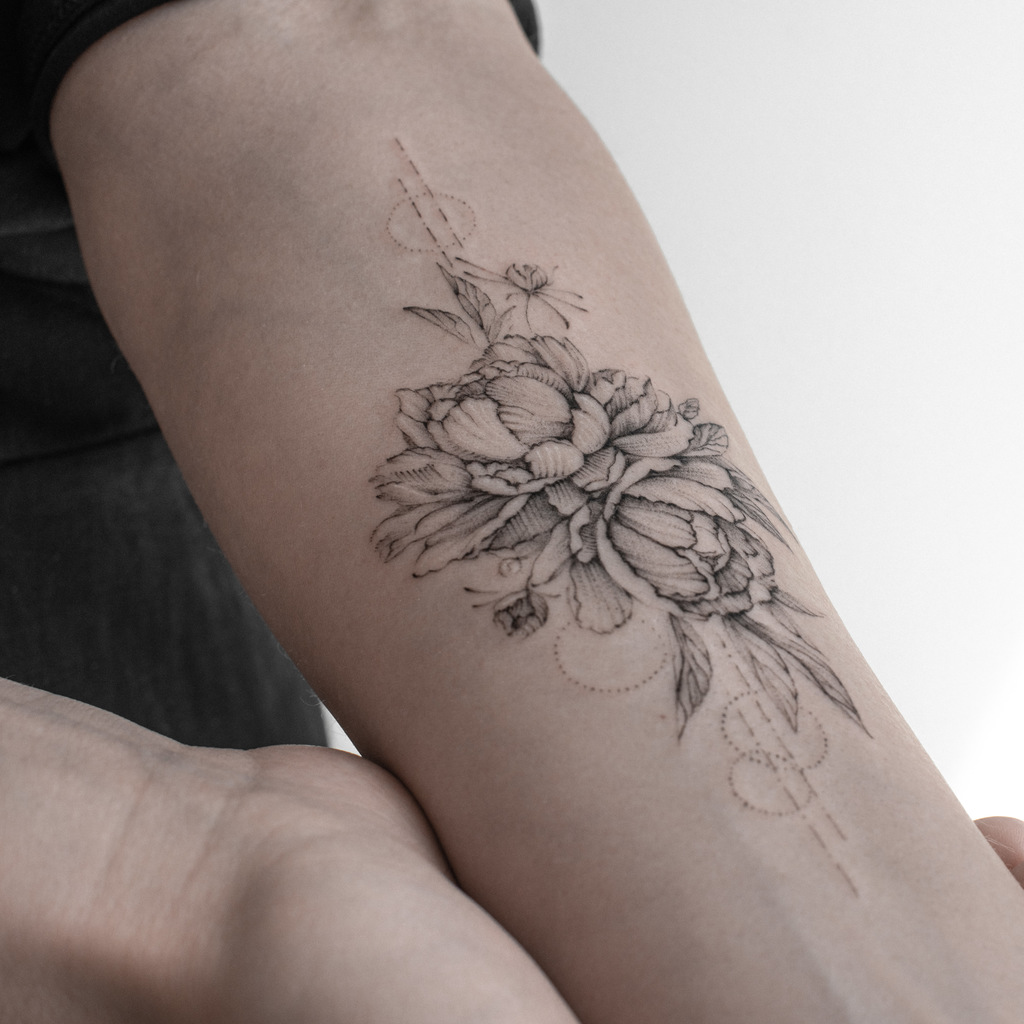
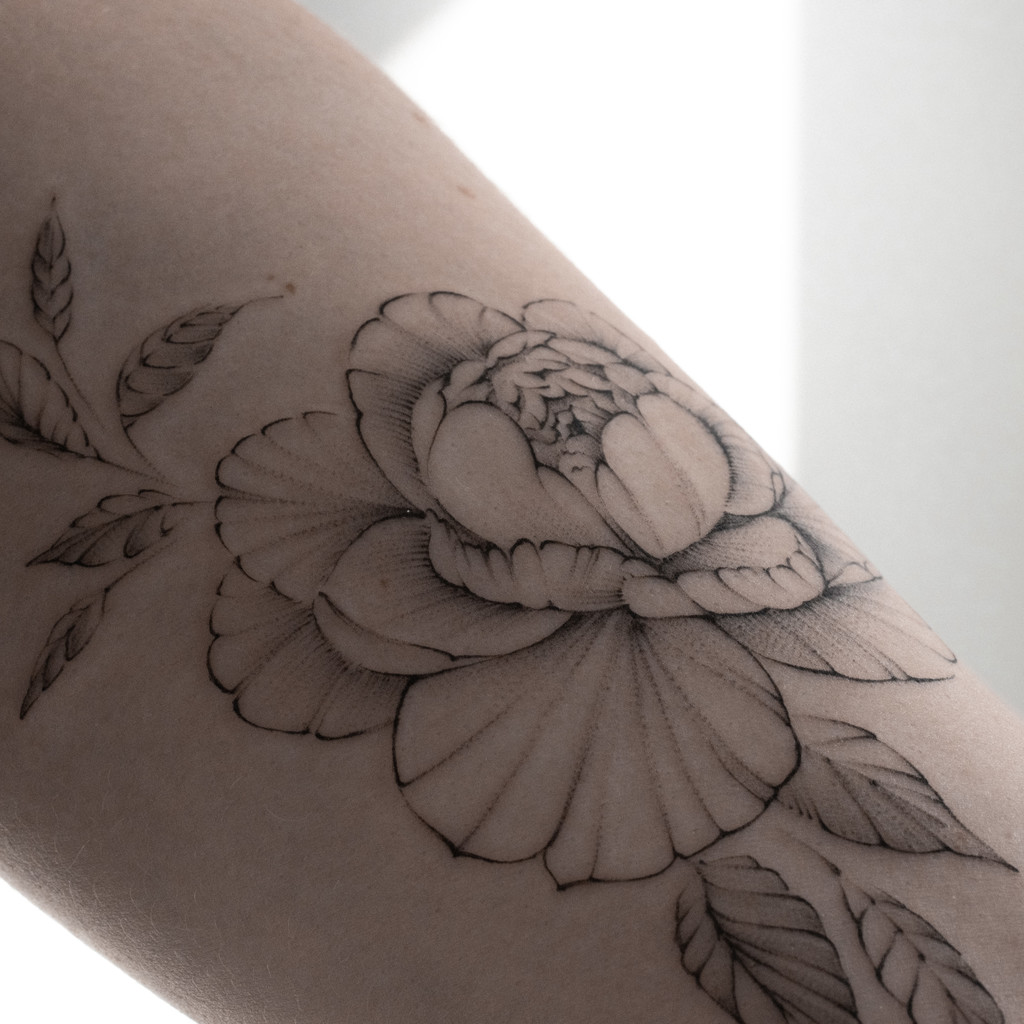
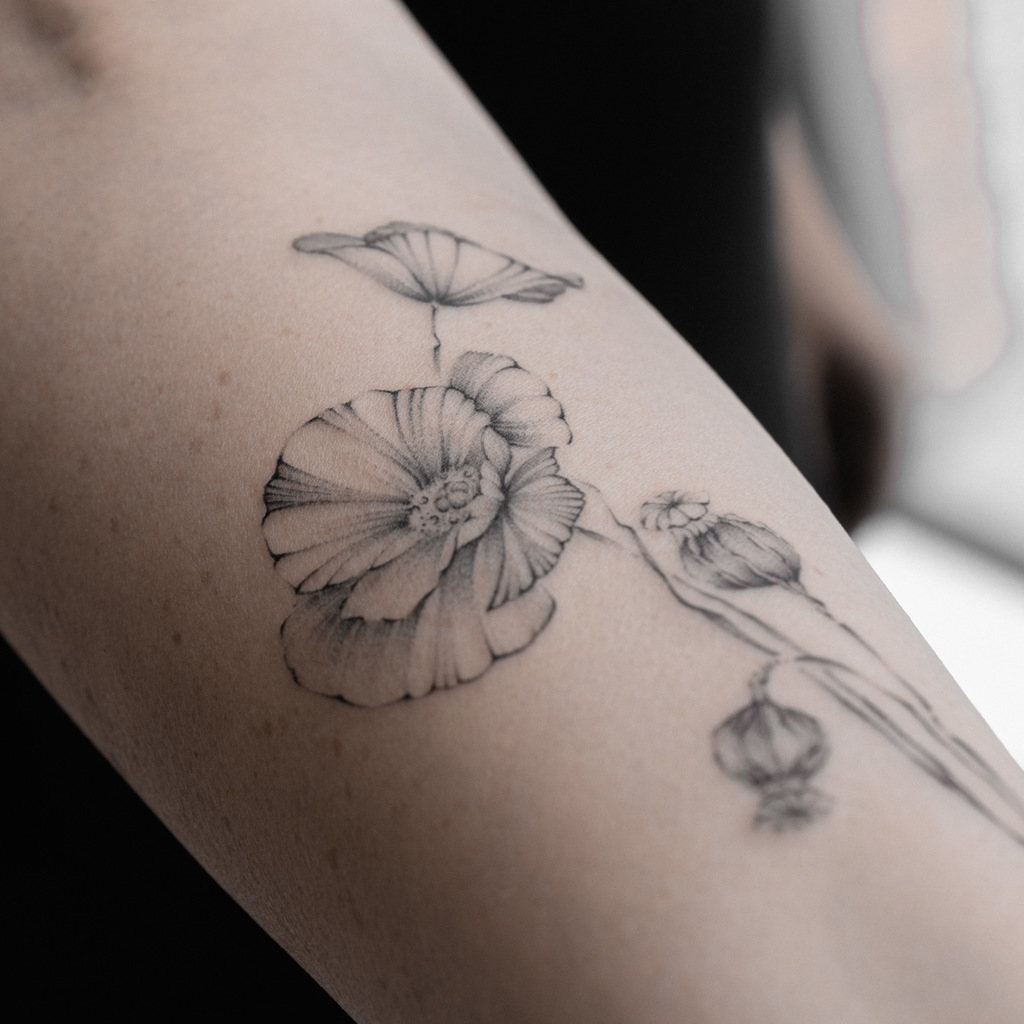
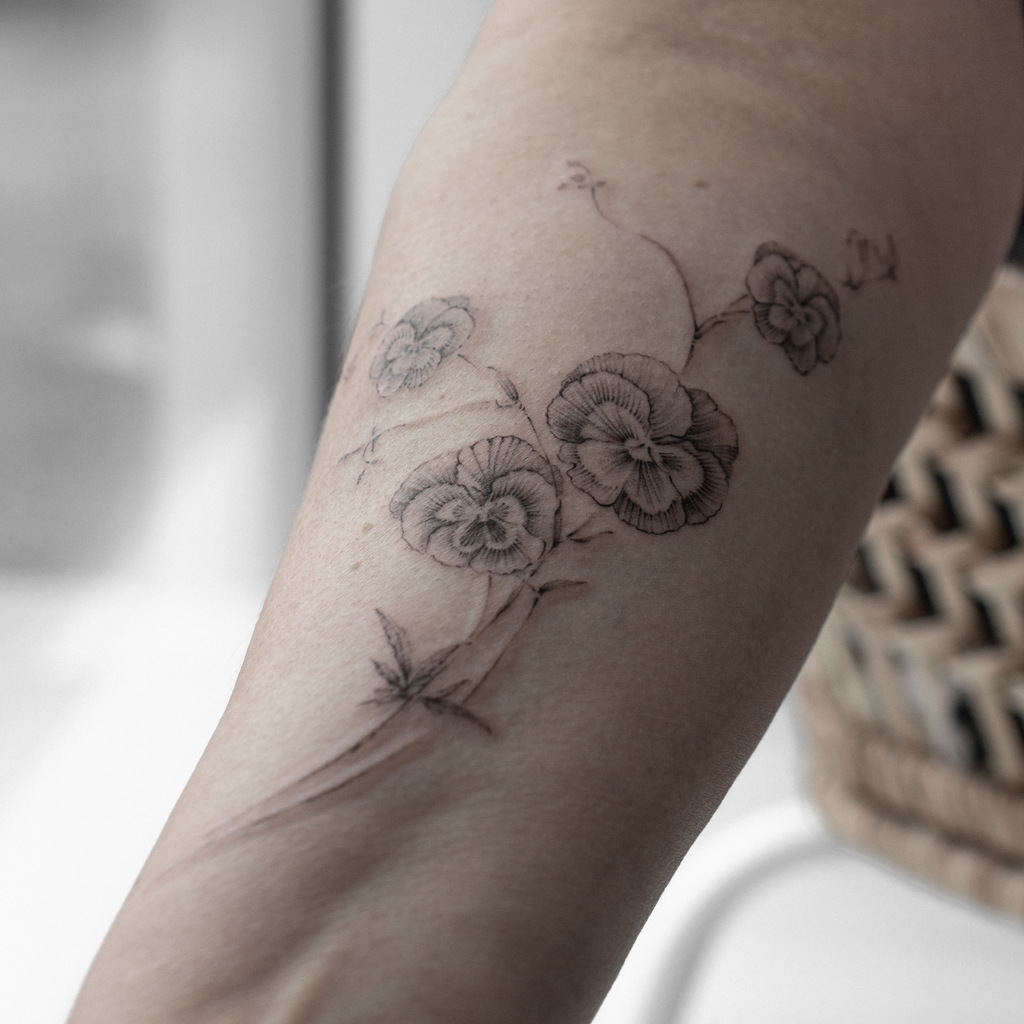
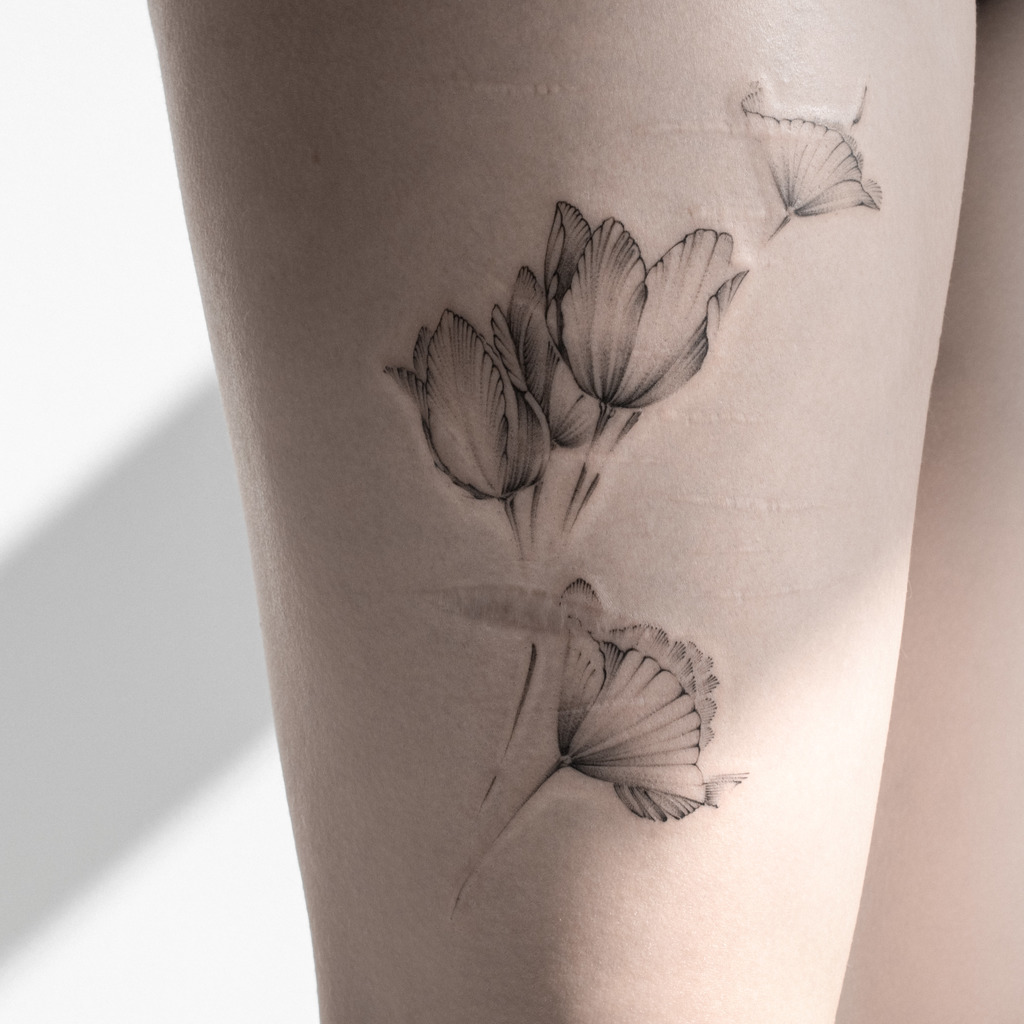
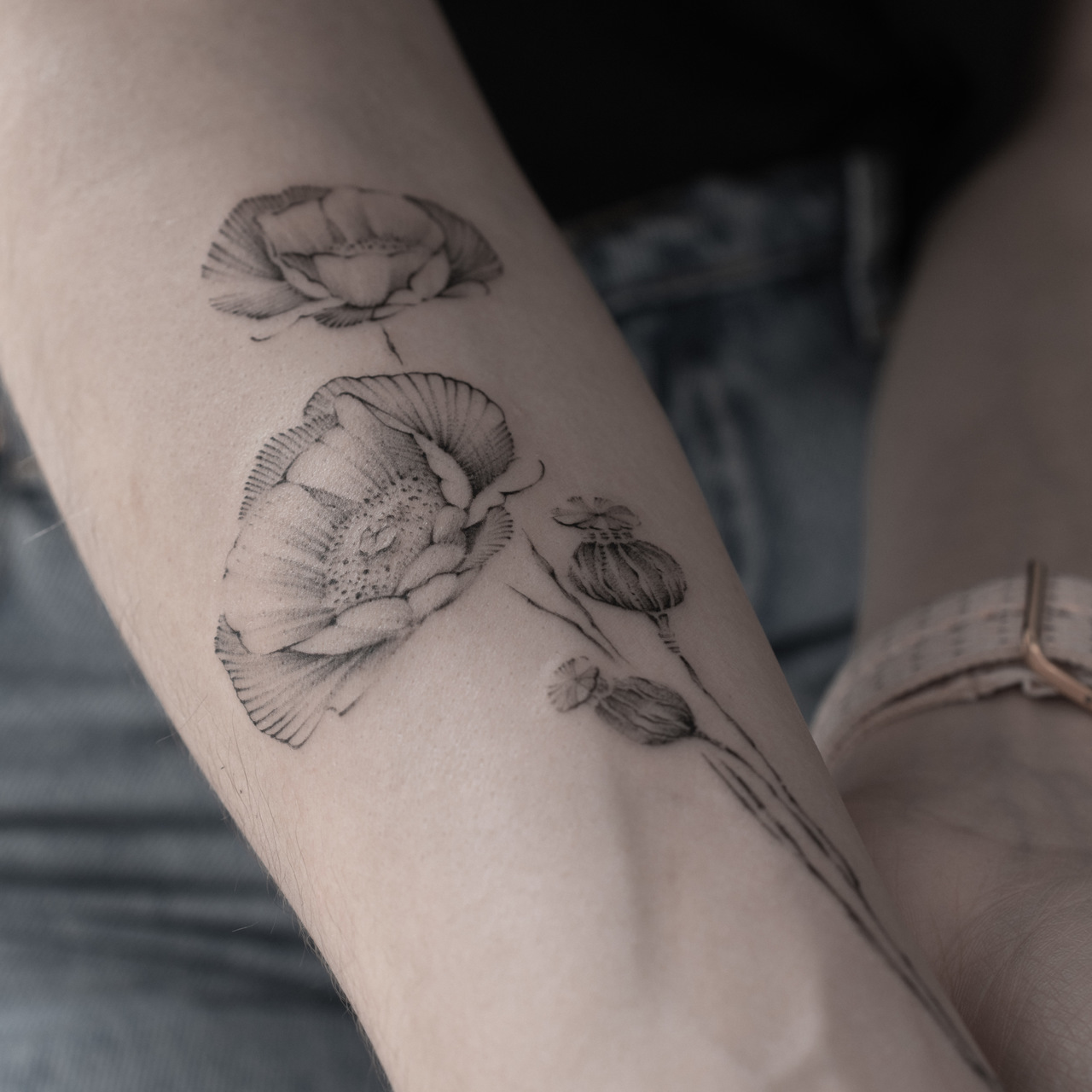
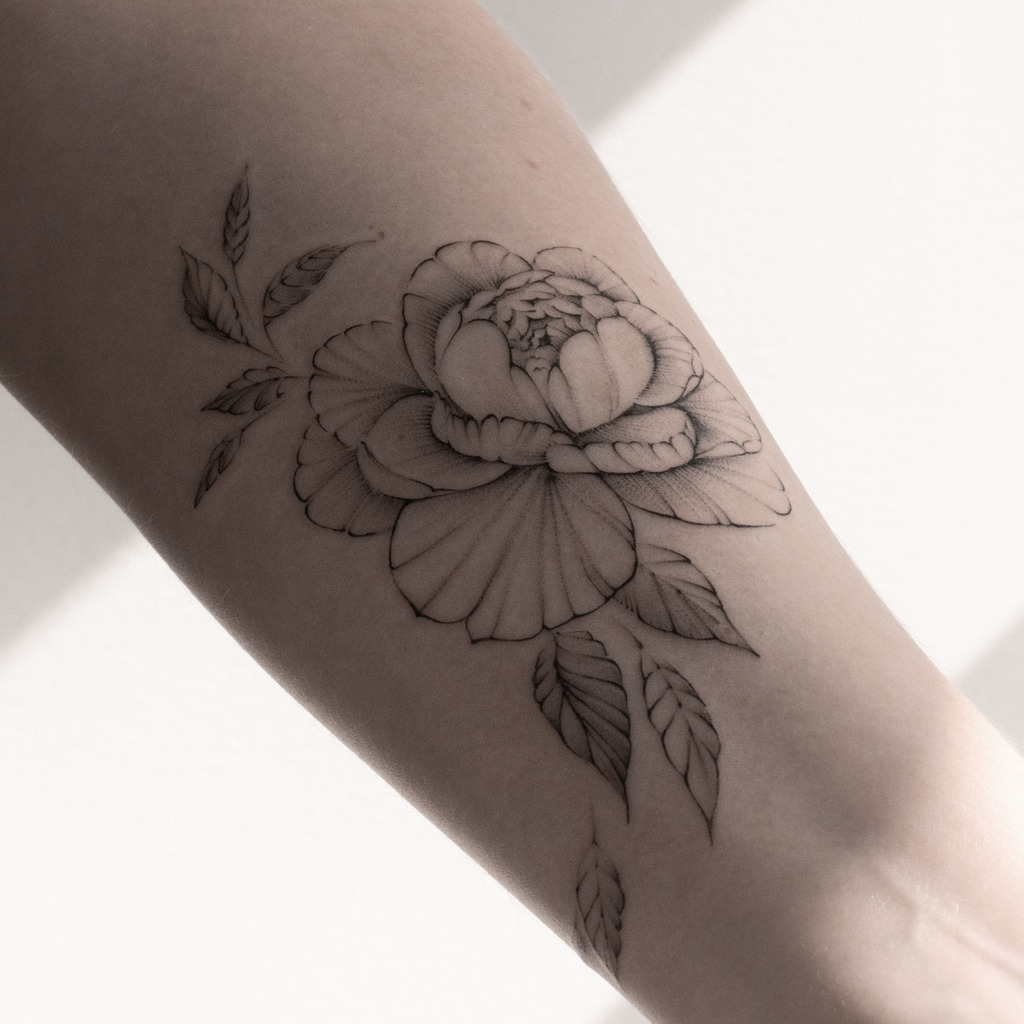
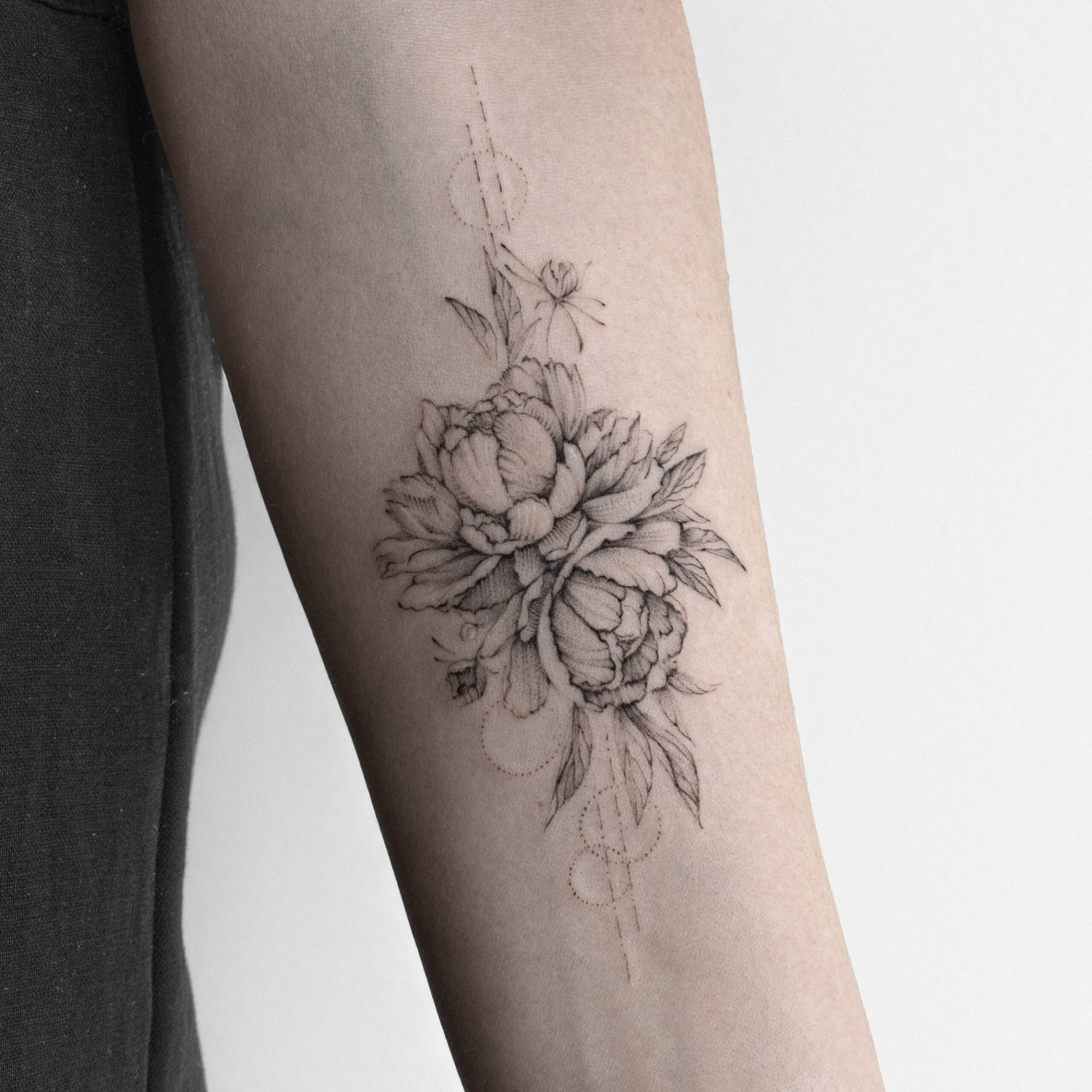
For some visitors, the experience remains within the museum. For others, it extends further. Seeing how artists build meaning through detail and composition can shift how you think about your own forms of expression. It makes the idea of creating something personal feel more structured, more intentional. This is where the connection to tattooing appears naturally. A tattoo, like a painting, is built from small decisions—placement, proportion, line, balance. When these elements come together in the right way, the result feels coherent and lasting.
If that idea resonates, you can explore different design directions here:
https://vadelma.eu/available-projects
A Place Worth Returning To
The Rijksmuseum is not necessarily a place you fully experience in one visit. Because of its scale and depth, it often reveals different things each time. What stands out during a first visit may not be the same during a second. That makes it less of a checklist destination and more of a place you return to, even if only mentally.
Beyond the Museum
If you find yourself drawn to visual detail and composition, but you’re not ready to commit to something permanent, there are other ways to explore that connection. You can take a look at our art prints here:
https://vadelmaprints.com/
Sometimes living with an image over time gives you a clearer understanding of what stays with you.
Final Thoughts
The Rijksmuseum is often described as a museum of masterpieces, but in many ways, it is a museum of attention. It shows what happens when time, skill, and intention are combined in a consistent way. And once you start noticing that, it becomes difficult to stop.
FAQ – Rijksmuseum Amsterdam
What is the Rijksmuseum?
It is the national museum of the Netherlands, showcasing art, history, and culture.
Where is it located?
At Museumplein in Amsterdam.
How long should I plan for a visit?
Typically 2–4 hours, depending on how detailed you want your visit to be.
What are the most famous artworks?
“The Night Watch” by Rembrandt and “The Milkmaid” by Vermeer are among the highlights.
Where can I learn more about tattoos in Amsterdam?
Rijksmuseum Amsterdam – Art, History, and the Details That Stay With You
Introduction
In a city filled with museums, the Rijksmuseum holds a particular position. It is not just another place to see art, but a space where Dutch history, craftsmanship, and visual storytelling come together in a very complete way. Located at Museumplein, the building itself already sets the tone. Designed in the 19th century, it feels both monumental and precise, almost like an introduction to what waits inside. For many visitors, the Rijksmuseum becomes one of the central experiences of Amsterdam—not because it demands attention, but because it rewards it.
A Museum Built Around a Nation’s Story
The Rijksmuseum first opened in 1800 and later moved to its current location in 1885. Over time, it developed into the national museum of the Netherlands, housing a vast collection that spans centuries. What makes it different from more focused museums is its scope. It is not limited to one artist or movement. Instead, it presents a broader narrative—how art, culture, and daily life evolved together. Walking through the galleries, you move across time rather than just between rooms. Each section builds on the previous one, creating a sense of progression that feels natural rather than forced.
The Masters and Their Presence
Among the many works displayed, some have become globally recognized. Paintings by Rembrandt van Rijn and Johannes Vermeer draw particular attention, not only because of their historical importance, but because of how they hold space. Rembrandt’s The Night Watch is perhaps the most well-known piece in the museum. Large, detailed, and carefully composed, it attracts constant attention, yet still manages to feel intimate when viewed up close. Nearby, Vermeer’s The Milkmaid offers a completely different experience. Smaller, quieter, and focused on a single moment, it invites a slower kind of observation. This contrast is part of what makes the Rijksmuseum engaging. It does not present one way of seeing, but many.
Beyond Paintings
While paintings often take the spotlight, the Rijksmuseum includes much more. There are objects of everyday life, historical artifacts, sculptures, and decorative arts. Items that might seem simple at first—furniture, ceramics, tools—are presented in a way that reveals their craftsmanship and context. This broader collection creates a different understanding of art. It is not only something displayed on walls, but something that has always been part of how people live, build, and express themselves.
The Experience of Moving Through the Space
What makes the museum particularly interesting is not just what is shown, but how it is experienced. The layout encourages movement without rushing. There are moments of scale, where large works dominate the space, and moments of quiet, where smaller pieces invite closer attention. Most visitors spend between two to four hours inside, but it rarely feels like time is being tracked. The rhythm of the space naturally slows things down.
Why It Resonates Beyond Art
The Rijksmuseum does not rely on spectacle. Its impact comes from accumulation—detail by detail, room by room. You begin to notice patterns. How light is used. How composition directs attention. How small decisions shape the overall result. This kind of awareness often carries over into other areas. It changes how you look at images, objects, and even design in everyday life.
From Observation to Personal Expression
For some visitors, the experience remains within the museum. For others, it extends further. Seeing how artists build meaning through detail and composition can shift how you think about your own forms of expression. It makes the idea of creating something personal feel more structured, more intentional. This is where the connection to tattooing appears naturally. A tattoo, like a painting, is built from small decisions—placement, proportion, line, balance. When these elements come together in the right way, the result feels coherent and lasting.
If that idea resonates, you can explore different design directions here:
https://vadelma.eu/available-projects
A Place Worth Returning To
The Rijksmuseum is not necessarily a place you fully experience in one visit. Because of its scale and depth, it often reveals different things each time. What stands out during a first visit may not be the same during a second. That makes it less of a checklist destination and more of a place you return to, even if only mentally.
Beyond the Museum
If you find yourself drawn to visual detail and composition, but you’re not ready to commit to something permanent, there are other ways to explore that connection. You can take a look at our art prints here:
https://vadelmaprints.com/
Sometimes living with an image over time gives you a clearer understanding of what stays with you.
Final Thoughts
The Rijksmuseum is often described as a museum of masterpieces, but in many ways, it is a museum of attention. It shows what happens when time, skill, and intention are combined in a consistent way. And once you start noticing that, it becomes difficult to stop.
FAQ – Rijksmuseum Amsterdam
What is the Rijksmuseum?
It is the national museum of the Netherlands, showcasing art, history, and culture.
Where is it located?
At Museumplein in Amsterdam.
How long should I plan for a visit?
Typically 2–4 hours, depending on how detailed you want your visit to be.
What are the most famous artworks?
“The Night Watch” by Rembrandt and “The Milkmaid” by Vermeer are among the highlights.
Where can I learn more about tattoos in Amsterdam?