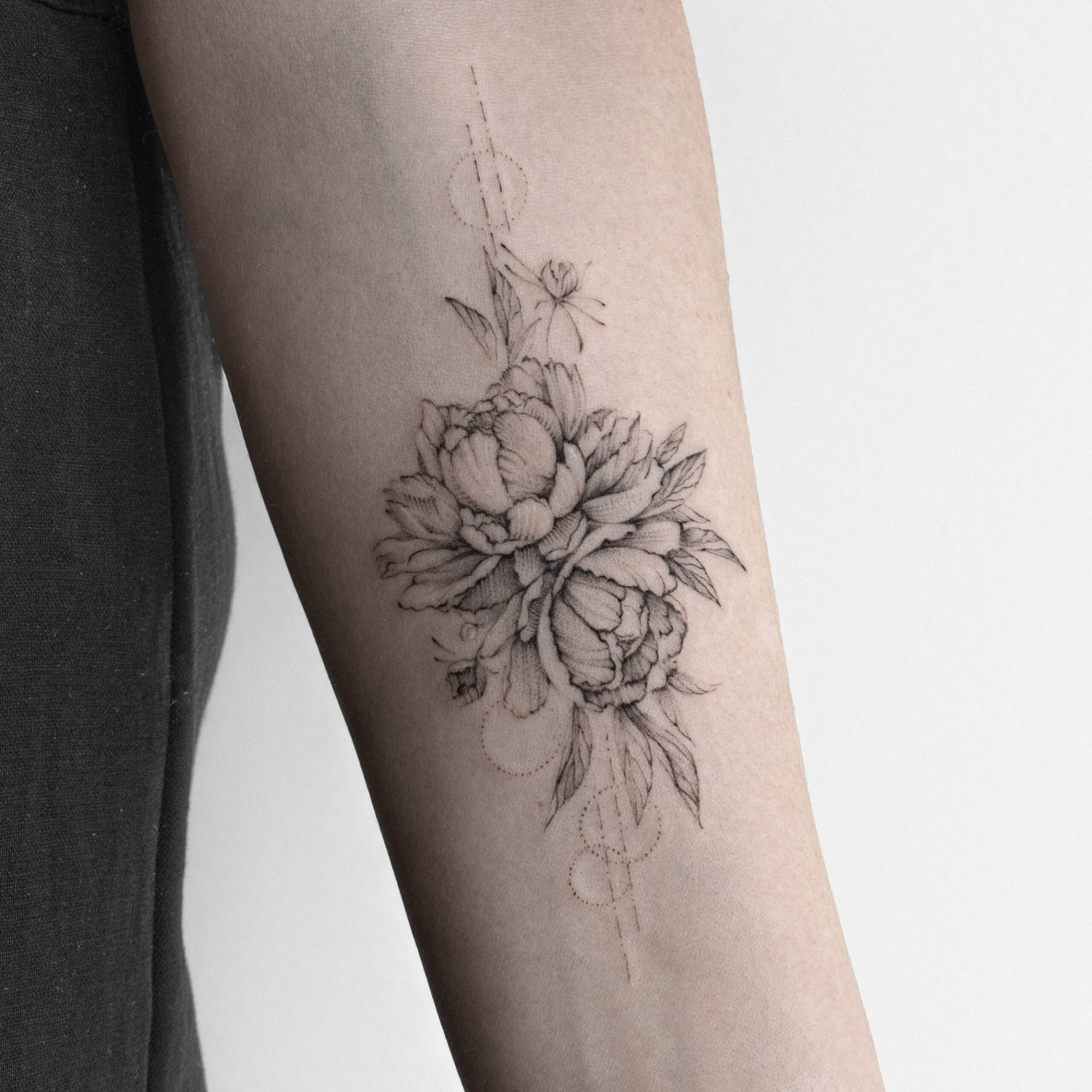
Royal Tattoos – Kings and Princes with Tattoos in History
Royal Tattoos – Kings, Princes, and the Hidden History of Ink
Introduction
When people think about tattoos, they often associate them with modern culture, self-expression, or specific subcultures. But the history of tattooing goes much further back—and in some cases, it reaches places you wouldn’t immediately expect. Including royal courts. Across different periods and cultures, members of royal families—kings, princes, and nobles—have chosen to mark their skin. Not as rebellion, but as part of tradition, identity, or personal experience.
Tattoos Long Before Modern Trends
Tattooing itself is ancient. It existed in various forms across Europe, Asia, and the Pacific long before it became widely known in the West. However, for a long time in European history, tattoos were relatively rare among the upper classes. That began to change during the 18th and 19th centuries, when travel and exploration brought new influences into royal circles. Encounters with other cultures—especially in places like Japan and Polynesia—introduced European elites to tattooing in a completely different context. What was once unfamiliar became intriguing.
King Edward VII – A Royal Beginning
One of the earliest well-known examples is King Edward VII, who reportedly received a tattoo during a visit to Jerusalem in the 1860s, before becoming king. At the time, it was not unusual for pilgrims visiting the Holy Land to receive small symbolic tattoos as a mark of their journey. For Edward, this was less about fashion and more about experience—a way of carrying a moment with him. This already shows something important: tattoos were not always about visibility or statement. Sometimes they were personal, almost private.
King George V – Influence from Japan
His son, King George V, continued this unexpected connection. During his travels to Japan as a young naval officer, he received a tattoo—reportedly a dragon—created by a Japanese artist. At that time, Japanese tattooing was highly developed, with strong aesthetic traditions and symbolism. For a future king to engage with that culture directly shows how tattoos were already crossing boundaries between worlds—moving from tradition into global exchange.
Tsar Nicholas II – A Shared Trend
Around the same period, Tsar Nicholas II also received a tattoo during his travels in Japan. This suggests that tattooing was not an isolated curiosity, but something that quietly moved through elite circles. It became a kind of shared experience among certain members of royalty who traveled and encountered different cultures. Again, these were not large or highly visible pieces. They were often modest, controlled, and personal.
Tattoos as Memory Rather Than Display
What connects these examples is not style, but intention. For many of these royal figures, tattoos were:
- a record of travel
- a personal symbol
- or a quiet connection to a specific moment
They were not necessarily meant to be seen by everyone. In fact, in many cases, they remained largely private. This is quite different from how tattoos are often perceived today, but it also brings the idea closer to something more timeless.
A Shift Toward Personal Expression
Over time, tattoos became more visible and more widely accepted. What was once rare in European high society gradually moved into broader culture. Today, the meaning of a tattoo is no longer defined by status or tradition. It is defined by the individual. But interestingly, the core idea has not changed that much. A tattoo is still a way of holding onto something—an experience, a thought, a moment that feels worth keeping.
From History to the Present
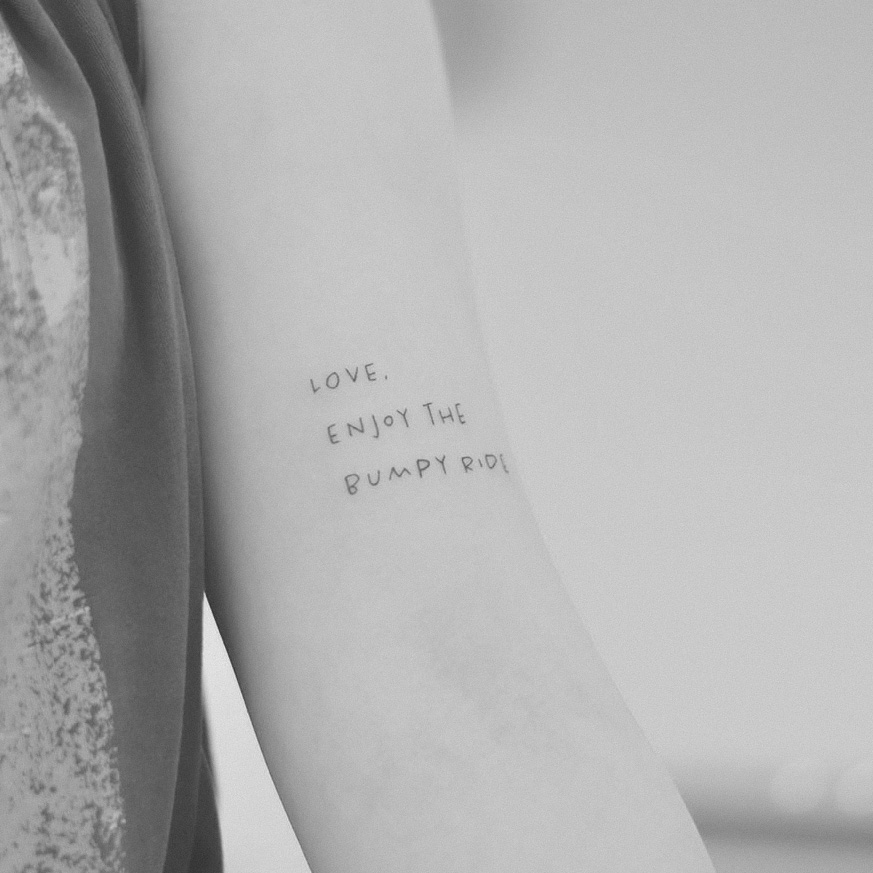
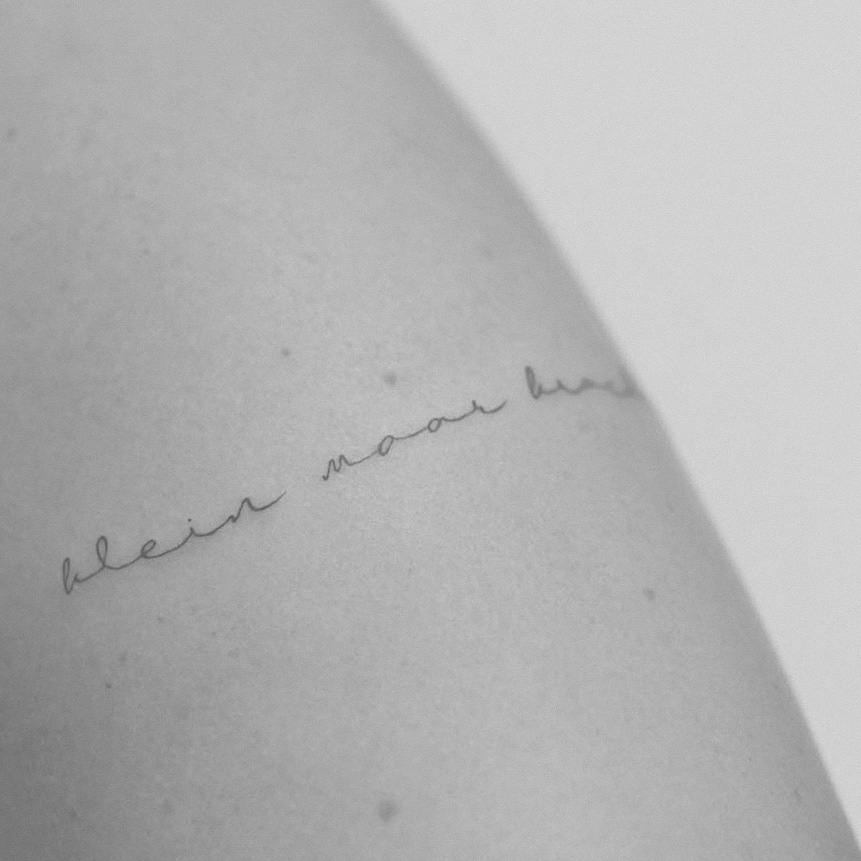
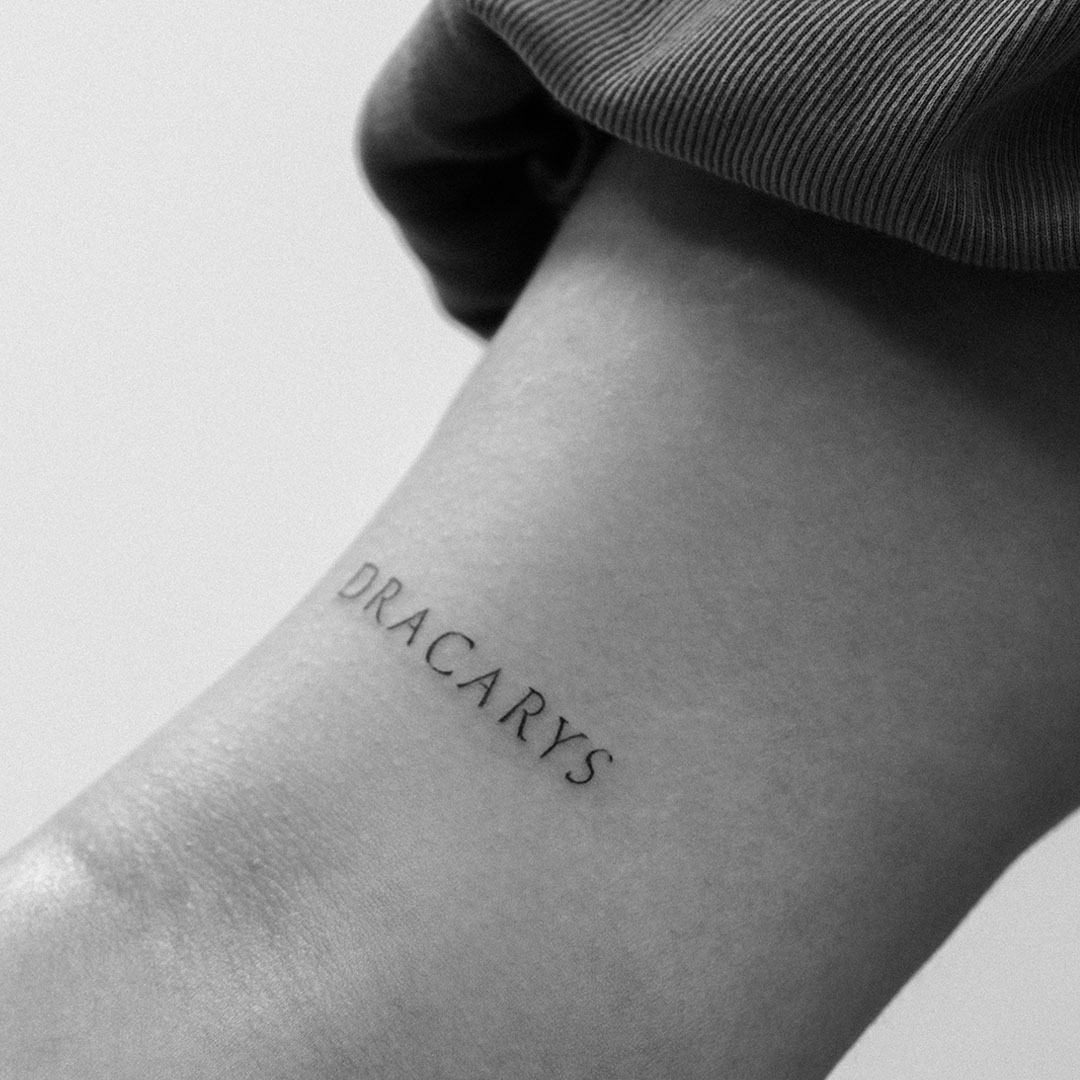
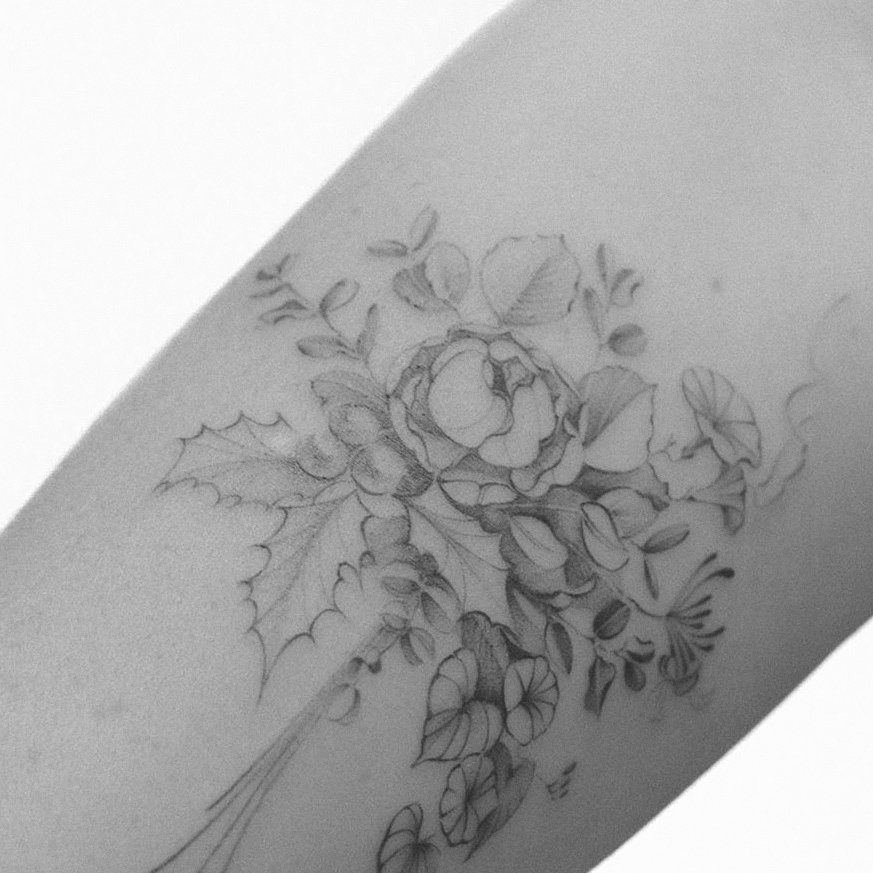
Looking back at royal tattoos, it becomes clear that tattooing has never been limited to one group or one meaning. It has always moved between worlds—between private and public, between tradition and personal choice. At Vadelma Tattoo in Amsterdam, this idea continues in a modern form. The focus is not on trends, but on creating something that feels consistent over time.
If you are exploring ideas, you can start here:
https://vadelma.eu/available-projects
Or begin a conversation here:
https://vadelma.eu/contact
Beyond the Tattoo
If you’re not ready for something permanent but are drawn to visual storytelling, you can explore our art prints:
https://vadelmaprints.com/
Sometimes understanding what you like visually is the first step.
Final Thoughts
The idea that kings and princes had tattoos may seem surprising at first, but it reveals something simple. Tattoos have always been part of human expression. Whether hidden or visible, simple or complex, they carry meaning in a way that words sometimes cannot. And that has remained unchanged—across centuries.
FAQ – Royal Tattoos
Did kings really have tattoos?
Yes, several historical figures like King Edward VII and Tsar Nicholas II had tattoos.
Why did royals get tattoos?
Often as a memory of travel or personal experience, rather than for display.
Were these tattoos visible?
In most cases, they were relatively small and not always publicly visible.
Are tattoos a modern trend?
No, tattooing has existed for centuries across many cultures.
Where can I learn more about tattoos today?
Royal Tattoos – Kings, Princes, and the Hidden History of Ink
Introduction
When people think about tattoos, they often associate them with modern culture, self-expression, or specific subcultures. But the history of tattooing goes much further back—and in some cases, it reaches places you wouldn’t immediately expect. Including royal courts. Across different periods and cultures, members of royal families—kings, princes, and nobles—have chosen to mark their skin. Not as rebellion, but as part of tradition, identity, or personal experience.
Tattoos Long Before Modern Trends
Tattooing itself is ancient. It existed in various forms across Europe, Asia, and the Pacific long before it became widely known in the West. However, for a long time in European history, tattoos were relatively rare among the upper classes. That began to change during the 18th and 19th centuries, when travel and exploration brought new influences into royal circles. Encounters with other cultures—especially in places like Japan and Polynesia—introduced European elites to tattooing in a completely different context. What was once unfamiliar became intriguing.
King Edward VII – A Royal Beginning
One of the earliest well-known examples is King Edward VII, who reportedly received a tattoo during a visit to Jerusalem in the 1860s, before becoming king. At the time, it was not unusual for pilgrims visiting the Holy Land to receive small symbolic tattoos as a mark of their journey. For Edward, this was less about fashion and more about experience—a way of carrying a moment with him. This already shows something important: tattoos were not always about visibility or statement. Sometimes they were personal, almost private.
King George V – Influence from Japan
His son, King George V, continued this unexpected connection. During his travels to Japan as a young naval officer, he received a tattoo—reportedly a dragon—created by a Japanese artist. At that time, Japanese tattooing was highly developed, with strong aesthetic traditions and symbolism. For a future king to engage with that culture directly shows how tattoos were already crossing boundaries between worlds—moving from tradition into global exchange.
Tsar Nicholas II – A Shared Trend
Around the same period, Tsar Nicholas II also received a tattoo during his travels in Japan. This suggests that tattooing was not an isolated curiosity, but something that quietly moved through elite circles. It became a kind of shared experience among certain members of royalty who traveled and encountered different cultures. Again, these were not large or highly visible pieces. They were often modest, controlled, and personal.
Tattoos as Memory Rather Than Display
What connects these examples is not style, but intention. For many of these royal figures, tattoos were:
- a record of travel
- a personal symbol
- or a quiet connection to a specific moment
They were not necessarily meant to be seen by everyone. In fact, in many cases, they remained largely private. This is quite different from how tattoos are often perceived today, but it also brings the idea closer to something more timeless.
A Shift Toward Personal Expression
Over time, tattoos became more visible and more widely accepted. What was once rare in European high society gradually moved into broader culture. Today, the meaning of a tattoo is no longer defined by status or tradition. It is defined by the individual. But interestingly, the core idea has not changed that much. A tattoo is still a way of holding onto something—an experience, a thought, a moment that feels worth keeping.
From History to the Present
Looking back at royal tattoos, it becomes clear that tattooing has never been limited to one group or one meaning. It has always moved between worlds—between private and public, between tradition and personal choice. At Vadelma Tattoo in Amsterdam, this idea continues in a modern form. The focus is not on trends, but on creating something that feels consistent over time.
If you are exploring ideas, you can start here:
https://vadelma.eu/available-projects
Or begin a conversation here:
https://vadelma.eu/contact
Beyond the Tattoo
If you’re not ready for something permanent but are drawn to visual storytelling, you can explore our art prints:
https://vadelmaprints.com/
Sometimes understanding what you like visually is the first step.
Final Thoughts
The idea that kings and princes had tattoos may seem surprising at first, but it reveals something simple. Tattoos have always been part of human expression. Whether hidden or visible, simple or complex, they carry meaning in a way that words sometimes cannot. And that has remained unchanged—across centuries.
FAQ – Royal Tattoos
Did kings really have tattoos?
Yes, several historical figures like King Edward VII and Tsar Nicholas II had tattoos.
Why did royals get tattoos?
Often as a memory of travel or personal experience, rather than for display.
Were these tattoos visible?
In most cases, they were relatively small and not always publicly visible.
Are tattoos a modern trend?
No, tattooing has existed for centuries across many cultures.
Where can I learn more about tattoos today?