Tattoos in the Netherlands: Changing Perception | Vadelma Tattoo
Tattoos in the Netherlands
From Subculture to Self-Expression
Not so long ago, tattoos were often associated with very specific groups. People connected them with rebellion, subcultures, or certain professions. For some, tattoos even carried a certain stigma. But if you walk through Amsterdam today, the picture looks very different. Tattoos have quietly become part of everyday life.
A Growing Part of Society
In recent years, tattoos have become increasingly common in the Netherlands. Estimates suggest that around 1.5 million people in the country have at least one tattoo, with even higher numbers among younger generations. At the same time, the number of tattoo studios has grown rapidly, reflecting how much demand has increased. This is not something that happens in a niche culture. It happens when something becomes widely accepted.
Not Just One Type of Person
One of the biggest changes is who gets tattoos. Today, tattoos are no longer limited to a specific group or lifestyle. They can be seen across many different professions and environments — from creative industries to more traditional careers.
People with tattoos today include:
• office workers
• designers and artists
• entrepreneurs
• healthcare professionals
• and many others
This shift shows that tattoos are no longer a label — they are a personal choice.
A Change in Meaning
In the past, tattoos were often about standing out. Today, they are often about expressing something personal.
Many people choose tattoos to mark:
• a memory
• a meaningful moment
• a personal transformation
• or simply something they find beautiful
This change is subtle but important.
Tattoos are no longer just about identity in society —
they are about identity within yourself.
A More Thoughtful Approach
As tattoos become more accepted, the way people approach them also changes. Instead of spontaneous decisions, many clients now take time to:
• choose the right artist
• think about the design
• consider placement and style
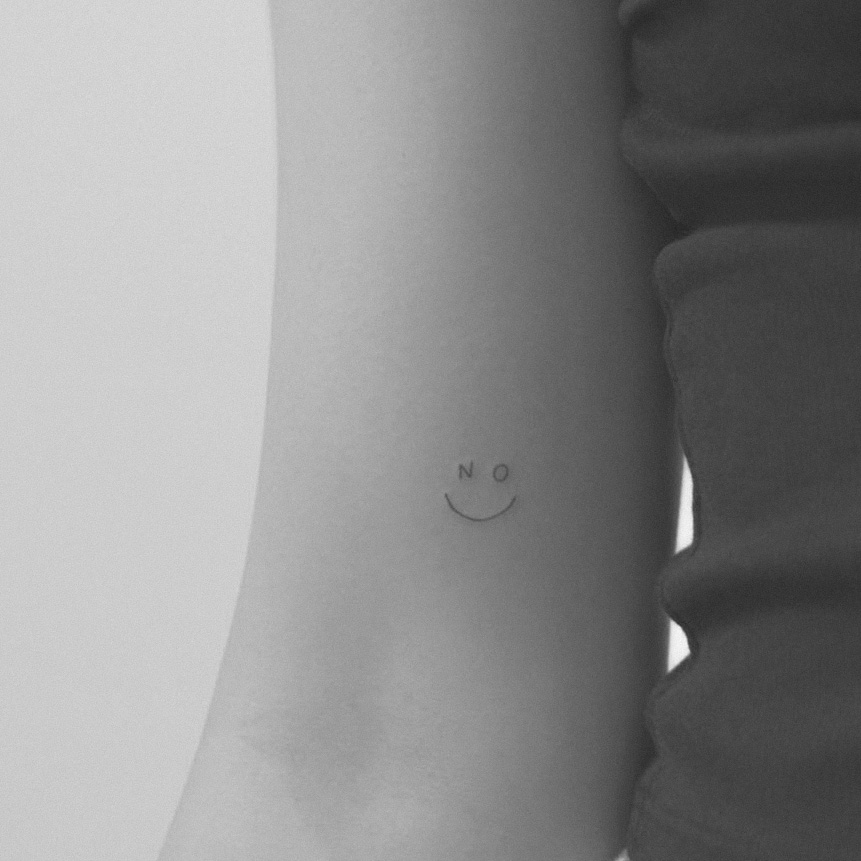
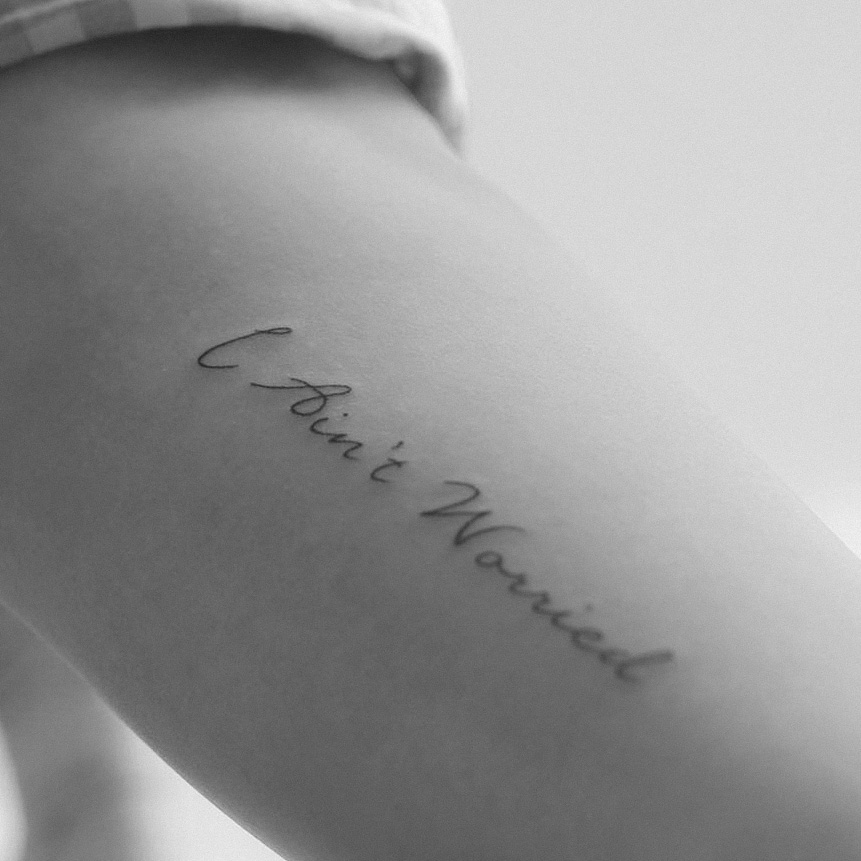
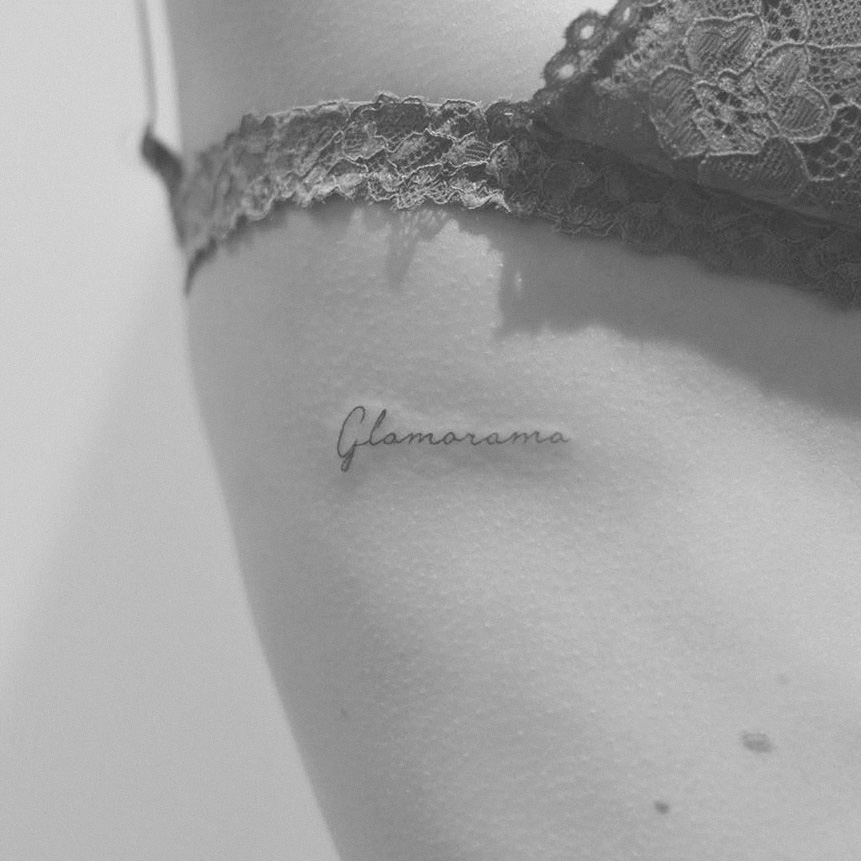
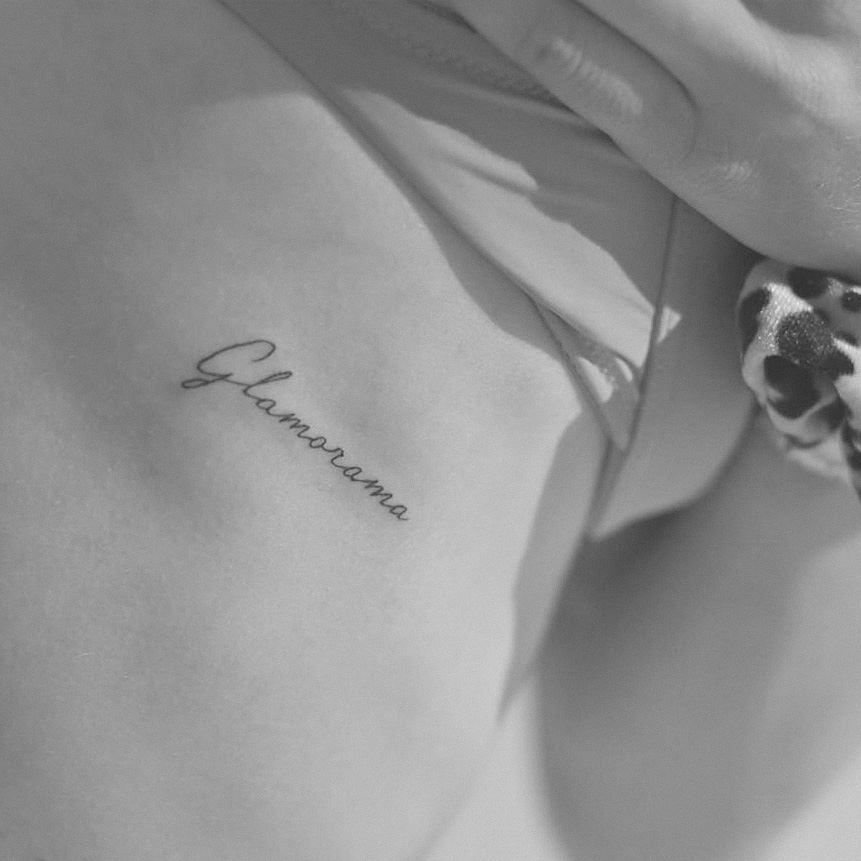
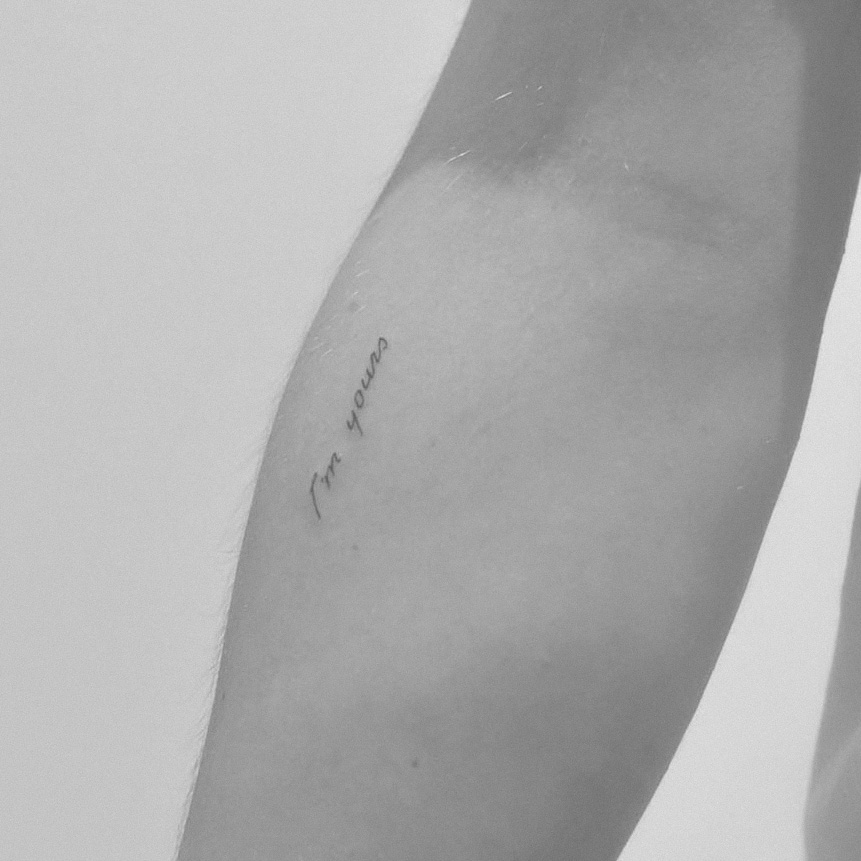
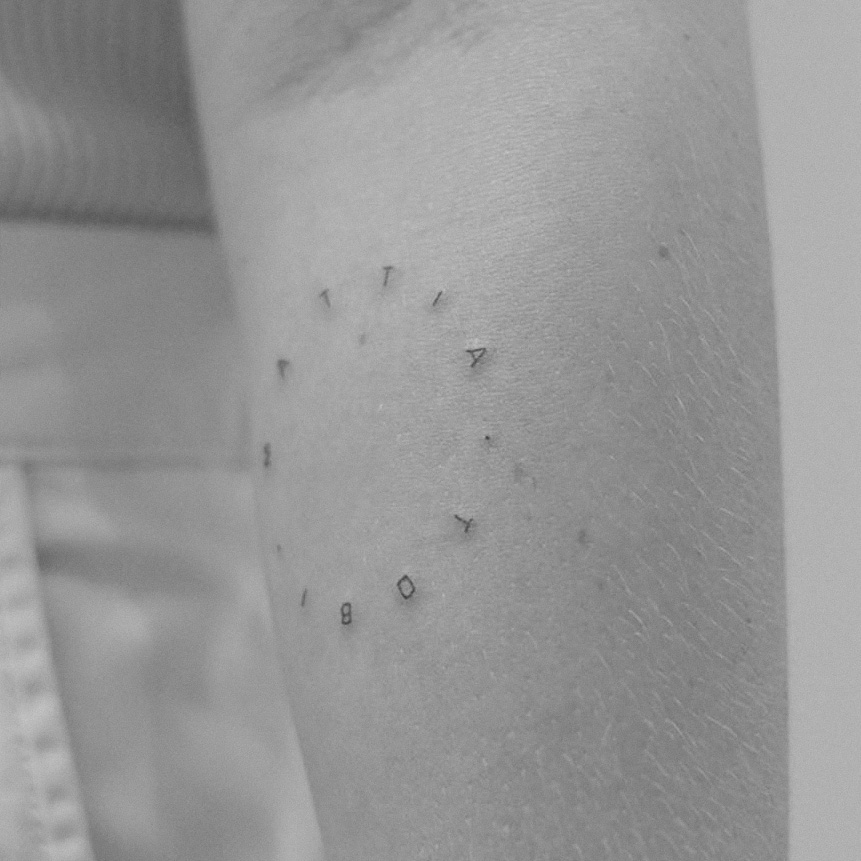
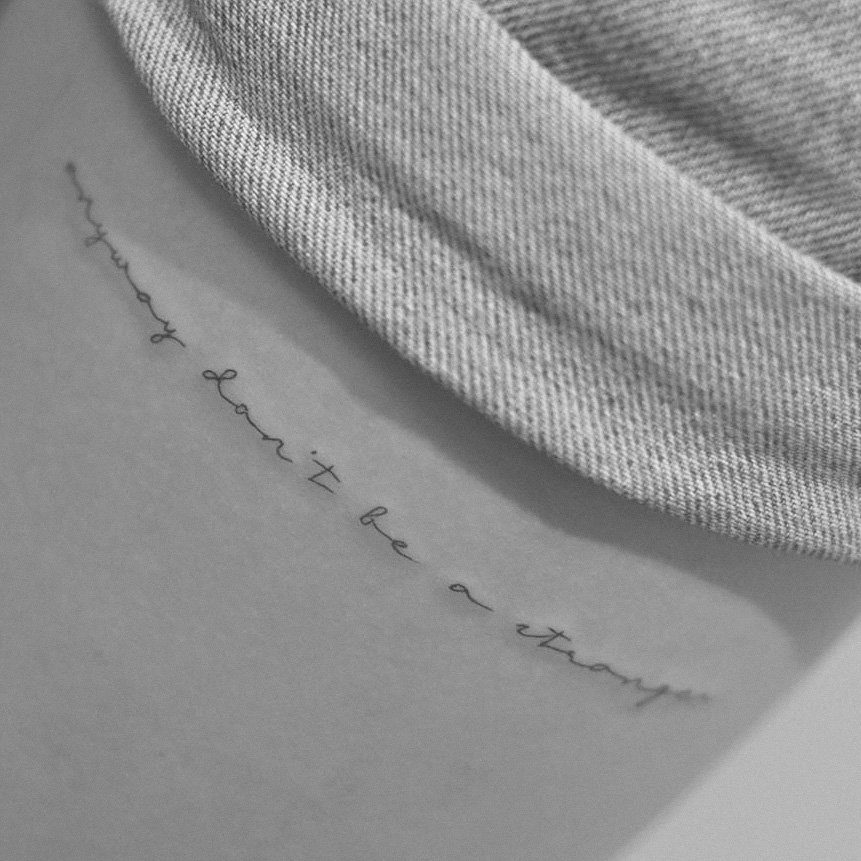
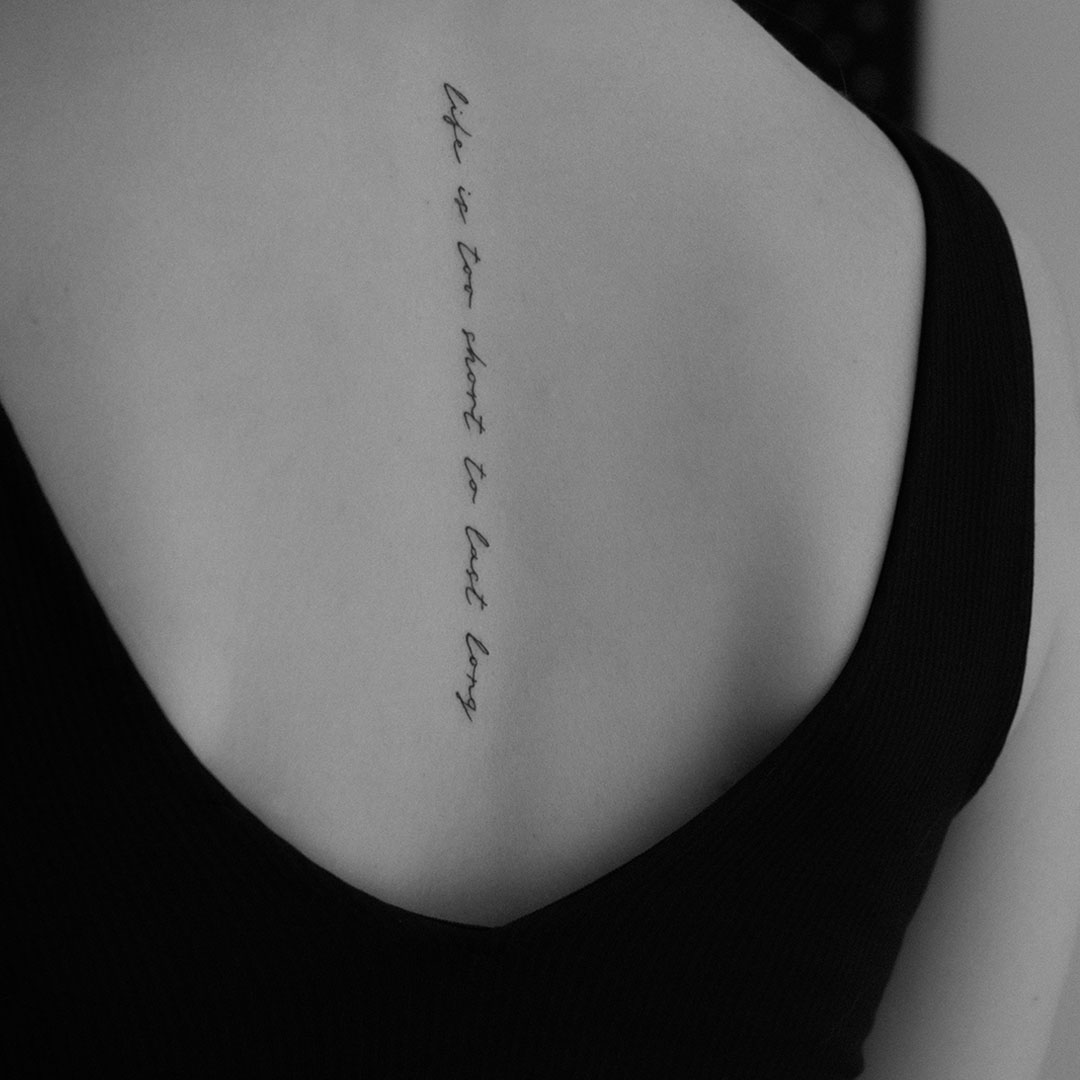
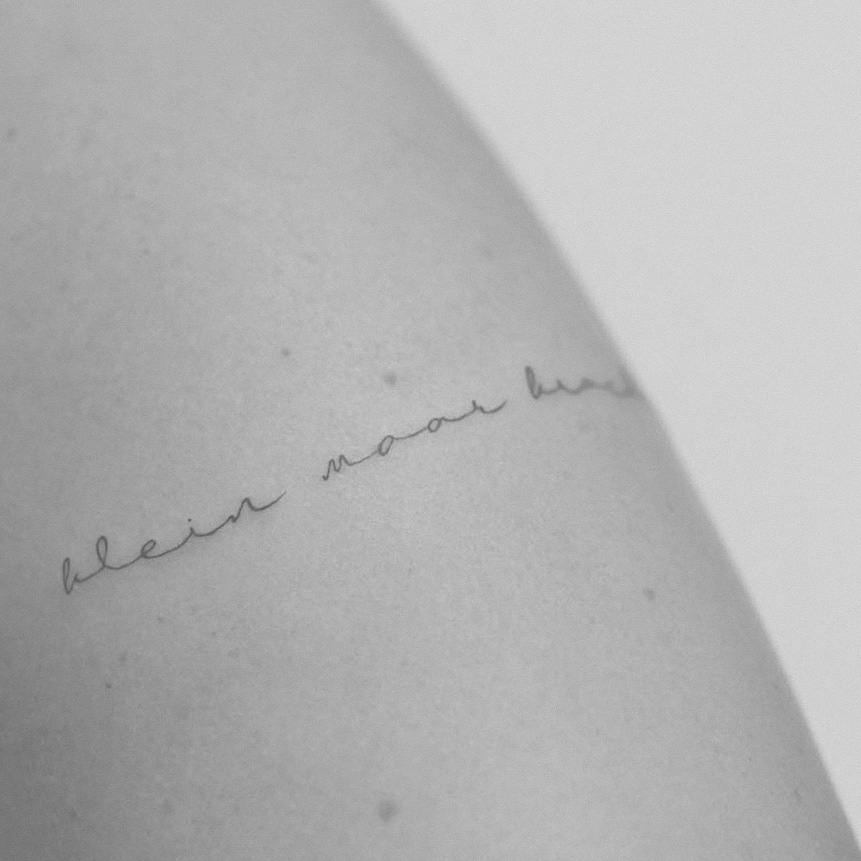
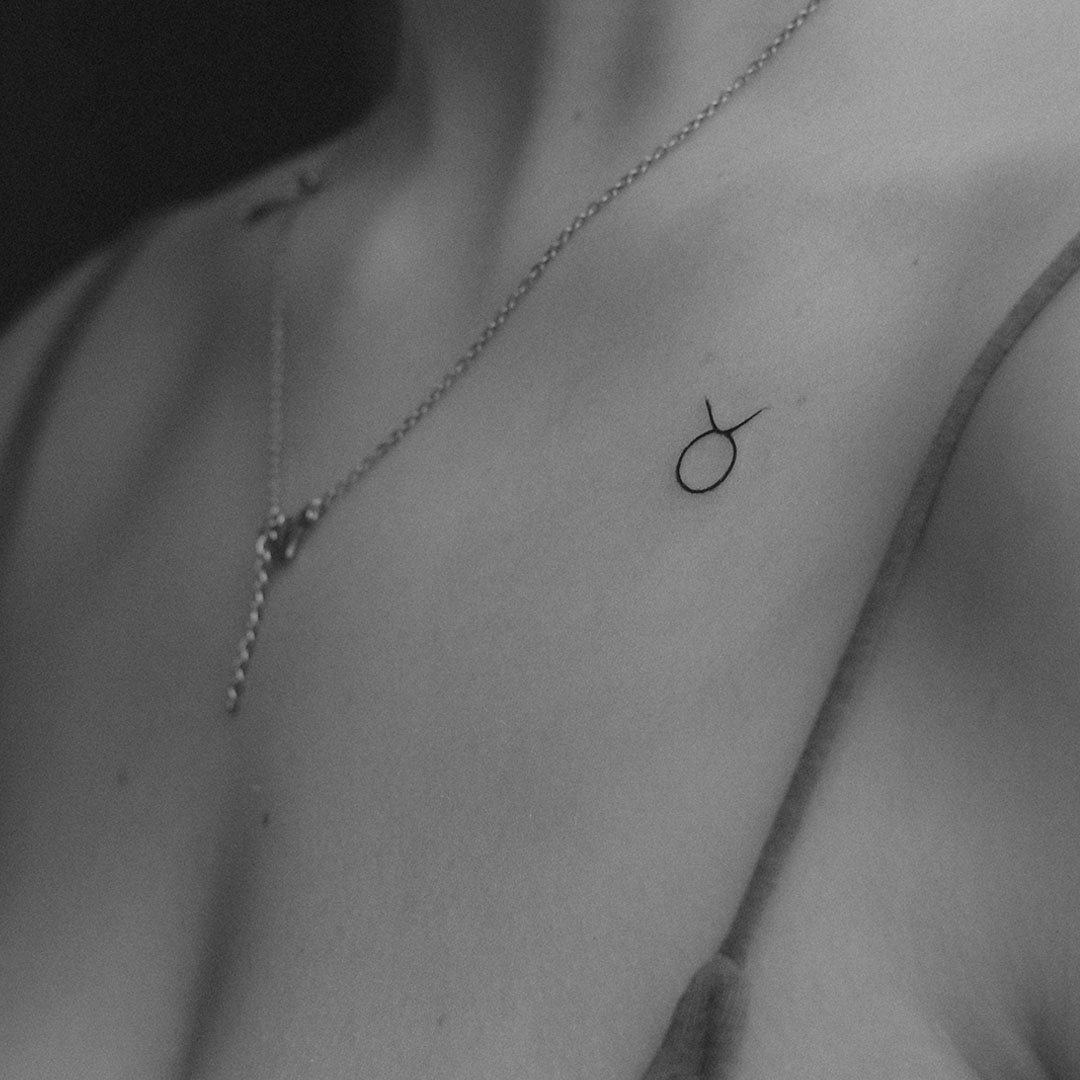
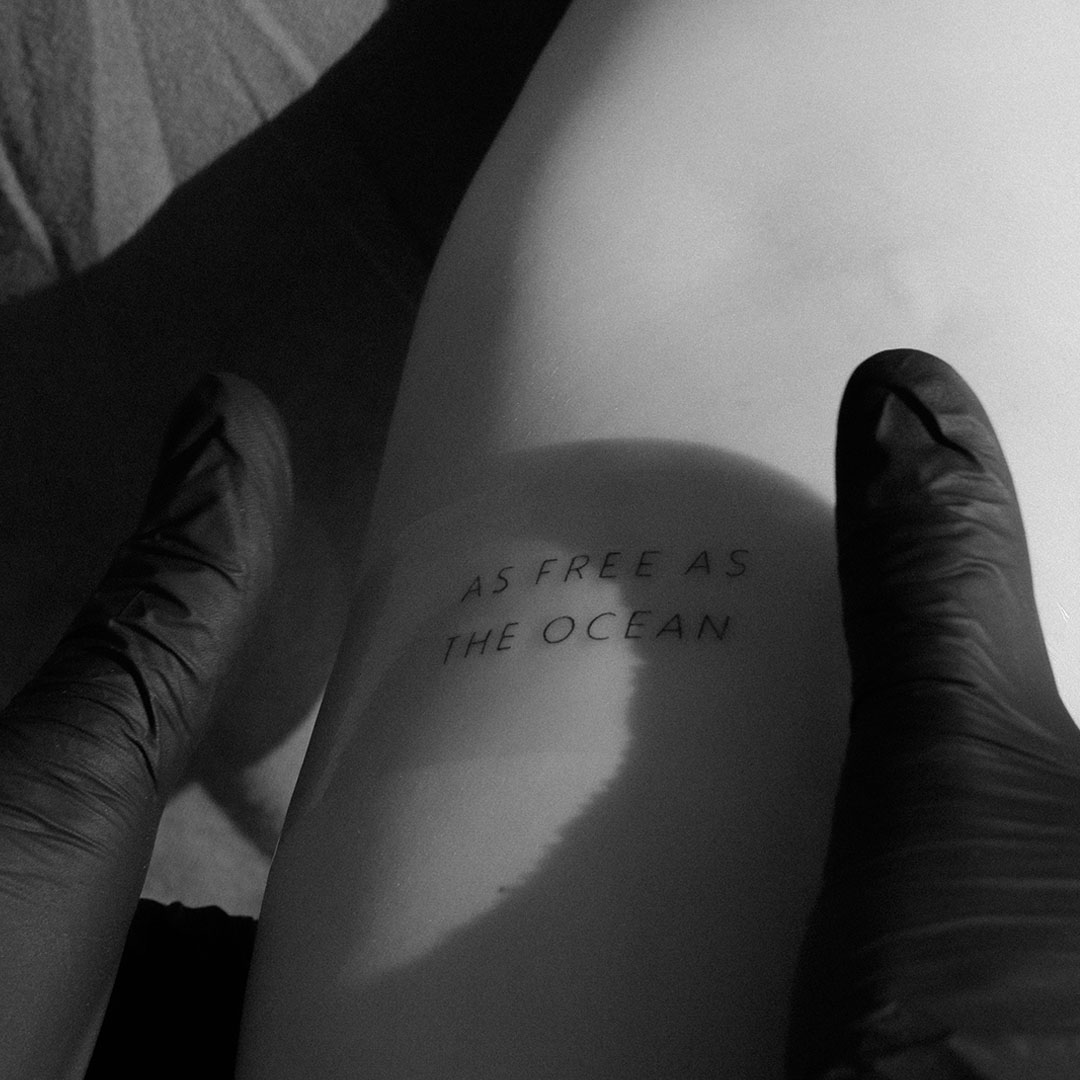
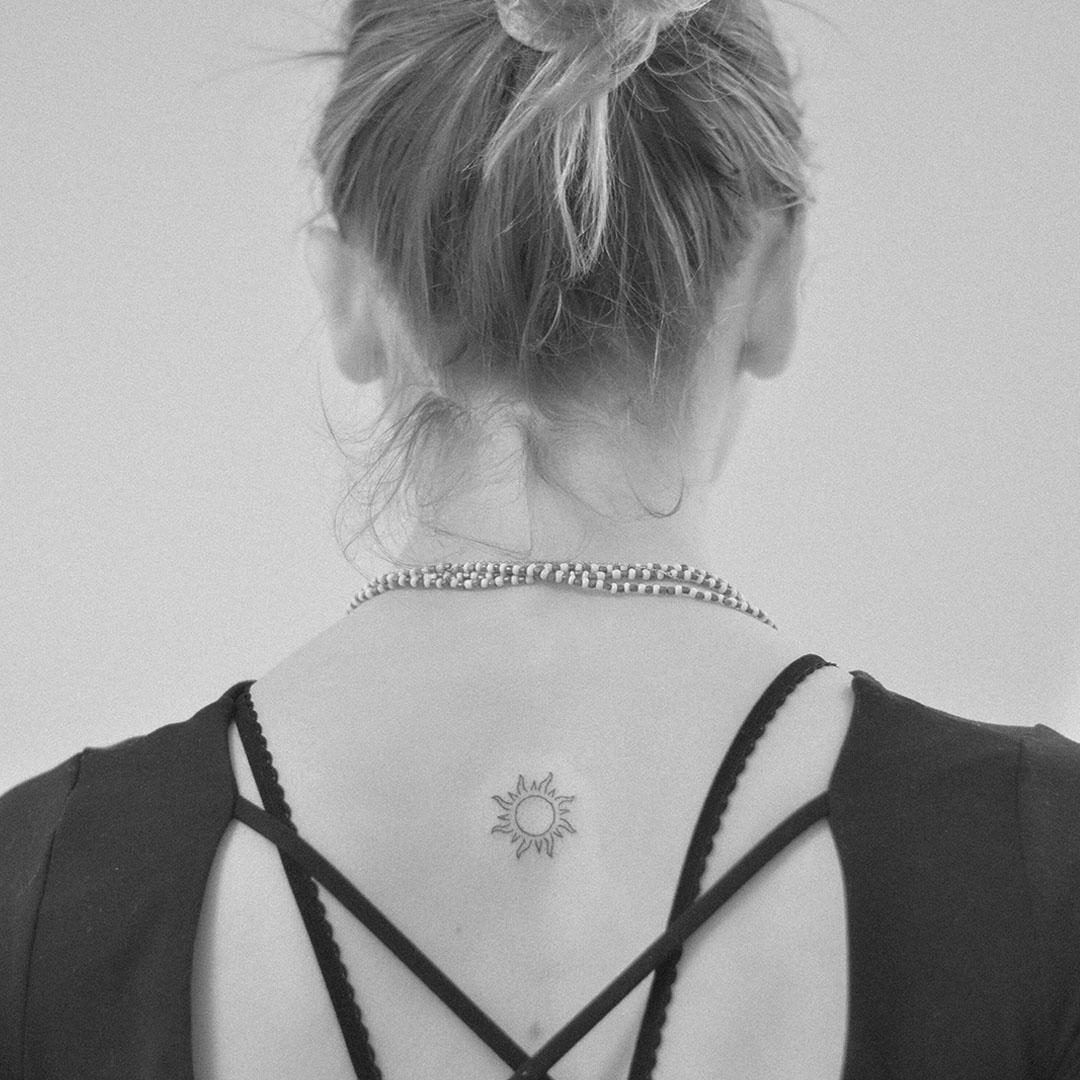
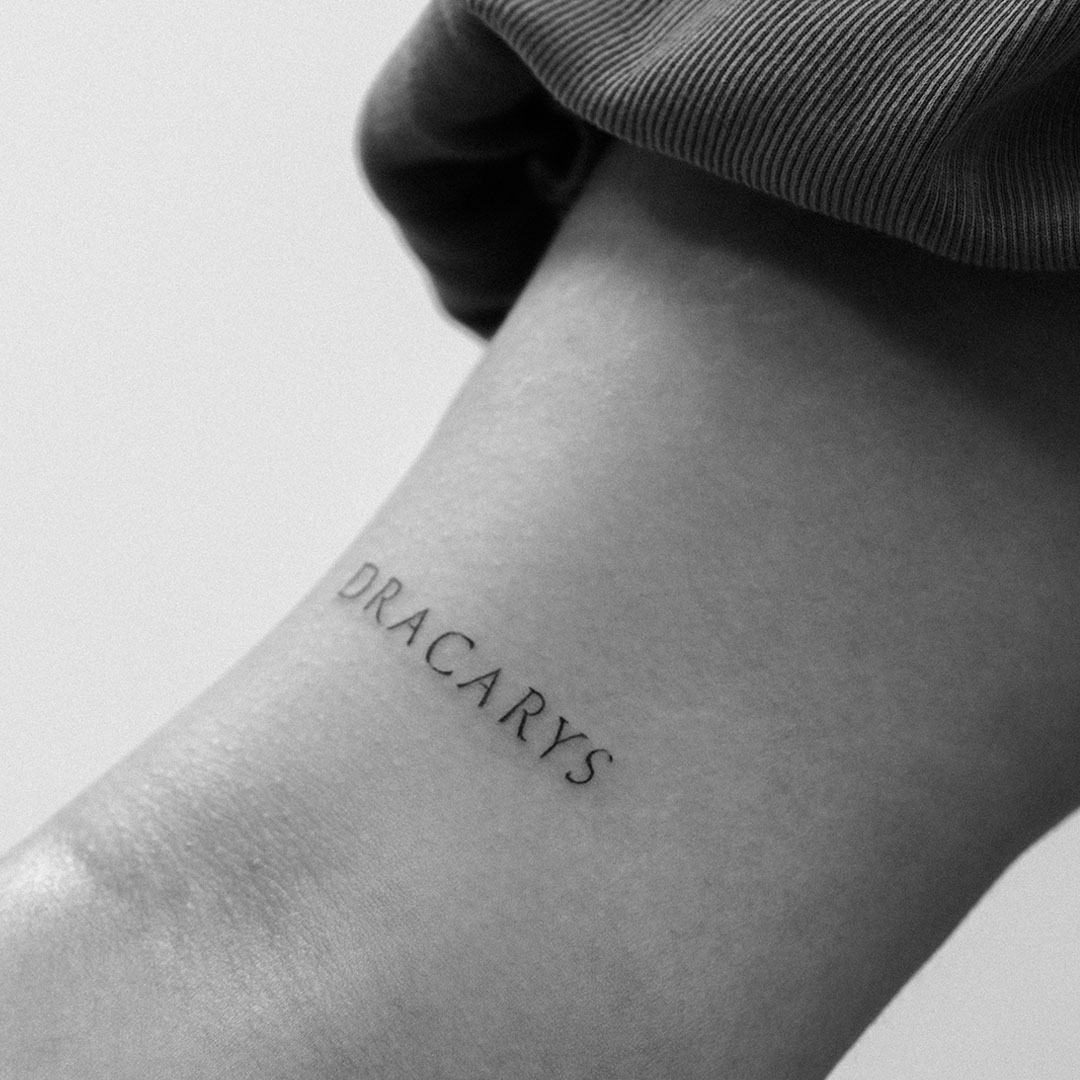
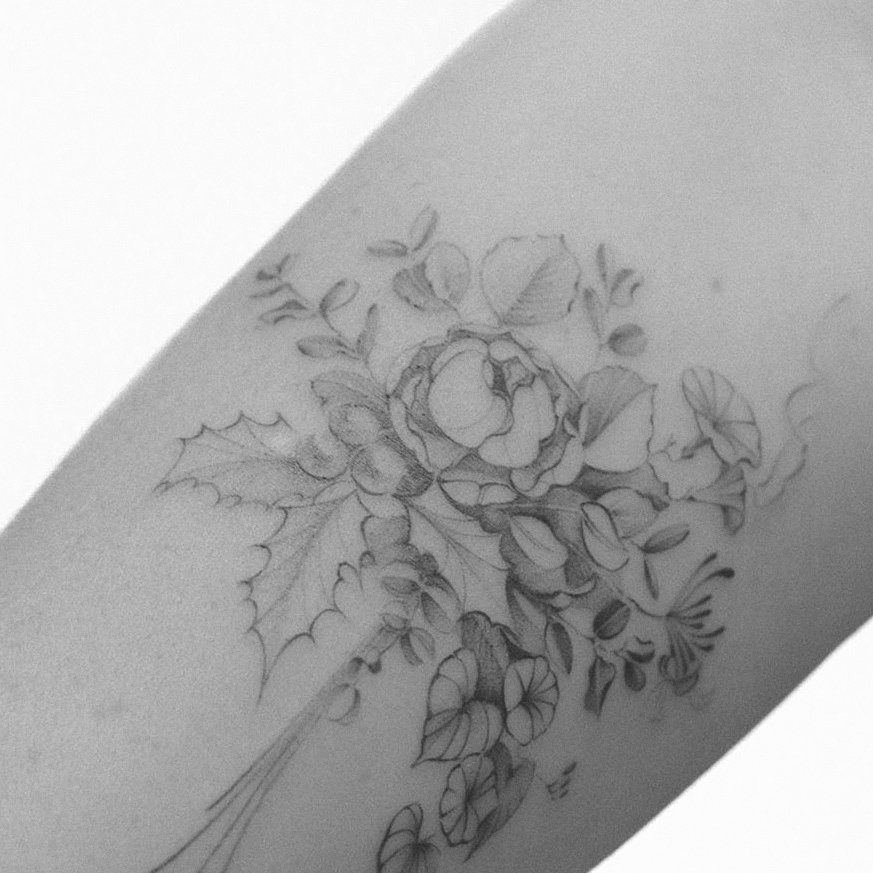
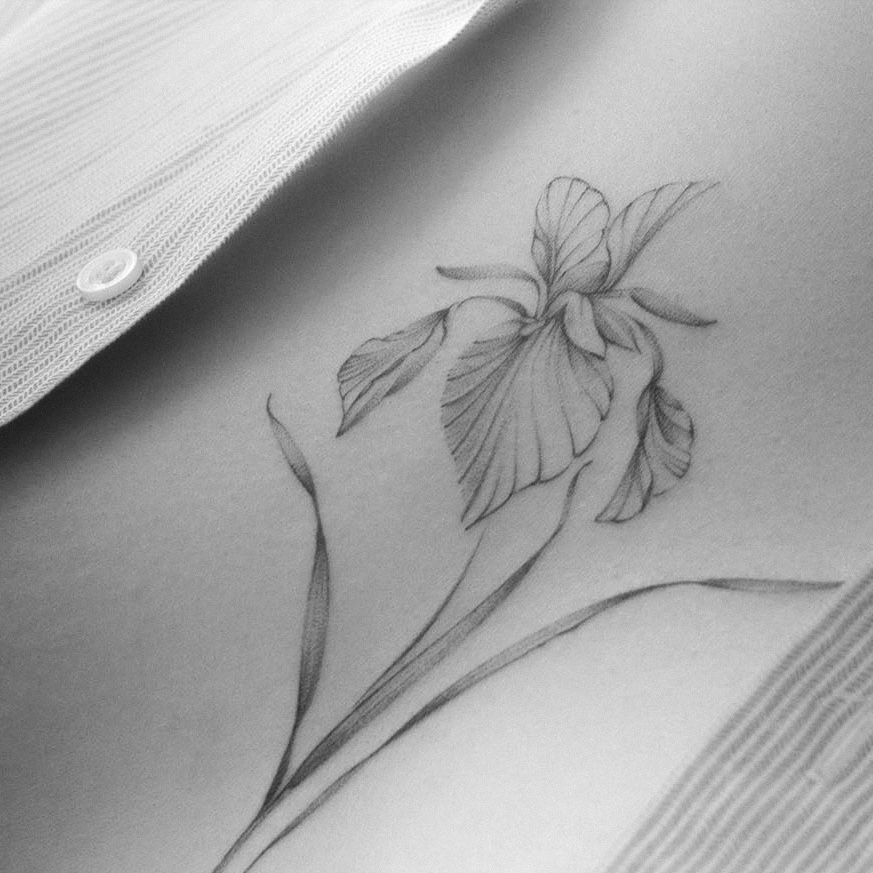
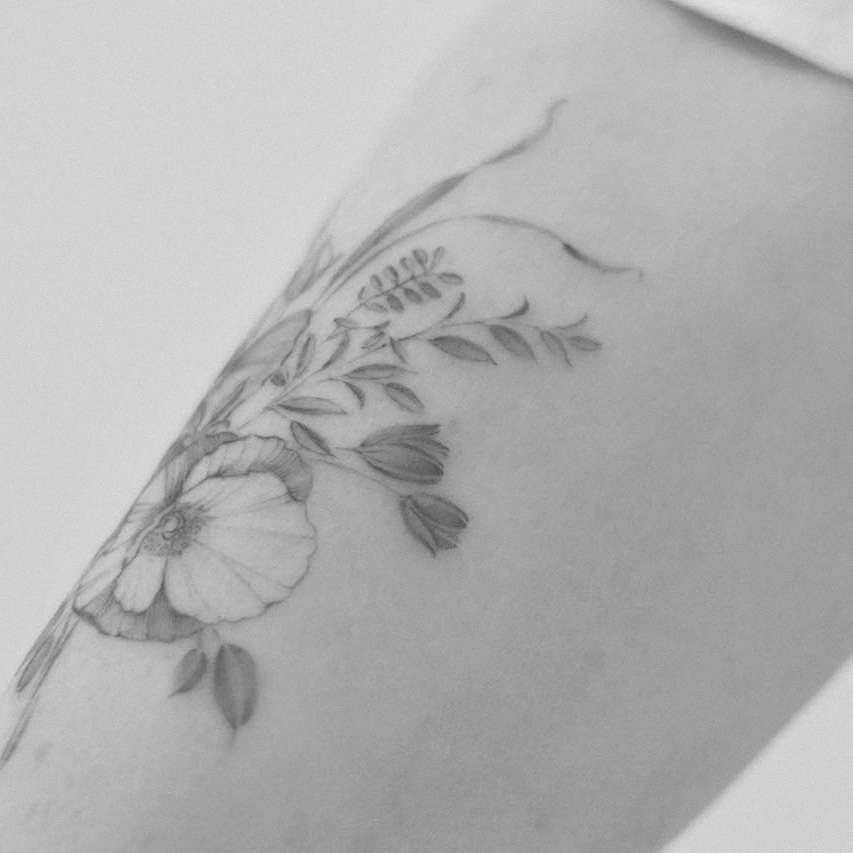
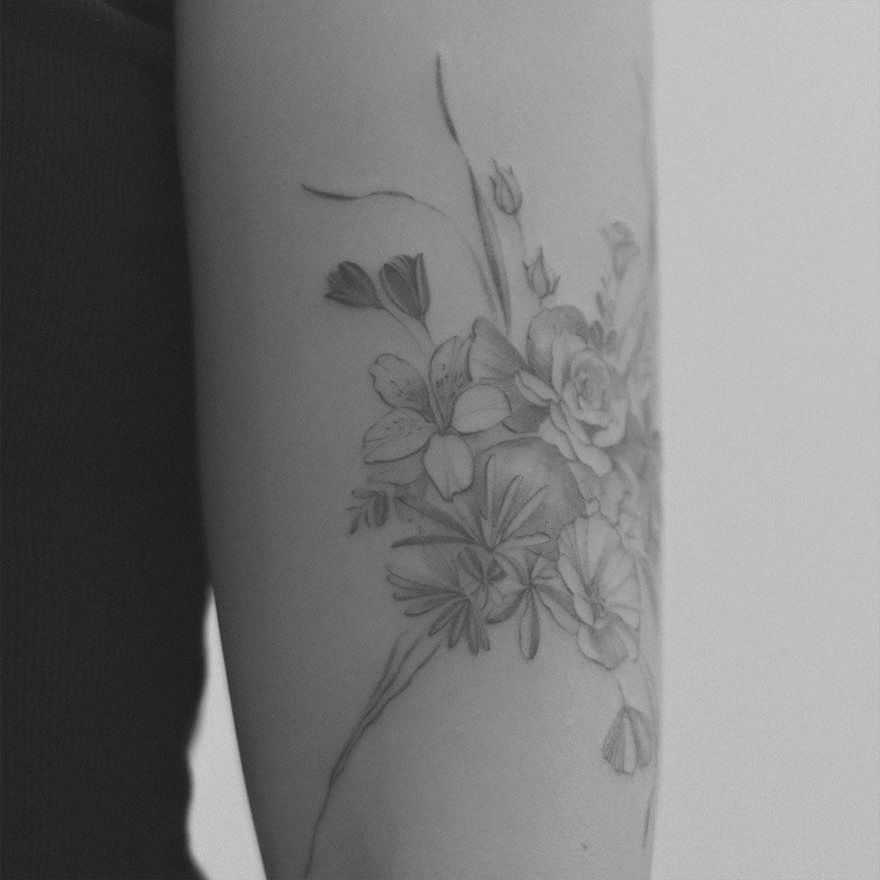
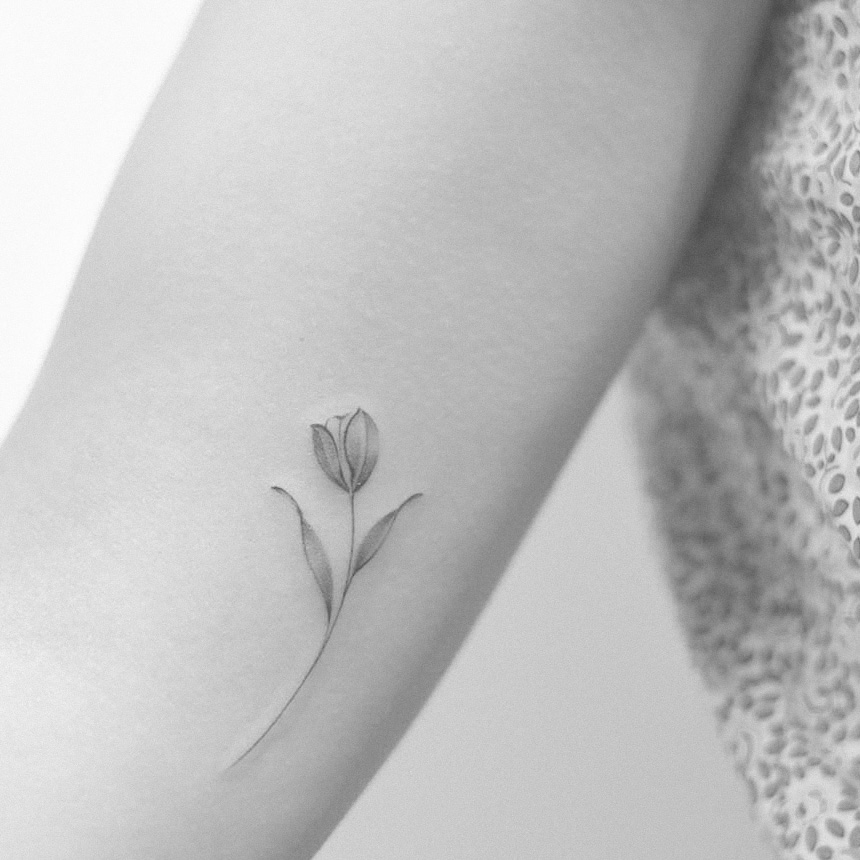
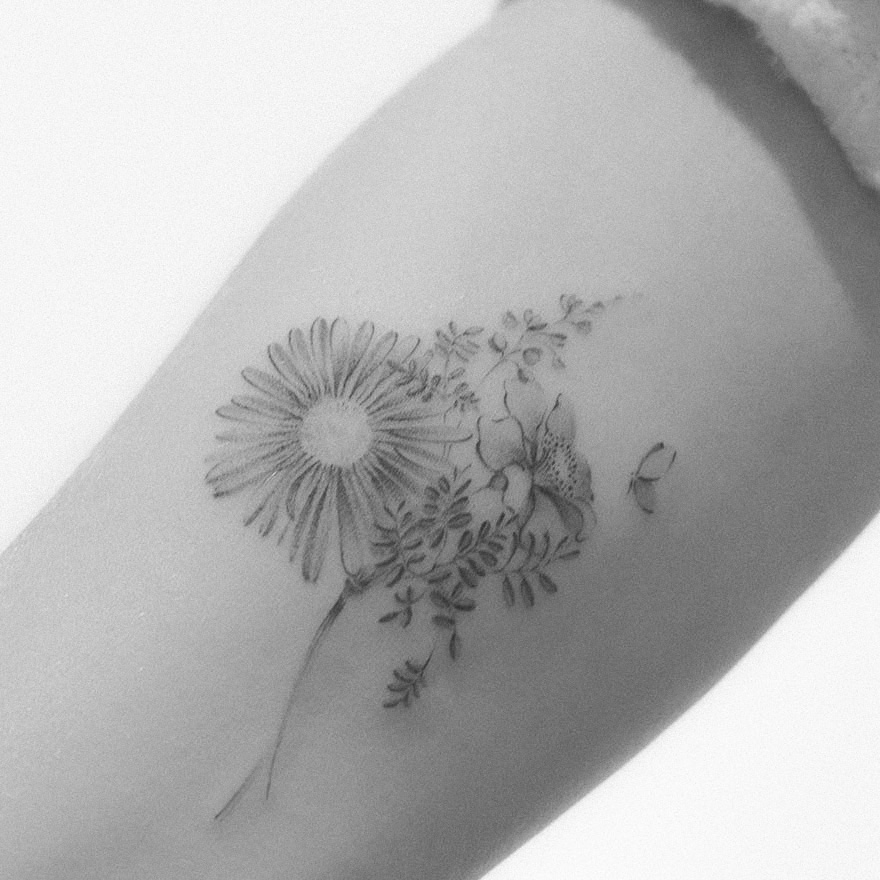
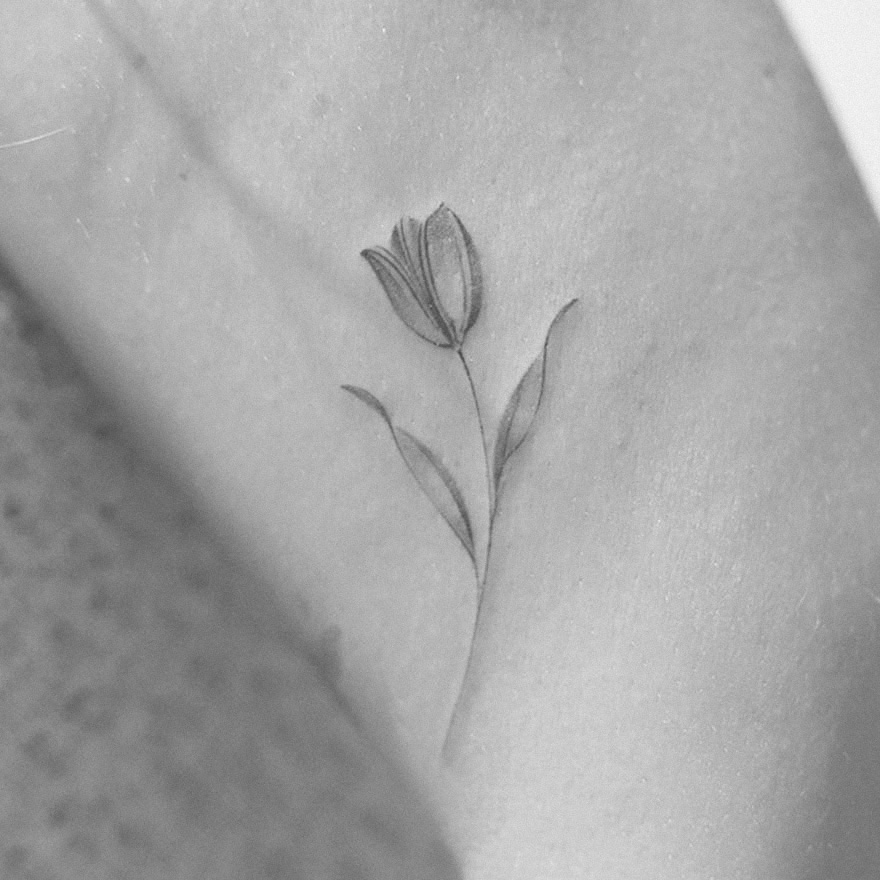
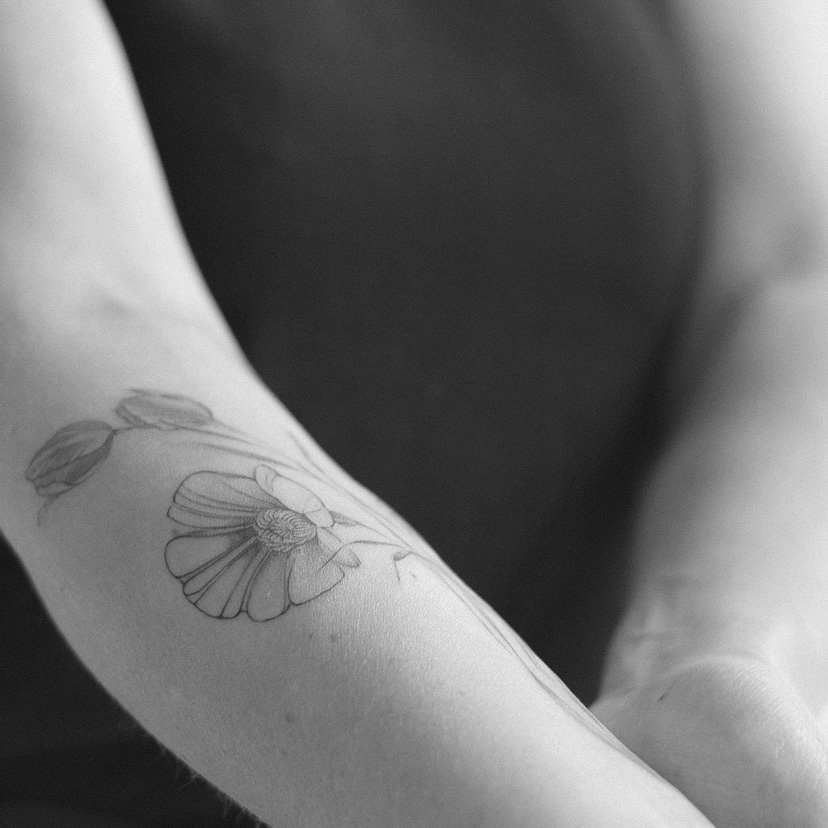
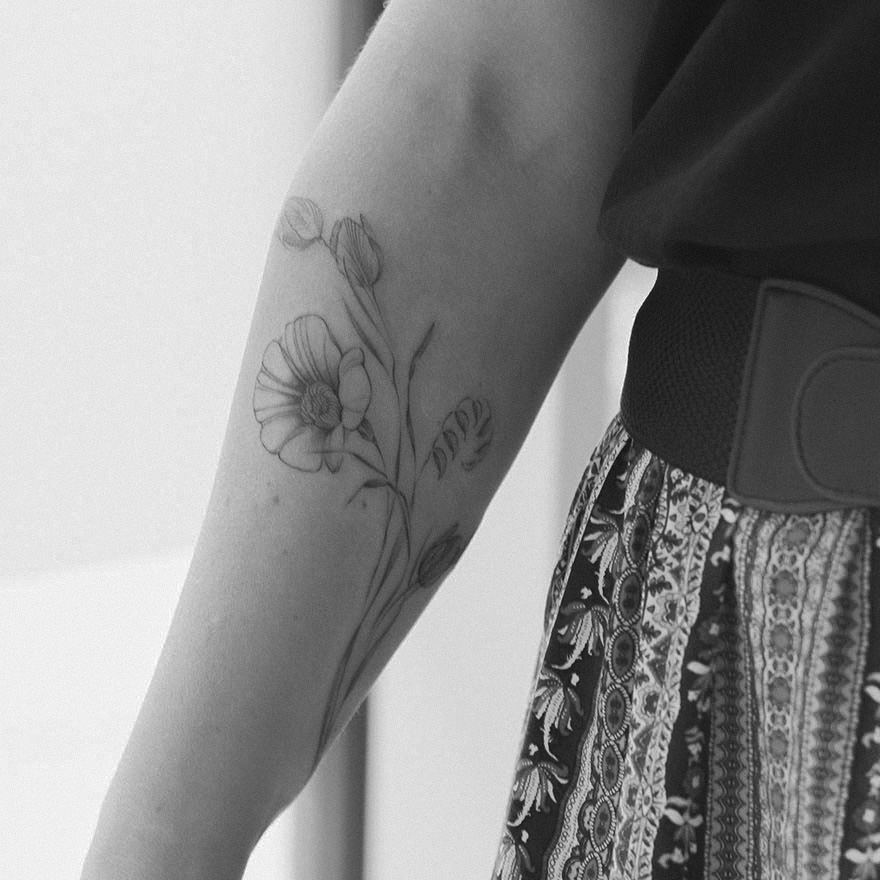
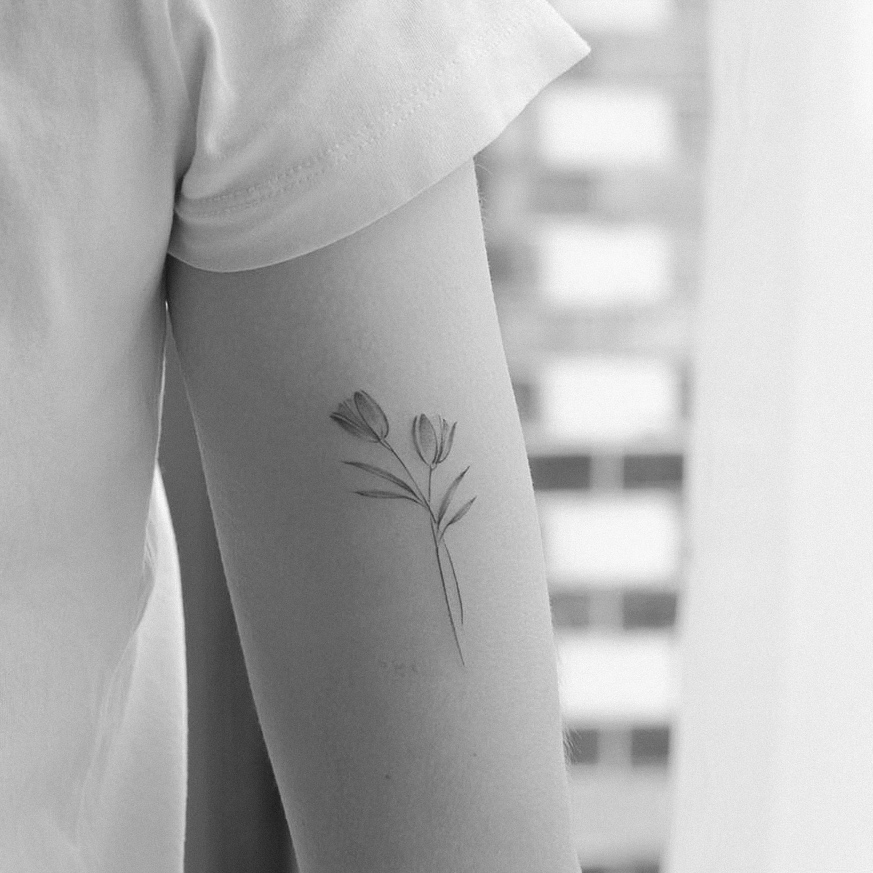
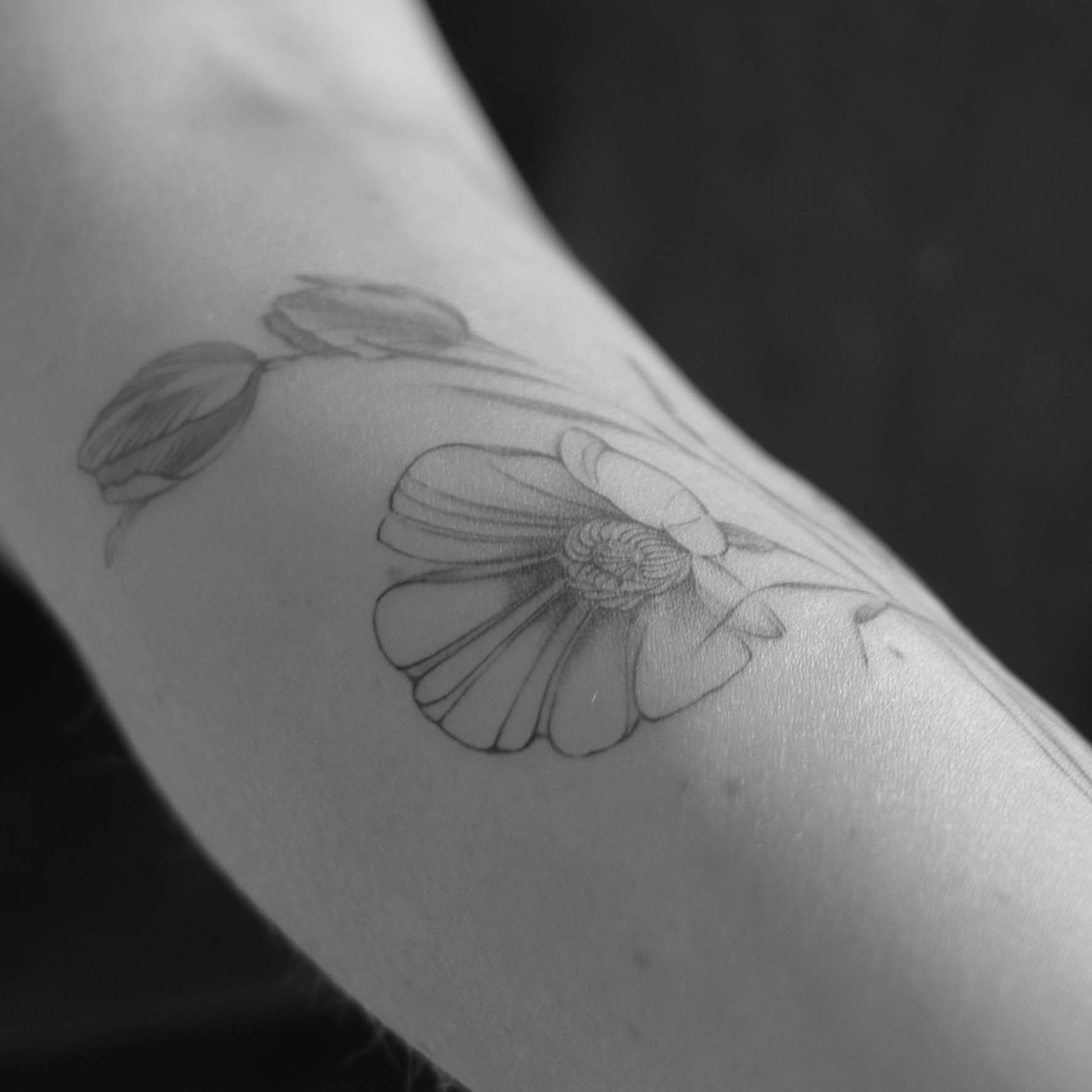
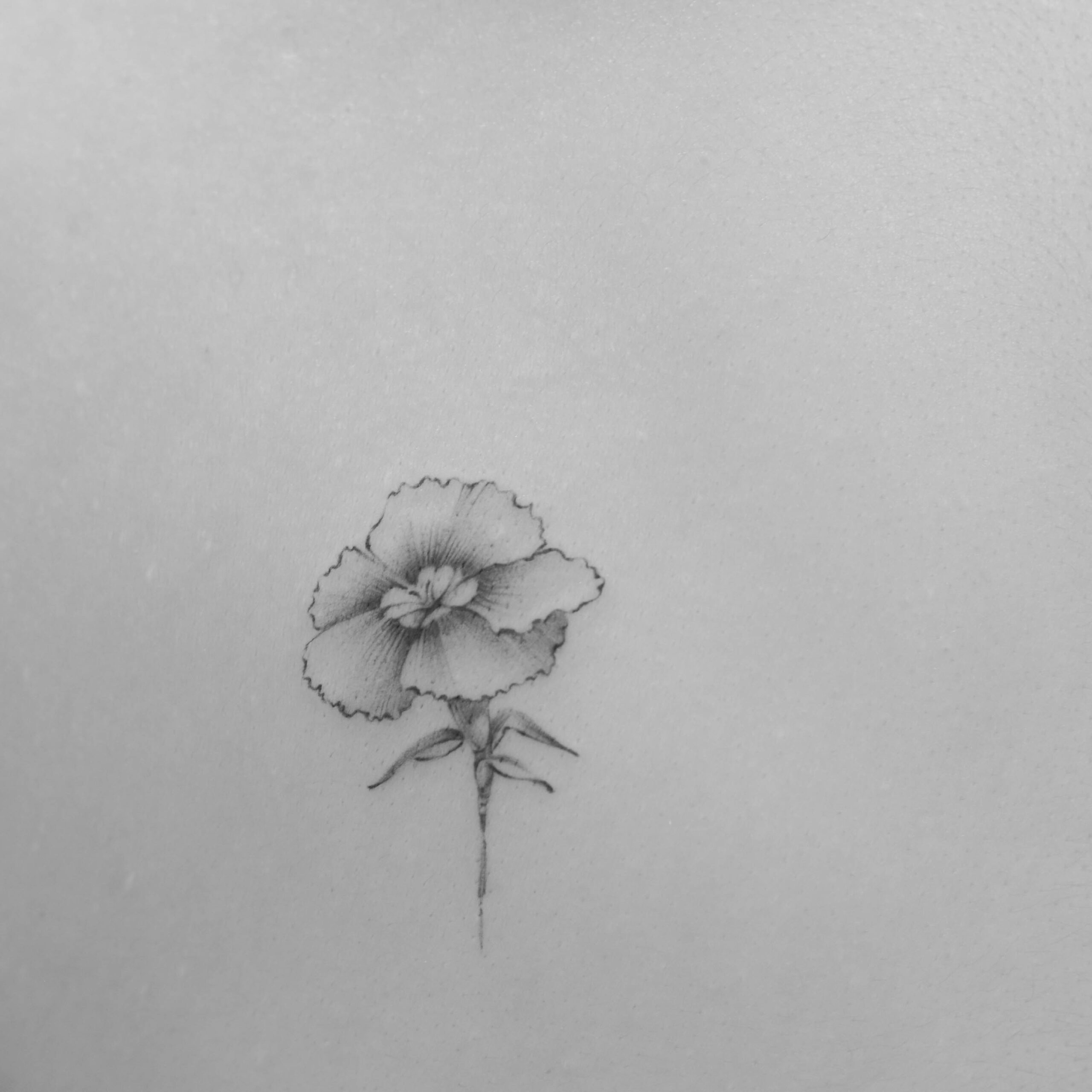
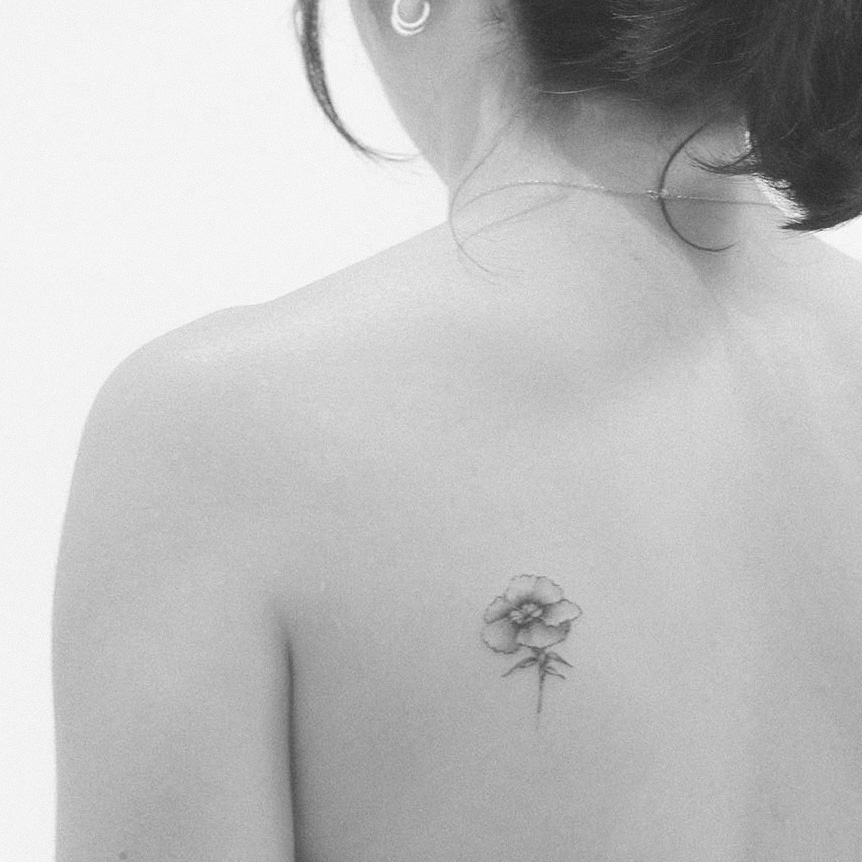
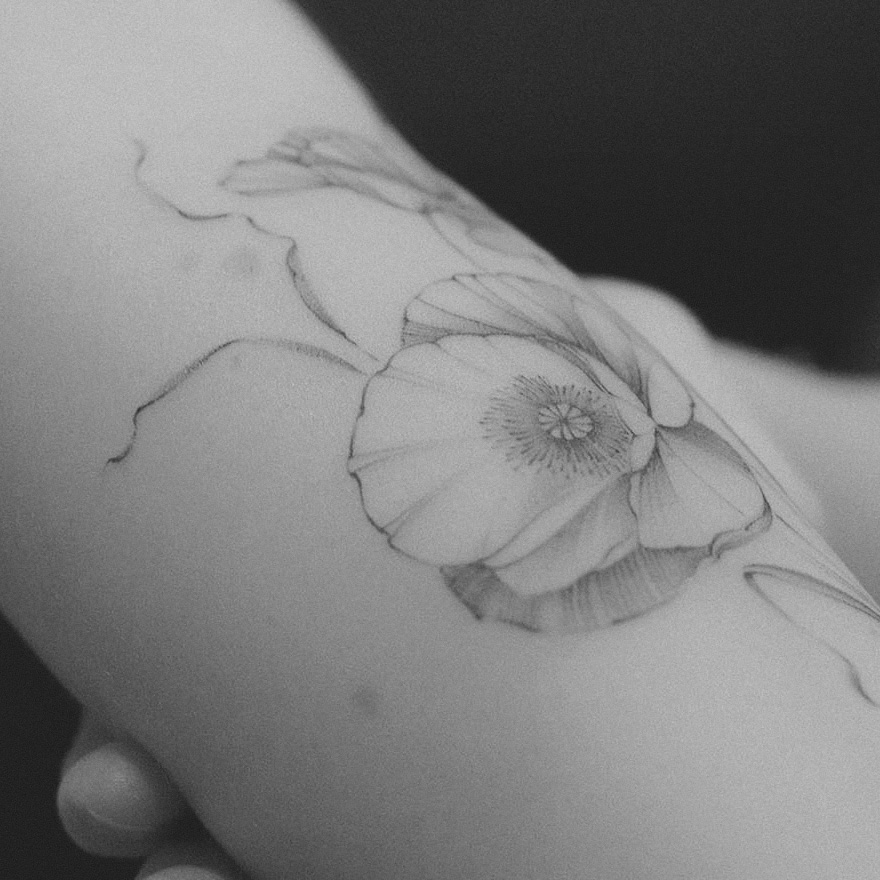
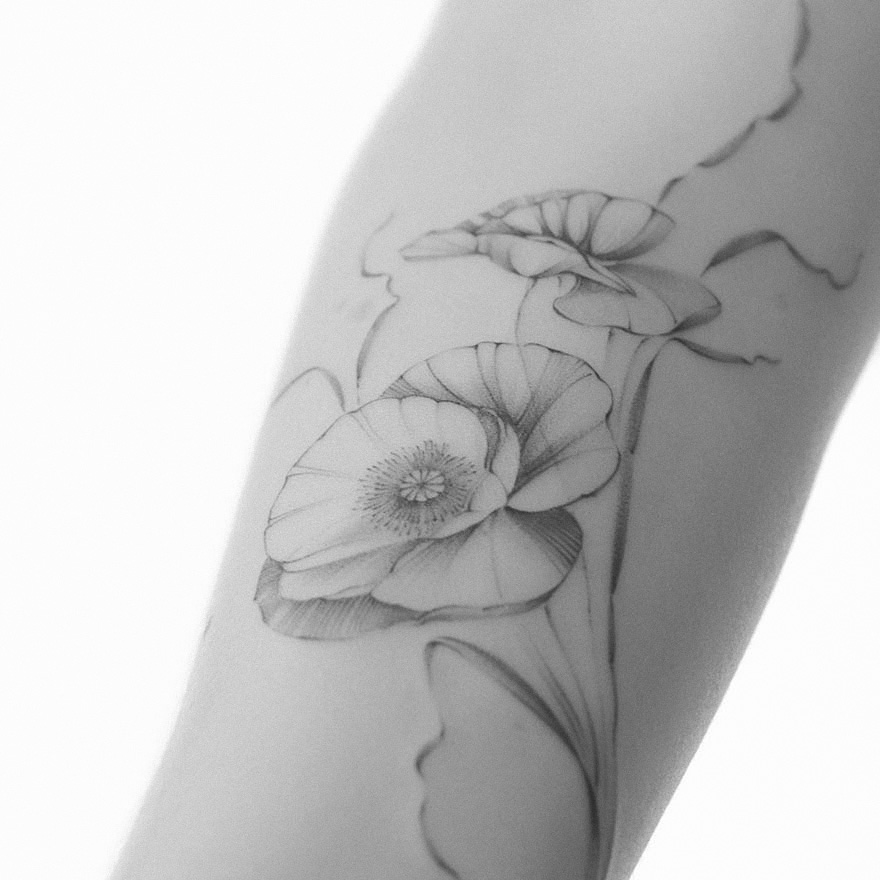
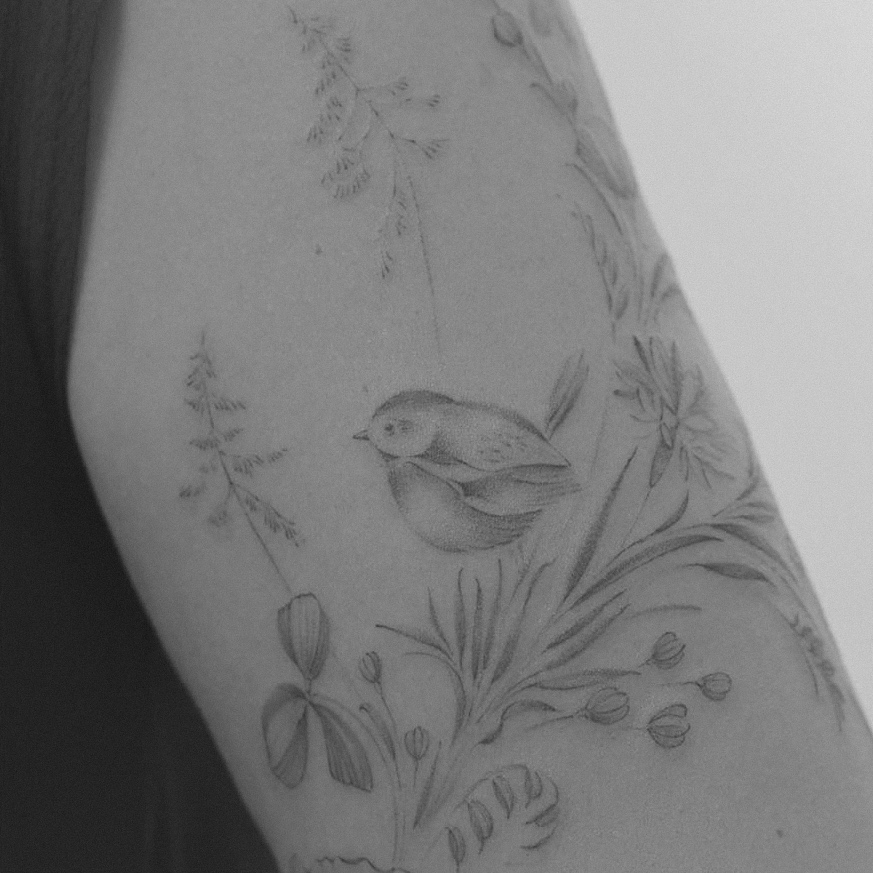
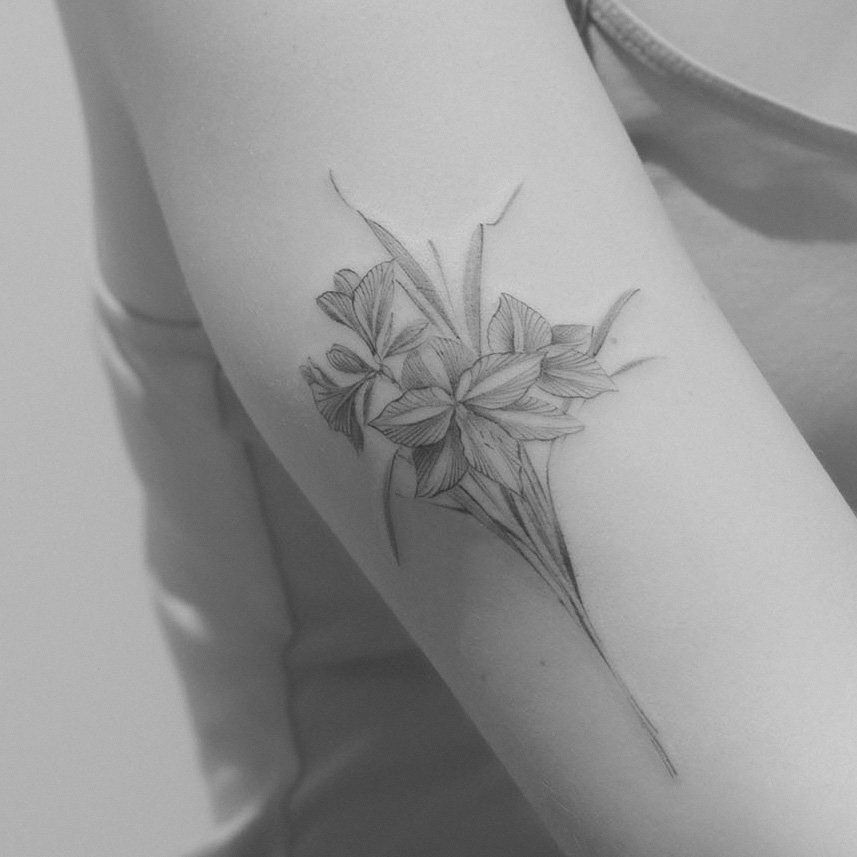
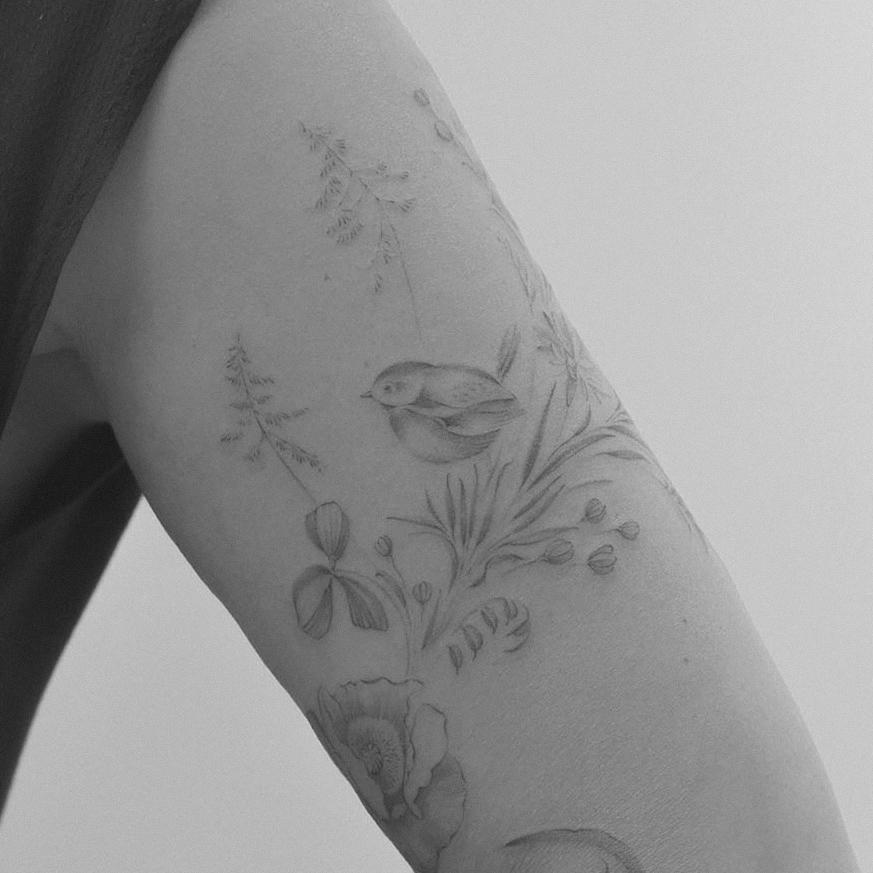
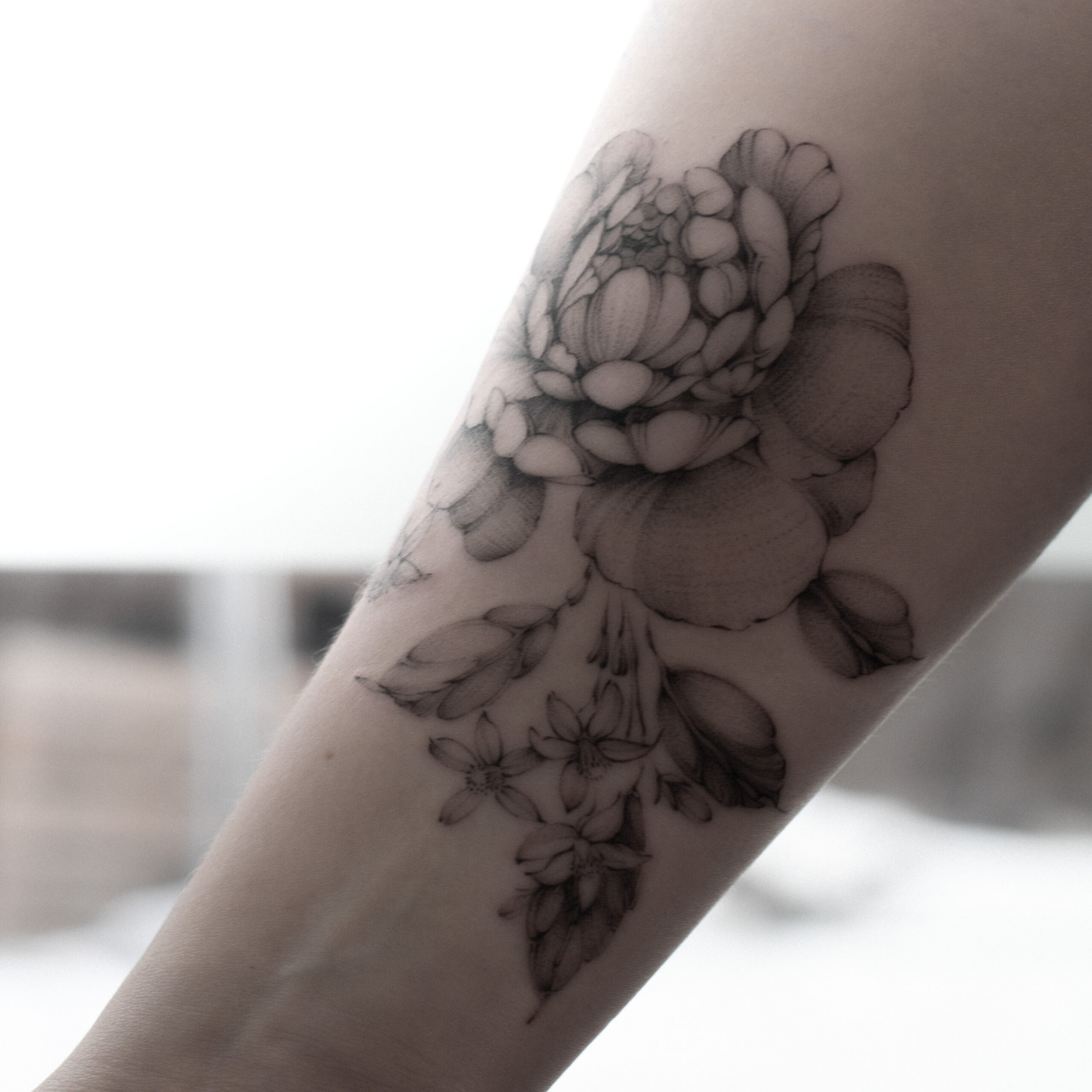
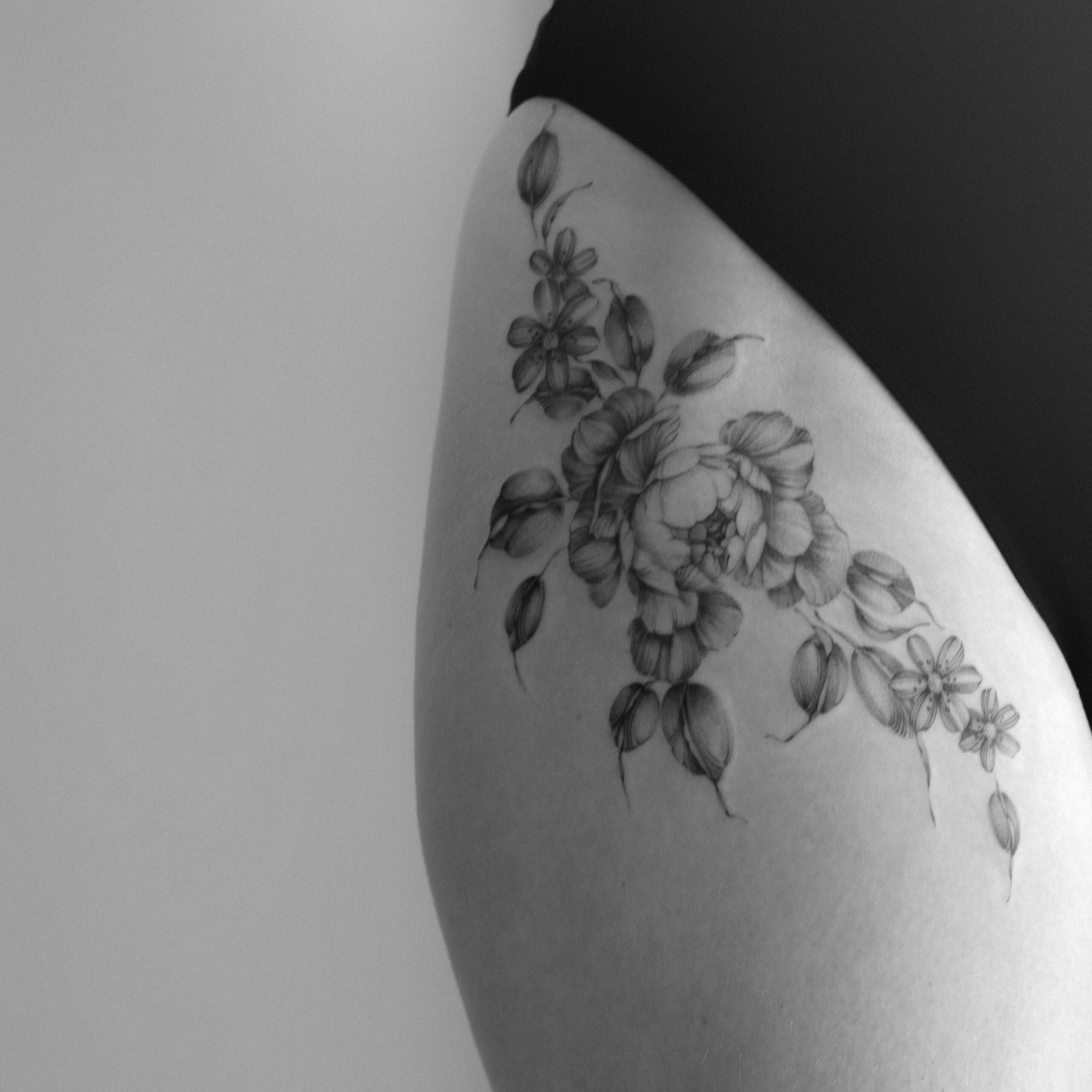
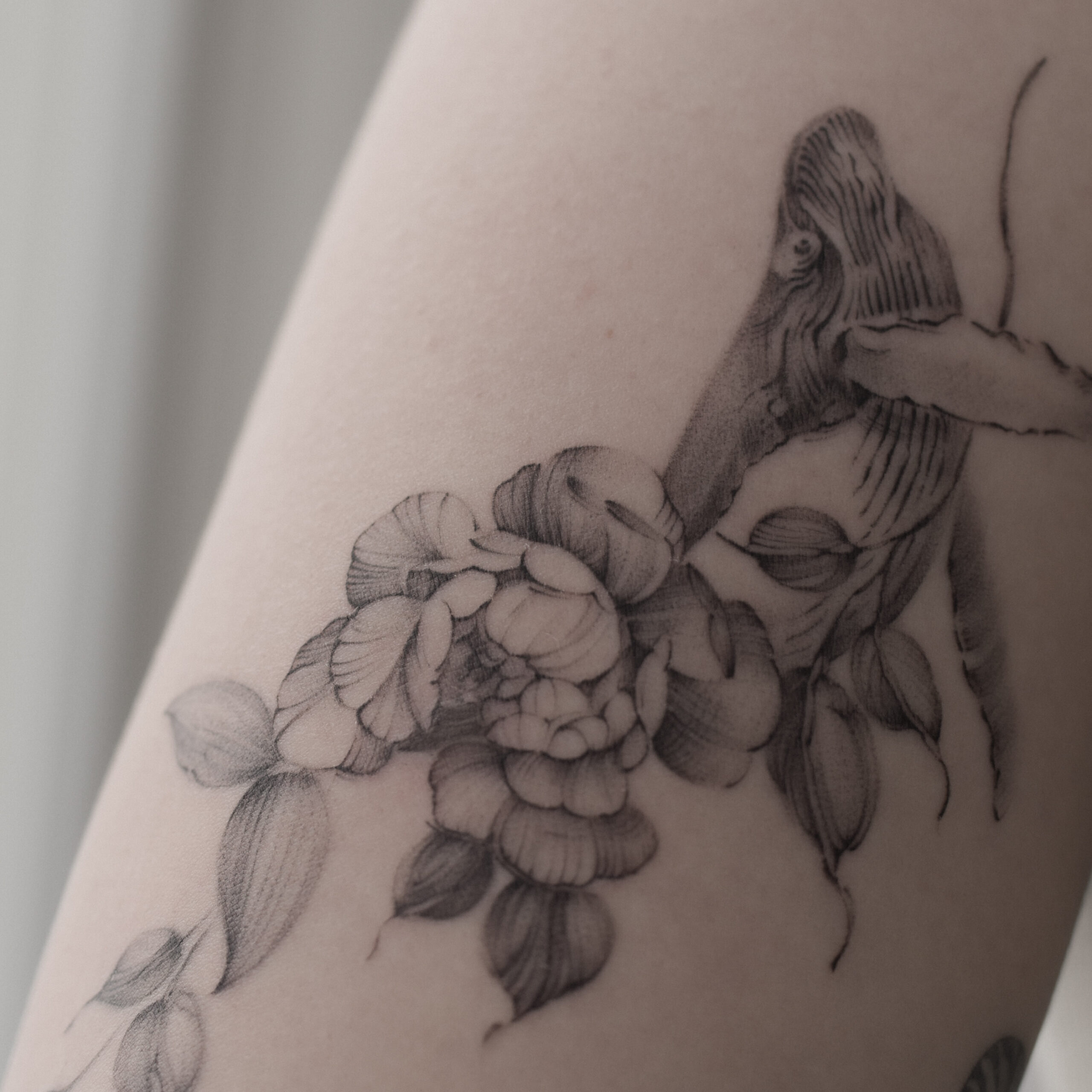
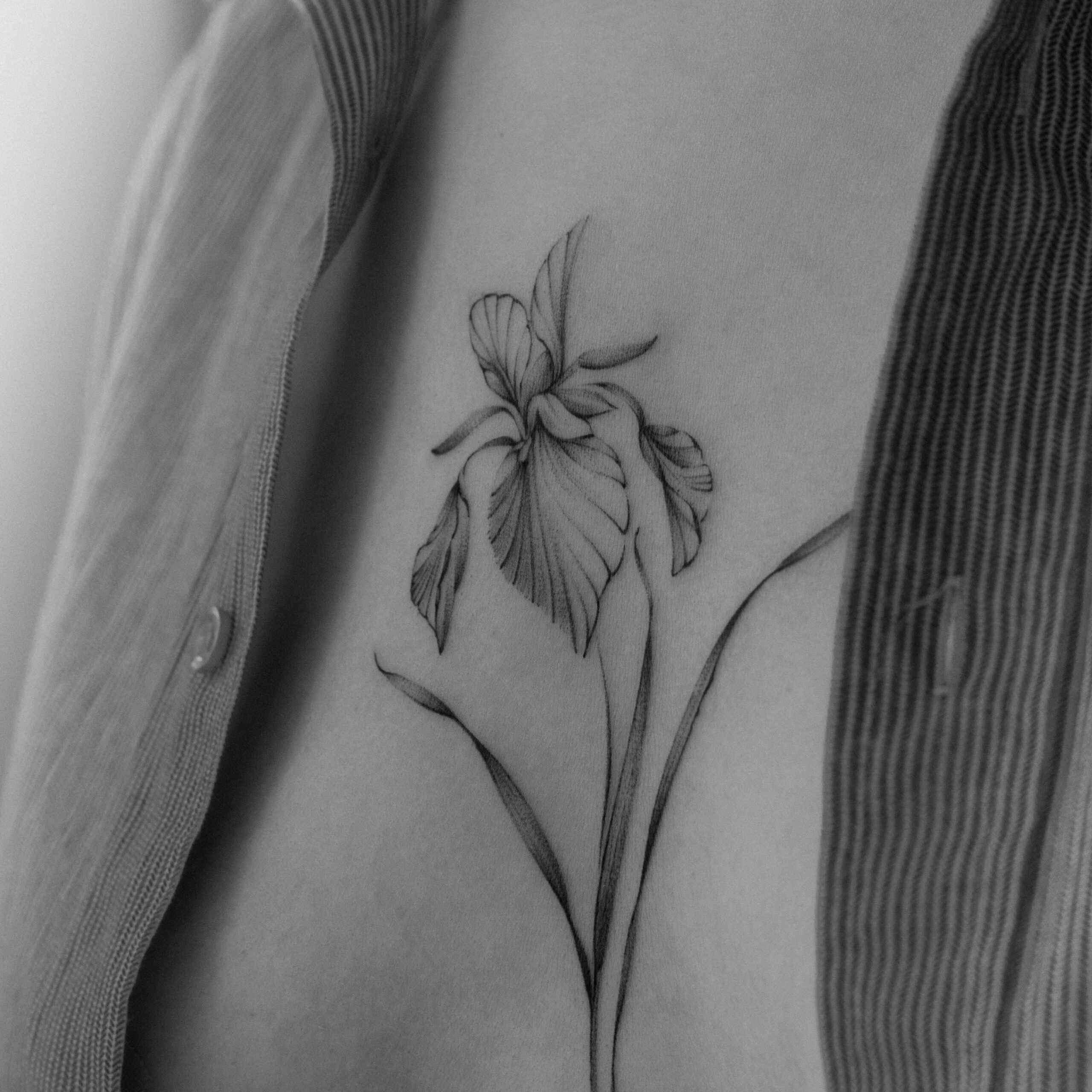
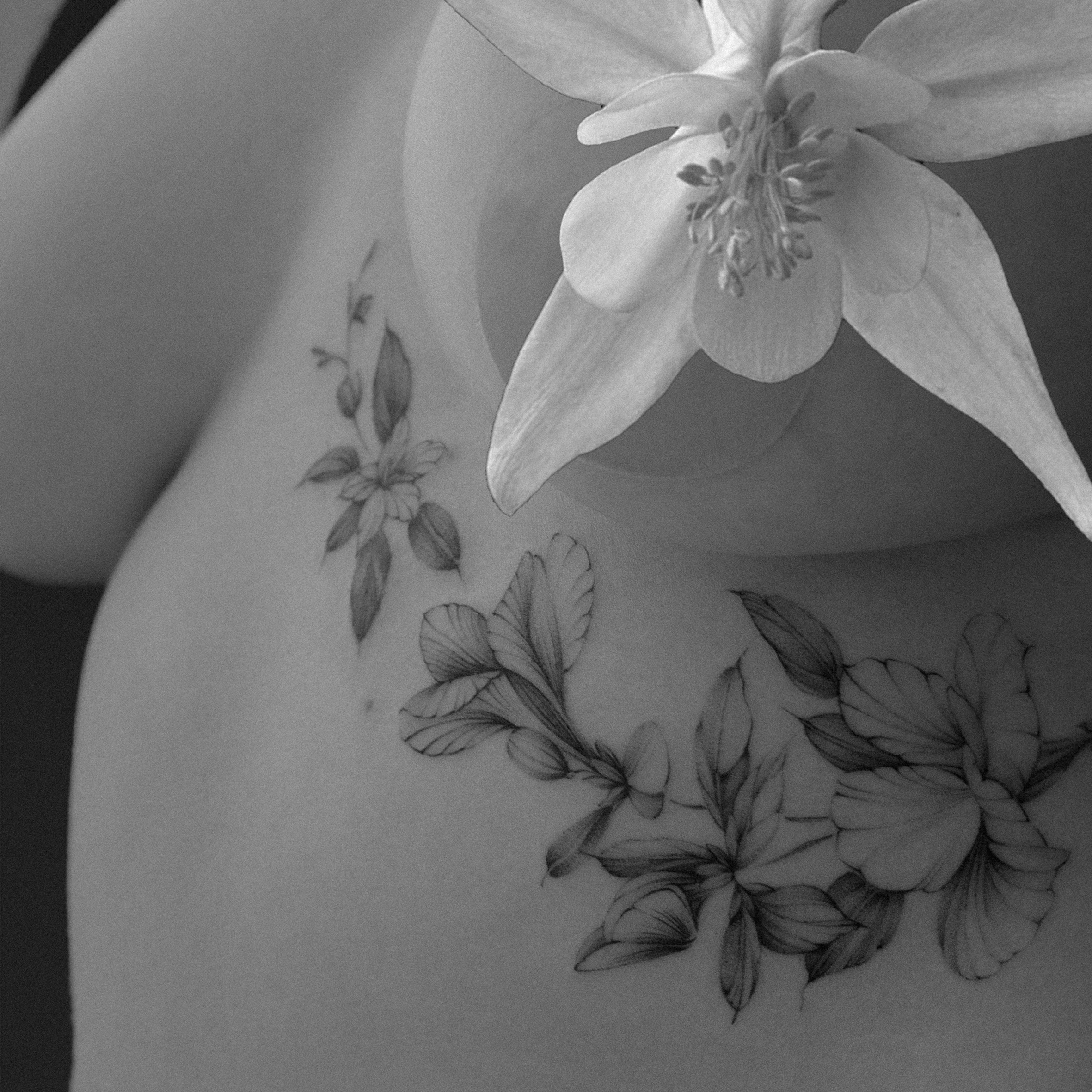
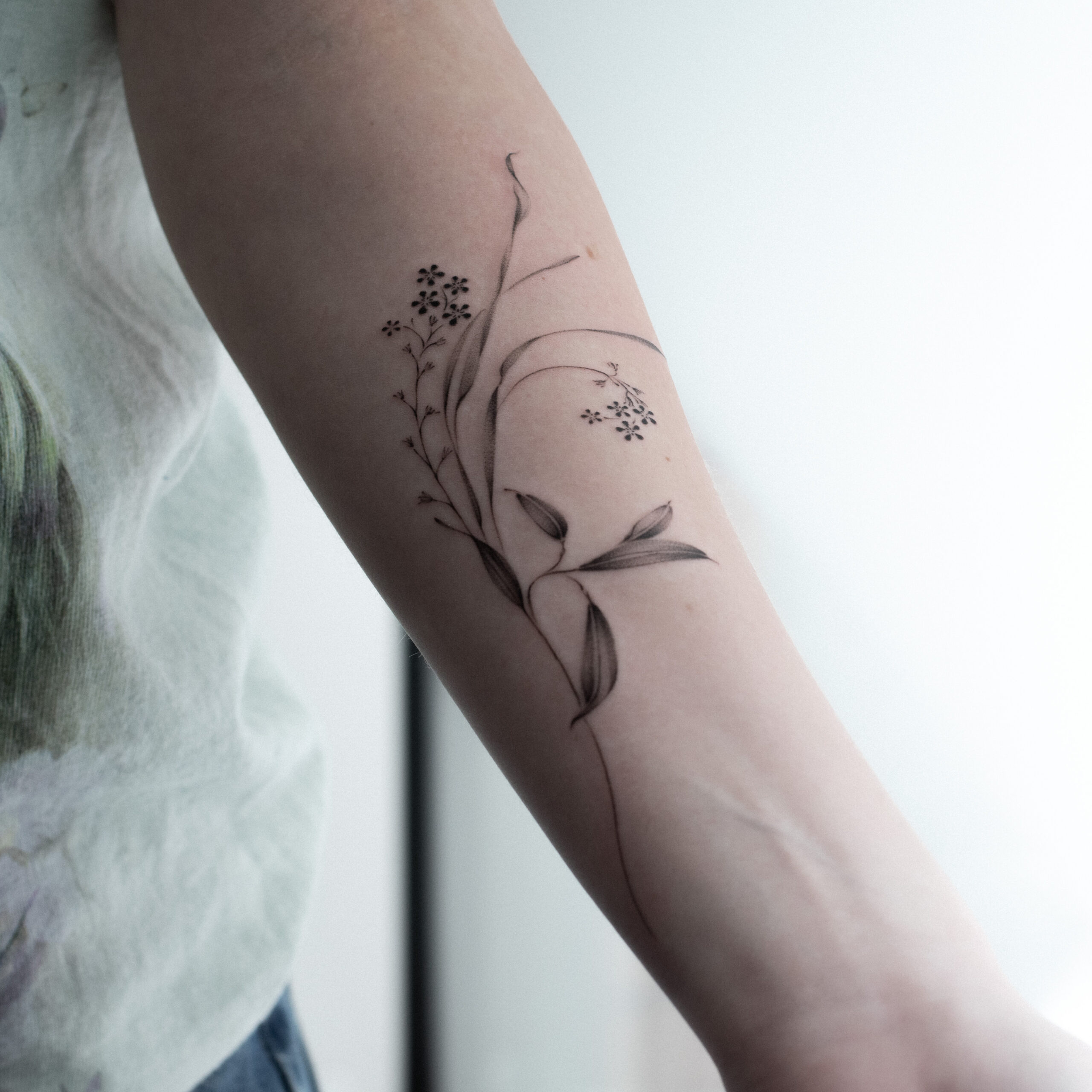
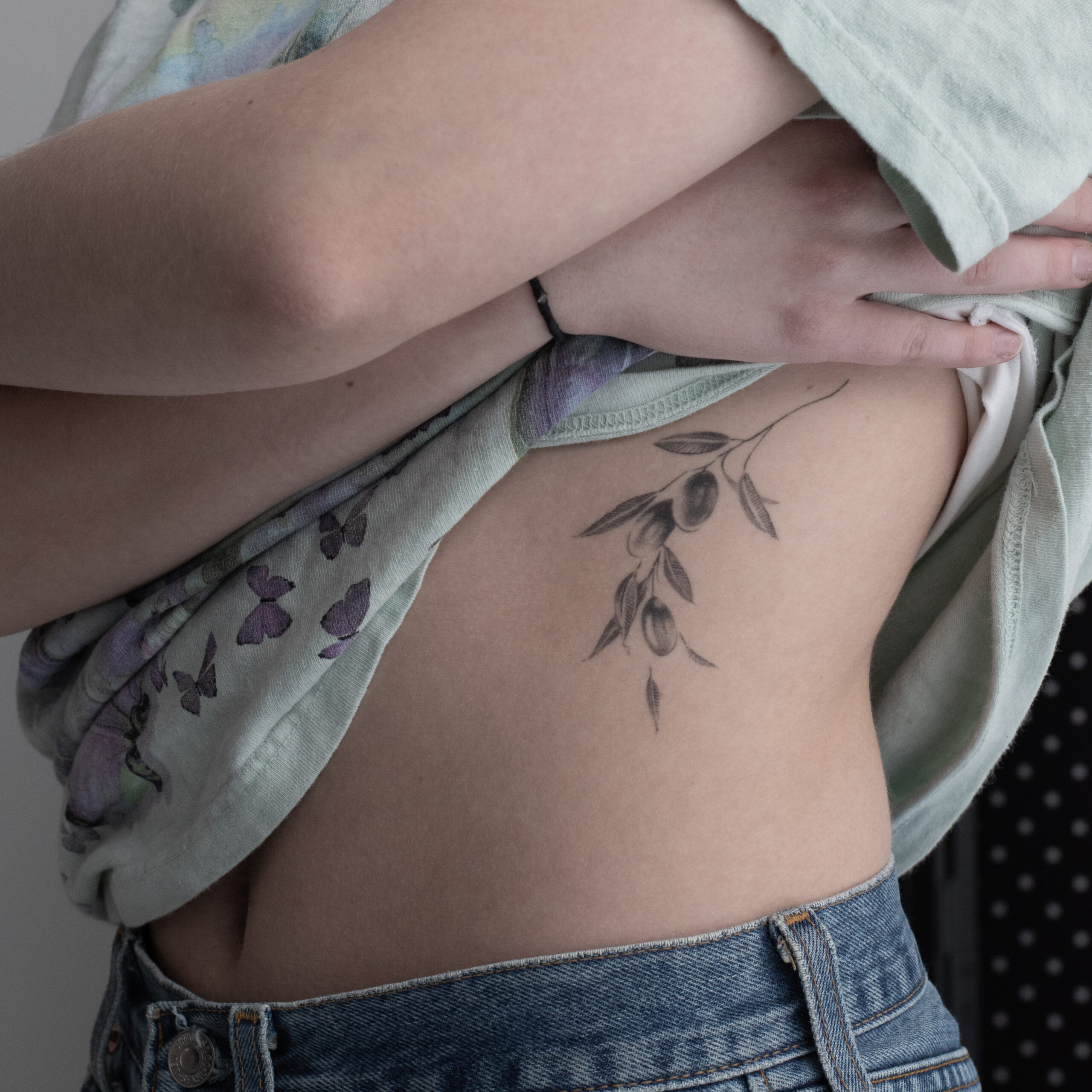
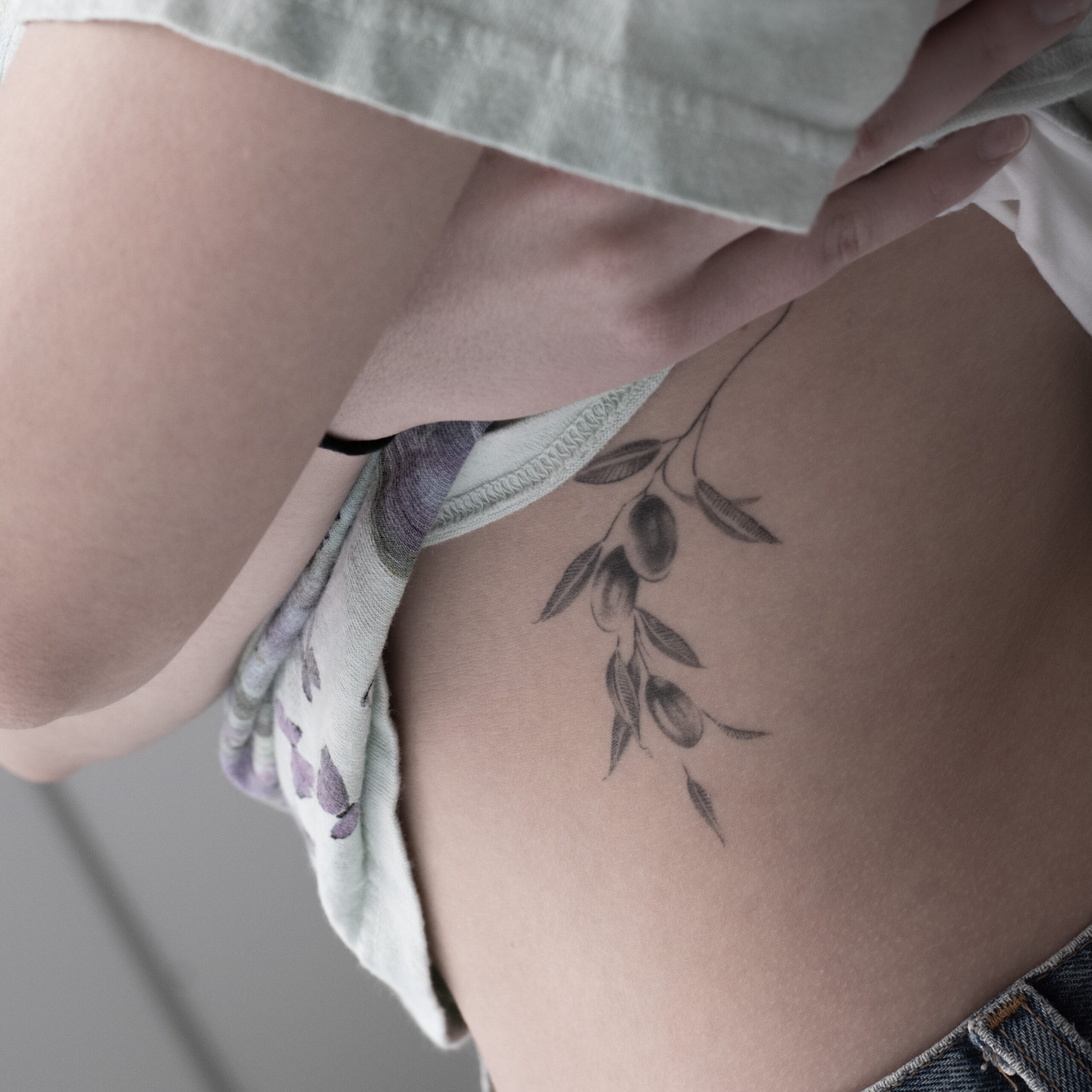
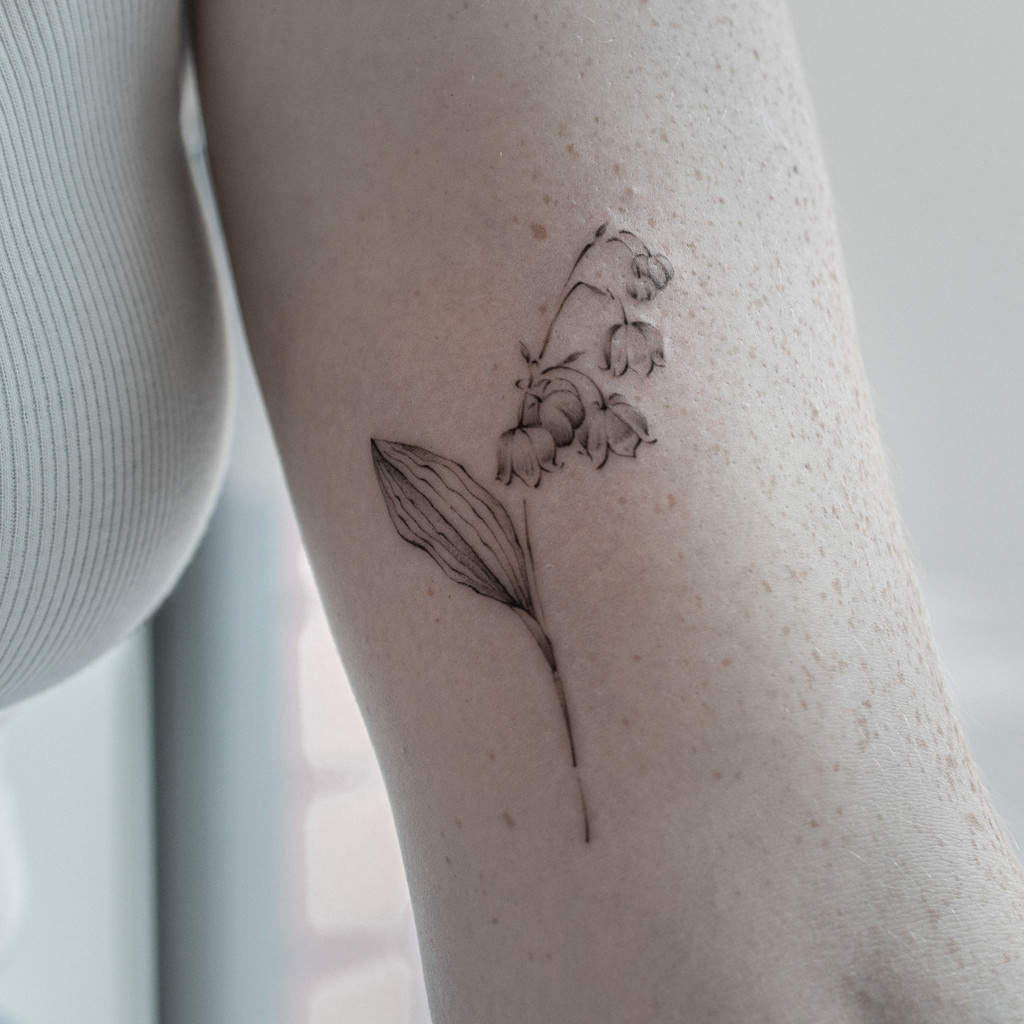
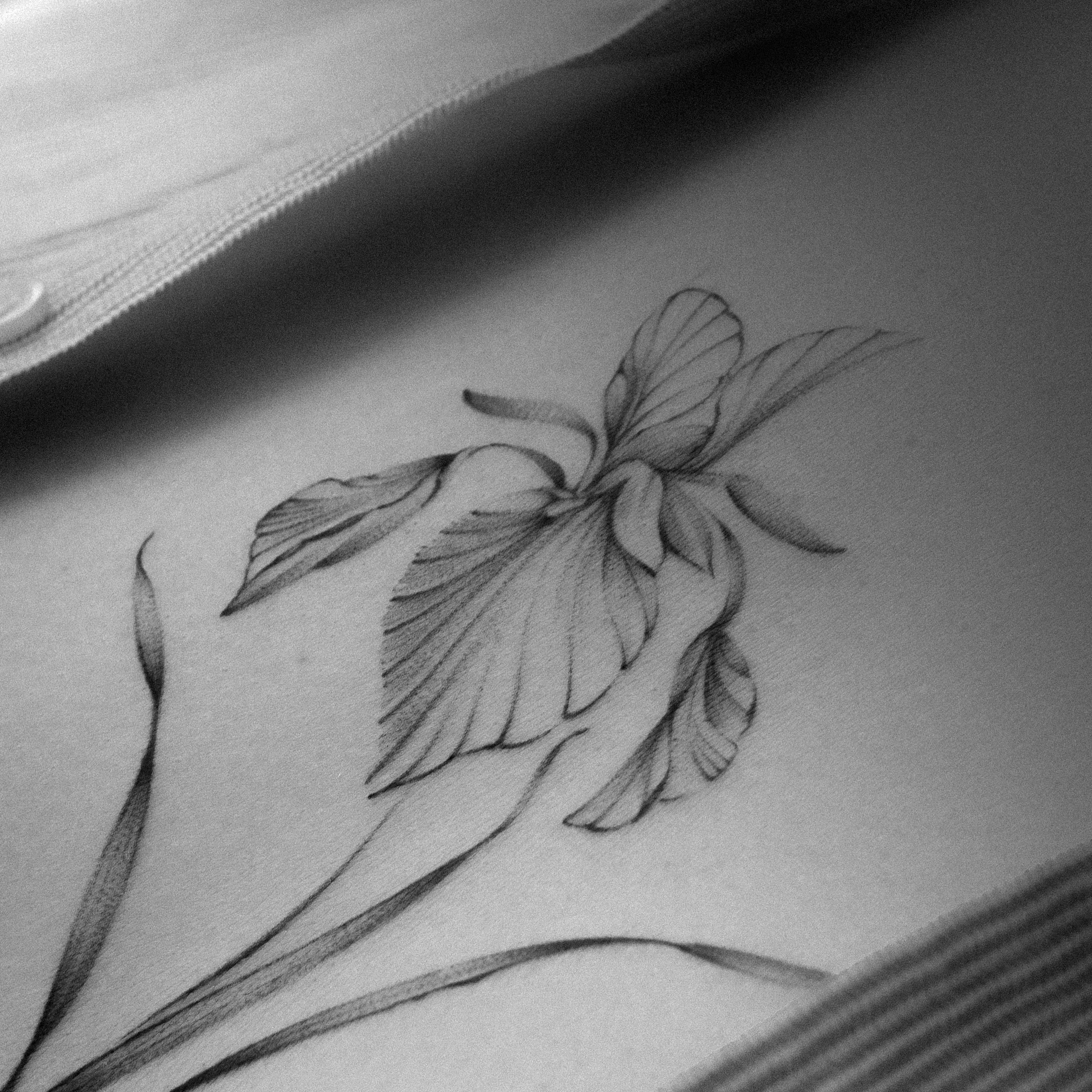
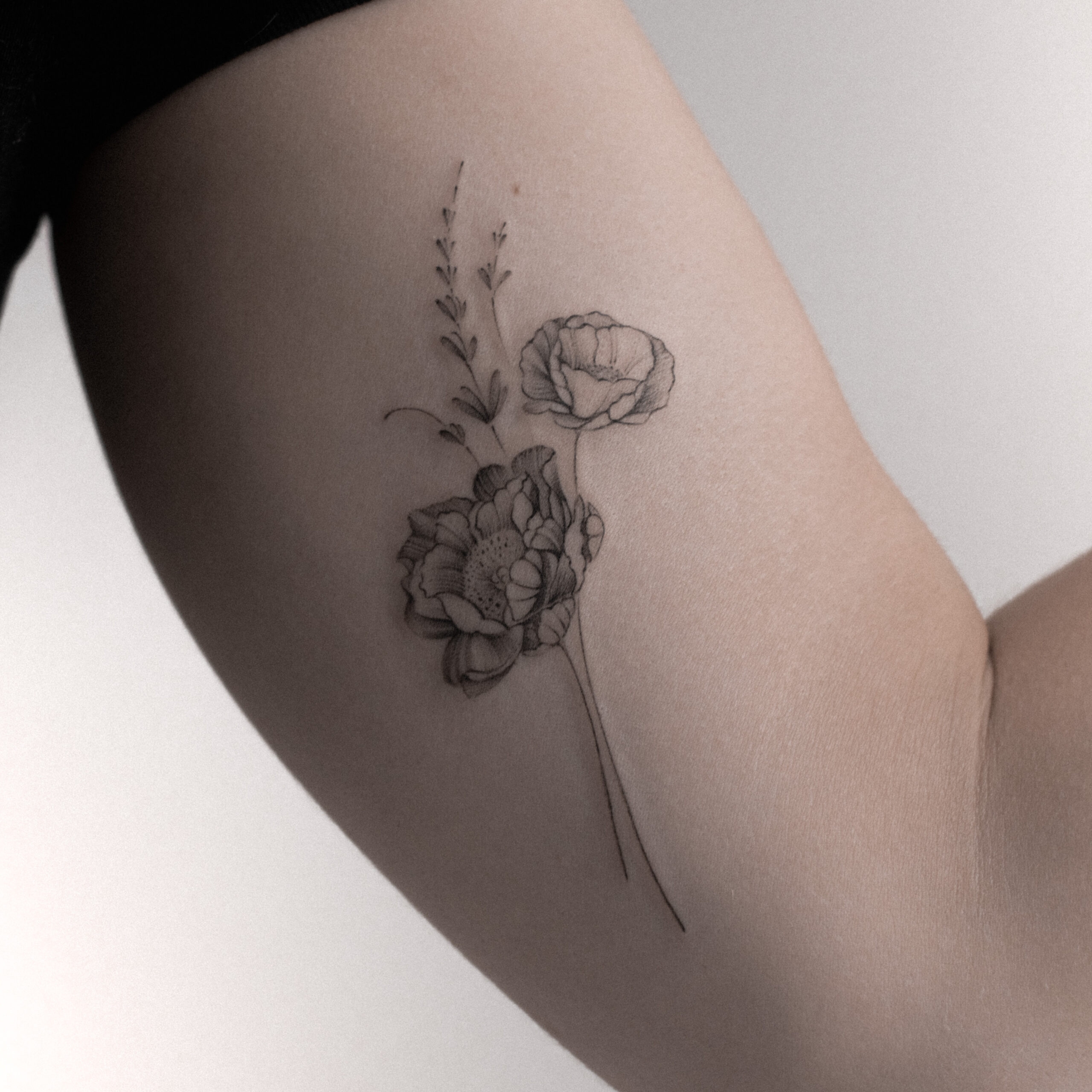
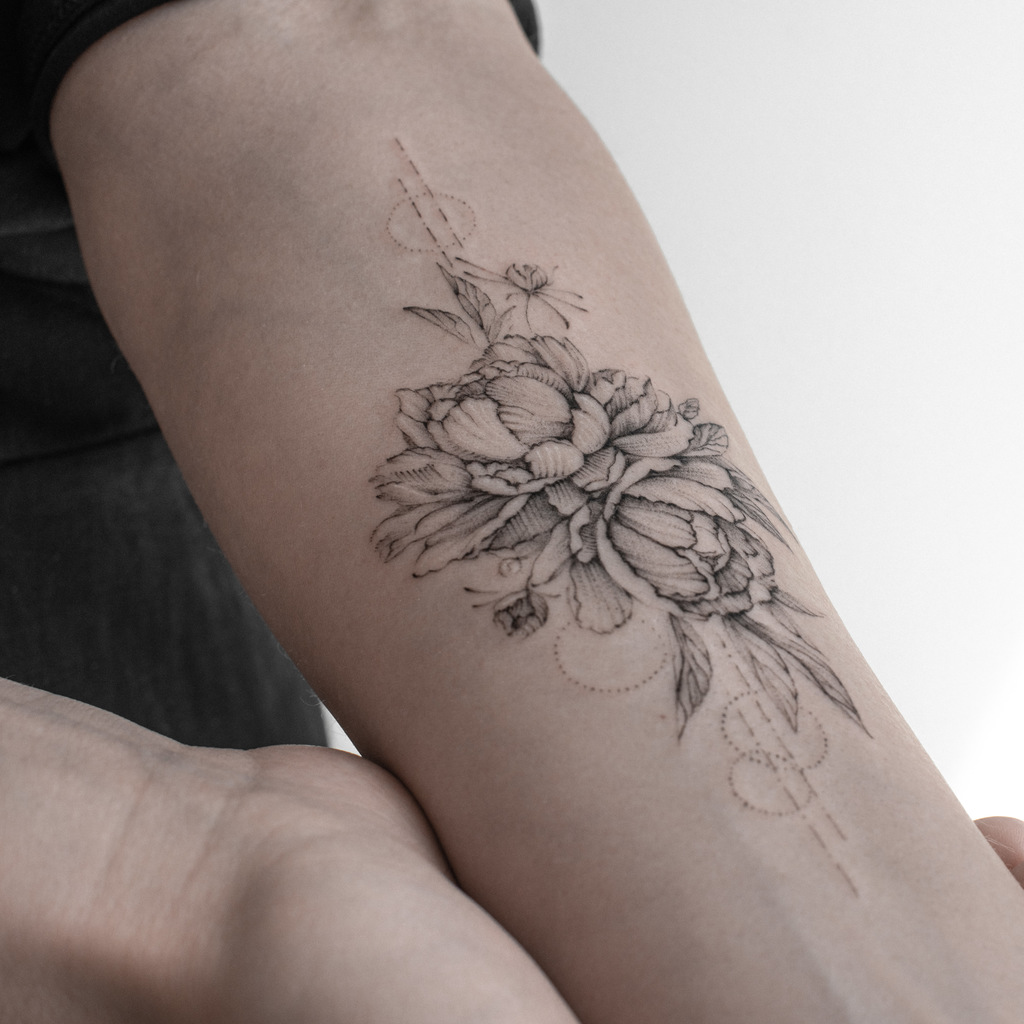
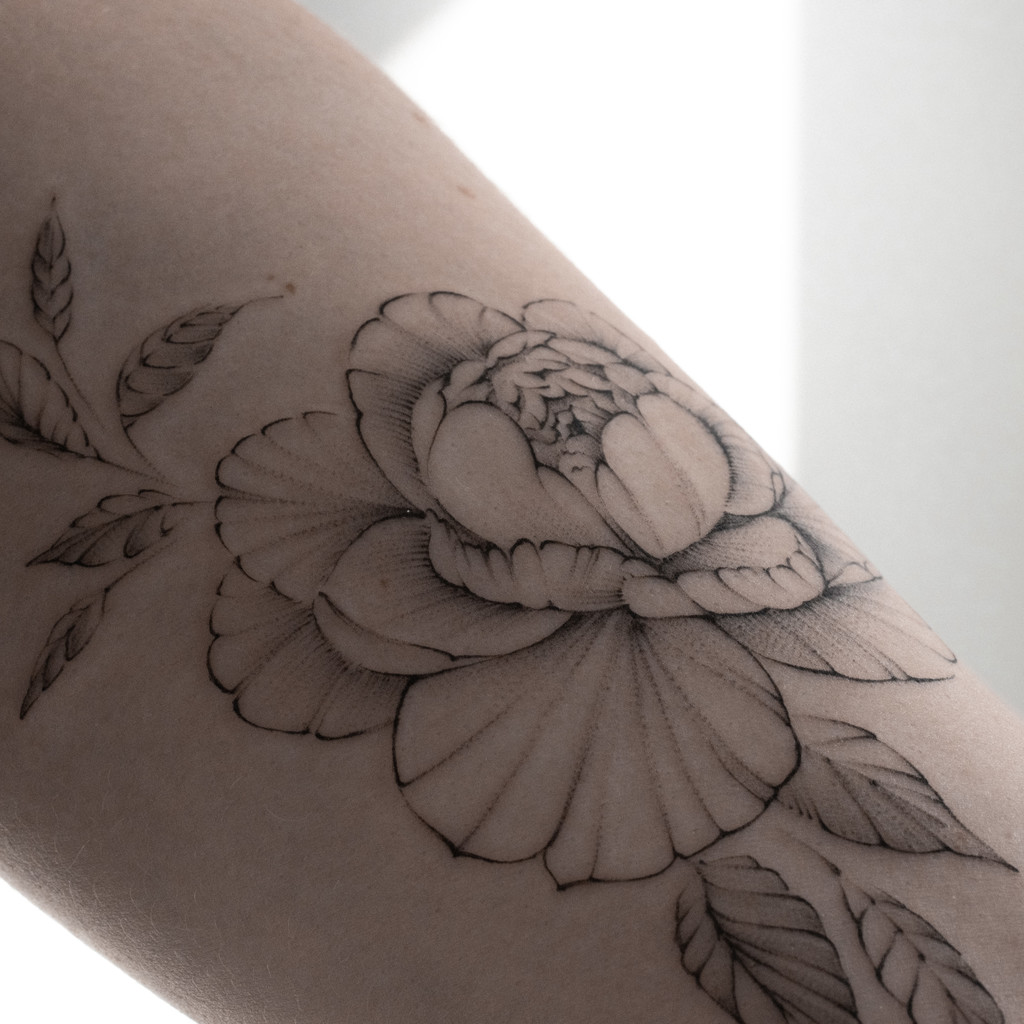
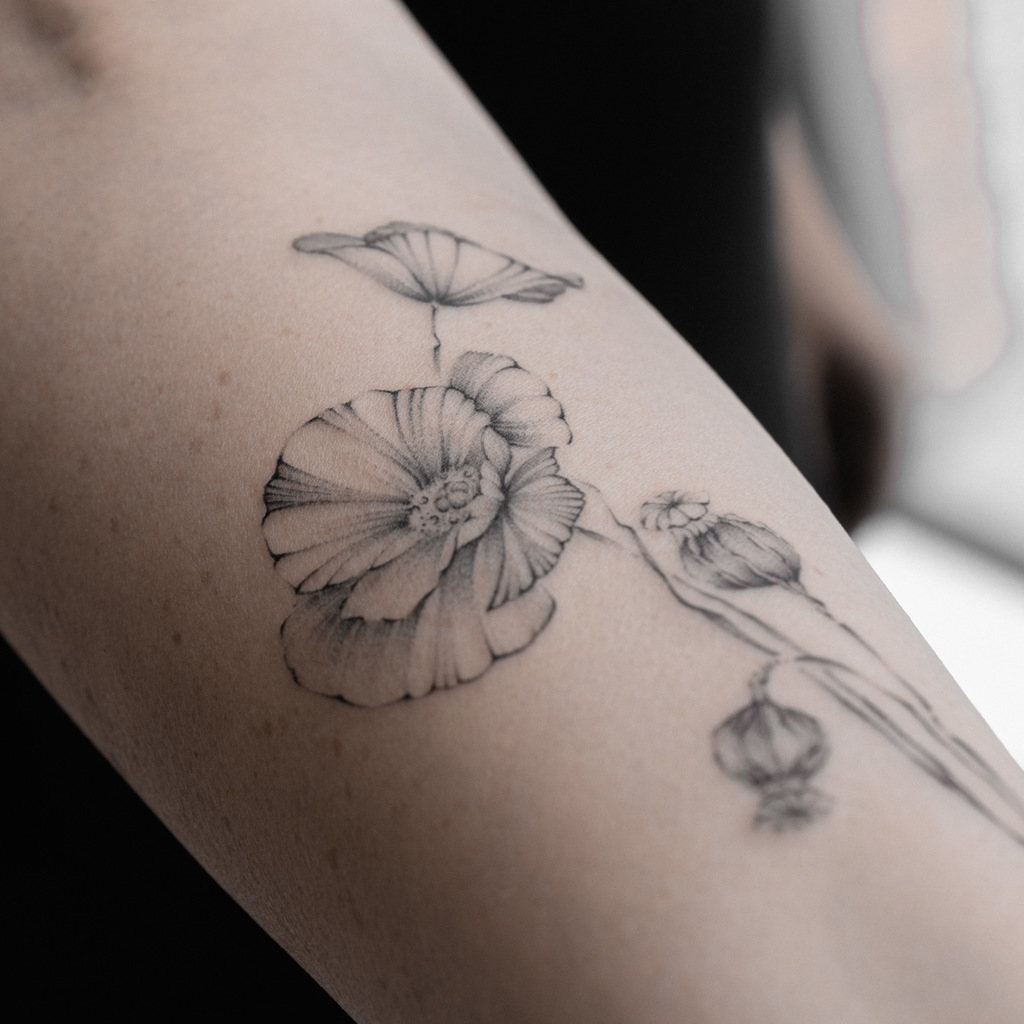
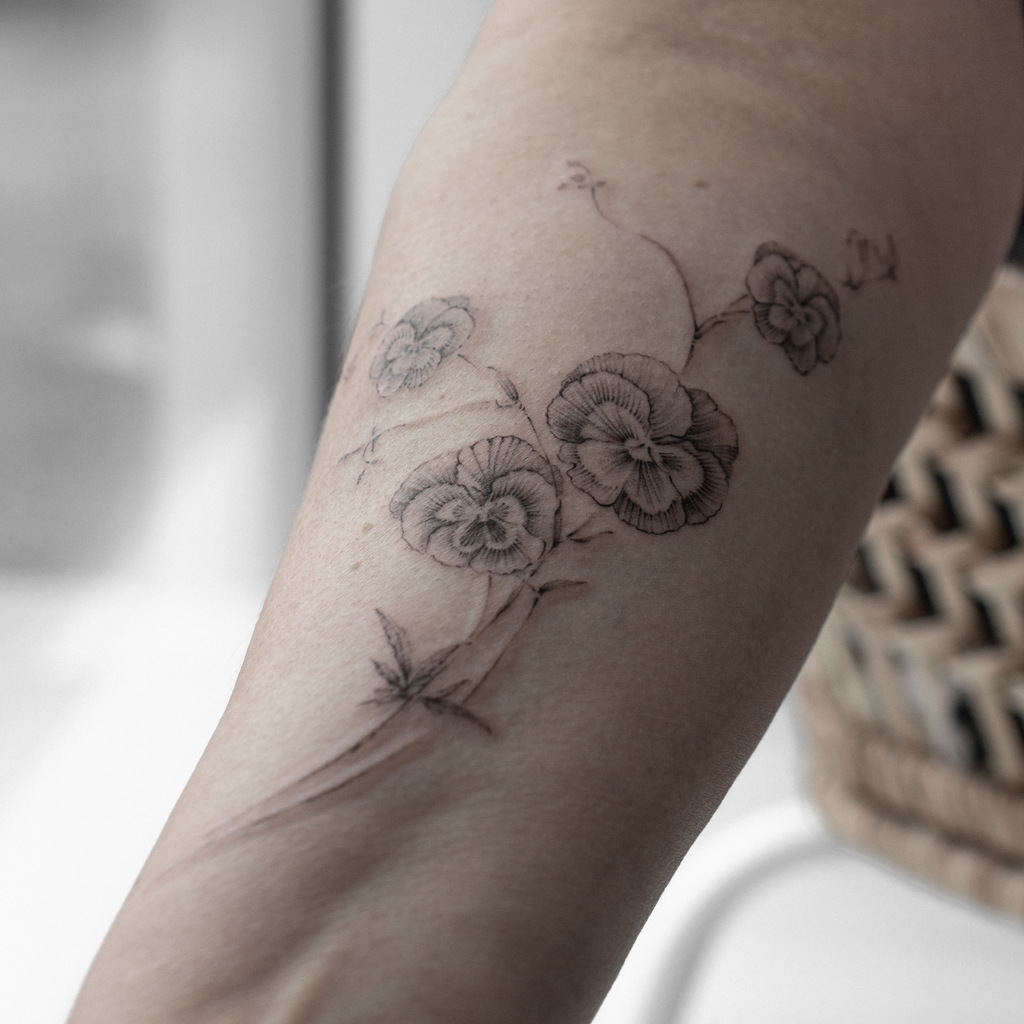
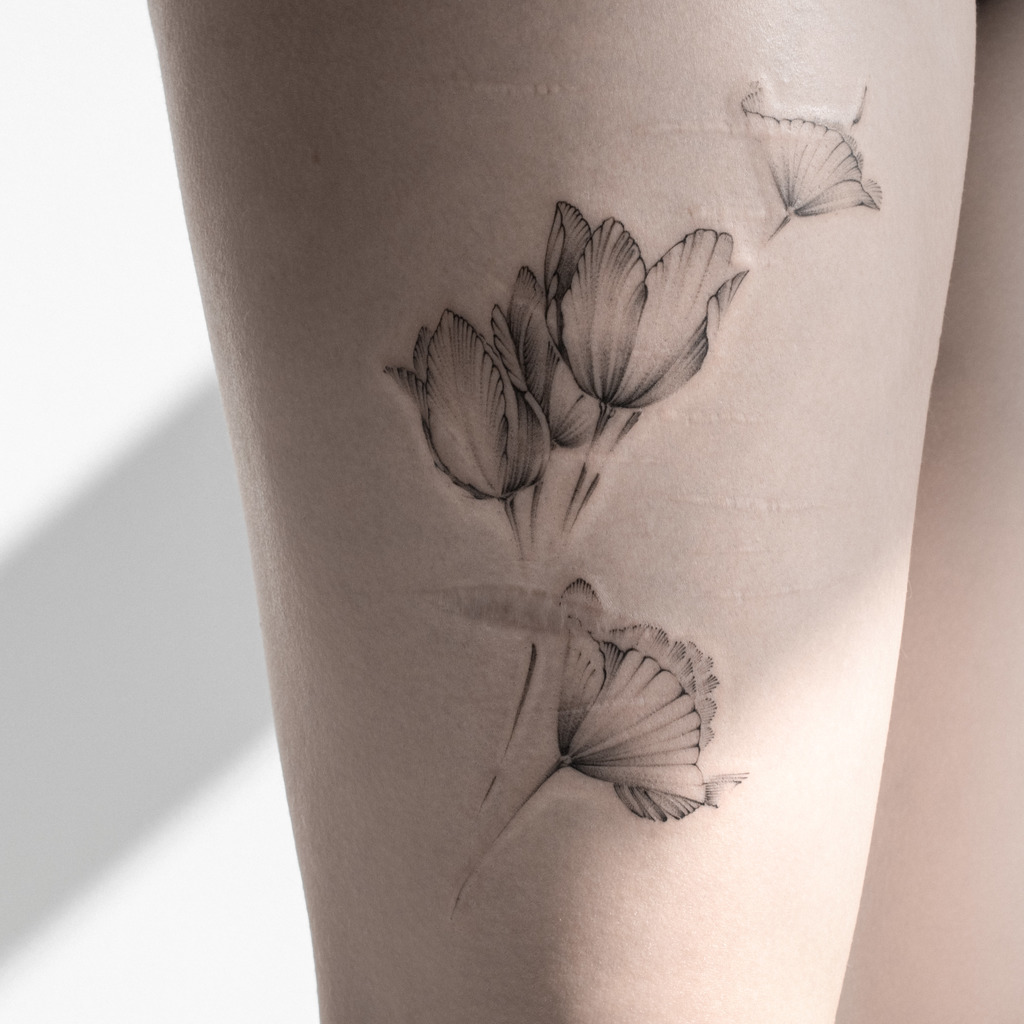
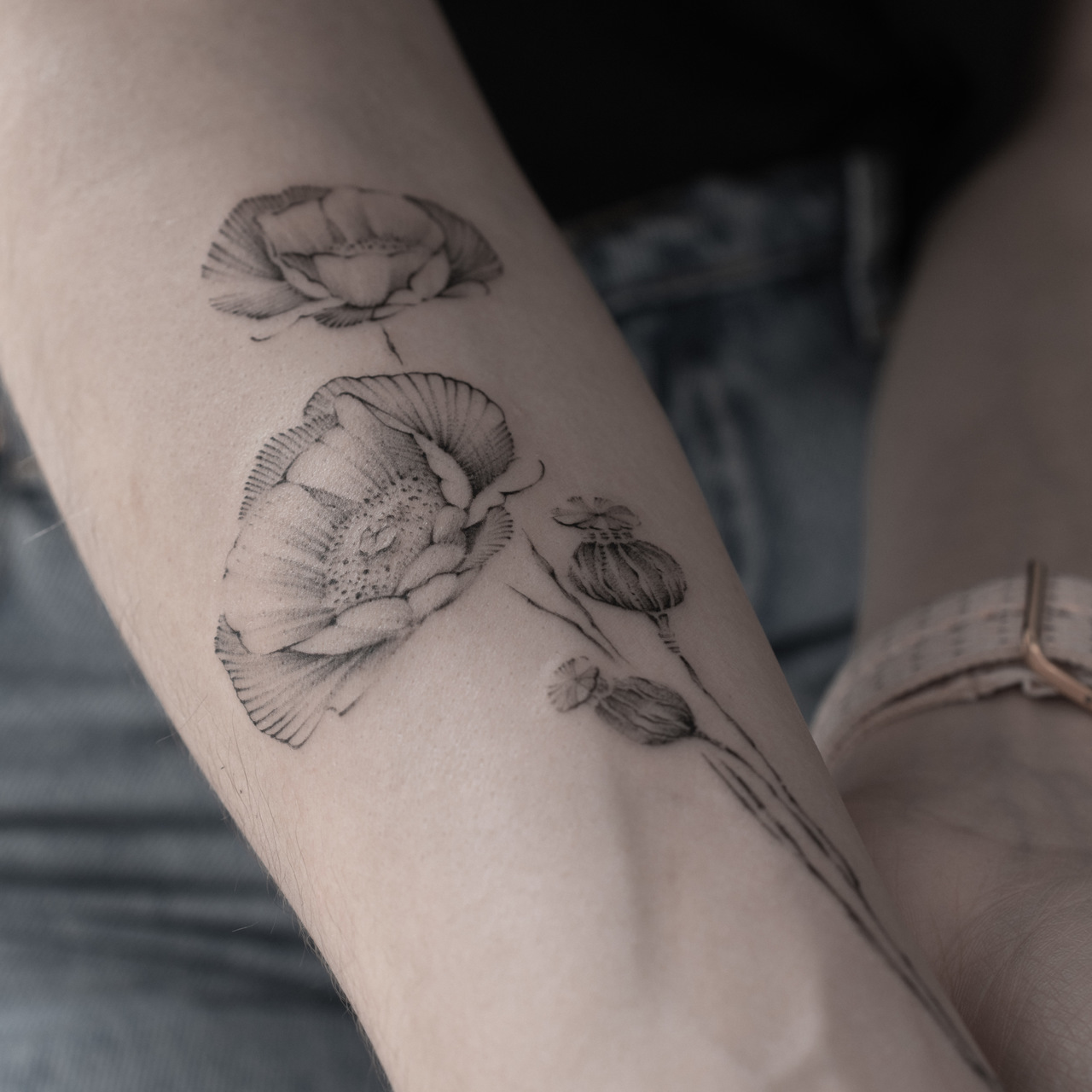
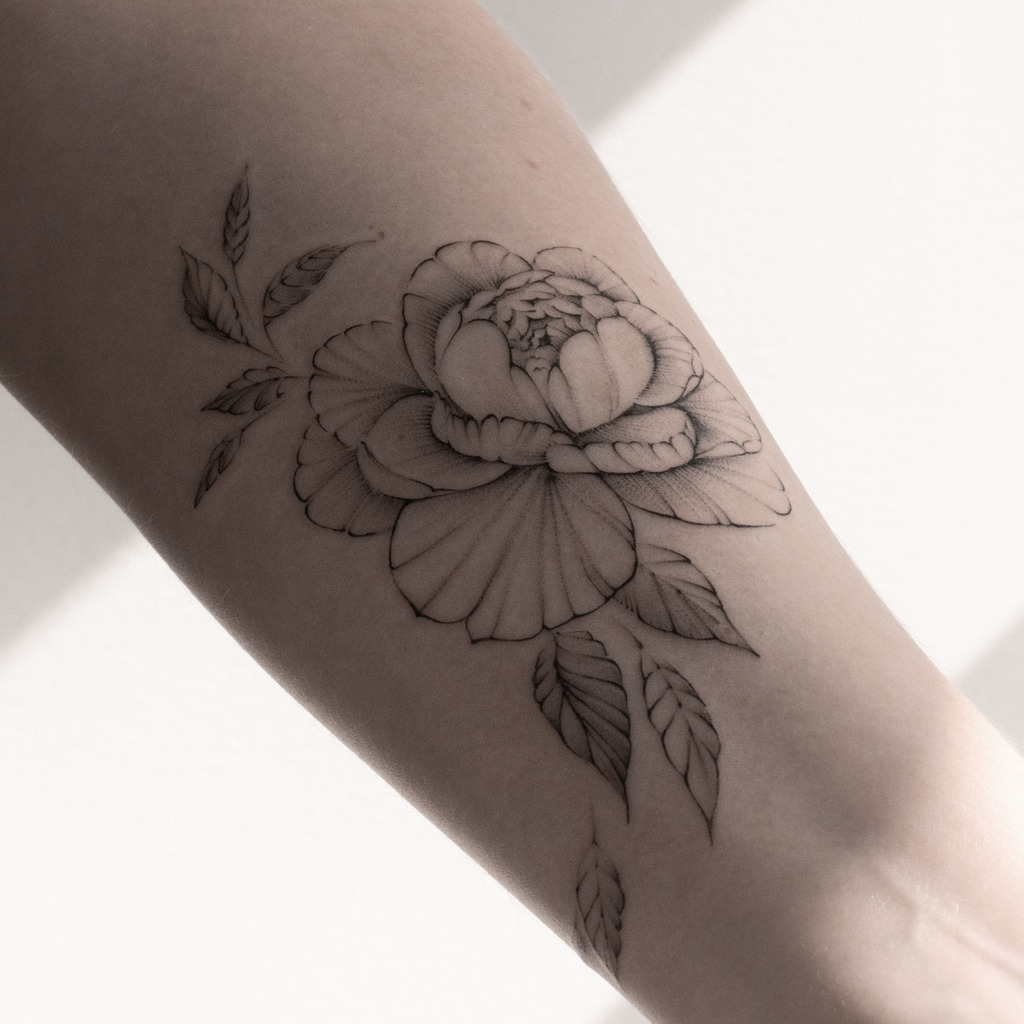
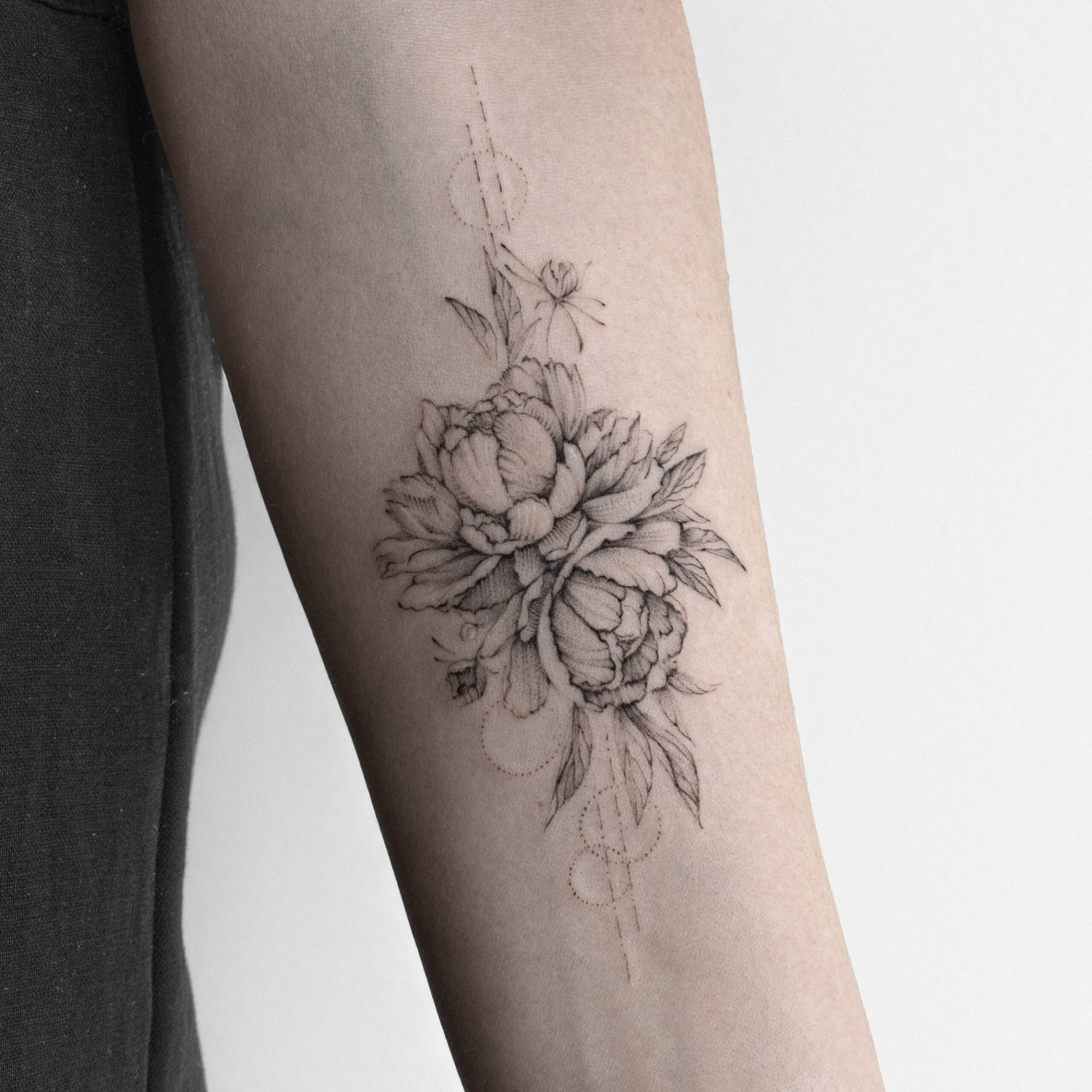
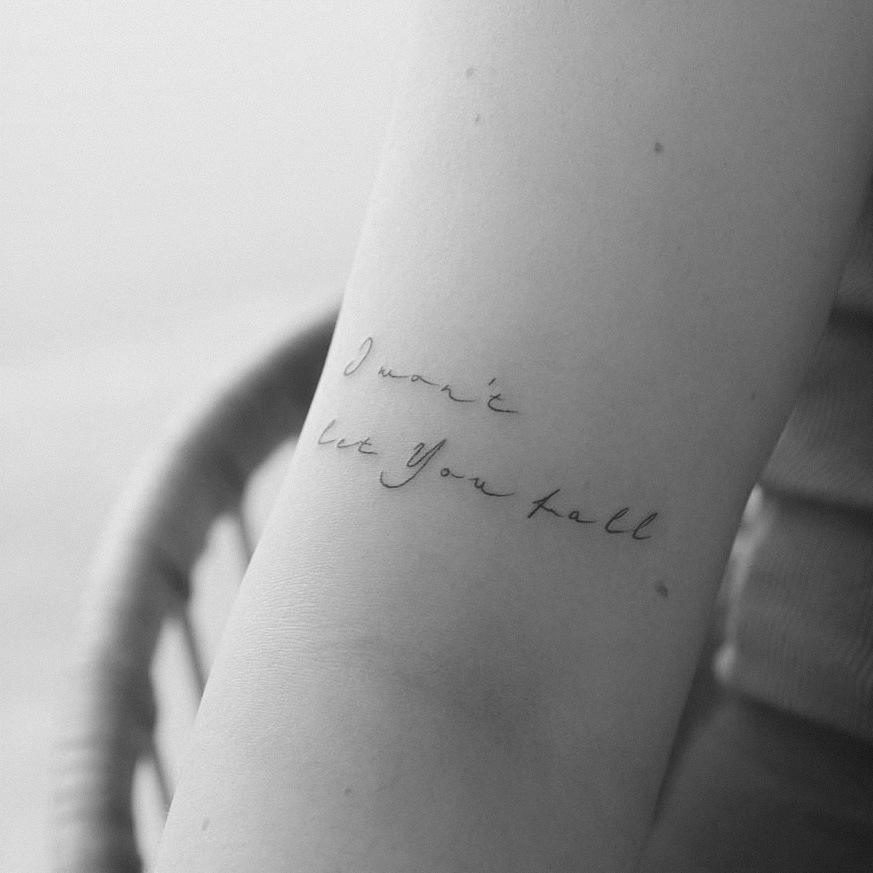
This shift has also influenced studios. At Vadelma Tattoo, the focus is on a more calm and thoughtful tattoo process, where each design is prepared with care and attention.
You can explore the studio here:
https://vadelma.eu/
Tattoos and Modern Culture
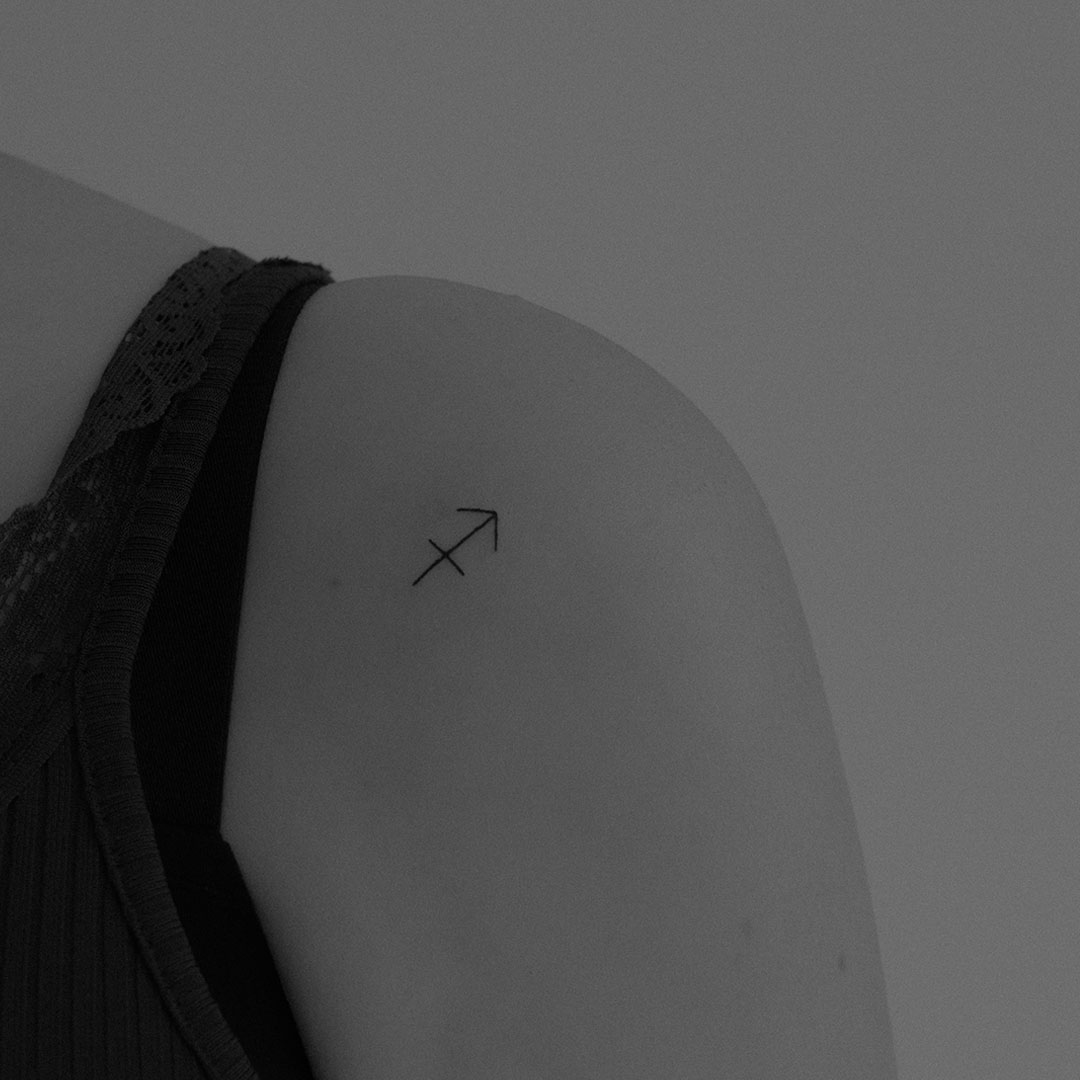
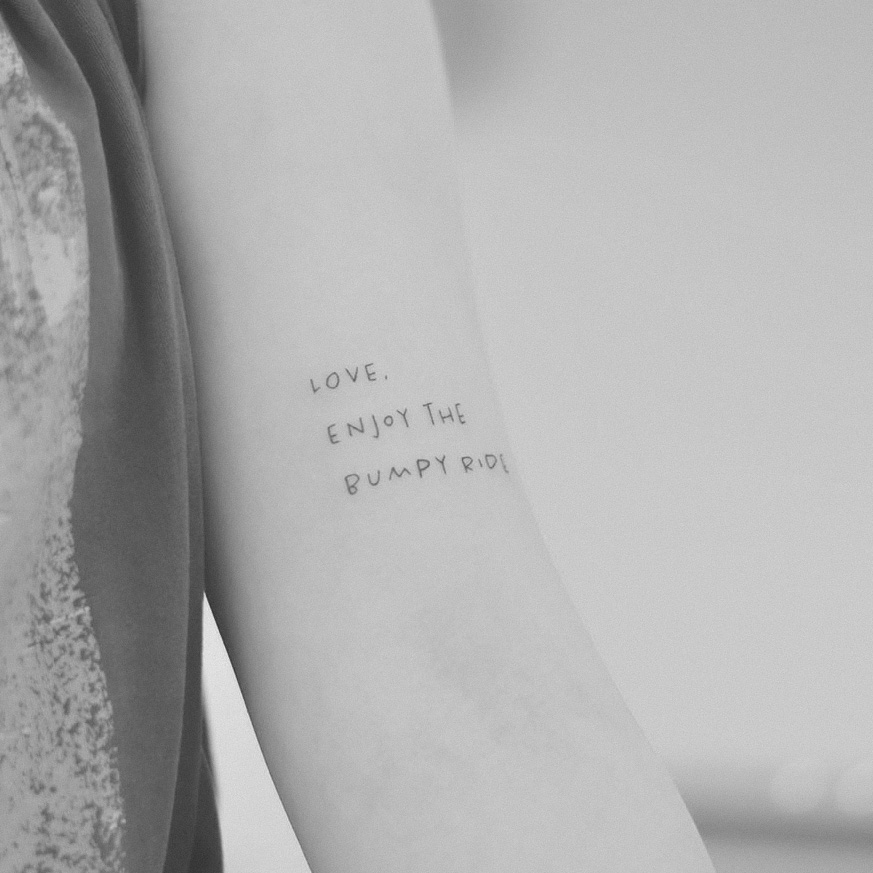
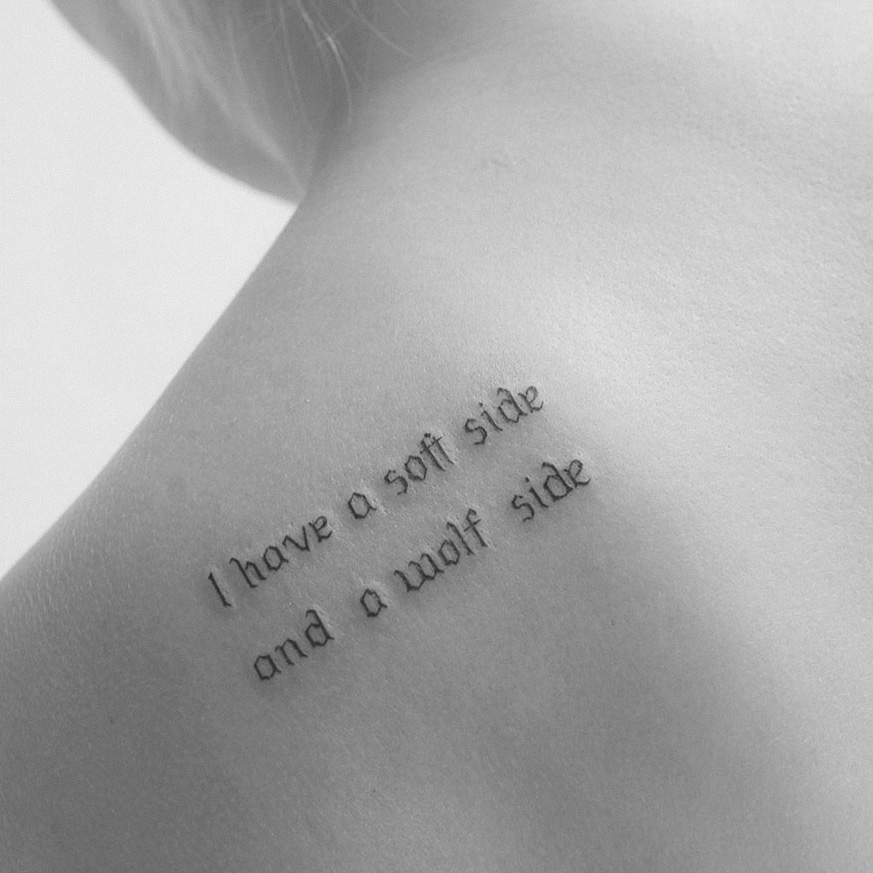
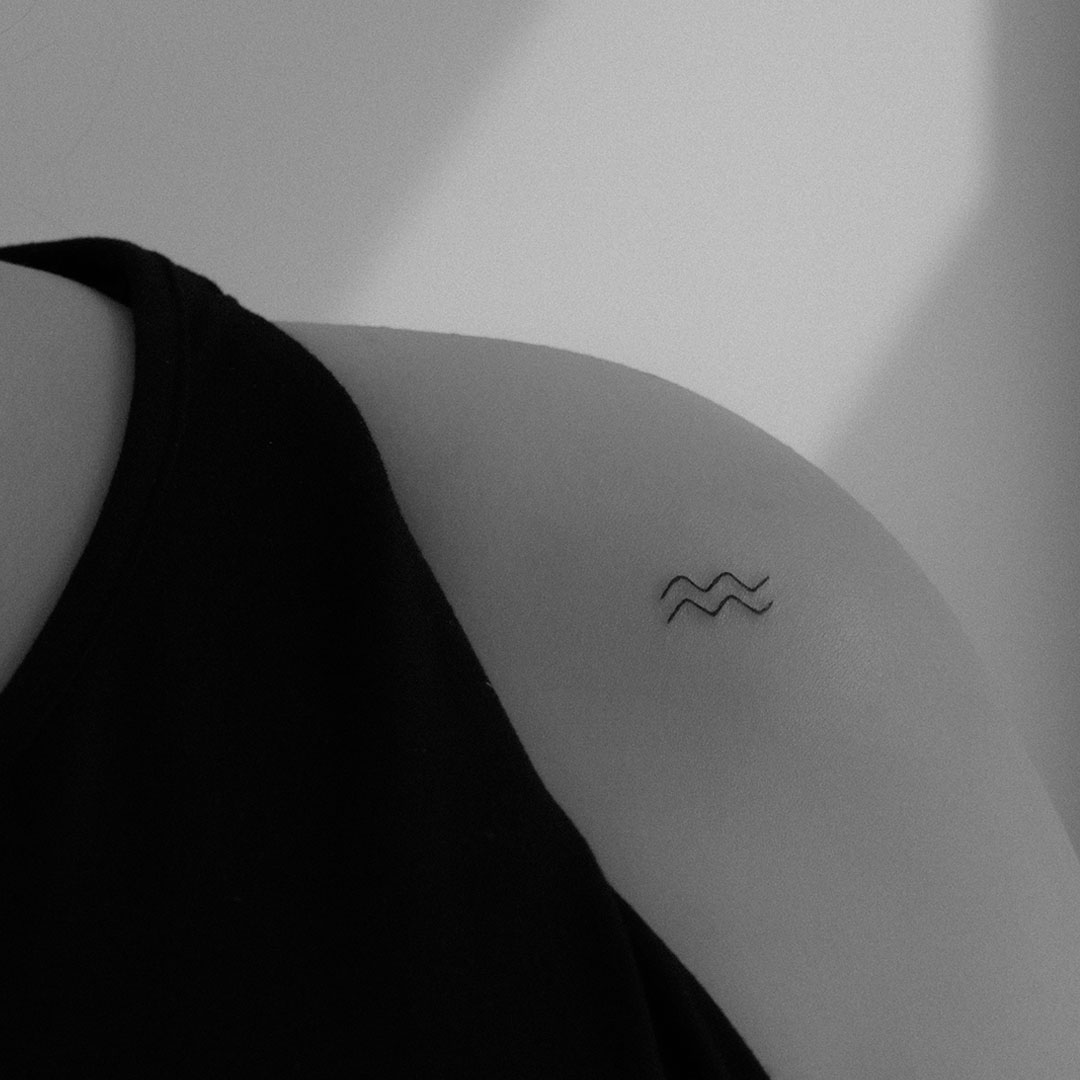
Today, tattoos exist somewhere between art, design, and personal storytelling. They are visible, yet often intimate. Common, yet still deeply individual. And perhaps this is why they have become so widely accepted —
because they allow people to express something personal in a very human way.
Art Beyond the Skin
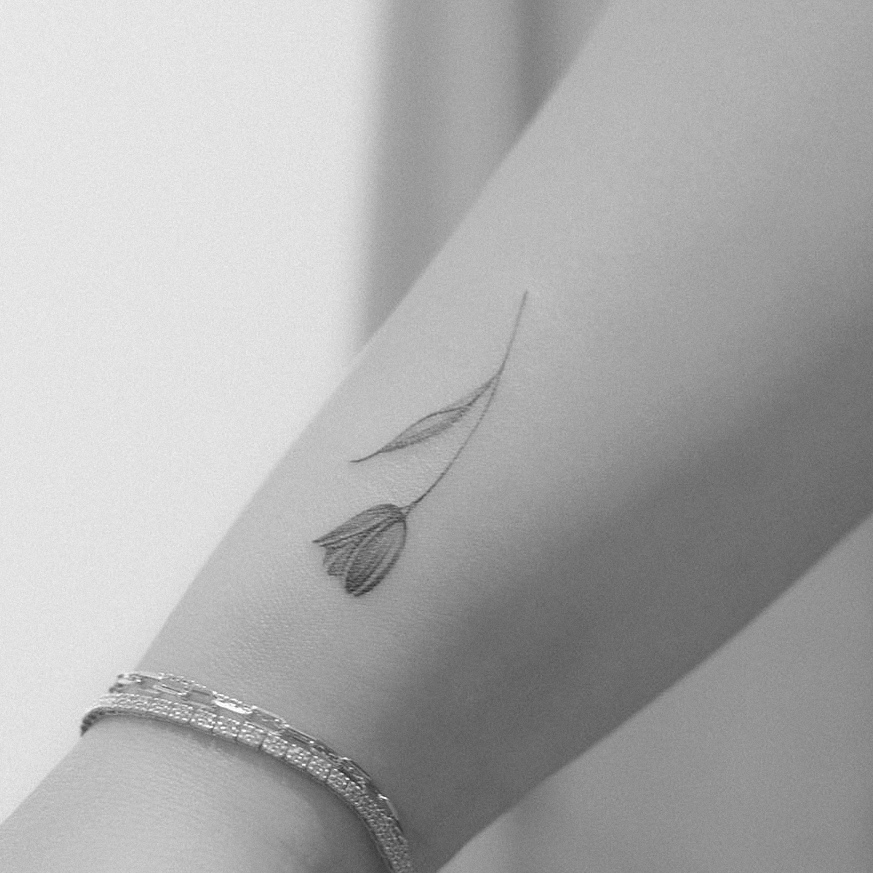
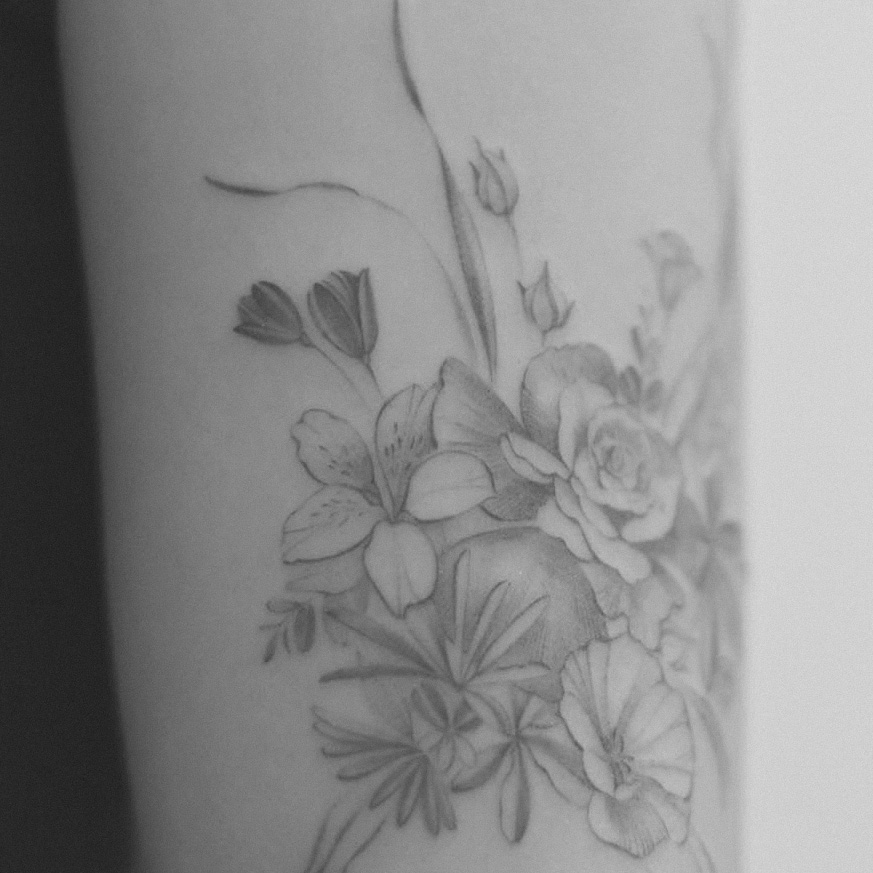
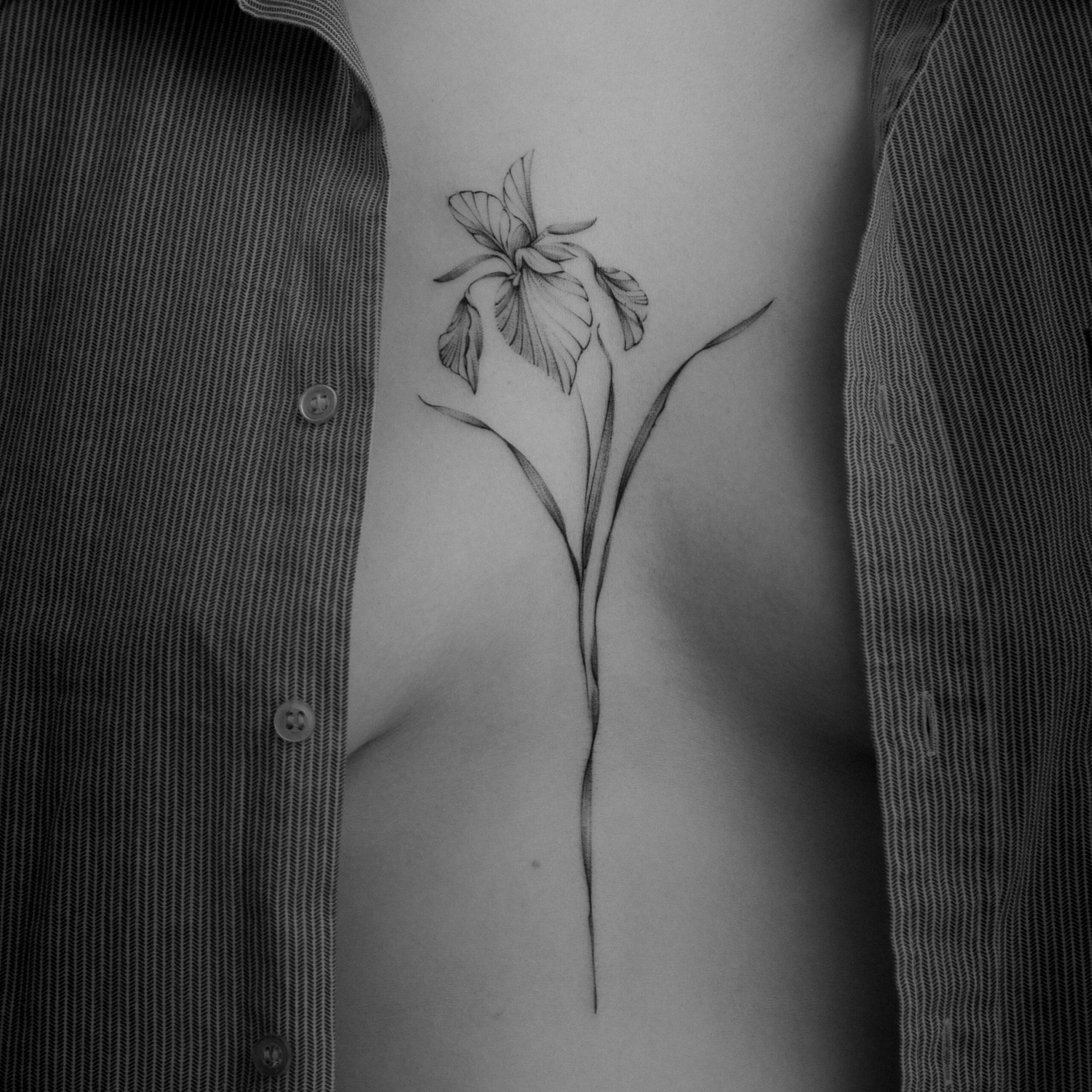
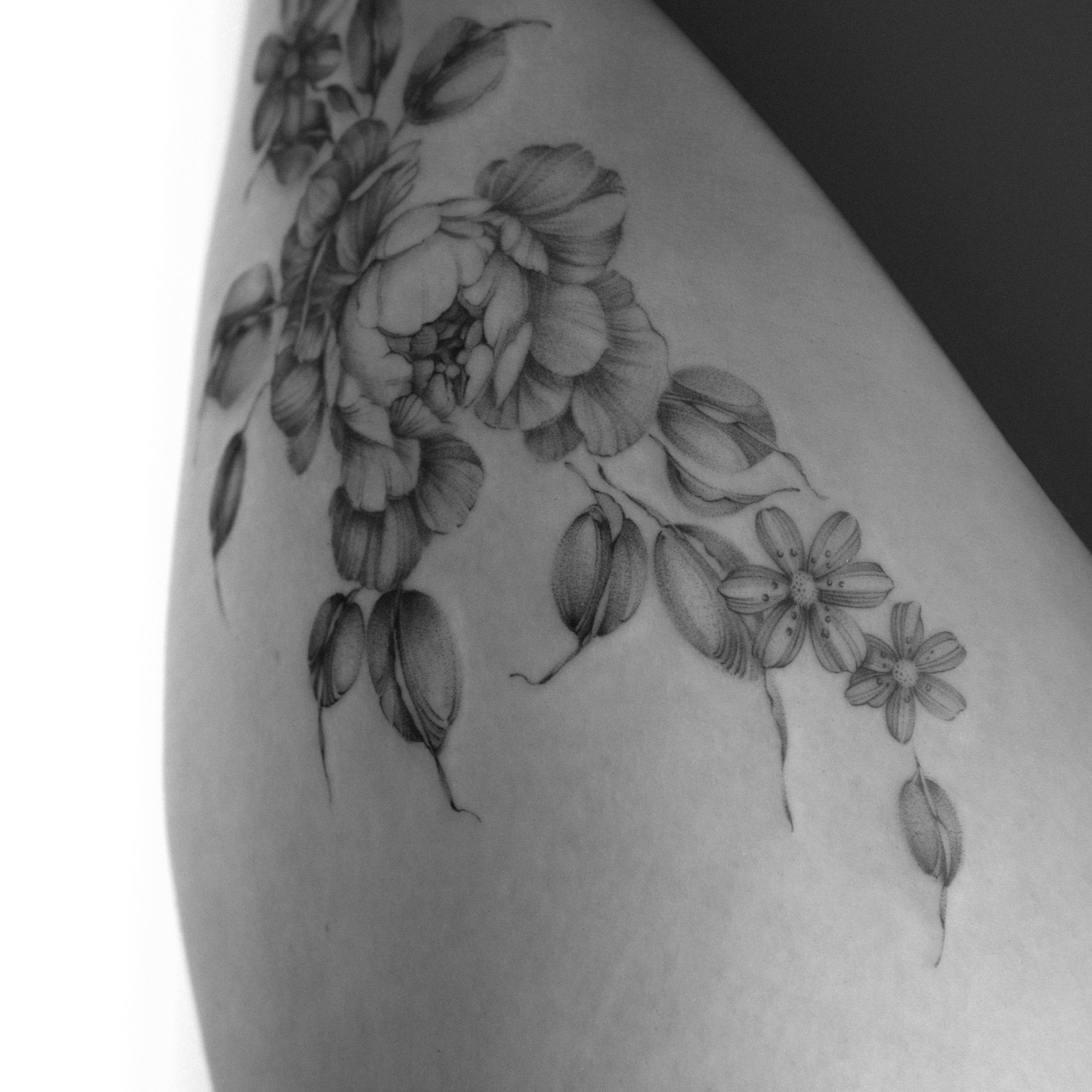
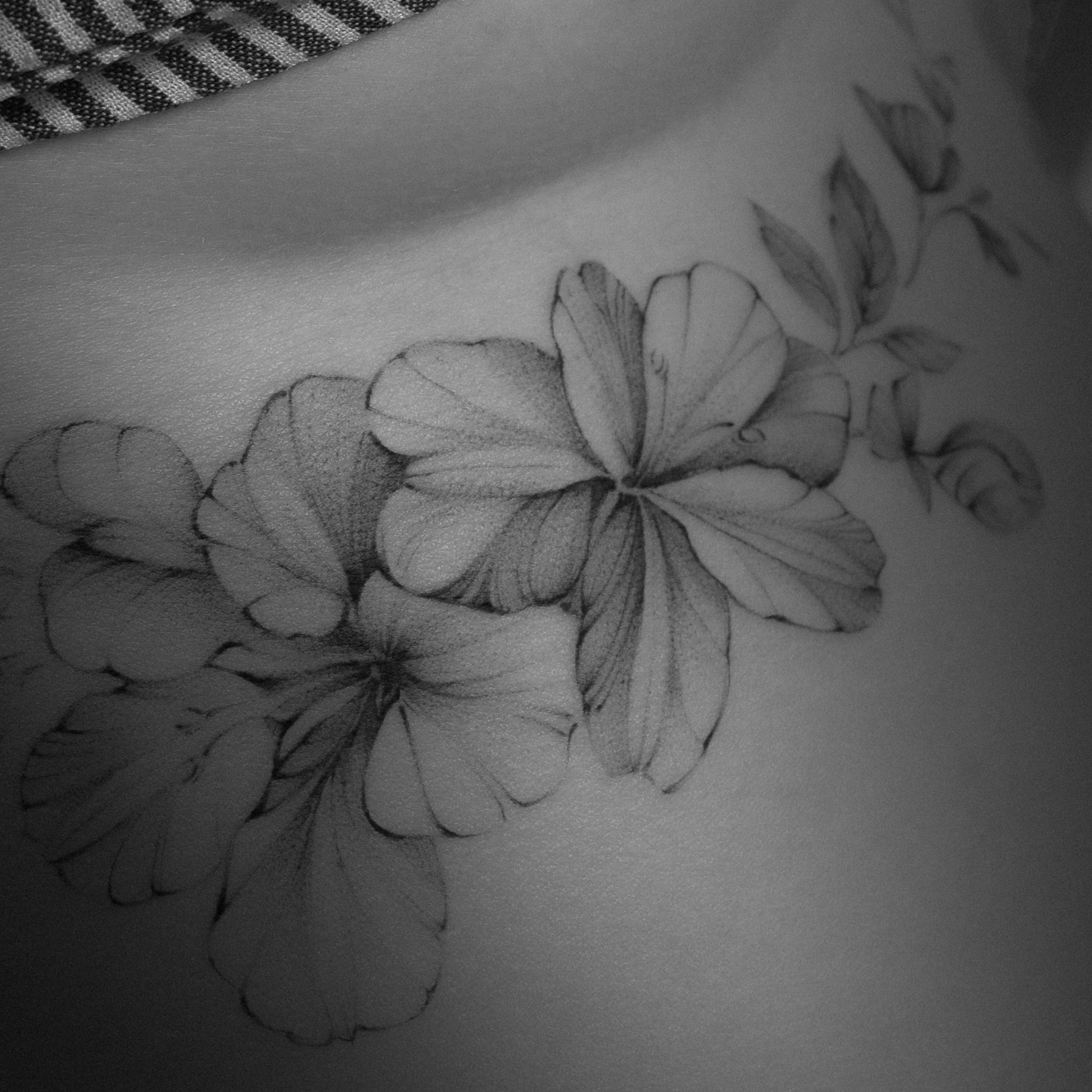
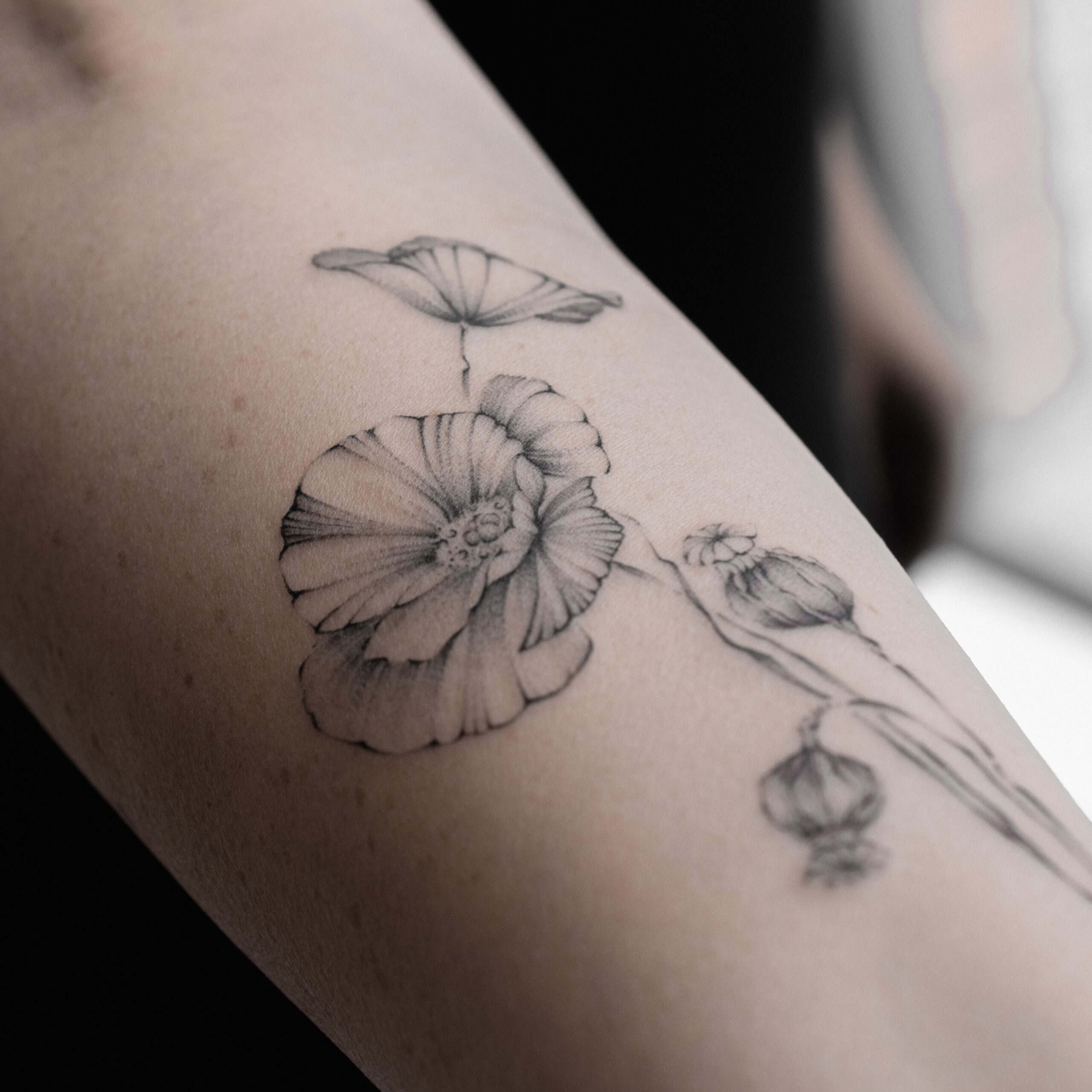
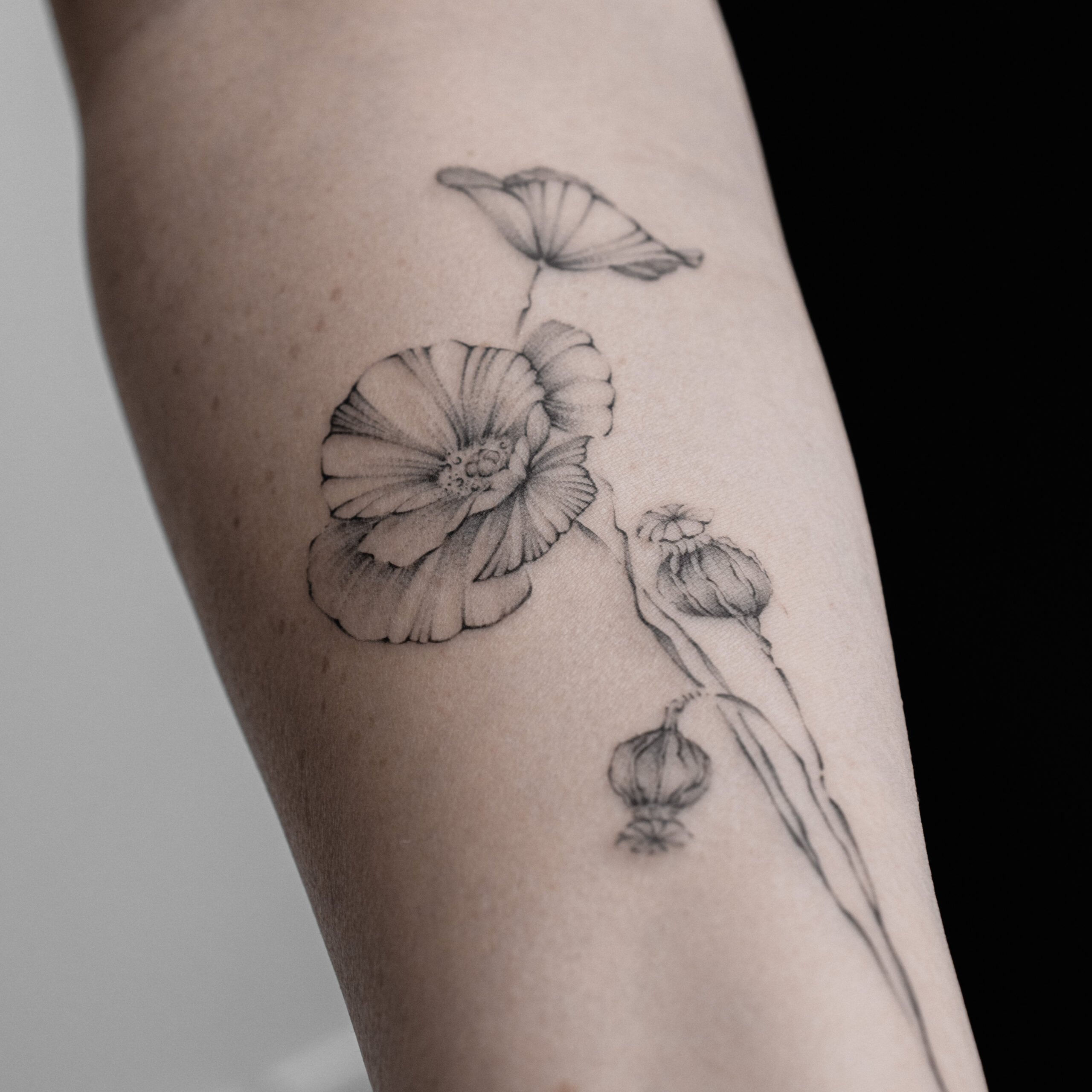
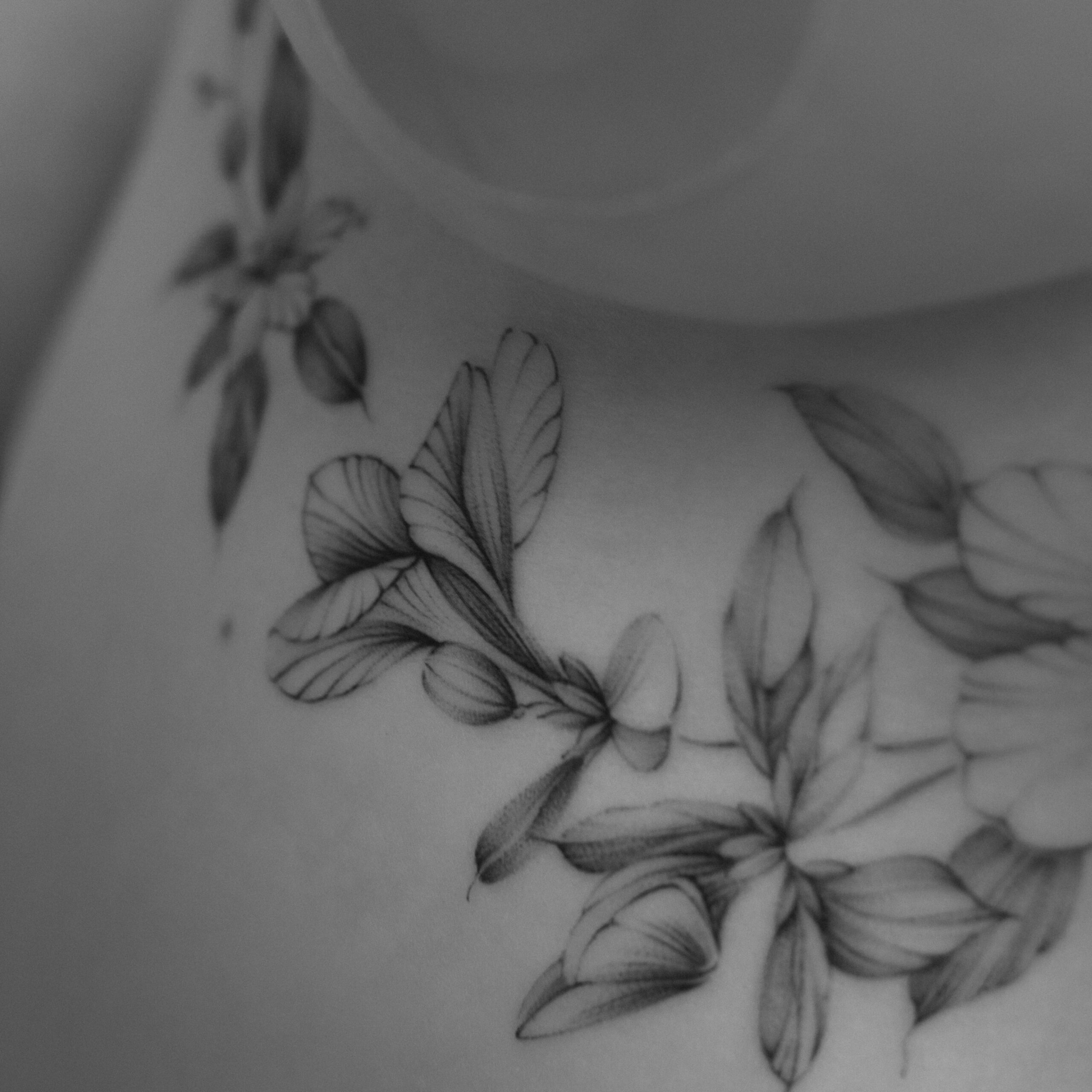
Many tattoo designs begin as drawings before they become part of someone’s story.
If you are drawn to delicate, minimal, or floral styles, you might also enjoy exploring the fine art prints created by Natalie Vadelma, inspired by similar artistic ideas.
You can see them here:
https://vadelmaprints.com
Final Thoughts
Tattoos in the Netherlands are no longer defined by stereotypes. They have become part of everyday life — across ages, professions, and personal stories. And while styles and trends will continue to evolve, one thing remains the same: A tattoo is still, at its core, a very personal form of expression.
Tattoos in the Netherlands
From Subculture to Self-Expression
Not so long ago, tattoos were often associated with very specific groups. People connected them with rebellion, subcultures, or certain professions. For some, tattoos even carried a certain stigma. But if you walk through Amsterdam today, the picture looks very different. Tattoos have quietly become part of everyday life.
A Growing Part of Society
In recent years, tattoos have become increasingly common in the Netherlands. Estimates suggest that around 1.5 million people in the country have at least one tattoo, with even higher numbers among younger generations. At the same time, the number of tattoo studios has grown rapidly, reflecting how much demand has increased. This is not something that happens in a niche culture. It happens when something becomes widely accepted.
Not Just One Type of Person
One of the biggest changes is who gets tattoos. Today, tattoos are no longer limited to a specific group or lifestyle. They can be seen across many different professions and environments — from creative industries to more traditional careers.
People with tattoos today include:
• office workers
• designers and artists
• entrepreneurs
• healthcare professionals
• and many others
This shift shows that tattoos are no longer a label — they are a personal choice.
A Change in Meaning
In the past, tattoos were often about standing out. Today, they are often about expressing something personal.
Many people choose tattoos to mark:
• a memory
• a meaningful moment
• a personal transformation
• or simply something they find beautiful
This change is subtle but important.
Tattoos are no longer just about identity in society —
they are about identity within yourself.
A More Thoughtful Approach
As tattoos become more accepted, the way people approach them also changes. Instead of spontaneous decisions, many clients now take time to:
• choose the right artist
• think about the design
• consider placement and style
This shift has also influenced studios. At Vadelma Tattoo, the focus is on a more calm and thoughtful tattoo process, where each design is prepared with care and attention.
You can explore the studio here:
https://vadelma.eu/
Tattoos and Modern Culture
Today, tattoos exist somewhere between art, design, and personal storytelling. They are visible, yet often intimate. Common, yet still deeply individual. And perhaps this is why they have become so widely accepted —
because they allow people to express something personal in a very human way.
Art Beyond the Skin
Many tattoo designs begin as drawings before they become part of someone’s story.
If you are drawn to delicate, minimal, or floral styles, you might also enjoy exploring the fine art prints created by Natalie Vadelma, inspired by similar artistic ideas.
You can see them here:
https://vadelmaprints.com
Final Thoughts
Tattoos in the Netherlands are no longer defined by stereotypes. They have become part of everyday life — across ages, professions, and personal stories. And while styles and trends will continue to evolve, one thing remains the same: A tattoo is still, at its core, a very personal form of expression.