The Difference Between Looking and Seeing | Why Observation Matters
The Difference Between Looking and Seeing
.
What Artists Notice That Others Often Miss
Every day, we look at thousands of things. We look at our phones, computer screens, buildings, streets, people passing by, signs, photographs, and countless other details that fill our environment. Modern life surrounds us with more visual information than ever before. Yet despite constantly looking, we do not always see. At first, the distinction may seem subtle. Looking and seeing are often treated as the same thing. In reality, they are very different experiences. Looking is automatic. Seeing is intentional. And perhaps one of the most important skills any artist can develop is learning the difference between the two.
.
Looking Is Passive
Most of the time, our brains are designed for efficiency. Rather than carefully analyzing every detail of the world around us, we quickly filter information and focus only on what appears immediately useful. This ability helps us move through daily life without becoming overwhelmed by the sheer amount of visual input we encounter. As a result, we often look at things without truly noticing them. We walk past the same buildings every day without observing their details. We travel the same routes without remembering specific features. We see familiar faces without paying attention to subtle expressions. The brain fills in the gaps. It assumes that because something is familiar, it no longer requires close observation. This is practical. But it can also cause us to miss a great deal.
.
Seeing Requires Attention
Seeing begins when we slow down enough to notice. An artist sketching a building does not simply register that a building exists. They begin observing proportions, textures, shadows, reflections, materials, and countless details that many people overlook. A photographer studies light. A designer notices balance and composition. An architect examines structure and space. A writer observes gestures, conversations, and small moments of human behavior. The difference is not necessarily talent. The difference is attention. Seeing requires curiosity. It asks us to move beyond first impressions and engage more deeply with what is in front of us.
.
Why Artists Train Observation
One of the greatest misconceptions about artistic skill is that it begins with technique. People often assume that great drawing starts with a steady hand or that great photography starts with an expensive camera. In reality, artistic development usually begins much earlier. It begins with observation. Before an artist can draw something accurately, they must learn to see it accurately. They need to understand shapes, relationships, proportions, and details that are invisible to casual observation. This is why many traditional art schools spent years teaching students to draw from life. The goal was not simply to improve technical ability. The goal was to train the eye. Learning to see often changes the way people experience the world itself.
.
The Hidden Details of Everyday Life
Once observation becomes a habit, ordinary environments begin revealing extraordinary details. A familiar street suddenly feels different. The texture of old brickwork becomes interesting. The way sunlight reflects from a canal catches attention. The typography on a historic sign feels intentional rather than invisible. A tree that has stood in the same place for years suddenly appears beautiful. Nothing has changed. Only the way of seeing has changed. This shift often explains why artists, photographers, architects, and designers can become fascinated by subjects that others might consider ordinary. They are not necessarily looking at different things. They are simply seeing more.
.
Amsterdam as a City of Observation
Perhaps this is one reason so many creative people are drawn to Amsterdam. The city rewards attention. Its canals, bridges, narrow streets, historic architecture, and changing light create endless opportunities for observation. Details reveal themselves gradually. The more carefully someone looks, the more they discover. A casual visitor may see a row of canal houses. An architect notices proportions. A photographer notices reflections. An artist notices color and composition. A historian notices centuries of change embedded within the same buildings. Amsterdam demonstrates beautifully that seeing is often a matter of perspective. The city remains the same, but every observer experiences it differently.
.
Creativity Begins With Curiosity
At its core, seeing is closely connected to curiosity. When we become curious, we naturally begin paying more attention. We ask questions. We notice details. We explore relationships between things that previously seemed unrelated. This process often becomes the foundation of creativity. New ideas rarely emerge from nowhere. They are usually built from observations gathered over time. A design inspiration, a drawing, a photograph, a painting, or even a tattoo concept may begin with a simple moment of noticing something interesting. The more carefully we observe the world, the more creative material we collect. In this sense, learning to see is not only an artistic skill. It is a way of engaging more deeply with life itself.
.
Why This Matters in a Fast World
Modern technology offers extraordinary convenience, but it also competes for our attention. Notifications, advertisements, videos, and endless streams of information encourage us to move quickly from one thing to another. We often consume images without spending more than a few seconds with any of them. As a result, genuine observation becomes increasingly rare. Yet many of the most meaningful experiences still require time and attention. Art. Books. Architecture. Nature. Conversation. Creativity. All reward people who slow down enough to truly engage. Perhaps learning to see has never been more valuable than it is today.
.
A Connection to the Vadelma Philosophy
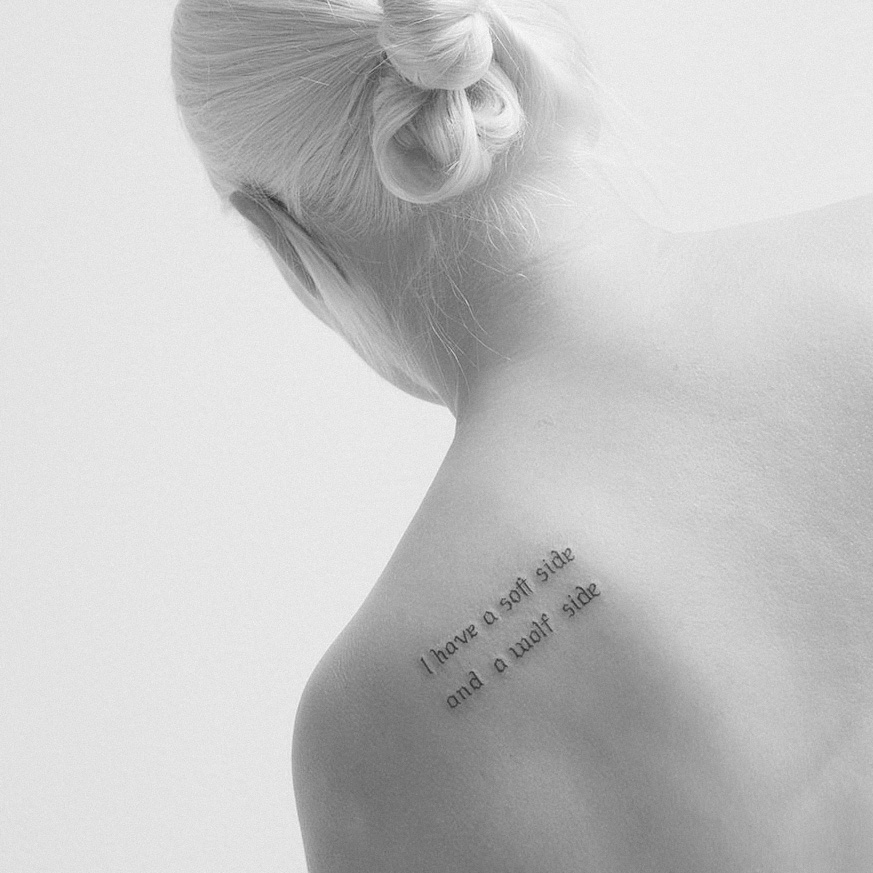
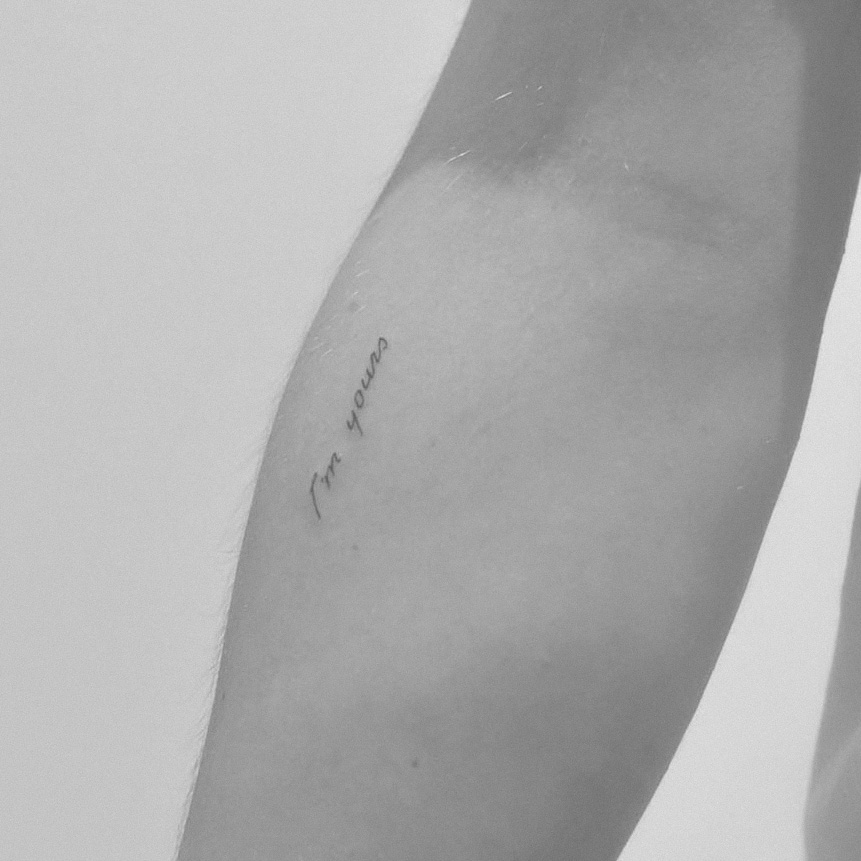
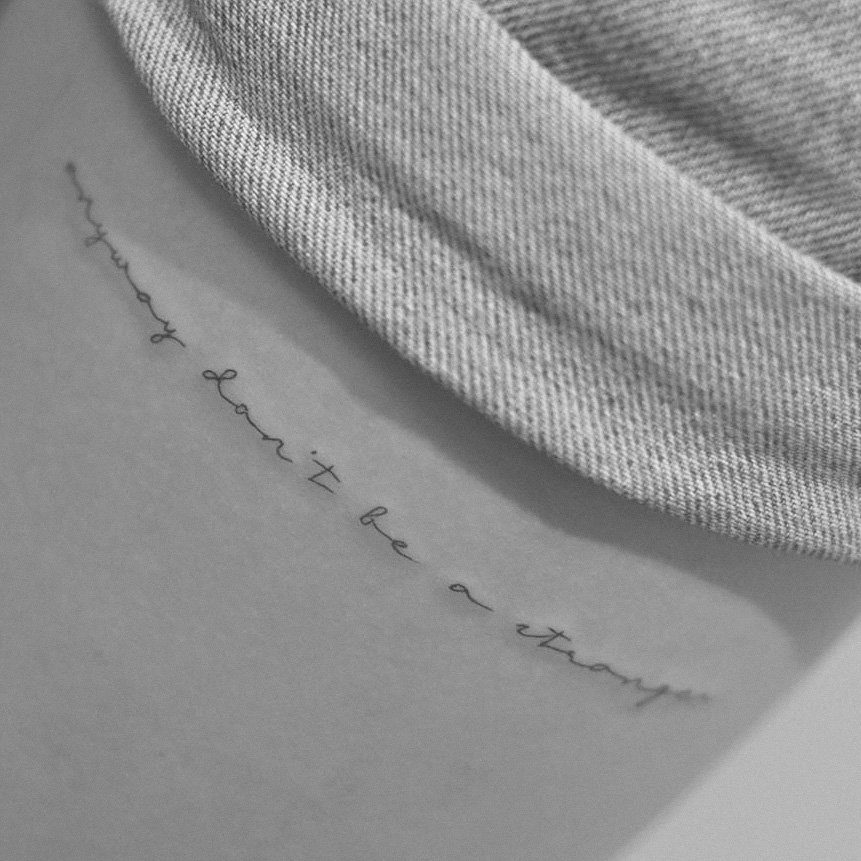
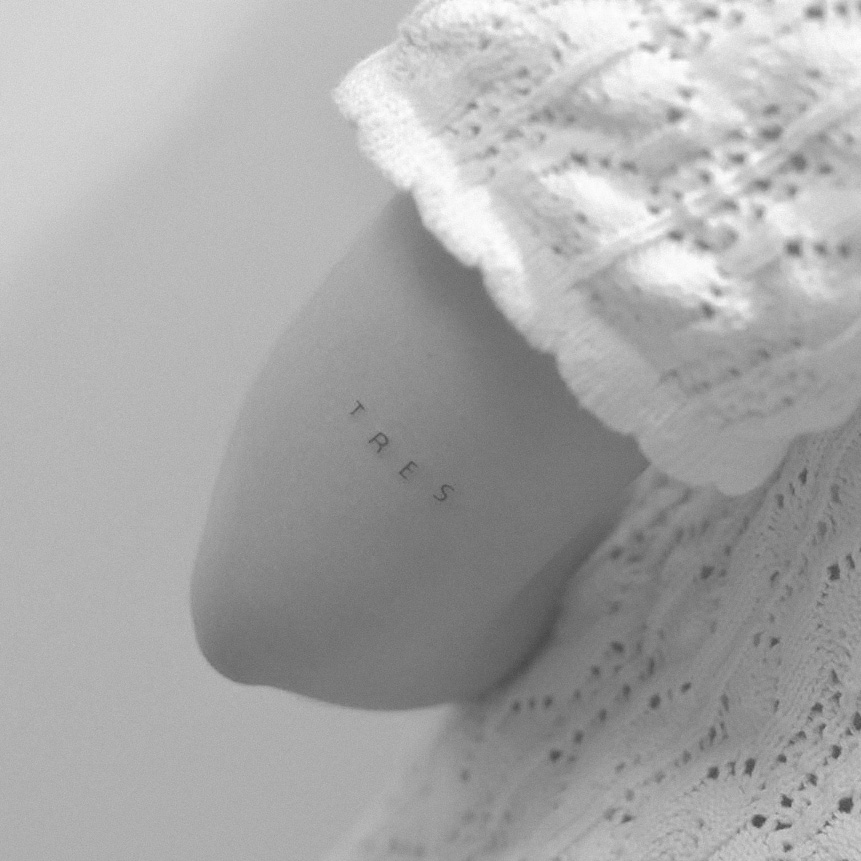
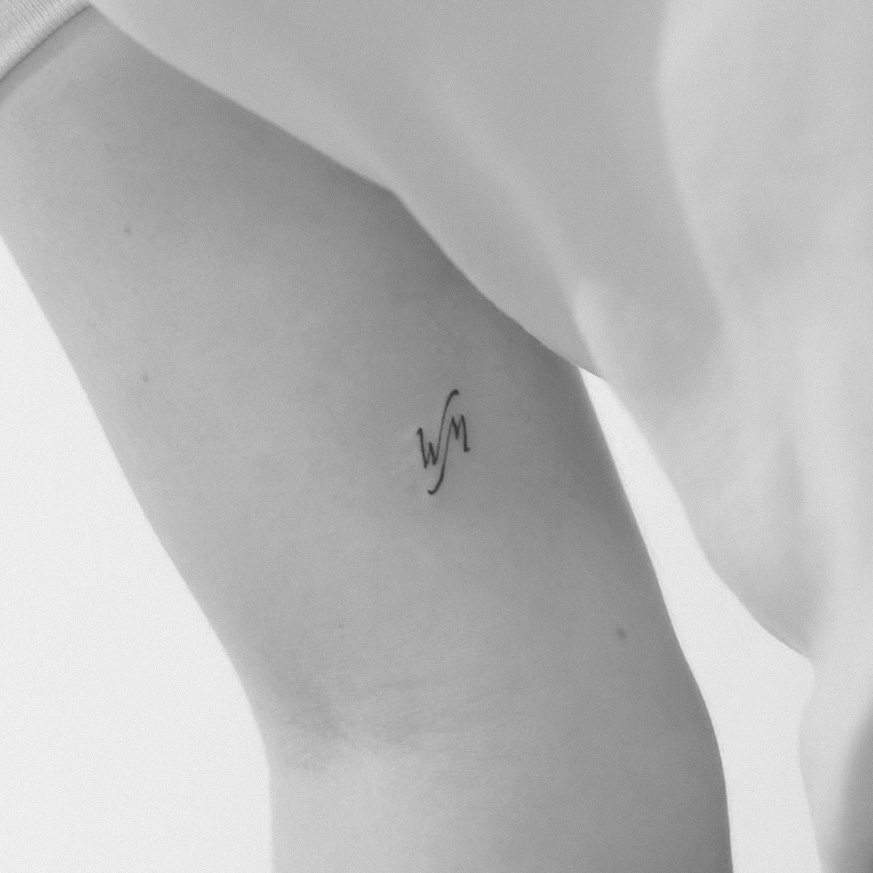
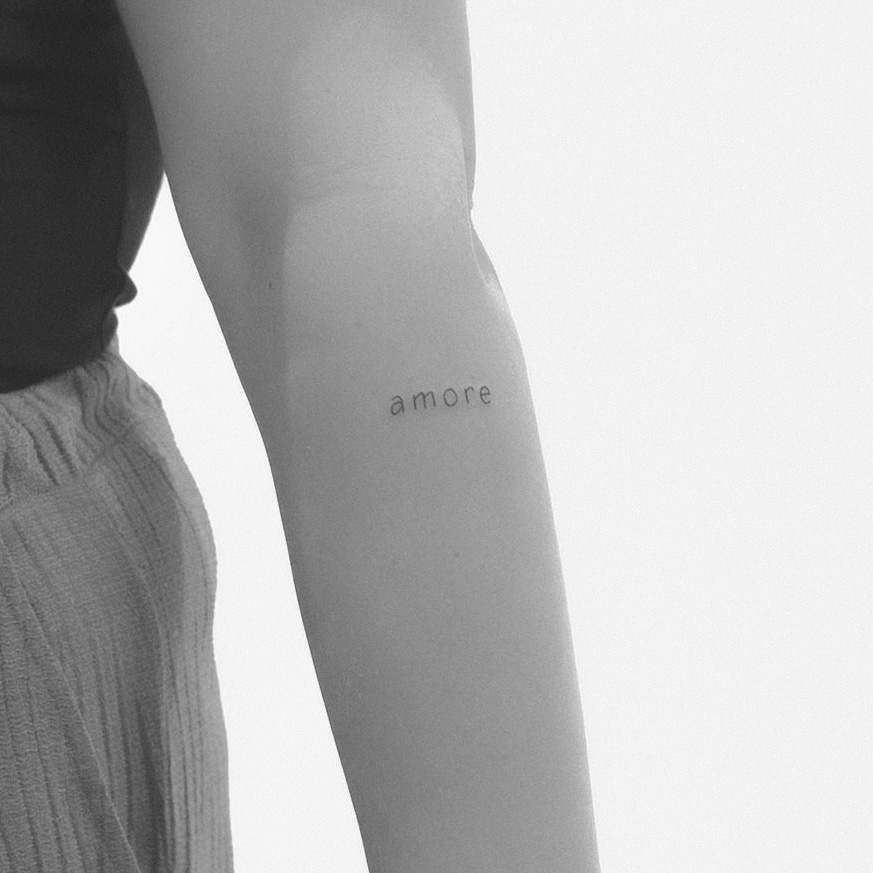
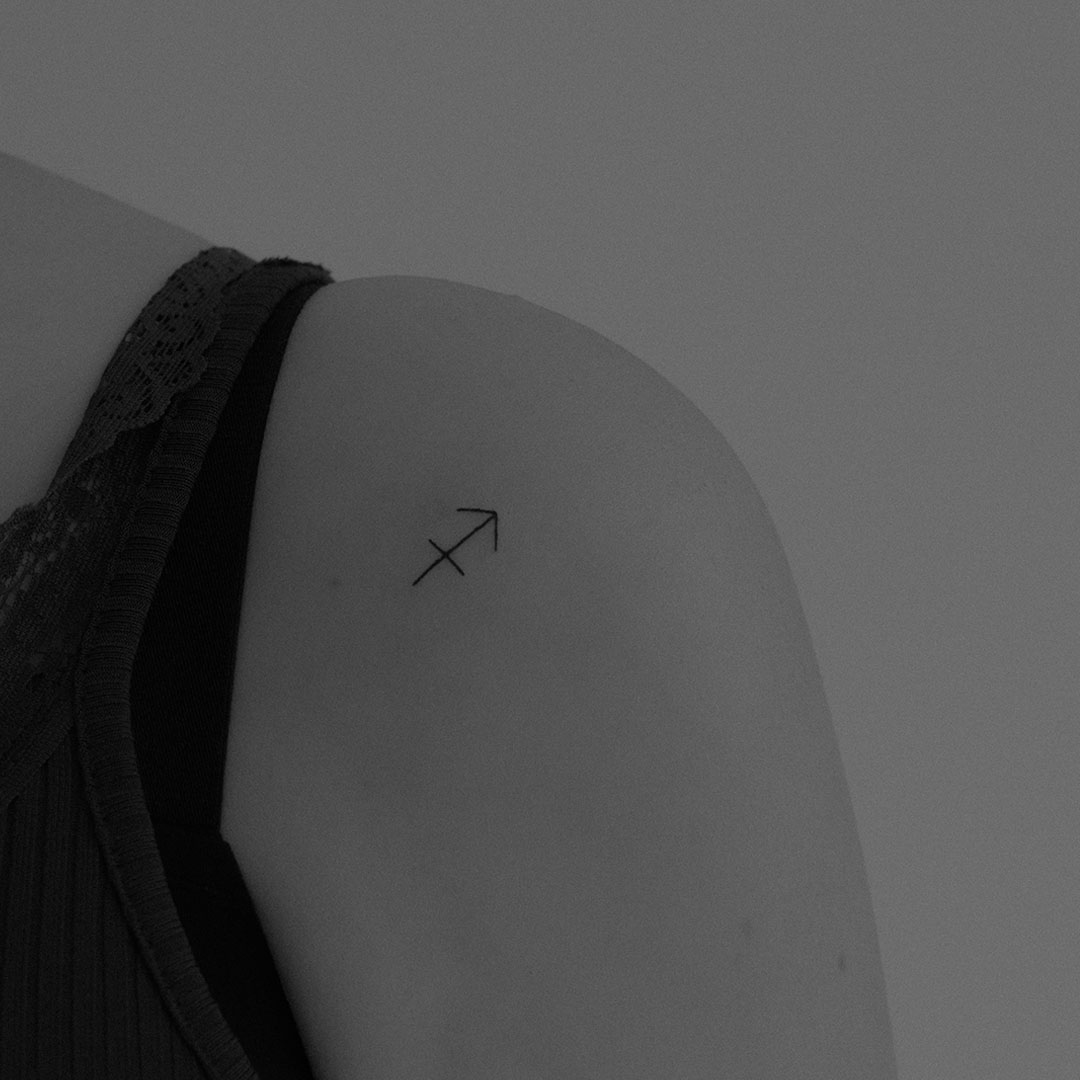
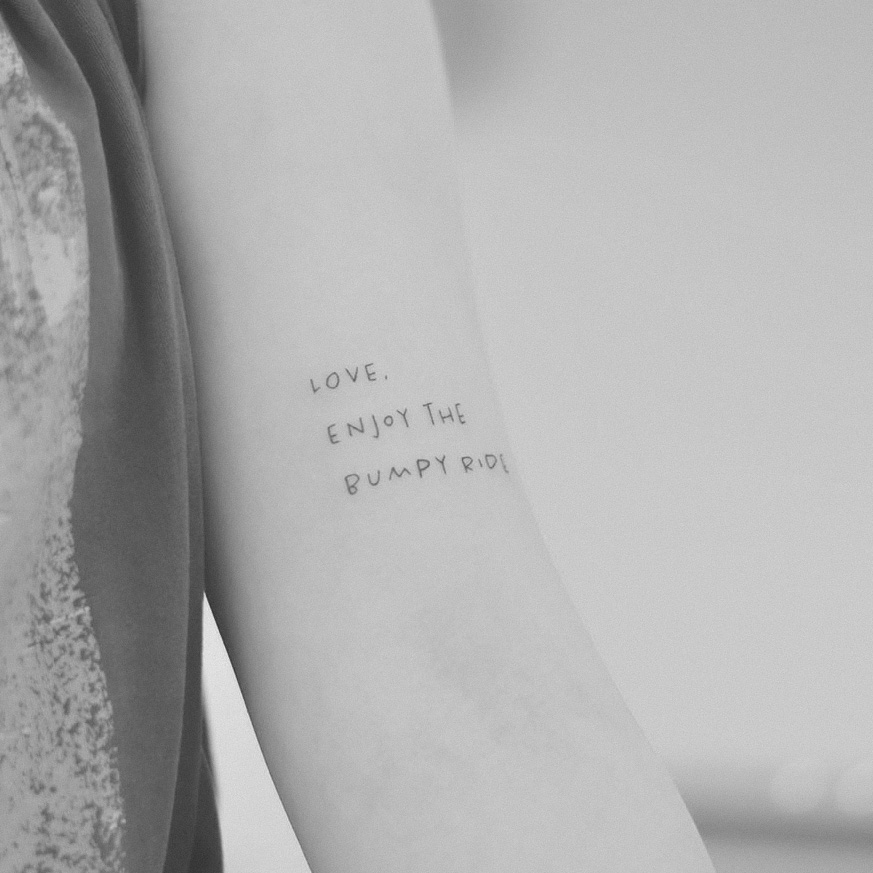
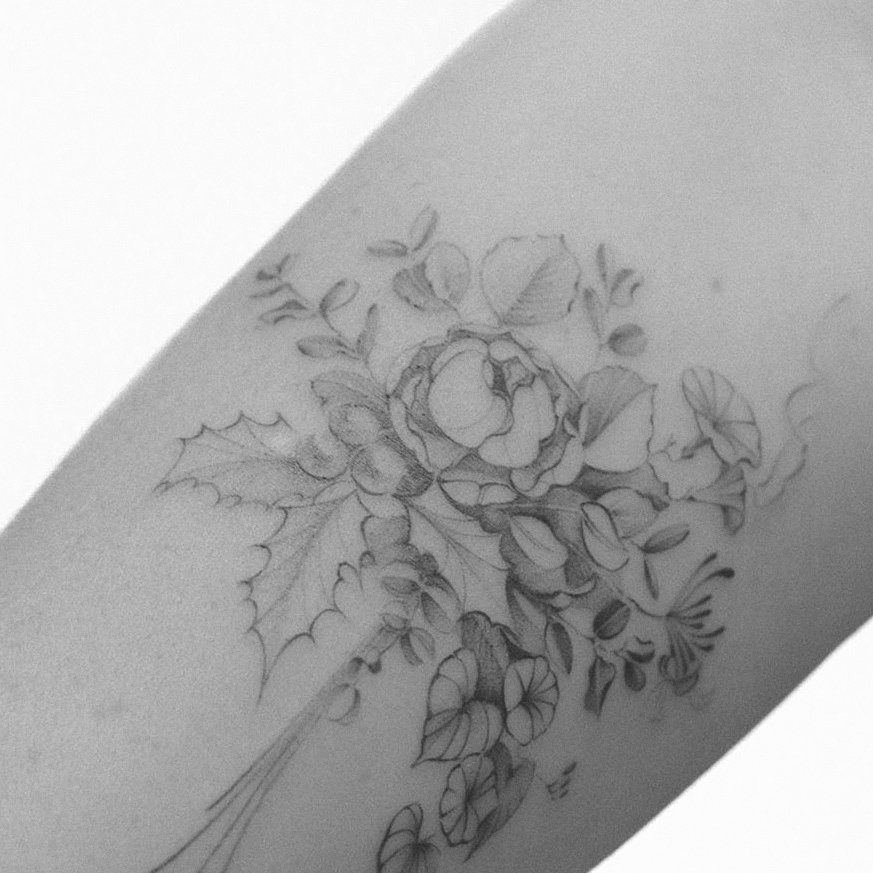
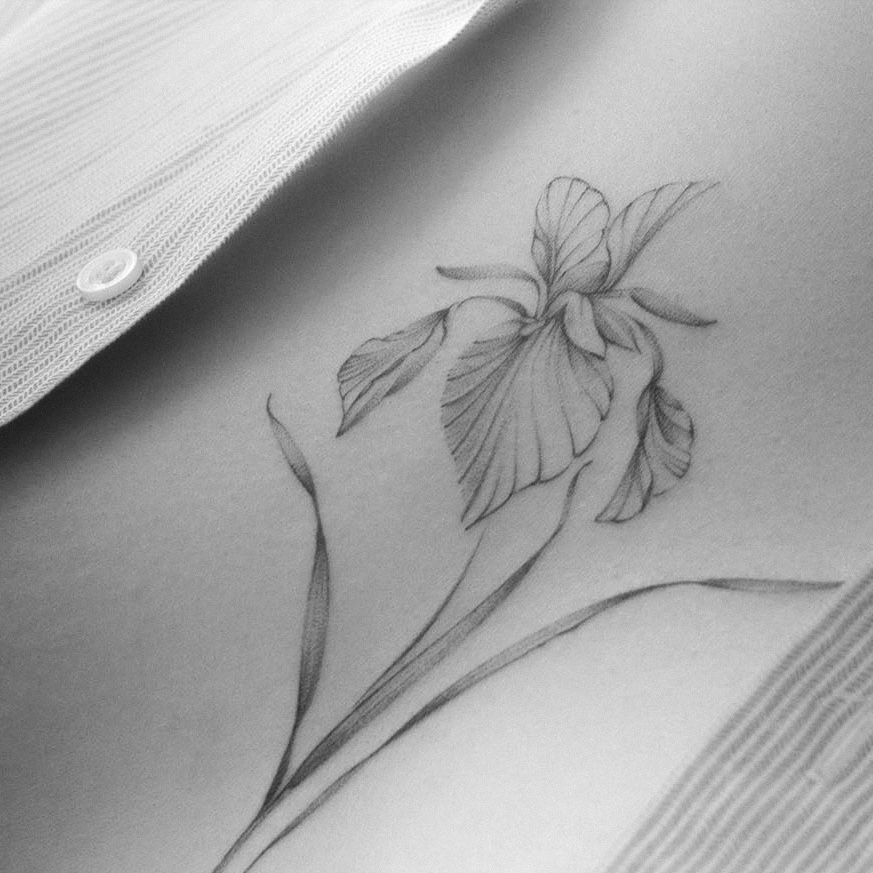
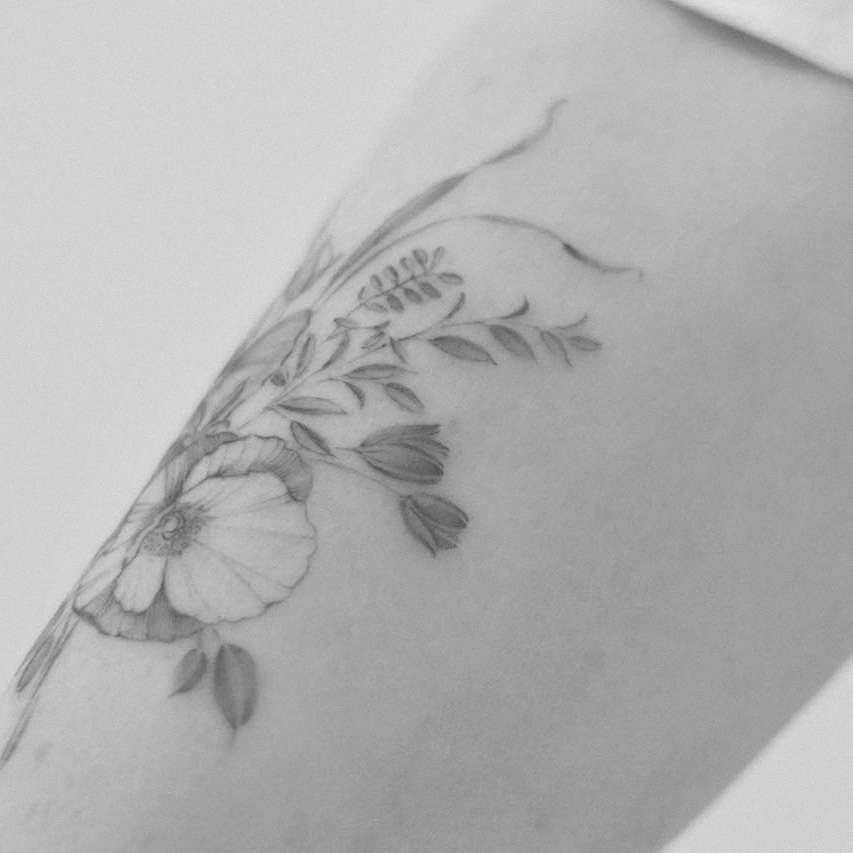
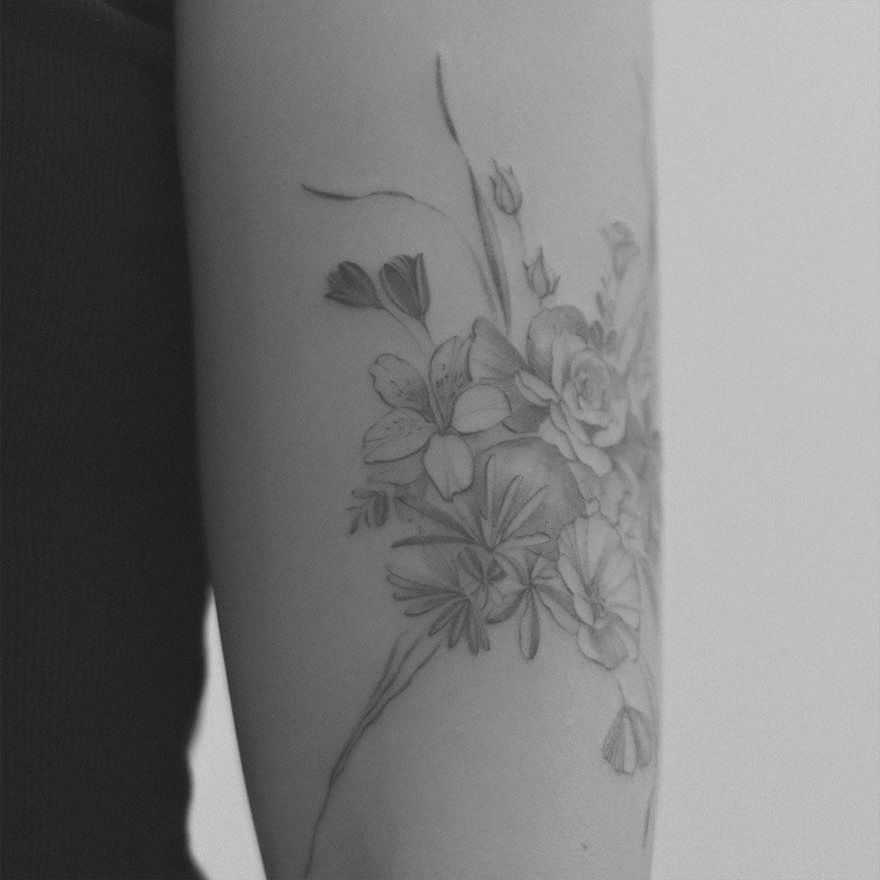
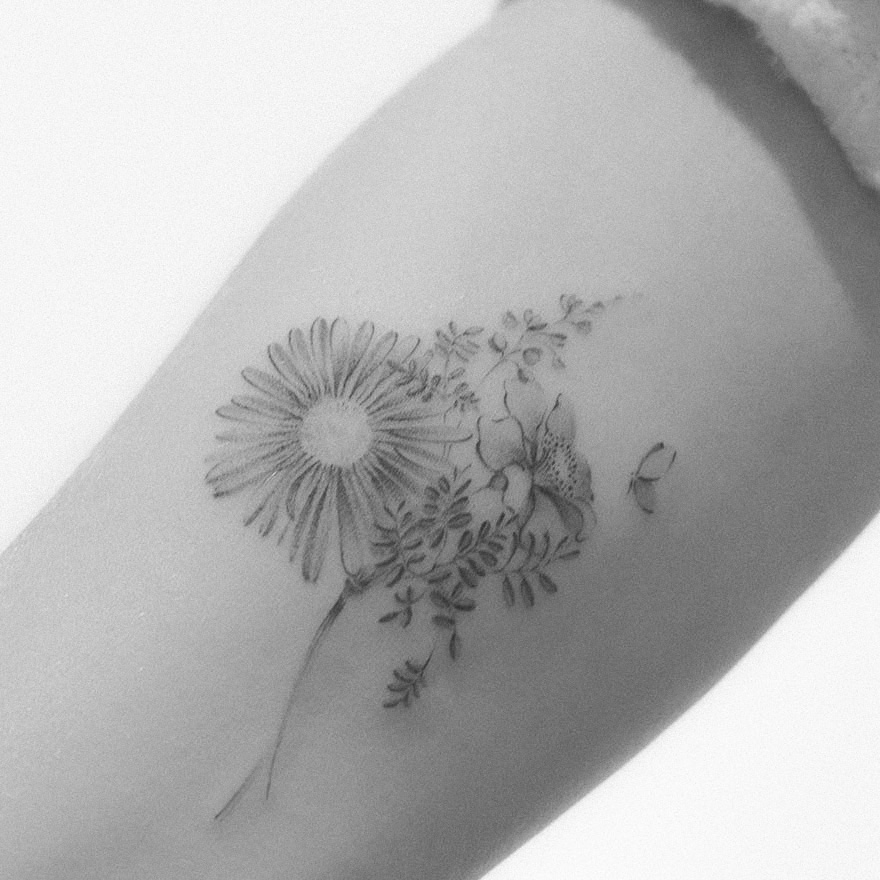
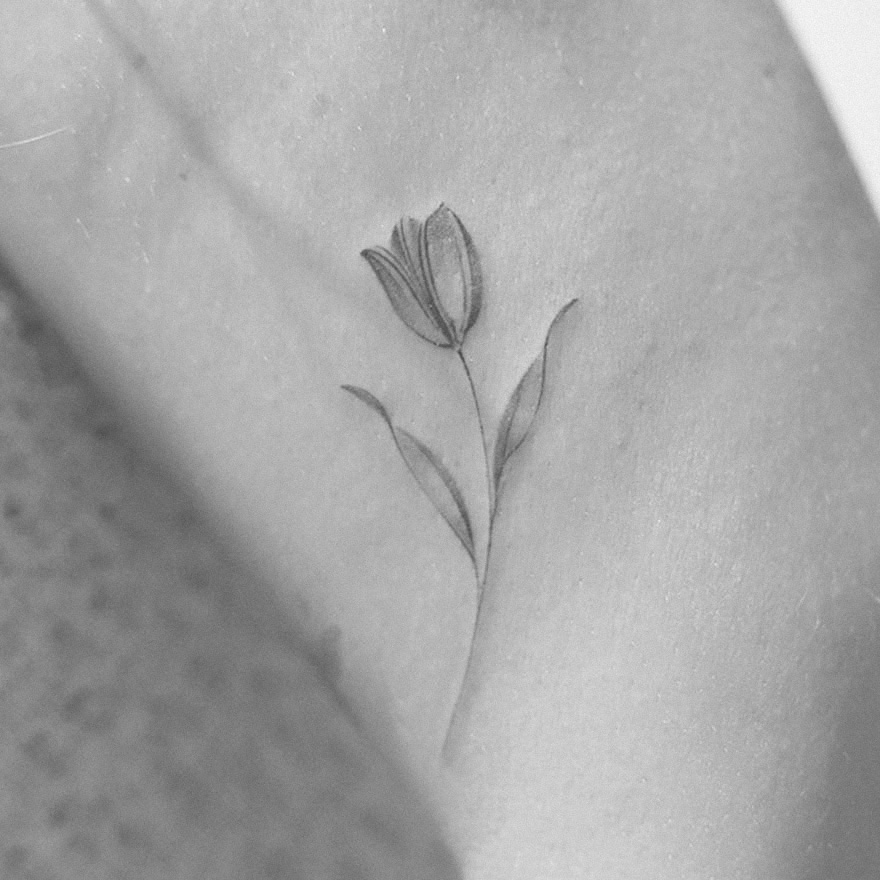
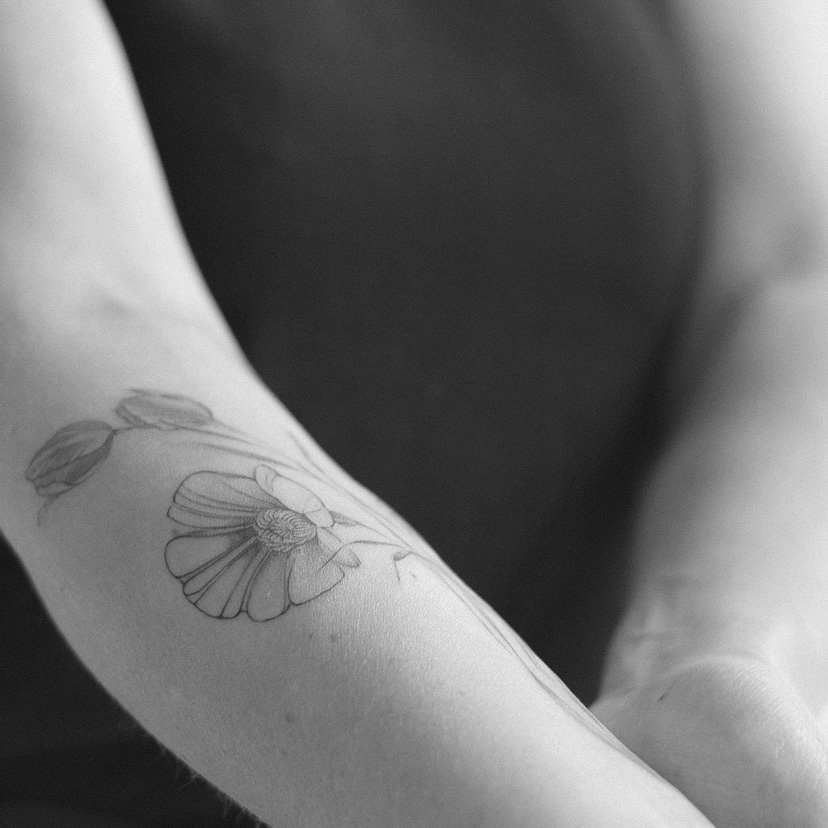
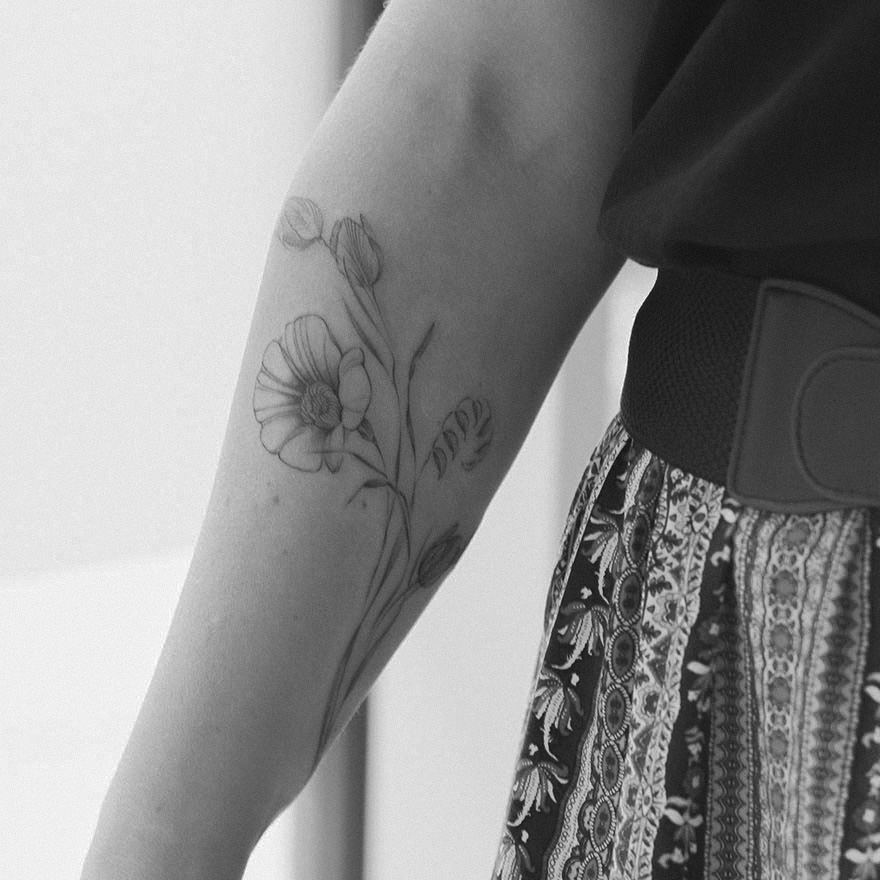
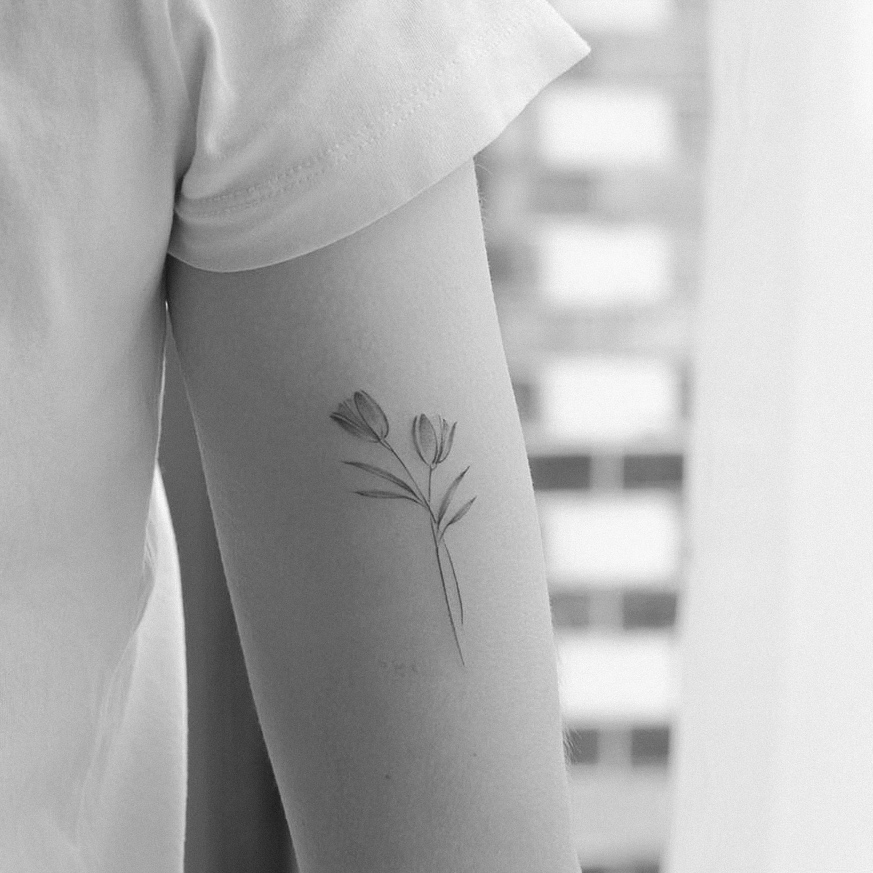
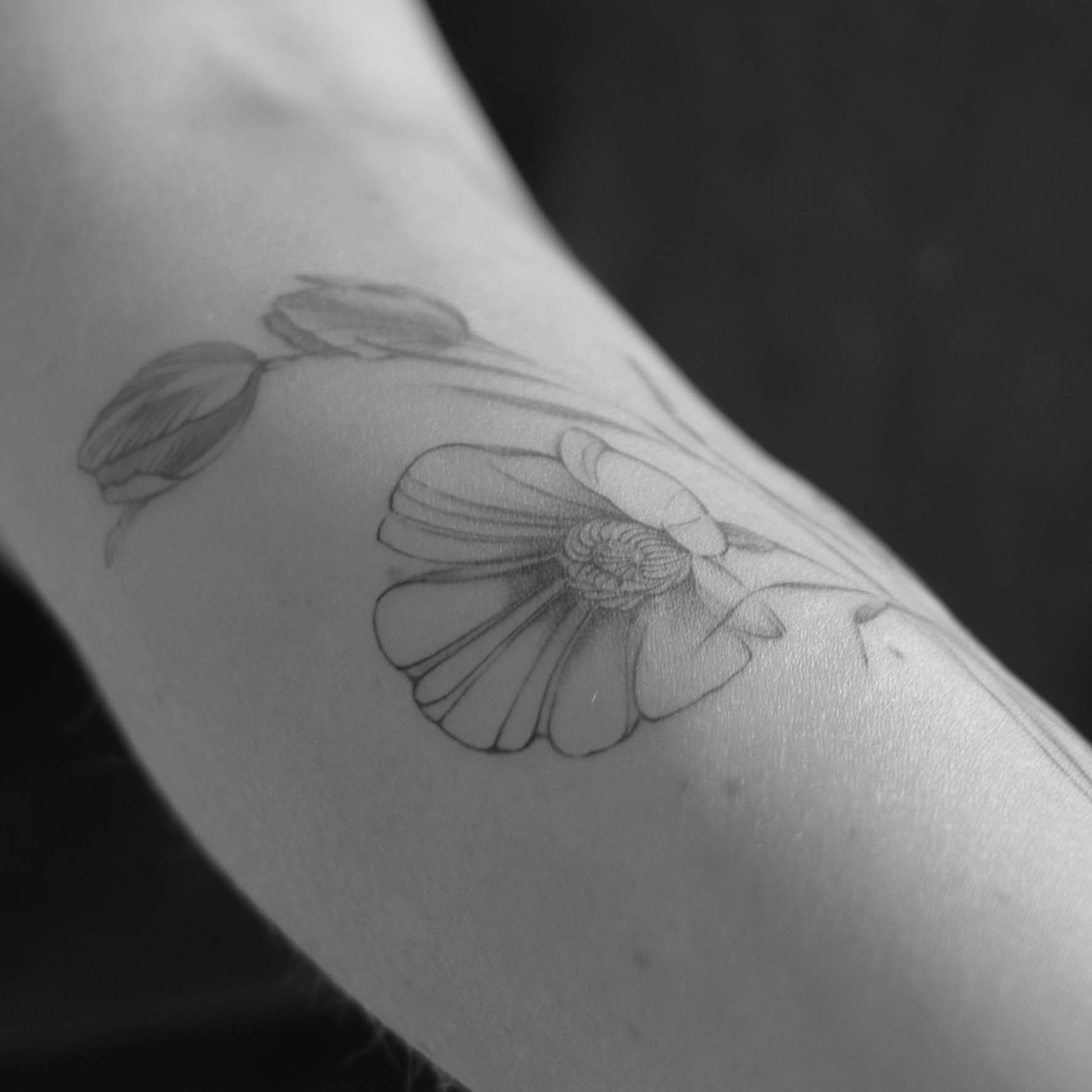
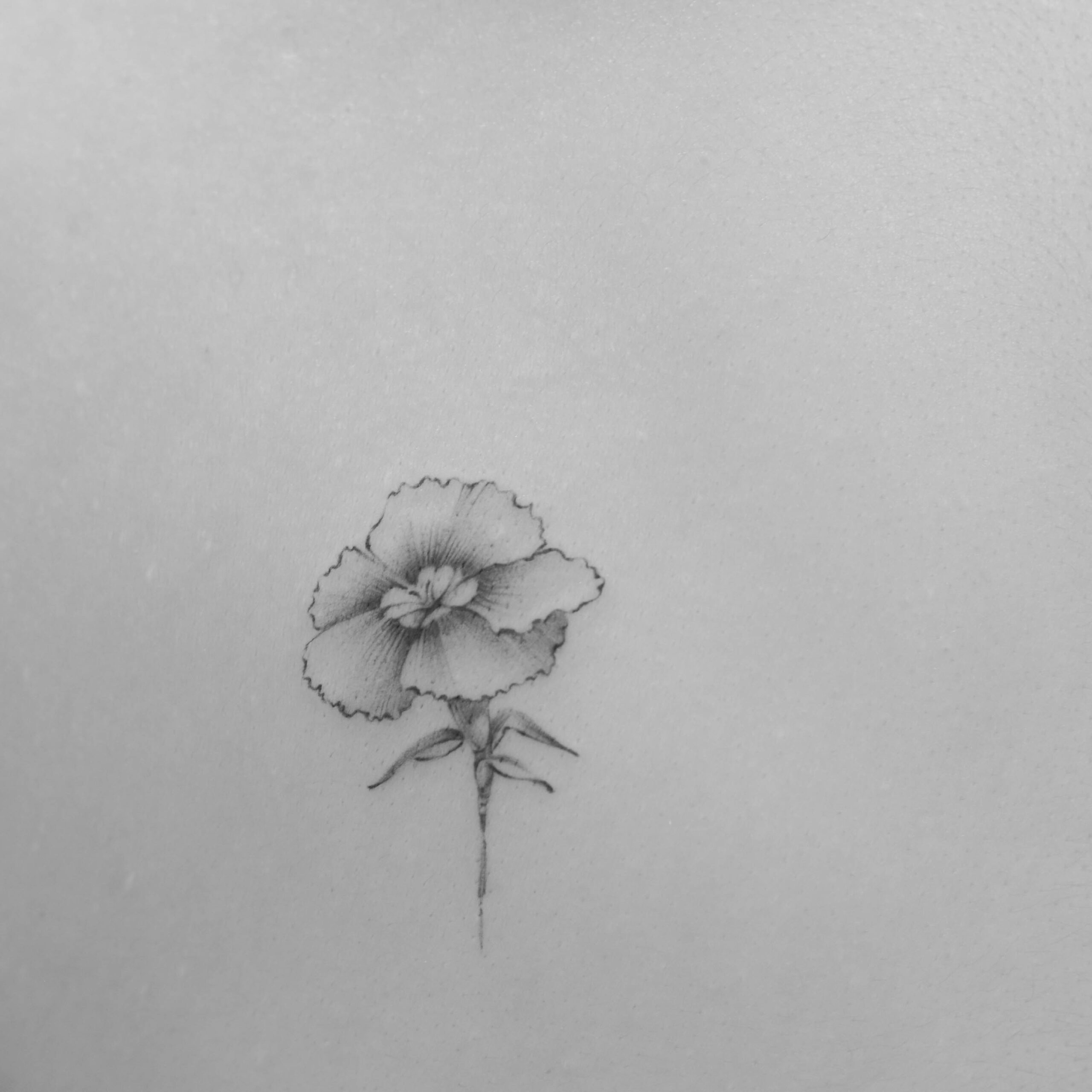
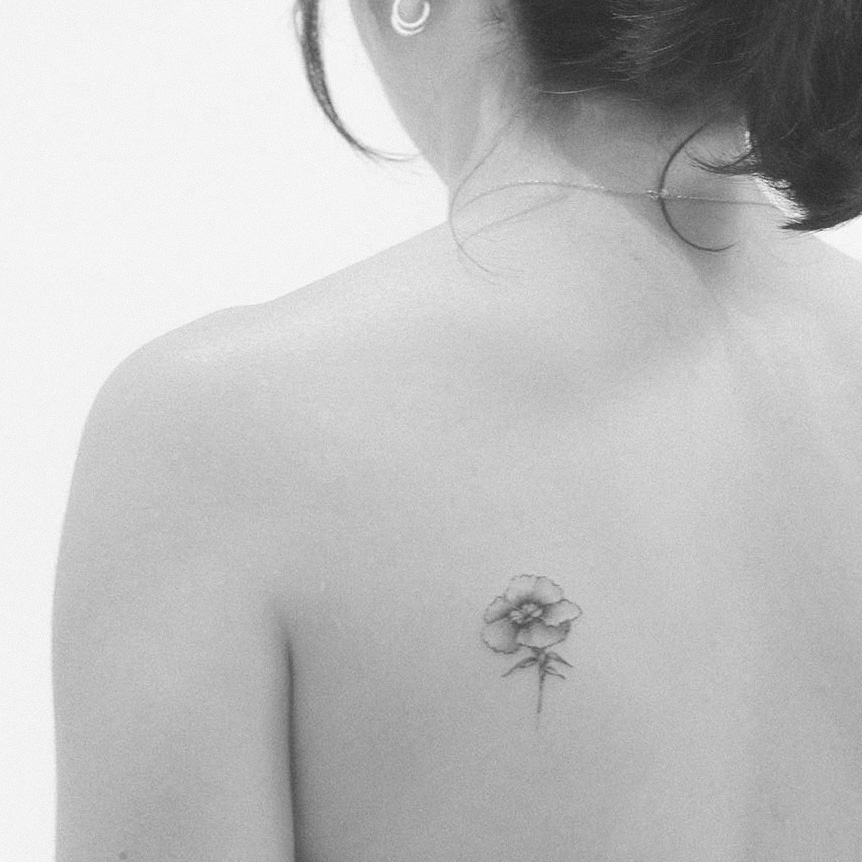
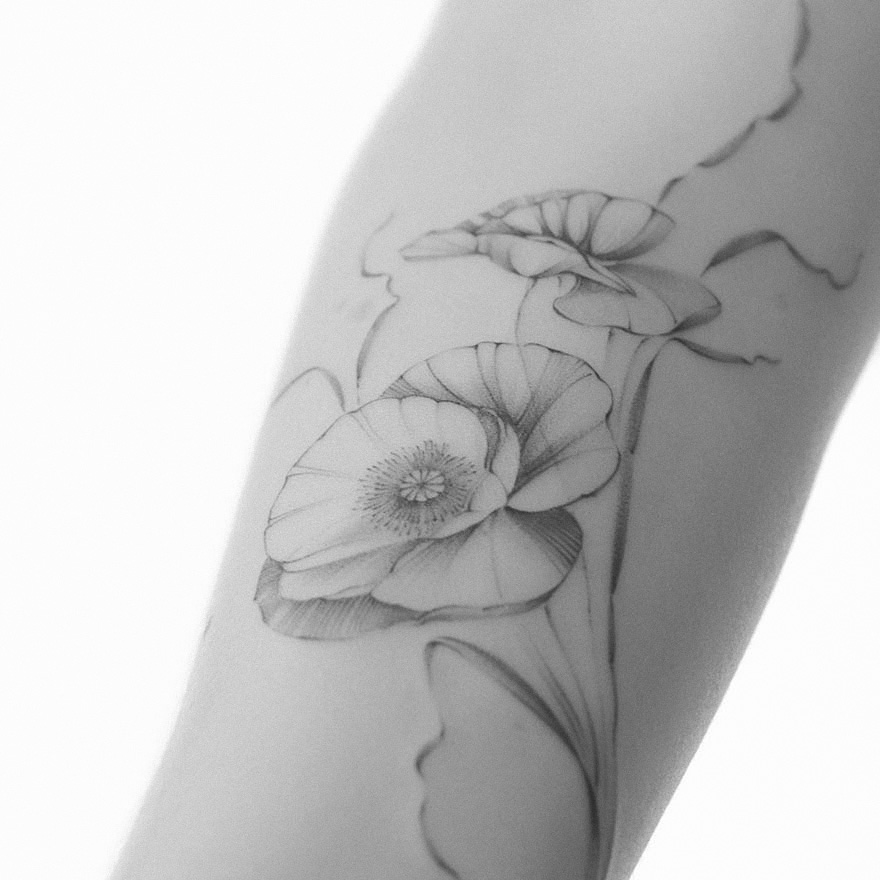
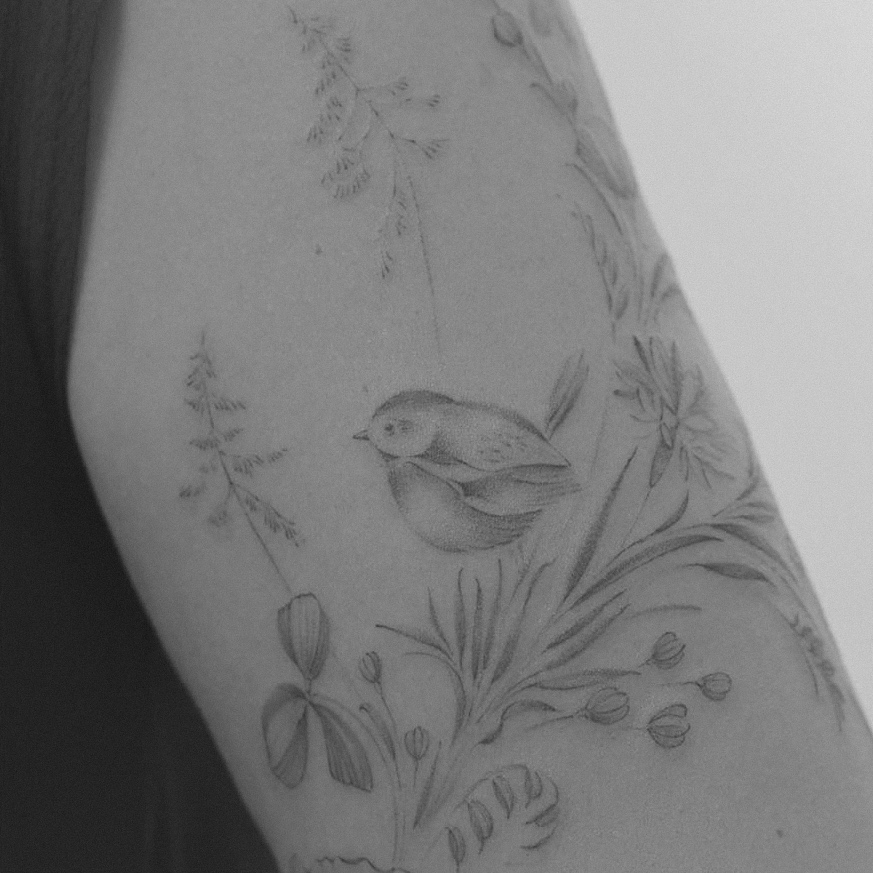
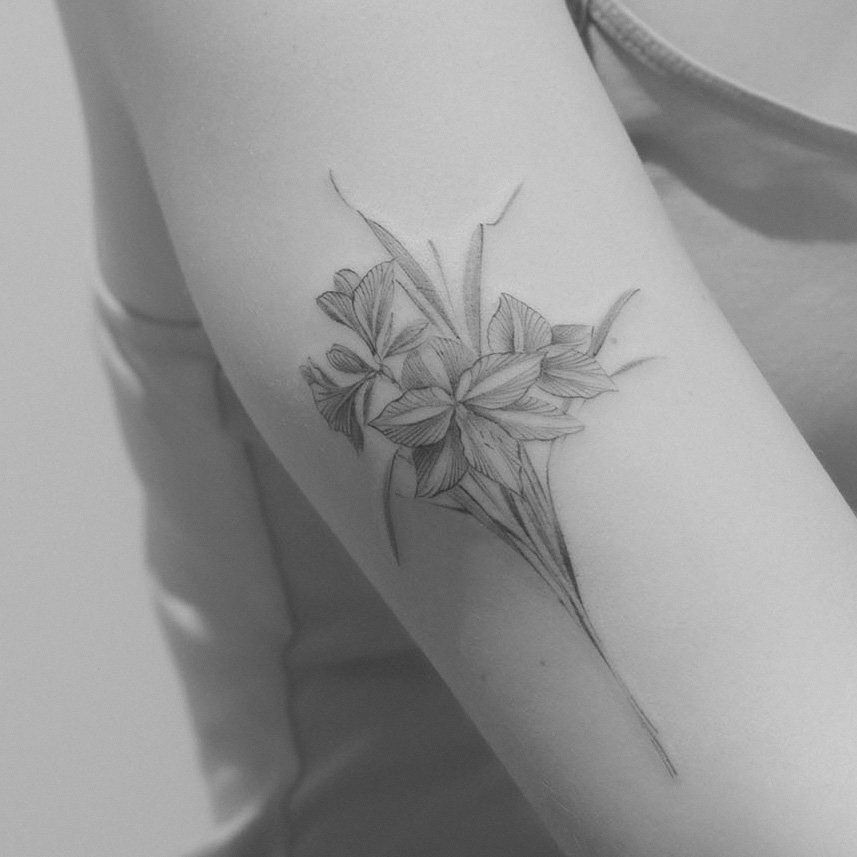
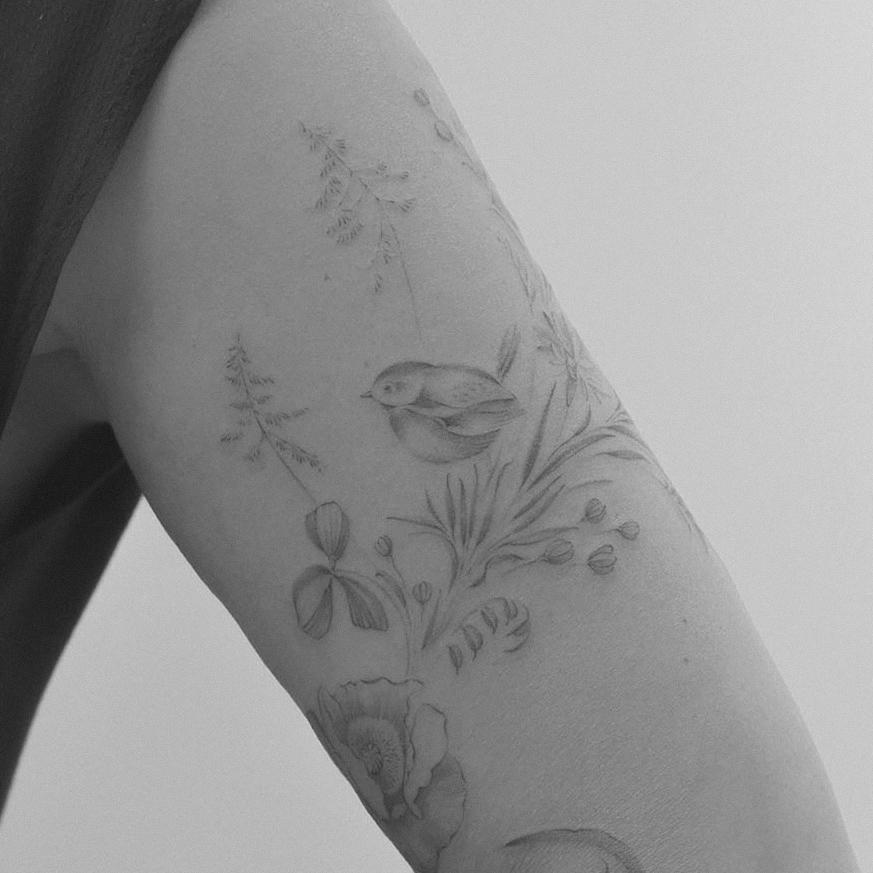
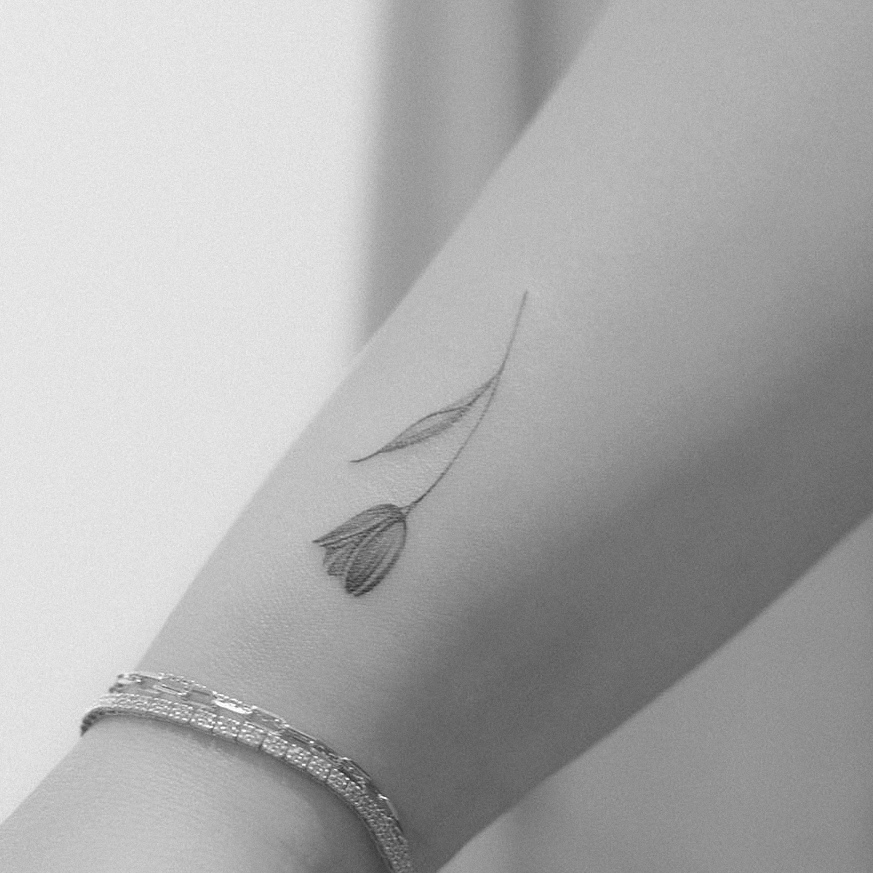
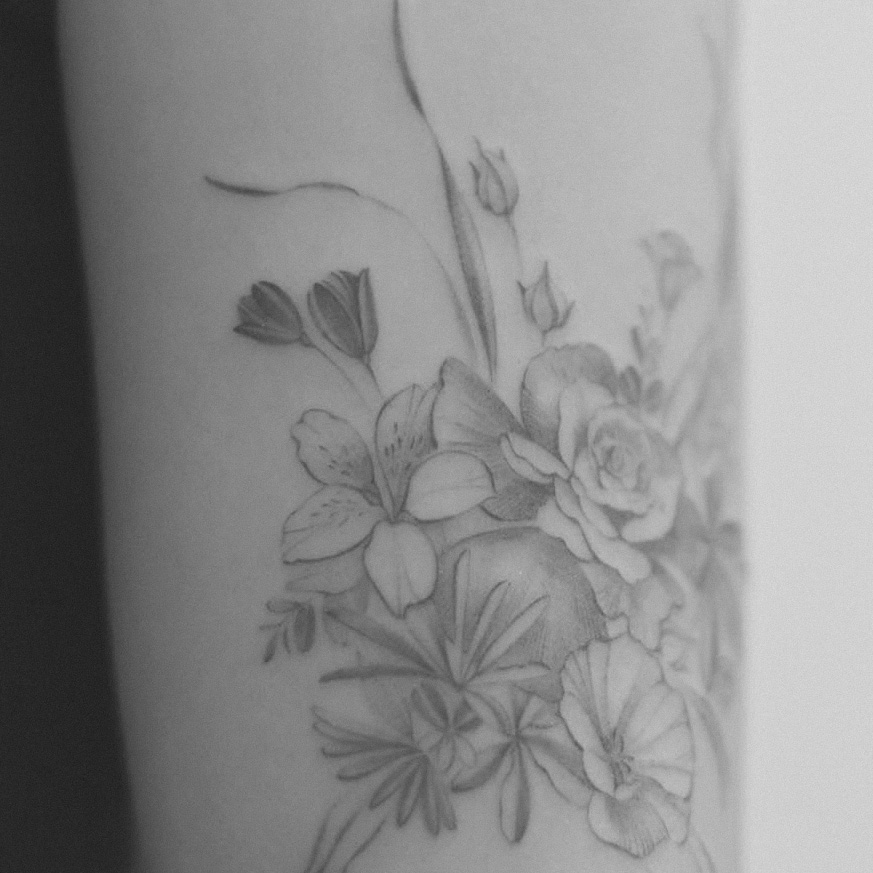
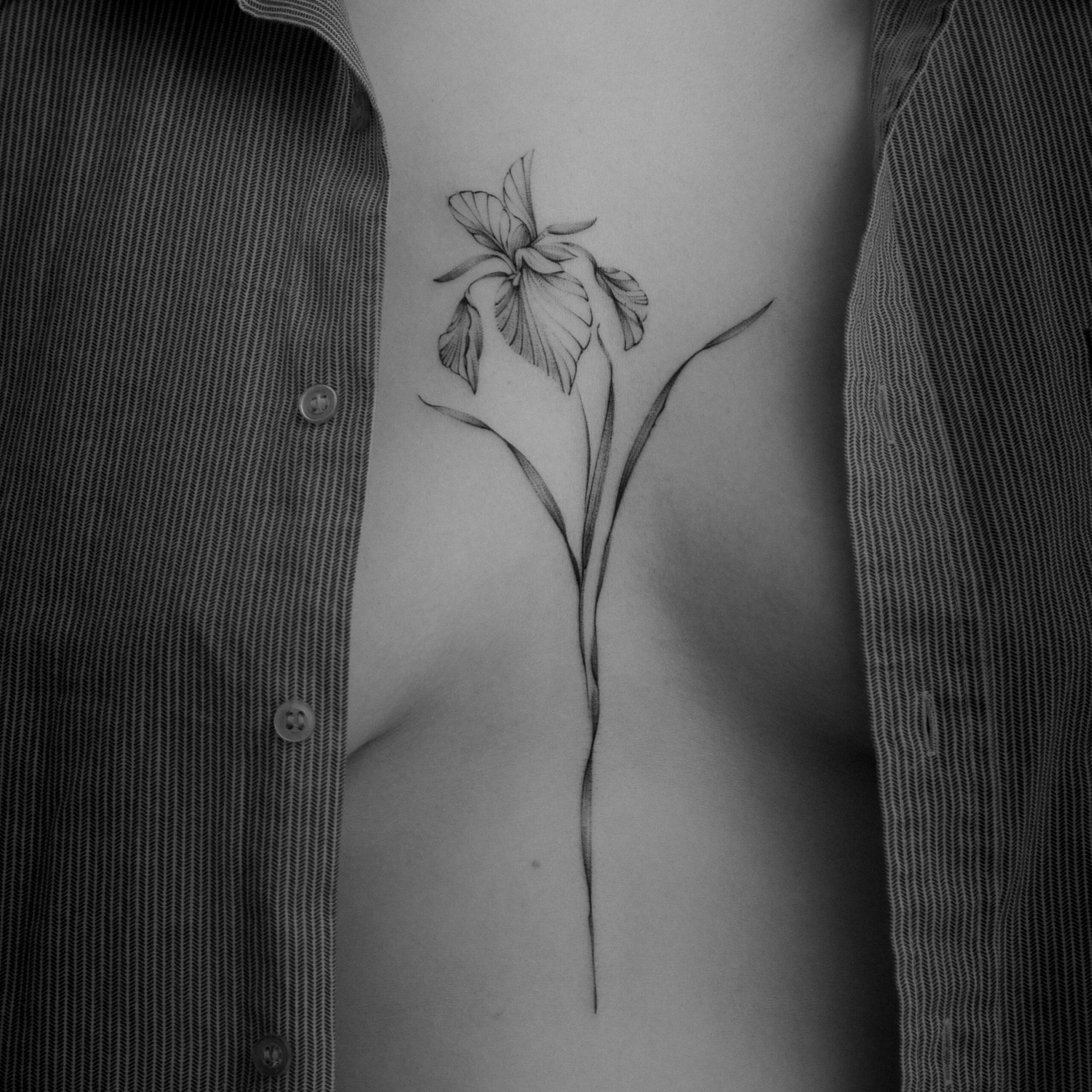
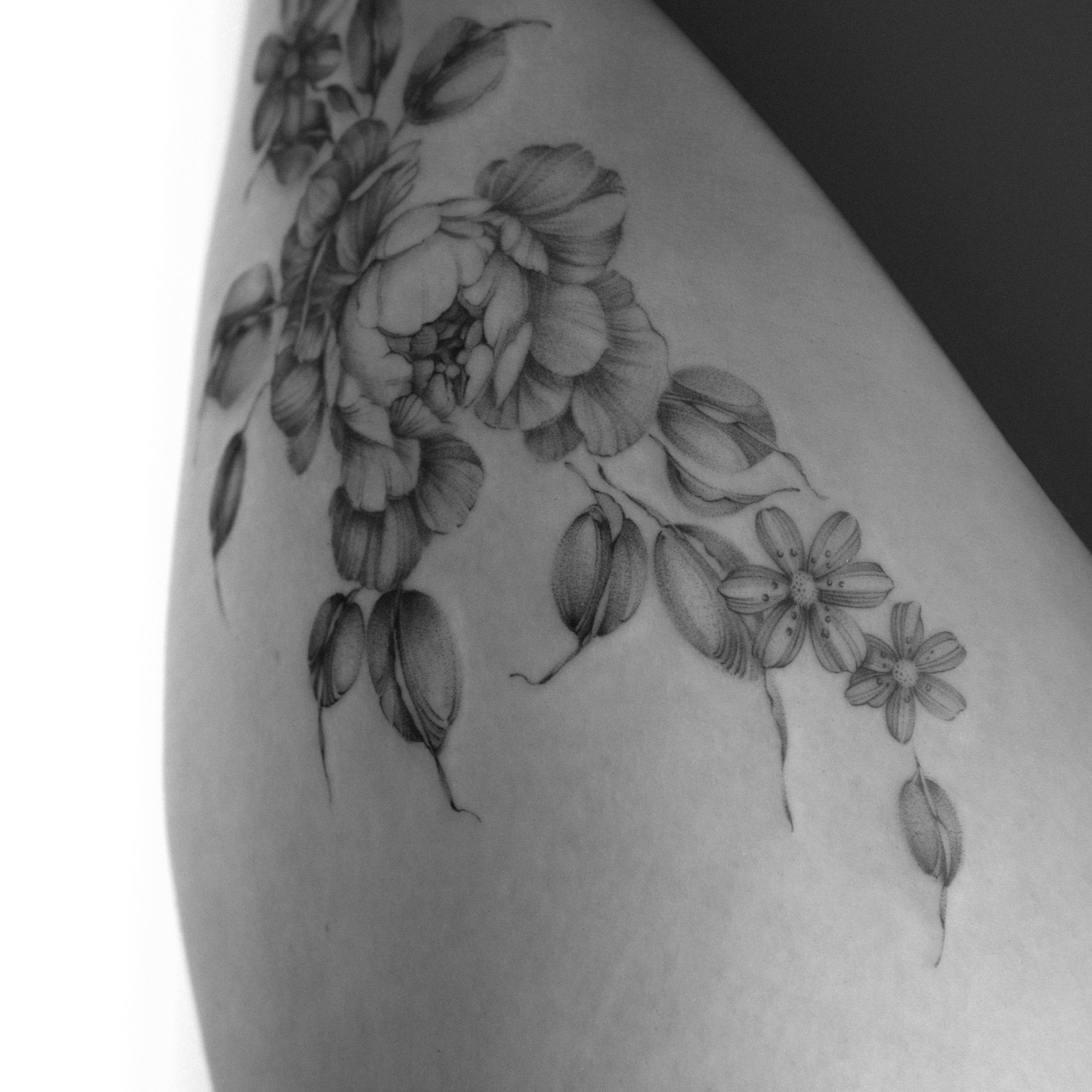
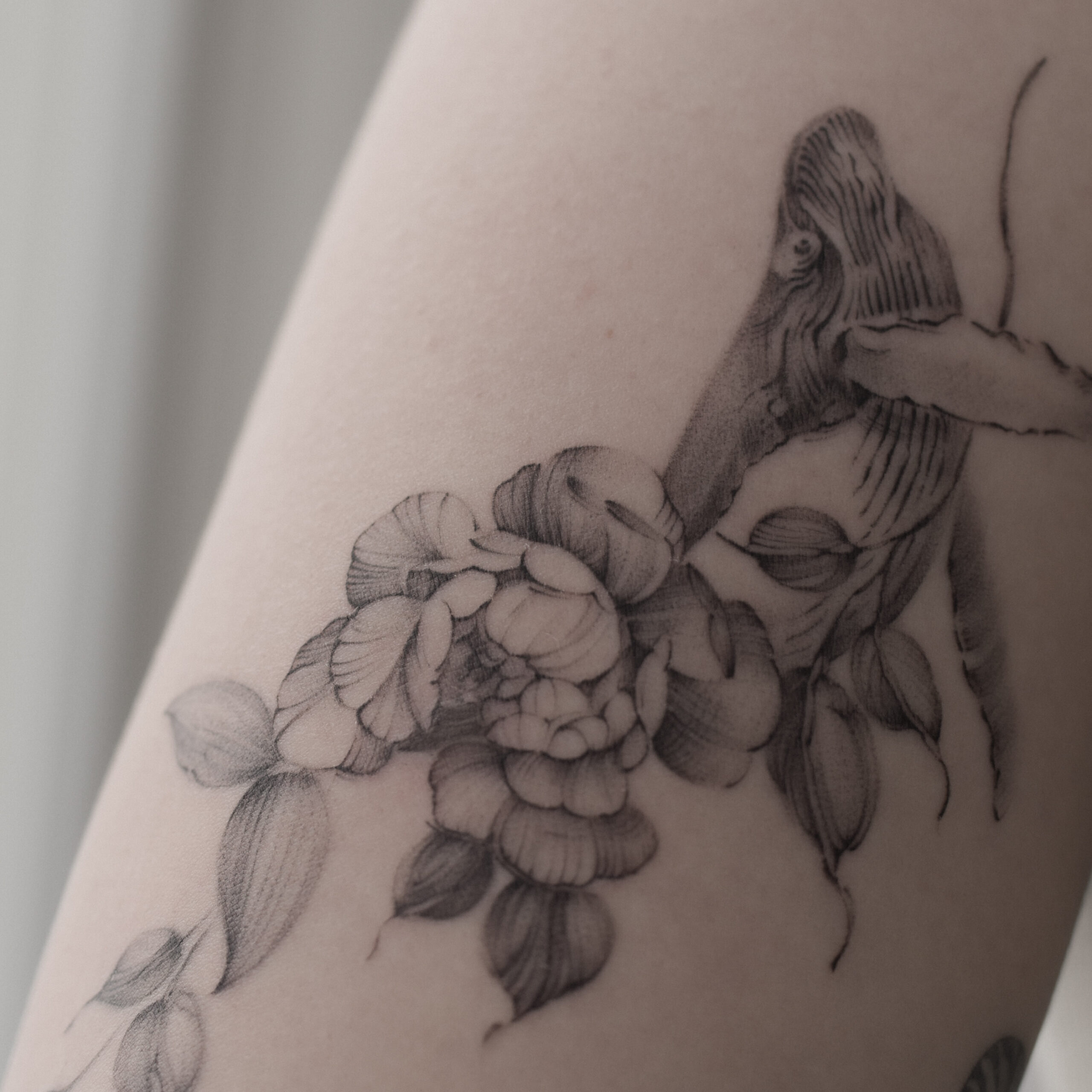
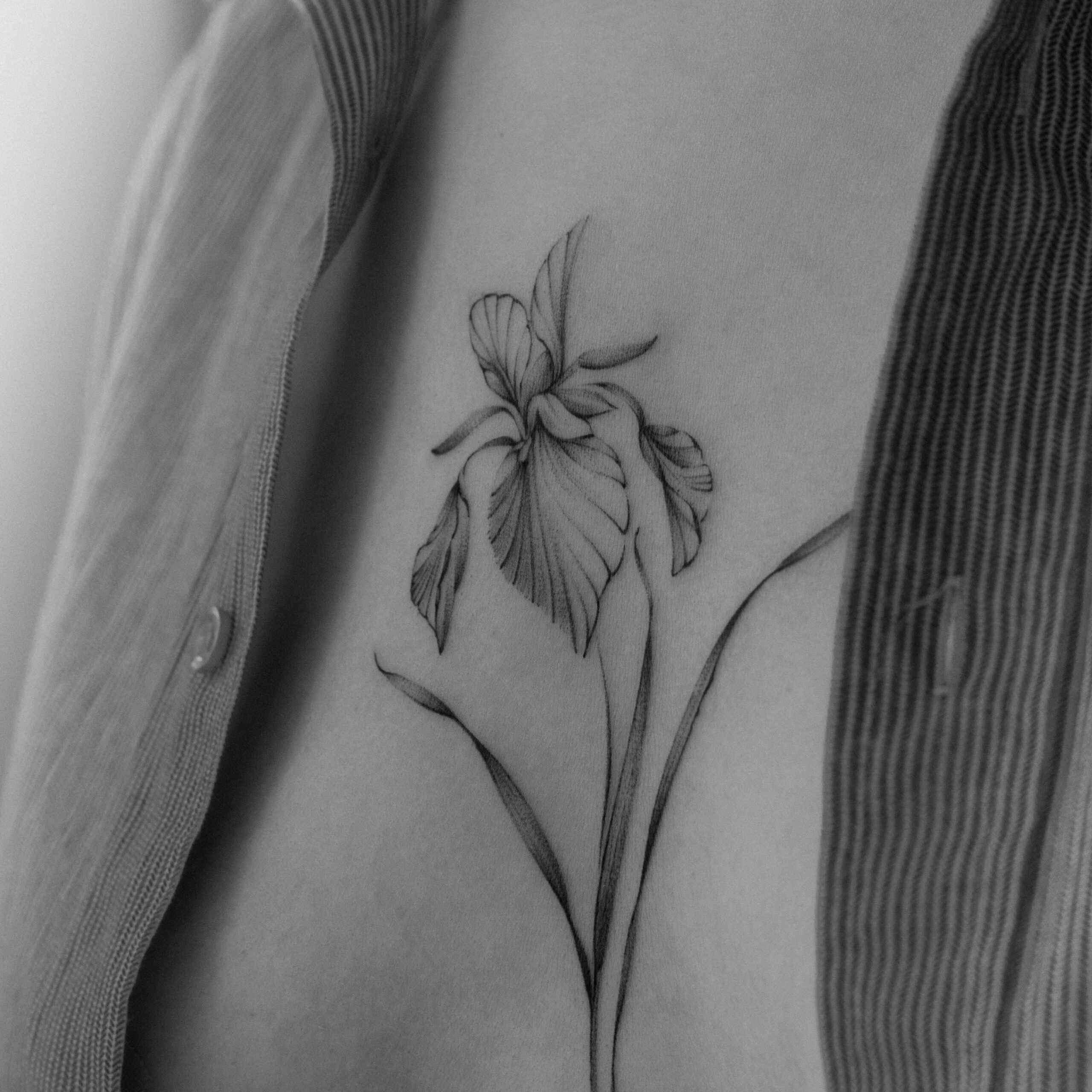
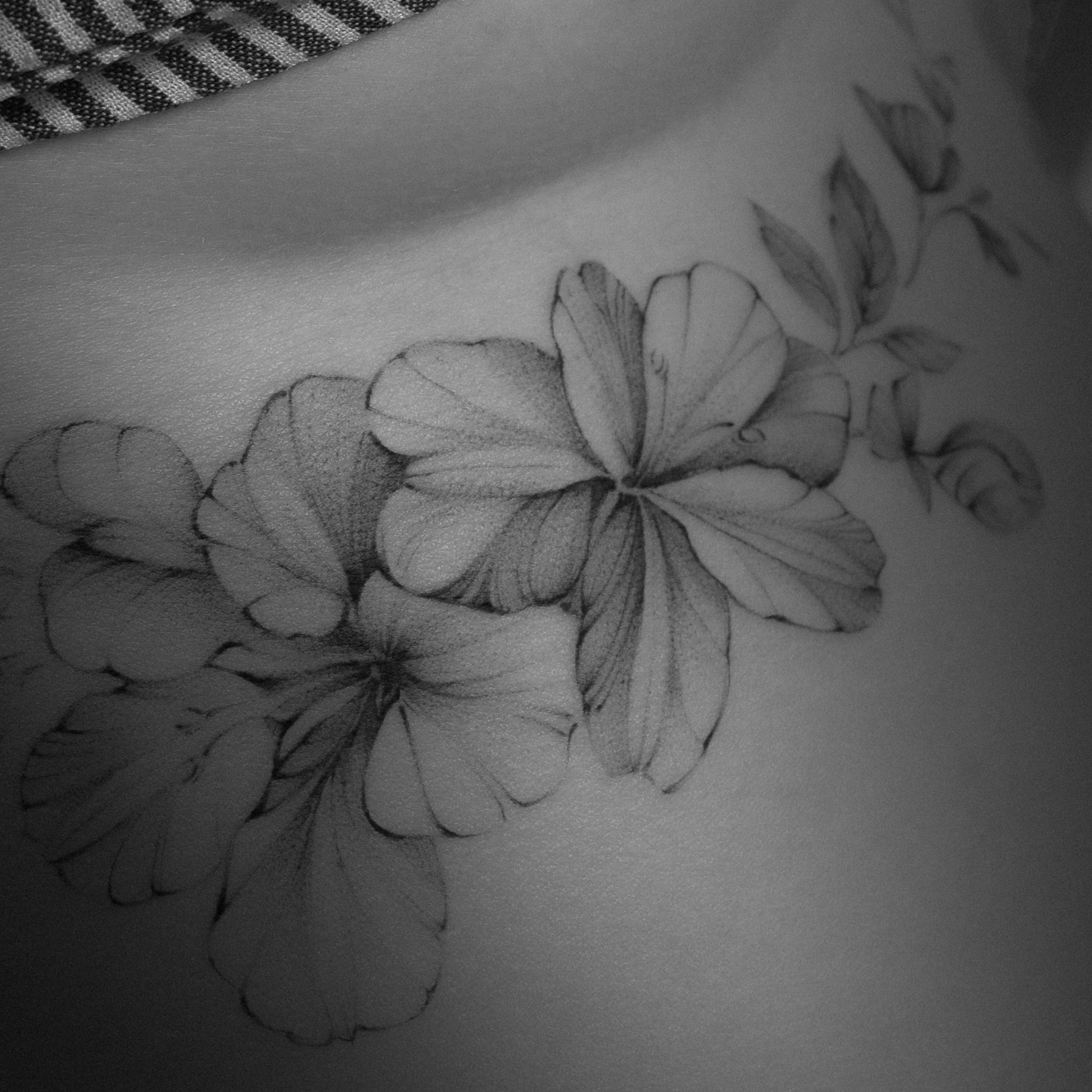
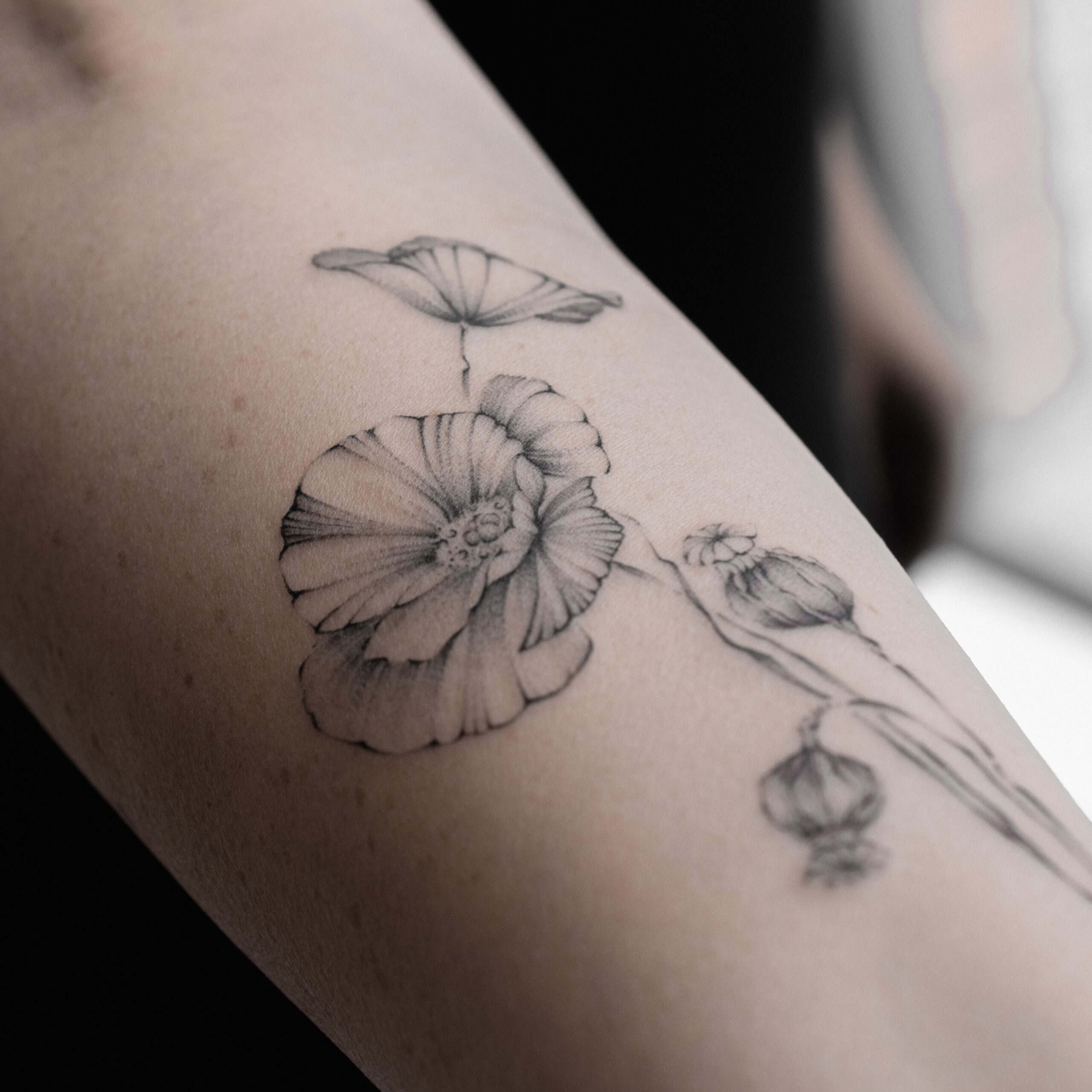
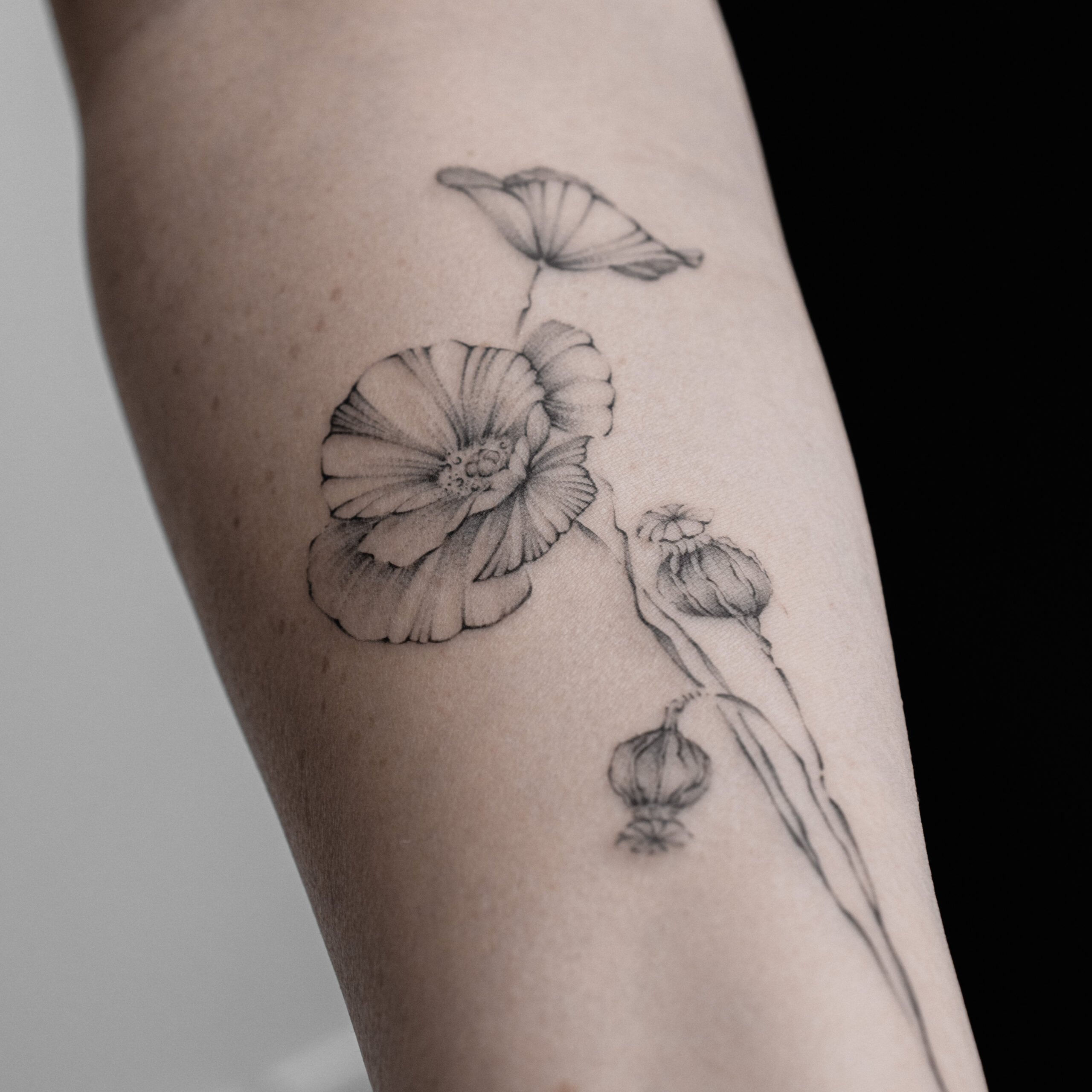
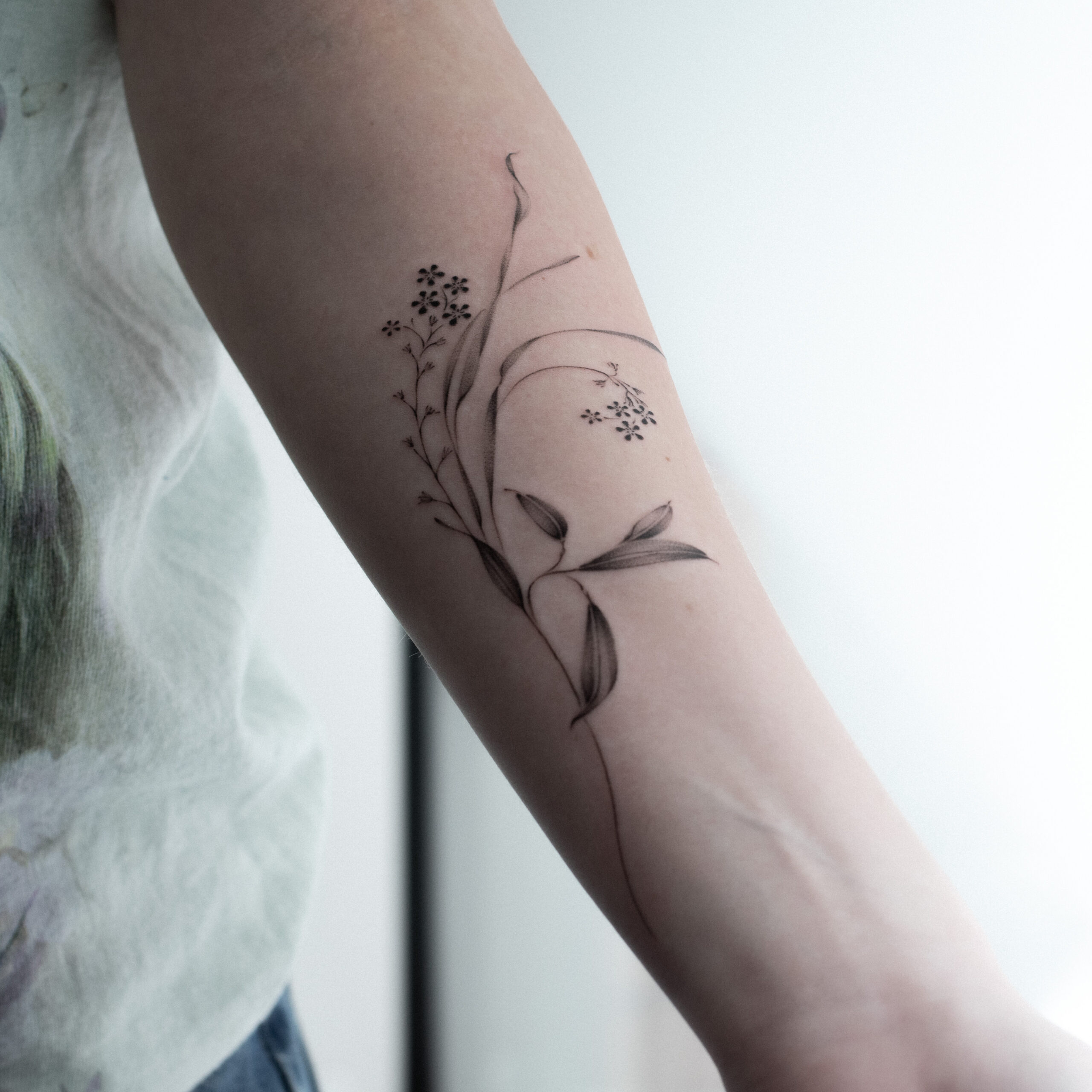
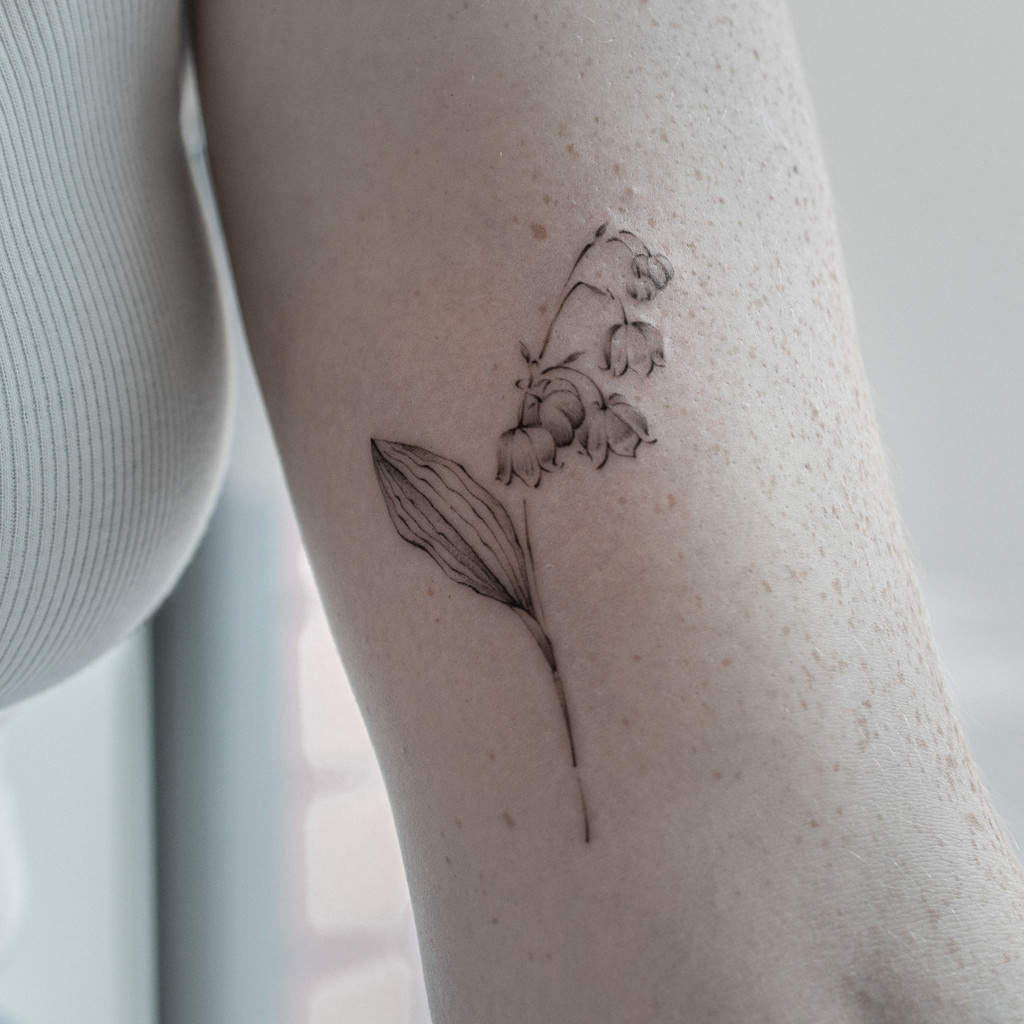
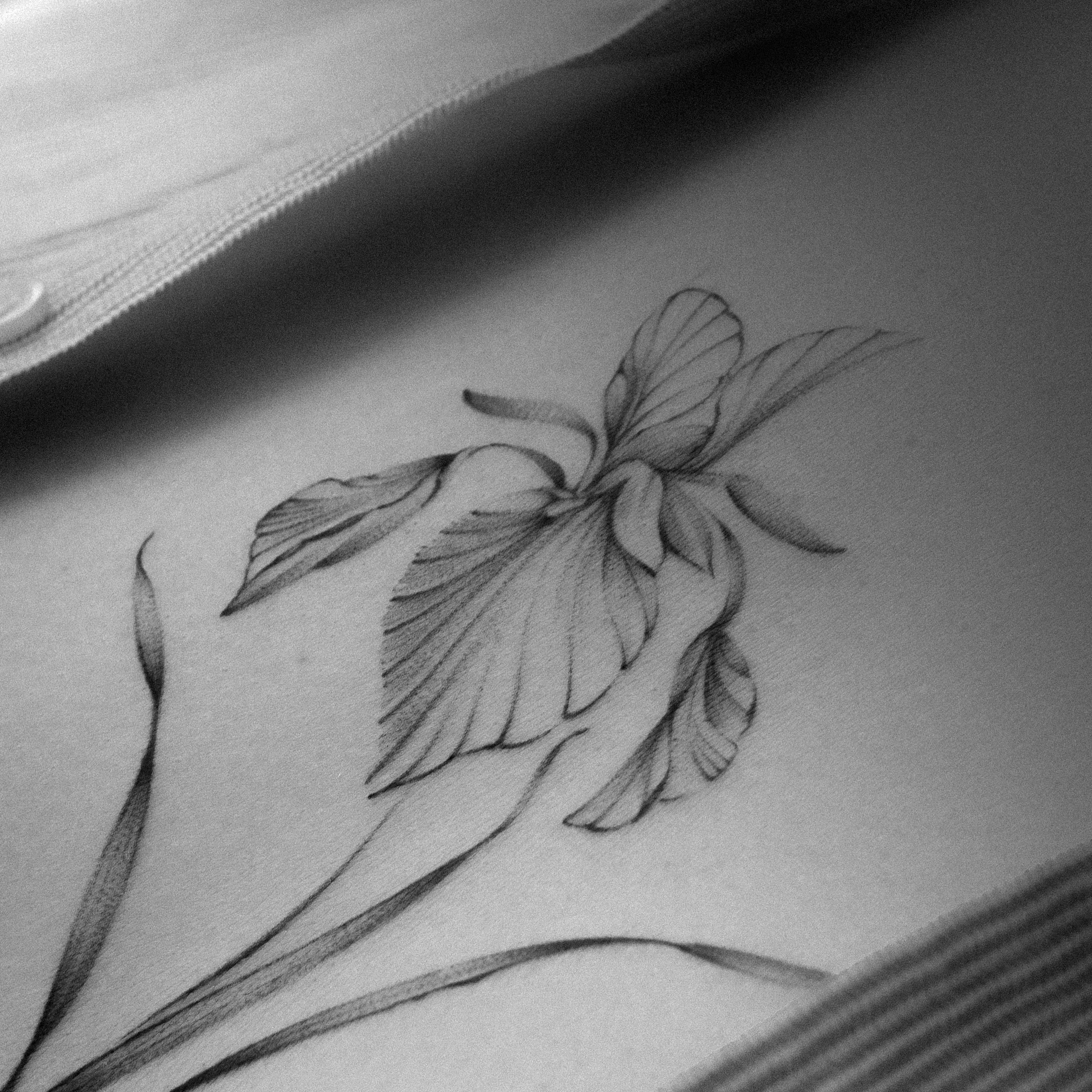
At Vadelma Tattoo in Amsterdam, observation plays an important role in the creative process. A successful tattoo is rarely the result of rushing. It requires attention to composition, proportion, placement, balance, and the unique characteristics of each individual. These decisions are often guided by careful observation rather than quick assumptions. The same principle applies to art more broadly. Whether creating a drawing, designing a building, writing a story, or planning a tattoo, meaningful work often begins with seeing something others may have overlooked. Perhaps that is why observation remains such a valuable skill. It allows us to find inspiration in places that were always there, waiting to be noticed. If you are interested in exploring available tattoo projects, you can find them here:
https://vadelma.eu/available-projects
And for those who appreciate visual art beyond tattooing, you can discover Natalie Vadelma’s museum-quality artworks and prints at:
.
Final Thoughts
The difference between looking and seeing may seem small, but it changes everything. Looking is something we do automatically. Seeing is something we choose to do. The more carefully we observe the world around us, the richer it becomes. Details emerge. Connections appear. Inspiration reveals itself in places we once ignored. Artists have understood this for centuries. Their greatest skill may not be drawing, painting, designing, or tattooing. It may simply be their willingness to pay attention. And perhaps that is a skill available to all of us.
.
FAQ
What is the difference between looking and seeing?
Looking is a passive act of receiving visual information, while seeing involves intentional observation and deeper awareness of details, relationships, and meaning.
Why is observation important for artists?
Observation helps artists understand shapes, proportions, light, texture, composition, and countless other details that influence creative work.
Can observation be improved?
Yes. Like any skill, observation improves with practice. Drawing, photography, journaling, and mindful exploration can all help strengthen it.
Why do artists notice things other people miss?
Artists often train themselves to pay closer attention to details and patterns that most people overlook in everyday life.
How does observation support creativity?
Careful observation provides inspiration, ideas, and insights that can later be transformed into creative work.
The Difference Between Looking and Seeing
.
What Artists Notice That Others Often Miss
Every day, we look at thousands of things. We look at our phones, computer screens, buildings, streets, people passing by, signs, photographs, and countless other details that fill our environment. Modern life surrounds us with more visual information than ever before. Yet despite constantly looking, we do not always see. At first, the distinction may seem subtle. Looking and seeing are often treated as the same thing. In reality, they are very different experiences. Looking is automatic. Seeing is intentional. And perhaps one of the most important skills any artist can develop is learning the difference between the two.
.
Looking Is Passive
Most of the time, our brains are designed for efficiency. Rather than carefully analyzing every detail of the world around us, we quickly filter information and focus only on what appears immediately useful. This ability helps us move through daily life without becoming overwhelmed by the sheer amount of visual input we encounter. As a result, we often look at things without truly noticing them. We walk past the same buildings every day without observing their details. We travel the same routes without remembering specific features. We see familiar faces without paying attention to subtle expressions. The brain fills in the gaps. It assumes that because something is familiar, it no longer requires close observation. This is practical. But it can also cause us to miss a great deal.
.
Seeing Requires Attention
Seeing begins when we slow down enough to notice. An artist sketching a building does not simply register that a building exists. They begin observing proportions, textures, shadows, reflections, materials, and countless details that many people overlook. A photographer studies light. A designer notices balance and composition. An architect examines structure and space. A writer observes gestures, conversations, and small moments of human behavior. The difference is not necessarily talent. The difference is attention. Seeing requires curiosity. It asks us to move beyond first impressions and engage more deeply with what is in front of us.
.
Why Artists Train Observation
One of the greatest misconceptions about artistic skill is that it begins with technique. People often assume that great drawing starts with a steady hand or that great photography starts with an expensive camera. In reality, artistic development usually begins much earlier. It begins with observation. Before an artist can draw something accurately, they must learn to see it accurately. They need to understand shapes, relationships, proportions, and details that are invisible to casual observation. This is why many traditional art schools spent years teaching students to draw from life. The goal was not simply to improve technical ability. The goal was to train the eye. Learning to see often changes the way people experience the world itself.
.
The Hidden Details of Everyday Life
Once observation becomes a habit, ordinary environments begin revealing extraordinary details. A familiar street suddenly feels different. The texture of old brickwork becomes interesting. The way sunlight reflects from a canal catches attention. The typography on a historic sign feels intentional rather than invisible. A tree that has stood in the same place for years suddenly appears beautiful. Nothing has changed. Only the way of seeing has changed. This shift often explains why artists, photographers, architects, and designers can become fascinated by subjects that others might consider ordinary. They are not necessarily looking at different things. They are simply seeing more.
.
Amsterdam as a City of Observation
Perhaps this is one reason so many creative people are drawn to Amsterdam. The city rewards attention. Its canals, bridges, narrow streets, historic architecture, and changing light create endless opportunities for observation. Details reveal themselves gradually. The more carefully someone looks, the more they discover. A casual visitor may see a row of canal houses. An architect notices proportions. A photographer notices reflections. An artist notices color and composition. A historian notices centuries of change embedded within the same buildings. Amsterdam demonstrates beautifully that seeing is often a matter of perspective. The city remains the same, but every observer experiences it differently.
.
Creativity Begins With Curiosity
At its core, seeing is closely connected to curiosity. When we become curious, we naturally begin paying more attention. We ask questions. We notice details. We explore relationships between things that previously seemed unrelated. This process often becomes the foundation of creativity. New ideas rarely emerge from nowhere. They are usually built from observations gathered over time. A design inspiration, a drawing, a photograph, a painting, or even a tattoo concept may begin with a simple moment of noticing something interesting. The more carefully we observe the world, the more creative material we collect. In this sense, learning to see is not only an artistic skill. It is a way of engaging more deeply with life itself.
.
Why This Matters in a Fast World
Modern technology offers extraordinary convenience, but it also competes for our attention. Notifications, advertisements, videos, and endless streams of information encourage us to move quickly from one thing to another. We often consume images without spending more than a few seconds with any of them. As a result, genuine observation becomes increasingly rare. Yet many of the most meaningful experiences still require time and attention. Art. Books. Architecture. Nature. Conversation. Creativity. All reward people who slow down enough to truly engage. Perhaps learning to see has never been more valuable than it is today.
.
A Connection to the Vadelma Philosophy
At Vadelma Tattoo in Amsterdam, observation plays an important role in the creative process. A successful tattoo is rarely the result of rushing. It requires attention to composition, proportion, placement, balance, and the unique characteristics of each individual. These decisions are often guided by careful observation rather than quick assumptions. The same principle applies to art more broadly. Whether creating a drawing, designing a building, writing a story, or planning a tattoo, meaningful work often begins with seeing something others may have overlooked. Perhaps that is why observation remains such a valuable skill. It allows us to find inspiration in places that were always there, waiting to be noticed. If you are interested in exploring available tattoo projects, you can find them here:
https://vadelma.eu/available-projects
And for those who appreciate visual art beyond tattooing, you can discover Natalie Vadelma’s museum-quality artworks and prints at:
.
Final Thoughts
The difference between looking and seeing may seem small, but it changes everything. Looking is something we do automatically. Seeing is something we choose to do. The more carefully we observe the world around us, the richer it becomes. Details emerge. Connections appear. Inspiration reveals itself in places we once ignored. Artists have understood this for centuries. Their greatest skill may not be drawing, painting, designing, or tattooing. It may simply be their willingness to pay attention. And perhaps that is a skill available to all of us.
.
FAQ
What is the difference between looking and seeing?
Looking is a passive act of receiving visual information, while seeing involves intentional observation and deeper awareness of details, relationships, and meaning.
Why is observation important for artists?
Observation helps artists understand shapes, proportions, light, texture, composition, and countless other details that influence creative work.
Can observation be improved?
Yes. Like any skill, observation improves with practice. Drawing, photography, journaling, and mindful exploration can all help strengthen it.
Why do artists notice things other people miss?
Artists often train themselves to pay closer attention to details and patterns that most people overlook in everyday life.
How does observation support creativity?
Careful observation provides inspiration, ideas, and insights that can later be transformed into creative work.