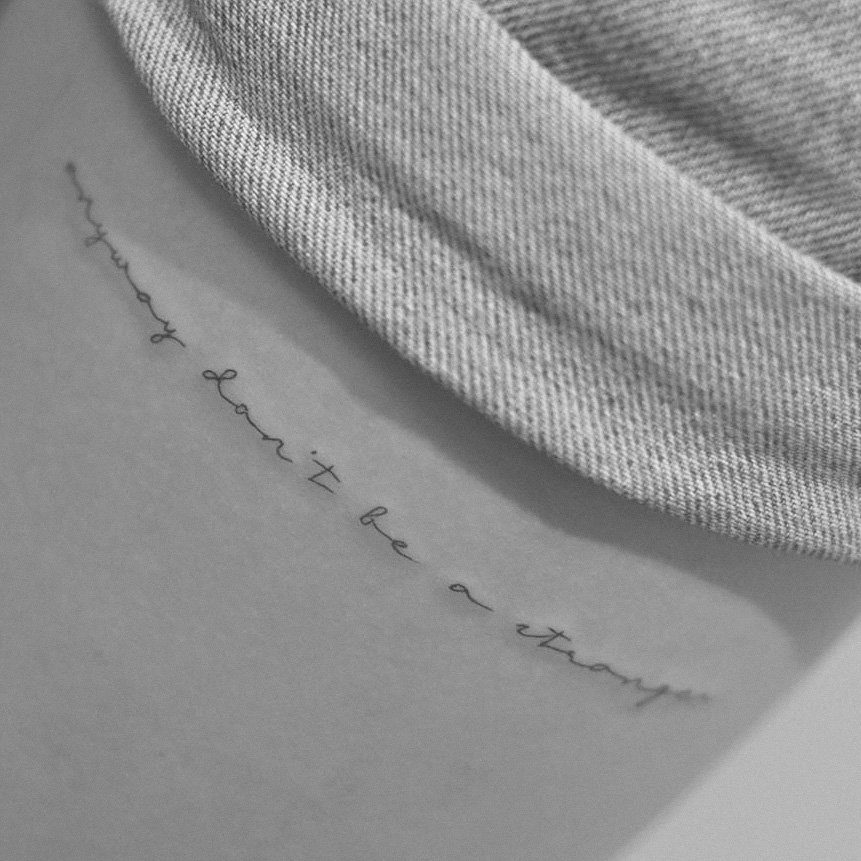
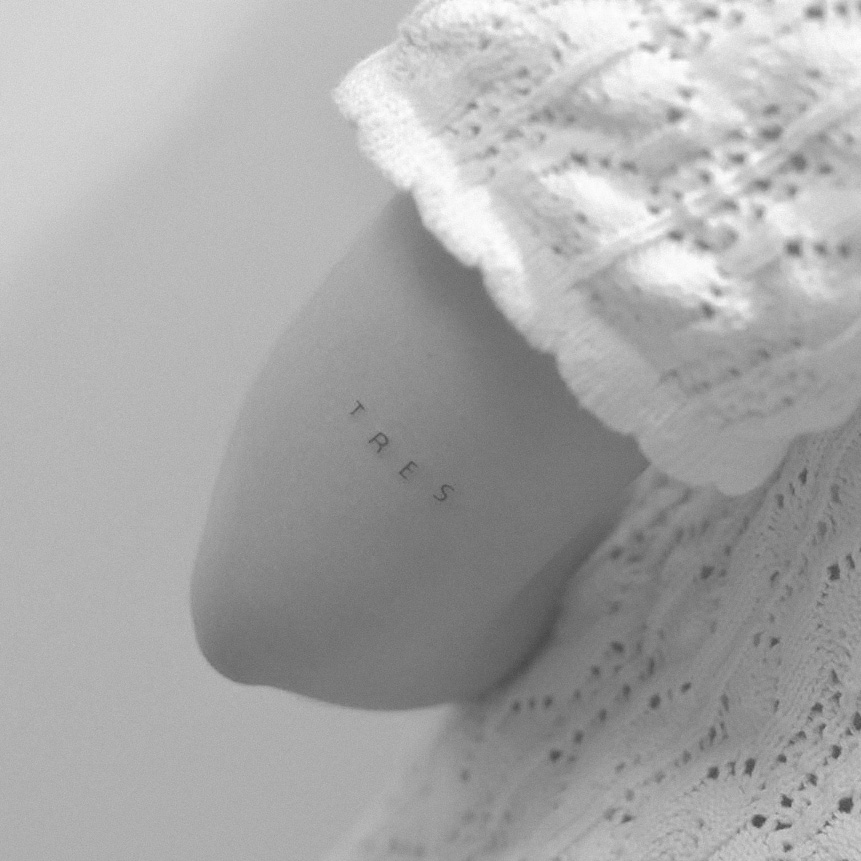
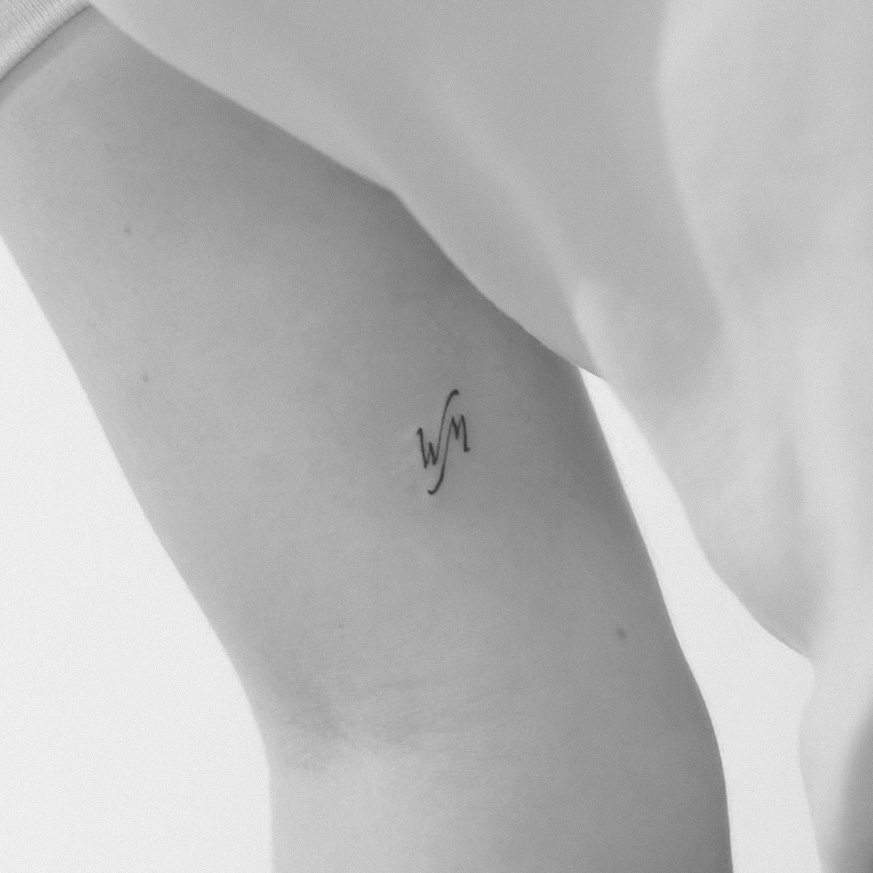
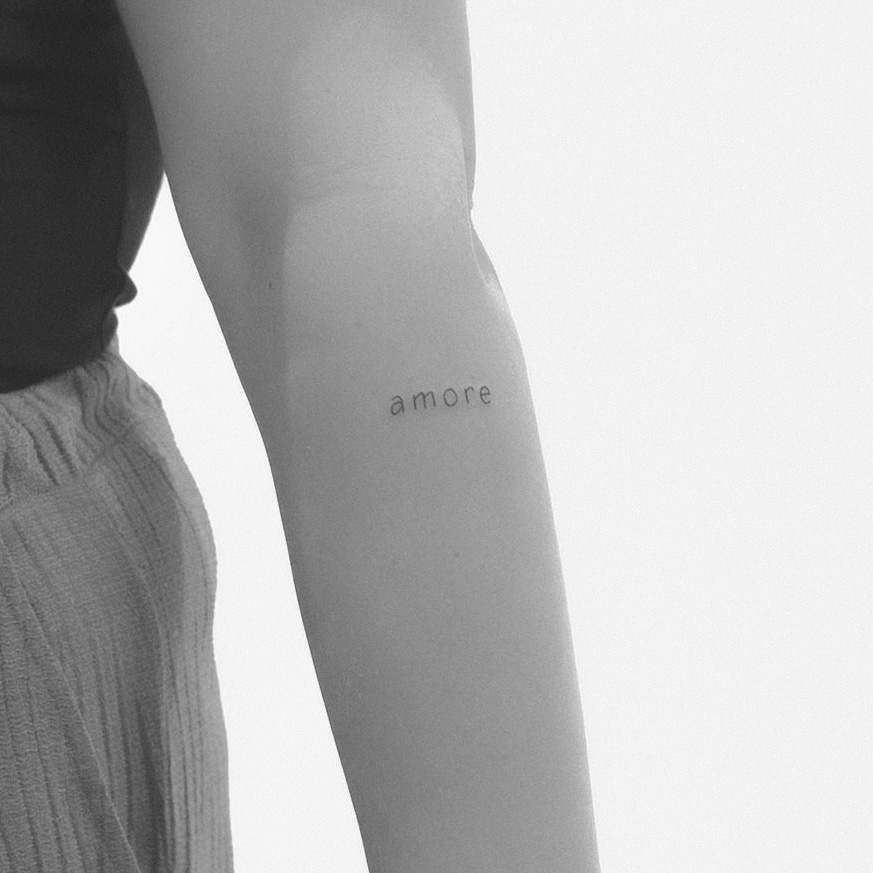
The Most Common Tattoo Fears — And Why Most of Them Fade Faster Than You Think
Introduction
Almost everyone feels nervous before getting a tattoo. Even people who already have several tattoos often experience a small moment of uncertainty before a new session begins. And honestly, this is completely normal. Tattoos are permanent, personal, and physically connected to the body, so the brain naturally treats the decision with more emotional weight than buying clothes or changing a hairstyle. But interestingly, most tattoo fears are not really about the tattoo itself. They are usually about uncertainty. The human mind tends to create dramatic scenarios around experiences it cannot fully predict yet. Once the process actually begins, however, many of those fears become surprisingly small very quickly. At Vadelma Tattoo in Amsterdam, first-time clients often arrive carrying the exact same worries:
.
Will it hurt too much? What if I regret it? What if it heals badly? What if people judge me?
.
And yet, after the session, the emotional tone is usually completely different.Because reality tends to feel calmer than imagination.
Fear of Pain
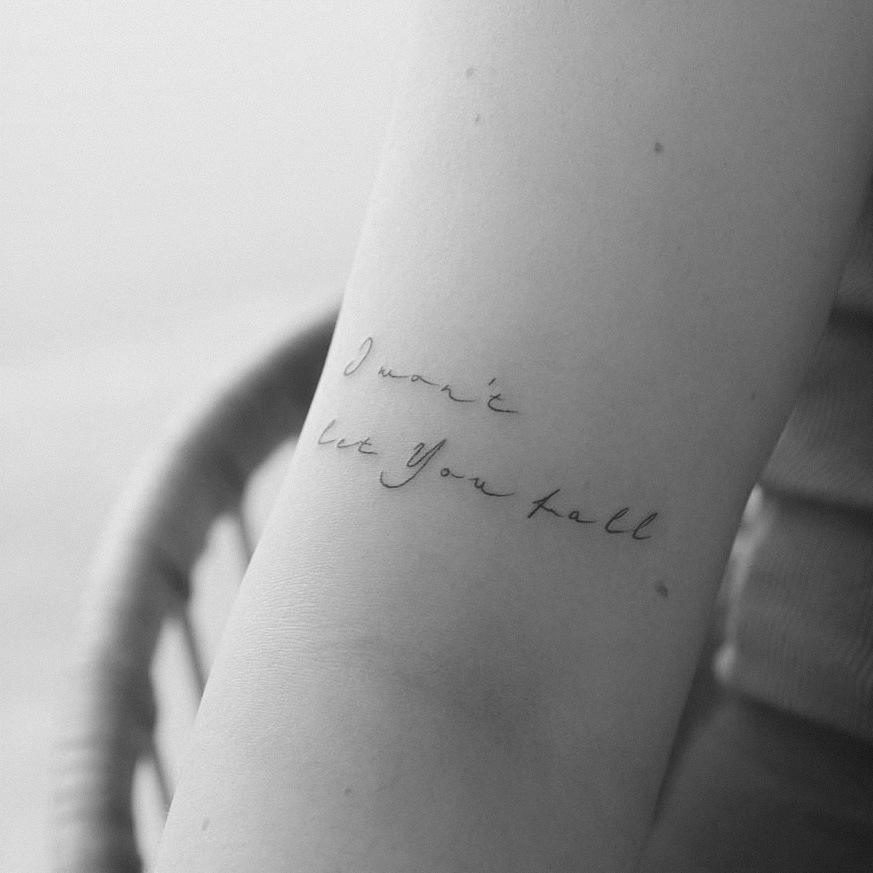
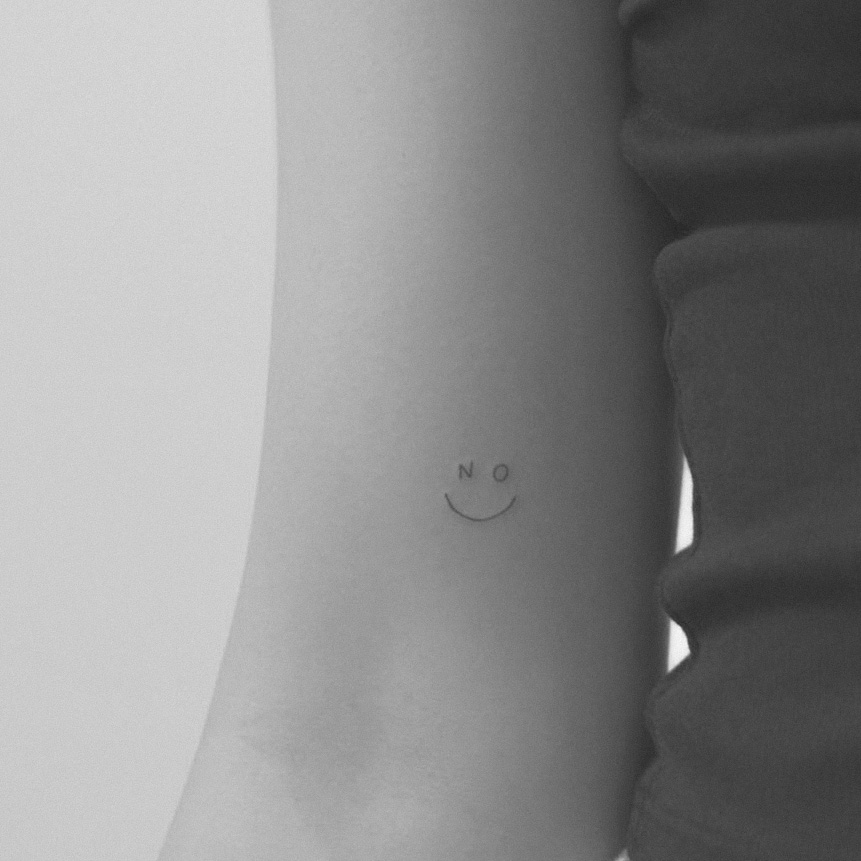
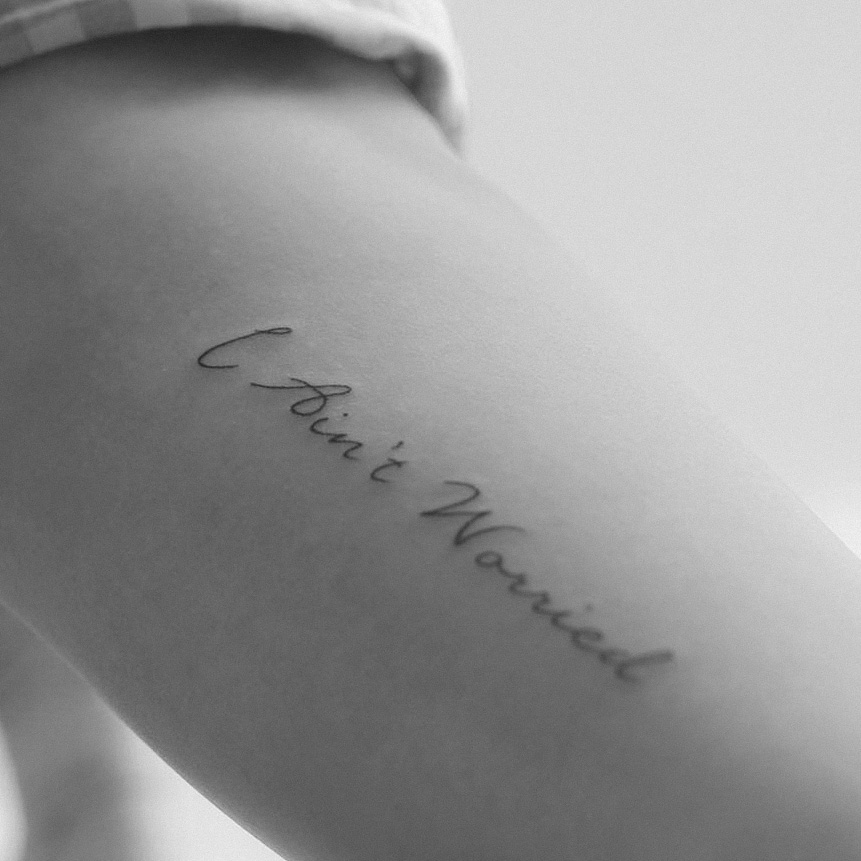
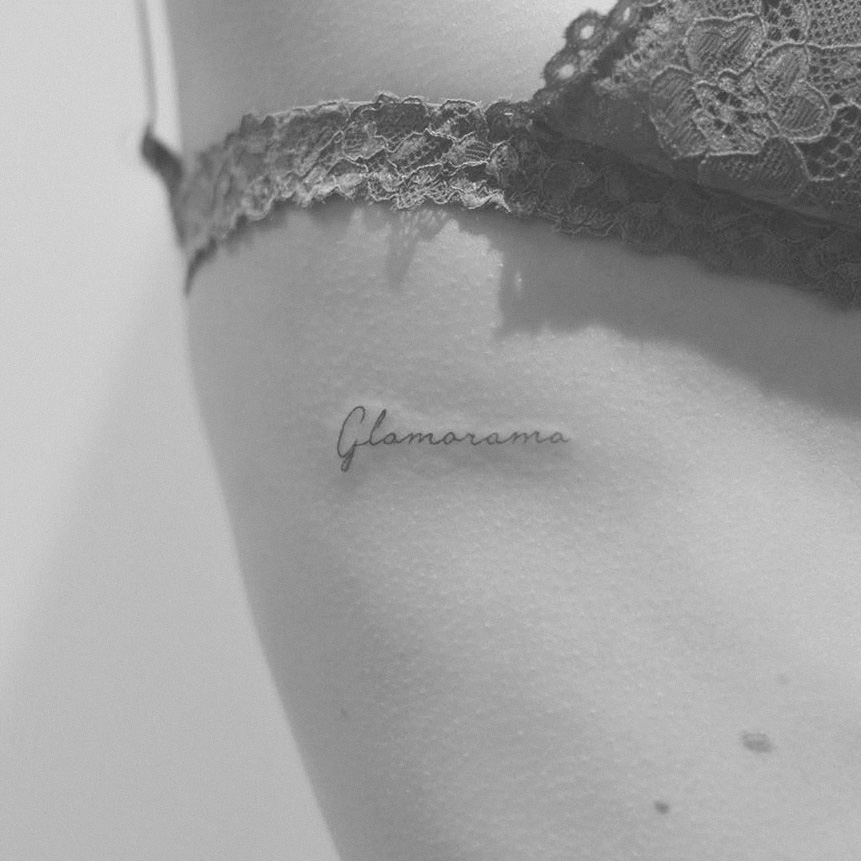
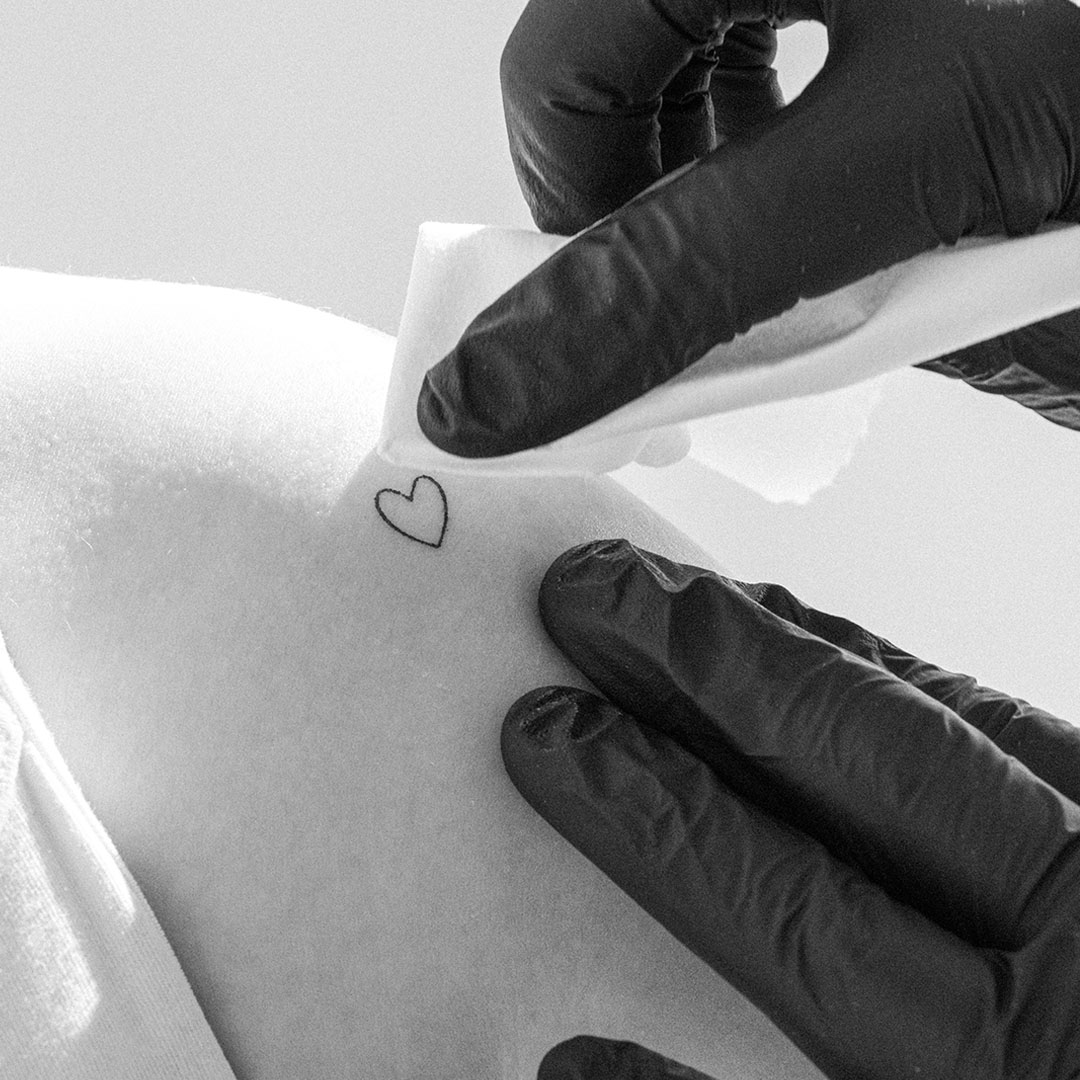
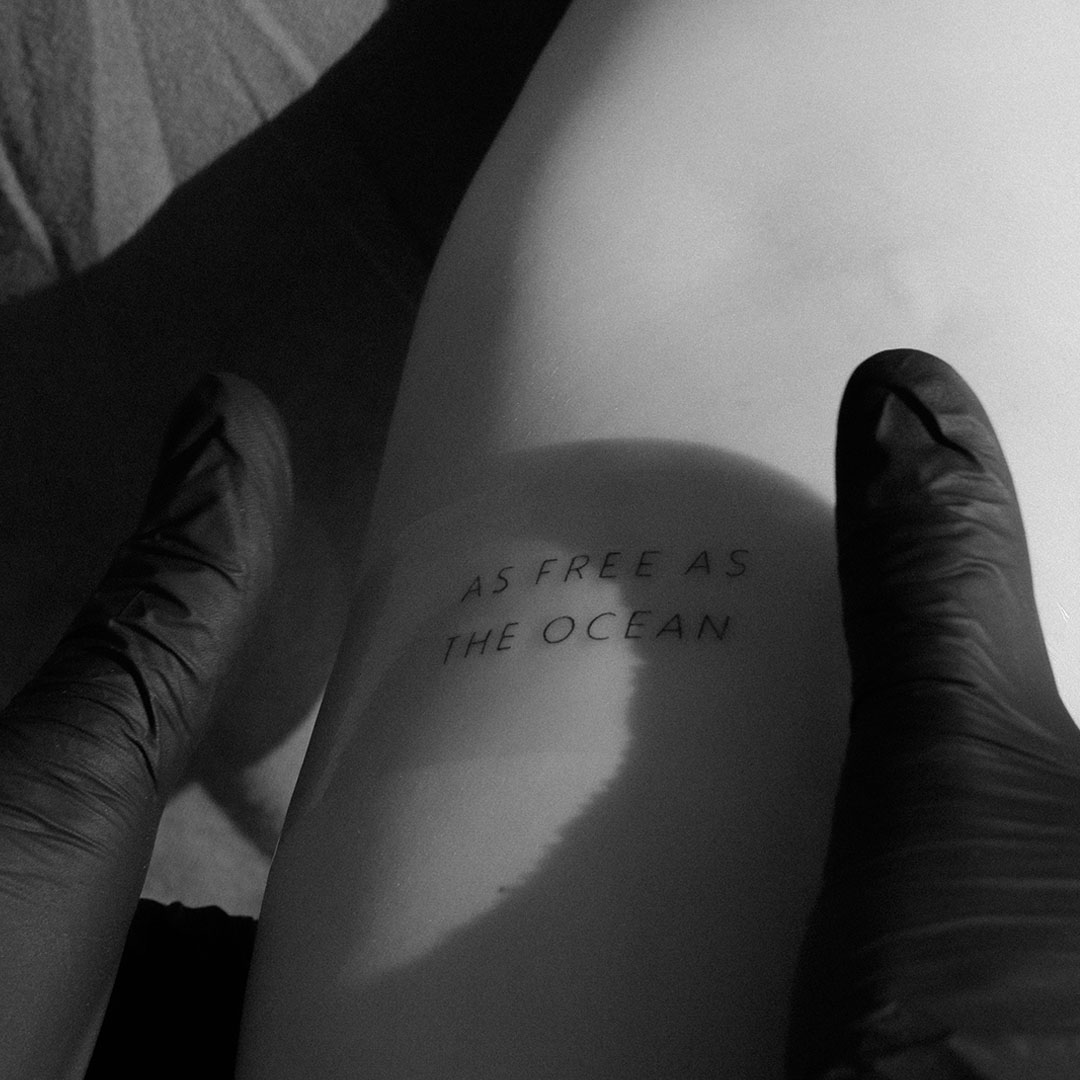
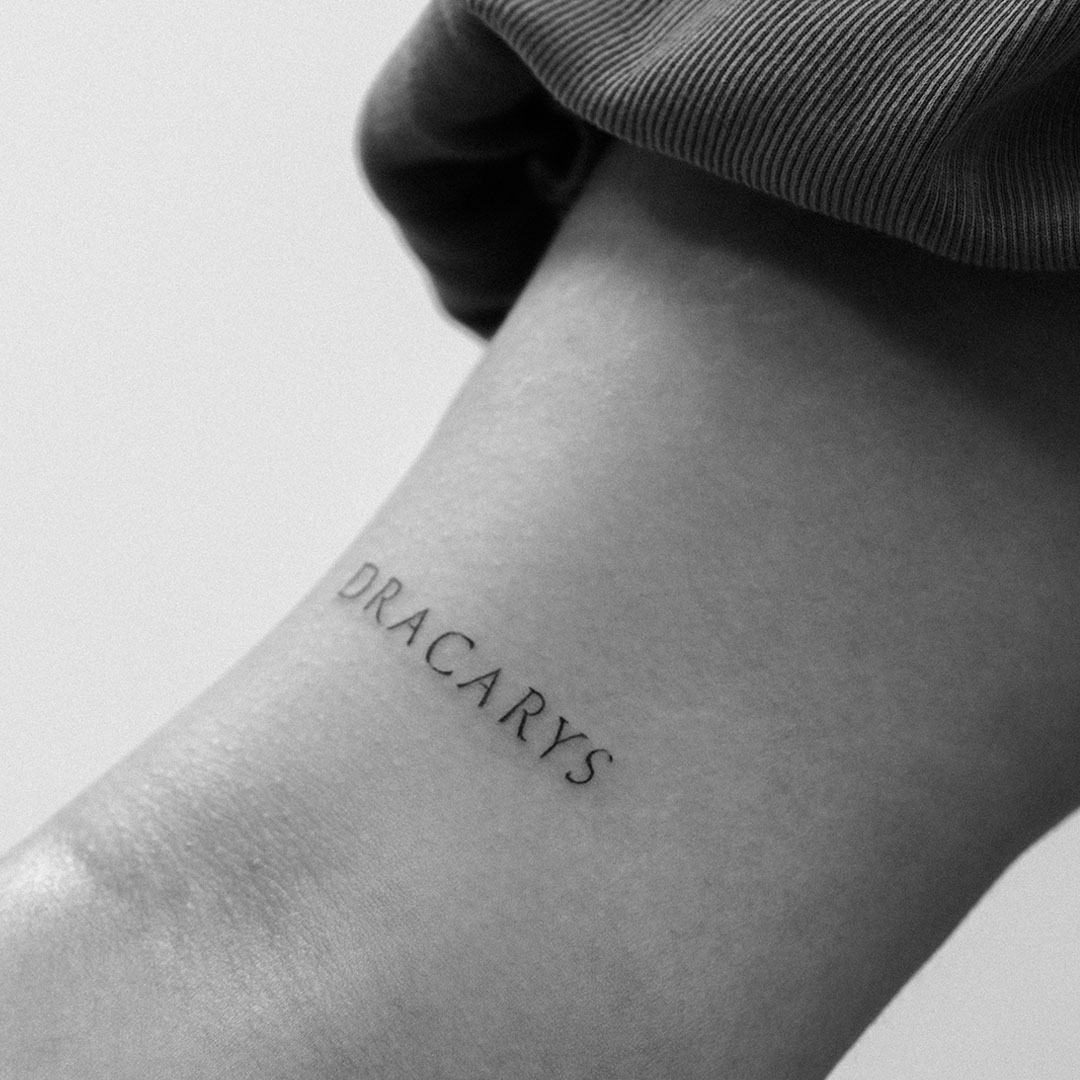
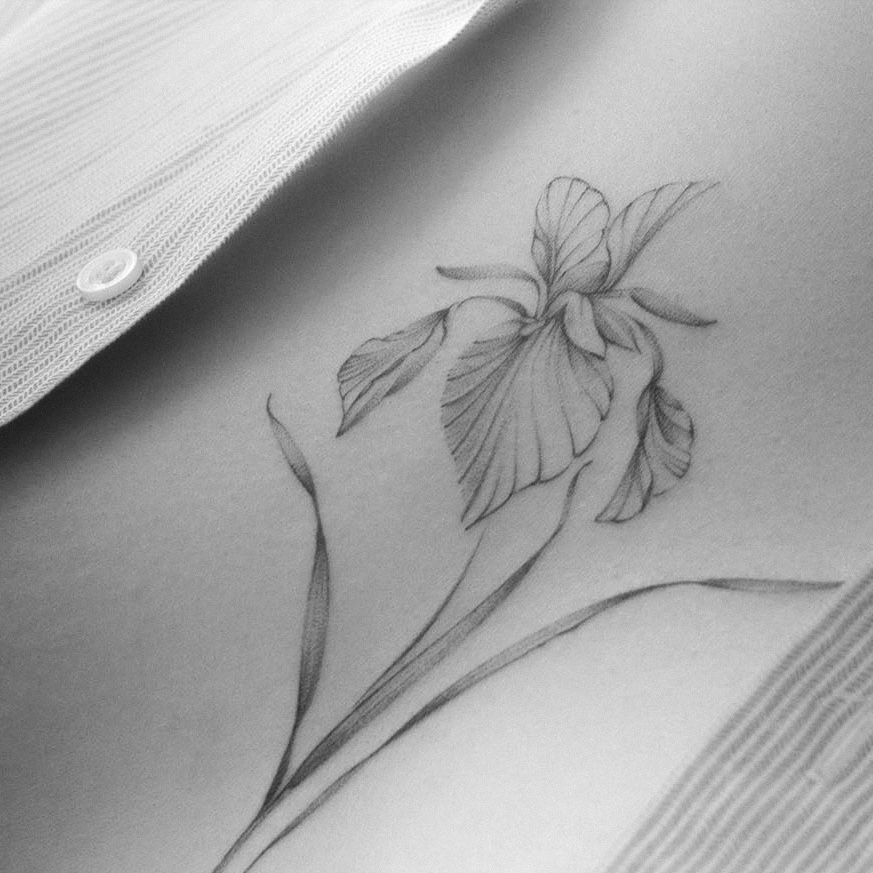
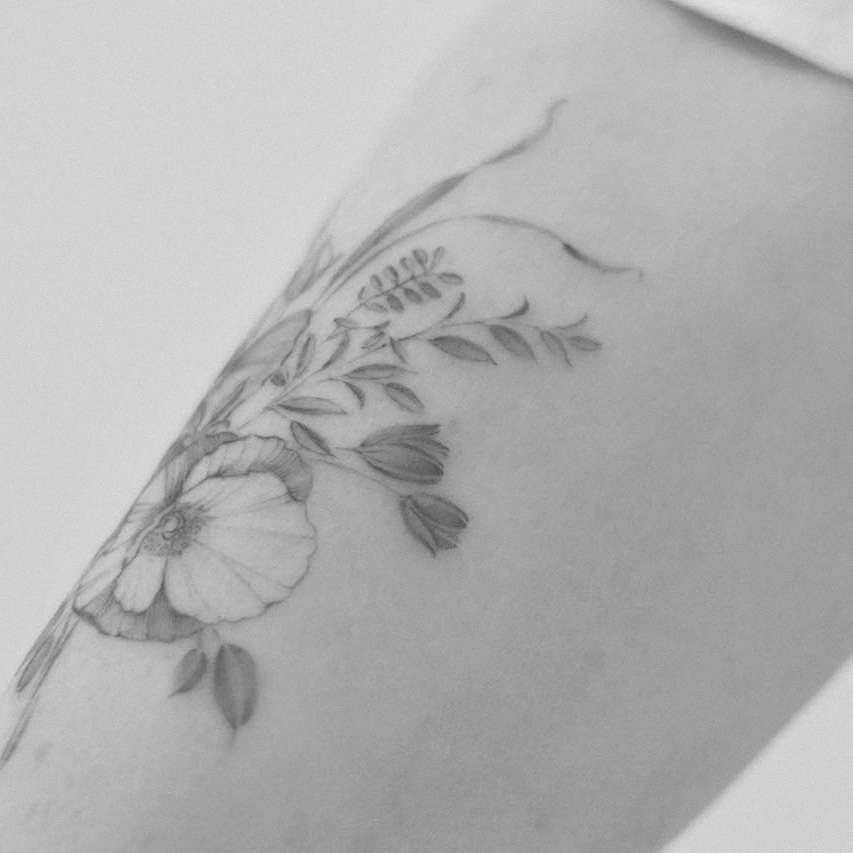
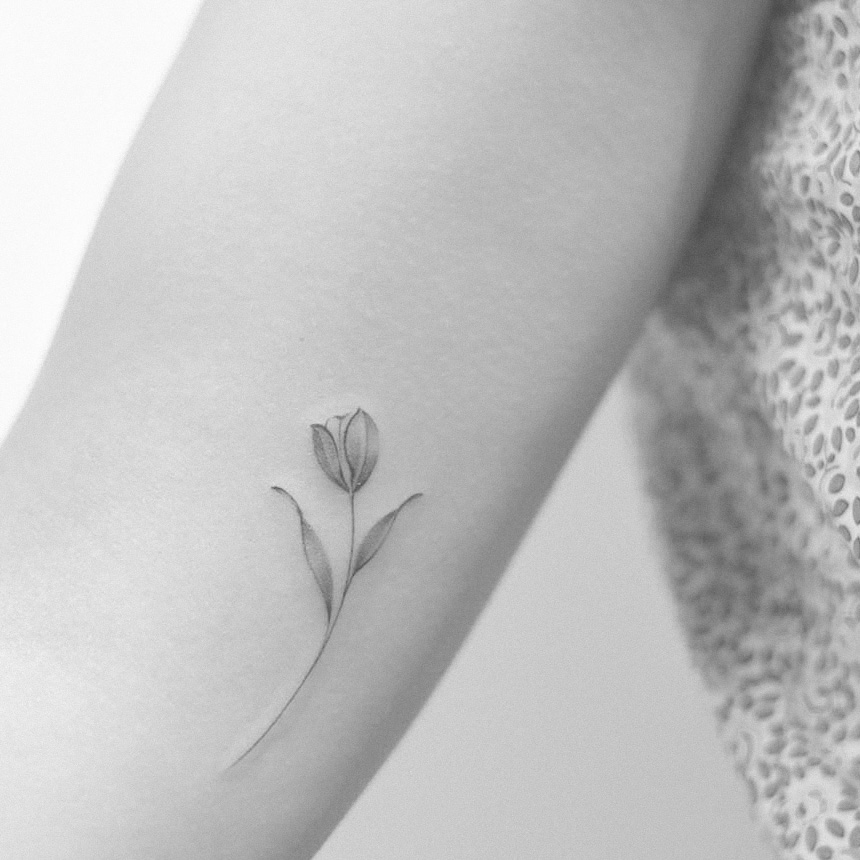
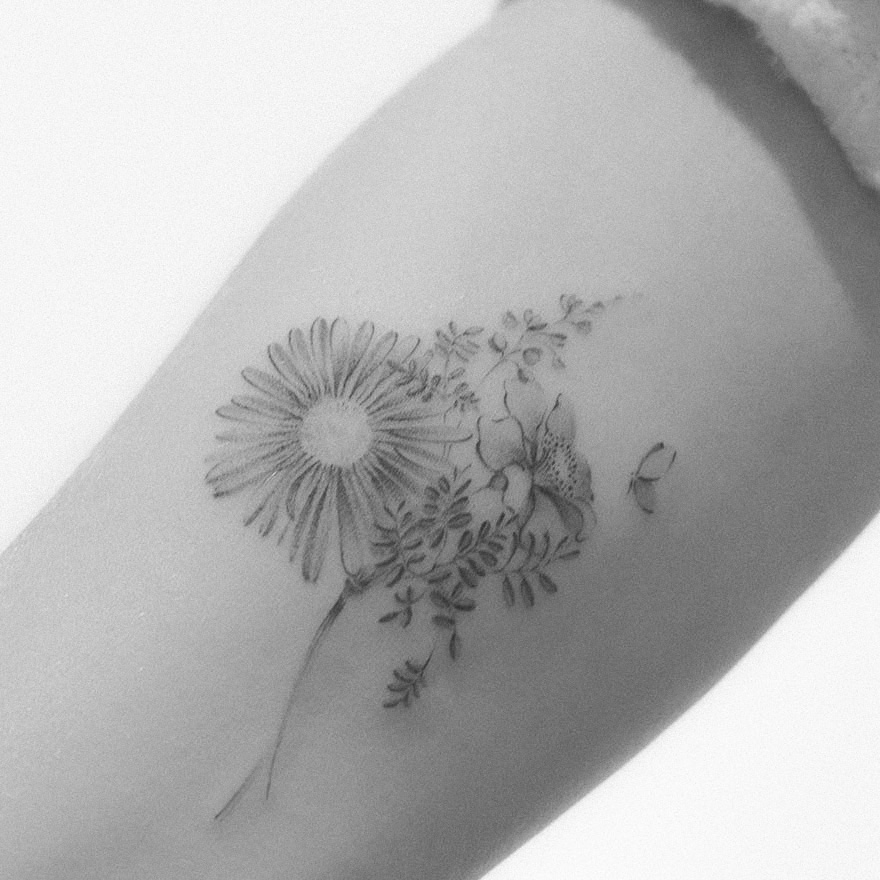
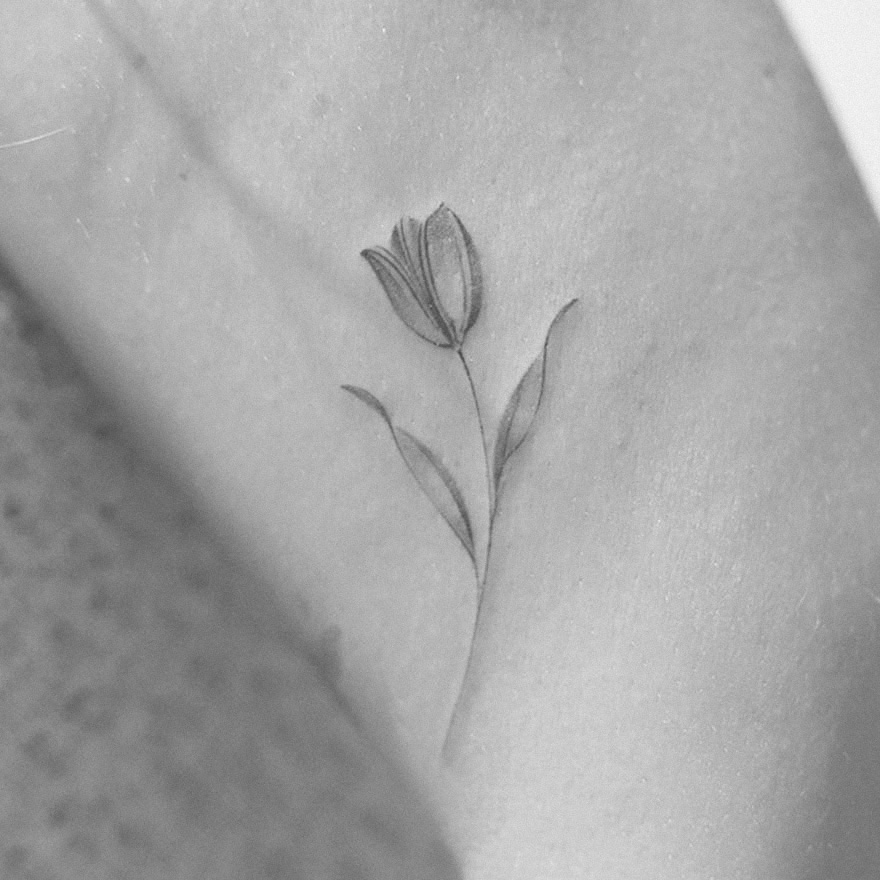
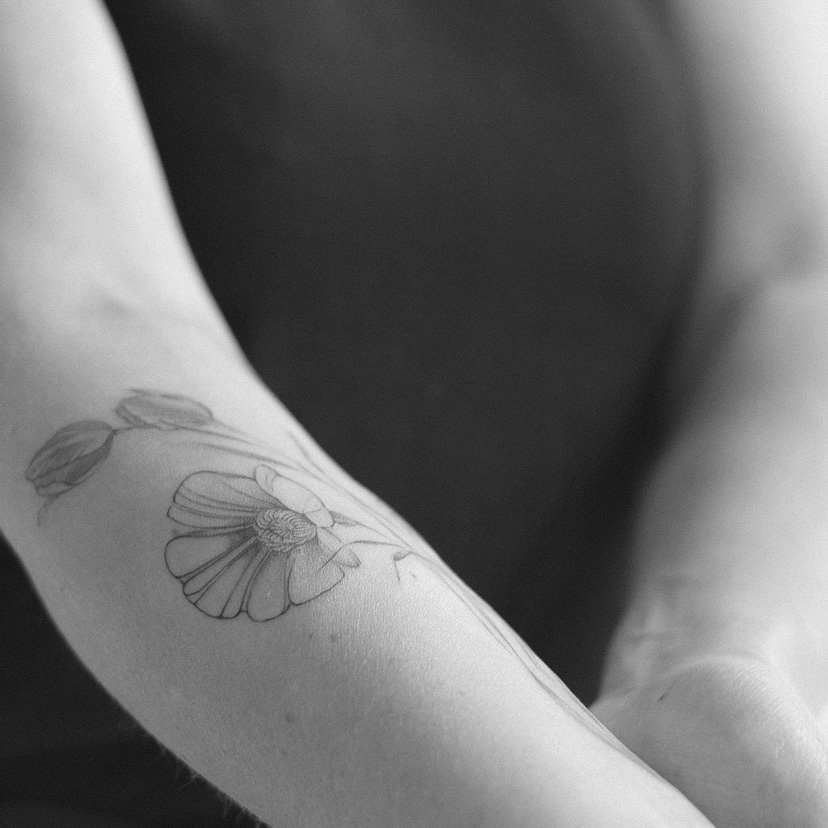
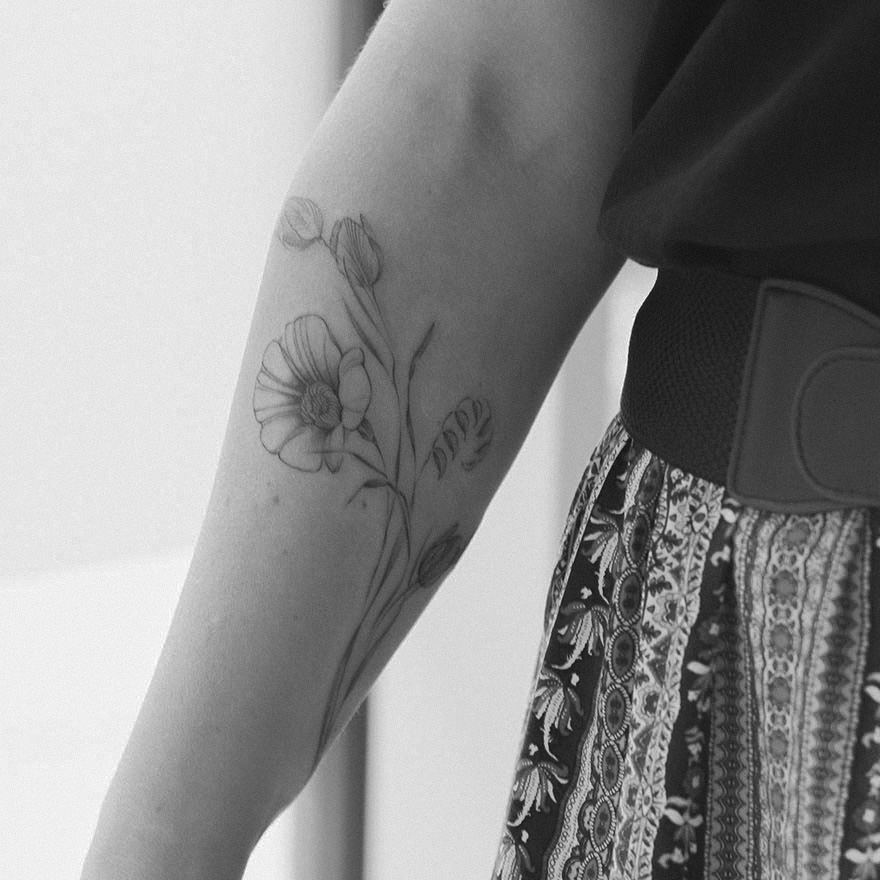
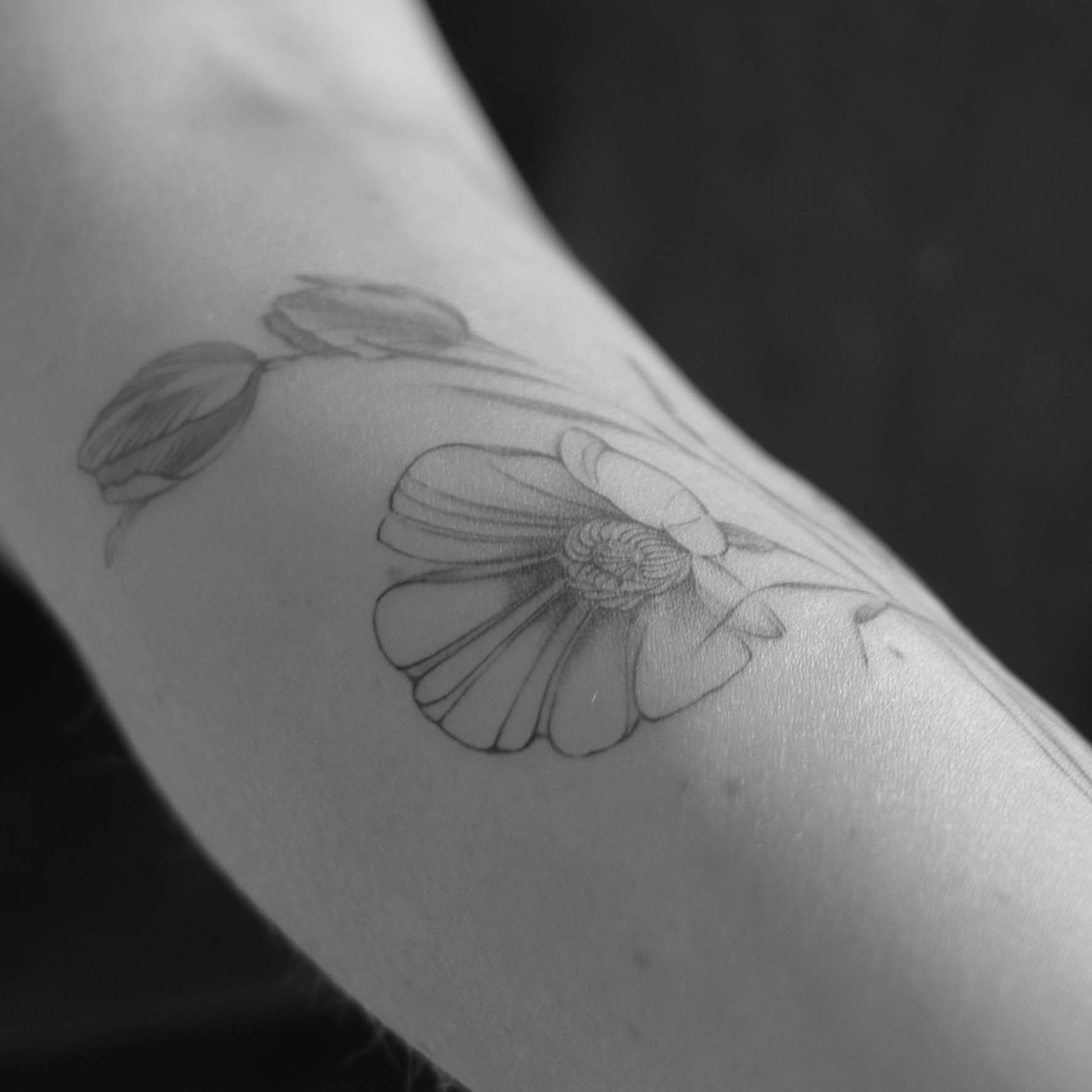
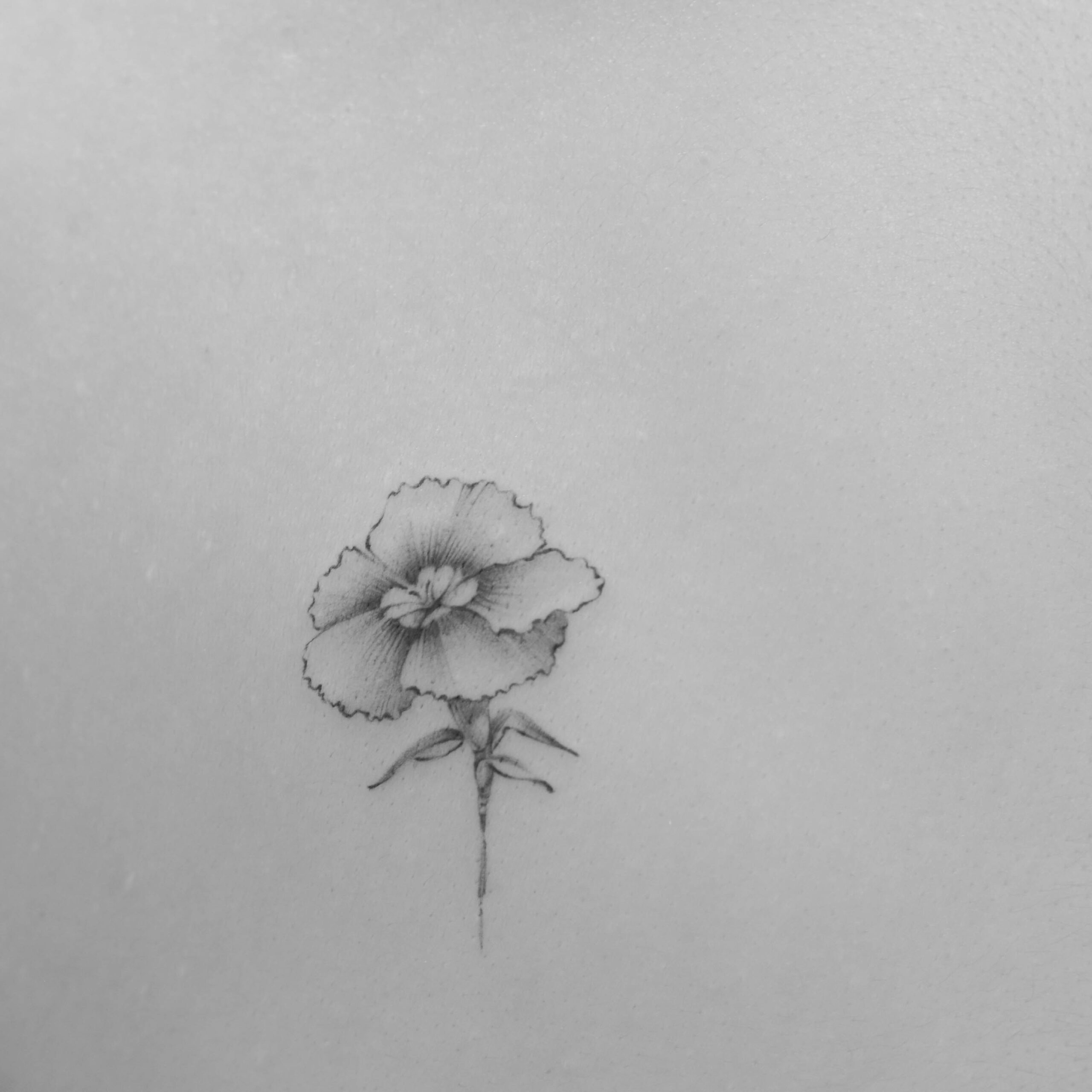
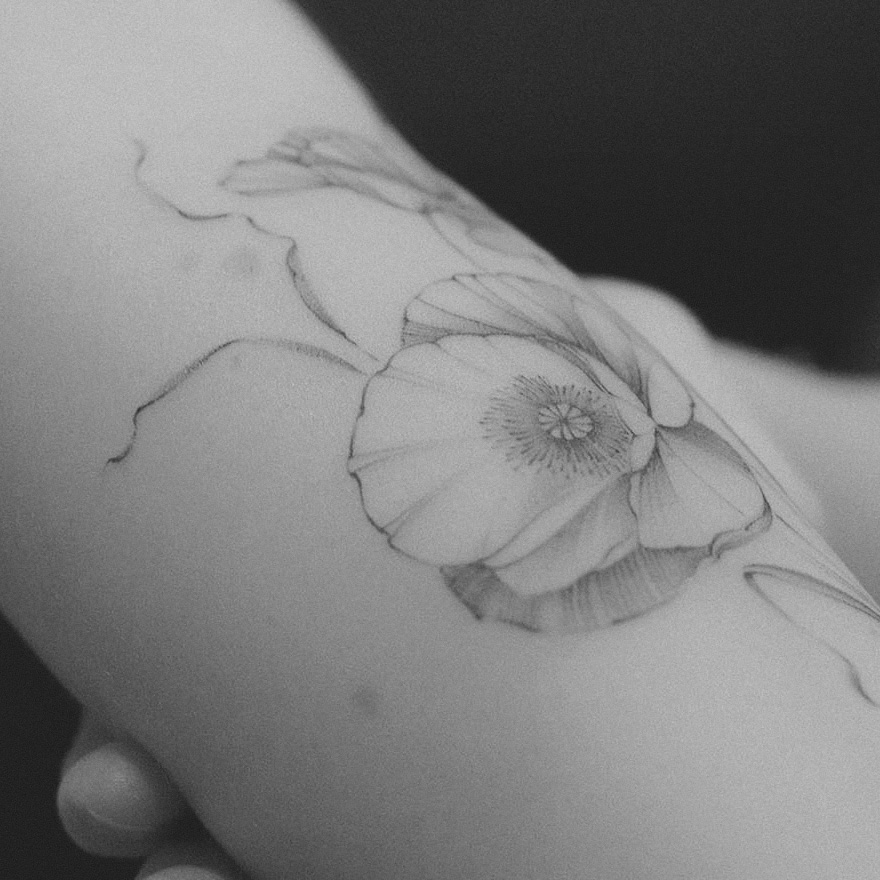
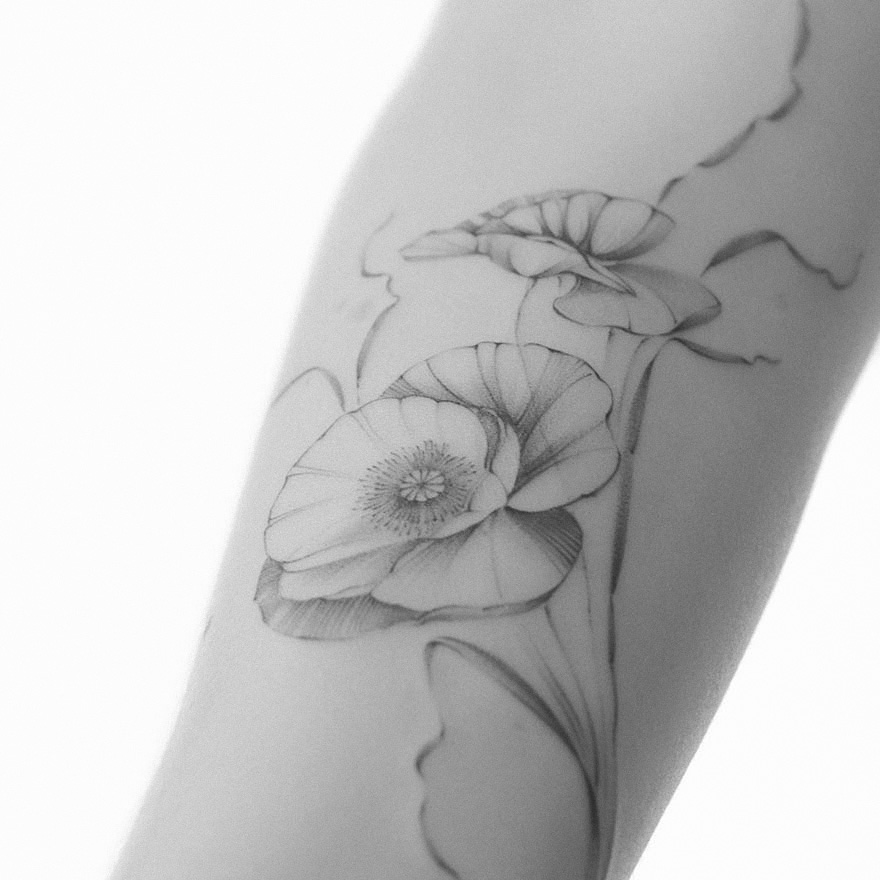
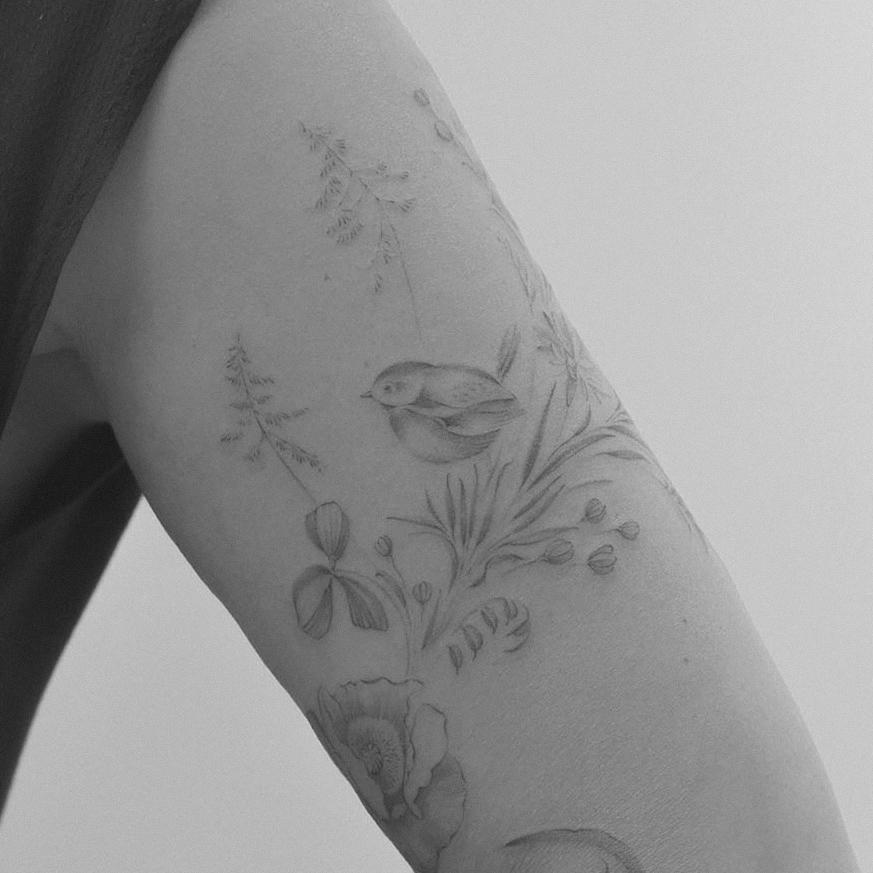
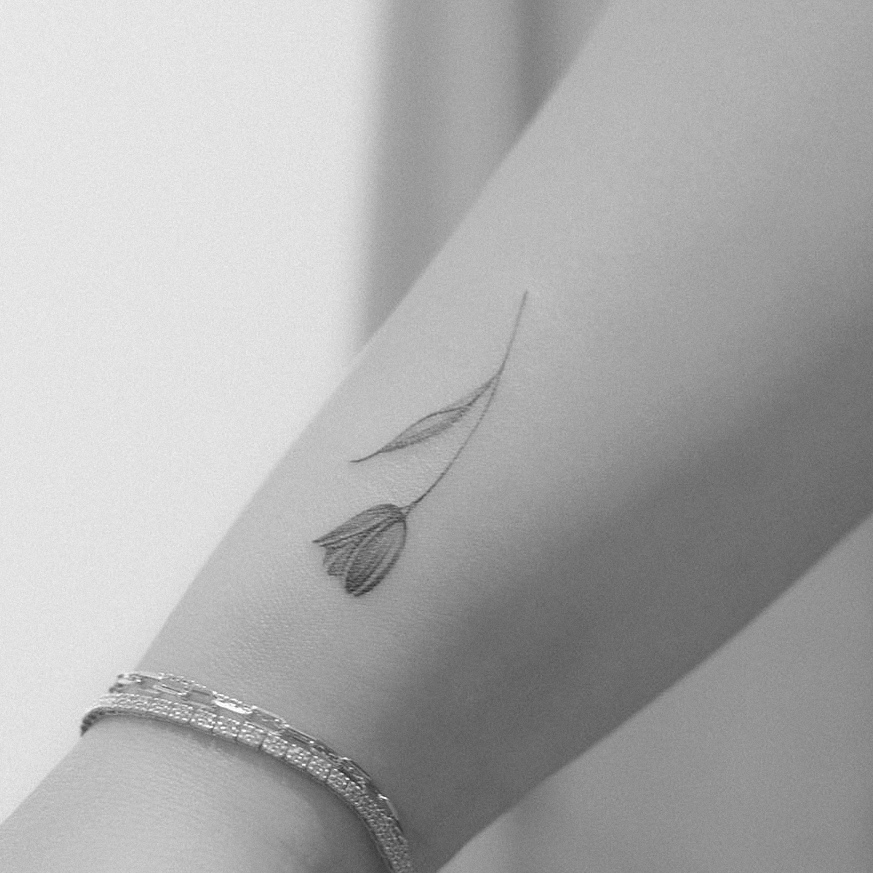
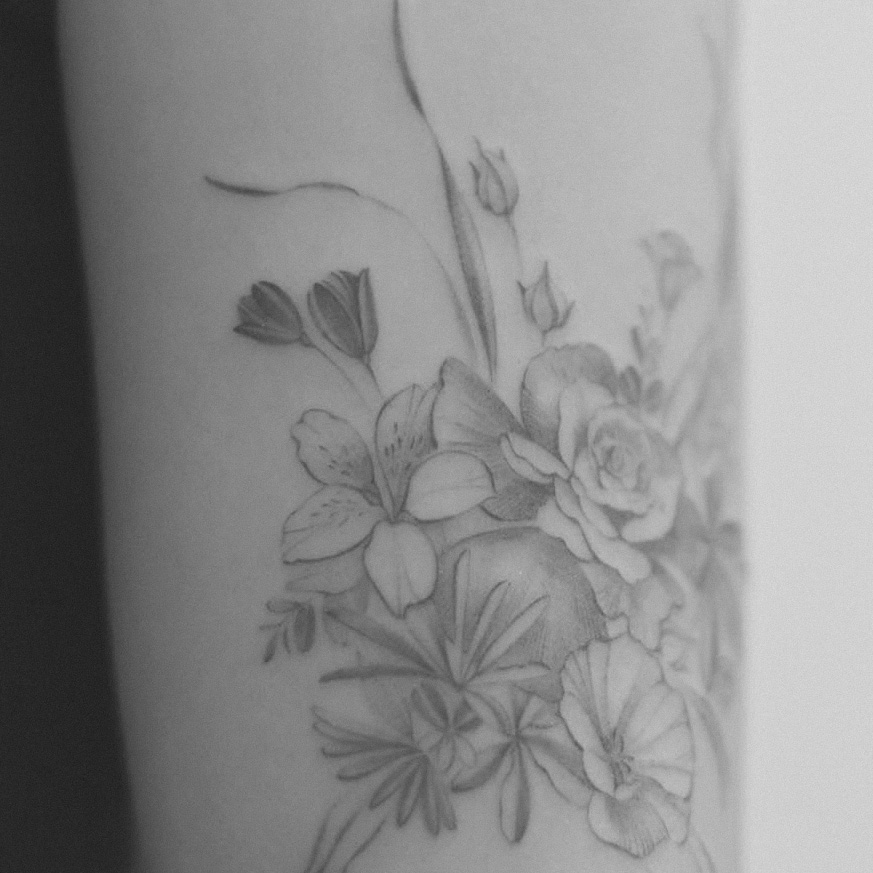
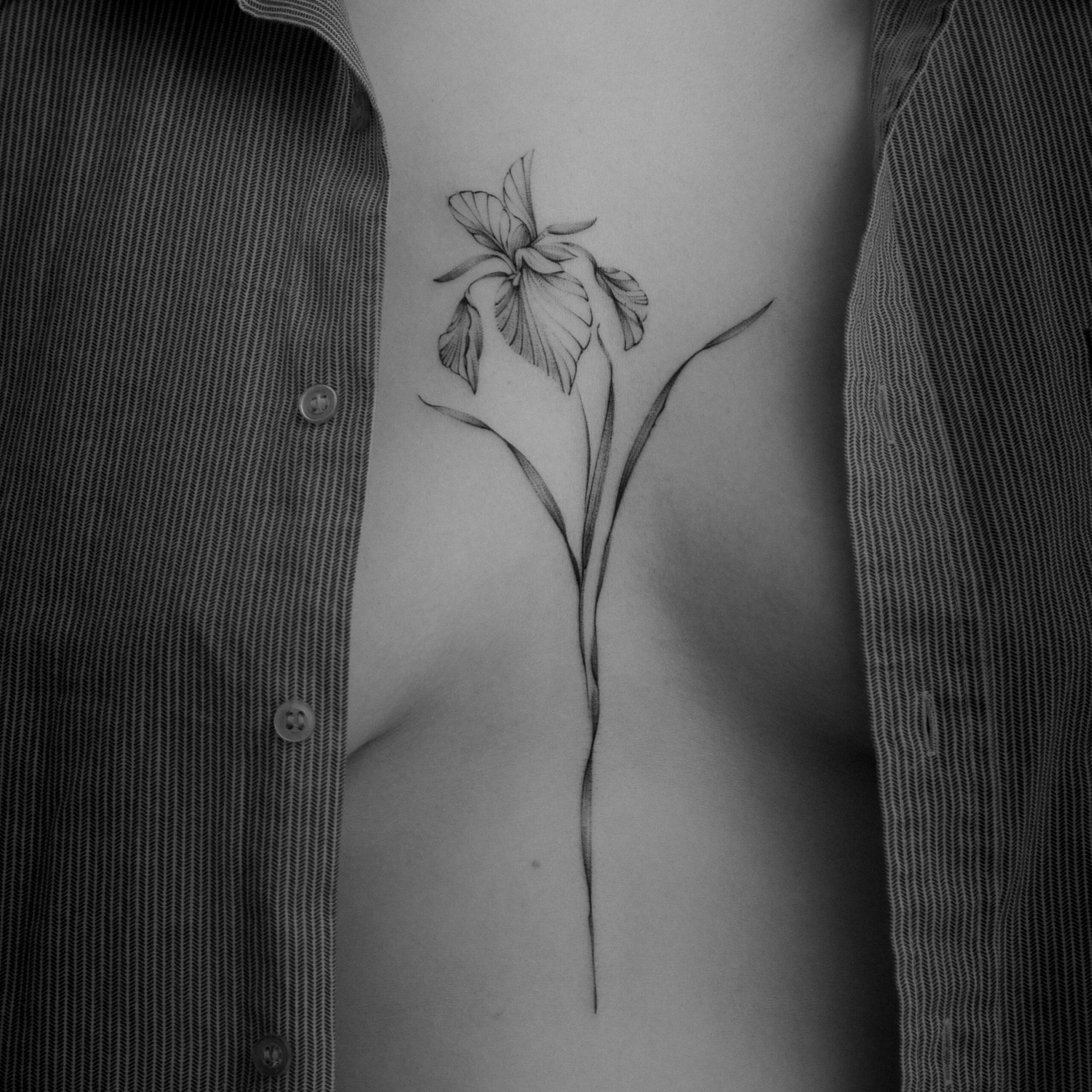
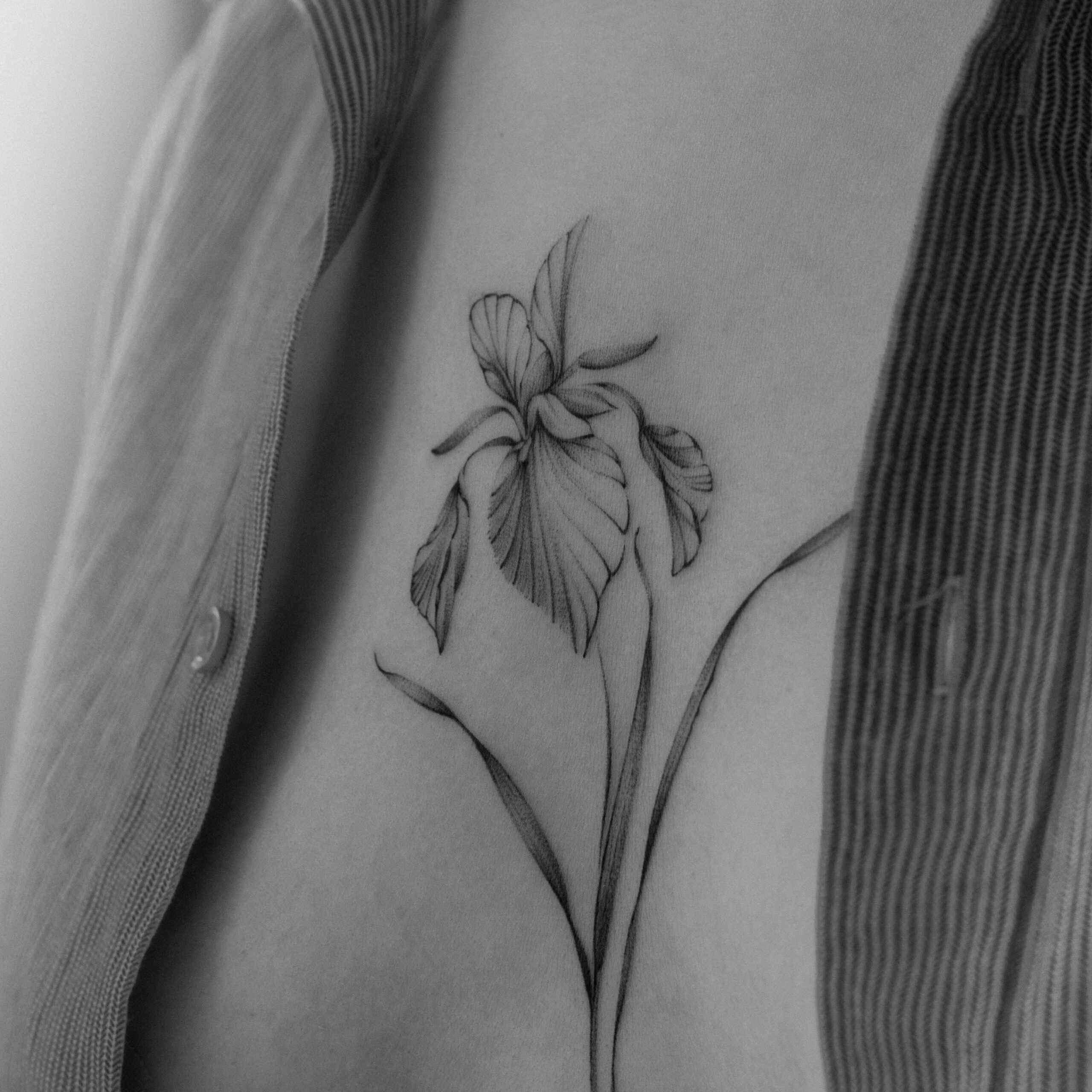
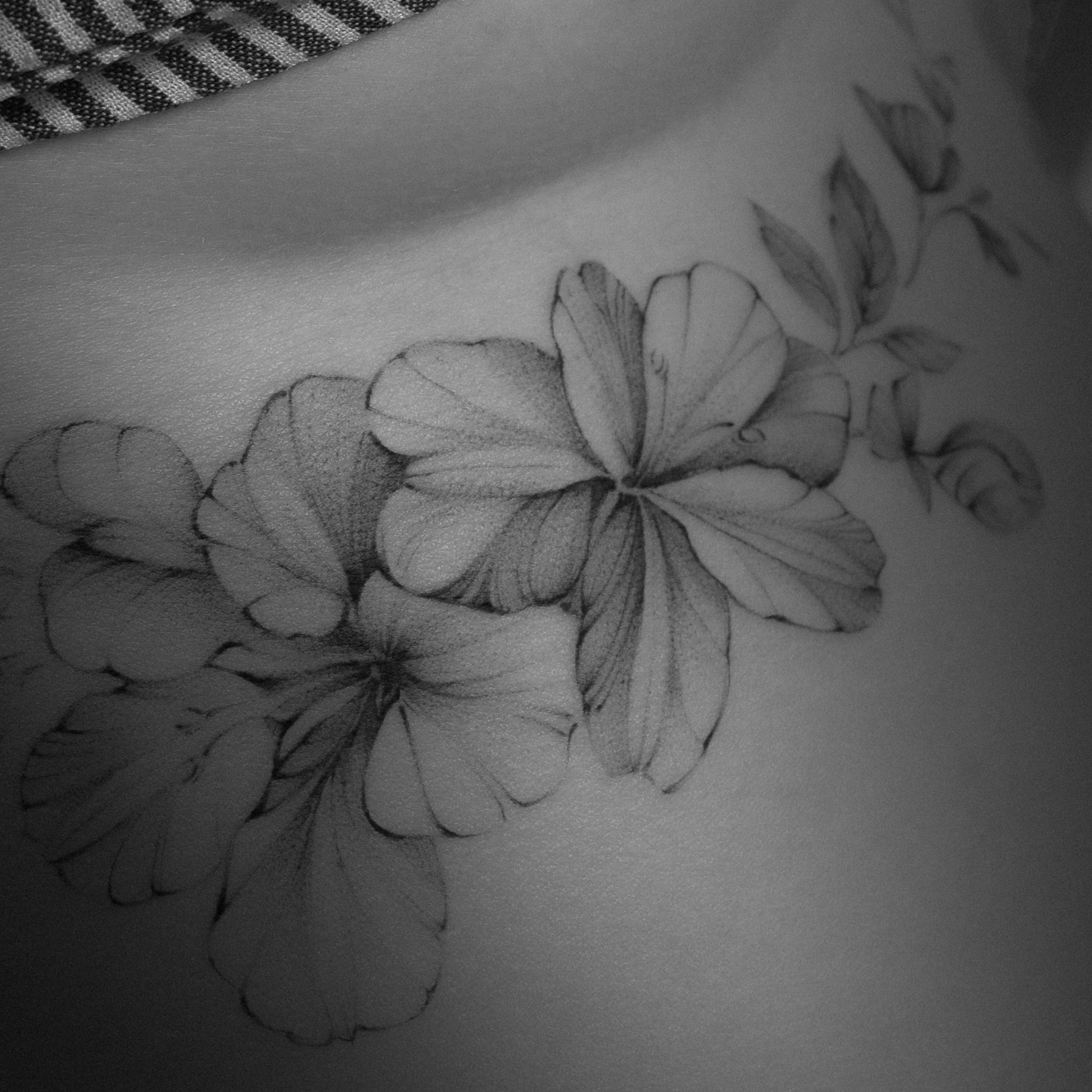
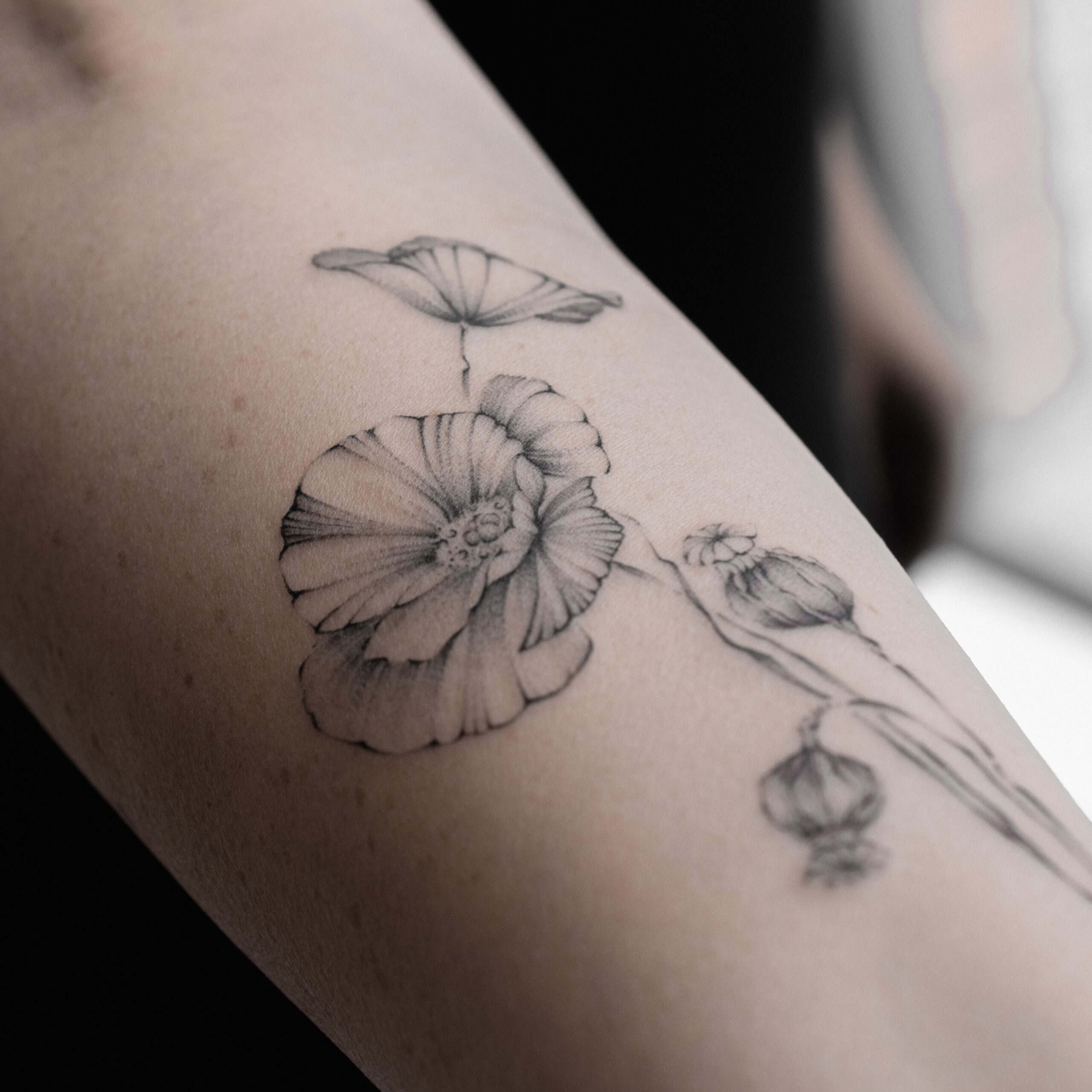
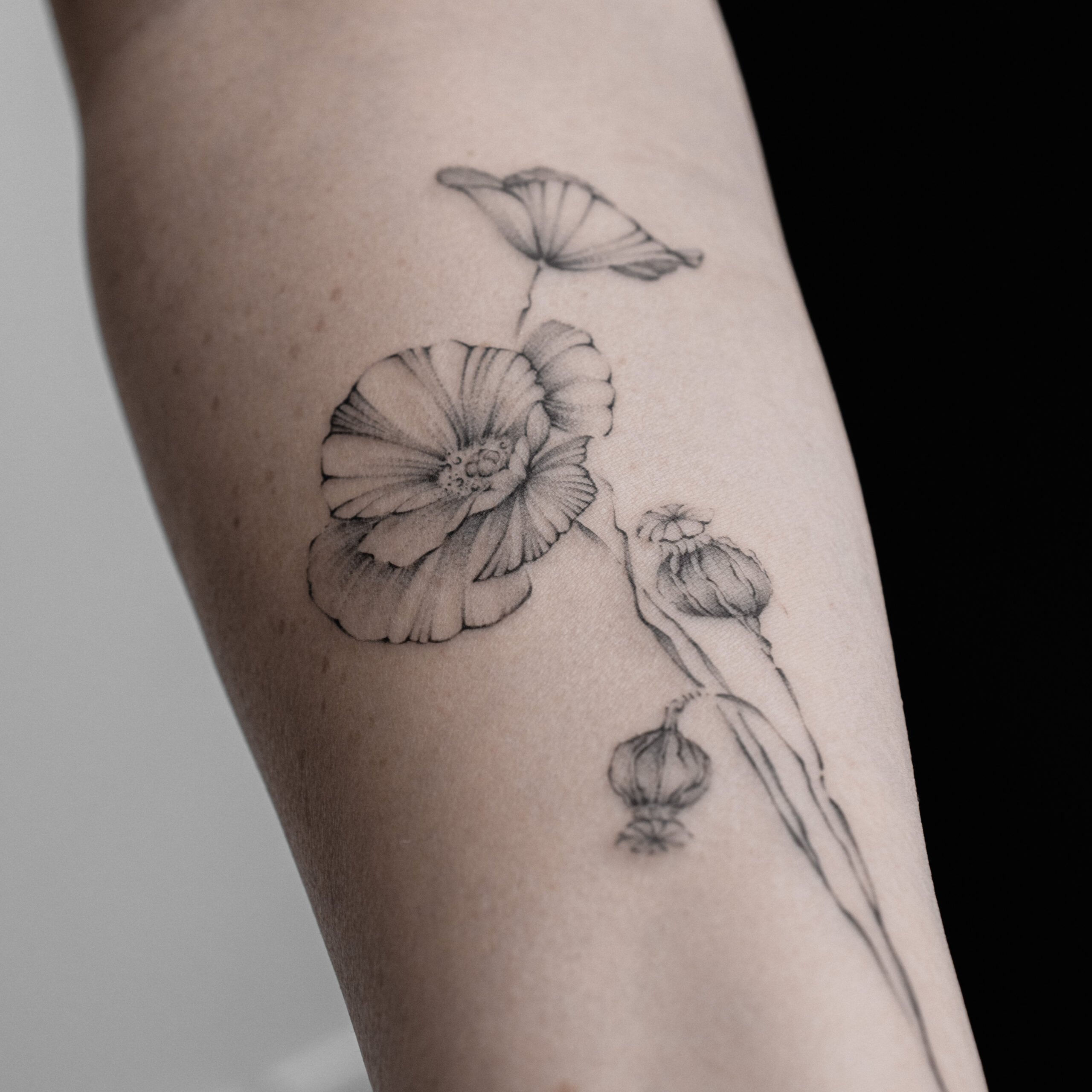
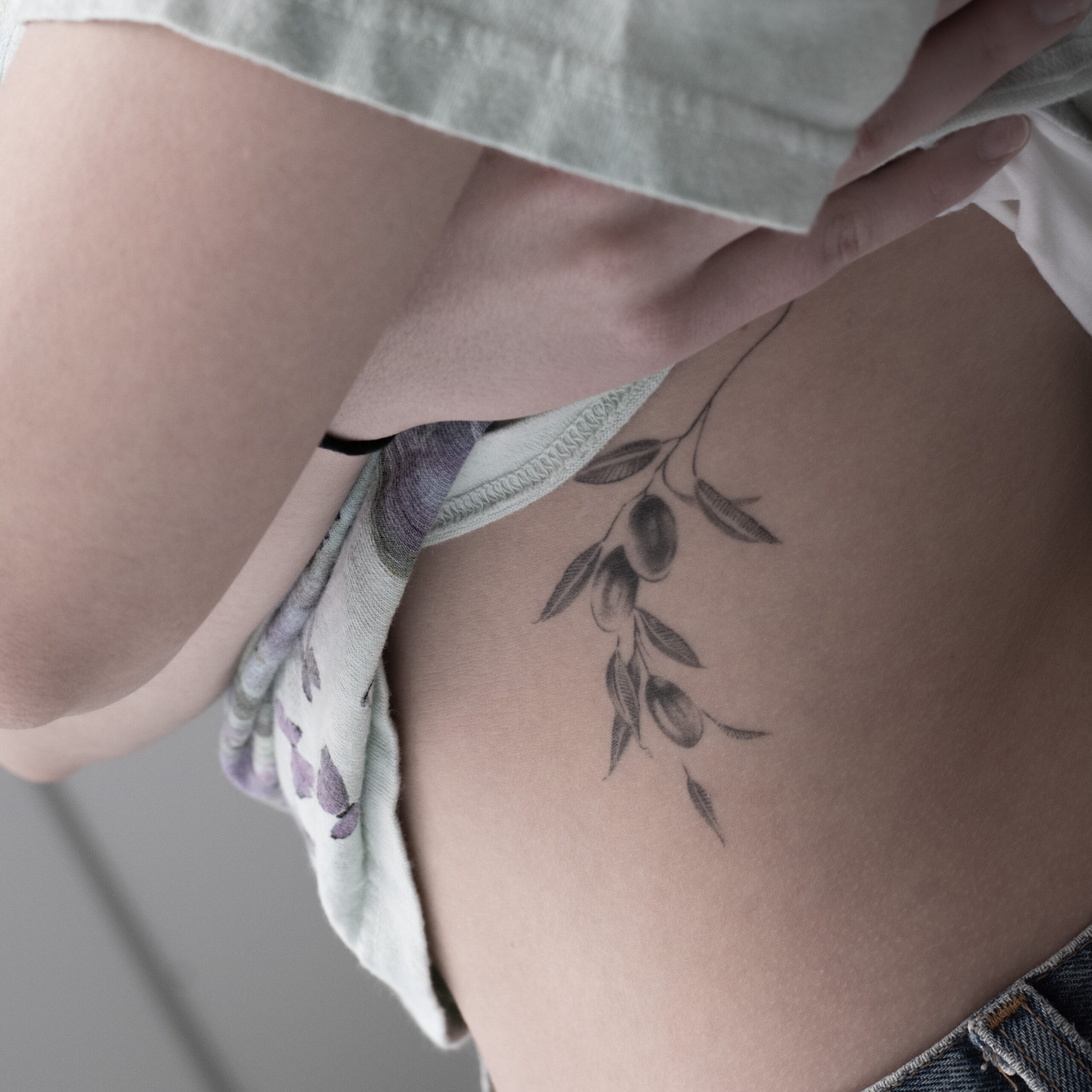
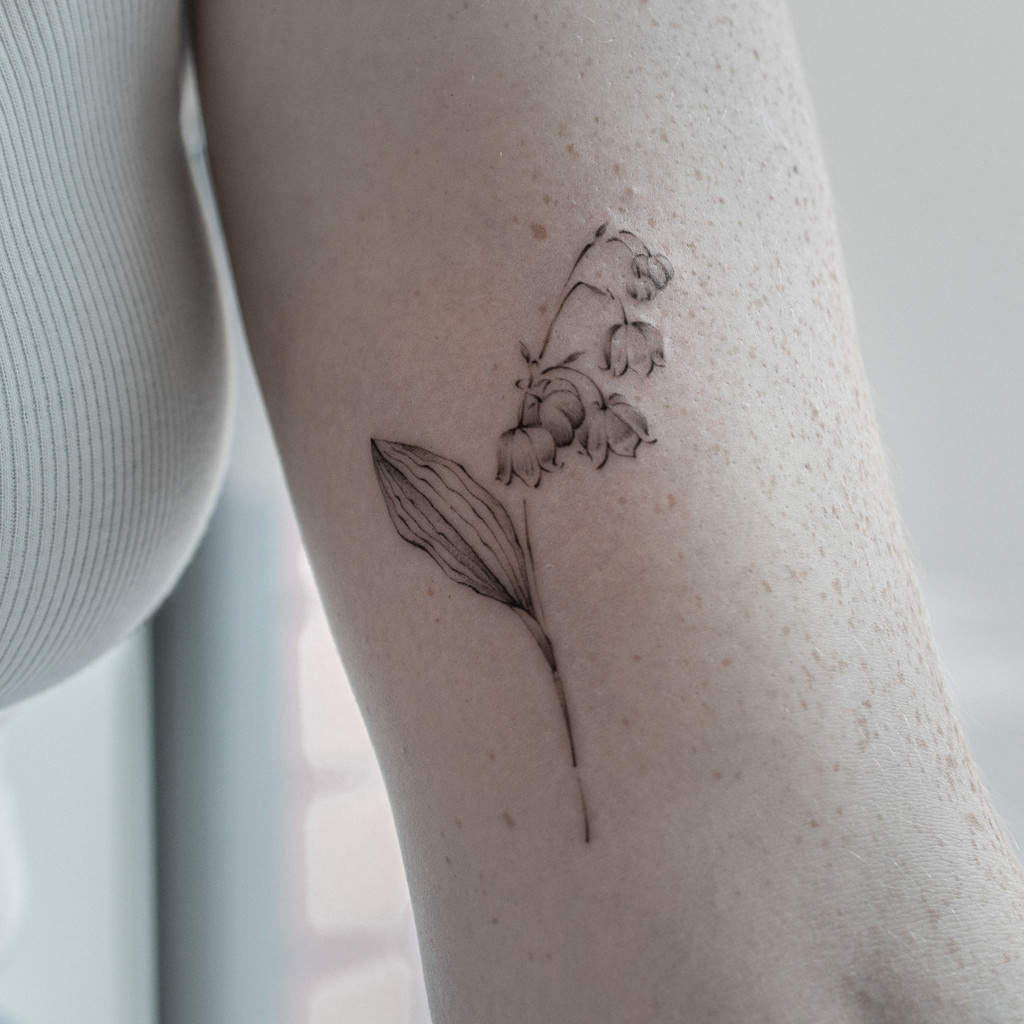
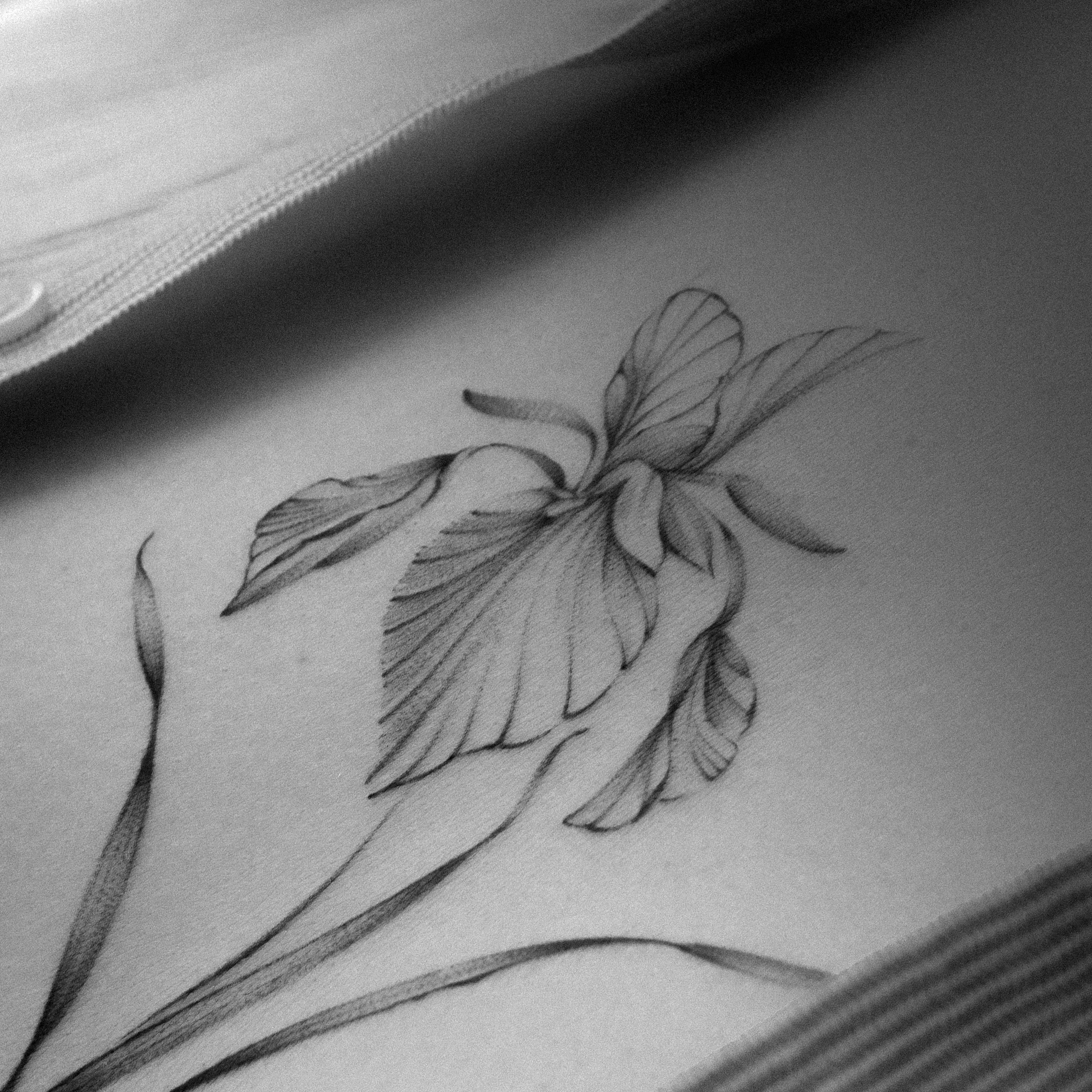
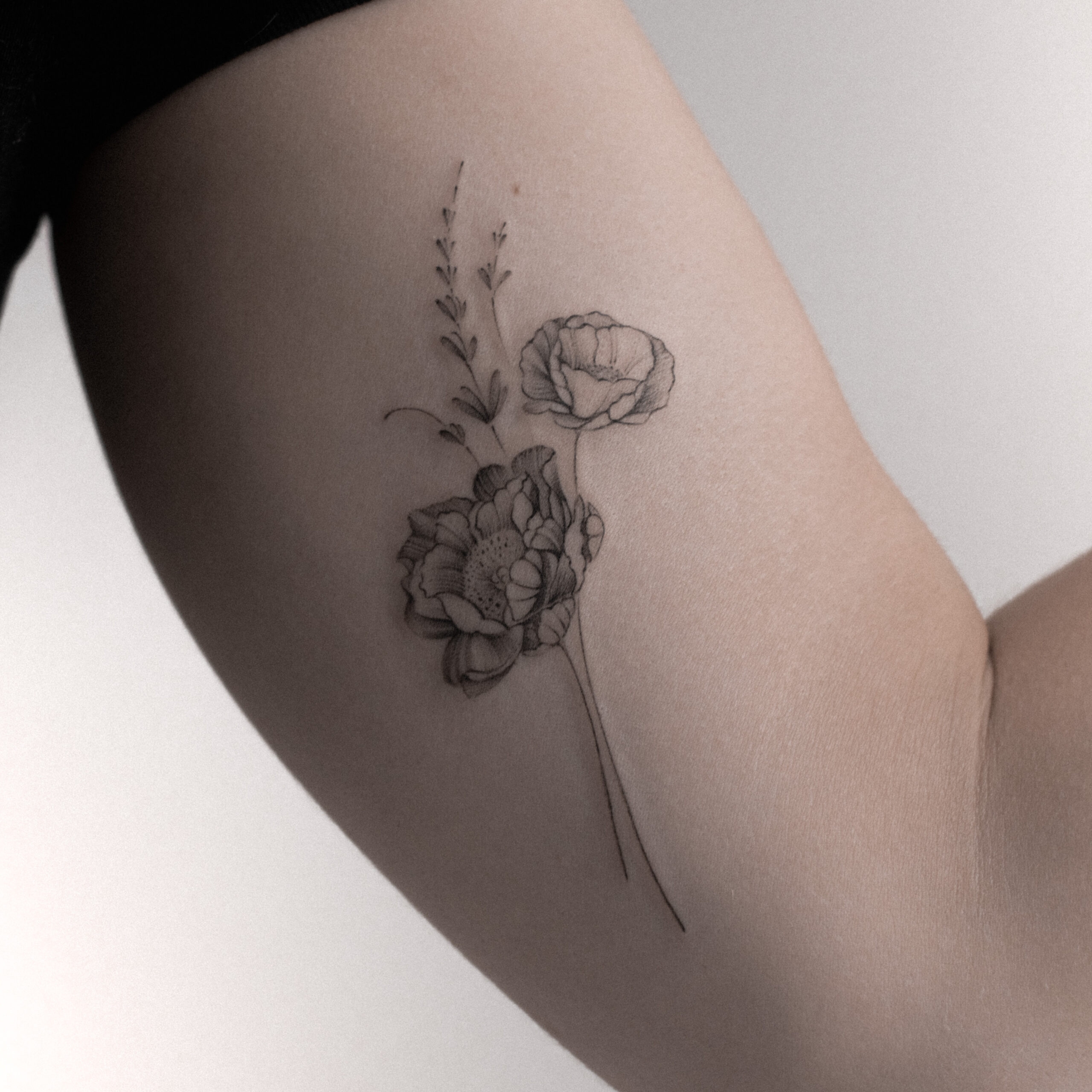
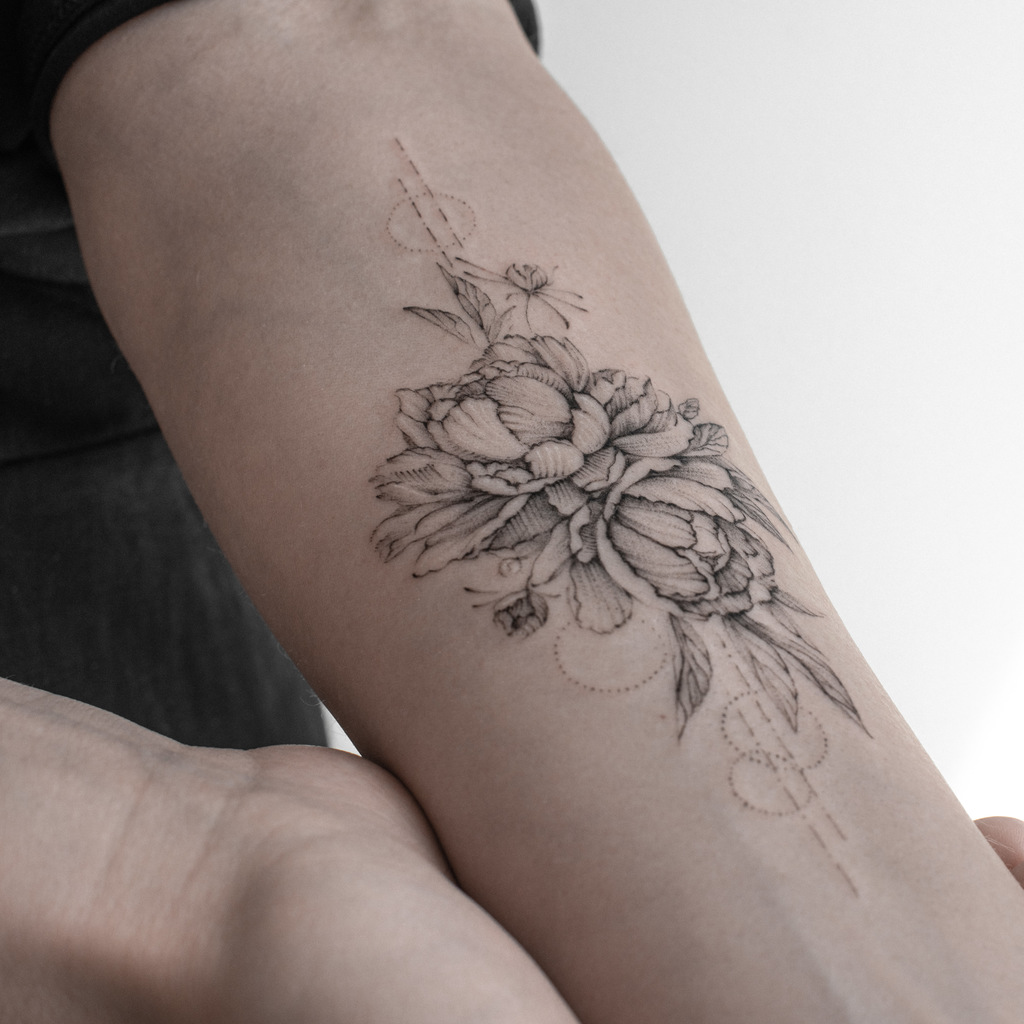
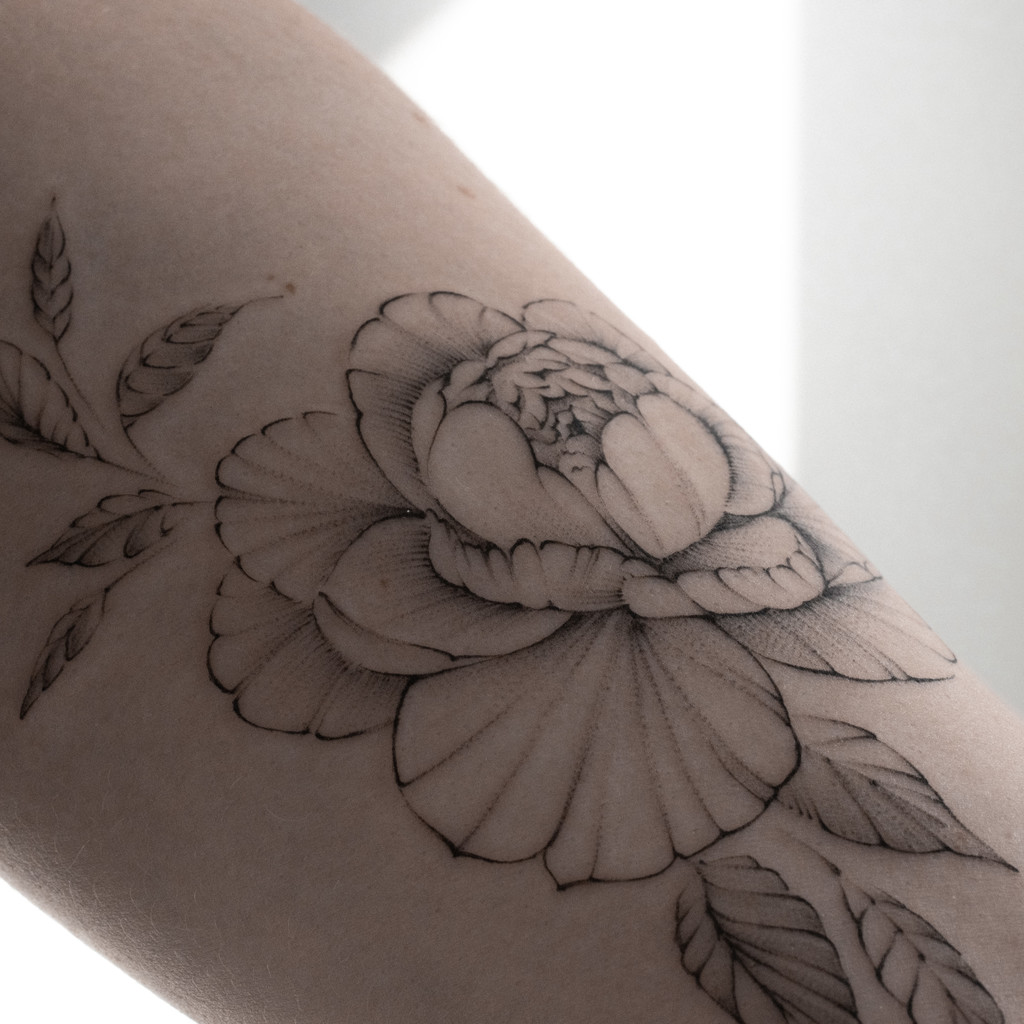
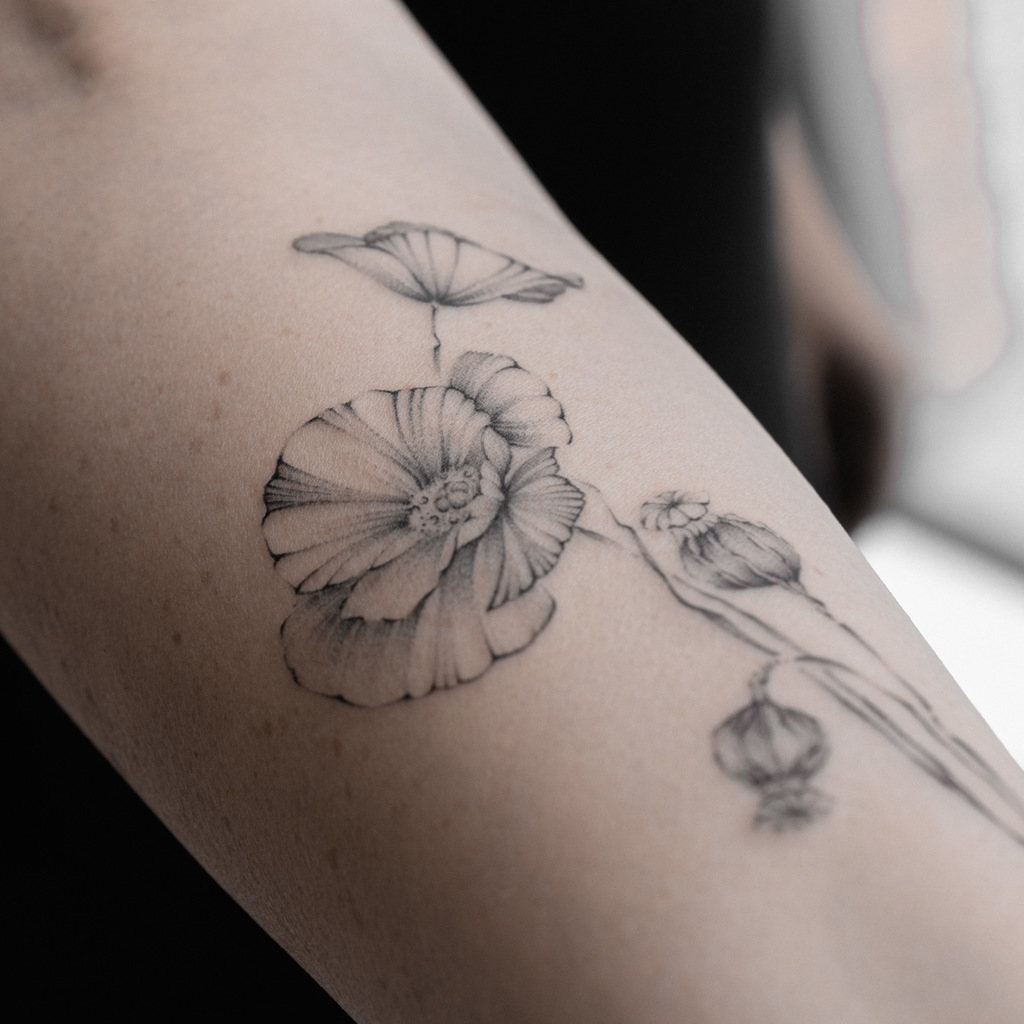
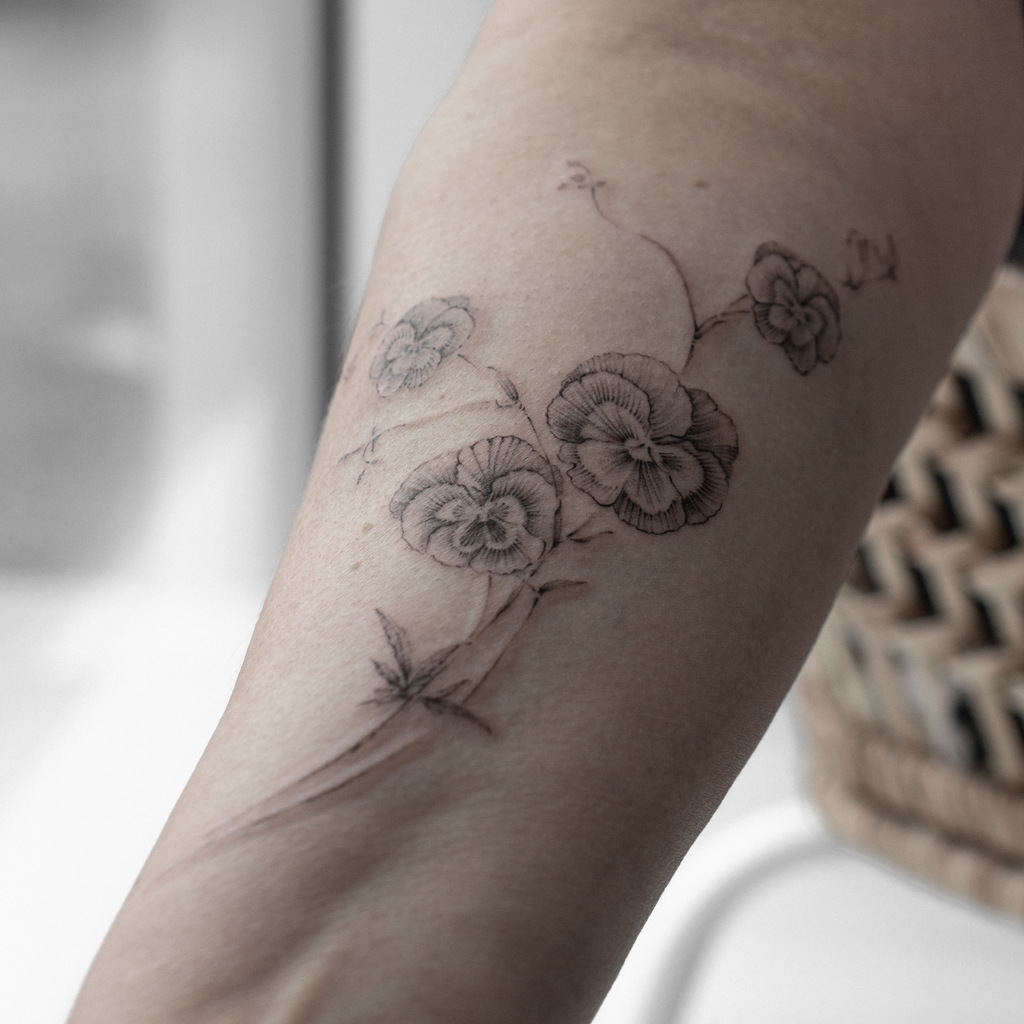
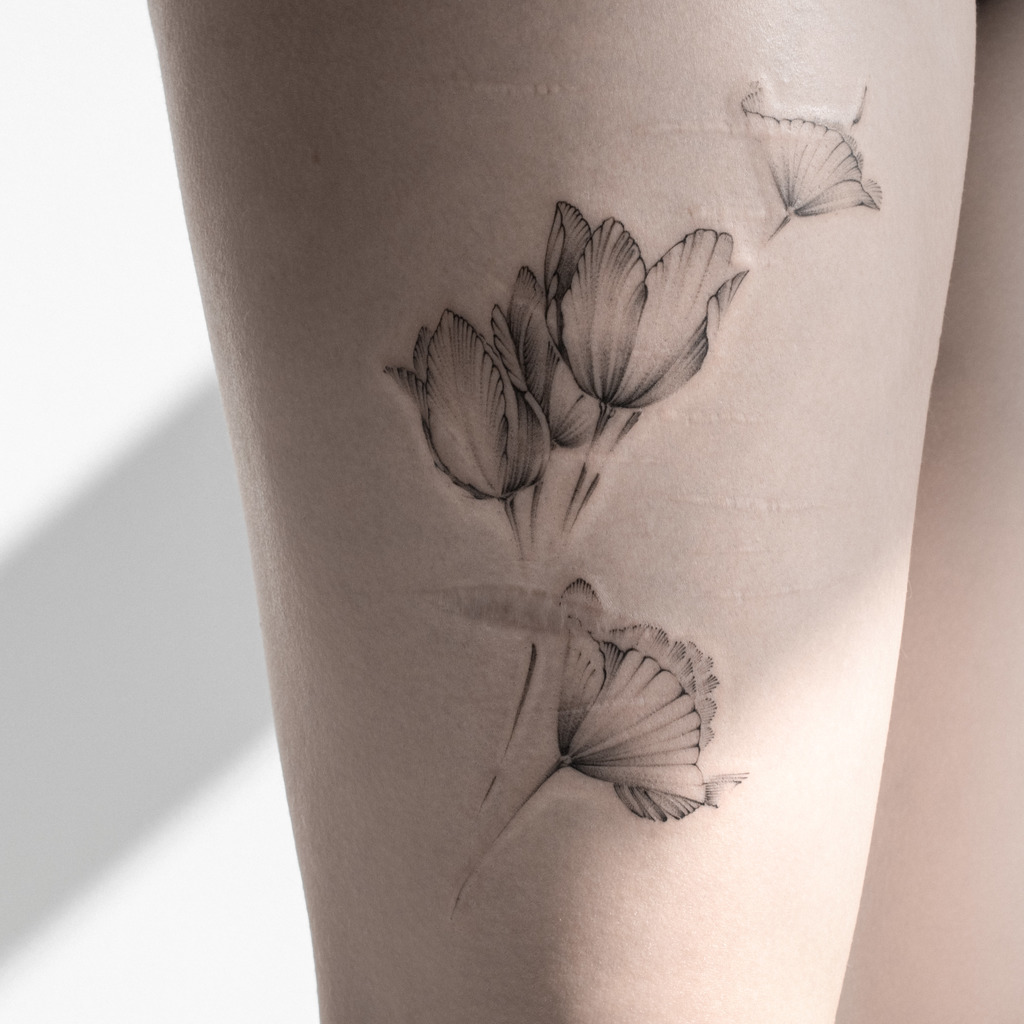
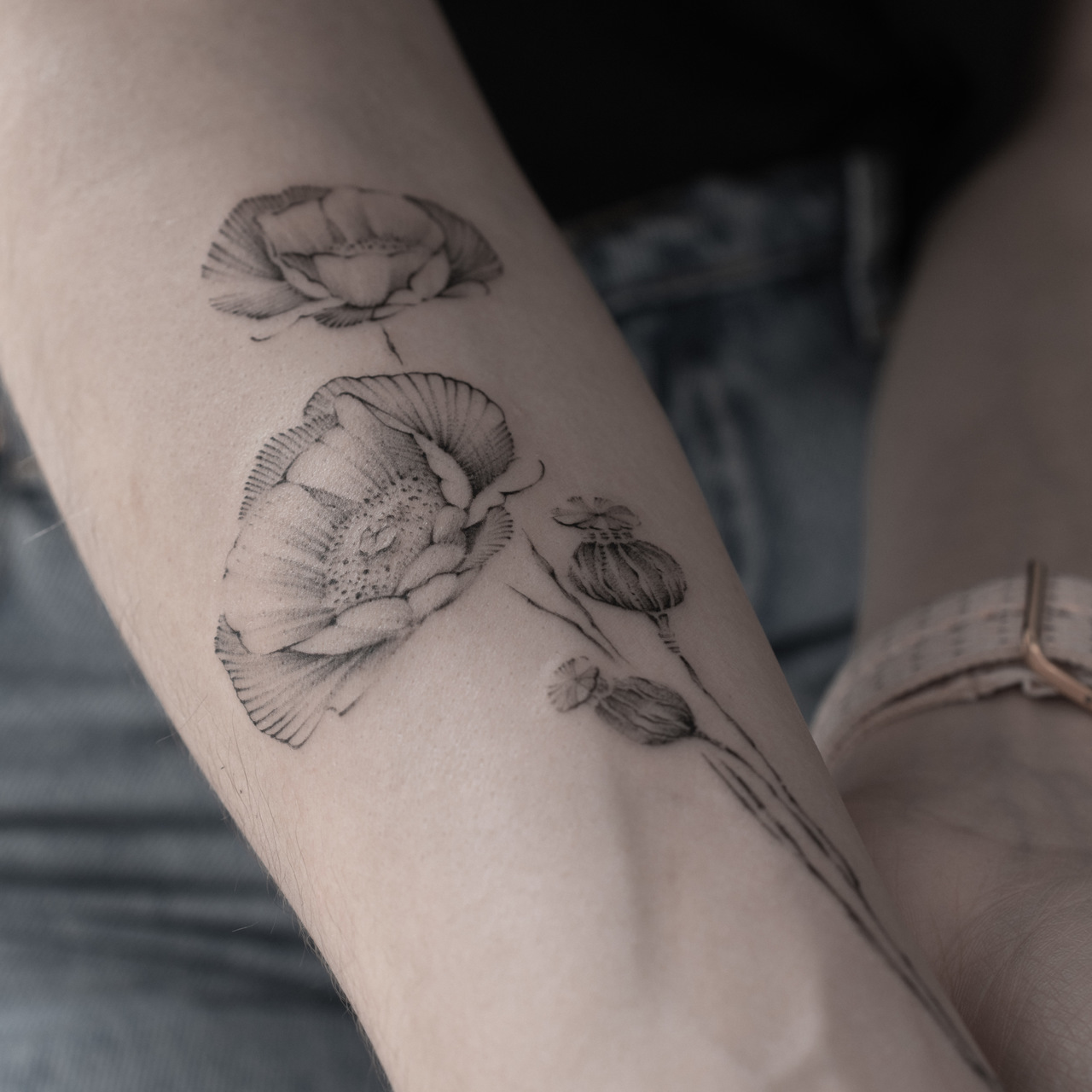
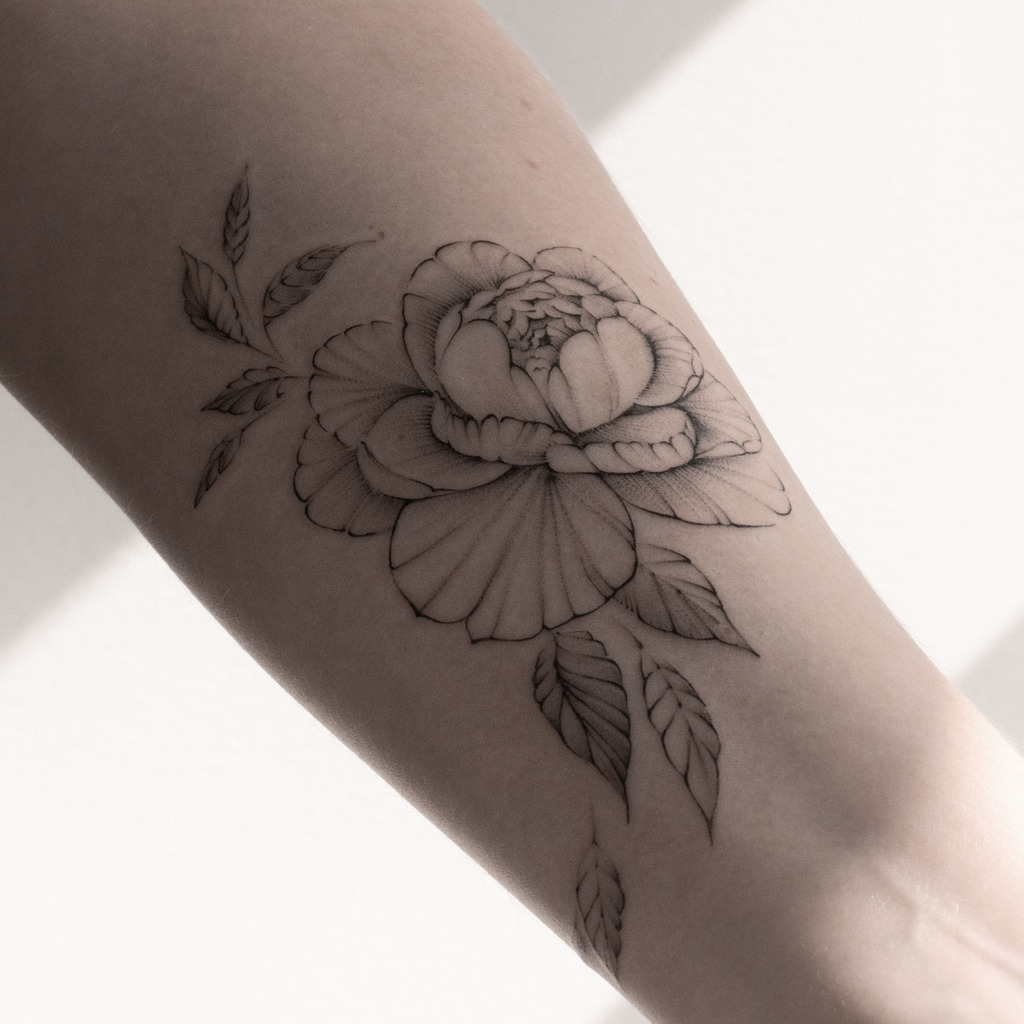
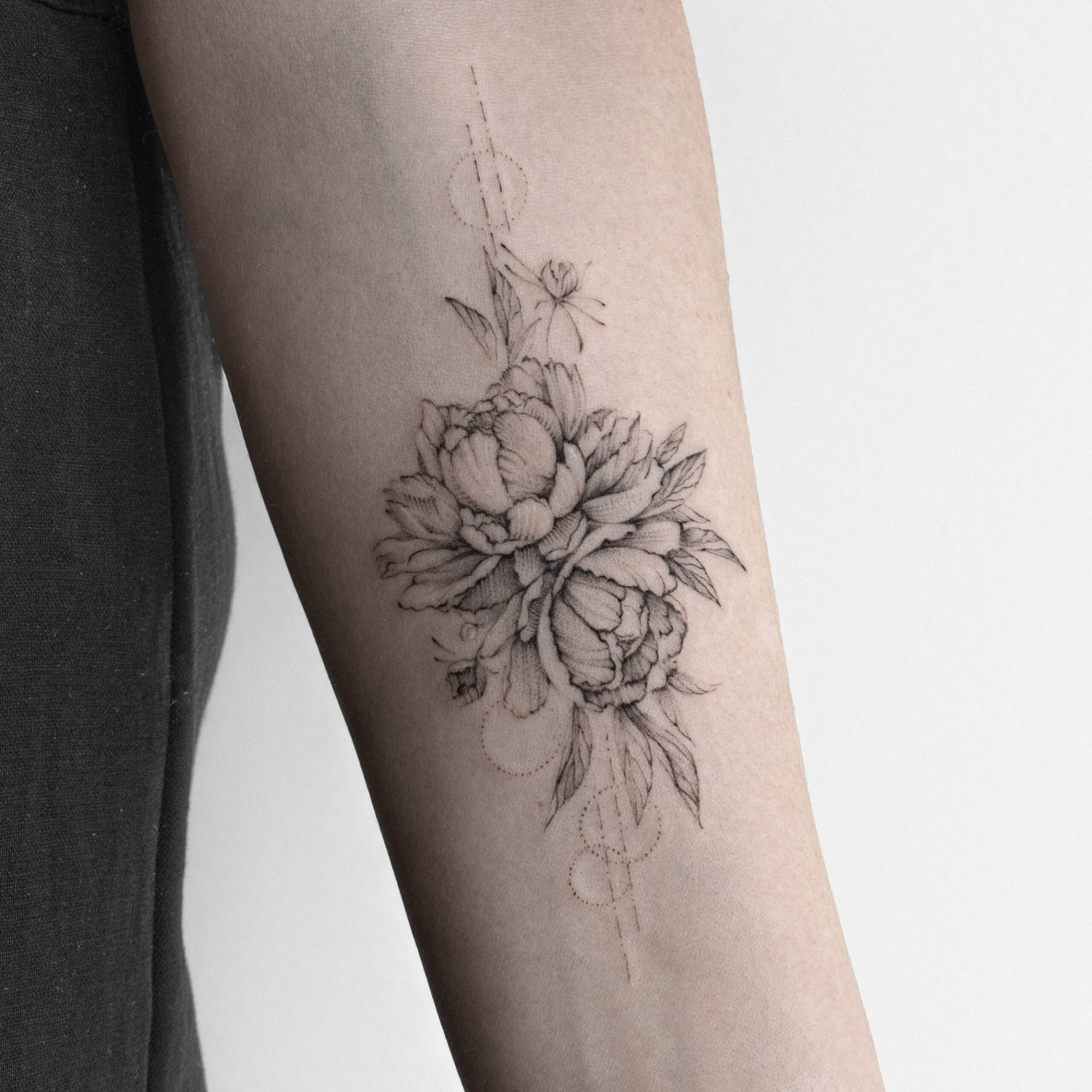
Probably the most common tattoo fear is pain. And of course, tattooing is not entirely painless. But the reality is usually far less intense than the stories surrounding it. Most people expect something extreme because tattoo pain has almost become cultural mythology over the years. In practice, the sensation is often described more as repetitive irritation or scratching rather than unbearable pain. The body also adapts surprisingly fast. After the first minutes, the nervous system usually settles into the rhythm of the session, and the fear itself decreases dramatically. Fine line tattooing especially tends to feel gentler for many people compared to heavily saturated tattoo styles because the process often creates less trauma to the skin overall. And perhaps most importantly: being nervous before a tattoo does not mean you are weak. It simply means you are human.
Fear of Regret
Another major fear is the possibility of regretting the tattoo later. Most tattoos that age well emotionally are not connected to impulse alone. They come from genuine aesthetic connection, memory, symbolism, or personal atmosphere. And often, people become more attached to tattoos over time because the tattoo slowly absorbs additional life experiences afterward. At Vadelma Tattoo, the process itself is intentionally slower and more thoughtful for this reason. Placement, composition, and design adaptation are all approached carefully rather than rushed. Good tattoos usually benefit from reflection.
Fear of What Other People Think
This fear is more common than many admit openly. Even highly independent people still think about how family, partners, workplaces, or strangers may react to visible tattoos. Humans are social creatures, so concern about perception is natural. But something interesting tends to happen after getting tattooed: most people realize others think about their tattoos far less than expected. Over time, tattoos increasingly became part of mainstream visual culture anyway. In cities like Amsterdam especially, tattoos are now seen across many professions, artistic environments, and lifestyles. The conversation around tattoos changed enormously during the last decades.
Fear of Aging
Many people worry:
“What will my tattoo look like in twenty years?”
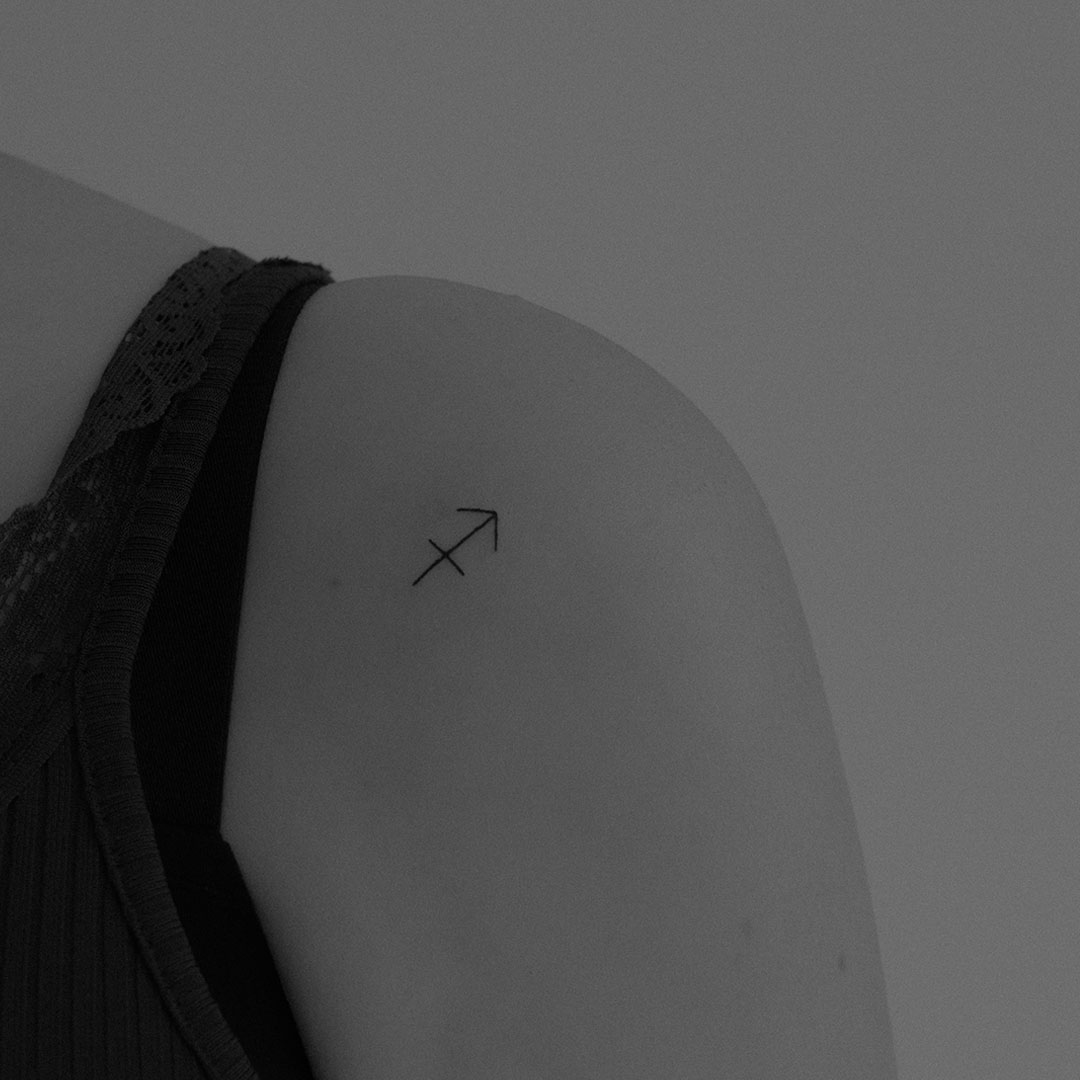
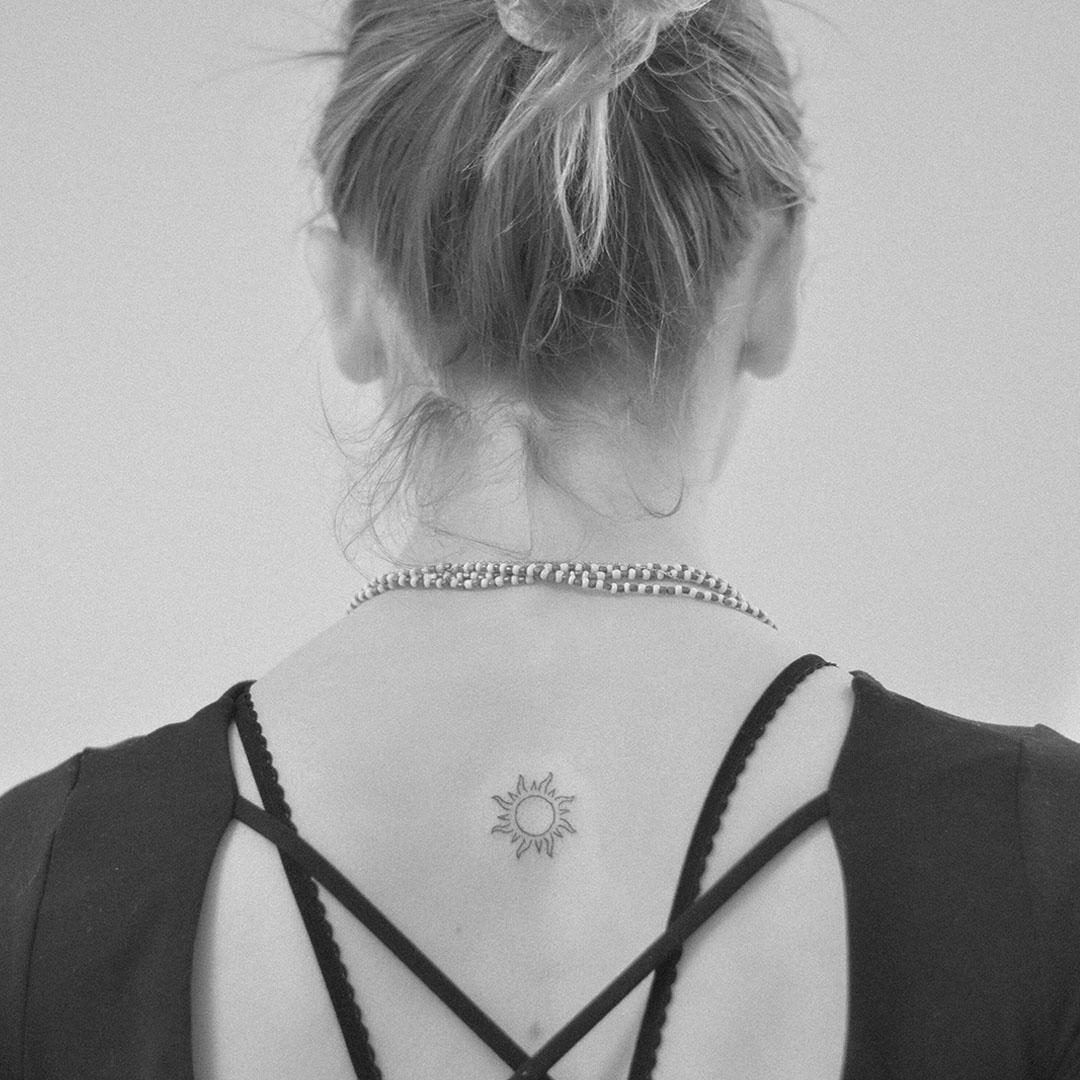
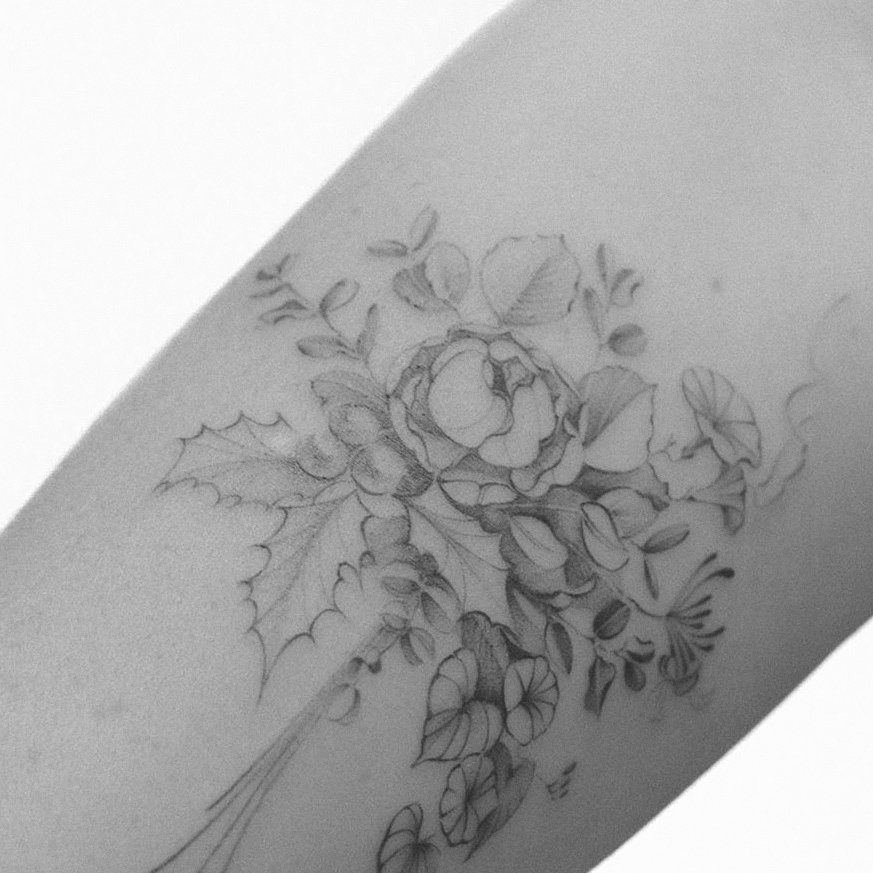
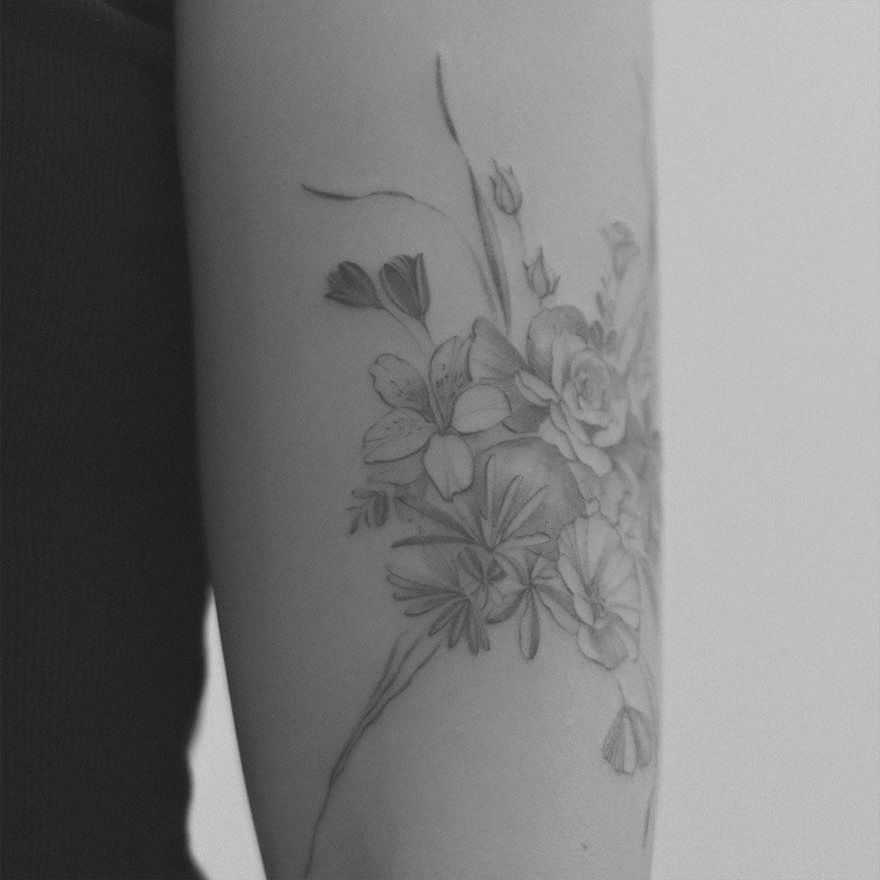
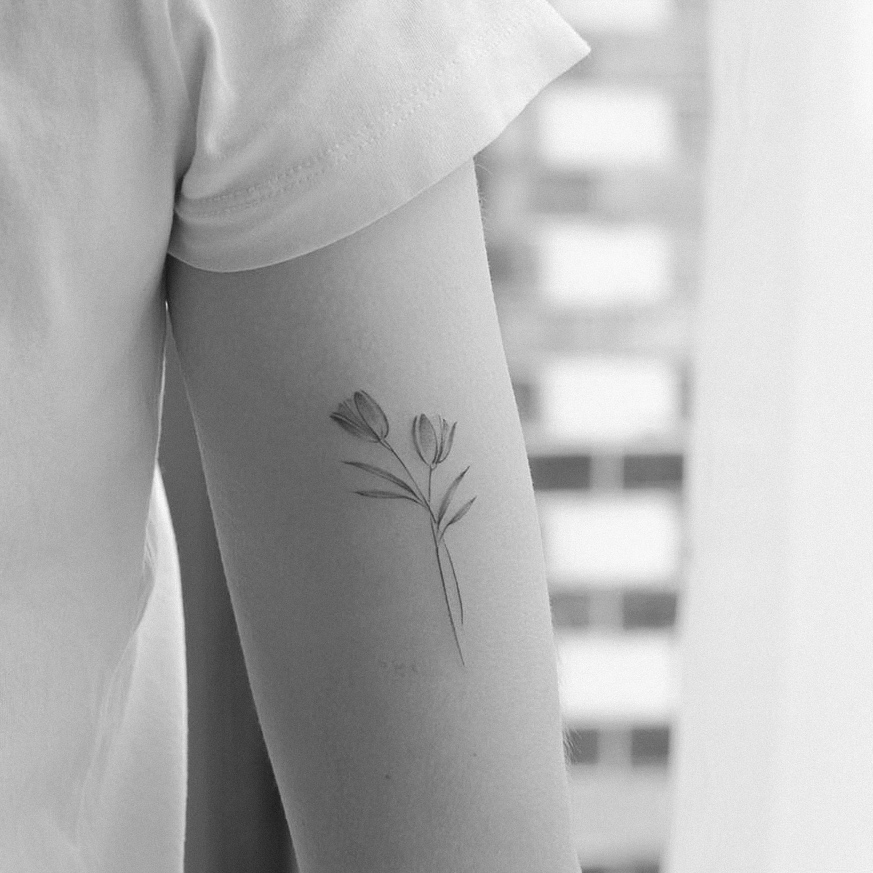
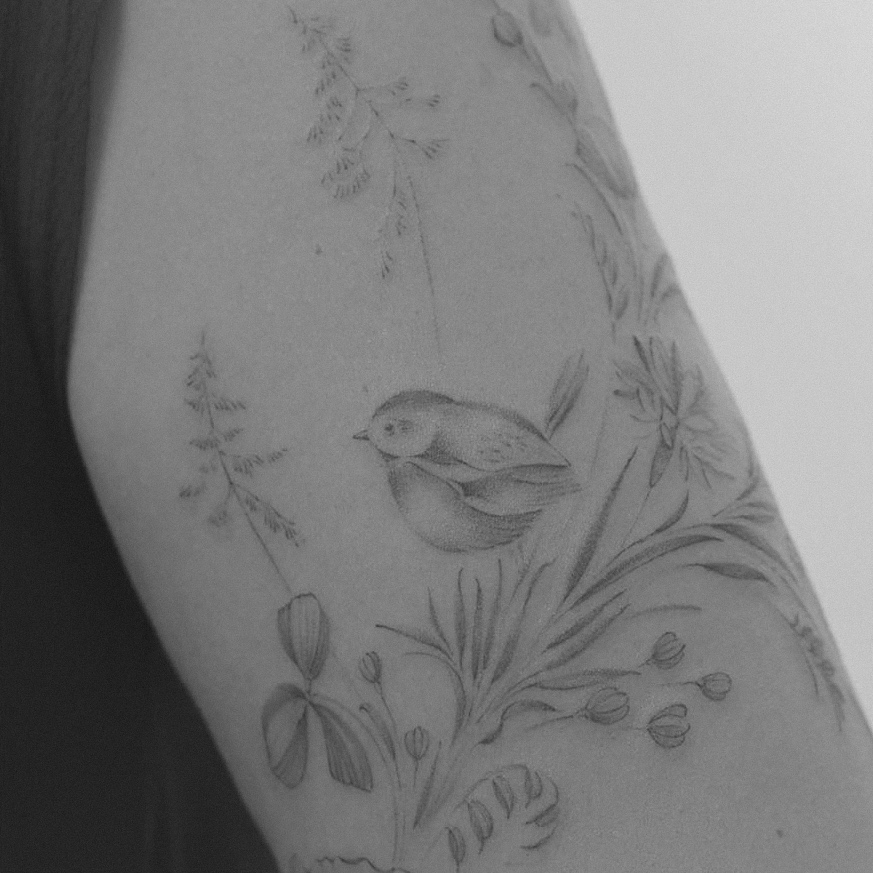
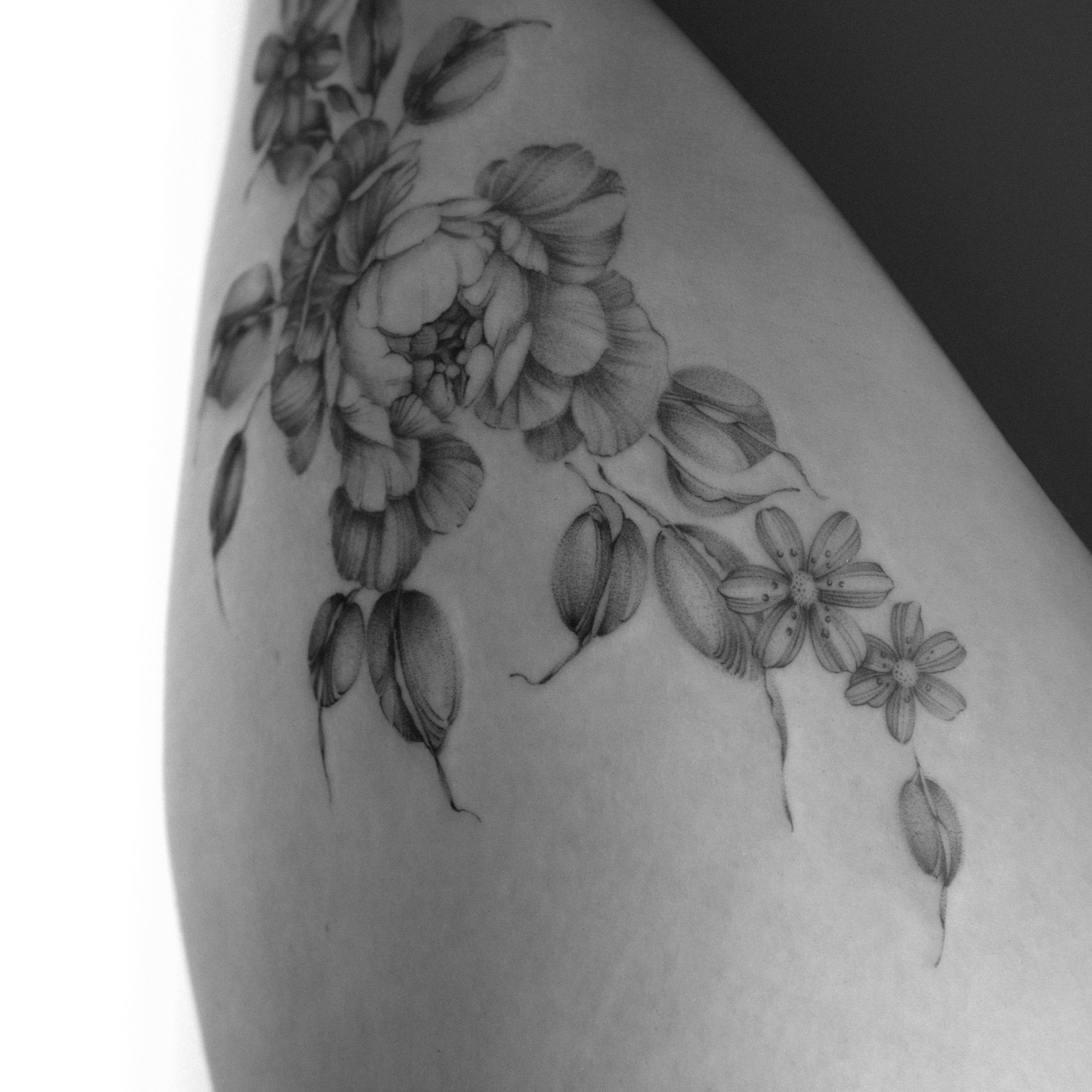
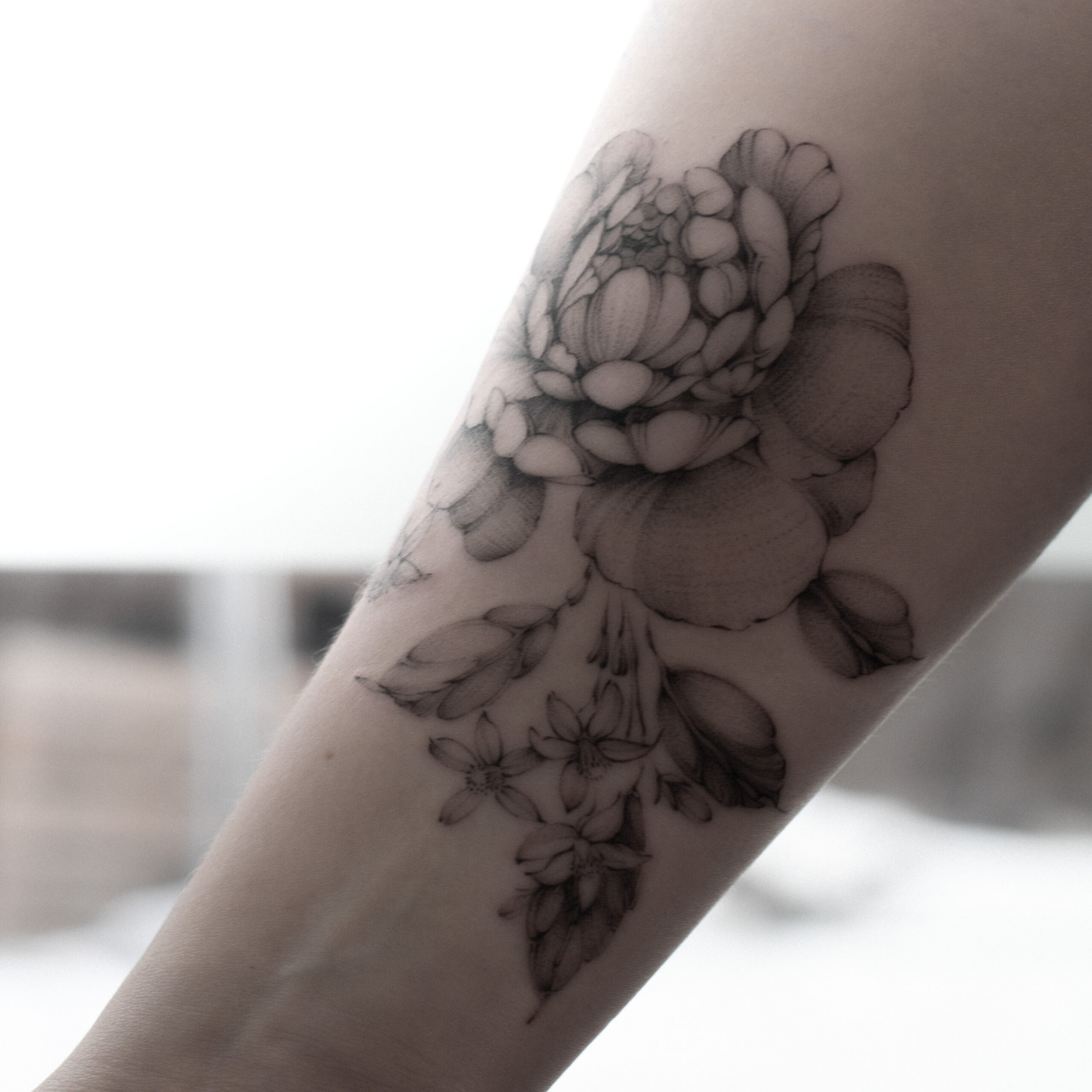
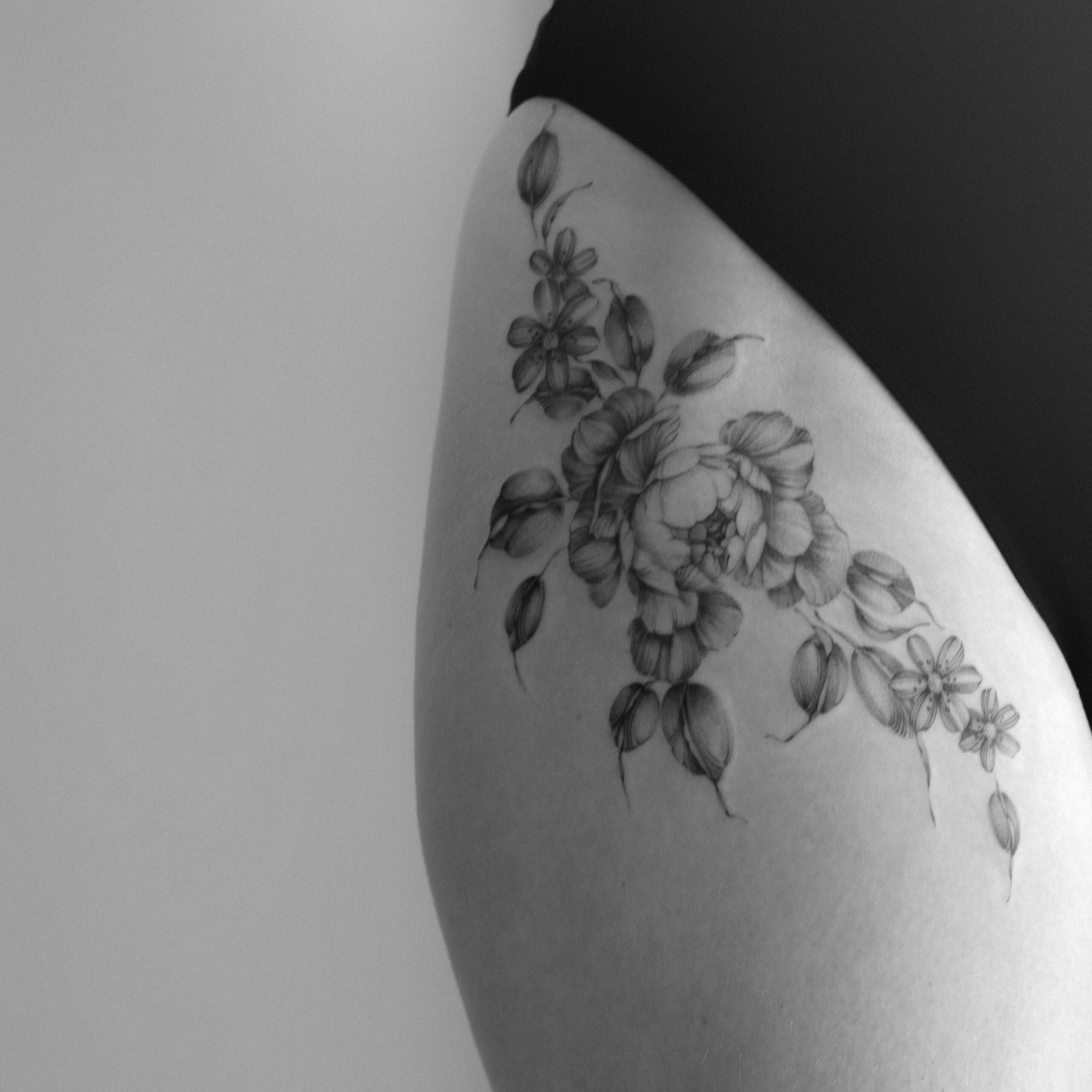
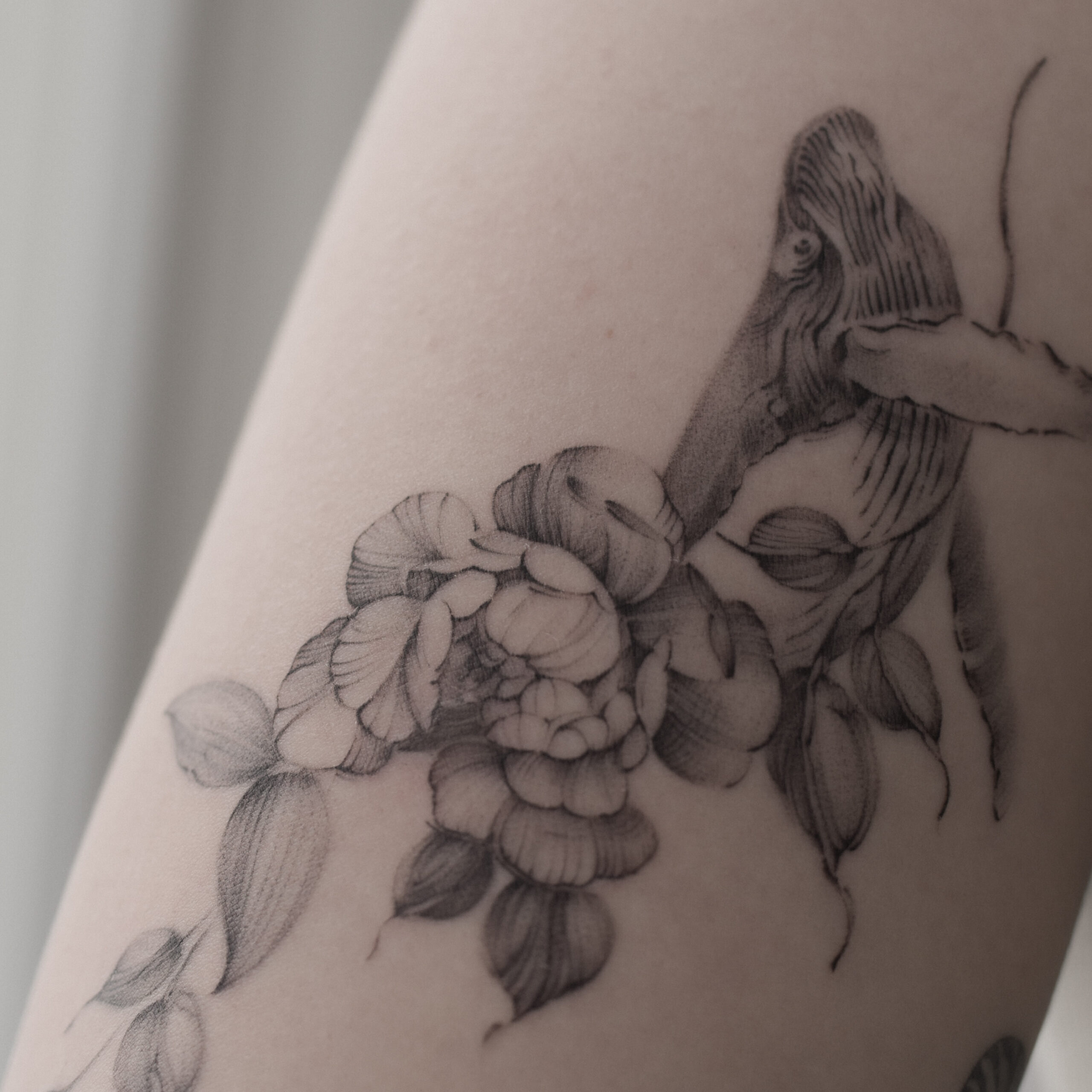
And honestly, this is actually a smart question. Because tattoos should be approached long-term. The good news is that thoughtful tattooing ages far better than many people imagine. Placement, spacing, line quality, skin care, and overall design balance all influence longevity significantly. This is one reason good tattoo artists sometimes simplify ideas rather than endlessly adding detail. And realistically, skin changes with or without tattoos anyway. Aging itself is natural. The goal is not to freeze the body permanently, but to create something that continues feeling aesthetically connected to it over time.
Fear of Healing Problems
The internet can make tattoo healing sound terrifying sometimes. But in reality, proper tattoo aftercare is usually very straightforward. A fresh tattoo simply needs for examply :
.
Clean hands
Gentle treatment
Proper moisturizing
And a few weeks without excessive irritation
.
The body already knows how to heal skin naturally. The goal is mostly to support that process rather than interfere with it. At Vadelma Tattoo, aftercare instructions are explained clearly and carefully because good healing is part of the tattoo process itself, not an afterthought.
Fear of “Not Being the Type of Person Who Gets Tattoos”
This one is surprisingly common. Many people secretly believe there are “tattoo people” and “non-tattoo people,” as if tattooing belongs only to one personality type or subculture. But modern tattoo culture became incredibly diverse. Today, tattoos exist across:
.
Creative industries
Architecture
Fashion
Medicine
Music
Academia
Business
And almost every other environment imaginable
.
The strongest tattoos often feel personal precisely because they reflect individuality rather than group identity. You do not need to become someone else to get tattooed.
The Psychological Side of Fear
Most tattoo fears become smaller once uncertainty disappears. The mind tends to create bigger emotional reactions before experiences than during them. This happens because imagination naturally fills gaps with exaggerated possibilities. Once the session begins, however, the experience becomes concrete instead of abstract. People realize: the atmosphere is calmer, the pain is manageable, the process is collaborative and the tattoo slowly becomes exciting instead of frightening.
The Vadelma Philosophy
At Vadelma Tattoo, the goal is not only to create beautiful tattoos, but also to create an environment where people feel calm, informed, and comfortable throughout the process. The studio works with:
.
Private sessions
Focused atmosphere
Thoughtful placement
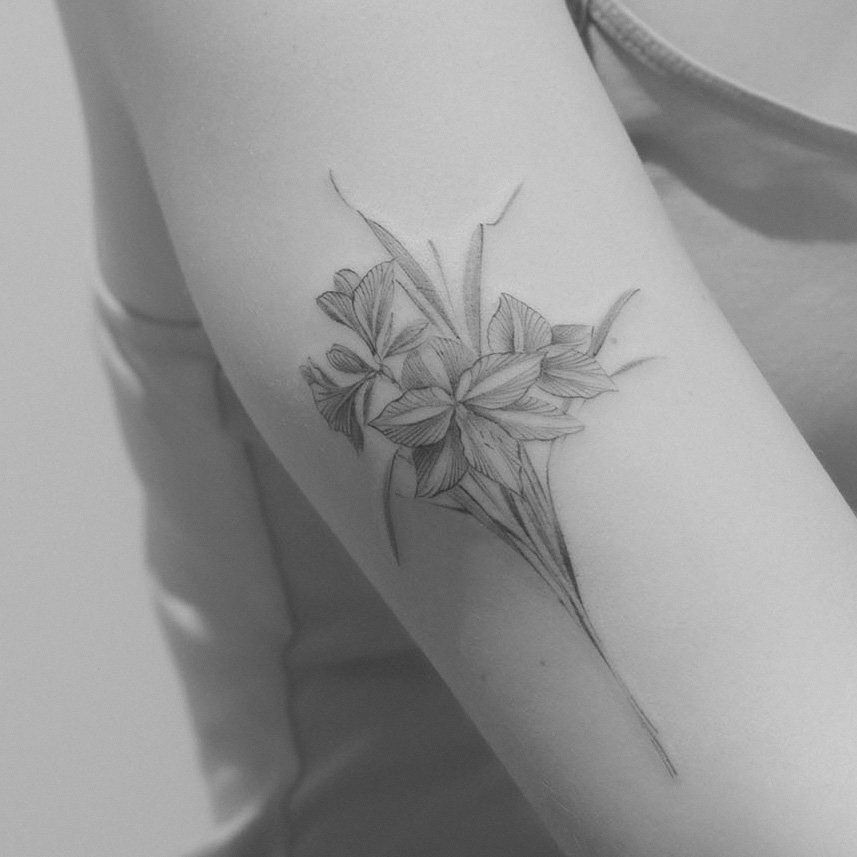
Fine line precision
And careful consultation before tattooing begins via DM or EMAIL
.
Because good tattoo experiences are built not only through technical skill, but through trust and communication as well.
For those interested in visual art beyond tattooing itself, you can also explore museum-quality art prints created by Natalie Vadelma here: https://vadelmaprints.com/
Final Thoughts
Most tattoo fears are built around imagination rather than reality. And while getting tattooed should absolutely be approached thoughtfully, it also does not need to feel frightening. For many people, the biggest surprise afterward is not the pain, healing, or reactions from others. It is realizing how natural the tattoo eventually feels — as if it had belonged there much longer than expected.
FAQ – Tattoo Fears
Is it normal to feel nervous before getting a tattoo?
Yes, almost everyone feels some nervousness before a tattoo, especially the first one.
Do fine line tattoos hurt less?
Many people experience fine line tattoos as gentler than heavily saturated styles.
Will my tattoo age badly?
Thoughtful placement, proper technique, and good aftercare help tattoos age beautifully over time.
What if other people dislike my tattoo?
Most people eventually realize others pay far less attention to tattoos than expected.
We use cookies to ensure that we give you the best experience on our website. If you continue to use this site we will assume that you are happy with it.