Why Dutch Design Feels So Timeless | Simplicity Function and Beauty
Why Dutch Design Feels So Timeless
.
From Amsterdam’s Canal Houses to Modern Creativity
.
Some design trends arrive with great excitement and disappear just as quickly. What feels fresh and modern today can look dated only a few years later. Yet certain styles seem to resist the passage of time. They remain relevant, elegant, and appealing generation after generation. Dutch design is one of those rare examples. Whether you are walking through the historic streets of Amsterdam, visiting a museum, admiring contemporary furniture, or simply observing the way many Dutch homes are organized, a common thread begins to emerge. Dutch design often feels clean without being cold, practical without sacrificing beauty, and modern without chasing trends. This balance is one of the reasons why Dutch design has earned international recognition and continues to inspire artists, architects, and designers around the world.
.
A Culture Shaped by Practicality
Part of the story begins with geography. For centuries, the Dutch have lived in a country that required careful planning and cooperation. Large areas of the Netherlands were reclaimed from water, demanding innovative engineering, intelligent urban planning, and efficient use of space. When a society spends generations solving practical challenges, functionality naturally becomes part of its design culture. This influence can still be seen today. Dutch design rarely prioritizes decoration for its own sake. Instead, there is often a focus on purpose. Every element is expected to contribute something meaningful. Objects, buildings, and spaces are designed to work well first, while beauty emerges through proportion, balance, and thoughtful execution. This approach creates designs that often age remarkably well because they are not dependent on short-lived trends.
.
Simplicity Is Harder Than It Looks
One of the defining characteristics of Dutch design is simplicity. However, simplicity should never be confused with a lack of effort. In fact, creating something simple is often much more difficult than creating something complicated. Every unnecessary element must be removed while preserving the character and functionality of the design. What remains needs to feel intentional and complete. You can see this philosophy throughout Amsterdam. Historic canal houses are elegant without being extravagant. Their facades are carefully proportioned, their details restrained, and their overall appearance harmonious. Even though many of these buildings are hundreds of years old, they still feel visually relevant today. Good design often achieves this effect by focusing on fundamentals rather than fashion.
.
The Beauty of Restraint
Modern culture frequently encourages more. More features, more decoration, more content, more complexity. Dutch design often takes the opposite approach. Rather than asking what can be added, it asks what can be removed. This does not mean Dutch design lacks personality. Quite the opposite. By reducing distractions, the essential qualities of an object or space become more visible. Materials, craftsmanship, proportions, and functionality are allowed to speak for themselves. This principle can be found in architecture, furniture design, graphic design, and even public spaces throughout the Netherlands. The result is work that feels calm and confident rather than loud or attention-seeking. Perhaps this is one reason why Dutch design continues to feel contemporary regardless of changing fashions.
.
Design That Serves People
Another reason Dutch design remains relevant is its strong human focus. Rather than treating design as something separate from everyday life, Dutch designers often see it as a tool for improving daily experiences. The goal is not simply to create beautiful objects but to create environments, products, and systems that make life more enjoyable, comfortable, and intuitive. This philosophy can be observed throughout Dutch cities. Public transportation, cycling infrastructure, urban planning, and public spaces are often designed with usability in mind. The emphasis is not only on appearance but on how people interact with their surroundings. When design genuinely serves people, it tends to remain useful long after trends have changed.
.
Creativity Without Excess
The Netherlands has produced countless influential artists, architects, and designers over the centuries. From the masterpieces of Rembrandt van Rijn to the bold innovations of Piet Mondrian, Dutch creativity has often balanced experimentation with structure. This balance continues to shape contemporary Dutch design. Innovation is welcomed, but it is usually accompanied by a clear sense of purpose. New ideas are explored not simply because they are new, but because they offer a meaningful improvement or perspective. As a result, Dutch design often feels progressive without becoming chaotic.
.
Lessons Beyond Design
One reason many people find Dutch design inspiring is that its principles extend beyond architecture and objects. The ideas of simplicity, functionality, quality, and longevity can be applied to almost any creative discipline. Whether someone is designing a building, creating artwork, writing a book, or planning a tattoo, the same fundamental questions remain relevant. Does every element have a purpose? Will this still feel meaningful years from now? Is the design serving the idea, or is it distracting from it? These questions encourage a more deliberate creative process and often lead to work that feels timeless rather than temporary.
.
A Connection to the Vadelma Philosophy
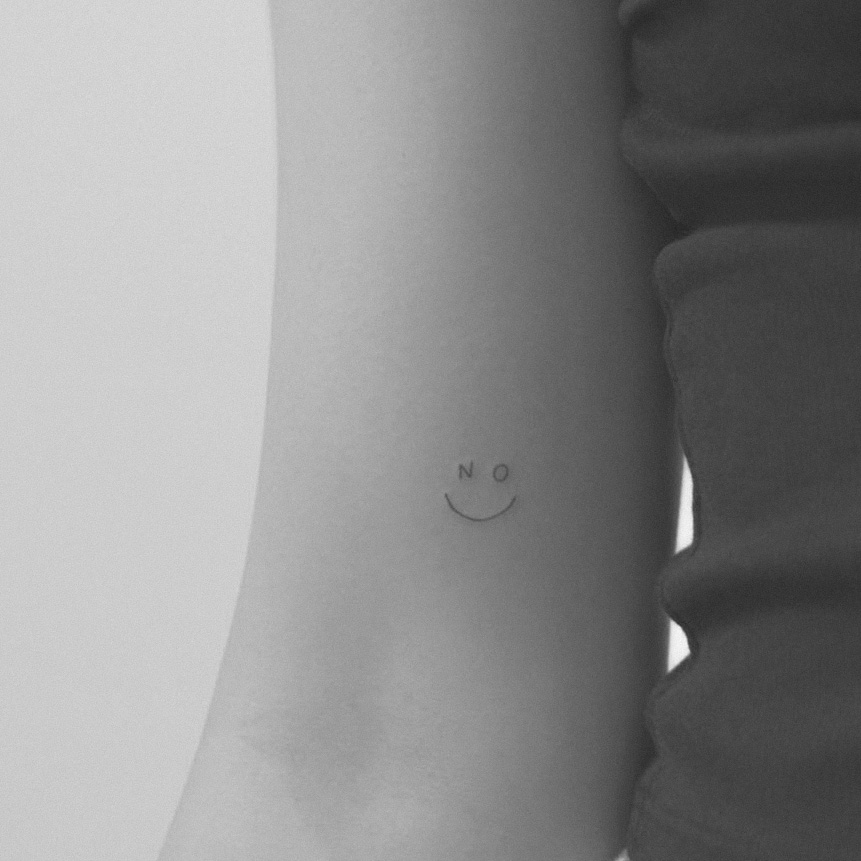
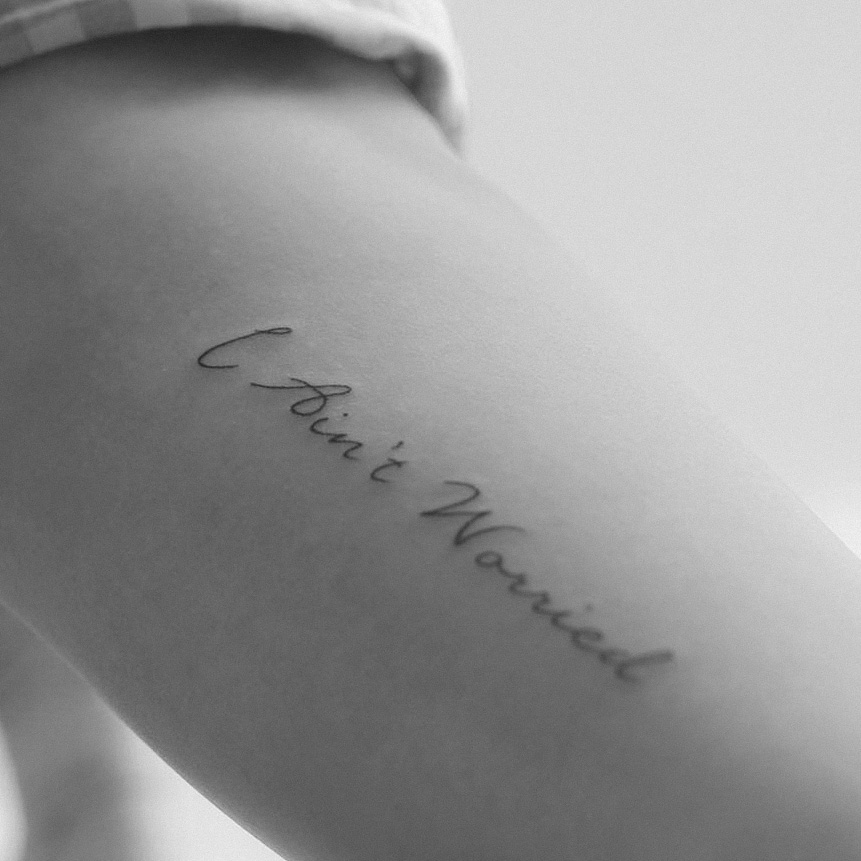
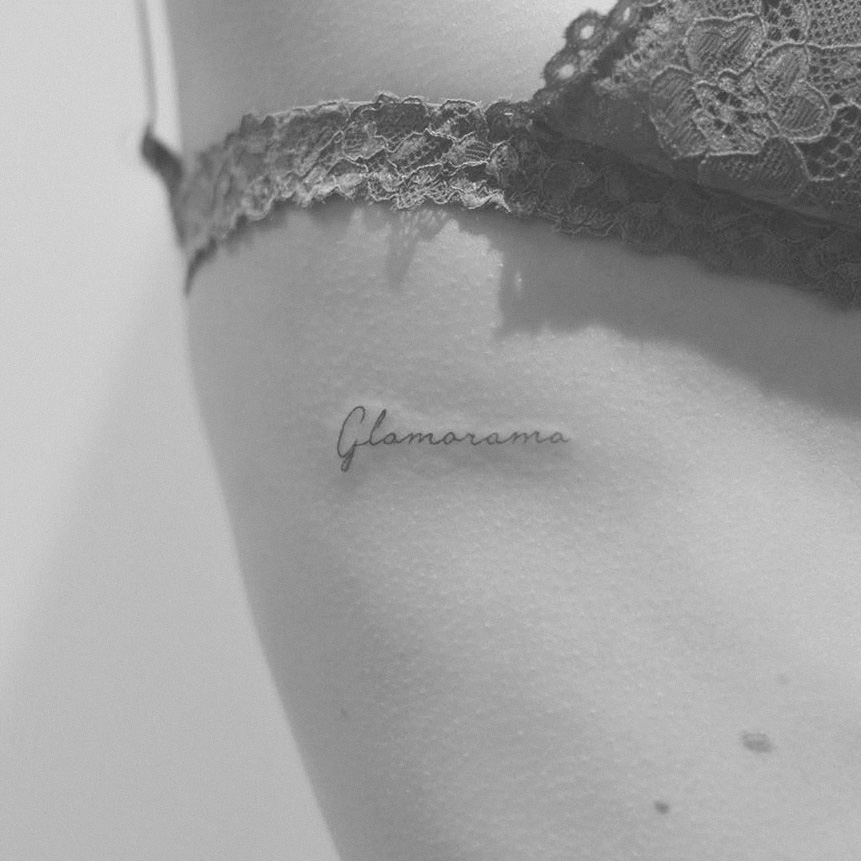
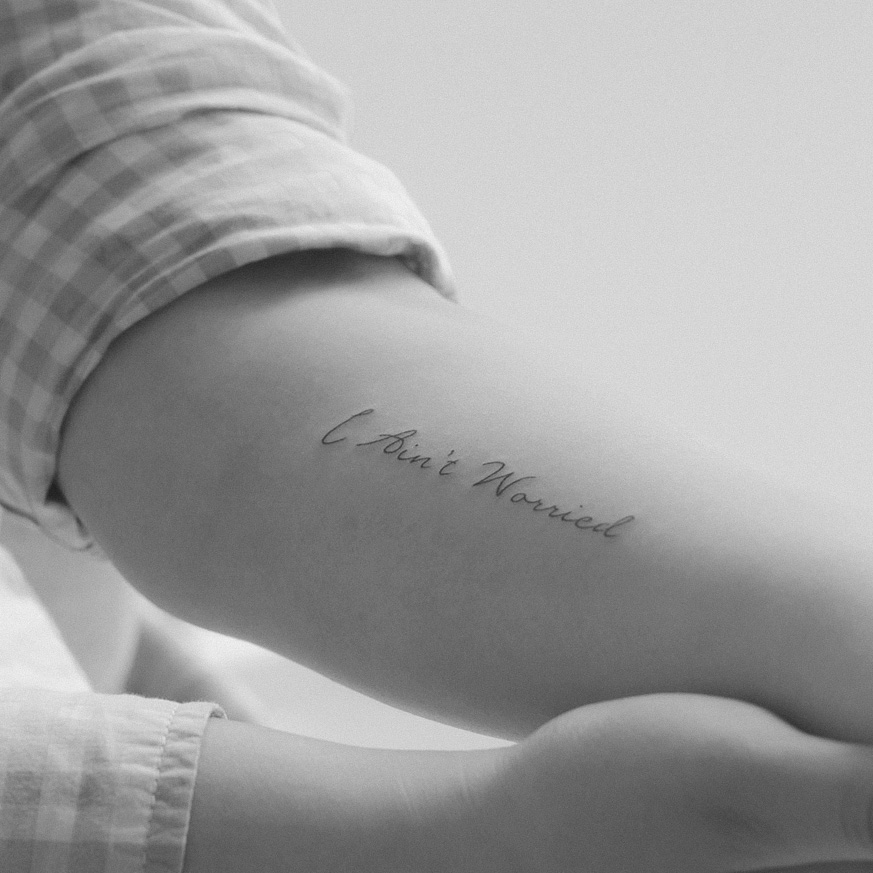
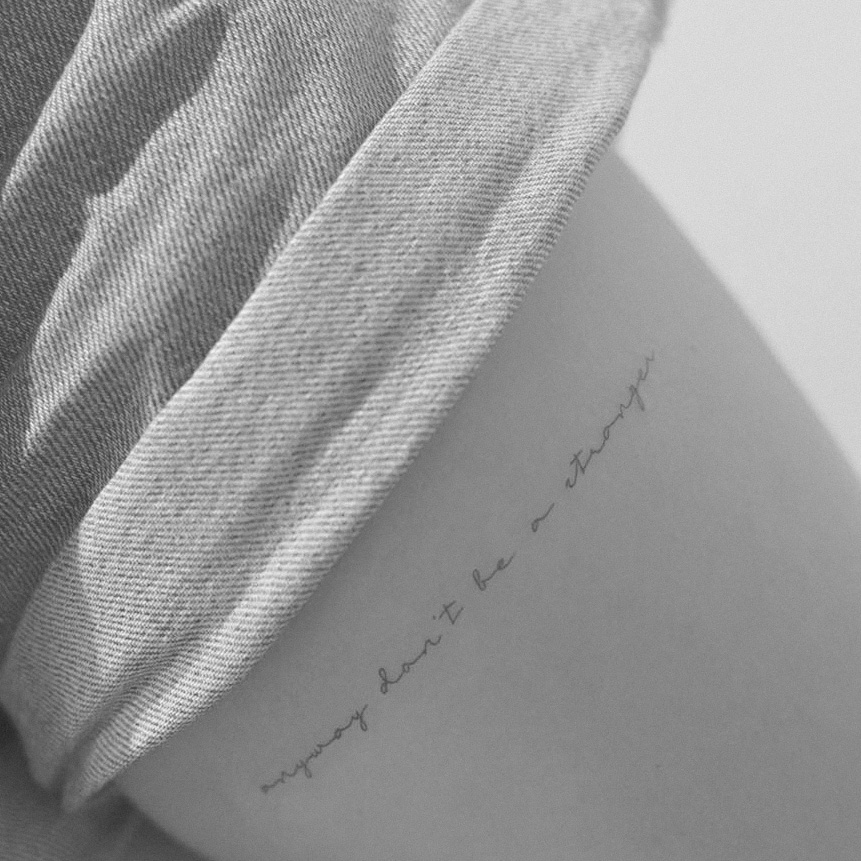
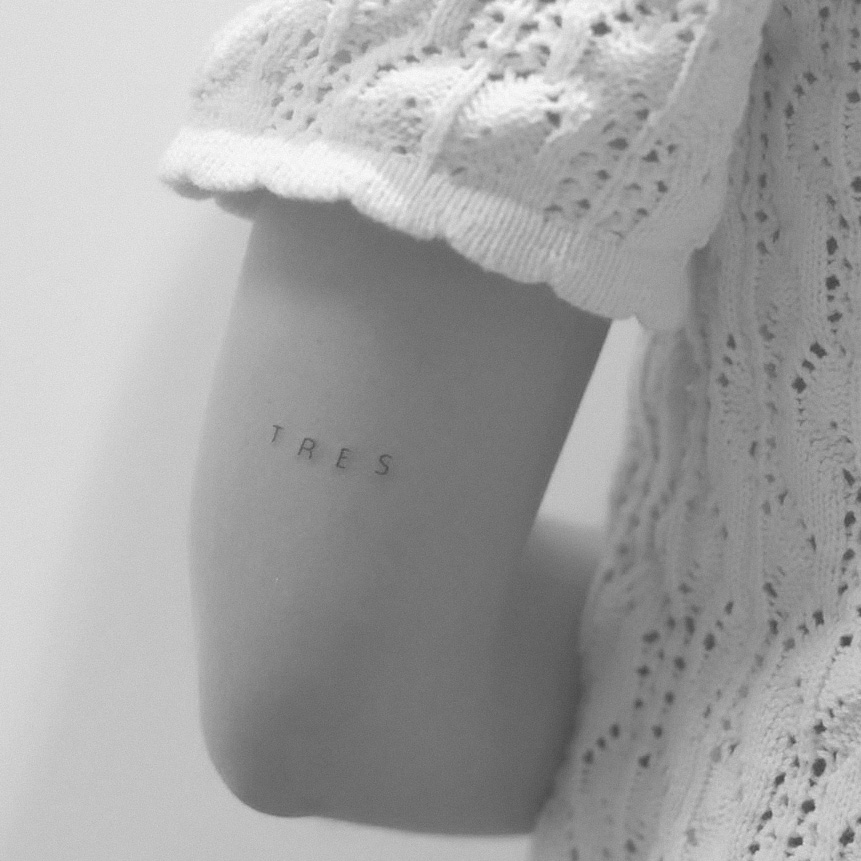
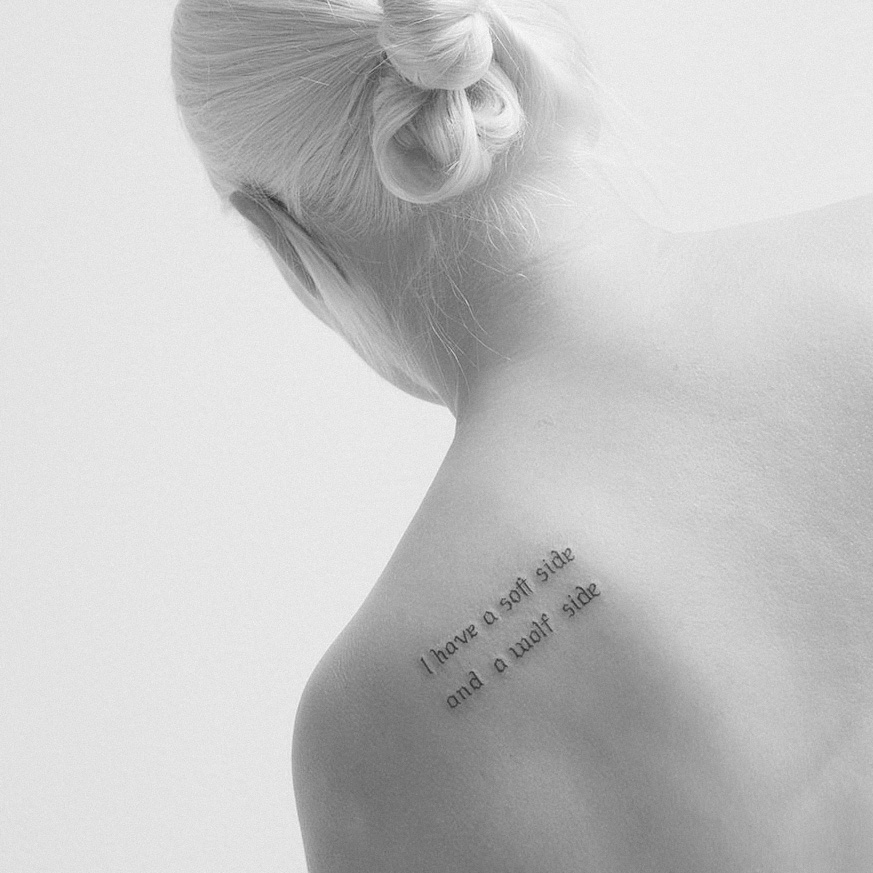
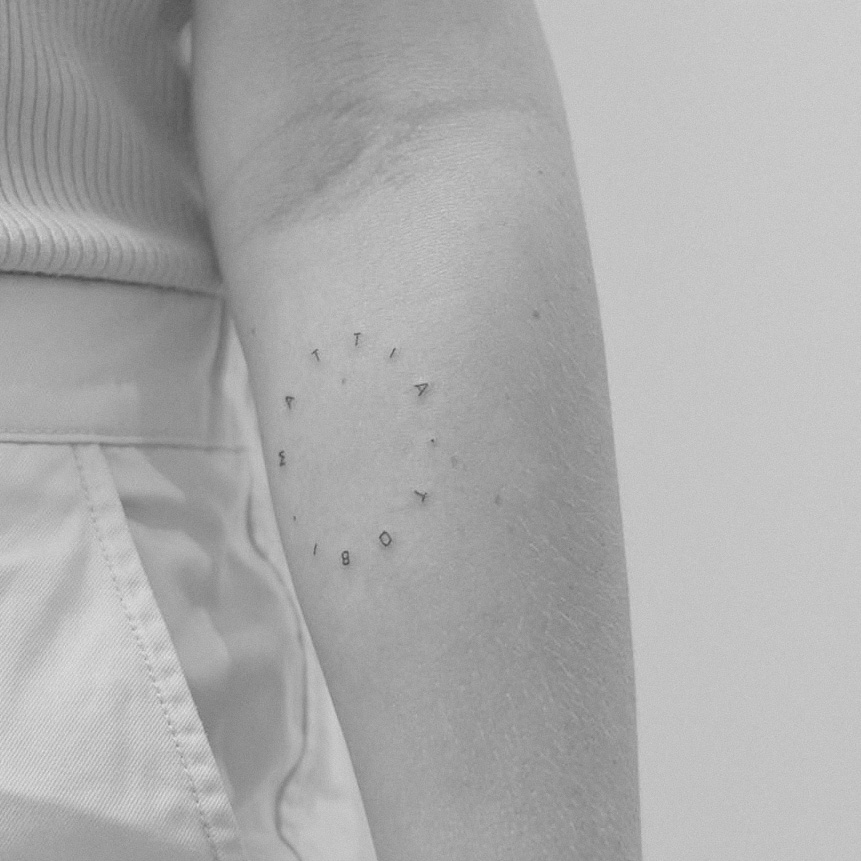
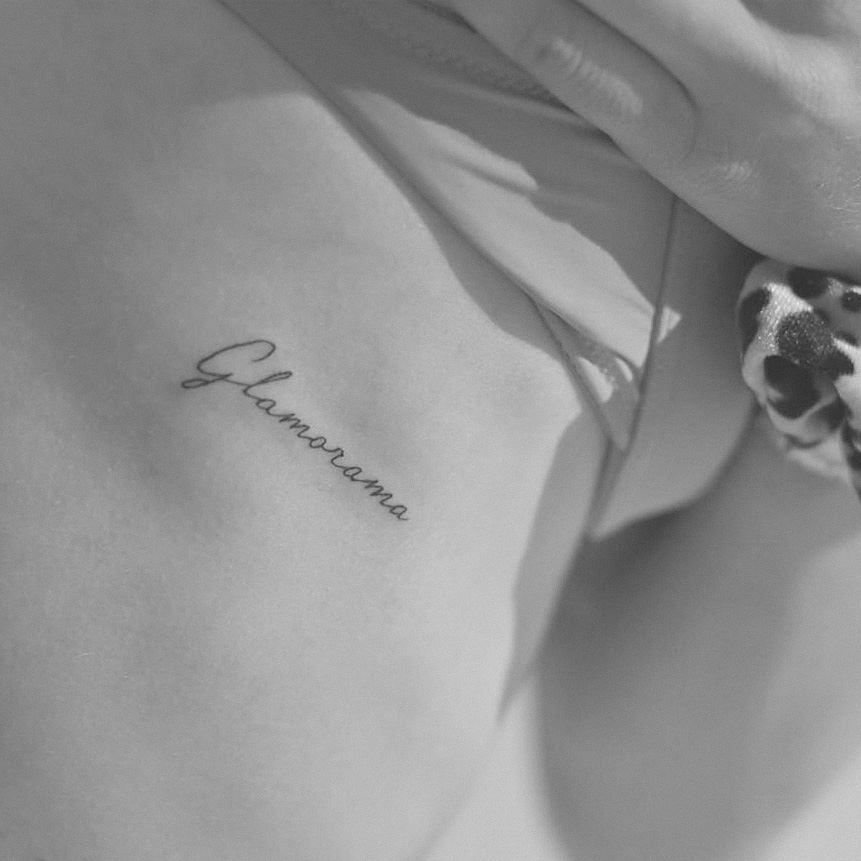
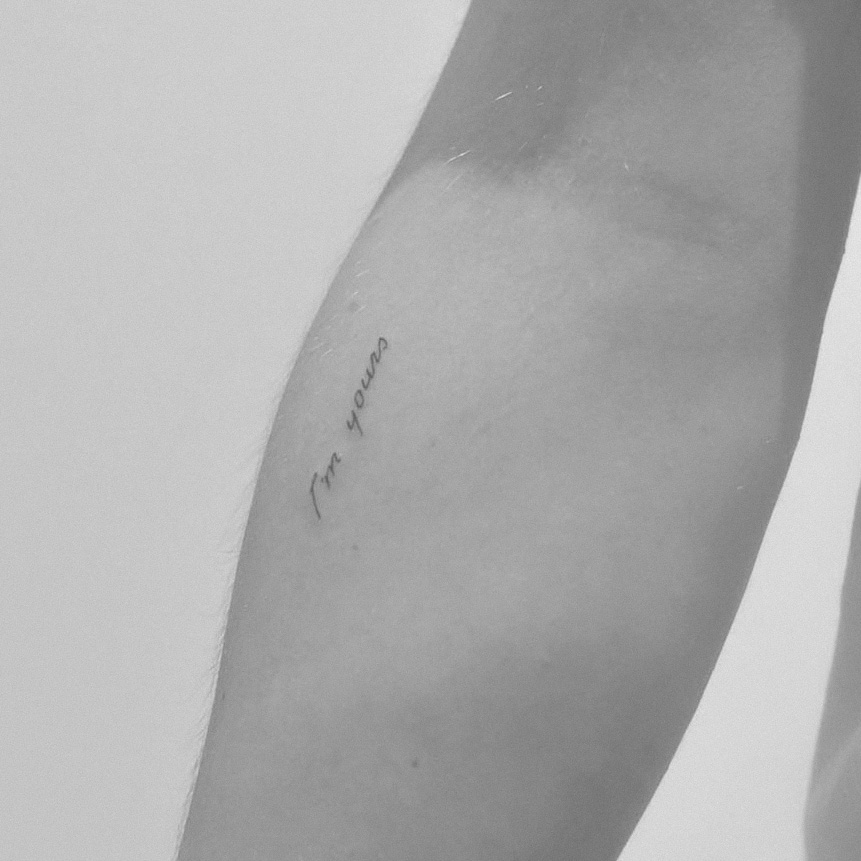
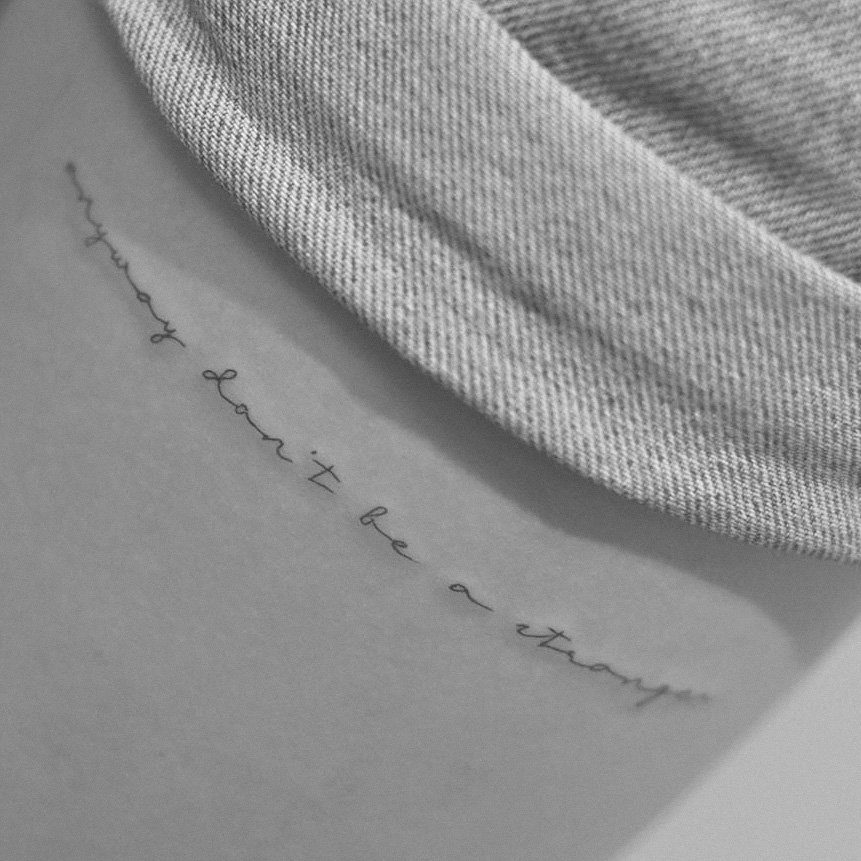
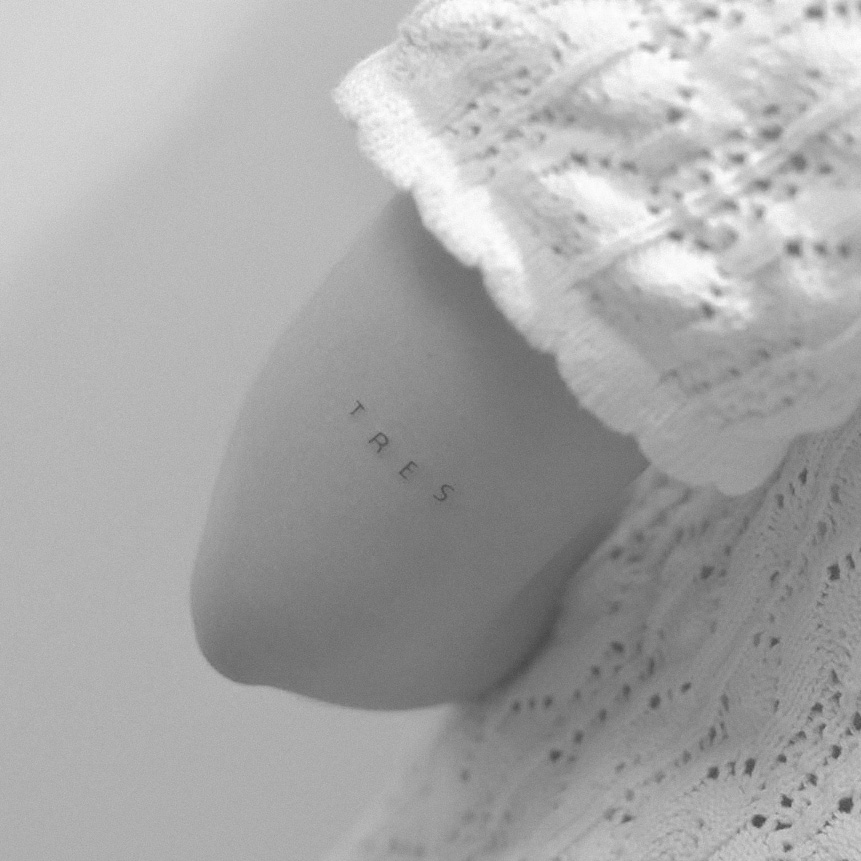
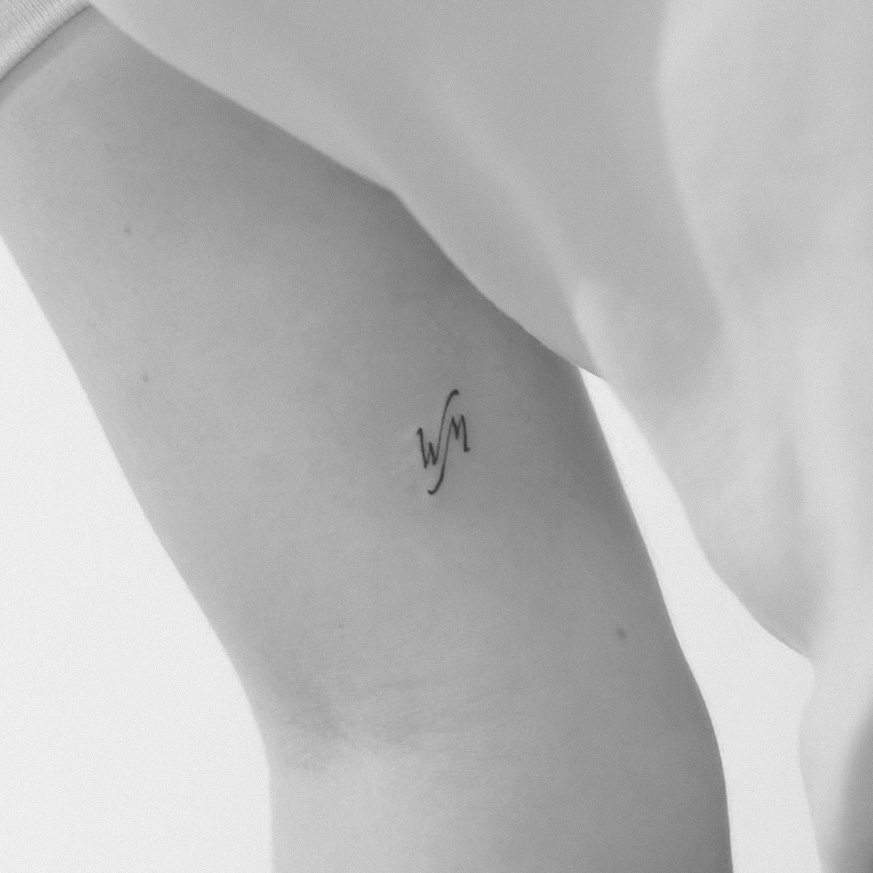
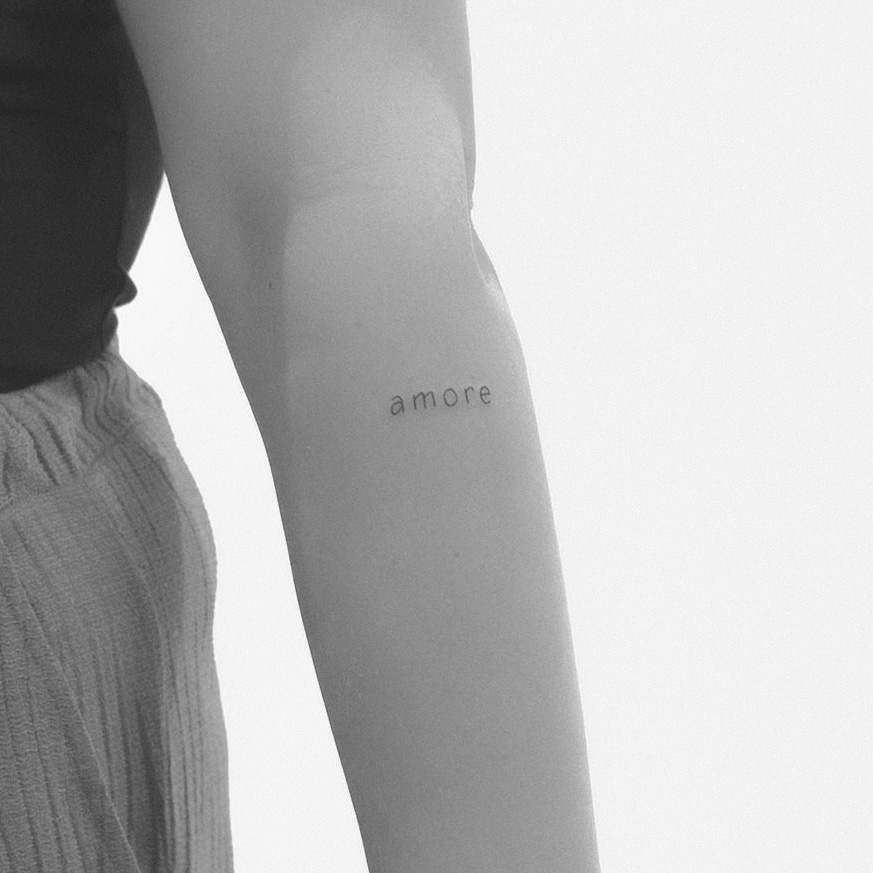
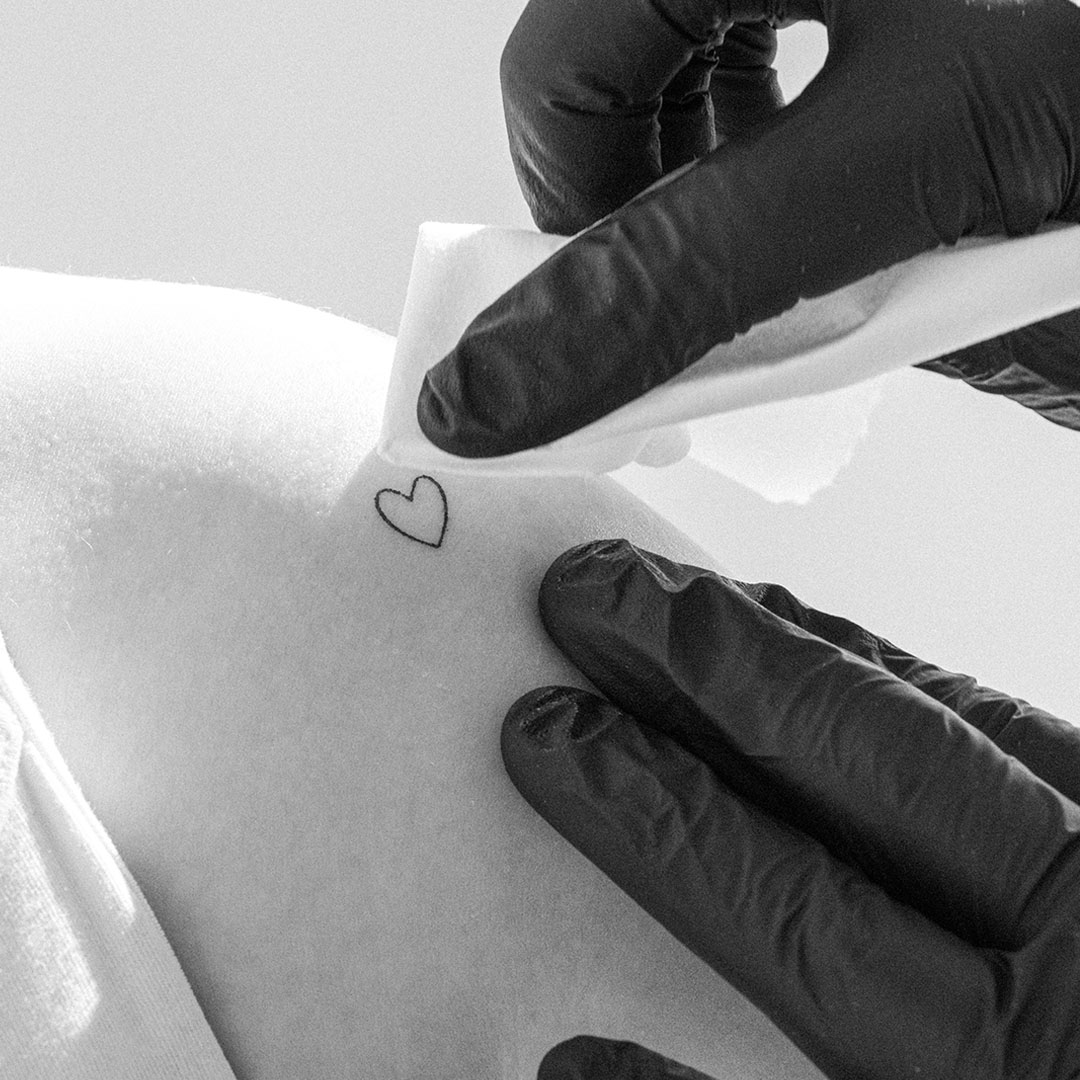
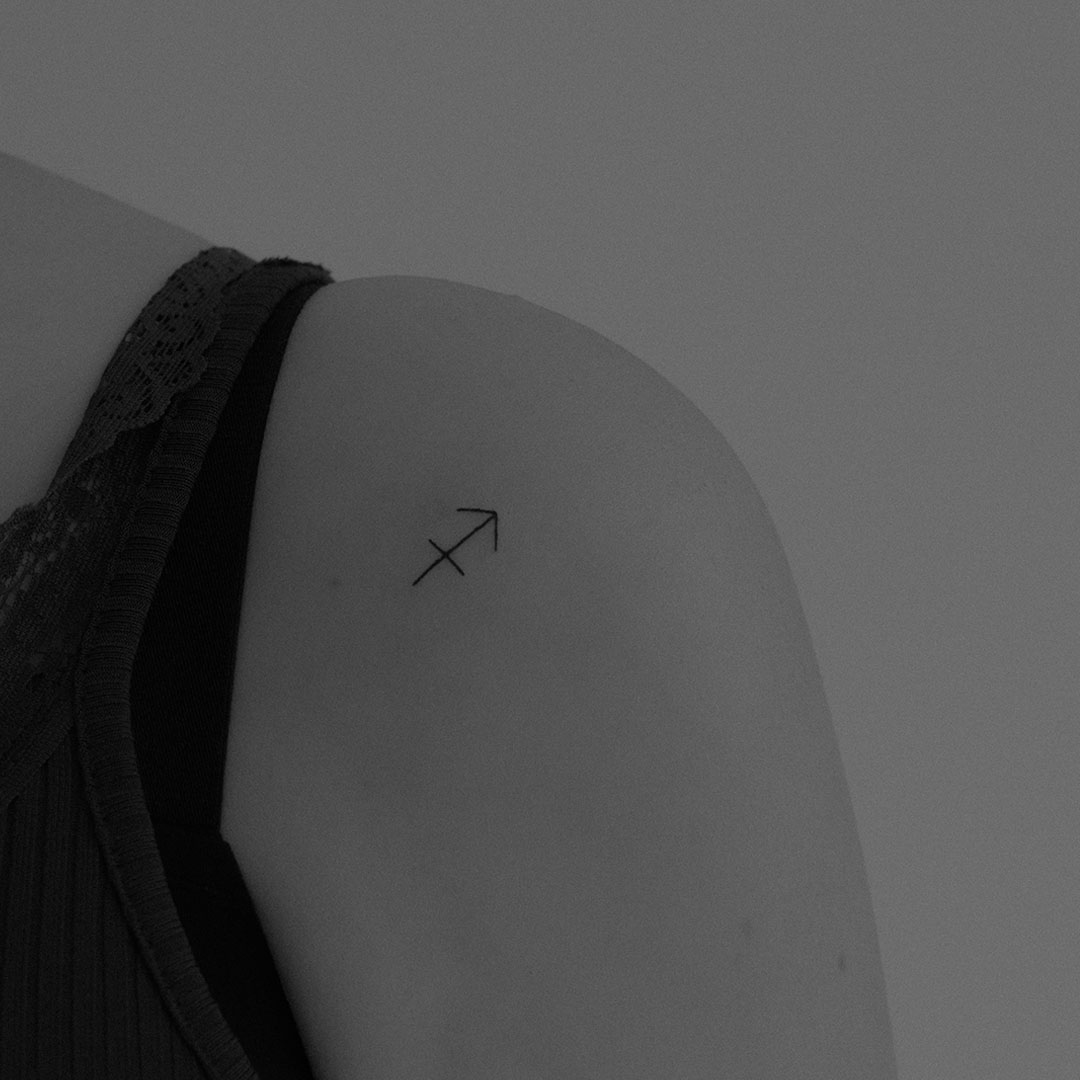
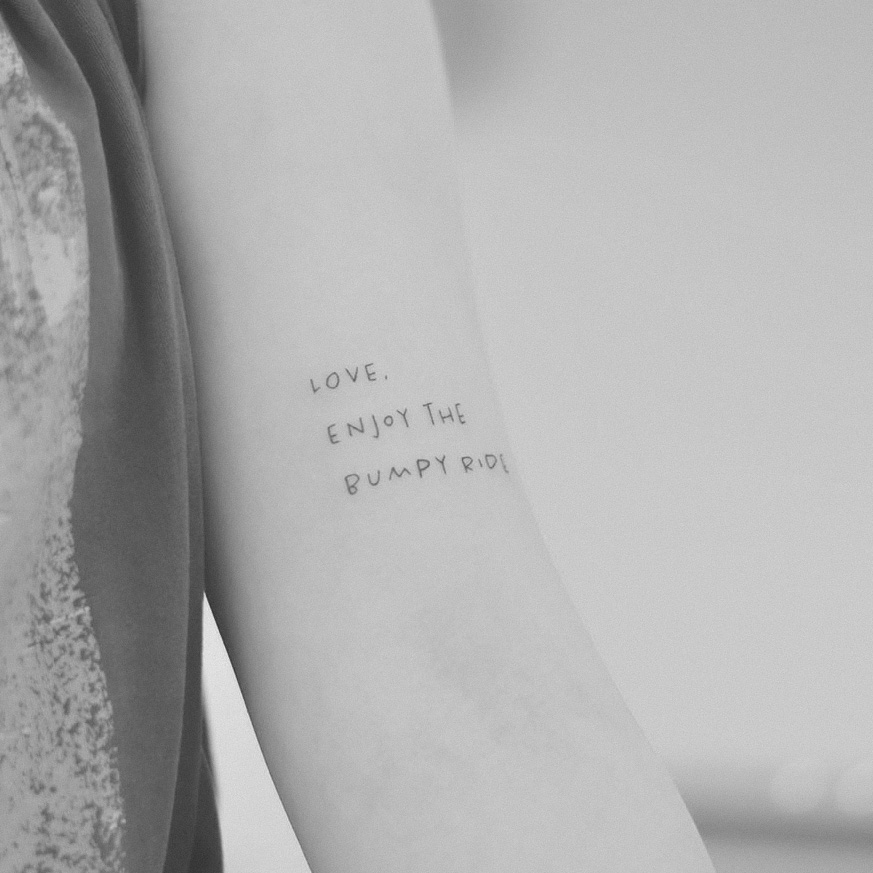
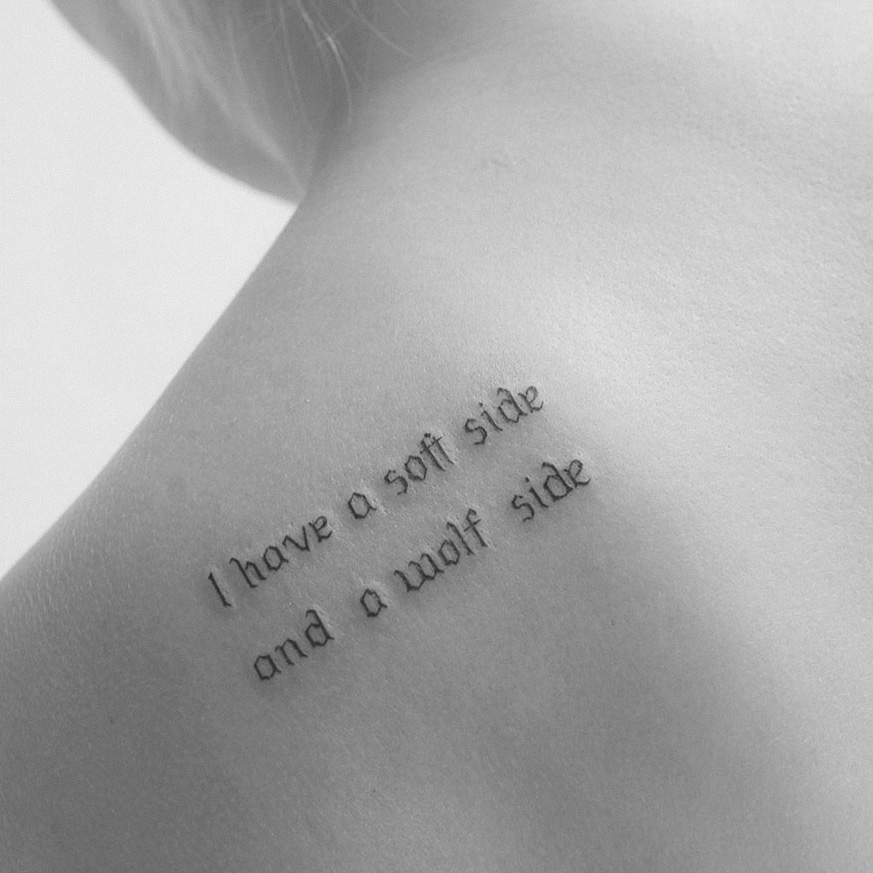
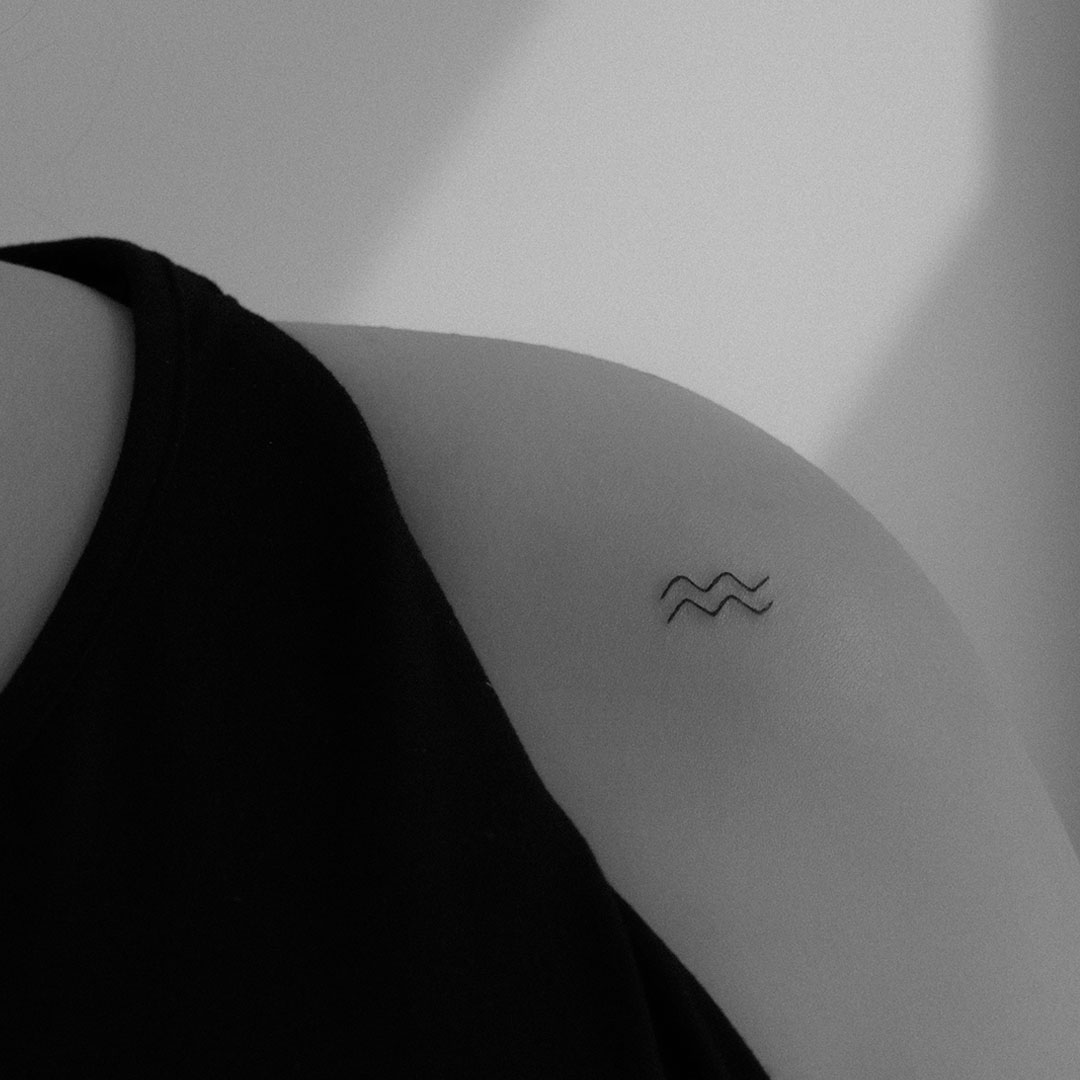
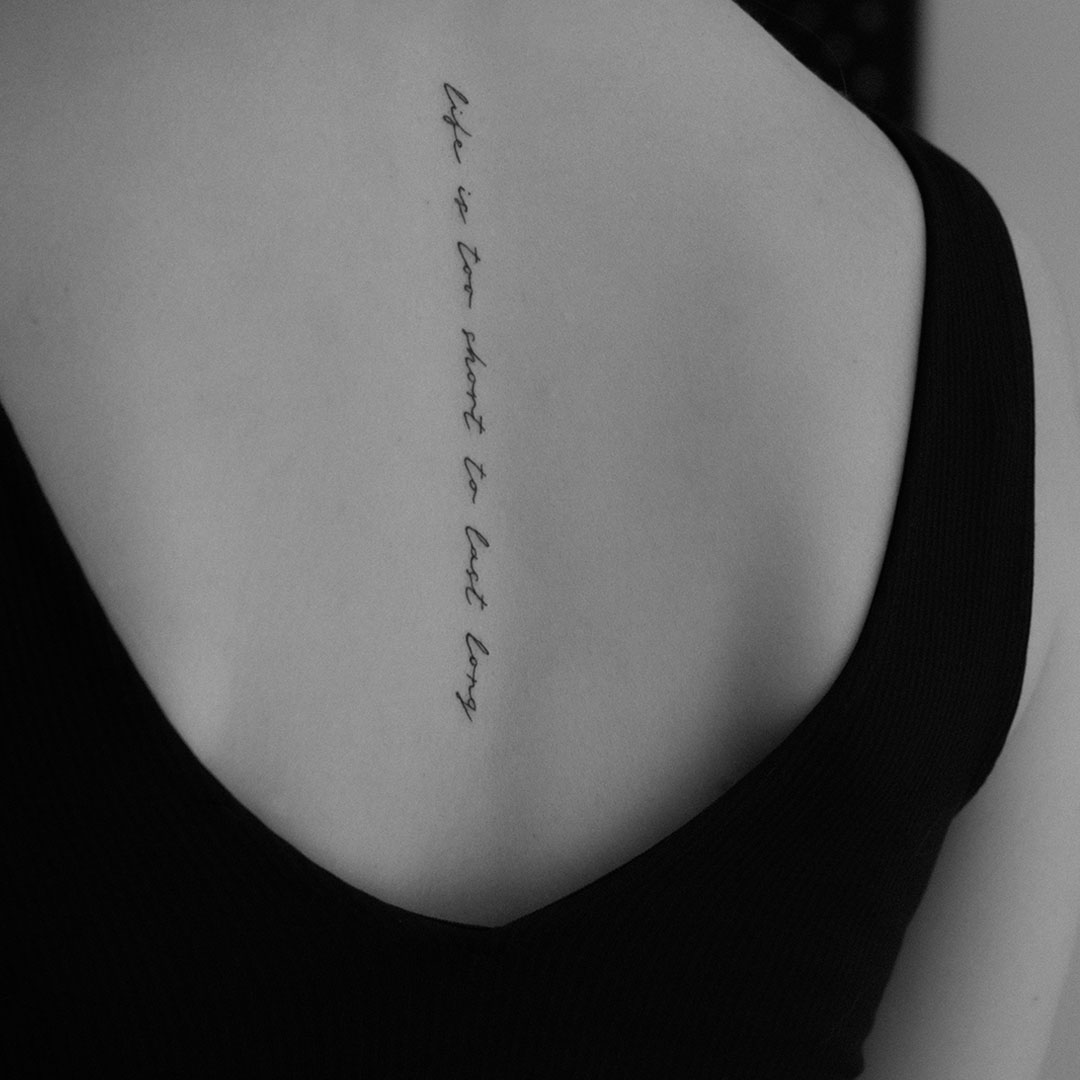
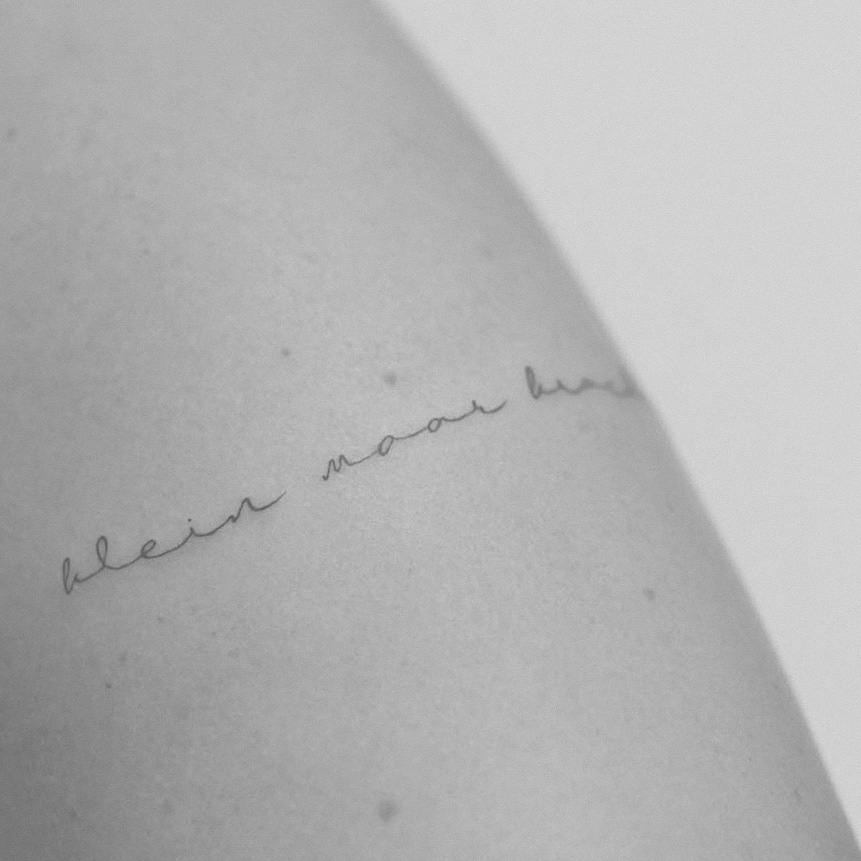
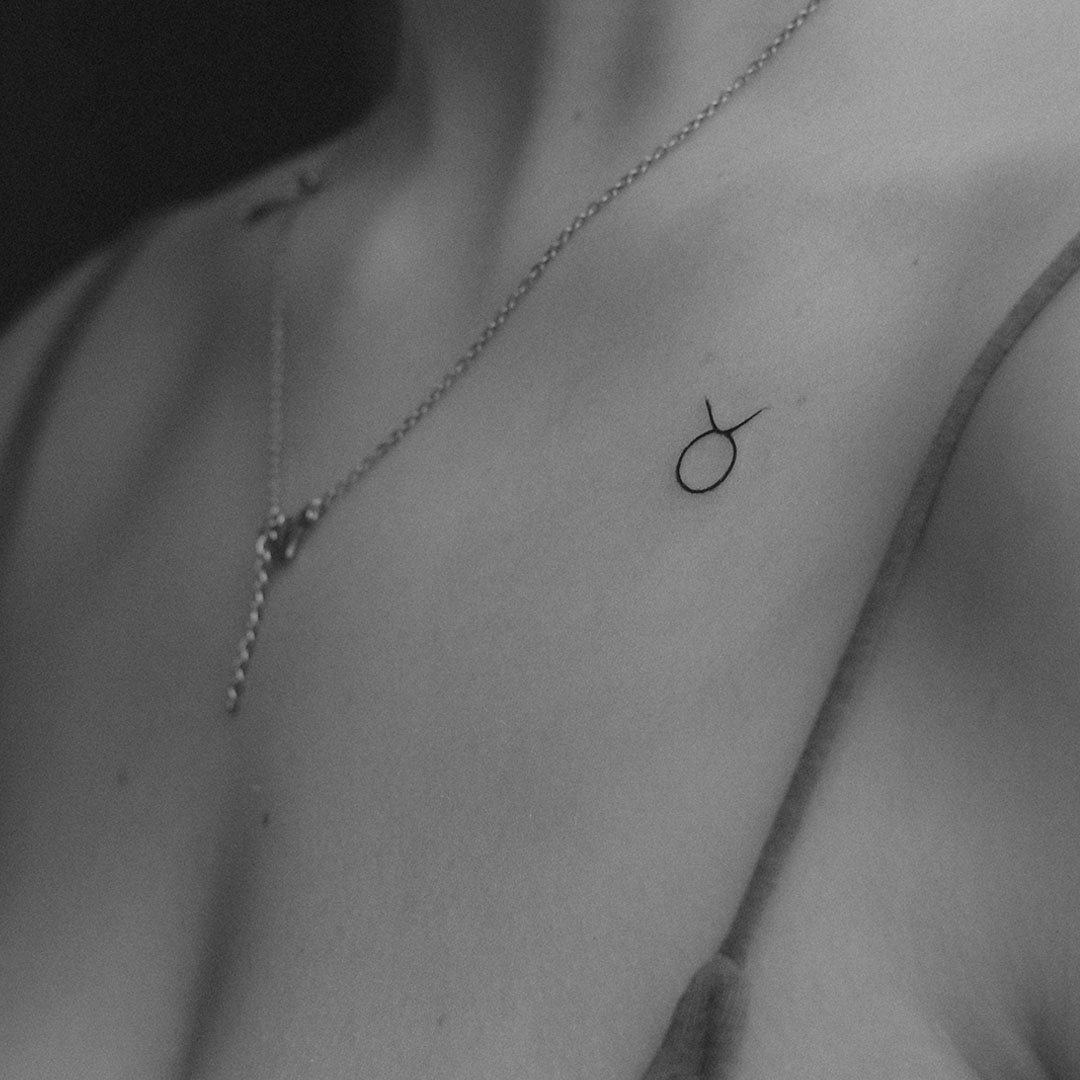
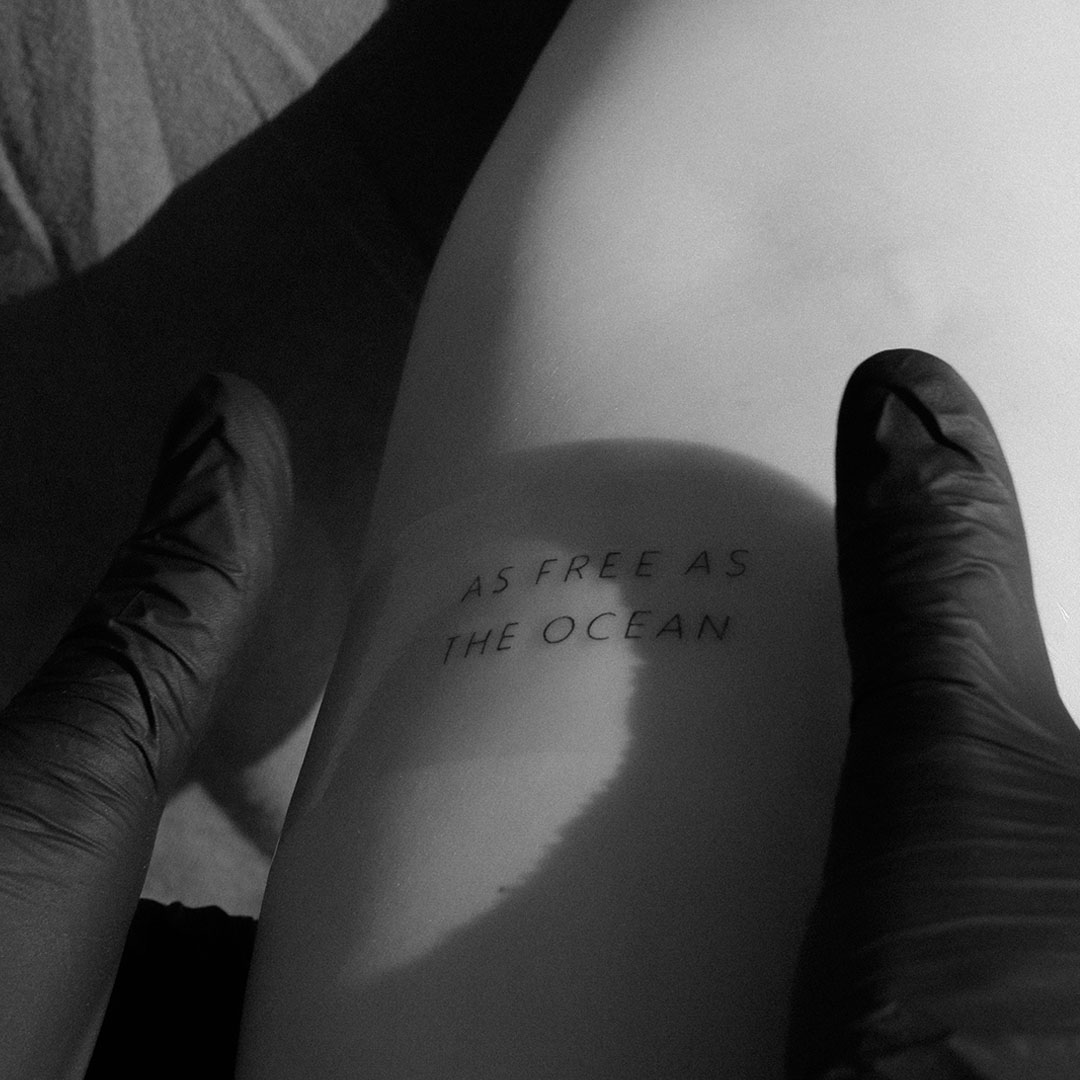
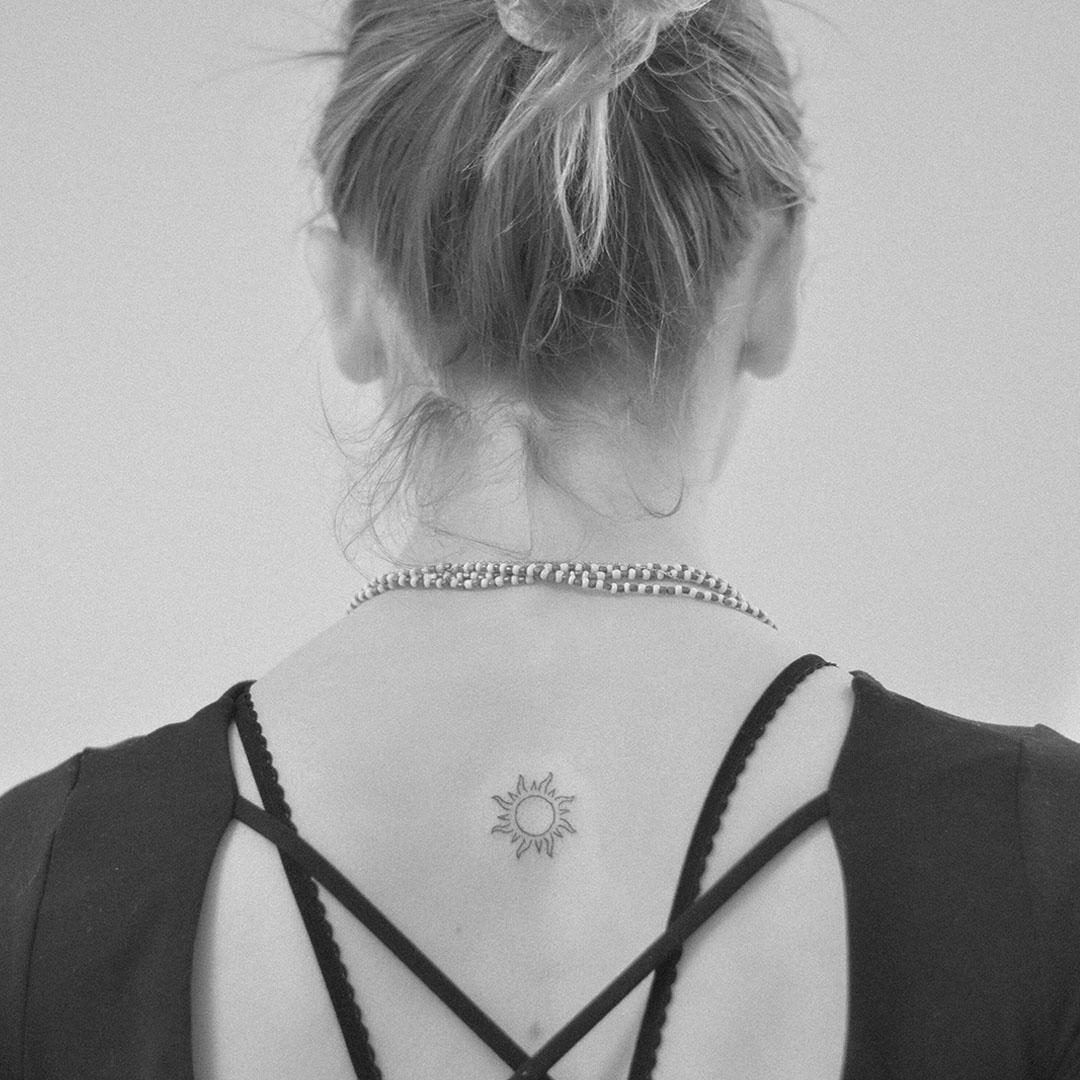
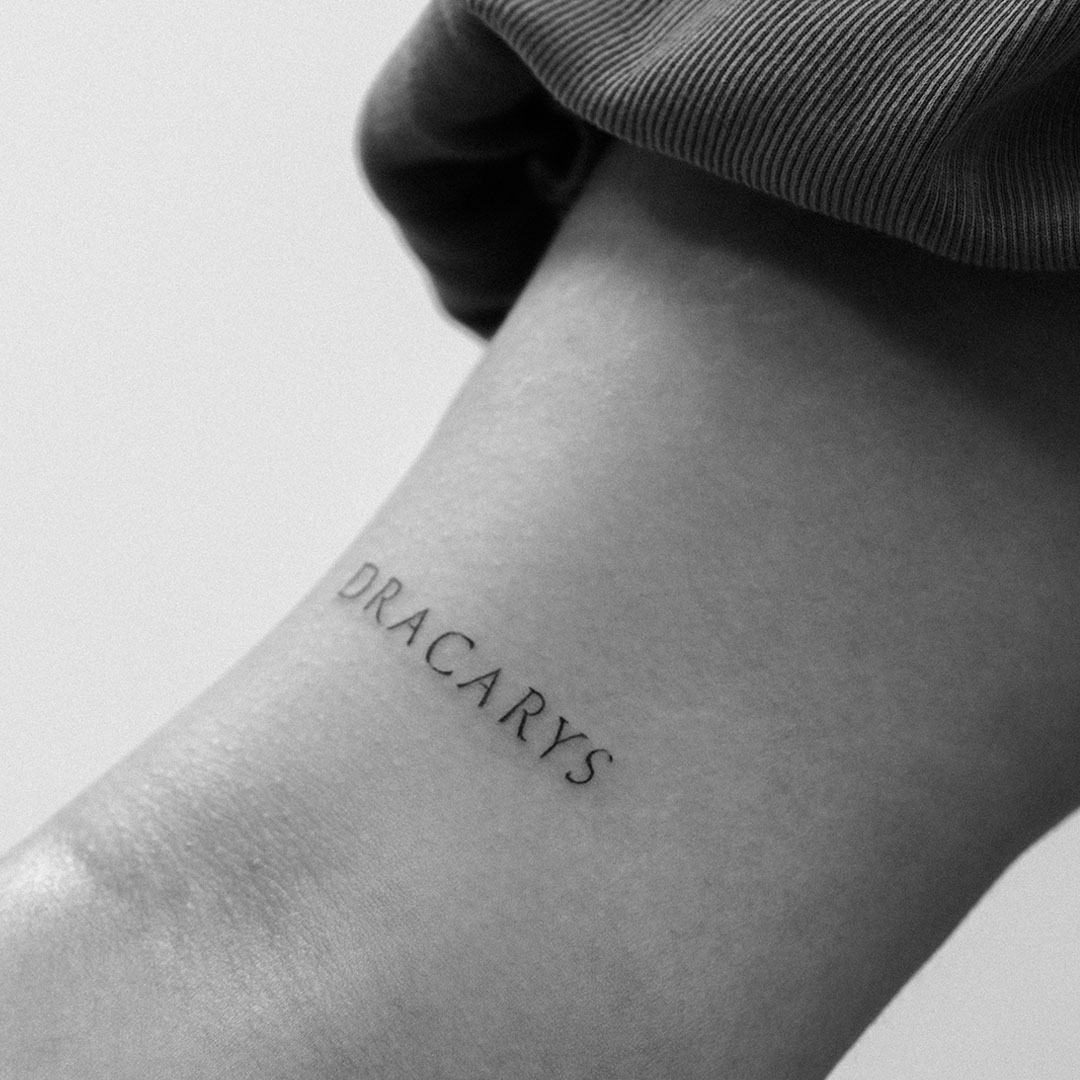
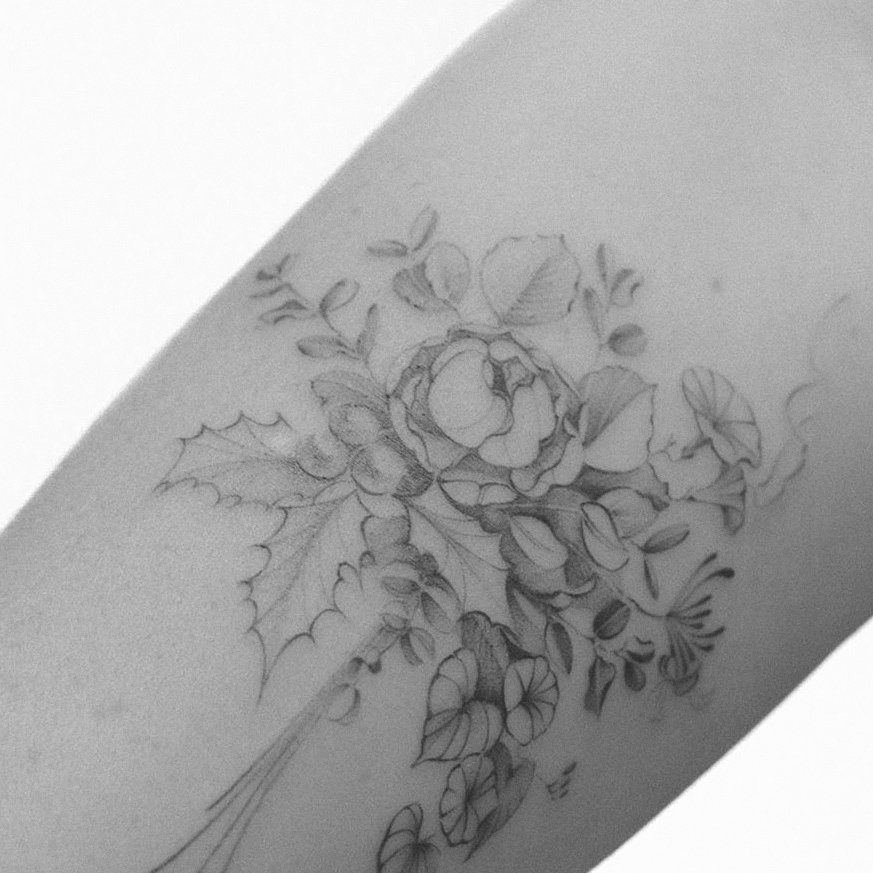
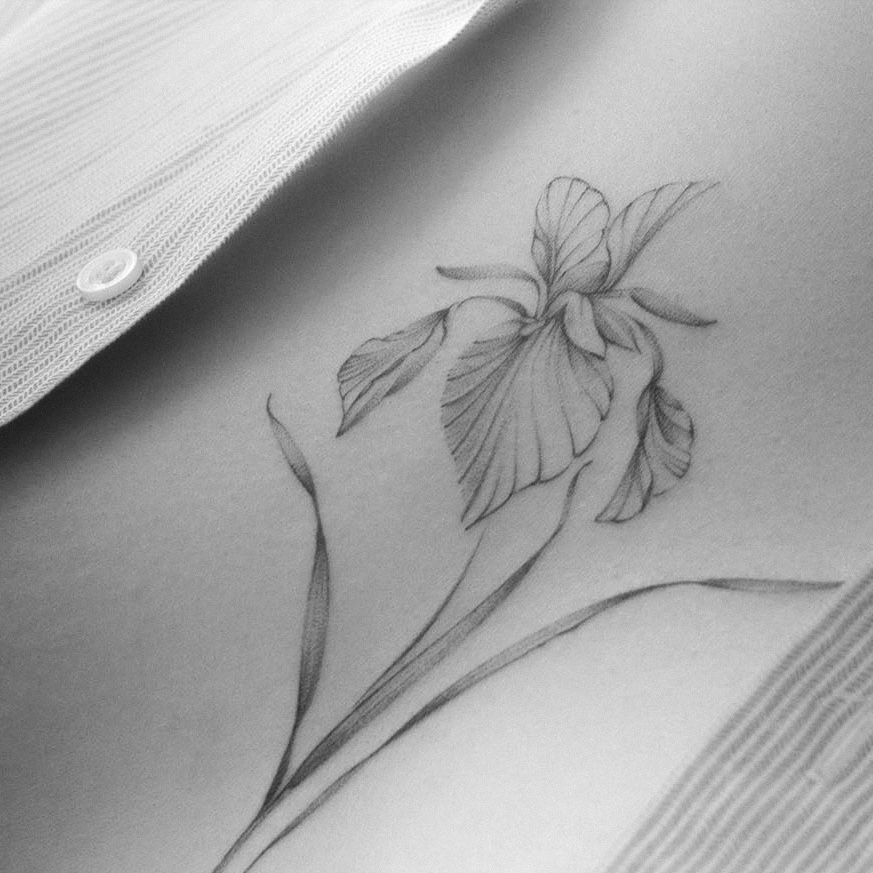
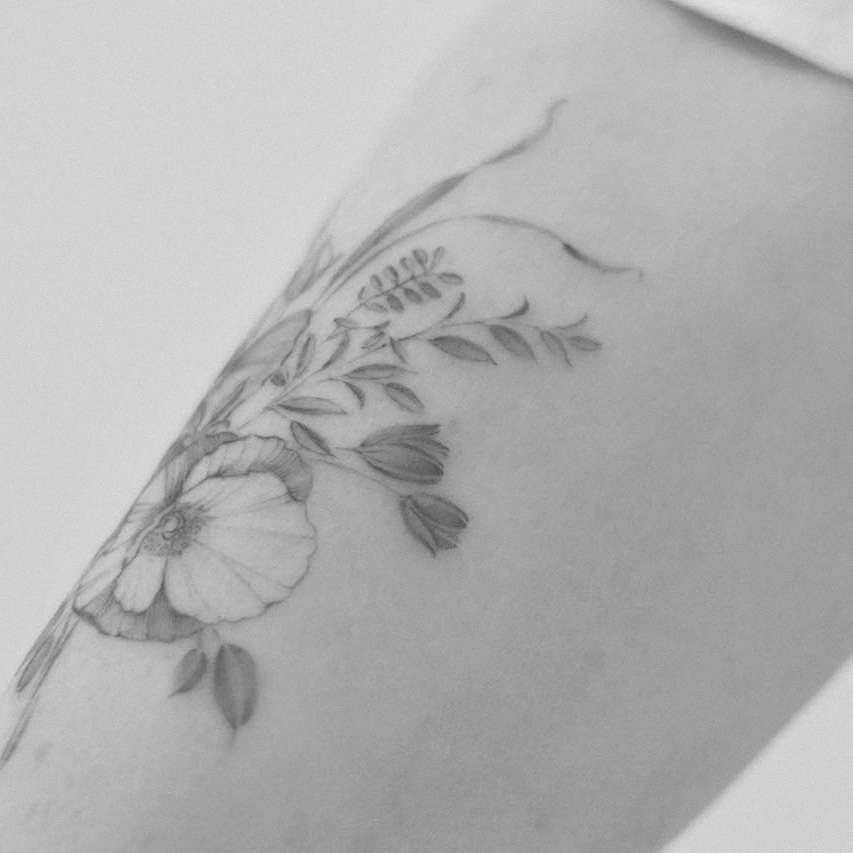
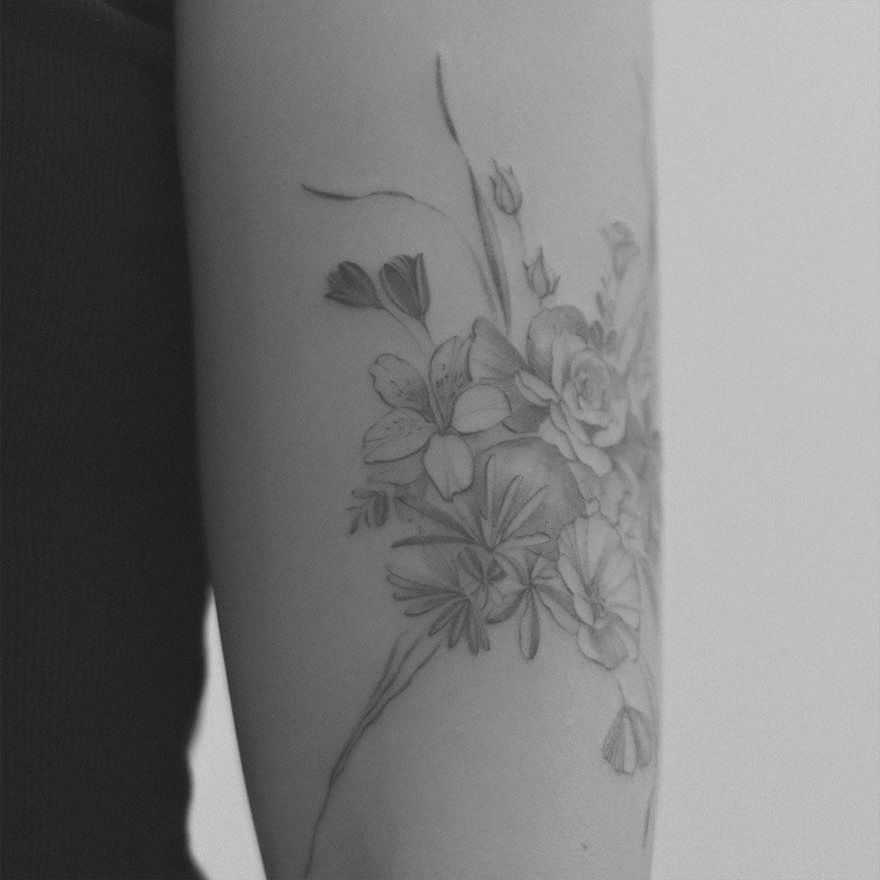
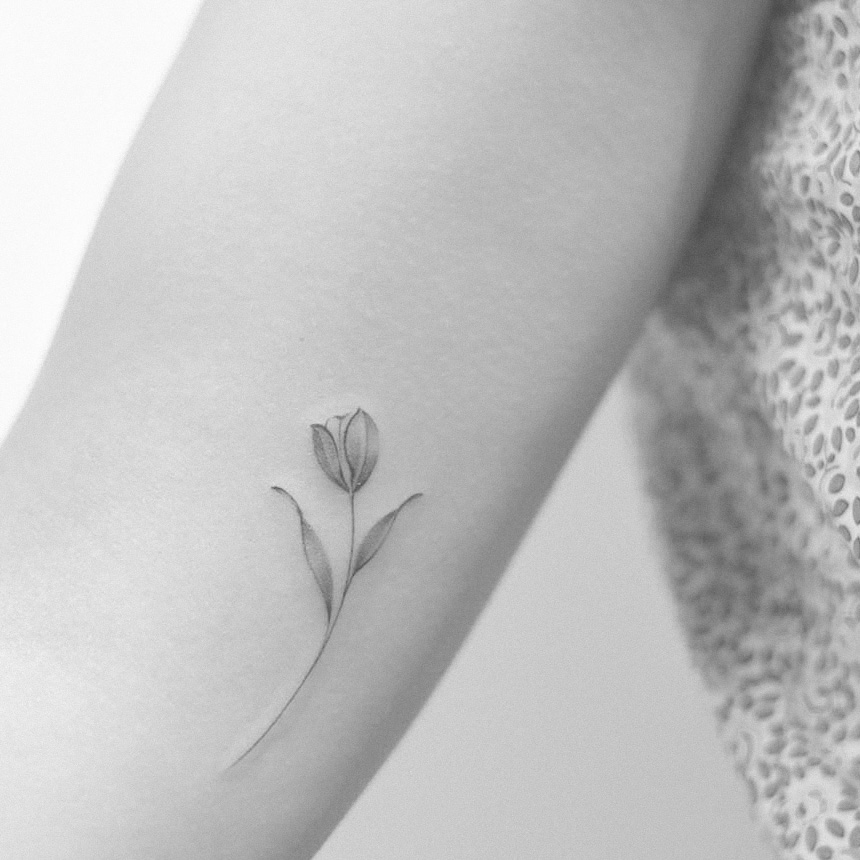
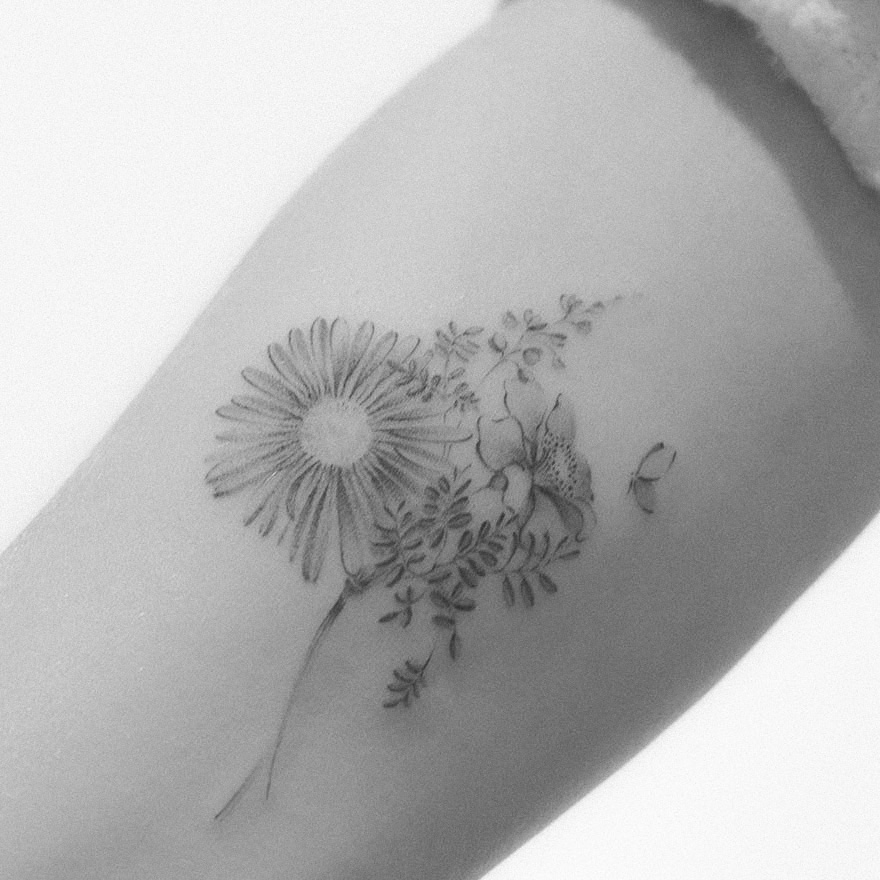
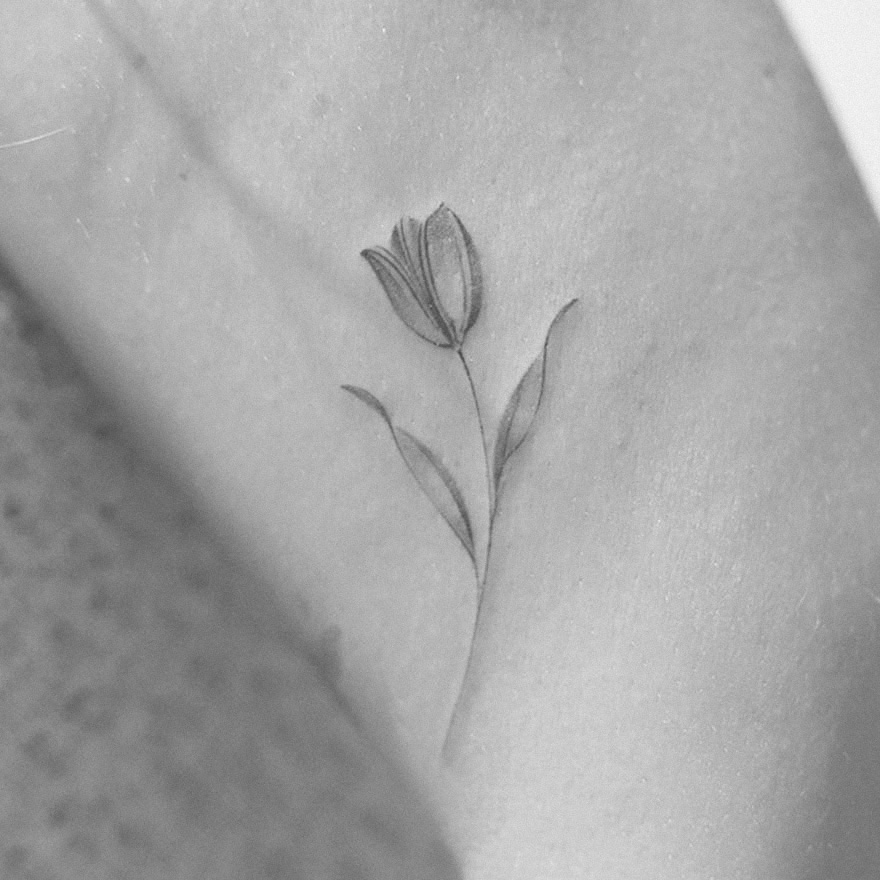
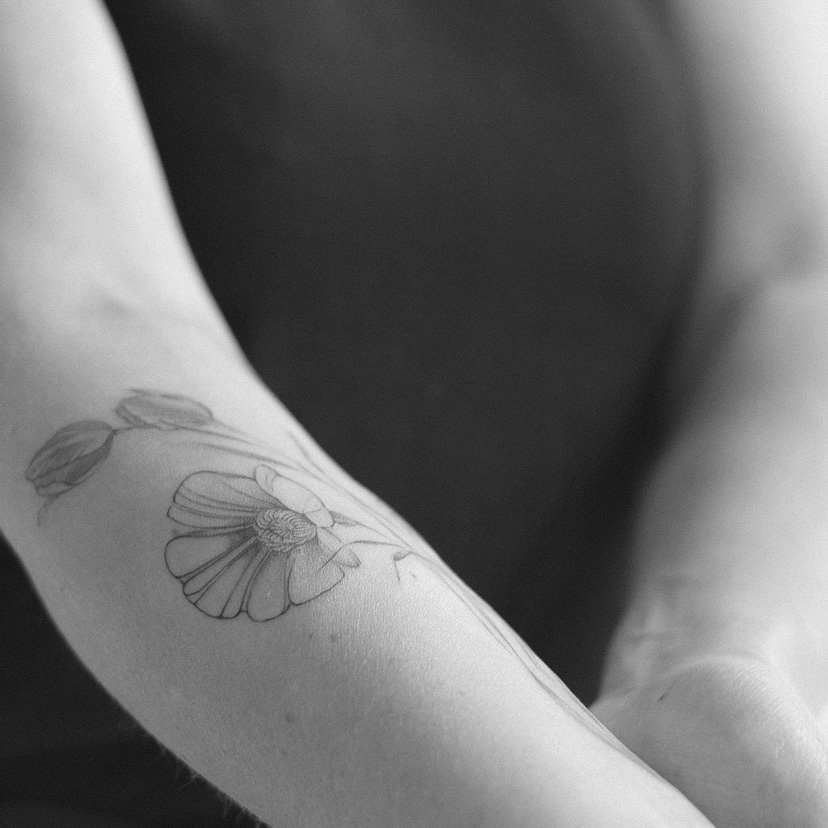
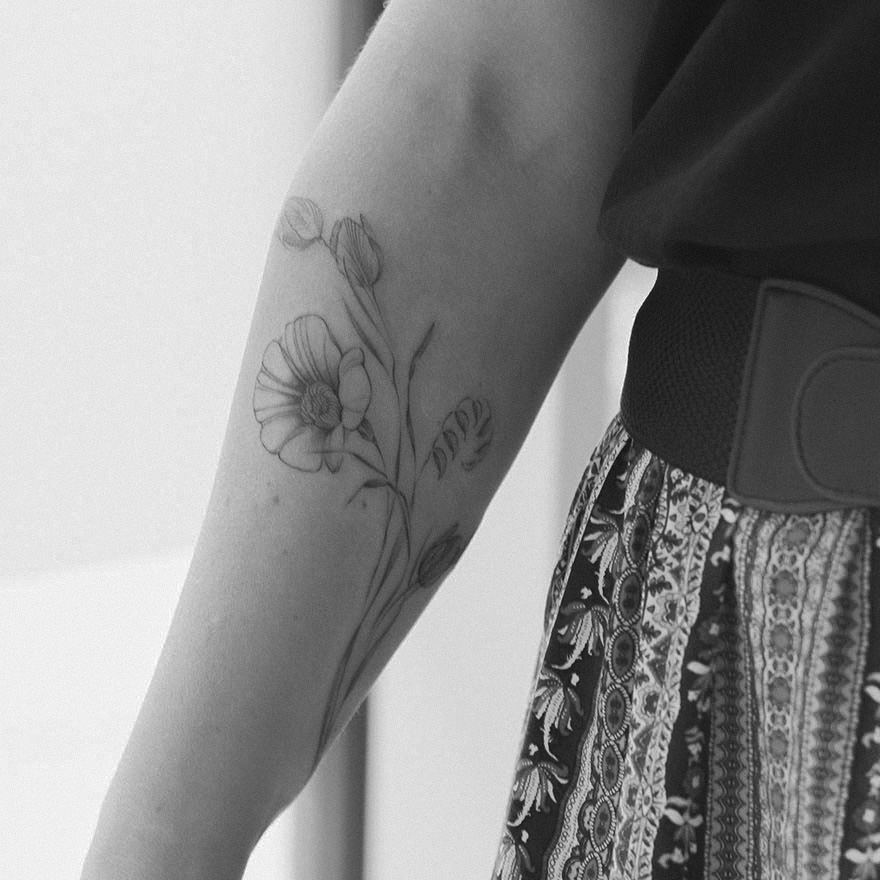
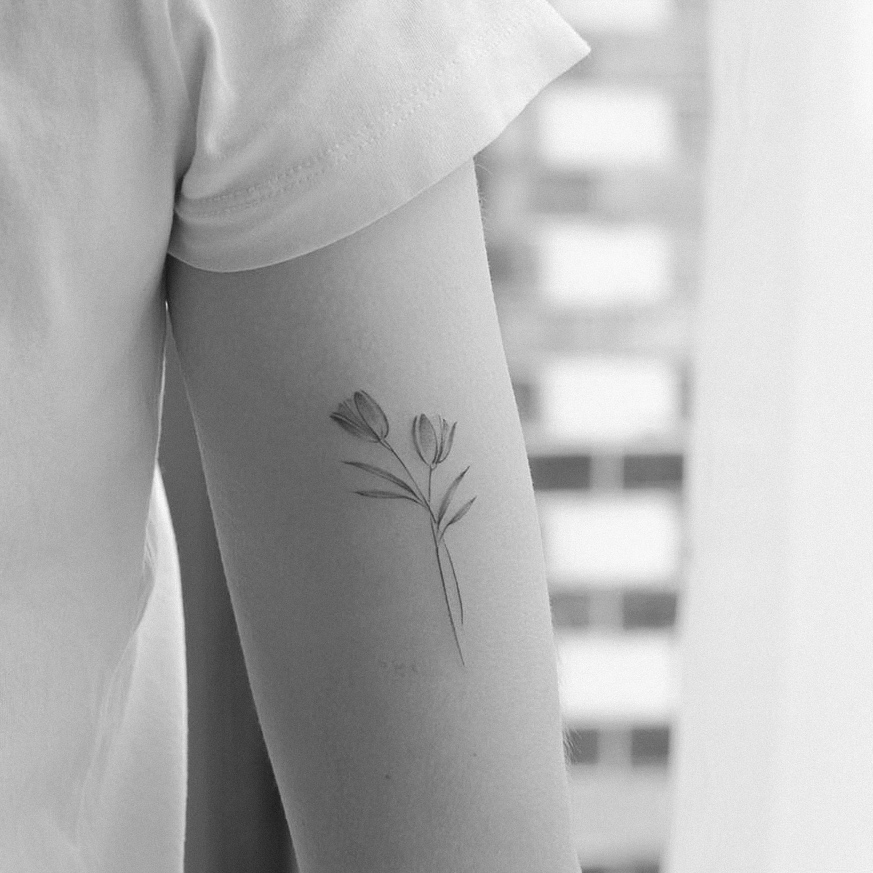
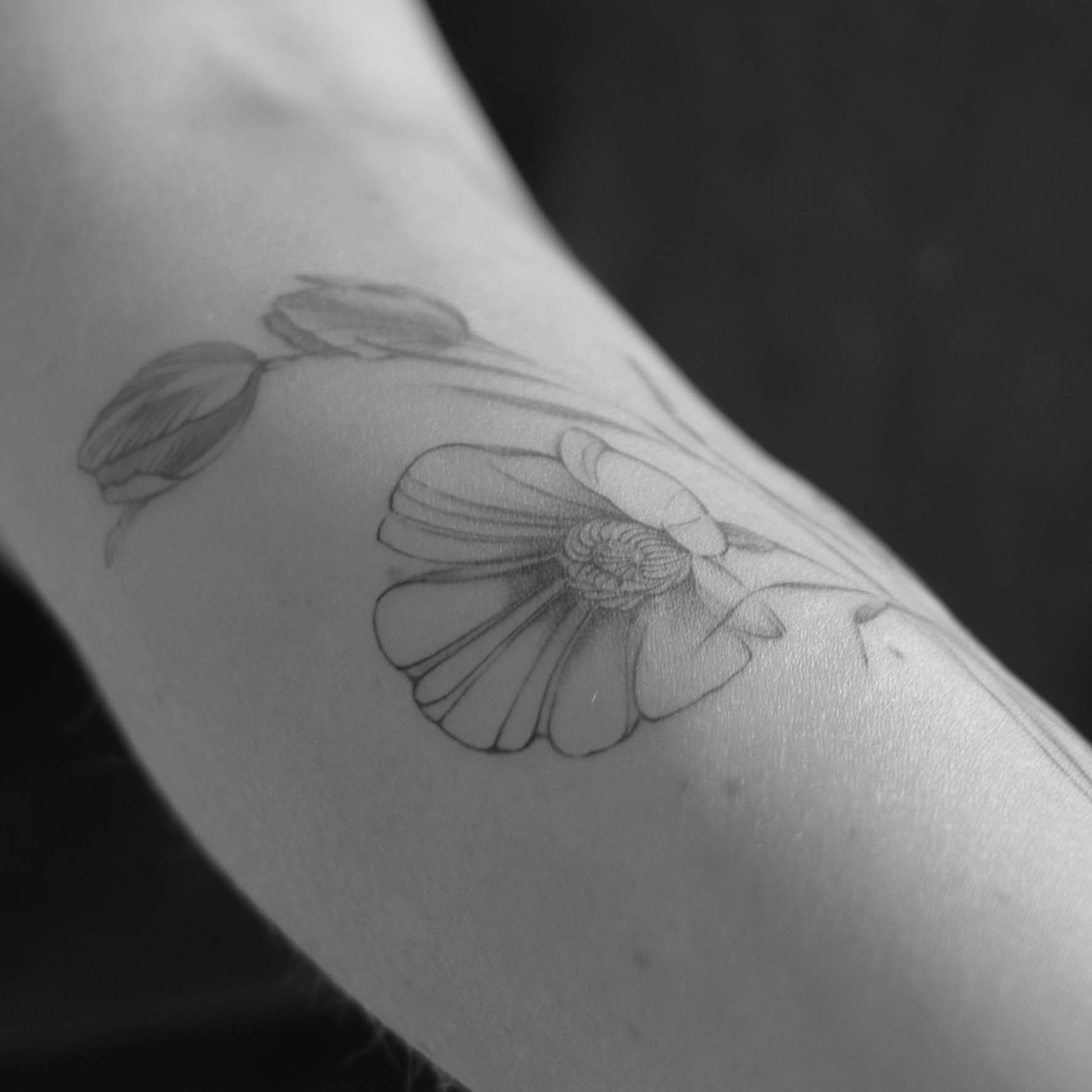
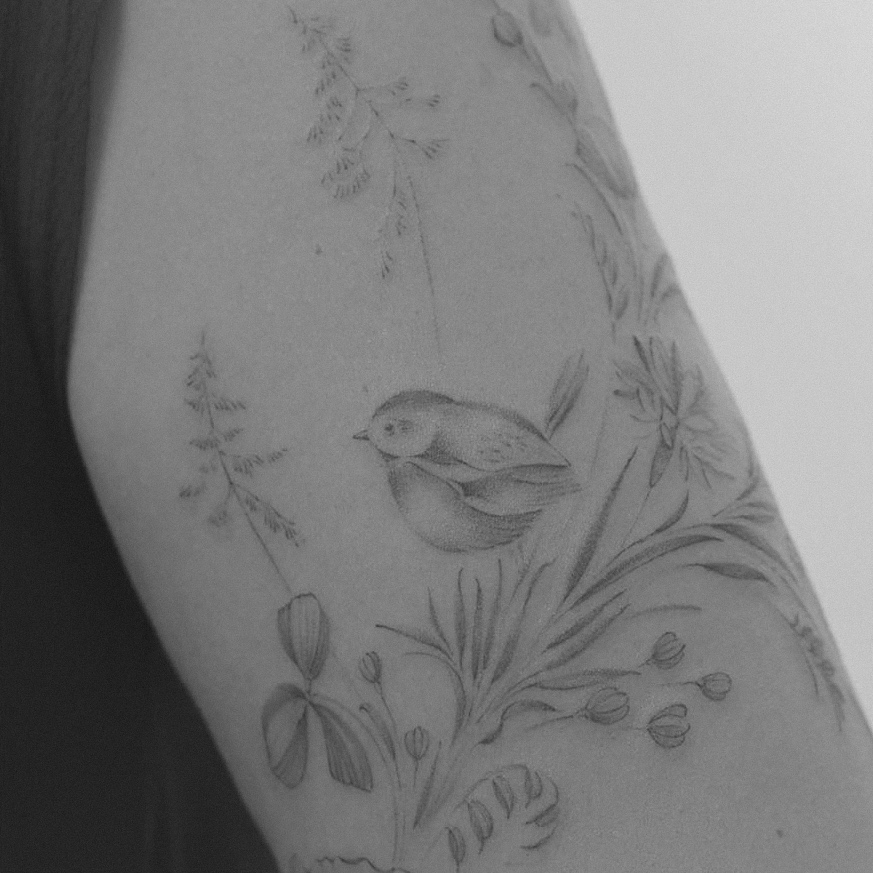
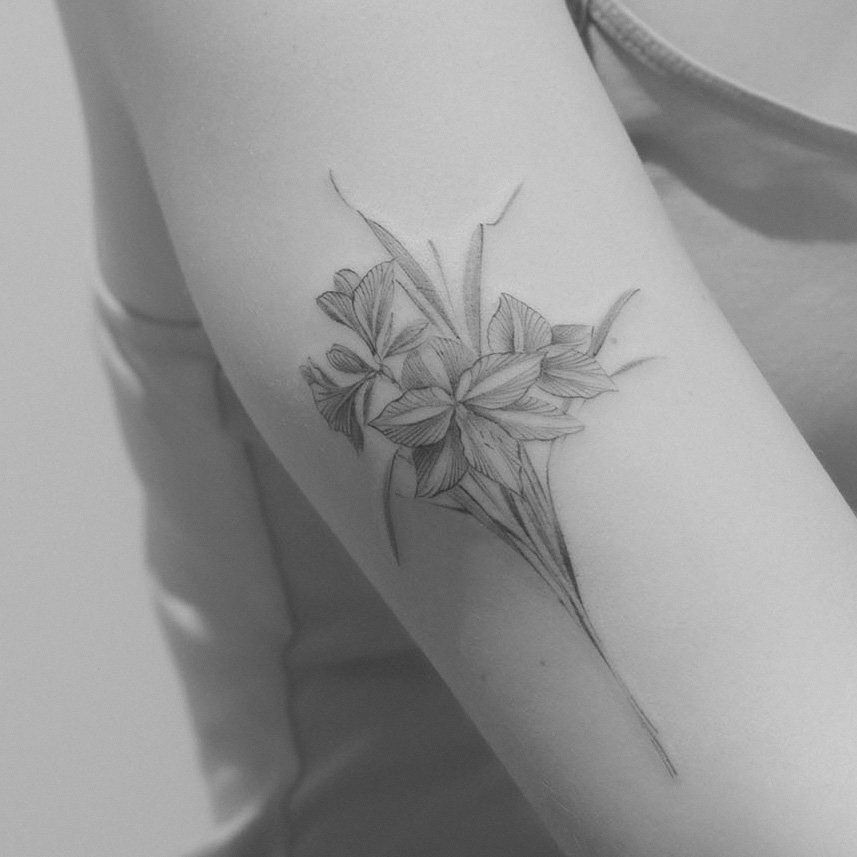
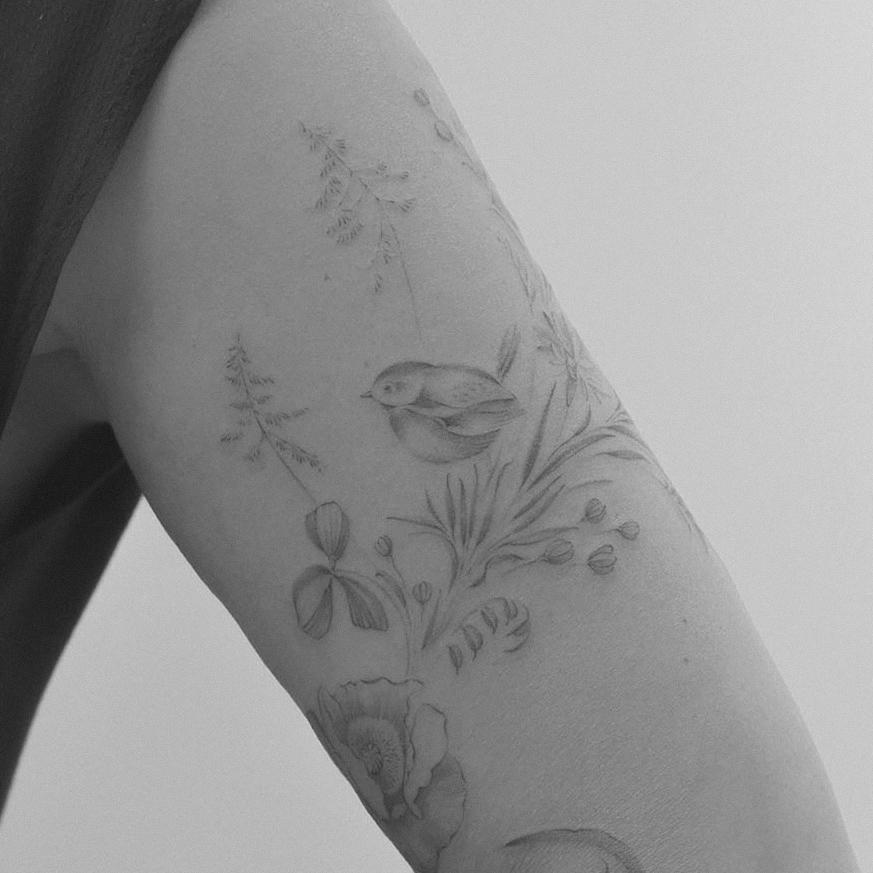
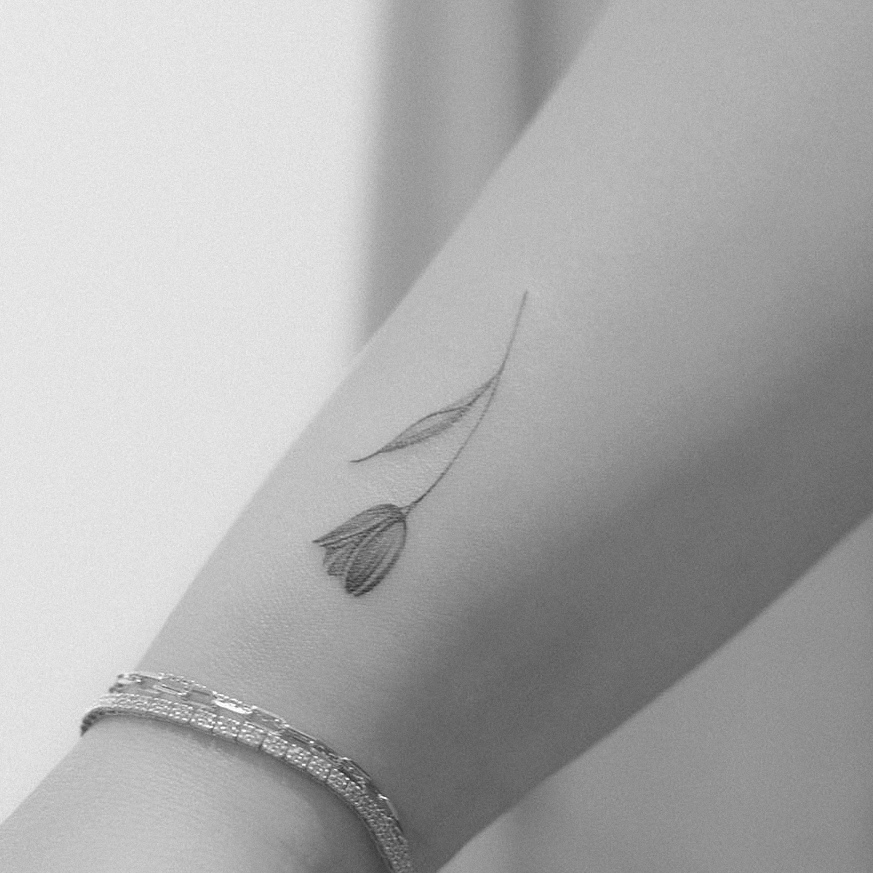
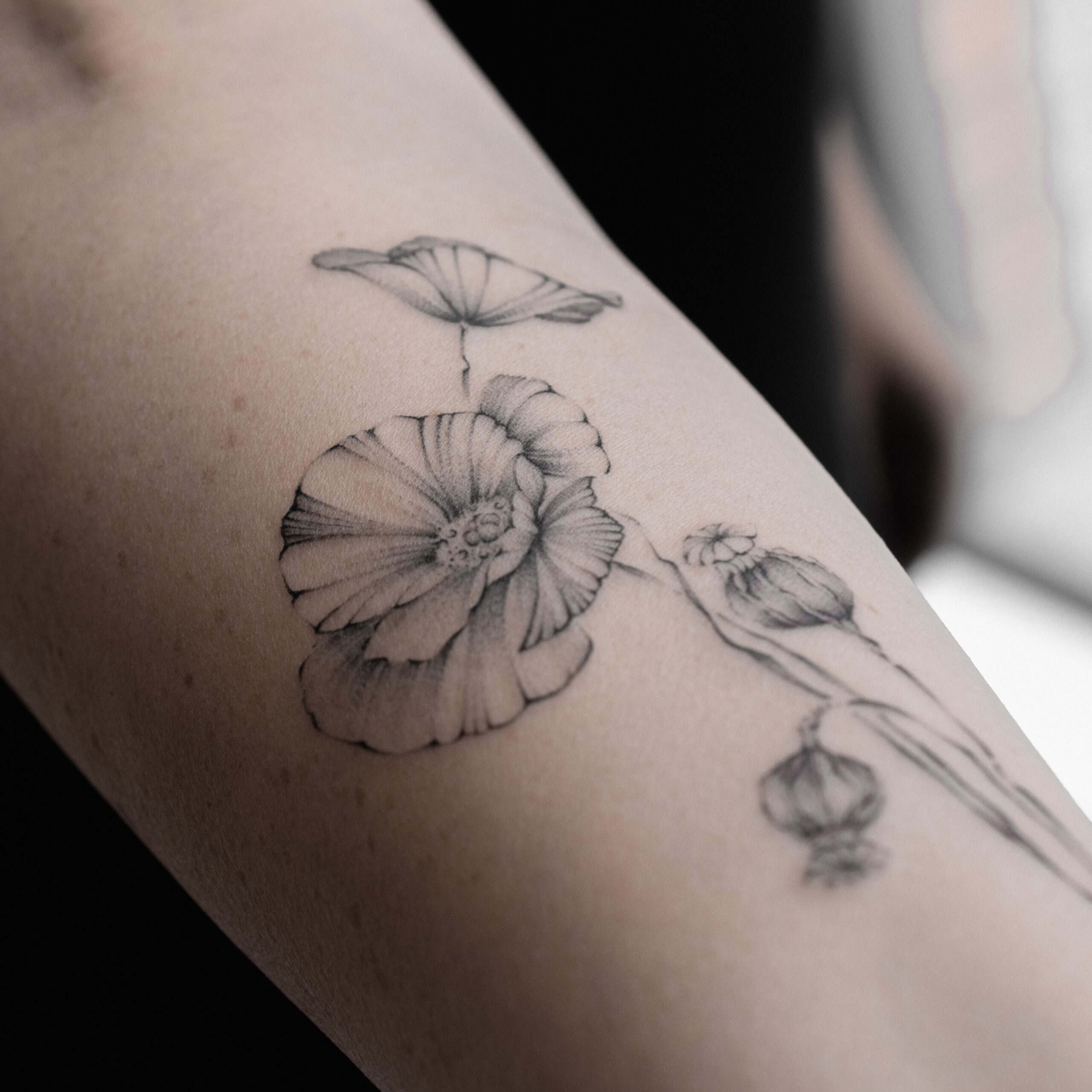
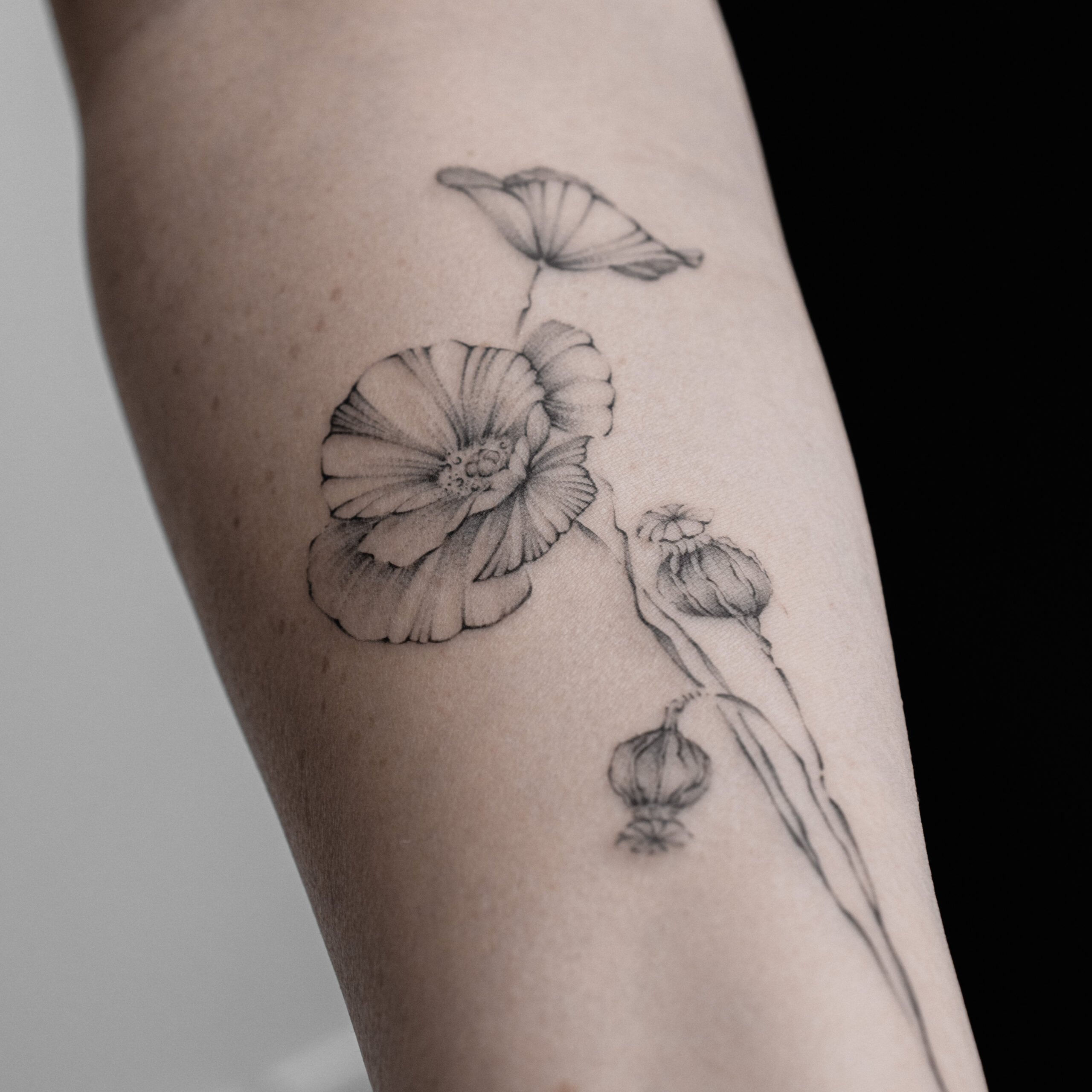
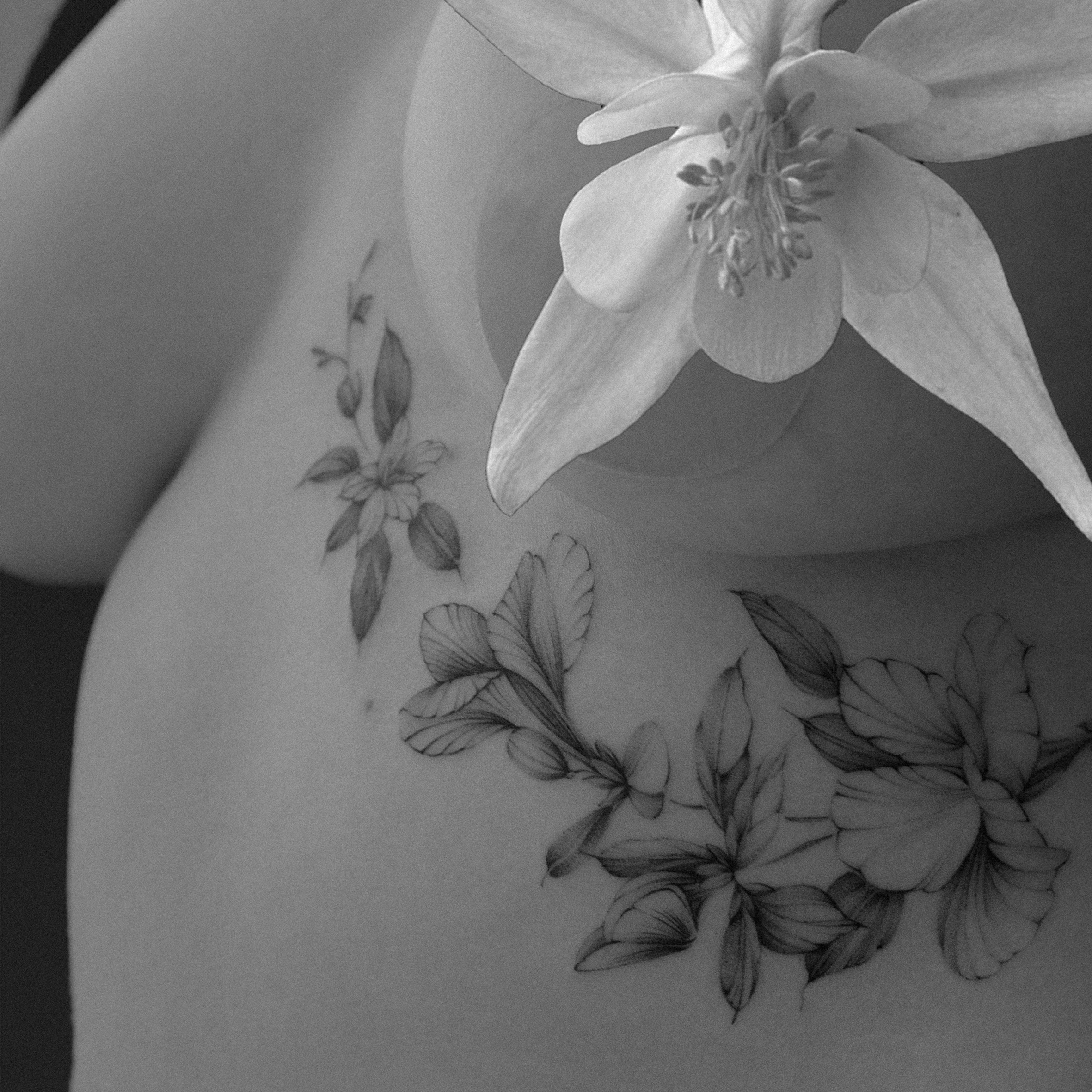
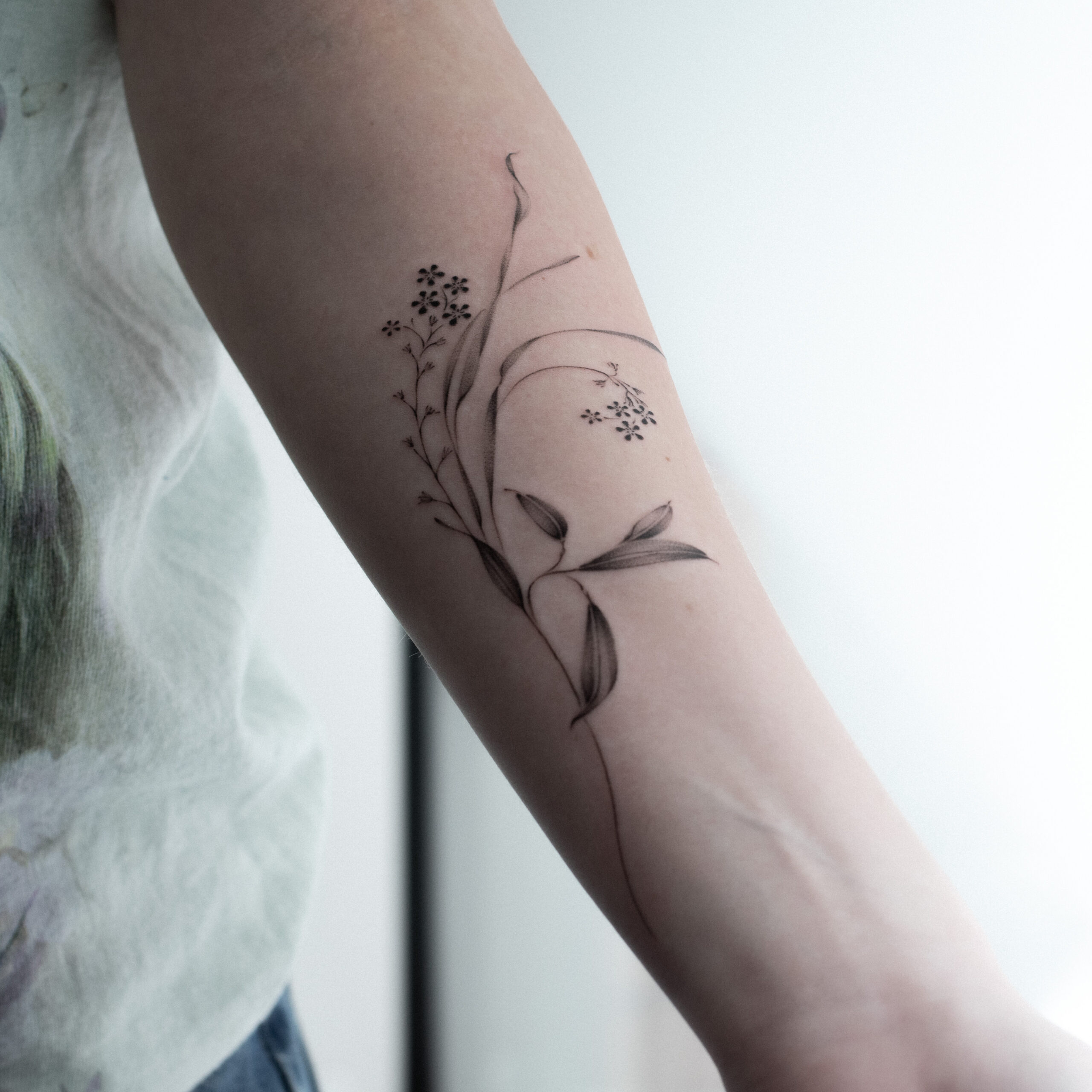
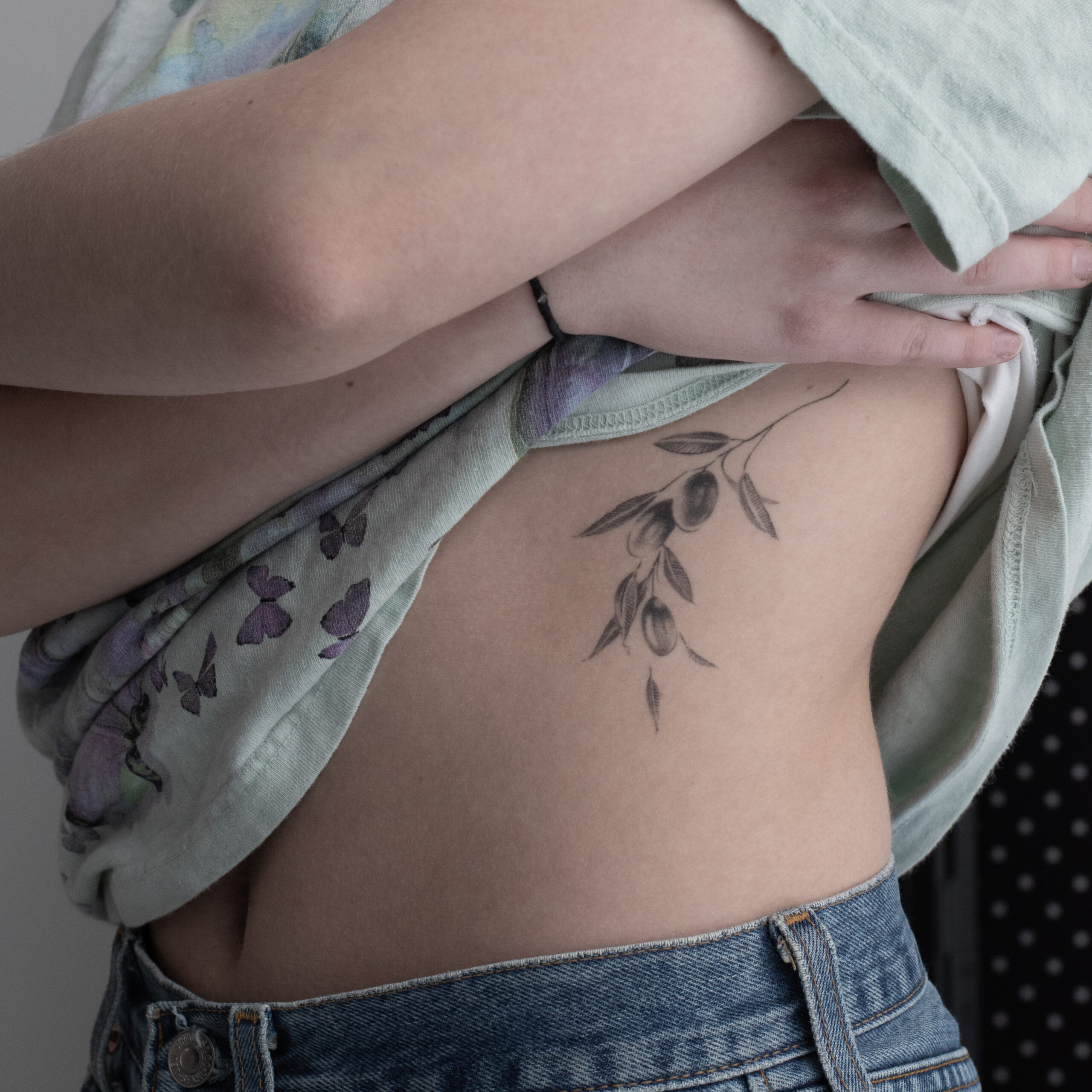
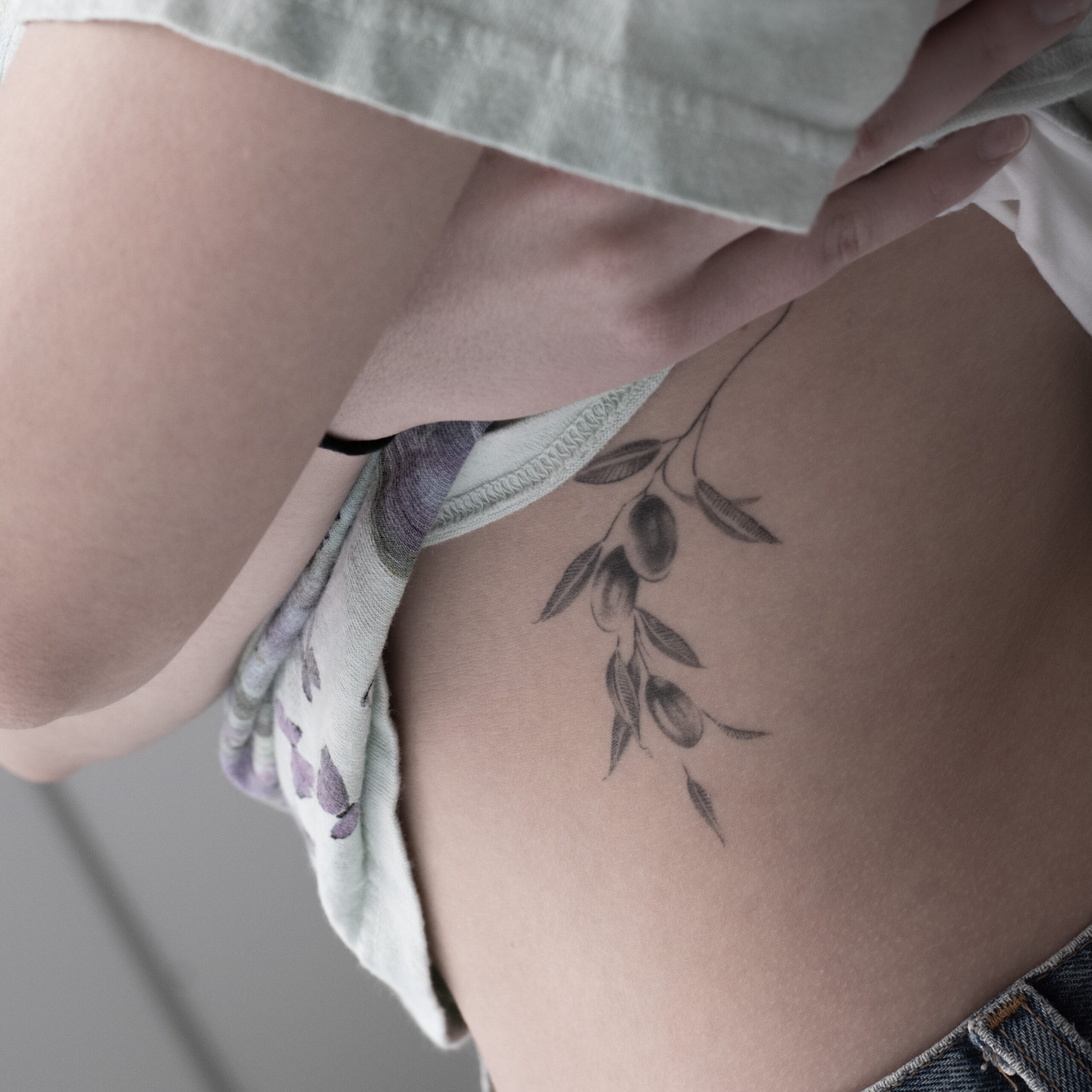
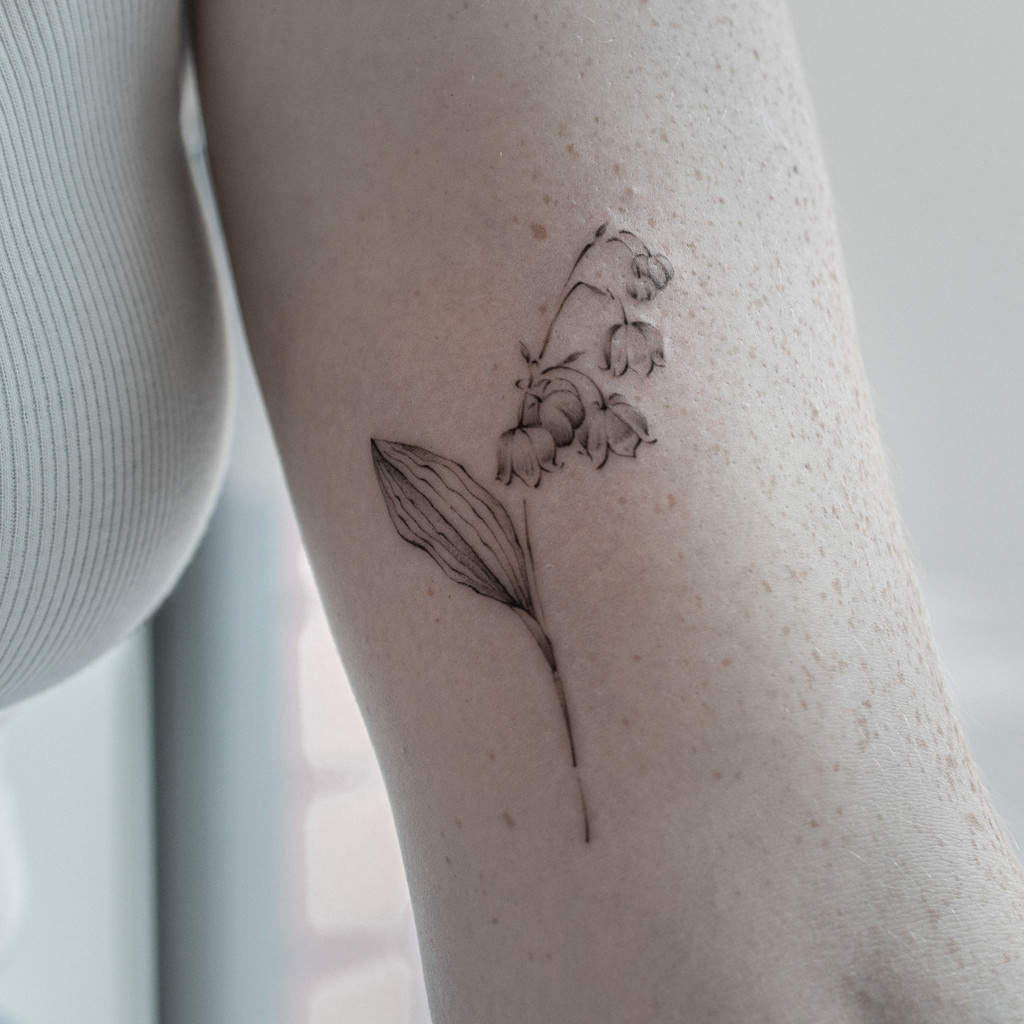
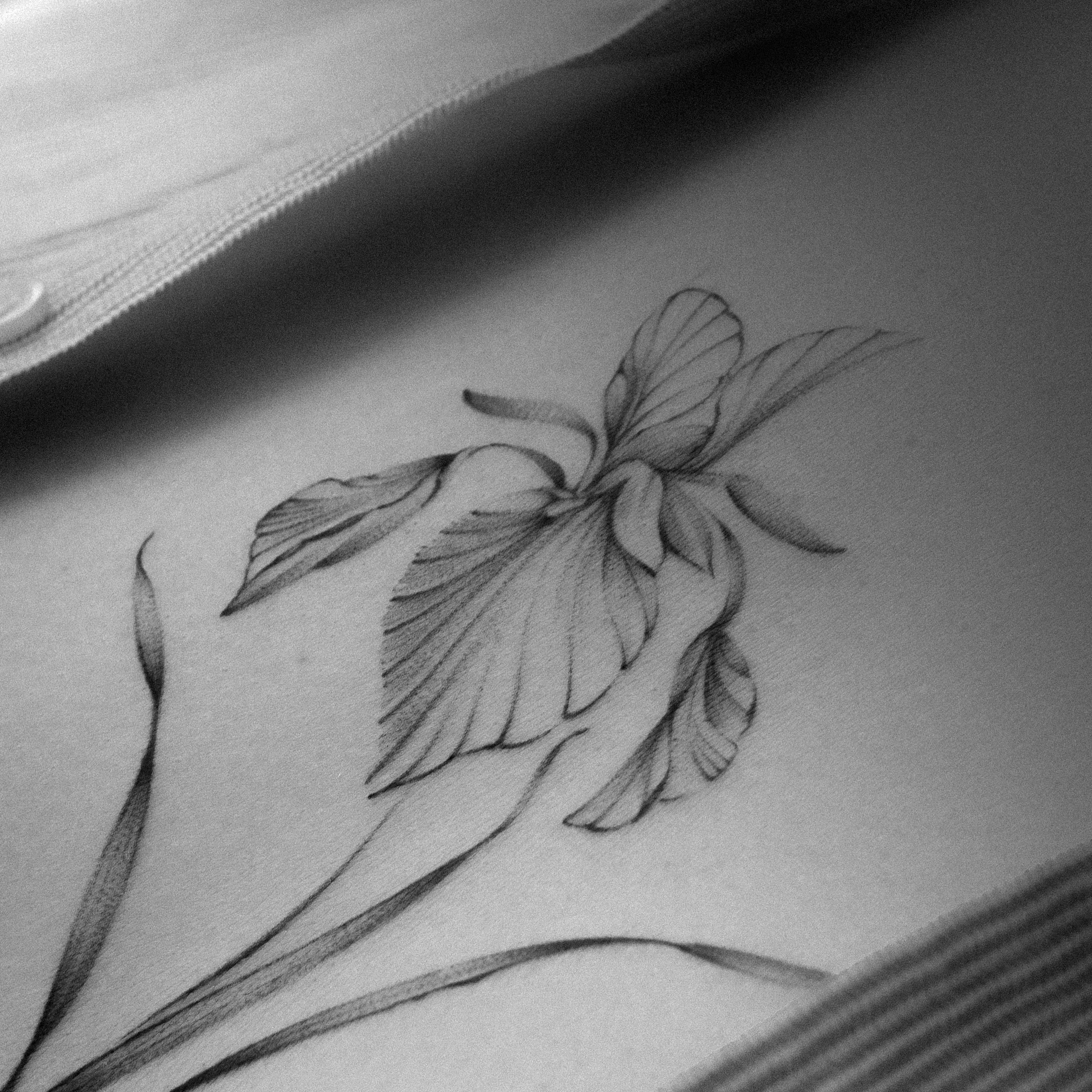
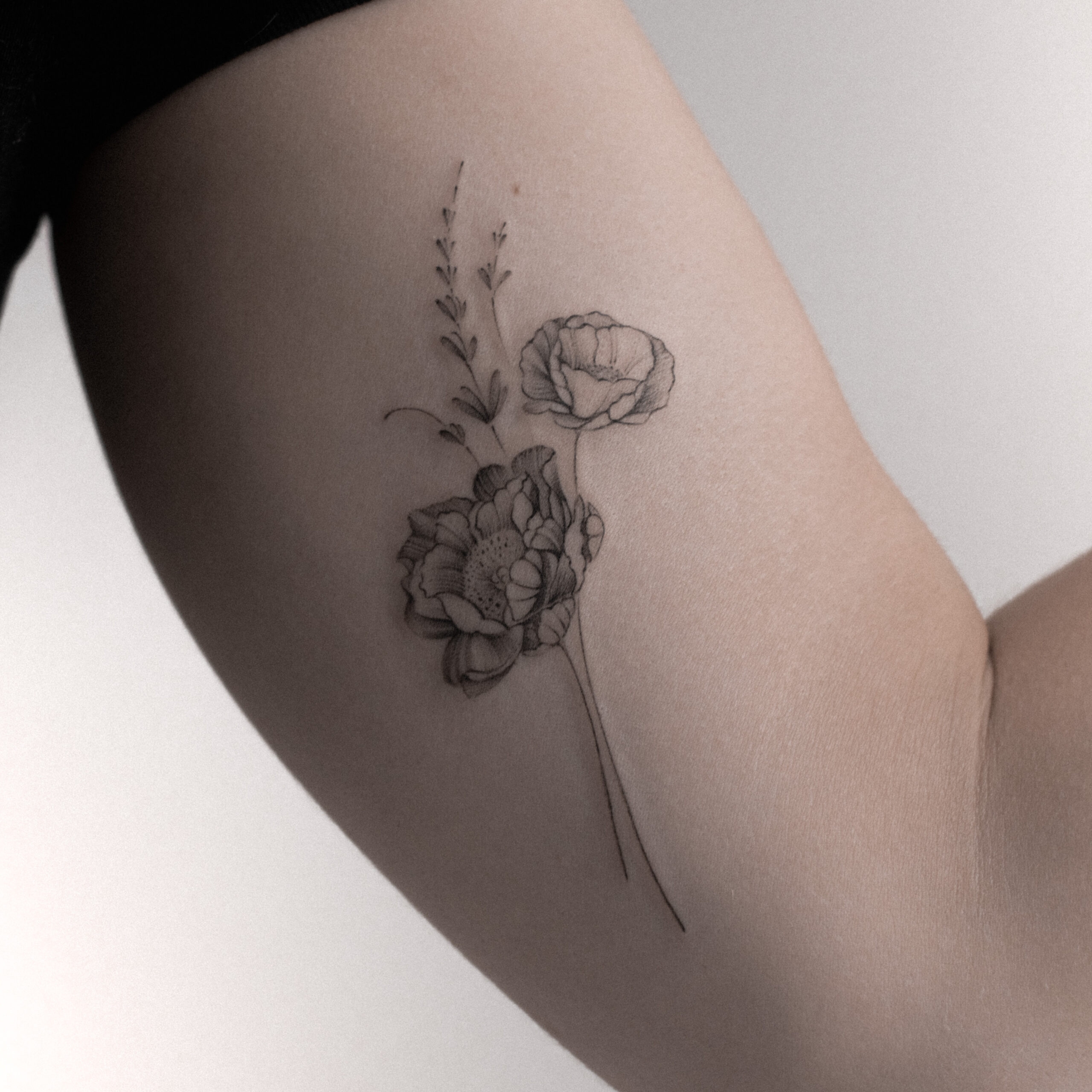
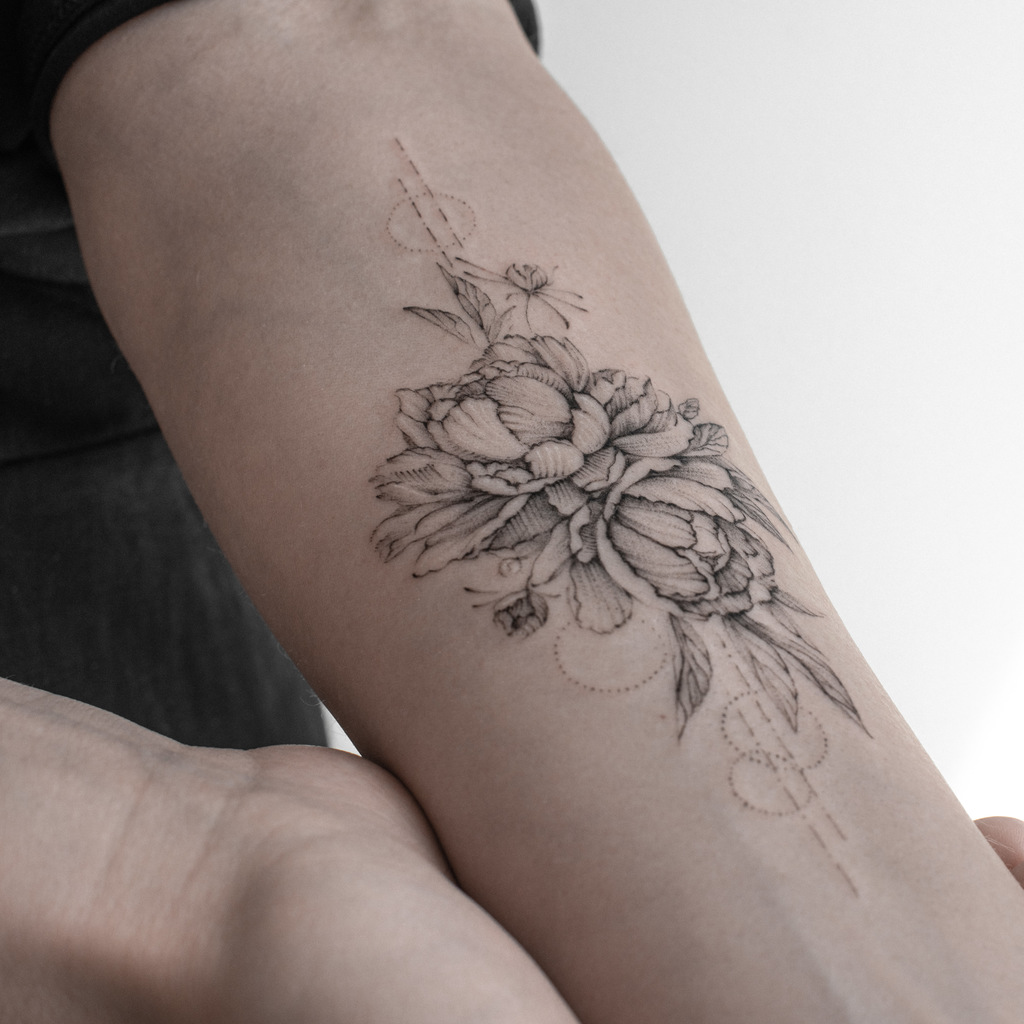
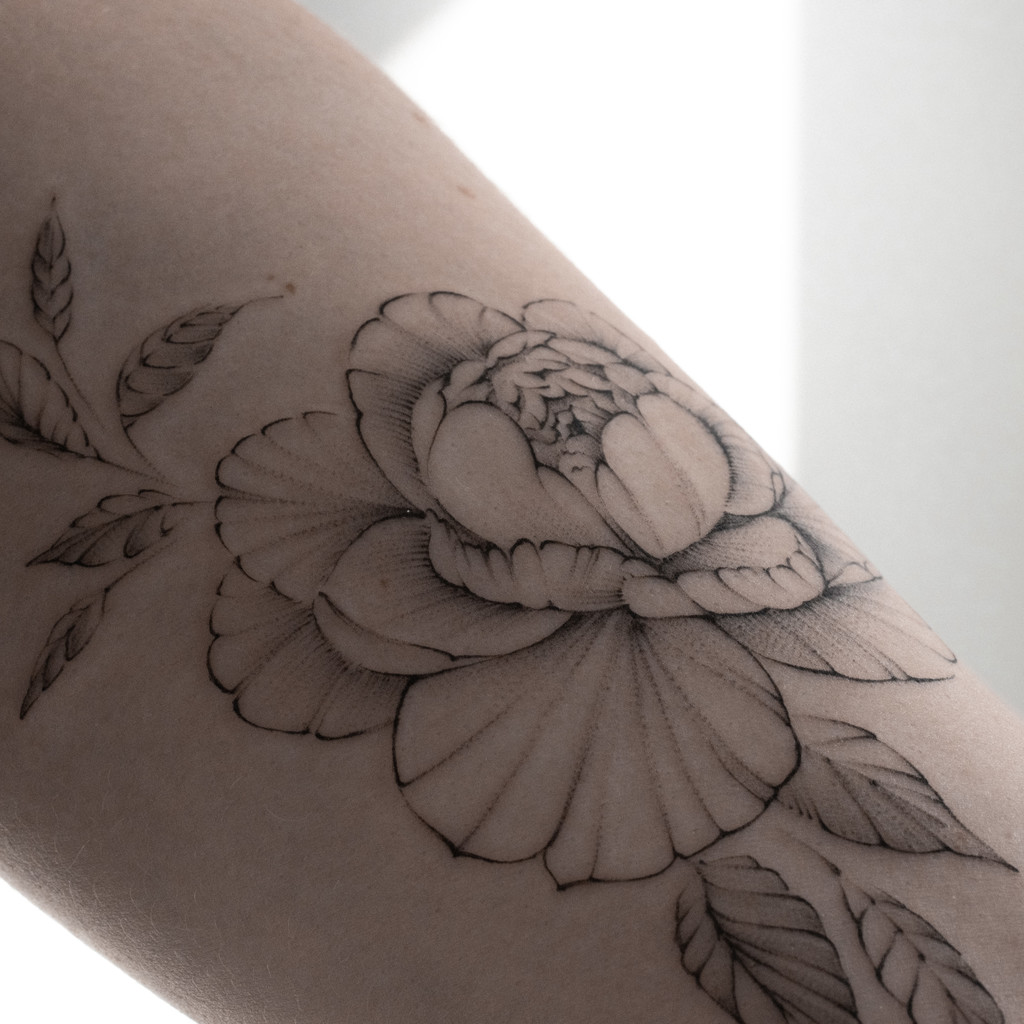
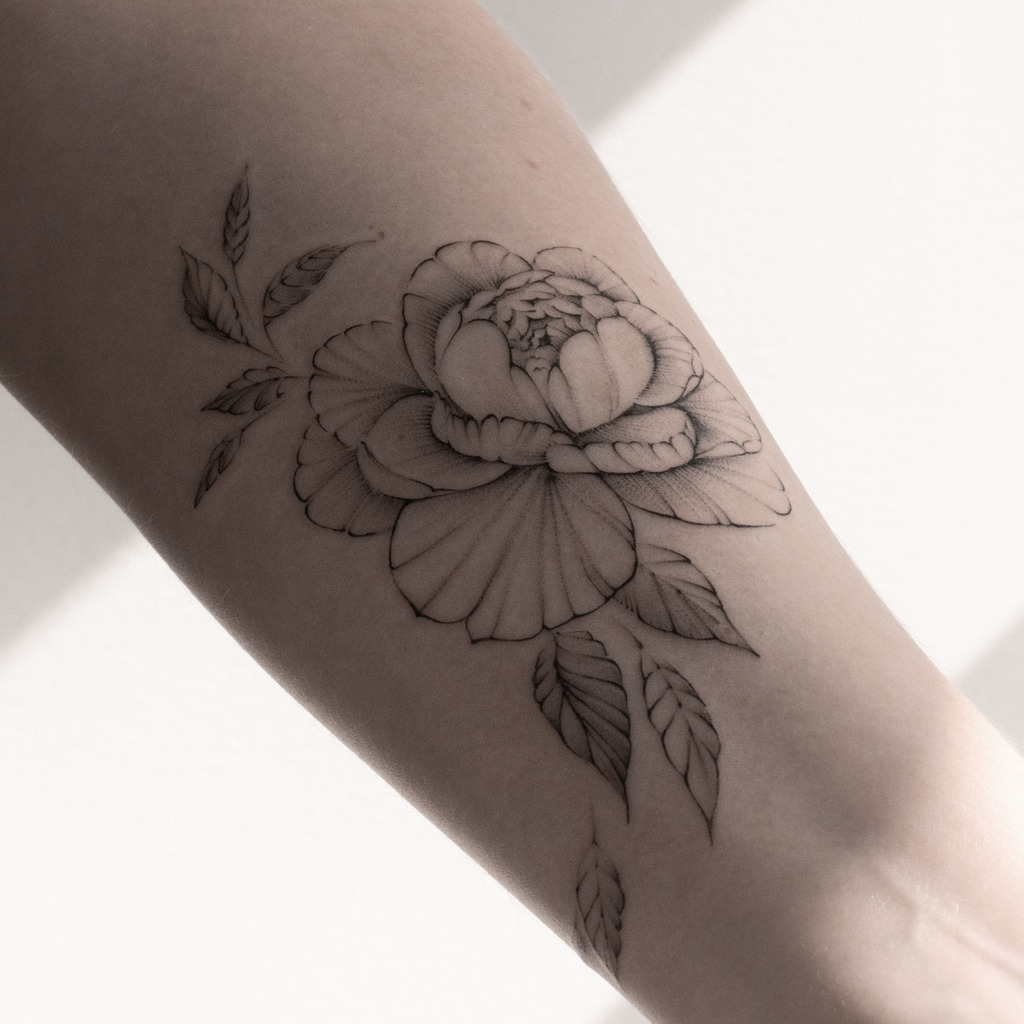
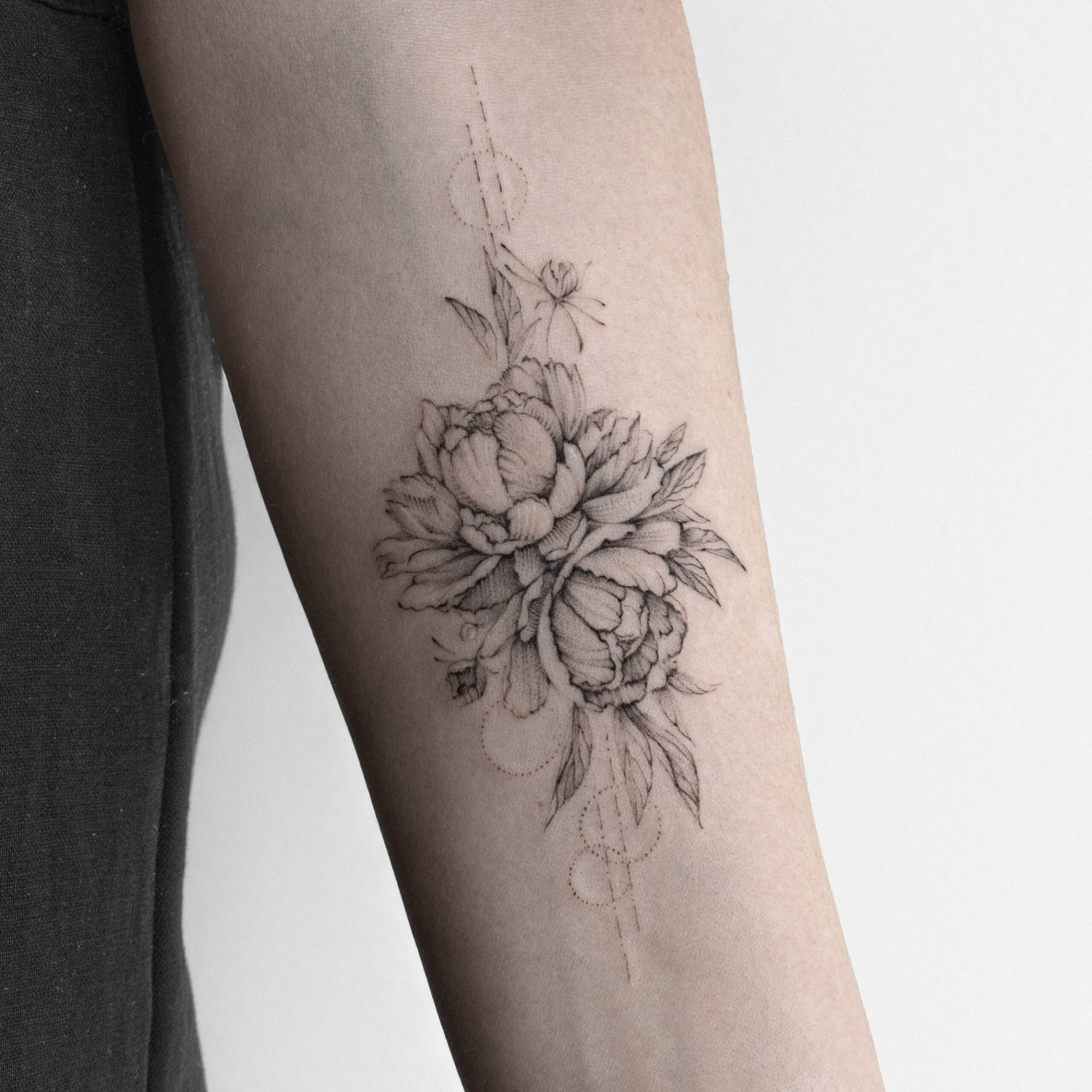
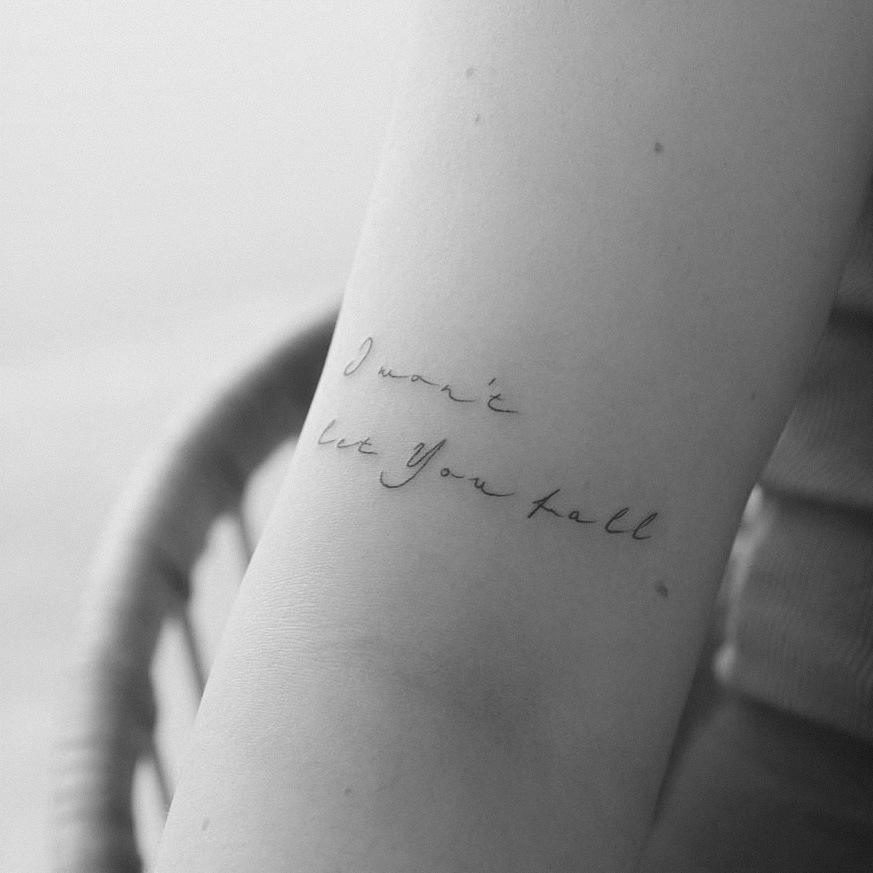
At Vadelma Tattoo in Amsterdam, we often find inspiration in these same design principles. While tattooing and architecture may seem like very different disciplines, both require careful consideration of proportion, balance, composition, and longevity. In both fields, successful results are rarely achieved by adding more and more elements. Instead, they emerge through intentional decisions and a clear understanding of what truly matters. A tattoo, much like a well-designed building or object, becomes part of someone’s daily life. The goal is not simply to create something that looks impressive today, but something that continues to feel relevant and beautiful for years to come. Perhaps that is why Dutch design resonates so strongly with us. It values many of the same qualities we strive for in our own work: clarity, intention, craftsmanship, and timelessness.
For those who appreciate design, architecture, and visual storytelling beyond tattooing, you can also explore Vadelma Prints. Created by Natalie Vadelma, the collection features original artworks and museum-quality prints inspired by nature, culture, and timeless aesthetics.
Visit: https://vadelmaprints.com
.
Final Thoughts
Dutch design feels timeless because it is built upon principles that rarely go out of style. Simplicity, functionality, quality, and restraint are not trends. They are foundations. From Amsterdam’s historic canal houses to contemporary architecture and design, the Netherlands continues to demonstrate that beauty does not require excess. Often, the most enduring creations are those that focus on what truly matters and allow everything else to fall away. In a world that constantly demands more, Dutch design offers a refreshing reminder that sometimes less really is more.
.
FAQ
What is Dutch design known for?
Dutch design is often associated with simplicity, functionality, innovation, and thoughtful use of space. It emphasizes quality and practicality without sacrificing aesthetics.
Why does Dutch design feel timeless?
Because it focuses on fundamental principles such as balance, proportion, usability, and craftsmanship rather than short-lived trends.
Is Dutch design only about architecture?
No. Dutch design influences many fields, including furniture, graphic design, industrial design, urban planning, art, and architecture.
How does Amsterdam reflect Dutch design principles?
Amsterdam’s architecture, canals, public spaces, and urban planning all demonstrate a balance between beauty and functionality that is characteristic of Dutch design.
Can design principles influence tattooing?
Absolutely. Concepts such as composition, balance, proportion, and longevity are important in both design and tattooing.
Why Dutch Design Feels So Timeless
.
From Amsterdam’s Canal Houses to Modern Creativity
.
Some design trends arrive with great excitement and disappear just as quickly. What feels fresh and modern today can look dated only a few years later. Yet certain styles seem to resist the passage of time. They remain relevant, elegant, and appealing generation after generation. Dutch design is one of those rare examples. Whether you are walking through the historic streets of Amsterdam, visiting a museum, admiring contemporary furniture, or simply observing the way many Dutch homes are organized, a common thread begins to emerge. Dutch design often feels clean without being cold, practical without sacrificing beauty, and modern without chasing trends. This balance is one of the reasons why Dutch design has earned international recognition and continues to inspire artists, architects, and designers around the world.
.
A Culture Shaped by Practicality
Part of the story begins with geography. For centuries, the Dutch have lived in a country that required careful planning and cooperation. Large areas of the Netherlands were reclaimed from water, demanding innovative engineering, intelligent urban planning, and efficient use of space. When a society spends generations solving practical challenges, functionality naturally becomes part of its design culture. This influence can still be seen today. Dutch design rarely prioritizes decoration for its own sake. Instead, there is often a focus on purpose. Every element is expected to contribute something meaningful. Objects, buildings, and spaces are designed to work well first, while beauty emerges through proportion, balance, and thoughtful execution. This approach creates designs that often age remarkably well because they are not dependent on short-lived trends.
.
Simplicity Is Harder Than It Looks
One of the defining characteristics of Dutch design is simplicity. However, simplicity should never be confused with a lack of effort. In fact, creating something simple is often much more difficult than creating something complicated. Every unnecessary element must be removed while preserving the character and functionality of the design. What remains needs to feel intentional and complete. You can see this philosophy throughout Amsterdam. Historic canal houses are elegant without being extravagant. Their facades are carefully proportioned, their details restrained, and their overall appearance harmonious. Even though many of these buildings are hundreds of years old, they still feel visually relevant today. Good design often achieves this effect by focusing on fundamentals rather than fashion.
.
The Beauty of Restraint
Modern culture frequently encourages more. More features, more decoration, more content, more complexity. Dutch design often takes the opposite approach. Rather than asking what can be added, it asks what can be removed. This does not mean Dutch design lacks personality. Quite the opposite. By reducing distractions, the essential qualities of an object or space become more visible. Materials, craftsmanship, proportions, and functionality are allowed to speak for themselves. This principle can be found in architecture, furniture design, graphic design, and even public spaces throughout the Netherlands. The result is work that feels calm and confident rather than loud or attention-seeking. Perhaps this is one reason why Dutch design continues to feel contemporary regardless of changing fashions.
.
Design That Serves People
Another reason Dutch design remains relevant is its strong human focus. Rather than treating design as something separate from everyday life, Dutch designers often see it as a tool for improving daily experiences. The goal is not simply to create beautiful objects but to create environments, products, and systems that make life more enjoyable, comfortable, and intuitive. This philosophy can be observed throughout Dutch cities. Public transportation, cycling infrastructure, urban planning, and public spaces are often designed with usability in mind. The emphasis is not only on appearance but on how people interact with their surroundings. When design genuinely serves people, it tends to remain useful long after trends have changed.
.
Creativity Without Excess
The Netherlands has produced countless influential artists, architects, and designers over the centuries. From the masterpieces of Rembrandt van Rijn to the bold innovations of Piet Mondrian, Dutch creativity has often balanced experimentation with structure. This balance continues to shape contemporary Dutch design. Innovation is welcomed, but it is usually accompanied by a clear sense of purpose. New ideas are explored not simply because they are new, but because they offer a meaningful improvement or perspective. As a result, Dutch design often feels progressive without becoming chaotic.
.
Lessons Beyond Design
One reason many people find Dutch design inspiring is that its principles extend beyond architecture and objects. The ideas of simplicity, functionality, quality, and longevity can be applied to almost any creative discipline. Whether someone is designing a building, creating artwork, writing a book, or planning a tattoo, the same fundamental questions remain relevant. Does every element have a purpose? Will this still feel meaningful years from now? Is the design serving the idea, or is it distracting from it? These questions encourage a more deliberate creative process and often lead to work that feels timeless rather than temporary.
.
A Connection to the Vadelma Philosophy
At Vadelma Tattoo in Amsterdam, we often find inspiration in these same design principles. While tattooing and architecture may seem like very different disciplines, both require careful consideration of proportion, balance, composition, and longevity. In both fields, successful results are rarely achieved by adding more and more elements. Instead, they emerge through intentional decisions and a clear understanding of what truly matters. A tattoo, much like a well-designed building or object, becomes part of someone’s daily life. The goal is not simply to create something that looks impressive today, but something that continues to feel relevant and beautiful for years to come. Perhaps that is why Dutch design resonates so strongly with us. It values many of the same qualities we strive for in our own work: clarity, intention, craftsmanship, and timelessness.
For those who appreciate design, architecture, and visual storytelling beyond tattooing, you can also explore Vadelma Prints. Created by Natalie Vadelma, the collection features original artworks and museum-quality prints inspired by nature, culture, and timeless aesthetics.
Visit: https://vadelmaprints.com
.
Final Thoughts
Dutch design feels timeless because it is built upon principles that rarely go out of style. Simplicity, functionality, quality, and restraint are not trends. They are foundations. From Amsterdam’s historic canal houses to contemporary architecture and design, the Netherlands continues to demonstrate that beauty does not require excess. Often, the most enduring creations are those that focus on what truly matters and allow everything else to fall away. In a world that constantly demands more, Dutch design offers a refreshing reminder that sometimes less really is more.
.
FAQ
What is Dutch design known for?
Dutch design is often associated with simplicity, functionality, innovation, and thoughtful use of space. It emphasizes quality and practicality without sacrificing aesthetics.
Why does Dutch design feel timeless?
Because it focuses on fundamental principles such as balance, proportion, usability, and craftsmanship rather than short-lived trends.
Is Dutch design only about architecture?
No. Dutch design influences many fields, including furniture, graphic design, industrial design, urban planning, art, and architecture.
How does Amsterdam reflect Dutch design principles?
Amsterdam’s architecture, canals, public spaces, and urban planning all demonstrate a balance between beauty and functionality that is characteristic of Dutch design.
Can design principles influence tattooing?
Absolutely. Concepts such as composition, balance, proportion, and longevity are important in both design and tattooing.