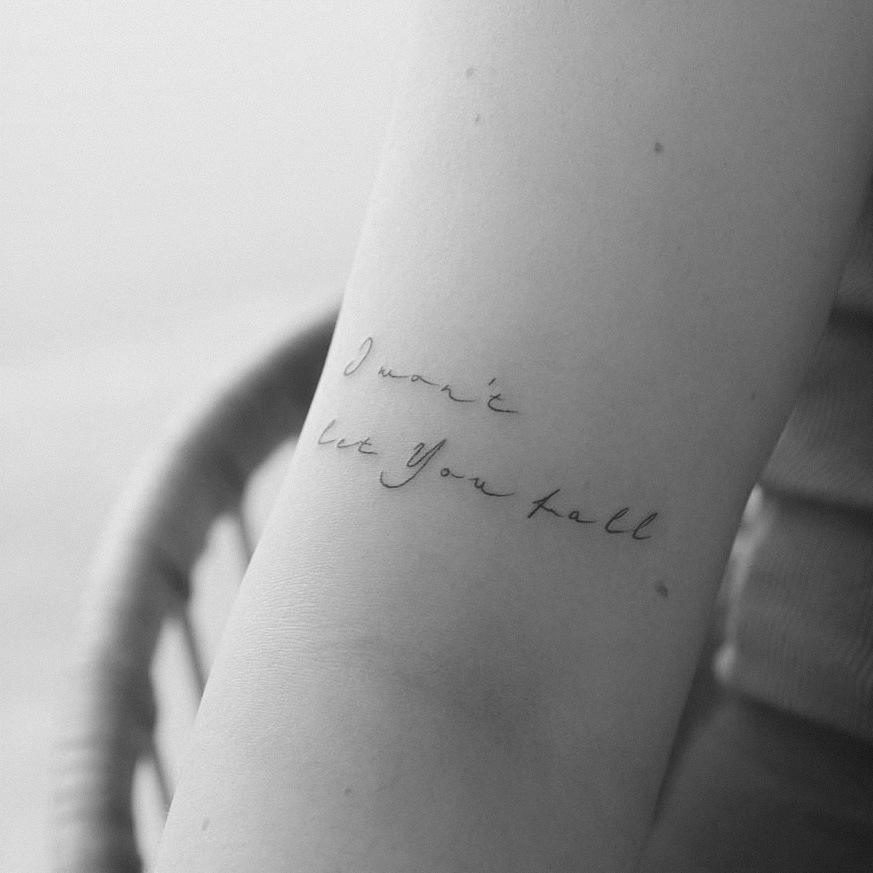
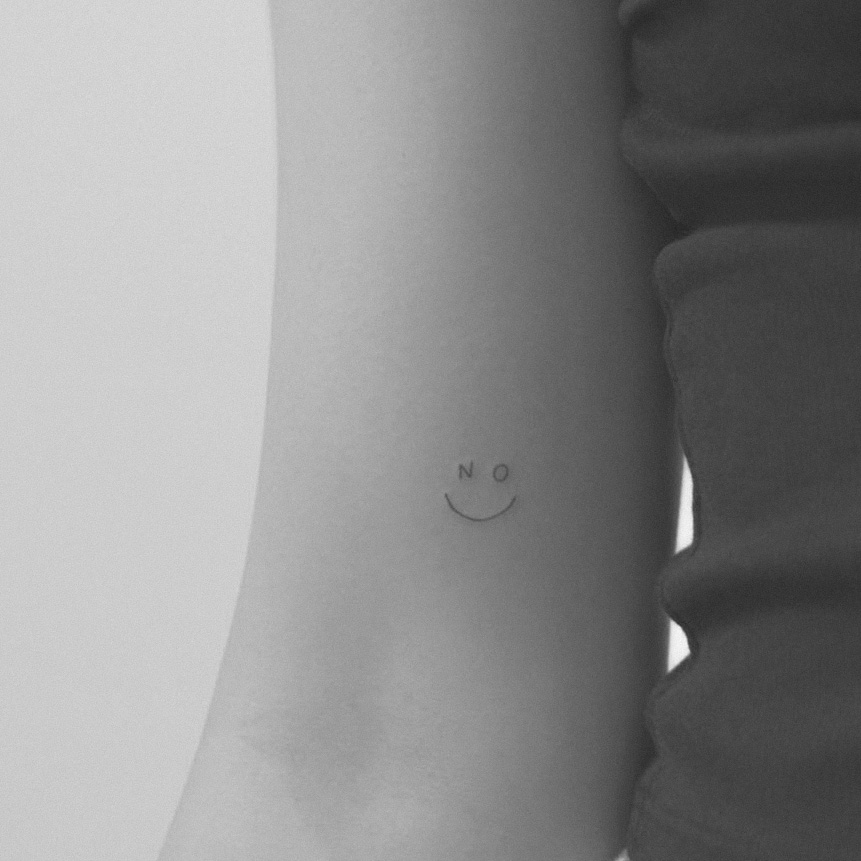
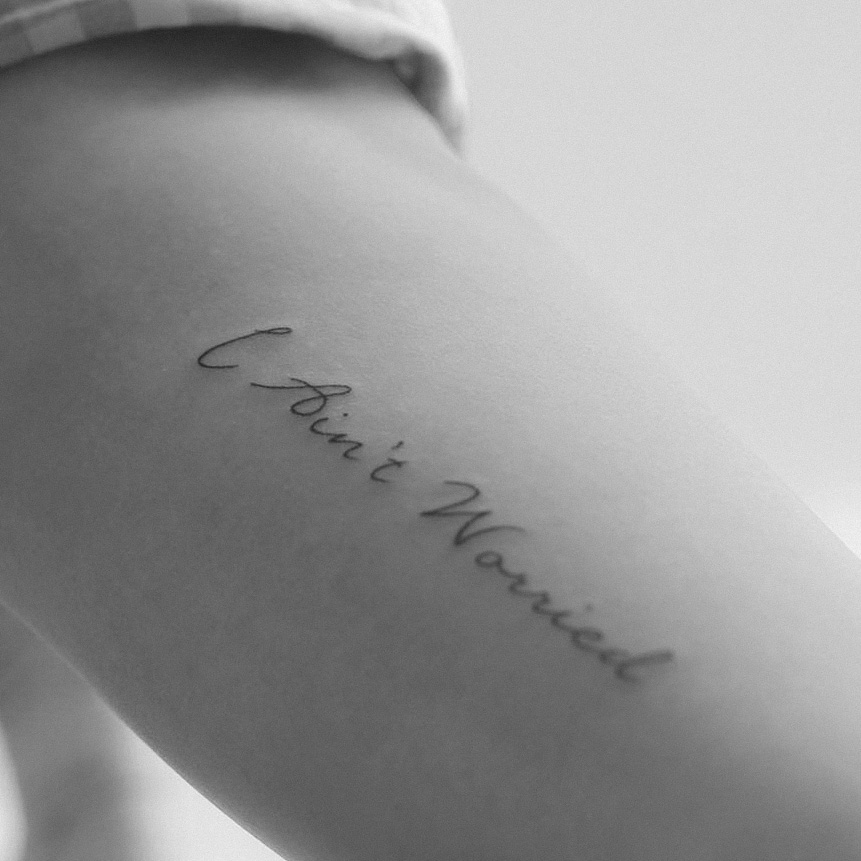
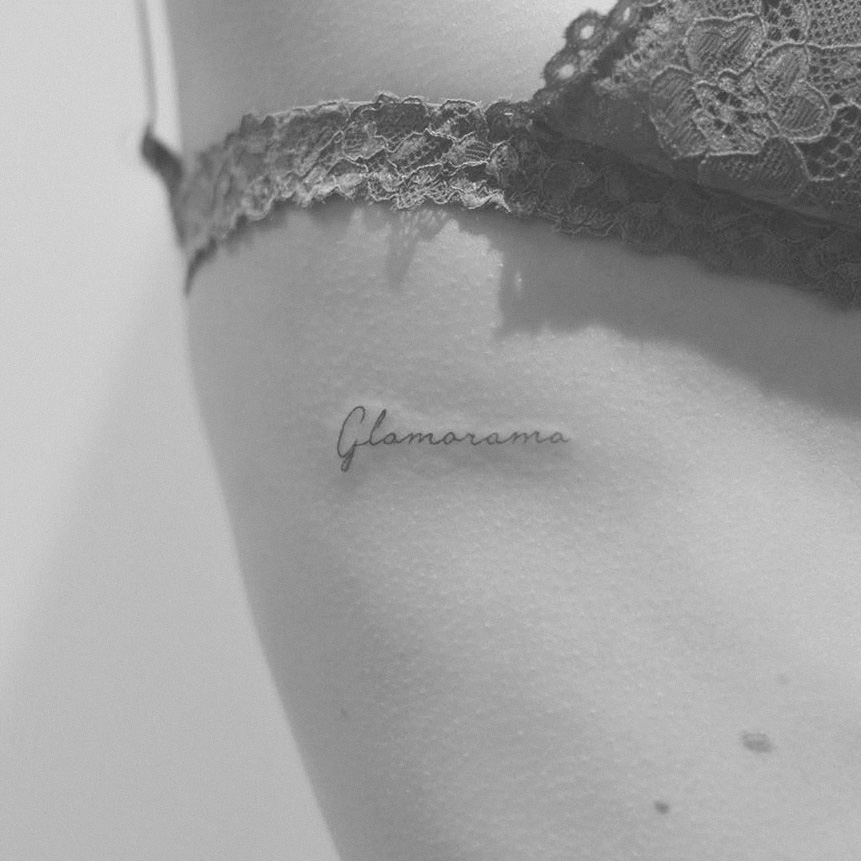
Introduction
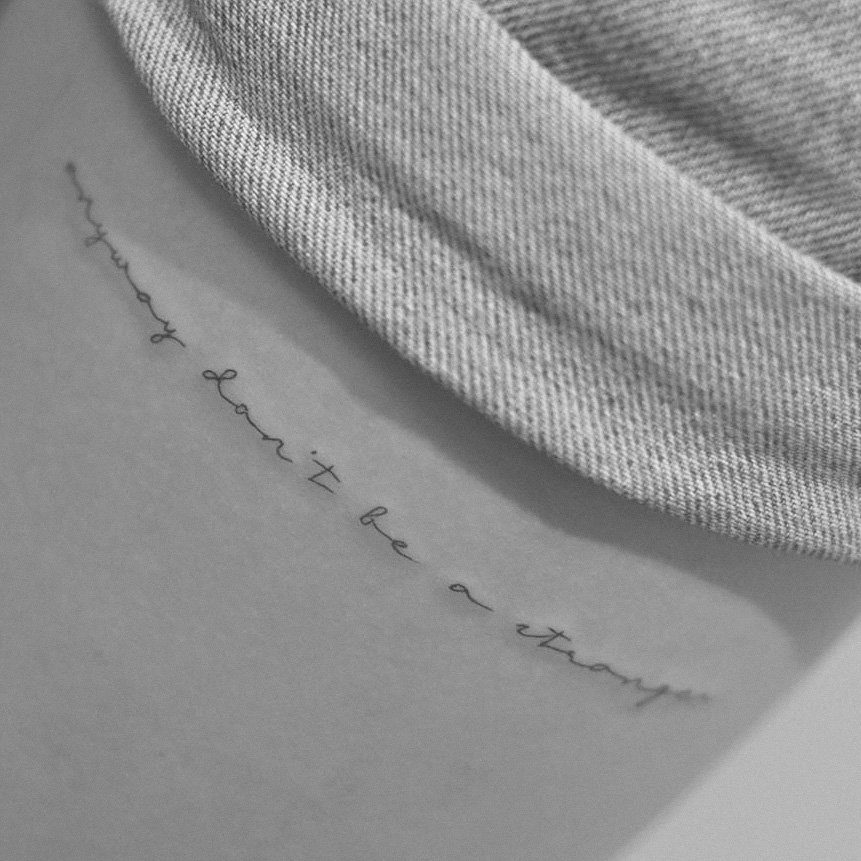
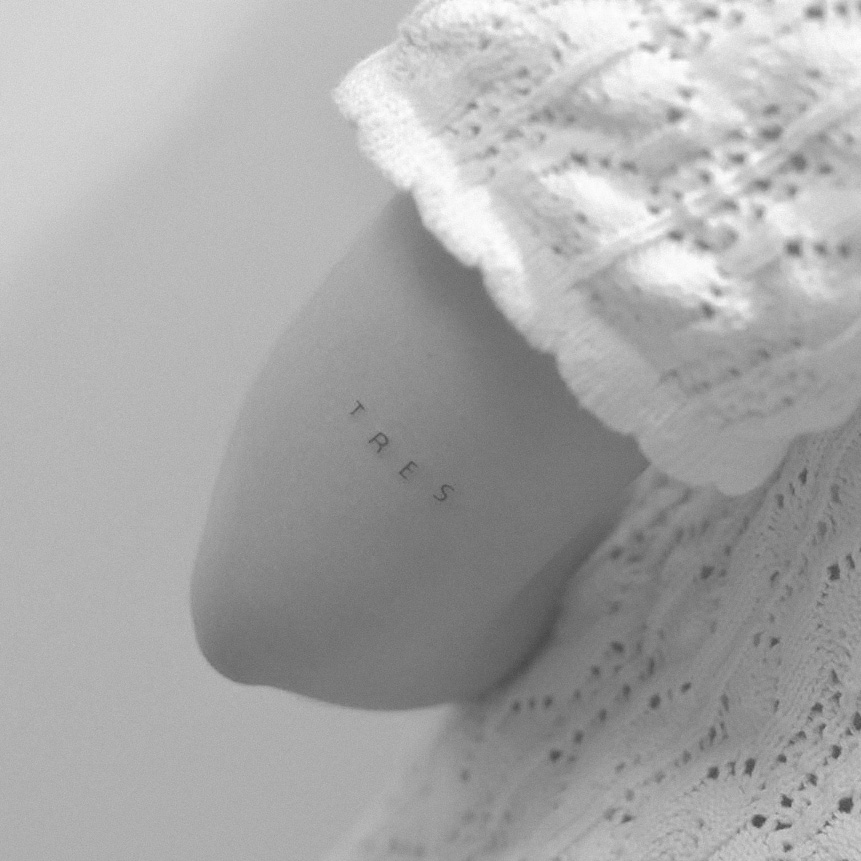
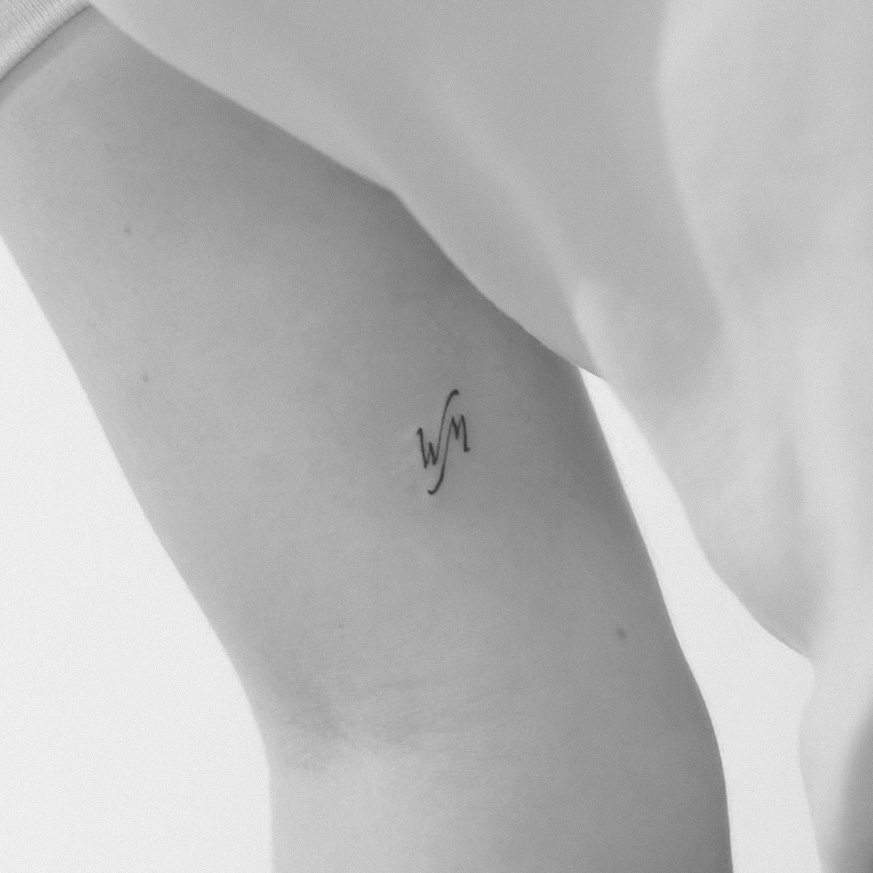
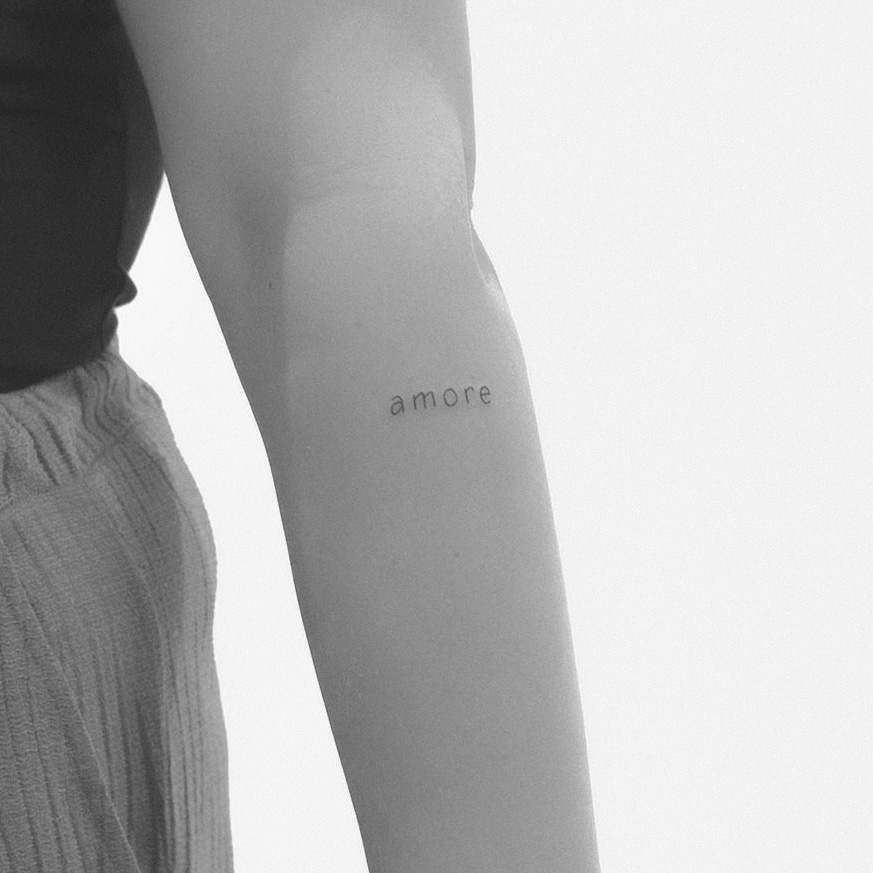
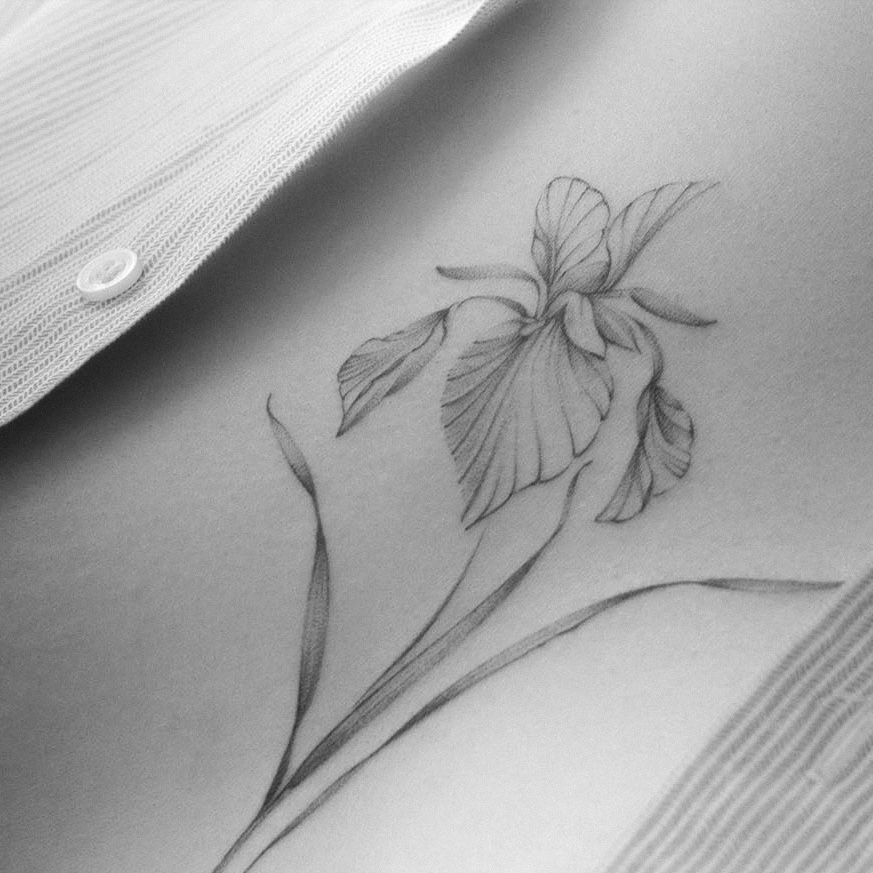
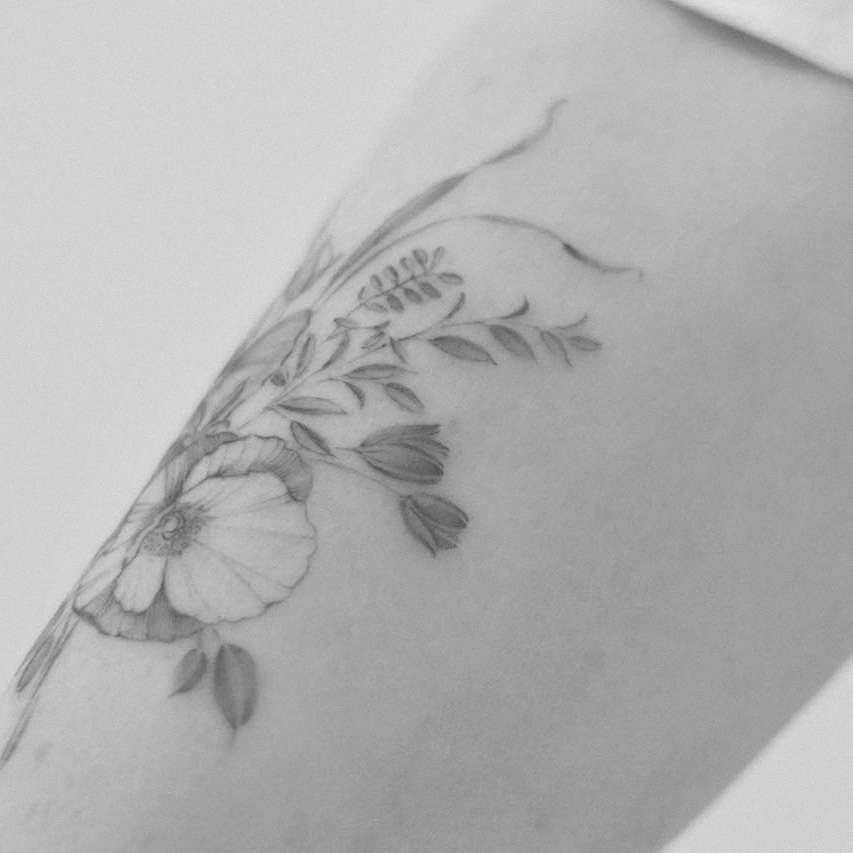
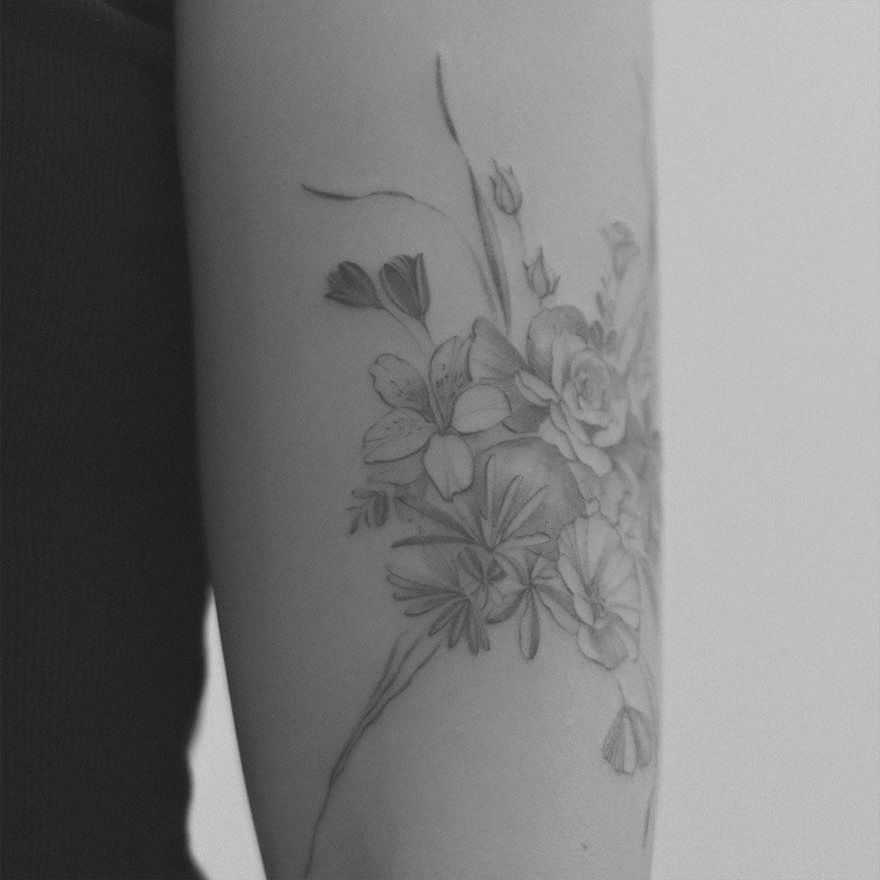
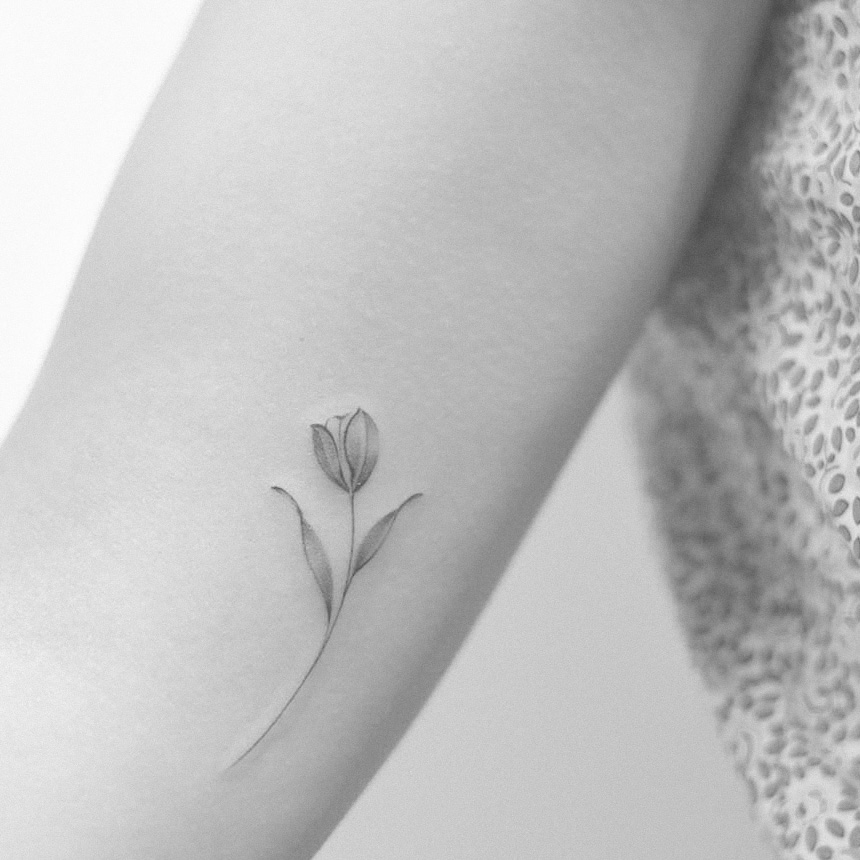
Modern life trains us to expect speed. Food arrives in minutes. Images appear instantly. Entire conversations happen while walking between places. We scroll through hundreds of ideas every day, often without even remembering them a few hours later. And somewhere inside this rhythm, tattooing became affected by the same pressure. People sometimes arrive with the feeling that a tattoo should happen quickly because the image itself appeared quickly. But tattooing does not really work according to the logic of instant consumption. A good tattoo usually takes time long before the needle even touches the skin. At Vadelma Tattoo in Amsterdam, this slower process is not treated as inefficiency. It is considered part of the craft itself. Because some things only become clear when they are given enough space to develop properly.
A Tattoo Is Not Only an Image
One of the biggest misunderstandings around tattooing is the idea that the tattoo exists only as a picture. In reality, a tattoo exists simultaneously as:
- A design
- A physical process
- A placement on the body
- A long-term visual structure
- And often an emotional decision as well
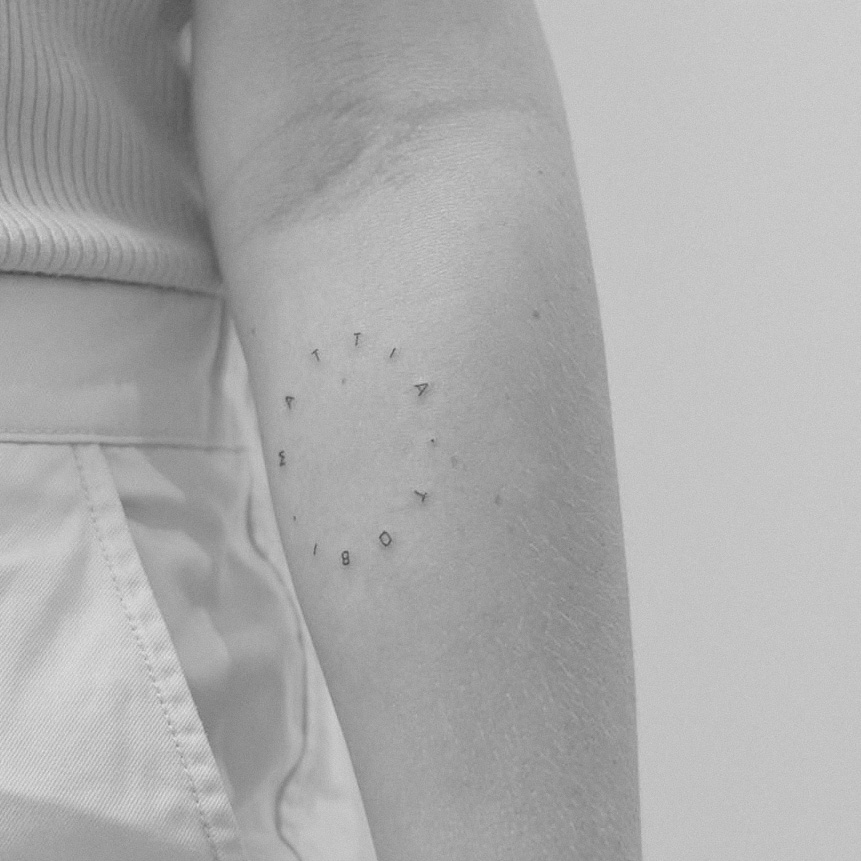
This means the tattoo cannot be approached exactly like choosing an image online. What looks interesting on a screen may not automatically become a strong tattoo. The body changes the composition. Skin changes detail visibility. Placement changes movement. Time changes everything further. Good tattooing requires understanding all of these layers together.
Why Placement Changes the Design
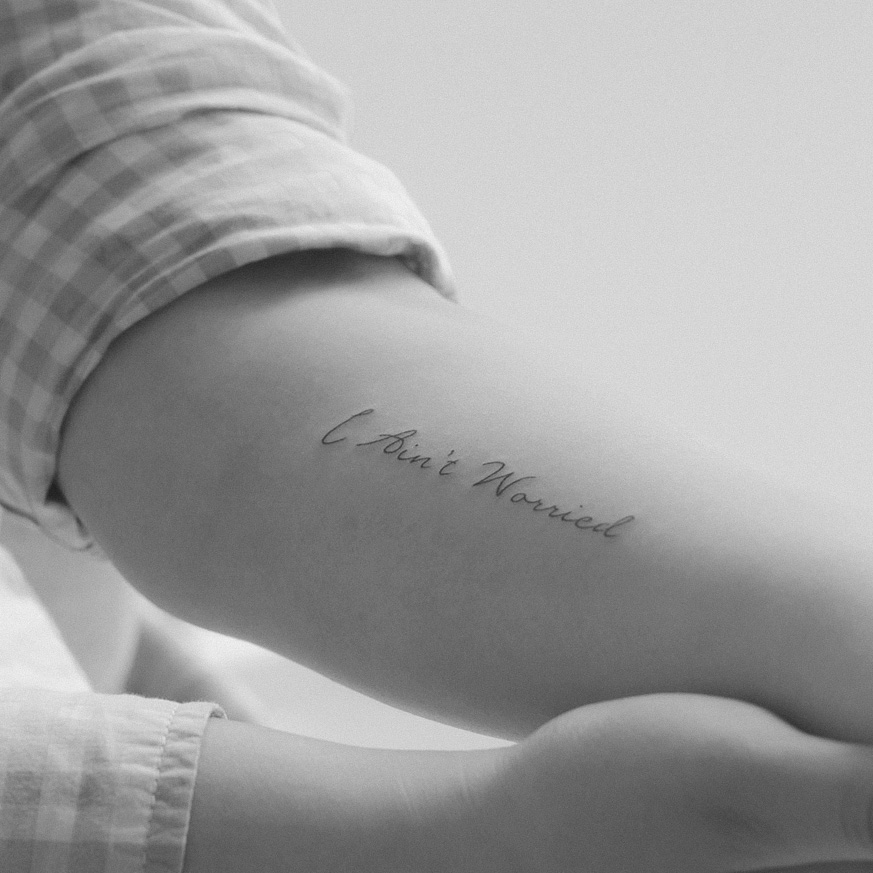
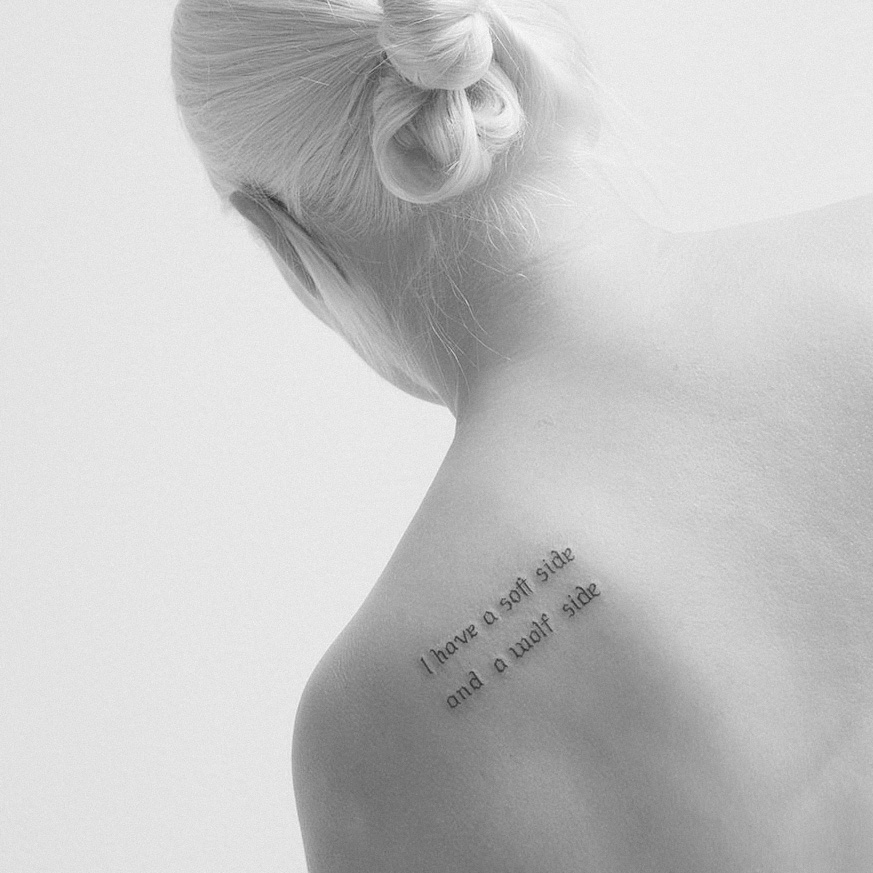
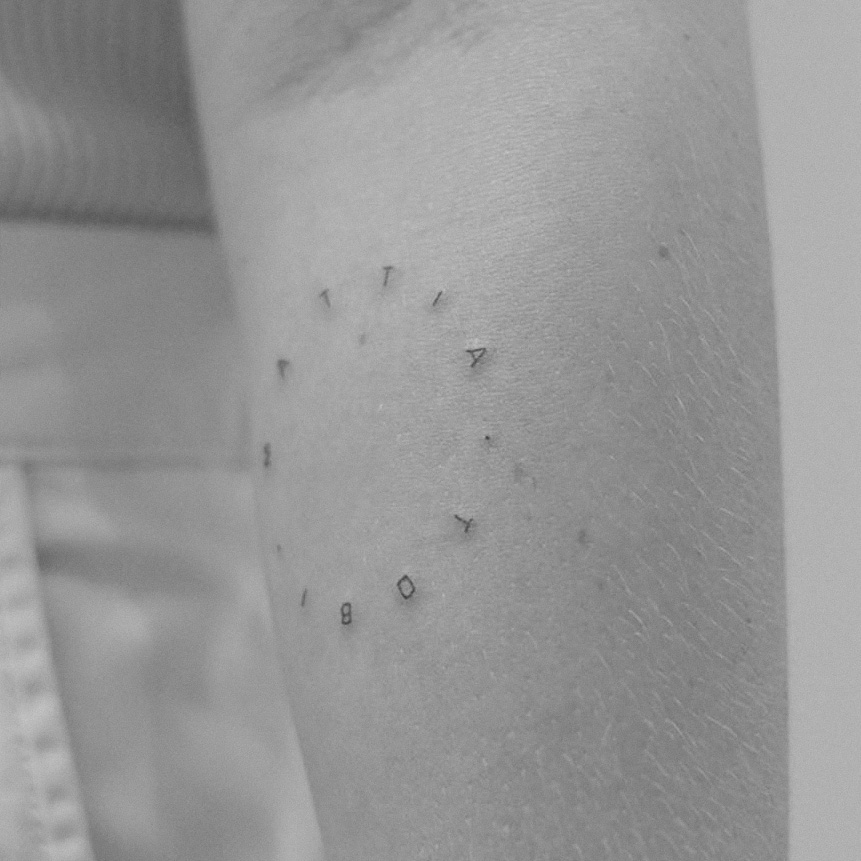
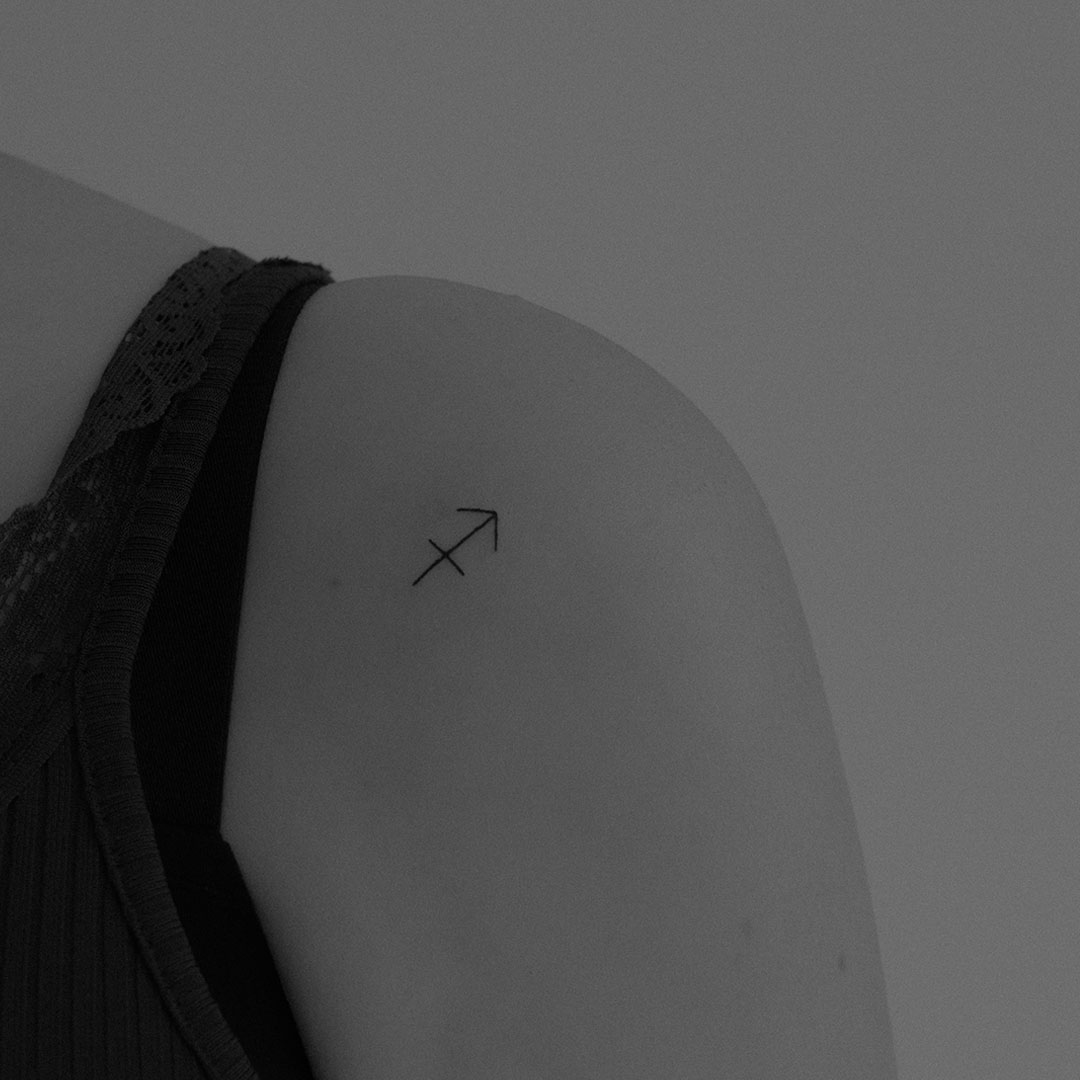
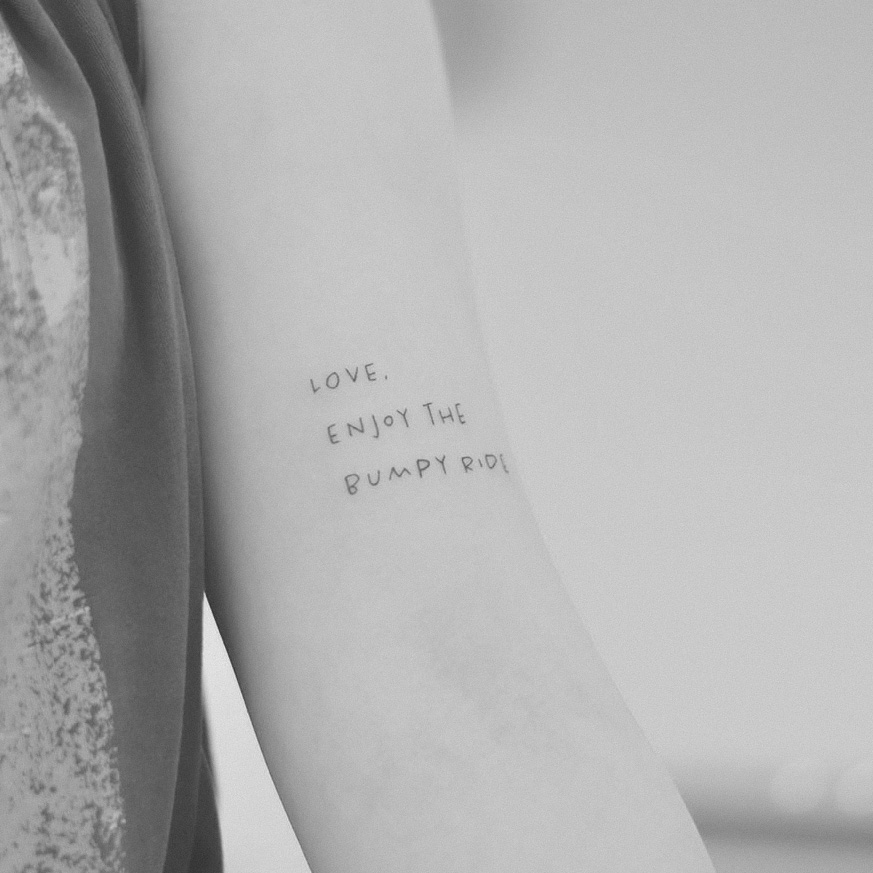
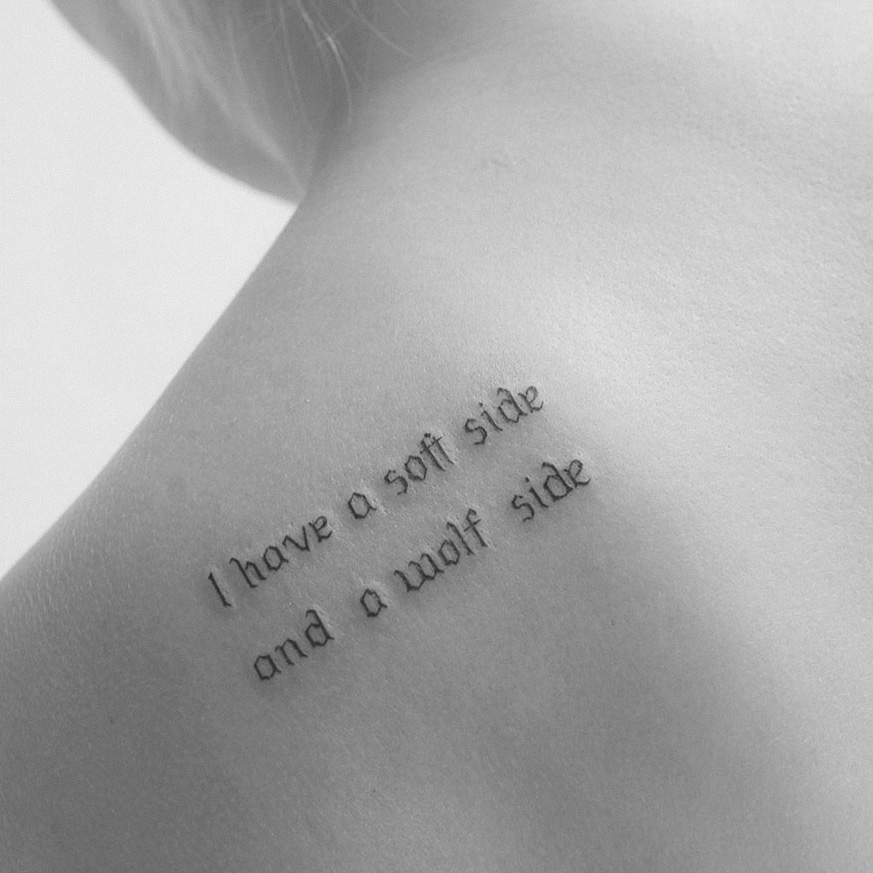
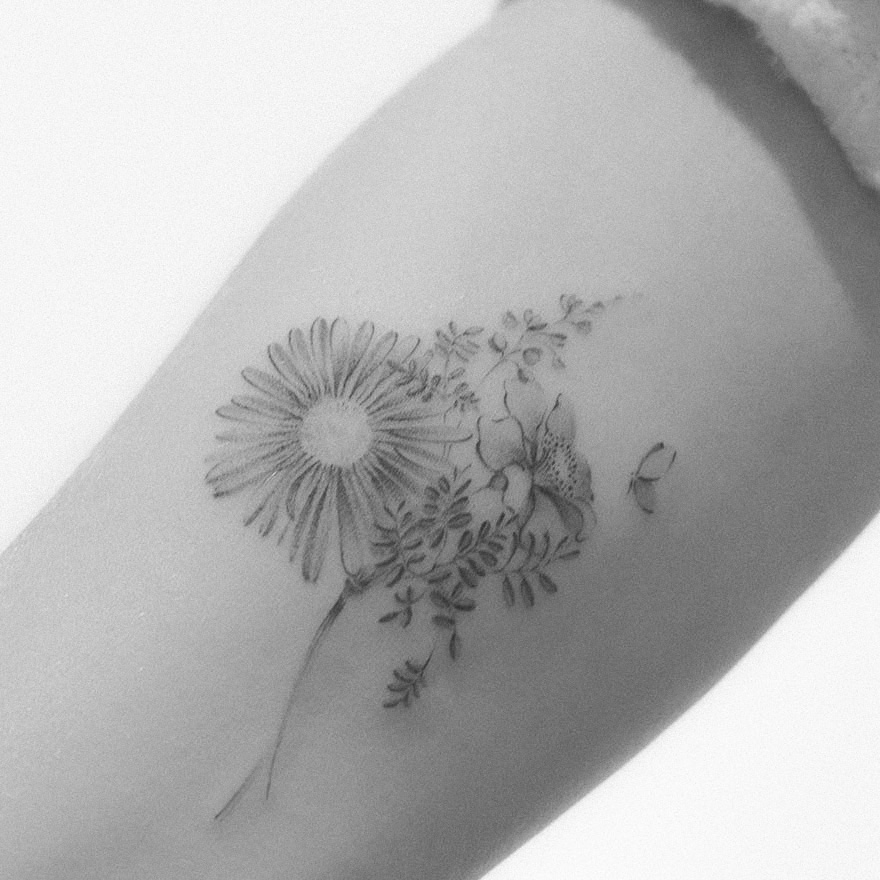
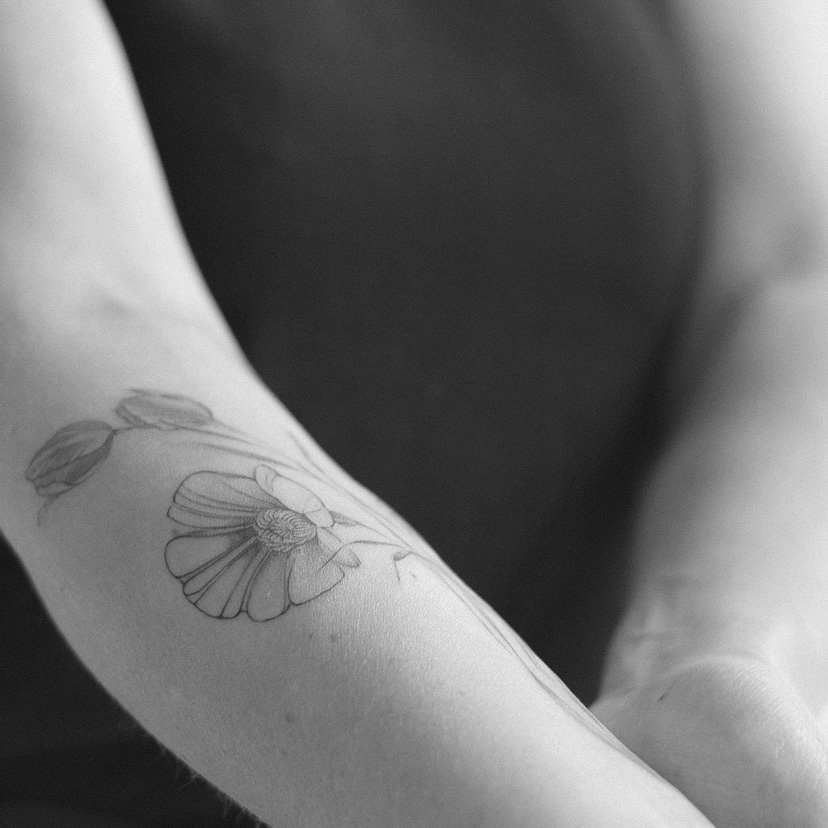
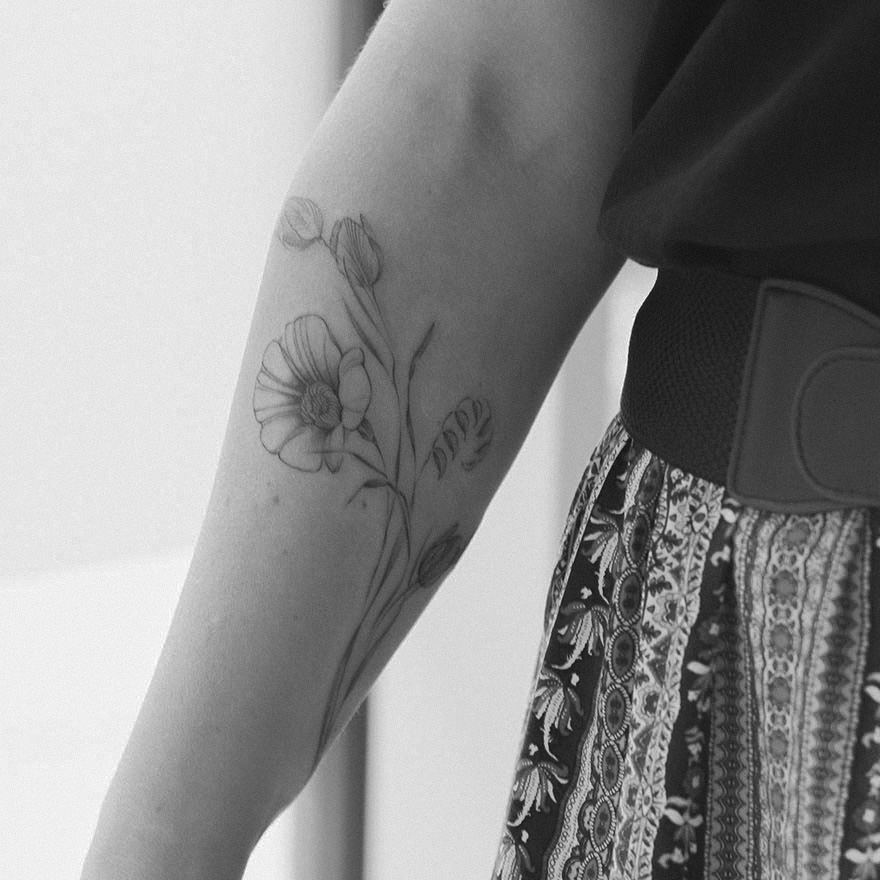
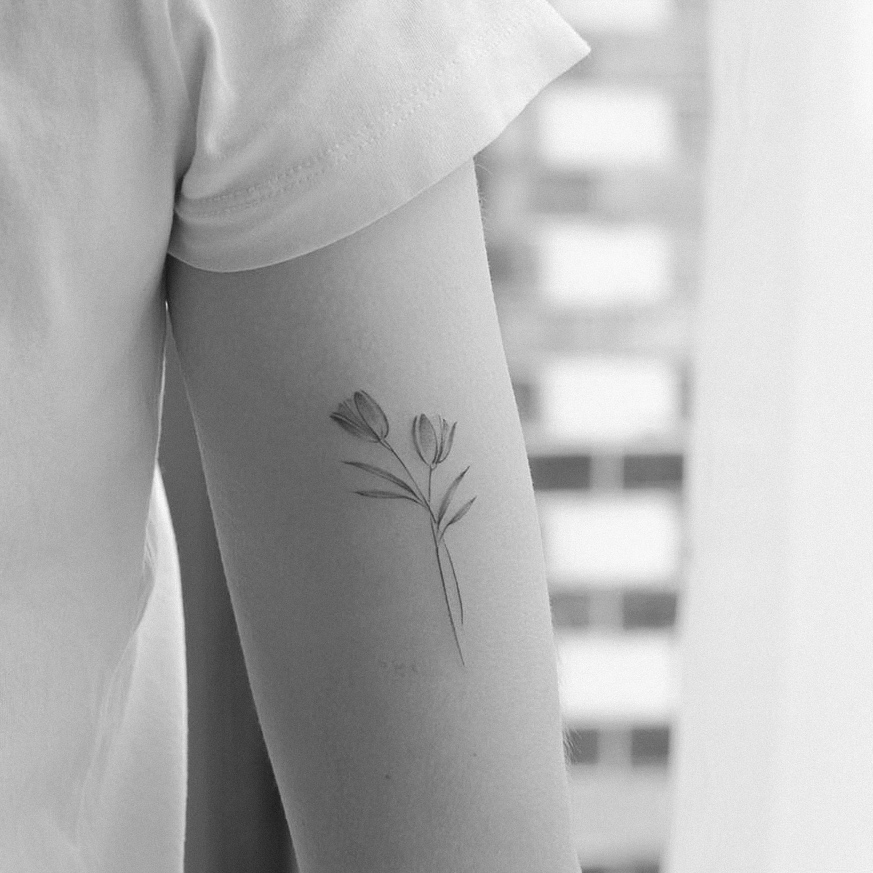
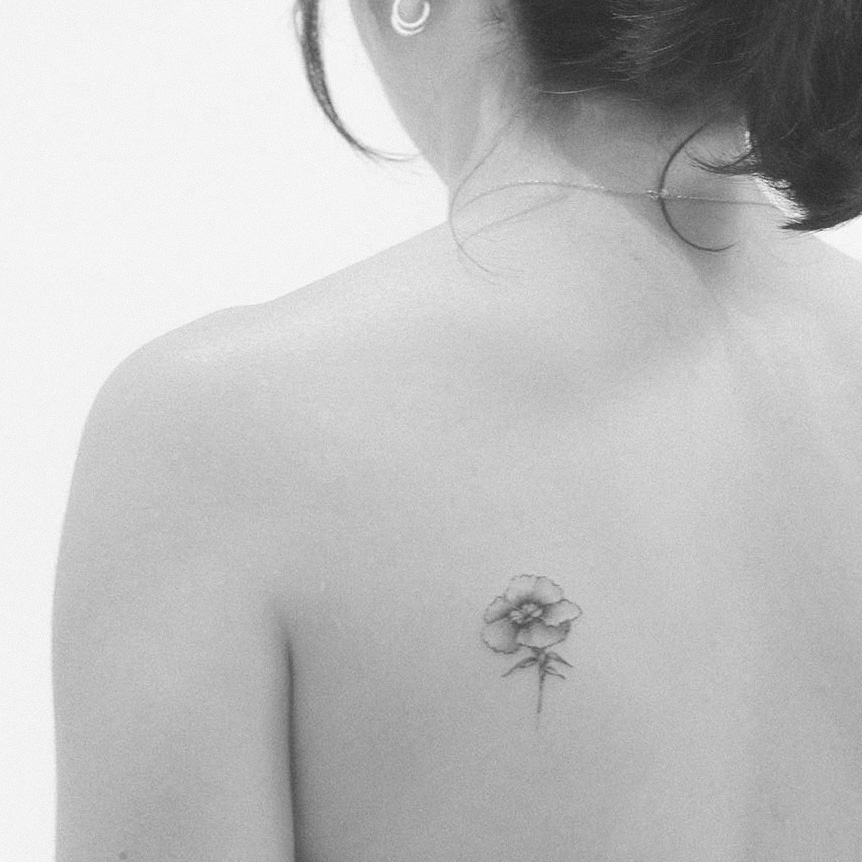
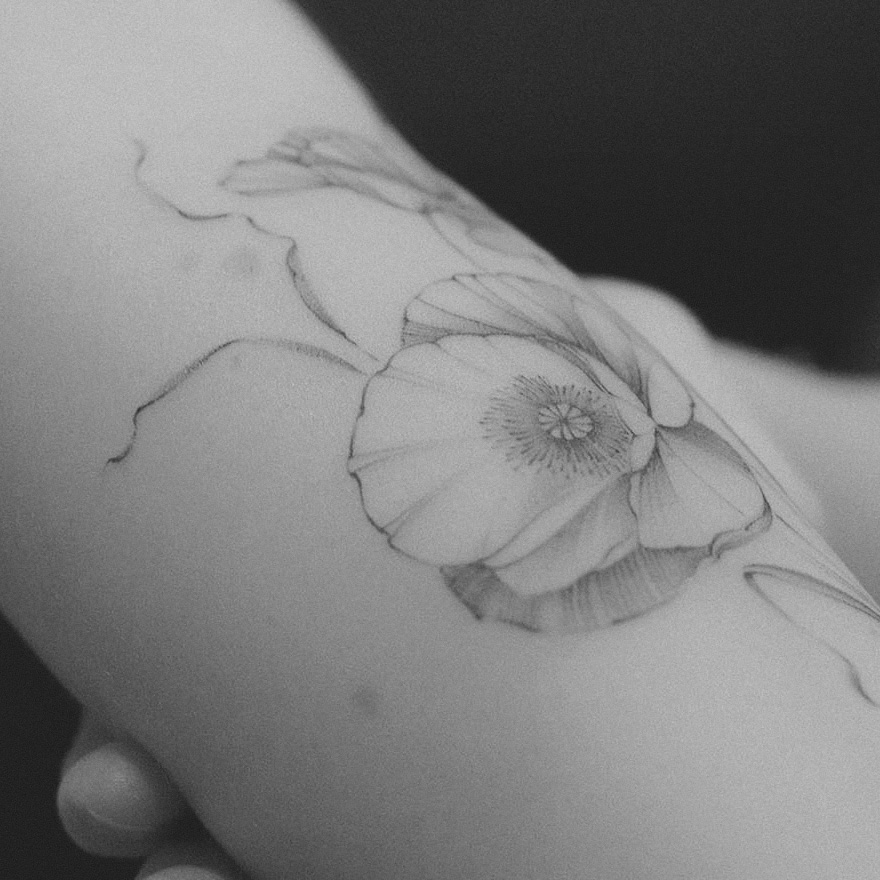
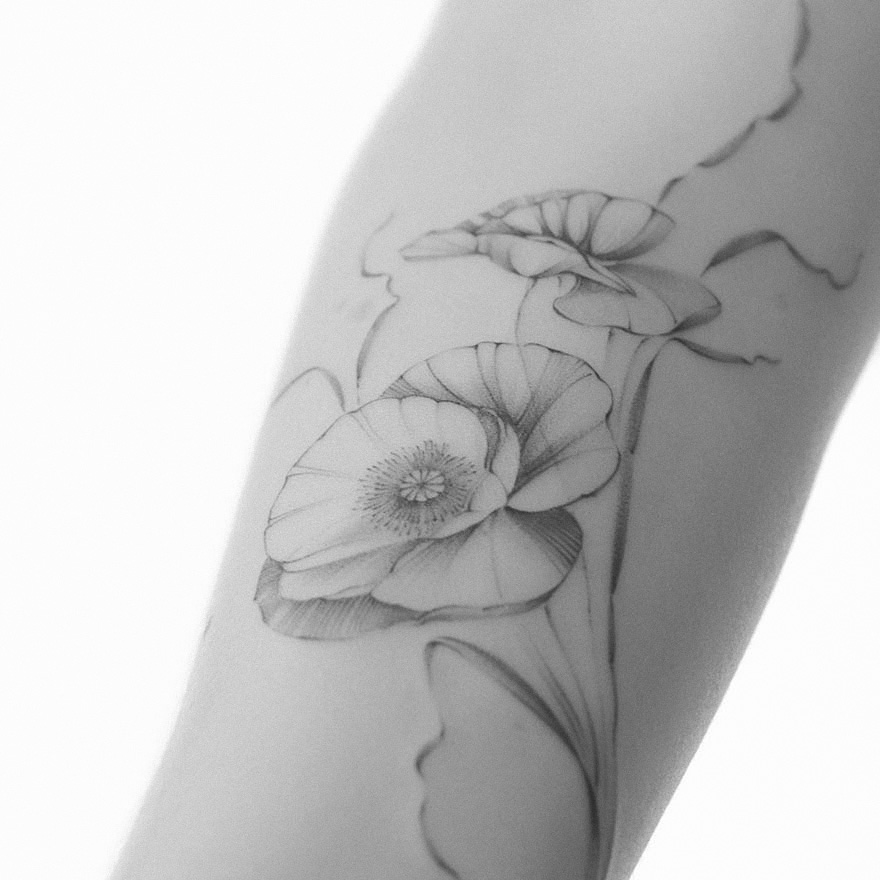
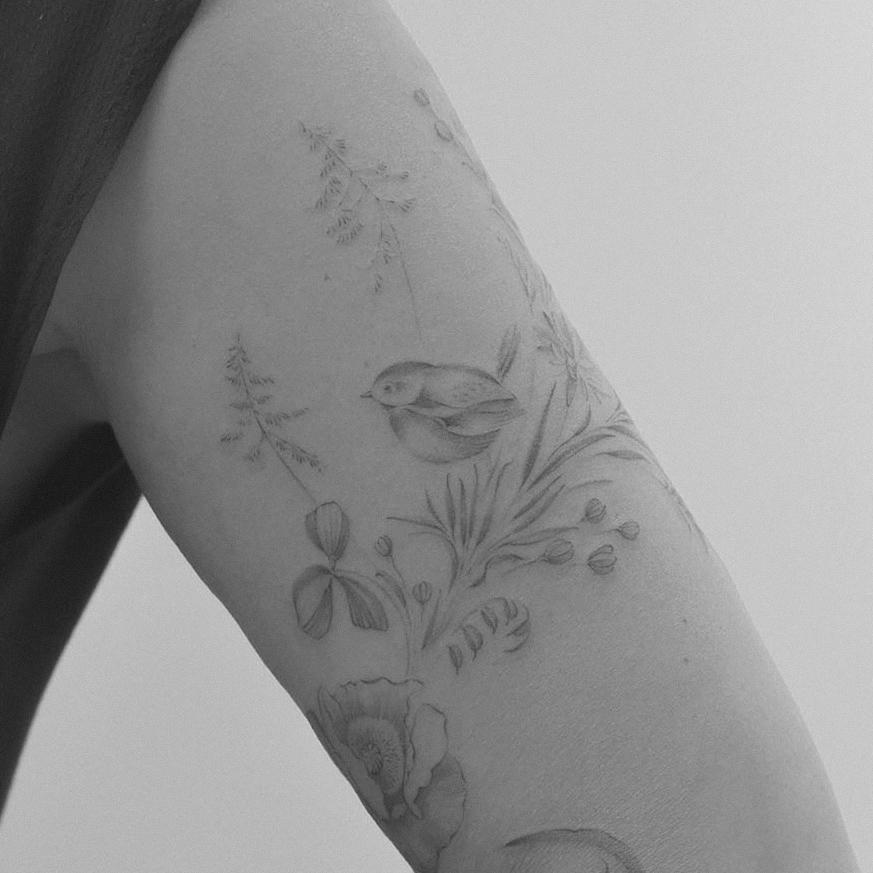
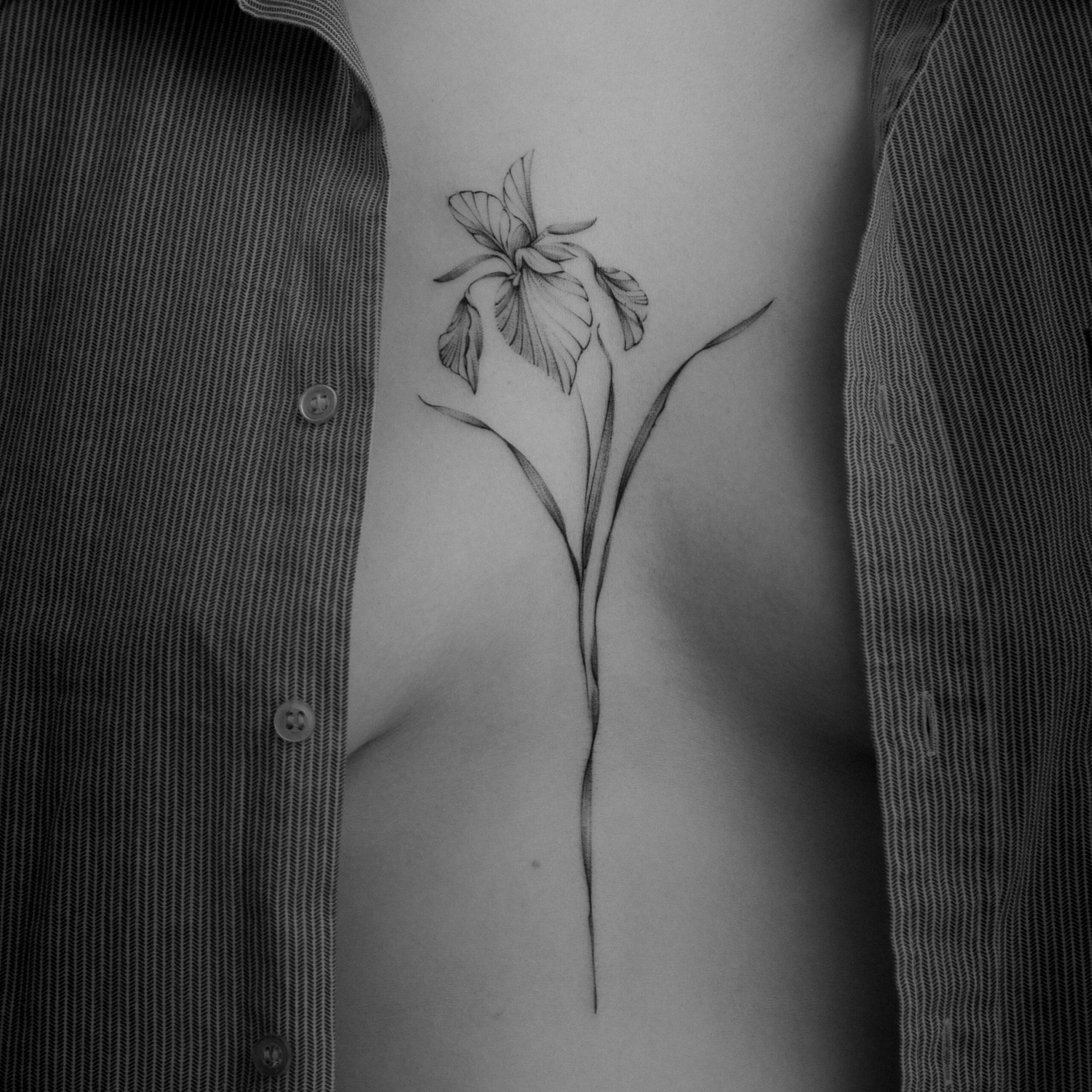
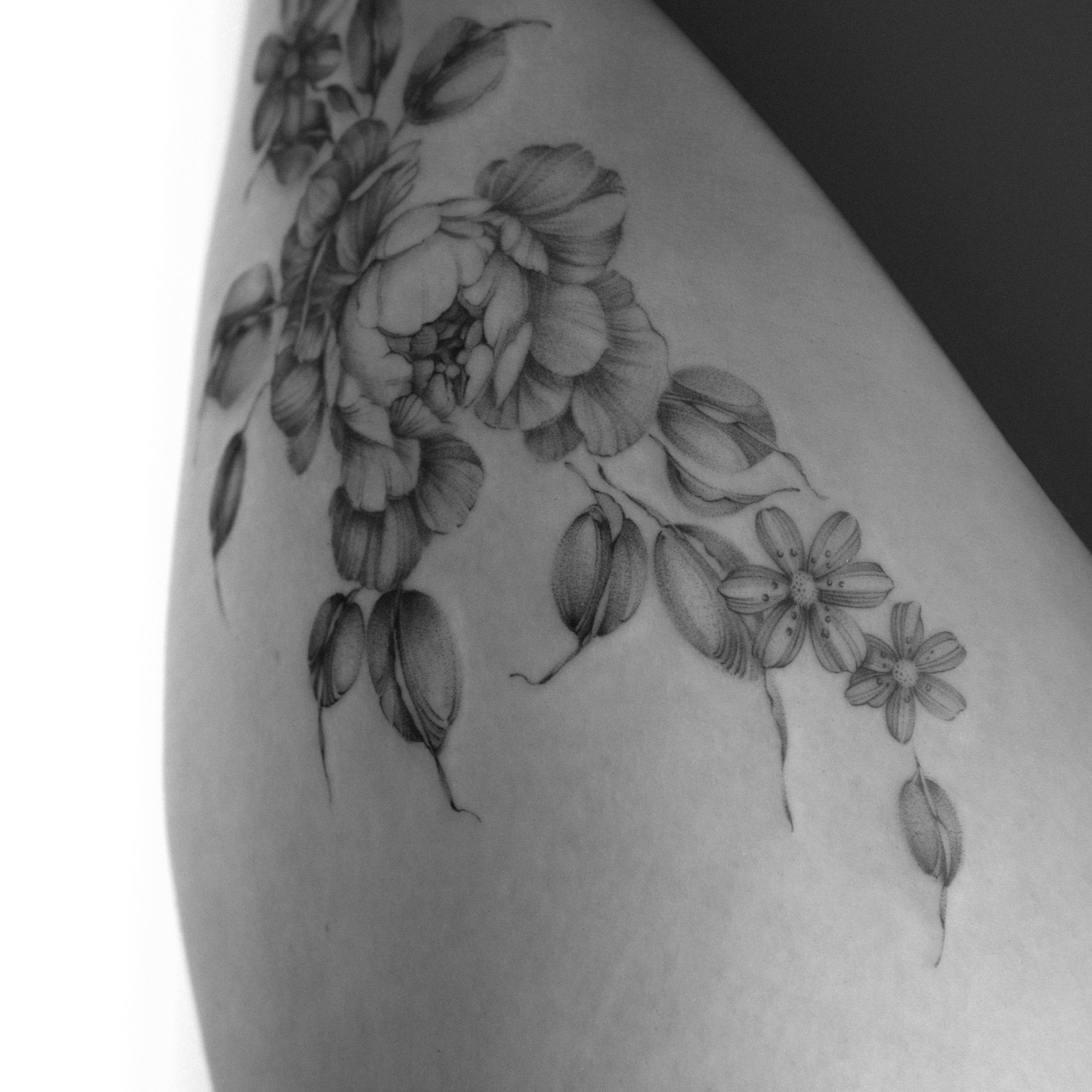
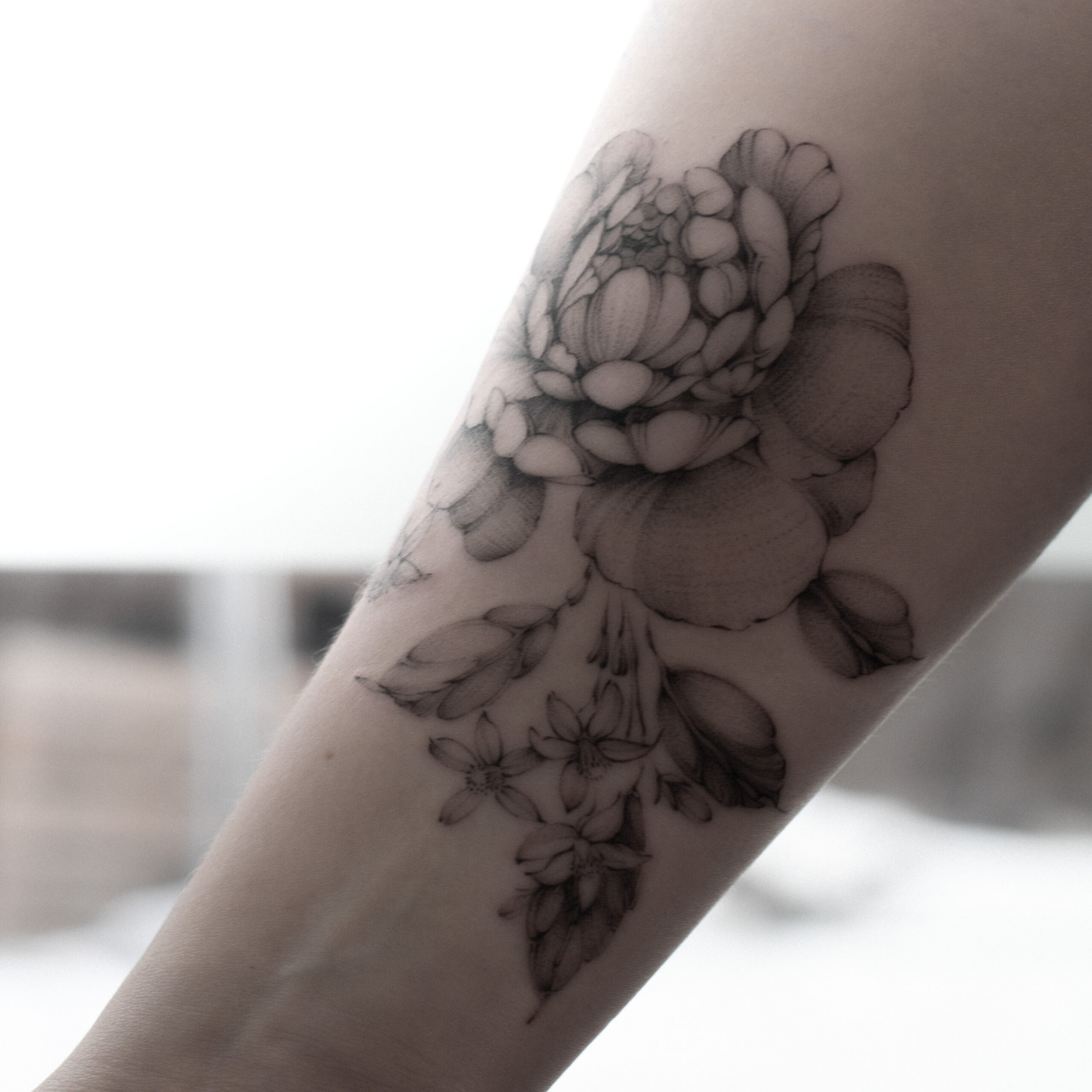
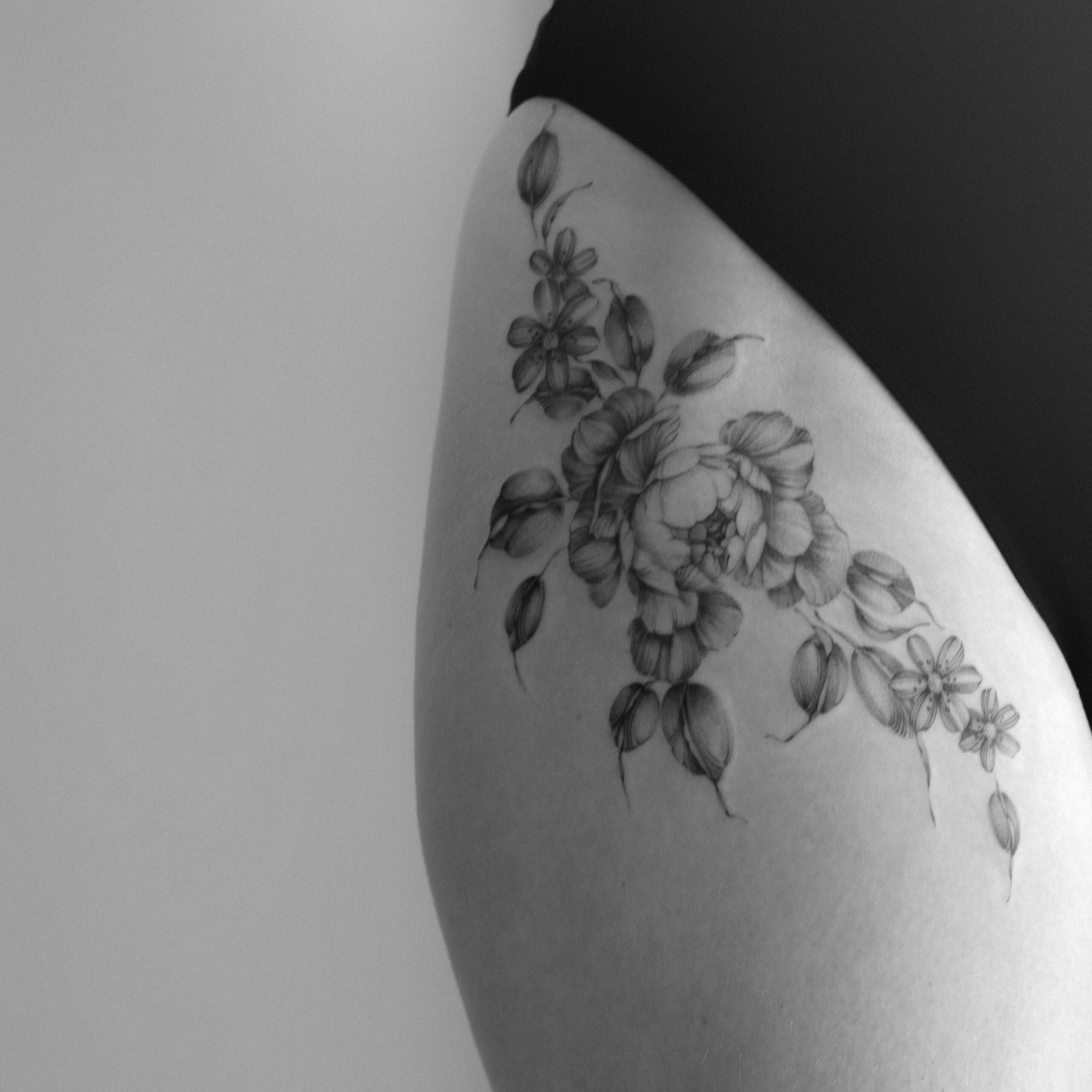
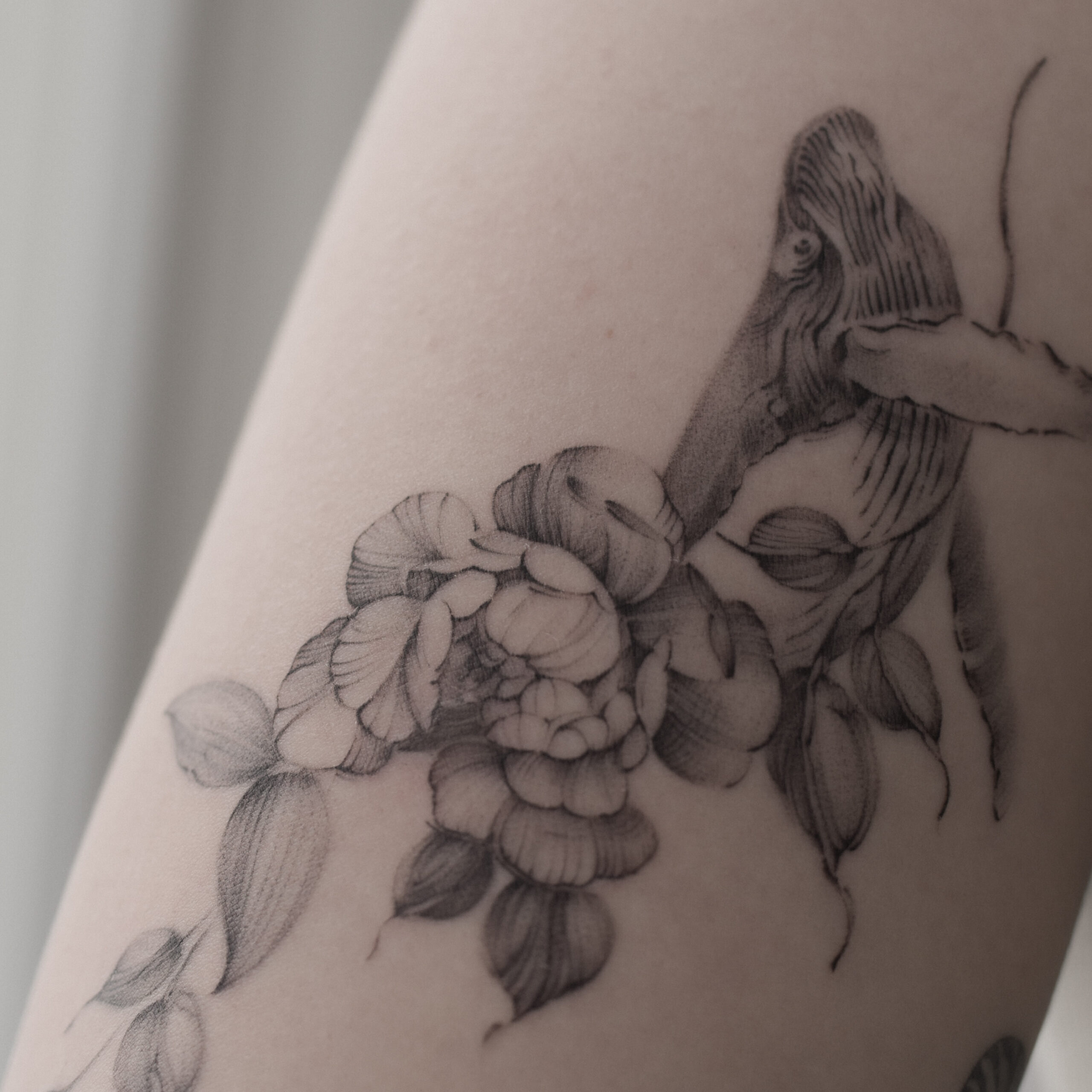
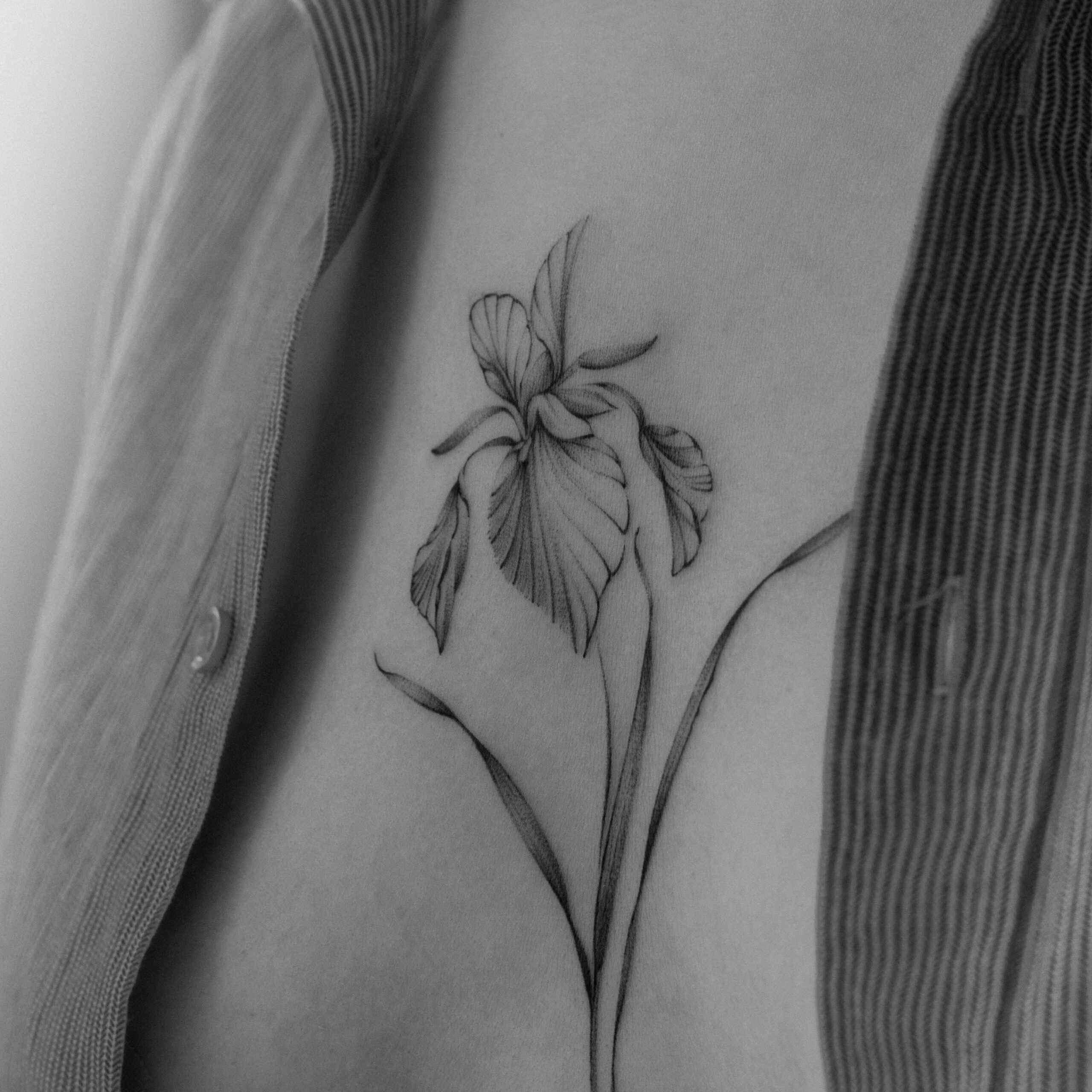
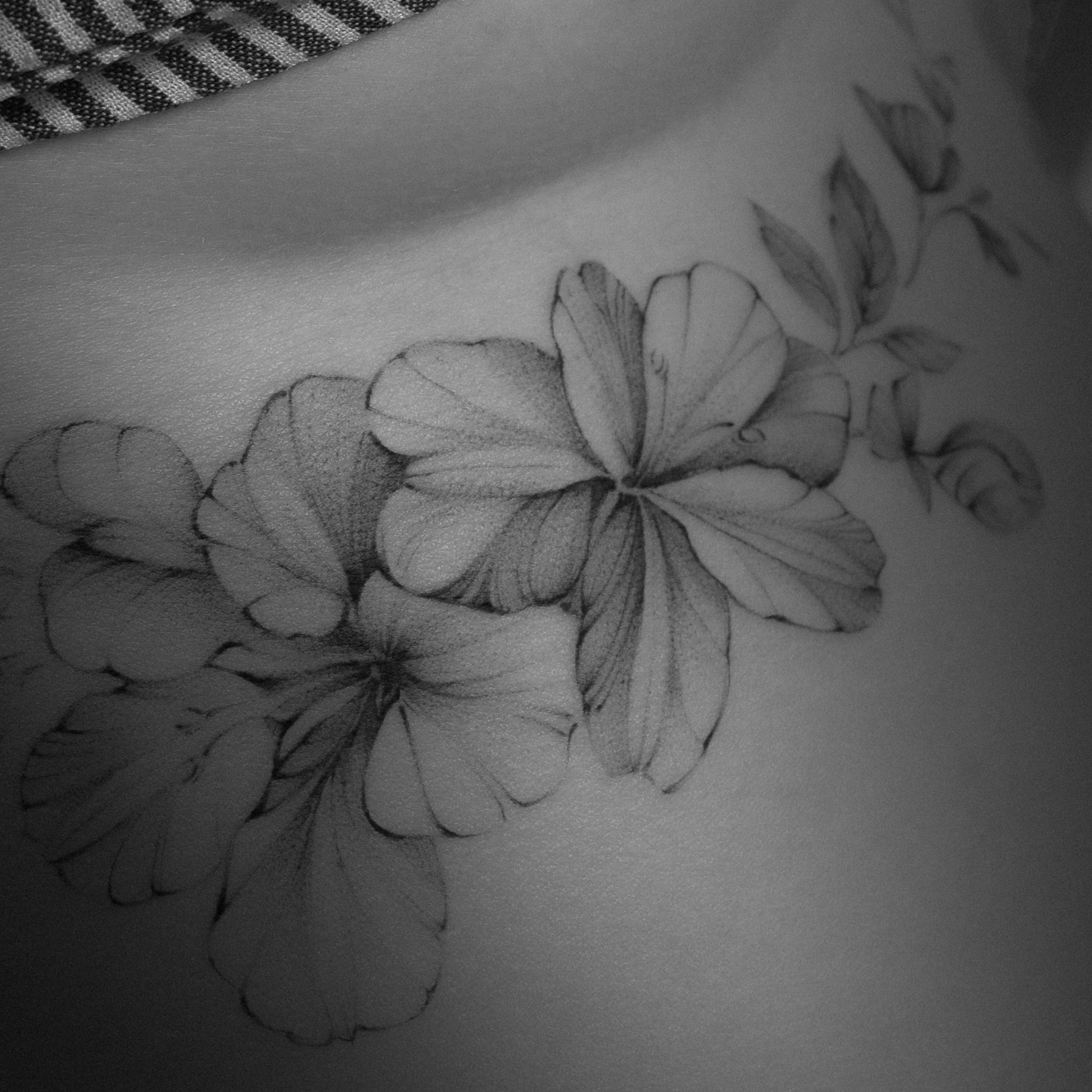
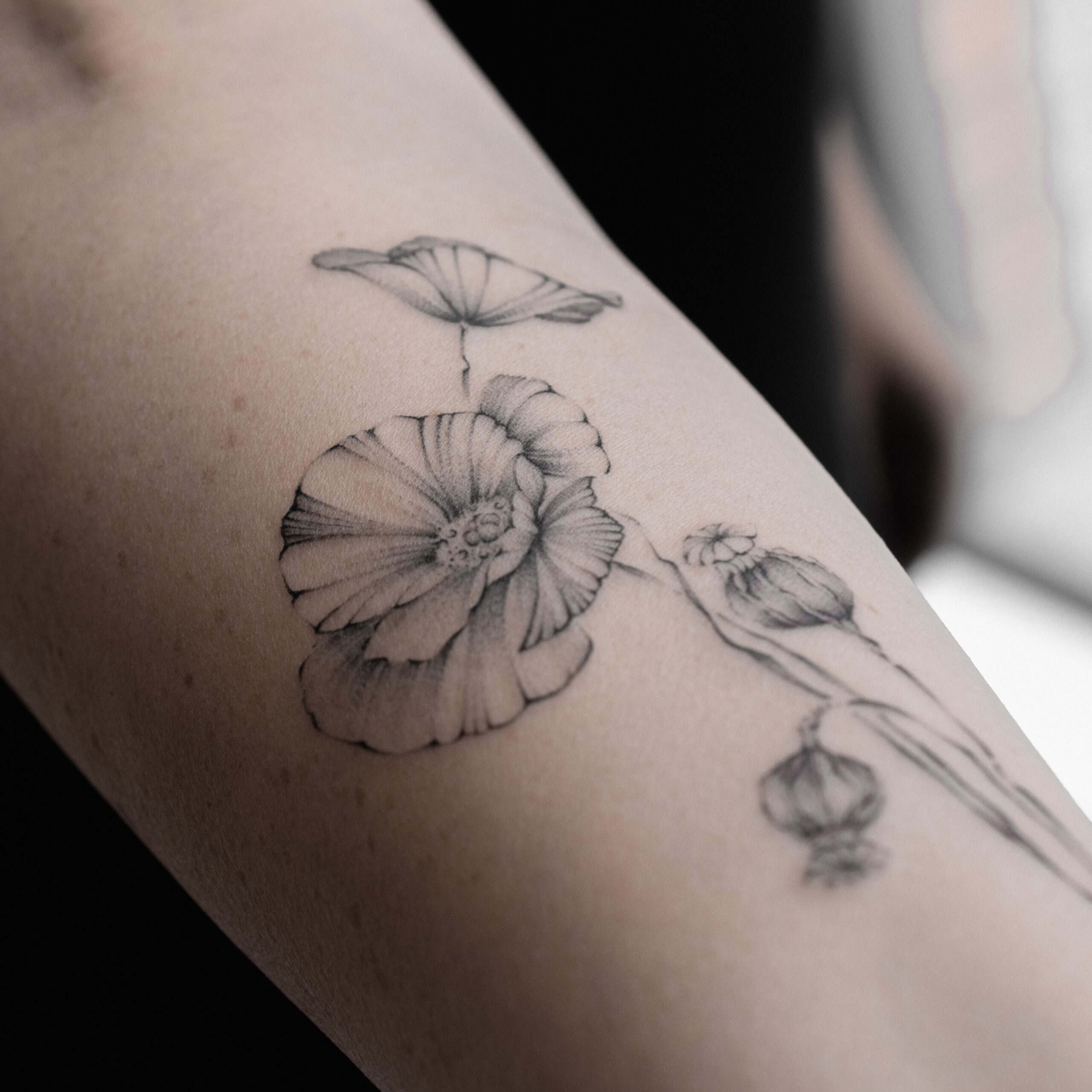
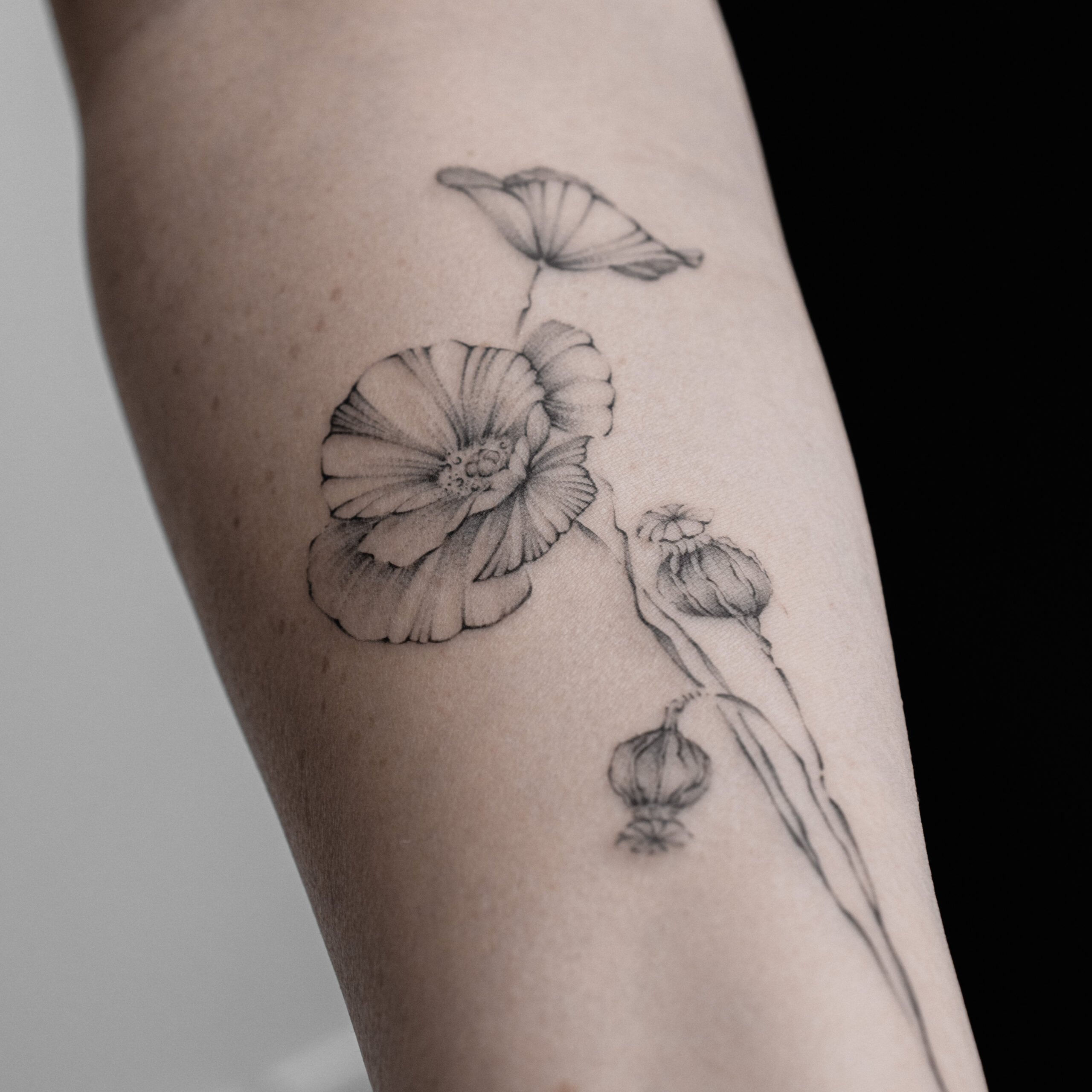
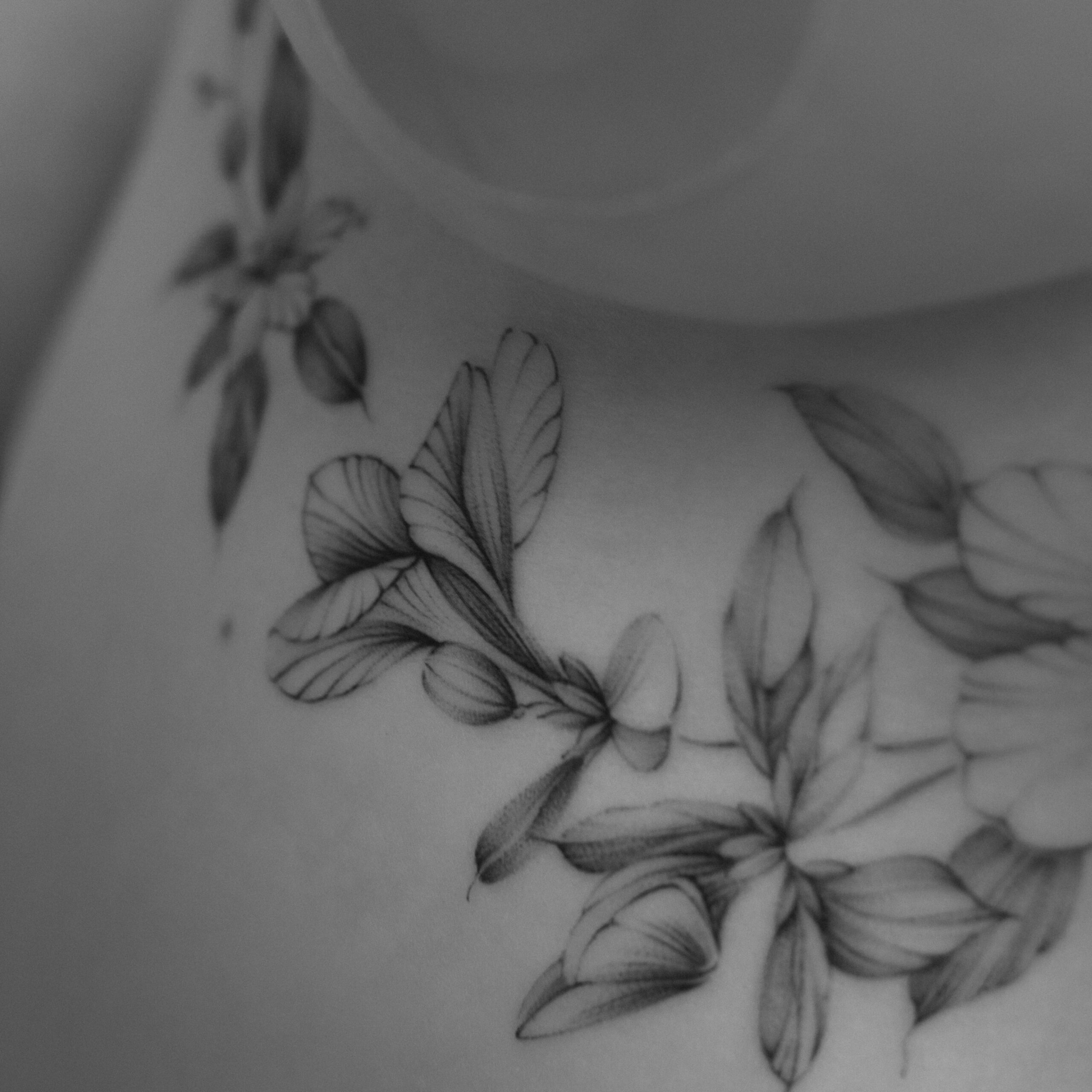
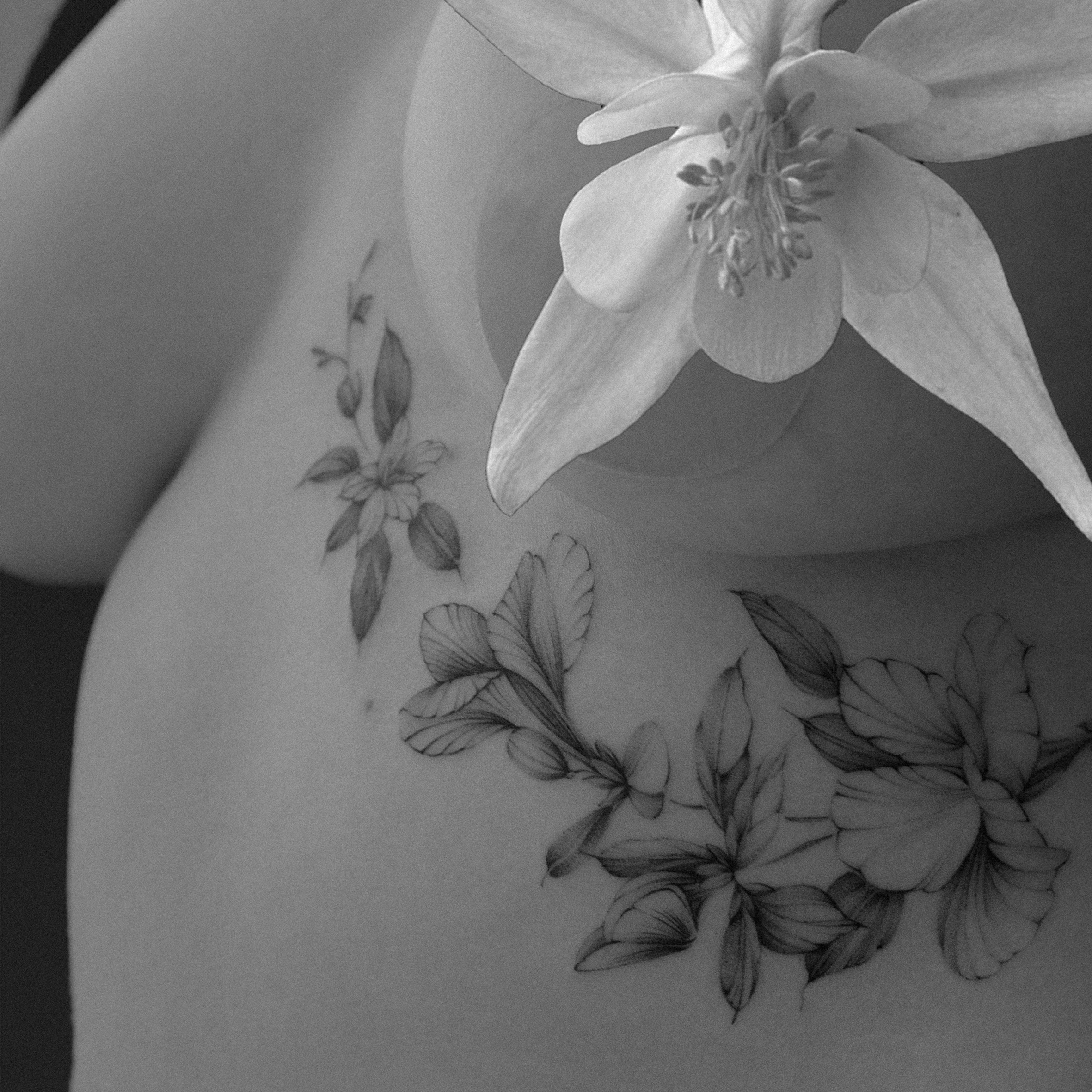
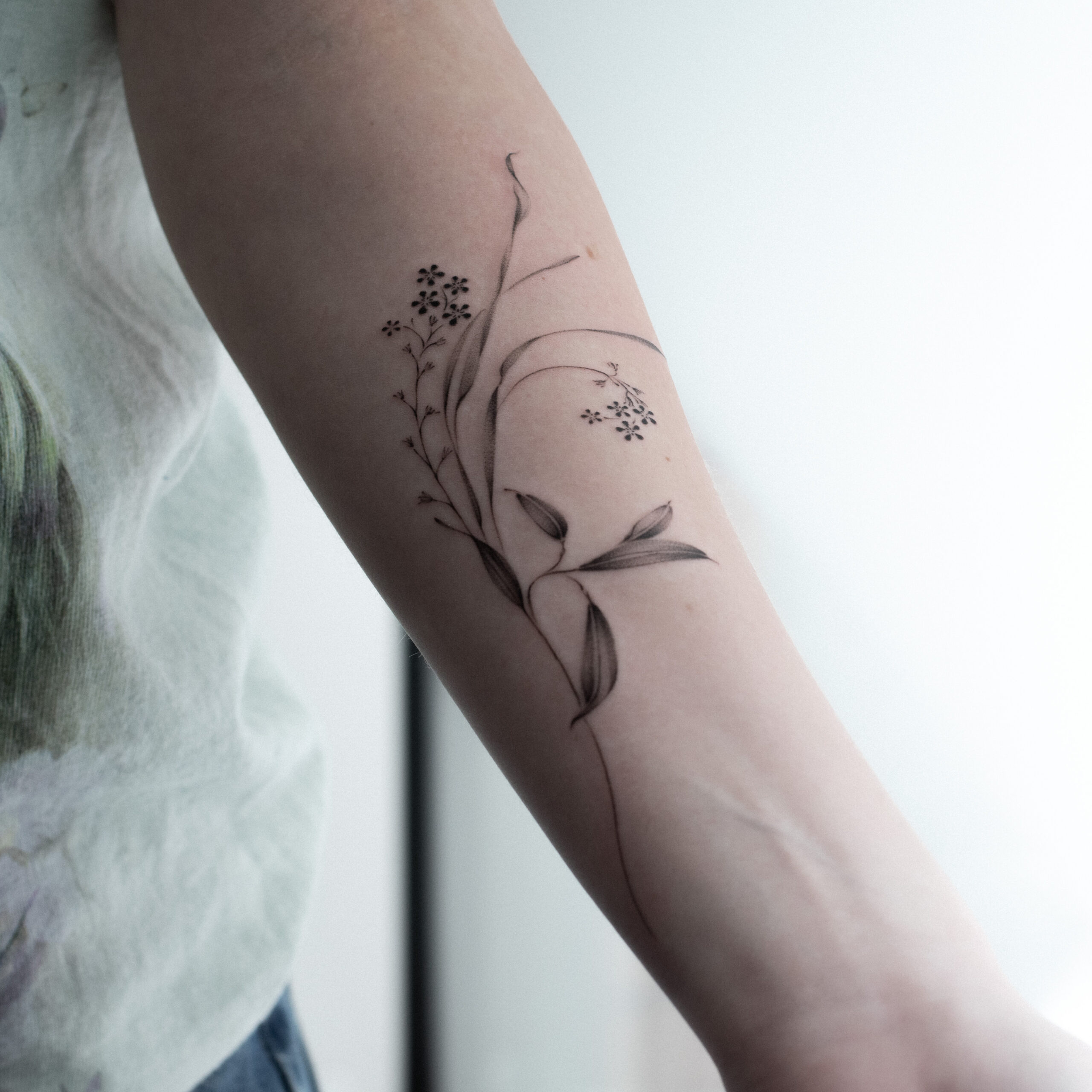
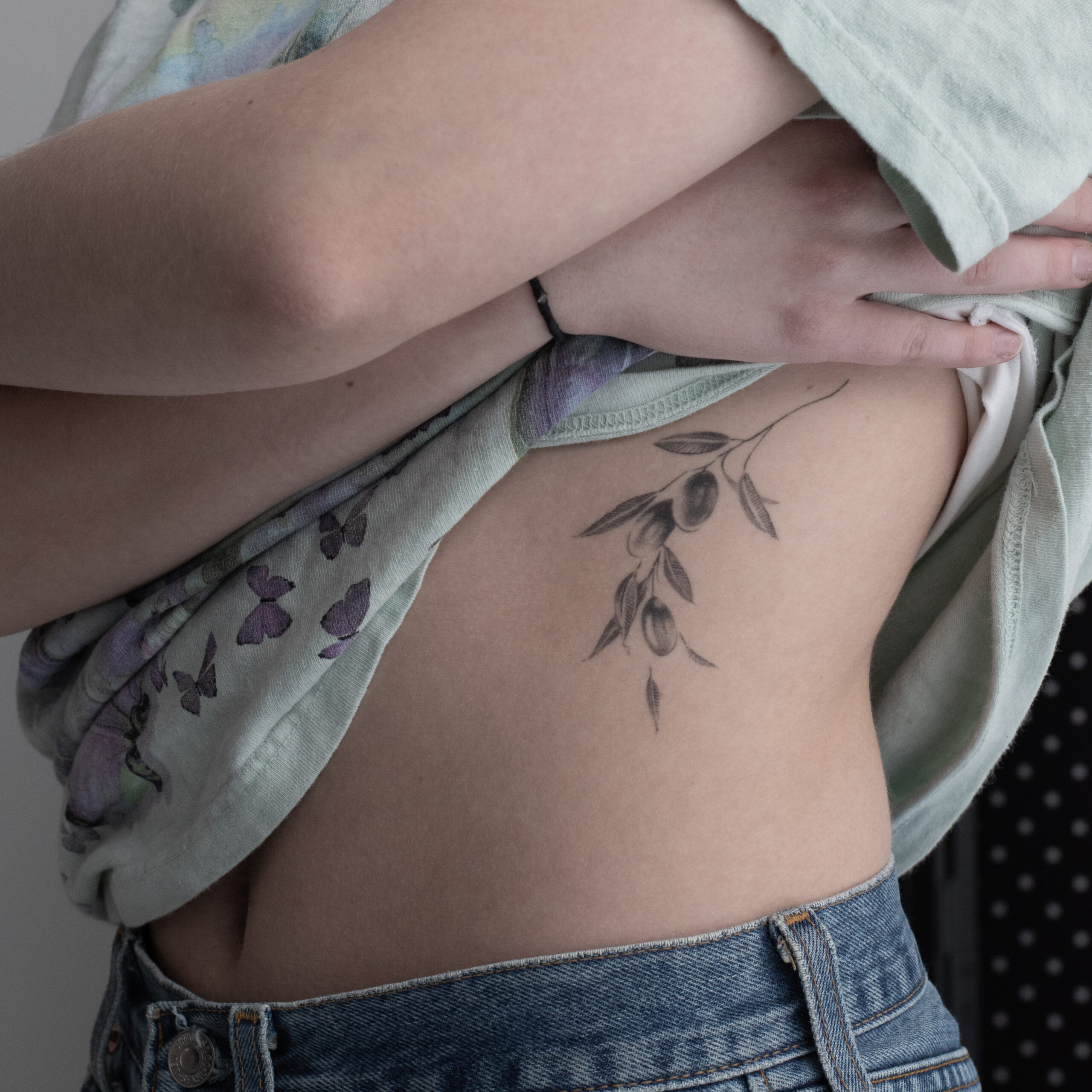
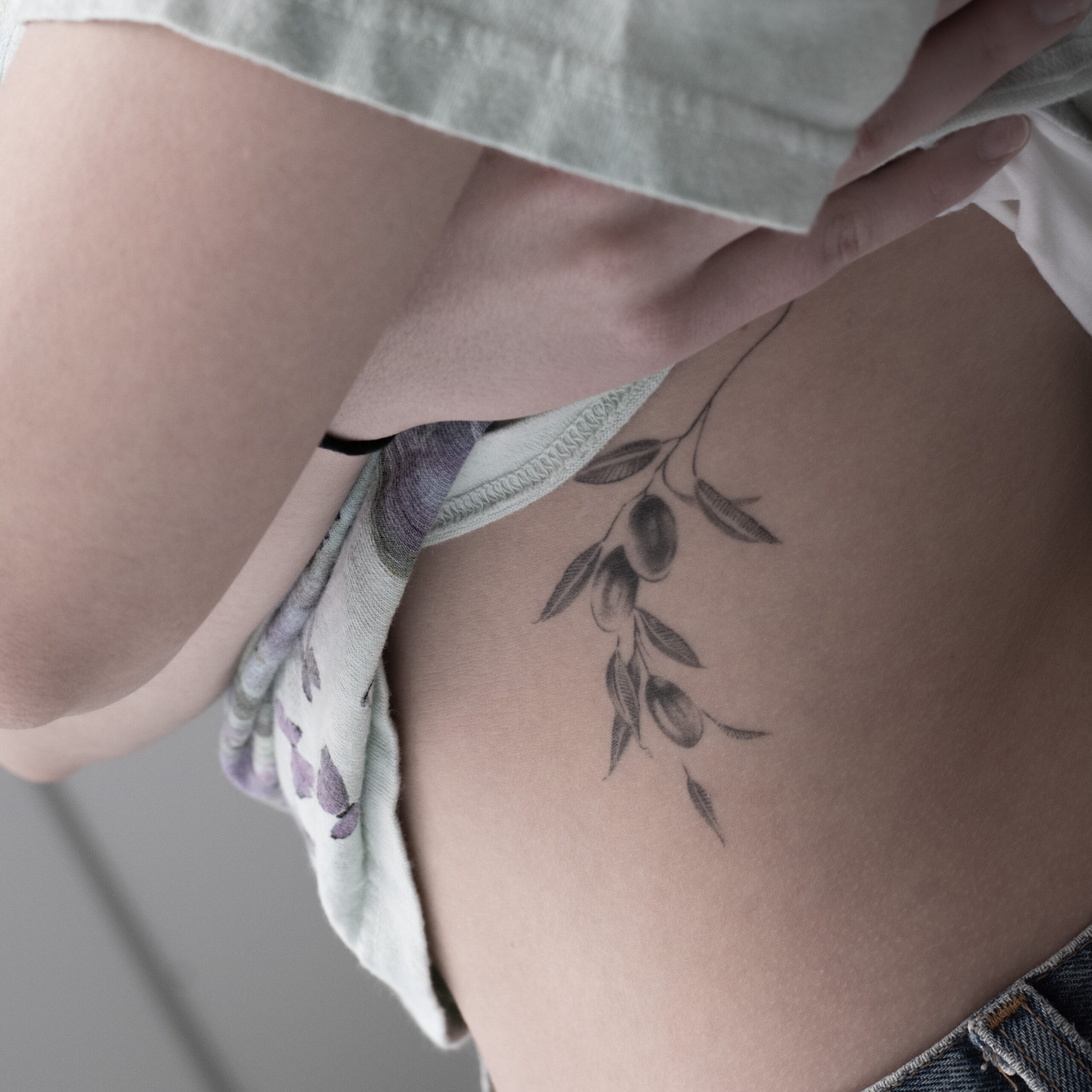
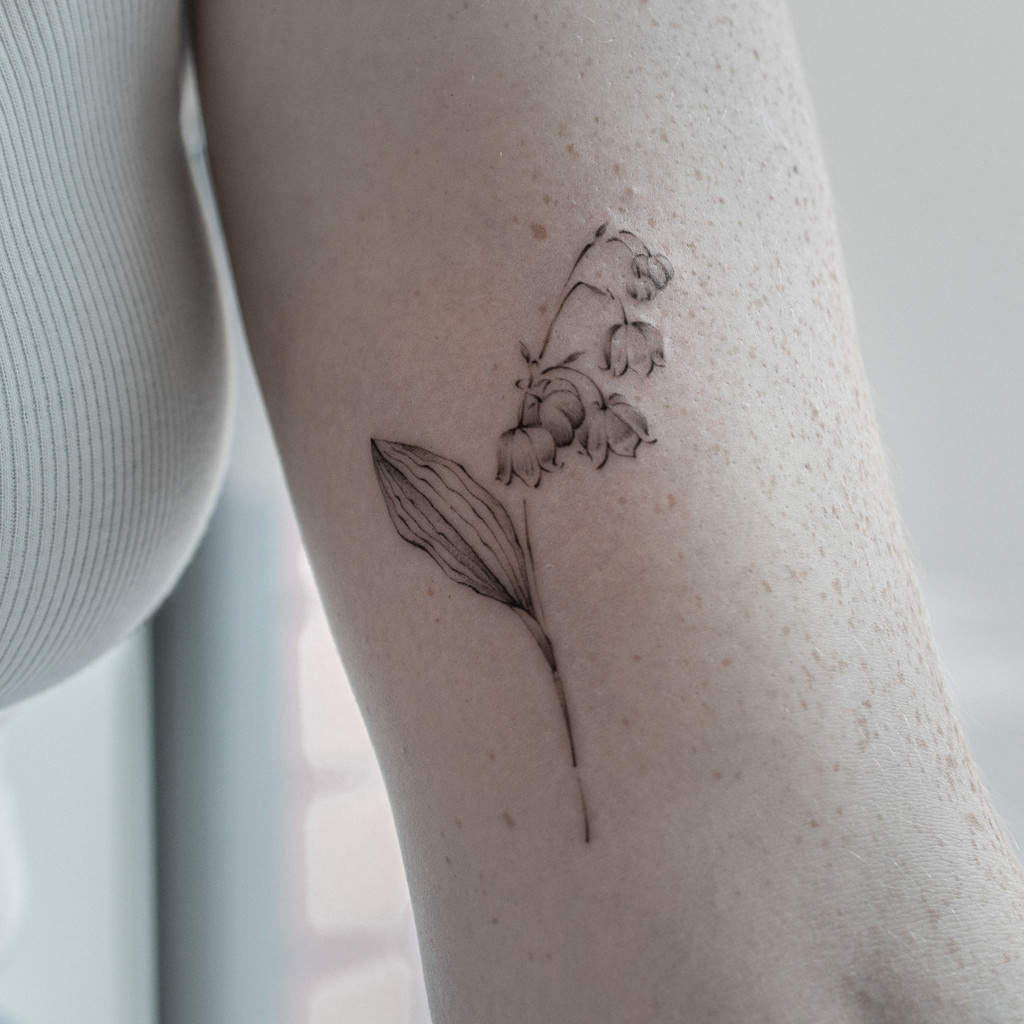
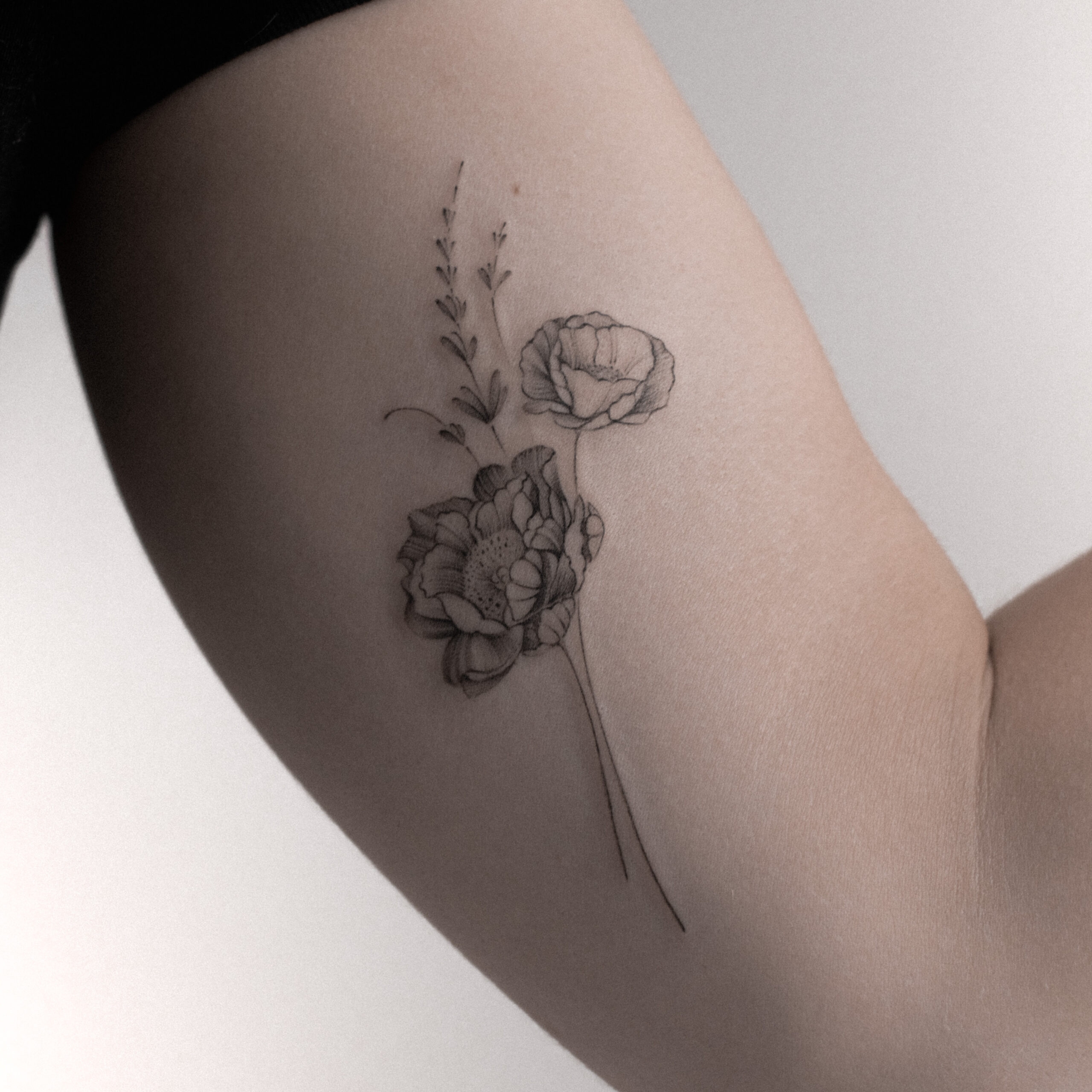
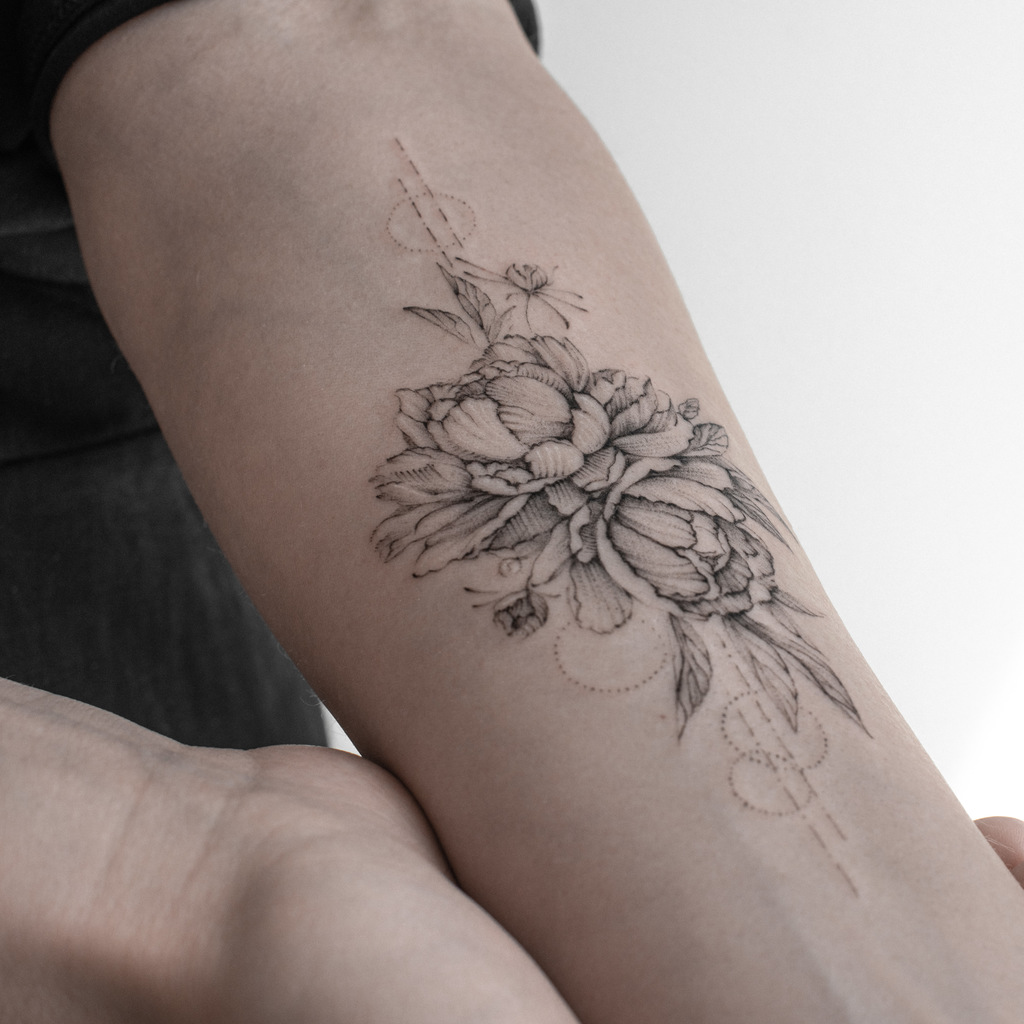
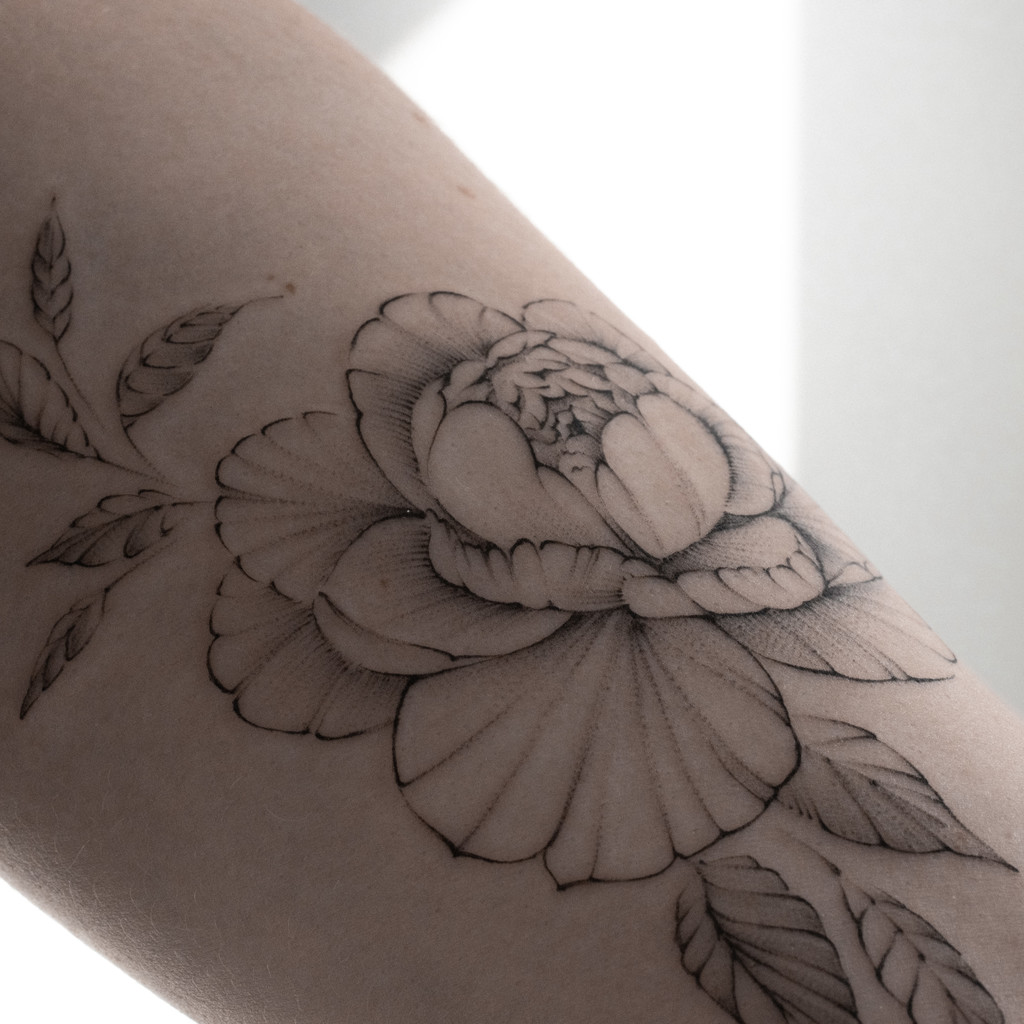
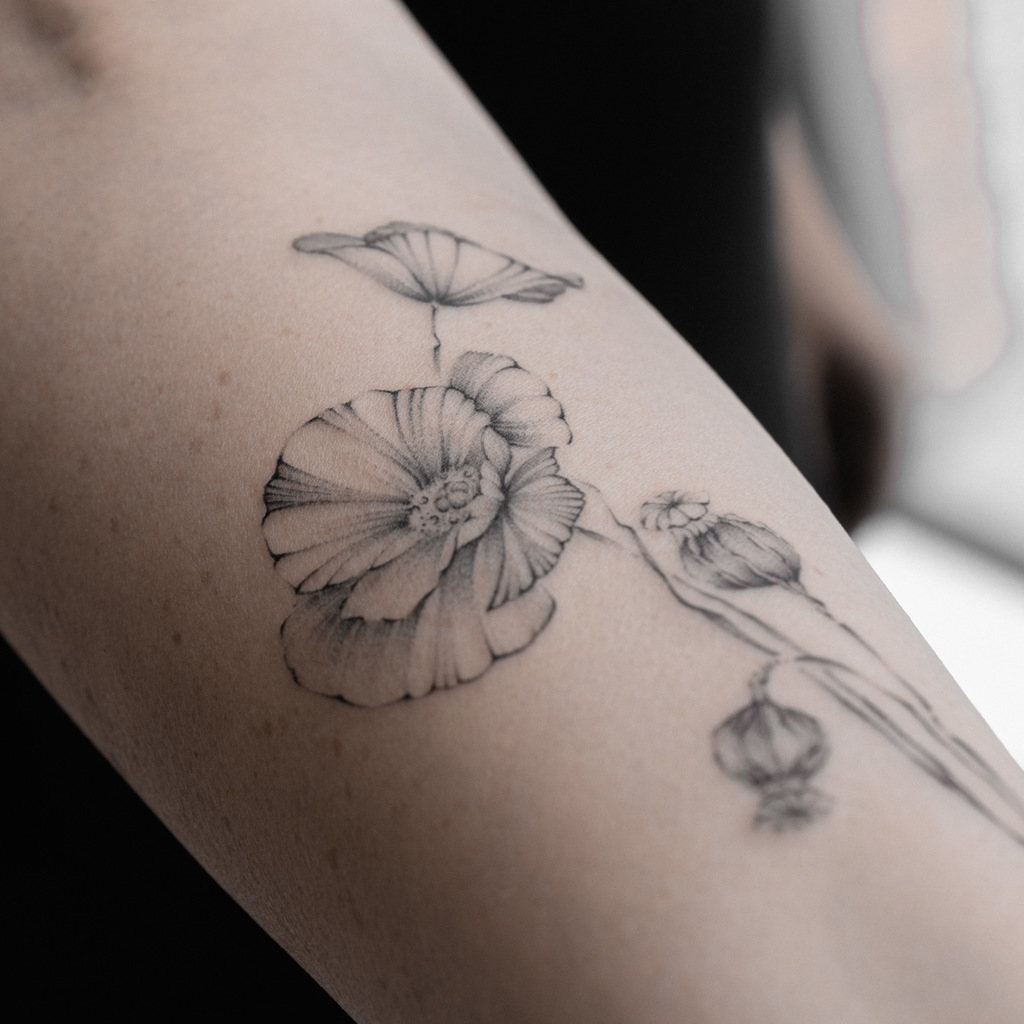
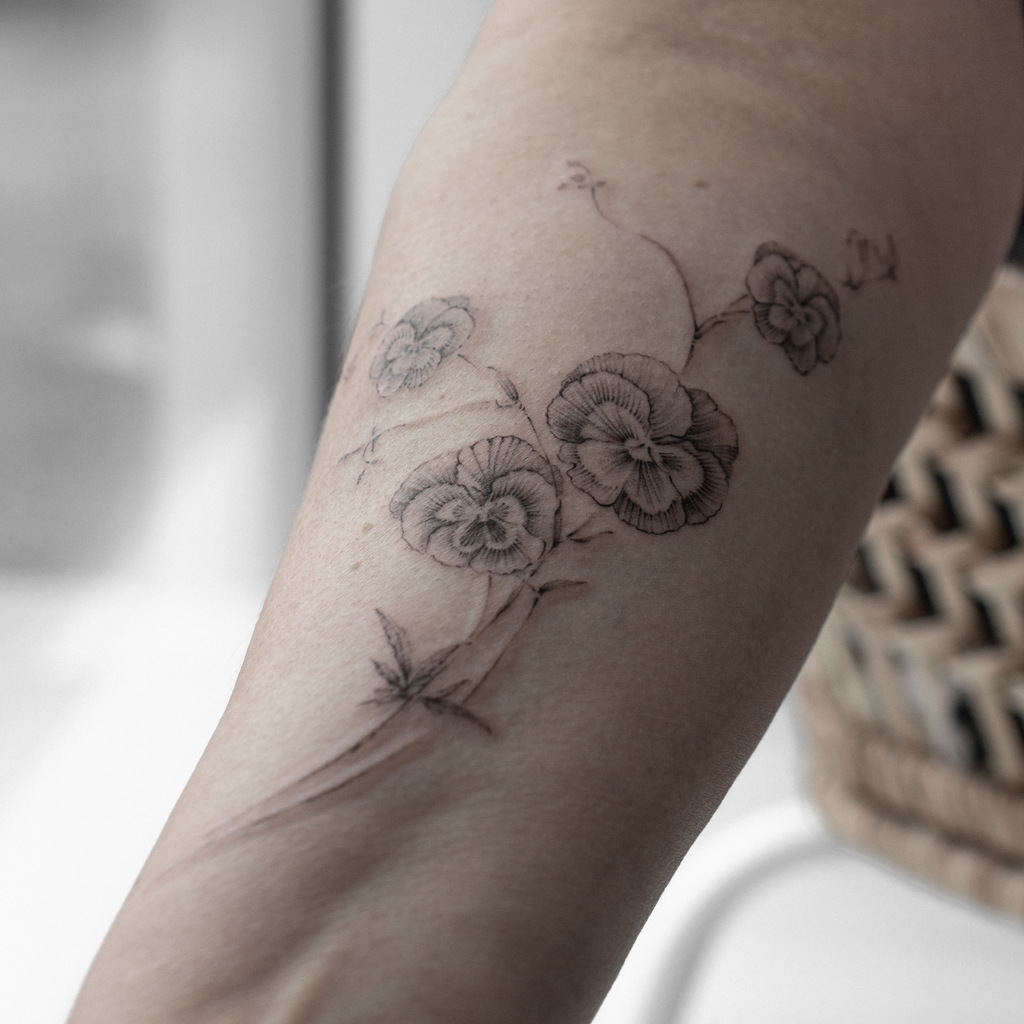
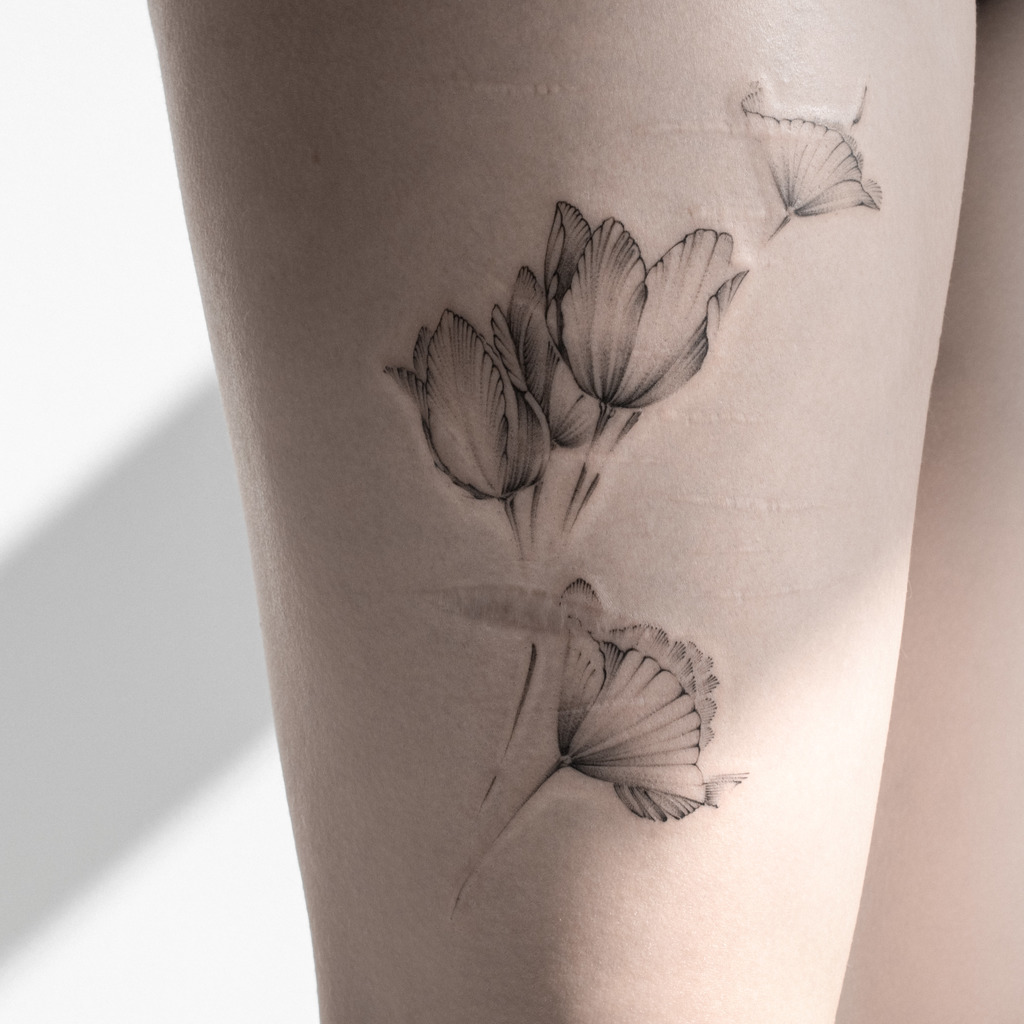
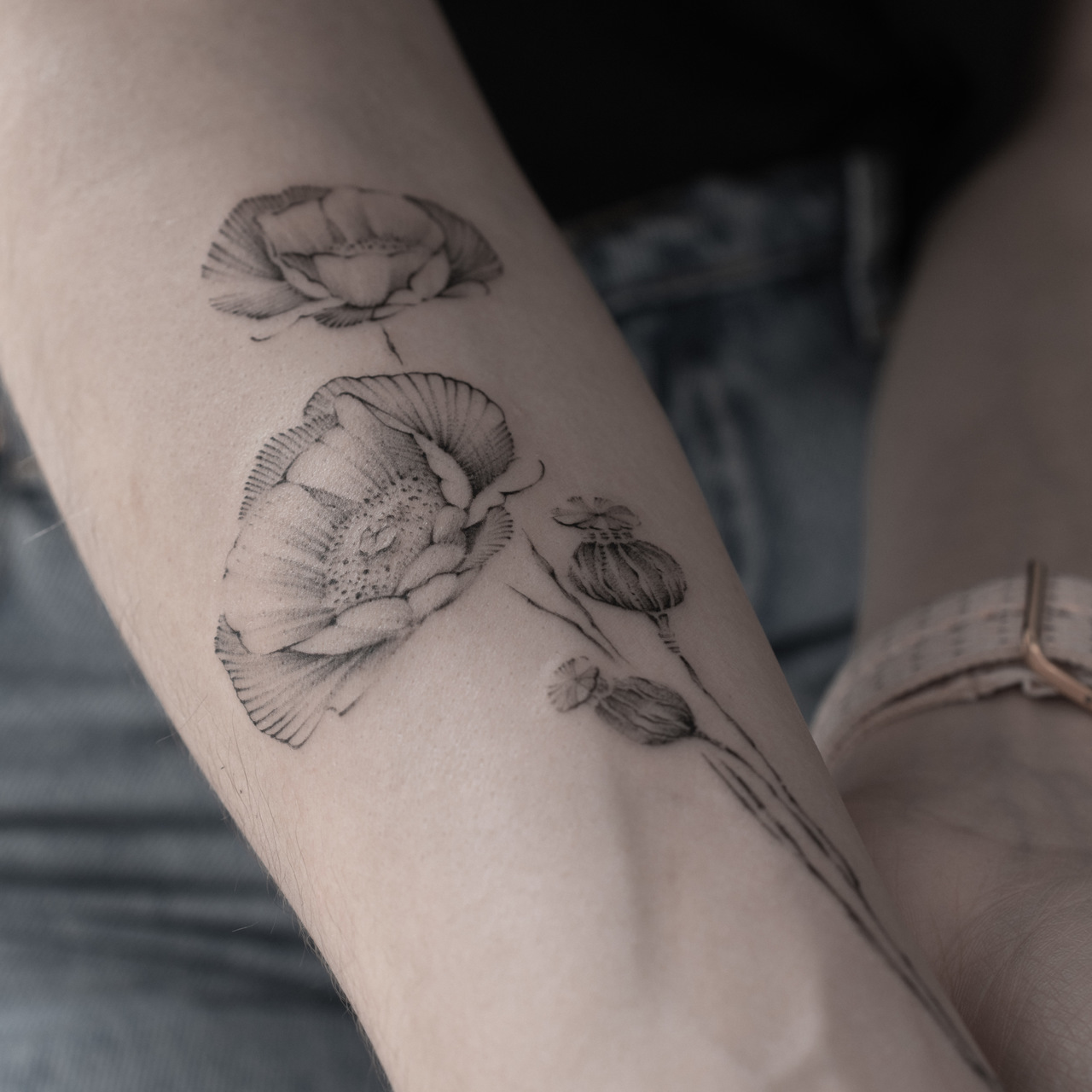
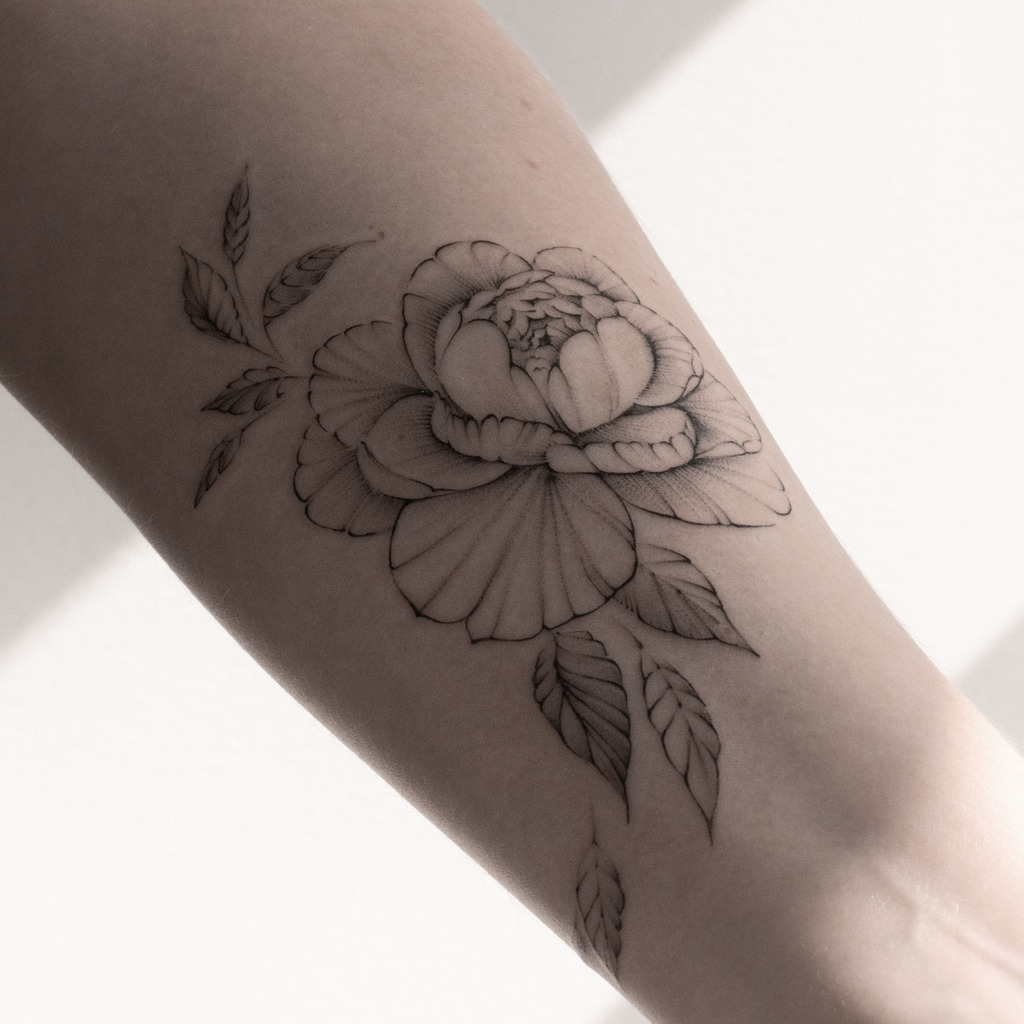
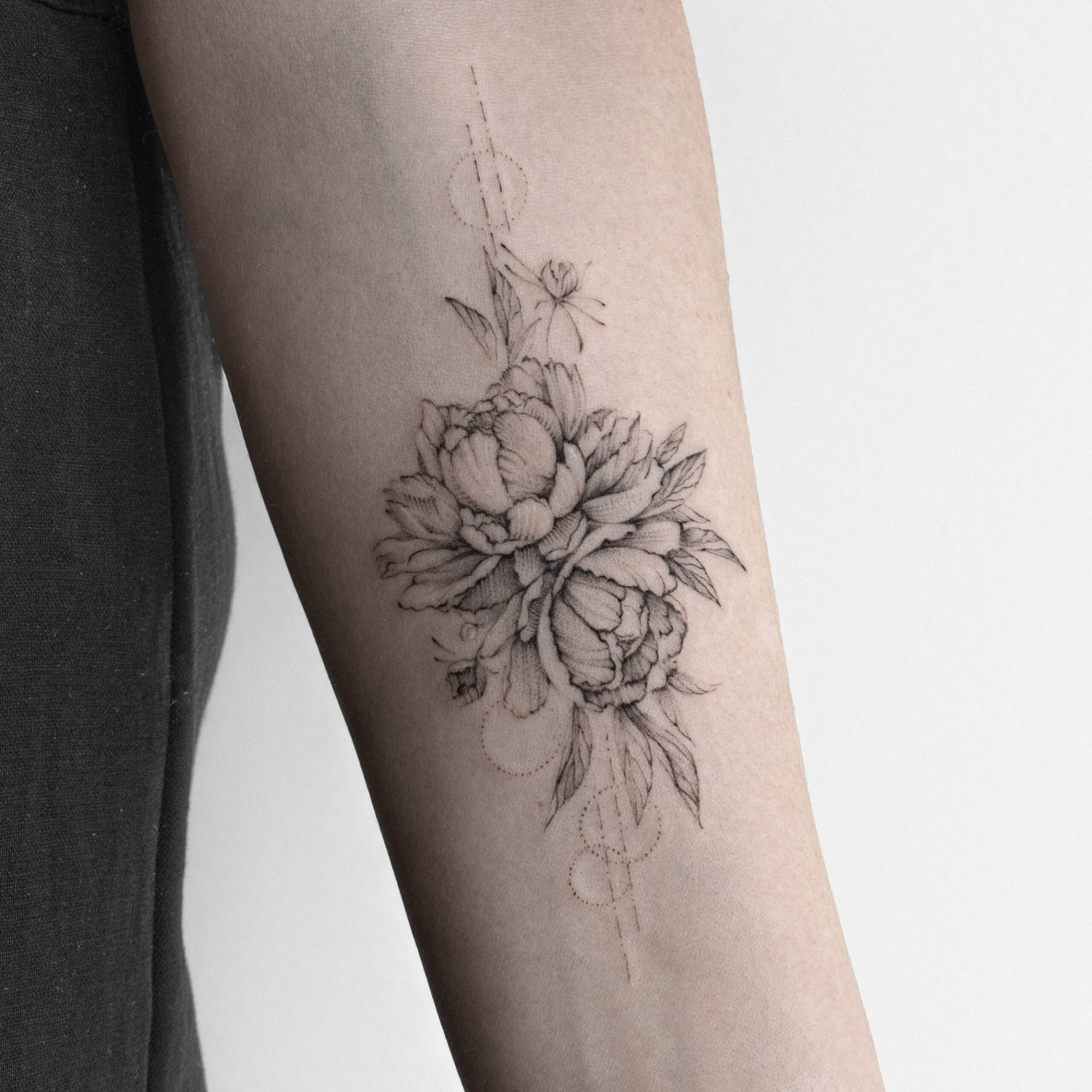
One of the reasons thoughtful tattooing takes time is because every body is different. Even when clients bring similar references, the tattoo still needs to be adapted individually. The direction of muscles, the flow of the skin, natural movement, and spacing all influence how the design will actually live on the body. A tattoo that works perfectly on paper may feel awkward once placed incorrectly. This is why experienced tattooing often involves reduction and adjustment rather than simply copying reference images exactly as they appear. The goal is not only to create something visually attractive for one day, but something that continues to feel balanced years later.
The Problem With Instant Visual Culture
Today, people see more images in one day than previous generations may have seen in months. This creates a strange effect: visual stimulation increases, but attention span decreases. Tattooing exists in an uncomfortable position within this environment because it still belongs partly to traditional forms of craftsmanship. It requires patience, repetition, technical control, and physical precision developed slowly over time. You cannot fully shortcut this process. And perhaps that is why truly strong tattooing still feels different from rapidly generated visual culture. The depth usually comes not from speed, but from accumulated understanding.
Why Simplicity Is Harder Than It Looks
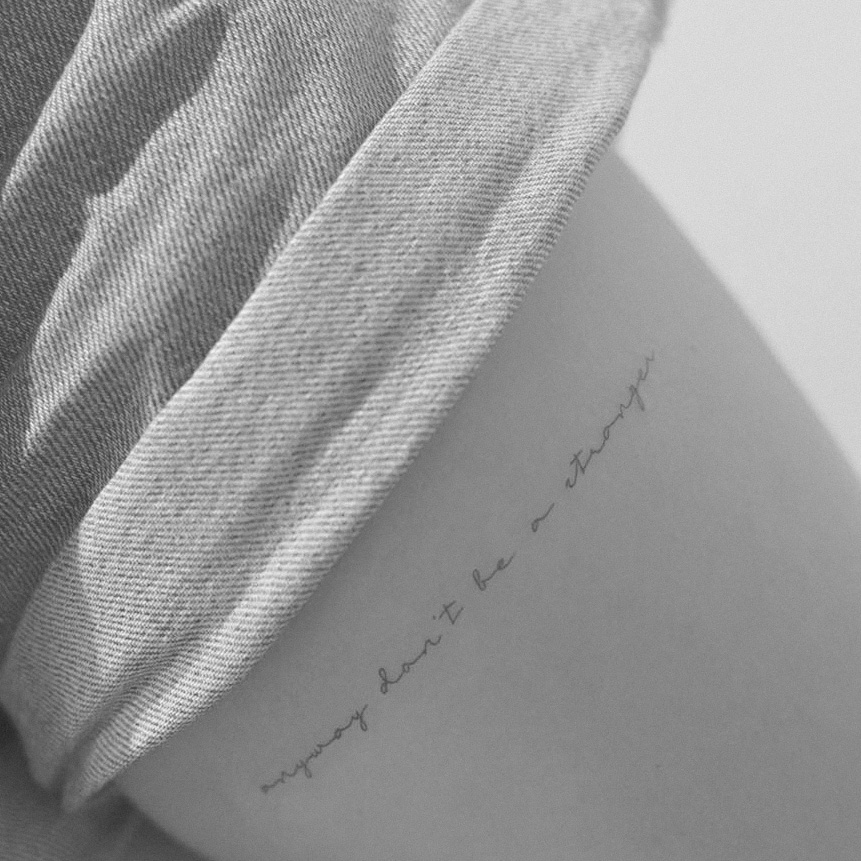
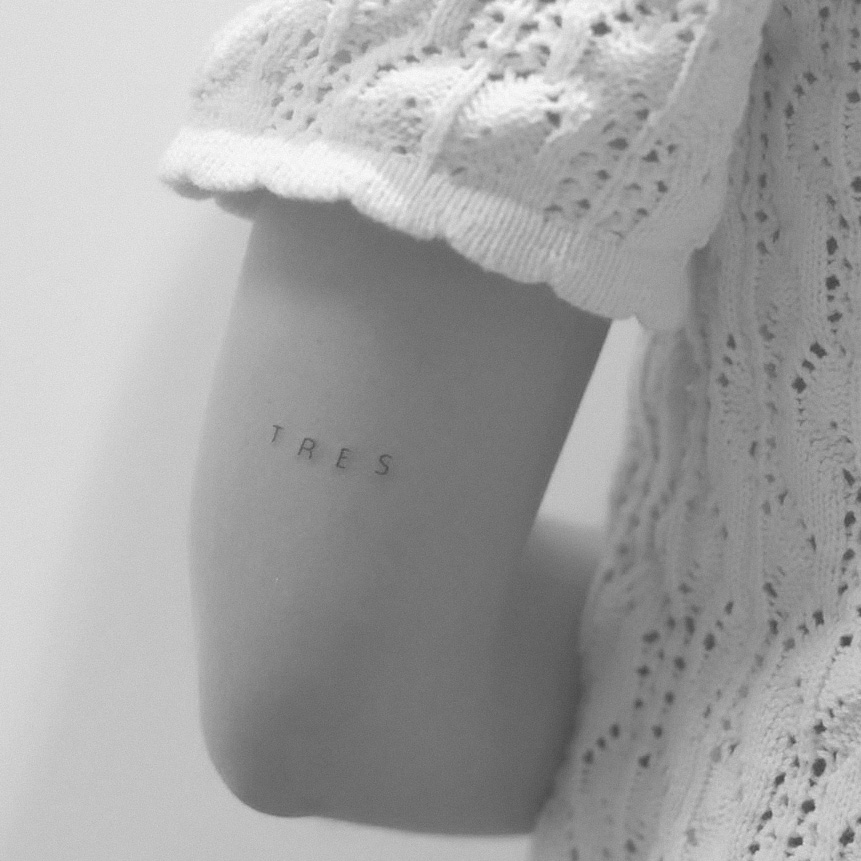
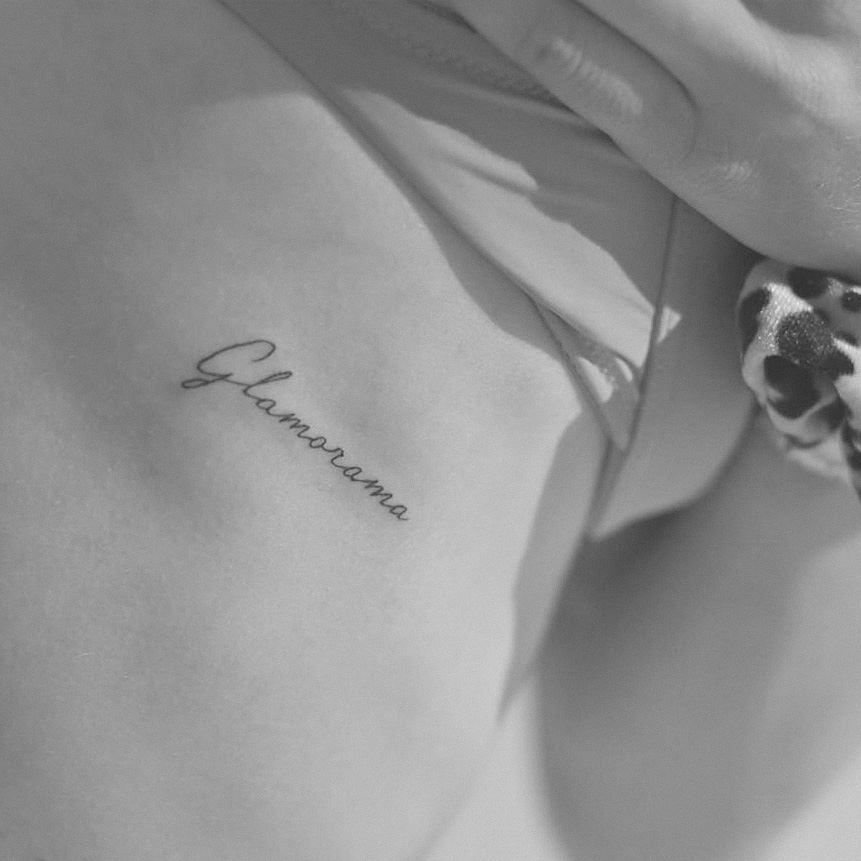
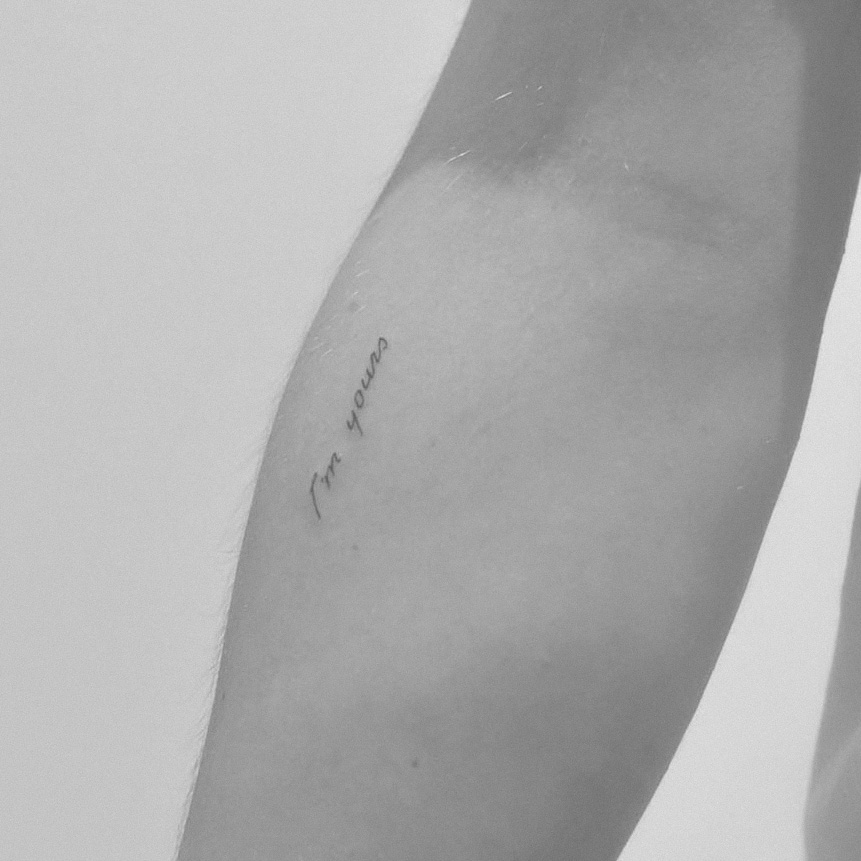
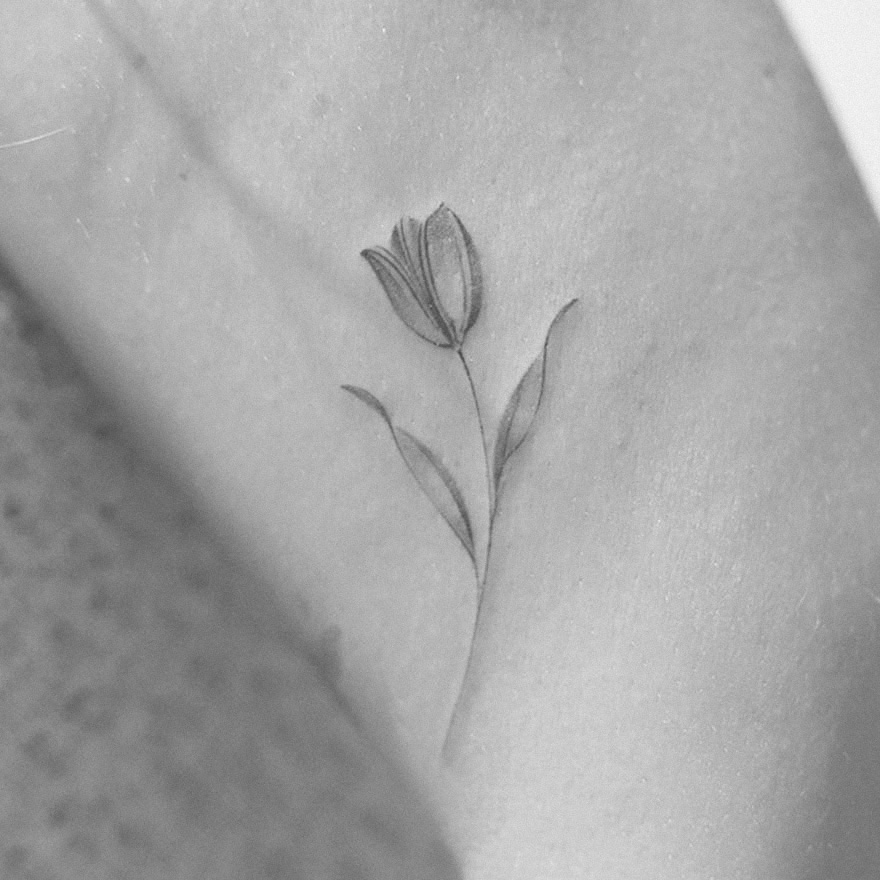
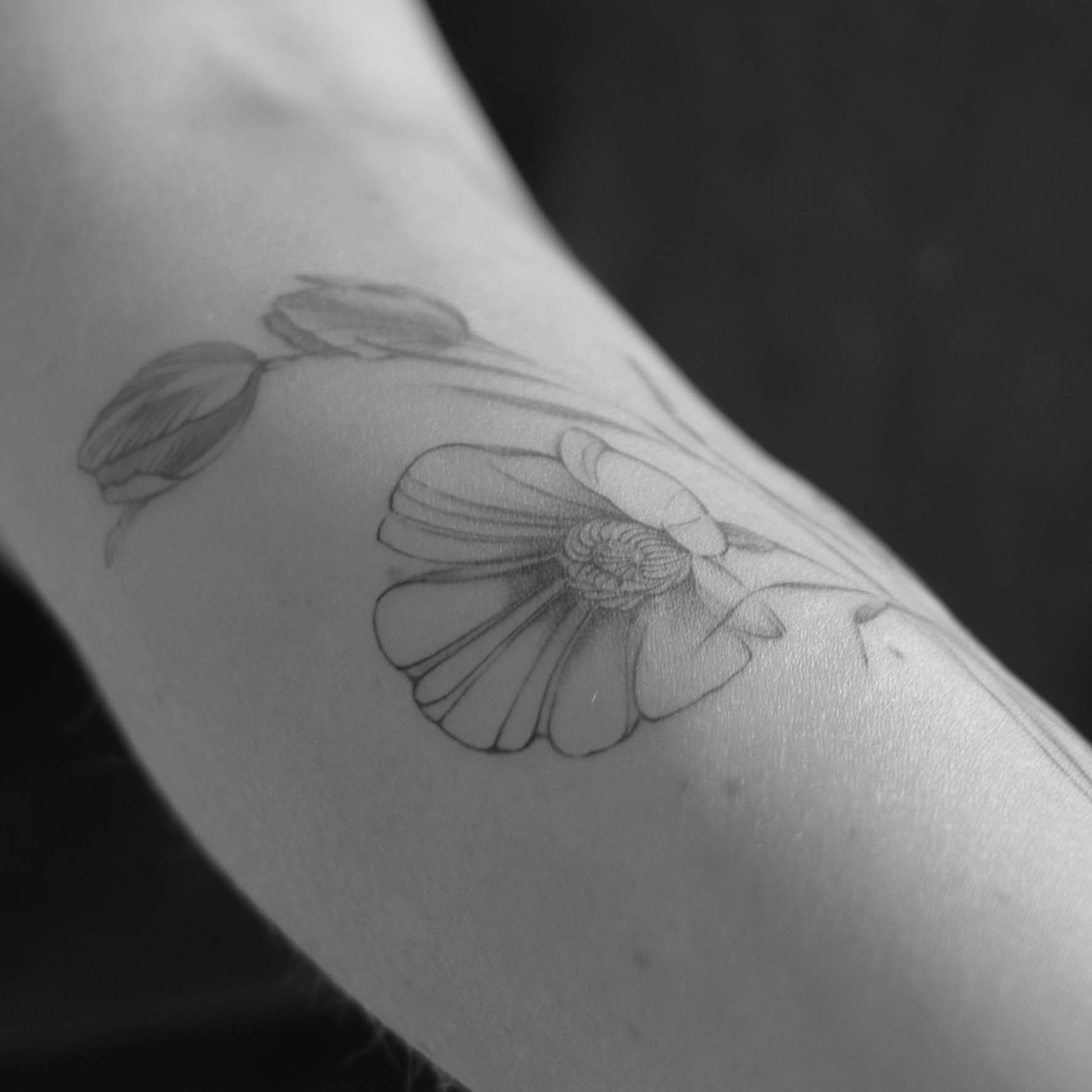
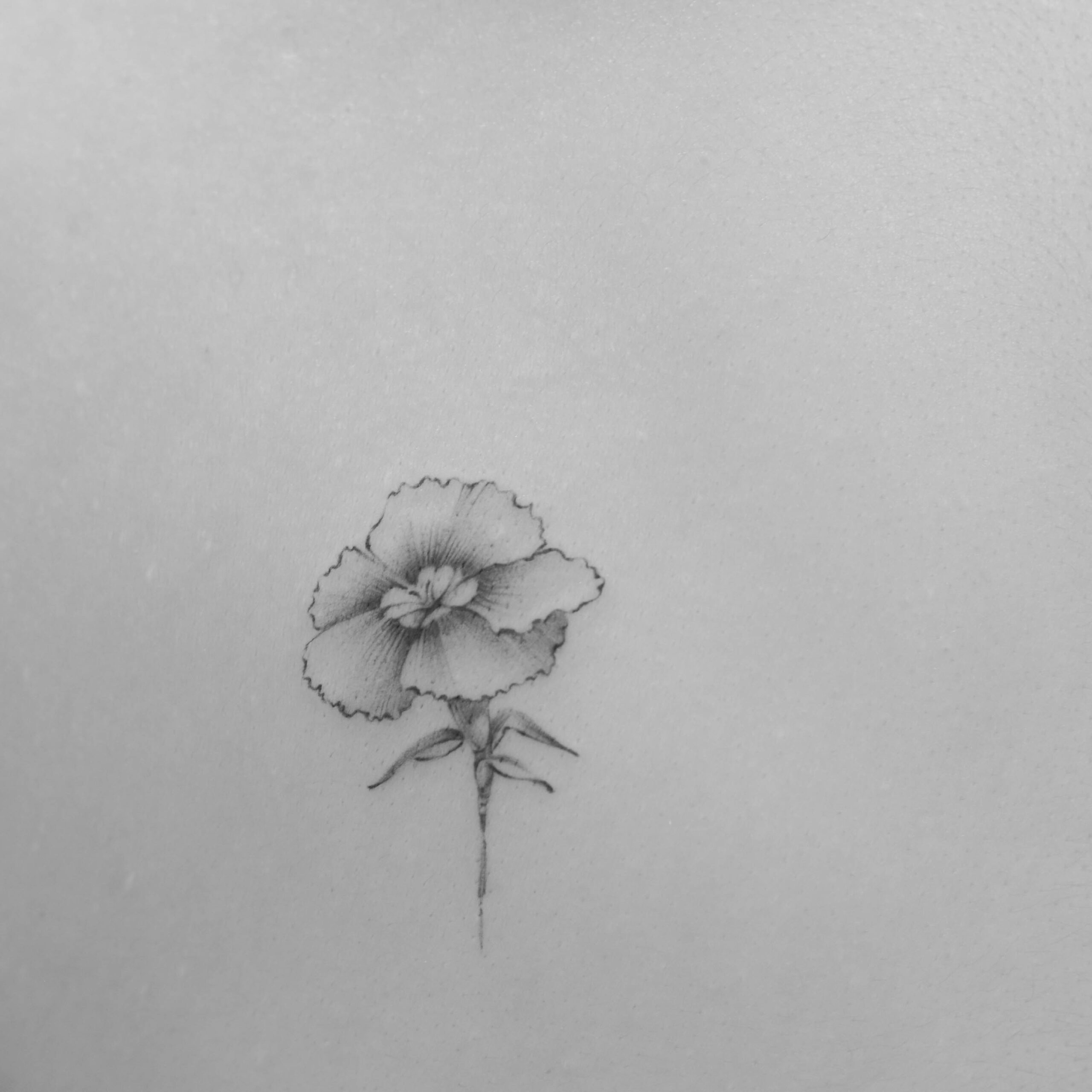
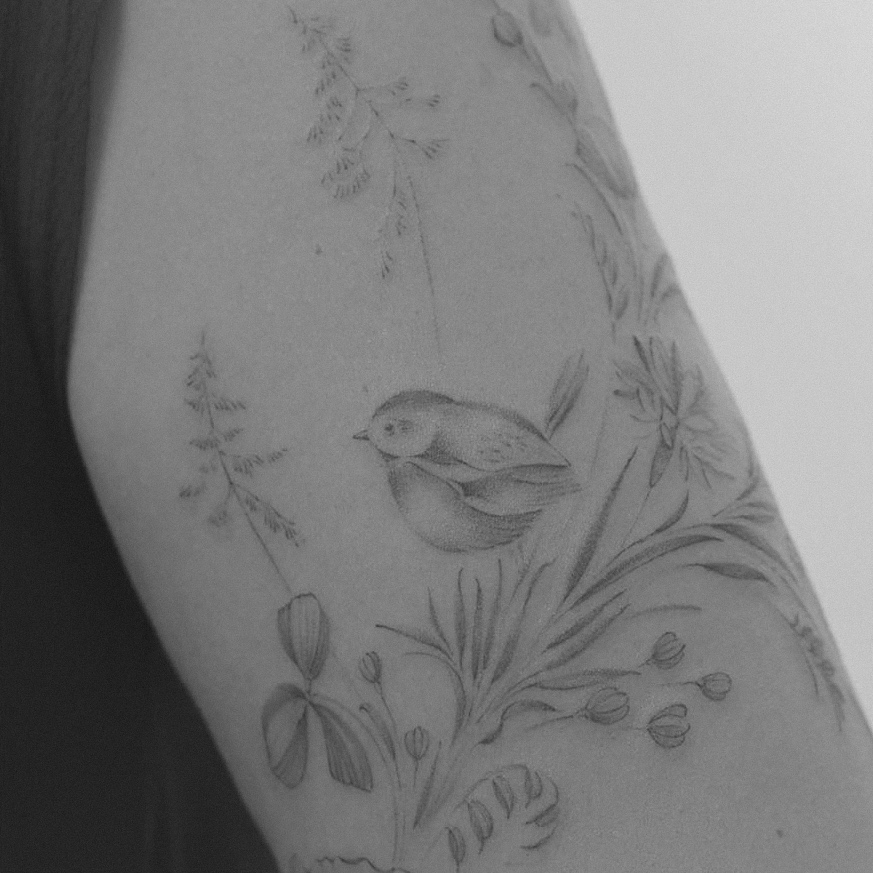
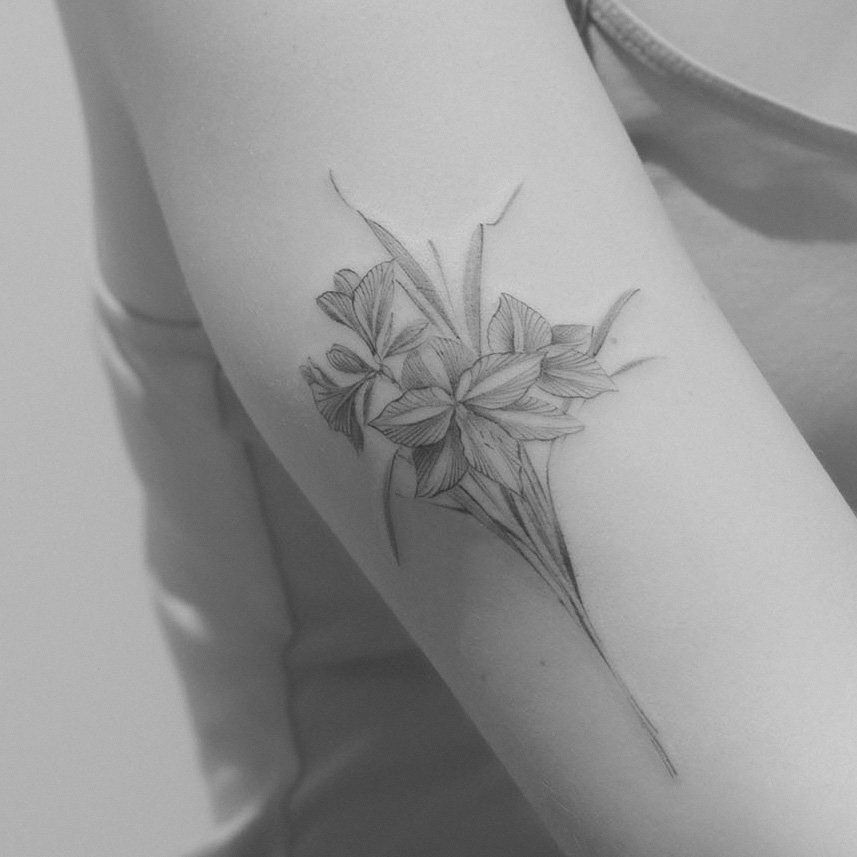
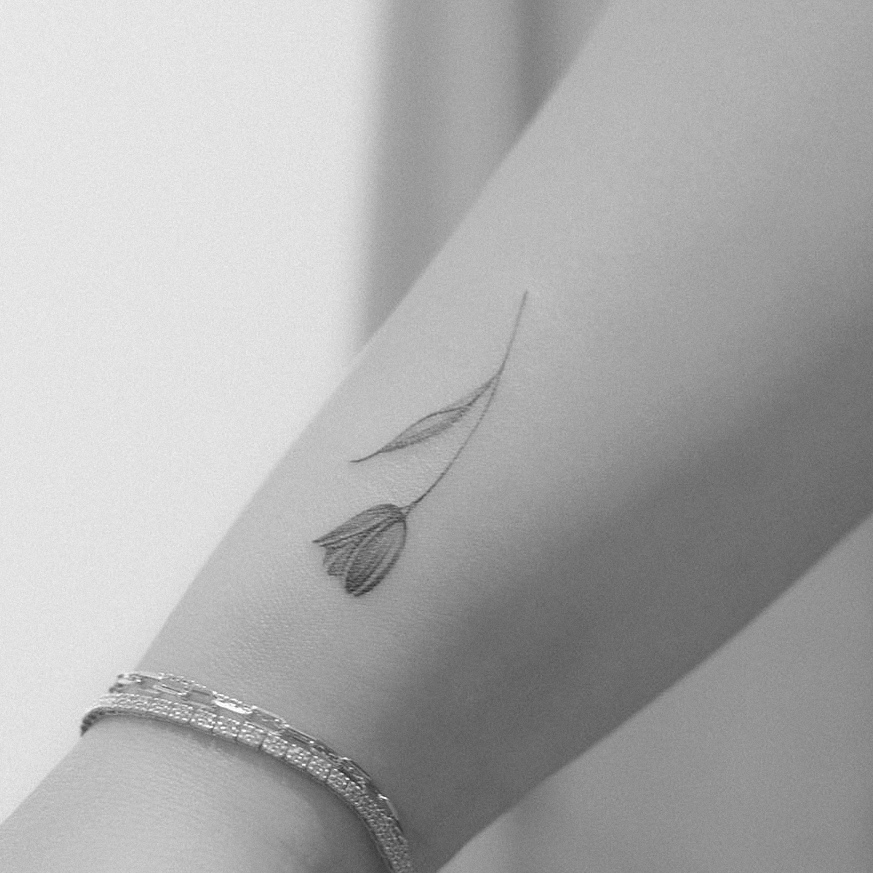
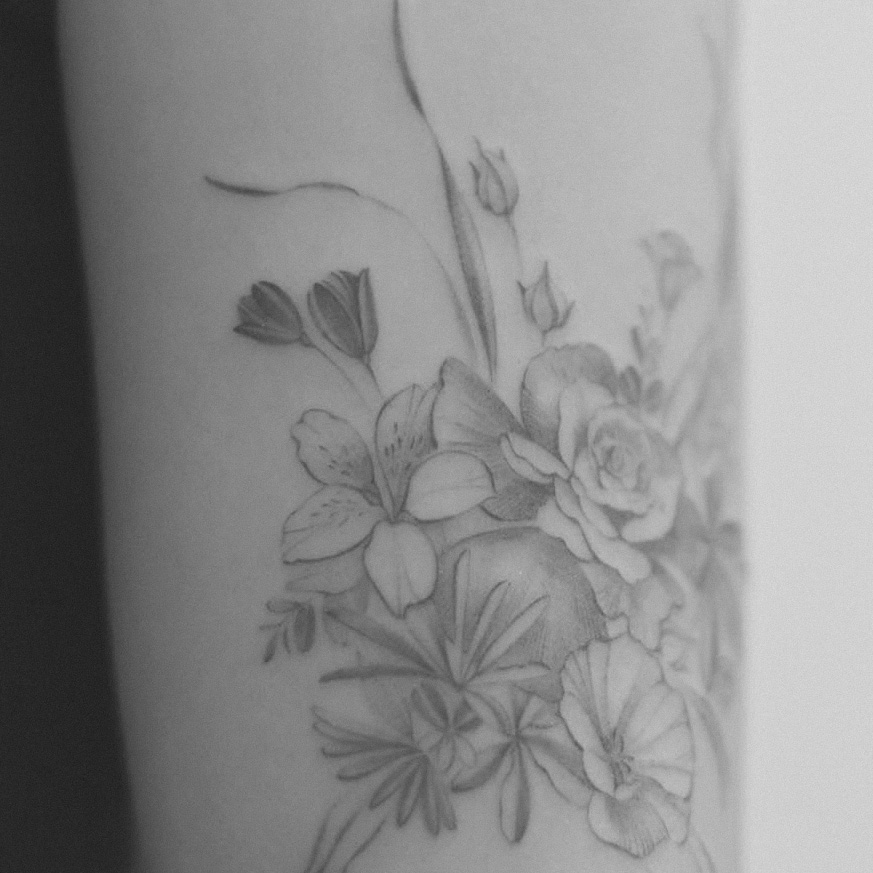
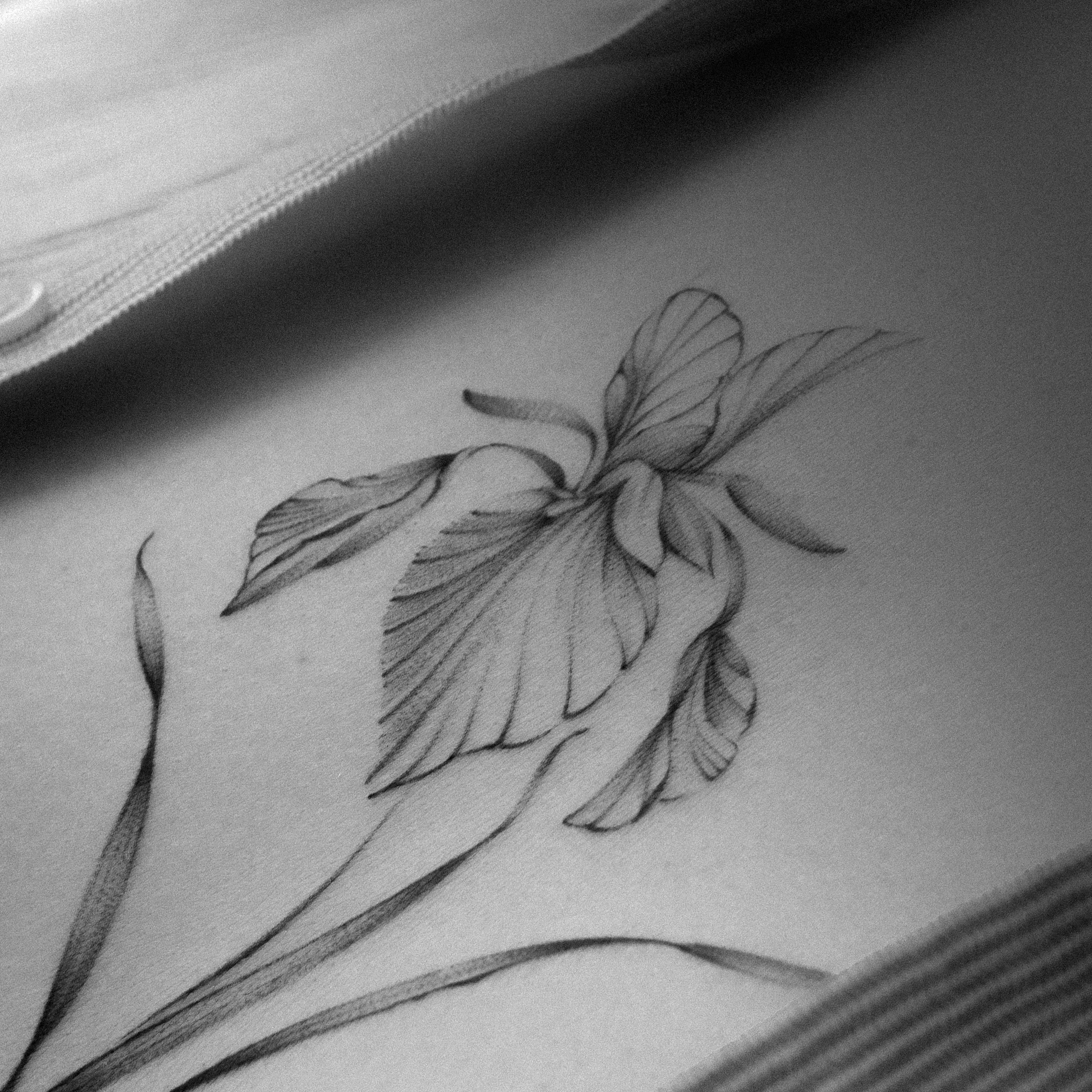
Another reason good tattoos take time is that restraint itself is difficult. Many people assume complexity equals effort. But in tattooing, one of the hardest skills is knowing what to remove. A strong design often comes from refinement rather than accumulation. Lines need enough space to age properly. Details must remain readable over time. The tattoo should feel connected to the body instead of fighting against it visually. Achieving this balance requires experience, observation, and sometimes the willingness to simplify an idea rather than endlessly adding more elements.
Tattooing Is Still Physical Craftsmanship
Despite all modern technology, tattooing still arrives at the same final reality: a human hand working on human skin. Machines evolved. Digital tools evolved. But the actual execution still depends heavily on physical control and consistency. This is one reason rushing tends to create visible problems. The tattoo artist must remain focused for hours. Skin reacts differently from person to person. Tiny technical decisions affect how the tattoo heals years later. A good tattoo session often appears calm from the outside precisely because so much concentration exists underneath it.
The Emotional Side of Waiting
Interestingly, time also improves tattoos psychologically. Ideas that survive reflection usually become stronger. Sometimes clients arrive convinced about one direction, only to realize after discussion that a simplified or adjusted version feels far more natural. This does not mean every tattoo requires years of planning. But giving an idea enough space to settle often changes the quality of the final decision. A tattoo becomes easier to live with when it was approached thoughtfully instead of impulsively.
Why the Process at Vadelma Takes Time
At Vadelma Tattoo, the slower approach is intentional. The process includes:
.
- Discussing the idea carefully
- Adjusting placement
- Refining the composition
- Preparing the workspace properly
- And maintaining full hygiene protocols between sessions
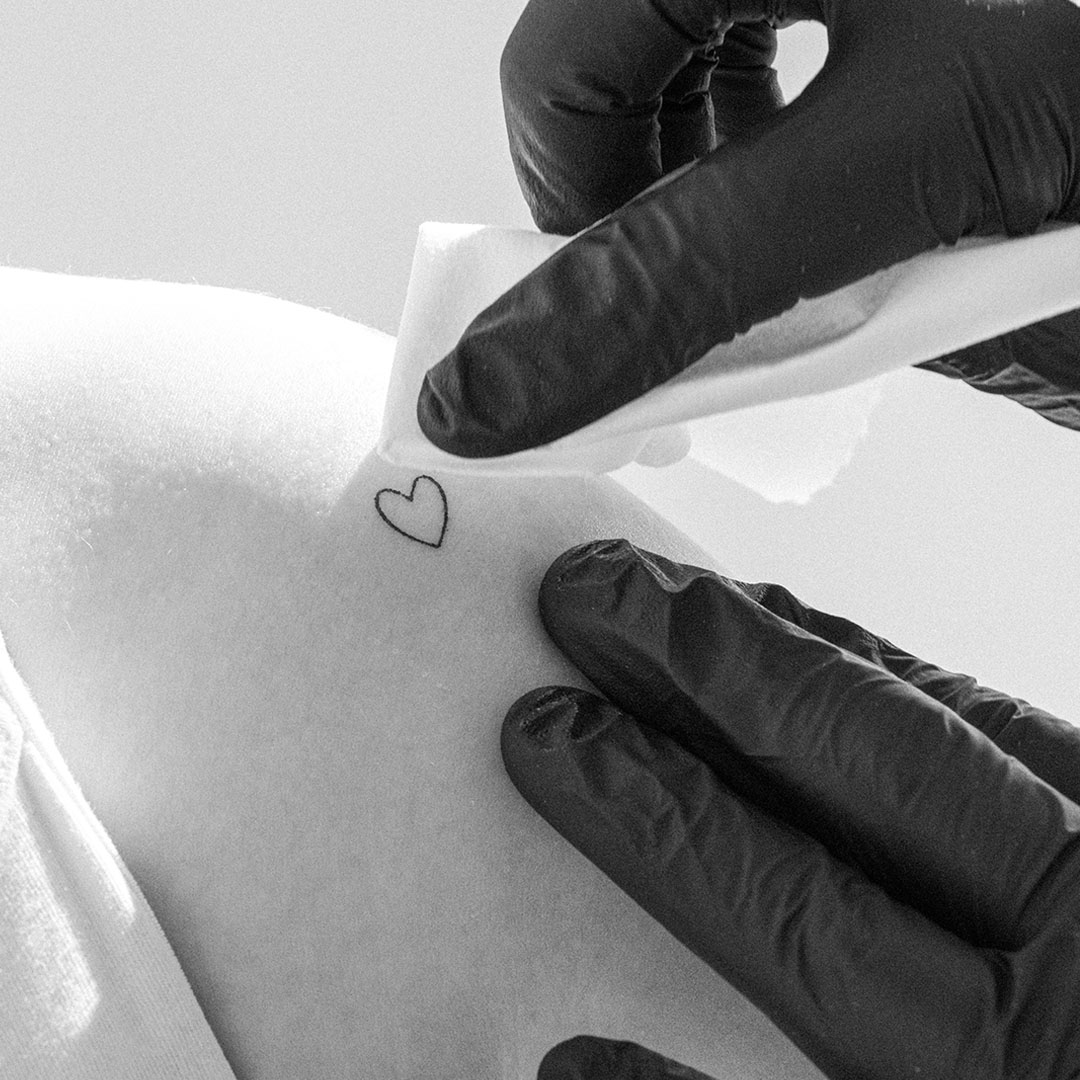
Even smaller tattoos still deserve the same level of attention and professionalism. The studio also works with only one tattoo client at a time during the actual tattooing process. This allows focus to remain fully on the person being tattooed instead of dividing attention across multiple simultaneous sessions. The atmosphere is designed to feel calm rather than rushed. Because tattooing tends to become better when people have enough space to think clearly.
If you want to explore available concepts, you can start here:
https://vadelma.eu/available-projects
Or contact the studio directly here:
https://vadelma.eu/contact
You can also read more articles here:
https://vadelma.eu/blog
Beyond Immediate Trends
Some tattoos are designed mainly for immediate reaction. Others are built for long-term connection. The second category usually requires more patience from both the artist and the client. But it also tends to age differently—not only visually, but emotionally. The strongest tattoos rarely feel rushed. They feel considered.
Beyond the Tattoo
For those interested in the broader visual world around Vadelma, you can also explore museum-quality art prints created by Natalie Vadelma here:
https://vadelmaprints.com/
Final Thoughts
Good tattoos take time because meaningful craftsmanship almost always does. Not to create unnecessary complexity, but to allow enough attention for the final result to feel balanced, intentional, and lasting. And in a world increasingly built around speed, perhaps that slower process is part of what still gives tattooing its depth.
FAQ – Why Tattoos Take Time
Why do good tattoos take time?
Because proper tattooing involves design refinement, placement, technical precision, and careful execution.
Why can’t tattoos simply copy online references?
Designs often need adjustment to fit the body naturally and age properly over time.
Does tattoo placement really matter that much?
Yes, placement strongly affects movement, balance, and long-term appearance.
Why does Vadelma Tattoo work with one client at a time?
To maintain focus, calm atmosphere, and proper hygiene standards during the tattooing process.
Where can I learn more before booking?
https://vadelma.eu/faq-vadelma-tattoo/