Why Humans Have Always Decorated Their Bodies
Why Humans Have Always Decorated Their Bodies
.
A Story Older Than History Itself
Long before cities existed, before books were written, and before the first monuments were built, humans were already decorating their bodies. Archaeologists have discovered evidence of body ornamentation dating back tens of thousands of years. Ancient people wore shells, beads, pigments, jewelry, and, in many cases, tattoos. Across continents and cultures that never met one another, humans developed remarkably similar practices. They painted their skin, pierced their bodies, braided their hair, and created symbols that communicated identity, status, beliefs, and personal stories. This raises an interesting question. Why? Why have human beings spent so much time and energy decorating themselves throughout history? The answer may reveal something fundamental about who we are.
.
More Than Survival
When we think about early human life, it is easy to imagine that survival was the only concern. Finding food, seeking shelter, and avoiding danger were certainly essential. Yet archaeological discoveries tell a more complex story. Even in some of the oldest known human settlements, researchers have found evidence of personal adornment. Ancient beads carved from bone, necklaces made from shells, and pigments used to color the skin suggest that people were interested in more than simply staying alive. They wanted to express something. Decoration appears to be one of the earliest forms of communication. Long before written language, people used visual symbols to tell others who they were, where they belonged, and what they valued. In many ways, the desire to express identity may be nearly as old as humanity itself.
.
The Universal Language of Appearance
One of the most fascinating aspects of body decoration is how universal it is. Throughout history, nearly every culture has developed its own forms of personal expression. Some used intricate clothing and textiles. Others focused on jewelry, hairstyles, ceremonial paint, or tattoos. The specific traditions varied, but the underlying impulse remained remarkably consistent. People wanted to create meaning through appearance. This does not necessarily mean decoration was about vanity. In many cultures, body art carried deep social, spiritual, or personal significance. Certain symbols represented family connections, achievements, rites of passage, or cultural identity. The body became a canvas through which stories could be shared.
.
Tattoos and Ancient Humanity
Among all forms of body decoration, tattoos hold a particularly special place. One of the most famous examples comes from Ötzi the Iceman, the naturally preserved mummy discovered in the Alps and estimated to be more than 5,000 years old. His body contained dozens of tattoos, proving that tattooing was already an established practice thousands of years before modern civilization. What makes discoveries like this so remarkable is that they challenge a common misconception. Many people still think tattoos are a modern trend. In reality, tattoos are among the oldest forms of human self-expression ever discovered. They have existed across cultures, continents, and historical periods. While styles and techniques have changed over time, the fundamental desire to mark the body with meaningful symbols has remained surprisingly constant.
.
Beauty, Identity, and Belonging
Humans are social creatures. Part of the reason we decorate ourselves is because appearance helps us communicate with others. Clothing, jewelry, hairstyles, and body art can all signal membership within a community or express aspects of personality and identity. Throughout history, these visual cues have helped people understand where they belong. At the same time, decoration has always balanced individuality with connection. People often use appearance to express both what makes them unique and what ties them to others. A wedding ring, a family heirloom, a cultural symbol, or a meaningful tattoo can all serve this dual purpose. They tell a personal story while also connecting that story to something larger.
.
The Human Desire for Meaning
Perhaps the most interesting explanation for body decoration has less to do with appearance and more to do with psychology. Humans naturally seek meaning. We collect photographs, keep souvenirs, preserve letters, display artwork, and save objects that remind us of important moments in our lives. We attach emotional significance to things because they help us remember who we are and where we have been. Body decoration often serves a similar function. Whether through a piece of jewelry passed down through generations or a tattoo chosen to mark an important chapter of life, people frequently use visual symbols to preserve memories and experiences. These symbols become part of their personal narrative. In a sense, decorating the body is another way of telling a story.
.
A Form of Creative Expression
Body decoration is also closely connected to creativity. Human beings have always possessed a remarkable urge to create. We paint, sculpt, write, compose music, design buildings, and make art. Decorating the body can be understood as part of this same creative impulse. The body becomes both subject and medium. This helps explain why body art continues evolving across generations. New techniques emerge, new aesthetics develop, and new forms of expression appear. Yet the underlying motivation remains familiar. People want to create something meaningful. Not because they need to, but because creativity is part of what makes us human.
.
Why This Still Matters Today
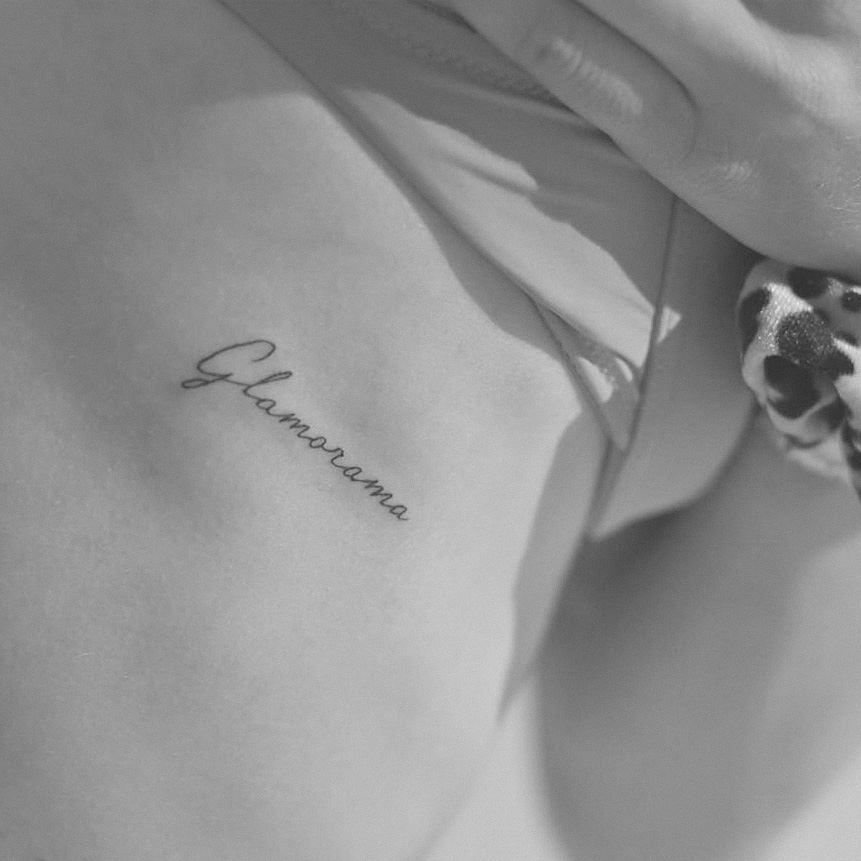
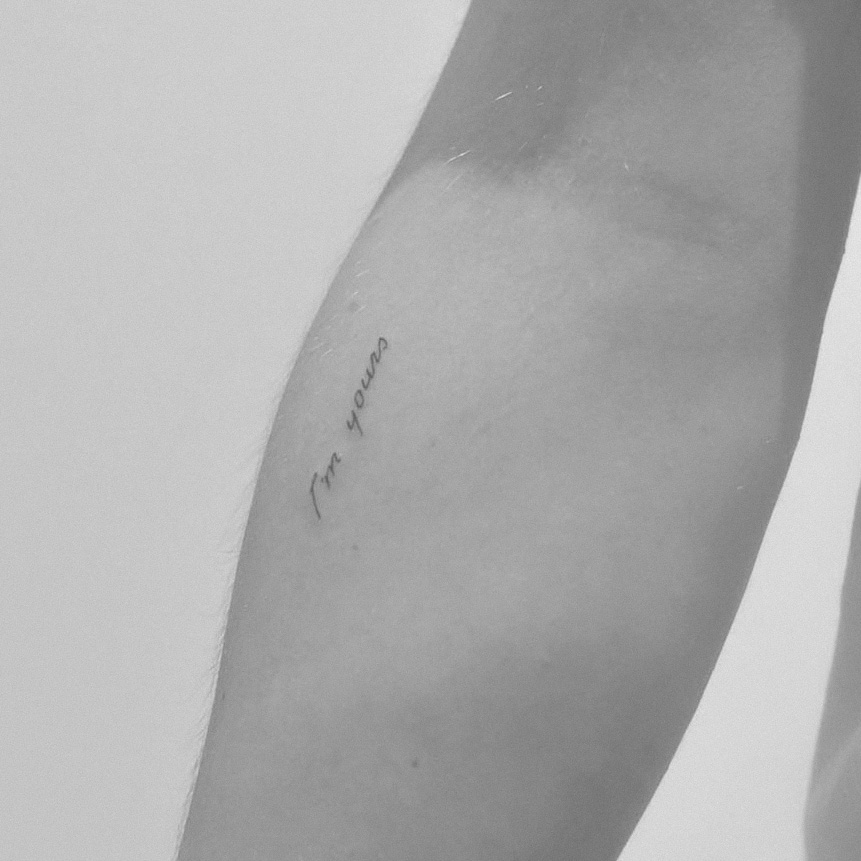
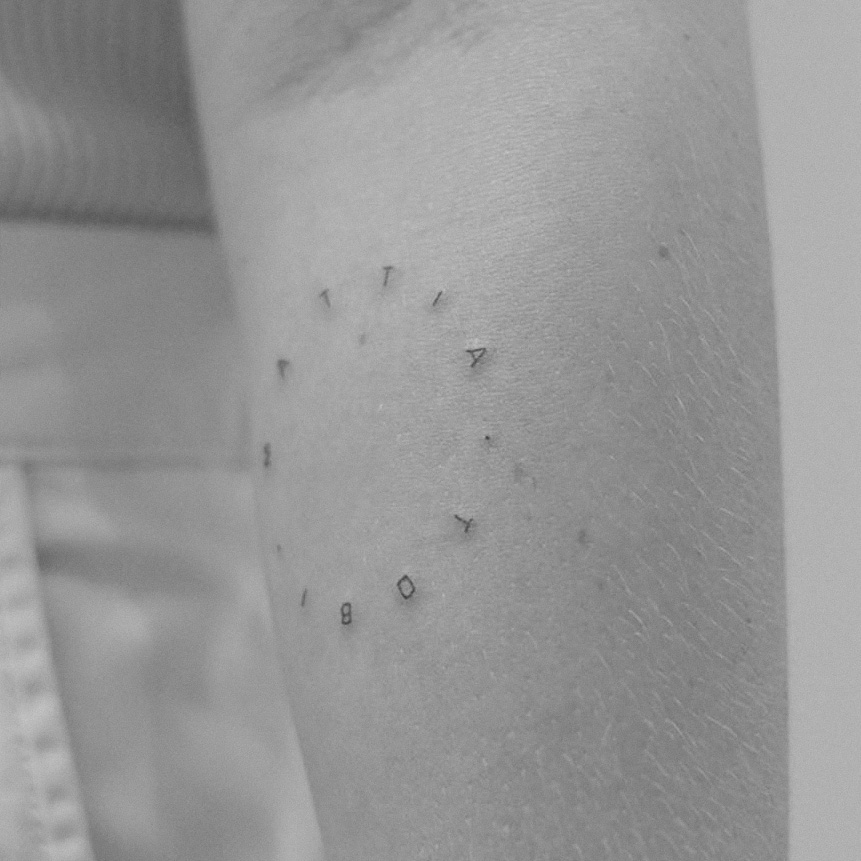
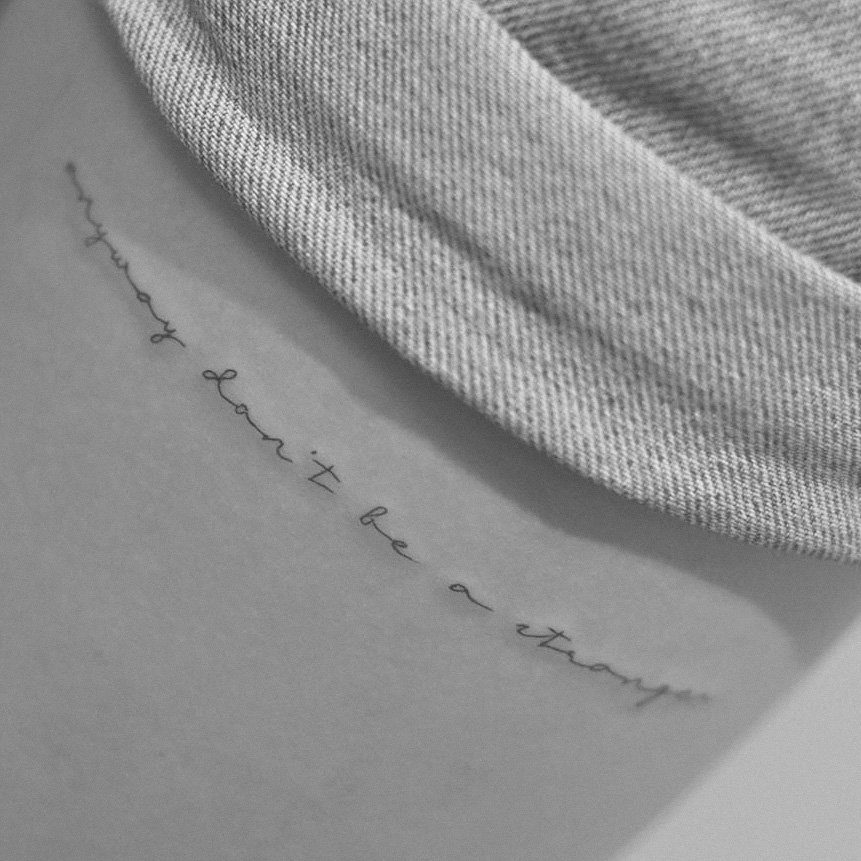
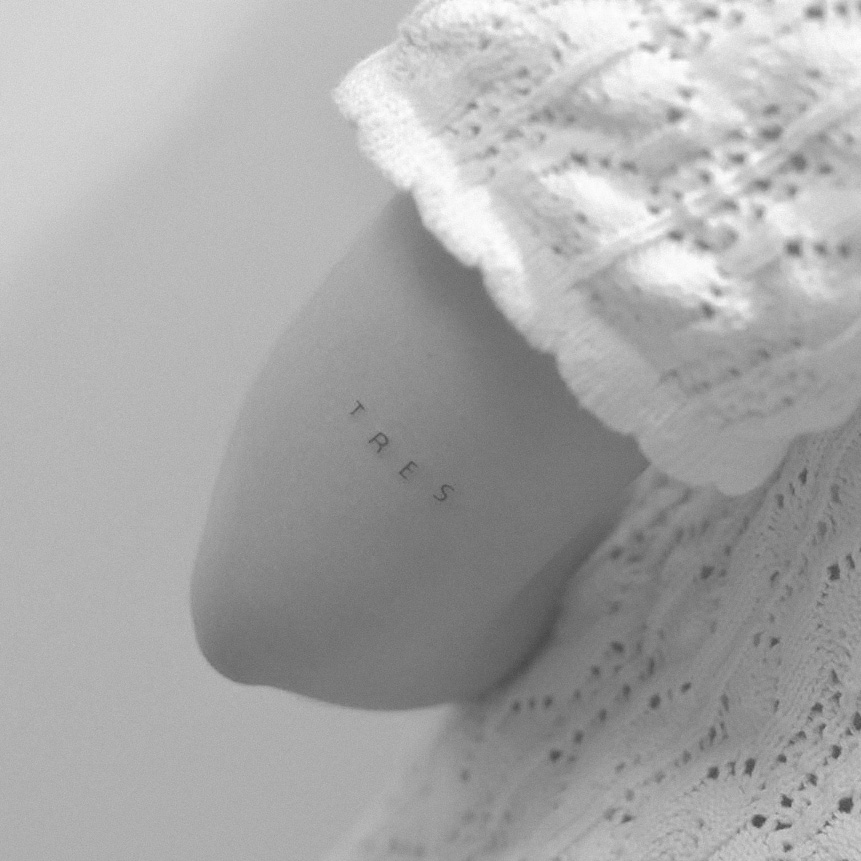
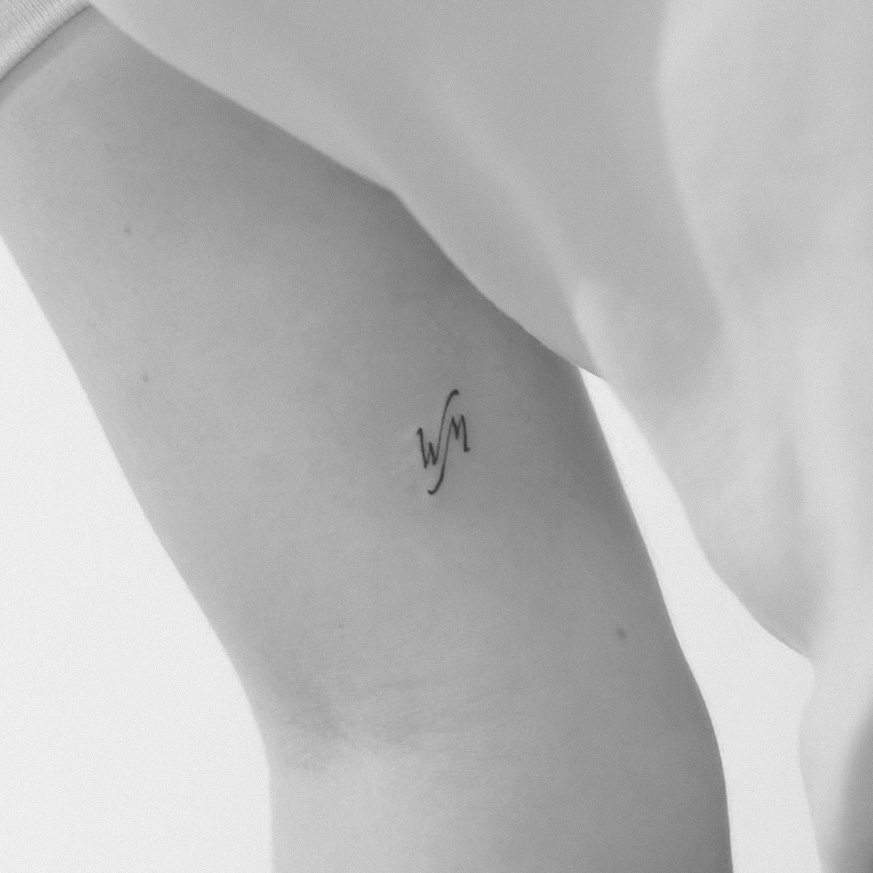
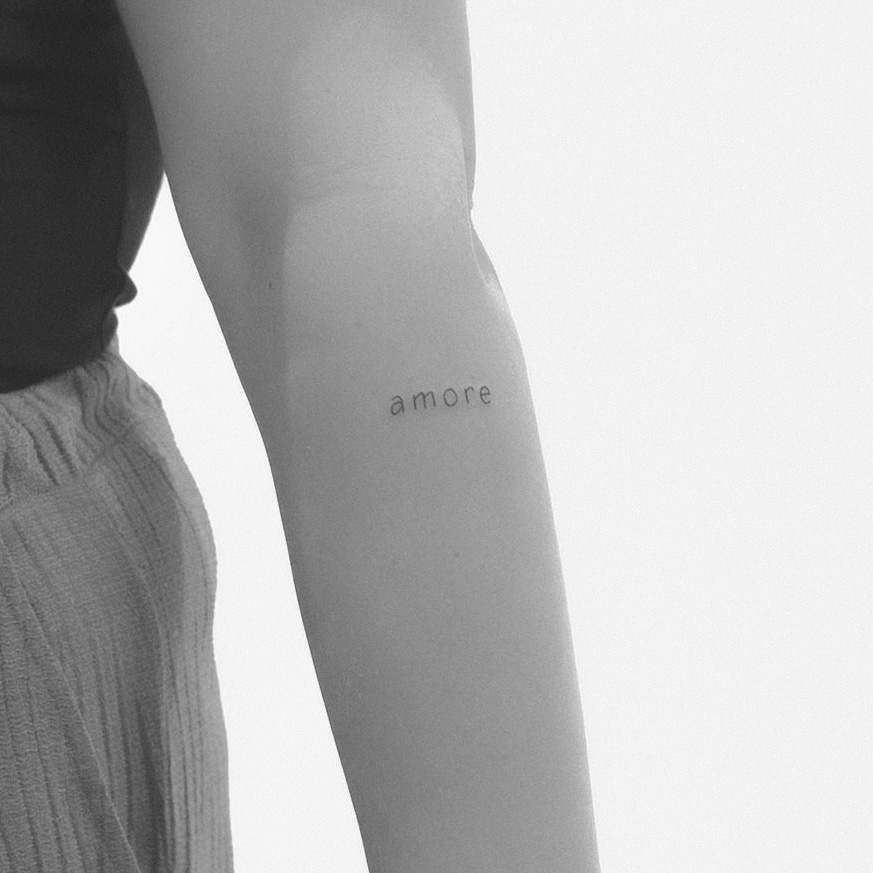
Modern life is very different from the world of our ancestors. Technology has transformed communication, transportation, and daily routines. Yet despite these changes, the human desire for self-expression remains remarkably similar. People still wear jewelry with personal significance. They still choose clothing that reflects their identity. They still preserve meaningful objects. And they still get tattoos. The tools may have evolved, but the impulse itself remains timeless. Perhaps this continuity is one reason tattoos continue resonating so strongly with people today. They connect us to a tradition that stretches back thousands of years while allowing us to express something uniquely personal in the present.
.
A Connection to the Vadelma Philosophy
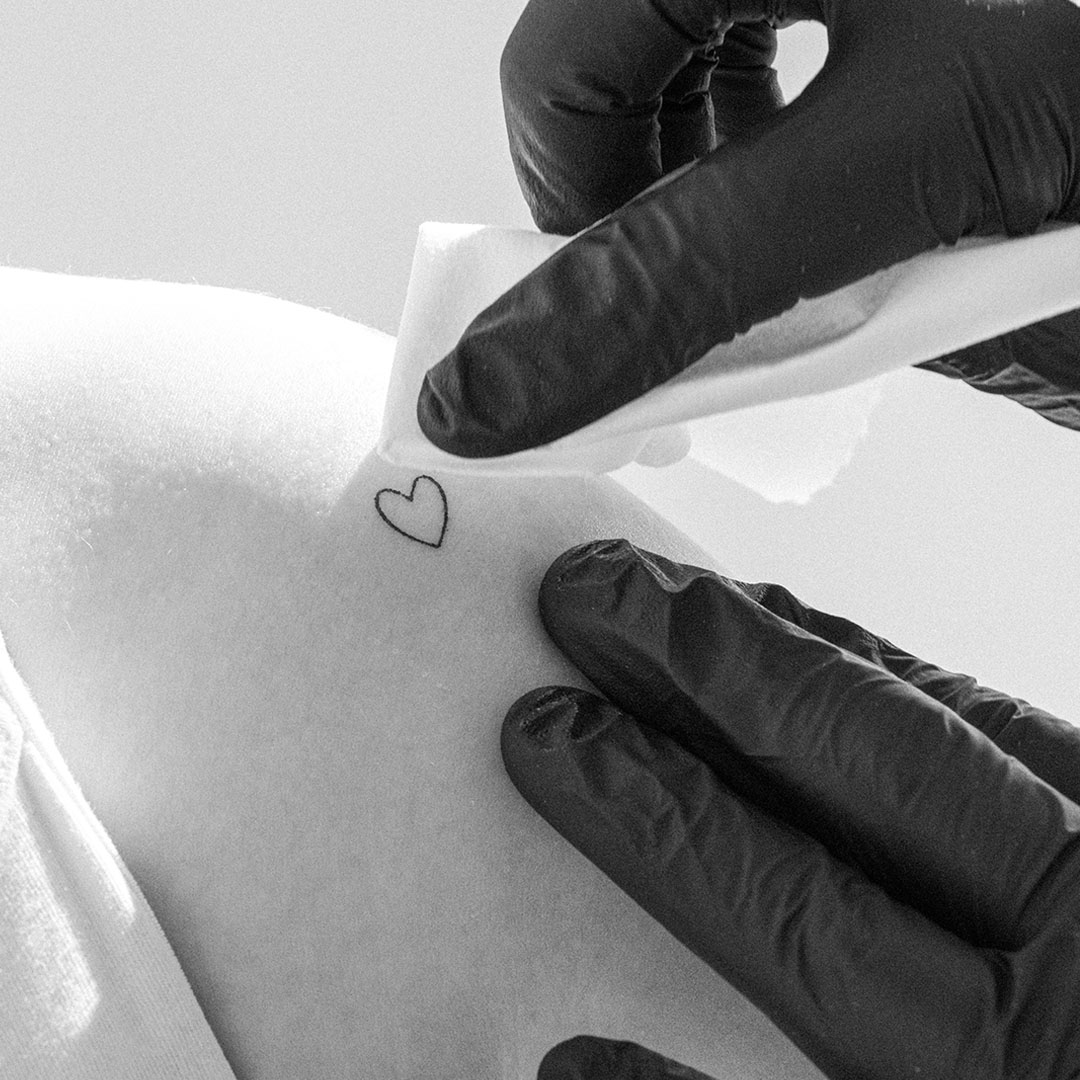
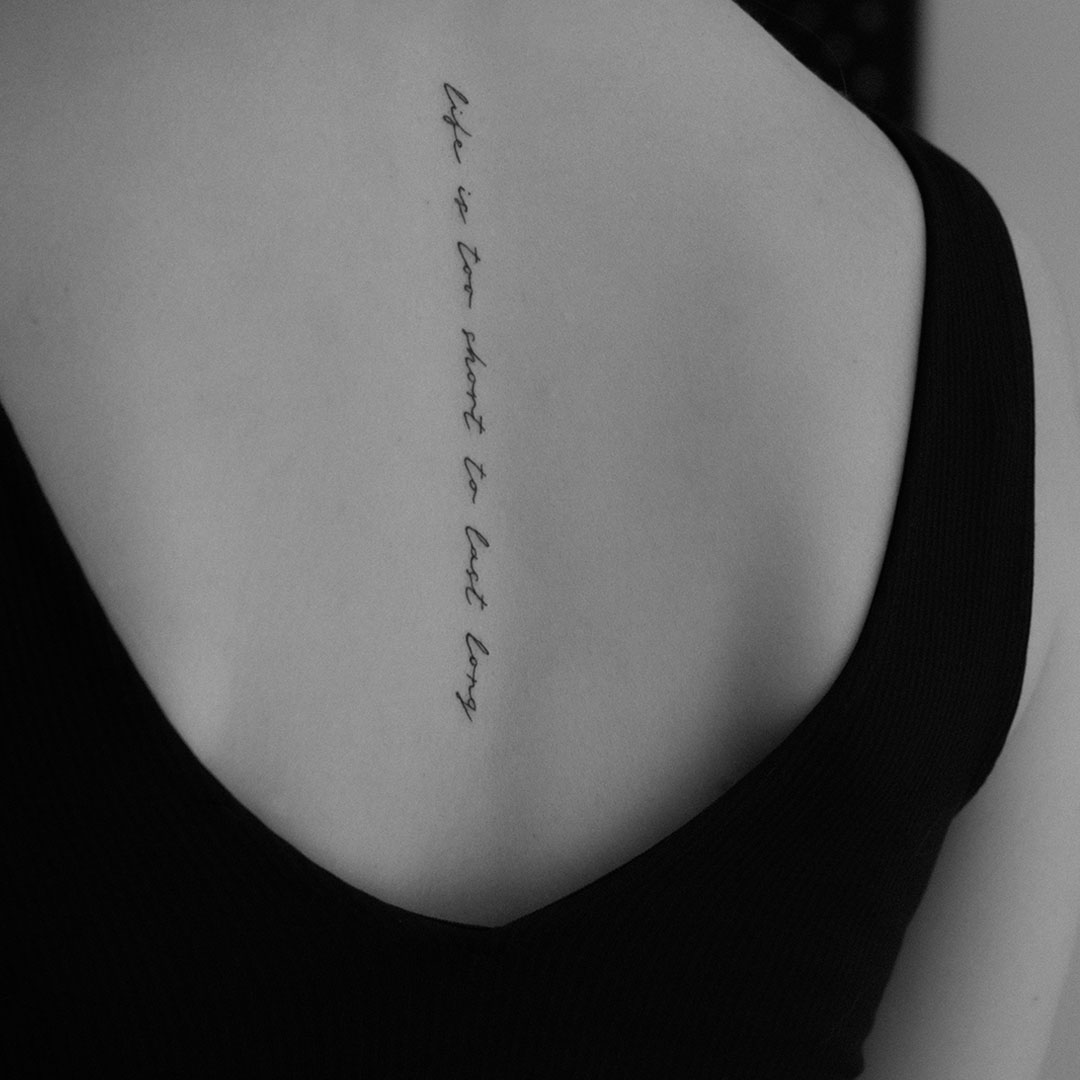
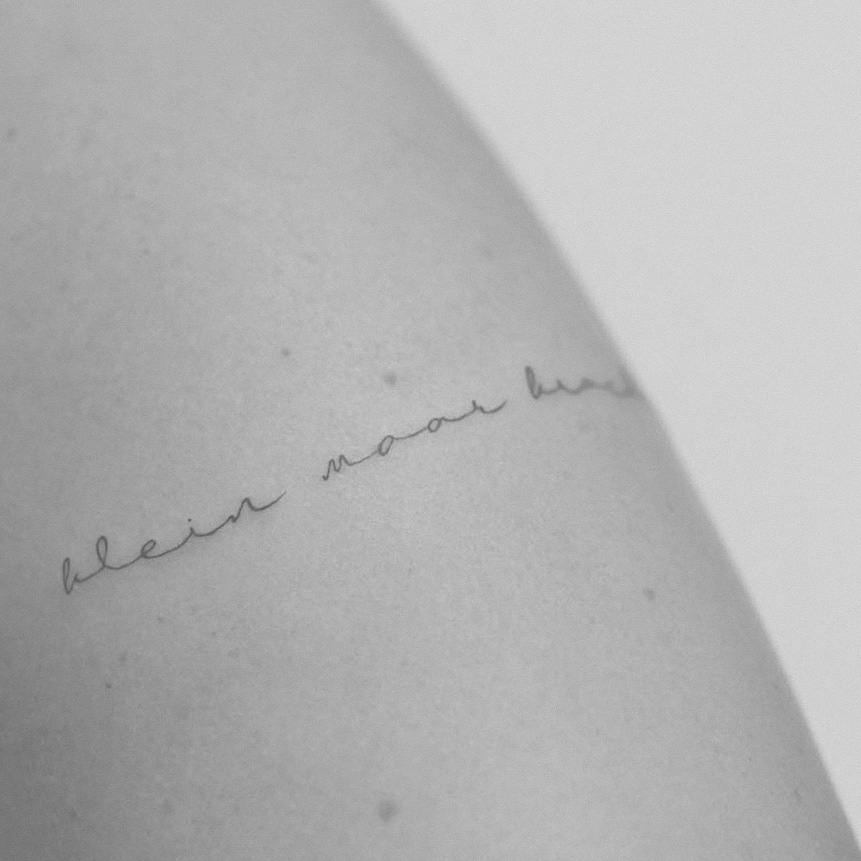
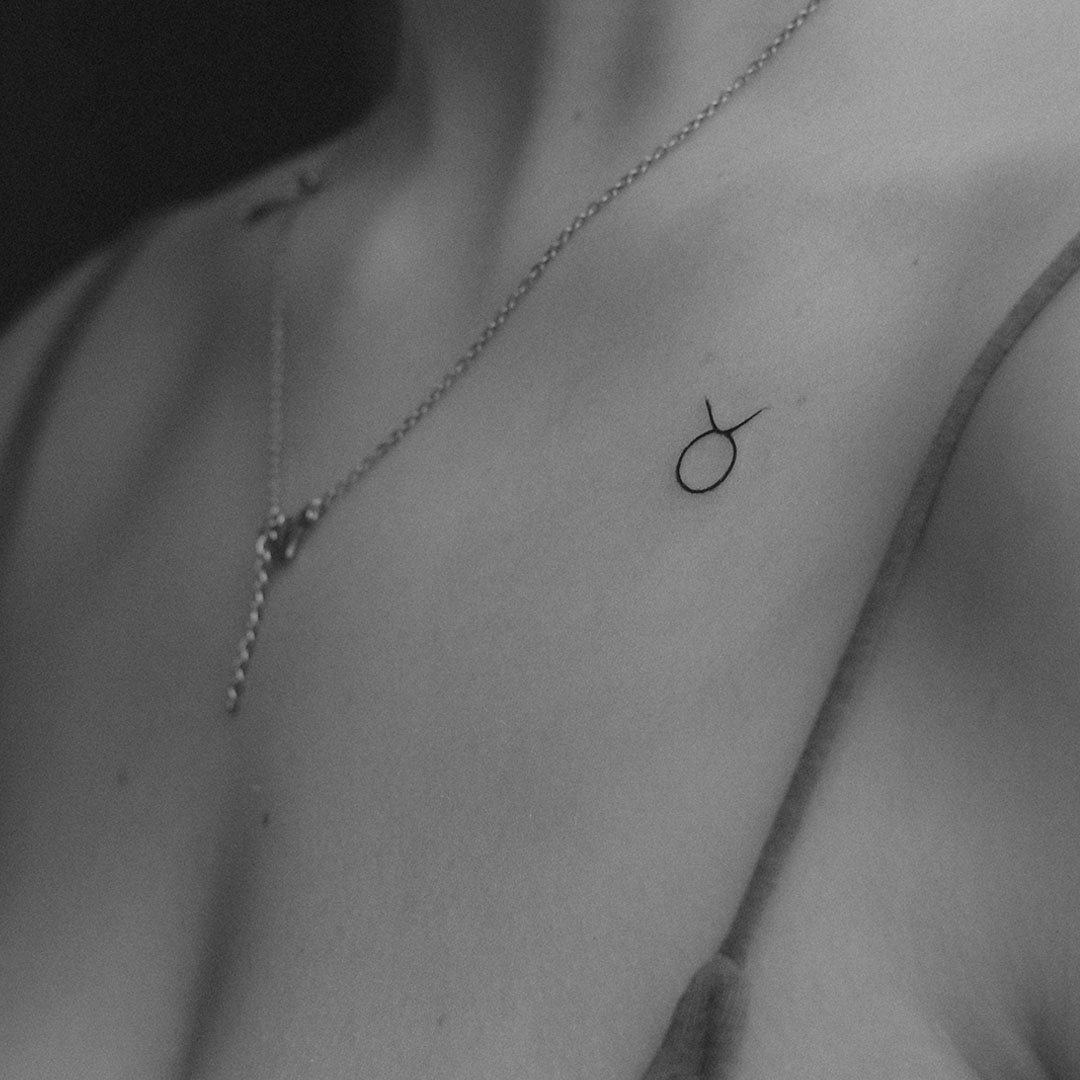
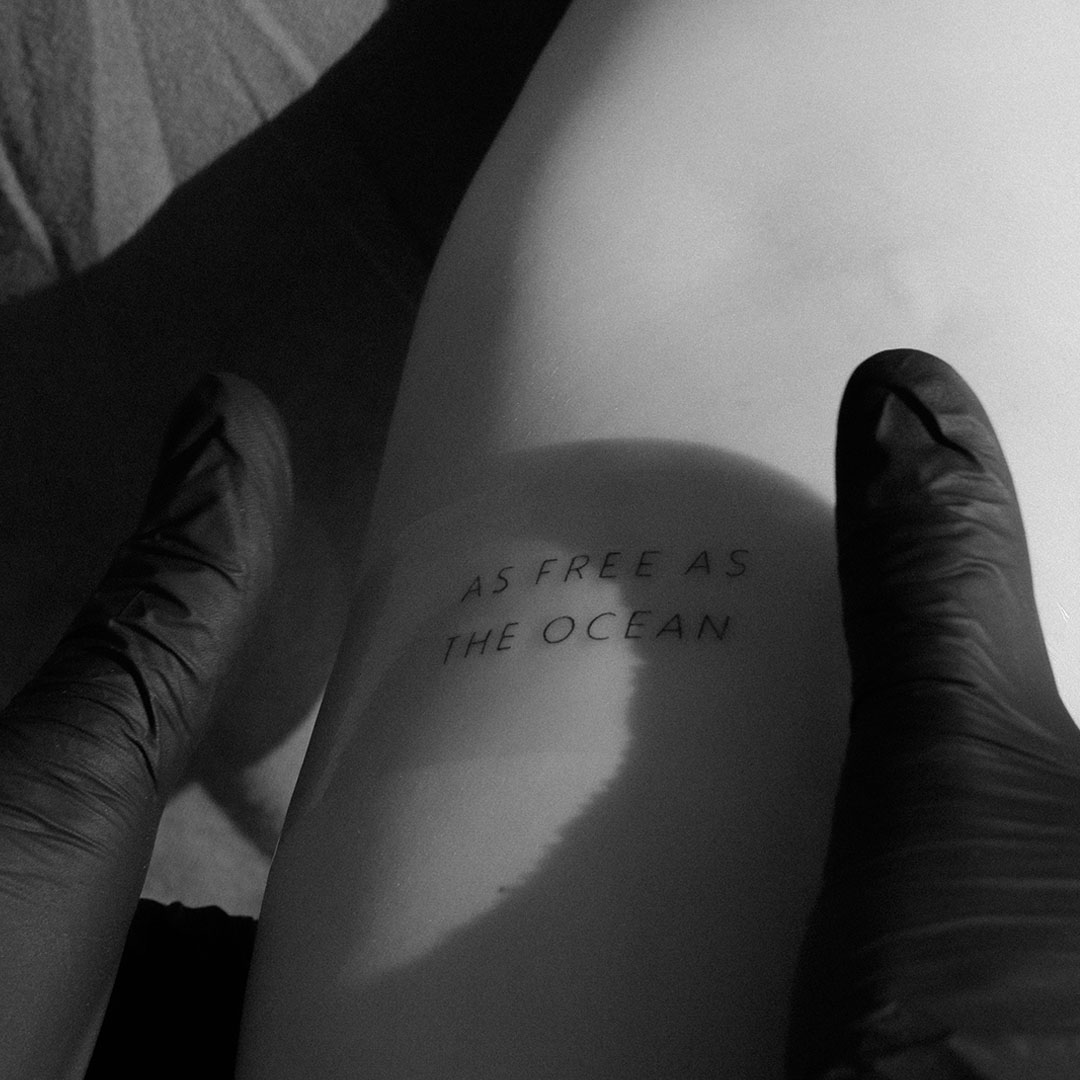
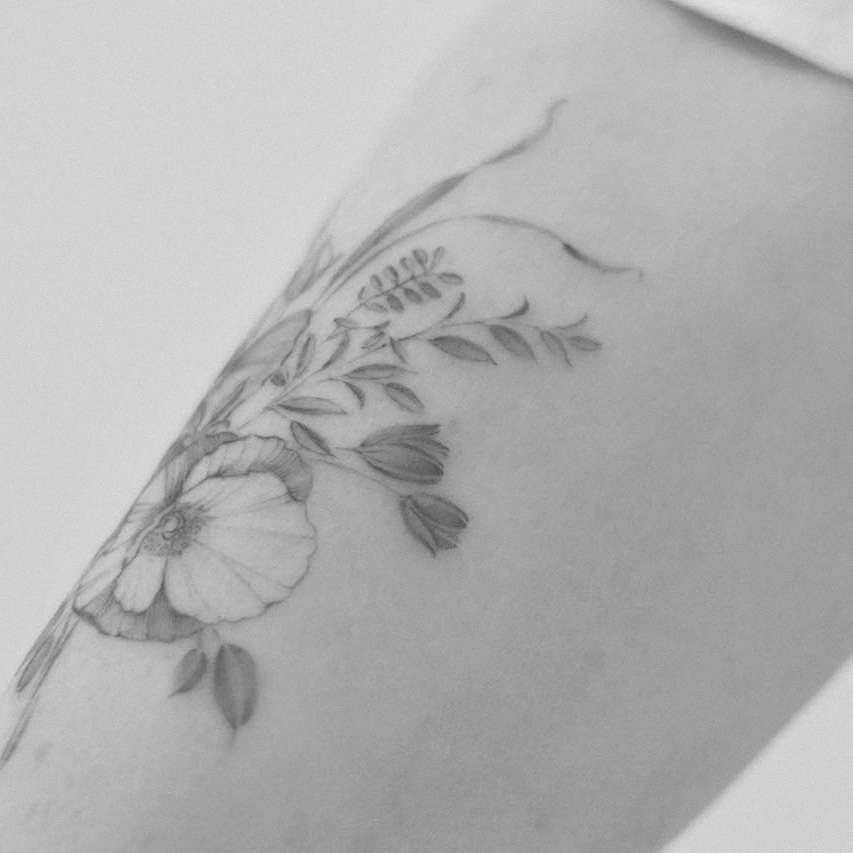
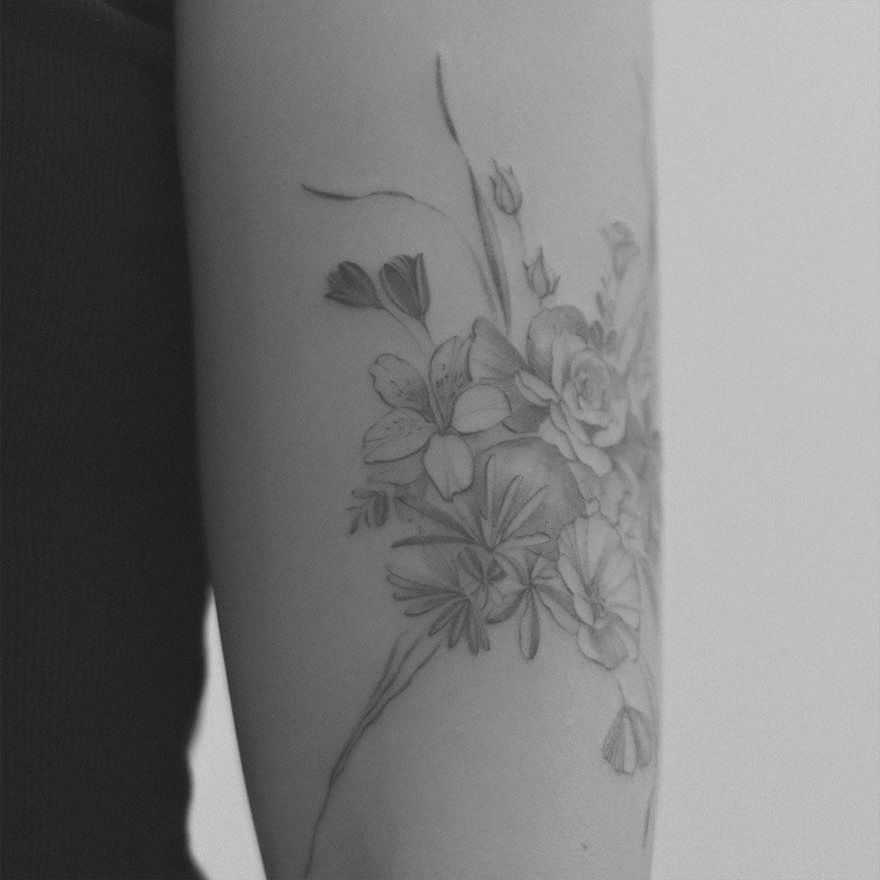
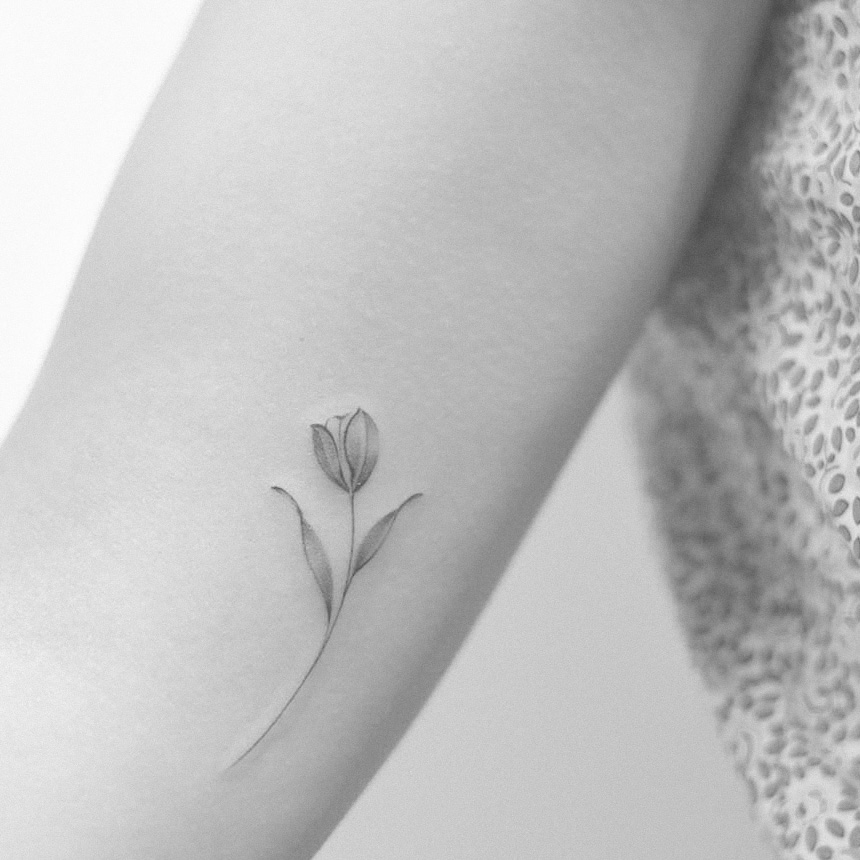
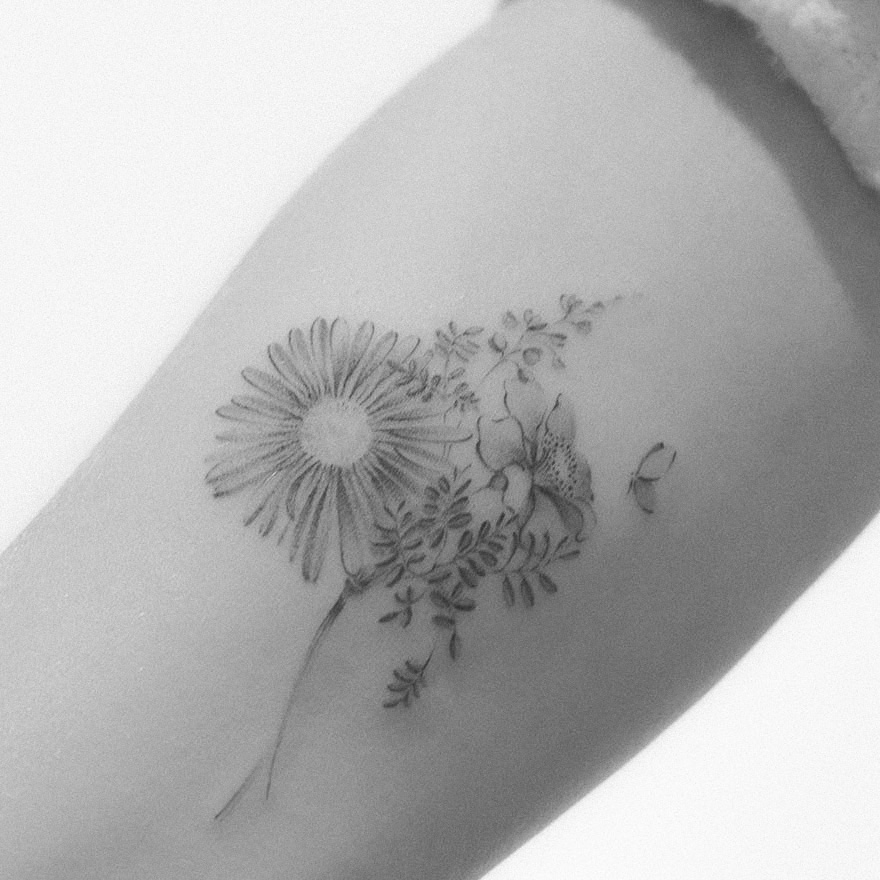
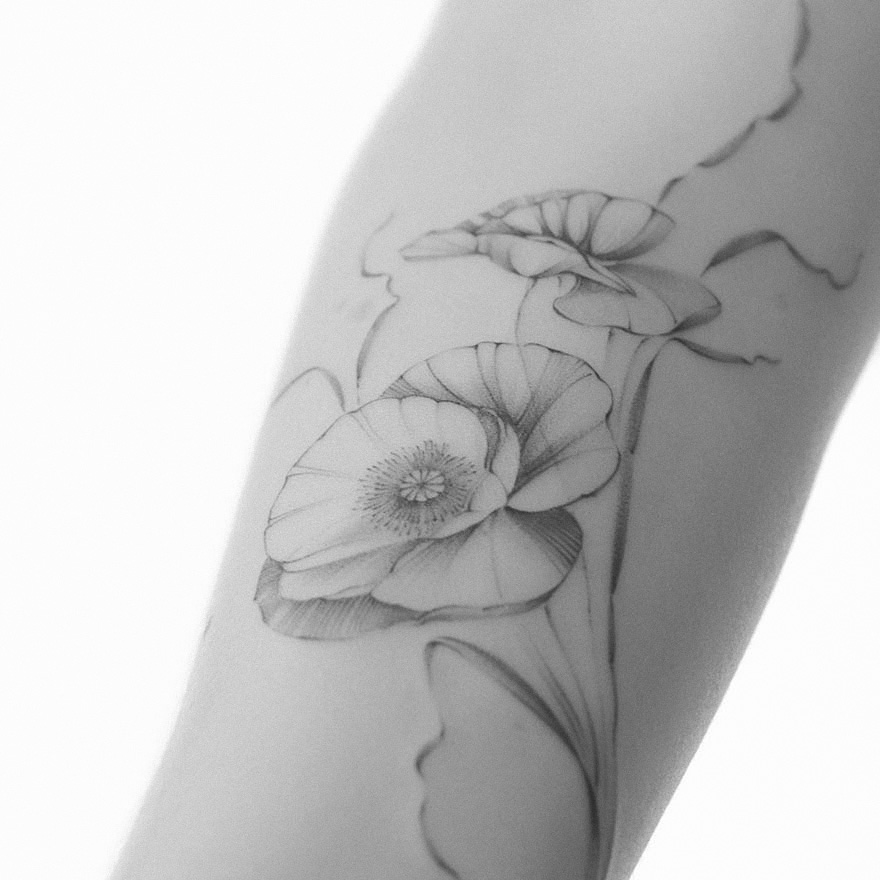
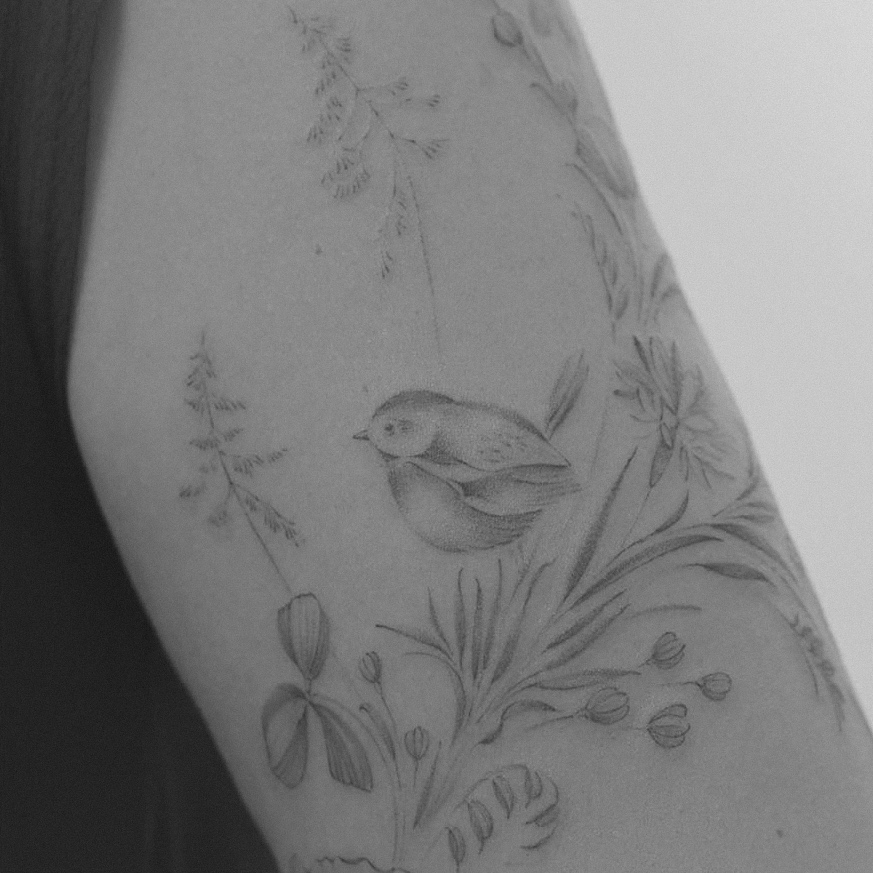
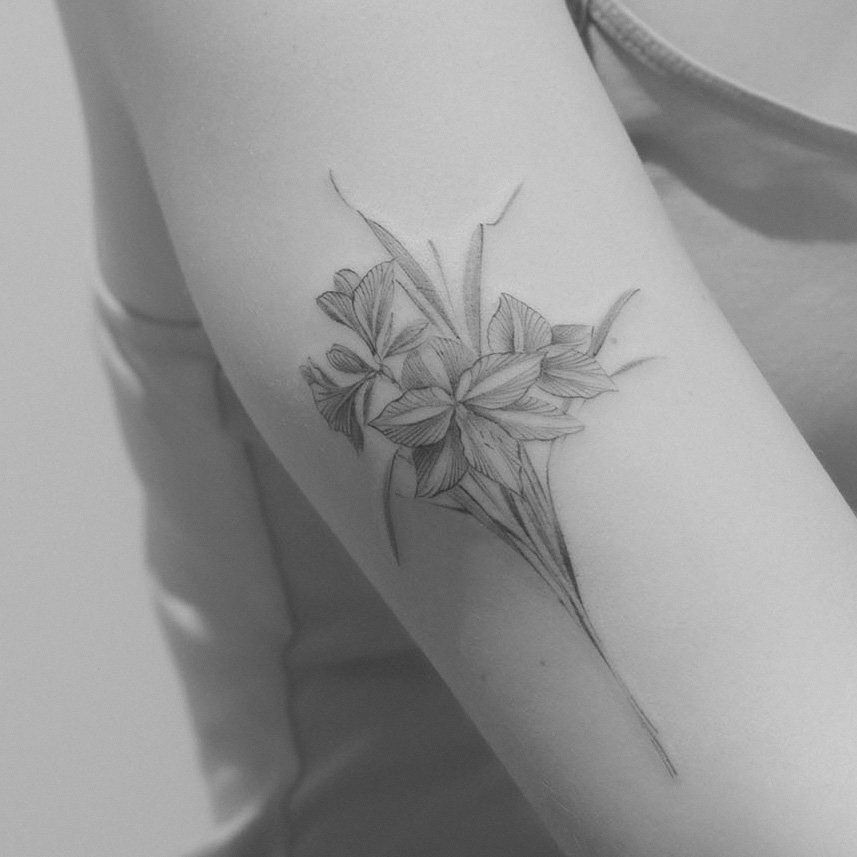
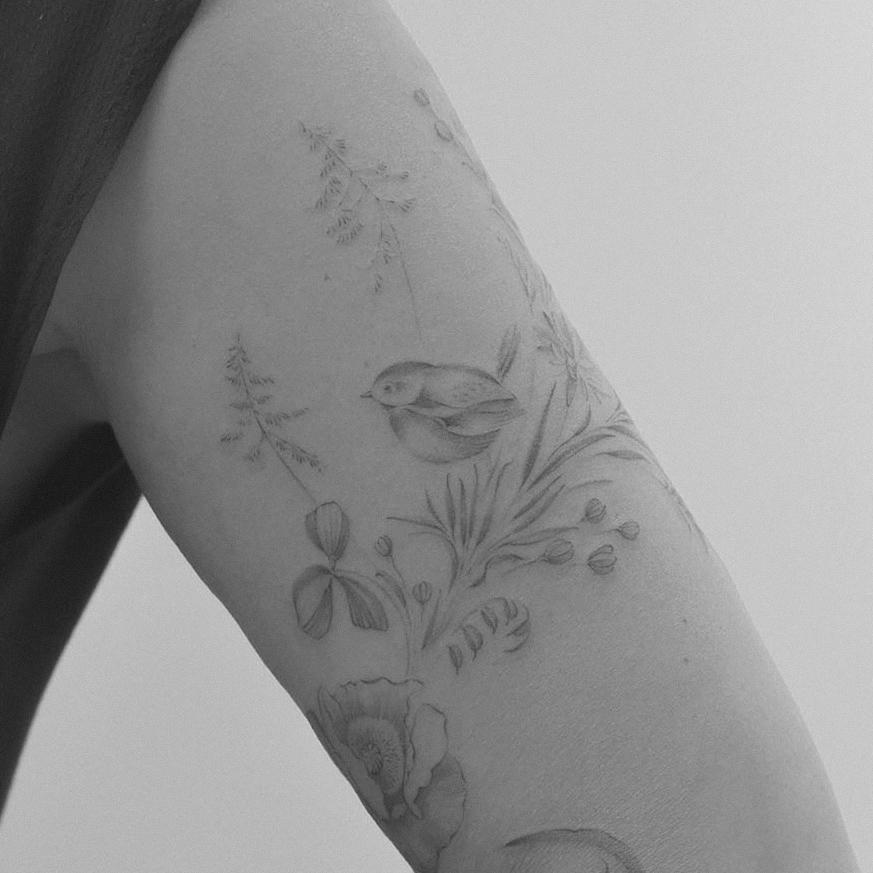
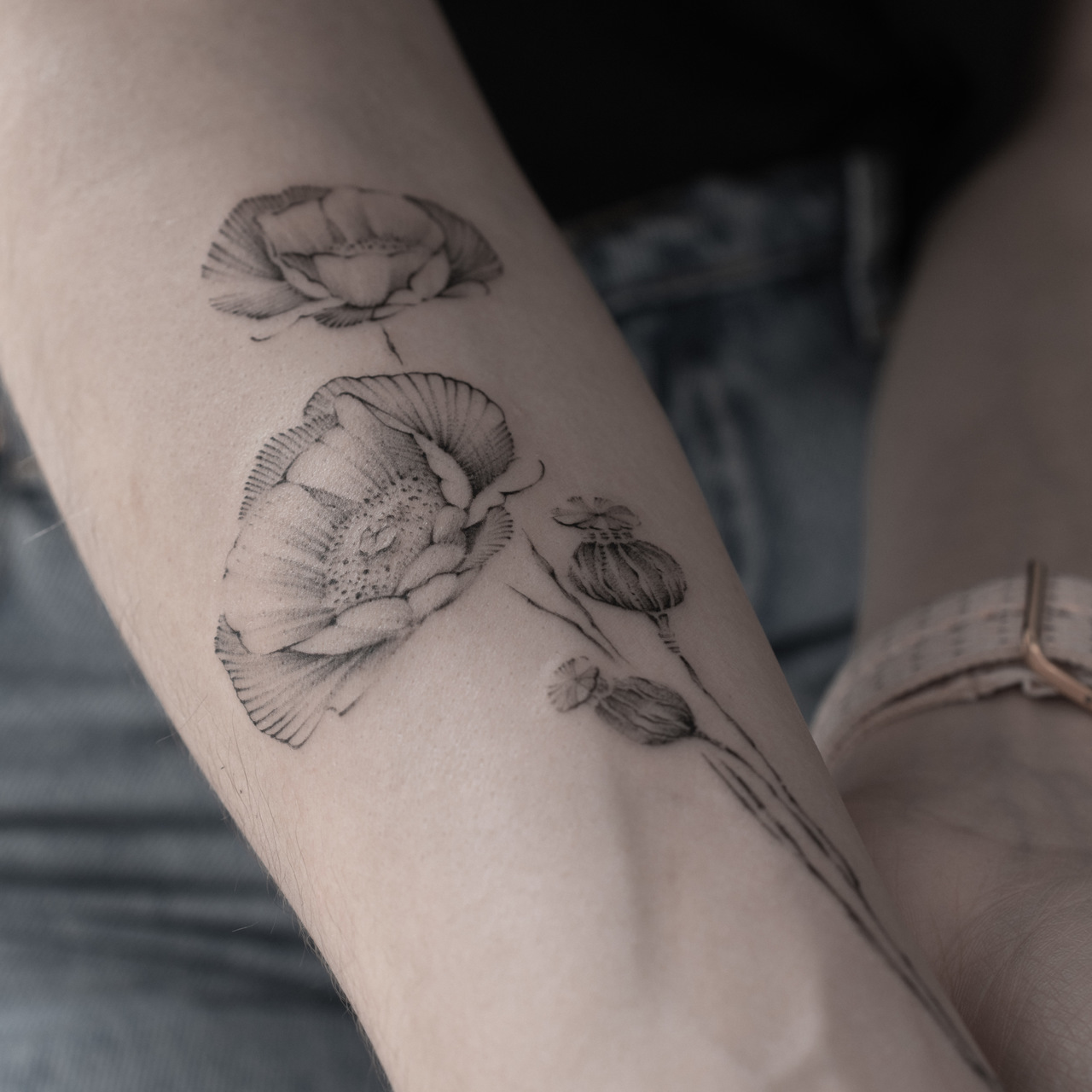
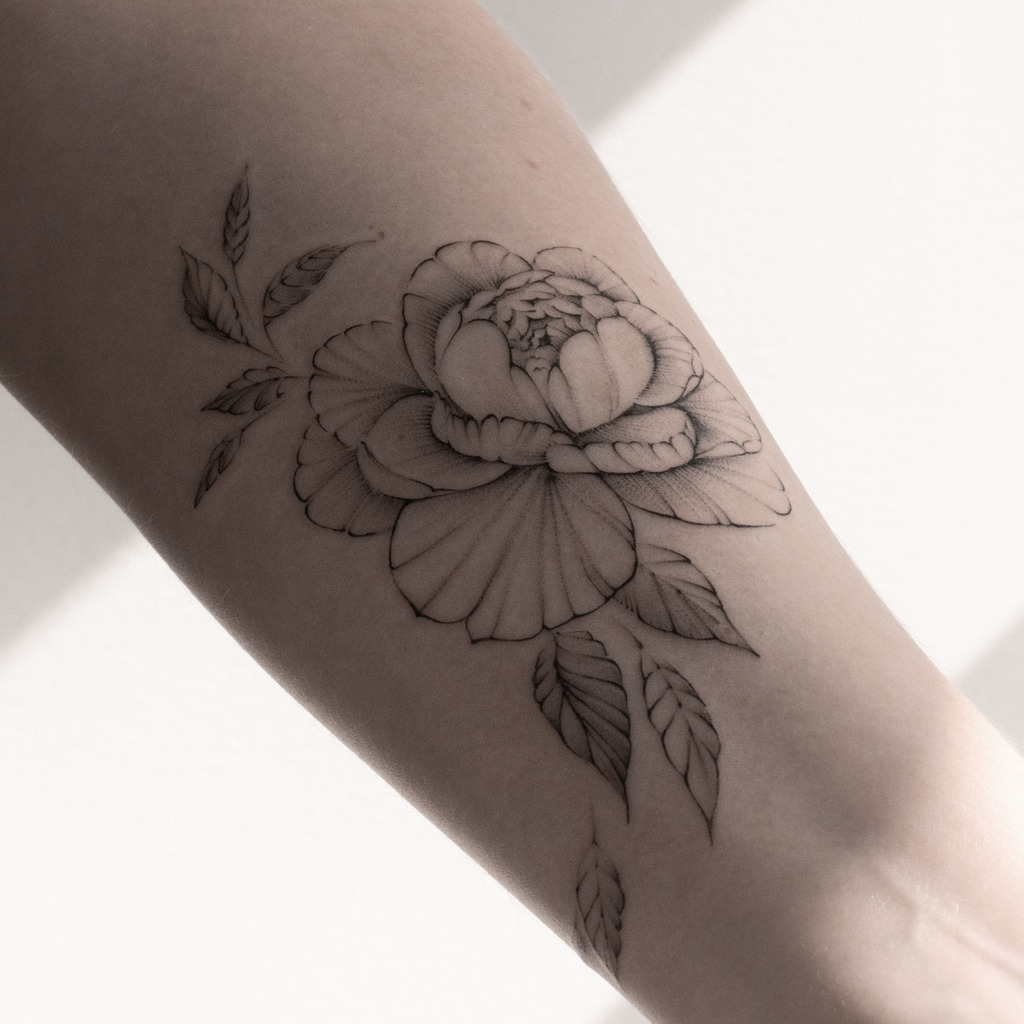
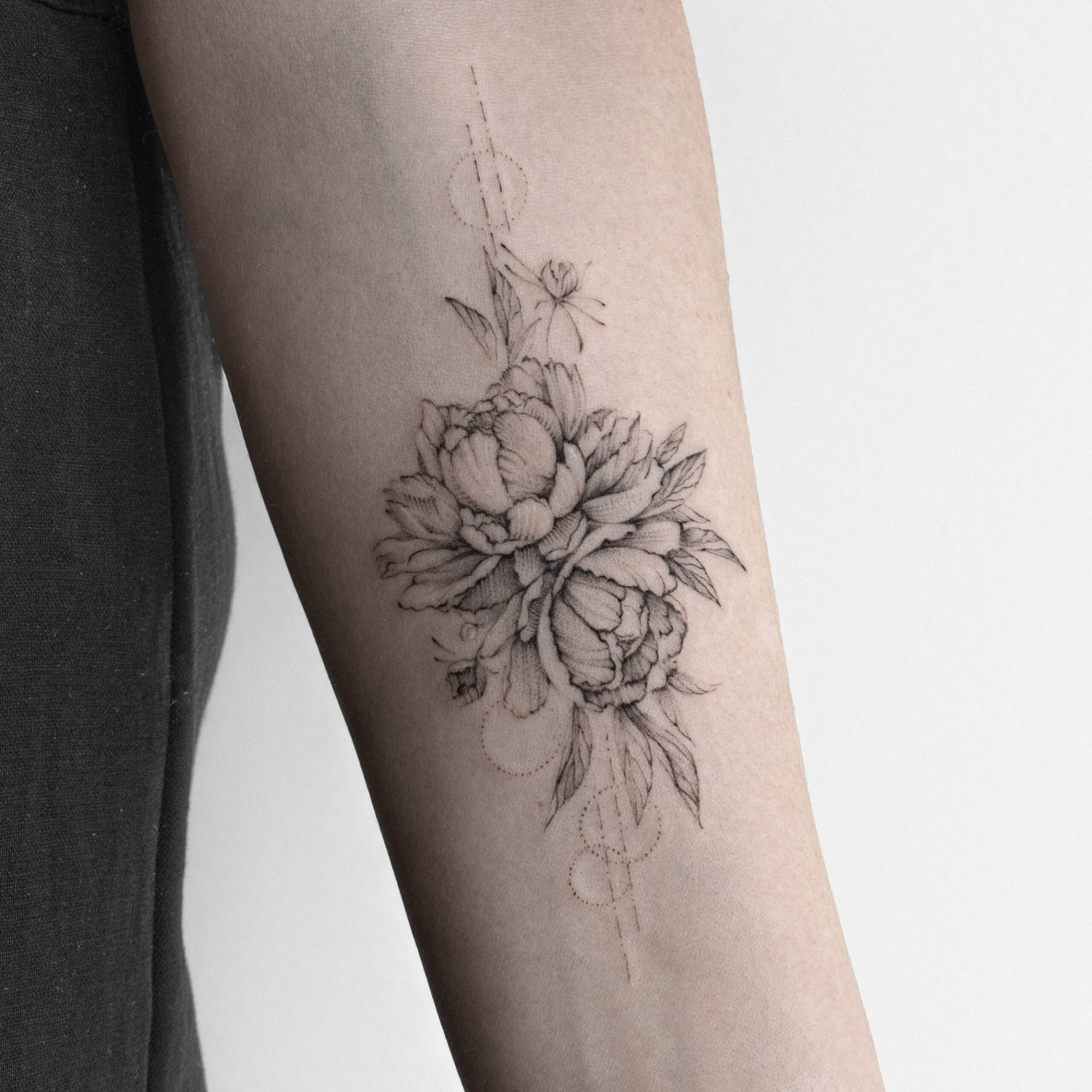
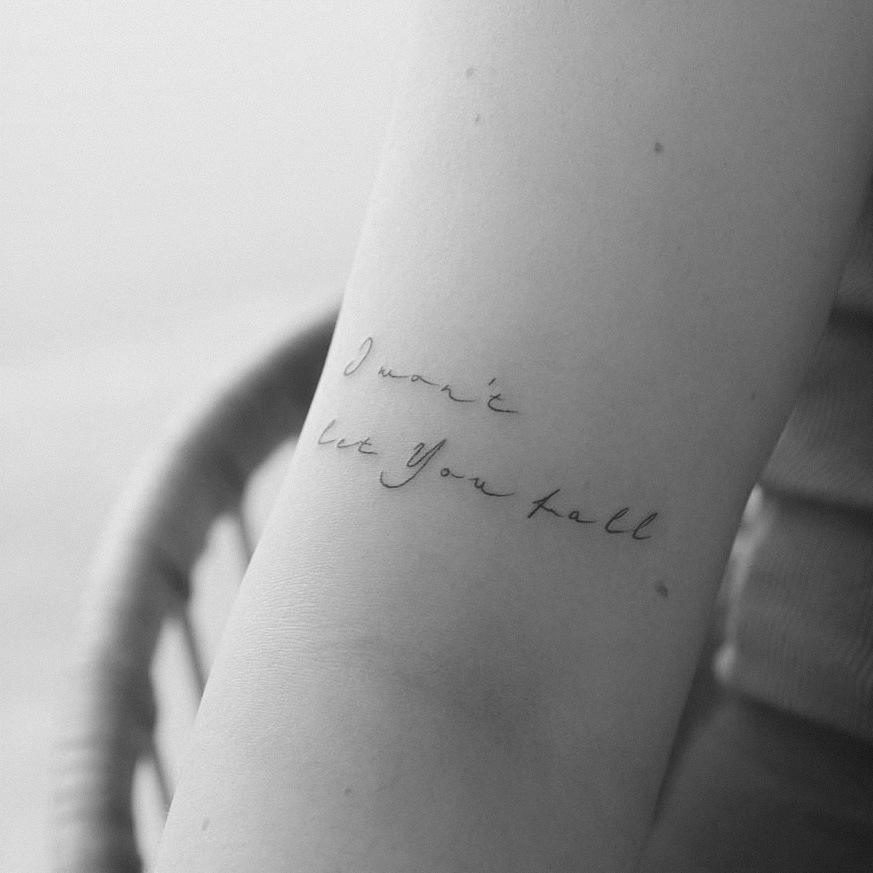
At Vadelma Tattoo in Amsterdam, we often see tattoos as part of this larger human story. While every client arrives with a different idea, many share a common motivation. They want to create something meaningful. They want to mark an experience, celebrate a value, honor a memory, or simply carry a piece of art with them through life. In that sense, tattooing is not simply about decoration. It is about expression. It is about storytelling. And perhaps most importantly, it is about participating in a tradition that has accompanied humanity for thousands of years.
If you are considering a tattoo inspired by your own story, you can explore available projects here:
And for those who appreciate visual art beyond tattooing, you can also discover the work of Natalie Vadelma through:
.
Final Thoughts
Human beings have always decorated their bodies. From ancient pigments and jewelry to modern tattoos, these practices appear across cultures, centuries, and continents. While styles change and traditions evolve, the desire behind them remains surprisingly familiar. We decorate ourselves because we seek beauty. Because we seek identity. Because we seek connection. And because we seek meaning. Perhaps that is why body decoration has endured for so long. It is not simply a trend or a fashion. It is one of the many ways humans tell their stories—and we have been telling those stories for as long as history can remember.
FAQ
Why do humans decorate their bodies?
Humans have decorated their bodies throughout history to express identity, communicate social or cultural connections, celebrate important events, and create personal meaning.
How old is body decoration?
Archaeological evidence suggests that forms of body decoration, including jewelry and pigments, date back tens of thousands of years.
Are tattoos an ancient tradition?
Yes. Tattooing has been practiced for thousands of years and has appeared in cultures around the world.
Who was Ötzi the Iceman?
Ötzi the Iceman is a naturally preserved mummy discovered in the Alps. Dating back more than 5,000 years, he is one of the oldest known examples of a tattooed human.
Why do people still get tattoos today?
People choose tattoos for many reasons, including self-expression, artistic appreciation, personal milestones, cultural connections, and meaningful memories.
Why Humans Have Always Decorated Their Bodies
.
A Story Older Than History Itself
Long before cities existed, before books were written, and before the first monuments were built, humans were already decorating their bodies. Archaeologists have discovered evidence of body ornamentation dating back tens of thousands of years. Ancient people wore shells, beads, pigments, jewelry, and, in many cases, tattoos. Across continents and cultures that never met one another, humans developed remarkably similar practices. They painted their skin, pierced their bodies, braided their hair, and created symbols that communicated identity, status, beliefs, and personal stories. This raises an interesting question. Why? Why have human beings spent so much time and energy decorating themselves throughout history? The answer may reveal something fundamental about who we are.
.
More Than Survival
When we think about early human life, it is easy to imagine that survival was the only concern. Finding food, seeking shelter, and avoiding danger were certainly essential. Yet archaeological discoveries tell a more complex story. Even in some of the oldest known human settlements, researchers have found evidence of personal adornment. Ancient beads carved from bone, necklaces made from shells, and pigments used to color the skin suggest that people were interested in more than simply staying alive. They wanted to express something. Decoration appears to be one of the earliest forms of communication. Long before written language, people used visual symbols to tell others who they were, where they belonged, and what they valued. In many ways, the desire to express identity may be nearly as old as humanity itself.
.
The Universal Language of Appearance
One of the most fascinating aspects of body decoration is how universal it is. Throughout history, nearly every culture has developed its own forms of personal expression. Some used intricate clothing and textiles. Others focused on jewelry, hairstyles, ceremonial paint, or tattoos. The specific traditions varied, but the underlying impulse remained remarkably consistent. People wanted to create meaning through appearance. This does not necessarily mean decoration was about vanity. In many cultures, body art carried deep social, spiritual, or personal significance. Certain symbols represented family connections, achievements, rites of passage, or cultural identity. The body became a canvas through which stories could be shared.
.
Tattoos and Ancient Humanity
Among all forms of body decoration, tattoos hold a particularly special place. One of the most famous examples comes from Ötzi the Iceman, the naturally preserved mummy discovered in the Alps and estimated to be more than 5,000 years old. His body contained dozens of tattoos, proving that tattooing was already an established practice thousands of years before modern civilization. What makes discoveries like this so remarkable is that they challenge a common misconception. Many people still think tattoos are a modern trend. In reality, tattoos are among the oldest forms of human self-expression ever discovered. They have existed across cultures, continents, and historical periods. While styles and techniques have changed over time, the fundamental desire to mark the body with meaningful symbols has remained surprisingly constant.
.
Beauty, Identity, and Belonging
Humans are social creatures. Part of the reason we decorate ourselves is because appearance helps us communicate with others. Clothing, jewelry, hairstyles, and body art can all signal membership within a community or express aspects of personality and identity. Throughout history, these visual cues have helped people understand where they belong. At the same time, decoration has always balanced individuality with connection. People often use appearance to express both what makes them unique and what ties them to others. A wedding ring, a family heirloom, a cultural symbol, or a meaningful tattoo can all serve this dual purpose. They tell a personal story while also connecting that story to something larger.
.
The Human Desire for Meaning
Perhaps the most interesting explanation for body decoration has less to do with appearance and more to do with psychology. Humans naturally seek meaning. We collect photographs, keep souvenirs, preserve letters, display artwork, and save objects that remind us of important moments in our lives. We attach emotional significance to things because they help us remember who we are and where we have been. Body decoration often serves a similar function. Whether through a piece of jewelry passed down through generations or a tattoo chosen to mark an important chapter of life, people frequently use visual symbols to preserve memories and experiences. These symbols become part of their personal narrative. In a sense, decorating the body is another way of telling a story.
.
A Form of Creative Expression
Body decoration is also closely connected to creativity. Human beings have always possessed a remarkable urge to create. We paint, sculpt, write, compose music, design buildings, and make art. Decorating the body can be understood as part of this same creative impulse. The body becomes both subject and medium. This helps explain why body art continues evolving across generations. New techniques emerge, new aesthetics develop, and new forms of expression appear. Yet the underlying motivation remains familiar. People want to create something meaningful. Not because they need to, but because creativity is part of what makes us human.
.
Why This Still Matters Today
Modern life is very different from the world of our ancestors. Technology has transformed communication, transportation, and daily routines. Yet despite these changes, the human desire for self-expression remains remarkably similar. People still wear jewelry with personal significance. They still choose clothing that reflects their identity. They still preserve meaningful objects. And they still get tattoos. The tools may have evolved, but the impulse itself remains timeless. Perhaps this continuity is one reason tattoos continue resonating so strongly with people today. They connect us to a tradition that stretches back thousands of years while allowing us to express something uniquely personal in the present.
.
A Connection to the Vadelma Philosophy
At Vadelma Tattoo in Amsterdam, we often see tattoos as part of this larger human story. While every client arrives with a different idea, many share a common motivation. They want to create something meaningful. They want to mark an experience, celebrate a value, honor a memory, or simply carry a piece of art with them through life. In that sense, tattooing is not simply about decoration. It is about expression. It is about storytelling. And perhaps most importantly, it is about participating in a tradition that has accompanied humanity for thousands of years.
If you are considering a tattoo inspired by your own story, you can explore available projects here:
And for those who appreciate visual art beyond tattooing, you can also discover the work of Natalie Vadelma through:
.
Final Thoughts
Human beings have always decorated their bodies. From ancient pigments and jewelry to modern tattoos, these practices appear across cultures, centuries, and continents. While styles change and traditions evolve, the desire behind them remains surprisingly familiar. We decorate ourselves because we seek beauty. Because we seek identity. Because we seek connection. And because we seek meaning. Perhaps that is why body decoration has endured for so long. It is not simply a trend or a fashion. It is one of the many ways humans tell their stories—and we have been telling those stories for as long as history can remember.
FAQ
Why do humans decorate their bodies?
Humans have decorated their bodies throughout history to express identity, communicate social or cultural connections, celebrate important events, and create personal meaning.
How old is body decoration?
Archaeological evidence suggests that forms of body decoration, including jewelry and pigments, date back tens of thousands of years.
Are tattoos an ancient tradition?
Yes. Tattooing has been practiced for thousands of years and has appeared in cultures around the world.
Who was Ötzi the Iceman?
Ötzi the Iceman is a naturally preserved mummy discovered in the Alps. Dating back more than 5,000 years, he is one of the oldest known examples of a tattooed human.
Why do people still get tattoos today?
People choose tattoos for many reasons, including self-expression, artistic appreciation, personal milestones, cultural connections, and meaningful memories.