Why Practice Matters in Tattooing – Skill Beyond the Design
Why Practice Still Matters in Tattooing – The Part You Don’t See
Introduction
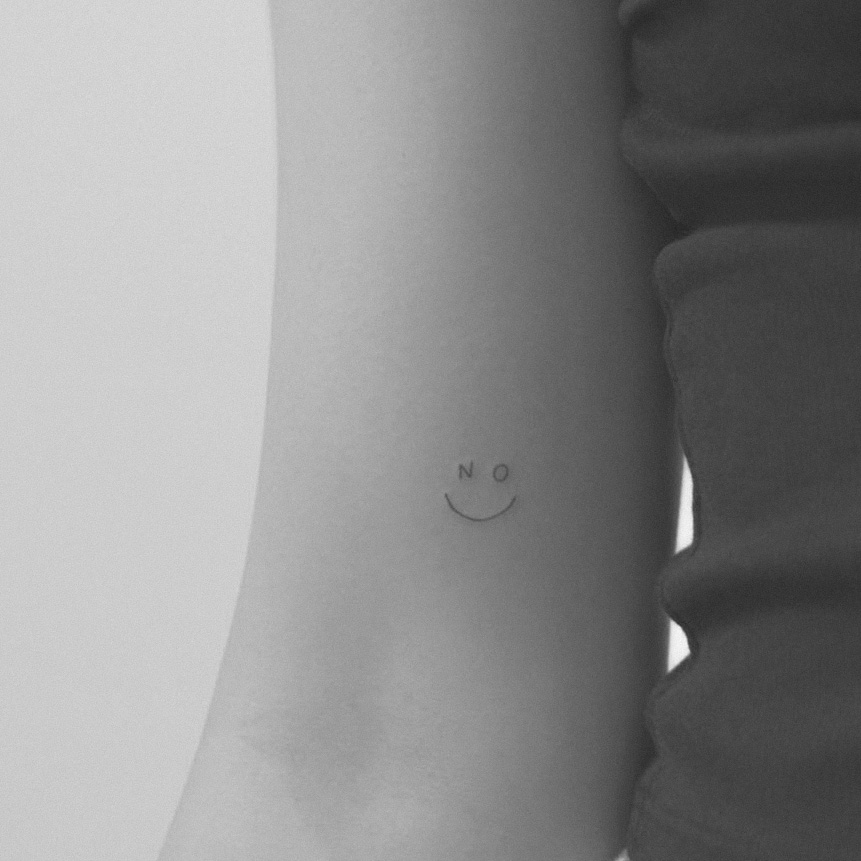
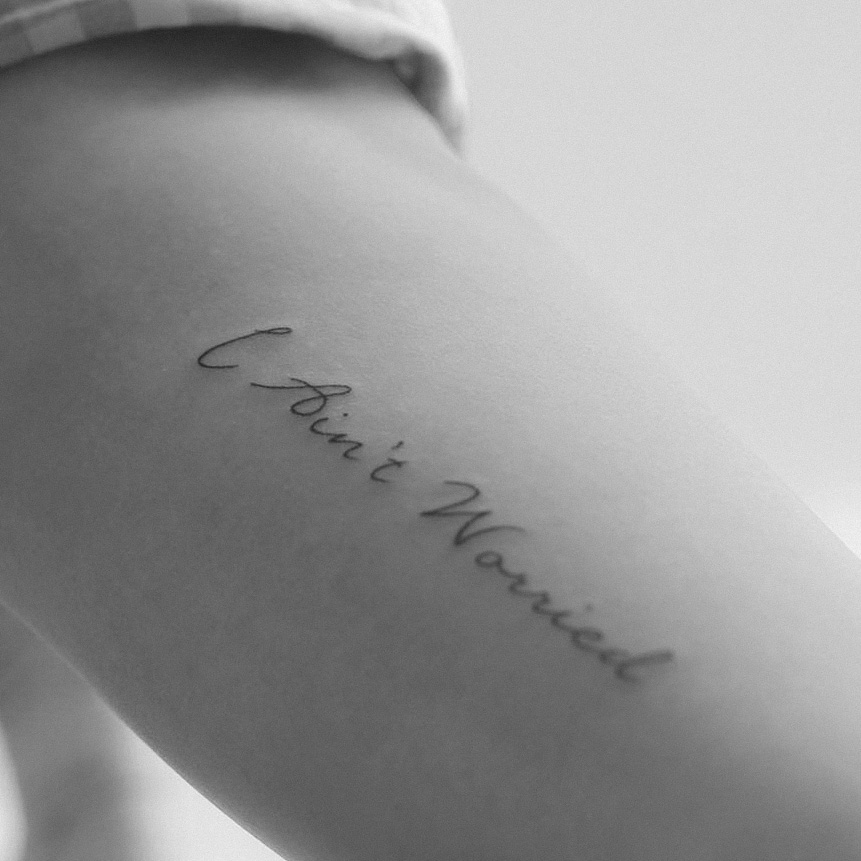
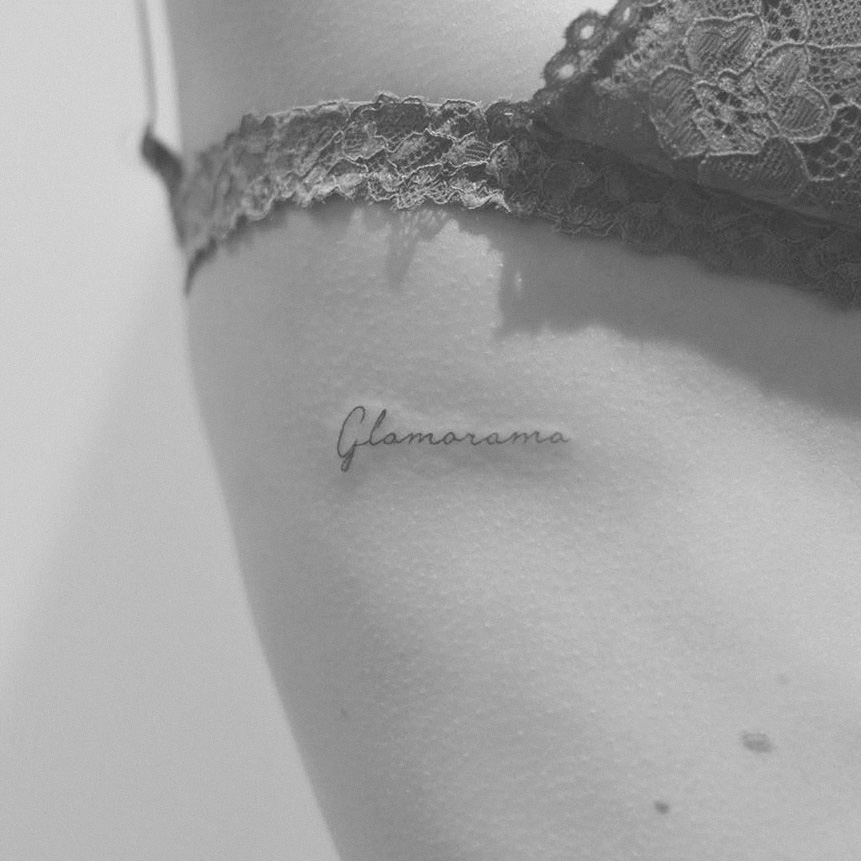
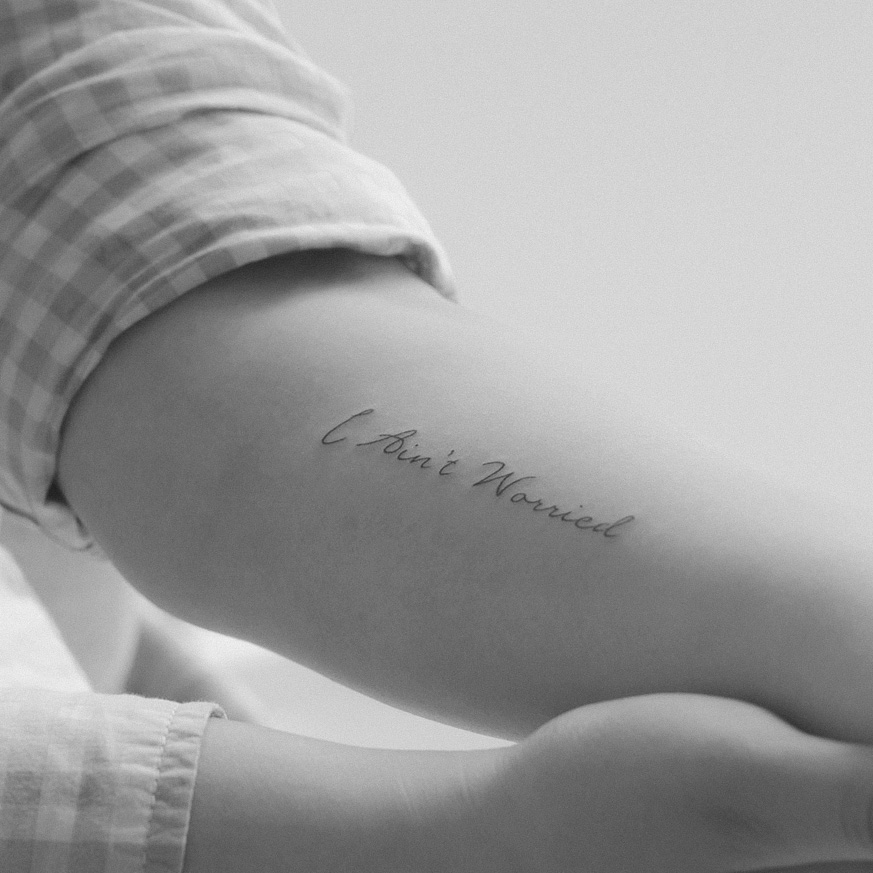
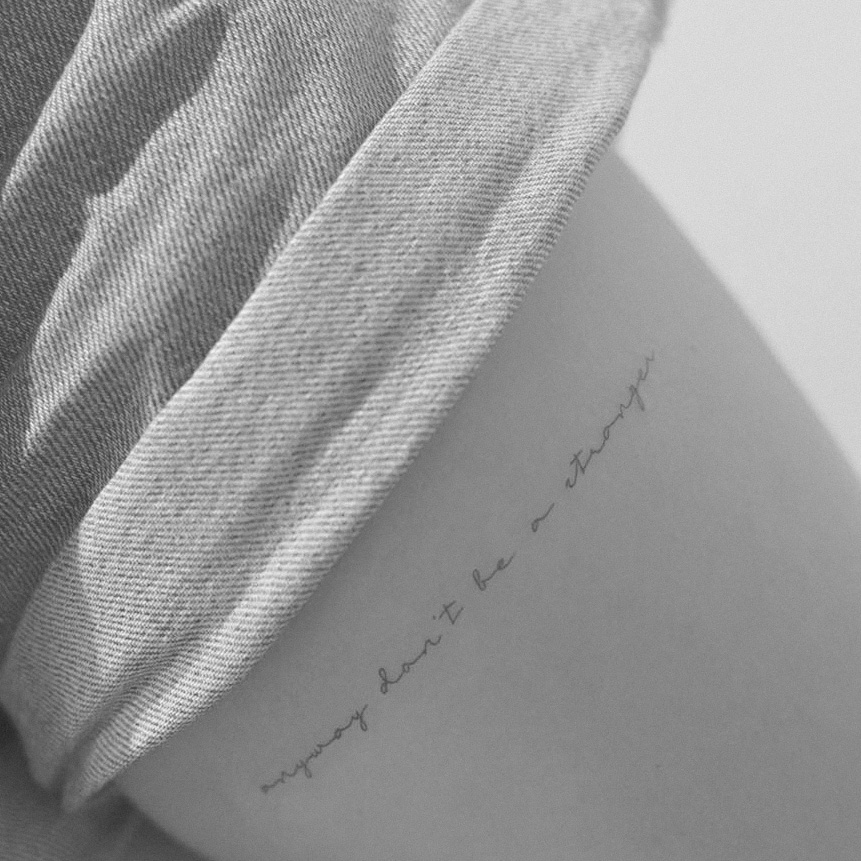
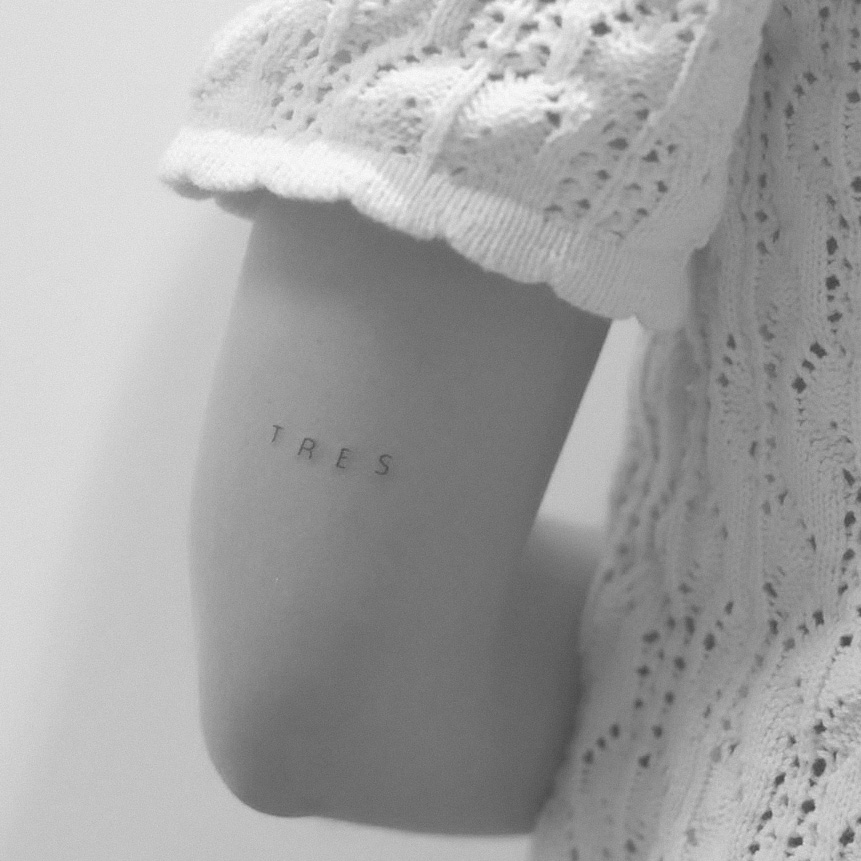
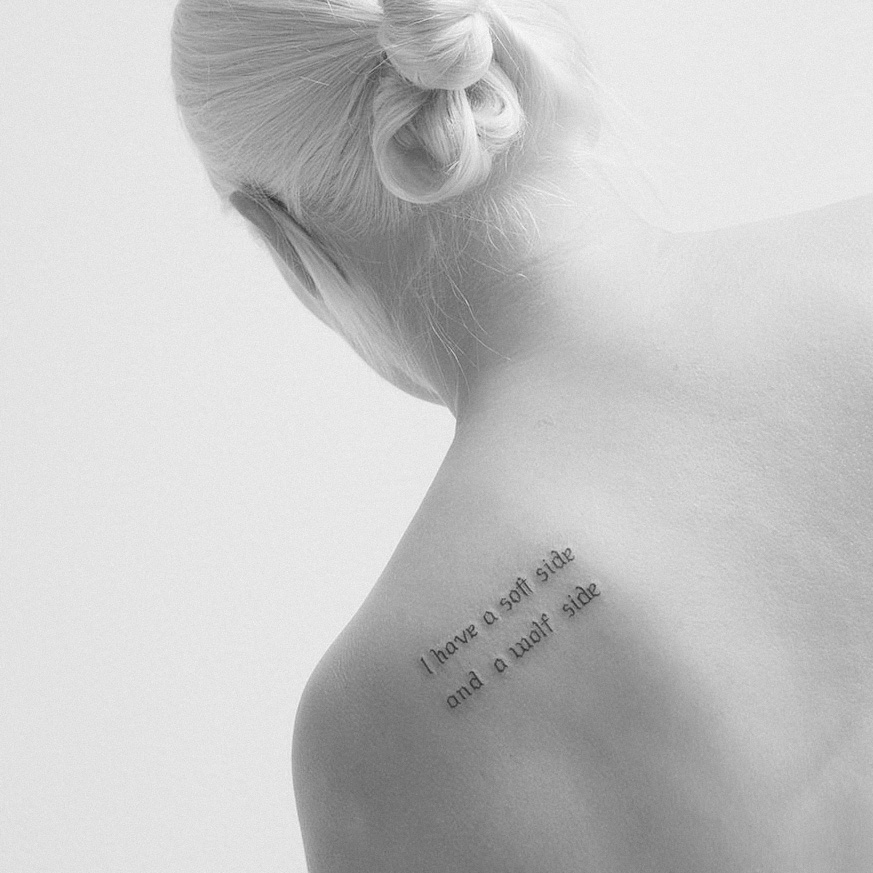
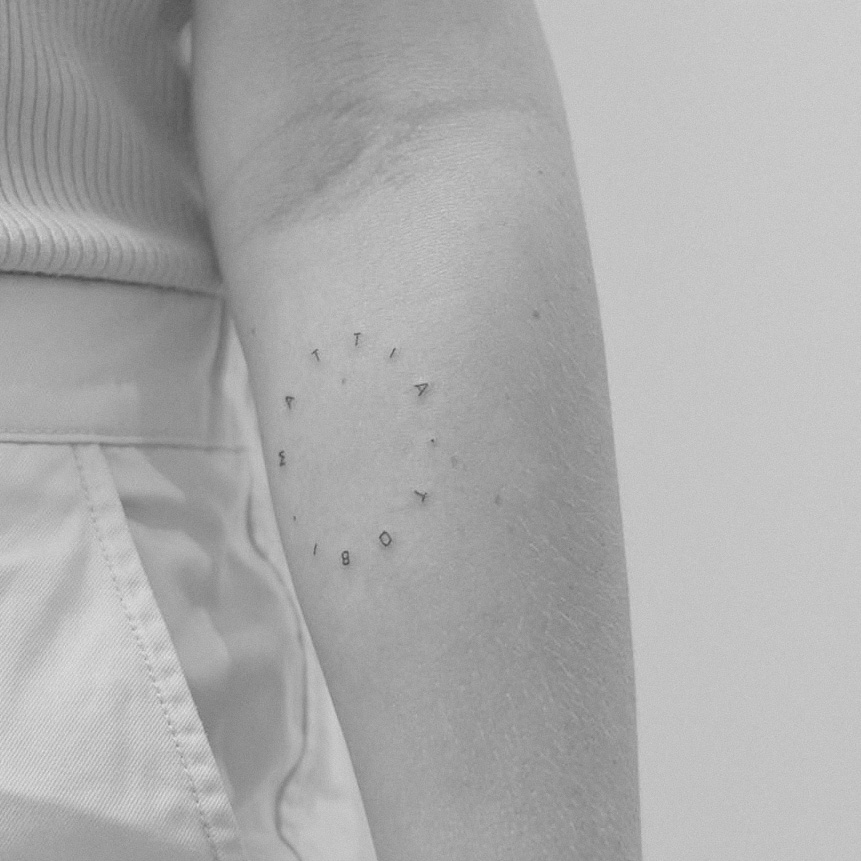
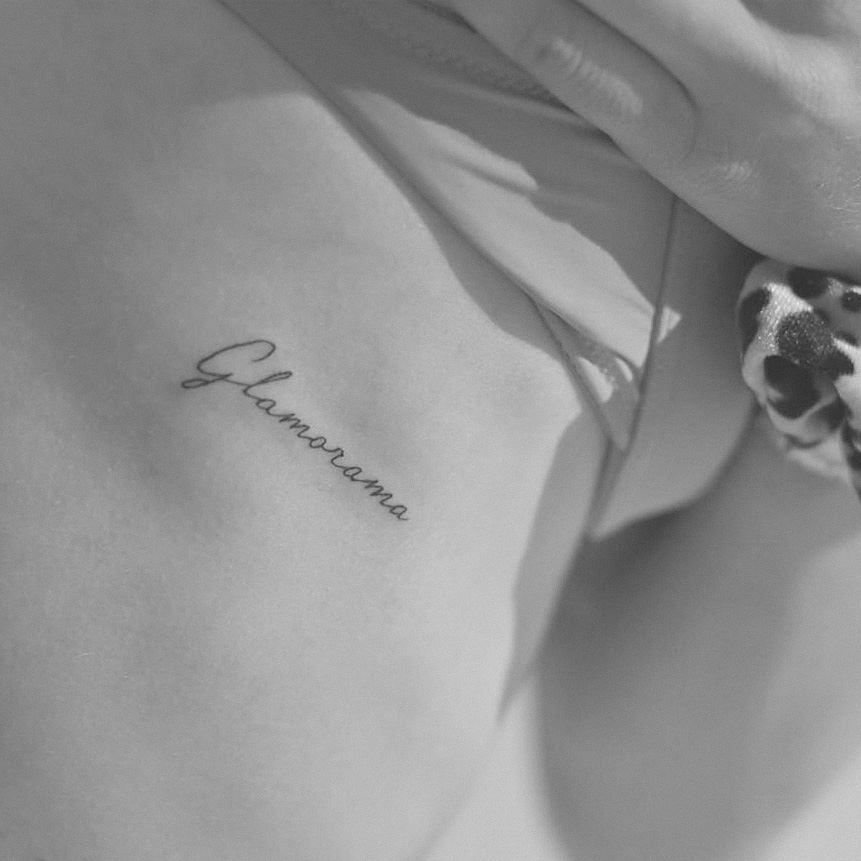
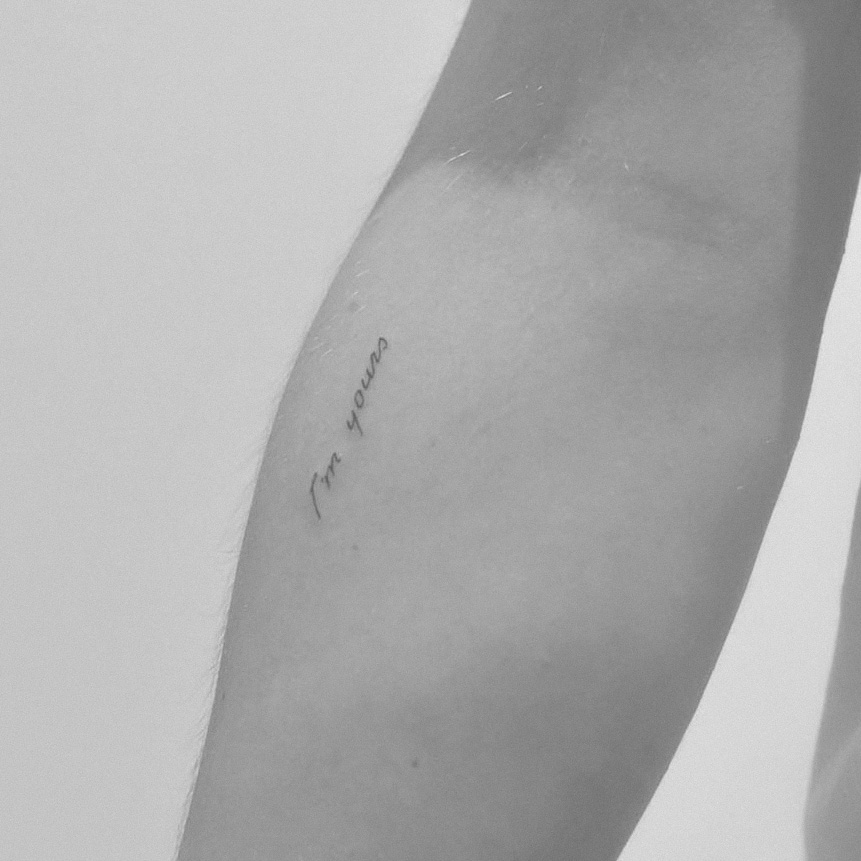
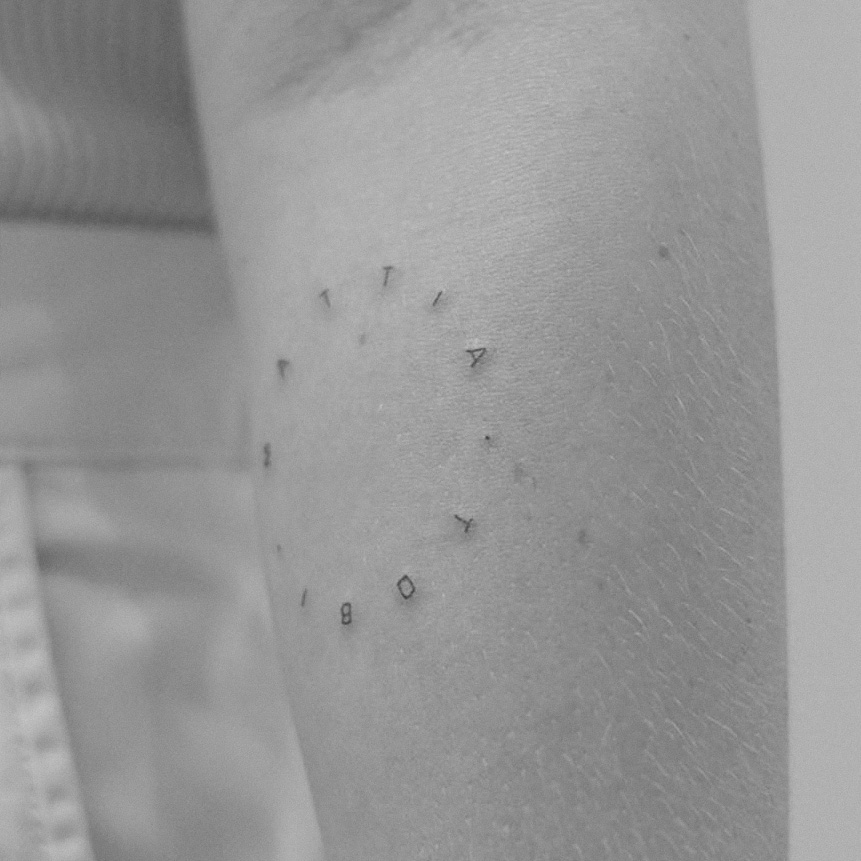
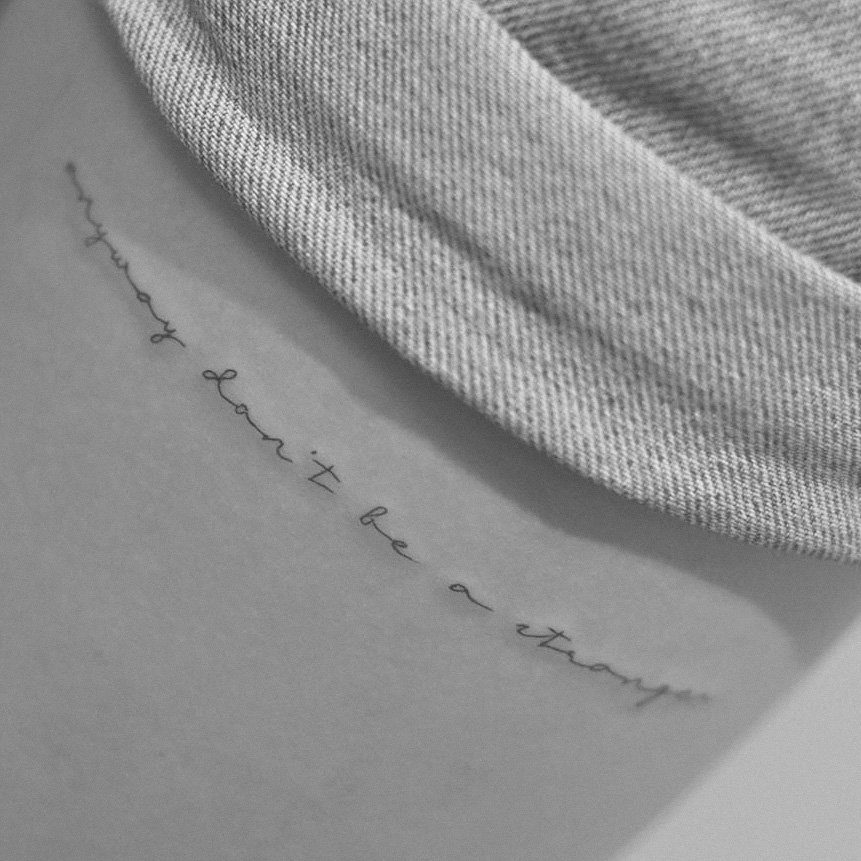
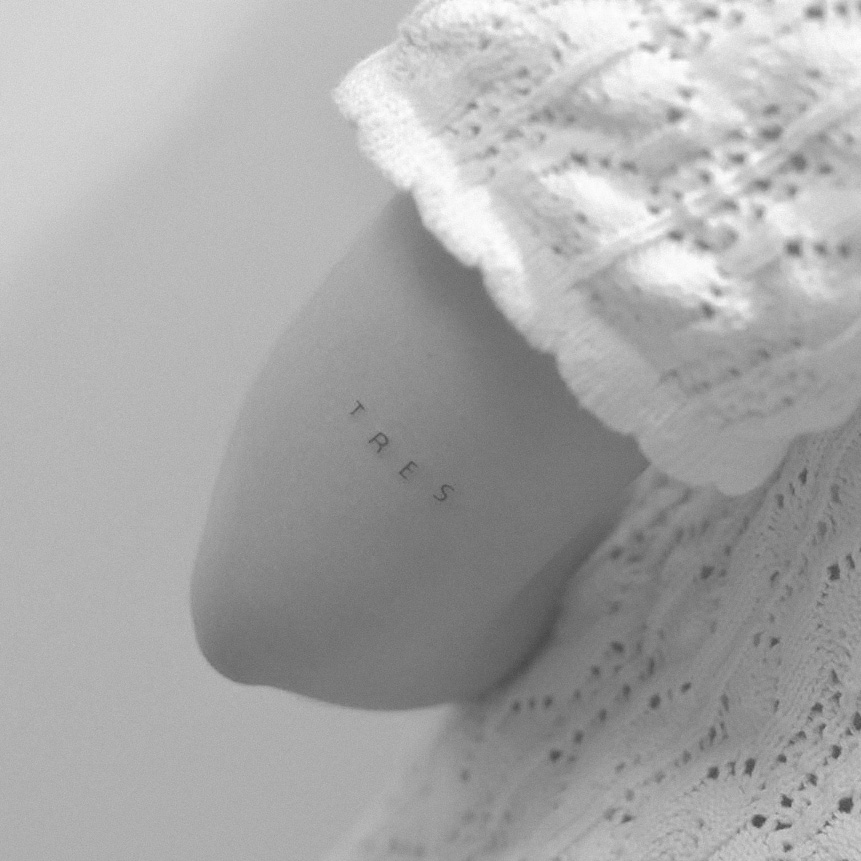
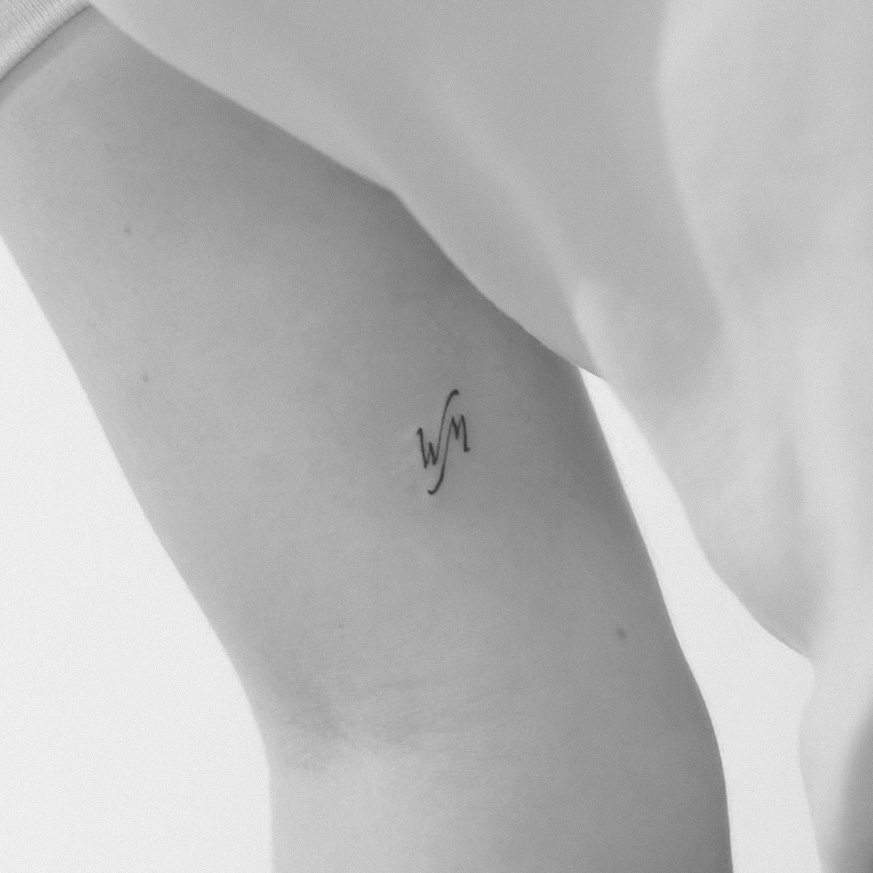
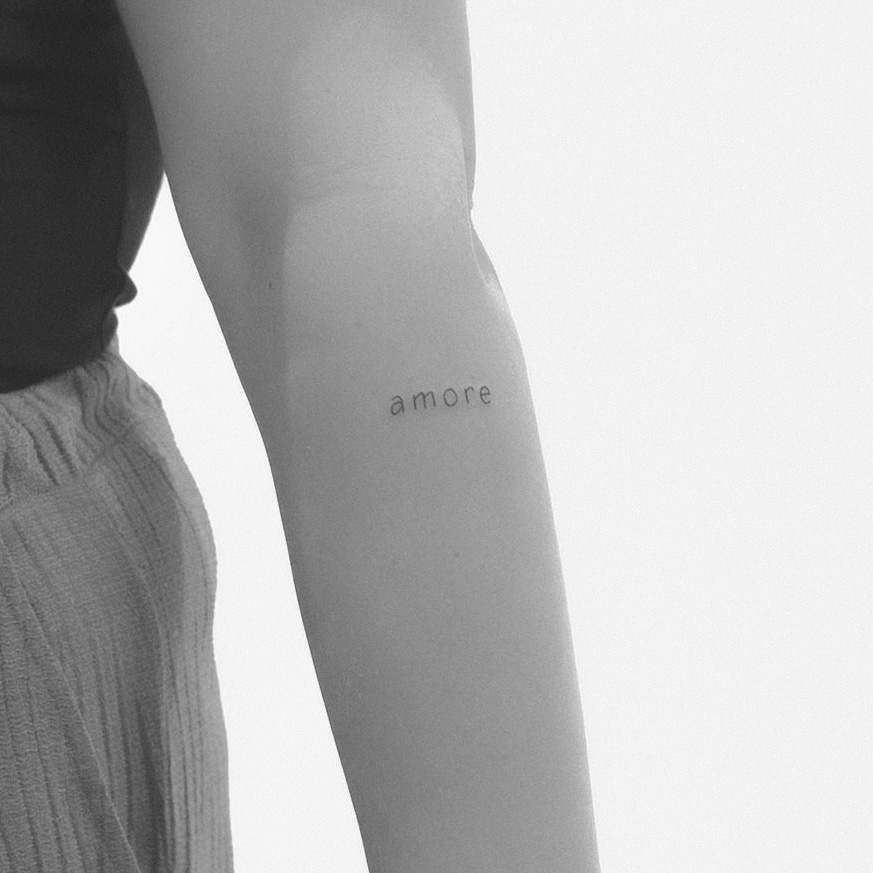
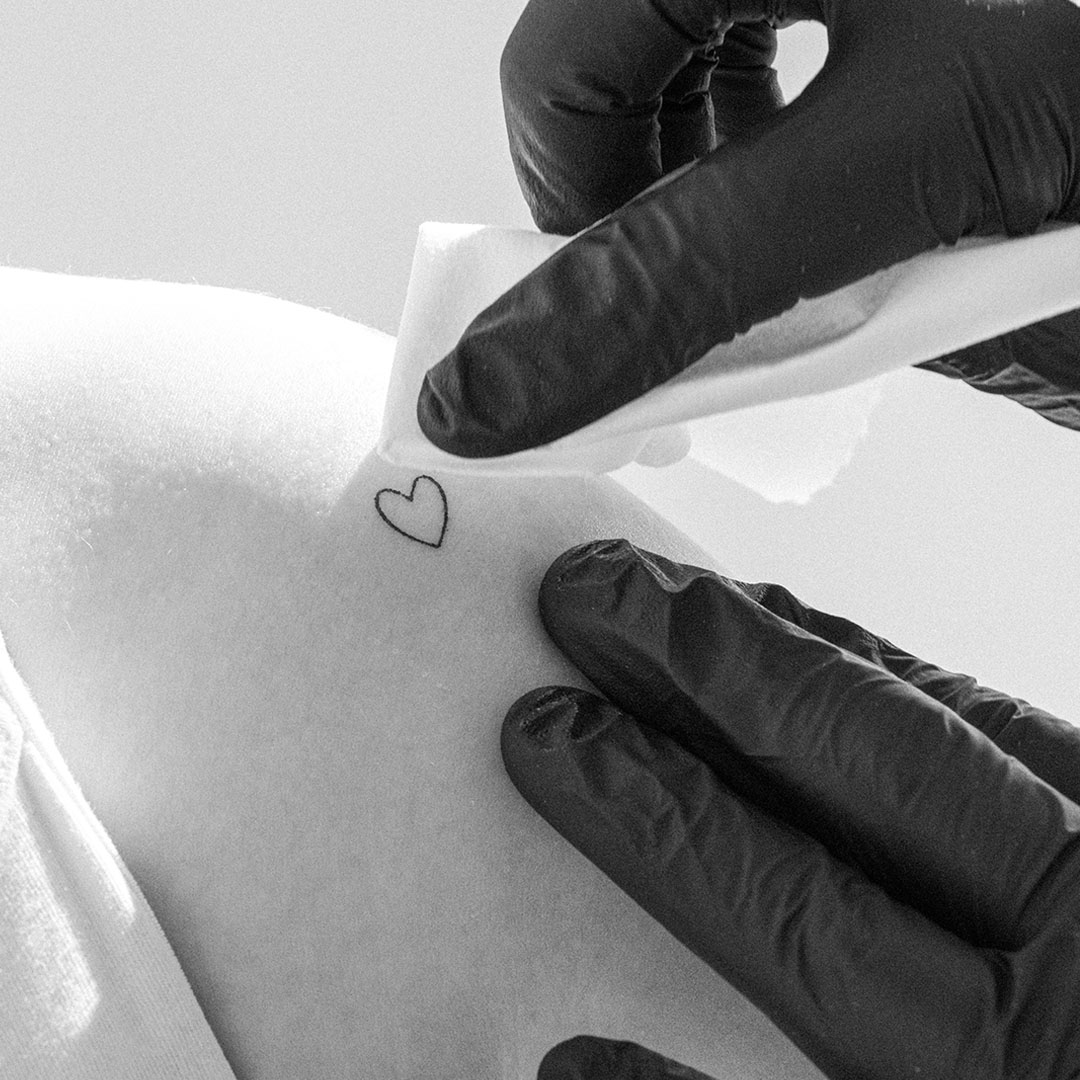
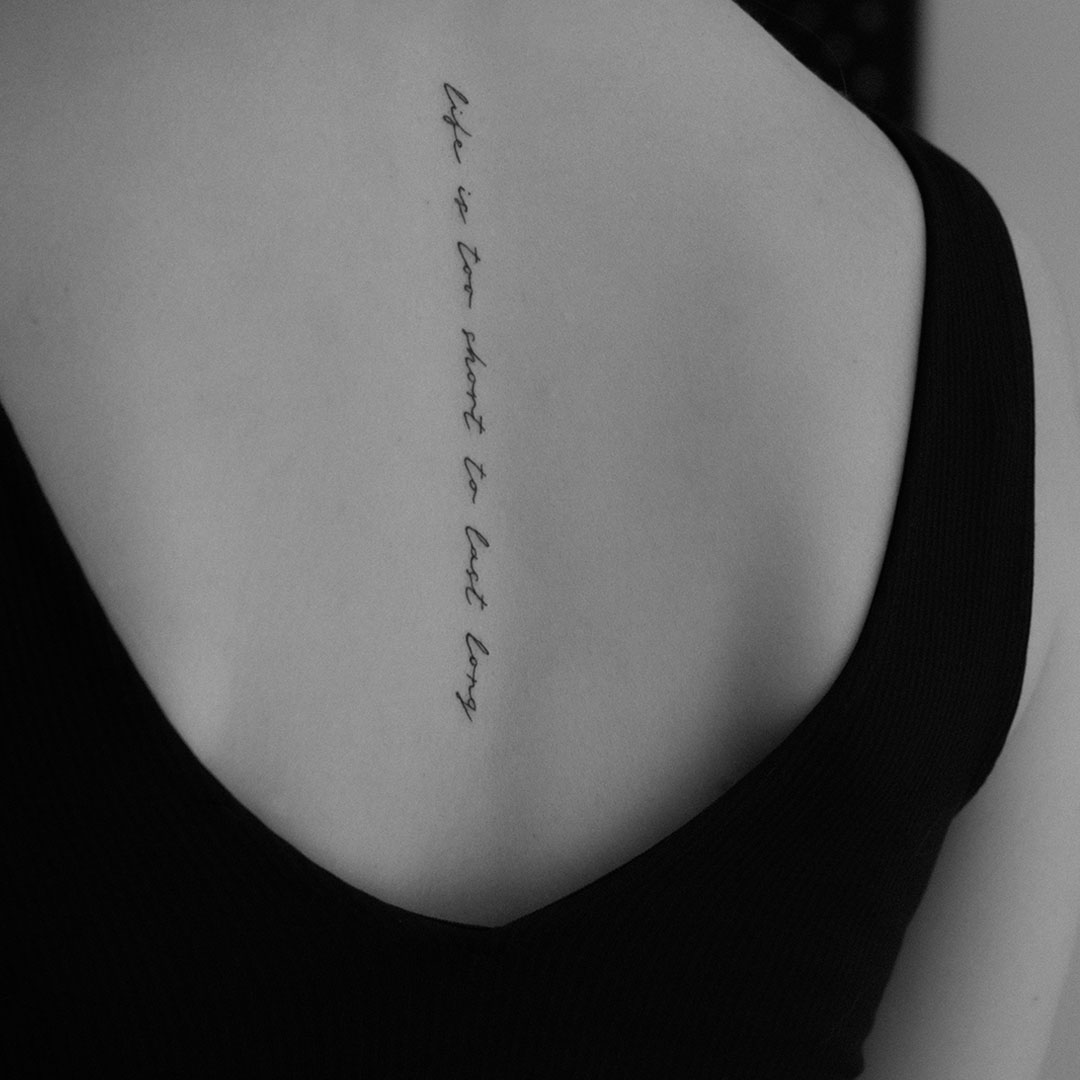
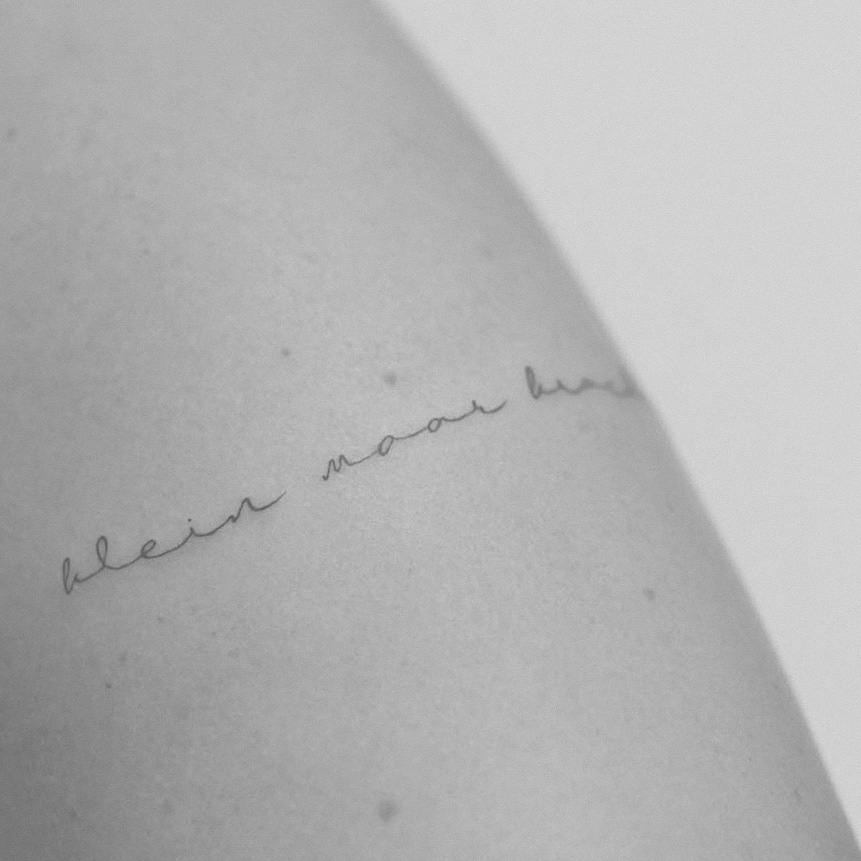
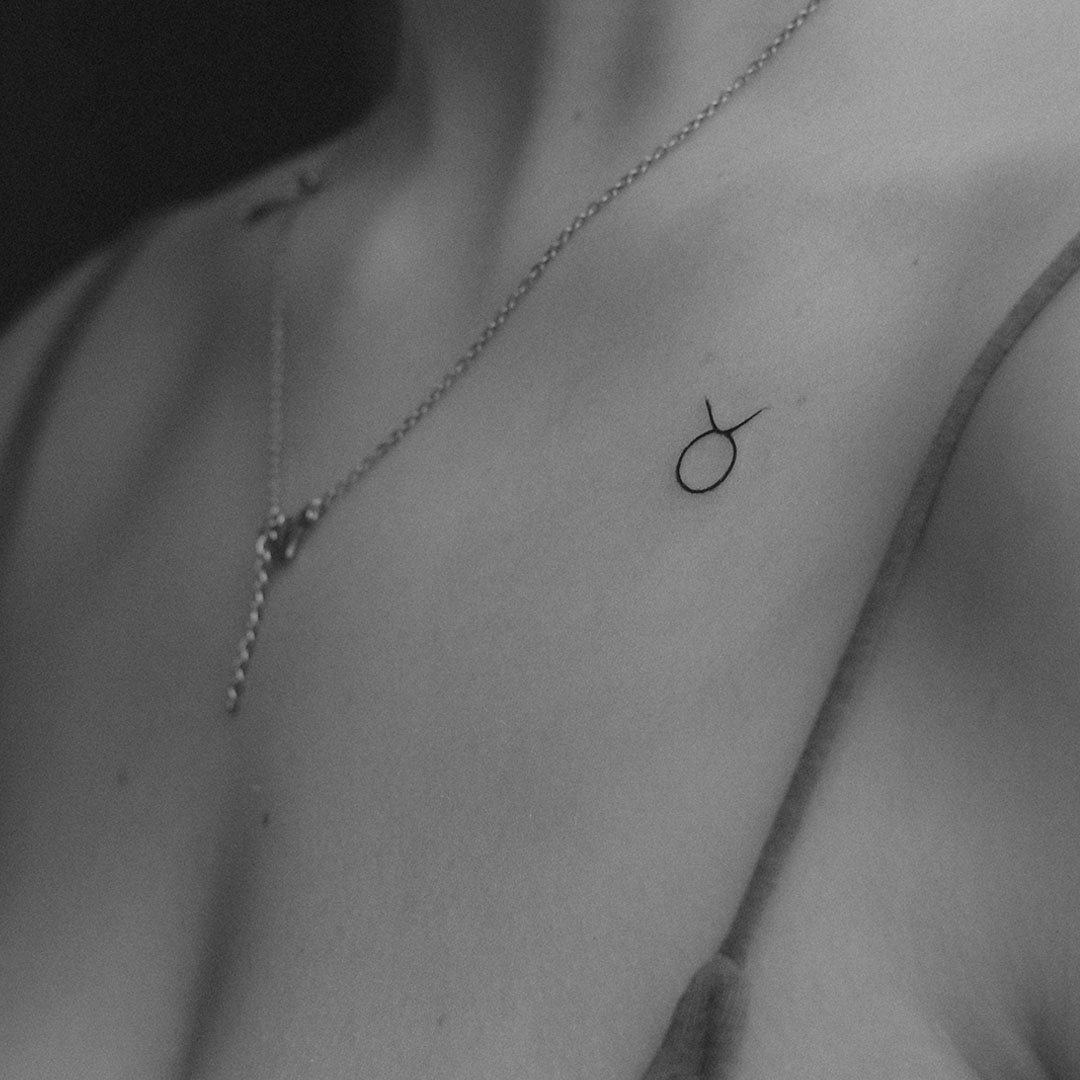
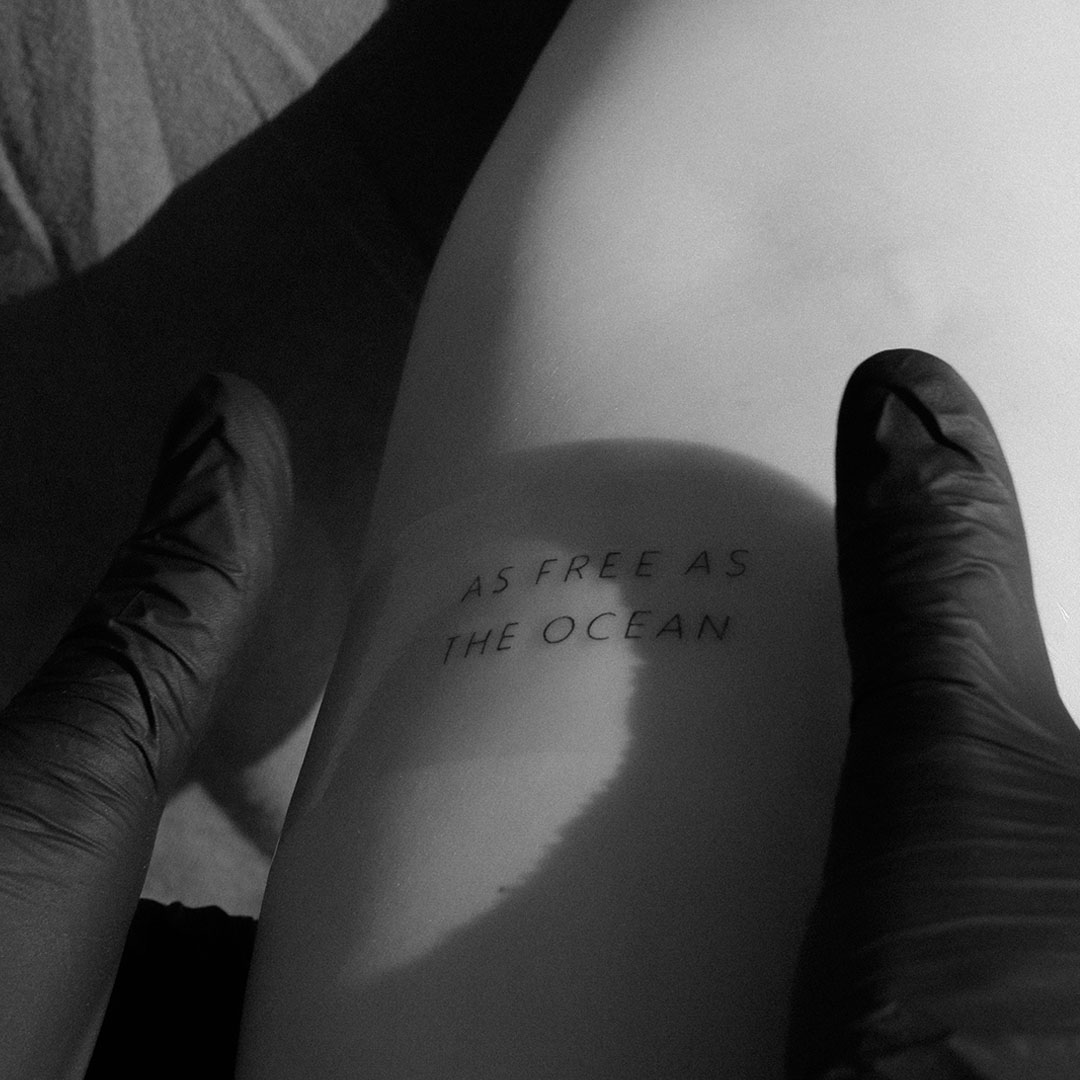
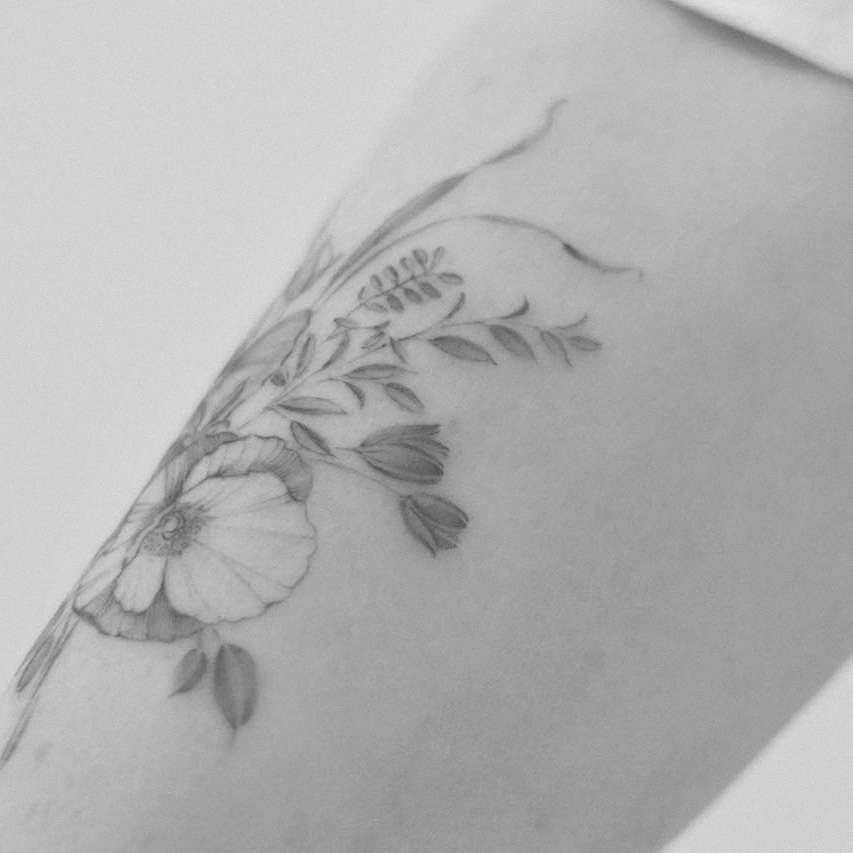
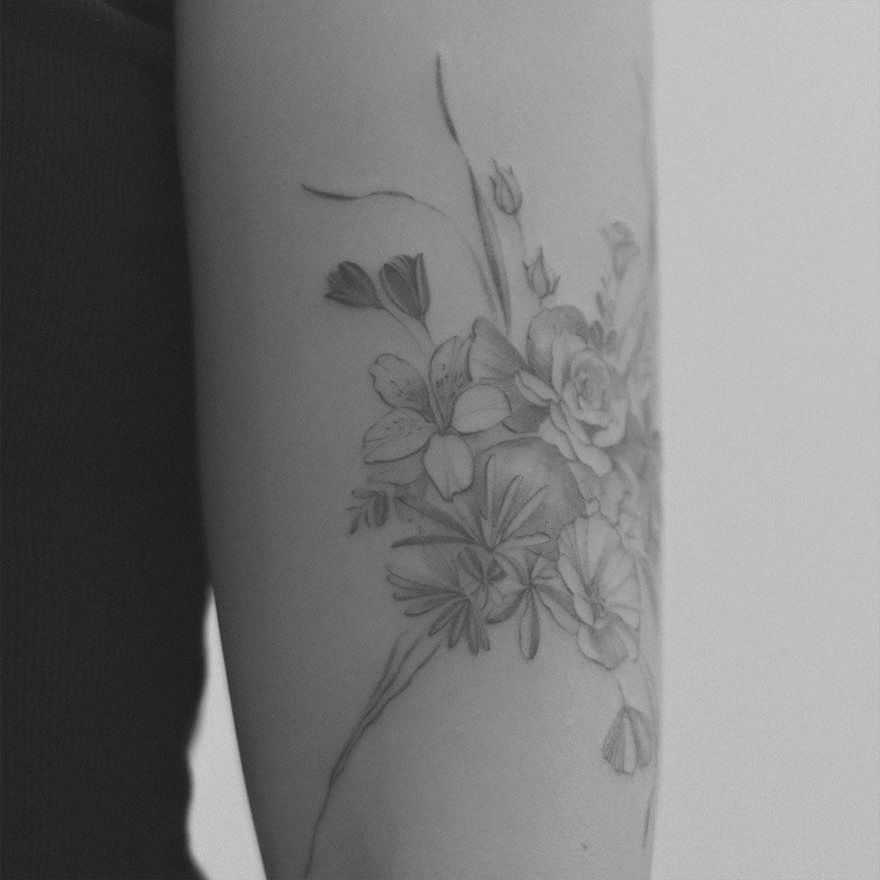
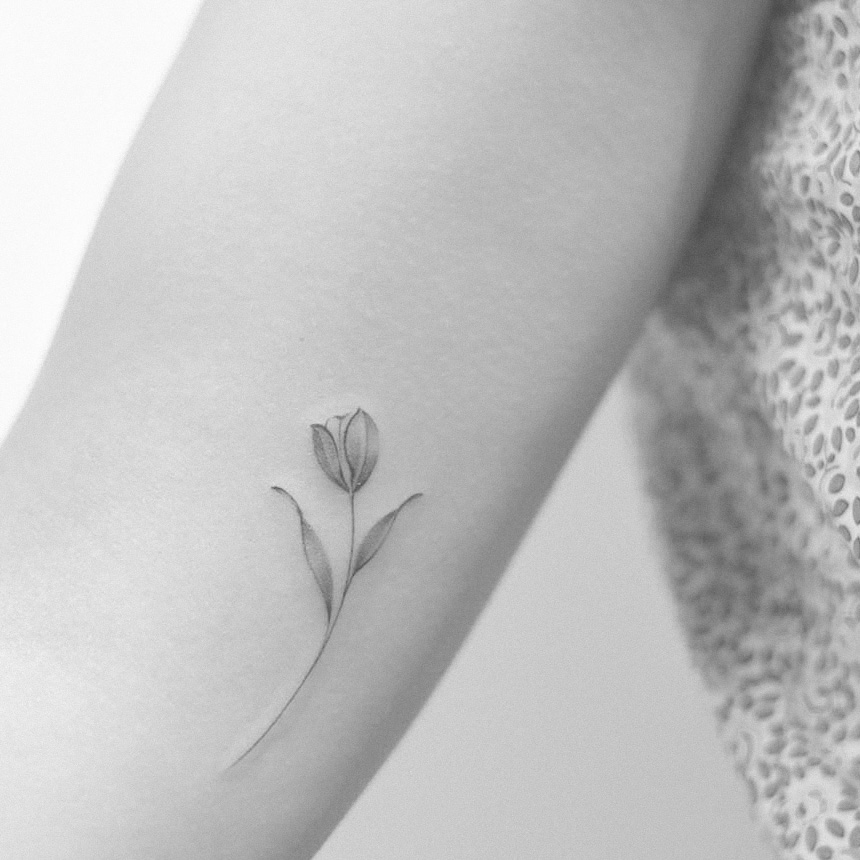
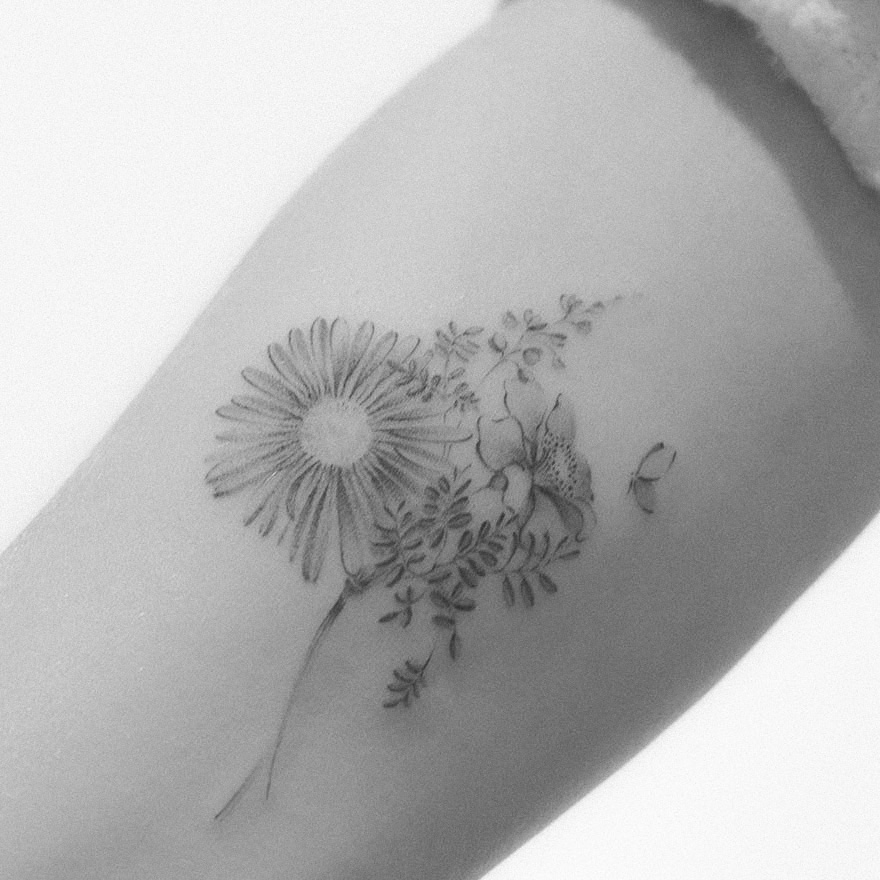
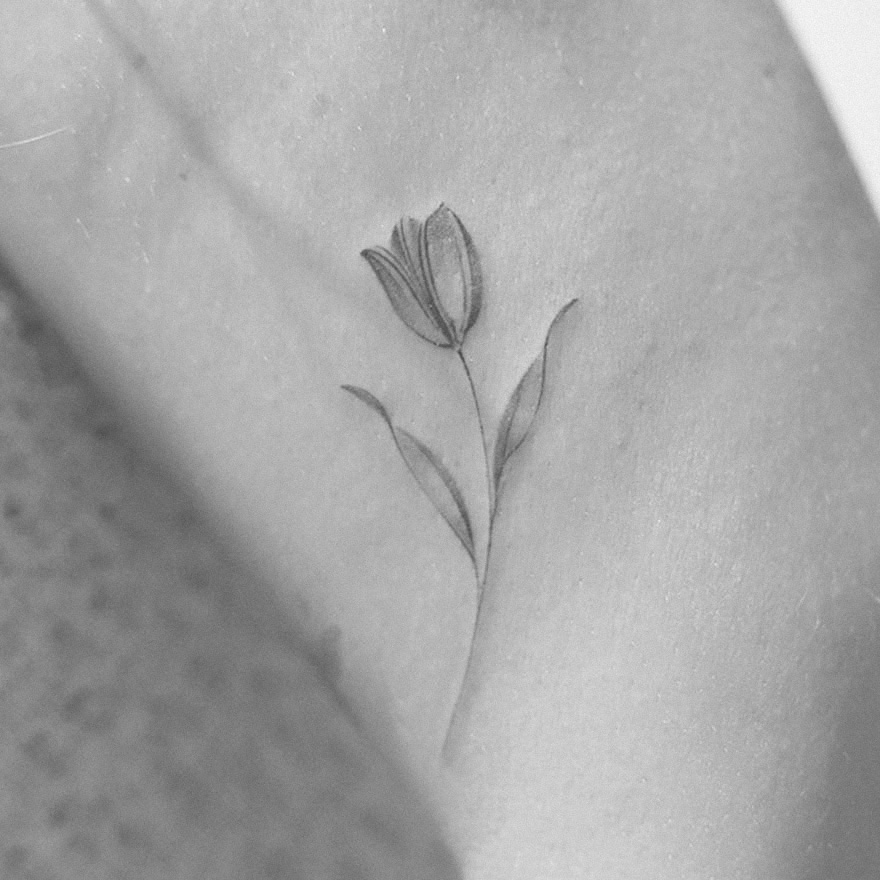
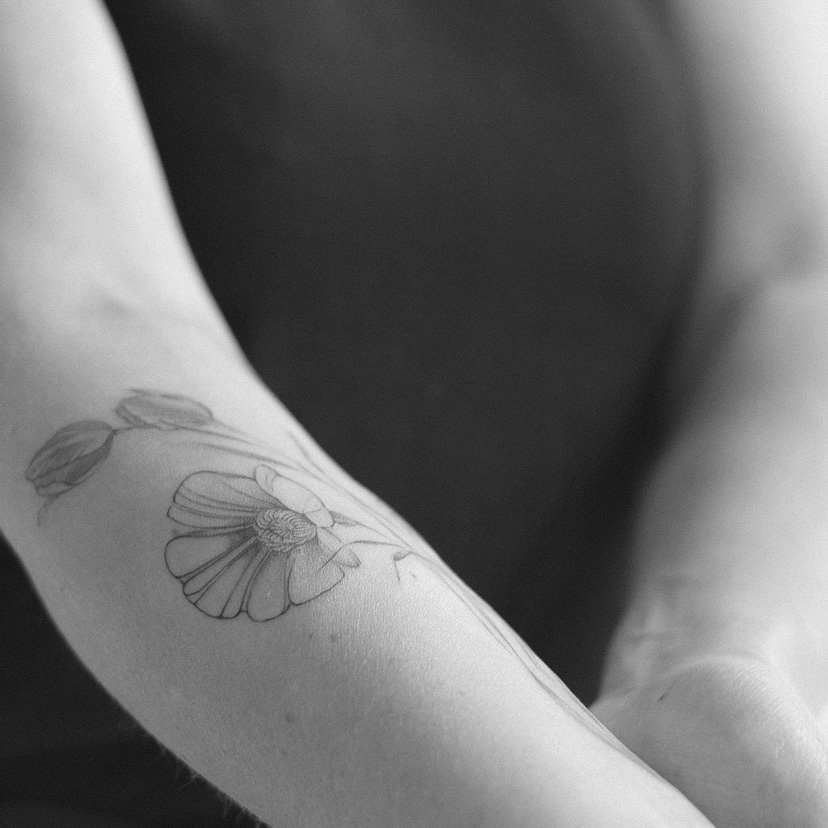
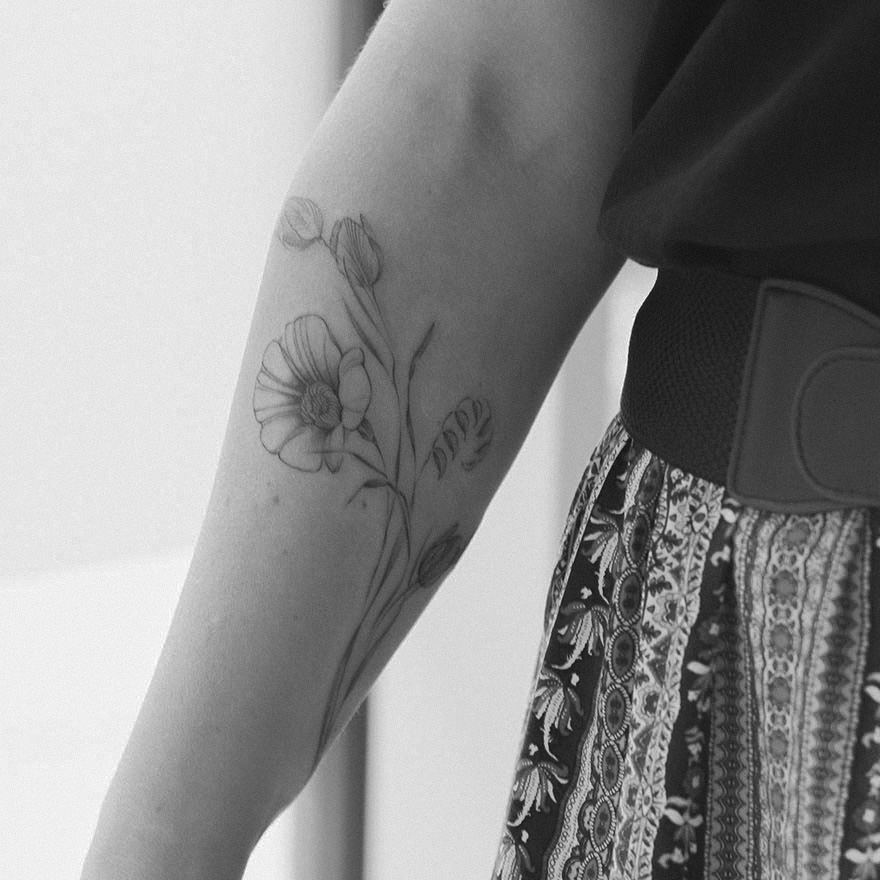
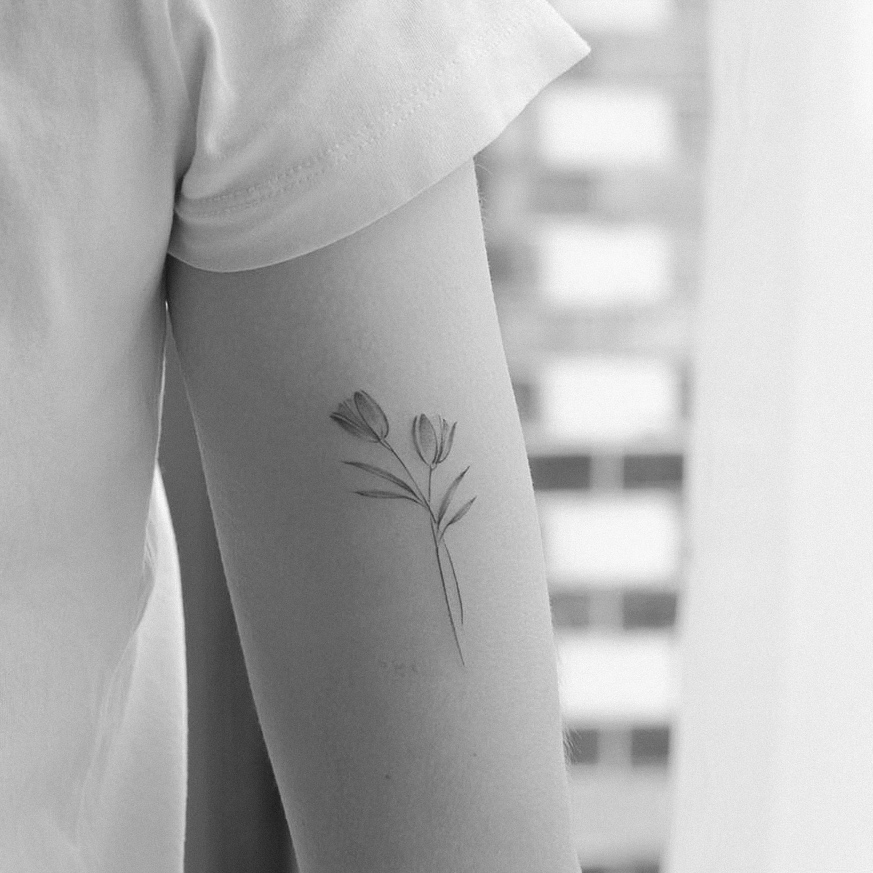
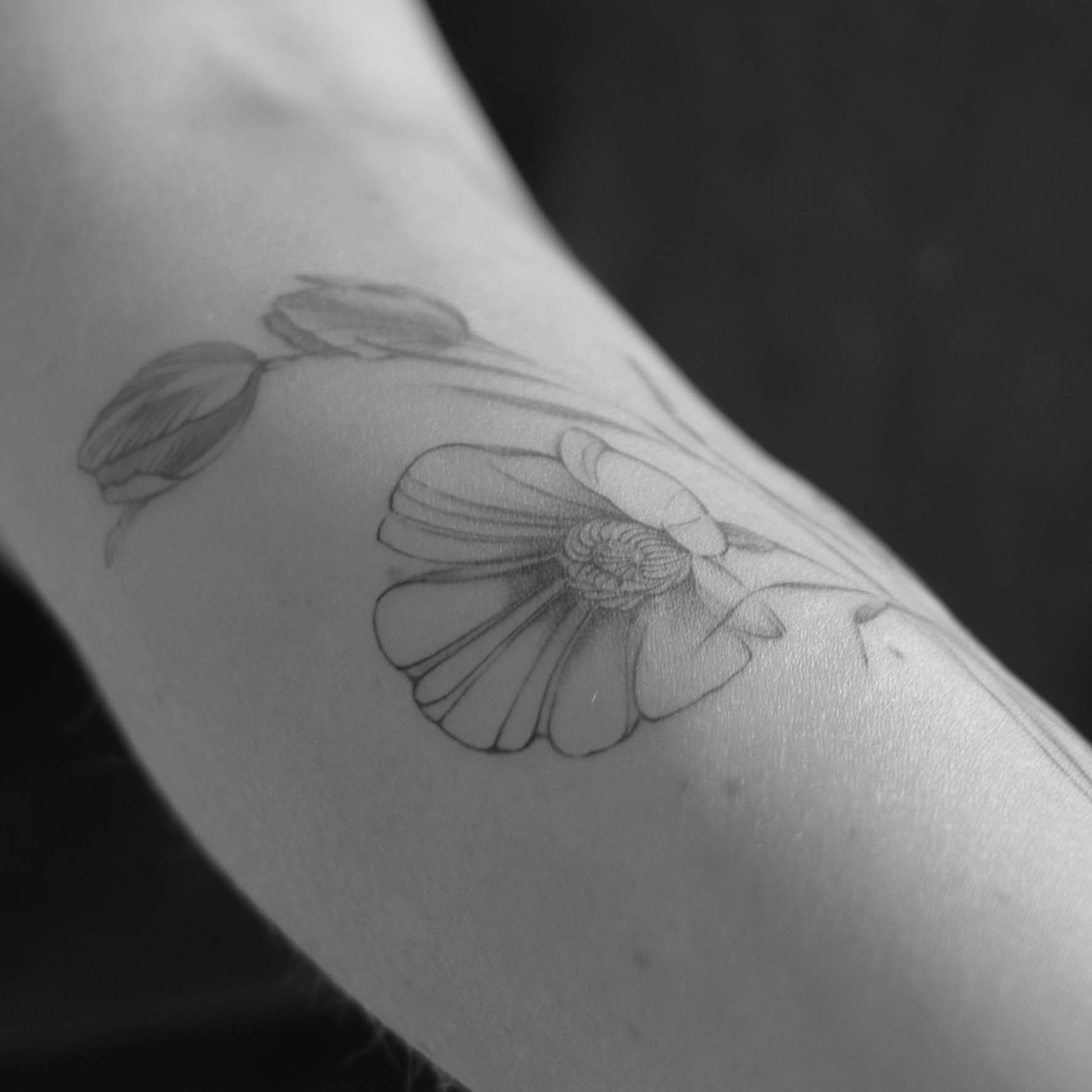
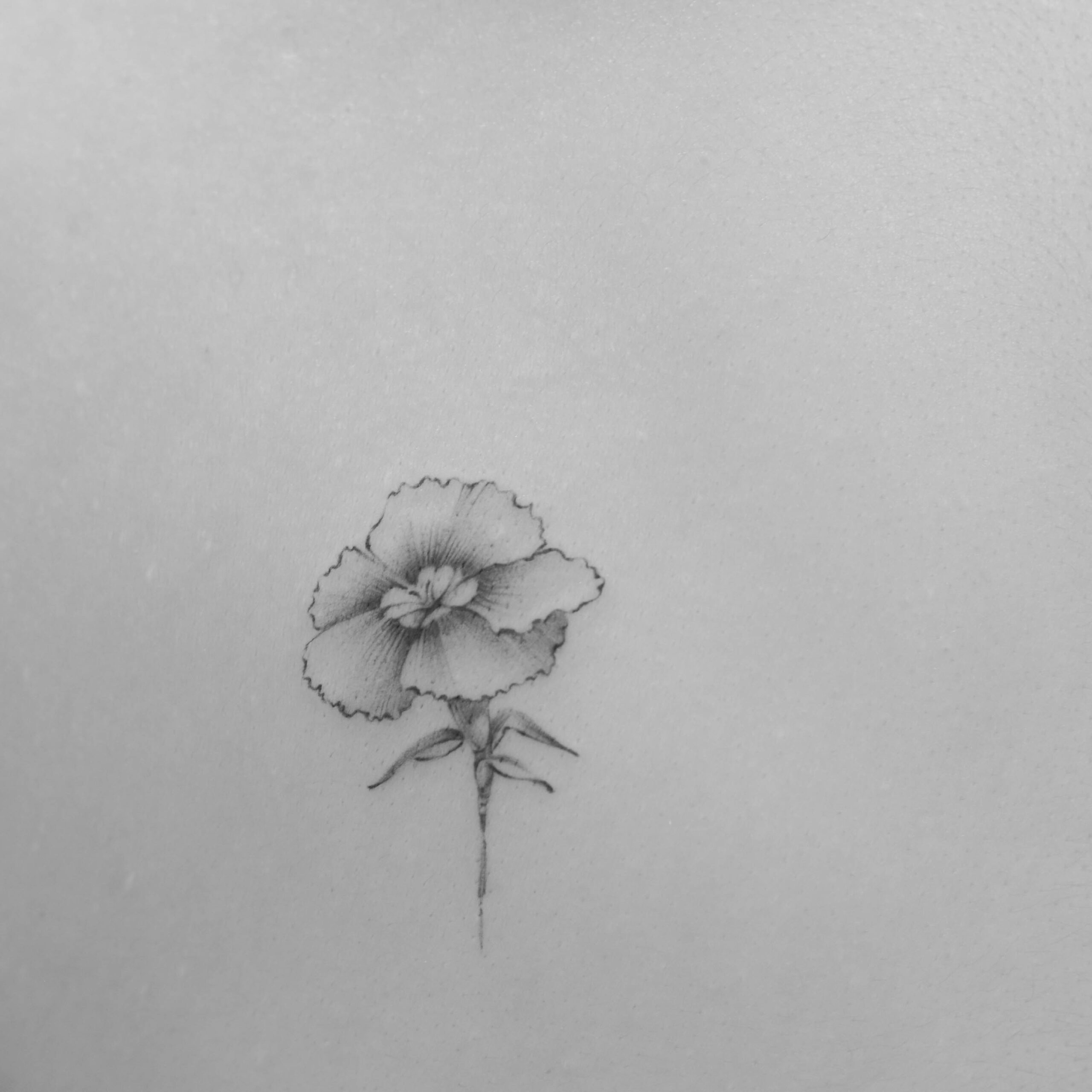
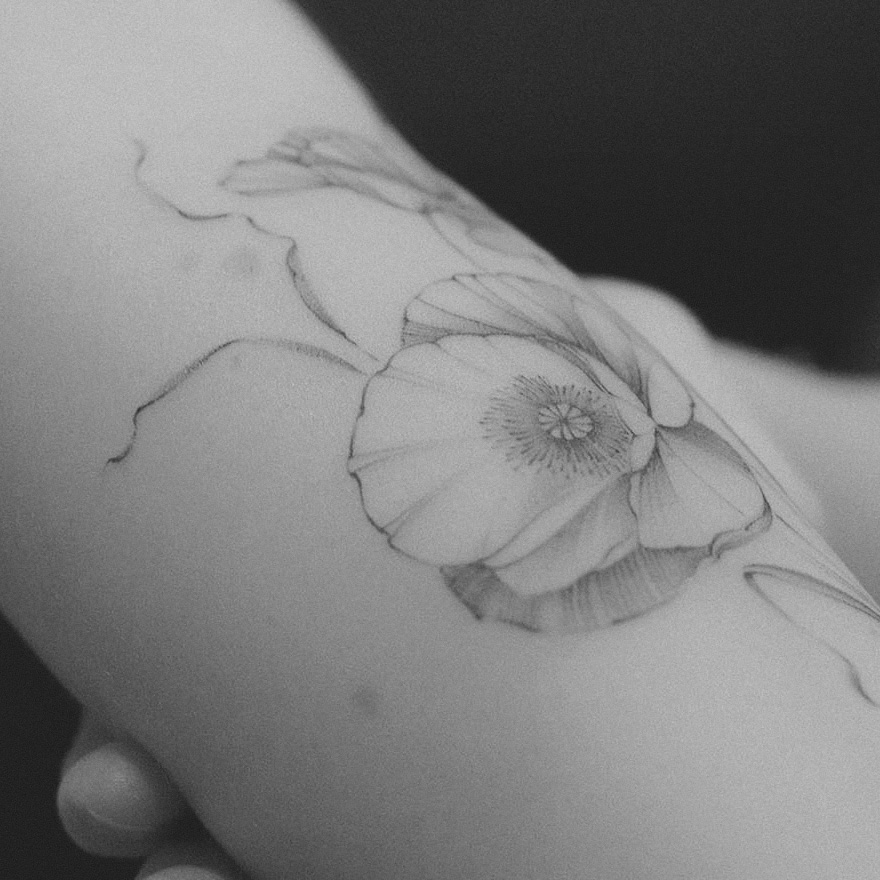
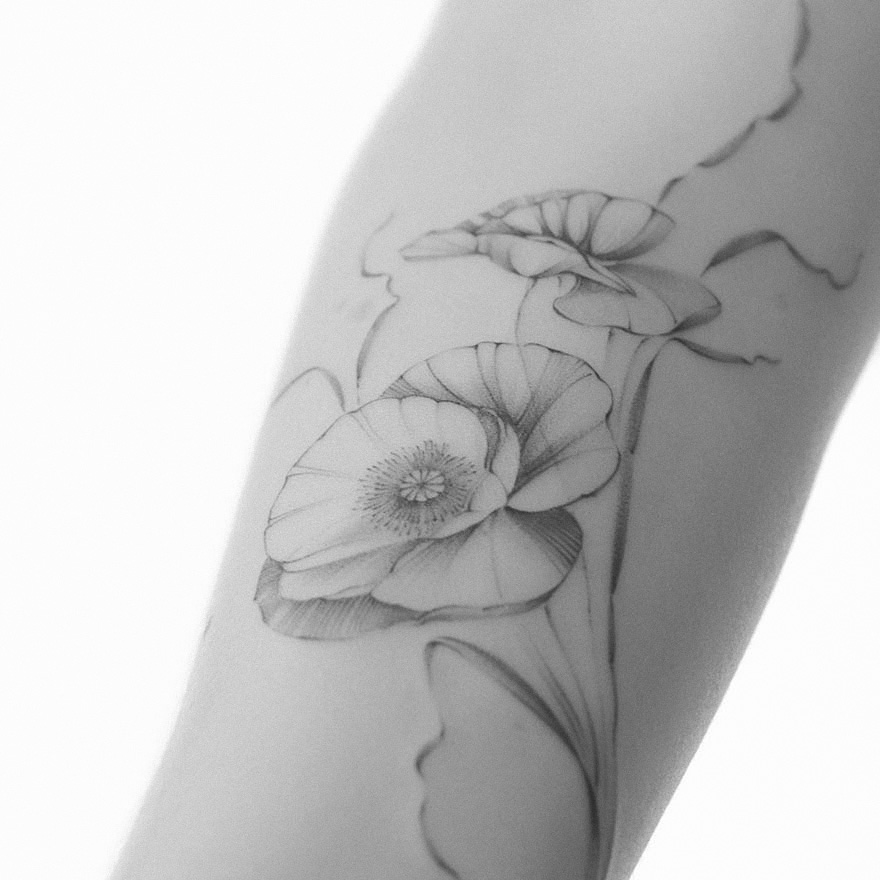
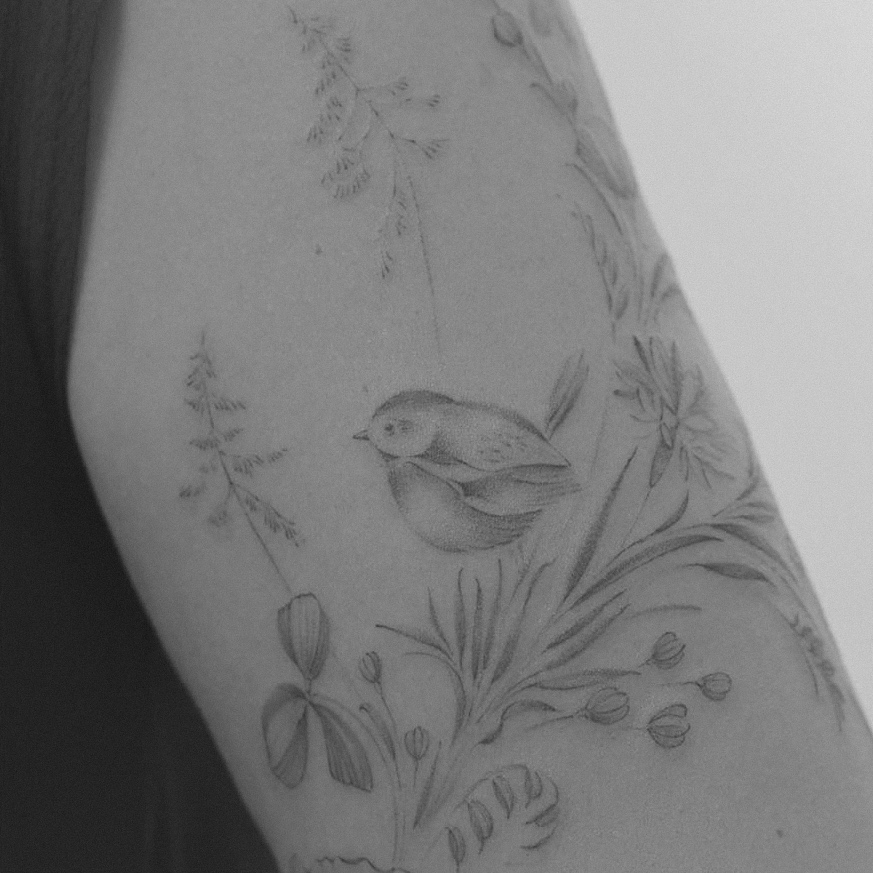
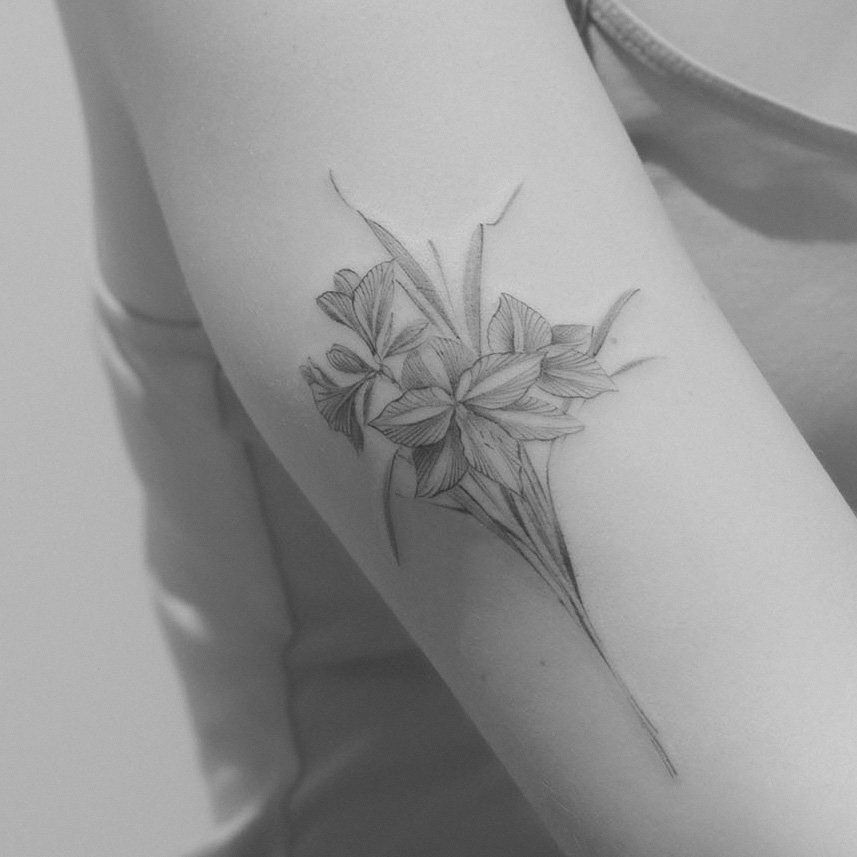
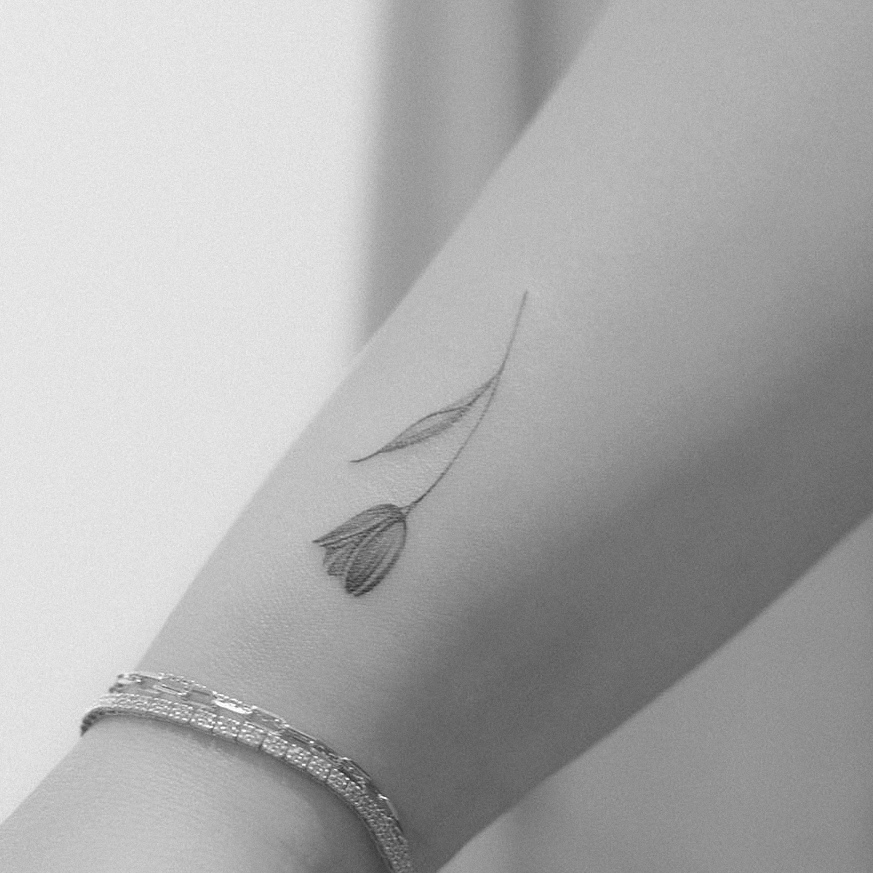
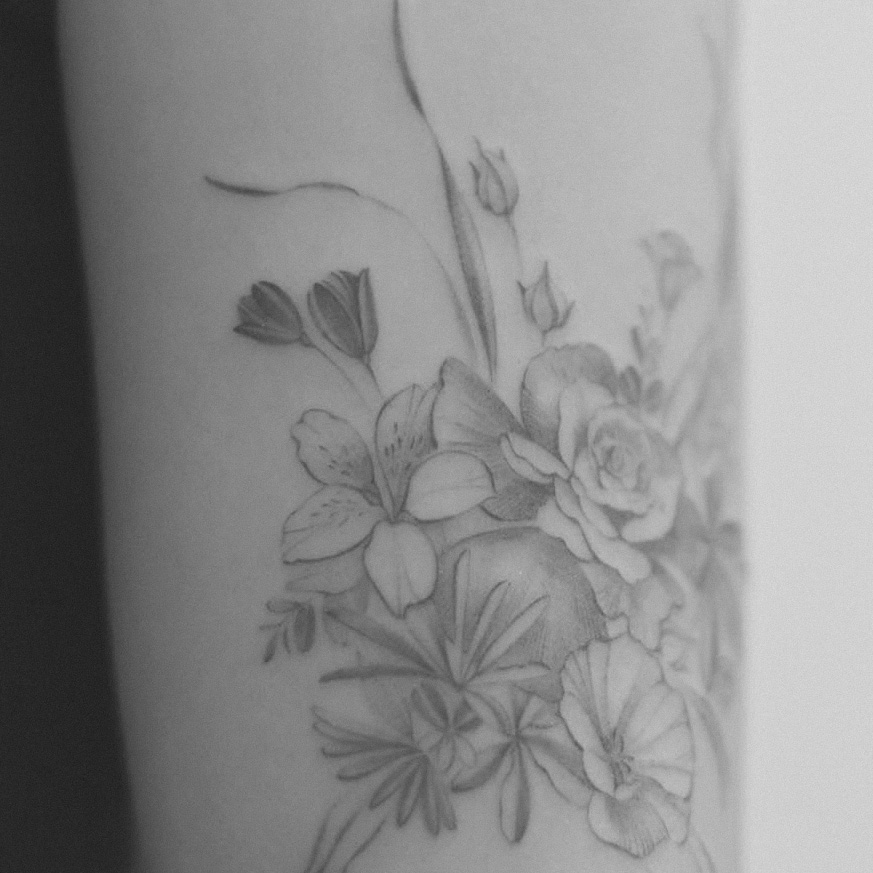
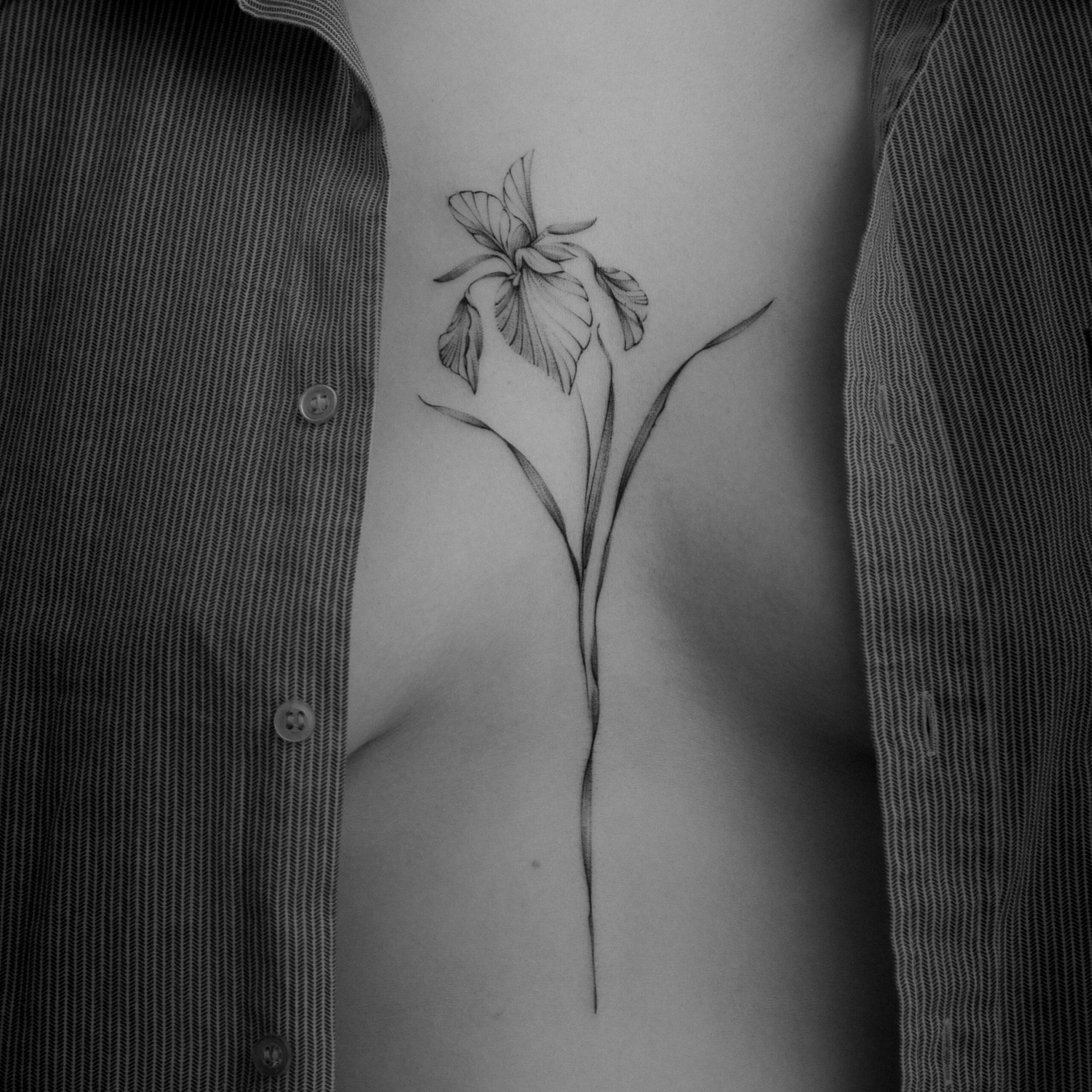
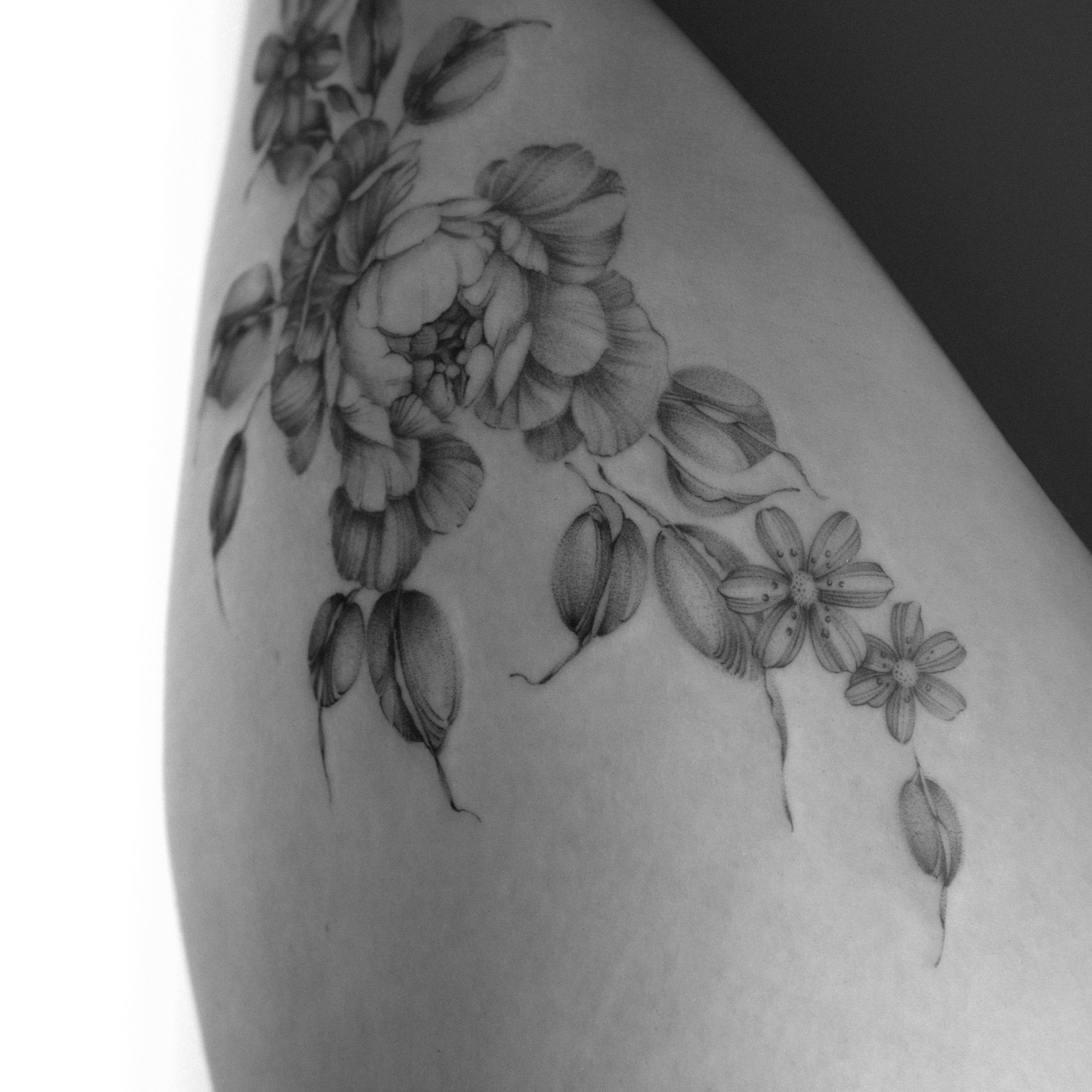
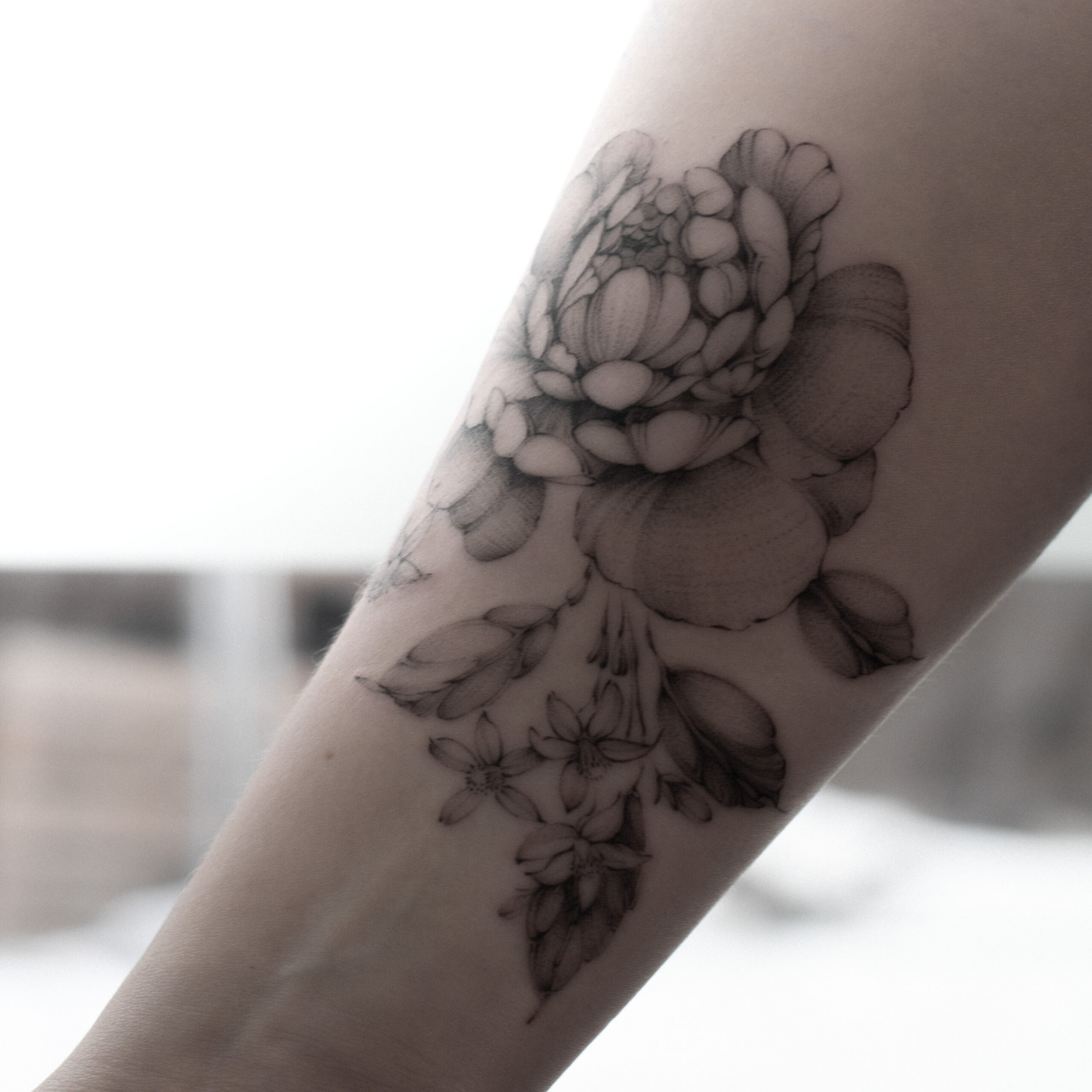
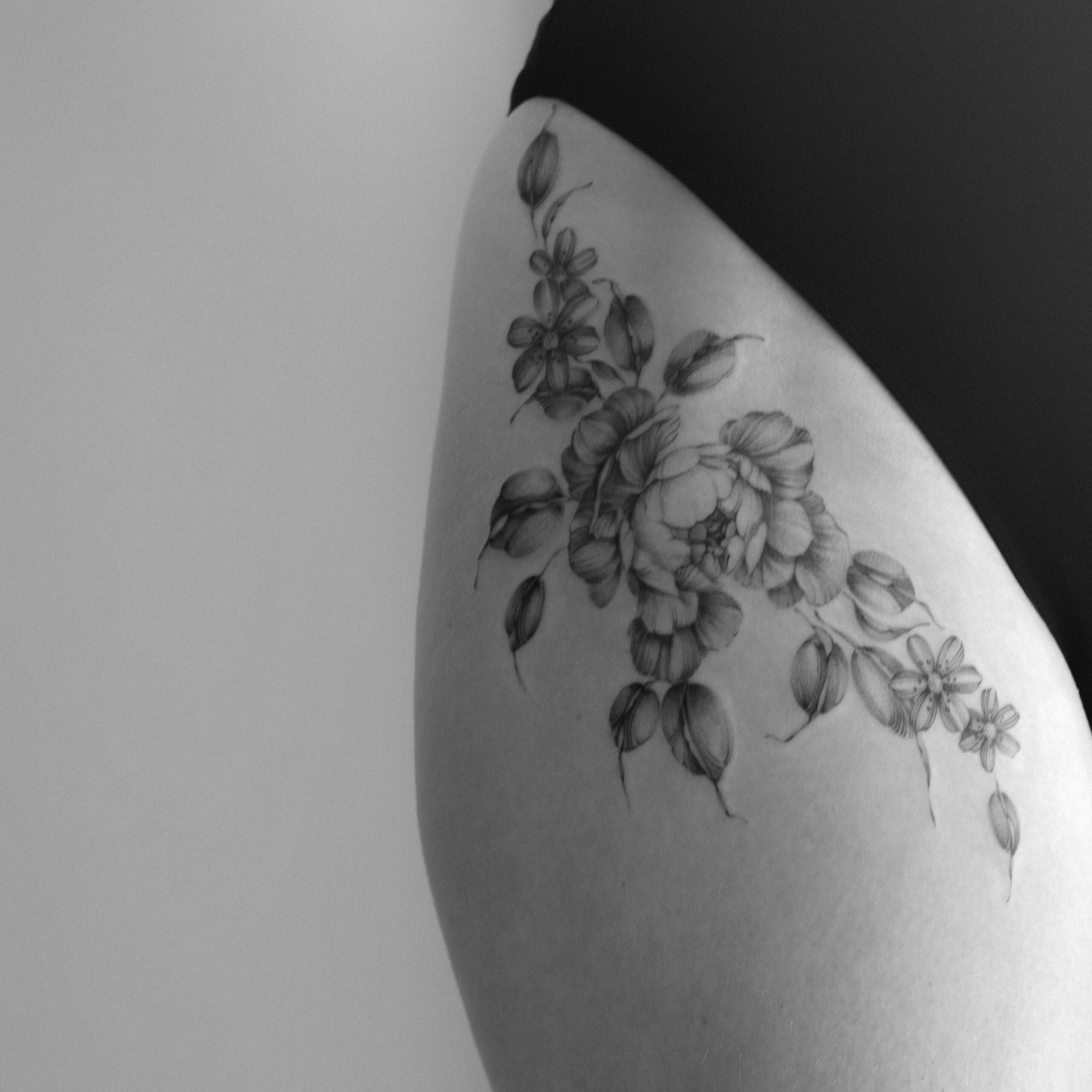
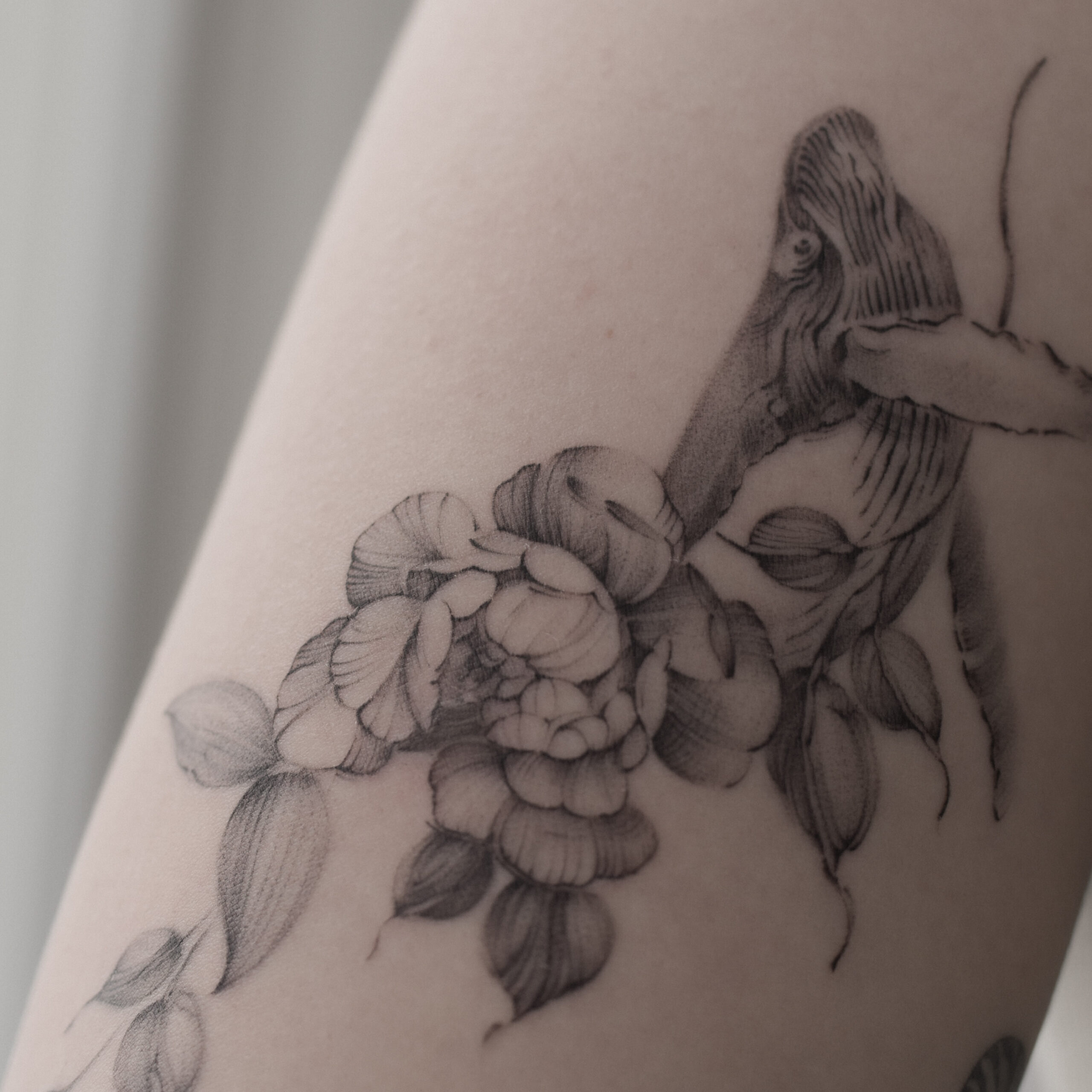
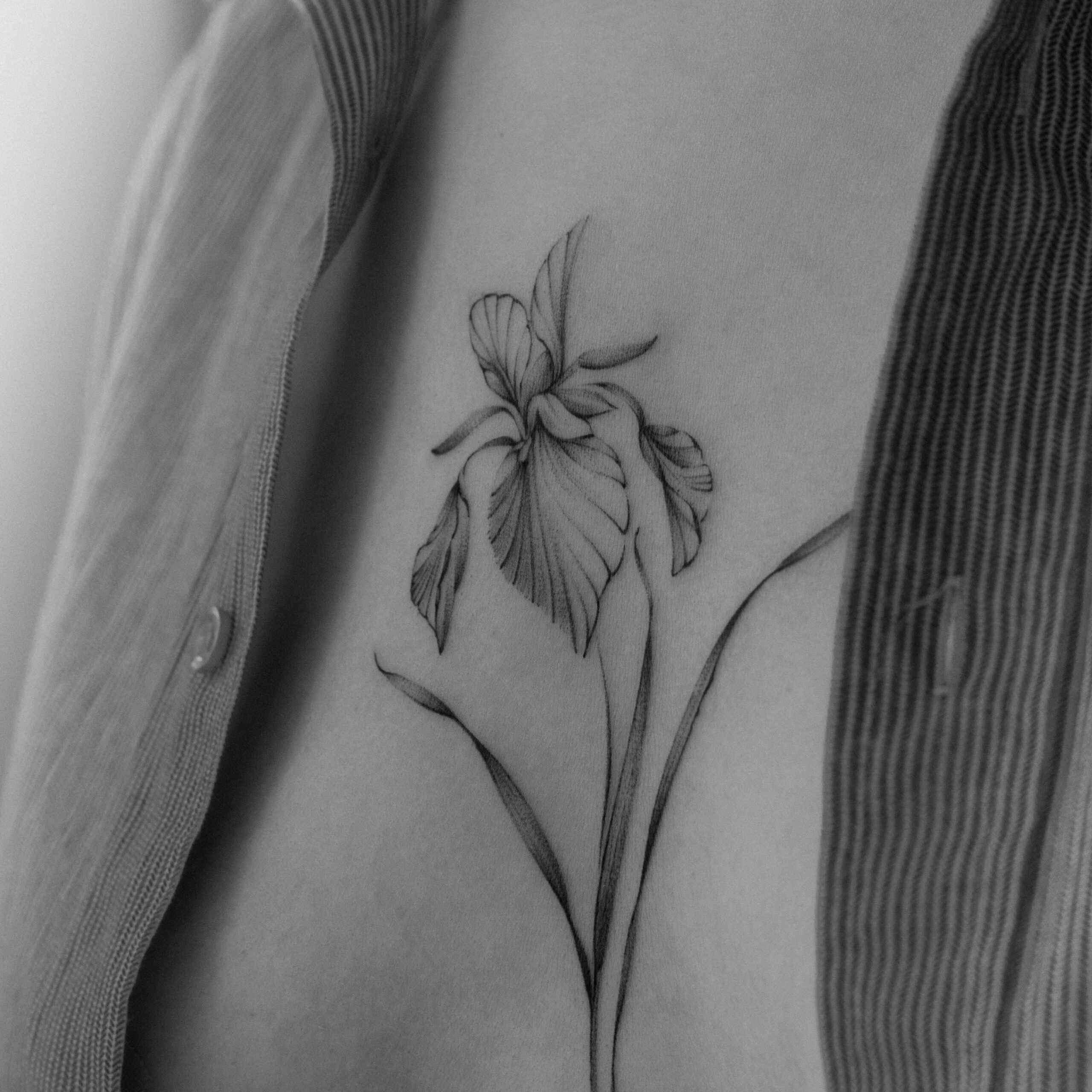
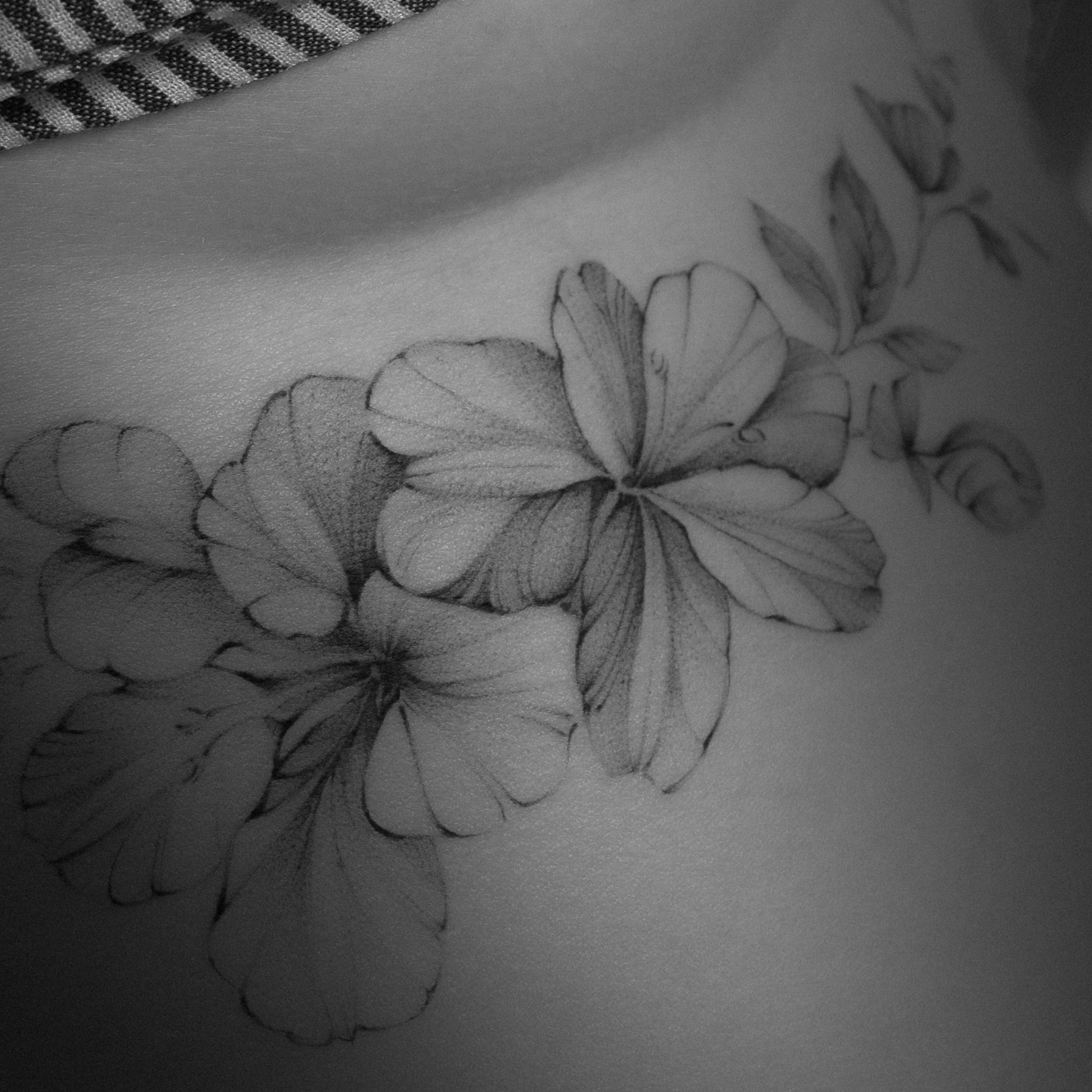
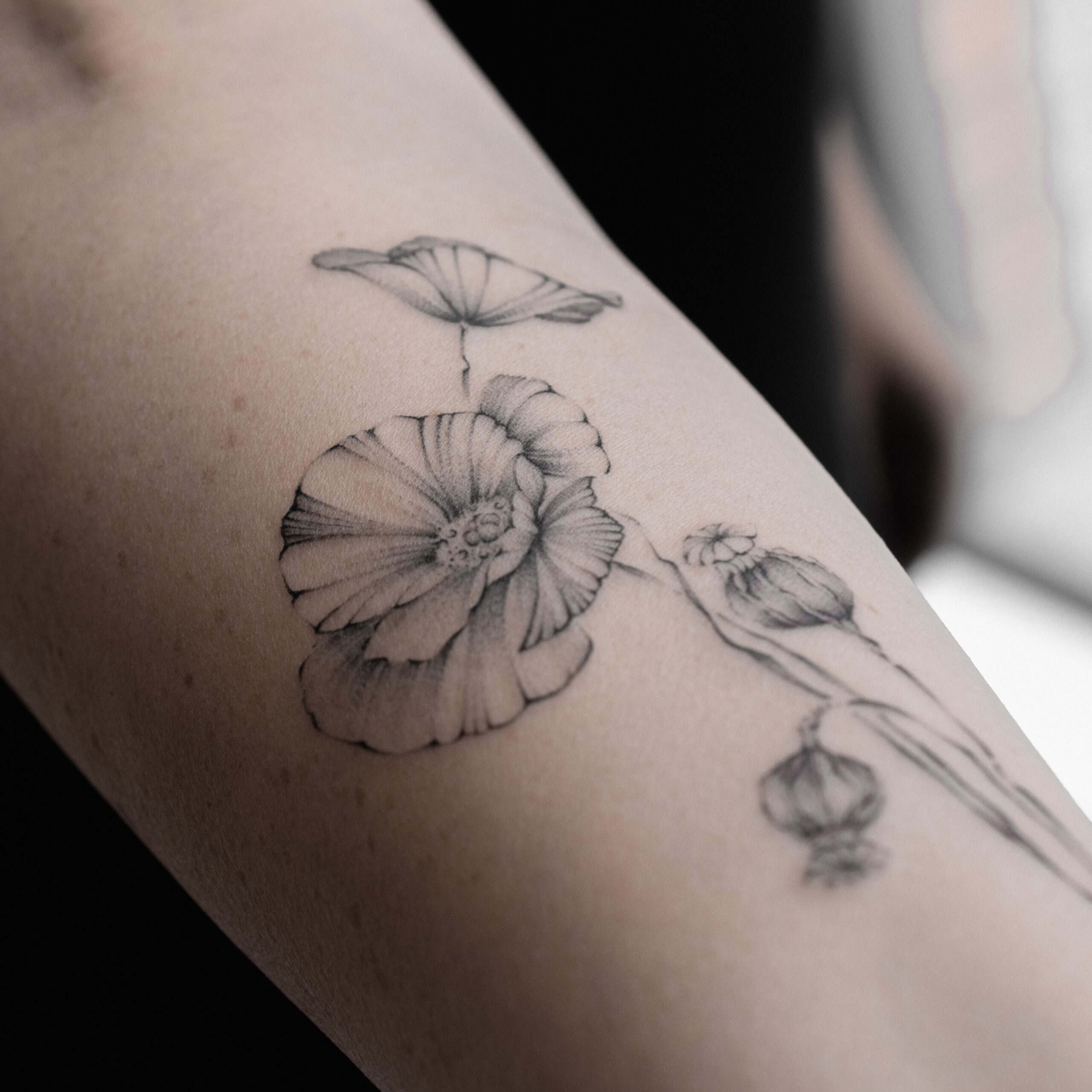
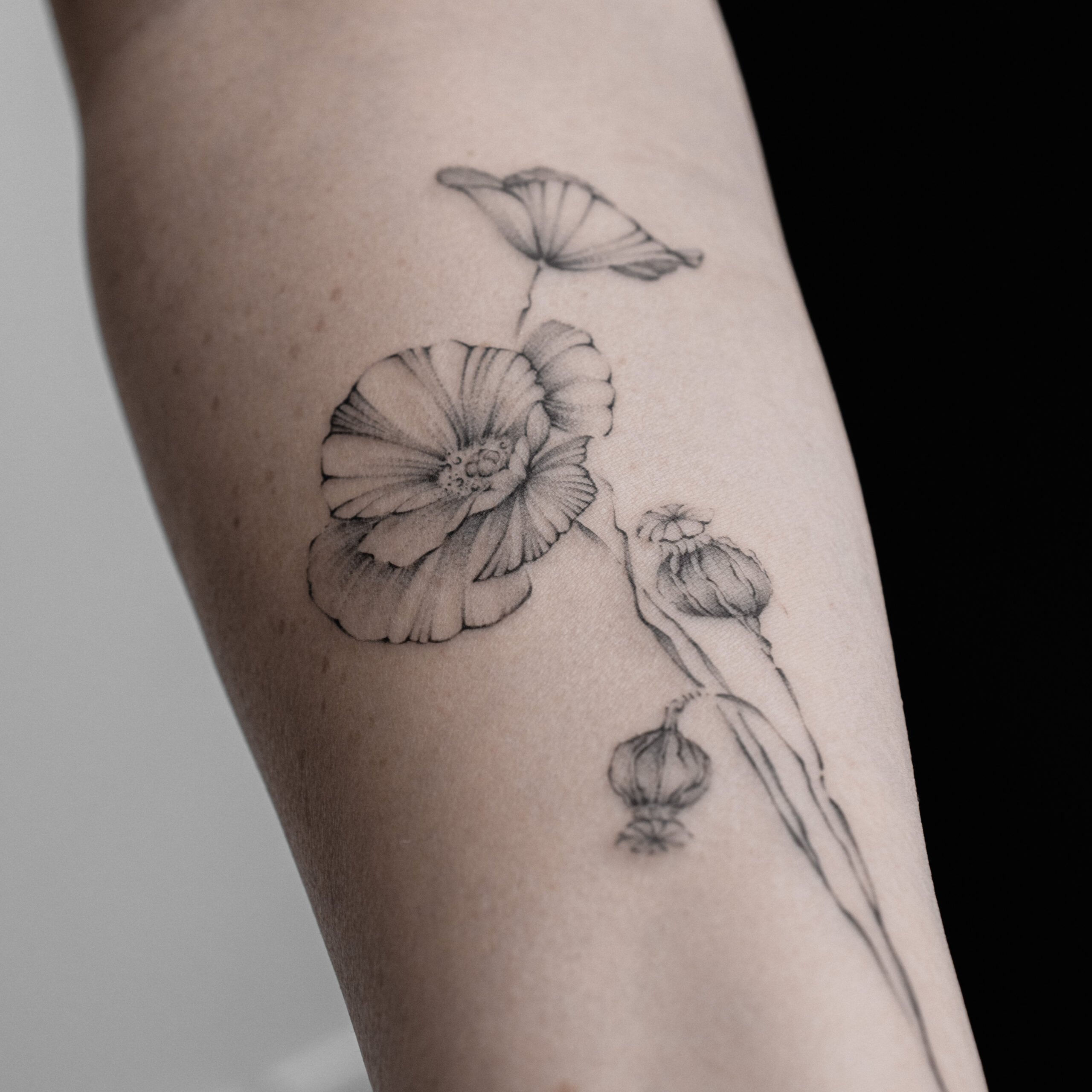
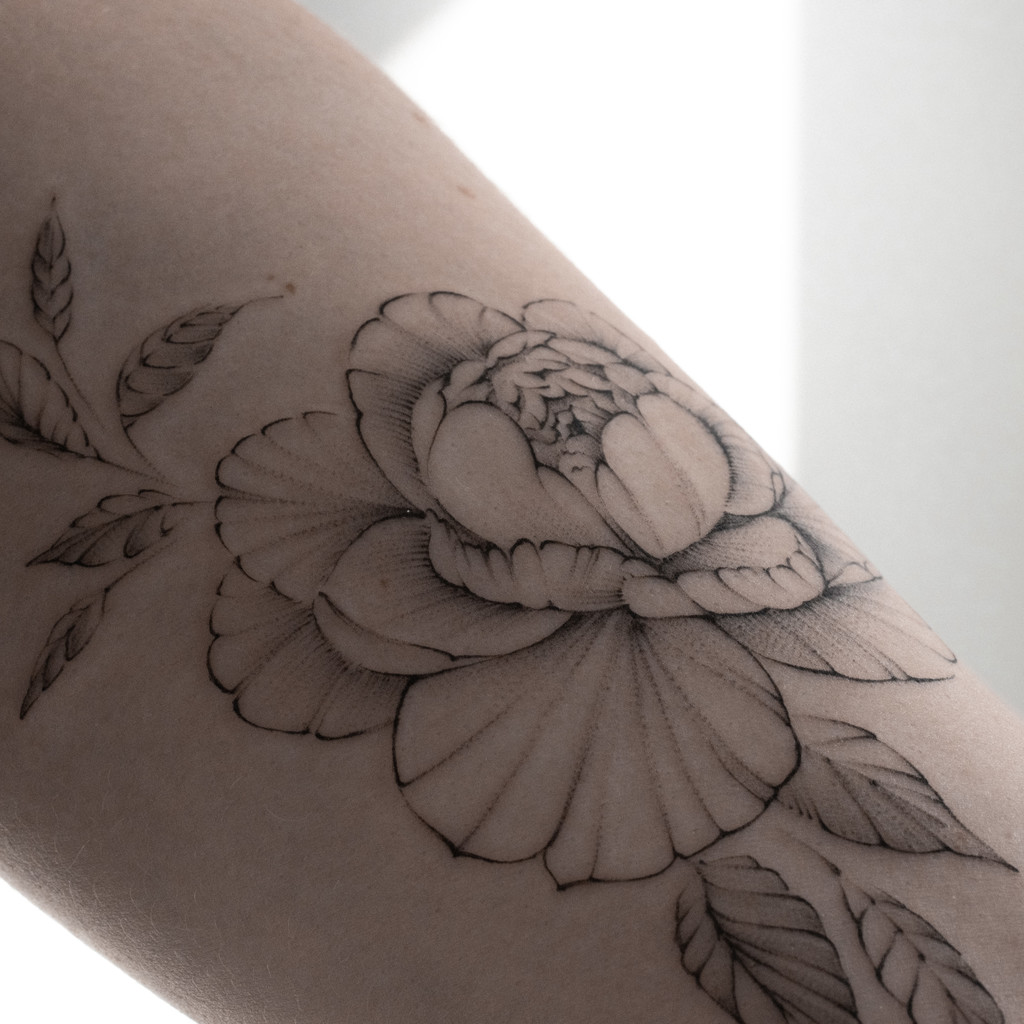
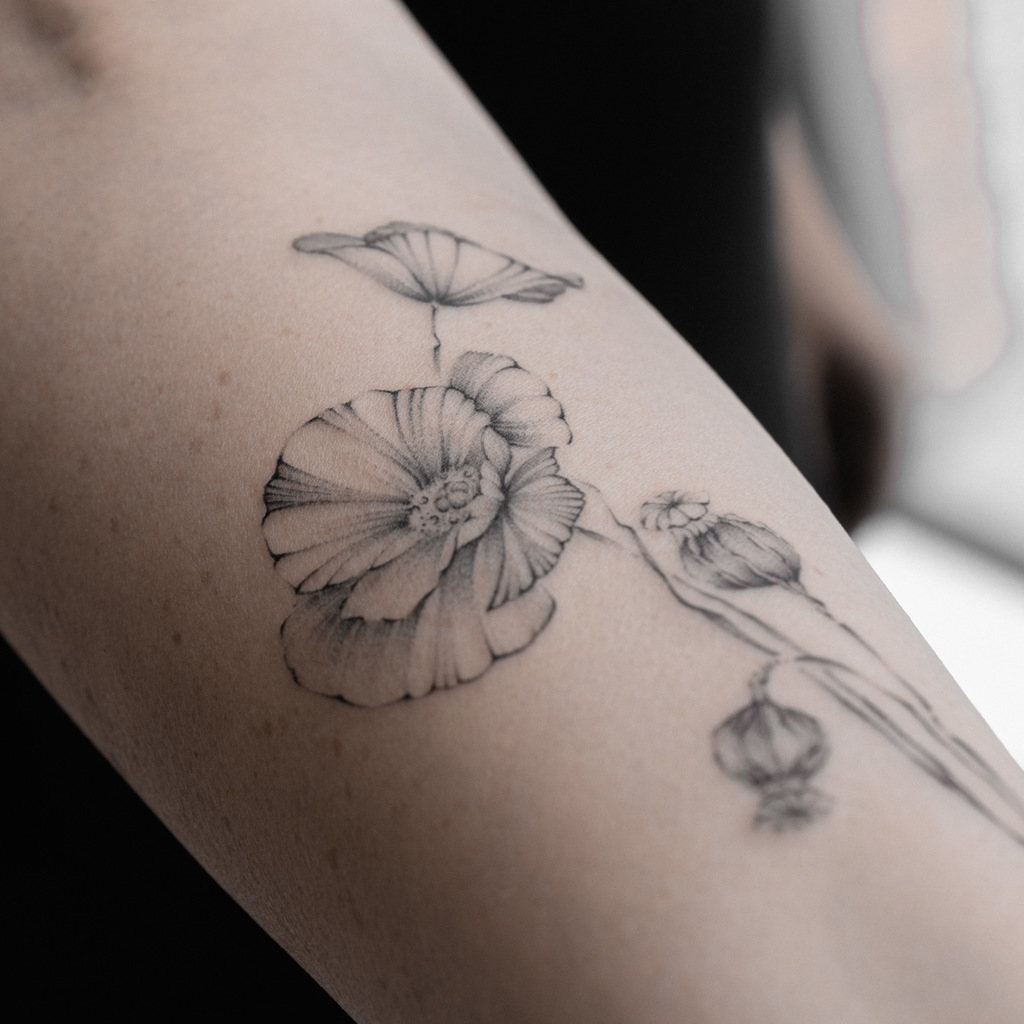
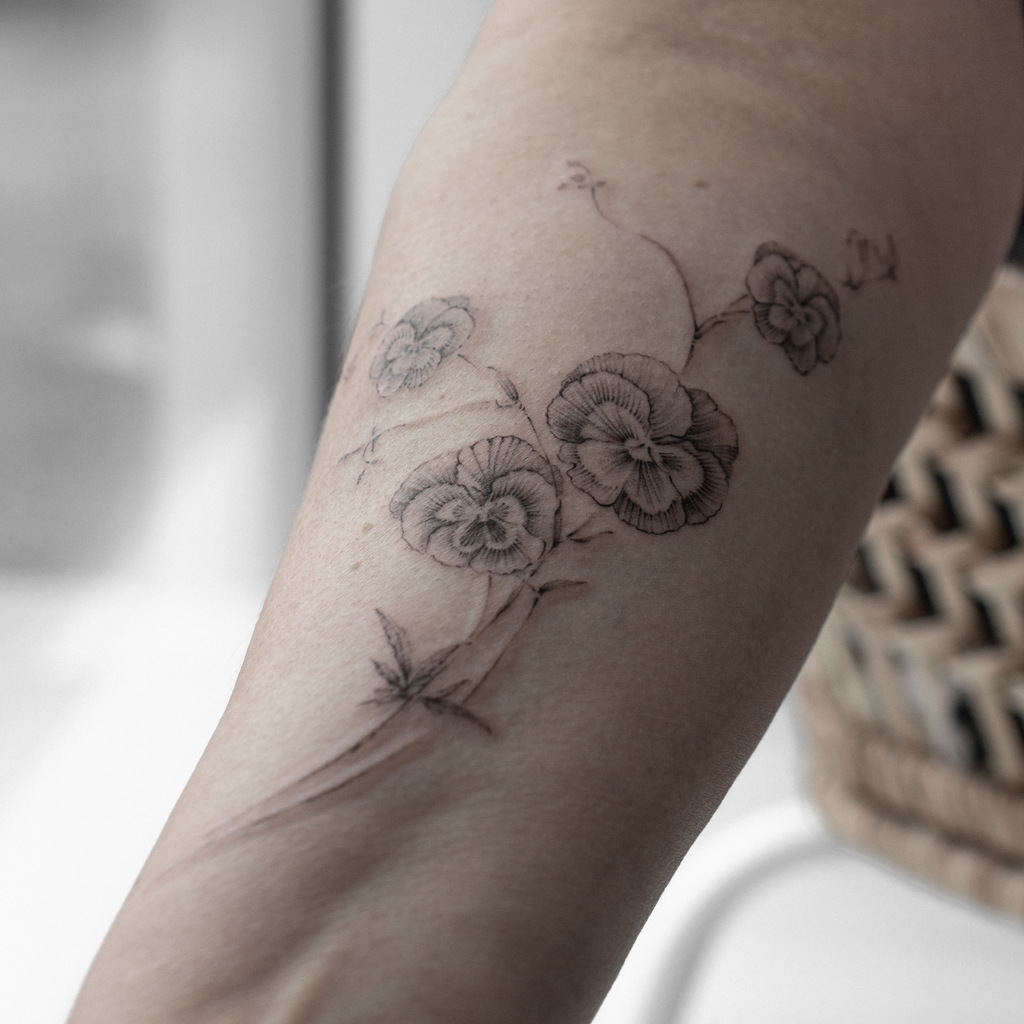
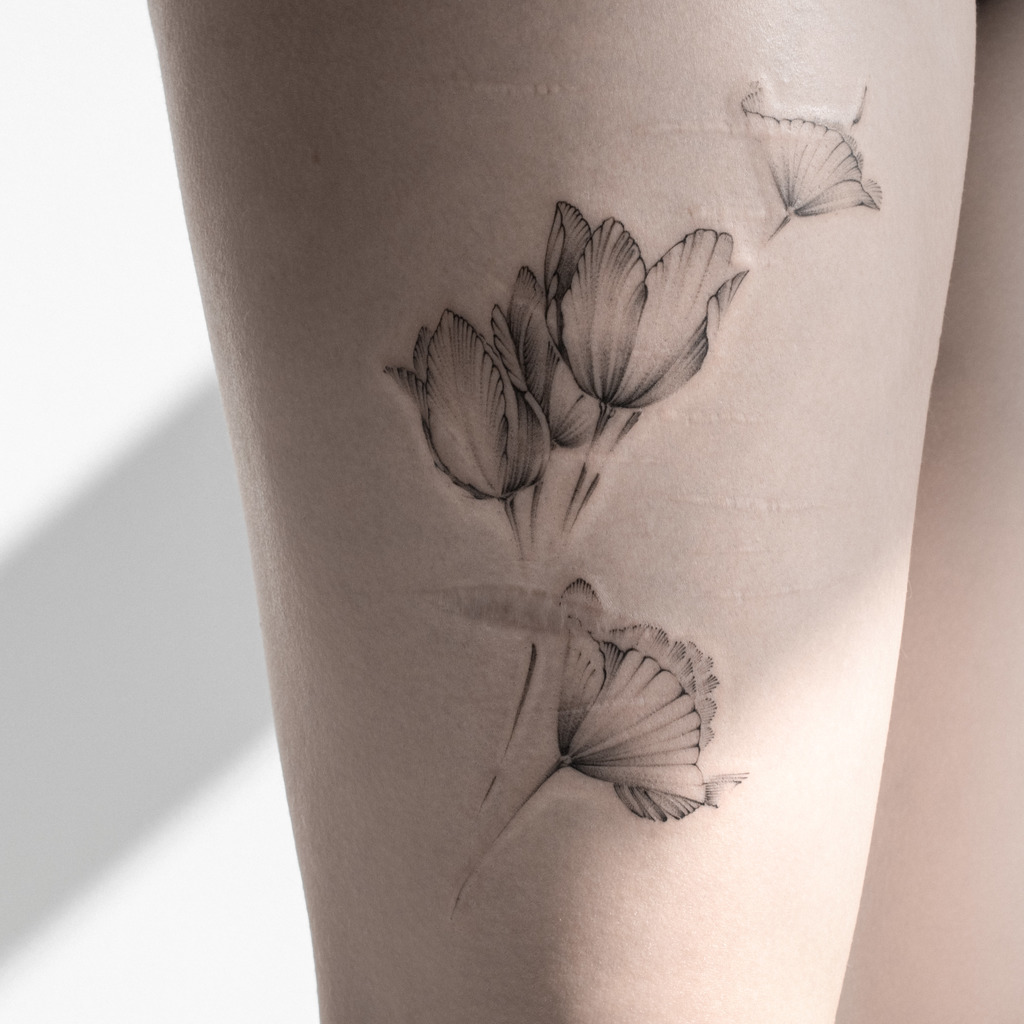
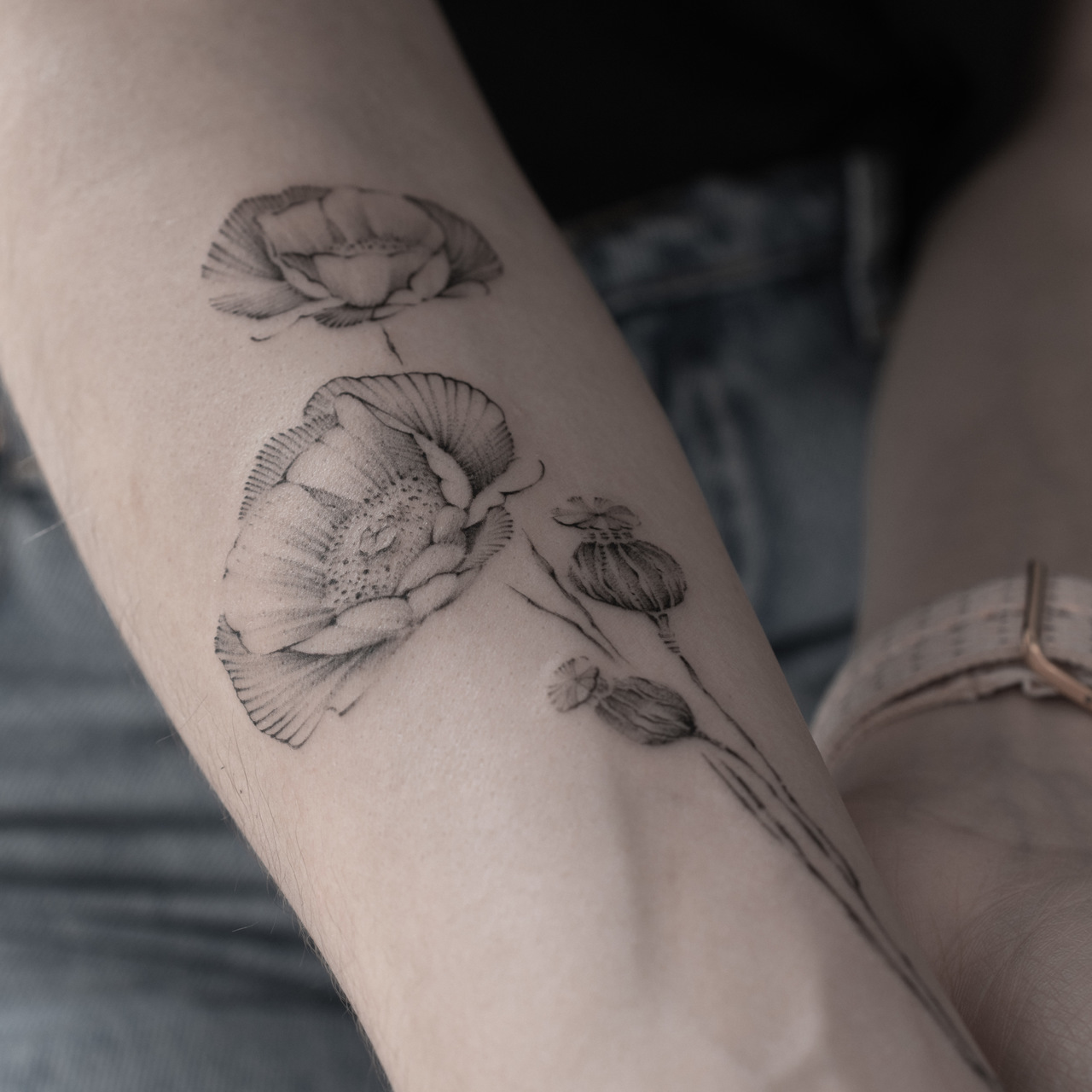
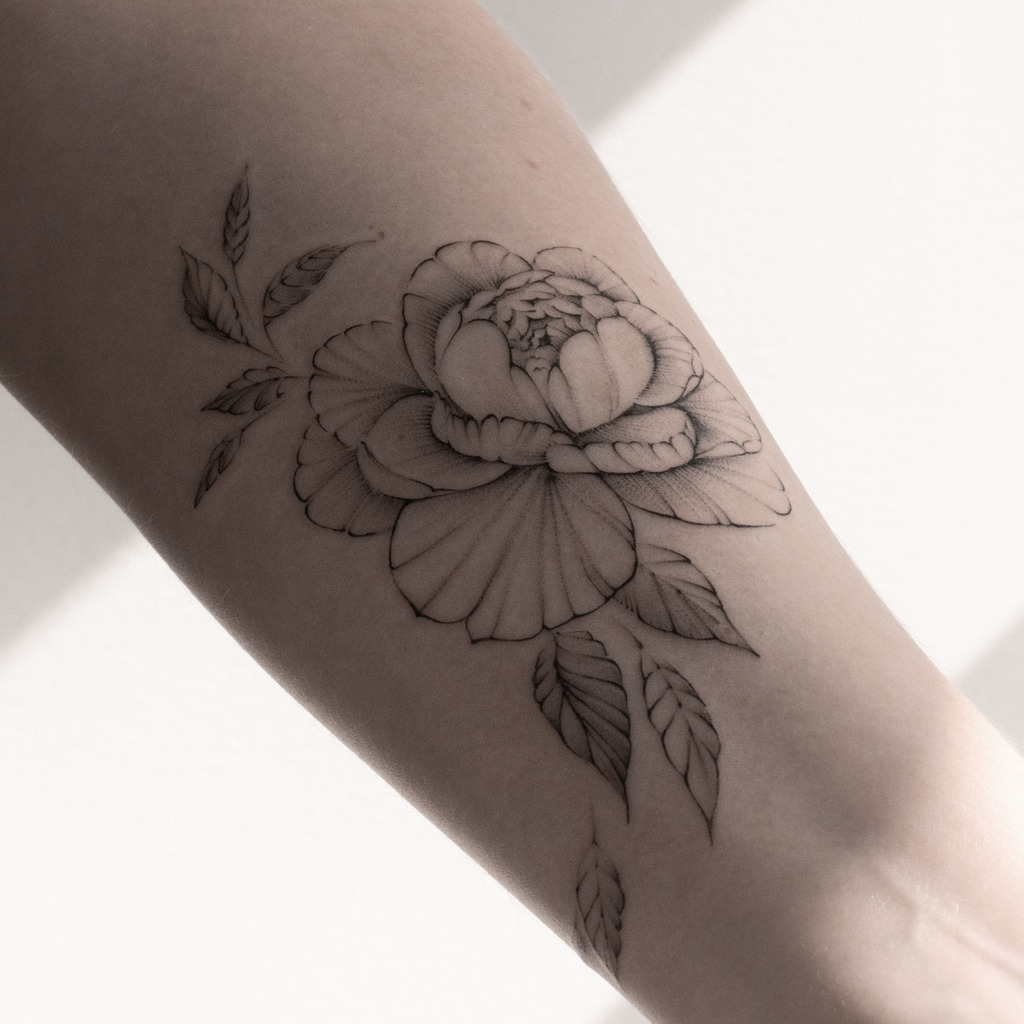
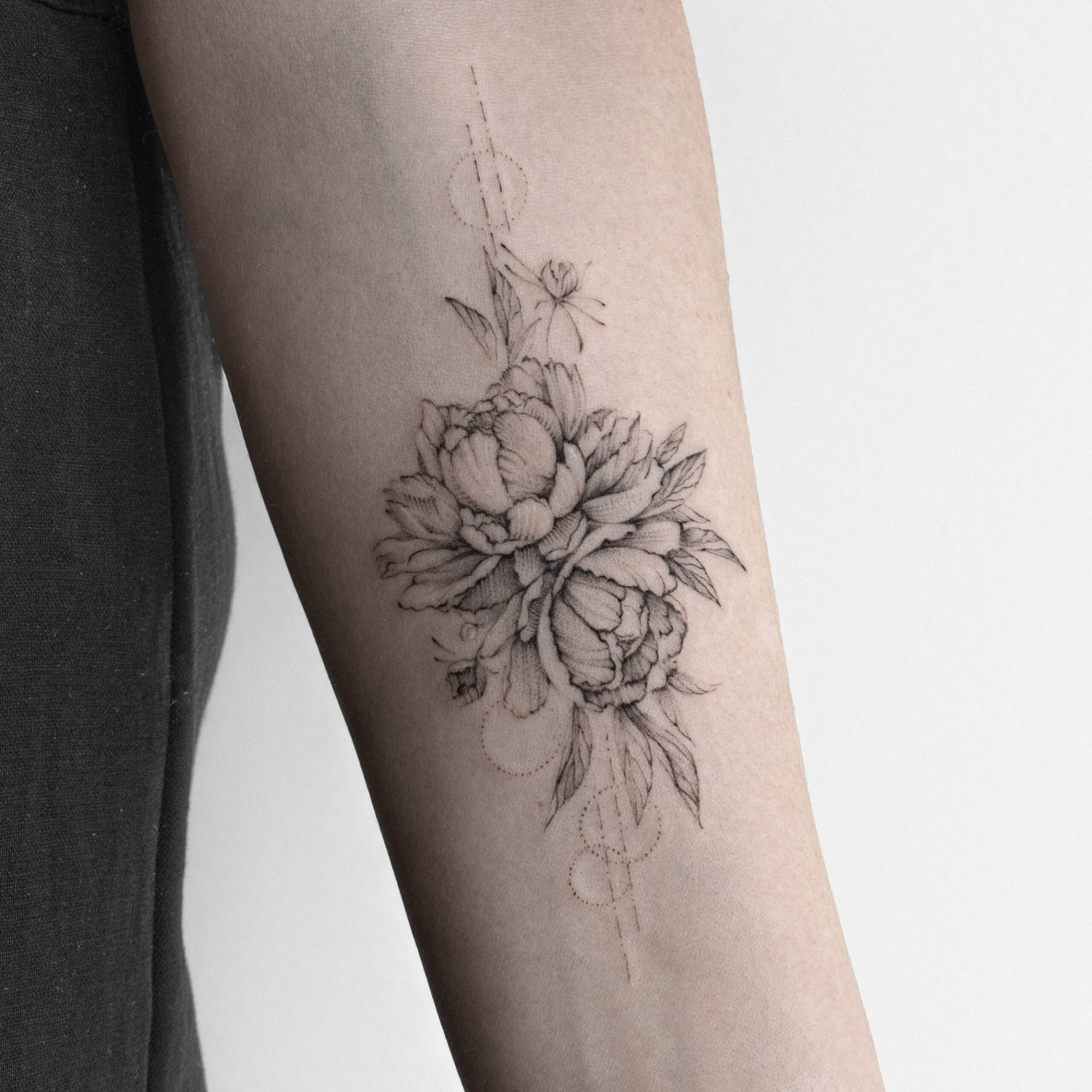
When people look at a finished work of a great tattoo, they usually see the result. The lines are clean, the composition feels balanced, and everything appears resolved. It is easy to assume that what you are seeing is the skill itself. But in reality, the visible result is only a small part of the process. Behind every controlled line and every well-placed element, there is something much less visible—hours of repetition, correction, and quiet practice that rarely gets shown.
The Difference Between Output and Ability
In many creative fields today, it has become easier to produce finished work. Designs can be generated, adjusted, and refined digitally. References are everywhere. Visual ideas are accessible within seconds. Because of that, the gap between producing something and understanding how to produce it has become less obvious. A design can look convincing without requiring deep technical skill. And for a while, that can be enough. But tattooing does not end at the design stage. It continues into execution—into the moment where the image is translated onto skin, without undo, without layers, and without shortcuts.
Tattooing as a Physical Skill
Tattooing is closer to playing an instrument than it is to editing an image. It requires control over movement, pressure, and rhythm. Small variations in hand stability or speed can change the result in ways that are not always predictable. This is why practice matters. Not practice in the sense of repetition for its own sake, but practice that builds familiarity with the process. The kind of repetition that allows decisions to become instinctive rather than forced. A musician like Slash is not defined by a single performance, but by the hours spent playing outside of it. The same principle applies here. The visible moment—the tattoo session—is only a small part of the overall skill.
The Invisible Work
Much of what defines a tattoo artist does not happen during the tattoo itself. It happens before. Drawing, adjusting, simplifying, observing how lines behave, understanding how forms sit on the body—these are all part of a process that is rarely visible to the outside world. And because it is not visible, it is often underestimated. In an environment where results can be produced quickly, it becomes easier to overlook the value of preparation. The focus shifts toward what is finished, rather than how it was built.
Why It Became Easier to Skip Practice
The tools available today are not the problem in themselves. They are efficient, accessible, and in many ways helpful. But they also reduce friction. When friction disappears, so does part of the learning process. Drawing by hand introduces resistance. Lines are not perfect. Proportions need to be corrected manually. Mistakes are visible and cannot be instantly undone. This resistance is not a flaw. It is what builds awareness. When that stage is skipped entirely, it becomes possible to produce results without developing the same level of control. For a while, this difference may not be obvious. But over time, it tends to appear.
Where the Difference Becomes Visible
At a certain point, the distinction between output and ability becomes clear. Not immediately, but gradually. In consistency. In how well tattoos age. In how designs adapt to different placements. In how small decisions are handled under real conditions. These are not things that can be fully automated or generated. They come from experience, repetition, and a deeper understanding of the medium.
A Question of Direction
Not every artist needs to follow the same path. Some will prioritize speed and volume. Others will focus on refinement and long-term consistency. Neither approach is new. But the difference lies in what each path builds over time. One builds output. The other builds ability.
The Role of Practice in the Vadelma Approach
At Vadelma Tattoo in Amsterdam, the process is not centered around producing as many designs as possible. It is centered around making decisions that hold up over time.
This includes:
- refining ideas before they are tattooed
- adjusting designs to the body
- and maintaining a level of control that comes from repeated, focused practice
The goal is not speed, but consistency.
If you want to explore design directions, you can start here:
https://vadelma.eu/available-projects
Or begin a conversation here:
https://vadelma.eu/contact
Beyond the Visible Result
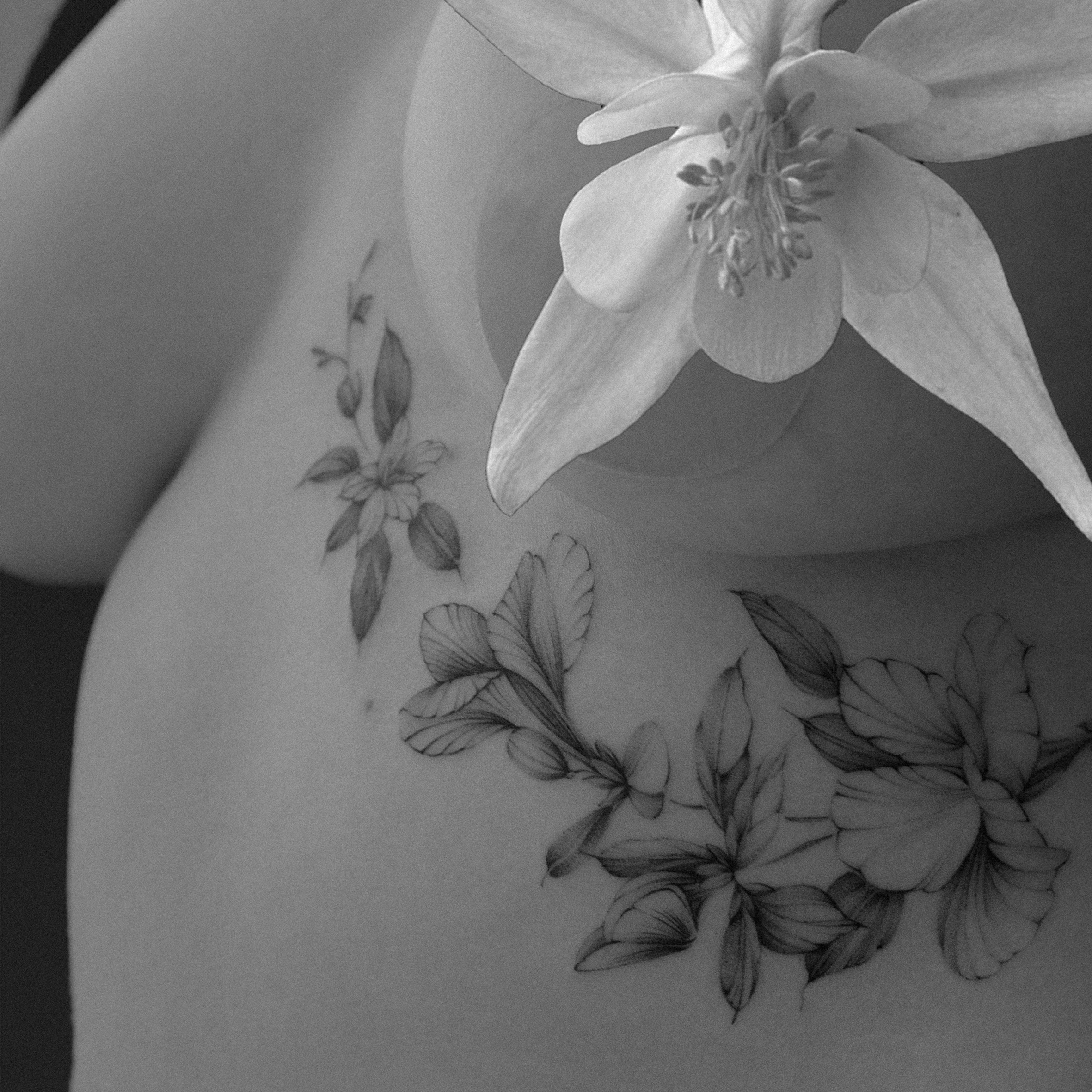
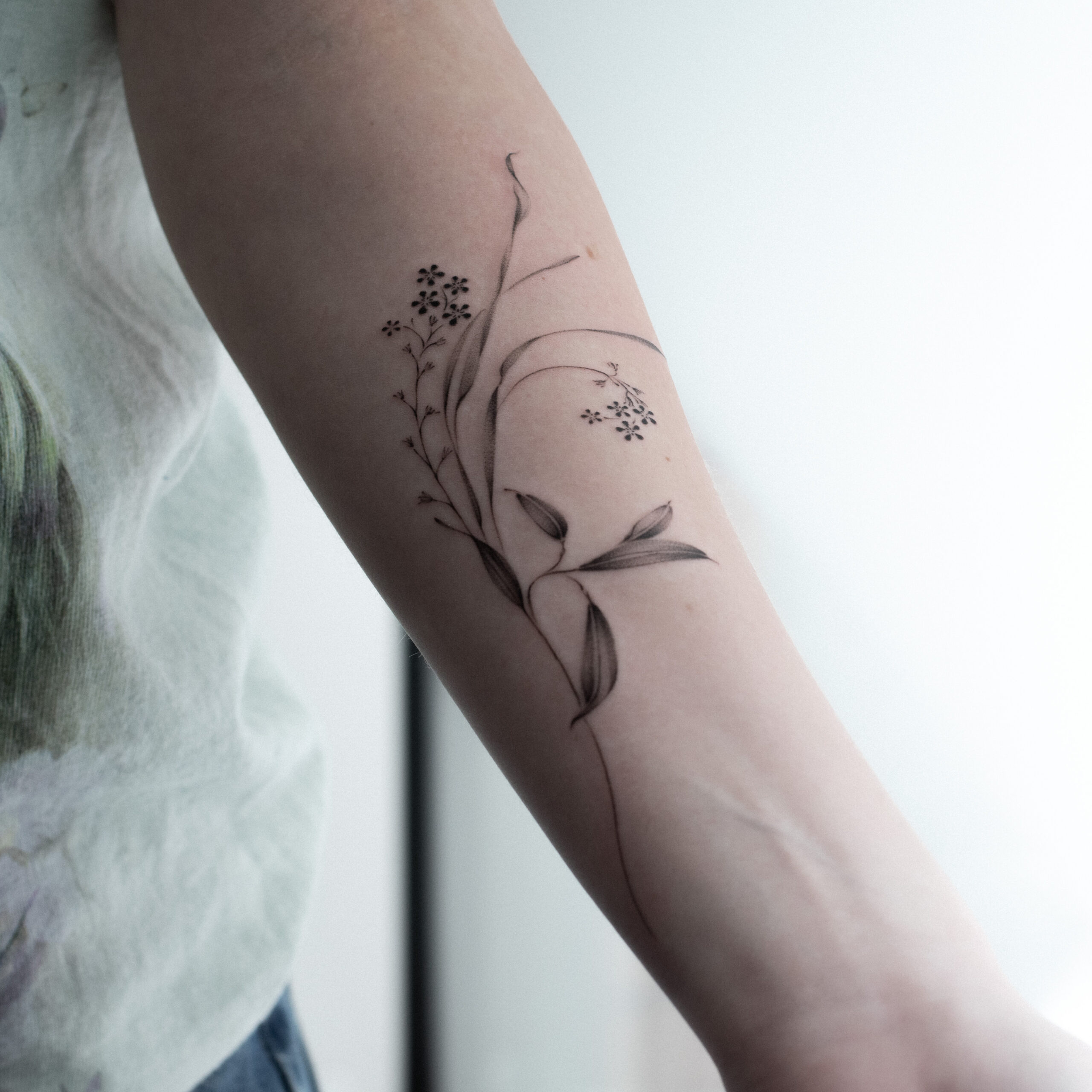
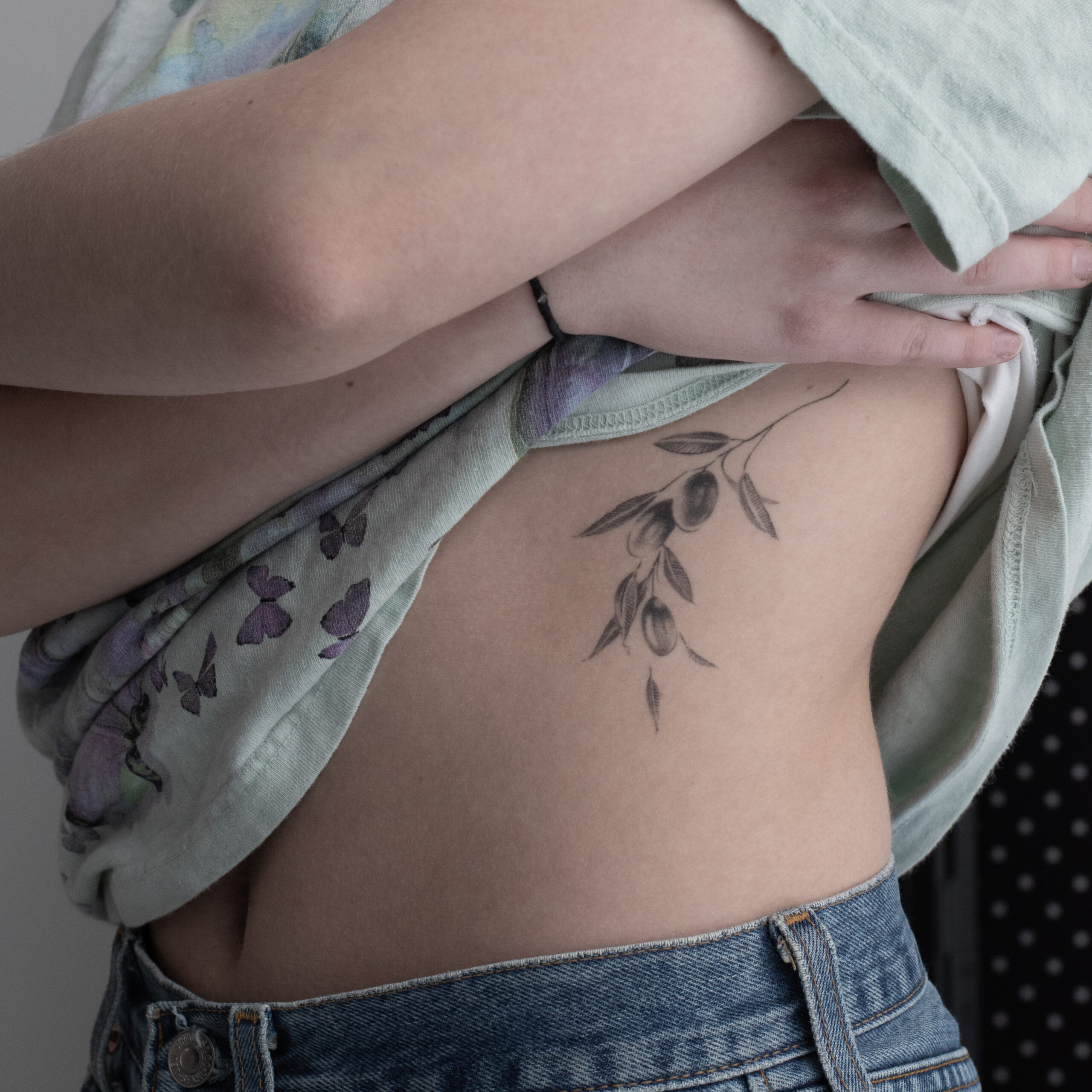
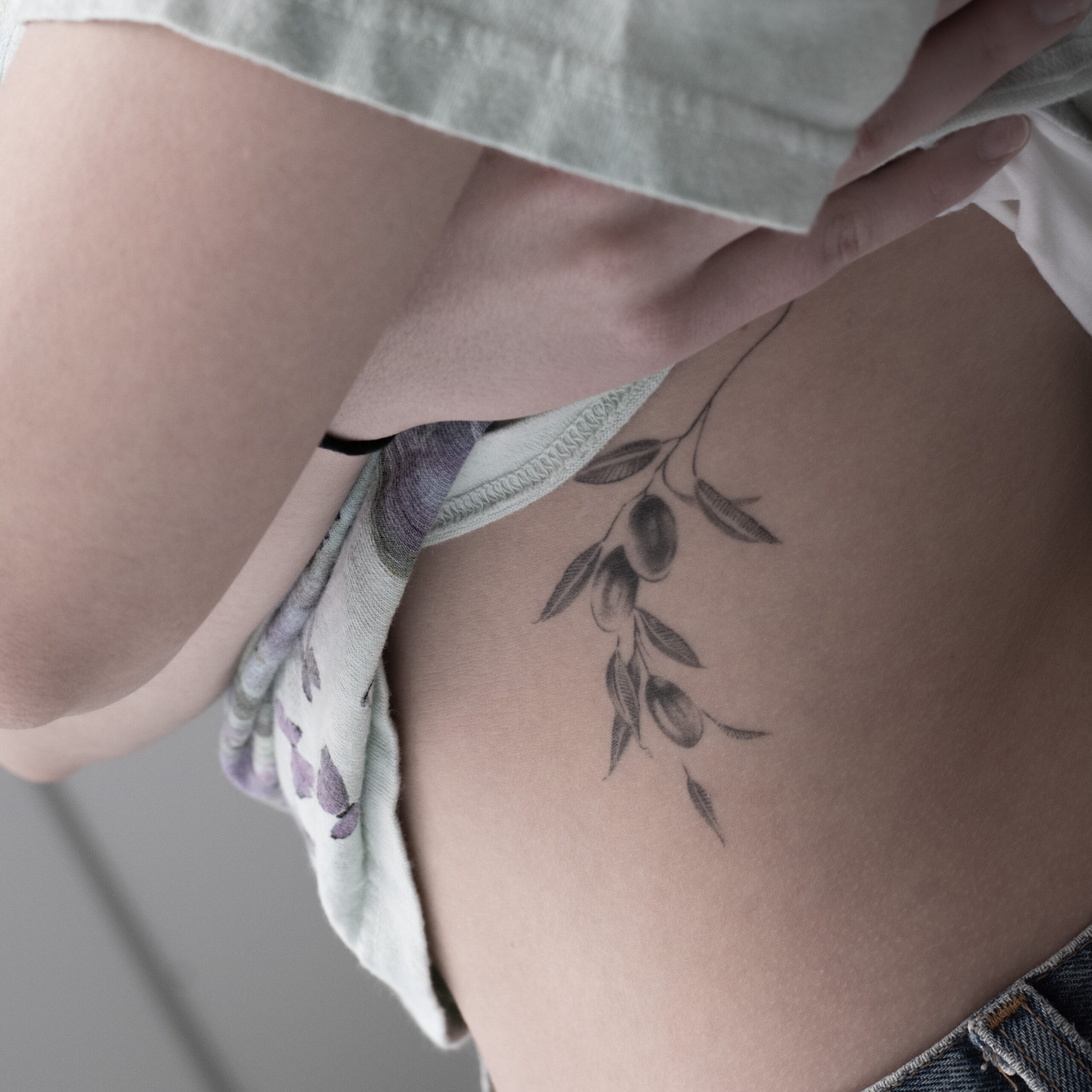
A tattoo may look easy to make when it is finished. But it is often the result of many decisions made beforehand. What remains on the skin is only the final version. What is removed, adjusted, or refined along the way is rarely seen. And yet, that invisible part is what shapes the outcome.
Final Thoughts
Practice is not always visible, and it is not always immediate in its results. But it builds something that cannot be generated or assembled quickly. Over time, that difference becomes clear—not in how a tattoo looks at first glance, but in how it holds up, how it feels, and how consistently it works. And that is usually where the real value appears.
FAQ – Practice and Tattooing
Is drawing practice important for tattoo artists?
Yes, it helps build control, understanding of form, and consistency.
Can someone tattoo well without drawing?
To a certain extent, with certian designs – but deeper skill comes from repeated practice.
Why is tattooing considered a physical skill?
Because it involves real-time control of movement, pressure, and precision on skin.
Do digital tools replace practice?
They can assist, but they do not replace the need for foundational skill.
Where can I learn more before booking?
Why Practice Still Matters in Tattooing – The Part You Don’t See
Introduction
When people look at a finished work of a great tattoo, they usually see the result. The lines are clean, the composition feels balanced, and everything appears resolved. It is easy to assume that what you are seeing is the skill itself. But in reality, the visible result is only a small part of the process. Behind every controlled line and every well-placed element, there is something much less visible—hours of repetition, correction, and quiet practice that rarely gets shown.
The Difference Between Output and Ability
In many creative fields today, it has become easier to produce finished work. Designs can be generated, adjusted, and refined digitally. References are everywhere. Visual ideas are accessible within seconds. Because of that, the gap between producing something and understanding how to produce it has become less obvious. A design can look convincing without requiring deep technical skill. And for a while, that can be enough. But tattooing does not end at the design stage. It continues into execution—into the moment where the image is translated onto skin, without undo, without layers, and without shortcuts.
Tattooing as a Physical Skill
Tattooing is closer to playing an instrument than it is to editing an image. It requires control over movement, pressure, and rhythm. Small variations in hand stability or speed can change the result in ways that are not always predictable. This is why practice matters. Not practice in the sense of repetition for its own sake, but practice that builds familiarity with the process. The kind of repetition that allows decisions to become instinctive rather than forced. A musician like Slash is not defined by a single performance, but by the hours spent playing outside of it. The same principle applies here. The visible moment—the tattoo session—is only a small part of the overall skill.
The Invisible Work
Much of what defines a tattoo artist does not happen during the tattoo itself. It happens before. Drawing, adjusting, simplifying, observing how lines behave, understanding how forms sit on the body—these are all part of a process that is rarely visible to the outside world. And because it is not visible, it is often underestimated. In an environment where results can be produced quickly, it becomes easier to overlook the value of preparation. The focus shifts toward what is finished, rather than how it was built.
Why It Became Easier to Skip Practice
The tools available today are not the problem in themselves. They are efficient, accessible, and in many ways helpful. But they also reduce friction. When friction disappears, so does part of the learning process. Drawing by hand introduces resistance. Lines are not perfect. Proportions need to be corrected manually. Mistakes are visible and cannot be instantly undone. This resistance is not a flaw. It is what builds awareness. When that stage is skipped entirely, it becomes possible to produce results without developing the same level of control. For a while, this difference may not be obvious. But over time, it tends to appear.
Where the Difference Becomes Visible
At a certain point, the distinction between output and ability becomes clear. Not immediately, but gradually. In consistency. In how well tattoos age. In how designs adapt to different placements. In how small decisions are handled under real conditions. These are not things that can be fully automated or generated. They come from experience, repetition, and a deeper understanding of the medium.
A Question of Direction
Not every artist needs to follow the same path. Some will prioritize speed and volume. Others will focus on refinement and long-term consistency. Neither approach is new. But the difference lies in what each path builds over time. One builds output. The other builds ability.
The Role of Practice in the Vadelma Approach
At Vadelma Tattoo in Amsterdam, the process is not centered around producing as many designs as possible. It is centered around making decisions that hold up over time.
This includes:
- refining ideas before they are tattooed
- adjusting designs to the body
- and maintaining a level of control that comes from repeated, focused practice
The goal is not speed, but consistency.
If you want to explore design directions, you can start here:
https://vadelma.eu/available-projects
Or begin a conversation here:
https://vadelma.eu/contact
Beyond the Visible Result
A tattoo may look easy to make when it is finished. But it is often the result of many decisions made beforehand. What remains on the skin is only the final version. What is removed, adjusted, or refined along the way is rarely seen. And yet, that invisible part is what shapes the outcome.
Final Thoughts
Practice is not always visible, and it is not always immediate in its results. But it builds something that cannot be generated or assembled quickly. Over time, that difference becomes clear—not in how a tattoo looks at first glance, but in how it holds up, how it feels, and how consistently it works. And that is usually where the real value appears.
FAQ – Practice and Tattooing
Is drawing practice important for tattoo artists?
Yes, it helps build control, understanding of form, and consistency.
Can someone tattoo well without drawing?
To a certain extent, with certian designs – but deeper skill comes from repeated practice.
Why is tattooing considered a physical skill?
Because it involves real-time control of movement, pressure, and precision on skin.
Do digital tools replace practice?
They can assist, but they do not replace the need for foundational skill.
Where can I learn more before booking?