Why Size Matters More Than Most People Think in Tattoo Design
Why Size Matters More Than Most People Think in Tattoo Design
.
Introduction
When most people start planning a tattoo, they usually focus on two things first: the design and the placement. Should it be a flower or a quote? Should it go on the forearm, ribs, or ankle? These are important questions, of course, but there is another factor that often receives much less attention despite having a huge impact on the final result. That factor is size.
Interestingly, some of the most important conversations in a tattoo consultation are not about what the tattoo should look like, but about how large it should be. Many clients arrive with a very specific image in mind, only to discover that changing the size slightly can dramatically improve the balance, readability, and longevity of the tattoo.
At Vadelma Tattoo in Amsterdam, discussions about size are a natural part of the design process. Not because bigger is always better, or because small tattoos are somehow inferior, but because every tattoo needs the right relationship with the body it will live on.
.
A Tattoo Is Not a Digital Image
One reason size becomes so important is that tattoos do not exist on screens. They exist on skin. A design that looks perfect on a phone can behave very differently once it is transferred onto a living, moving human body. Skin stretches, muscles shift, and different parts of the body experience varying amounts of friction, sun exposure, and movement throughout life. Because of this, tattoo design always involves a practical dimension alongside the artistic one. A drawing can contain incredibly small details because paper and digital screens allow almost unlimited precision. A tattoo, however, must remain readable not only today, but years from now. It must heal, settle into the skin, and continue looking balanced over time. Sometimes this means making a tattoo slightly larger than originally planned. Other times it means simplifying certain details so the design can remain elegant and clear.
.
Why People Often Want Smaller Tattoos
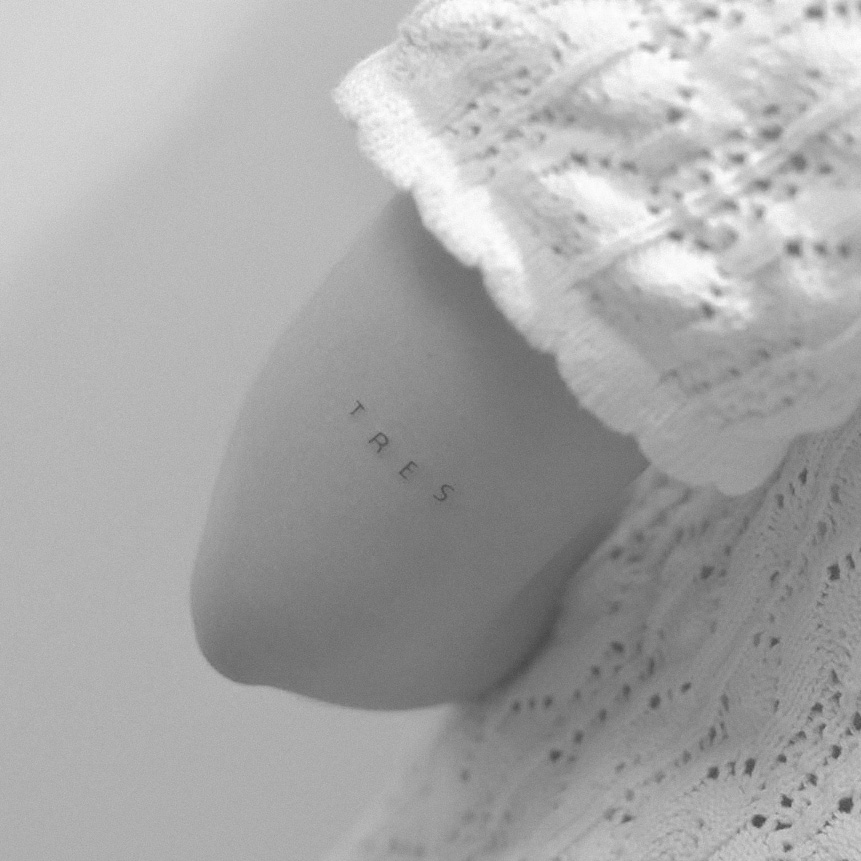
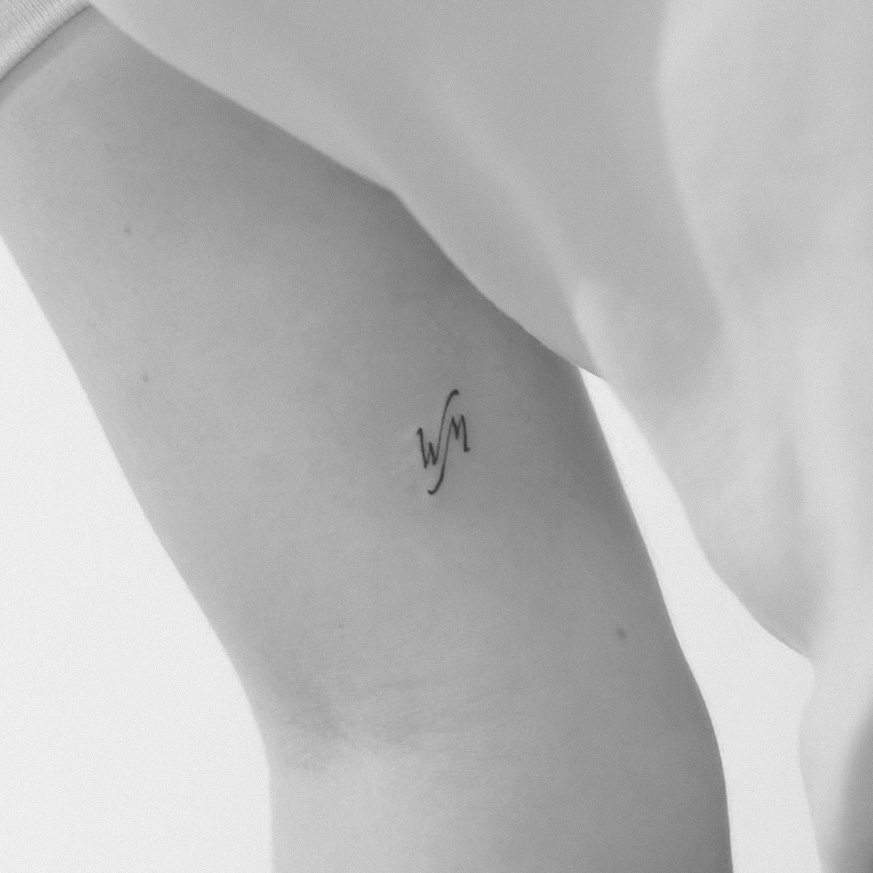
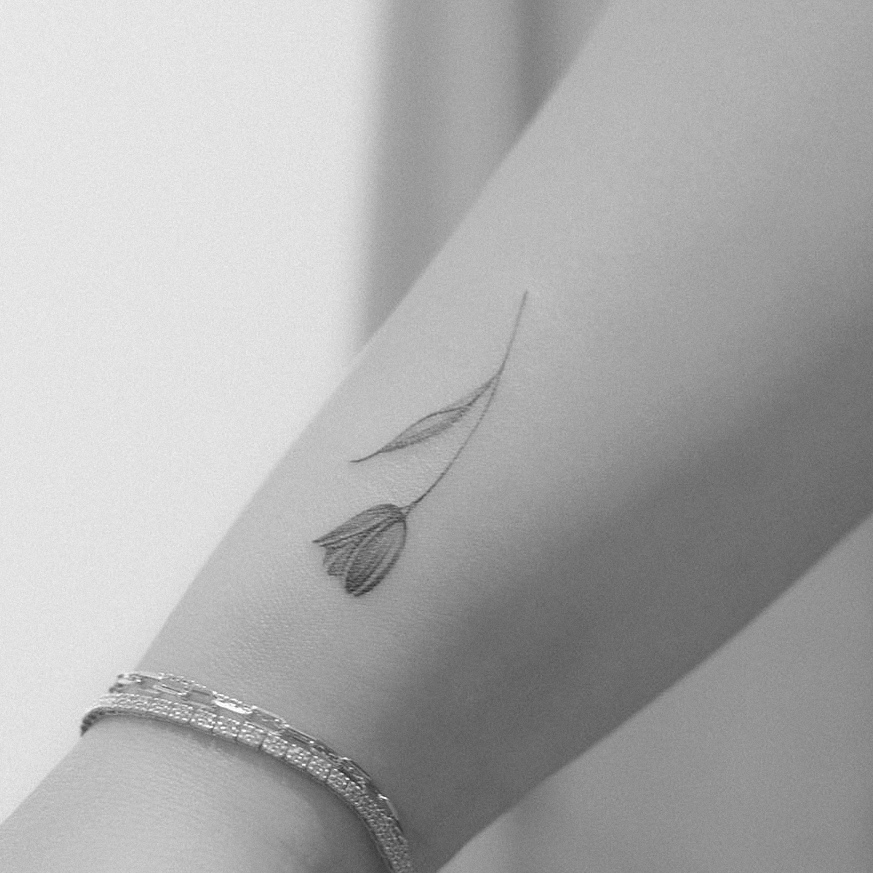
Many first-time clients initially imagine their tattoo smaller than what ultimately works best. This is completely understandable. A tattoo feels like a big commitment, and choosing a smaller size often feels psychologically safer. People think, “If it’s smaller, it will be less noticeable.” The reality, however, is that making a tattoo too small can sometimes create more problems than making it slightly larger. When details become compressed into a very limited space, the design can lose clarity. Fine lines may sit too close together. Tiny elements that look beautiful in a digital sketch may become difficult to distinguish from a normal viewing distance. This does not mean small tattoos are a bad idea. Some of the most elegant tattoos are relatively small. The key is ensuring that the design and the size work together rather than fighting against each other.
.
Fine Line Tattoos and Scale
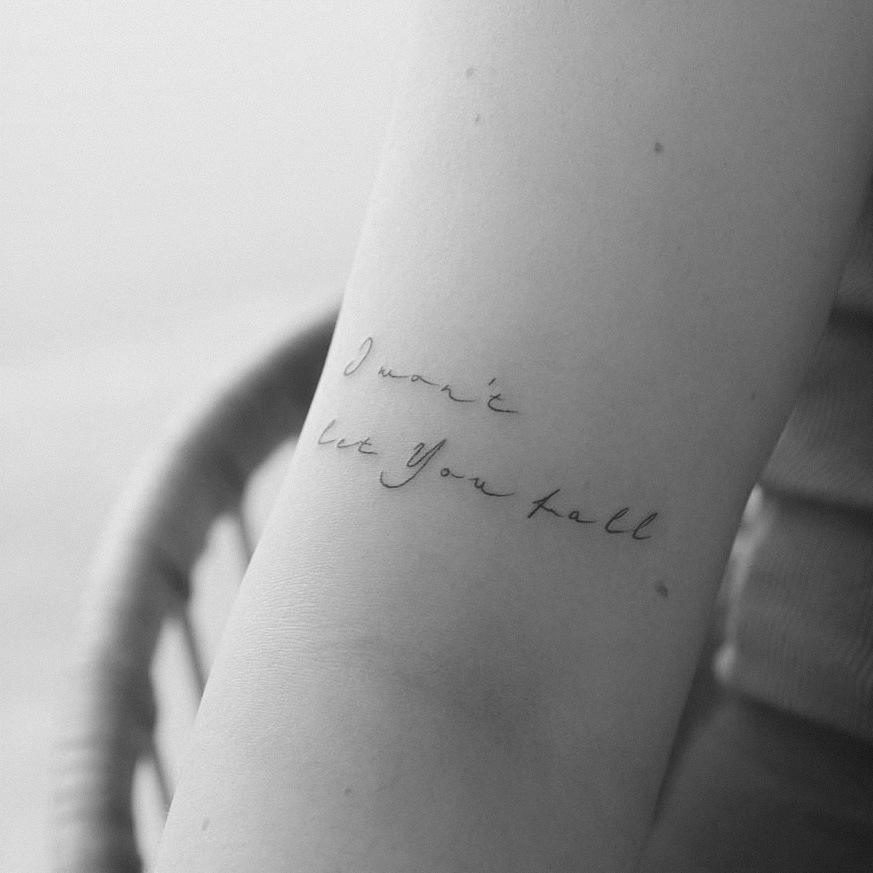
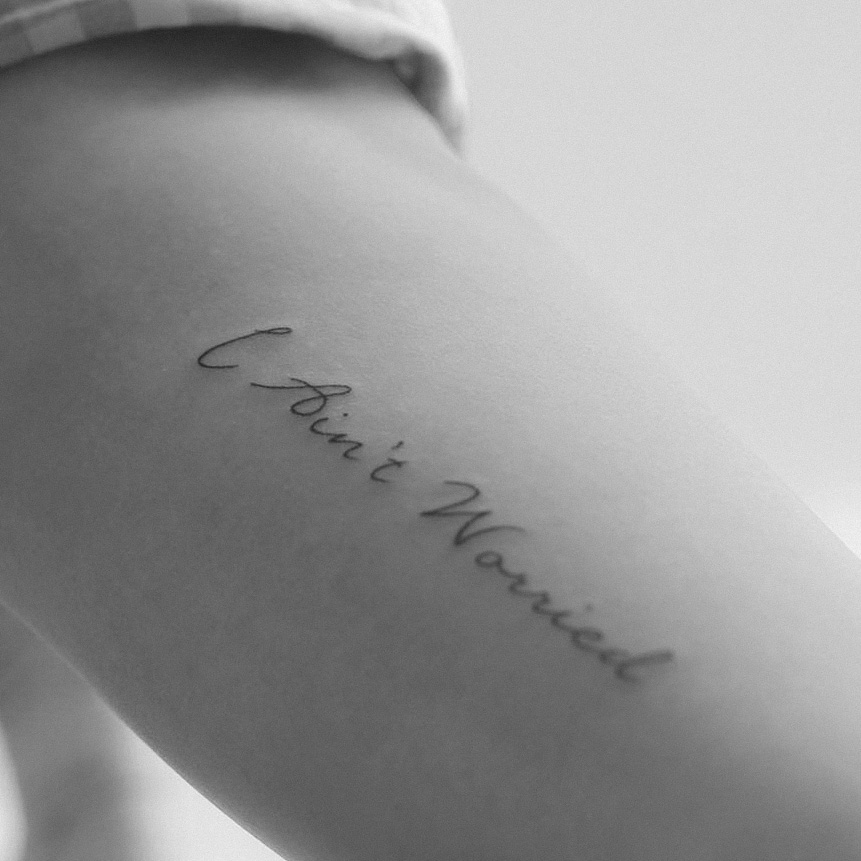
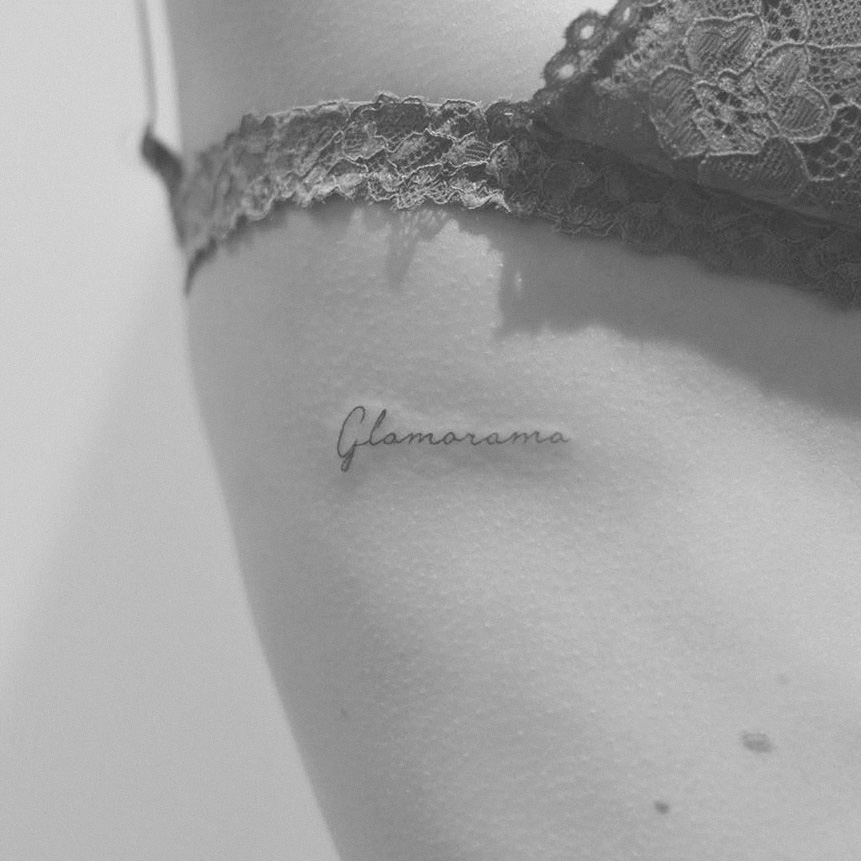
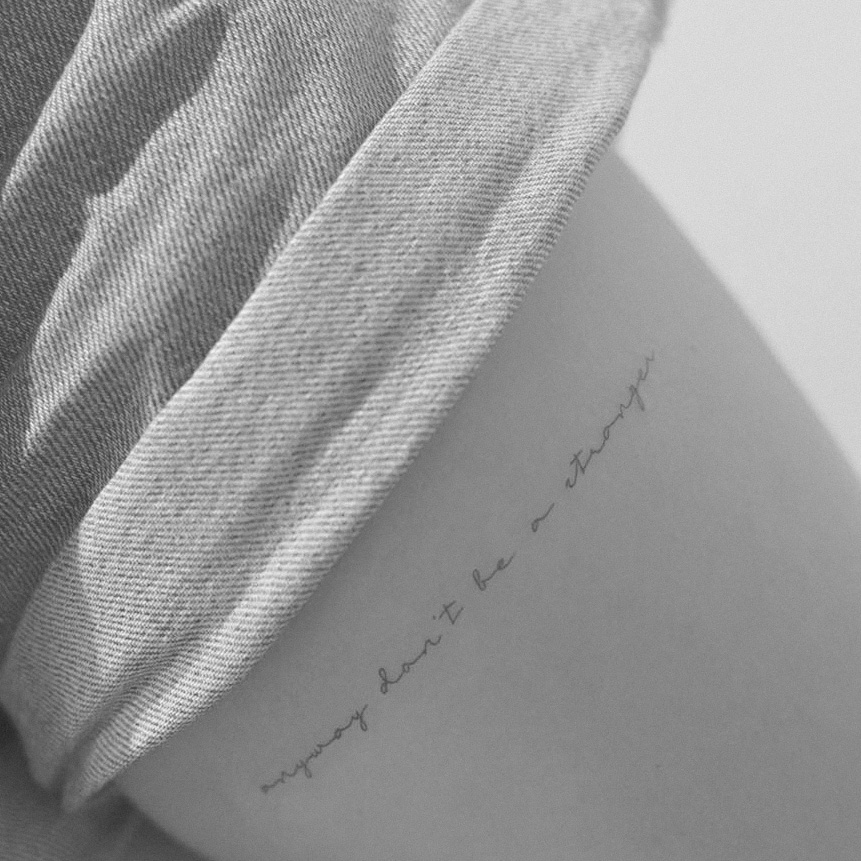
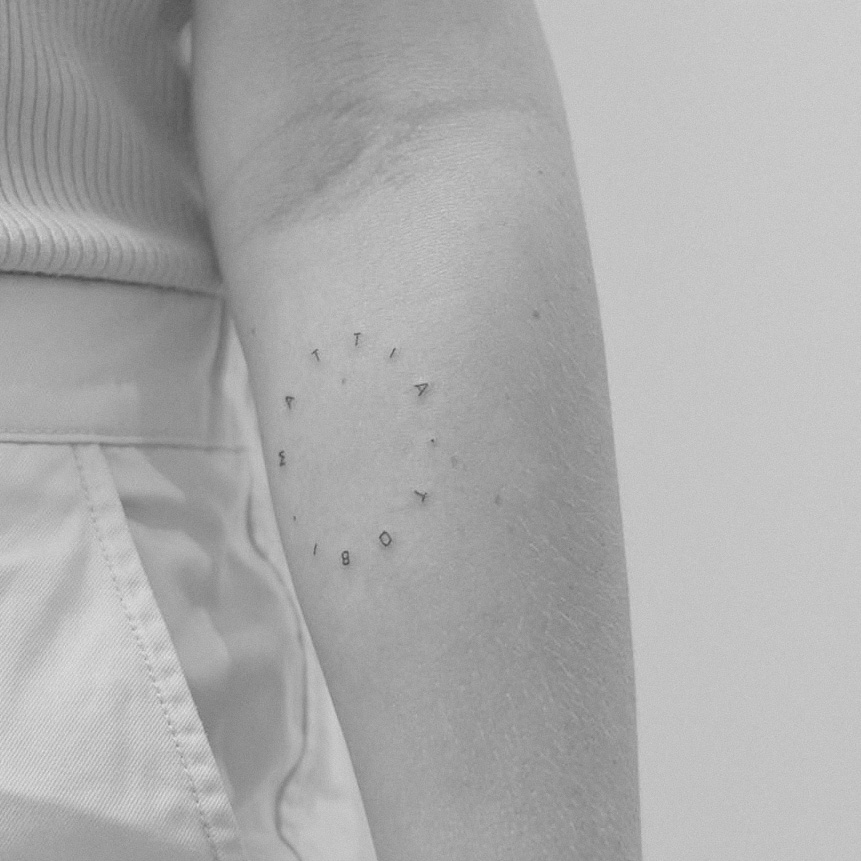
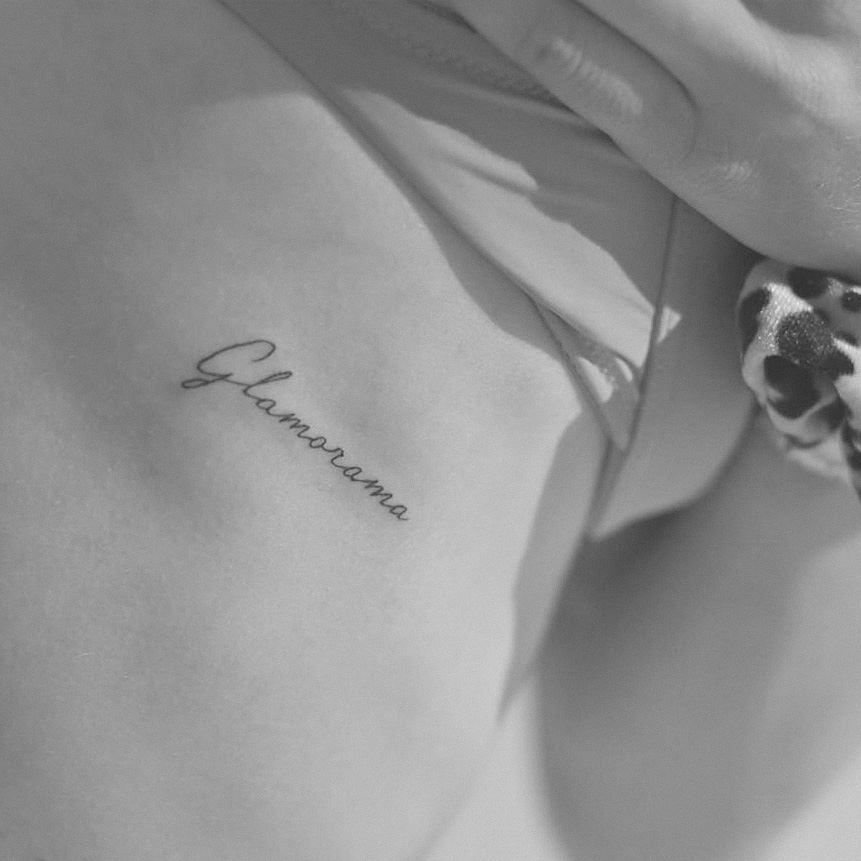
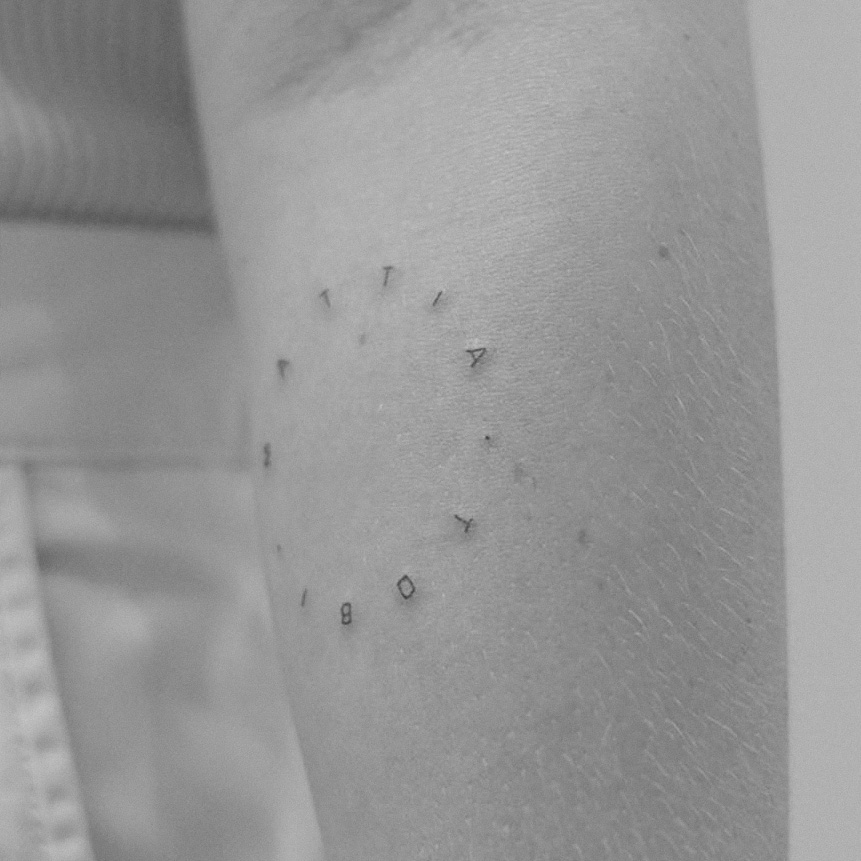
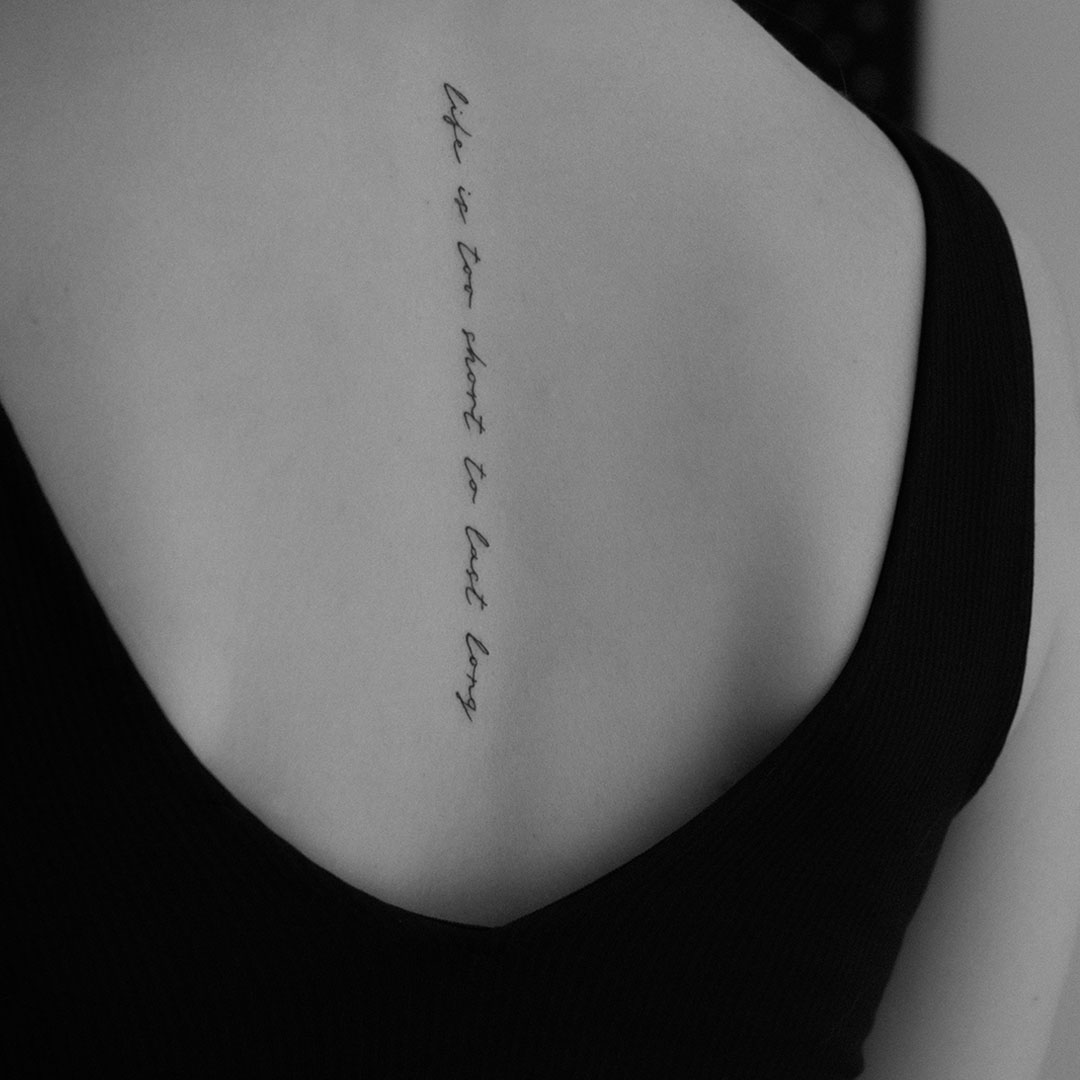
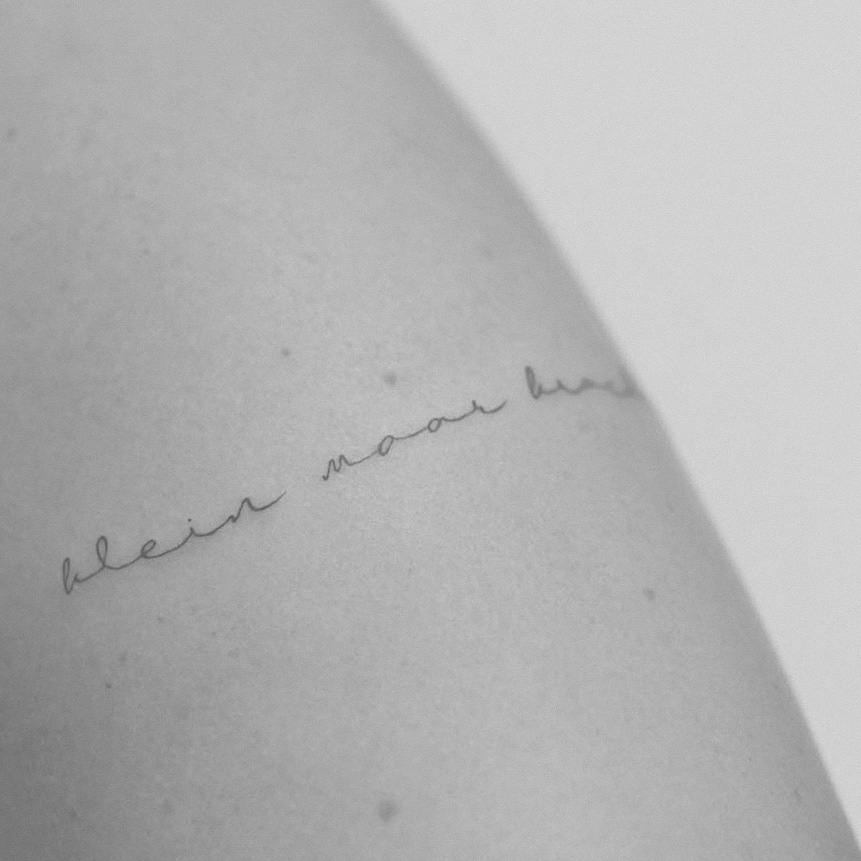
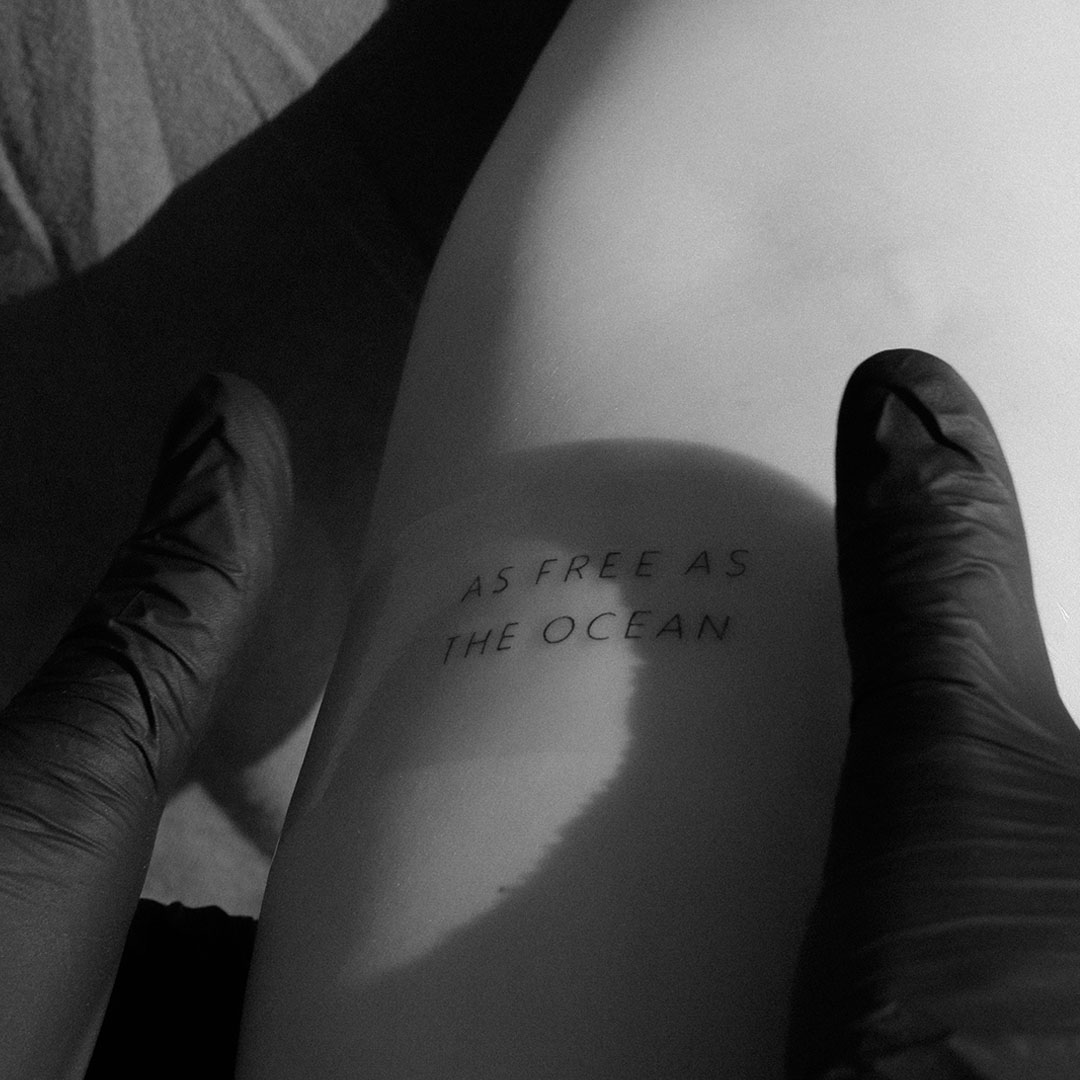
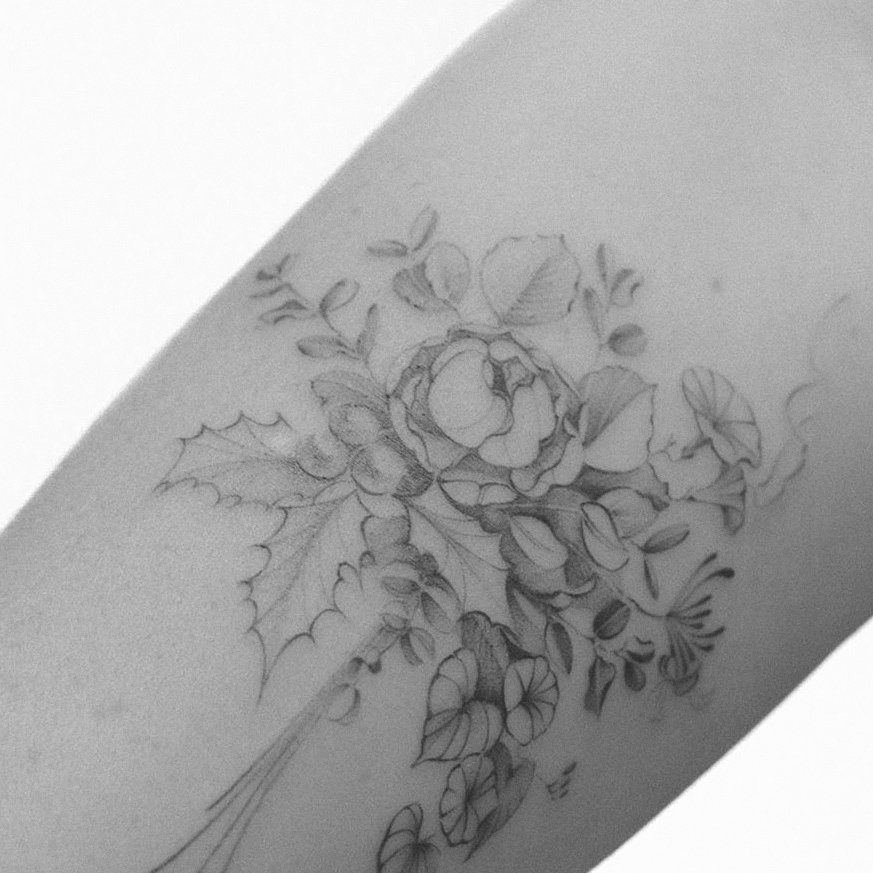
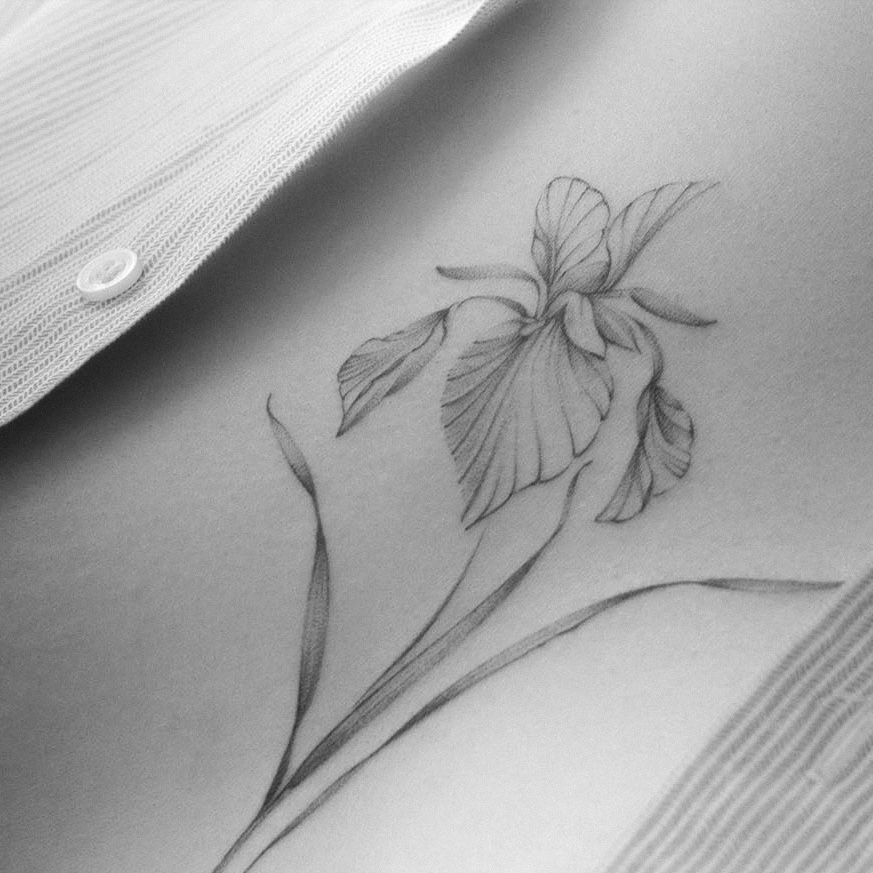
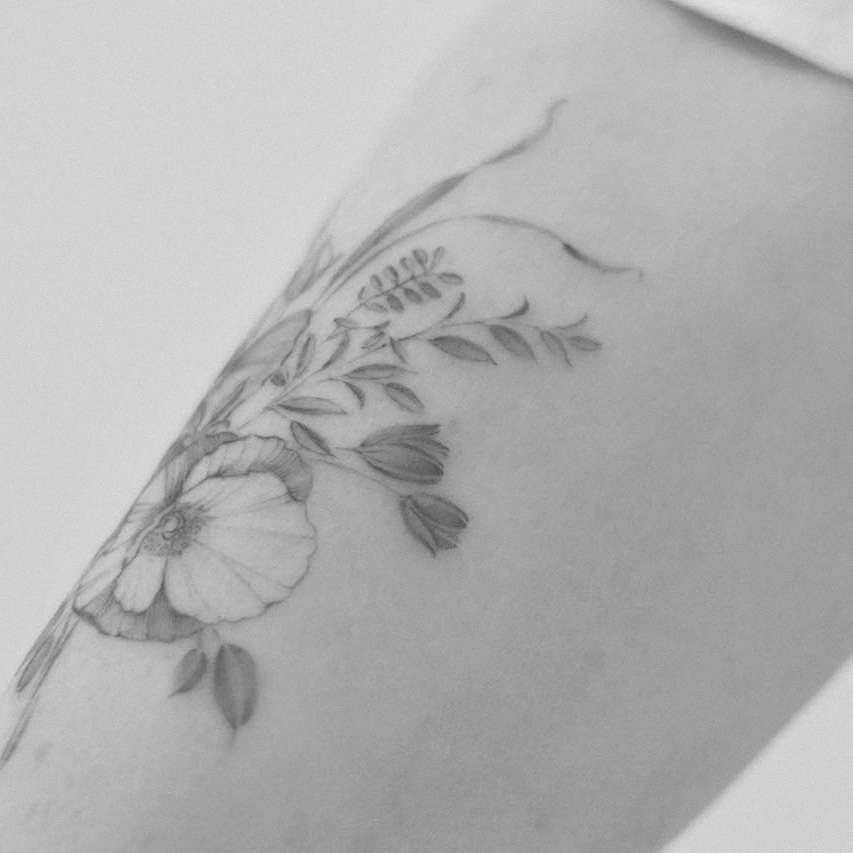
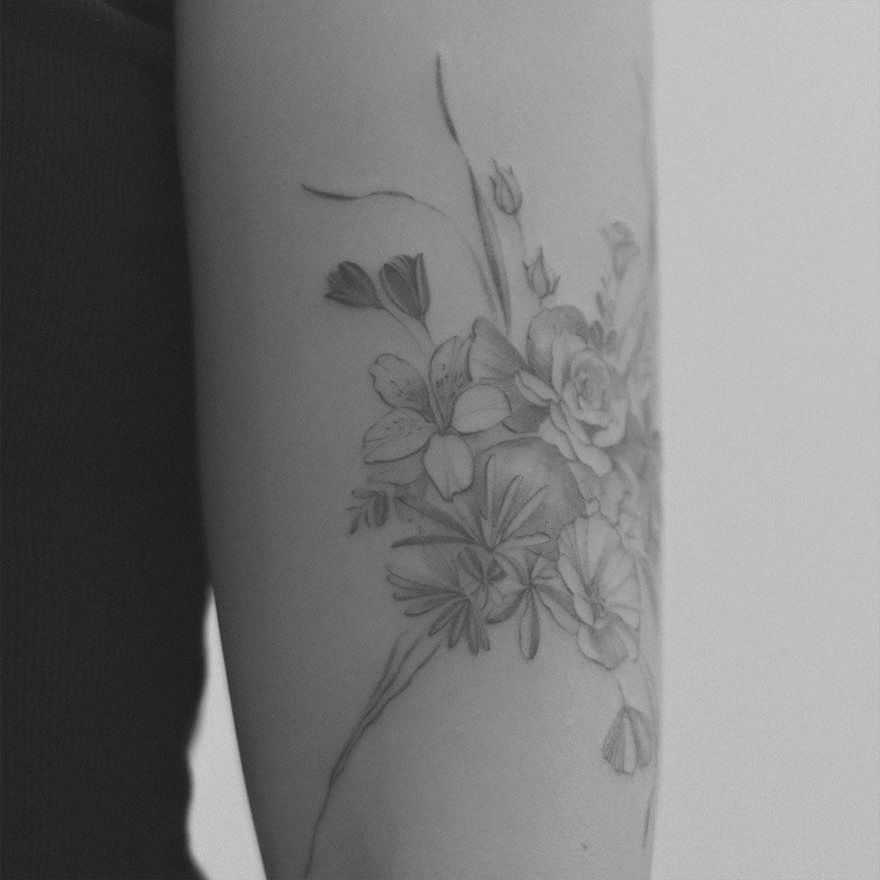
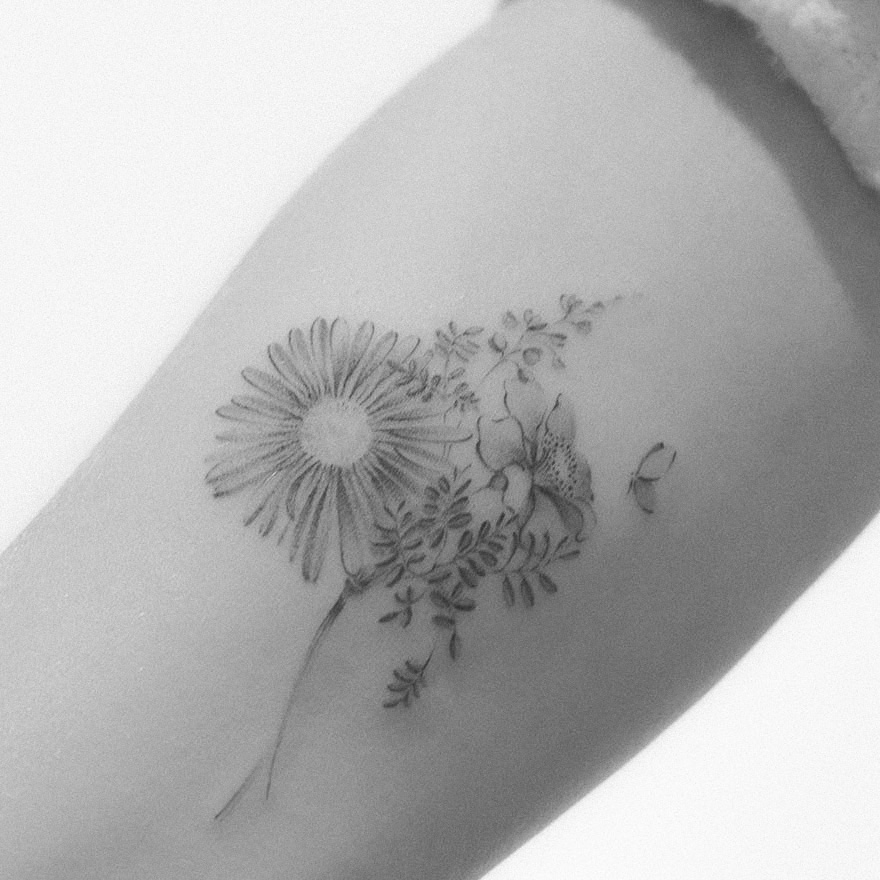
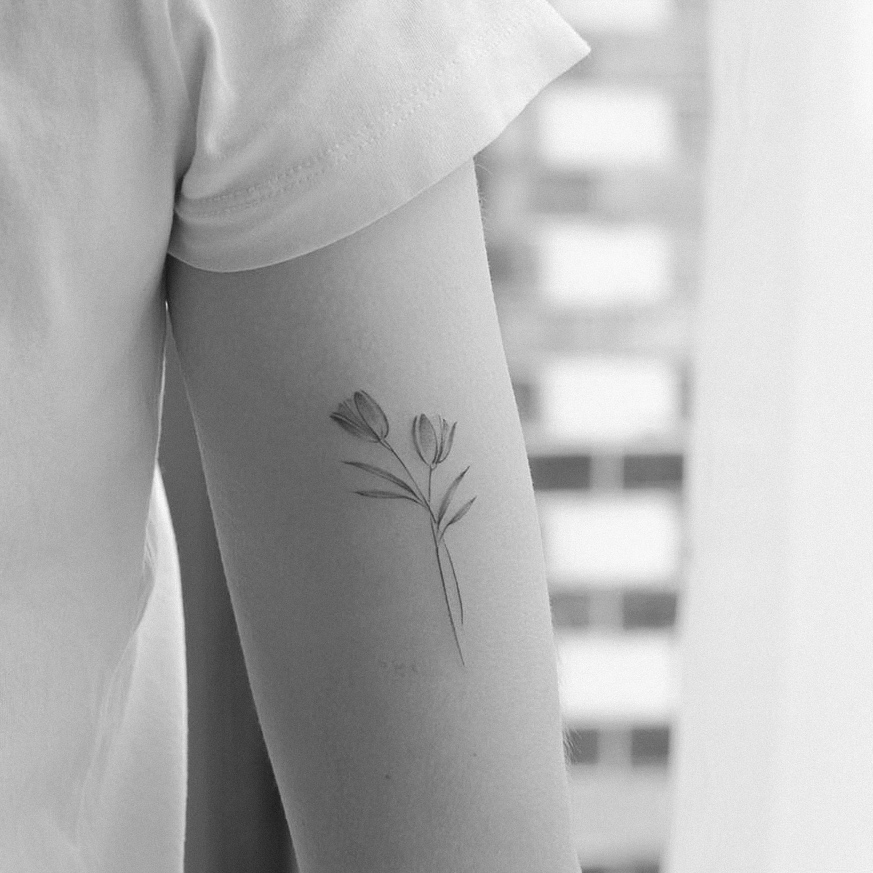
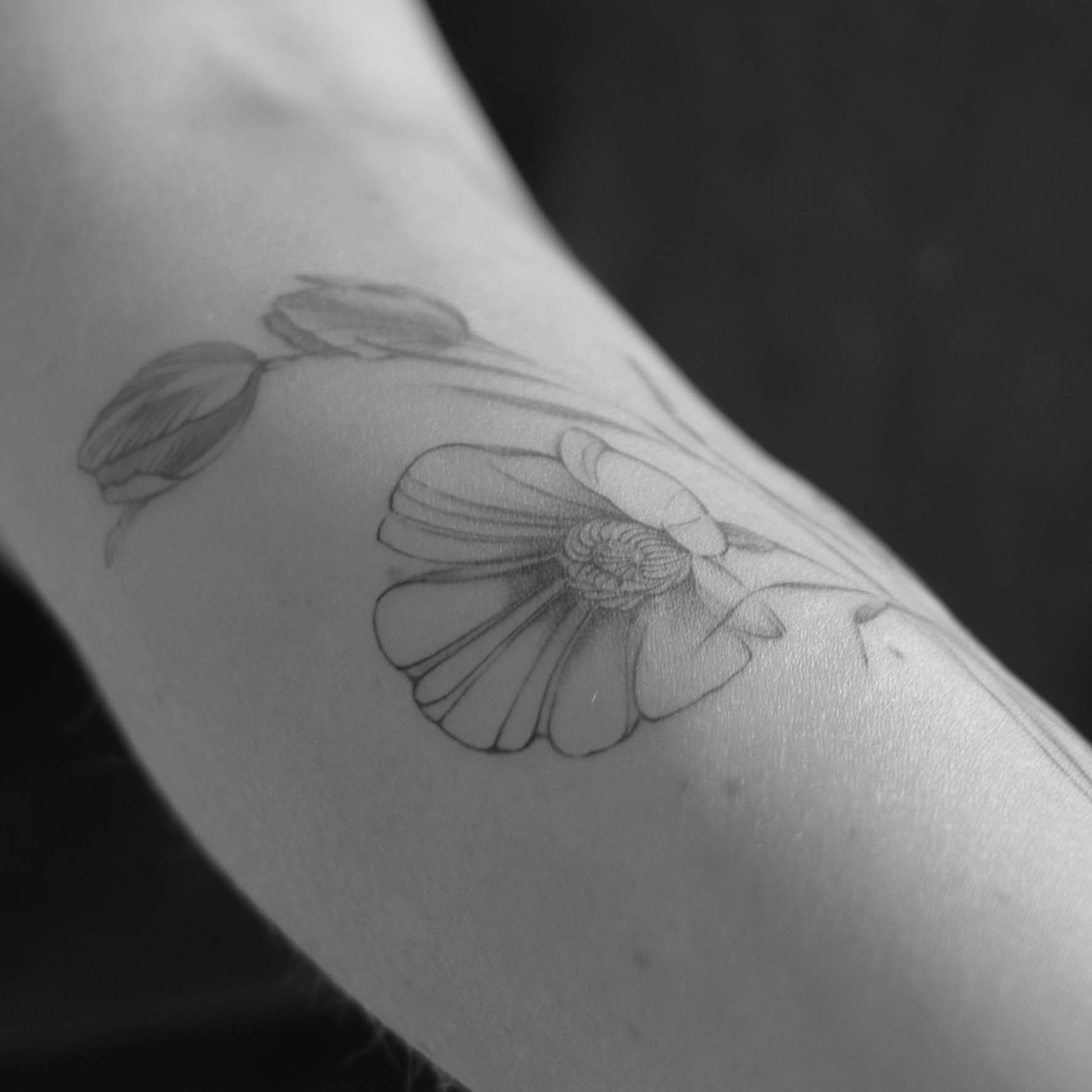
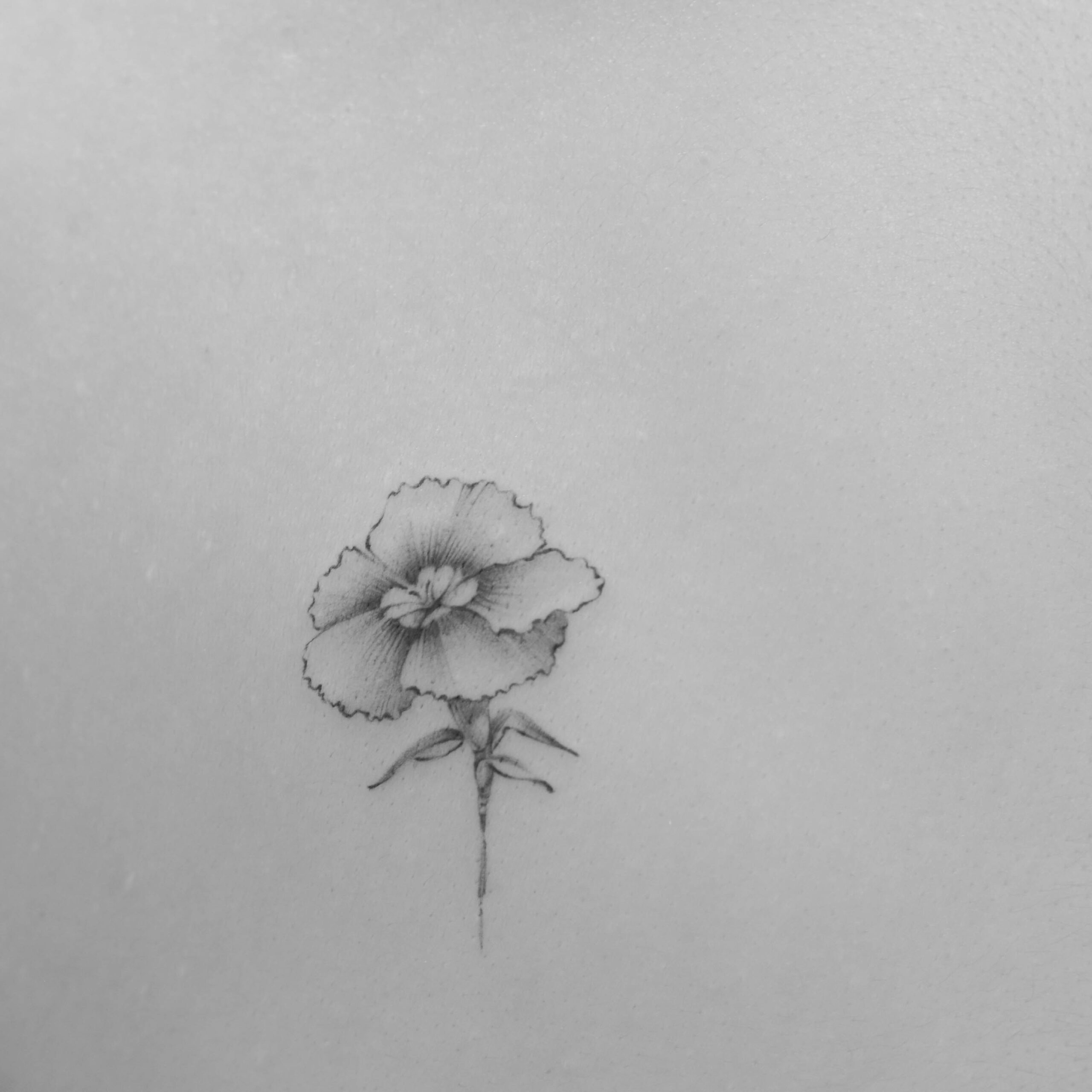
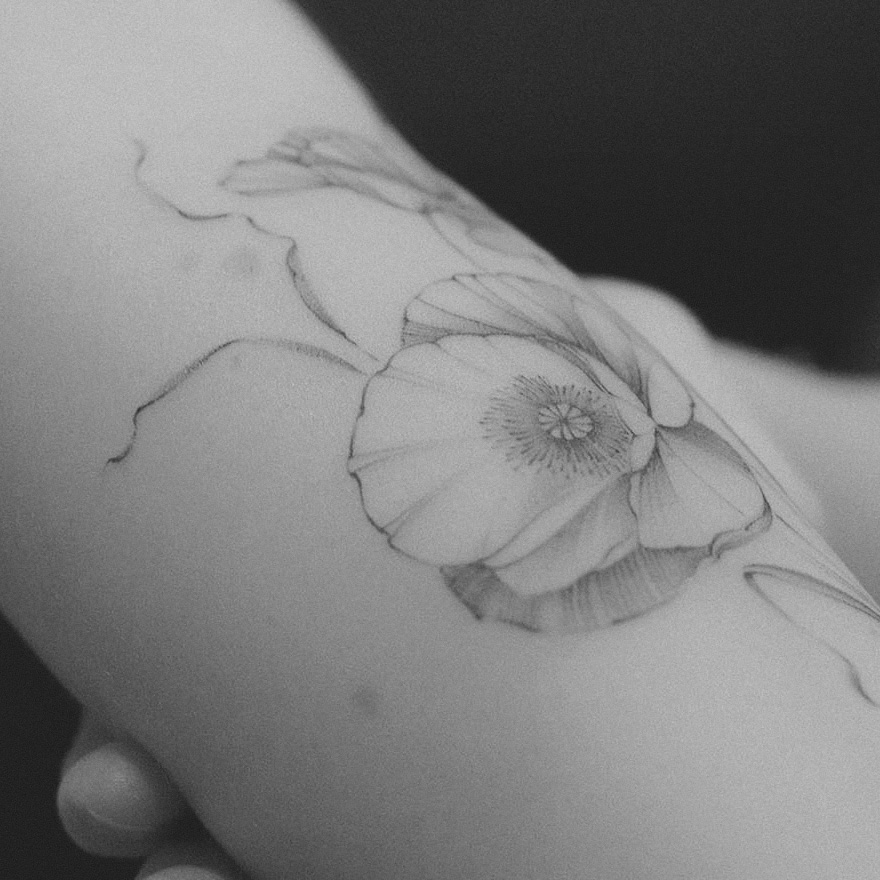
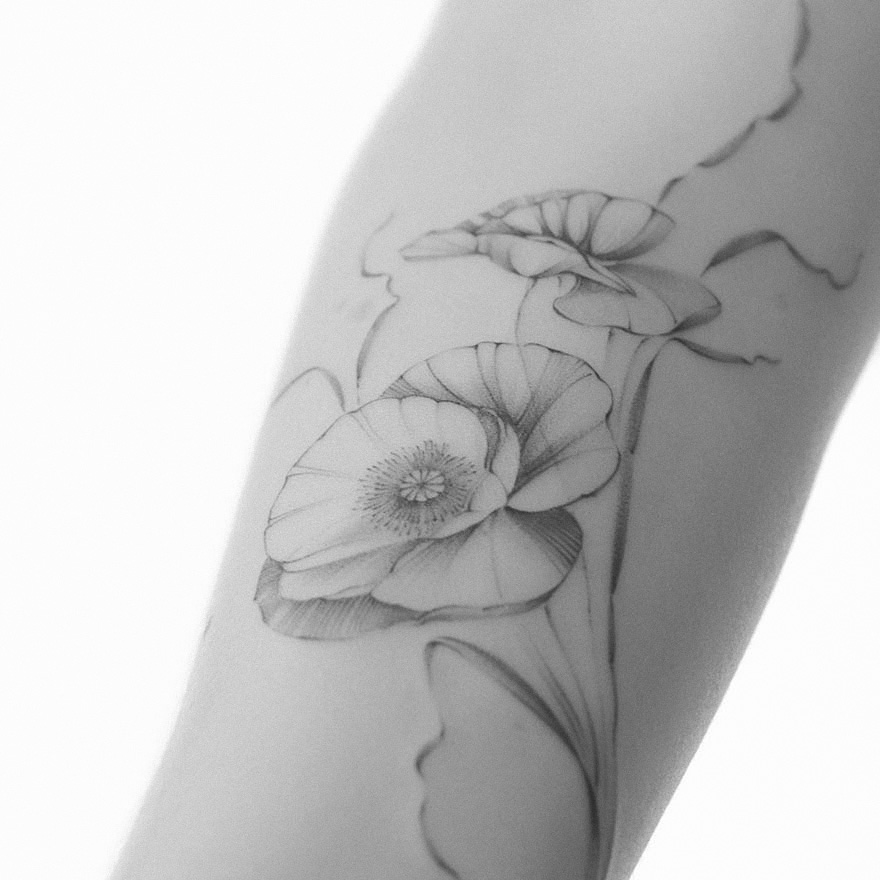
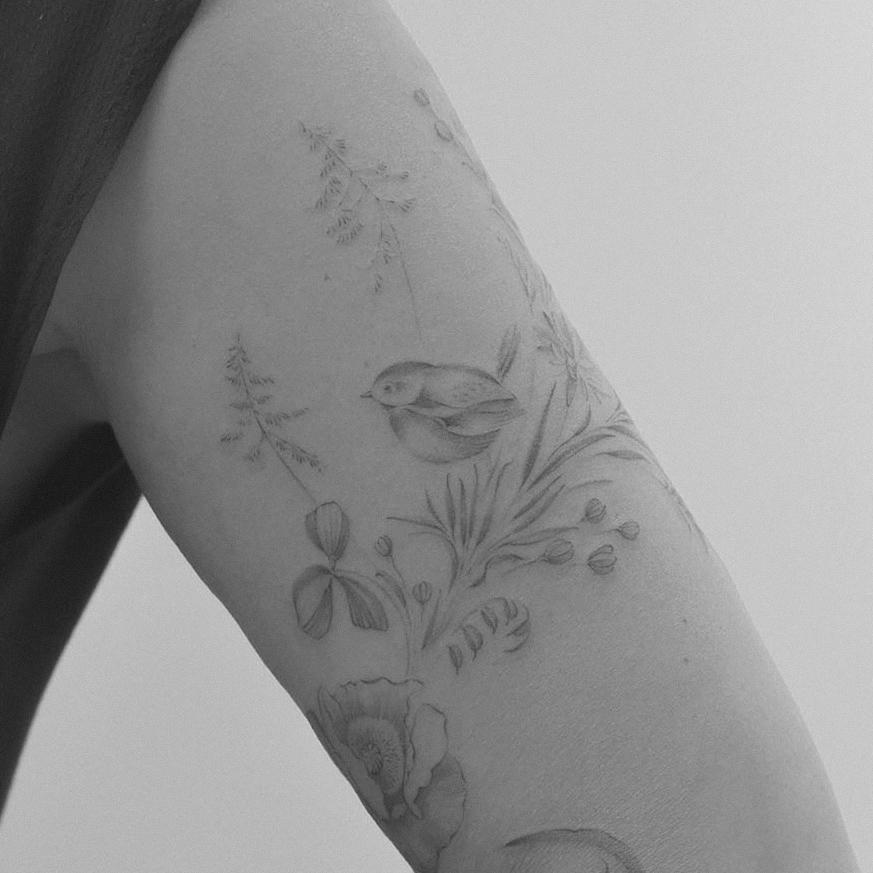
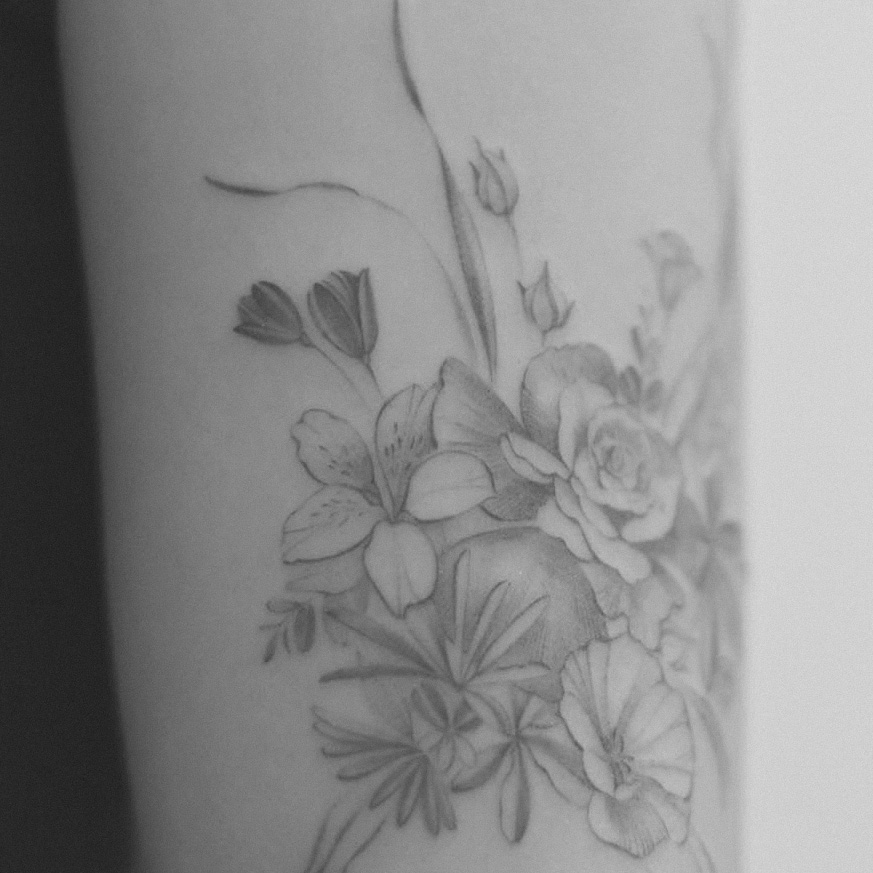
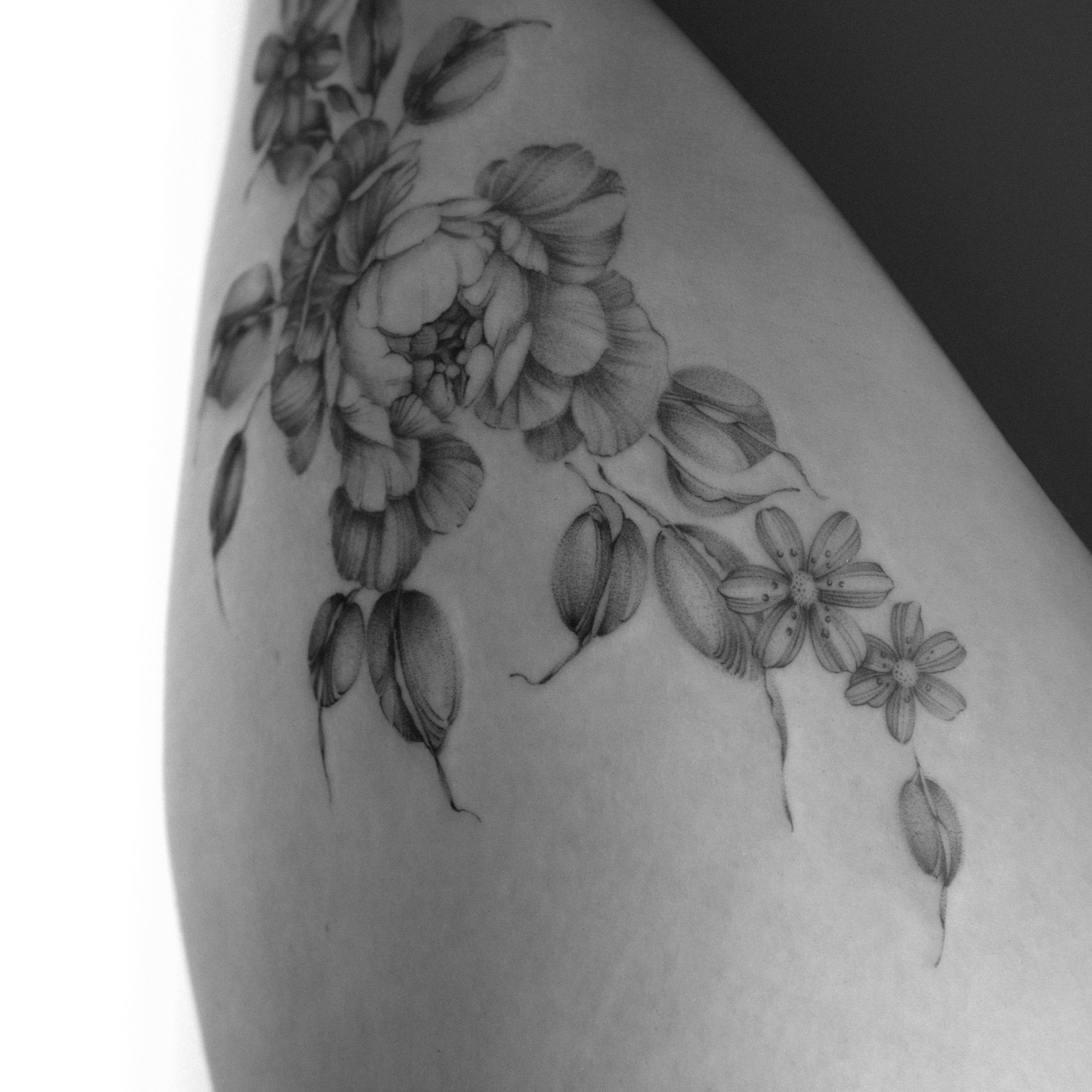
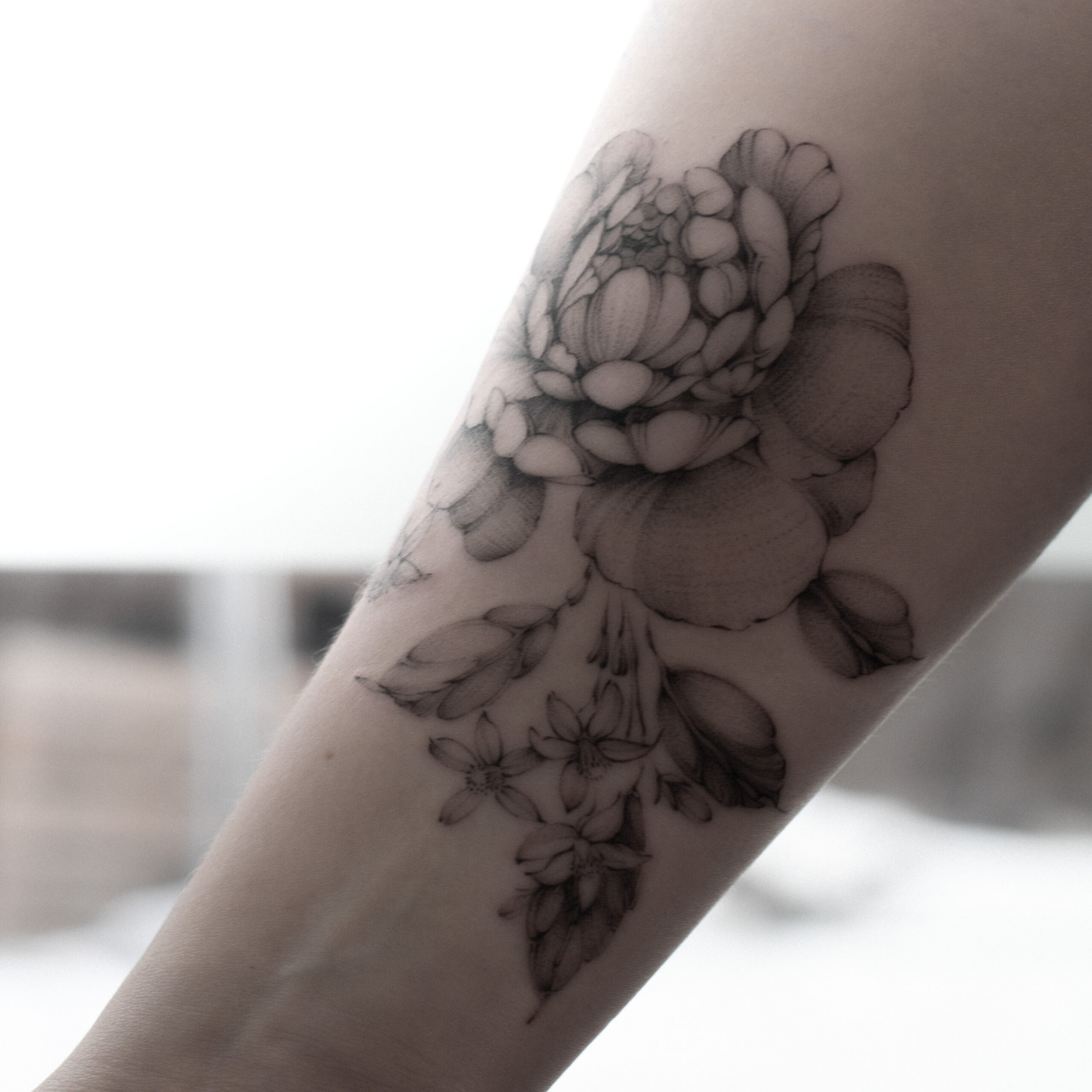
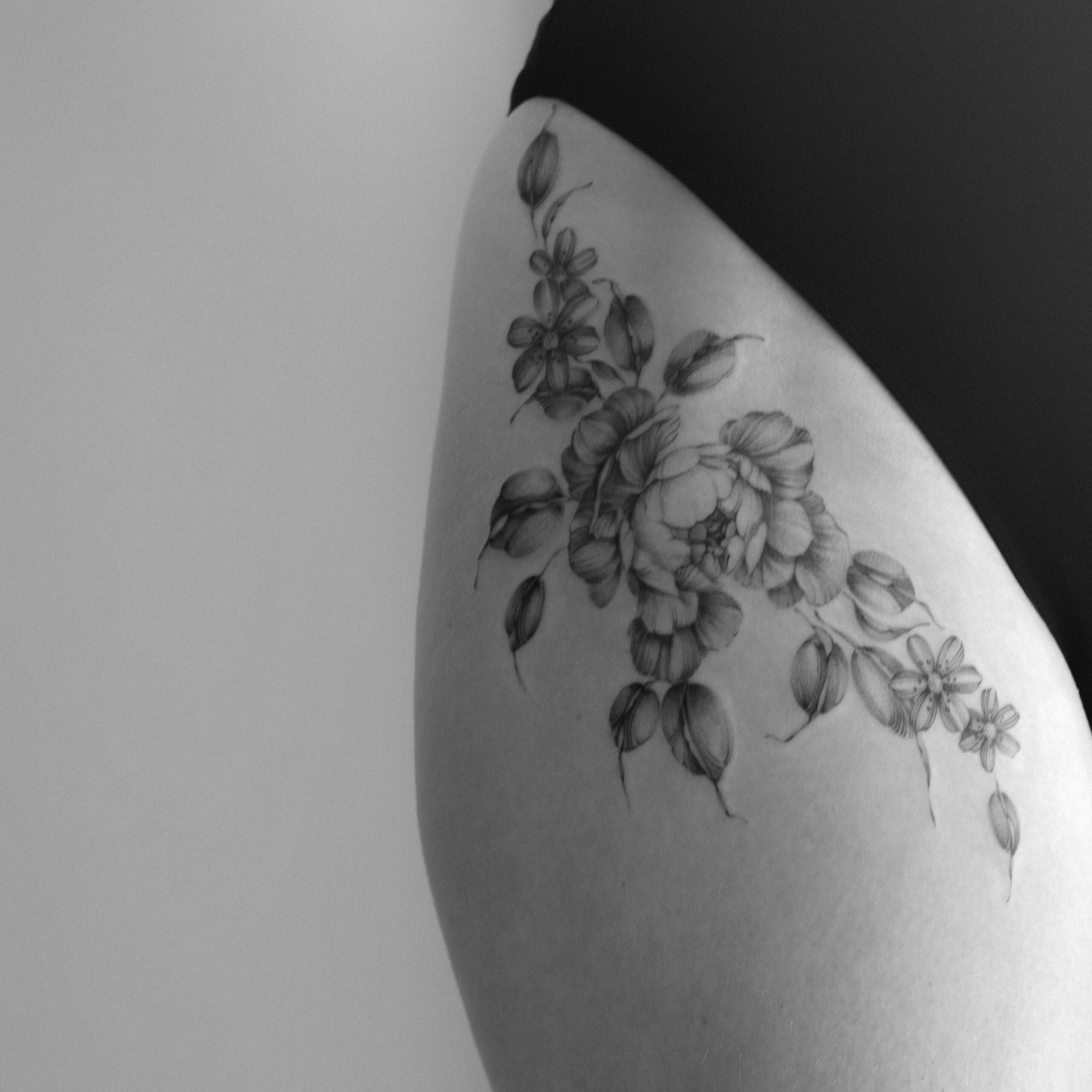
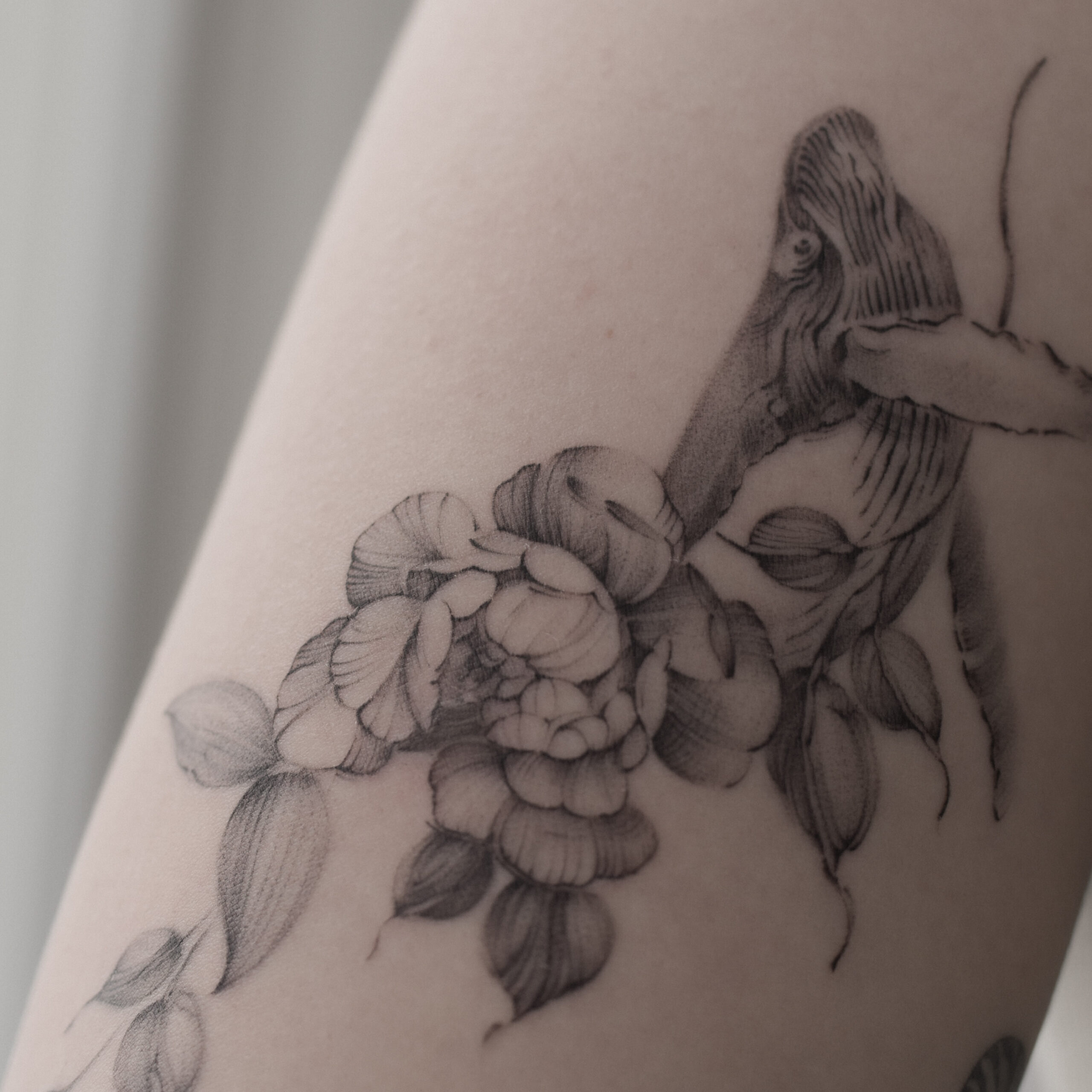
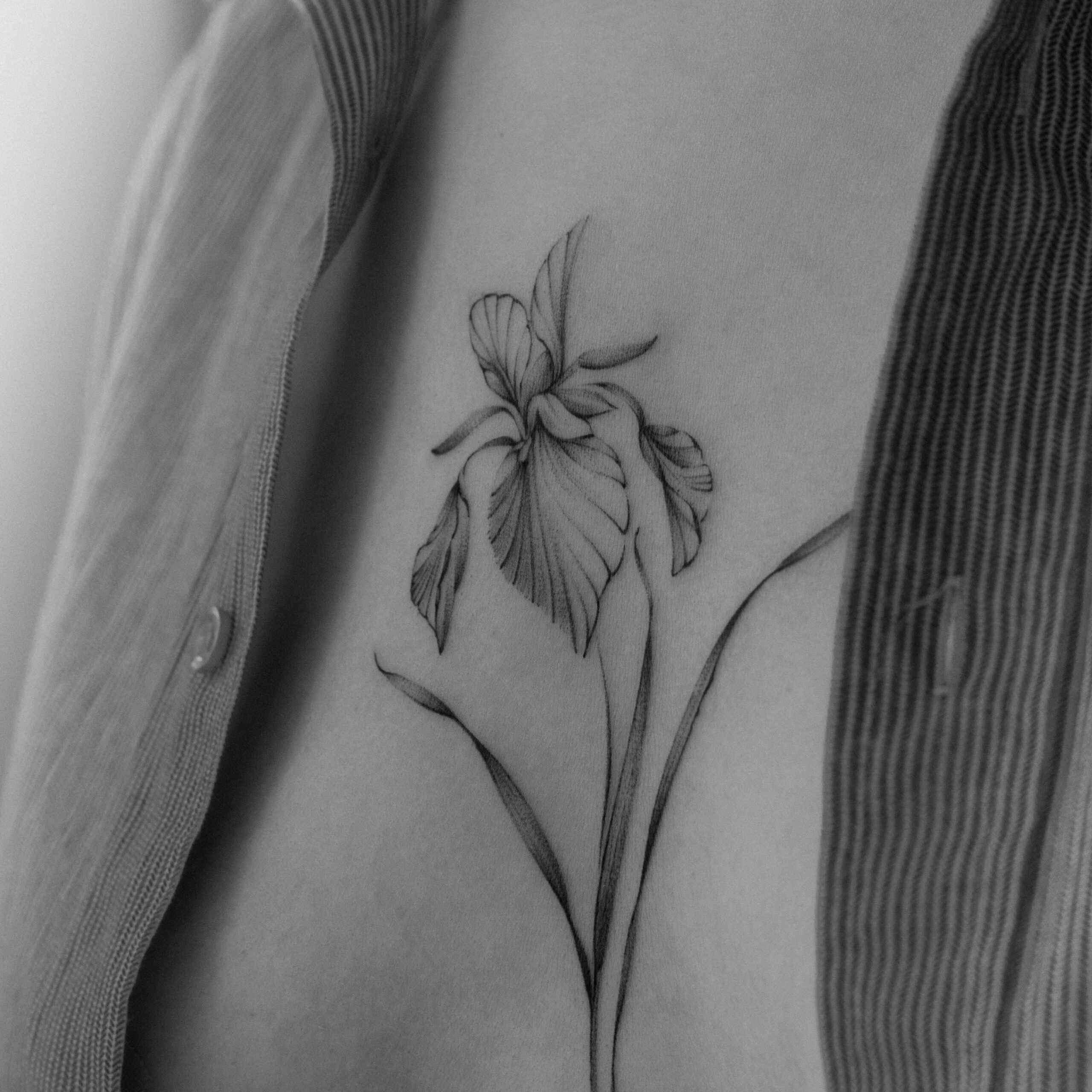
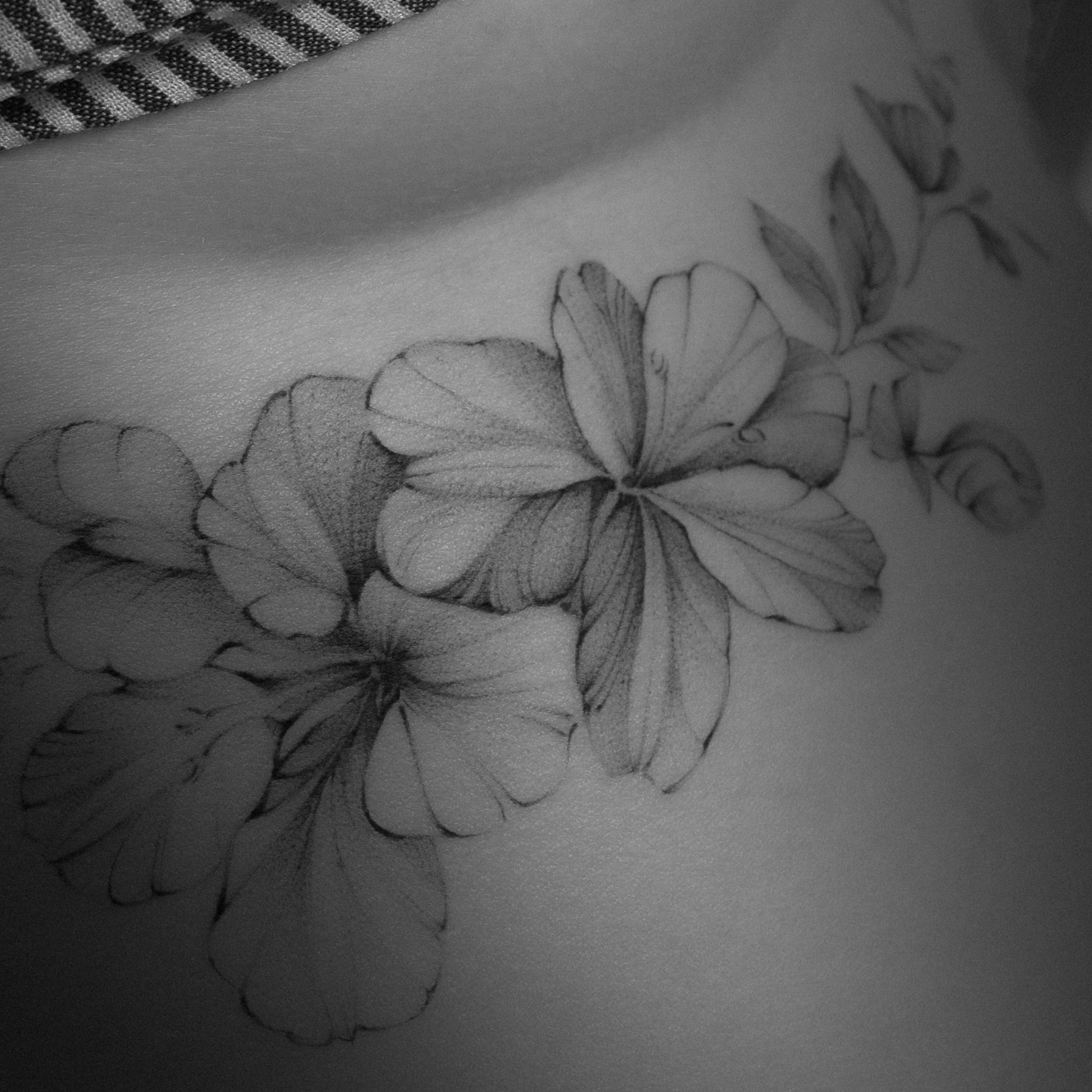
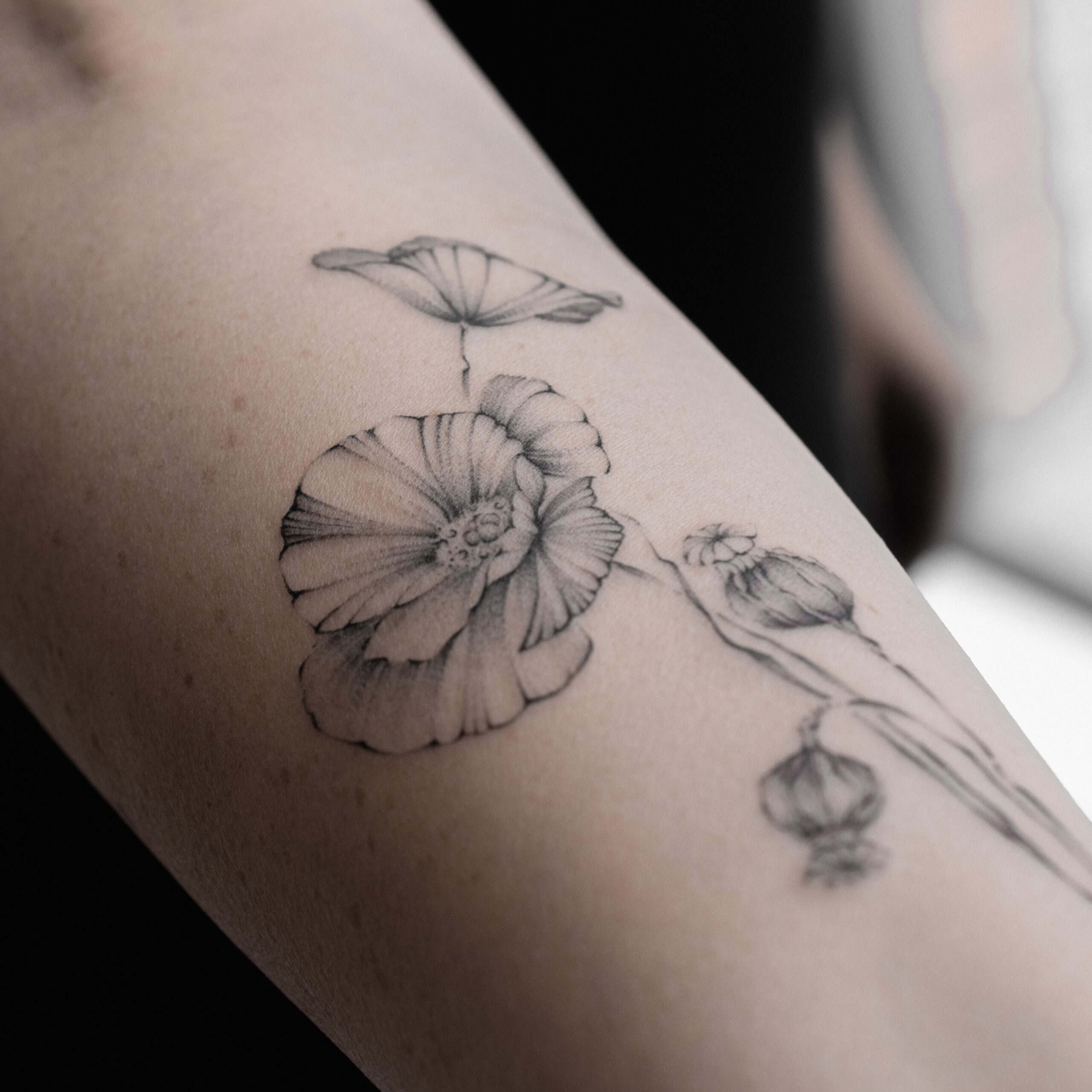
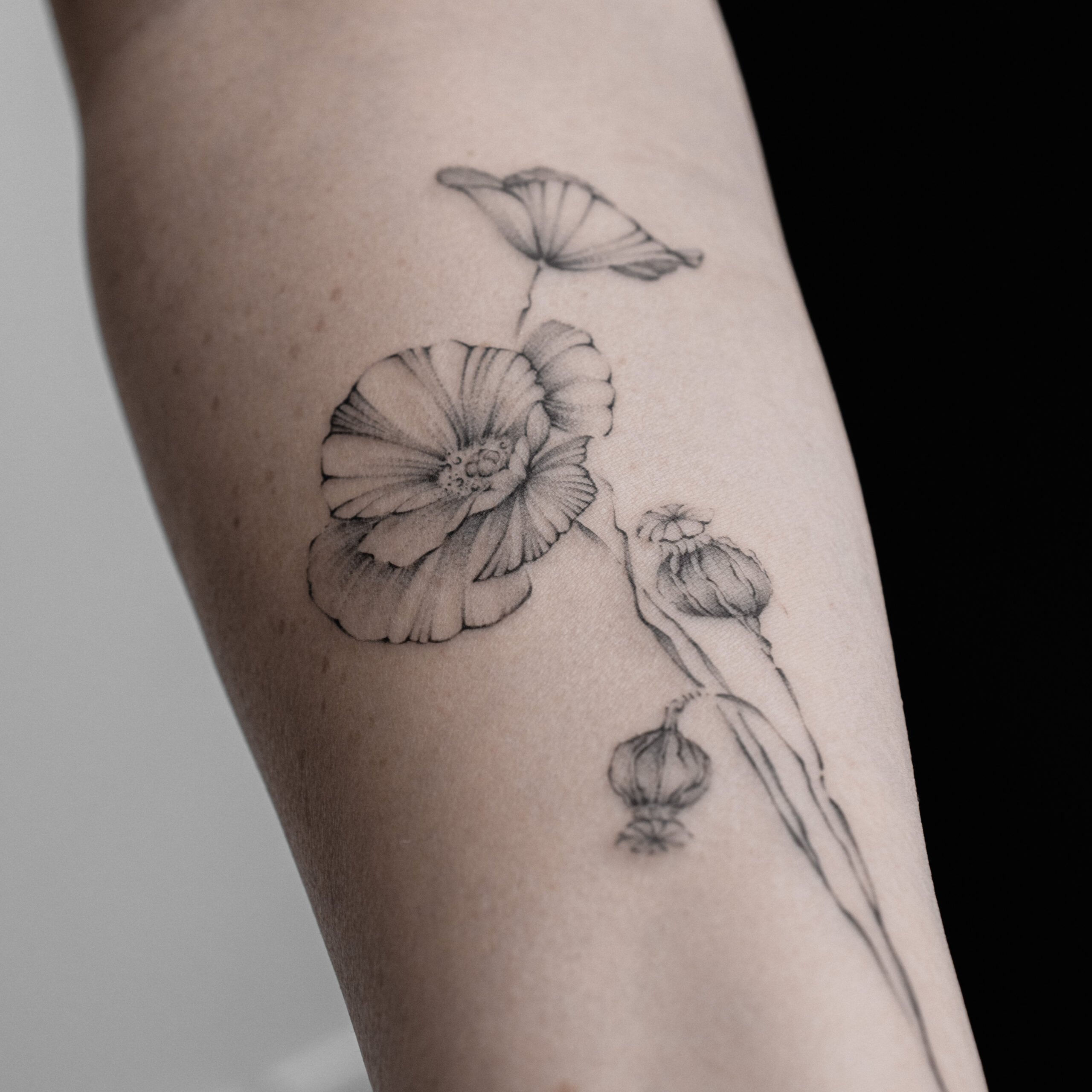
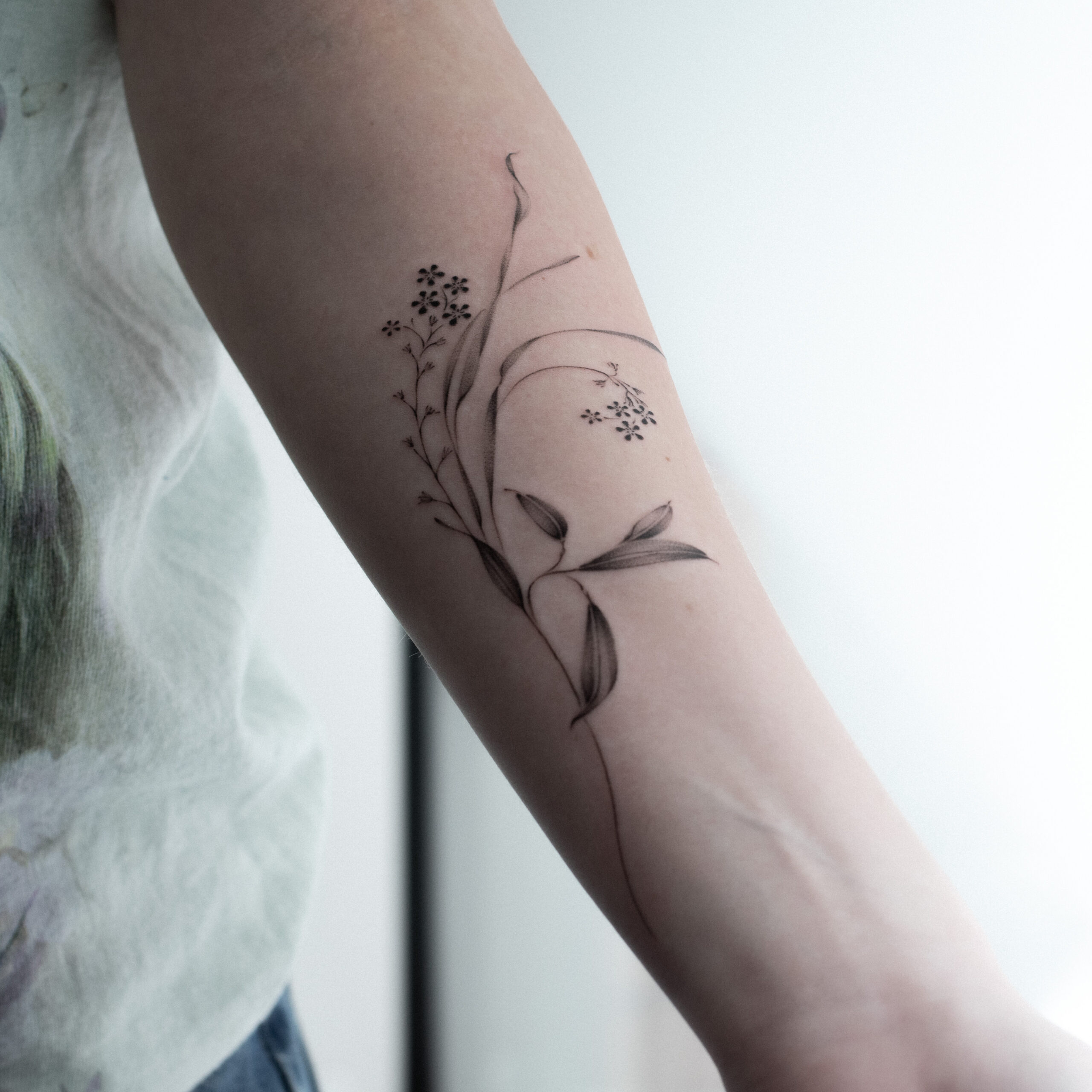
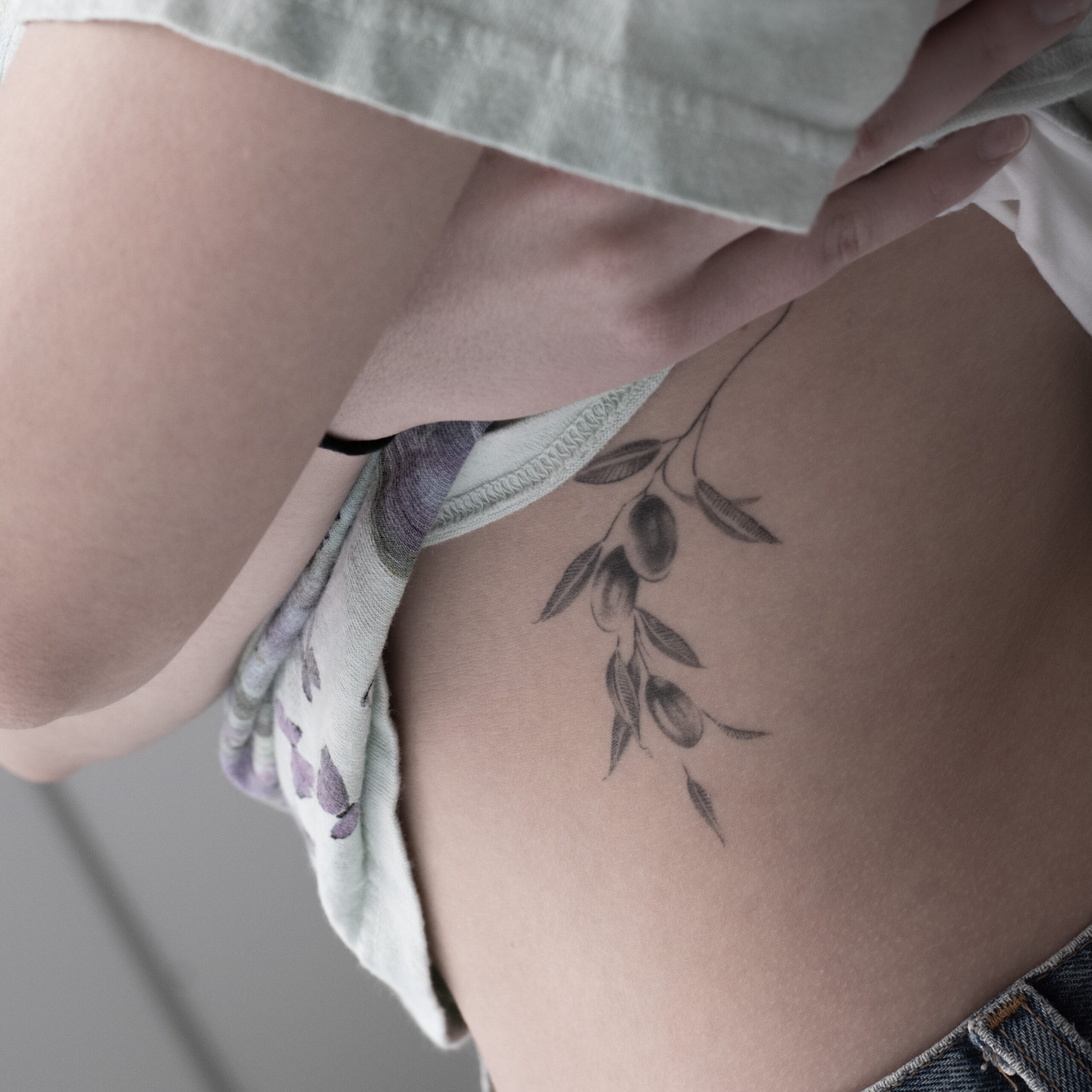
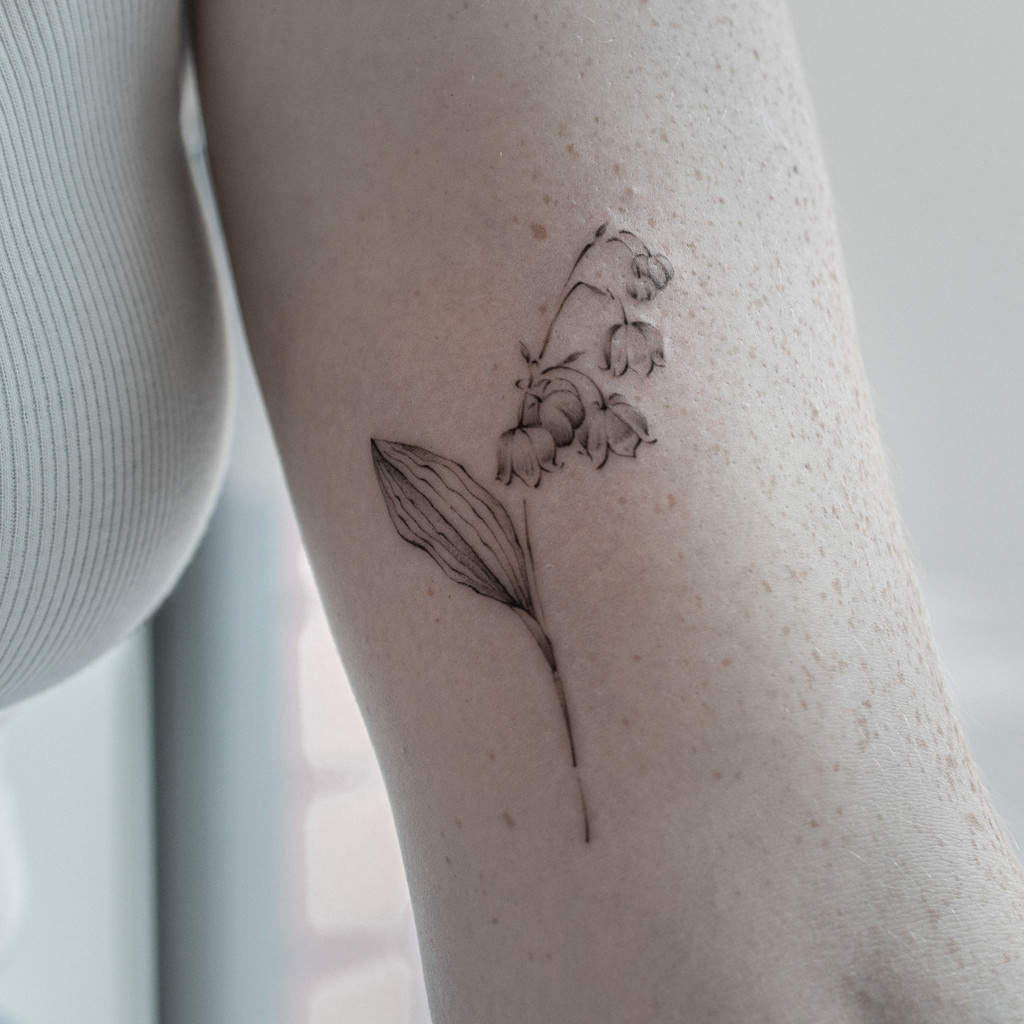
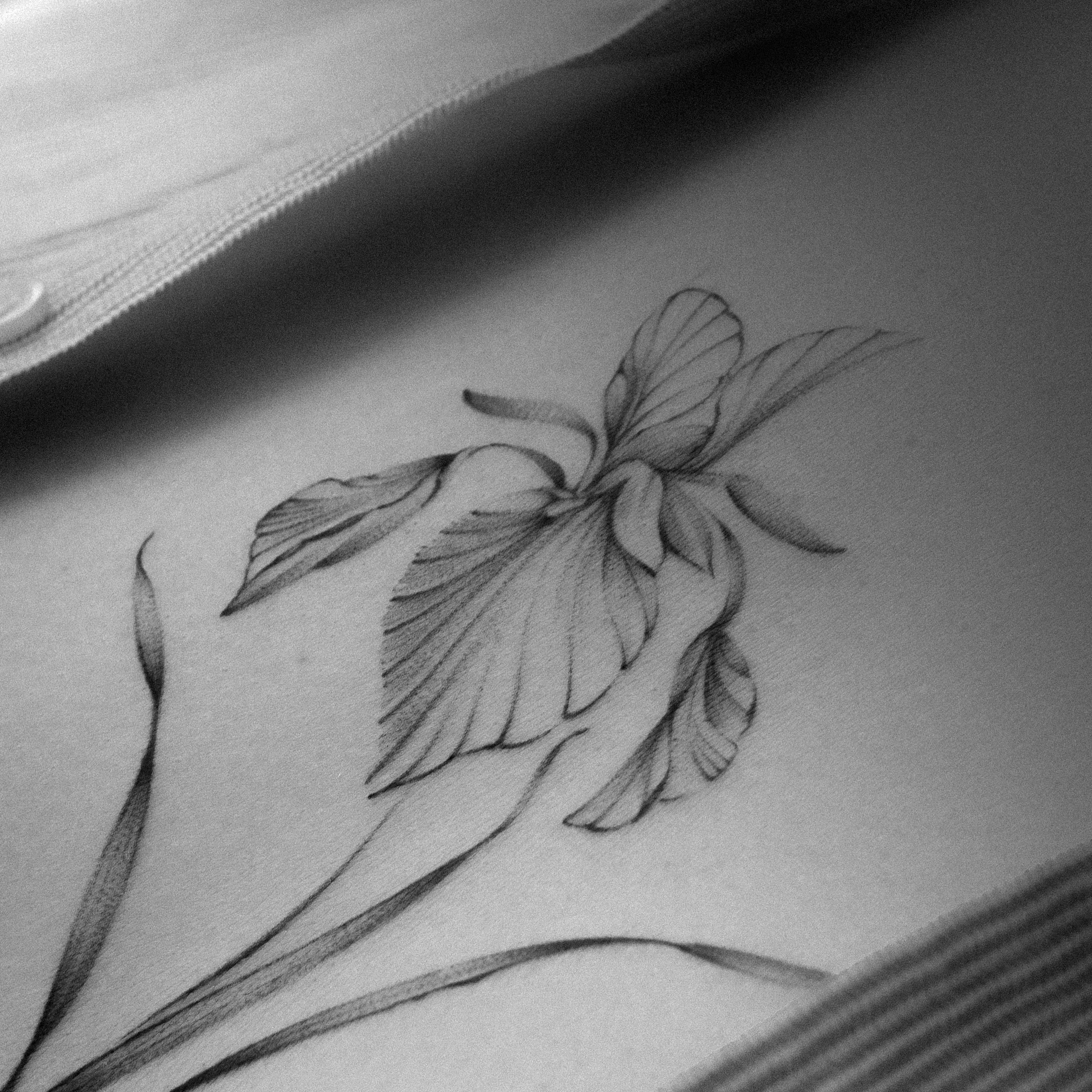
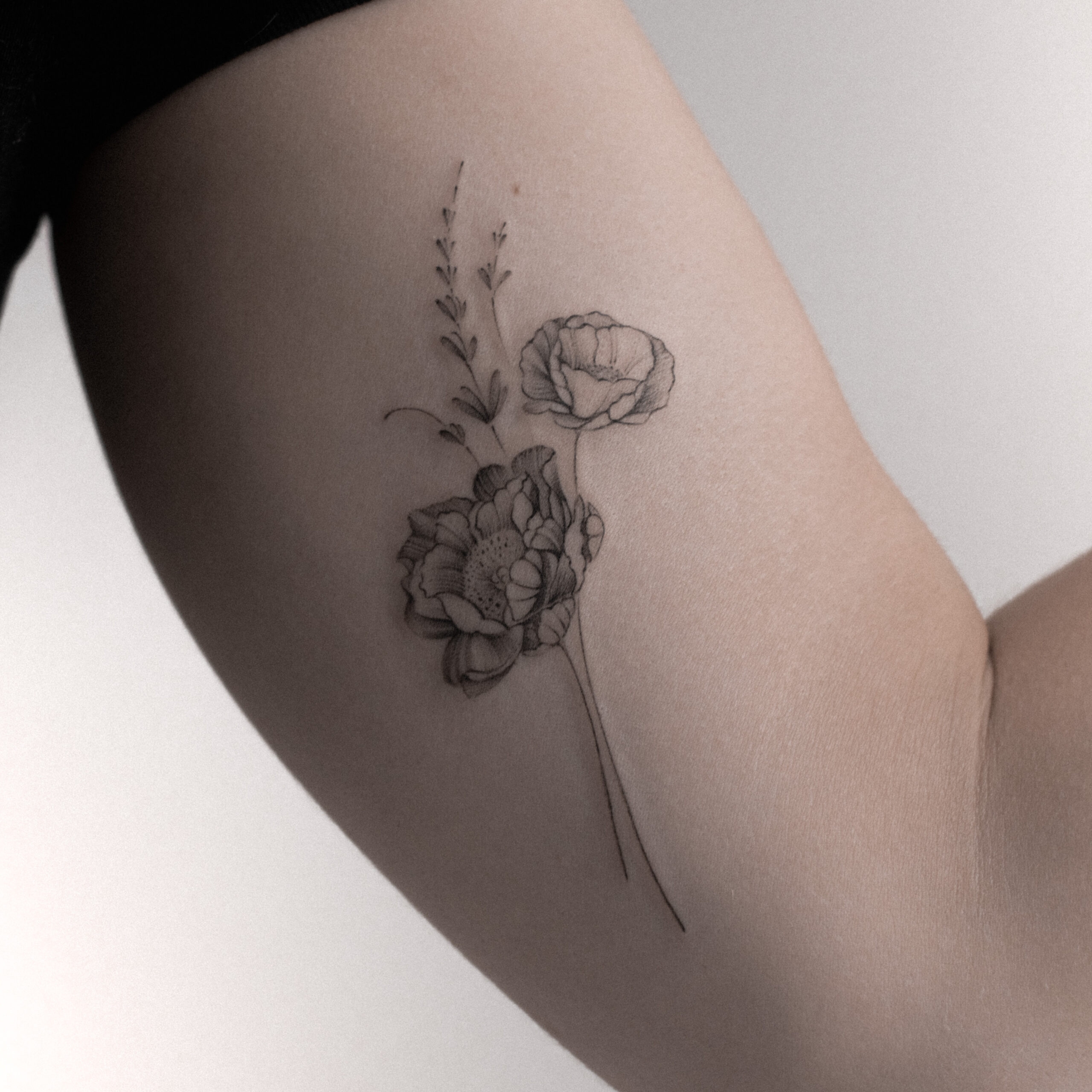
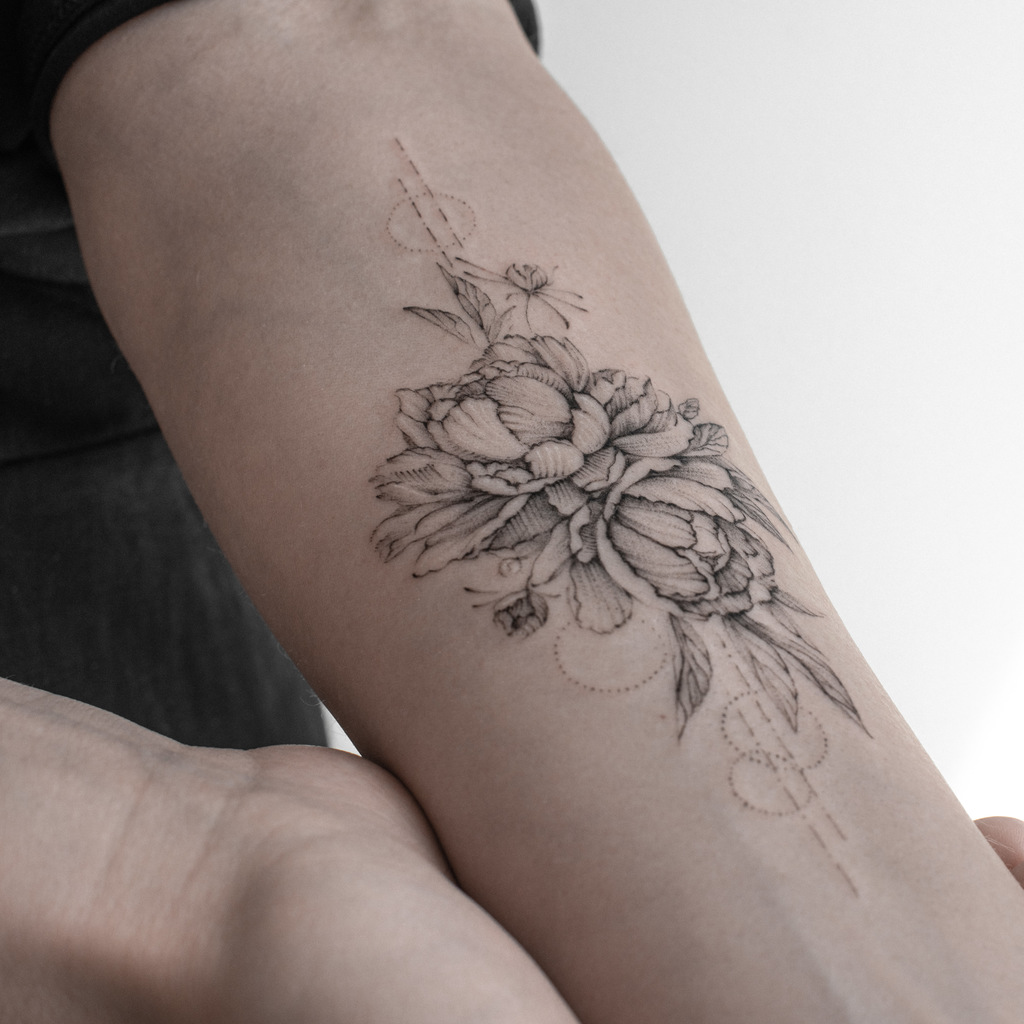
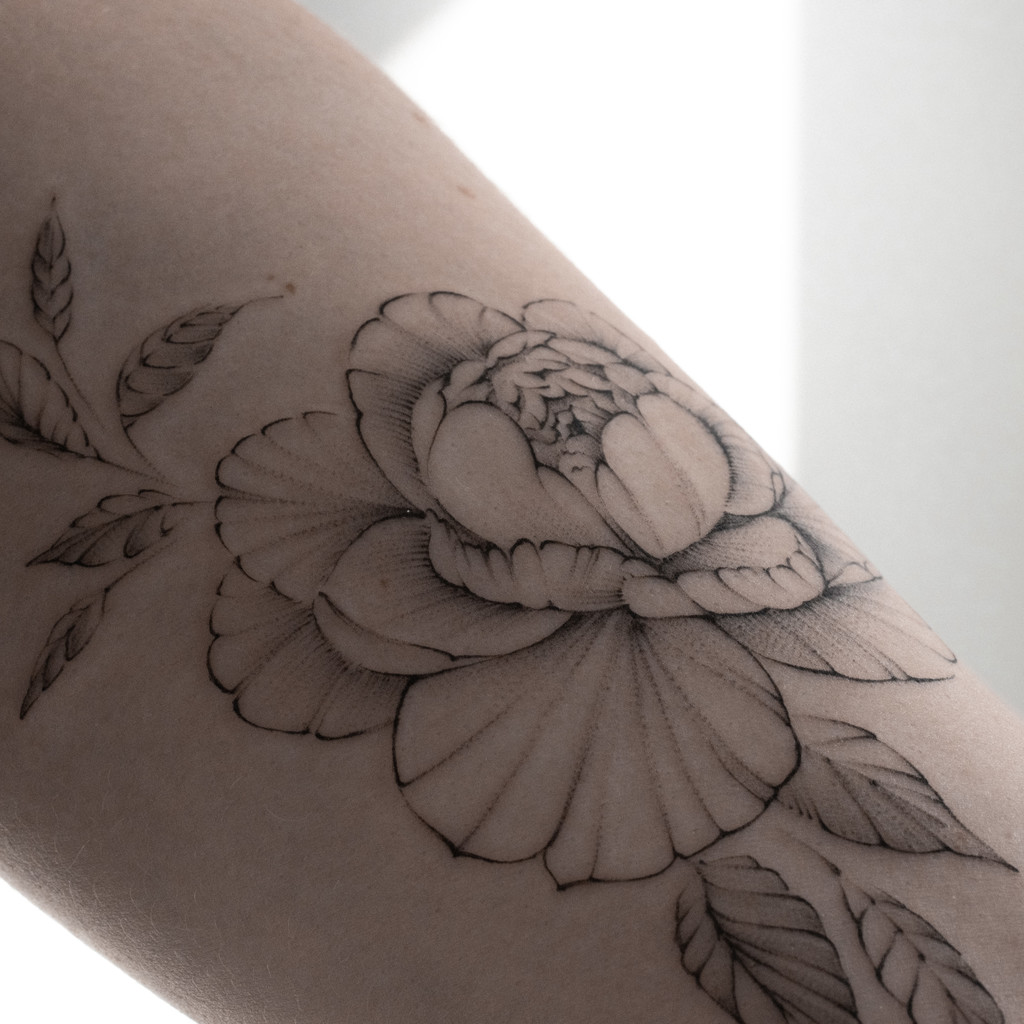
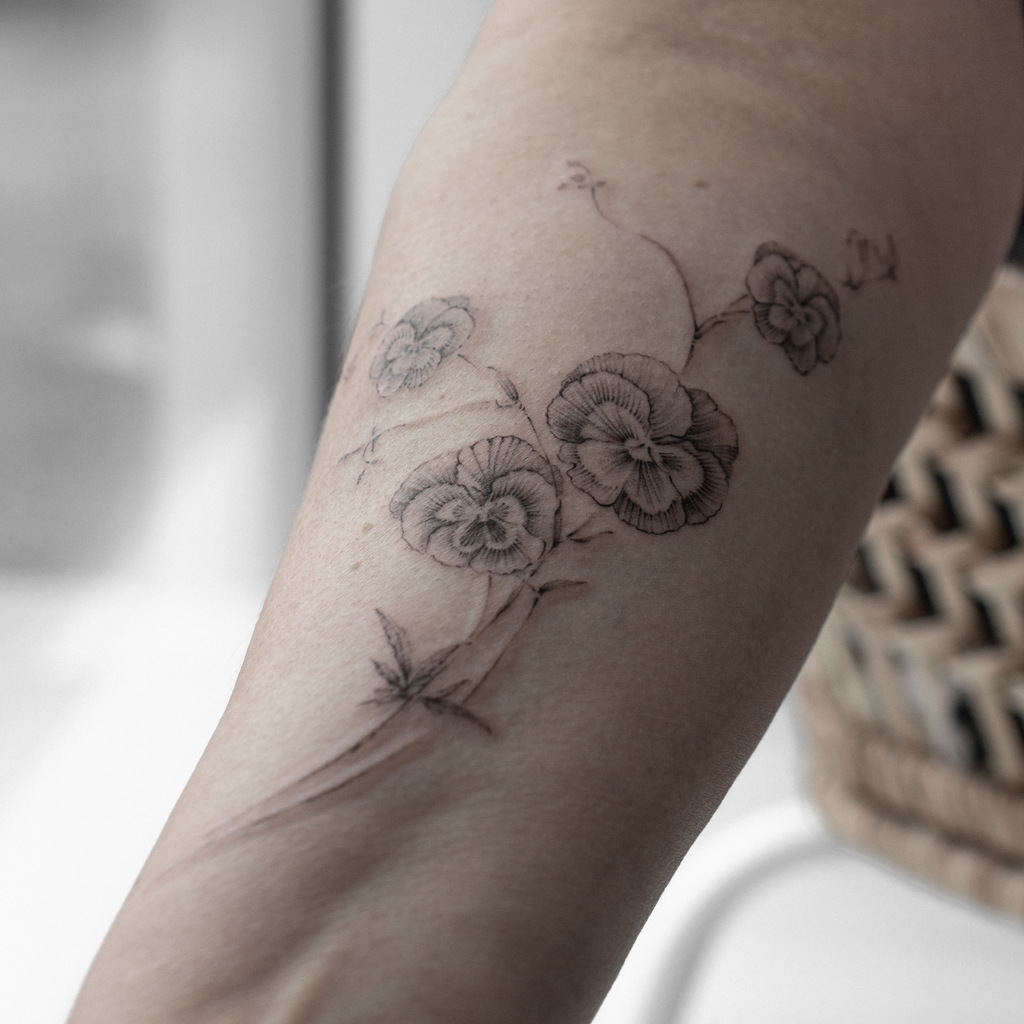
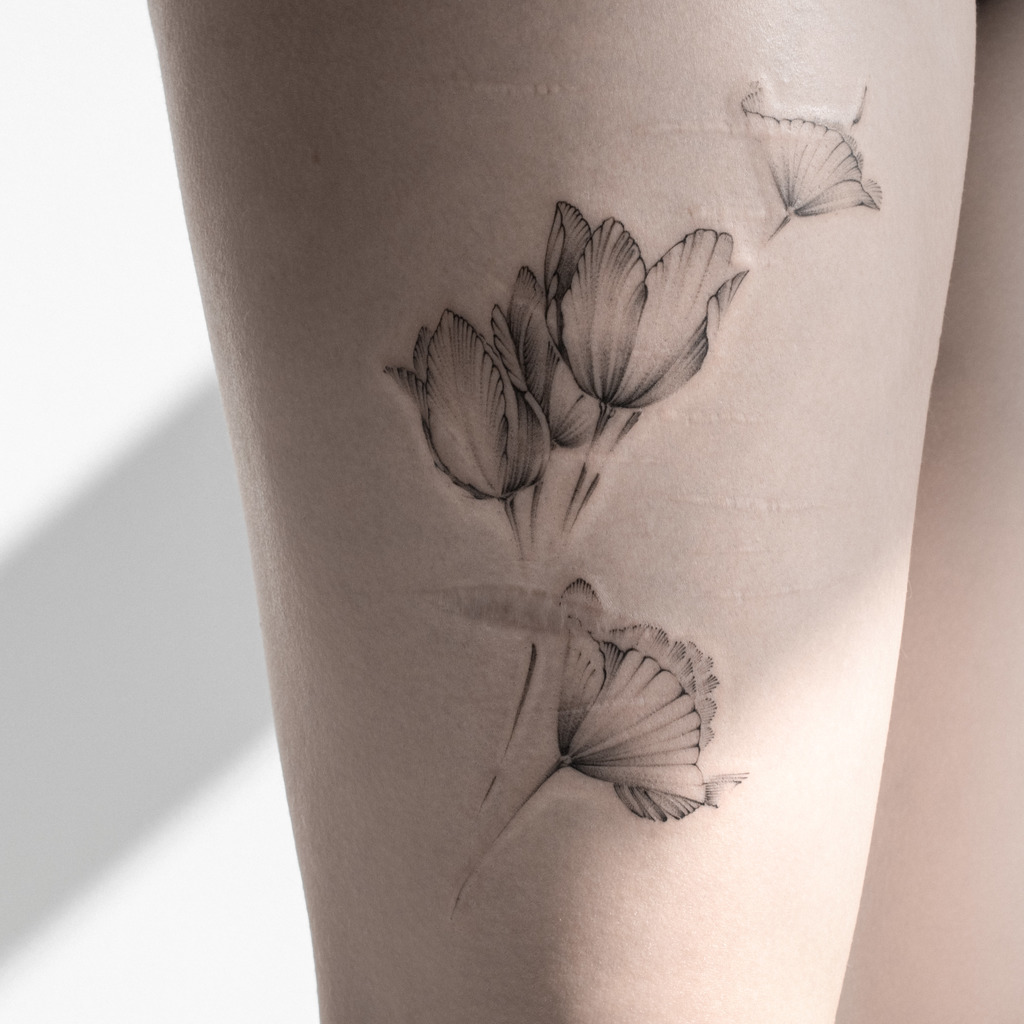
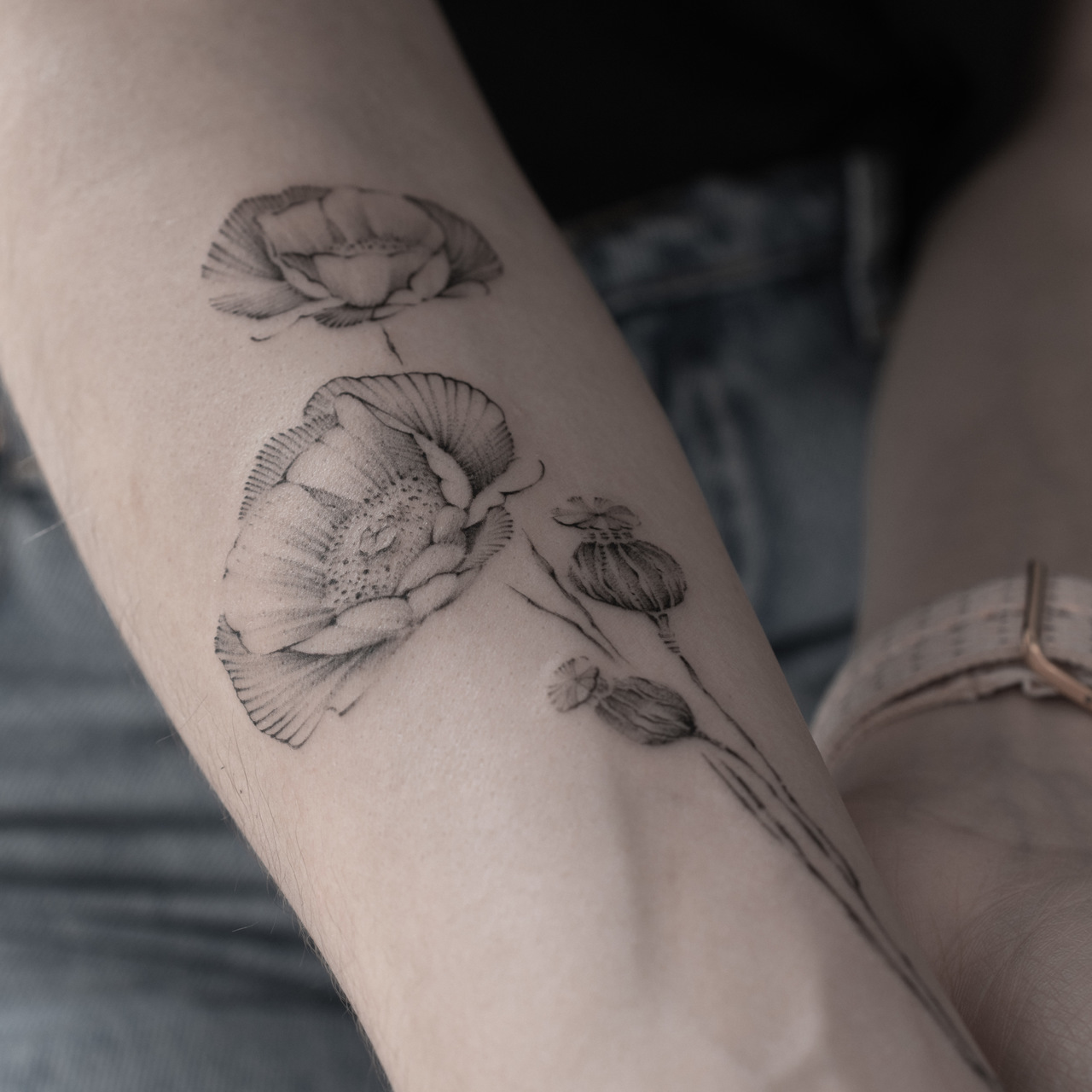
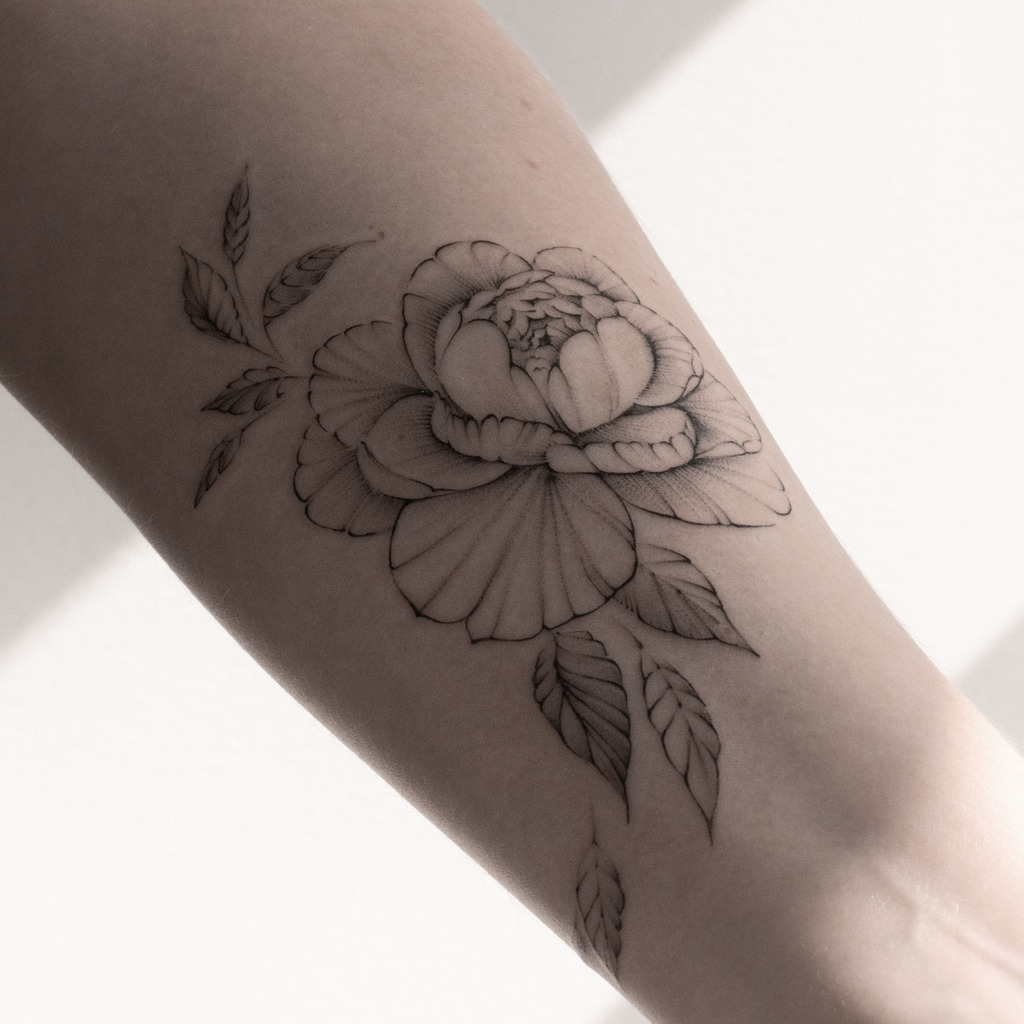
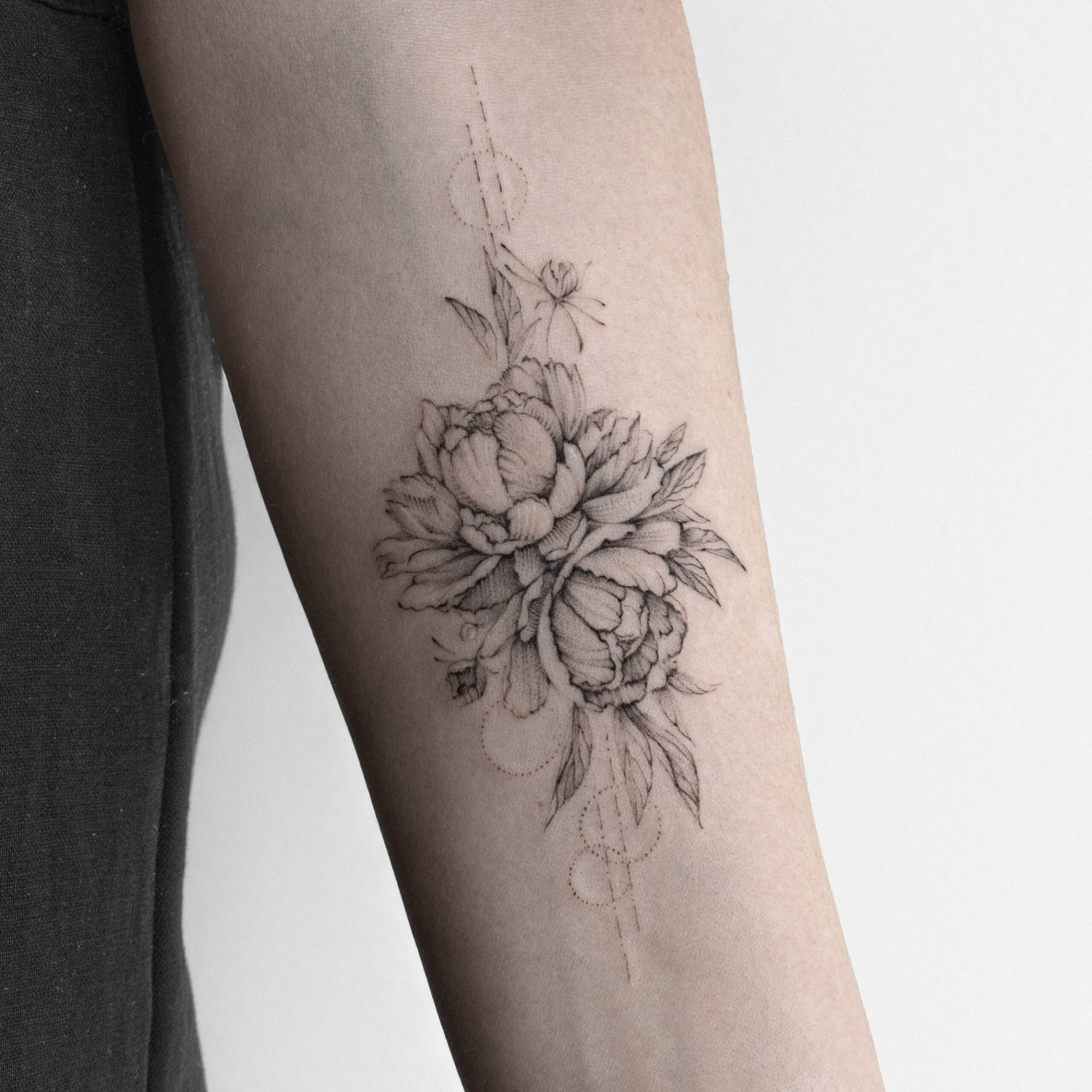
Fine line tattooing often creates the impression that everything should be extremely small. In reality, fine line tattoos still benefit from proper spacing and thoughtful proportions. One of the strengths of fine line work is its ability to create sophisticated detail without overwhelming the body. However, even the most delicate designs need room to breathe. A tattoo does not become elegant simply because it is tiny. It becomes elegant because the proportions feel balanced. This distinction is important. A well-sized fine line tattoo often appears more refined than a design that has been reduced beyond what the composition can comfortably support.
.
The Relationship Between Tattoo and Body
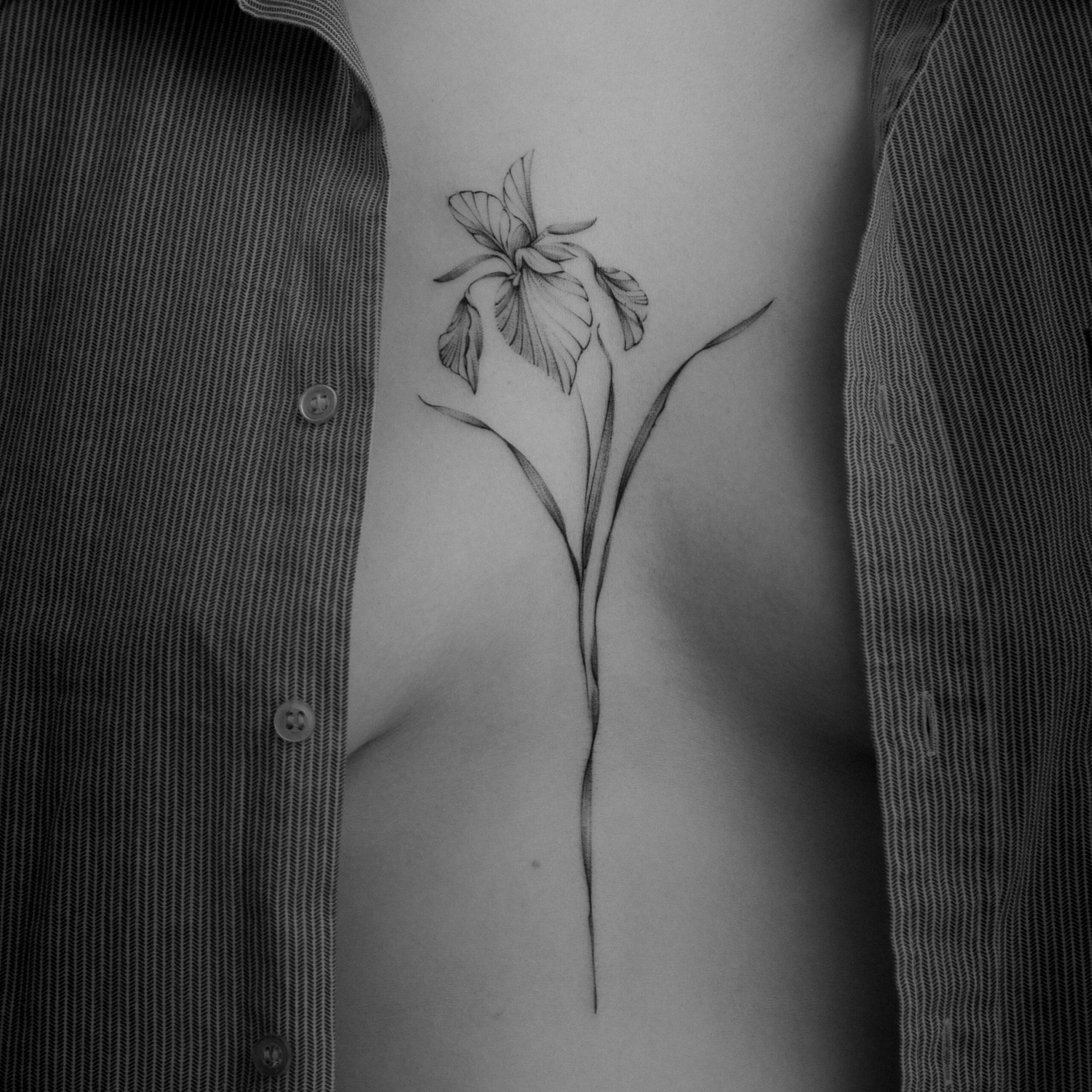
Good tattooing is not only about the design itself. It is also about how that design interacts with the body. Imagine hanging a small painting on a large empty wall. Technically, nothing is wrong with the artwork, but the proportions may feel slightly off. The same principle applies to tattoos.
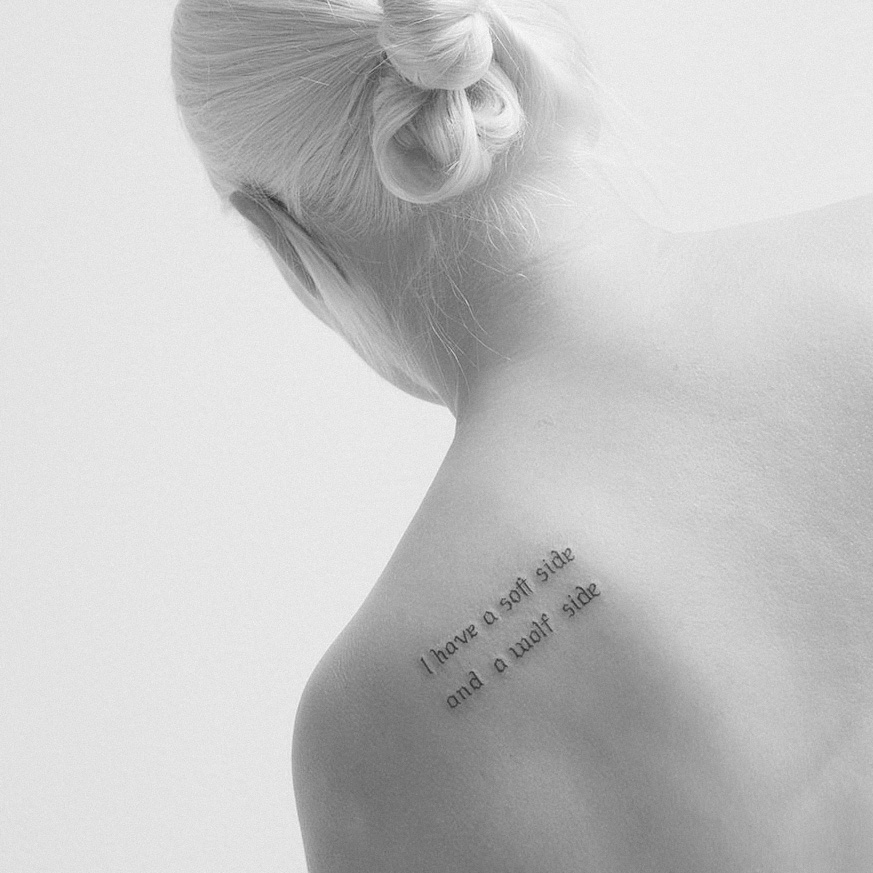
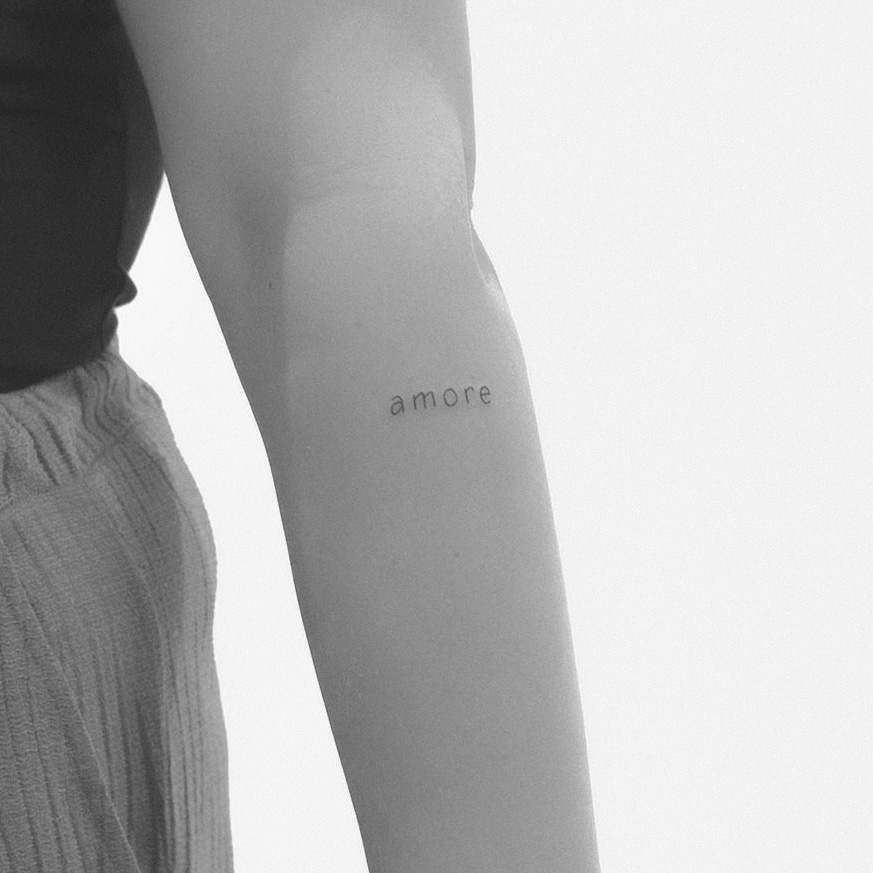
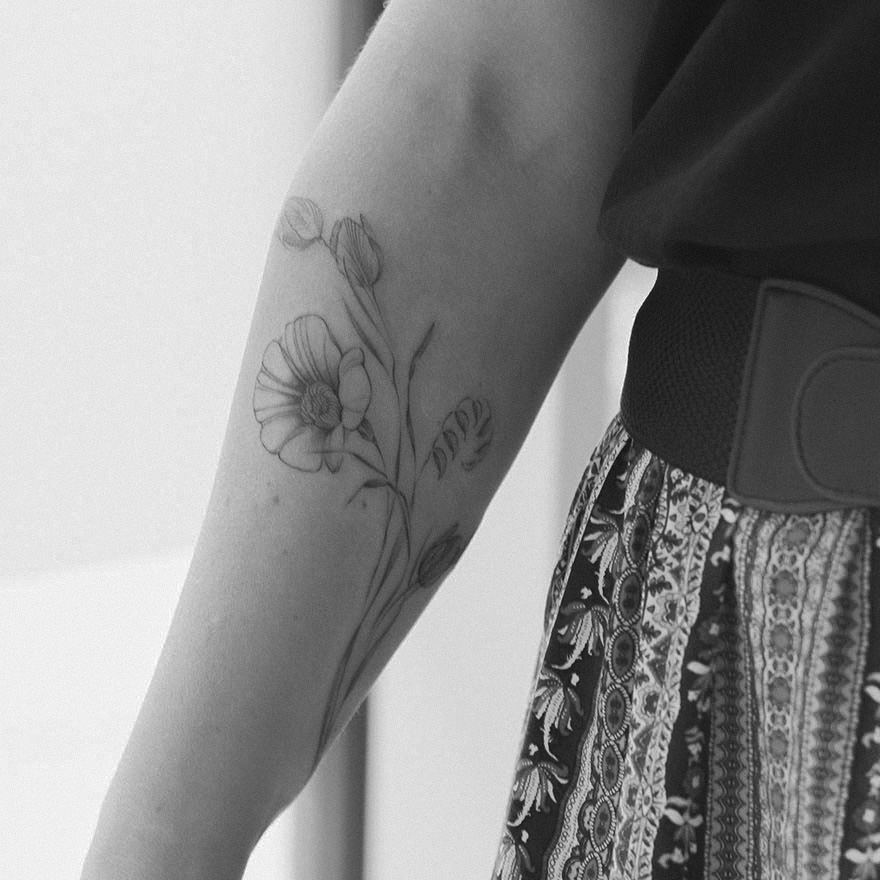
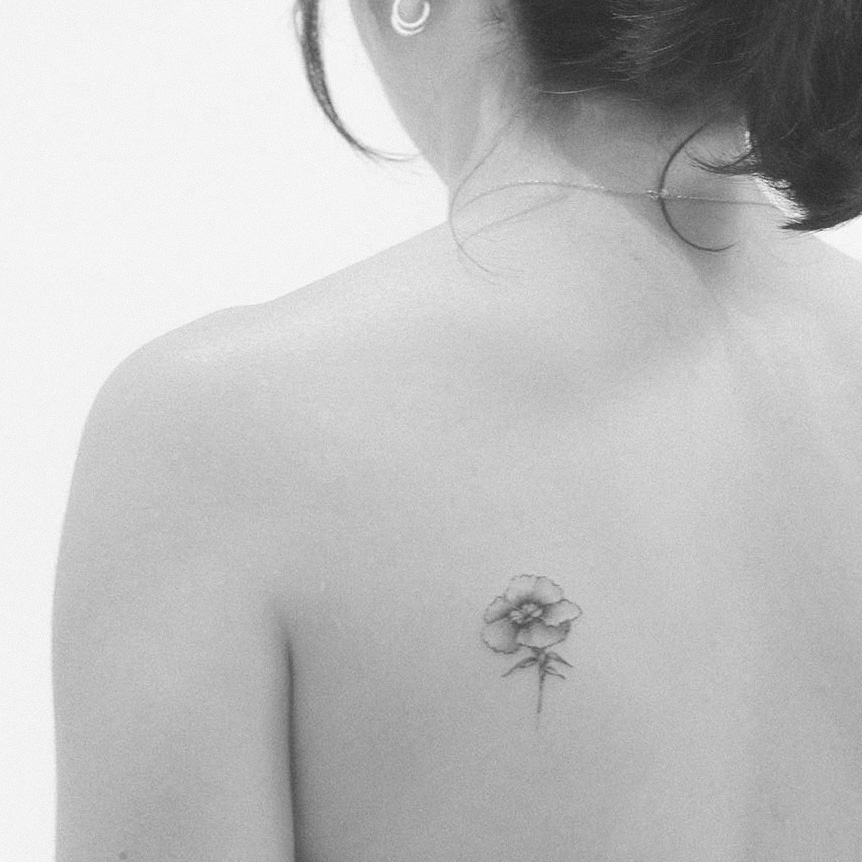
The body provides context for every tattoo. A design that feels perfectly balanced on one person may need adjustments when placed on another. Factors such as body shape, muscle structure, and the chosen placement all influence what size feels visually natural.
This is one reason experienced tattoo artists often suggest subtle adjustments during the consultation process. The goal is not to change the client’s idea, but to help the design exist more harmoniously within the body itself.
.
Why Bigger Is Not Always Better Either
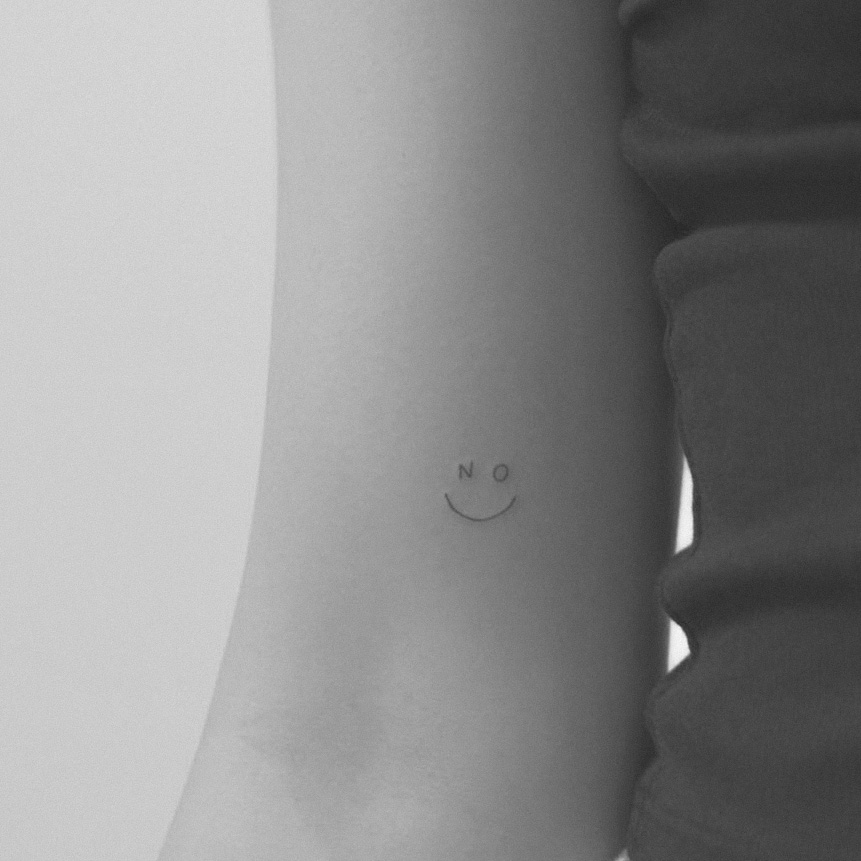
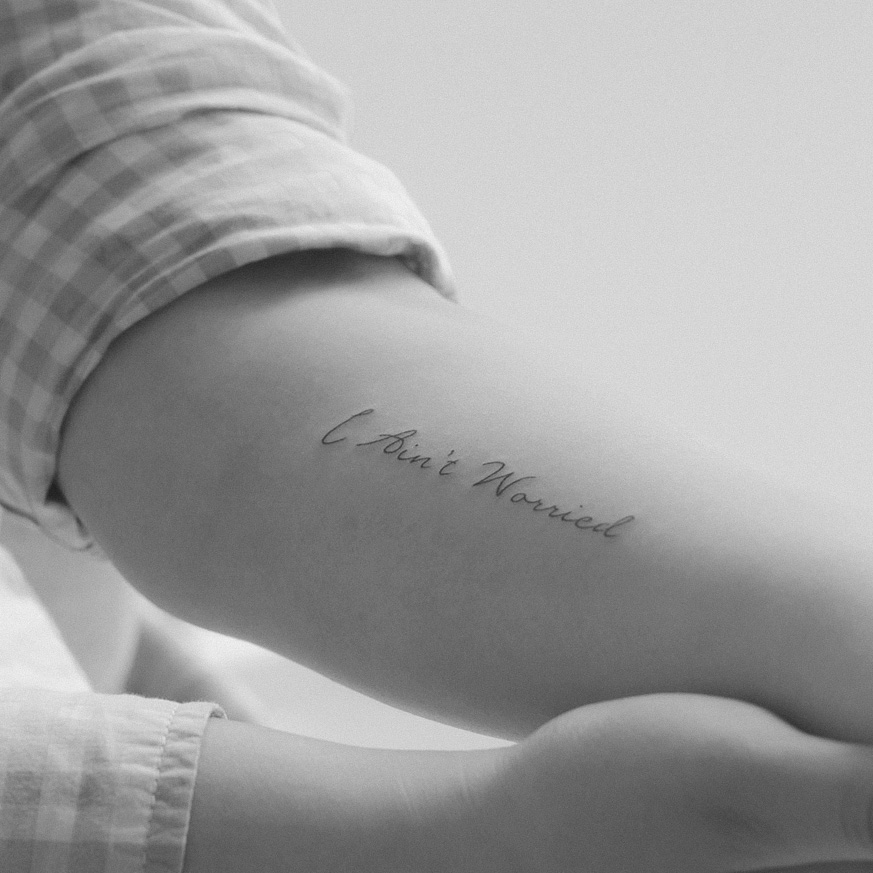
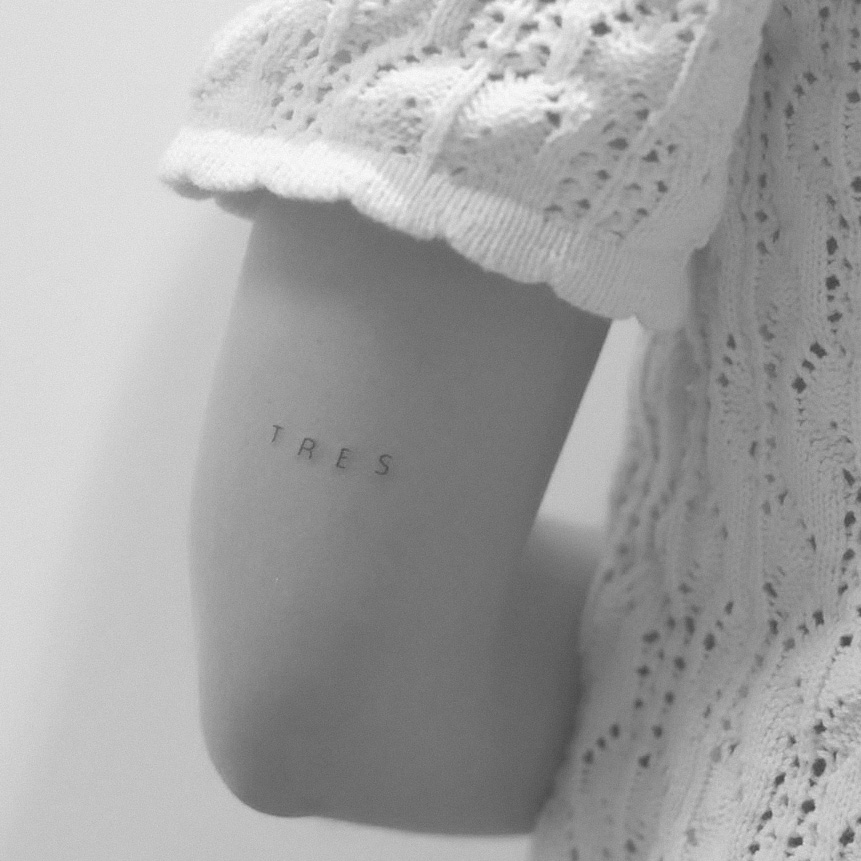
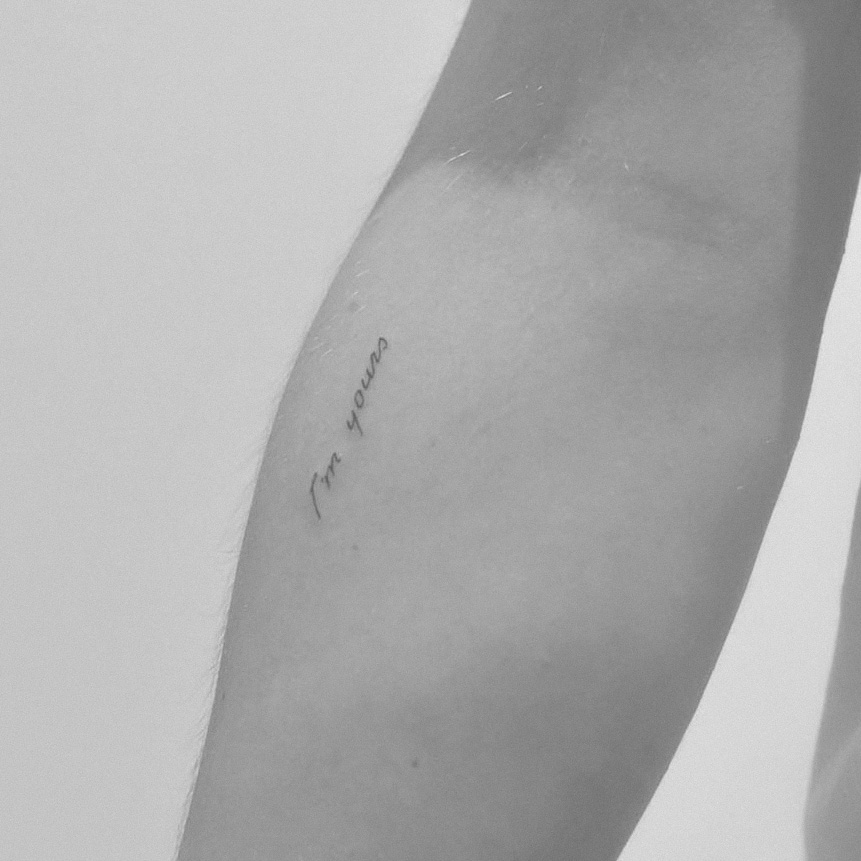
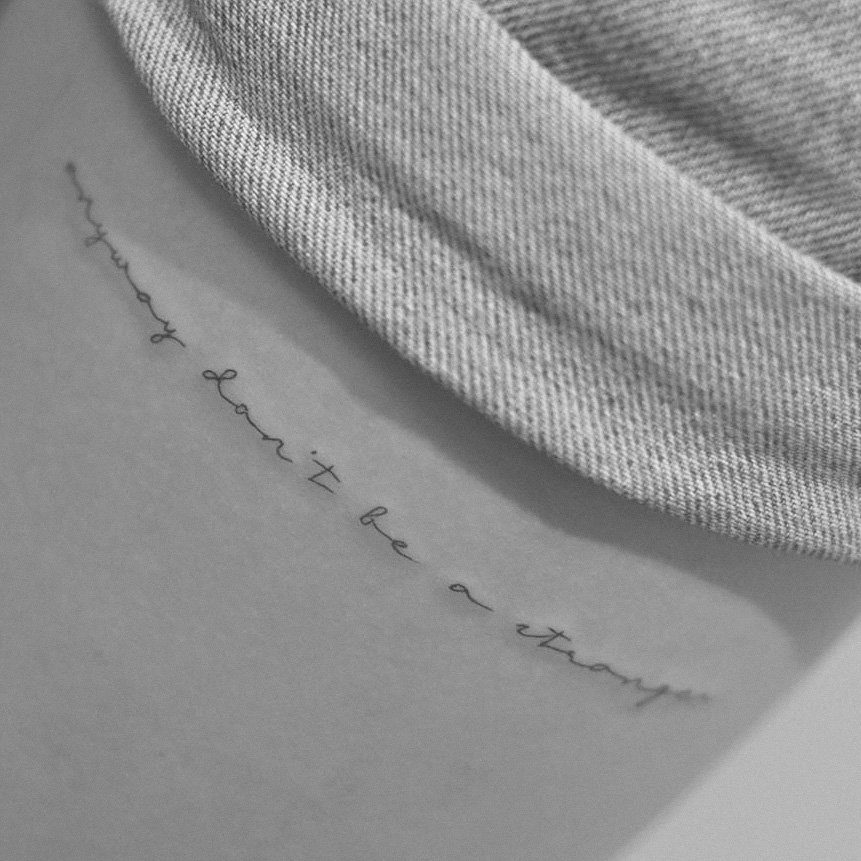
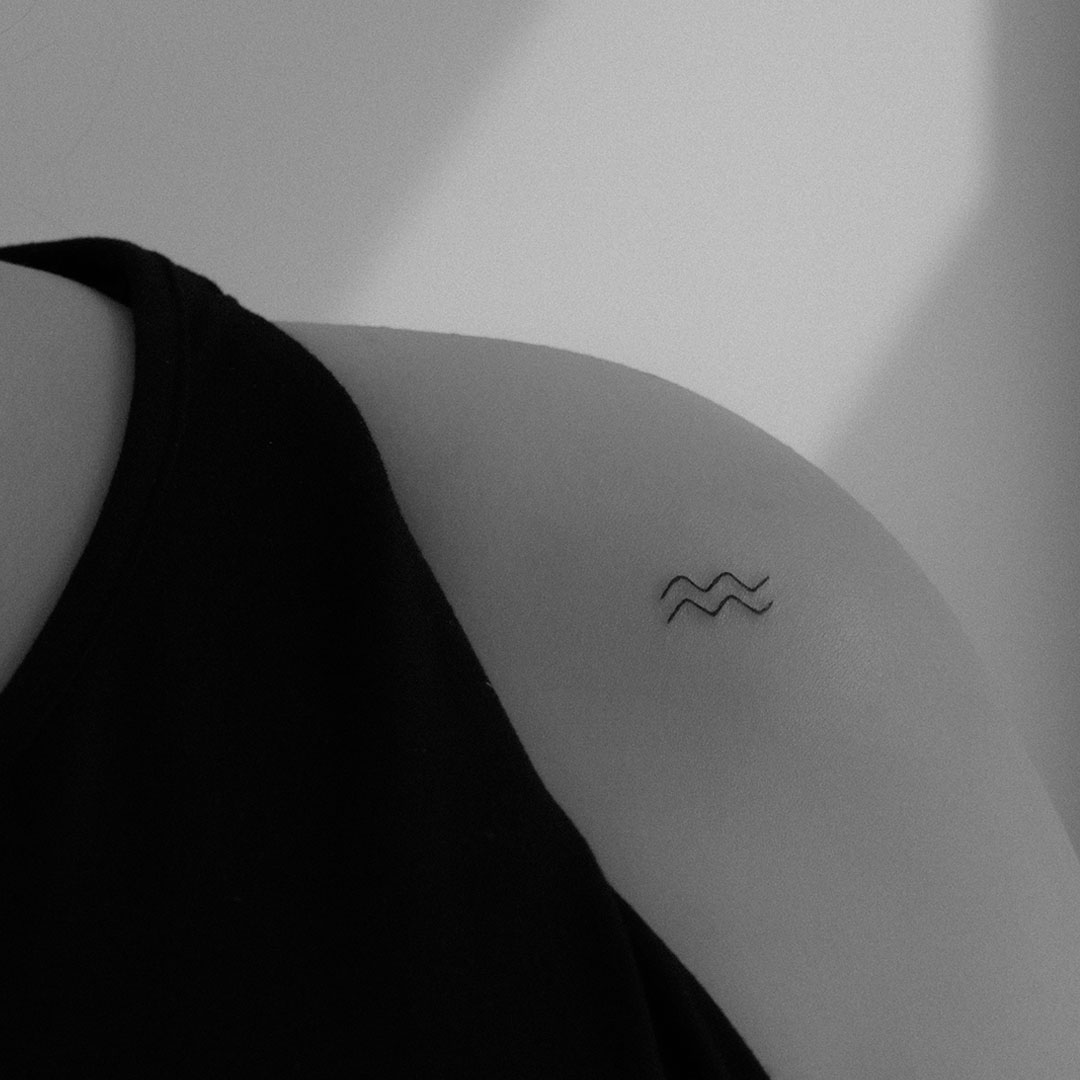
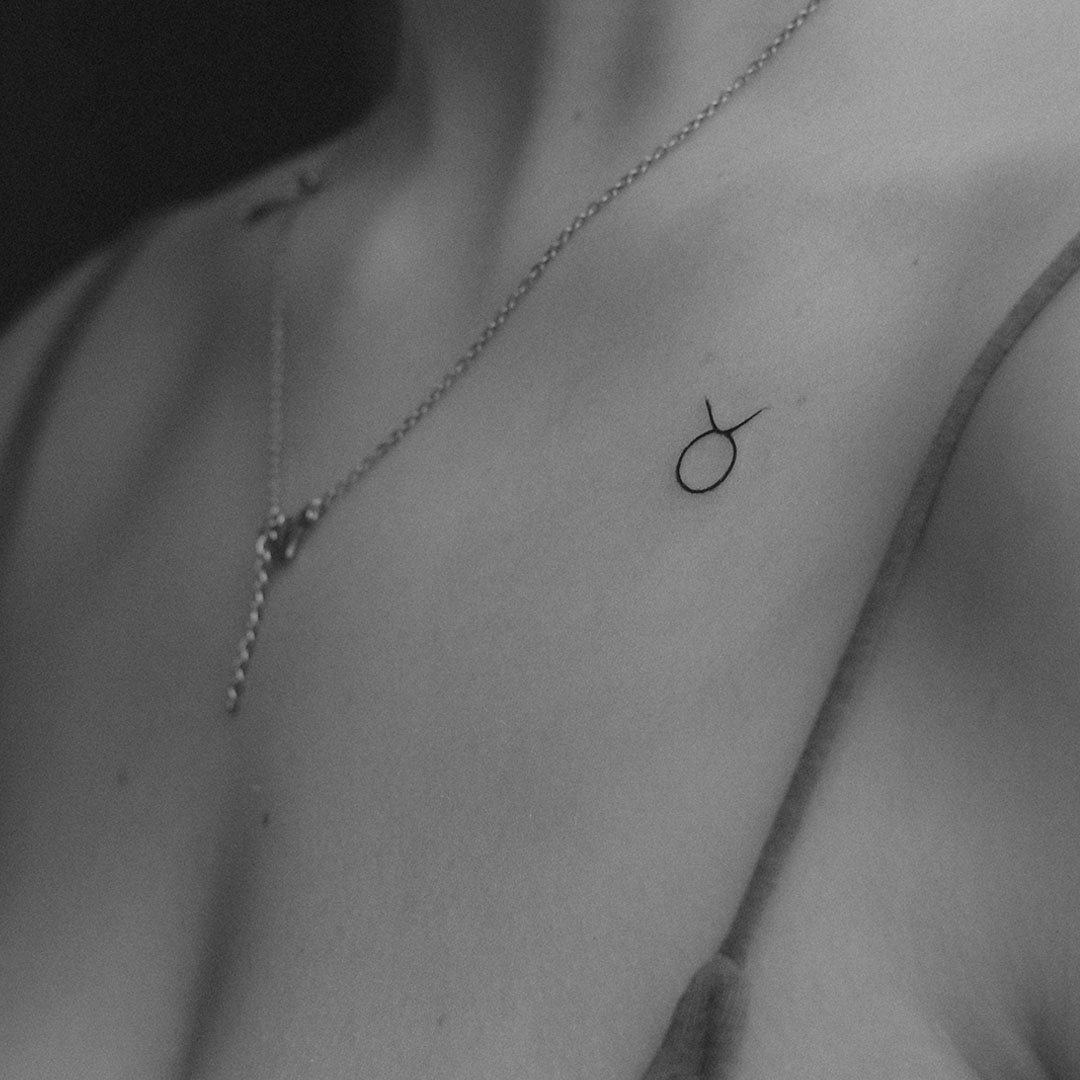
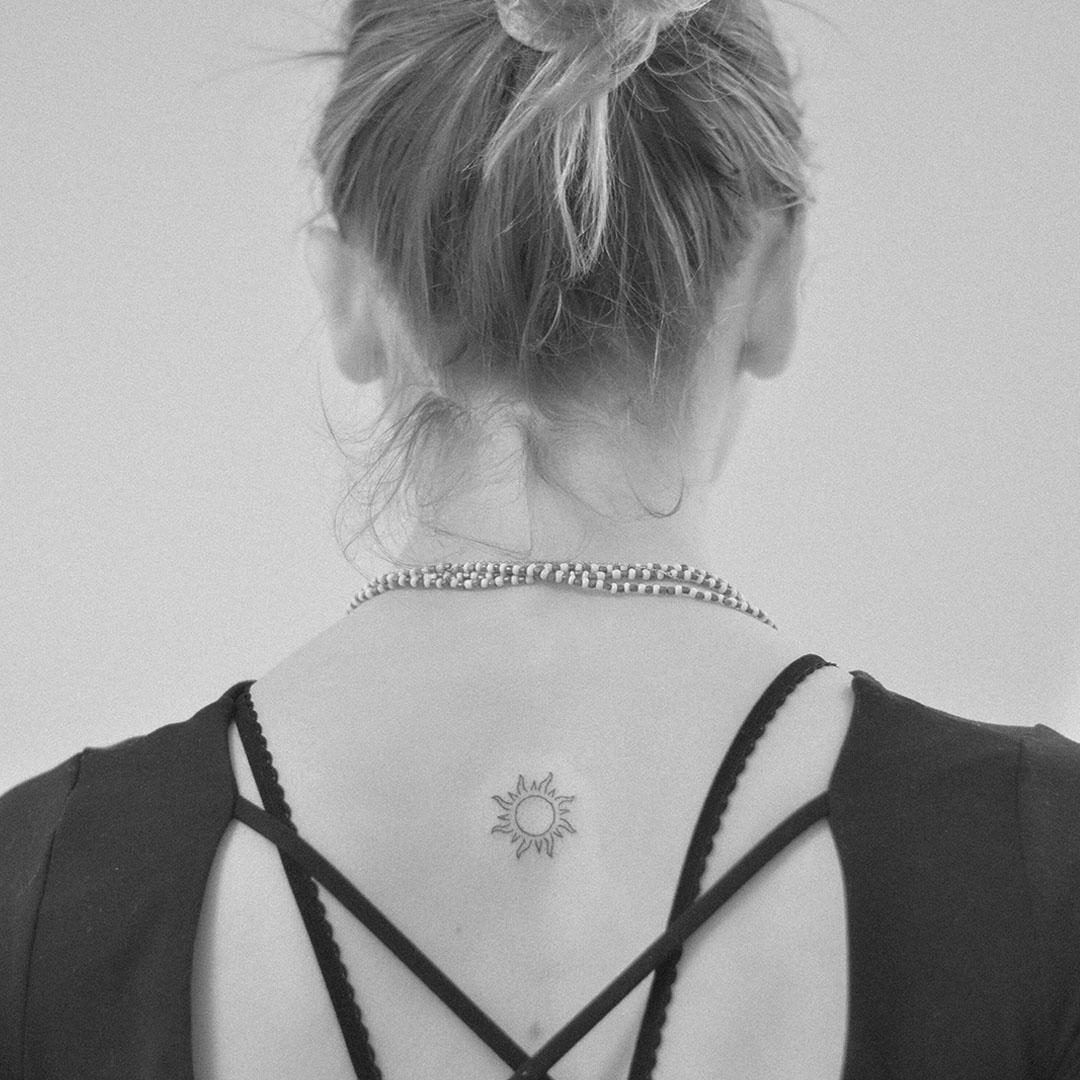
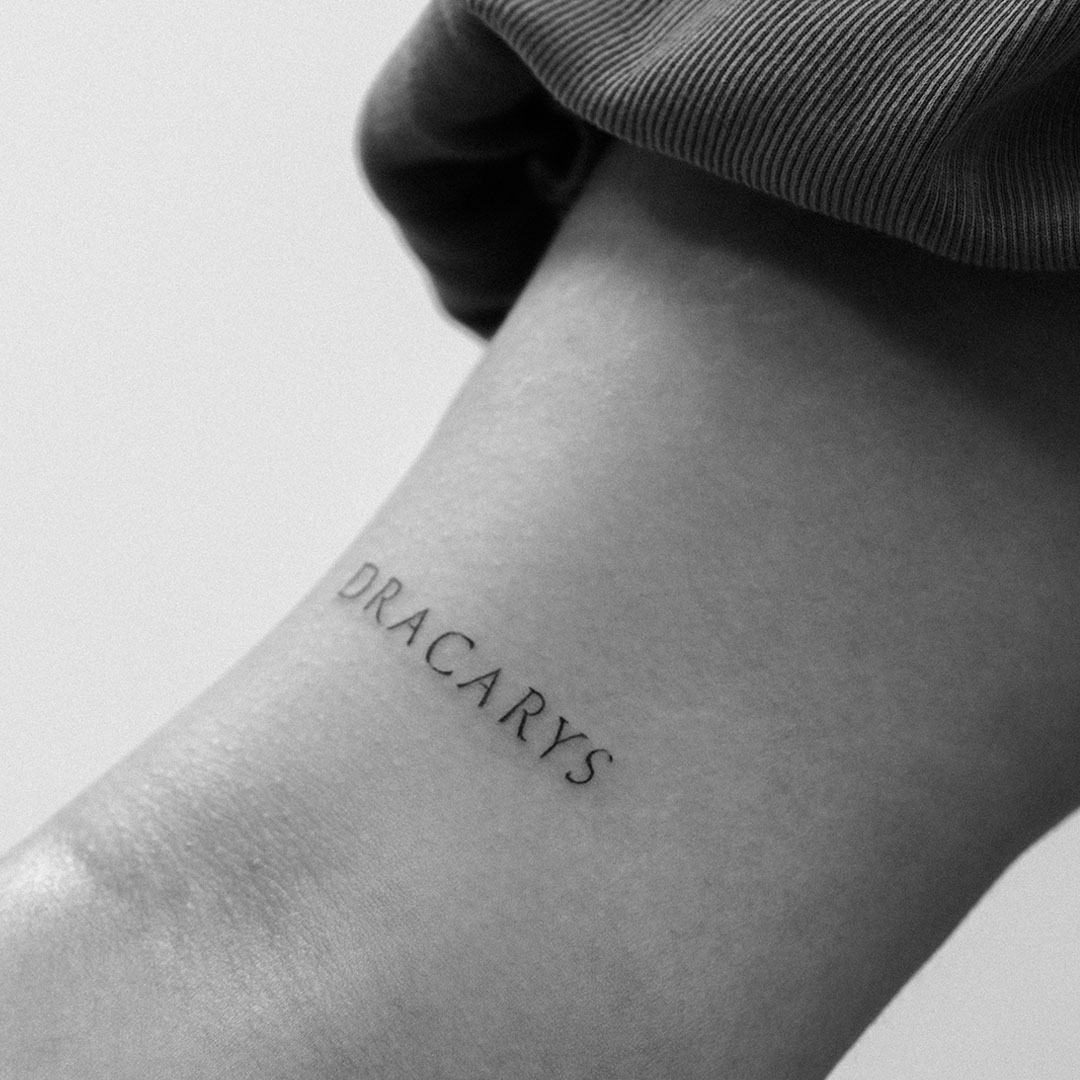
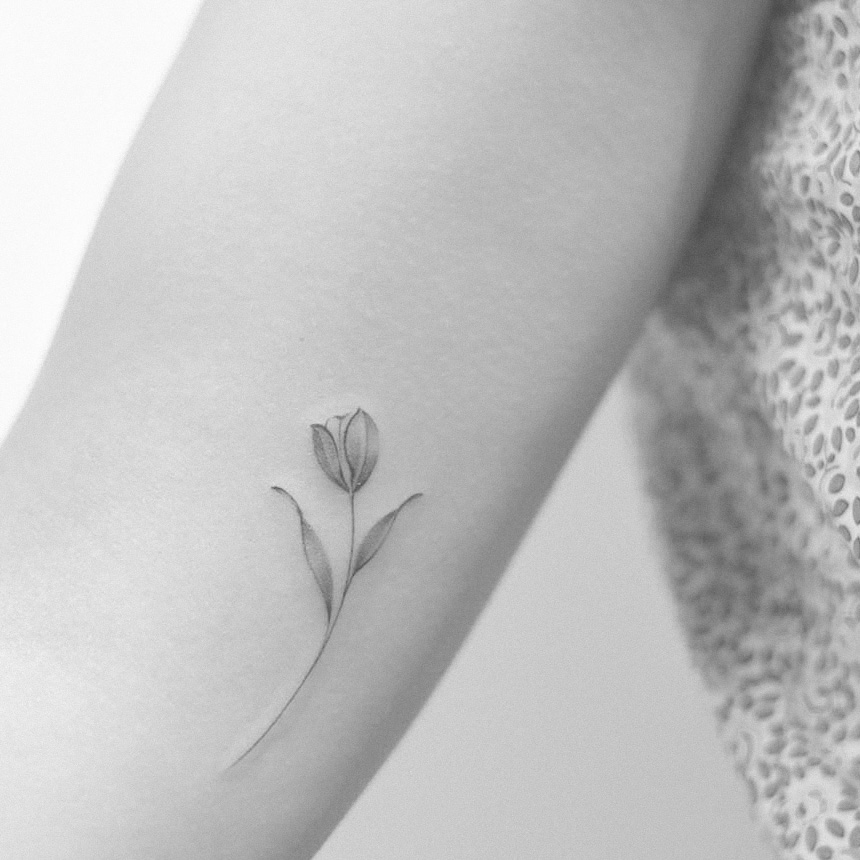
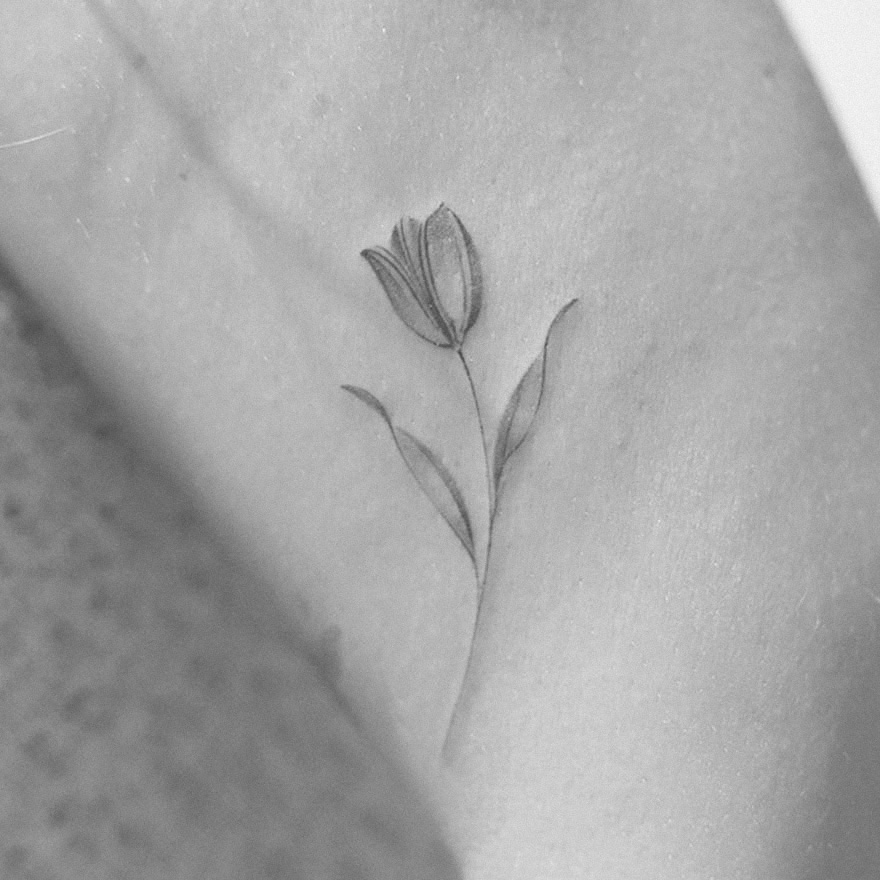
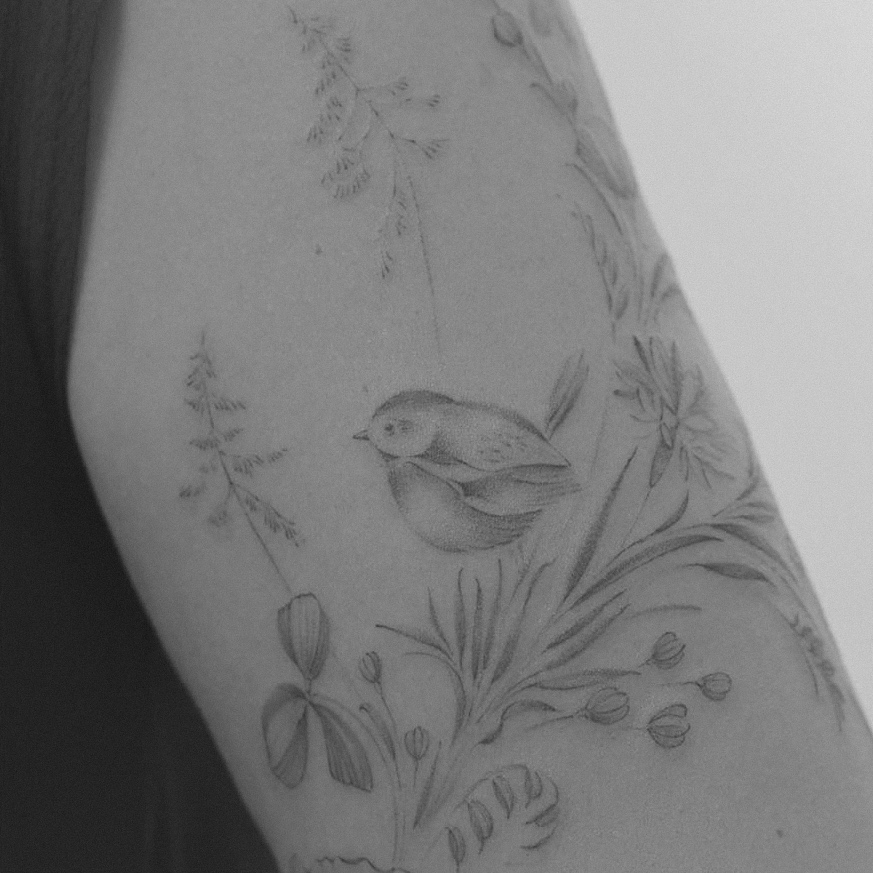
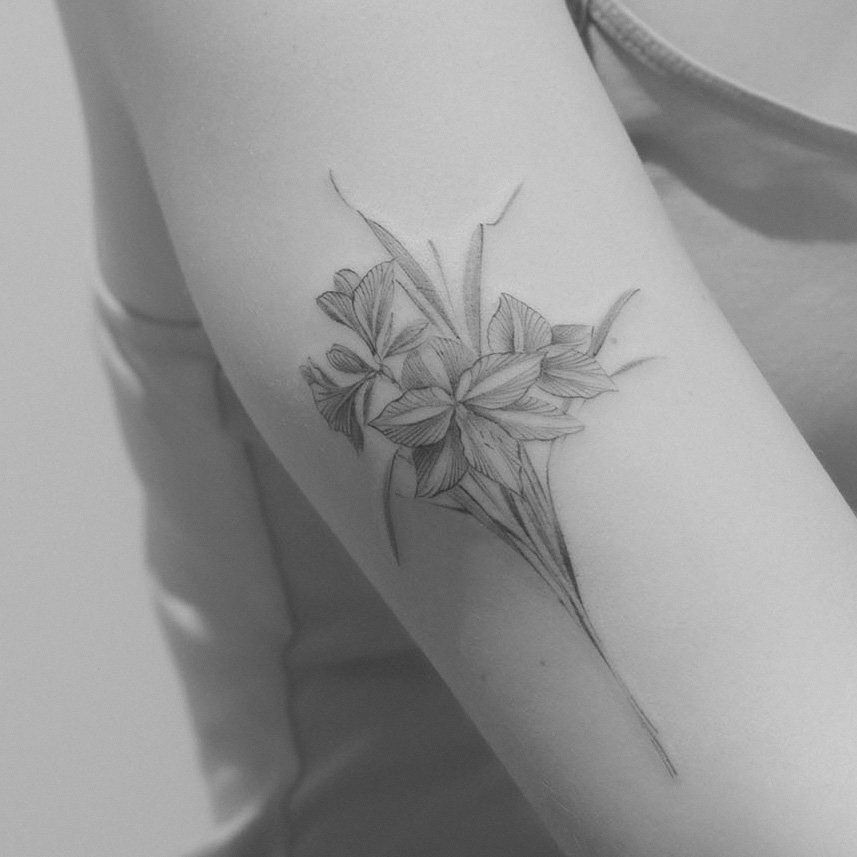
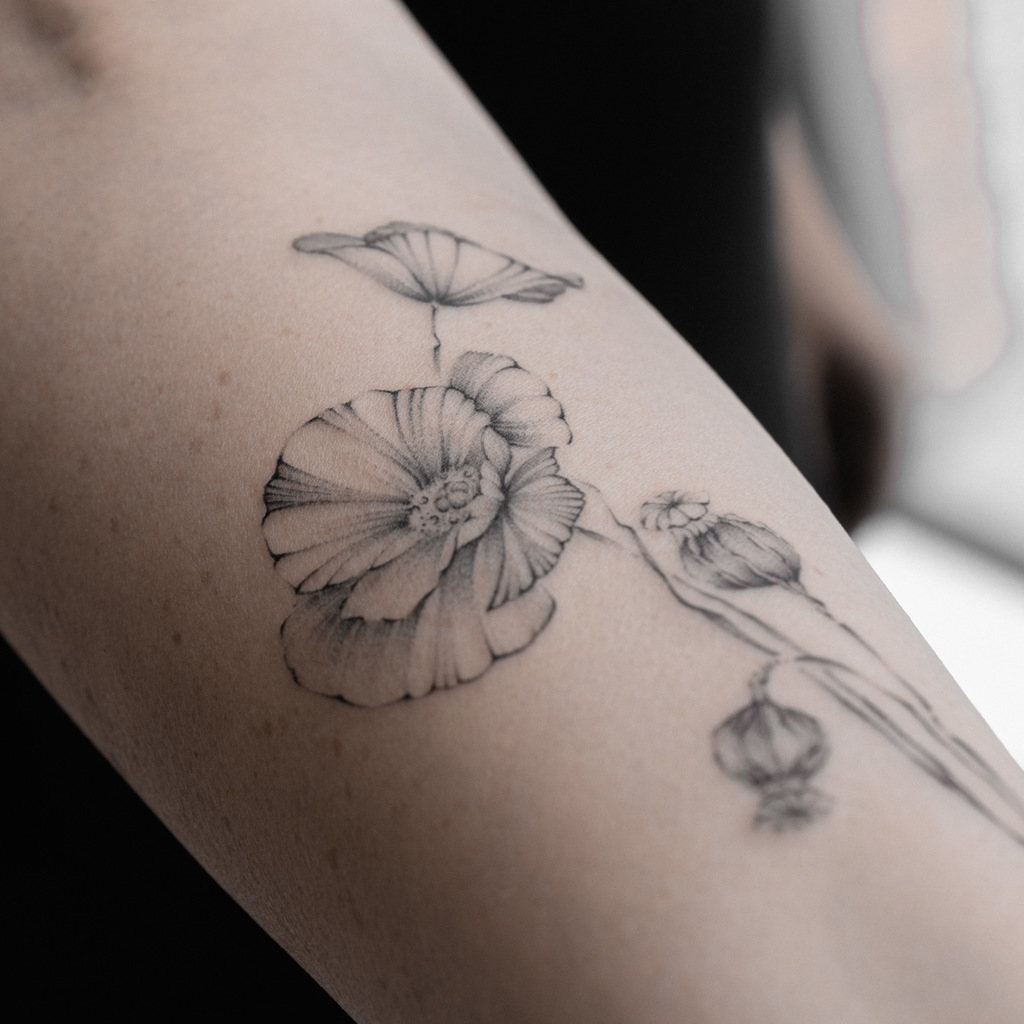
Of course, the opposite problem exists as well. Not every tattoo benefits from being enlarged. Some designs are powerful precisely because they remain subtle and restrained. A small line of text, a delicate botanical element, or a meaningful symbol can sometimes lose part of its charm if expanded unnecessarily. The goal is never simply to make tattoos larger. The goal is to find the size where the design feels complete. That point is different for every project. A successful tattoo does not draw attention because of its dimensions alone. It draws attention because everything feels intentional.
.
Thinking Long-Term
One of the most important questions in tattooing is not “How will this look next week?” but rather “How will this look years from now?” Size plays a significant role in that conversation. As tattoos age, the skin naturally changes. Fine details soften slightly, and lines settle into the skin. Designs that have enough breathing room generally maintain their readability more easily than designs where every element is packed tightly together. This does not mean clients should become anxious about aging. Quite the opposite. Thoughtful design choices simply help support the natural life of the tattoo over time. A tattoo should feel good not only on the day it is completed, but many years later as well.
.
The Vadelma Philosophy
At Vadelma Tattoo, every project begins with a conversation about balance. Placement, composition, typography, detail level, and size are all considered together rather than as separate decisions. The goal is not to create the biggest tattoo possible or the smallest tattoo possible. The goal is to create a tattoo that feels proportionate, elegant, and natural on the individual wearing it. This philosophy is particularly important in fine line tattooing, where subtle adjustments in scale can have a surprisingly large impact on the final result.
If you would like to explore available tattoo concepts, you can visit:
When people think about tattoos, size is often treated as a practical detail rather than a design decision. In reality, it is one of the most important artistic choices involved in the process. The right size helps a tattoo remain readable, balanced, and visually comfortable on the body. It supports healing, enhances composition, and allows the design to age gracefully over time. Perhaps the best tattoo size is not the smallest or the largest one. Perhaps it is simply the size that allows the tattoo to become exactly what it was meant to be.
FAQ
Does a bigger tattoo always age better?
Not necessarily. The most important factor is whether the design has enough space for its level of detail and whether the proportions suit the chosen placement.
Can a tattoo be too small?
Yes. Very small tattoos can sometimes lose clarity if the details are too compressed.
Are fine line tattoos always small?
No. Fine line tattoos can be small, medium, or large. What matters most is maintaining proper spacing and visual balance.
Why might my tattoo artist recommend a larger size?
Often, a slightly larger size improves readability, detail retention, and long-term aesthetics without changing the overall design.
We use cookies to ensure that we give you the best experience on our website. If you continue to use this site we will assume that you are happy with it.