Why Some Tattoos Still Feel Right After 10 Years
Introduction
One of the most common questions people ask before getting tattooed is not always spoken out loud. It usually hides somewhere underneath the practical questions about pain, placement, or healing. The real question is often much simpler:
“What if I stop liking it one day?”
It is a reasonable thing to wonder. A tattoo is not a poster on a wall or an image saved on a phone. It becomes part of everyday life. You see it in different moods, different seasons, and different versions of yourself. And yet, some tattoos continue to feel right even after many years have passed. Not because they remain exciting every single day, but because they settle naturally into a person’s life.
The Difference Between Excitement and Connection
A tattoo does not survive emotionally because of intensity alone. In fact, many tattoos that are based purely on impulse or short-term excitement tend to lose their emotional clarity over time. They may still look technically fine, but something about the connection weakens. Meanwhile, tattoos that age well emotionally often begin differently. They are usually connected to:
.
- A stable feeling
- A personal idea
- Or a direction that already existed before the tattoo itself
This creates a different relationship with the design. Instead of chasing a reaction, the tattoo becomes part of a longer internal story.
Simplicity Ages Differently
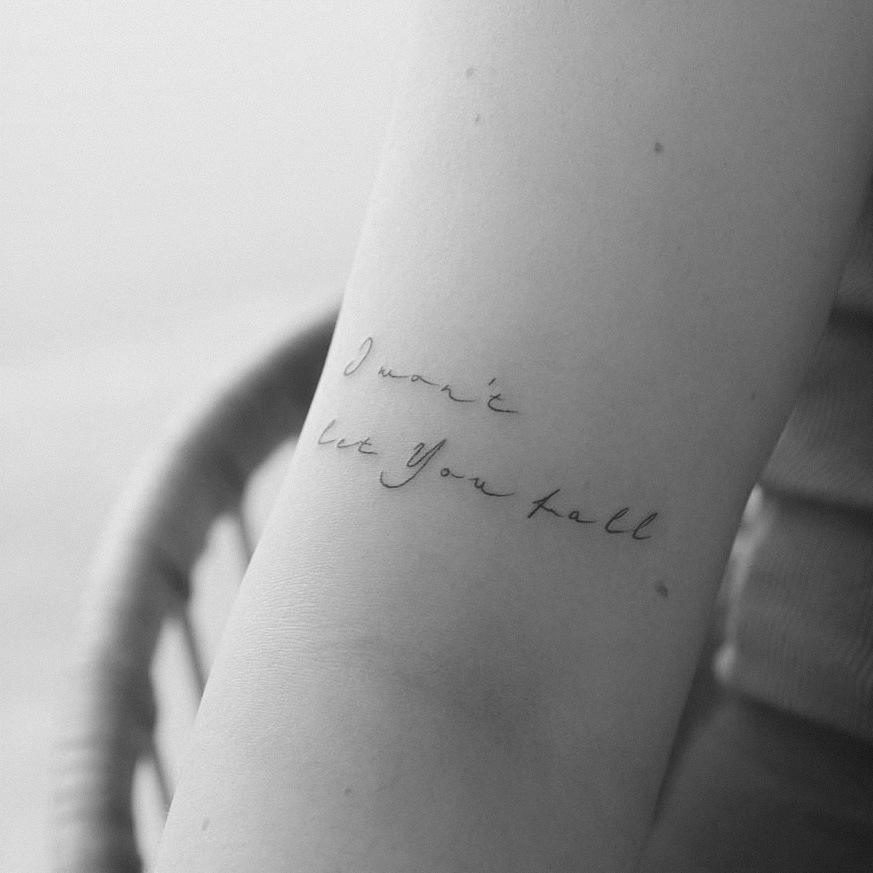
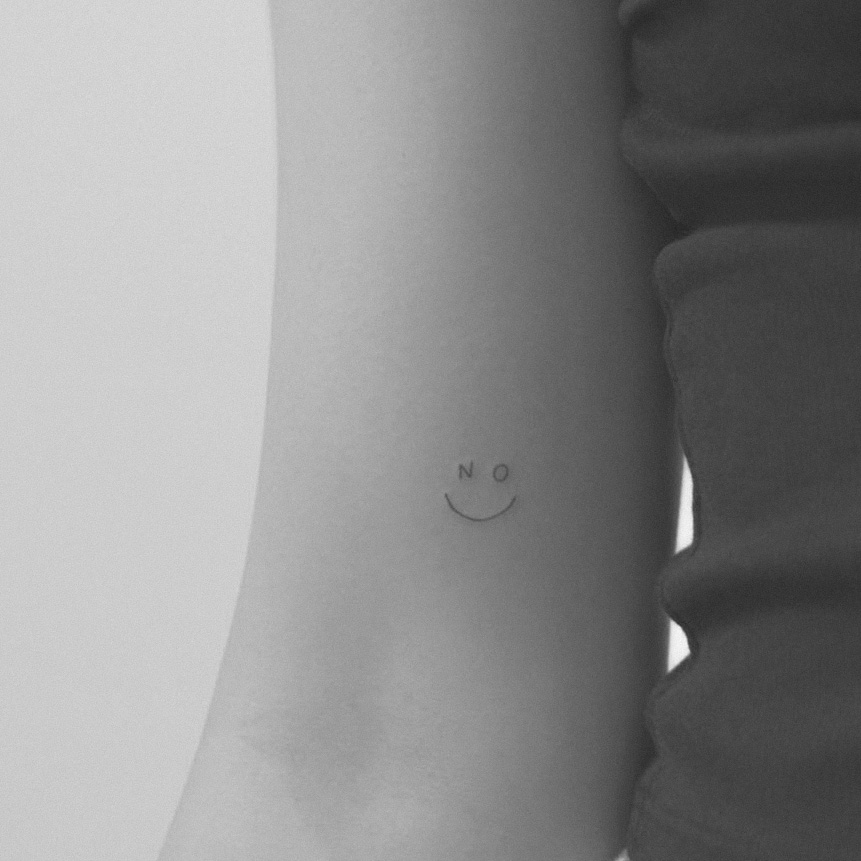
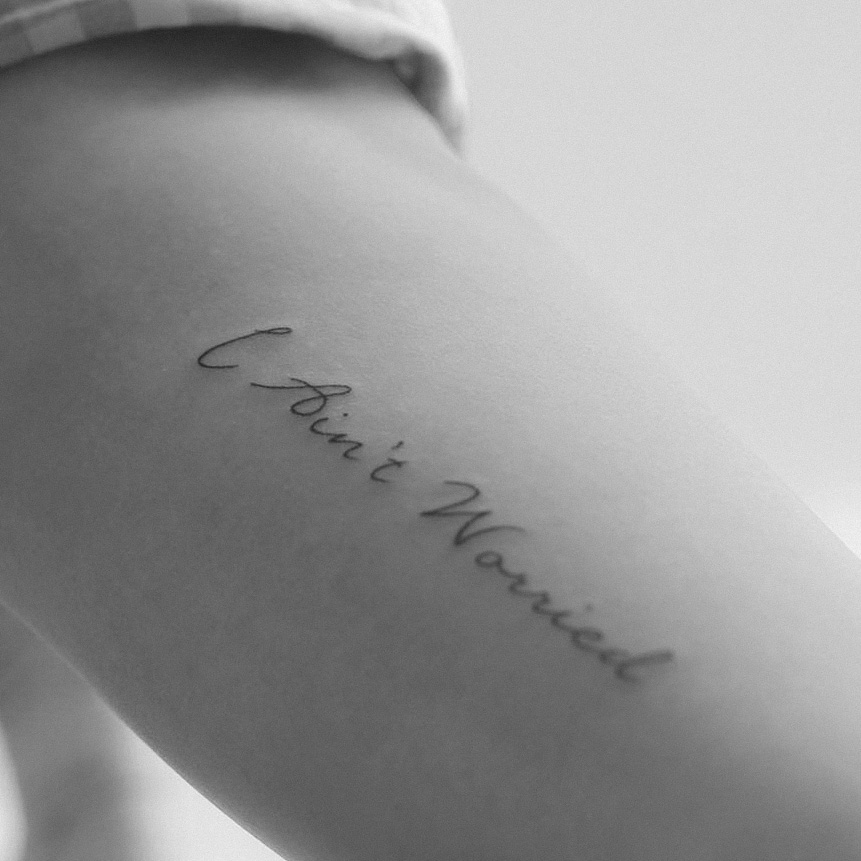
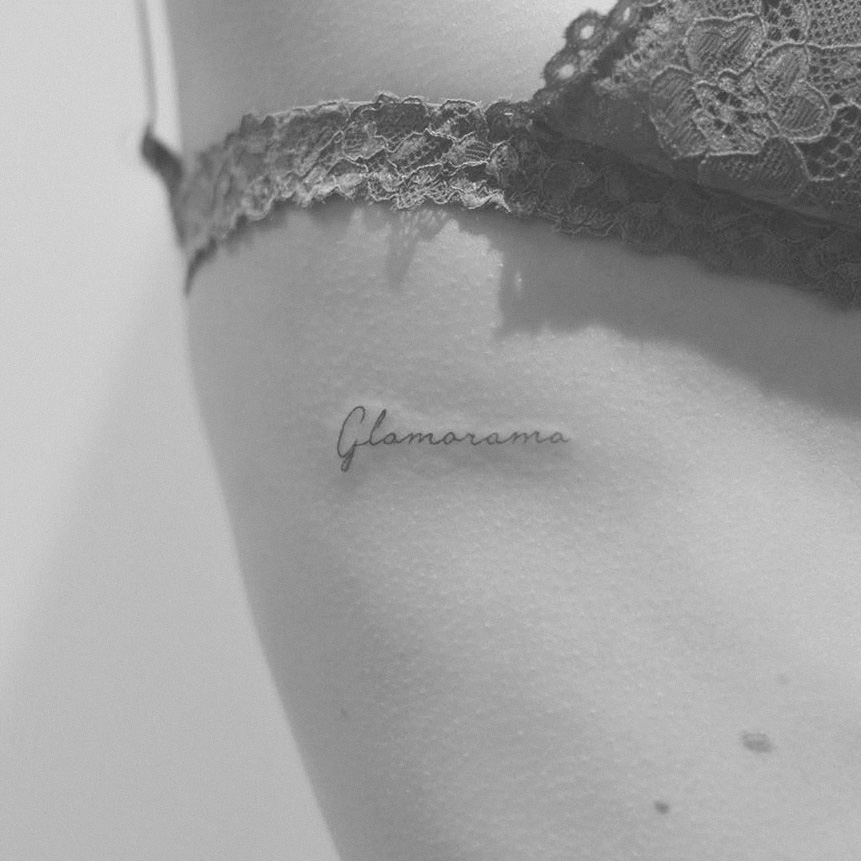
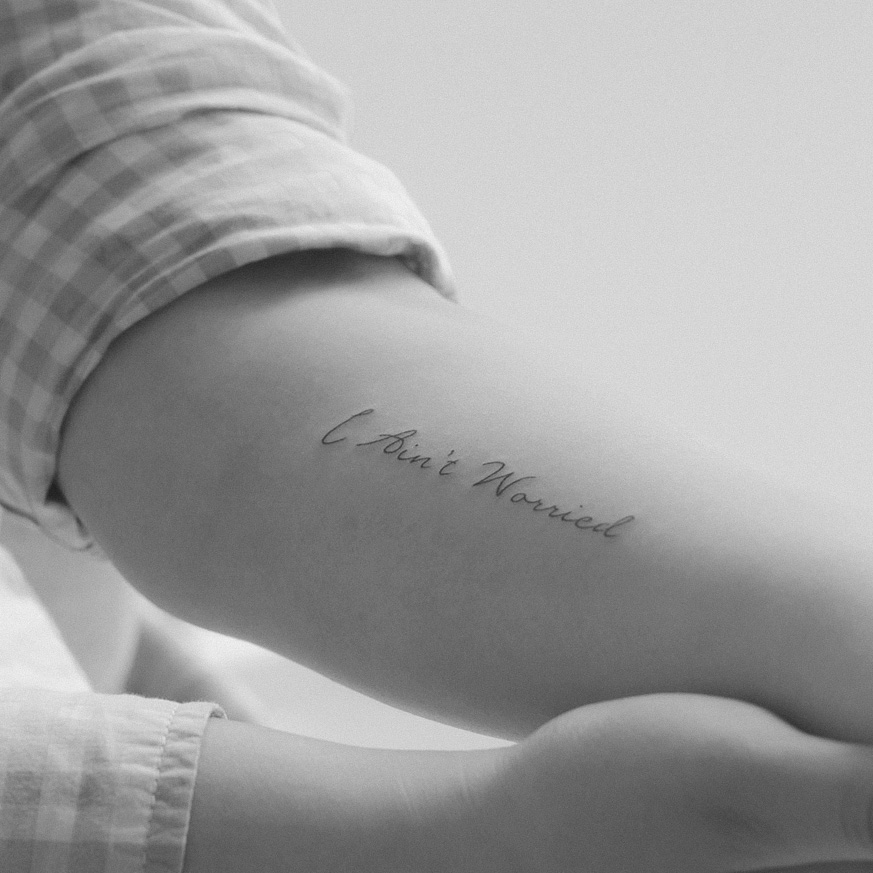
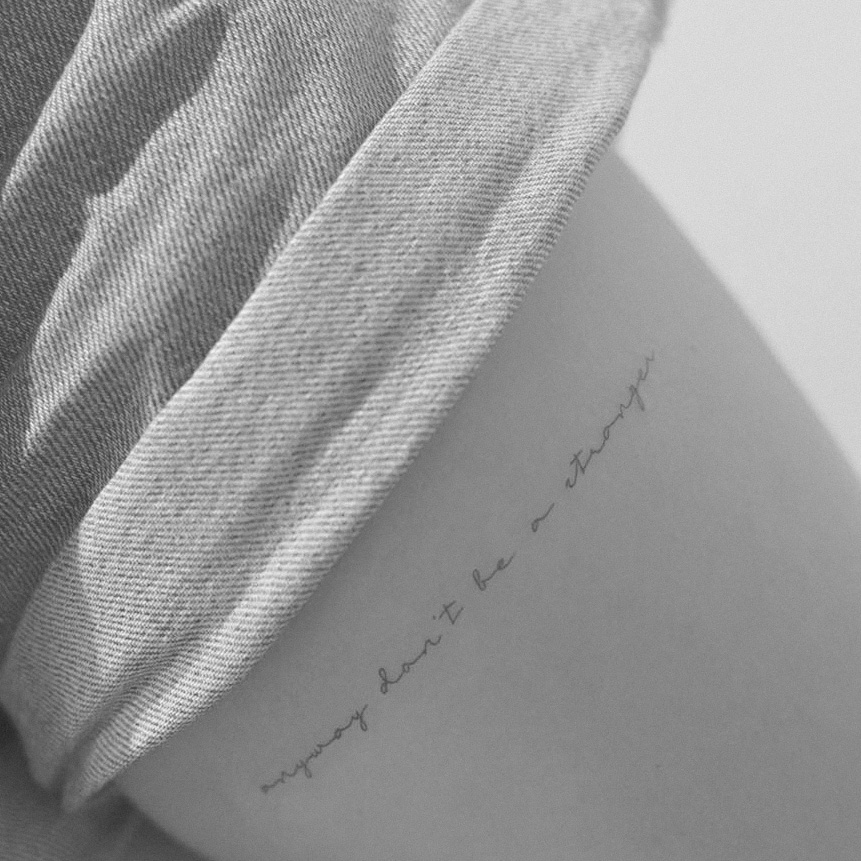
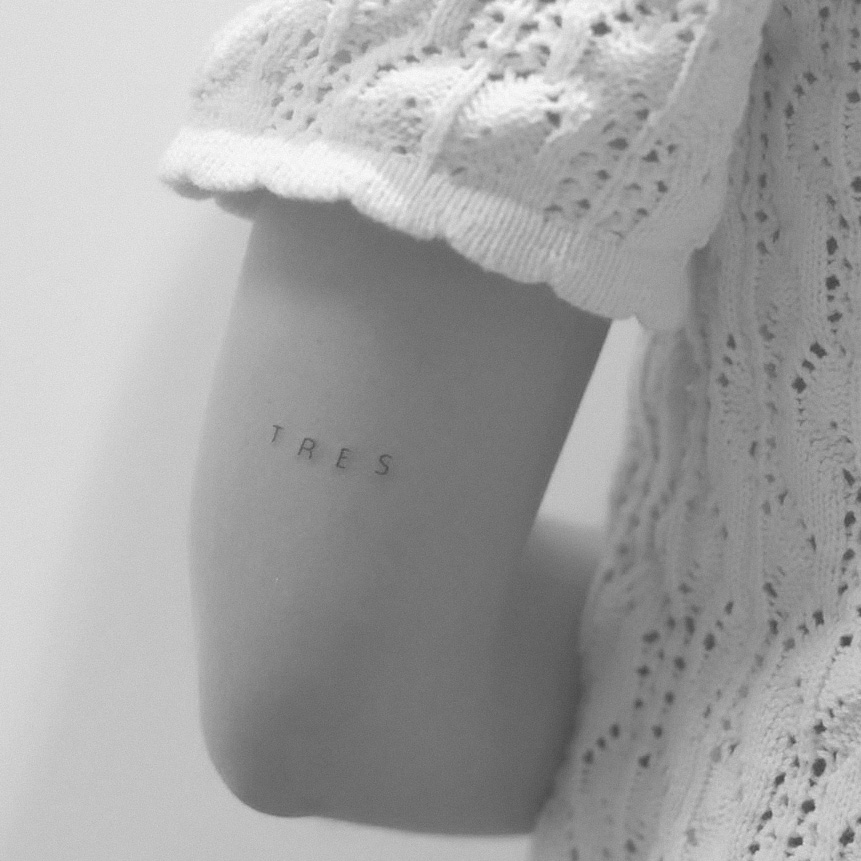
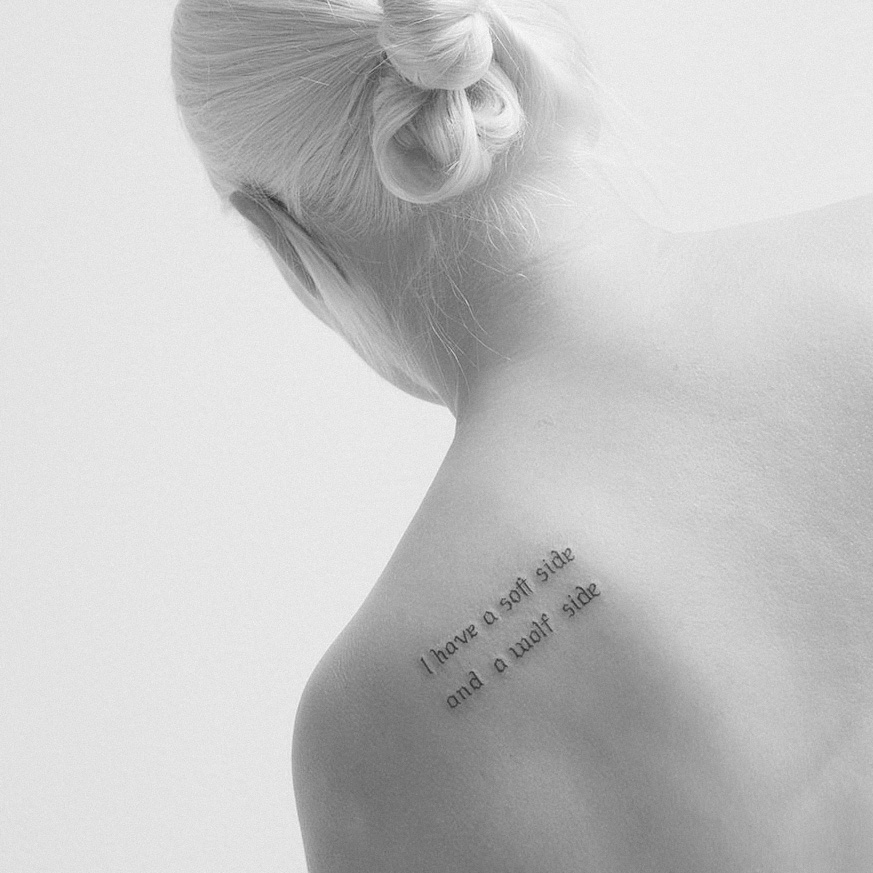
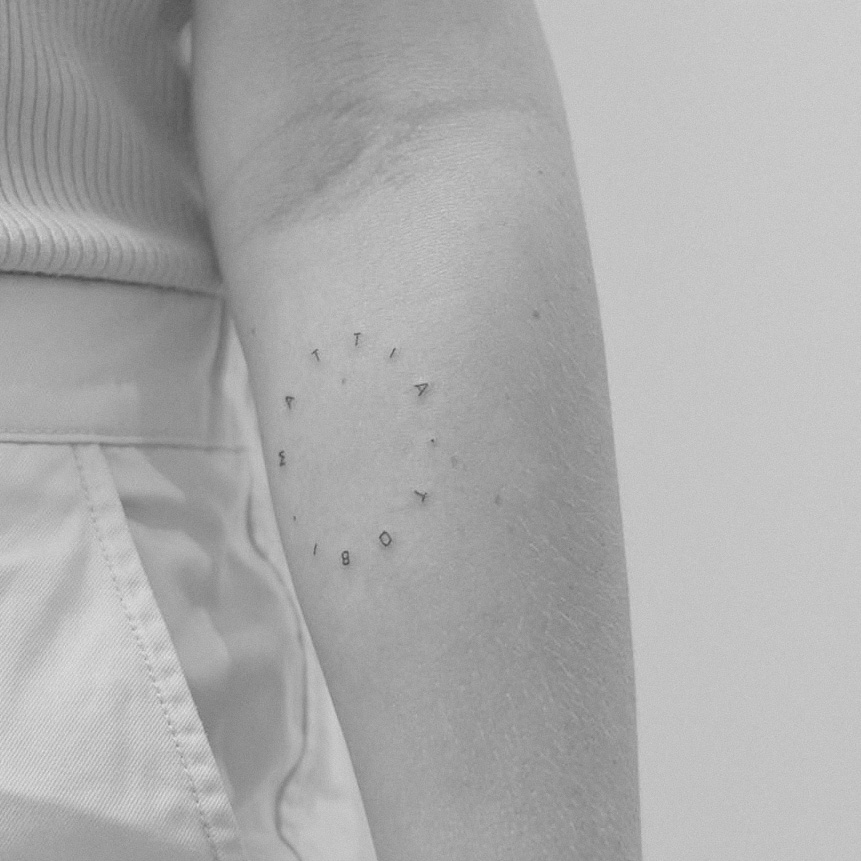
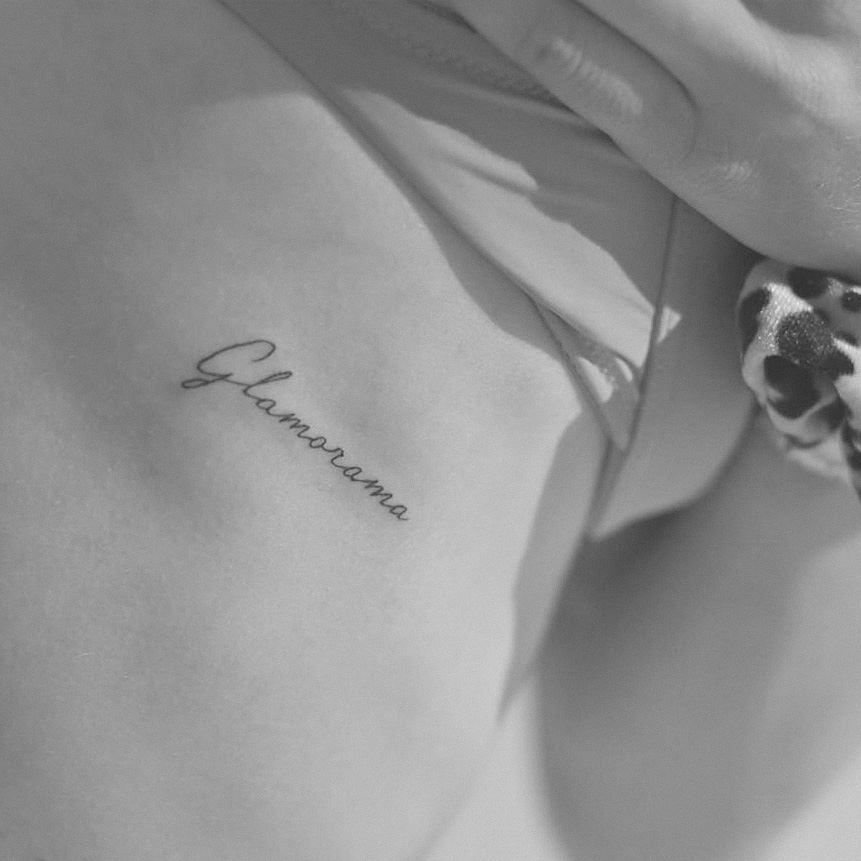
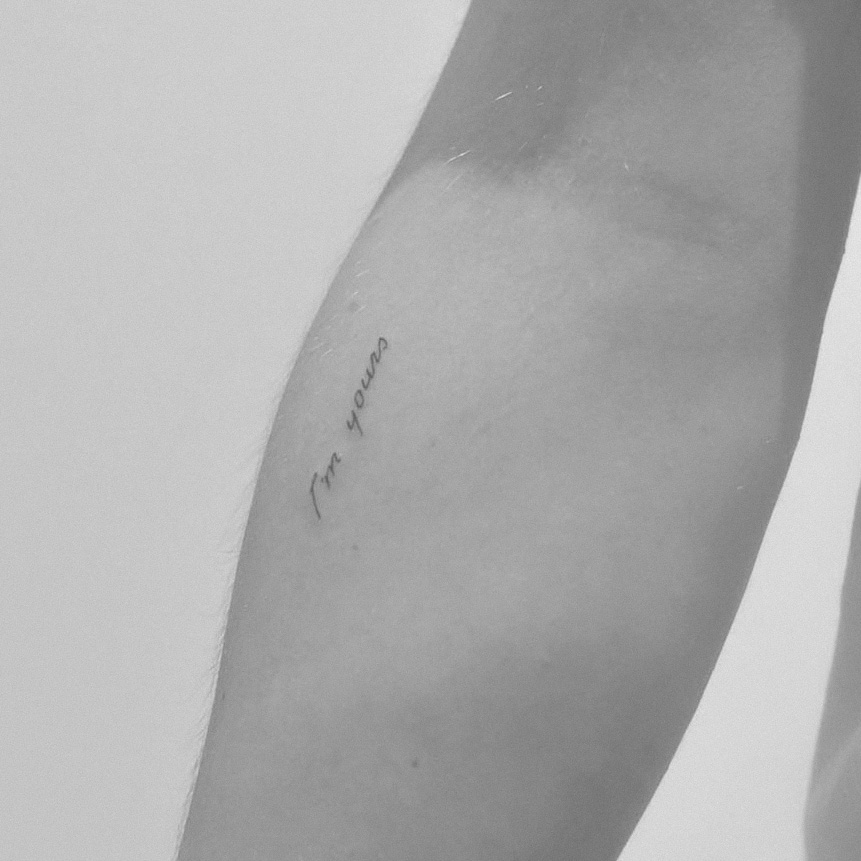
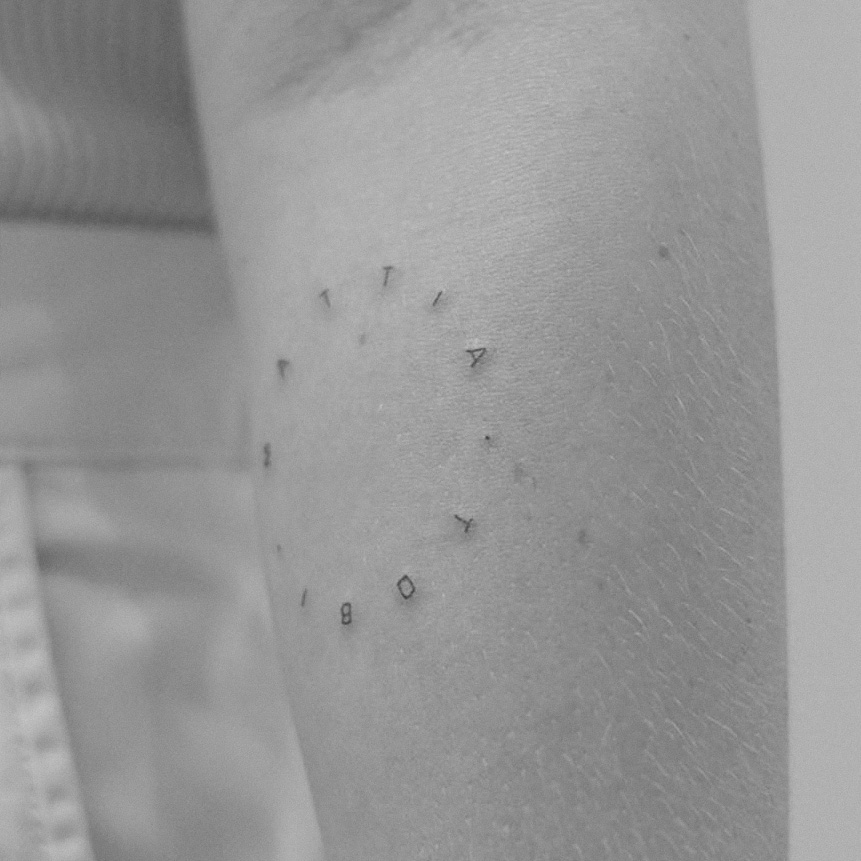
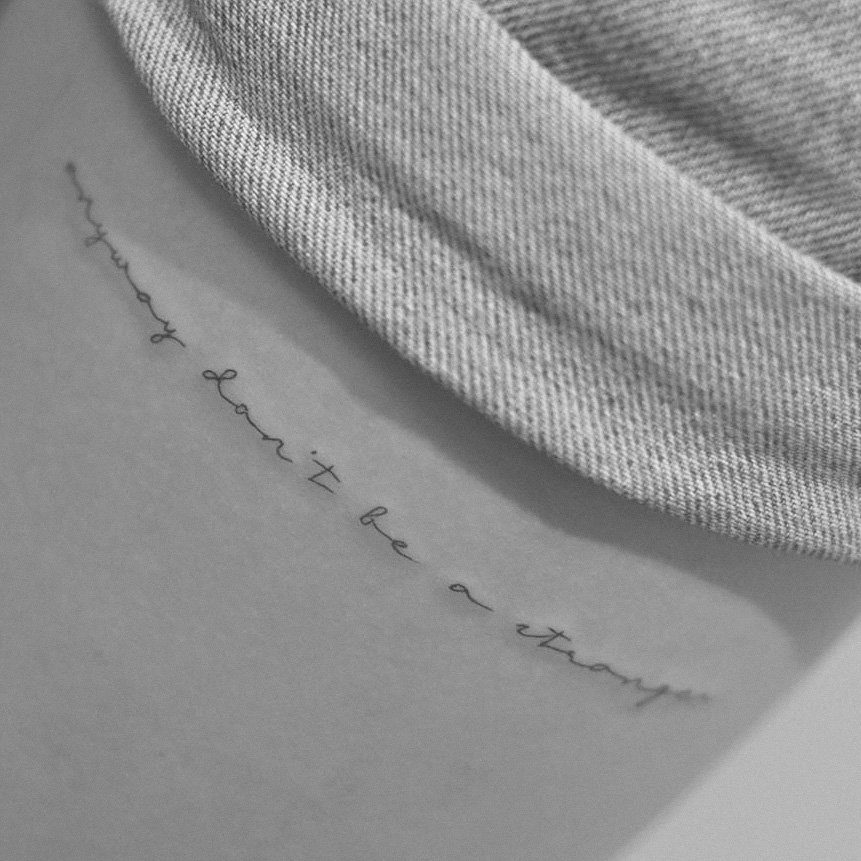
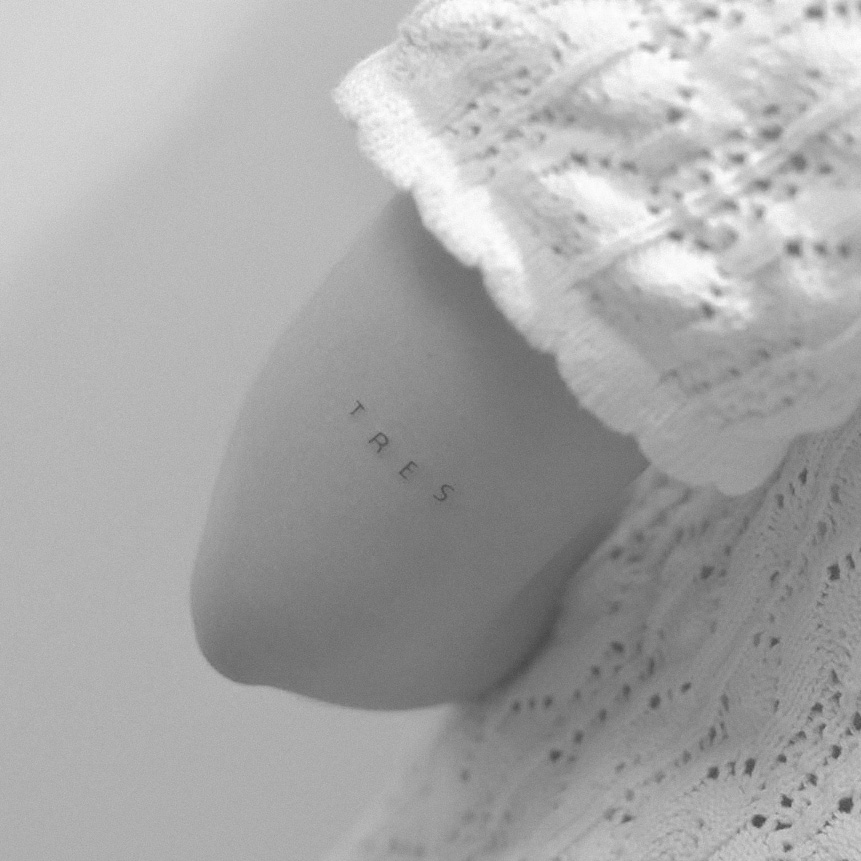
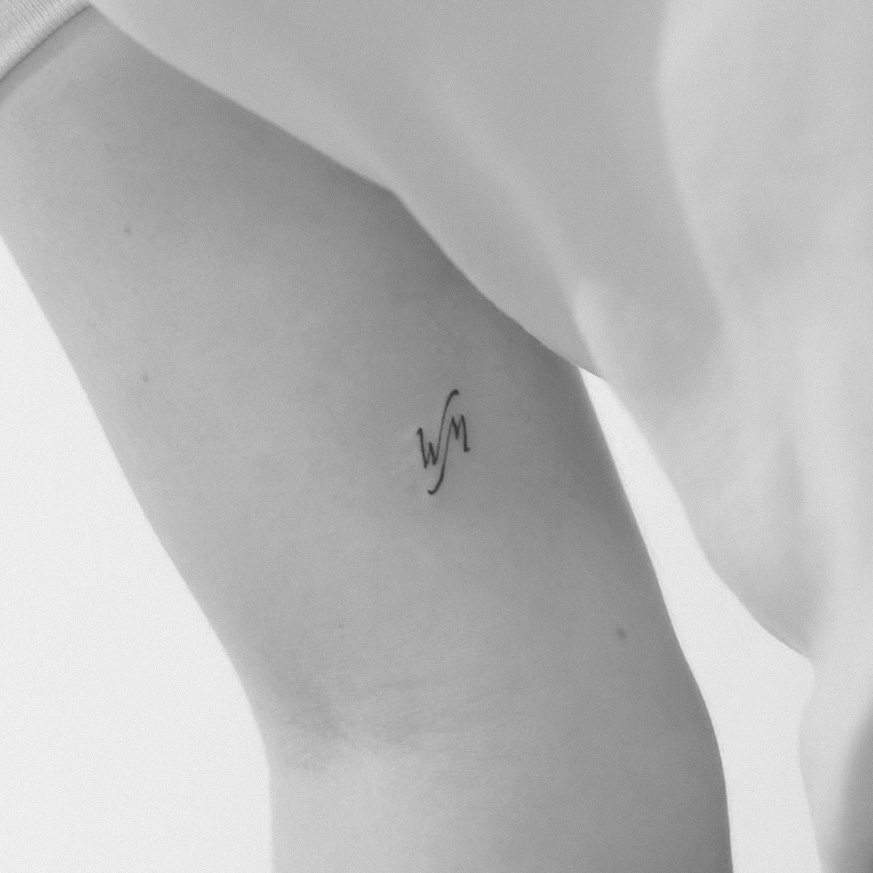
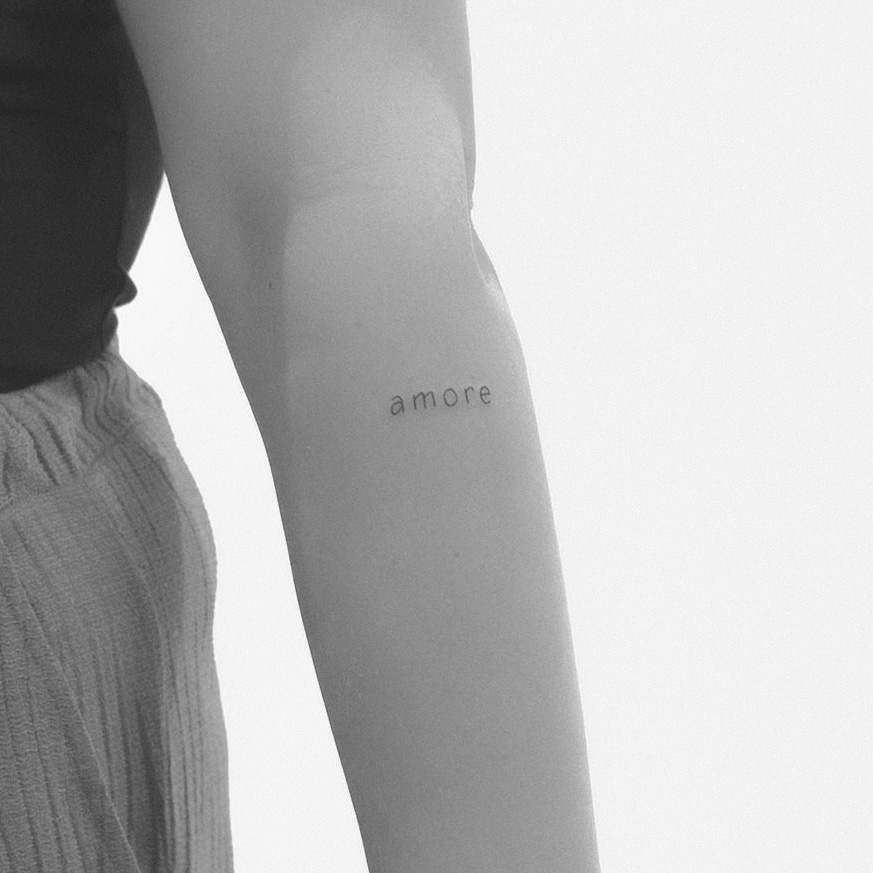
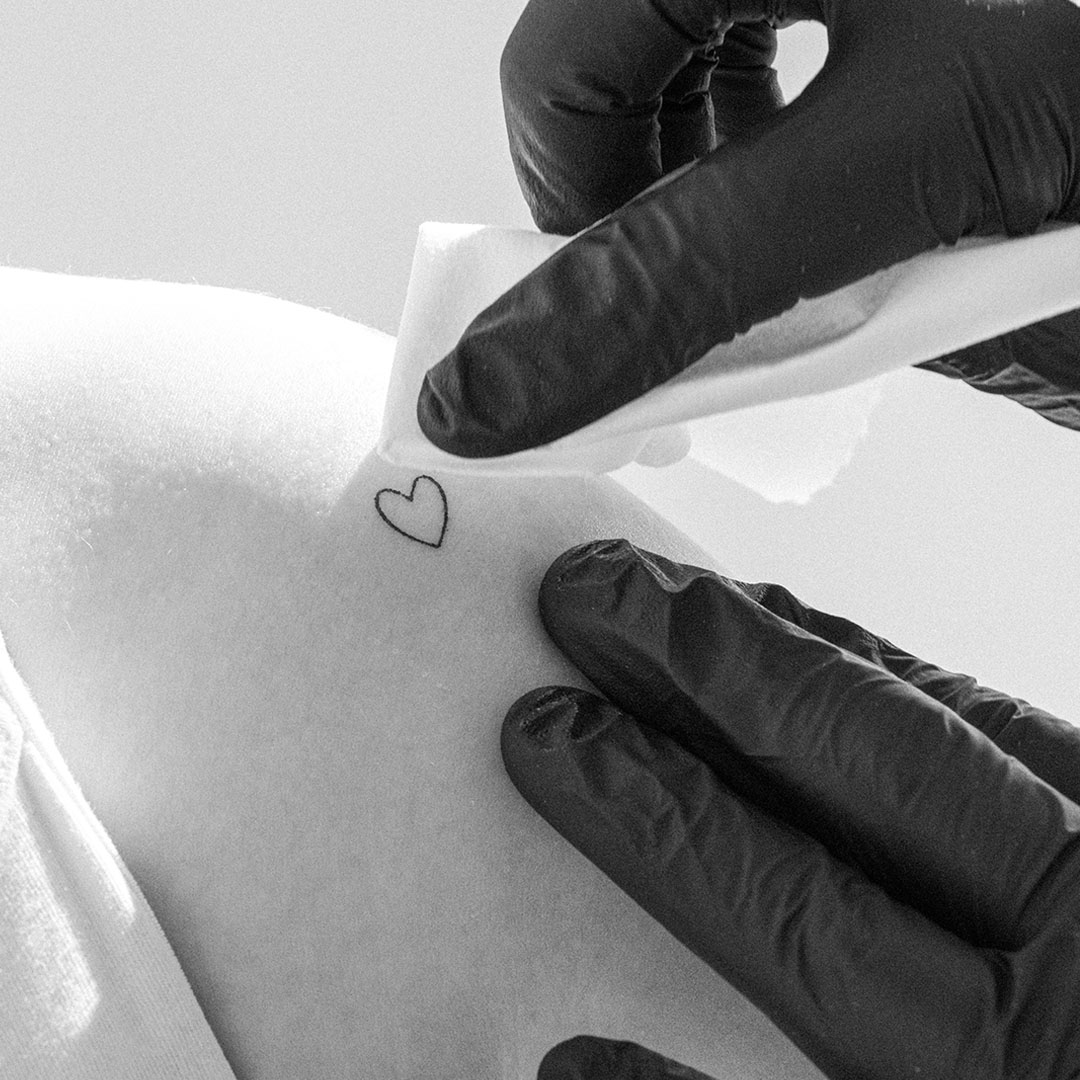
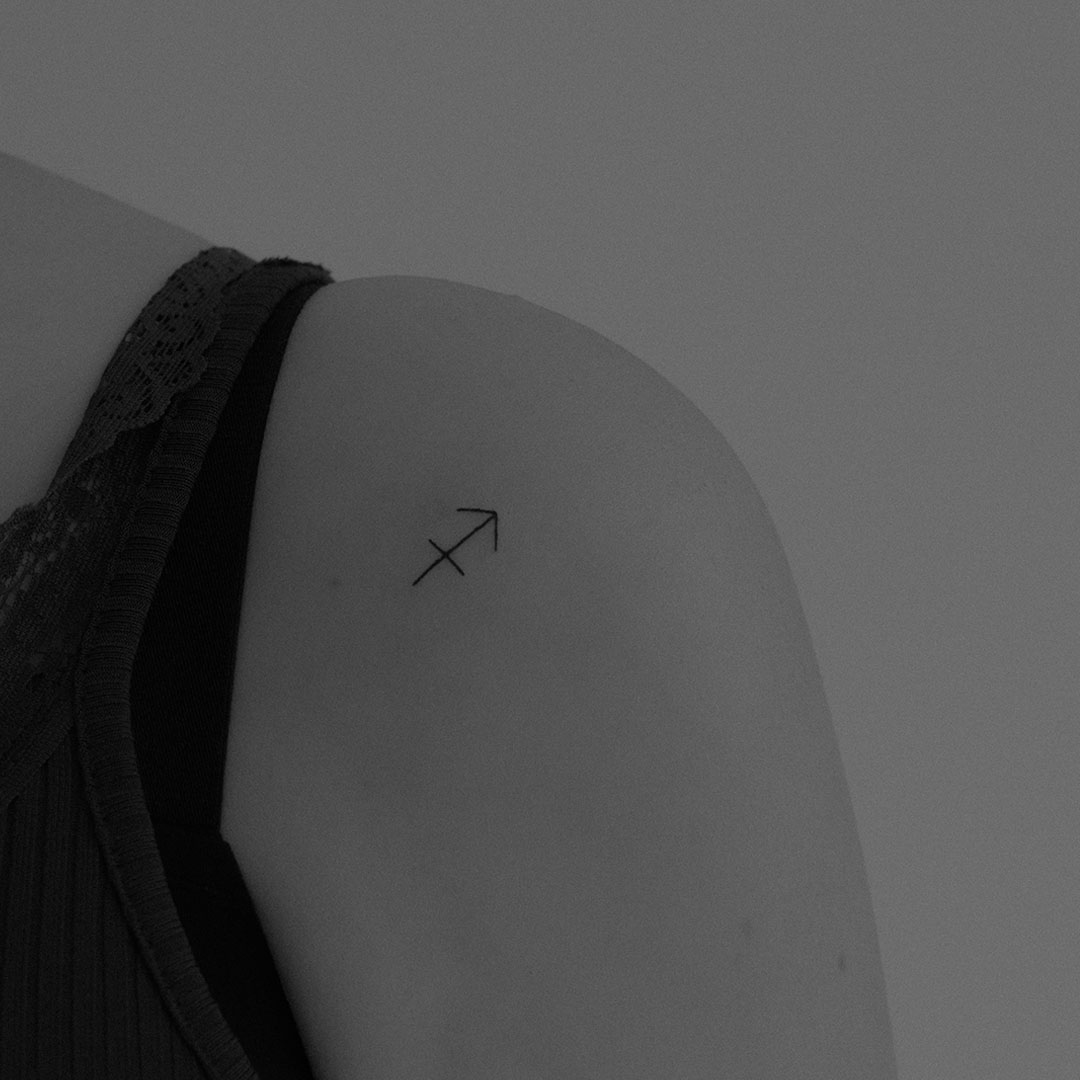
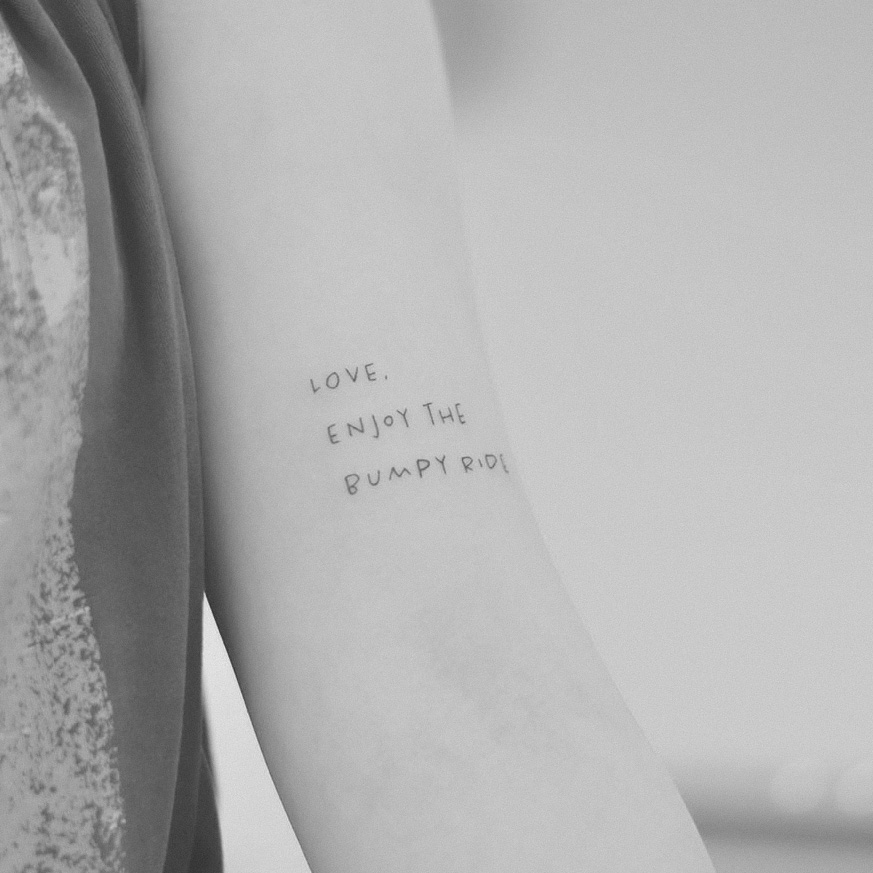
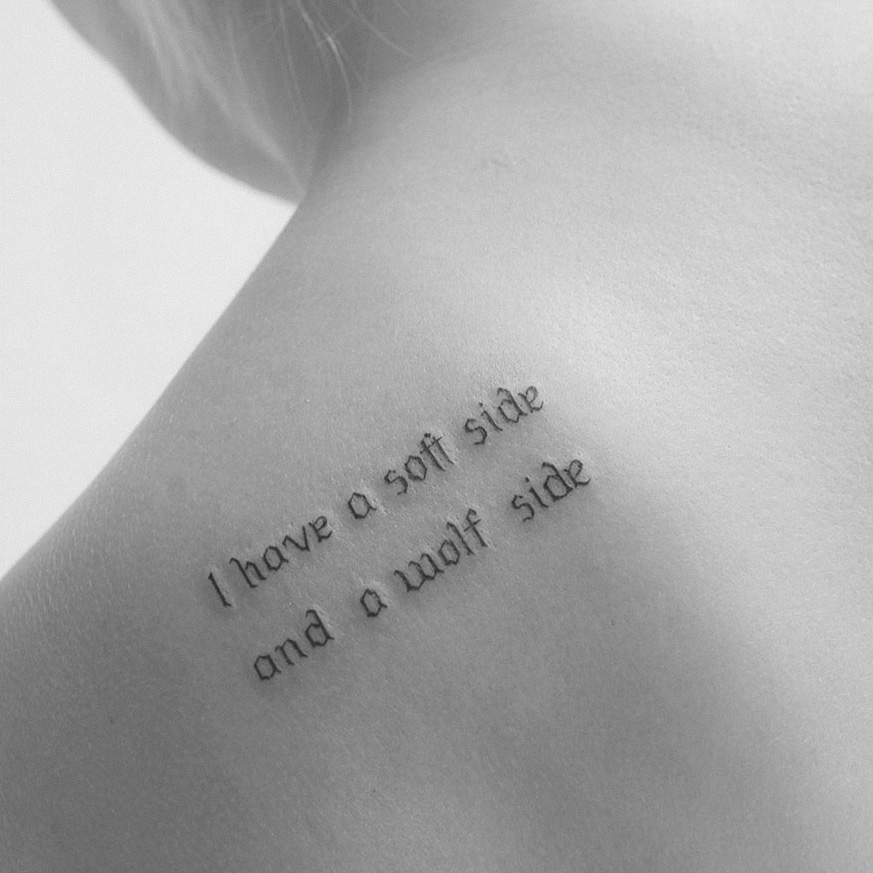
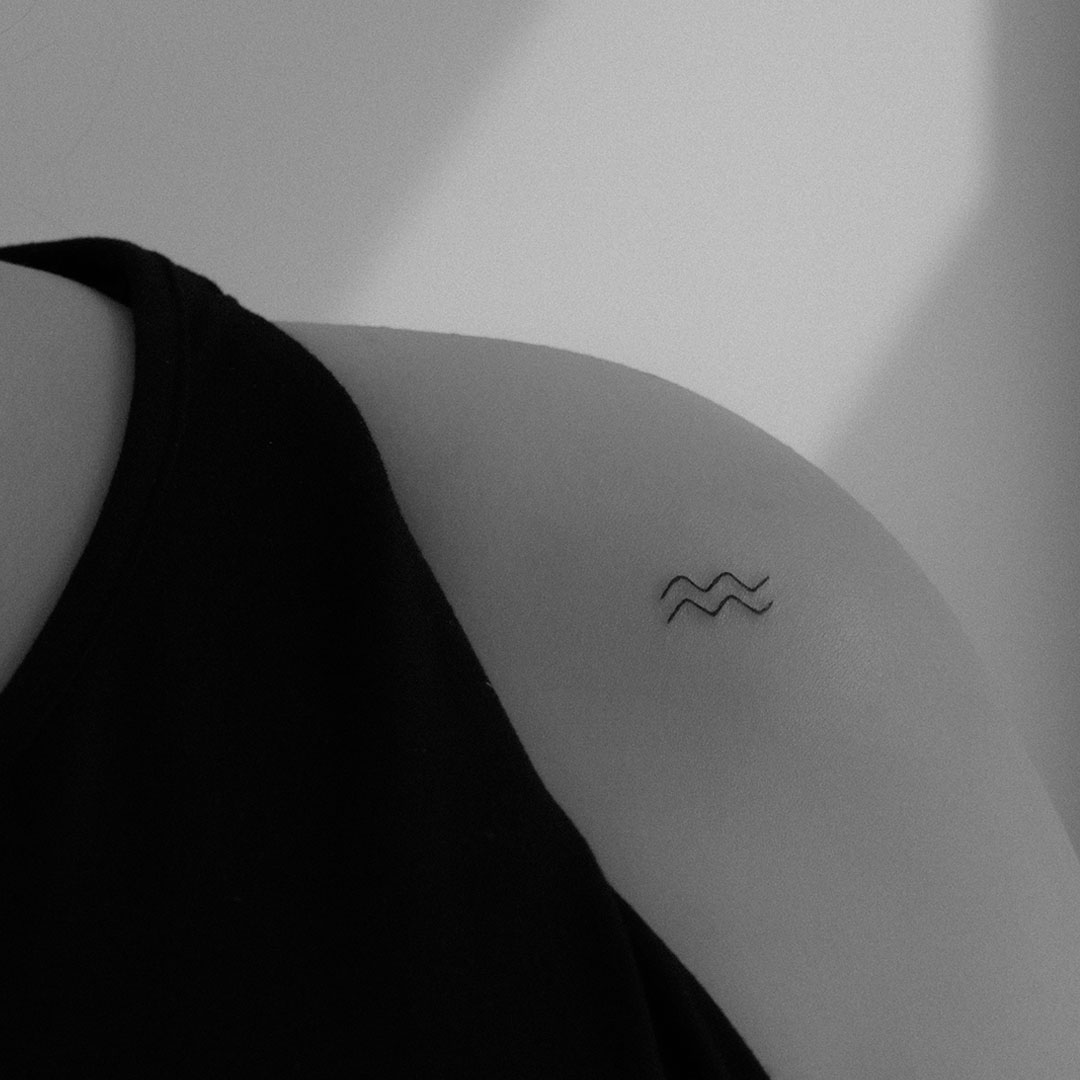
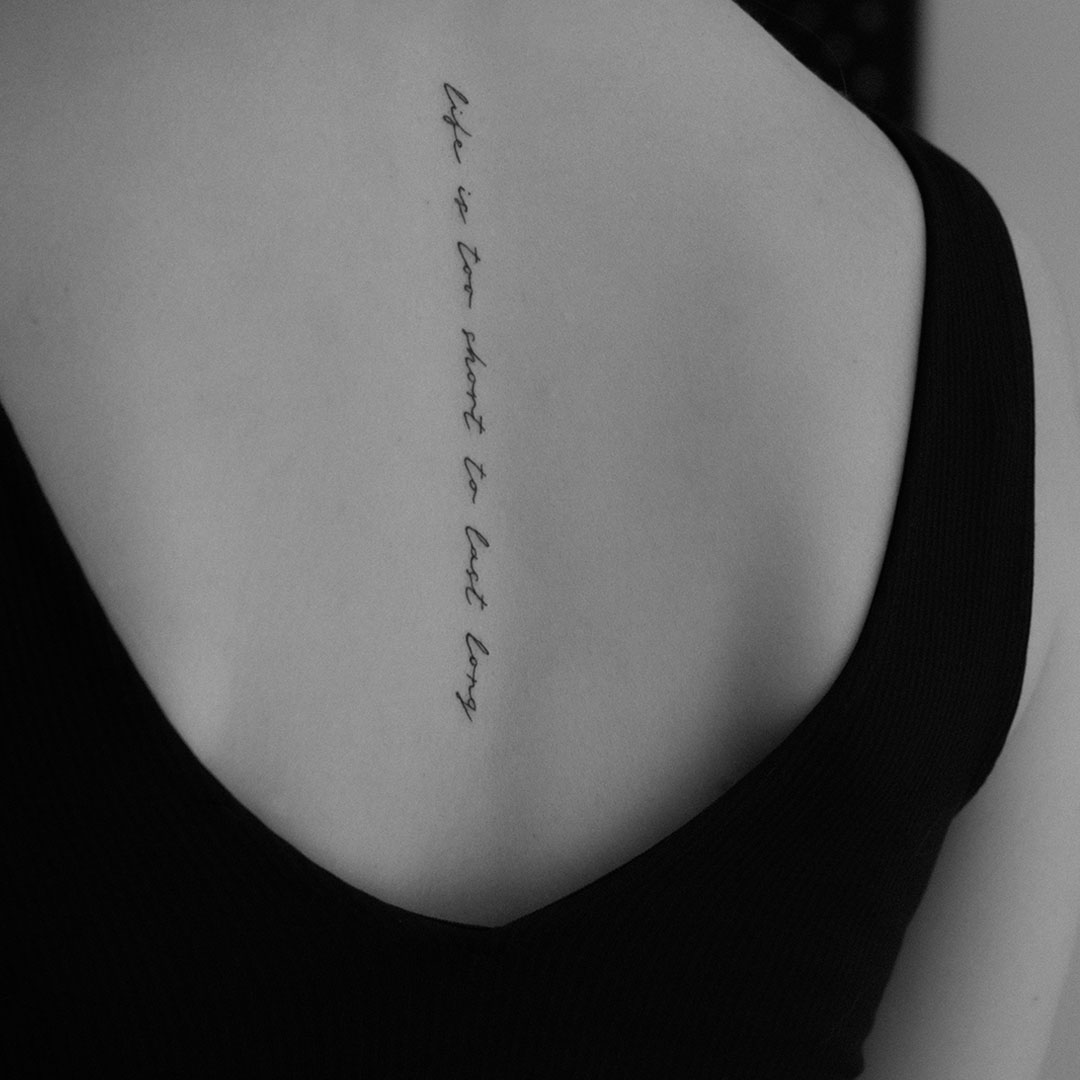
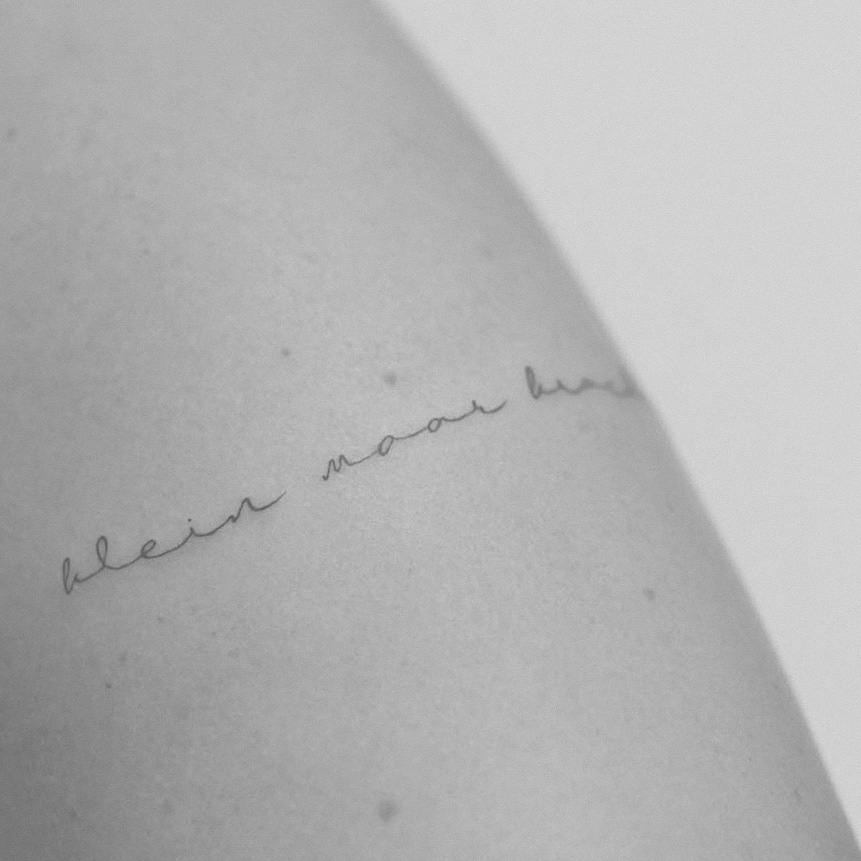
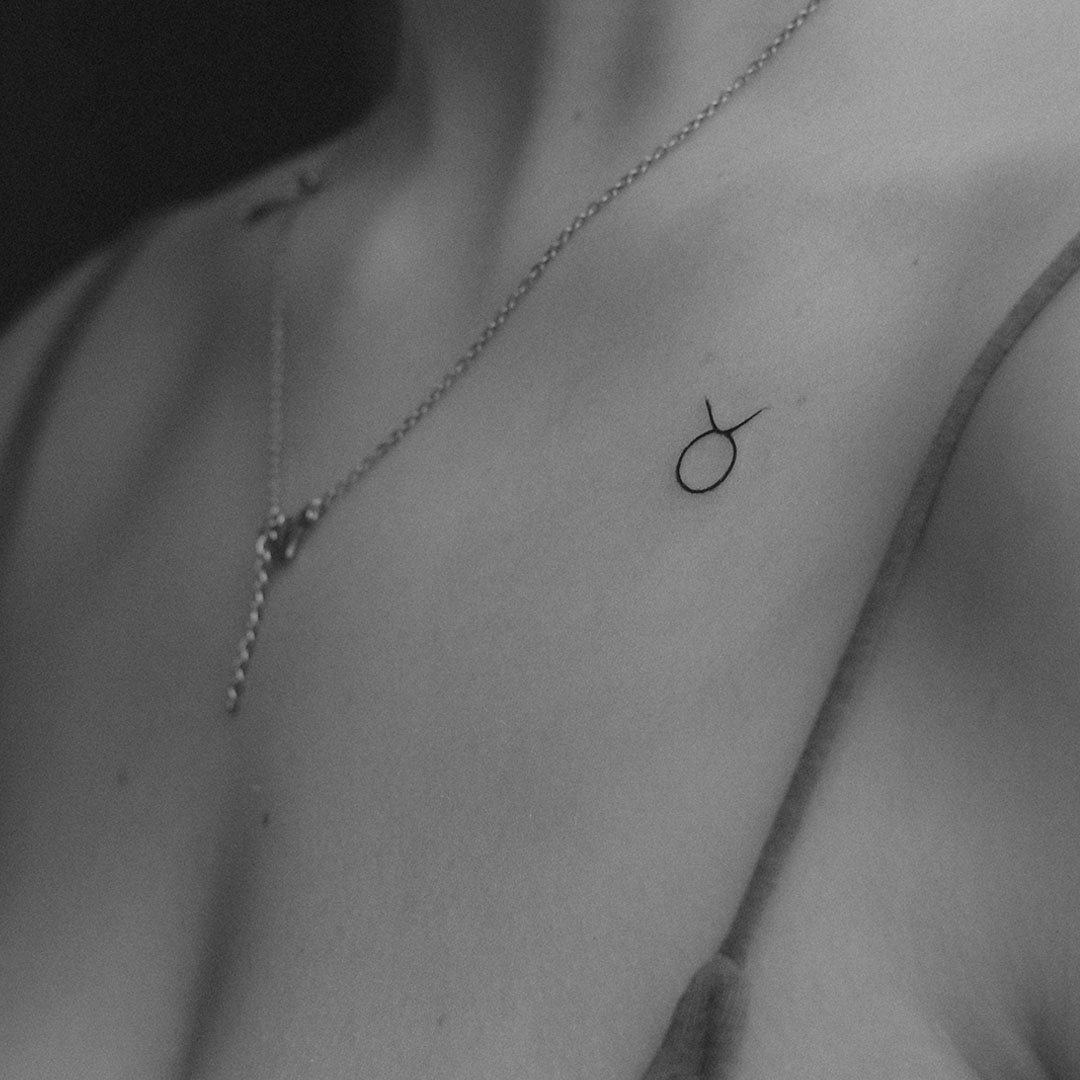
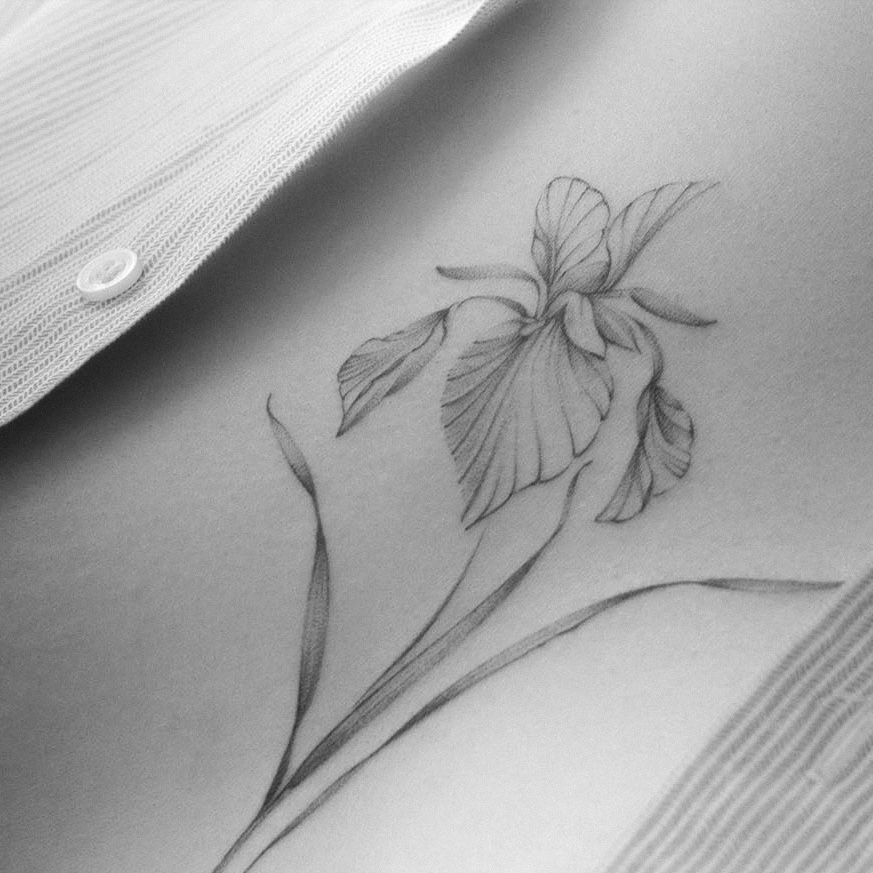
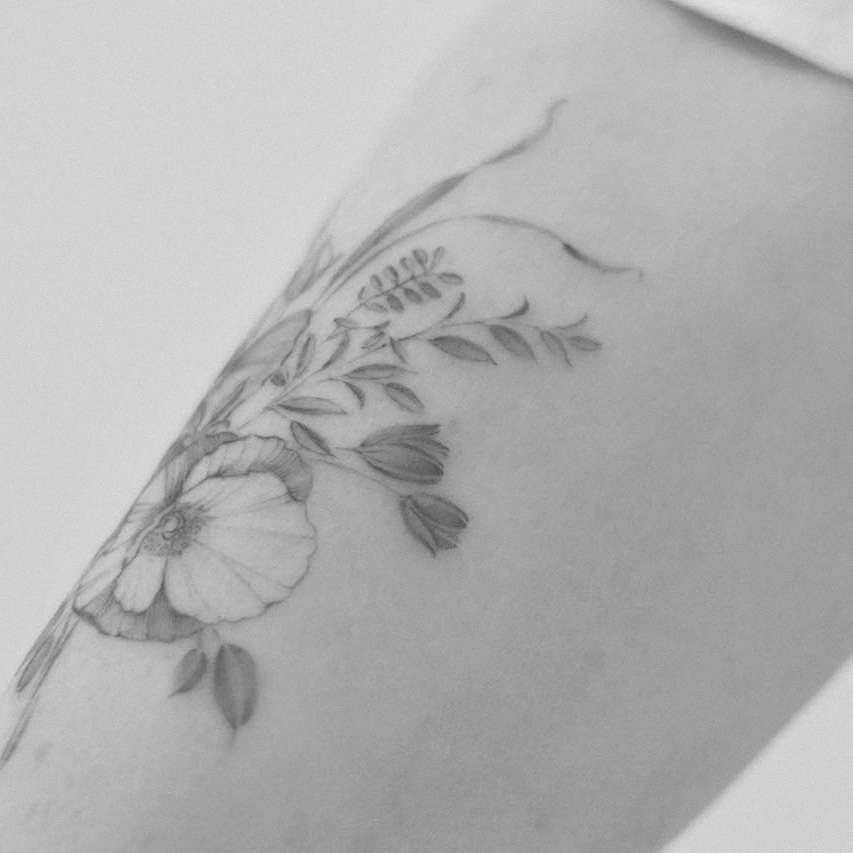
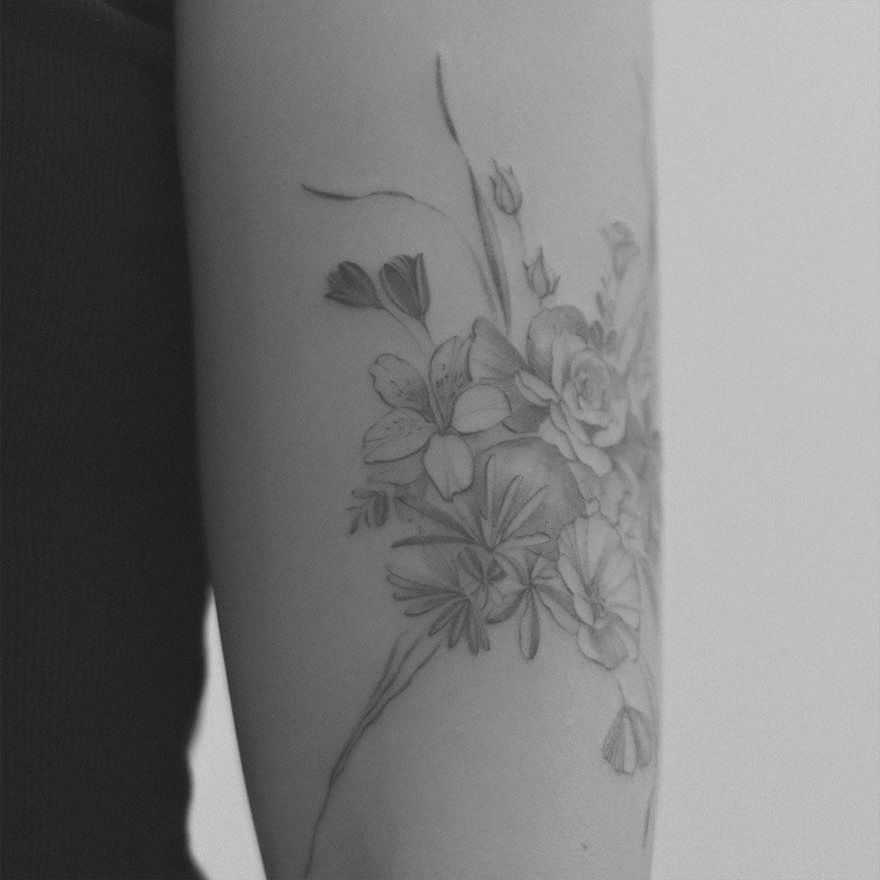
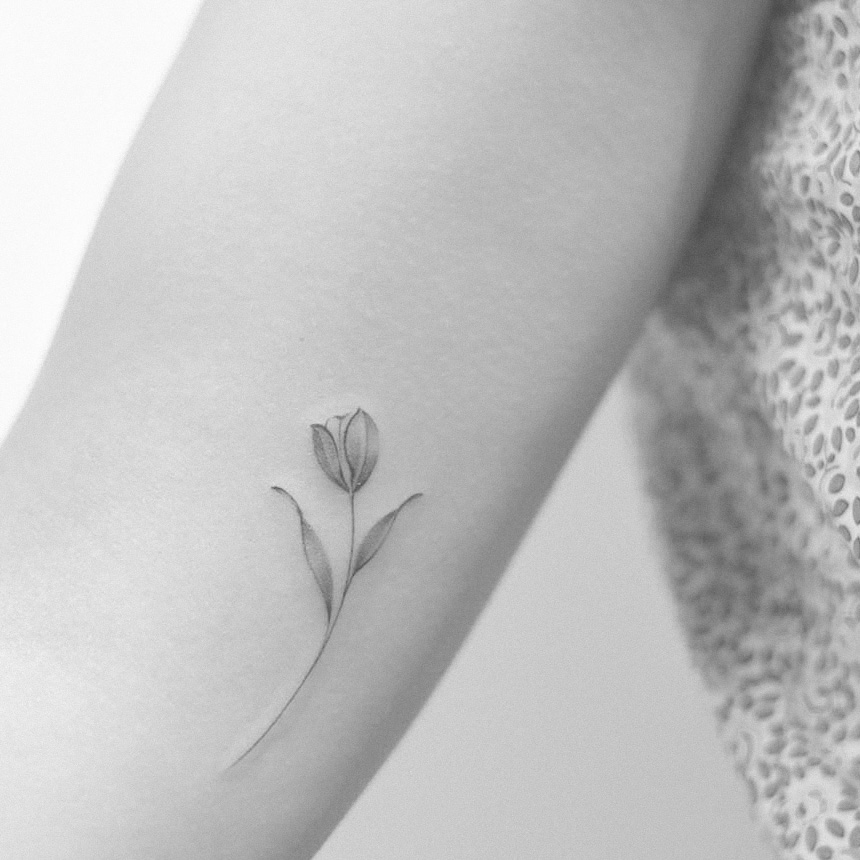
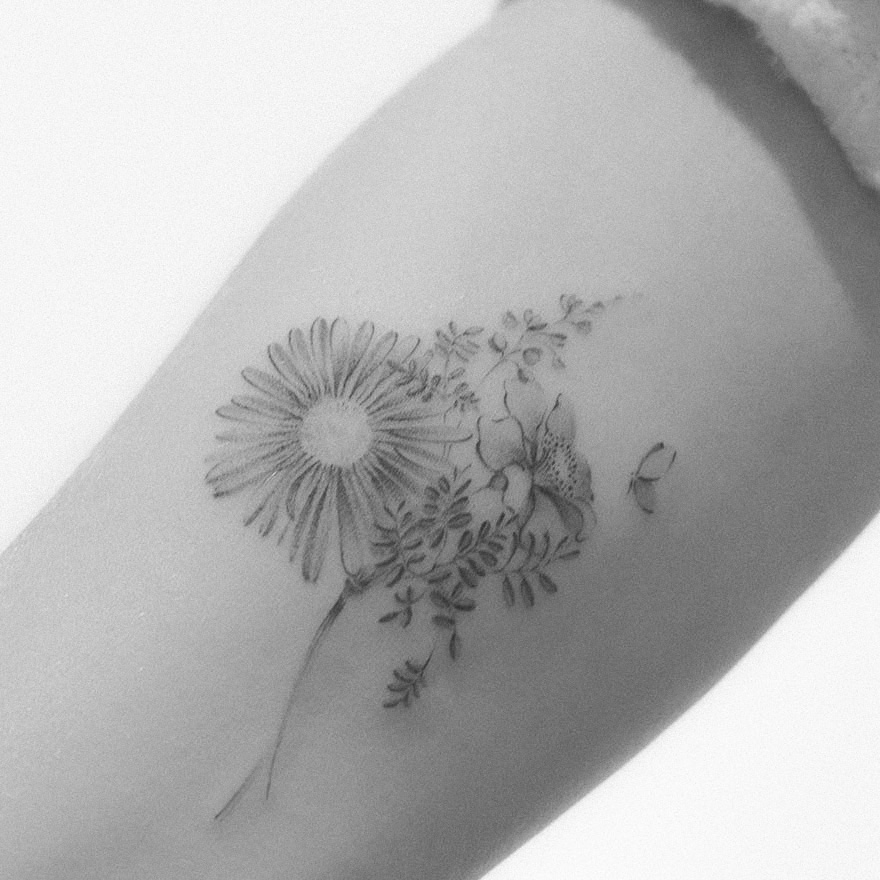
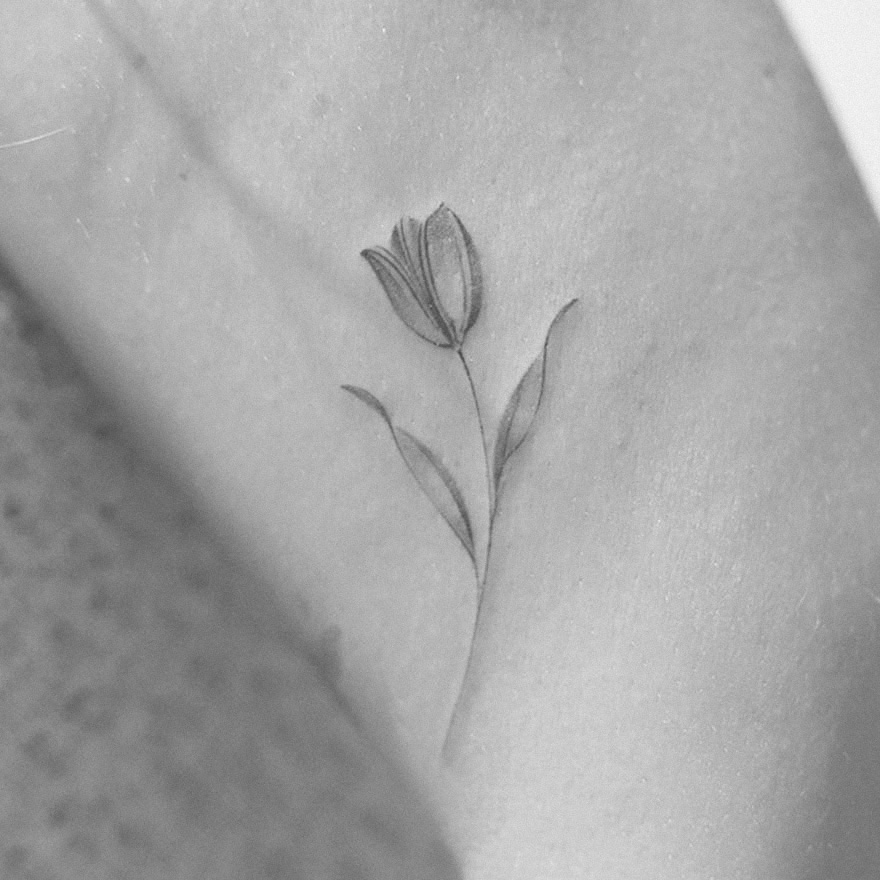
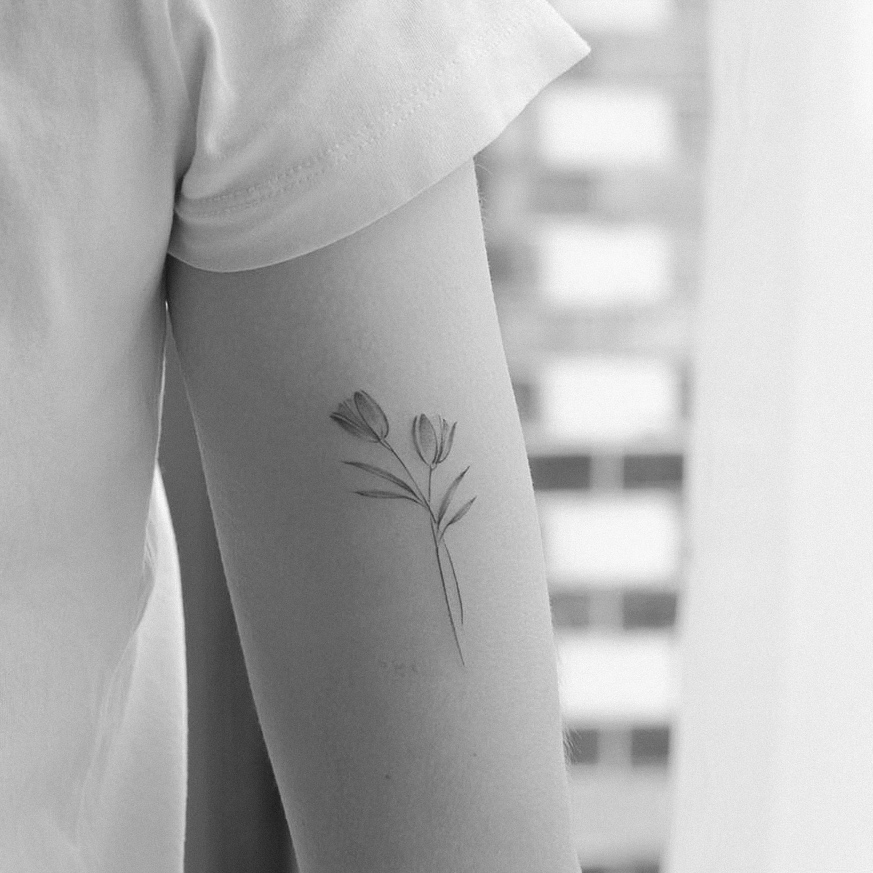
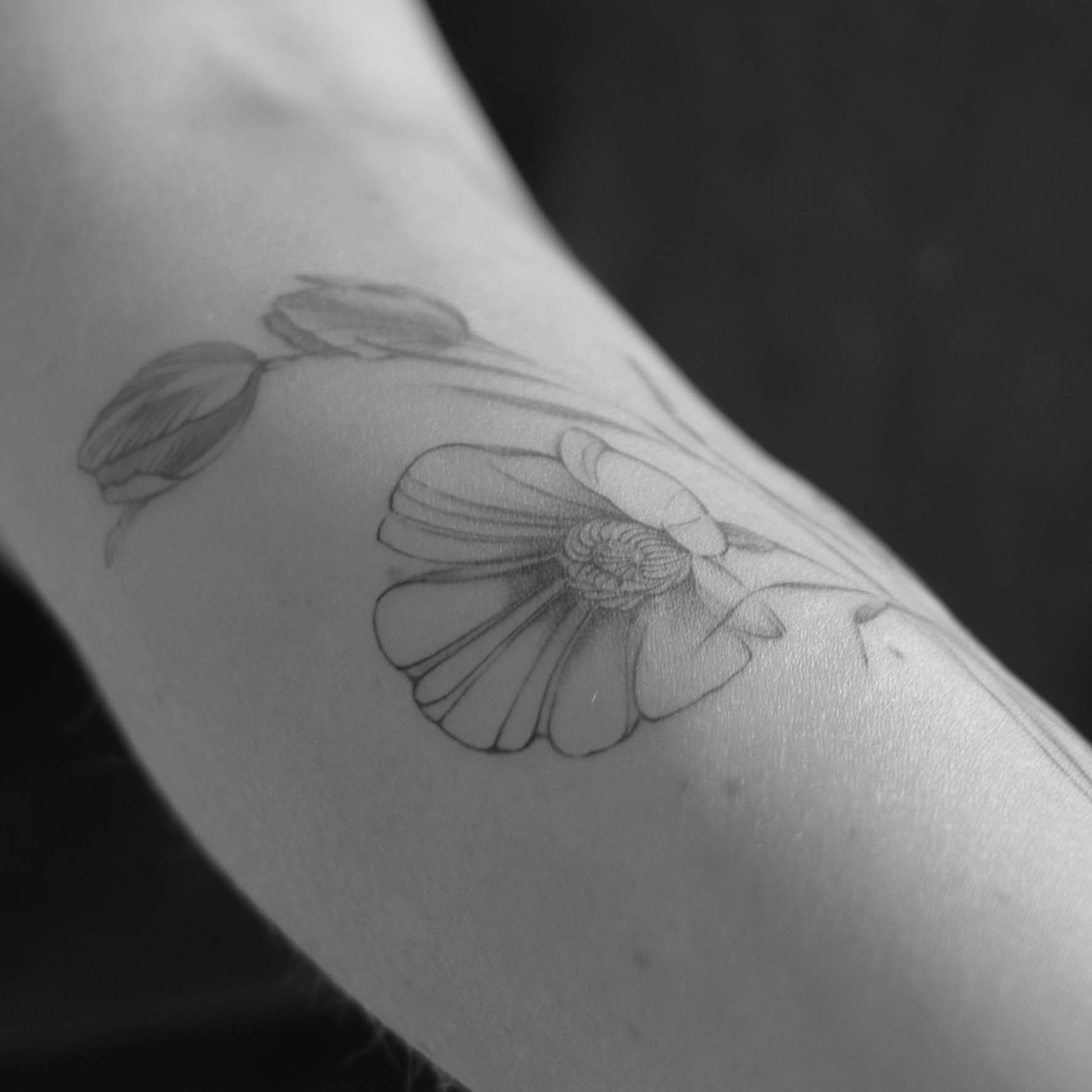
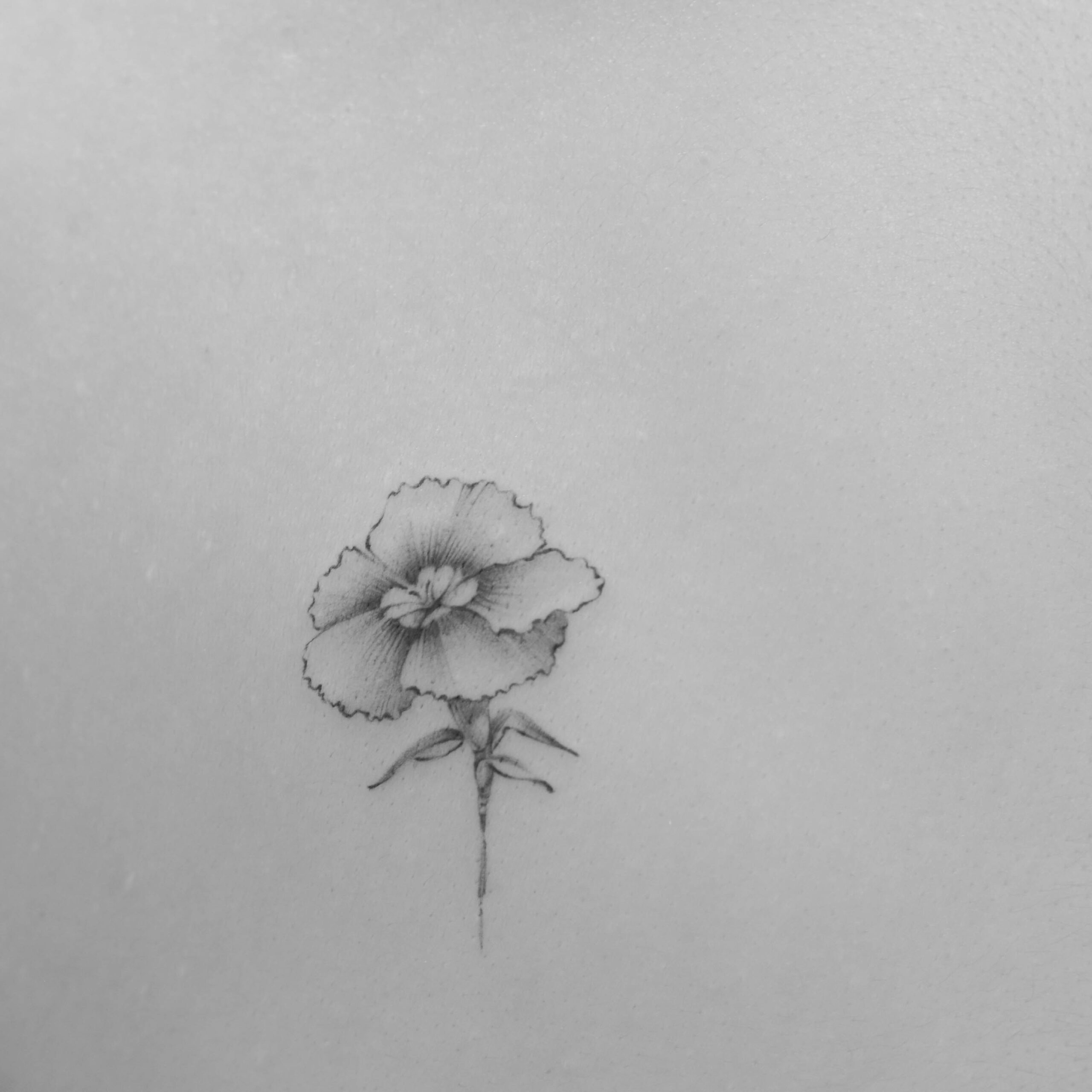
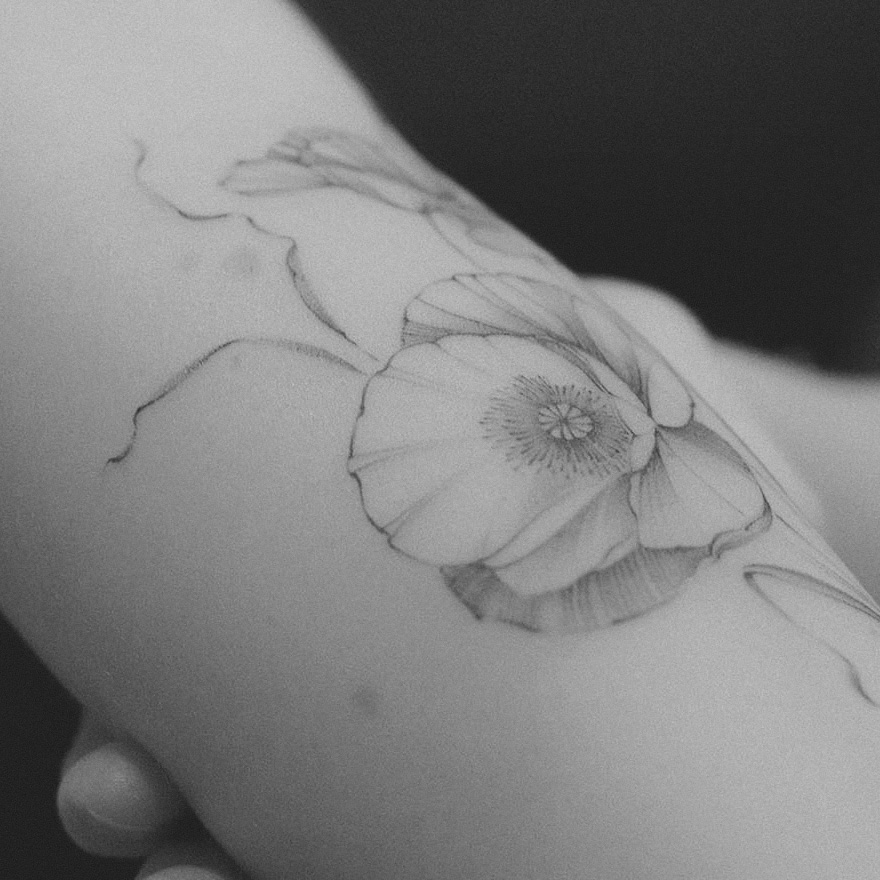
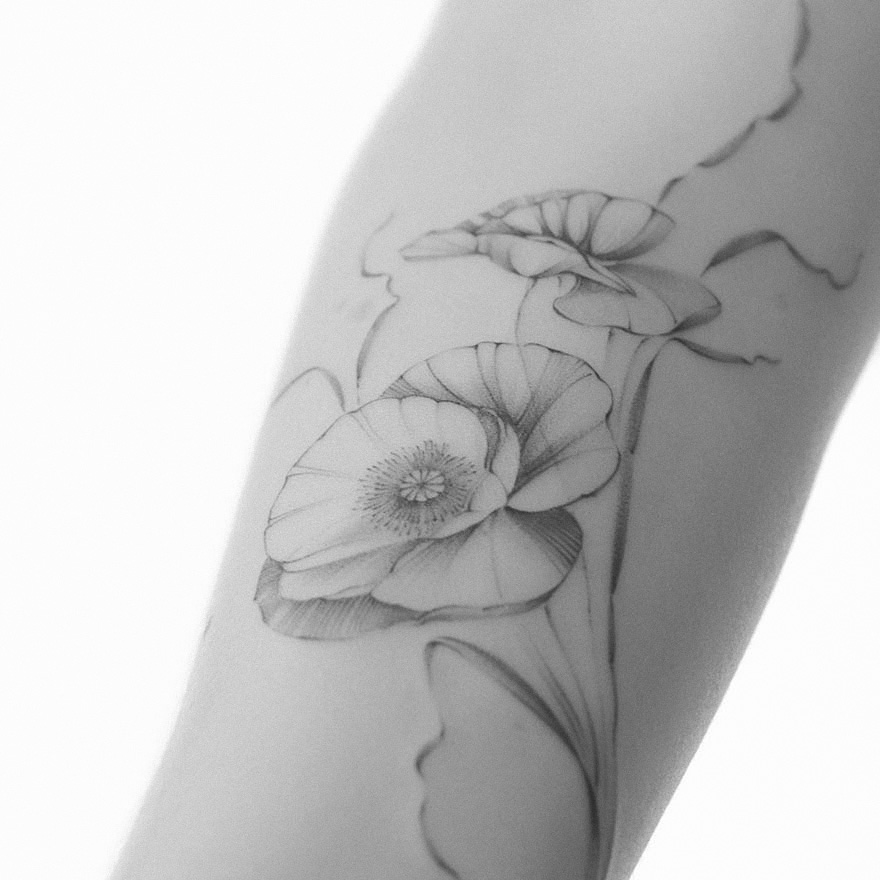
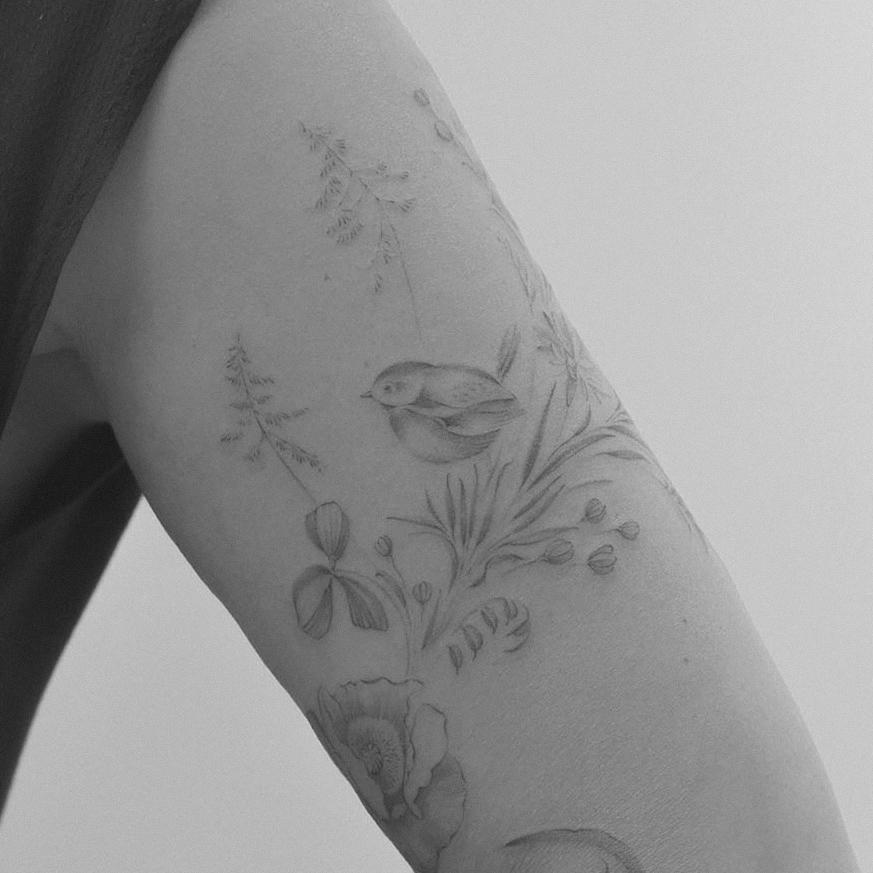
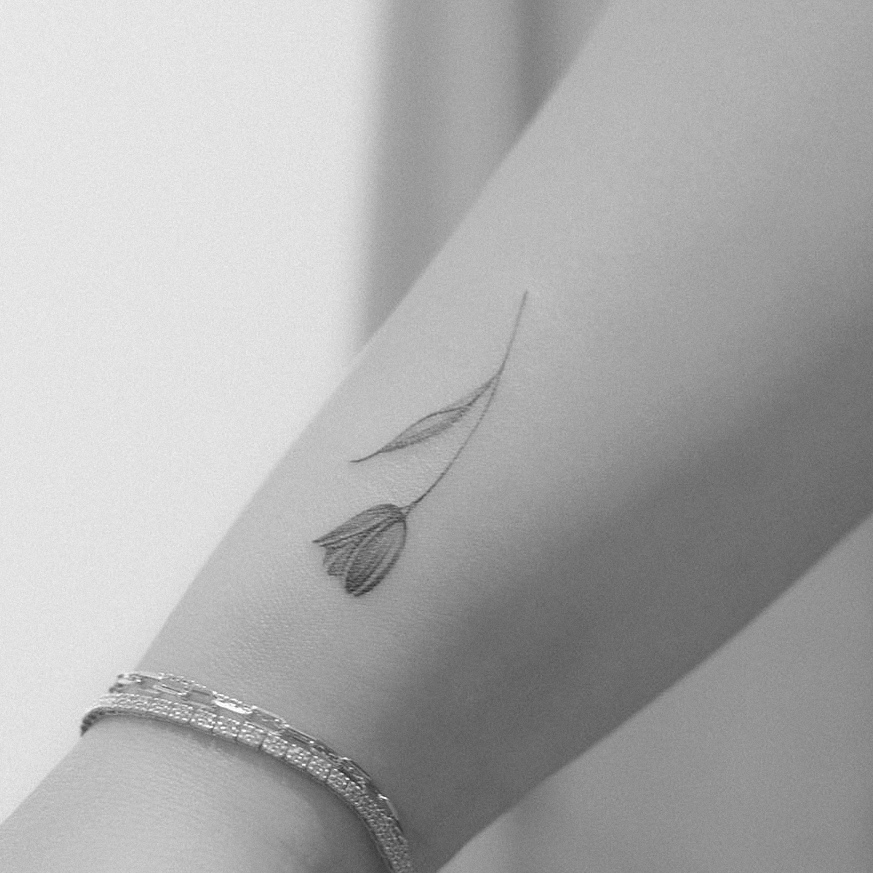
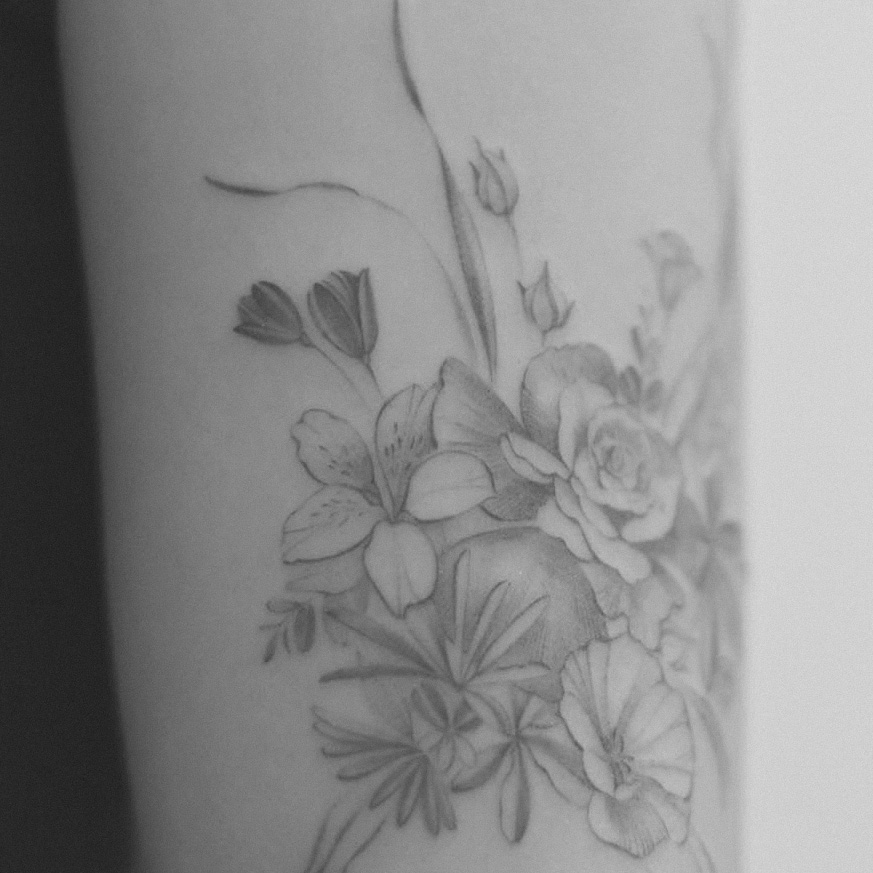
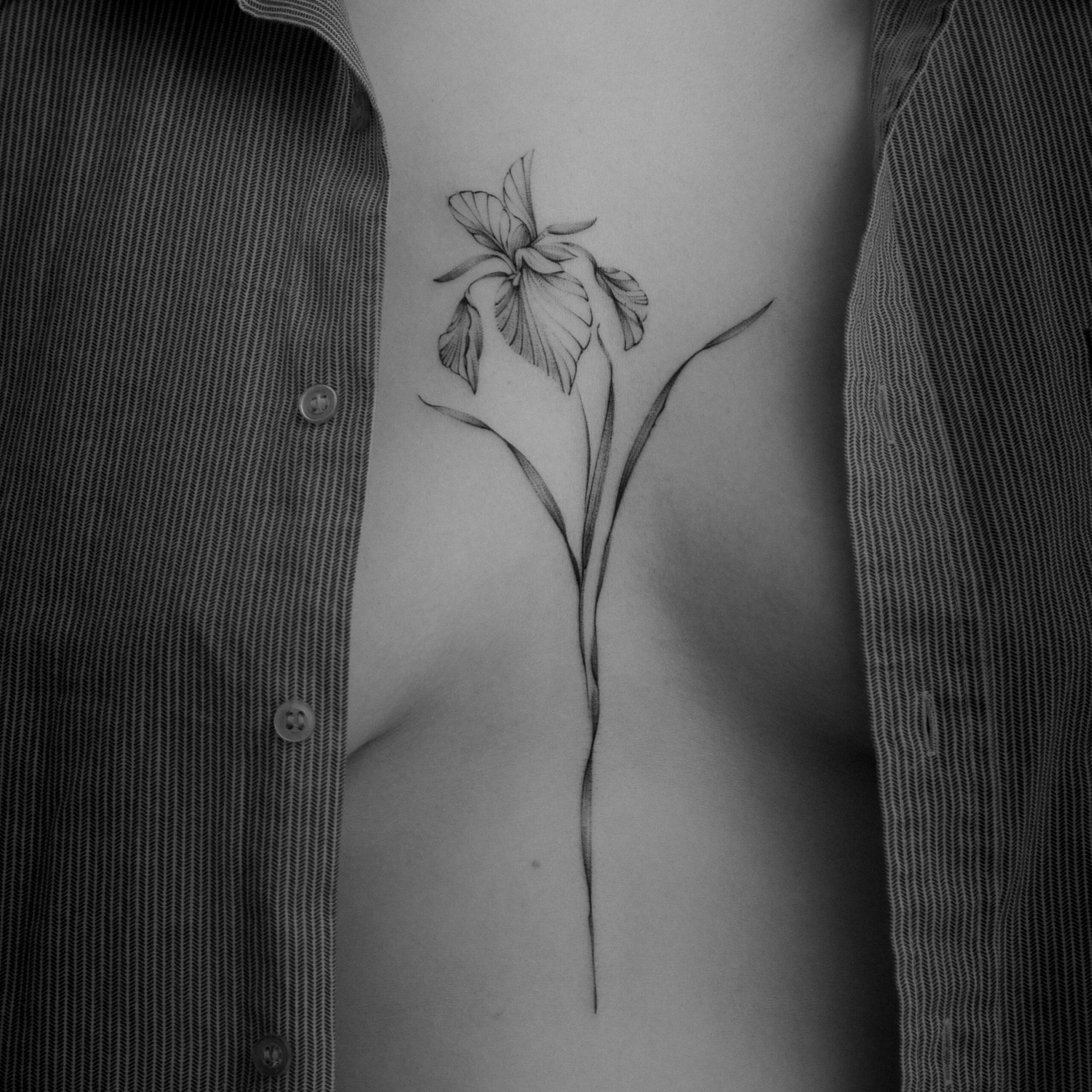
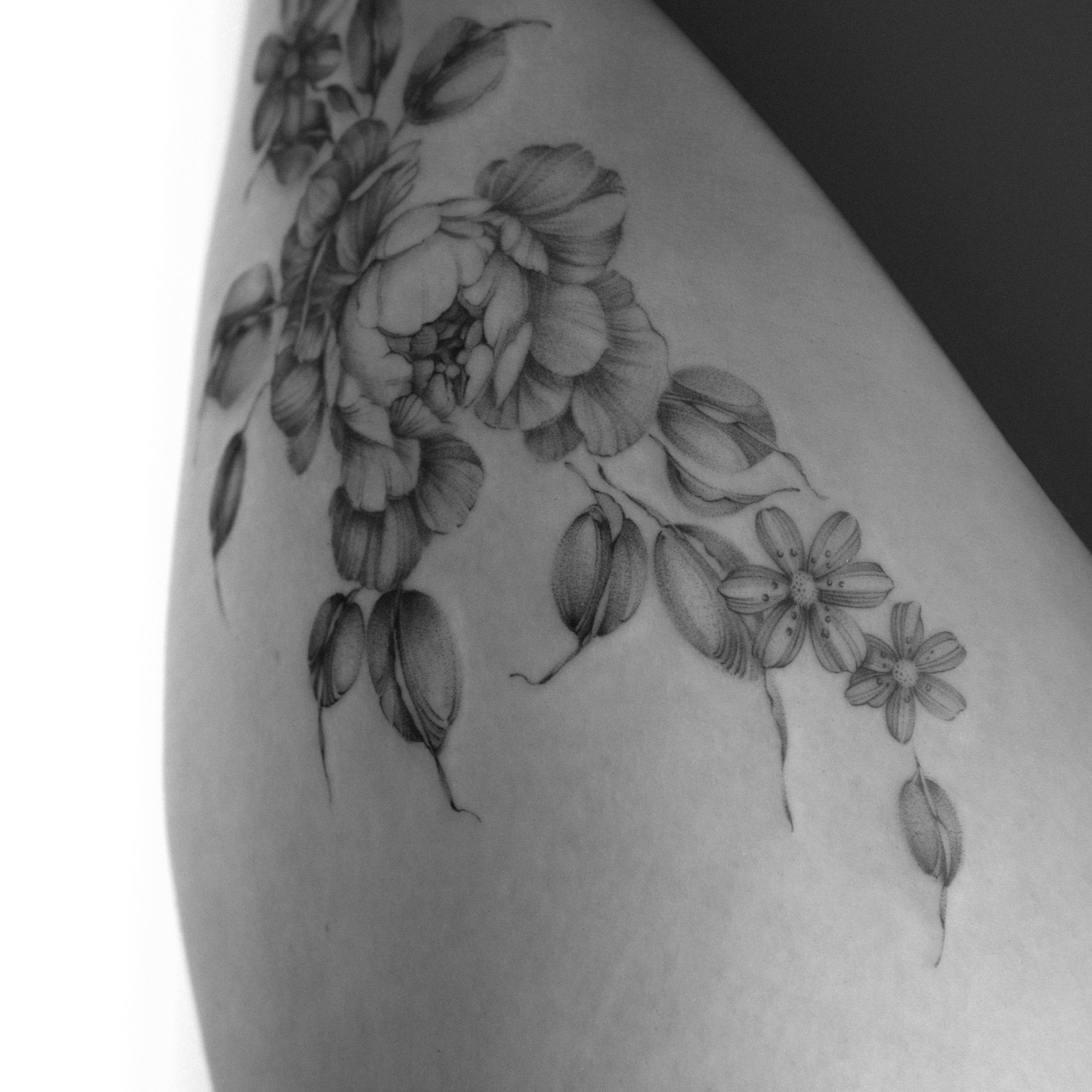
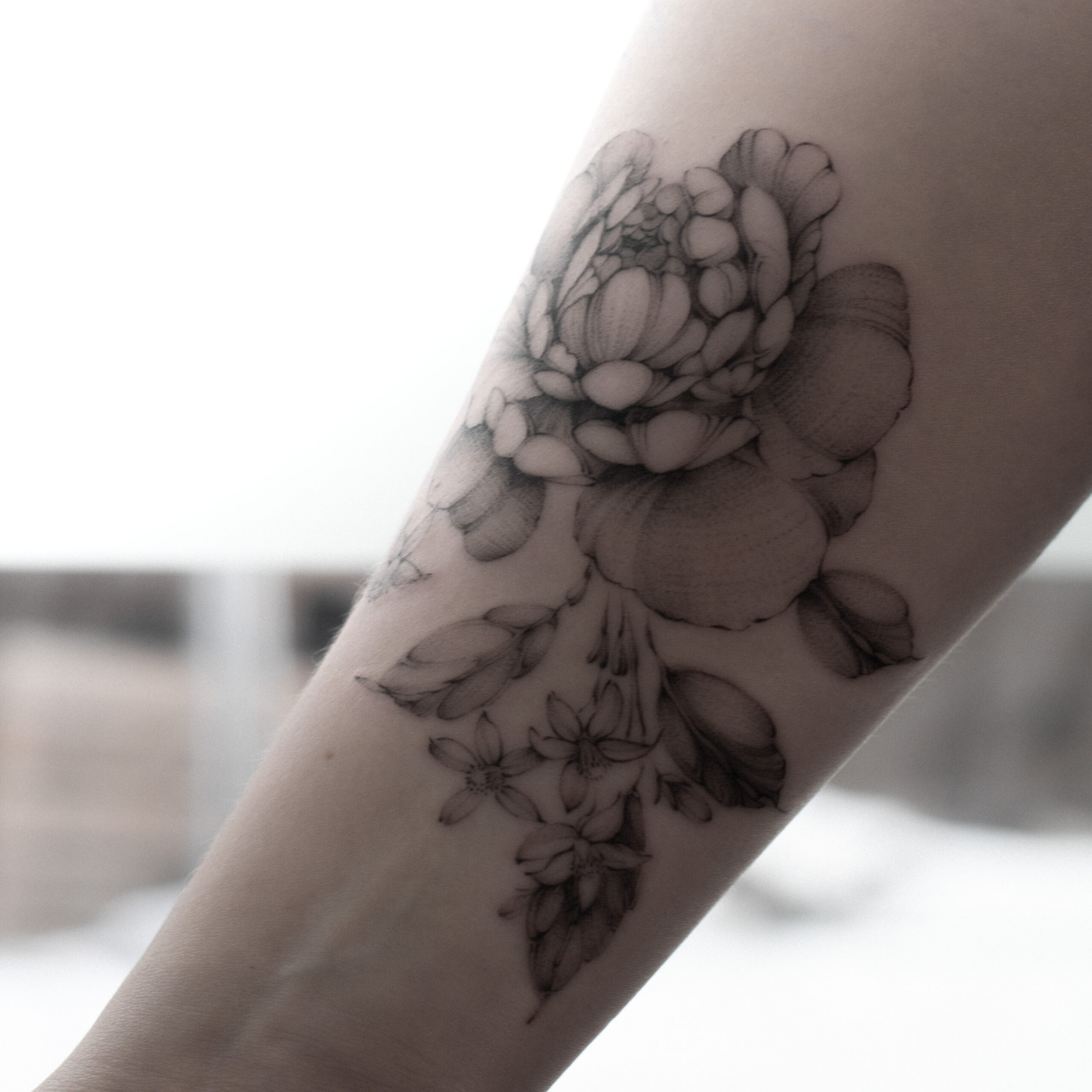
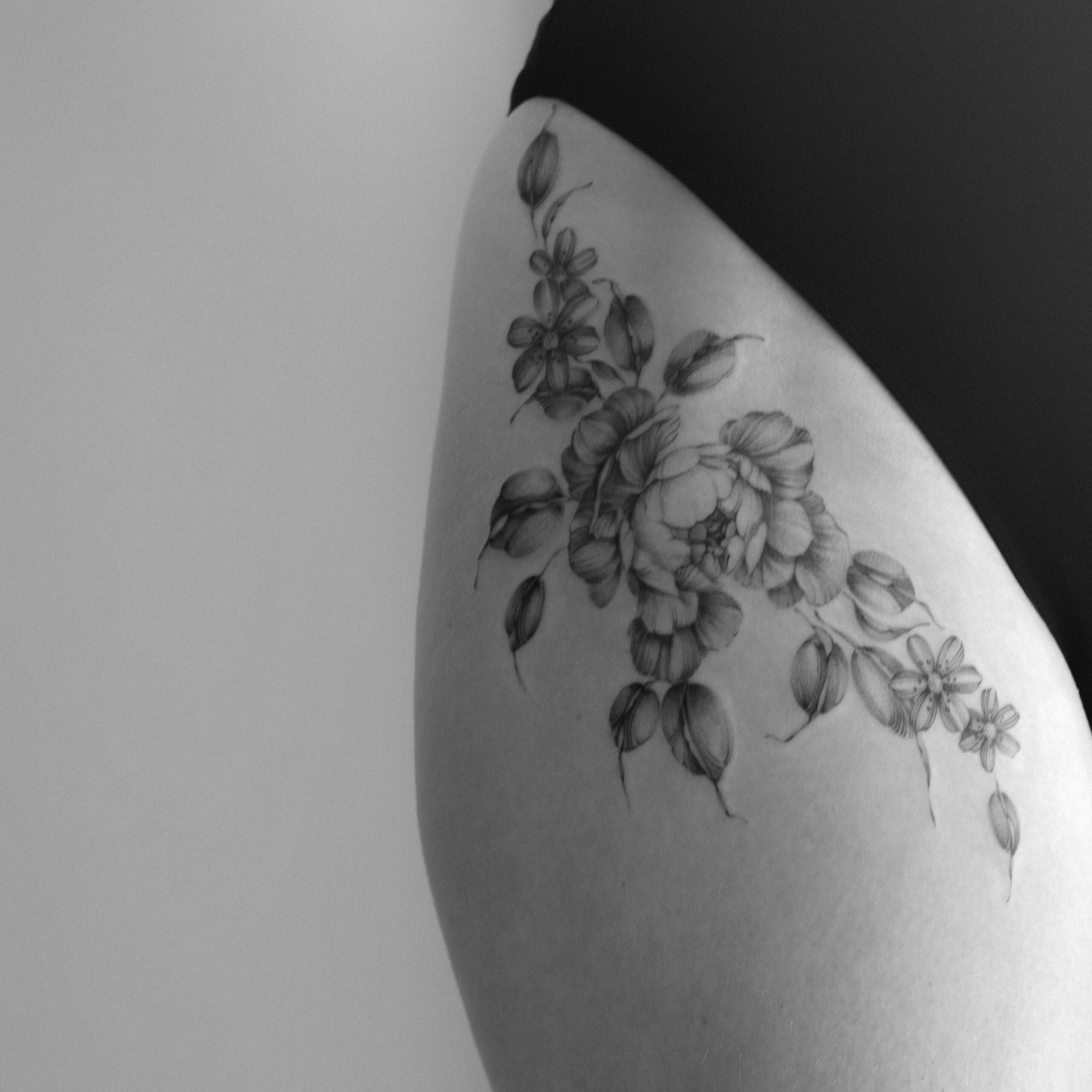
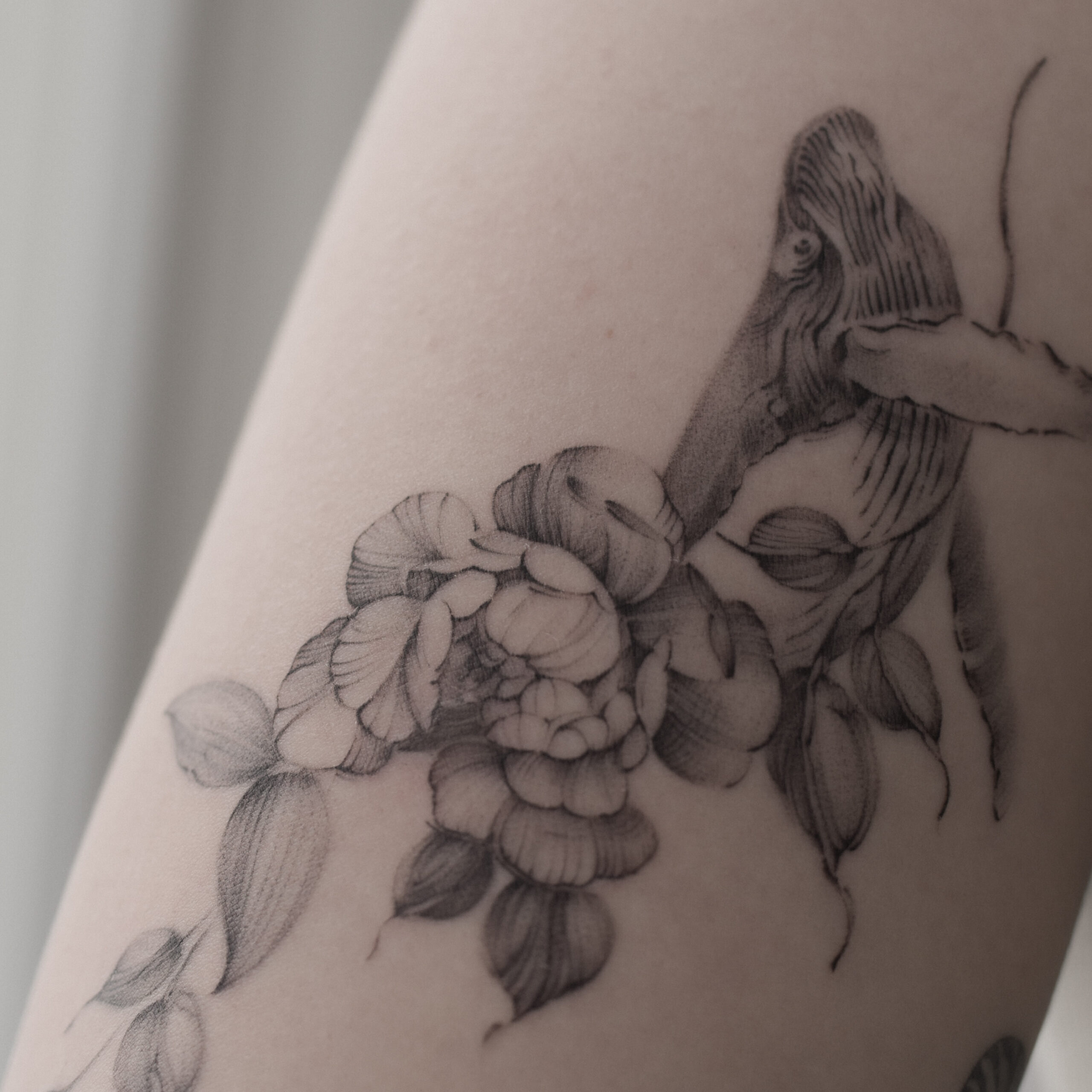
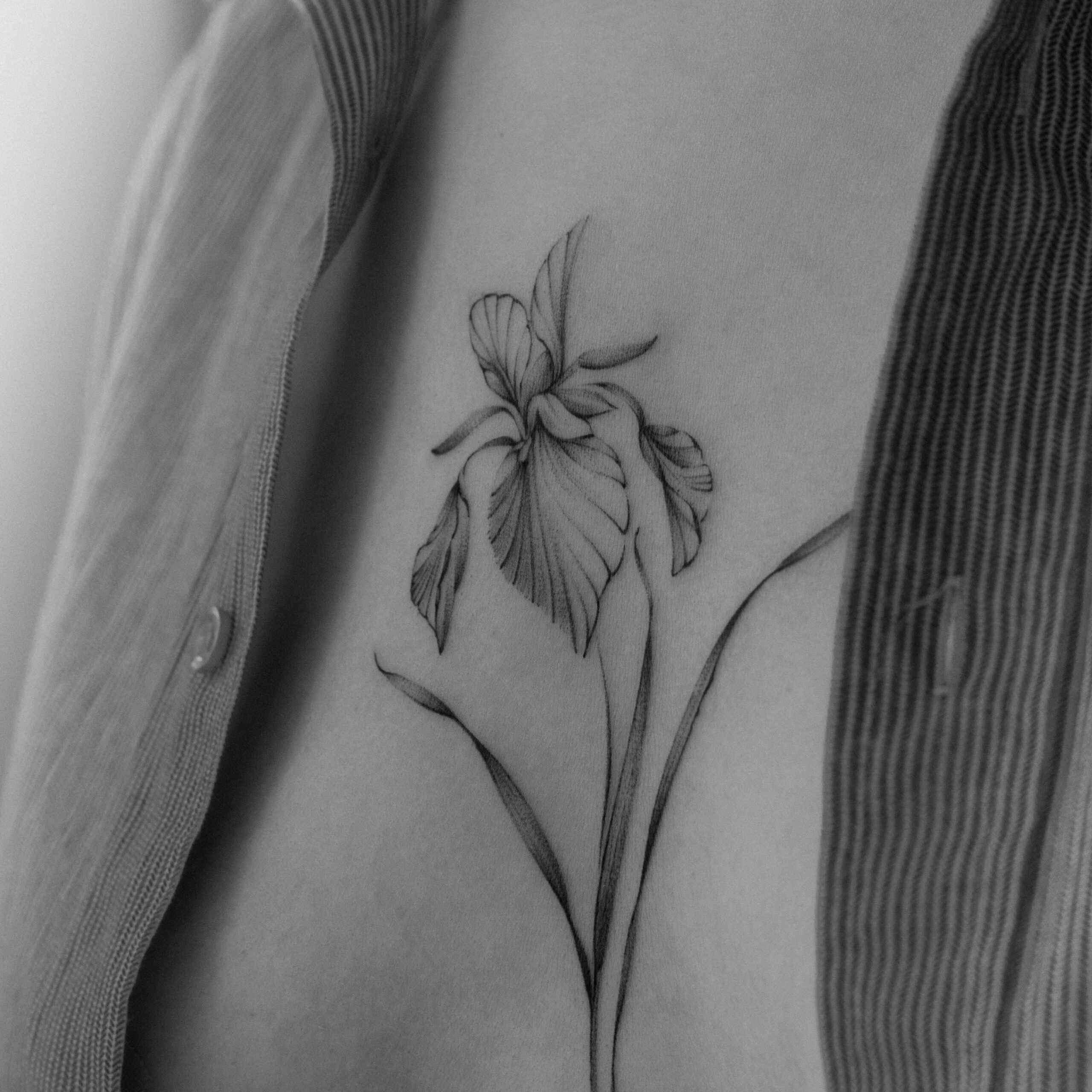
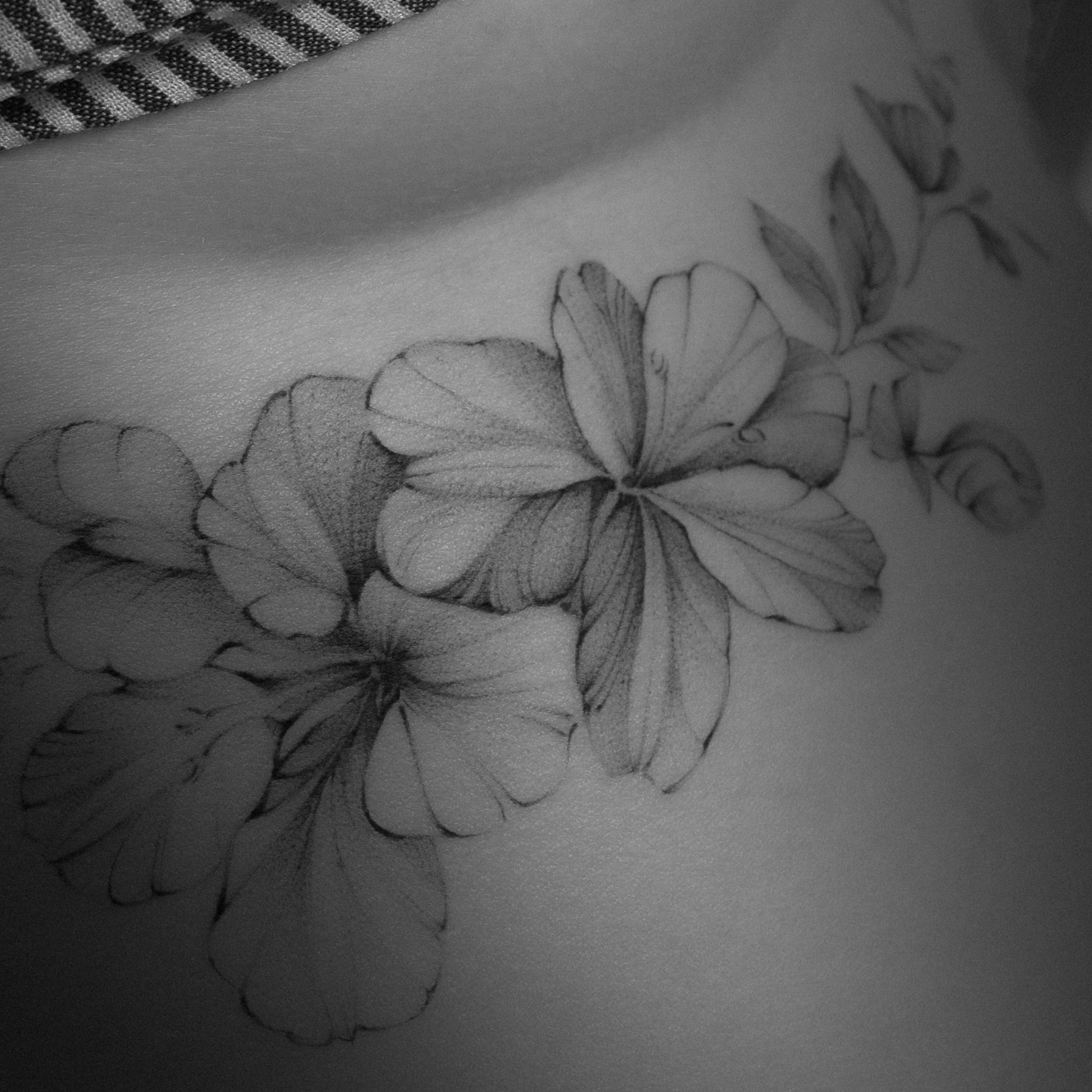
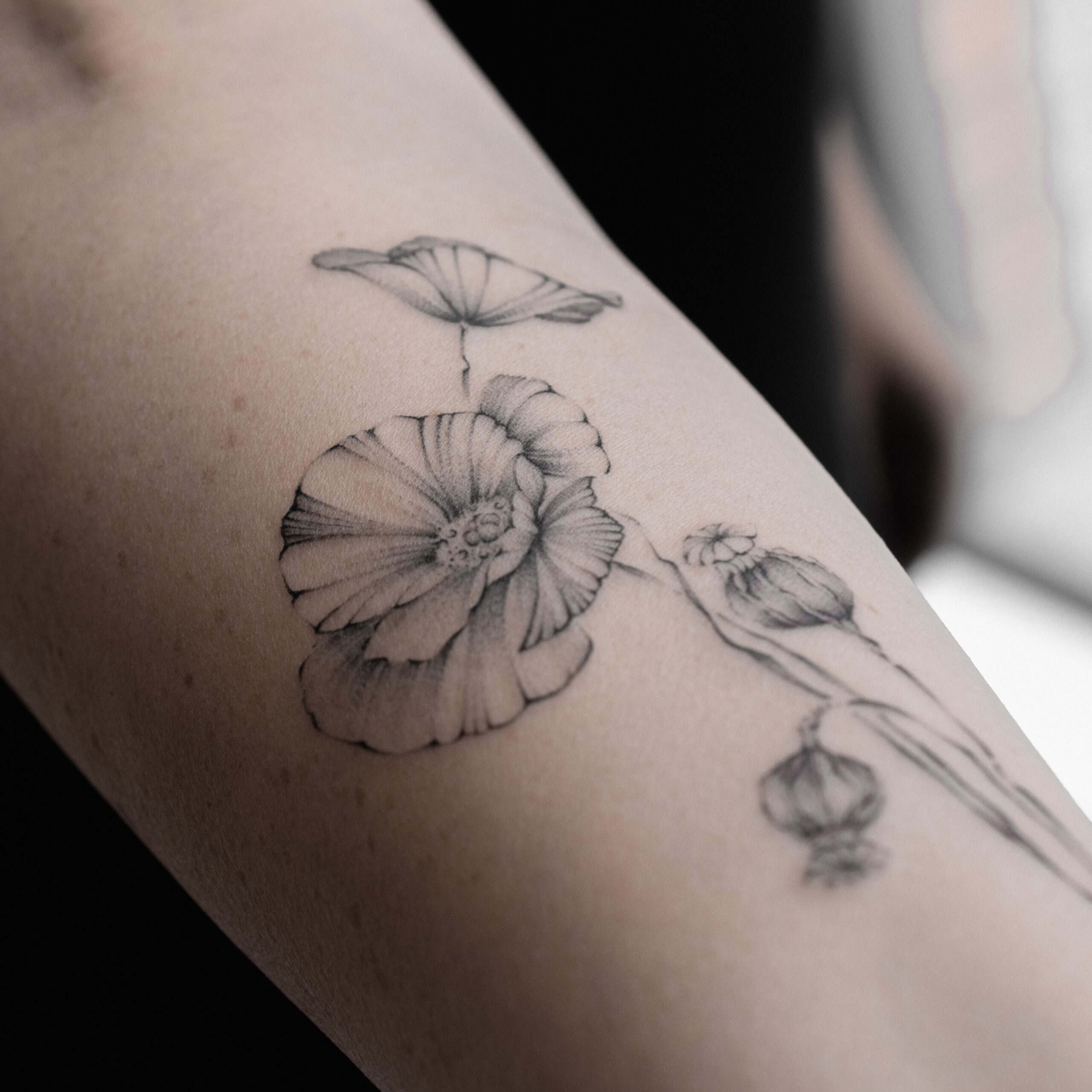
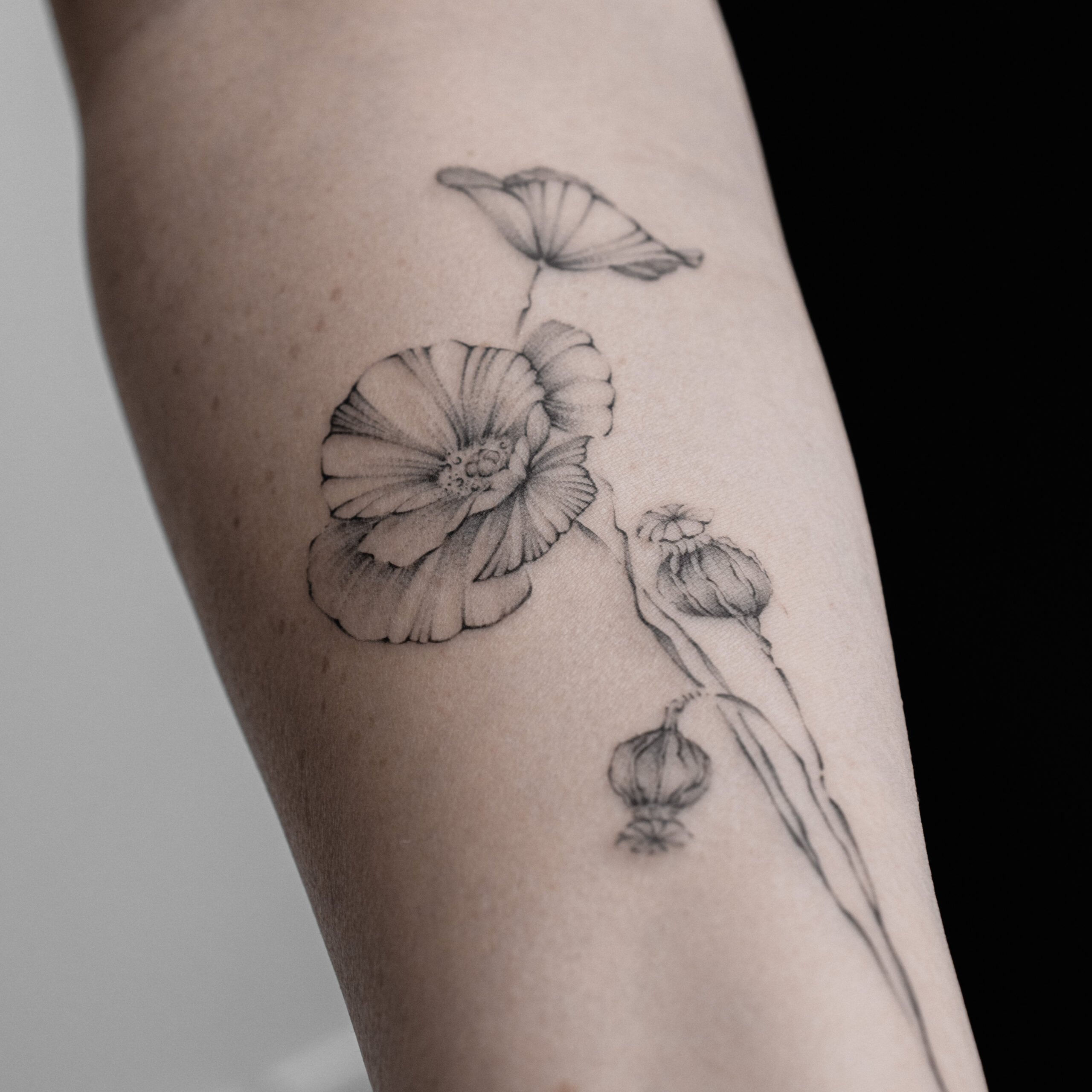
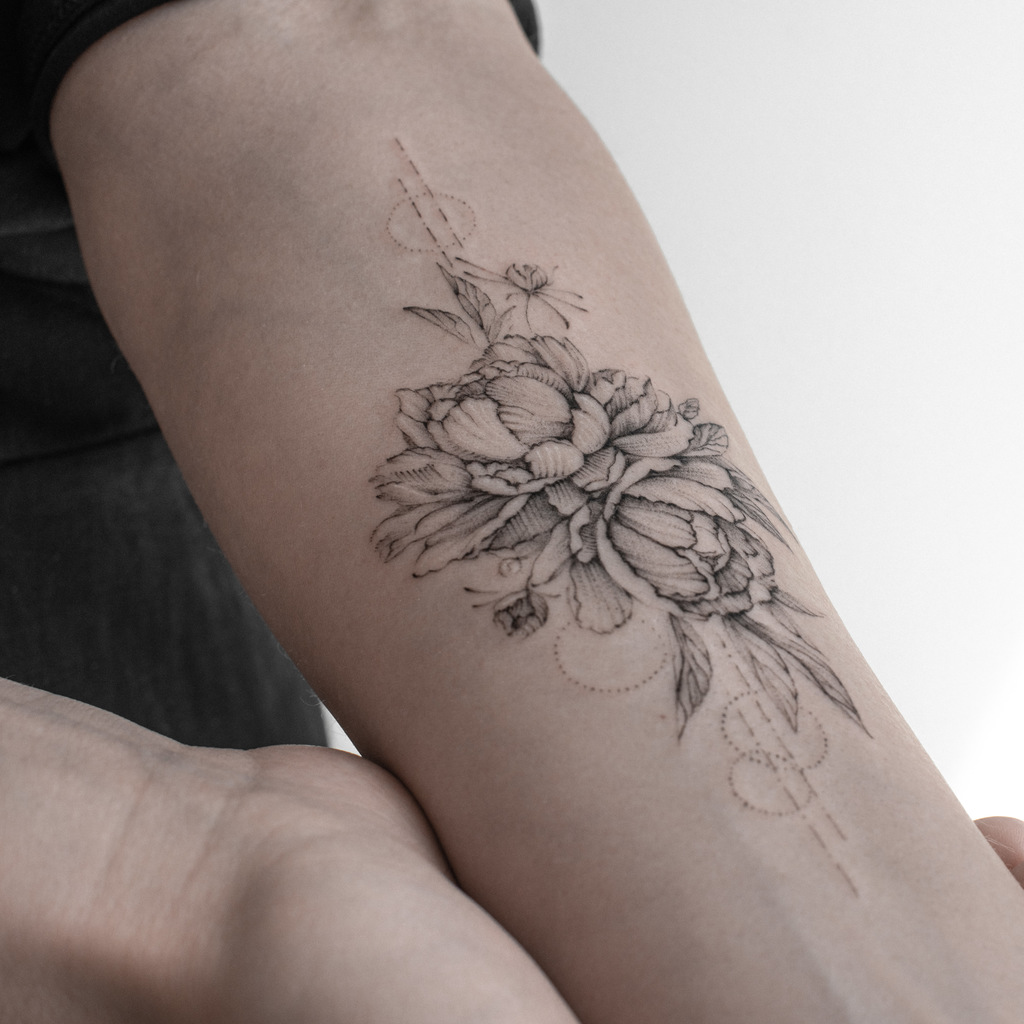
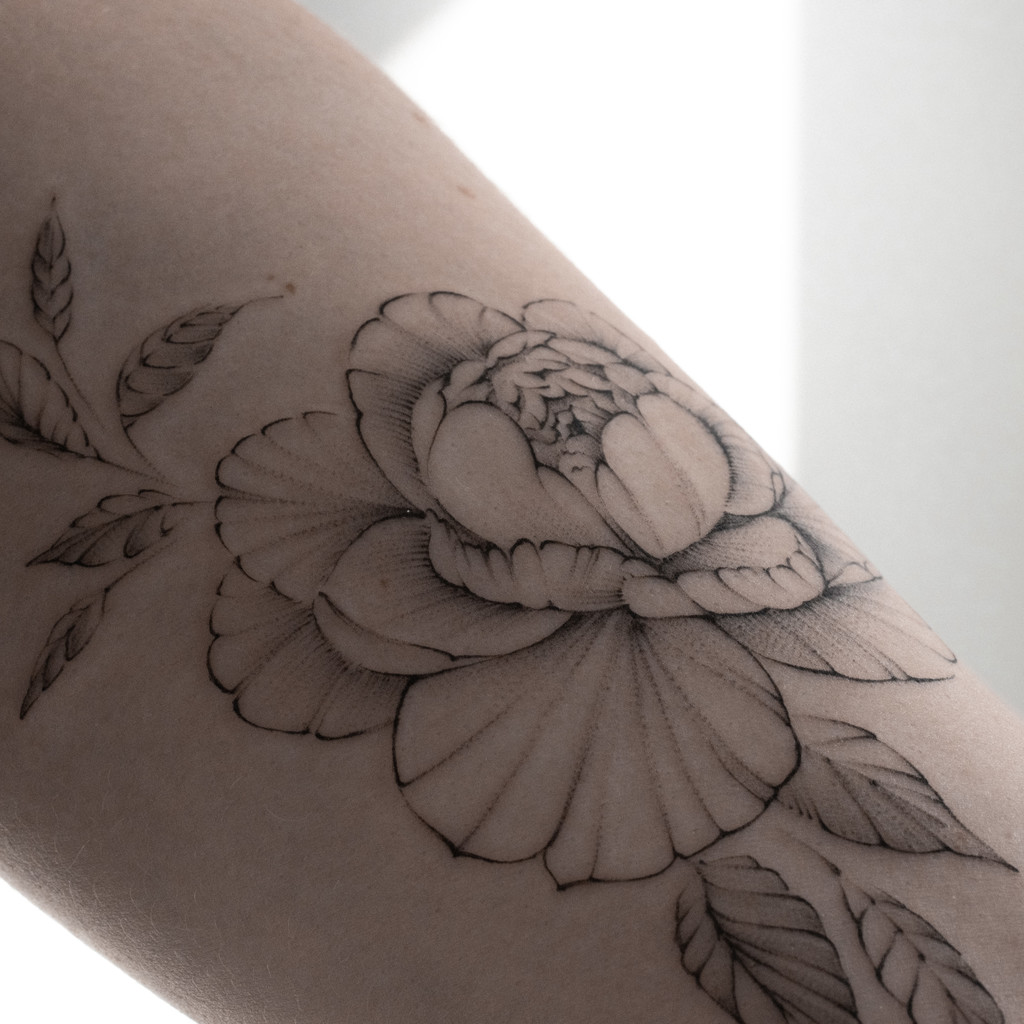
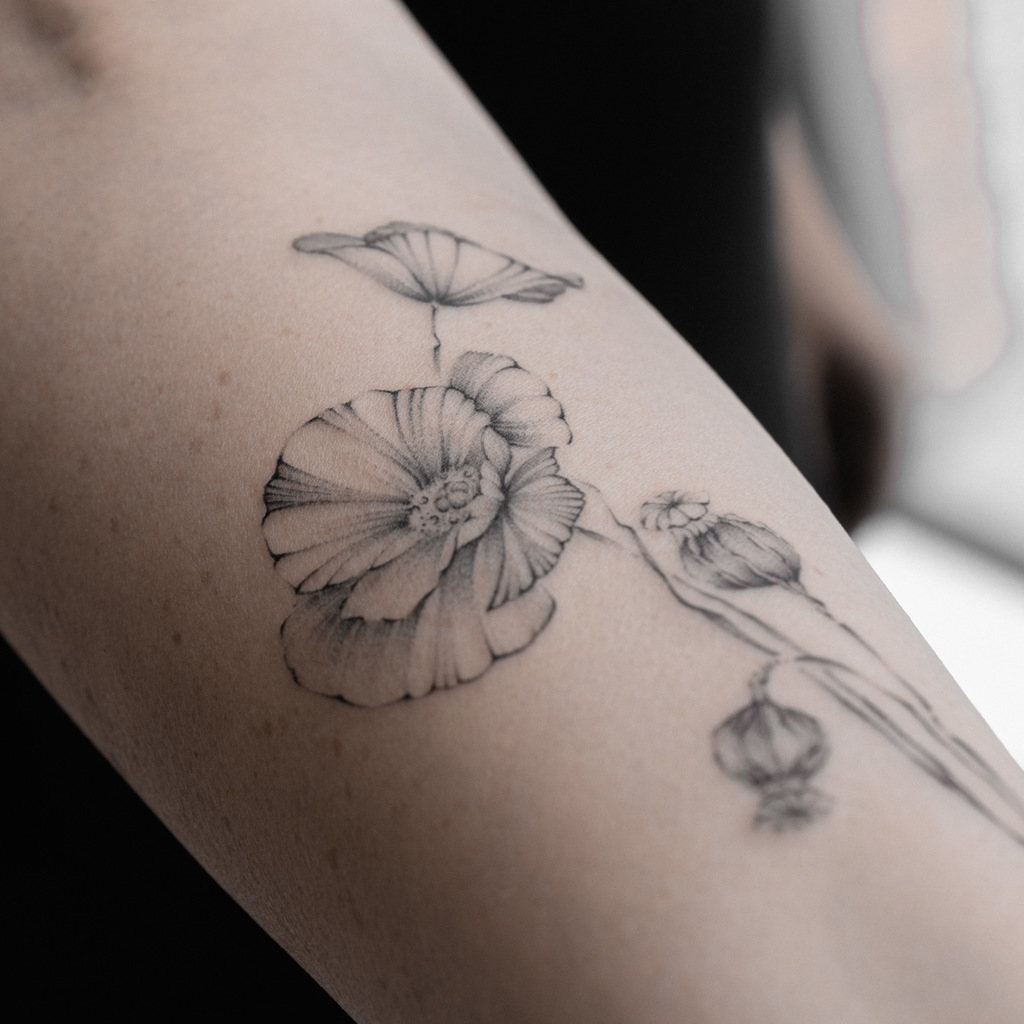
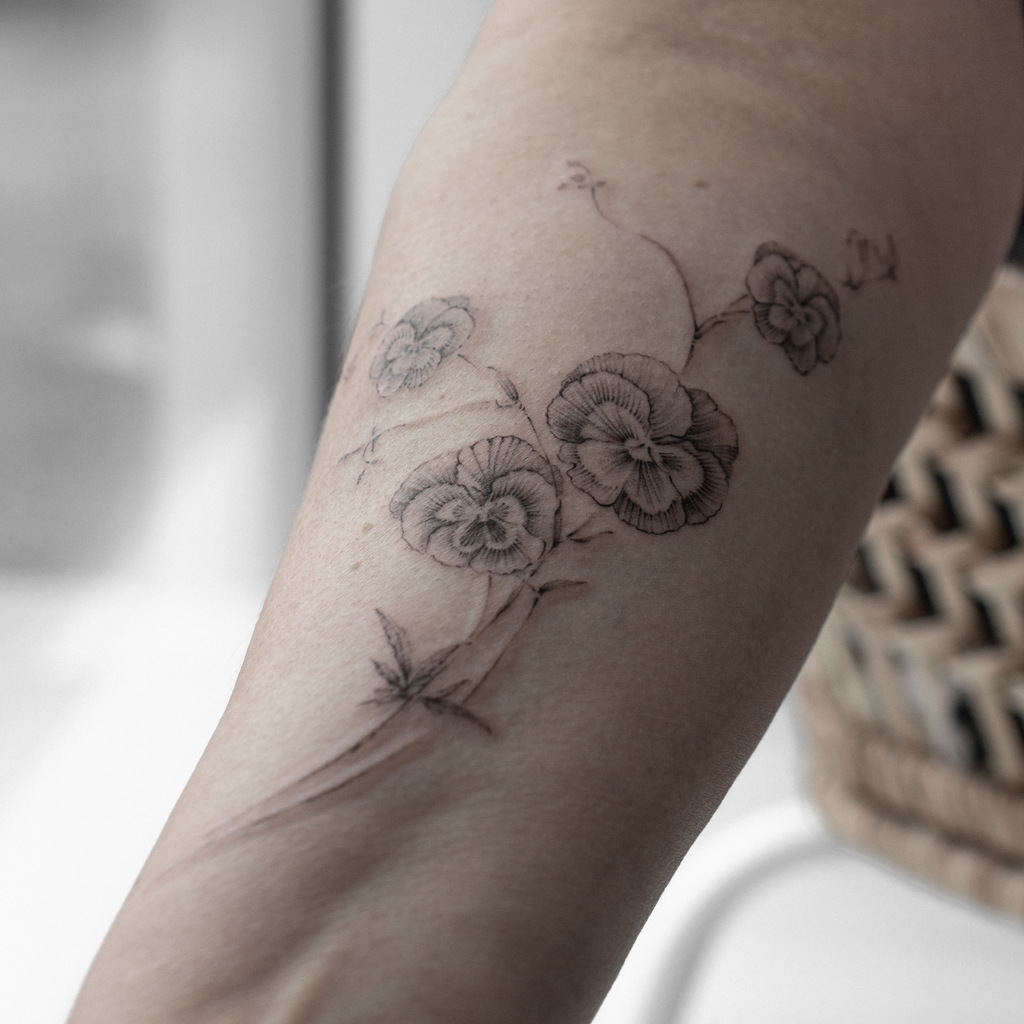
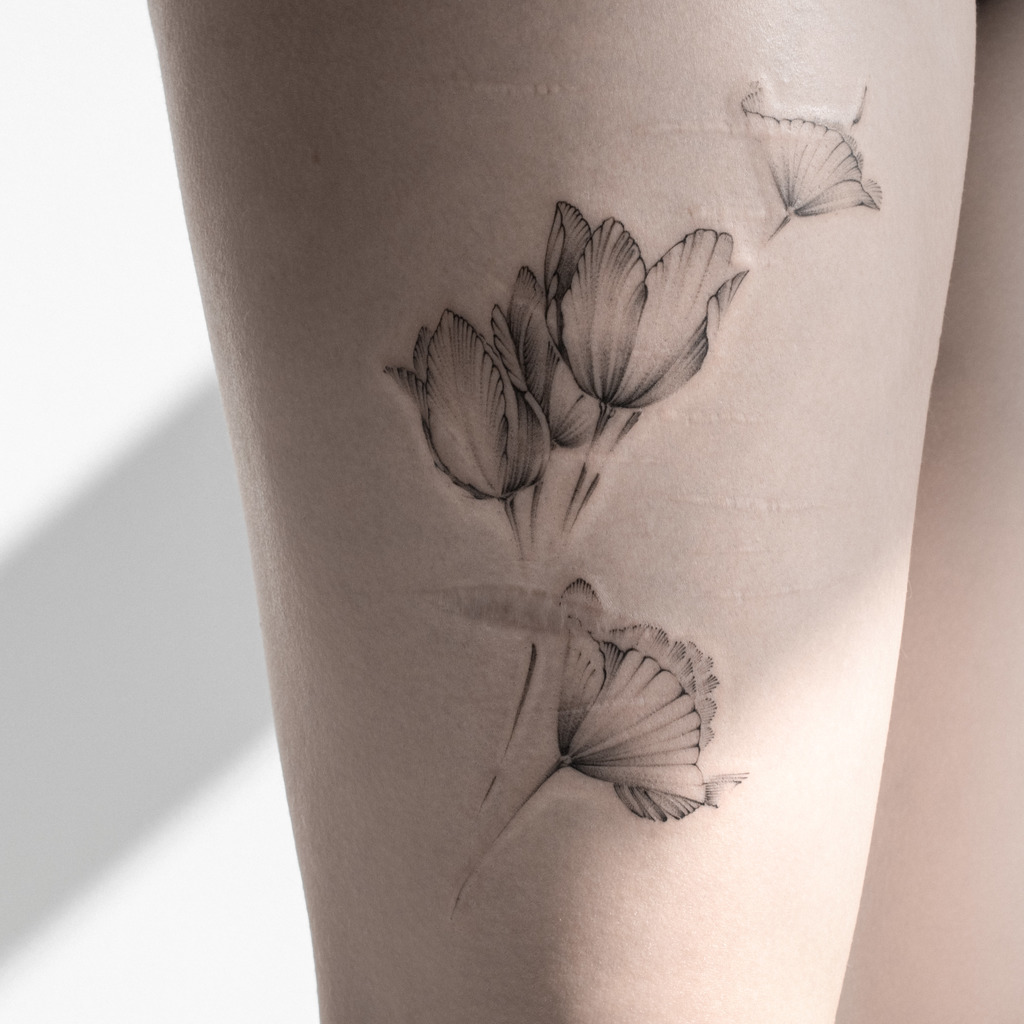
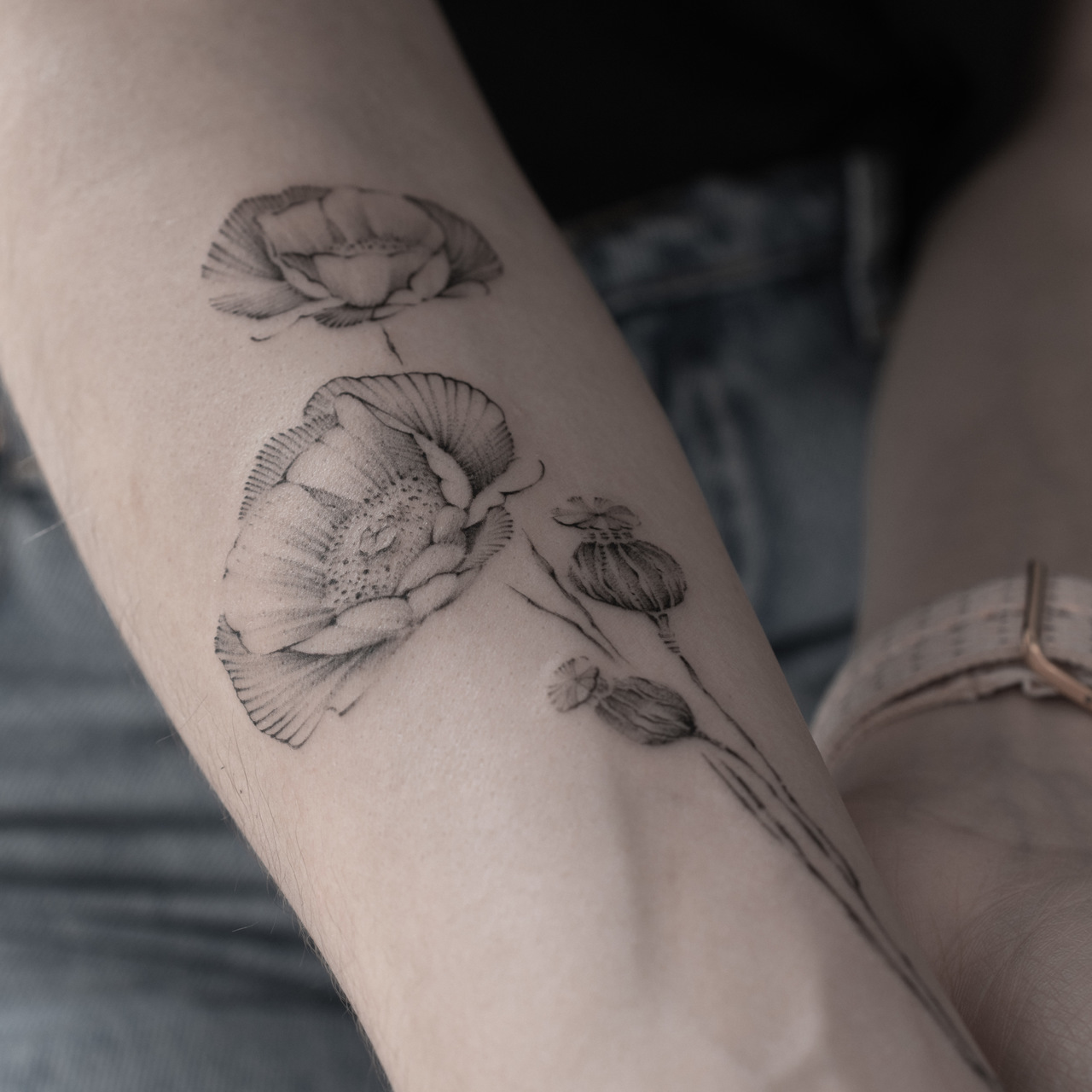
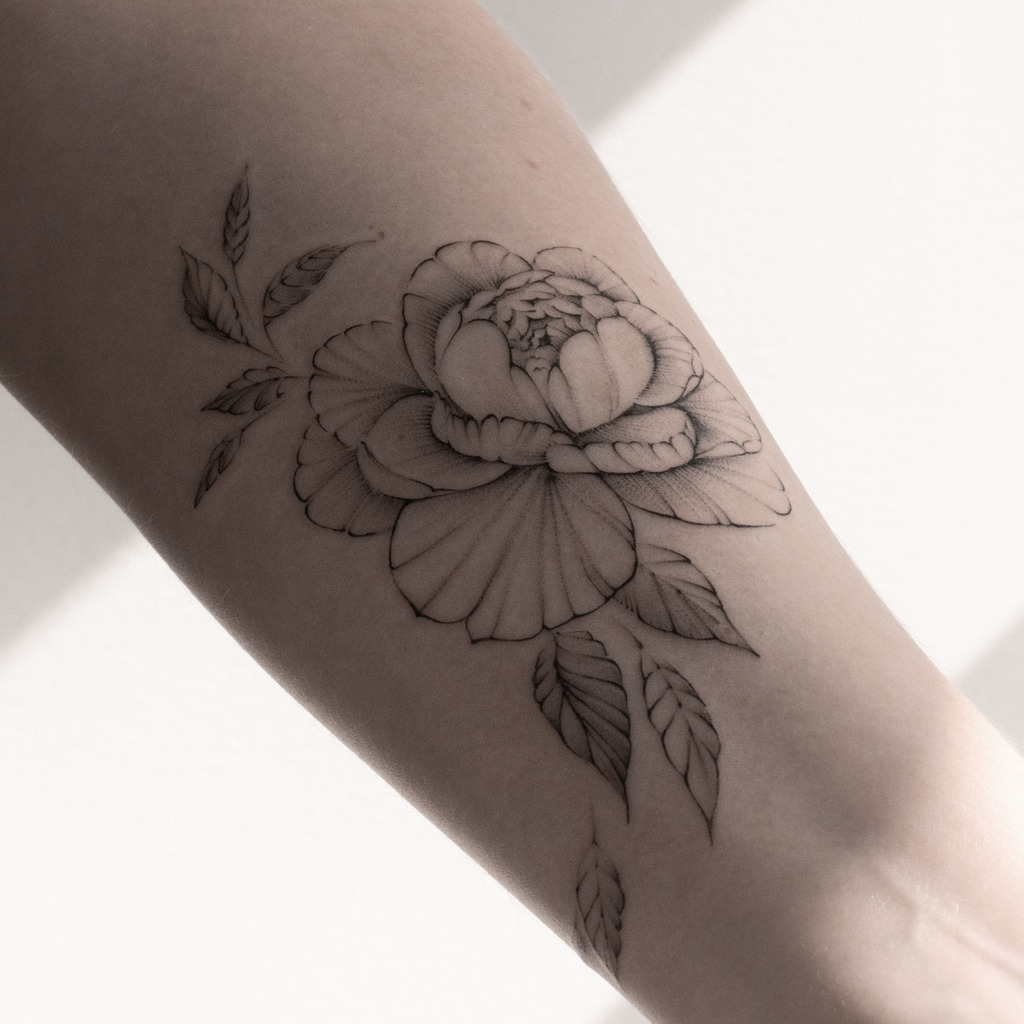
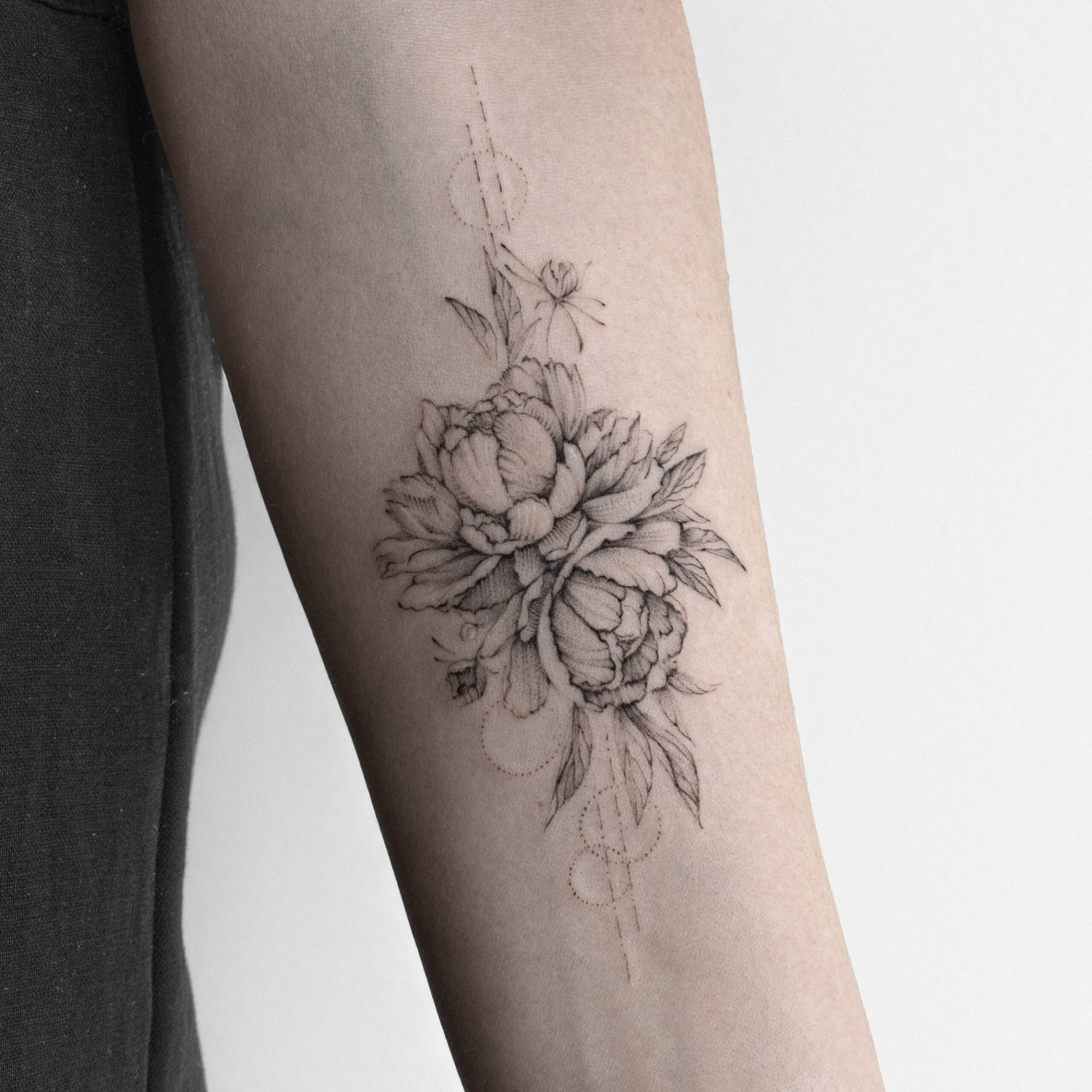
There is also a visual reason why some tattoos continue to feel balanced after many years. Simplicity leaves space – not in a sense that a tattoo mush be simple – but not ”overtalked”. A too small, too complex design that tries to say everything at once can become exhausting over time. But a tattoo that allows room for interpretation tends to adapt more naturally as a person changes. They integrate into everyday life instead of constantly demanding attention.
Trends and Timelessness
Every period creates its own visual trends. Some disappear quickly. Others remain longer, some forever. But trends themselves are not necessarily the problem. The real issue appears when a tattoo is chosen only because it is currently visible everywhere. When the external trend disappears, there is sometimes not enough personal connection left underneath it. Timeless tattoos usually work differently. They are not isolated from aesthetics or style, but they are connected to something more stable than social momentum. The design feels aligned with the person, not just with a moment online.
Why Placement Matters Emotionally Too
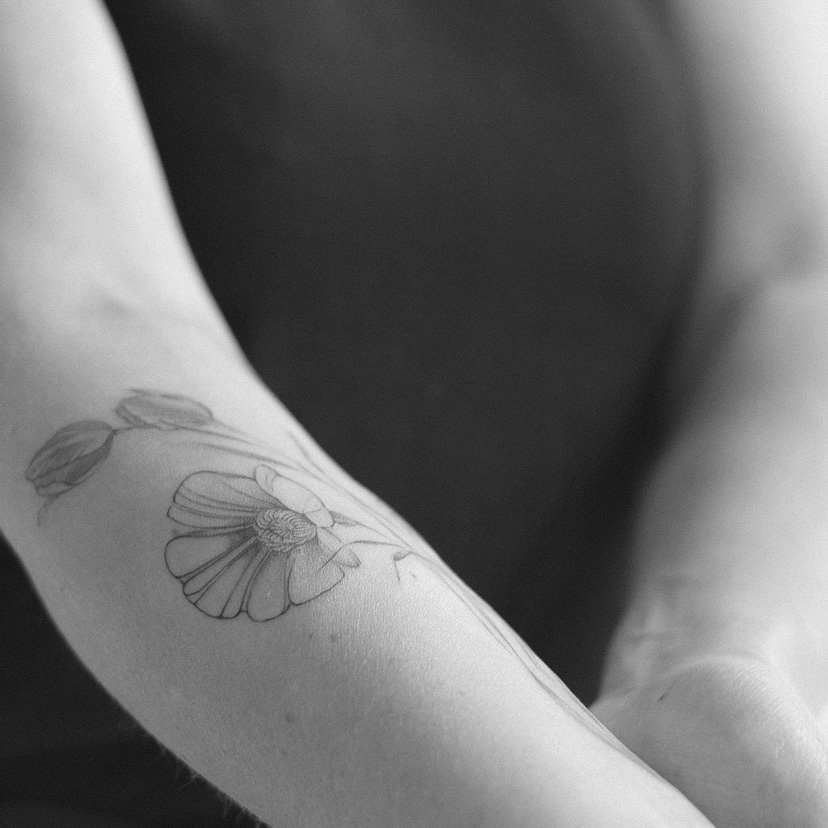
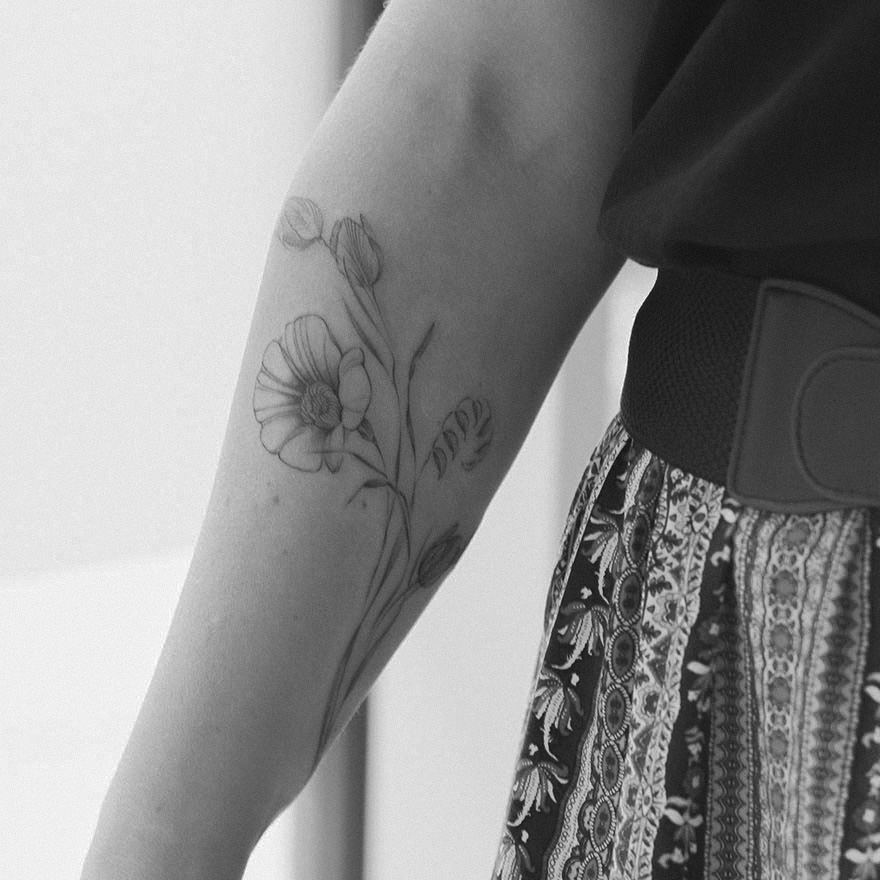
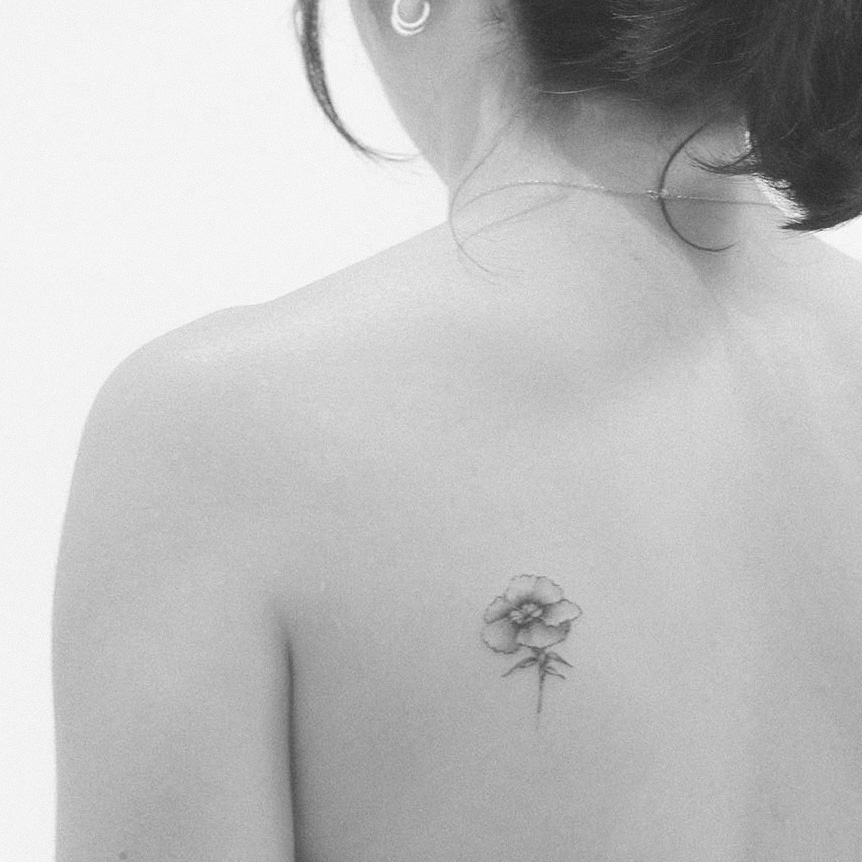
People often think about placement only in visual terms, but it also changes how a tattoo is experienced psychologically. Some placements become part of everyday awareness. Others remain more private and occasional. A tattoo that constantly competes for attention can feel different over time than one that exists more naturally within the body’s flow. This is why placement should not be rushed. The goal is not simply to “fit” the tattoo somewhere, but to create a relationship between the design and the person carrying it.
Living With a Tattoo
One interesting thing happens after enough time passes. The tattoo stops feeling “new.” And strangely, this is often when the relationship becomes strongest. The design no longer exists as a separate event. It becomes integrated into identity, memory, and daily life. People stop seeing it as something added, and begin experiencing it as something that belongs there naturally. That transition is difficult to create through trend-based decisions or rushed ideas. It usually comes from designs that were approached with a certain level of clarity from the beginning.
A Different Way of Thinking About Tattoos
Instead of asking: “Will I still like this?” It may be more useful to ask: “Does this feel stable enough to live with?” These are two very different questions. Liking something can change quickly. But feeling connected to something tends to operate on a deeper level. This is why thoughtful tattooing is not only about aesthetics. It is also about emotional pacing—giving ideas enough time to become clear before turning them permanent.
The Vadelma Approach
At Vadelma Tattoo in Amsterdam, the goal is not simply to create tattoos that look impressive on the first day. However, it is one the goals. The focus is on creating tattoos that continue to feel balanced over time. This often means:
.
- Refining ideas carefully
- Reducing unnecessary complexity
- Adjusting placement thoughtfully
- And creating work that feels integrated rather than forced
If you want to explore available concepts, you can start here:
https://vadelma.eu/available-projects
Or begin a conversation here:
https://vadelma.eu/contact
You can also read more articles here:
https://vadelma.eu/blog
Beyond the Tattoo
Sometimes understanding your visual taste takes time. If you feel connected to the Vadelma aesthetic but are not ready for a tattoo yet, you can also explore our art prints:
https://vadelmaprints.com/
Living with an image before committing to it can reveal a lot.
Final Thoughts
Tattoos that still feel right after 10 years are rarely built only on excitement. More often, they come from a combination of clarity, restraint, and genuine connection to the idea itself. Over time, those qualities tend to age more naturally—both on the skin and in the mind. And perhaps that is what makes a tattoo truly lasting.
FAQ – Long-Term Tattoo Meaning
Why do some tattoos age better emotionally?
Usually because they are connected to stable ideas rather than temporary trends.
Can tattoo regret be avoided?
Thoughtful design, placement, and timing greatly reduce the chances of regret.
Why does placement matter psychologically?
Because it changes how often and in what context you experience the tattoo.
Where can I learn more before booking?
https://vadelma.eu/faq-vadelma-tattoo/