Why Tattoos and Architecture Have More in Common Than People Think
Why Tattoos and Architecture Have More in Common Than People Think
Introduction
At first glance, tattooing and architecture seem like completely different worlds. One exists on skin. The other shapes cities. One is measured in millimeters. The other in meters and concrete. And yet, the longer you look at both disciplines, the more similarities begin to appear. Because good tattooing — much like good architecture — is rarely only about decoration. It is about proportion, rhythm, balance, structure, movement, and the emotional relationship between a person and the space they inhabit. At Vadelma Tattoo in Amsterdam, these connections feel especially natural. Amsterdam itself is a city where architecture constantly shapes atmosphere. The canals, narrow buildings, bridges, old facades, modern galleries, and carefully composed streets create a visual rhythm people often feel emotionally before they consciously notice it. And interestingly, tattoos can work in a very similar way.
Good Design Is Usually About Balance
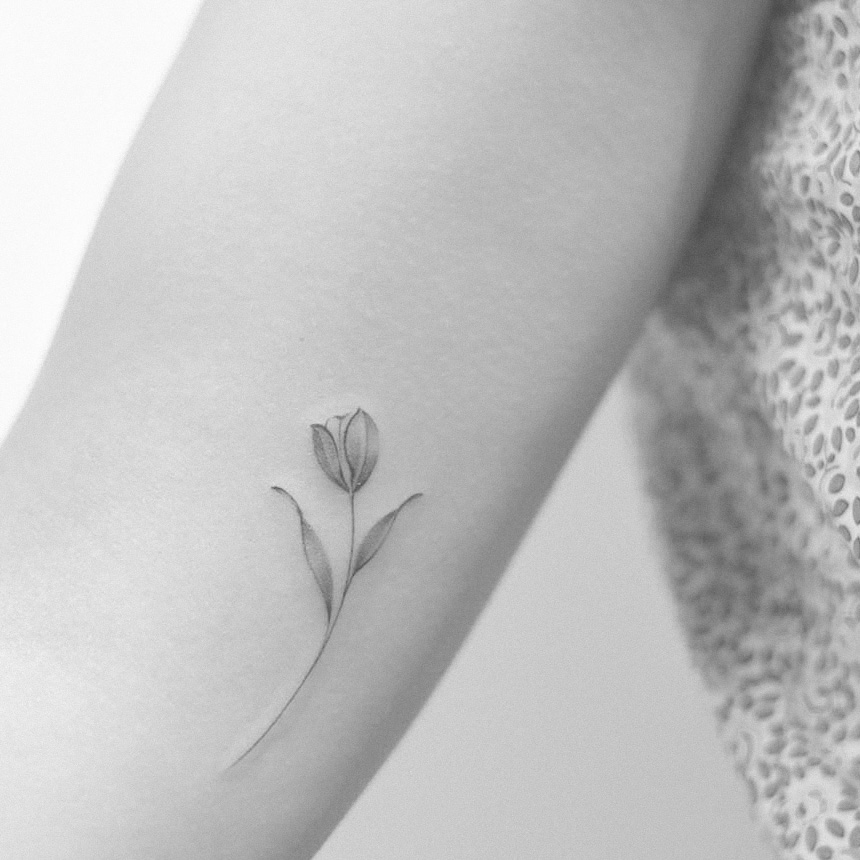
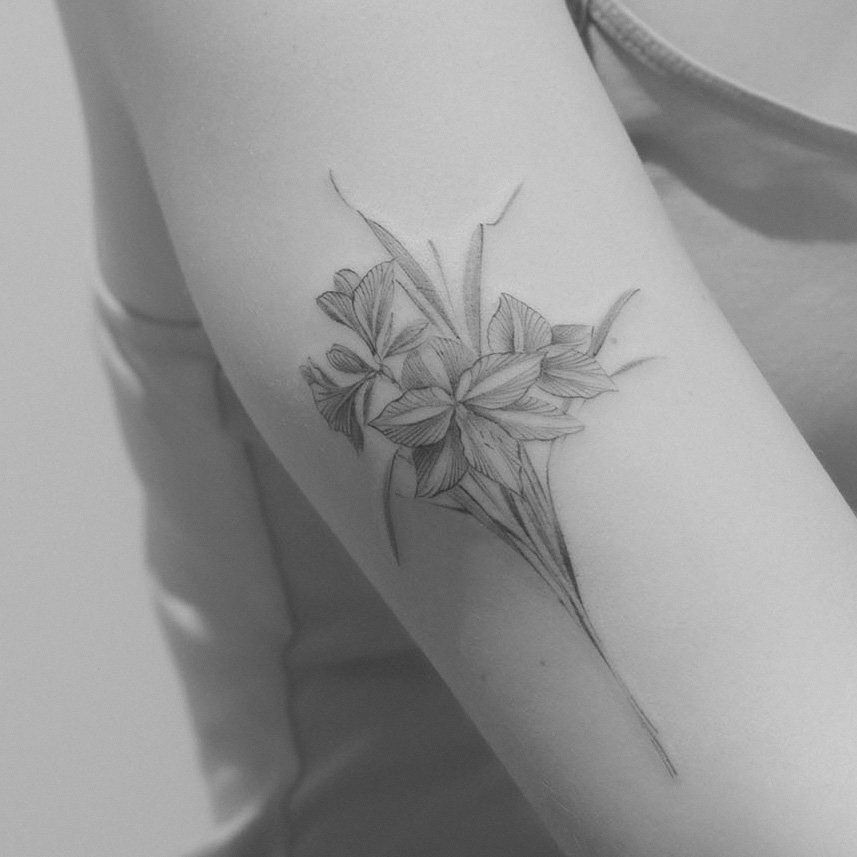
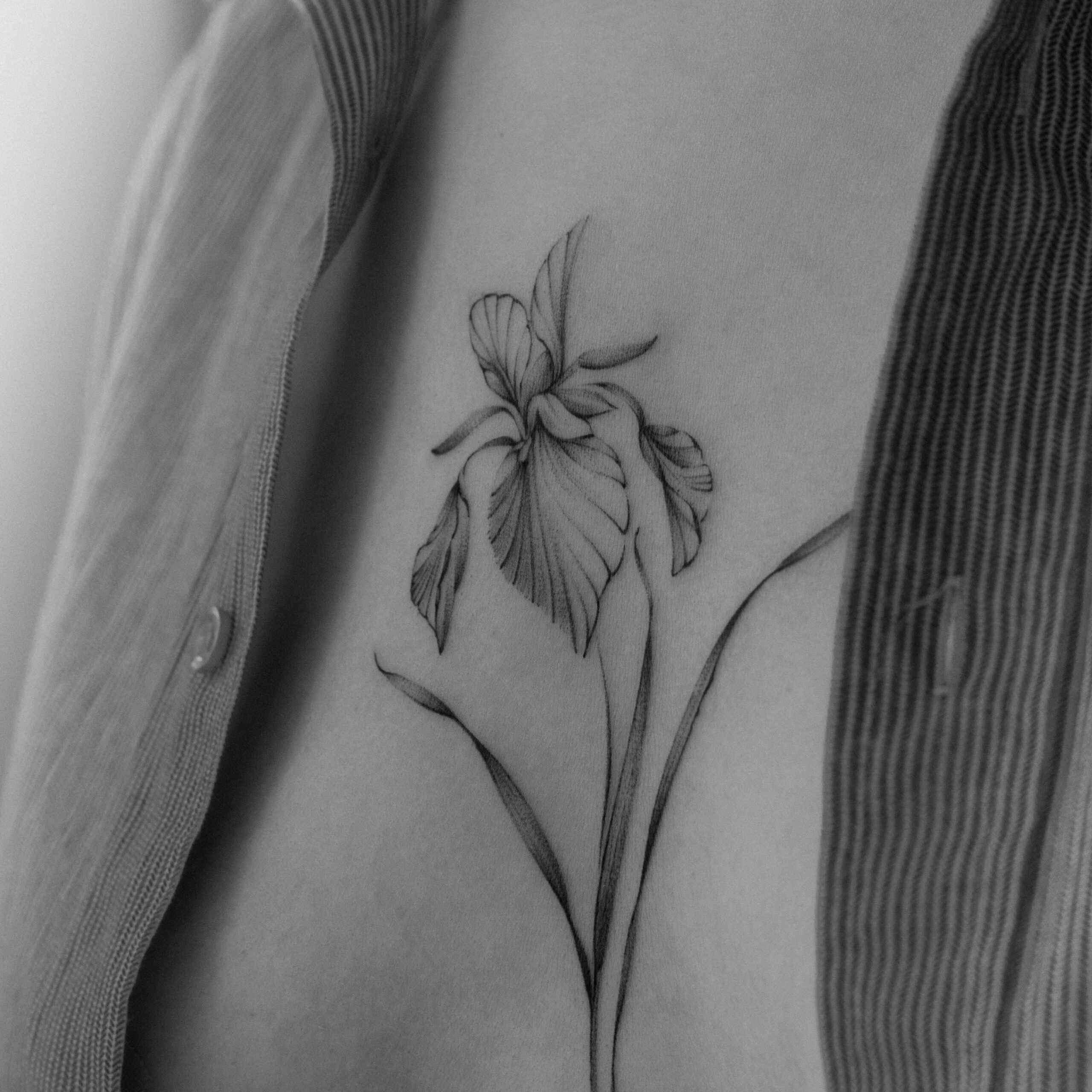
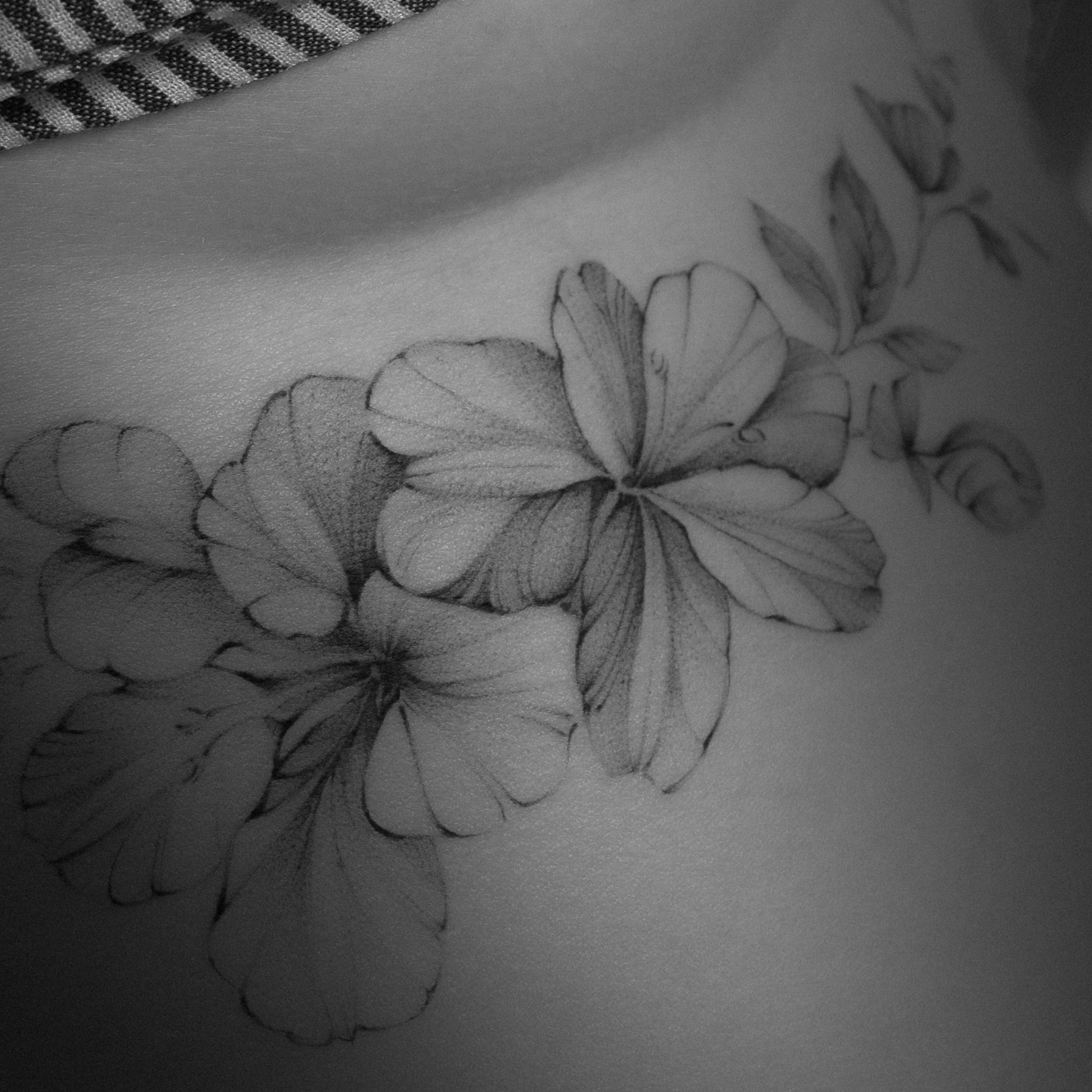
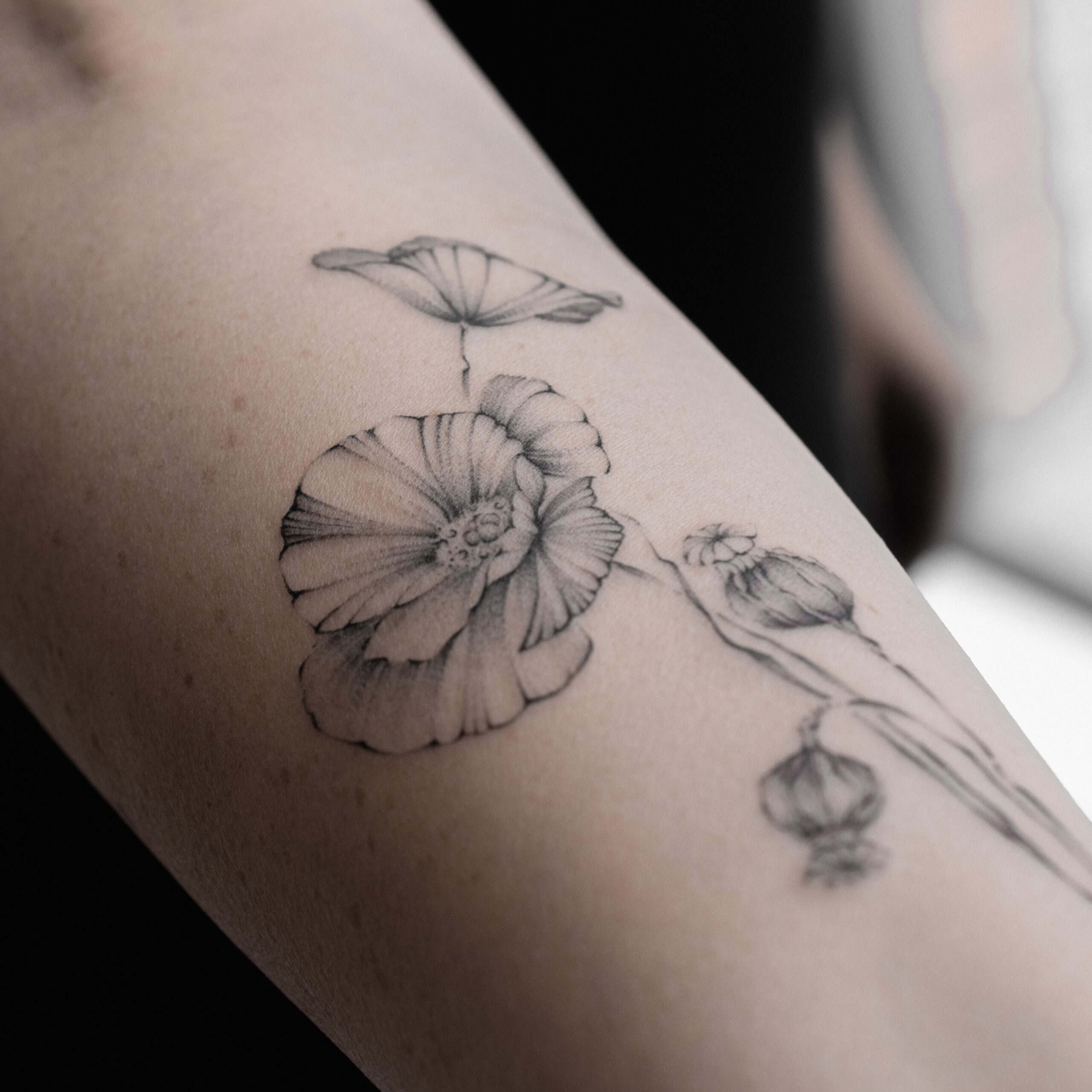
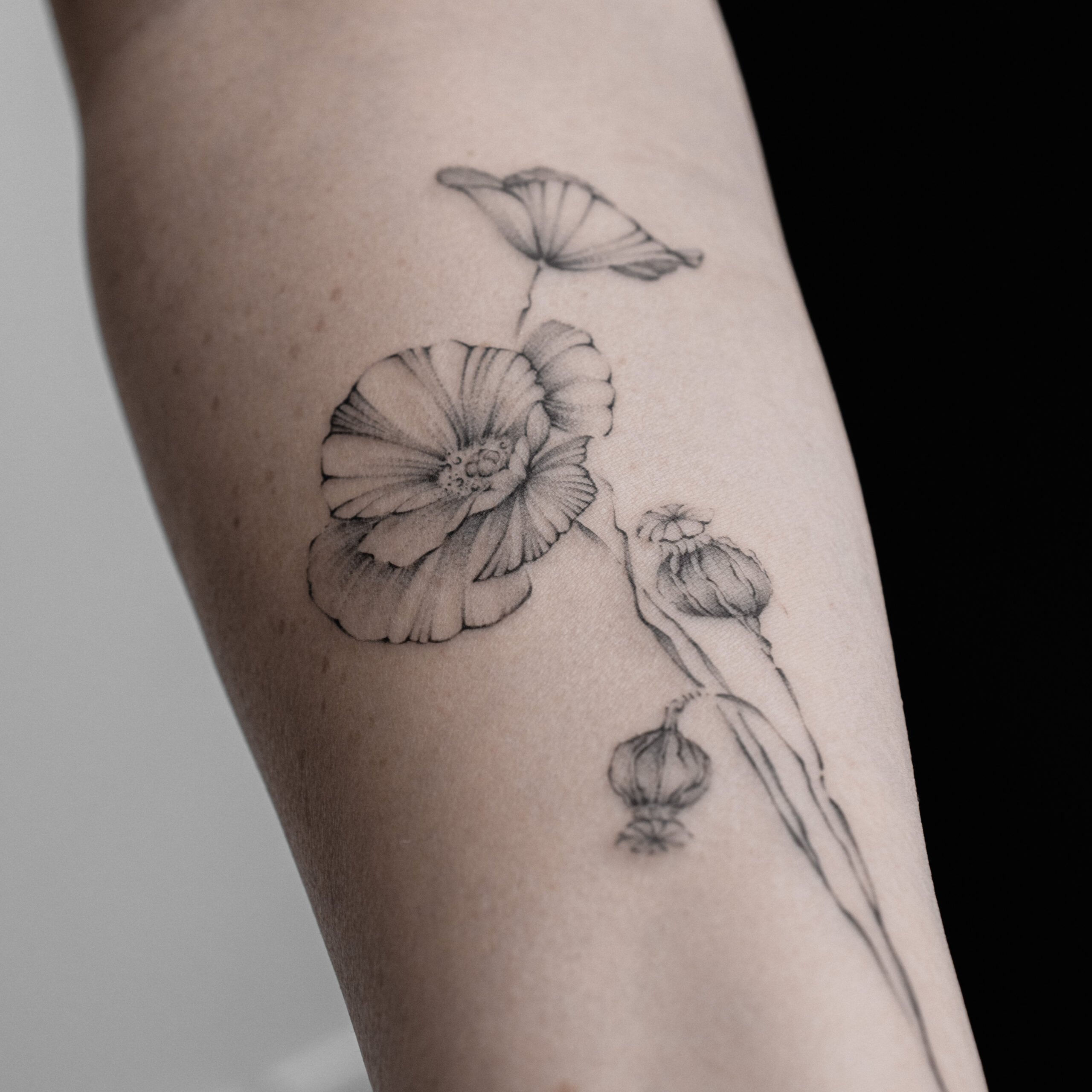
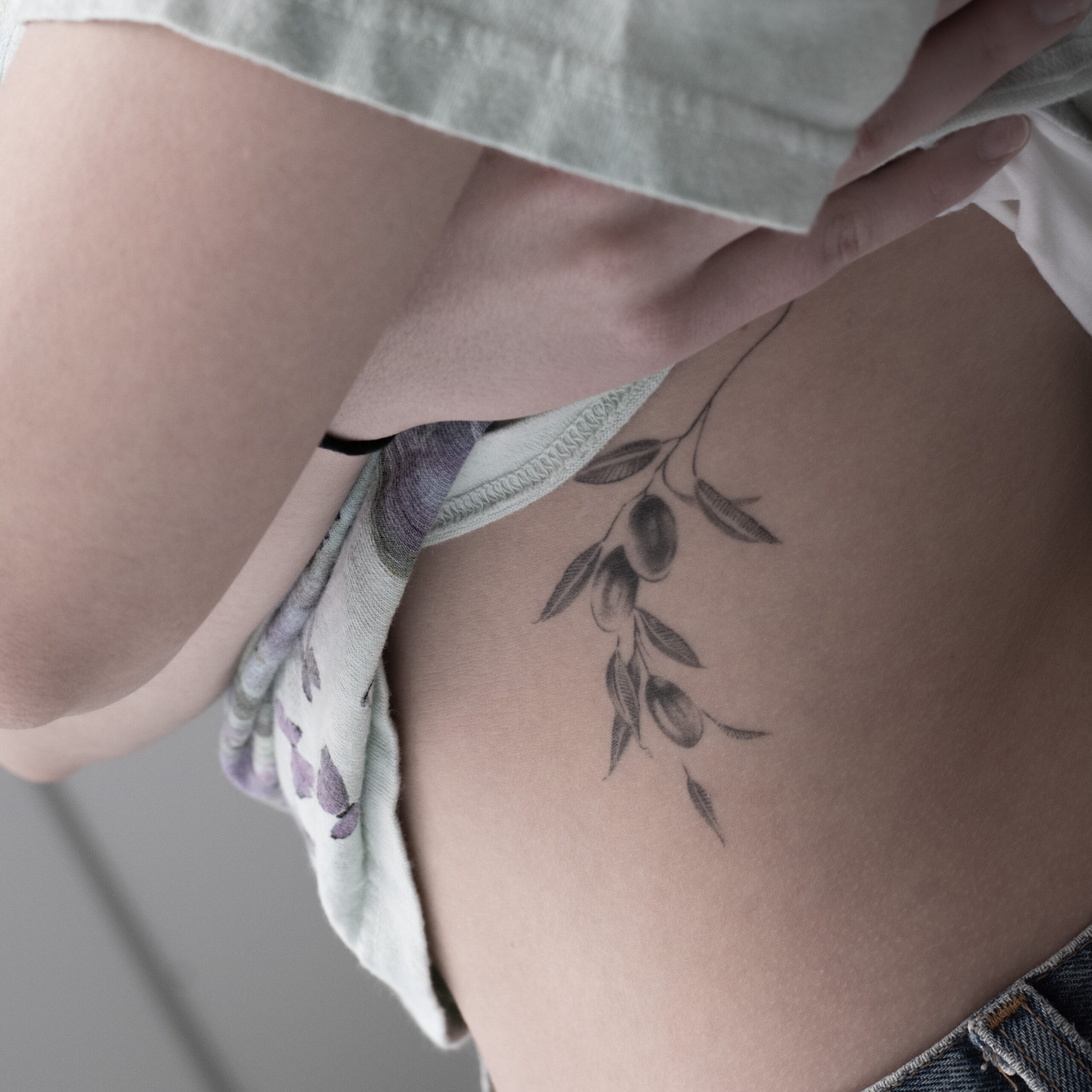
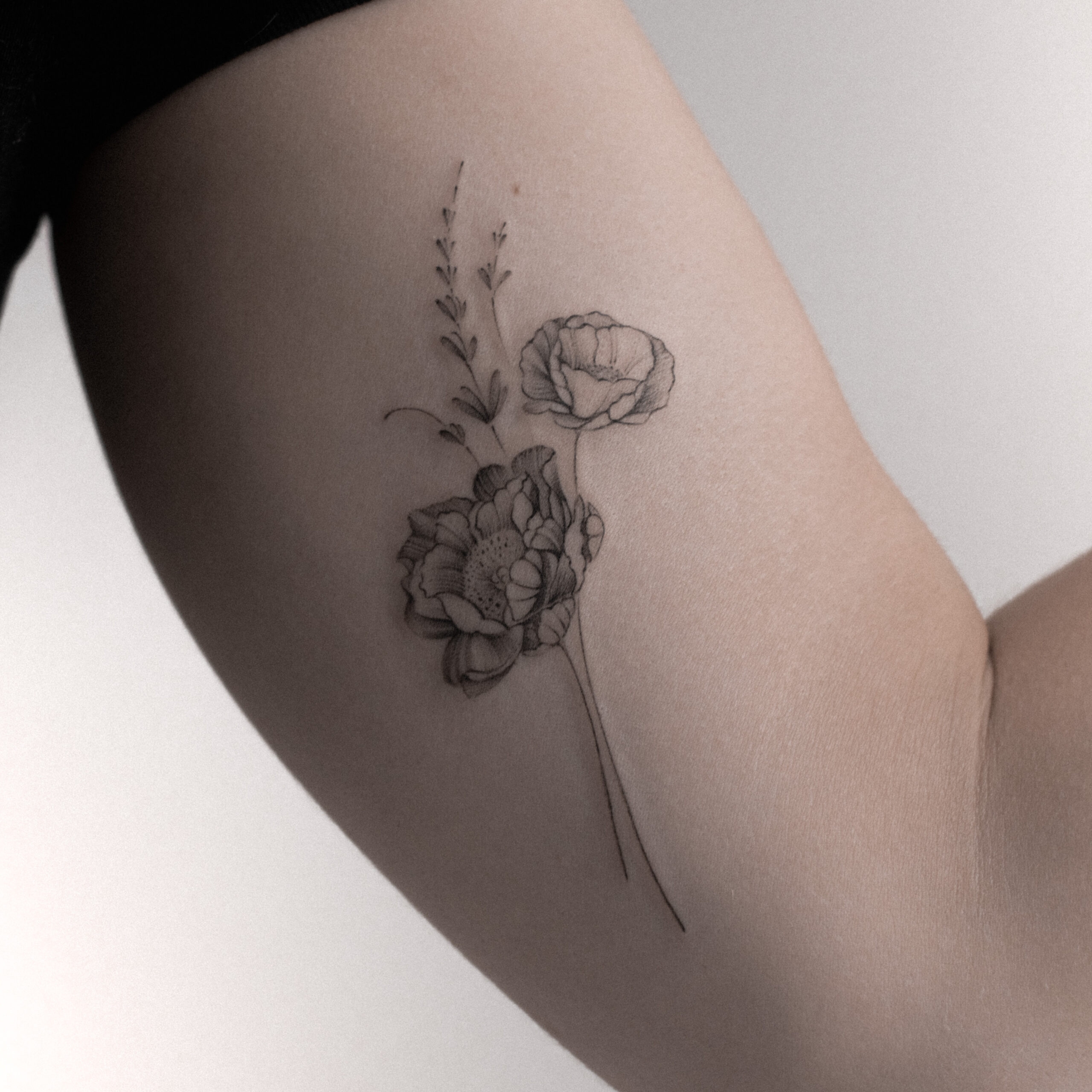
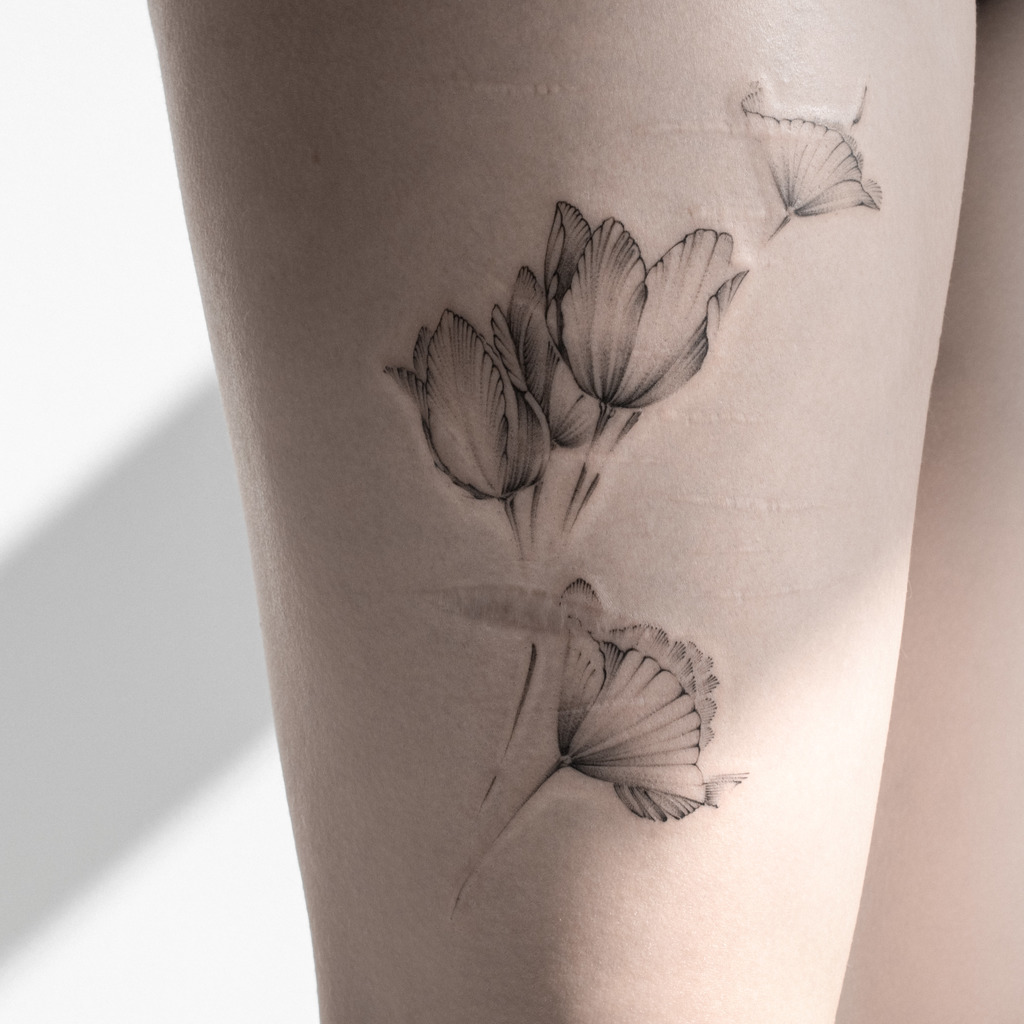
One common misunderstanding about both architecture and tattooing is the idea that “more” automatically creates stronger visual impact. In reality, many timeless buildings feel powerful precisely because they understand restraint. Proportion matters more than excess. Space matters as much as detail. Silence often gives meaning to structure. Tattooing works similarly. A tattoo does not exist separately from the body. It interacts constantly with anatomy, movement, clothing, posture, and skin. The strongest tattoos usually feel integrated rather than forced — almost as if they naturally belong where they were placed. This is why thoughtful tattooing often involves reduction rather than endless addition. Just because space exists does not mean every part of it needs to be filled.
The Human Body as Structure
Architects think constantly about flow.
How people move through rooms.
How light enters a building.
How proportions influence emotion.
How structure supports experience.
Tattoo artists, in many ways, work with similar questions.
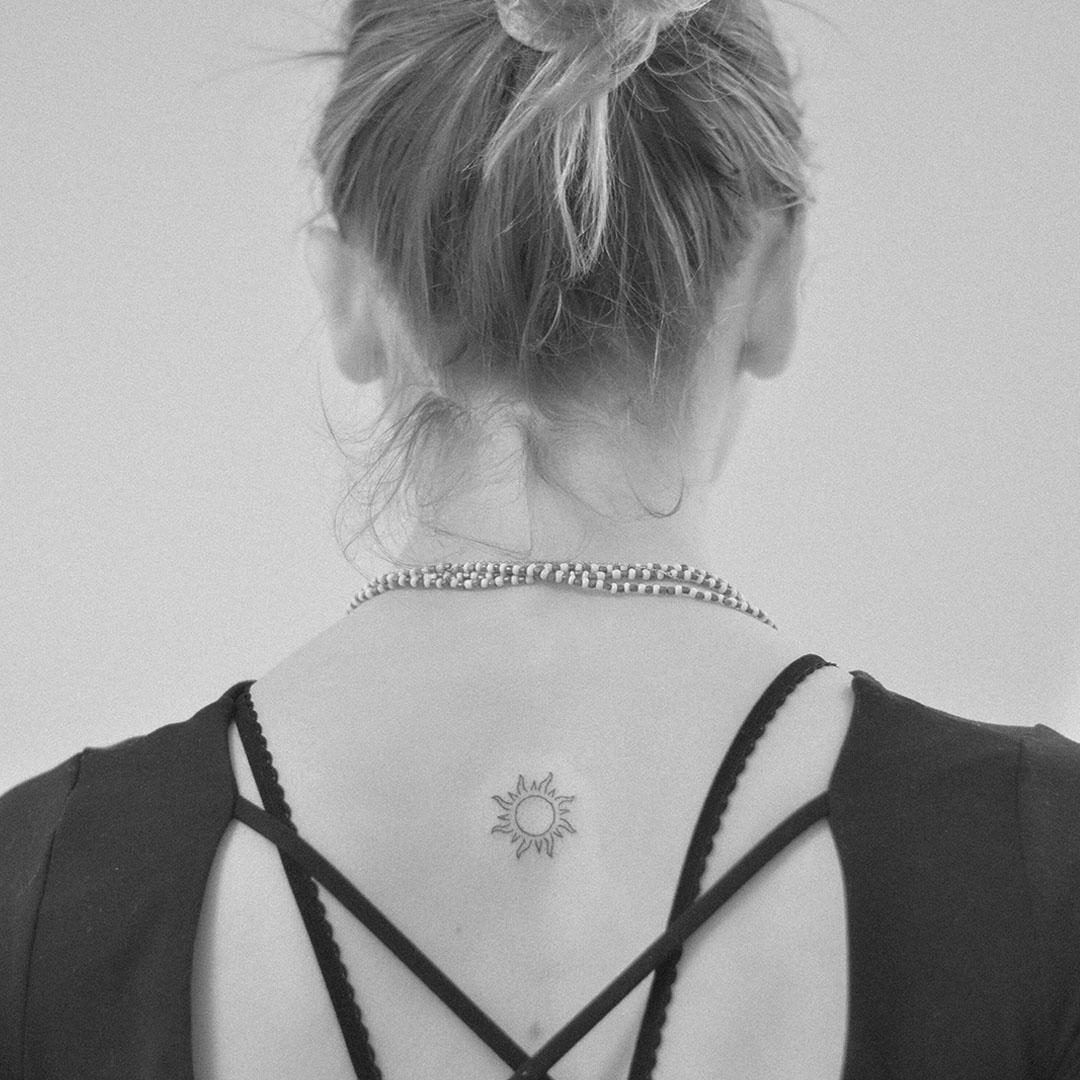
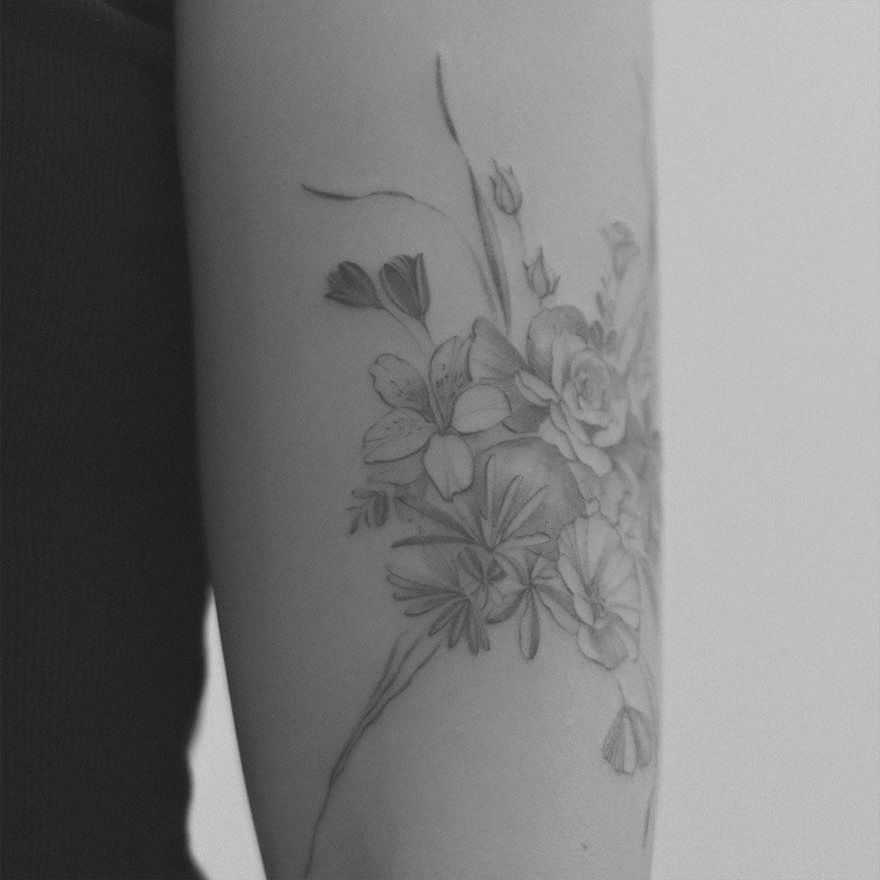
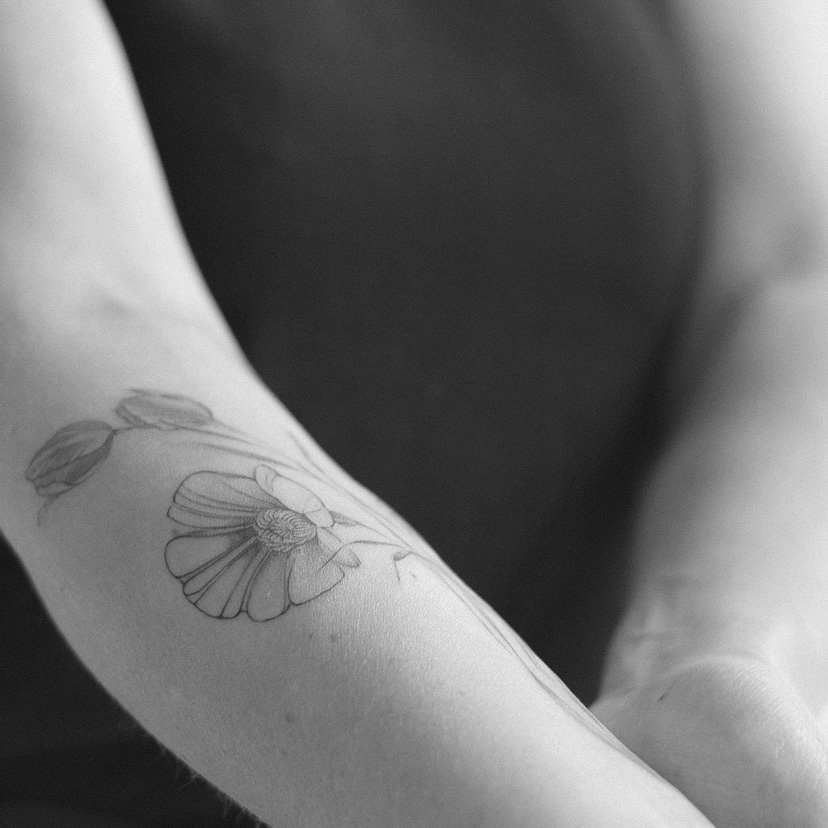
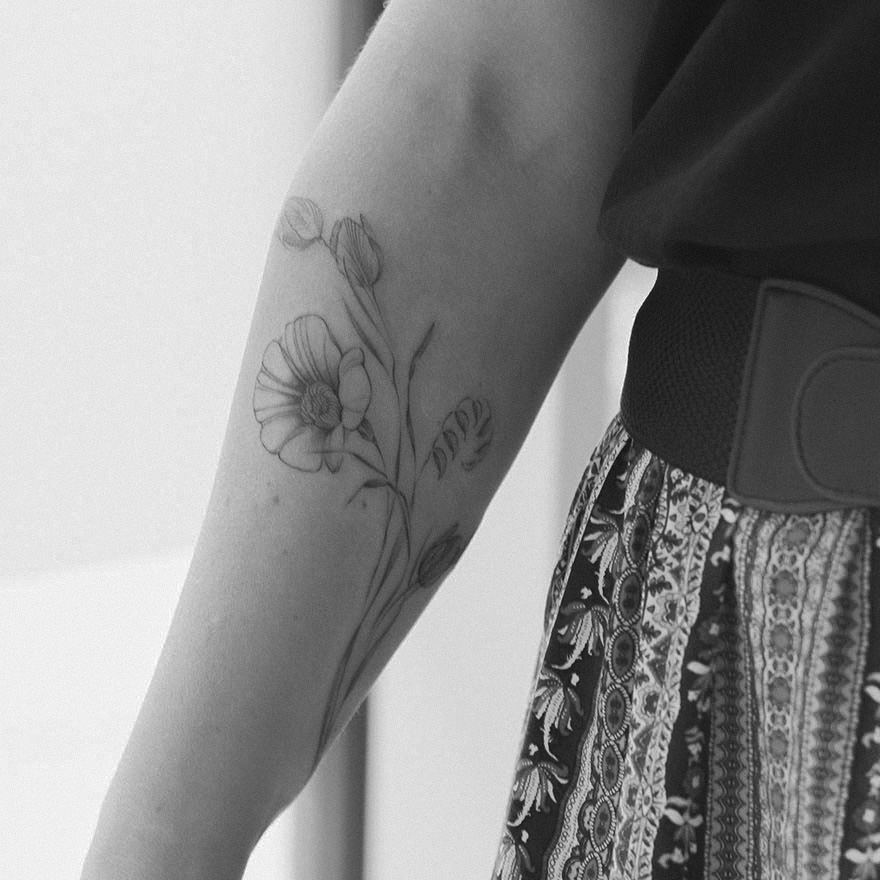
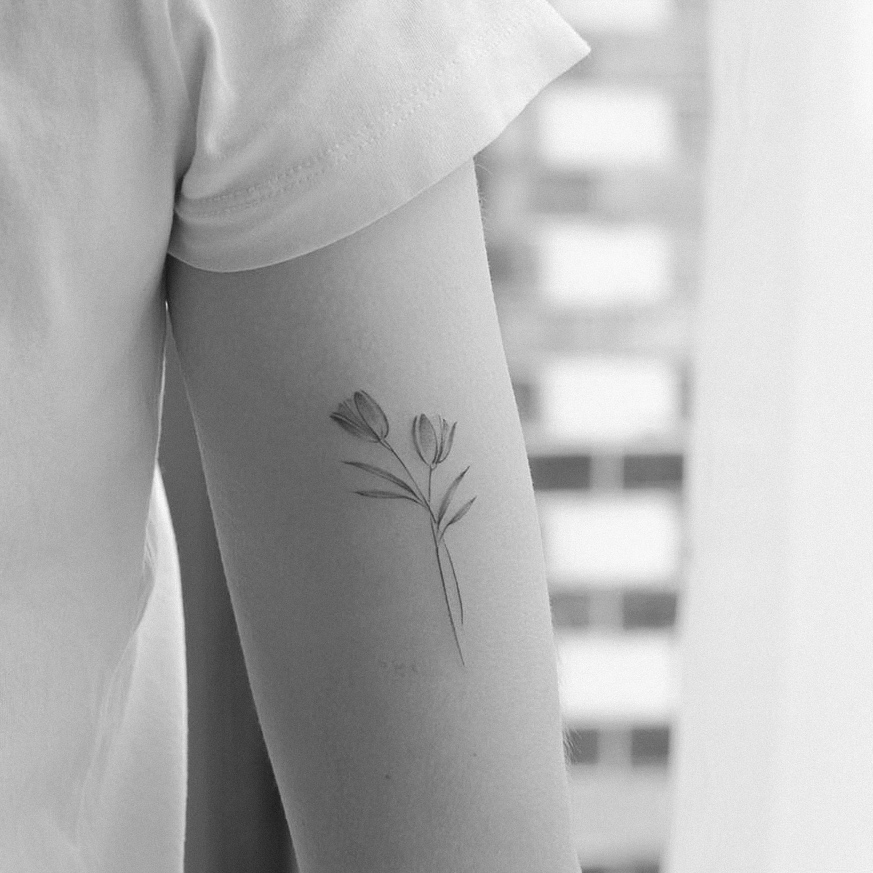
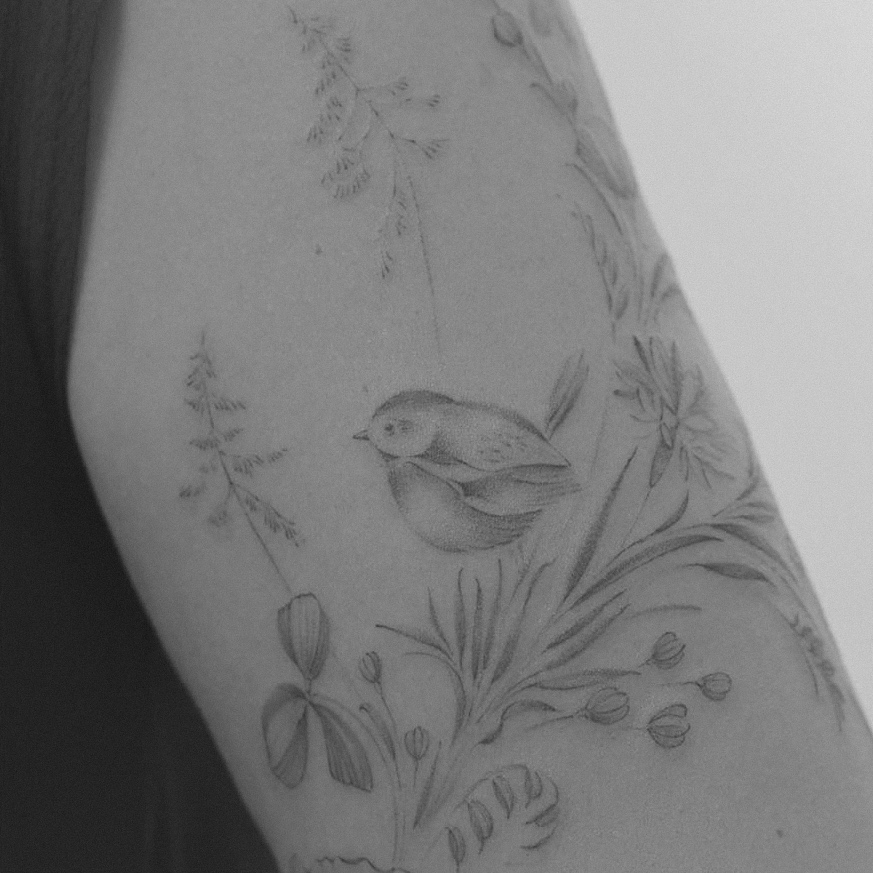
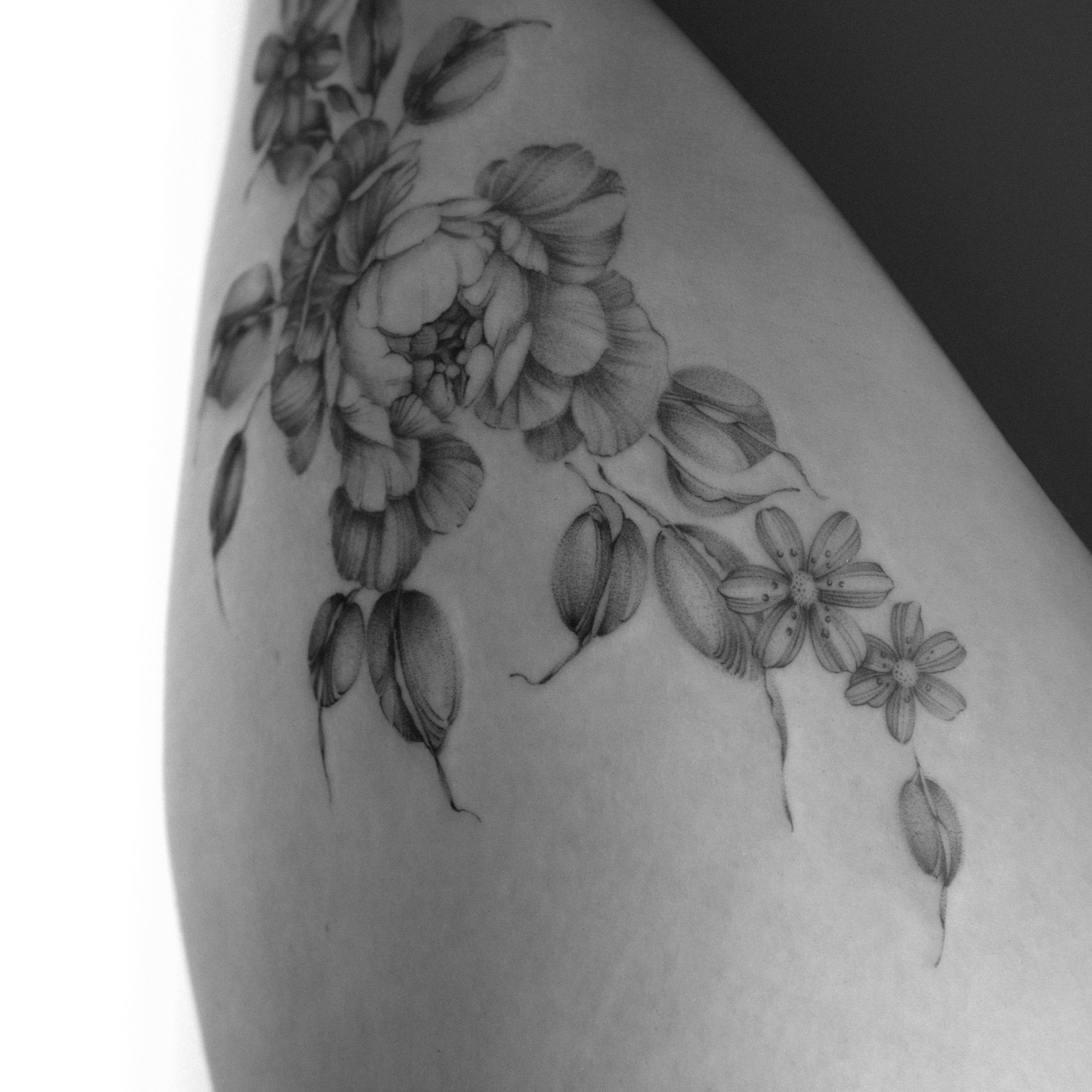
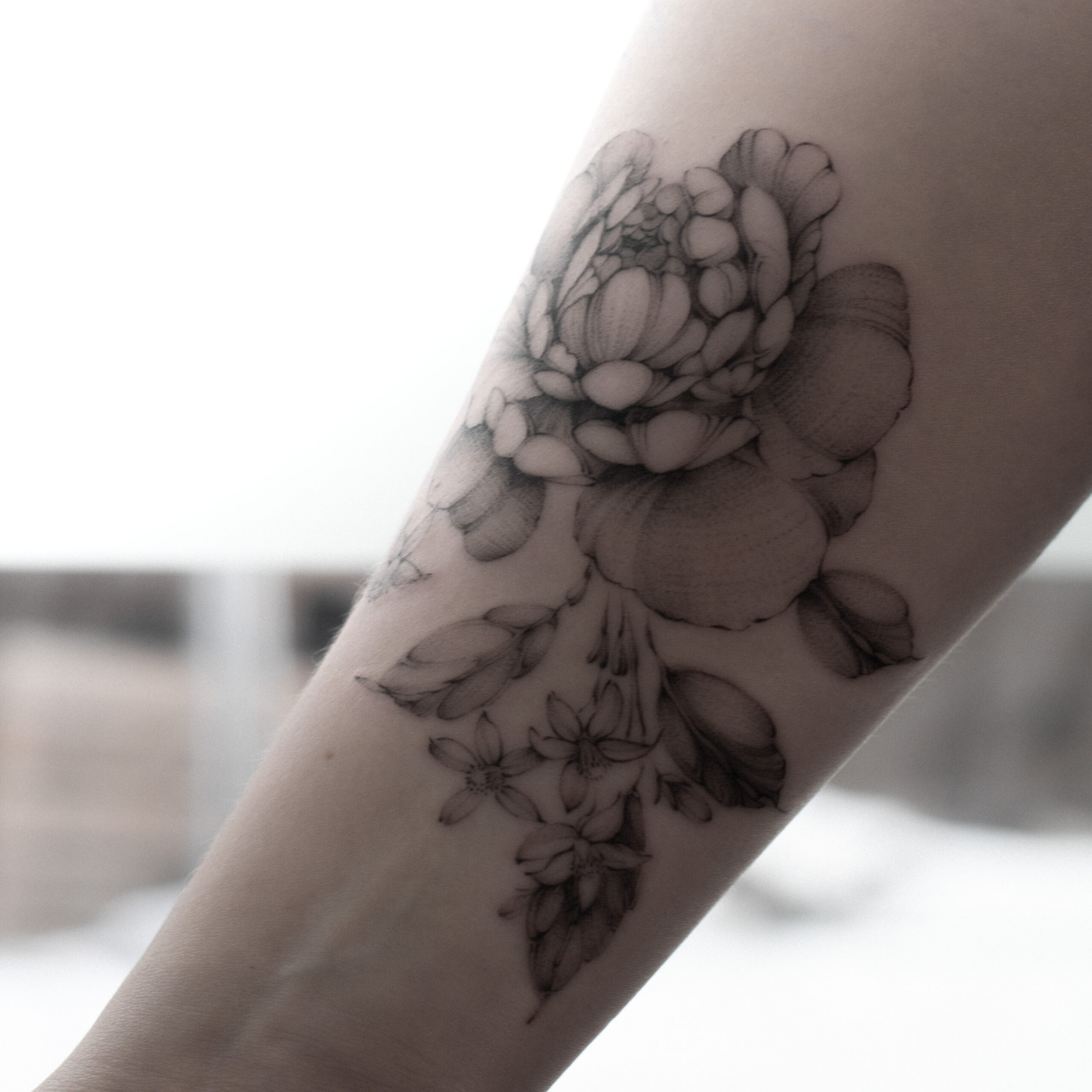
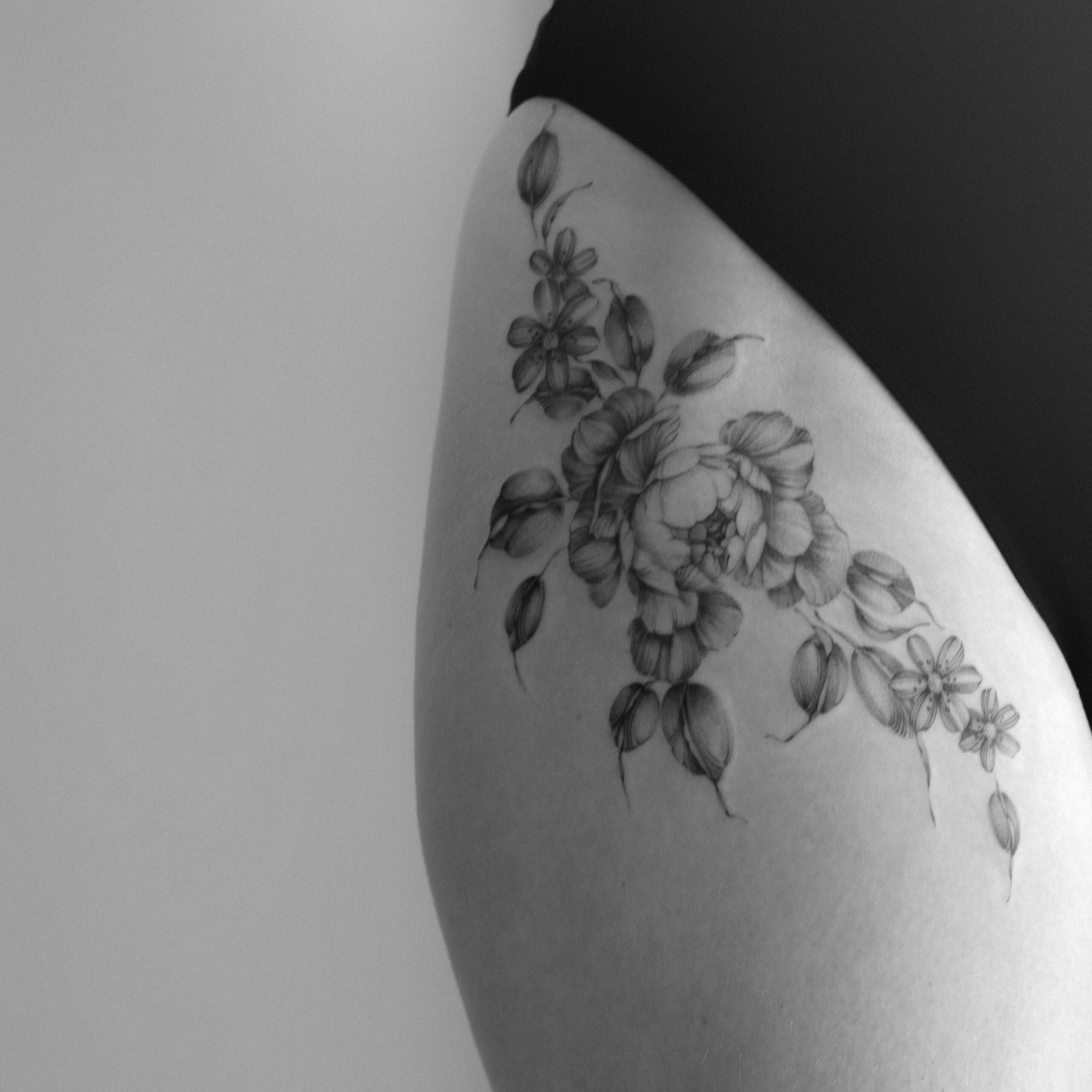
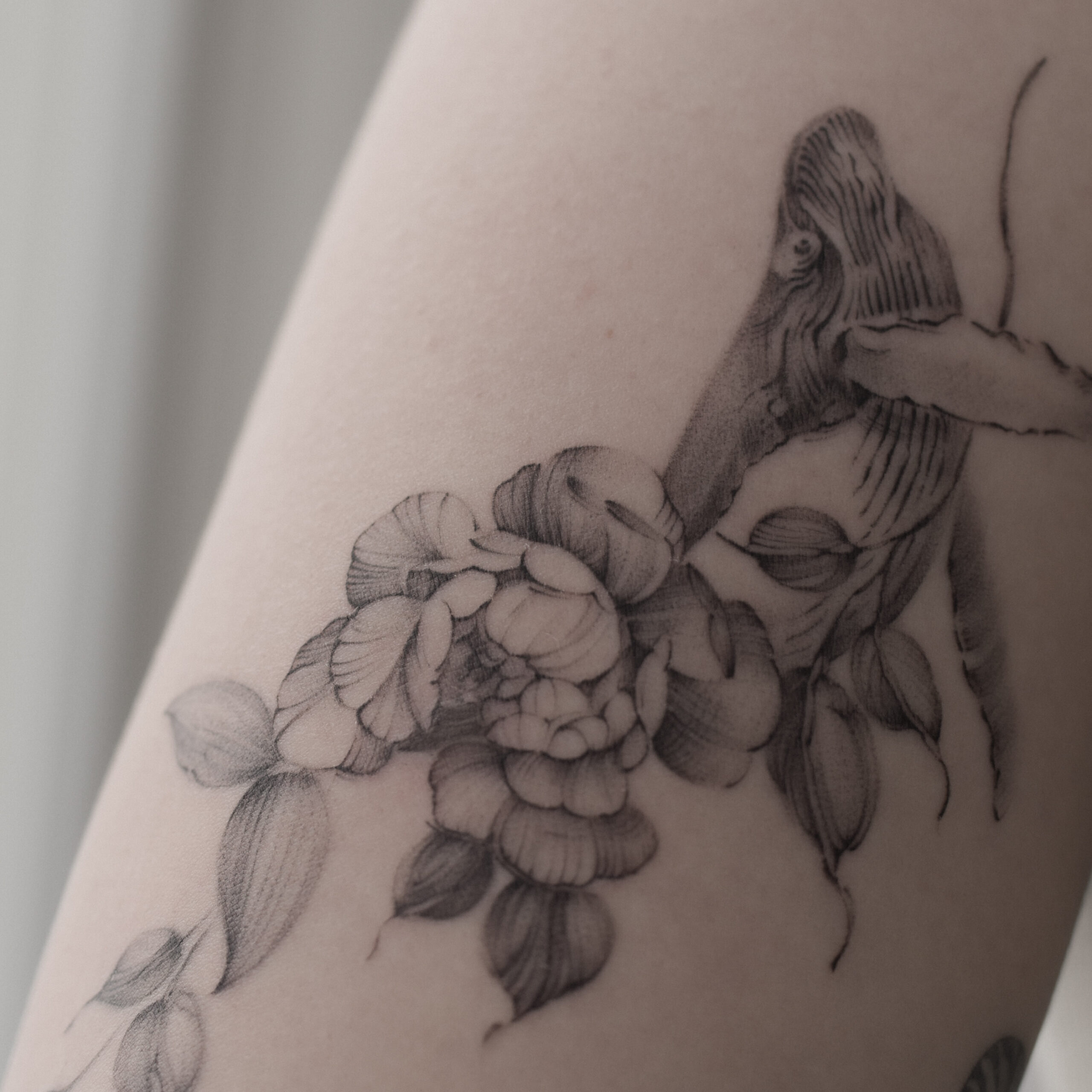
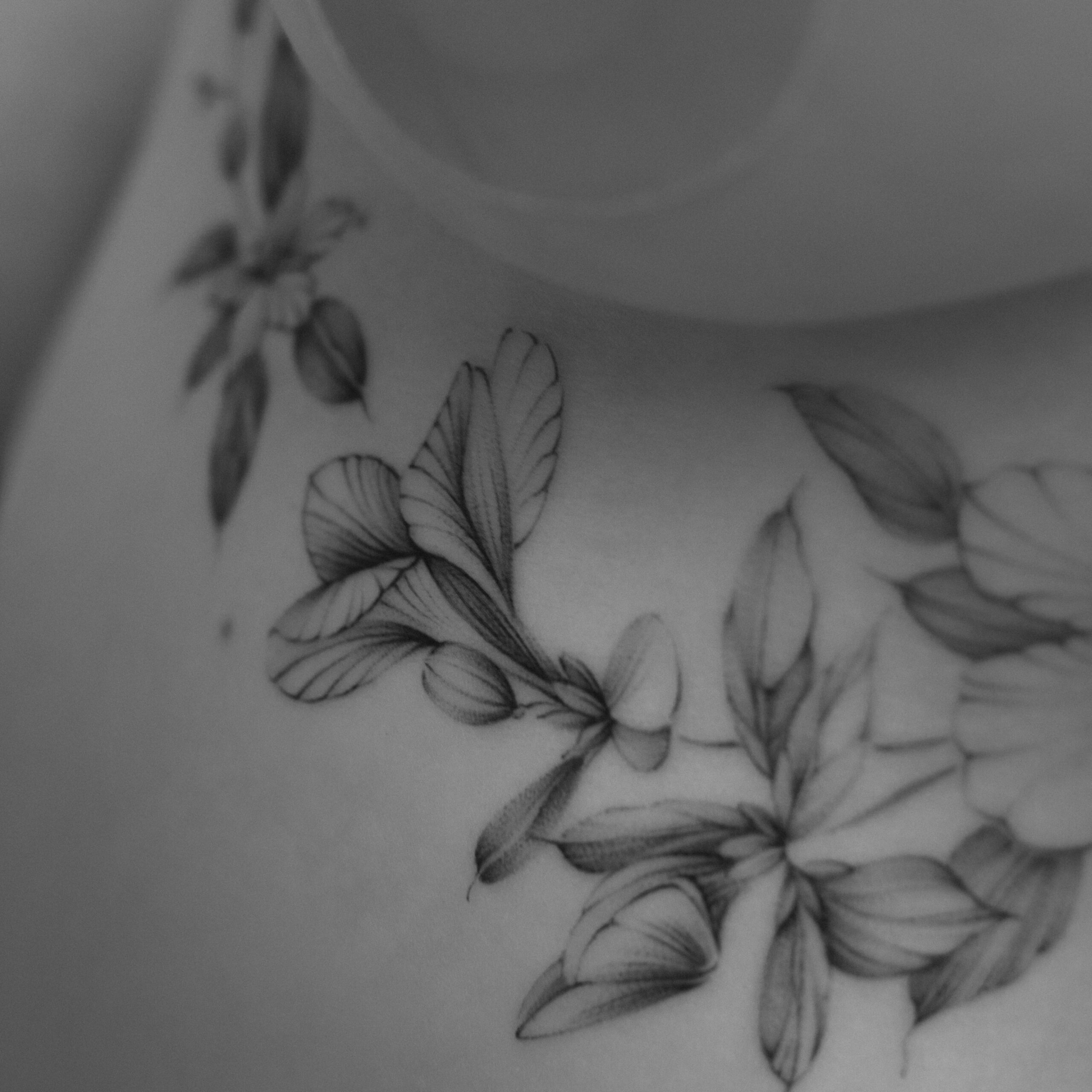
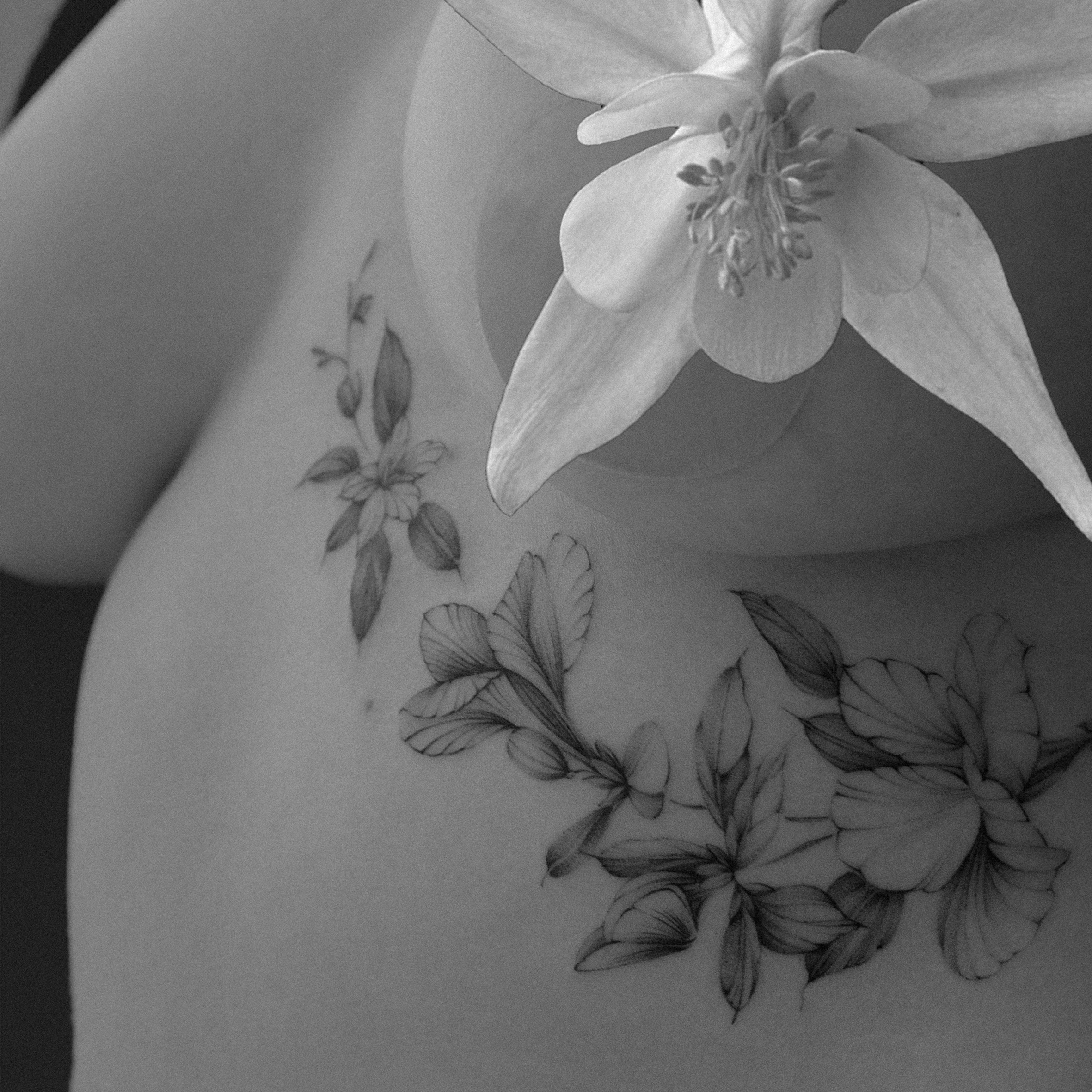
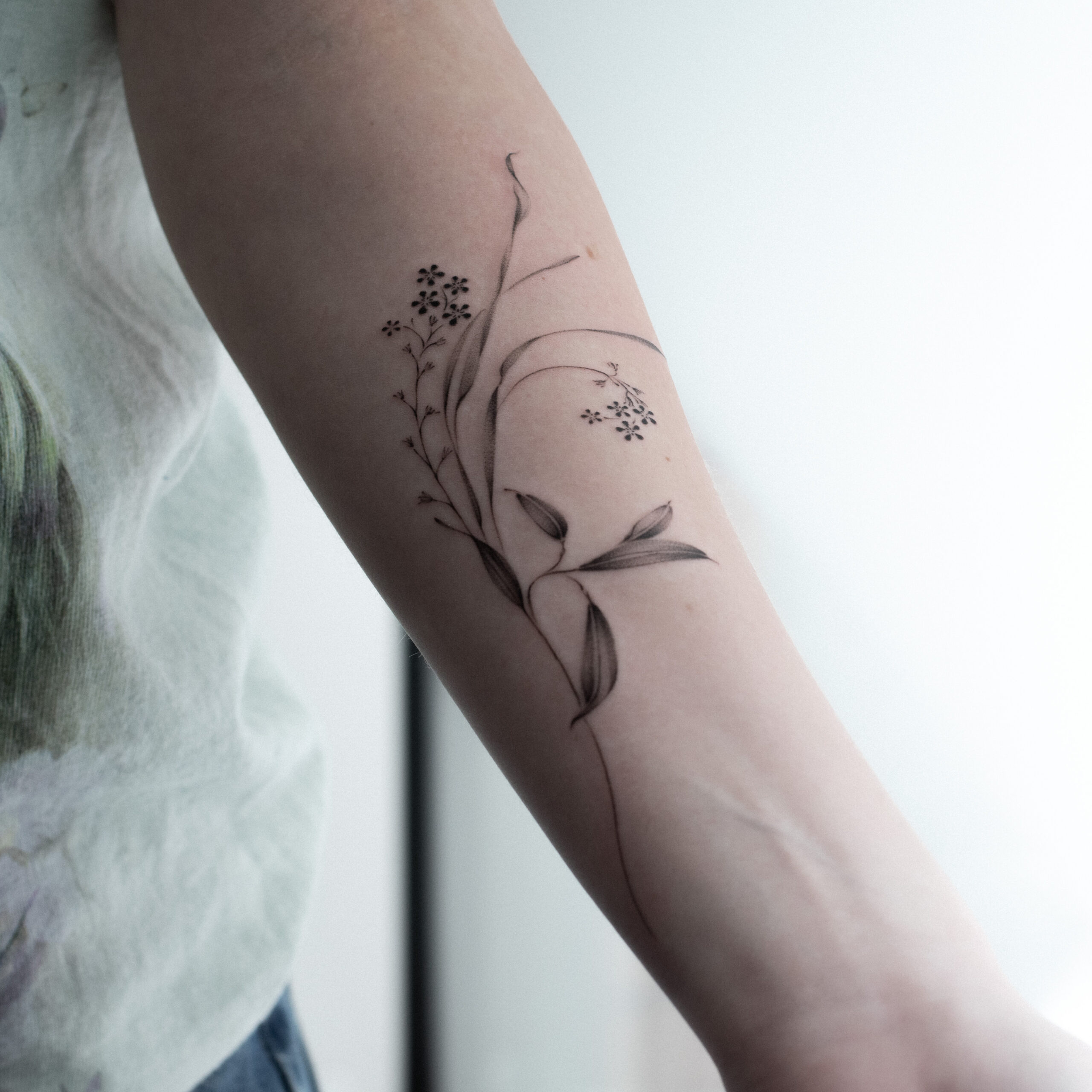
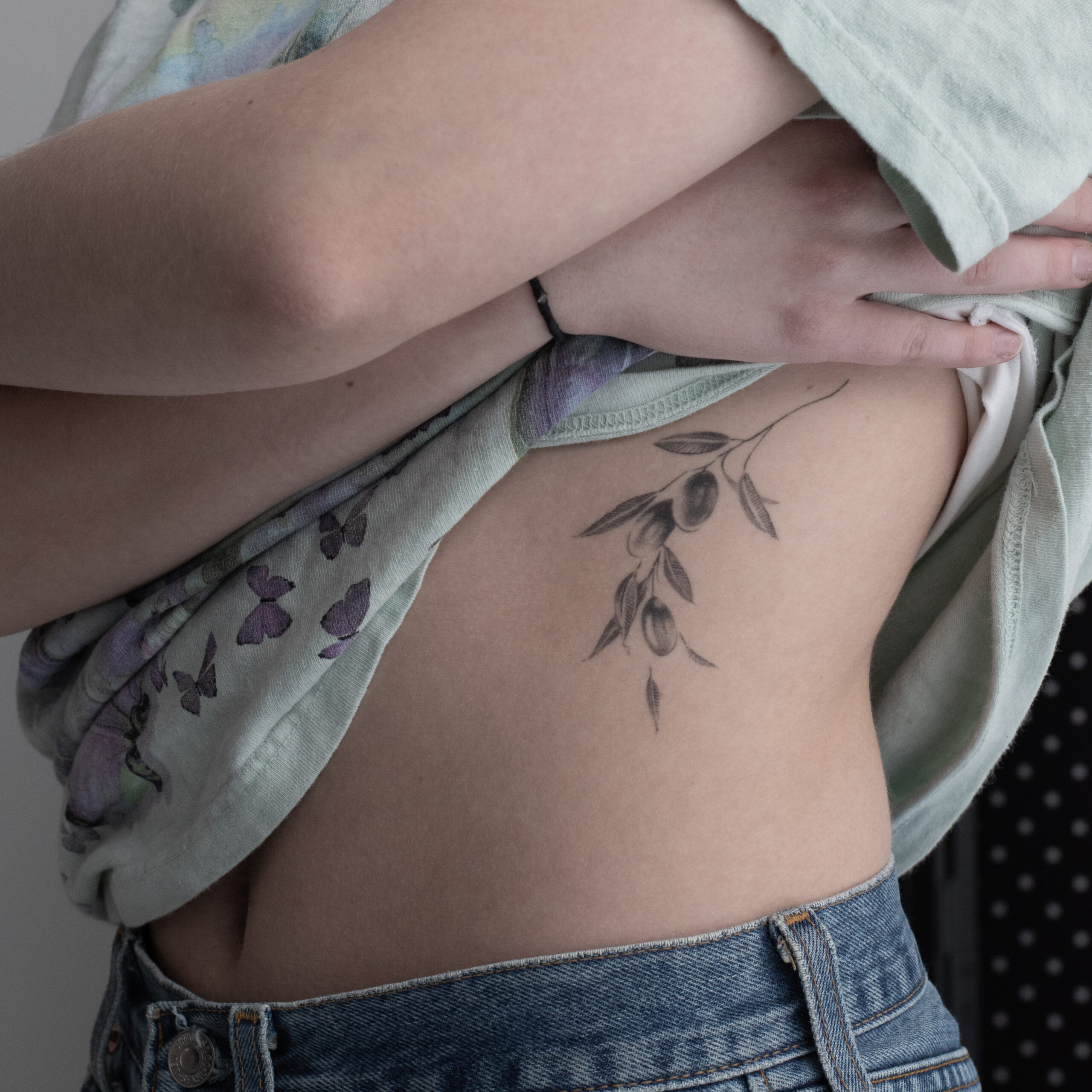
The body is not flat. Muscles shift, arms rotate, skin stretches, and movement changes composition continuously. A tattoo that looks balanced while standing still also needs to function while the body lives naturally.
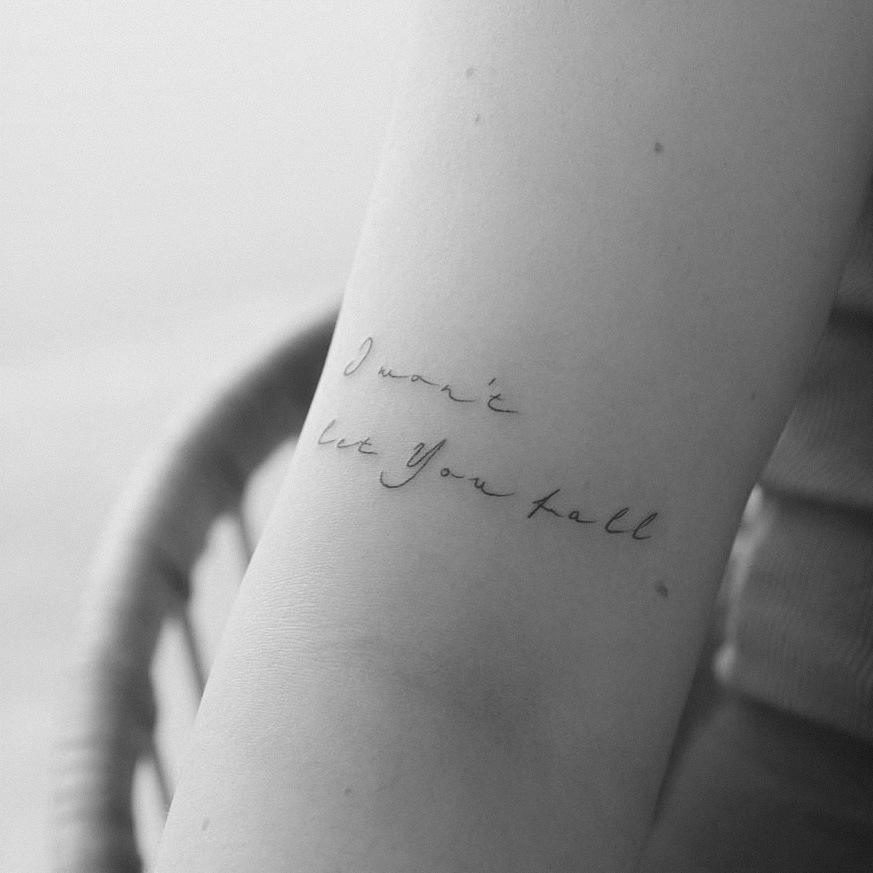
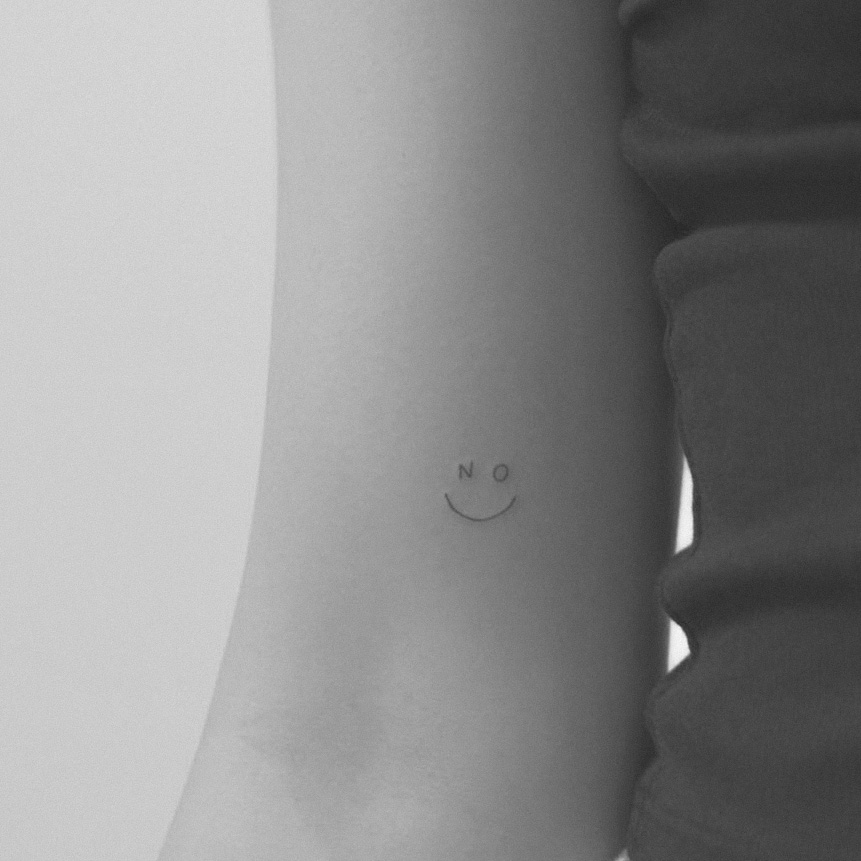
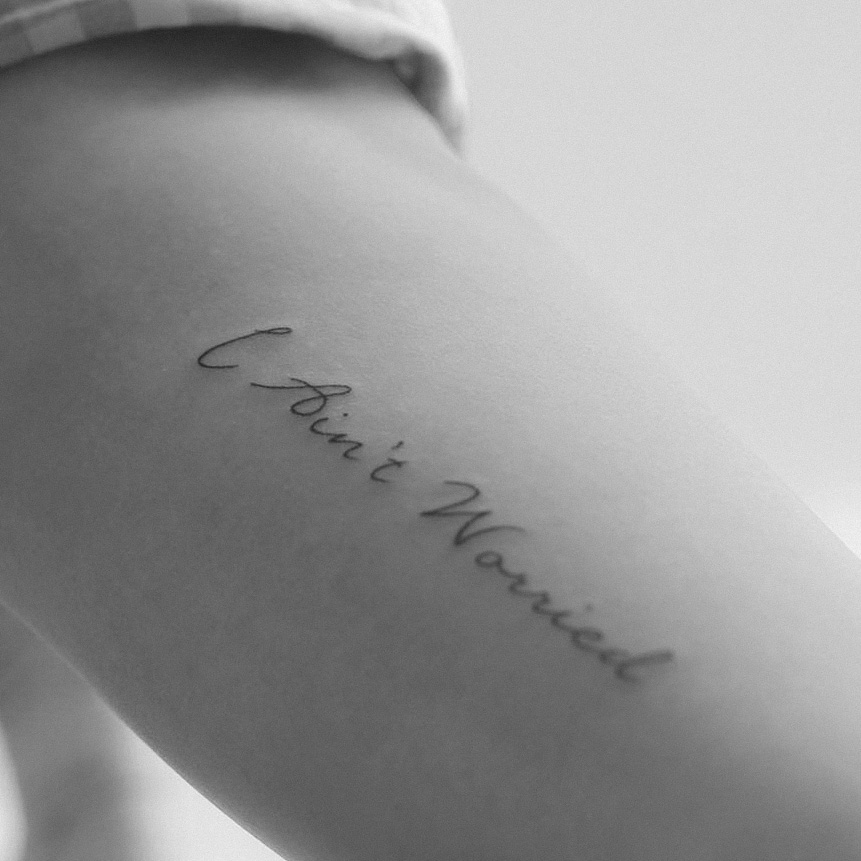
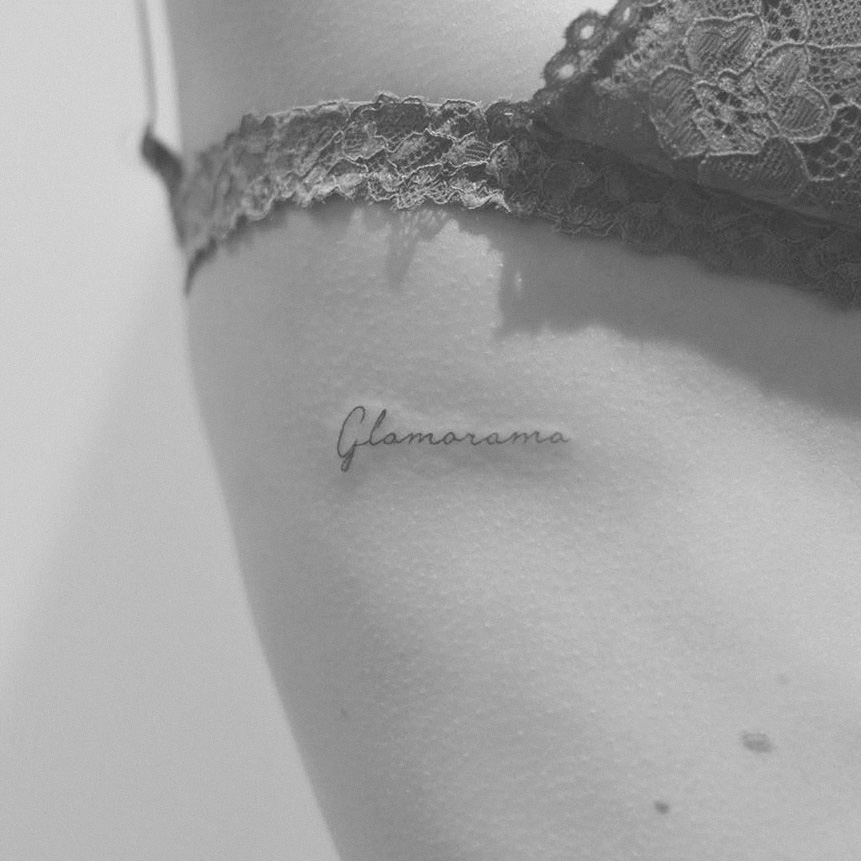
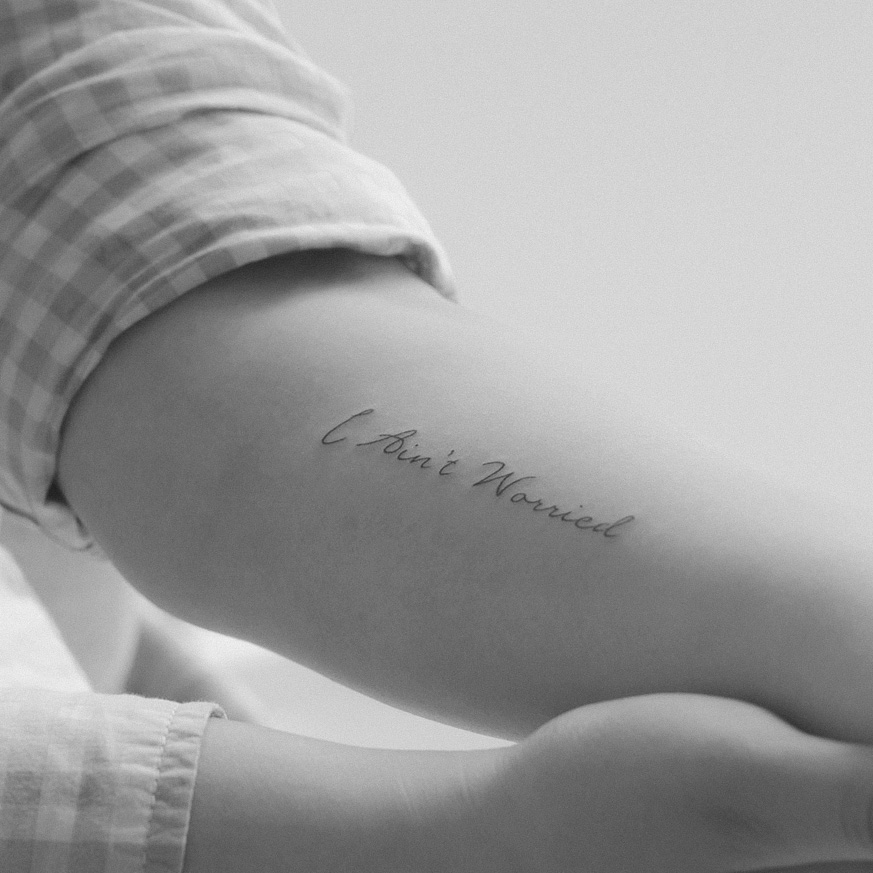
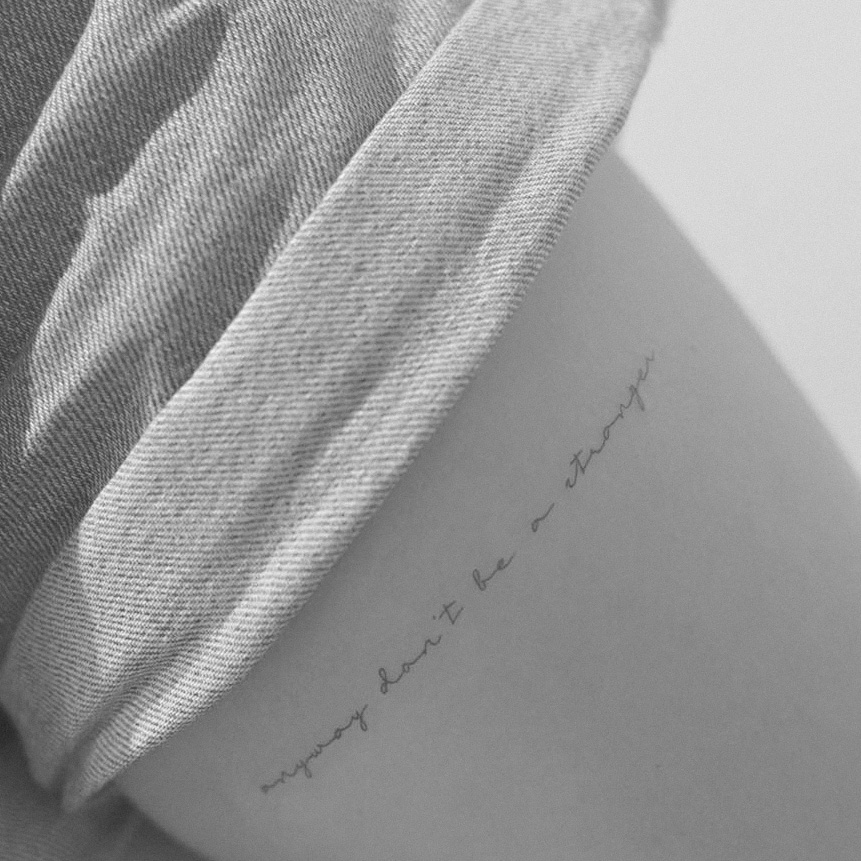
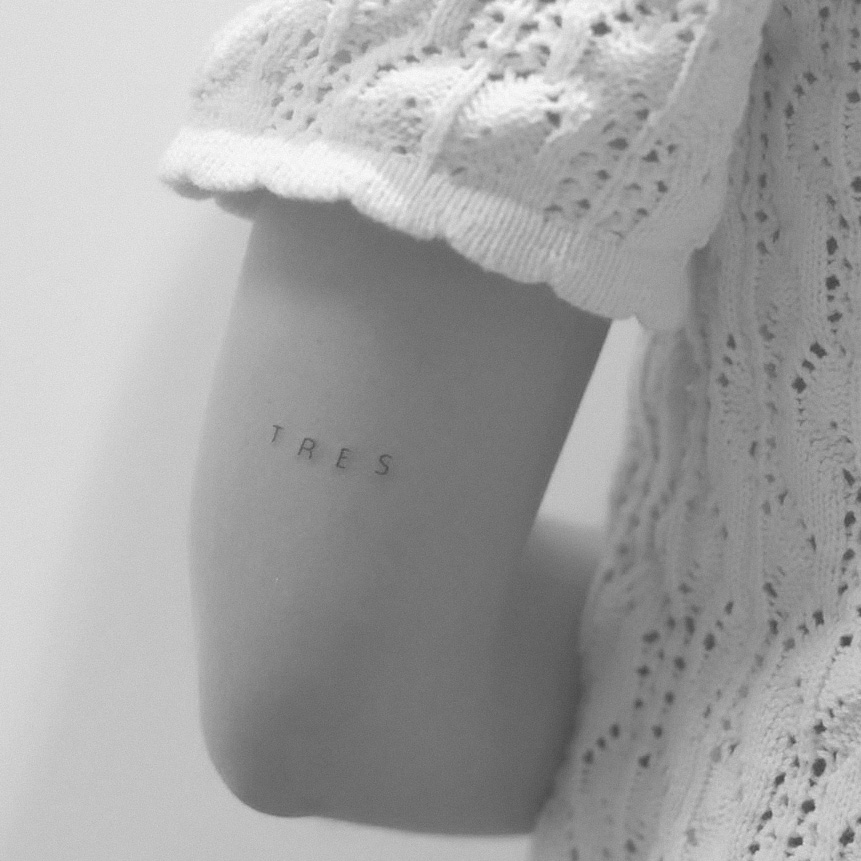
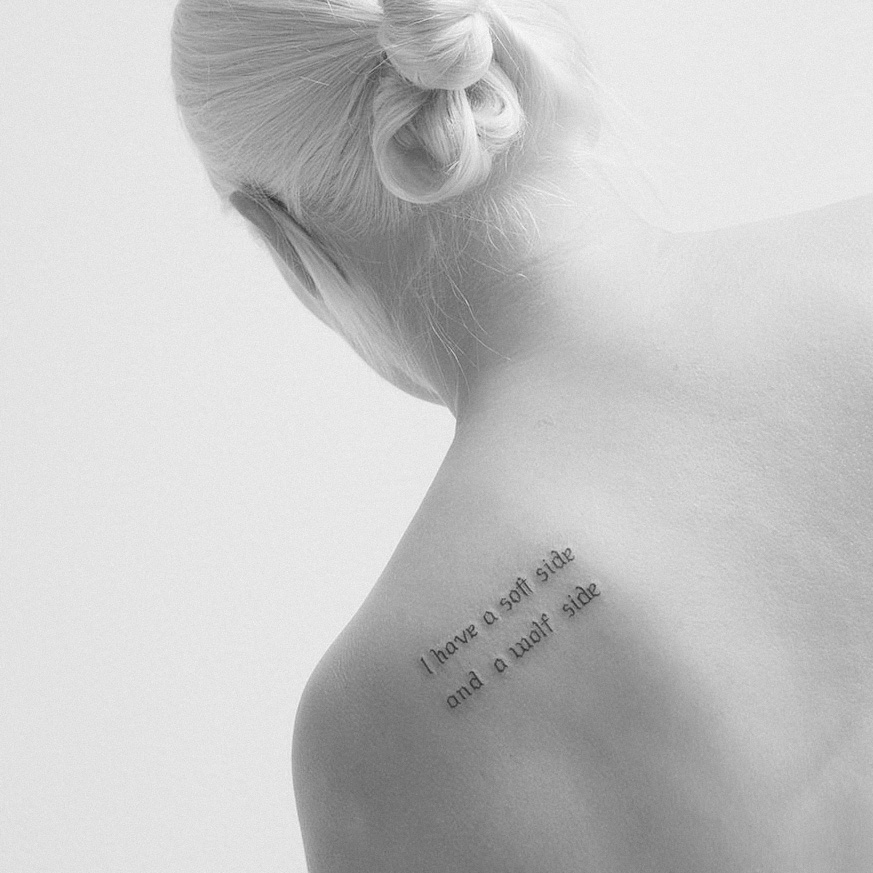
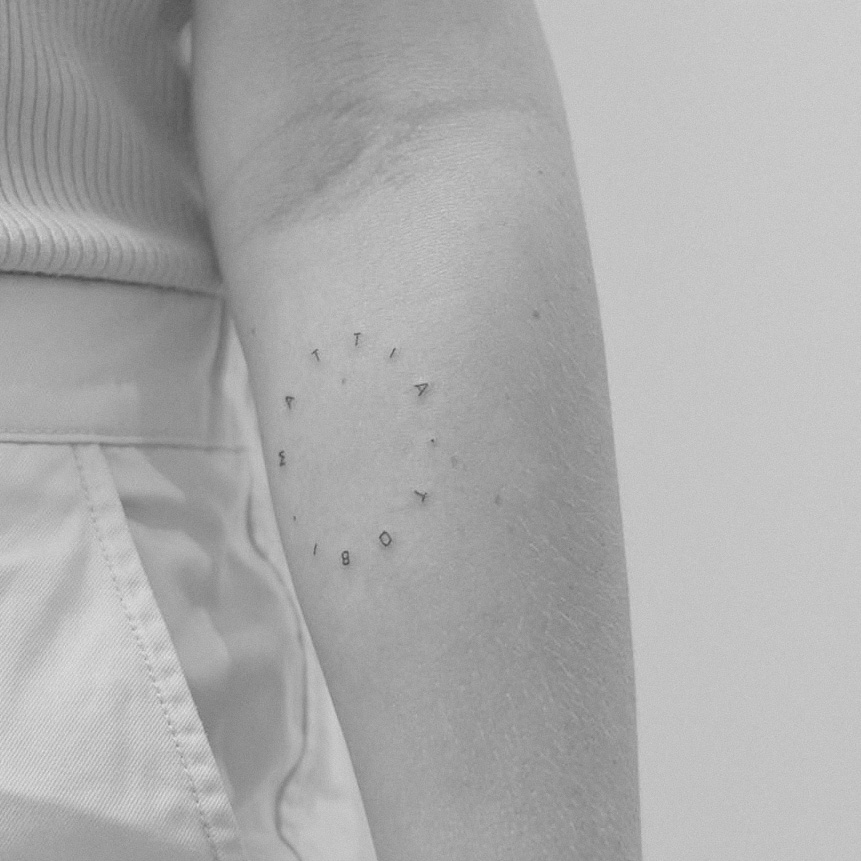
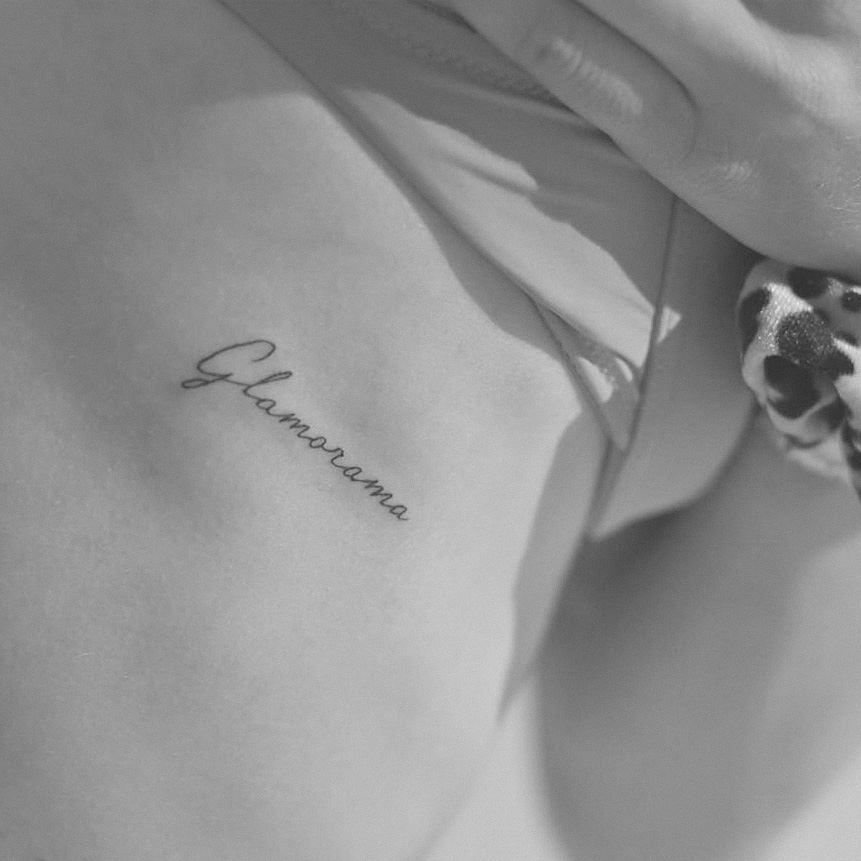
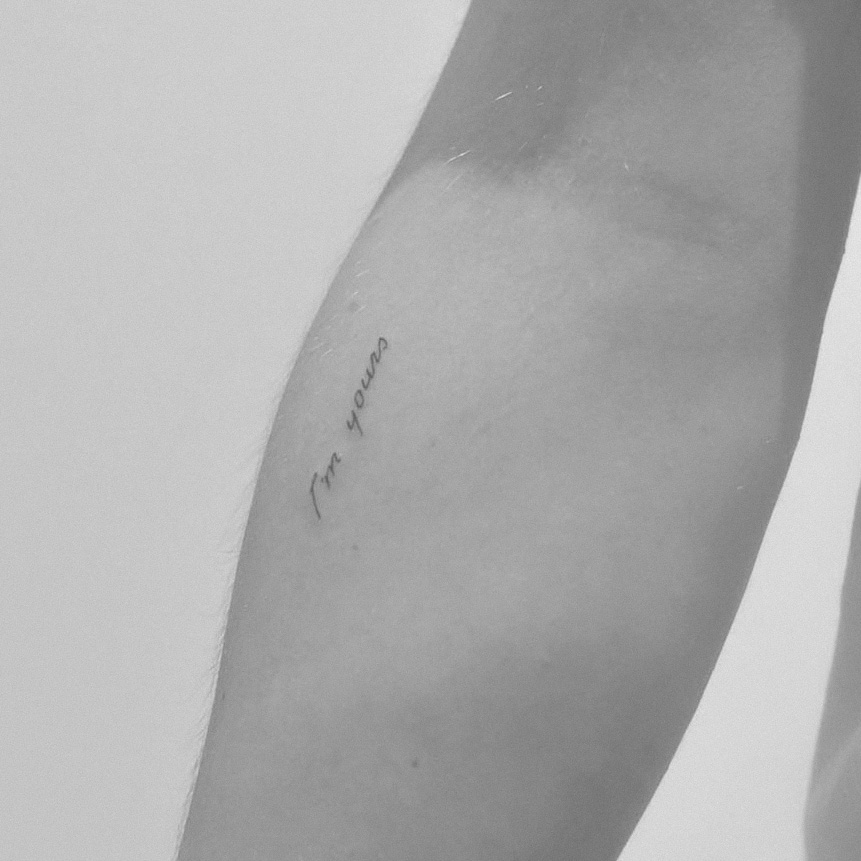
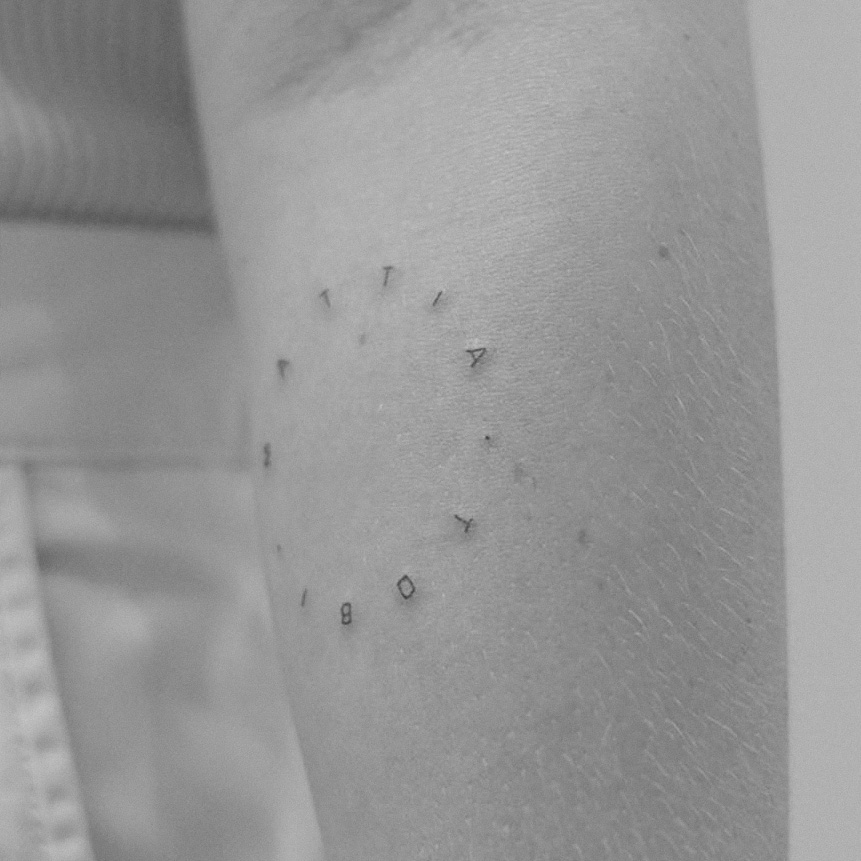
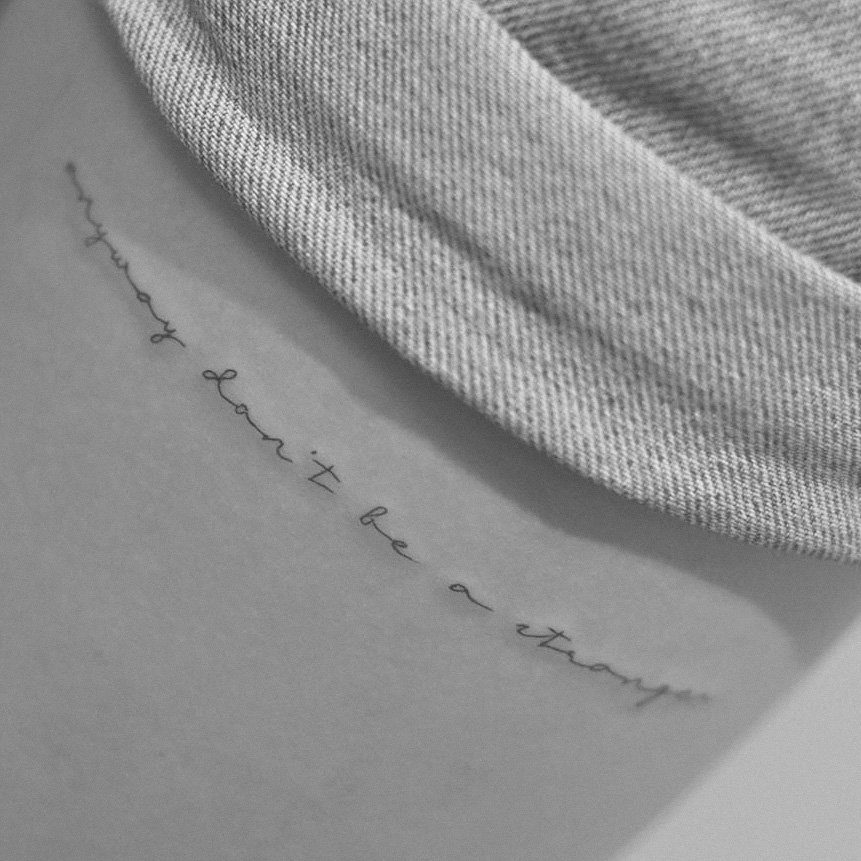
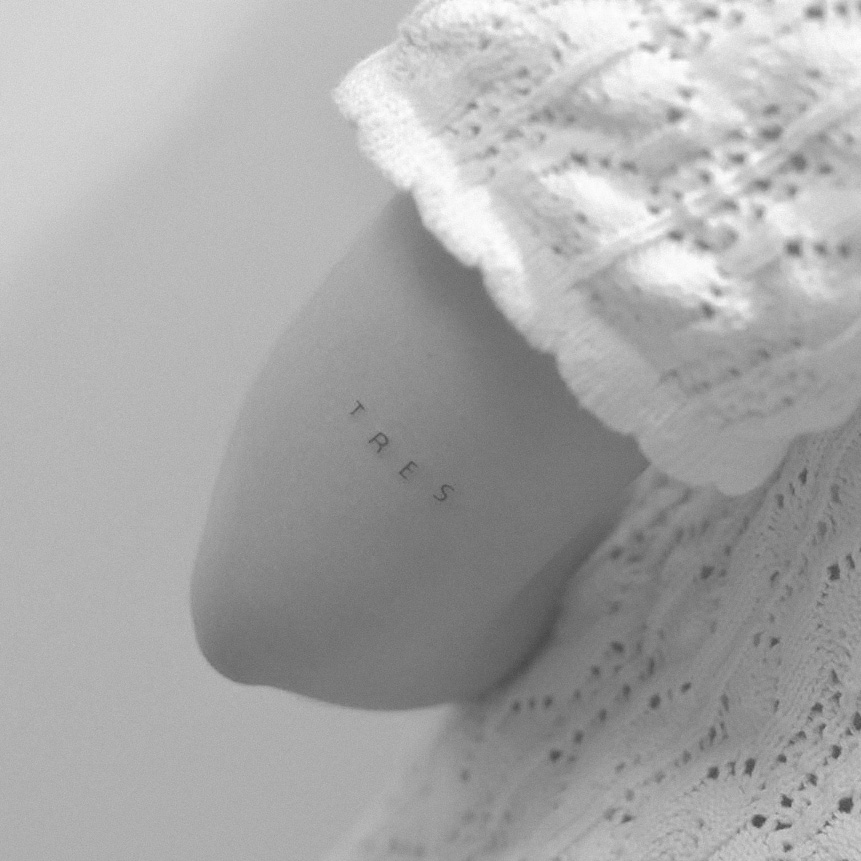
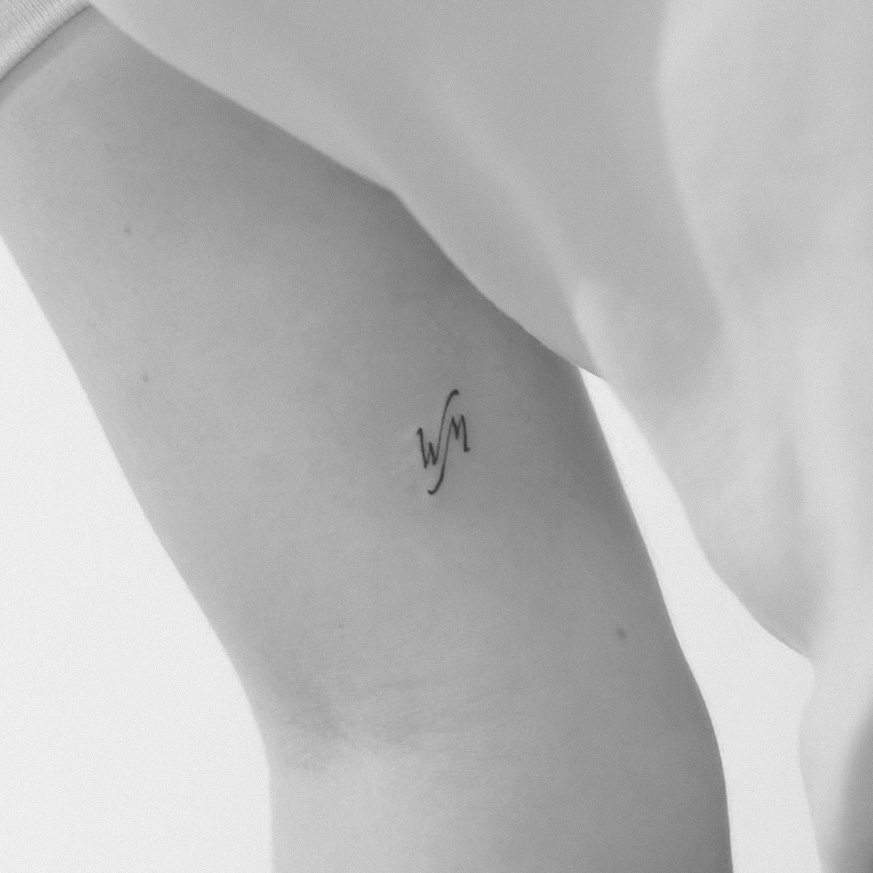
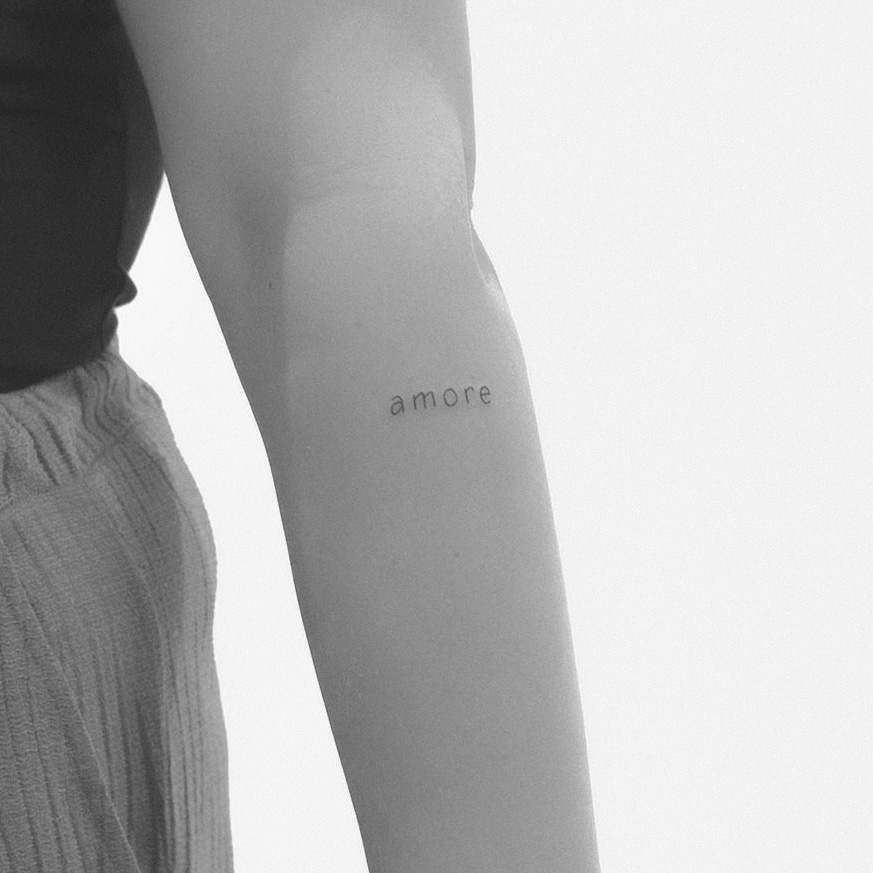
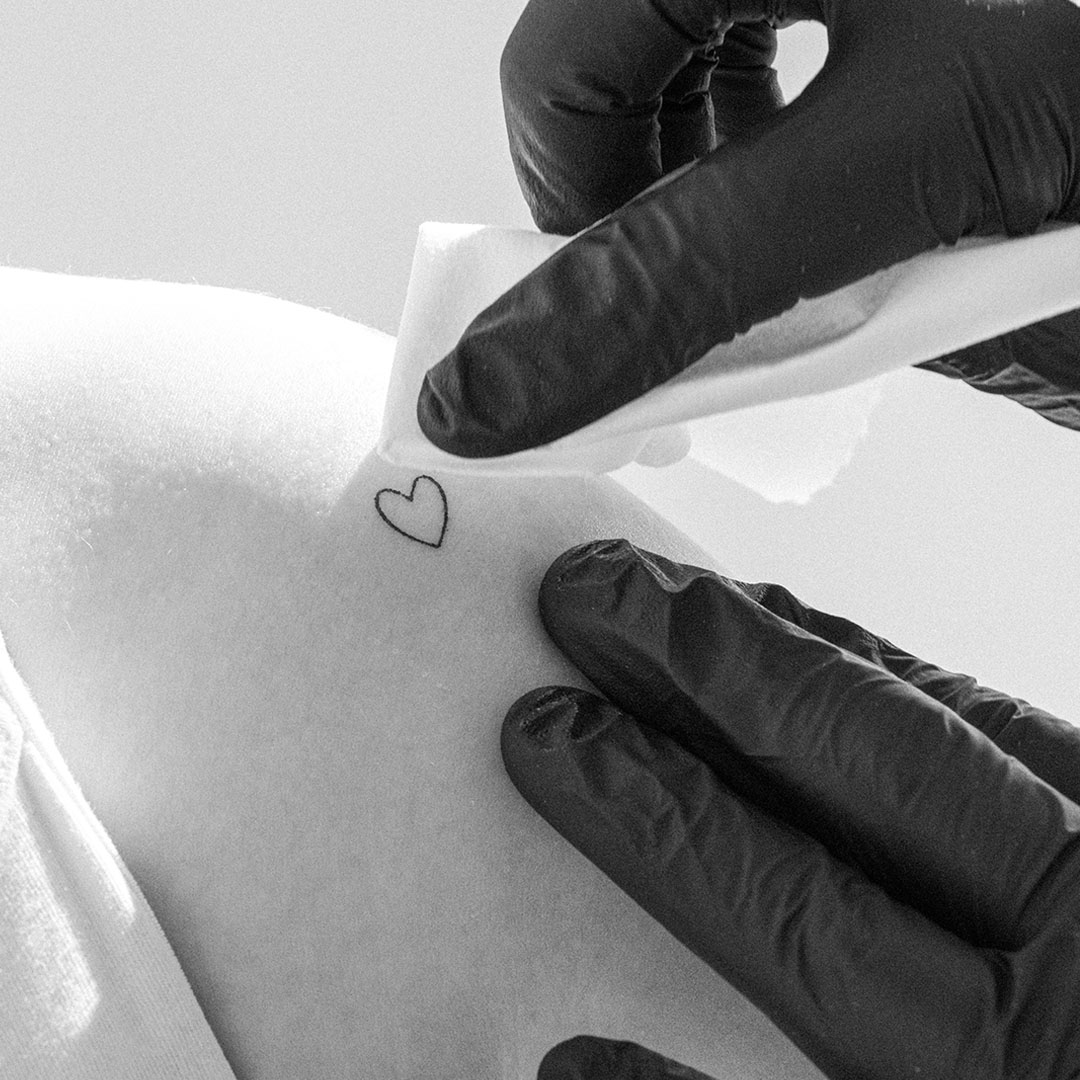
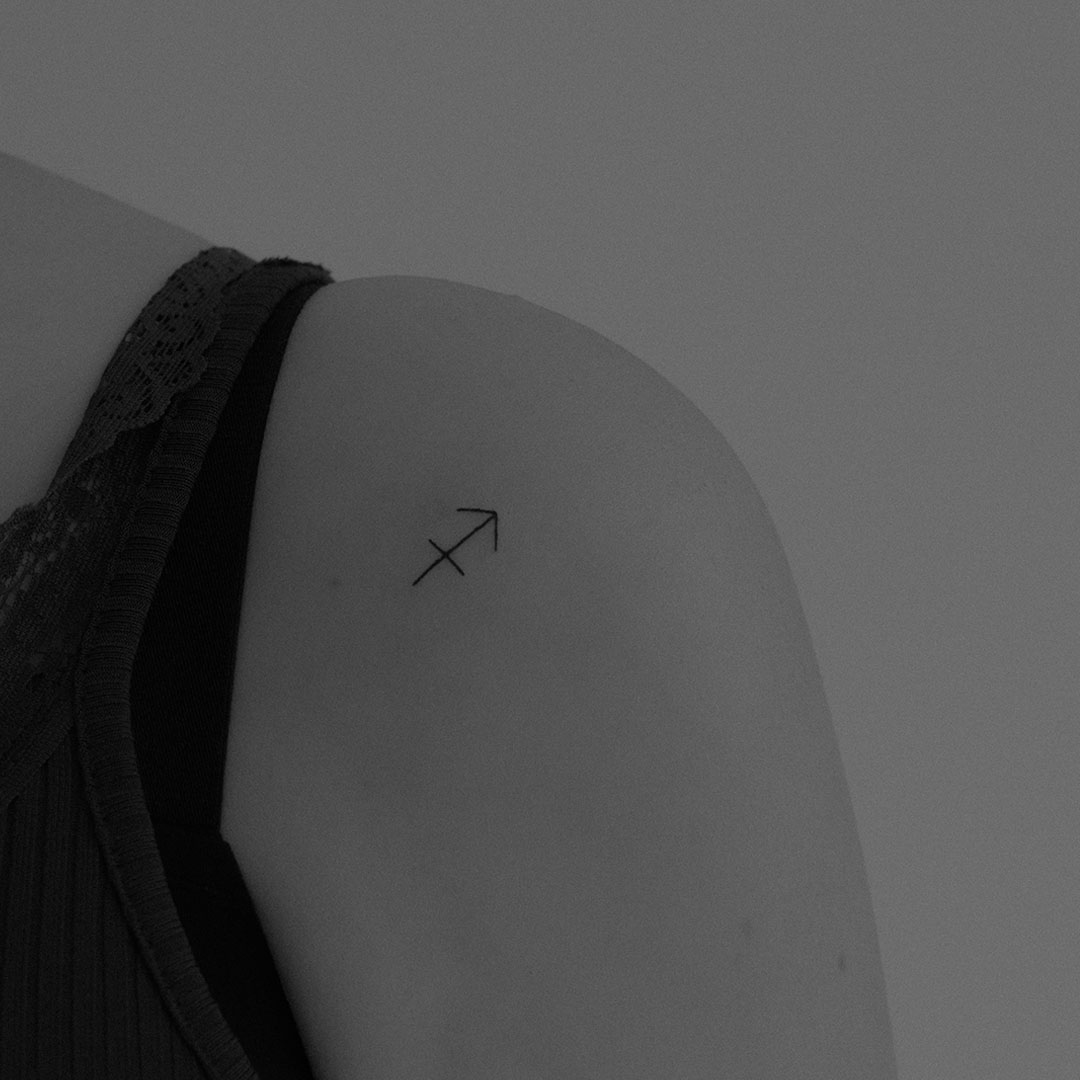
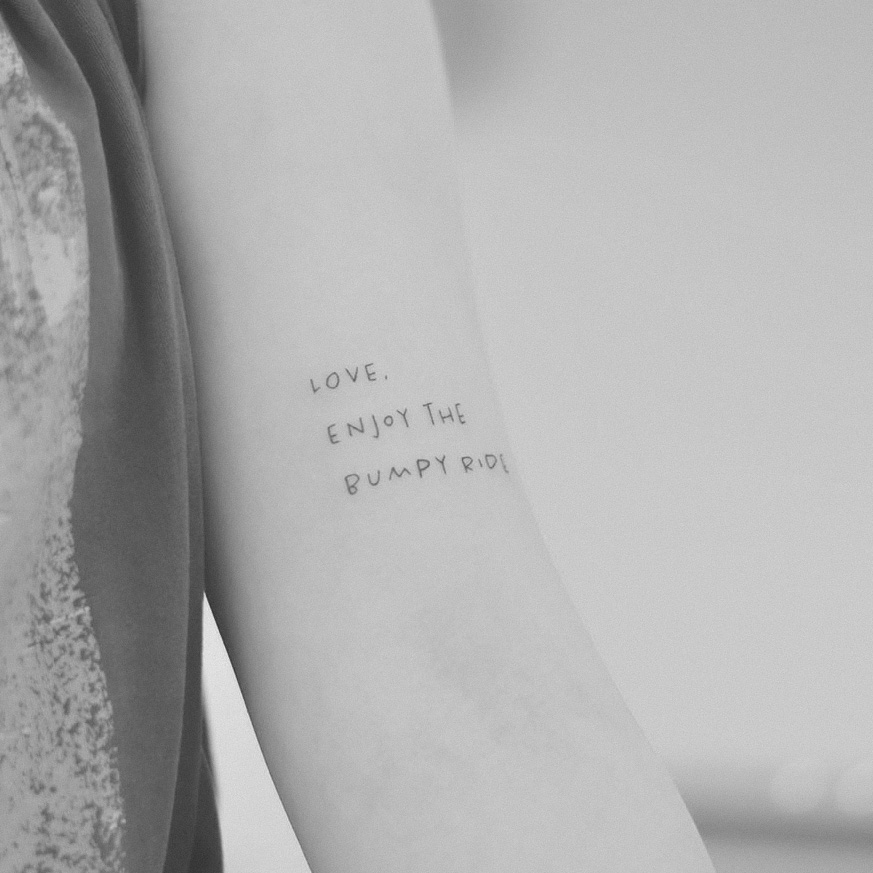
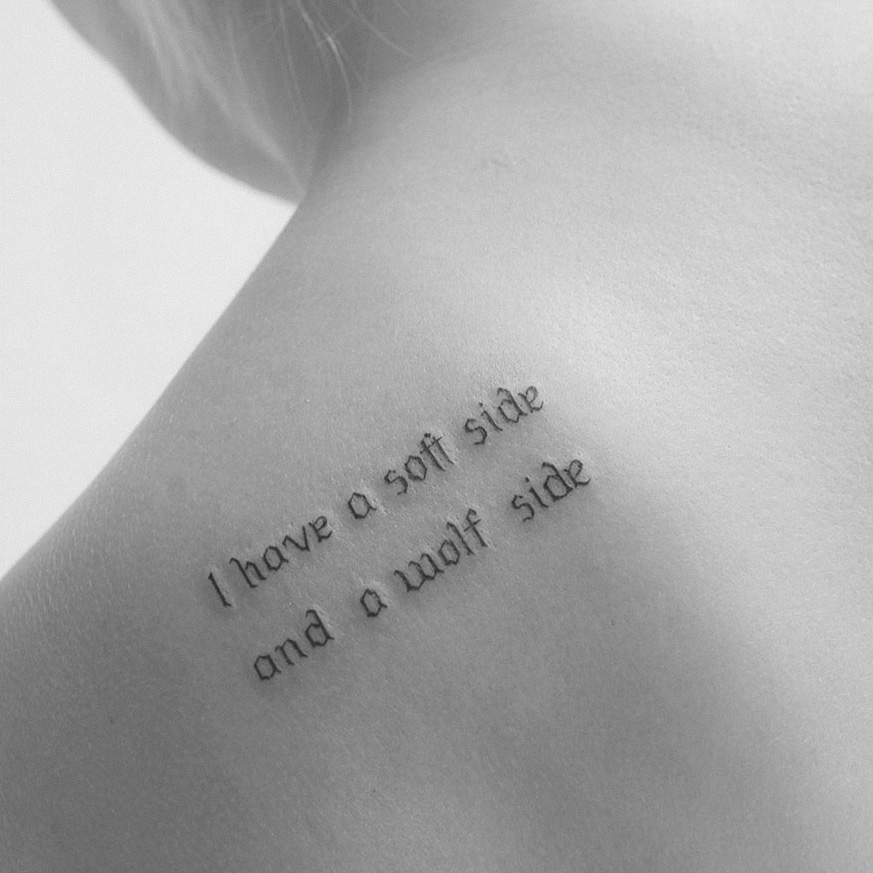
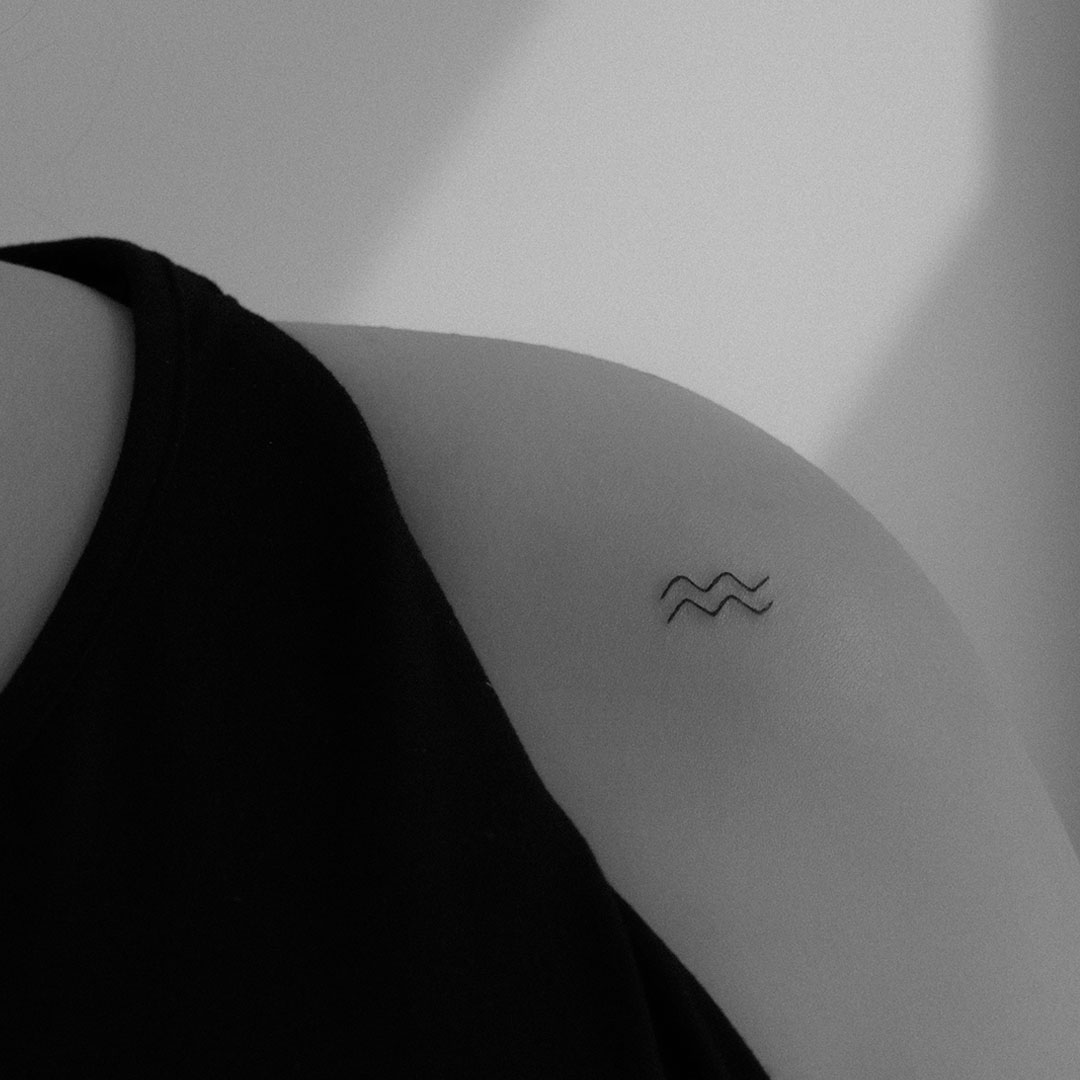
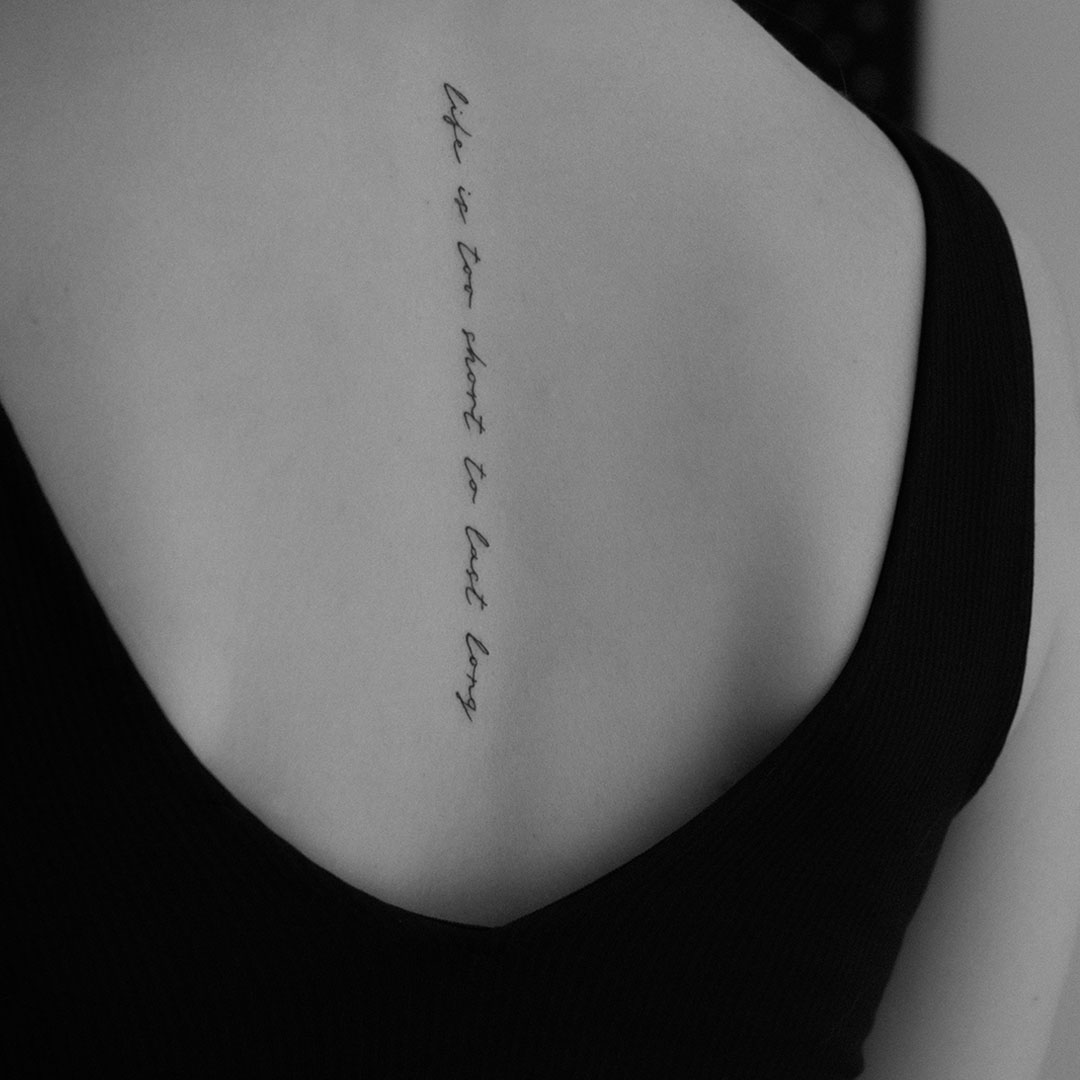
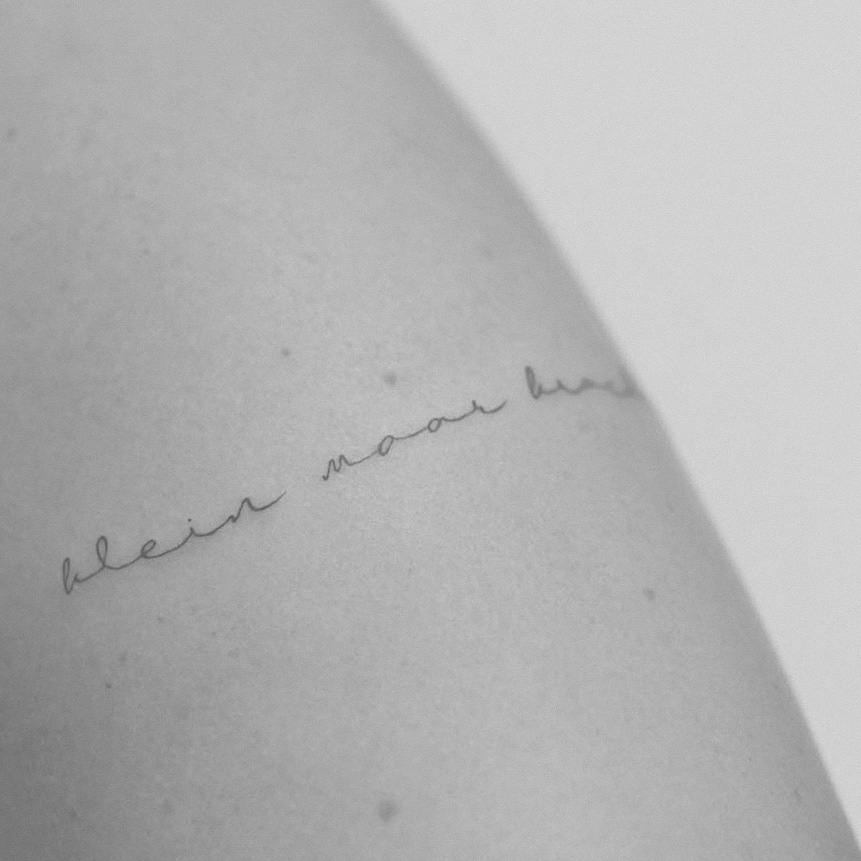
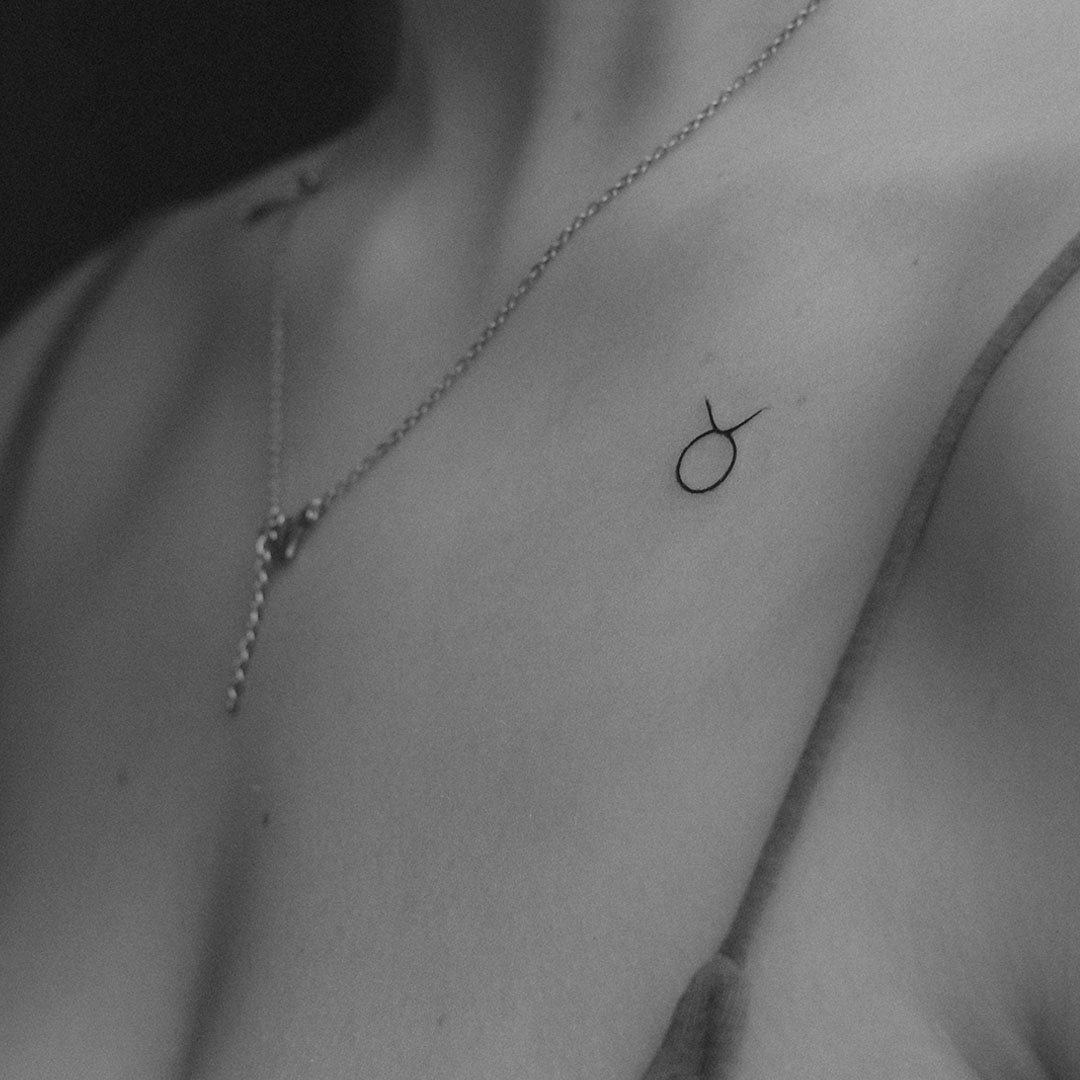
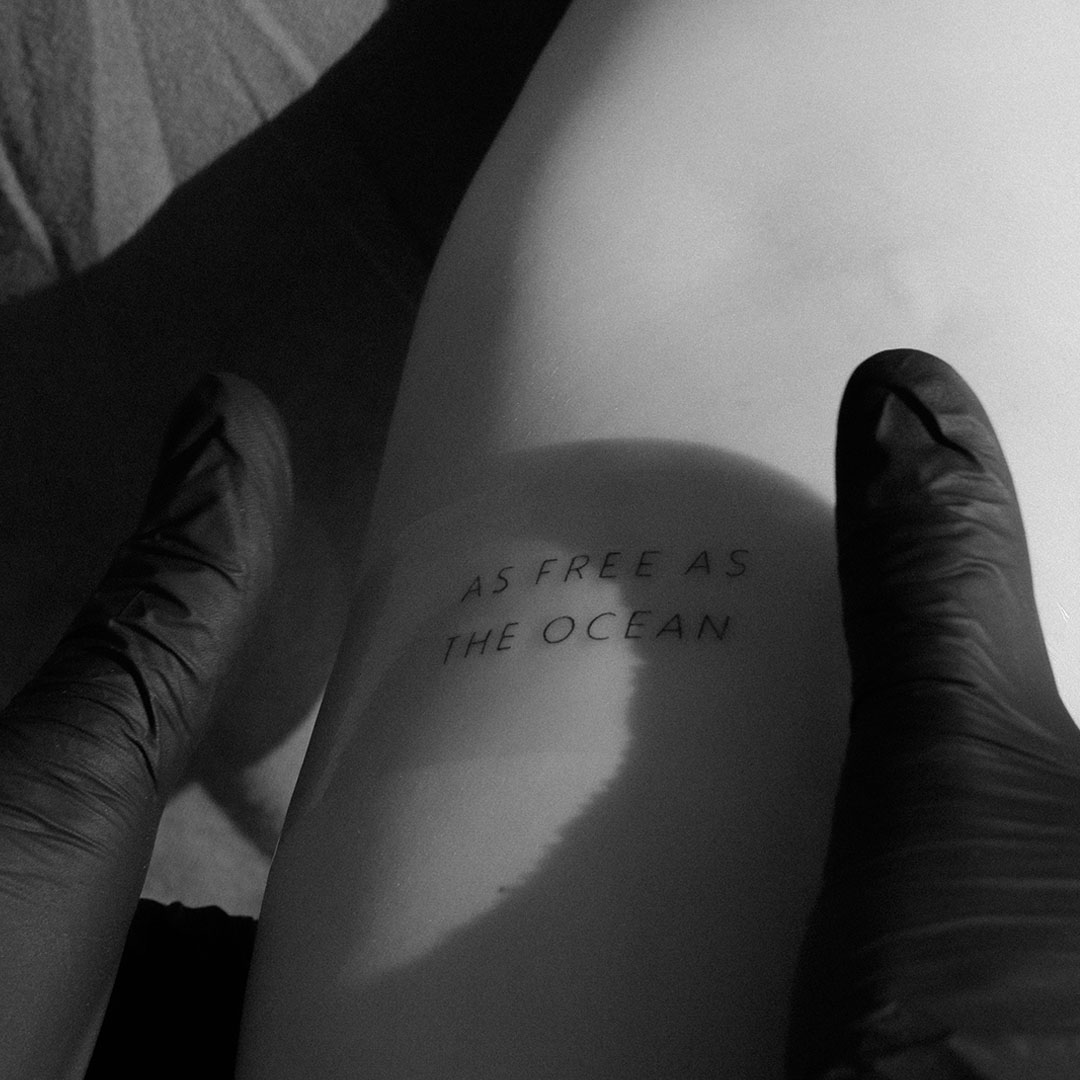
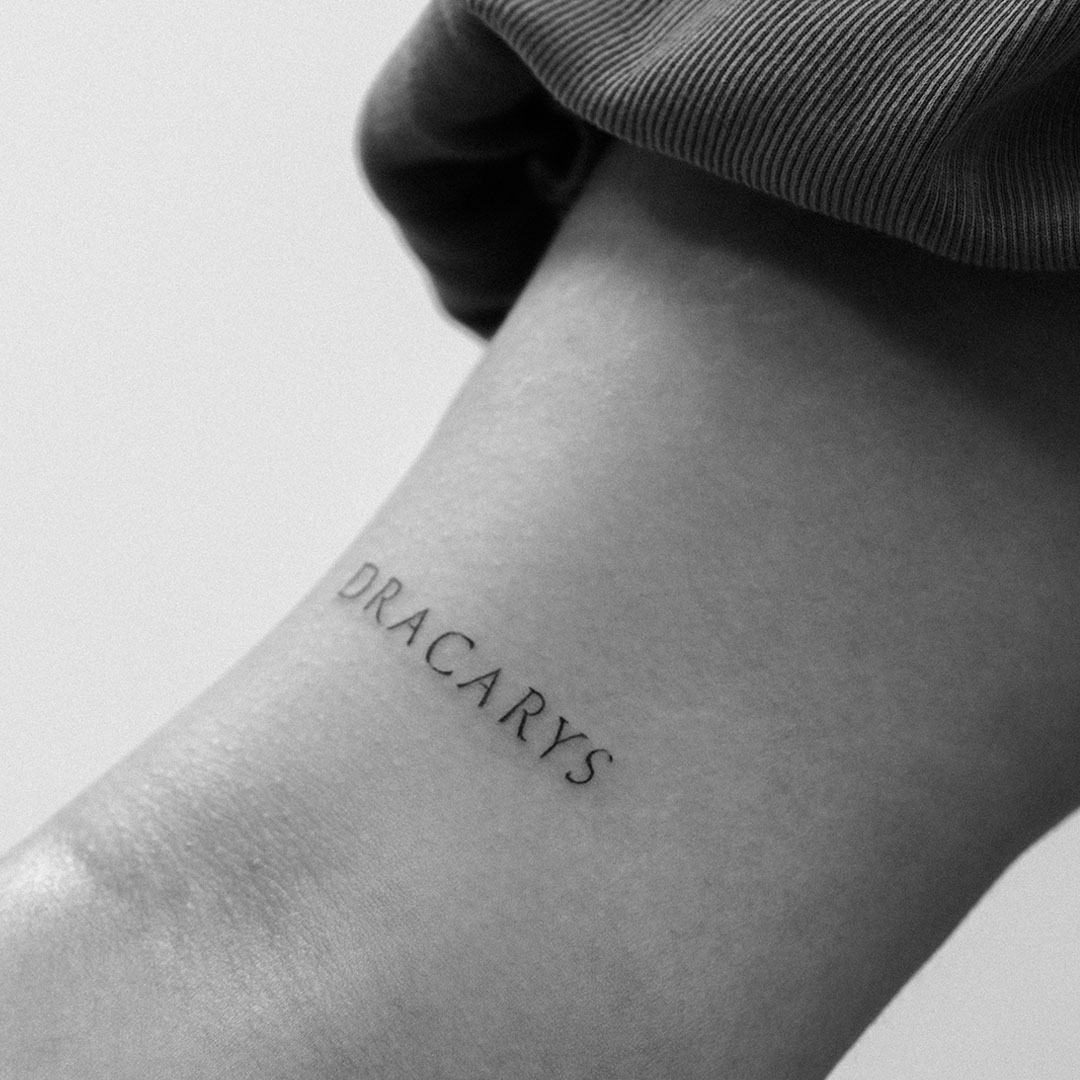
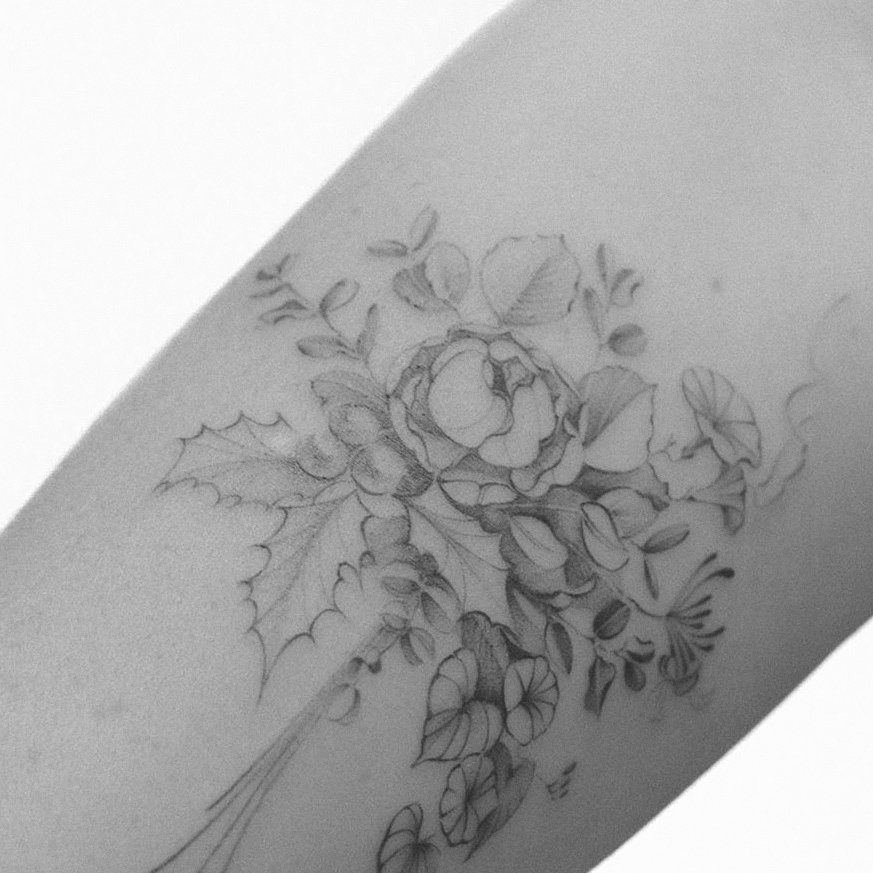
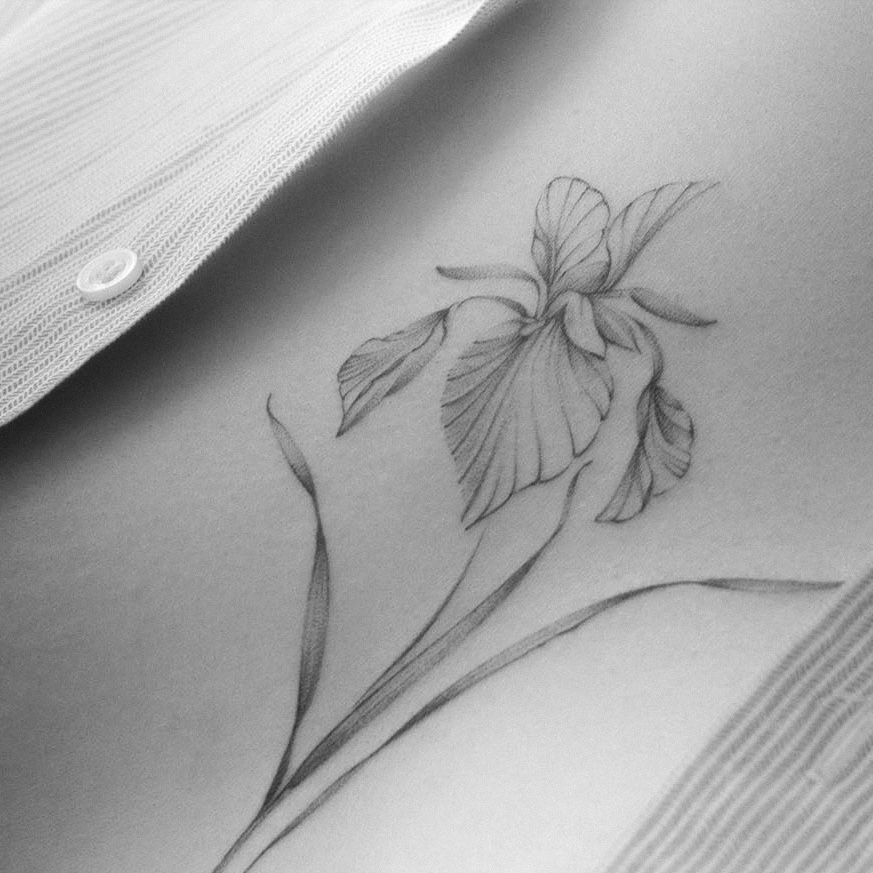
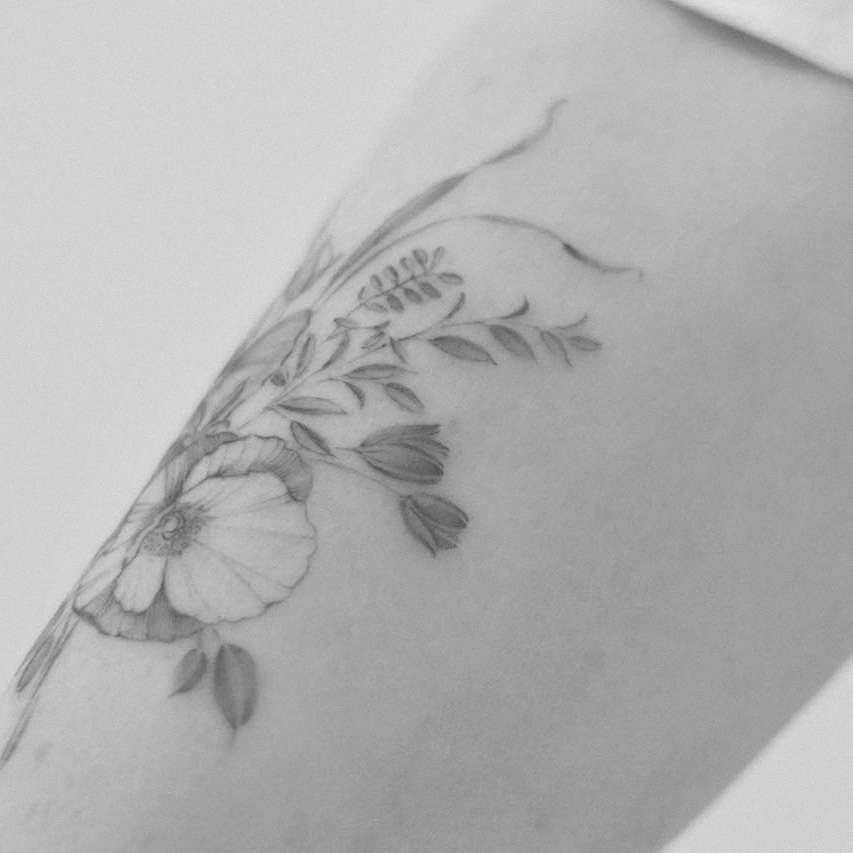
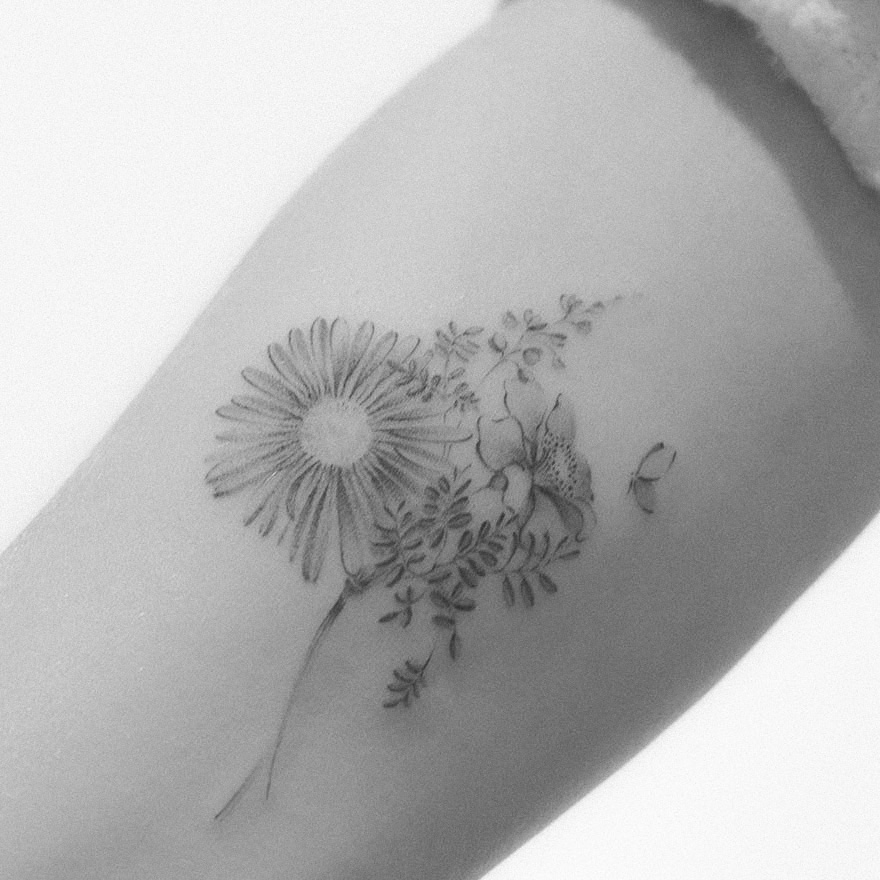
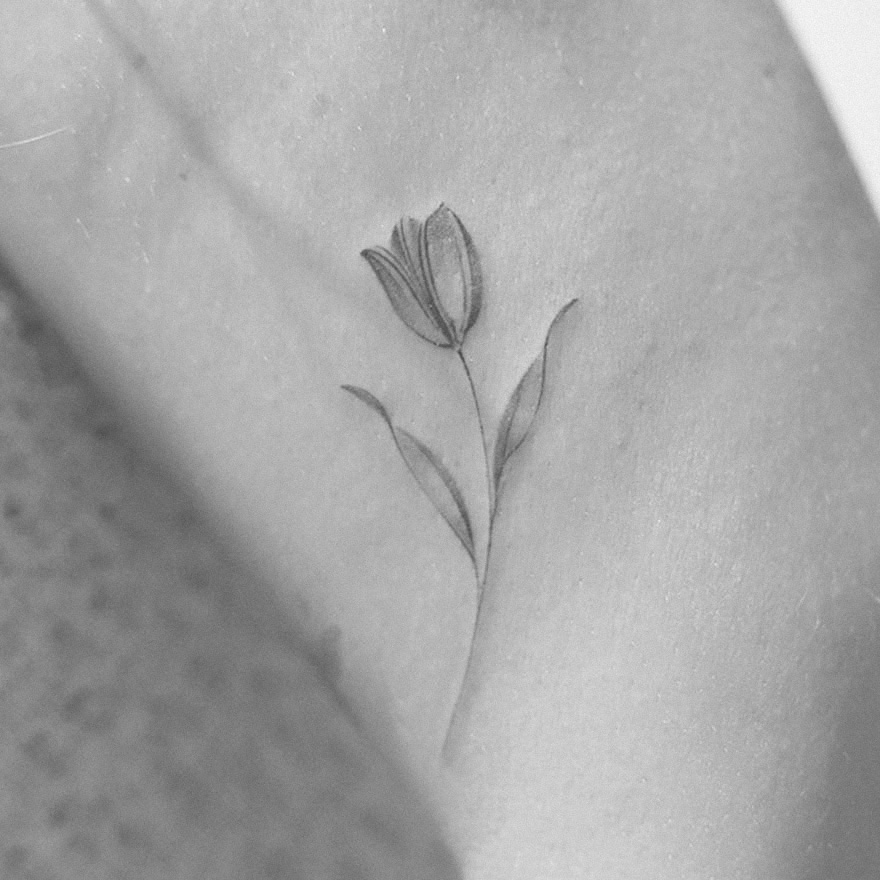
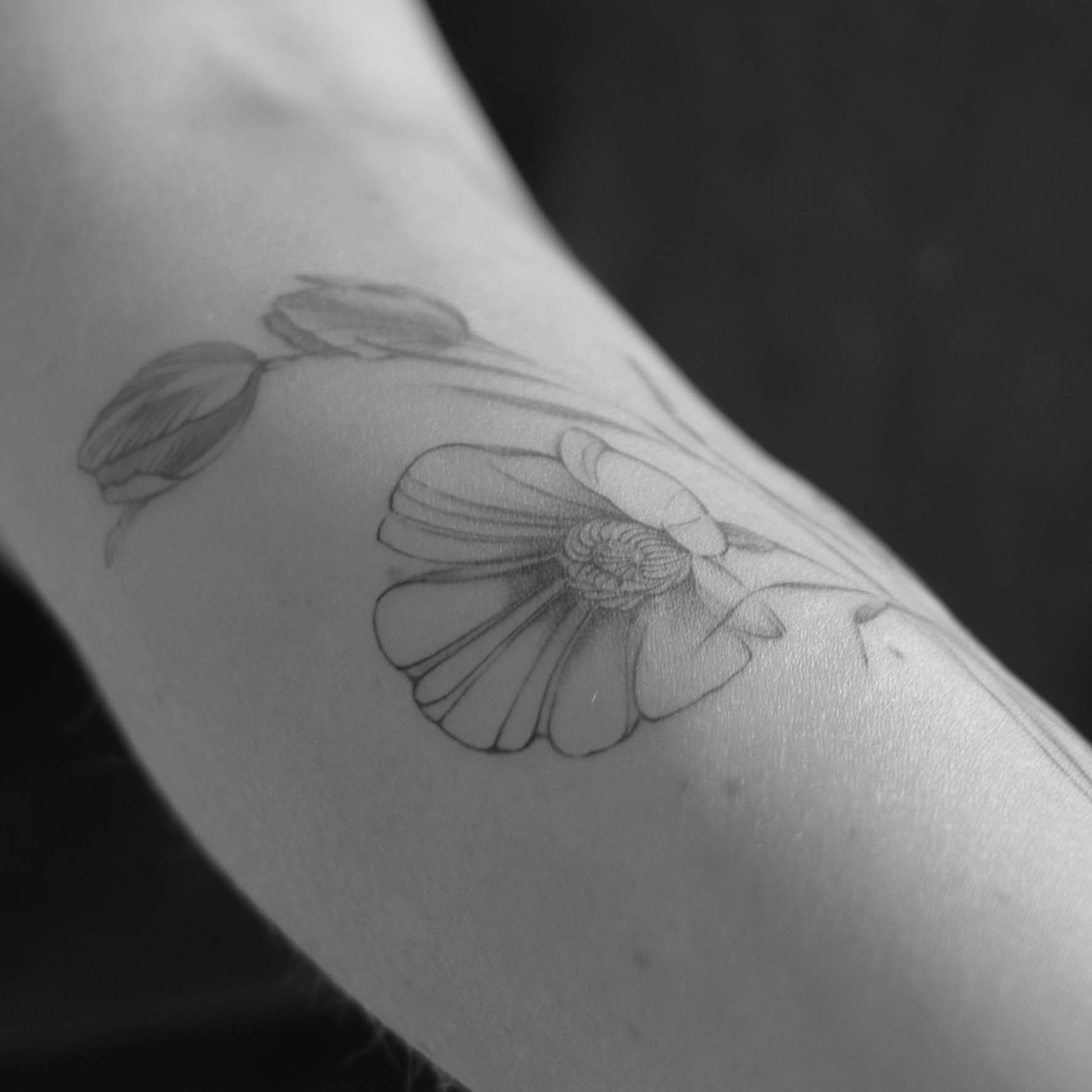
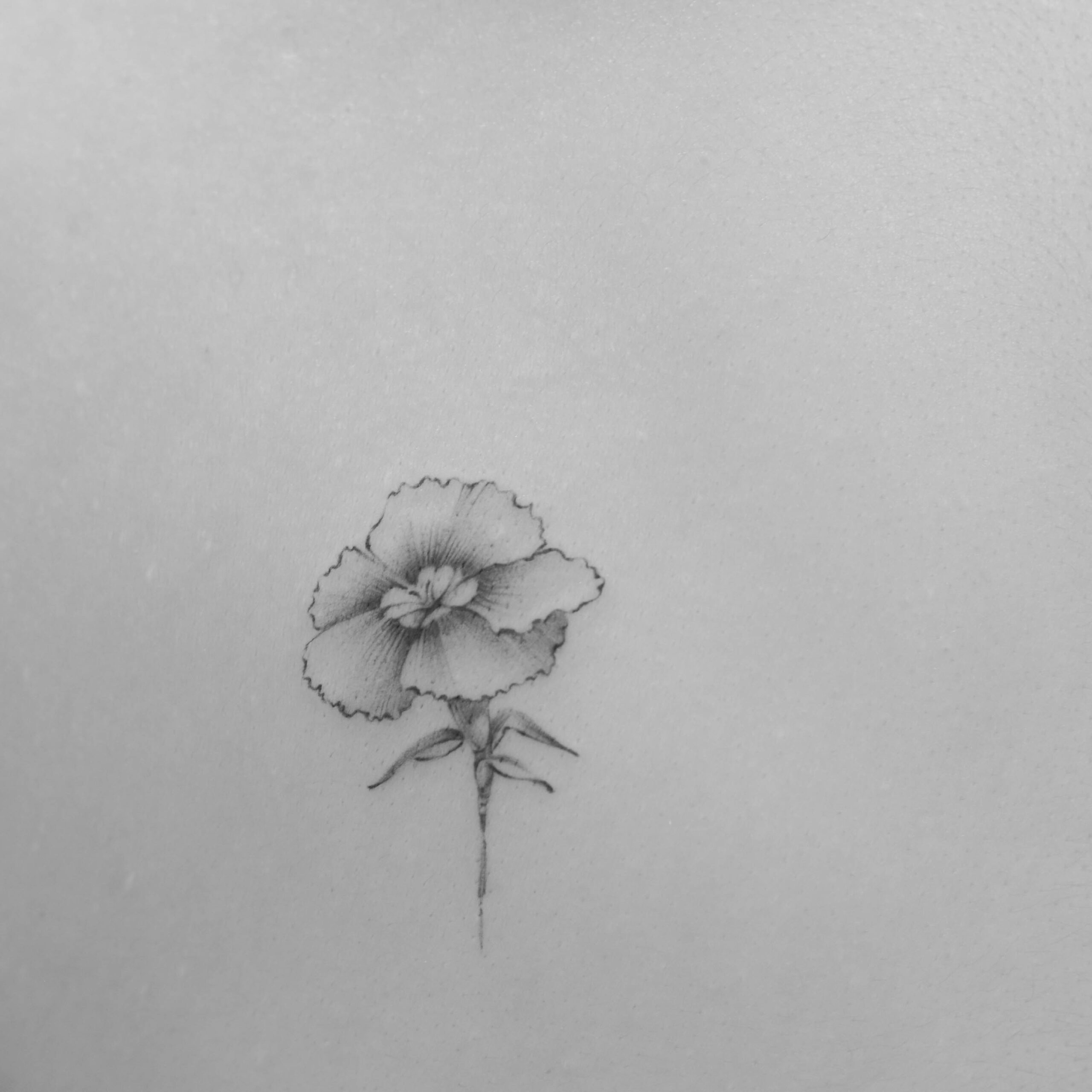
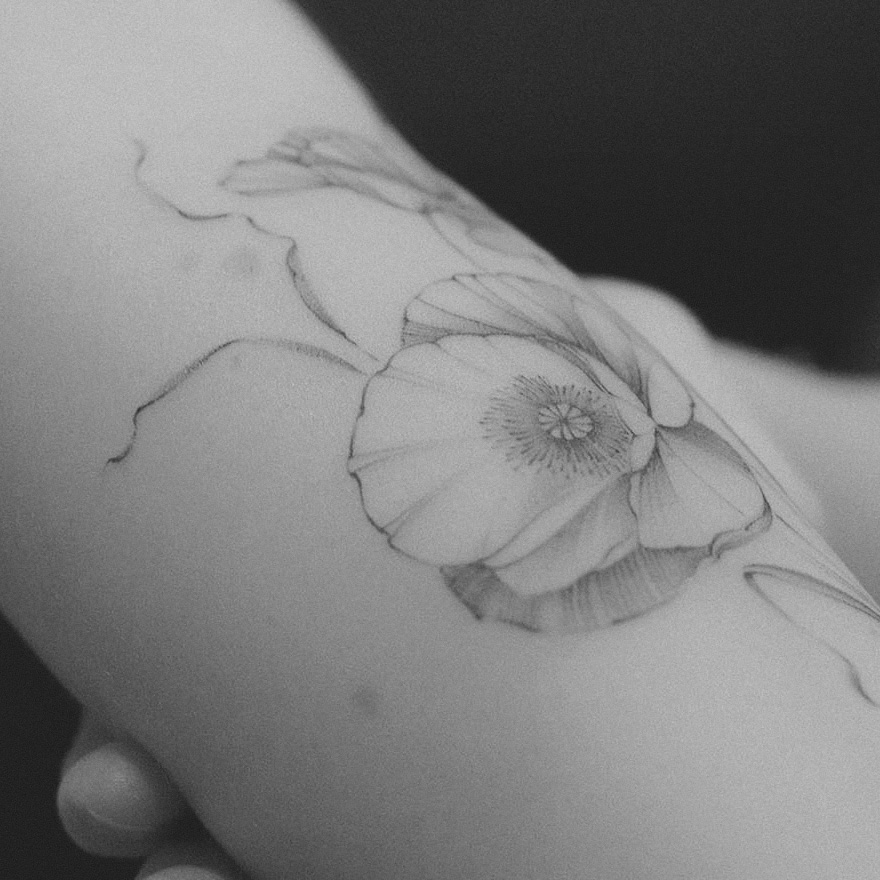
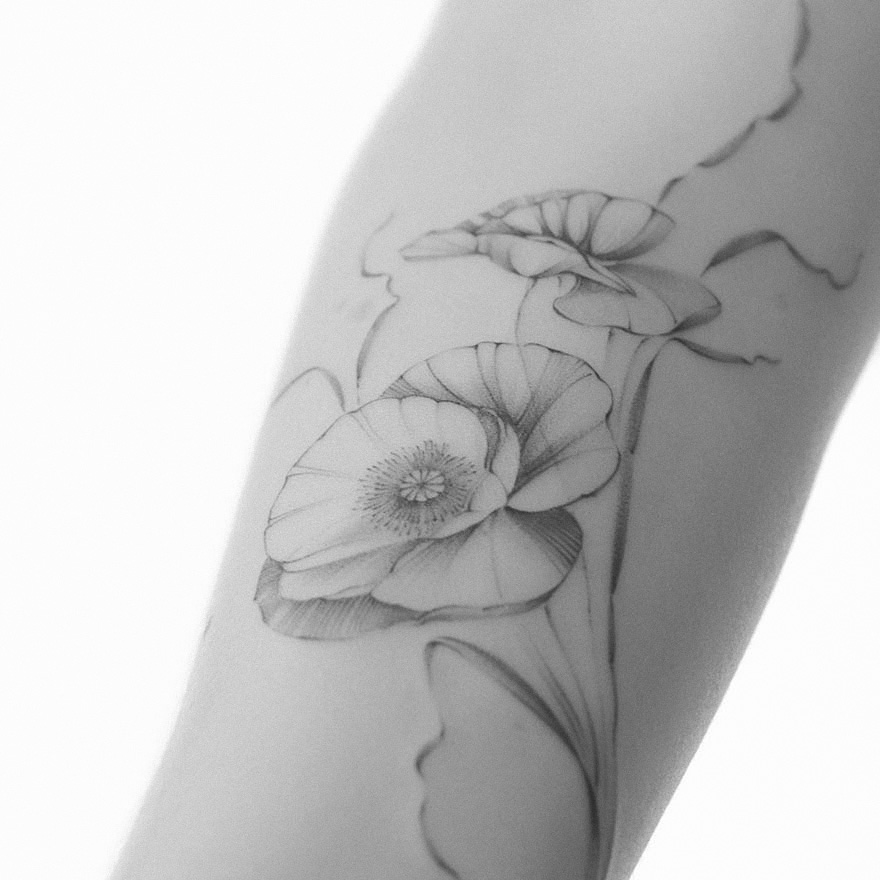
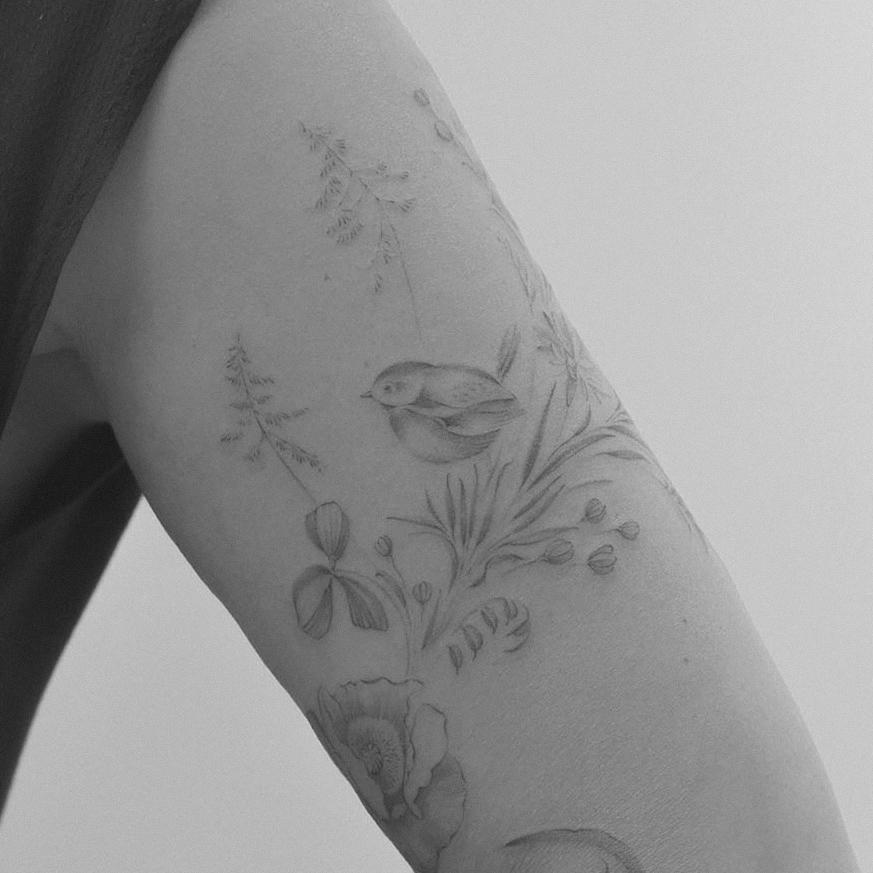
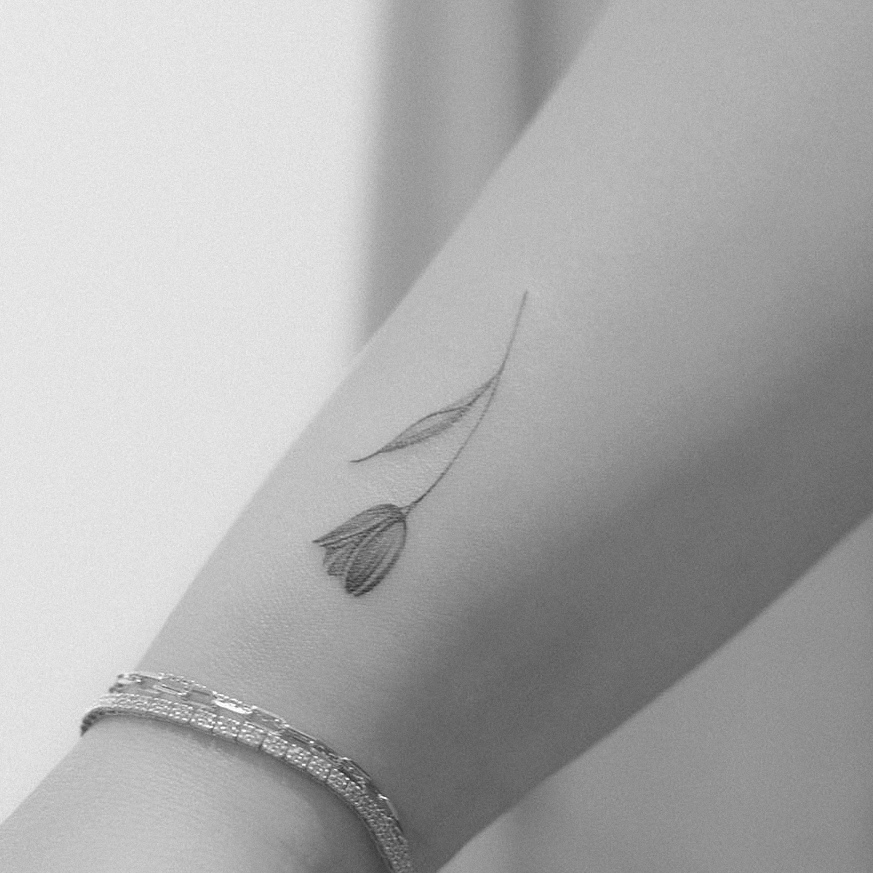
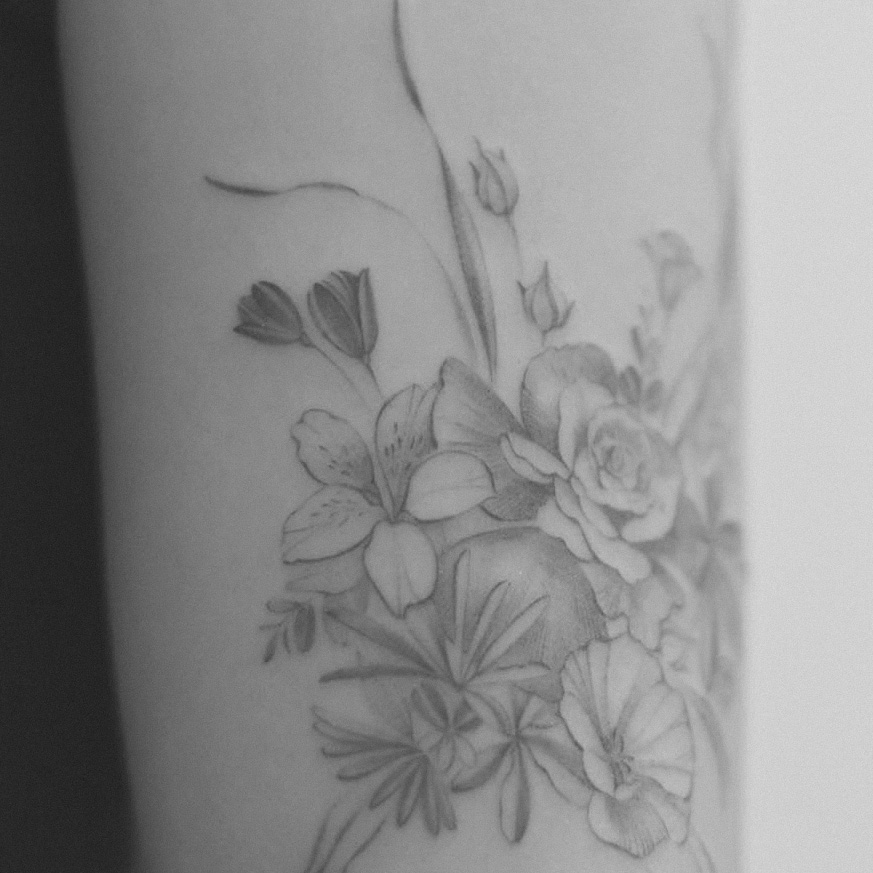
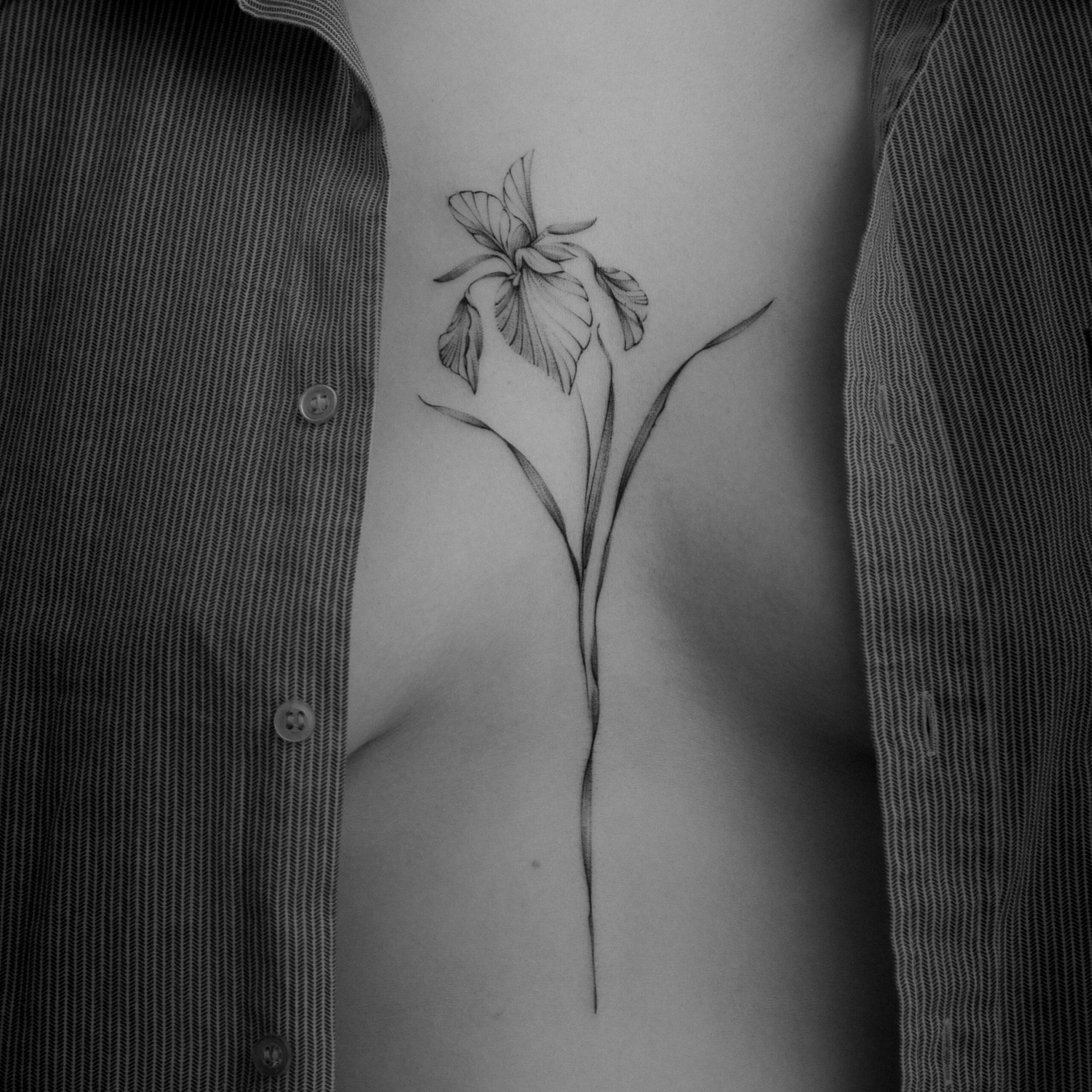
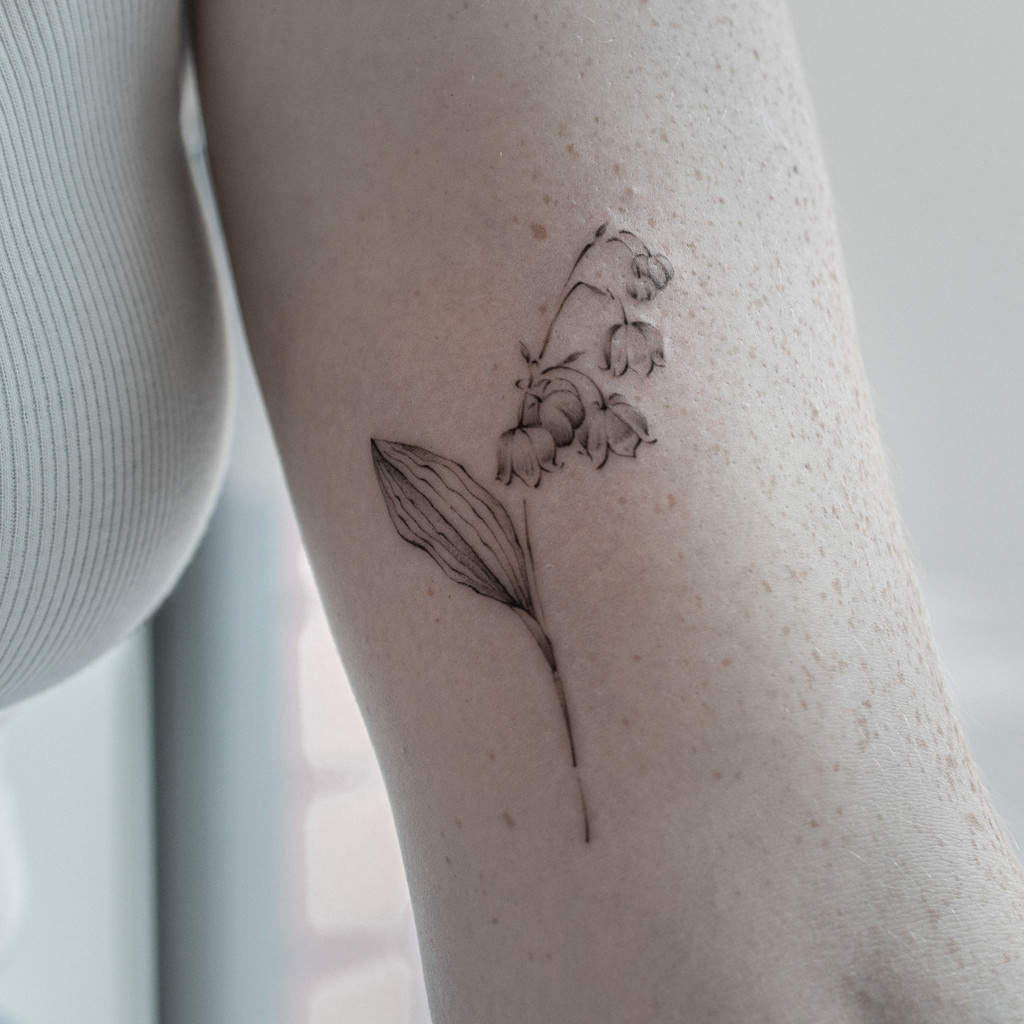
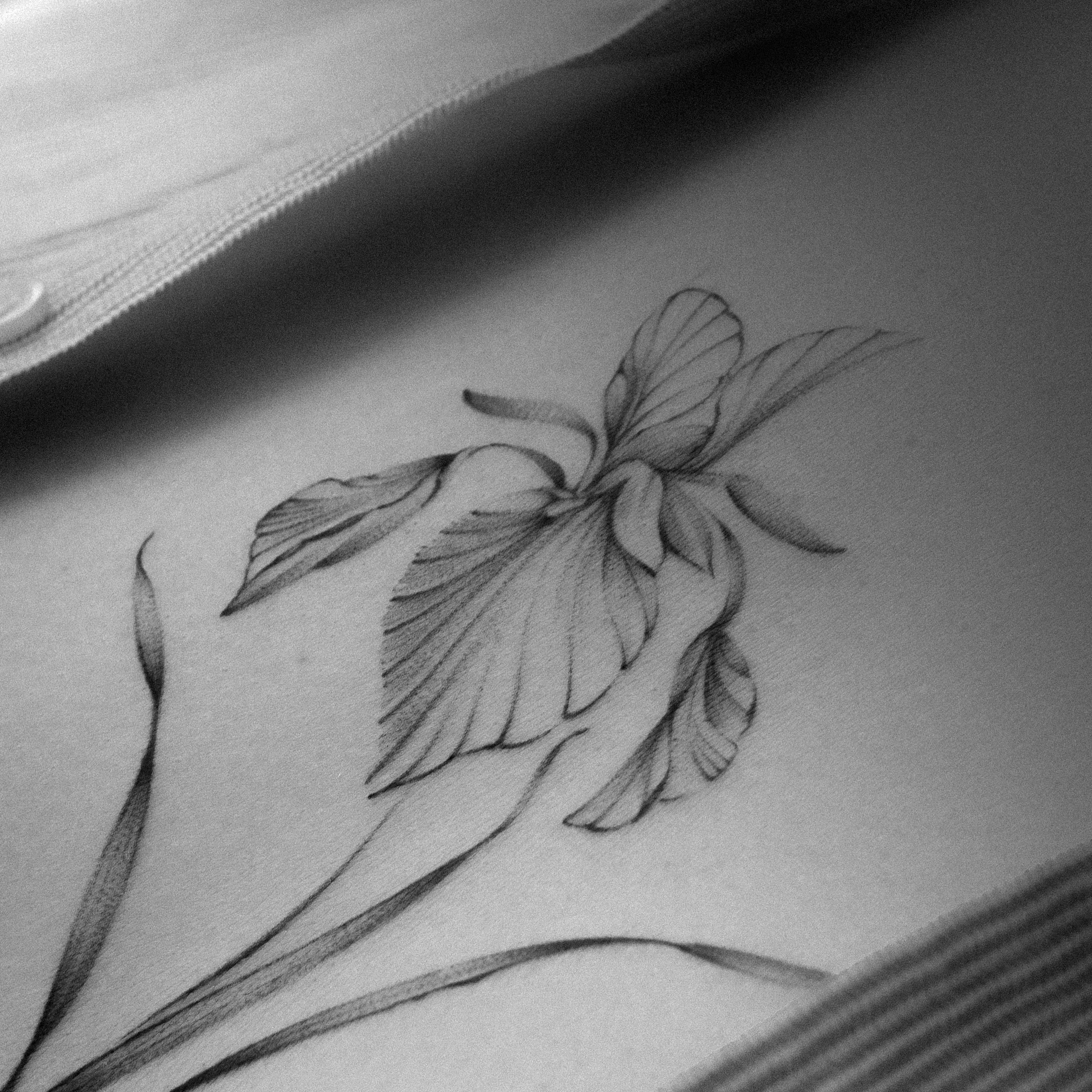
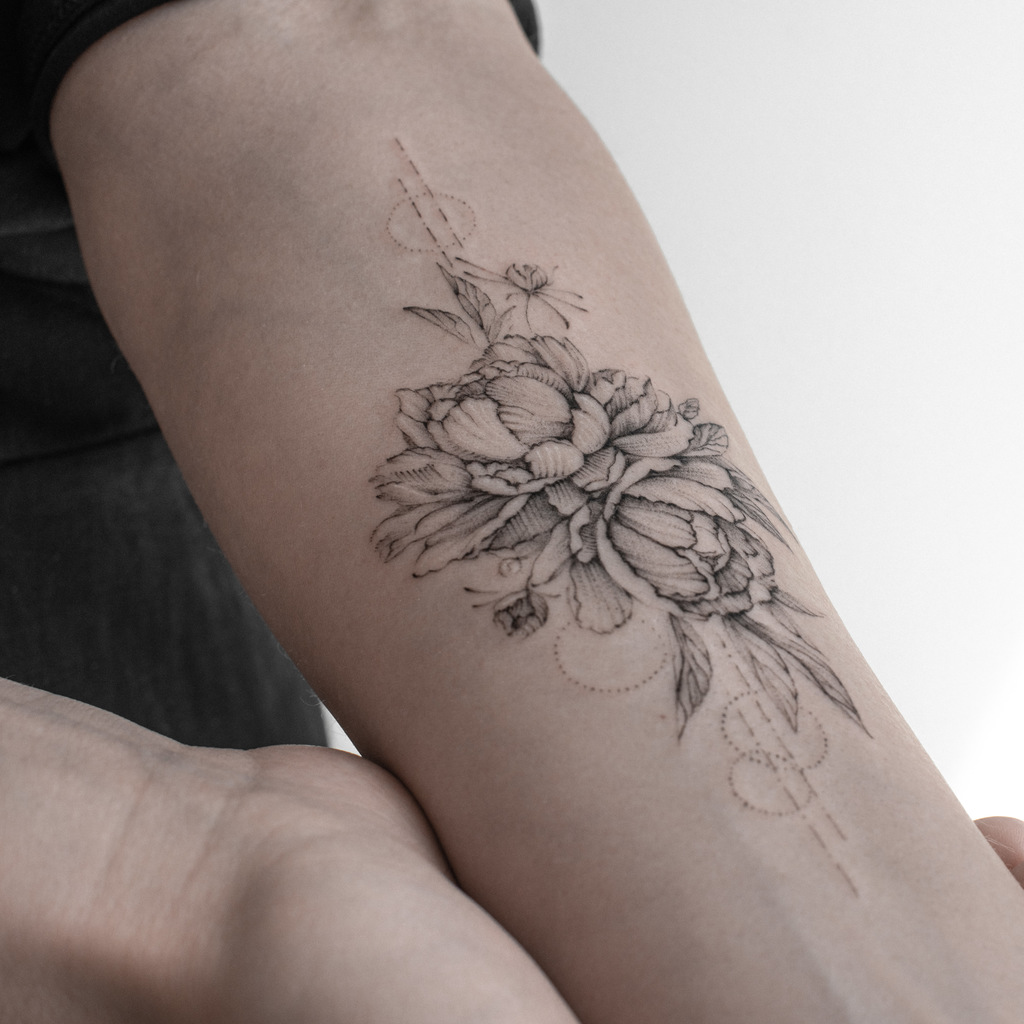
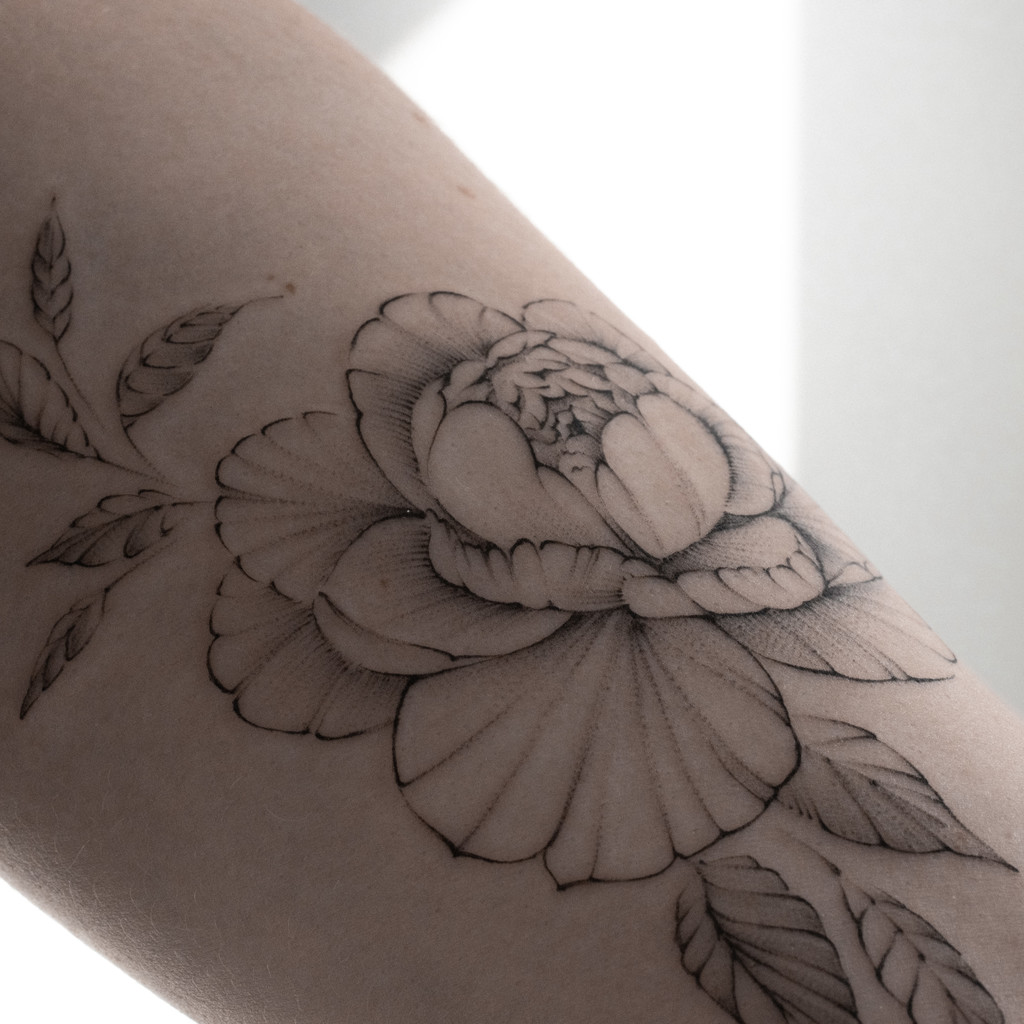
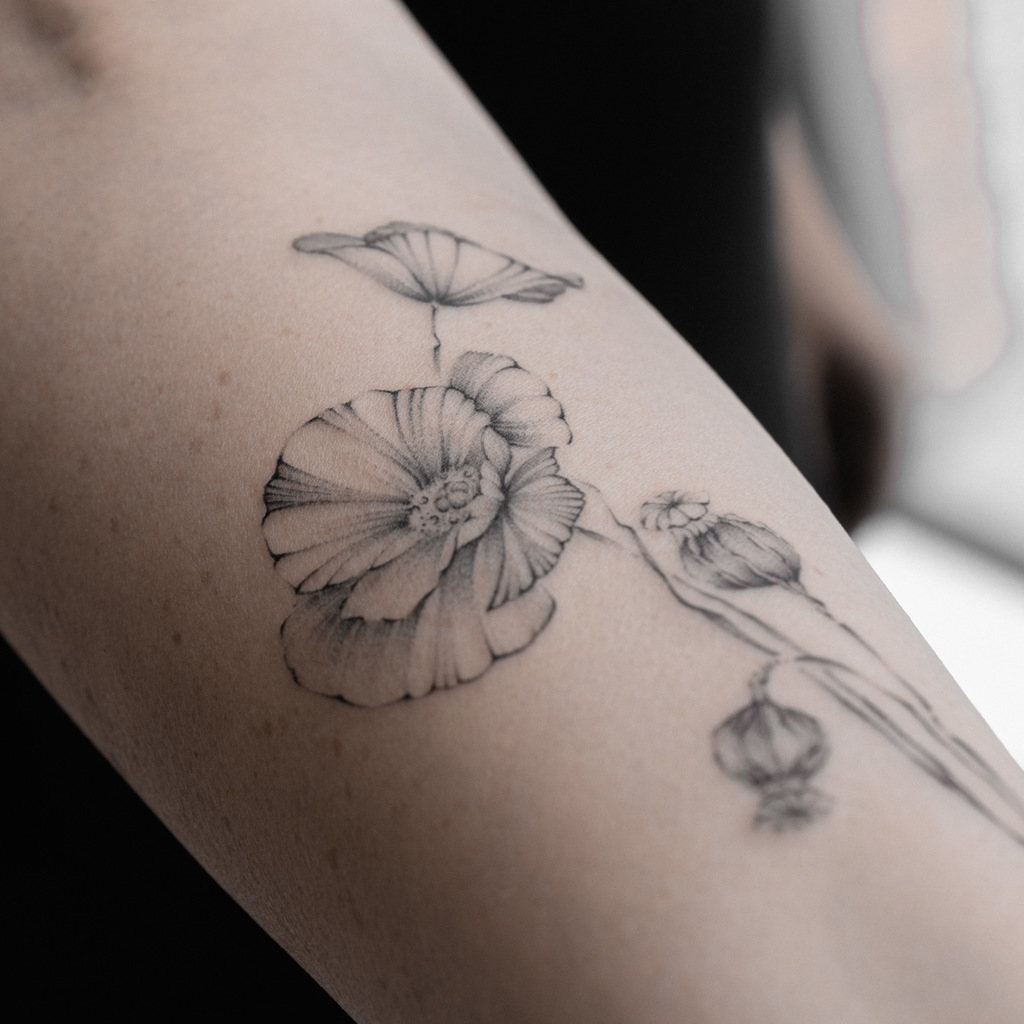
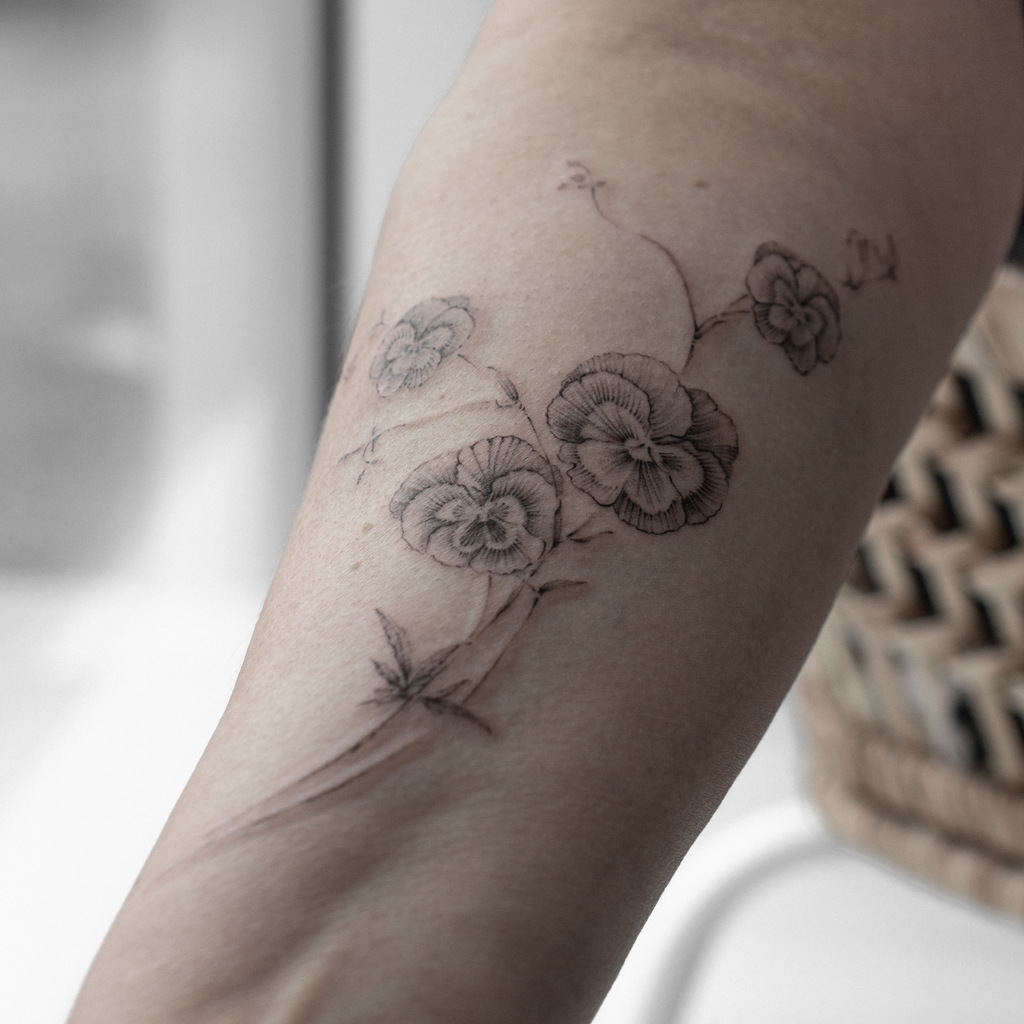
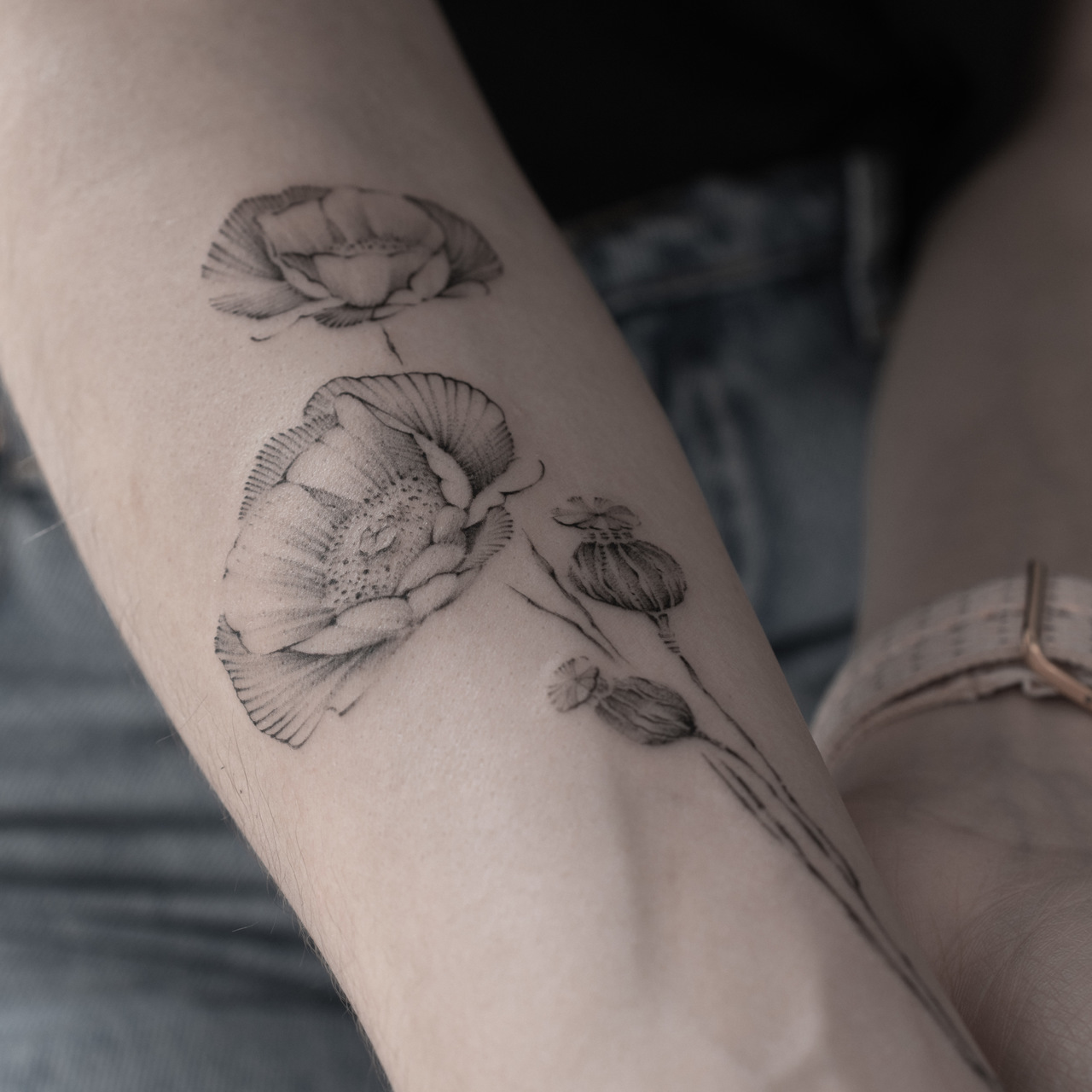
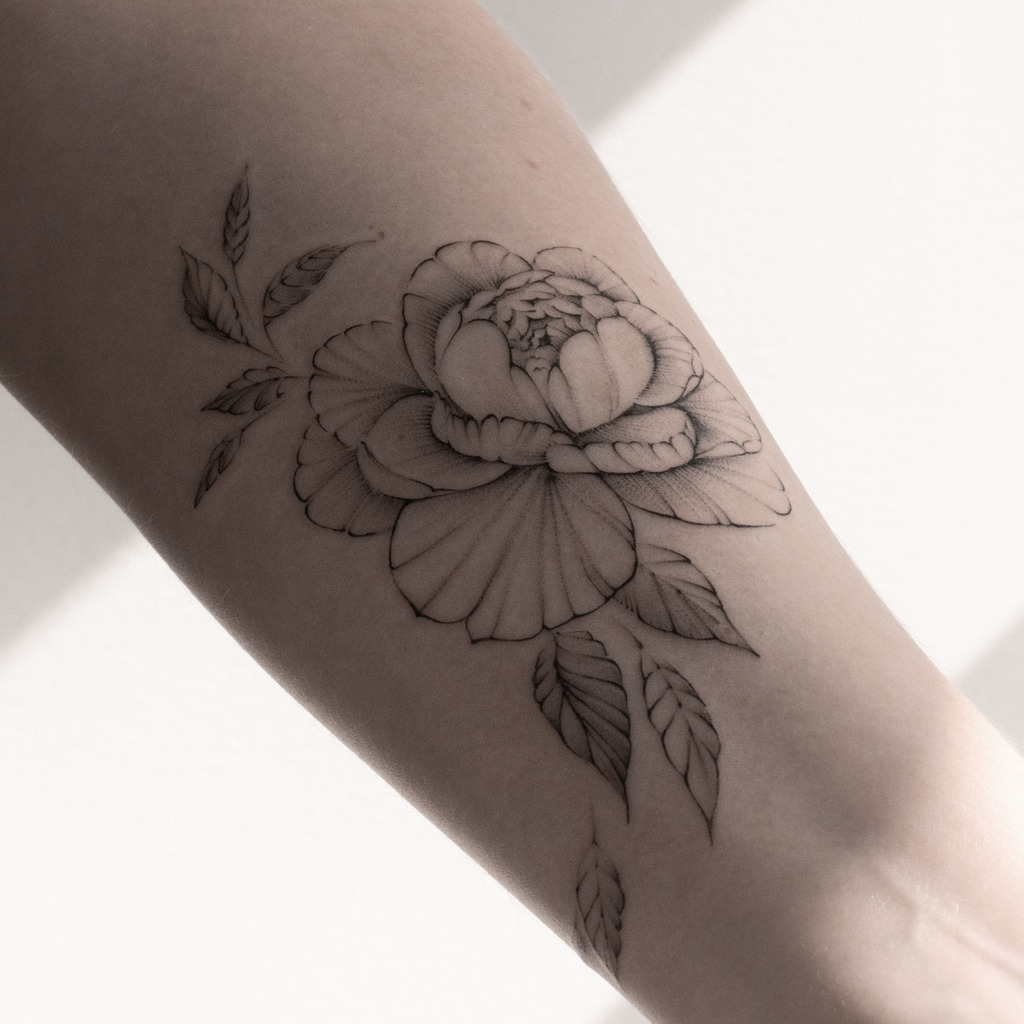
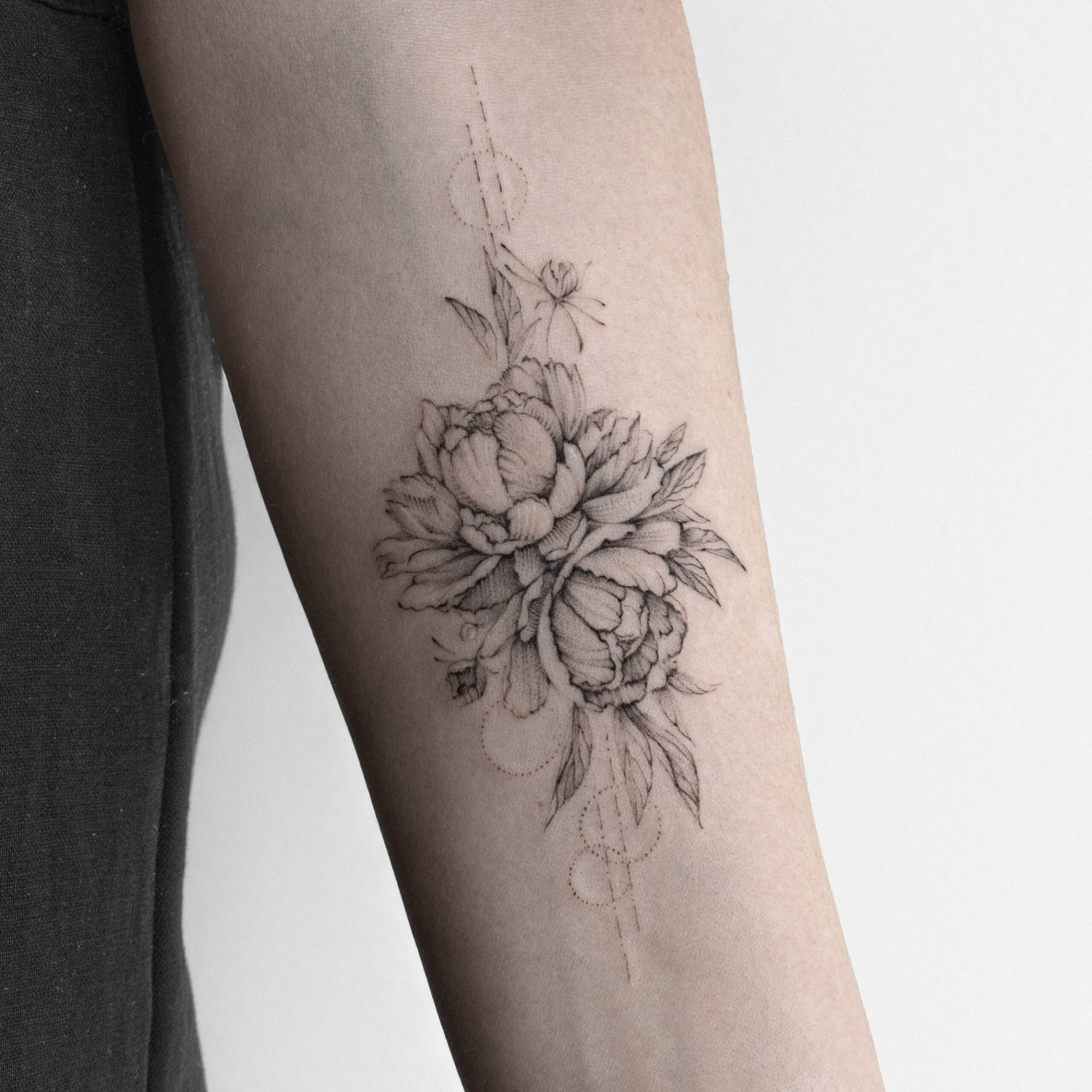
This becomes especially important in fine line tattooing, where precision, spacing, and visual clarity matter enormously.
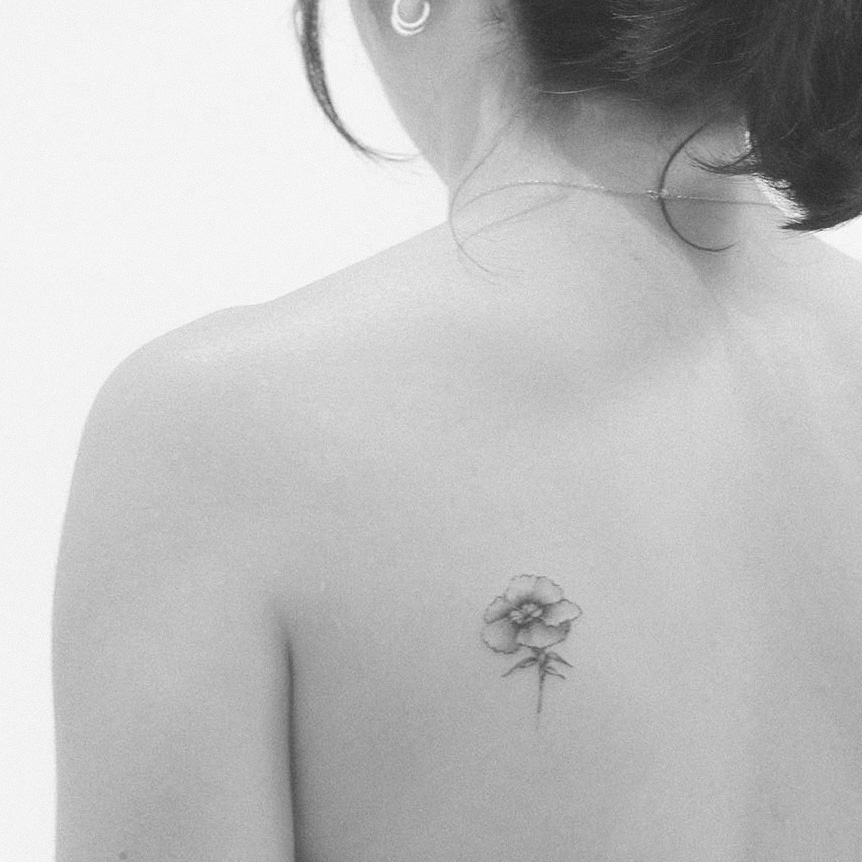
At Vadelma Tattoo, placement is approached almost architecturally — considering not only the tattoo itself, but how the tattoo interacts with the entire body composition over time.
Why Some Designs Feel Calm
One reason certain tattoos feel elegant immediately is because the human brain naturally responds to visual harmony. We often describe buildings, interiors, objects, or tattoos as “calm” without fully realizing why. Usually, it comes from proportion and rhythm rather than decoration alone. Balanced spacing lowers visual tension. Clear structure creates readability. Restraint creates breathing room. This is true in architecture from Rijksmuseum to Scandinavian interior design — and it is equally true in tattooing. Interestingly, many tattoos that age beautifully over decades share these same qualities. They are composed carefully rather than overloaded visually.
Amsterdam as an Influence
Living and working in Amsterdam naturally influences artistic perception. Amsterdam is a city built on visual balance. Even its density feels surprisingly human because proportions remain carefully controlled. The canals create rhythm. The historic architecture creates continuity. Old and modern structures coexist without constantly competing for attention. That atmosphere shapes aesthetic sensitivity almost unconsciously. And perhaps this is one reason why many people visiting Amsterdam describe the city not as aggressive or overwhelming, but as visually atmospheric. Tattooing can create similar emotional reactions. A well-balanced tattoo does not need to scream for attention constantly. Sometimes its strength comes from how naturally it exists within the person wearing it.
Timelessness Exists Across Disciplines
One fascinating similarity between architecture and tattooing is that both disciplines must survive time. Trends appear everywhere: in buildings, fashion, interiors, graphic design and tattoos. But eventually, temporary aesthetics fade, while thoughtful design principles remain surprisingly stable. This is why certain buildings still feel beautiful hundreds of years later despite enormous cultural changes. Their strength comes not from trend-chasing, but from understanding proportion, structure, material, and human experience deeply. The same often applies to tattoos. Tattoos grounded in balance and genuine connection tend to age differently emotionally than designs created only for immediate visual impact.
The Difference Between Decoration and Design
A building becomes memorable because of how all elements work together: space, light, movement, material, and emotional atmosphere. Tattooing works similarly. A technically impressive tattoo can still feel disconnected if placement, proportion, and emotional relationship to the body are ignored. Meanwhile, even relatively simple tattoos can become incredibly powerful when composition feels natural and intentional. This is one reason why thoughtful tattoo artists often spend significant time adjusting size, spacing, and placement before tattooing begins. The details matter.
Why Human Craft Still Matters
Both architecture and tattooing also share another important quality: they remain deeply human crafts despite technological changes. Digital tools can help enormously. They improve planning, communication, and experimentation. But ultimately, good design still depends on human judgment, sensitivity, and experience. Software cannot fully replace visual intuition developed slowly through observation and practice. And perhaps this is why handmade work still feels emotionally different in both architecture and tattooing. People respond not only to the final result, but also to the human presence inside the process itself.
The Vadelma Philosophy
At Vadelma Tattoo, tattooing is approached not only as technical execution, but as long-term visual composition connected to the individual body and personality. The studio focuses on:
.
Thoughtful placement
Fine line precision
Balanced composition
Calm aesthetics
And tattoos designed to feel natural over time
.
This approach connects naturally with broader ideas from architecture, art, and timeless design philosophy.
You can also read more tattoo-related and Amsterdam-inspired articles here: https://vadelma.eu/blog
Beyond the Tattoo
For those interested in visual art and design beyond tattooing itself, you can also explore museum-quality art prints created by Natalie Vadelma here: https://vadelmaprints.com/
Final Thoughts
Perhaps tattoos and architecture are not as different as they first appear. Both shape the spaces we live inside.
Both influence emotion through proportion and atmosphere. And both become strongest when they balance beauty with structure rather than chasing attention alone. Because whether on skin or within a city, timeless design is rarely accidental.
FAQ – Tattoos and Architecture
What do tattoos and architecture have in common?
Both rely on balance, proportion, rhythm, composition, and long-term design thinking.
Why is placement important in tattooing?
Placement affects how a tattoo interacts with anatomy, movement, and overall body composition.
Do fine line tattoos require more visual balance?
Yes, fine line tattoos benefit strongly from thoughtful spacing and proportion.
Why do some tattoos feel more timeless?
Tattoos grounded in balanced composition and personal connection often age more naturally over time.
We use cookies to ensure that we give you the best experience on our website. If you continue to use this site we will assume that you are happy with it.