Why We Leave Marks | The Human Desire to Create and Remember
Why We Leave Marks
The Human Desire to Leave Something Behind
Thousands of years ago, someone stood before a cave wall and placed a hand against stone. We do not know who that person was. They may have been an artist, a hunter, a parent, or simply someone living an ordinary life. What we do know is that their handprint survived. Across centuries and millennia, it remained as evidence that a human being once stood in that exact place.
When we encounter those ancient marks today, we experience something remarkable. Despite the enormous distance in time, the gesture feels familiar. It reminds us that the people who lived thousands of years ago were not so different from us. They wanted to express themselves, communicate something, and leave a trace behind.
Perhaps that is because the impulse behind those handprints still exists today. Human beings have always left marks. Not only on cave walls, but on paper, stone, buildings, objects, and even on their own bodies. Throughout history, people have searched for ways to preserve memories, express ideas, and create something that lasts beyond a single moment.
.
More Than a Trace
At first glance, leaving a mark may seem like a simple act. A signature on a document, a note written inside a book, a photograph taken during a journey, or a painting created in a studio can all appear ordinary. Yet these actions often represent something deeper. Every mark tells a small story. It says, “I was here.” It says, “This mattered to me.” Sometimes it says, “I want to remember this.” Other times it says, “I want others to remember.” Marks allow us to transform fleeting experiences into something tangible. They give shape to memories that might otherwise fade and provide a way to hold onto moments that would eventually disappear. In this sense, leaving a mark is not really about permanence. It is about meaning.
.
The First Human Stories
Long before written language existed, people were already creating visual records of their lives. Ancient cave paintings discovered across Europe, Asia, Africa, and Australia reveal that our ancestors were interested in much more than survival. They painted animals, symbols, patterns, and scenes that carried cultural and personal significance. These images continue to fascinate us because they feel like messages from another world. Although we cannot always understand their exact meaning, we recognize the human desire behind them. The people who created these works wanted to communicate something. They wanted to share an idea, tell a story, or preserve a moment. In many ways, these early artworks were among humanity’s first attempts to speak to the future.
.
Marks and Identity
As civilizations developed, marks became closely connected to identity. People created signatures, artists signed paintings, craftsmen marked their work, and families developed symbols that represented their history and values. These marks helped identify who created something, who owned it, and where it belonged. Even today, a handwritten signature carries a sense of personality that a typed name rarely achieves. It contains subtle traces of the individual behind it. We value these details because they remind us that a real person was involved. This may help explain why people continue to appreciate handmade objects, original artworks, and personal forms of expression. Human beings naturally connect with evidence of other human beings.
.
Why We Keep Things
The desire to leave marks is closely connected to another universal habit: keeping meaningful objects. Most people own things that have little practical value but significant emotional value. Photographs, letters, books, souvenirs, tickets from memorable trips, and objects inherited from family members often become treasured possessions. These items serve as reminders of experiences, relationships, and moments that helped shape our lives. A souvenir is essentially a mark left by an experience. It allows us to revisit a memory long after the moment itself has passed. The object becomes a bridge between who we were and who we have become.
.
Art as Evidence of Being Human
Much of human creativity can be understood through this same perspective. Artists create paintings, writers produce books, architects design buildings, and musicians compose music. While each discipline is different, they all share something important in common. They leave traces. A painting becomes evidence of an idea. A building becomes evidence of a vision. A novel becomes evidence of a thought. Creative work allows people to communicate across time, connecting generations through shared experiences and emotions. This does not mean that every artist is trying to become famous or immortal. More often, creative work reflects a simple and deeply human desire to contribute something meaningful to the world.
.
The Unique Nature of Tattoos
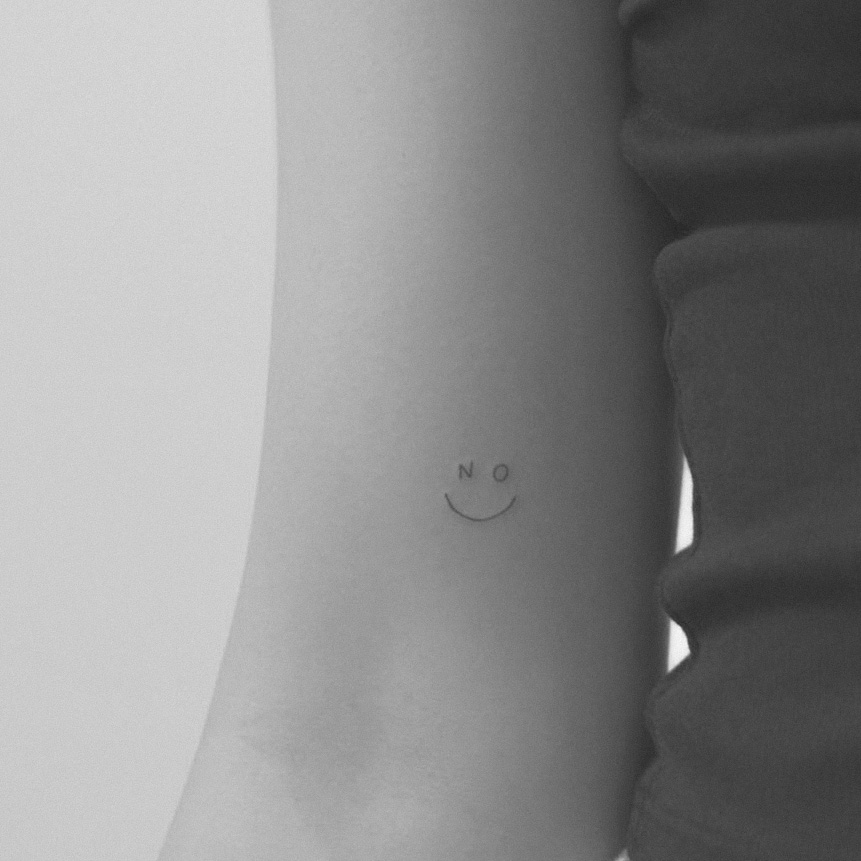
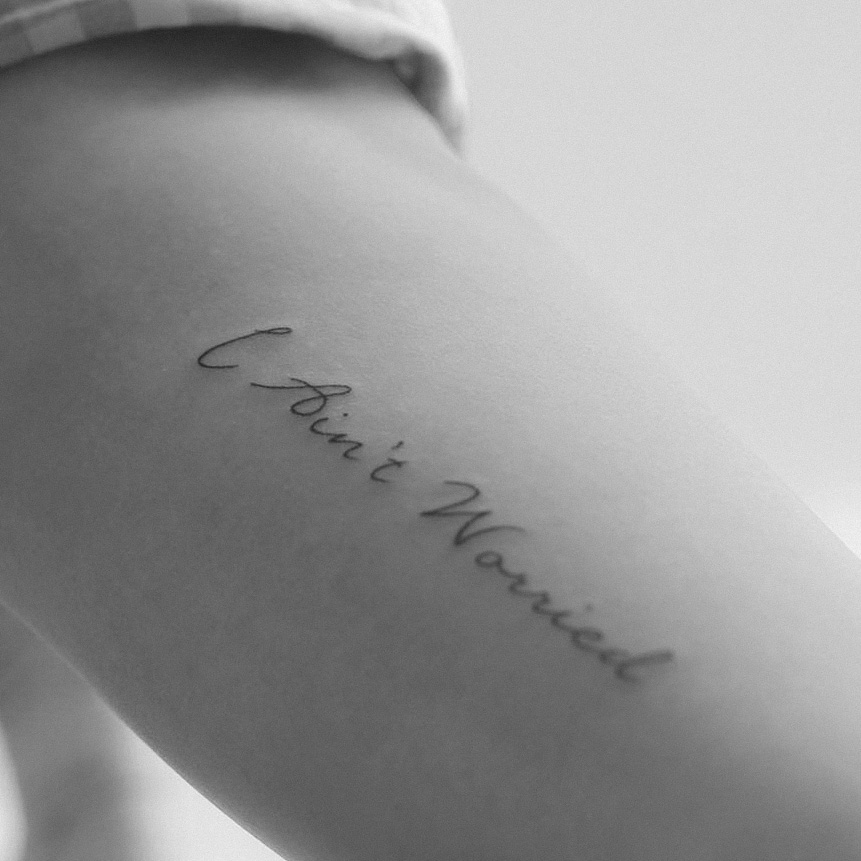
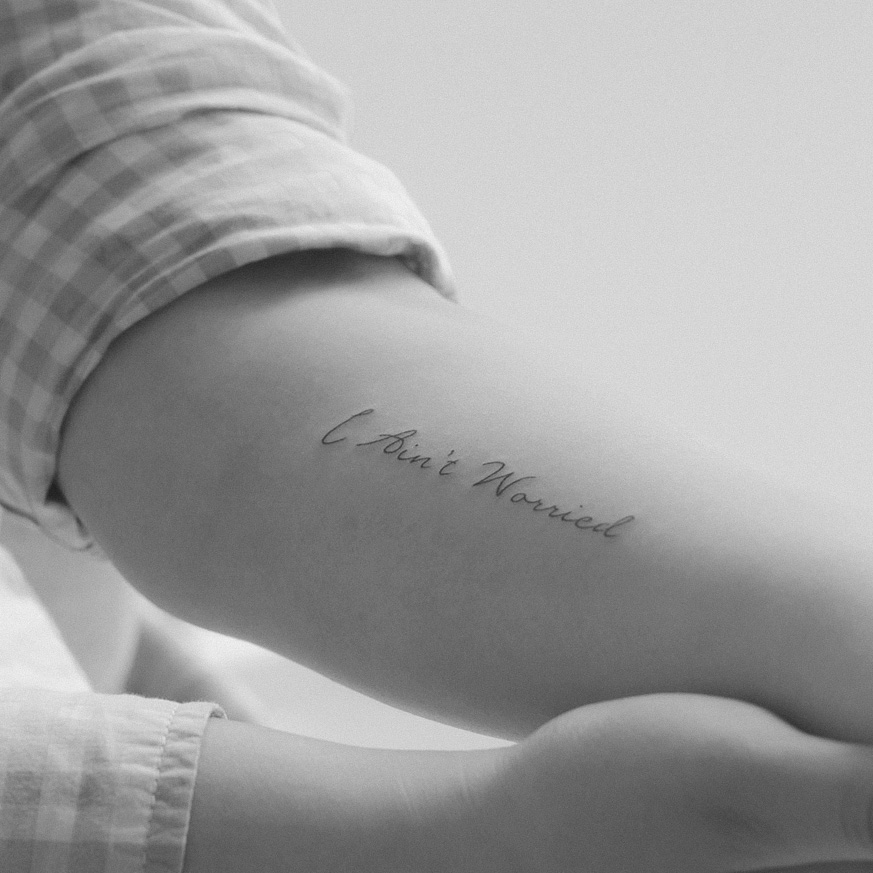
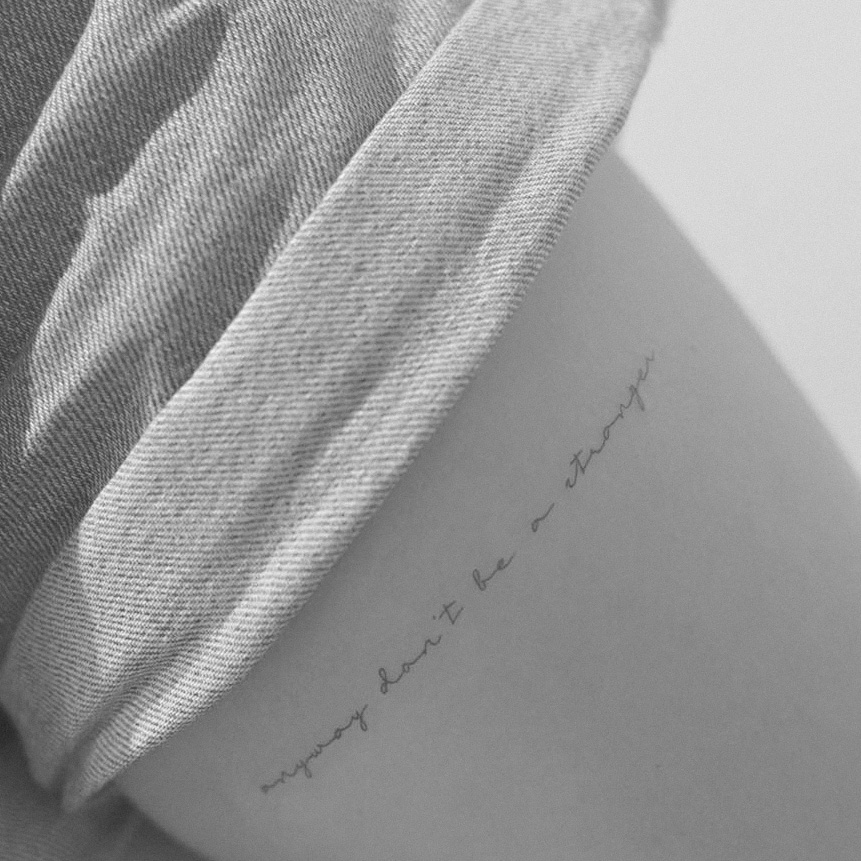
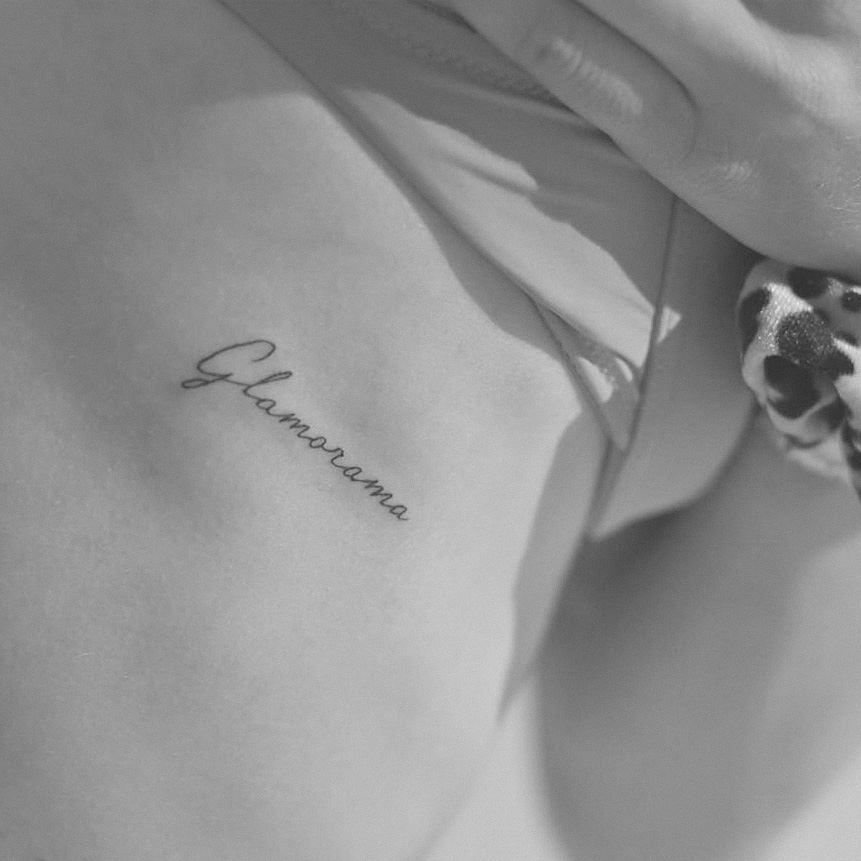
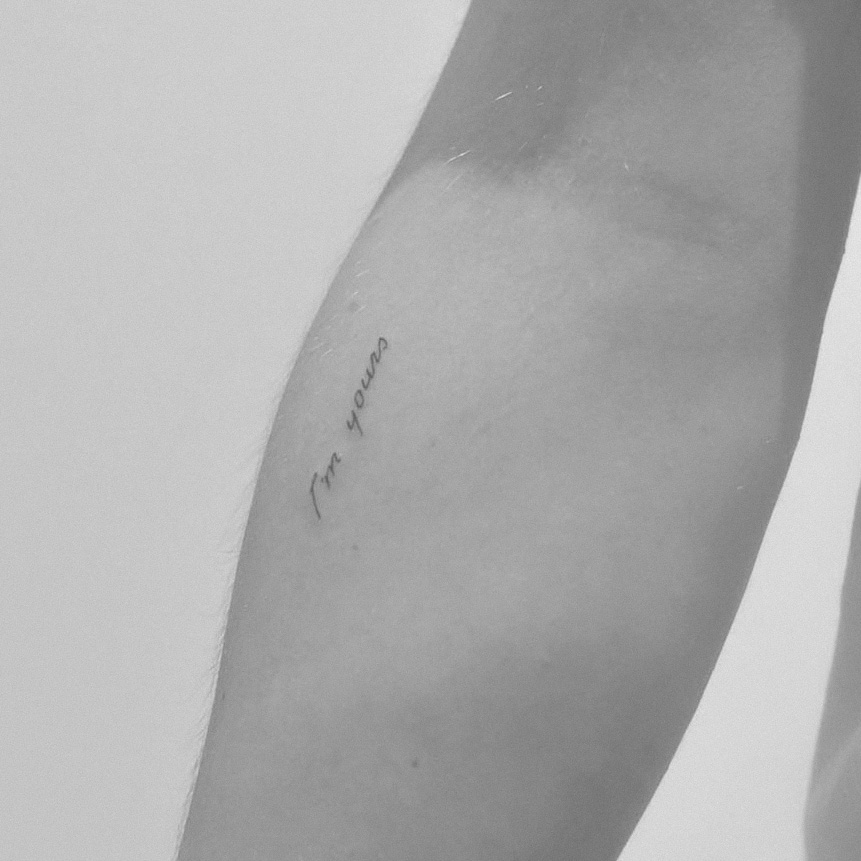
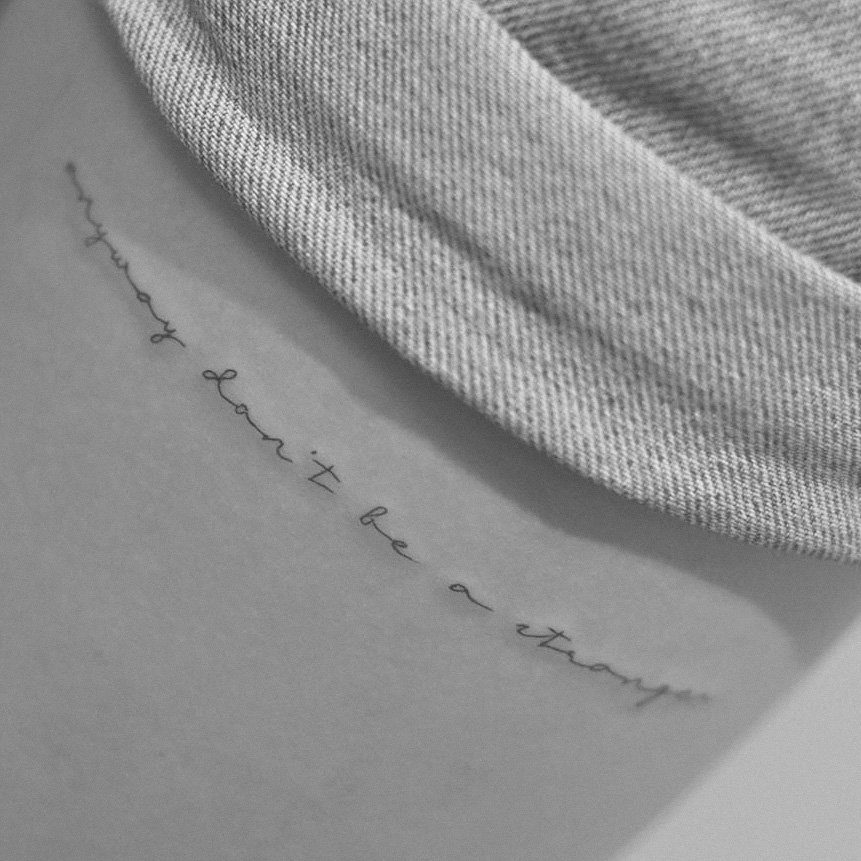
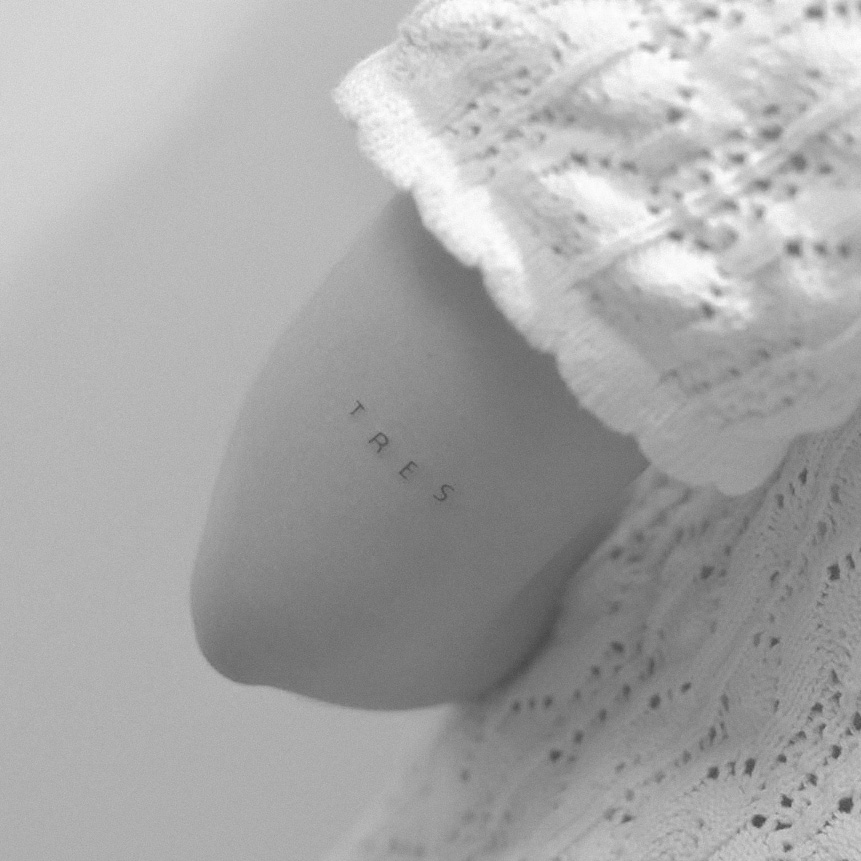
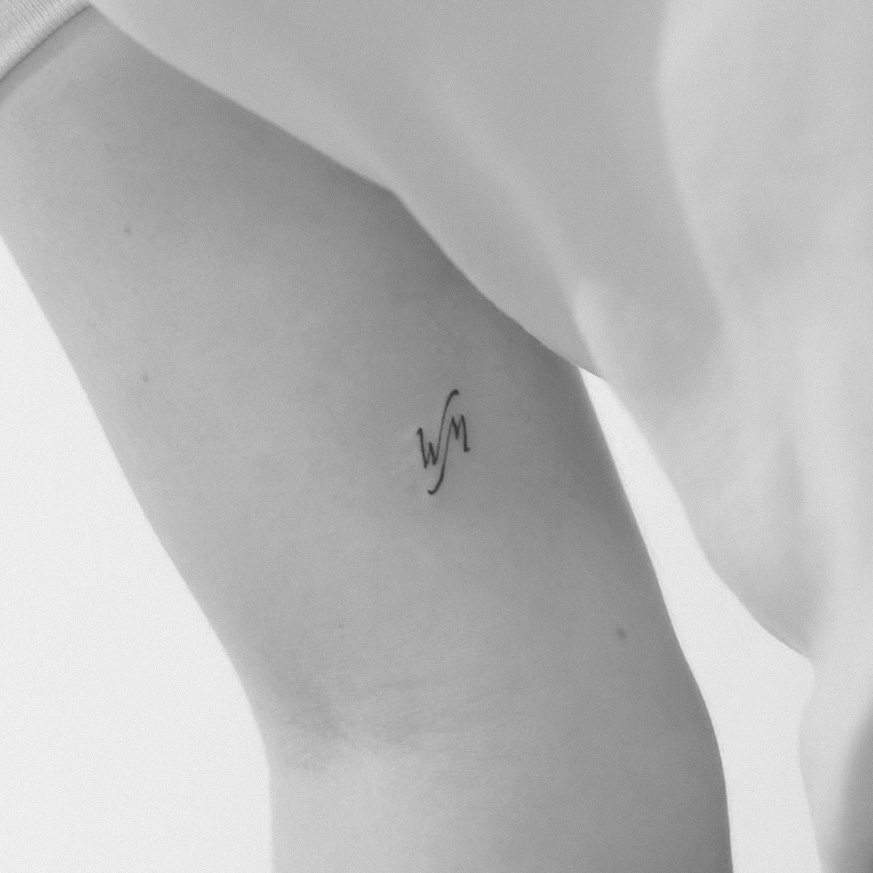
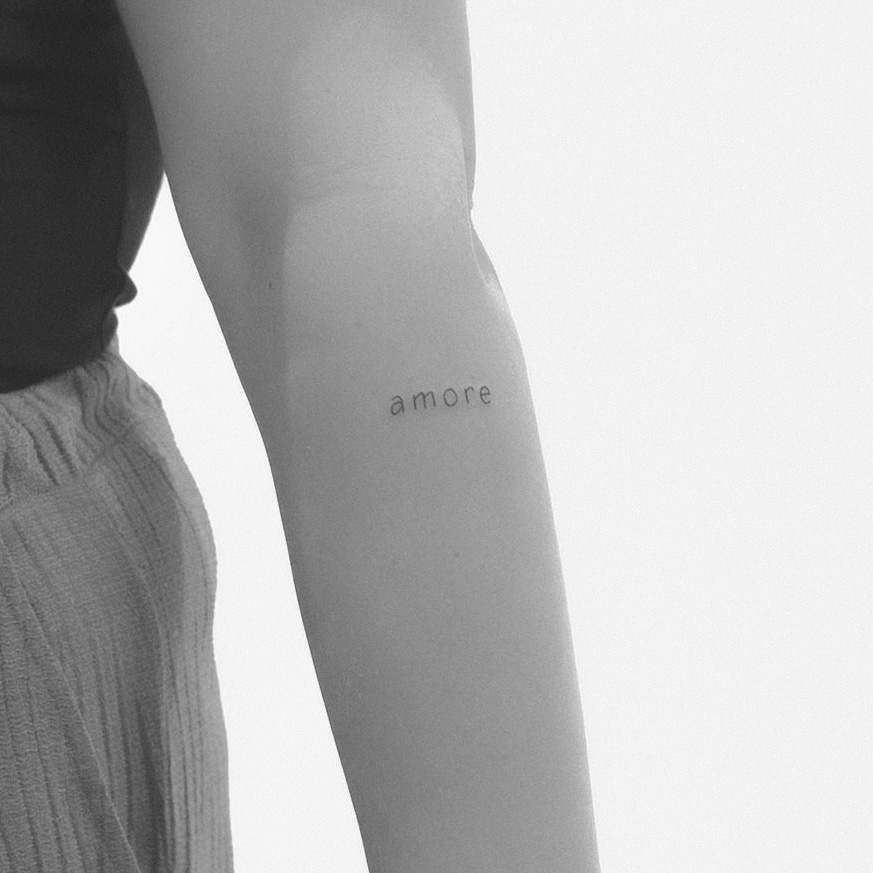
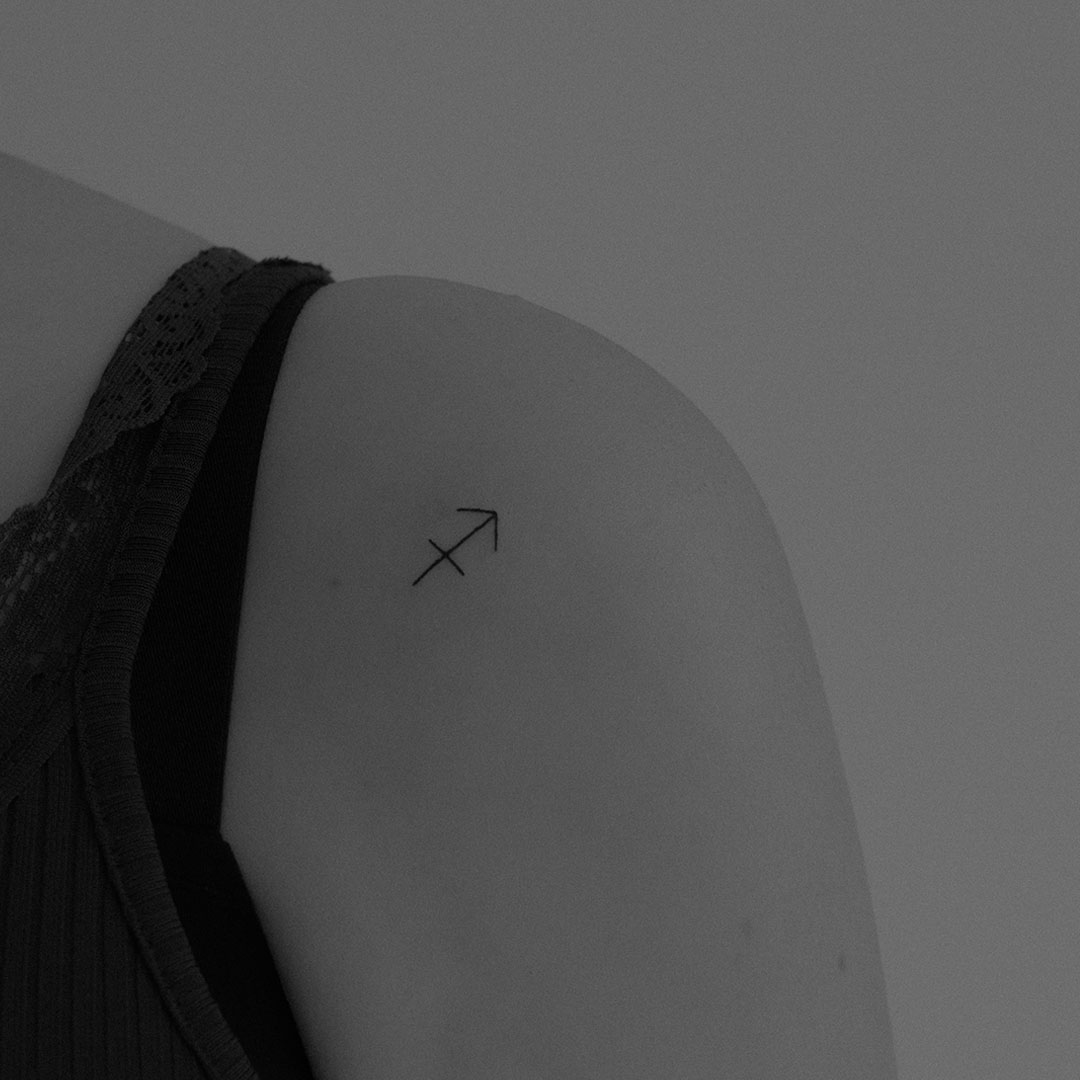
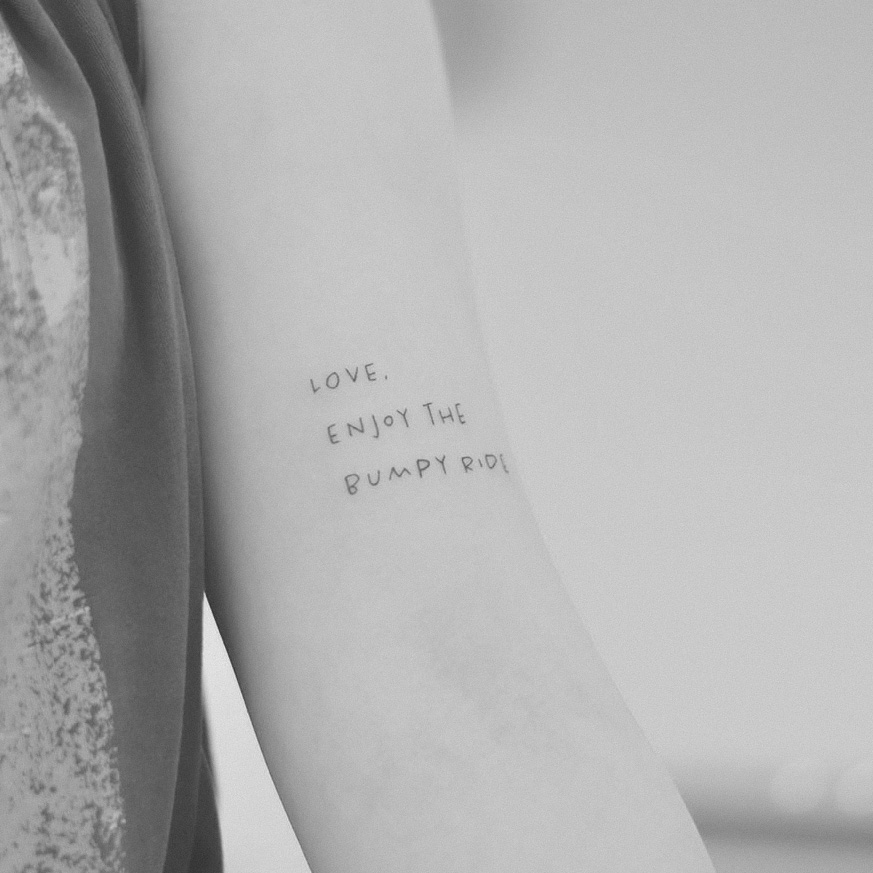
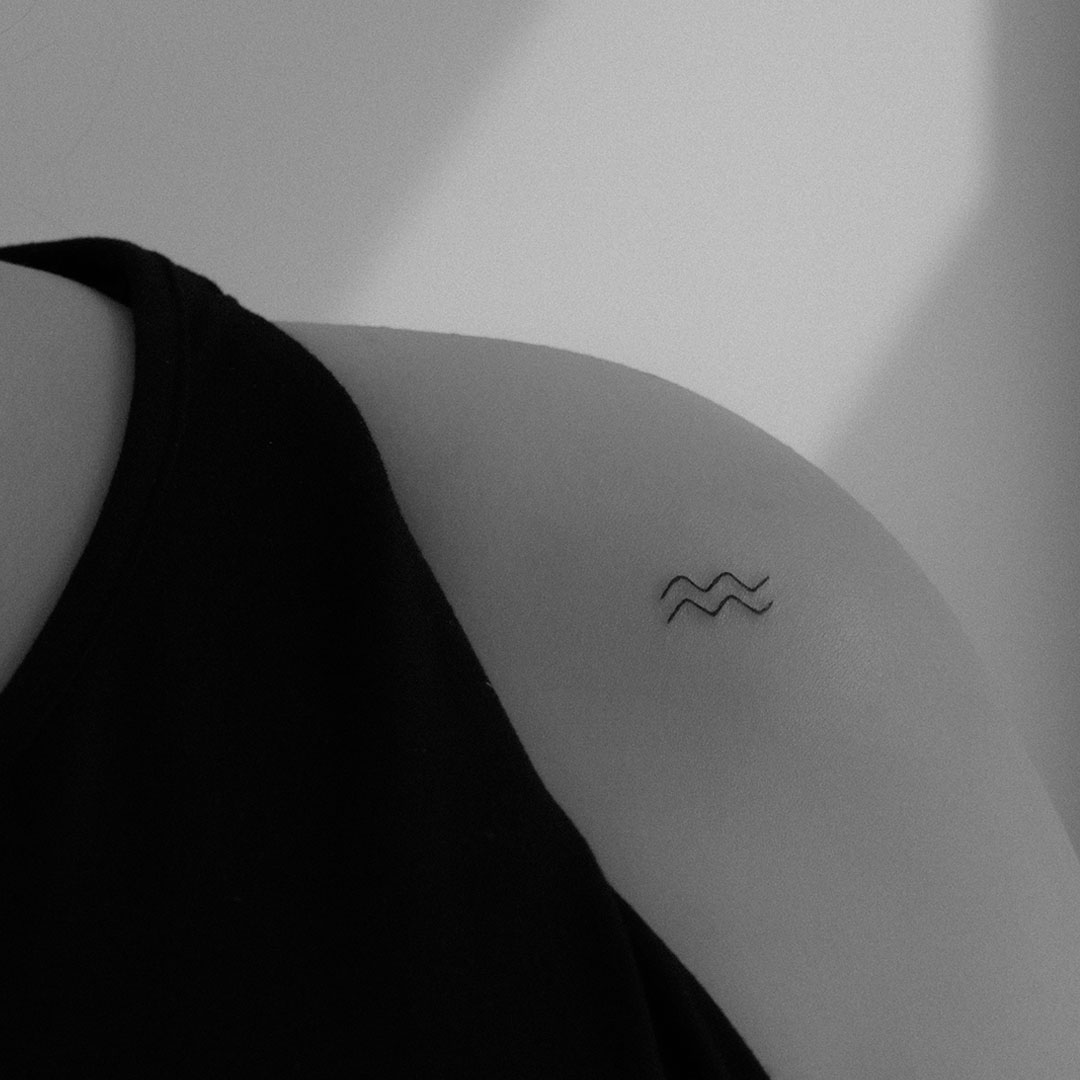
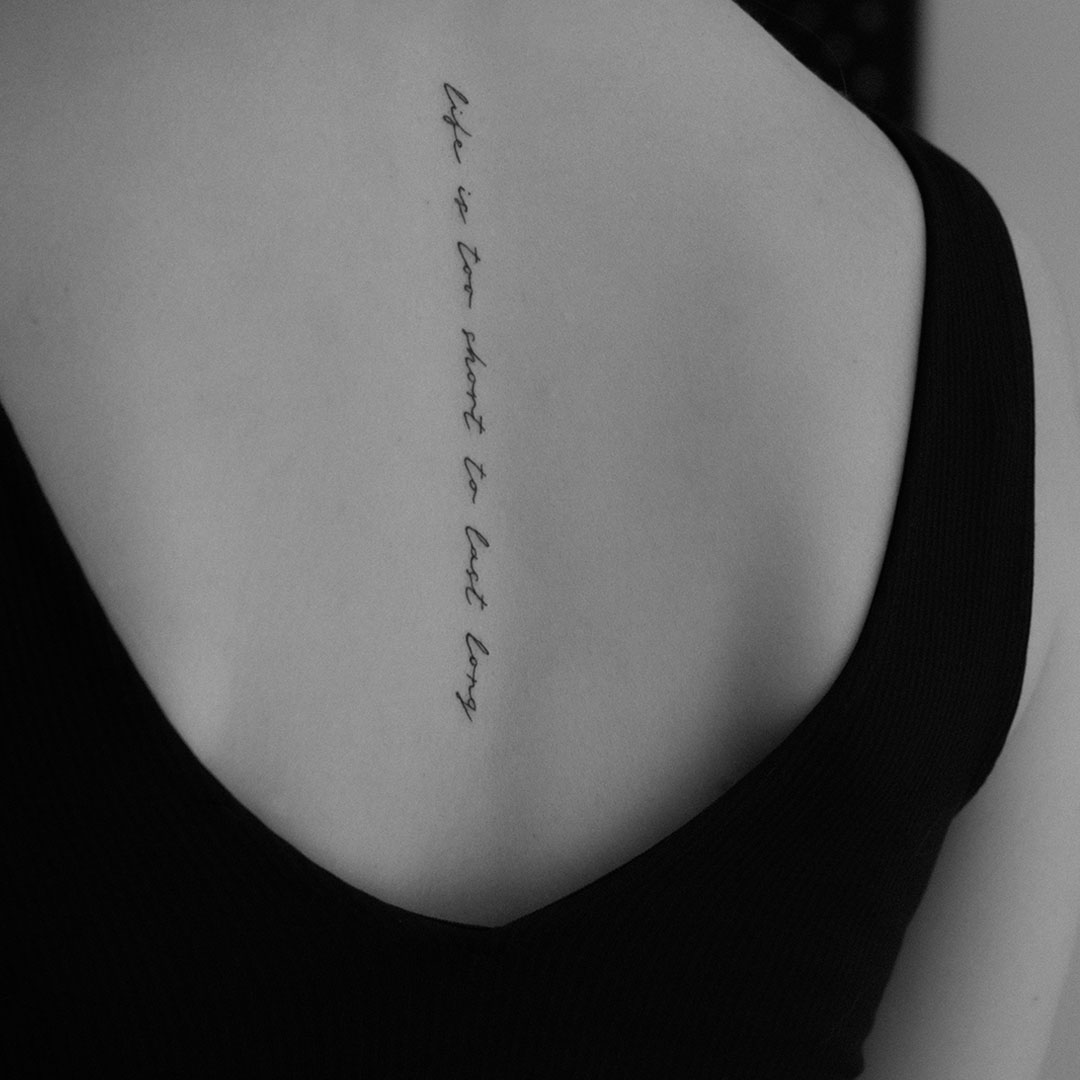
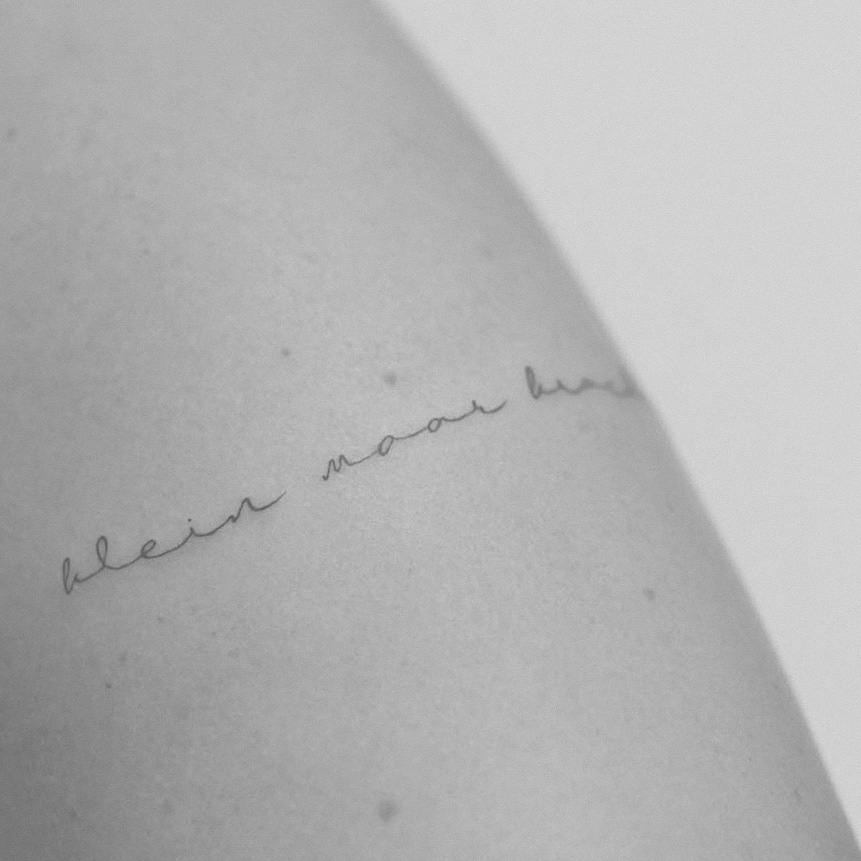
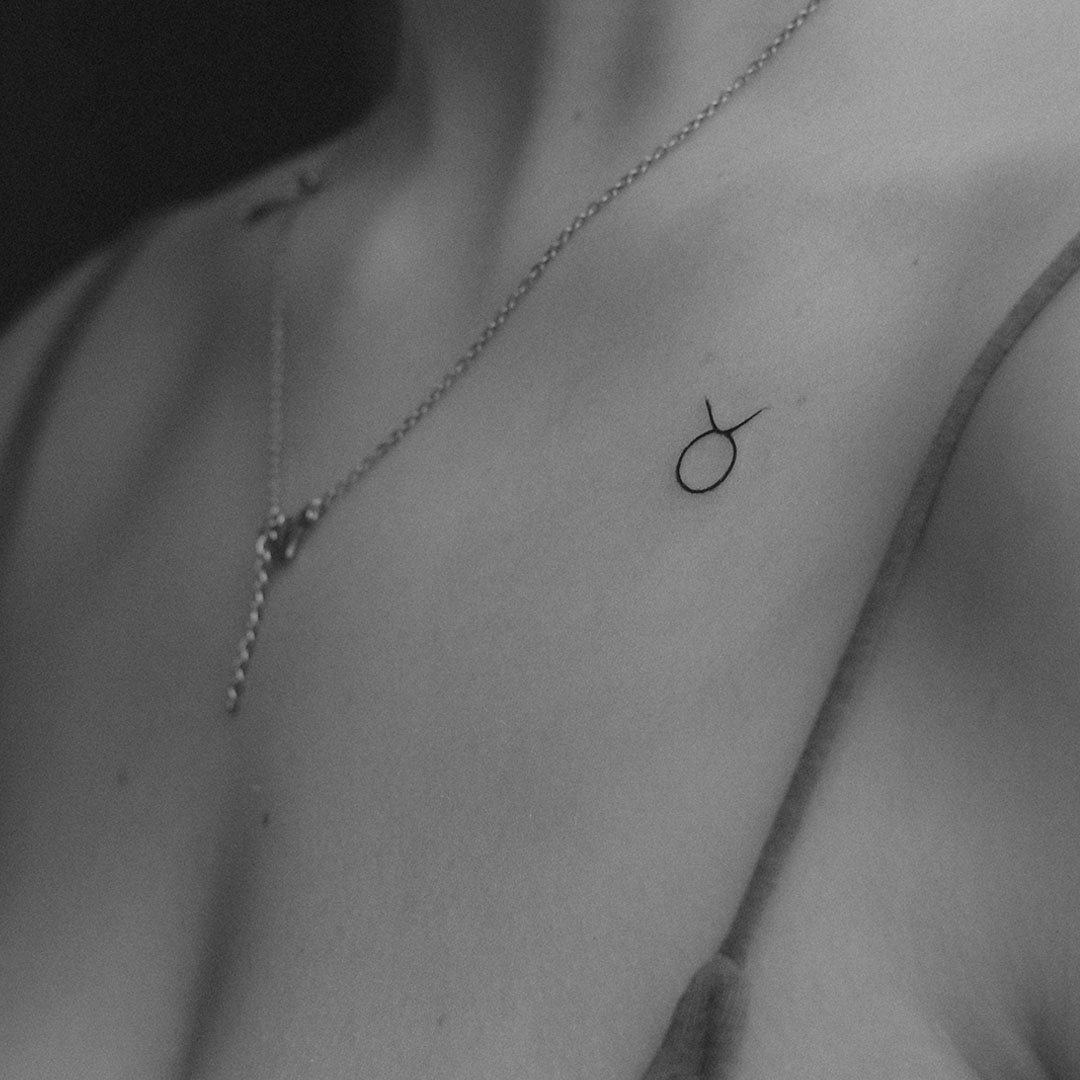
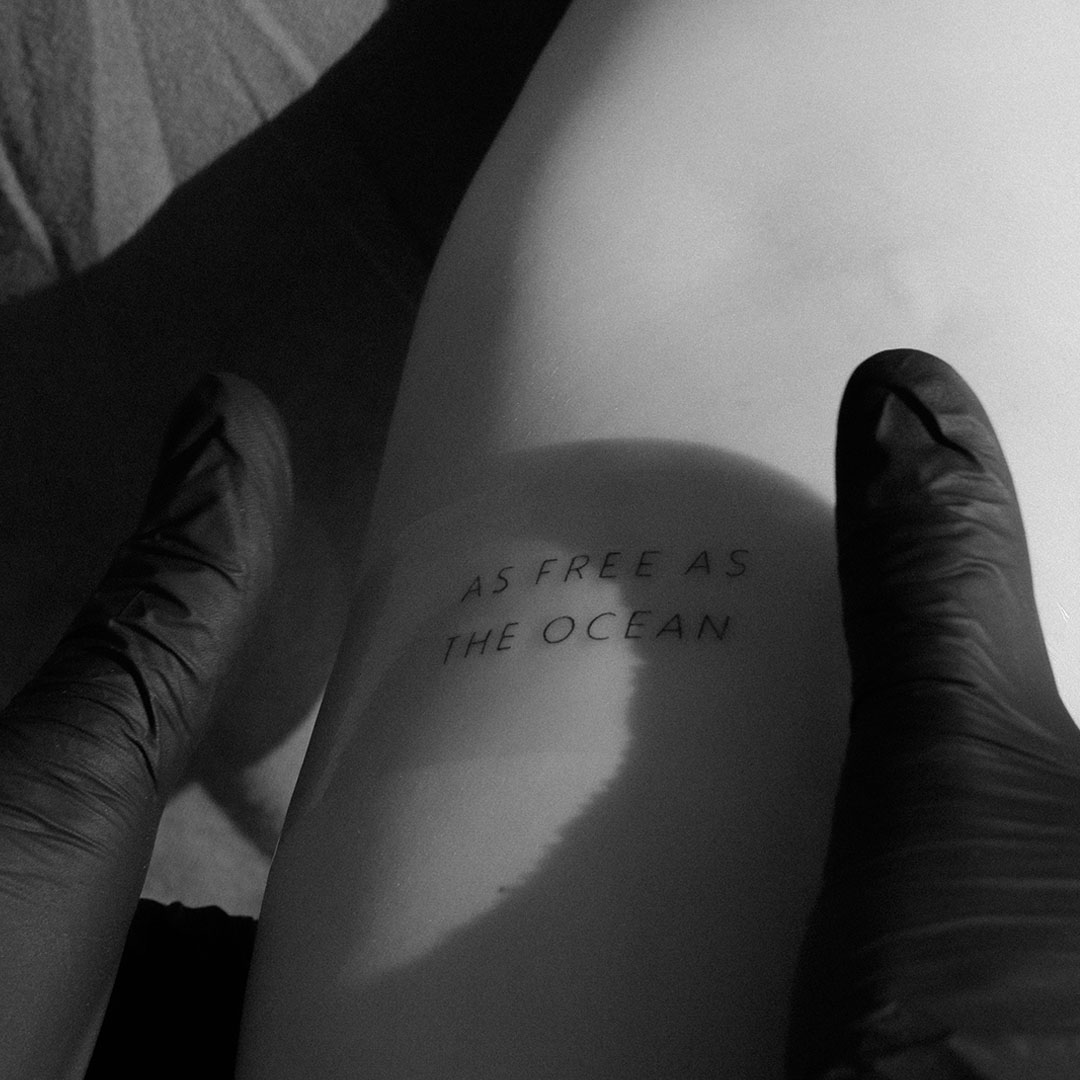
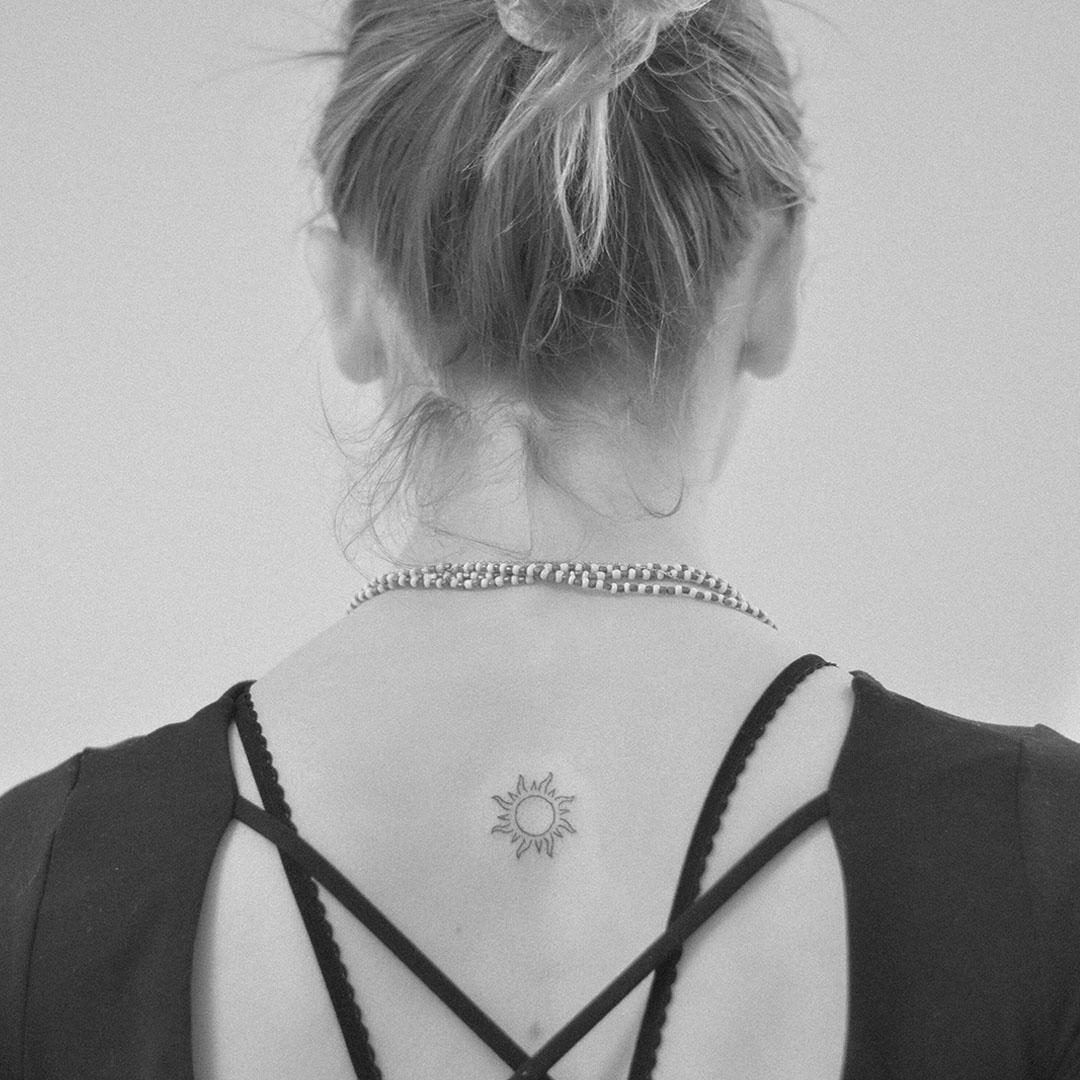
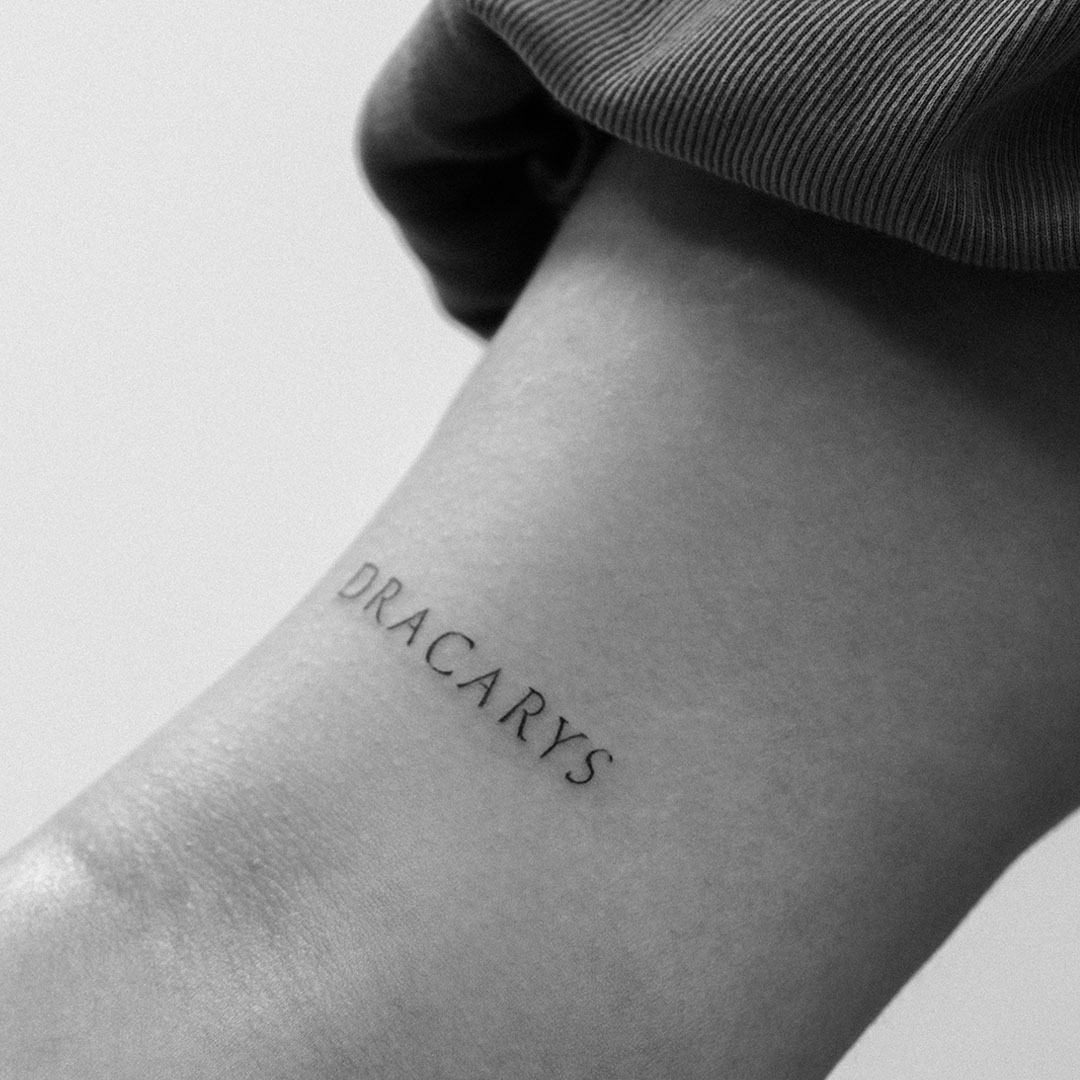
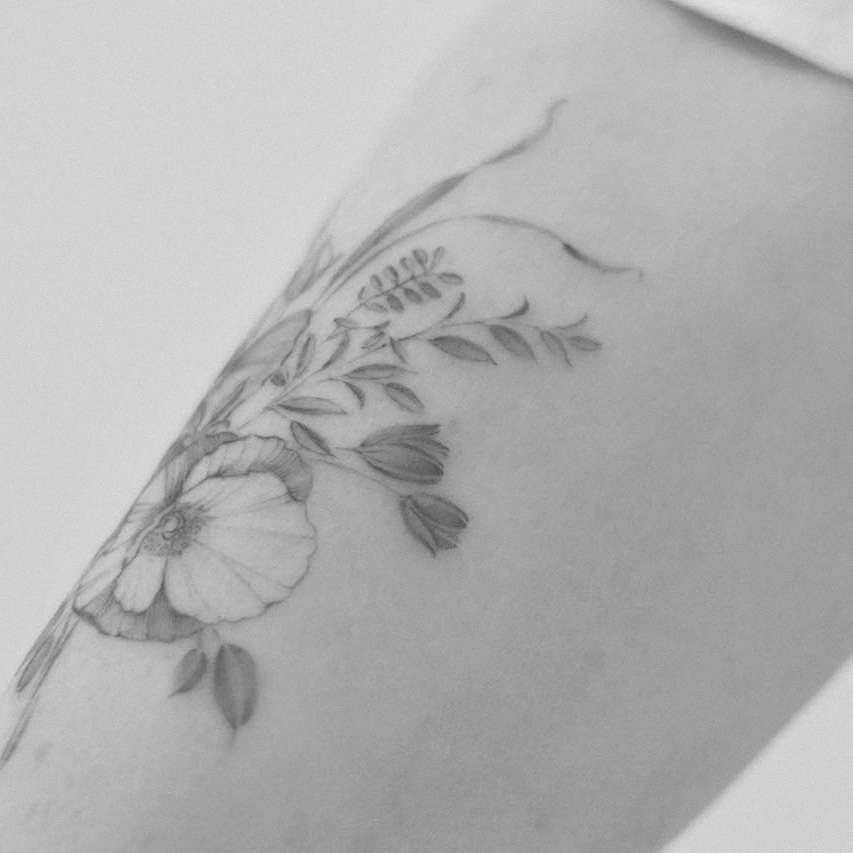
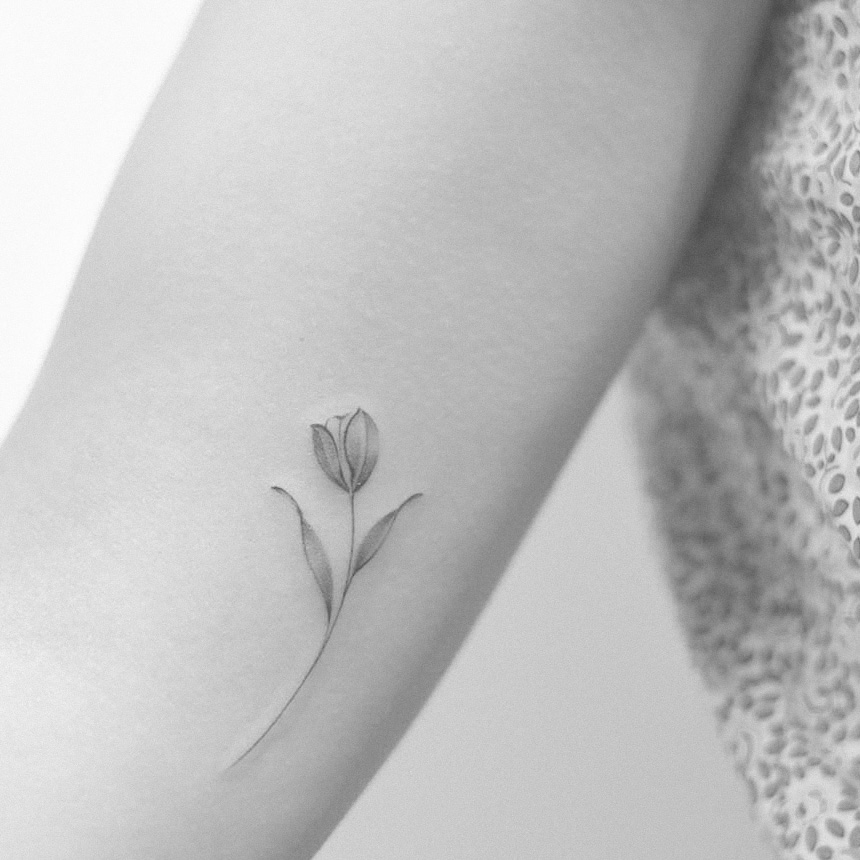
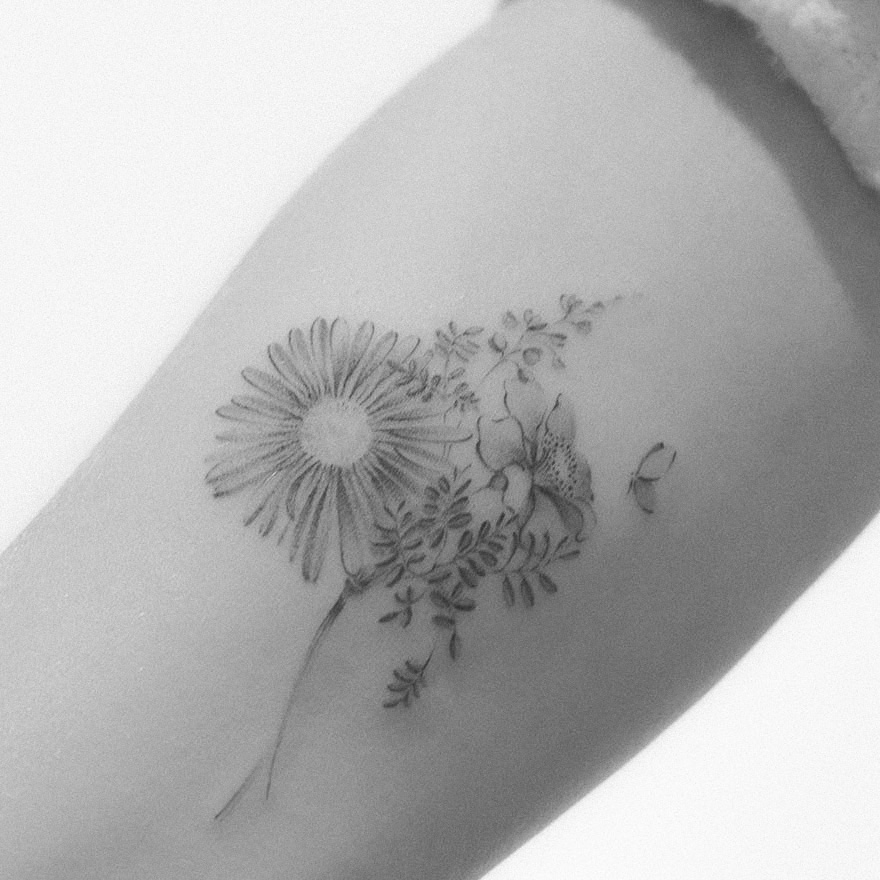
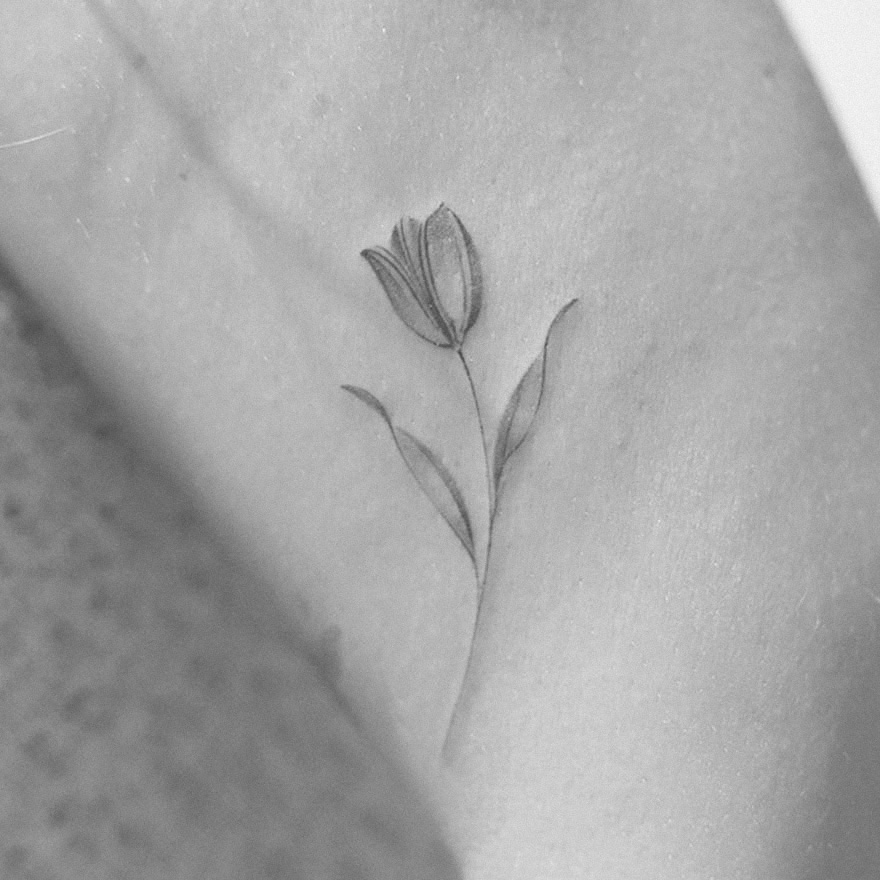
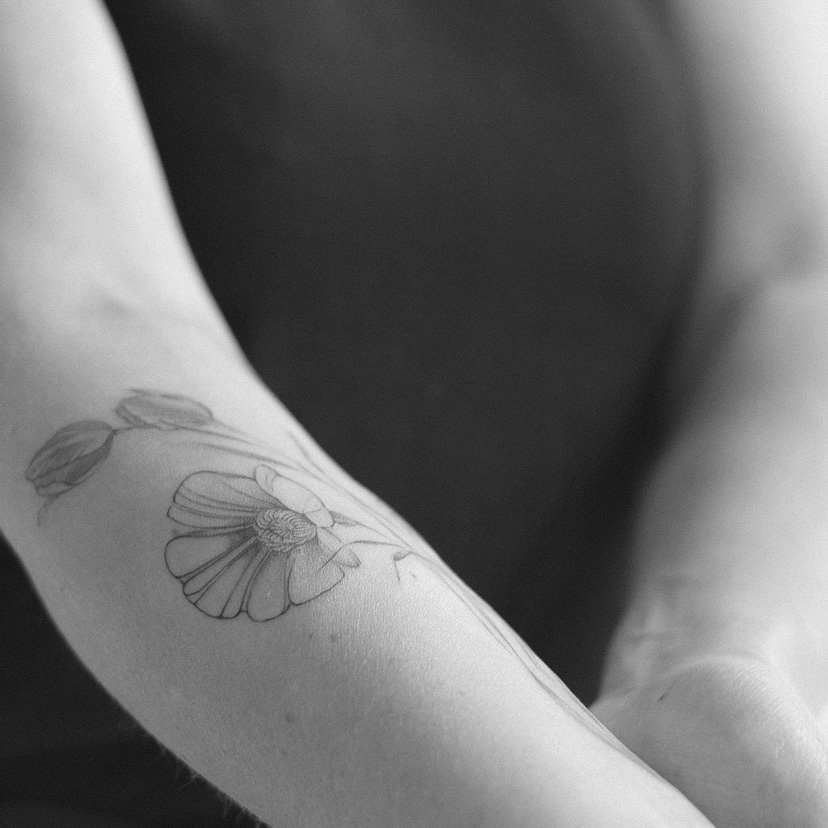
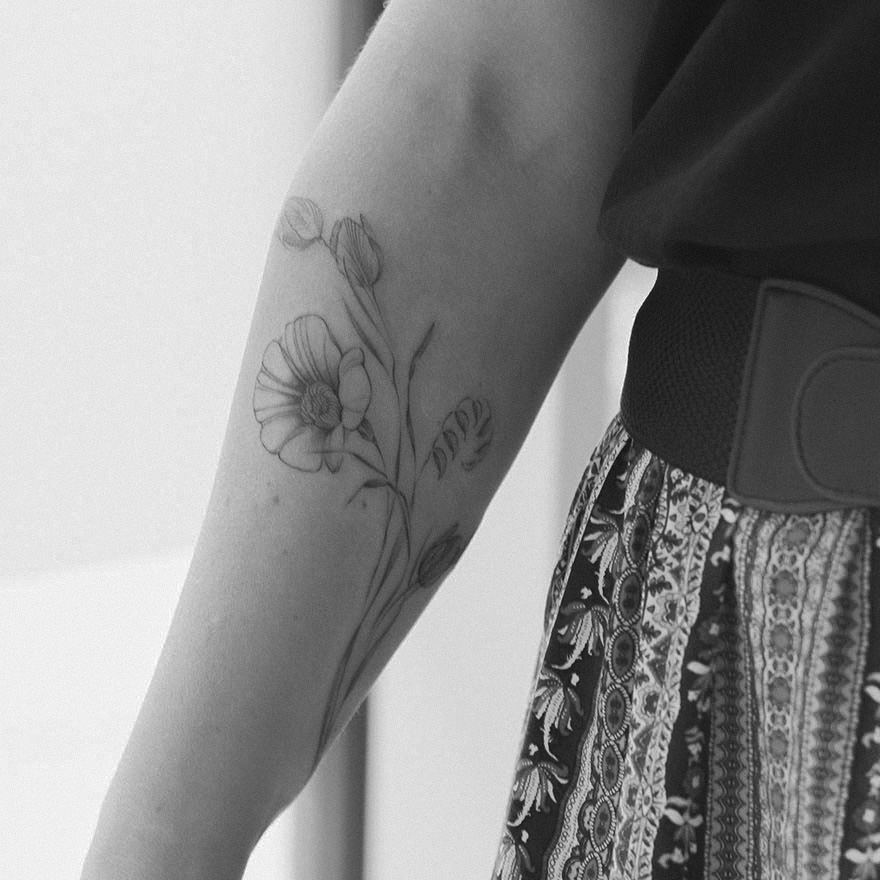
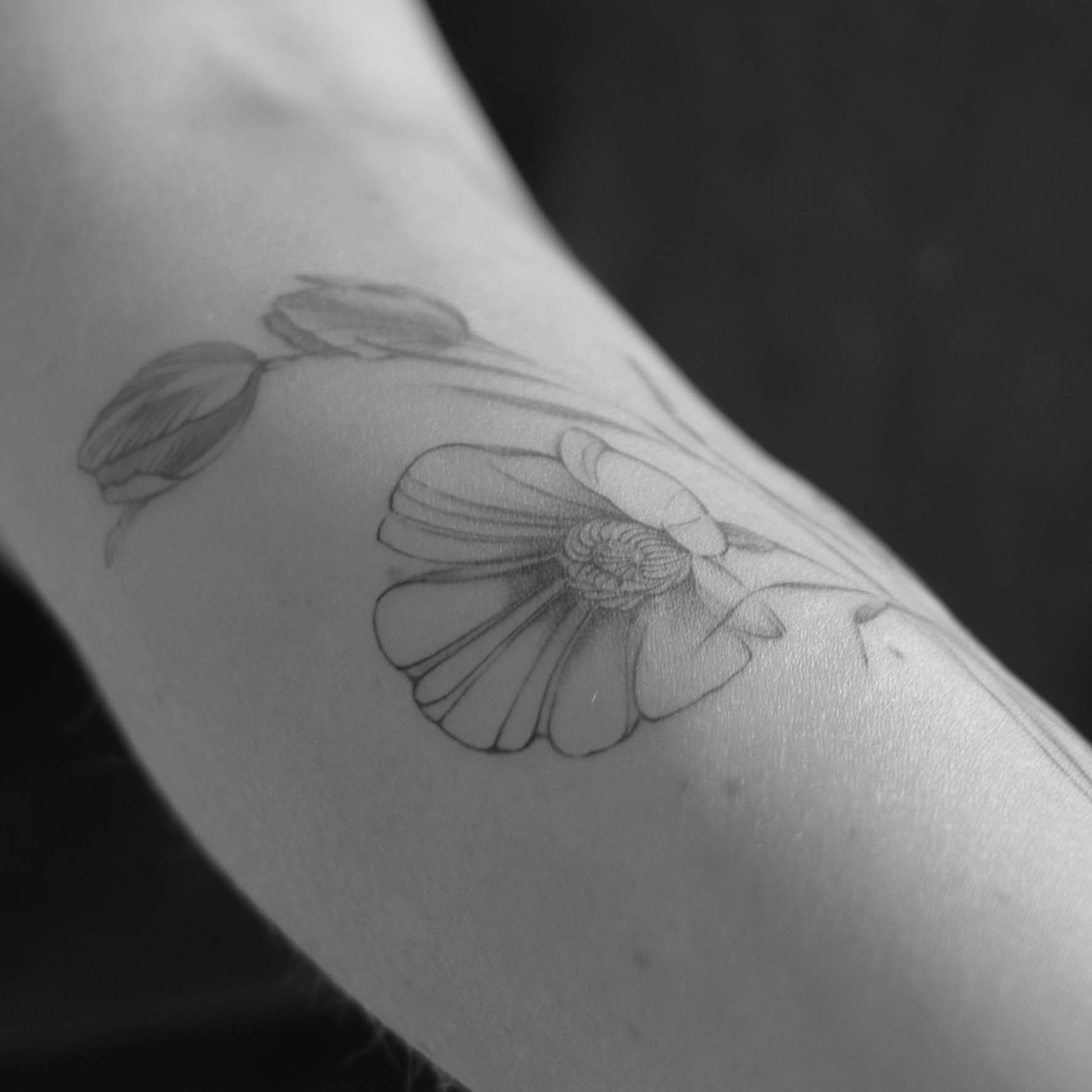
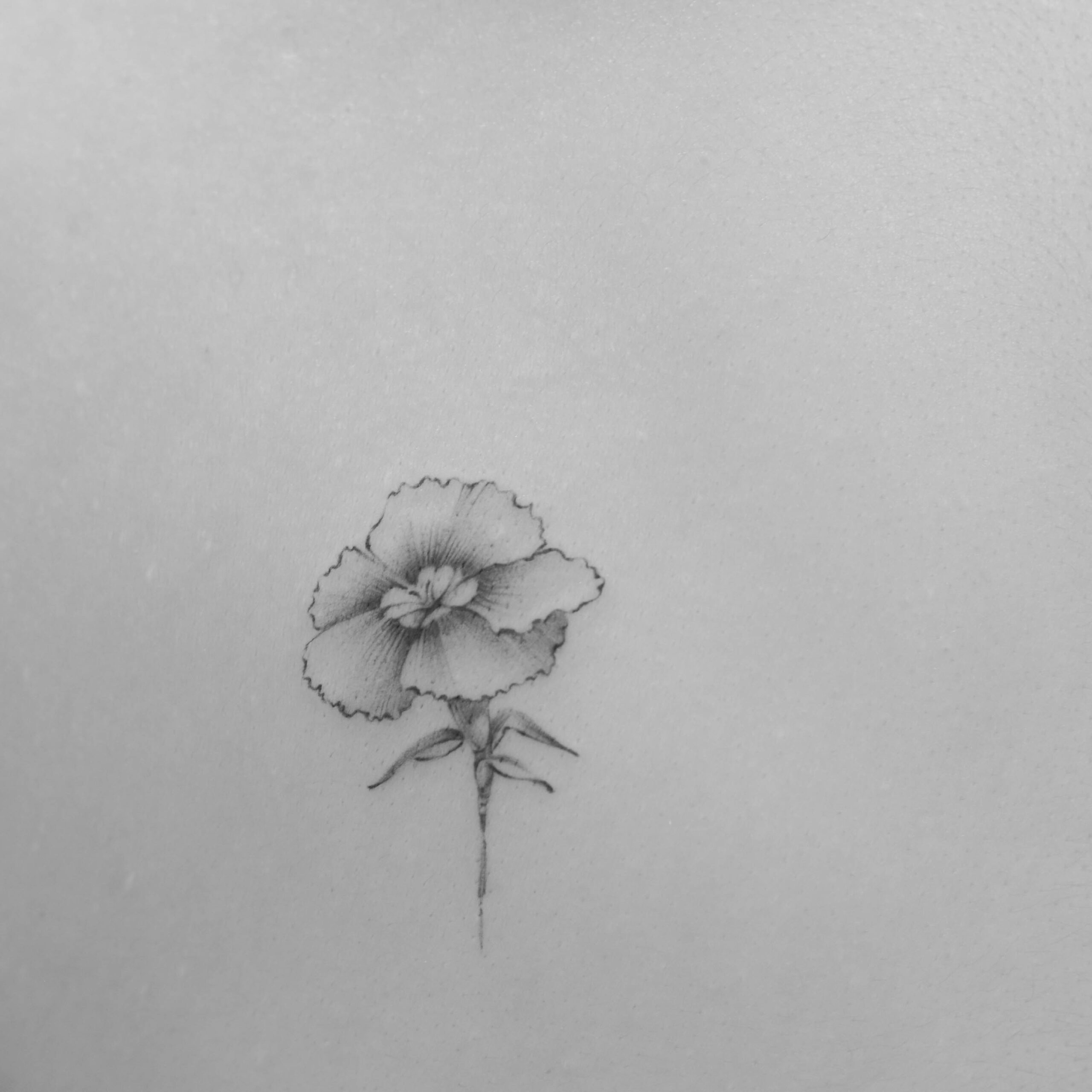
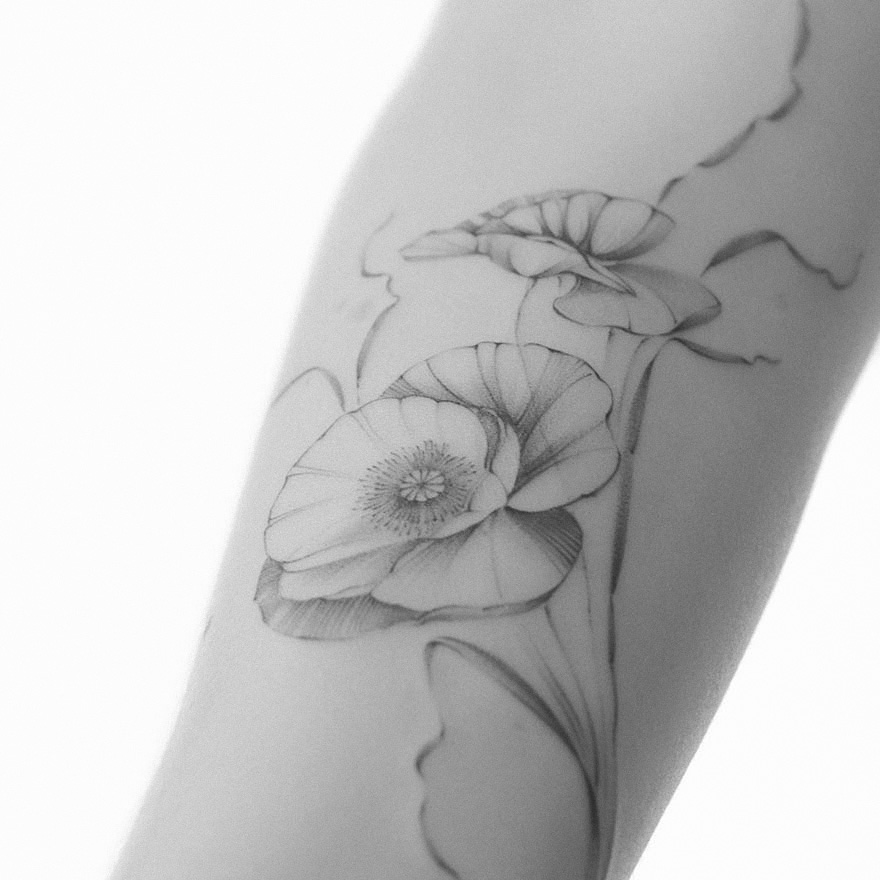
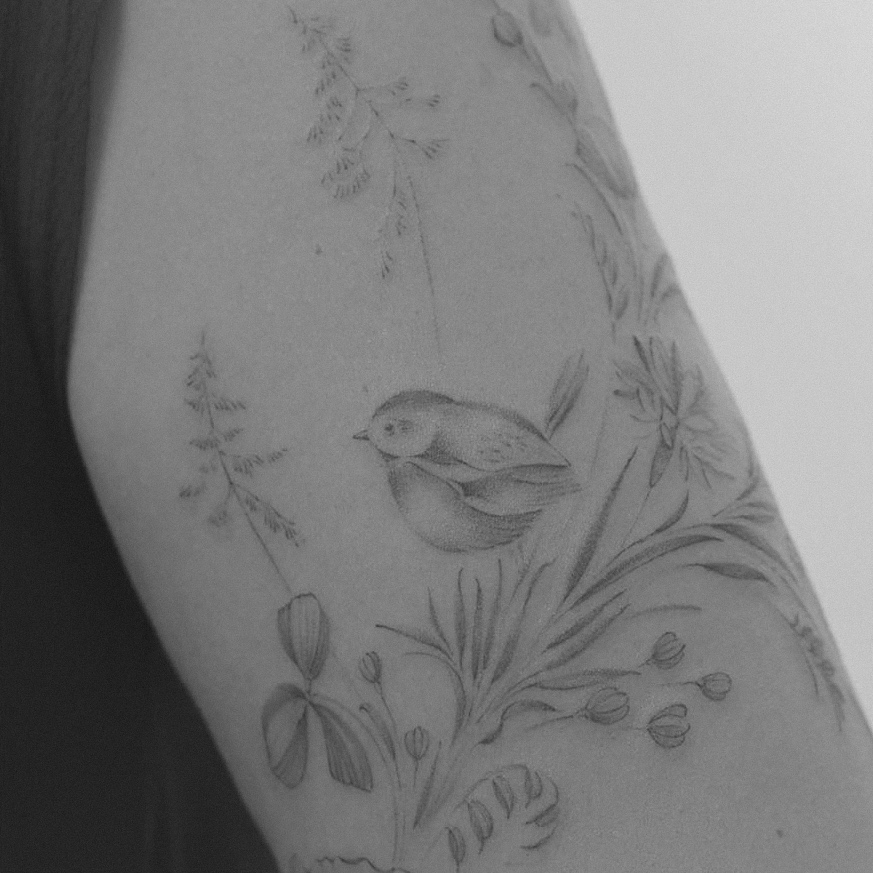
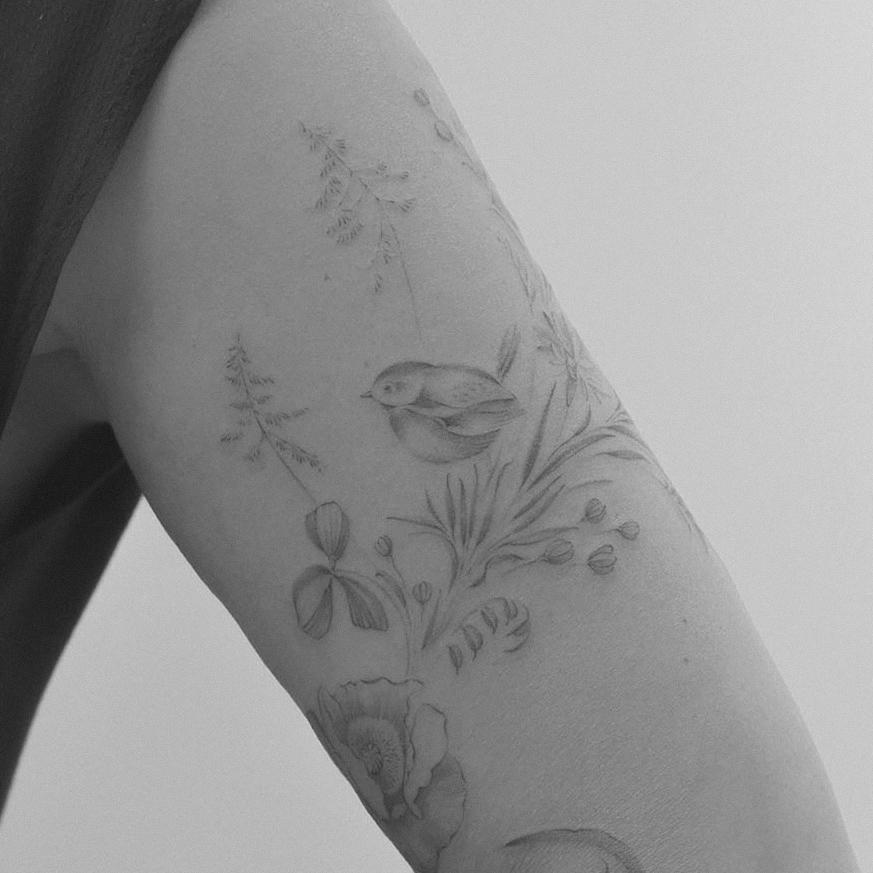
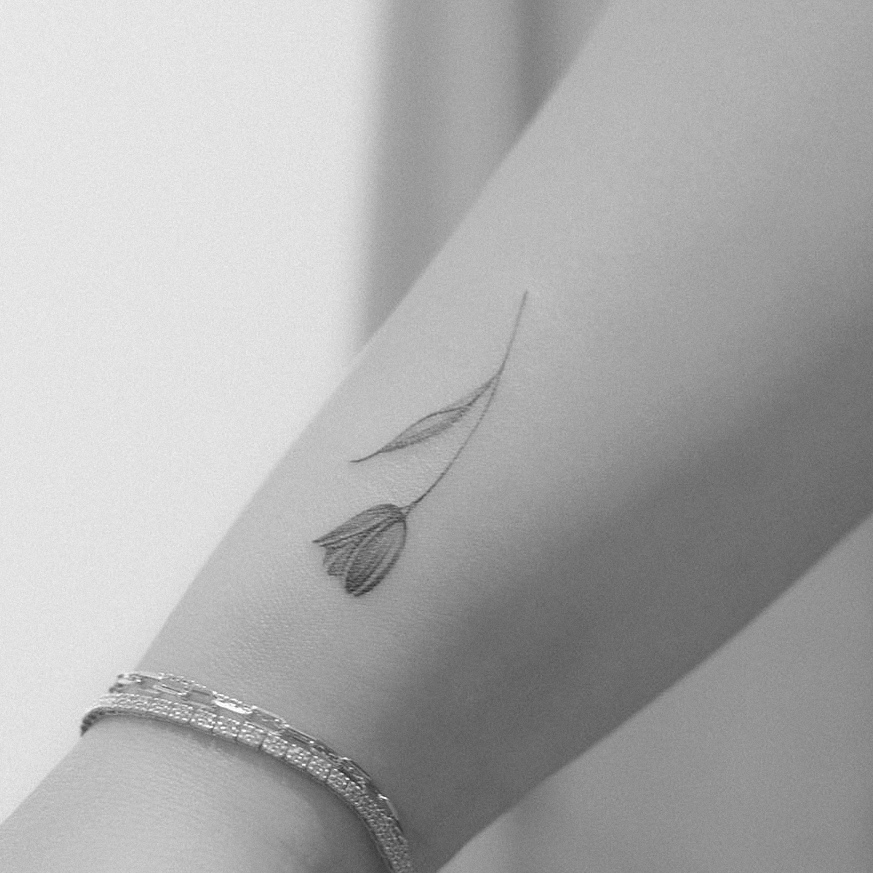
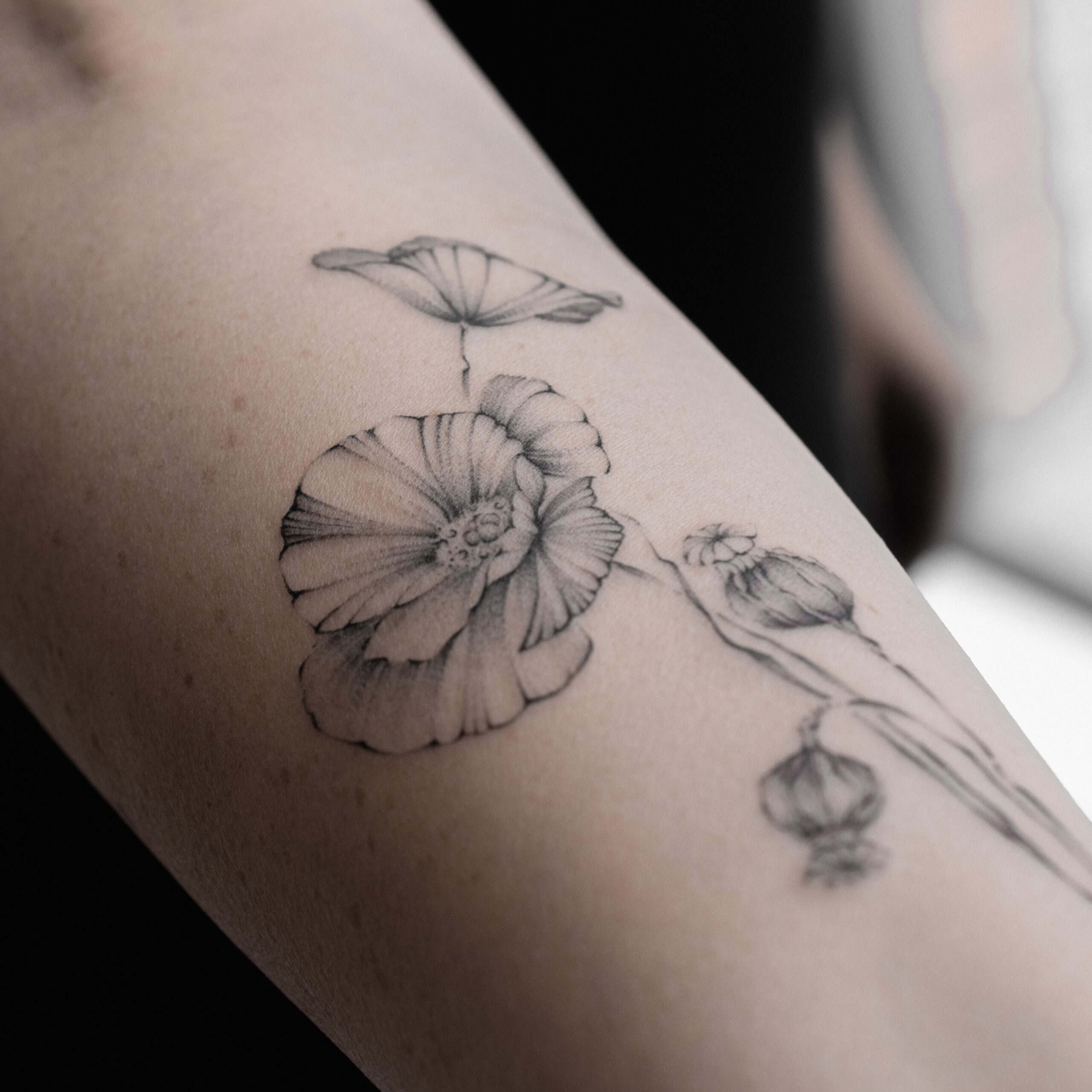
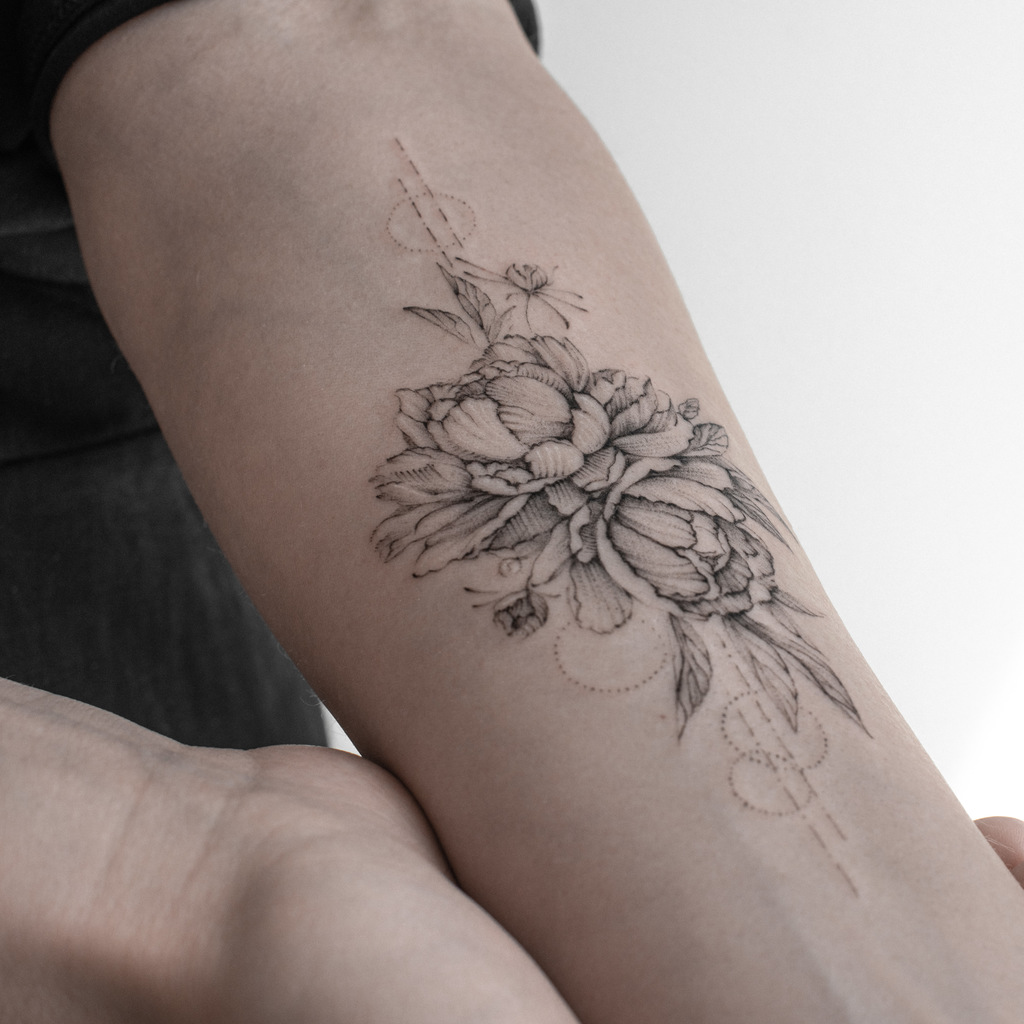
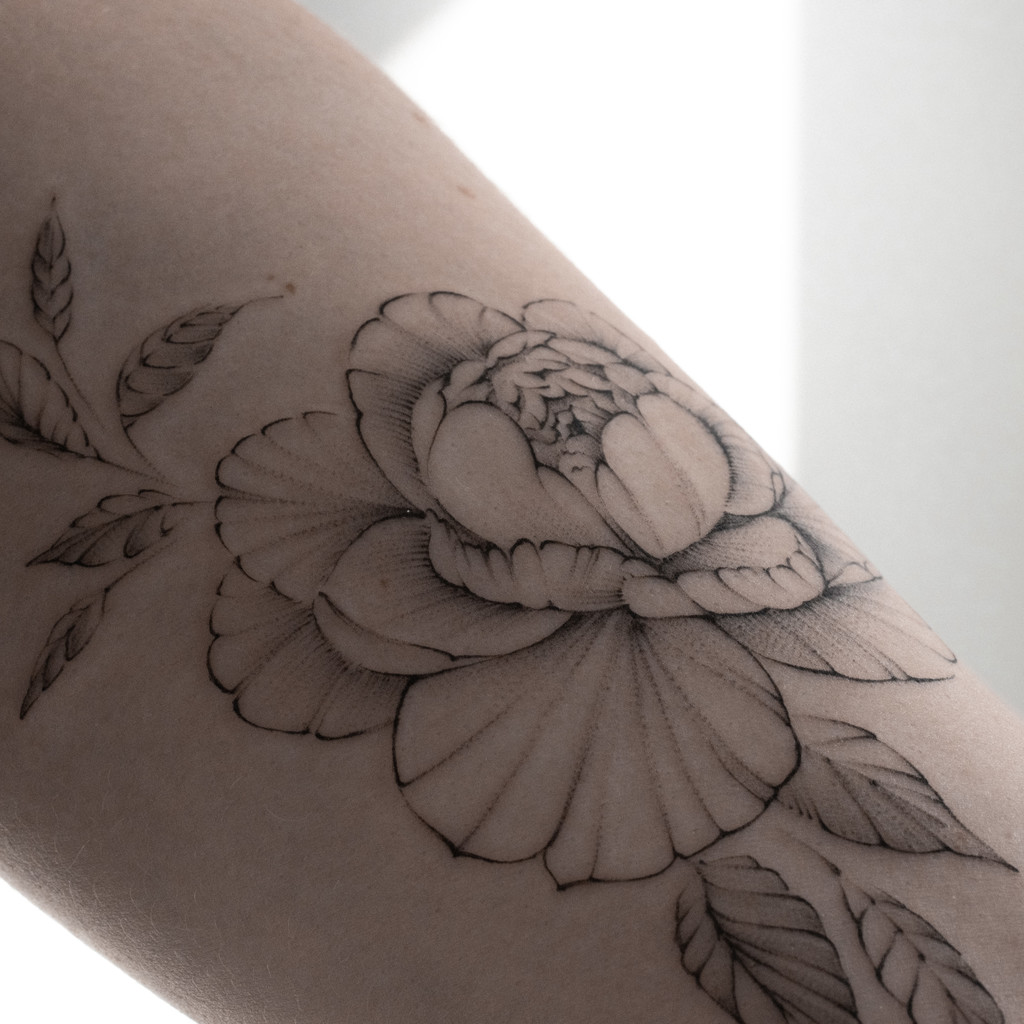
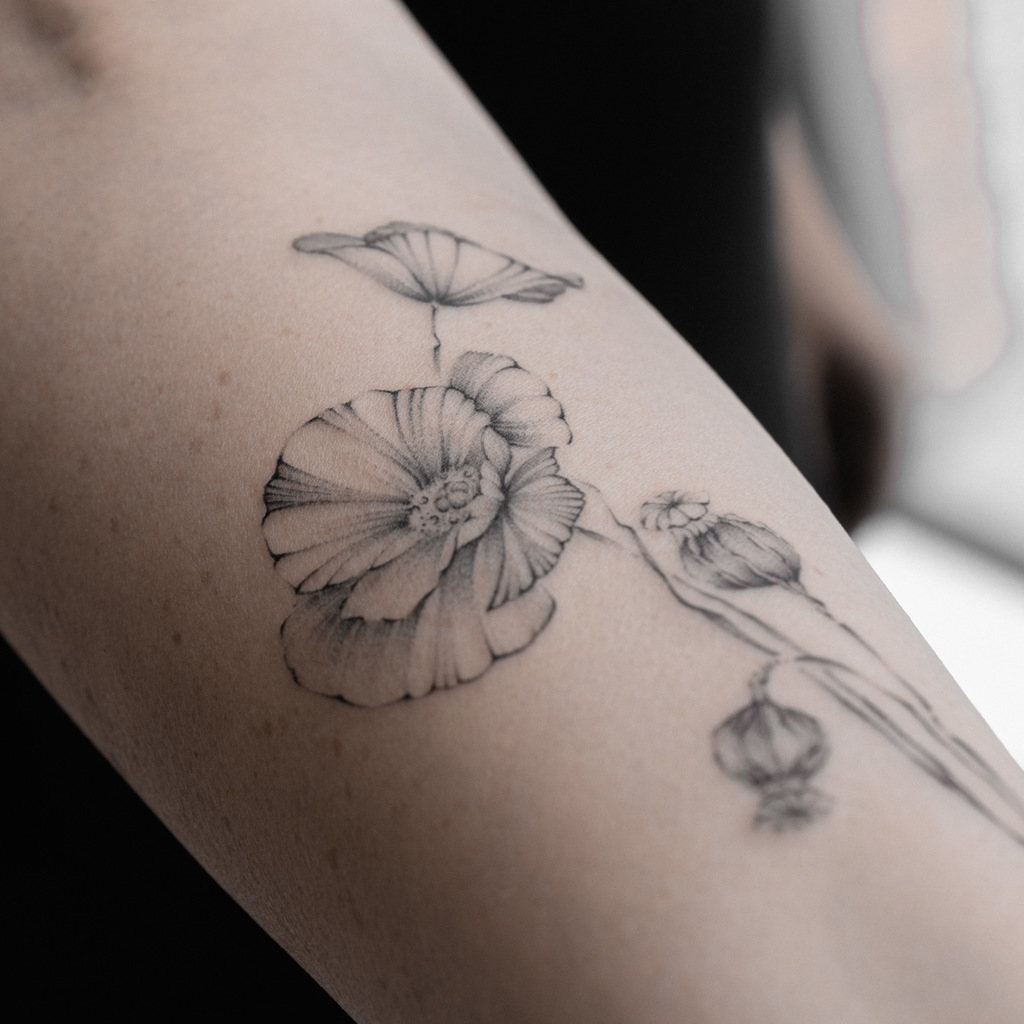
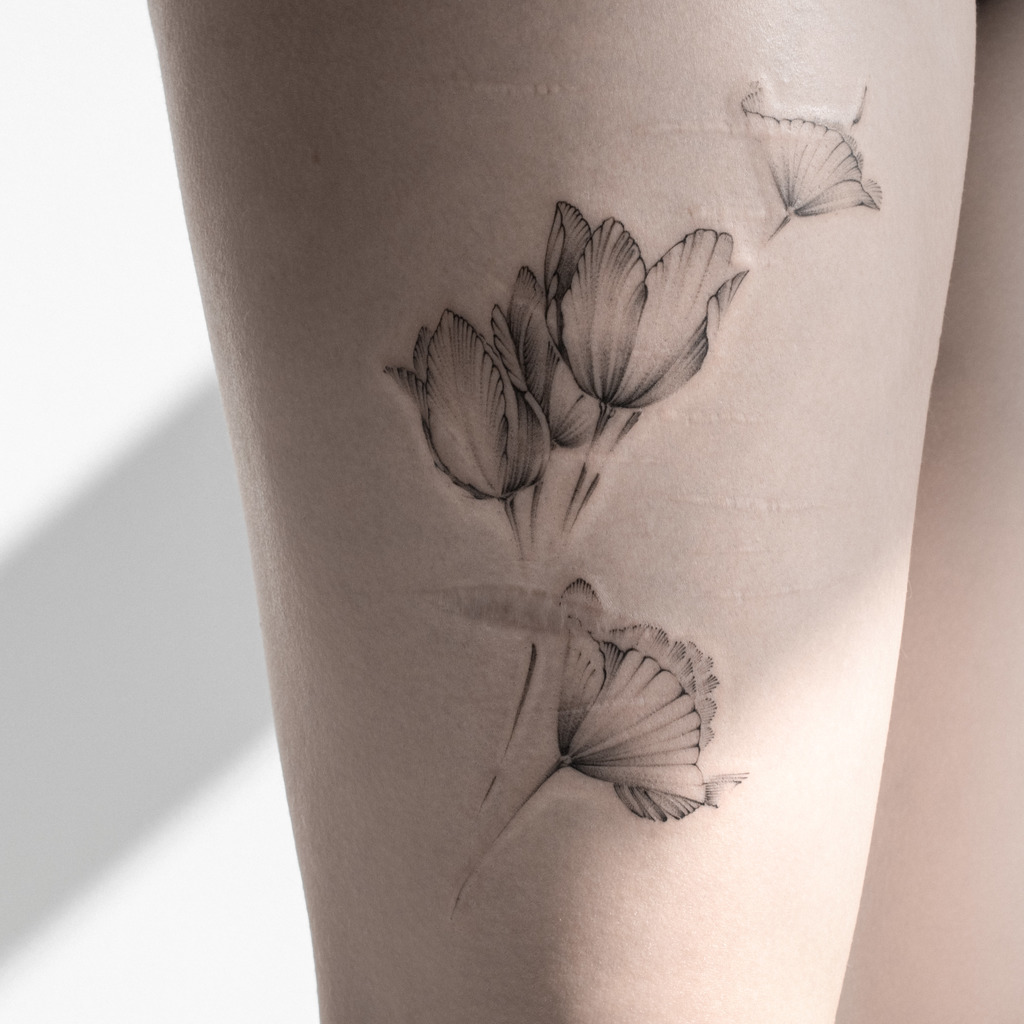
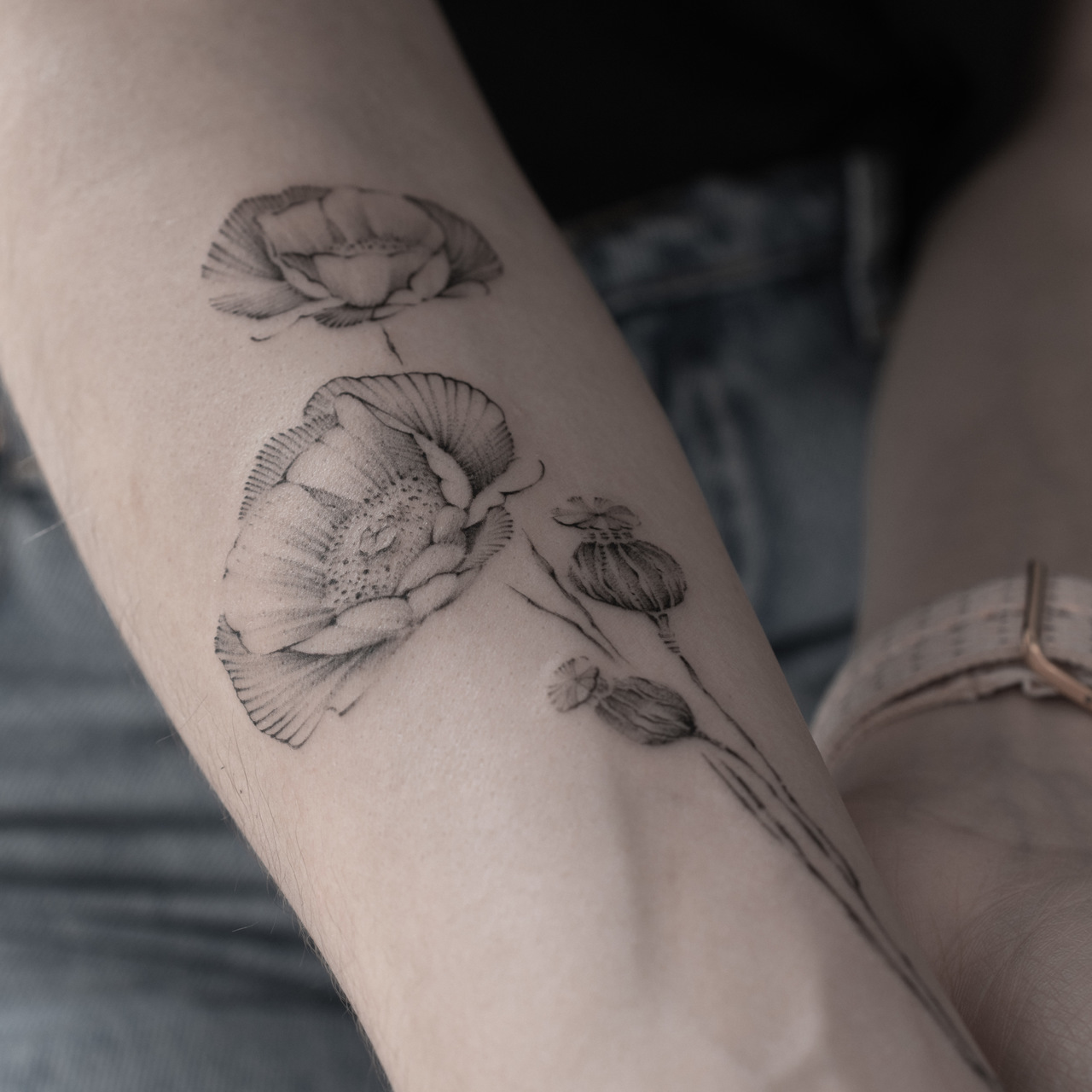
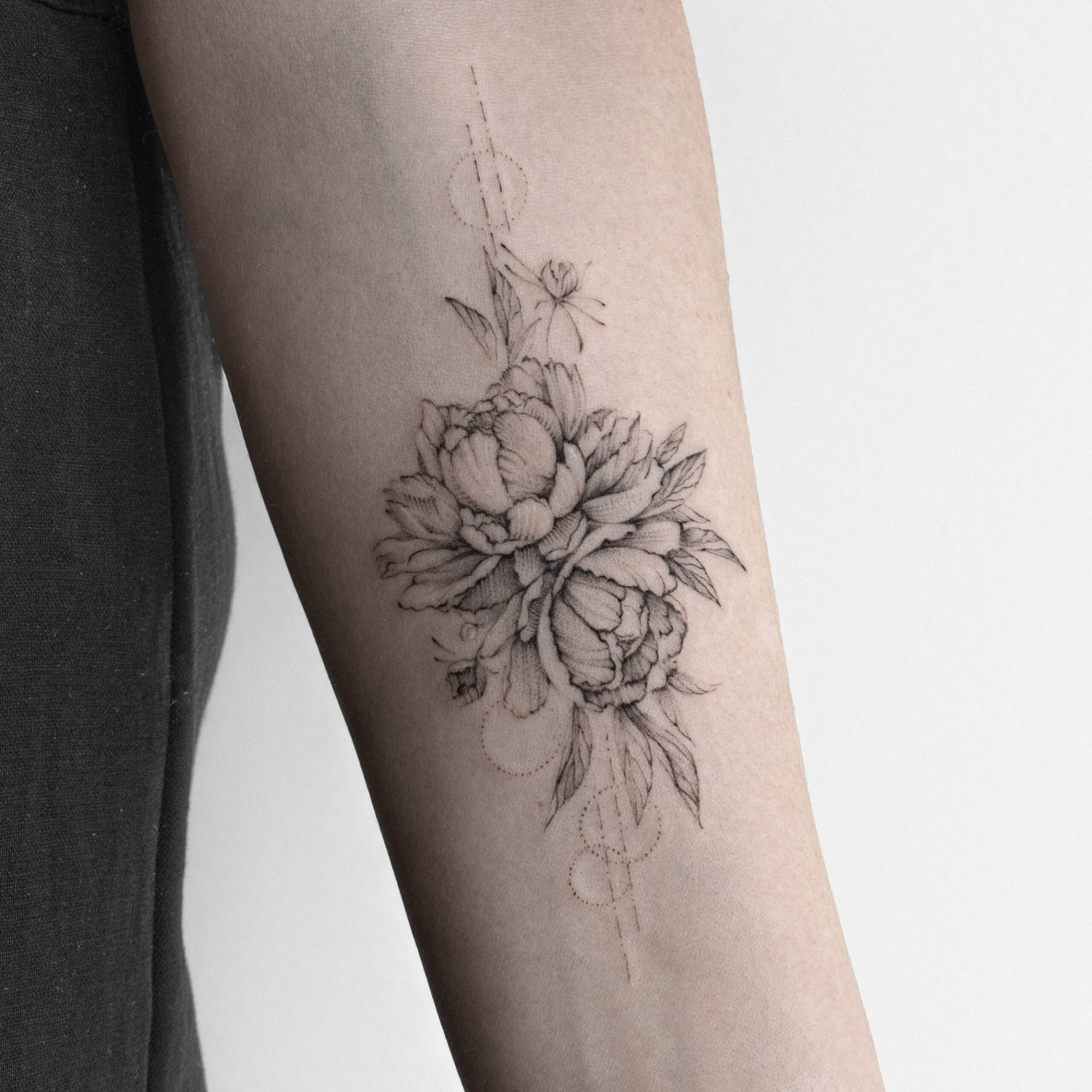
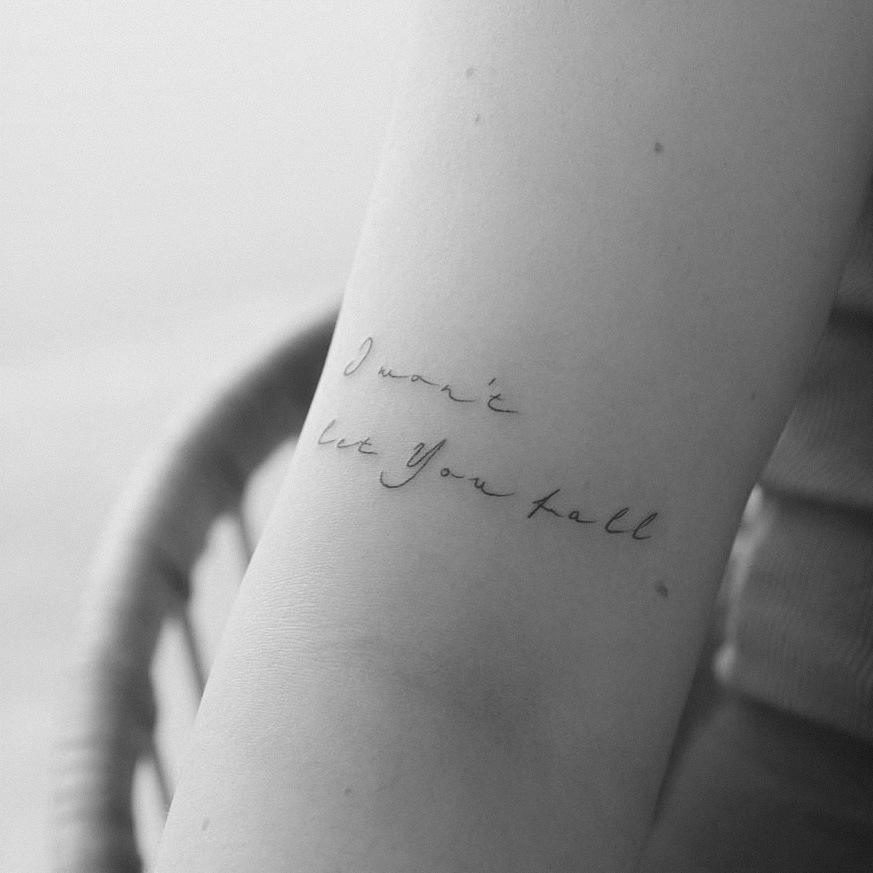
Among all the ways people leave marks, tattoos occupy a particularly interesting place. Unlike a painting hanging on a wall or a photograph stored in an album, a tattoo becomes part of the individual who wears it. For some people, a tattoo represents a memory. For others, it symbolizes a relationship, a value, a life experience, or an appreciation for art. Every tattoo tells a different story, but they all share one important quality: they transform something meaningful into something visible. What makes tattoos unique is that they are not primarily created for future generations. They are created for the person who carries them. A tattoo is less about leaving evidence for others and more about carrying meaning through one’s own life.
.
Why Physical Marks Still Matter
Modern technology allows us to create more records of our lives than ever before. Every day, millions of photographs, messages, videos, and digital memories are produced. Yet despite this abundance, physical forms of expression continue to hold special value. Books remain popular. Original artwork still attracts people. Handwritten notes feel personal. Tattoos continue to resonate with individuals across cultures and generations. Perhaps this is because physical objects offer something digital experiences often cannot. They possess presence. They occupy space in the real world. They age alongside us and become part of our lives in a tangible way. As a result, they often carry a different kind of emotional significance.
.
A Connection to the Vadelma Philosophy
At Vadelma Tattoo in Amsterdam, tattoos are often viewed not simply as decoration but as meaningful marks. Every tattoo begins with an idea, but over time it becomes part of someone’s personal story. Whether inspired by a memory, a value, a piece of art, or an important chapter in life, the final result represents something much deeper than ink on skin. Perhaps this is one reason tattoos have remained part of human culture for thousands of years. They connect us to an ancient tradition while remaining deeply personal and individual. Each tattoo becomes a small reminder of what matters most to the person who wears it. If you are interested in exploring available tattoo projects, you can visit:
.
And if you appreciate art beyond tattooing, you can discover Natalie Vadelma’s museum-quality artworks and prints at:
Final Thoughts
Human beings have always left marks. From ancient cave paintings and handwritten letters to architecture, books, artwork, and tattoos, people continue searching for ways to preserve meaning and tell stories. These marks help us remember. They help us communicate. They help us connect with one another across time and distance. The forms may change, but the motivation remains remarkably consistent. We leave marks because we care about our experiences, our relationships, our ideas, and the moments that shape us. In the end, leaving a mark is one of the most human things we do. It is our way of saying that something mattered, and that perhaps it still does.
.
FAQ
Why do humans leave marks?
Humans leave marks to express identity, preserve memories, communicate ideas, and create lasting connections with experiences and other people.
What are examples of marks humans leave behind?
Examples include cave paintings, books, signatures, architecture, artwork, photographs, letters, and tattoos.
Why are tattoos considered personal marks?
Tattoos become part of the individual who wears them and often represent meaningful memories, values, experiences, or personal stories.
Why do people keep souvenirs?
Souvenirs help preserve memories and allow people to reconnect with meaningful experiences from their lives.
Why do physical objects often feel more meaningful than digital ones?
Physical objects have a tangible presence, age over time, and often create a stronger emotional connection than digital records.
Why We Leave Marks
The Human Desire to Leave Something Behind
Thousands of years ago, someone stood before a cave wall and placed a hand against stone. We do not know who that person was. They may have been an artist, a hunter, a parent, or simply someone living an ordinary life. What we do know is that their handprint survived. Across centuries and millennia, it remained as evidence that a human being once stood in that exact place.
When we encounter those ancient marks today, we experience something remarkable. Despite the enormous distance in time, the gesture feels familiar. It reminds us that the people who lived thousands of years ago were not so different from us. They wanted to express themselves, communicate something, and leave a trace behind.
Perhaps that is because the impulse behind those handprints still exists today. Human beings have always left marks. Not only on cave walls, but on paper, stone, buildings, objects, and even on their own bodies. Throughout history, people have searched for ways to preserve memories, express ideas, and create something that lasts beyond a single moment.
.
More Than a Trace
At first glance, leaving a mark may seem like a simple act. A signature on a document, a note written inside a book, a photograph taken during a journey, or a painting created in a studio can all appear ordinary. Yet these actions often represent something deeper. Every mark tells a small story. It says, “I was here.” It says, “This mattered to me.” Sometimes it says, “I want to remember this.” Other times it says, “I want others to remember.” Marks allow us to transform fleeting experiences into something tangible. They give shape to memories that might otherwise fade and provide a way to hold onto moments that would eventually disappear. In this sense, leaving a mark is not really about permanence. It is about meaning.
.
The First Human Stories
Long before written language existed, people were already creating visual records of their lives. Ancient cave paintings discovered across Europe, Asia, Africa, and Australia reveal that our ancestors were interested in much more than survival. They painted animals, symbols, patterns, and scenes that carried cultural and personal significance. These images continue to fascinate us because they feel like messages from another world. Although we cannot always understand their exact meaning, we recognize the human desire behind them. The people who created these works wanted to communicate something. They wanted to share an idea, tell a story, or preserve a moment. In many ways, these early artworks were among humanity’s first attempts to speak to the future.
.
Marks and Identity
As civilizations developed, marks became closely connected to identity. People created signatures, artists signed paintings, craftsmen marked their work, and families developed symbols that represented their history and values. These marks helped identify who created something, who owned it, and where it belonged. Even today, a handwritten signature carries a sense of personality that a typed name rarely achieves. It contains subtle traces of the individual behind it. We value these details because they remind us that a real person was involved. This may help explain why people continue to appreciate handmade objects, original artworks, and personal forms of expression. Human beings naturally connect with evidence of other human beings.
.
Why We Keep Things
The desire to leave marks is closely connected to another universal habit: keeping meaningful objects. Most people own things that have little practical value but significant emotional value. Photographs, letters, books, souvenirs, tickets from memorable trips, and objects inherited from family members often become treasured possessions. These items serve as reminders of experiences, relationships, and moments that helped shape our lives. A souvenir is essentially a mark left by an experience. It allows us to revisit a memory long after the moment itself has passed. The object becomes a bridge between who we were and who we have become.
.
Art as Evidence of Being Human
Much of human creativity can be understood through this same perspective. Artists create paintings, writers produce books, architects design buildings, and musicians compose music. While each discipline is different, they all share something important in common. They leave traces. A painting becomes evidence of an idea. A building becomes evidence of a vision. A novel becomes evidence of a thought. Creative work allows people to communicate across time, connecting generations through shared experiences and emotions. This does not mean that every artist is trying to become famous or immortal. More often, creative work reflects a simple and deeply human desire to contribute something meaningful to the world.
.
The Unique Nature of Tattoos
Among all the ways people leave marks, tattoos occupy a particularly interesting place. Unlike a painting hanging on a wall or a photograph stored in an album, a tattoo becomes part of the individual who wears it. For some people, a tattoo represents a memory. For others, it symbolizes a relationship, a value, a life experience, or an appreciation for art. Every tattoo tells a different story, but they all share one important quality: they transform something meaningful into something visible. What makes tattoos unique is that they are not primarily created for future generations. They are created for the person who carries them. A tattoo is less about leaving evidence for others and more about carrying meaning through one’s own life.
.
Why Physical Marks Still Matter
Modern technology allows us to create more records of our lives than ever before. Every day, millions of photographs, messages, videos, and digital memories are produced. Yet despite this abundance, physical forms of expression continue to hold special value. Books remain popular. Original artwork still attracts people. Handwritten notes feel personal. Tattoos continue to resonate with individuals across cultures and generations. Perhaps this is because physical objects offer something digital experiences often cannot. They possess presence. They occupy space in the real world. They age alongside us and become part of our lives in a tangible way. As a result, they often carry a different kind of emotional significance.
.
A Connection to the Vadelma Philosophy
At Vadelma Tattoo in Amsterdam, tattoos are often viewed not simply as decoration but as meaningful marks. Every tattoo begins with an idea, but over time it becomes part of someone’s personal story. Whether inspired by a memory, a value, a piece of art, or an important chapter in life, the final result represents something much deeper than ink on skin. Perhaps this is one reason tattoos have remained part of human culture for thousands of years. They connect us to an ancient tradition while remaining deeply personal and individual. Each tattoo becomes a small reminder of what matters most to the person who wears it. If you are interested in exploring available tattoo projects, you can visit:
.
And if you appreciate art beyond tattooing, you can discover Natalie Vadelma’s museum-quality artworks and prints at:
Final Thoughts
Human beings have always left marks. From ancient cave paintings and handwritten letters to architecture, books, artwork, and tattoos, people continue searching for ways to preserve meaning and tell stories. These marks help us remember. They help us communicate. They help us connect with one another across time and distance. The forms may change, but the motivation remains remarkably consistent. We leave marks because we care about our experiences, our relationships, our ideas, and the moments that shape us. In the end, leaving a mark is one of the most human things we do. It is our way of saying that something mattered, and that perhaps it still does.
.
FAQ
Why do humans leave marks?
Humans leave marks to express identity, preserve memories, communicate ideas, and create lasting connections with experiences and other people.
What are examples of marks humans leave behind?
Examples include cave paintings, books, signatures, architecture, artwork, photographs, letters, and tattoos.
Why are tattoos considered personal marks?
Tattoos become part of the individual who wears them and often represent meaningful memories, values, experiences, or personal stories.
Why do people keep souvenirs?
Souvenirs help preserve memories and allow people to reconnect with meaningful experiences from their lives.
Why do physical objects often feel more meaningful than digital ones?
Physical objects have a tangible presence, age over time, and often create a stronger emotional connection than digital records.